
News


Gallery 1
There’s something about the bush that strips people back to who they really are. Maybe it’s the lack of phone reception. Maybe it’s the dust, the firelight, or the quiet hum of a diesel idling after a long day on the tracks. Or maybe it’s just that, out there, the masks come off.
For many in the four-wheel-drive and camping community, the bush isn’t just a playground. It’s a reset button – a place to clear your head, slow down, and escape the noise of everyday life. But it’s also where the cracks start to show, where thoughts you’ve been burying finally get some airtime.
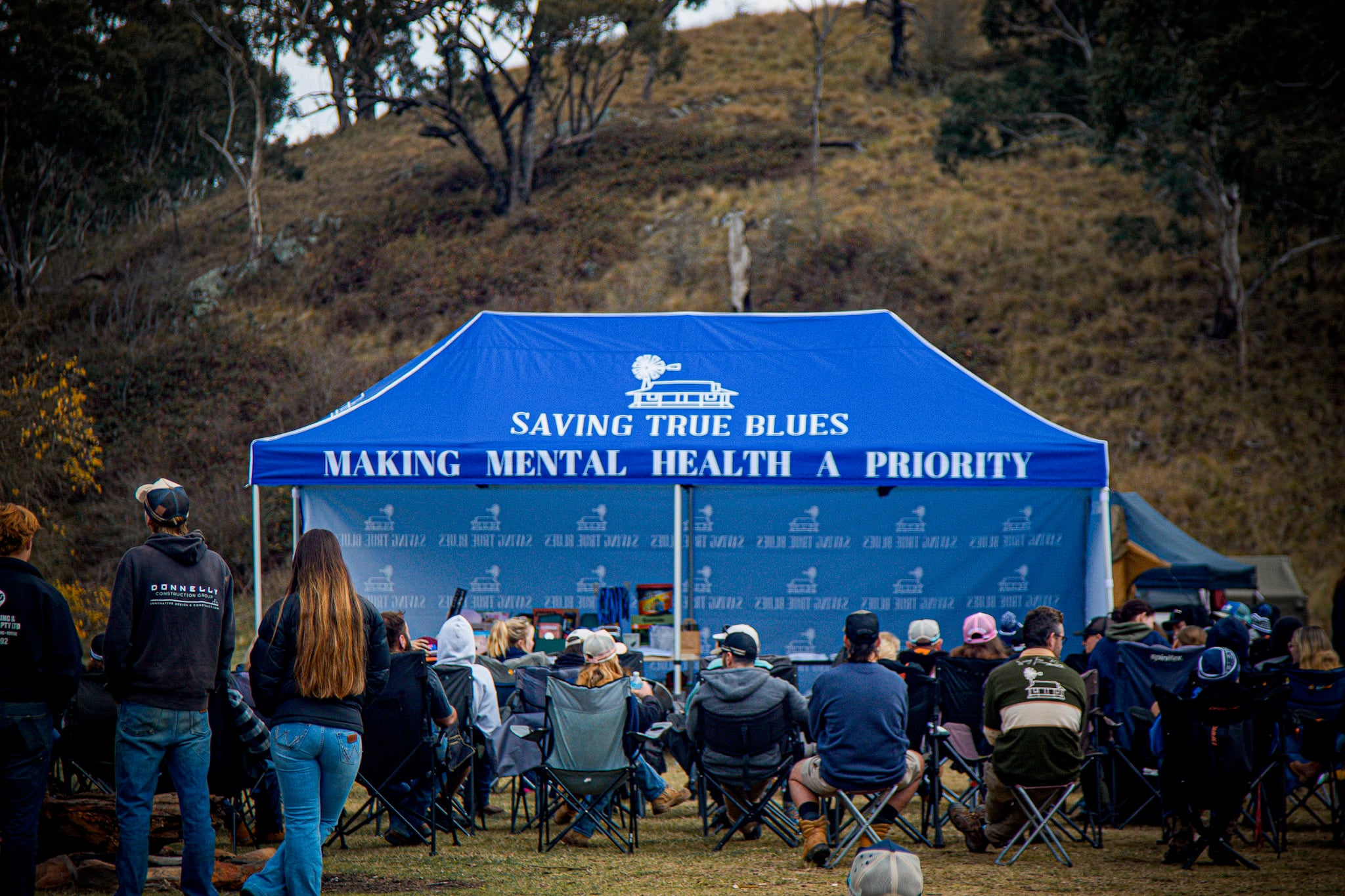
That’s exactly where Saving True Blues (STB) comes in. Not in a clinical way. Not with pamphlets or lectures. But around a campfire, in a place where people already feel safe enough to be themselves.
1
What is Saving True Blues?
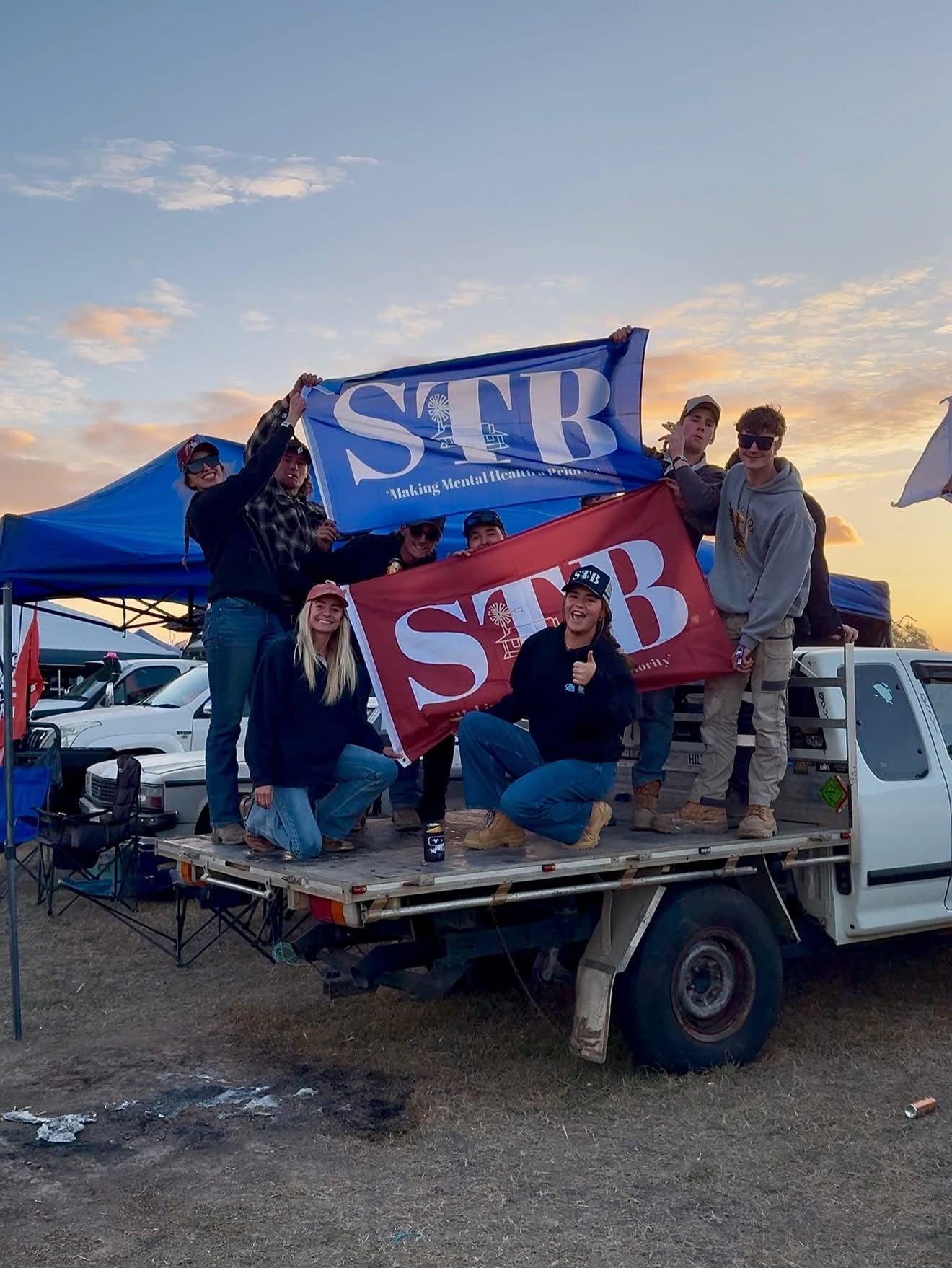
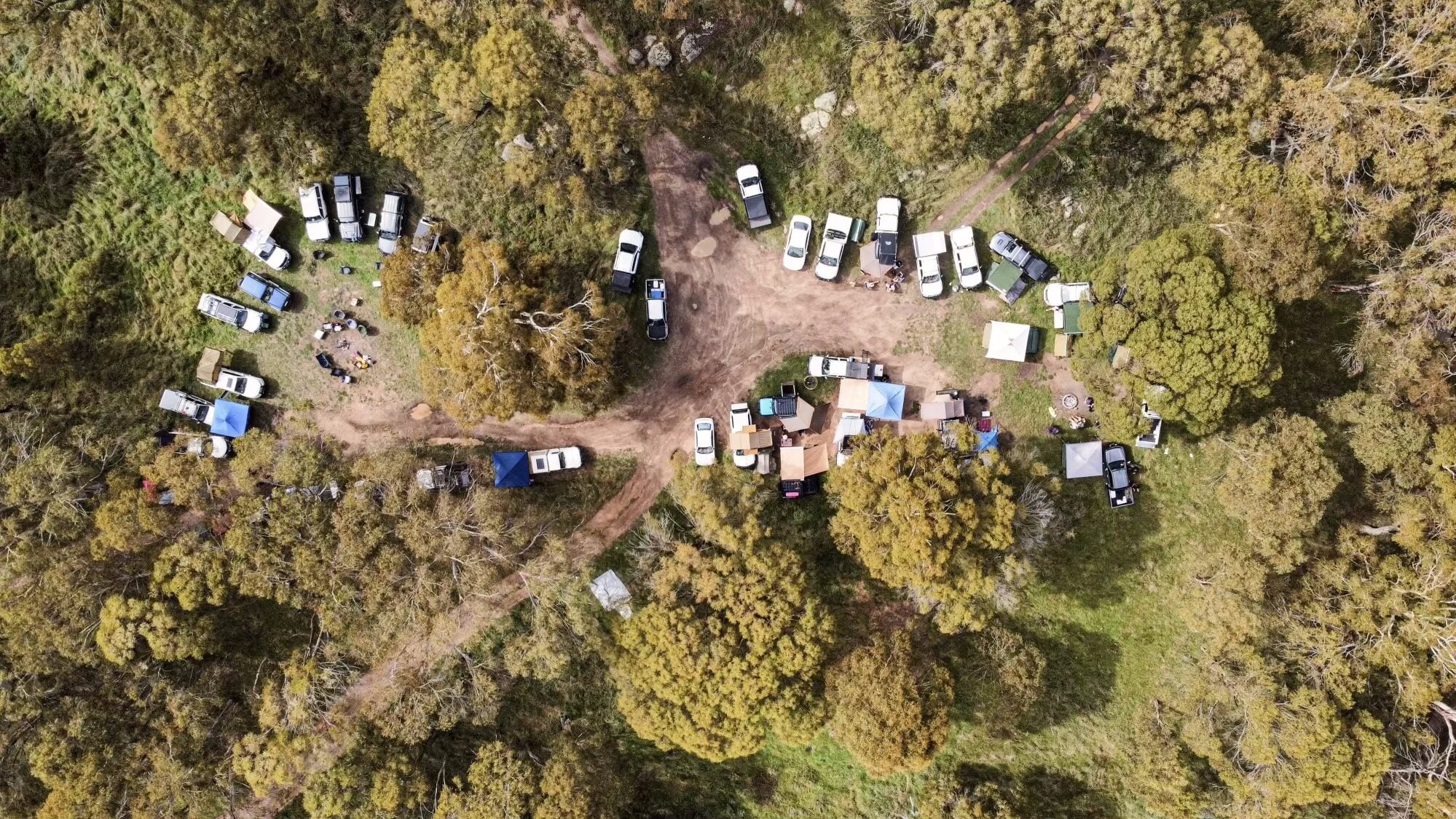
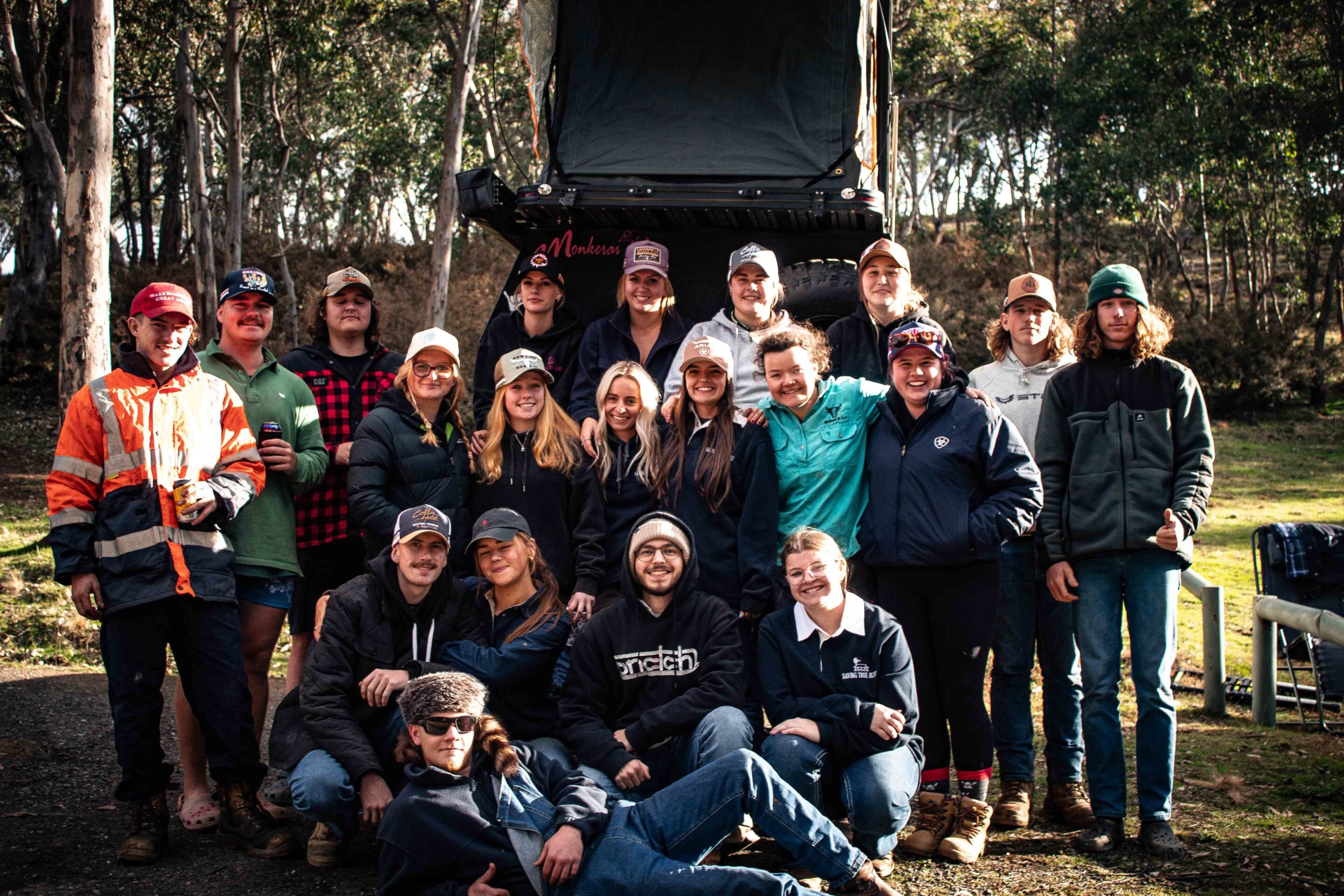
STB is a grassroots mental health and suicide prevention organisation built on one simple idea: Meet people where they already are. Not in an office. Not in a waiting room. But in the bush – on trips, at camps, in convoys – the same spaces where Aussies already open up, whether they realise it or not.
STB works within the camping, touring and 4×4 community to create environments where conversations happen naturally. No pressure. No judgment. No forced vulnerability. Just space: Space to talk, listen, or even just to sit quietly.
Founded on lived experience rather than theory, STB doesn’t pretend the bush fixes everything – but it recognises that, for a lot of people, it’s the only place they feel comfortable enough to start the conversation.
1
The story behind the mission
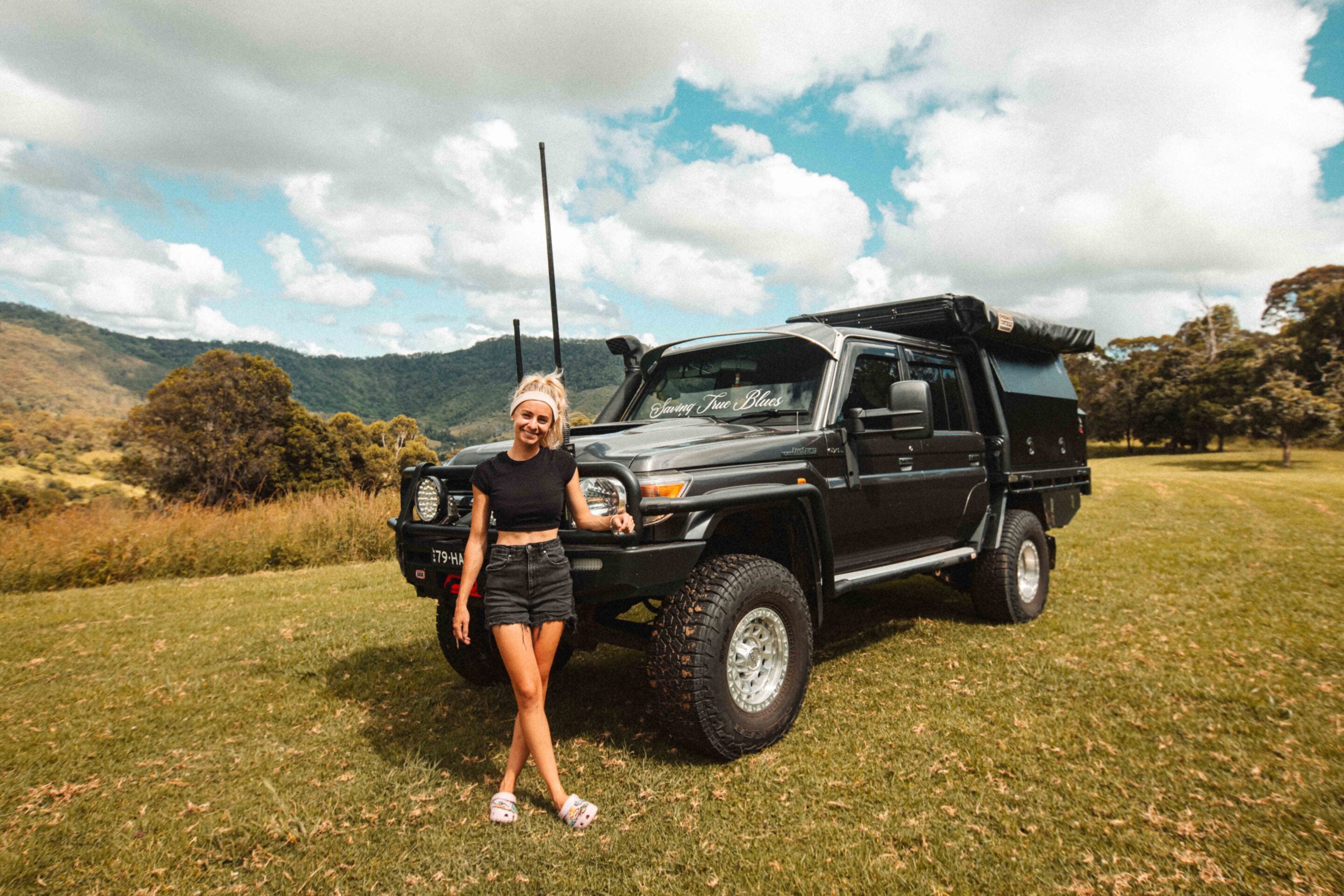
Lucinda Harvey didn’t set out to start a charity. She didn’t wake up with a business plan or a five-year strategy. What she had was grief – deep, personal, life-altering grief.
Lucinda lost a close friend to suicide. Like so many left behind, she was hit with questions that never really go away: Why didn’t I see it? What could I have done differently? How many others are carrying this quietly? That grief sharpened her view of the world. She noticed the gaps – places where people fall through unnoticed. Particularly strong, capable, outwardly “together” people in outdoors and adventure communities who were struggling quietly. People who could organise a trip across the Simpson but couldn’t bring themselves to say they were not okay.
She realised something important: These weren’t people avoiding help – they just didn’t feel like traditional help was built for them.
1
Why the 4×4 and camping community?
The camping and four-wheel-drive scene is full of good people – but it’s also full of unspoken rules:
- Don’t whinge.
- Harden up.
- Keep moving.
- Handle your own stuff.
Most of the time, that mindset works. It gets you through breakdowns, bad weather, long days and tough tracks. But when life throws something heavier – loss, isolation, stress, depression – that same mindset can become a wall.
Lucinda saw that the bush already did half the work. Out there, people talk differently; slower and more honestly. Conversations drift from tyres and tracks into work, family, relationships – and eventually, if the space is right, into the stuff people don’t usually say out loud.
STB doesn’t force those moments. It protects them. Sometimes it’s a long chat by the fire. Sometimes it’s a quiet walk away from camp. Sometimes it’s just knowing you’re not the only one carrying something.
1
“You don’t have to be broken to belong here”
One of the most important things about STB is that it isn’t only for people in crisis. You don’t have to be at rock bottom. You don’t even have to talk.
STB exists just as much for mates, partners and families who want to understand how to support someone else. Prevention doesn’t start when someone is drowning – it starts when people feel connected, before things reach that point.
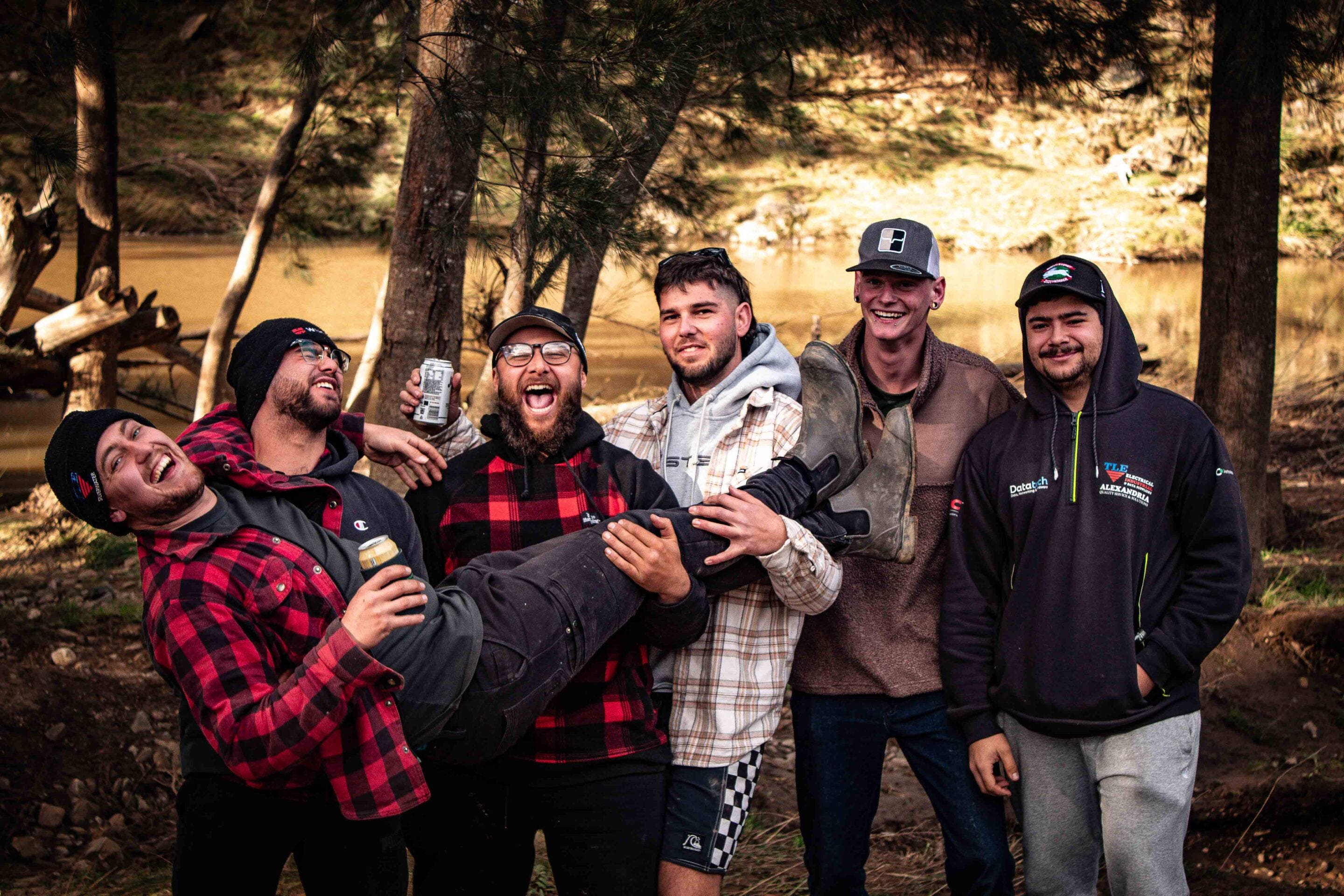
That’s why STB events look less like therapy sessions and more like good camping trips with good people, fun tracks, tasty food and honest conversations when they happen.
The role of the bush in mental health
There’s a reason so many head bush when life gets heavy. Out there, the noise drops away. Screens, deadlines and expectations fade into the background. Problems don’t disappear – but they feel more manageable.
The bush provides perspective. A bad week feels smaller under a wide sky. A hard conversation feels easier when you’re not boxed in by walls. Silence stops being awkward and starts being helpful. STB doesn’t claim the bush is a cure, but it understands its value. You can talk while walking, driving, cooking, or just staring into the fire. That freedom matters more than people realise.
1
Breaking the stigma without breaking people
STB doesn’t attack stigma head-on. It doesn’t shame people for not talking. It doesn’t label silence as failure. Instead, it changes the environment.
Vulnerability becomes normal, not spotlighted. Strength is redefined as honesty instead of toughness. Conversations happen naturally and quietly shift the culture. Lucinda leads by example, speaking openly about grief, loss and the messy reality of mental health. That authenticity sets the tone for everything STB does.
This matters because suicide remains one of the leading causes of death in Australia, especially among men in regional and rural areas – the very people who love the bush, work with their hands, and pride themselves on self-reliance.
STB doesn’t replace professional help. It works alongside it, creating bridges to support people who might otherwise never access help. Sometimes the first step isn’t calling a hotline – it’s sitting by a fire and quietly admitting things aren’t great. That step can save a life.

1
A community that’s more than a charity
At its core, STB is about belonging. About reminding people they’re not alone. That struggling doesn’t make them weak. That asking for help doesn’t cancel out strength, grit or resilience.
For the 4×4 and camping community, this message lands differently because it’s delivered from within. Lucinda didn’t create STB to fix people – she created it to stand beside them. Saving True Blues continues to grow – not through flashy campaigns, but through word of mouth, shared experiences and genuine connection. One conversation at a time. One trip at a time. One person feeling seen when they thought they weren’t.
In a world that moves fast, STB reminds us of something simple and powerful: Sometimes the most important journeys aren’t about where you’re going – but who you’re willing to sit beside along the way.
Follow 4X4 Australia on Google
Get more 4x4 news, reviews and gear stories from 4X4 Australia in your Google feeds.


We recommend
-
 Explore WA
Top 5 campsites on the Northern Canning Stock Route in Western Australia
We reveal the top five campsites along the northern section of the Canning Stock Route
-
 Explore
The best off-road trips in Australia: Our most memorable 4x4 adventures
To celebrate 500 issues of 4X4 Australia magazine, three editorial elders share their most memorable adventures
-
 Explore NT
Tackling the Finke River 4WD route
This route offers an exciting journey through the Finke Gorge National Park, showcasing stunning desert landscapes