Explore WA


Gallery 1
Australia’s most remote 4×4 adventure demands grit, patience and plenty of fuel.
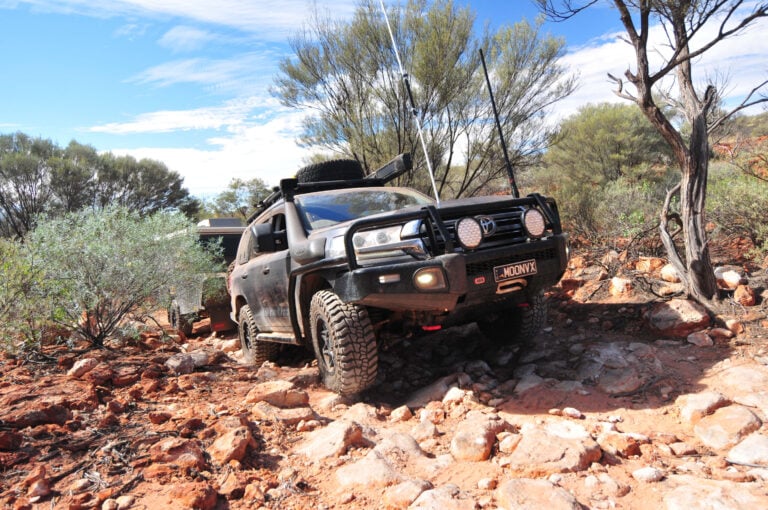
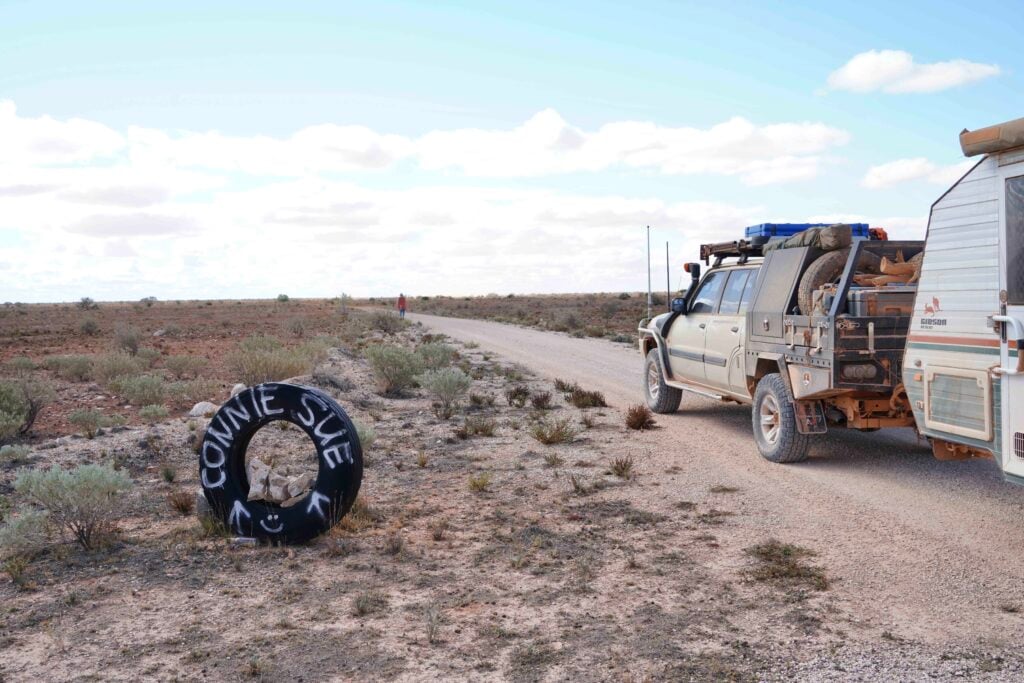
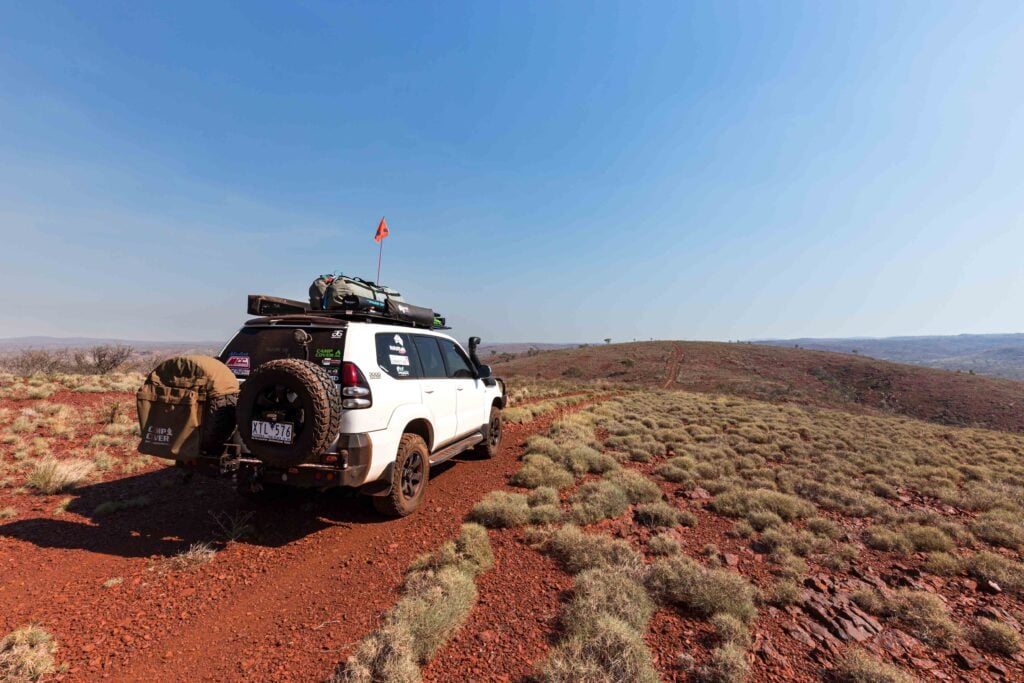
Every kilometre tests your planning, your rig and your resolve, but the northern Canning Stock Route rewards those who make the journey with raw, untouched beauty and camps that linger in memory long after you’ve left.
From tranquil desert lagoons to sweeping sand dunes, each stop offers a unique slice of the outback. Whether it’s a night under a sky blanketed with stars or a quiet morning by a waterhole, these five standout campsites showcase the best of what the route has to offer. They’re more than just stops; they’re experiences that deserve a place on every traveller’s bucket list 👇
JUMP AHEAD
- Stretch Lagoon
- Well 49
- Well 46
- Bush camp in the dunes
- Well 33
- Planning your CSR trip
- Top driving tips for the CSR
Stretch Lagoon: Where desert meets water
The beginning of the northern Canning Stock Route feels more like a secret oasis than a typical outback desert.
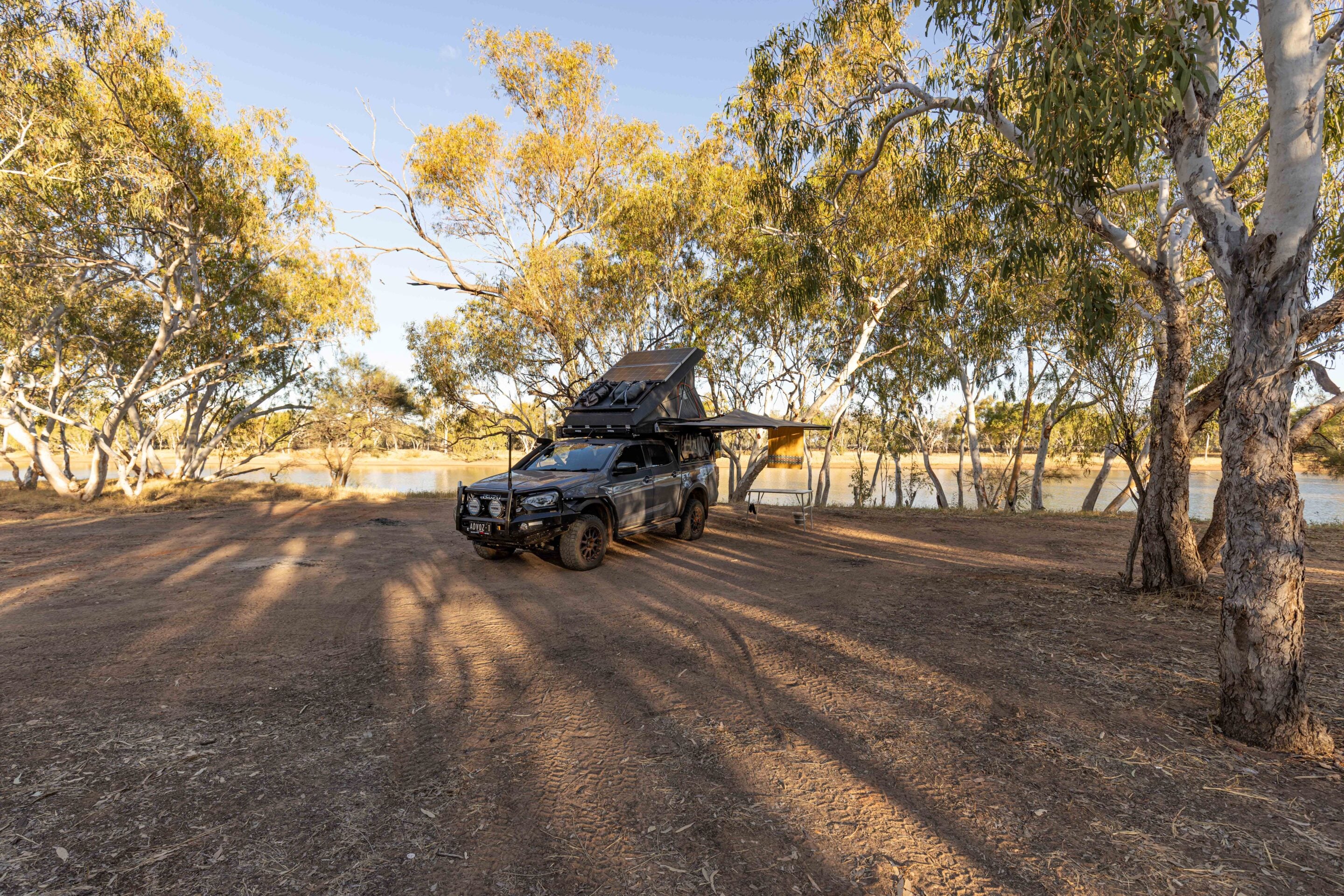
Near Billiluna, Stretch Lagoon is the perfect place to ease into the rhythm of this legendary adventure. Paperbarks fringe the edges, the water mirrors the vast Kimberley sky, and birdlife is abundant – you’ll likely wake to the calls of whistling kites and flocks of corellas.
Campsites are scattered along the banks, offering a mix of open areas for groups and more sheltered nooks for those chasing solitude. It’s the kind of place where you can set up early, crack a cold one and let the calm sink in before the CSR’s challenges begin. The lagoon reflects pastel dawns and fiery sunsets, making it one of the most photogenic camps before you push deeper into the desert.
1
Stretch Lagoon is also your last decent shake-down stop before you truly commit to the CSR. It’s a good chance to double-check your kit, tighten straps and mentally prepare for what lies ahead. Spend a night or two soaking in the tranquillity – you’ll be glad you did, because the road ahead is unforgiving.
- Why camp here: Beautiful, accessible and the perfect gentle start before the real challenge begins.
- Facilities: Drop toilet
- Best season: May to August (cooler weather, fewer mozzies)
- Highlights: Birdlife, sunsets, freshwater lagoon, last easy camp before the CSR
- Tips: Arrive early in the day to secure the best site along the water’s edge.
- GPS: Approx. 19°40′38″S, 127°35′10″E
Well 49: History written in dust
Just off the main track, Well 49 is one of those rare CSR stops that rewards you with both history and comfort.
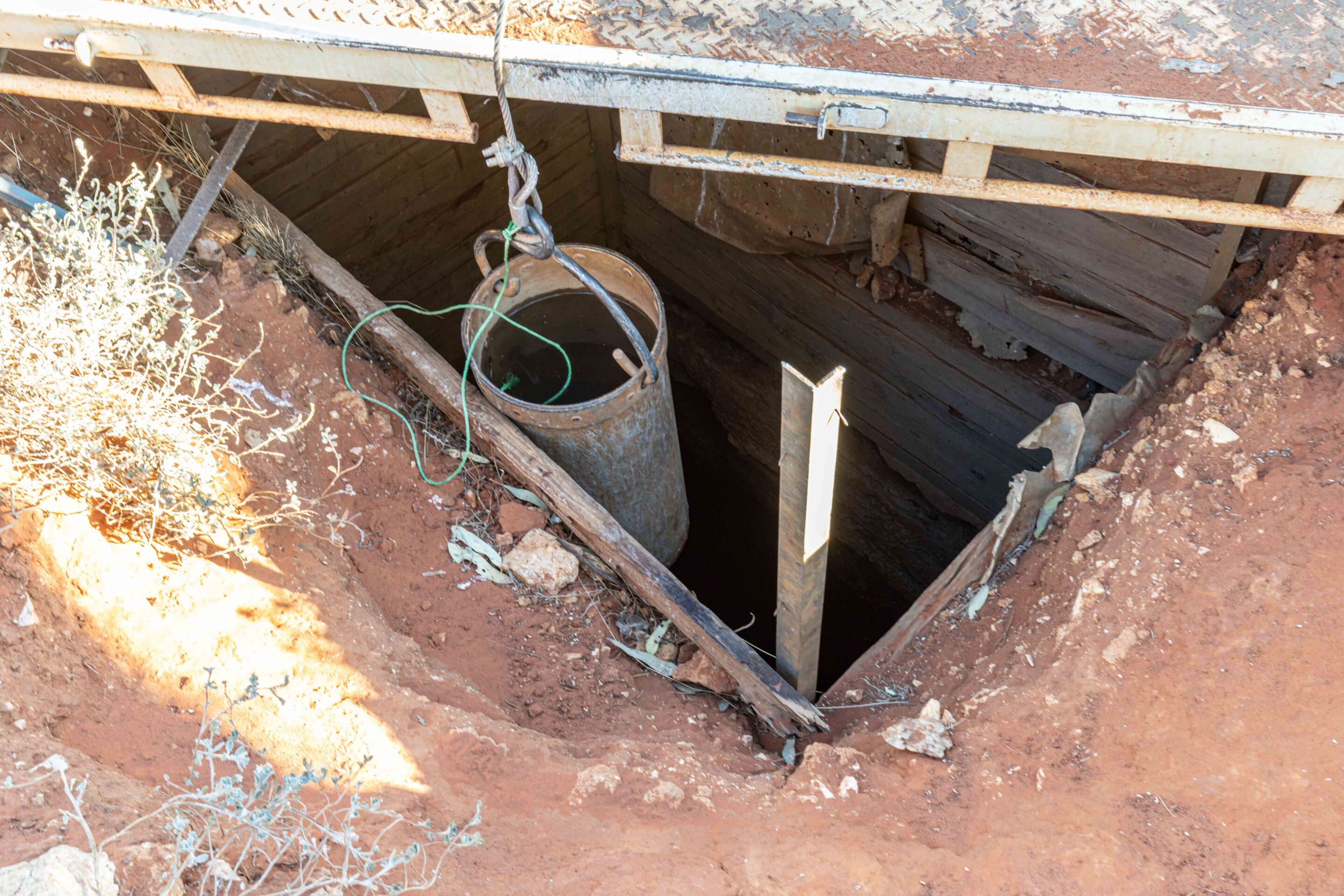
The restored well sits beside a shaded claypan fringed with gums, making it a popular camp for good reason. It’s easy to see why travellers pull in and stay a little longer – water, shade and a strong sense of place are in short supply along the route.
Well 49 is also home to the Lambu Ranger Station. If it’s manned when you arrive, expect to have your permit checked. It’s a good reminder that travelling the CSR means crossing Aboriginal land, and permit fees go back into caring for the wells and surrounding country. Rangers can sometimes provide updates on track conditions, water quality or news of what lies ahead, making a chat with them well worth your time.
1
History is never far away here. Jack Smith’s grave lies a couple of clicks west of the well, marking the resting place of one of the early drovers who worked this remote country. Smith was a well-known figure on the early 20th-century stock routes, remembered for his toughness and skill in managing cattle across the unforgiving desert landscape. He passed away aged 70 after falling from his horse, and visiting the grave provides a tangible connection to those who shaped life on the Canning Stock Route long before four-wheel drives arrived.
Timing your arrival makes a big difference. By mid-afternoon, the main camping spots can be busy, especially during peak season when convoys are moving north or south. Arriving early gives you the best chance of securing a flat spot near the well and ranger station, where you can set up camp, sort your gear and enjoy a quieter stretch before evening falls.
The well itself has been beautifully restored, hinting at the tough days of the stockmen who once relied on it. You can almost picture drovers pausing here with their cattle before pushing deeper into the desert. Today, it’s four-wheel drivers who gather, swapping yarns around the fire as galahs roost in the gums and the desert night closes in.
- Why camp here: A mix of history and atmosphere. Shady, flat ground makes it practical, while the restored well adds depth and context to your journey.
- Facilities: Clean water, compost toilets
- Best season: Winter months for cooler nights
- Highlights: Historic stonework, dingo calls at night
- Tips: Top up your water tanks – the water quality here is excellent.
- GPS: Approx. 20°9′51″S, 126°40′54″E
Well 46: Desert silence
Push another 100km or so along the CSR and you’ll find one of the most serene camps on the northern track.
Well 46 sits amid open plains dotted with white gums, offering a rare mix of shade and character in the desert. The well itself holds good drinking water, though drawing it by hand can be tricky. Travellers often share the task or wait for company to lend a hand – a subtle but welcome bit of social interaction along this otherwise remote route.
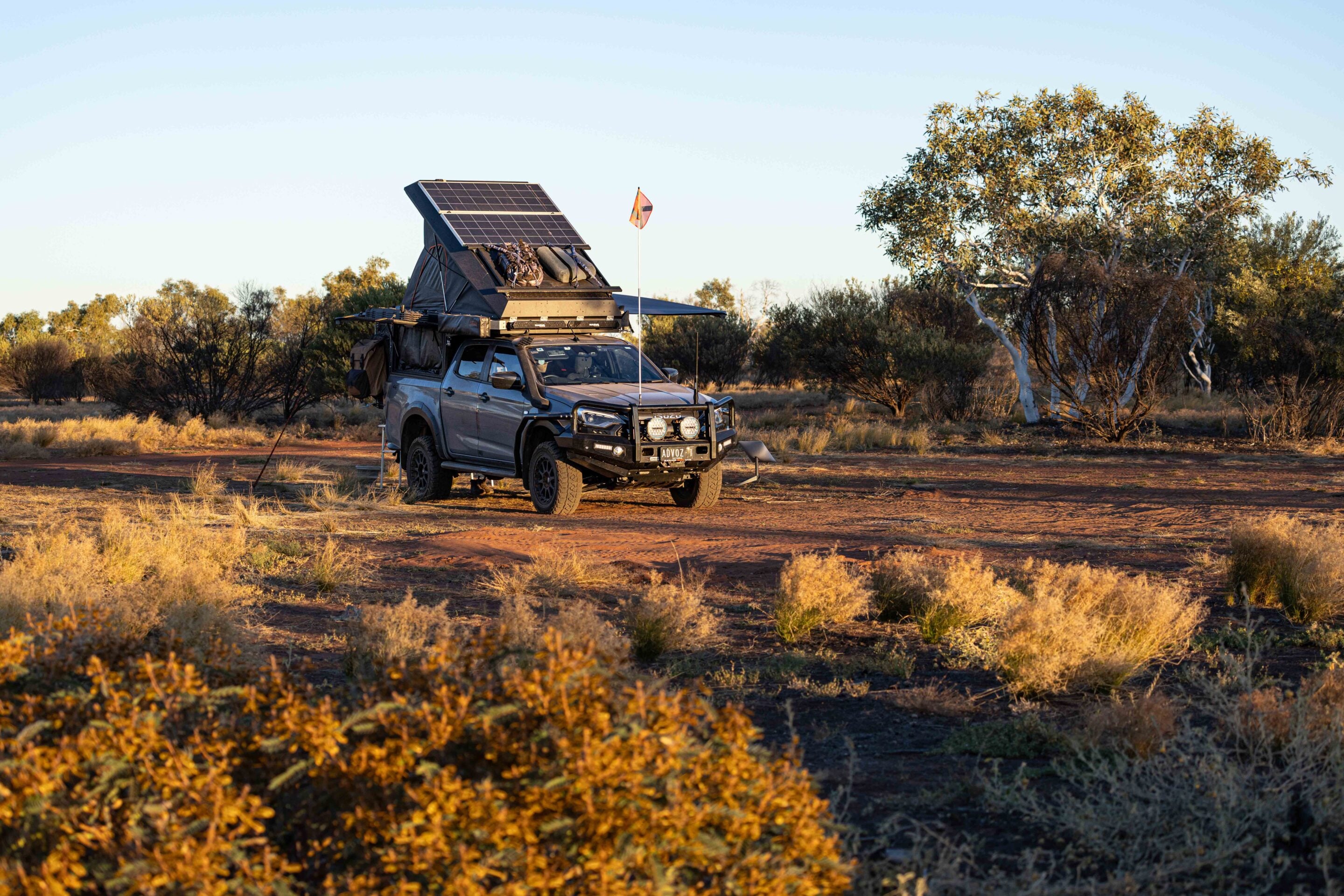
Camping here is highly regarded among four-wheel drivers, not just for the water but for the chance to pitch under the gums. They provide modest shade through the day and a natural frame for sunsets, casting long shadows across the sand and grasses as evening approaches. It’s the kind of spot that encourages you to slow down, check over the rig and soak in the unique desert stillness.
1
Wildlife can appear at any hour. On my visit, a lone bull camel grazed nearby at dusk and again at dawn, unbothered by human presence. Galahs, corellas and other desert birds are frequent visitors, adding colour and life to the quiet plains. Watching a camel move silently through the sparse vegetation is a reminder of the desert’s resilience – and its quiet surprises.
Practicalities here are simple but important. Flat, open spaces make it easy to roll out swags or pitch tents, and there’s plenty of room to spread out. The silence is profound, broken only by the wind through spinifex or the occasional call of a bird. For those seeking solitude and an authentic desert experience, Well 46 is one of the northern CSR’s most rewarding stops.
- Why camp here: Quiet, peaceful and brimming with outback character.
- Facilities: Restored well, visitor logbook, bush camp areas
- Best season: Wildflower bloom (after good rains) or May to August
- Highlights: Silence, star-filled skies, wildflowers, camaraderie around campfires
- Tips: Keep food secure from dingoes and don’t forget to sign the logbook.
- GPS: Approx. 20°38′31″S, 126°17′16″E
Bush camp in the dunes: True desert freedom
One of the joys of the CSR is that you don’t always need a formal campsite.
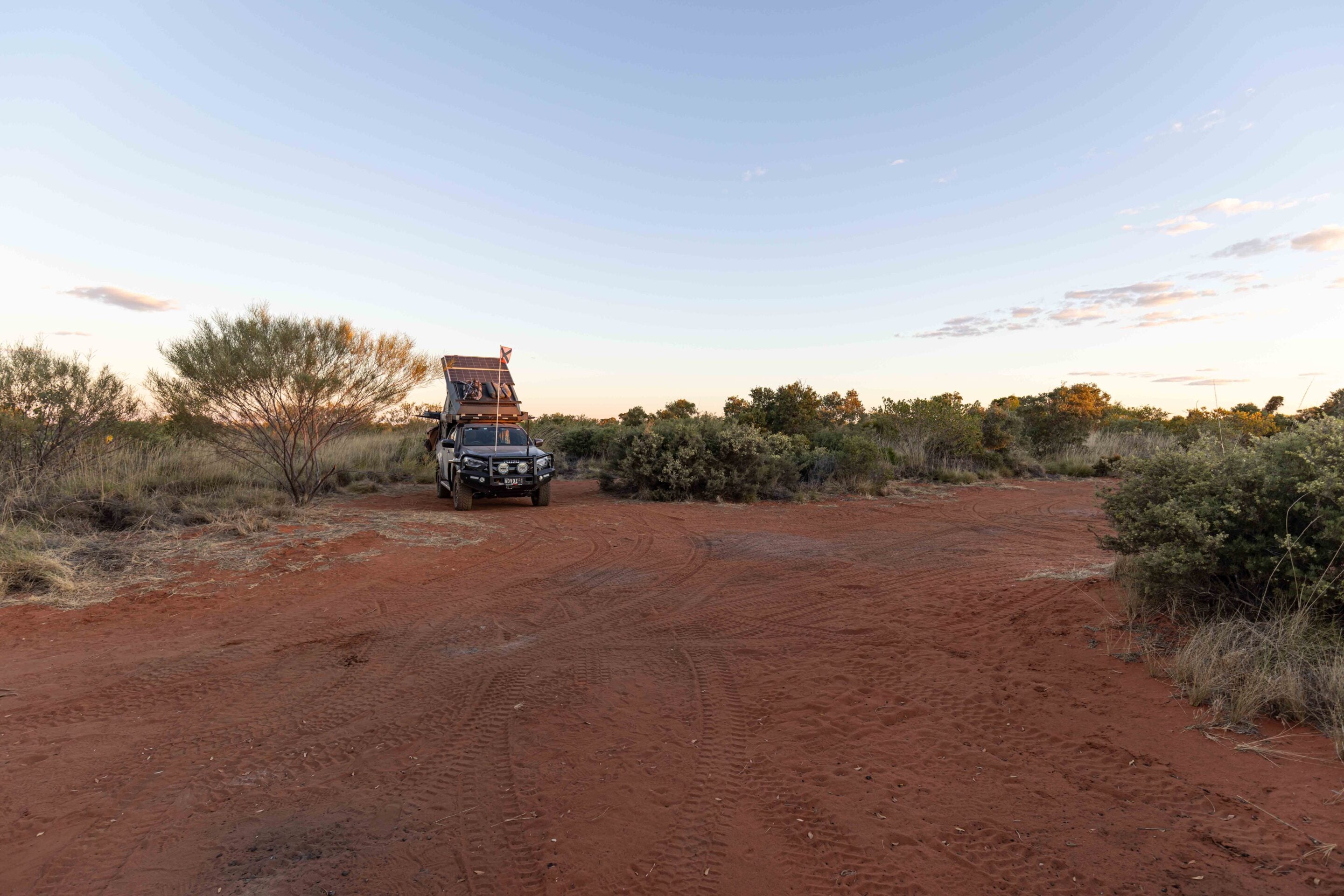
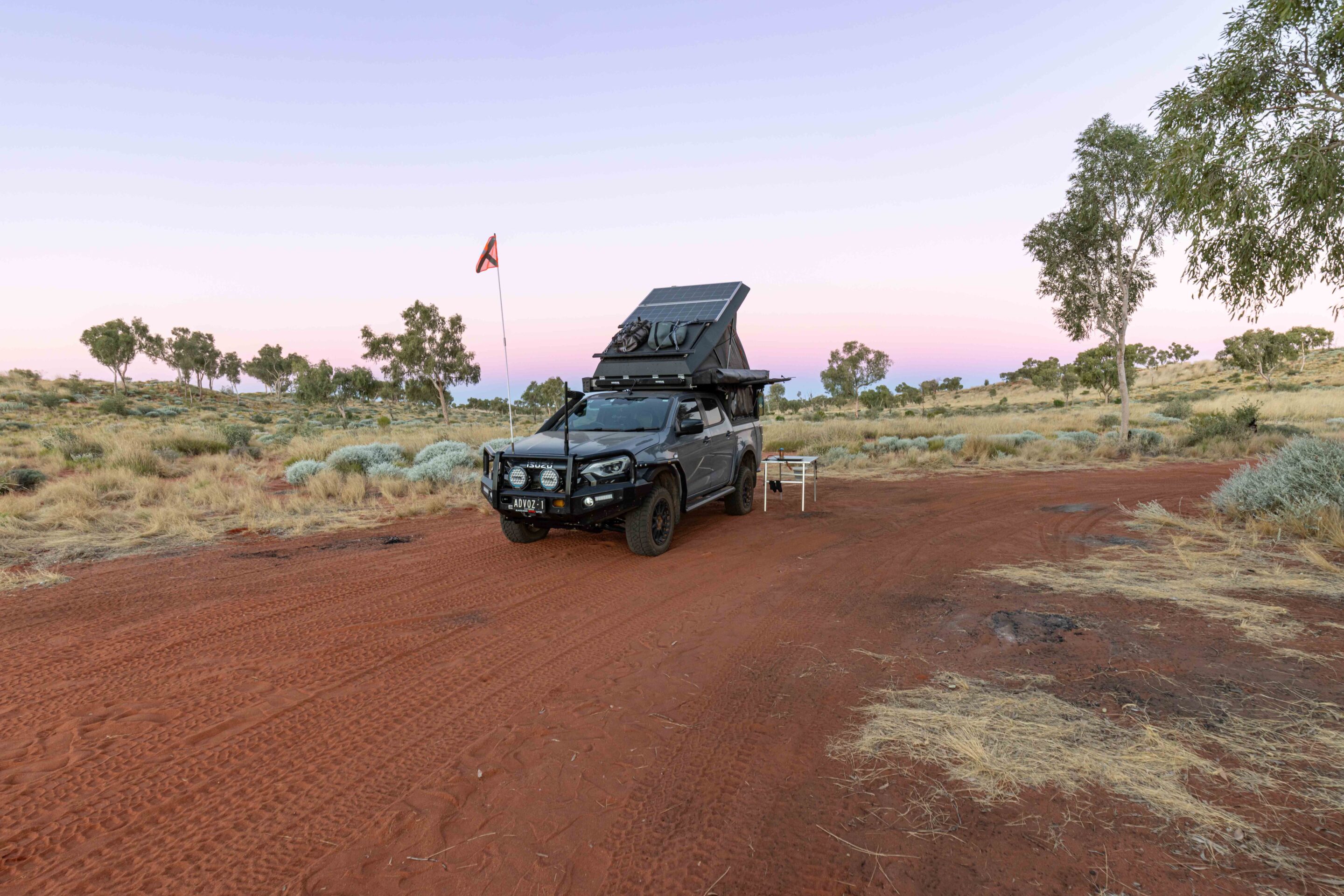
Some of the most memorable nights are spent bush camping among the endless red dunes. The stretch between Wells 46 and 38 offers ideal opportunities – just pull off the track, find a flat patch and set up under the stars.
There’s nothing quite like it. With no one around for hundreds of kilometres, you have the desert entirely to yourself. The sand glows deep orange at sunset, fading to purple as night sweeps in. Spinifex sways in the evening breeze and the silence is absolute. A simple fire, a swag and the company of the stars make this the Canning at its purest.
1
Bush camping demands responsibility. Follow Leave No Trace principles: carry out all rubbish, dig toilet pits well away from the track and avoid disturbing the fragile dunes. Respect the desert and it rewards you tenfold.
The freedom is addictive. Wake early and watch the first rays of dawn light up the dune crests while the chill of night still lingers. The vast open spaces, immense skies and total absence of human noise combine to create an unforgettable experience. Nights are silent, and the solitude gives you time to reflect on the journey so far and mentally prepare for the tracks ahead.
- Why camp here: Because sometimes the best campsite is no campsite at all.
- Facilities: None. This is pure bush camping
- Best season: Cool, dry months when fires are manageable
- Highlights: Absolute solitude, fiery sunsets, big skies, morning dune light
- Tips: Leave no trace, choose firm ground and avoid damaging spinifex clumps.
- GPS: Approx. 21°23′2″S, 126°49′28″E (typical dune country camp between Wells 46 and 38)
Well 33: A welcome resupply stop
After days of remote desert travel, rolling into Well 33 feels like stumbling into civilisation.
Located near the Kunawarritji Community, this spot is more than just a campsite – it’s a crucial resupply point where you’ll find fuel, food and a hot shower.
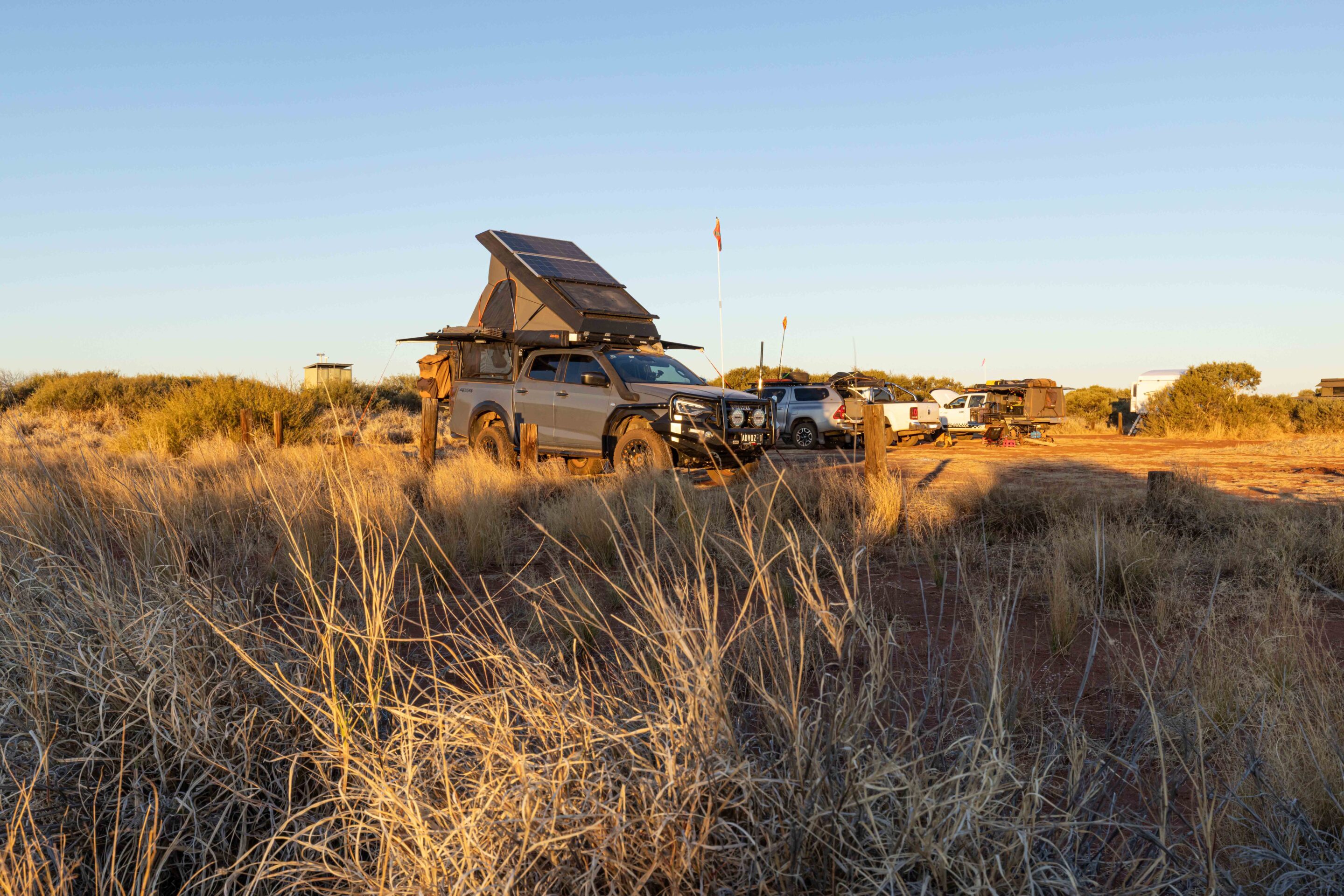
The campsite itself is basic but welcome, with cleared areas for vehicles, a drop toilet and access to clear, clean water. The real drawcard, though, is the water tank fed by the windmill. Many travellers stop here to wash clothes and enjoy a proper rinse. After days of corrugations, sand and dust, a chat with fellow adventurers feels like pure luxury.
1
The Kunawarritji Community Store stocks essentials (and often a few treats), while 24/7 fuel bowsers make it simple to fill up. For many CSR travellers, Well 33 is the only chance along the entire route to touch base with people outside their convoy.
Despite the amenities, it’s still very much an outback camp. Nights are quiet, the stars are brilliant and the desert feels close by. Yet it’s also a place of safety – a reminder that even in the middle of nowhere, people live, thrive and support those passing through. Birds flock to drink from the tank overflow, and the occasional dingo might wander in for a sip.
For those tackling the CSR solo or running tight on fuel, Well 33 is a godsend. Stock up, check over your rig and swap notes with other travellers before plunging back into the desert.
- Why camp here: Practical, essential and surprisingly comforting.
- Facilities: Fuel, store, showers, good water, camping area
- Best season: Winter months (store and services may close seasonally)
- Highlights: Resupply point, hot shower, community connection
- Tips: Check store opening hours, carry cash and don’t miss the chance to refuel.
- GPS: Approx. 22°20′29″S, 124°46′30″E
Planning your CSR trip
- Permits: A Canning Stock Route permit is required from the Kuju Wangka website, covering access through Aboriginal lands and camping at wells.
- Best season: May to August – cooler temps, fewer flies and a reduced chance of summer storms. Avoid summer travel as it’s dangerously hot and often closed.
- Fuel range: Carry enough for at least 1000km between fuel stops. Fuel is available at Billiluna (north), Kunawarritji (Well 33) and Wiluna (south). If required, you can also top up at Punmu (Telfer Road) or Parnngurr (Talawana Track). Always confirm availability ahead of time.
- Supplies: The Kunawarritji Community Store (near Well 33) offers basic groceries, hot showers and flushing toilets. Beyond that, you’ll need to be fully self-sufficient.
- Recovery gear: Sand flag, Maxtrax, long-handled shovel, quality compressor, puncture repair kit and a complete spare-parts kit are essential. Expect heavy corrugations and deep sand.
- Comms: UHF is vital for dune approaches (ch 40). Satellite comms or a PLB are non-negotiable for emergencies.
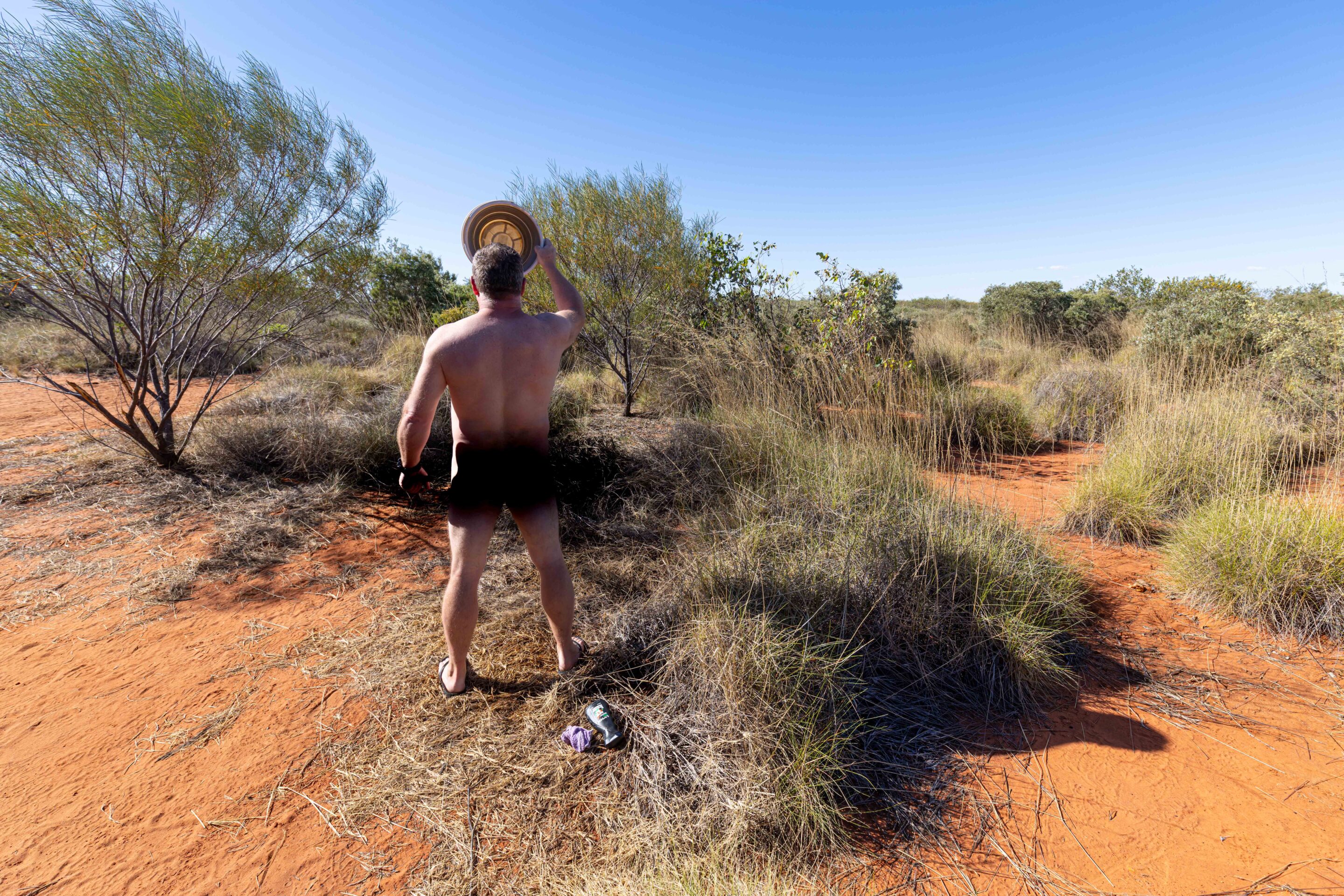
- Water: Some wells hold drinkable water, others don’t. Carry at least 100L and top up whenever possible. Always boil well water before drinking or use a Guzzle H2O or similar filtration device.
- Travel tip: Allow at least two weeks to drive the CSR properly. The track is tough, and the magic comes from slowing down, soaking in the desert and spending nights at unforgettable camps.
1
Top 5 CSR driving tips
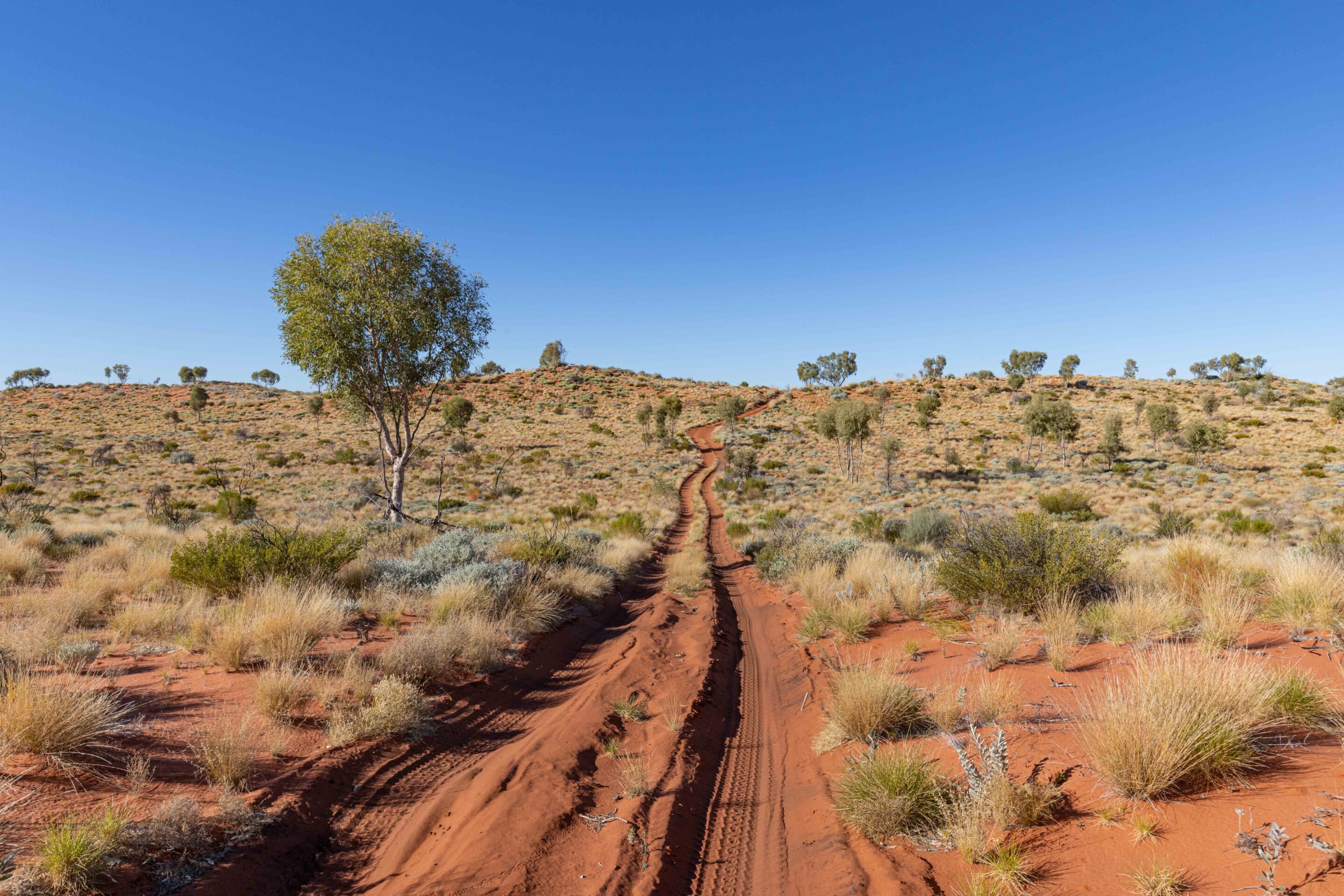
- Drop your tyres early: Don’t wait until you’re bogged. Lower pressures to around 20psi for sand and dunes – it’ll save your rig, the track and your stress levels.
- Fly the flag: A sand flag on the front of your vehicle is mandatory. Cresting dunes without one is asking for trouble.
- Call it out: Use UHF channel 40 and call before climbing dunes or approaching blind sections – “Northbound, cresting dune.” It’s simple, effective and could save a life.
- Mind the corrugations: They’ll test your suspension and your patience. Drop speed, avoid overloading and check mounts and bolts each night.
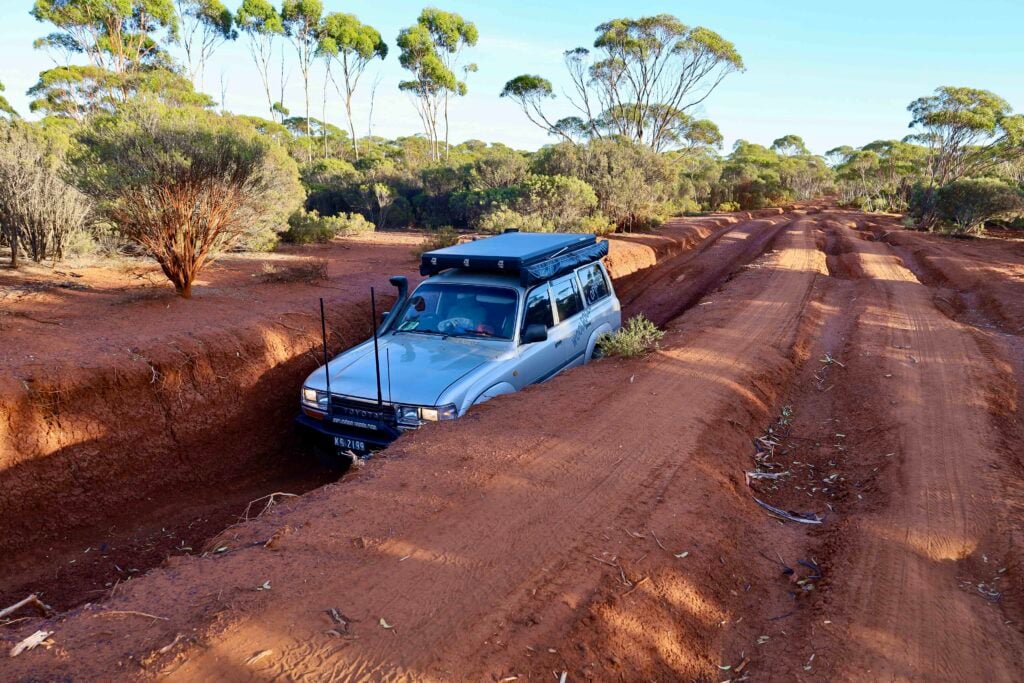
- Respect the track: The CSR is remote and fragile. Stick to existing wheel ruts, never bypass bog holes by carving new tracks, and leave camps cleaner than you found them.
17
Verdict
The northern Canning Stock Route is tough country – corrugations, sand and searing remoteness will test you and your rig every single day.
In return, it delivers experiences found nowhere else on earth: sunsets blazing across red dunes, silence so deep it hums, and nights beneath more stars than you thought possible. These five camps – from the oasis of Stretch Lagoon to the wild freedom of a dune bush camp – are highlights along the way, places where the magic of the CSR comes into sharp focus. Whether you crave history, solitude, wildlife or simple comforts, they deliver.
For four-wheel-drive adventurers, camping on the Canning isn’t just about finding a place to sleep – it’s about living a slice of history and carving your own story into Australia’s wildest desert track.
Follow 4X4 Australia on Google
Get more 4x4 news, reviews and gear stories from 4X4 Australia in your Google feeds.