
Major road rule changes will be implemented across Australia from July 1, 2025.
Mobile phone use, seatbelt checks, and slowing down near breakdown vehicles are in the spotlight. Cameras will be doing more of the policing, and the penalties for slipping up are steeper than ever. Of course, safer roads matter – but with higher fines, more surveillance and broader rules, is this just as much about revenue as it is about risk?
Phone and seatbelt crackdown goes national
From July 1, all states and territories will be using new camera systems to catch drivers using their phones or not wearing seatbelts. These cameras will be watching even when you’re stopped at traffic lights – and the penalties are steep.
- Phone use while driving: Up to $1,209 in fines and five demerit points.
- Not wearing a seatbelt: Bigger fines and more demerits depending on the state.
State-by-state rule changes
New South Wales
- Seatbelt focus: More fines and checks across regional and metro areas.
- Phone trial: Drivers over 25 might soon be allowed to use phones for navigation, depending on trial results.
- Parking fines: Ticketless parking fines are being scrapped – paper notices are back.
Victoria
- Slow down near breakdowns: Drivers must now slow to 40km/h when passing any vehicle with flashing lights, not just emergency services. That includes tow trucks and roadside assistance.
- Penalty: Up to $961 if you don’t slow down.
Queensland
- Costs going up: Rego fees and fines are rising by 3.4 per cent.
- Speed cuts: Tourist areas and busy spots are dropping to 40km/h zones to protect pedestrians.
South Australia
- Breakdown vehicle rule: If you’re on a multi-lane road and see a recovery vehicle with amber lights, you must slow to 25km/h.
- Fine: Up to $1,648 and seven demerit points – wowsers!
Western Australia
- Speed limits reduced: Many urban roads are dropping to 60km/h, and town centres to 40km/h, to tackle a spike in road deaths.
Take the time to check your local state transport website and get familiar with the new rules before they kick in on July 1.
A Broome resident was in for a shock when returning from a day at the beach, after discovering a massive snake hiding under the bonnet of their LandCruiser.
The unexpected passenger – a 1.8-metre Mulga snake – had climbed up a front wheel and taken shelter in the engine bay while the vehicle was parked on a remote beach outside of town.
Unaware of the hitchhiker, the driver only spotted the reptile after returning home and opening the bonnet. A local snake catcher spent over an hour monitoring the snake’s movements before finally extracting it when it shifted into an accessible position. It was safely and carefully removed with the help of a local business crew and later relocated without harm.
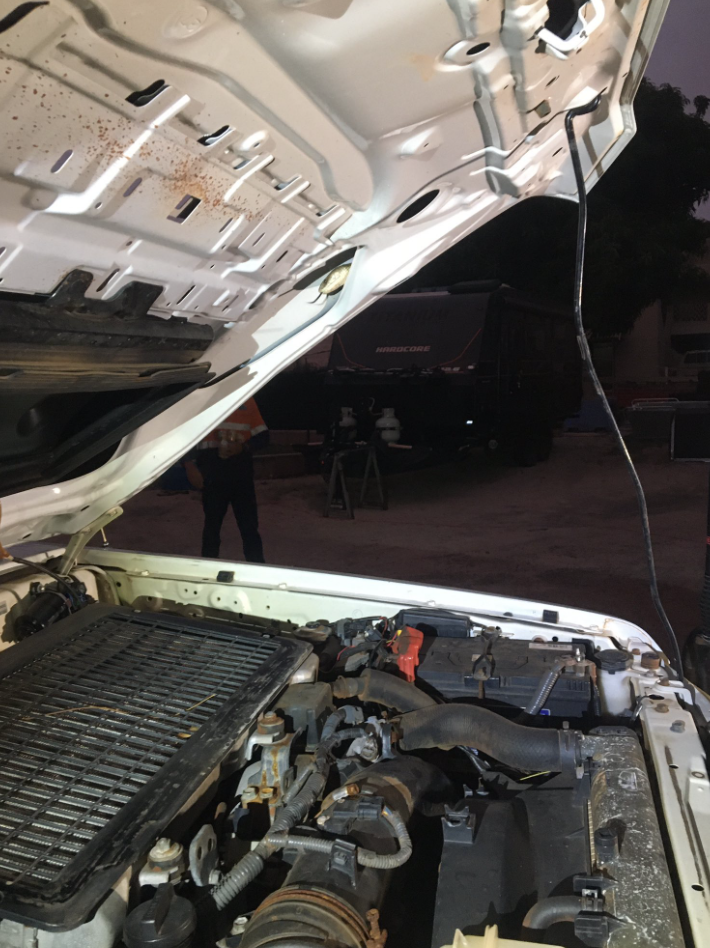
“A challenging and unconventional snake catch this evening, with a big Mulga inside a LandCruiser bonnet,” said Aidan Mitchell, in a post to the Broome’s Natural Environment Facebook page.
“The 1.8m beauty climbed up a front wheel and into the engine bay on Saturday when the vehicle was parked on a beach out of town. It was a tense drive home for someone. Kept the snake moving and, when after about an hour it moved into an accessible position, the reluctant reptile was gently and safely extracted. Well done to the excellent local business crew who assisted.”
The Mulga snake, also known as the king brown, is one of the largest venomous snakes in Australia and can grow beyond 2.5 metres. Its venom isn’t the most toxic, but it delivers large amounts in a single bite, which can cause serious muscle damage. These snakes are usually found in dry, inland areas across most of mainland Australia and tend to shelter in woodlands, scrub and deserts. While not highly aggressive, they will defend themselves if threatened and are treated with caution due to their size and venom.
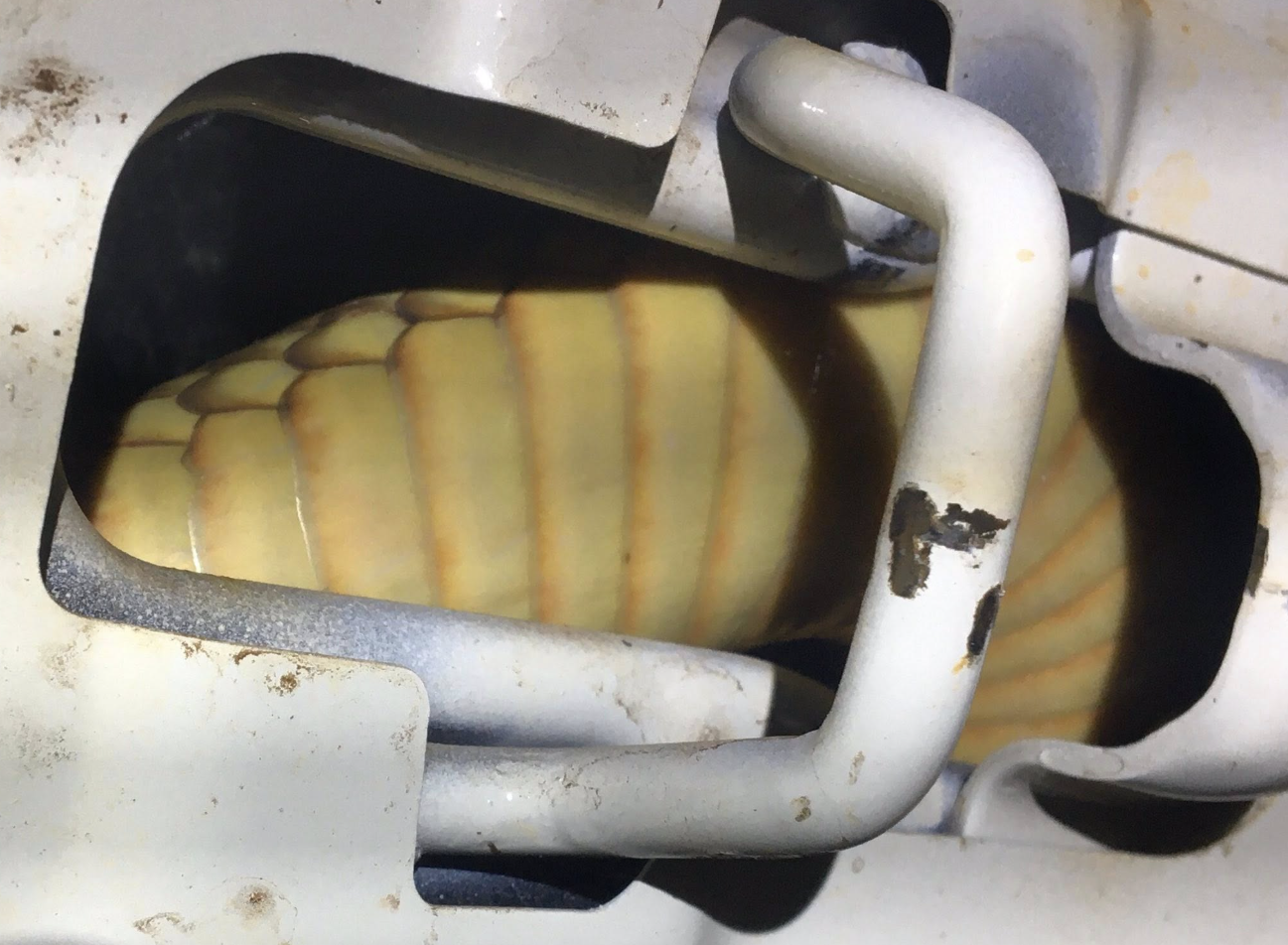
It’s important not to confuse the Mulga (king brown) with the eastern brown snake, which is more dangerous to humans and responsible for the majority of snakebite deaths in Australia. Eastern browns are more aggressive, faster and deliver highly toxic venom that can be fatal if untreated. In contrast, the king brown is slower and less defensive, and while still dangerous, is less likely to cause fatal bites when medical help is available.
Snake catchers urge anyone who finds a snake in or around a vehicle to back away carefully, keep an eye on it, and call in a professional to assist.
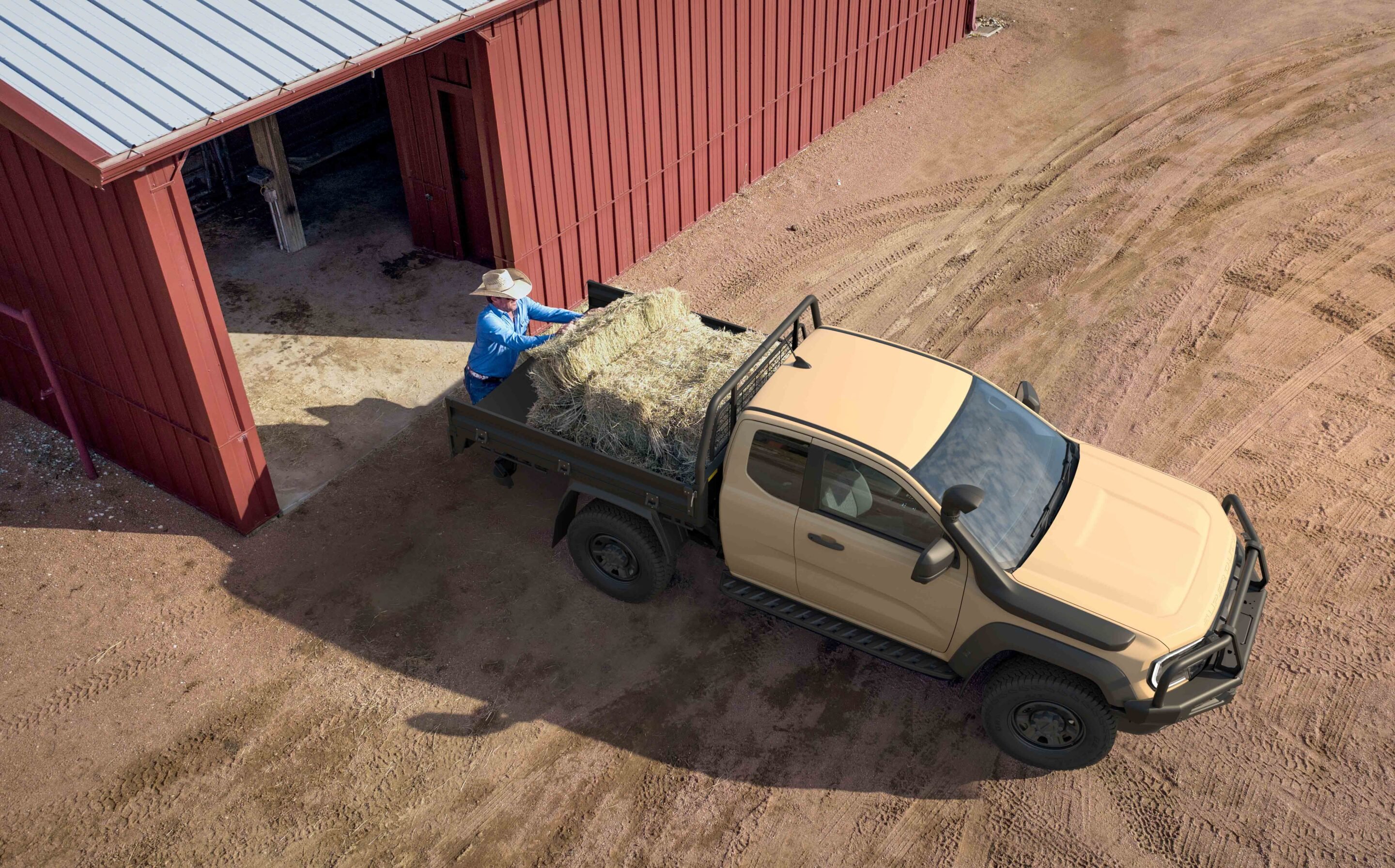
The 2026 Ford Ranger Super Duty is gearing up to challenge the long-held dominance of the Toyota LandCruiser 79 Series in Australia’s tough work and off-road ute segment.
While the LandCruiser has earned its reputation over decades as a rugged, go-anywhere machine, the Ranger Super Duty promises to rewrite the rulebook with serious payload, torque, and towing figures. This showdown breaks down how these two heavy hitters stack up, especially for those who need more than just a weekend cruiser – it’s about real work, big loads, and getting through harsh terrain without compromise.
JUMP AHEAD
Payload
Payload figures for the Ranger Super Duty are based on the Cab-Chassis variants, which offer the highest ratings in the lineup. The Single Cab leads with a payload capacity of up to 1,982 kg, followed by the Super Cab at 1,896 kg and the Double Cab at 1,825 kg. These numbers clearly target commercial operators and fleet users who require maximum legal carrying capacity.
In comparison, the LandCruiser 79 Series offers a payload range from 1,310 kg (Double Cab) to 1,380 kg (Single Cab). While still respectable and long trusted for remote operations, the Cruiser trails the Ford on the spec sheet in terms of payload performance.
| Model | Braked Towing Capacity | Gross Combined Mass (GCM) |
|---|---|---|
| Ranger Super Duty Cab-Chassis (2026) | 4,500kg | 8,000kg |
| LandCruiser 79 Series | 3,500kg | 7,010kg |
Towing and GCM
The Ranger Super Duty Cab-Chassis is engineered for serious pulling power, rated to tow up to 4,500 kg with a braked trailer. It also delivers an 8,000 kg Gross Combined Mass (GCM), allowing more flexibility for heavy loads, trailers, or fifth-wheel setups.
The 79 Series, while long regarded for its towing dependability, falls behind with a 3,500 kg braked towing capacity and a GCM of 7,010 kg. It’s still more than capable for most off-road and farm duties, but the numbers speak to the Ford’s modern engineering edge.
| Model | Braked Towing Capacity | Gross Combined Mass (GCM) |
|---|---|---|
| Ranger Super Duty Cab-Chassis (2026) | 4,500kg | 8,000kg |
| LandCruiser 79 Series | 3,500kg | 7,010kg |
Powertrain
Under the bonnet, the Ranger Super Duty features Ford’s 3.0-litre V6 turbo-diesel, producing 154 kW and a class-leading 600 Nm of torque. It’s a modern unit aimed at high-load, high-duty cycles typical of mining, fleet, and rural service vehicles.
The 79 Series offers buyers two engine choices. The newer 2.8-litre four-cylinder turbo-diesel, paired with a six-speed automatic, delivers 150 kW and 500 Nm. The long-serving 4.5-litre V8 turbo-diesel produces 151 kW and 430 Nm – less torque, but valued for its simplicity and off-road reliability.
| Model | Engine | Power Output | Torque |
|---|---|---|---|
| Ranger Super Duty (2026) | 3.0L V6 Turbo-Diesel | 154kW | 600Nm |
| LandCruiser 79 Series (2.8 I4) | 2.8L I4 Turbo-Diesel | 150kW | 500Nm (auto) |
| LandCruiser 79 Series (4.5 V8) | 4.5L V8 Turbo-Diesel | 151kW | 430Nm |
Off-Road dimensions
The Ranger Super Duty Cab-Chassis maintains solid off-road credentials, with ground clearance between 297 mm and 299 mm, and a best-in-class wading depth of 850 mm. While not marketed as a pure off-roader, the clearances and approach angles suggest it can handle remote and rugged worksites with confidence.
The LandCruiser 79 Series remains one of Australia’s most trusted off-roaders. Its clearance ranges from 302 mm to 330 mm depending on variant and tyres, and it manages a wading depth of 700 mm. For sheer outback dependability, it still has the edge on clearance.
| Model | Ground Clearance | Wading Depth |
|---|---|---|
| Ranger Super Duty Cab-Chassis (2026) | 297-299mm | 850mm |
| LandCruiser 79 Series | 302-330mm | 700mm |
Weight and load ratings
Weight capacity matters when towing or working off-road fully loaded. The Ranger Super Duty Cab-Chassis has a GVM of 4,500 kg – the legal limit before requiring a light rigid (LR) truck licence – and a GCM of 8,000 kg.
The 79 Series carries a GVM of 3,510 kg and GCM of 7,010 kg. These figures keep it firmly within standard car licence territory, though it gives up some capacity compared to the Ford.
| Model | Gross Vehicle Mass (GVM) | Gross Combined Mass (GCM) |
|---|---|---|
| Ranger Super Duty Cab-Chassis (2026) | 4,500kg | 8,000kg |
| LandCruiser 79 Series | 3,510kg | 7,010kg |
Pricing
The Ranger Super Duty Cab-Chassis lineup starts at $82,990 for the Single Cab, climbs to $86,490 for the Super Cab, and tops out at $89,990 for the Double Cab. These prices reflect its high payload and towing figures, and target heavy-duty operators and commercial buyers.
LandCruiser 79 Series pricing varies more depending on trim and engine. Single Cab models range from $76,800 for the 2.8 WorkMate to $85,000 for the 4.5 GXL. Double Cab variants range from $77,300 to $87,600. It remains a premium-priced product with reputation and longevity on its side.
| Model | Price |
|---|---|
| Ranger Super Duty Cab-Chassis (2026) | |
| – Single Cab | $82,990 |
| – Super Cab | $86,490 |
| – Double Cab | $89,990 |
| LandCruiser 79 Series – Single Cab | |
| – 2.8 WorkMate | $76,800 |
| – 2.8 GX | $78,800 |
| – 2.8 GXL | $80,900 |
| – 4.5 GXL V8 | $85,000 |
| LandCruiser 79 Series – Double Cab | |
| – 2.8 WorkMate | $77,300 |
| – 2.8 GXL | $81,500 |
| – 4.5 GXL V8 | $87,600 |
Final say
The upcoming Ranger Super Duty marks a significant step forward in the mid-size truck segment. More detailed information on the XLT trim and pick-up body styles will be revealed closer to the vehicle’s official release, promising added refinement and versatility for private and recreational buyers.
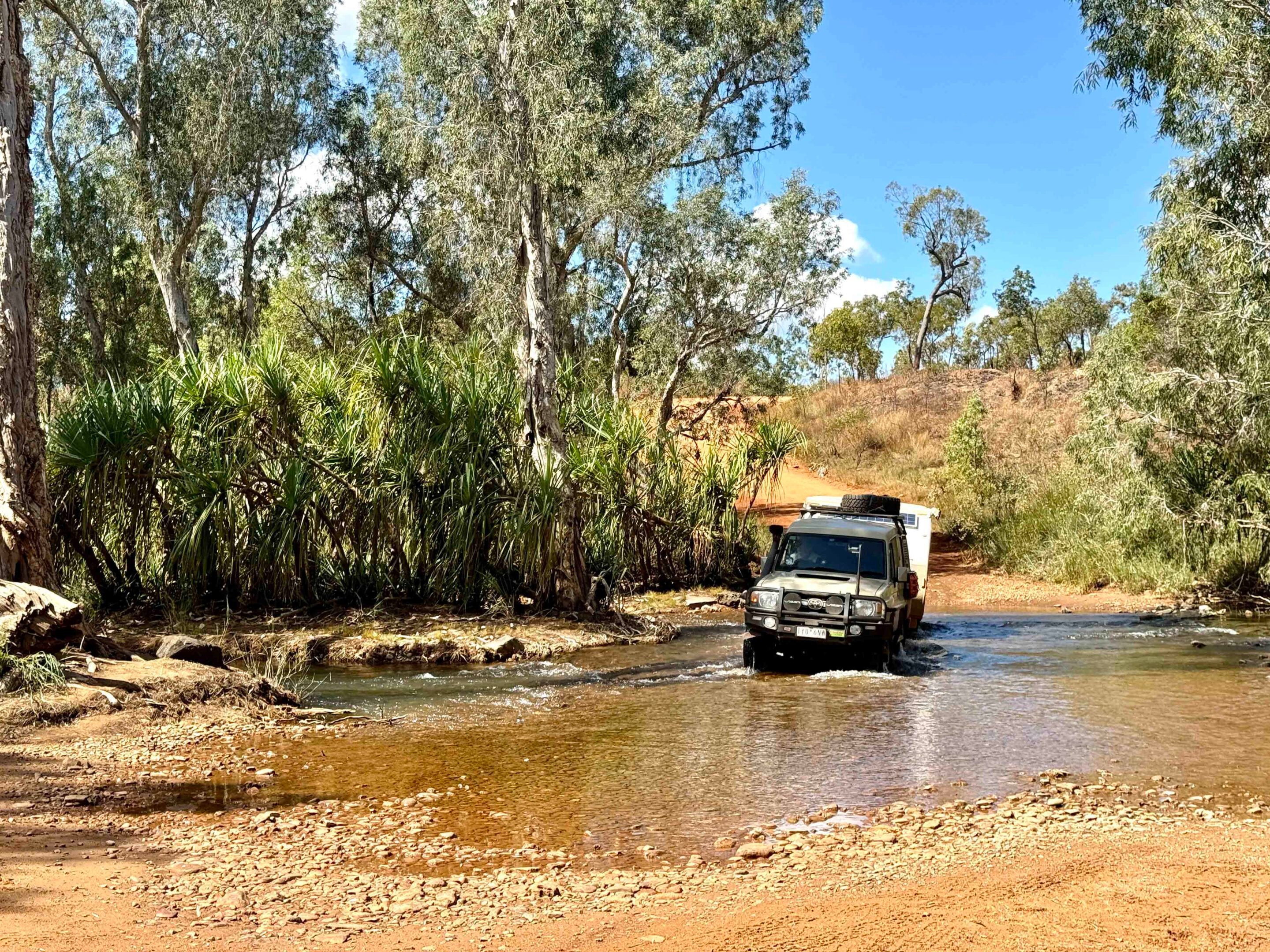
We thumped into a narrow erosion gully. The Cruiser’s engine growled, suspension flexing as we climbed out of a sharp-edged gutter.
Minutes earlier, tall, thick grass had concealed countless obstacles. As we pushed forward, the grass gave way to drier pasture, etched by clefts from recent floods that submerged the Gulf Country under more than a metre of water.
In front, the local station manager zig-zagged ahead on his Honda trail bike, guiding us through broken ground and confused waterways. Carl had previously flown over the remote monument we sought while mustering cattle – but never reached it by vehicle. His near-photographic memory of the country brought our four-day search to a climax.
We were just metres away before spotting the weathered star-pickets marking the monument – nearly 40 years old, hidden in grass and scrub. A true testament to how hard it is to locate an isolated marker in such an immeasurable landscape, even with old map references and GPS data.
Following Leichhardt’s route through Queensland
Our journey, retracing Ludwig Leichhardt’s 1844-45 expedition, began north of Dalby in southeast Queensland. Leichhardt’s small party included five white men, a Black man, and two Aboriginals. With a few bullocks and 17 horses, they departed from Jimbour Station – then on the edge of European settlement – in October 1844.
Their goal: to reach Port Essington on Australia’s north coast. Planned for six months, the trip stretched to 15, ending on 17 December 1845. Leichhardt’s leadership shone – only one death, and no scurvy.
Our expedition, modern yet remote, took us from Jimbour Homestead into varied, spectacular terrain – sweeping plains, rugged gorges, and across rivers like the mighty Burdekin. We explored Leichhardt’s Valley of Lagoons and followed the Lynd River to where it meets the mighty Mitchell River. From there, we entered the vast cattle stations straddling this powerful waterway.
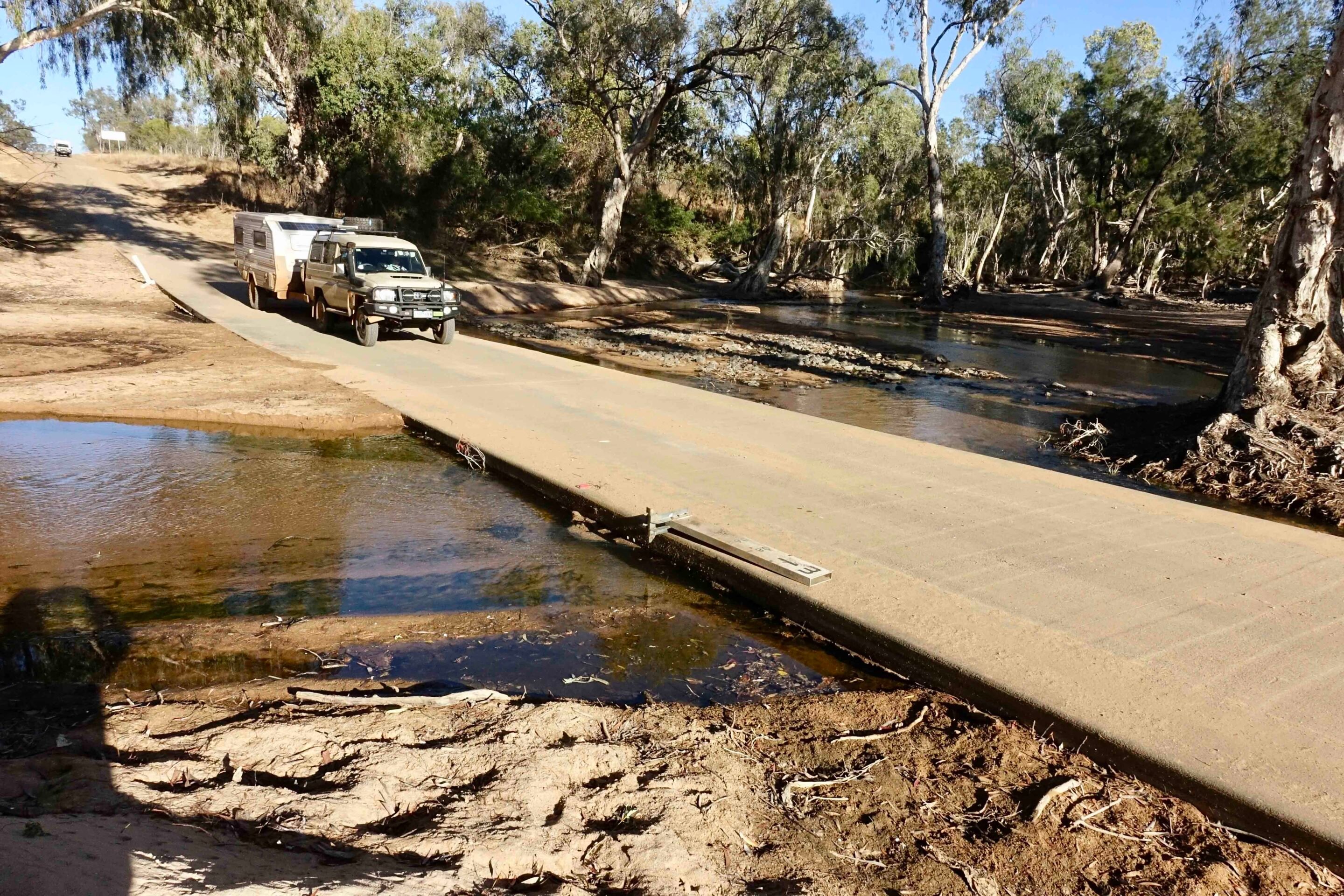
Gilbert’s grave: a historic marker
Securing access to these company-owned properties was a challenge, but the effort was worth it. We stood at the rough monument marking (or approximating) the final resting place of John Gilbert – the expedition’s naturalist – killed in June 1845 during an Aboriginal attack on their camp.
Although the monument may not mark the exact grave, it’s the most credible site modern explorers can access. In 1985, an army group aided Professor B. Dalton of James Cook University in locating the site using a caesium magnetometer. Later, Glen McLaren retraced Leichhardt’s track on horseback and motorbike, recording key campsites – including Gilbert’s final one.
Despite differing views on the exact location, the army-erected monument has become the accepted site. A white marble slab, visible from the air, and a plaque added in 1999 by the Eacham Historical Society give it gravitas. The visitor’s book, worn and tattered, shows only a handful have reached this lonely place in the last four decades. We were proud to join that list.
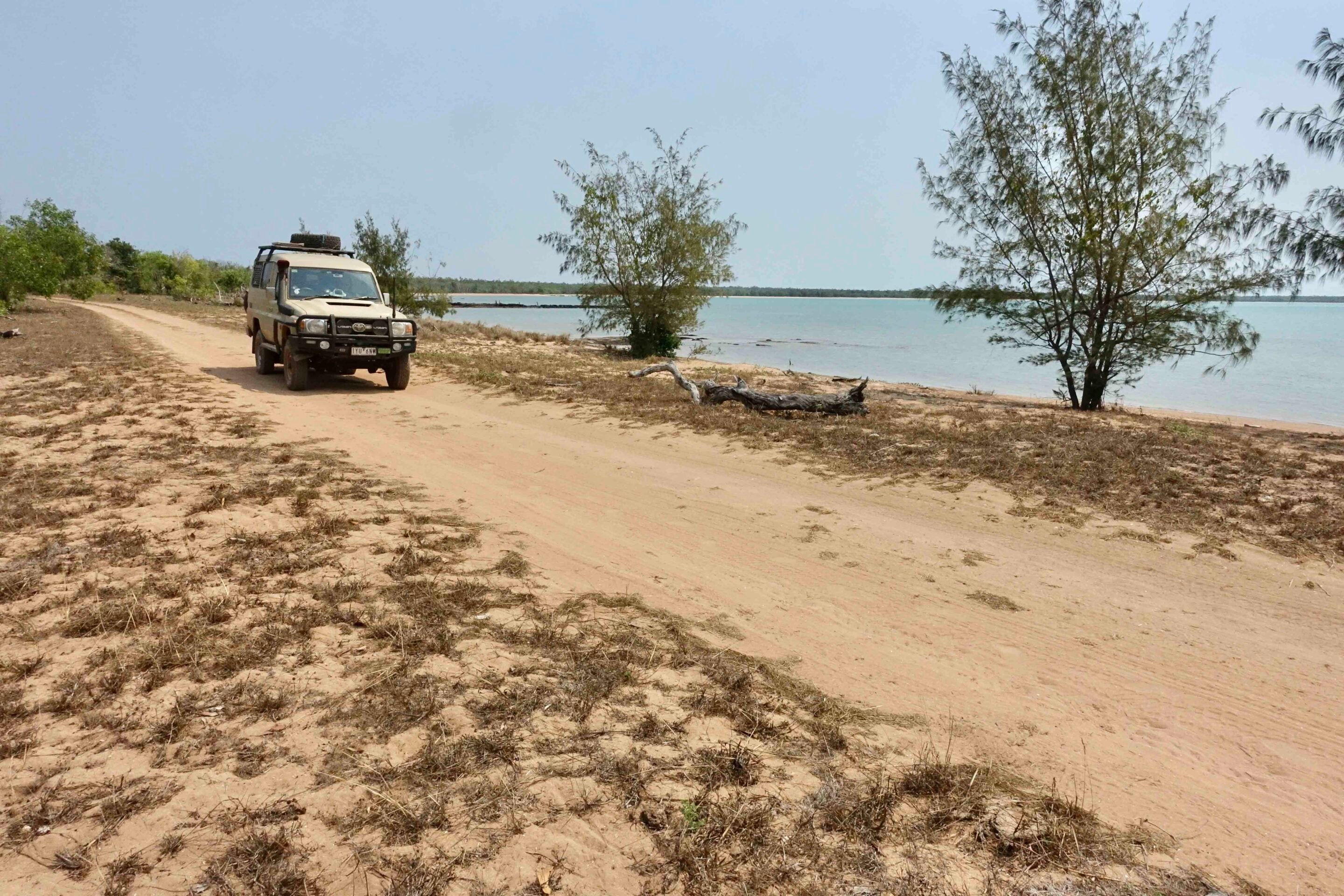
Leichhardt Falls and Gulf Country stories
After our success, we headed to Normanton, then west to the stunning Leichhardt Falls – now a popular stop on the Gulf tourist circuit. Campers dotted the area near the falls and gorge downstream. Leichhardt’s team crossed the river downstream in 1845 but left it unnamed; A.C. Gregory named it in 1856.
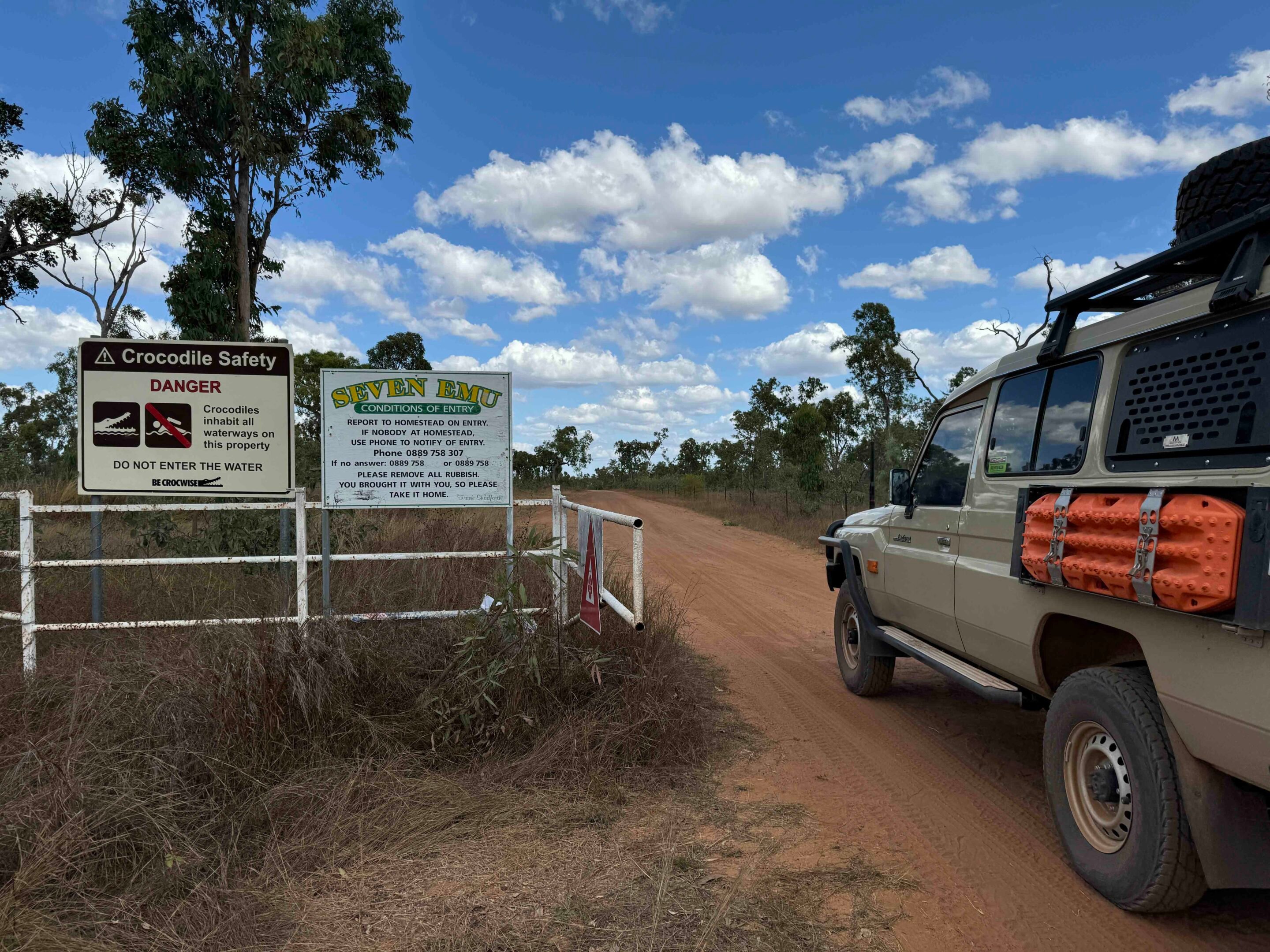
Modern roads loosely follow Leichhardt’s original route, closer to the coast. Keen to follow in his footsteps, we continued to Seven Emu Station, a massive property owned by the Garawa Shadforth family.
Established in 1953 by Willie Shadforth – one of the first Aboriginal people to buy a pastoral lease – Seven Emu today welcomes adventurous travellers. While chatting with Frank Shadforth, we learned the station’s name origin. “It was that bloke Leichhardt,” Frank said, grinning. “They killed seven emus and had a big feed.” I took his story with a grain of salt – but loved every bit of it.
Through Limmen National Park and beyond
We then ventured south, entering Limmen National Park, where we explored the Southern Lost City – a maze of rock spires named to distinguish it from others in the region. Though the names could be more imaginative, the place was stunning. We camped nearby, enjoying shady morning walks, birdsong, and clouds of butterflies glinting like diamonds.
From there, we crossed the Roper River at Roper Bar, the same rocky crossing Leichhardt used. Nearby, in the overgrown old police post yard, we found another surprise – an understated monument to Leichhardt and his men.
Final leg to Port Essington
Our journey ended with a drive through Kakadu, then across Cahill Crossing into Arnhem Land, retracing Leichhardt’s approach to Port Essington. We reached Garig Gunak Barlu National Park and camped at Black Point, near the ranger station.
A fast boat trip took us across Port Essington to the ruins of Victoria – the expedition’s ultimate goal. More ruins remain than expected, including the officer’s quarters, the most photographed relics. As I walked among them, I thought of Leichhardt’s achievements – and the irony that this symbol of civilization is now reclaimed by nature.
Leichhardt returned to Sydney, then set out again. His third expedition vanished, sparking one of Australia’s great exploration mysteries. Perhaps that will inspire our next journey.
Leichhardt literature
- Leichhardt’s expedition book
- Into the Unknown by John Bailey – a compelling biography of Leichhardt
- Beyond Leichhardt by Glen McLaren – explores the expedition route and bushcraft
- Where is Dr Leichhardt? by Darrell Lewis – the definitive account of Leichhardt’s disappearance
Great Wall Motors (GWM) has joined BYD by launching a plug-in hybrid 4×4 ute to the Australian market, but unlike the BYD Shark, the Cannon Alpha PHEV is a proper 4×4 with genuine off-road capability.
GWM has created its PHEV on the existing platform of the Cannon Alpha which is a slightly larger and better-equipped version of the Cannon ute. The Alpha is 5445mm long (35mm longer than Cannon Ute), 1991mm wide (57mm wider than Cannon Ute) and 1924mm high (38mm taller than Cannon Ute). The wheelbase of 3350mm is longer than that of a Cannon Ute by 120mm.
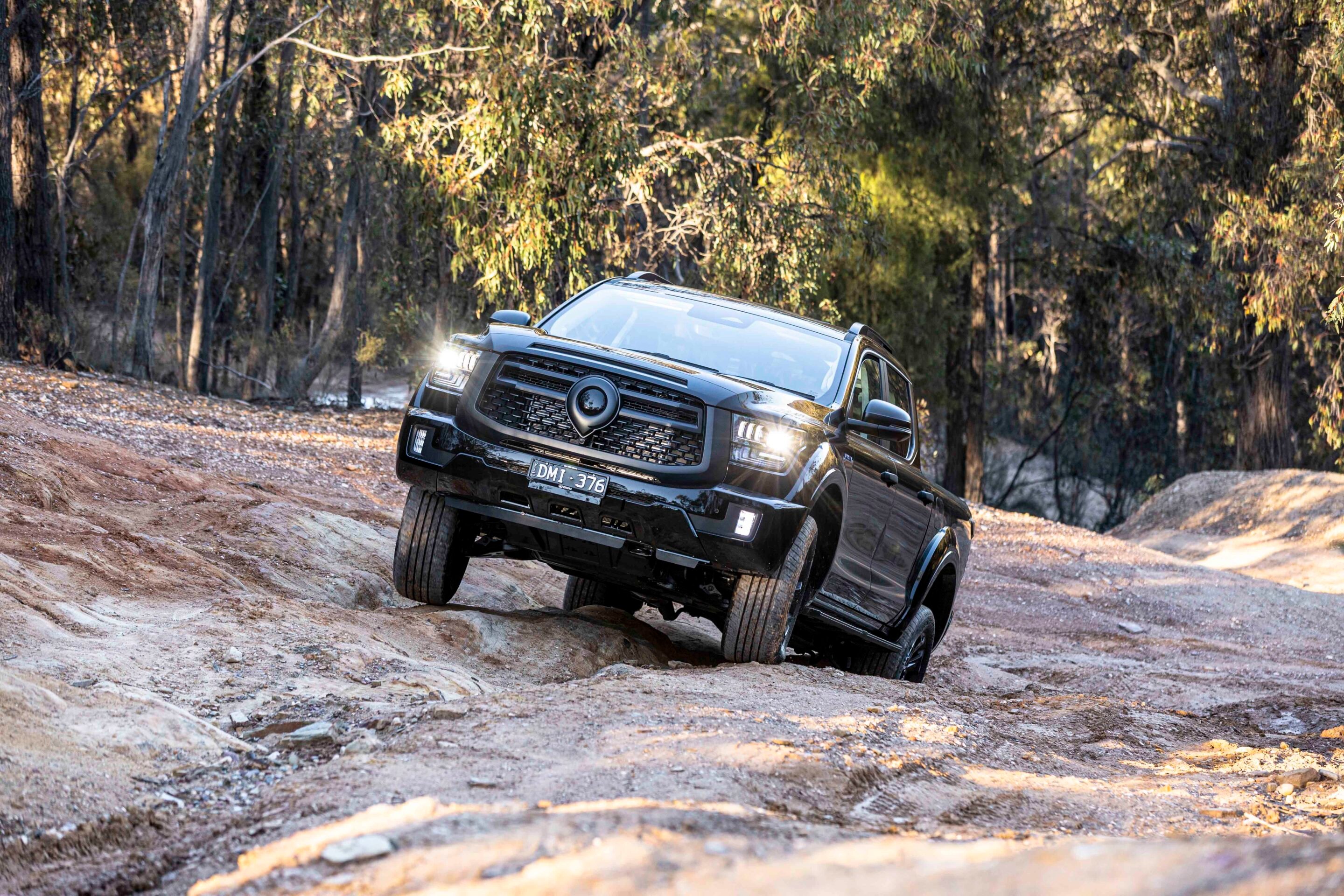
GWM released Australia’s first hybrid EV 4×4 ute in Australia in the middle of 2024 and this updated model is a plug-in version of that vehicle. GWM still offers the hybrid model as well as diesel-fuelled variants and now the PHEV. Two specification grades are offered – Lux and Ultra – and we have the Ultra PHEV on test here.
The big difference between the GWM and BYD utes is that the Cannon Alpha has a more conventional drivetrain with a nine-speed automatic transmission, dual-range transfer case and a tailshaft leading back to a live rear axle. In the case of the BYD Shark 6 the only connection between the front and rear axles is electronic – there is no mechanical connection – which limits its off-road ability.
JUMP AHEAD
Powertrain
The Cannon Ultra PHEV driveline comprises a turbocharged 2.0-litre petrol engine and an electric motor that is located within the transmission bell-housing along with the torque converter. Combined they deliver an output of 300kW and 750Nm and this is fed to a dual-range, on-demand 4×4 system.
The ICE engine makes 180kW and 380Nm on its own but when combined with the electric motor produces outputs exceeding that of most conventional ICE powered 4×4 utes. On and off road, the combined output gives the GWM impressive acceleration despite its 2800kg weight. Torque is king and the Cannon launches like it was shot out of an… umm, cannon. It even has a specific launch mode for quick getaways after you’ve waded through the menus to find and engage it.
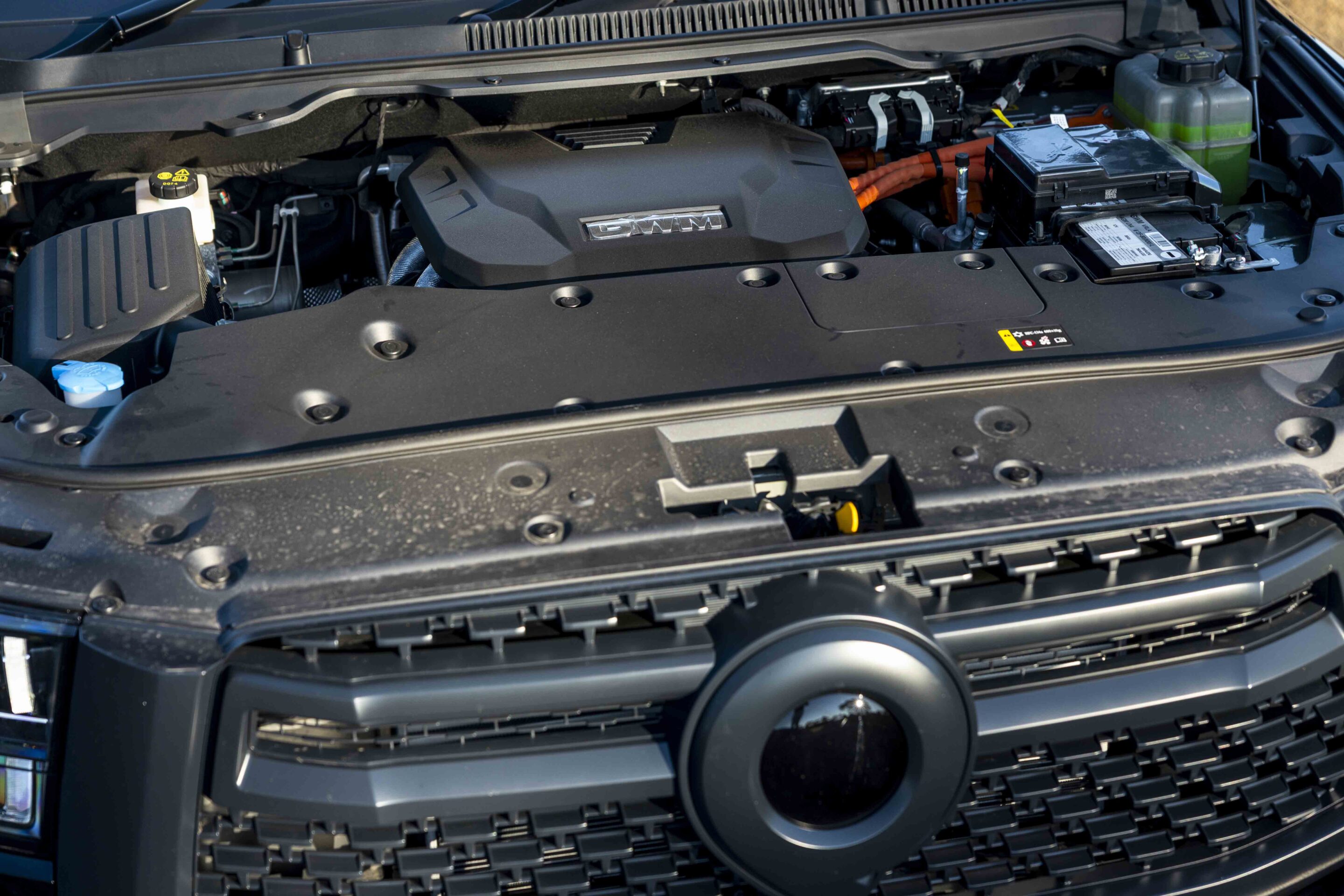
GWM claims that the Cannon Ultra has an EV range of 115km and a combined ICE and EV touring range of 1060km utilising the 75-litre petrol tank. The system has multiple modes to prioritise drive to your conditions with EV priority, full EV and intelligent modes.
Charging times from a DC charger are claimed to be 24 minutes from 30-80 per cent charge. There’s comprehensive info on the multimedia screen on the charging status and time, and you can also check it remotely via the GWM app. Filling the fuel tank with petrol is always simple and quick.
On the road
The Cannon’s acceleration is brisk, but you do feel its heft. Once up to speed it cruises smoothly and quietly whether in EV mode or when the ICE unit is in operation. An annoyance I found was the way the vehicle decelerates so much whenever you lift off the accelerator. This is because of the regenerative charging action of the hybrid powertrain , but if I wanted the Cannon to slow so much I’d use the brakes and not have the system doing it for me.
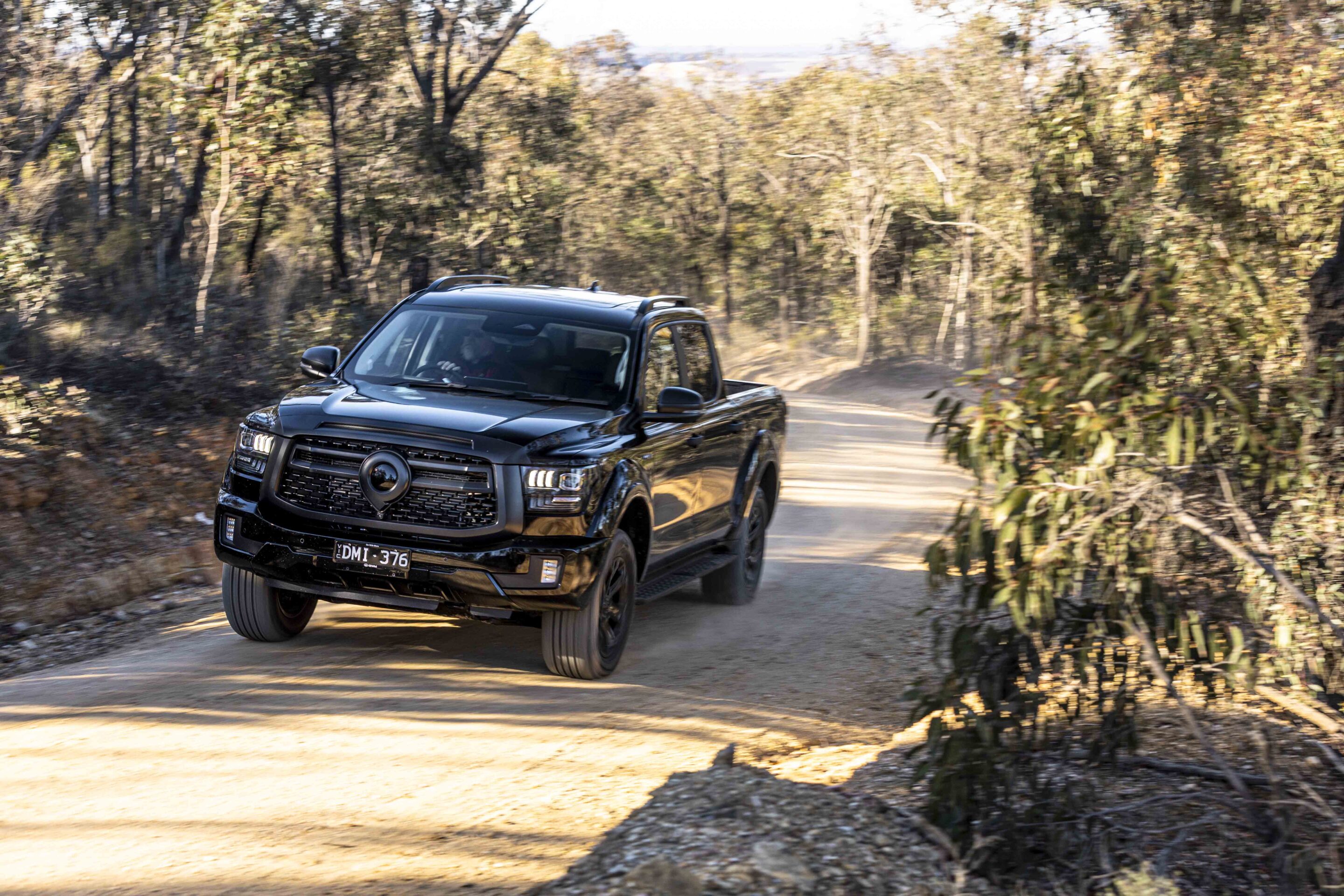
A further annoyance is the driver monitor that constantly harangues you. You can disable it, but again you have to go through the screen menus every time you start the vehicle to shut it up. On gravel surfaces the Ultra rides nicely over small corrugations and ruts inspiring confidence in the chassis and handling. It’s firm while still compliant enough to provide a comfortable ride.
Off the road
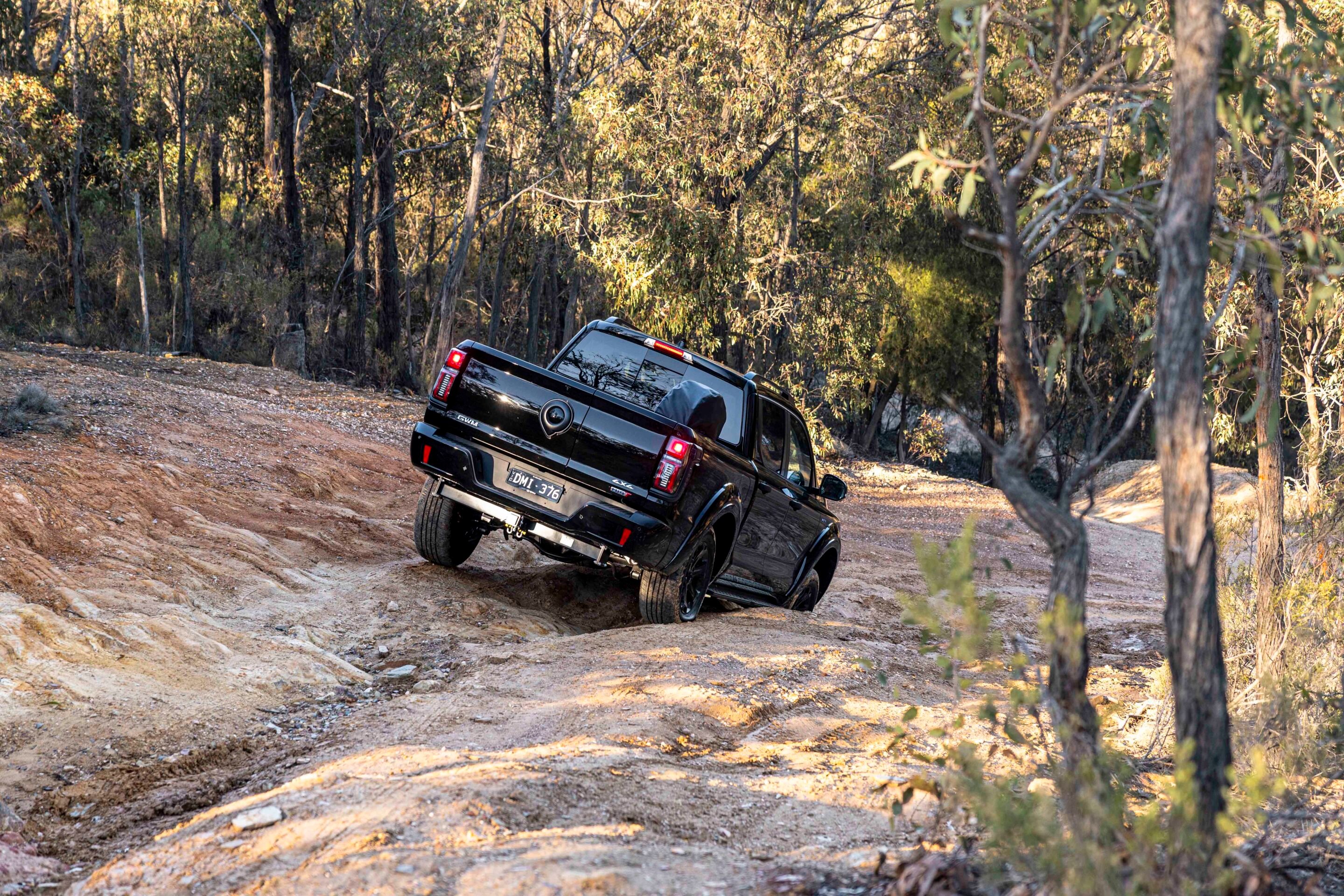
Off road and in low range the ute makes easy work of uneven terrain and lifting wheels are countered by fast-acting ETC without having to engage the Ultra’s front and rear locking diffs. That’s right – the Cannon Alpha has front and rear lockers standard from the factory, something you can only find in a Ranger Raptor elsewhere in the midsize ute class. The ETC is a bit noisy in its operation and not as smooth as the best systems out there but it gets the job done.
The wishbone front end has the usual IFS limitations causing the aforementioned wheel lift while the leaf-spring live-axle rear articulates okay, if not amazingly. Combined with the front and rear lockers, the overall off-road package of the Cannon Alpha is pretty impressive.
| Off-road specs | |
|---|---|
| Approach angle | 28.5 |
| Ramp-over angle | 19 |
| Departure angle | 23 |
| Ground clearance | 210mm |
| Wading depth | 800mm |
Interior
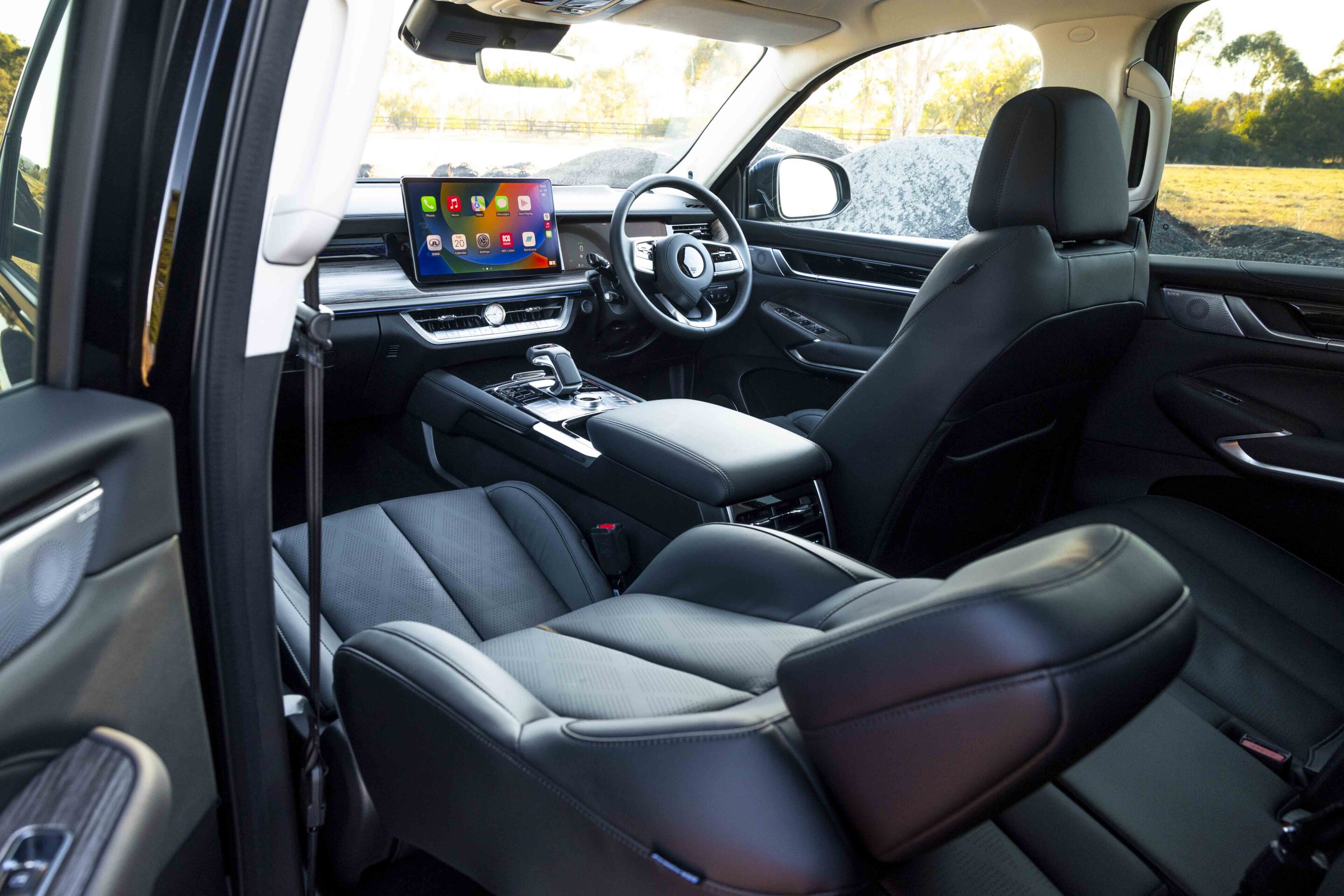
Also impressive is the array of standard equipment inside this ute. The 14.6-inch infotainment screen takes pride of place in the centre of the dash and is both big and easy to see and use. It is home to all the usual system settings, controls, Apple Carplay and Android Auto mirroring functions.
Unfortunately the only volume adjustment is via a slow-acting toggle on the steering wheel and the cabin temperature adjustment is all within the screen. This is annoying and somewhat dangerous as, if you like me, you drive with Carplay on most of the time, to adjust the cabin temperature you need to go into another menu, find the appropriate control and make the adjustment. When doing this the driver monitoring system will tell you to pay attention to driving and drive carefully, which is super annoying.
The Napa leather-covered seats are ventilated, heated front and rear with massaging on the front pews. The rear seats also have an electric slide and recline function that reduces the angle of the upright backrest that is customary in double-cab utes however, if a tall driver has his/her seat all the way back, it doesn’t leave a lot of space for the seat behind to slide forward and recline. But even in a normal, upright position there’s plenty of leg and headroom in the back for most passengers.
How practical is it?
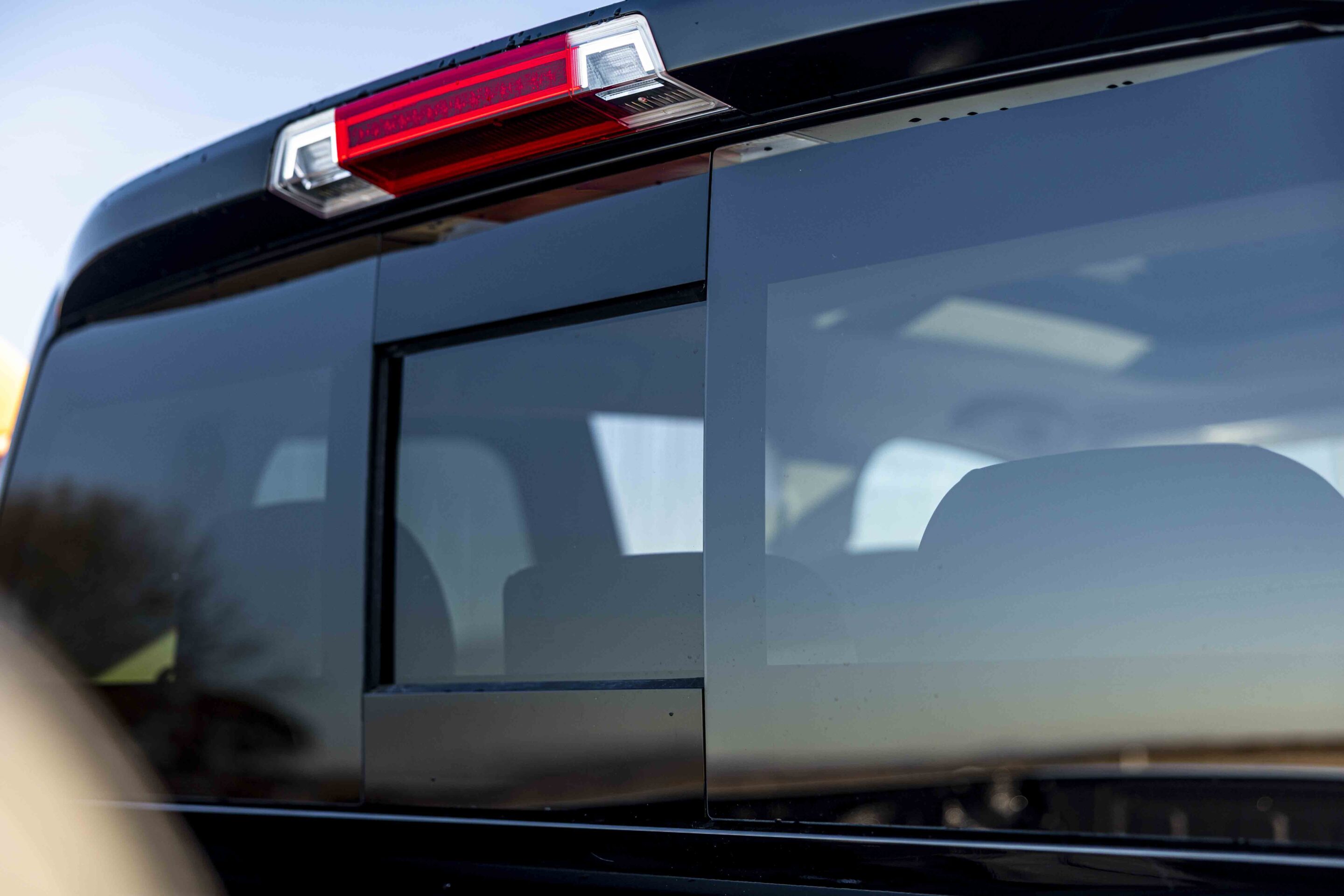
Like the locking diffs, the level of features in the Ultra is a rare find in the midsize ute segment and one that is appreciated. Also appreciated is the large cargo tub that has a unique tailgate setup that can be opened in the traditional drop-down manner or swing-out via a vertical split.
The tub offers 1100mm between the wheel arches but in the PHEV, the spare wheel is mounted in the tub as the EV battery pack takes up the space below the tub where the spare would normally reside. There’s also a power outlet in the back to run power tools and accessories off the Cannon’s battery. On our drive, the vinyl cover over the spare tyre kept blowing off so we ended up removing it all together.
Important for many users is towing capacity and the Cannon PHEV retains the non-EV model’s 3500kg maximum braked towing capacity. Not so good is the 685kg payload which means that owners will have to be cautious with how much they load into their Cannon, especially if they have anywhere near the maximum 350kg on the towbar.
Safety and warranty
The Cannon Alpha has all the standard ADAS and safety features needed to give it a 2025 five-star ANCAP rating. It’s just a shame that the driver monitor system is so intrusive and annoying.
The GWM comes with a seven-year factory warranty, seven-year roadside assistance and capped-price servicing, and an eight-year warranty on the lithium EV battery pack.
Verdict
The GWM Cannon Alpha PHEV gives buyers wanting an electrified ute an option that delivers hybrid fuel efficiency with genuine off-road capability in a luxurious and spacious vehicle for a very attractive price and ownership package.
It’s a package that hasn’t been available in Australia until now, and until we spend some time in the Ranger PHEV, it offers the best all-round combination of all the key elements; this is especially so in the top-spec Ultra trim with the $67k price. For reference, the Ford Ranger PHEV will start at $72k and go up to $87k for the top-spec model.
Specs
| GWM Cannon Alpha PHEV specs | |
|---|---|
| Price | $66,990 |
| Engine | Petrol ICE with electric motor |
| Capacity | 2.0L |
| Max power | 300kw (combined) |
| Max torque | 750Nm (combined) |
| Transmission | 9-speed automatic |
| 4×4 system | On demand/dual range |
| Construction | 4-door ute on ladder frame chassis |
| Front suspension | IFS, double wishbones, coil springs |
| Rear suspension | Live axle with leaf springs |
| Tyres | 265/60R18 on alloy wheels |
| Kerb weight | 2810kg |
| GVM | 3495kg |
| GCM | 6745kg |
| Towing capacity | 3500kg braked |
| Payload | 685kg |
| Seats | 5 |
| Fuel tank | 75L |
| ADR fuel consumption | 1.7L/100km combined hybrid |
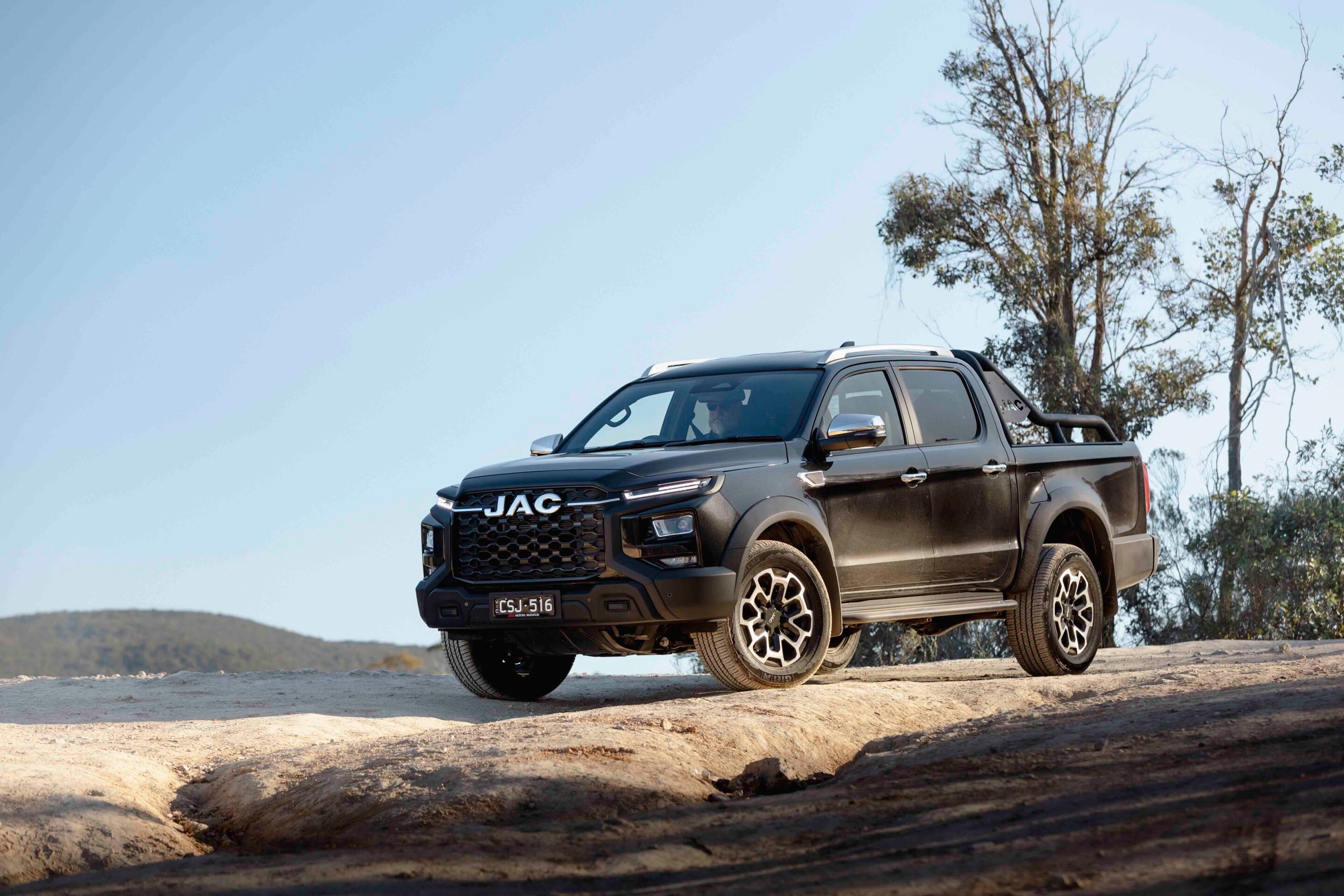
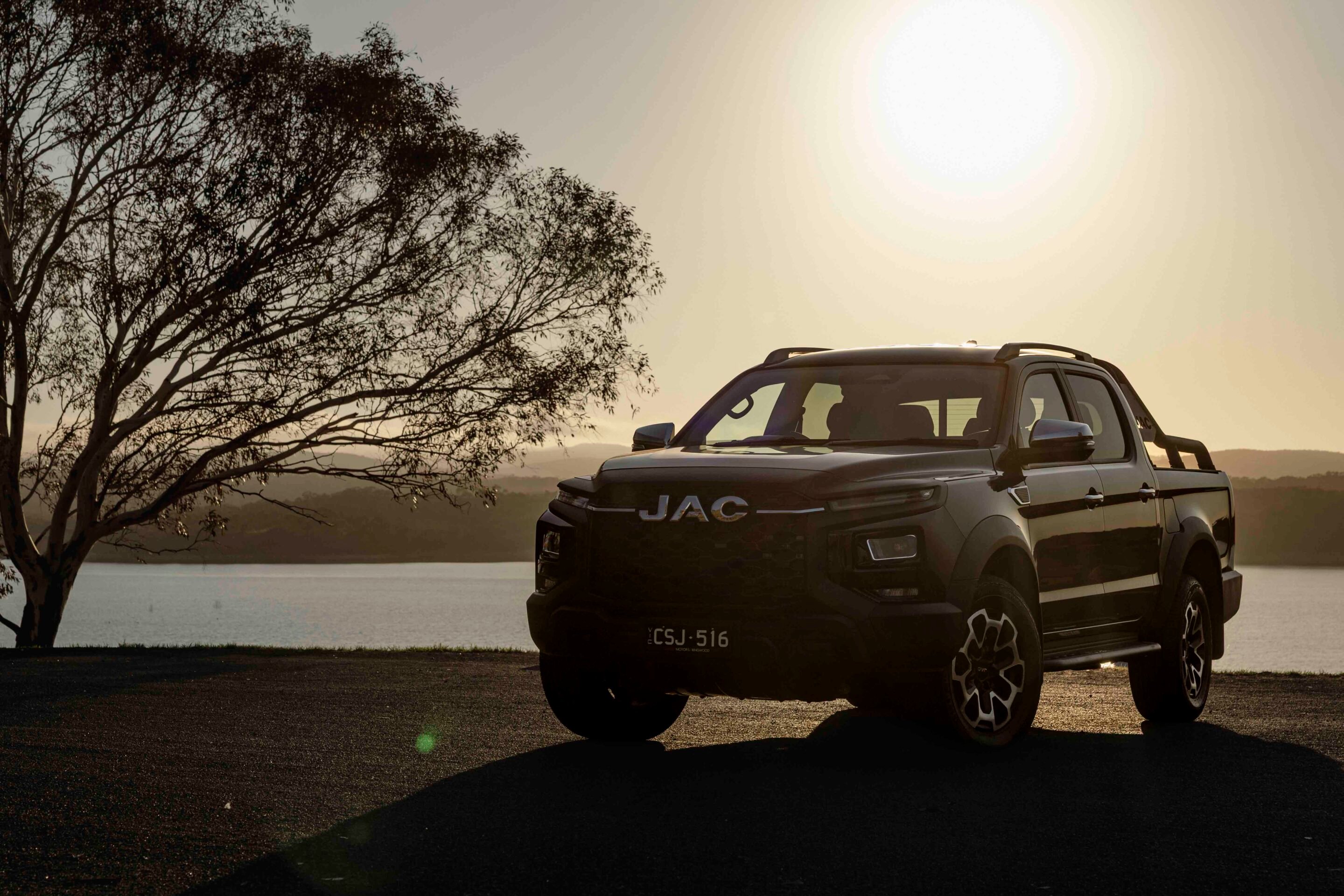
The JAC T9 is a 4×4 double-cab, body-on-frame ute that comes from Jianghuai Automobile Corporation (JAC). It follows the traditional path of 4×4 utes with a diesel engine, automatic transmission and dual-range part time 4×4.
Starting at $42,662 (+ORC) for the T9 Oasis and stepping up to the $45,630 (+ORC) for the T9 Haven we have on test here, it represents a step back in time for 4×4 utes, a time of simpler and more working-class utes than the over complicated and expensive offerings elsewhere in the market.
JUMP AHEAD
What do you get?
The Haven is the top-of-the-range T9 ute and as such comes heavily loaded with features including a 10.4-inch touchscreen infotainment system with phone mirroring by cable only, quilted leather-accented power adjustable and heated front seats, 360-degree camera, adaptive cruise control and multiple drive modes.
The cabin is comparable in size to a previous generation Mitsubishi Triton, so not as big as a Ranger or Amarok but big enough for kids in the back.
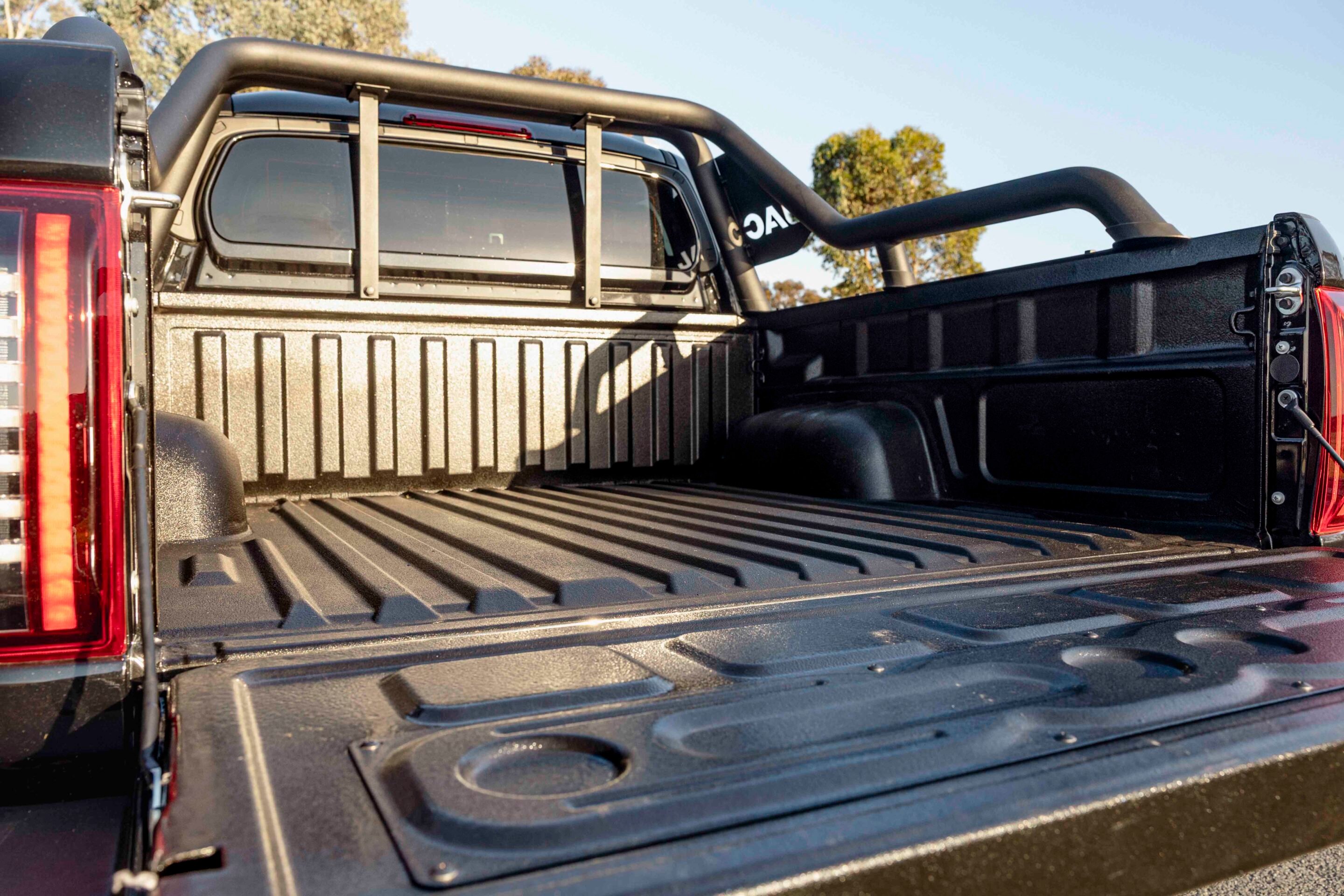
JAC claims you can fit a pallet in the cargo tub while the payload is 1045kg. The GVM is 3100kg and maximum braked towing is 3200kg. The cargo tub has a spray-on bed liner but no power outlets and the four tie-downs are mounted higher than the ideal position, but at least they are in each corner. The sports bar adds nothing.
Engine
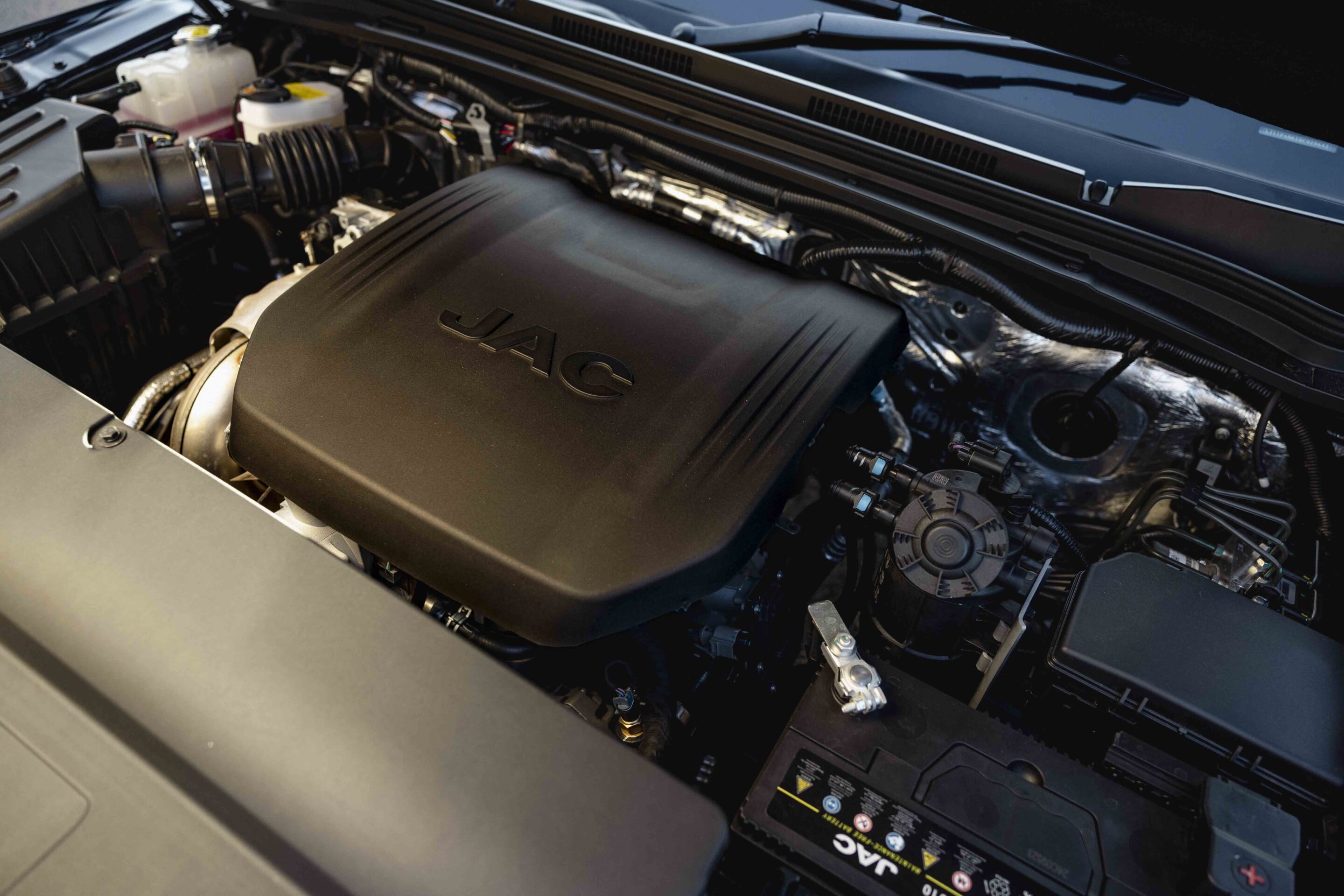
Power to haul comes from a 2.0-litre turbo-diesel engine that makes just 120kW of power and 410Nm of torque, and it’s backed by an eight-speed automatic transmission and the aforementioned part-time 4×4 system. A driver selectable rear diff lock helps the ETC when the going gets rough.
Safety
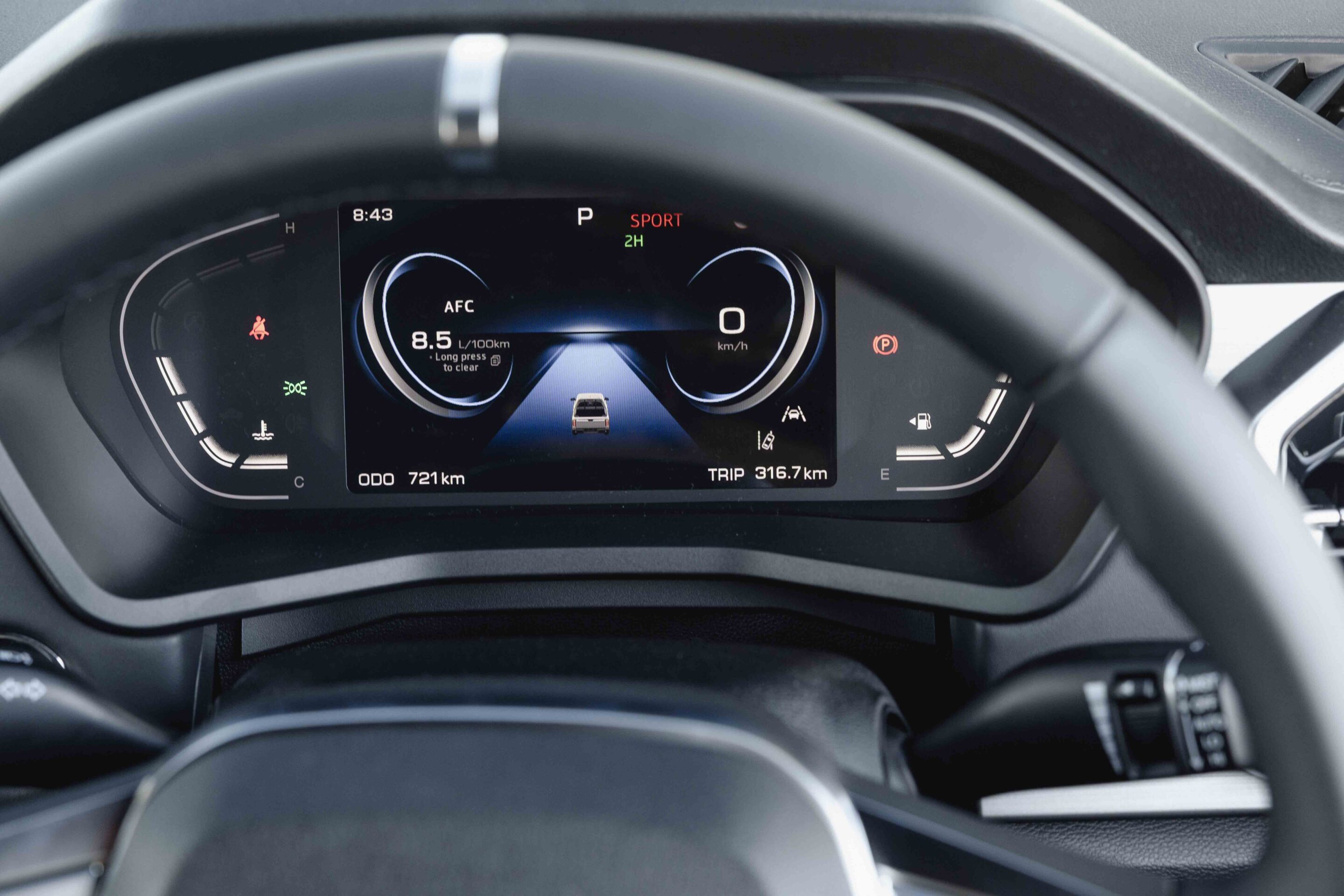
The T9 has ticked all the boxes to earn a five-star ANCAP rating and that’s using the 2024 testing regime, meaning tougher testing standards. All the latest safety and electronic aids are part of the JAC package. A 220V power outlet adds to the regular USB outlets for cabin power.
On the road
On the road, the T9 feels like an older ute in the way it rides over rough sealed roads. It’s stiff and non-compliant meaning that it jostles the driver and passengers around a fair bit. The first part of our drive in the T9 was up a Melbourne freeway which is in pretty poor condition and after an hour behind the wheel I felt like I’d done a day of off-roading.
The constant jostling and steering inputs make driving the T9 tiring. This isn’t helped by the lack of reach adjustment for the steering wheel, meaning I need to stretch out to hold the steering wheel which made the driving position uncomfortable for me. The steering column has height adjustment but that doesn’t really help taller drivers find a comfortable position.
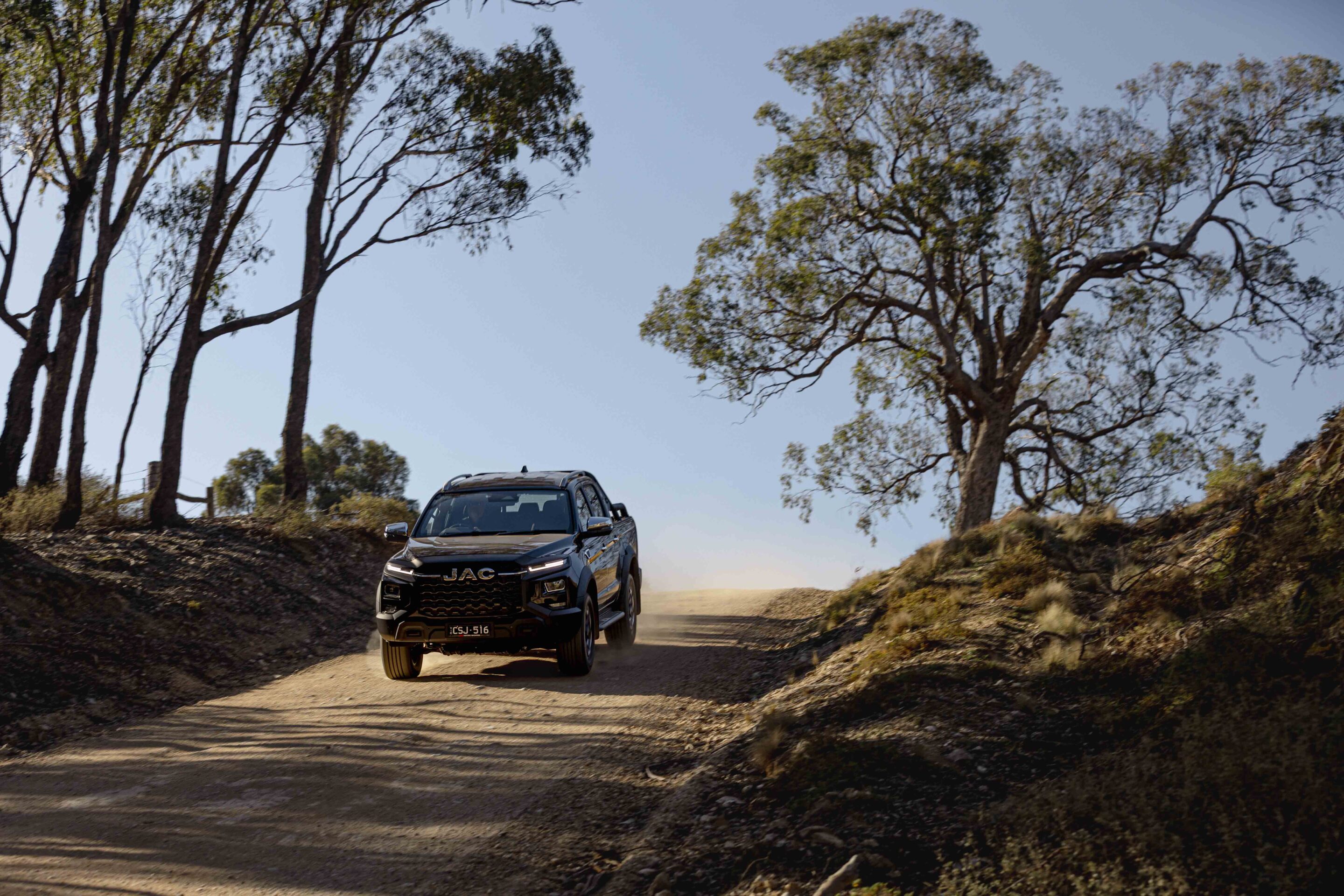
The double wishbone, coil spring front suspension and leaf supported live-axle rear give the T9 a firm feeling on gravel roads but that hard ride again makes life busy for the driver.
Off the road
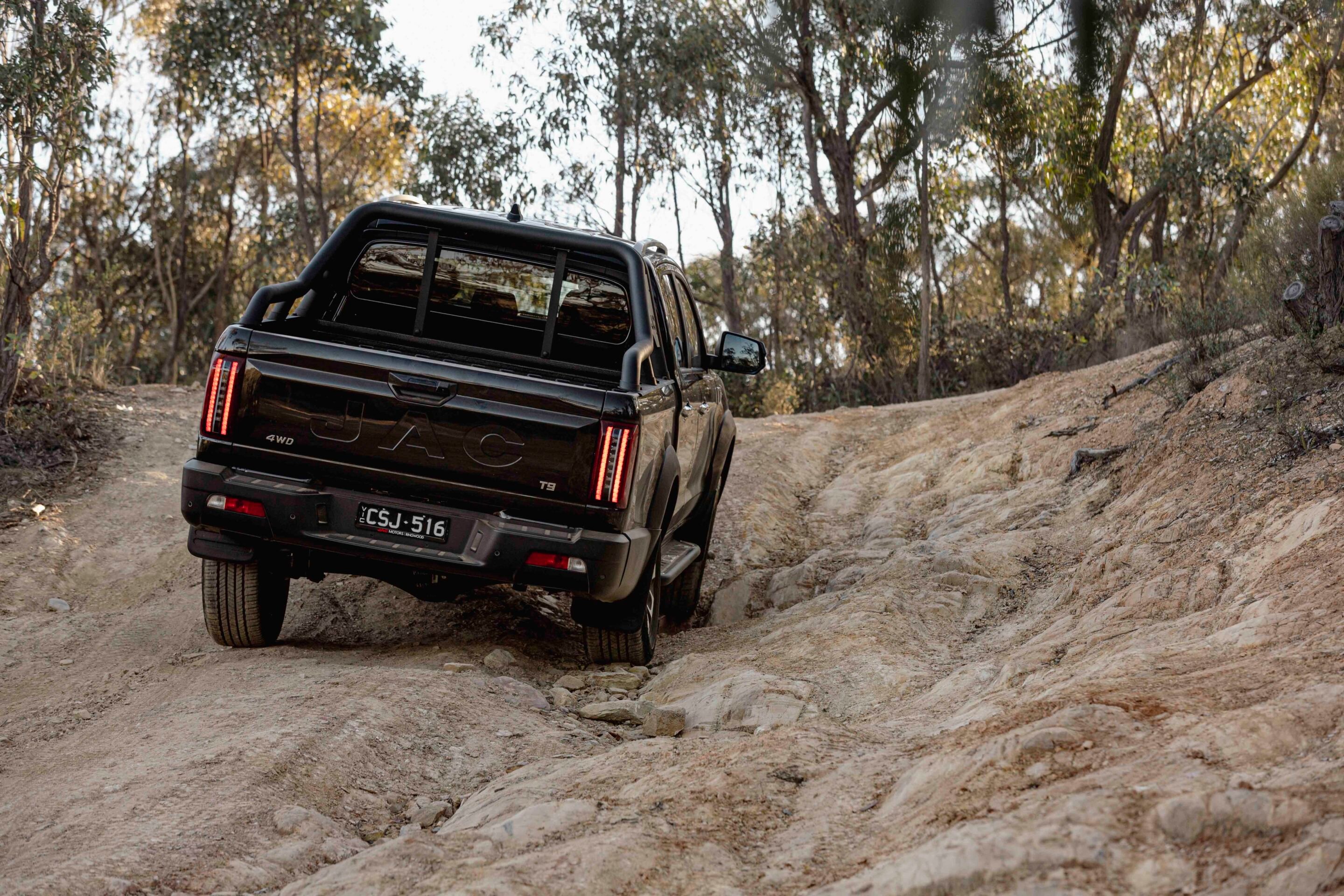
The T9 felt better after selecting low range and tackling some tougher low-speed obstacles. The traction control is slow to react compared to the better systems in other utes but it gets the ute up and over eventually. The T9 did need its rear diff lock to get up a familiar track that most other utes would tackle using just their ETC systems.
| Off-road specs | |
|---|---|
| Approach angle | 27 |
| Departure angle | 23 |
| Ground clearance | 210mm |
| Wading depth | 650mm |
Warranty and servicing
For anyone worried about a product coming from what is a relatively unknown brand in Australia, JAC offers a seven-year/unlimited kilometre warranty on the T9 with seven years capped-price servicing and roadside assistance. The company already has more than 60 dealers scattered around Australia and that number is growing. JAC also offers a range of factory accessories such as load covers, ladder racks and nudge bars to tailor your T9 to suit your needs.
Verdict
The Jac T9 is one of the cheapest 4×4 utes available in Australia which will make it appealing to many, but it looks and feels cheaper than the price it is being offered for.
As I said at the start, the T9 feels like an older vehicle and it reminds me of midsize utes from 20 years ago in the way it rides and drives. The suspension is too stiff, resulting in a harsh and uncomfortable ride, while the engine is underwhelming just like they were two decades ago.
Sure, the T9 has the latest safety rating and tech, plus some interior niceties, but it is a long way from the class leaders in overall performance and refinement.
Specs
| JAC T9 Haven specifications | |
|---|---|
| Price | $45,630 (+ORC) |
| Engine | 4-cyl turbo diesel |
| Capacity | 2.0L |
| Max power | 120kW @ 3600rpm |
| Max torque | 410Nm @ 1500-2500rpm |
| Transmission | 8-speed automatic |
| 4×4 system | Part-time/dual range |
| Construction | 4-door ute on ladder frame |
| Front suspension | IFS, double wishbones, coil springs |
| Rear suspension | Live axle, leaf springs |
| Tyres | 265/60R18 on alloy wheels |
| Kerb weight | 2055kg |
| GVM | 3100kg |
| GCM | 5630kg |
| Towing capacity | 3200kg |
| Payload | 1045kg |
| Seats | 5 |
| Fuel Tank | 78L |
| ADR fuel consumption | 7.6L/100km |
| On-test fuel consumption | 9.25L/100km |
The Cooper AT3 LTs fitted to the FJ Cruiser have now clocked approximately 20,000km.
One of the tyre’s key strengths lies in its advanced silica compound, which is claimed to contain up to four times more coupled silica than many competitors. This technology enhances road contact, reduces bounce and friction, improves grip, and extends overall tyre life.
With approximately 80 per cent of travel occurring on sealed roads, one of the first noticeable benefits was a significant reduction in road noise. The tread design is said to cut noise by up to 20 per cent, contributing to a quieter, more comfortable driving experience – particularly on long highway journeys.
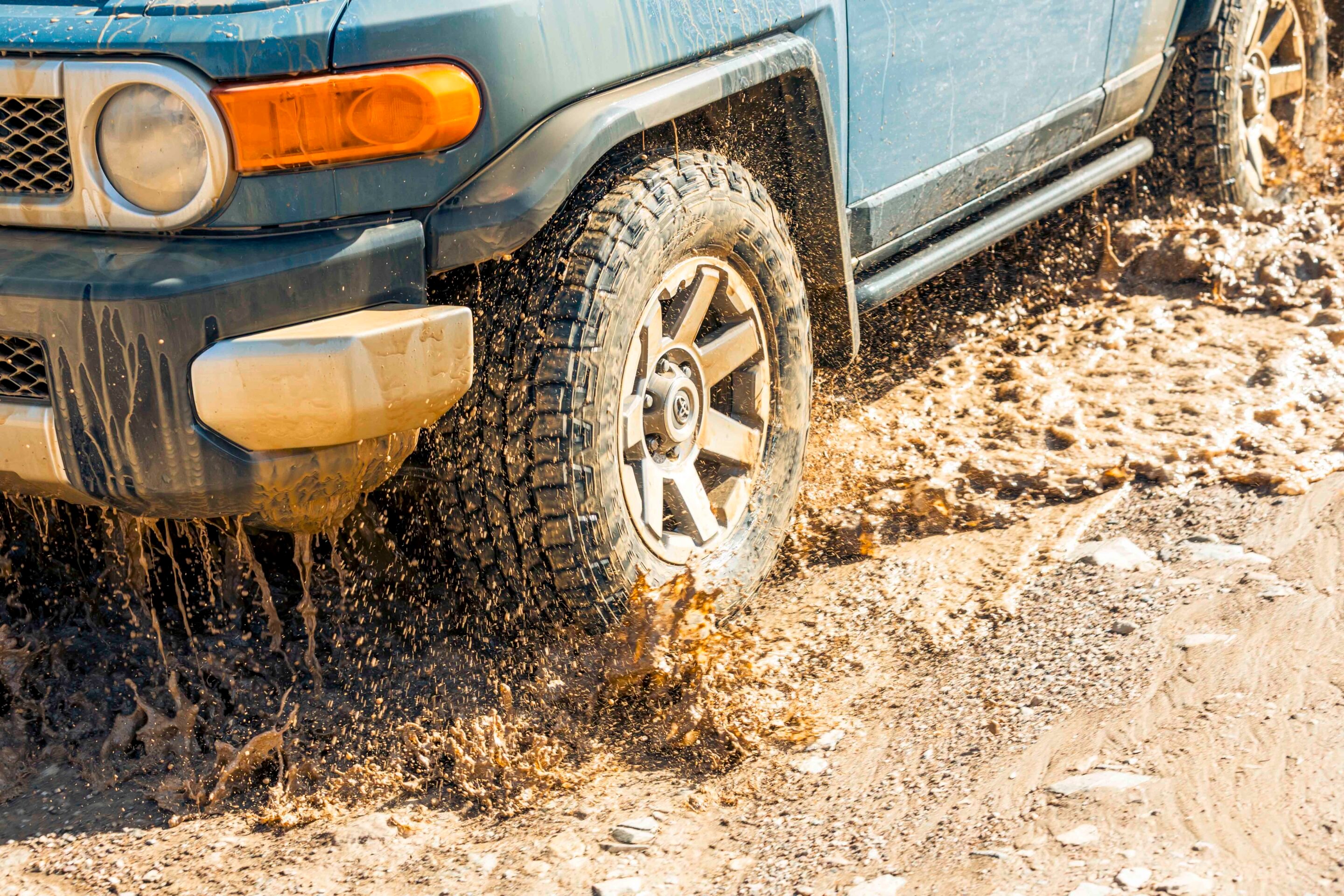
Regular travel on gravel roads has shown the tyres to offer strong grip and stability. Bounce reduction on corrugated corners is particularly apparent. On a trip to Lerdederg State Park, the tyres handled undulating terrain with ease, helping the FJ Cruiser maintain traction as the suspension reached full articulation.
The tyres are constructed with high-tensile cord across the tread face and sidewalls. This design is claimed to reduce the risk of damage by 33 per cent, increase puncture protection by up to 15 per cent, and improve overall load capacity and impact strength. While difficult to verify, post-rotation inspection revealed minimal visible damage – mostly light scuffing and some rounding on the outer edges, likely caused by minor kerb contact.
The FJ is equipped with 265/70R17 AT3 LTs, which originally featured a tread depth of 13.1mm. Measurements at the centre and edges now indicate an average tread wear of approximately 1mm, with slight variation on the outer edges.
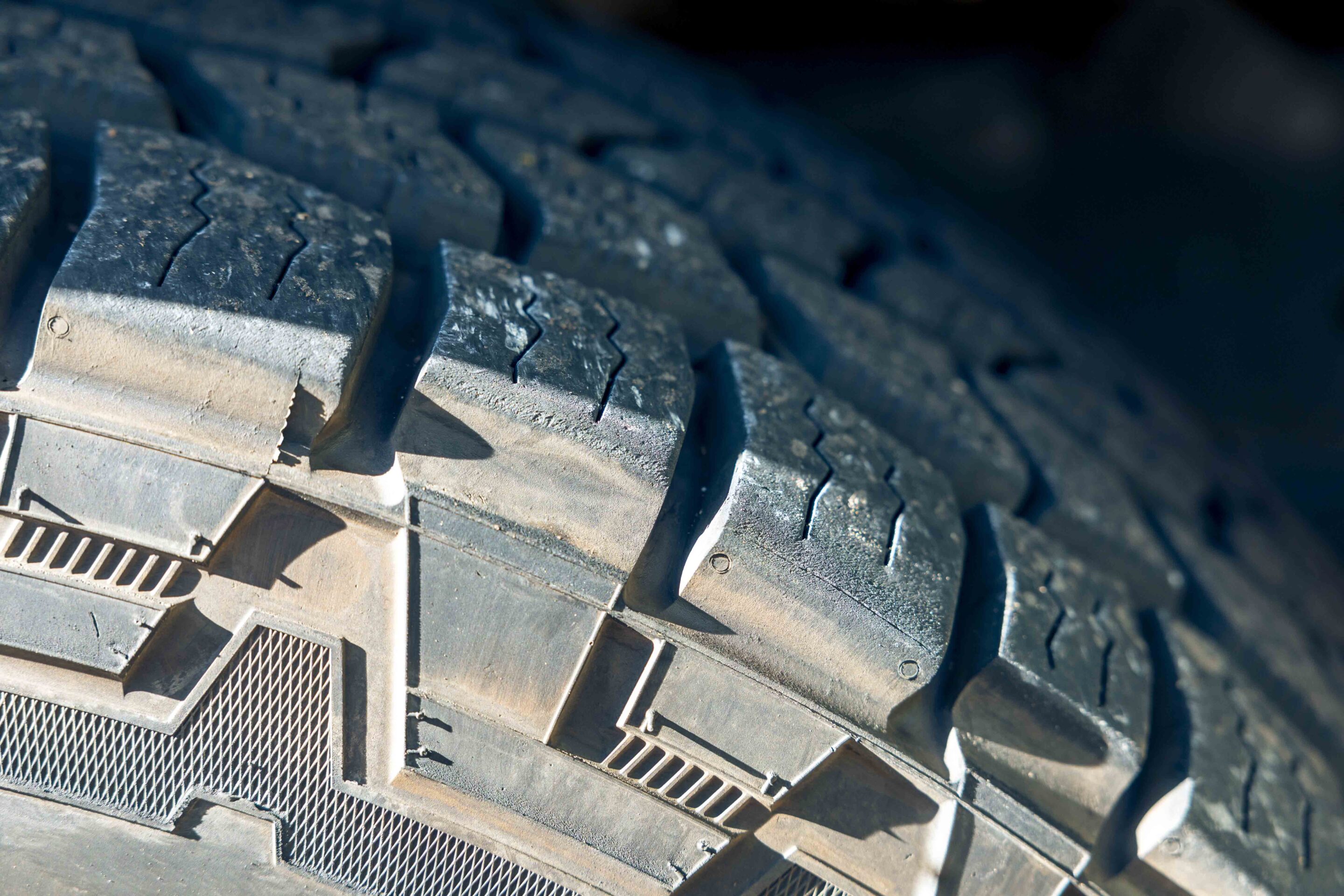
While not subjected to hardcore off-roading, the tyres have handled a wide range of conditions, including wet weather. With the FJ weighing close to 2000kg, confident braking in the wet is essential. The tyres’ full-depth microgauge siping is designed to reduce slippage and enhance grip in wet conditions, and performance in this area has proven reliable.
The sipe design also prevents stone drilling and helps minimise tread damage, with little visible deterioration after 20,000km. In muddy terrain such as the limestone-rich tracks at Lerdederg, the AT3 LTs have shown superior mud ejection compared to the OE tyres found on many press vehicles. Performance on sand has not yet been tested but is expected to be included in a future update.
The Cooper AT3 LTs have demonstrated impressive handling, low wear, and consistent performance across varied terrain. Their strength and durability will be reassessed at the 50,000km mark. Stay tuned.
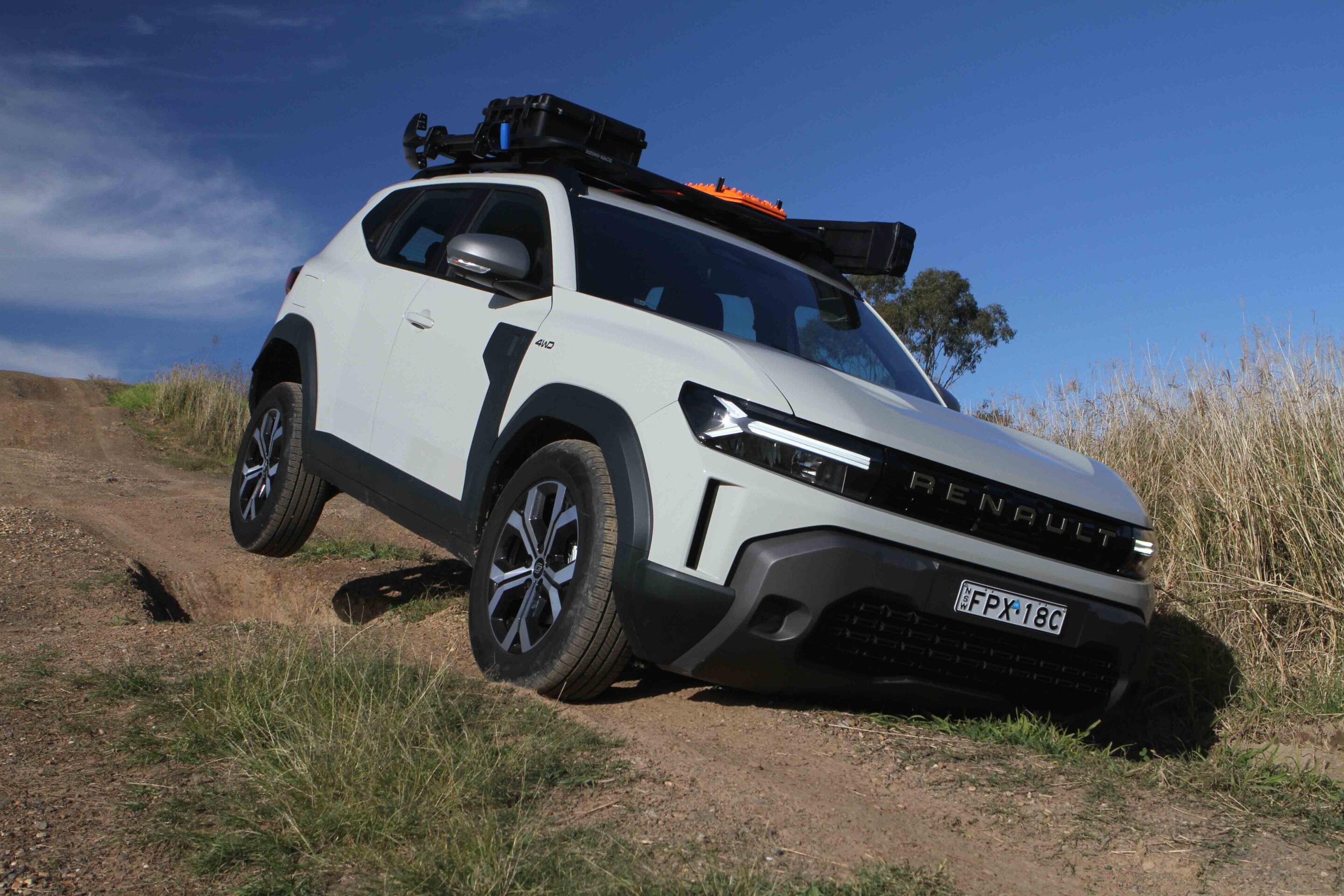
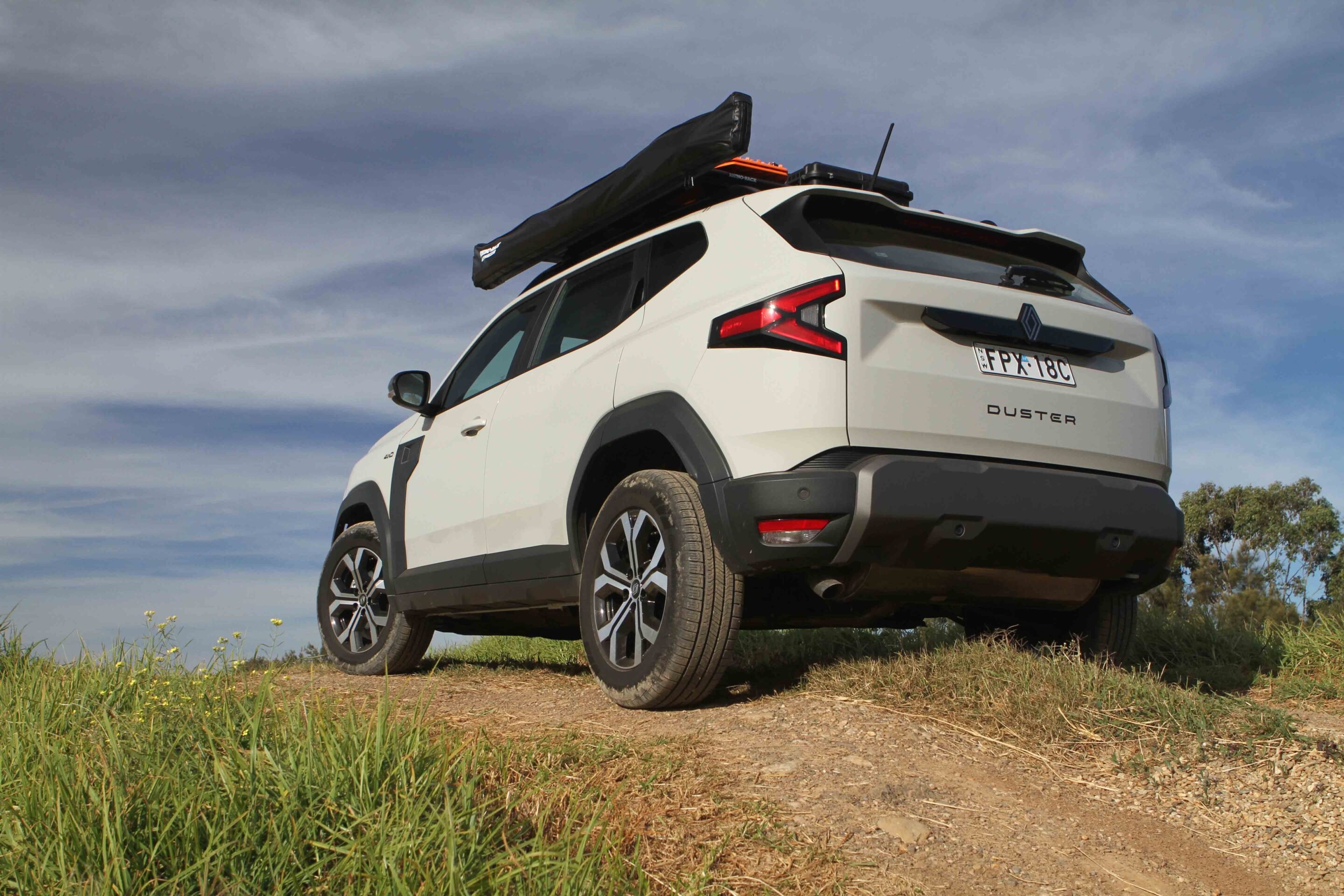
The Renault Duster has landed in Australia, with the 4×4 model attempting to rival the widely revered Suzuki Jimny.
Two powertrains – a 4×2 and a 4×4 variant – will initially be launched next month, following final validation and accessory fit-out currently underway. Renault has said the Duster will be available in “limited numbers” when it arrives but expects shipments to ramp up next year.
“Demand for this vehicle in Europe is very strong, so Australia will receive an initial allocation before shipments ramp up next year,” said Glen Sealey, General Manager at Renault Australia. “We ordered as many cars as we could this year, and we are now working closely with the factory to improve our allocation moving forward.”
The 4×2 model will use a turbocharged 1.3-litre four-cylinder petrol engine producing 113kW and 250Nm, paired with an automatic transmission. The 4×4 variant will be powered by a turbocharged 1.2-litre three-cylinder mild-hybrid petrol engine delivering 96kW and 230Nm, matched to a manual transmission.
| Features |
|---|
| Distinctive Y-shaped daytime running lights |
| 7-inch digital driver display |
| 10.1-inch infotainment screen |
| Apple CarPlay and Android Auto |
| Autonomous emergency braking |
| Driver attention alert |
| Traffic sign recognition |
| Lane-keeping assistance |
| Blind spot warning |
| Rear-view or multi-view cameras |
| Drive Mode selector with five modes (4×4 only) |
| Hill descent control system (4×4 only) |
The Duster has a ground clearance of 212mm, slightly higher than the Suzuki Jimny’s 210mm. It measures 4345mm in length and 1813mm in width, making it larger than the Jimny, which ranges from 3645mm to 3965mm in length (for the XL) and 1645mm in width.
It also features a longer wheelbase at 2657mm versus the Jimny’s 2250mm (2590mm XL), offering more cabin space and stability. However, the Jimny is taller at 1725mm (vs. 1650mm), giving it a more upright, compact profile.
Two model grades will be offered, but full pricing and specs will be announced closer to local showroom arrivals next month. However, dealers are taking expressions of interest for pre-orders.
| Dimensions | |
|---|---|
| Ground Clearance | Up to 212mm |
| Length | 4345mm |
| Width (body) | 1813mm |
| Width (mirrors folded) | 1921mm |
| Width (mirrors extended) | 2069mm |
| Height (with roof bars) | 1650mm |
| Wheelbase | 2657mm |
| Turning Circle | 10.86m |
“The Renault Duster has a level of genuine off-road ability for those who want to escape the urban jungle. That’s why we are working with Renault France and local accessory specialists to offer a wide range of options, so customers can get the most out of their new Renault Duster,” said Sealey.
“Customer demand for utes and four-wheel-drives in Australia is off the charts, but the new Renault Duster also reflects the Australian lifestyle. It is ideal for urban use, yet has the ability to unlock a weekend escape.”
A Suzuki Jimny has joined the men and women in blue, with an accessorised example added to the Lake Macquarie Police District’s Crime Prevention Unit.
Nicknamed “Sergeant Jim,” the vehicle will be used to highlight the partnership between NSW Police and Suzuki Australia – at schools, community events, and public safety initiatives to increase police visibility and improve engagement with local residents.
Before sending a prickly email to the local authorities, the Jimny was supplied under a sponsorship agreement – meaning no cost to the public.
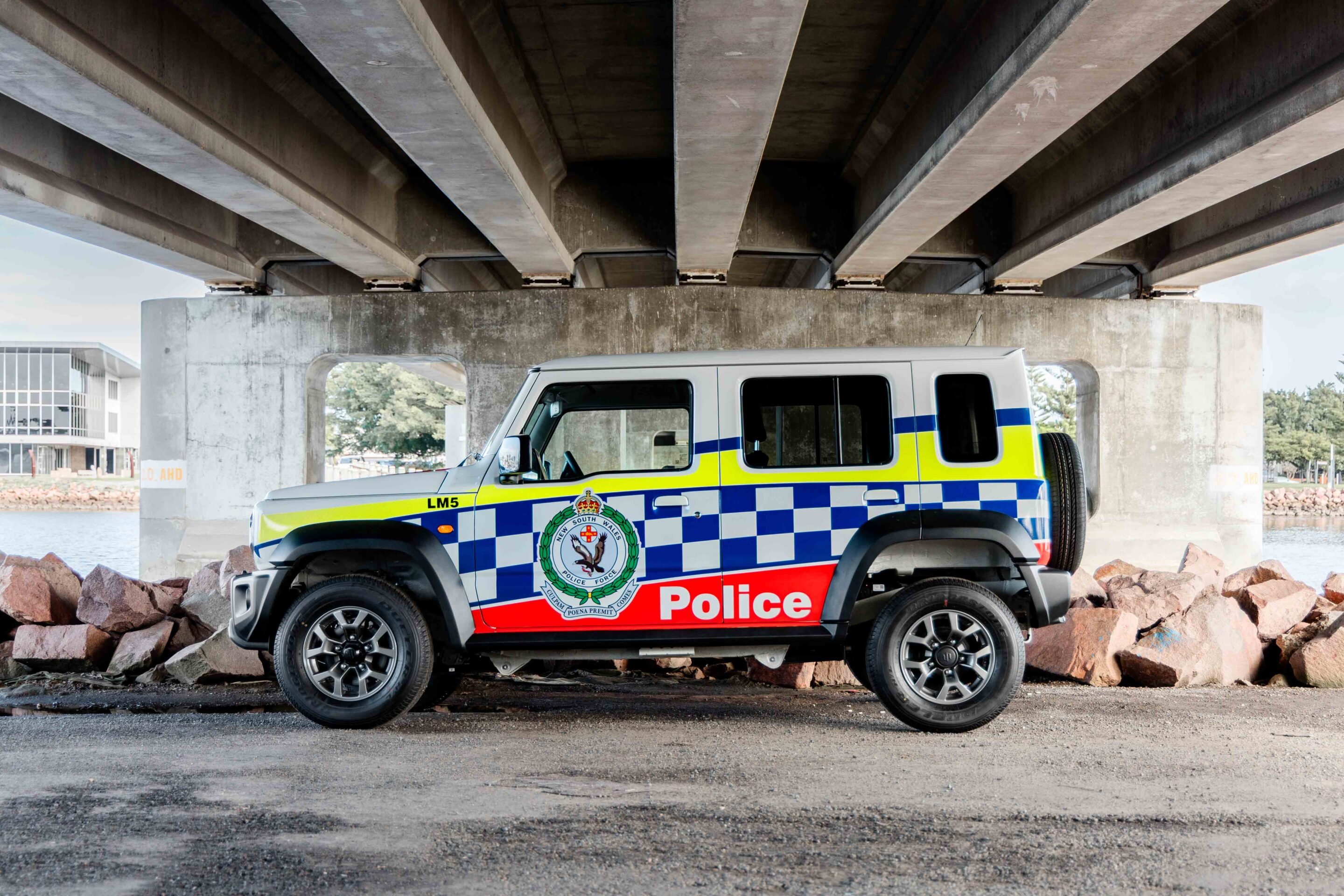
The Lake Macquarie Police District covers approximately 648 square kilometres and serves more than 221,000 people. With projected growth of over 24,000 new residents by 2036, the district is expanding its outreach and prevention efforts.
The Jimny was chosen for its recognisable design and broad appeal across age groups. Essentially limited to a paint-job, the vehicle has not been modified for active duty or off-road patrols – instead, its presence is intended to start conversations and build trust in the community.
“Sergeant Jim is more than just a vehicle, it’s a conversation starter,” said Michael Pachota, General Manager at Suzuki Australia. “In times when national crime rates are a topic of discussion, we saw an opportunity to contribute positively at a local level.”
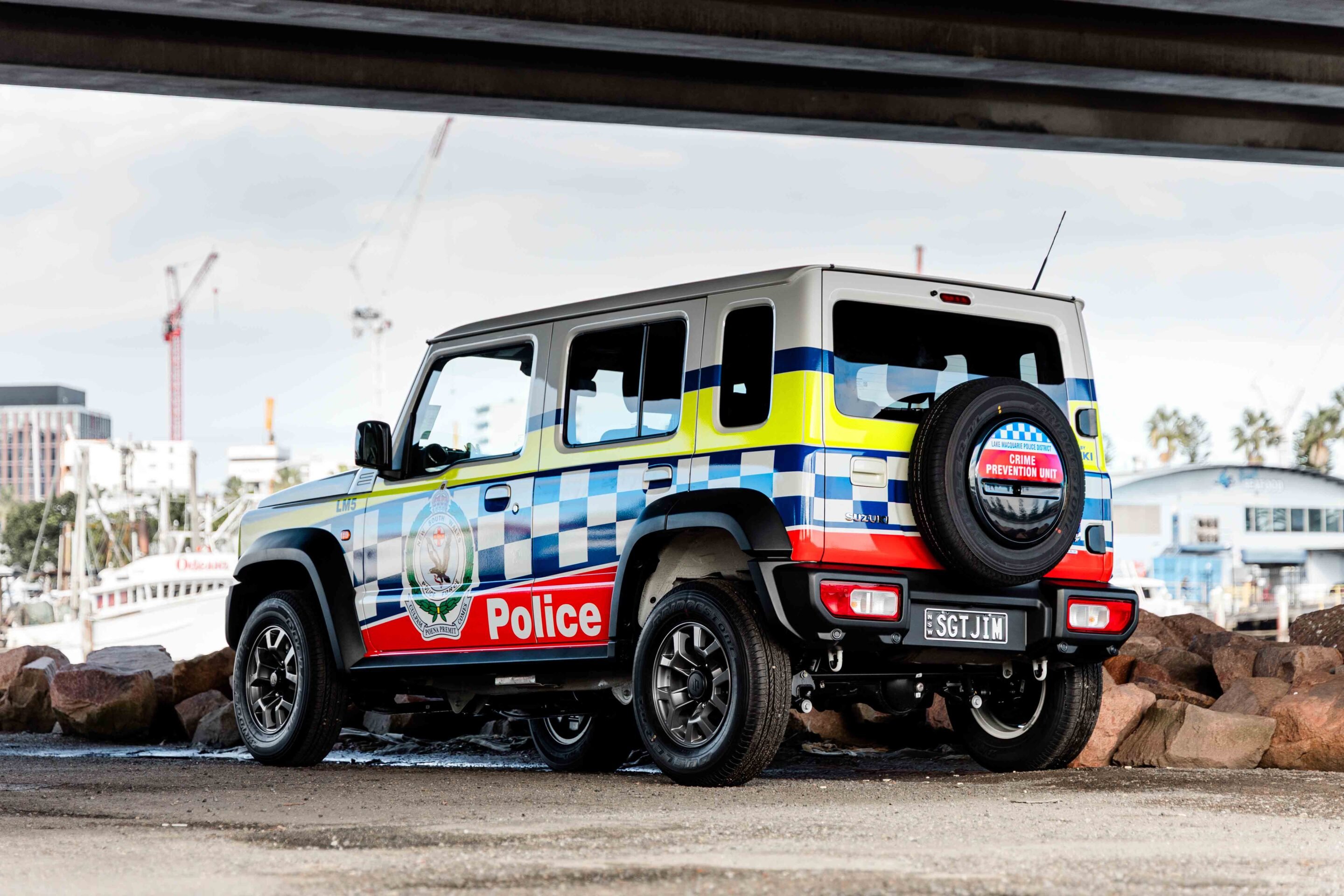
Suzuki’s involvement reflects the growing popularity of the Jimny in both urban and regional areas. The model has developed a strong enthusiast base in Australia, with owner events and convoys drawing hundreds of vehicles.
Sergeant Jim will not be used in frontline policing but will attend events and support the unit’s crime prevention and community engagement strategies throughout the Lake Macquarie region.
“Sergeant Jim’s livery will hopefully be a great conversation starter while on display and get more people, especially younger people, comfortable with approaching their local police,” said Superintendent Tracy Chapman APM, Lake Macquarie Police District Commander.
“The purchase of this vehicle comes at no cost to the community thanks to the generosity of Suzuki Australia in providing this vehicle for our community engagement activities.”
GWM has announced an upgrade to the service schedule for its Cannon and Tank 300 models equipped with the 2.4-litre turbo-diesel engine.
Effective for all 2025 Cannon and Tank 300 2.4-litre turbo-diesel vehicles, the updated service schedule pushes the first scheduled maintenance to 10,000km or 12 months. Ongoing services will now occur at 15,000km or 12-month intervals, depending on which comes first. Previously, the service schedule called for a first service at 5000km, followed by services at 10,000km intervals.
“After extensive collaboration with our factory and R&D teams, we have successfully optimised the service schedule for these models – improving owner convenience while also lowering overall maintenance costs,” said John Kett, COO of GWM ANZ.
| Applicable models | |
|---|---|
| 2025 Cannon 2.4-litre Diesel | Lux 4WD dual-cab ute |
| 2025 Cannon 2.4-litre Diesel | Ultra 4WD dual-cab ute |
| 2025 Cannon 2.4-litre Diesel | Vanta 4WD dual-cab ute |
| 2025 Cannon 2.4-litre Diesel | XSR 4WD dual-cab ute |
| 2025 Tank 2.4-litre Diesel 300 | Lux 4×4 |
| 2025 Tank 2.4-litre Diesel 300 | Ultra 4×4 |
GWM has also expanded its Capped Price Servicing program. For the Cannon 2.4-litre diesel, coverage now extends up to 70,000km – an increase from the previous 45,000km limit.
Some customers may still receive early service reminders based on the original 5000km schedule listed in existing service books. GWM says it will address this by issuing updated warranty and service booklets, reflecting the new schedule. Customers affected will be notified by email once the revised documents are ready.
The Tank 300 diesel comes with a seven-year/unlimited kilometre new car warranty, seven years of roadside assistance, and seven years of Capped Price Servicing. The Cannon offers the same seven-year/unlimited kilometre warranty, along with five years of roadside assistance and five years of Capped Price Servicing.
| Previous Service Intervals | New Service Intervals | |||
|---|---|---|---|---|
| Service Event | Months | Kilometres | Months | Kilometres |
| 1 | 6 | 5,000 | 12 | 10,000 |
| 2 | 18 | 15,000 | 24 | 25,000 |
| 3 | 30 | 25,000 | 36 | 40,000 |
| 4 | 42 | 35,000 | 48 | 55,000 |
| 5 | 54 | 45,000 | 60 | 70,000 |
| 7 | 66 | 55,000 | 72 | 85,000 |
| 8 | 78 | 65,000 | 84 | 100,000 |
| 9 | 90 | 75,000 | 96 | 115,000 |
| 10 | 102 | 85,000 | 108 | 130,000 |
| 11 | 114 | 95,000 | 120 | 145,000 |
| 12 | 126 | 105,000 | 132 | 160,000 |