Australian brand, 4×4 Megastores, has thrown its spanners at Toyota’s 79 Series to create a complete turnkey proposition.
The Toyota 79 Series Rambler Edition by TJM you see before you is a concoction of off-road gear from TJM, a body from Spinifex Manufacturing and the knowledge of 4×4 Megastores, and it seems punters can’t get enough of it.
Case in point is Malcolm, Leanne and their two daughters, in the above video. The adventurous family like to get outdoors whenever the opportunity presents itself, and they’ve decked out their 4×4 accordingly.
Modifications to the Cruiser include frontal protection, a suspension lift, a canopy down back, a roof rack up top, a dual-battery to keep the fridge running, a refreshed centre console, and a couple of spotties were installed up front.
The Rambler package is available for single- and dual-cab variants of Toyota’s 4.5-litre turbo-diesel V8-powered LC70. Expect a four- to five- week build time.
For a full list of features offered with the Rambler package, visit: http://www.4x4megastore.com.au/rambler-edition/
With the exception of a small community of doomsday preppers who have already sealed themselves in bunkers under the desert, it is impossible to ignore the rise in popularity of the dual-cab ute. And that’s a shame because, ironically, there’s a thriving segment at the pointy end of the one-tonne market that would really appeal to people who believe Armageddon is upon us.
The highly accomplished Ford Ranger Raptor took one-tonne toughness and off-the-shelf all-terrain ability to a new level and, despite a hefty asking price, people have been flocking to its combination of off-road athleticism gruff looks.
A handful of rivals have responded with toughened versions of more prosaic model lines including Toyota’s Hilux Rugged X and the HSV Sportscat but nothing has yet challenged Ford’s hulk and won.
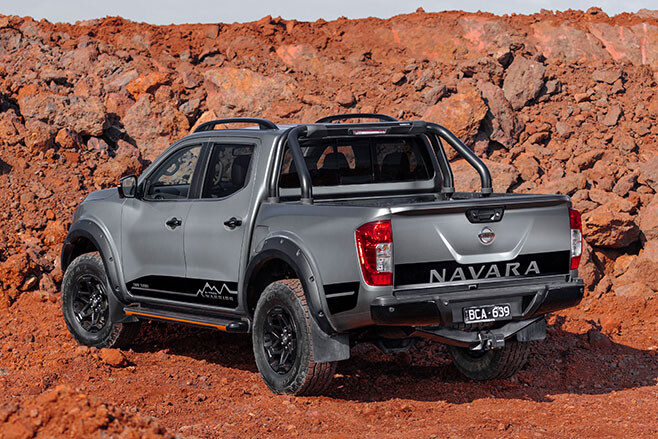
And now it’s Nissan’s turn. It might look like another lamb to the slaughter, but the new range-topping Navara goes further than the hopefuls before it, which did little more than add a bit of show and not much go.
For a start, Nissan Australia recruited automotive engineering authority Premcar – the mob that created the Ford Falcon Holy Grail – to craft a Navara specifically for Australian tastes. The result is a ute that you can’t buy anywhere else in the world, but that might change now Nissan global has sampled the results.
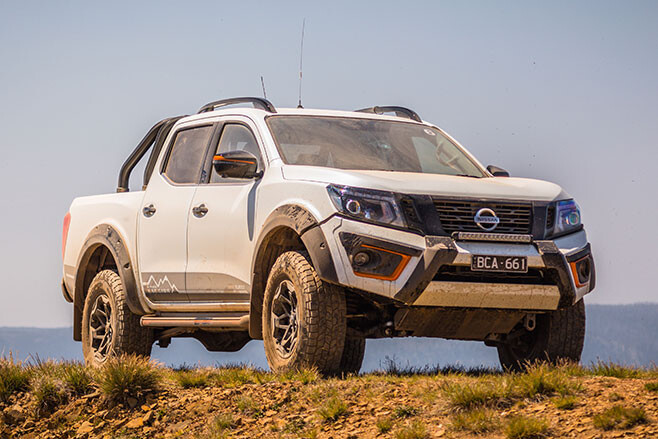
Oh and then there’s the name. Make no mistake on this Aussie-fettled off-roader’s intent because it’s called the Warrior. Based on the Navara N-Trek, the Warrior sits at the top of the pack as the new halo of the range and an ultra-sharp price of $62,990 driveaway (or $65,490 for an auto) is just the start of a compelling package. We sampled the new Navara N-Trek Warrior in Victoria’s spectacular high country to see how it establishes its position in the emerging premium dual-cab ute arena.
POWERTRAIN AND PERFORMANCE
What hasn’t changed is probably the best place to start with the Warrior and that includes its engine. It’s business as usual for the 2.3-litre twin-turbocharged four-cylinder diesel that drives the rest of the dual-cab Navara range (with the exception of the entry SL). That means 140kW and a respectable 450Nm sent to the dirt via a seven-speed automatic transmission or six-speed manual – also unchanged.
There’s good urgency off the mark and the four-pot is responsive in gears thanks to its sophisticated double-turbo plumbing, but it can feel lacking in outright power for road duties. Happily though, the engine and gearbox combine beautifully for off-road yakka with the linear-revving characteristics and solid torque throughout making so much more sense when the trail turns tricky.
It’s also frugal and seems happiest working hard. There are those who argue unnecessary complication of twin-turbos could potentially jeopardise reliability when you need it most, but you could counter-argue running out of fuel is more likely to leave you stuck outback.
ON-ROAD RIDE AND HANDLING
Much fanfare was made of the Navara’s coil-sprung rear axle when the NP300 (D23) launched in 2015, but the relatively unusual suspension set up has never quite delivered on its promise of unrivalled dual-cab comfort. Even with a couple of revisions since.
However, Premcar’s intervention has brought a dramatic improvement. Larger dampers, softer springs and revised bump stops, in conjunction with a lift, have transformed the Navara’s on-road nature. We only had a few kilometres of sealed roads to appreciate it but, such is the improvement, that’s all it took.
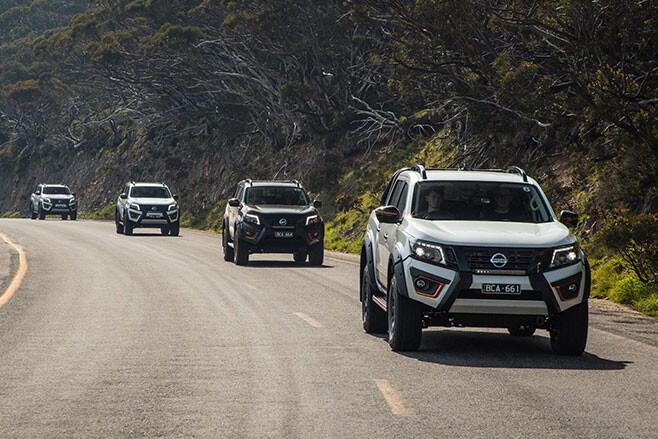
The Warrior feels more stable at speed, turns in with more obedience and the tail is now not jarringly stiff. Unlike the Raptor, which underwent complete suspension component substitution over the rest of the range and sacrificed towing capacity, the Navara retains its 3500kg rating and only forfeits about 190kg in payload with the addition of its extra equipment.
32-inch Cooper Discoverer all-terrain tyres are also included as part of the Warrior transformation which promise good times off-road but are notably quiet and smooth on-road too. Perhaps the only disadvantage to the silent rubber is that it allows you to better hear the wind noise from the standard sports bar.
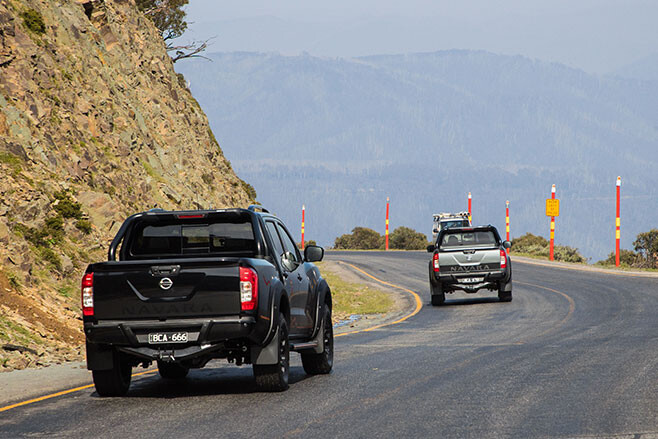
It’s not hard to see why Japanese engineers are closely examining the changes made on Australian soil by Australian developers, and the Warrior may subsequently conquer other markets outside its country of origin.
OFF-ROAD
And the deft suspension tuning continues to deliver when the road comes to an end too. In standard trim, the Navara wasn’t exactly hobbled off-road, but the Warrior’s set of modifications have made a huge difference here too. A 40mm total lift (the result of suspension mods combined with 32-inch Cooper rubber) has boosted ground clearance to 268mm with significant improvements to approach and departure angles – now 35-degrees and 29-degrees respectively.
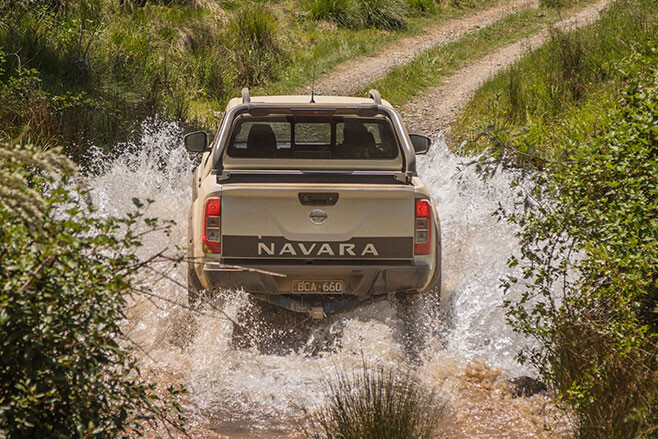
The combination is a seriously well-rounded performer in the rough. Washed out drains that might have grazed the nose of some others are now a breeze and we only touched earth with the towbar once. Speaking of which, the towbar is part of the Warrior package and has been significantly reengineered to allow a fifth 17-inch wheel wearing the same Cooper tyre to come along for the ride in the standard position under the tub. That’s a big plus for those wishing to hit the high-country hard.
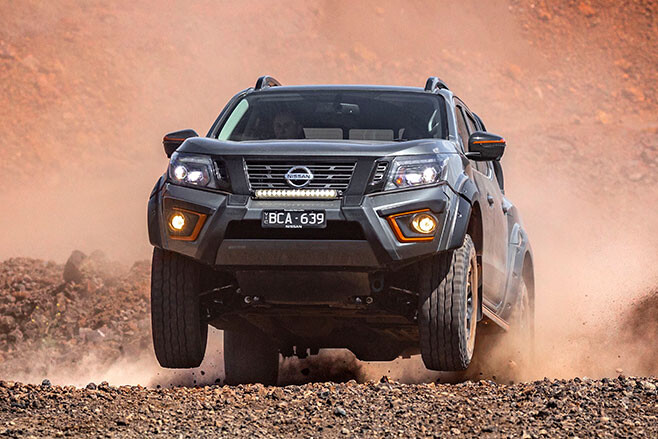
The bespoke alloy wheels are an inch smaller than the standard N-Trek rims, but that allows more tyre to be fitted for all the advantages associated with taller side-walls.
In previous tests we praised the Navara’s locking diff which maintains front axle traction control, and the feature works even better with the modified set up. Rather than pointing the Warrior at nasty moguls and pulling the trigger, a slower, careful approach is possible allowing more precise negotiation of the most challenging terrain. The overall sense of control and capability is notable and brings a renewed sense of confidence to push harder and go further.
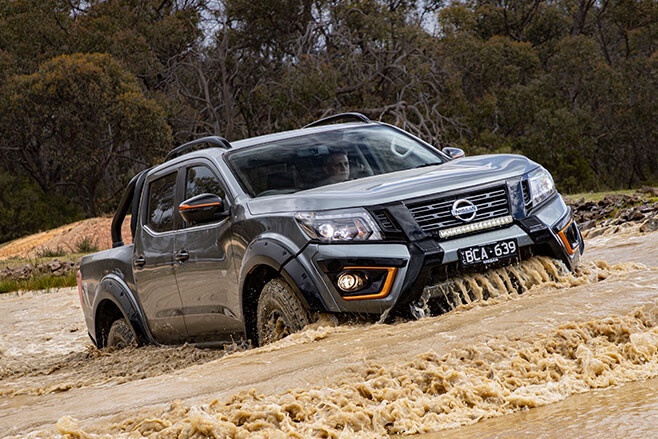
The rear axle revisions have also imparted a ride that has boosted cabin comfort for occupants. The onset of fatigue from long days away from sealed surfaces is delayed and our driver and one passenger arrived at camp feeling fresher than expected. We still needed a beer though.
PRACTICALITIES
Just as commendable as the Warrior’s tangible changes is the warranty that comes with it. Despite the significant mods, Nissan’s recently introduced five-year promise is honoured by the Warrior. Premcar’s engineering director explained that’s one reason the lift kit was capped at 40mm. If you see aftermarket options to boost your Navara to 50mm, expect the ball joints to over articulate and fail early, says Bernie Quinn. Everything that’s bolted to the Warrior however, is covered.
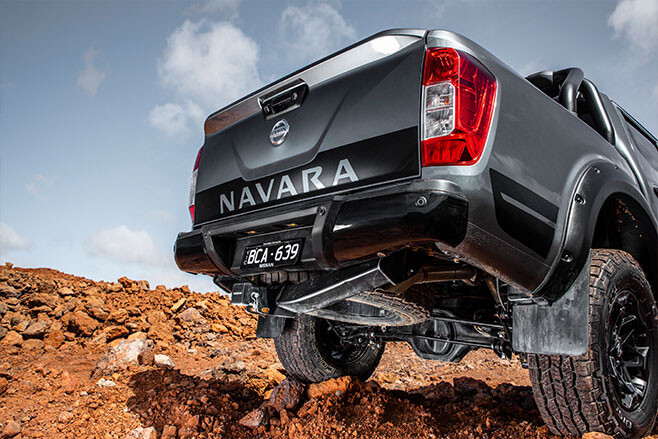
Taking out a roo isn’t. But at least the fully-integrated hoopless bull bar provides some protection from wayward marsupials. The feature is a standout adding a great purposeful front end aesthetic along with its extra light bar. The Warrior couldn’t be further from looking like a sticker pack or accessory program, it’s handsome with a solid stance and looks like a well-considered package – because it is.
CABIN AND EQUIPMENT
Aside from some orange highlights and embroidered headrests, there’s not a lot inside the Warrior to remind you that it’s quite special. In some other dual-cabs that might not be such a criticism but here was an opportunity for some of the less-inspiring Navara design to be redeemed – but was ignored.
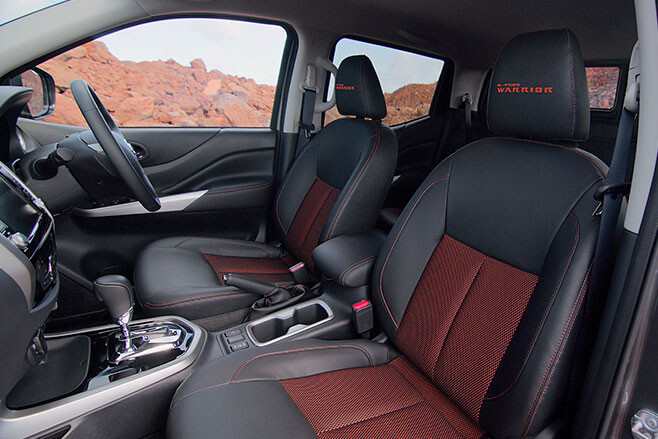
Rear seat room is certainly adequate if your intention is as a family wagon, and comfort in all five spots is good – although a steering wheel that doesn’t adjust for arm reach is a reminder that the NP300 Navara is feeling its age. Inoffensive is probably the fairest way to describe its interior.
SUM UP
Without the significant advantage of a fully-engineered suspension set up including Fox dampers and a tailored chassis to accommodate it, it’s unlikely anything is going to match the unstoppable manners of the Ranger Raptor. And nor does the Navara N-Trek Warrior.
But neither does it have the eye-watering price that comes with a similarly extensive development program. And that’s where the Warrior really excels – in value. Costing just $6500 over the previous N-Trek flagship, the value of a locally developed machine that looks handsome without being ostentatious and genuinely delivers is simply undeniable.
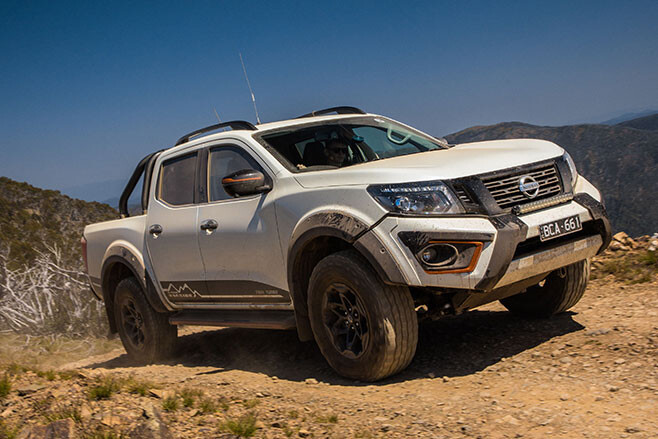
While it doesn’t look like anything is going to defeat the mighty Raptor just yet, the N-Trek Warrior is a worthy adversary to its sibling the Wildtrak, as well as the equivalent Toyota Hilux Rugged X and HSV Sportscat. The Raptor might secure its reign through brute force, but the Warrior’s most potent weapon is the ability to fight fearlessly on the value front line.
We take a closer look at 3XM’s Deluxe Smooth canopies and Rhino-Rack’s Pioneer Thru Axle bike carrier.
3XM Deluxe Smooth Canopies
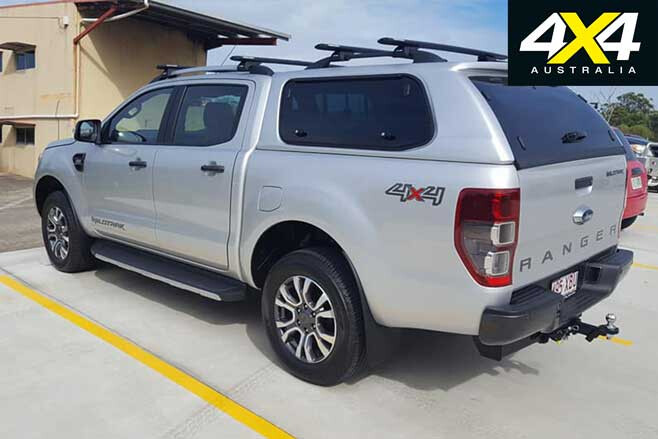
3XM Deluxe Smooth Canopies are manufactured from heavy duty hand-laid fibreglass and feature a textured finish with a small raise in the roofline. They have a durable resin-based UV-protected gel coat exterior and mould-resistant flow coat interior.
Features include tempered 4mm safety glass all ’round with a 30 per cent tint on the sides and rear, sliding windows with flyscreens, triple-positioned locks on the sliding windows for ventilation and security, LED interior strip light, gas strut assisted rear door with central T-handle, LED brake light and a sliding front window.
RRP: From $2100 (plus freight or fitting) Website: www.3xm.com.au
Rhino-Rack Pioneer Thru Axle Bike Carrier
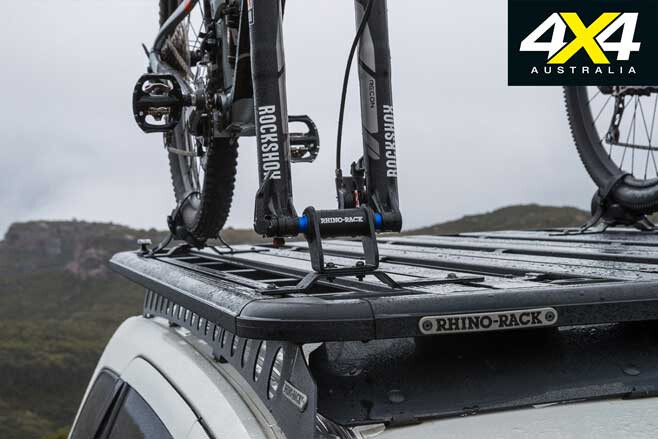
The new Rhino-Rack Pioneer Thru Axle Bike Carrier is the brand’s first bike carrier specifically engineered to attach directly to the Pioneer Platform. The kit comes pre-assembled with a 15 x 100mm through-axle insert, and Rhino-Rack offers additional sizes to suit different bikes.
The front of the bicycle is secured with a fork carrier that can be rotated to prevent handlebar clashes with other bikes, and the rear wheel can be quickly and easily secured via a strap. The rear wheel carrier can also be flipped to fit on smaller trays.
The carrier housing is made from black satin powdercoated steel, while the inserts are blue anodised aluminium to prevent corrosion. The Thru Axle Bike Carrier is rated to carry up to 17kg on-road and 11kg off-road.
RRP: $129 Website: www.rhinorack.com.au
It’s that time of year when we dust off the swag and head to the hills for some R&R.
Our Summer 2020 issue is out just in time for the end-of-year festive season, where many of us will use the break to put some well-earned miles beneath our tyres.
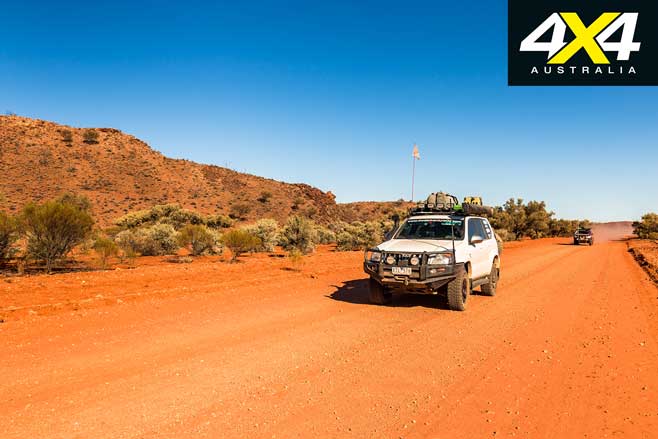
To this end, we ventured to some amazing destinations for this issue, and you could do far worse than add these to your to-do list. We traversed the iconic Binns Track in the NT; explored along the Murray River in the Chiltern-Mt Pilot National Park in Vic; hit the remote parts Idalia National Park in Qld; and took a bunch of folk from the aftermarket industry to Glenreagh in NSW for the 4X4 Australia Advertisers’ Trip.
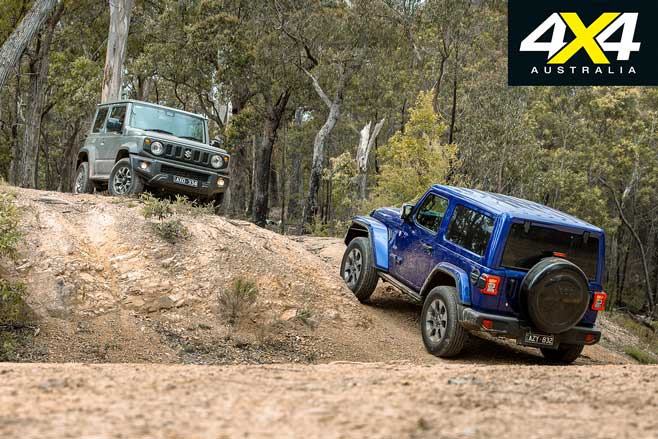
Also in this overloaded issue we took a spin in Ram’s 1500 Laramie EcoDiesel and Nissan Navara’s RX cab-chassis. Plus, we pit the only two two-door SWB 4×4 wagons currently on sale in Australia against each other: the Jeep Wrangler Overland and the Suzuki Jimny.
On the custom front we got up close with AFN 4×4’s meticulous work-rig Jimny, as well put a tidy classic FJ45 LandCruiser under the microscope.
Editor Matt headed to the SEMA Show in Las Vegas and voted for the 10 best new products at this year’s event, and we’ve spoken to the experts to bring you a comprehensive diff lock buyers’ guide.
WHAT ELSE IS THERE? – 4×4 Shed: Ranger XLS, 2001 Patrol and Jimmy’s Hilux. – Patriot X1-H camper tested. – New gear and product tests. – Opinions, news, stats and readers’ rigs.
The Summer 2020 issue of 4X4 Australia will be available in stores from December 12.
NISSAN Australia has jacked up the price of its Navara 4×4, from the base-model single-cab DX all the way up to its dual-cab ST-X Premium.
The price changes range from as little as $300 for the single-cab DX cab-chassis up to $500 for a number of variants including the dual-cab ST-X in manual and automatic guises.
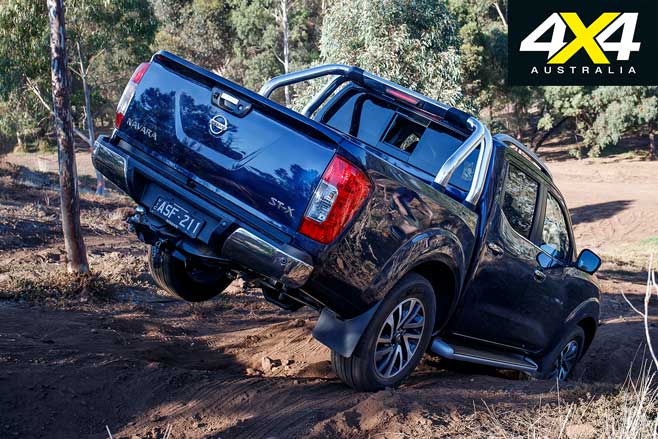
Depending on model, the Navara 4×4 range utilises either a 2.3-litre turbo-diesel engine that makes a claimed 120kW/403Nm or a 2.3-litre twin-turbo-diesel engine that peaks at 140kW/450Nm.
Pricing for the Navara N-TREK, which arrived in mid-2019, remains unchanged at $56,450 (manual) and $58,950 (auto).
| Model | Was | Now | Difference |
| Single DX c/c (M/T) | $32,350 | $32,650 | +$300 |
| Single RX c/c (M/T) | $33,350 | $33,700 | +$350 |
| Single RX c/c (A/T) | $35,850 | $36,200 | +$350 |
| King RX c/c (M/T) | $35,850 | $36,200 | +$350 |
| King RX p/u (M/T) | $37,650 | $38,000 | +$350 |
| King ST p/u (M/T) | $44,650 | $45,100 | +$450 |
| King ST p/u (A/T) | $47,150 | $47,600 | +$450 |
| King ST-X p/u (M/T) | $50,750 | $51,250 | +$500 |
| King ST-X p/u (A/T) | $53,250 | $53,750 | +$500 |
| Dual RX c/c (M/T) | $38,850 | $39,250 | +$400 |
| Dual RX c/c (A/T) | $41,350 | $41,750 | +$400 |
| Dual RX p/u (A/T) | $43,450 | $43,850 | +$400 |
| Dual SL p/u (M/T) | $44,600 | $45,050 | +$450 |
| Dual SL p/u (A/T) | $47,100 | $47,550 | +$450 |
| Dual ST p/u (M/T) | $47,450 | $47,900 | +$450 |
| Dual ST p/u (A/T) | $49,950 | $50,400 | +$450 |
| Dual ST-X p/u (M/T) | $52,750 | $53,250 | +$500 |
| Dual ST-X p/u (A/T) | $55,250 | $55,750 | +$500 |
| N-TREK (M/T) | $56,450 | $56,450 | – |
| N-TREK (A/T) | $58,950 | $58,950 | – |
FCA has announced that the full line-up of Jeep vehicles will be electrified by the year 2022.
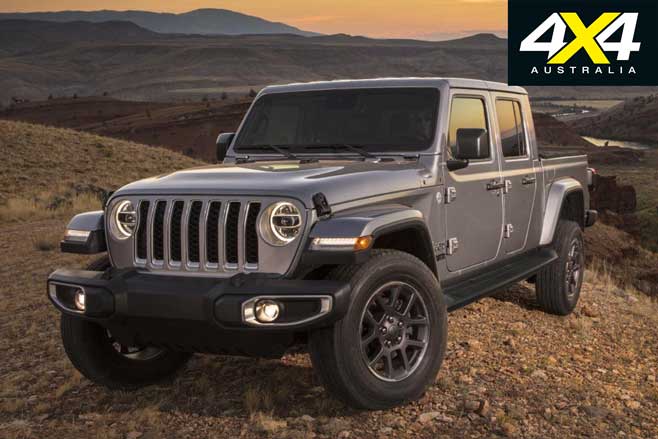
The Australian line-up includes all of its SUVs ranging from the Compass, Cherokee, Grand Cherokee, Wrangler and the new Gladiator pick-up truck, which goes on sale in quarter two of 2020.
Globally, the EVs will also include the compact Renegade SUV, which is no longer sold in Australia; the seven-seat Grand Commander, which is sold exclusively in China; the yet-to-be-released Wagoneer and Grand Wagoneer large SUVs; and the next-generation Grand Cherokee. All of these vehicles will offer either PHEV or BEV variants in addition to internal combustion powertrains by 2022.
Speaking at a Jeep drive event in New Zealand this week, Jeep Global President Christian Meunièr said Jeep would be, “the greenest SUV brand in the world.”
Meunièr went on to also say that the electrified Jeeps will be, “the best Jeeps ever” and that they would be the most capable as well as being the fastest Jeep models.
The Jeep EVs will form part of a grand expansion plan for the Jeep brand worldwide.
Over the last 10 years Jeeps global sales have increased five-fold from 300,000 units in 2009 to 1.5 million in 2019, and Meunier sees that growth continuing with new models and powertrains. This impressive sales growth has not been matched in the Australian market, however, with the brand selling 4193 units locally in 2009 and projected to sell 5622 units in 2019 – a more modest increase of around 34 per cent over the same 10-year period.
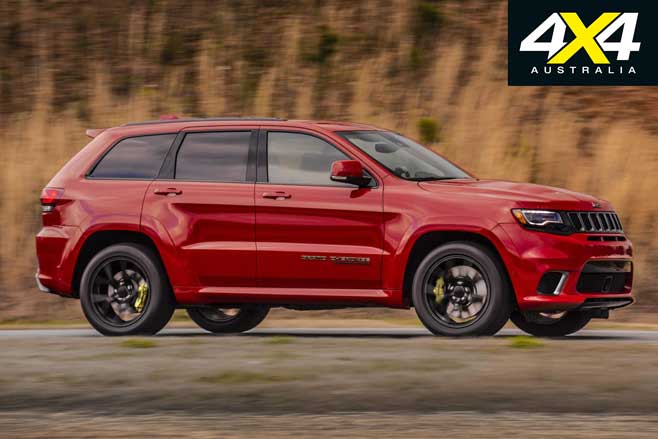
Nevertheless, sales could be boosted by the introduction of the 2021 Jeep Grand Cherokee, which is expected to be revealed toward the end of next year and is tipped to ride on a platform derived from an Alfa Romeo product. It will be bigger than the current generation Grand Cherokee and is expected to include a three-row, seven-seat variant. Jeep Australia’s new Managing Director, Kevin Flynn, said he would be very excited to see such a model here, while not actually confirming its existence. “I think a seven-seat Grand Cherokee would do very well in Australia,” he exclaimed.
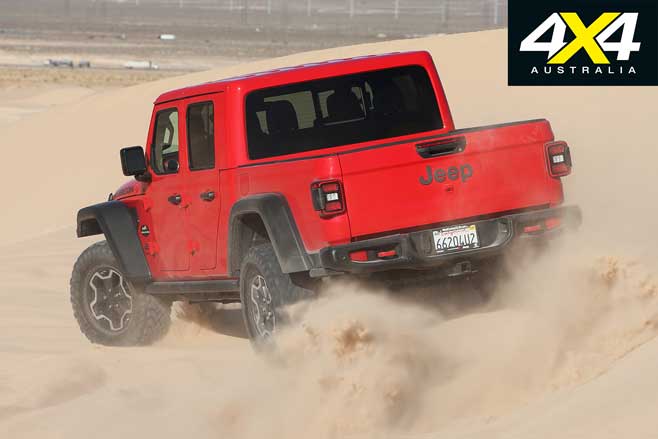
THE JEEP JT Gladiator pick-up will hit Australian dealers in the second quarter of 2020 and it’s set to be a serious off-road contender in among the many double-cab 4×4 utes already on the market.
With its live axles front and rear and the availability of a hardcore Rubicon model sporting front and rear locking differentials, a disconnecting front sway bar, off-road tyres and suspension and super low gearing, it really is a Jeep Wrangler truck.
Jeep officials have been very coy when asked of a diesel-fueled engine for the Gladiator, and they will not confirm if we will get one. The double-cab 4×4 ute market in Australia is dominated by diesel engines and the appeal of a petrol-fuel-only pick-up will be limited.
The Gladiator will be available with a 3.0-litre turbo-diesel V6 engine in the US, which was recently made available in the JL Wrangler there. The international and hence Australian version of the JL Rubicon makes do with a 2.2-litre four-cylinder turbo-diesel, and neither the 2.2 nor the 3.0-litre V6 diesel have been confirmed for Australian Gladiators.
We can confirm the JT Gladiator will only be offered with the venerable 3.6-litre Pentastar V6 backed by the eight-speed ZF transmission at launch in Australia. This revvy combo makes the same 213kW and 353Nm as it does in the Wrangler, and it will be backed by either a Command-Trac transfer case in the lower specification or the 4.1:1-geared Rock-Trac T-case in the Rubicon model. We’re expecting Jeep Australia to offer just two models, the Rubicon and most likely an Overland specification.
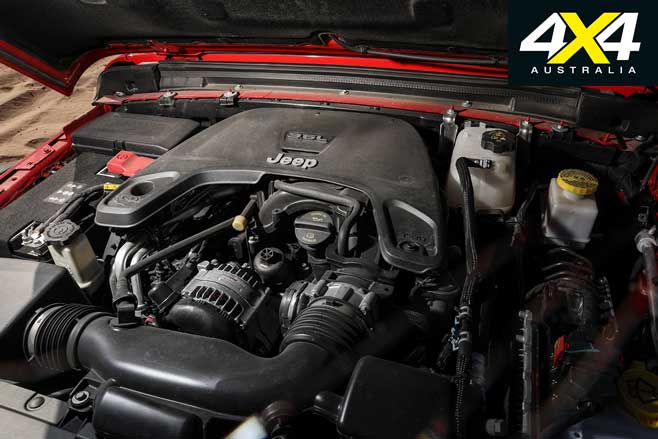
Full Australian specification, pricing and the model range is yet to be announced, but what we do know is that, like the JL Wrangler, Australia will get an ‘international’ variant of the Gladiator, so it won’t necessarily be the same as the US models we drove recently in the USA and New Zealand.
That means it will have a transfer case that offers full-time 4×4 as well as 2WD, locked 4×4 high range and locked 4×4 low range; unlike the traditional part-time system found in the US-specification. It could also mean Aussie Gladiator Rubicons will only come with 32-inch tyres, as opposed to the 33s and 35s offered in the States.
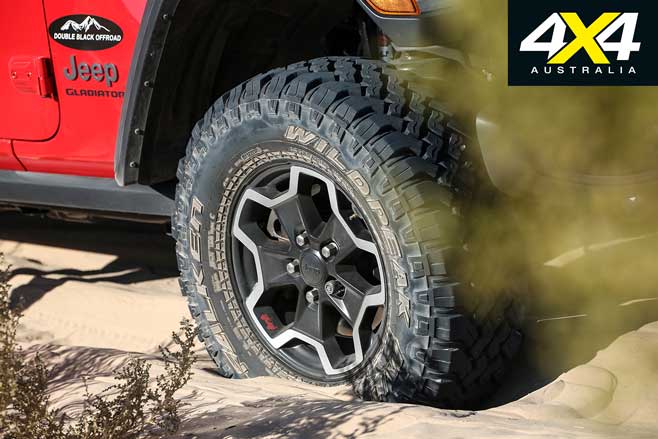
The Gladiator is a true truck and its 5-link rear suspension has been adapted from the Ram 1500 pick-up to make it a better load carrier and tow vehicle. That said, the payload is rated at just 620kg and towing at 2721kg; well short of the up-to-one-tonne and 3500kg load and tow ratings of most popular 4×4 utes.
The cargo bed is deep, and at 1.5 metres long it can accommodate a decent load or a couple of dirt bikes. The tailgate is rated to support 800kg, which itself would exceed the vehicle’s payload.
With its lower load and towing capacities and lack of a diesel engine option (at least at launch) we have to wonder how many Australians will take up the Gladiator purely on its macho looks and unrivalled off-road capability. A big part of the answer to that question will come down to local pricing, but again, we’ll have to wait until closer to its launch for that to be announced.
NISSAN Australia has pulled the wraps off its Navara N-Trek Warrior, the vehicle it hopes will take the battle up to other tricked-up 4×4 utes such as the Ford Ranger Raptor, Toyota Hilux Rugged-X and the HSV SportsCat.
It’ll be priced at $62,990 before on-road costs in six-speed manual guise, and $65,490 when fitted with an auto.
This undercuts rivals like the Ford Ranger Wildtrak X ($65,690 in 2.0-litre/10spd guise), but is more expensive in auto form than the HSV SportsCat V ($62,490), which is based on the Holden Colorado.
It’s also pipped by the more powerful Volkswagen Amarok V6 Highline Black ($64,990).
The N-Trek Warrior will be based on the recently released Navara N-Trek model, but it adds beefed-up suspension, bigger wheels and tyres, a steel front bumper and other tack-ons.
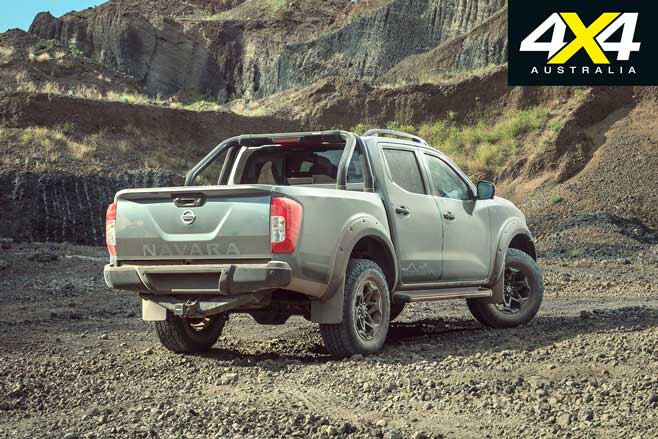
The regular Navara N-Trek retails for $56,450 in six-speed manual form.
The list of equipment fitted to the Warrior includes a steel front bumper, LED light bar, sports bar, model-specific alloy wheels and tyres, and a sticker pack just like the Rugged-X, but it adds a suspension package that adds 15mm to the ride height and is said to improve both on- and off-road ability. 275/70-17 Cooper AT3 tyres add a further 25mm to the ride height for a total of 40mm overall lift, and they widen the wheel track by 30mm to total 1600mm.
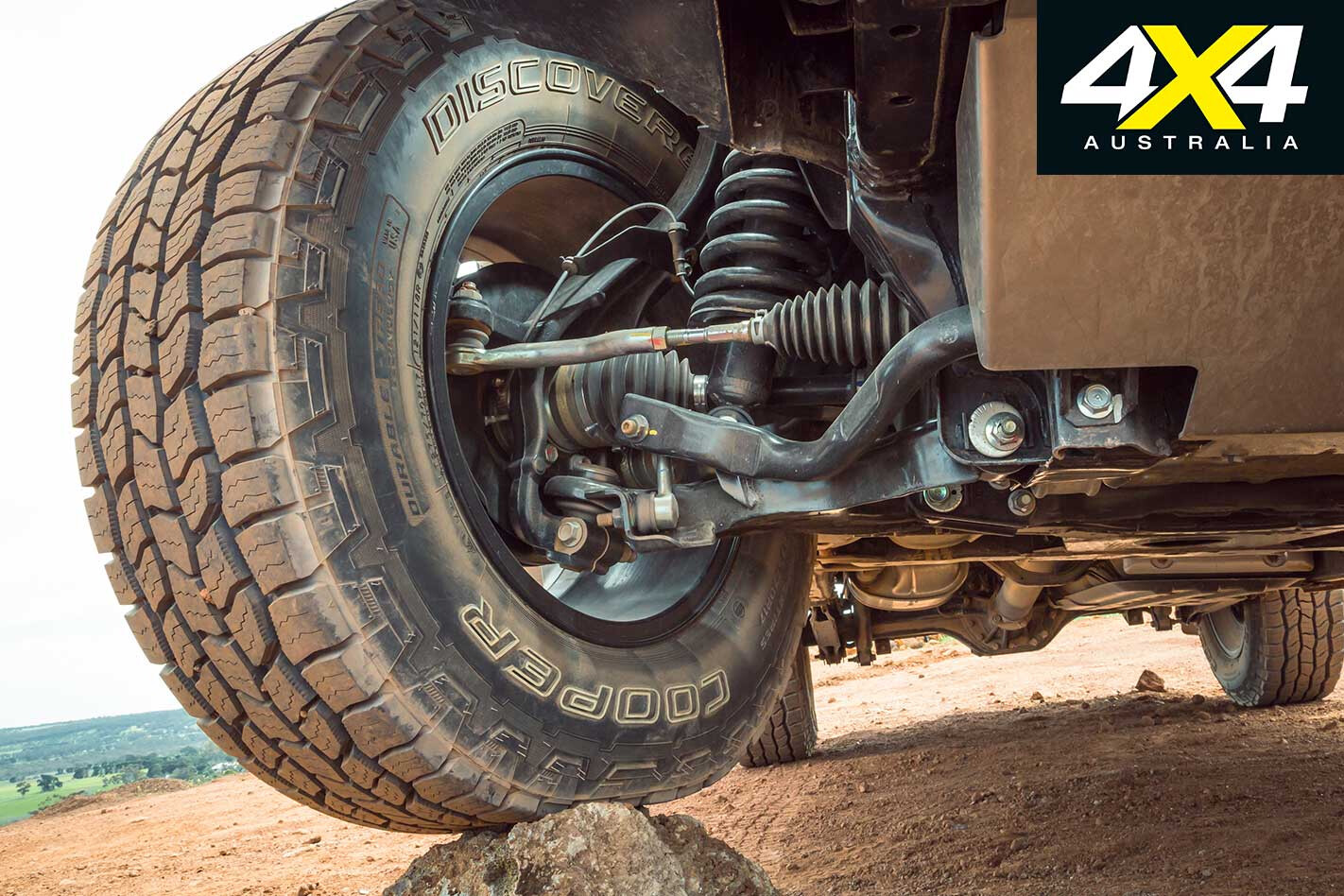
The suspension package is based on dual-rate coil springs which are softer than the standard Navara springs, to better let the suspension do its work. Special progressive bumps stops are fitted to dampen any hard knocks felt off-road. The shock absorbers are larger diameter tubing for increased oil capacity, with larger dampening rods for firmer control both on- and off-road.
Rather than simply bolt on a pile of accessories to the Navara N-Trek, Nissan Australia enlisted engineering firm Premcar to design, develop and test the product for the Warrior. Premcar is better known as a Ford performance tuner and is staffed by many former Prodrive employees who previously worked on the FPV Ford vehicles. Most recently, Premcar created the ‘Holy Grail’ Falcon.
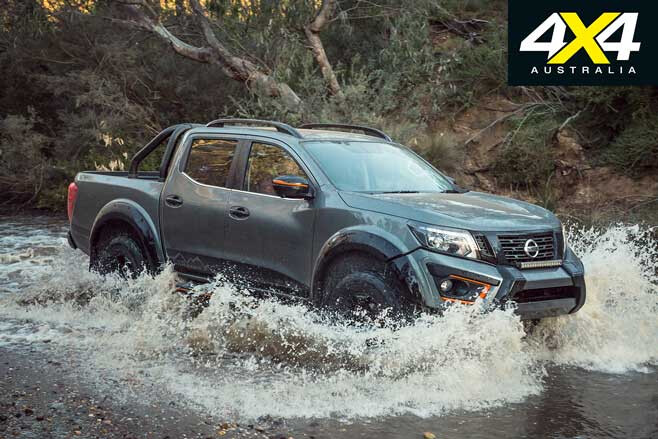
For the Nissan project, Premcar has built a new dedicated 6300 square-metre manufacturing facility in Melbourne’s northern suburbs, with 40 new hires added to the staff. With the R&D stage of the Warrior now complete, the vehicles will be hand-assembled at this bespoke facility starting in November.
With Premcar’s experience working with OE manufacturers, Nissan has been able to ensure the Warrior and all its accessories meet all the company’s standards and warranties. Additionally, the Navara’s 3500kg towing and GVM capacities are retained.
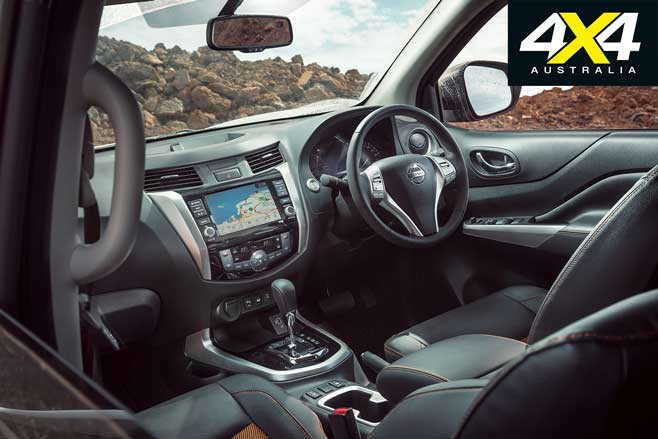
The steel front bumper is derived from the genuine Nissan accessories full bullbar but has been cut down to a loopless design and had unique bumperettes and fog lamp enclosures added. It mounts a 470mm, 16 LED light bar sourced from Hella. Under the bumper is a 3mm stainless steel underbody protection plate.
The Navara N-Trek Warrior retains all the features of the standard N-Trek including blacked-out fender flares, alloy sports bar, LED headlamp bezels, side steps, rear vision mirror caps, rear bumper, grille, door handles and roof rails, partial leather seats with dark orange fabric seat inserts and heating for the front seats, and dark orange accent stitching throughout seats, centre console, front door armrests and steering wheel. The standard N-Trek’s 18-inch alloy wheels have been replaced with 17s on the Warrior, for better off-road use.
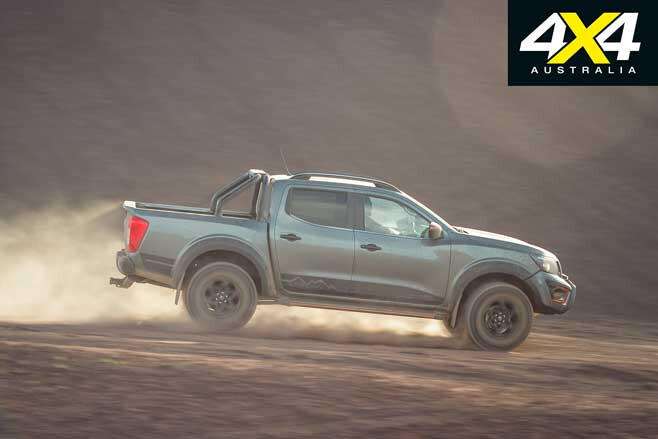
Production of the Navara N-Trek Warrior begins at the Premcar facility in November, with deliveries going out to Nissan dealers in December.
It will only be available as a double- cab 4×4 ute, with a choice of manual or auto transmissions and in only three colours. The only engine option is the 2.3-litre bi-turbo diesel as found in the regular Navara, and this remains unaltered in the Warrior.
We look forward to putting the Warrior out to play on the track to see how well the sum of its parts comes together.
THE JT GLADIATOR marks Jeep’s return to the pick-up truck market, and the good news is it’s coming to Australia.
It should land here sometime around March or April, but we couldn’t wait until then to drive it. When we found out that our mate Bill Barbas from Melbourne Jeep specialist Double Black Offroad was driving a Gladiator Rubicon around Las Vegas while we were there for the SEMA Show, we had to steal the keys for a day.
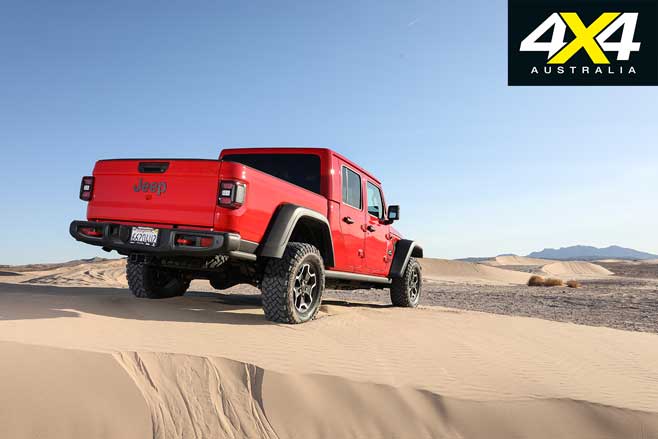
The JT Gladiator is (obviously) based on the Jeep Wrangler, and from the B-pillars forward it’s pretty much identical. At the back there is a load bed behind the four-door cabin, and the rear-end of the chassis takes design features from the Ram 1500 truck to make it a better load hauler.
The Gladiator is classed as a midsize pick-up in the USA, so it’s grouped against the likes of Toyota Tacoma, Ford Ranger and Chevy Colorado, which means many will pit it against the popular Hilux, Ranger and Colorado here; but, in reality it is a very different vehicle. For a start it rolls on live axles and coil springs both front and rear, while all our popular one-tonne utes have IFS and leaf-sprung live-axle rears. With its live axles and lockers, you can expect the Jeep to be a better off-road vehicle than any other stock ute sold in Australia.
However, the Jeep can’t match the approximate one-tonne payload of our popular utes. In the US Jeep claims best-in-class load and towing capacities, but it doesn’t match what we expect here in Australia. In US-specification, the Gladiator Rubicon as driven will carry just 526kg and tow 3175kg. That gets worse with the taller 3.73:1 final-drive gearing in the Sport and Overland models – and with the manual transmission. In the US, though, you can option the Rubicon’s 4.1:1 final drive gears into a Gladiator Sport to deliver close to 700kg payload and 3470kg towing.
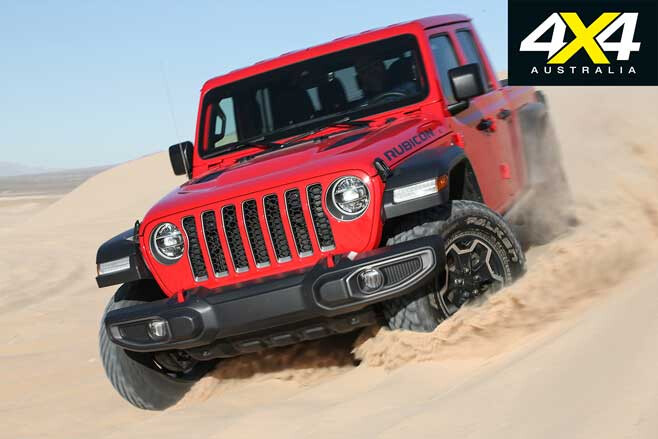
We don’t yet know what drivelines, specifications and options will be available in Australia, but you can pretty much rule out a manual gearbox, and it will only come with the eight-speed auto as is the case with the JL Wrangler. We can only hope we get a choice of both V6 petrol and turbo-diesel engines in the JT, with a low-spec and Rubicon grade. We’ll know more about Australian specification soon.
So, how does it go? Jump behind the wheel of the Gladiator and you could be in any JL Wrangler; it’s all the same interior layout, switchgear and view over the bonnet. The JT Rubicon we drove was powered by the also-familiar 3.6L Pentastar V6 engine mated to the eight-speed auto; so all good there, too. It isn’t until you hit the highway that the longer wheelbase of the JT proves markedly different to the JL.
The Gladiator rides on a 3487mm wheelbase as opposed to the JL Wrangler’s 3008mm, so it’s a bit more stable and surefooted on road than the Wrangler. There’s still the light steering that likes to wander at speed, as we’ve noted in Wranglers, but the bigger ute feels firmer on the road. The Gladiator is also long at 5573mm overall compared to the four-door Wrangler at 4882mm, and you really notice it in suburban carparks and on tight bush tracks.
We thought the long wheelbase would pose a problem for the Gladiator off-road, but even though it scraped over the peaks of sand dunes, the sand was soft and the Rubicon’s rock rails took the top off them without getting hung-up. Jeep claims a 20.3° ramp-over angle for JT Rubicon compared to 21.2° for the International-spec JL Rubi we get in Australia.
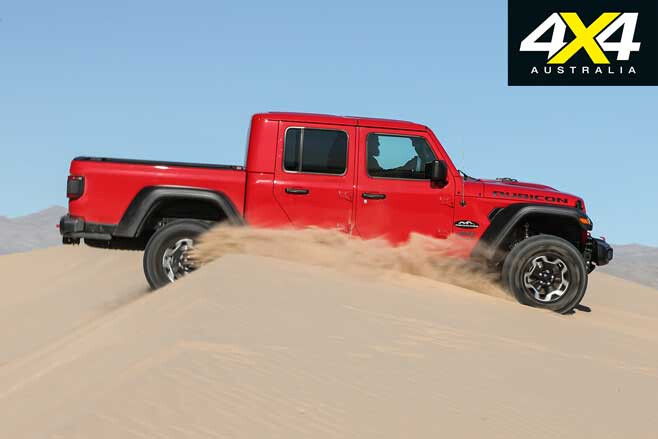
The long wheelbase and overall length didn’t pose as much of a problem as expected on a tight U-turn on the side of a steep hill, either. It was a track made for UTVs and buggies, but the XL Jeep could have made the turn in one bite; we only backed it up to get a straighter drop over a rock step on the descent.
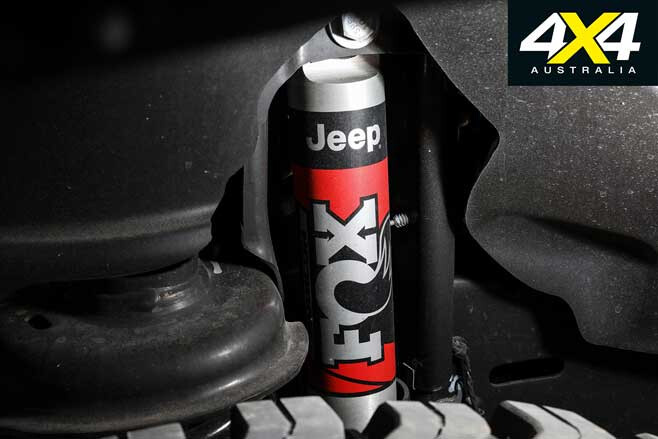
The US-spec JT Rubicon is equipped with Fox Racing shocks and 33-inch all-terrain tyres; the 33-inch muddies on this car are optional. That doesn’t necessarily mean we’ll get these goodies here as we’ve found with the local-spec JL Wrangler, which gets smaller rubber, but we’re keeping our fingers crossed that things will be different for the JT.
The quality dampers made easy work pounding over deep corrugations, ruts and rocks in the Nevada desert, and the Rubicon’s disconnecting front sway bar improved the ride and control over rough terrain at lower speeds. Front and rear lockers were also great in the rough stuff, but we found the electronic traction control struggled in some soft sand.
Whatever specification it takes when the Gladiator gets to Australia next year, a true off-road vehicle will finally materialise in the 4×4 ute market. We reckon it will sit somewhere between the common one-tonne 4×4 utes and a LandCruiser 79 in terms of price, with two variants likely; a Sport/Overland and the Rubicon. Like most Jeeps it will be bought by enthusiasts who will delve into the ocean of kit available from the factory and aftermarket, to build the Gladiator they want and need.
The Gladiator will be worth the wait and we’re looking forward to driving the JT Down Under, to see how it handles local conditions and the outback.
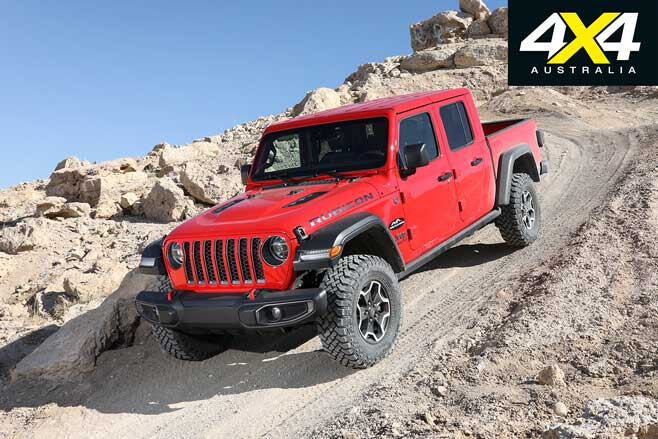
2020 JEEP GLADIATOR RUBICON SPECS Engine: Pentastar 3.6-litre V6 Output: 213kW; 353Nm Transmission: eight-speed automatic Transfer case: NV241OR Rock-Trac (Rubicon) Axles/ratios: Dana 44; 4.1:1 Crawl ratio: 84.2:1 (Rubicon Manual) Steering: Electro-hydraulic Suspension: links, coil springs, stabiliser bars (f/r) Tyres: 285/70R17 Falken A/T or M/T Base weight: 2290kg (Rubicon) Payload: 725kg Towing capacity: 3400kg Wheelbase/turning circle: 3480mm; 1356cm Approach/ramp-over/departure angles: 43.4°; 20.3°; 26° (Rubicon)
*UPDATED 09/12/2019
THE Land Rover Defender 110 and Series III used in the upcoming Bond flick, No Time To Die, are now on display at Bond in Motion at the London Film Museum, with the 110 still wearing the damage from its chase sequence.
Footage of the 110 being punished off-road – performing an iconic Bond chase sequence – was released earlier this year, with stunt co-ordinator, Lee Morrison, calling it unstoppable.
“All the vehicles we used in the film performed brilliantly. We knew we wanted to achieve something off-road and the New Defender didn’t disappoint. We put the vehicles through the most extreme conditions in a chase sequence, and they were unstoppable,” he said.
Vehicles parked alongside the 110 and Series III in the exhibit include a pair of Aston Martins, a Triumph Scrambler 1200 XE and a Royal Alloy GT125 scooter.
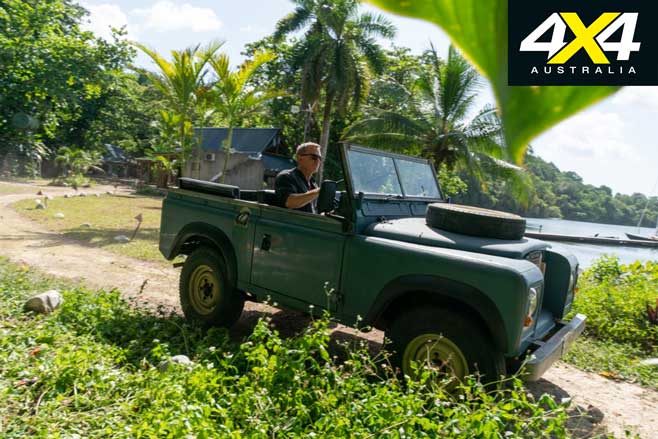
Bond in Motion houses the largest official collection of James Bond vehicles in the world.
Stunt footage of Defender 110 on the set of new Bond film
IF YOU need another reason to get excited for the next movie in the James Bond franchise, this is it.
The all-new Land Rover Defender 110 will star alongside Daniel Craig in the 25th official James Bond film, with the 2020 Land Rover joining the stunt team to perform extreme off-road antics and to undertake the iconic car chase sequences the films are known for.
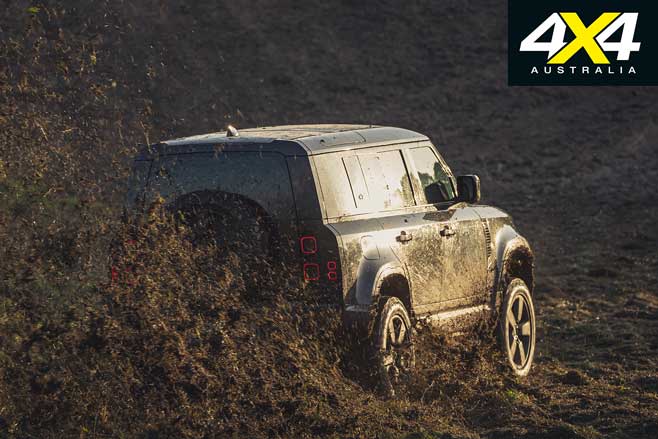
The behind-the-scenes footage of the new Defender was captured during filming of the new movie, with the 110 steered by stunt co-ordinator Lee Morrison and stunt driver Jess Hawkins.
“Designing and coordinating the action sequences for the Bond franchise requires a non-compromising mindset,” said Morrison. “We needed an unstoppable vehicle to help us battle against the elements, steep descents and river crossings so we chose the new Defender. I’m beyond impressed that the Defender is not only back but much, much better!”
The Defender’s 291mm of ground clearance; 38° approach, 28° breakover and 40° departure angles; 900mm of wading depth; and Terrain Response 2 system all worked in the vehicle’s favour when deciding on an appropriate vehicle for the extreme tasks at hand. The specific Defender used for filming is based on the Defender X and was given the black treatment: darkened skid pans, 20-inch dark-finish wheels, and a Santorini Black paintjob.
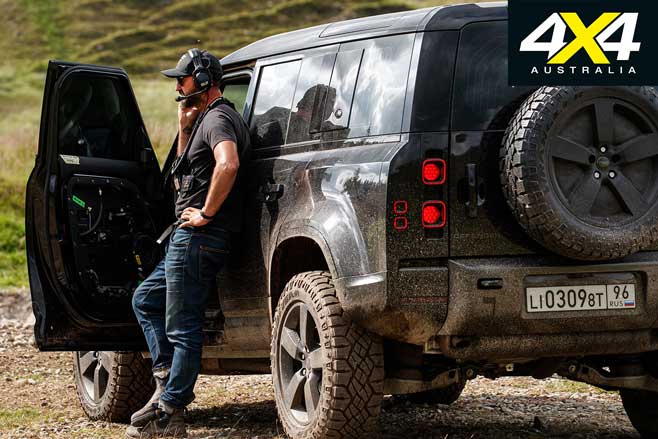
Bond and Land Rover aficionados will remember the relationship between the two brands dates back to the 1983 Bond film Octopussy, which famously features a Range Rover Convertible.
“No Time to Die is a brilliant way to showcase the New Defender’s capabilities in the latest jaw-dropping James Bond car chase. It’s been hugely exciting to continue our relationship with EON Productions and work with their teams to deliver a spectacular sequence,” said Richard Agnew, Global Communications Director for Land Rover.
The Defender 110 will arrive in Australia in June 2020, with No Time to Die to be released in cinemas in April 2020.