
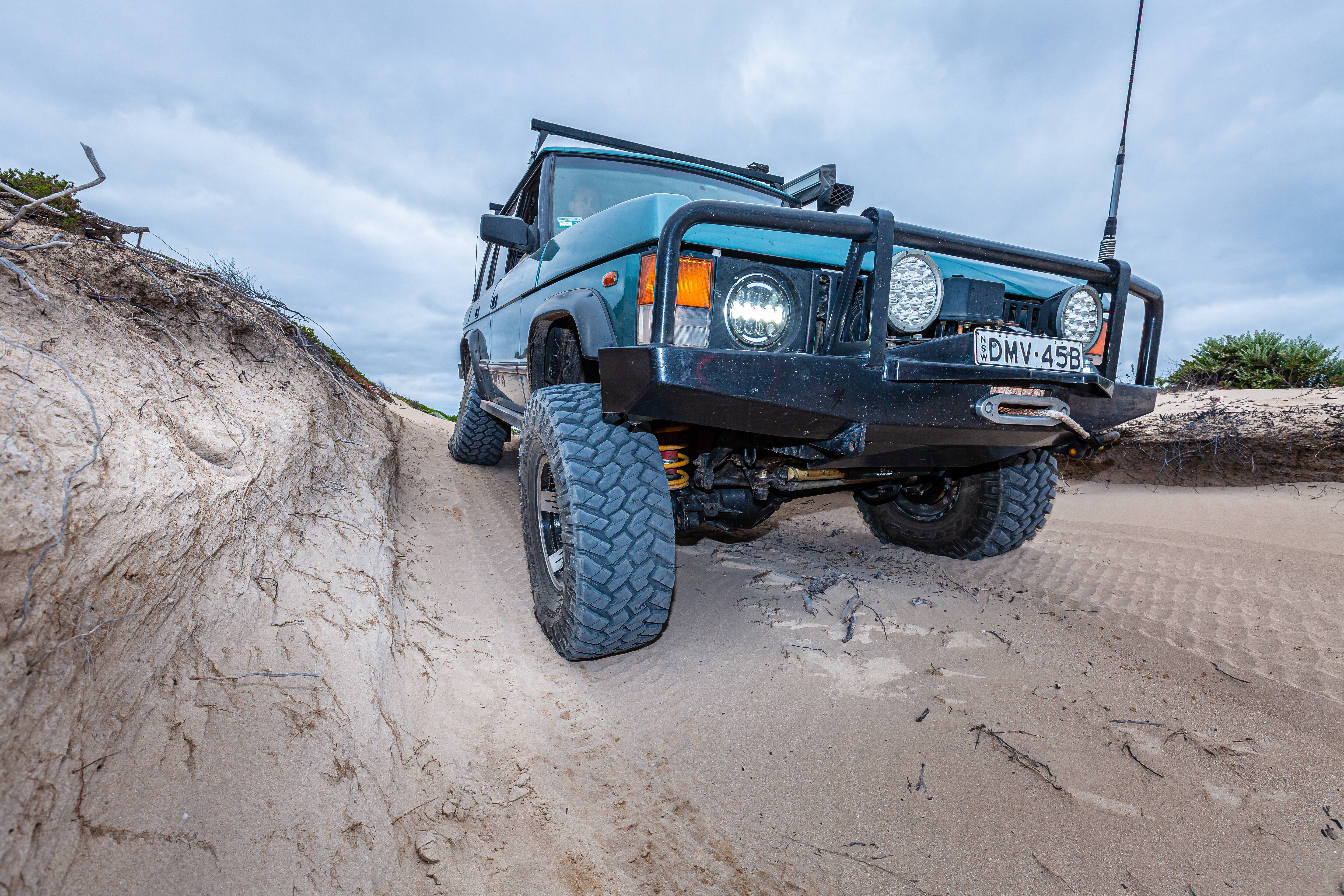
It’s not every day you see a Range Rover Classic on a remote track. Heck, it’s not like you even see them on a daily basis around the suburbs anymore. Which is a real shame, as there is just something cool about that Range Rover Classic shape, not to mention how ahead of their time they were from a driving point of view.
Rover fans will know the Range Rover Classic was usually powered by a 3.5L or 3.9L petrol V8 motor. It was regarded as an engine that sounded amazing, didn’t really go too well and drank petrol like it was free. There was also a factory diesel option, utilising an Italian VM Motori engine. Sadly, this didn’t set the world on fire performance or reliability wise, and is considered the ugly step child of the factory Rangie offerings.
So, what to do if you want the torque and fuel efficiency of a turbo-diesel engine, but the comfort and off-road ability of a Range Rover Classic? You can do what the owner of this stunning vehicle did, and swap in a 3.9L Isuzu 4BD1 engine from an ex-army Land Rover Perentie. Now that makes sense to us.
He didn’t just stop there though, as this motor is now turbo-charged producing an estimated 140hp and an eye-watering amount of torque down low.
The 4BD1 engine is a bit of a legend, it’s a heavy-duty truck motor which was decided upon by the Australian army to use in their Perentie line-up. Now that these vehicles are available to the general public for sale, this engine swap is a very attractive option for those looking to repower their older vehicles.
Parts are cheap, and they can handle a bit of boost if you want to turn the wick up. They feature minimal electronics, and are dead simple to work on. They are also as reliable as the sun, which is just what you want in a vehicle designed to see tough conditions while on duty.
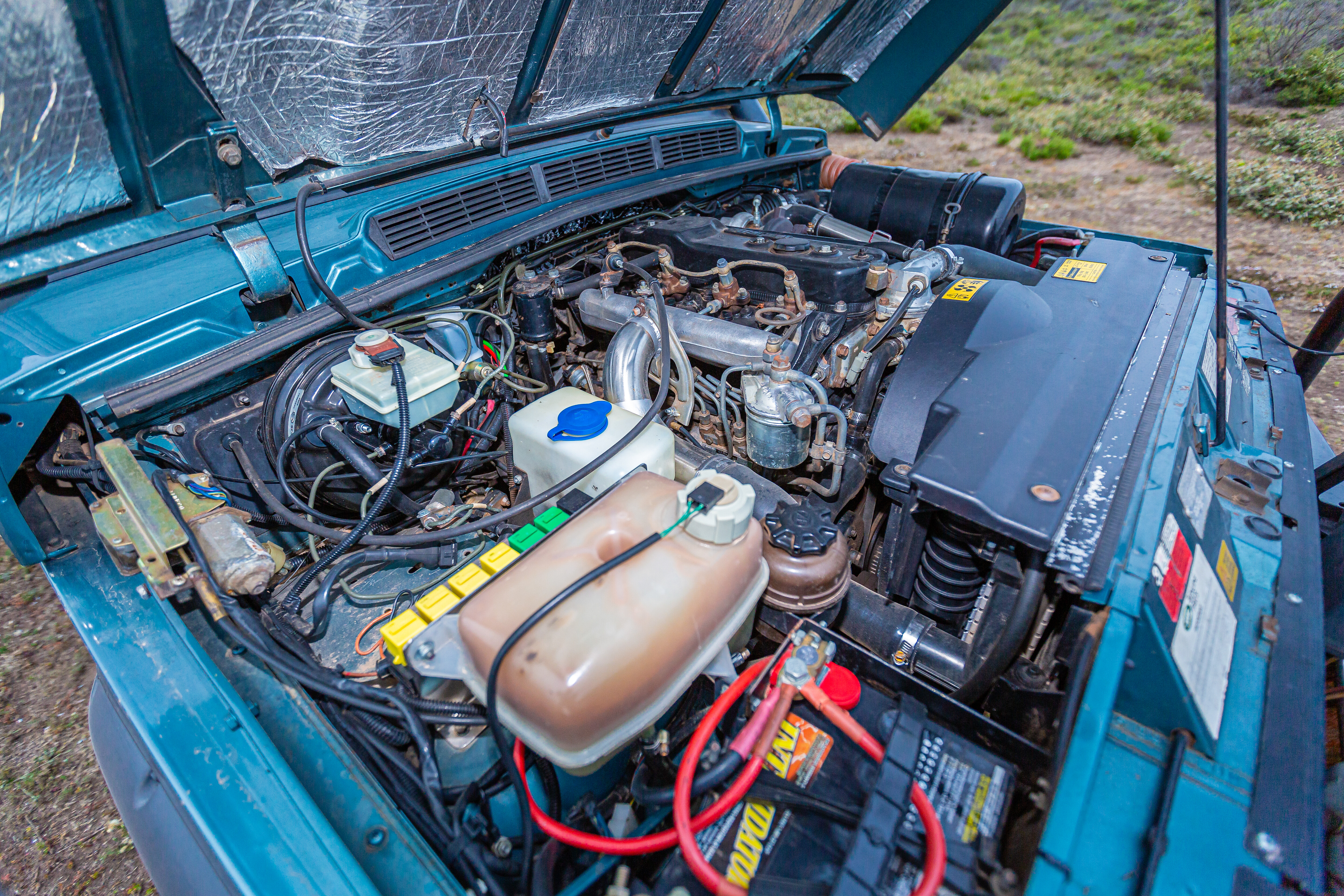
The now turbo-charged engine produces an eye-watering amount of torque down low
David Bellantonio is the owner of this fine example of a Classic Rangie, who undertook the ground up rebuild over the space of two-years. Don’t let the looks fool you though, this thing gets used; travelling to remote destinations such as his recent trip to the Flinders Ranges, and a jaunt across the Canning Stock Route before that.
“I wanted to build a vehicle that was capable of doing all things reasonably well, with reliability as a priority,” David tells us. “A daily driver, remote tourer and something for technical 4WDing all in one”.
David started with a 1985 Range Rover Classic chassis and a Vogue SE body, then set about a full mechanical rebuild, as well as ironing out any bugs along the way. Considering the Range Rover Classic platform has been around for such a long time, there is a considerable amount of knowledge out there, as well as upgraded parts to fix any weak points which are easy to track down locally and overseas.
David became increasingly interested in building an older vehicle, to a higher standard, and cover his key requirements as best as possible. All for roughly the same price as a new dual cab ute.
“The best thing about my current vehicle is that it is mechanically very reliable, very simple with no computers and minimal electronics, it’s also capable and comfortable as you would expect from a Range Rover Classic,” David explains.
One such area that required improvement, is the driveline. Specifically, the differentials and axles as they are on the weak side when you add 35-inch tyres basically. Not to mention the amount of torque produced from the mighty 3.9L Isuzu motor.
David promptly sorted this out, with the use of Maxi Drive heavy-duty axles, Perentie CV joints, Maxi Drive axle flanges and a Maxi Drive rear locking differential with Eaton E Locker in the front. Differential ratios are 3.54 for anyone playing along at home.
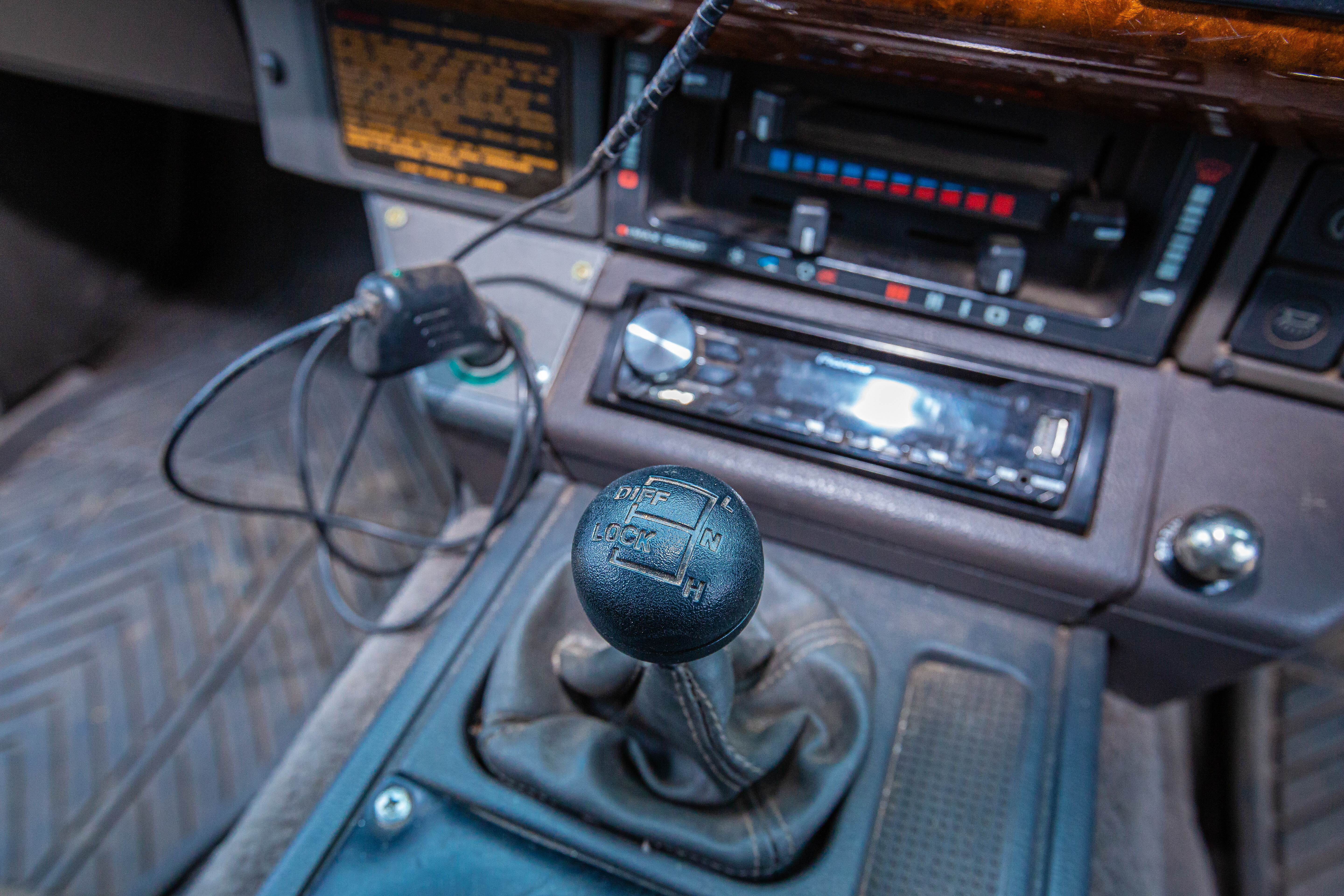
KLR in Sydney, who specialise in Rovers, supplied a bellhousing to mate the Isuzu motor to a HD R380 5-speed manual gearbox. This sends drive to the legendary LT230 transfer case. The conversion is a relatively simple one, as it is a path well-travelled these days. Having ready-to-run parts (such as the custom bellhousing) simplifies the process massively. But it’s never fair to call an engine conversion easy.
The get the most out of the engine, David had a Factory Isuzu turbo fitted on a factory turbo manifold. The engine is cooled by a Land Rover radiator, with an engine driven fan as well as two electric thermo fans as backup. An off the shelf exhaust system was never going to happen, so David opted for a custom 2.5” exhaust, and has fitted two fuel filters for peace of mind when filling up at outback servos.
From the start of the project, it was a requirement to have this vehicle engineer certified prior to registration. With so many custom built or modified parts it sometimes takes a bit of work and re-work until you get things just right. One example of the level of detail David went to was trialling brake pads.
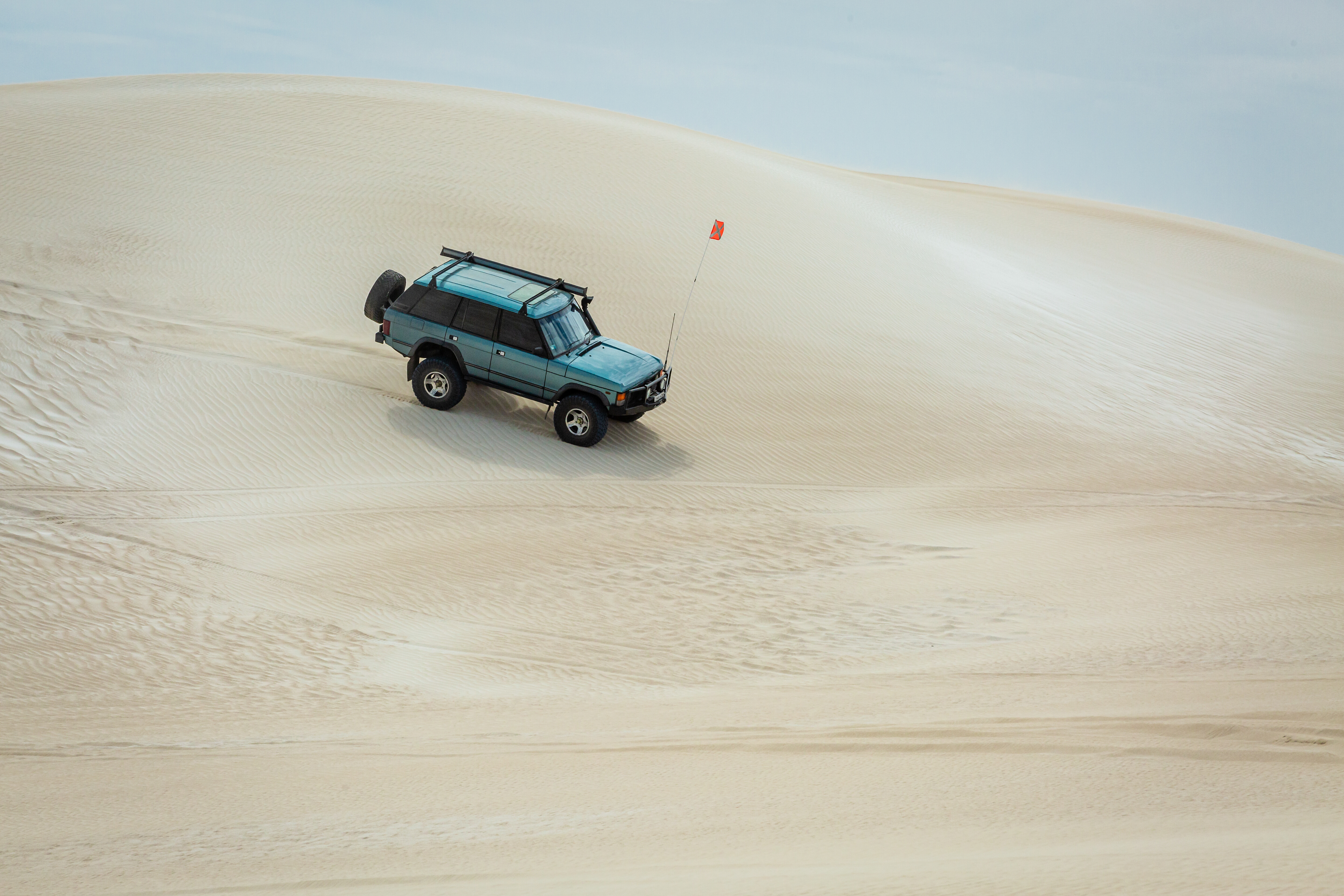
The build started with a 1985 Range Rover Classic chassis and a Vogue SE body
After testing many options, he eventually settled on EBC Green Stuff pads, which he tells us made a huge difference to braking performance both in terms of initial bite and in thermal recovery. This was proven during the brake testing component of the vehicle testing for engineering sign off.
Quality components is a key theme in this build, as such David opted for a simple yet effective suspension system. The core ingredients consist of 50mm raised King Springs, mated to Koni Raid shock absorbers. As this is a tourer, daily driver and off-road play toy, getting the suspension right is extremely important, and David is happy with the results.
A 50mm body lift was also added, which helped fit the large 35” Nitto tyres mounted on 16×8 Performance alloys. Polyurethane radius and trailing arm bushes were also installed, and David upgraded to a set of heavy duty cranked trailing arms at the same time.
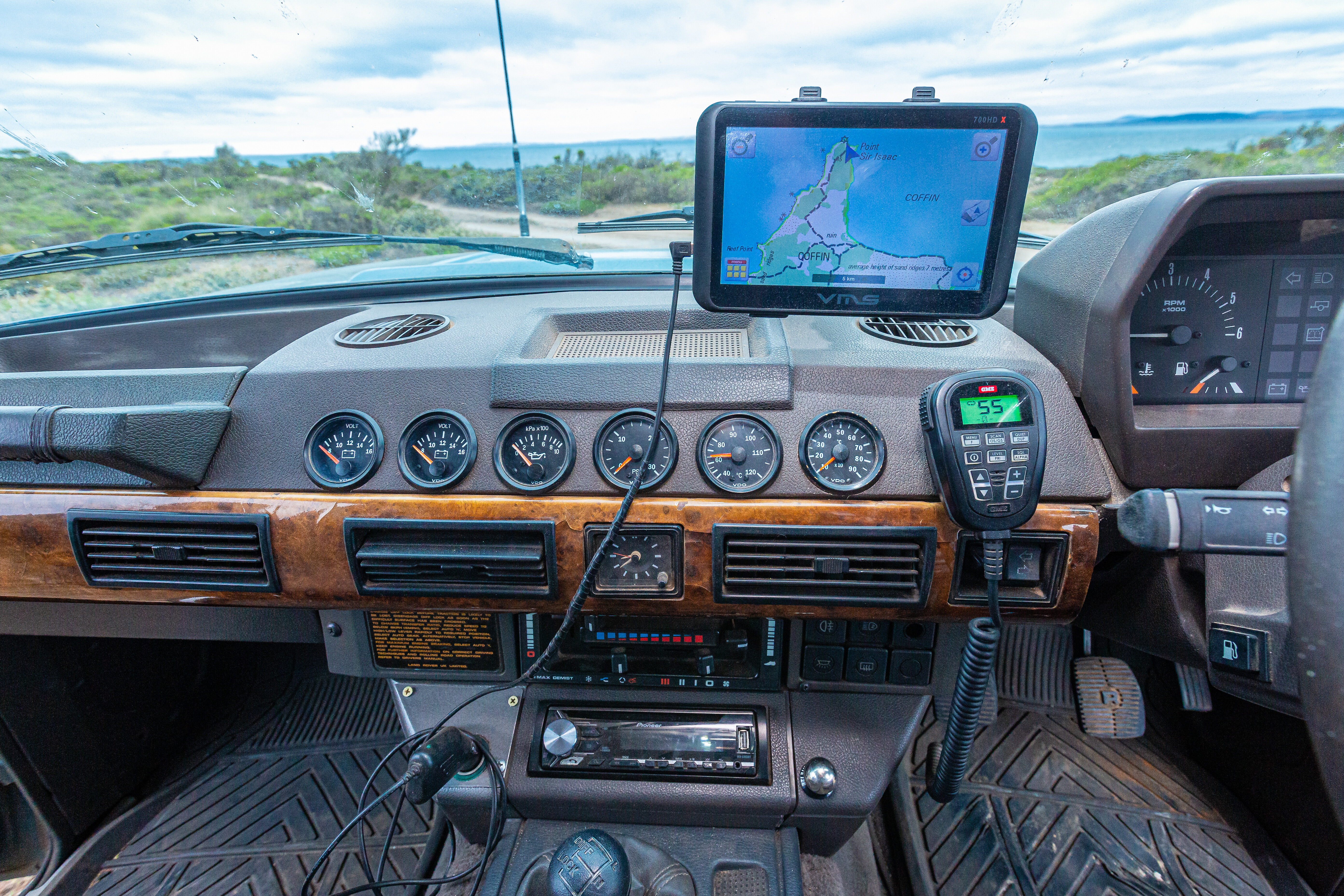
As you’d expect in a vehicle designed with long-distance touring in mind, there is a dual battery system and plenty of gauges to keep an eye on things. The second battery lives in the rear of the vehicle, with plenty of charging points to keep David’s devices topped up. A GME TX3350 UHF keeps him in contact with his convoy, while boost, EGT and water temp gauges keeps him in contact with his engine.
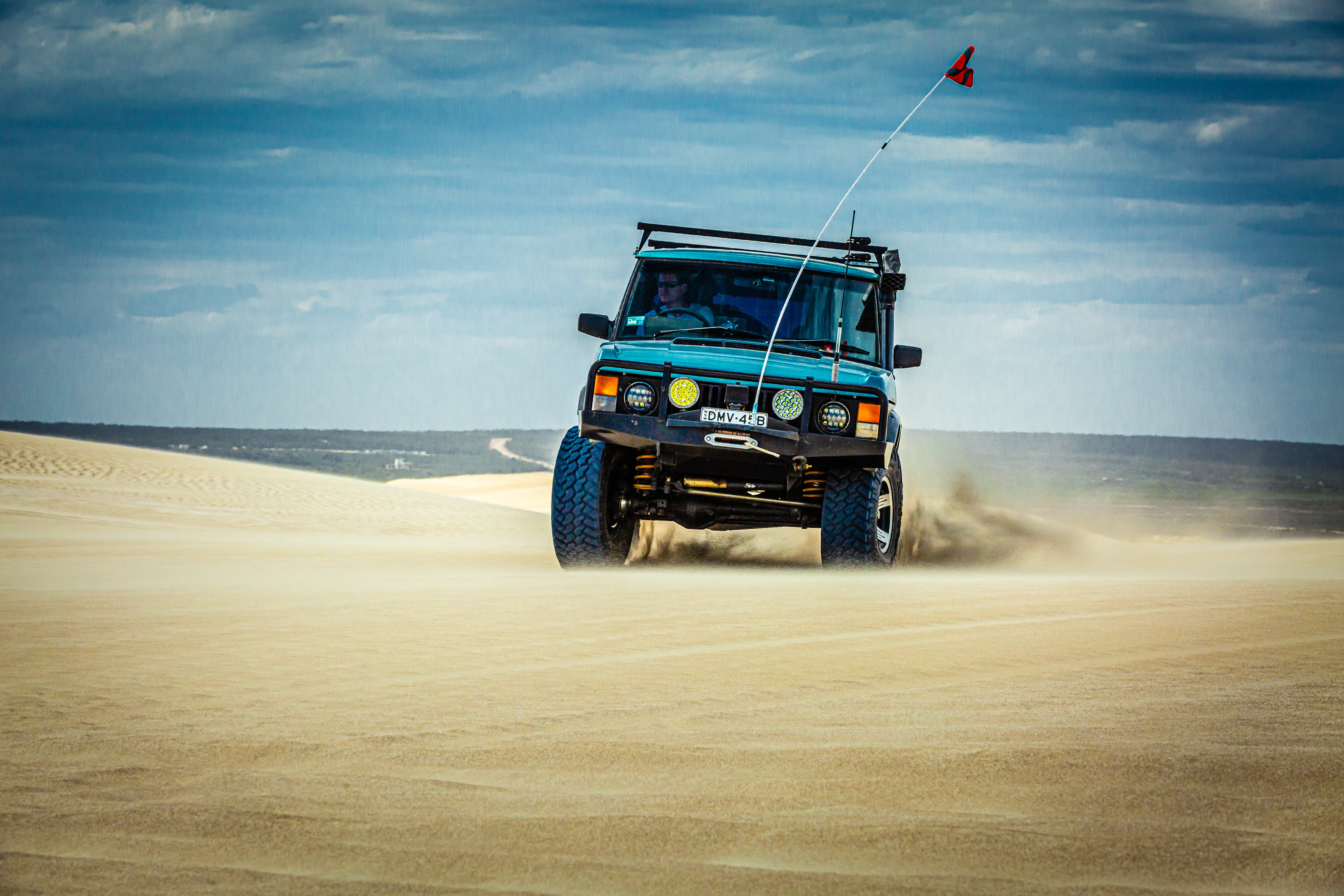
Frontal protection is essentially mandatory for any touring 4×4, and David’s Range Rover is no exception. He’s fitted an ARB winch bar with a custom front bash plate. Adorning the bull bar is a pair of LED spotlights and a 12,000lb winch, rounding out a very neat front-end package.
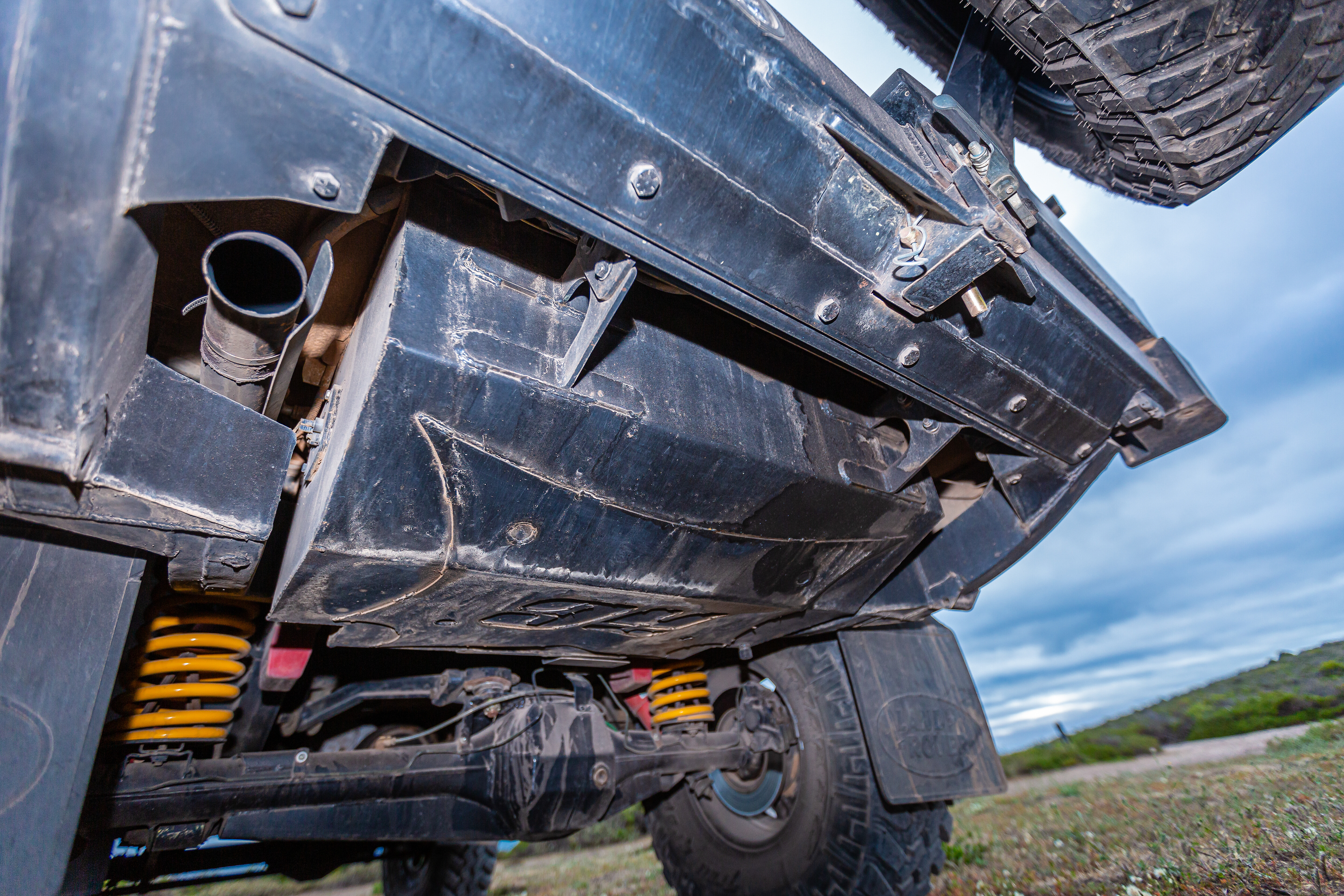
The rear bar is a custom-made unit, and has integrated reverse lights. It also has provisions for a tow bar, and swing away tyre carrier. David went with a custom rear bar, as the 50mm body lift would have made any commercially available unit not sit right leaving a 50mm gap. While the welder was fired up, David decided on a custom-made set of steel rock sliders, and a steel snorkel with Safari head on it.
One question we had to ask David, was why not just start with an ex-army Land Rover Perentie and build that up?
“The down-side to these vehicles as a daily driver or touring vehicle, is they are very agricultural,” David replied. “Comfort in all areas was not a priority for the army, and it takes lots of work and money to get them anywhere close to the level of a modern vehicle for basic comfort.”
By taking the best bits of a Perentie and combining them with the comfort of a Range Rover, David certainly has the best of both worlds.
So the proof is in the pudding. If you have ever dreamed of building an older touring vehicle, that can keep up with the big boys when the tracks get technical, it’s possible. You just need to put the work in, come up with a plan and double your budget.
It does bring up a very big question though: Would you rather be driving through the Victorian High Country in this Range Rover Classic or a stock-standard modern dual cab ute? I know what I’d pick.
Talking Points
- Clever tech makes it easier to load and tow trailers
- Smart tail-lights operate like a phone charger indicator
PICK-UP trucks or utes – call them what you will – are made to carry a load, either in the tray or pulled behind on a trailer.
Australia has strict regulations on towing and load capacities and getting caught on the wrong side of them can land you in hot water and facing large fines – that’s if you get caught and don’t end up off the side of the highway after losing control due to a poorly fitted trailer or load.
So it pays to know your limits and how to properly load your vehicle.
Ford understands its truck owners like to load them up and has just unveiled some clever new tech to assist owners on how to correctly load their vehicle or hook a trailer up to it.
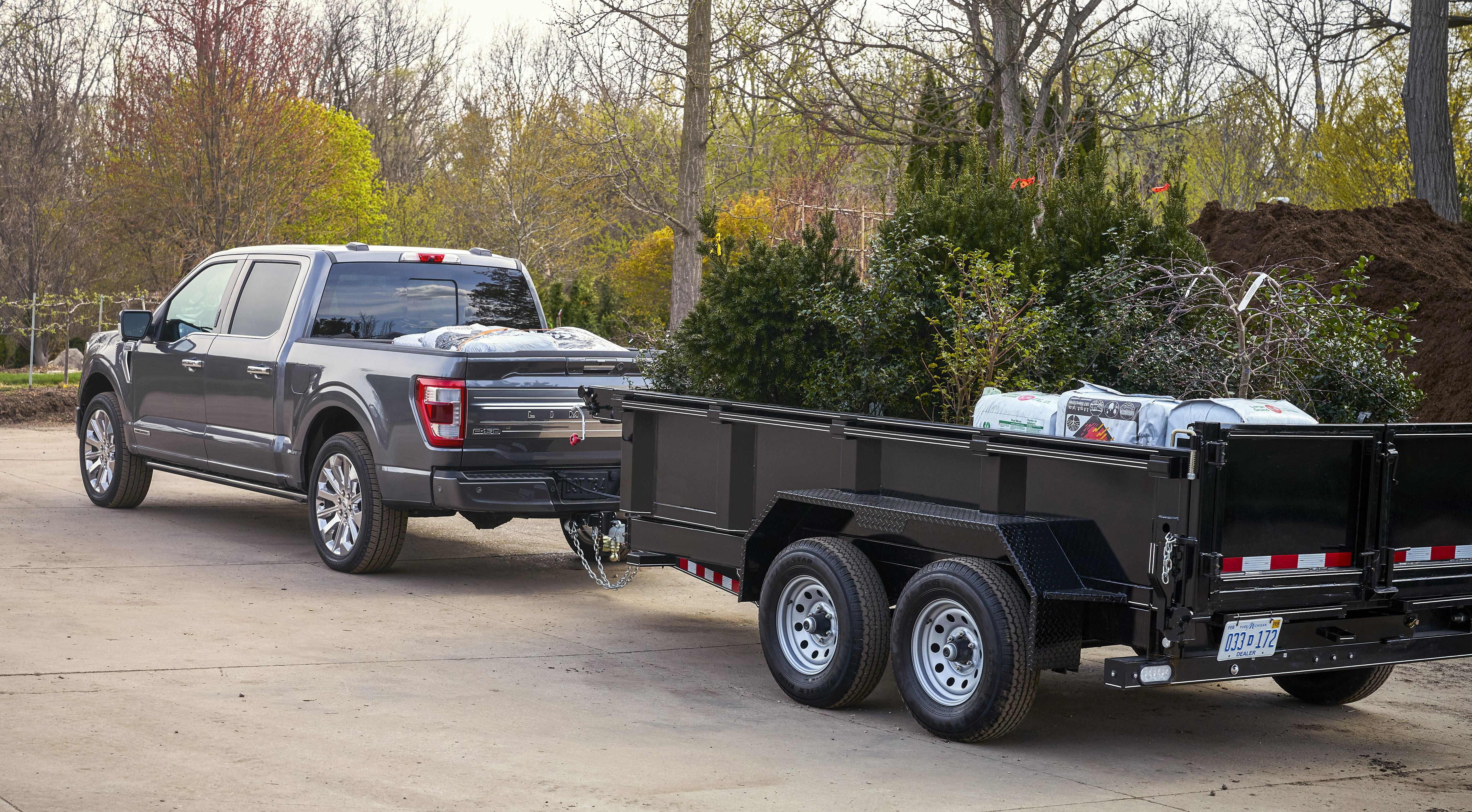
The 2021 Ford F-150 will soon be available with on-board scales that tell the operator how much weight is in their vehicle and how close it is to the rated load capacity.
Ford’s on-board scales measure and display the approximate weight of the payload in the truck as it is being loaded. That information is displayed on the dash screen with a graphic representation of the truck, on a mobile phone through the FordPass app, or on the LEDs within the truck’s tail-lights.
The smart tail-lights operate like the battery charge indicator on a phone, displaying the percentage of payload capacity by illuminating LEDs arranged in a vertical bar. As the truck is loaded, all four lights illuminate, showing it’s fully loaded; if the truck is overloaded, the top lights blink.
The maximum payload based on the pick-up’s configuration is programmed into the system. Additionally, the truck can be set on scale mode, which zeroes out the current load and allows for approximate weighing of additional items loaded into the bed.
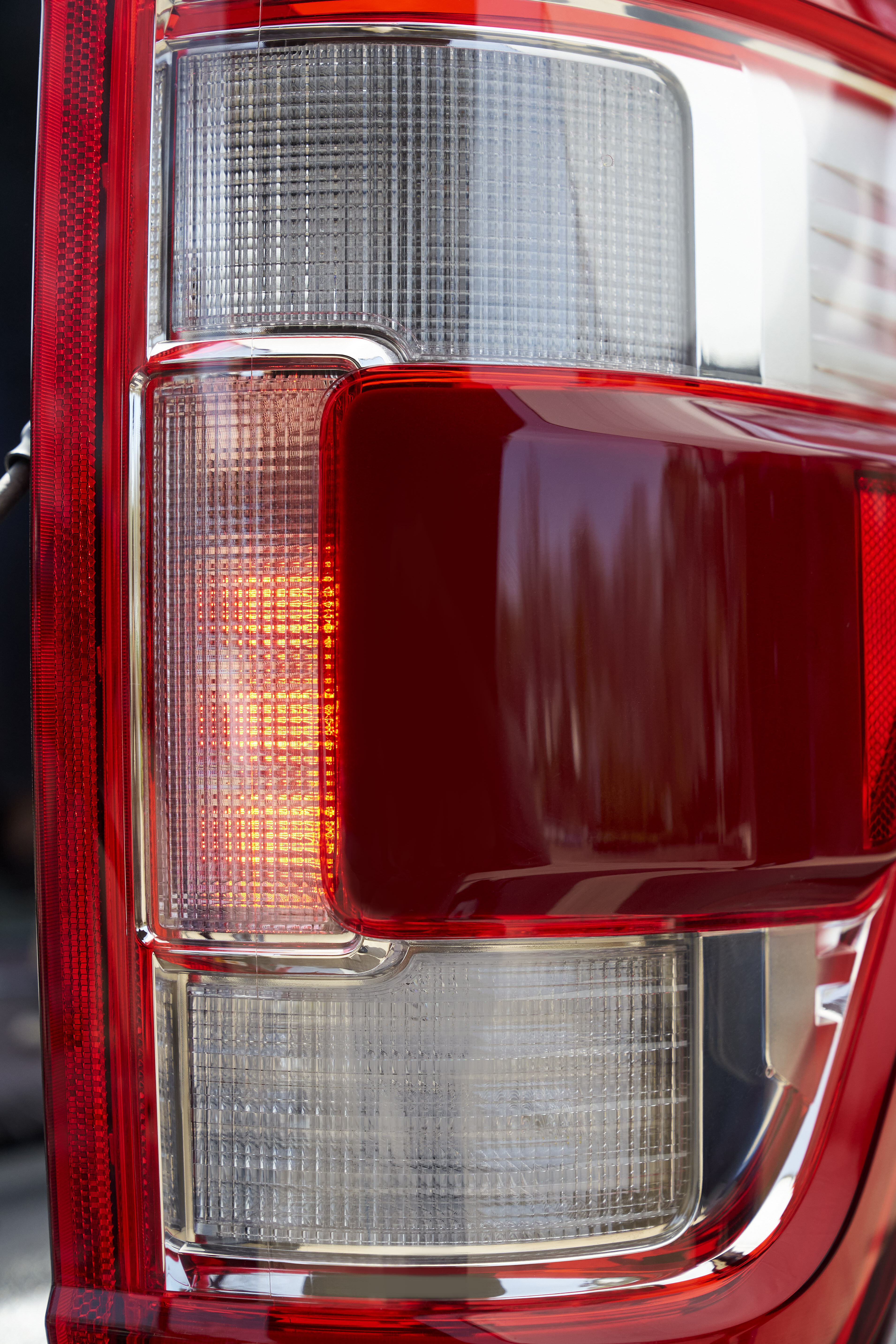
Also helping Ford users is a Smart Hitch, which can calculate the tongue-weight download on the hitch and provide guidance on weight distribution or hitch overloading on the screen, on the FordPass app, or within the tail-lights.
The truck will also indicate if the hitch weight is too high or low and can guide owners through properly tensioning a weight redistributing hitch.
It’s clever stuff and would be useful for any ute owners who tows and carry loads, including Australian Ford Ranger owners.
At around 1000kg, depending on the vehicle specification, Australian Rangers have a payload that is higher than that of the bigger F-150 US cousin – and the 3500kg towing rating is nothing light either.
So you can see how these features would make life easier for owners, giving them the information to stay on the right side of load limits.
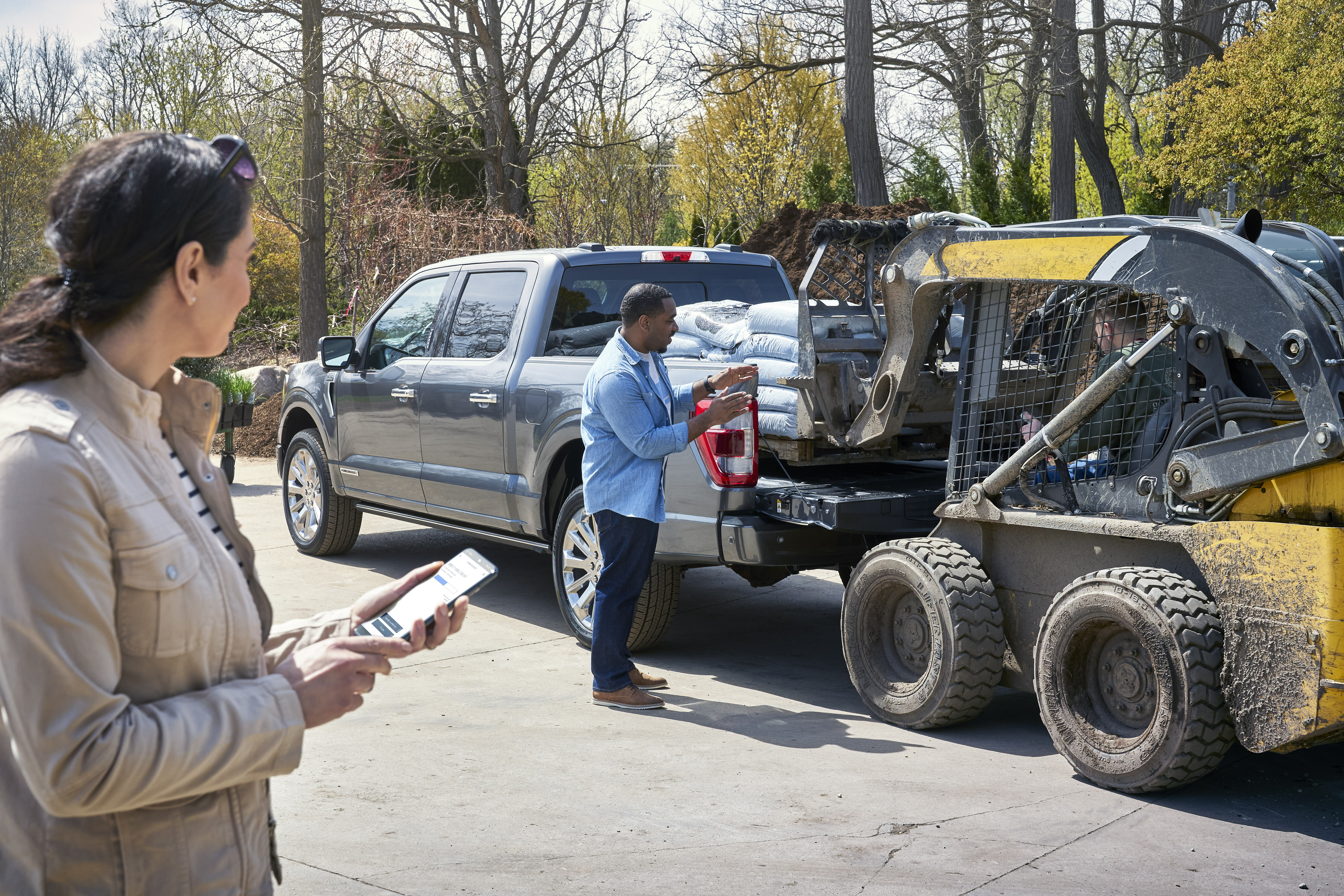
The Ford Ranger already has trailer sway control as part of its chassis control systems, which can detect and arrest trailer sway if and when it occurs. A correctly weighted and balanced trailer would help eliminate that sway before it occurs.
The FordPass app on 2021 Rangers allows users to check the systems and start their Ranger remotely using the app on their phone, so some of the technology is already there. The on-board scale hardware could be something that is fitted to new of future models.
Most US pick-up trucks have in-built electric brake controllers, while Aussies rely on the aftermarket or dealer-fitted controllers to help pull up their rigs safely.
It’s this sort of integration and technology we’d like to see filter down to the Australian markets in our hugely popular mid-size four-wheel drive utes.
THE latest issue of 4X4 Australia magazine has hit the shelves.
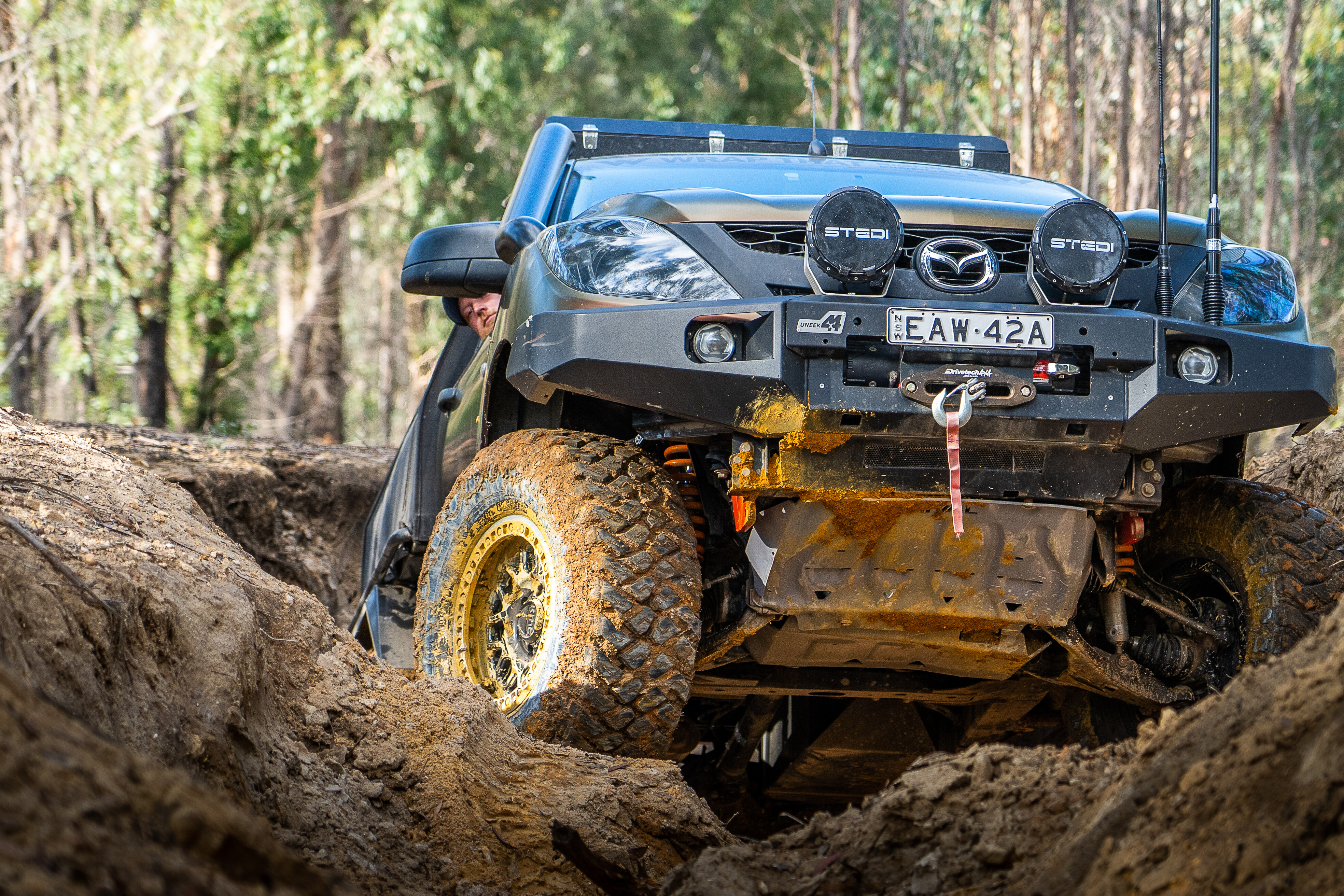
Not only is the insane BT-50 that dominates the cover one of the most modified BT-50s you’ll find this side of the black stump, it’s also one of the smallest. To learn exactly what we mean by that, you’re going to have to read the feature in full.
We also pored over every inch of a diminutive 2019 Jimny loaded with accessories and built to tackle tough bush tracks. It seems good things do come in small packages.

We didn’t stop there on the custom front, including a modified Hilux equipped with pre-runner suspension designed to tame the Toyota on high-speed pursuits.
Stay up to date with the progress made on our 4X4 Australia D-MAX build, with the Isuzu paying a visit this month to both Tough Dog and Ironman 4×4 for some aftermarket treatment.
Also in this issue we lined a D-MAX X-Terrain up against a Ranger FX4 Max, to see whether it’s just a matter of style over substance for these two utes.
WHAT ELSE IS THERE?
– 4×4 trips to North Queensland + The Cells – Isuzu I-Venture to Stockton Beach – Prado versus Everest – New products tested – Monthly columns and shed updates
The May 2021 issue of 4X4 Australia is out now.
Talking Points
- The Raptor X is expected in Ford dealers in July at a list price of $79,390
- Ranger FX4 also headed for Ford dealers in July, starting at $59,990
FORD Australia continues to roll out its range of special editions and styling packs for its hot-selling Ranger mid-size 4×4 ute, in what is expected to be the last year of the current PX2 model before an all-new Ranger lands in 2022, if not later this year.
From July delivery dates, the Ranger Raptor will become the Raptor X.
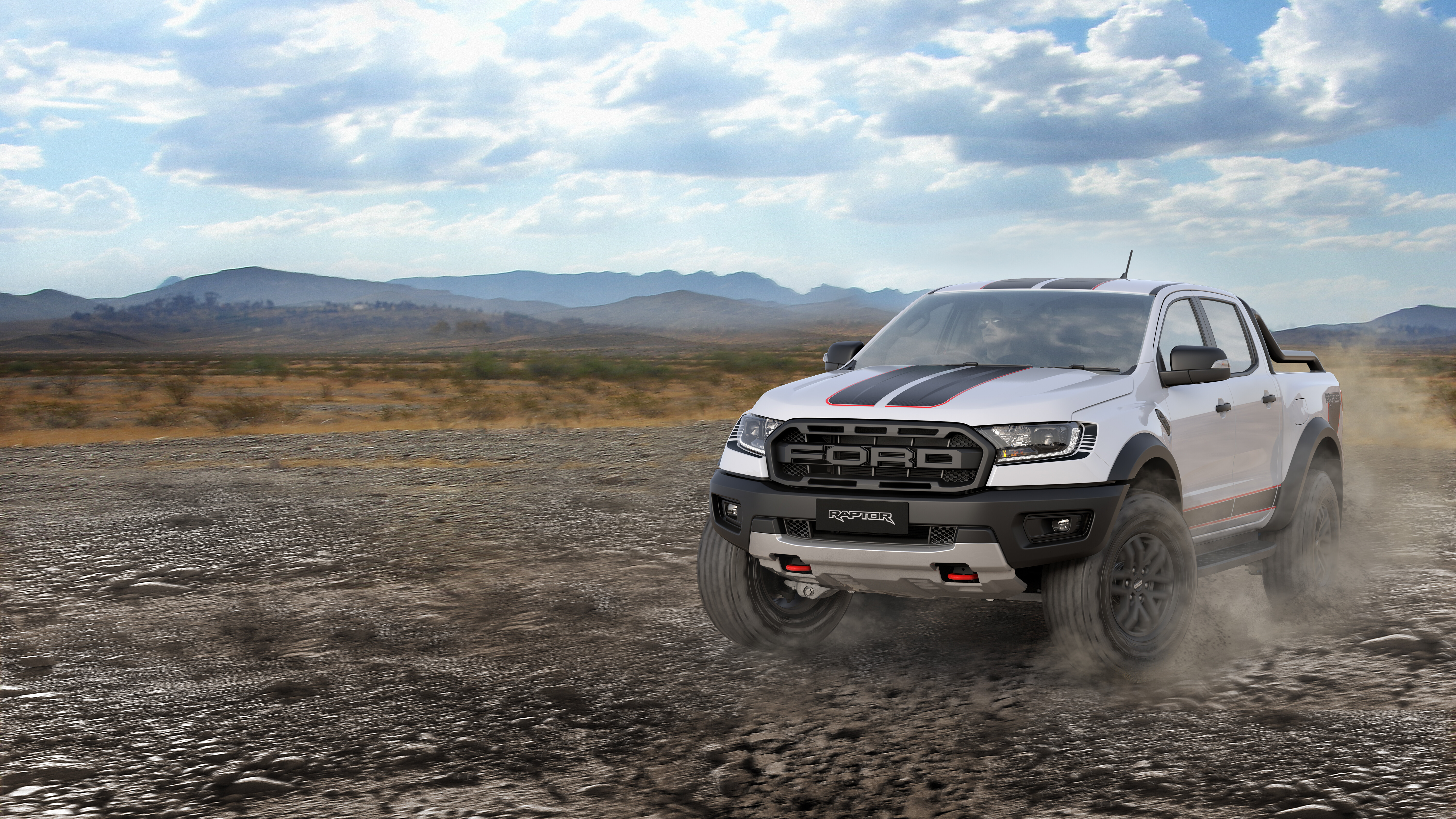
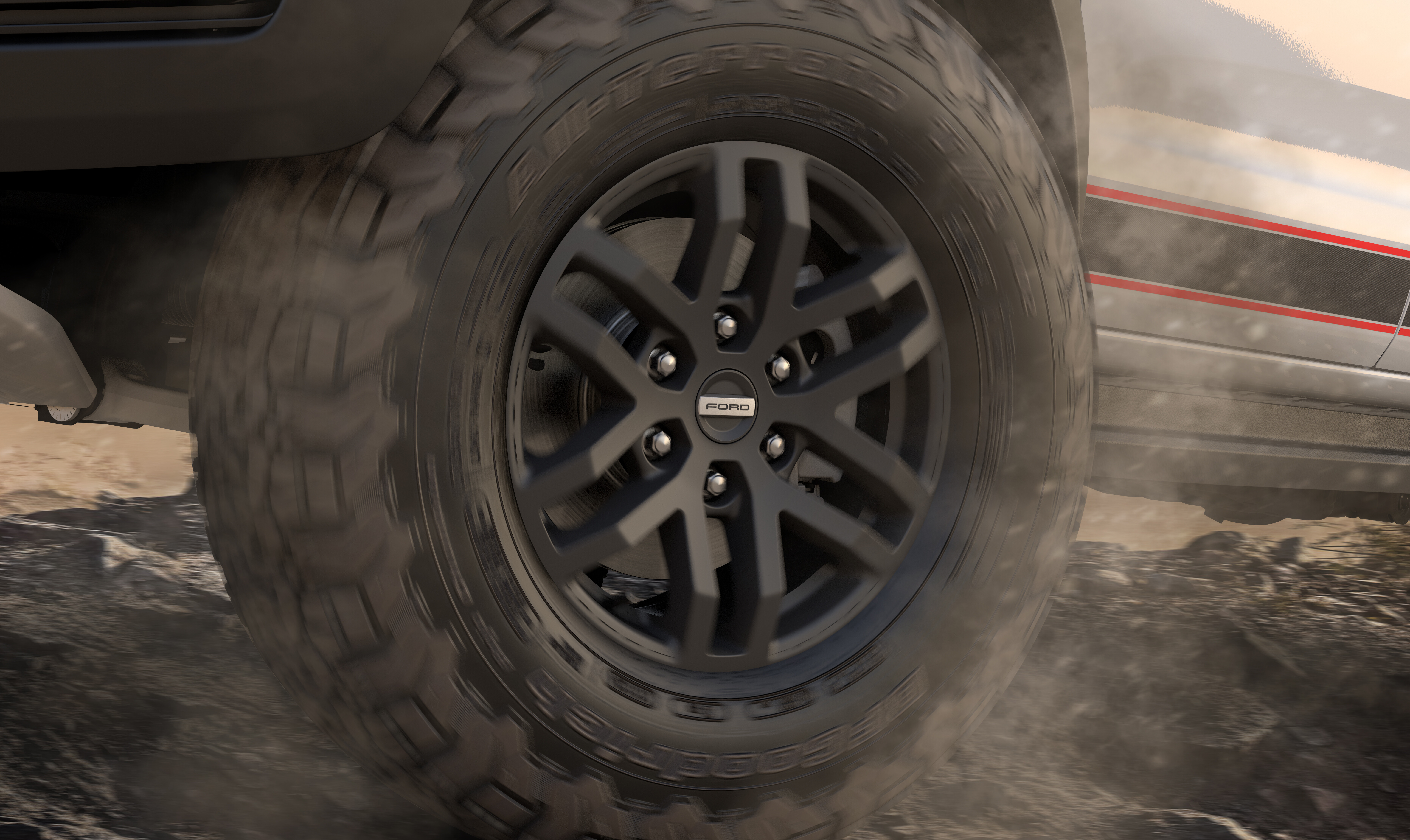
The changes to the popular model centre on new styling to the aggressive-looking and off-road-ready Raptor model, with bold stripes running across the roof and down the pick-up’s flanks; a new matte-black finish on the 18-inch alloy wheels, flares, bumpers, exterior mirrors, handles and grille; a black FORD logo on the tailgate; red front tow hooks; and the longer length sports bar atop the cargo tub.
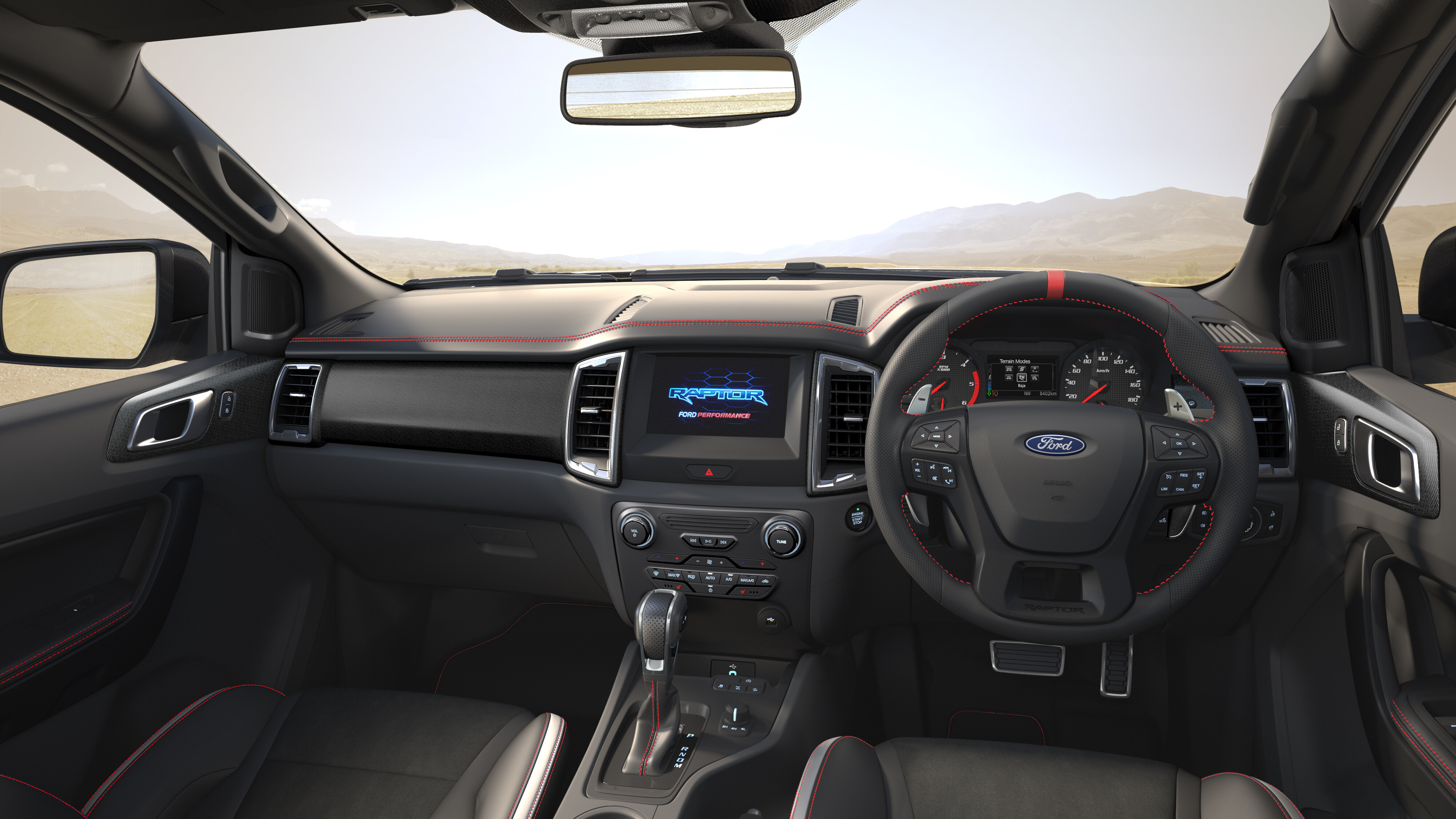
Inside, the Raptor’s sports steering wheel and dash get red stitching in lieu of the blue stitching on previous Raptors, with hydrographic and black alloy accents across the dash and door trims.
While the Raptor X’s unique features are purely aesthetic, it doesn’t lose any of the mechanical components that make the Raptor so special. Notably the bespoke coil-sprung Watts-link rear end is still there, as are the model-specific Fox Racing internal bypass shock absorbers and Ford Performance tuned springs.
Even the chassis of the Raptor and Raptor X is different to that of any other model Ranger, and the BFGoodrich All Terrain tyres were specifically developed for the car.
The powertrain is still limited to the 150kW/500Nm 2.0-litre bi-turbo diesel engine which is backed by a 10-speed automatic transmission and the Raptor-specific Terrain Management System. The system features Baja mode that sets all the electronic chassis and powertrain controls to 11 for the best off-road performance.
The Ranger Raptor X is expected in Ford dealers in July at a list price of $79,390.
RANGER FX4 MAX
Also headed for Ford dealers in July is the return on the Ranger FX4, following on from the recently launched Ranger FX4 Max.
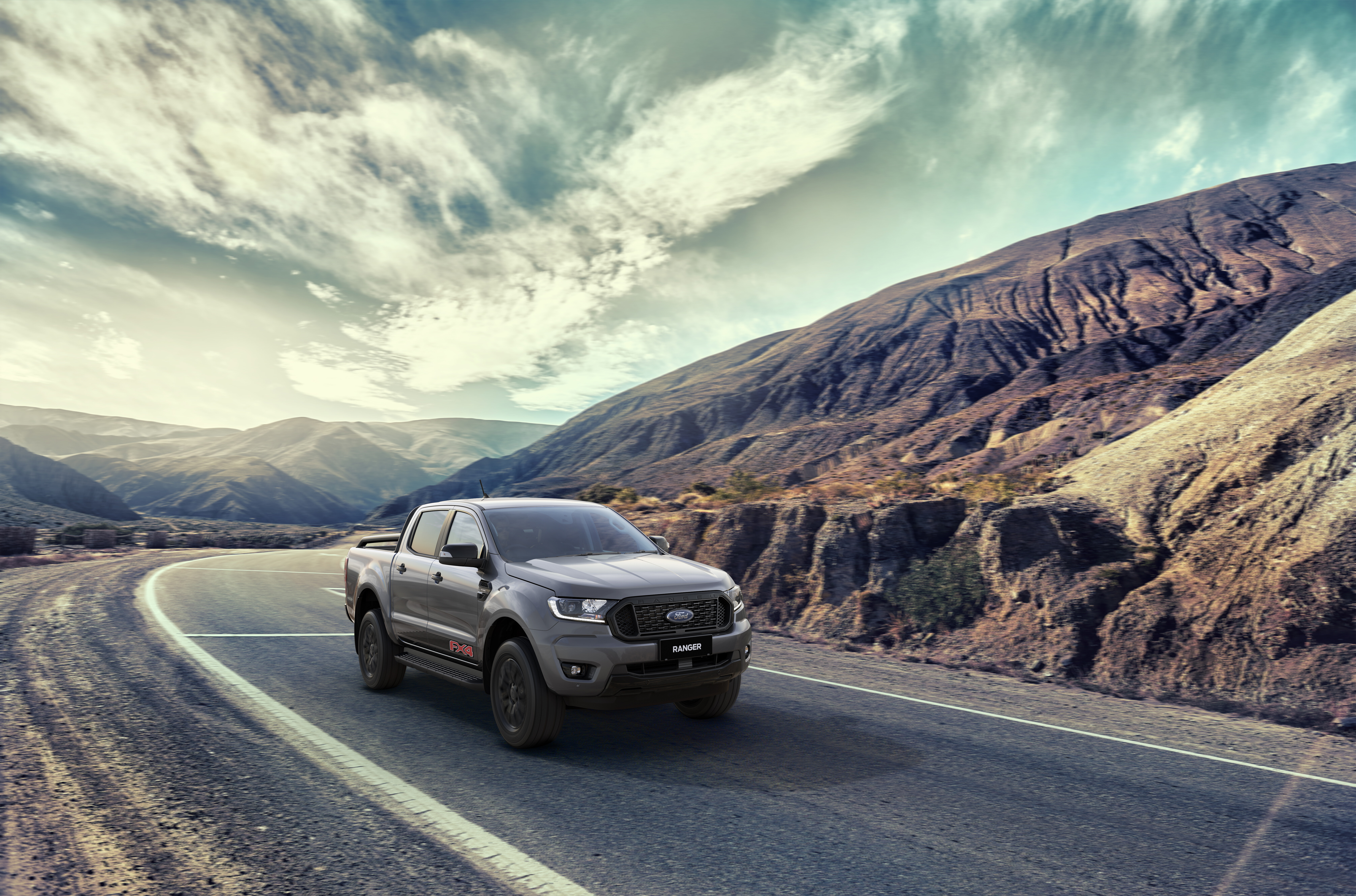
Unlike the FX4 Max which gets Fox suspension and Raptor-esque styling ques, the standard Ranger FX4 is pure styling with model specific leather-accented front and rear seating with contrasting red stitching and embossed FX4 logos; soft-touch red-stitched instrument panel and graphite accents on instrument panel and door trim; and matching red stitching on the steering wheel, gear selector and centre console.
Outside there’s a FX4-specific mesh grille, extended sports bar, 18-inch alloy wheels, darker-look bi-LED headlights, bold FX4 decals, and ebony black exterior mirrors, handles and fender vents.
The Ranger FX4 is available with the same 157kW/500Nm 2.0-litre turbo-diesel 10-speed transmission that powers the Ranger Raptor, but also offers buyers the option of the trusty 147kW/470Nm 3.2L 5-cylinder diesel engine and the choice of six-speed manual or automatic transmissions.
Unlike the Raptor, the Ranger FX4 retains its full 3500kg towing capacity and upwards of 960kg payload, depending on the engine transmission combination.
The FX4 pack is exclusive to Ranger double-cab 4×4 models and sits between the popular Ranger XLT and FX4 Max variants within the comprehensive line-up.
It is priced at $59,990 when fitted with the 3.2-litre engine and manual gearbox, $62,190 for the 3.2-litre with auto transmission; and $63,690 with the 2.0-litre and 10-speed auto.
Talking Points
- Output up 230kW and 430Nm
- 0-96km/h in just 3.2 seconds
American hot-rodder Hennessey Performance has waved its horsepower wand over the Ram TRX, giving both the supercharged V8 engine and the pick-up body a serious makeover.
The Hennessey Mammoth makes 755kW and 1314Nm from its tuned 6.4-litre Hemi engine; that’s up 230kW and 430Nm from the already impressive figures from the standard TRX pick-up.
To achieve these numbers the Texan tuners fitted the engine with a larger 2.65L supercharger with upgraded upper and lower drive pullies, high-flow catalytic converters, high-flow injectors, and a high-flow induction system to keep the beast fed.
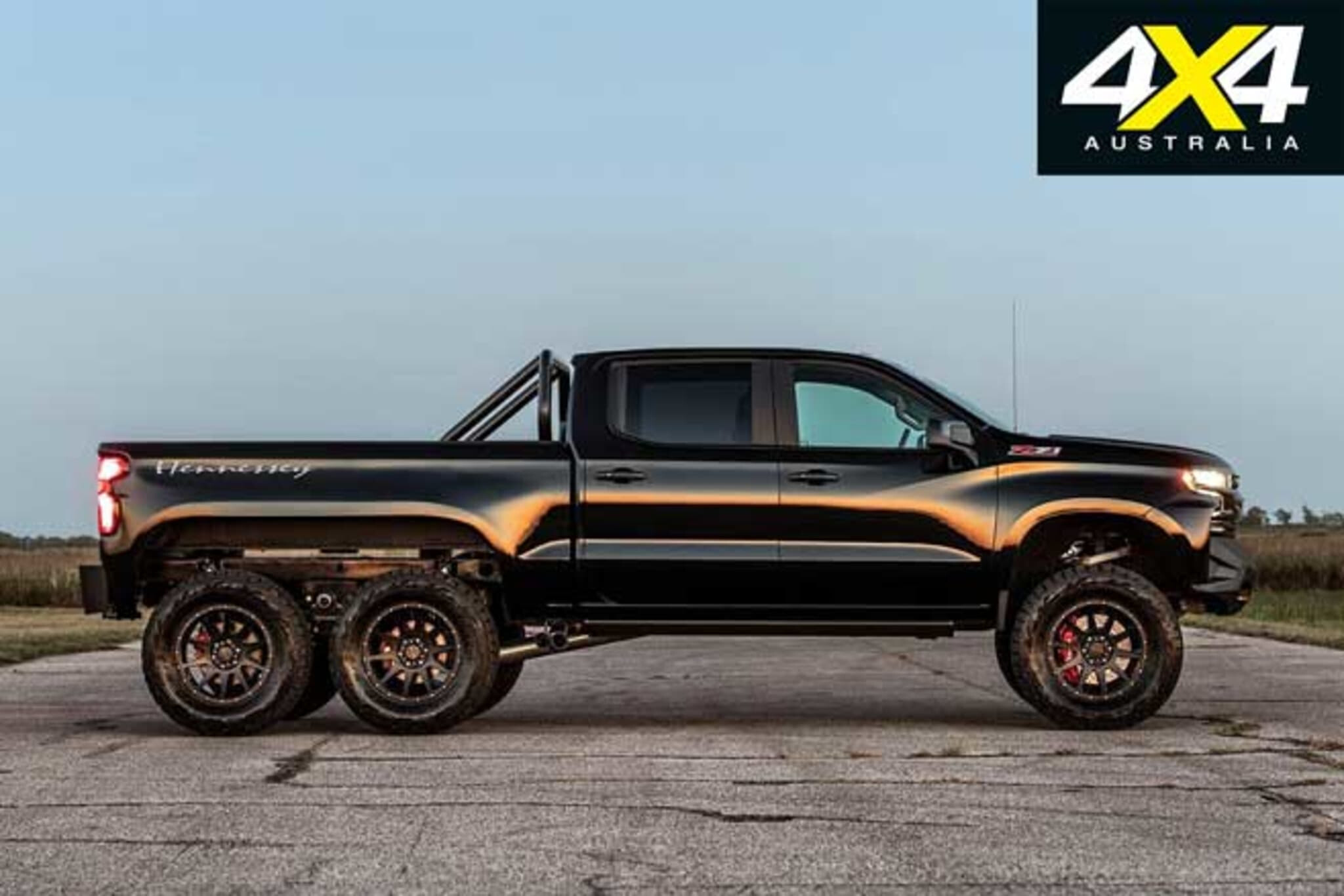
The company claims the tweaks are enough to blast the Mammoth from zero to 96km/h in just 3.2 seconds, and smash the standing quarter mile in 11.4 seconds.
Hennessey hasn’t left the truck as a pick-up, instead converting it to a five-door, seven-seat SUV with a unique body conversion with rear-side windows and a rear window to accommodate extra passengers, while retaining excellent luggage space behind the third row seats.
The Hennessey Mammoth gets improved off-road credentials with a 2.5-inch raise in the suspension height, a custom front bumper with LED lights, and 20-inch 10-spoke wheels wrapped in 35-inch off-road tyres.
The Mammoth will be an exclusive vehicle, with Hennessey saying it will build just 20 examples with a base price starting at US$375,000.
In case you’re worried about the modification affecting your vehicle warranty, the Mammoth comes with a full three-year 58,000km warranty .
Talking Points
- Why it’s critical to check what your policy covers
- Don’t be left stranded with a massive bill
EMERGENCY Recovery Insurance is a good thing I reckon. And I should know – I’ve been on the receiving end of it on three different occasions in the last 12 years or so.
However, there are limits on what’s included and what was once covered by your insurance may not be covered nowadays.
A hell of a lot of travellers rely on their state auto association for emergency roadside assist and recovery and I’ll be talking about RACV Emergency Roadside Assist Total Care which I’m most familiar with. Other state automobile associations (NRMA, RACQ, etc) have very similar packages with similar benefits, although there may be minor differences – best to check.
Some years back the ol’ Patrol broke down on a remote Aboriginal road north of the Tanami Road some 700km northwest of Alice Springs.
While I won’t go into the details of the adventure – the recovery truck broke down on a flooded Tanami Road was just the start – the expensive recovery back to Alice and subsequent 11-day motel bill and hire car costs were all taken care off by RACV Total Care. The costs would have been in excess of six to seven grand as the recovery itself was near 4000 bucks.
Nowadays, the Total Care package isn’t quite so extravagant!
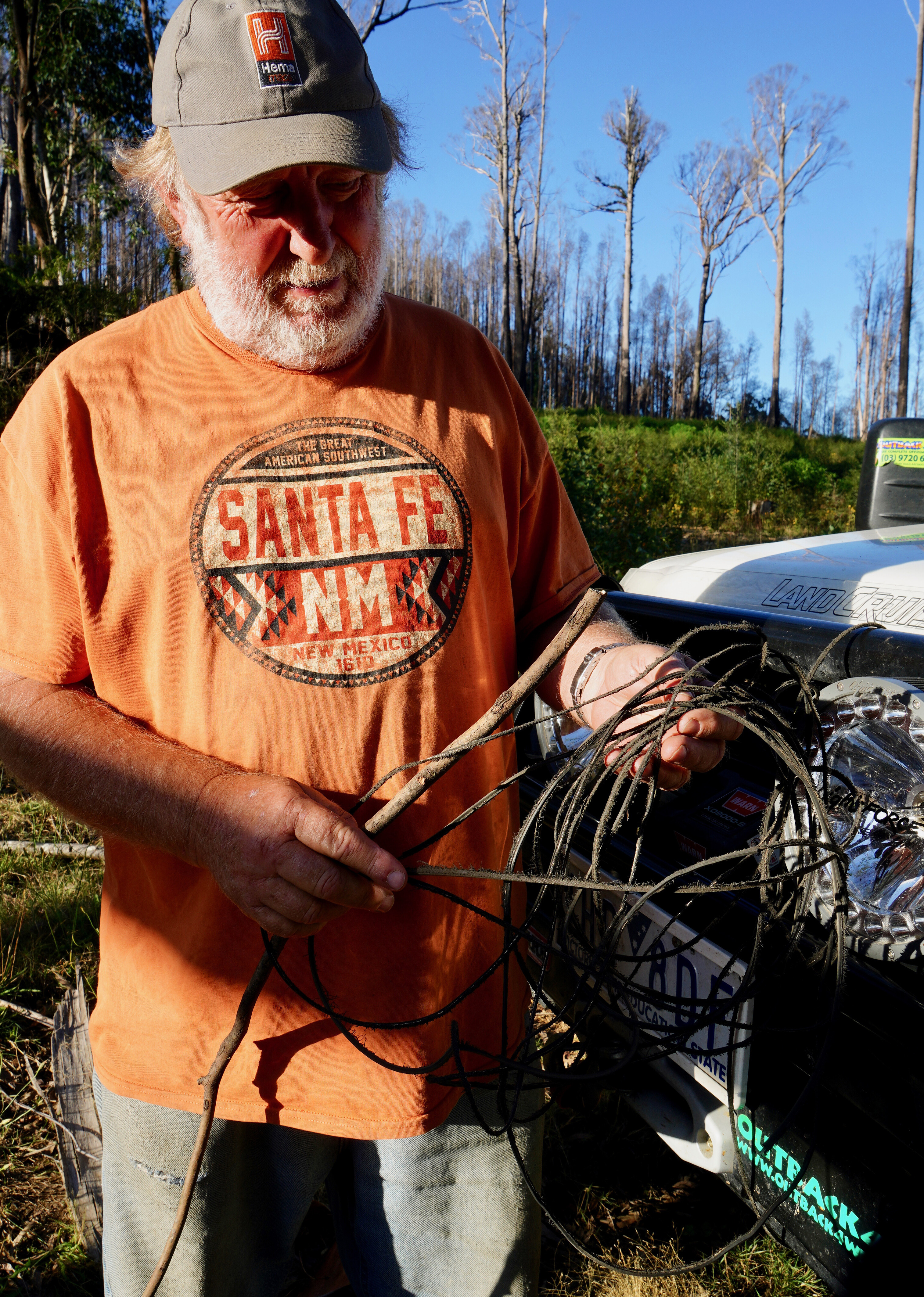
Just recently I shredded a serpentine belt on a bush track northeast of Orbost in some very remote forested country. With no spare (lesson learnt there) I limped back to a main dirt road taking particular care for the engine not to get overheated.
Without embarrassing myself too much with the nitty gritty of organising a recovery through the nearest RACV agent, later that evening the recovery truck pulled up, with Matt, the recovery mechanic jumping out of his vehicle exclaiming, “What the hell are you doing up here?”
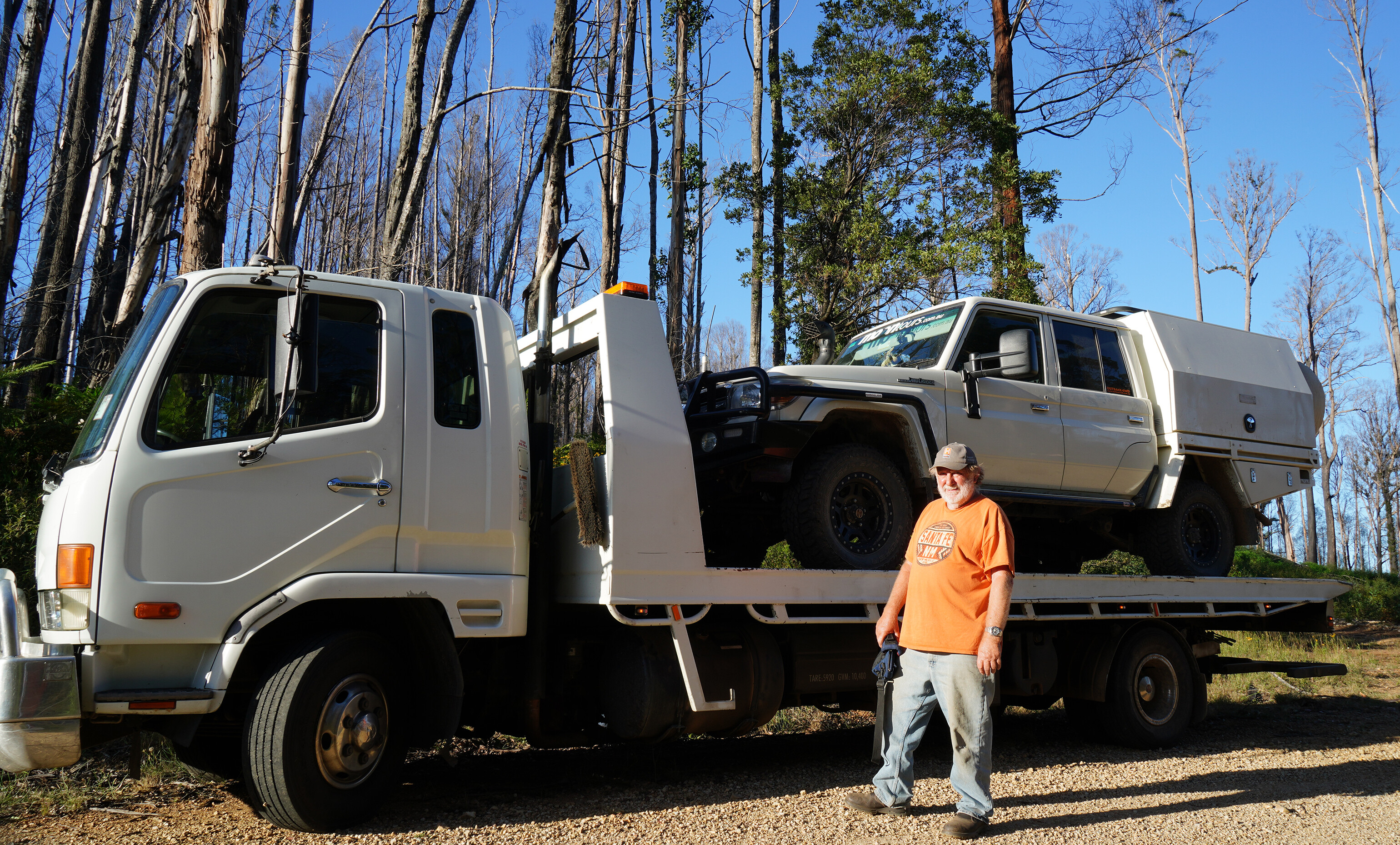
He then explained my recovery mightn’t be covered by RACV … not even by Total Care. I got a little bit agitated at that, which was further increased next day back at the agents-come-repairers who also said the same thing. I pleaded my case saying the road we were recovered from was a through road and a continuation of a country bitumen road, the blacktop only finishing less than 10km from where we were stuck. “We’ll see how we go!” was the not so reinsuring reply.
In the end the recovery was covered by Total Care as were a couple of nights in a motel while waiting for the Cruiser to be repaired, but it got me thinking about what we were actually covered for …
On checking, Total Care states that recovery/towing will be provided:
• In Country Areas, the first 100km in any direction, from the point of breakdown is free of charge, or back to the attending Service Centre. • Service will be provided on private property or on any public road, provided they are trafficable to normal two-wheel drive vehicles. This excludes areas such as open fields, beaches, creek beds, recreation ovals, bicycle paths, bicycle tracks, logging or forest service roads and roads which do not allow oncoming traffic to safely pass.
I rang the RACV to clarify what they meant by a ‘public road’ and after much toing and froing I accepted their definition as any ‘designated road’ but not a track. As an example, I mentioned the Tanami Road and the Great Central Road, both of which they were happy with, while the tracks across the Simpson or the Canning, they weren’t. In another major change from a few years ago Total Care now only covers approved benefits up to a total of $2400, stating: • You may claim a combination of the following benefits up to $2400 for you and your Travel Party (in total per incident) until the End of the Incident: • Accommodation ($170 nightly limit); and/or Rental vehicle ($88 daily limit); and/or alternative transportation; and/or taxi fares (maximum of 3 trips, at $100 each).
So, there you have it. I’ve got to say I’m pretty happy with the RACV Total Care package and won’t be dropping it anytime soon. If you are not, it may pay to have a look at Club 4X4 Insurance and opt for its extra premium cover which has up to $30,000 coverage for off-road recovery. That will surely cover your costs from being dragged out of the Simpson or some remote part of the Canning!
Talking Points
- Spy shots provide first look at next-gen 300
- Is this the model coming to Australia?
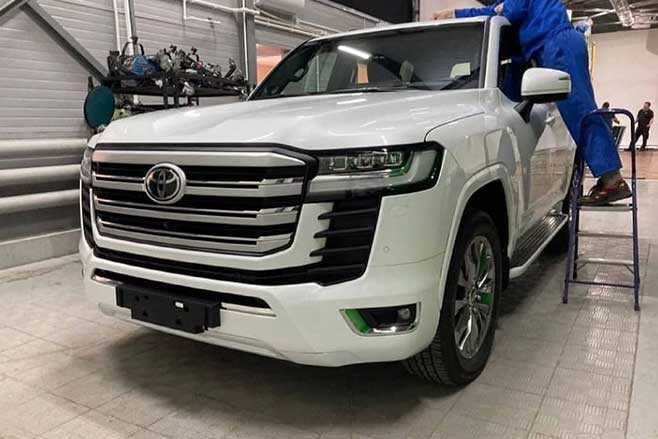
LEAKED images of the next-gen Toyota LandCruiser 300 Series continue to arrive thick and fast, with the latest spy shots providing the best view yet at the big new SUV.
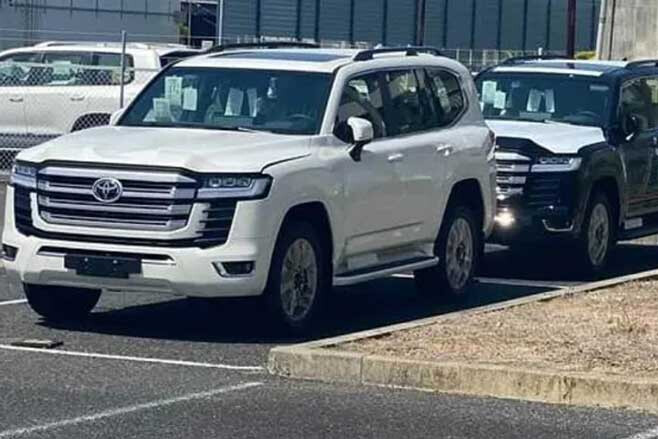
Whether this is the 300 Series we’ll eventually get in Australia remains to be seen, but these vehicles, in LHD configuration, provide a clear view of the off-roader’s busy front-end, chrome treatment and large alloy wheels – suggesting they could be premium Sahara examples.
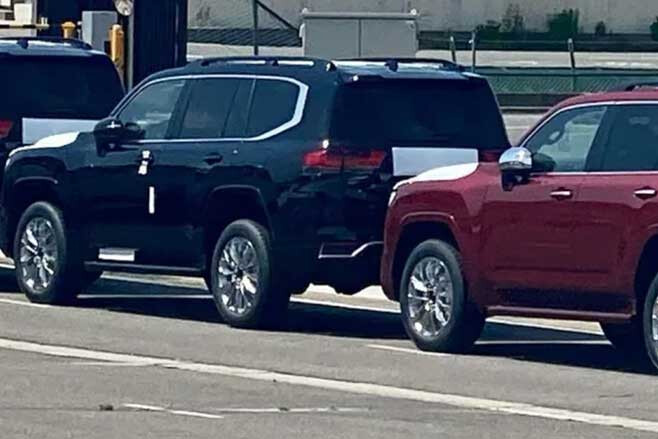
The images also indicate the 300 will be available in white, black and silver hues.
The vehicles were originally snapped in an undisclosed holding yard, adding to speculation that the full reveal is only weeks away.
Very little has been confirmed about the next LandCruiser except that the petrol V8 engine that was still used in the 200 Series in some markets will be shelved in favour of a V6 engine, and that a petrol/electric hybrid powertrain will be available sometime in the future.
What this means for Australian LandCruisers, which are currently all V8 diesel-powered, is yet to be revealed.
There has been all sorts of rumours and speculation about what will power our LandCruisers – a diesel V6, inline six-cylinder engines, a continuation of the diesel V8, and even talk of a horizontally opposed engine that was being co-developed with Subaru.
Toyota’s ramping up of its hydrogen-fuelled vehicles, both in Australia and overseas, could also see the scalable system upsized to power the biggest Toyota passenger vehicle at some time.

A powerful diesel engine is essential for LandCruiser if it is to continue to sell in the numbers that it currently does here. It’s only real rival in the full-size 4×4 wagon segment is the petrol-only Nissan Patrol, and the Toyota outsells it by more than four to one.
The next LandCruiser is expected to be similar in size to the current LC200, with seating for seven or eight passengers and will retain its excellent off-road and all-road ability.
If the rumours are true, we’ll know a lot more about the actual specifications in the coming weeks.
BACK in the day, and we are talking about the 1960s, Detroit was churning out high-output big-displacement V8s like burgers from a McDonalds’ drive-through.
But the energy crisis of the 1970s gave pause, and the added burden of the 80s’ emissions requirements choked the life blood out of any dreams of hot-rodding around with a HEMI behind a seven-slot grille.
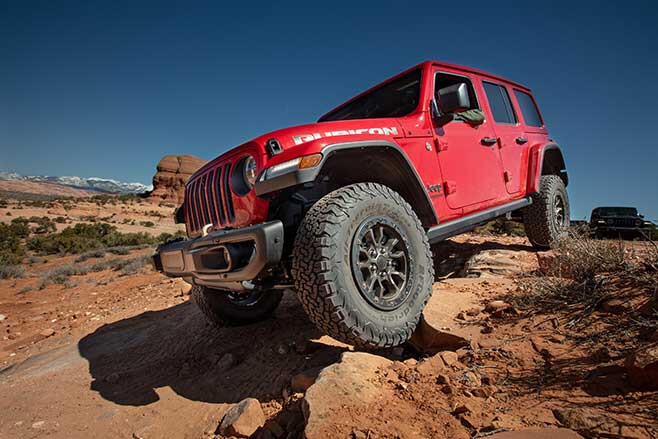
Yes, the Grand Cherokee made impressive strides with the SRT8, but it has been nearly four decades since a CJ-7 rolled out of Auburn Hills (Michigan) with the 5.0-litre (304cid) engine. But what about the Wrangler? It has led the brand for 35 years but has been relegated to V6 and I4 engines … until now.
ENTER THE RUBICON 392
We were near Moab, Utah, for the Easter Jeep Safari and I slowed down to 65km/h at the base of a long, paved, uphill grade. I pressed a funny little ‘goggles’ button on the dash and pinned the skinny pedal. Bam! My head whipped back against the headrest as I felt the Gs press my spine against the seat.
The throaty sweet notes of an uncorked exhaust echoed through the cockpit as the speedo spun north toward the century mark. We hit ‘V max’ in a heartbeat (the maximum tyre rating speed of 99mph or 159.3km/h) and I backed off the throttle to coast up to the crest.
Peeling off on a dirt track, my mind drifted back to high school days of HEMIs and Dodge Challengers and thought, “Damn, this is one badass Wrangler.”
GO V8 OR GO HOME
FOR years we’ve been asking Jeep to put a V8 in the Wrangler, and it is now evident they were listening. But they didn’t settle for a mere 5.7-litre, they went big, borrowing the proven 392cid (6.4-litre) HEMI from the SRT Grand Cherokee.
Retuning it for the dirt, this bad boy cranks out an adrenaline-inducing 470-470 … as in horsepower and torque respectively (350kW-637Nm). It is mated to a TorqueFlite eight-speed automatic transmission, with a Select-Trac transfer case distributing power fore and aft.
With all these cubes stuffed behind the grille, air flow and cooling are paramount. To accommodate this, the hood features a functional scoop that sends air into a ducting system called Hydro Guide. It directs flow to the air filter while vacating up to 60 litres of water per minute.
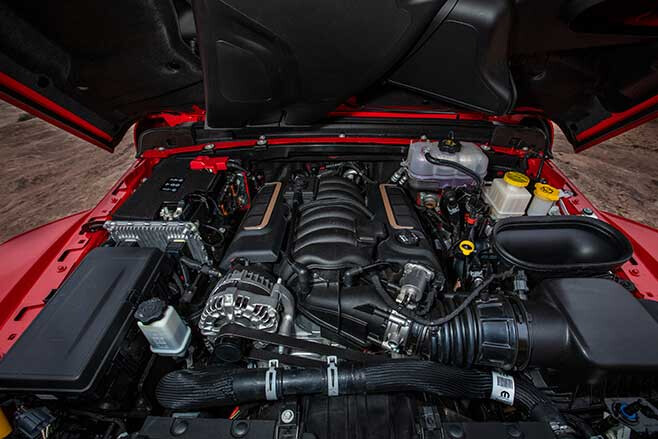
If you’ve ever dunked your bonnet in a billabong or crossed a flooded creek where the bow wave rolled up to the windscreen, you will understand Hydro Guide’s utility.
Down below are a pair of Gen III Dana 44 axles fitted with electronically controlled Tru-Loc differentials and 3.73:1 gears. They are capped with twin-piston disc brakes borrowed from the Gladiator Mojave (345mm rear, 330mm front) and steering is the electro-hydraulic system introduced with the JL.
WATCH: Off-road in Jeep’s SWB Wrangler Rubicon Recon
We’ve come to appreciate the Rubicon’s coil-linked suspension, but the 392’s has been revised to handle the increased power, torque and mass of the HEMI.
Front spring ratings were increased by 20 per cent while the rears were surprisingly reduced by 10 per cent, and specially tuned Fox aluminium shocks managing damping. Suspension links, track bars and cross members have been strengthened, and specific sections of the frame re-engineered.
EXTERIOR
WALKING around the 392, it looks like a basic four-door Rubicon, but the observant eye will notice subtle differences. It sits higher, two inches over the Sport and an inch over the Rubicon to accommodate the dimensions of the HEMI.
Grille slots are a bit wider to allow for increased air flow to the engine compartment, and an optional forward-facing camera rests in the middle.
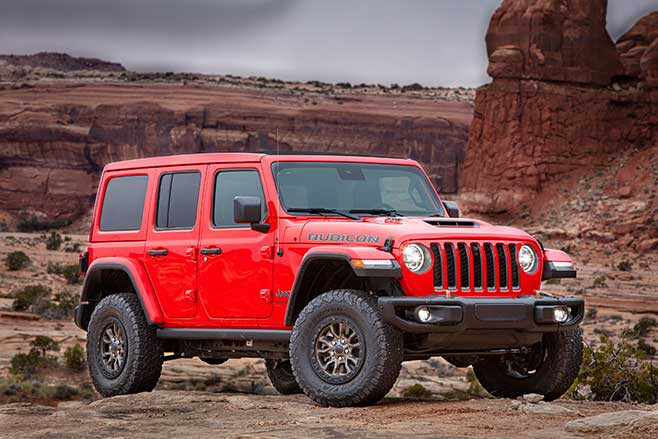
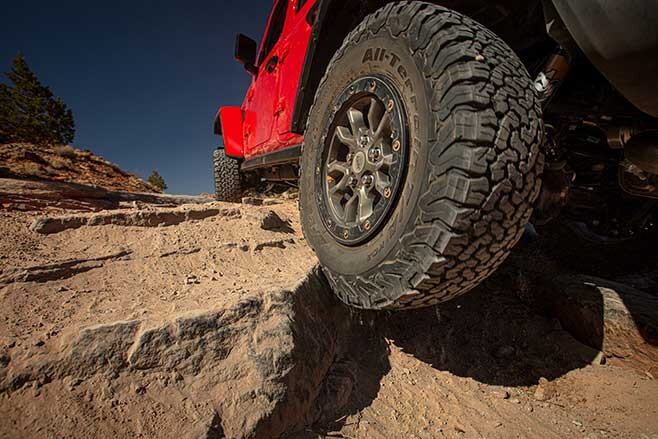
Armour includes Jeep Performance Parts (JPP) rock sliders and steel bumpers accented with bronze recovery points. Peeking under the rear bumper we find two tailpipes per side (more on this in a minute) and maintaining contact with the tractive surface are 33-inch BFGoodrich KO2 All-Terrains wrapped around Mopar’s new bead-lock-capable wheels. And, how could we miss the 392 badging on the hood.
INTERIOR
THE 392 might not have borrowed the interior directly from the Gladiator Mojave, but it sure took cues. Enhanced seat bolsters keep you securely tucked in place, lumbar support is prominent, and ergonomics have a sports-car feel … right down to the paddle shifters at a fingertip’s reach.
Bronze stitching, similar to the honeycomb on the grille, accents the leather-wrapped wheel and carries on throughout the interior. At arm’s reach is the 8.4-inch Uconnect screen, your portal to apps that monitor everything from HVAC and engine vitals, to drivetrain engagement and tilt angle. Scrolling through the options we find the forward-facing off-road camera, which provides a 180-degree view of upcoming terrain.
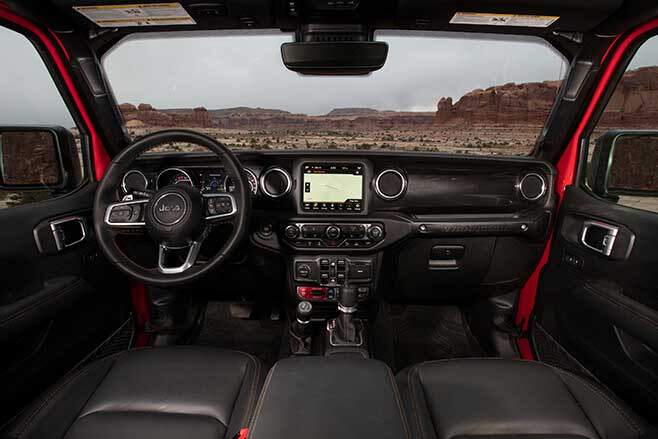
Locker controls are in the normal spot in front of the transmission shifter, and allow one-touch engagement and disengagement.
What’s new is the Off-Road+ feature … and the curious button with a pair of goggles? You might recall Off-Road+ from our review of the Gladiator Mojave, but read on about this goggle thing – it will put an ear-to-ear smile on your mug.
MASH AND BEANS
AS you might surmise from the 392’s stats, if you mash the skinny pedal it’s got the beans to slap your head back in the seat, I kid you not! Zero to 60mph (96.5km/h) in 4.5 seconds and a 13-second quarter mile, this bad boy gets up and moves – and would beat the tailpipes off my old ’71 Challenger.
However, heaps of power is of little use if you don’t have a suspension to control it. How does it manage G-outs? Are the shocks tuned for high-frequency, low-amplitude input (corrugations)? Does it porpoise during hard braking? How does it manage tight cornering? What is its return-to-centre ratio? Is the suspension balanced?
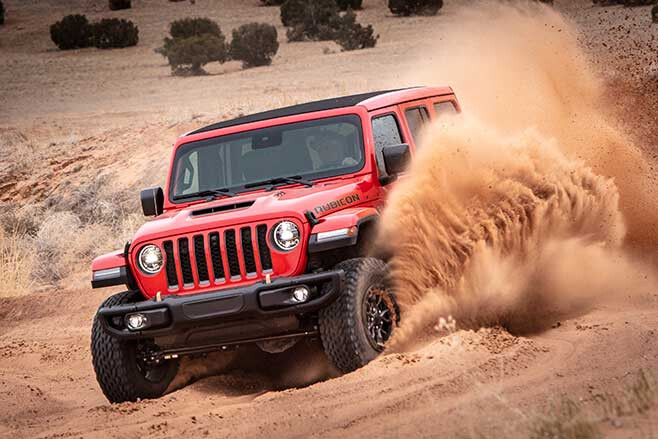
Before turning on to the dirt, I engaged Off-Road+. Pressing this lovely little button enhances throttle response, modifies transmission shift points, and detunes the Traction Control system. You can also permanently disengage electronic stability control (ESC), putting full control in the driver’s hands without an electronic nanny pulling the plug. It will also allow rear locker engagement in high range and at any speed.
After a day of blasting down two-tracks, through dune fields and crawling over technical terrain, I must say Jeep did an impressive job on the suspension. The combination of spring rates, damping and traction rendered predictable results during hard drifts.
Hitting a set of rollers carrying too much heat (one of those oh-crap moments) we cut through like a hot knife through butter, the shocks sucking up the bumps with impressive acumen. Damping, both compression and rebound, is critical in high-speed G-outs. Too little or too much and things can get messy.
The bottoms were firm, and rebound was controlled. Dropping in to a sand wash and pressing down on the happy pedal was pure joy. As for performance in the dunes, reread 470 ponies under the bonnet. Predictable, that is the operative word. A predictable suspension that builds confidence and trust.
The 392 doesn’t have the Rubicon’s iconic 4:1 transfer case, and its low-speed crawl ratio of 48:1 doesn’t break any records. However, 637Nm makes up for a lot of gearing and we navigated some fairly technical terrain without issue – we were nowhere near the capability limits of this vehicle.
I will say I would have liked a bit more compression braking on steep declines – probably the only shortfall of the 2.72:1 transfer case gearing.
Now let’s get back to that curious pair of goggles on the dash. We’ll call this the ‘annoy your neighbour button’. One touch engages the Active Dual-Mode Exhaust, which has two settings: Normal is for when you don’t want to T-off the grandparents, the other is for those times that you want to relive your muscle car days.
The magic resides in a vacuum-operated solenoid that opens an internal gate in the muffler. This effectively uncorks the exhaust and releases the full fury of the 6.4-litre HEMI for the world to behold. Well, we enjoyed it.
THE WRAP
ALTHOUGH it has taken decades for Jeep to embrace our pleas for a V8 Wrangler, when they finally got around to it they did a bang-up job.
With the trail capability of a Rubicon, a high-output 6.4-litre mill under the bonnet and downright impressive handling, what is not to love about the Rubicon 392? Well maybe the fact that it is being built in left-hand drive only, so it’s another vehicle not for Australia … c’mon Jeep, bring the Wrangler 392 Down Under!
SPECS
ENGINE: 6.4-litre HEMI V8 MAX POWER: 470hp (350kW) at 6000rpm MAX TORQUE: 637Nm at 4300rpm GEARBOX: 8HP75 TorqueFlite 8-speed auto 4X4 SYSTEM: MP3022 Select-Trac CRAWL RATIO: 48:1 WHEEL/TYRE: 17×7.5in alloy/ LT285/70R17 BFGoodrich KO2 AT KERB WEIGHT: 2314kg TOWING CAPACITY: N/A FUEL TANK CAPACITY: 81.3lt PRICE: USD$73,500 DEPARTURE ANGLE 37.5⁰ RAMPOVER ANGLE 22.6⁰ APPROACH ANGLE 44.5⁰ WADING DEPTH 825.5mm GROUND CLEARANCE 261.6mm
WATCH: The Wrangler Rubicon 392 in action
SEND us a photo with a brief description of your 4×4 via our 4X4 Australia Facebook page and you could win a Wurth under-bonnet LED valued at $249!
FORD RANGER WILDTRAK
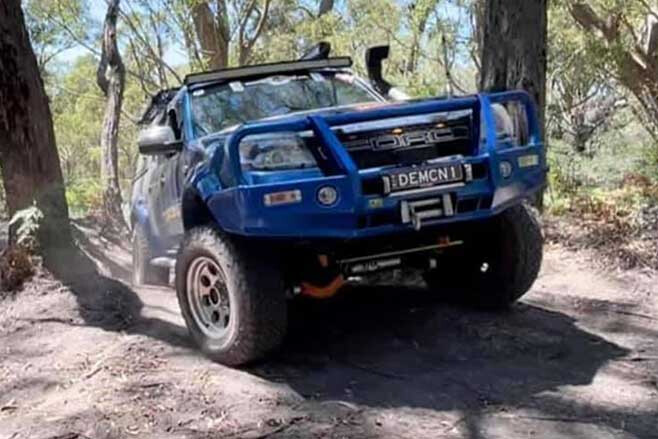
Gear includes twin ARB lockers; dual twin ARB compressors and dual air-tanks; GU diffs; Superior Engineering suspension; Dobinson coils; Fox shocks; custom sliders; an ARB rear bar with custom swing-aways; ARB reinforced canopy with 300W solar panel and lights/mozzie lights all around; auxiliary battery; 4000W inverter in a custom fan-cooled compartment; 12V and 240V power throughout; ARB LINX vehicle management system; TJM bullbar and winch; 90-litre fridge and slide; rear drawer, and more.
Under the bonnet is an HPD intercooler, three-inch exhaust, tune and catch can. I also have a long-range tank with custom belly pan, and custom front recovery points. There’s a lot, and I’ve probably left out half of it -Tim Dionys
FORD RANGER
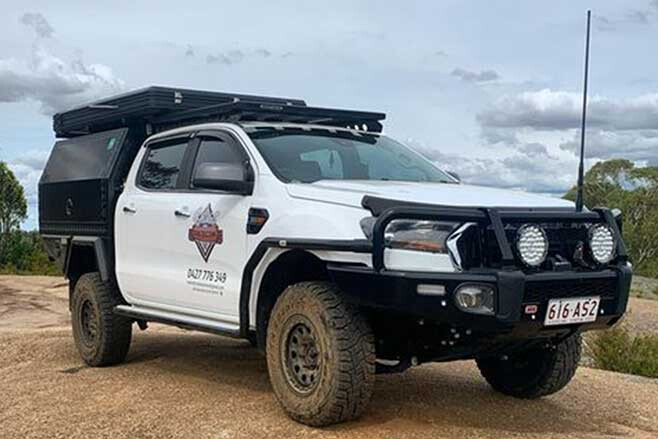
I bought the ute in January 2020. Since then I have fitted a three-inch Bilstein lift kit. The ute is sitting on 285/65/16 Toyo AT tyres with a Dunn & Watson touring tray and an MW toolbox canopy. On the front is an ARB Summit bullbar with matching scrub bars and side-steps, Stedi Type X Pro driving lights, GME XRS UHF, and a Bushranger 12,000lb winch. Up top there’s a Rhino-Rack Pioneer with the Backbone system and the Motop V3 135 rooftop tent -Mark Hewlett
1977 FJ40
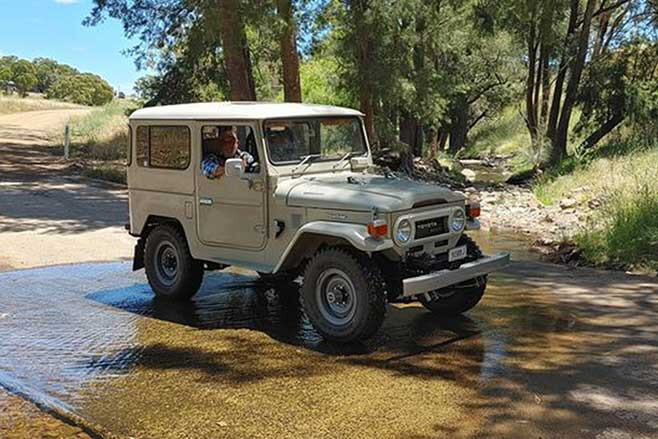
I wanted to share my 1977 FJ40, which I have just done a full chassis-off restoration. Every nut, bolt and rubber seal has been replaced. Plus a back-to-bare metal respray, all done by myself in my shed.
I shared the whole build on YouTube (40 Channel). This was family build with all my kids getting involved in the build. Super proud dad -Jayson Fox
2007 JEEP KJ CHEROKEE
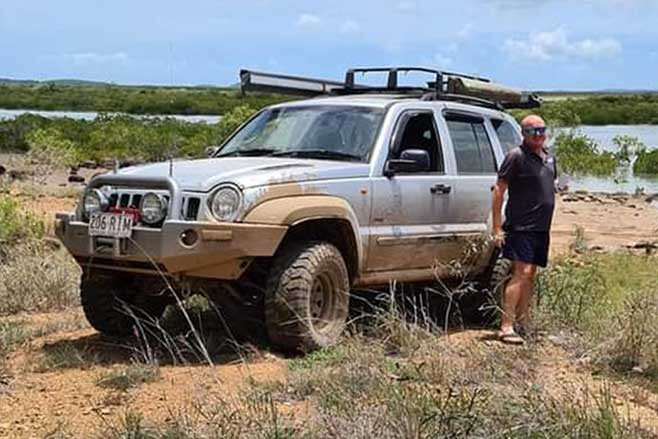
Additions include an ARB bullbar; Ironman 4×4 suspension (two-inch lift and some other mods); 31-inch MTs; Ironman 4×4 awnings and en suite; homemade rear drawers and rear table; custom aluminium radiator thermo fan and a TJ clutch fan; and custom bonnet vents.
Plus, there are other features I have done to it as there’s not much stuff for them in Australia -Mark E Spencer
2002 TOYOTA PRADO TX (3L TURBO DIESEL)
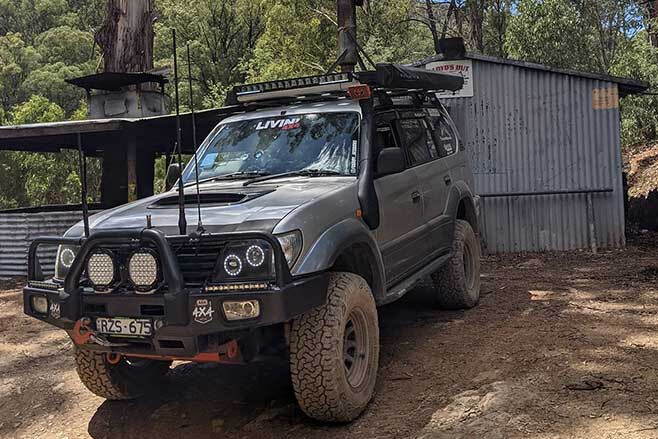
Kit includes a three-inch suspension lift; 33-inch AT tyres; adjustable upper control arms; and a rear ARB air locker. It’s fully kitted out for touring with drawers, two fridges, a travel buddy and extra water. Plus heaps more -Brodie Corbett
2004 TOYOTA HILUX
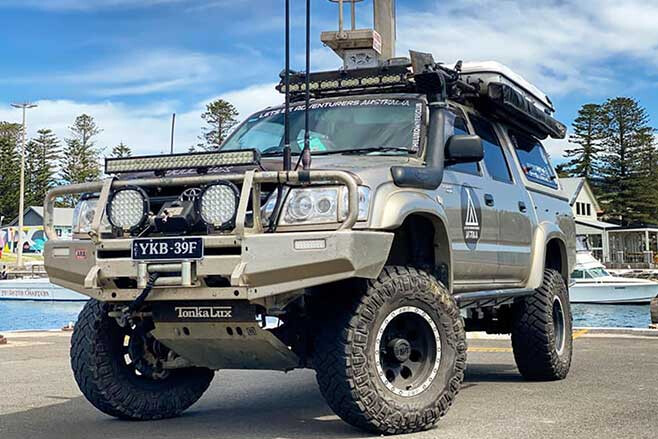
My Hilux is set up for remote touring as well as tough tracks. It has an SR5 factory turbo 1KZ, four-inch lift, lockers, and all the bells and whistles (so many things to list) -Tom Corra
The 2021 Ford Ranger lineup has been given a number of enhancements for the new model year, introducing a key new variant and a trio of upgraded options.
Headlining the news is confirmation that the Ranger XL 4×4 Heavy Duty Special Edition, with its mouthful of a name and a laundry list of enhancements, will continue into the new model year.
Released in August last year for different body styles in the XL grade, the pack is now specific to the XL Double Cab Chassis, with drive provided by Ford’s 147kW/470Nm 3.2-litre five-cylinder diesel and a six-speed auto.
Features include a factory-fitted, crash-tested and AEB-sensor equipped Genuine Ford Steel Bull Bar, which also gets integrated mounting points for driving lights and UHF antennas. An LED light bar is also fitted.
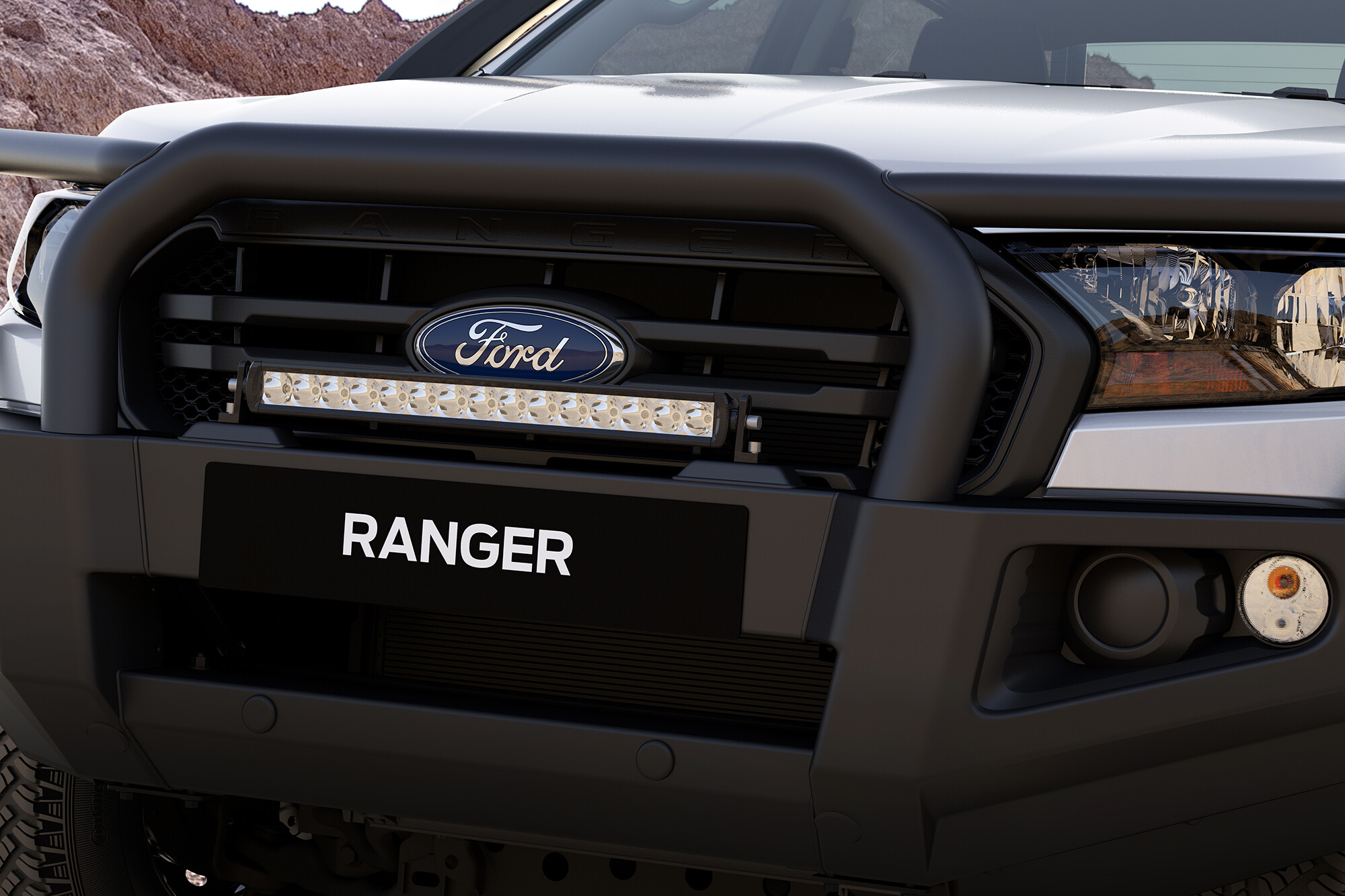
Enhancing its off-roading capability is a Ford Genuine fixed-head snorkel, along with black 17×7.5-inch steel wheels matched to Continental CrossContact All-Terrain tyres and solid wheel nuts.
For work days or well-stocked getaways, the XL Heavy Duty also gets upgraded suspension to live up to its name. This includes thicker springs with a revised spring rate, along with new front and rear dampers.
Final enhancement items include black side steps and a rear-view camera kit.
The Ranger 4×4 XL Heavy Duty Special Edition Double Cab Chassis is priced from $52,790 before on-road costs.
Ranger XL models get 2.0 Bi-Turbo diesel engine
For 2021, the XL range can now be had with Ford’s 157kW/500Nm Bi-Turbo four-cylinder diesel engine – the same mill powering the Raptor, among other high-spec variants.
As in its other applications, the Bi-Turbo engine joins the XL range paired with a 10-speed automatic transmission.
The new hero motor will be available in 4×4 XL Super Cab Chassis, 4×4 XL Double Cab Chassis, and 4×4 XL Double Pick-Up variants.
Ford Ranger XL 4×2 Sport joins range
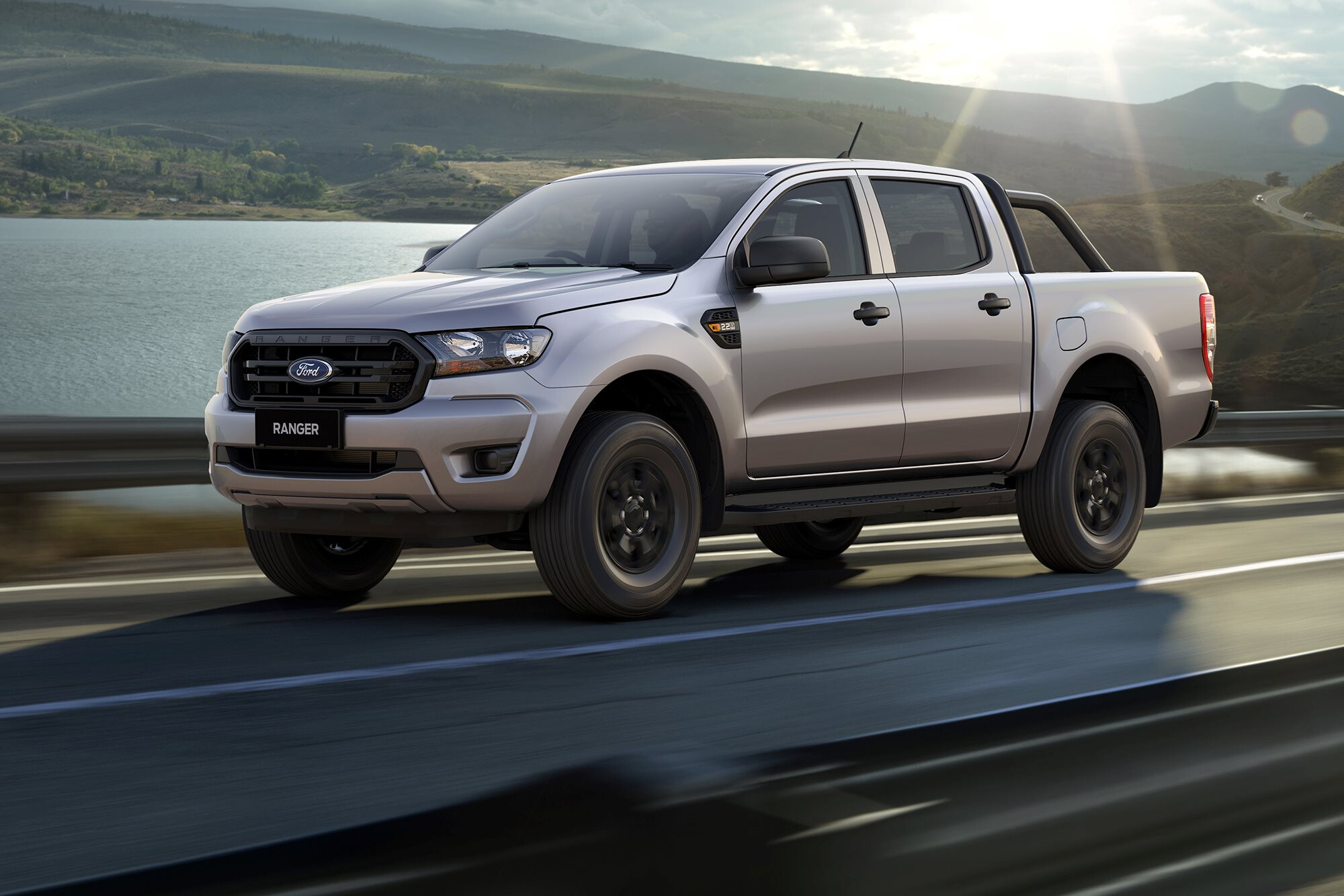
Also news is the arrival of a new 2021 Ford Ranger 4×2 XL Sport model, slotting in between the 4×2 XL and 4×2 XLT grades in the seemingly endless list of Ranger variants.
Priced from $43,790 before on-road costs, the new variant’s configuration is a Double Cab Pick-Up (a dual-cab ute with the standard tub on the back), driven by Ford’s 118kW/385Nm 2.2-litre turbo four-cylinder engine and a six-speed automatic transmission. No manual shifter is offered.
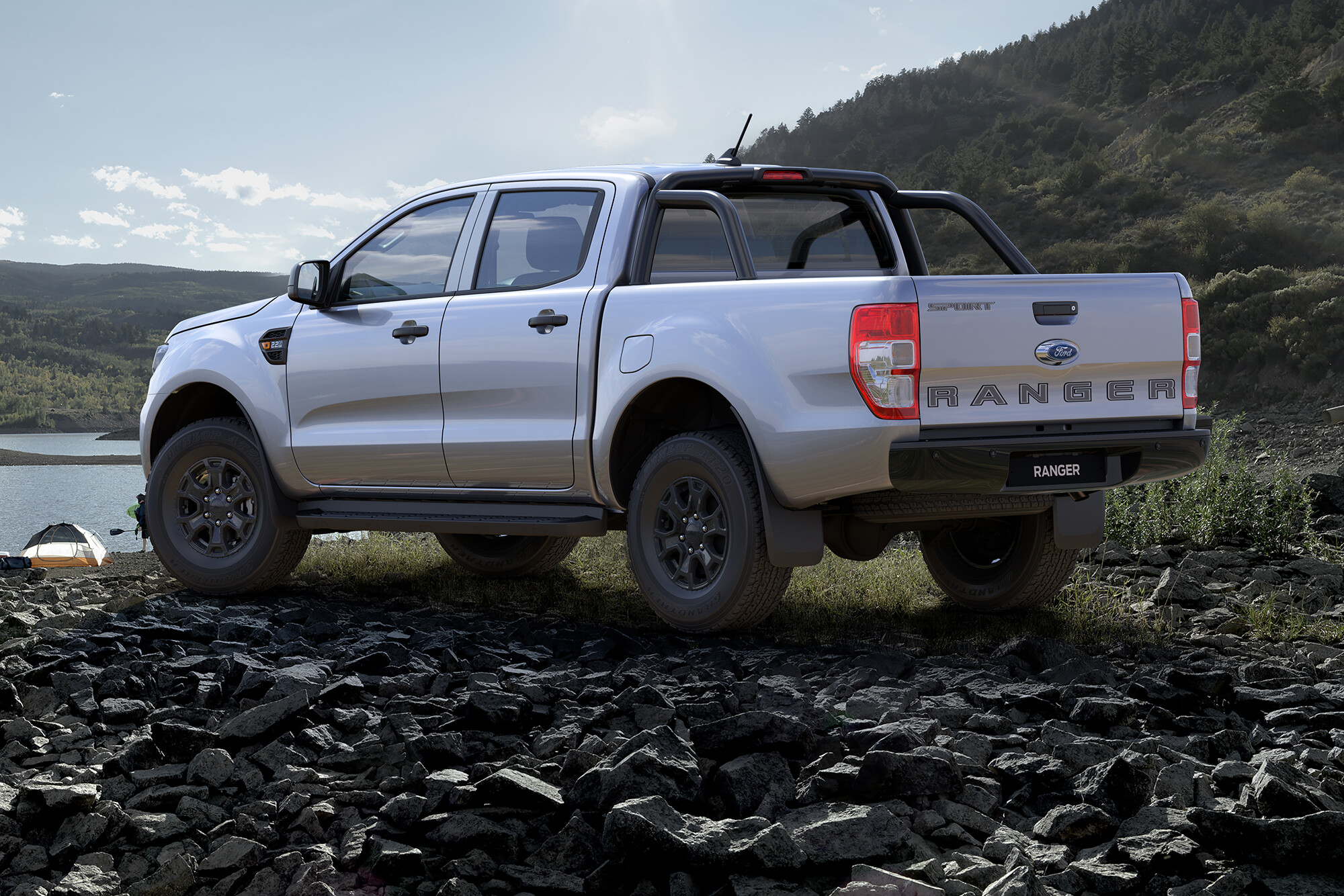
To earn its Sport badge, the new variant gets black 16-inch alloy wheels, and black all of these bits: grille, sports bar, bedliner, side steps, and rear bumper. There’s a SPORT graphic on the tailgate, too.
Colour options for the Ranger 4×2 XL Sport include Arctic White, True Red, Shadow Black, Meteor Grey, and Aluminium Metallic.
2021 Ford Ranger XLT gets adaptive cruise
No longer a mere inclusion in the optional Tech Pack, adaptive cruise control (ACC) is now standard in the XLT – better proving its right to the near-flagship position the XLT badge represents.
MORE: All you need to know about the 2022 Ford Ranger MORE: Ranger news and reviews MORE: Everything Ford