
Snapshot
- Military inspiration for practical 44 wagon
- Form follows function design
- On sale July 2022
Continuing with its built for purpose theme, Ineos Automotive has revealed a functional and practical interior cabin for its Grenadier wagon which is due to go on sale around the globe in 2022.
The styling is very military-like with plenty of switches and dials which are said to be easy to reach and use, even when wearing gloves. Hopefully, the abundance of dials and switches means users won’t be pushed in to menus within the screen to access commonly used controls as seems to be the case in many new vehicles.
“When we started thinking about the Grenadier’s interior, we looked carefully at modern aircraft, boats and even tractors for inspiration, where switches are sited for optimal function, regular controls are close to hand, auxiliary ones are further away,” said Ineos Head of Design, Toby Ecuyer.
“You can see the same approach in the Grenadier. The layout is functional and logical, designed with ease of use in mind.”

The controls are housed both in a large central dash panel and on the roof above the heads of the driver and front seat passenger. There is also a 12.3-inch touchscreen on the dash to display the audio and mapping systems which include Apple and Android syncing. Inbuilt navigation system allows users to waypoint and log their route for future reference.
The roof switches are mainly for off-road features such as operation of the differential locks, off-road modes, and prewired switches for auxiliary accessories such as a vehicle winch or additional lighting.
Old fashioned park brake and transfer case levers are on the wide centre console instead of the dial or switches which have become the norm, although the electronic transmission shifter looks much like the frustrating-to-use pieces found in modern BMW and JLR vehicles.
The use of this shifter makes some sense as the Grenadier uses a ZF automatic transmission as found in luxury brand vehicles.
The levers and controls are moved across the console for the left and right hand drive variants, something some bigger brands don’t bother doing.
The large lockable console storage box may prove a welcome feature to users, as could door pockets which will hold litre-sized bottles.

The steering column is adjustable for both reach and height to accommodate drivers of many sizes but interestingly, no conventional gauges appear behind the wheel. There’s a small display panel shown there which we expect will include a digital readout for essentials, although the images show a speed readout on the centre dash screen. Ineos says the Grenadier uses a physical key for starting although we can’t see the ignition in these images.

The five seat model shown (the Grenadier can be configured for five or two seats) features Recaro seats for all passengers with a 60:40 split folding rear seat. Hard wearing fabrics are used on the seats which the company claims will not require protective covers for heavy duty and dirty use.
Floor coverings in the both the passenger and cargo area are rubber with removable bungs in the floor to allow hose-out cleaning. The floor of the cargo space shows adjustable tie-down rails which will be optional while standard equipment will be four tie-down points. Ineos claims the two-seat model can accommodate a Euro pallet in the back, and visible in these images are attachment points for cargo barriers behind both the front and second rows of seats.
Some of the photos reveal glass panels over the passengers’ heads which are removable for open air touring; these too are optional. Ineos says the interior, like the rest of the vehicle, will be very customisable to the users’ needs ready for both factory and third party products to be fitted.
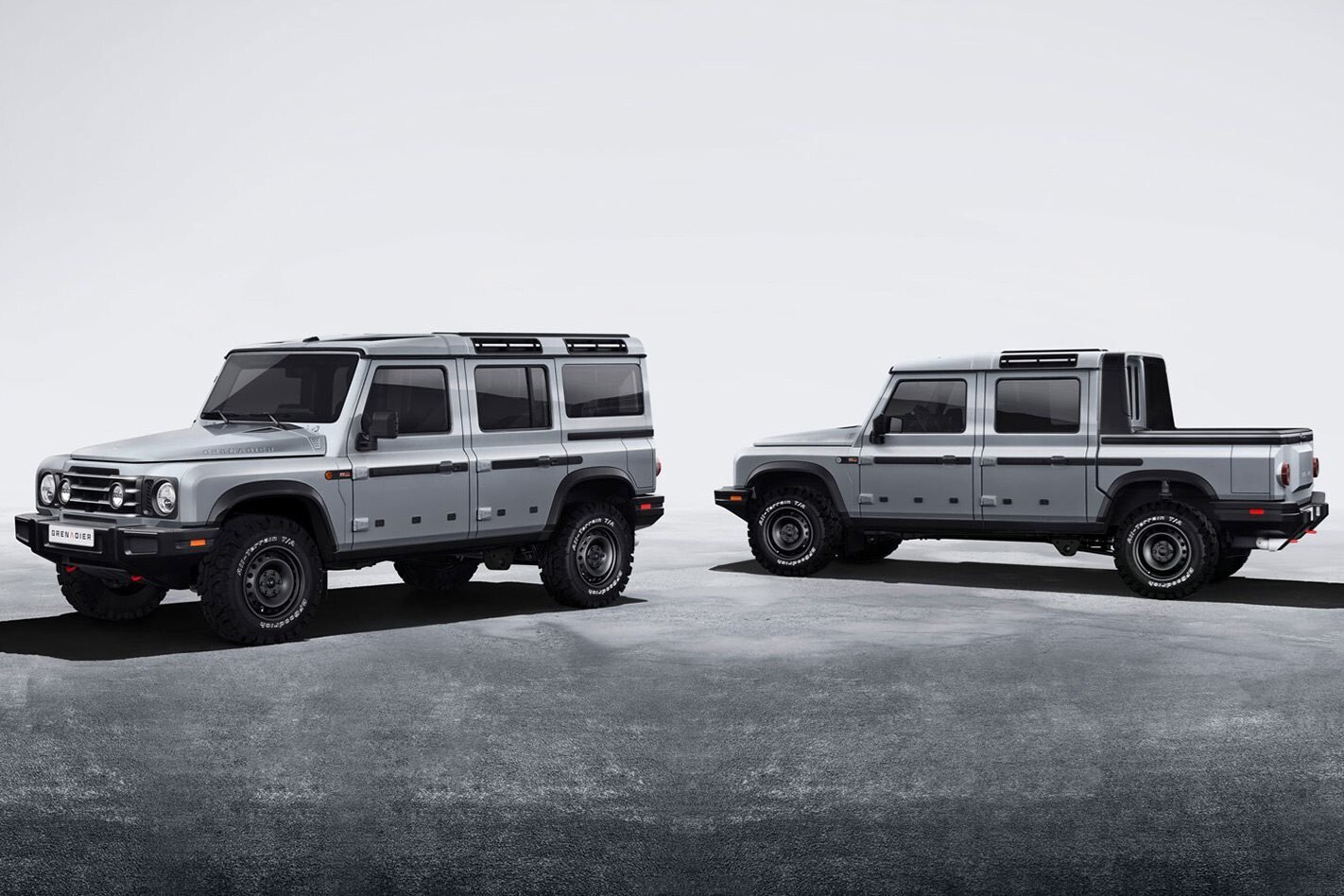
The Grenadier will be available with a choice of petrol and diesel six-cylinder engines, both supplied by BMW, backed by an automatic transmission and dual-range, full-time 4WD. Initially to hit the market as a five-door wagon, there are also plans for both single and double-cab ute versions in the future.
Pricing of the Grenadier is yet to be revealed but it is planned to be available in the third quarter of 2022.
We all have that one mate who manages to get in to strife on every 4×4 trip, whether he or she is the first one to get bogged, roll the car or just get lost.
Well, here’s your chance to show the world their embarrassing predicaments and give yourself a chance to win a $300 voucher for MAXTRAX recovery gear.
To get involved, send your photos to our Facebook page. And make sure you put a few sentences together to explain the predicament you were in.
Here are some photos sent in from John Denman to get us started!
YEEEE-HAAA!
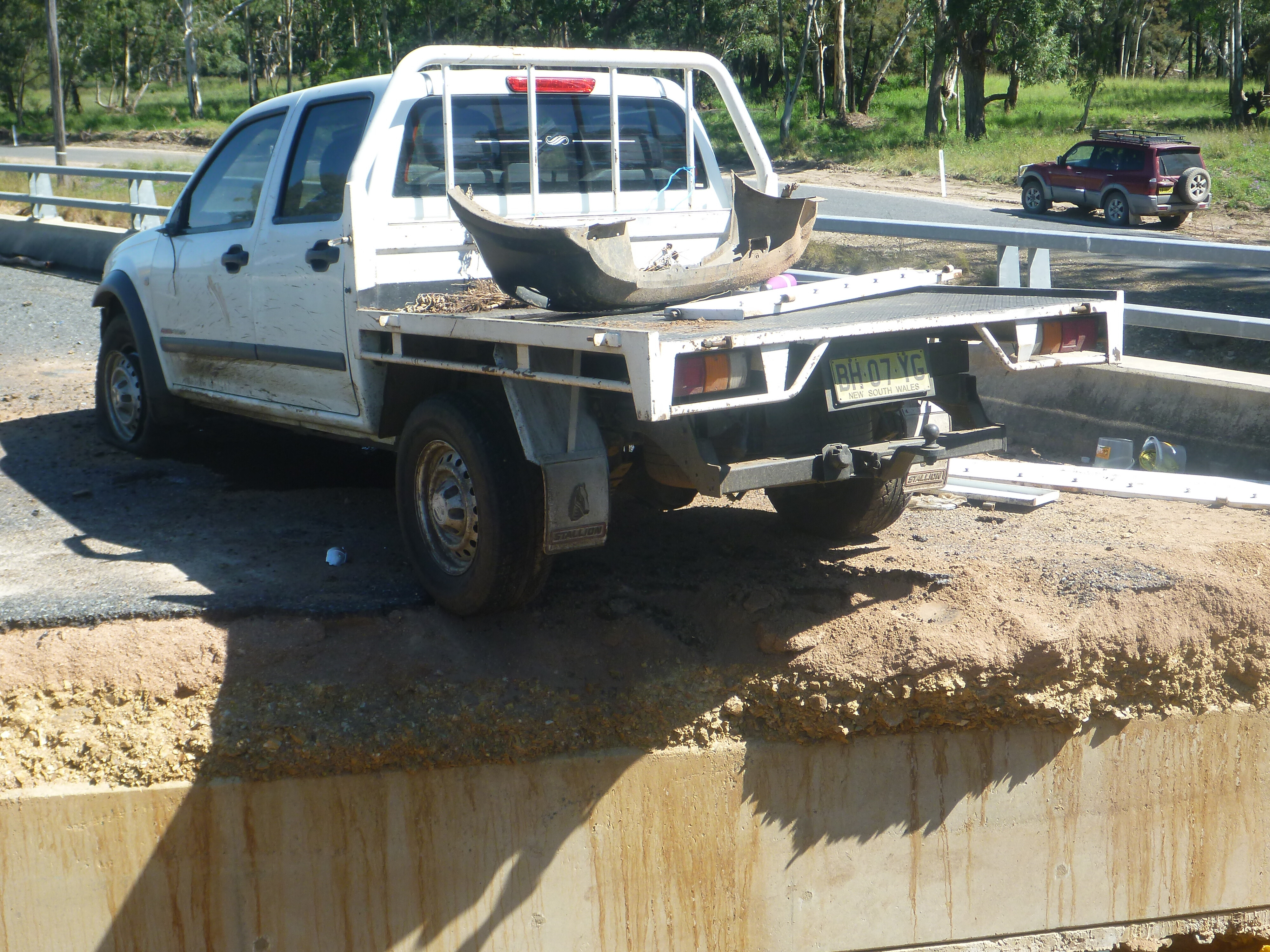
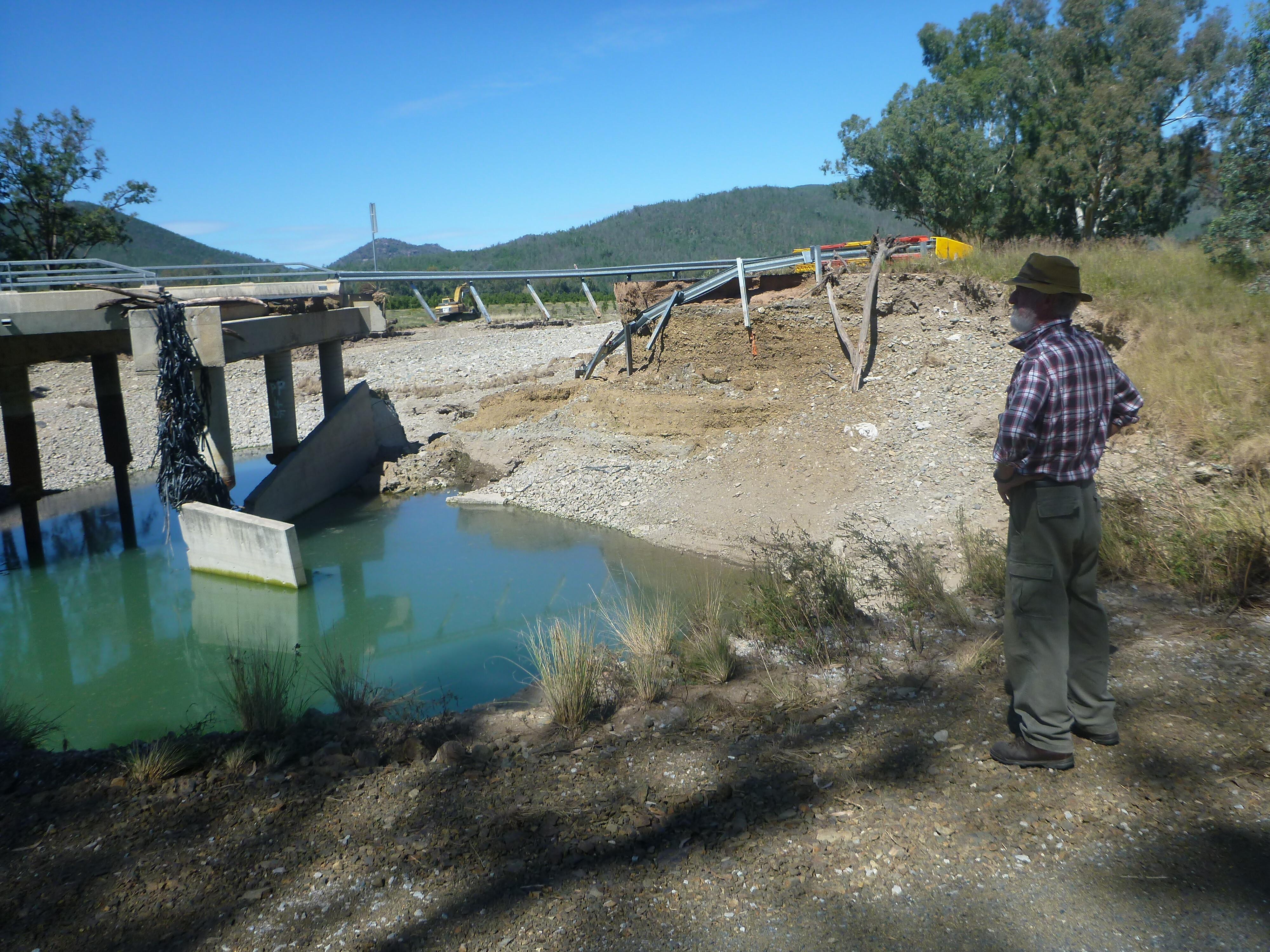
It seems the owner of this ute watched too many episodes of The Dukes of Hazzard back in the day, as when she came across this flood-damaged bridge in northern New South Wales, she figured she could jump it.
Using the red and yellow plastic bollards as a launching ramp rather than a deterrent, the Colorado cleared the washed-out section of the bridge but landed hard on the next section, smashing the engine sump, blowing out the front tyres and setting off the driver’s airbag. Judging by where those rear tyres finished, she only just made it too!
A local farmer used a ladder to bridge the gap and rescue the damsel in distress, and at last report the ute was still sitting there. Photos by John Denman (NSW)
T&Cs
• Voucher can only be redeemed through www.maxtrax.com.au • When using the voucher, any outstanding balance can be paid as normal. • If you don’t spend the whole thing, the remaining balance can be used on your account in the future. • The voucher will expire 3 years from the date of activation.
Launched in 2010, the Volkswagen Amarok mid-size ute is one of the older vehicles in its class and, rather than investing in an all-new model, VW is partnering with Ford to build the next Amarok on a platform shared with the 2022 Ranger.
Despite its age, the Amarok remains one of the best-driving cars in this segment, with dynamics that leave all competitors behind, and the option of a powerful V6 diesel engine that does the same.
It will be a real shame to lose the Amarok as it’s a unique vehicle in the class, but we wait with interest for the Ford-derived model.
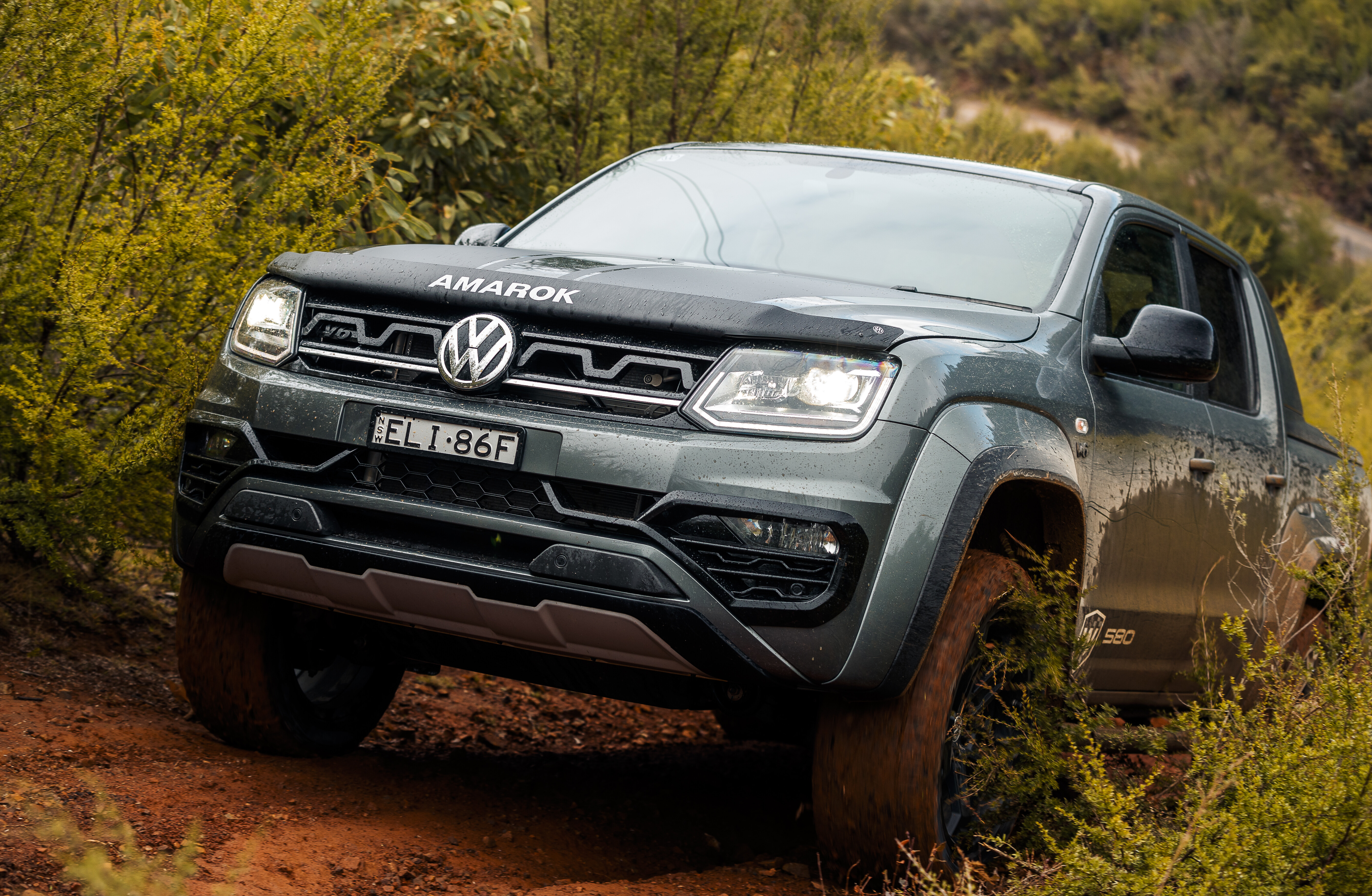
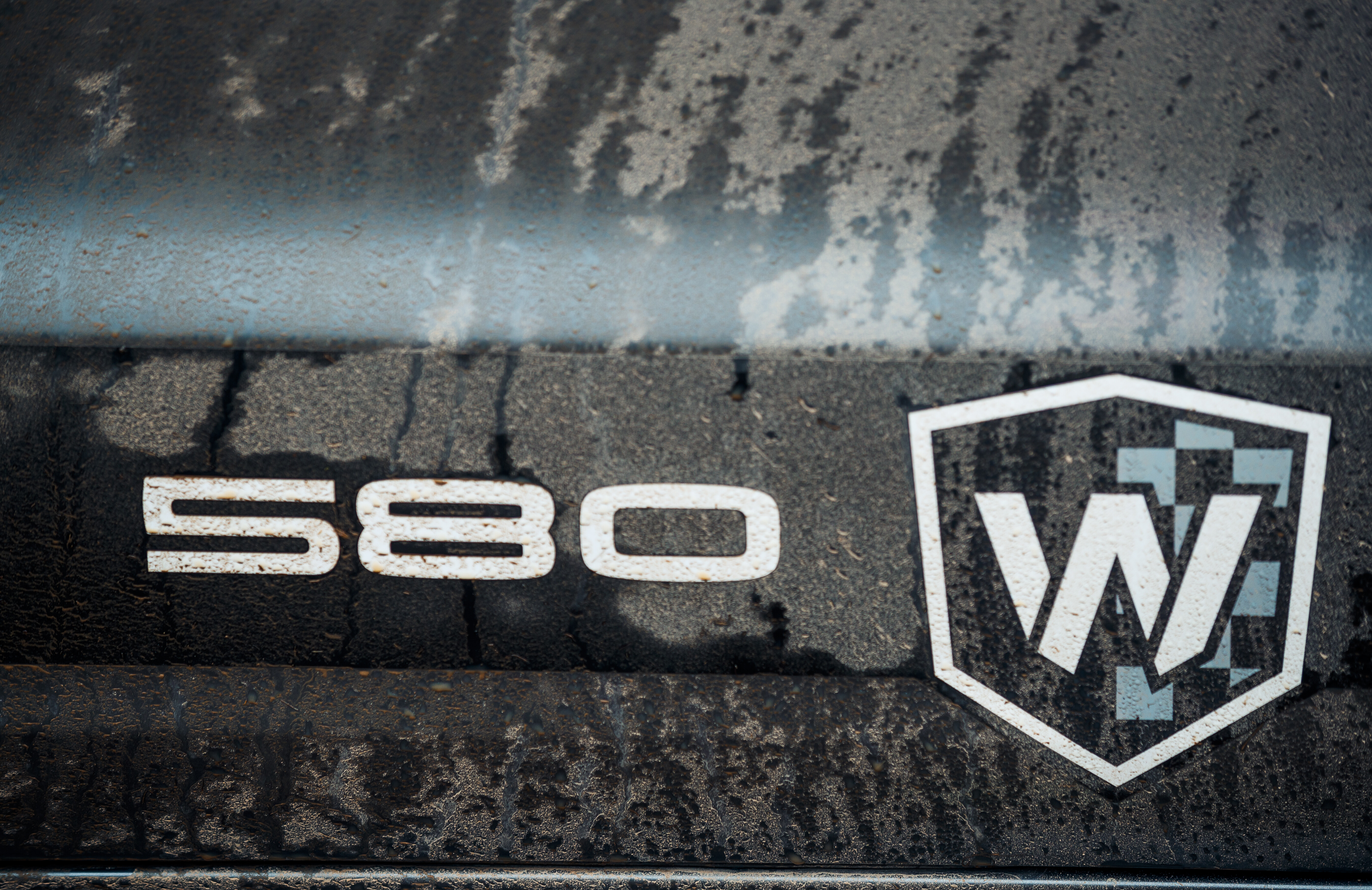
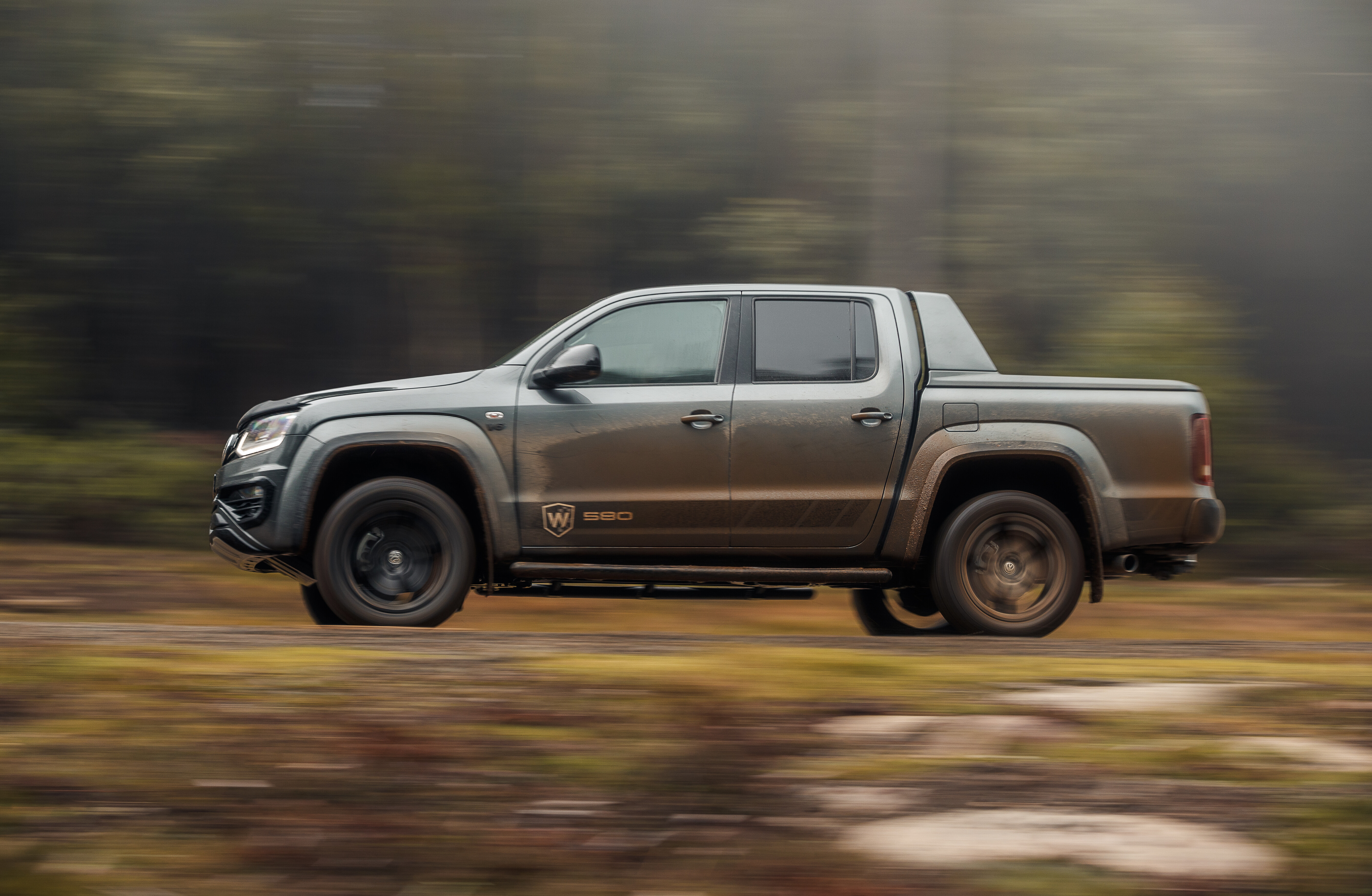
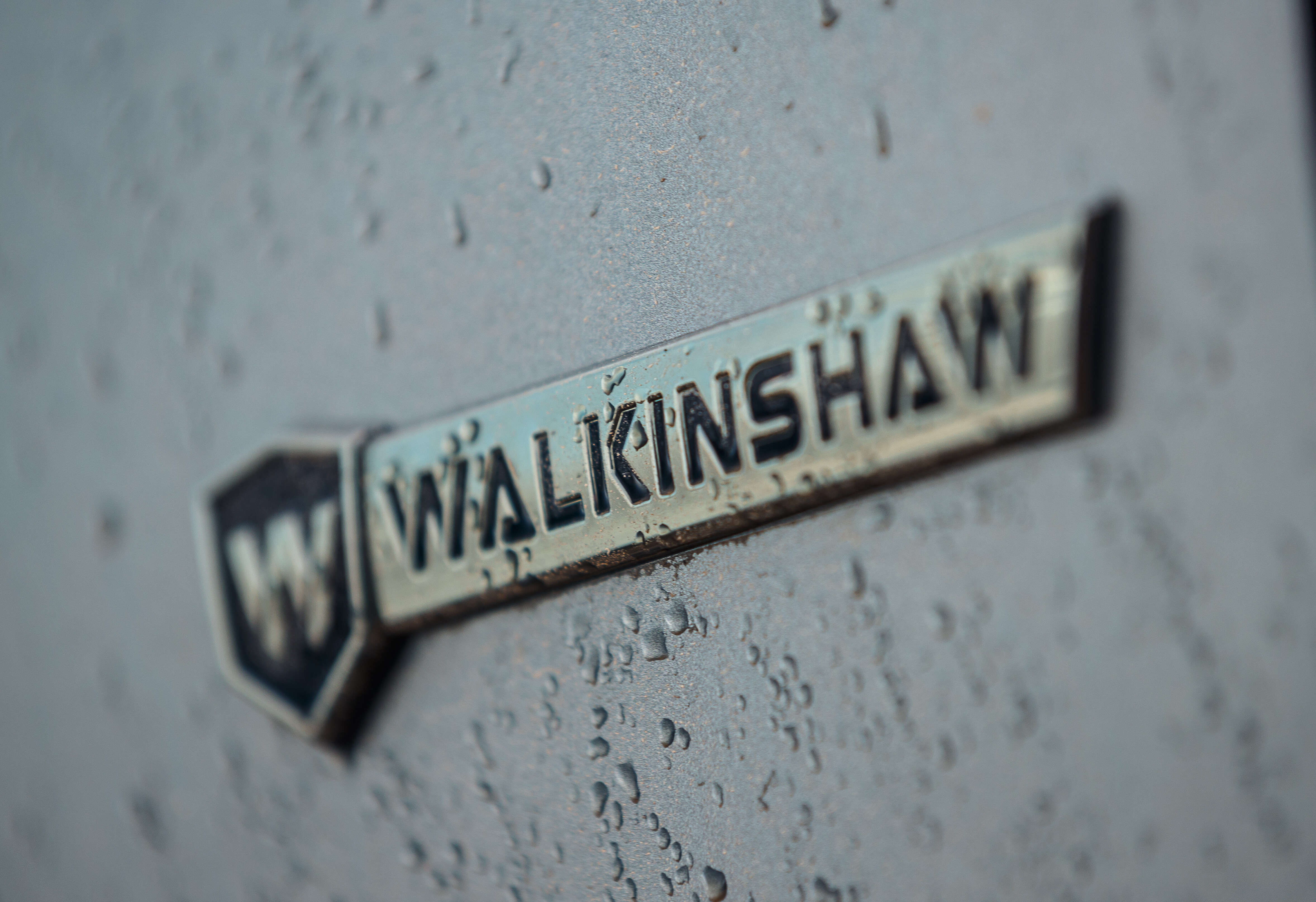
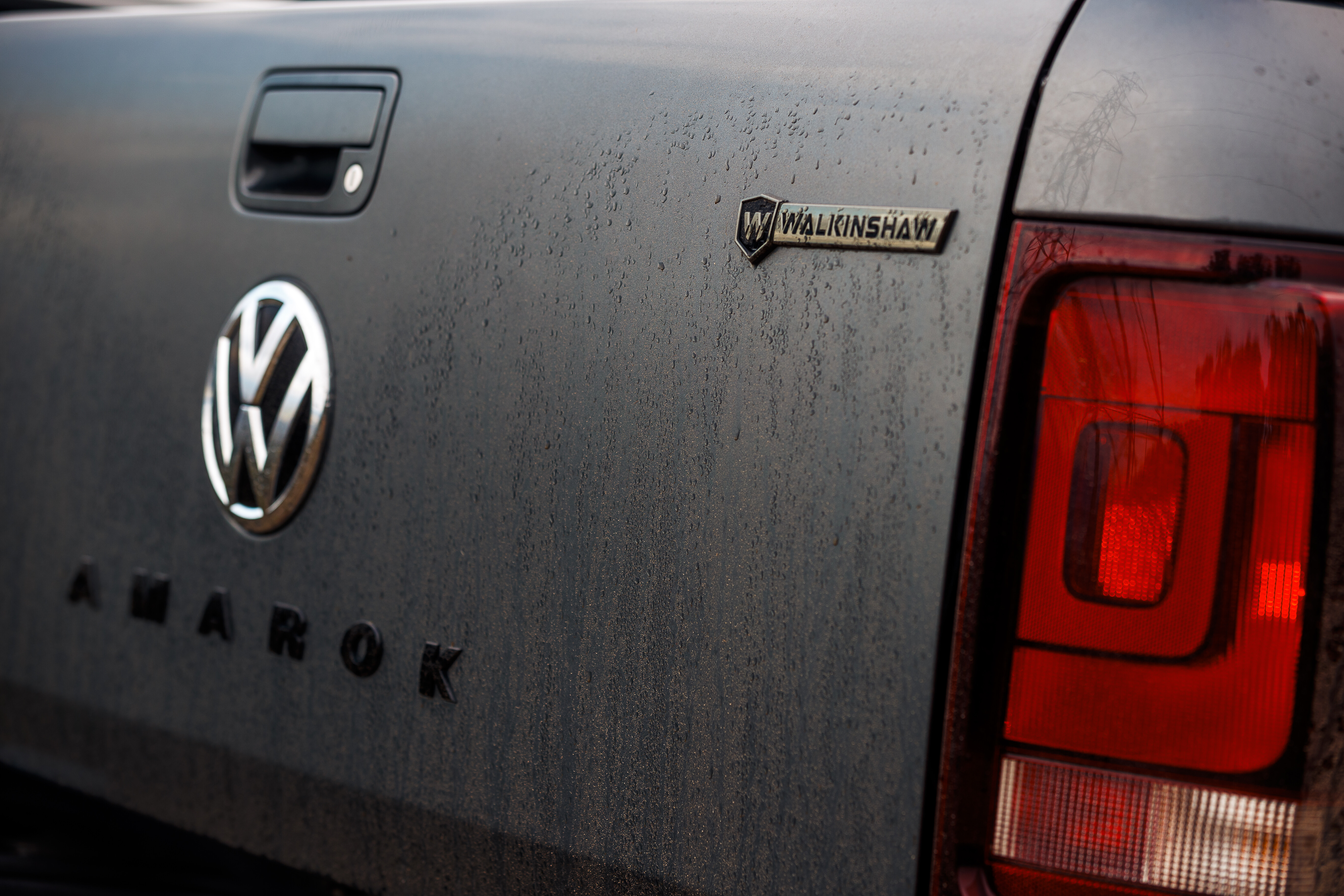
Before that arrives sometime late in 2022, Volkswagen Australia has given its grunty Amarok V6 a performance upgrade by teaming with the engineers at Walkinshaw Performance to make a good thing better. The upgrades made to create the Amarok W580 centre on the suspension and styling, while the powertrain remains the top-specification 580Nm version of the 3.0-litre V6.
The Walkinshaw-tweaked ute is available in two models: the Amarok W580 at $71,990 and the Amarok W580S at $79,990. The vehicles and accessories are covered by Volkswagen’s full warranty.
POWERTRAIN & PERFORMANCE
The Amarok’s V6 engine is already the most powerful and best engine available in the one-tonne 4×4 ute class, so the team decided to leave it alone. This is the top-tune version of the engine that makes 190kW under normal operation but ups that to 200kW on overboost, while the torque is locked in at 580Nm.
In the W580, the V6 is only backed by the eight-speed automatic transmission and full-time, single-range 4Motion four-wheel drive system. With a claimed 0-100km/h dash of 7.3 seconds the Amarok 580 leaves all other factory mid-size utes in its dust.
ON ROAD RIDE & HANDLING
This is where the team at Walkinshaw really went to work on the Amarok. The brief was to create a better GT-style (grand touring) vehicle, and considering the platform was already one of the best for that, they succeeded in upping the ante.
While the Amarok follows the traditional light-truck chassis formula of a ladder frame with a leaf-sprung live axle under the back and coiled IFS up front, VW made it better by equipping its ute with a wider stance that improves both ride comfort and dynamics. VW also offered the option of rear springs that were optimised for comfort or load carrying depending on the owner’s needs.
Walkinshaw widened the Amarok’s track even farther by fitting a set of 20mm offset 20×9-inch forged alloy wheels that take the track out an extra 46mm, front and rear. The wheels wear 275/50 Pirelli Scorpion ATR tyres which in turn take the overall diameter up 20mm for a bit of extra ride height that, with coil spacers also used, combine for a 50mm total lift at the front.
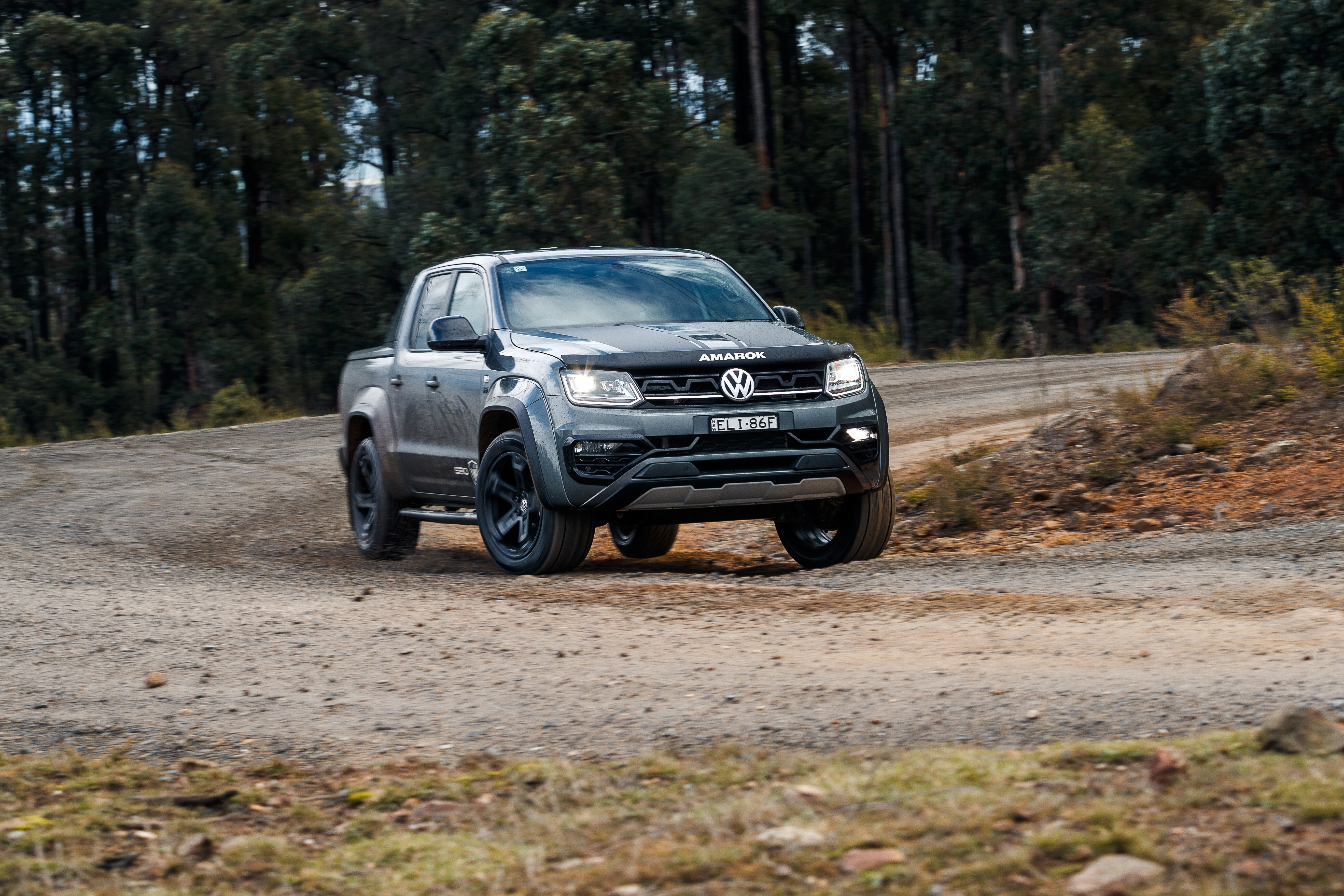
Being forged-alloy wheels, they are lightweight, and the bigger wheel and tyre package is equal to the standard set-up so as not to have any detriment on handling.
New shock absorbers were developed specifically for the model. The twin-tube design shocks are larger with bore size up from 32 to 35mm and the dampener shaft size up from 16 to 18mm. These work wonders to control the wheels as they cross uneven and rough terrain, as well as maintaining a flat and composed ride when cornering.
The Amarok shows its age in that it still has hydraulically assisted power steering, which isn’t an issue; although, it was a bit vague on centre at highway speeds. That could have more to do with the wider tyres than anything else, and it’s a small gripe on an otherwise excellent package.
OFF-ROAD
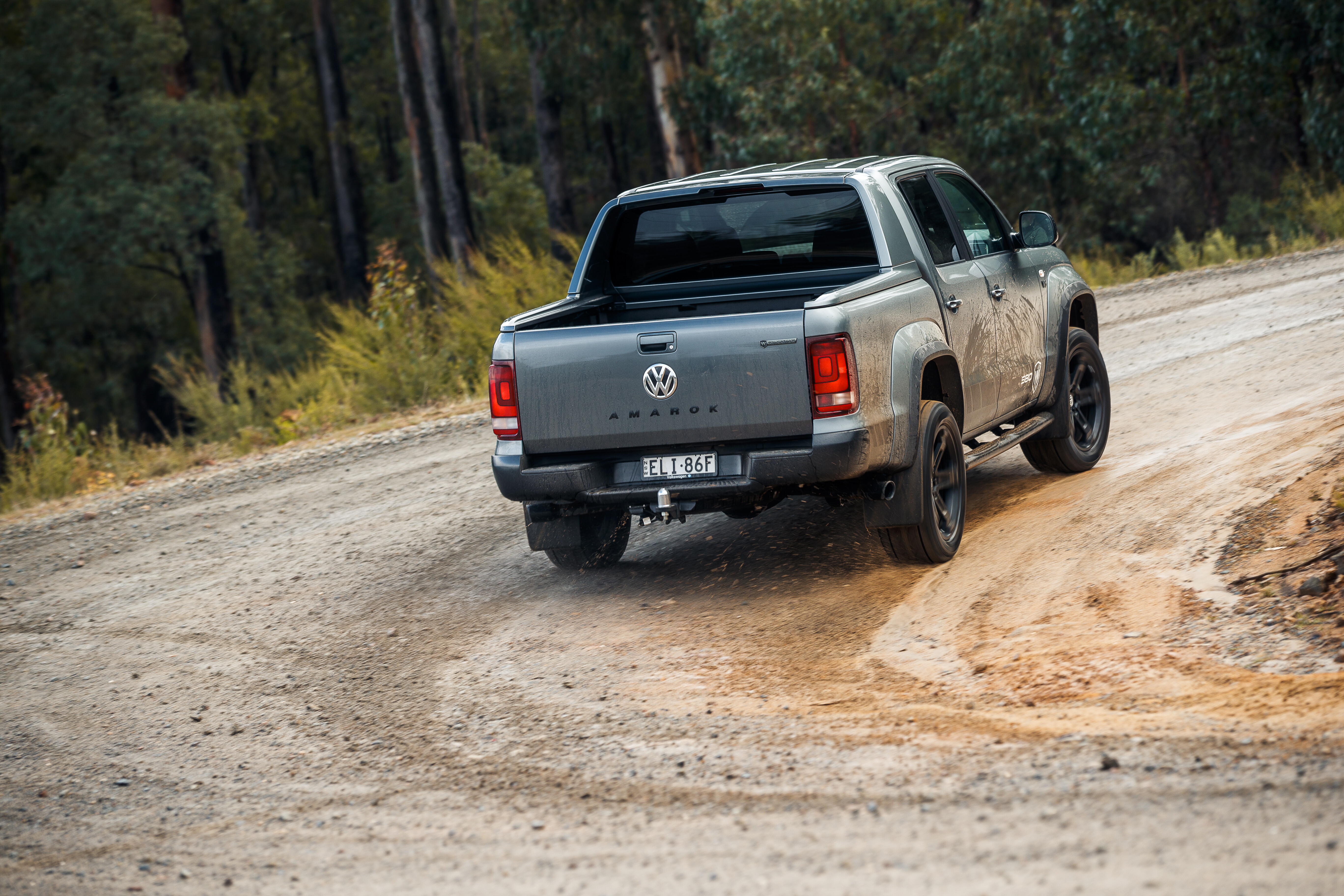
A lot of people are quick to dismiss the Amarok with an auto transmission as an off-road vehicle because it only has a single-range transfer case – no low range. But the smart boffins at VW Commercial Vehicles tuned the action of the torque converter in such a way that it never really needs a low range ratio.
Sure, it’s not ideal for rock crawling, but in more than 10 years of testing the vehicle we’ve never found the single-range auto driveline wanting in any way; and that includes some steep Victorian High Country drives, where it stayed with the most popular dual-range 4×4 utes on the market.
This puts the auto Amarok in the unique position where you can be touring it down the highway at 110km/h, cross the Murray at Tom Groggin and ascend the steep climb up to Davies High Plain without having to pull a transfer-case lever, turn a dial or flick a switch. It’s off roading as its simplest.
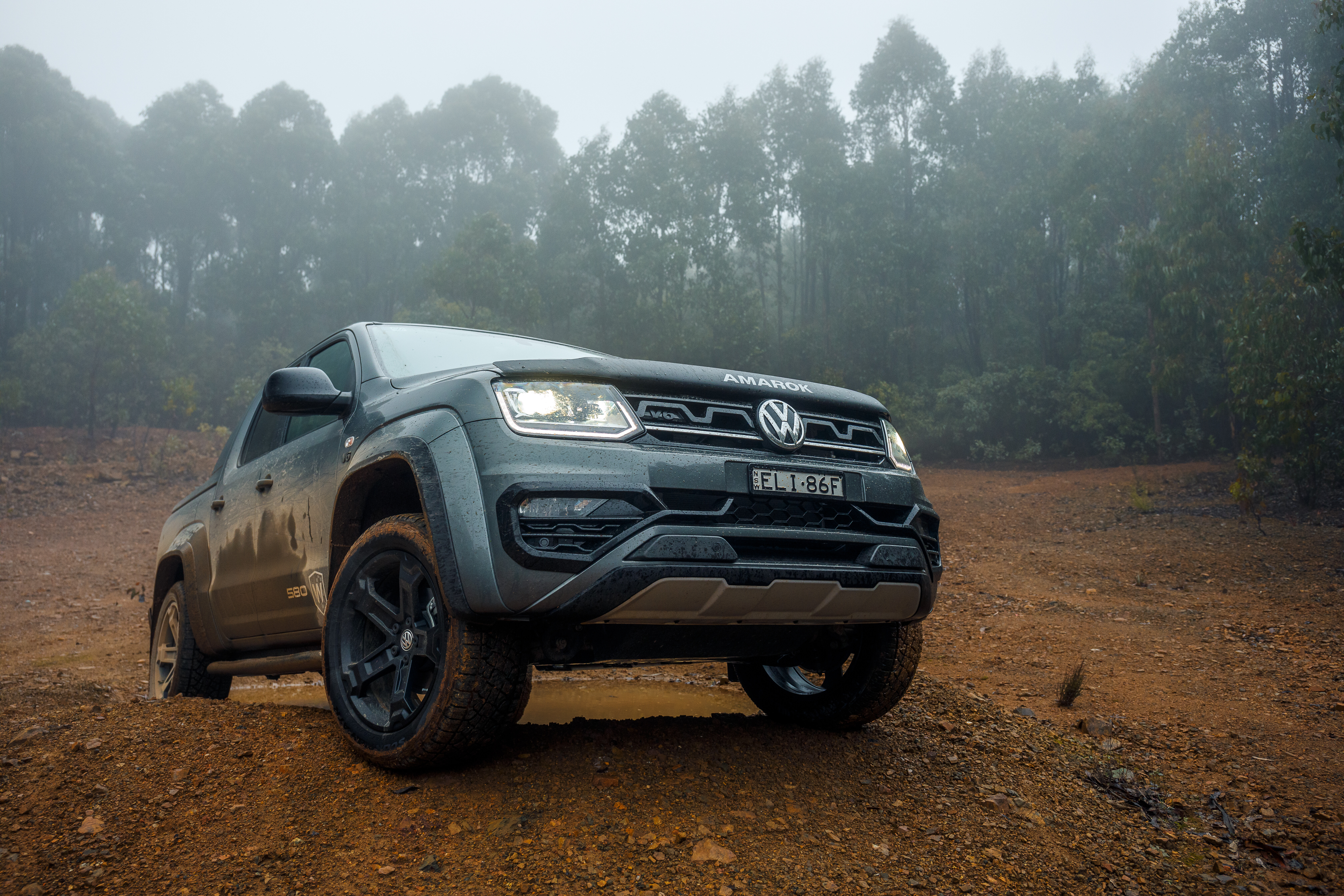
Yes, there is an off-road button which activates the hill-decent control and off-road-calibrated ABS, and another for the rear differential lock, but you would rarely need these functions for general use.
The Amarok’s chassis works just as well as any other mid-size ute off-road in that its wheel travel is sufficient but not great, its electronic traction control works very well and the ETC stays active on the front axle when the rear diff lock is engaged.
The W580 benefits from its 50mm rise in ride height and ground clearance, even if its 20-inch wheels and low-profile tyres are less than ideal. The Pirelli ATR tyres are a great all-round performer.
CABIN AND ACCOMMODATION
Slip over the side-steps and into the Amarok and this is another area where the VW shows its age. Acres of unadorned grey plastic cover the dash which houses a 6.5-inch AV screen which looks small by today’s standards. That said, the audio system has Apple and Android connectivity, its own inbuilt navigation, and it’s simple to operate.
The W580S gets power-adjustable heated front seats, leather trim with Walkinshaw logos embroidered into the front headrests, a colour multifunction screen in the gauge binnacle, gear-shift pads on the back of the steering wheel which are more functional than column-mounted paddles, and a proper park brake lever.
There was plenty of negativity directed at VW when the Amarok was released without airbags in the back for rear seat passengers, and this hasn’t changed over the years. Nor has it been upgraded with the latest safety tech such as AEB, rear cross-traffic alert, lane-departure system, or radar cruise.
What you do get in terms of safety are front airbags, ESC, ABS, trailer-sway control, tyre-pressure monitoring, a clear rear-view camera, and post-collision braking which slows the vehicle after an accident to reduce the risk of a further collision.
The Amarok has a wider cabin than most of the utes in its class, which makes it one of the more accommodating and comfortable cabins in this grade, and that hasn’t changed.
PRACTICALITIES
The extra width of the Amarok also means it will take a larger load than most other one-tonne utes. It is the only ute in the class that will take a full-size pallet in between the wheel wells in the cargo tub, and that tub is deep as well. There’s a plastic tub liner in the W580S to protect the metal surfaces and four tie-down points.
Payload of the 580S is 848kg (905kg for the regular W580) and towing is the class standard 3500kg.
A quoted 258mm of ground clearance is pretty good for this class and the Amarok has always had sturdy underbody protection. The wading depth of 500mm is relatively low, no doubt hindered by the engine’s air intake being forward-facing behind the grille.
SUMMARY
The wheel, tyre and suspension tweaks made to the Amarok W580S make a good thing better, while the value of styling additions are up to you. We reckon it looks pretty good but doubt it is $80K good.
That said, the Amarok’s V6 powertrain is superlative and unrivalled in the ute class, and the suspension tweaks work beautifully to control that power and performance. There’s no other in this class that can deliver that sort of performance, so, you might say, that’s the price you pay for a 200kW V6.
The Ranger Raptor is similar money and has a better suspension again, but it can’t deliver the same performance from its four-cylinder engine. Even though the Ford is similarly aging, it feels a more modern vehicle and still has the safety features and technology that the Amarok is missing. It all comes back to what price you are willing to pay for that V6 performance and driveability.
Snapshot
- Hummer EV pick-up has 1000hp (746kW)
- 0-100km/h comparable to that of a modern day supercar
- When ‘Watts to Freedom’ launch mode is engaged, the whole truck’s ride height drops by two inches
The GMC Hummer EV is shaping up to be a very exciting battery electric vehicle, with the American automaker revealing footage of its new pick-up trying out launch mode.
Called ‘Watts to Freedom’, or WTF for short, the amusing-sounding launch control system offers up some serious performance.
All three of the Hummer’s electric motors, powered by GM’s Ultium technology, are primed in the bespoke sprint mode and channelled through the car’s AWD system for an experience of “intensity and drama for drivers and passengers”.
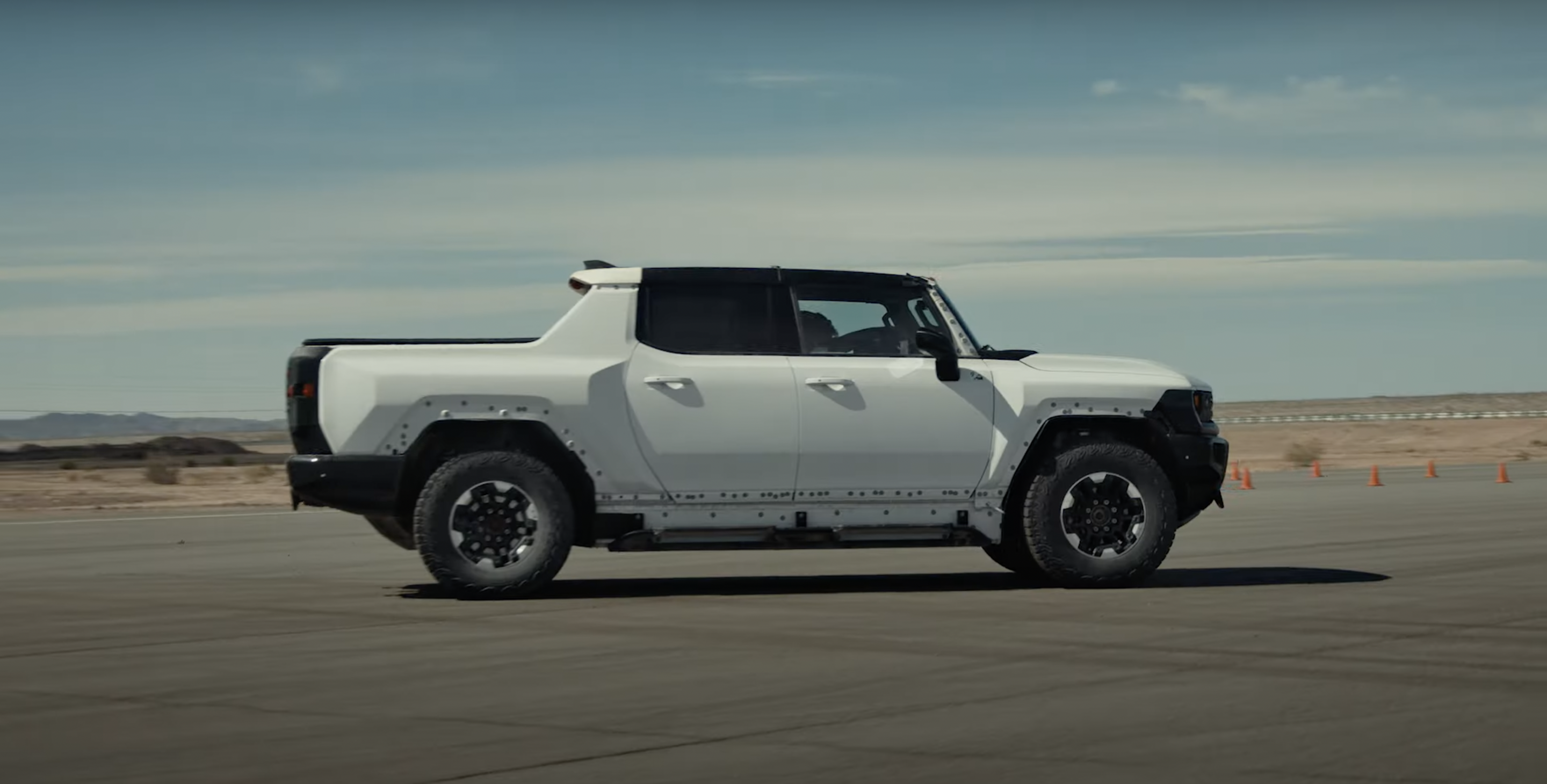
GMC claims, despite the car’s circa-three tonne kerb weight, the gargantuan pick-up can sprint from 0-60mph (98km/h) in around three seconds – or roughly the same as a 992 Porsche 911 Carrera S.
“Watts to Freedom unlocks the full potential of the propulsion system and puts all of its available power to the pavement,” Al Oppenheiser, Hummer EV’s chief engineer, said.
“It’s an all-encompassing experience unlike anything else – purpose-built for straight-line fun.”

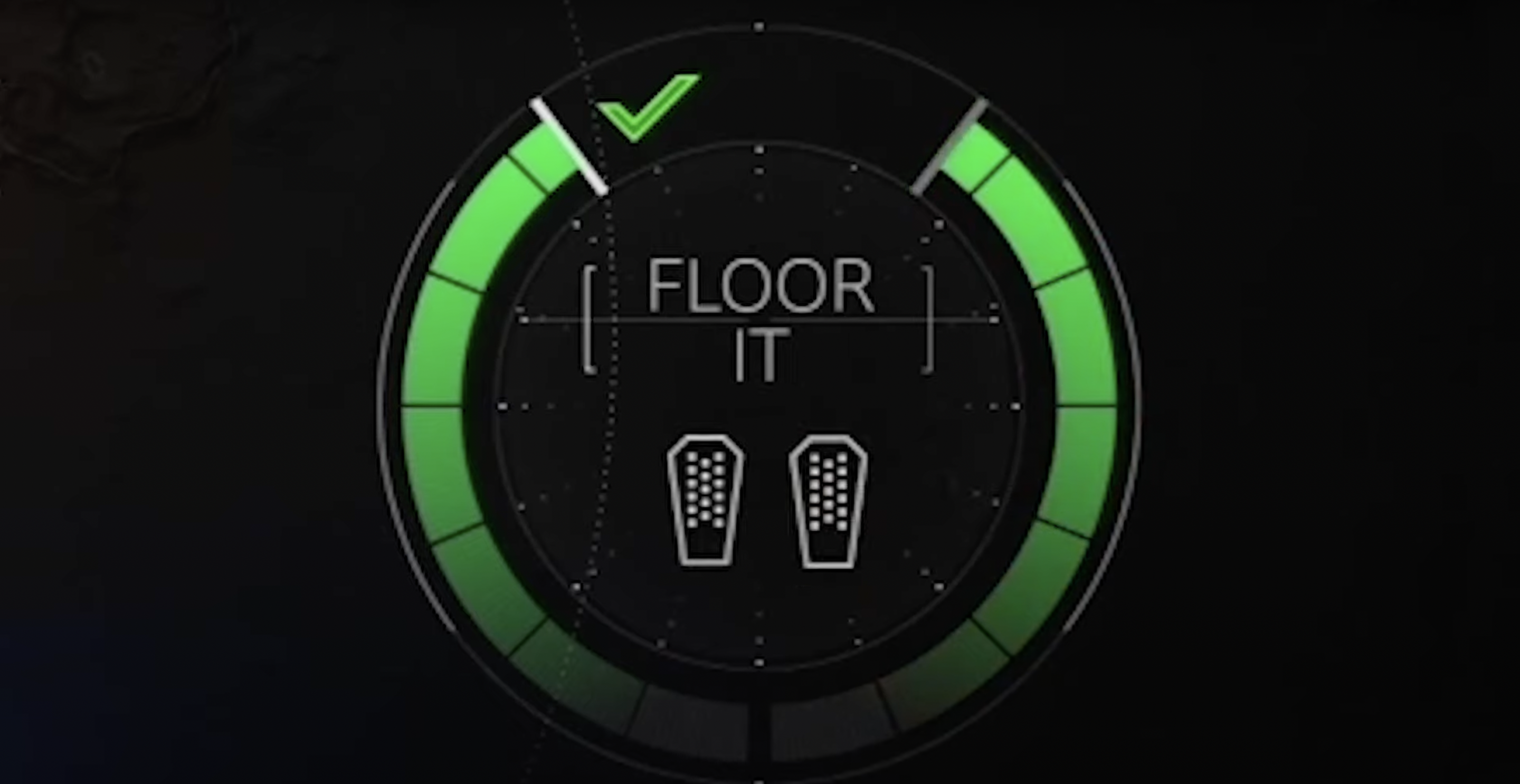
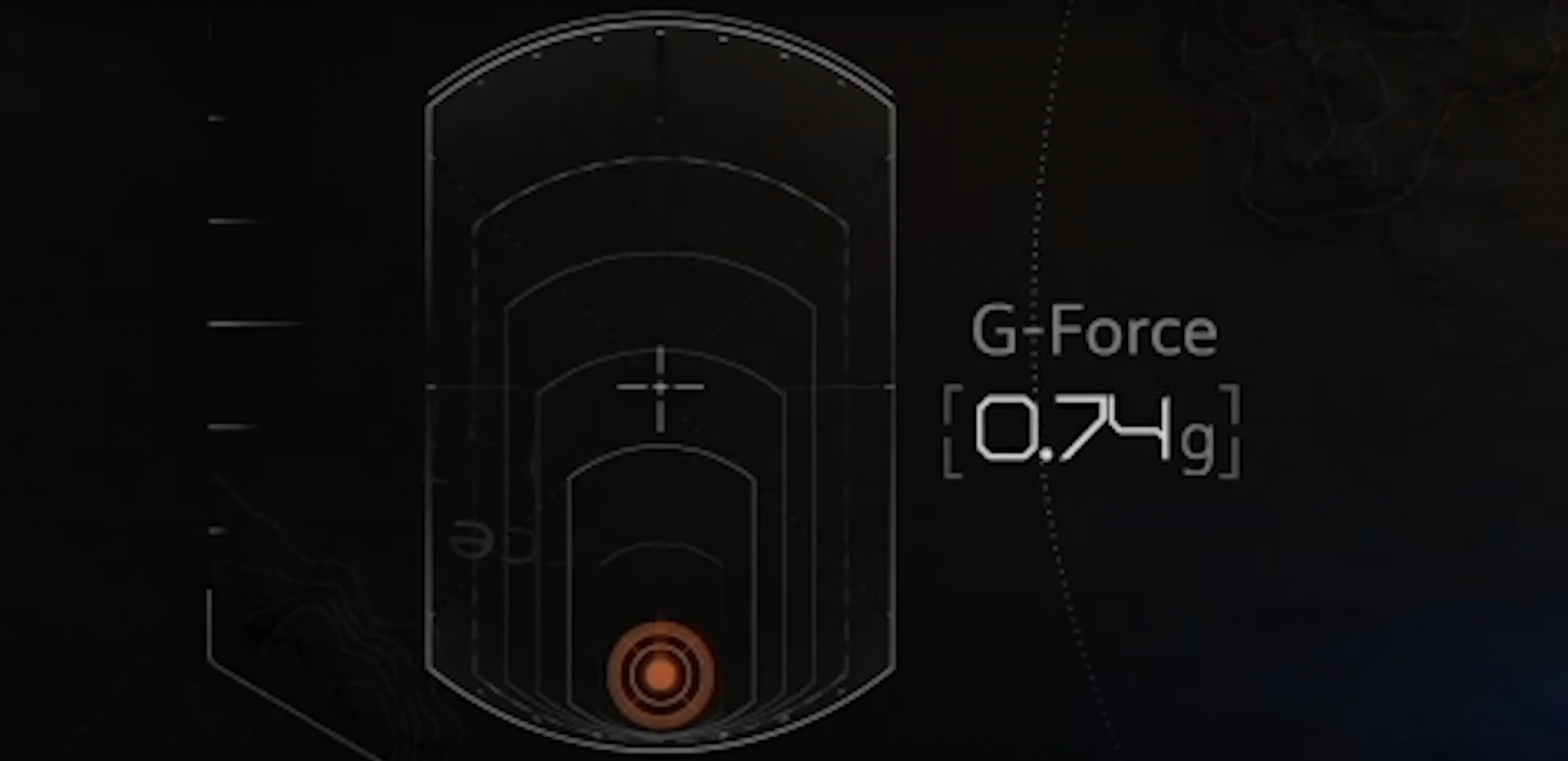
When WTF mode is engaged, a series of “pre-launch” features are displayed in the pick-up’s interior, communicating to occupants the g-force onslaught they’re about to encounter.
Custom screen animations are displayed, featuring graphics reading: “WATTS TO FREEDOM ARMED and “FLOOR IT”. Unique sounds are also played through the Bose audio system, and a countdown begins.
The theatricality of the interior is accompanied by the vehicle’s adaptive air suspension hunkering down close to the tarmac, dropping the ride height by a full two inches to ensure the car’s centre of gravity is as low as possible.
Once the driver releases the brake pedal, a g-force meter on the digital dash indicates to the driver just how hard gravity is forcing them back into their seat.
“It’s an amazing demonstration of just how fast 1000 horsepower and 11,500 lb-ft of electric propulsion can move you,” Oppenheiser said. “It’ll put a smile on your face every single time.”
Snapshot
- Mud tyres and suspension to add capability
- ZR2 based on race truck development
- Not in the current plans for GMSV Australia
Chevrolet has released a video via its social media channels teasing a ZR2 version of its Silverado full-size pick up.
The ZR2 moniker is applied to the off-road oriented version of the brand’s Colorado mid-size ute already, and it’s a formidable competitor to the likes of the Ford Ranger Raptor.
Chevrolet doesn’t have a competitor to the F150 Raptor in the US, and with Ram coming in hot with its supercharged TRX truck and Ford set to debut a Raptor R very soon, the Bow-tie brand could be falling behind in the hi-po pick-up stakes.
https://www.instagram.com/p/CQvxjfztKaG/
The short video clearly shows a leaf-sprung truck wearing chunky mud terrain tyres working out in mud with a V8 engine sound track – suggesting the ZR2 will be a Silverado 1500 to sit above the Trail Boss on the off-road scale.
The key to the ZR2 Colorado’s excellent on and off-road dynamics are its DSSV Multimatic shock absorbers, which deliver the best of both worlds in terms of handling whether you are on the dirt or the blacktop.
It is expected the Silverado ZR2 will incorporate the same dampener technology as the factory-backed Silverado off-road race trucks.
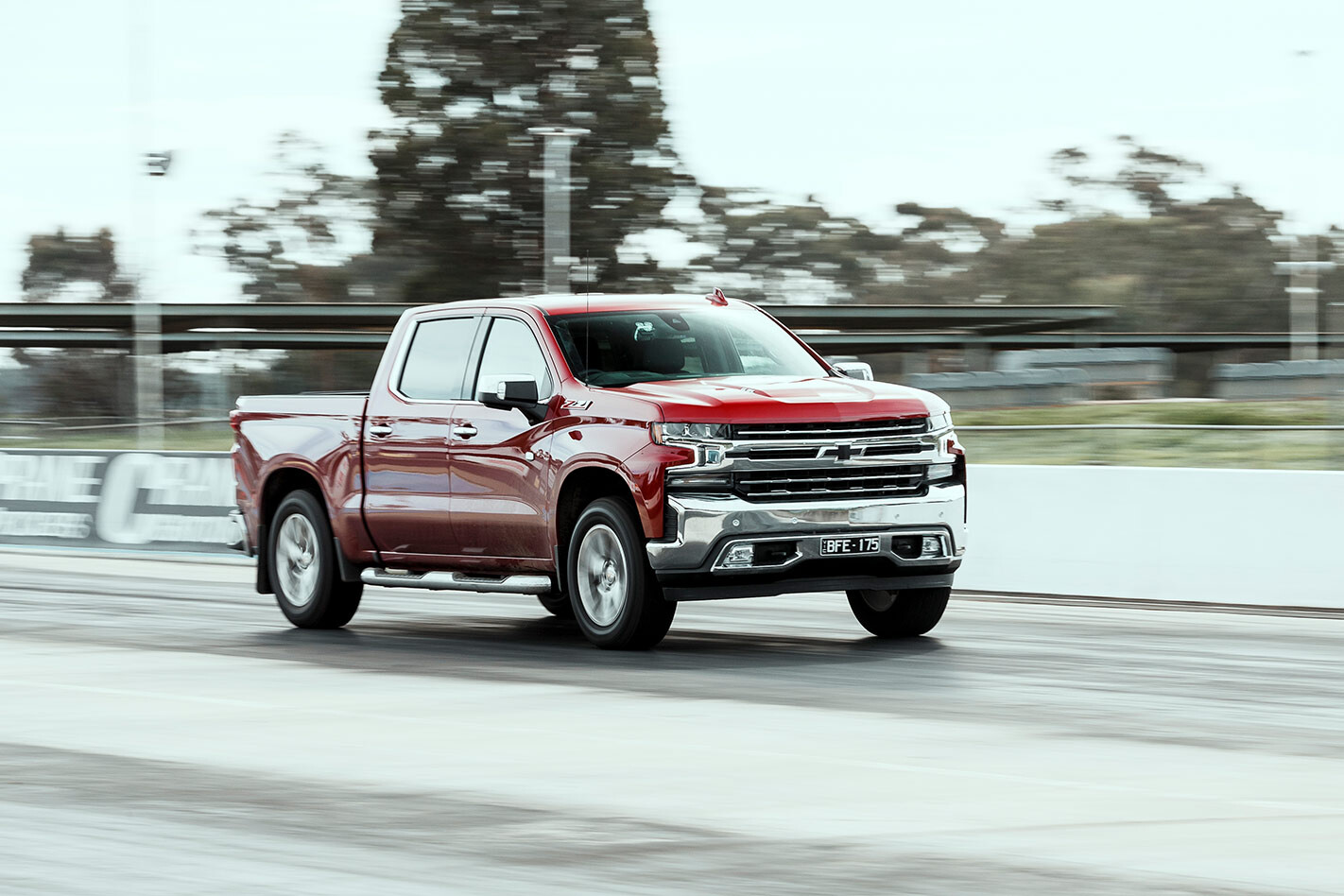
Chevrolet has been running a Silverado Trail Boss in the stock class racing in the US for the last 18 months, and it features the DSSV dampers as well as long travel suspension links and 35-inch tyres among its limited modifications. These modifications could provide a clue as to what we might expect in the production ZR2.
Couple the DSSV shocks with increased ground clearance, off-road tyres and a V8 engine, and the Chevy will be a big step up towards the competition even if not of the likes of the TRX or Raptor R.
The default engine for the Silverado 1500 is the 6.2 litre EcoTec V8 which, in Australian-spec trucks, makes 313kW of power and 624Nm of torque.
Chevy’s shed is full of higher performance engine options from the Camaro and Corvette programs should it choose to chase the high horsepower competition.

In Australia, GMSV currently only sells the Silverado 1500 LTZ at $114,990 with the Trail Boss landing next month as a $106,990 entry level but more off-road capable option.
There’s no reason the ZR2 couldn’t be added at the top of the range as the halo truck in Australia. A spokesperson for GMSV couldn’t comment on the ZR2, saying the brand is currently concentrating on the roll out of the Trail Boss.
The Silverado ZR2 is expected to be unveiled in the US in the third quarter of this year.
Nissan Australia has suggested there is the potential for the Warrior nameplate to transfer across to other variants in the Nissan range, including the Patrol.
For now, though, Nissan Australia is focussed on successfully bringing the Navara PRO-4X Warrior to market.
“The focus has been on this project (PRO-4X Warrior) and bringing it to market and getting it right,” said Matt Baily, senior manager of Nissan Australia’s Local Product Development arm.
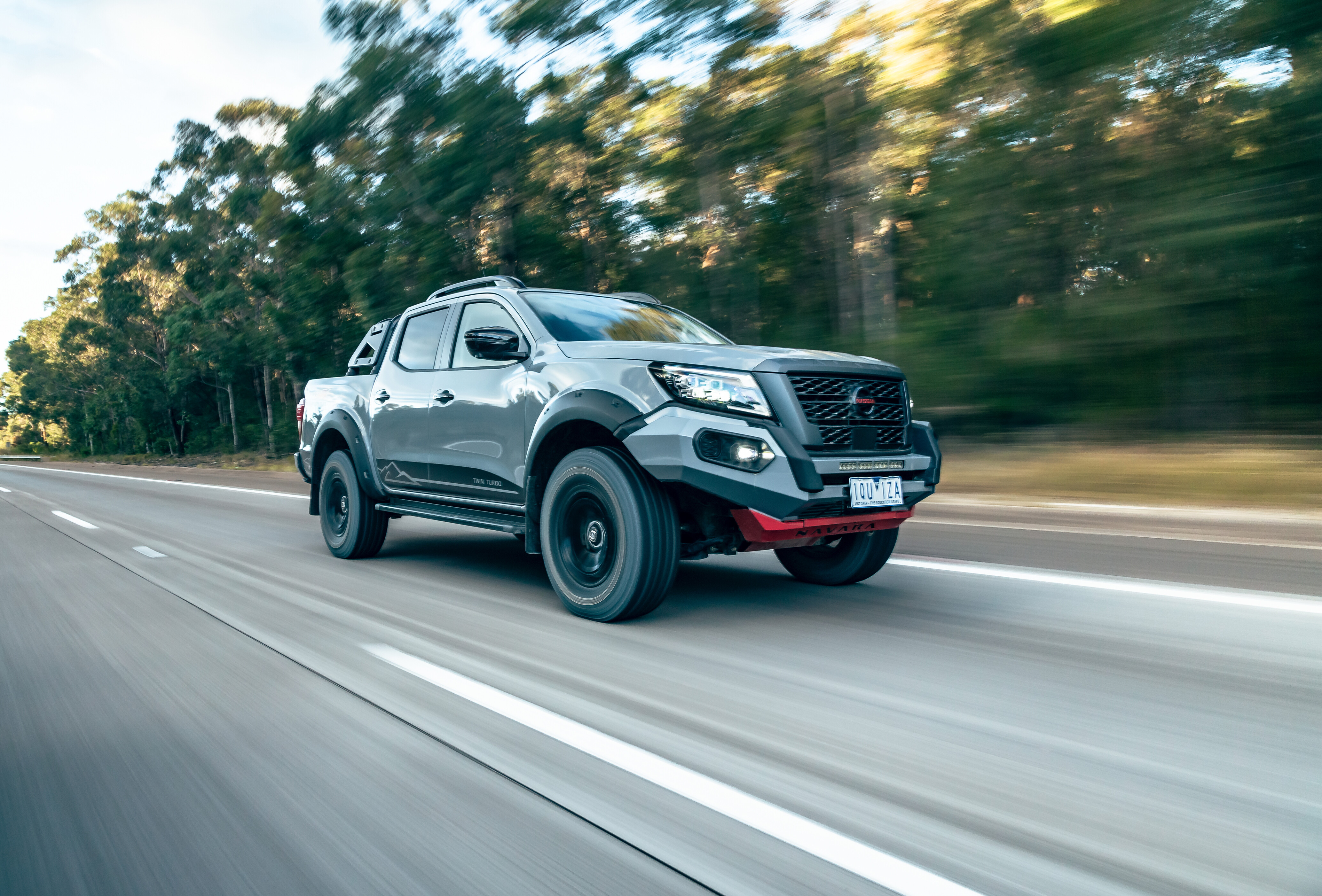
“Future projects like the Patrol Warrior is a work in progress, but it doesn’t necessarily have to be limited to those vehicles.
“It could be applied to other vehicles and we have regular discussions with Premcar, where we’re working together on different opportunities and looking at what’s happening globally.
When asked whether the Nissan Titan was a part of those discussions, Baily told 4X4 Australia: “The Titan is a fantastic product, obviously there’s demand for those types of product in Australia. But the Titan project is quite different to this (PRO-4X Warrior) type of program. The complexities are quite different.”
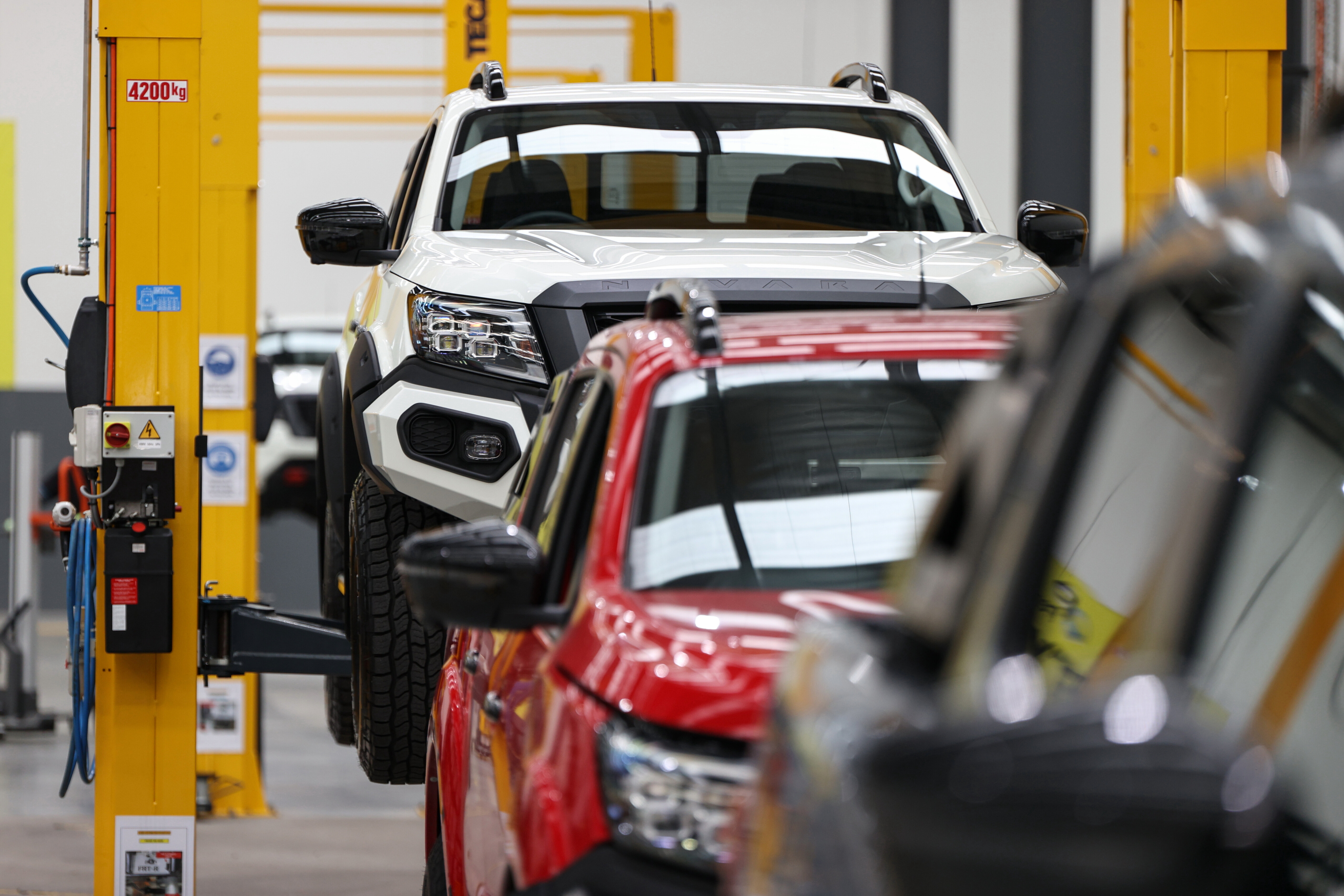
Premcar’s engineering director, Bernie Quinn, added that the brand’s Epping, Victoria, facility is more than up to the job if new Warrior variants were added to the assembly line, or if demand for the PRO-4X Warrior increased.
“We’ve set this facility up to be flexible and adaptable. We’ve deliberately moved a lot of the sub-assembly and we can add another line for a different vehicle or another variant of the Navara, or more Navaras,” said Quinn. “The point is, we’ve got that flexibility to go double in volume in one shift.”
Watch this space to see whether there’s any movement on this front.
Snapshot
- Suspension set-up significantly revised
- 100kg GVM upgrade
- Safari-style bullbar now winch-compatible
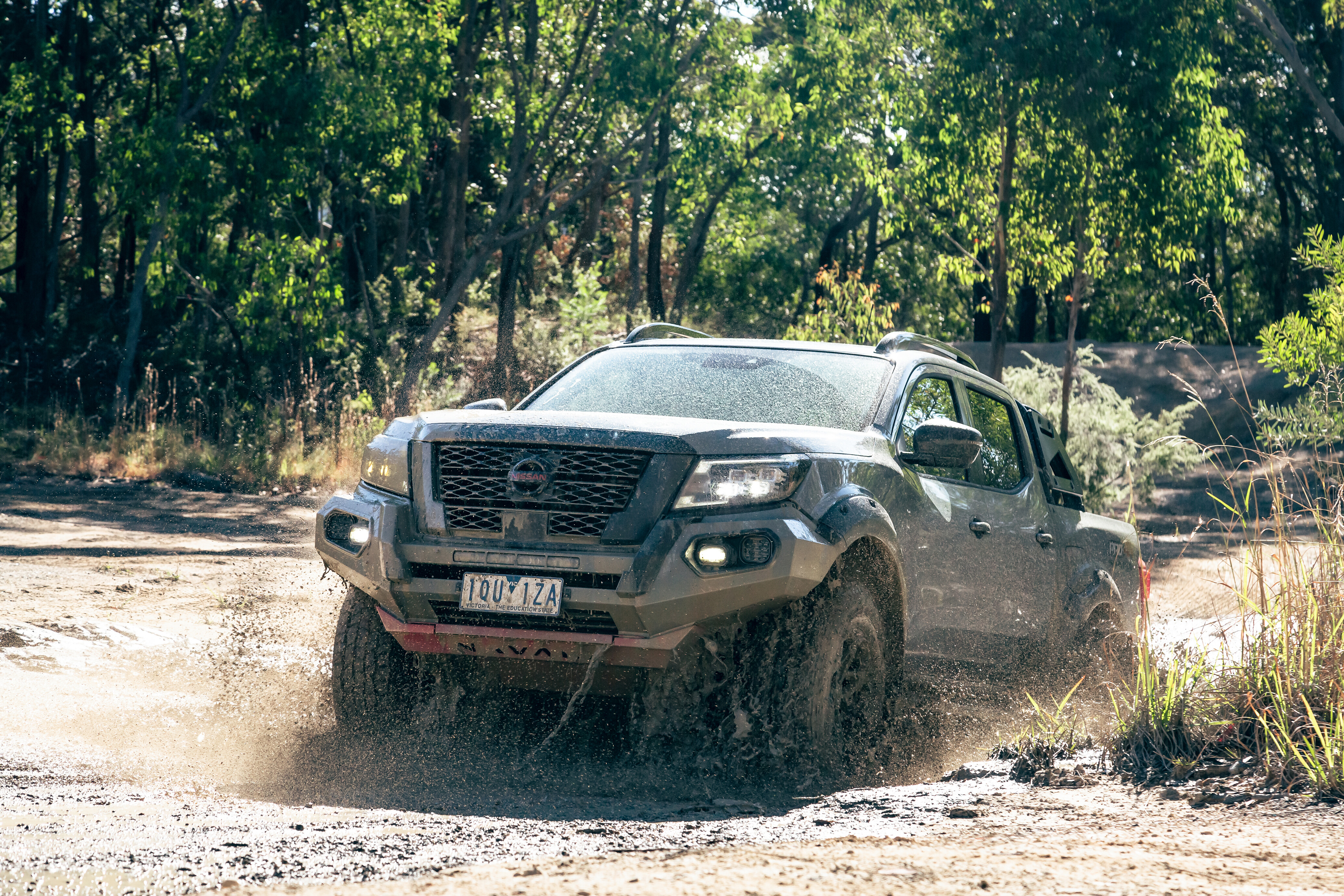
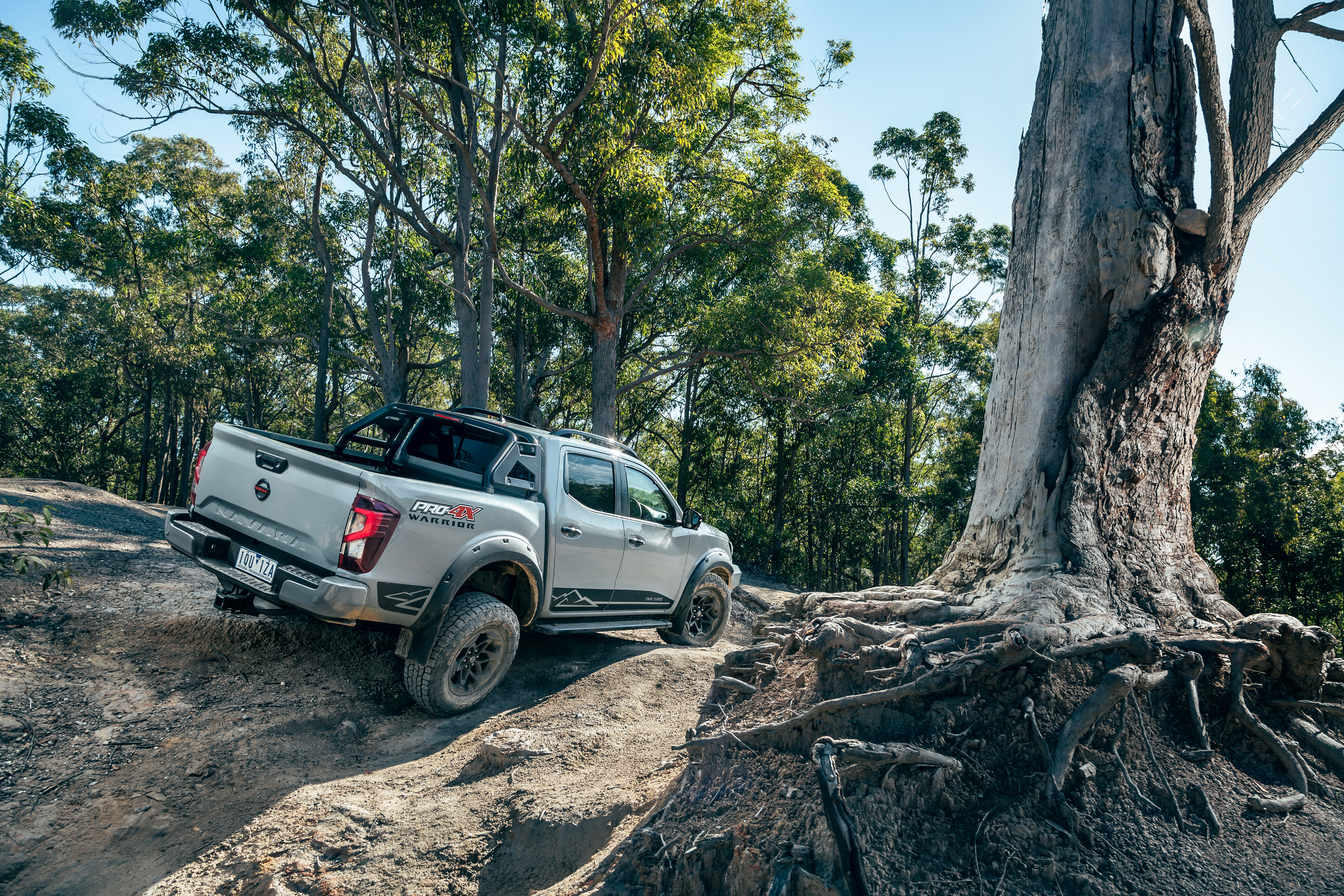
Nissan Australia has unleashed the Navara PRO-4X Warrior. Fettled by local engineering arm, Premcar, the PRO-4X Warrior is wider, taller and tougher than the MY21 Navara PRO-4X it’s based on.
This isn’t the first tickled Navara to make its way out of the Premcar factory in Epping, Victoria, either, with the success of the N-TREK Warrior ─ based on the previous-gen N-TREK Navara ─ strengthening the collaboration between Nissan and Premcar.
This time, the N-TREK nomenclature has been flicked for ‘PRO-4X’, and the boffins at Premcar have extensively revised Navara componentry to make the PRO-4X Warrior a true halo model in the Navara shed.
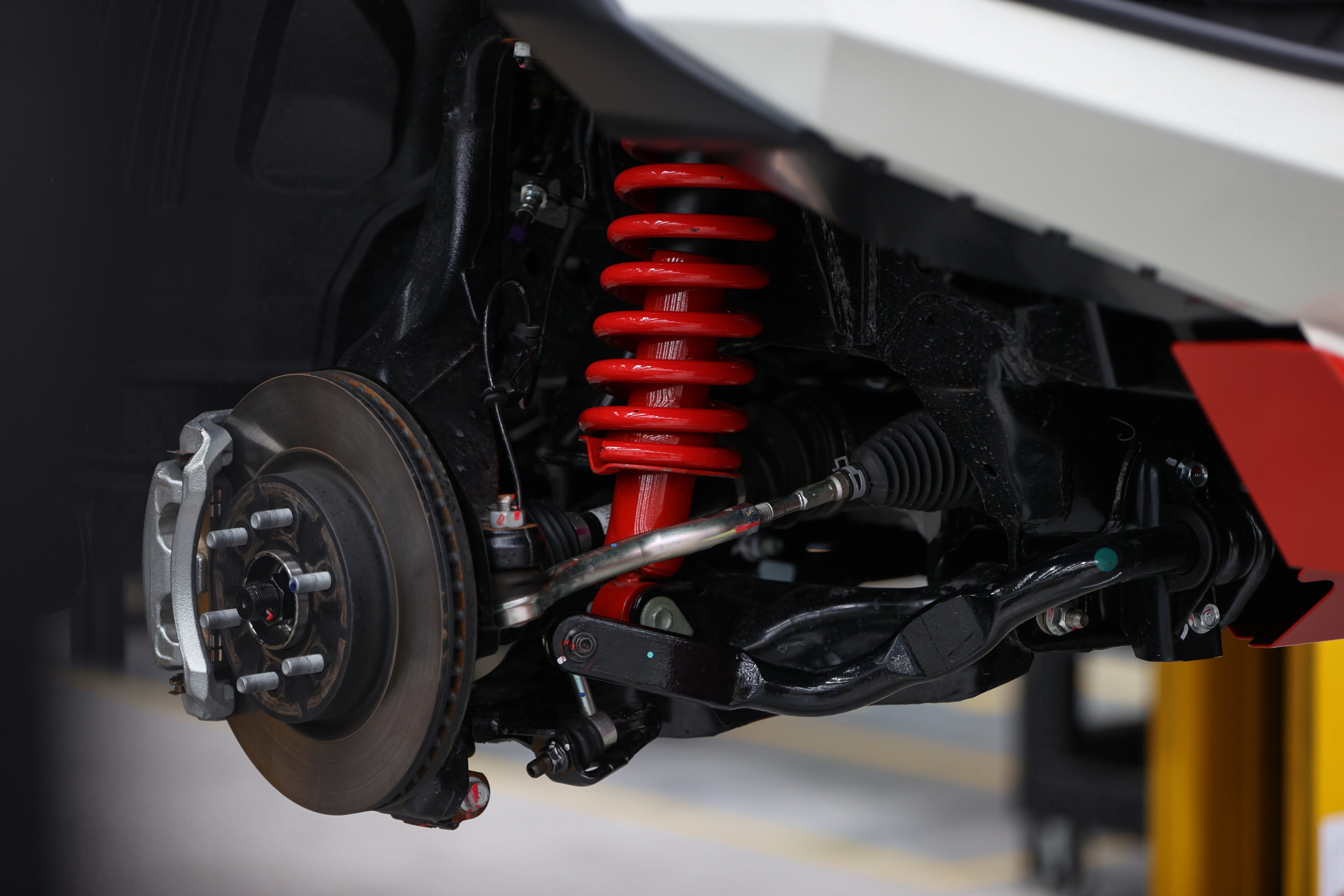
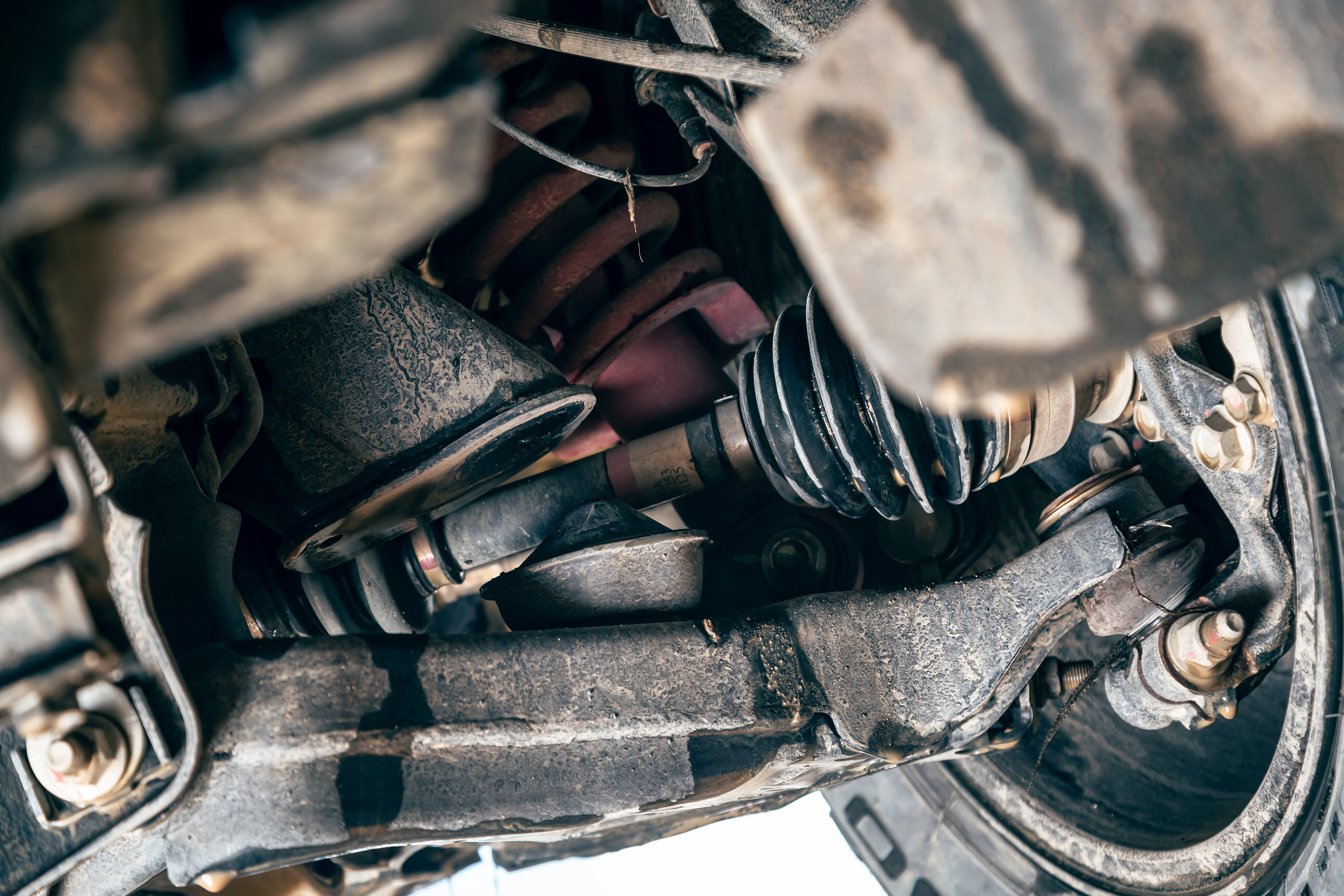
One of the most notable revisions can be found beneath the vehicle, with Premcar revising the suspension set-up considerably. This includes modifications to the front and rear springs and dampers to ensure the Warrior remains proficient both on- and off-road ─ watch Premcar’s head of programs, Tom Imbesi, discuss this in detail in the above video.
It’s not simply a matter of adding new springs and dampers and hoping for the best, either; it’s a thorough process that involves plenty of testing and fine-tuning to ensure every change made is durable and passes strict homologation testing.
Suspension lift ─ in combination with the tyres ─ means ground clearance is now 260mm (up from 220mm in PRO-4X grade), approach angle is 36 degrees (up from 32), departure angle drops fractionally to 19 degrees (down from 19.8), and it has a claimed wading depth of 600mm. A widened track ─ from 1570mm to 1600mm ─ not only gives the vehicle its muscular appearance, but is expected make the vehicle more settled on both bitumen and dirt, something that was important to Premcar with its ‘no-compromise’ attitude.
The tough look and wider profile is enhanced by fender flares, while the range-topper rides on 17-inch alloy wheels unique to the Warrior and 275/70/R17 Cooper Discoverer All-Terrain AT3 carried over from the N-TREK Warrior.
Significantly, the Warrior has been engineered with a 100kg GVM upgrade (now 3250kg), which means that, despite all the extra gear associated with the Warrior, this still allows for a payload of 961kg (manual) and 952kg (automatic).
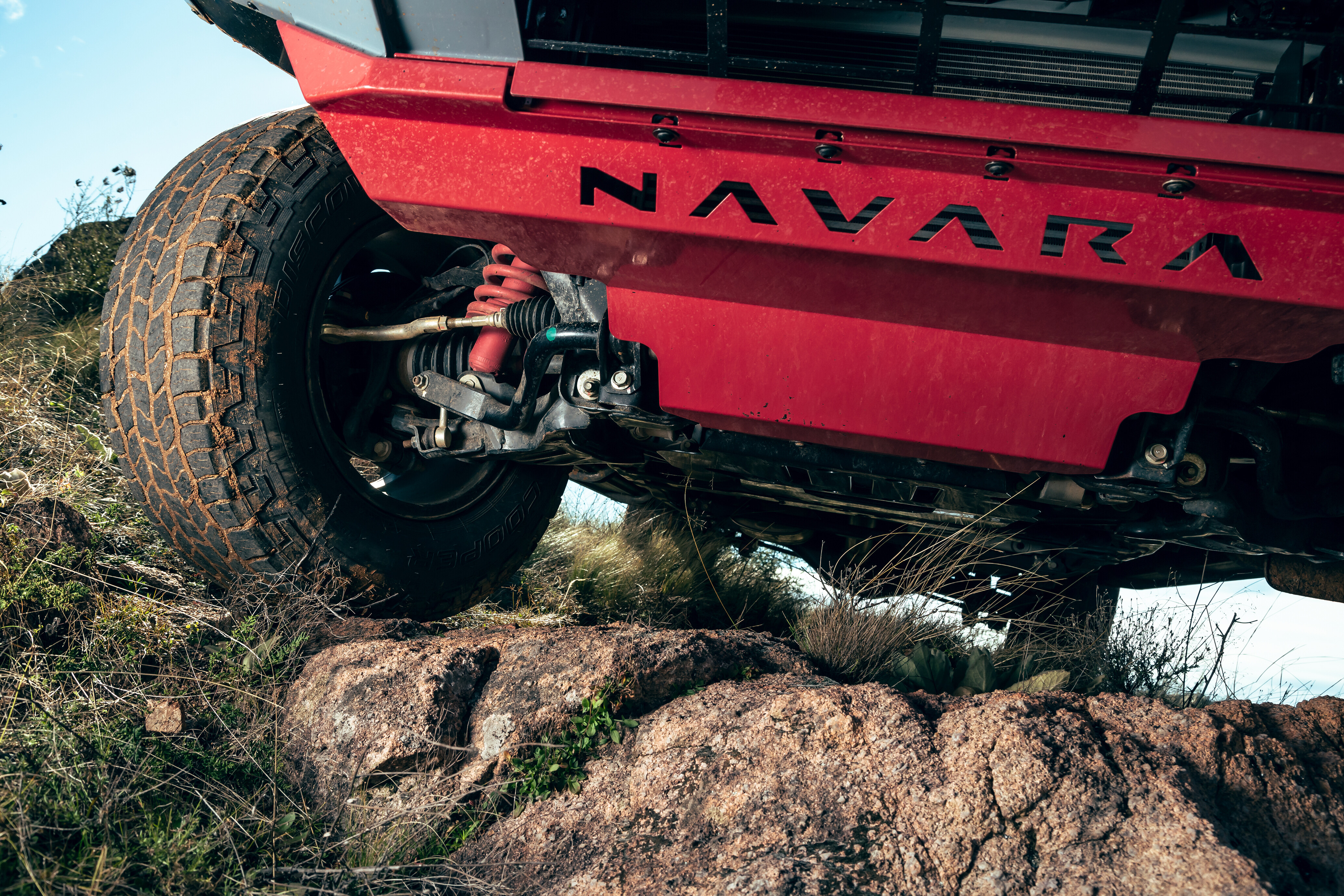
Unlike the bumper found on the N-TREK Warrior, the updated Safari-style bar on the PRO-4X Warrior is now winch-compatible (hooray) and features an integrated LED light bar. Beneath the bar is a Navara-branded bash plate ─ only available in red ─ and 3mm steel underbody protection to protect vital components.
The engine remains unchanged, with Premcar contemplating but opting not to tickle with vital powertrain components.
“We know we can get more power and torque out of this engine. We’ve proven that. The problem is managing that particularly from a heat point of view,” said Premcar’s engineering director, Bernie Quinn. “This car now with the NVH improvements particularly and the dual-drive modes, is a really nice car to drive and it really doesn’t need any more power and torque. It never feels flustered. It never feels like it’s working too hard, so it really didn’t make sense to do it.”
Like the rest of the MY21 Navara range, the 2.3-litre four-cylinder twin-turbo diesel engine produces 140kW and 450Nm from as low as 1500rpm. Seven-speed automatic and six-speed manual transmissions will be available, while a snorkel is an optional extra.
The PRO-4X Warrior is equipped with the full suite of safety systems found in the PRO-4X including Intelligent Forward Collision Warning, Intelligent Emergency Braking, Intelligent Driver Alertness, Intelligent Lane Intervention, Lane Departure Warning, Blind Spot Warning and Intelligent Around View Monitor. The interior is identical to the PRO-4X save for some embroided headrests and Warrior insignia.
A full-size spare resides in a purpose-built cavity, and the modified towbar is much like the one found behind the N-TREK Warrior.
Unlike the N-TREK Warrior ─ which had a 12-month production lifespan, resulting in the sale of 1400 units ─ production of the PRO-4X Warrior will run for the entirety of the current-model Navara’s lifespan from Premcar’s Epping facility.
Bernie Quinn explained to 4X4 Australia that this long-term contract is great for Australian manufacturing.
“We have an ongoing contract, which means we can have stability and we can provide long-term prospects for employment for people, which is just an awesome position to be in,” Quinn said.
“Production is scheduled at 32 a week, but we’ll be supply-constrained at that. The facility is capable of doing more. At the peak of N-TREK Warrior we were doing 13 per day, which we can do in one shift.”
Another sizeable shift in production philosophy was one forced on Premcar by the current COVID-19 pandemic, with early restrictions affecting the supply of parts from China for the N-TREK Warrior.
“One of the problems we had with the N-TREK Warrior was that it was a very peculiar time in the whole industry with COVID, and we got hit with it before COVID even reached Australia,” Bernie Quinn explained. “We had parts coming out of China and we couldn’t get them. So that was restricting us from supply in the early days.
“We thought we had to deal with it this time. We’ve now gone for a local-sourcing strategy wherever we can do it,” Quinn said.
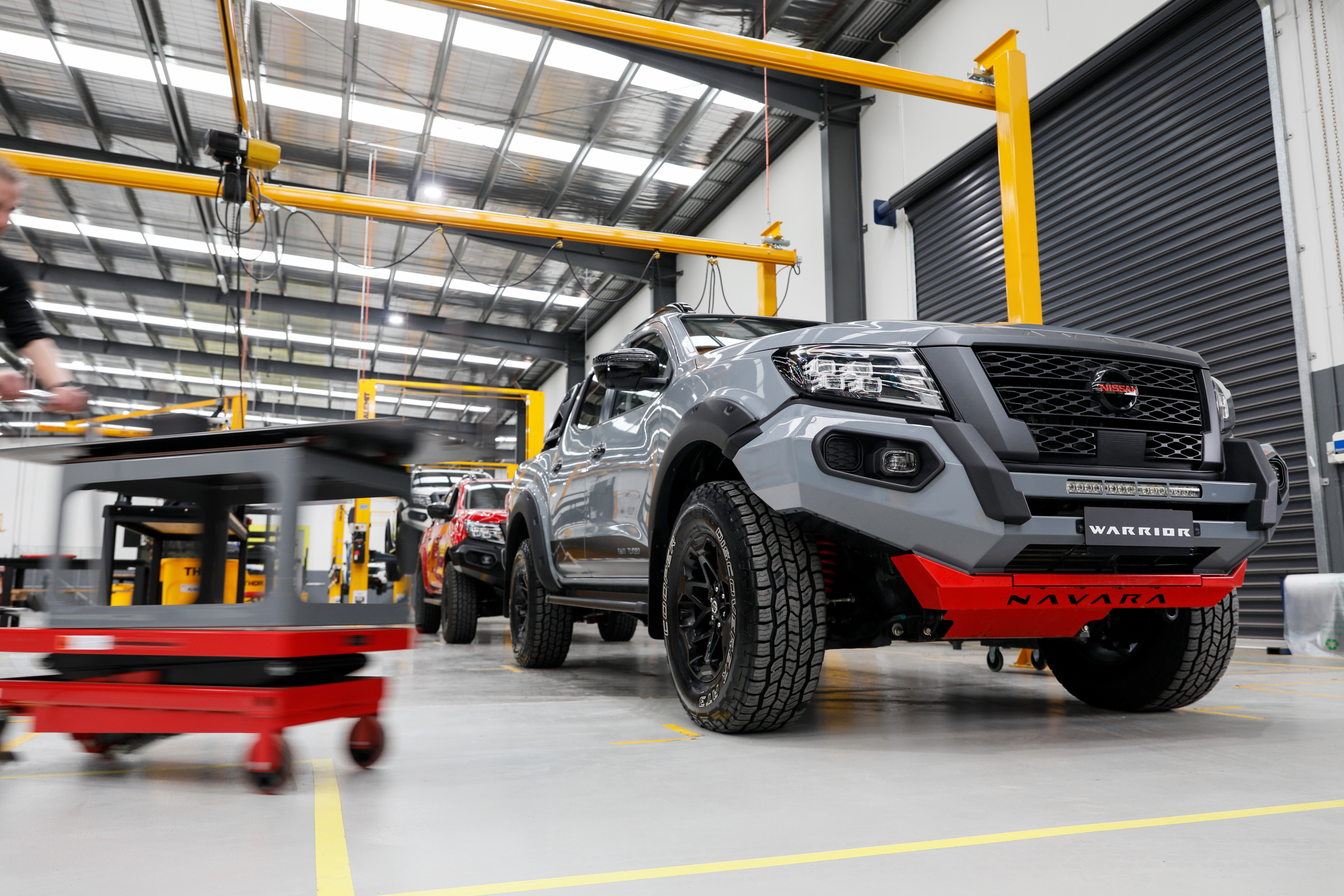
More than 80 per cent of parts added to the PRO-4X Warrior at Premcar’s Epping facility are now locally sourced, as opposed to around 60 per cent of parts for the N-TREK Warrior.
“The supply base never died here. The strongest of the suppliers survived and diversified, like we did. So there’s a supply base here that’s the best-of-the-best still that we can source components and services from if we have to.
“The strongest companies with a strategic mindset have adjusted their strategy to deal with a new reality. It’s not 100,000 cars being built out of Broadmeadows, 100,000 out of Elizabeth in SA, or 100,000 out of Altona, it’s about niche manufacturing, secondary manufacturing, and it’s a growing, thriving industry.”
The PRO-4X Warrior is expected to be in showrooms “in the next few months”, but the exact date is yet to be confirmed by Nissan Australia. Pricing will also be revealed closer to the launch date.
For reference, the N-TREK Warrior when launched was priced at $62,990 driveaway (or $65,490 for an auto). The vehicle will remain supported by a five-year unlimited kilometre warranty.
The new Isuzu MU-X SUV is set to launch at the end of the month – being officially unveiled on July 30 to the public.
Announced by Isuzu Ute Australia this morning, the revised and redesigned seven-seater will go on sale just three days after its unveiling, hitting Isuzu showrooms on August 2.
While we have already seen what it will look like, the manufacturer is keeping details of its specifications under tight wraps, saying the new MU-X will “encompass a suite of features previously unseen in any Isuzu before”.
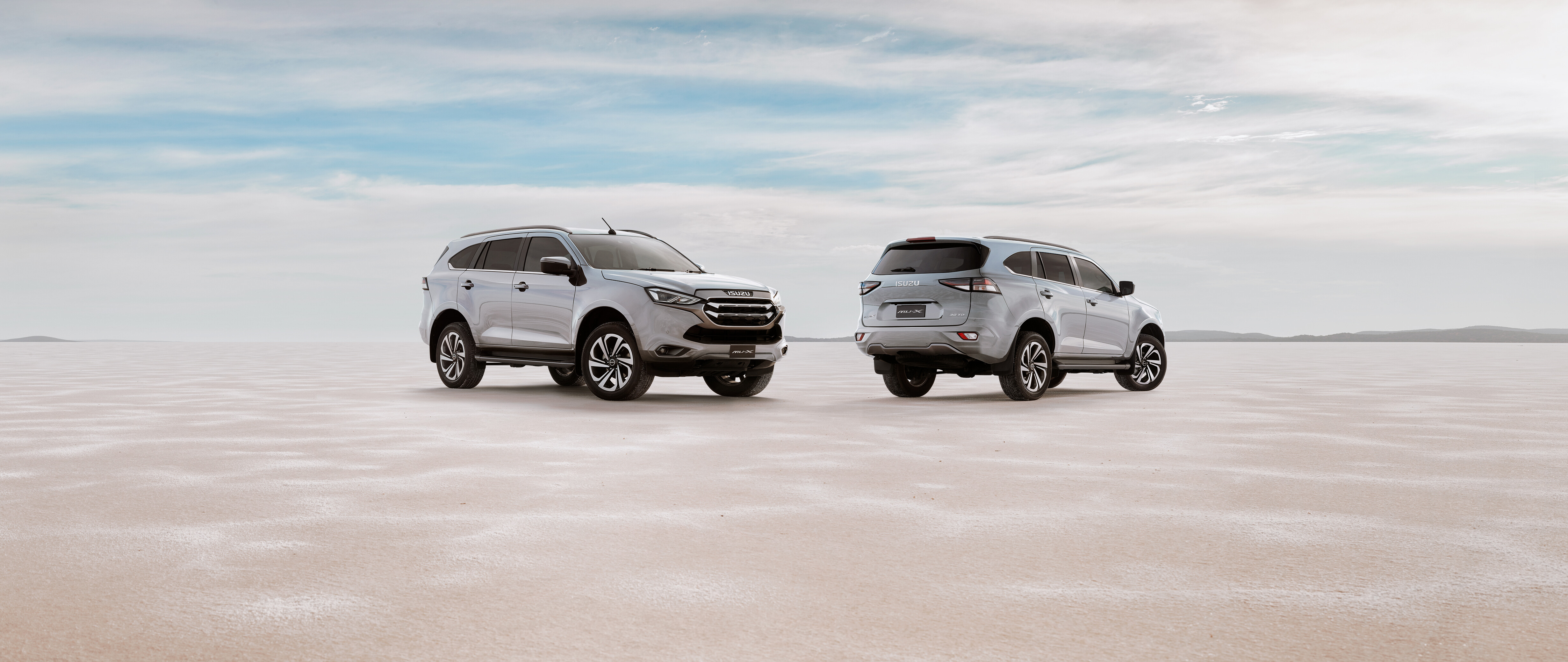
Isuzu Australia’s managing director, Hiroyasu Sato, says the new MU-X will prove to be more popular than the outgoing model, which is currently enjoying a 107 per cent increase on last year’s sales to the end of May
“Isuzu Ute Australia is very excited about the upcoming launch of the All-New Isuzu MU-X and we truly believe it will surpass expectations and offer a premium product replacement for the exceptionally-popular first-generation Isuzu MU-X,” said Mr Sato.
“We’ve received unprecedented interest in this vehicle since announcing the pending arrival and we look forward to hearing how it is received amongst Australian motorists after its official unveiling on July 30.”
The past year has been kind to Isuzu with strong sales for the MU-X and D-Max, as well as winning the Roy Morgan customer service award for the second time.
The July 2021 issue of 4X4 Australia a magazine has landed on shelves, packed with quality off-road goodness.
With the covers recently coming off the all-new 300 Series LandCruiser, we take a deep dive to reveal what we know of the highly anticipated off-road V6 wagon.
Two epic Toyota LandCruiser 200 Series custom builds comprise a 2016 Sahara and a 2020 GXL. Both are highly capable rigs destined to overcome Australia’s toughest tracks, and both are decked out with top-quality kit. We take an in-depth look at each vehicle.

We also point a microscope at a custom Ranger equipped with a turnkey Phoenix GTX canopy from Core Off-Road in Western Australia.
Is our last issue – June 2021 – we compared seven of the most popular 4×4 double-cab utes. In part two of the comparison, we line up four lifestyle-oriented variants – Ranger Raptor, BT-50 Thunder, Hilux Rugged X and Gladiator Rubicon – and put them through a series of stringent on- and off-road tests.
Nissan gave its Navara a bolder, tougher look when it updated the range for 2021, and has turned the wick up again with its top-of-the-line PRO-4X variant. We took one off-road in pursuit of mud and dust. Stay tuned for the imminent arrival of the Premcar-developed PRO-4X Warrior.

With Australians loving diesel power when it comes to big off-roaders, we also hit the tracks in Land Rover’s six-pot diesel Defender D250 110 S. The diesel Defender utilises a new Ingenium 3.0-litre in-line six with twin turbochargers, to produce 183kW and 570Nm.
Our long-term Shed grew by one, with a Toyota Hilux Rugged X arriving this month. A trip to the 4×4 proving ground in Werribee, Victoria, is the range-topping Hilux’s first port of call.
WHAT ELSE IS THERE?
Wet Centre + Mallee Country trips 3D Mats for our D-MAX Narva Ultima 180 LEDs tested Monthly columns + New Gear + Readers’ 4x4s
The July 2021 issue of 4X4 Australia is on sale now.
Let’s face it, camping in its very essence isn’t overly complicated; hell, you could go light a campfire and fall asleep next to a tree and you’d be camping. Tins of spam to eat, water from the creek drained through your sock, and the softest rock you can find to use as a pillow would all suffice. But that sounds like a miserable time, doesn’t it?
It stands to reason then that the gear we have, in its purest form, is there to make life easy for us, give us more options, and let us get on with enjoying nature rather than fighting our gear just to survive.
It was that mindset of ease of use that led to us to installing not just one but two of Evakool’s 40L drawer fridges in our Ranger canopy set-up. Now, after a couple of thousand kays of corrugations and roughly one million opens and closes, and a few times forgetting to clean them out, we figured it’s time to spill the beans on how we’ve found them.
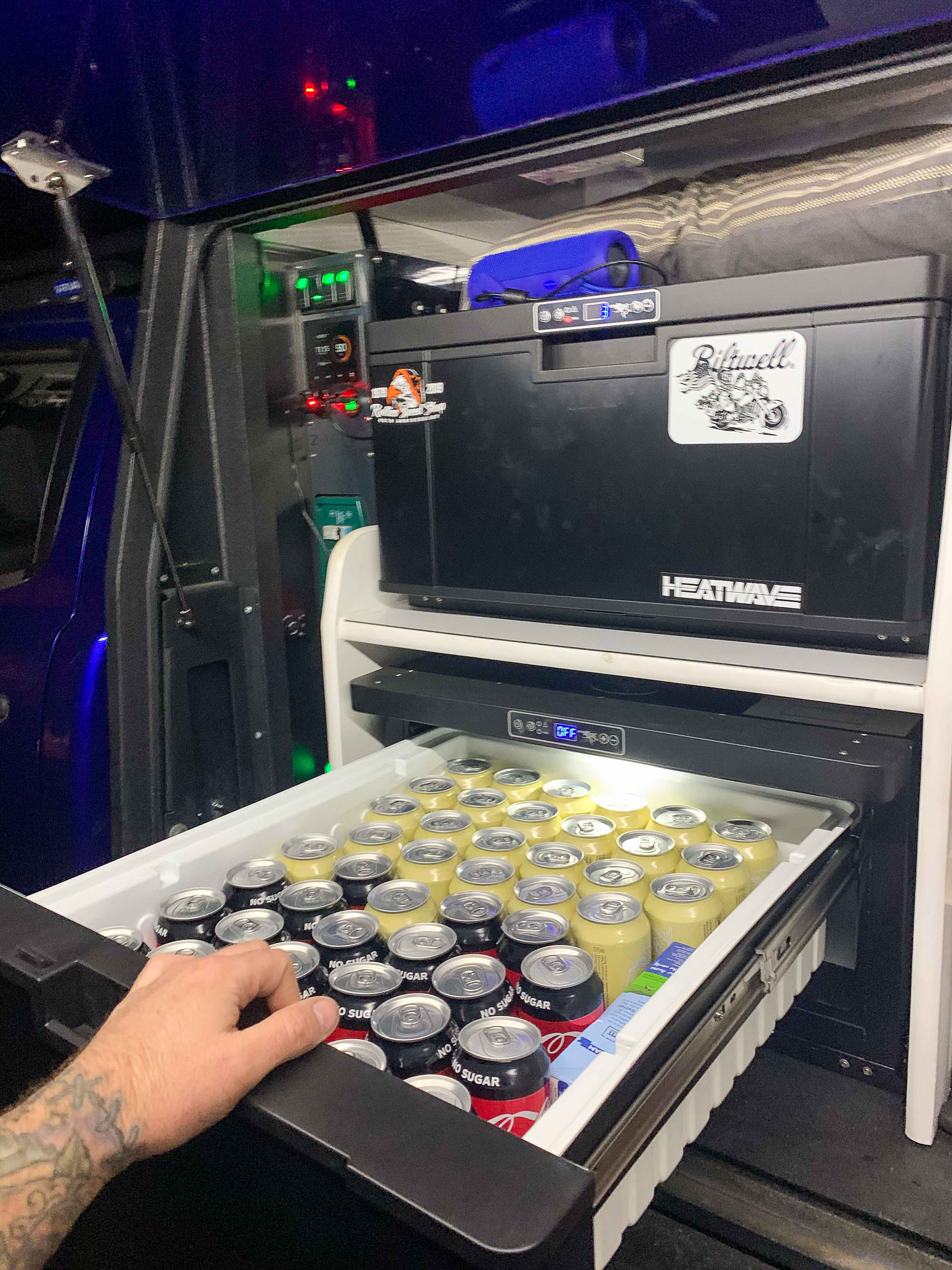
First up is ease of use; it’s the main reason you’d buy a fridge like this. Put simply, they’re the easiest and quickest access fridge you can buy. If you’re timing yourself grabbing a beer as soon as you get to camp, this is the fridge you want.
Rather than fiddling with a drop slide, then unclasping a traditional chest freezer’s lid; you simply open the drawer. A small child could do it. The drawer style is quicker than a chest freezer to open and close, and doesn’t run the risk of your milk falling out when you open the door like in an upright; they’re also somewhere in between the two in terms of retaining cold air.
Each drawer holds 48 cans of drink and can run either as a fridge or freezer with a temperature range of 10ºC down to -16ºC; we’ve typically ran the bottom fridge at the -3ºC mark and the top fridge down to -10ºC, giving us dual zones. Even on stinking hot days neither fridge has ever struggled to maintain a temperature. The main box stays in place and houses the cooling elements, while the drawer itself is essentially a plastic insert on runners so the fridge quickly drops temperature again as soon as it’s closed.
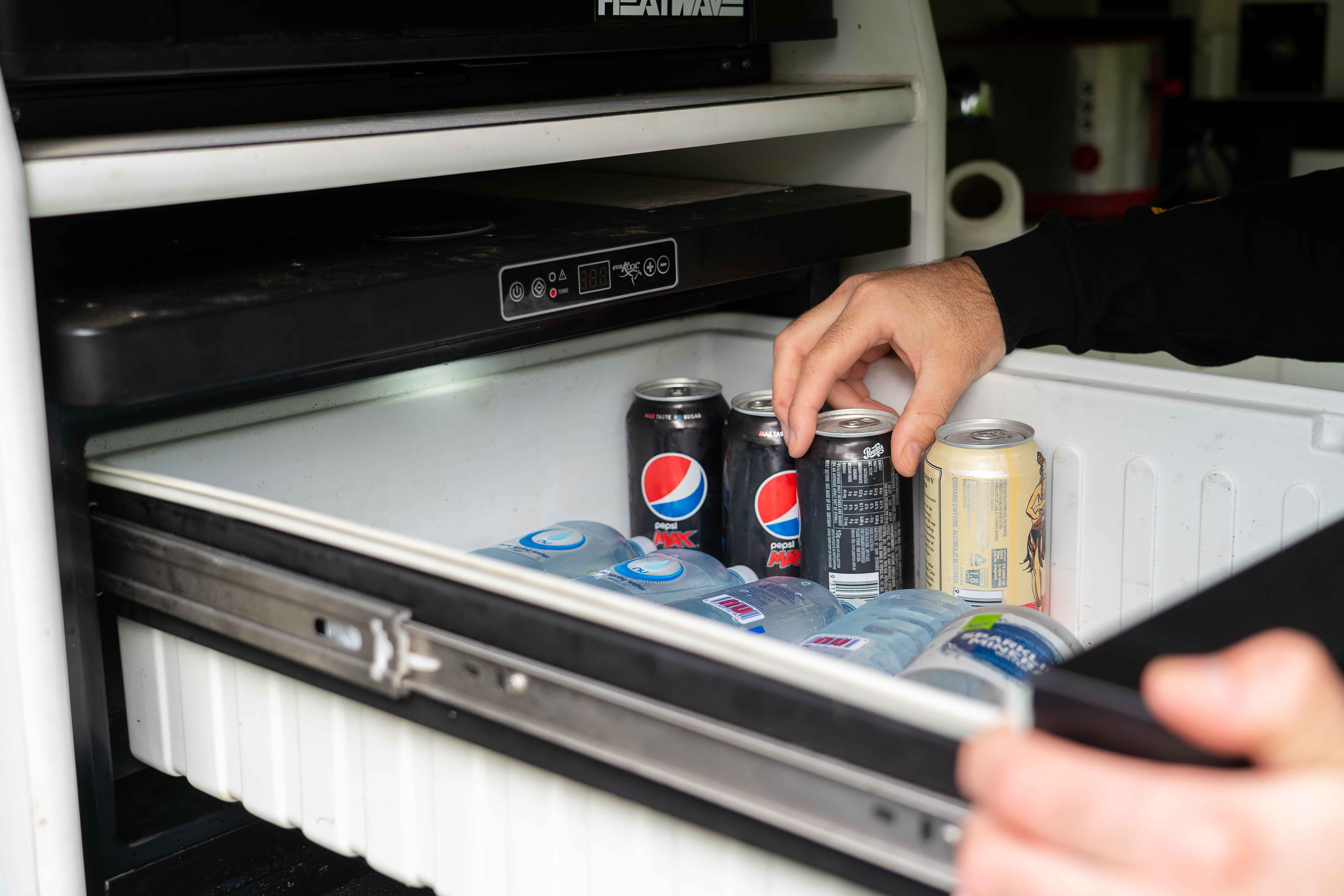
Those plastic trays are removable, too, so you can pop them out and load them up inside, even pre-cooling them in your house fridge before heading off on a trip. It also means you can pressure wash them if you forget to unpack your fridge after getting back from a trip – ask us how we know.
We’ve found no noticeable wear and tear on the fridges after use – they click shut tightly, don’t rattle and have no visible wear on the controls.
Of course, it’s not all sunshine and roses and there are a few setbacks. Two 40L drawer fridges compared to a single 80L chest freezer will draw roughly double the power at around 4amp/h measured on our set-up – that versatility does come at a cost. In our configuration where the drawers are stacked, the top drawer can be difficult to see in to for short people, if fitted to a lifted 4WD.
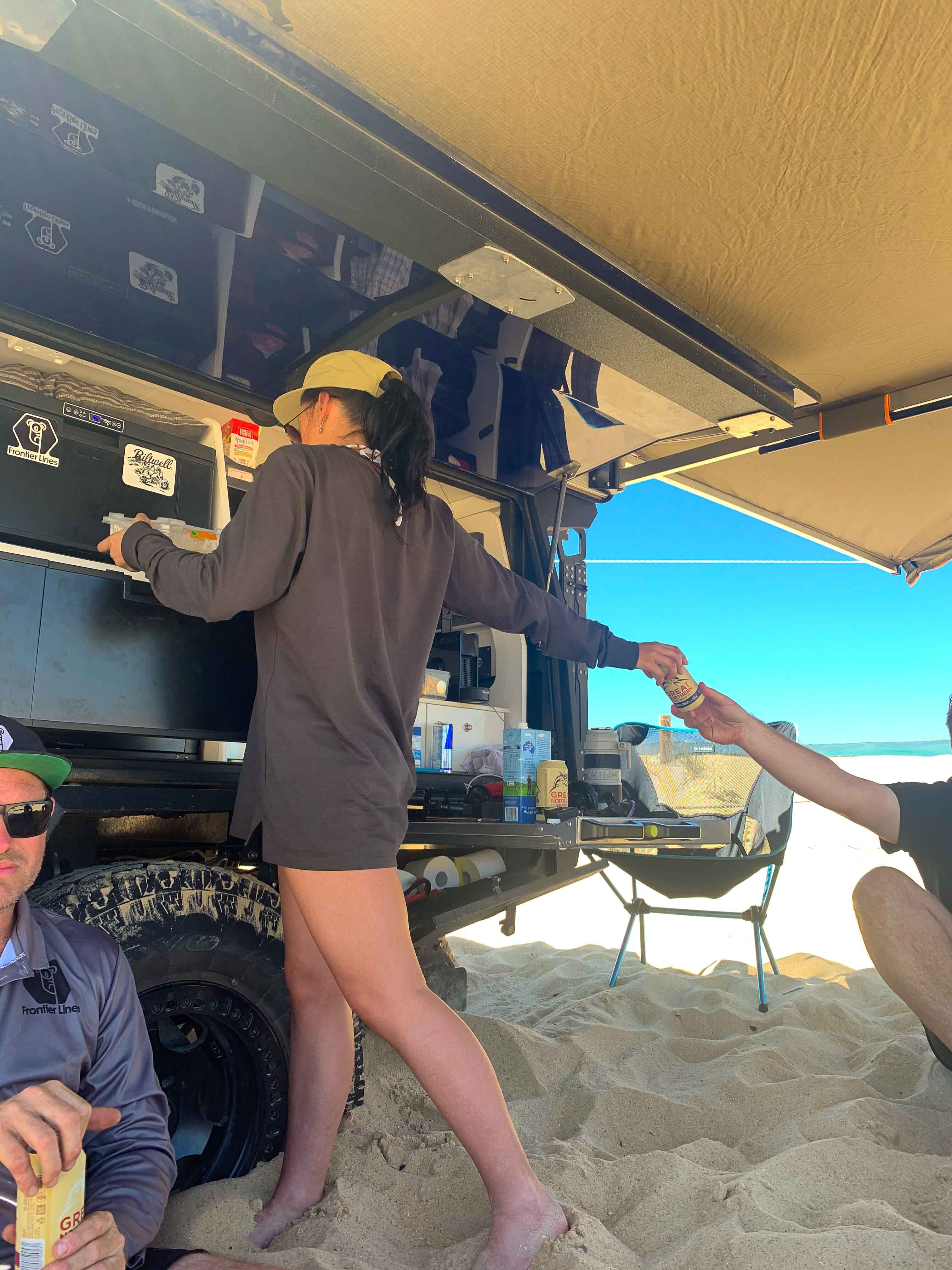
The drawers themselves are also shallow, just a little higher than a can of drink, so standing bottles up simply isn’t an option and will require a little more thinking than a deep chest freezer; although, we’ve never struggled even with a week or two worth of food onboard.
All in all, running two drawer fridges compared to a single chest freezer is really a case of what suits your needs more. You’ll sacrifice a little versatility, need a little bigger battery, and the fridges will be stuck in your 4WD for good. But they’ll take up far less space, weigh considerably less than other options and make camping a far simpler proposal, making them well-worth the money in our eyes.