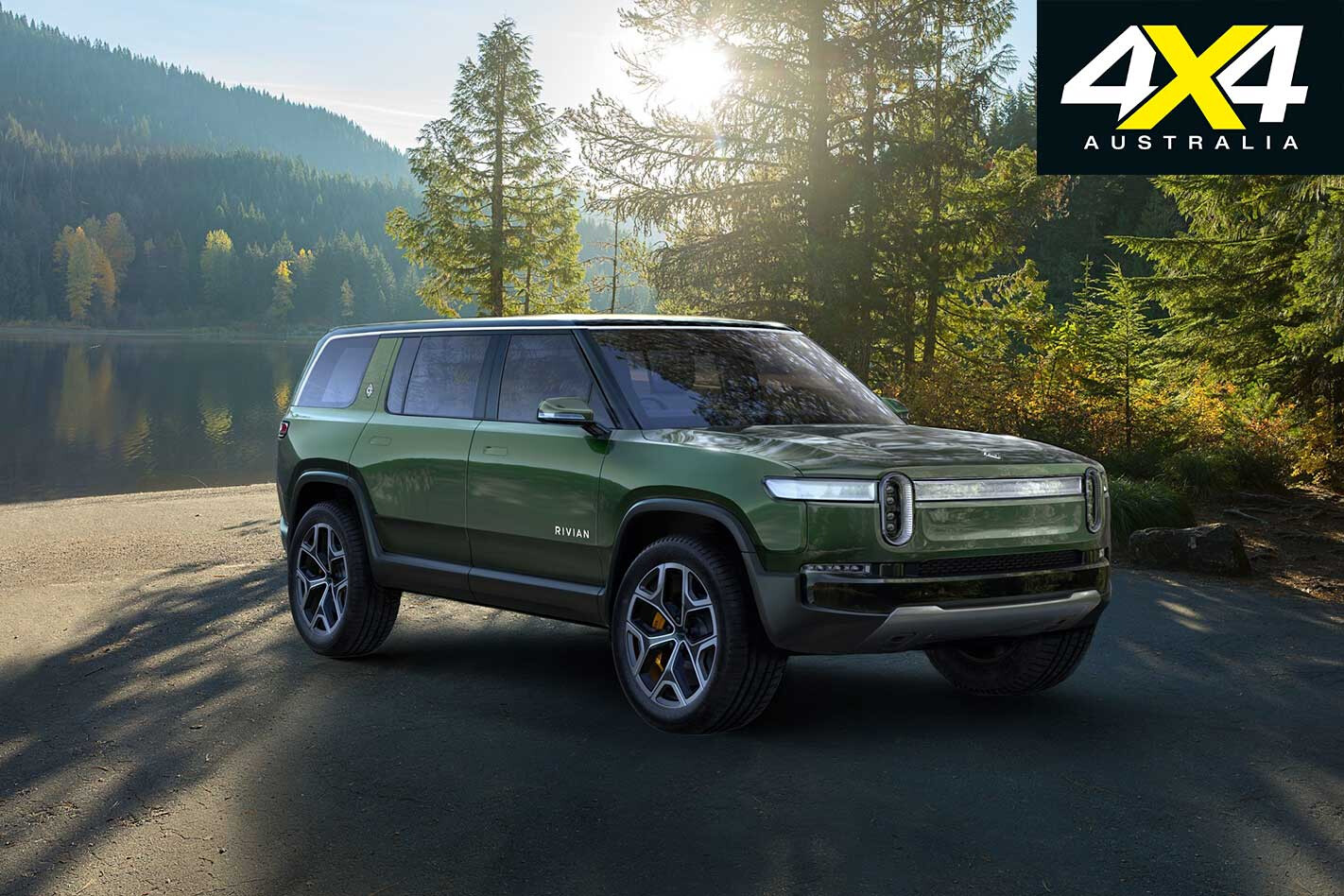
If you’ve been keeping an eye on the 4X4 Australia long-term shed, you’ll know we recently added a cheap-as-chips GQ Patrol to the fleet, which recently underwent a whole bunch of basic mods to get it ready for its first big off-road camping trip in the Victorian High Country.
A big part of that was sorting out a new set of tyres. The GQ was pretty well stock when I got it, which included the original tri-spoke, 16-inch alloy wheels (so 1980s!) wrapped in a set of 31-inch all-terrain tyres.
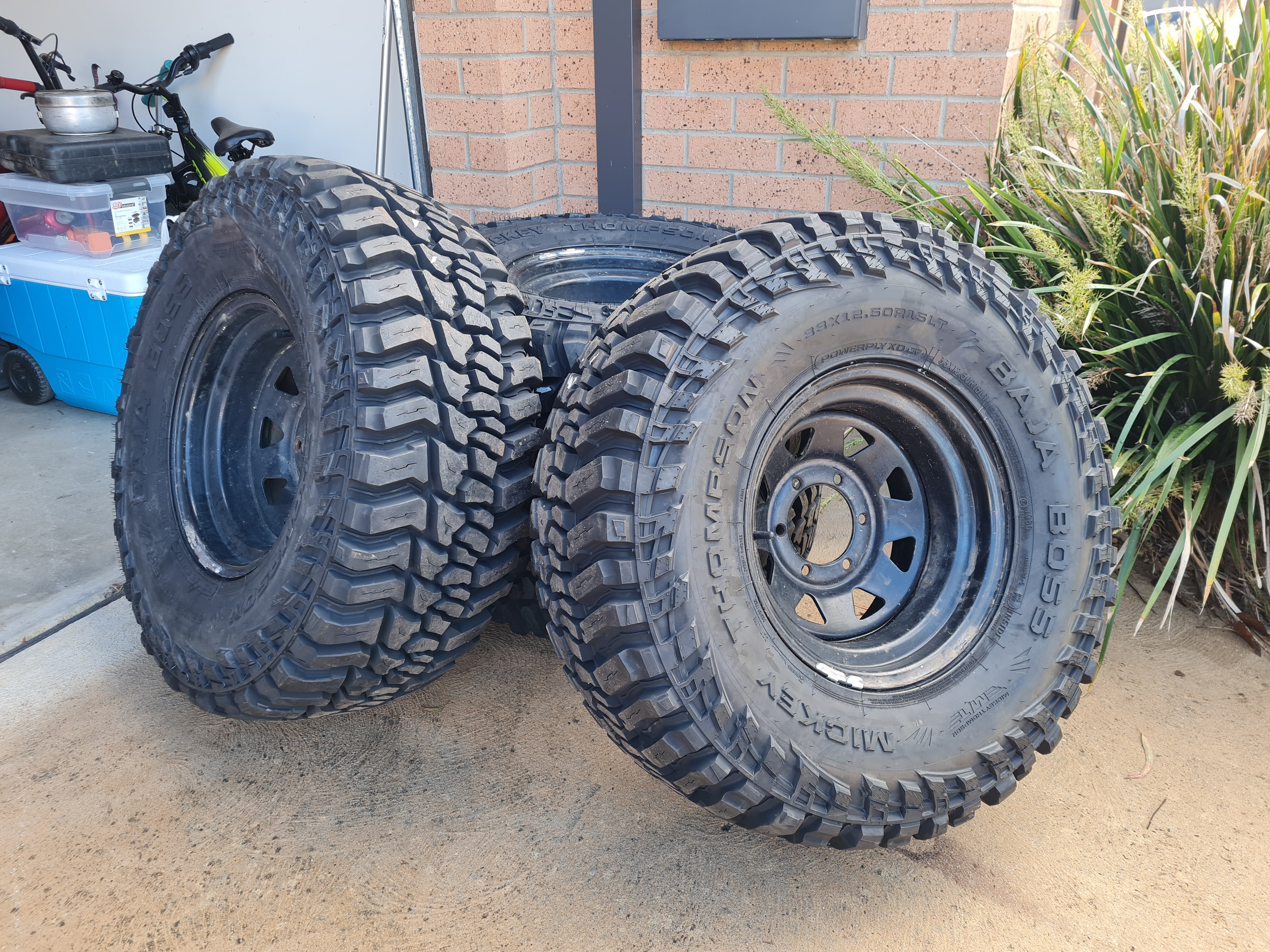
Now, I’m very new to shopping for off-road tyres (this is my first 4×4 project) and it was made pretty clear to me early on that those ATs wouldn’t cut it once the going got tough, and I’d need to upgrade to some bigger mud-terrains. I was also told not to cheap-out on the tyres either, because while cheap knock-off brands have a super tempting buy-in price, they’re typically very noisy on the road and don’t actually do well off it. Tyres are the main thing that can make the biggest difference when the going gets tough, and I didn’t want to be that guy that always gets stuck because of bad treads.
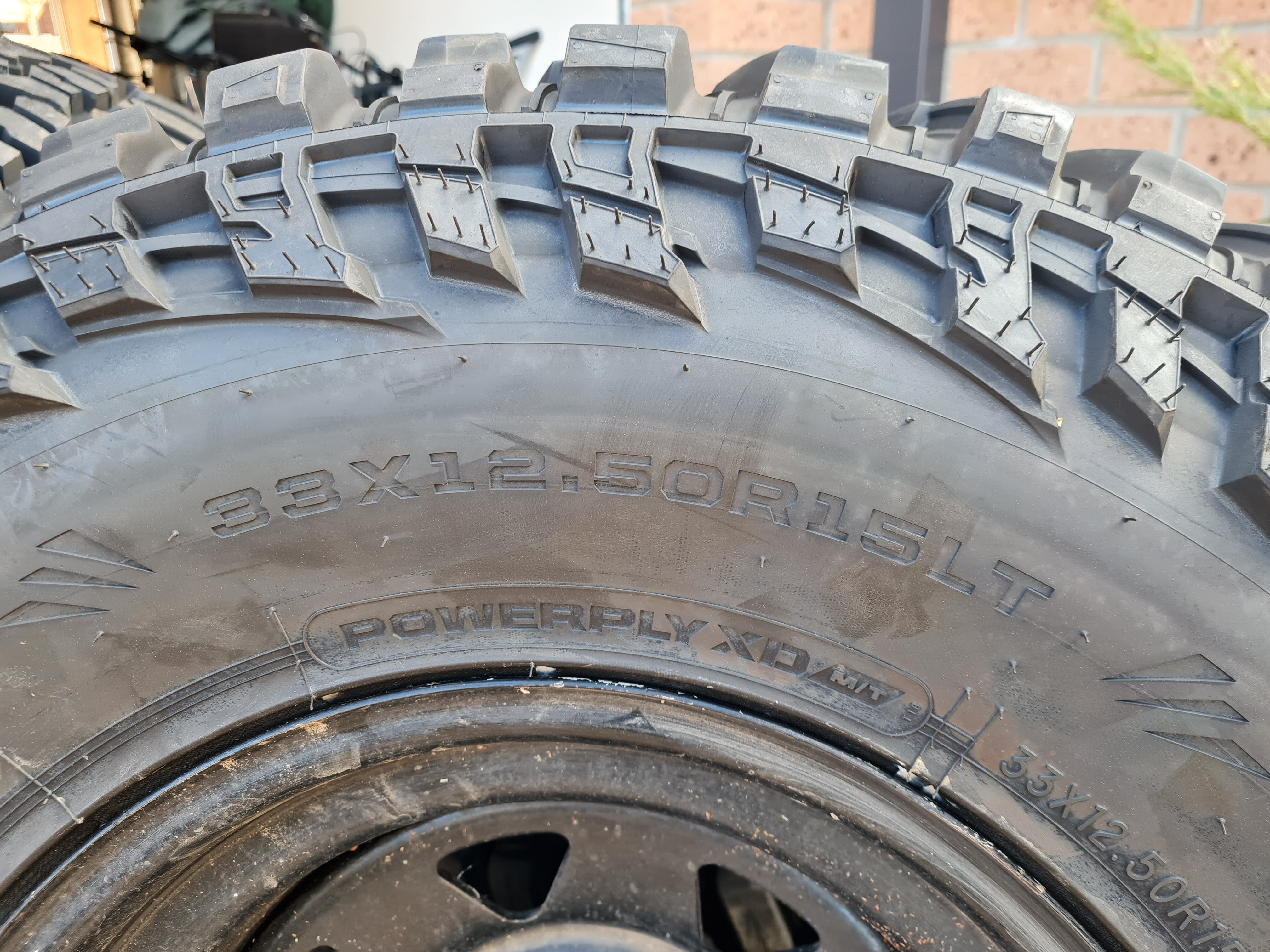
After consulting with the experienced heads at 4X4 Australia, the team suggested a new set of Mickey Thompson Baja Boss MTs. They’re a pretty aggressive muddie, rated as one of Mickey’s best off-road tyres at 90 per cent dirt and mud, and 10 per cent sand and black stuff. That suited me fine, though, because I planned on keeping the original wheels and tyres in the event the Patrol has to do an extended period of tarmac-only service.
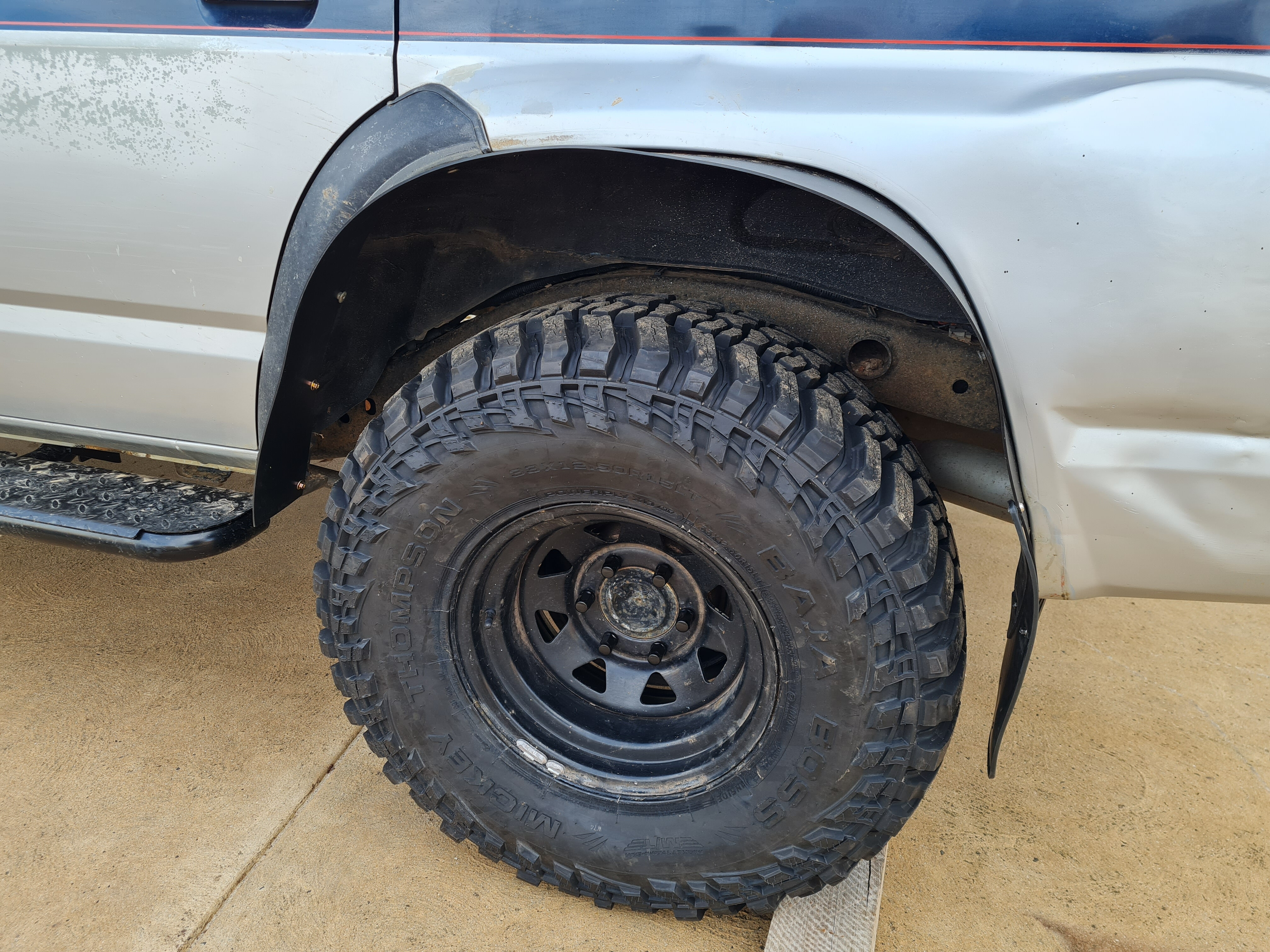
Size was also a big debate, with all my mates screaming at me to get a set of 35s. Now that sounds great to brag about and post on Instagram, but I only have a two-inch suspension lift for clearance and a standard TB42 carby to push them along. I figured a set of 33s would be the perfect happy medium upgrade, so after some agonising and research I settled on a set of 33×12.5R15 Baja Boss MTs. My reasoning was they’ll still give me more ground clearance but without any major scrubbing issues, and they wouldn’t overwork the poor TB42.
A mate of mine generously gifted me a set of no-name 15×8-inch steel wheels with old tyres, and with those in hand I went to my local Mickey Thompson dealer, Borough Tyre Service in Bendigo, to have them fitted. They came in at $511 a pop, plus $175 for fitting and disposal of the old tyres, so I was at a total of $2730 for the lot. It’s definitely at the higher end of the price spectrum of moolah to dish out on mud tyres for a dirty old GQ, so I was keen to see if the spend would pay dividends once we hit the rough terrain in the High Country.
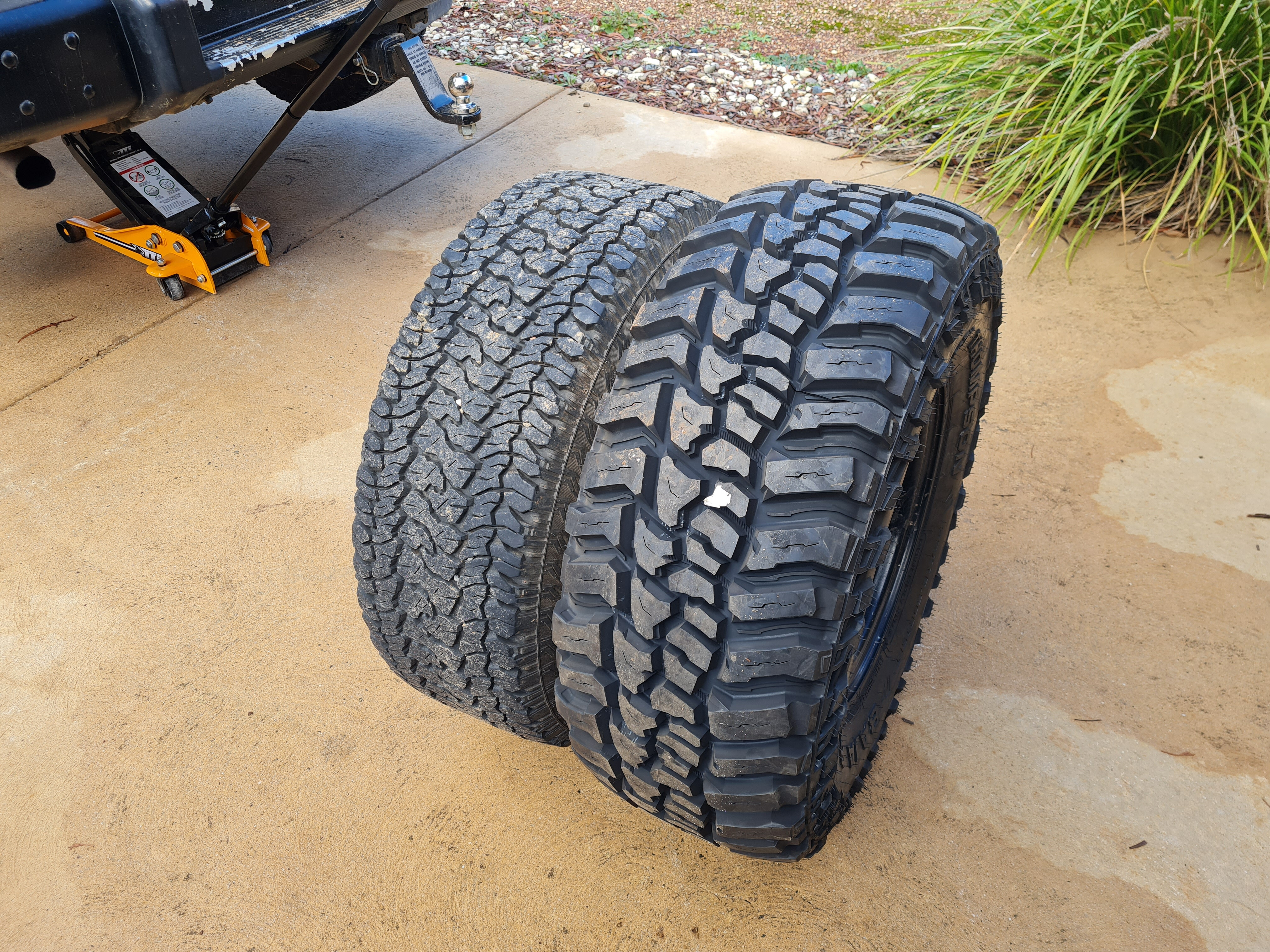
Initial impressions of the tyres have been super positive. When I first bolted them on and went for a spin around the block, the extra road noise was pretty obvious at around 60km/h, but, if anything, they get quieter as you nudge north of 80km/h and neither me or the girlfriend had any complaints about tyre roar during the four-hour trek at 100km/h on tarmac to the High Country. The speed from a taller tyre didn’t seem to phase the car either, the Patrol still climbing hills and taking off in traffic the same way it did on the smaller 31s.
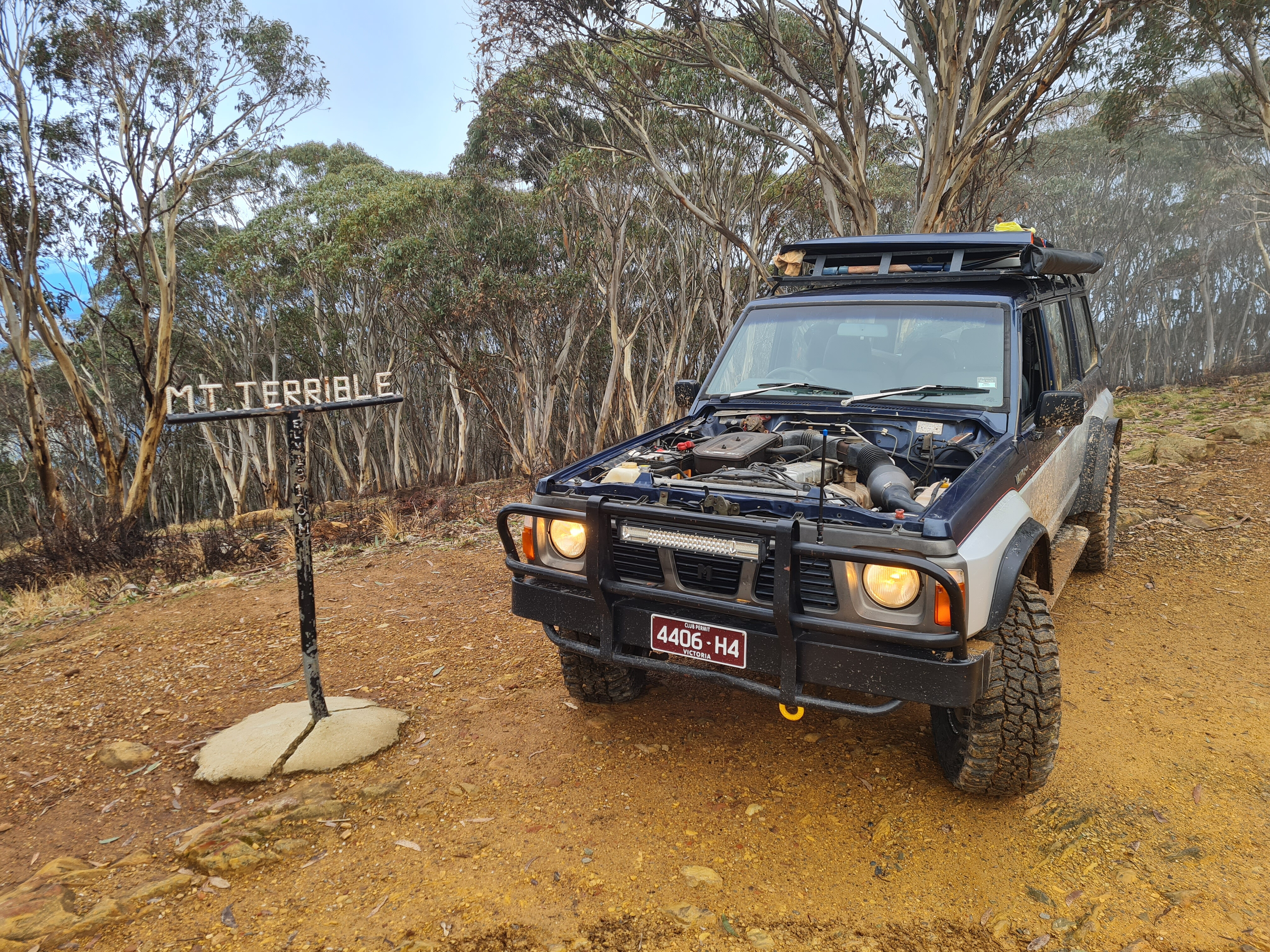
But the real test was the off-road capability once we hit the tracks in the High Country. The short of it was, the tyres were awesome! On the first day, we did the steep climb to the top of Mount Terrible, and not once did the car lose traction or struggle for grip. The same can be said on the way down, too. Even fully loaded with Esky, swag, water, fuel and everything else needed for several days camping, the tyres didn’t lose grip at all on the steep descents, which inspired a lot of confidence given the downhill engine braking of the automatic Patrol (even in low range) wasn’t exactly ideal.
They smashed out the boggy mud in the gullies and small river crossings were a breeze, so all-in-all I’m very happy with the tyres so far.
We’ll bring you another update on how they’re faring after I get some solid kilometres under my belt, and I’m super excited to test them to their limits this winter. Who’s ready for some mud-slinging?
RATED Available from: mickeythompsontires.com.au; boroughtyreservice.com.au RRP: $511 each What we say: Meaty tread pattern will get you just about anywhere; road noise levels are surprisingly good for an MT this aggressive.
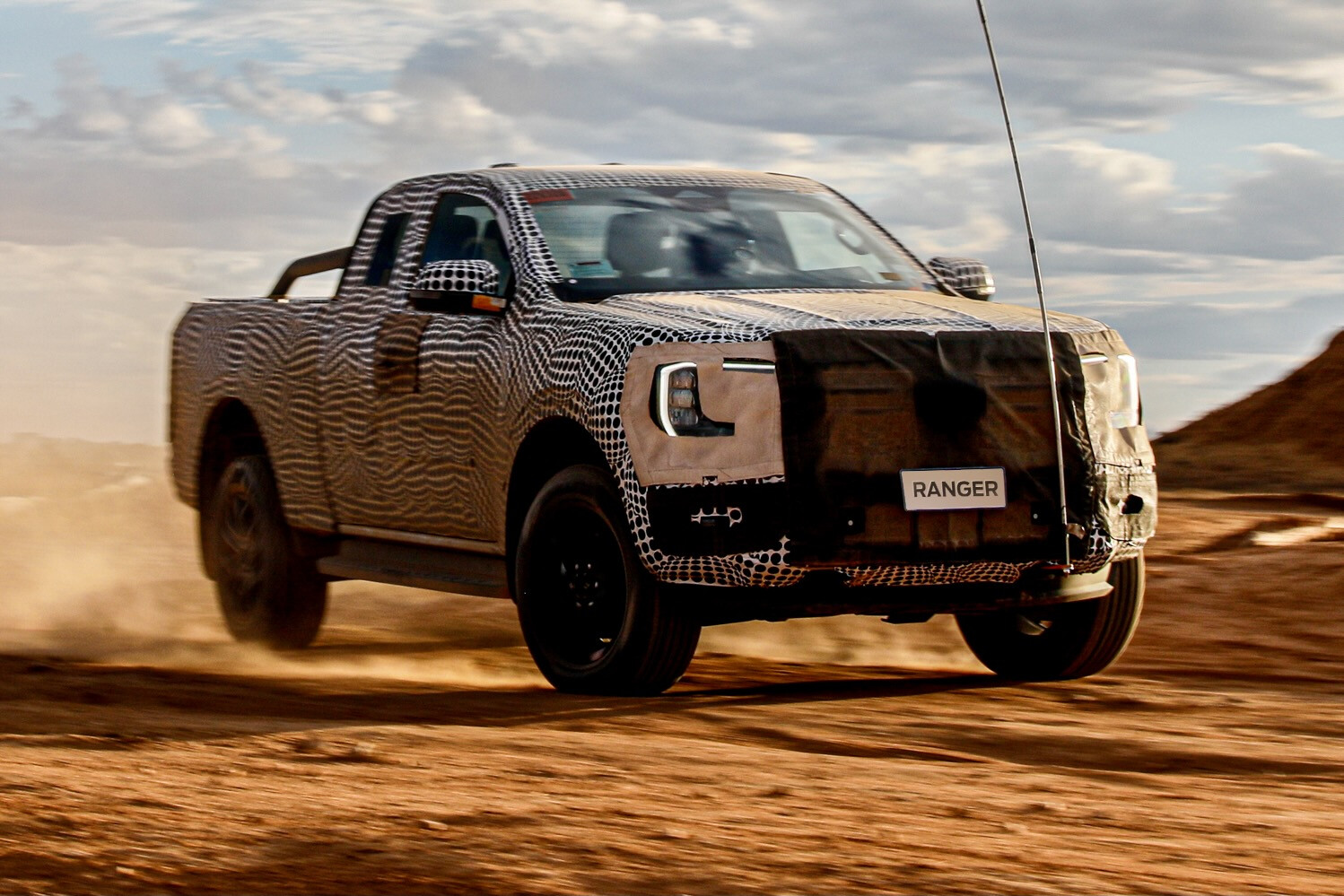
The 2022 Ford Ranger has been teased for the first time, with its off-road abilities clearly on display.
Ford previewed the next-generation Ranger with a video, filming the ute taking on Australia’s bush and Outback, as well as undergoing cold-weather testing in New Zealand.
The company says the new Ranger “has been designed and engineered in Australia for local conditions, and will be the toughest, most capable and most connected Ranger yet”.
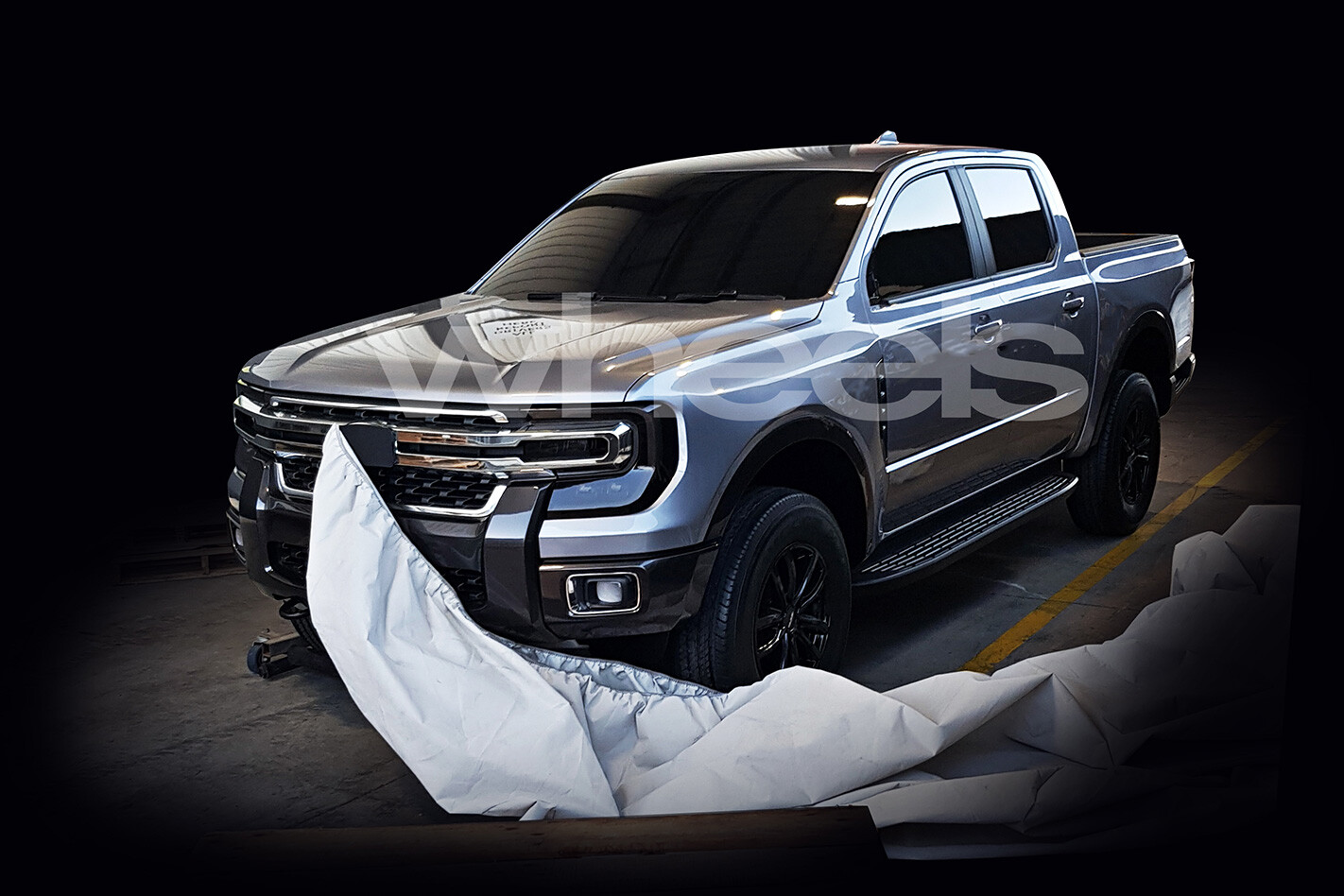
More than two and a half years after Wheels first published exclusive photos revealing an early iteration of the Ranger ute’s new shape, it appears some minor design elements have evolved.
Behind the camouflage, we can see the main beams have moved to the upright position of the U-shaped headlight cluster, while the bonnet contours have changed when compared with the leaked images posted in February 2019.
A new Ranger Raptor is all but confirmed, with spies previously photographing the flagship model complete with its trademark F-O-R-D grille and sportier alloy wheels.
These teaser images show an extra-cab body, while the video features both extra-cab and dual-cab variants. Spy photos of prototypes undergoing testing have also confirmed a single-cab model will be offered within the line-up.
Though specifications have not yet been announced, all signs point to Ford’s 3.0-litre turbo-diesel Power Stroke V6 engine being available in the new Ranger – the same one that was suddenly dropped from the F-150 in July this year.
We do know the 2023 Volkswagen Amarok will be based on the new Ranger, making the 185kW/600Nm Power Stroke V6 a distinct likelihood – given the Amarok’s current 190kW/580Nm diesel V6 is one of its biggest selling points for buyers.
It’s expected the 3.2-litre five-cylinder turbo-diesel will be dropped, while the 2.0-litre single- and twin-turbo diesel four-cylinder engines will remain in some variants.
While earlier suggestions had the Bronco’s 231kW/542Nm 2.7-litre V6 engine as a contender, US website Ford Authority later quoted sources suggesting the next Ranger Raptor would gain a 3.0-litre twin-turbo petrol V6.
The petrol EcoBoost V6 powertrain is found in the US-market Explorer ST performance SUV – a favourite of North American police departments – with current outputs boasting as much as 300kW and 560Nm. Perhaps more tellingly, the Ranger seen snow drifting in the video shares a similar exhaust note to the Explorer ST.
As Americans tend to prefer petrol, while Australian ute buyers prefer diesel, we could see a local Ranger Raptor fitted with the turbo-diesel V6 – albeit tuned to offer more power.
It’s believed Ford in the US is keen to differentiate the Ranger from the larger F-150, withholding the F-150 Raptor’s more powerful 3.5-litre twin-turbo V6 – while also dropping the Power Stroke diesel from its F-Truck range.
The 2022 Ford Ranger (and its Volkswagen Amarok twin) will be built at the company’s Silverton plant in South Africa, with the Blue Oval spending US$1 billion (AU$1.35 billion) to modernise the factory.
Officials say the production of the Ranger will be carbon-neutral by 2024, thanks to an entirely self-sufficient plant.
The company hasn’t provided an exact timeline yet, but the teaser video suggests a full unveiling of the 2022 Ford Ranger will be happening in the coming months.
For decades, Nissan and Toyota have been taking swings at each other. Each time one would innovate, the other would try to outdo them. Coil springs and turbo-fed diesels all got thrown into the ring to try and claim the crown. One would build better drivelines, the other better bodies. One stronger front diffs, the other stronger rears. The two were toe to toe every step of the way and caused rivalry that’d make the Holden versus Ford debate look almost tame by comparison. Then it all came to a screeching halt. Nissan innovated just a little too hard.
While the LC200 was an evolution of the outgoing LC100, the Y62 Patrol was worlds different from the GU Patrol it replaced. The punters weren’t happy. The battle was over. Toyota claimed the crowd. But tastes change, slowly people have been coming around to the Y62, and the current facelift has caused an absolute boom in popularity. Something Vogue Industries owner Longy was more than happy to jump on-board with.
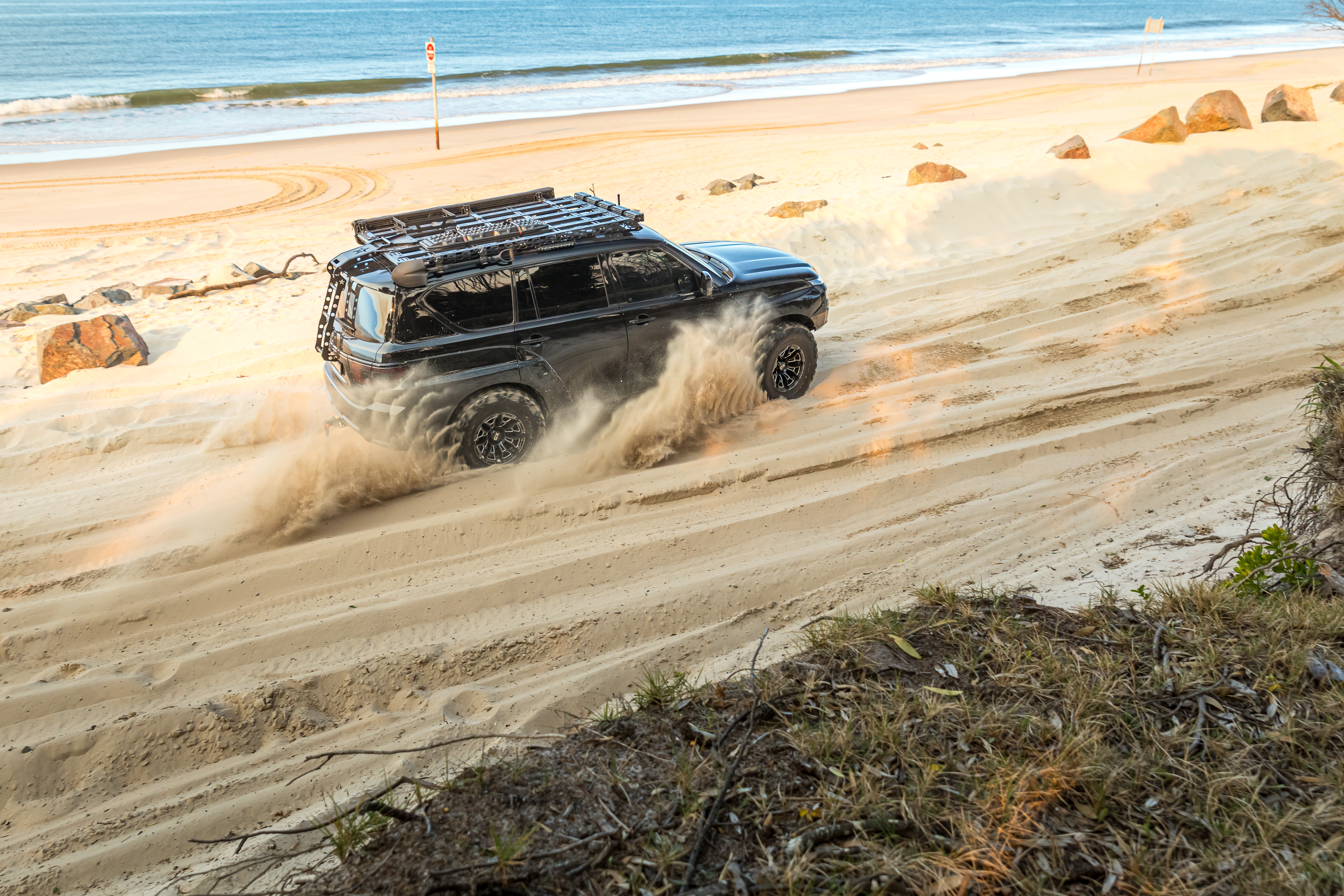
“I’ve had 200s and 79s before,” he tells 4X4 Australia. “I wanted something different, I needed eight seats, and it needed a big V8.”
With three rows of seats, and a 400hp 5.6L V8 under the bonnet, the 2020 model served as the perfect basis to build a do-it-all wagon like you’ve never seen before.
If the name Vogue Industries rings a bell, it’s because they’re responsible for some of the most insane builds in the country, its workshop having Jimnys on hoists next to Ferraris, and custom Lamborghinis parked next to lifted ’Cruisers. It should come as no surprise then that Longy’s personal vehicle would have every square inch customised.
CRANK IT UP
Starting under the bonnet the first port of call was the crew at Hi-Torque Performance, to turn that potent 400hp donk in to an absolute powerhouse. Nestled between the two cylinder banks is a 2650 Supercharger from Melbourne-based Harrop, with an 8psi pulley on the end of the snout. It’s fed a steady diet of clean air through a Radius Fabrication airbox, with an interchiller keeping those air molecules tightly packed for maximum bang. A Stage 2 fuel pump helps keep air-fuel ratios in the sweet spot, while a full titanium exhaust system from Urban Exhaust allows the spent gases to be spat out the back quick smart.
Hi-Torque got 515rwhp out of the set-up, a huge improvement from the 300-odd hp a stock set-up would do. With a bigger fuel pump and additional injectors on the way, Longy’s hoping to get it well over the 600rwhp mark. To keep it streetable the Urban Exhaust set-up cleverly includes a push-button valve control giving maximum flow, or a near-stock exhaust note depending on Longy’s mood and which way the gasses are routed.
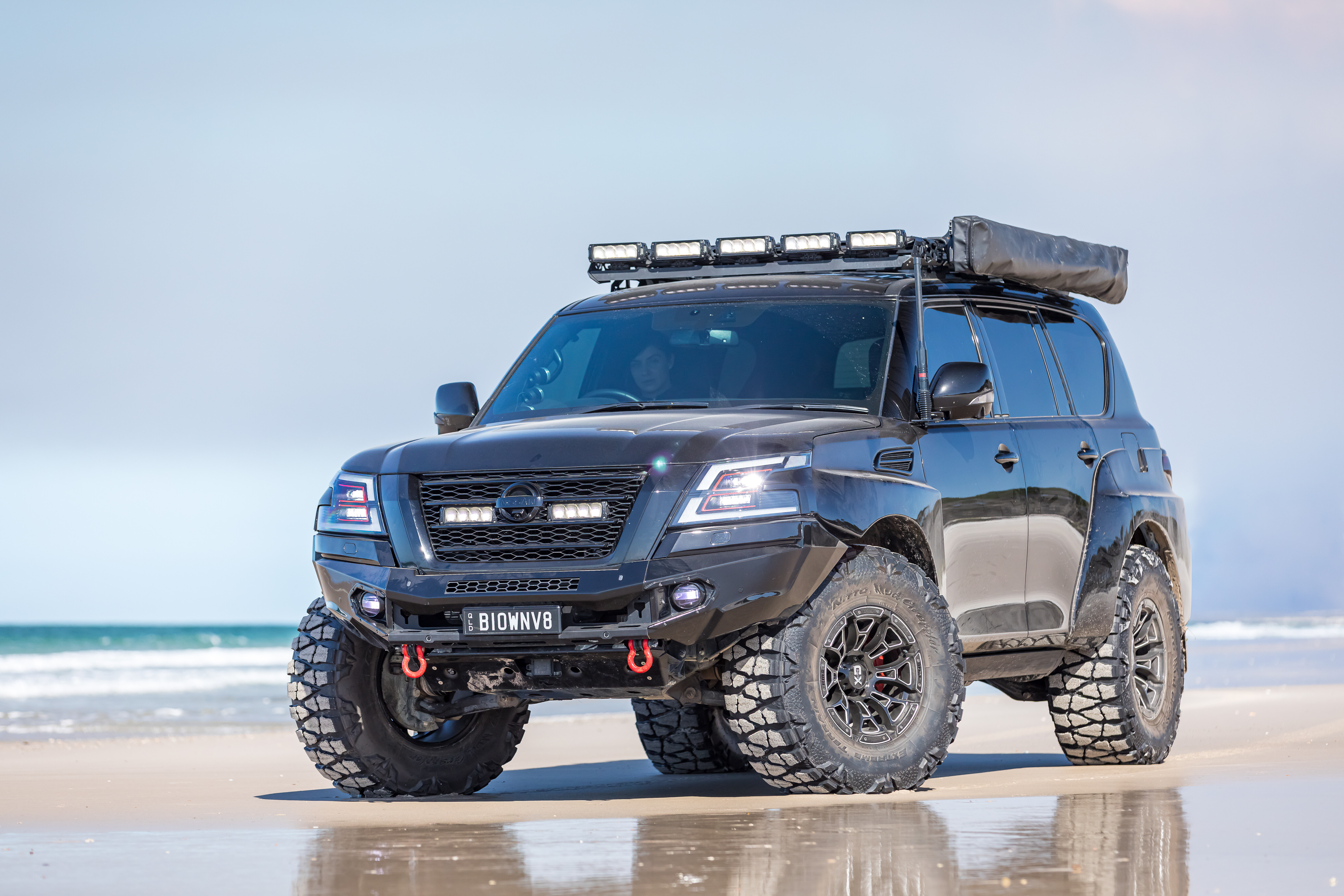
Ensuring all that power gets to the ground no matter what the situation, Longy’s running one of two wheel-and-tyre packages. Around town you’ll find him sporting bright red 22×10-inch KMC Pike wheels wrapped in 35-inch Black Bear MTs. Off-road, Longy steps it up with a massive set of Nitto Mud Grapplers punching in at 37×13.5, they’re wrapped around 18×9 KMC Boneyards. Longy’s bumped the wheel track right out in a signature look Vogue’s known for.
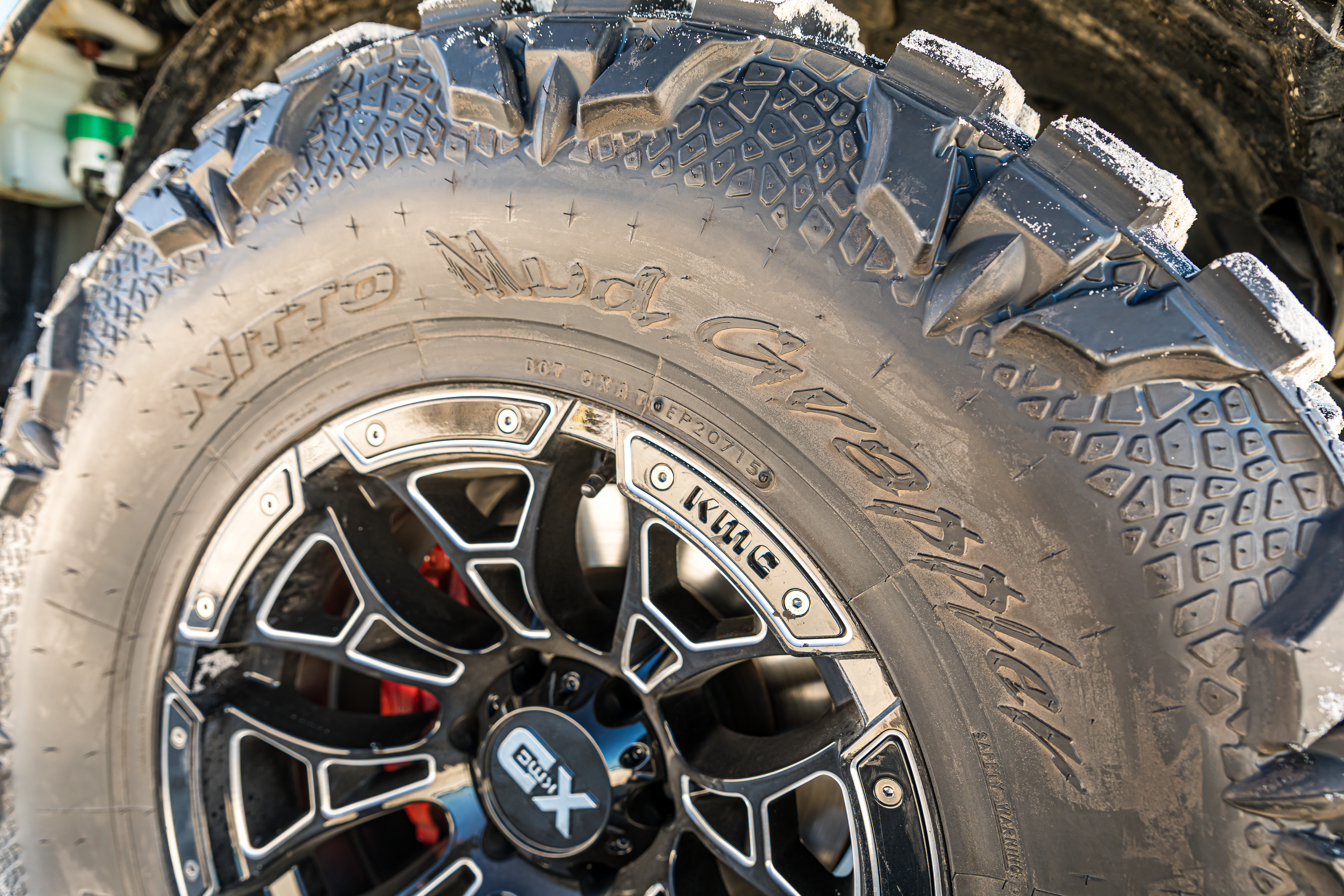
“I’m not into the whole big jacked-up look,” admits Longy. “I like them low and wide, these are -22 wheels, normally a Y62 would run +18 and even that would have a little poke.”
To keep the tyres inside the guards, Longy’s gone a little different route than the typical bolt-on flare kit, with a full custom wide-body kit.
“It’s a full replacement guard up front,” he reveals. “It’s all made local and 80mm wider each side.”
Up the back, matching guards have been fitted to the rear quarters.
“I just wanted something different than everything else on the market, so we’ll be selling these soon,” he says.
There’s an additional 60mm clearance in the guards too, thanks to a tickle of the suspension. Longy’s had the guys at East Coast Customs fit taller and heavier duty springs, and tweaked the factory shocks to ensure a smooth ride.
KEEP YOUR COOL
Forced induction is hardly a new concept in the world of internal combustion engines, heck they’ve been strapping superchargers to the sides of engines for about as long as they’ve been making engines. But they’ve never really been as popular as they are now with widespread factory adoption, and aftermarket options every bit as reliable. It shouldn’t be surprising then that as popularity of forced induction booms, so too does development of the accessories to get the most out of the set-ups.
If you misread the comment about an interchiller and mistook it for an intercooler, don’t worry, we’re here to explain the difference.
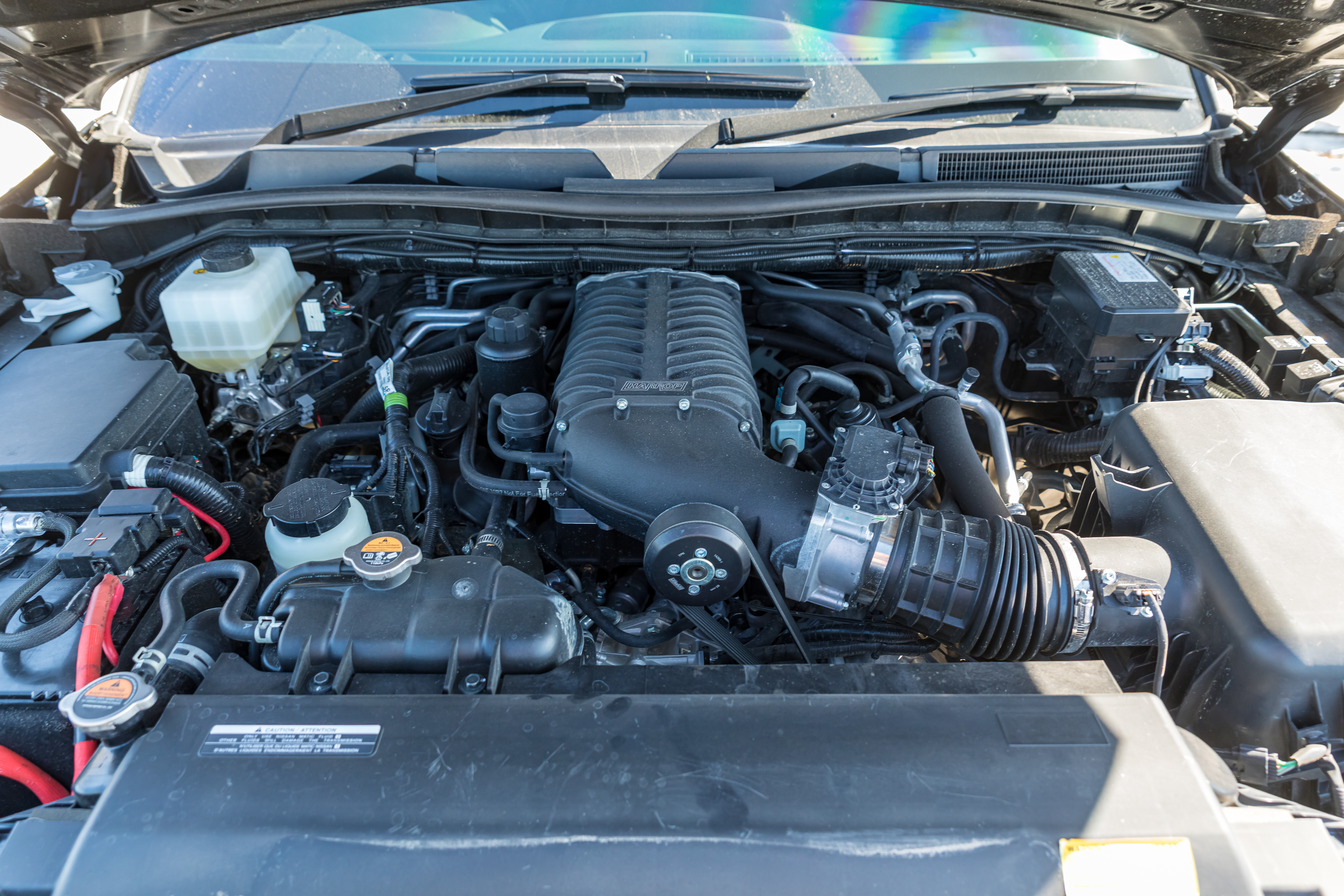
The entire focus of forced induction is to get as many oxygen molecules into the combustion chamber as possible, the more air the turbo or supercharger flows and the higher the boost levels, the more oxygen in the chambers, the more fuel they can squirt in, the bigger the bang. Unfortunately, a by-product of both systems is heat counteracting some of the benefits of compressing the air by causing the molecules to vibrate faster and further apart, giving you less oxygen molecules in a set space than you otherwise would.
An air-to-air intercooler aims to help this by flowing the hot charged air through what’s essentially a radiator, and having fresh ambient air flow over the outside sapping some of that heat away. Water to air replaces the ambient air with coolant and uses a separate radiator remotely mounted to wash away the heat.
An interchiller works in much the same way but uses the vehicles A/C system to drop the intake temperatures well below ambient air. Science is neat, right?
THE LOOK
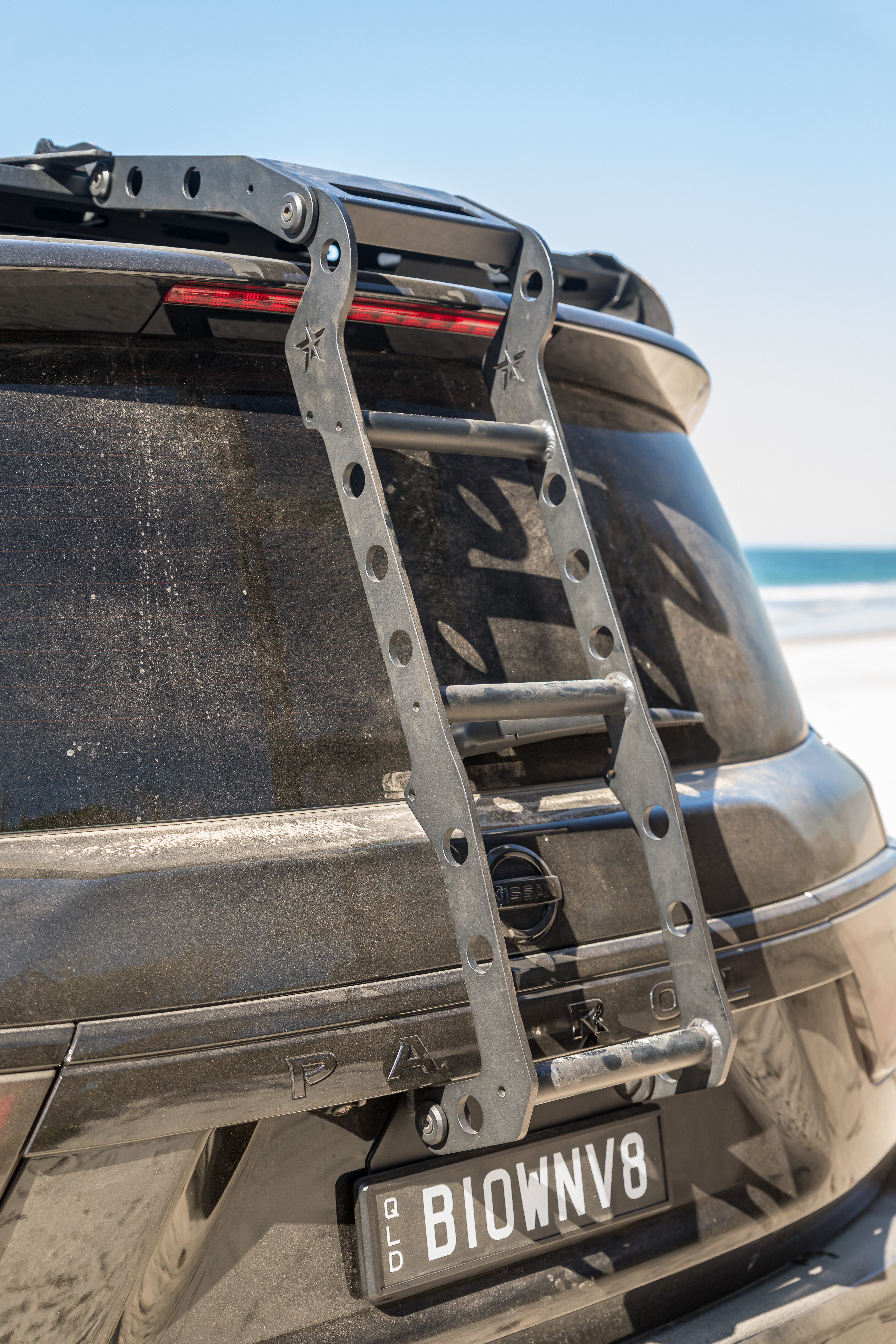
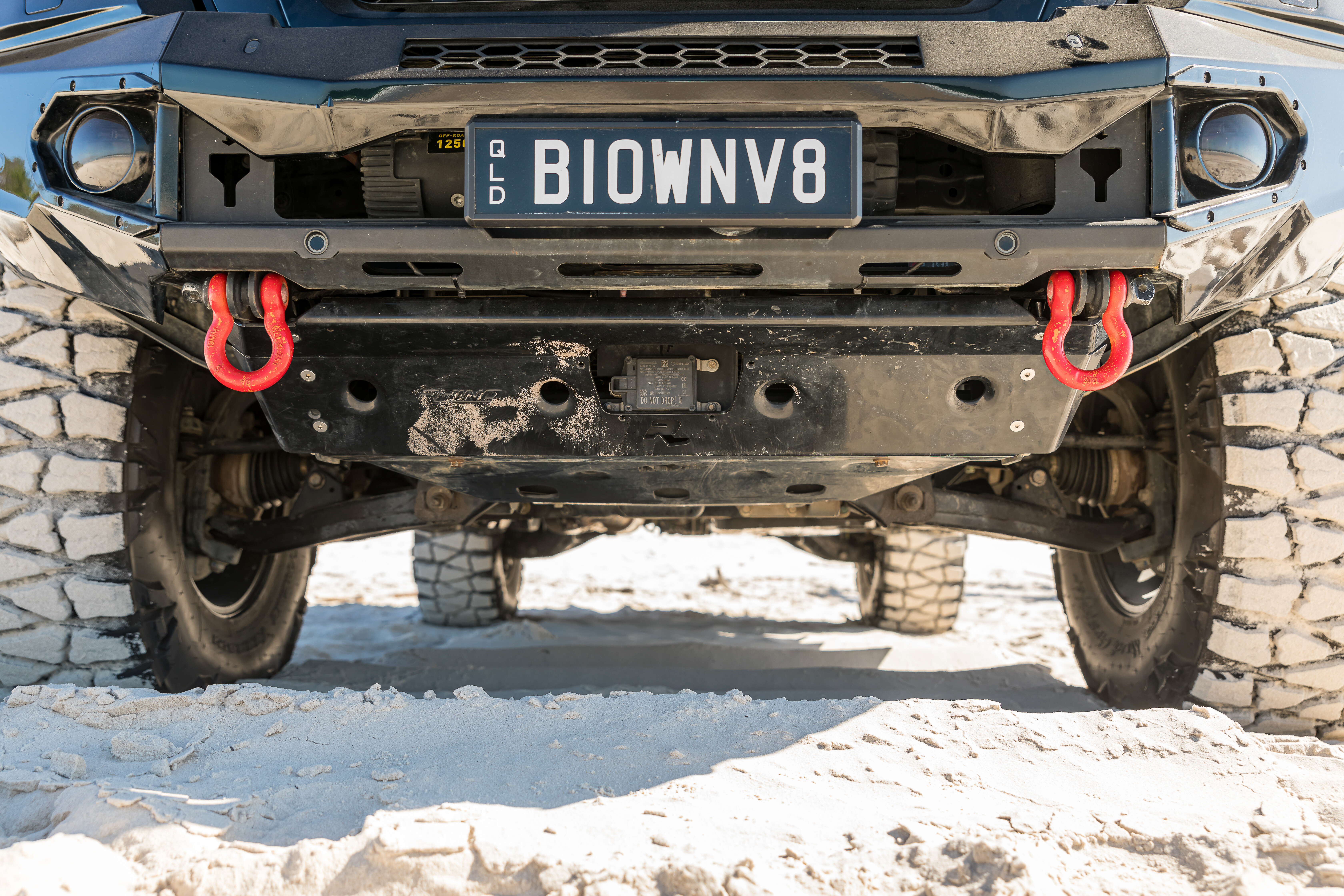
Back out on the outside and Longy’s given the Patrol an extensive visual makeover too. Up front is its go-to bumper with the slimline Evolution unit from Rhino 4×4 taking pride of place. It’s had a matching 12,000lb Rhino 4×4 winch shoehorned inside it. Up on the roof, a full-length roof rack from TrailMax provides bulk storage for family camping adventures as well as a home for integrated camp lighting along the flanks. There’s five Lazer Lamps LED driving lights mounted on the front of the rack, with a second pair down inside the grille. Longy’s capped the rack with his in-house Vogue Industries ladder that swings up with the rear tailgate.
While the spanners were out, Longy’s fitted a set of Vogue Industries custom headlights and tail-lights, all blacked out and colour-coded to suit the body. The final exterior mod is a full-colour change of sorts. Vogue Industries speciality is paint protection, so Longy’s ride has the best of the best. Overlaying the whole vehicle is a full black Paint Protection Film from V Designs. Like a vinyl wrap on steroids, the black coating protects against minor scratches and self-heals so always looks brand-new, and it’s topped with a full glass Pomponazzo coating as well.
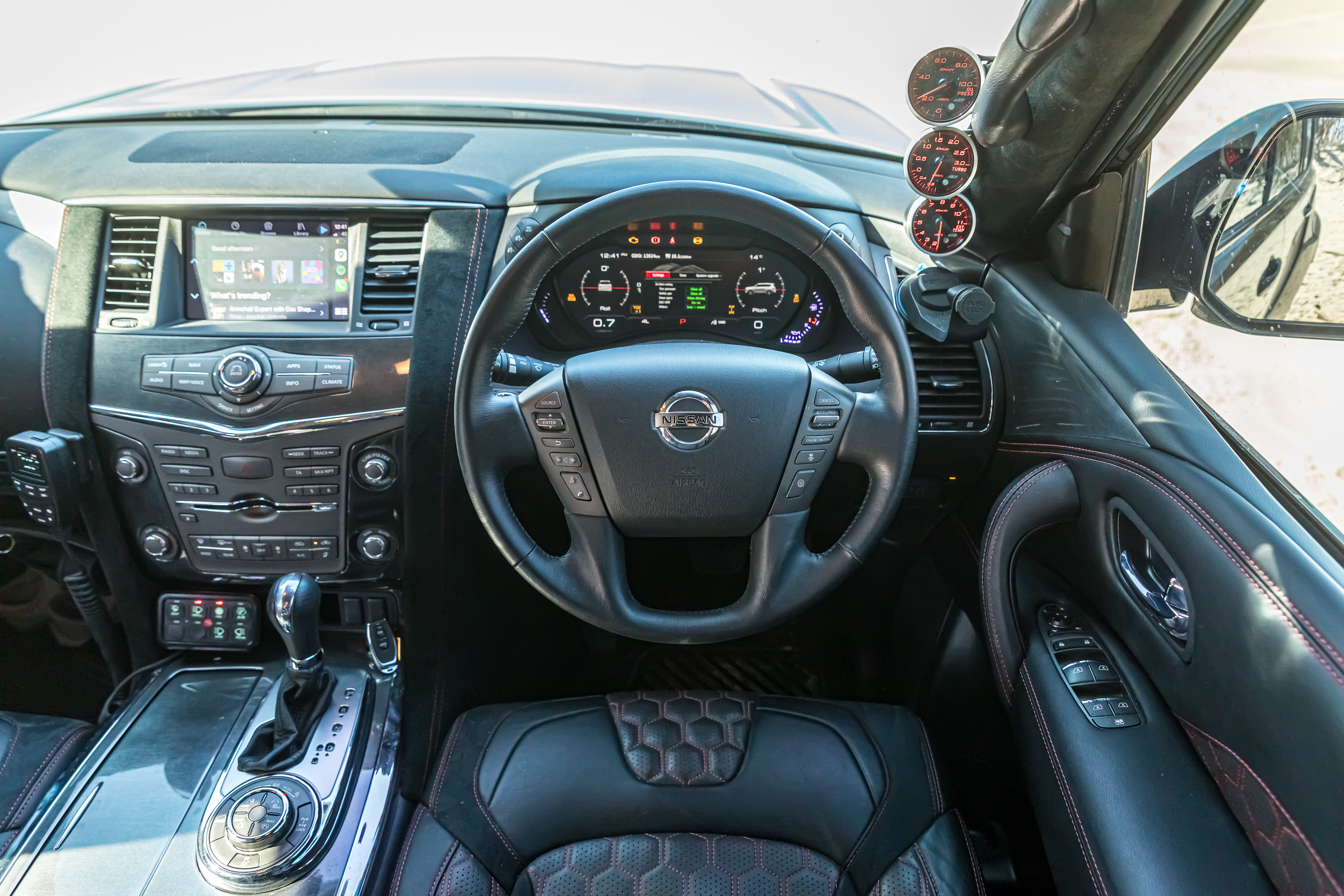
On the inside, Longy’s balanced performance, luxury and touring like only Vogue can. Giving the Y62’s dash a huge step into the 21st century is a full digital screen replacement for the gauge cluster and an add-on module allowing the OEM head unit to run Apple CarPlay seamlessly. It’s teamed up with a GME XRS unit and a full suite of gauges from Defi to monitor oil pressure, boost, exhaust temperature and transmission temps. A 110amp/h lithium battery keeps the 65L fridge running, while the on-board air set-up from ARB has plenty of grunt to air the 37-inch tyres back up. The lot is tracked by a Track Pro GPS tracking system.
The final piece to the puzzle was a luxury makeover inside, the full roof lining and pillars have been trimmed in black suede, while the seats and door trims are wrapped in custom leather trimming.
Going by his latest build it should be clear Longy busts his backside to build vehicles that stand out from the crowd, with no expense spared to make them perfect. The Y62 is just the latest of standout vehicles his shop is responsible for and we’re just a little excited to see what’s next.
A CLOSER LOOK
1. Dash
A full replacement gauge cluster modernises the Patrol’s dash.
2. Popular GME
At this point there’s probably more 4x4s with an XRS unit than without.
3. Rhino pull
Rhino 4×4 Evolution bar looks at home, a 12,000lb Rhino 4×4 winch within.
4. Lazers
Slimline LED lights from Lazer Lights make night-time travel a breeze.
5. Top storage
The fully integrated roof-rack platform system is from TrailMax.
The Western District town of Nhill was the starting point for this Mallee trip by members of Melbourne’s Midweek 4WD Club. The Club has an older demographic than some 4WD clubs and, as its name suggests, members generally try to avoid busy weekends and holiday periods.
With COVID having largely put the kibosh on 4×4 touring in 2020, the Mallee, only five hours’ drive from Melbourne, was the farthest some of our group had travelled for 18 months. After hitting the gravel a few kilometres out of Nhill, tyre pressures were reduced to 25 to 30psi to take the edge off the rough surface, before heading towards our camp at Big Billy Bore some 100km to the north.
After being confined to the city for so long it felt like coming home just to be back behind the wheel, travelling under a cloudless blue sky (also a rarity when you live in Melbourne!) and watching the surrounding unbroken vista of low Mallee scrub slowly slip past.
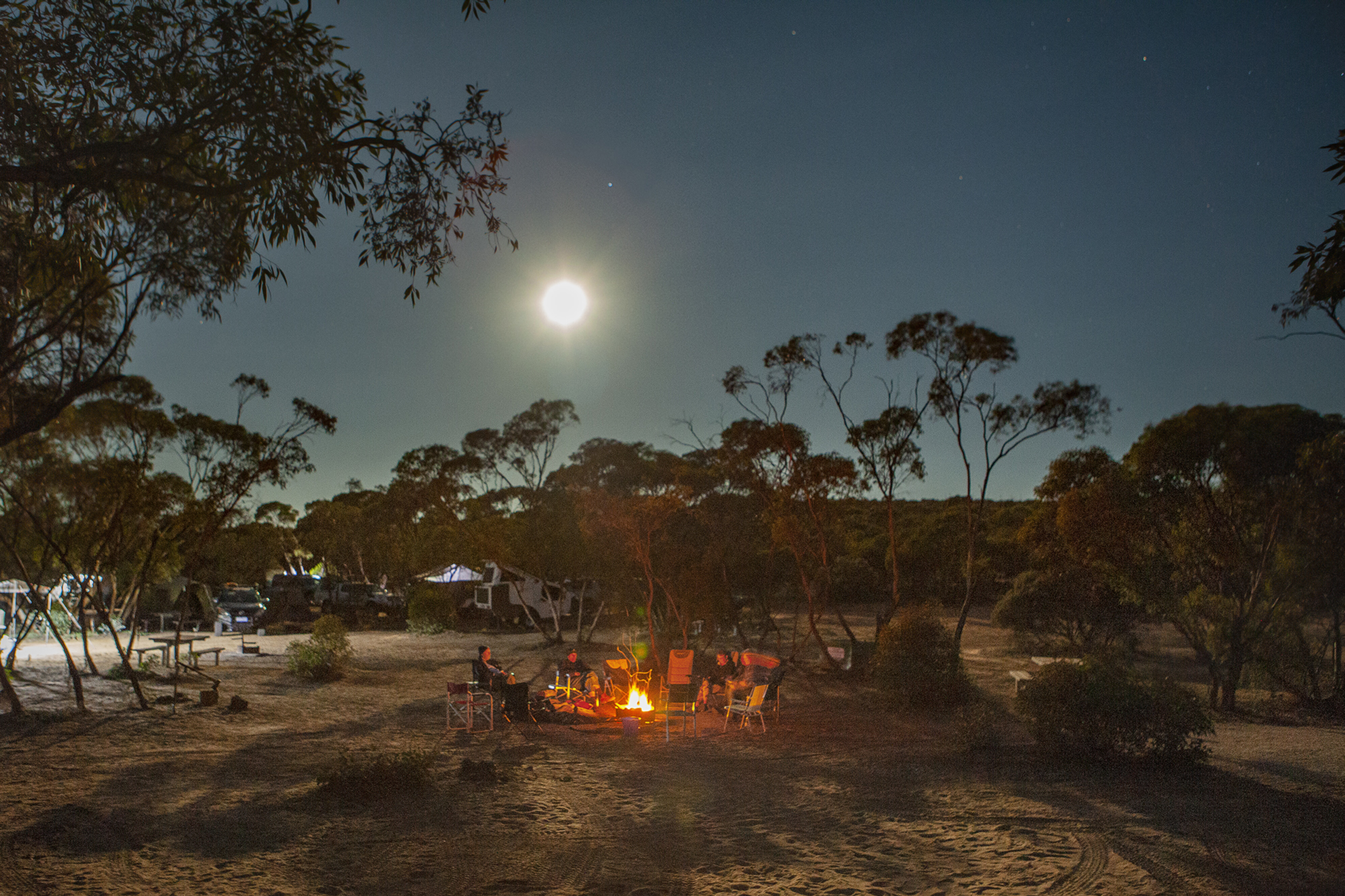
The area is a popular destination on weekends and holidays when it unfortunately attracts its fair share of ferals, being those with little regard for anyone else’s quiet enjoyment. Like the High Country, the Mallee bears scars from wanton environmental vandalism committed by rogue 4×4 and dirt-bike users whose brain power is significantly less than the horsepower under their right foot. Travelling midweek, we found Big Billy deserted, with the campground to ourselves (as it should be!) – nor did we encounter any other vehicles on the 4×4 tracks we drove over the coming three days.
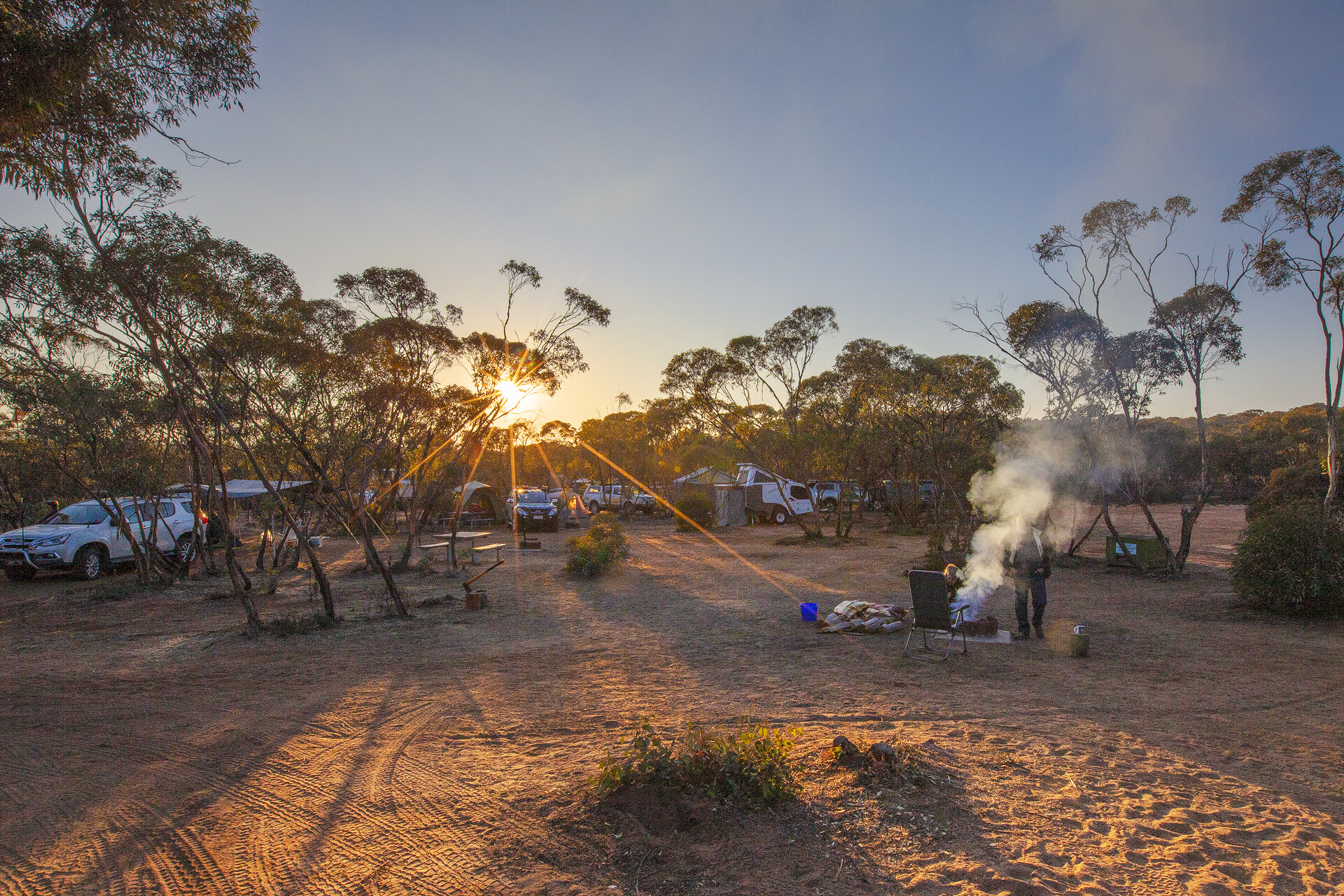
Big Billy has recently had an upgrade of facilities with new toilets and showers, bore water on tap (not recommended for drinking) and a camp kitchen with gas barbecues. The campground itself is huge, with fire rings and many level, sandy campsites tucked amongst stands of Mallee trees.
As darkness encroached on the camp, a huge full moon rose in the east. This blue moon (being one of two full moons in the same month) hung low in the sky, lighting the camp almost like daylight. Each night we spent in the Mallee, the cloudless sky saw the temperature drop as night fell, plummeting from the low 20˚Cs to single digits. Most of our group were travelling with campers or ’vans and as the night wore on and people started to turn in, the deafening silence of the bush was replaced by the gentle hum of diesel heaters. By dawn the temperature was close to zero and, with little to no substantial fallen timber to be found near Big Billy, it’s a good idea to bring a supply of firewood with you.
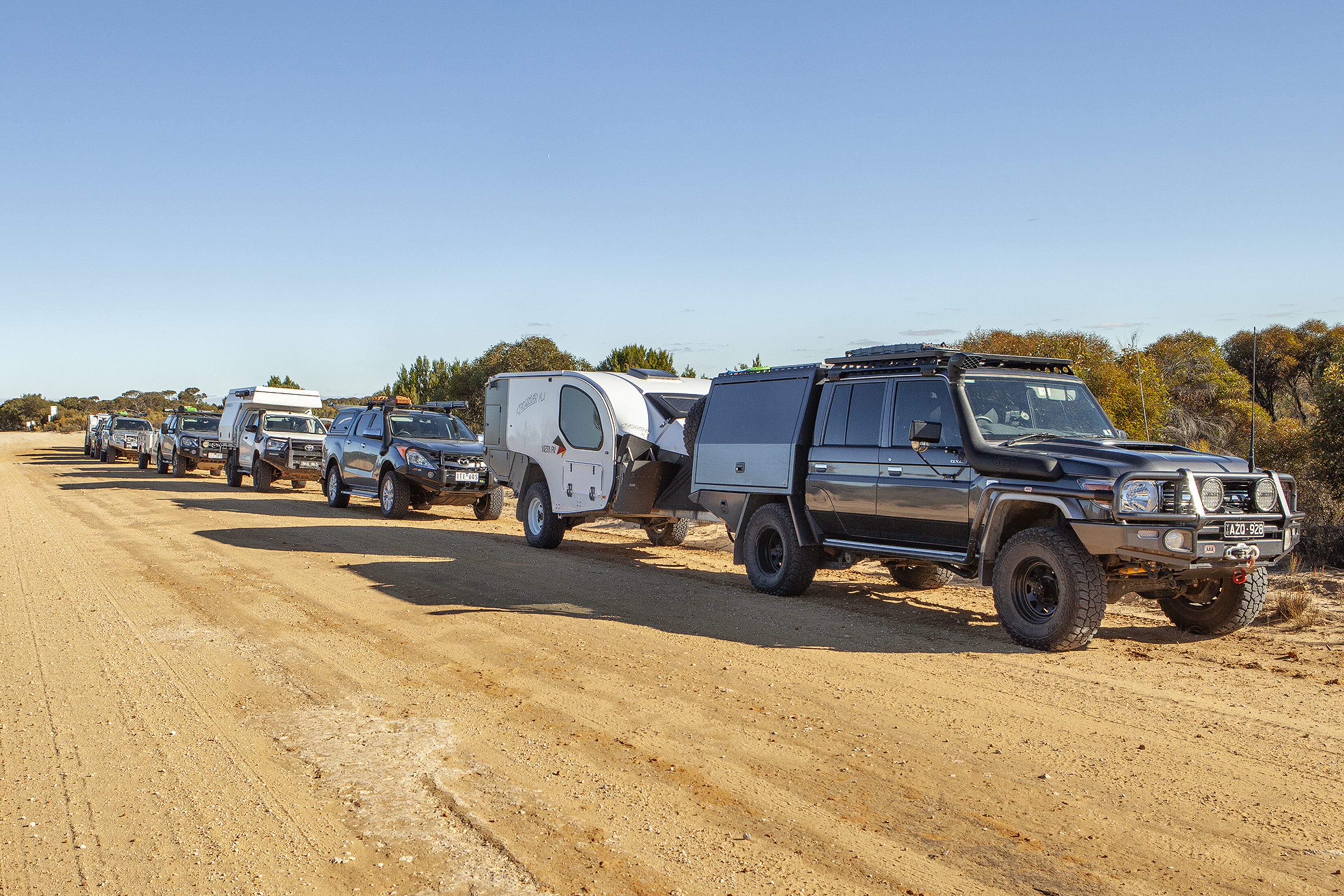
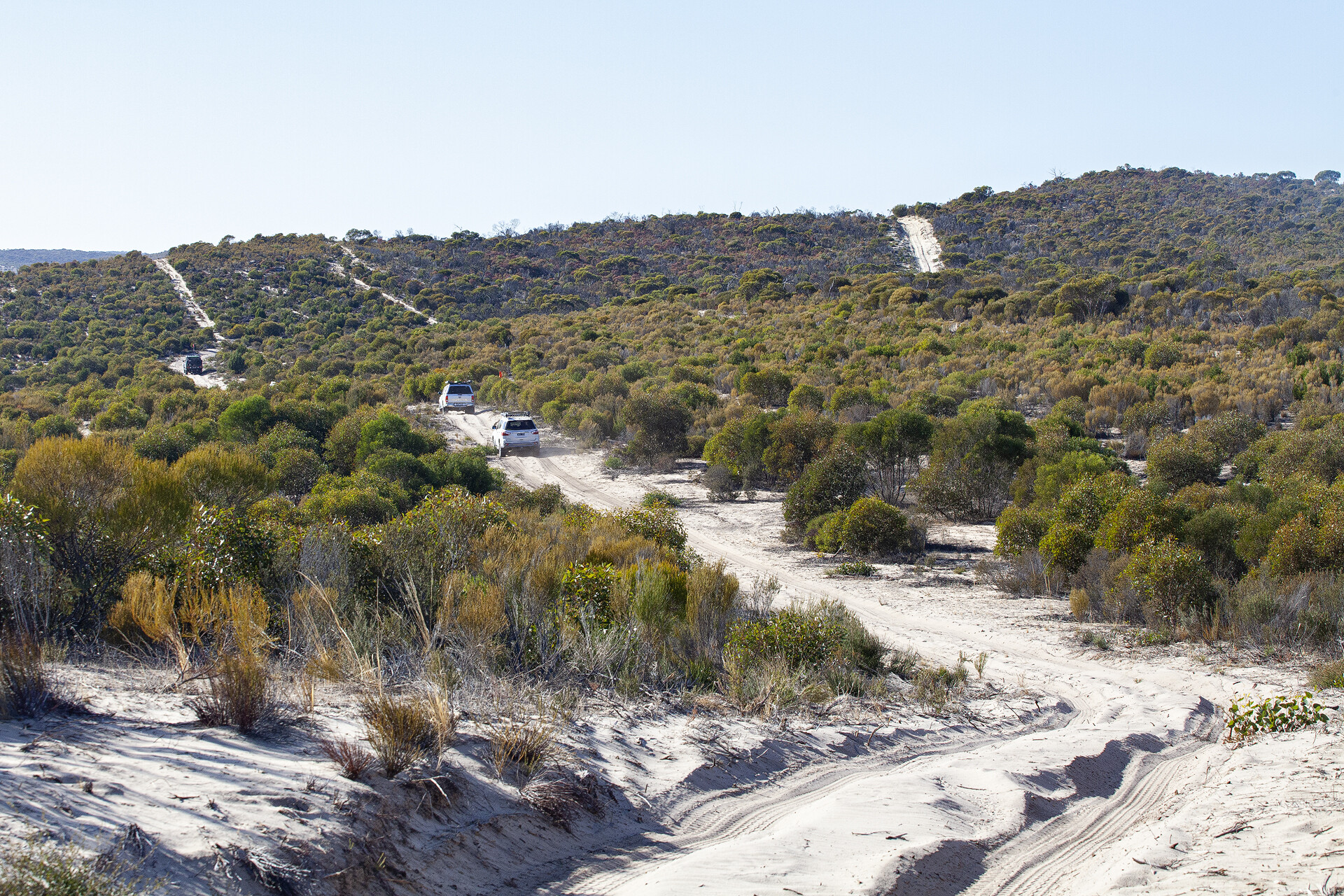
The next morning saw our eclectic group of 4x4s (a Toyota 79 Series, a couple of Hiluxes, an Isuzu, a Musso, a Patrol and a couple of Mazda BT-50s) further reduce tyre pressures to 15psi before hitting the sand. After a short drive north, we turned west off the main Nhill-Murrayville Road that divides the Park and only had to travel a couple of hundred metres to find our first small dune whose fine, white, soft, dry sand stopped some of us in our tracks. Finding that pressures had risen to 20psi as our tyres warmed, a reduction back to 15psi saw vehicles easily drive up the dunes.
The tracks, especially where they cross over dunes, are extremely scalloped by the use of excessive power on the assumption that momentum conquers all impediments – and it does, but at the cost of material discomfort, potential vehicle damage and, not least, buggering up the track surface for all those who follow.
SEA OF OLIVE GREEN
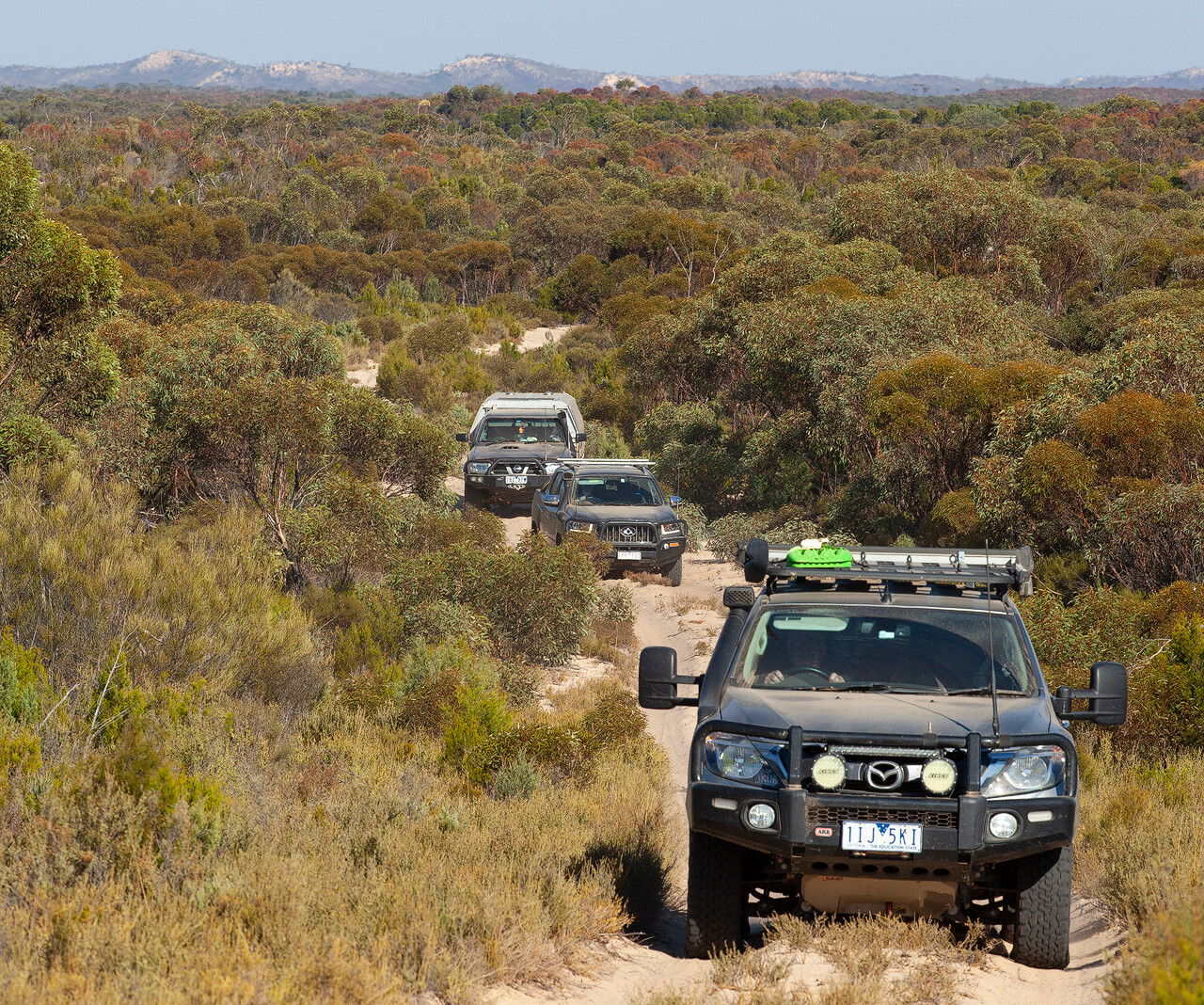
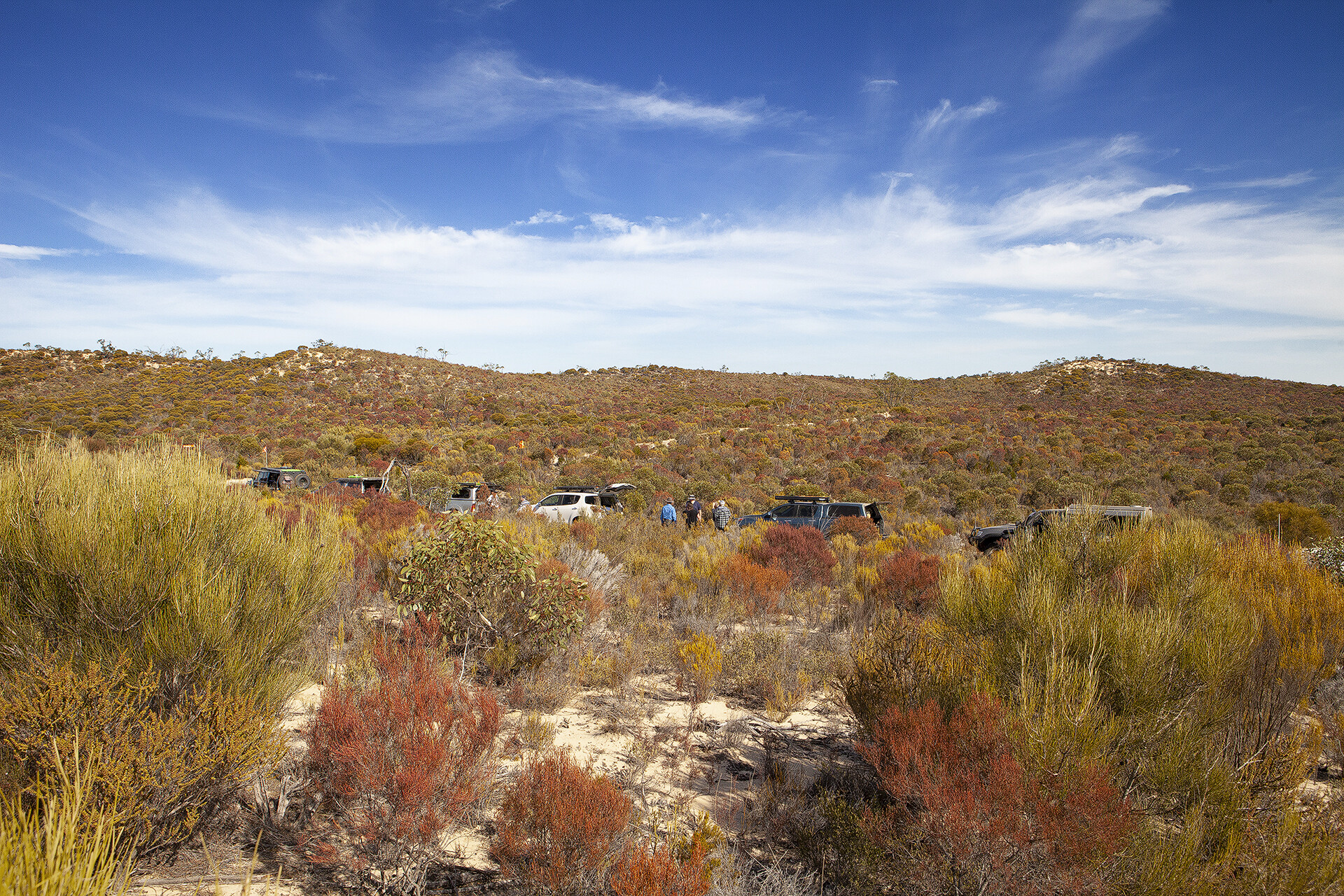
At first glance the Mallee seems an uninteresting, unchanging sea of olive green stretching away in all directions. However, closer examination shows subtle variation in colour and texture. Here and there desert banksias showed off their colourful flowers, and the dead, desiccated foliage of some shrubs that had died from a recent severe drought painted splashes of ochre and red across the otherwise sea of green. Mallee trees, like snow gums, have an underground tuber that allows them to regrow after bushfire, and both can have brightly coloured bark. In the case of the Mallee, this is often a spectacular ochre colour. To survive in this challenging environment the roots of Mallee have been known to extend 30m below ground in search of water.
While numerous animal and bird tracks were evident in the sand, apart from a couple of wandering emus, the odd magpie and elusive unidentified songbirds around camp, other wildlife (including the most notable resident, the Mallee fowl) were not to be seen – probably due to the dry seasonal conditions.
Our first track passed Cactus Bore, which is nothing more than a rusted standpipe in a small clearing at the base of a tall dune. While undoubtedly named after the large stand of non-native succulents nearby, someone suggested it was certainly ‘cactus’ – not having functioned in many a year. The surrounding bush shows no signs of having been cleared or farmed so why a bore would be here in the middle of nowhere was initially a mystery.
Research showed that several bores, including Big Billy, were sunk in the 1800s to water a stock route that ran south from Kow Plains (now the renamed town of Cowangie) to Nhill. While Cactus Bore wasn’t on that stock route, in times of extreme drought, local graziers facing feed shortages would turn their stock out into the scrub. The government of the day sank several bores, including Cactus Bore, to compensate for the otherwise complete lack of open ground water.
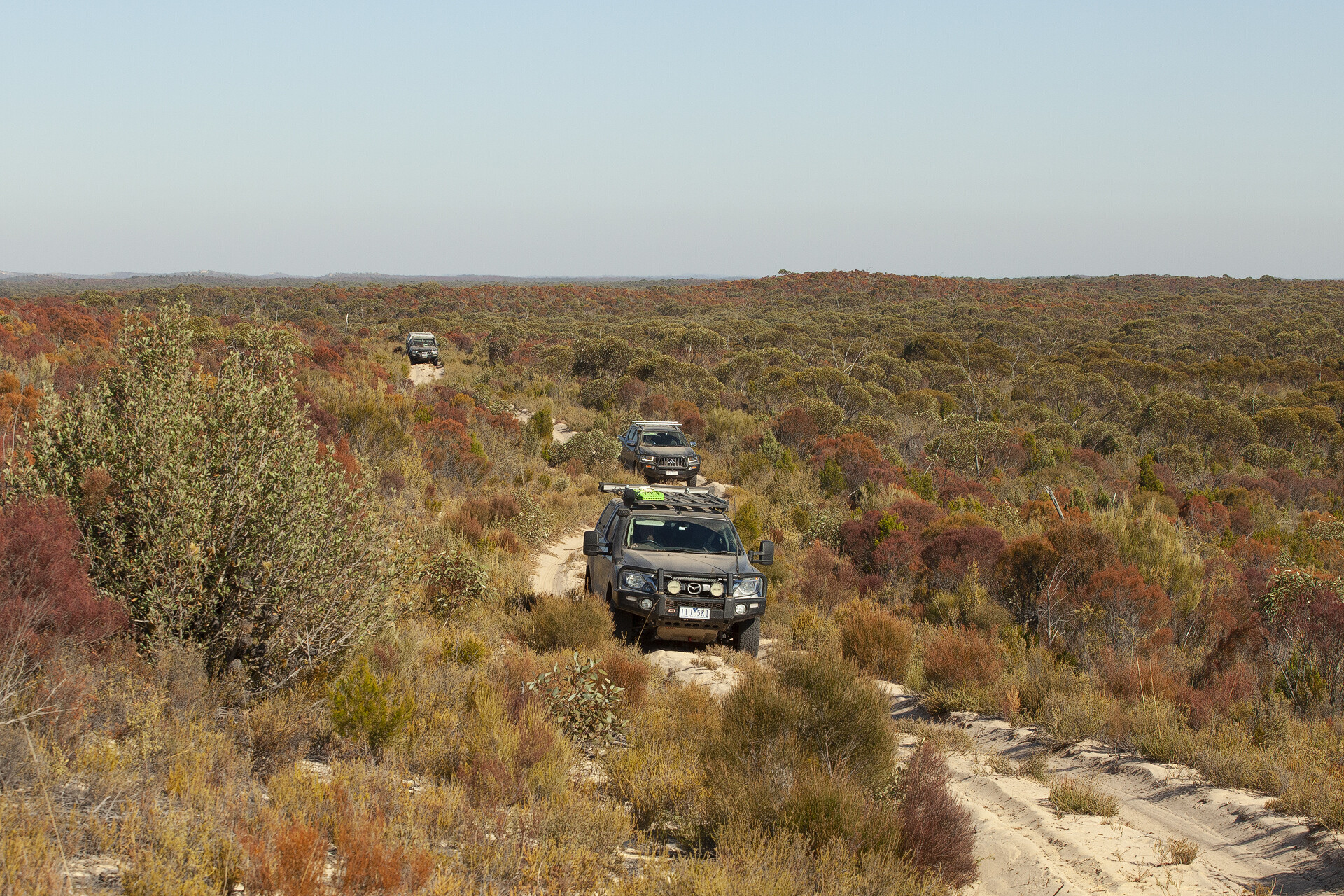
Leaving Cactus Bore, the track climbes steeply up a high dune, bringing a smile to most faces of the group; although, a couple of vehicles required more than one attempt.
Our lunch site was Red Gums campground, a large bowl-shaped depression lined on both sides by a sparse row of red gums that have seen better days. The trees are something of an anomaly, as there are no other red gums anywhere nearby. The way they formed a line suggested a long-gone semi-permanent water level from times past when the climate was wetter. Red gums can live from 500 to 1000 years, so these examples almost certainly predate European settlement, but, sadly, with no young trees in evidence and clear signs of drought stress, it seems their race is just about run and a future as firewood for campers awaits. Red Gums campground has no facilities other than a picnic table.
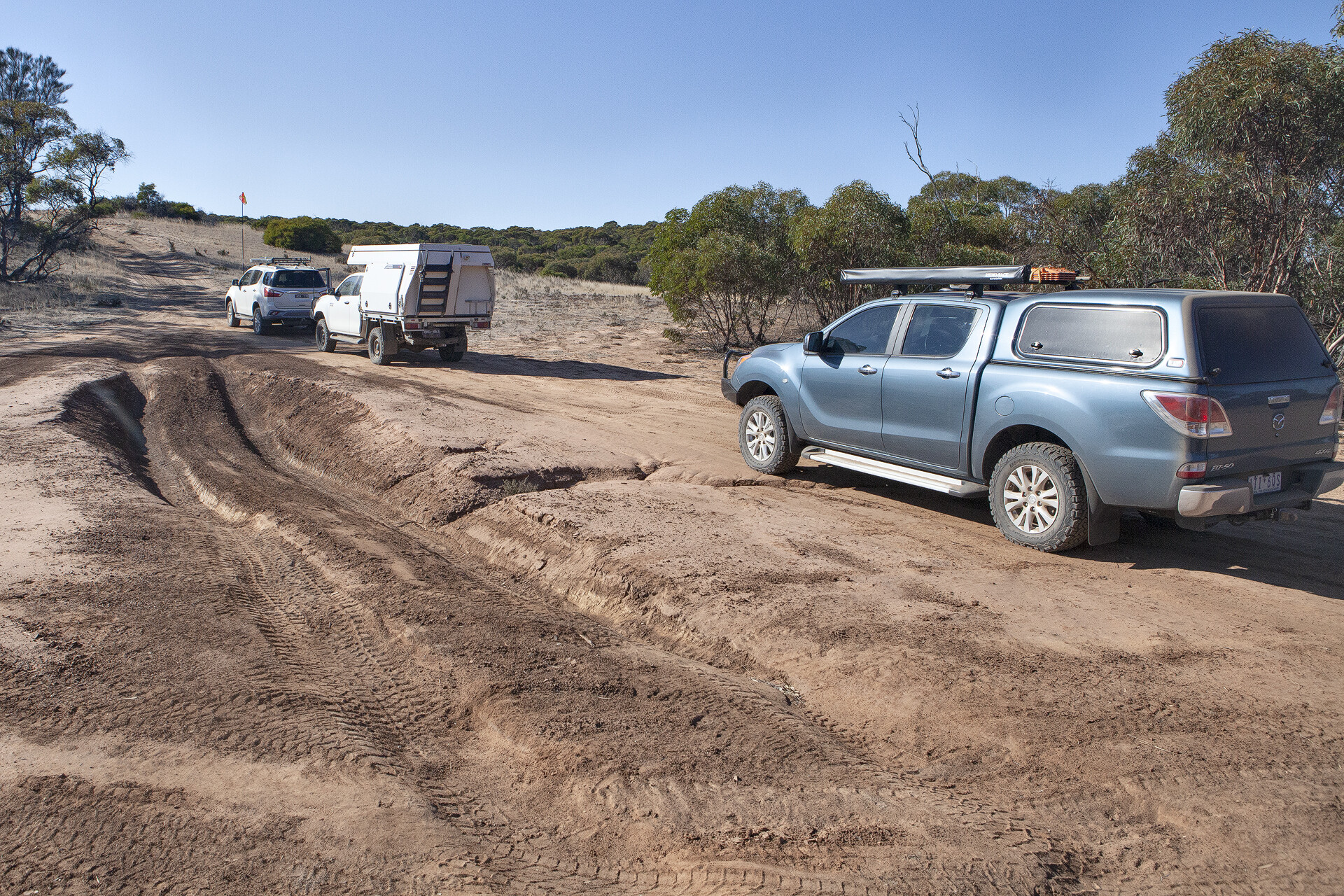
The northeastern side of the Park has areas of native pine and the scrub is noticeably taller in places, perhaps due to a different mix of sediments and sand. The pure white sand we had become accustomed to was, in parts, replaced by redder sand whose higher clay content would hold water better – an argument supported by the occasional dry bog hole found on the track. One ‘wallow’ we came across that had been gouged out over a metre deep was clearly the handiwork of the aforementioned feral community. After rain, with the hole full to ground level, it would certainly provide poetic justice to anyone thinking it was just a shallow bog they could play in with their 4×4.
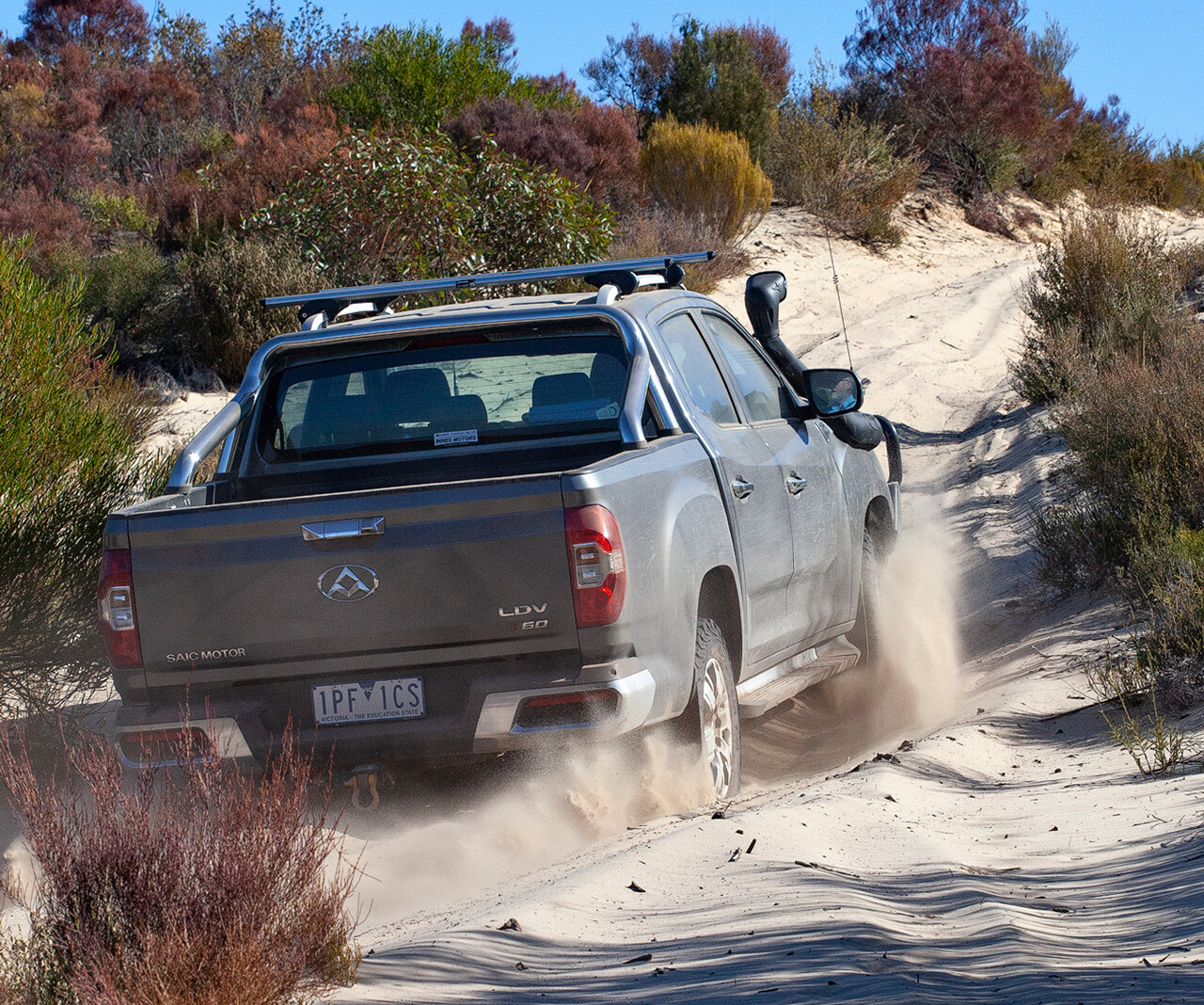
Anyone looking for a challenging 4×4 climb should plan a lunch stop at White Springs. This large open area with a few scattered trees for shade and a picnic table sits at the base of a tall, sandy ridge. A lookout atop the ridge is accessed by a steep track where the soft sand makes just walking up a challenge. After a couple of attempts it became obvious that only the most capable rig with plenty of grunt and appropriate tyres would have a chance of making it to the top. All was not lost however, as a couple of hundred metres to the west we subsequently discovered another track offering easier access to the lookout.
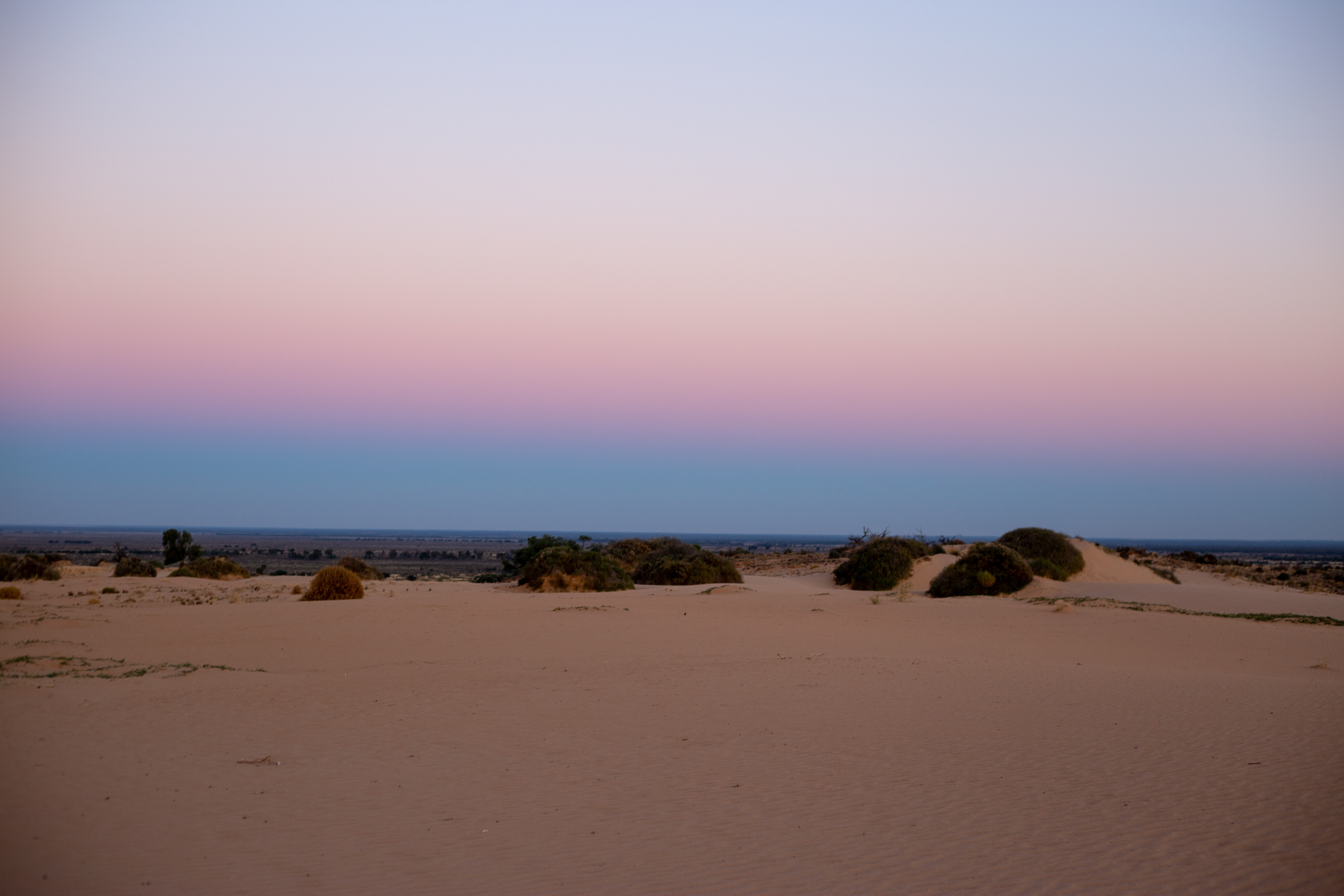
Back at camp, there is a 300m walk to a lookout that provides expansive views over the surrounding Mallee scrub. It is especially worth a visit at sunset and sunrise to take in the delicate pastel colours that paint the sky at these times of day. The best light shows occur when there are a few streaky clouds in the sky that light up with vibrant reds, yellows and pinks with the first (or last) rays of sunlight. Budding photographers be warned that these early morning scenes can be very difficult to capture effectively with a camera (read more, below).
Those tired of their own burnt offerings can drive 36km north from Big Billy Bore to grab a meal at the Murrayville Pub. Fuel and other supplies can also be sourced from this small town (population 380).
Having criss-crossed almost every track north of Big Billy, our last day was spent exploring the tracks farther east and south where the terrain was more undulating and the dunes a little more challenging. At the extreme northwest of the Big Desert it is possible to cross into South Australia and pick up the one-way 90km Border Track. This route which runs south has some challenging dunes and is a popular 4×4 destination, but being one-way and slow going, a day trip from our base camp at Big Billy wasn’t a realistic option.
SANDY KAYS
In total, we clocked up 300km on the sand – a distance which seems even longer when you cover it at an average speed of about 20km/h. Much beyond that and you are likely to experience flight (something 4x4s have never excelled at) followed by a heavy landing. Our Mazda BT-50 was a happier beast to drive in low range, although that came at the expense of fuel consumption. While the drive up from Melbourne averaged 10.8L/100km, that jumped to 17.5L on the sand and without the extra 20L of diesel carried with us, there would have only been 5L left in the Mazda’s tank when we filled up back at Nhill (note to self: get that 150L long-range tank fitted!)
The Mallee isn’t challenging, but it does provide the experience of sand driving that isn’t readily available elsewhere in Victoria. As such it’s a great training ground to prepare for a trip across the Simpson or other deserts and get a better handle on your rig’s fuel consumption in those conditions. It’s also a great place to just kick back, sit atop a sand dune and be at one with this timeless land.
PHOTOGRAPHY LESSON
One of the most common questions about photography is why a beautiful sunset over a foreground of bush whose leaves are painted gold by the last rays of the sun can’t be adequately captured by a camera.
The human eye can see about 24 stops of light (stops are a photographic measure of light – the f4, f5.6 you may have seen on your camera, and each stop ‘sees’ twice as much light as the stop before it). The human eye almost instantly adjusts subconsciously to see detail in dark shadows and the bright sky at the same time. A camera can ‘see’ about 12 stops, so it is only half as good as the eye and it only has one exposure (not the variable exposure our eyes provide) perhaps capturing the bright sky but leaving the shadows solid black and featureless, or detail in the shadows but the sky white and without detail.
Modern cameras try to get around this problem by using HDR (High Dynamic Range) where the camera takes three images at different exposures and combines them into one. The resulting images are usually not perfect but certainly better than nothing – and getting better as technology improves.
Software like Photoshop can tease detail out of shadows or can combine two or more photos separately exposed for the sky and the shadowy foreground. But, before the images are combined, they usually need processing in Photoshop for a range of colour and detail to replicate the scene as it appeared to the human eye.
Travel Planner
WHERE Big Desert Wilderness Park is located in northwest Vic, approx. 500km from Melbourne.
WHEN TO TRAVEL In the cooler months as summer can see temperatures of 40˚C or more during the day.
STAYING THERE Big Billy Bore is the principal campground with a shower, toilet, camp kitchen (with gas barbecues) and bore water. The water is not treated and unsuitable for drinking Reduce tyre pressure on sand.
SUPPLIES Food and fuel can be found at Nhill, 100km south of Big Billy Bore, or at Murrayville, 36km to the north.
ROAD CONDITIONS The largely gravel Murrayville Track from Nhill can be rough and corrugated, depending on weather and when last graded. After heavy rain, tracks can become boggy.
MAPS Westprint: Outback Victoria. Meridian Maps: Victoria’s Deserts touring guide. A good quality paper map and a GPS are recommended.
CONTACTS Parks Victoria: Phone 13 1963. Web: http://bit.ly/bigdesert
Mungo National Park is around an 11-hour drive from Sydney, seven hours from Melbourne and six hours from Adelaide, and lies within NSW’s Willandra Lakes Region World Heritage Area in the southwest of the state. This place is a highly significant area for Aboriginal culture, particularly for Ngyiampaa, Mutthi Mutthi and Southern Paakantyi people. There are hundreds of stories from country and more occurring everyday as the shifting sands reveal hidden secrets.
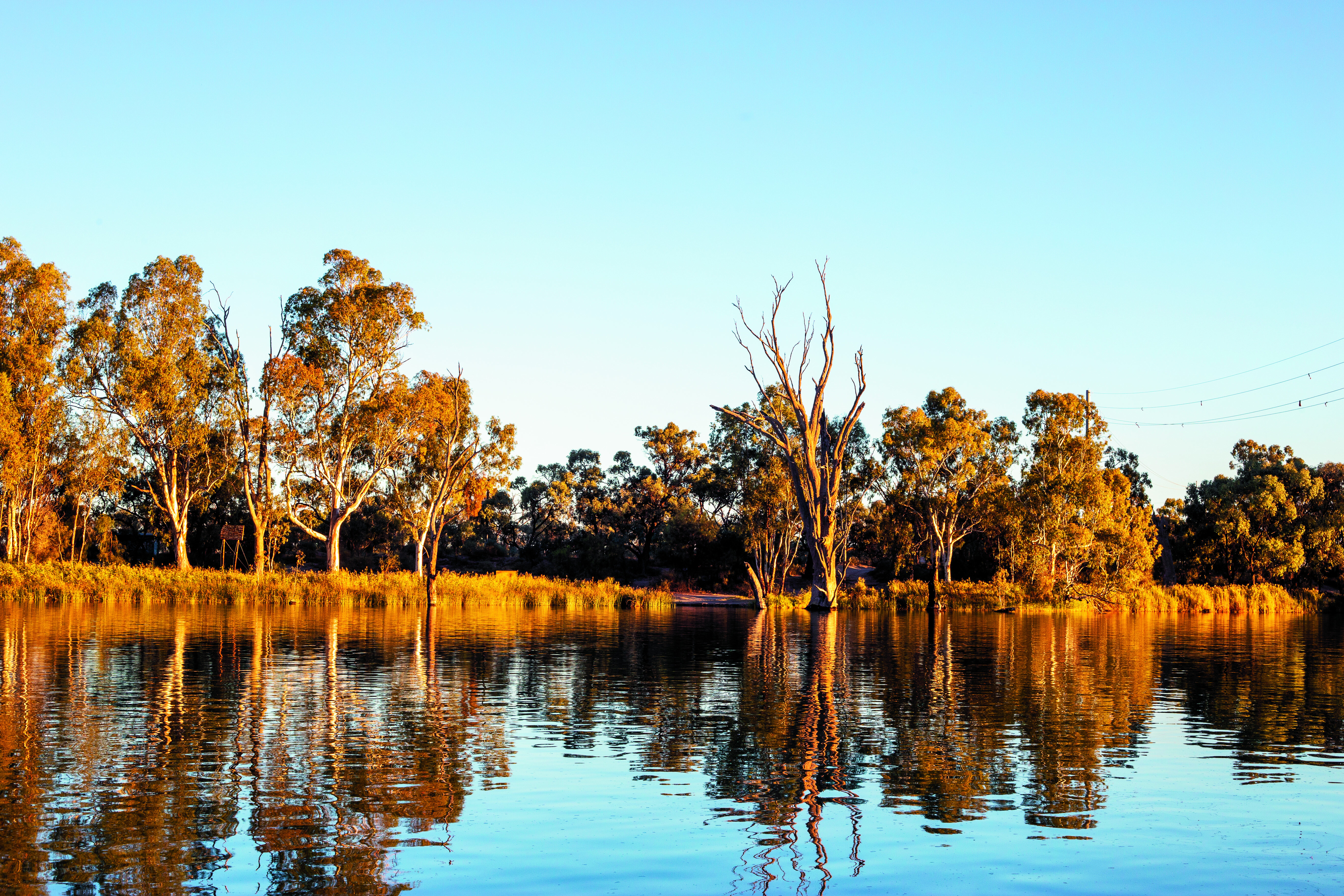
The blacktop run from any capital city is pretty significant, but worth it. If you need a great overnight spot to launch your Mungo mission, the Murray River town of Gol Gol, NSW, is as good as any. Situated right on the banks of the mighty Murray is Rivergarden Holiday Park. It has flat campsites, cabins, a great camp kitchen, and clean, modern amenities. The park backs on to the river and is a pearler of a spot to enjoy a Murray River sunset, while the Gol Gol pub is a modern joint with good food and a one-kilometre walk down the road.
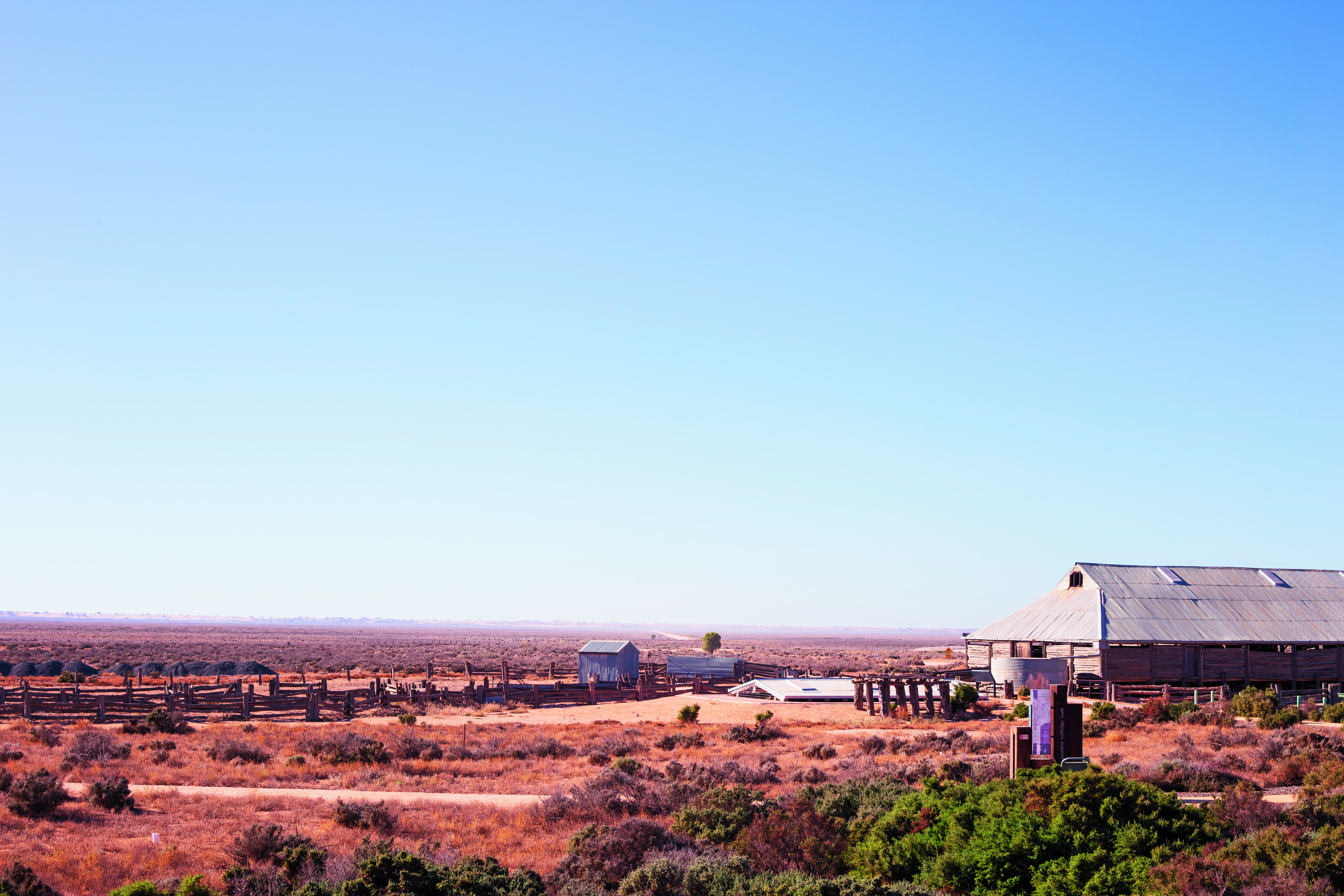
It is a relatively short run from Gol Gol to Mungo National Park (130km) with the first 50km blacktop, then a pretty well-serviced dirt road after that. As with any outback travel, there are literally stories all along the way.
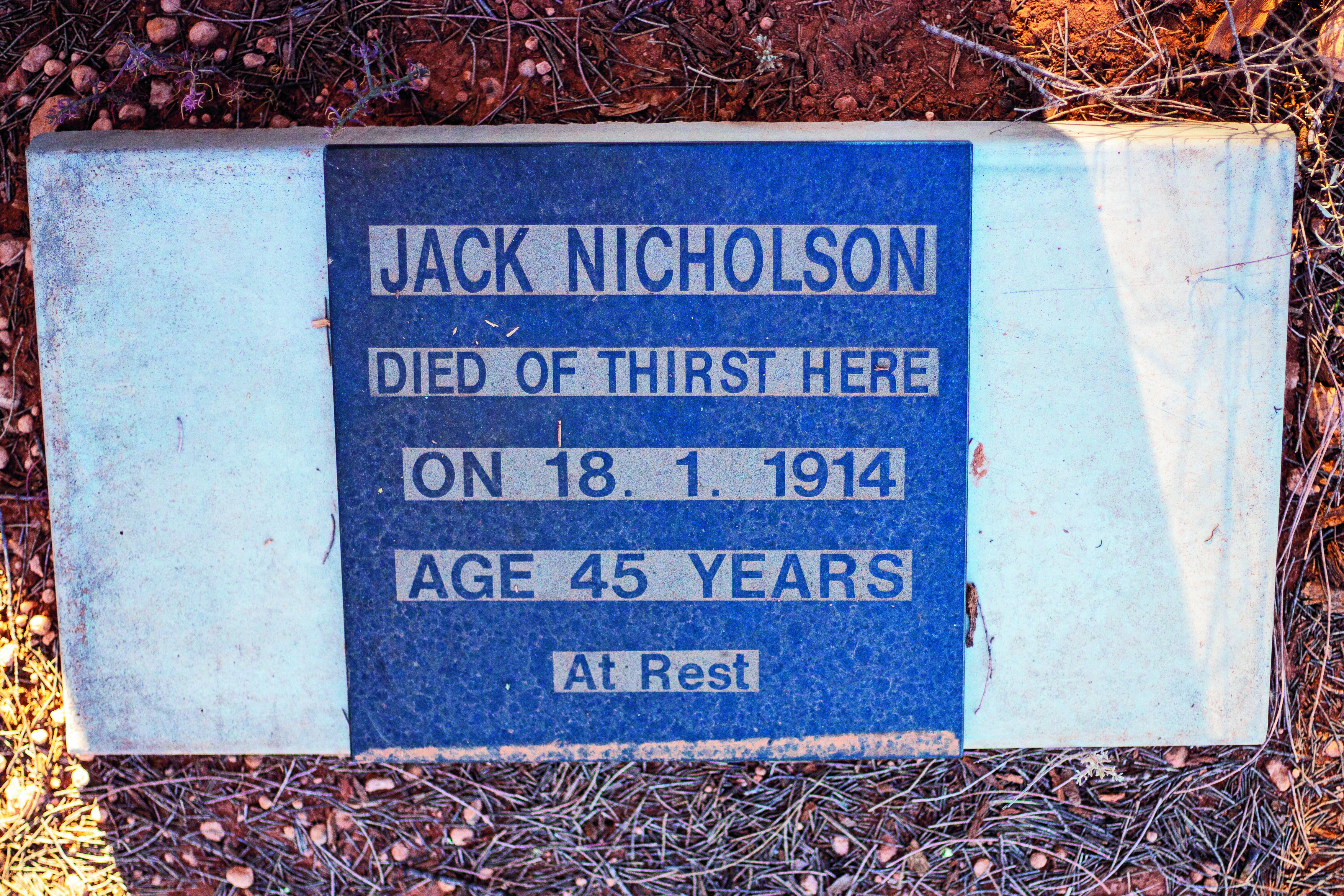
A tragedy occurred in the heat of January, 1914. A farm worker, Jack Nicholson, had a blue with the station owner where he was working. He stormed off the property determined to walk to town, around 30km away. Poor Jack underestimated his undertaking and died of thirst on the way. Where he died was marked on a Mallee tree, which went unfound for decades. A bunch of locals set about rectifying that and finally found the tree. They laid a headstone and erected a chain fence to commemorate the misadventure of Jack Nicholson. The man died in a lonely, desolate place. Keep an eye for a small stand of mallee scrub around 14km out of Gol Gol if you want to visit the gravesite.
MUNGO NATIONAL PARK
You are greeted by a cattle grid marking the entry to the Park, immediately after Mungo Lodge. The Lodge has cabins, rooms and provides food, cold drinks and a souvenir shop, with an area to camp out the back. Compared to what is on offer a kilometre down the road in Mungo NP, there is no comparison.
Accommodation in Mungo NP is either at two camp areas or the Shearers Quarters at the Mungo Information Centre, where there are public showers and toilets. The campsites are Main Camp, on your right as you hit the Park’s entry, and Belah Camp on the Self Drive Loop. A word of warning: Make sure you book your camp spots, as Main Camp was booked out and it wasn’t school holidays.
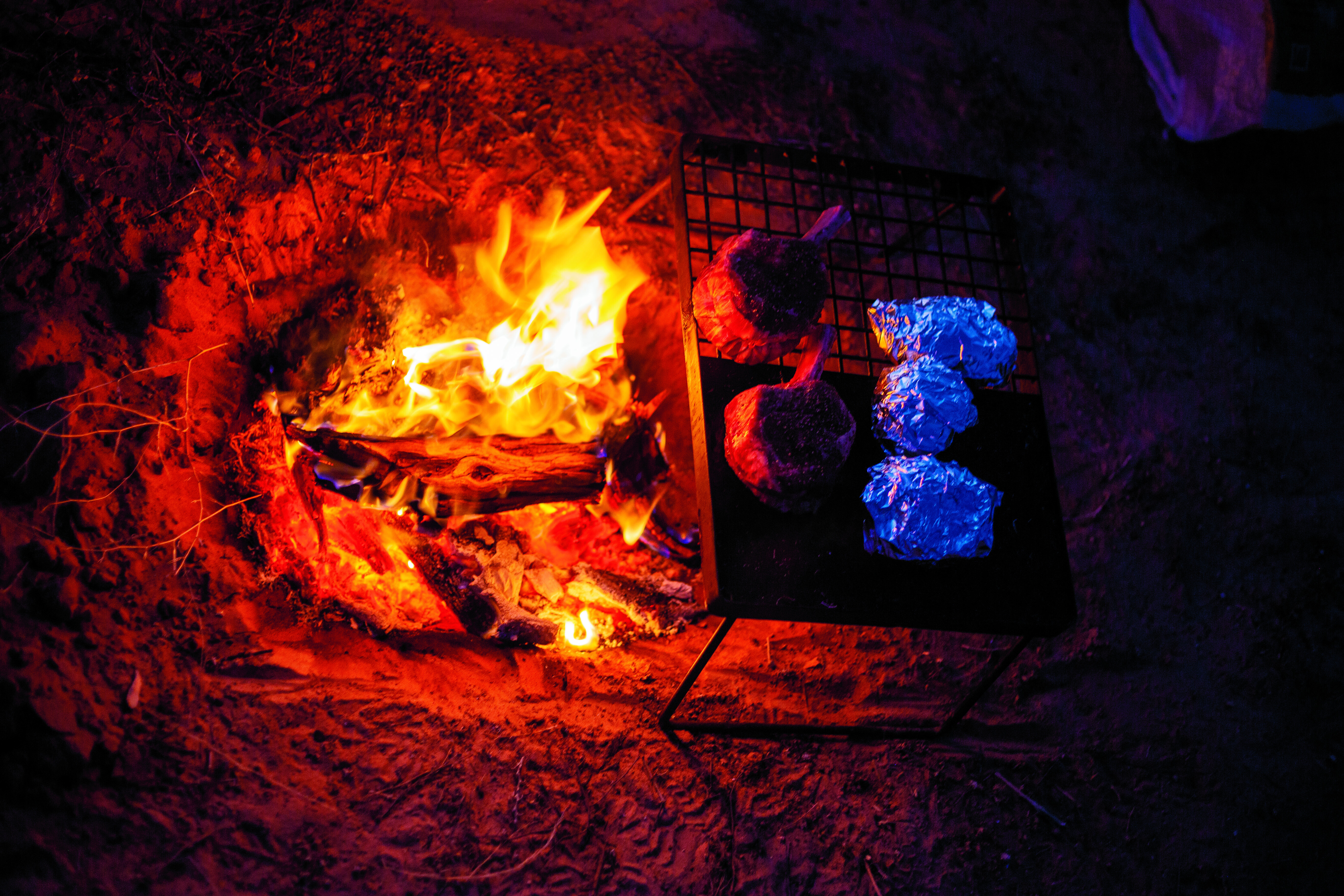
Main Camp is a beauty and a typical National Park maintained site. There are 33 sites available and each has its own firepit and barbecue plate, but you will need to bring your own wood. The sites are flat, with a camp kitchen, toilets and picnic shelters dotted around Main Camp. The picnic tables have small water tanks which capture rainwater and are good for a wash, but best to treat the water before drinking.
Adding to Main Camp’s charm is the prolific wildlife. You may have to escort a kangaroo off the well-groomed path to the camp kitchen, and the bird life certainly lets you know when morning has broken. Plenty of trees provide shade for campers, and this place has a beautiful outback ambience. There are a few walks from Main Camp (Mungo Lookout and the Grasslands Nature trail) and it is a quality spot to base yourself for a few days while you explore the delights Mungo has to offer.
Belah Camp is presently shut with the partial closure for maintenance of the 70km self-drive loop, with a review on its current status announced at the end of August. For further information on this and other alerts, phone the Park’s Buronga office on (03) 5021 8900 or check the website for closures and alerts at nationalparks.nsw.gov.au
So it pays to plan your trip, as Mungo National Park is for the self-sufficient tourer. Park fees are $8 a day per vehicle, on top of camping fees which are $24.60 a night per site. You’ll need to fill out a self-registration form at the visitor centre – even if the centre is unstaffed at the time.
Once camp has been set up, the Visitor Information Centre is the hub of activity and information. It may not be staffed all the time (it is during school holidays) but you can explore it at any time. As mentioned, it also provides showers and toilets for park visitors as well as barbecue and picnic shelters. Inside the Centre is where you book tours and pick up brochures. If it is unattended, the Boronga Office can assist you (there is very limited mobile coverage, so plan ahead).
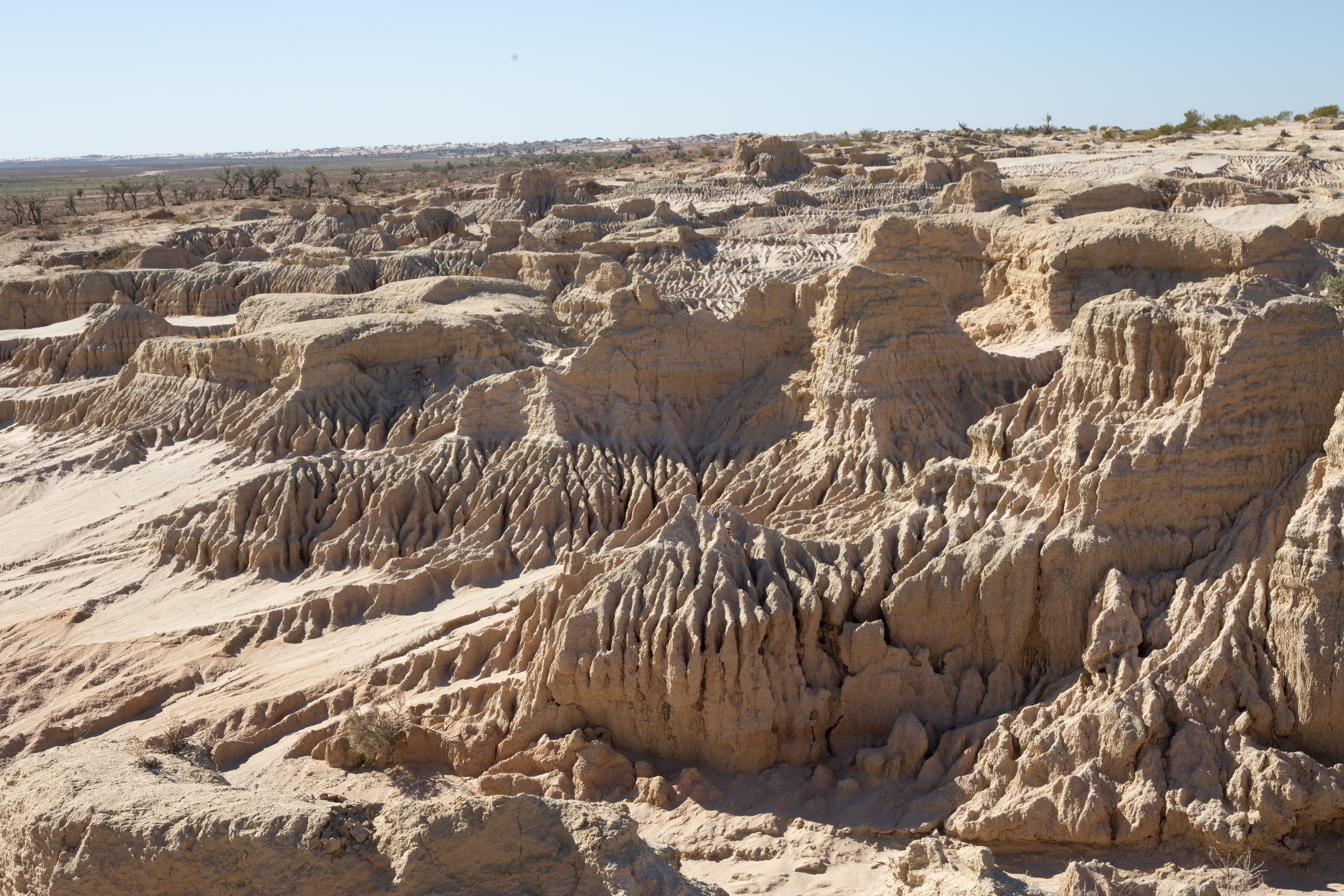
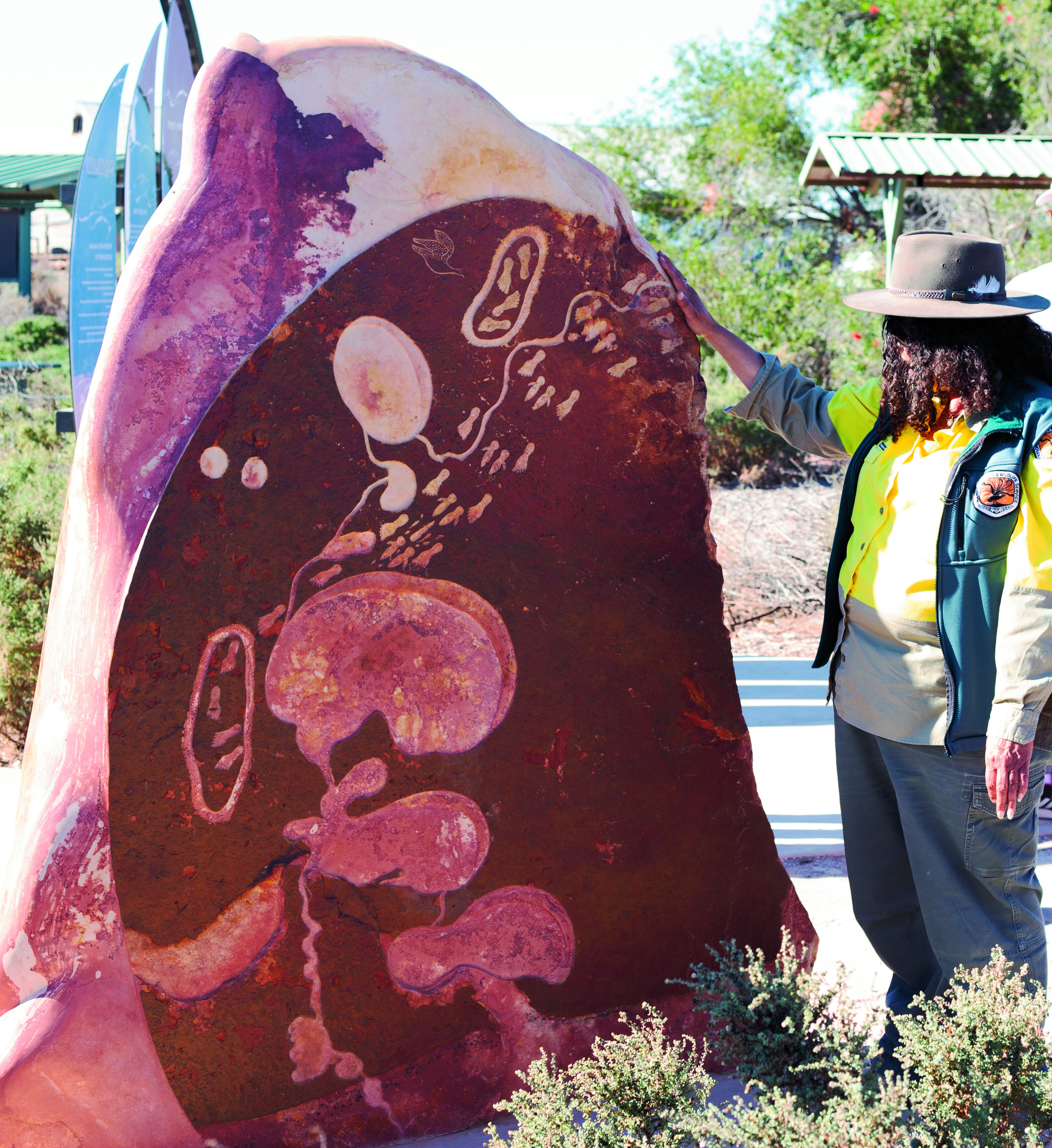
Out the back of the Visitor Centre are amazing displays, an ancient sandstone ‘Mungo story’ carving and a viewing platform. The displays contain plaster casts of footprints which have been dated back 20,000 years. The lookout platform is shaped as a sand dune and the views extend from the old Mungo Woolshed (built out of local cypress pine in 1869 and at its peak sheared 50,000 sheep a season) across Lake Mungo to the Walls of China.
The above-mentioned footprints have been arranged as they were found. Particularly interesting is the one-legged hunter’s footsteps. Ranger Tanya Charles relayed the story that he was most likely born without a foot and was able to adapt to his misfortune by bounding along on hunts with the other members of his tribe. He certainly cracked along at a good pace, as his steps are almost three metres apart!
The highlight of a trip to Mungo is a Guided Tour. There are a few commercial options but the Walls of China tour, led by an NPWS Aboriginal ranger would be the pinnacle experience. On the tour we had, ranger Tanya Charles and ranger Lance Jones were our guides, sharing the unique stories Mungo has to offer. As the sands of the desert change, more and more stories emerge in one of the most spectacular outback landscapes in NSW. It is an incredibly spiritual place and stories are relayed with knowledge and passion, revealing an unbroken connection to country. The sunset is greeted with silence. Time on an ancient sand dune, watching the sun dip to leave a pink-stained sky is nothing short of moving. The two-hour tour should be on every visitor’s bucket list. Make sure you thank the rangers for allowing you to walk on their country.
While group tours are not for everyone, the insights provided on the National Park’s Sunset Tour is worth
GOING SOLO
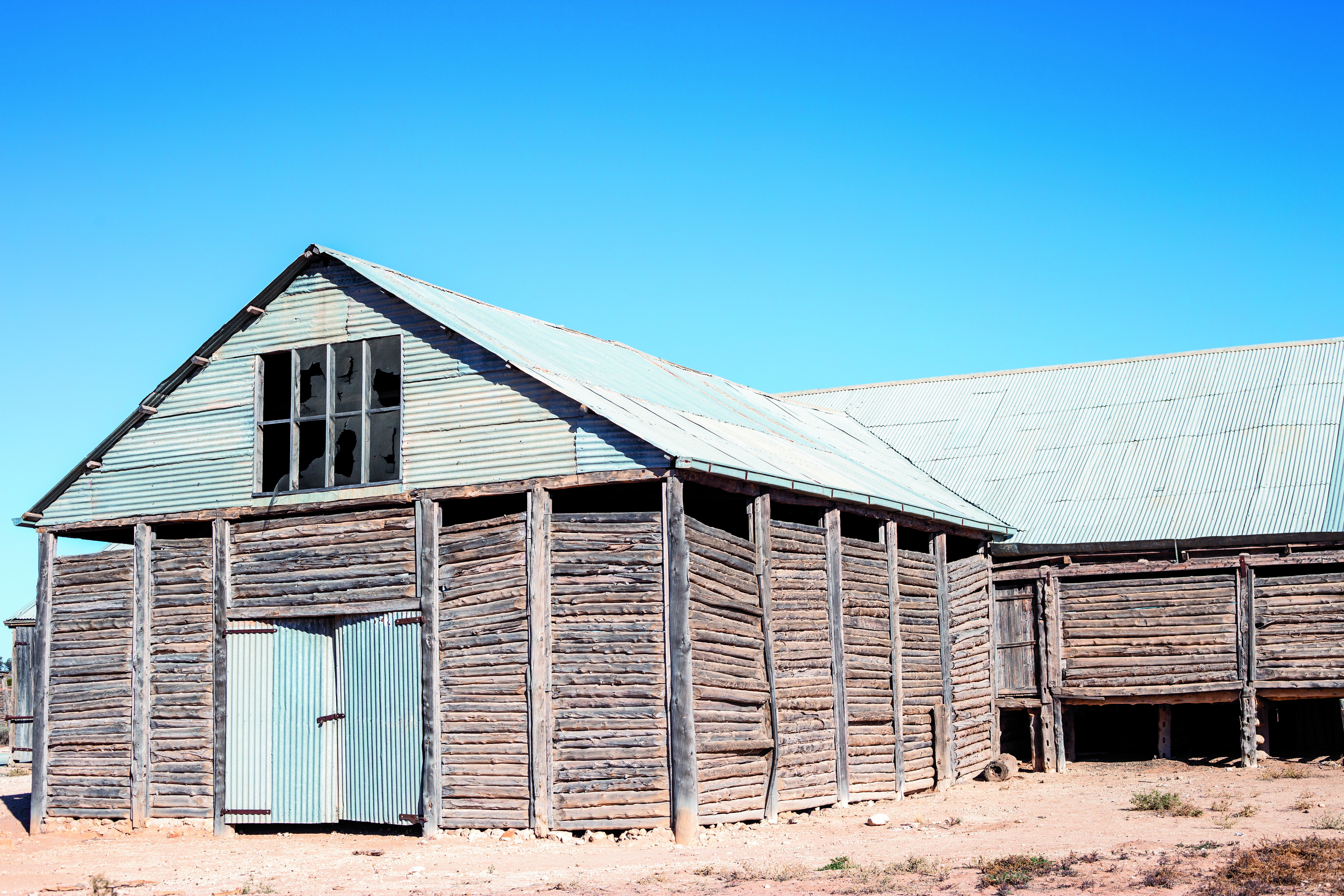
There is also the self-guided 70km Mungo Loop track that traverses the desert landscape that Lake Mungo sits in and the mallee scrub that surrounds it. As mentioned, the Mungo Loop was closed on this visit and hopefully reopens at the end of August. So, I guess that means another trip out here to experience it!
The Zanci Pastoral Loop is a 10km drive that takes you north from the Visitors Centre. It can also be easily walked as it is pretty flat, or jump on a mountain bike if you have one with you. One of the highlights is the ruins of Zanci Station which plays an integral part in Mungo’s recent history. It was established in 1934 by Albert and Venda Barnes when they purchased Mungo which included Zanci. The Barnes sold the land to the NSW National Parks and Wildlife Service (NPWS) in 1978, with Mungo National Park created in 1979. Zanci (which adjoined Mungo) was sold to NPWS in 1984.
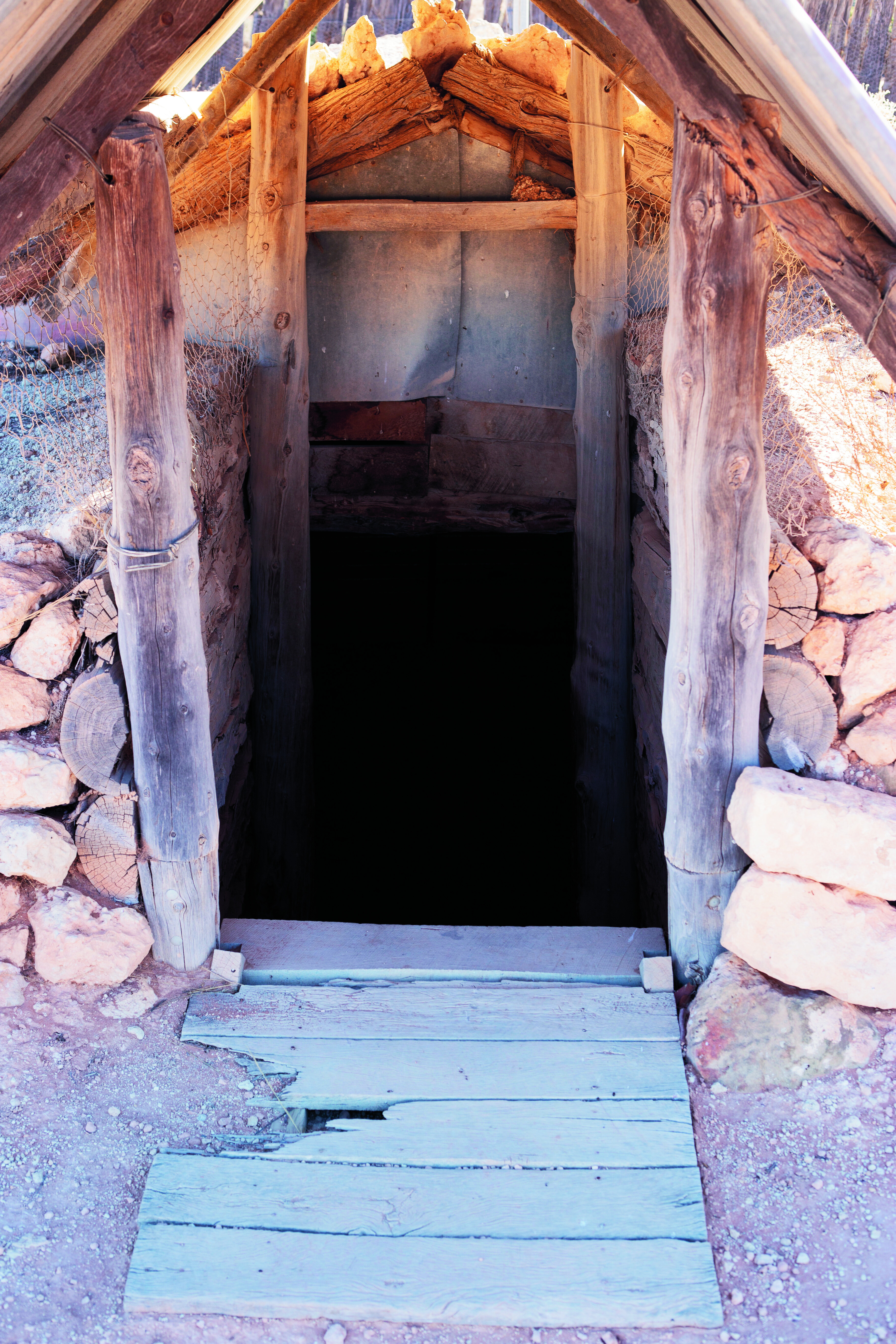
The remnants of Zanci make for a fascinating stop on the loop, with ruins including a sturdy-looking fireplace and an underground meat-house. Farther along the loop is the Zanci shearing shed which has an historical pastoralists display inside. Always in the background are the spectacular Walls of China, thought to be named by the Chinese who sought their fortunes in the gold rush of the late 1800s. The Loop finishes back at the Visitor Centre.
WALKING TRAILS
From Main Camp you have the short walk to the western lookout which casts your eye across the lake to the Walls of China, and the view is spectacular at sunset. Then there’s the Grasslands Nature Trail, an easy loop showing off the local grasses, mallee scrub and all its inhabitants.
The Foreshore walk leaves on a well-marked trail near the woolshed. The trail leads through the bluebush of the lake’s western shore and leads up to a red dune (all the other sand around is white) and a stand of mallee and cypress pines.
The Mallee Stop walking track was closed, but it would be one to conquer when the eastern side of the park reopens. If you like to explore in tranquillity the mallee eucalypts and spinifex-covered dunes, then add this walk to your to-do list.
FOR THE FOUR-WHEELER
For the four-wheel driver, there’s not much in the way of challenging driving; you won’t need low range at all in the park, but don’t venture off the well-formed tracks. Running around in high range is recommended, but not essential. Drop your pressures though, as there are some corrugations in some parts and a softer footprint helps keep the tracks in good order.
One thing to remind yourself is that while you are in the middle of nowhere, there are others driving around as well. Take caution pulling out of the Visitor Centre’s car park (have a bloody look) to see if there is a vehicle coming down the road. The roads are sand based but there are sharp rocks on the edges, just waiting to slice your side walls.
Mungo has so much Aboriginal heritage that is constantly being unearthed as the winds shift the sand, and watching the sunset paint the big sky all manner of orange and pink is magical. If you get your timing right and turn eastward you can then watch the full moon pop up over the Walls of China for chills of the best kind (oh, and pack a jacket as it does get cool quickly). The view from the car park at the Walls is a great spot to watch the moon rise.
ON THE WAY
It’s always great to share good spots to overnight when you’re punching big kilometres to get into the outback. Here are a few coming from Sydney that are recommended.
Cocoparra National Park just outside Yenda and Griffith. The camp is easy to access just off the Mid-Western Highway and Burley Griffin Way. Woolshed Flats is a great camp area with a large open area for bigger groups, or a dozen small campsites. There are great facilities including shelter, information board and toilets. Cocoparra is a little gem as it’s nestled in the Cocoparra Ranges, has a few well-marked walks, picnic areas and lots of wildlife. It also has limited mobile access (Telstra 1 bar of 4G.) The Park is a 20-minute drive from Yenda.
Yenda is a great place to refuel and grab some supplies. The town is home to the Yenda Brewery, and a few pale ales around a Cocoparra Campfire is a mighty pleasant experience.
Barellan on Burley Griffin Way is another nice spot, and the pub looks fantastic and has free camping spots beside it. It’s an easy choice to pull in for a lightning overnighter on your travels. Just a lovely spot and town.
Also on Burley Griffin Way is the twin town of Harden-Murrumburrah. It’s your classic country town where the main street echoes the community’s pride. With a couple of cafes, a pub and friendly locals, it’s worth a stop if you need a stretch.
Driving through Darlington Point on Kidman Way, I couldn’t help thinking this place was a beauty. It is as clean as a whistle, with a lovely caravan park nestled in the middle of town beside the Murrumbidgee River. There are fuel and supply options aplenty and a welcoming ambience. It’s on the list for an overnighter, too.
STARGAZING
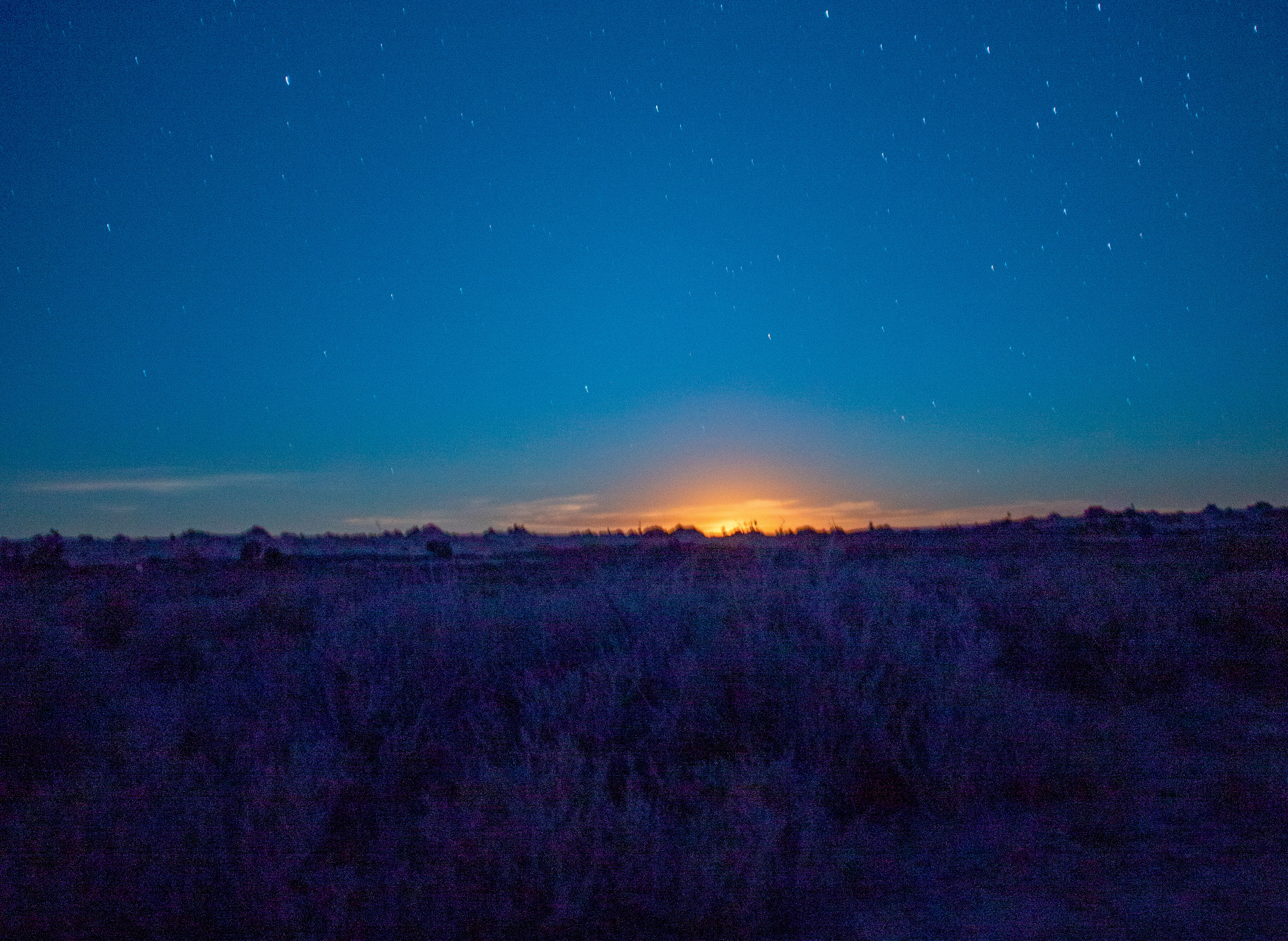
For the stargazers amongst us, Mungo is dark-sky country and the Milky Way is luminescent. It was amazing to gaze skyward and see stars upon stars. One of the most spectacular constellations is Dark Emu (the book of the same name is a fascinating read, too). It references that the indigenous people looked through the stars, as opposed to Europeans who looked at the stars. I was lucky to have the Dark Emu pointed out to me, residing in the Milky Way and shaped by the stars. Emus were creator spirits in Dreamtime stories.
Speaking of spirits. Ranger Tanya Charles was on country when Mungo Women was repatriated. As her bones returned to country, willy-willies popped up and sped across the lakes. It is said the willy-willies are spirits and her spirit returned to country during that ceremony. For Indigenous people, the first frost of the season meant that emus were laying and crayfish were rising in the creeks and rivers. Nature’s very own surf-n-turf.
Our final camp on the trip was on private property that borders Mungo. We were treated to our own private sand dune, a spectacular dark sky and a full moon rising later in the evening. The pack-up the next morning was in the most beautiful light, it was as if the spirits were showing off.
Mungo National Park is World Heritage listed, thank goodness, and is an Australian treasure for all Australians. Add it to your bucket list and plan for four days at a minimum. There’s a lot to do, see and hear about out there.
Five places To see
1. Lake Mungo 2. Walls of China 3. Zanci Pastoral Loop 4. Mungo Lodge 5. Gol Gol
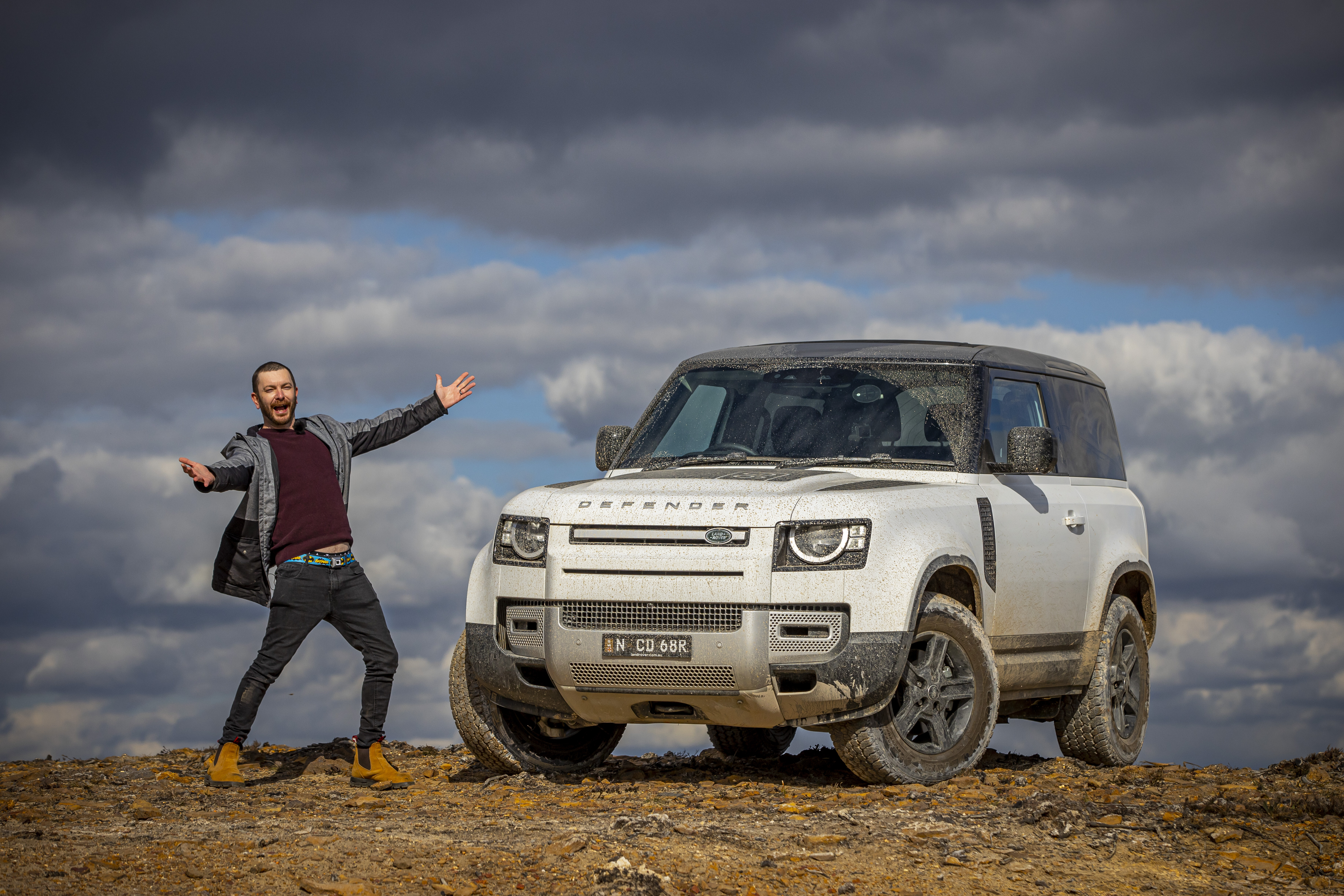
IT’S not every day you get to drive a stripped-back base model short-wheel base four-wheel drive, with a price tag of more than $95,000. It was certainly a first for me, but it’s exactly what this D200 Land Rover Defender 90 you see before you is.
In saying that, it’s really hard to say this is a pov-pack model, far from it. In this current Defender line-up though, this is essentially as basic as it gets. And I for one, am fine with that.
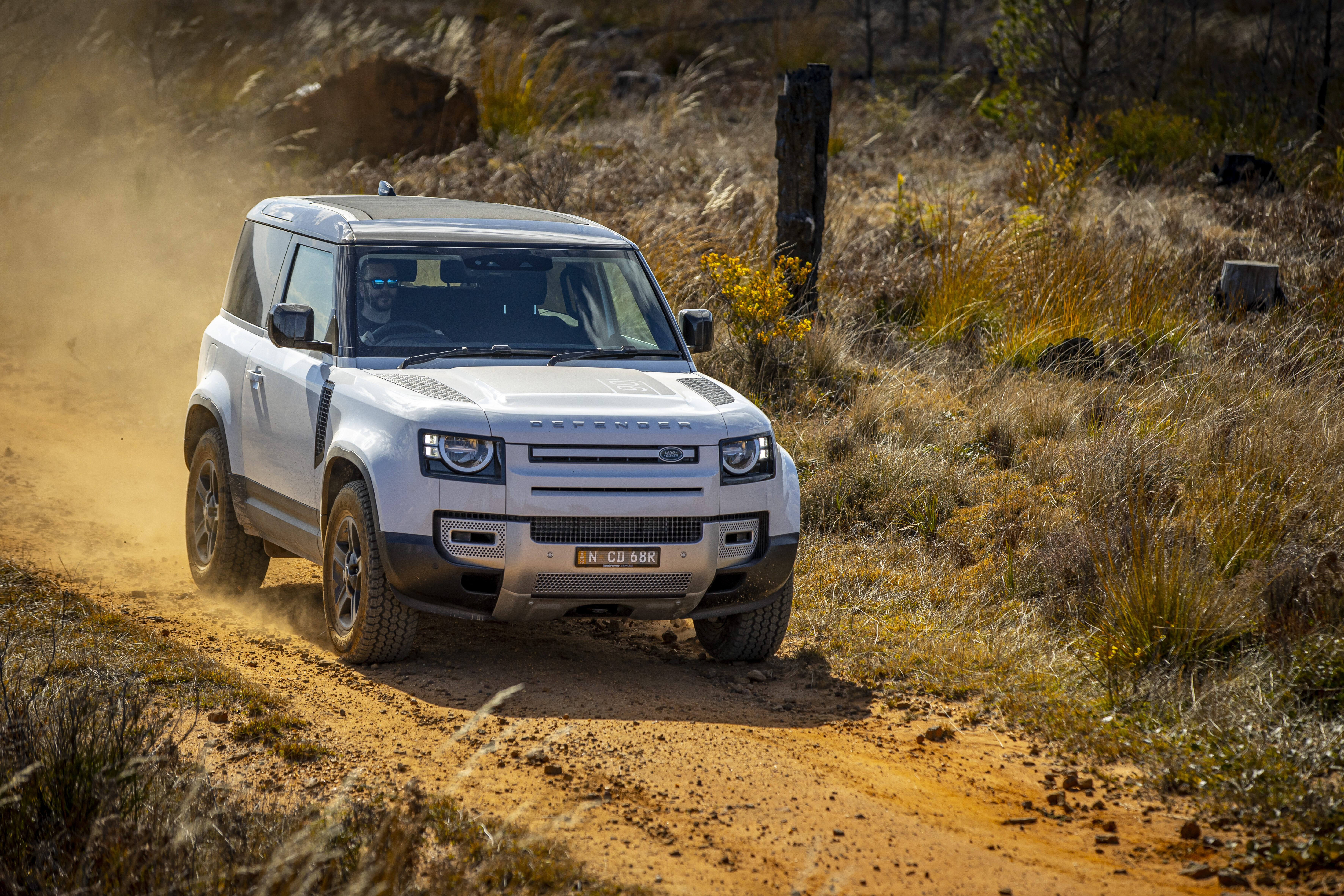
This particular example has been decked out with a bunch of factory fitted accessories, such as alloy wheels (yes, I know, you all want the white steel wheels), a folding canvas electric roof and a smart rear-view mirror.
Inside though, it’s still a mostly practical affair, clad with rubber flooring and cloth seats. This Defender as tested, is also riding on coil springs, not the optional air-suspension which we’ll touch on later.
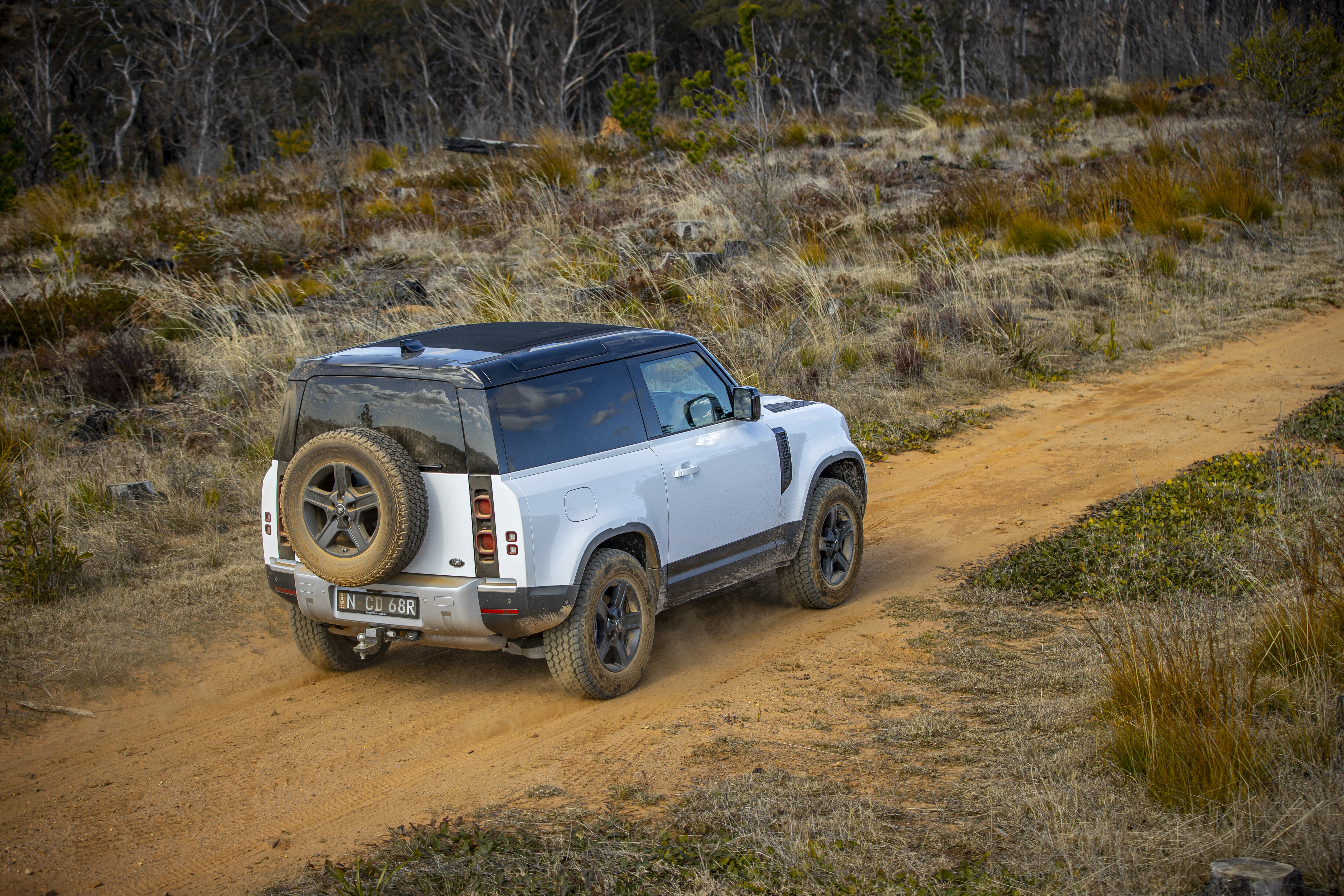
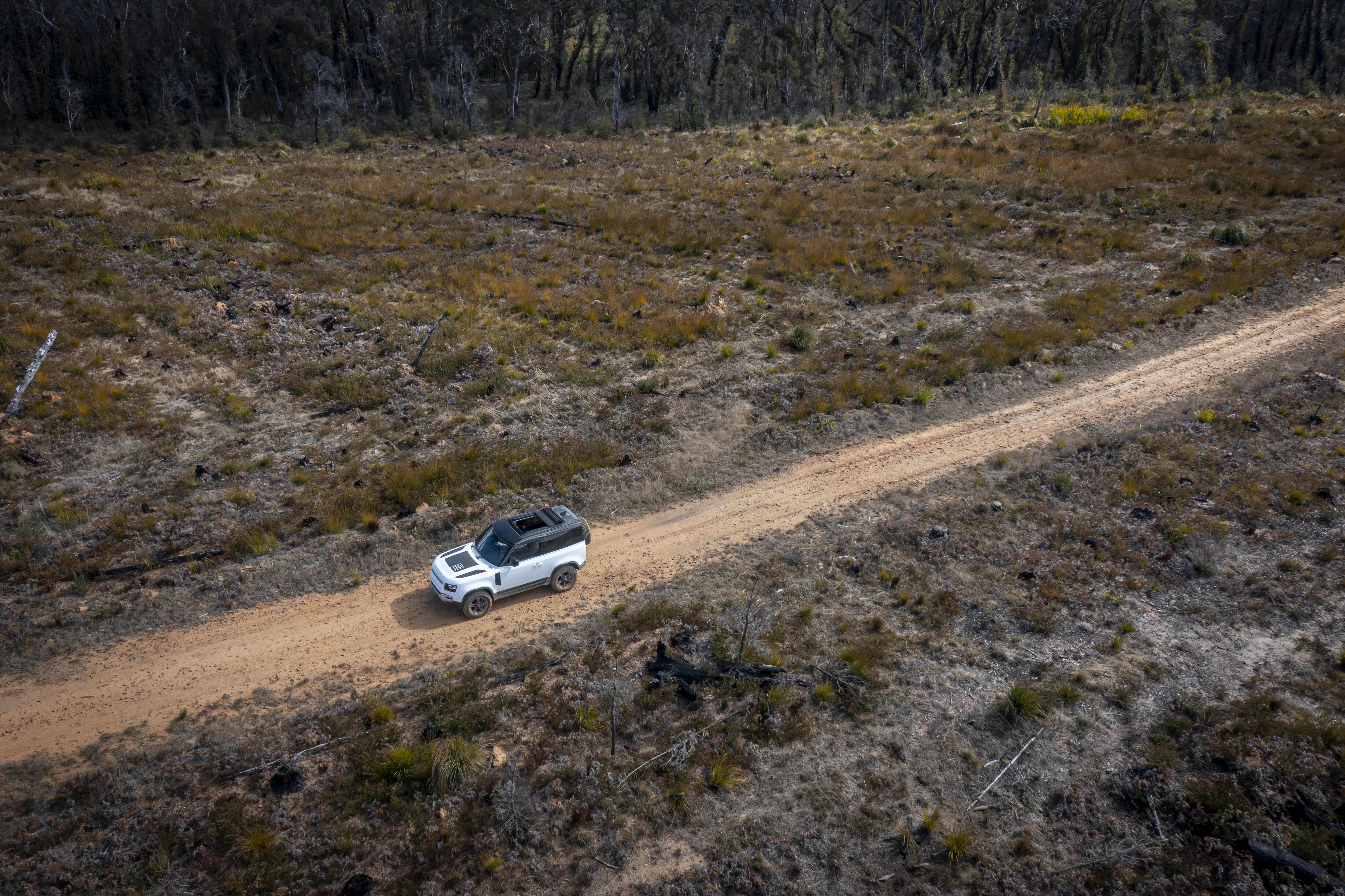
I wanted to focus largely on the off-road ability of the Defender 90 in this review, because this is where a SWB 4×4 should shine. But if you want to see how it performs on road, check out this review from our sister publication Wheels.
With that out of the way, let’s get down and dirty and see what the D200 Defender 90 is like to drive.
POWERTRAIN & PERFORMANCE
WITH 500Nm of torque and 147kW available, the D200 Defender 90 is no slouch. Far from it.
Combine that with an 8-speed automatic gearbox, the 3.0L twin-turbo in-line 6-cylinder engine moves 2236kg of Land Rover around with brisk ease. Power delivery is smooth and linear, the engine actually sounds nice in the process as well.
Interestingly, Land Rover provide a claimed top speed for the D200, which they say tops out well over the speed limit at 175km/h. Naturally, we can’t confirm nor deny this.
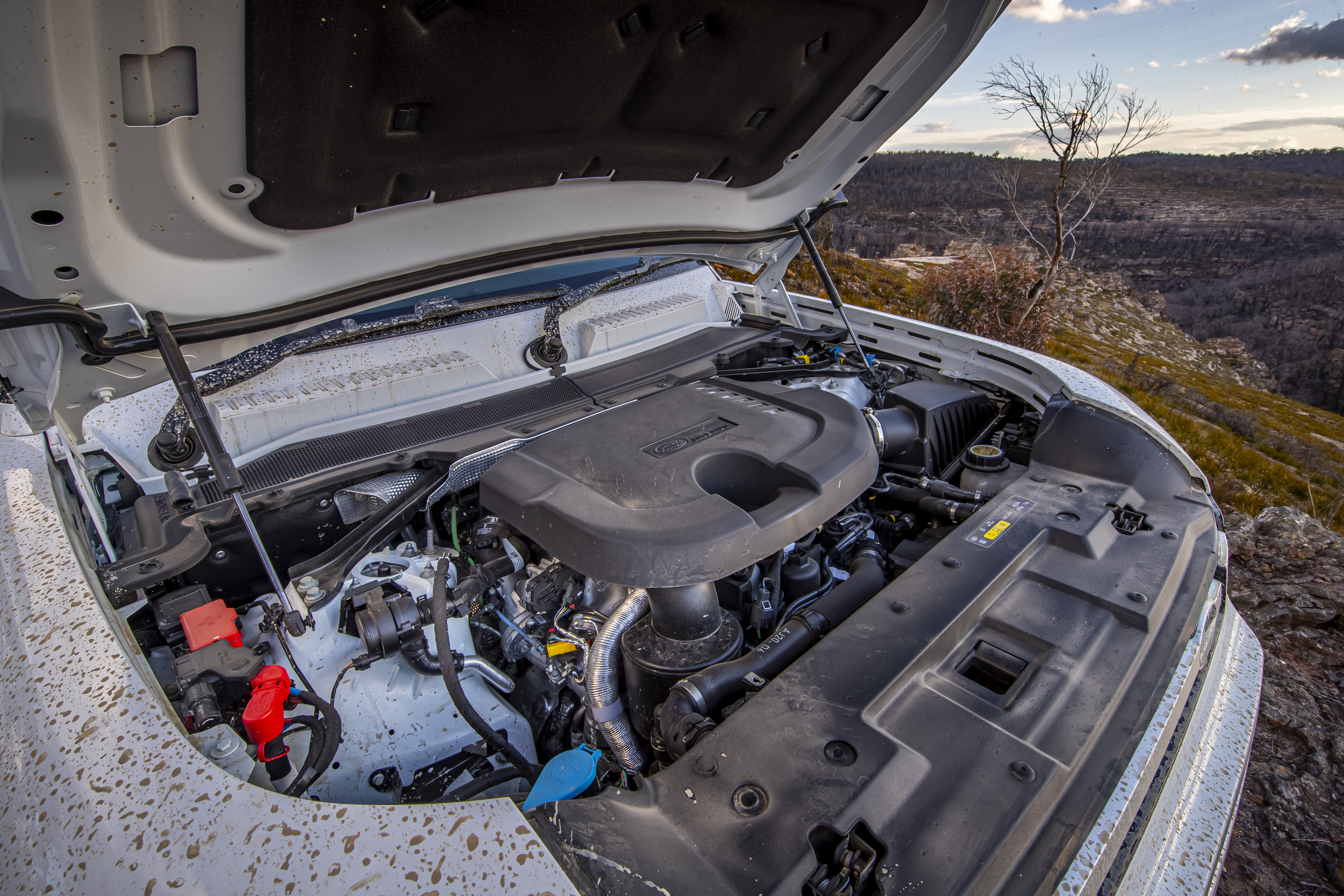
This engine, Land Rover’s marketing team have dubbed as the Ingenium series, also features a mild hybrid (MHEV) system, which I’m not going to pretend to understand. But I also don’t understand how to rebuild the carburettor on my Suzuki Sierra.
The gist of it from my (limited) understanding, is this system generates, stores and makes available energy that would otherwise be wasted during deacceleration. This in theory should provide better fuel economy, and offer a boost in stored energy for power hungry inclusions such as Stop/Start function and the electronically controlled power steering. It requires no input from the driver thankfully, which was my first question upon picking this Defender up.
It must be said though, this certainly is now a complicated vehicle, a far cry from the Defender of old which could be fixed with a brick and a positive attitude. On the flip side, it’s refined and powerful; something the previous generation Defender never was nor could be.
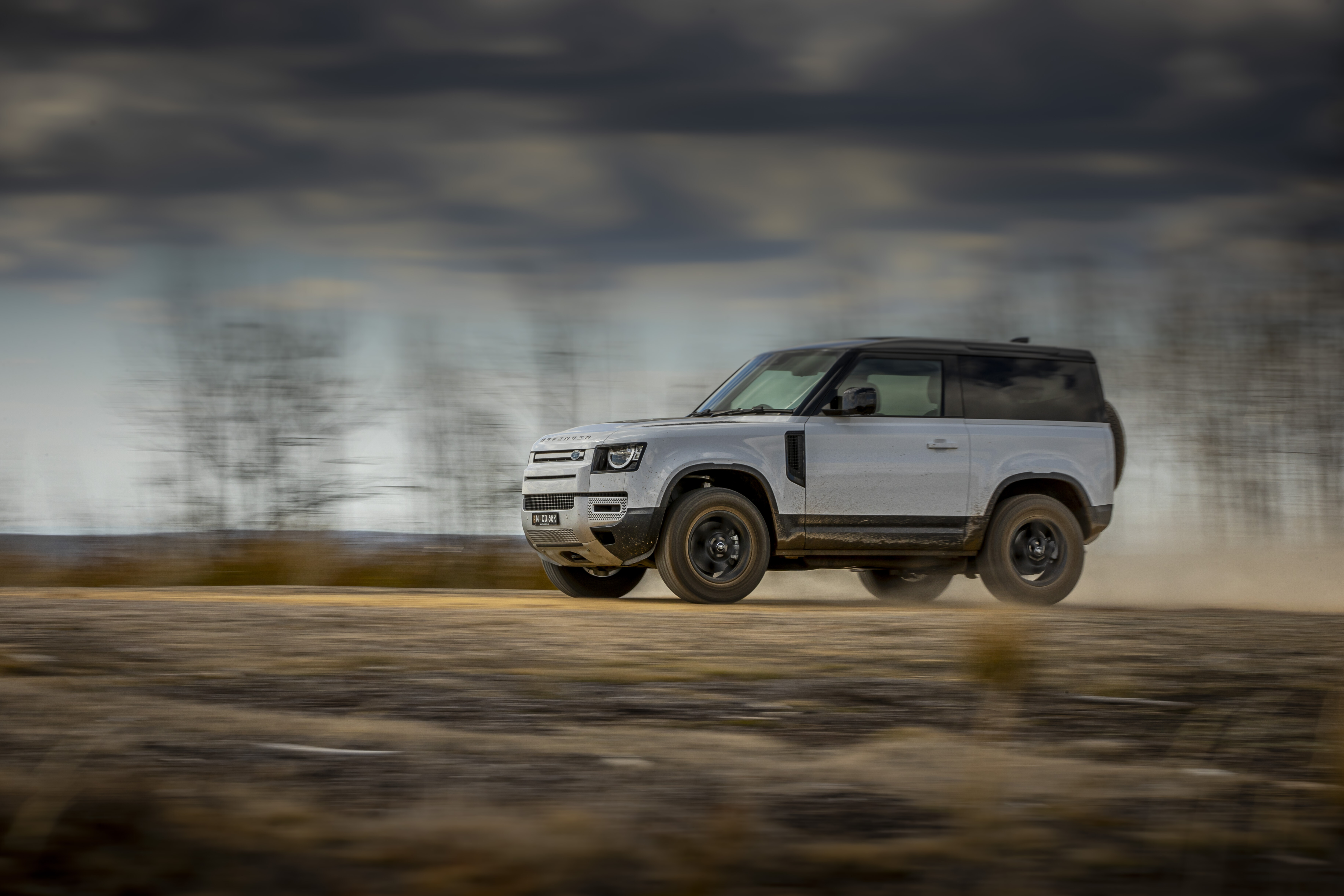
ON-ROAD RIDE & HANDLING
I FIND it a bit strange, that this Defender 90 actually has a wheelbase of 101.9 inches. It goes against the heritage of the original Defender 90, but considering how nicely this vehicle rides on road, I can forgive this.
It steers, drives and stops better than any SWB four-wheel drive I’ve ever piloted. And I’ve owned a few. Putting this down solely to the longer wheelbase wouldn’t be accurate, but it certainly helps the cause.
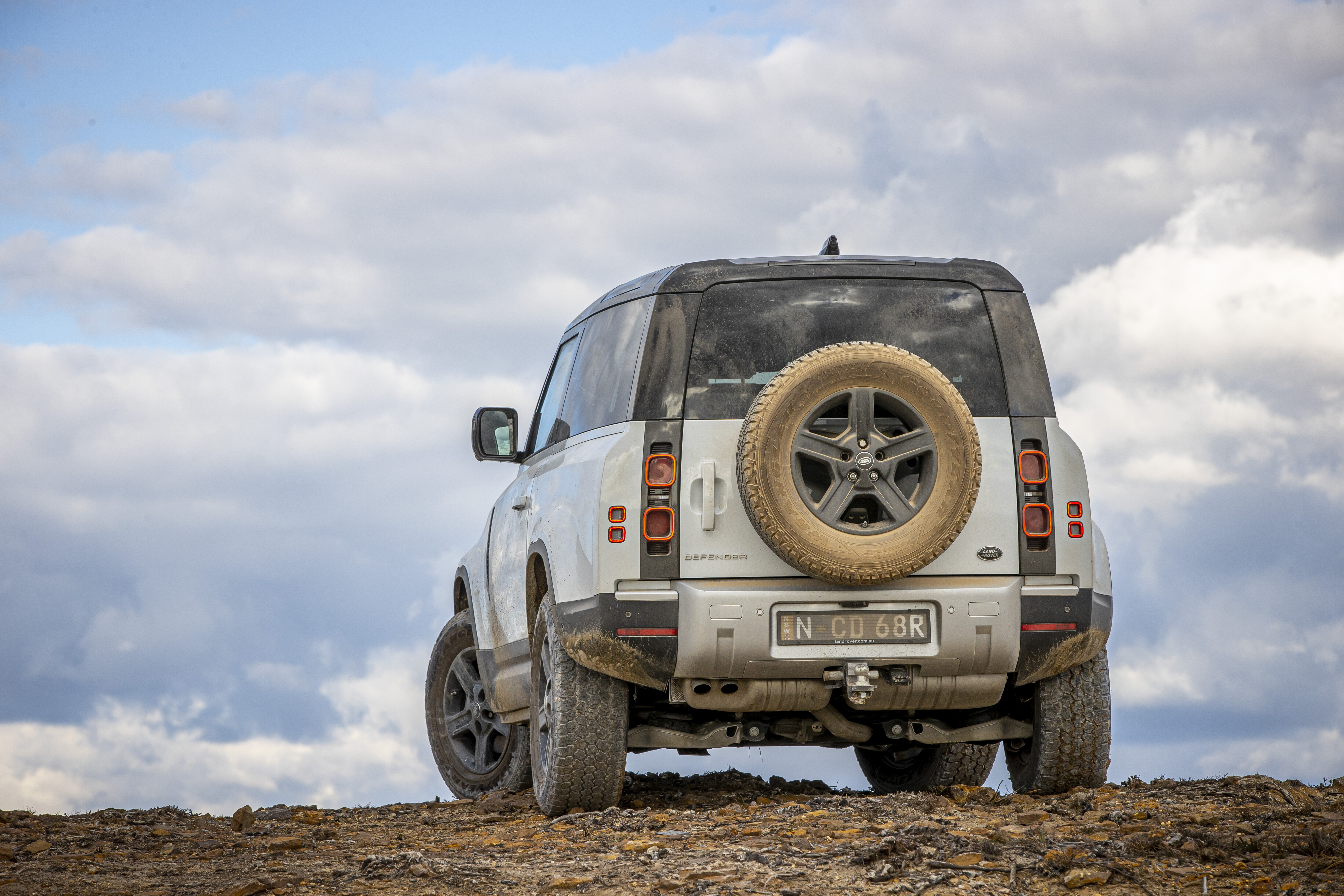
While I was disappointed that this test vehicle wasn’t equipped with adjustable air suspension at first, but this was also a great opportunity to see how the coil sprung D200 performs.
I must say, the ride and handling characteristics of the D200 are spectacular for what it is. While having adjustable ride height at the push of a button would be handy off road,
I can confirm there’s no reason to not recommend the coil suspension from a ride point of view if looking for something simpler, cheaper and arguably more reliable. Personally, I’d pay the extra for the air suspension.
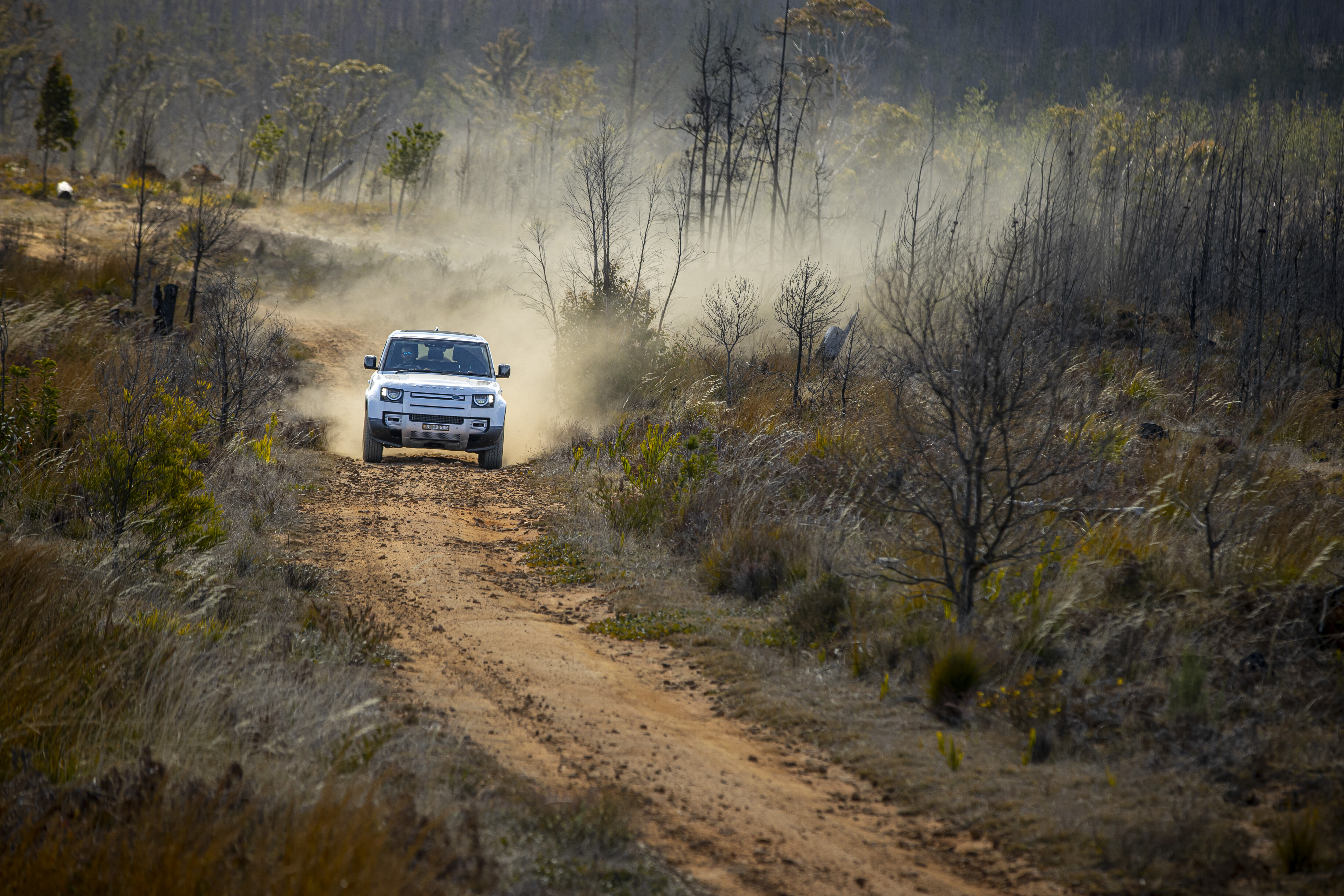
Steering feel is well-weighted, and the all-wheel drive system grips to the road with stubborn tenacity. One look at the brakes fitted behind the 18-inch wheels, and you know they mean business.
And they do, braking performance is first class. This is a very long way removed from the last Defender 90 I drove in terms of on-road ability, love it or hate it. But does this improved on-road comfort come at the cost of the Defender’s off-road ability?
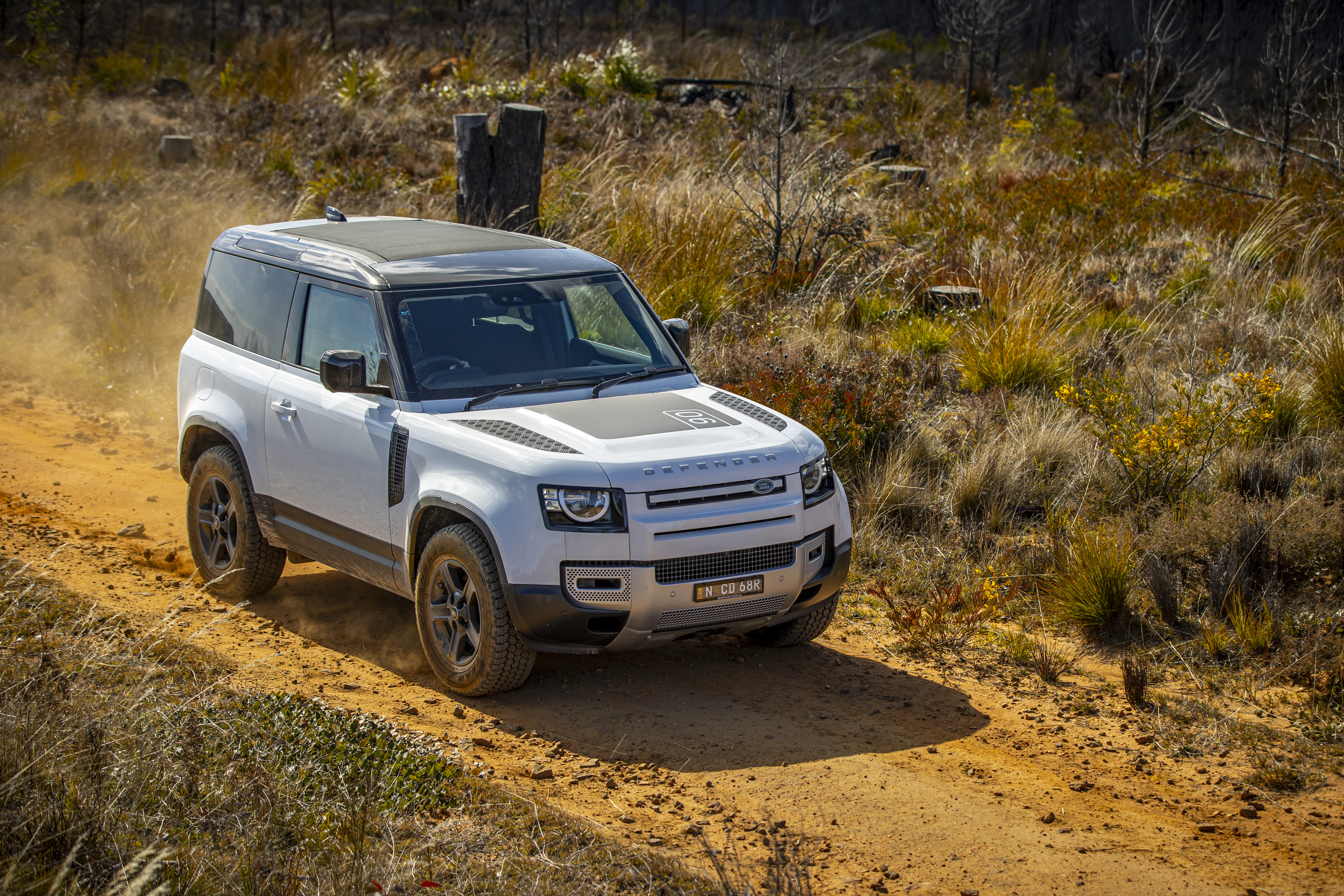
OFF ROAD
THIS thing is properly capable off road. There, I said it. As I expected from a short(ish) wheel base 4×4 with independent coil suspension on all four corners though, this Defender didn’t have much suspension travel.
It picked up a wheel or two easily. Yet, somehow felt incredibly stable in the process. Fun even! What it lacks in suspension travel, it makes up for in ride comfort over rough terrain.
I can only dream about driving one with high-quality aftermarket remote res shocks and a bit of lift on dirt at pace. Still, in standard trim this 90 was at home on the dirt.
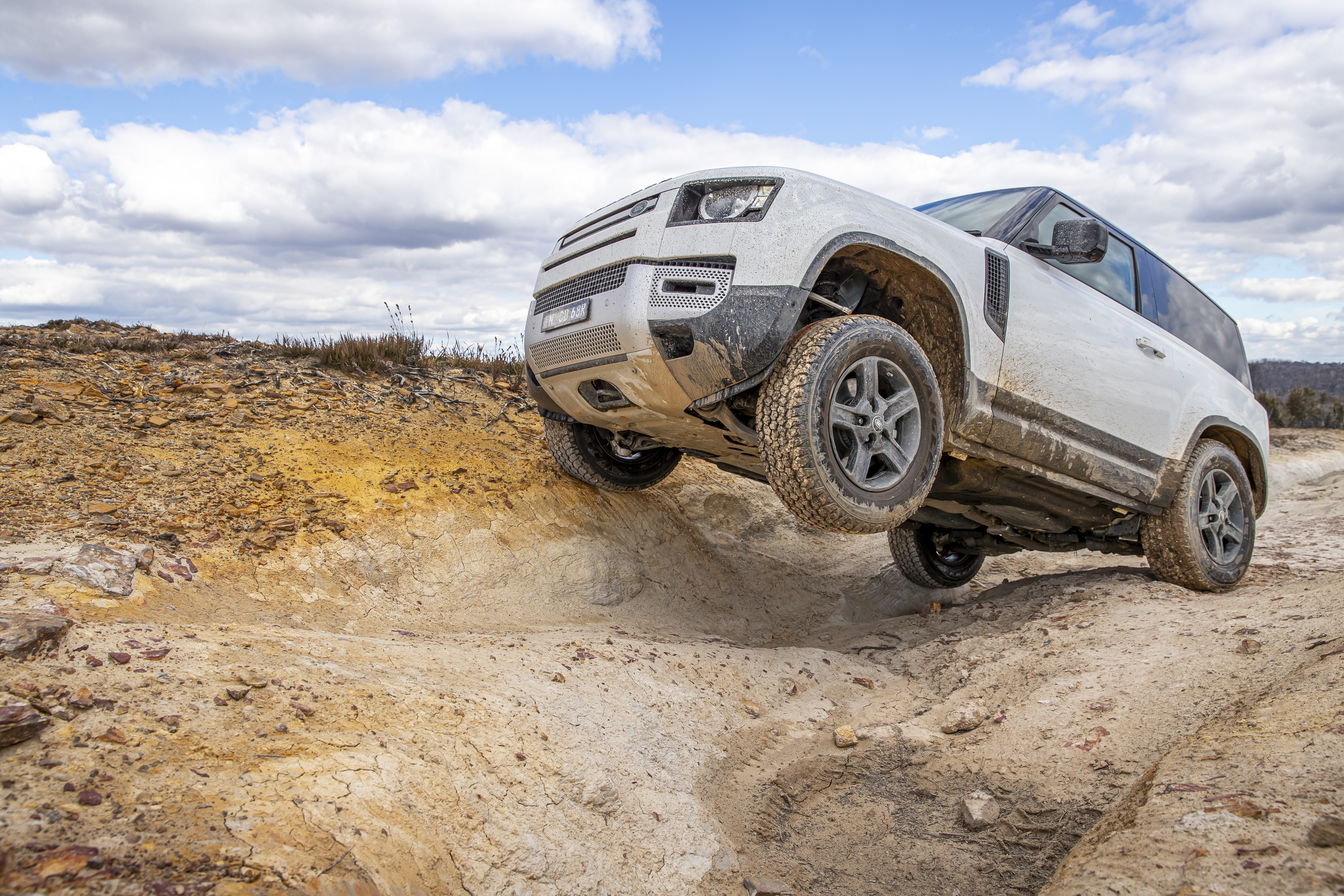
As things started getting more serious, I worked out pretty quickly that as long as one wheel was on the ground, thanks to the insanely good traction control system found in the Defender, it will just keep pushing forward.
There wasn’t the need to feed large amounts of throttle input to engage tyres with grip either. It’s easy to navigate the various traction modes via the touchscreen once you know how, and I found myself switching between these modes religiously depending on what terrain I was experiencing.
I’m also a massive fan of the inbuilt cameras when set in off-road mode. This was some sort of wizardry you have to experience for yourself, it was an absolute asset to be able to see where the tyres were pointed at all times, resulting in no scratched rims on this press car.
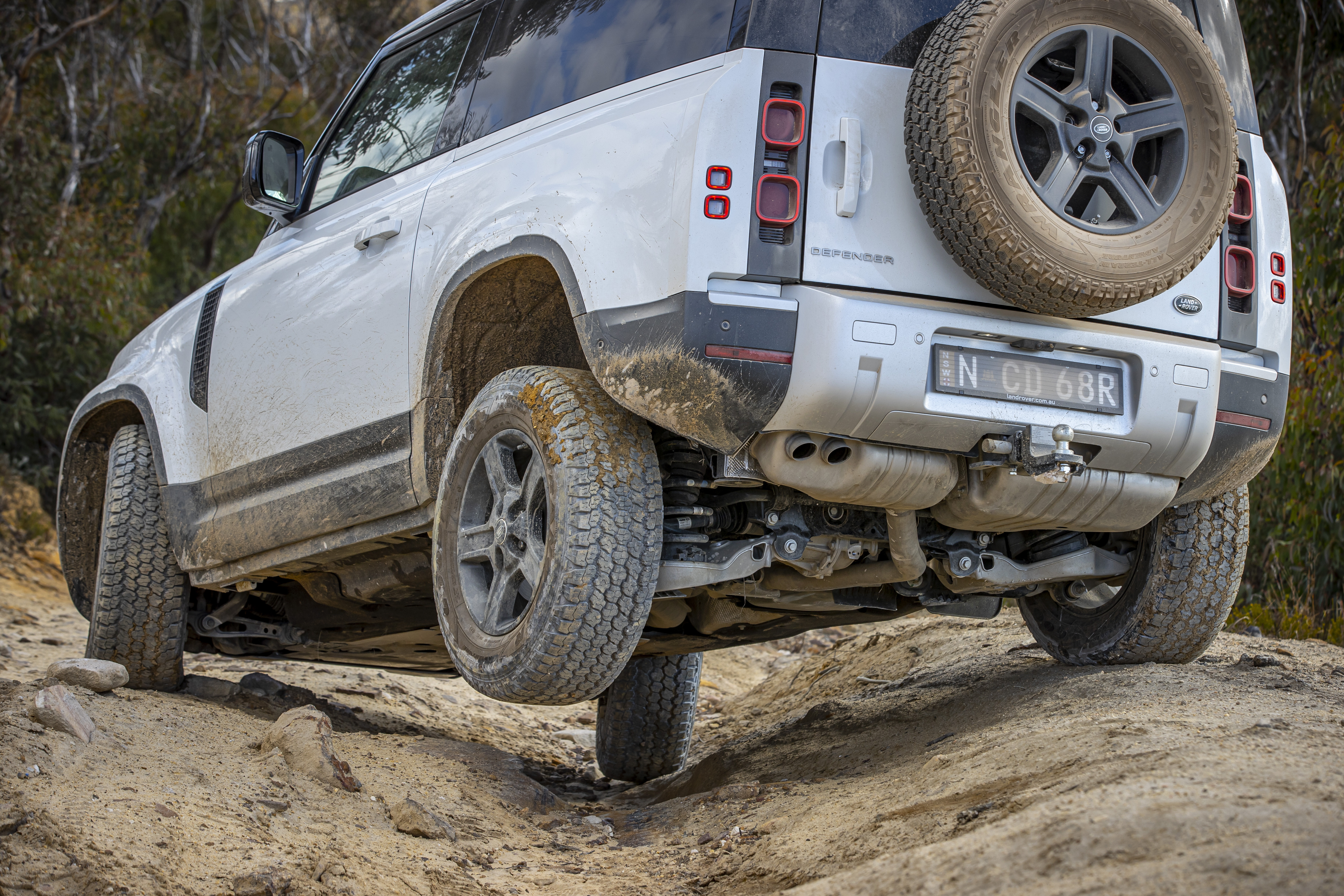
At no stage did I feel like traction was an issue, clearance though is the limiting factor in how hard I felt comfortable pushing a $100,000 vehicle that didn’t belong to me.
The underbody seems well tucked up, but could definitely do with more ground clearance in rough terrain. This is where ticking the box that says I’ll have the adjustable air suspension please, would have definitely come in handy.
It was also good to see a tyre pressure monitoring system built in, however it did seem like it was unhappy with me when tyre pressures were lowered for off-road work. Lights on a dash tend to worry me, but easily forgotten when you know they are doing their job.
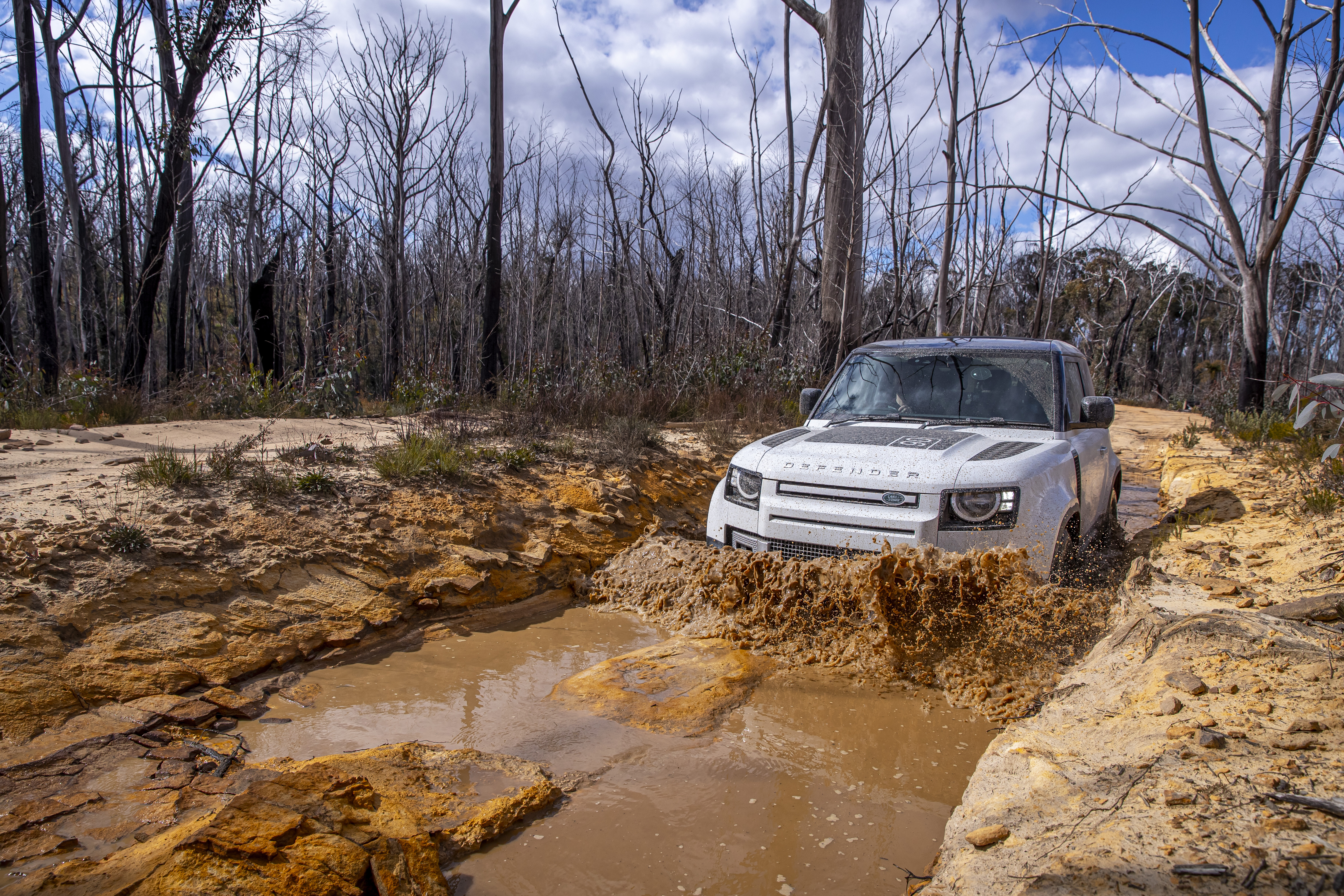
As you can see from the boxy rear end, the departure angle on the Defender 90 seems more impressive in the field than the 37.9 degrees listed in the sales brochure. Front-end clearance is a limitation though, despite a claimed approach angle of 31 degrees.
If you managed to get the front through an obstacle, you knew the rear end would follow. And while the breakover angle wasn’t superb, again everything is well tucked up allowing you to slide through.
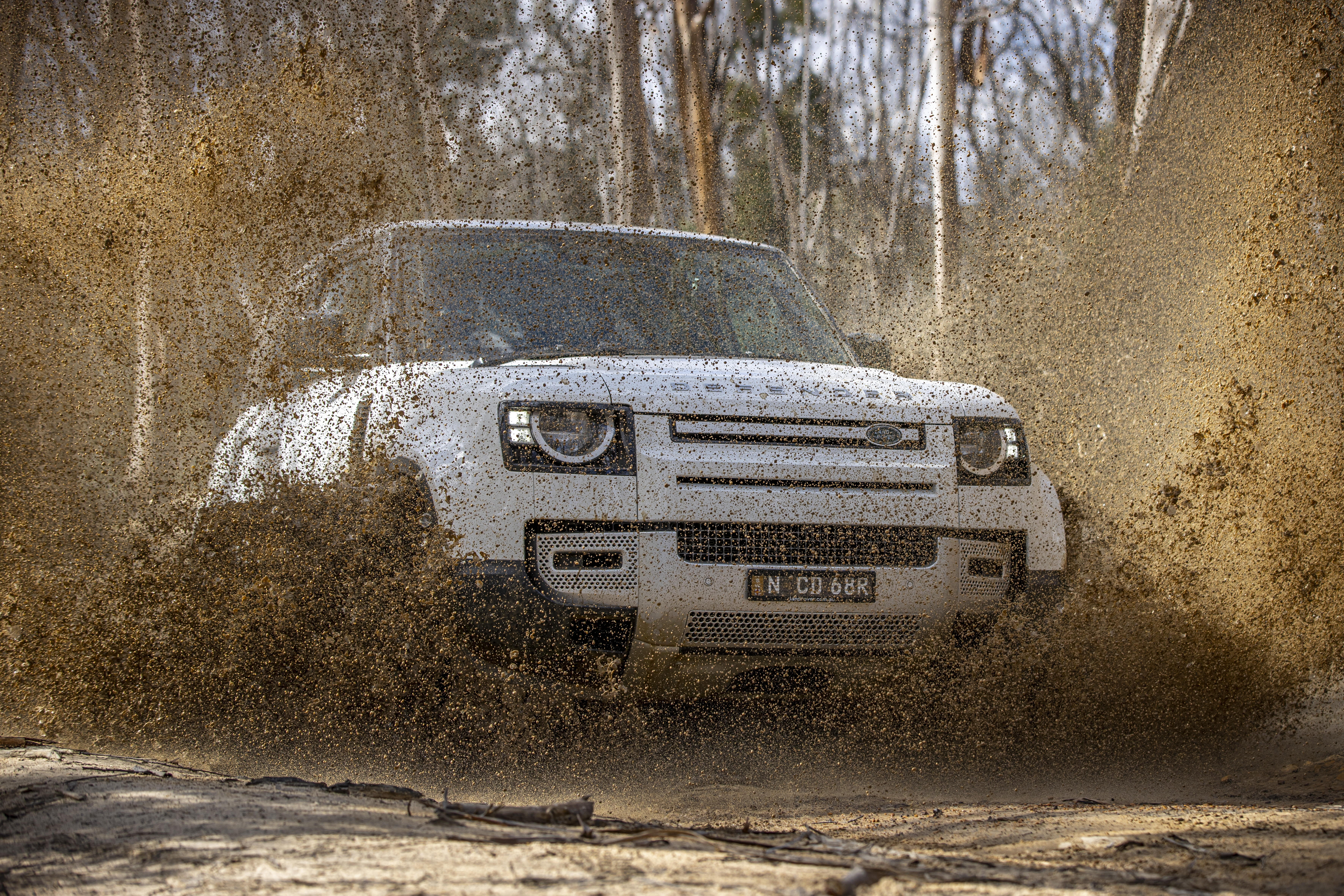
It was also good to see the exhaust tips were tucked up high and protected at the rear end. I also really enjoyed the long-travel accelerator which is a throwback to the first 4×4 I ever drove, a 1988 Range Rover Classic. It’s a handy feature when driving in technical terrain; you can ease the throttle on-or-off with greater control. It must be mentioned that Land Rover claim a wading depth of 850mm with these coil-sprung models – not a bad figure at all.
CABIN & ACCOMMODATION
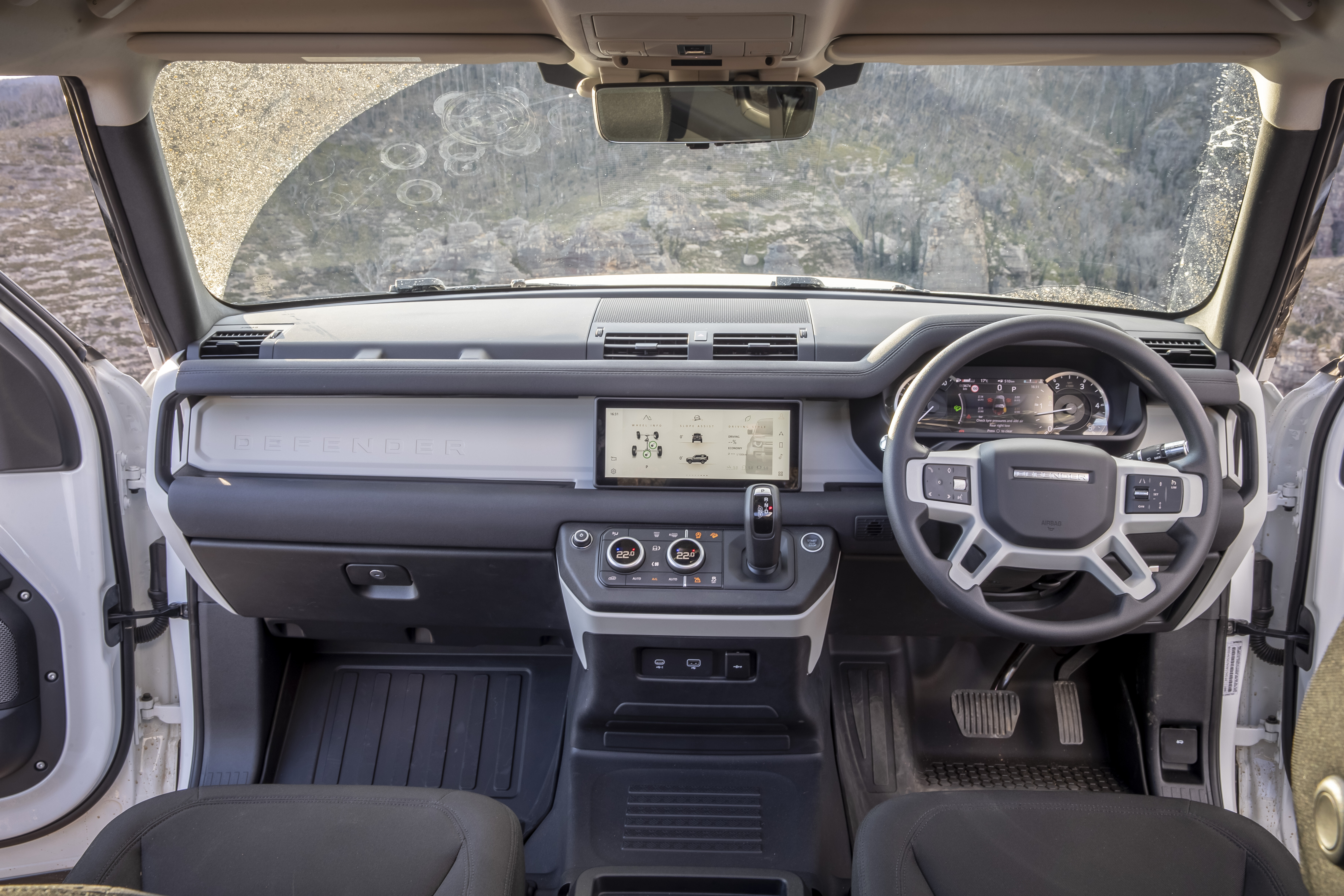
GENUINELY, I feel this is one of the nicest modern interiors layouts (that still had a rubber floor covering) I’ve had the privilege of sitting in. Practical, yet still makes you feel special.
You want to jump back inside, because it’s a nice place to be. The seats are comfortable, and the width of the vehicle provided a spacious feel. You could drive all day in this Defender (with regular breaks naturally) and not feel sore or tired.
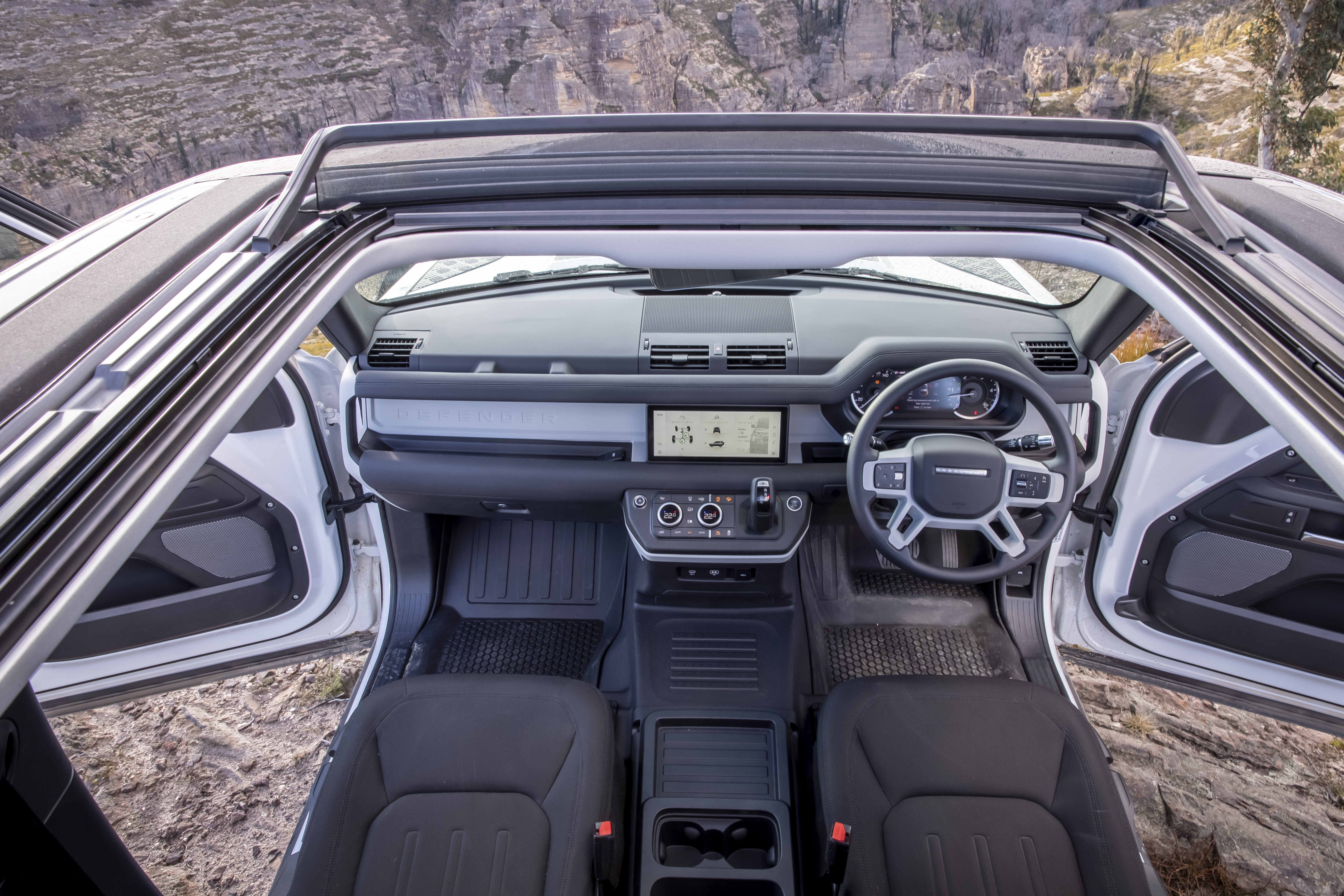
I like the central layout with all switches, gear selector and touchscreen mounted close to each other, and the unique walk-through design; sort of like a van. One of the genuine accessories fitted to this test vehicle, was the electronically folding canvas roof which is a brilliant addition. Easy to use and when opened, provided a near soft top experience, but without the wind noise and messy hair.
Considering this option costs $4810 you’d expect it to be nice, and as Editor Matt said to me, you’d have to really want that feature for that money. I’m also curious about the longevity of such a product in the harsh Aussie sun, but I’m keen to hear your thoughts about it. Would you pay nearly $5000 for this option?
PRACTICALITIES
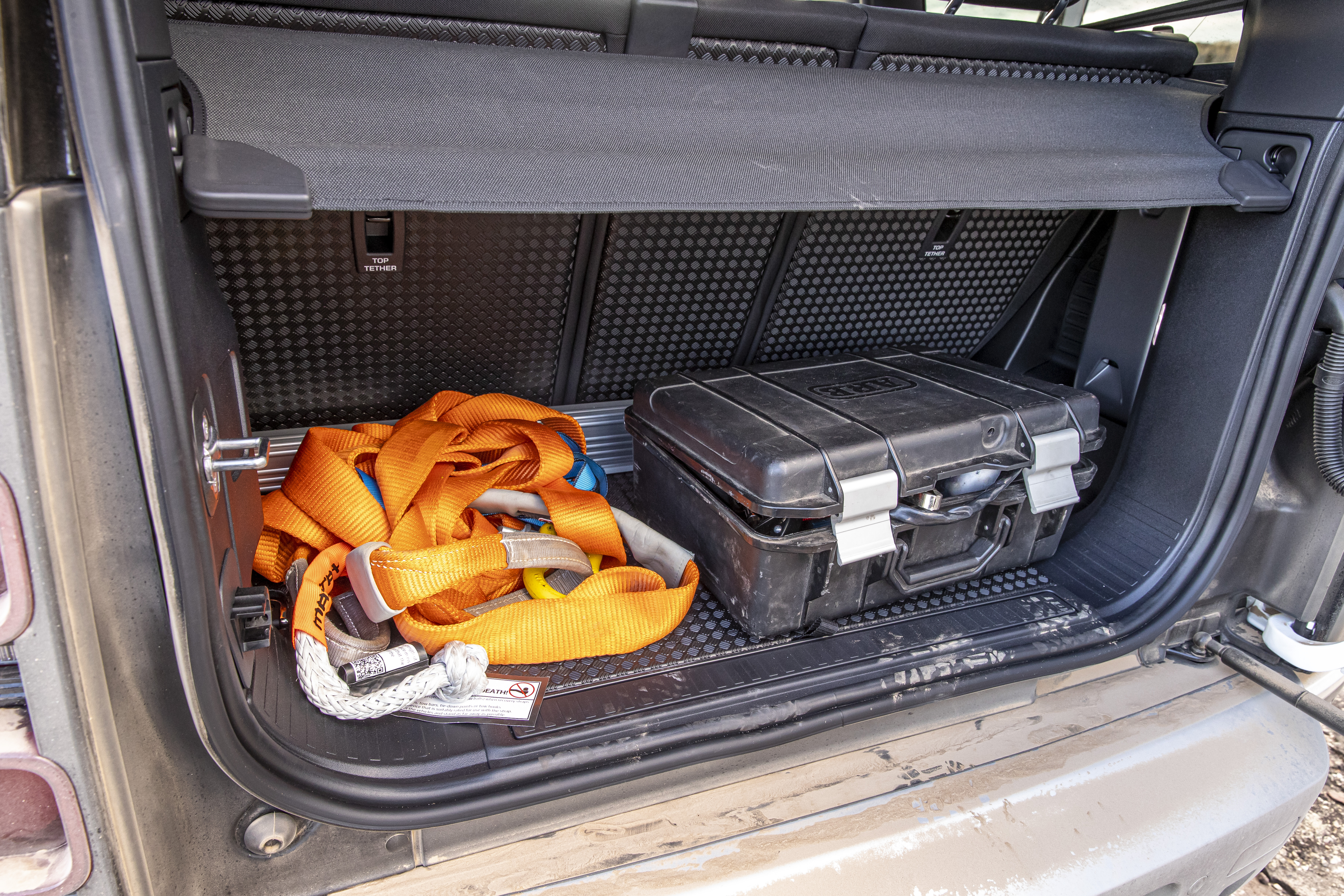
IF you have a family, this probably isn’t the right vehicle for you. But you already knew that. Sure, it has five seats and they are comfortable but with the rear seats up, there is very limited cargo space behind them.
I managed to fit an ARB twin compressor in a hardcase depth wise, and that was a squeeze (to put the space in to perspective). I think if you wanted a Defender 90, and had to use the back seats for passengers, you’d need a trailer to do anything useful.
It’s rated to tow 3500kg braked, so would be a valid solution. There is plenty of height though, so you could possibly get creative with a cargo barrier to capitalise on this real estate.
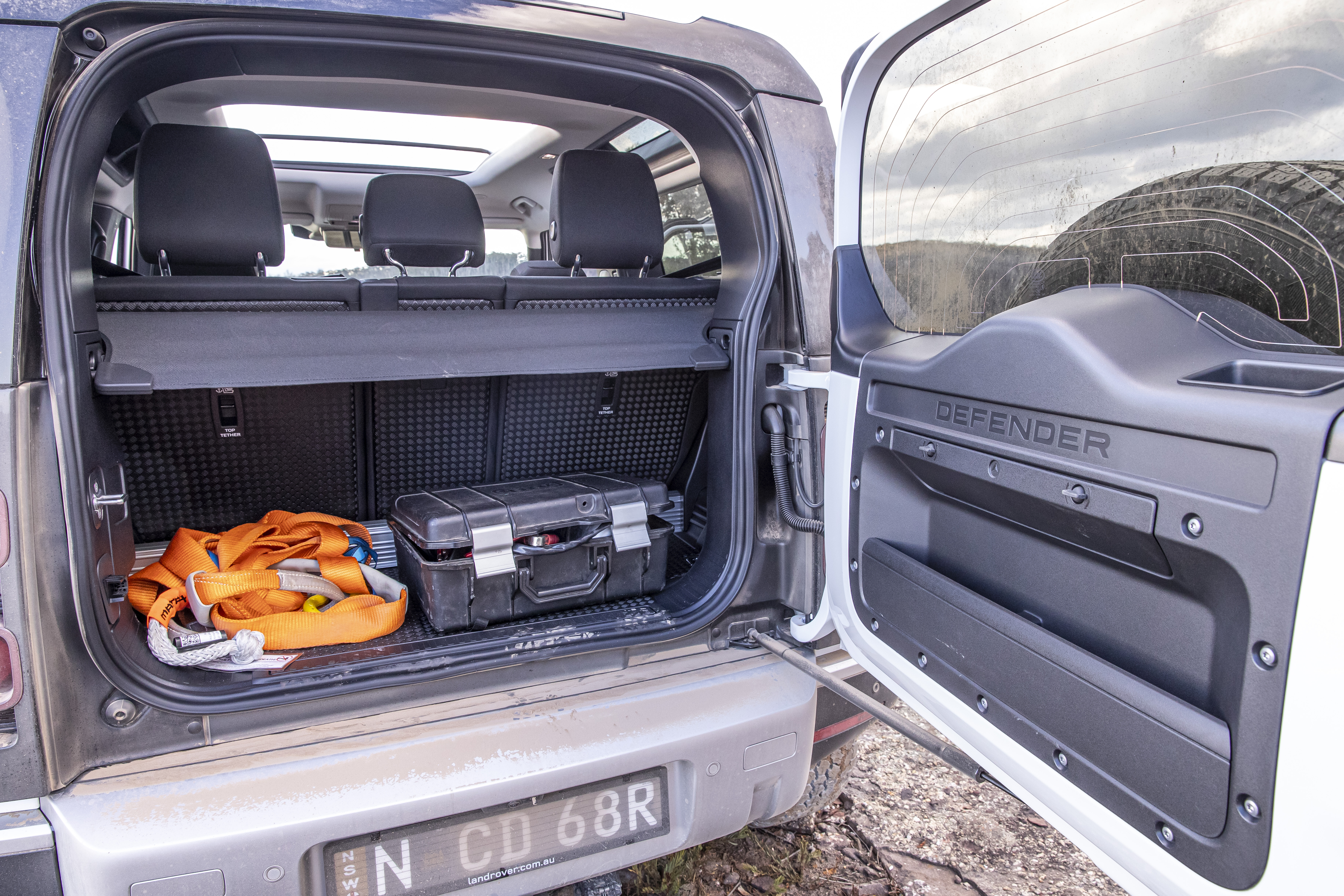
I live on a steep hill and with the spare tyre mounted on the tailgate, it was rather difficult to close said tailgate when parked on said incline. It’s heavy. Not a deal breaker if you’re stronger than me, but worth mentioning as it could present a challenge. I didn’t have this problem with the Suzuki Jimny, with a rear mounted tyre on the same patch of concrete.
Something that certainly could be a deal breaker, is the distinct lack of blanks to mount switches for aftermarket accessories. There was only one that I found, which was already occupied with a Redarc Tow Pro dial.
And while I know you can’t get many aftermarket accessories for the Defender in Australia yet, and there doesn’t seem to be many plans to change this, what if you just want a basic set of driving lights? You will need to look at an accessory management system, and a way to mount it to avoid making swiss cheese of the lovely looking dash. I’m not mad, just disappointed Land Rover. A missed opportunity indeed.
CONCLUSION
THIS Defender 90 D200 isn’t anything like the Defender of old. In my opinion (ducks for cover while pop rivets get hurled in my direction) it’s better than the previous 90. Sure, it’s more complicated and expensive, but everything these days is essentially.
The D200 is a great mix between being practical and classy, easy to steer during the week and very capable in the bush on weekends.
It’s powerful, comfortable and I feel looks brilliant in 90 guise compared to the 110 Defender (again, in my opinion). But let’s be honest, many feel it’s really just a Defender by name. And it is early days for this platform.
What I don’t like, is the lack of aftermarket accessories available, as I feel you could have a lot of fun building one up for proper off-road work. Fingers crossed the aftermarket industry in Australia comes to the party eventually.
It’s also too expensive, but I also said that about the Suzuki Jimny (for what it is), so maybe I’m just cheap?
It begs the question though, is the Defender 90 the most capable SWB four-wheel drive on the market today, or would the Suzuki Jimny or Jeep Wrangler take that title? That is one shoot-out we’d be more than happy to organise, and I feel the results would be closer than you’d think.
Land Rover Defender 90 D200 specifications
| ENGINE | 3.0L inline six-cylinder twin-turbo diesel (Mild Hybrid MHEV) |
|---|---|
| MAX POWER | 147kW at 4000rpm |
| MAX TORQUE | 500Nm at 1250 to 2250rpm |
| GEARBOX | 8-speed automatic |
| 4X4 SYSTEM | Full-time 4×4 w/ Terrain Response |
| WHEEL/TYRE | 18in wheels / 255/70R18 |
| KERB WEIGHT | 2236kg |
| GVM | 2970kg |
| GCM | 6470kg |
| PAYLOAD | 734kg |
| TOWING | 3500kg (braked) |
| FUEL TANK | 89L |
| ADR FUEL CLAIM | 7.9L/100km |
| TEST FUEL USE | 9.8L/100km |
| AS-TESTED PRICE | $95,679 before on-road costs (including factory accessories) |
Land Rover Defender 90 D200 off-road specs
| DEPARTURE ANGLE | 37.9u2070 |
|---|---|
| RAMPOVER ANGLE | 25u2070 |
| APPROACH ANGLE | 31u2070 |
| WADING DEPTH | 850mm |
| GROUND CLEARANCE | 225mm |
Snapshot
- Toyota HiLux continues to dominate new car market
- However Ranger outsells HiLux for 4×4 utes
- Overall new car sales up 33 per cent from same time 12 months ago
The Toyota HiLux has dominated sales figures in August 2021 across the board, selling more than any other model on sale in Australia.
However, if you look purely at 4×4 utes, the Ford Ranger has outperformed the HiLux – selling 3609 units to Toyota’s 3324.
Rounding out the top three 4×4 utes – Isuzu has sold 1187 units of its 4×4 D-Max in this period, while Mazda is close behind selling 1037 4×4 BT50s.
VW’s Amarok has been consistent, selling 986, meanwhile the Nissan Navara has outsold the Mitsubishi Triton 4×4 models – shifting 662 compared to 624 from Mitsubishi.
LDV sold just one unit less than Mitsubishi, with 623 T60 4×4 ute sales proving the budget-friendly option is increasing in popularity with the Australian 4×4 market.
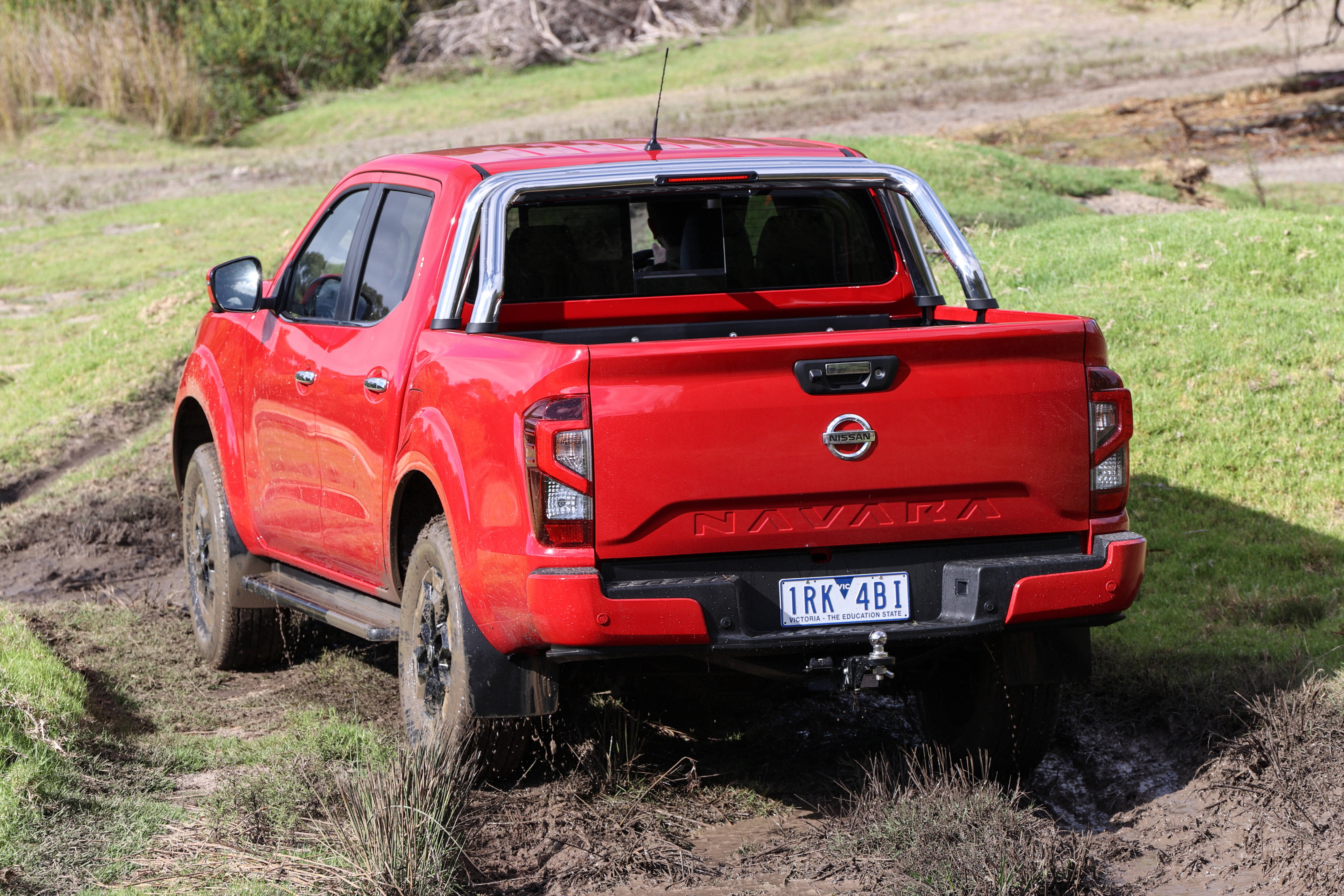
New vehicles sales are up 33 per cent over results from the same month last year, with a total of 81,199 sold in August.
So, despite COVID-19 restrictions in place for many parts of the country, this hasn’t hampered enthusiastic buyers looking to snap up a new 4×4.
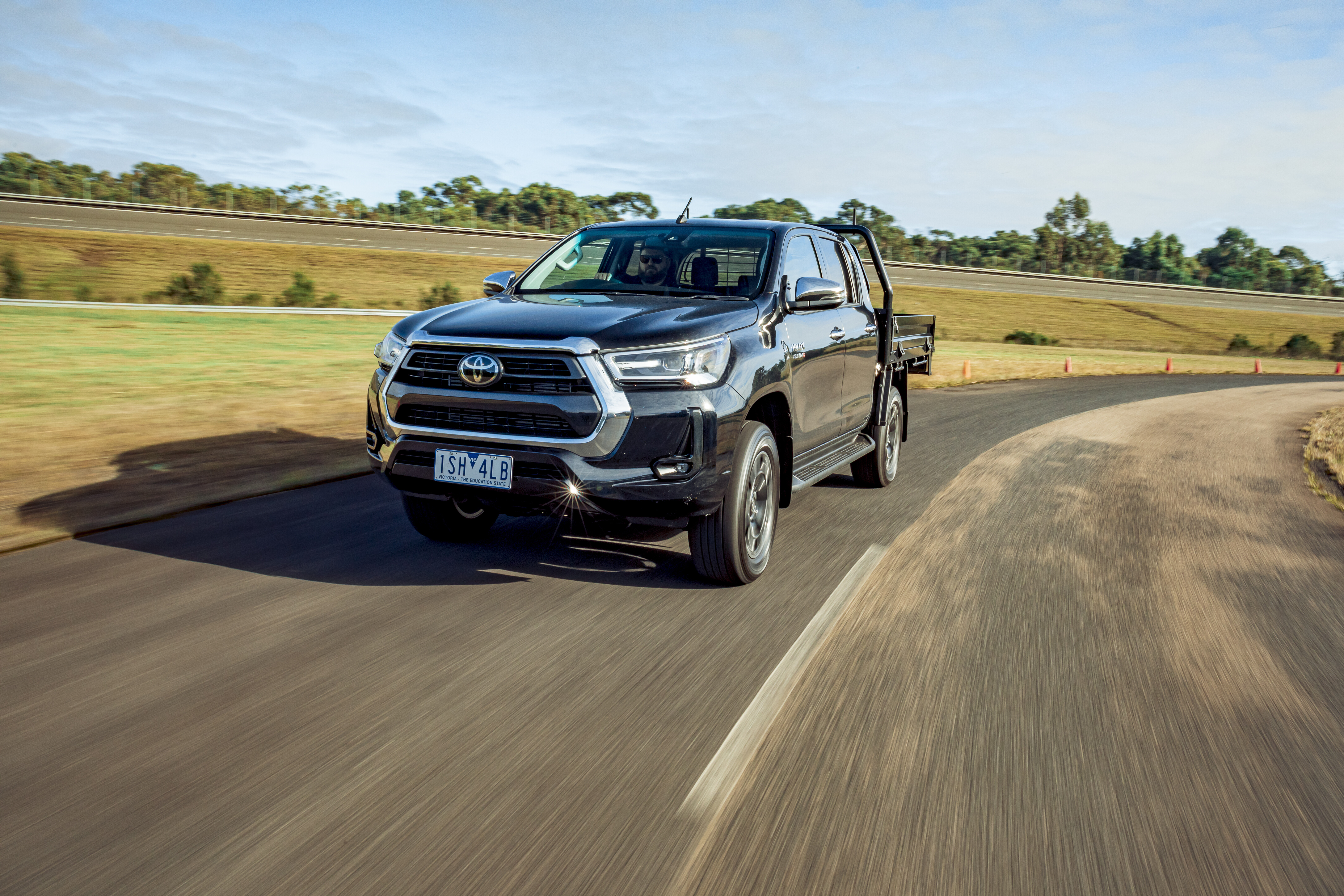
NSW is leading the charge with new vehicle purchases – 21,794 new vehicles were sold in August 2021. Victoria isn’t far behind with 21,167 sales recorded in total, with QLD taking third place with 19,139 units.
If you look at increases from this same period last year though, Victoria has seen a huge 153.6 per cent jump compared to last year – whereas NSW has seen a decline of 7 per cent.
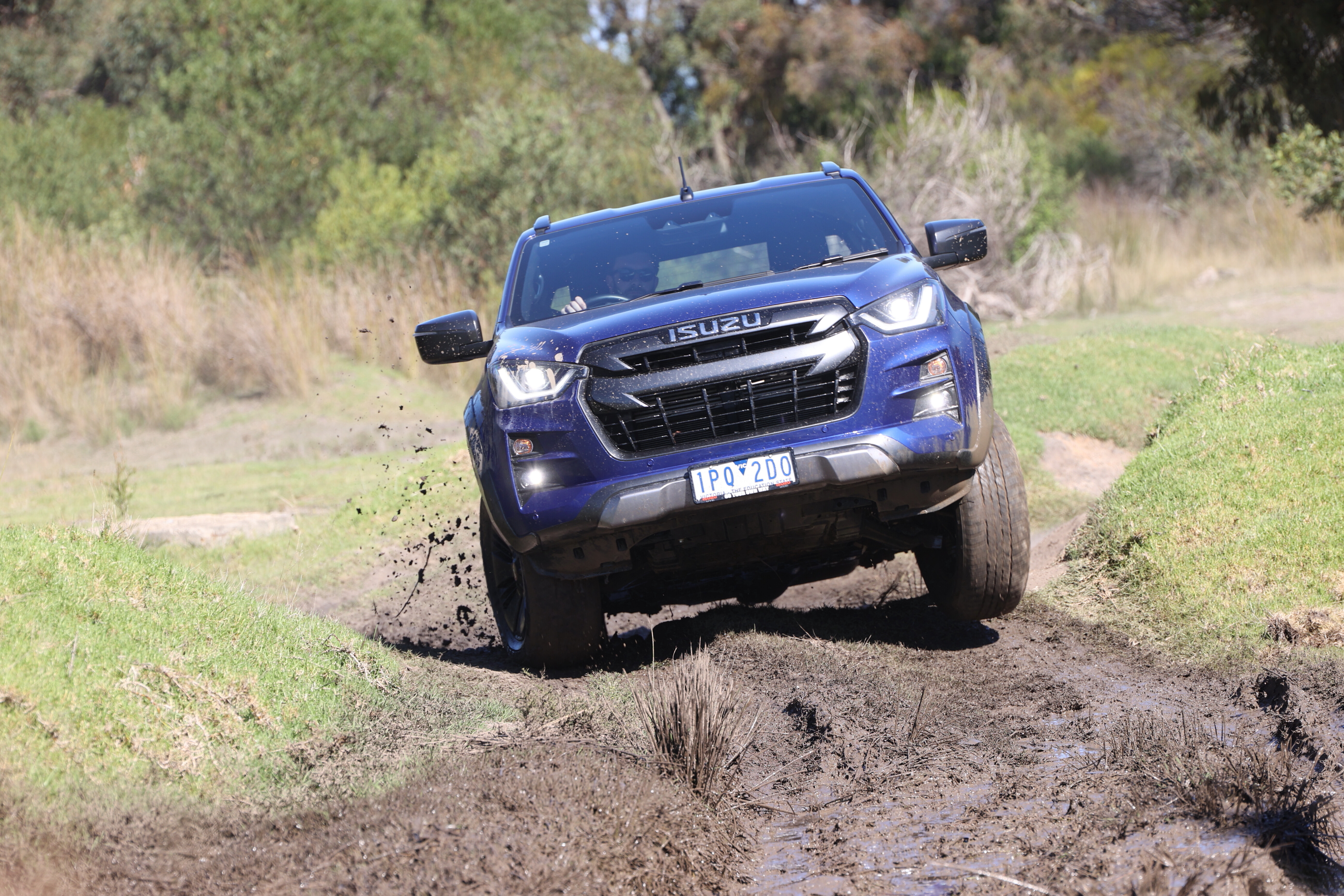
When it comes to large wagons, it’s not surprising Nissan has outsold Toyota in the large 4×4 category. There were 506 Y62 Patrols shifted compared to 311 LandCruisers. In the mid-size wagon category, Toyota Prado sales have been impressive at 2731 units. That’s an increase of 452.8 per cent over last year, according to official VFACTS figures.
Snapshot
- Bond Edition released to celebrate 25th film ‘No Time to Die’
- Only 300 examples to be built
- No units will make it to Australia
The team at Land Rover’s Special Vehicles Bespoke division has been busy doing its best ‘Q’ impressions, coming up with a bespoke Defender V8 to celebrate the next James Bond film.
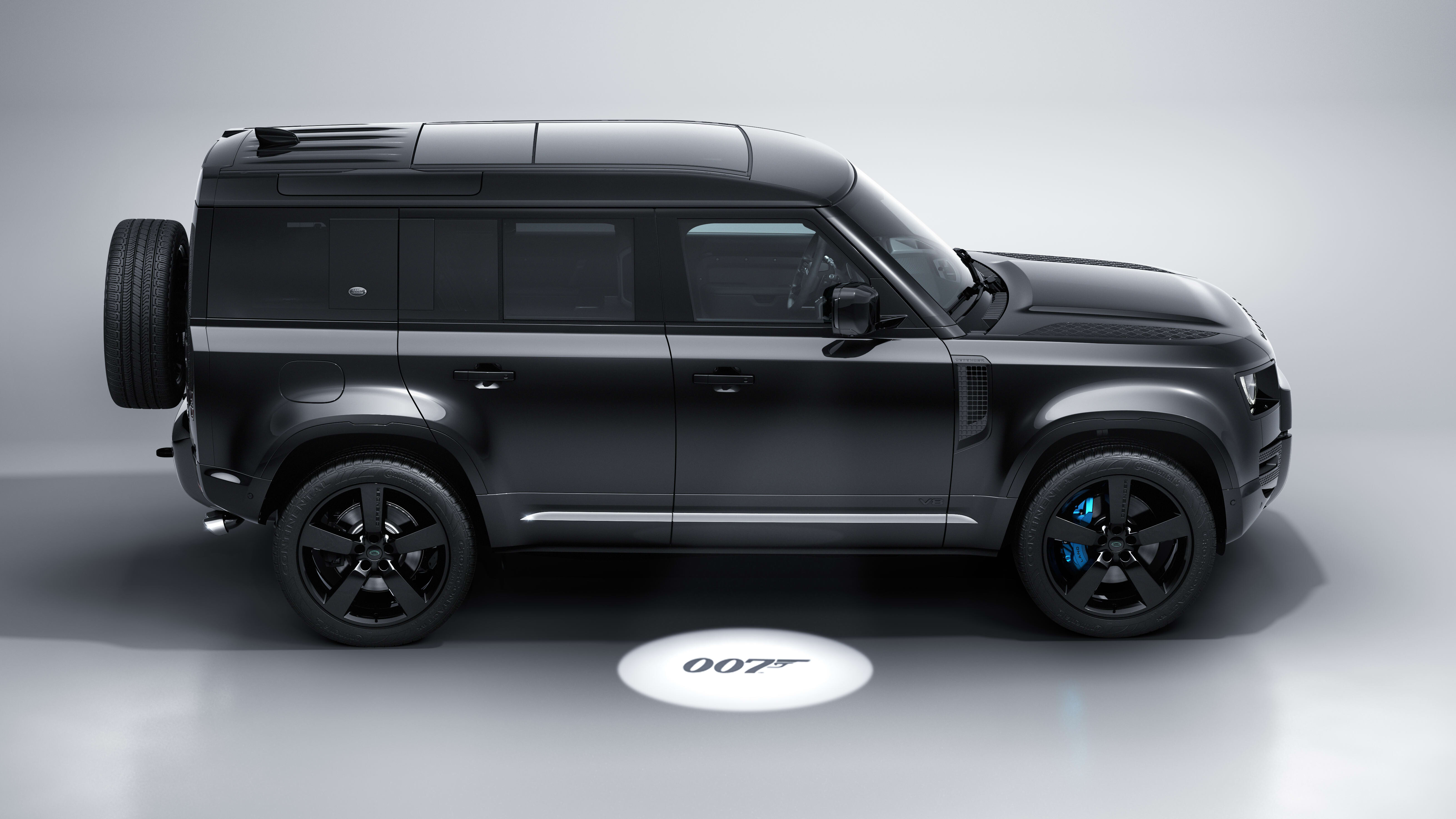
Inspired by its vehicles, which will star in ‘No Time to Die’, the Defender V8 Bond Edition is an exclusive all-black version of the regular Defender – featuring a few unique touches to set it apart from the rest of the LR range.
Available as an option on both the short wheelbase Defender 90 and long wheelbase Defender 110, the Bond Edition package features the extended Black Pack with 22-inch gloss black alloy wheels, signature xenon blue front brake calipers and a ‘Defender 007’ badge on the rear.
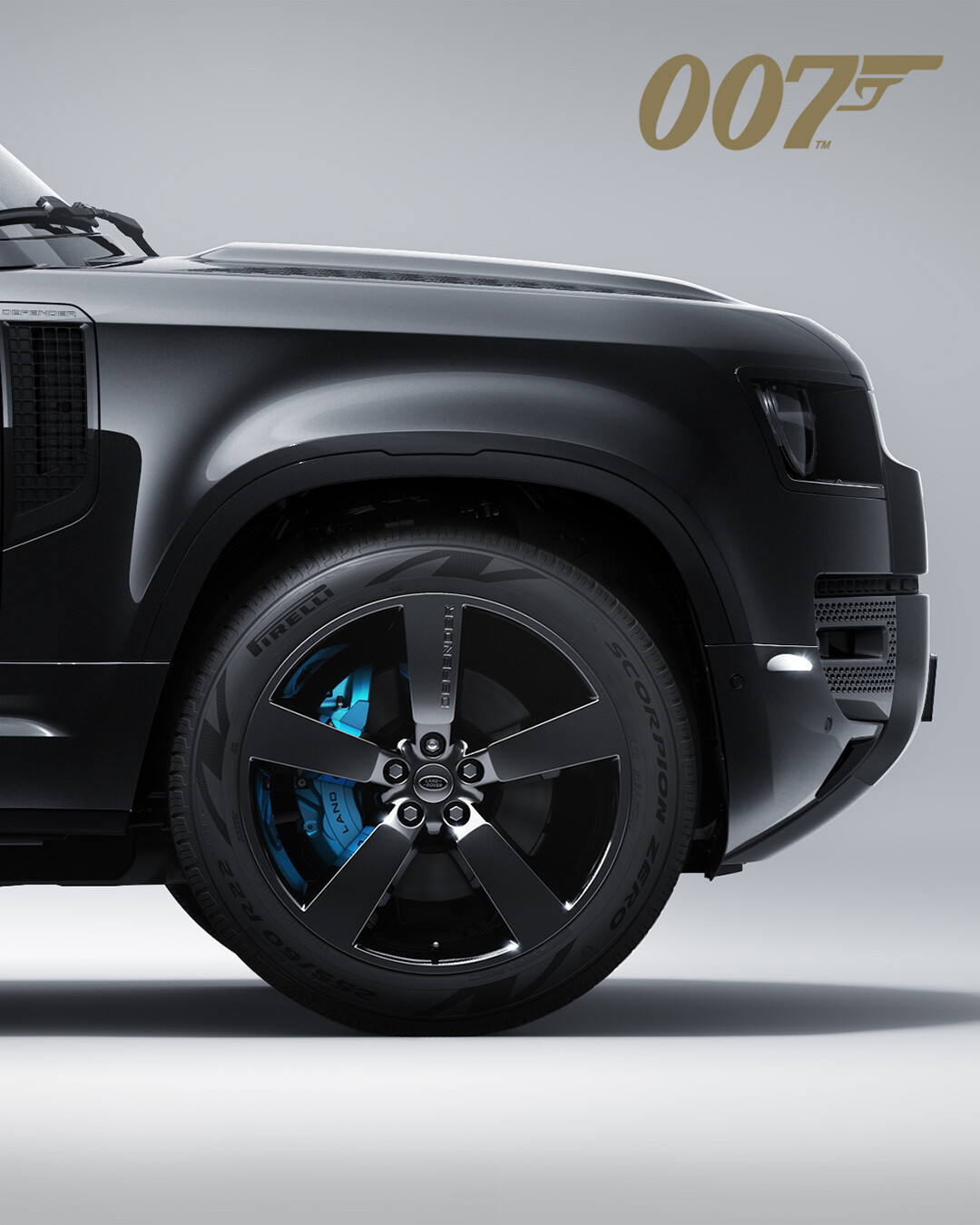
Other bespoke treats include special ‘007’ puddle lamps and a James Bond-themed start-up animation on the Defender’s Pivi Pro infotainment screen, while the regular V8’s 5.0-litre supercharged engine remains untouched, still putting out 386kW and 625Nm.
Despite being the rough shape of a brick and weighing as much as a small cottage, the Bond Edition retains the V8’s ability to outrun – or catch up to – most cars with a 0-100km/h sprint time of five seconds and a top speed of 240km/h.
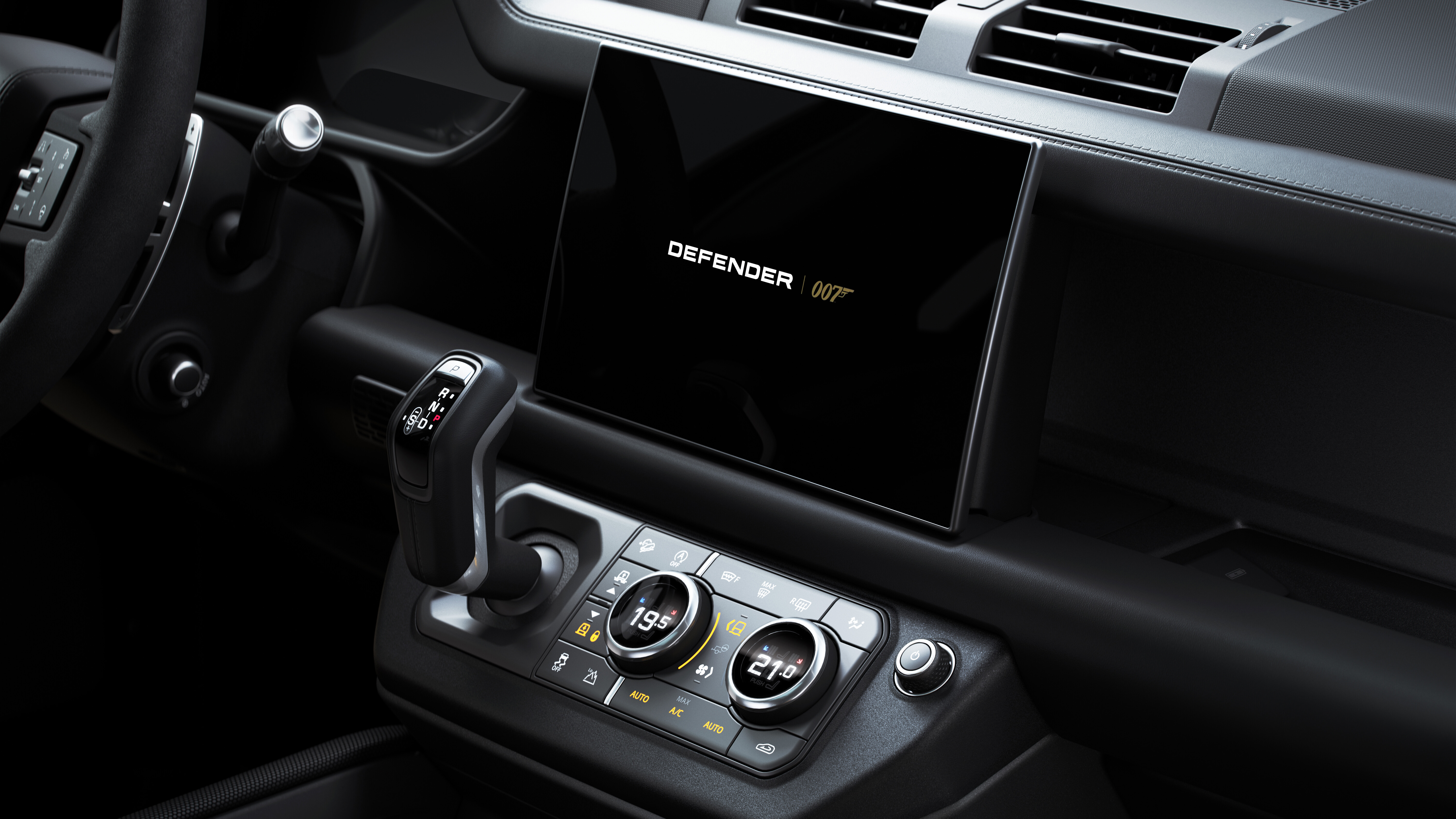
Unfortunately none of the 300 Bond Edition Defenders are set to come Down Under, with even the UK only securing 15 units of the available run.
‘No Time to Die’ is set to be Daniel Craig’s fifth and final film as the franchise’s hero, with copious amounts of Aston Martin and Land Rover chases set to feature when the 25th James Bond movie is released in cinemas at the beginning of next month.
Snapshot
- 6.7-litre Cummins straight-six produces 276kW/1152Nm
- All 2500 variants can tow up to eight tonnes braked
- Prices start at $157,950
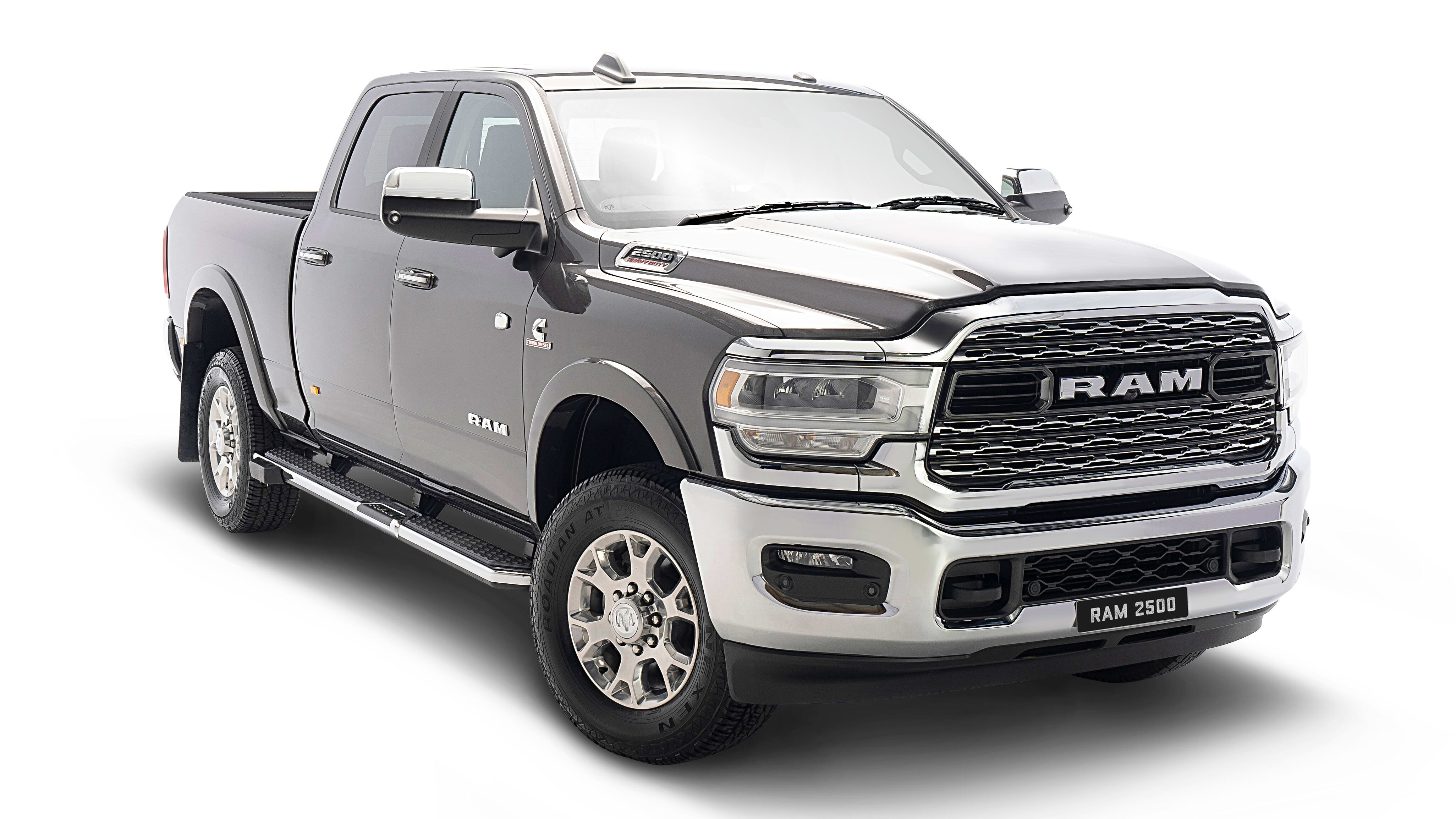
The upgraded 2022 Ram 2500 has officially arrived in Australia and in local showrooms, just a handful of months after the updated 1500 launched in May.
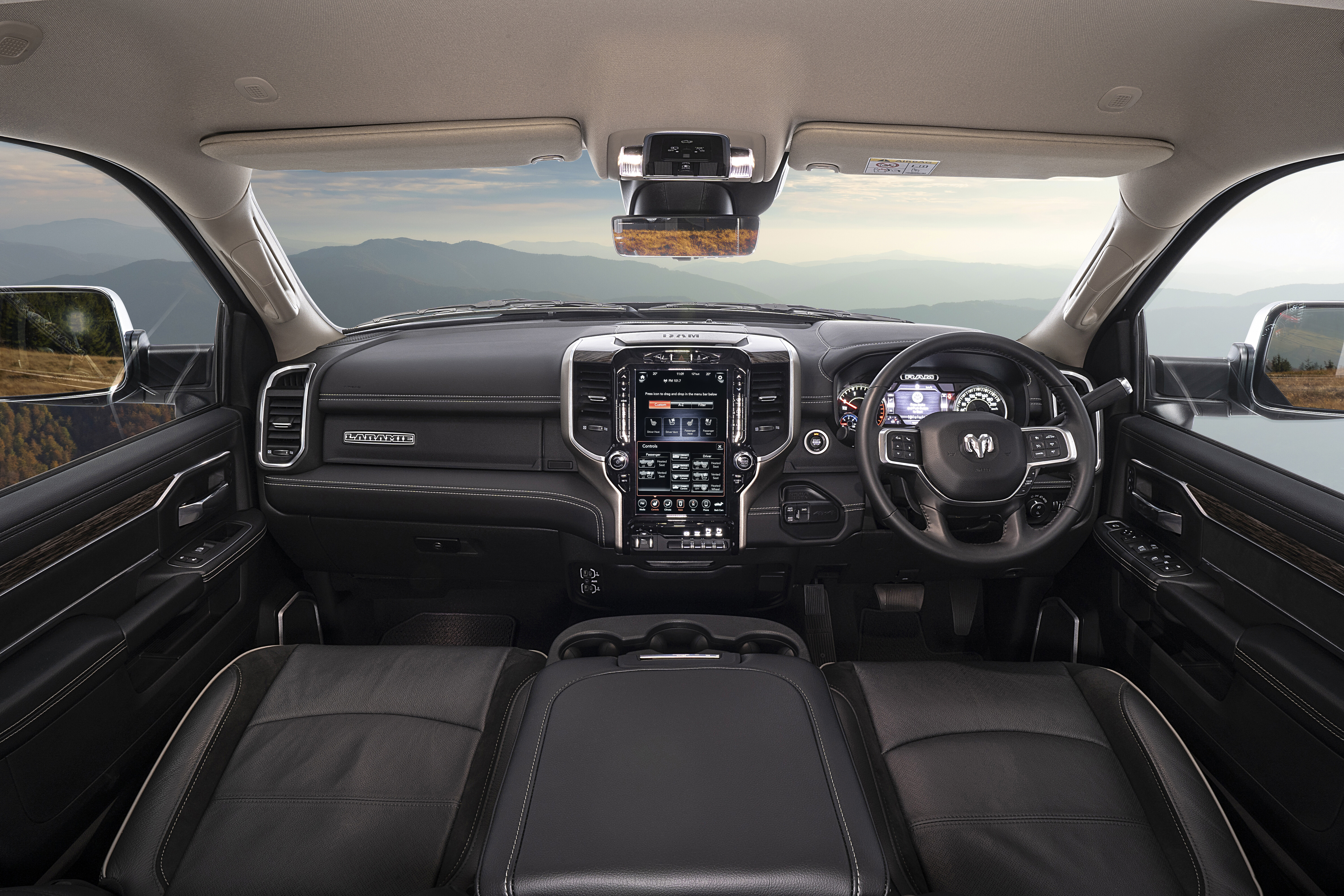
As the first major update for the truck in more than five years, skin-deep changes include a new bonnet, bumper and interior, while a bigger intercooler helps the 2500 now pump out 1152Nm of torque, a 68Nm increase over the previous model.
On top of a comprehensive upgrade to its in-car systems, the Ram 2500 has also shed 64kg thanks to lightweight materials being used in its new frame and body panels, not quite making it a featherweight – but still providing a marked improvement from the outgoing 2500.
2022 Ram 2500 pricing (excludes on-road costs)
As the first update to the 2500 in a number of years, the 2022 model has undergone a price increase across the range, with both variants jumping up by more than 10 per cent.
| 2500 Laramie Crew Cab | $157,950 | up $18,000 |
| 2500 Laramie Crew Cab RamBox | $162,900 | up $18,500 |
Options
| Metallic/pearlescent paint (including flame red) | $950 |
| Driver assistance level one package | $1950 |
Features
Although there’s been a lot of mechanical changes to the 2500, it now has more tech and equipment than before with features such as:
| 12-inch touchscreen with Uconnect 4C NAV |
| Apple CarPlay and Android Auto |
| 7-inch, full-colour, 3D animation-capable driver information display |
| 10-speaker Alpine audio system |
| Active noise cancellation |
| 360-degree surround-view camera with trailer reverse guidance |
| Adaptive cruise control |
| Forward collision warning with active braking |
| Trailer sway control |
| Lane departure warning |
| Blind spot monitoring |
| Rear cross path |
| Trailer detection. |
Engine, drivetrain and capacity
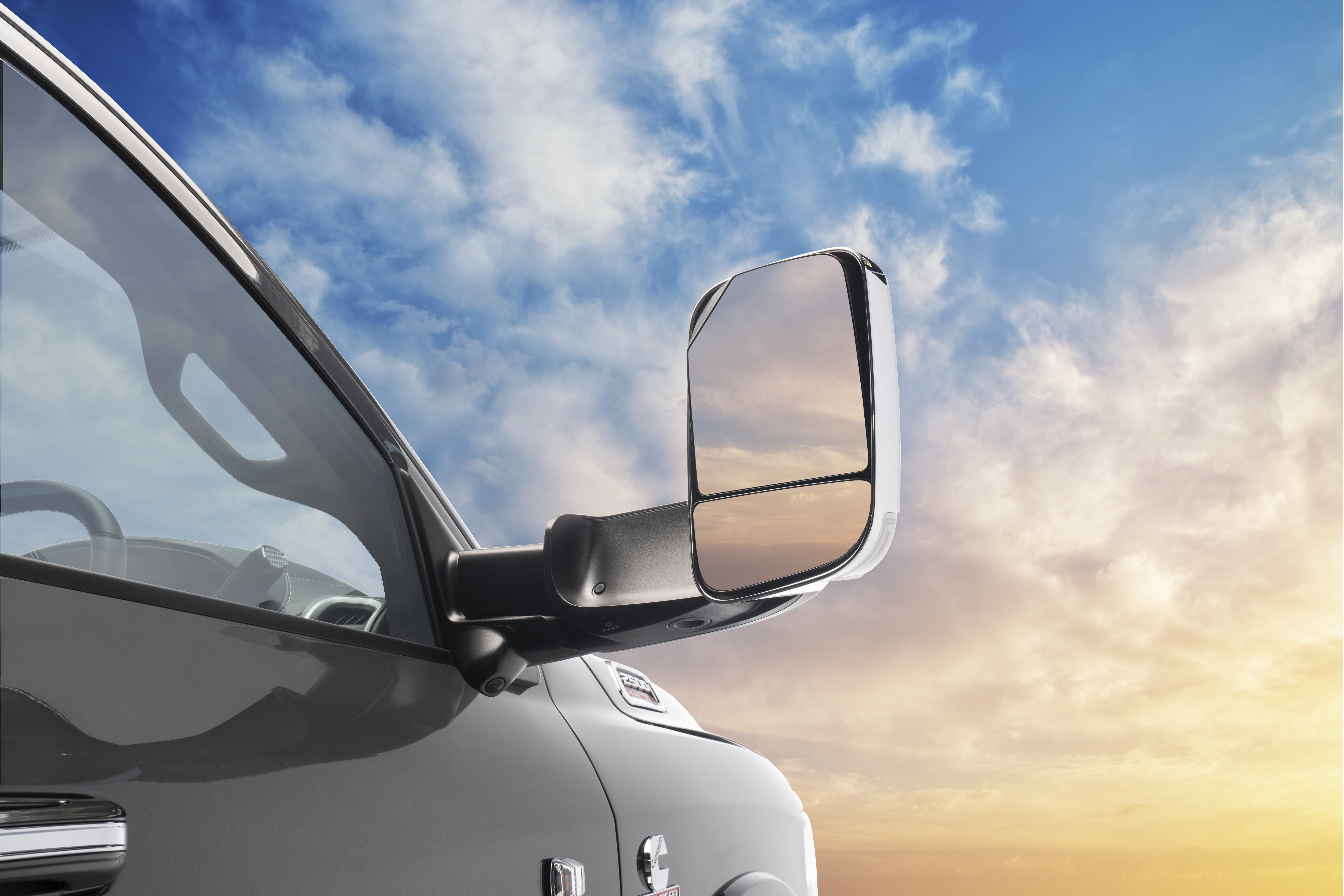
Perhaps the smallest change for the 2022 Ram 2500 comes in the form of its engine, retaining the Cummins-built 6.7-litre, straight-six pushrod which has previously featured.
Power remains unchanged – 276kW @ 2800rpm – but torque is now up from 1084Nm to 1152Nm @ 1600rpm, courtesy of a larger intercooler and revised tune.
Mated to a six-speed torque-converter automatic gearbox, the 2500’s high torque figures and BorgWarner four-wheel drive system gives it a braked towing capacity of up to eight tonnes.
Availability
Australian Ram dealers now have stock of the 2022 2500, with the larger 3500 also expected to arrive later this year.
Snapshot
- Rivian confirmed two cars here for testing
- CEO is keen on Australian launch
- R1 T and R1 S under test
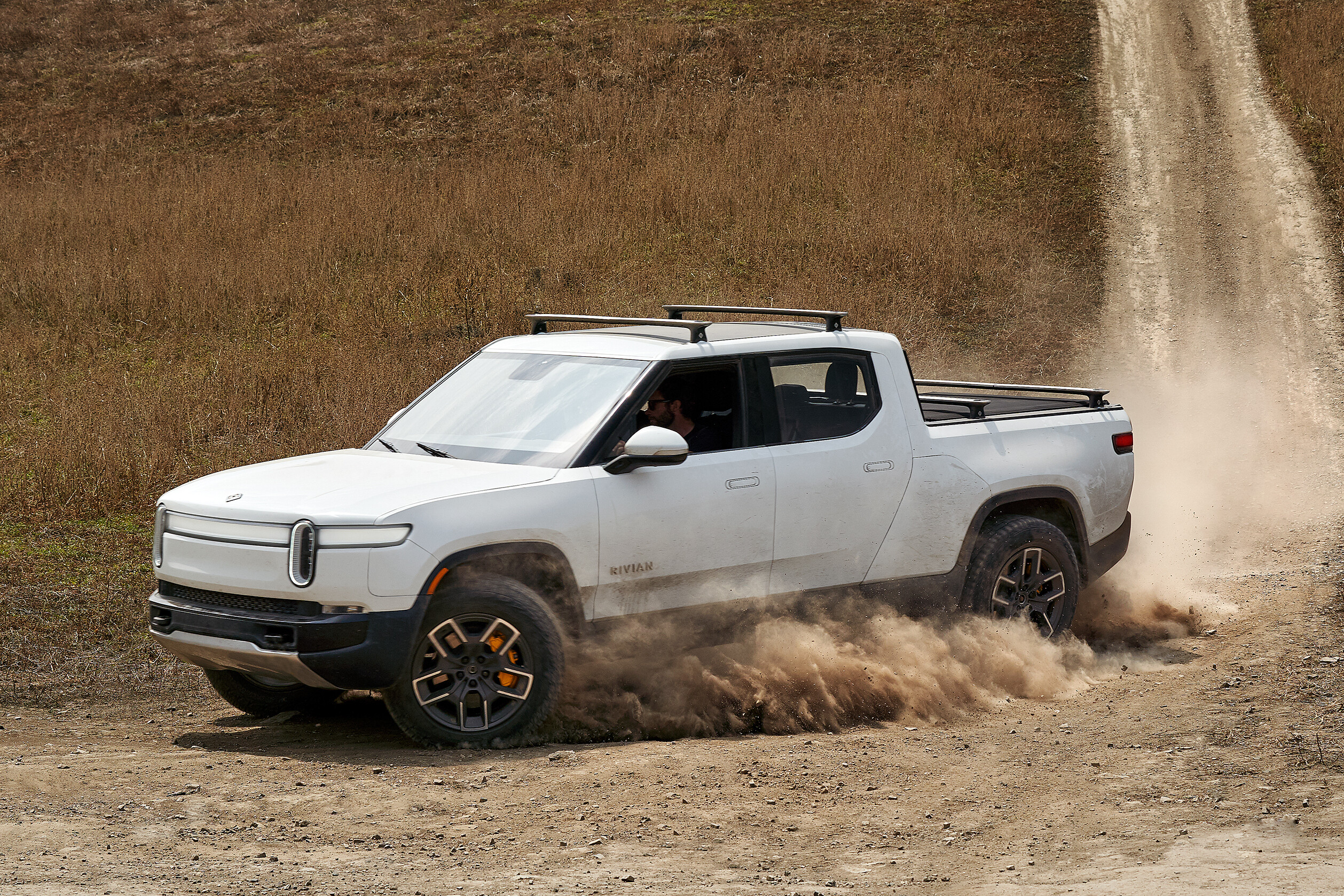
Rivian Automotive has confirmed two of its cars – believed to be the R1 S SUV and R1 T dual-cab ute – have arrived in Australia.
The company told Australian EV blog The Driven two units have indeed come Down Under for climate testing.
It would seem that this is rather late in the development cycle for the two machines, as the cars will be launched in the US this month – with prices starting under US$70,000 (AU$95,700) for the four motor, 588kW load-lugger.
A pair of Rivians were spotted in New Zealand near the Southern Hemisphere Proving Ground outside of Queenstown in late June and early July – making it likely the same cars have been shipped here to continue testing on our roads.
The company confirmed in 2018 that right-hand drive is part of the company’s business plan for the UK, Japan and Australia. A move into the European market sometime in 2022 is also on the cards with a manufacturing base mooted in the UK. However, with the UK now separated from the European Union, the plans have been thrown into doubt.
Rivian is also following Faraday and Lucid into the stockmarket, with an expected IPO in November – aiming to raise somewhere in the region of US$80 billion (AU$109bn). The firm has raised a total of US$10.7 billion (AU$14.6bn) over the last decade, some as debt and some for equity.
Its last US$2.5bn (AU$3.4bn) round included Ford Motor Company, Amazon, Cox Automotive and the Climate Pledge Fund among the investors. Amazon has a large order for EV delivery vehicles ready to sign, according to various reports.
A Rivian spokesperson told The Driven it had noted the “intense interest” in Rivian vehicles from the Australian market, echoing our enthusiasm for the Ford F-150 Lightning and, to a certain extent, the Tesla Cybertruck.
Keep your eyes peeled for the Rivian pair and be sure to let us know if you see them. Given the heavy duty winter testing in New Zealand, perhaps the Northern Territory’s higher temperatures and adventurous road conditions could be part of the program.