
Since tightening diesel emissions laws forced 4X4 makers down the electronically controlled injection route, with intercooled turbocharging, the performance, economy and refinement of diesel engines have improved exponentially. Most passengers in a modern 4X4 wagon don’t know they’re sitting behind an oil burner.
This review was originally published in 4×4 Australia’s July 2009 issue
A diesel works perfectly in front of an automatic box that keeps the engine in its high-torque region, so progress and acceleration can be effortless. Diesels have been traditional towing engines and modern ones are even more so.
Little wonder, then, that serious bush travellers opt for diesels these days in increasing numbers. This evaluation compares three wagons that combine people room and load space with performance that wouldn’t have been possible from a diesel 4X4 only a few years ago.
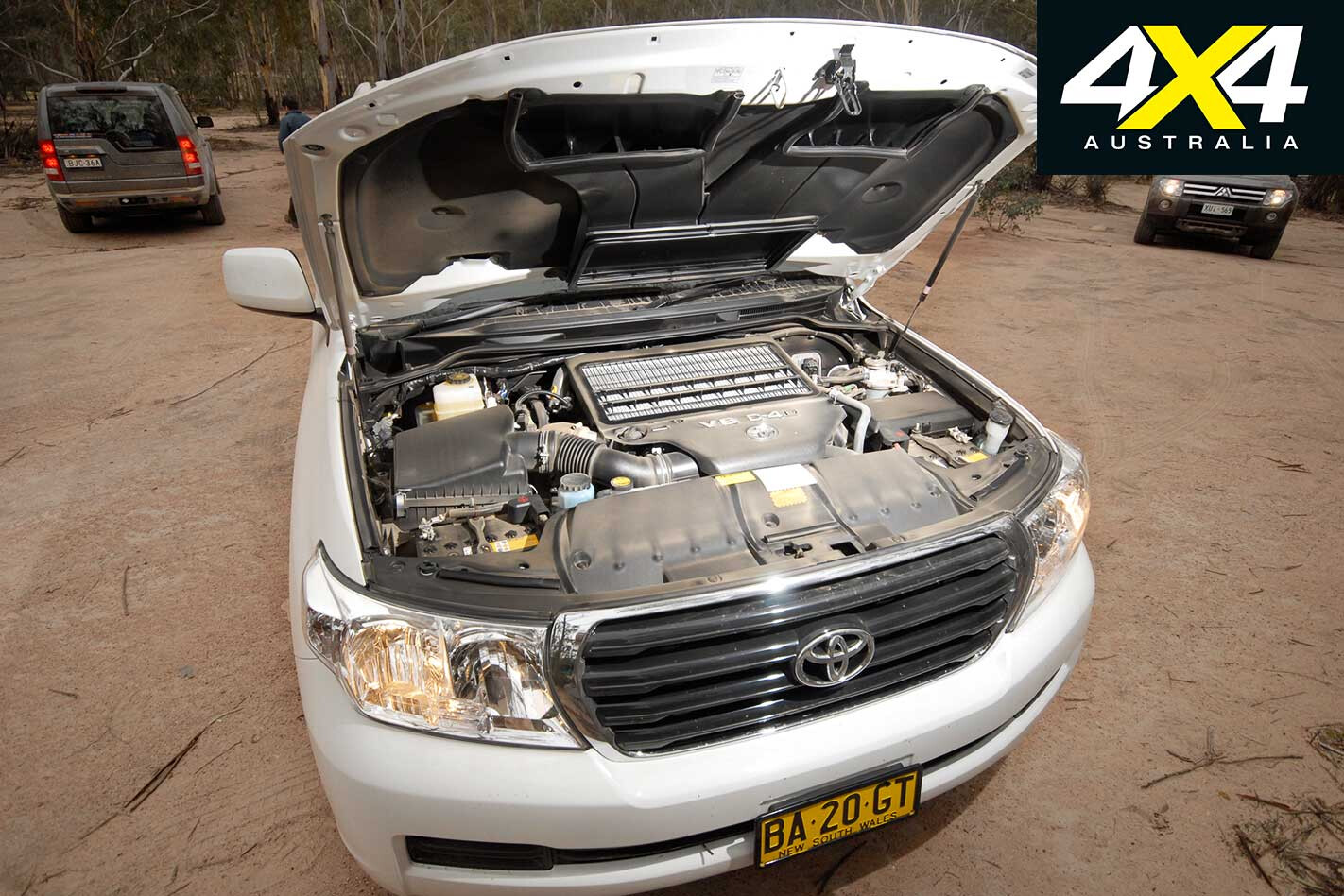
For the 200 Series LandCruiser, all three spec grades – GXL, VX and Sahara – have V8 power. While petrol variants make do with a five-speed auto carried over from the 100 Series, the oilers rejoice with a new Aisin six-speed auto. Full-time 4X4 operation remains with a Torsen lockable differential and both powertrains are fitted with a two-speed transfer case.
All 200 Series wagons sit on four-coil suspension, with an all new double-wishbone, independent layout up front that replaces the previous torsion-bar IFS and a live-axle, five-link design at the back that is similar to the arrangement on the 100 Series.
All 200 models come with multi-terrain ABS braking with electronic brake force distribution and emergency brake pressure assistance. Also standard are a brake-pressure delay that provides hill-start assistance, traction control and vehicle stability control. Standard on all variants except the GXL turbo-diesel is Australian-designed Kinetic Suspension.
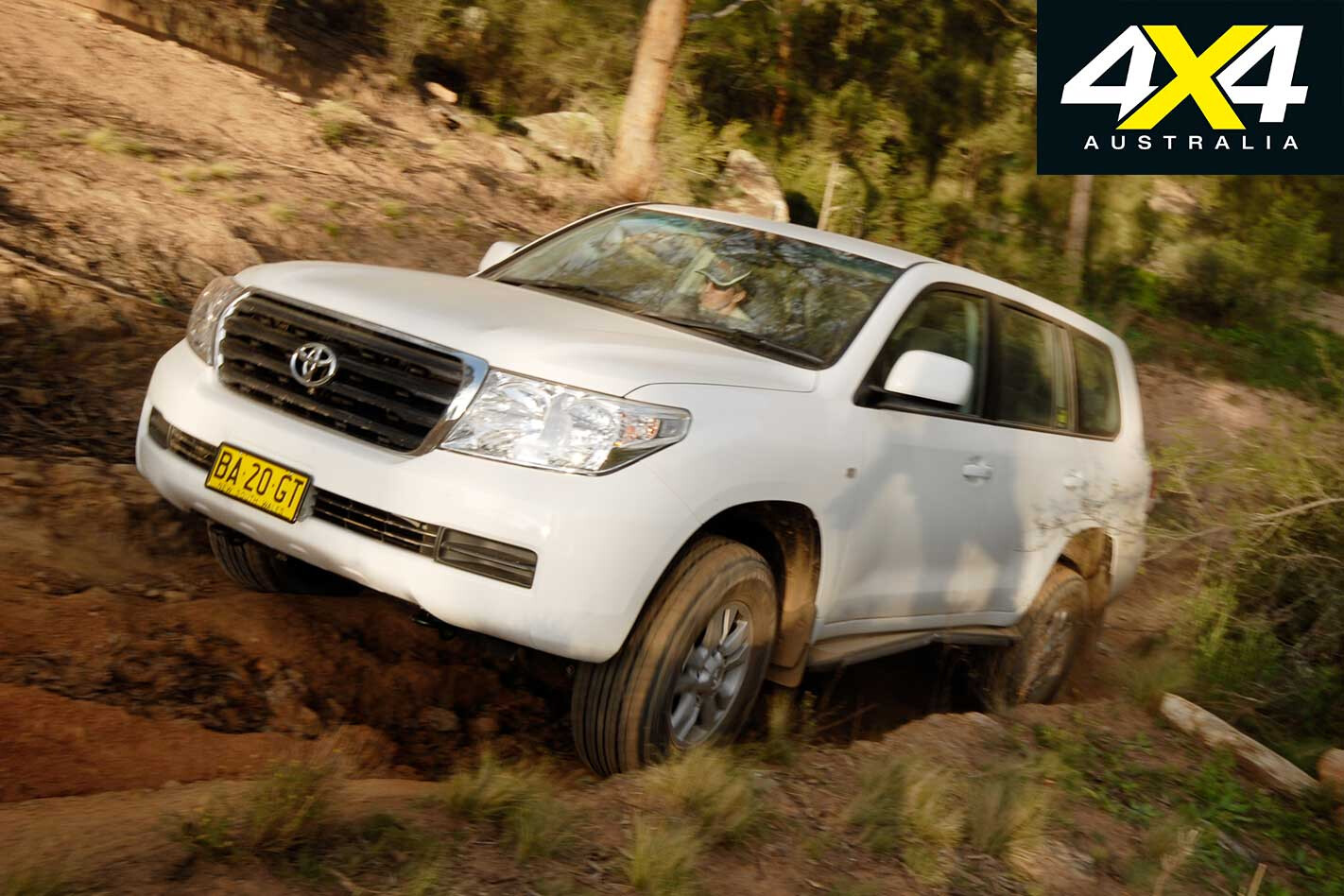
The tare weight has increased, too, and is why only the GXL is fitted with a sub-tank. Fill the sub-tank, add eight occupants at an average 75kg each and the VX and Sahara would exceed their 3300kg GVM. All 200 Series wagons are fitted with Smart Entry and Start, which some testers hated but others grew used to.
There’s not a lot in the way of fruit in the 200 Series GXL grade. GXL 200 comes with 17-inch aluminium wheels, cloth seats, side steps, body-colour door handles and mirrors, a tilt-telescopic steering column, dual-zone airconditioning, large centre console, small door bins, six cup holders, map lights, in-glass radio aerial, driver and passenger SRS airbags, curtain airbags, front and outer second-row seatbelt pre-tensioners, MP3 and Bluetooth capable audio system and a key reminder warning, all for $83,990.
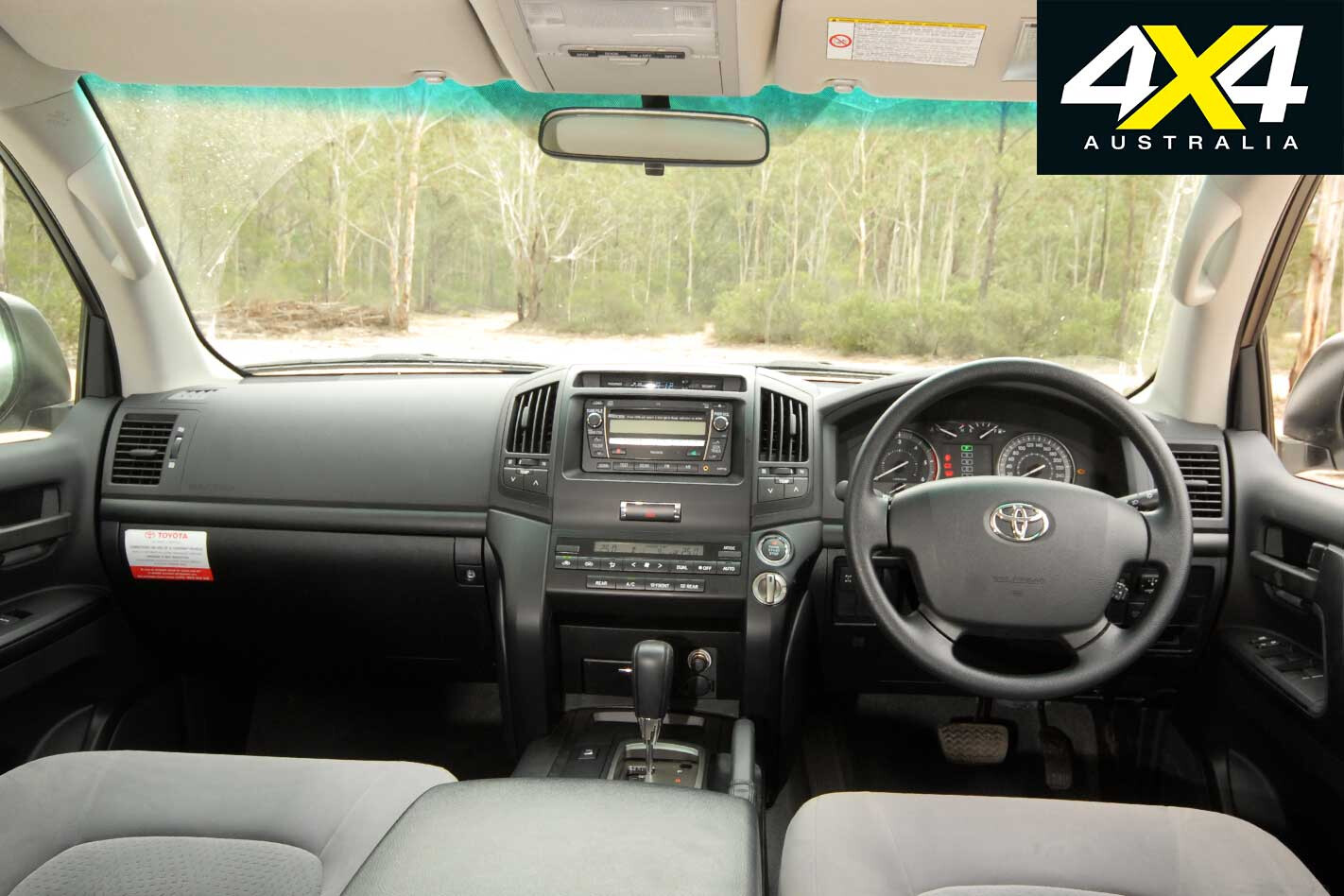
For the diesel VX you’ll have to shell out $94,750 and that level comes with KDSS, fog lamps, sunroof, leather seat and steering wheel covers, fake wood grain trim, power-adjustable front seats, 40:20:40 split second-row seat, map pockets, two more cup holders, door courtesy lights, backlit instruments, trip computer with steering wheel control button, rear map lights, front knee airbags, second-row outboard side airbags and an alarm system. The VX turbo-diesel doesn’t have a sub-tank and the main tank capacity is 93 litres.
The $110,990 Sahara wagon features all the VX equipment, plus headlamp washers, electric steering column adjustment, steering wheel audio controls, Bluetooth phone system, multi-information display, leather and fake wood steering wheel and gearshift knob, satellite navigation, reversing camera, auto-dipping rear vision mirror, electrically-folding exterior mirrors with reverse lowering function, nine-speaker audio system and four-zone climate control airconditioning. Our test vehicle was a GXL equipped with KDSS.
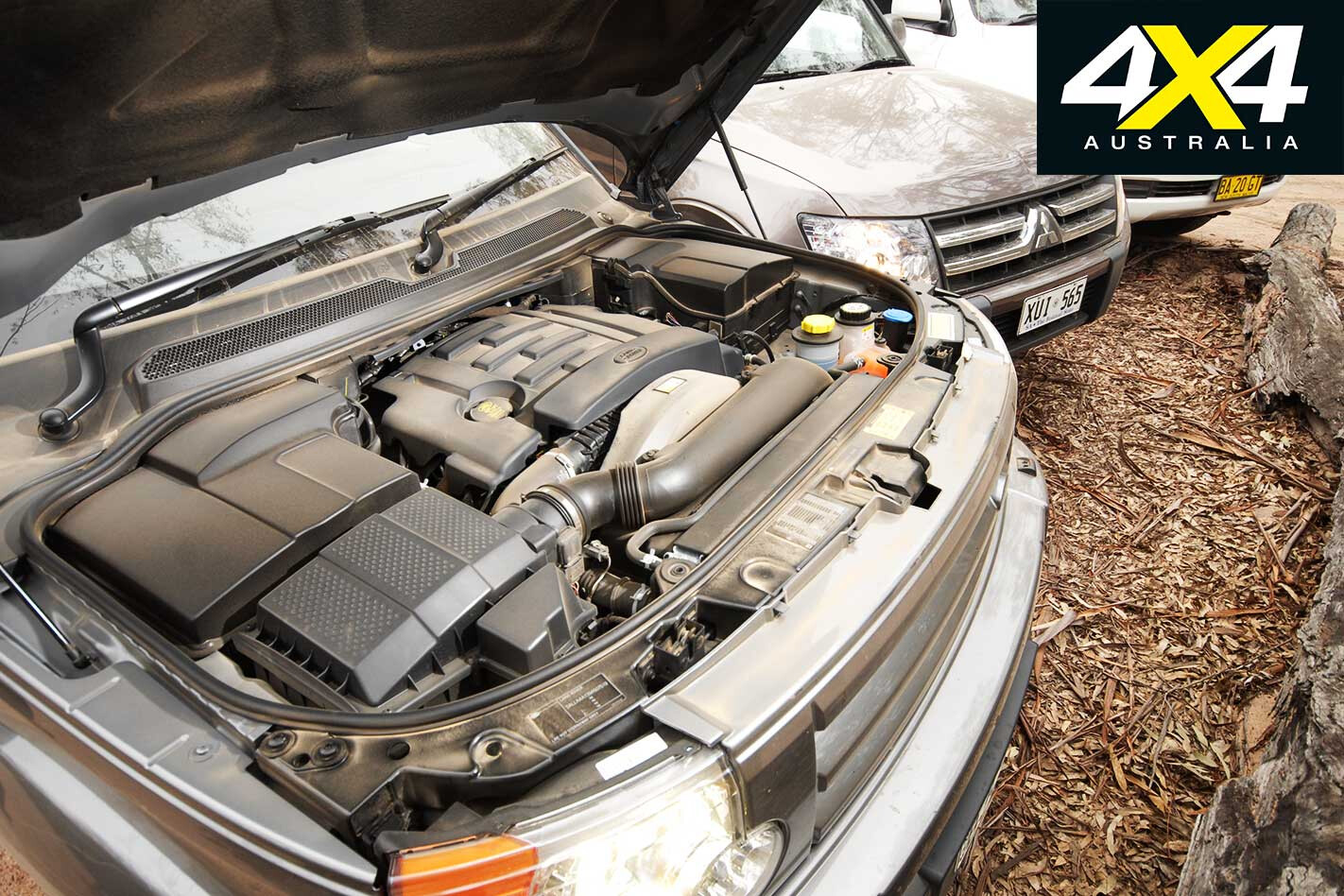
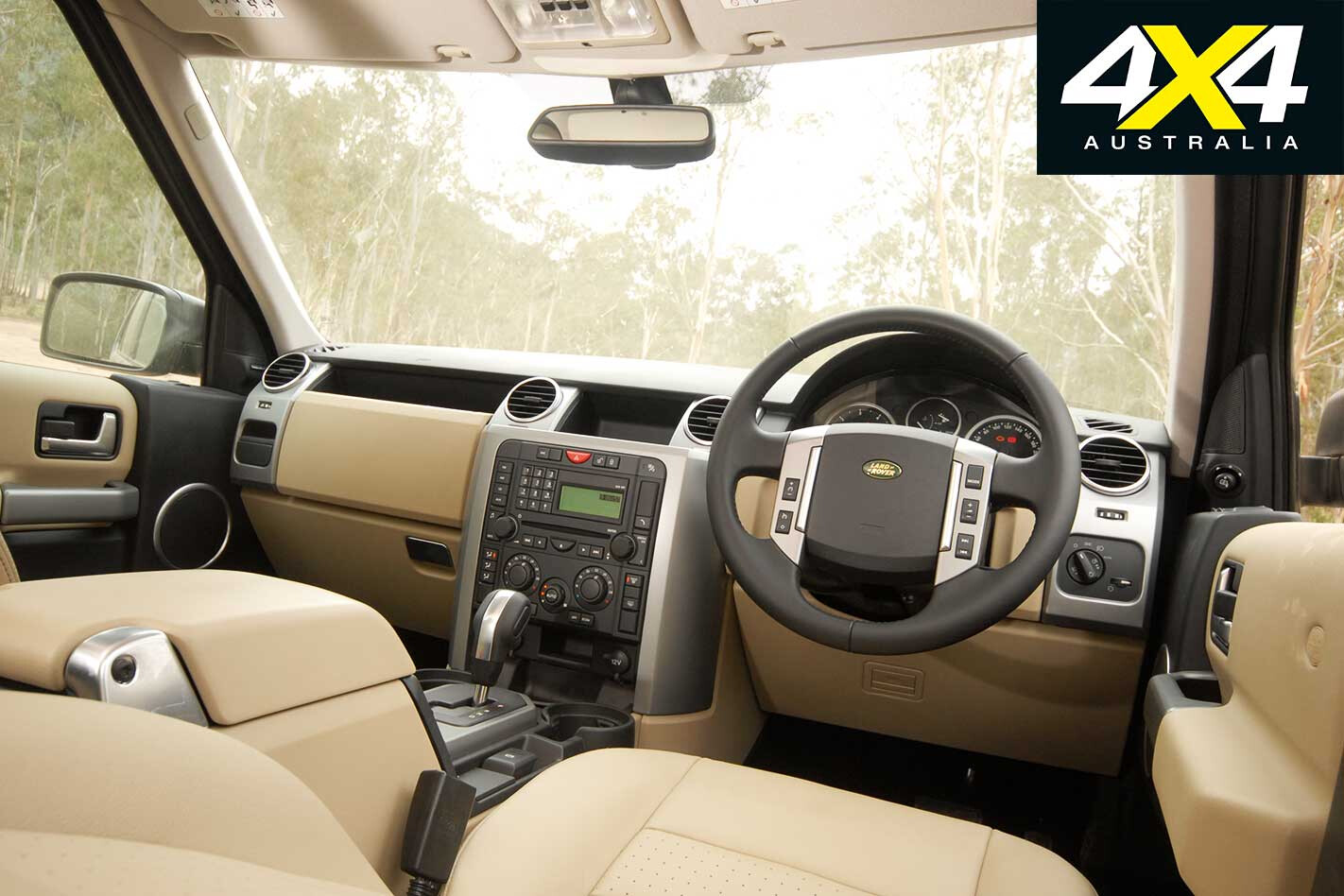
The 2009 Discovery 3 has familiar mechanicals under slightly tarted-up bodywork – body-colour bumpers and mudguard flares, tungsten-colour door mouldings and air inlet grille on SE and HSE – and improved equipment levels on all variants.
All 2009 Discovery models come equipped with independent, height-adjustable, electronically controlled air suspension; with Terrain Response engine and suspension programming. The coil-spring S-model has been dropped.
The entry-level S-model comes with five cloth-covered seats; V6 turbo-diesel power; a six-speed auto box; full time 4X4 driveline; shift on-the-fly low range selection; cruise control; six-speaker sound system; ABS/EBD brakes with four ventilated discs; 17-inch wheels; traction control; variable-speed hill descent control; stability control; roll mitigation; eight SRS airbags; front seat belt pre-tensioners; one-lever tilt-telescopic steering column; climate control aircon; electric park/emergency brake; removable, lockable tow hitch and twin trailer plugs. The recommended retail price is a very keen $67,590.
S-model options include a seven-seat pack ($3,540), leather seat covers ($2650), an electronically lockable rear diff ($1050), and 19-inch wheels ($4290).
The SE model scores seven leather-faced seats; HID headlights with washers and auto-on function; fog lamps; auto-wipers; dimming rear vision mirror; rear park distance control; 18-inch wheels; and an eight-speaker Harman-Kardon sound system, for an ask of $75,990. The HSE picks up a 13-speaker sound system and is the only model with a 4.4-litre petrol V8 power choice.
Options available on the SE and HSE are the rear axle diff lock; front park distance control ($900); centre console cool box ($790); power fold mirrors ($900); cornering headlamps ($1050); roof rails ($790); rear airconditioning ($1590); sunroof and alpine glass rear roof section ($3860); heated seats, wheel, front screen and washers ($2110); and navigation system and Bluetooth phone kit ($6250). Our test vehicle was a standard issue TDV6 SE mode.
The big news for 2009 NT Pajero shoppers is the significant development performed on the powertrain. The revamped engine has been given a new lease on life, with 18 percent more power and torque.
Mitsubishi has employed a Euro IV compliant diesel particulate filter (DPF) on all automatic Pajero models. It is an open type, and has 10 times the capacity of its closed predecessor and, according to Mitsubishi, can’t clog like the old one.
The greater outputs of the new Pajero engine have allowed Mitsubishi to install a new Aisin automatic transmission, with taller gearing. Overdrive fifth is now 0.716:1, compared with the previous Jatco auto’s 0.731:1.
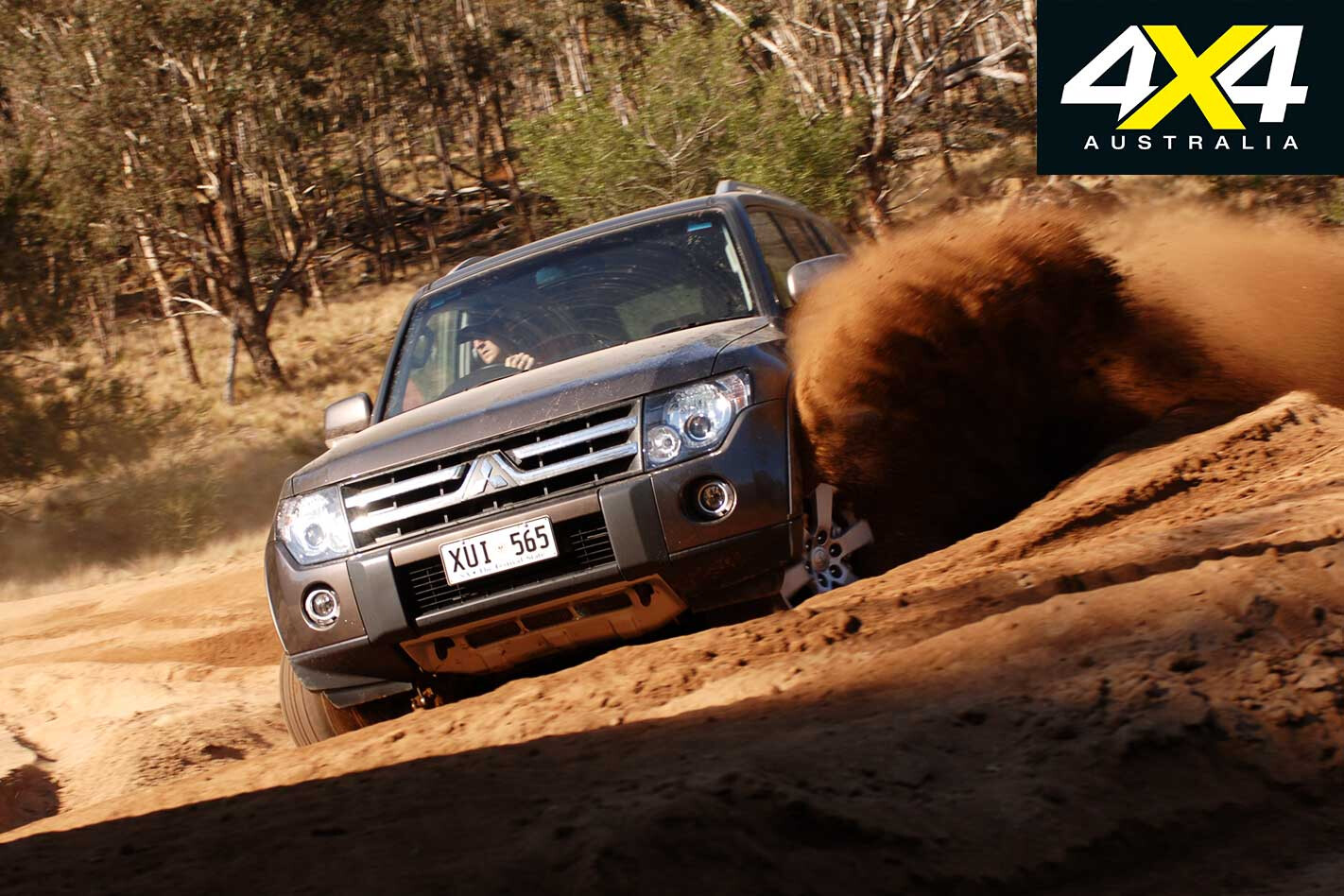
Electronic traction and swerve control have been standard equipment on all Pajeros since 2005. Although there’s no hill descent control switch Mitsubishi’s engine brake assist control (EBAC) prevents total run-away should one or more wheels lose traction when the Pajero is crawling downhill.
All 2009 Pajeros retain coil-spring, all-independent suspension and selectable full-time 4X4, with the ability to operate in rear wheel drive only. Also standard across the range are airconditioning, ABS and EBD, cruise control, electronic stability control and traction control, a trip computer and electronic compass.
The Pajero diesel range starts with the $50,790 GL that has 17-inch steel wheels, followed by the $55,790 GLX that picks up climate control, roof rails and aluminium wheels. Purchasers of the 2009 model should avail themselves of the $700 rear diff-lock option.
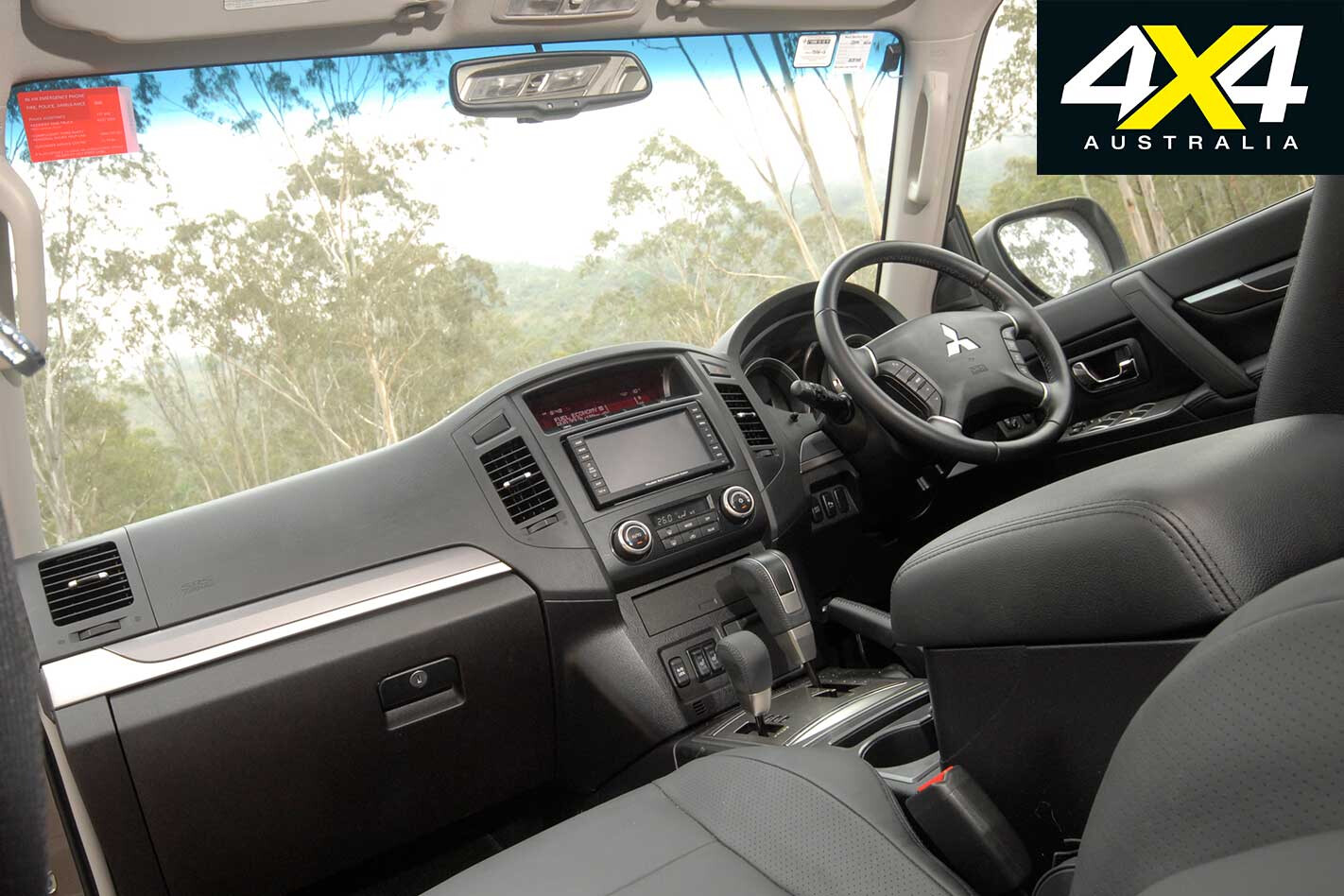
For 2009, Mitsubishi has re-introduced the GLS specification. The $59,790 GLS spec includes six airbags, rear airconditioning, fog lamps, body-colour flashing, side steps and a chrome grille.
The $66,490 VRX level adds side and curtain airbags, leather seat trim, rear air conditioning, reverse parking sensors and a standard rear differential lock.
Top shelf is the $74,790 Exceed, with wood and leather steering wheel, 18-inch wheels, chrome mirrors and door handles, and auto headlamps and wipers. Our test vehicle was a VRX model, fitted with optional satellite navigation system.
Living on the inside
These three mid- to large-sized tourers have, with some thought and planning, ample space for family touring. The added versatility of third-row seating in each also means that, when not outback, you can carry up to a claimed seven to eight adults.
Note the words thought and planning. Careful and thorough trip preparation will be needed to ensure you make the most of each vehicle’s cargo capacity, without exceeding their respective GVM figures. For large vehicles, this trio’s collective load capacity ain’t that good, especially if you’re planning a long trip into remote areas where things like extra fuel, food and water storage become an issue.
The Discovery 3 SE has a load capacity of 726kg, the Pajero can cop 770kg, while the Cruiser can only lug 670kg. Add a family of four (around 220kg to 280kg) and other trip essentials and you soon have only minimal load weight to play with.
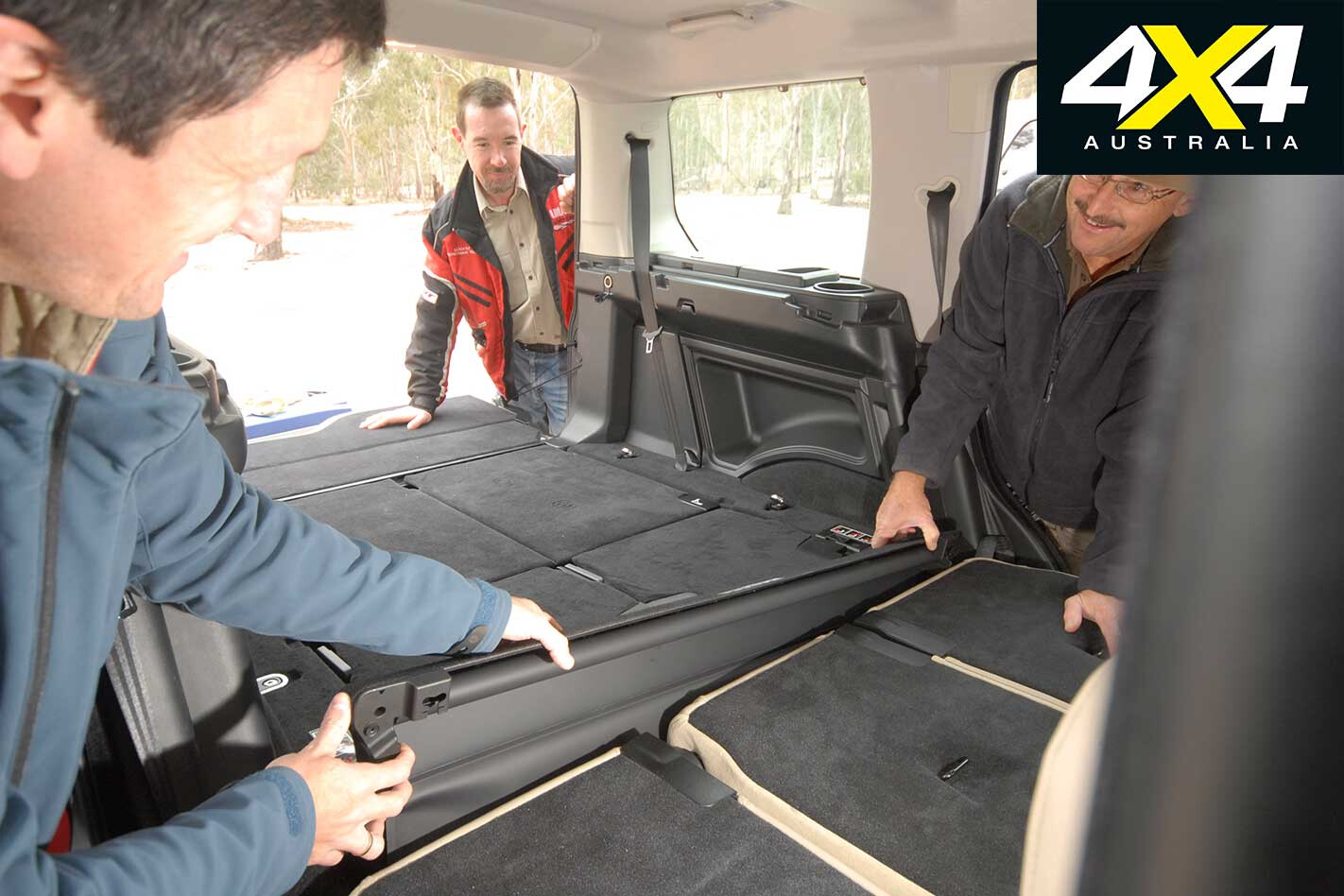
This means making the most of the available cargo space which, in all three, is impressive. The Discovery 3 is the cargo-space champ – its cargo area (with third-row seats folded into the floor) measures 1010mm deep, 1150mm wide and 1030mm high.
The Pajero measures 850mm in depth, 1030mm in width (between the intrusive wheel arches) and 1110mm in height. The Pajero’s third-row seats also fold into the cargo area floor, thus maximising available storage space.
The Cruiser is, physically, the widest vehicle here but doesn’t replicate this advantage in its cargo area due to the archaic fold-up third-row seats that rob it of storage space. At 1070mm deep, 990mm wide and 1035mm in height, it is still adequate but, if you remove the seats, you will gain more storage (width goes out to around 1400mm), albeit with the loss of seating versatility.
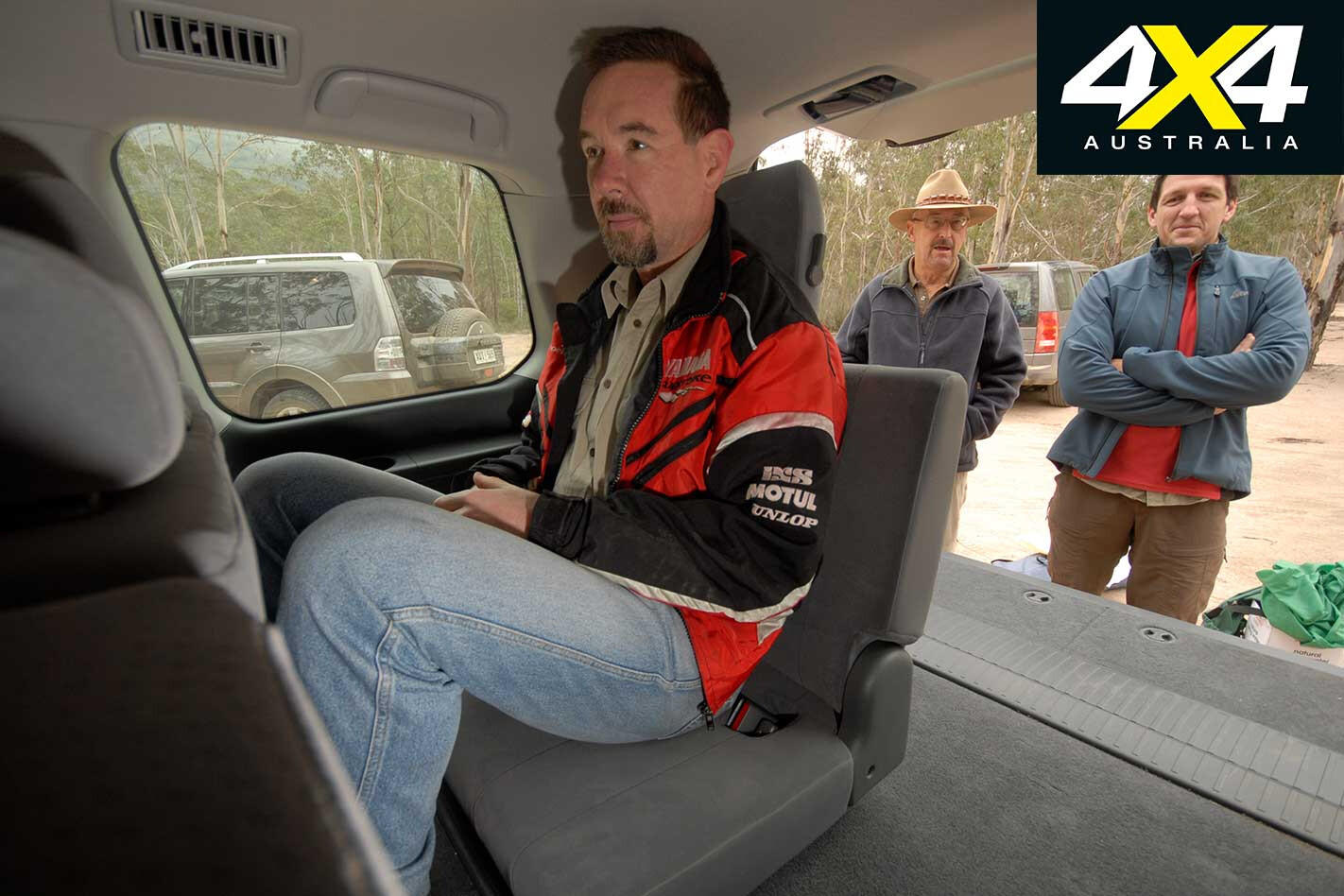
The engineering of the third-row seating in each vehicle contrasts remarkably. When the Discovery 3 was launched in late 2004, much was made of its ingenious third row, with its clever in-floor storage and the fact that tall adults can actually stay comfortable for long periods.
Land Rover states the third row seats “are big enough to accommodate 95th percentile adults” (95 percent of the adult population). The individual seats flip up from their floor storage compartment, which then acts as a footwell, so your knees aren’t up around your ears when seated.
The Pajero also stores its seats in a cargo well under the rear floor – you have to fit the head-rests manually – but it doesn’t allow the same foot space, so you are literally folded at the hips when seated.
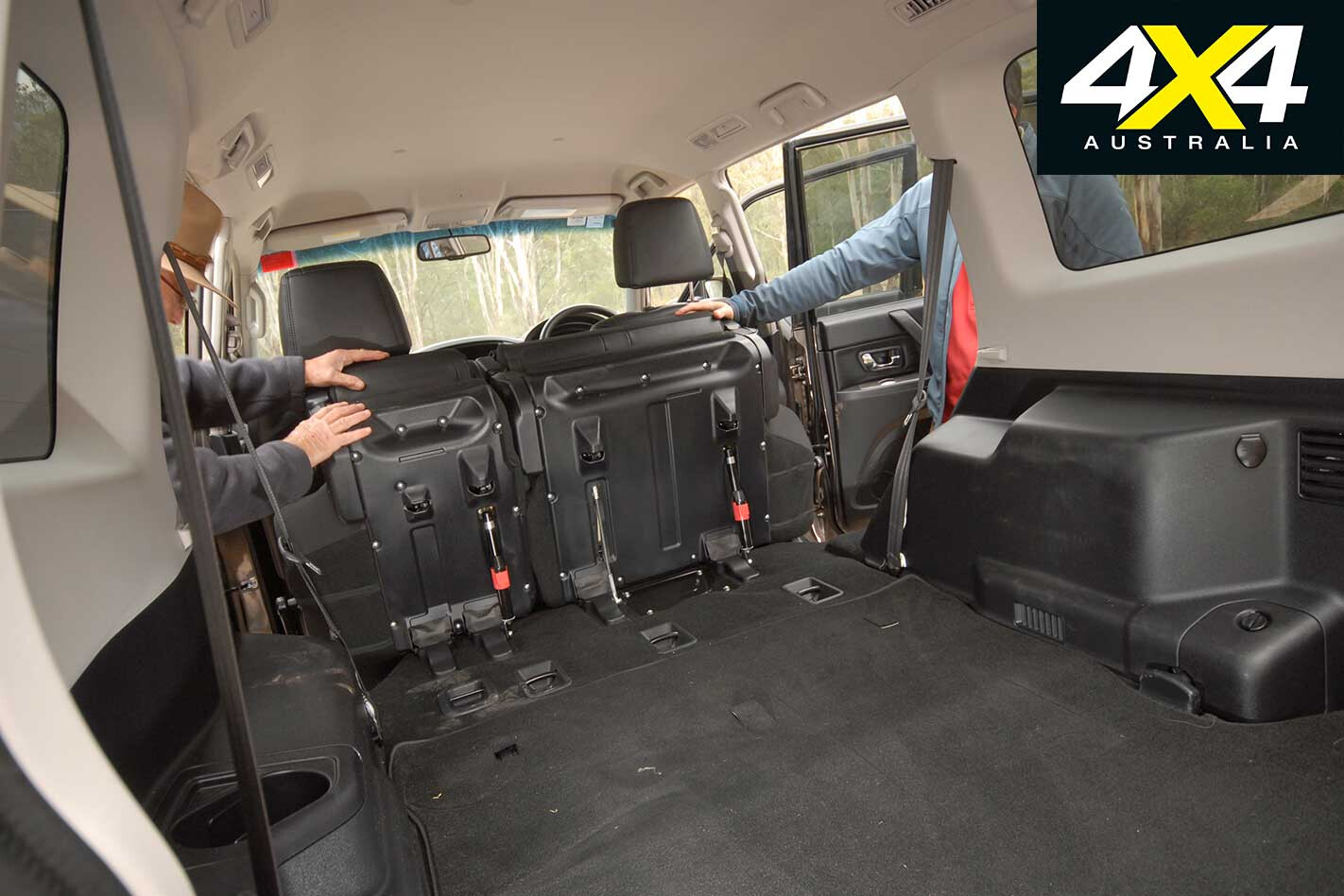
The Cruiser’s side-mounted fold-up third-row is claimed to offer space for three but doesn’t, unless you’re five years old. Set-up is quick and easy – just drop them down from their stored position – but, again, due to the lack of a footwell, your knees nearly block your vision, you’re bent up so much when seated.
The Disco 3 is the clear winner when it comes to the combination of available load space and acceptable third-row seating. Its 726kg capacity is second in the load-weight category but, when those unfortunate enough to be sitting in either the Pajero’s or Cruiser’s third row are whingeing loudly, you will be willing to sacrifice that 44kg. – Justin Walker
The Test
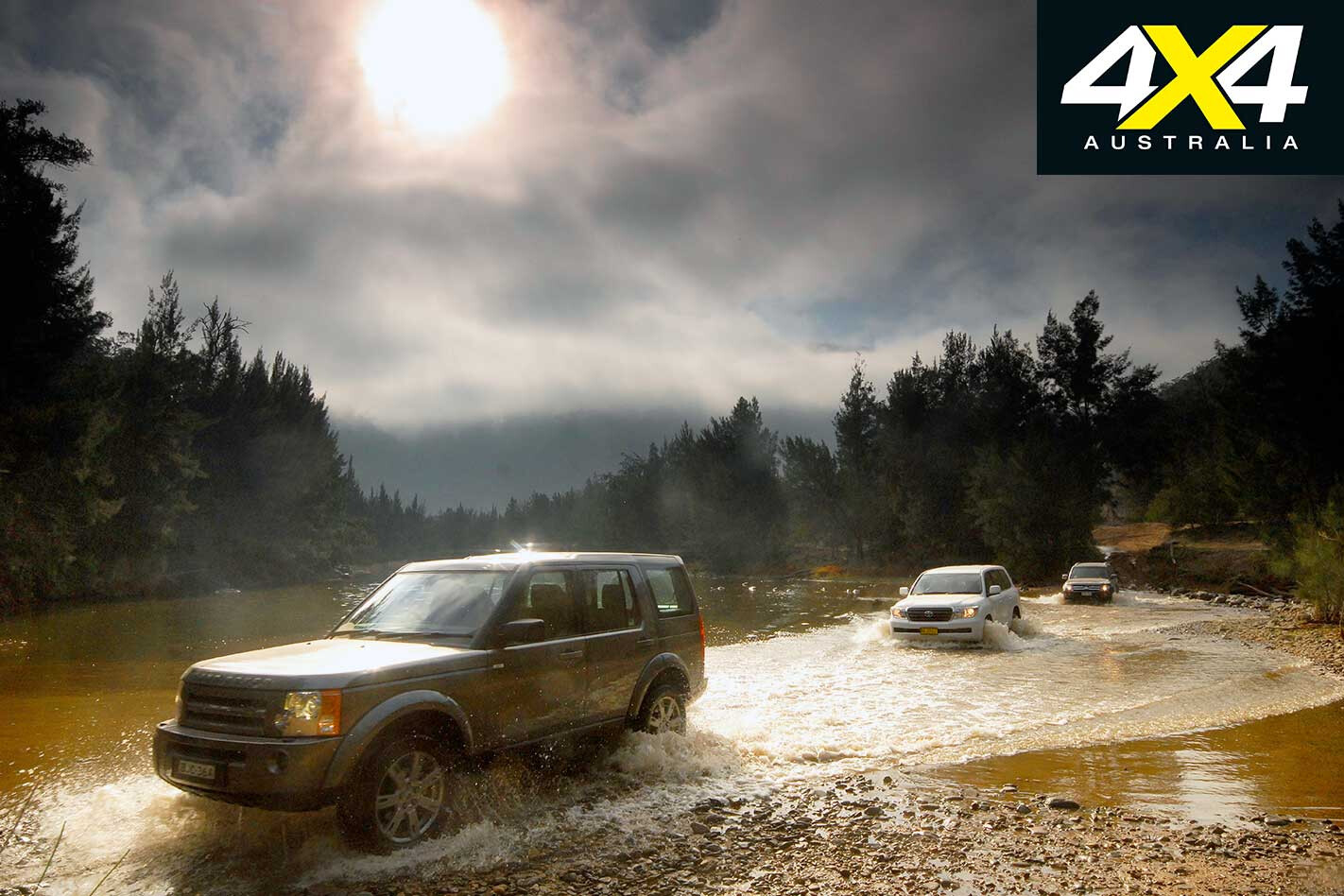
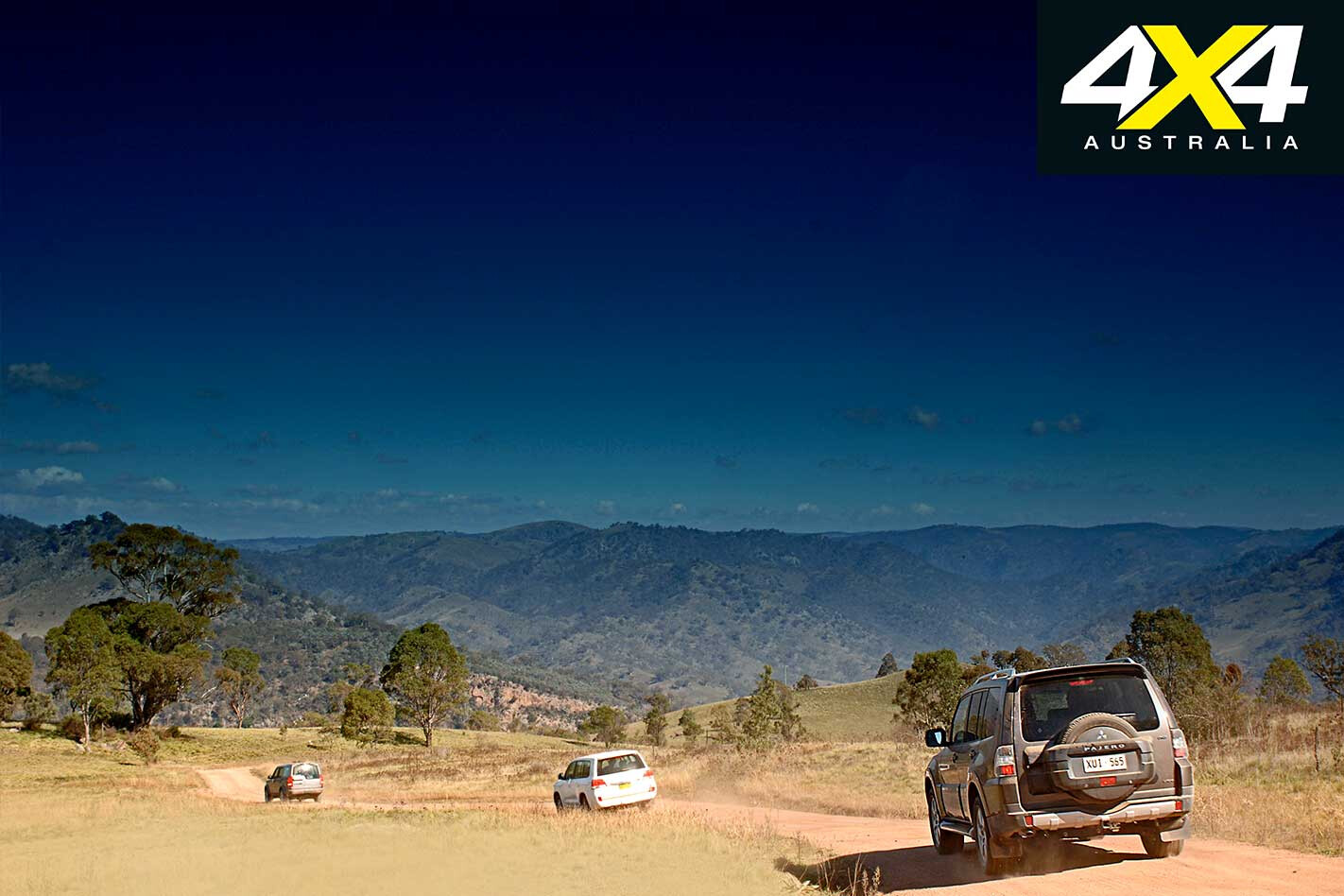
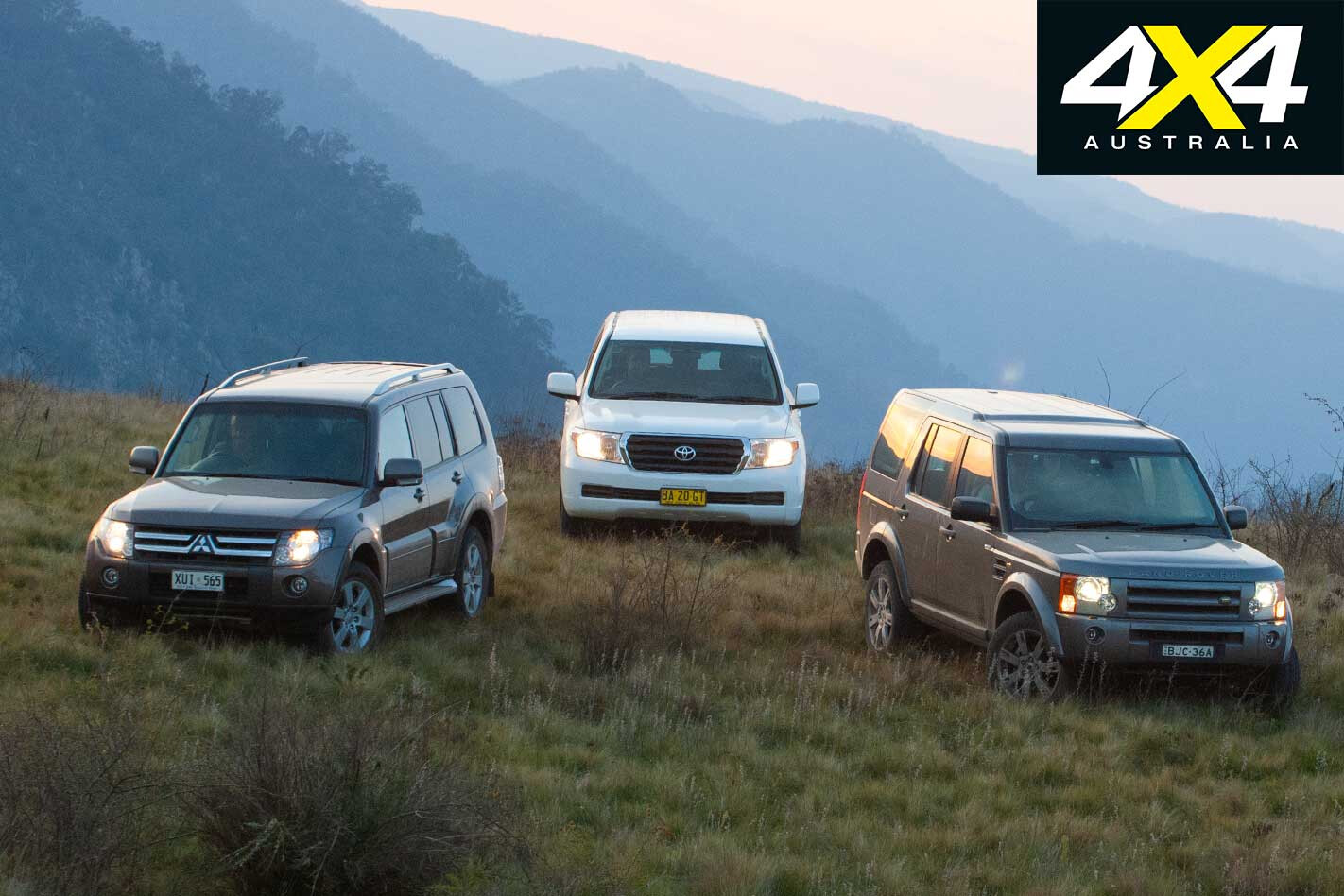
We half-loaded the three brand-new vehicles with camping gear and went bush for a few days. We ran them over freeways, secondary bitumen roads, gravel roads ranging from smooth to well corrugated and on beach sand. We then took them to the NSW Southern Highlands resort at River Island and put them through a demanding off-road course. We measured fuel consumption in on- and off-road conditions.
On-road
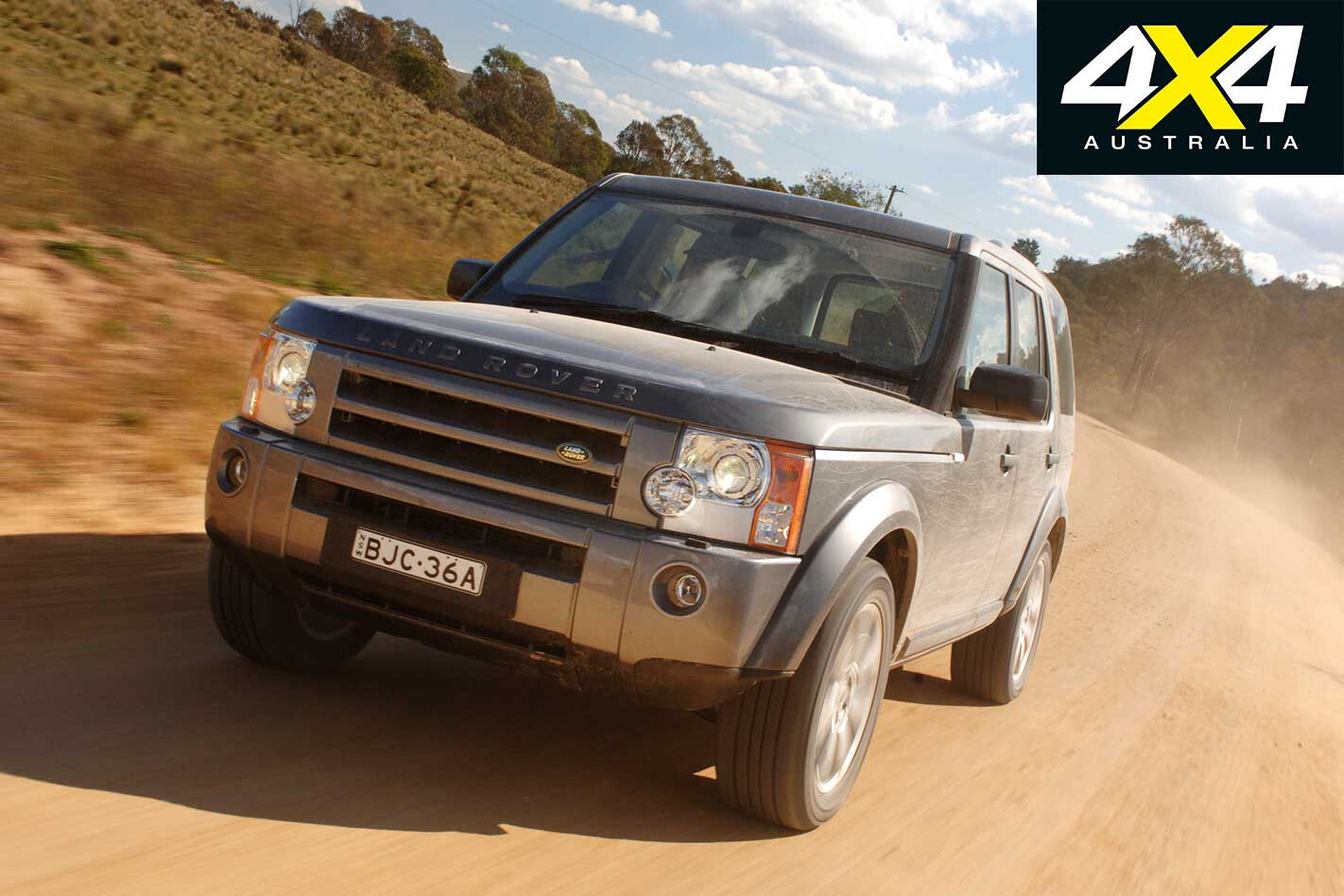
The Land Rover Discovery 3 is the most awarded 4X4 in history, so it’s not just us who find it exceptional. What it lacked in sheer grunt it made up for with precise, all-independent, air suspended handling, aided by cross-linked air springs. The Disco handled neutrally and coped well with different road surfaces.
The Land Rover stability control program is more interventionist in the Disco than in the Rangie Sport, so the Disco is not quite so chuckable, but it still had the handling edge over the 200 and Pajero.
Outward vision is excellent through the large windows and mirrors, but the cruise control setting is a tad doughy and takes some getting used to. The 2009 seats seem to have gained some shape over the original Discovery 3 chairs and proved to be comfortable for long hauls.
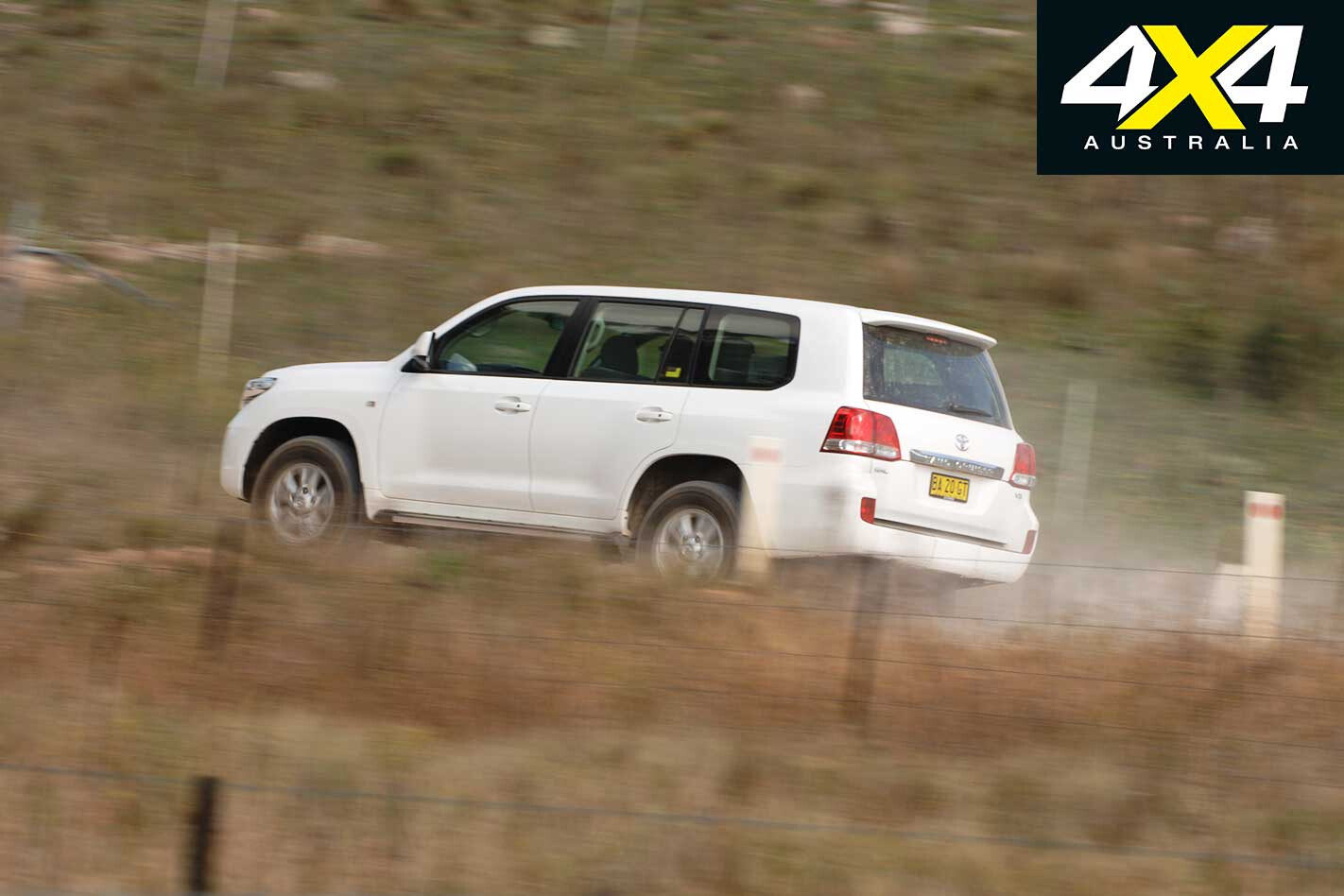
The LandCruiser 200 GXL diesel out-powered the others by a country mile, was deathly quiet and its optional Kinetic Dynamic Suspension System (KDSS) kept the big machine flat through the twisties. However, soft suspension and a propensity to bump-steer meant the Cruiser was a point and squirt machine that lacked the precision of the Discovery on rough surfaces.
The LandCruiser 200’s 138-litre tank size and its relatively frugal 14.9L/100km consumption made it the longest hauler on this test, with a practical range of 850+km. Even so, that’s not enough for really epic adventures like the Canning Stock Route. Plusses for the 200 as a town wagon are its smooth power delivery, smooth-shifting transmission and the capacity to seat five adults and three kids. The Bluetooth phone system is easy to set.
Downsides of the 200 on-road are front seat positions that don’t height adjust, making shorties struggle to see over the bonnet. The 200 is also a bulky beast with blind vision corners, so it’s a handful in congested areas.
The double overdrive transmission won’t pick up sixth unless you exceed the legal speed limit. However, the 200 Series makes an effortless cruiser, with its smooth ride, MP3 sound system, torquey engine, cruise control and low NVH levels.
The new Pajero NT powertrain proved to be streets ahead – literally – of the NS. The more powerful engine was relaxed at cruising speeds and accelerated strongly in D without any transmission jerking or engine response lag.
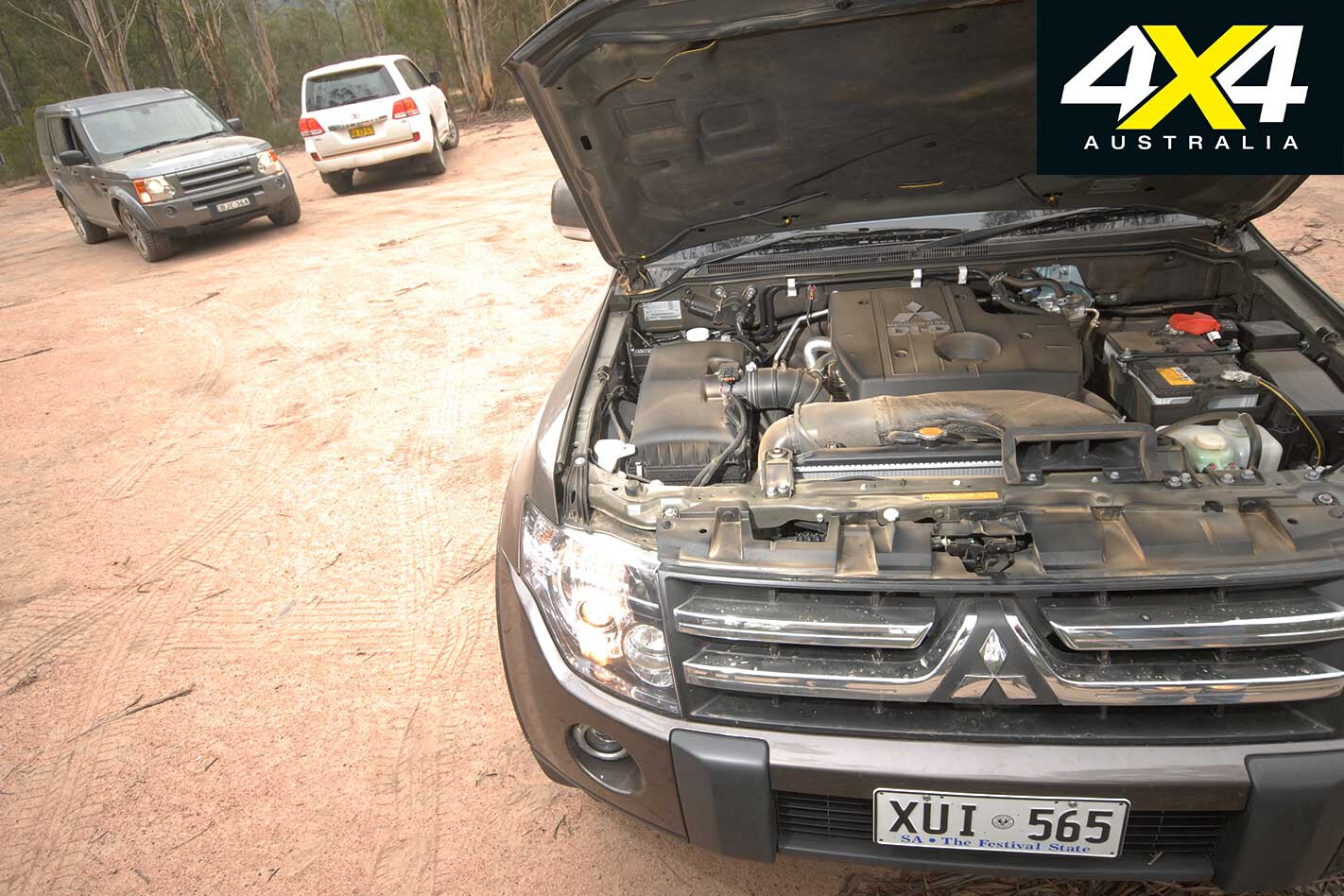
The engine spun below 2000rpm at 100km/h and a shade over that figure at 110km/h, helping produce the excellent economy figure we averaged. Although quieter than its predecessor, the new Pajero diesel engine is the noisiest in this trio of test vehicles.
The Pajero’s all-coil, independent suspension gave it excellent smooth-surface handling, but it chattered over corrugations. Firm springing provided flat handling, but at the expense of some compliance. The VRX specification included powered seats, but they’re on the small side, firm and a tad shapeless, so they didn’t provide adequate support.
Off-road
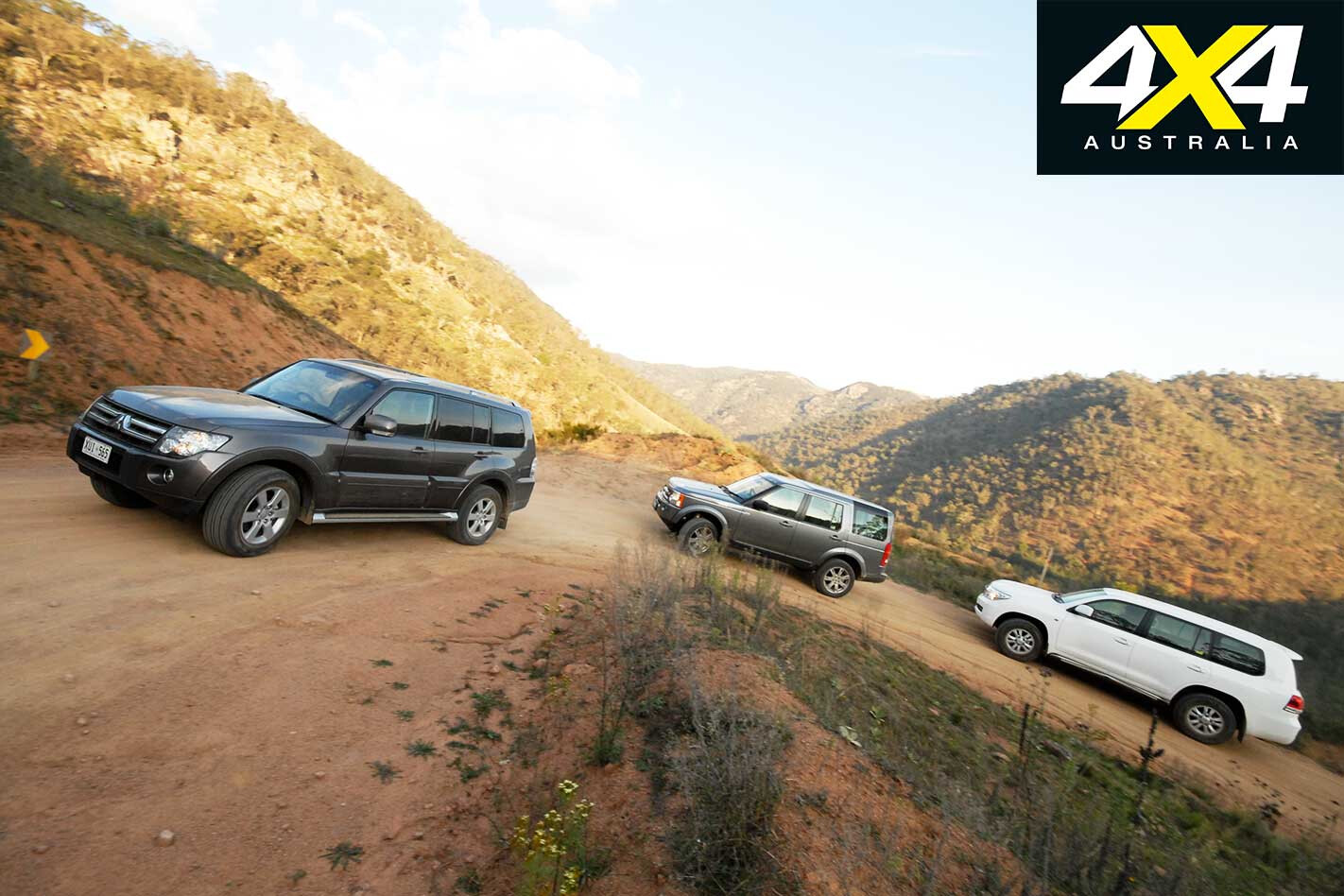
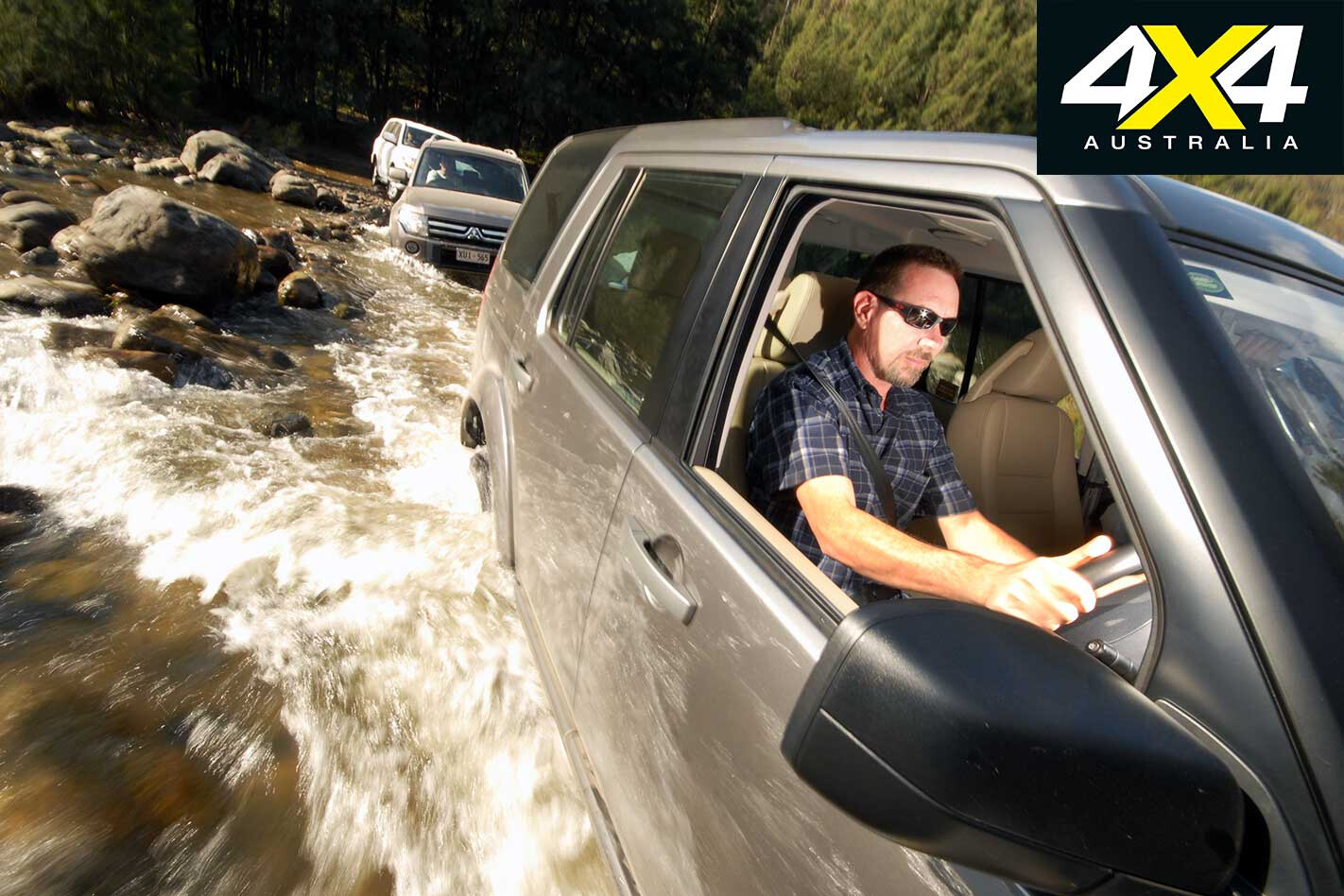
Driving the Discovery 3 off-road is made almost too easy by variable-height air suspension and the Disco’s Terrain Response system that provides a combination of height control, gearing and throttle response to suit different situations.
The only quirk with this system is that suspension height changes are created by an increase in air pressure in the air springs and that means the ride quality at full height is very firm. The firmness also reduces tyre grip on rough surfaces.
Another downside is the mandatory height drop from the high-clearance setting when road speed reaches 40km/h. There are plenty of Australian desert tracks on which it’s safe to run at speeds above 40km/h, but with a need for high ground clearance to avoid touching the underbody on the track’s centre hump.
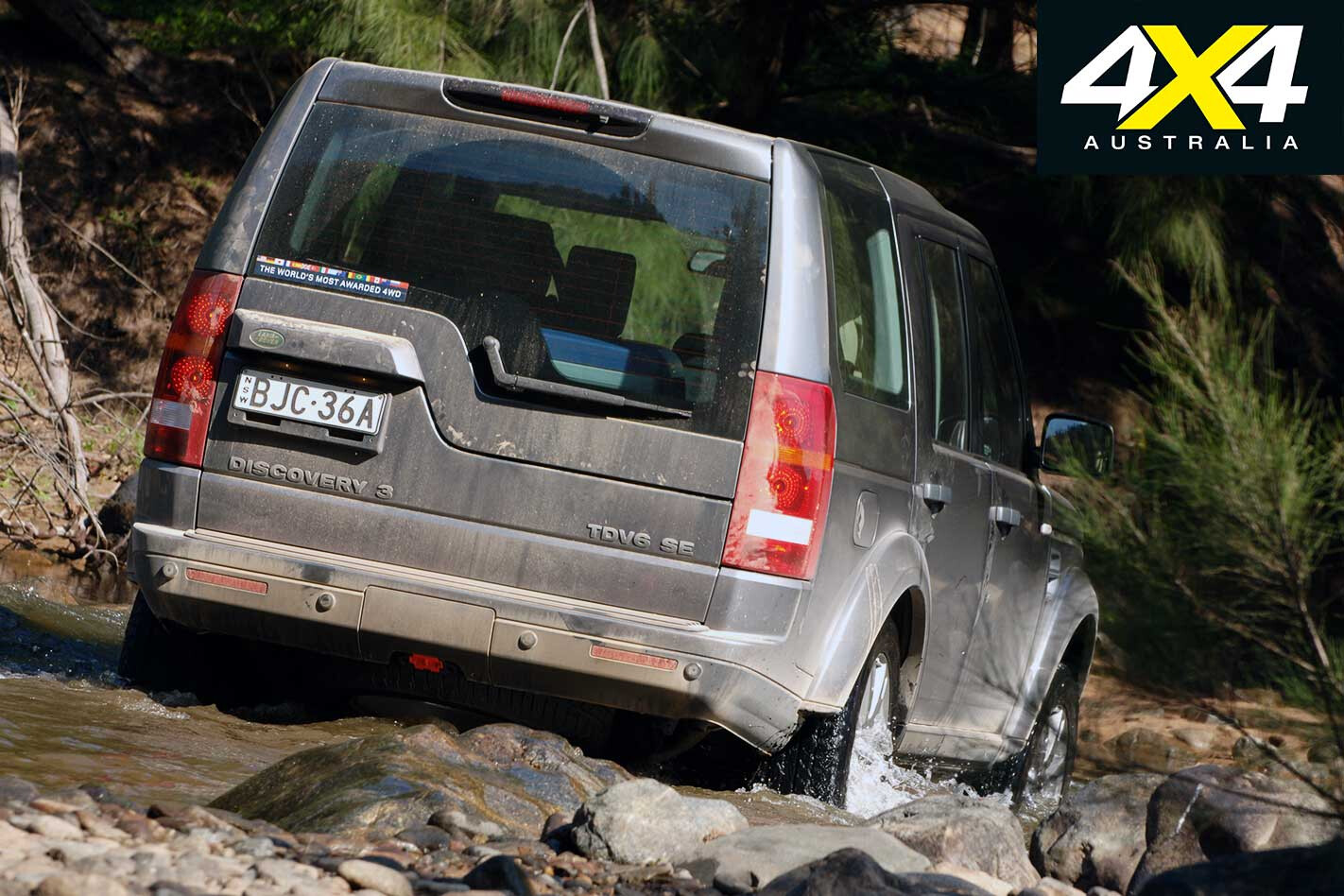
The 200 Series has the currently fashionable high-waistline, small-window look. Unfortunately, this is the worst possible layout for an off-road vehicle, because the driver sits low in relationship to the bonnet. Very poor over-bonnet vision meant even the taller among our testers were still flying blind over average crests.
The test 200 traction and hill descent controls worked well and KDSS provided great wheel travel, but the Cruiser was held back to a large extent off-road by its weight, bulk and lack of ground clearance. Vision of the track and the vehicle’s extremities is poor and the 200 is too wide for many bush tracks, so the panels and paintwork are constantly at risk.
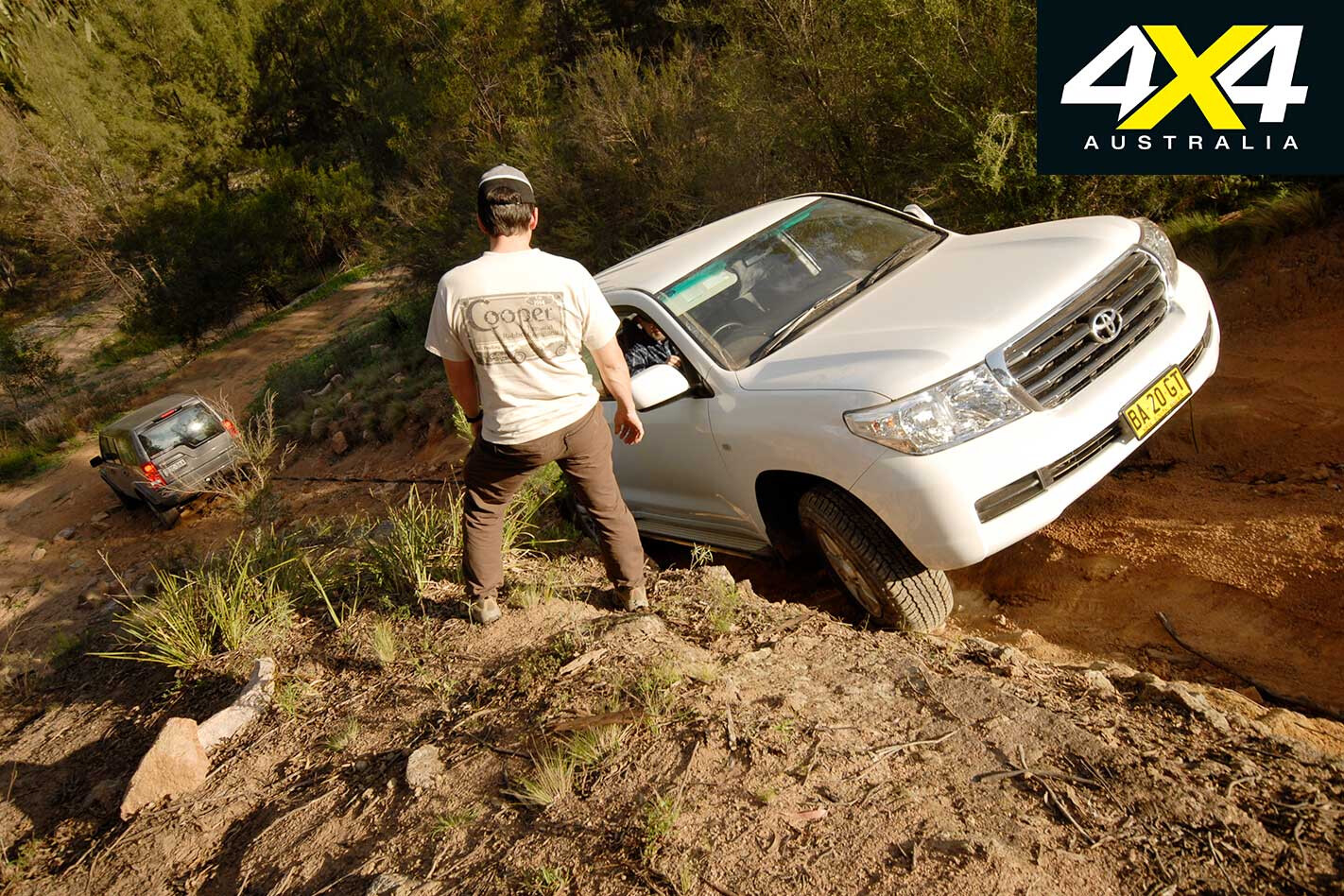
On paper, the Pajero diesel auto’s engine braking should have suffered slightly from the 2009 gearing change, but we couldn’t pick the difference. The engine brake assist program intervened conveniently when one or more wheels lifted off the deck on steep descents and worked well in conjunction with the optional rear diff lock. However, the Pajero couldn’t match the hill descent controls of the other two wagons.
Like the Cruiser, the Pajero was limited in rocky terrain by its ground clearance, but the combination of powerful traction control and a lockable rear differential made it a formidable off-roader.
Bush mods you’ll certainly need
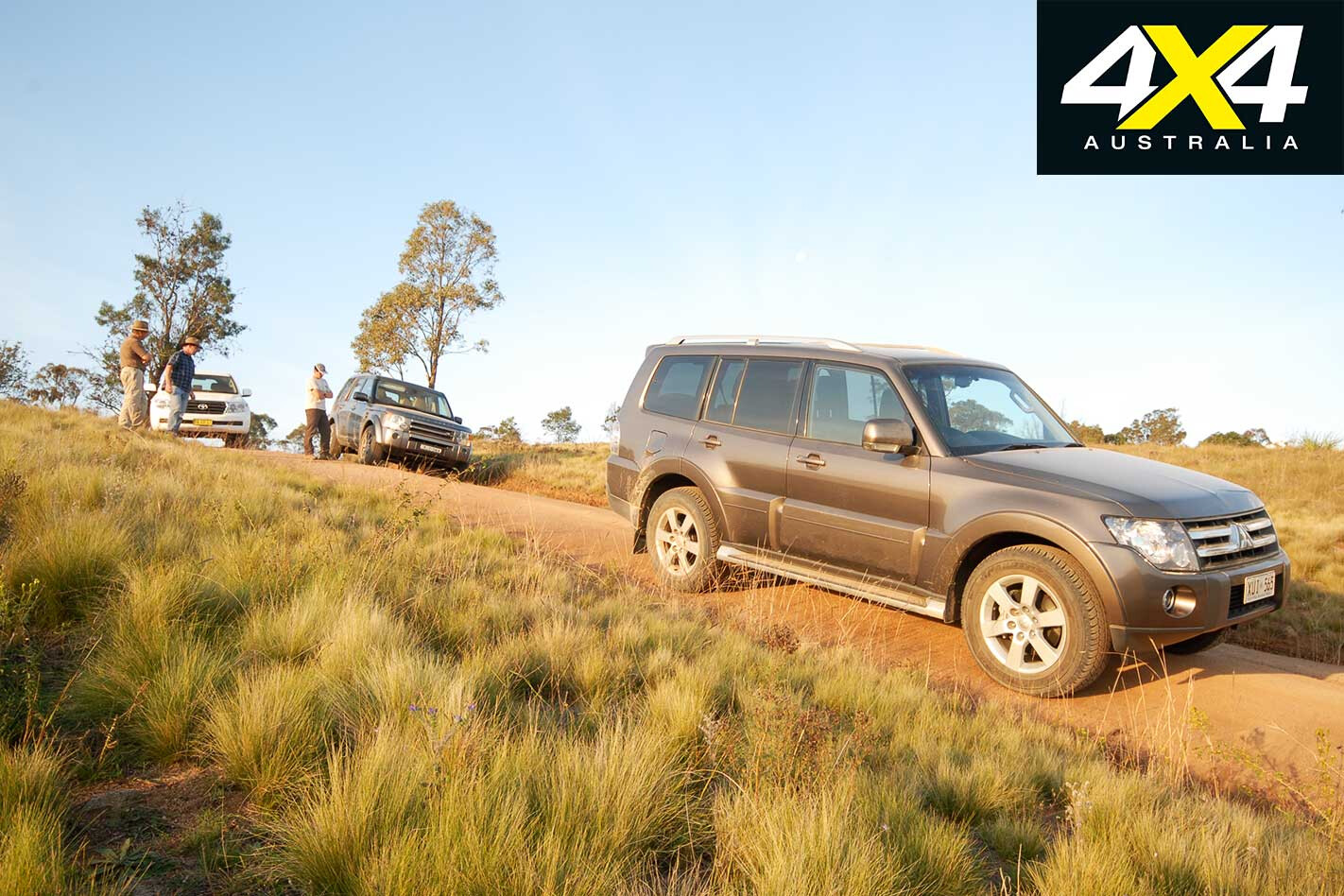
Apart from the obvious accessories such as racks, bars and winches there are some specific modifications needed for all these machines.
The Discovery can be fitted with a bolt-on factory snorkel without any panel cutting and there’s a Long Ranger 100-litre fuel tank available or a 110-litre tank from Long Range Automotive. To fit either it’s necessary to haul out the spare wheel and bolt it to a swing-away rear bar. The Disco has a second battery box underbonnet, ready for a deep-cycle volt-box.
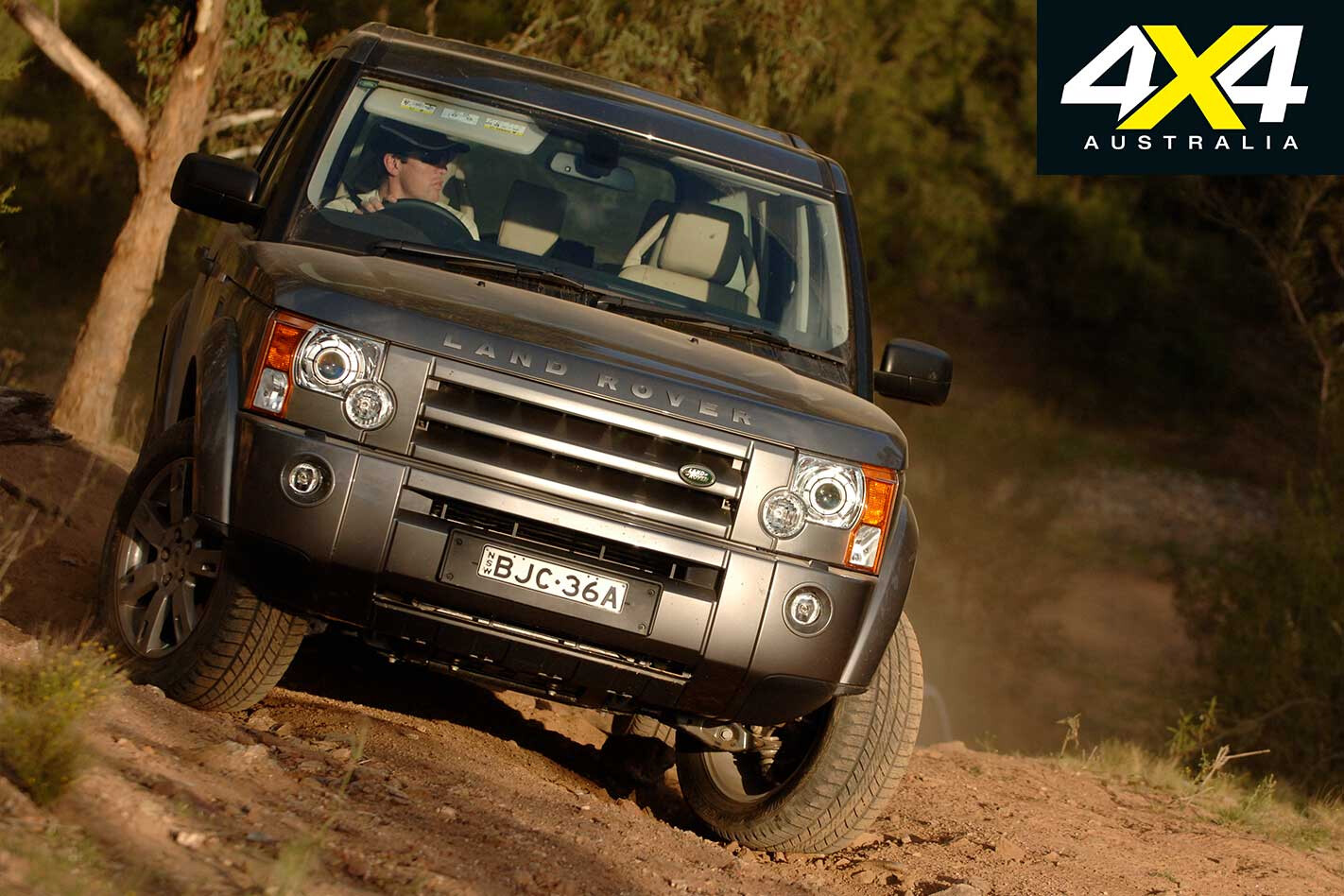
The LandCruiser 200 diesel comes with twin starting batteries, so it’s possible to upgrade one and replace the second one with a deep-cycle unit to run a fridge. You’ll need to run a wire aft, because the big Cruiser came to market without a 12V outlet in the cargo area. The 200 breathes through the inner mudguard, so a snorkel fitment is straightforward.
We’re not sure about KDSS: it works fine on-road and disengages in off-road conditions to improve wheel travel, but can’t do anything about ground clearance. We’d rather spend the KDSS money on an aftermarket suspension that improves ground clearance and damping.
The Pajero’s biggest limiter off-road is ground clearance, but there are several aftermarket kits available to raise the body by 50mm.
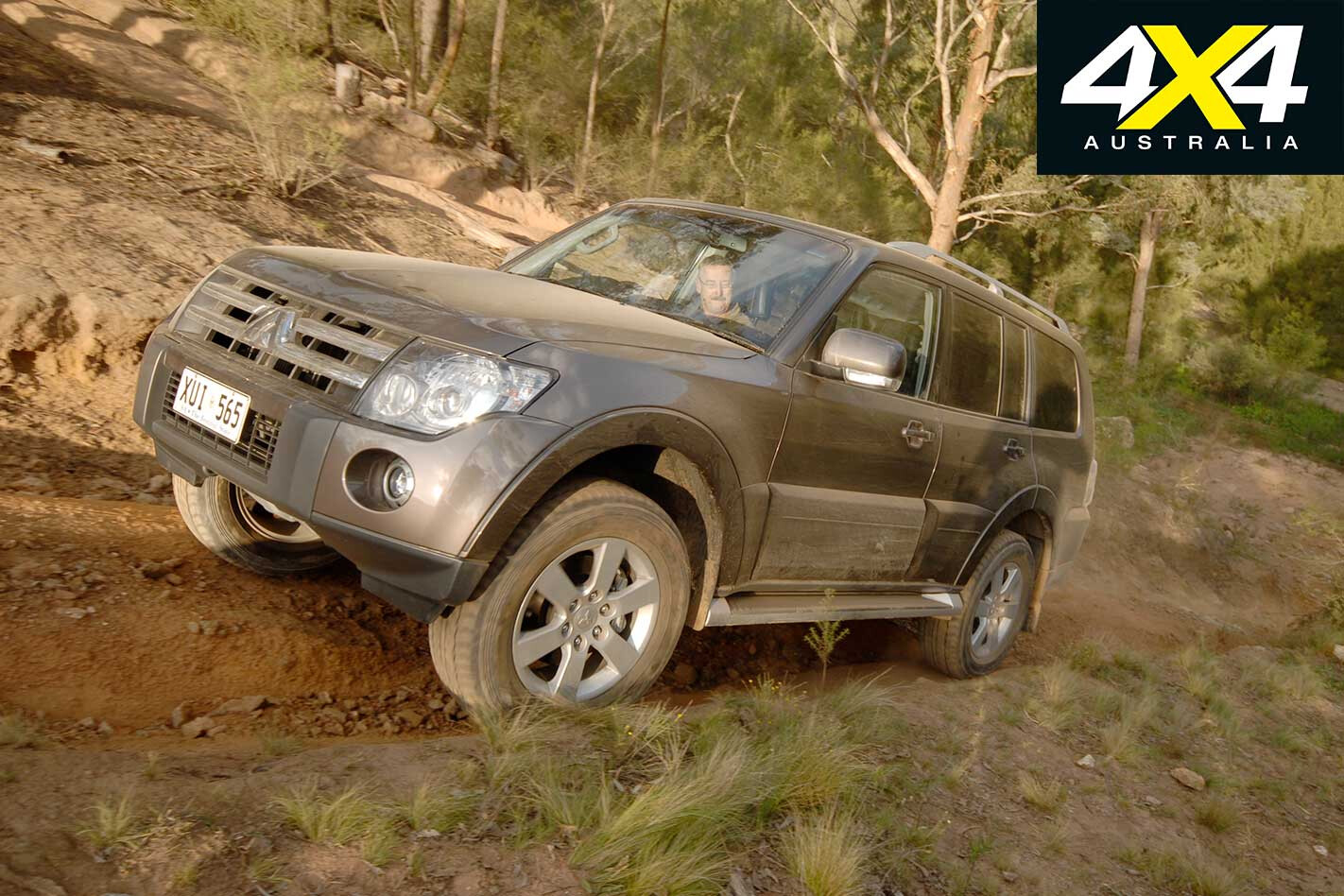
Its air intake is in a lethal position atop the radiator and needs to be replaced by a snorkel before any water crossings are attempted. Fuel capacity can be increased by 60 litres with a supplementary tank and the third-row seats can be unbolted and replaced by a 60-litre water tank.
Being fitted with an optional tow bar the test vehicle already had a slightly raised spare wheel mounting, behind the plastic cover strip. This trick allows ball receiver space under the spare.
Mitsubishi Pajero’s Super Select 4WD II
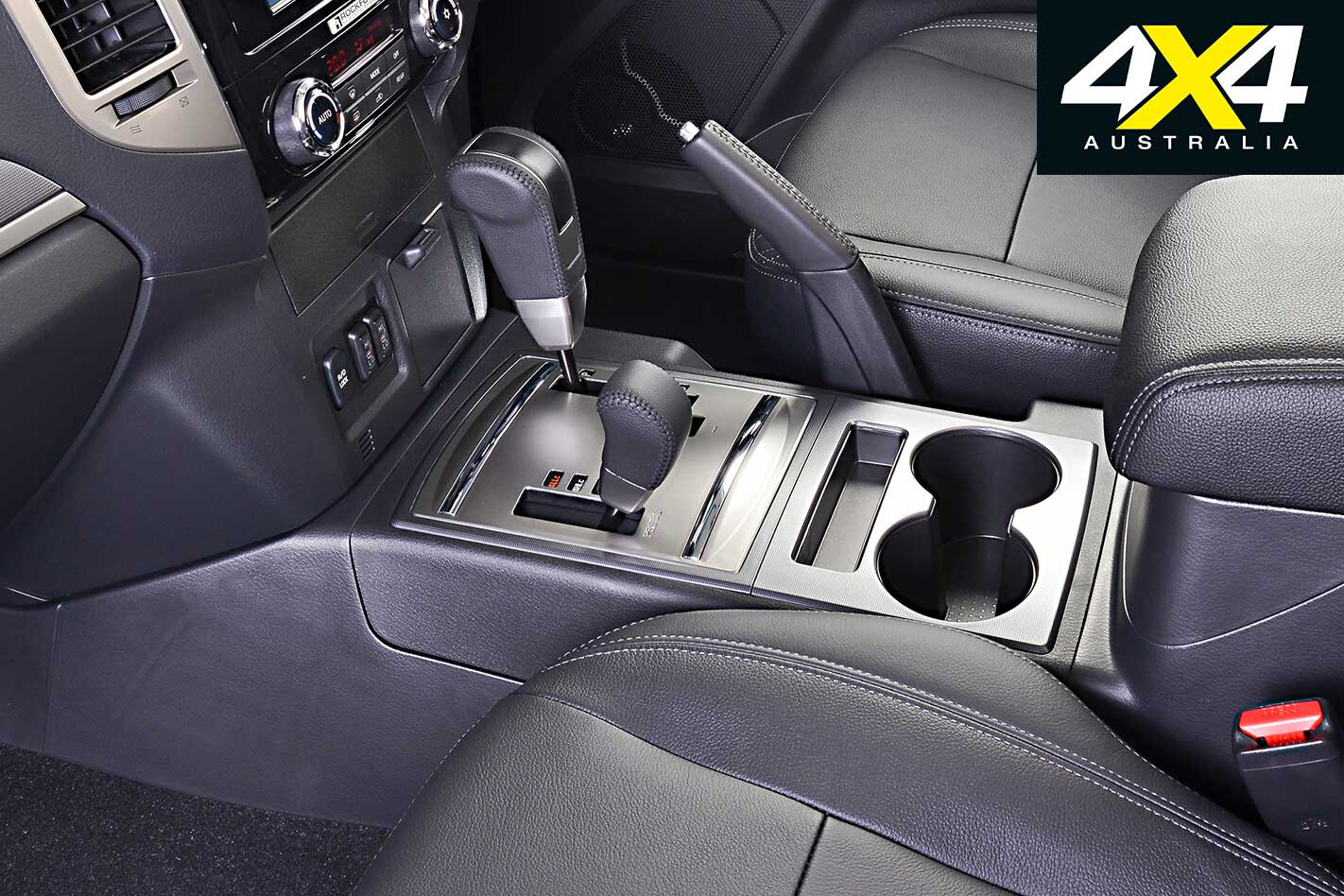
Mitsubishi’s Super Select system offers the best of four worlds in its operation, with the ability to shift between two-wheel drive (rear wheels) and three levels of four-wheel-drive. Drivetrain options are: 2H (two-wheel-drive, high range); 4H (high range, full-time 4X4); 4HLC (high range full-time, locked centre diff); and 4LLC (low-range 4X4, with centre diff locked).This provides the driver with a range of traction options for different terrain.
By leaving the Pajero in 2H (2WD high range) the driver can take advantage of less frictional losses through the powertrain for a claimed improvement in fuel consumption. However, even with the two-wheel drive advantage on some sections of this comparison, the Pajero’s overall consumption was only slightly better than the other two.
Shifting to 4H (full-time 4X4) can be done at speed when conditions dictate more traction is required. The torque split is between 33:67 and 50:50 front/rear and 4H can be activated on any surface.
Shifting to 4HLC locks the Pajero’s centre diff, and consequently the torque split, for even drive transfer through all four wheels, while 4LLC (activated when stationary) is the only option for rugged terrain. – Justin Walker
Toyota LandCruiser’s KDSS
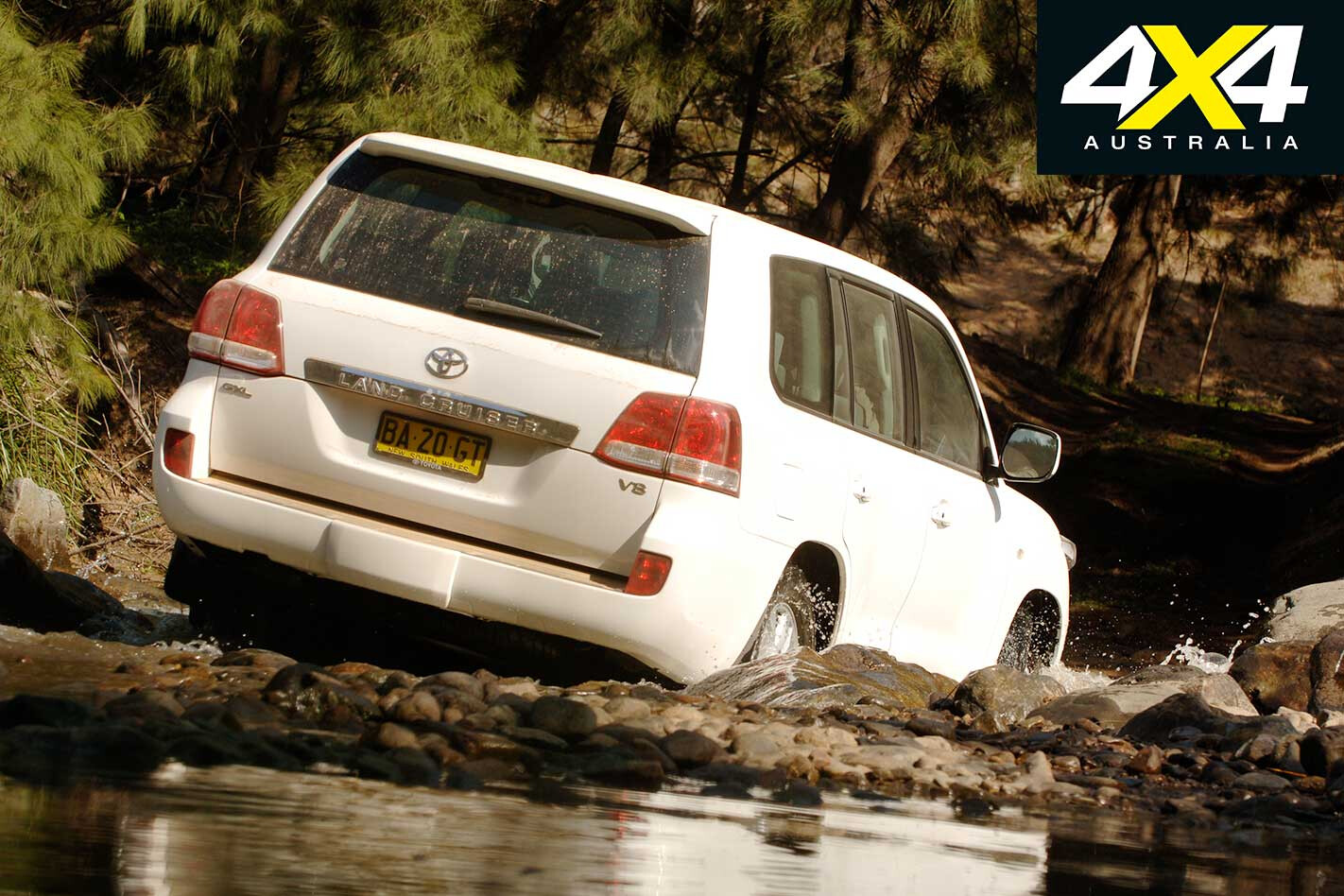
Toyota adopted the Australian-designed Kinetic Dynamic Suspension System (KDSS) for the LandCruiser 200. This system is designed to reduce excessive body-roll on-road without sacrificing all-important suspension travel when the Cruiser is tackling gnarly, off-road terrain. It does this by using a non-powered hydraulic link set-up to vary anti-sway bar resistance which governs the amount of suspension travel.
Hydraulic cylinders, located on the left-side ends of the front and rear anti-sway bars, are linked via a pair of hydraulic lines running inside the chassis rail. In on-road cornering situations, where the cylinders are in phase, the hydraulic lines lock up, allowing the anti-sway bar to twist normally, thus minimising body roll.
In off-road situations, the system promotes full suspension travel through the hydraulic cylinders stroking in opposite directions which, in effect, loosens the anti-sway bars, allowing maximum suspension travel.
We’ve had the chance to drive KDSS-equipped Cruisers and standard variants and can attest to the system’s effectiveness. It really does keep the otherwise wallowy Cruiser more in-line when cornering on-road, without sacrificing its impressive off-road capability.
As a $2500 option on the GXL (it’s standard on VX and Sahara) KDSS is not cheap but, for those who do a lot of on-road travel in between off-road adventures, it is a must-fit option. – Justin Walker
Land Rover Discovery’s Terrain Response
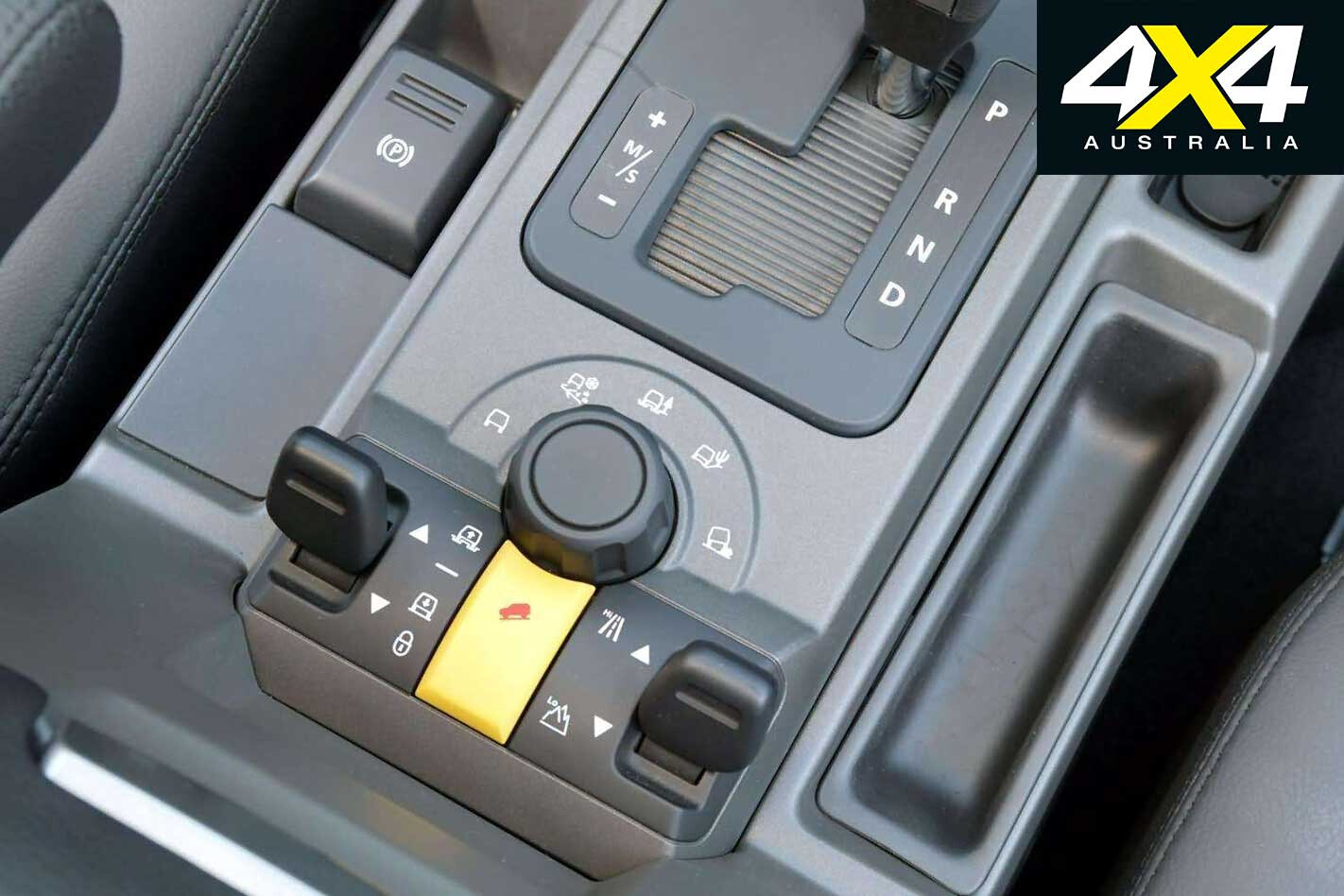
When Land Rover unveiled the Discovery 3 in late 2004 the big talking points were its adjustable air suspension and, most significantly, its Terrain Response system. Five years later and Terrain Response has proved itself on- and off-road as durable, reliable electrickery that does what it purports to do.
This electronically controlled off-road driving system offers five terrain settings. Two of these – general and grass/gravel/snow – can be activated in high or low range, while mud/ruts, sand and rock-crawl are low-range only.
Terrain Response alters throttle response mapping, gear upshifts, suspension height and traction control settings according to each setting’s parameters, which are simply activated by the turn of the Terrain Response dial.
The sand setting, for instance, gets a more immediate throttle and kick-down response while traction and stability control input is minimised. Rock crawl allows for maximum air suspension height Land Rover claimed it studied up to 50 different driving surfaces, with these five settings the collective categories that essentially cover all the expected variances drivers will encounter.
It really is a case of 4X4 for dummies but despite this dumbing-down it is very effective. We’ve tried to catch the system out over the past five years of extensive testing, but have continued to be pleasantly disappointed with our efforts. – Justin Walker
Conclusion
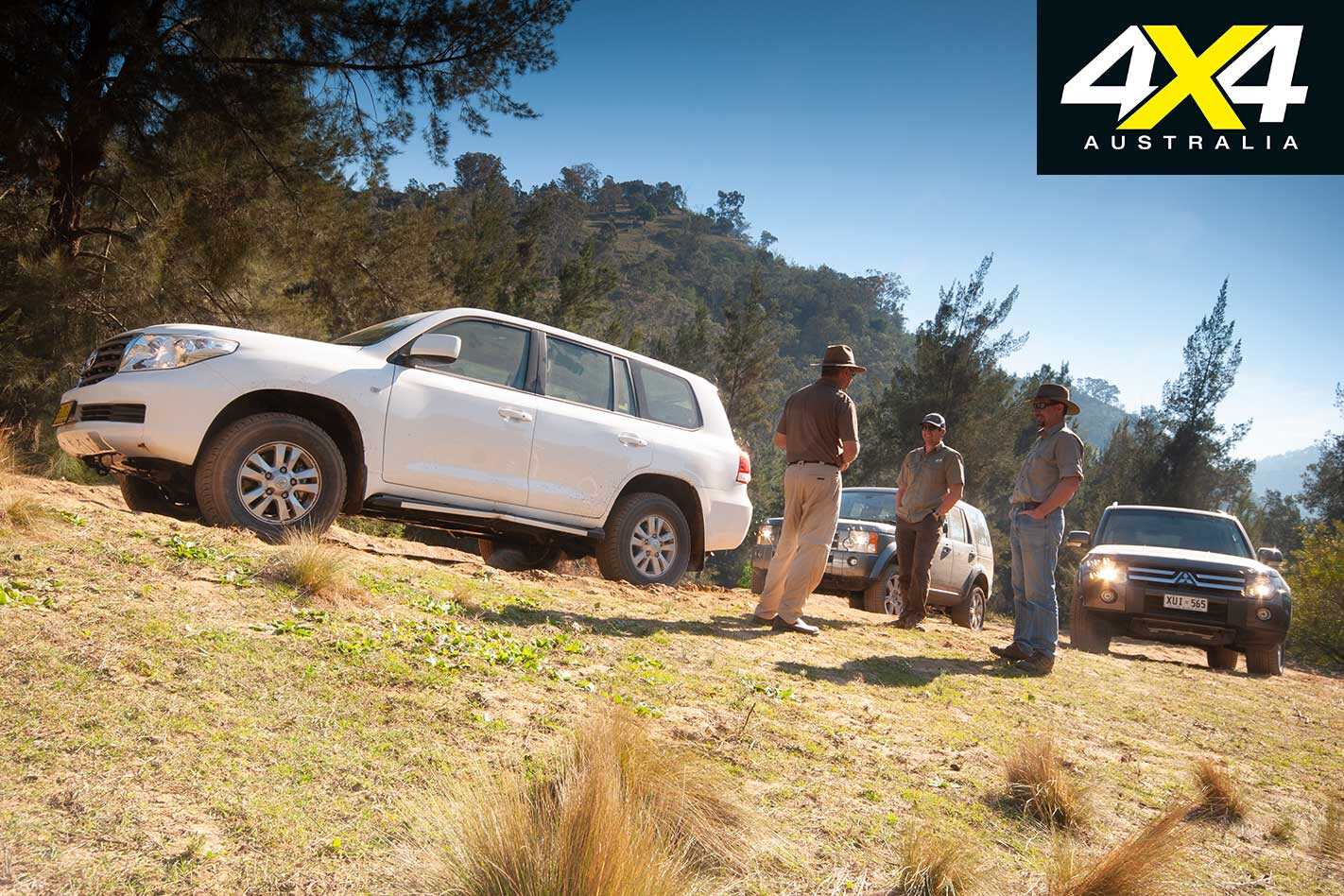
The 200 Series is a very expensive machine in comparison with its peers, but has one plus: that turbine-like engine. If you need ultimate towing power, go for it. However, there’s a nagging oil consumption problem with the big V8 diesel that Toyota won’t comment on.
The Pajero remains a vehicle that’s underestimated by most of the 4X4 brigade and is more capable on- and off- road than most Mitsubishi sellers believe. It’s excellent value for money in any of its specification levels.
When we awarded the Discovery 3 and the Rangie Sport 4X4 of the Year Awards we said they were the best wagons in their respective classes and this recent comparison involving the Disco 3 confirms our decision. For load space, on- and off-road performance, handling and touring ability nothing comes close. Considering its advanced specification the Disco 3 is a bargain.
Dynamically, the Land Rover Discovery 3 leads the large wagon field. The LandCruiser 200 almost matches it off-road, but the Disco’s more refined chassis gives it the on-road edge.
Specifications
| u00a0 | Mitsubishi Pajero VRX DI-D | Toyota LandCruiser 200 GXL V8 | Land Cruiser Discovery SE |
| Engine | |||
| Type | 3200cc four-cylinder DOHC,u00a0common-rail intercooled turbo-diesel | 4461cc V8 DOHC,u00a0common-rail intercooled twin turbo-diesel | 2720cc V6 DOHC,u00a0common-rail intercooled turbo-diesel |
| Bore/Stroke | 98.5 x 105.0mm | 86.0 x 96.0mm | 81.0 x 88.0mm |
| Compression | 16.0:1 | 16.8:1 | 17.3:1 |
| Power | 147kW @ 3800rpm | 195kW @ 3400rpm | 140kW @ 4000rpm |
| Torque | 441Nm @ 2000rpm | 650Nm @ 1600-2600rpm | 445Nm @ 1900rpm |
| Transmission | |||
| Type | 5-speed auto | 6-speed auto | |
| Ratios (overall) | |||
| 1st | 3.520 (13.789/26.197) | 3.333 (13.028/34.109) | 4.170 (15.554/45.574) |
| 2nd | 2.042 (7.999/15.197) | 1.960 (7.661/20.058) | 2.340 (8.728/25.574) |
| 3rd | 1.400 (5.484/10.419) | 1.353 (5.288/13.846) | 1.520 (5.670/16.612) |
| 4th | 1.000 (3.917/7.442) | 1.000 (3.909/10.233) | 1.140 (4.252/12.459) |
| 5th | 0.716 (2.805/5.329) | 0.728 (2.845/7.450) | 0.870 (3.245/9.508) |
| 6th | – | 0.588 (2.298/6.017) | 0.690 (2.574/7.541) |
| Reverse | 3.224 (12.628/23.994) | 3.061 (11.965/31.325) | 3.400 (12.682/37.158) |
| Final drive | 3.917:1 | 3.909:1 | 3.730:1 |
| High ratio | 1.000 | ||
| Low ratio | 1.900 | 2.618 | 2.930 |
| Suspension | |||
| Front | Independent, double wishbones, coil springs, gas/oil dampers, stabiliser bar | Independent, double wishbone, coil springs, gas/oil dampers, semi-active stabiliser bar, KDSS (optional) | Independent, double wishbones, air springs, gas/oil dampers |
| Rear | Independent, multi-link, coil springs, gas/oil dampers, stabiliser bar | Live axle, four-link, coil springs, gas/oil dampers, semi-active stabiliser bar, KDSS (optional) | Independent, double wishbones, air springs, gas/oil dampers |
| Steering | |||
| Type | Power-assisted rack and pinion | ||
| Brakes | |||
| Front | Ventilated discs, ABS, EBD | 340mm ventilated discs, ABS, brake assist | 337mm ventilated discs, ABS, brake assist |
| Rear | Ventilated discs, ABS, EBD | 345mm ventilated discs, ABS, brake assist | 350mm ventilated discs, ABS, brake assist |
| Wheels | |||
| Material | Alloy | ||
| Size | 17×7.5J | 17×8.0J | 18×8.0J |
| Tyres | |||
| Type | Dunlop Grandtrek AT20 | Dunlop Grandtrek AT22 | Goodyear Wrangler |
| Size | 265/65R18 110H | 285/65R17 116H | 255/60R19 111V |
| Dimensions | |||
| L/W/h | 4900/1875/1900mm | 4950/1970/1905mm | 4835/1915/1887mm |
| Wheelbase | 2780mm | 2850mm | 2885mm |
| Track (f/r) | 1570/1570mm | 1640/1635mm | 1605/1613mm |
| Turning circle | 11.4m | 11.8m | 11.5m |
| Clearance | 225mm | 240mm | |
| App/Dep/Ramp | 36.6u00ba/25u00ba/22.5u00ba | 30u00ba/20u00ba/25u00ba | 37.2u00ba/28.1u00ba/27.9u00ba |
| Kerb Weight | 2331kg | 2630kg | 2718kg |
| GVM | 3030kg | 3300kg | 3230kg |
| Payload | 699kg | 670kg | 512kg |
| Fuel Tank | 88 litres, diesel | 138 litres, diesel | 82 litres, diesel |
| Towing Capacity | |||
| Braked | 3000kg | 3500kg | |
| Unbraked | 750kg | ||
Thanks to modern portable refrigeration, keeping food fresh when touring is easier than ever – but don’t buy any old fridge.
Esky or fridge

The Esky or fridge question is almost redundant these days thanks to the fact portable fridges are better and more affordable than ever. Of course, an Esky full of ice still has its place – say, for keeping the catch cold when you can buy ice up the road – but if you’re going to go touring in remote areas you really need a portable fridge.
Size and shape

The style of fridge you buy will depend on what food and drinks you need to keep cold and how you want to access the fridge’s contents once it’s mounted in your vehicle or trailer.
Portable fridges come in sizes ranging from small 15-litre units that can be mounted between the front seats, to big 80-litre units. The size that best suits you will depend on how much space you have available in your vehicle and/or trailer.
Some fridges will have a single cabinet with a removable basket while others will have dual cabinets with separate controllers, allowing one cabinet to operate as a fridge and the other a freezer.
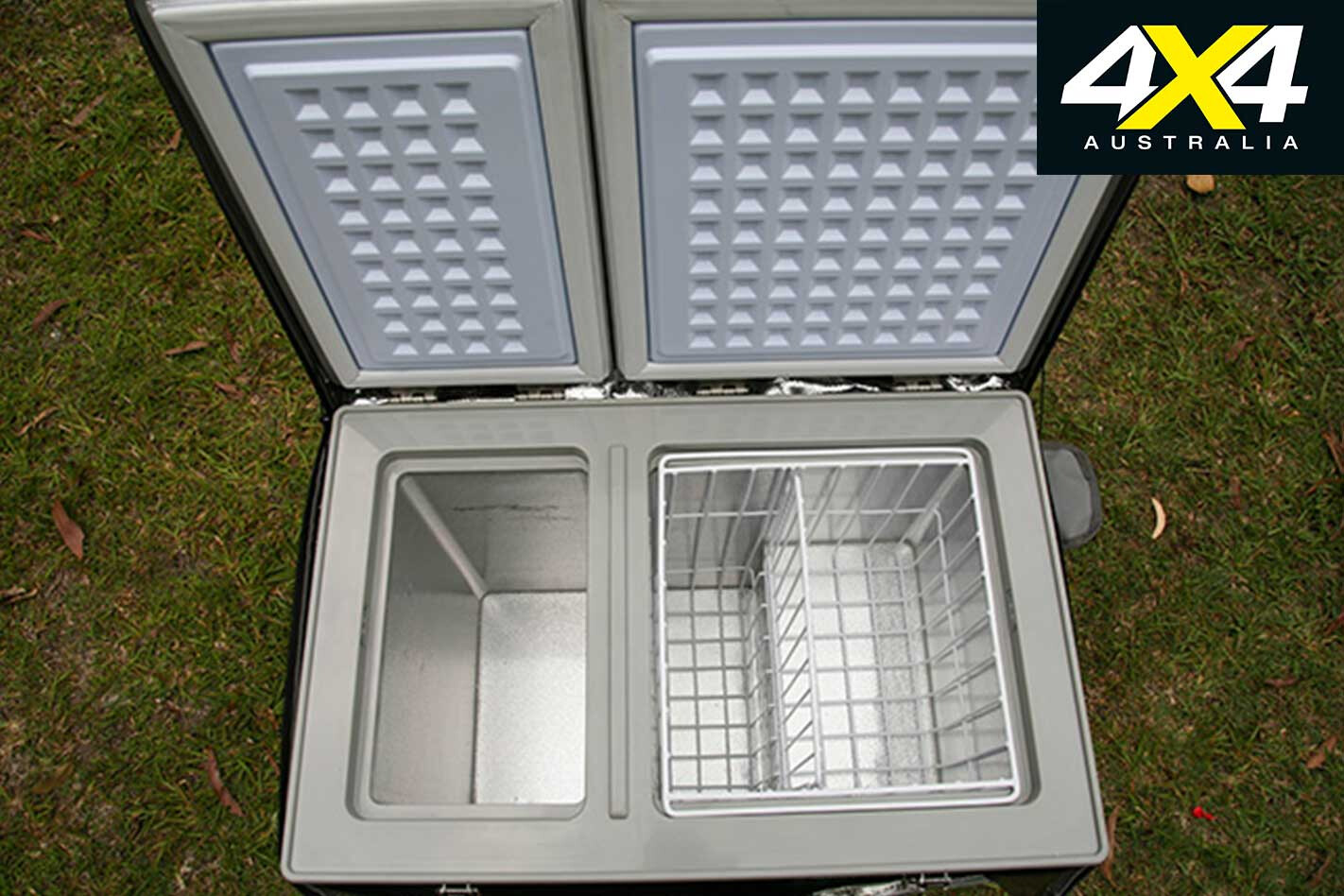
The fridge’s external shape will affect ease of use. If, for example, it’s high and with a hinged lid on one end, you might struggle to open it in a vehicle with a low roof. Examine the ways in which lids open on different models to ensure you choose the one that suits.
The fridge will need to be near a 12V power source (through a socket or hardwired to the vehicle’s electrical system) and you’ll need to ensure you can see and access the fridge controls. To operate efficiently, the fridge will require space around the compressor and condenser, so don’t pack stuff right up against it.
Power and cooling

The bigger the fridge the more it will weigh, so take that into account when selecting a model. Larger fridges also tend to consume more power; although, that’s not always the case depending on efficiency and effectiveness of insulation.
A fridge’s claimed power consumption will be listed in Ah (amps/hour), but when comparing one fridge to another ensure the way in which power consumption has been measured is the same for each fridge. For example, take note of the cabinet temperature and the ambient temperature at which the manufacturer has listed power consumption.
Overall cooling capability is also important, as any fridge you put in the back of your vehicle will need to be able to maintain a temperature of below 4°C to keep food fresh, even when the ambient temperature is above 50°C.
Other features

The shape of the interior cabinet is important to consider. A fridge with a separate fruit/dairy area is a good idea, as is one with a basket and divider, allowing you to easily stack and access fridge contents. Bonus features include a built-in evaporator and drain plug for easy cleaning, an interior light and a low-power cut-out.
Examine the materials the exterior cabinet and lid are made from and ensure their finish is up to the rigours of off-road touring. Make sure the fridge has sturdy carry handles and tie-down points, and check for the availability of accessories such as transit/insulation bags.
A fridge slide will make access to fridge contents much easier.
Food handling

The last thing you want is to get crook on a trip away, especially when in remote areas far from medical help. Always wash your hands before handling food and always check the fridge maintains its set temperature – when in doubt, chuck food out. A fridge monitor with an alarm is a fantastic accessory.
When carrying perishables such as meat, it will last longer in Cryovac packaging (up to four to six weeks if stored below 4°C). You can purchase your own Cryovac machine or ask your butcher to package the meat this way.
Finally, ensure your vehicle has enough power to keep your fridge chilled. You’ll need a dual-battery system and a decent charging system if you want cold beer for the duration of your trip.
Land Rover has given Defender fans a late Chrissy present in the form of more official images of one of the brand’s best-loved models, which is set to return in 2020.
Still wearing its camouflage, the all-new Land Rover Defender shows a boxy shape akin to the Land Rover Discovery 3/4 models, the spare tyre mounted on a side-hinged tailgate and the various ride heights attained by height-adjustable suspension. In some angles, you can also pick up on the suspension arms showing that independent arrangement for both front and rear.
Underbody spy shots reveal air suspension
The new Land Rover Defender is expected to arrive riding on a derivative of the aluminium monocoque platform that currently underpins the full-size Range Rover and Discovery models. Vehicles photographed testing in the UK have shown that it will be available in both a short- wheelbase ‘90’ and long-wheelbase ‘110’ variants. There have been no indications of the pick-up variant which has always been a constant in the Defender line-up in the past.
Like all new Land Rover models, the 2020 Defender will be available as a luxury vehicle, but we are expecting a range of variants in both the SWB and LWB bodies that will also include more off-road focused models and special off-road SVX editions. Just don’t expect the commercial style vehicles of Land Rovers in the past that have served military and NGOs around the globe so well for generations.
The new Defender could be powered by any of Land Rover’s new breed of turbocharged petrol and diesel four-cylinder ‘Ingenium’ engines and is expected to include a plug-in hybrid model.
Much of the vehicle’s off-road ability will be delivered via a suite of the latest technologies to make the Land Rover Defender unrivalled when the going gets tough, yet equally at home on city streets.
The only information that is confirmed from the press release is that the new vehicle will be fully revealed in 2019 and be on sale in the USA and Canada in 2020. A return to sales in the USA was imperative to reintroducing the Defender to the market after it was discontinued there decades ago.
Clearly seen behind the wheel of the prototype in some of the images is Kim McCullough, Vice President of Marketing for Jaguar Land Rover North America. Ms McCullough said in the official statement that “there are a handful of automobiles that are beloved around the world and stand for a brand, a country and a distinct way of life. The Land Rover Defender is such a singular vehicle”.
The prototype Defenders are being tested in the US to help engineers create what the company claims will be the “most off-road capable Land Rover vehicle ever”. In the USA they will be operating in temperatures from -40F to +120F while driving the test vehicles on- and off-road at altitudes of more than 13,000 feet above sea level.
There has been no official word from Land Rover Australia representatives as to when the 2020 Land Rover Defender will arrive here but we expect it to also be in 2020.
SHOWROOM stock four-wheel drives can only take you so far. To turn your four-wheel drive into the ultimate camping rig, or the ultimate rock-crawler, you’re going to need to trawl through the aftermarket catalogues.
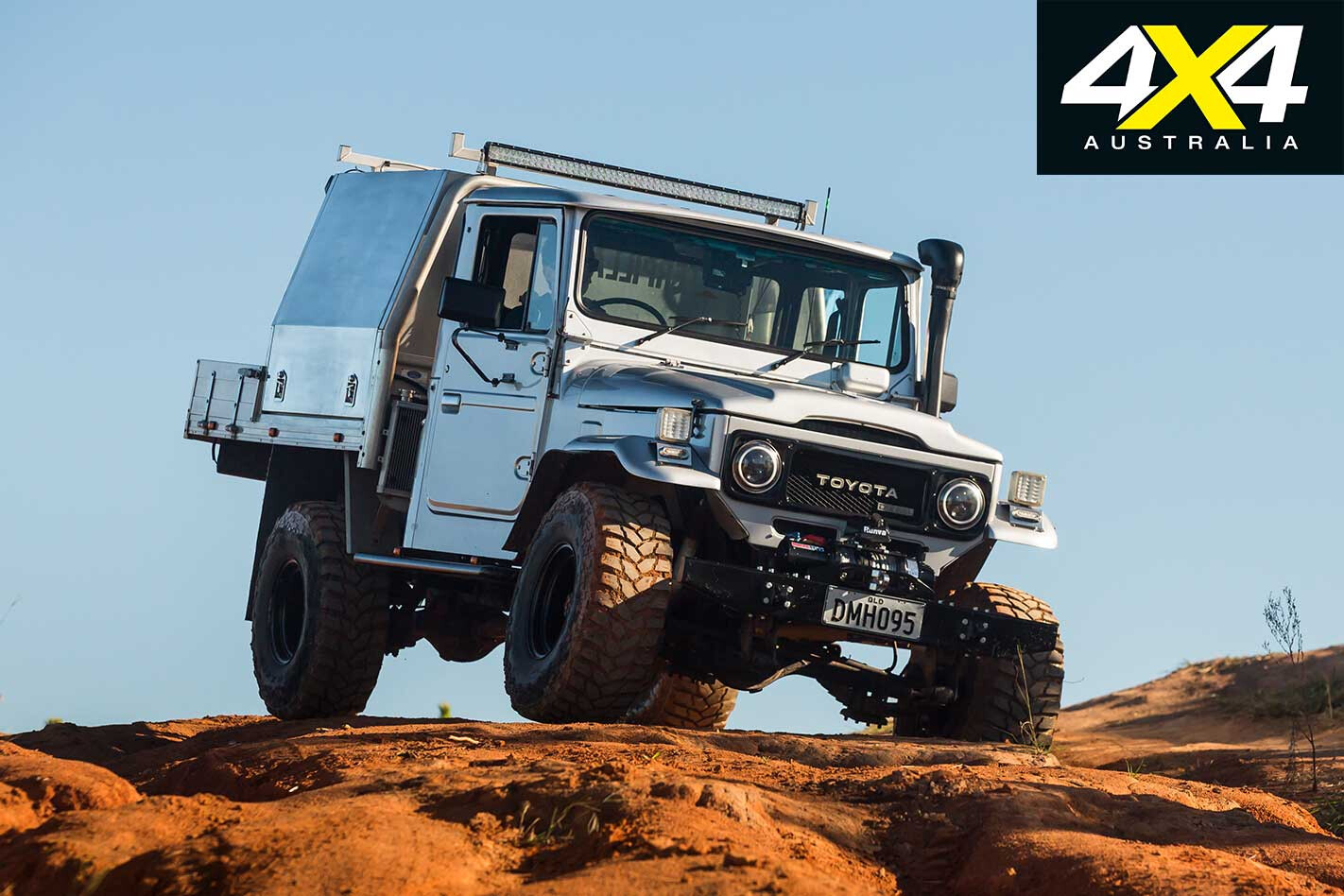
The most clicked-on custom 4×4 for 2018 was this V8-powered LC200. Capable of delivering a whopping 1000Nm, this sleek Cruiser clearly has the go to match its show.
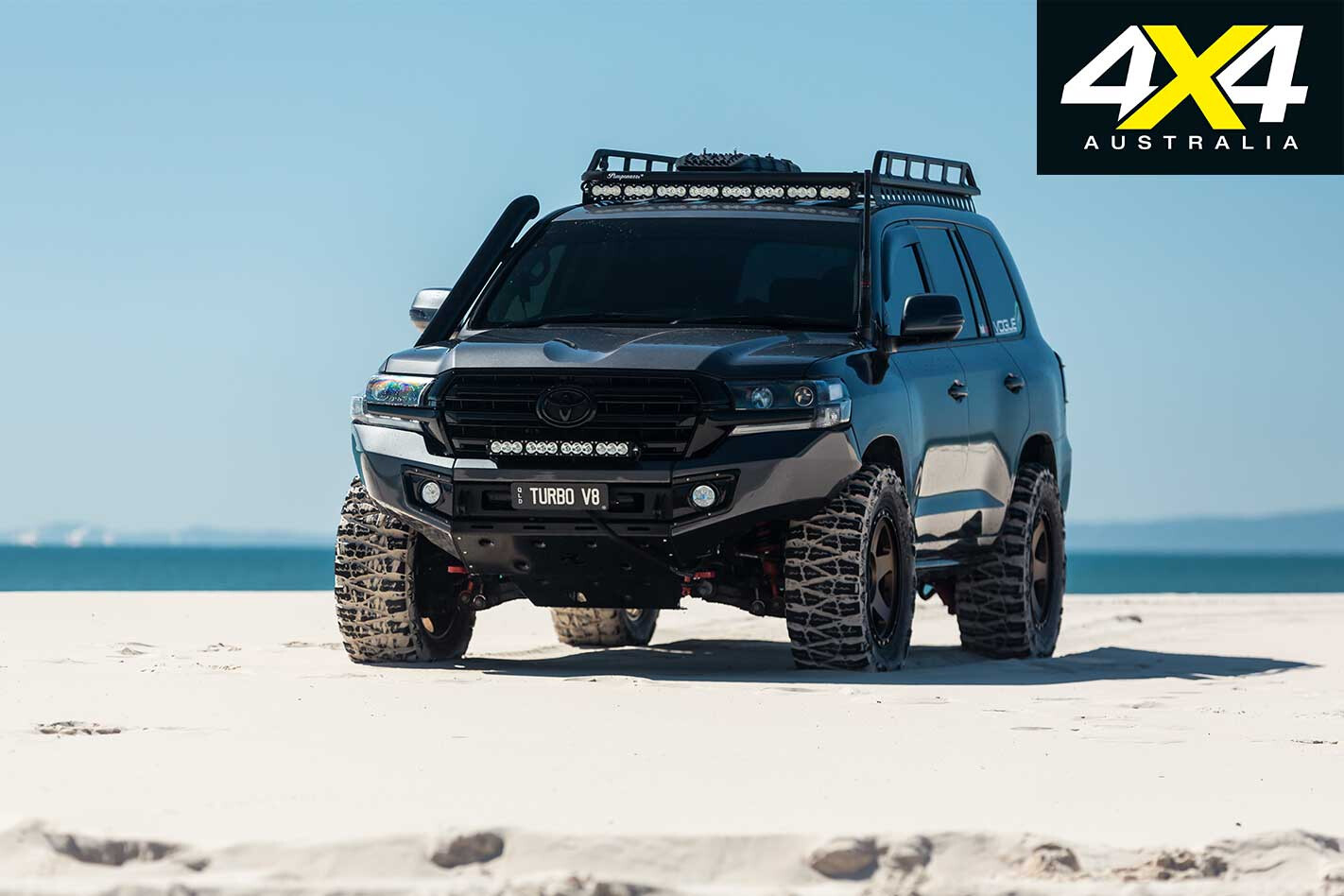
Read the complete article for its extensive list of goodies, which includes a custom exhaust system and a remapped factory ECU.
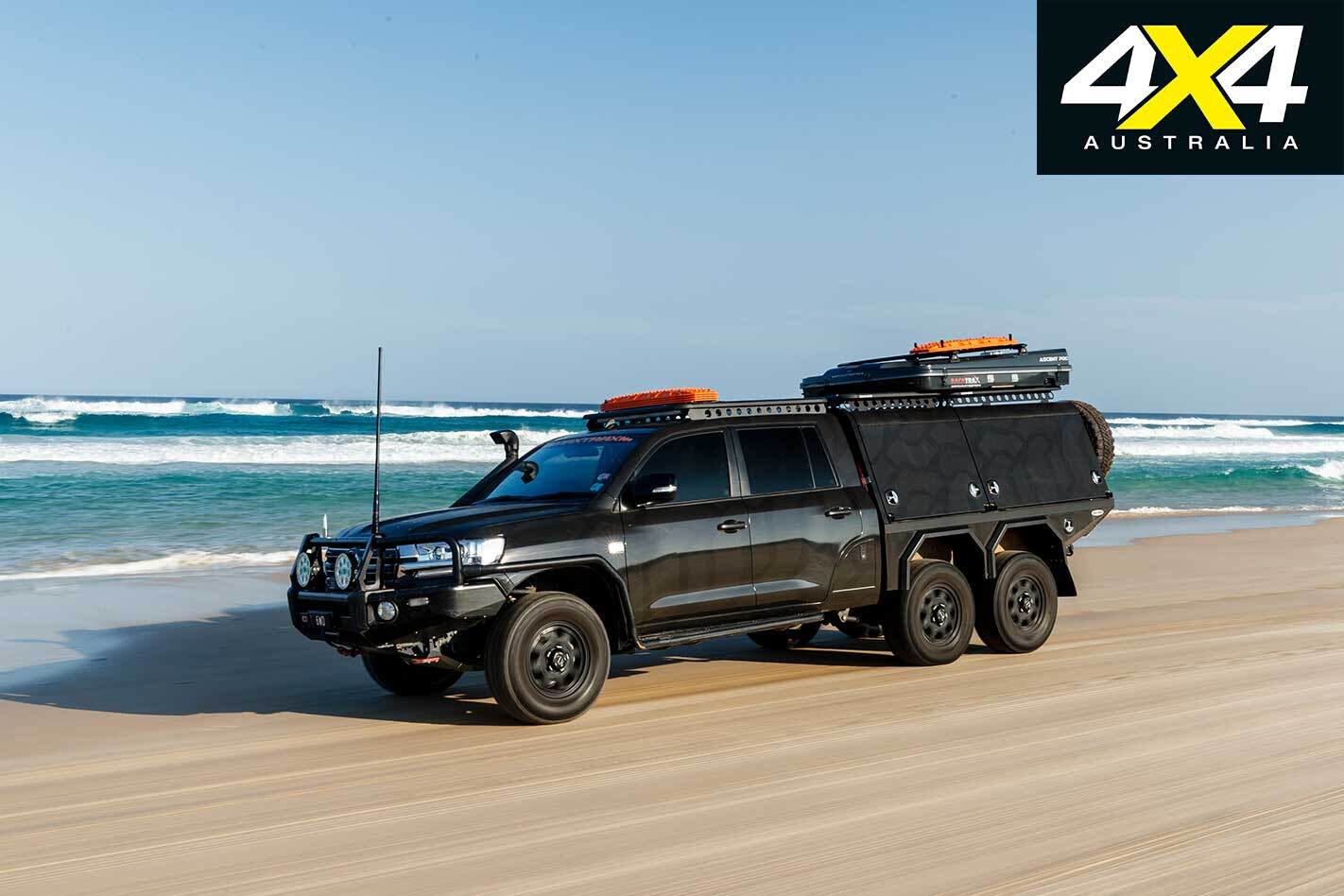
Yep, the second most viewed article of the year was also an LC200, except this one has had a couple of extra wheels added courtesy of what’s basically a double JMACX coil set-up with a drive-through centre diff. The brains behind it? MaxTrax head honcho, Brad McCarthy.
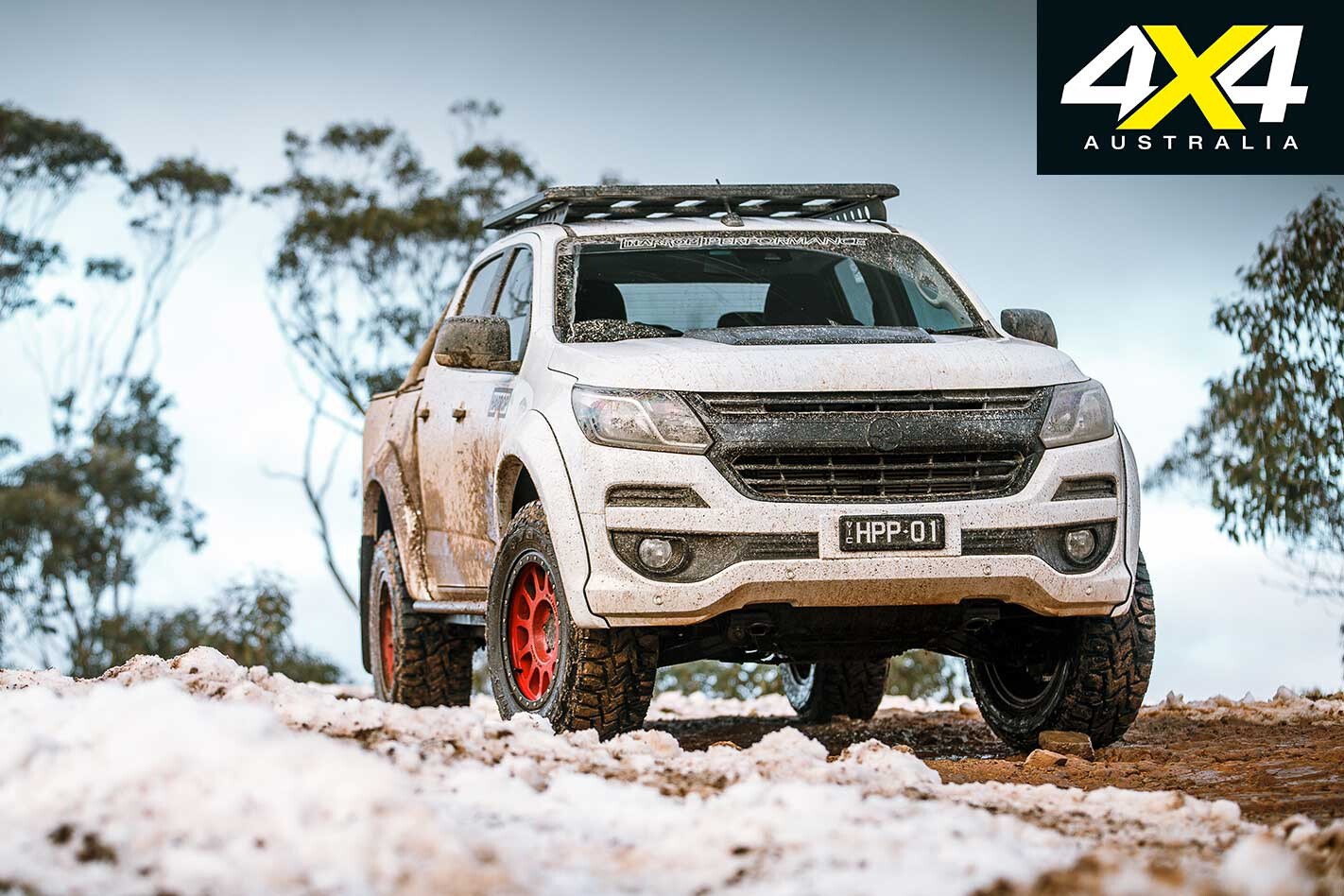
We were flung they keys to Harrop’s V8-powered Superado earlier this year. The Superado is a co-operative effort between Harrop Engineering and Killa Kustoms, and the supercharged Colorado features a 6.2-litre LS3 V8 topped with a Harrop-Eaton TVS2650 supercharger. If you do nothing else, at least listen to it purr in the video.
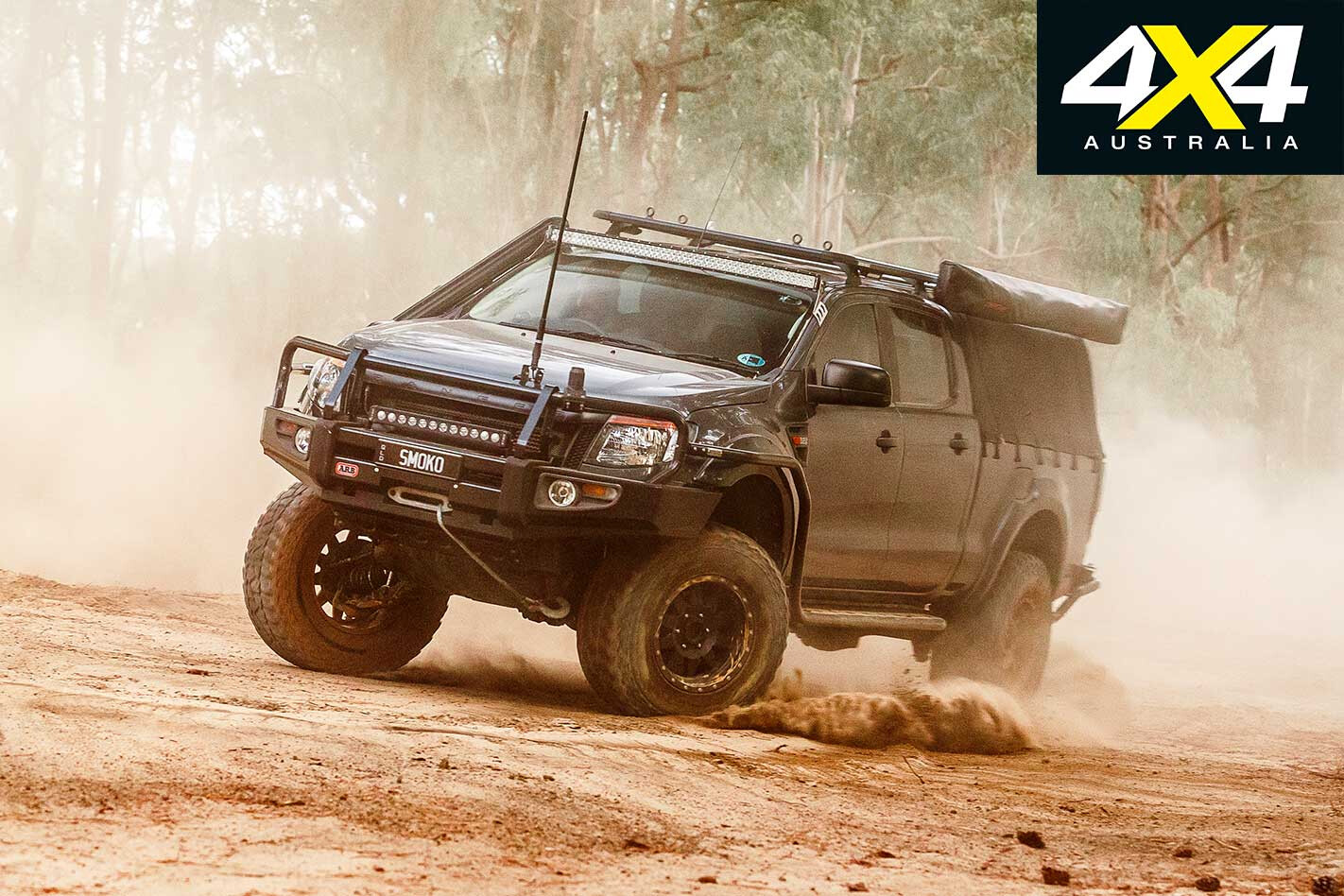
A stretched Ranger is next on the list. The XLS Ranger is 300mm longer than stock, giving it a massive wheelbase and a monster tray to store all manner of camping kit. Everything about this Ranger screams ‘bigger is better’, with big tyres, big power and a big lift leading the charge.
The third Toyota Land Cruiser makes this list, but it ain’t another LC200. Instead, it’s a classic HJ47 which proves age is just a number. The HJ47 may be 36 years young, but a six-year build has turned the ageing Toyo into an ageless Cruiser. There’s plenty of life left in in yet!
IF SOMETHING ticks us off, we’re going to let you know about it. By that same token, if something takes our fancy, we’re going to write about it.
Our team of experienced motoring journos put pen to paper each month to discuss important (and sometimes trivial) issues within the 4×4 world.
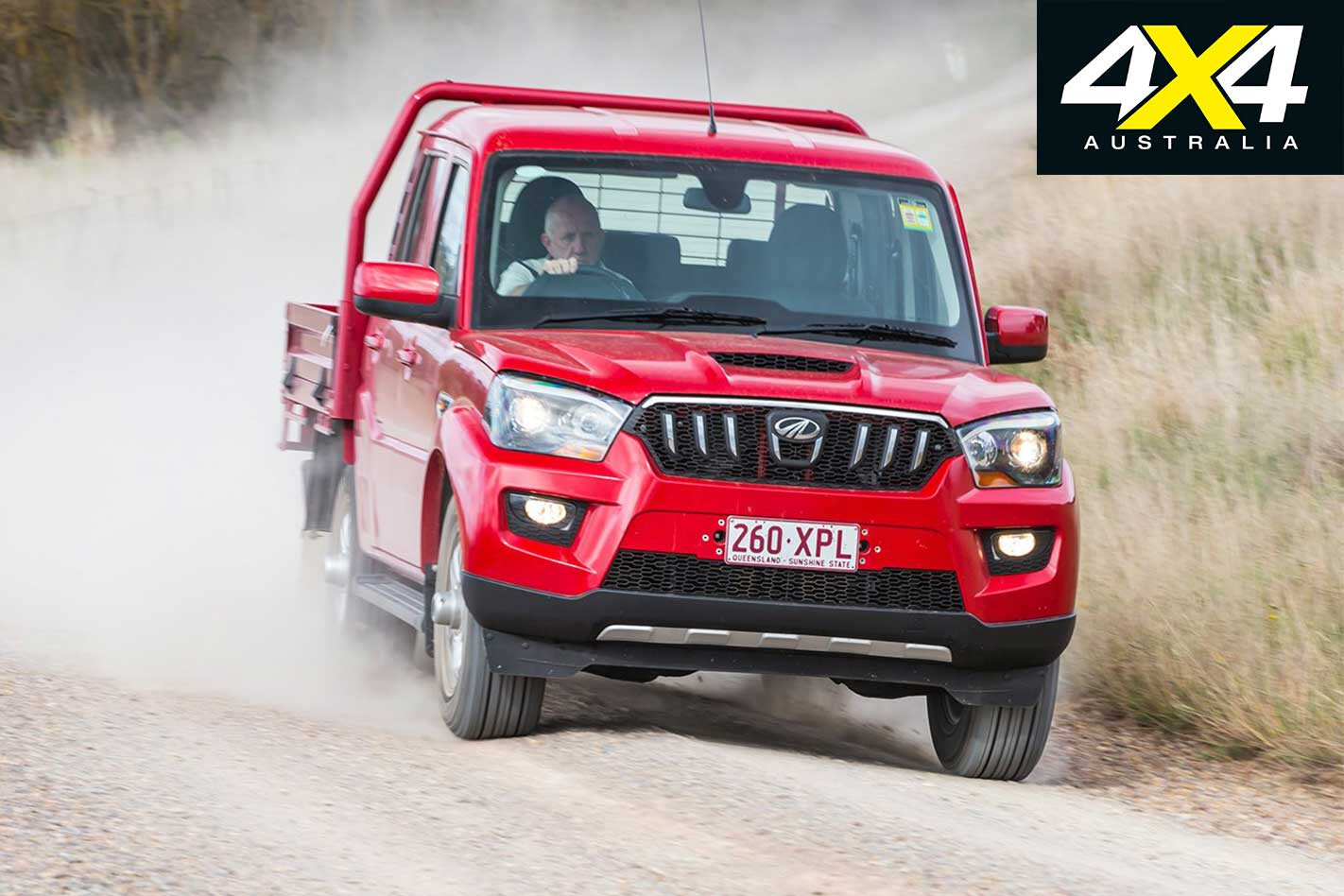
The most clicked-on column in 2018 was editor Matt’s piece on why the Mahindra Pik-Up, with its proper gearbox and frugal price tag, stacks up well against the ‘more popular’ dual cabs on the market. In fact, he said he’d prefer it.
Matt’s take on the prospective Ford and Holden partnership for Ford’s next mid-size pick-up also gained traction. Matt reckons a closer look at the numbers would suggest it’s unlikely, but, as he says, stupider things have happened.
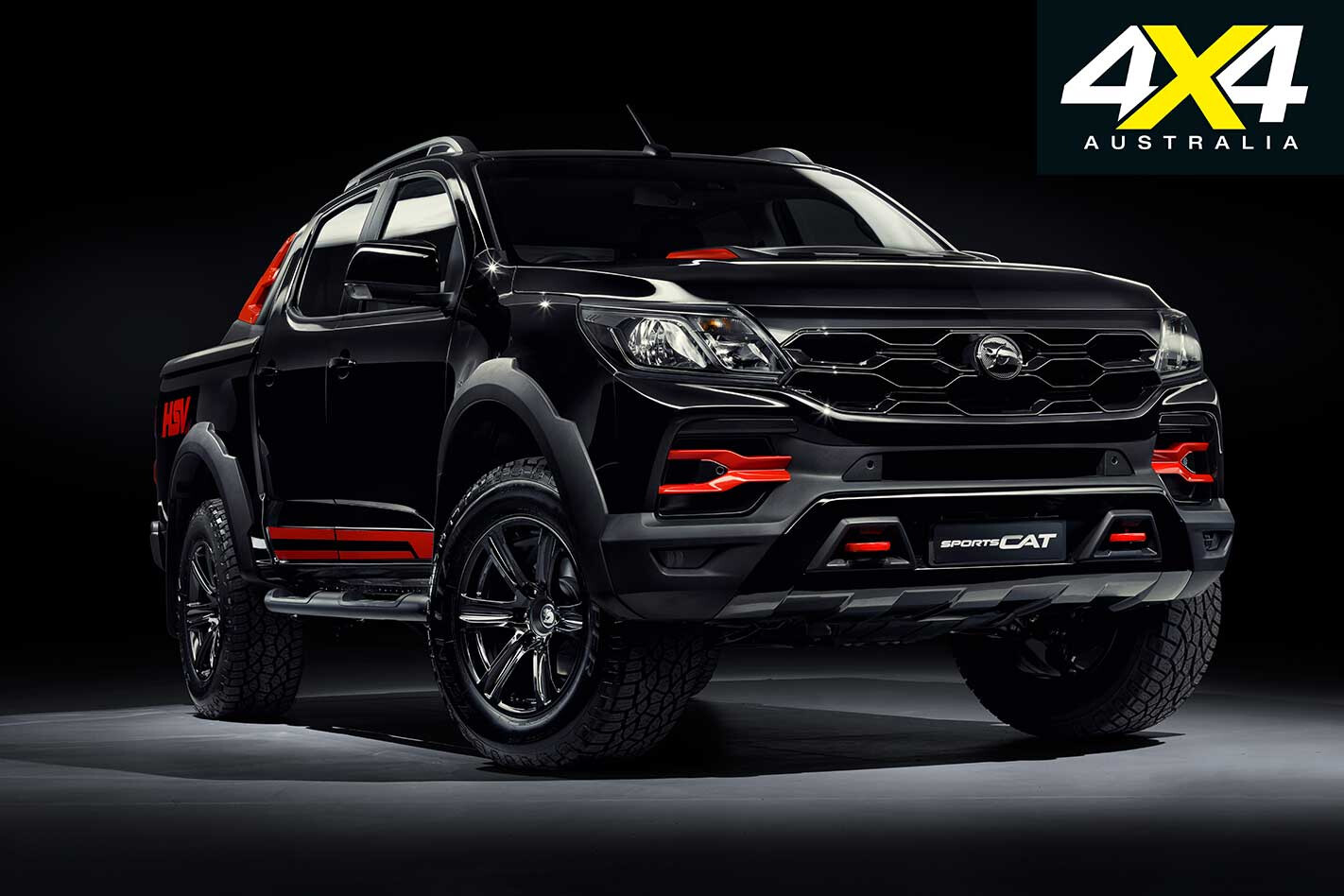
Don’t you hate it when manufacturers use the phrase ‘performance ute’, when all they’ve done is add a few stickers and change the paintjob? Matt hates it too, and he wrote a column about it.
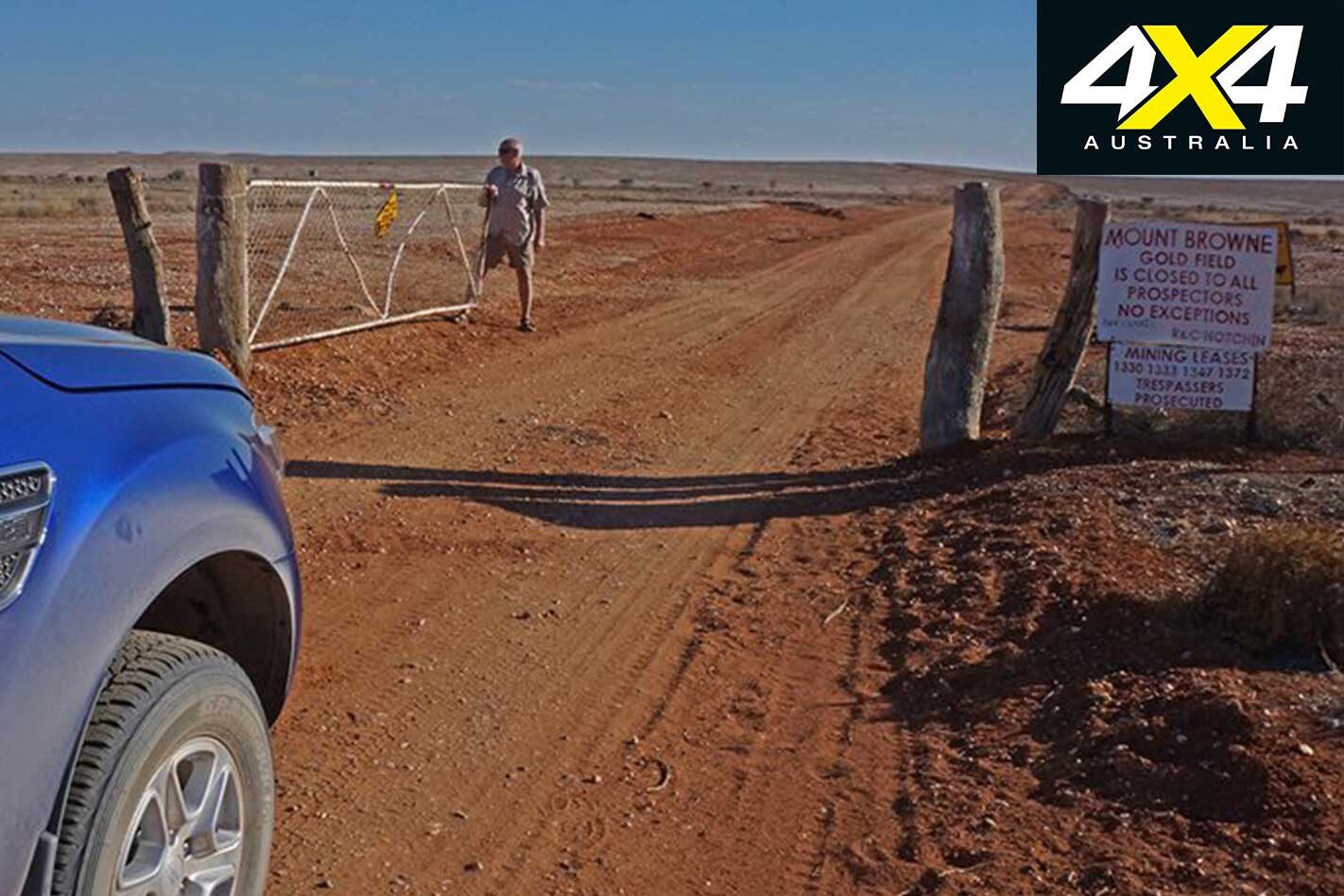
Life can be tough for outback station owners – gates being left open, unattended campfires, trespassers and shot-up water tanks – so we passed on some advice we received from Ron’s frustrated mate, who owns a sheep and cattle property in NSW. Read it before your next trip.
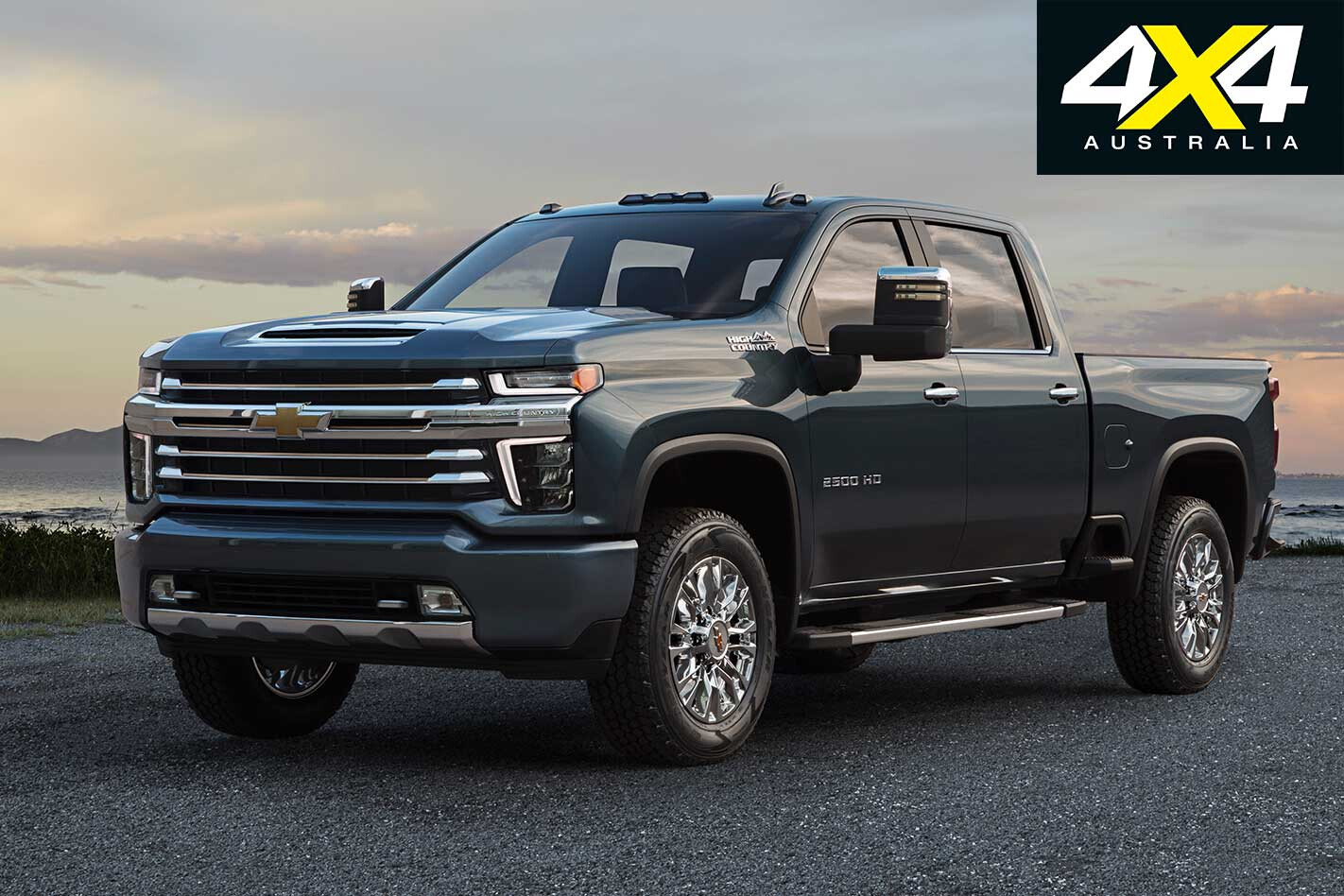
We read many comments on social media along the lines of “the first manufacturer to introduce a full-size factory direct 4WD in Australia will make a killing”, but we’re a small market here in the grand scheme of things, so is it even viable for manufacturers? Matt lends his two cents over the hurdles and potential profits of such an undertaking.
Reliable communications are critical when you’re four-wheel driving, whether to chat with friends in a vehicle convoy, relay information between a driver and a spotter when tackling off-road obstacles, during vehicle recovery operations, or calling for help when you have an emergency in a remote area. You can’t rely on your mobile phone in much of Australia, but there are plenty of other options.
Short range
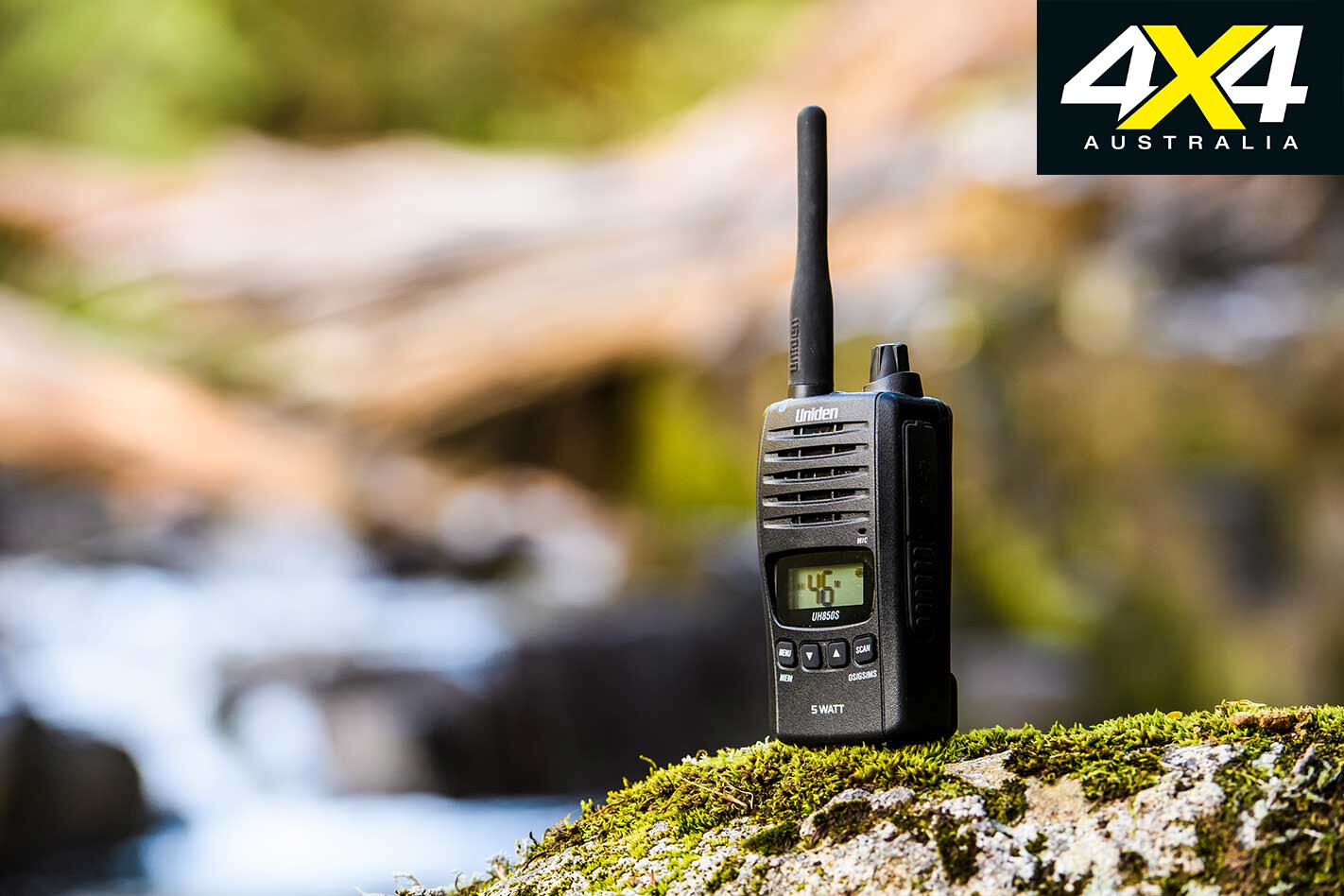
The best device for short-range vehicle-to-vehicle communications is the UHF radio, and these days you can pick up a good quality 80-channel transceiver for as little as $250. UHFs are fantastic for communicating with people in other vehicles, and a must-have when travelling in a convoy.
UHFs are also very handy when trying to tackle difficult off-road terrain, with the driver using an in-vehicle radio and the spotter/navigator using a handheld radio. They also come in handy during vehicle recovery operations.
The main limitation of UHF radios is their range. Even powerful units with big antennas are limited to around 40km in flat country, and much less in mountainous country.
Long range
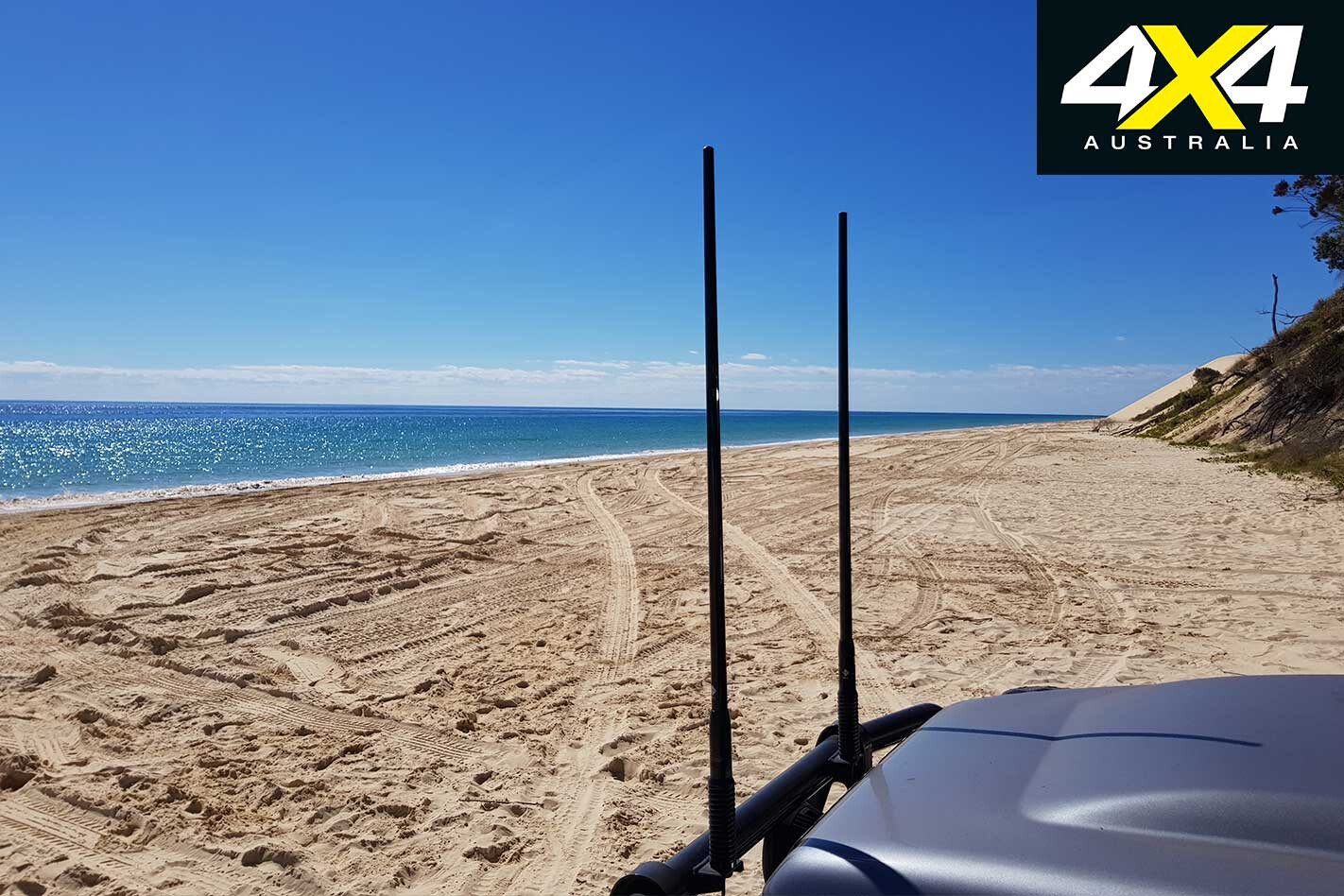
These days the most common form of long-range communications in areas where there is no mobile phone coverage is via satellite phone (satphone).
As the name suggests, satphones use satellites that orbit the earth to receive and transmit voice and data communications and, depending on the network and the device’s unobstructed view of the sky, some of them will operate from anywhere on the planet, allowing you to directly call any landline or mobile phone.
Modern satphones are not much bigger than standard mobile phones, and offer many features including text and data. There are a few networks from which to choose, and subscription prices vary, usually depending on the amount of data required and the coverage offered.
The Iridium Network is the largest, with the most satellites, offering complete worldwide coverage. Immarsat offers coverage across most of the globe, generally up to 70 degrees north or south of the equator, while Thuraya claims to offer coverage in 110 countries including Australia.

All three networks offer their own satphone handsets, and Thuraya also offers a device called the SatSleeve which essentially turns your standard mobile phone into a satphone.
Another form of long-range communication is via HF (High Frequency) radio, which requires the installation of an HF transceiver in your vehicle and a special auto-tuning antenna. HF radio signals operate over long distances as they bounce off the earth’s ionosphere.
To make emergency calls or to communicate with landlines and mobile phones, a subscription with the VKS-737 radio network (see vks737.radio) is required.
Text only
For those who don’t need reliable voice communications, there are a few affordable text-only options. Devices such as the GPS-enabled SPOT Gen3 Satellite Messenger, for example, allow the user to check-in with family and friends and send pre-programmed messages.
The SPOT 3 also allows others to track your location, so you can share your adventure with online maps. Most importantly, in the event of an emergency, it can send your GPS coordinates to emergency responders.
Emergencies
If you don’t need two-way communications, even when in remote areas, but like the idea of a back-up system in case of an emergency, a Personal Locator Beacon (PLB) is a good investment. A PLB is essentially a smaller version of an EPIRB (Emergency Position Indicating Radio Beacon) that transmits a signal on the 406MHz radio bandwidth to alert search-and-rescue services when there’s an emergency.
You can buy a PLB for less than $300, and there are no subscription costs. Be warned, however, that once activated the search-and-rescue authorities will come looking for you, potentially at your expense, so PLBs should only be used in emergency situations.
IF YOU’RE sitting around twiddling your thumbs this festive season, here’s some inspiration to go out and get your tyres dirty.
Want to lock your hubs and tackle extreme tracks? Or perhaps you just want to escape the city lights and retreat to a hidden campsite? Here are the destinations that resonated most with our readers this year.
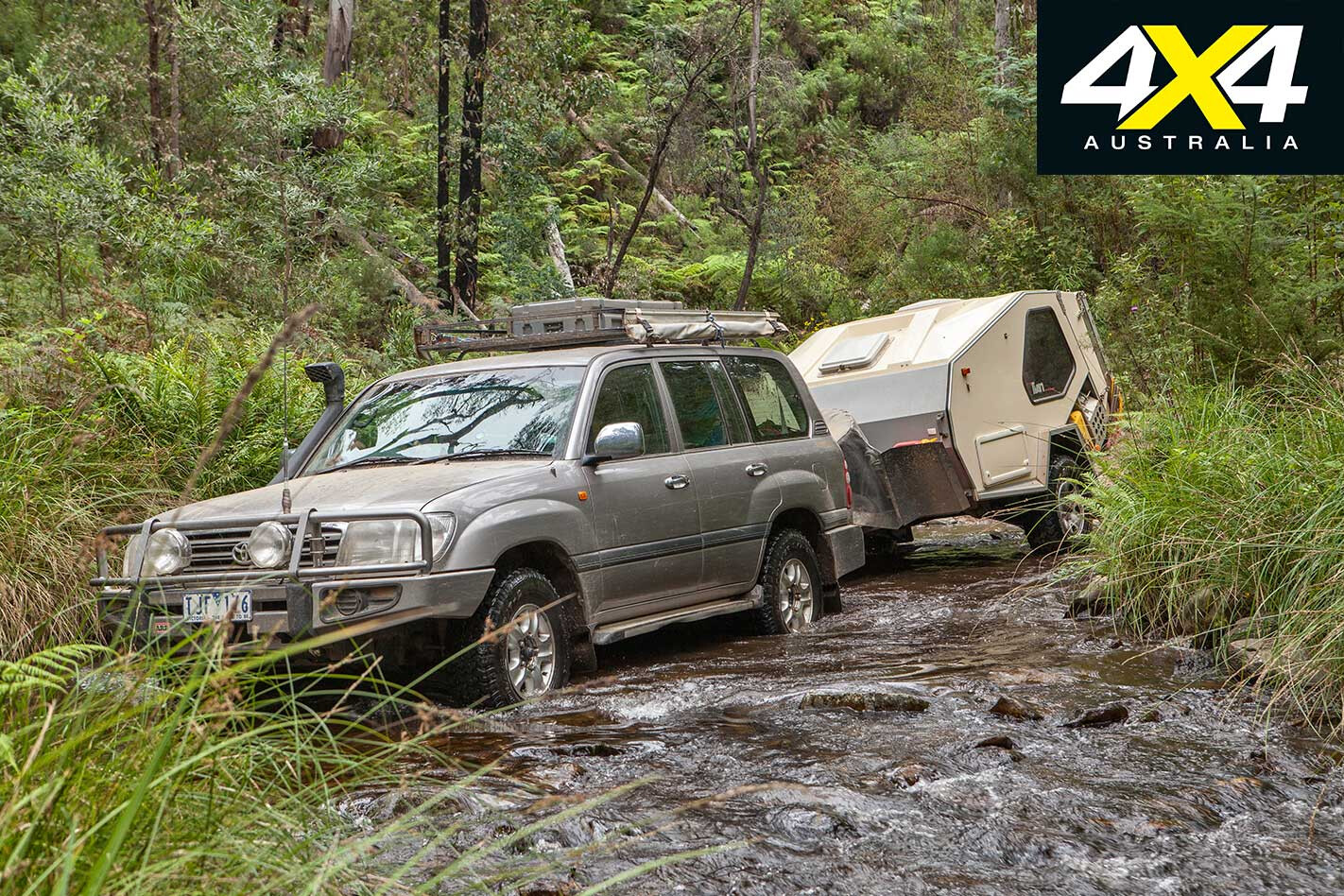
The spooky Haunted Stream Track in Victoria’s High Country was the most viewed article of the year. 30km or so south of Omeo, the track is smack-bang in the core of the High Country and offers spectacular four-wheel driving and impeccable scenery.
Season One of the 4X4 Adventure series saw Ron Moon lead a convoy through the Vic High Country, popping in to the many mining sites scattered throughout the region. Episode Two was a viewer favourite; watch it here.
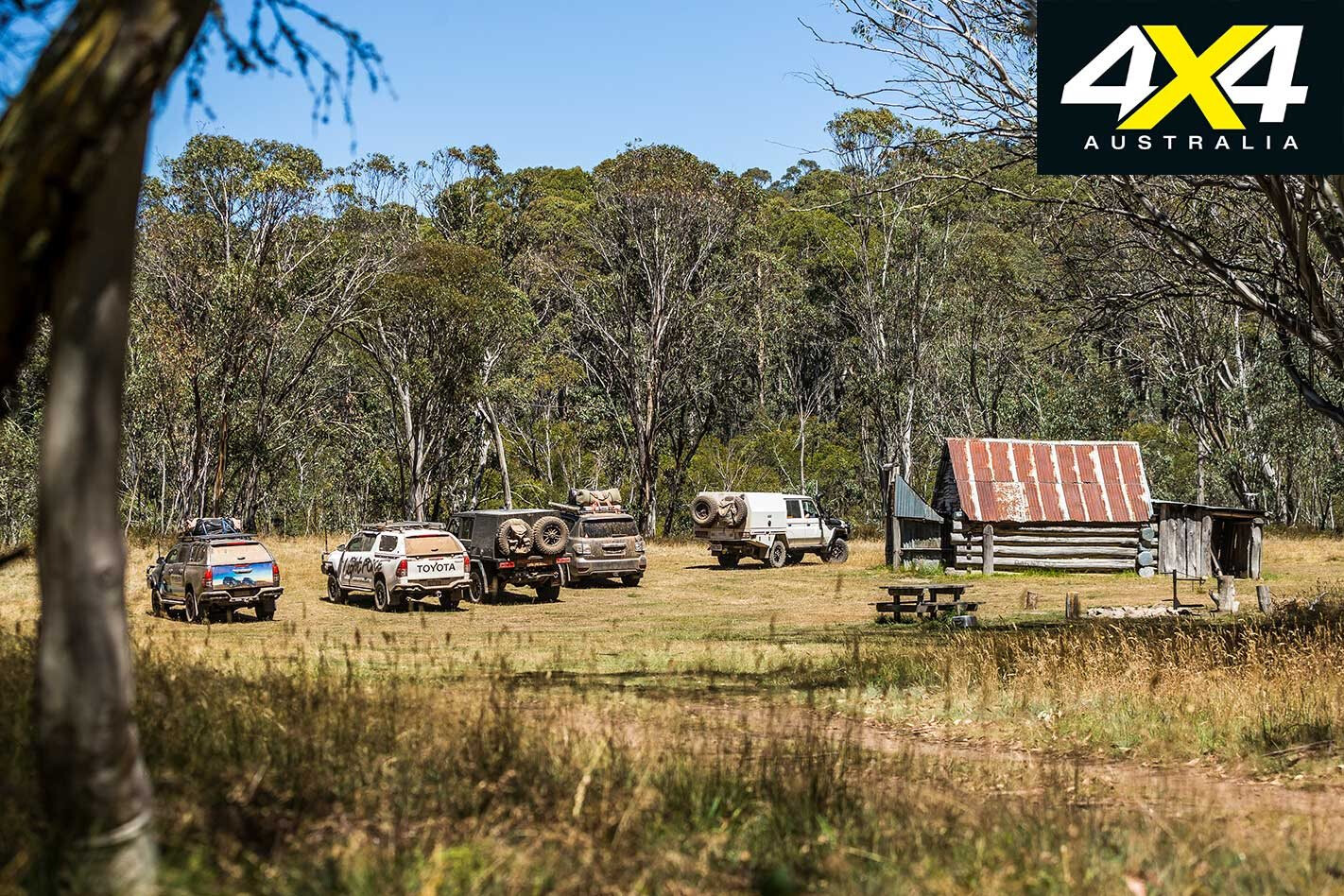
Self-drive station tracks help get newbies into 4WDing without the concerns of getting lost, or worse. Our article on the many self-drive tracks in South Australia’s Flinders Ranges managed to attract a few eyeballs.
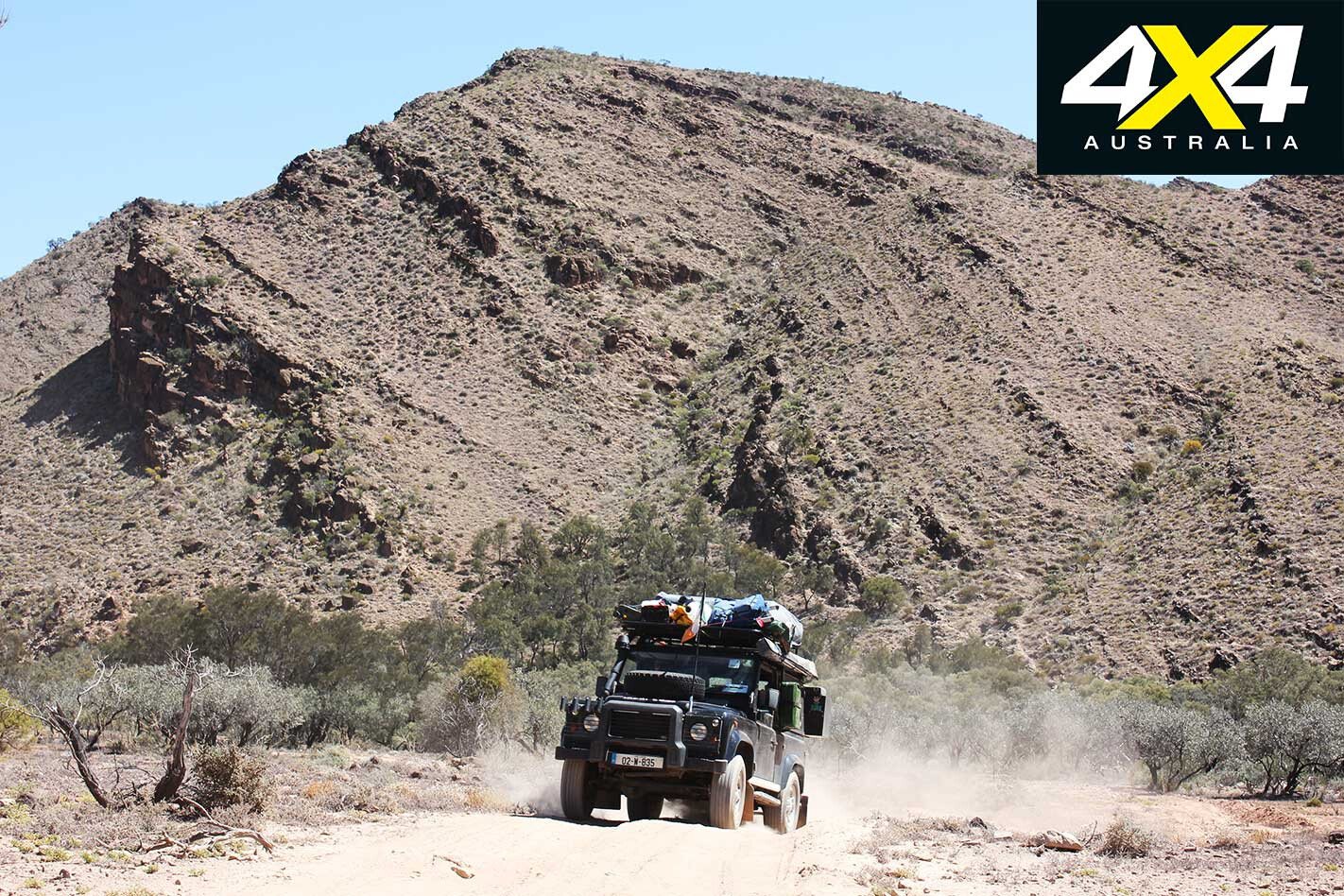
The second season of the 4X4 Adventure series had the crew swatting away flies as they cut through Corner Country dust. The trip begins just outside Silverton, not far from Broken Hill, and Episode One wraps up with the crew pulling the handbrake at Cameron Corner.
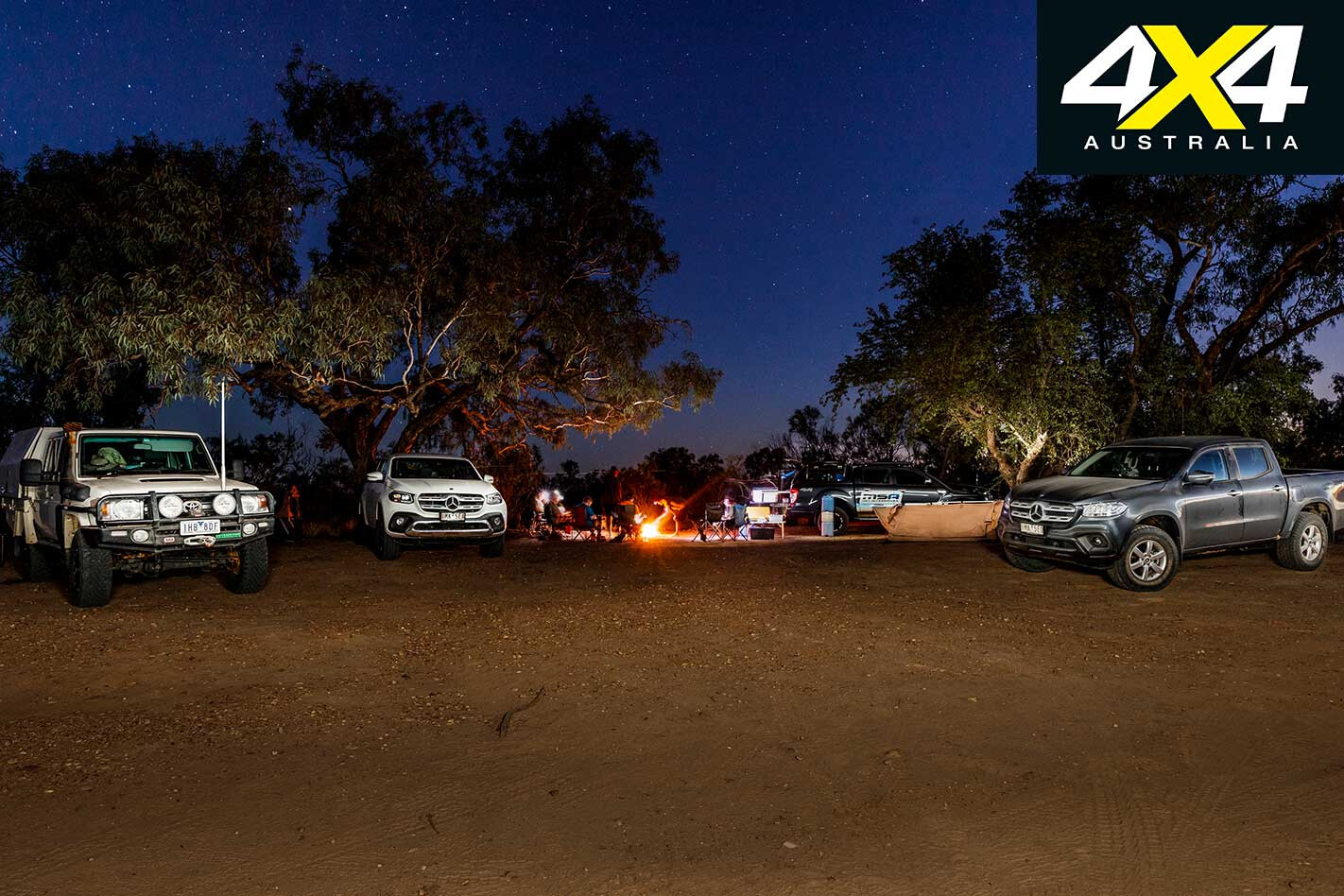
The Vic High Country is atop the ‘best 4×4 destination’ list of many off-roaders, so it’s no surprise that another High Country yarn ranked well this year. It’s not too late to get there this holiday period!
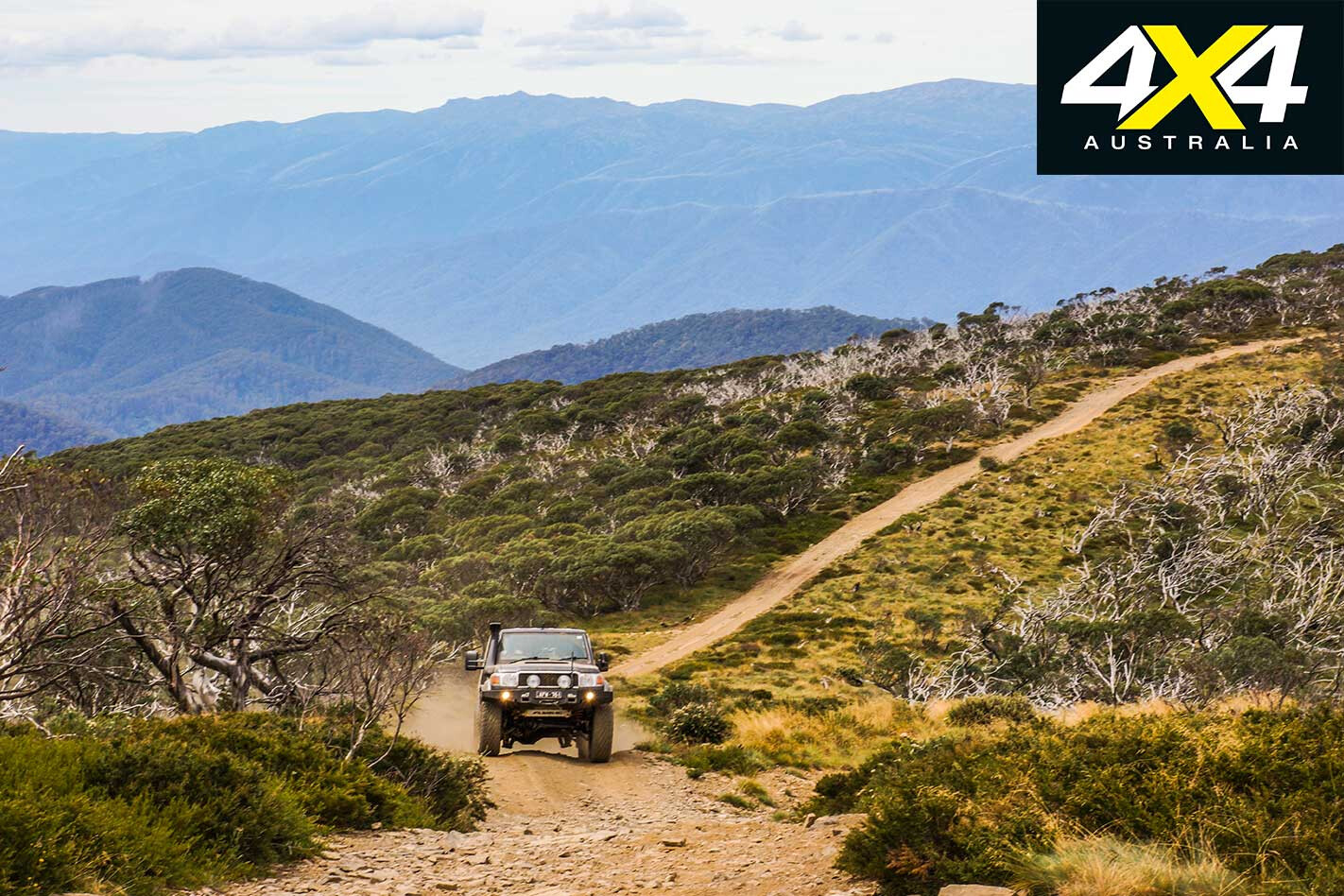
The standard suspension on many new 4x4s is woefully inadequate, especially when loaded up for the big trip away, so it’s fortunate there are plenty of suspension options available that will provide additional ground clearance and better load-carrying capacity. These attributes will not only improve a vehicle’s off-road capability but also its ride quality and safety.
Give me a lift
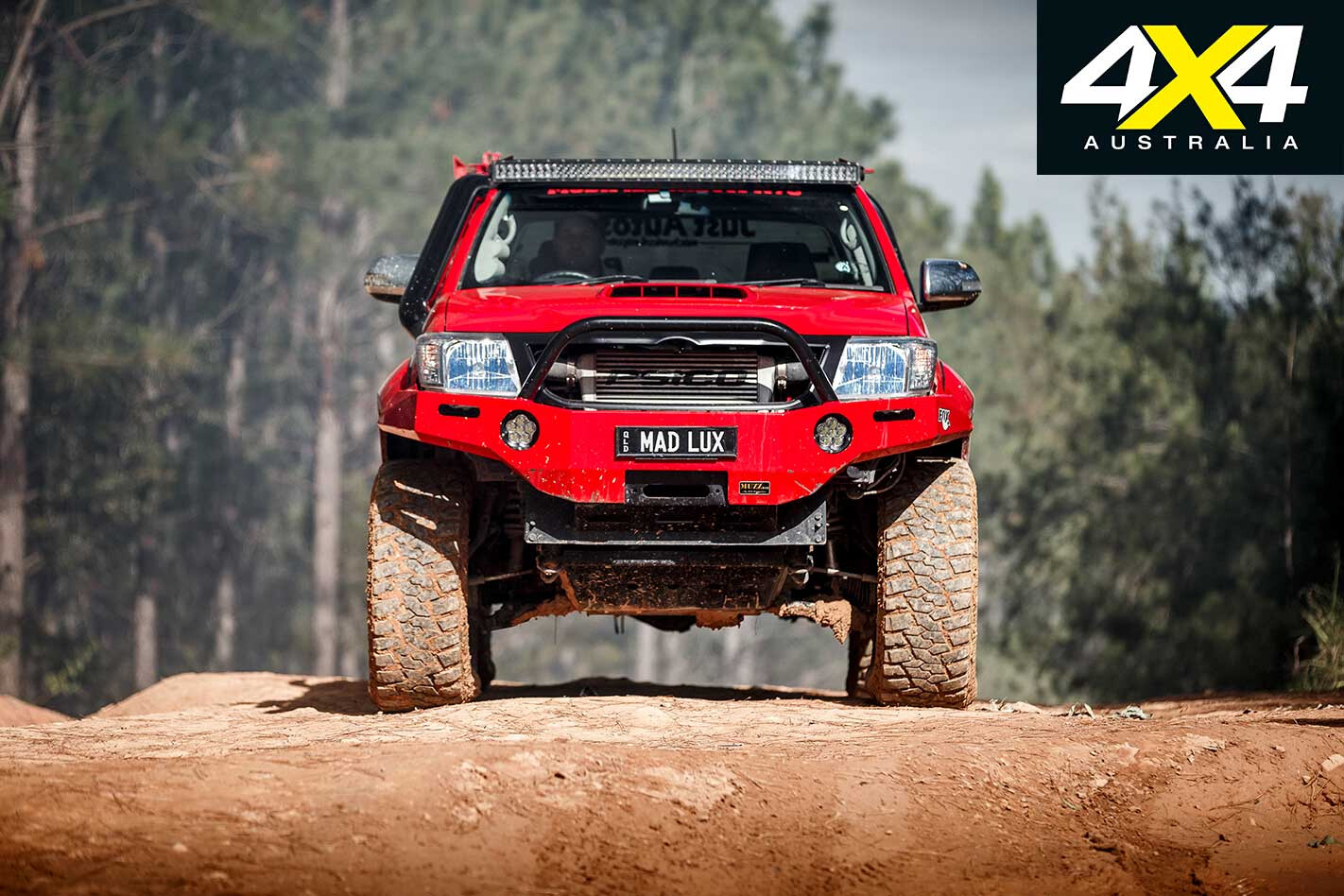
A vehicle can be raised up to 75mm in most states of Australia, without having to seek an engineer’s certificate. Up to 25mm of this height increase can be achieved by fitting larger diameter tyres, and another 50mm by fitting a raised suspension system.
The obvious advantage of raised suspension is that it provides more ground clearance for off-road driving, as well as improving the vehicle’s approach, ramp-over and departure angles. Of arguably more importance, however, is a suspension system that will also provide more wheel travel.
In the case of some vehicles with independent suspension, this can be difficult to achieve as there are limitations in suspension geometry; but with live-axle vehicles most suspension specialists will be able to provide longer-travel springs and dampers.
Towing
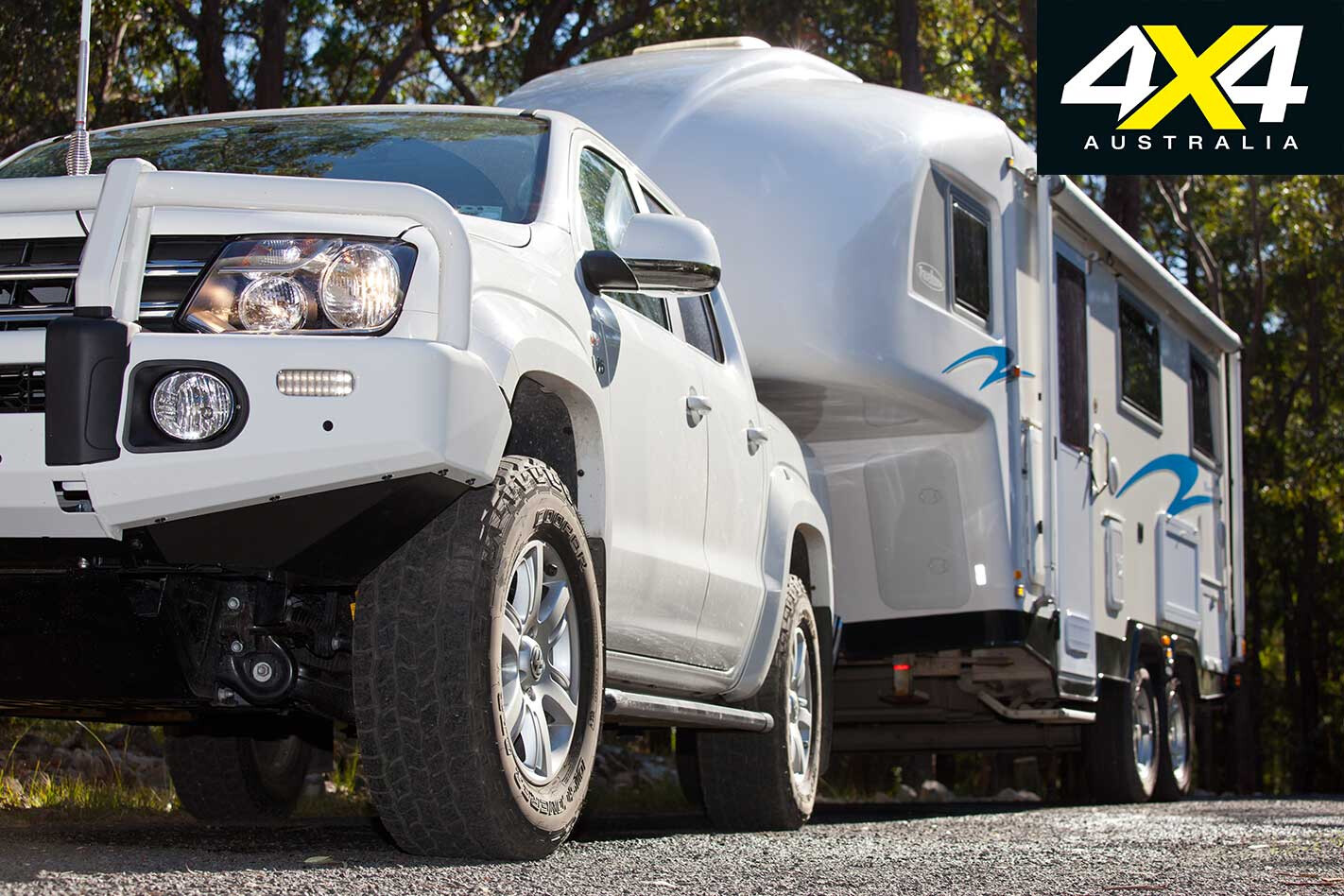
There are specific suspension requirements for those who tow heavy trailers and caravans. If the rear suspension sags when a correctly balanced trailer is hitched to the vehicle, then heavier rear springs will need to be fitted, or the vehicle’s current springs will need to be complimented with air bags or air-helper springs.
Air bags can be inflated when there’s a heavy load on board the vehicle or when hauling a trailer, and then deflated to a lower pressure when there’s only a light load or no trailer, minimising the effect on unladen ride quality.
Weighty issue
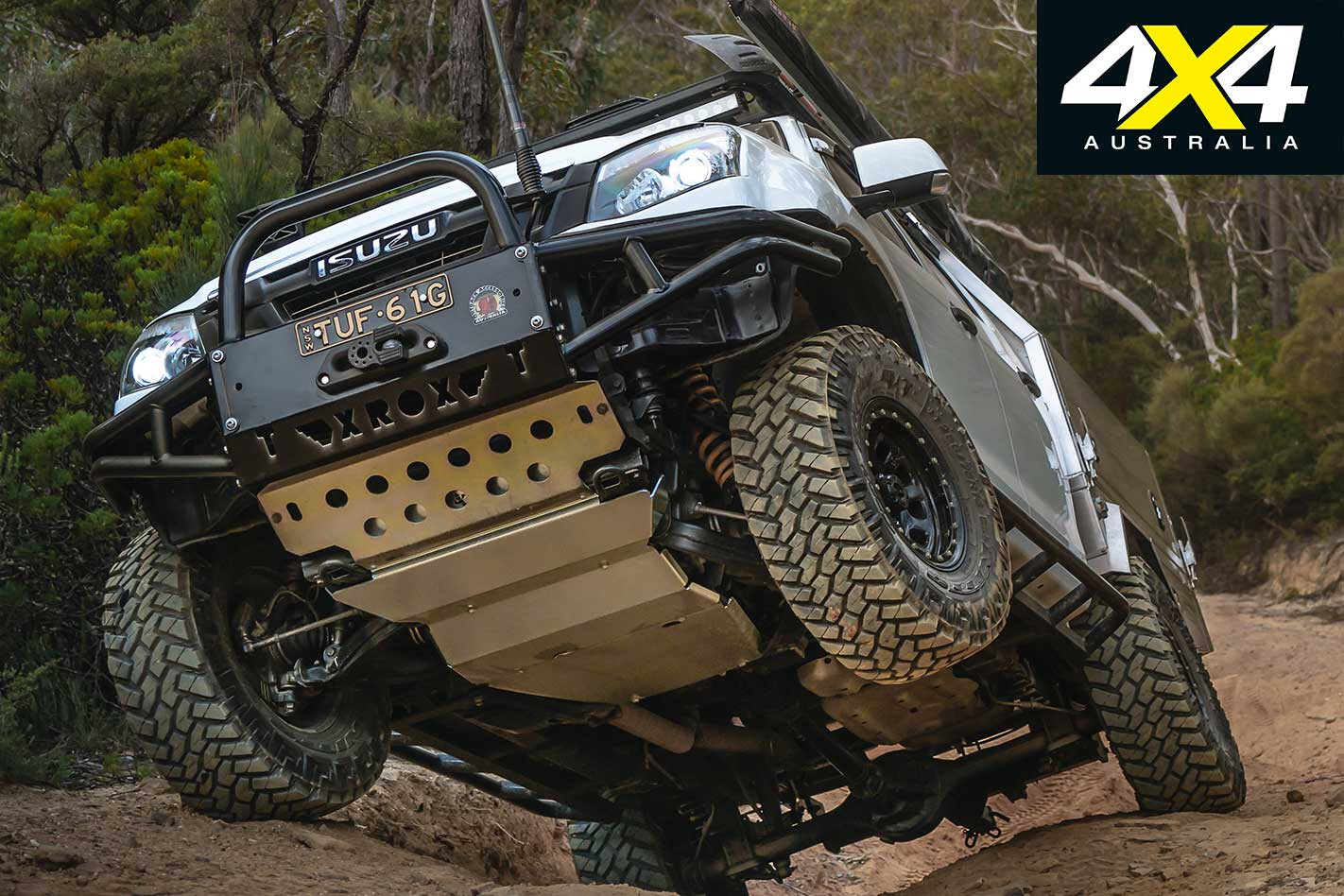
Selecting the correct suspension system to match the load your vehicle carries is vitally important. This is why most suspension system manufacturers and suppliers offer various kits to suit different loads, whether in the form of vehicle accessories or cargo. If your vehicle is equipped with a bullbar, winch and driving lights, for example, it will need heavier front springs than a vehicle with no accessories fitted.
Or if you have a ute with a canopy, drawers, long-range fuel tank and water tank fitted, you’ll need heavier springs in the back than someone with a standard ute who occasionally throws a board in the tray for an early morning surf.
The best way to ascertain the load your vehicle will carry when touring is to fit all accessories and load it up as you would for your trip away, then put in on a weighbridge. Armed with this information, your suspension specialist will be able to help you choose the right spring and damper package to suit the weight of the vehicle and the conditions you’re likely to encounter on your travels.
The full kit
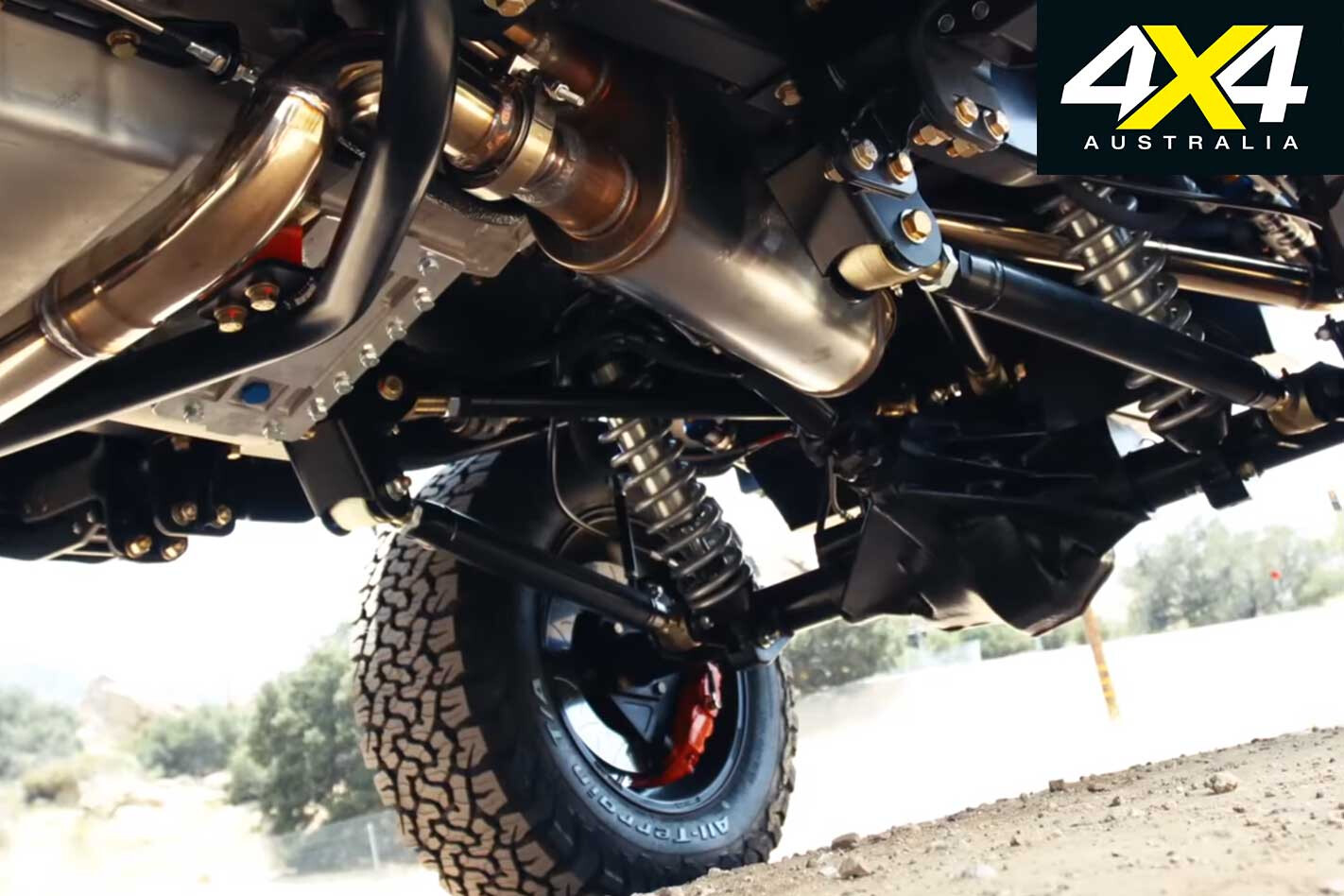
Most aftermarket suspension manufacturers and suppliers will be able to fit an integrated suspension system to your vehicle that includes springs, shock absorbers, bushes and other components, all designed to work in unison.
As well as different spring rates to suit different loads, there are a number of dampers (shock absorbers) available, such as mono-tube shocks, twin-tube shocks, foam-cell shocks, bypass shocks and shocks with remote reservoirs.
Choosing the right dampers for your vehicle will depend on your requirements and your budget, but always go with a reputable brand and one that has outlets around the country in case you have a failure far from home.
YOU clicked and we counted the most viewed 4×4 comparisons of 2018.
With some big players on the 4×4 scene debuting throughout the year – X-Class and Ranger Raptor, to name a few – it was a busy year lining them up against their rivals on off-road dirt.
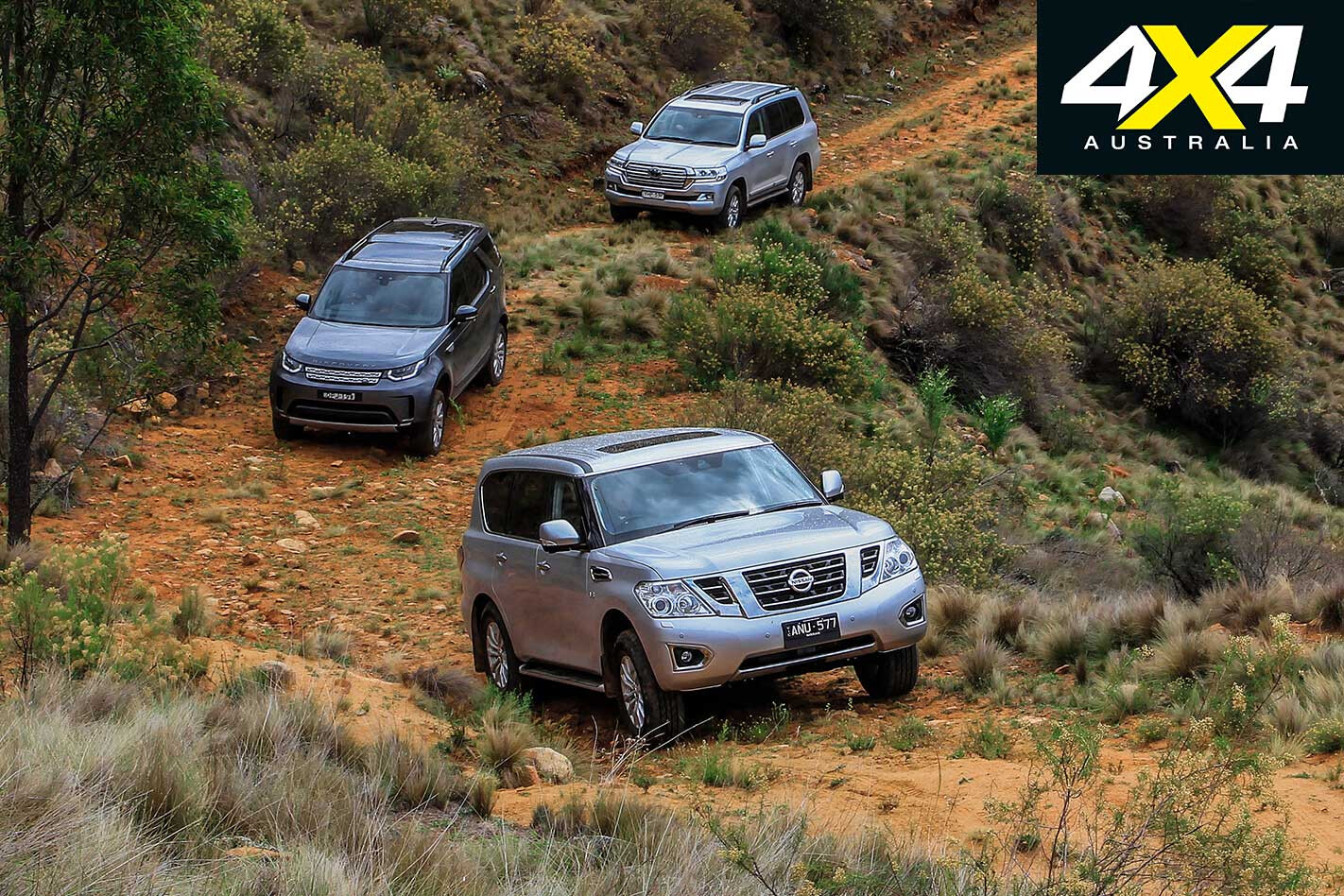
The article that drew the most eyeballs was our comparison of the Toyota Land Cruiser Sahara 200 Series, Nissan Y62 Patrol Ti-L and the all-new Land Rover Discovery TD6 HSE. The LC200 Sahara might cost a few pennies more, but is the petrol-powered Patrol or technically sophisticated Disco better value?
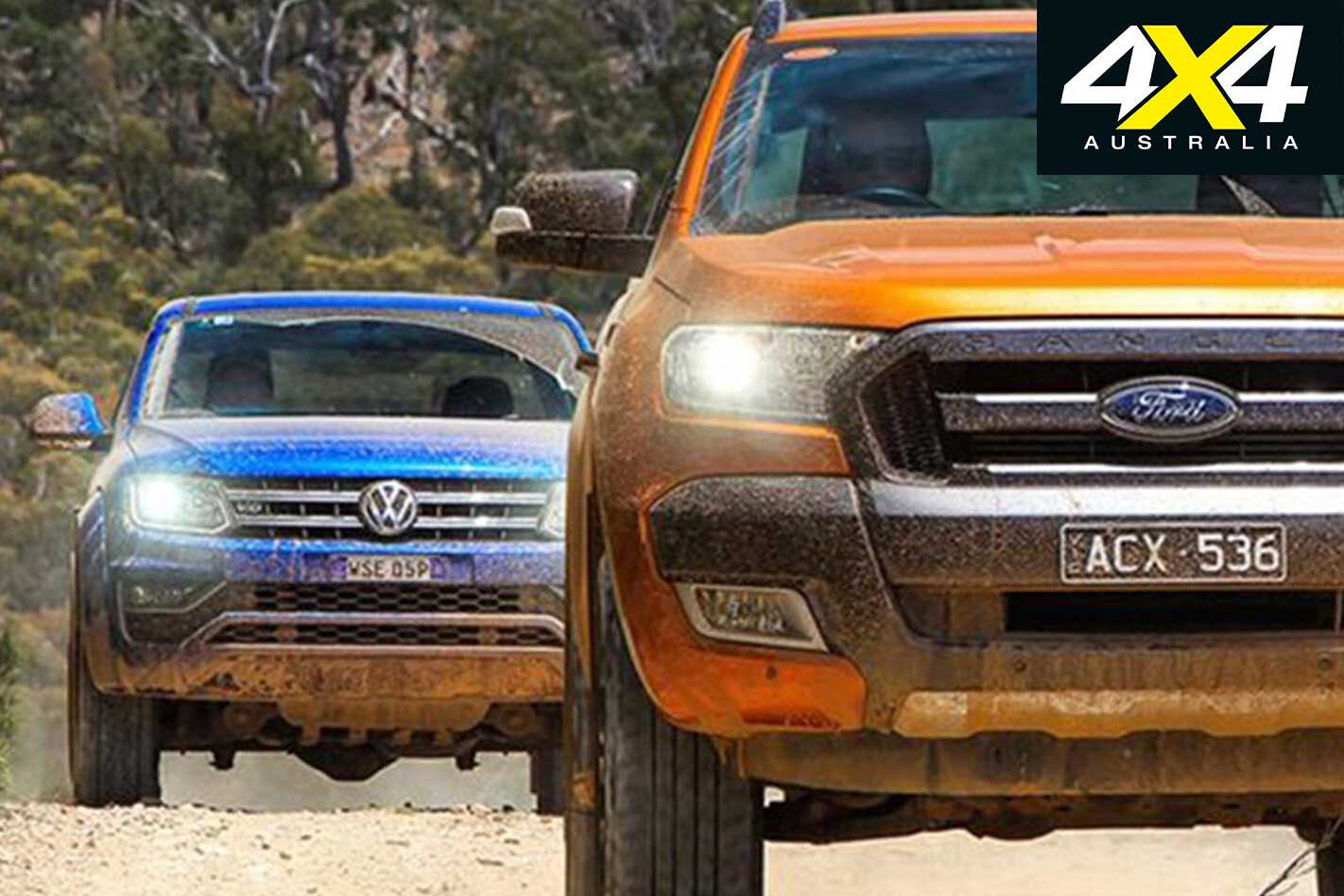
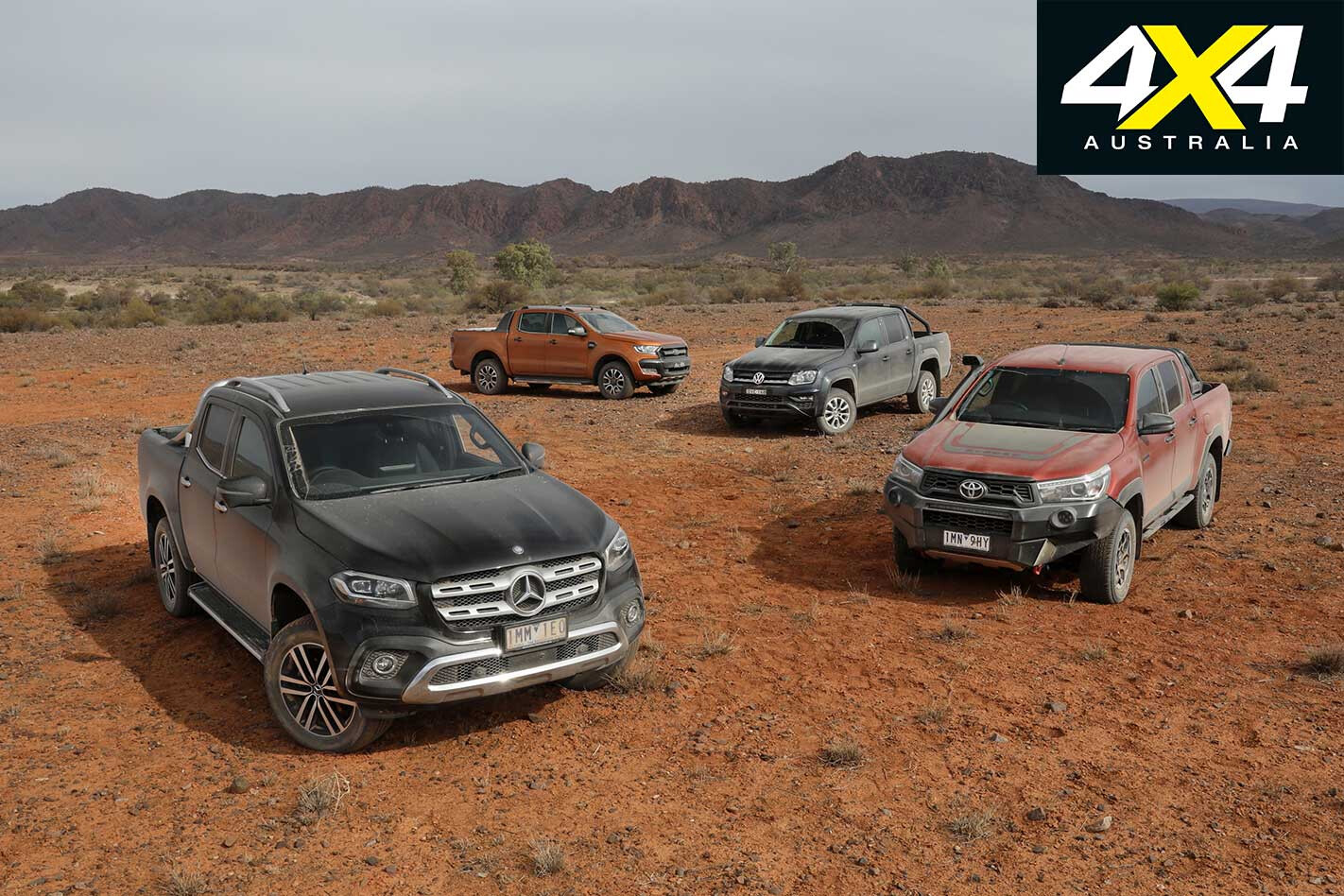
Hot on its heels was our write-up of when the all-new X-Class X250d fronted up to its rivals – Ranger Wildtrak, Hilux Rugged X and Amarok Core Plus – in the Northern Flinders Ranges. After thousands of outback kilometres, which premium dual-cab stood taller than the rest?
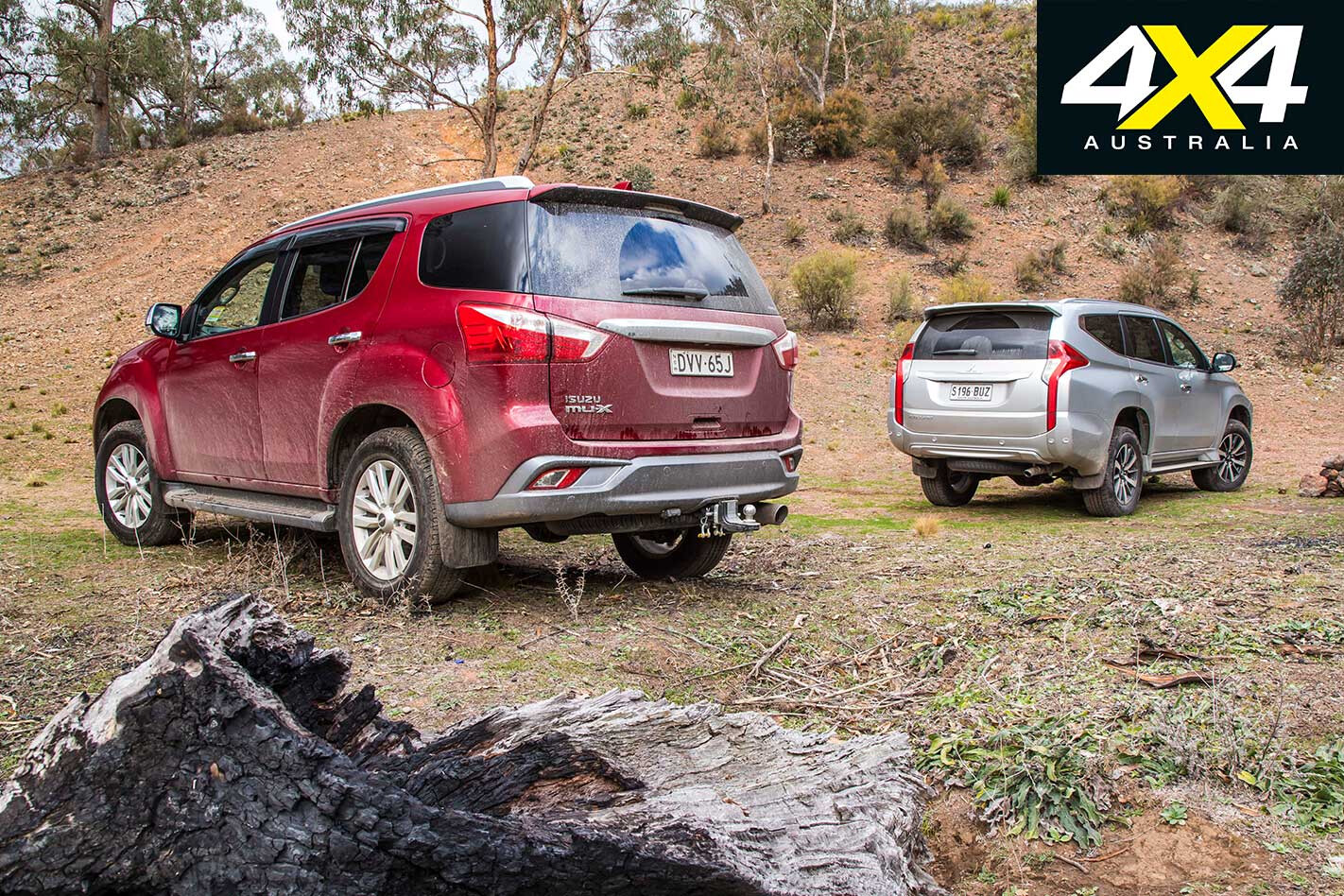
The thriftier MU-X and Pajero Sport – both wagons built from utes – have found a niche in the booming 4×4 segment and they’re similarly priced, with the Paj Sport marginally undercutting the MU-X. Their head-to-head battle was the third most popular article of the year.
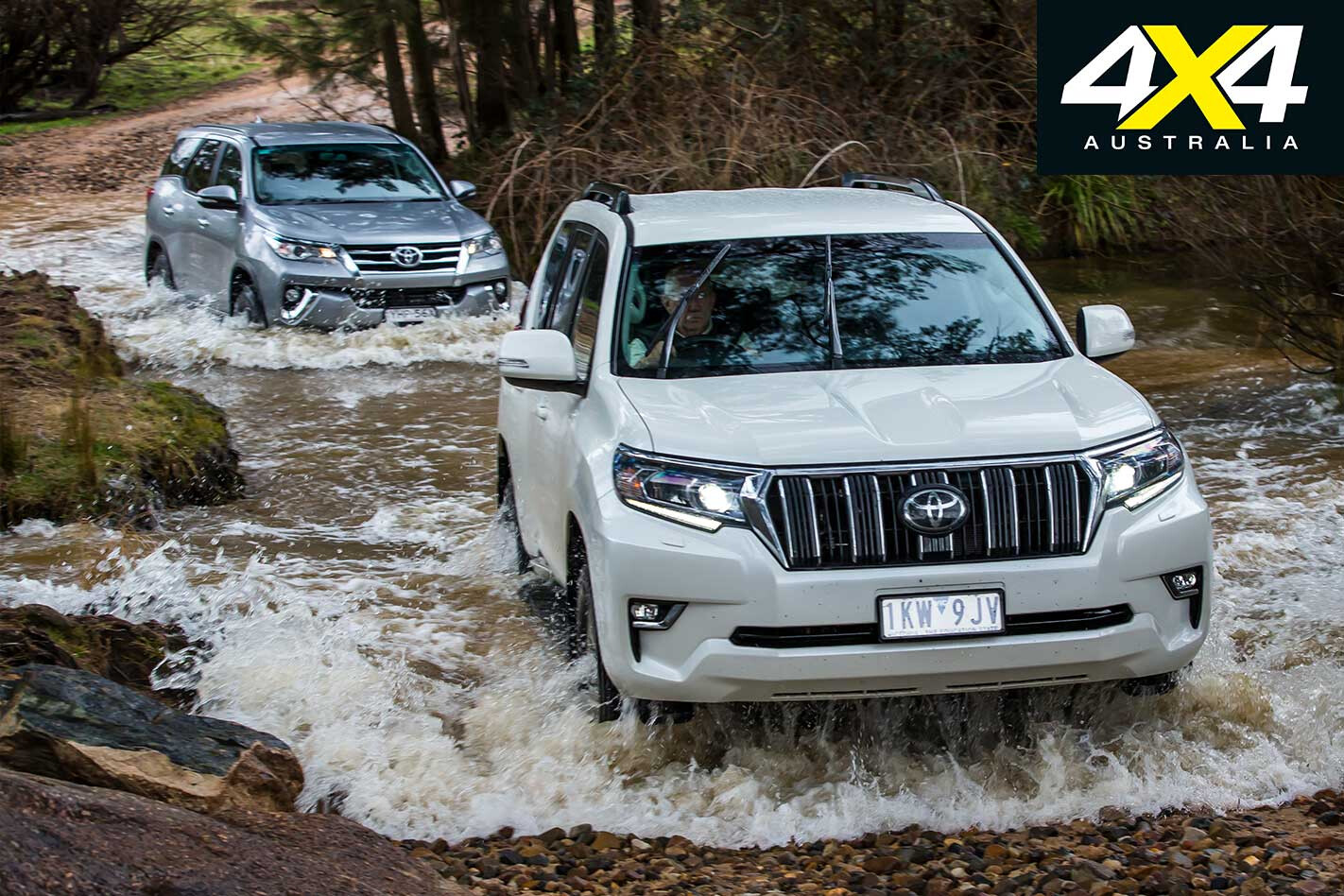
It seems people were eager to learn which mid-size Toyota got the nod when we lined the Prado up against the Fortuner. The Fortuner is considerable cheaper, but is the Prado considerably better?
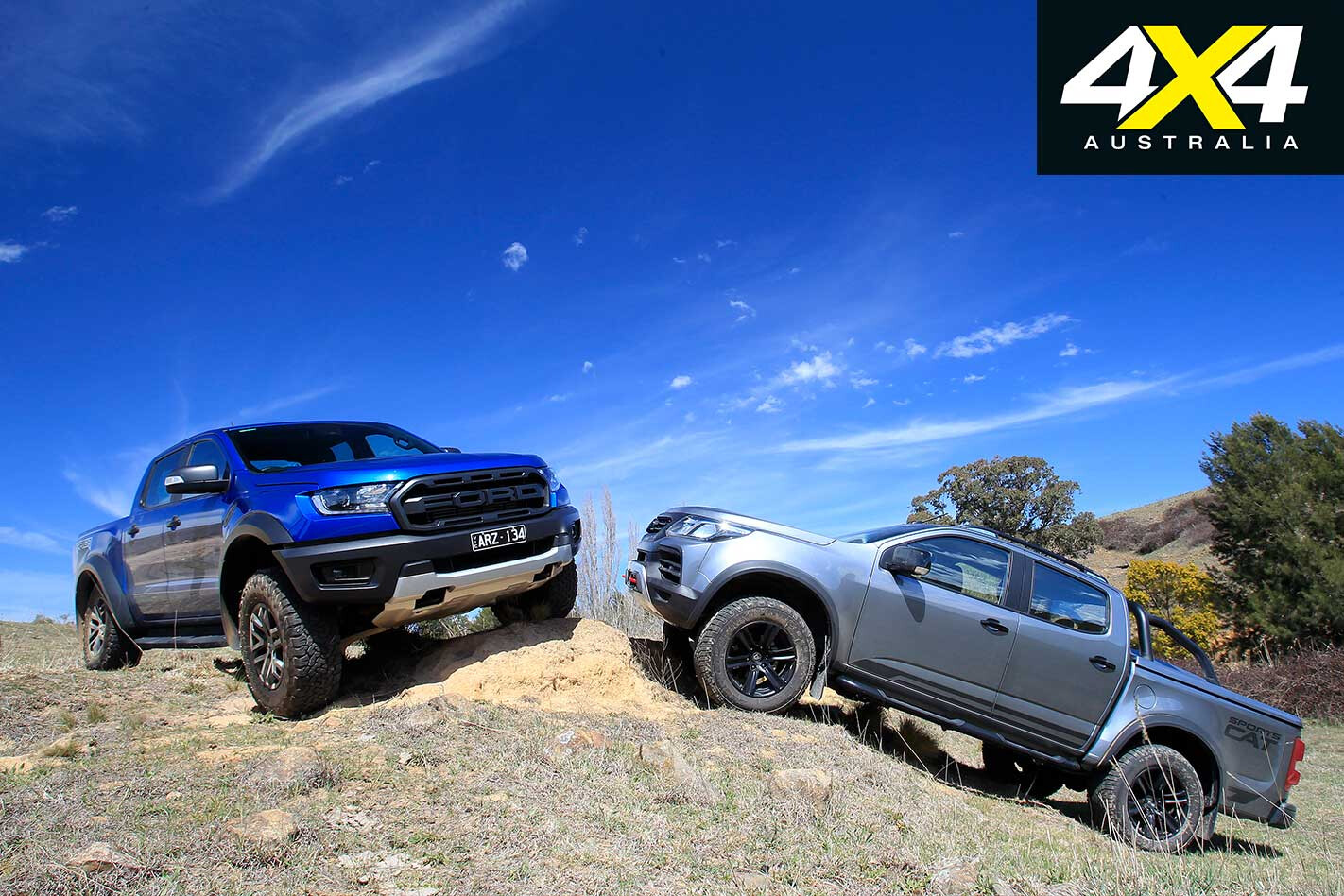
It’s no surprise that our SportsCat versus Raptor piece makes this list. The pre-enhanced showroom stunners are the show-stealers in their respective brand’s garages, but which one is more mind-blowing (or mind-boggling)? A fast, dusty, outback road is the terrain of choice.
When you go four-wheel drive touring, you’re going to need somewhere to sleep at night. Here are some options…
Swag
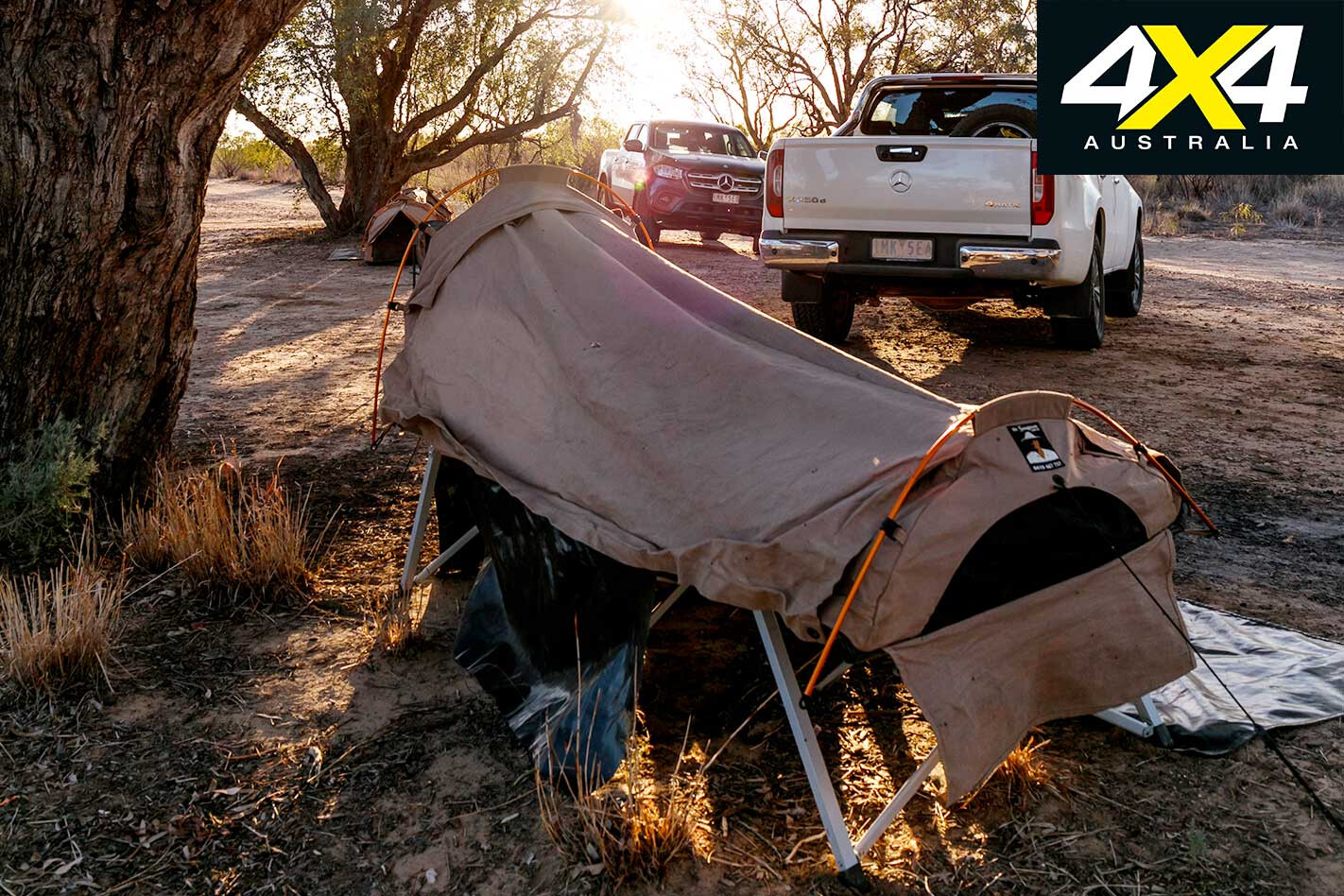
Pros: The great thing about a swag is you can make your bed before you leave home, roll it up and throw it in the back of your 4×4 or up on the roof. Then, it’s just a five- to 10-minute operation to drag it down, roll it out, perhaps set up a couple of poles and pegs, and go to sleep.
Swags come in several styles and sizes, with various mattress types. The type that will suit you will depend on several factors including whether you’re travelling solo or with your partner, whether you’re happy to have the canvas lying on top of you and your head poking out in the elements, or if you want supports to keep the canvas off you and creepy crawlies on the outside.
Cons: Swags can be heavy and big when rolled up, especially when packed with a pillow and sleeping bag, so you’ll need somewhere to stow them. You can’t stand up in a swag so they’re not great for shy people. You’ll also need a ground sheet to keep the base of the swag clean and dry. If you’re claustrophobic, forget about sleeping in a swag.
Tent
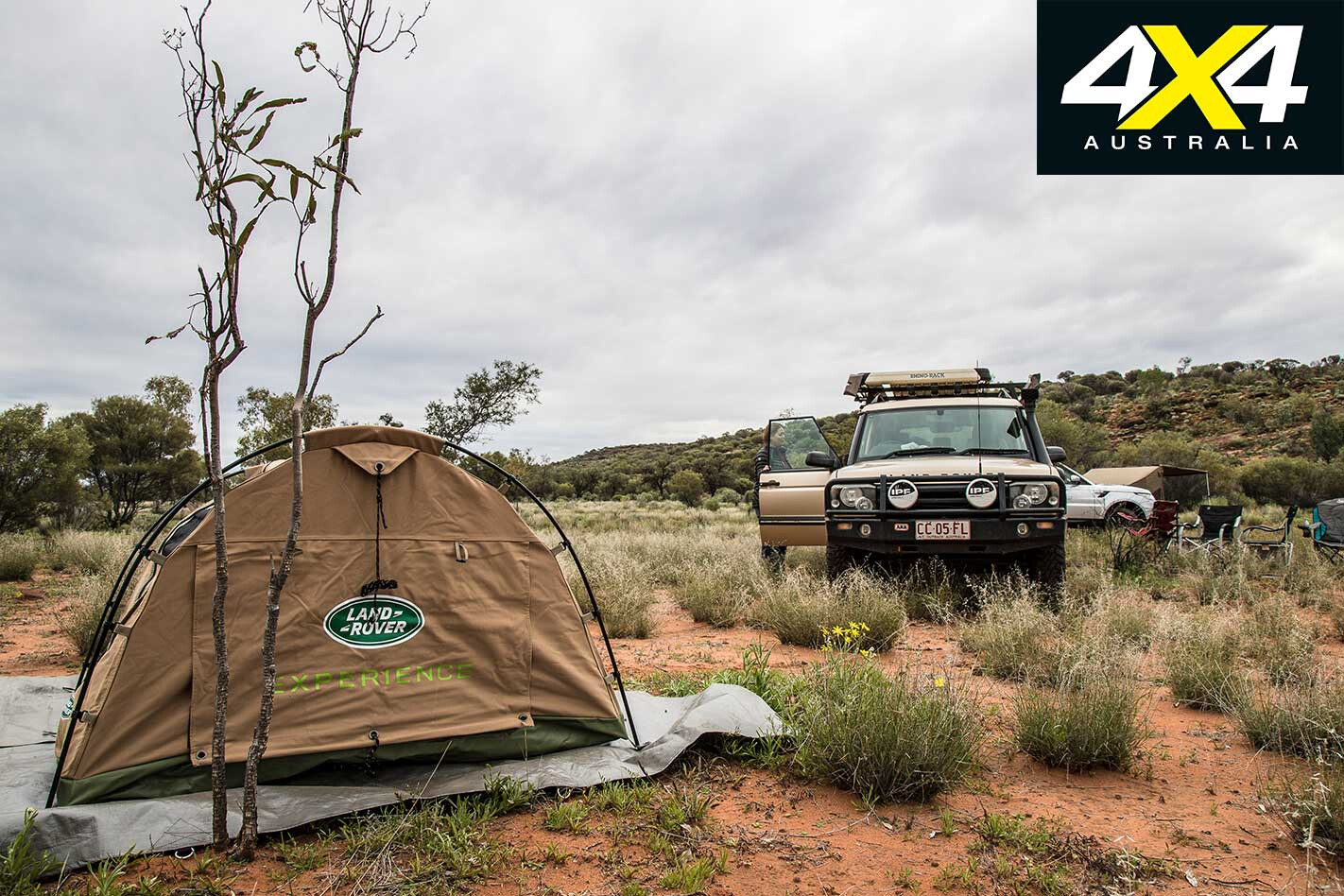
Pros: Tents come in all shapes and sizes and are suited to solo campers, couples or families. Some tents manufactured from modern synthetic materials are lightweight and compact when stowed, yet offer ample space when pitched. While waterproofed-canvas tents are heavier and bulkier, they can prove more durable.
When choosing a tent for touring, opt for a size that suits your requirements. If you’ll be travelling a lot, consider you’ll have to pitch and pack the tent numerous times, so go for one that’s easy to set up and pack away. Also consider the packed size and where it will fit in your vehicle.
If you’ll be camped in the one location for days at a time, ease of set up will not be as important as other features such as interior space and extra rooms, vestibules or annexes.
Cons: Most tents take longer to set up than a swag, and you’ll have to stow your mattress/sleeping cot and bedding separately.
Rooftop Tent
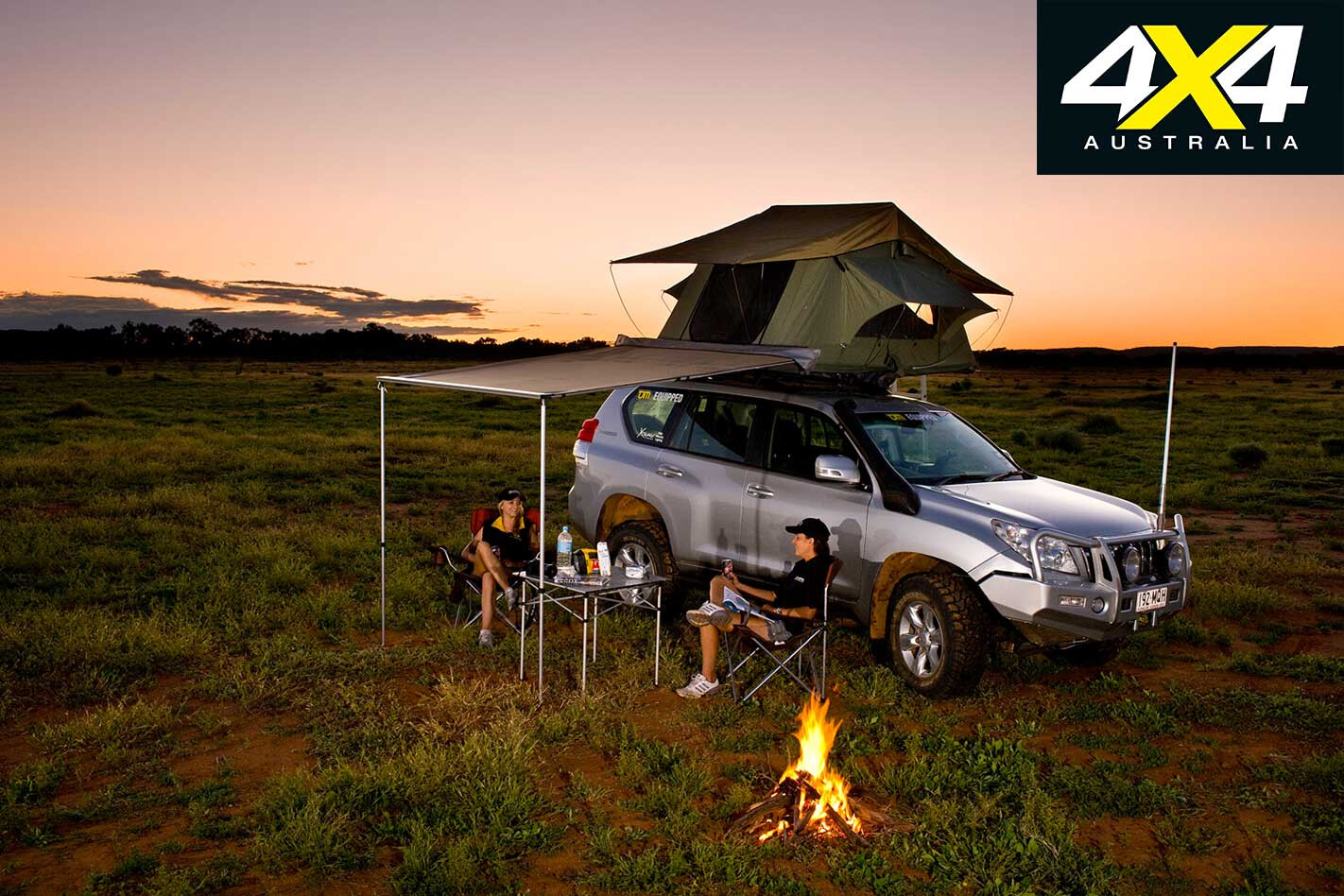
Pros: Rooftop tents are easy to set up, come preloaded with a comfy, thick mattress, and are ideal for those who don’t like to sleep on the ground. You can even leave your bedding in there; although, this isn’t such a good idea if the tent is wet when you fold it away.
There are a few styles of rooftop tents. The traditional fold-out style tents are made from either synthetic materials or canvas, and often incorporate a fly to keep moisture out. They are housed on the roof of the vehicle in a synthetic or canvas zip-up bag. Hard-shell rooftop tents either fold up or pop up and are housed in, you guessed it, a hard shell usually made from ABS plastic.
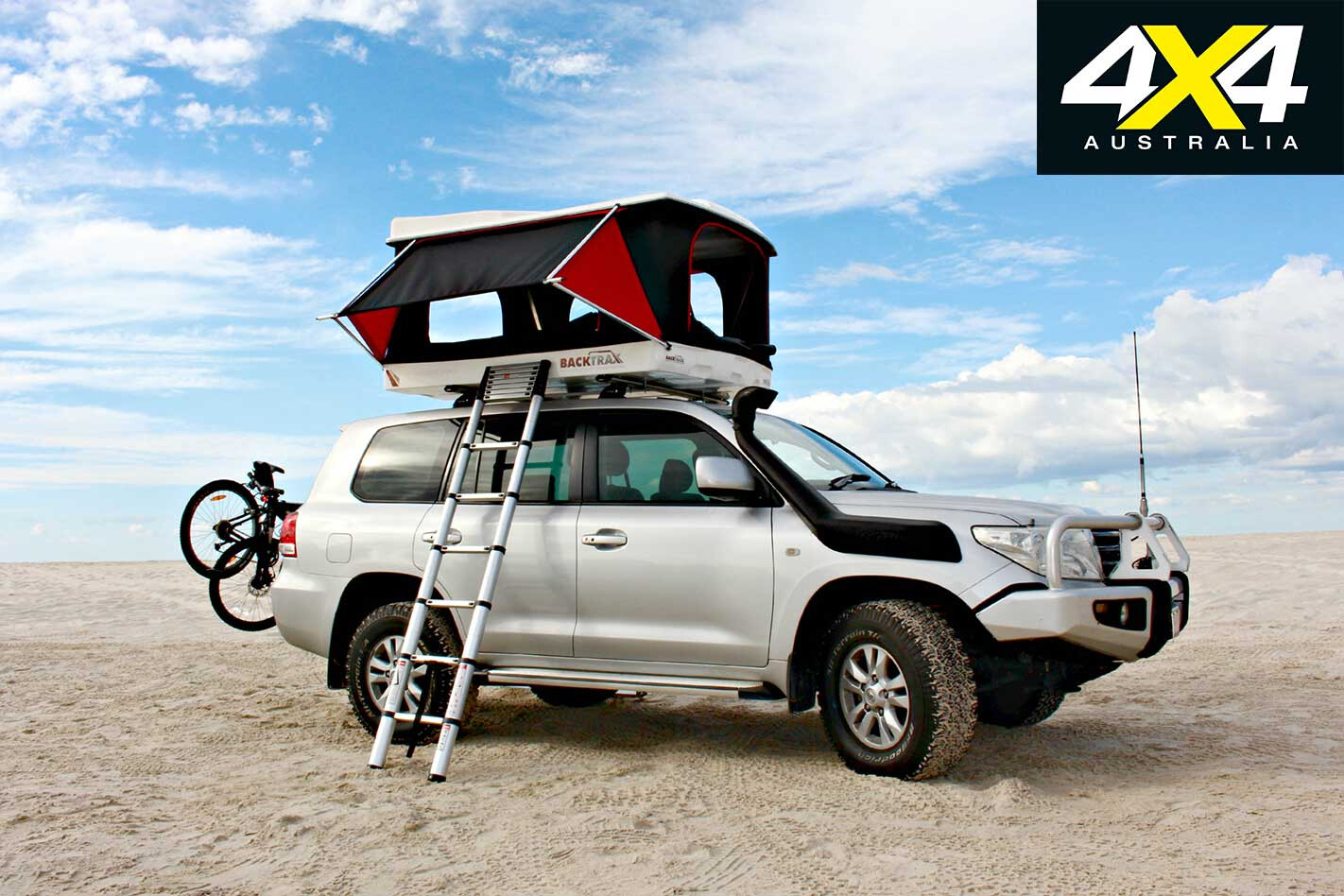
Cons: Rooftop tents can be heavy and bulky, so they can affect vehicle handling (by raising the centre of gravity) and fuel economy. They also take up a lot of roof space.
You need to climb a ladder to access a rooftop tent; if you’re not very mobile, this could be a problem. Another rooftop tent negative is once set up you can’t move your vehicle until you’ve packed it away again.
Camper Trailer and Caravan
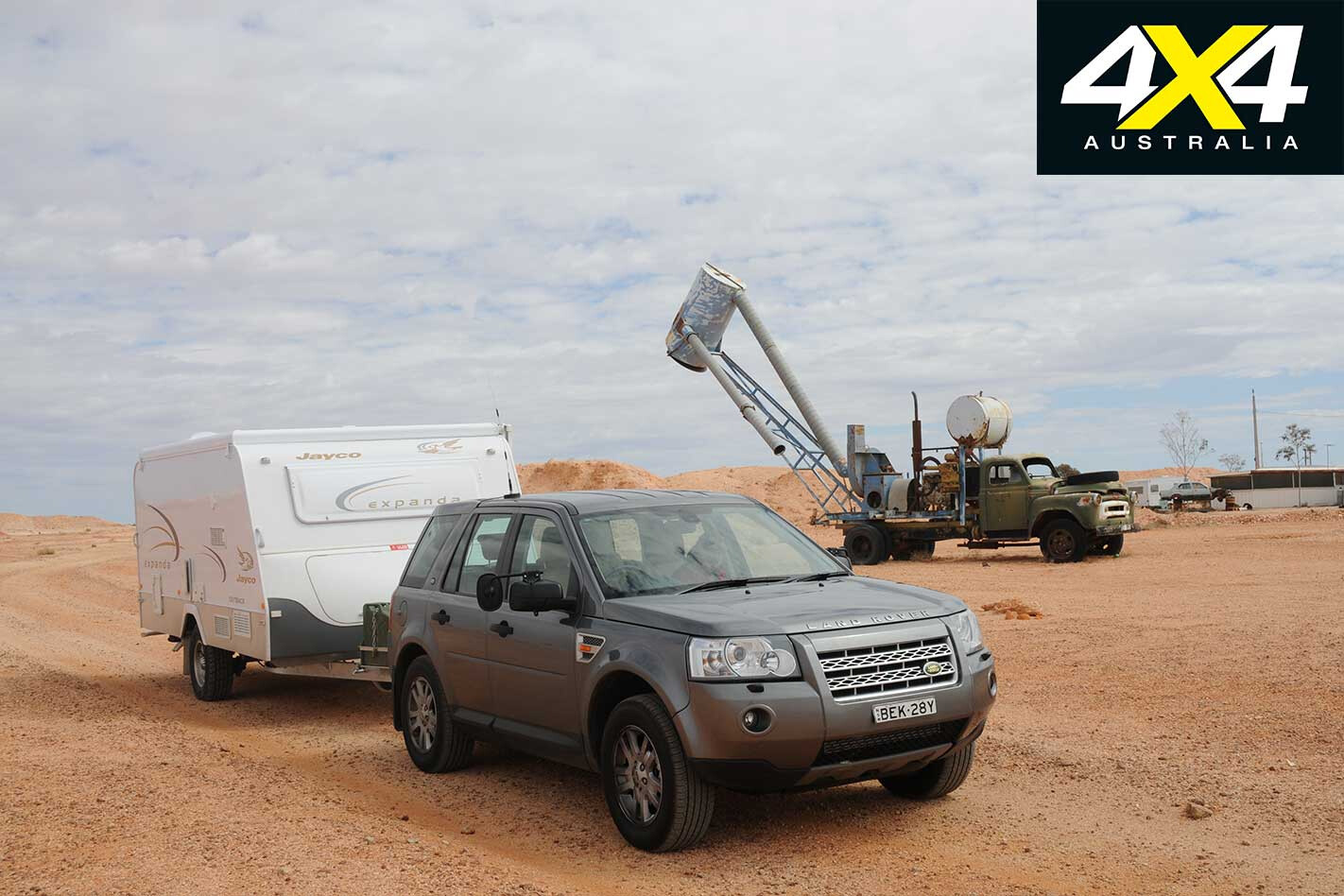
Pros: The great thing about camper trailers and caravans is you can take everything away with you, including the kitchen sink. As well as an easy set-up tent section, most camper trailers will incorporate features such as annexes, kitchens, water storage, battery power and more, while the caravan offers all this inside/undercover as well as things like internal loos and showers. In short, they’re ideal for family getaways.
There are several styles of campers, including soft-floor and hard-floor models, and trailers with basic beam axles and leaf springs or with trick independent suspension set-ups with coils and dampers.
When choosing either a camper trailer or caravan, consider size, weight, ease of set-up and features. Also ensure the wheel size and stud patterns match your vehicle, and that it is built tough enough for where you’re going.
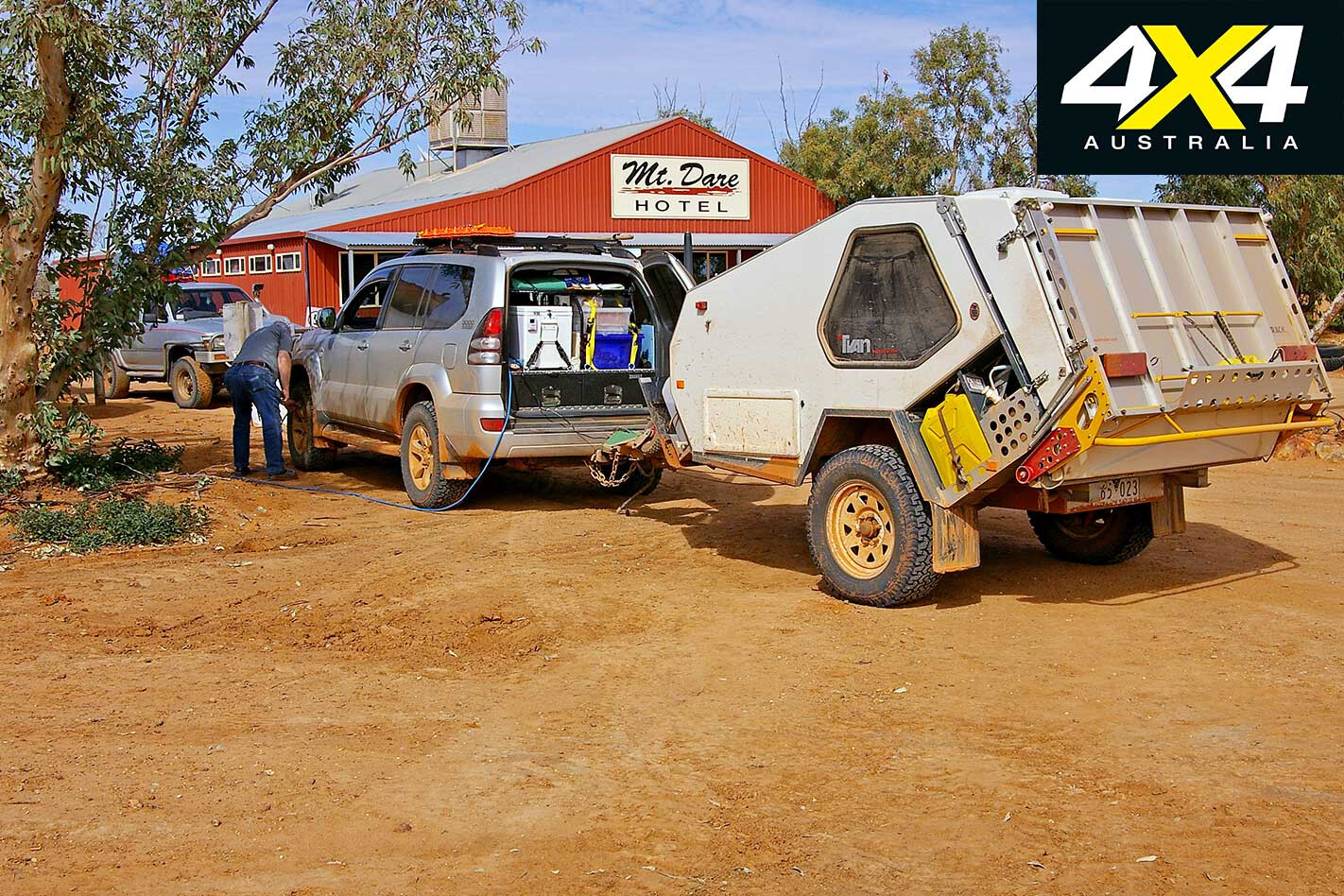
Cons: Towing a camper trailer or caravan will affect vehicle performance, handling and off-road capability, and will increase fuel consumption; by how much will depend on the size and weight of the trailer/van and your tow vehicle.
In some parts of Australia it’s inadvisable to tow a trailer, such as across the Simpson Desert, and vans are even less advisable in gnarly conditions (unlike a camper trailer, the High Country is definitely out with a van). But, in both cases, you can unhitch them and explore further afield in your vehicle.