
SSANGYONG had a busy end to 2018, with the South Korean manufacturer launching a number of models toward the end of the year.
One of those models is the seven-seat Rexton, a family wagon loaded with plenty of kit for its modest asking price. We had the ELX, the middle-tier offering in the three-model line-up (it sits between the EX and top-spec Ultimate), at 4X4OTY.
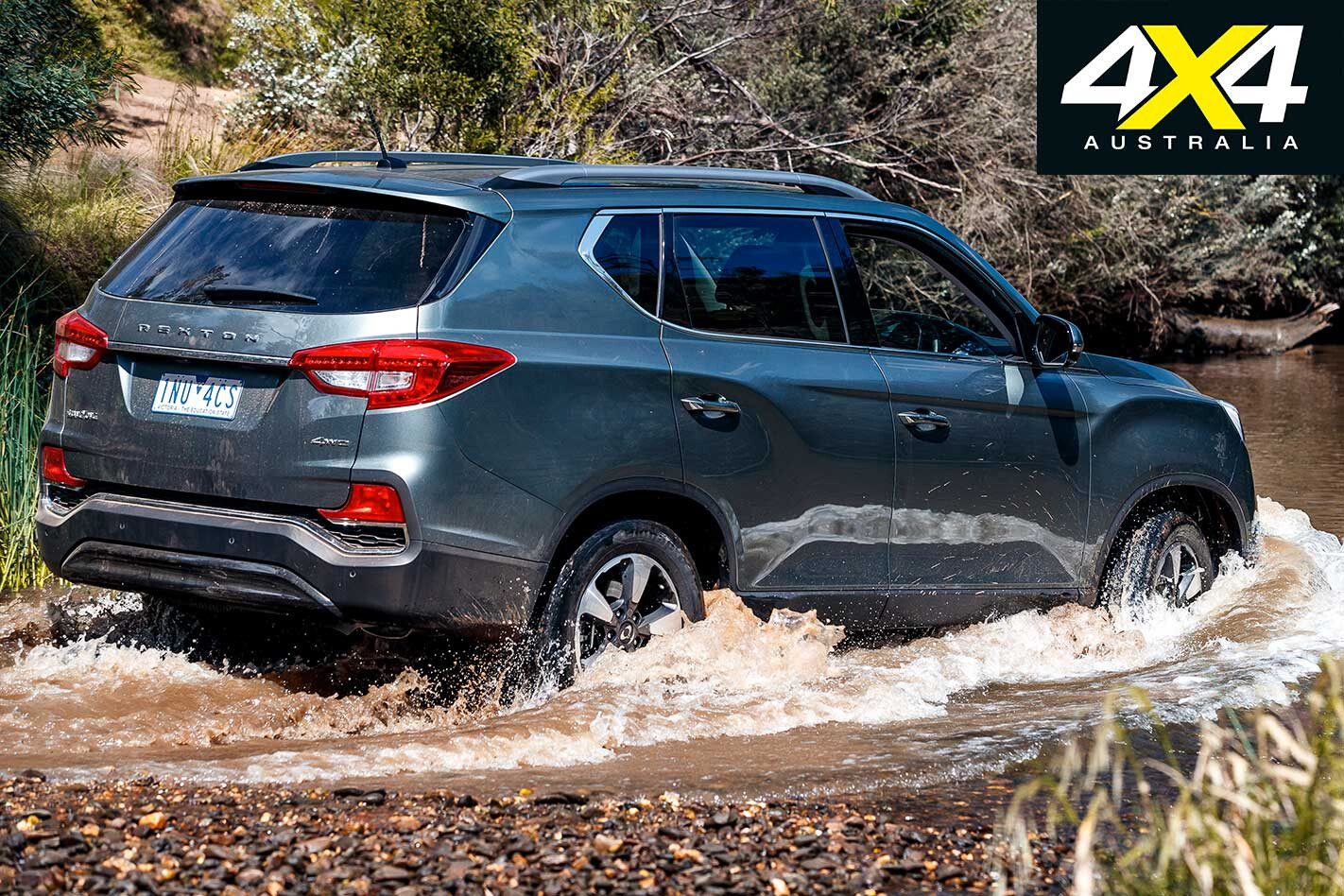
Among its list of features the ELX gets third-row seating, autonomous braking, nine airbags, heated and cooled front seats with electric adjust, heated rear seats, tyre pressure monitoring, lane-departure, blind-spot warning and rear cross-traffic alert, an eight-inch touch screen and smartphone connectivity.
The Rexton runs a 2.2-litre four-cylinder turbo-diesel engine that’s good for 133kW at 4000rpm and 420Nm at 1400-2800rpm, which is mated to a seven-speed automatic transmission. The Rexton features a part-time dual-range 4×4 system, and it was the only vehicle at 4X4OTY with independent rear suspension.
The heavy wagon (2233kg) has a three-tonne towing capacity and a payload maximum of 727kg. The ELX retails for $46,990 drive-away, and this test vehicle had no added extras.
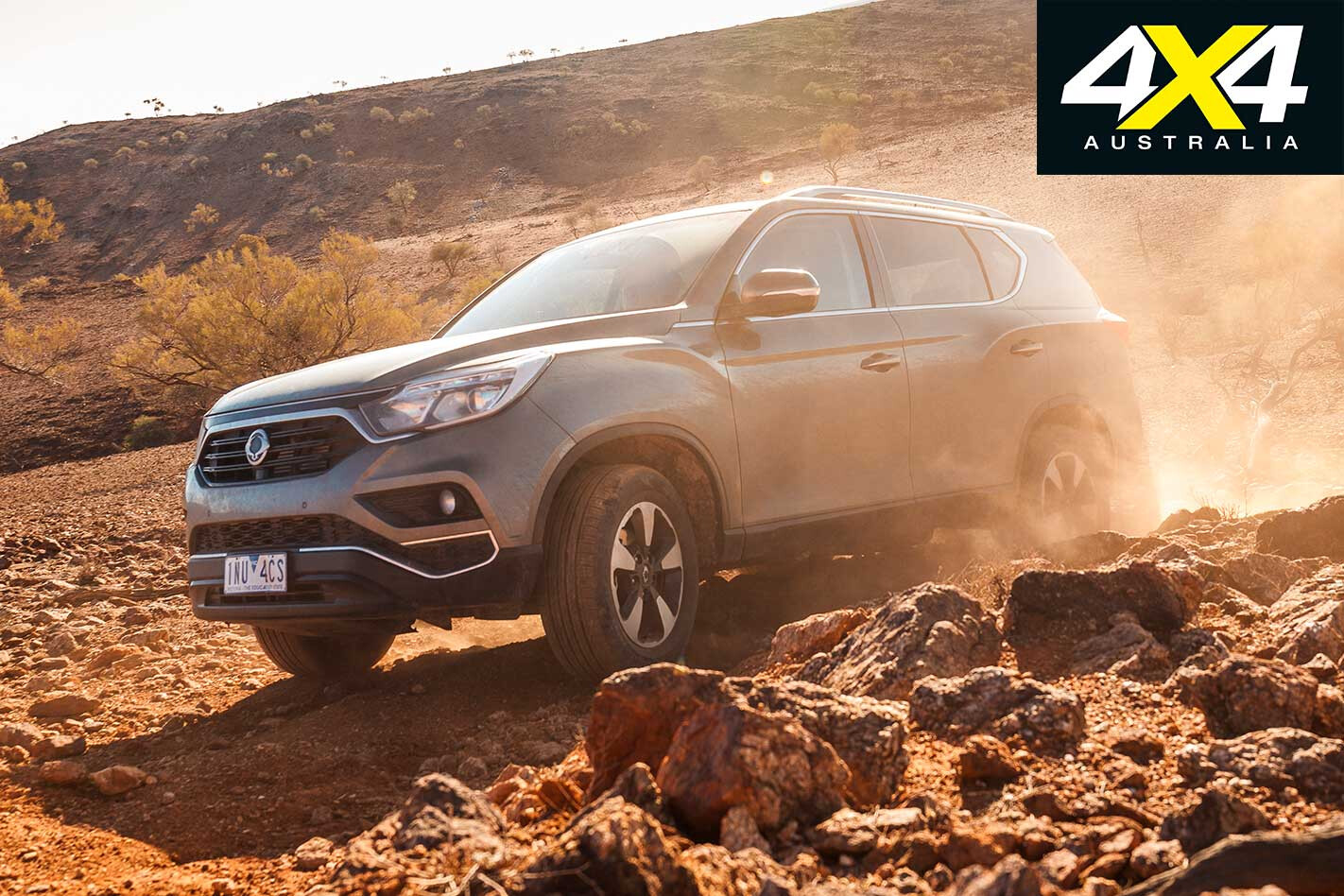
The family wagon might be a capable 4×4 on long stretches of bitumen and dirt, but does it fall behind the pack when the tracks turn from moderate to difficult?
There is always room for improvement with any 4×4 that comes straight off the dealer forecourt, simply because they were built to suit the needs of a wider audience and more general purposes.
One aspect that could do with some tweaking in focusing your 4×4’s capabilities to suit your intent is in the area of aftermarket shock absorbers and tyres, which would alter its ride and capabilities. Here are some of the best shock absorbers and tyres that were released in 2018.
TJM Pace shock absorber
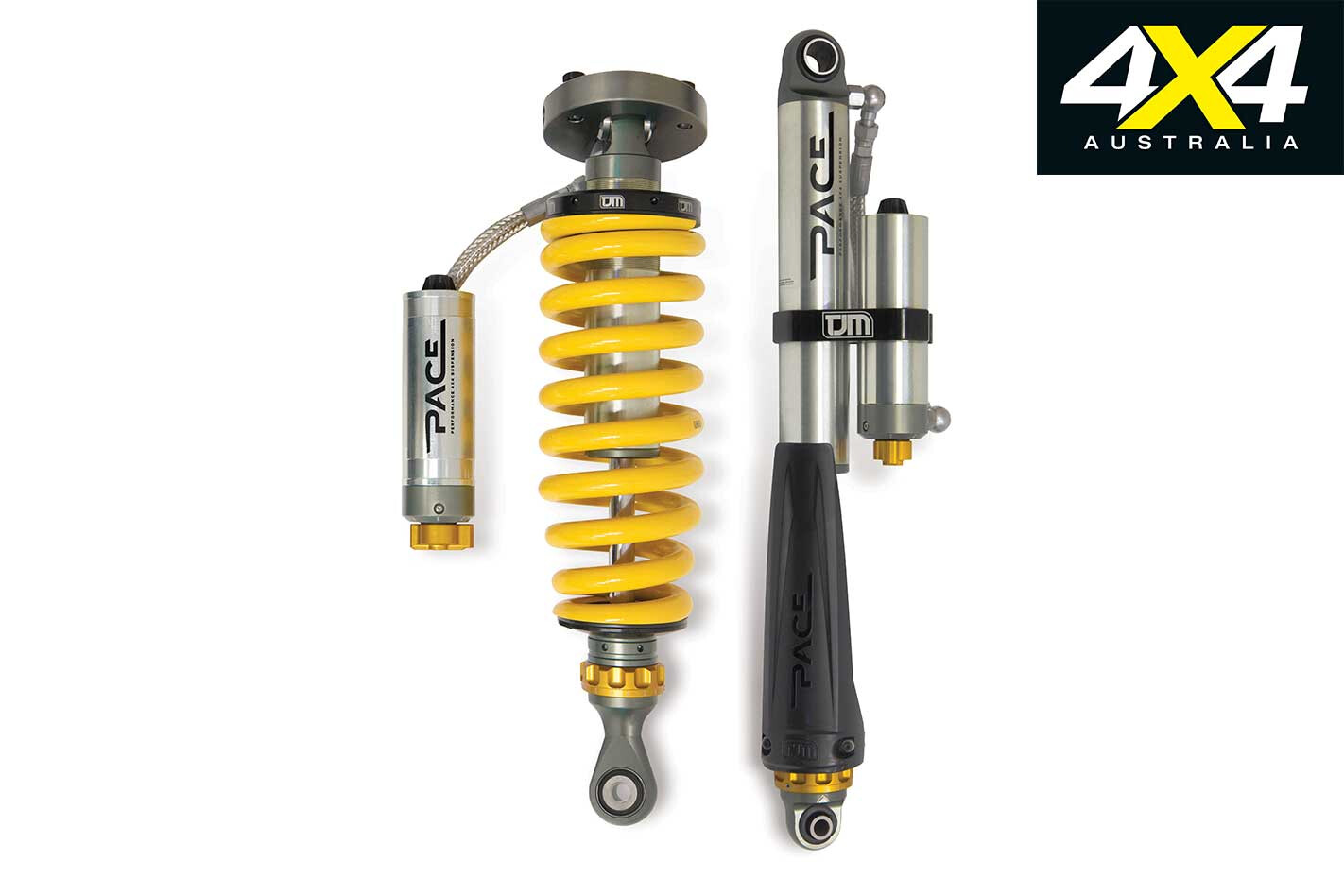
TJM has released the PACE, a dual-adjustable 52mm-bore single-wall monotube shock absorber with remote reservoir. The ‘dual adjustable’ refers to the eight-stage compression and rebound adjustability (accessed via a hand-adjustable dial on the shock and reservoir).
The remote reservoir is connected via a steel-braided oil hose, and there’s a patented internal hydraulic bump-stop inside the shock that assists in dampening the effect of sudden impact on the shock and prevents bottoming-out. It does this by progressively increasing damping resistance as loads increase on the shock. The shock shaft and seals are protected by a stone guard and there’s also an adjustable coilover spring seat (for applicable vehicles).
The Aussie-engineered and designed PACE comes with a three-year/100,000km shocks and struts warranty. Available at launch for LC76, 78 and 79, as well as Ford’s PX Ranger (2012-onwards) and the Mazda BT-50 (2012-onwards).
Website: www.tjm.com.au
EFS XTR shock kit – Toyota HiLux
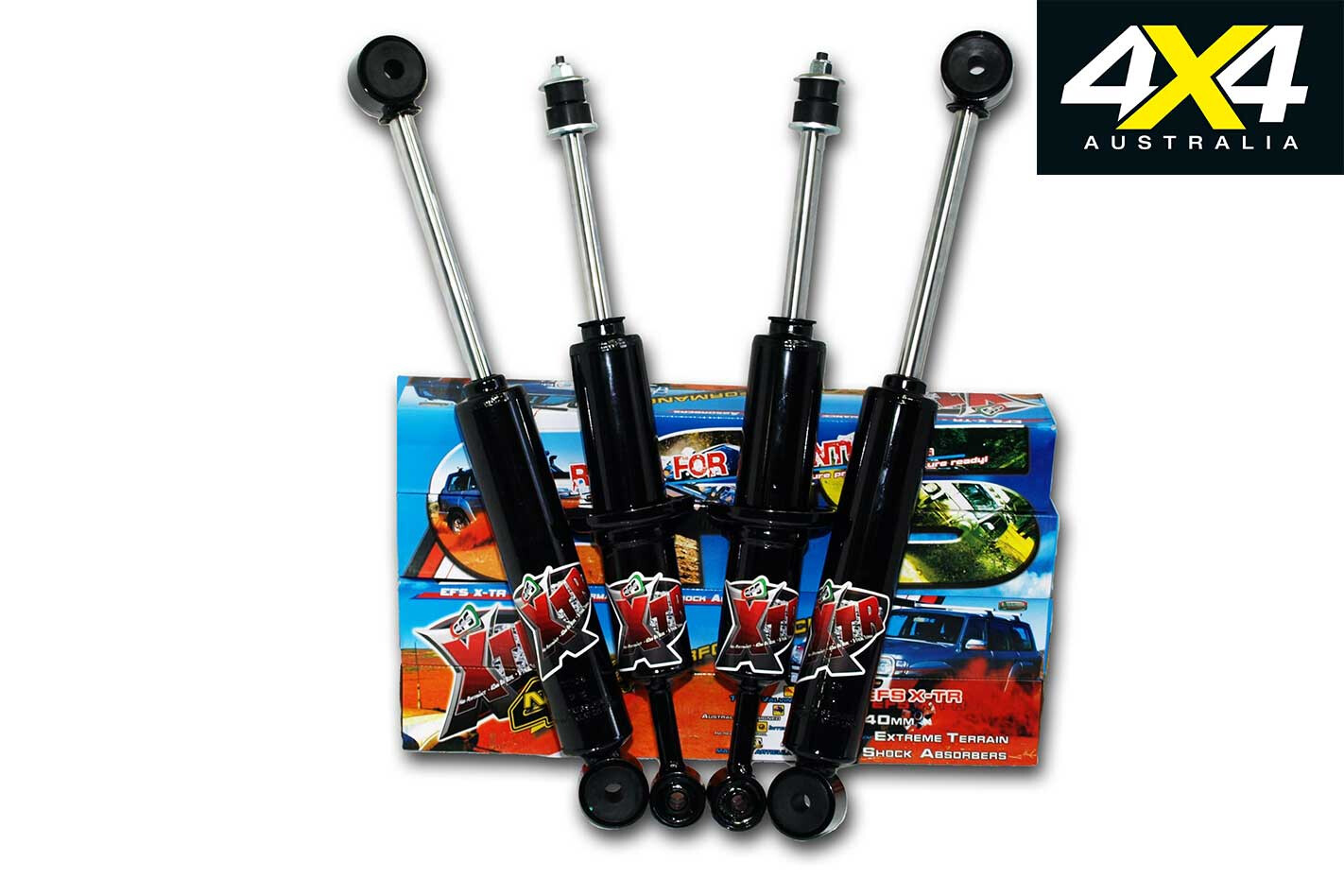
The brains trust at EFS released a speccy 40mm bore XTR shock kit for Toyota’s Hilux (dual-cab and single-cab, 2005-2015). The kit allows for an increase in fluid volume which assists in preventing the build-up of heat in the shock and the resultant fade that you can experience on rugged corrugated tracks.
The shocks feature Dynamic Motion Control Technology (DMCT), which alters the valve forces dependent on the velocity of the fluid as it travels through the piston valve. As oil speeds up through the valve, this tech slows that flow down for improved control in high-speed scenarios. When the oil is passing more slowly through the valve (during off-camber/slow-speed off-road conditions) it allows the oil through the valve at a higher volume to assist in suspension flex.
RRP: $269.50 each (XTR 40mm front strut); $180 each (XTR 40mm rear shock absorbers) Website: www.efs4wd.com.au
Cooper Tires AT3
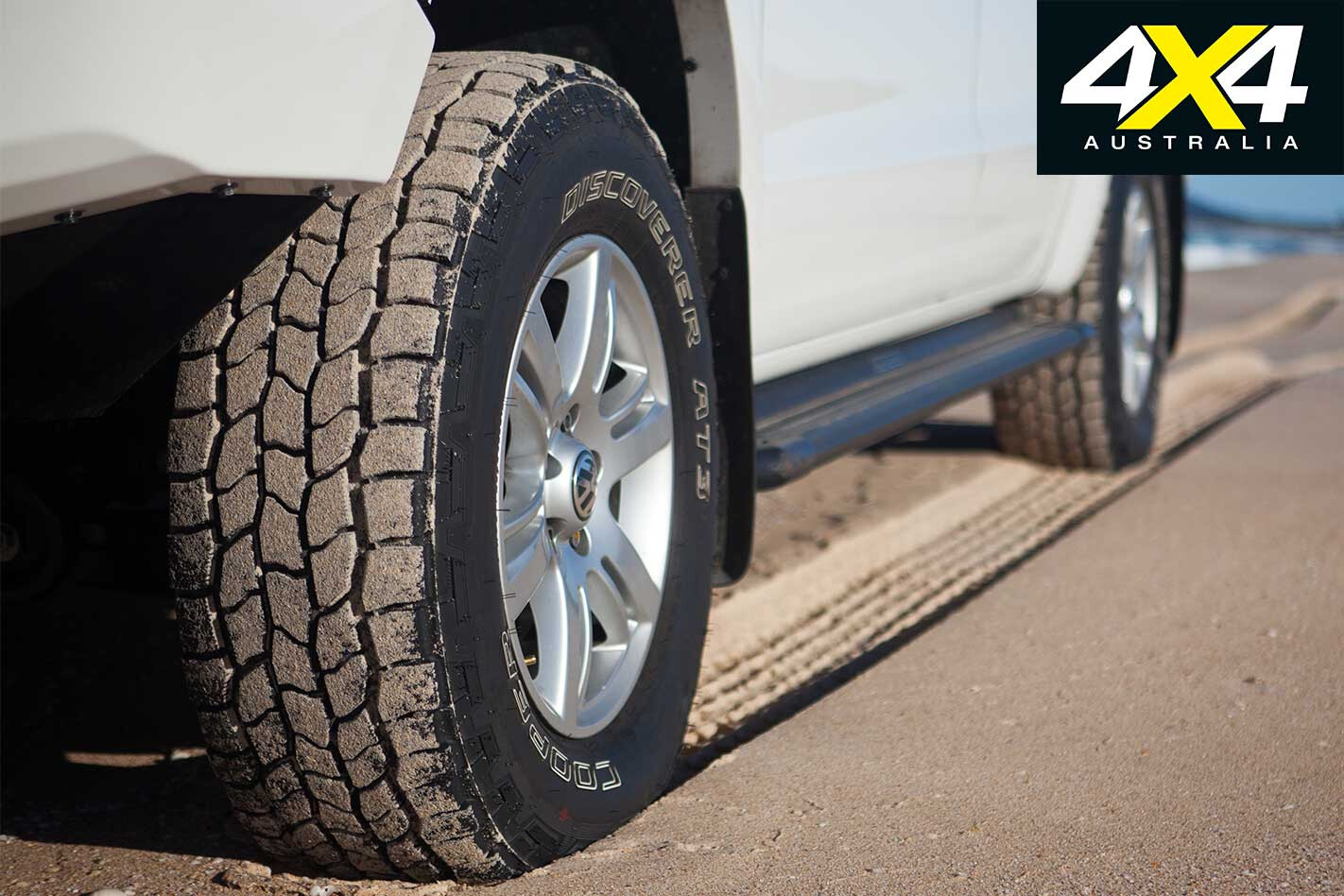
The US tyre giant has released a new version – or should we say, three separate versions – of its super-popular AT3. The AT3’s three variants include one aimed at soft-roaders, with the other two – AT3 LT and AT3 XLT – for 4×4 vehicles. The tyre will come in a wide range of sizes, with the LT and XLT covering all popular off-roaders sold here in Australia.
The new tread design includes stone ledges to eject stones from within the tread void, Whisper Groove Shields (claimed to reduce on-road noise by 20 per cent) and Scalloped Shoulders for additional soft-surface traction.
The carcass is tough, with high-tensile body plys for robustness and super-tensile steel belts (LT and XLT) across the full tread area (edge to edge), while the new compound uses high-content coupled silica for enhanced cut-and-chip resistance. No wonder Cooper Tires is confident it can offer an 80,000km warranty.
Website: www.coopertires.com.au
THE Mahindra Pik-Up joined the 4×4 of the Year line-up in 2018, in top-spec S10 trim. Powered by an upgraded 2.2-litre four-cylinder diesel engine, claiming 103kW (up from 90kW) and 330Nm (up from 290Nm), the Mahindra shapes up as a decent out-of-town workhorse.
The Mahindra’s lucrative selling point is its $31,990 price tag, with the boxy unit considerably undercutting its 4X4OTY competition. That it can handle itself in the rough stuff gives it yet another leg up.
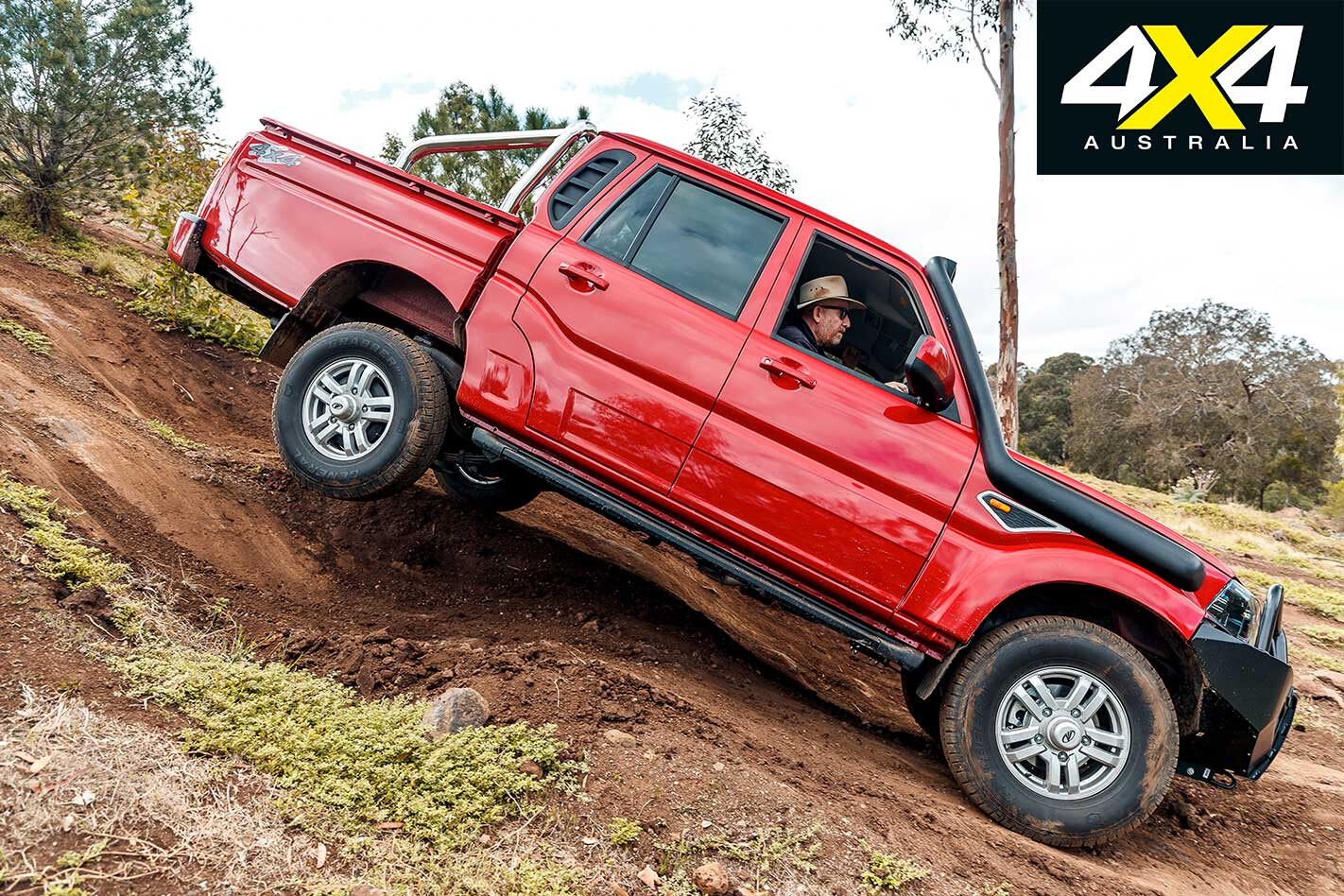
The high-riding farm ute claims 210mm of ground clearance and comes standard with an Eaton self-locker at the rear; electronic traction control remains active on the front axle in 4WD, even with the Eaton locker engaged.
The top-of-the-range S10 runs a six-speed manual cog-swapper and gets 16-inch alloys, sat-nav and a reversing camera, among a host of enhancements.
The Pik-Up can only tow up to 2500kg, which could dissuade tourers; however, a generous payload capacity is a positive. The example at 4X4OTY came with two options fitted: bullbar (+$2574) and snorkel (+$765).
Still, can the budget-ute knock off vehicles that cost twice as much?
IF YOUR New Year’s resolution isn’t to hit more 4WD tracks and explore this great, big country of ours, it really should be.
So, what better way to welcome in the New Year than with a copy of the January 2019 issue of 4X4 Australia. Sit back, have a read, and get inspiration for your next (or first) off-road adventure.
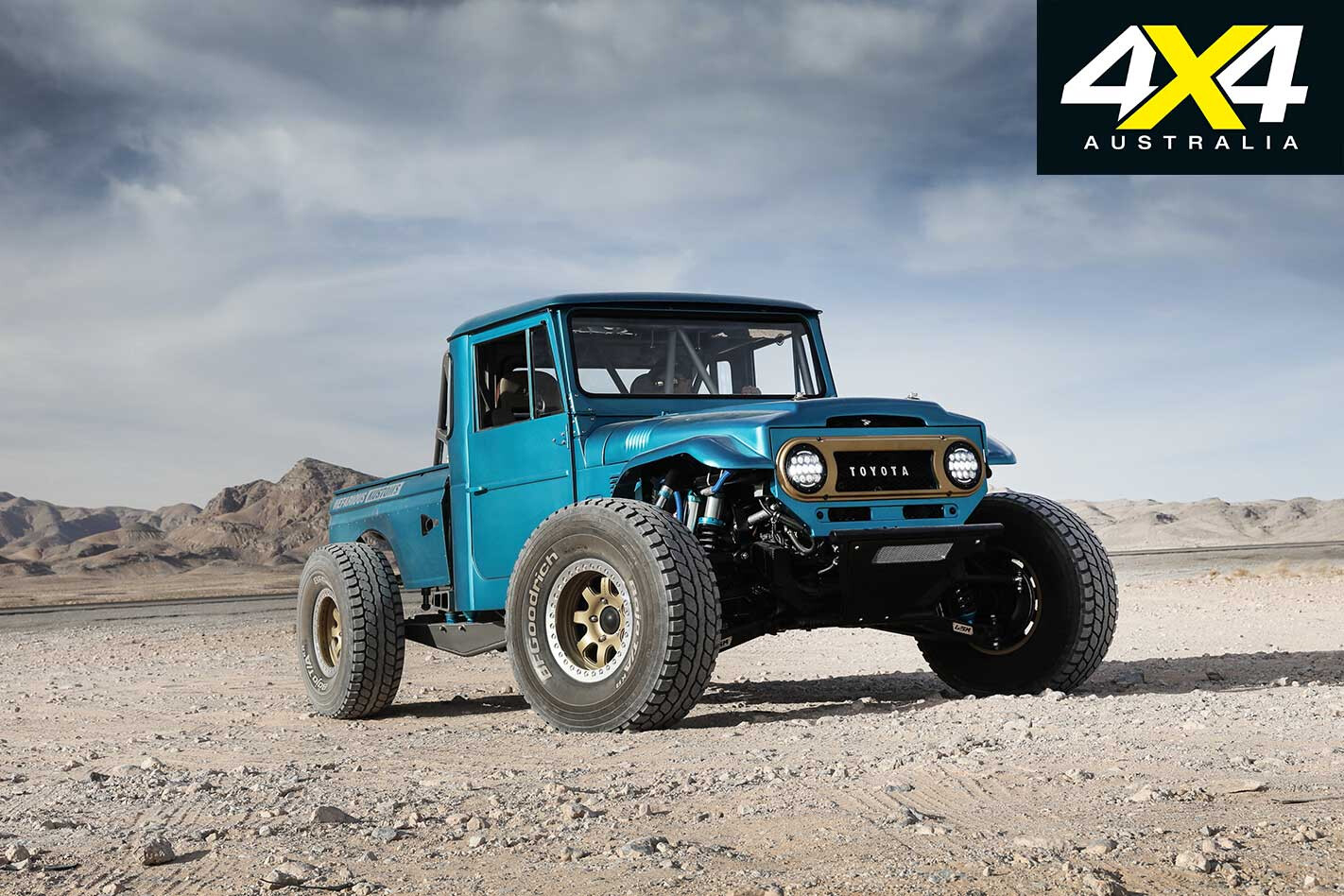
The January issue is headlined by two brilliant but very different custom builds. One is a smartly built 200 Series put together by a family man; the other is a wild, dune-scorching FJ45 ready to tackle events like the Baja 1000.
It is holiday season, so we’ve included four ripping destinations around the country you could sink your teeth into: Fraser Island, Discovery Bay, Rocky River and South Australia’s Copper Track.
To get you to these destinations safely – and back again – you need a quality set of tyres. So in this issue we’ve also included a comprehensive all-terrain tyre comparison, where we’ve lined seven tyres up against each other to test their mettle, both on and off-road.
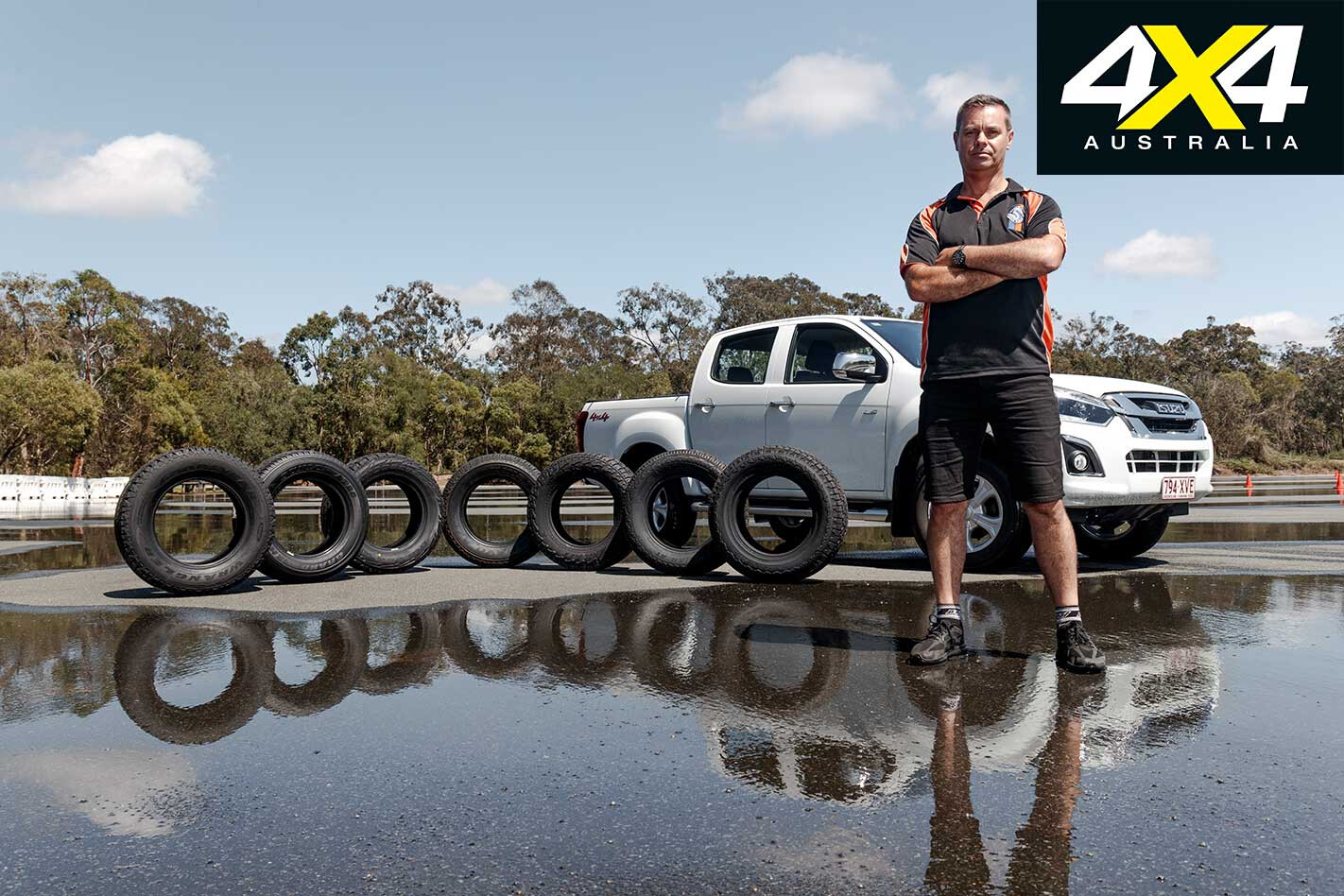
WHAT ELSE IS THERE? – We fang SsangYong’s Musso dual-cab ute – All you need to know about the upcoming Jeep Gladiator – 2018 Custom 4×4 of the Year announced – Chevrolet Colorado ZR2 driven in the States – Products reviews, monthly columns and heaps more
Get your 2019 off to a cracking start. The January issue is in stores on January 3.
Aside from adding a touch of machismo, bullbars serve an essential purpose in improving safety, especially for those who plan on using their 4x4s on the tracks.
More than just simple aesthetics, serious engineering work goes into a bullbar’s design to ensure that it is ADR-compliant and able to meet the myriad of requirements for safety features on today’s 4x4s. Furthermore as many bullbars are used as a mounting point for other 4×4 gear such as driving lights and winches, the engineering challenges are further increased.
Of the many bullbars that were released in 2018, these are the few that has impressed us thus far.
AFN 4×4 bullbar: D-MAX (2017-onwards)
The team at AFN have been busy, and the result is this new bullbar for Isuzu’s D-Max (2017-onwards). One of AFN’s new-gen bar designs, this unit fits the vehicle with fully moulded rubber joining panels (older-gen bars used pinch-mould rubbers that needed to be cut to fit).
The new mouldings fit the front fender and headlight areas. The bar mount system has been tweaked to offer better adjustment, plus there’s a new bash plate design as well as integrated fog lights and indicators. There is also provision for fitment of driving lights and radio aerial. The fit and finish indicates the AFN team is looking to improve them all the time – a win-win for D-Max.
Website: www.afn4x4.com.au
Ironman 4×4 Amarok bullbars (TDV6)
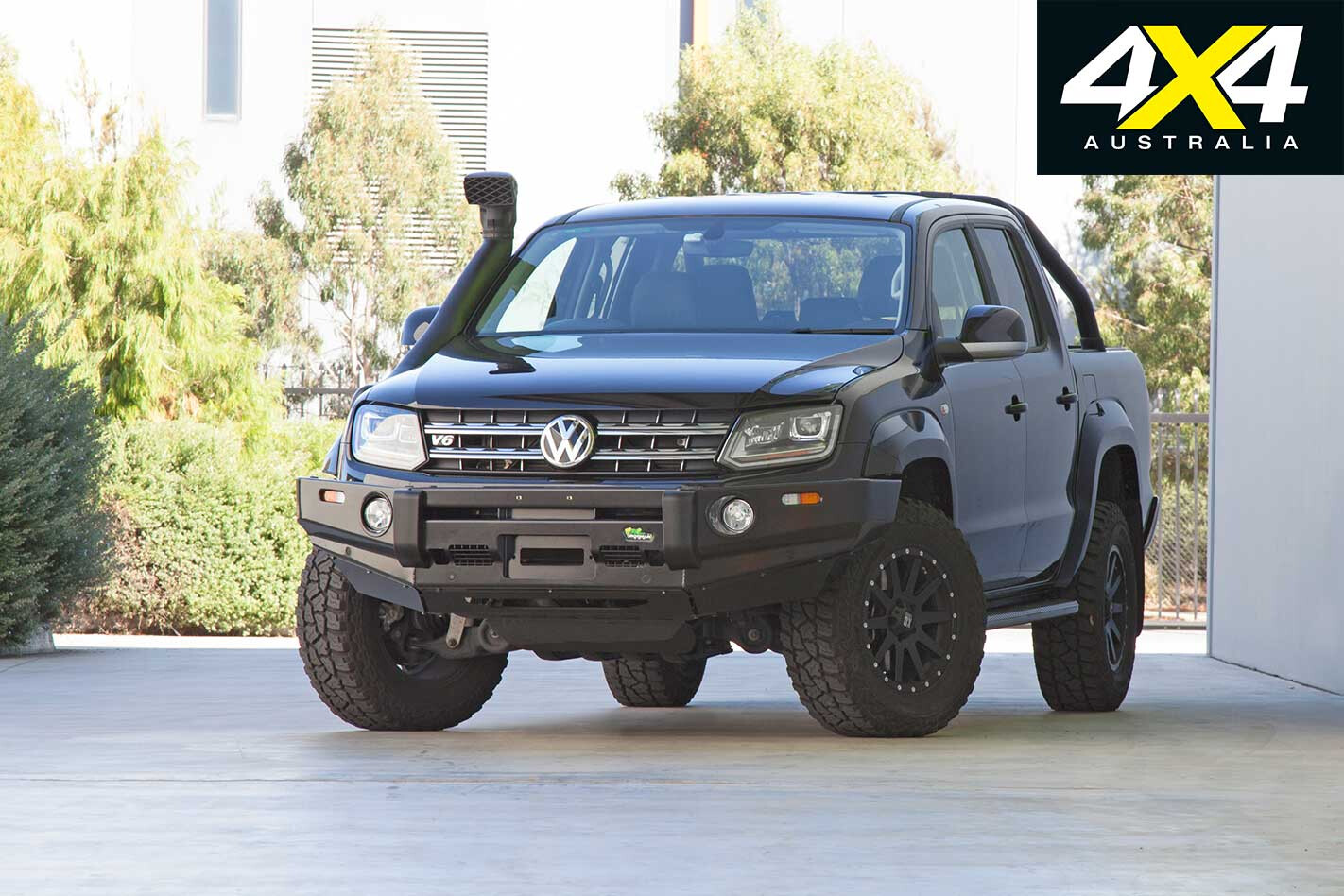
Ironman 4×4 has released two new bullbars for VW’s popular Amarok TDV6 (11/2016-onwards). The two bars – Commercial Deluxe and No Loop models – include all the expected goodies from the company, including full ADR compliance, airbag compatibility and the option(s) of a single or triple loop kit that includes replacement rubber over-riders and all fitting hardware.
The bars are created using premium-grade materials for optimum durability and maximum corrosion resistance. The designs feature triple folded edges, inset LED parking lights, fog lights, indicators, high-lift jack points, a winch mount, and provision for fitment of an aerial and spotties.
The Commercial bar offers increased protection for your vehicle’s grille and lights, etc., while the No Loop model provides great frontal protection with a more minimalist appearance.
Website: www.ironman4x4.com
ARB Summit raw bar
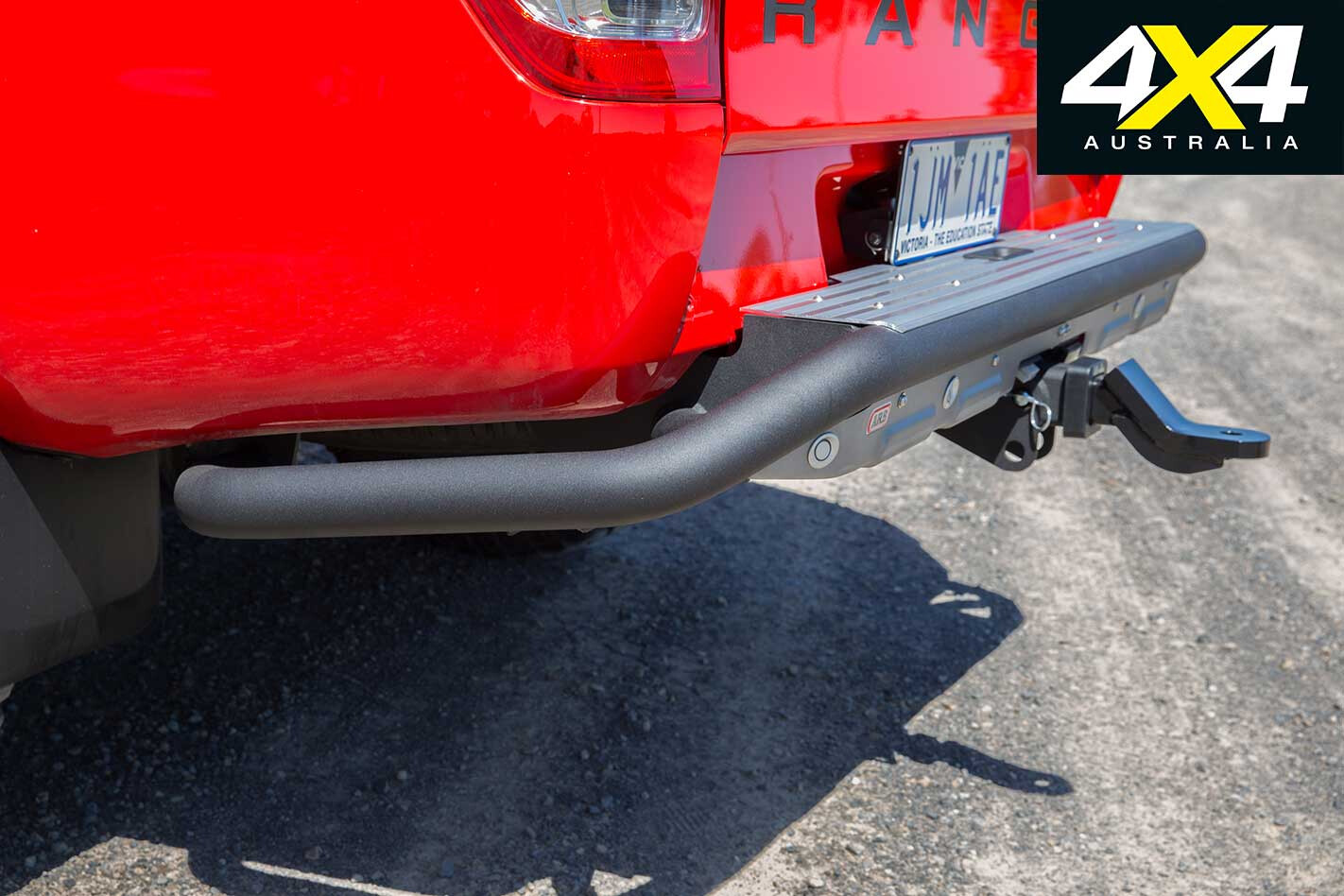
This rear bar from ARB is a stripped-back, tough and protective accessory ideal for dual-cab utes destined for off-road work. The Summit Raw features a 60.3mm black powdercoated tube and is situated lower down along the side of the tub than ARB’s Summit rear step tow bar.
The Summit Raw is engineered to tow 3.5 tonnes and has provision for trailer plug wiring, compressor, trailer camera, 50amp Anderson plug and parking sensors. The Summit Raw sits between a standard tow bar and the top-end Summit rear step tow bar, and is available for Ford Ranger PX and PXII, Mazda BT-50 and Toyota Hilux.
Website: www.arb.com.au
WITH dual-cab utes dominating the sales charts in 2018 – the Hilux and Ranger once again being the most sought-after vehicles – there was always going to be some interesting 4×4 news off the back of it.
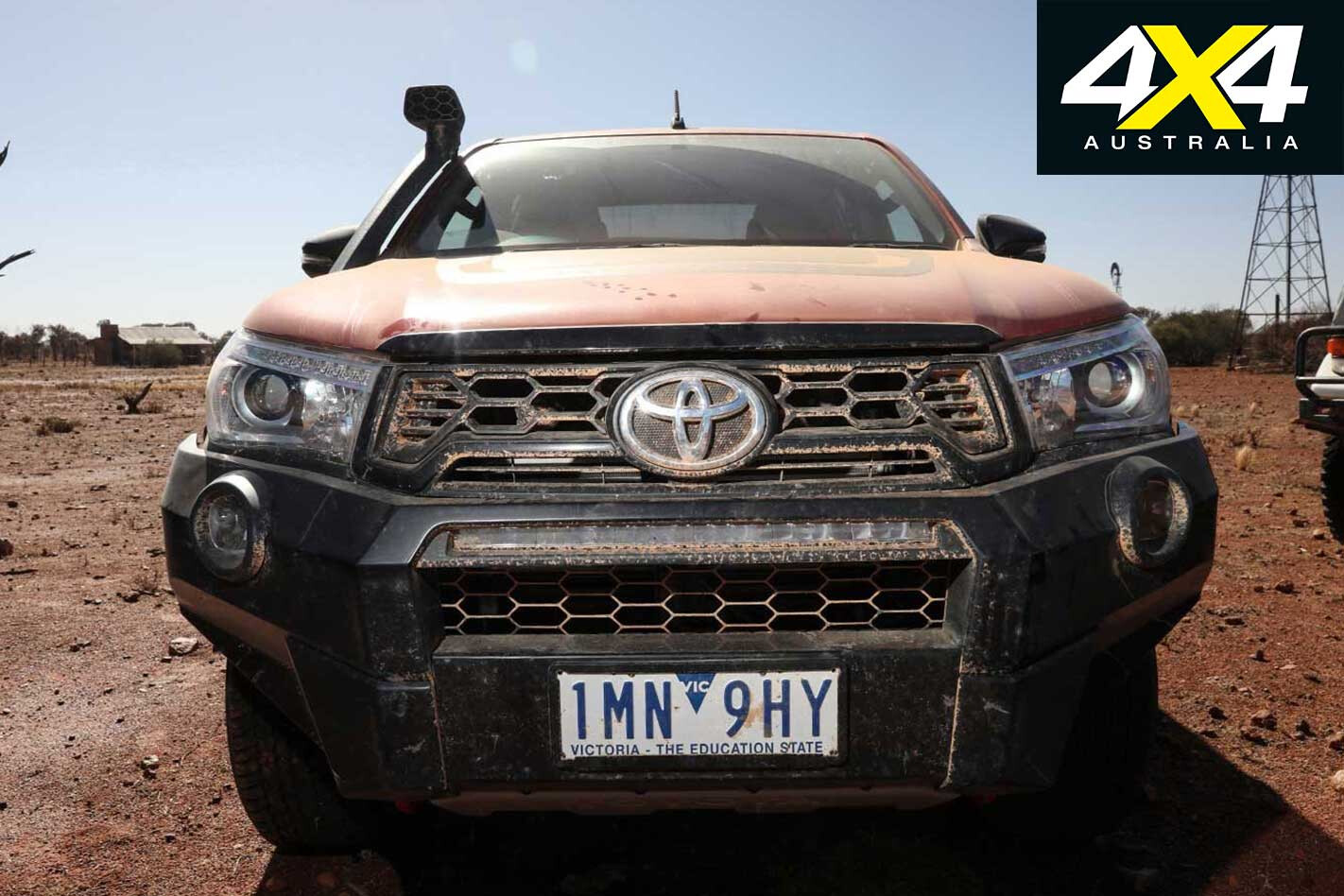
The biggest news story of the year – well, the one that got the most clicks – was our coverage of the air-intake fault affecting Toyota off-roaders. Toyota’s reputation for reliability took a hit when we uncovered a fault with the air-intake system of its Hilux, Fortuner and Prado, after a jaunt on outback roads saw the vehicles enter limp mode on four separate occasions.
Back in May, a few GMH insiders gave us the scoop that the next-gen Colorado would be longer and wider than the current model. It was also confirmed that development of the next-gen model was already well underway, though the staff couldn’t comment on a potential hero model – ala the US-only ZR2.
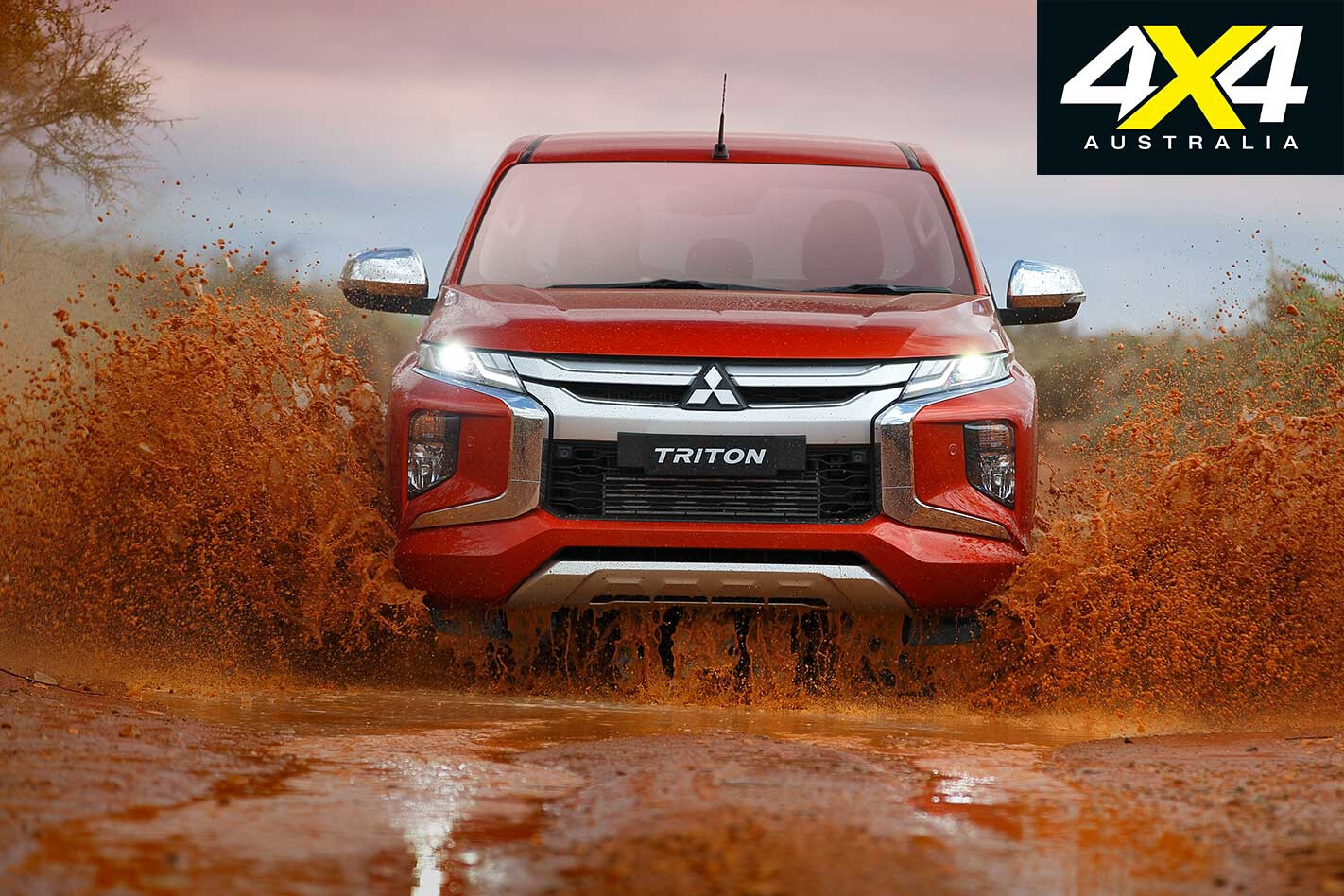
By now everyone should be familiar with the new-look Mitsubishi Triton, slated to land early in 2019. When the curtains dropped earlier in the year, though, plenty of people were keen to catch a glimpse of the fresh-look front-end.
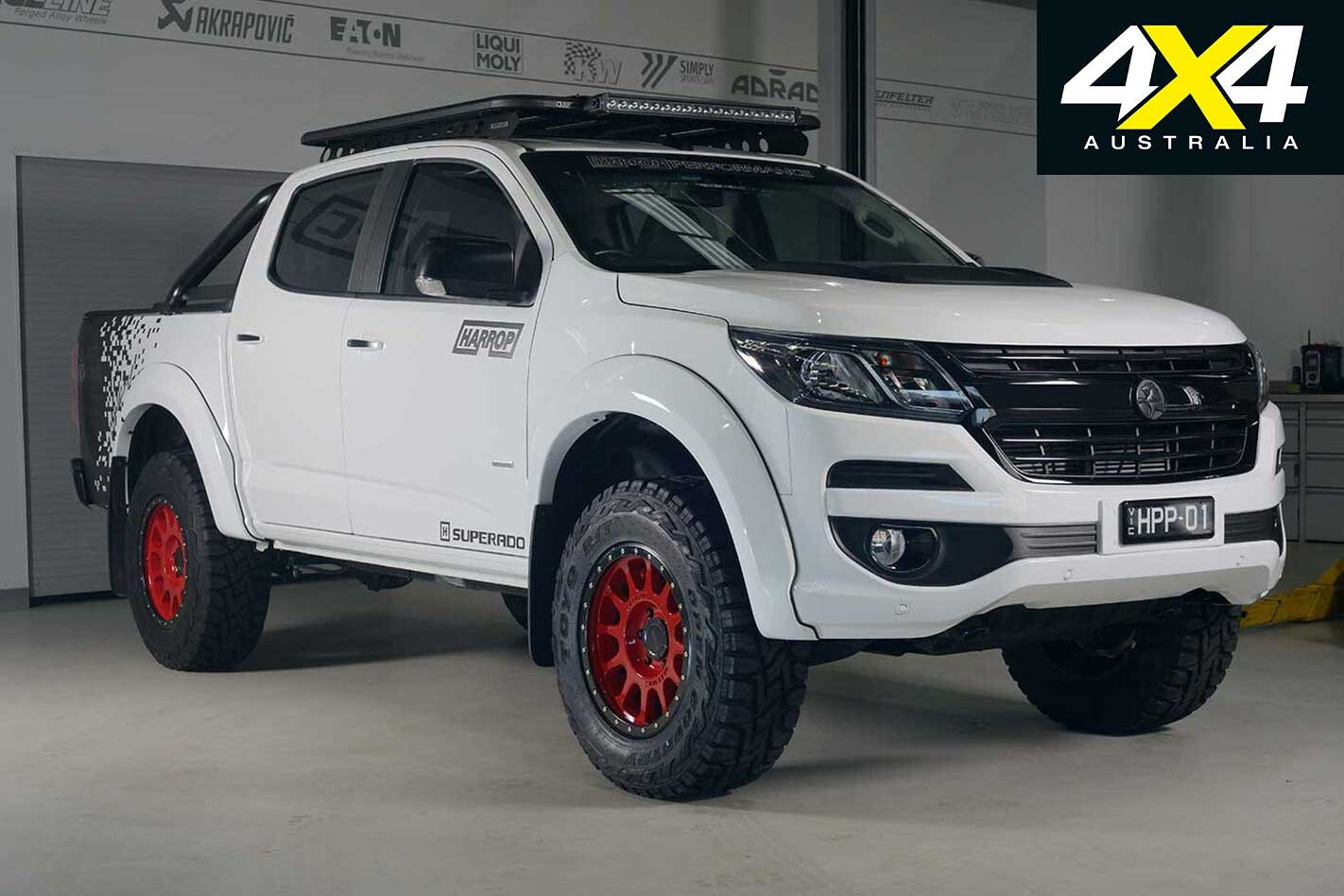
Harrop Engineering and Killa Kustoms combined forces to debut the supercharged V8-powered Colorado, aptly called Superado. The V8 Colorado, which arrived at MotorEx 2018, gets a matched suspension package, uprated wheels, tyres and brakes, and plenty more kit.
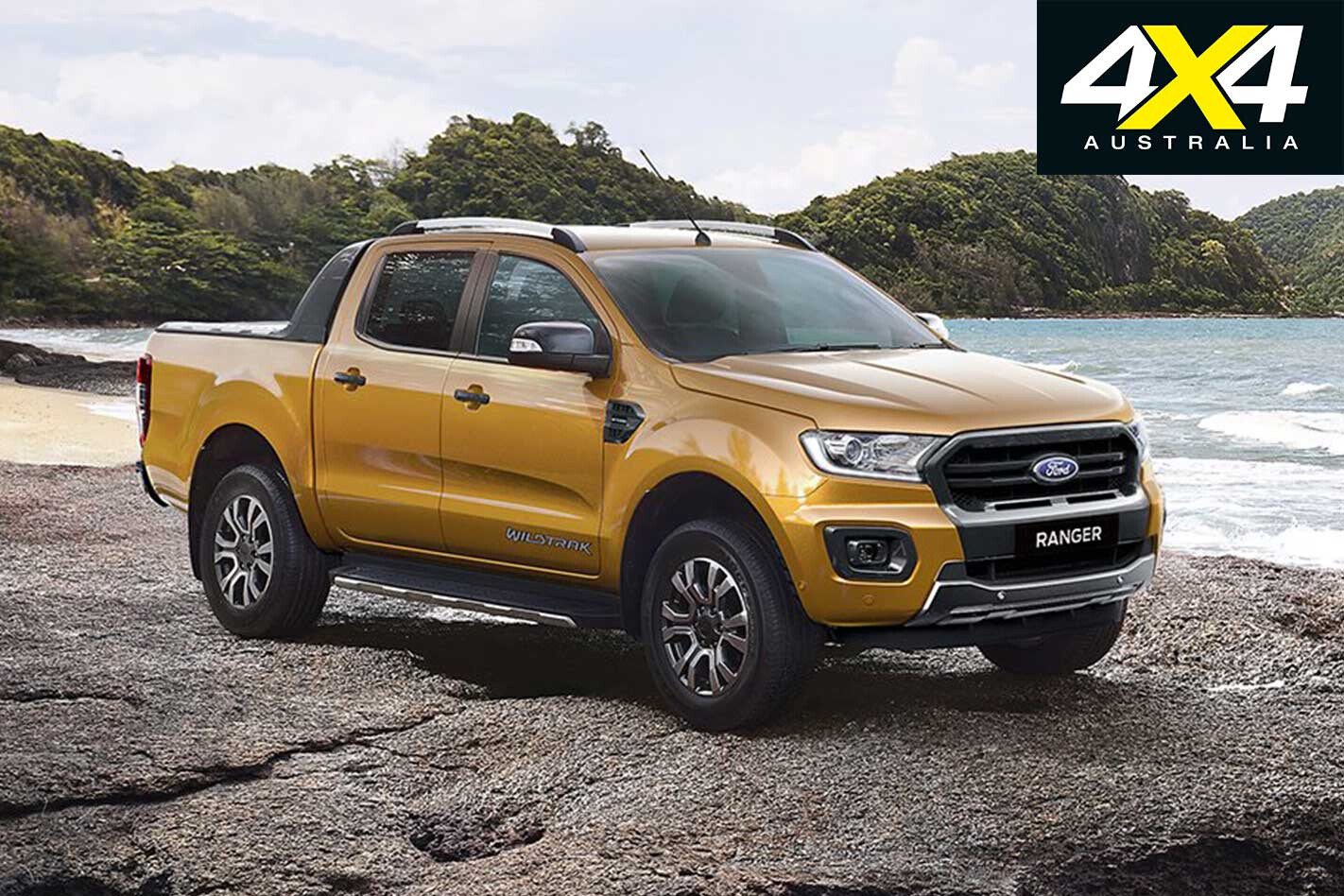
Details of another new car made waves this year, with the 2019 Ford Ranger attracting many eyeballs when it was first revealed. The headline features of the looming Ranger were the addition of autonomous emergency braking and the inclusion of the Raptor powerplant.
There are several considerations when choosing and setting up the right vehicle for 4×4 touring. Here are some of the pros and cons of different vehicle types.
Wagon or Ute?
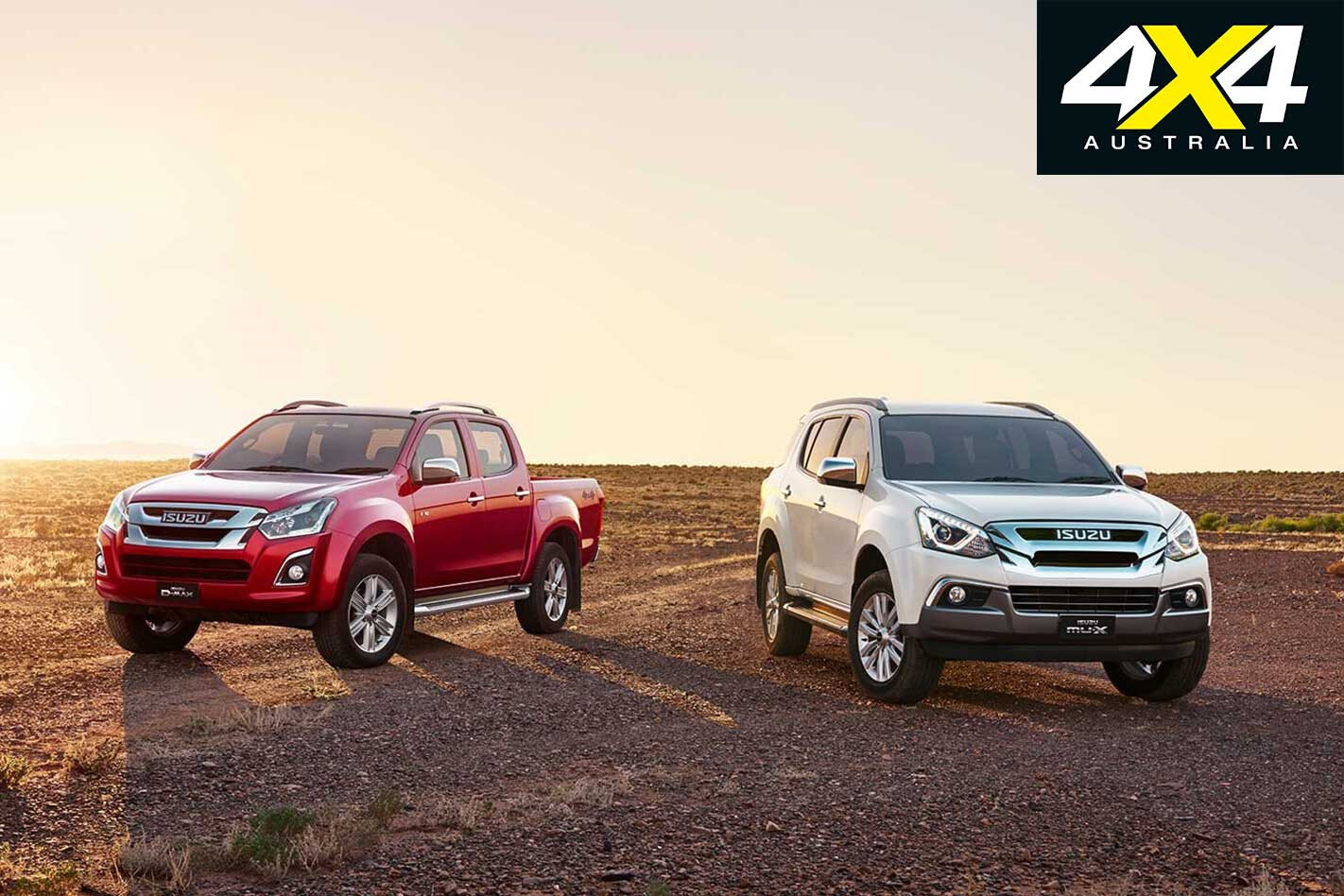
The wagon or ute decision will come down to how much gear you need to carry on your trip. Four-wheel drive utes have significantly more load-carrying capacity than 4×4 wagons and, these days, they have comparable equipment levels and safety features, decent off-road performance and reasonable on-road ride and handling.
A good 4×4 wagon will always offer a better ride than a 4×4 ute, and it will offer greater protection for your luggage with far greater weather and dust sealing. However, some modern 4×4 wagons are severely lacking when it comes to overall payload capacity, especially once equipped with weighty accessories such as a bullbar, dual-battery system, winch, extra spare wheel and/or a long-range fuel tank.
This is where a ute equipped with a canopy becomes an attractive proposition, thanks to its much greater payload and a larger cargo area. However, bear in mind you’ll need to stump up for a good quality canopy and a tailgate dust-sealing kit to keep your gear dry and dust-free.
Remember, utes are generally longer than wagons, with a longer wheelbase; so if it’s going to double as your daily driver, it won’t be as convenient or manoeuvrable around town as a wagon.
New or Used?
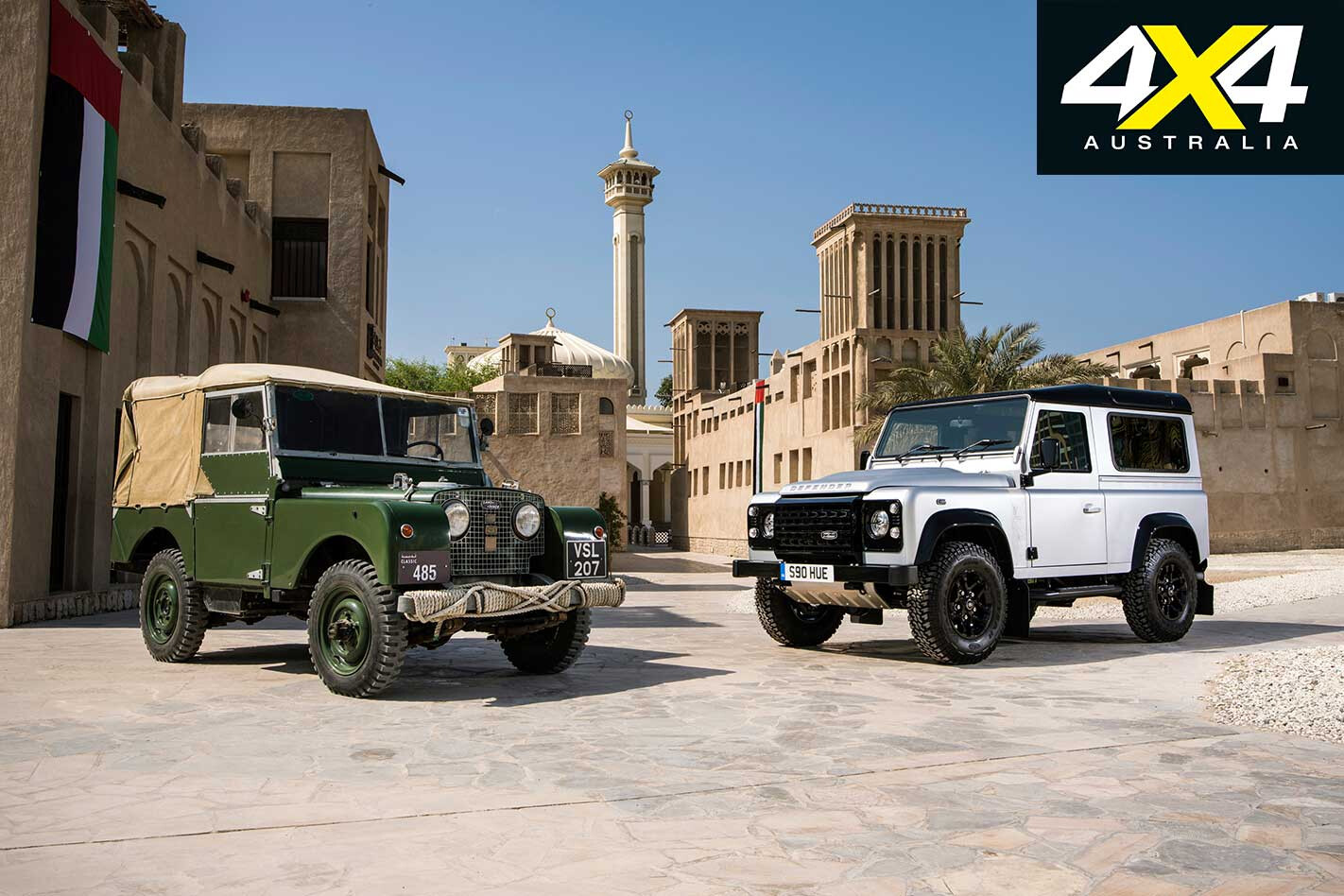
A shiny new 4×4 or a used rig? Both have their pros and cons.
The obvious benefits of buying a new vehicle are that you’ll write the vehicle’s history yourself, including its driving and service records, and you’ll have access to the full warranty period as well as any fixed-price servicing on offer. You can also set up a new vehicle just how you want it, before or after taking delivery, with your choice of tyres, suspension, protection equipment and more.
On the downside, much of the initial purchase price of a new vehicle will be lost as soon as you drive it off the showroom floor.
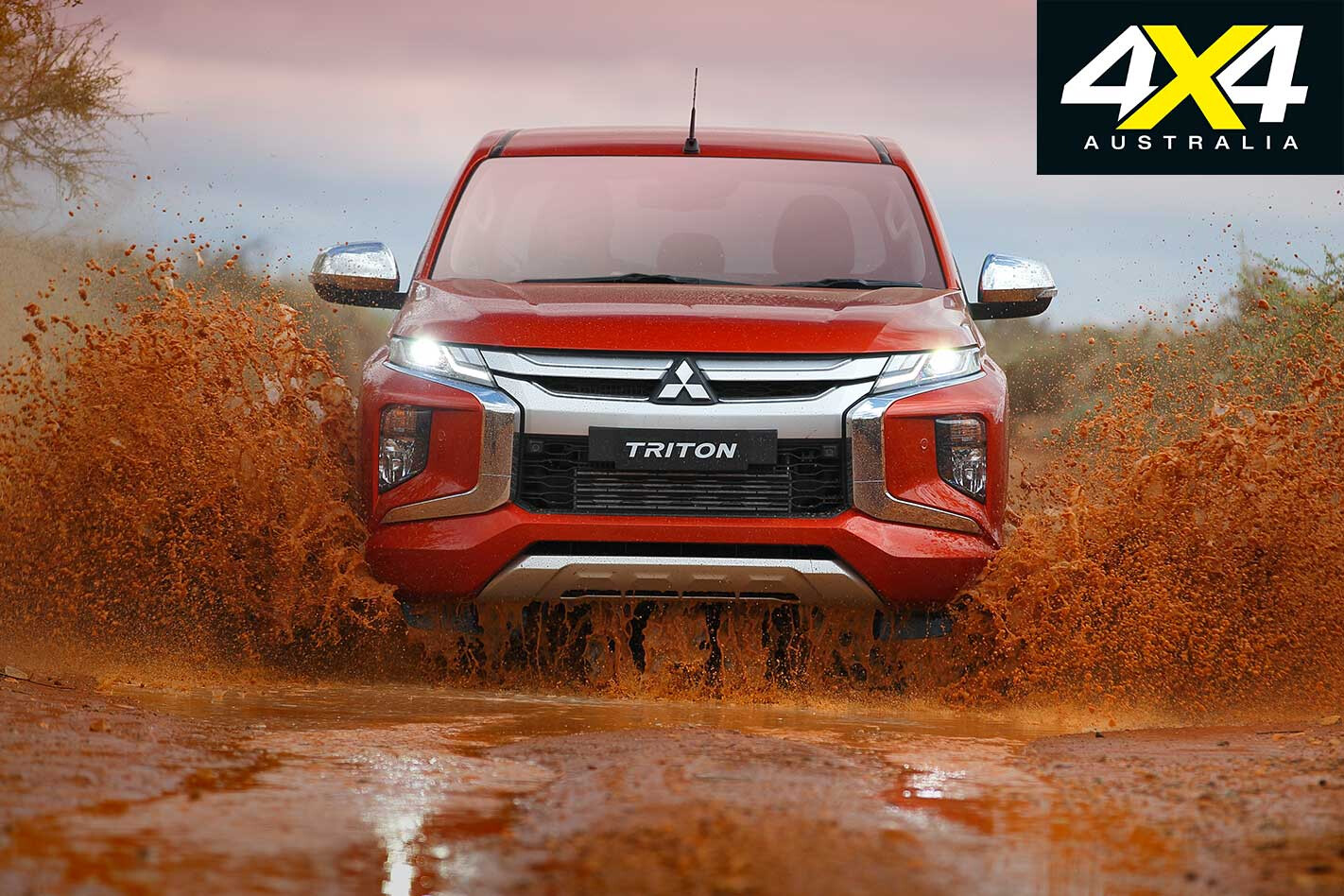
The main advantage of buying a used 4×4 is price, and if you look around long enough you’ll no doubt find a bargain. You might even find a vehicle loaded with all the accessories you want. On the downside, you never really know a vehicle’s complete history, and some modifications may have been made that don’t quite suit your requirements.
It should also be noted that many people off-load new vehicles just as they approach the end of the warranty period, and if you buy one of these you could potentially be up for the cost of expensive repairs, especially if it’s a private sale.
Petrol or Diesel?
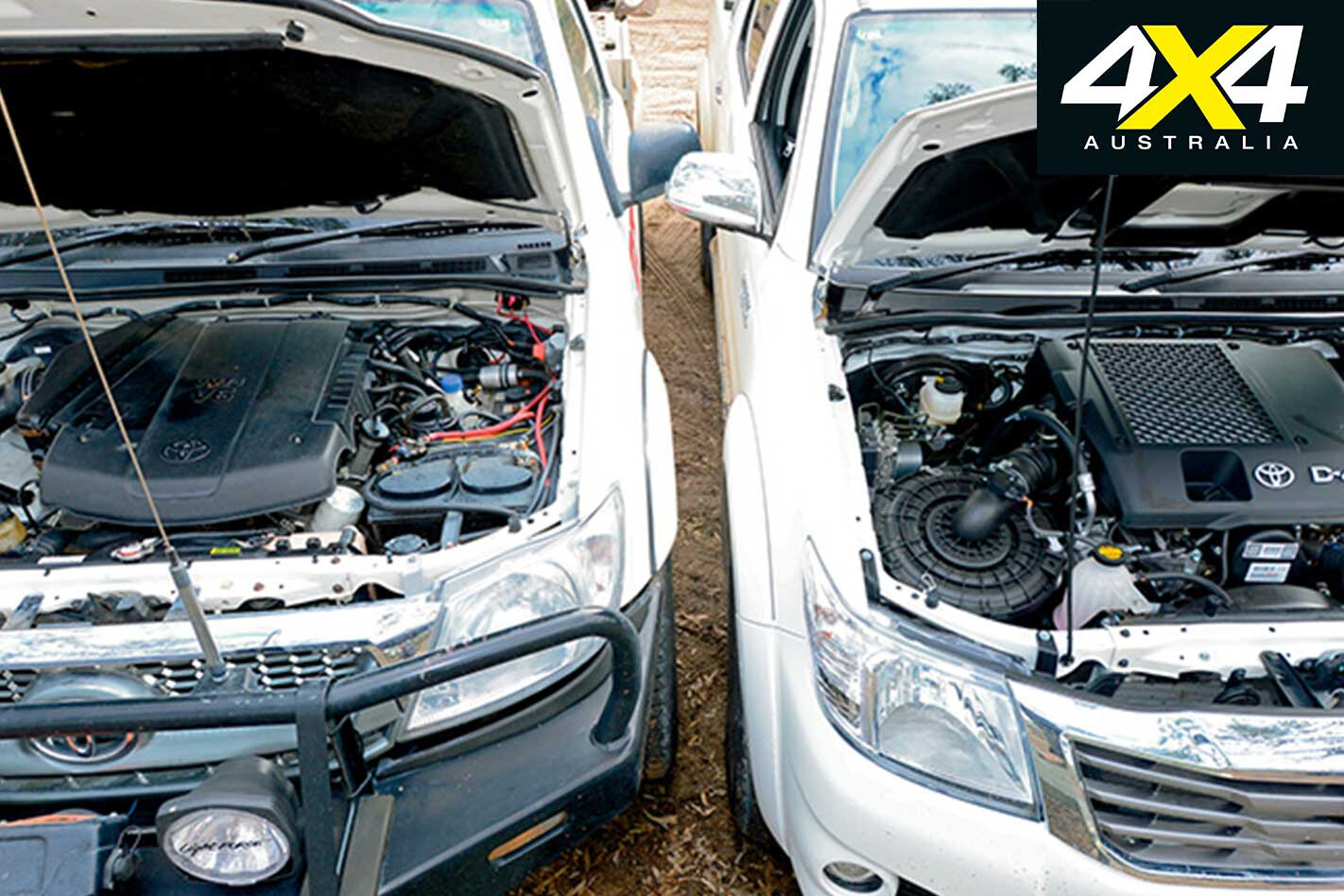
Diesel vehicles have several advantages over petrol-powered ones, both on- and off-road. While many petrol engines produce more peak power than their respective turbo-diesel counterparts, they do so at much higher revs. Turbo-diesel engines, on the other hand, usually offer better low-rpm and midrange torque, which is beneficial when driving off-road or when towing.
When it comes to refinement, there’s no doubt petrol engines are generally smoother and quieter than diesel engines, but modern turbo-diesel engines have come a long way in the past few years and are more refined than ever. Diesel engines offer a fuel-economy advantage over petrol engines, especially when under heavy loads.
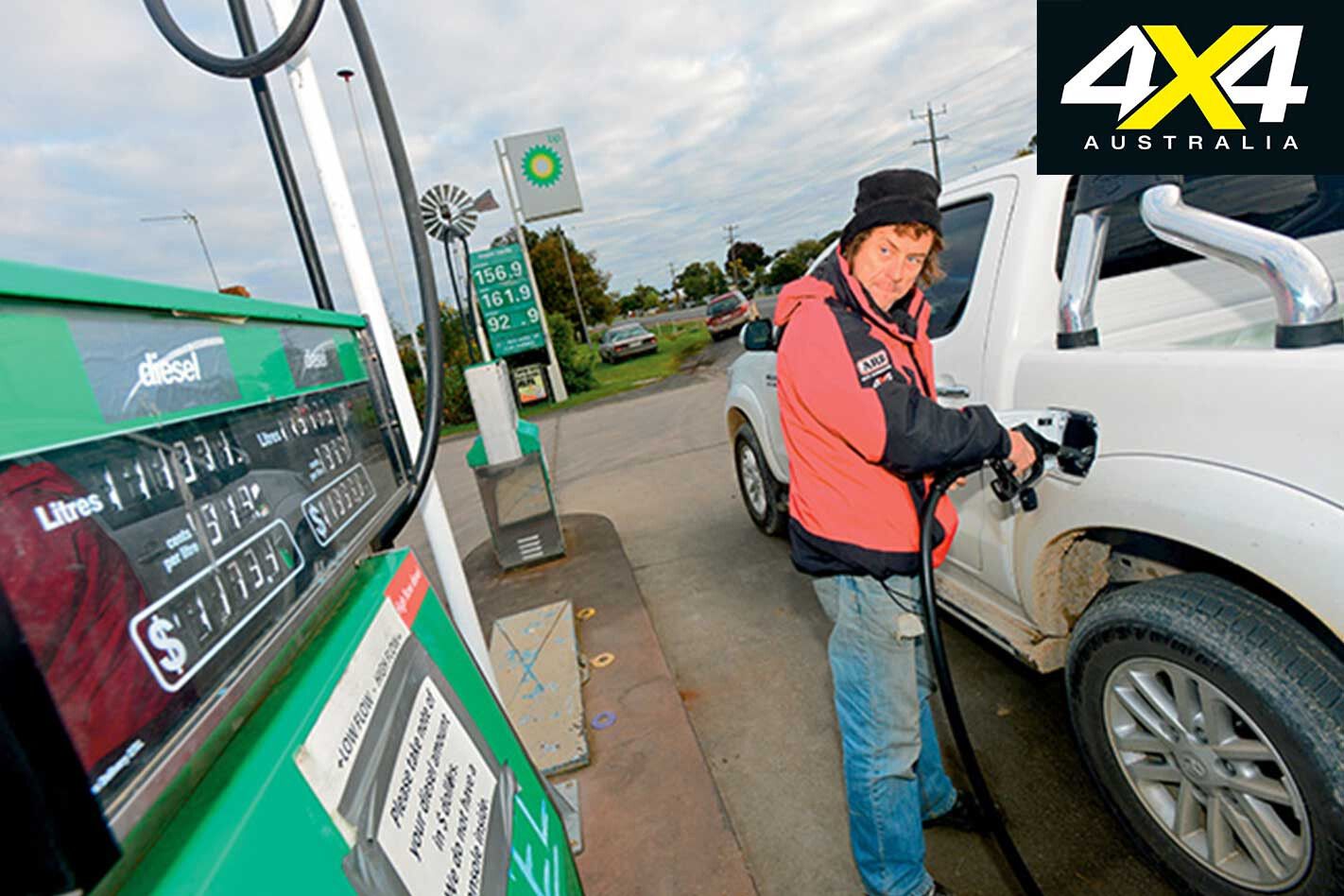
If fitted with a good quality snorkel, a diesel 4×4 will more likely make it through a deep water crossing than a petrol-powered 4×4, due to the latter’s electrical rather than compression ignition.
While diesel vehicles often cost more than their petrol-powered equivalents, this can usually be recouped thanks to higher resale values. Diesel is also a safer fuel to handle and transport than petrol. Plus, if you want to travel long distances in the bush, or tow a trailer or caravan, diesel is the best choice.
Improvements
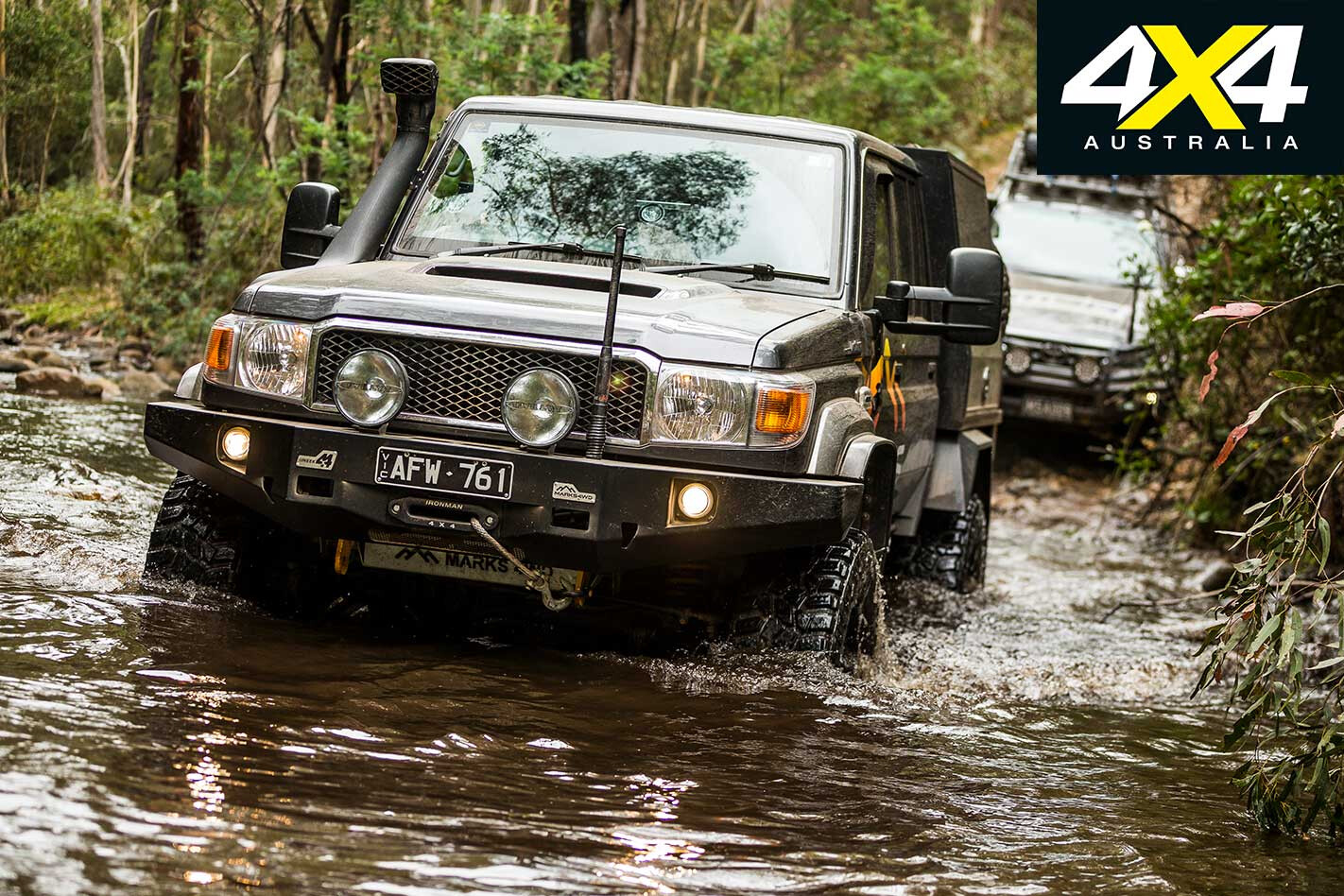
No matter what vehicle you buy there’s always room for improvement. Thankfully, Australia has the best four-wheel drive aftermarket industry in the world, with a huge range of innovative and well-engineered products designed and developed locally to suit a wide range of vehicles.
Not having had all of these vehicles side by side in comparison before, we decided to head bush and give them a thorough work out. The very steep terrain and water crossings of Deua NP, NSW, threw up challenges a-plenty – just perfect for our pursuit of bush touring excellence in this quartet.
This feature was originally published in 4×4 Australia’s May 2009 issue
On-road Performance and Refinement
The LandCruiser 200 GXL diesel is by far the best performing and most refined vehicle to drive on road. It outpowers the others by a country mile, is deathly quiet and its optional Kinetic Dynamic Suspension System (KDSS) keeps the big machine flat through the ‘twisties’.
The left-side ends of the front and rear anti-sway bars are fitted with cylinders that are hydraulically linked by a pair of lines running along the inside of the left chassis rail. When the vehicle is cornering on-road the cylinders are in phase, so the hydraulic lines ‘lock’ and the anti-sway bars act to resist body roll.
Downsides of the 200 on road are front seats that don’t height adjust, so shorties struggle to see over the bonnet, and a double overdrive transmission that won’t pick up sixth unless you’re speeding.
Next best on road, surprisingly, is the LandCruiser 76 wagon. Although a little weird in behaviour, thanks to coils up front, leaves down the back and 100mm difference between front and rear axle tracks, the ancient-looking 76 performs and handles quite well.
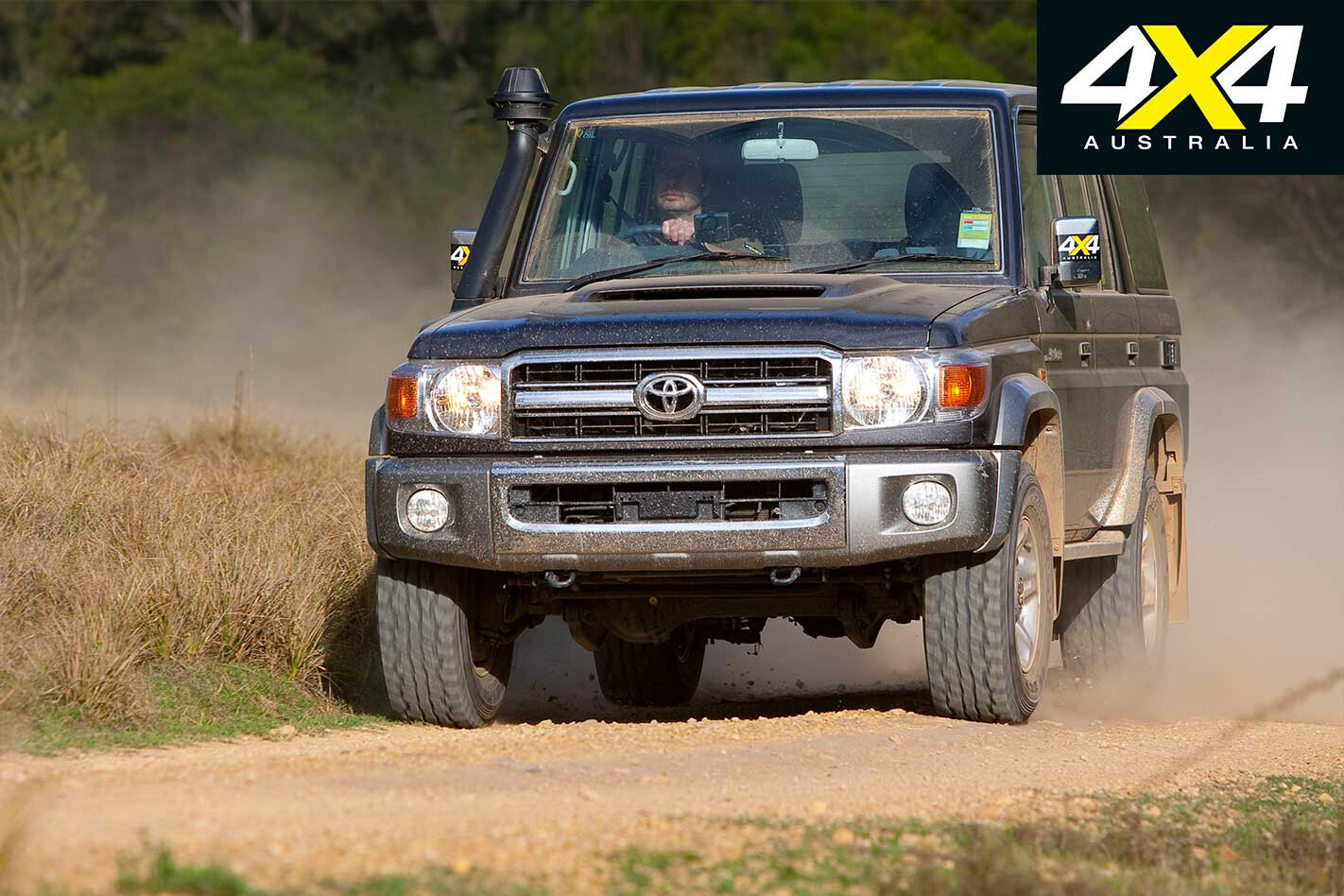
The single-turbo V8 is one of the most responsive engines ever put into a 4X4 and works well with the slick five-speed box. A taller overdrive would drop revs at cruising speeds and cruise control should be standard.
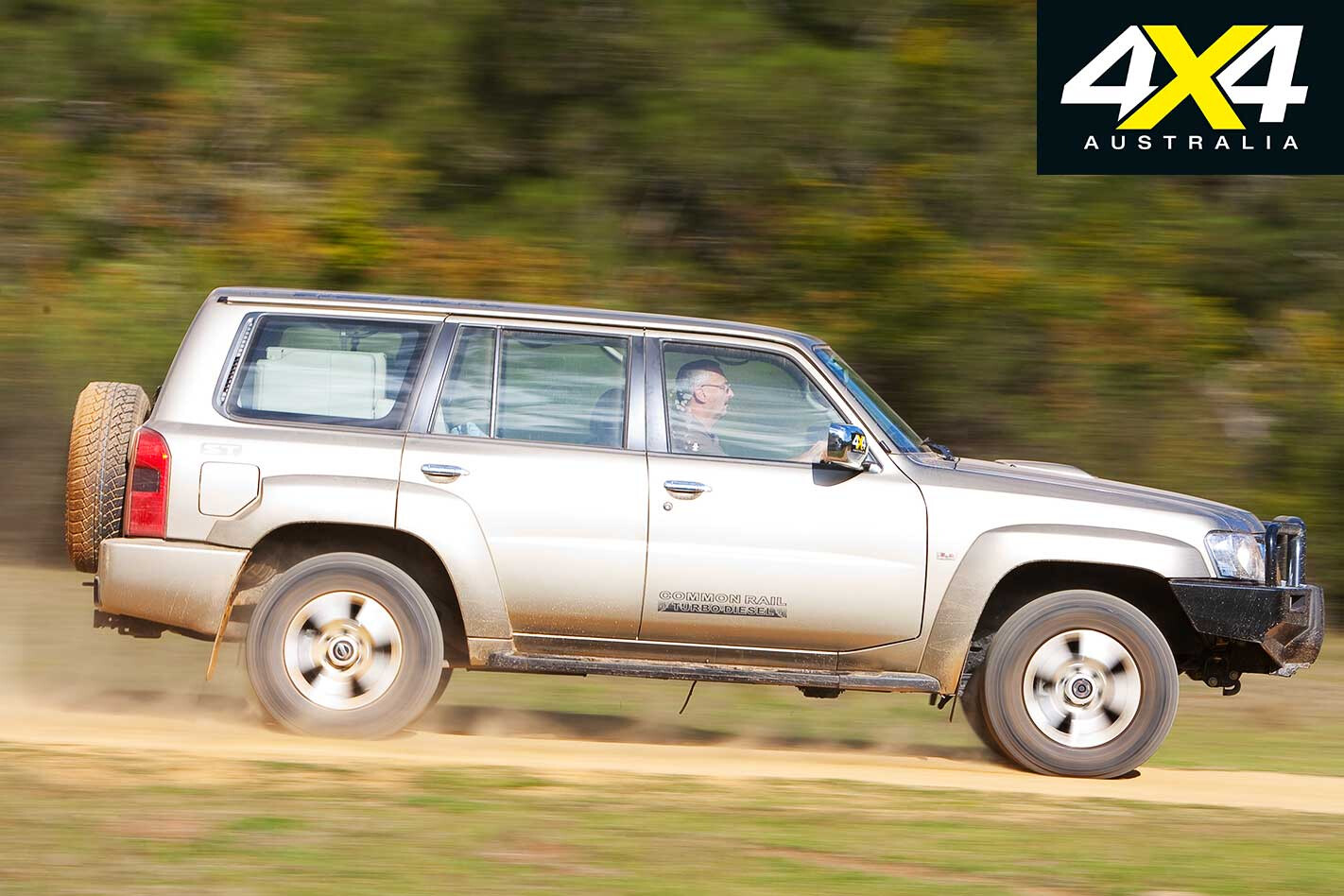
The Patrol’s auto box and better cabin comfort and equipment shades the Defender on-road, but it is a close-run thing. The Patrol’s revvy, asthmatic 3.0-litre diesel is a shocker, needing a bootful of revs to maintain cruising speeds, even on gently undulating roads.
The Defender doesn’t like hills, either, but it performs better than previous Land Rover aluminium-boxes-on-wheels, so that’s a plus. The six-speeder gives a good gearing spread, but the action is ‘baulked’ easily if revs aren’t right and the clutch pedal is very heavy. There’s no cruise control, the seating position is awful and two-hourly driving breaks are essential to stave off cramps.
In terms of on-road touring safety, the 200 and the Patrol are SRS-equipped and all but the 76 Series have ABS brakes. The 76 will be scoring much needed safety upgrades later this year.
Off-road Capability
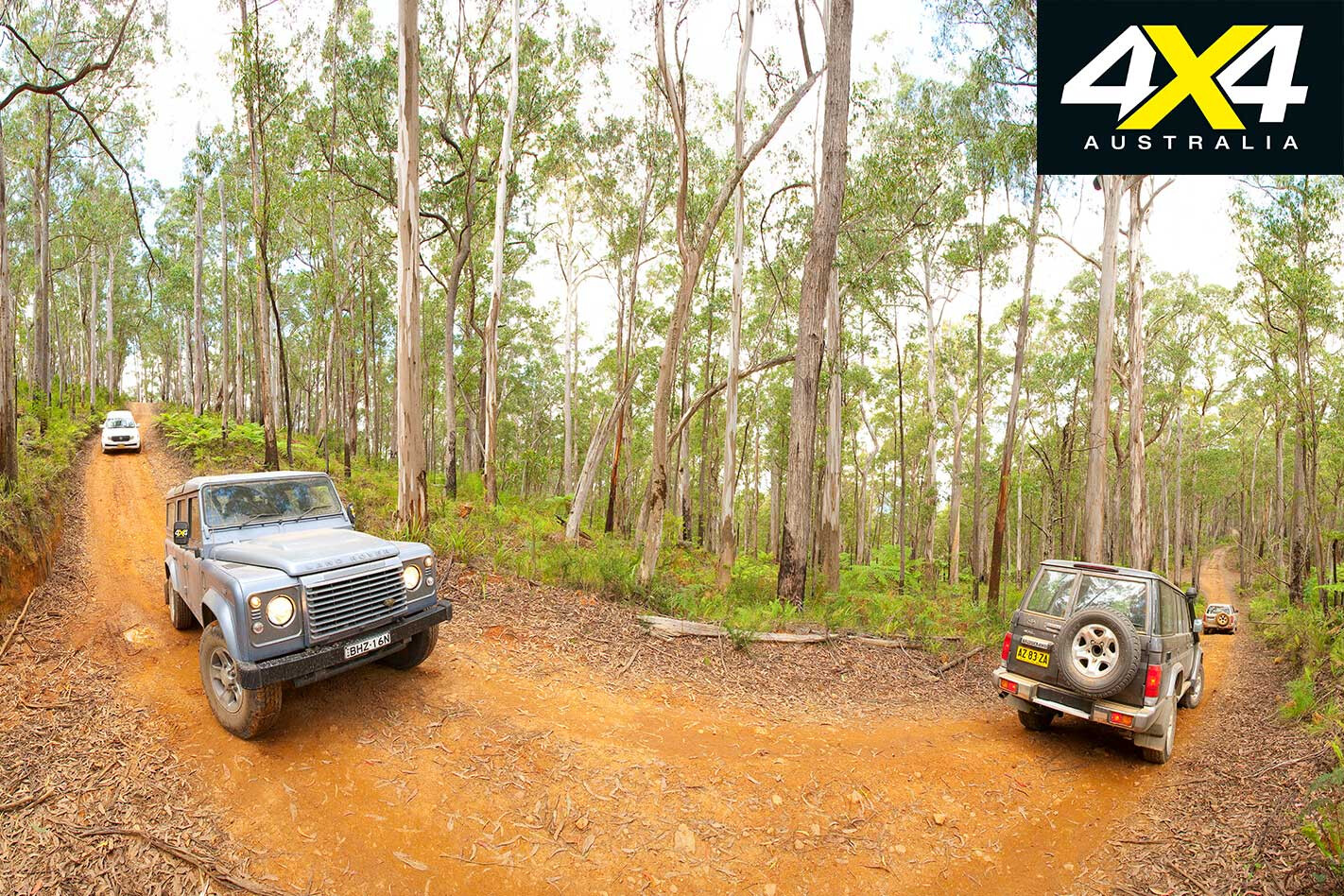
We picked this foursome for their off-road credentials, so it was hardly surprising to see them all perform highly off-road.
The champ was the 76, thanks to its combination of conservative tare weight, deep-reduction gearing, ‘luggable’ engine with idle-up control, optional twin diff locks, live-axle wheel travel, standard snorkel, good ground clearance and generous belly/approach/departure angles.
The Defender should have rivalled the 76, because it comes with all-coil suspension, traction control, better chassis angles and ground clearance, but Land Rover has stiffened the suspension, probably in the interests of more stable on-road handling, and this upset its off-road grip. Also, the turbo airflow fell off dramatically below 2000rpm, so it was easy to get stranded mid-hill, with no-one home.
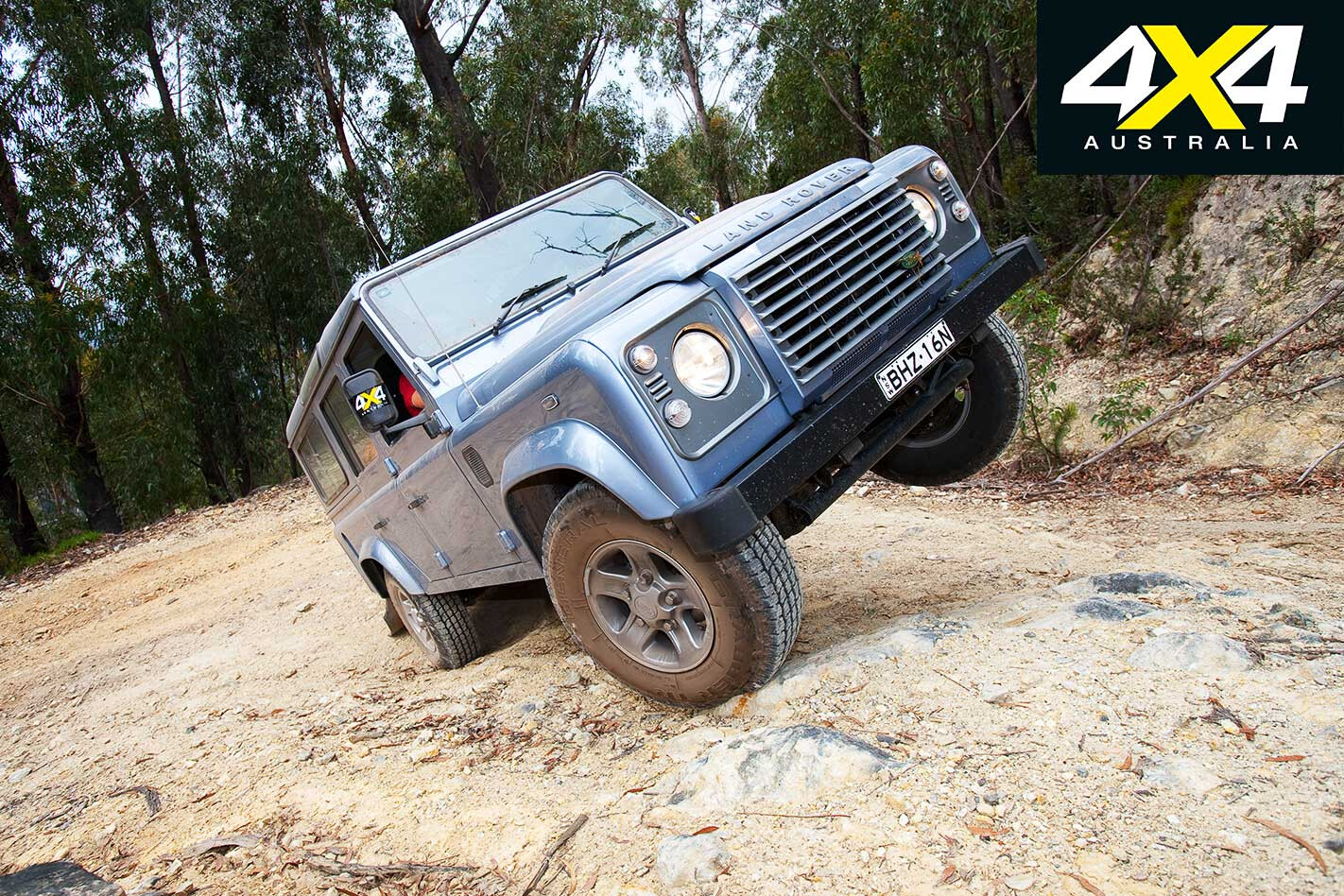
The test 200 came with traction and hill-descent control and KDSS, but was ‘nobbled’ to a large extent off road by its weight, bulk and lack of ground clearance. Vision of the track and the vehicle’s extremities is poor and the 200 is too wide for bush tracks pioneered by narrower Toyotas, so the panels and paintwork are constantly at risk.
The Patrol has the least off-road traction aids, but Patrols have always had powerful limited-slip rear differentials, so the test vehicle clambered where the others did. However, like the 200, it dragged its low-slung rear bumper across drainage humps and its revvy engine saw it working hard in conditions the others handled more easily.
Touring Range
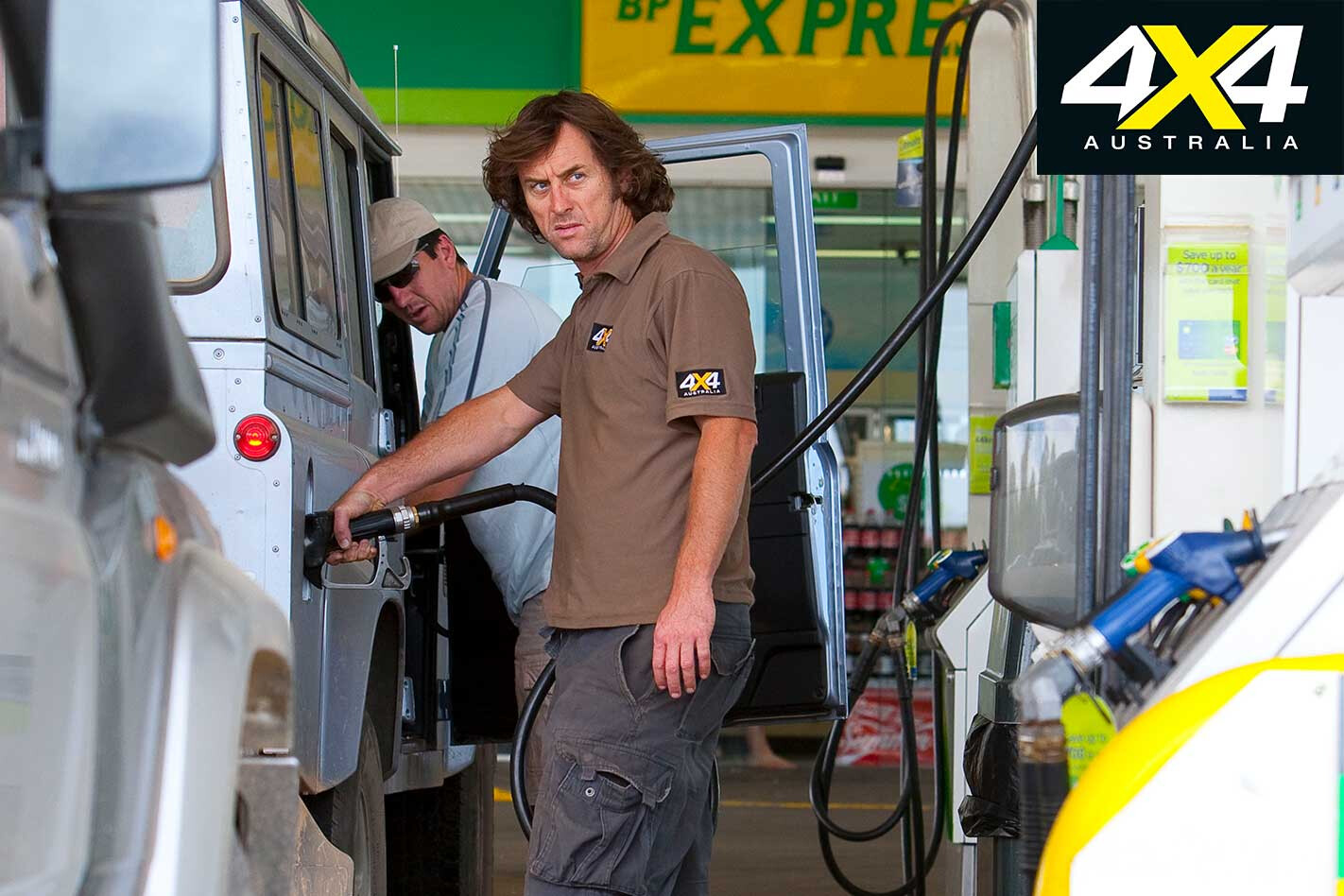
The LandCruiser 200’s 138-litre tankage and its relatively frugal 15.4L/100km consumption made it the best bush tourer on this test, with a practical range of 850-plus-km. However, that’s marginal for long hauls such as the Simpson Desert and the Canning Stock Route.
The others were well off the pace, with the Defender good for less than around 530km and the LandCruiser 76 safe at around 600km.
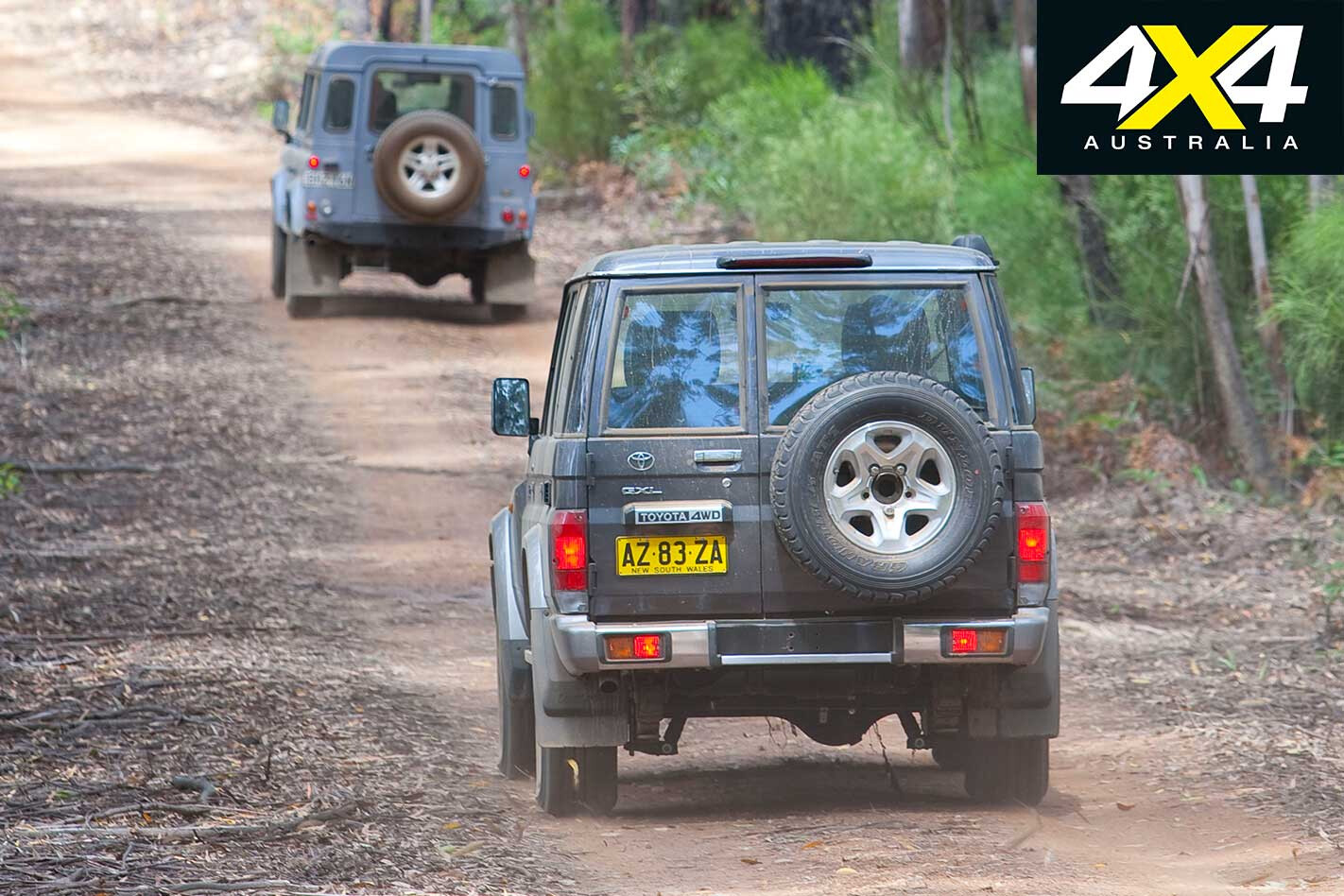
The Patrol’s 95L plus 32L tanks suggest good touring range, but the engine works hard and drinks like a sailor in the process. You can rely on only 660-plus-km out of the Patrol.Long range tanks are available for all these vehicles and should be part of a pre-trip modification process.
Around town
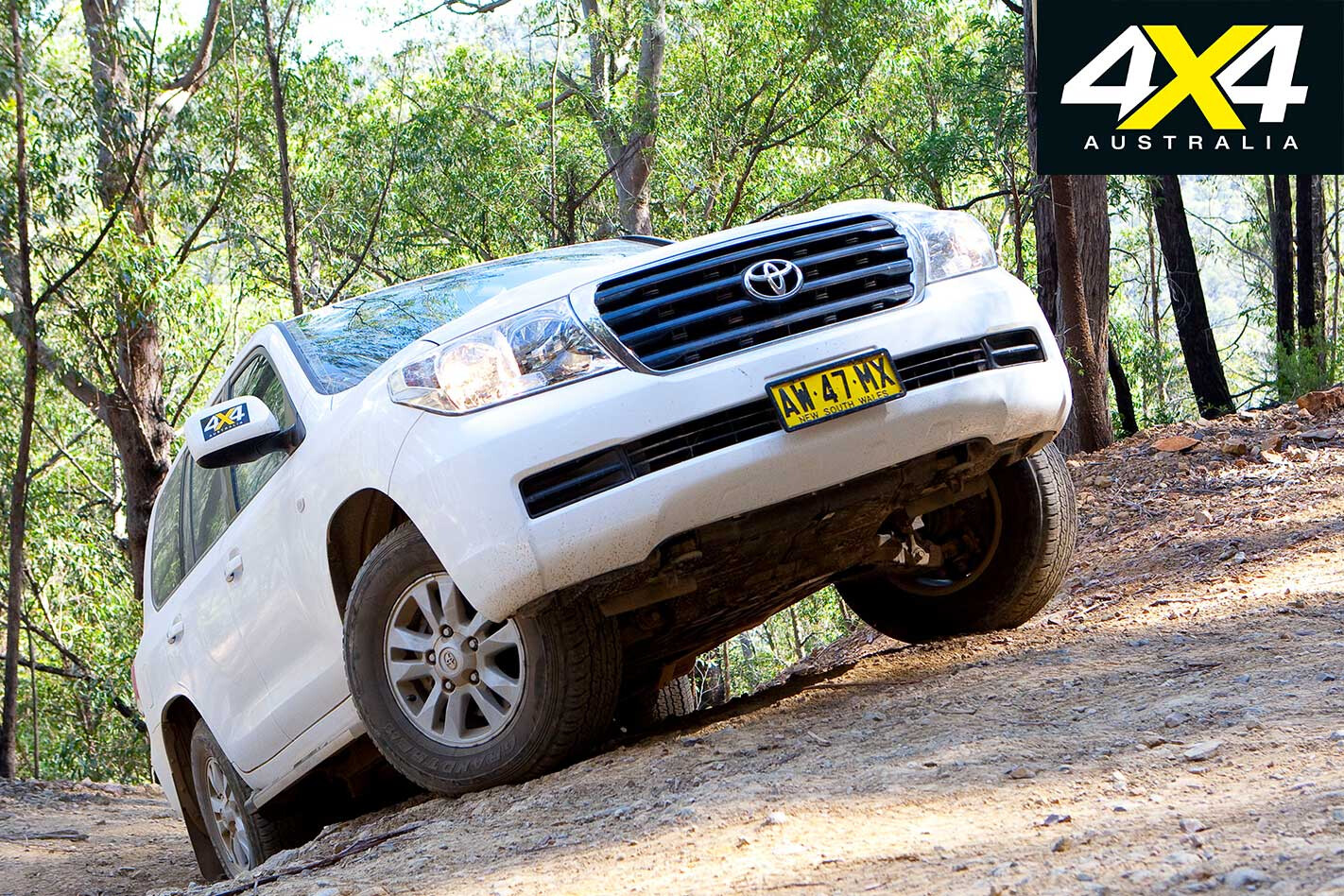
The 200 Series had more creature comforts than the others and much better noise, vibration and harshness quality – and so it should at the heady price Toyota demands for it. But it’s a bulky beast with blind vision corners, so it’s a handful in congested areas.
Plusses for the 200 as a town wagon are its smooth power delivery, smooth-shifting transmission and the capacity to seat five adults and three kids. The Bluetooth phone system is easy to set.
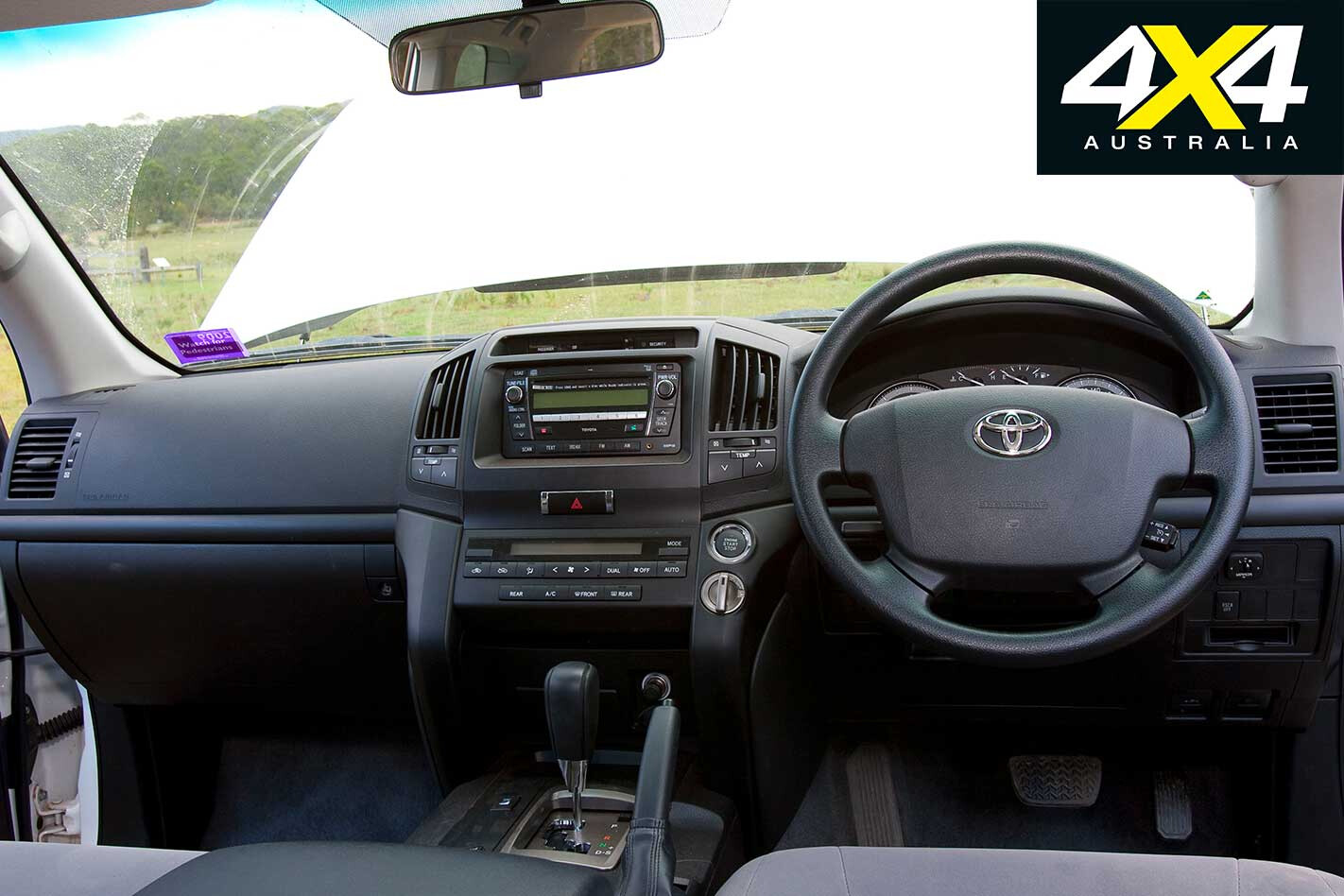
The Patrol fits better than the 200 into parking spaces, unless there’s restricted turning space, when its vast turning circle becomes a problem. The engine characteristics force the transmission to shuttle back and forth in hilly situations, making progress jerky and noisy. The rumoured V6 diesel can’t come soon enough.
The 76’s lack of SRS and ABS probably keeps the driver focused on avoiding an accident and its generally good road manners and powerful brakes assist in this regard.
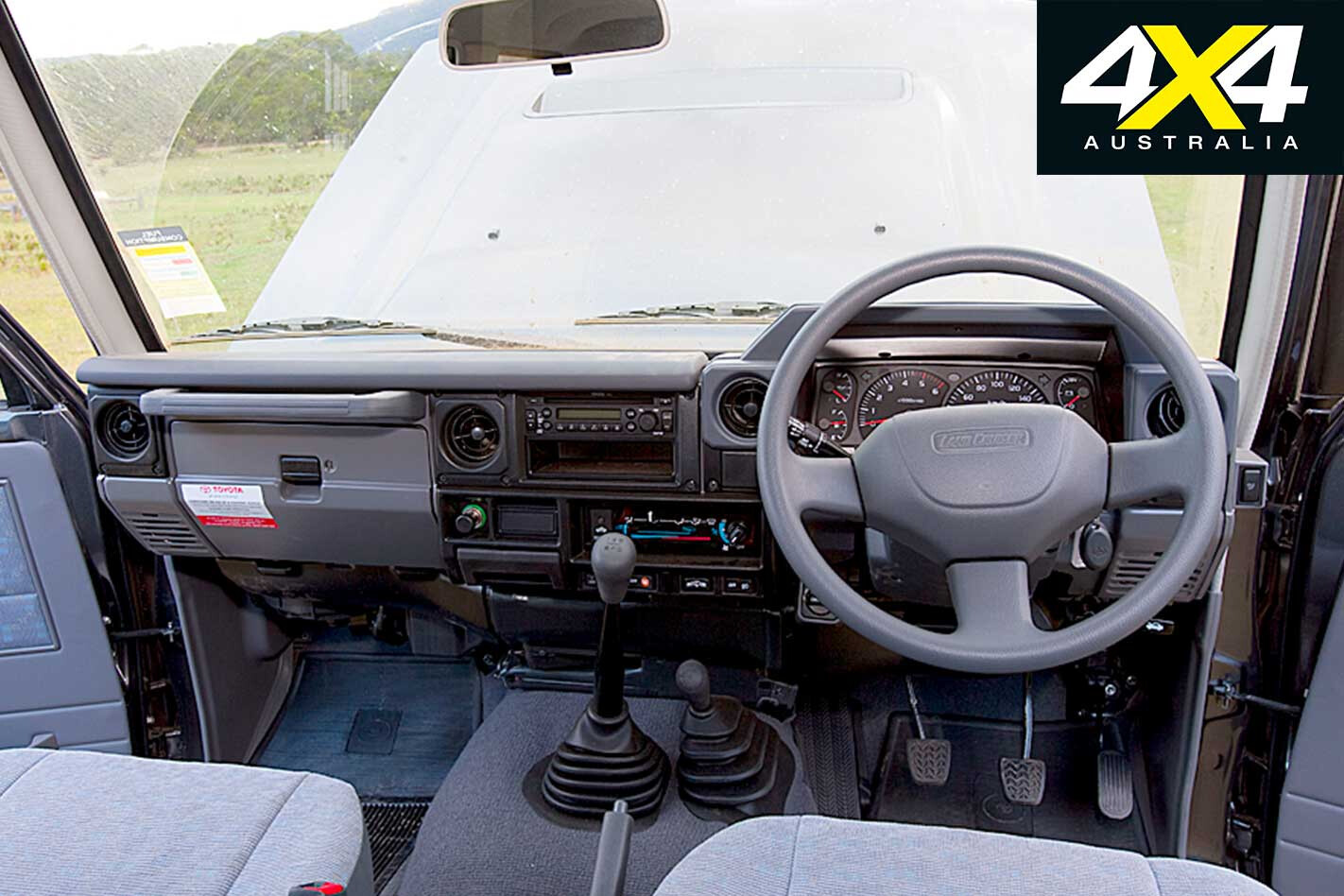
The gorgeously flexible engine means town driving is done mainly in fourth and fifth cogs, with second-gear starts possible on flat ground. It’s possible to skip-shift a lightly loaded 76, using first, third and fifth for smooth acceleration.
Why anyone would want to drive a Defender around town is beyond me. The combination of heavy clutch, ergonomically disastrous driving position, gigantic turning circle, steep climb to get in and out, total lack of secondary safety, toy mirrors and wipers, car park height limitation and firm ride combine to make the Defender a town horror. It’s at its best in the wide open spaces.
Long Distance Driving
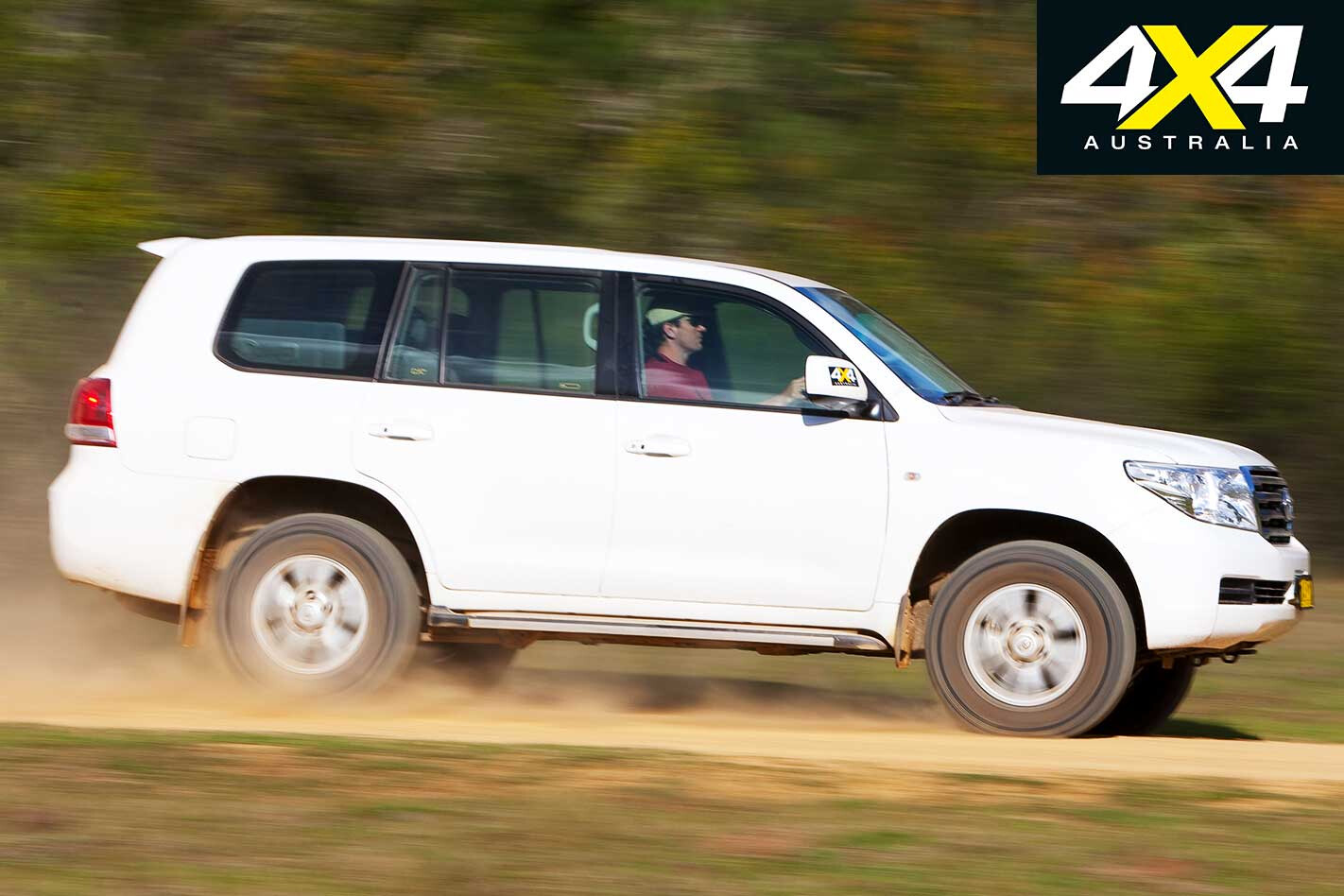
The 200 Series is an effortless cruiser, with its smooth ride, MP3 sound system, automatic transmission, torquey engine, cruise control and low NVH levels. But the big Cruiser doesn’t like rough roads very much and its standard dampers run out of shock absorbing power very quickly, letting the soft front-end nod annoyingly and the live-axle rear leap about.
The absence of driver’s seat adjustment means it either suits you or it doesn’t. It doesn’t suit me at all.
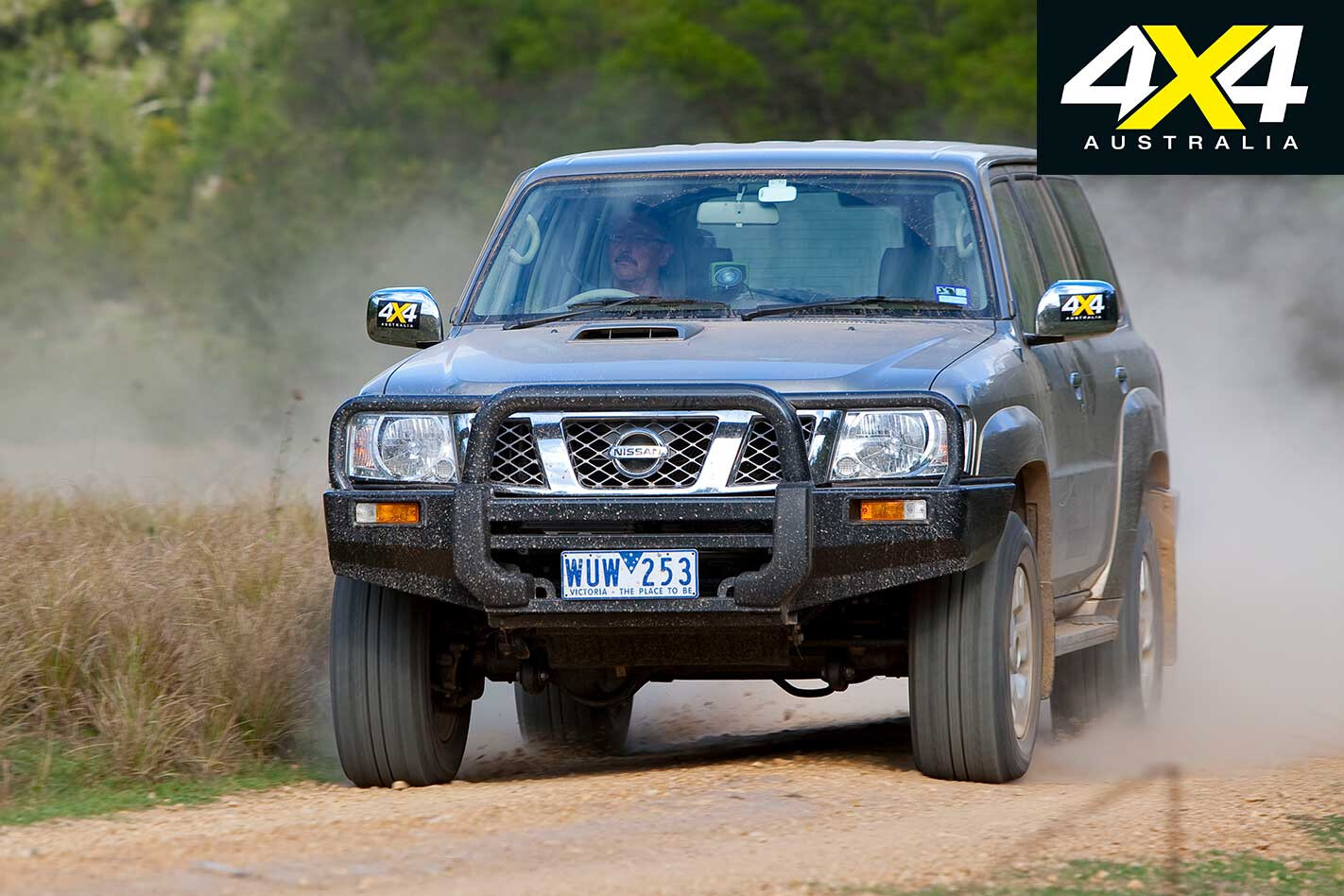
The Patrol is fine on long, flat stretches where its underdone engine doesn’t have to work very hard. Like the Cruiser the Patrol has weak dampers that allow the axles to move around excessively on rough surfaces. The cruise control works well and multiple adjustments permit different drivers to tailor seat comfort.
The 76 lopes along effortlessly over long distances, but this ease is balanced by the need to keep pressure on the accelerator. Why no cruise control, Toyota? The sound system is a disgrace and the driver’s seat adjusts only for reach. However, the standard suspension works surprisingly well on all surfaces.
The Defender has the same problems as the 76, but they’re exacerbated by worse ergonomics. On top of that, the too-firm coils bang about on the rough stuff, making the vehicle feel somewhat like a leaf-sprung Series II. – Allan Whiting
Space Pace
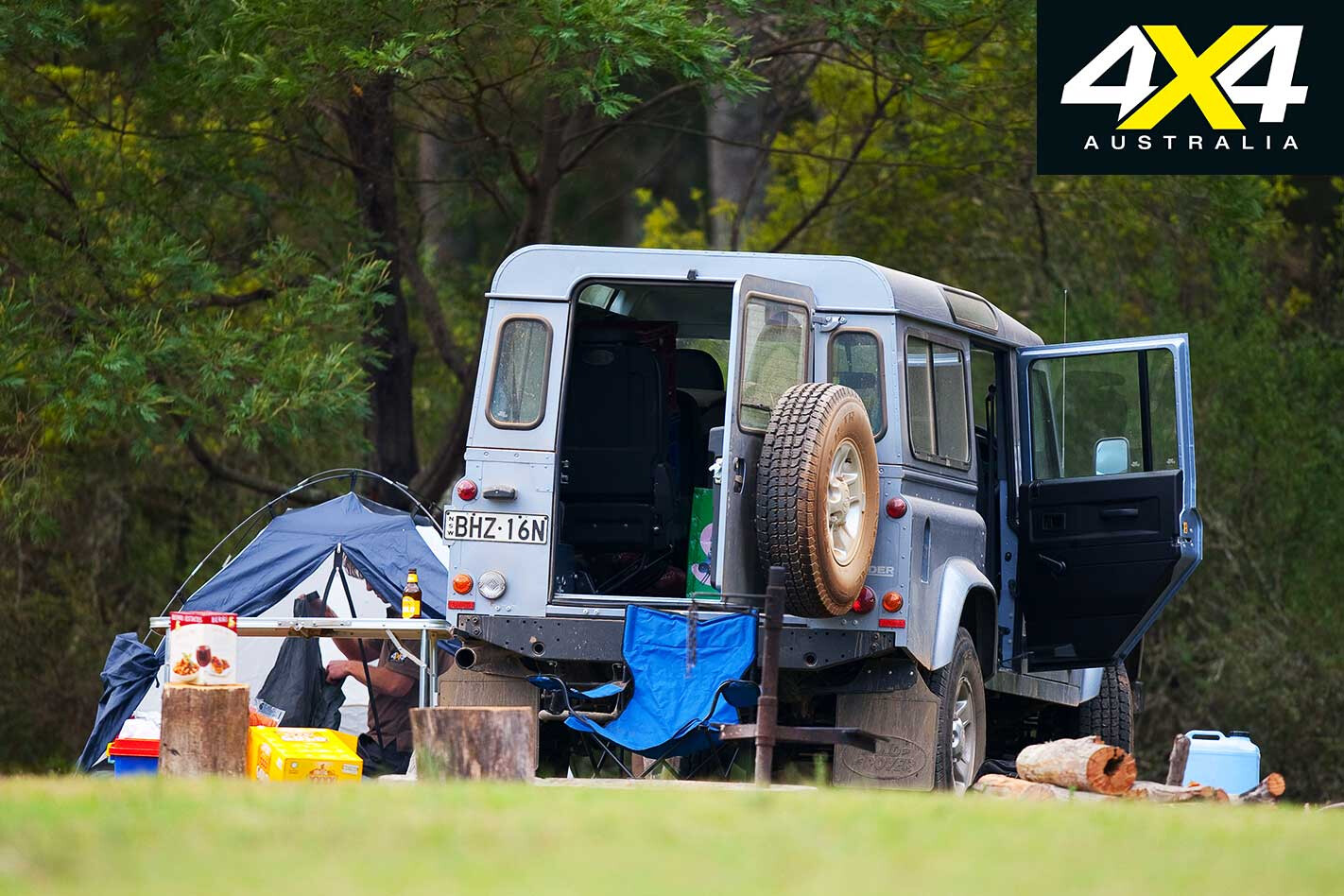
So you want to ‘get away from it all’ for a while, but you need to take some of it with you, too, plus add a bit of extra safety and convenience gear to the vehicle. The four vehicles here are all capable of swallowing enough gear for extended bush touring but some, as we found out, do it better than others in showroom trim, while the two more basic vehicles we’re driving here – Defender and Cruiser 76 – offer great opportunity for ‘suit-yourself’ bush tourer fit-outs.
We’ll start by looking at the Defender for no other reason than it’s been a favourite bush tourer for generations of adventurers and remote area workers, and it’s arguably the easiest to modify and specify for bush work.
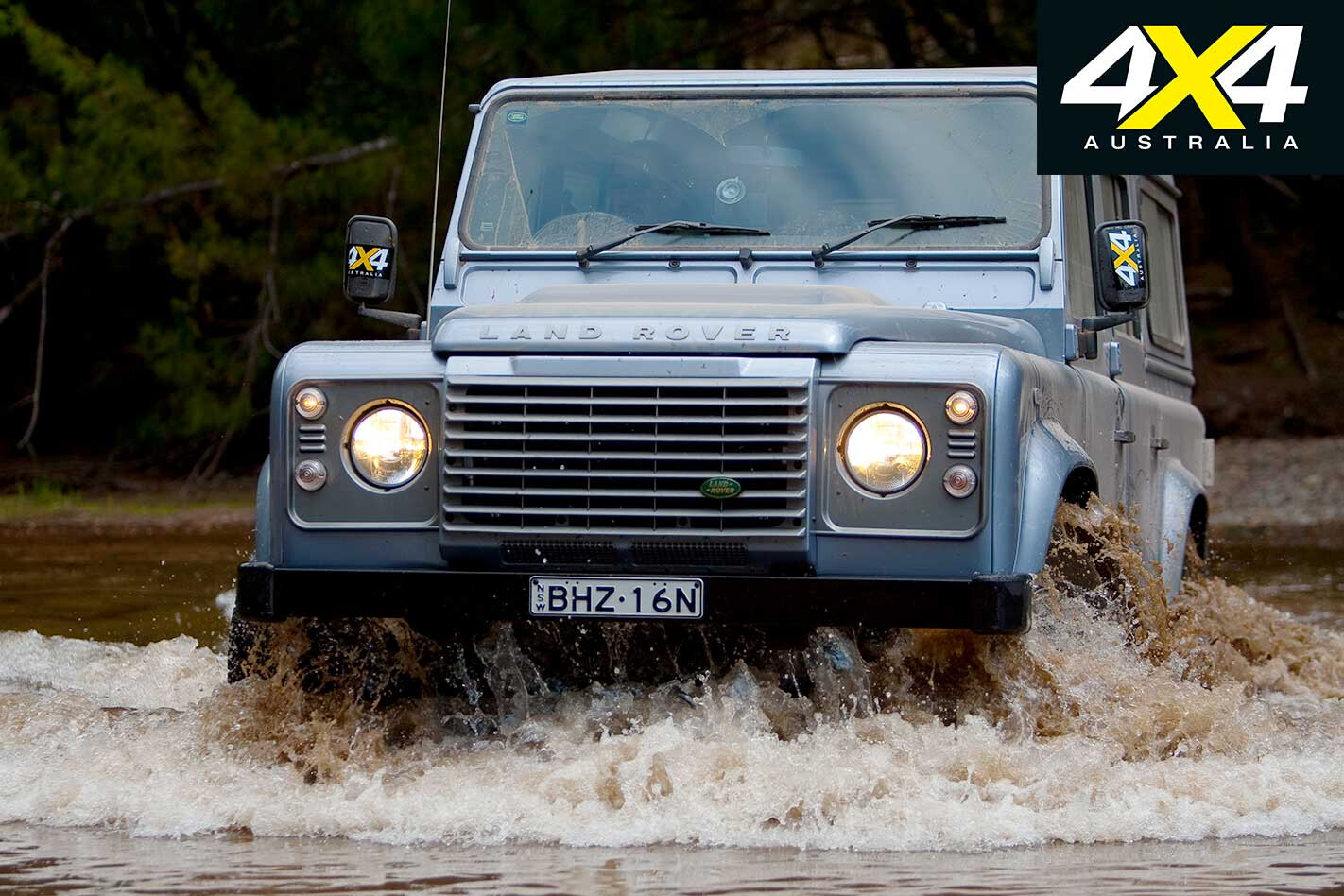
Ours was fitted with the optional third-row seating which, to be frank, made it very difficult to pack with our usual bush equipment. When folded, the second-row seats leave buttress-like mounts protruding above floor level. Our ‘test’ kit of a fridge, first aid kit, two gear bags, a backpack and a swag fitted, but it was tight between those folded rear seats.
The fold-down rear step below the door is a nice touch but no matter what way you look at it, the side-swing rear door (with spare) is narrow and disinclined to remain open on anything other than flat ground. Many of us take a fridge into the bush but the usual in-the-rear, slide-out fridge installation is impossible with the Defender.
But strip the seats from the Defender and most of those cargo compromises disappear. The flat-floored and square-cornered layout means easy fit-out. The floor covering is tough rubber which is easily removed and replaced – and doesn’t hide any reinforcing ribs to mess up levels. And it’s tall enough to stand in, albeit stooped.
Picture: Land Rover Defender rear cargo space
The boxy body and open-under mudguards make installing extra tanks a cinch. You can load 150kg on the roof – that’ll be a rooftop tent on a rack, plus two jerries of fuel.
The Toyota Defender… er, LandCruiser 76 GXL wagon’s barn doors open easily to reveal plenty of load area. The bench rear seat – it seats five, not seven like our optioned test Defender – flips forward but would be easily removed for months of travelling, two-up.
It doesn’t match the Defender’s ultimate ‘blank canvas’ versatility, but comes close and will of course take a fridge in the ‘typical’ position. The tie-downs are sensibly installed in each corner of the load floor. Aftermarket modular storage systems abound for this Toyota and its bigger brother.
Picture: Toyota LandCruiser 76 Series rear cargo space
More interior plastic makes the 200 Series a little more delicate when loaded and the rear quarter sections are thick. Drop down tailgate is appreciated for lunches on the run with (some) shelter above. Away from Saturday morning soccer runs, the rear seats intrude – a delete-option five-seat Cruiser GXL would make so much sense. Full-circle tie downs are concealed below the carpet so they’re out of the way when not in use.
Behind its barn doors (like the Cruiser 76) the Nissan has a generous load area. It’s a little lower than the 76 but the forward tie-downs are only half-way along the load area and the sideways rear seats are a hindrance.
Picture: Nissan GU Patrol rear cargo space
The rear seats are relatively easy to remove (Nissan offers the ‘option’ of no rear seats in its base-model DX). The Nissan is the only one of this four with a 12V outlet in the cargo area – a silly omission on the other three – but being switched by ignition limits its use.
For what it is worth, the Nissan and Toyota 76’s jacks are easily accessed in the (right and left respectively) rear corners of the vehicles. The 200 is tucked a little deeper into the right rear so would be more difficult to access when loaded. The Landie’s is stored under the flip-up passenger front seat.
Picture: Toyota LandCruiser 200 series rear cargo space
Load & Tow
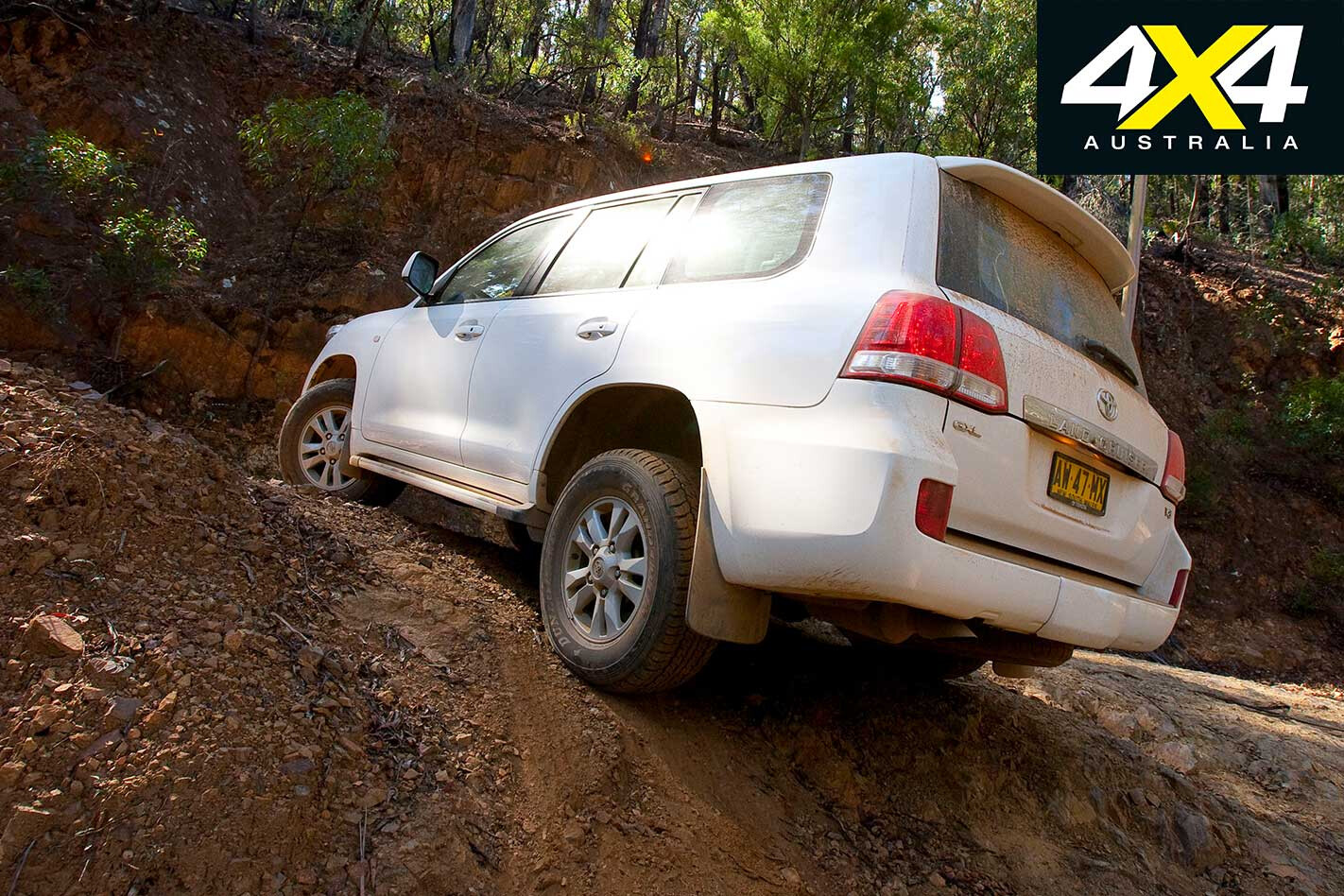
The sheer size of the 200 Series allows it to swallow lots of gear but its 600kg payload is easily accounted for with bar work, aftermarket fuel tank, extra spare and the fridge – more on that in a moment. Cruiser can take 150kg on the roof.
Surprisingly 569kg is the payload limit in the Patrol ST-L (it’s a little more with the base-model DX) including 120kg on the roof which is just adequate for a roof-topper and its rack.
The 76 can carry 150kg on the roof and has an all-up payload of 810kg.
The Defender offers in excess of one tonne carrying capacity so you can pack as much camping gear and fuel on board as you want. Maximum roof load is 150kg.
Both Toyotas and the Defender can tow 3500kg. The Nissan ST-L 3.0-litre turbo-diesel auto is limited to 2500kg. Common sense says you wouldn’t attempt that beyond smooth gravel roads but, with capabilities like that, a 1200kg camper trailer won’t be stressing the driveline of any of these in off-road conditions.
All the Gear
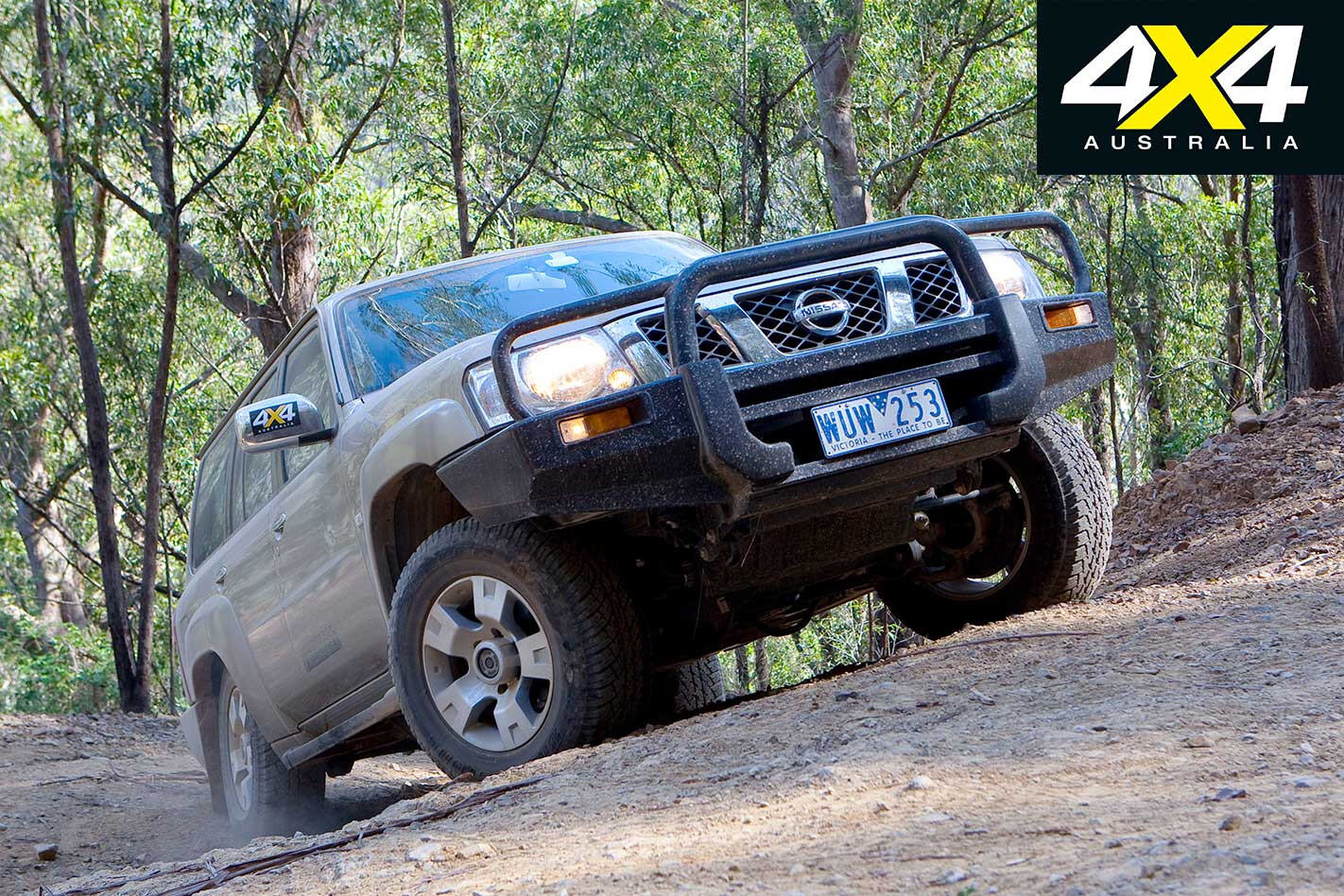
Aftermarket accessories support is generous for these regal bush tourers. The bush basics of winch bar, snorkel, cargo barrier, roof rack and long-range fuel tank are all easily bought items for all, with a possible ‘made-to-order’ situation for some Land Rover hardware (such as long-range fuel tanks) due to the marque’s comparatively low sales volume.
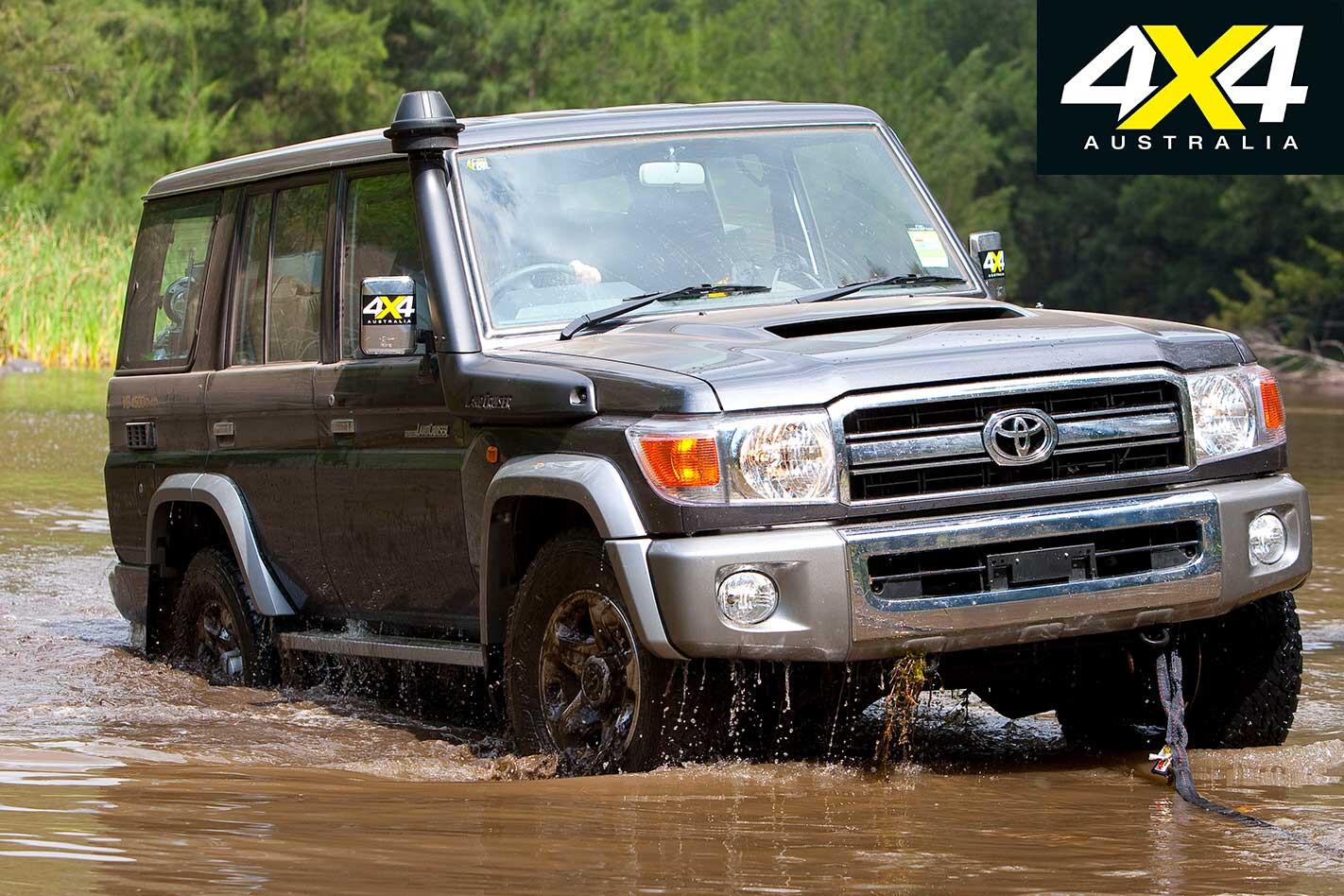
The Cruiser 76 is especially noteworthy (and appealing) for its standard snorkel and optional diff-locks. That means Toyota warranty and no extra time in a workshop preparing for the trip. Toyota’s 76 snorkel is a two-piece item but the join is above the height where the vehicle will be inundated. The Nissan, 200 and Defender have aftermarket locking diffs available for owners who require them.
Suspension upgrades and lifts are a snack, including certified GVM upgrades: a necessary evil for 200s and Nissans loaded with gear and clobber for a family. The Defender, especially, would benefit from a softer spring/damper combo if it’s not to tow or be loaded a lot.
Outback servicing is a moot point these days. Owners with limited experience cause harm by ‘precautionary’ inter-services campsite de-dusting of air cleaners (which often introduces dust to the intake sensors etc) then blame ‘the electronics’. Poorly designed or incorrectly installed aftermarket gear often causes dramas, too: sump plate retaining bolts can foul on radiator tanks; battery trays can crack firewalls.
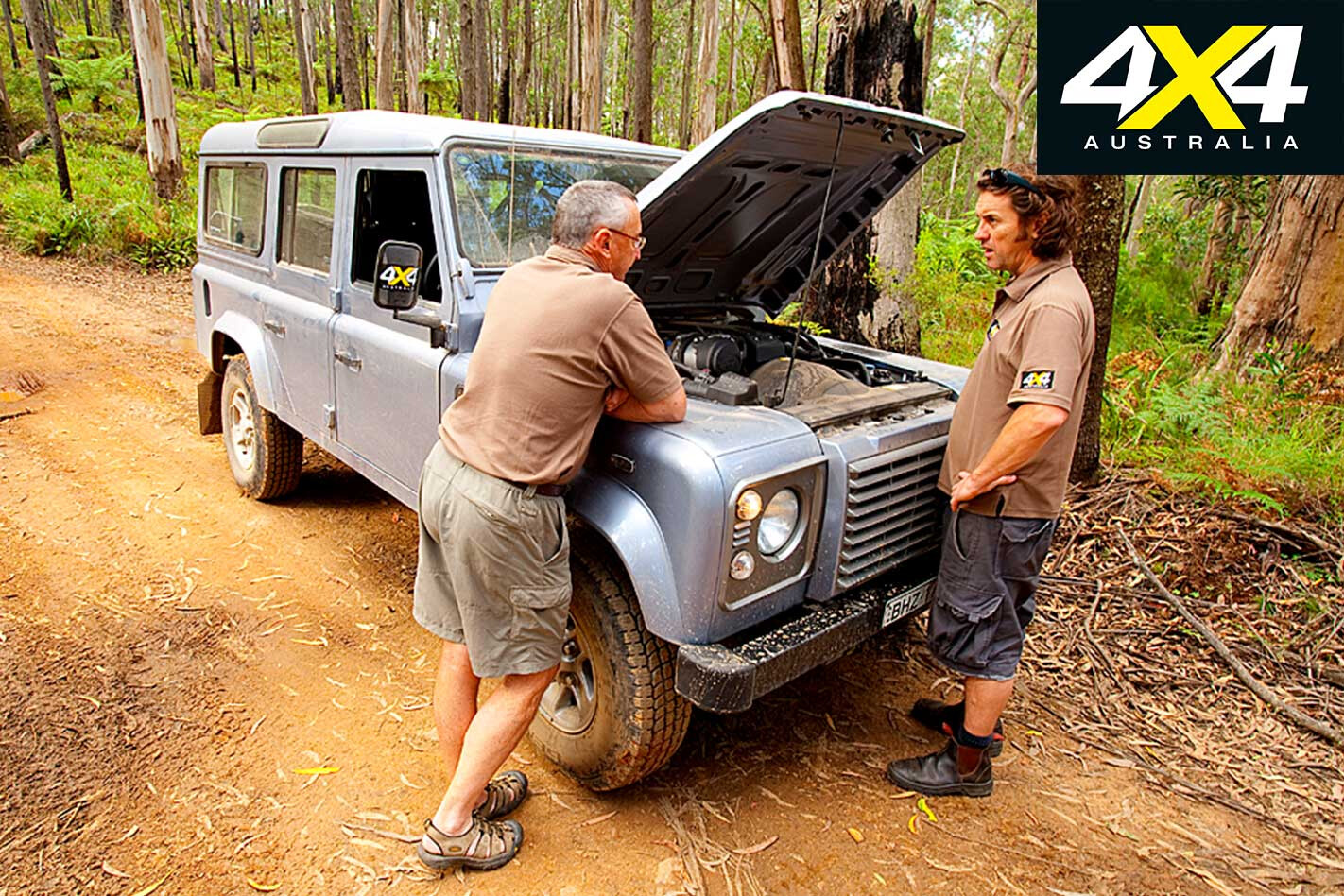
And what about the persistent grey cloud over Land Rover spare parts? Reality is, no dealer marque stocks much in the way of spare parts with components beyond consumables shipped by air/mail overnight. Anyone with an ounce of nous will carry spare belts, filters and hoses so shouldn’t really need to rely on external support networks in the short term. – Glenn Torrens
Staff Picks
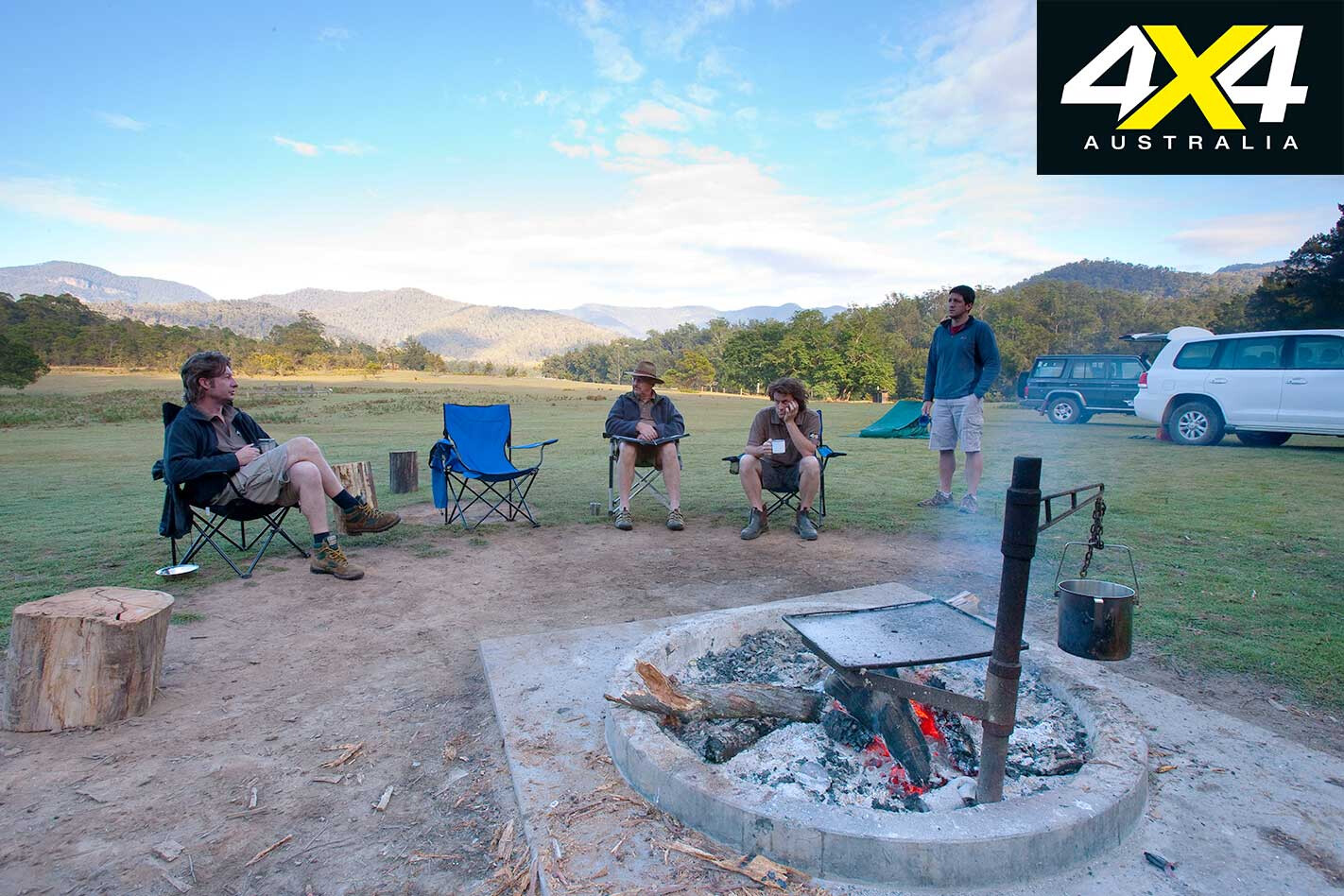
“Of these four, the 76’s grunt, efficiency and layout is the best suited for where I want to go and what I want to do. I’d fling the rear seats and fit it out for touring but no way could it be my ‘daily driver’.” – Glen Torrens
“The 76 is my pick of this bunch. It’s close to bush ready out of the box, but I’d fiddle the suspension and fit Recaros, a long-range tank, cruise control and a decent sound system.” – Alan Whiting
“Despite the 200’s comfort and prowess on the hills, the 76 inspires more confidence. The single-turbo V8 is more enjoyable, the 76’s suspension takes more of a pounding and the scale of the vehicle is much more manoeuvrable.” – TS
“The 200 Series is my choice simply for the fact that the soft suspension can be easily fixed and you get that sweet engine. Pack smart (and light) and it is a top tourer. Plus, allowing for its bulk, it is surprisingly easy to drive around town.” – Justin Walker
“The best bush tourer is the 76 Series. With its outstanding performance and good fuel economy, it makes tackling almost any terrain a breeze. But value for money isn’t great and basic interior lets it down.” – ME
Specifications
| u00a0 | Land Rover Defender 110 | Nissan Patrol 3.0 ST-L | Toyota LandCruiser 76 Series | Toyota LandCruiser 200 GXL V8 |
|---|---|---|---|---|
| Base Price | $48,990 | $62,990 | $59,990 | $83,990 |
| Engine | ||||
| Type | 2402cc four-cylinder DOHC,u00a0common-rail intercooled turbo-diesel | 2953cc four-cylinder DOHC,u00a0common-rail intercooled turbo-diesel | 4461cc V8 DOHC,u00a0common-rail intercooled turbo-diesel | 4461cc V8 DOHC,u00a0common-rail intercooled twin turbo-diesel |
| Bore/Stroke | 89.9 x 94.6mm | 96.0 x 102mm | 86.0 x 96.0mm | |
| Compression | 17.5:1 | 17.9:1 | 16.8:1 | |
| Power | 90kW @ 3500rpm | 118kW @ 3400rpm | 151kW @ 3400rpm | 195kW @ 3400rpm |
| Torque | 360Nm @ 2000rpm | 380Nm @ 2000rpm | 430Nm @ 1200-3200rpm | 650Nm @ 1600-2600rpm |
| Transmission | ||||
| Type | 6-speed manual | 4-speed auto | 5-speed manual | 6-speed auto |
| Ratios (overall) | ||||
| 1st | 5.443 (23.334/62.988) | 2.874 (12.574/25.399) | 4.529 (17.703/44.045) | 3.333 (13.028/34.109) |
| 2nd | 2.042 (7.999/15.197) | 1.544 (6.755/13.645) | 2.464 (9.631/23.961) | 1.960 (7.661/20.058) |
| 3rd | 1.721 (7.378/19.916) | 1.000 (4.375/8.838) | 1.490 (5.824/14.490) | 1.353 (5.288/13.846) |
| 4th | 1.223 (5.243/14.153) | 0.694 (3.036/6.133) | 1.000 (3.909/9.725) | 1.000 (3.909/10.233) |
| 5th | 1.000 (4.287/11.572) | – | 0.881 (3.443/8.566) | 0.728 (2.845/7.450) |
| 6th | 0.742 (3.181/8.587) | – | – | 0.588 (2.298/6.017) |
| Reverse | 4.935(21.156/57.109) | 2.275(9.953/20.105) | 4.313(16.859/41.945) | 3.061(11.965/31.325) |
| Final drive | 3.540:1 | 4.375:1 | 3.909:1 | |
| High ratio | 1.211 | 1.000 | ||
| Low ratio | 3.269 | 2.020 | 2.488 | 2.618 |
| Suspension | ||||
| Front | Live-axle, leading arms, Panhard rod, coil springs, gas/oil dampers | Live-axle, leading arms, Panhard rod, coil springs, gas/oil dampers, stabiliser bar | Live axle, leading arms, coil springs, gas/oil dampers, stabiliser bar | Independent, double wishbone, coil springs, gas/oil dampers, semi-active stabiliser bar, KDSS (optional) |
| Rear | Live-axle, A-arm, coil springs, gas/oil dampers | Live-axle, trailing arms, coil springs, gas/oil dampers, stabiliser bar | Live axle, leaf springs, gas/oil dampers | Live axle, four-link, coil springs, gas/oil dampers, semi-active stabiliser bar, KDSS (optional) |
| Steering | ||||
| Type | Power-assisted worm and roller | Power-assisted recirculating ball | Power-assisted rack and pinion | |
| Brakes | ||||
| Front | 298mm ventilated discs, ABS | 316mm ventilated discs, ABS | 322mm ventilated discs | 340mm ventilated discs, ABS, brake assist |
| Rear | 298mm solid discs, ABS | 330mm ventilated discs, ABS | 312mm ventilated discs | 345mm ventilated discs, ABS, brake assist |
| Wheels | ||||
| Material | Alloy | |||
| Size | 16×7.0J | 17×8.0J | 16×7.0J | 17×8.0J |
| Tyres | ||||
| Type | General Grabber | Bridgestone Dueler H/T | Dunlop Grandtrek | |
| Size | 235/85R16 V | 275/65R17 | 265/70R16 115R LT | 285/65R17 116H |
| Dimensions | ||||
| L/W/h | 4639/1790/2021mm | 5050/1940/1855mm | 4770/1870/1940mm | 4950/1970/1905mm |
| Wheelbase | 2794mm | 2970mm | 2730mm | 2850mm |
| Track (f/r) | 1486/1486mm | 1605/1625mm | 1555/1460mm | 1640/1635mm |
| Turning circle | 12.8m | 12.5m | 12.6m | 11.8m |
| Clearance | 314mm | 210mm | 215mm | 225mm |
| App/Dep/Ramp | 49u00ba/34.6u00ba/30.3u00ba | 37u00ba/31u00ba/27u00ba | 36u00ba/23u00ba/26u00ba | 30u00ba/20u00ba/25u00ba |
| Kerb Weight | 2041kg | 2451kg | 2190kg | 2630kg |
| GVM | 3050kg | 3020kg | 3000kg | 3300kg |
| Payload | 1010kg | 569kg | 810kg | 670kg |
| Fuel Tank | 75 litres, diesel | 125 litres, diesel | 90 litres, diesel | 138 litres, diesel |
| Fuel Consumption | 13.1L/100km | 17.9L/100km | 13.7L/100km | 15.4L/100km |
| Towing Capacity | ||||
| Braked | 3500kg | 2500kg | 3500kg | |
| Unbraked | 750kg | |||
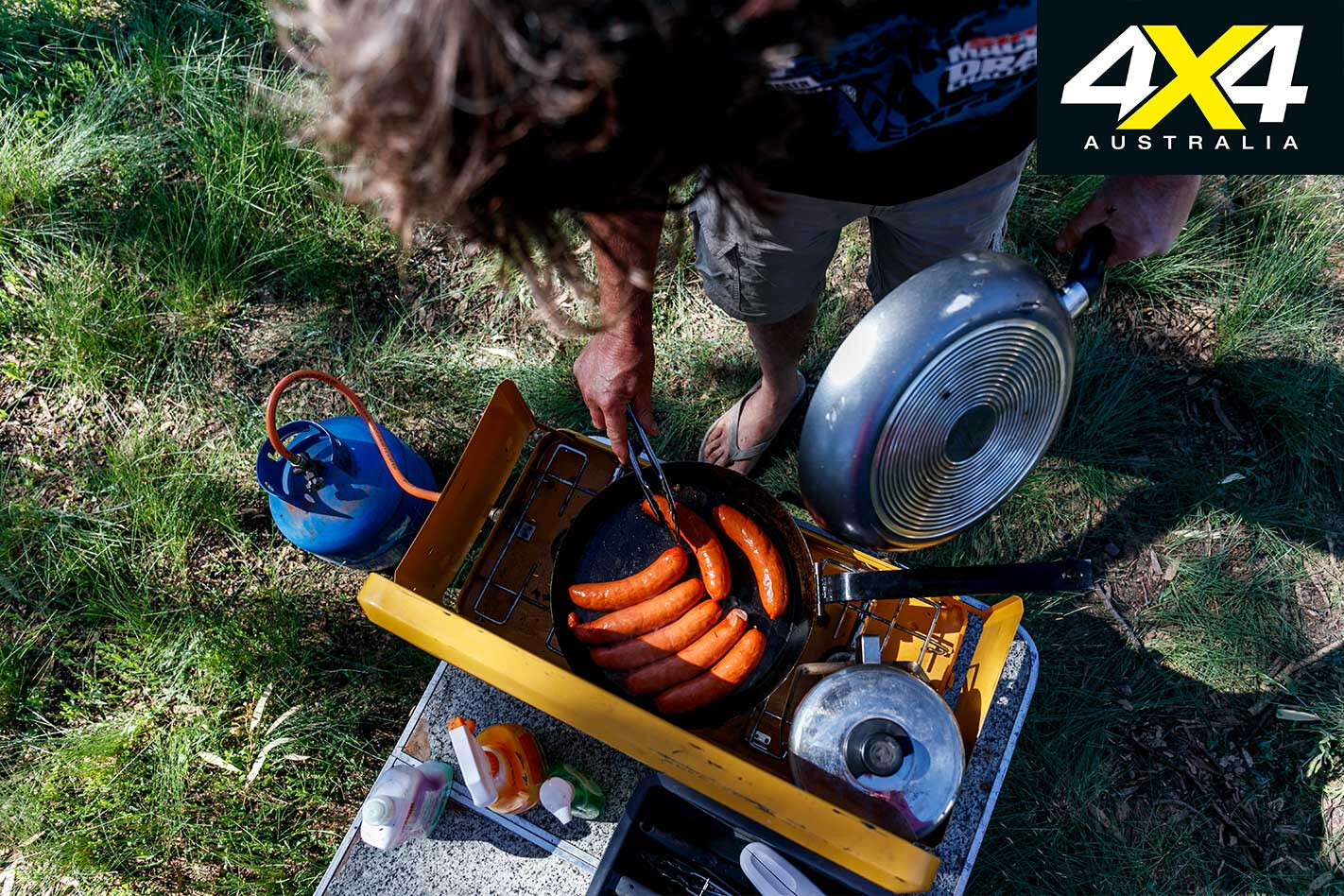
Everyone’s gotta eat, right? Luckily there are plenty of cooking options for 4×4 tourers, from the humble campfire, to lightweight hiking cookers, to slide-out kitchens with multiple gas burners. The right one for you will depend on the size of your clan, what you like to eat and the style of your touring set-up.
Campfires
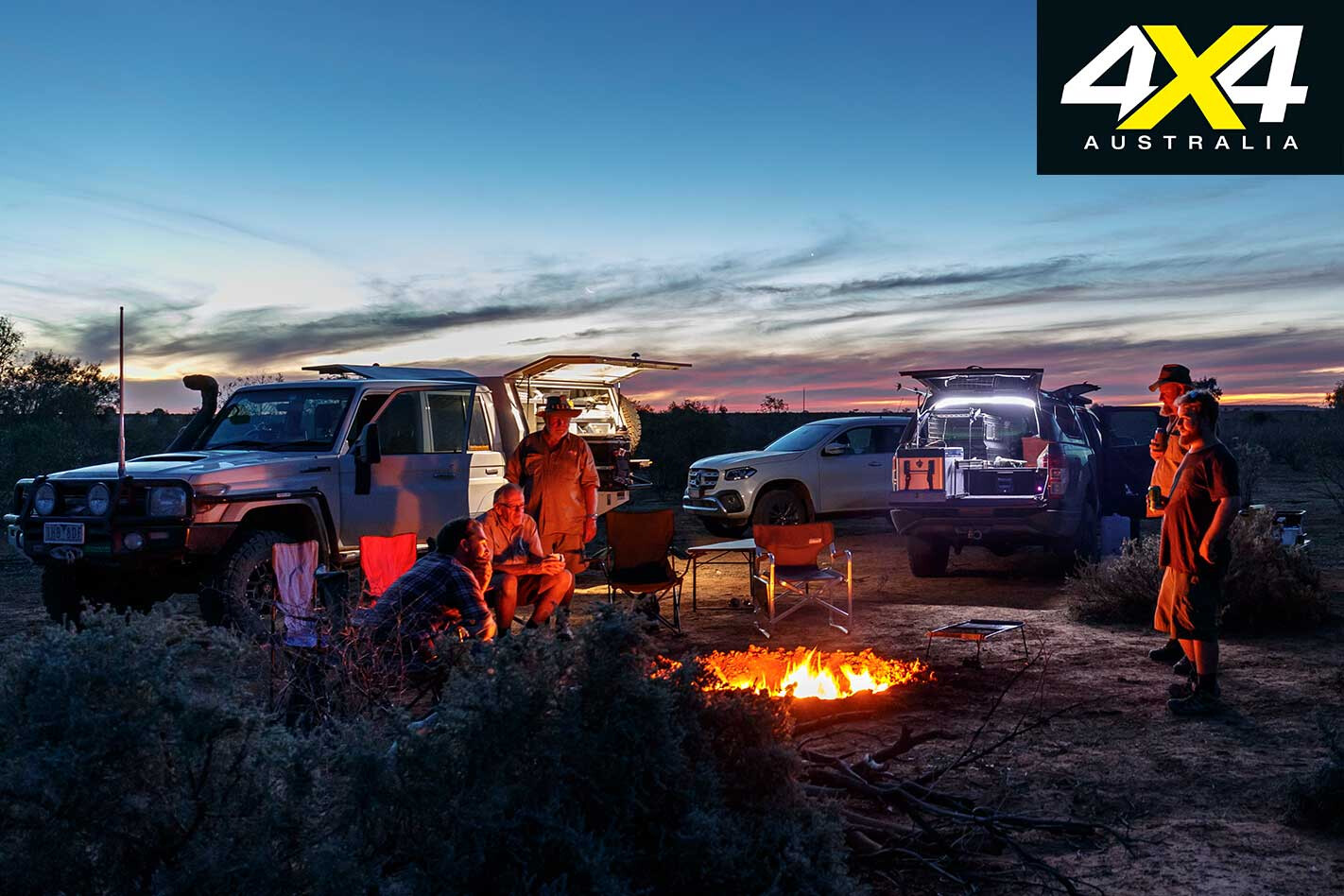
Cost: Free … or a few bucks for a bag of wood.
Availability of fuel: In some places there’s plenty, in others you’ll have to go looking or bring your own.
Pros: There’s nothing better than cooking on a campfire. The smoke adds flavour to barbecued food, you can bury your spuds in the coals, you can boil your billy on it, and you can warm up beside it on a cold night. And the fire is always the campsite social centre.
Cons: You can’t use campfires when there’s a fire ban, wood can sometimes be hard to find, and, if it is wet, it’s a struggle to get a fire going.
Canister stoves
Cost: Canister stoves range in price from relatively cheap units that simply screw on to the top of a disposable canister to more expensive, super lightweight hiking cookers that can cost a lot more. The canisters themselves are not expensive, but they don’t offer as much burn-for-your-buck as LPG. Plus, they aren’t refillable.
Availability of fuel: Availability is dependent on the style of canister required. Some popular canisters can be purchased at most service stations and hardware stores, while most variants can be found in camping stores.
Pros: Canister stoves are small, lightweight, easy to fire up and quick to pack away. If you only have one pot to heat, they are very convenient.
Cons: Canister stoves do not cook as quickly as campfires or LPG stoves, and the disposable canisters are not exactly environmentally friendly; and you’ll have to find somewhere to stow the empties until you can get rid of them.
A variety of fuels are used in disposable canisters including propane, butane and isobutane. If the ambient temperature is low enough to turn the canister fuel into a liquid state, upright stoves will not operate at all. Butane boils at -0.5°C and propane boils at -42°C, so if you’re going to use your stove in extremely cold conditions, it’s important to choose the right fuel blend.
Alternatively, low-profile canister stoves have a burner that’s connected to the canister via a fuel hose, offering better cold-weather performance than upright stoves, while some hiking stoves offer dual-fuel capability; a liquid fuel, such as shellite (in a fuel bottle), is far less affected by cold weather than canister-based fuel.
Lunch box cooker
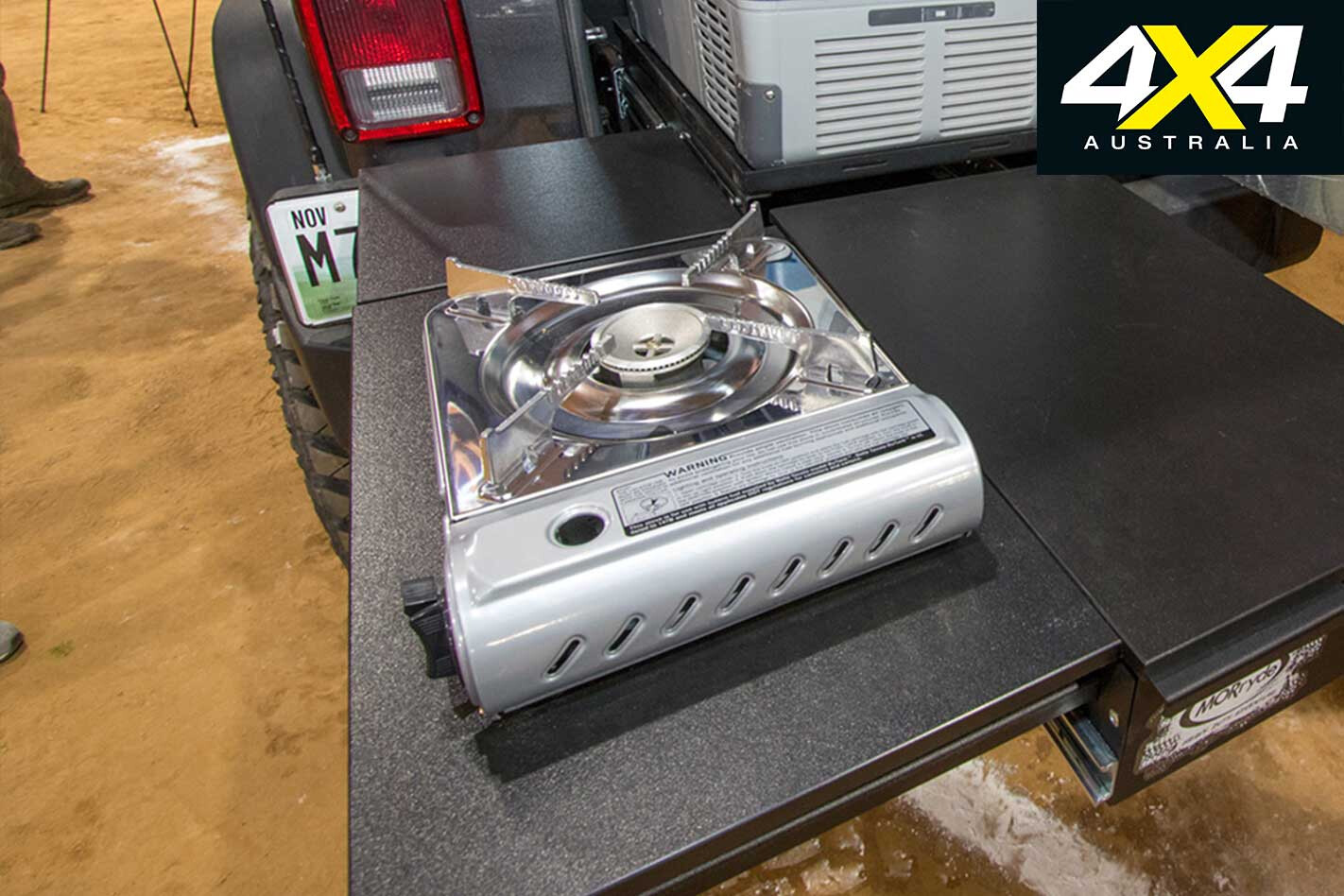
Cost: Lunch box stoves are cheap, ranging in price from as little as $20 to around $50.
Availability of fuel: You can buy butane cartridges at most supermarkets, variety stores and hardware stores, as well as at many service stations.
Pros: With a convenient disposable butane cartridge, Piezo ignition and a compact plastic carry case, it is little wonder lunch box cookers can be found in just about every campsite around the country. They are extremely easy to use, offer a stable cooking platform, are easy to store, and don’t take up much space.
Cons: The cartridges are not refillable and you’ll need to find a place to stow the empties prior to proper disposal. Butane is not as efficient as LPG, especially in very cold conditions, so cooking times will be slower.
Some early lunch box cookers had a faulty safety-release mechanism (designed to eject the butane canister if it overheated) resulting in injuries and even a death in Australia. If you have an old lunch box cooker, get rid of it and buy a post-recall model.
LPG stoves
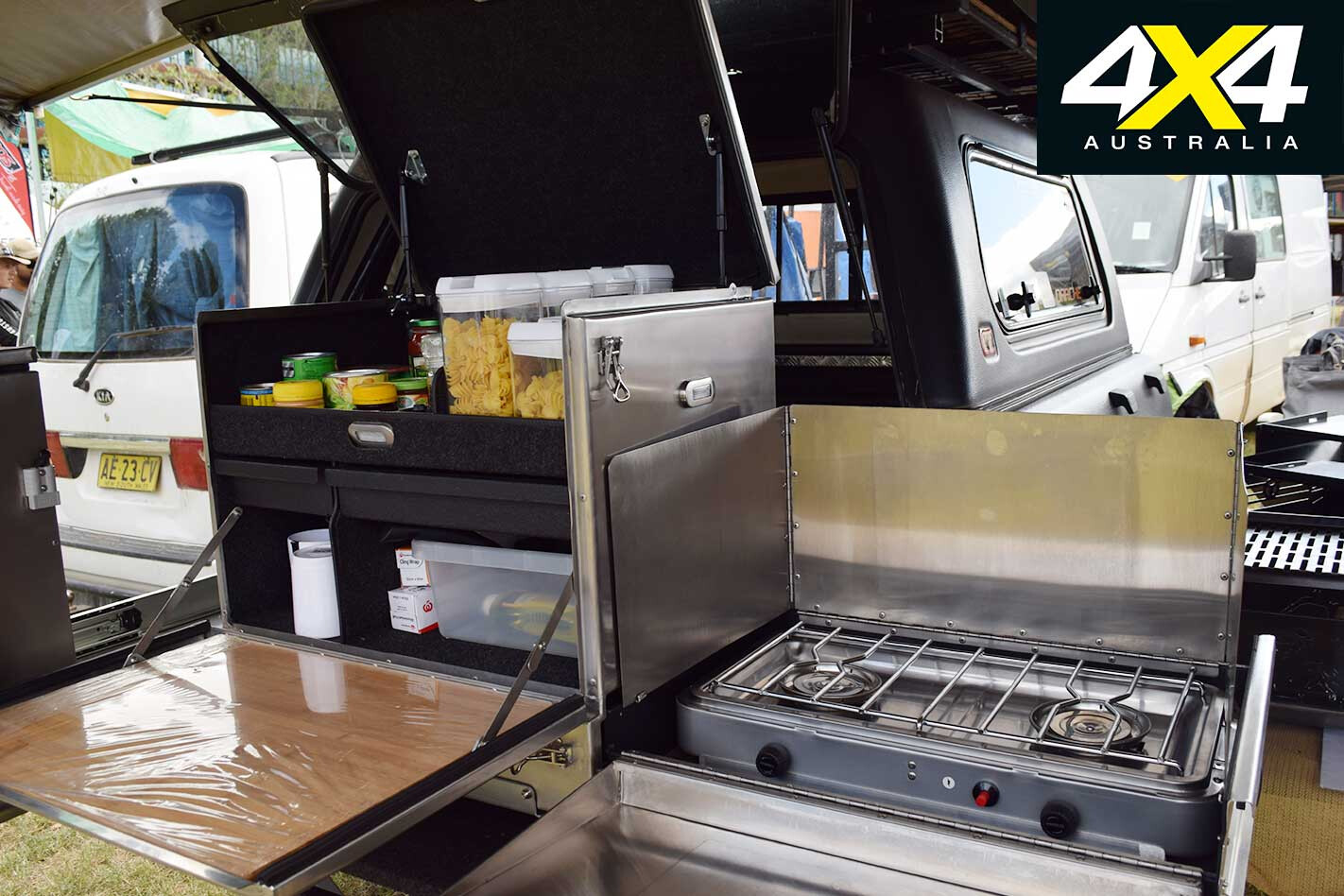
Cost: LPG stoves range in price from just a few bucks for a single burner to several hundreds of dollars for a multi-burner barbecue. The gas bottles are inexpensive to refill, especially considering the high efficiency of LPG fuel.
Availability of fuel: Most service stations and hardware stores either refill LPG bottles or offer a convenient, albeit slightly more expensive, exchange program.
Pros: LPG bottles can be used to fuel several styles of cooking devices from small to large. The fuel is efficient, providing fast cooking. The gas bottles are refillable and available in a variety of capacities from as little as 1kg to 9kg. LPG can also be used to fuel camp lighting and to power three-way fridge/freezers.
Cons: The gas bottles have a 10-year lifespan, after which they must be inspected and re-stamped, or replaced altogether; but, using a gas bottle exchange program resolves this issue. LPG is very flammable, so the bottles will need to be stored securely and the fuel line/governor checked regularly for leaks. Large gas bottles are heavy.
Once you’re out of Australia’s cities and main regional towns, service stations can be few and far between. To ensure you have enough fuel to get you where you want to go, you might have to carry more than the capacity of your vehicle’s standard tank. When it comes to safely carrying extra fuel, there are several options.
Jerrycans
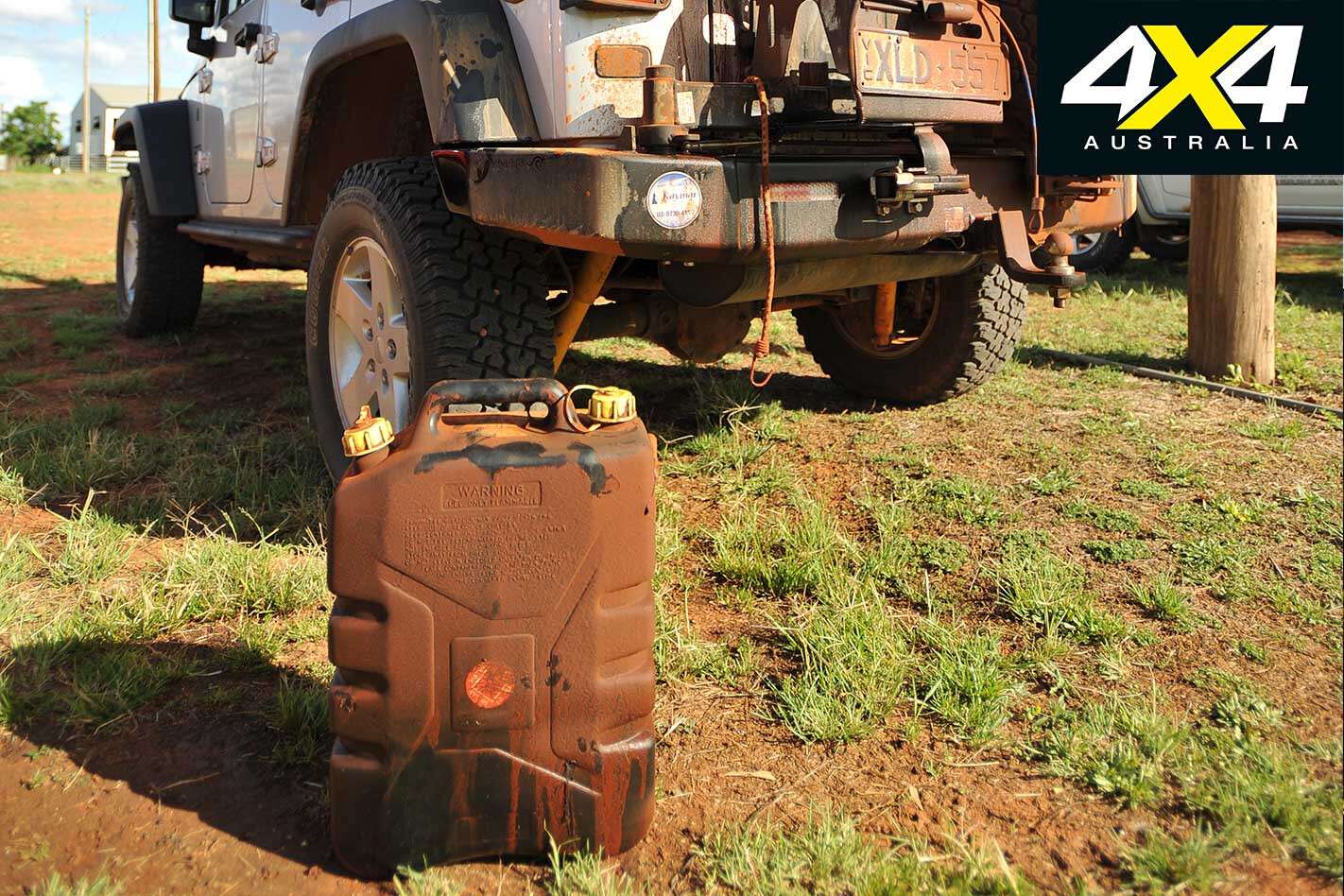
Jerrycans have been around since World War II, and they are an effective and affordable way to carry extra fuel. Modern jerrycans are made from steel or polyethylene, and their basic design has remained largely unchanged for 80-odd years.
Jerrycans and other fuel containers shouldn’t be carried inside a vehicle cabin, especially if carrying petrol, and they need to be kept well clear of electrical accessories such as fridges and other potential ignition sources.
In a ute, jerrycans can be stored in the tub, but if you drive a wagon they will need to be mounted in a jerrycan holder either at the rear of the vehicle or, as a last resort, up on the roof. A full jerrycan will weigh around 20kg, so they can be difficult to load and unload from the roof of a vehicle and can also affect vehicle handling, both on the road and off it.
Fuel transfer from jerrycans to a vehicle’s main fuel tank can be a messy and dangerous affair, and there’s also an increased chance of fuel contamination, especially in wet or dusty conditions.
Long-range fuel tanks
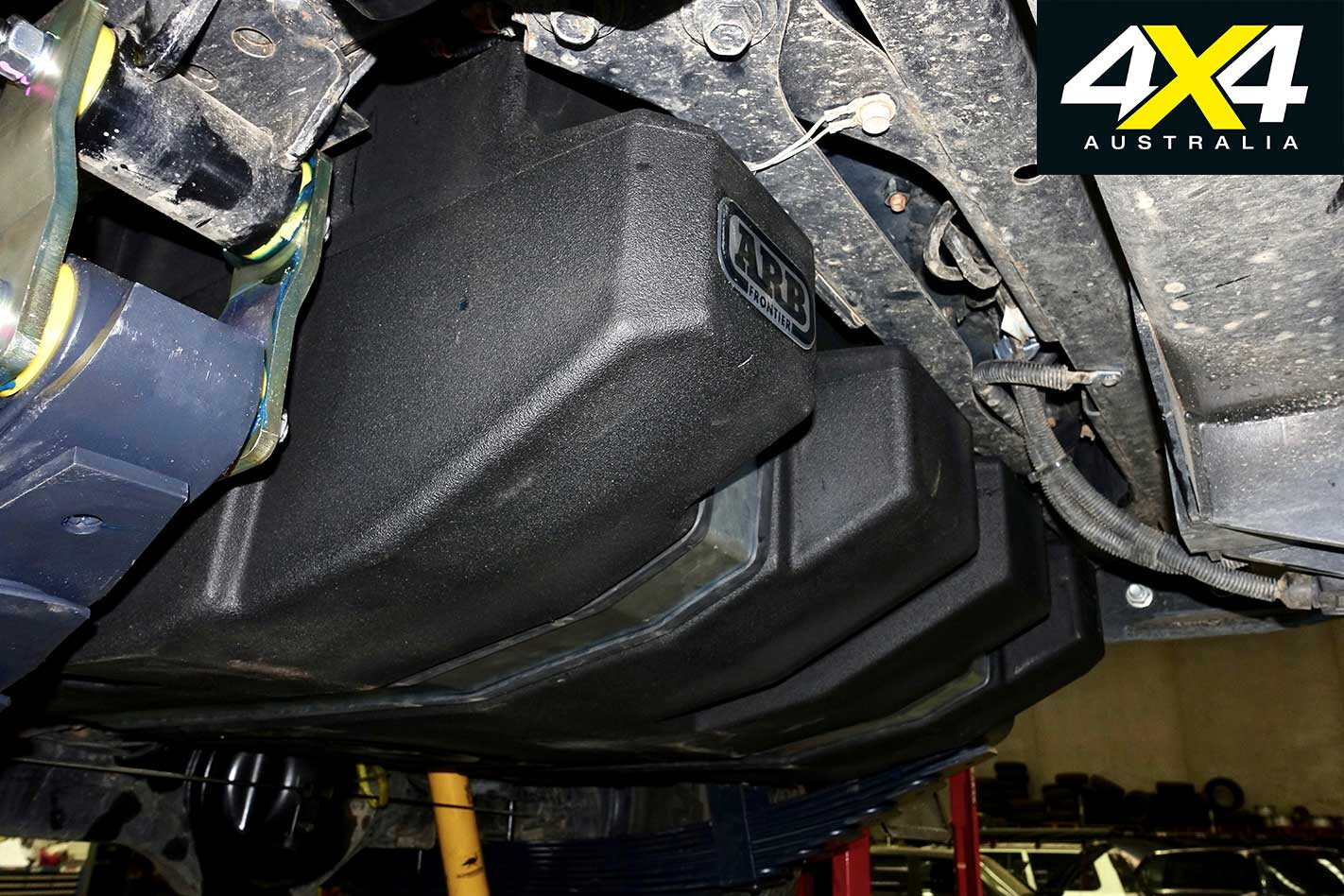
Fitment of a long-range fuel tank is without a doubt the best way to increase your vehicle’s fuel capacity; although, it will be much more expensive than the cost of a couple of jerrycans.
Whether you opt for a larger capacity tank to replace your vehicle’s OEM tank, or you add an auxiliary tank to complement the OEM tank, the under-vehicle location of a long-range fuel tank ensures weight is kept low where it will have the least impact on vehicle handling.
Other advantages of long-range fuel tanks include much greater fuel capacity for vastly extended range, and no need for a potentially messy fuel transfer. Replacement tanks simply operate the same as an OEM tank, while auxiliary tanks usually feed into the vehicle’s main tank via gravity transfer or an integrated fuel pump that can be operated from inside the vehicle at the flick of a switch.
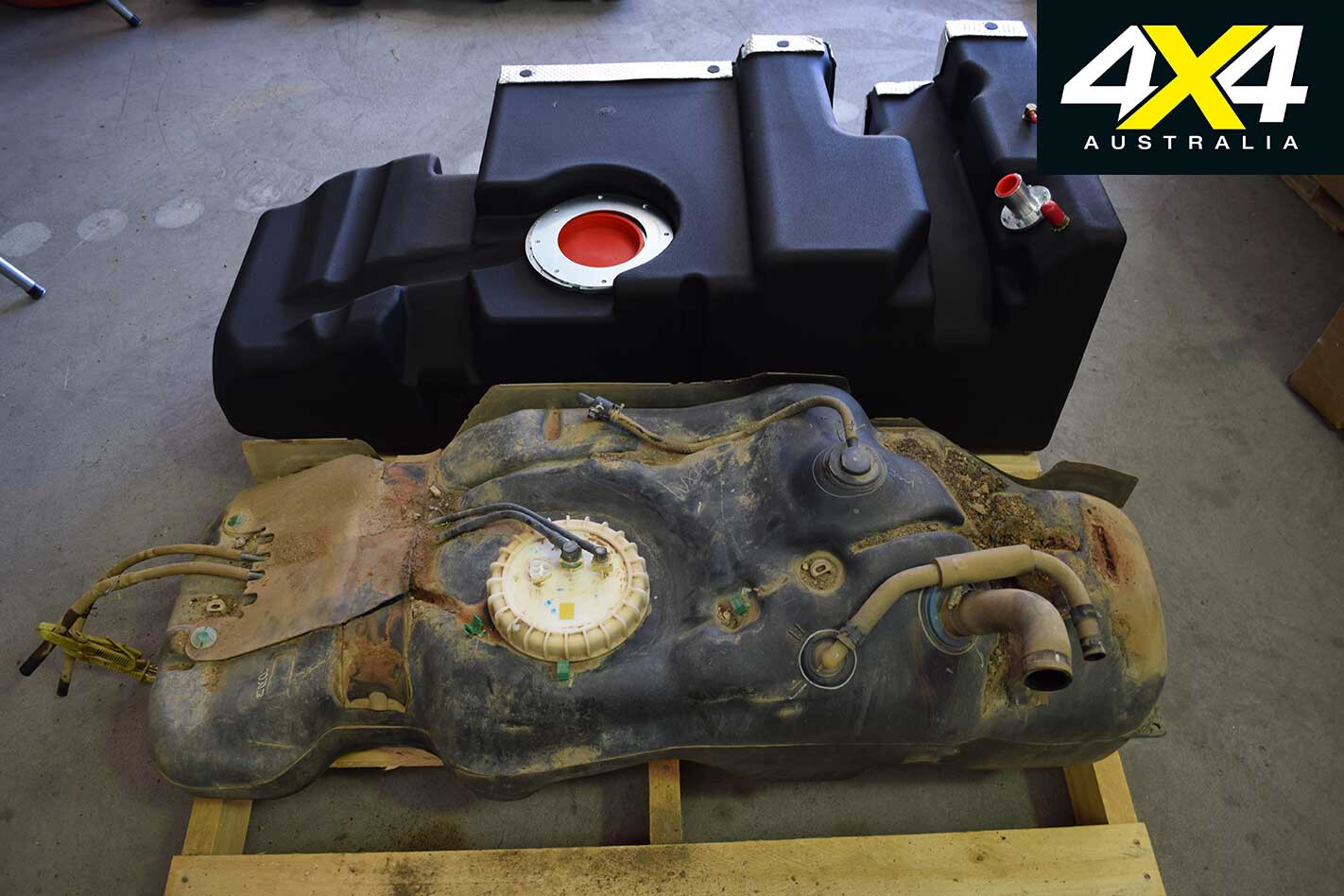
Most long-range fuel tanks are manufactured from steel; although, some are now made from tough plastics as used in OEM tanks. Most well-designed tanks are cleverly designed to fit around vehicle components for the greatest possible fuel capacity without interfering with driveline and suspension components.
Occasionally, ground clearance has to be compromised to achieve this, so when choosing a tank for your vehicle ensure it will give you the touring range you want without unacceptable loss of ground clearance. Also bear in mind that carrying a lot of extra fuel will add weight to your vehicle, reducing its overall capacity to carry other gear and equipment.
Other considerations
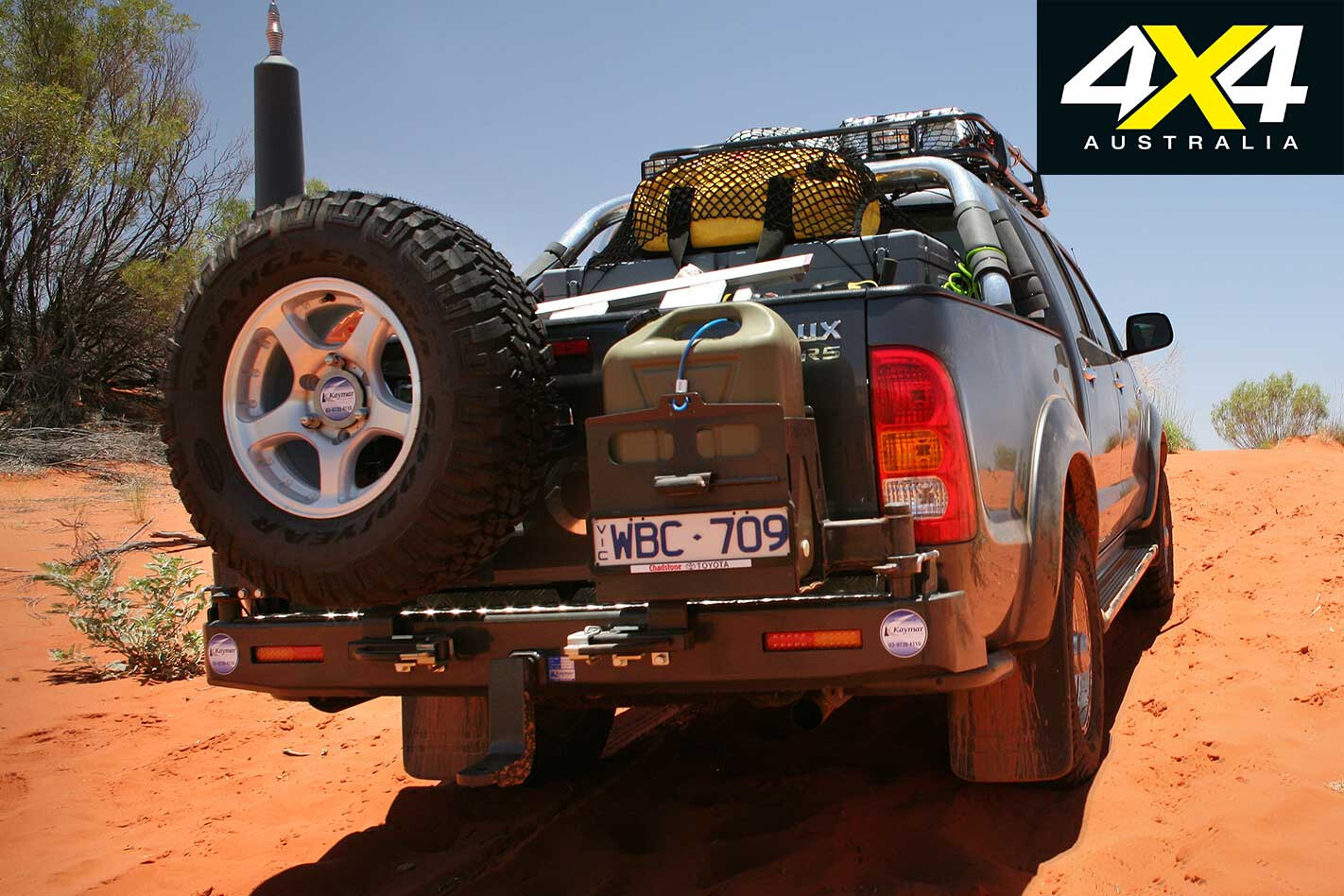
Another fuel-carrying solution comes in the form of moulded poly tanks that offer more capacity than jerrycans and come in various shapes and sizes to fit into various places in or on a vehicle, including footwells, ute tubs, rear bars and up on roof racks.
Many of these tanks can be fitted with optional fuel lines and taps for safer and cleaner fuel transfer, and some can even be permanently plumbed in to directly feed your vehicle’s main tank.
When touring in remote areas where there are no fuel supplies, you should constantly monitor your fuel situation. Check jerrycan lids are on and tanks are not damaged, and if you have a long-range tank do a daily check for leaks around welds/joins, fittings and fuel lines. It’s also a good idea to carry some extra fuel in a separate container, as well as a fuel tank repair kit.