
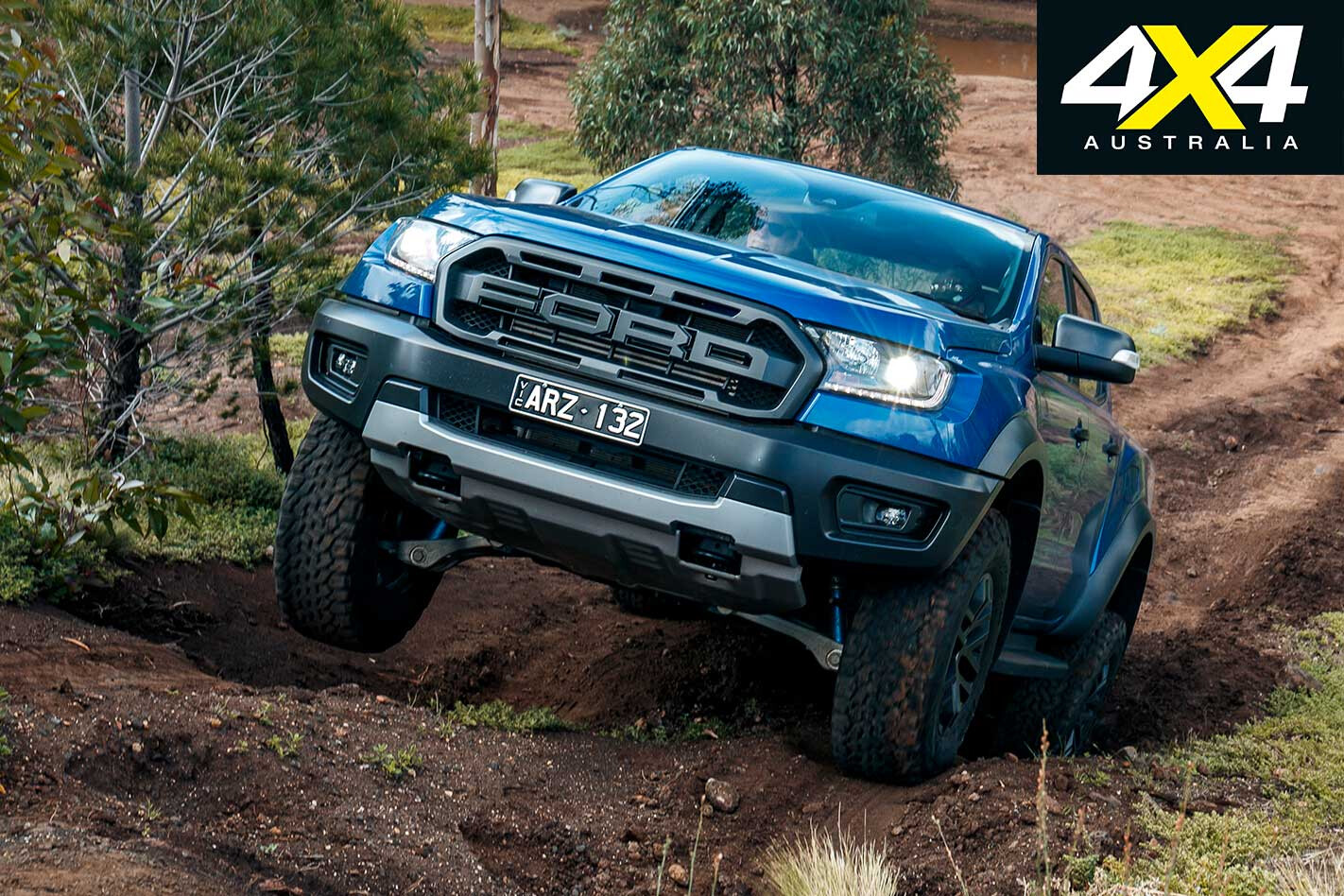
The Ford Ranger Raptor has pipped its stablemate – the Ranger XLT – by eight votes, to clinch the 4x4OTY crown.
By not trying to be all things to all men, as all other dual-cabs try to be, the Raptor has come up with a winning formula based on a supple, well-controlled and sophisticated suspension. On any back road – the rougher the better – or any 4×4 track it works brilliantly and helps to make the Raptor an enormously fun-to-drive, competent and capable recreational 4×4 dual-cab.
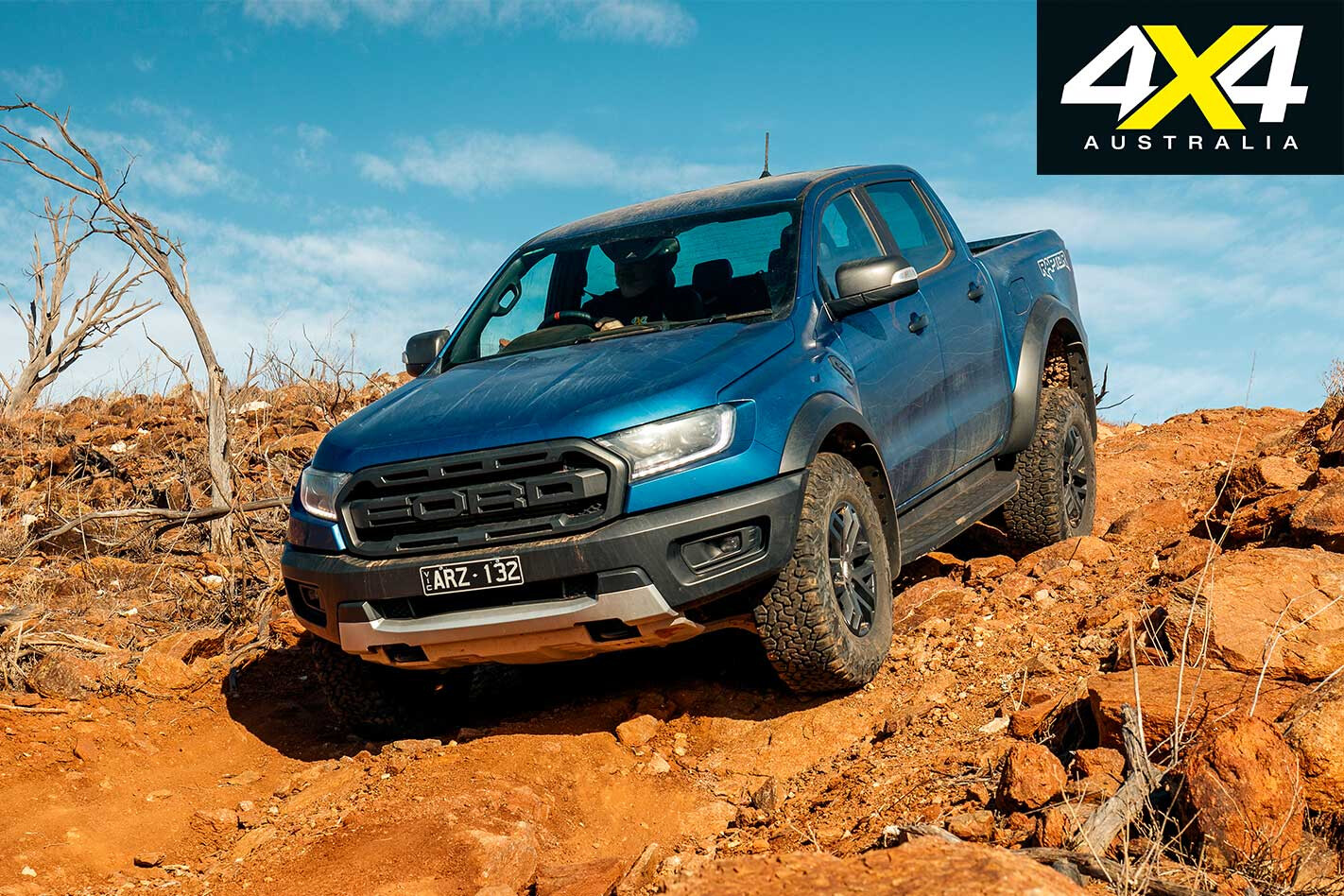
It’s also proof that in the automotive world it’s always better to have more ‘chassis’ than ‘engine’. And while it’s not built for off-road racing, if there was a proper ‘production class’ (where you can only change tyres and brake linings beyond the mandatory safety mods) in something like the Finke Desert Race it would infinitely be better than any other showroom-stock 4×4.
More than anything else it’s a bold step into the world of task-specific factory customs, which is hopefully something we will see more of.
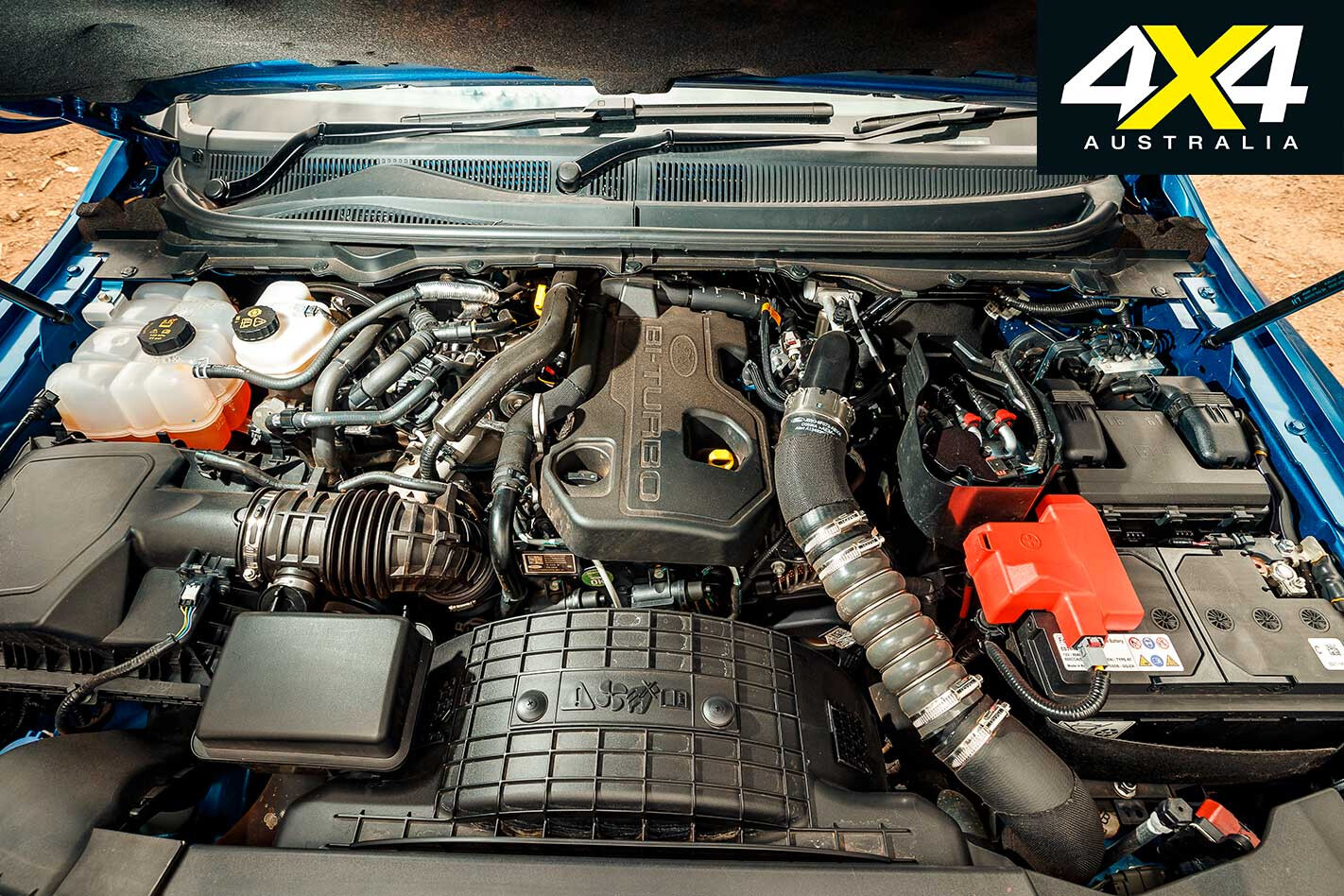
For complete 4x4OTY coverage and to learn why the Raptor was the best 4×4 of a great bunch, pick up a copy of 4X4 Australia’s February issue, in stores January 31.
THE 4X4 of the Year will be revealed tonight at the Australian Motoring Awards, but to read about the event in comprehensive detail you’ll need to pick up a copy of our February 2019 issue, in stores January 31.
Our 4x4OTY coverage contains in-depth analysis of all eight contenders, as well as the testing process, where we took them and how we found a winner. Tough Dog came along for the ride with its Toyota Hilux fitted with the brand’s new airbag-based kit and suspension set-up.
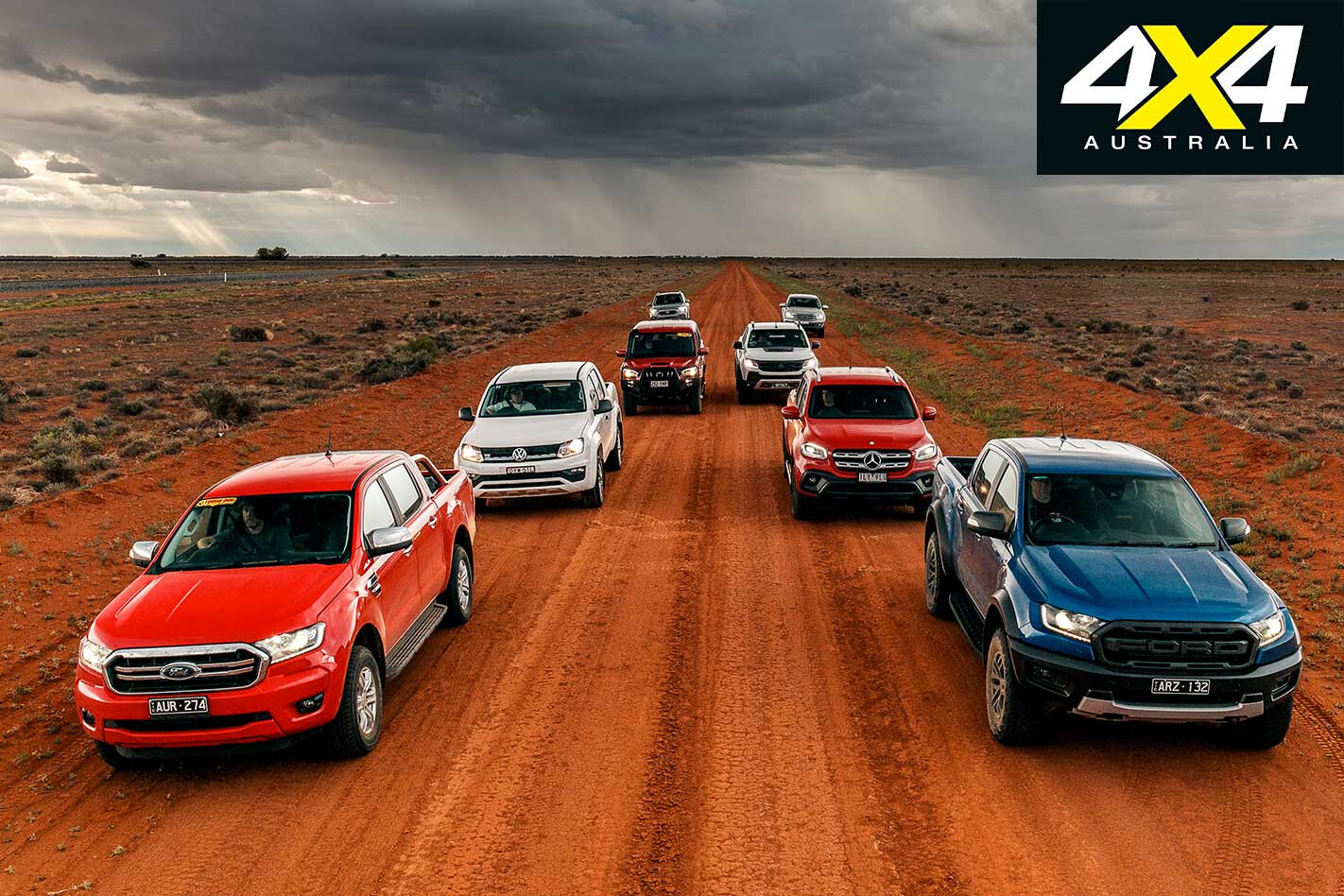
We also managed to squeeze in a V6 tussle between Mercedes-Benz’s X350d and Volkswagen’s Amarok Ultimate 580. Two $70K+ top-end dual-cabs in the Aussie bush … what could possibly go wrong?
The Feb issue also has its fair share of customised metal: a 1988 Hilux turned into a bruising pre-runner; an absurdly kitted-out F250; and a couple of AEV-tweaked JL Wranglers.
WHAT ELSE IS THERE? – Rolling over the NT’s Plenty Highway. – Going loopy on the Tibooburra Gorge Loop Drive in NSW. – We take a microscope to synthetic ropes. – A Defender and a Discovery in the 4×4 shed. – Readers rigs, products reviews, columns and heaps more.
The February 2019 issue will be in stores on January 31.
NOT only are 4×4 wagons more popular than ever, but the dual-cab 4×4 ute has continued to evolve and is now a very serious 4×4 wagon option, especially in the last four to five years.
Still, it was the ubiquitous big wagon that continued to dominate 4x4OTY in this decade, with driving and engine technology continuing to become more complicated but resulting in further improvement to the on- and off-road experience.
This decade has also seen the two of the oldest 4×4 brands – Land Rover and Jeep – dominate the awards, with another iconic brand, Toyota, also sharing in some glory.
For buyers, there’s never been more choice when it comes to buying a 4×4 that can do double duty as the tourer and the family transporter. For judges, it is harder and harder to split the field each year, as manufacturers continue to produce incredibly capable vehicles.
2010: Land Rover Discovery 4 TDV6
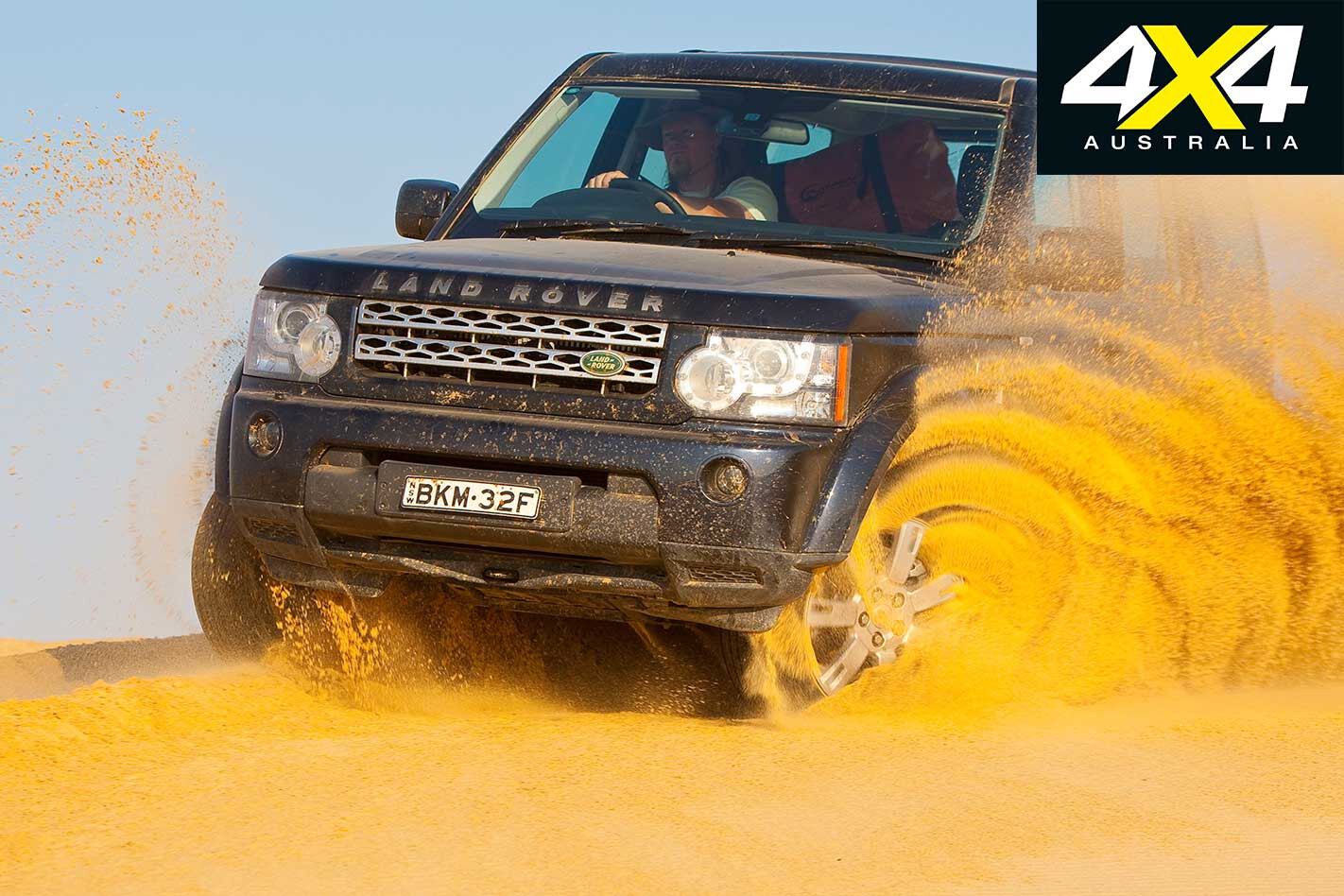
THE 4x4OTY 2010 was close, with the Disco 4 TDV6 just squeaking in ahead of the Toyota Prado GXL. The Disco’s new donk and revised Terrain Response got it through; the new 3.0-litre TDV6 featured sequential twin-turbocharging technology, the first on a 4×4 wagon at the time.
This saw the larger variable-geometry turbo pushing the engine at low rpm, but, once the engine reached 2500rpm, the smaller, fixed-geo turbo came in, shoving air into the larger turbo’s intake port to ensure a smooth ramp-up of boost before sending it to the intercooler micro-seconds later.
The performance response was seamless and contributed to the 180kW/600Nm output of the 3.0-litre oiler. On top of this ball-tearing donk, Terrain Response was further tweaked by LR, with a welcome addition being the sand launch function that more effectively controlled wheelspin when moving the beefy Brit in soft sand.
2011: Jeep Grand Cherokee V6
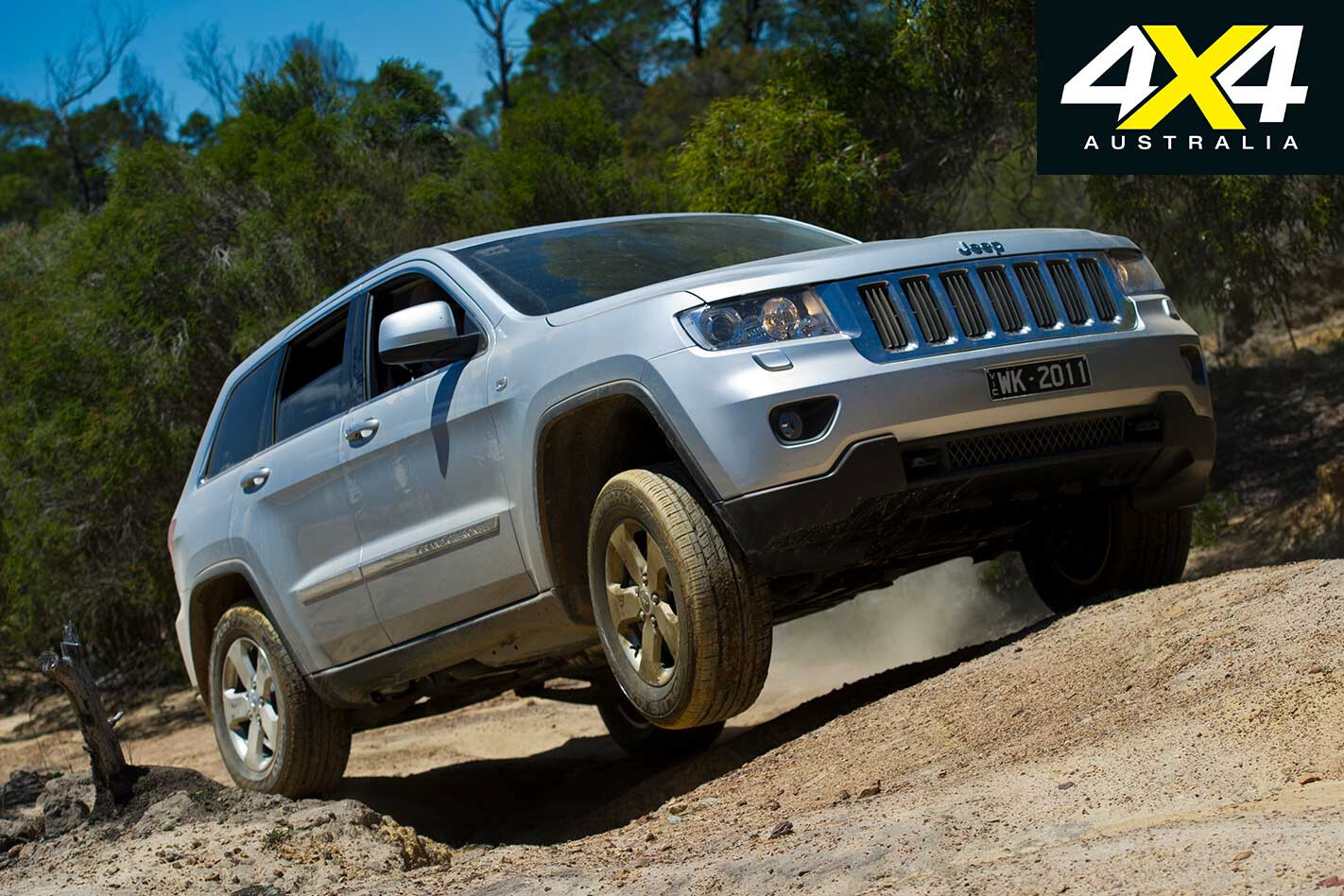
JEEP showed its all-new WK model Grand Cherokee at the Sydney Motor Show in November of 2010, with the all-new 3.6-litre ‘Pentastar V6’ engine that punched out 210kW/347Nm. It was backed by a five-speed auto and Quadra-Trac II full-time 4×4 with low-range and optional Quadra-Lift adjustable air suspension.
New for Jeep was Select-Terrain, which allowed the driver to switch between five modes for various driving conditions, ala Land Rover’s Terrain Response. The modes were Sport, Snow, Sand & Mud, Rock, and Auto.
The Jeep’s monocoque chassis was far stiffer than the previous-gen GC, and NVH levels were very good as well. It had been a long time since a petrol-powered engine had scored the 4x4OTY win, but the Pentastar was relatively frugal and the Grand Cherokee came with a very sensible 93-litre fuel tank.
2012: Toyota FJ Cruiser
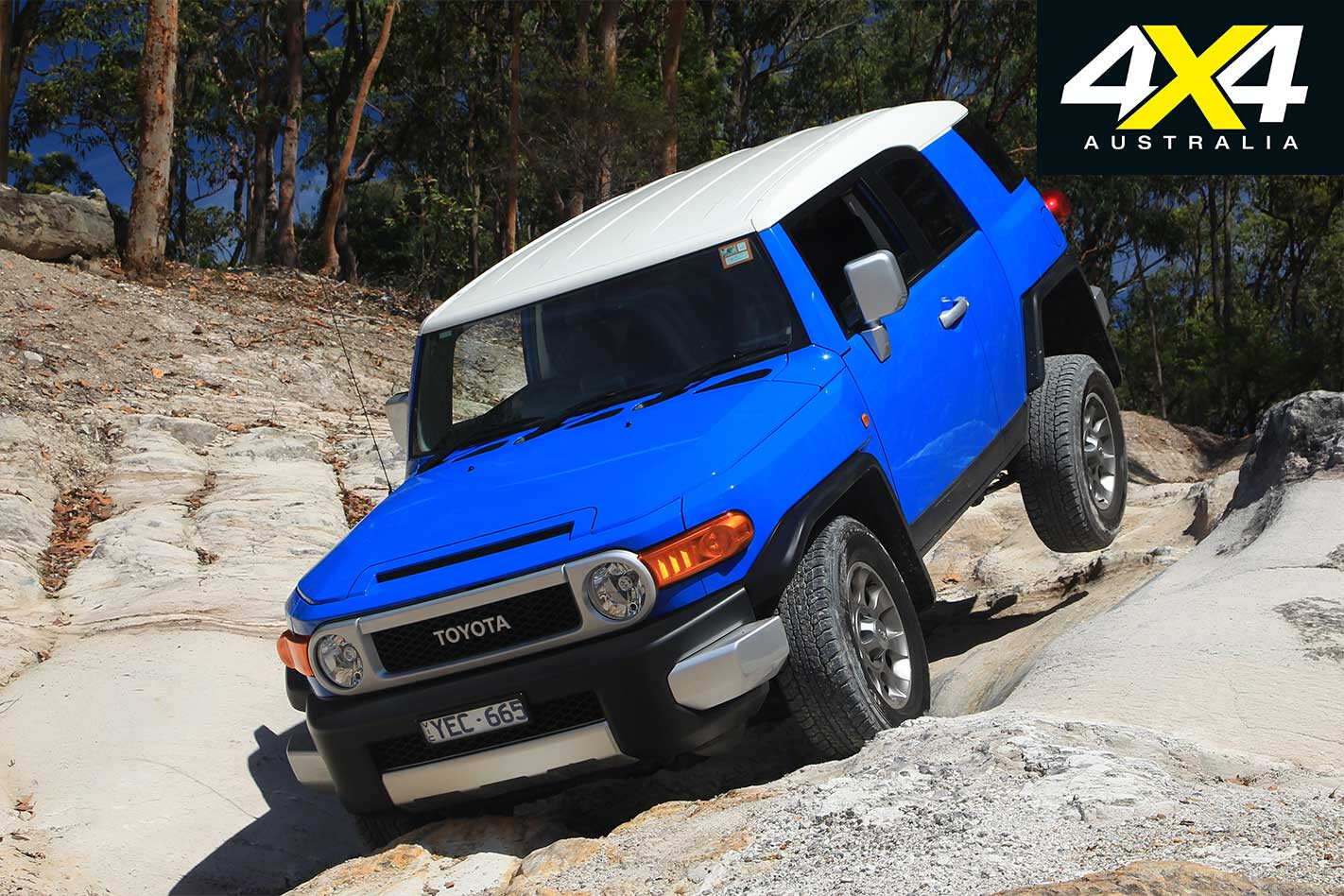
ANOTHER petrol-powered winner lobbed in 2012, with Toyota’s retro-styled FJ Cruiser being powered by a 200kW 4.0-litre petrol (with five-speed auto) pulled out of its stablemate Prado (on which the FJ was based).
The FJ possessed good ground clearance, short overhangs, a relatively short wheelbase, plenty of rear axle articulation and a standard rear diff-lock, making short work of any off-road challenges. The FJ made do with part-time 4WD but included a raft of safety tech (traction and stability control, ABS) that kept it tracking on wet, slippery bitumen.
This first incarnation had a small 72-litre fuel tank (this was upgraded in later years), but the V6 was still relatively frugal thanks to the FJ’s moderate weight (2000kg), matching some of the bigger diesel-powered wagons on test for fuel consumption.
2013: Land Rover Discovery 4 TDV6
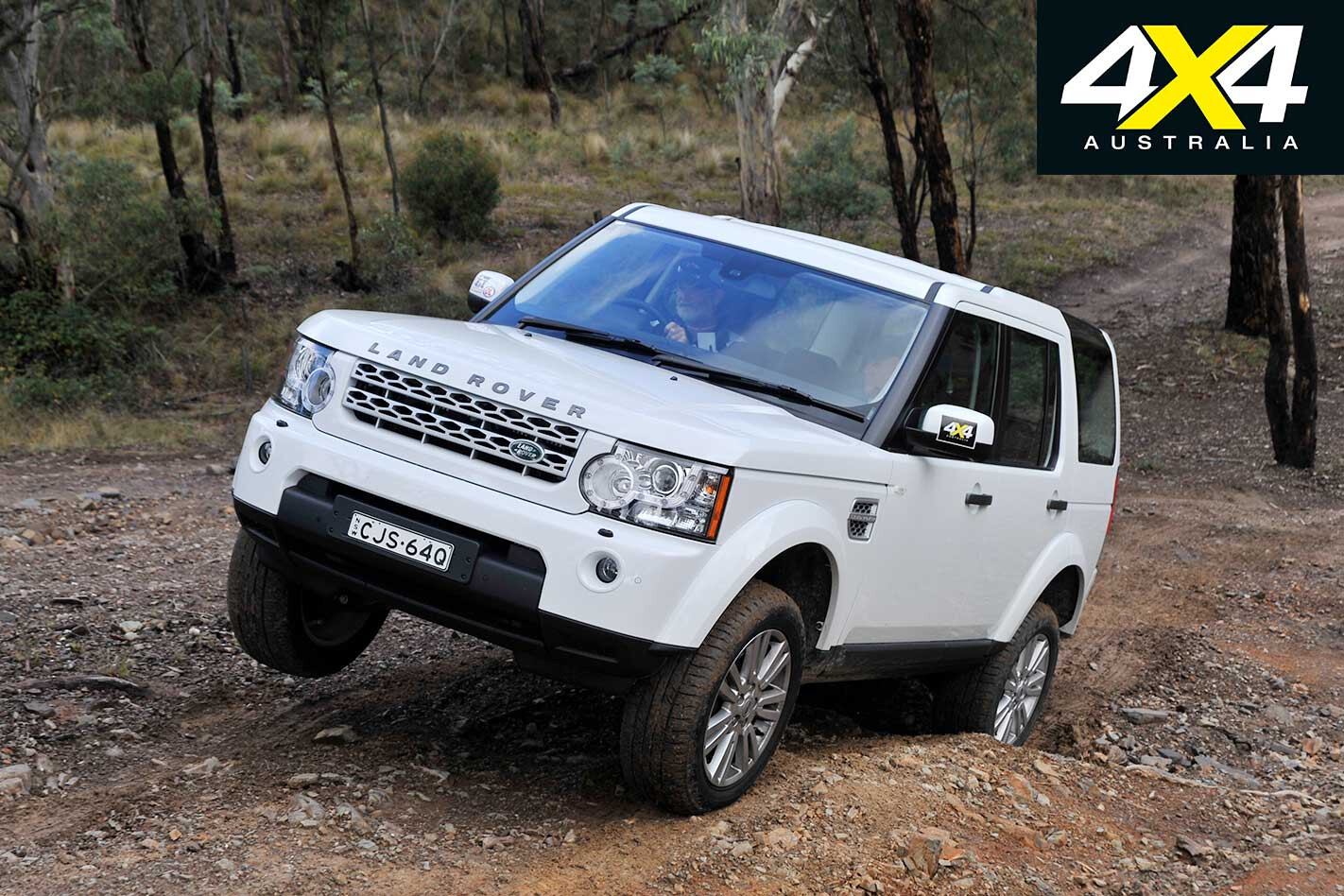
LAND Rover’s Discovery 4 TDV6 for 2013 was the brand’s ‘budget’ model, asking buyers to stump up around $69K for what was an incredibly capable all-rounder. The D4 TDV6 used a new ‘low-power’ bi-turbo 3.0-litre V6 diesel in this model, backed by a smooth eight-speed ZF auto gearbox. When we say ‘low-power’ the engine still produced 155kW and 520Nm.
Besides the new engine/gearbox combo, this latest D4 carried over all the previous award-winning traits of incredible out-of-the-box off-road capability, thanks to its Terrain Response system, with smart buyers adding in the excellent-value ($1060) rear locker for even better off-road performance.
Add in the usual immense cargo space and excellent around-town manners and it was yet another win for the big Brit.
2014: Jeep Grand Cherokee Overland CRD
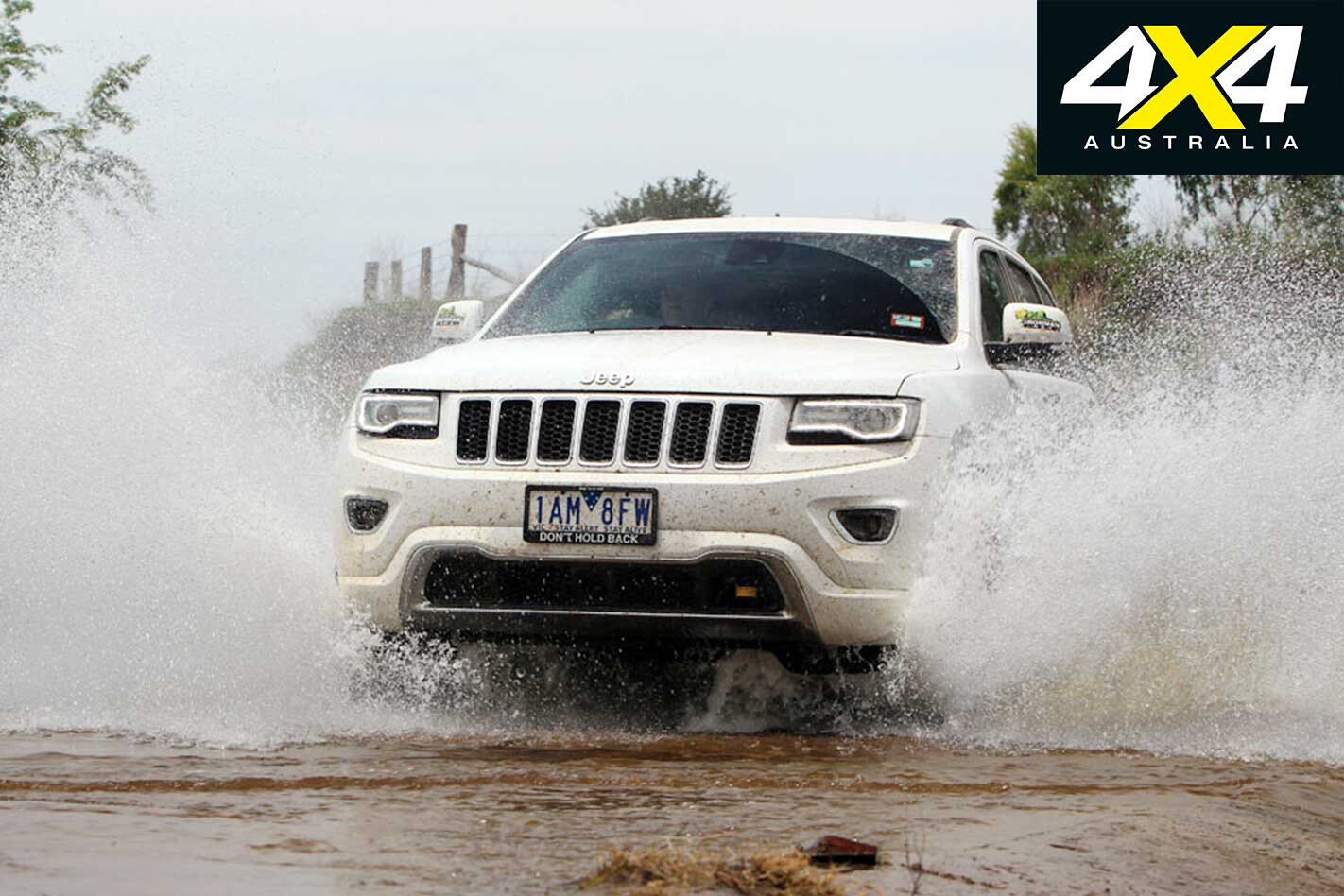
The WK Jeep Grand Cherokee had, in Pentastar V6 petrol form, won 4x4OTY in 2011. It was a few years in-between the spoils, then, before the US icon’s large wagon nabbed top honours again.
It was hard to argue with the unanimous judges’ decision though; the top-spec Overland, as tested, cost $71,869 but was absolutely chockers with kit that you’d expect to pay north of $100K for in this market.
For the money you got a high-tech European 3.0-litre V6 diesel, punching out 184kW and 570Nm and put to the ground via a sweet eight-speed gearbox. The donk is frugal and the auto works perfectly with it. Add in Quadra-Lift air suspension and Jeep’s Select-Terrain and it was a fun vehicle off-road that was also very easy to live with in town.
2015: Range Rover Sport SDV8
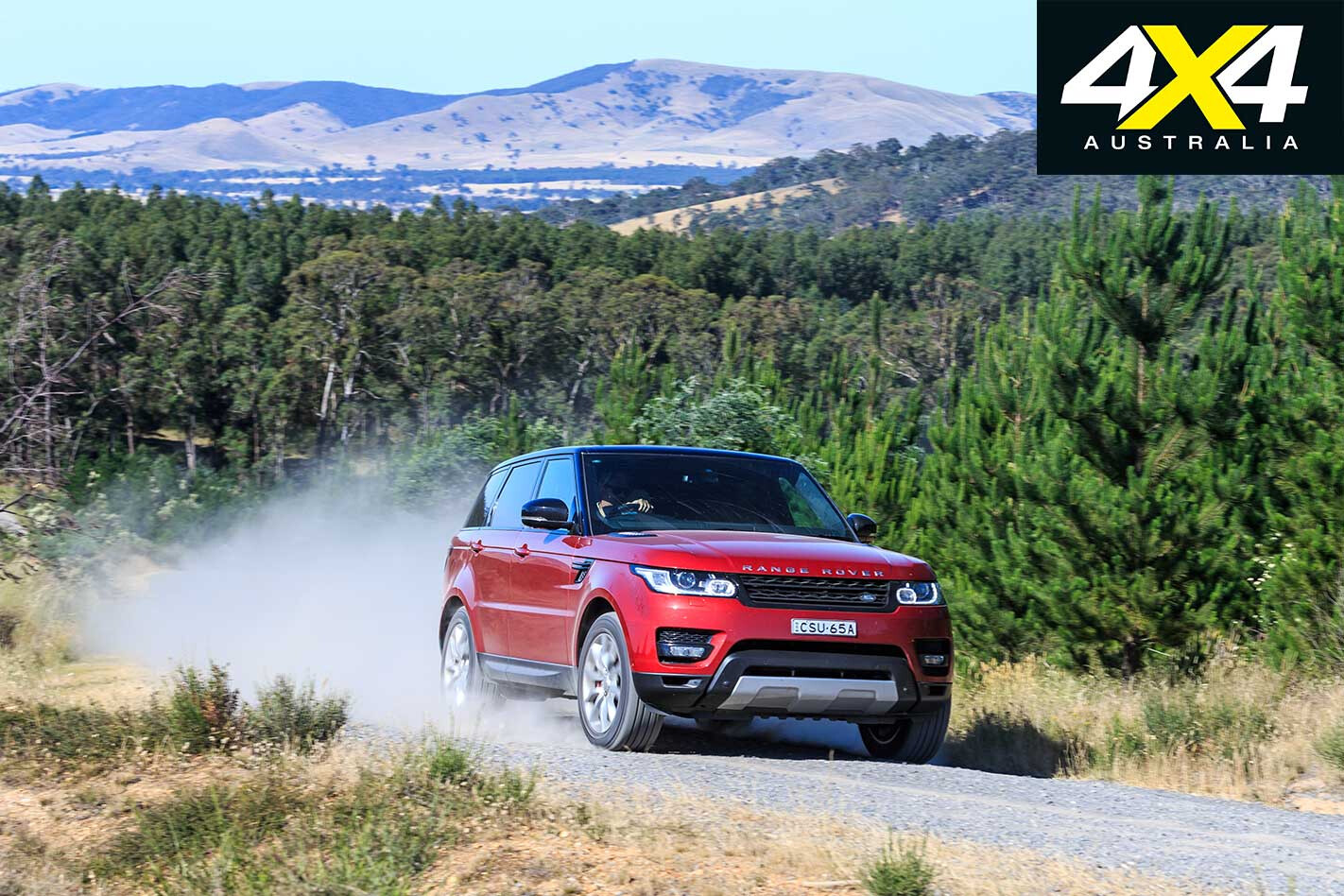
PROBABLY the ultimate expression of a long-distance 4×4 grand tourer, the Rangie Sport SDV8 – equipped with a monster 250kW/700Nm 4.4-litre bi-turbo V8 diesel, LR’s well-proved Terrain Response system, an auto-locking rear diff, 105 litres of fuel capacity, and a new lighter, stiffer aluminium monocoque construction – just pipped its Discovery SCV6 stablemate for 4x4OTY.
The new monocoque chassis is shared with the big-brother Range Rover and offered a significant weight loss for the Sport – up to 400kg – which saw the vehicle offer startling performance and amazing fuel economy.
Add in the fact it was equally adept at tackling winding, fast bitumen roads as it was scrambling up the gnarliest climb (even with 20-inch road-oriented rubber) and this latest Sport finally fulfilled that ultimate all-rounder dream.
2016: Ford Everest Trend
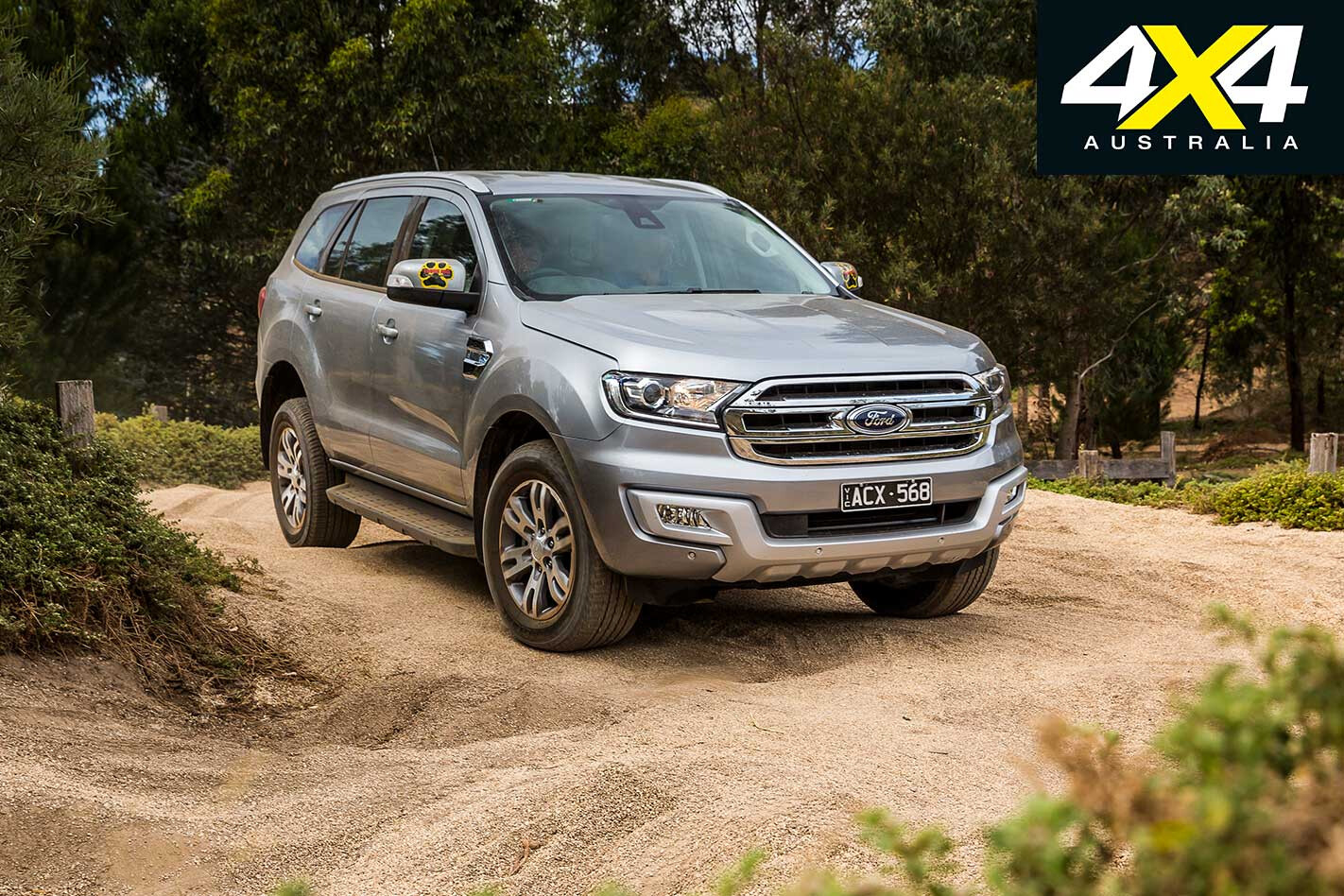
BUILT on a shortened version of Ford’s T6 platform, the Ford Ranger-based Everest was aimed at the burgeoning family four-wheel drive wagon market and it met that target perfectly.
Powered by the Ranger’s sturdy 147kW/470Nm 3.2-litre five-cylinder turbo-diesel and backed by a six-speed auto, the Everest offered constant 4WD on sealed surfaces, five-star ANCAP rating, and a full bag of off-road tech tricks starting with Ford’s Terrain Management System (TMS). This dial-based setup tweaks the Everest’s throttle, gear changes and traction control depending on the setting it is in (Normal, Snow/Gravel/Grass, Sand or Rock). If it sounds familiar, it should; Ford owned Land Rover during the development of LR’s Terrain Response system.
This aside, the set-up worked brilliantly and, in conjunction with the standard-fit rear diff-lock, meant the beefy Ford offered excellent off-road capability without sacrificing what was top-of-class on-road handling, thanks to its IFS front/live-axle rear set-up.
2017: Toyota Land Cruiser LC79
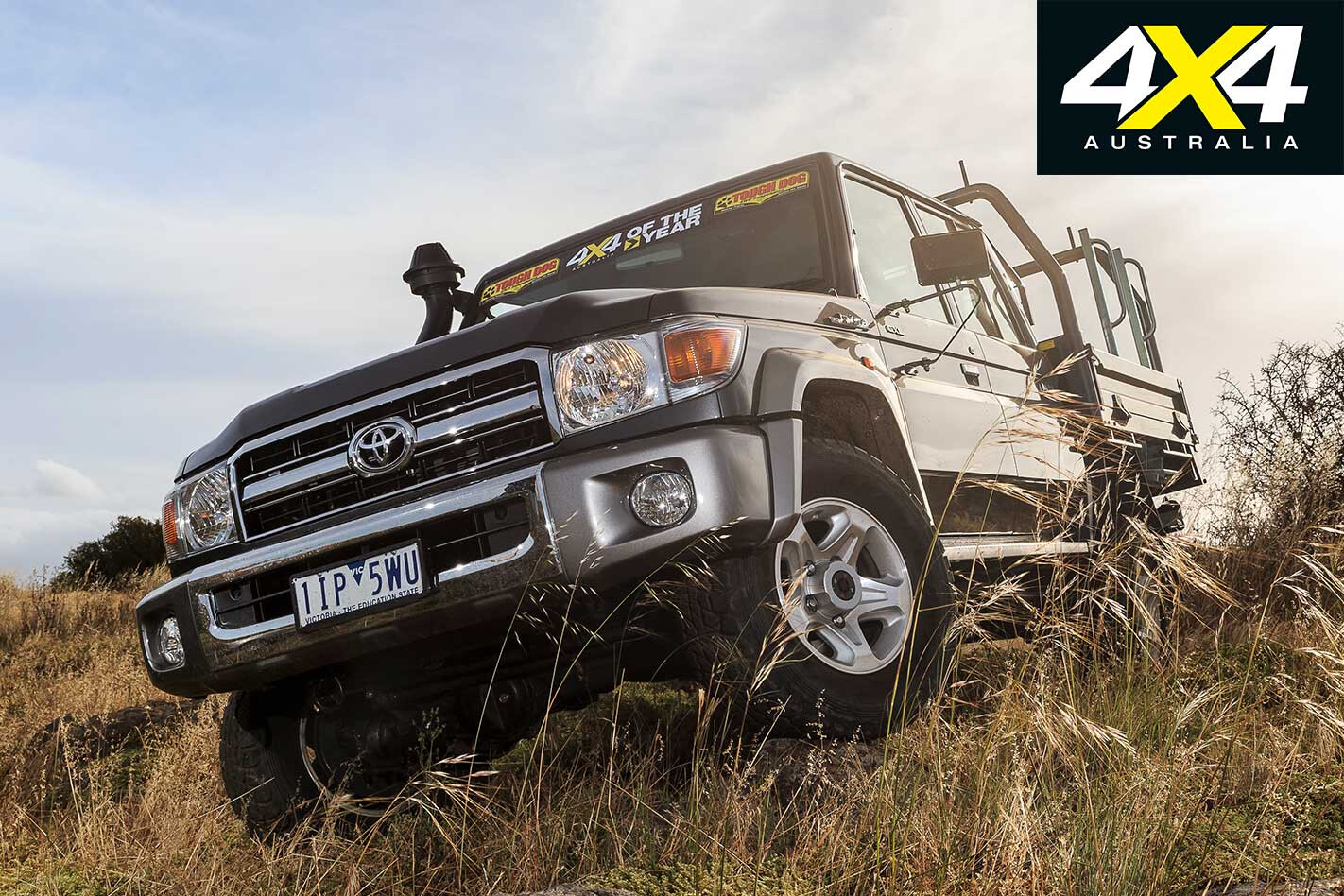
IT WAS a case of back to the future for 4x4OTY 2017, with one of the oldest continuously sold vehicle line-ups – Toyota’s 70 Series, clocking more than three decades – being updated with safety tech, tighter emission controls, a more modern interior and (at last) a dual-cab.
The LC79 also received an updated five-speed manual gearbox that featured a way-overdue taller top gear (second was also made taller). Auto-locking hubs, cruise control, electronic stability control and traction control were all added, bringing this ancient workhorse well into the modern world.
The trusty 151kW/430Nm 4.5-litre V8 diesel also received updates in the form of a DPF and piezo injectors, with Toyota claiming better fuel consumption as a result. Brilliant off-road, the LC79 also became slightly more civilised on it after these changes, with the dual-cab incarnation answering the prayers of hardcore off-road tourers Australia-wide.
2018: Land Rover Discovery SD4
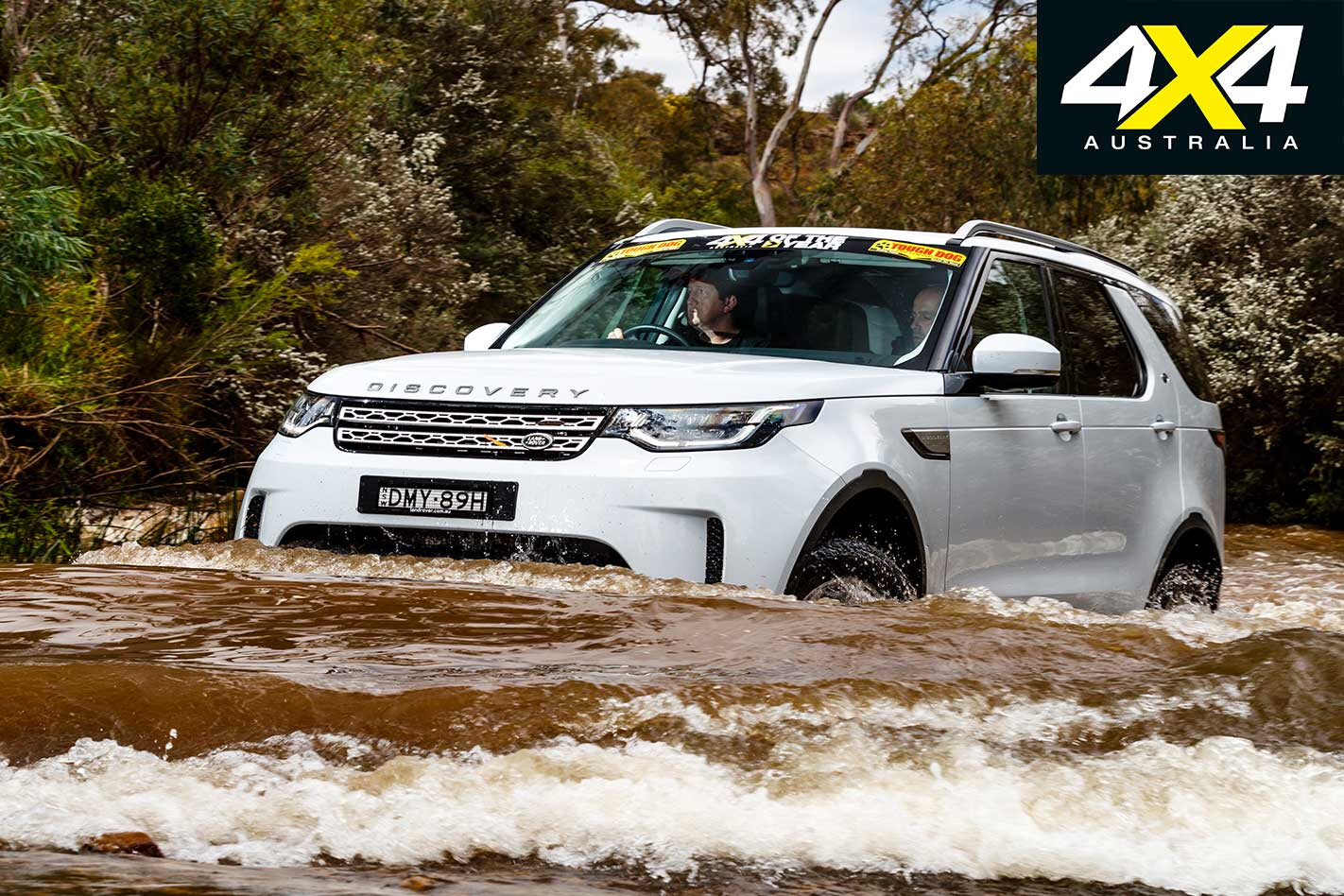
WHEN it was first revealed the new (third-gen) Discovery was met with plenty of raised eyebrows due to its styling, the engine options (two ‘small’ four-cylinder oilers and a V6, with no petrol option) and its monocoque chassis.
The SD4 is a 2.0-litre four-cylinder Ingenium engine that uses two different-sized sequentially arranged turbos to produce 177kW and 500Nm. Thanks to the vehicle’s lighter weight (up to 480kg lighter, depending on model) the performance from this ‘tiny’ engine was amazing.
Off-road, the Disco was as formidable as ever, relying on Terrain Response II, fully independent air suspension that offered plenty of wheel travel, a ride-height up to 283mm, and class-leading 900mm wading depth. Add in taller-profile tyres than the D4 (allowing for more bush-ready tyre replacement options) and a raft of safety features, and it was a clear winner.
2019: Ford Ranger Raptor
By not trying to be all things to all men, as all other dual-cabs try to be, the Raptor has come up with a winning formula based on a supple, well-controlled and sophisticated suspension.
On any back road – the rougher the better – or any 4×4 track it works brilliantly and helps to make the Raptor an enormously fun-to-drive, competent and capable recreational 4×4 dual-cab. -Fraser Stronach
MERCEDES-BENZ has unleashed its V6-powered X350d in an attempt to cash in on a booming top-end dual-cab segment. In its way, however, is fellow German, Volkswagen’s Amarok 580.
Both are powered by turbo-diesel V6 engines and both generate 190kW; the VW gets an extra 30Nm.
Off-road and the Amarok benefits from a high-range full-time 4WD system; the X-Class utilises a dual-range full-time set-up. Ground clearance is tipped in the X350d’s favour, as it gets an extra 30mm of clearance and 100mm of wading depth.
The as-tested X350d Power also gets locking diffs, fake leather, side steps and a tow bar.
The top-of-the-range Ultimate 580 is specced up with alloy pedals, steel side steps with LEDs, a mixture of real and faux leather, heated front seats, but no rear airbags…
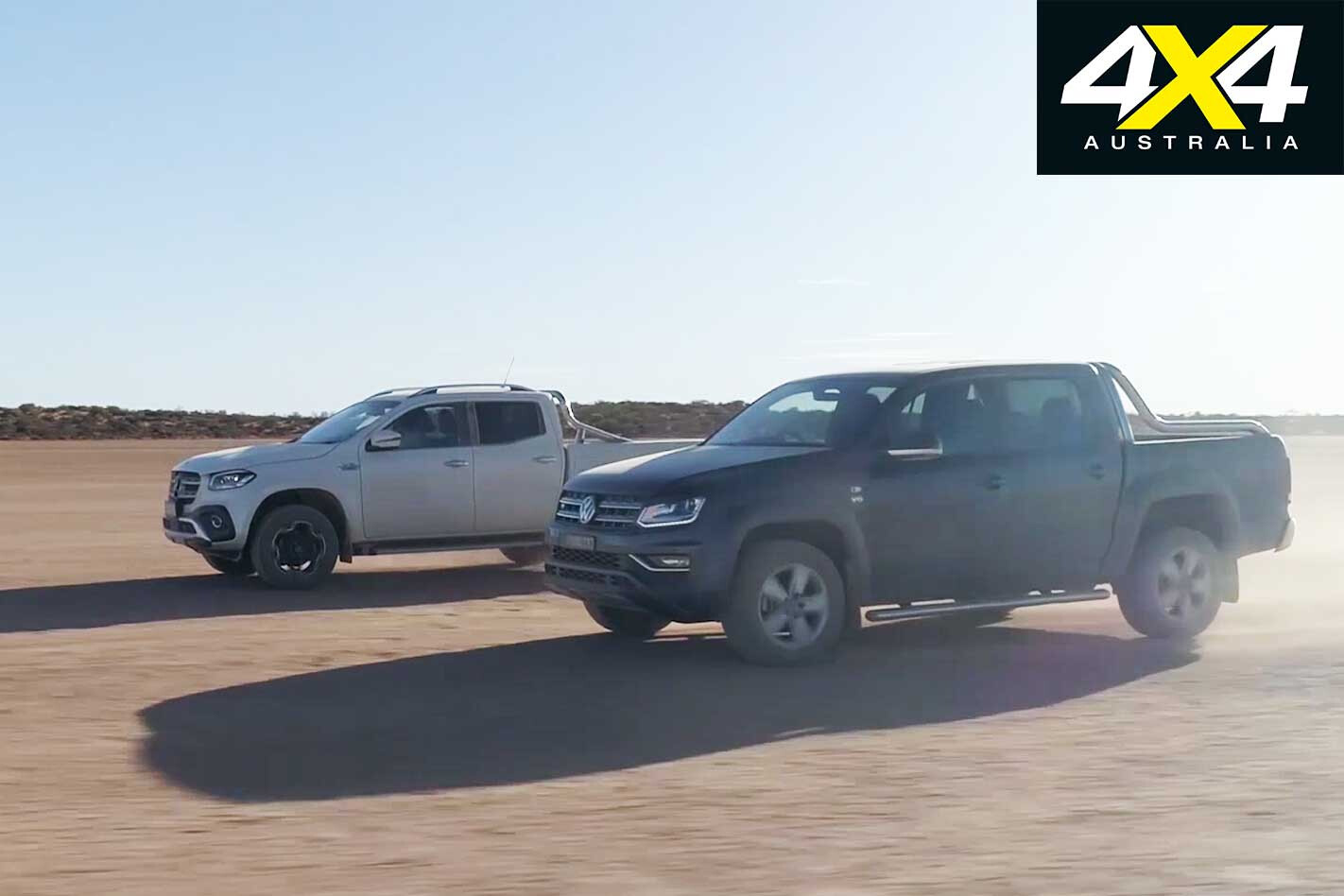
Watch the above video to witness the two V6 Germans play in the Australian bush, or pick up a copy of the February issue of 4X4 Australia – in stores January 31 – for the comprehensive write-up.
Both vehicles carry a $70K+ price tag, but would you spend almost $80K on a dual-cab ute? Discuss below.
AS THE second largest state in Australia, Queensland boasts a variety of climates and geographical areas that includes magnificent mountain ranges and beautiful beaches.
The vastness of Queensland makes it a treasure trove for any intrepid 4×4 explorer, as such season 3 of the 4×4 Adventure Series focuses on the South-East part of Queensland, which is home to ancient mountain ranges, lush rainforests, and pristine islands ripe for anglers.
Season 3 Episodes
- Episode 1: Battling tough mountain tracks to reach the iconic beaches of south-east Queensland.
- Episode 2: The beaches and rainforests of South-East Queensland’s Fraser Island are paradise for 4x4ers.
- Episode 3: Exploring Brisbane’s island getaway using a 4WD is a must-do.
Season 3 Articles
- Part 1: We travel from the verdant ranges of north-east NSW to the white, wave-washed sands of Stradbroke Island.
- Part 2: Ron and the crew head from Cooloola to Fraser Island for an extraordinary week of off-roading.
THE WORLD ticked over into the 21st century and the 4×4 scene continued to evolve, with vehicle manufacturers trying to find the balance between rugged off-road tourer and family wagon that the buying public was increasingly demanding.
The big two – Nissan and Toyota – continued their domination of the market but were facing more competition than ever, with overseas brands becoming more ‘serious’ about their Down Under presence. The result would be a 4x4OTY honour roll that saw some past winners re-visit their glory days, along with a few newbies.
The years 2000-2009 would also see many changes in the technology applied to 4WD vehicles and in terms of the wider choices that would become available for buyers. This would mean more brands and, in regards to the vehicle type, a large 4×4 wagon would no longer be the only choice for off-road tourers looking to escape the rat race and explore the country.
2000: Jeep Grand Cherokee Limited V8
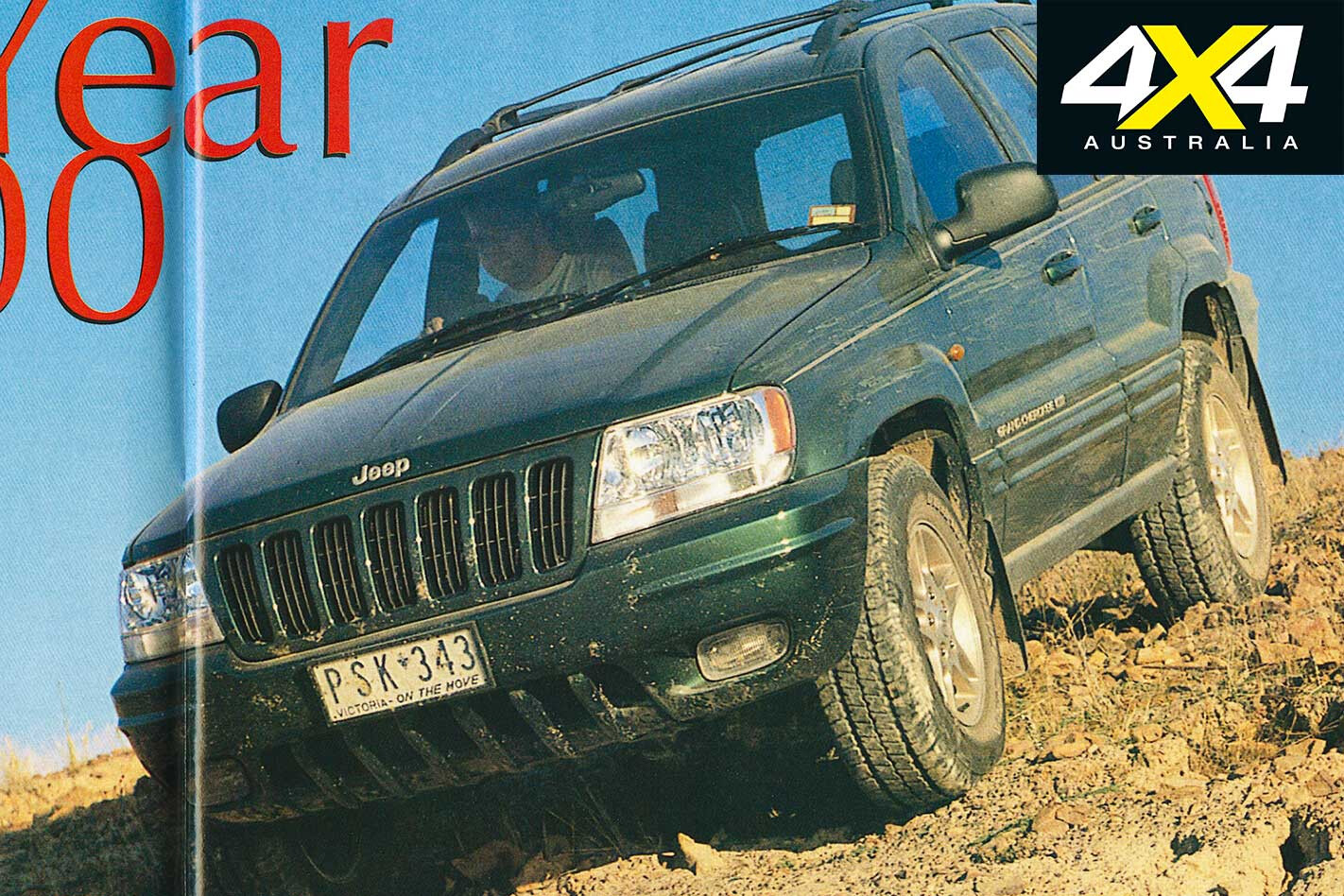
THE WJ Grand Cherokee scored the first-ever follow-up win at 4x4OTY, with some minor tweaks to what was already a formidable platform. Again, the punchy V8/five-speed auto combo, along with that excellent Quadra-Drive 4WD system and long-travel coil/live axle suspension, proved unstoppable and contributed to its impressive on- and off-road performance.
The interior was barely changed; its climate control air-con, heated leather and schmick audio system were still considered high-end in the market. Rightly so, Jeep stuck to the same formula as the previous year, which proved a winning one.
2001: Toyota Land Cruiser 100 Series GXL Turbo-Diesel
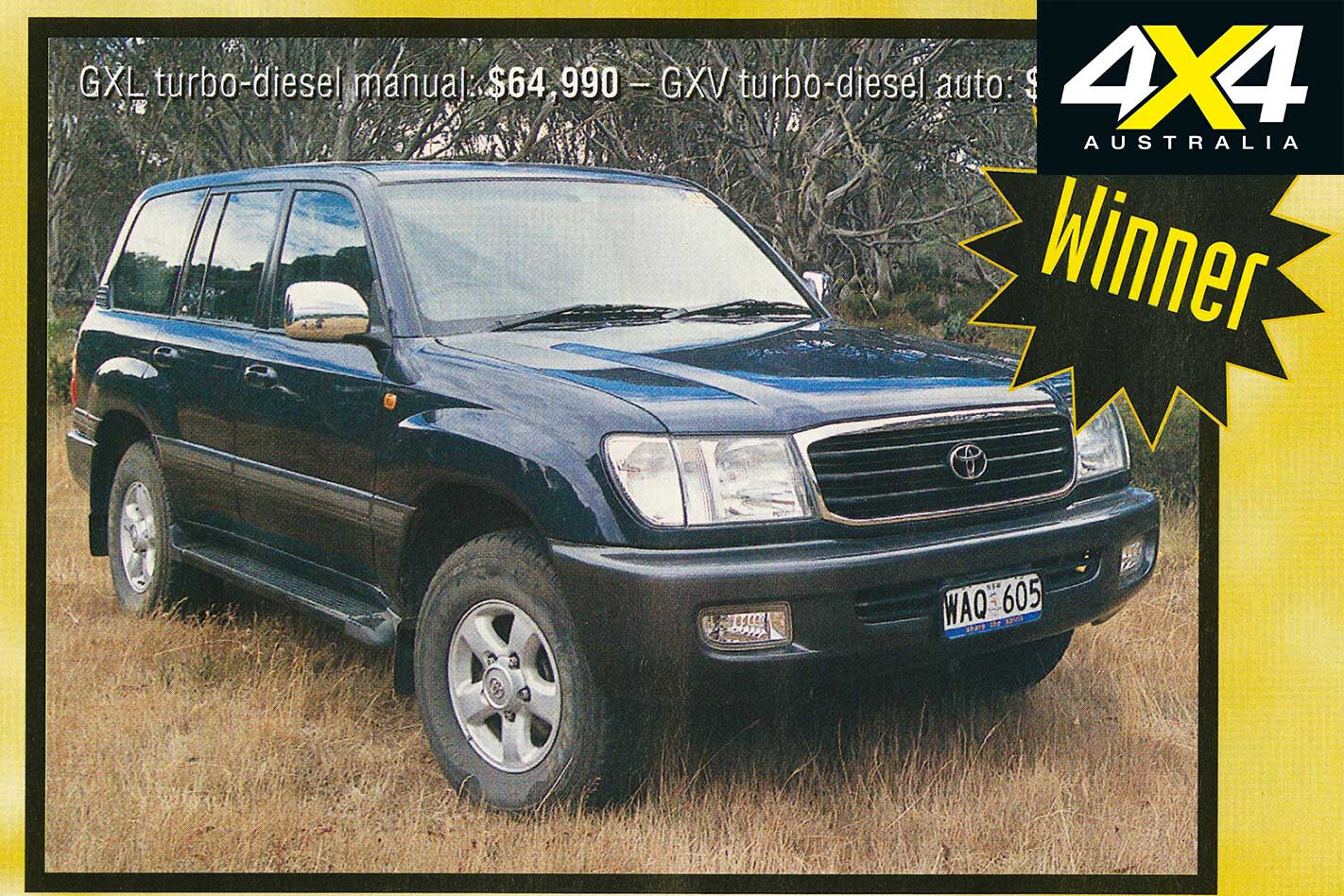
THE 100 Series had been selling very well before the arrival of the superb 1HD-FTE 4.2-litre turbo-diesel six-cylinder engine. This big oiler pumped out 150kW and 430Nm – a welcome boost in performance to help lug the big unit around – with that chunky amount of torque coming online at 1400rpm.
Controversially at the time, this Toyota diesel engine was only available in 100 Series with independent front suspension (so, a GXL or GVX spec). Still, that didn’t stop it from becoming a sales success juggernaut and a clear winner of 4x4OTY. With the new donk and the already well-proven on- and off-road driving performance, the 100 Series didn’t have a chink in its armour.
2002: Nissan Patrol ST 4800
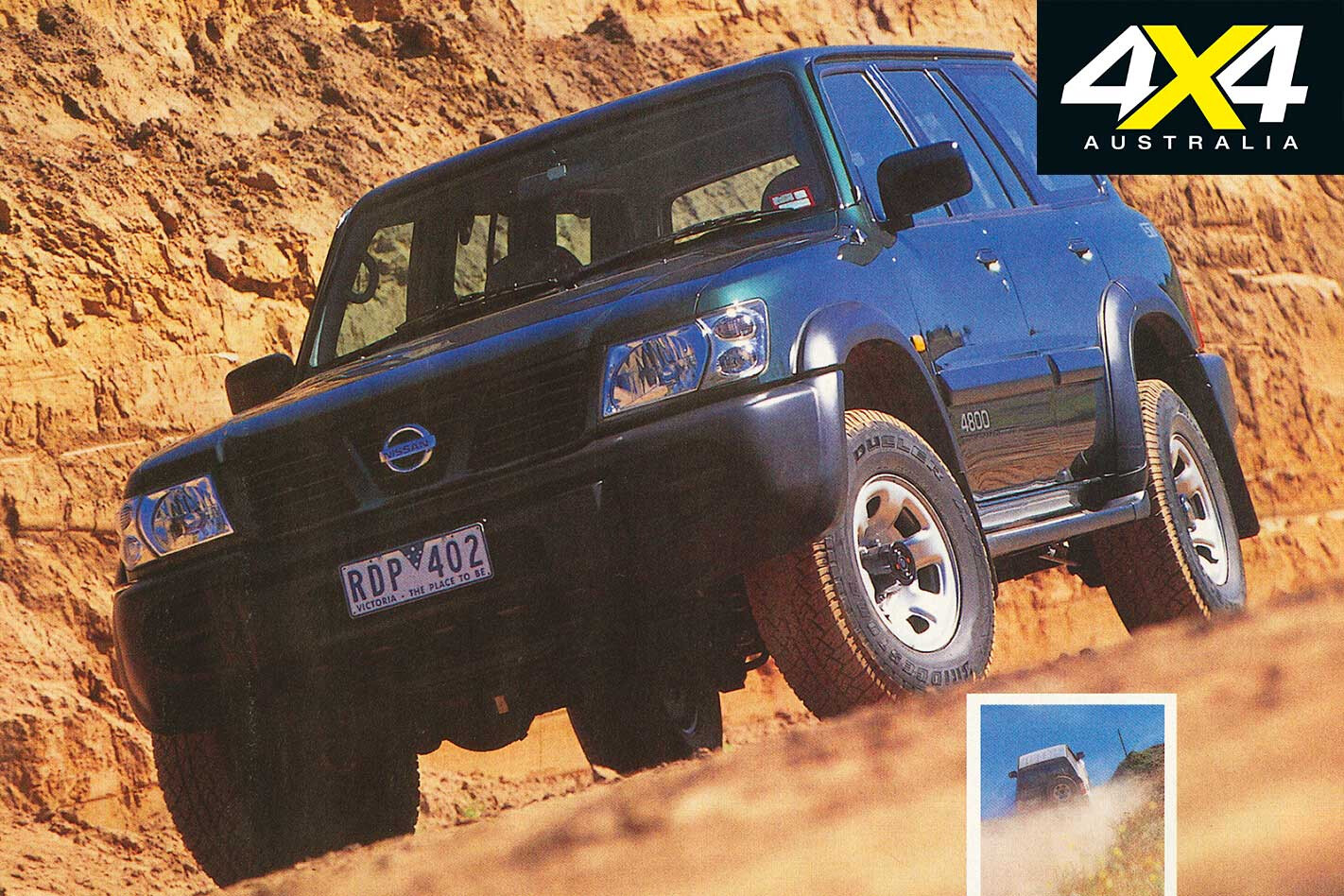
THERE’S no substitute for cubic inches. Nissan stuck to this adage, with the result being the 2002 4x4OTY gong finding its way into the trophy cabinet.
The Japanese giant fitted a stroked version of its 4.5-litre inline six-cylinder, upping capacity to 4.8 litres and producing a heady 185kW/420Nm, with this grunt transferred to the wheels via either a five-speed manual gearbox or an optional – and new – five-speed auto, as tested at 4x4OTY. Other standard kit included cruise control, air-con, CD/stereo and third-row fold-up seats. Surprisingly, buyers had to stump-up extra cash for a passenger airbag and ABS.
Still, the ST 4800 offered plenty of bang for bucks, with that monster engine working very well with the rest of the vehicle’s well-proven components (think: live-axle/coil spring suspension and tough chassis). You just had to brace yourself for the fuel bill.
2003: Toyota Land Cruiser GXL V8
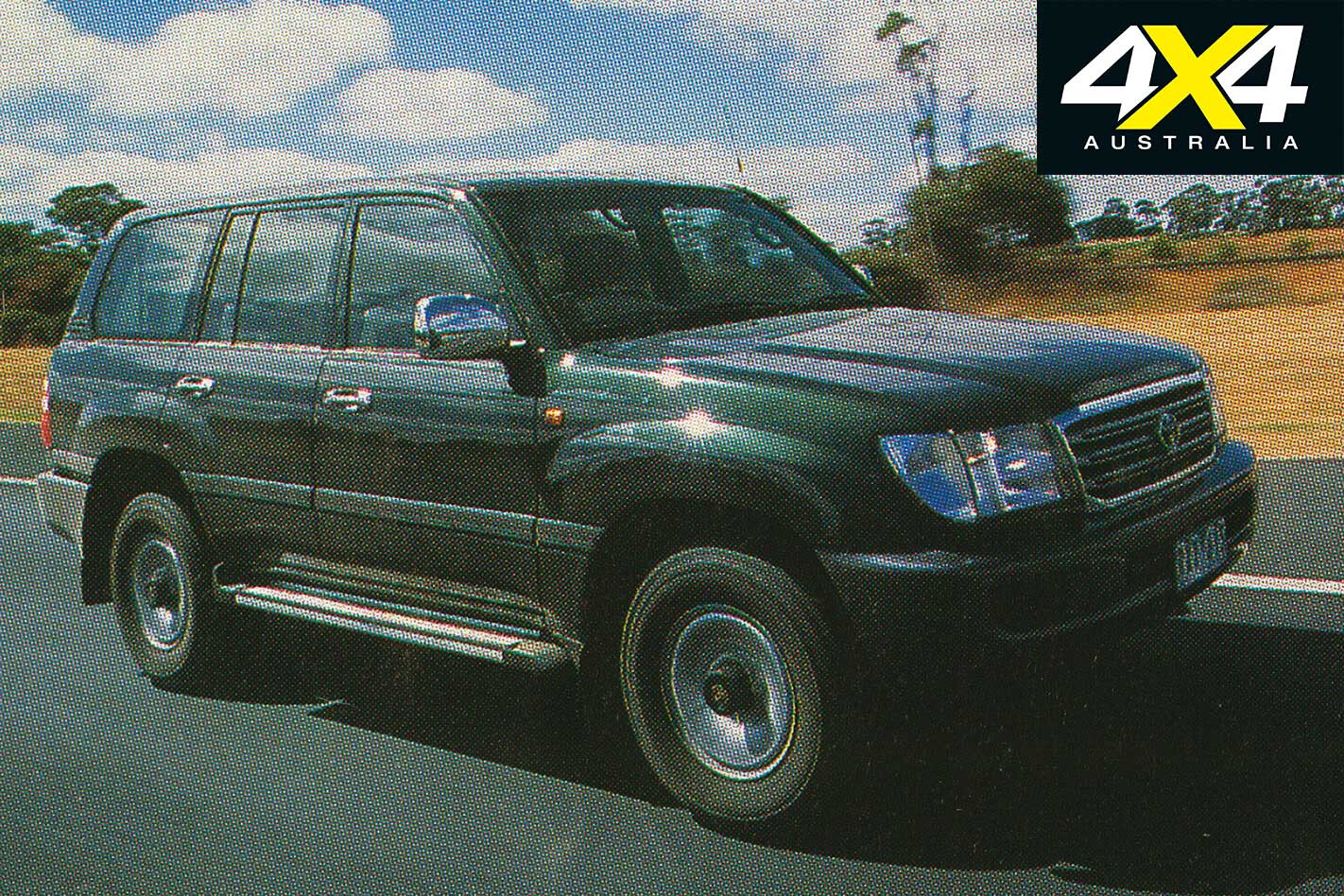
THE power wars continued in 2003, with Toyota responding to Nissan’s brutal Patrol ST 4800 by dropping the 4.5-litre six-cylinder petrol engine and shoving a 170kW/410Nm 4.7-litre V8 into the Cruiser.
Buyers had the choice of a five-speed manual or auto (up from the previous four-speed slush box), and the thirsty bent-eight was satiated via a 145-litre tank. That was barely enough, considering you’d see a best of 13.0L/100km on the highway and a hideous 25.0L/100km around town.
The IFS and more direct rack-and-pinion steering of this latest Cruiser incarnation helped make the heavy hitter even more car-like to drive – not an easy task considering its near-2.5-tonne heft. It was well-priced for its time; the GXL started at a touch over $58K (the top-end Sahara was $64K-plus) and included ABS as standard, as well dual airbags, air-con, a six-stacker CD and more.
2004: Toyota Prado GXL Turbo-Diesel
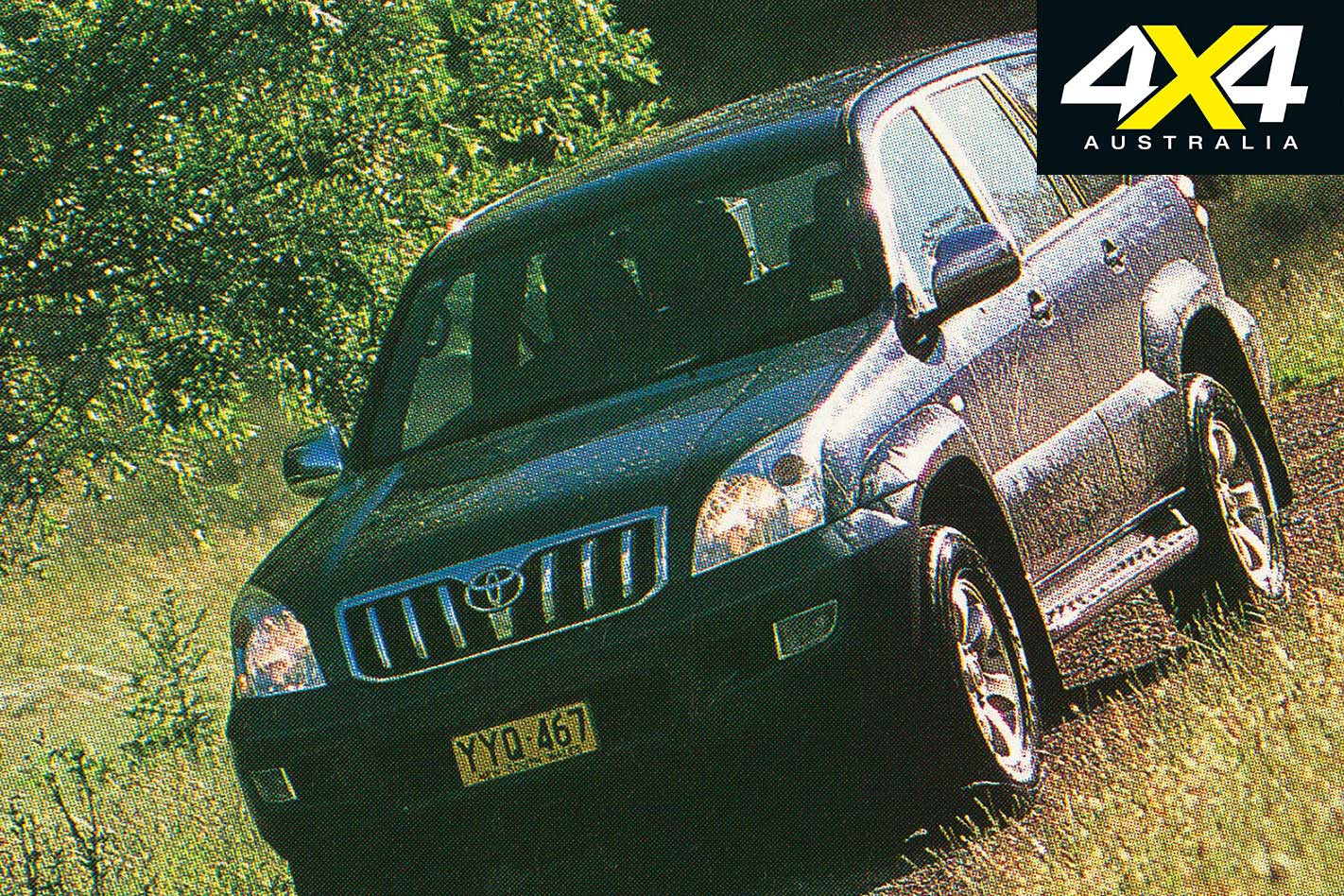
WITH an already well-proven 3.0-litre turbo-diesel engine (with the option of a five-speed manual or four-speed auto), the 120 Series Prado also included Toyota’s tried-and-true suspension setup of IFS and live-axle rear. Add in the largest fuel capacity on the market – at a heady 180 litres – and a supple, comfortable ride both on- and off-road and it was easy to see how the Prado had become the ‘family 4WD’ of choice.
That perception of softness was distilled off-road, thanks to an effective traction control system, plenty of suspension travel at the rear, and loads of cargo space that made for a brilliant base from which to build a tourer.
2005: Land Rover Discovery SE TDV6
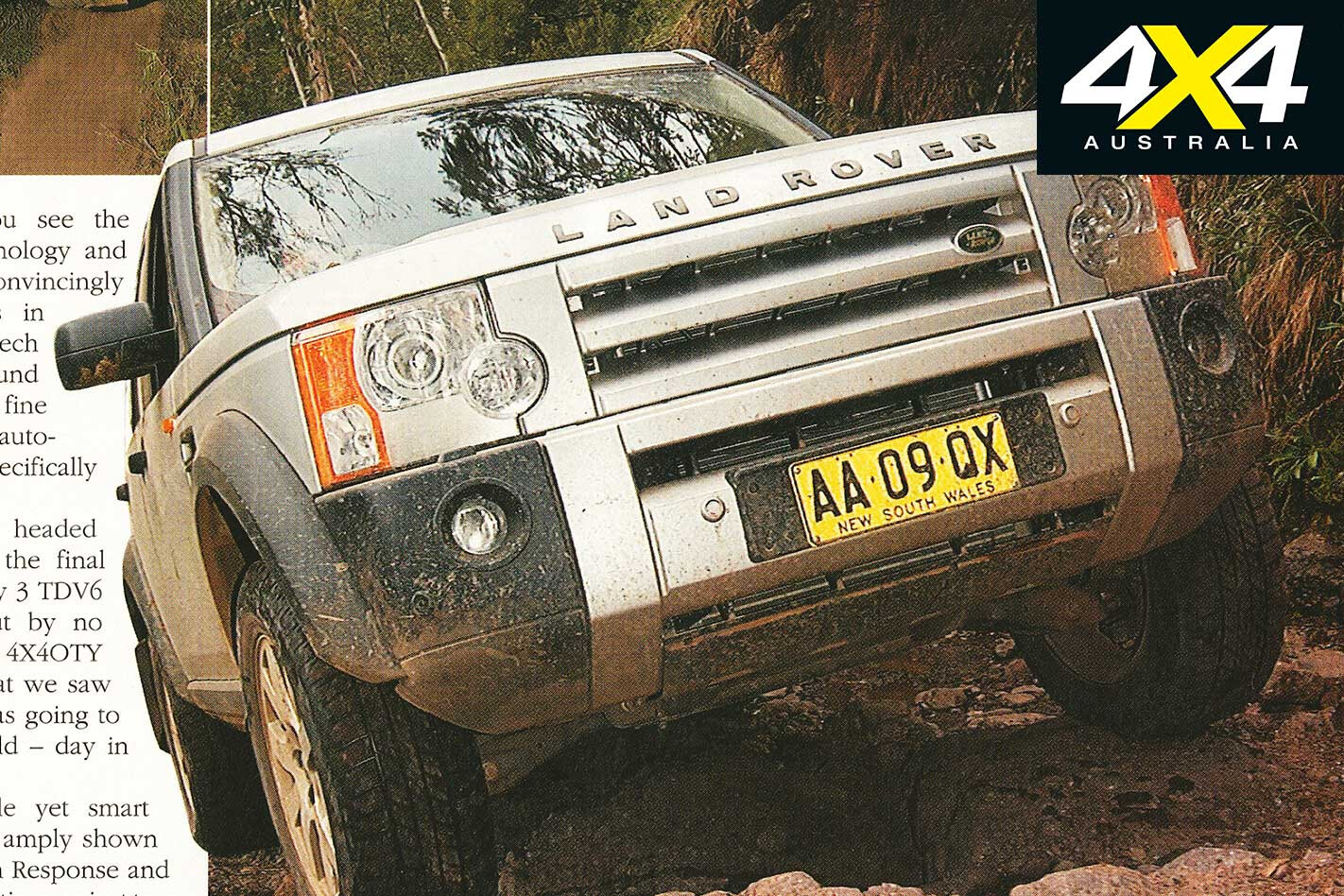
WHEN the all-new Land Rover Discovery was revealed it was heralded as a quantum leap in 4WD technology, and rightly so. From its unique combo of separate chassis and monocoque construction, to its tech-laden off-road driving aids – headed by Terrain Response and its five off-road modes – the new ‘Disco’ was the fulfilment of that ideal of a 4×4 that was equally adept in town as it was in the toughest conditions.
Terrain Response combined beautifully with the electronically controlled air suspension that, cleverly, mimicked a live-axle in terms of articulation; while the on-road performance was next-level for a larger 4×4 wagon (the Disco weighed in at around 2400kg, depending on model/specs) thanks to the 2.7-litre TDV6.
Add in a third-row seating setup that allowed adults to spend time in comfortably, a schmick turbo-diesel donk (and six-speed auto or manual), and it was Disco first, daylight second.
2006: Range Rover Sport TDV6
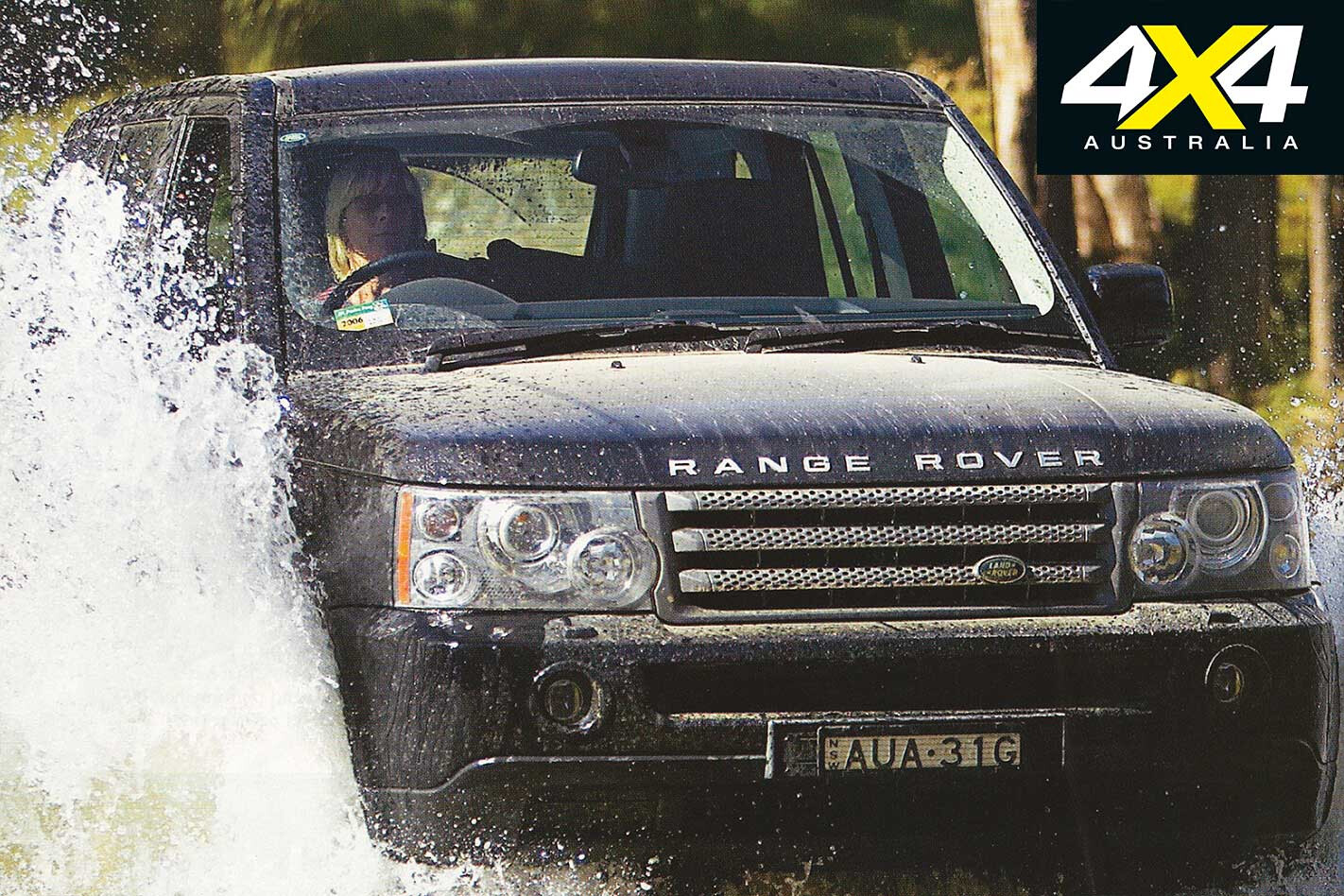
IT WAS two-up for Land Rover, with the all-new Range Rover Sport (LR’s first all-new model since the Freelander 1) continuing the Brit brand’s dominance of 4x4OTY. The Rangie Sport shared numerous Disco 3 attributes – Terrain Response/air suspension, 140kW/440Nm 2.7TDV6, a shortened version of the D3 chassis, integrated body-on-frame construction – in a far sexier shape, harking back to the silhouette of the original Range Rover Classic.
The interior was suitably Range Rover-esque and there was enough storage space in the rear – plus a full-size spare – to ensure those who dared get their Sport down and dirty on a weekend away could do so. With the Sport riding on its highest suspension setting, combined with the short front/rear overhangs, it was nigh unstoppable off-road, and when dropped down low it made short, comfortable work of any big highway trip.
2007: Mitsubishi Pajero GLS CDI
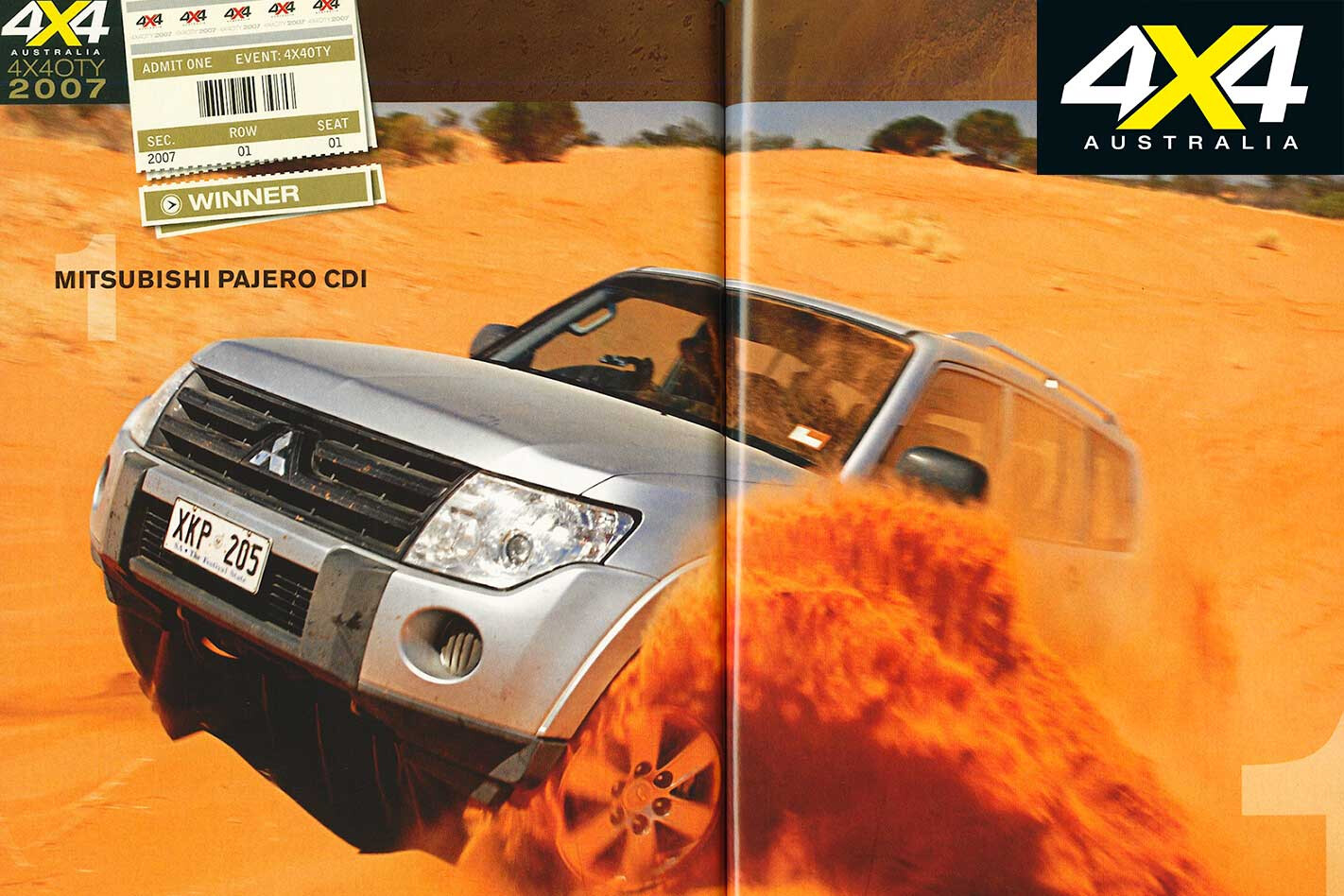
CONSIDERED an evolution rather than revolution, nonetheless the NS Pajero was a shoe-in for top honours in 2007. The venerable 3.2-litre turbo-diesel received a common-rail injection makeover, along with a new variable-geometry turbo which saw it, in five-speed auto form, push out 125kW (118kW for the five-speed manual) and 381Nm (the manual was 3Nm less), with that wall of torque coming from 1600rpm.
Keeping it moving forward across all terrain was Mitsubishi’s Super Select 4WD system, combined with the company’s MATT (Mitsubishi All Terrain Technology) which included traction control, ESC and engine brake assist. The NS Pajero’s monocoque body rolled on all-independent suspension, and it stopped well thanks to upgraded (bigger) discs front and rear.
2008: Range Rover Sport TDV8
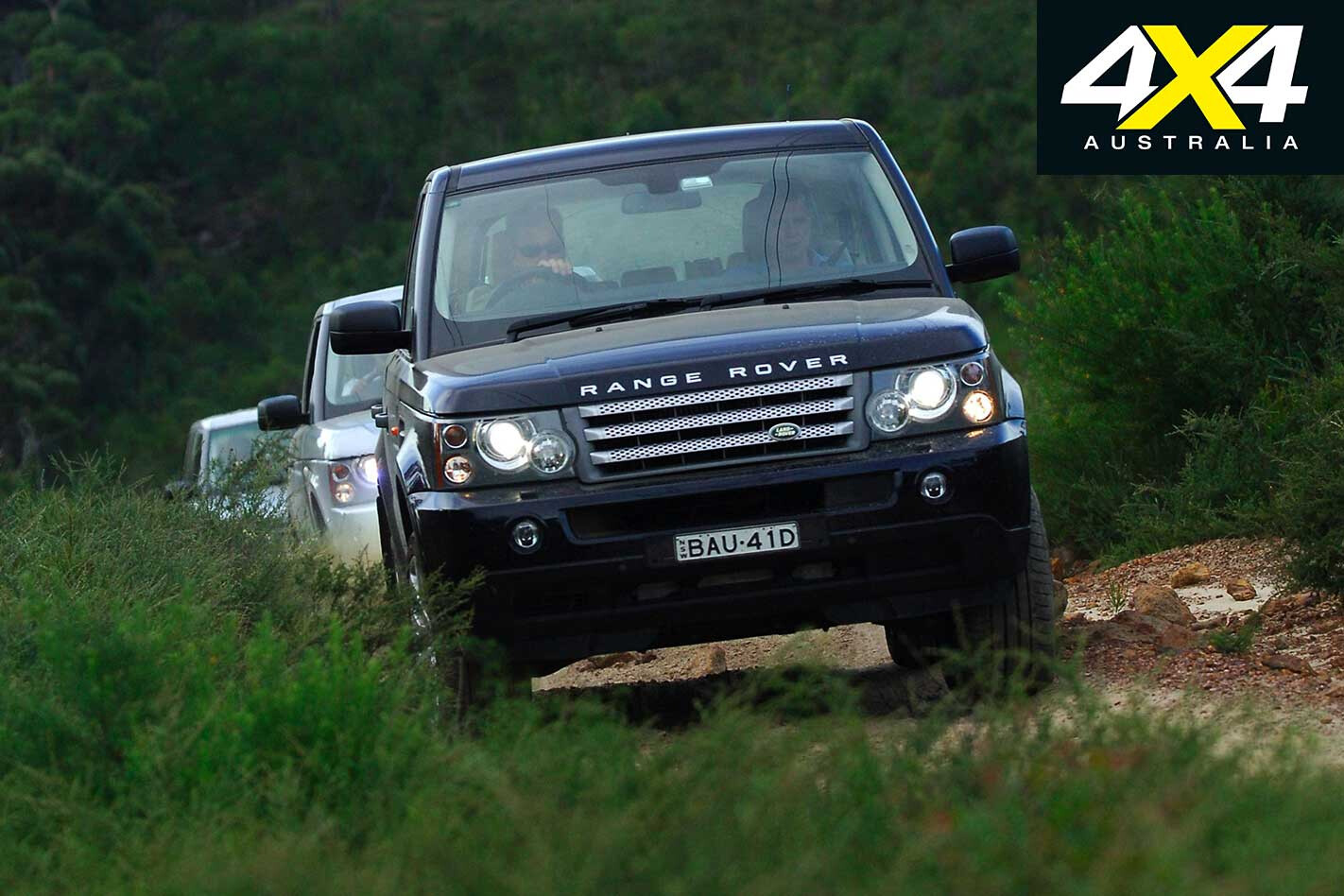
THE Rangie Sport was back on the podium in 2008 thanks to a slick, powerful 200kW/640Nm 3.6-litre turbo-diesel V8. On-road it was a rocket that handled like a beefy sports car; off-road it was unstoppable, with the low gearing (first gear low sported a 43:1 ratio) working exceptionally well with Terrain Response’s ability to tweak ride height, axle articulation, traction control and gear shifts. If you wanted even more off-road capability you could tick the box beside the $1K auto-engaging rear diff-lock.
Add in the expected luxury accoutrements inside (full electric seats, Harman Kardon sound and climate control air0con) and it was four-wheel luxury with bite.
2009: Mitsubishi Pajero GLS CDI
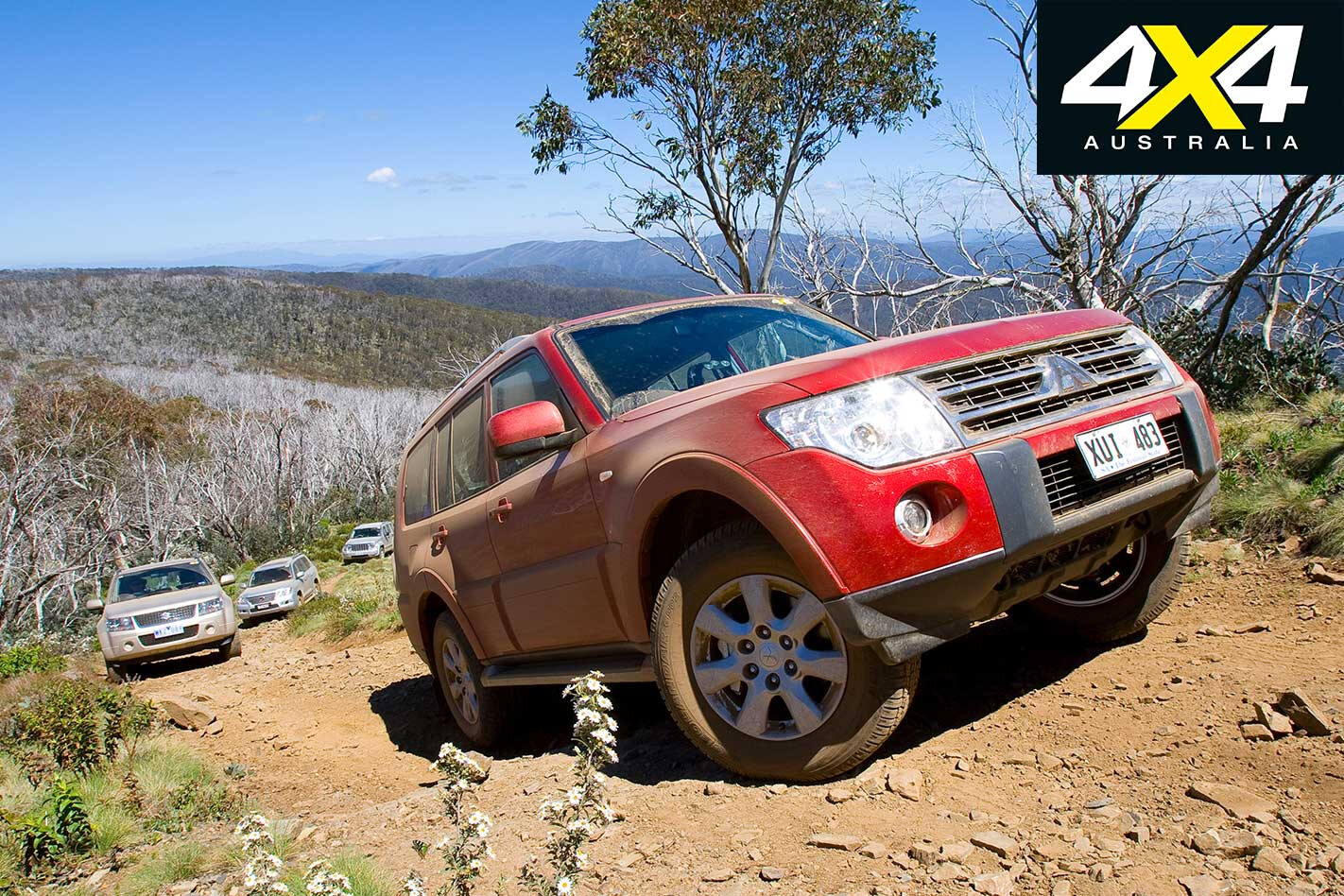
THE big news for the 2009 NT Pajero was the development performed on the 3.2-litre turbo-diesel engine; with 147kW and an impressive 441Nm, it transformed the Pajero’s on- and off-road performance. Also important was the GLS-spec reintroduction, as Mitsubishi positioned it directly against the market-leader, Toyota’s Prado GXL.
All 2009 Pajeros retained coil-spring, all-independent suspension and selectable full-time 4×4, with the ability to operate in rear-wheel drive only thanks to Mitsubishi’s Super Select 4WD. Standard trim on the GLS included six airbags, rear air-con, fog lamps, body-colour flashing, side steps and chrome grille.
Standard GL and GLX features include ABS brakes with electronic brake force distribution and brake assist, electronic stability control, engine brake downhill assist and traction control. You could also option a manually-activated rear diff-lock, which would have upped the Paj’s already considerable off-road capability even more.
Agree with our list? Let us know if we got it right or wrong in the comments section below.
REDARC Electronics is recalling a small number of its Tow-Pro Elite V2 Electric Trailer Brake Controller (Product code EBRH-ACCV2).
UPDATE: This article was amended on January 30, 2019
The recall applies only to units sold in Australia and New Zealand between September 1, 2018 and January 21, 2019. With an example of affected serial numbers in this format: 18110006030116 or 18101268-023.
Affected consumers will find the serial numbers on the main control unit of the EBRH-ACCV2 or on the external packing of the unit. If the consumer’s unit is within the aforementioned serial number range, they will need to go to the online search tool at: https://www.redarc.com.au/recall-notice.
The recall relates to issues where the installation has not been carried out as per the product manual – using dedicated wiring from a single power (battery) supply – there is the potential at any time for no trailer brake output. This is indicated by a flashing red/yellow warning light. With no trailer brake output, there is the potential for an increase in the braking distance of the tow vehicle/trailer.
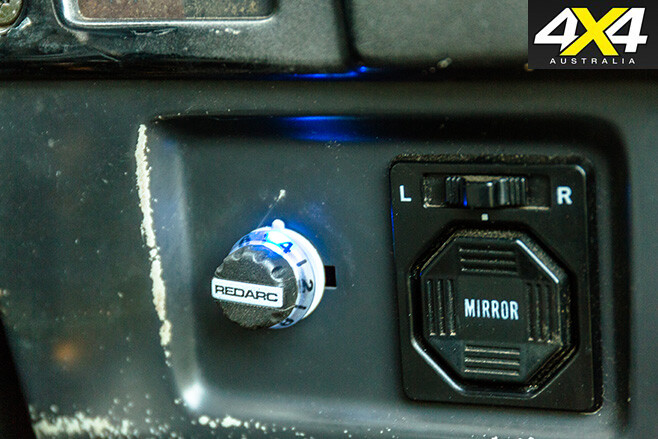
However, Redarc are mandated by the ACCC to recall all units sold between the advised period regardless of installation practices.
Once the consumer has confirmed their unit is affected, they can contact Redarc on 1800 733 272, (08) 8322 4848 or email [email protected] to find the details of their nearest dealer/installer to change over the main control unit of the brake controller, free of charge.
For those who have bought the unit but have not, at this point, had it installed, Redarc is offering a replacement unit free of charge. For more info and further instructions on locating the serial number, visit: www.redarc.com.au/recall-notice
THE 1990s heralded a vast improvement in music (hello, the grunge scene), and the once-mighty Berlin Wall fell. For the off-road world, it offered buyers the first hint of where the four-wheel drive vehicle was going in terms of broadening its appeal. Up until this point, 4x4s were, barring a few exceptions, still viewed by the buying public as a utilitarian vehicle, with an inherent rough ride and rudimentary interior.
The ’90s saw this change – slowly at first – but by the end of this decade buyers would be able to throw any number of 4×4 wagons into the mix as options for the ‘family car’, knowing they’d get a reasonably comfortable on-road experience, plenty of storage space for the kids and the shopping, along with go-anywhere capability.
This was, in part, thanks to numerous safety advancements (ABS, airbags, etc.) but more because of the fact some manufacturers were shifting away from ‘traditional’ live axles front/rear and leaf springs to offer improved on-road ride and handling without sacrificing too much on the rough stuff.
In a way, this began with the inaugural 4x4OTY winner of 1984 – the Mitsubishi Pajero – so it was only fitting the Japanese brand continued to lead the way in the early years of the new decade.
1990
Over $36,000 – Toyota Land Cruiser 80 Series
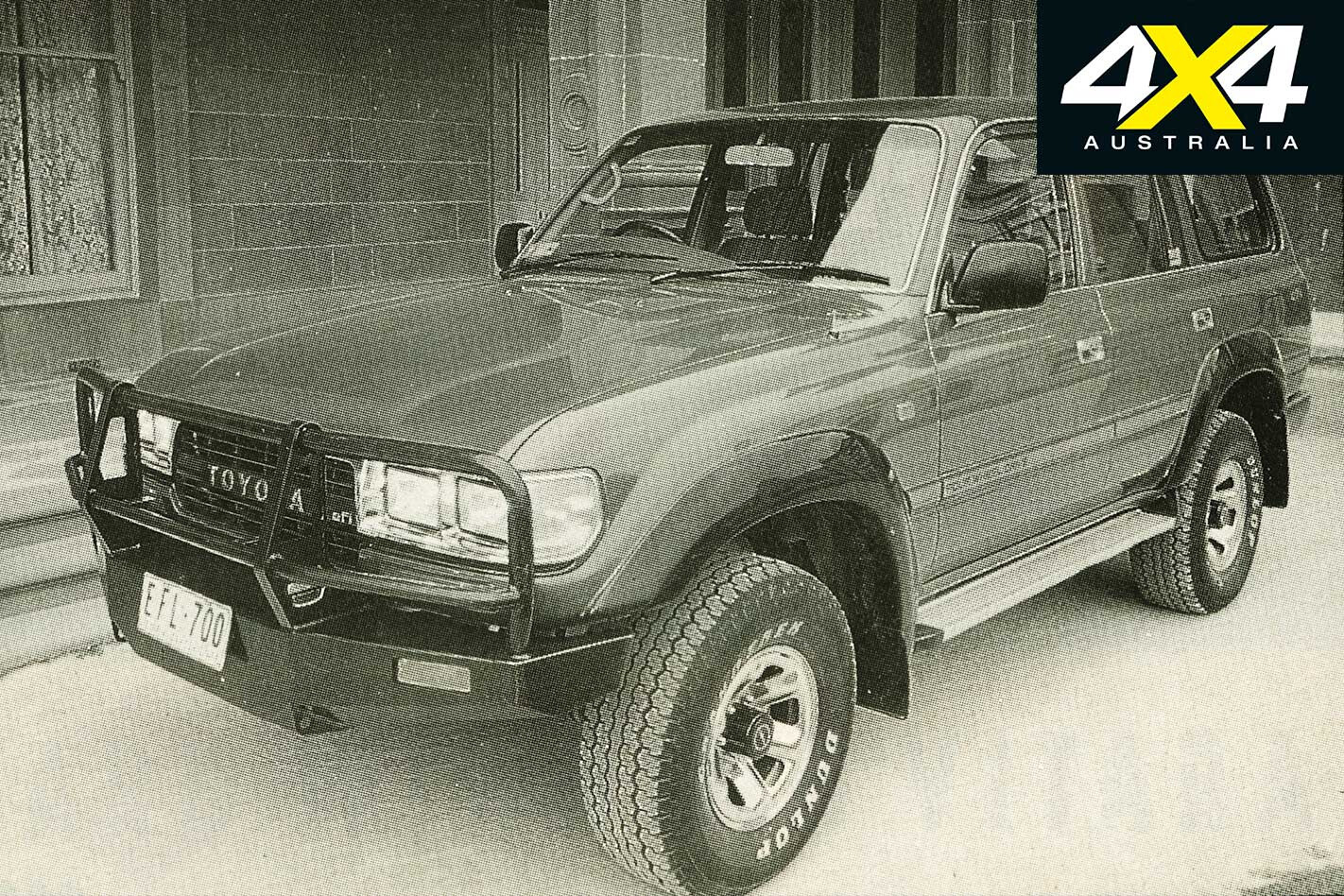
TOYOTA scrambled to catch up with the knockout that was Nissan’s GQ Patrol, launching the first 80 Series in 1990.
It was popular from the get-go, thanks to its all-coil/live-axle suspension setup, decent on-road ride and handling, huge fuel capacity (145L), full-time 4WD on-road, and serious off-road chops. It was a mini-revolution when it was released, and easily towelled the rest of the 4x4OTY competition in 1990.
However, that wasn’t perfect; the engines were still dated – at launch you could get a naturally aspirated six-cylinder or the far more popular 4.2-litre six-cylinder diesel – but Toyota fans didn’t have to wait very long for a welcome update on the 80…
Under $36,000 – Toyota 4Runner V6
THE second-gen 4Runner improved greatly on the first incarnation, with a stonking 105kW/240Nm 3.0-litre V6 now an option, alongside the carry-over 2.4-litre petrol four, a new 2.2-litre four, and the 2.8-litre diesel.
Underneath, it was still all Hilux, with the well proved torsion-bar front end and live axle rear simple but effective, with one main change being the fitment of coil springs at the rear, replacing the previous leaf-sprung arrangement.
The body was now a ‘proper’ wagon, with Toyota doing away with the ‘add-on’ rear canopy setup and producing a complete wagon body for the popular rig. The diesel was slightly more frugal than the petrol options, but if you wanted to get anywhere in any type of hurry, the 3.0-litre V6 offered reasonably spritely performance, without being too thirsty.
1991
Over $37,000 – Mitsubishi Pajero GLS V6 Wagon & Under 37,000 – Mitsubishi Pajero GLS V6 Sports
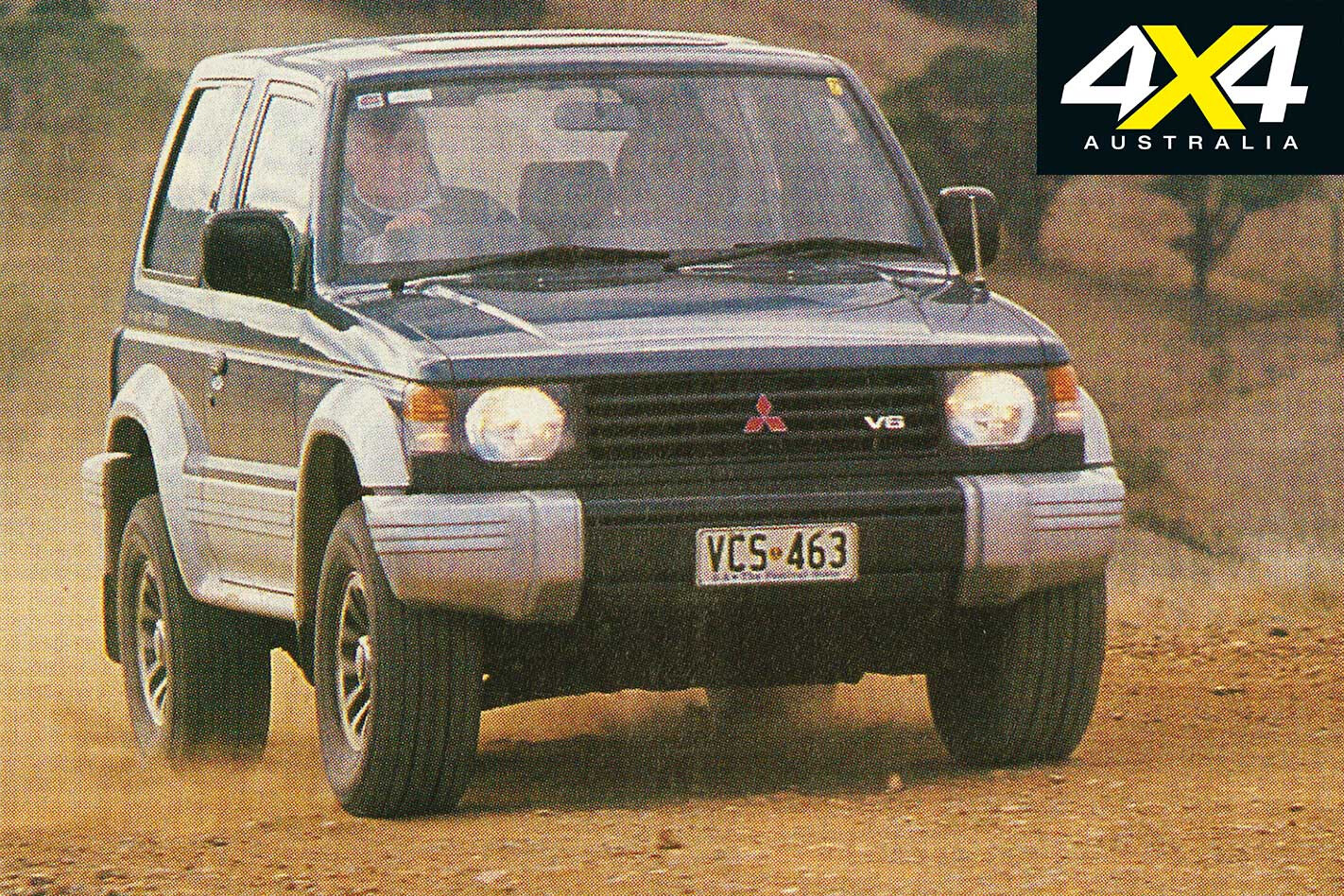
THE all-new second-generation Pajero offered so much across its entire model range that it scooped both prize pools in 1991.
Besides a stretching of both the SWB and wagon wheelbases, and two new donks (a 3.0-litre V6 petrol and a 2.5TD) buyers had the option of Super Select 4WD that allowed drivers to utilise 2WD or full-time 4WD on bitumen, with two other modes – locked centre diff 4WD and low-range 4WD – that, when combined with the new rear diff-lock made it seriously capable in the rough stuff. Multi-mode ABS also made its first appearance.
1992
Over $38,000 – Toyota Land Cruiser 80 Series
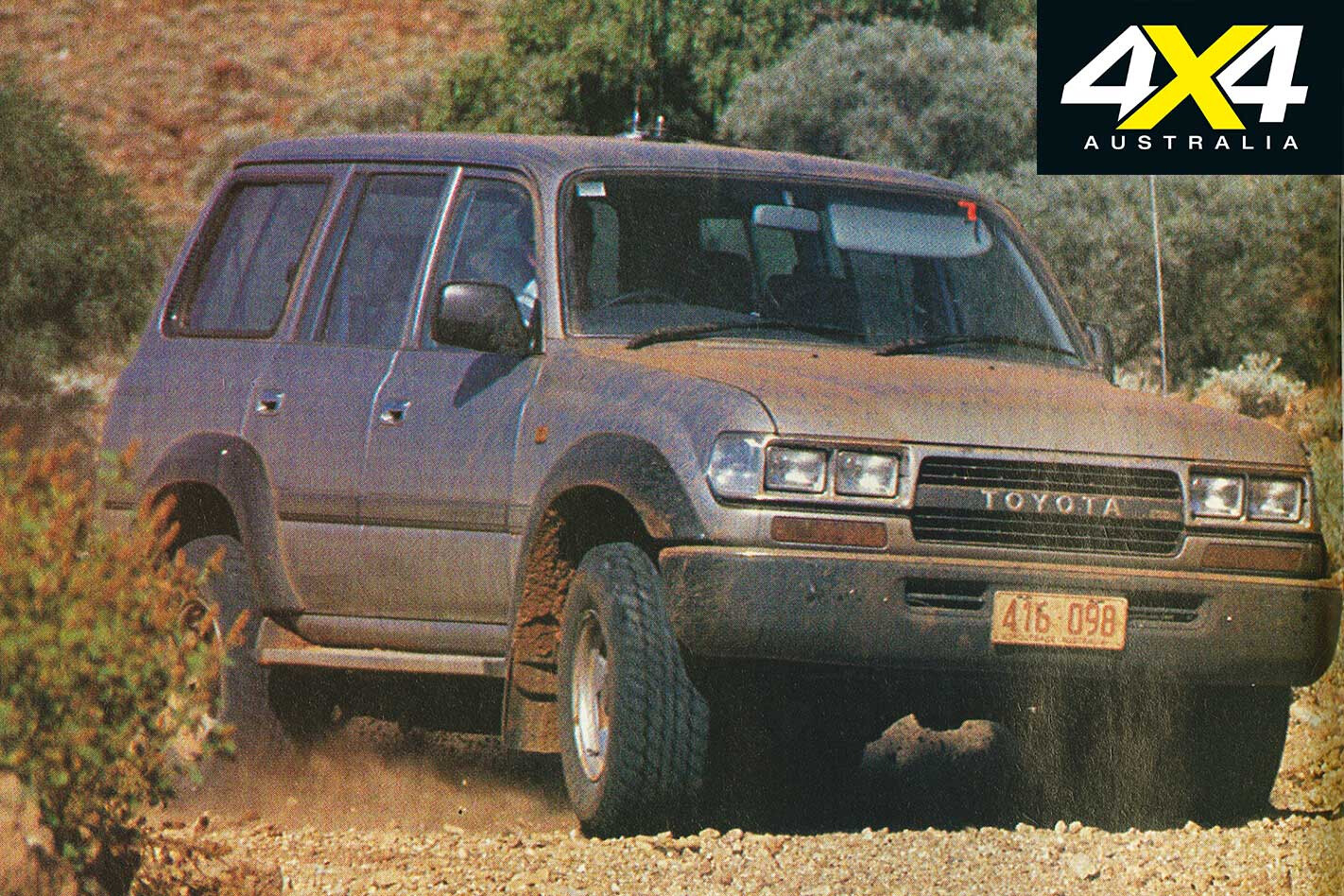
TOYOTA was on the back foot after the release of Nissan’s GQ Patrol. It’s fightback started with the launch of the first 80 Series in 1990. It was popular from the get-go, thanks to its all-coil/live-axle suspension setup, decent on-road ride and handling, huge fuel capacity (145L), full-time 4WD on-road, and serious off-road chops.
However, it really came into its own in 1992 with the release of the 4.5-litre twin-cam multi-valve six-cylinder petrol engine. This engine possessed huge amounts of grunt (for its time) and was pretty much bombproof – you just had to live with its considerable thirst. The alternative donk – a 4.2-litre turbo-diesel – was the tourers’ favourite, helped by its more frugal consumption and those two big fuel tanks.
Under $38,000 – Holden Jackaroo
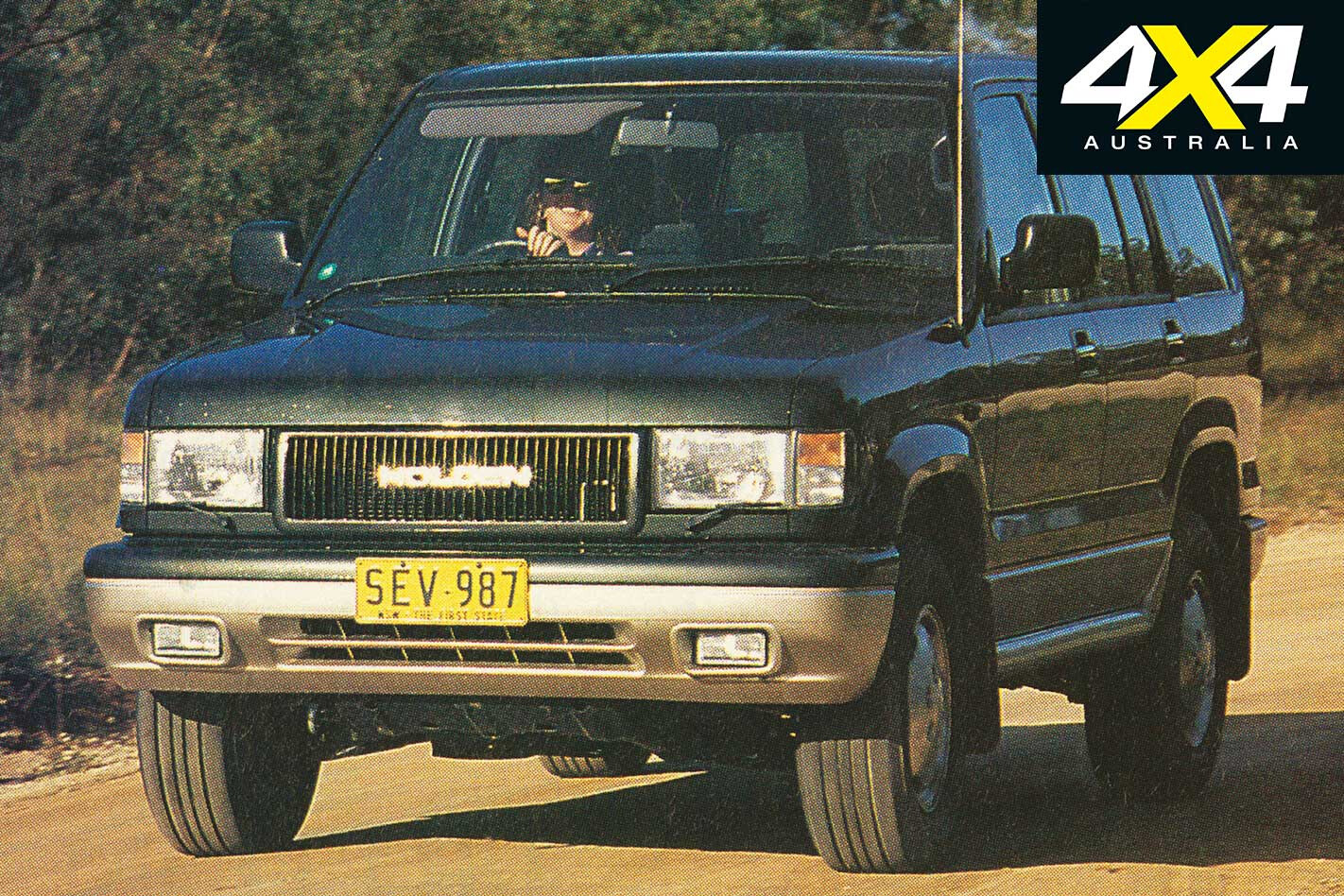
BIGGER and better, the ’92 Jackaroo was all-new, with the body (and interior) being larger than the previous model (but still of body-on-chassis construction) and being fitted with two impressive new Isuzu powerplants – a 130kW/260Nm 3.2-litre V6 petrol and a 3.1-litre turbo-diesel four-cylinder that pushed out 84kW and 260Nm.
The vehicle rolled on a coil-sprung rear and torsion-bar front end for a better ride than the previous-gen Jackaroo, although it stayed with a part-time 4WD drivetrain, rather than a constant 4WD/low-range setup.
1993
Over $44,000 – Toyota Land Cruiser GXL
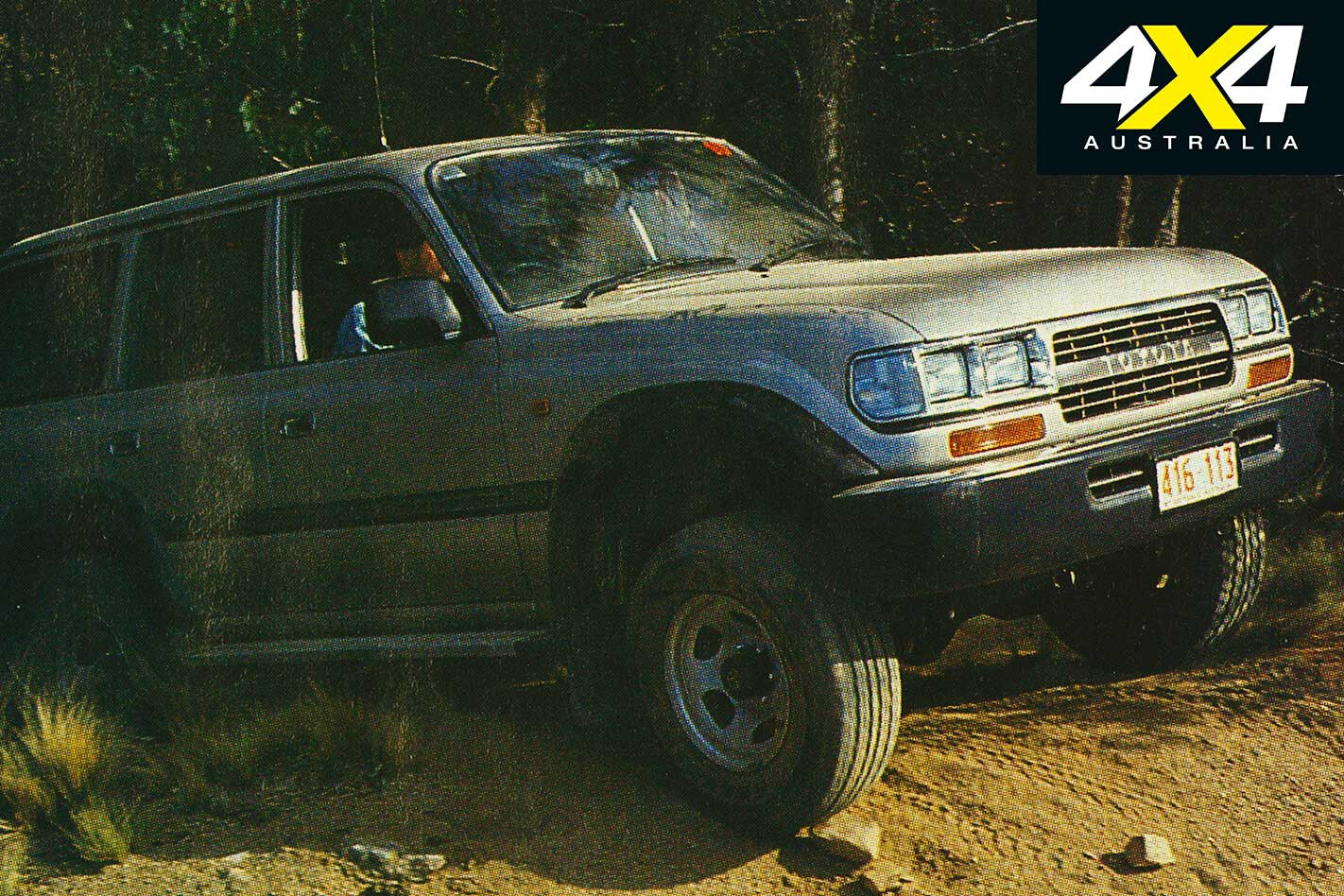
THE 80 Series combo of three six-cylinder engine choices (diesel, turbo-diesel, or petrol) along with its already well proved full chassis, live axle front/rear and all-coil suspension continued the Cruiser’s exemplary market performance in 1993.
The still relatively new Cruiser was augmented with the addition of optional front and rear diff-locks and beefier brakes in ’93 but that fearsome fuel consumption of the petrol was unchanged. Still, with its grunt-laden performance, few petrol Cruiser owners were complaining.
Under $44,000 – Land Rover Discovery
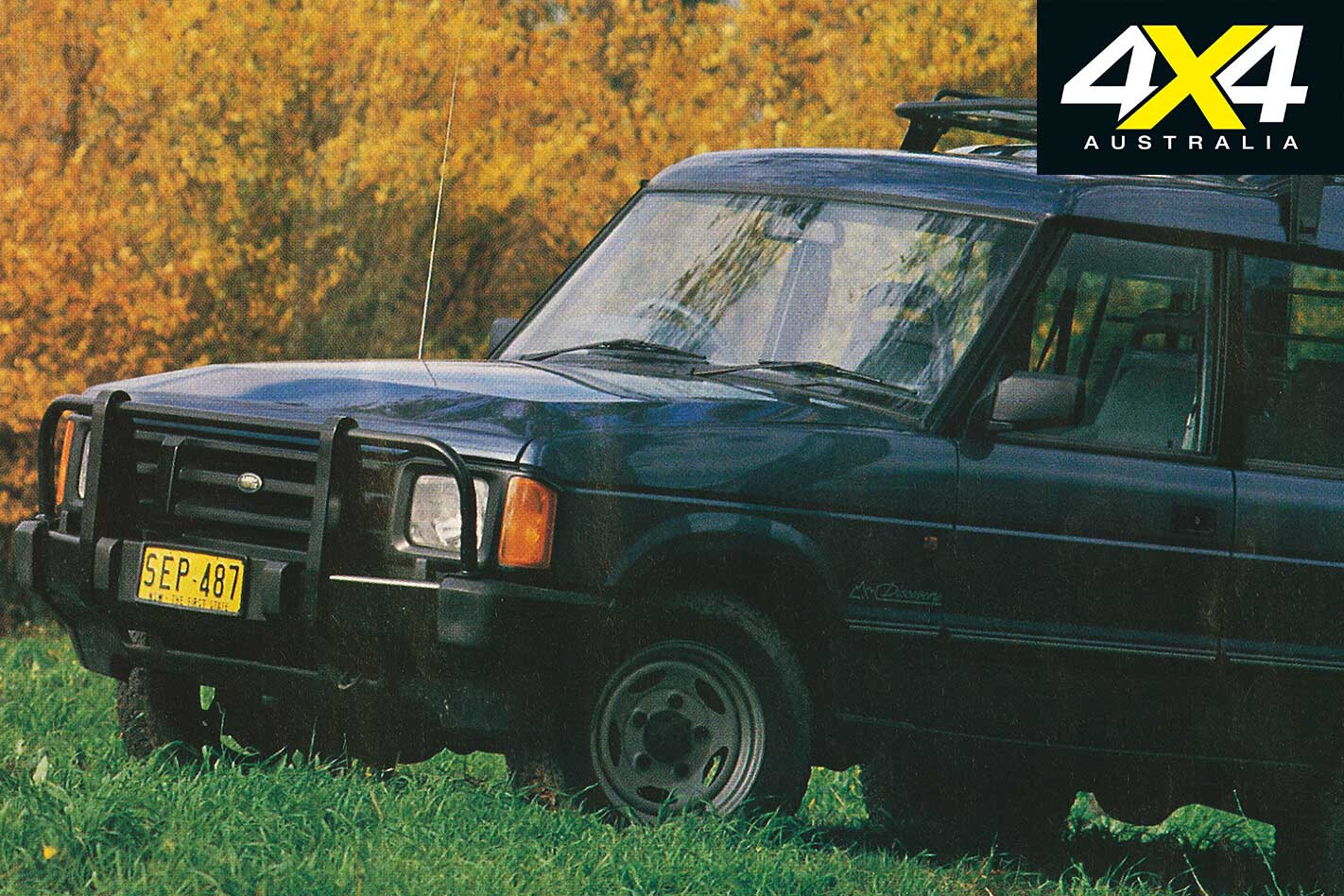
TOUTED as the ‘affordable Range Rover’ by some off-road journos, the Land Rover Discovery had been in Australia since 1991, albeit initially only in 3.5-litre V8, three-door form. By 1993 the sweet little 2.5-litre four-cylinder turbo-diesel (aka 200Tdi) had arrived, sporting an underwhelming 83kW of power and 265Nm of torque, but with class-leading fuel economy. That ‘grunt’ was put to the ground via a five-speed manual or four-speed auto.
Add in permanent 4WD on- and off-road, well-proved underpinnings (long-travel all-coil suspension, courtesy of the Range Rover), plus the availability of a five-door model (with the option of two jump-seats in the rear cargo area to up capacity to seven) and you had the ideal family adventure. It was as comfortable pootling around the suburbs as it was scrabbling up a rocky High Country track.
1994
Over $46,000 – Land Rover Discovery Es
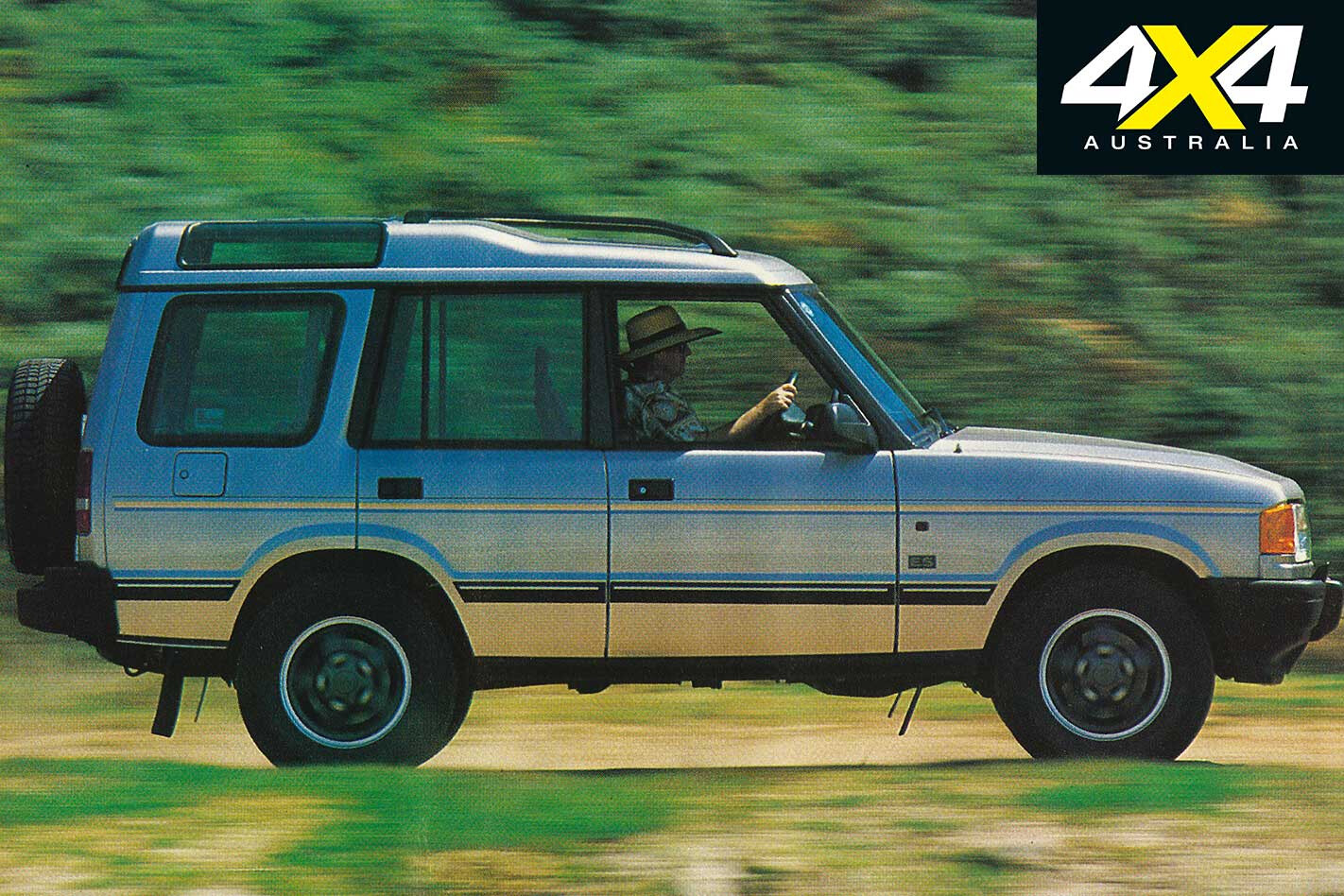
THE Land Rover Discovery copped another major upgrade in 1994, with the now-3.9-litre V8 being fuel-injected and the 2.5-litre turbo-diesel four (now dubbed 300Tdi). As well, the Discovery Es had twin airbags as standard – a world-first (along with Range Rover LSE stablemate) for a four-wheel drive vehicle.
Changes to the oiler included revised cylinder head, turbocharger, exhaust, fuel injectors, an EGR and more, aimed at quieting the engine down and also enabling it to meet then-new Euro III emission specs. Backing both engines was the new (and stronger) R380 five-speed manual.
The ZF four-speed auto continued unchanged. The interior was also all-new – and far more modern than the ’80s-spec dash of earlier Discos. The final touch was fitment of sway bars to improve on-road handling.
Under $46,000 – Jeep Cherokee XJ Sport
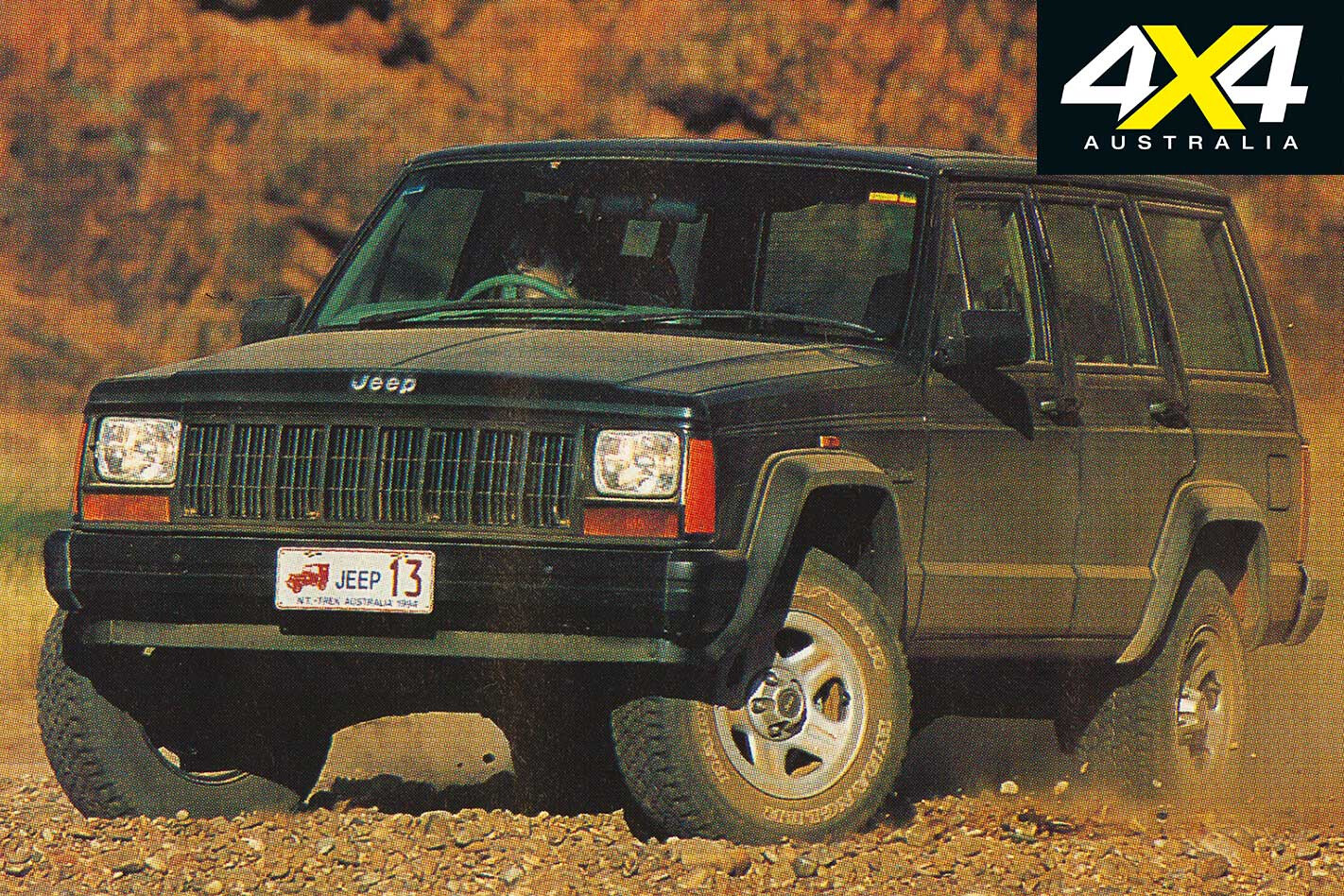
THE Jeep Cherokee XJ was the US brand’s re-entry into the Aussie new-vehicle market. The XJ Cherokee included one of the best petrol engines around at the time – a 4.0-litre fuel-injected overhead-valve inline six-cylinder – that offered reasonable power (136kW) and plenty of torque, with 290Nm.
The vehicle itself was relatively light, and this donk, backed by a four-speed auto, meant the Cherokee was pretty damn quick on the road. That big lazy 4.0-litre also lent itself well to off-road duties, with plenty of that torque available down low in the rev range.
Interestingly, the Jeep also offered constant four-wheel drive on sealed surfaces, as well as 2WD and low-4. With decent equipment levels, a reasonable sized 76-litre fuel tank, all-terrain tyres and heavy-duty spring and shocks, the Cherokee Sport was the ideal re-introduction to the US icon for Aussie buyers.
1995
Over $47,000 – Range Rover
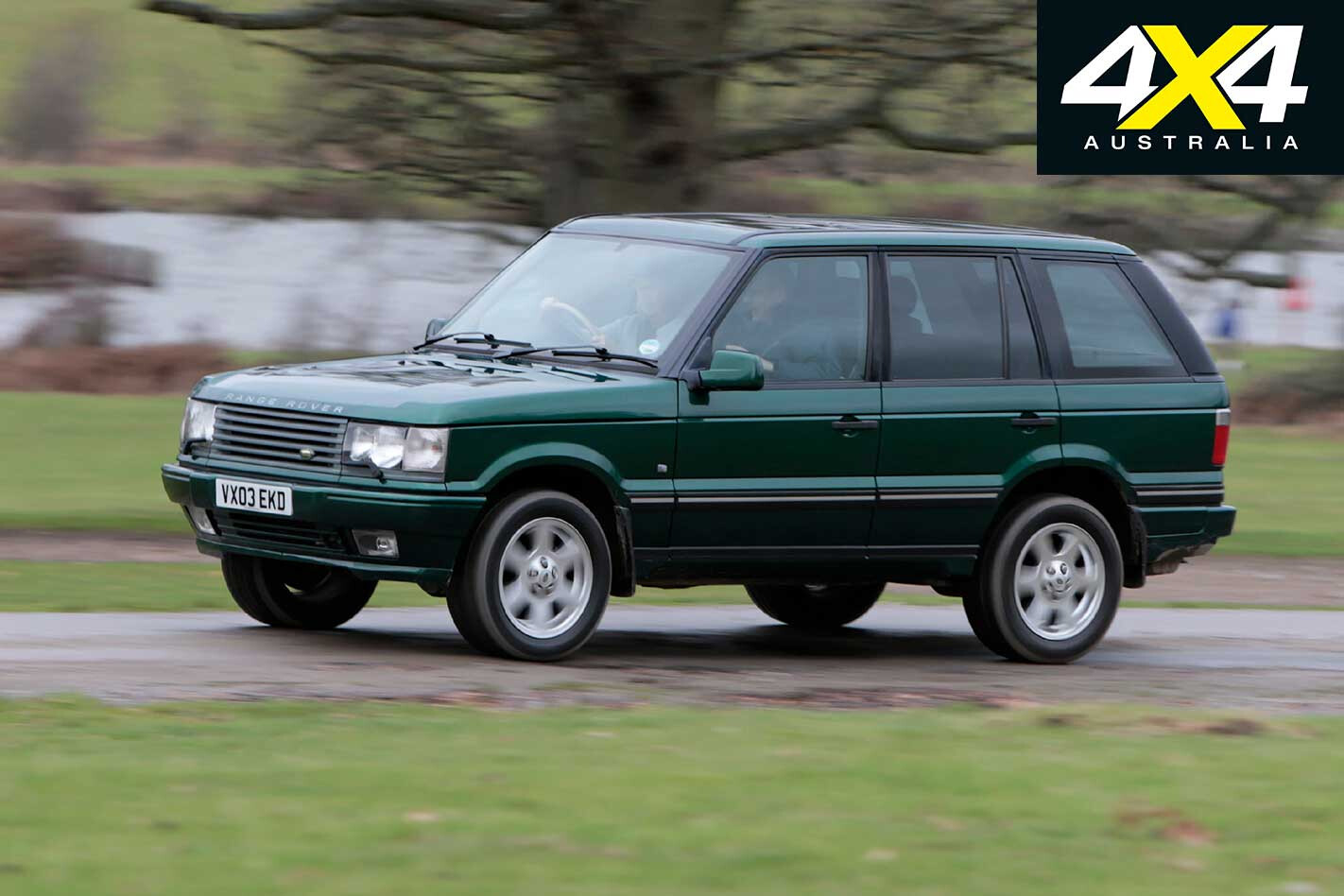
THE P38A Range Rover had a hell of a lot to live up to; the Rangie Classic had remained relatively unchanged – and popular with buyers – over its long 25-year run.
The P38 was all-new; a heavier, larger body (with more interior space), more grunt (buyers had the option of a 132kW/304Nm 4.0-litre V8 or 157kW/358Nm 4.6-litre V8) and a shed-load of electronically controlled components, including the now range-standard electronic air suspension (EAS; now with five height settings).
Buyers (and vehicle testers) enjoyed the upping of the vehicle’s luxury component, and (thanks to EAS) revelled in a distinct improvement in on-road ride and handling, without sacrificing off-road capability.
The P38A was, at the time, a huge technological leap forward, but in hindsight, allowing for all the ‘issues’ around the electronics and air suspension, maybe LR should have opted to crawl first, before it walked.
Under $47,000 – Mitsubishi Pajero
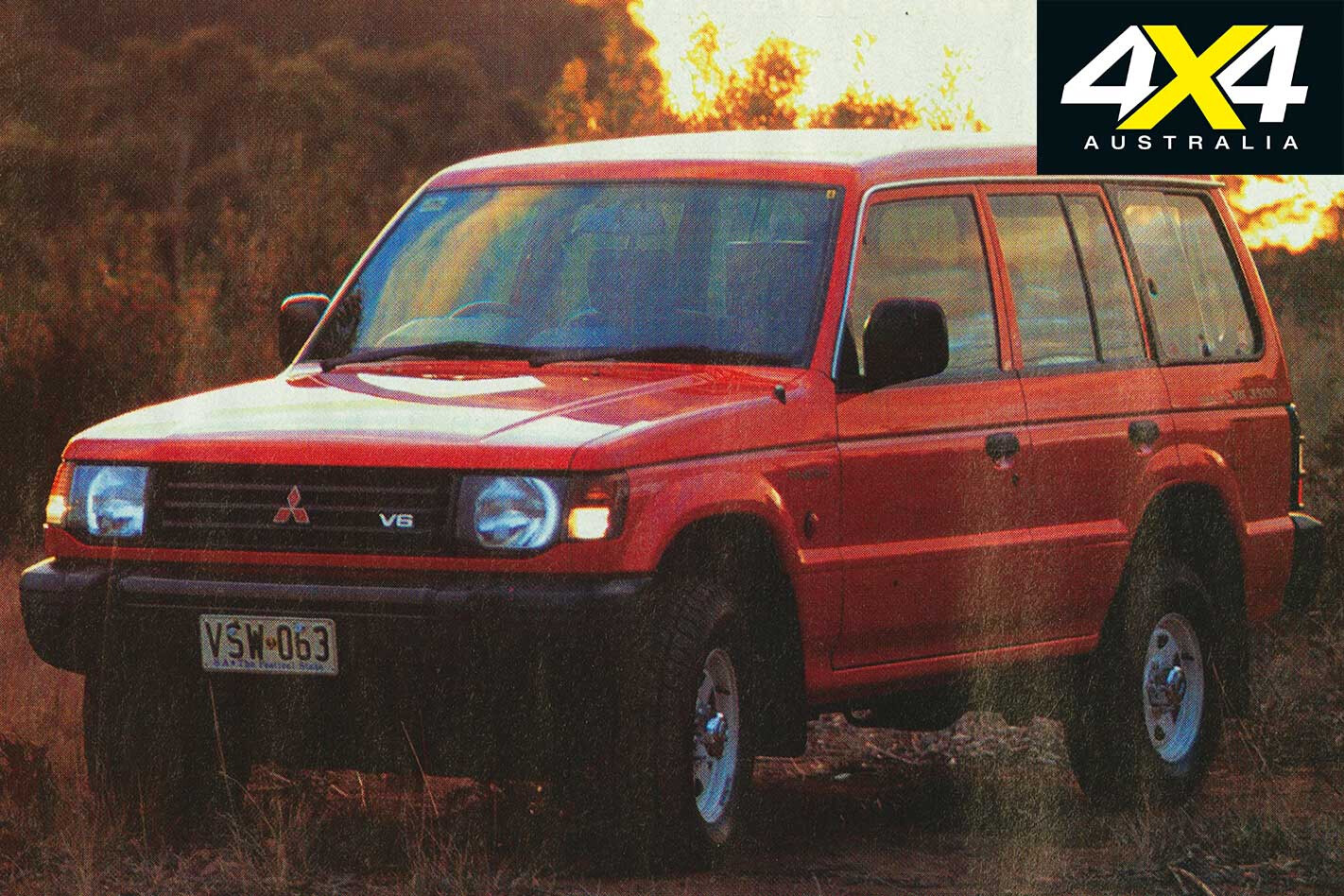
THE second-gen Pajero kept selling well in the mid-’90s, and was subject to a number of rolling changes, with the 3.0-litre V6 copping a tune-up for more grunt, but the 2.8-litre turbo-diesel remaining the big seller, thanks to its frugal economy and – for the time – reasonable performance, all in a package that was easy to manoeuvre around town, but also able to get you further into remote areas than most thought.
The Super Select 4WD system was still on offer and the multi-mode ABS was retained, making for not only assured on-road performance, but also top-notch stopping power. Add in ample storage space in the rear (of the long wheelbase model) and it wasn’t hard to agree with the judges’ decision.
1996
Toyota Land Cruiser Prado
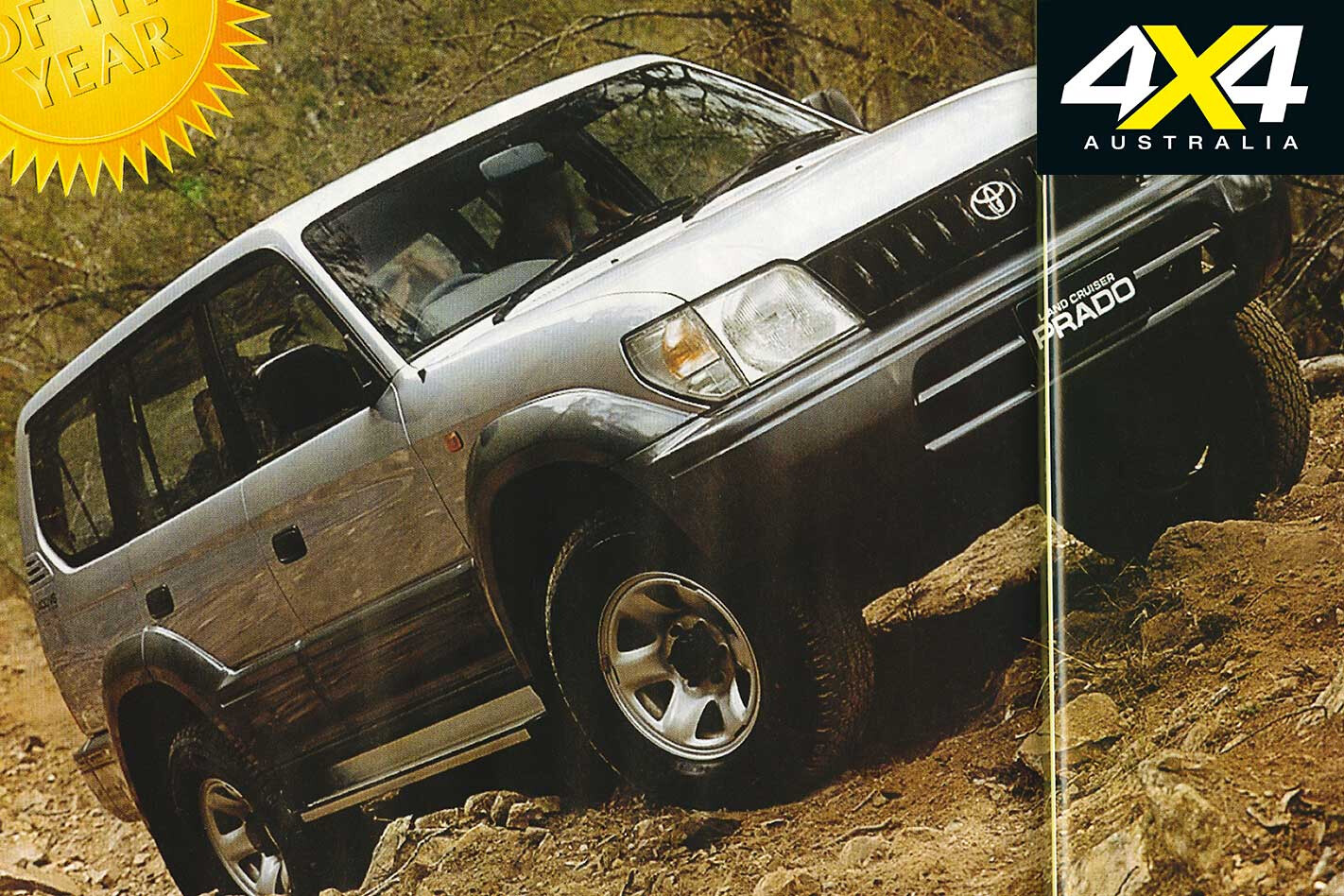
THE year 1996 was the first time the 4X4 Of The Year was awarded to a single vehicle, with Toyota’s all-new Land Cruiser Prado nabbing the gong. The Prado was powered by a 3.4-litre V6 petrol engine, and backed by either a five-speed manual or four-speed auto.
Initially viewed as a ‘downsized’ Land Cruiser, the mid-sized Prado soon proved more than capable off-road, thanks to its separate chassis, IFS/rear live axle suspension (with decent wheel travel at the rear), and short front and rear overhangs, plus plenty of ground clearance. It was a vehicle that could trundle around the ’burbs during the week, and then hit the tracks on the weekend.
The 3.4-litre was a tad thirsty, but the Prado came with a huge 159 litres of fuel capacity (via two tanks) that eased the pain and it remained a popular option for those keen to get into the off-road touring scene.
1997
Nissan GU Patrol
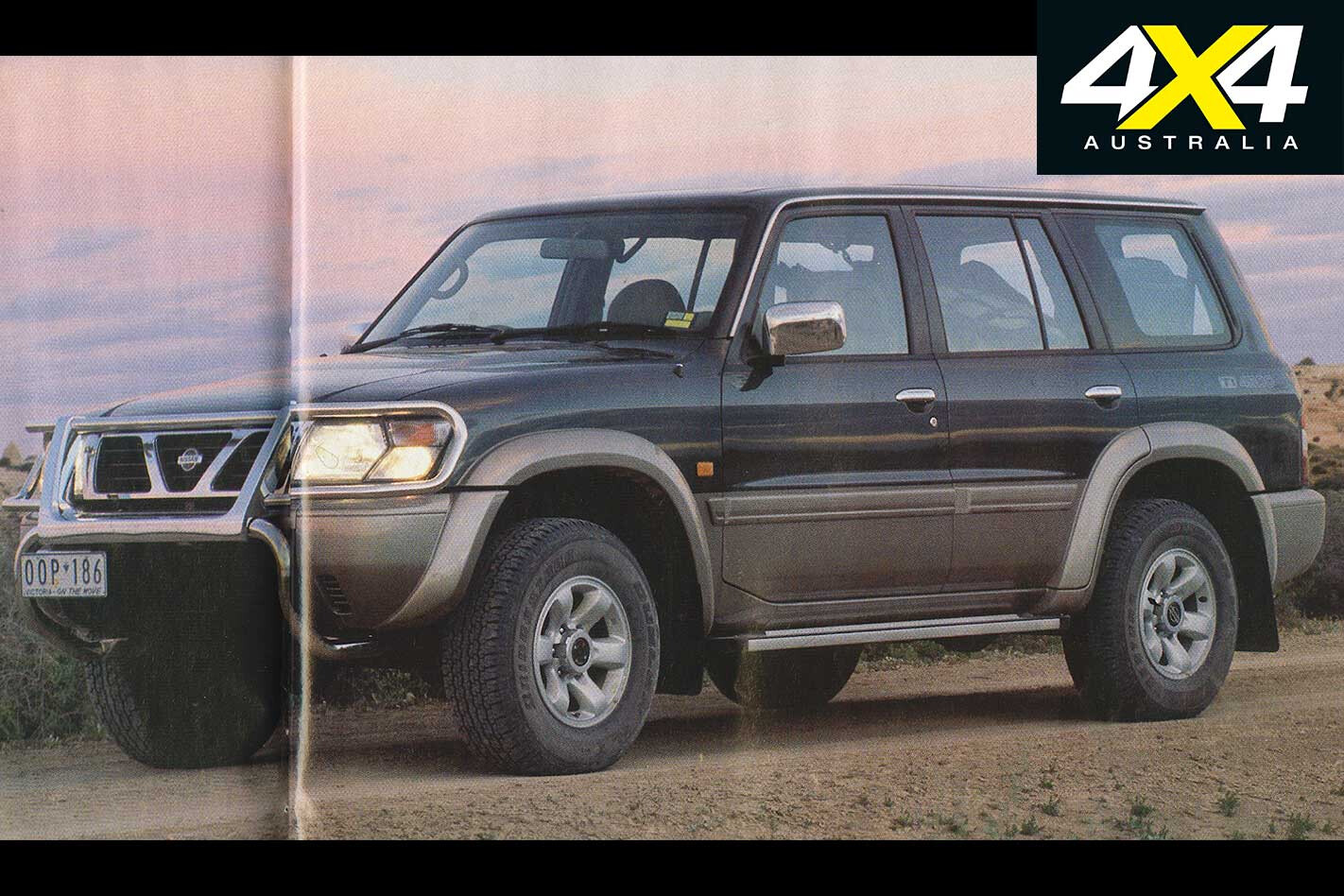
THE GU Patrol, like the P38A Rangie, had a lot of work to do when it lobbed in the marketplace; the previous-gen GQ had proved super popular with tourers, towers and anyone looking for a tough, go-anywhere large wagon.
The GU retained the separate chassis construction and offered buyers four six-cylinder engine options – a 4.2 diesel, a (very) thirsty 4.5-litre petrol, a 4.2-litre turbo-diesel, and a 2.8-litre – backed by either a five-speed manual or four-speed auto. The GU also upped the ante big-time in regards to comfort and NVH levels, and improved the on-road ride slightly over the GQ.
Off-road, the GU was equally as capable as its predecessor; plenty of wheel travel, oodles of storage space inside for ‘the big trip’ (plus the option of seven seats) and robust powerplants and drivetrains proved a winner.
1998
Toyota Land Cruiser 100 Series
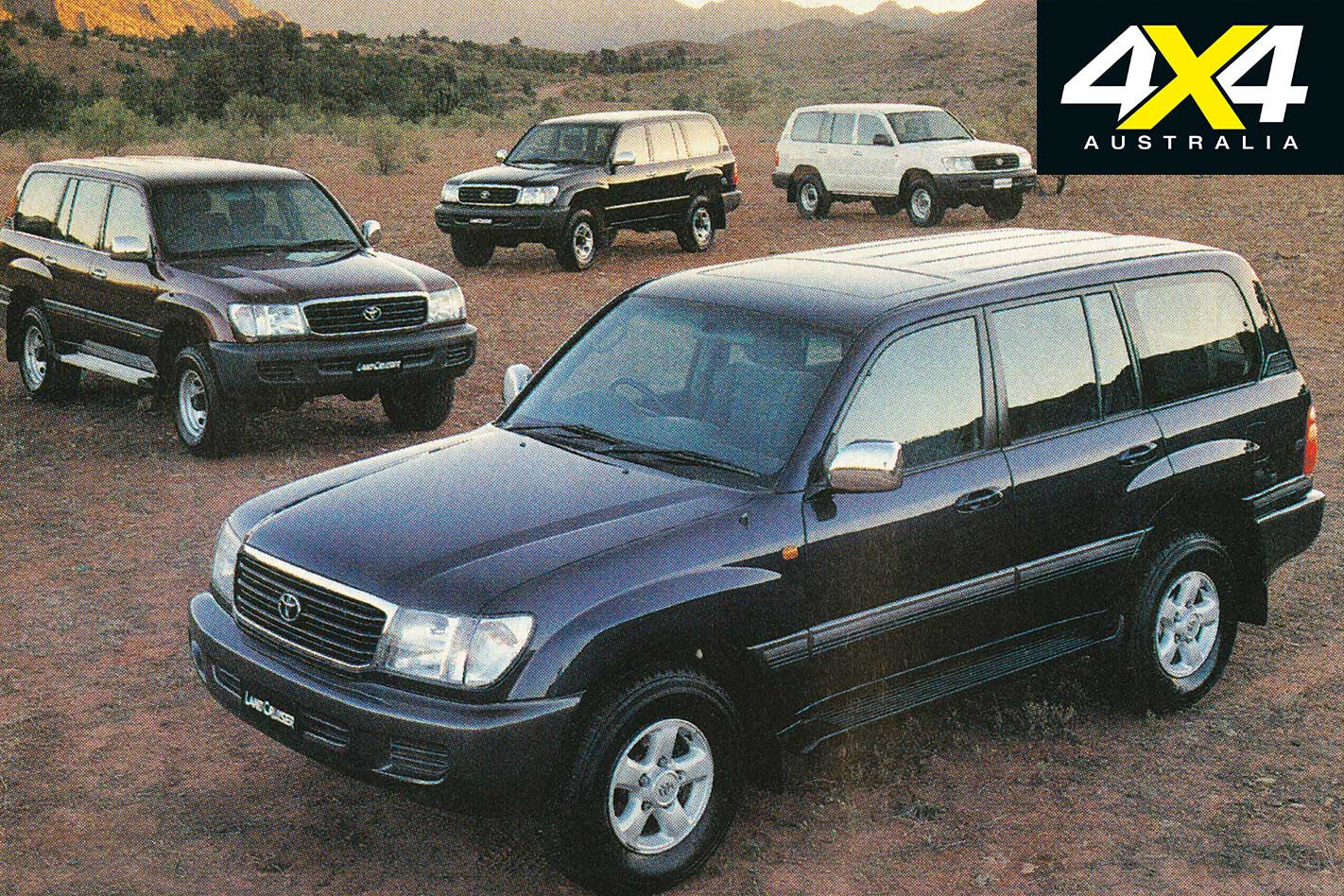
TOYOTA was under pressure to produce a worthy successor to its popular 80 Series Cruiser and succeeded with the release of the 100 Series. There were some slight surprises with the new larger and heavier vehicle, though, which included the option (in GVX models) of a ‘softer’ front-end setup – using independent suspension at the pointy end – but retaining a live-axle rear. Other models – Standard, GXL, continued with live axle front ends.
In a way, Toyota engineers had predicted the future where 4x4s would have to be equally adept around town as they were in the rough stuff and the IFS-equipped 100 Series offered excellent on-road handling (especially compared to the live-axle-equipped GU Patrol) without sacrificing its off-road chops (although it would be haunted by reports of front-end suspension failure in extreme conditions).
As well, it continued with constant 4WD on-road – and pushed the ‘safety’ aspect of this heavily. Add in the option of a stonking 4.7-litre V8 (on top of the various six-cylinder petrol and diesel engines) and the 100 Series really was The Return Of The King.
1999
Jeep Grand Cherokee V8
THE WJ Grand Cherokee gave Jeep its first 4x4OTY gong and impressed judges at the time with its mix of good on-road manners, formidable off-road capability and that smooth 162kW/390Nm 4.7-litre V8 petrol engine, backed by an equally smooth five-speed auto gearbox.
The Limited also featured Jeep’s Quadra-Drive 4WD system that offered constant all-wheel drive on sealed surfaces, limited-slip diffs front/rear along with low-range gearing that included the ability to lock the centre diff.
The interior was next-level for its time, with leather (heated) seats, a 10-stacker CD player, climate-control aircon and plenty more. Fit and finish was – well, for a Jeep – good, and the relatively compact size (and light weight) made the WJ easy to manoeuvre both around town and on tight bush trails.
A five-seater only, it had a reasonable amount of cargo storage space. Even today, you still see a few kicking around, from standard through to highly modified.
THE TILPA Hotel is a great little bush pub nestled on the bank of the once-mighty Darling River, and it’s a top spot to wash away the dust when touring outback NSW.
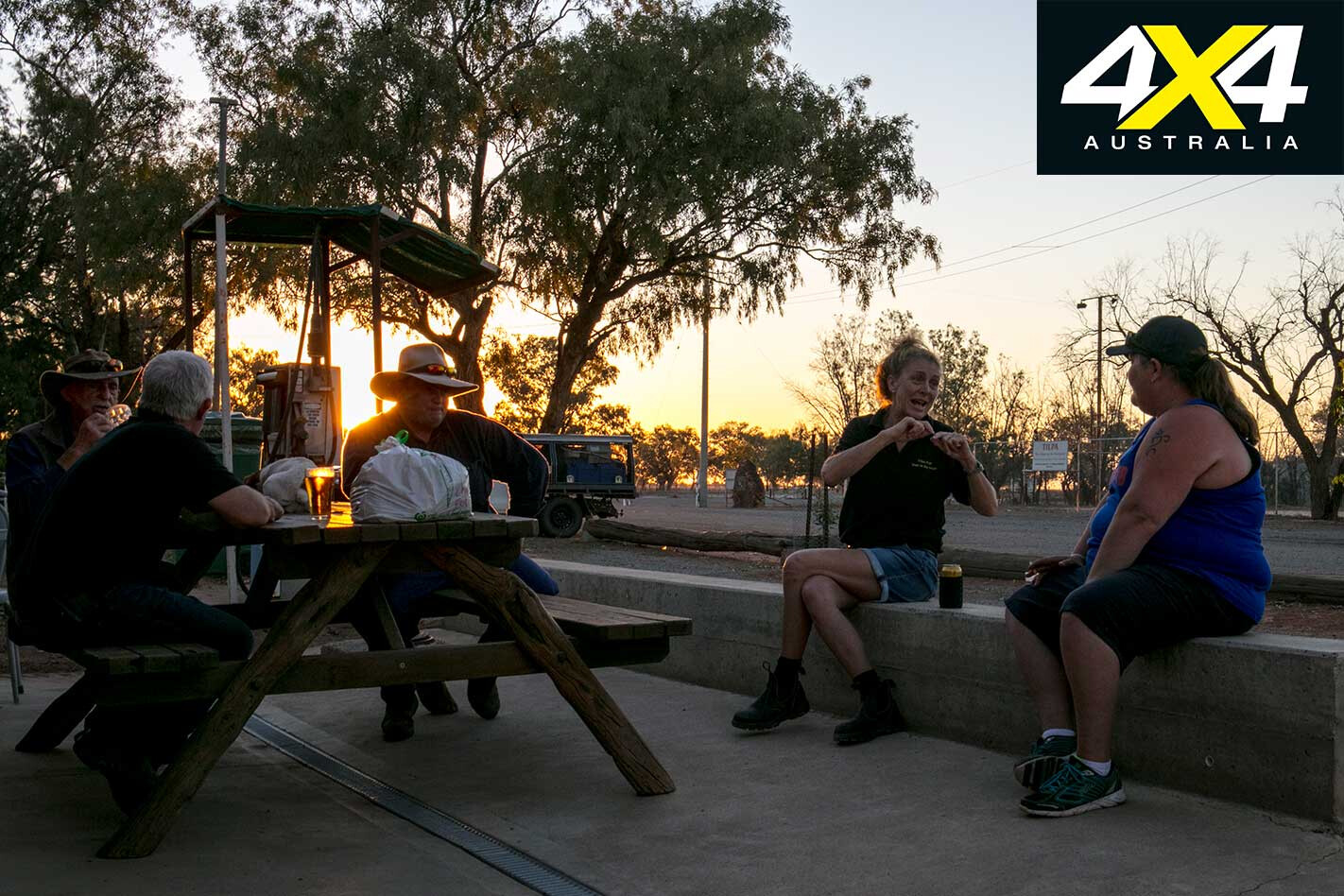
The pub was established in 1894, when river boats ran freight up and down the Darling River. As well as the main building, which houses a small bar and a room out the back with a pool table, there’s a tranquil lawn area out the back that’s a perfect place to sip on a coldie while overlooking the river.
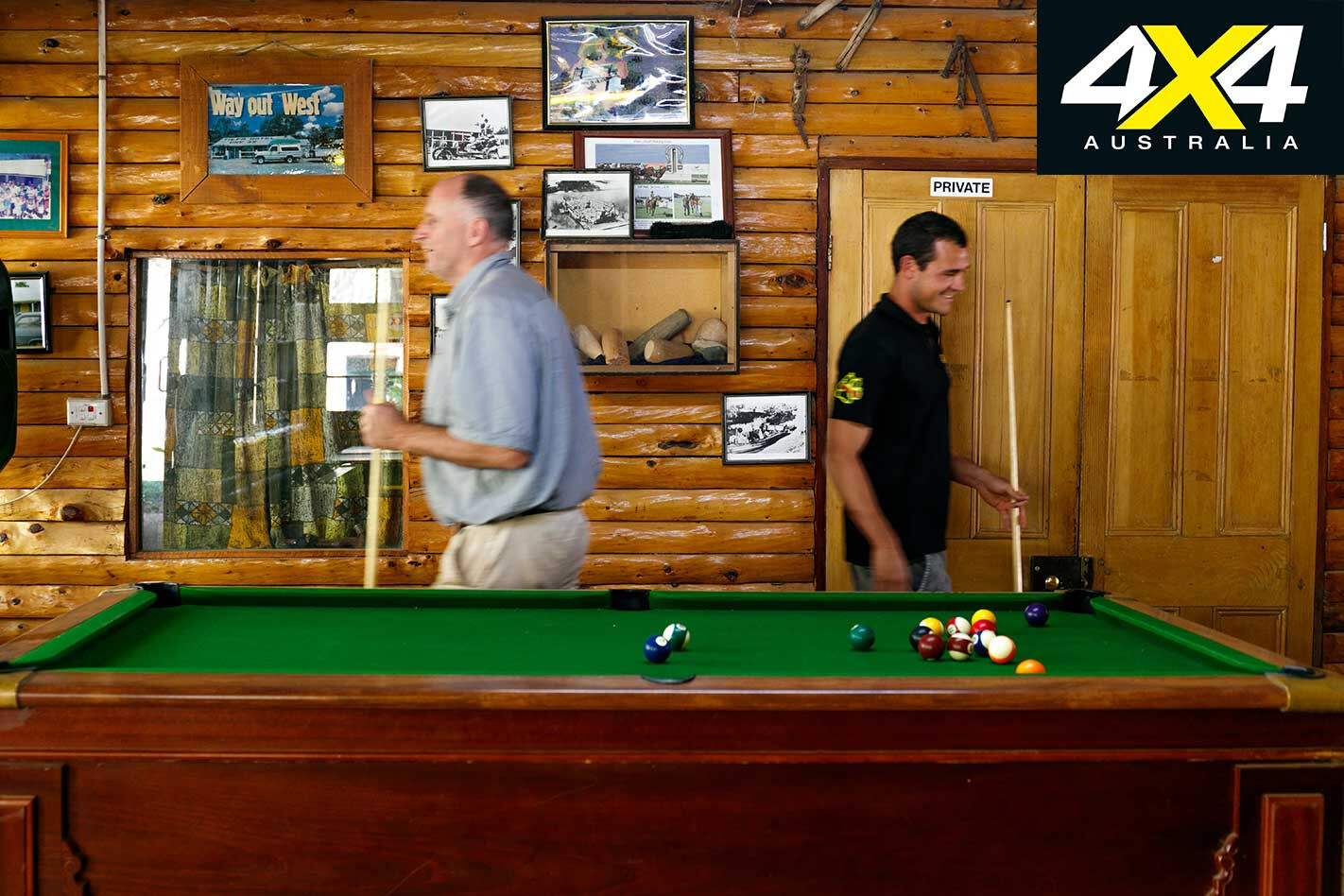
Publicans Phil and Sharon are incredibly friendly hosts and, although they’ve only been running the pub for a few months, they have lived and worked in the area for some time. They’ll even let you add to the graffiti covering the walls of the Tilpa Hotel for a small fee, which will be donated to the Royal Flying Doctor Service of Australia.
Beers on tap include Great Northern, Carlton Dry, Tooheys New and XXXX Gold, while there’s a good selection of stubbies available. Food ranges from toasties, chips, steak sandwiches and burgers for lunch, through to pizzas and steaks for dinner. There’s also a kids’ menu with spaghetti Bolognese, nuggets, and fish and chips.
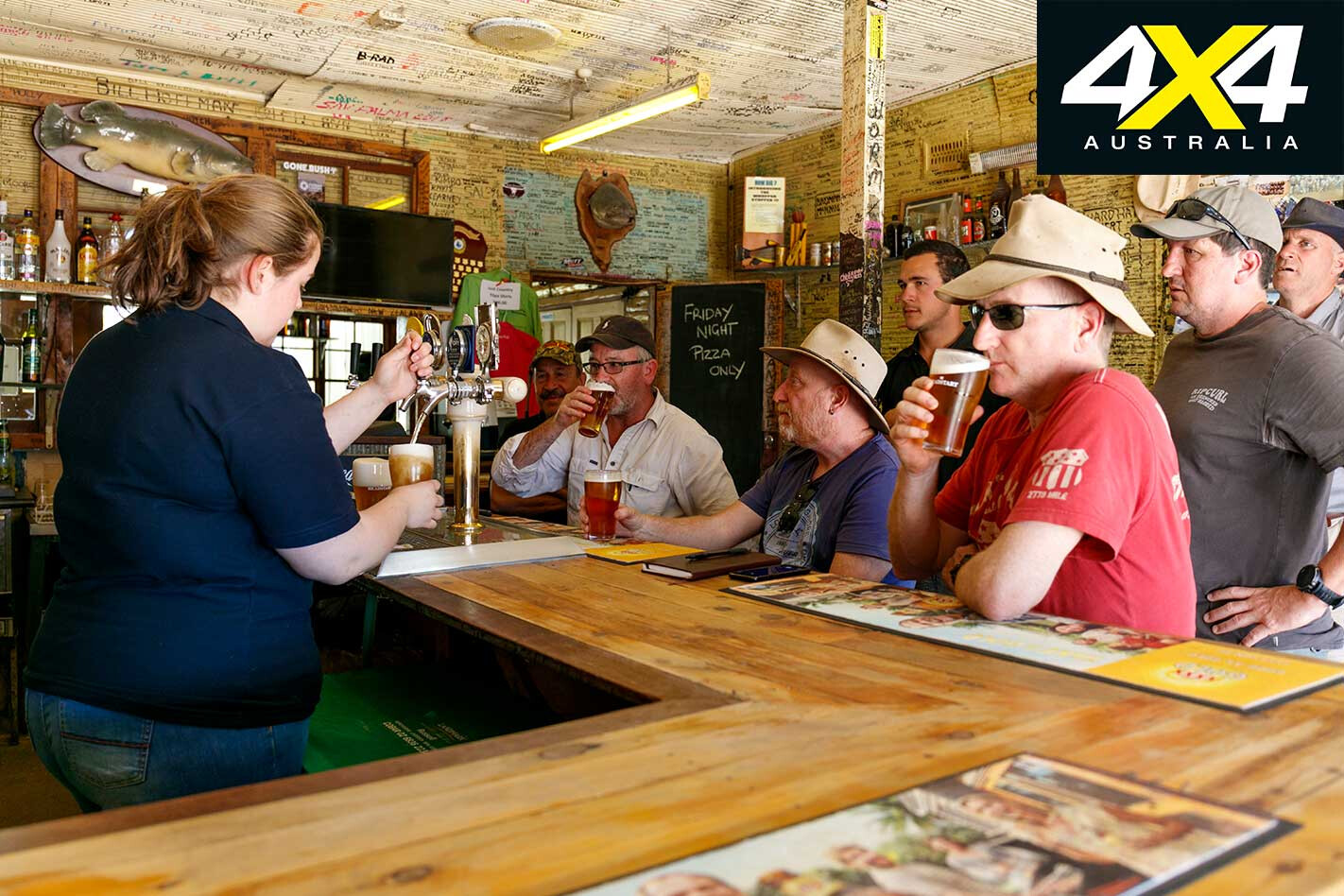
As well as the famous ‘Tilpa Hotel’ stickers, you can pick up other branded goodies at the pub including stubby coolers, shirts and more.
The next time you do a Darling River run, ensure you set aside a day or two to soak up the history and the ambience at the famous Tilpa Hotel.
4×4 Pub Guide
Hours: 10am-Midnight (Mon-Sat) 10am-10pm (Sun)
Beers: Light ($6) Mid ($6) Heavy ($6)
Food: Lunch ($8-$17) Dinner ($18-$28)
Accommodation: Four rooms available at $40 per person. Camping over the road (toilets and hot showers) for a gold coin donation.
Pub Rating: 4 out of 5 thumbs up
It’s been 34 years since 4×4 Australia kicked off with what is now one of the motoring world’s most respected awards: 4×4 Of The Year.
Judging has always been based on the year’s new releases (to qualify, they had to be all-new or have significant revisions) and, because the vehicles could be from a variety of classes, they were each tested against five criteria, rather than each other.
Looking back over the past four decades of winners gives judges past and present the chance to pat themselves on the back for a decision well made. It may also, in hindsight, give them the chance to shake their collective heads and question just how a particular vehicle reached the top of the 4x4OTY podium…
The 1980s
AH, THE ’80s! When fluoro was not just consigned to roadworkers and – depending on your taste – the music was highly questionable. This decade was when 4x4OTY was in its infancy, kicking off in 1984, and the award was spread over two price points.
The vehicles themselves were far more simple, too; leaf-spring suspension was still considered the go-to for hardcore 4x4s, and the prospect of using your four-wheeler as the regular family transport didn’t enter the minds of many. Even now, thirty-plus years later, some of these ‘old’ rigs still hold up well, while others… well, let’s just say that time can be very unkind.
1984
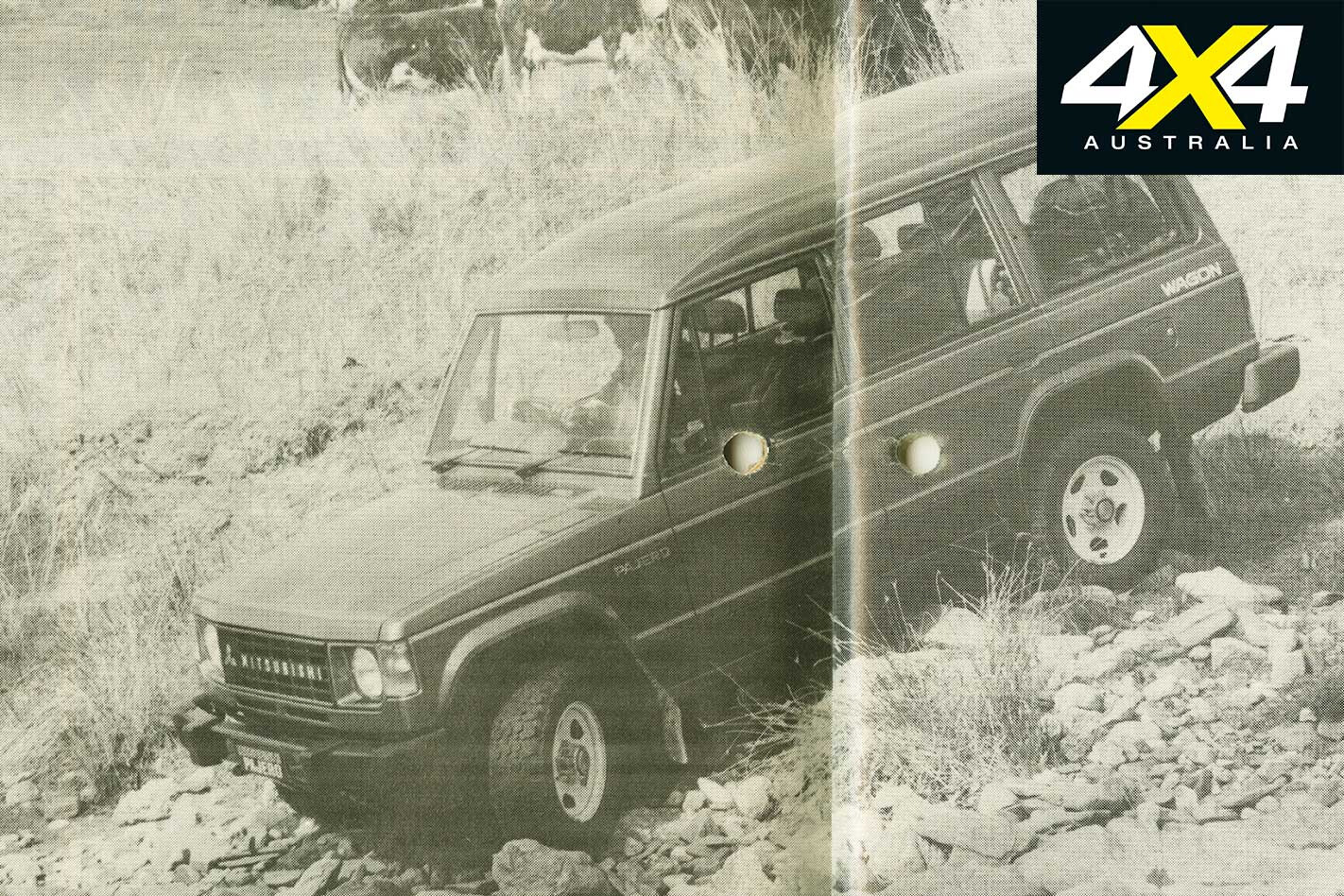
Over $15,000 – Mitsubishi Pajero Wagon
THE Paj offered ‘full-size’ wagon performance in a more compact size than its larger competitors, along with car-like on-road performance (for that time, anyway), aided in part by the introduction of independent front suspension, something unheard of in a ‘serious’ 4×4 at that time.
Engine choices were a 2.3-litre turbo-diesel or 2.6-litre petrol, backed by a five-speed manual. Stopping power was via rear drums (yep!) and ventilated front discs.
Under $15,000 – Mitsubishi L300 Express (4WD)
The L300 Express was a bit of a hit back in the early ’80s, going through a few incarnations before the SD series, fitted with a 2.0-litre petrol and five-speed manual, nabbed the 4x4OTY gong for less than $15k. Plenty of space and load capacity (a claimed near-1000kg) were hits with judges.
1985
Over $19,000 – Mitsubishi Pajero Wagon
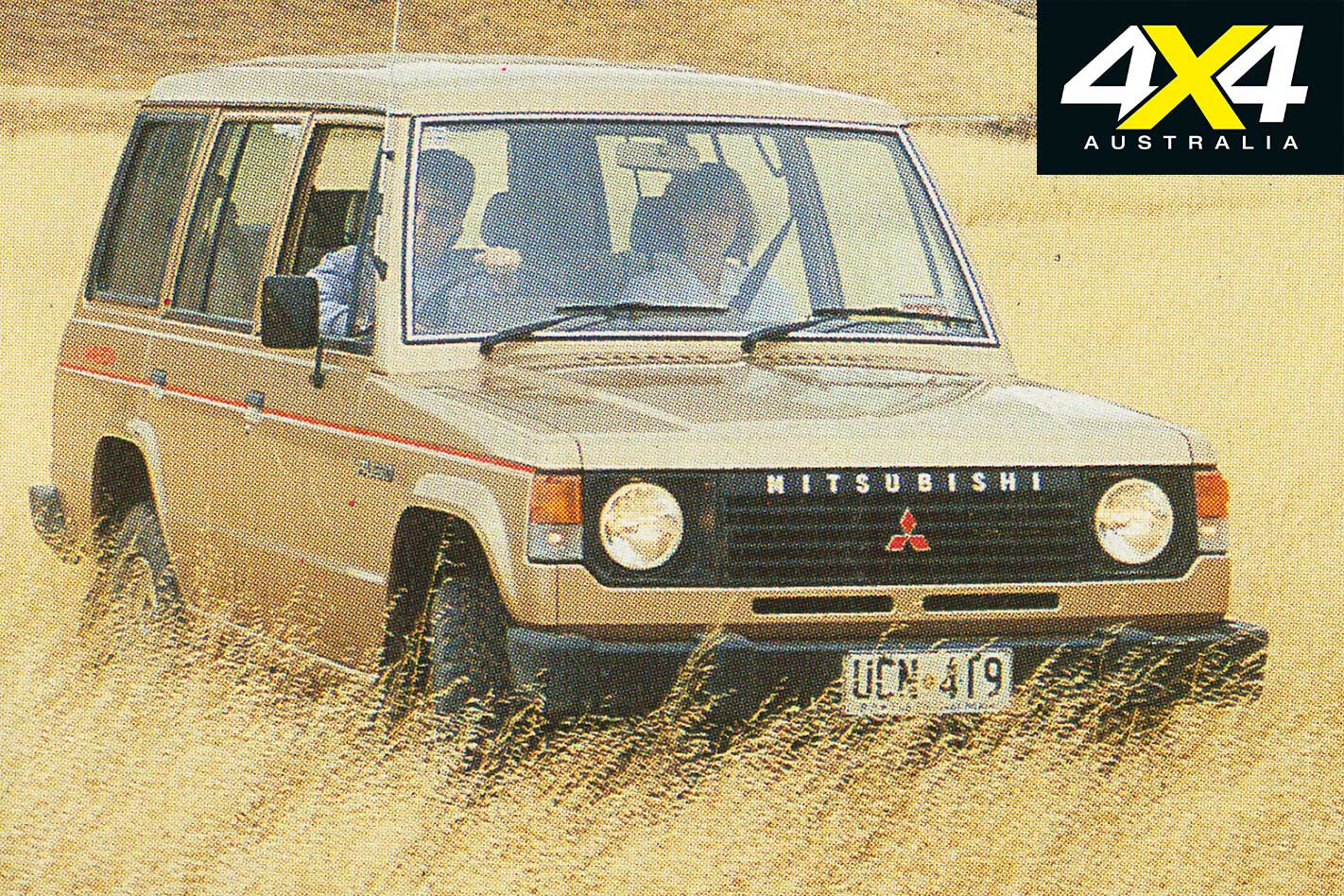
All the lauded features of the ’84 Paj carried over into the ‘new’ NC, with the addition of power steering – in those days still considered a ‘luxury’ – as an option, along with four-wheel disc brakes on higher-end models.
Under $19,000 – Holden Jackaroo SWB Petrol
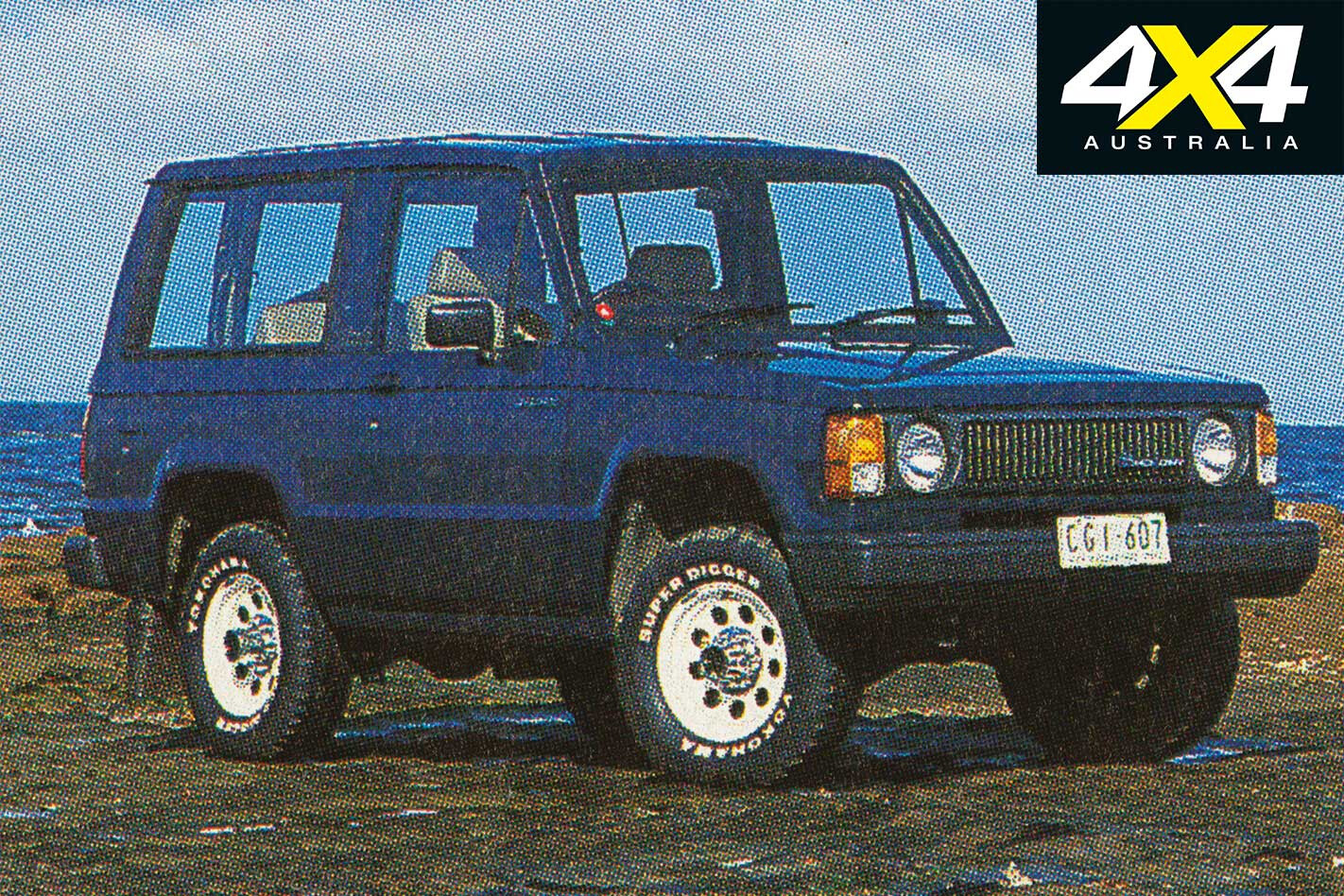
HOLDEN slaps a Lion badge on an Isuzu Trooper and voila, enter the Jackaroo. Available as a five door or this award-winning three-door shorty it was powered by a 2.3-litre petrol donk (backed by a five-speed manual), or a 2.2-litre turbo-diesel four-cylinder, neither of which were really up to the task of lugging the beefy box-on-wheels.
1986
Over $25,000 – Range Rover EFI
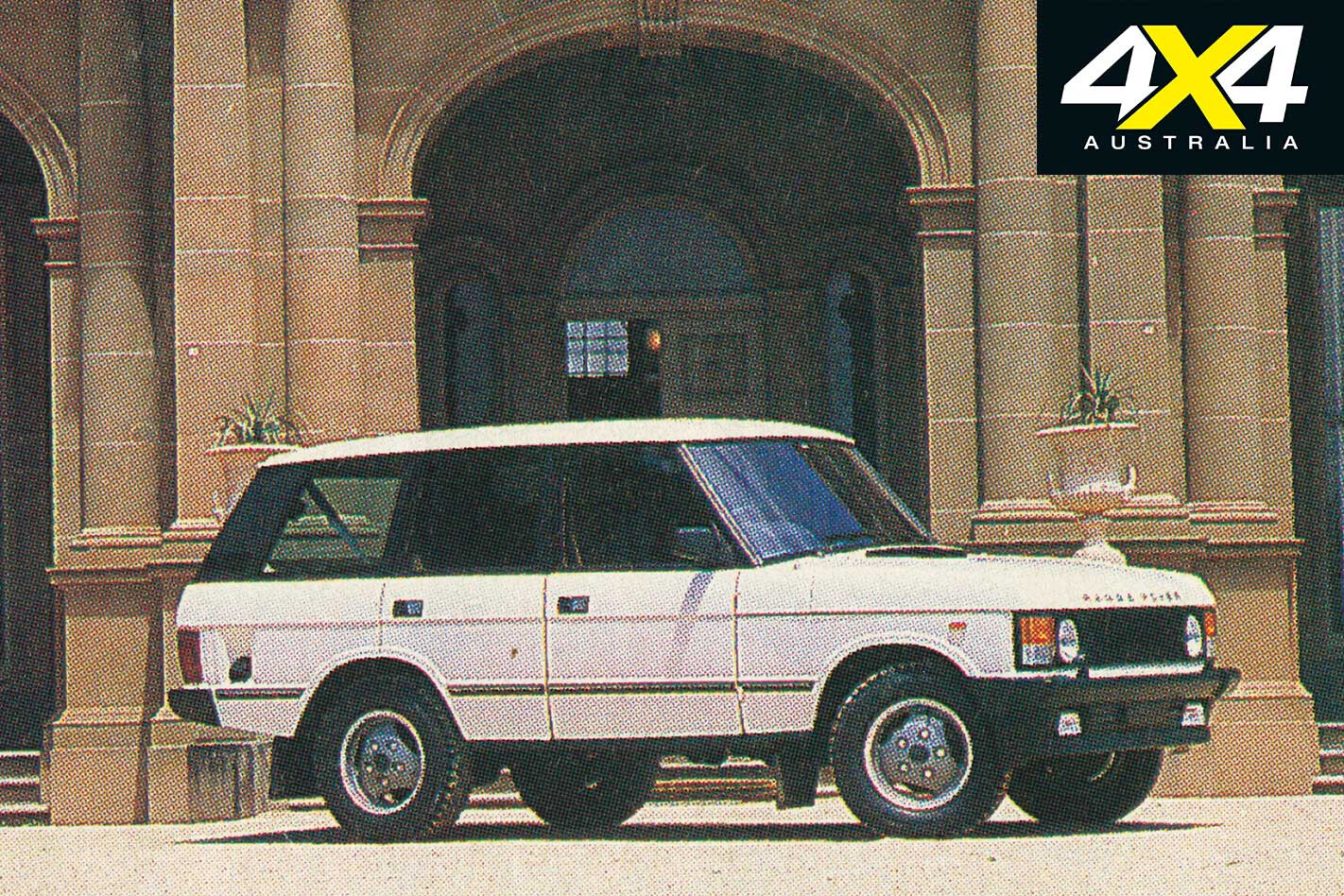
A LUCAS-powered fuel injection system arrived for the first time under the regal bonnet of a Rangie, giving the already-ancient Buick 3.5-litre V8 a little more oomph (a claimed 30 per cent), but bringing in the infamous “Lucas, Prince of Darkness” catchcry thanks to the EFI’s many ongoing issues. Balancing this was the fitment of a new – and tough – four-speed ZF auto gearbox.
Under $25,000 – Nissan Pathfinder
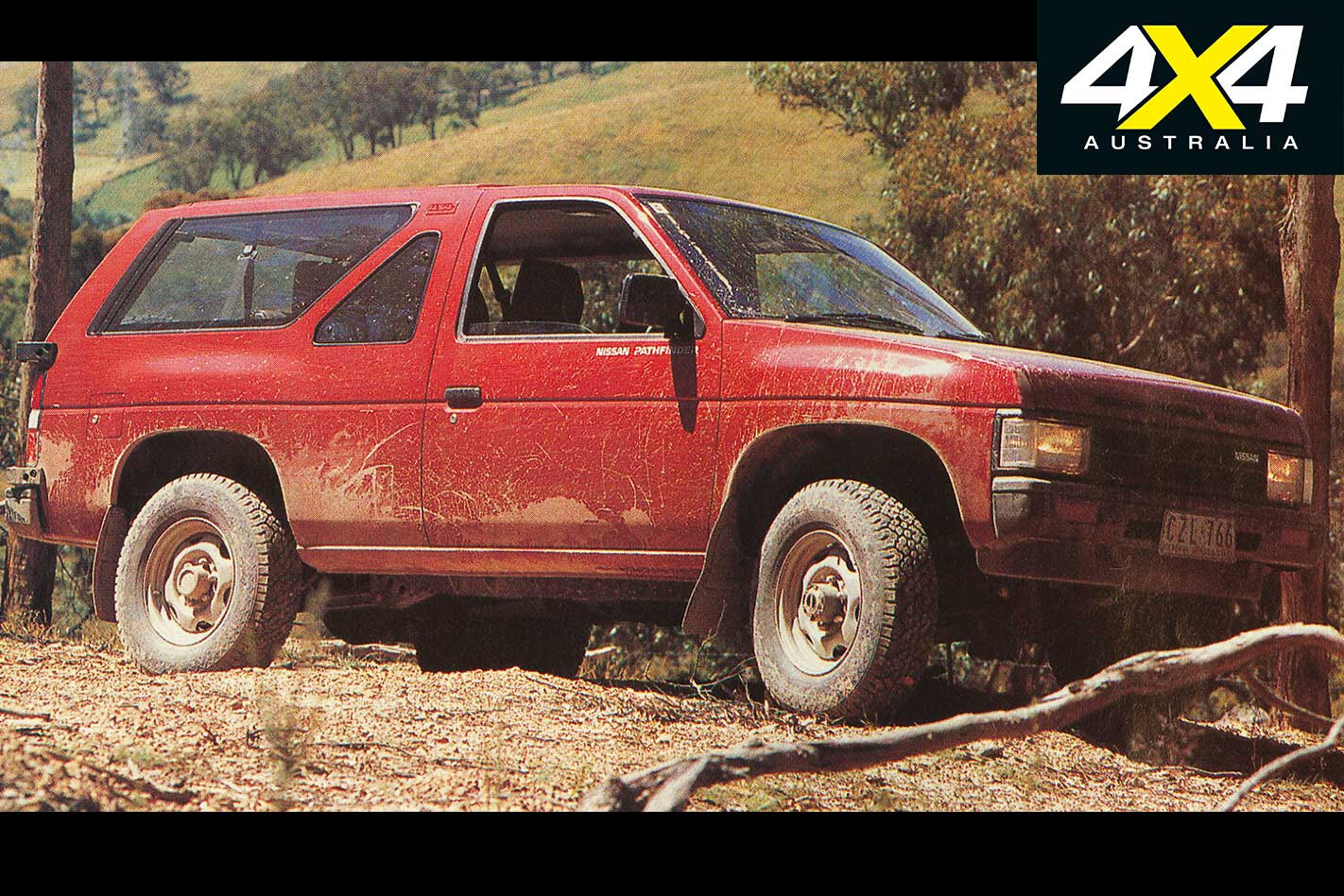
TWO doors, body-on-frame construction, and powered by a slightly anemic 2.4-litre petrol engine; the ‘Pathy’ was an instant hit for aspiring off-roaders after an appealingly priced rig. Based on the D21 Navara, it was one of the first ute-based wagons and was plenty tough, with a basic part-time 4WD system and (relatively) compact size. Still see a few kicking around today.
1987
Over $30,000 – Nissan GQ Patrol Wagon
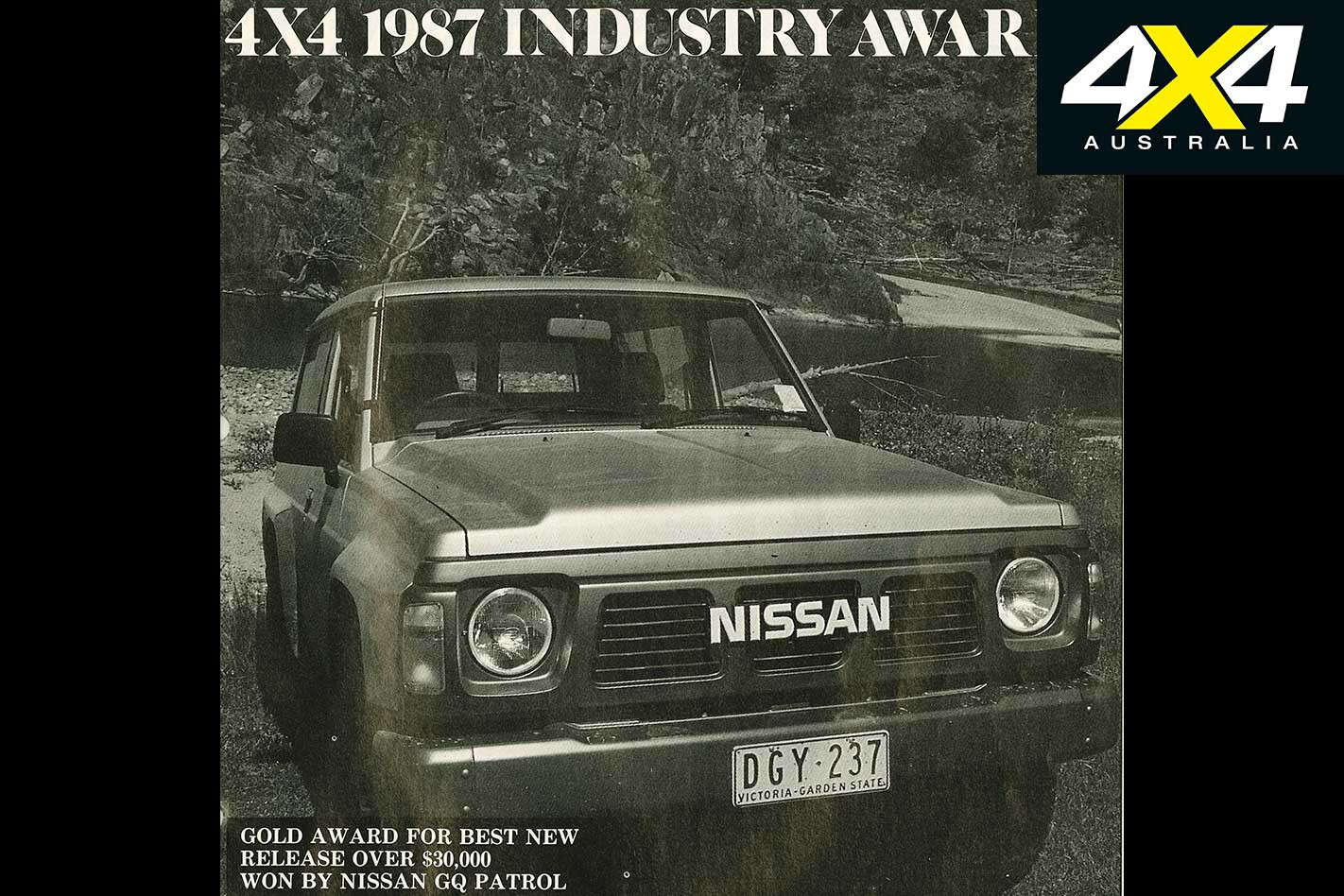
THE wagon that put Nissan on top of the 4×4 marketplace. The GQ Patrol wagon arrived with long-travel, all-coil suspension, four-wheel disc brakes, and a limited-slip diff all as standard, with robust 4.2-litre diesel or 4.2-litre petrol six-cylinder engine options.
In short, it was a world ahead of its then-competitor (the ancient, leaf-sprung 60 Series Cruiser); simply brilliant off-road and surprisingly comfortable on the bitumen.
Under $30,000 – Mitsubishi Sports Pajero
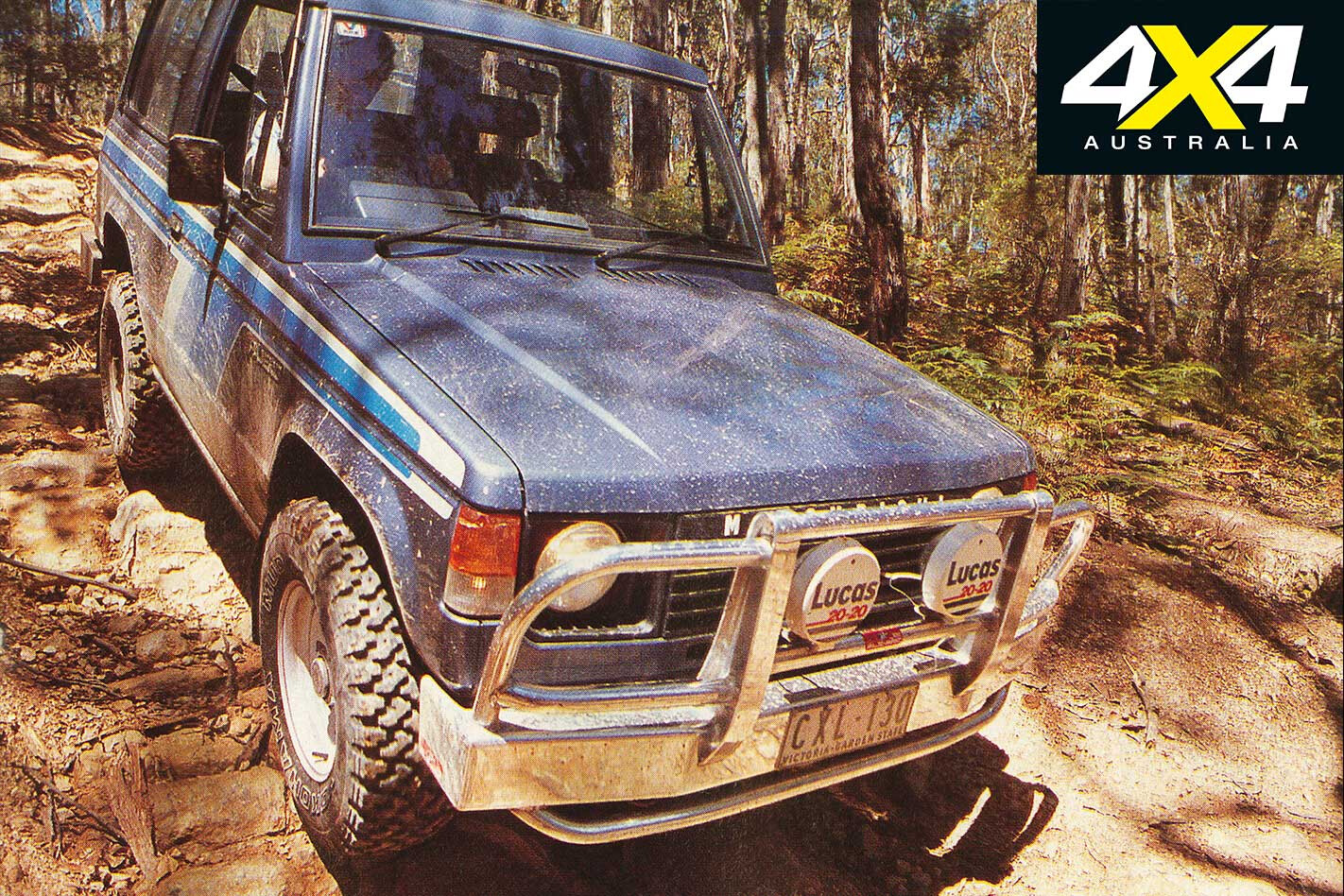
SLAB sides, plenty of outward vision and a robust body, the ’87 Pajero continued the three-star brand’s run of success at 4x4OTY. The NE Paj featured an Aussie-made Astron II 2.6-litre petrol donk and larger stoppers than previous-gen model. Plus, higher-end models also came with the option of a limited-slip diff.
1988
Over $33,000 – Mitsubishi Pajero V6
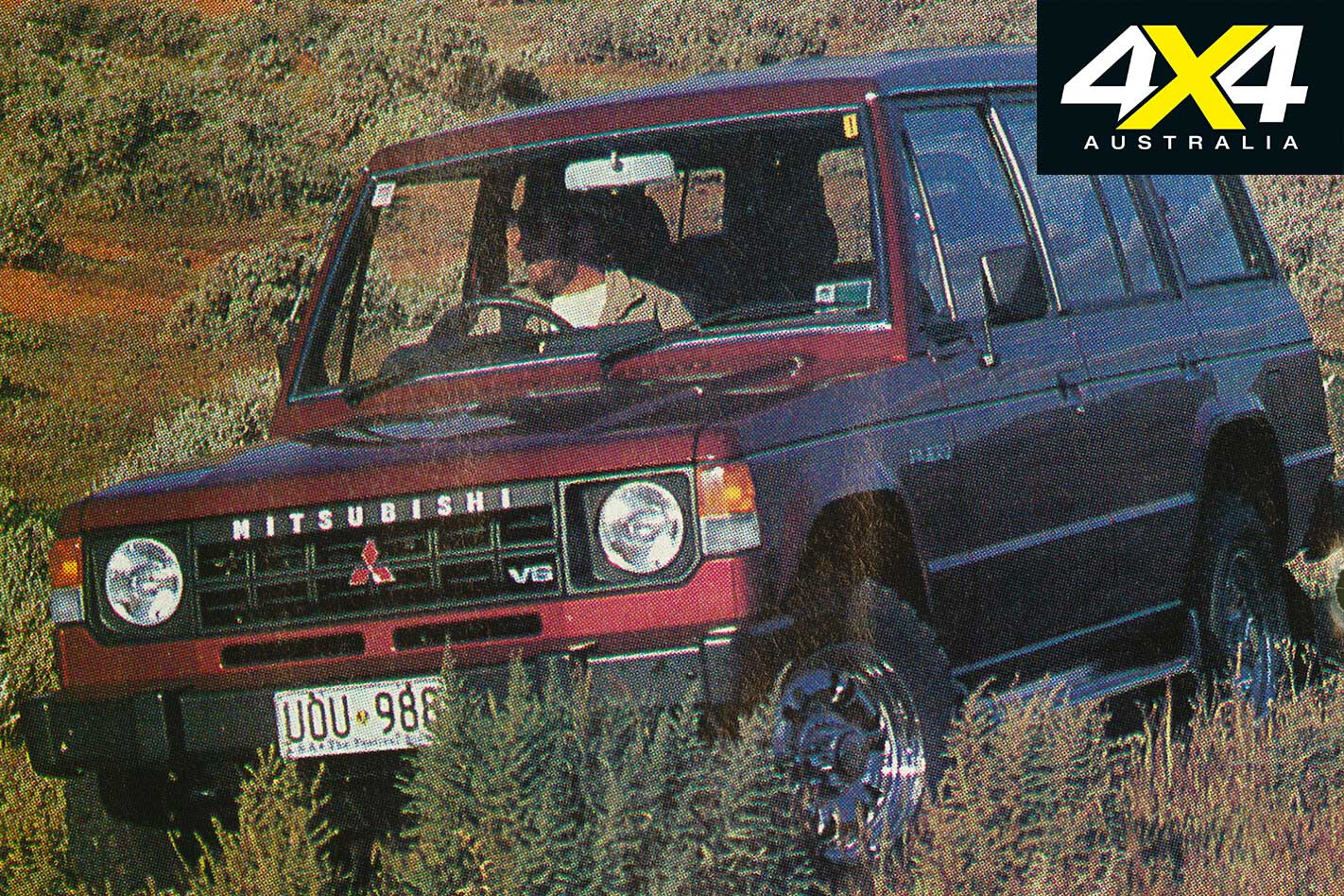
YEP, it was the Pajero again in 1988, thanks to the arrival of a then-grunty 3.0-litre V6 petrol donk that pushed out a mighty 105kW and 228Nm, backed by a four-speed auto or five-speed manual. The rear copped a three-link coil spring setup, along with disc brakes (V6 model only).
Under $33,000 – Nissan GQ Patrol
THE mighty GQ continued its domination of the large-wagon class. Quite simply there was nothing like it in its class that offered the same bang for your bucks and outright capability when it came to a touring vehicle that could take you all over Oz.
The 4.2-litre naturally aspirated diesel was certainly no rocket, but it was easy to work on (not that you needed to much) and tough, just like the rest of the drivetrain – one of the reasons you still see so many of them today.
1989
Over $36,000 Gold award – Not presented (nothing deemed worthy)
Under $36,000 – Toyota 4Runner
FOLLOWING on from Nissan’s original Pathfinder, the 4Runner was a ute-based 4×4; using the uber-popular Hilux as a base, the 4Runner was available as a two- or four-door, with the donor ute’s cargo area enclosed via a canopy-style arrangement.
Power was via a naturally aspirated 2.8-litre four-cylinder diesel that produced 60kW/183Nm or a 75kW/185Nm 2.4-litre petrol four. It was no rocket-ship, but owing to its light weight and compact dimensions, the 4Runner was still bloody awesome fun off-road, and not too uncomfortable on it.
The rear cargo area allowed a surprising amount of gear and the 4Runner soon became a popular choice for couples and young families on a budget that were keen to head bush for a weekend or longer.