
IF YOU intend to do any extended off-road touring it makes sense to utilise a dual-battery setup to power 12V equipment and protect the primary battery. Historically, vehicles commonly used a fixed voltage alternator to replenish the starter battery losses from cranking duties during engine start-up, before supplying power to accessories and electrical systems with the engine running.
Given the relatively high voltage output from this type of alternator, it was able to provide a sufficient charge for a second battery of similar construction that was wired in parallel to the starting battery. A manual or automated solenoid control would separate and protect the starter battery when the engine wasn’t running. This simple system effectively addressed most of our 12V needs.
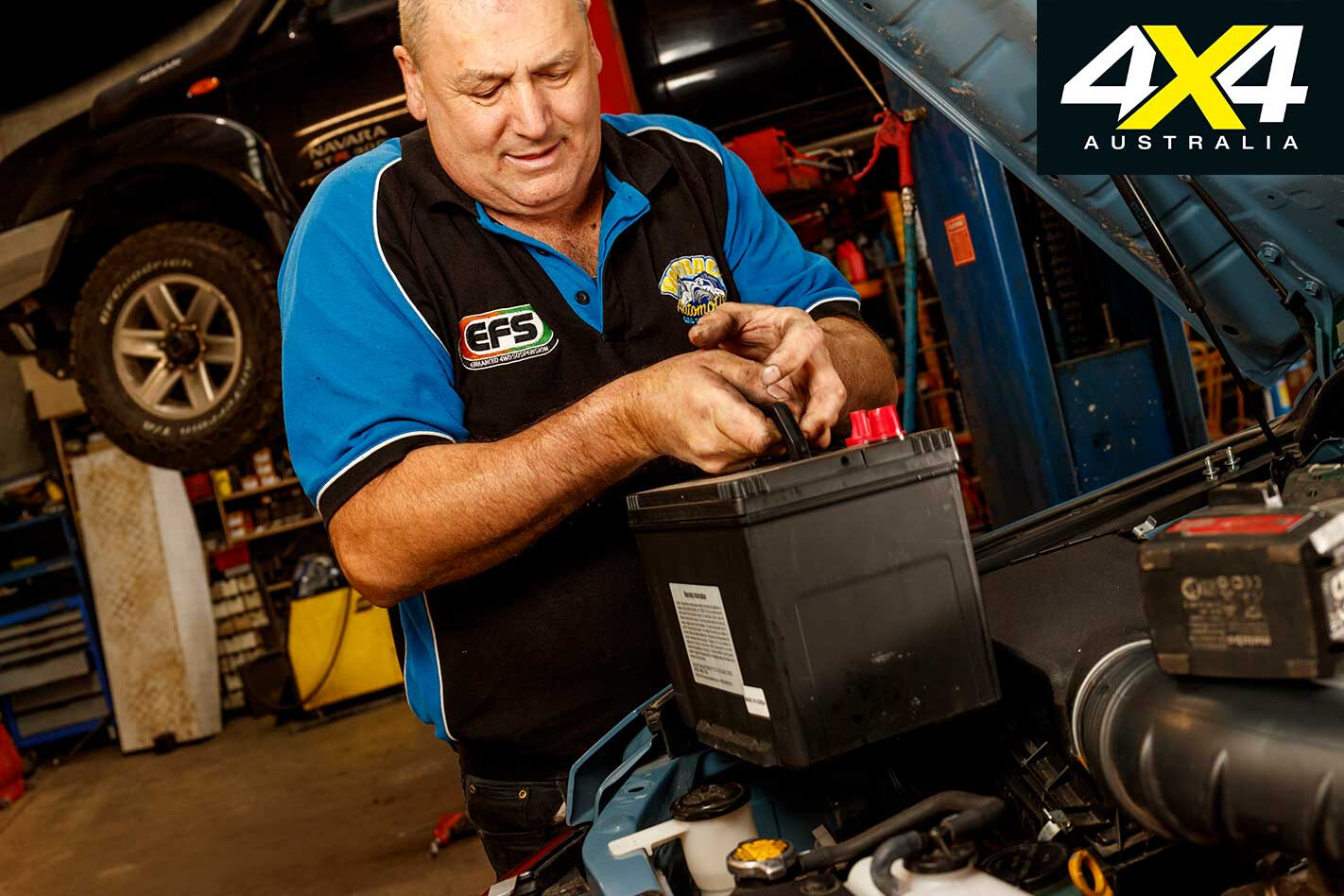
Seeking lower emissions and greater fuel economy, modern electronics have altered the fundamental operation of many systems within the modern four-wheel drive. The vehicle’s smart alternator can vary its output to reduce the load on the engine across a range of operating conditions, but manufacturers design their smart alternator to look after the starting battery and the vehicle’s own electrical systems power needs, not an auxiliary battery.
Depending on the type of auxiliary battery fitted, the alternator’s variable output may fail to fully charge the battery. From the first time you start to drain the auxiliary battery a destructive cycle begins, significantly reducing the battery’s lifespan and operational capacity.
Repeatedly reaching deep into the battery’s reserves to deliver power to hungry 12V devices increases the risk of complete battery failure, as it is only ever partially recharged due to the normal function of the smart alternator.
If you think you never seem to have a fully functioning dual-battery system in your modern fourbie, you’re not alone. Buying bits and pieces and bolting them together to create a dual-battery system isn’t hard; the challenge is correctly matching the size and capacity with the functionality of each piece of equipment, so they work seamlessly with a smart alternator to provide reliable and effective power management. Fortunately, the aftermarket is solving the problem with new-gen management solutions.
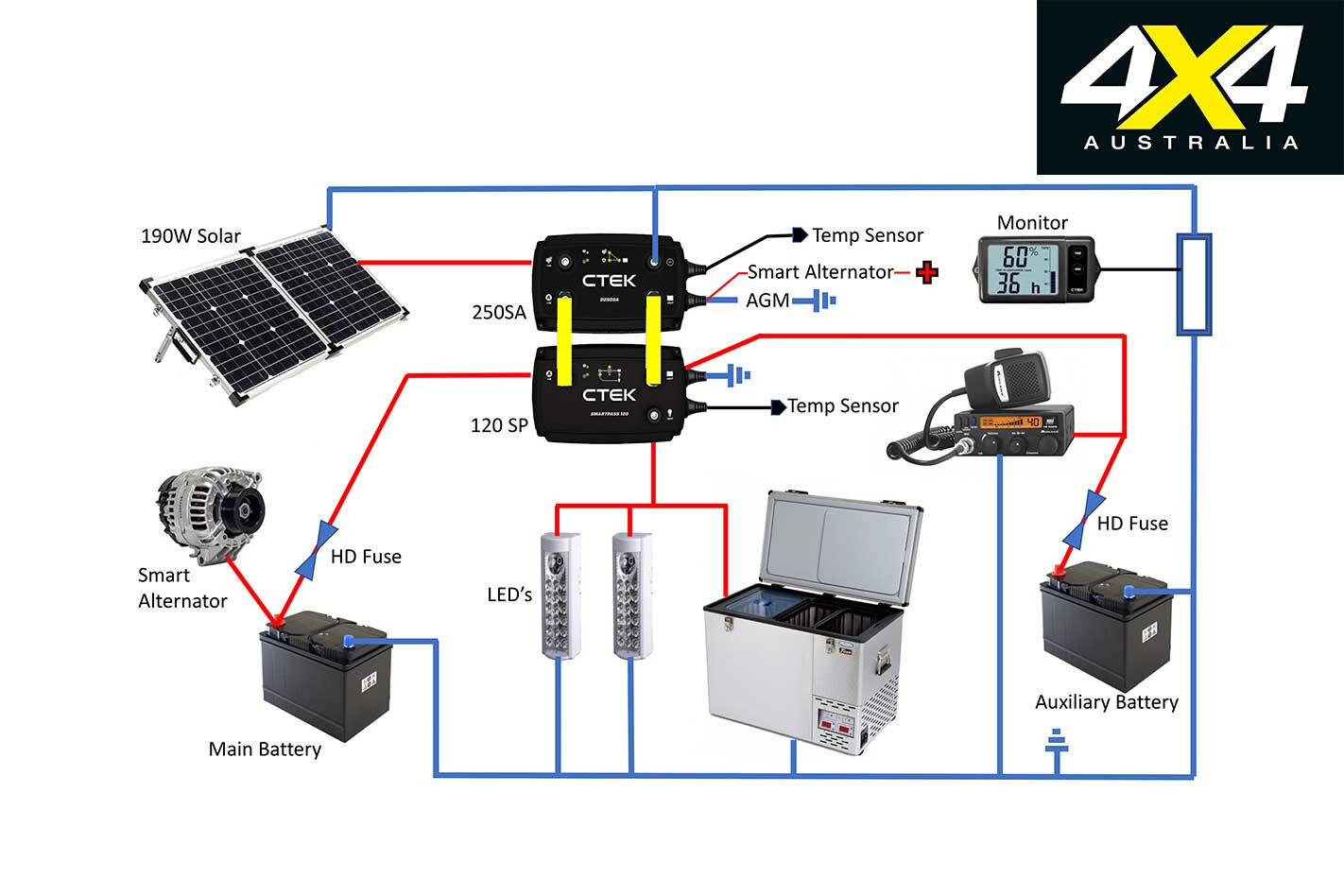
CTEK’s longevity in the industry ensures it understands the demands placed on a dual-battery system and how it must integrate into the complex electronics of a modern 4×4. From complex caravans to rugged 4×4 tourers, CTEK’s new 140A Off-Road Power Charging system has been specifically designed to maintain and optimise the capability of any dual-battery system.
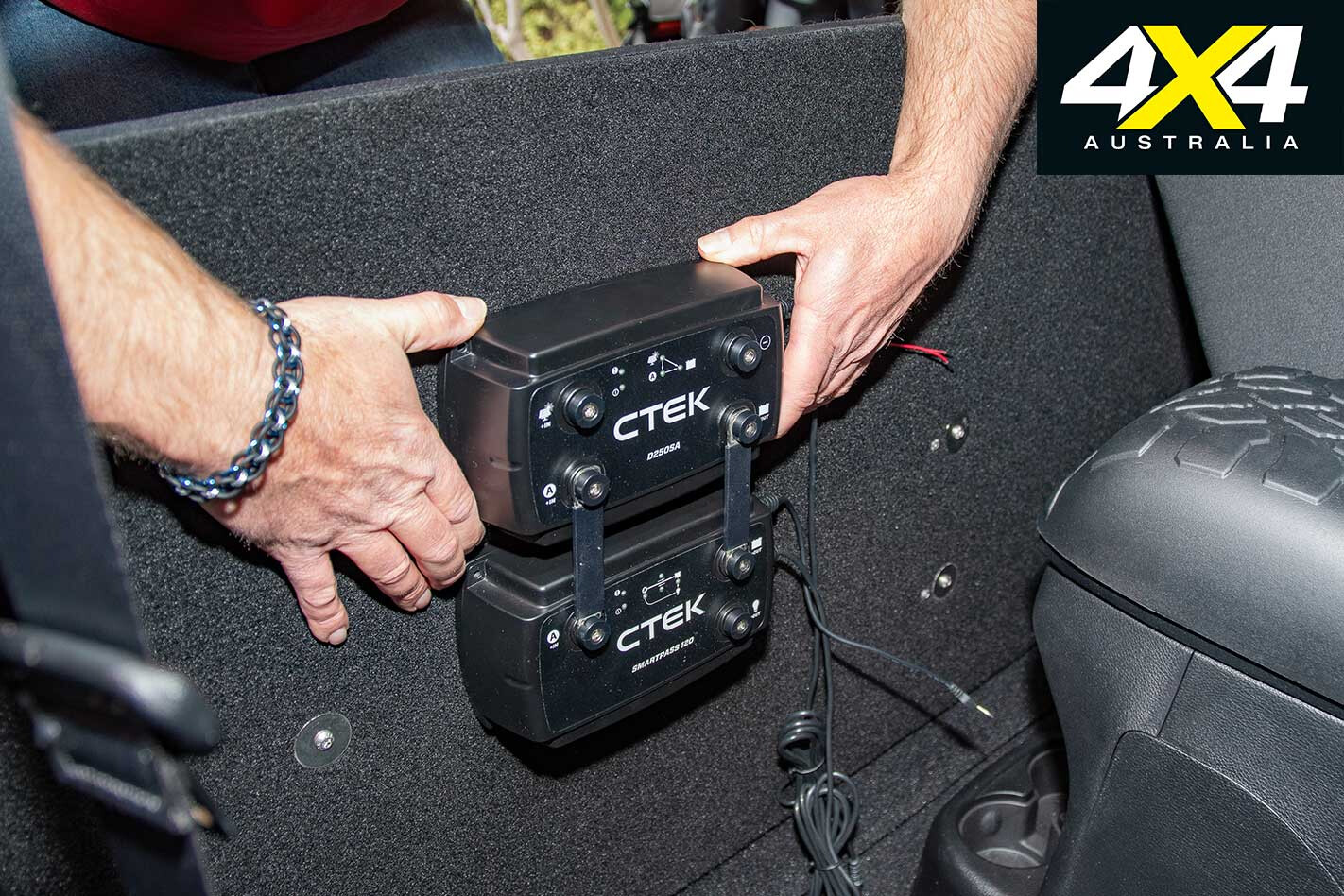
The kit contains a D250SA DC-to-DC 20amp five-stage battery charger to ensure a consistent and correct charge for your auxiliary battery. A SmartPass 120 Manager is included to control the charge and power flow to the 12V devices connected to the dual-battery system, with redundancy for assisted cranking in an emergency. The units are rated at IP65 for splash and dustproof standards, and there’s a remote-mountable monitor with a large, clear screen to provide battery status information at a glance.
Power is sent from the alternator to the 120 and then across to the battery charger via the connector plate, allowing the charger to combine solar input (via its dedicated solar terminal) and output to the auxiliary battery. The unit will accept solar input from 50 to 300W panels, with control provided by the internal MPPT solar regulator to maximise input.
Non-critical system accessories – fridges, lights and chargers – can be switched and powered directly from the alternator when the engine is running via the dedicated accessory terminal on the SmartPass 120. This gives the option to connect critical systems such as communications to the auxiliary battery.
Installation is within the capability of an experienced tinkerer. Joining the two units via the supplied voltage bus connector plates eliminates additional cabling, and the units form an integrated 140amp management system capable of rapidly charging an auxiliary battery; with intelligent control for balancing multiple inputs.
As with most battery management systems, position the units as close as possible to the auxiliary battery but away from excessive heat. Remember, the further the auxiliary battery is away from the starter battery the heavier the cabling needs to be to deal with the amperage. Check the reference guide in the user manual for suggested dimensions for cabling and fusible link capacities.
By following a detailed diagram, hooking up the cabling is straightforward, with easy-mount terminals located on the front of each unit. Remember to torque the terminal bolts as instructed so you don’t end up with a loose connection after a few kilometres of corrugations, and always ensure there’s a solid earth connection – a large percentage of issues are traced back to a bad earth connection.
The charger has one small red wire and one black wire. The red wire connects to an ignition feed if a smart alternator is used, and the black wire is connected to ground to increase the voltage output from 14.4 to 14.7V for an AGM battery.
Disappointingly, the system doesn’t accommodate LiFePO4 batteries, with CTEK offering a separate charger to accommodate lithium batteries.
The D250SA’s temperature sensor is easy to mount on top of the auxiliary battery and close to the positive terminal, allowing the system to monitor battery temperature and adjust charging rates accordingly to optimise efficiency in both cold and hot conditions.
The D250SA also includes a battery separator, negating the need for a voltage sensitive relay to protect the starting battery. It has the ability to run simultaneous inputs from both alternator and solar panels, with a trickle charge function to top-up the starter battery once the auxiliary battery is fully charged via the five-stage charging profile (desulphurisation, bulk charge, absorption, float and a pulse, to maintain the auxiliary batter at 95 to 100 per cent capacity).
The SmartPass 120 system, which can only be used in conjunction with the D250SA, ups the ante by accepting an input of up to 120amp, with a burst of 350amp for ten seconds when engaging the start assistance function. This enables access to power from the auxiliary battery, to crank the engine if the starter battery is flat.
There’s also a battery guard control to ensure any critical systems have power whilst avoiding the total discharge of the auxiliary battery. The clever design of this system enables equipment to source power directly from the alternator when the engine is running, allowing the system to maximise charging input to the auxiliary battery and reduce charging times.
Both the D250SA and SmartPass 120 have built-in LEDs to confirm normal operation or indicate fault. Simply looking at the lights displayed and referencing it with the user manual will provide an insight into any problems. The remote screen is large and clear with a crisp digital readout. At night the screen has peripheral blue lighting shining across the readout, but backlighting the screen would be better.
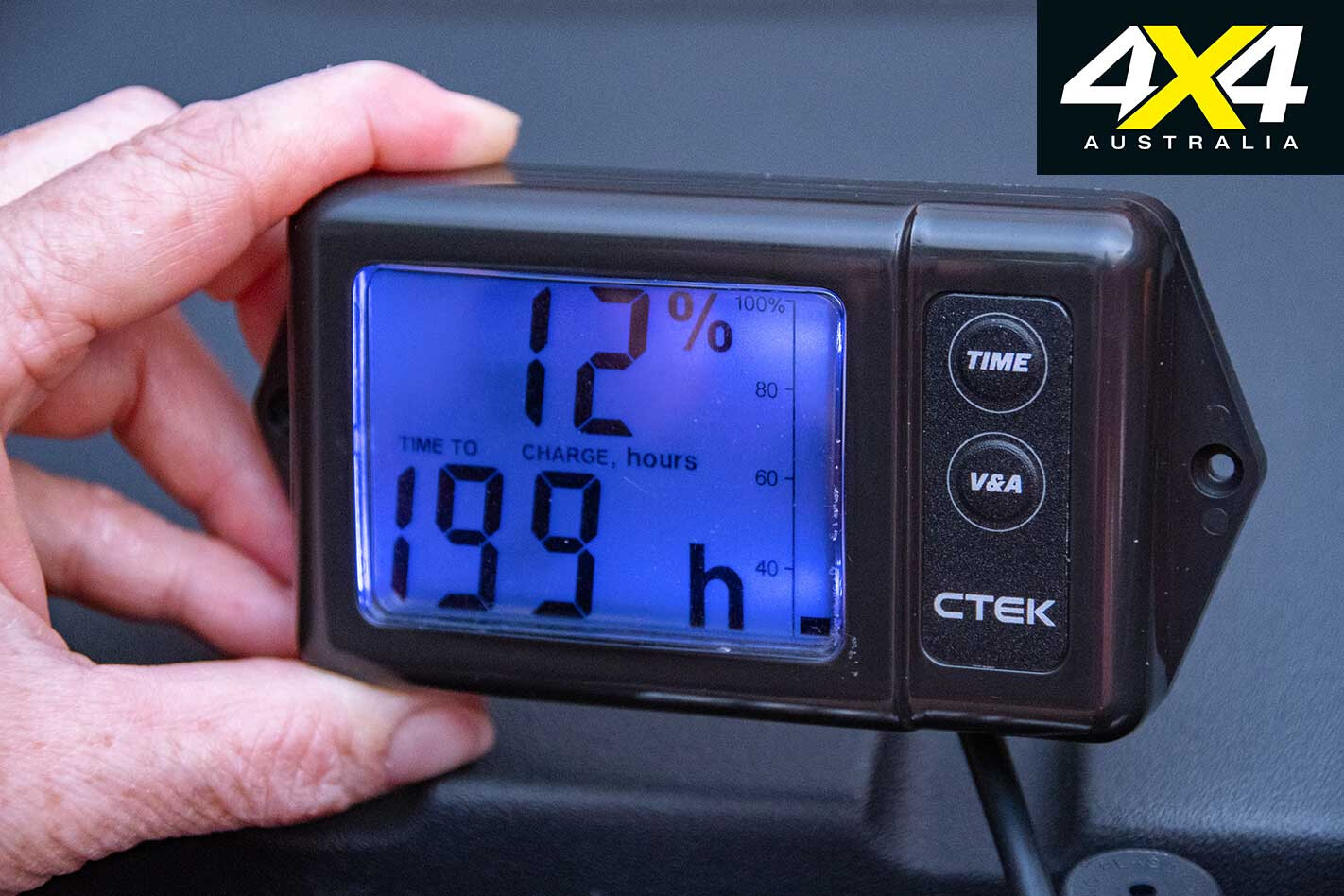
There are various displays that can be selected: ‘Time to go’ shows the battery capacity as a percentage, plus an estimate in time left to fully discharge the battery; alternatively, the Voltage and Current screens show current battery voltage and amperage.
The unit is 70mm high, 100mm wide and needs approximately 250mm for working length, so the components aren’t exactly compact; join them together using the supplied connecting plates and you’ve compounded the issue. The system best suits those with a ute (with a canopy), or a caravan/camper with a large storage boot. It will also work if you can utilise an existing mounting panel, or have room to mount one inside your vehicle or beneath the seat.
Owners with limited real estate will find this system presents installation challenges. Chat with your favourite 4×4 shop to see if they’ve fitted the system to your vehicle model before; or, if you’re happy to spend the time and you’re handy with tools, you could always make your own custom mounting box.
The 140A Off-Road Power Charging system provides the capability to monitor battery temperature and adjust the output; it can simultaneously accept solar and alternator inputs; it can enable intelligent prioritisation for powering accessories and reducing charging times; and it has the capacity to accommodate battery banks up to 800amp/h.
It’s clear the CTEK system can meet the heavy demands and high expectations we have for dual-battery capacity and performance, so if you have sufficient space to mount the CTEK 140A Off Road Power system then it’s is definitely worth your consideration.
RATED Available from: www.ctek.com RRP: $1299 We Say: Quick charging; reliable; takes up space.
EVERY year Jeep showcases a collection of fettled custom metal loaded with Jeep Performance Parts (JPP). And this year, the brand’s hotly anticipated Jeep Gladiator dominated the collective minds of Jeep and Mopar … of course.
Six concepts are set to debut at this year’s Easter Jeep Safari, and they’ll be joined by the production Gladiator – as well as thousands of off-road enthusiasts – on the slick rock and challenging technical trails of Moab, Utah, from April 13-21.
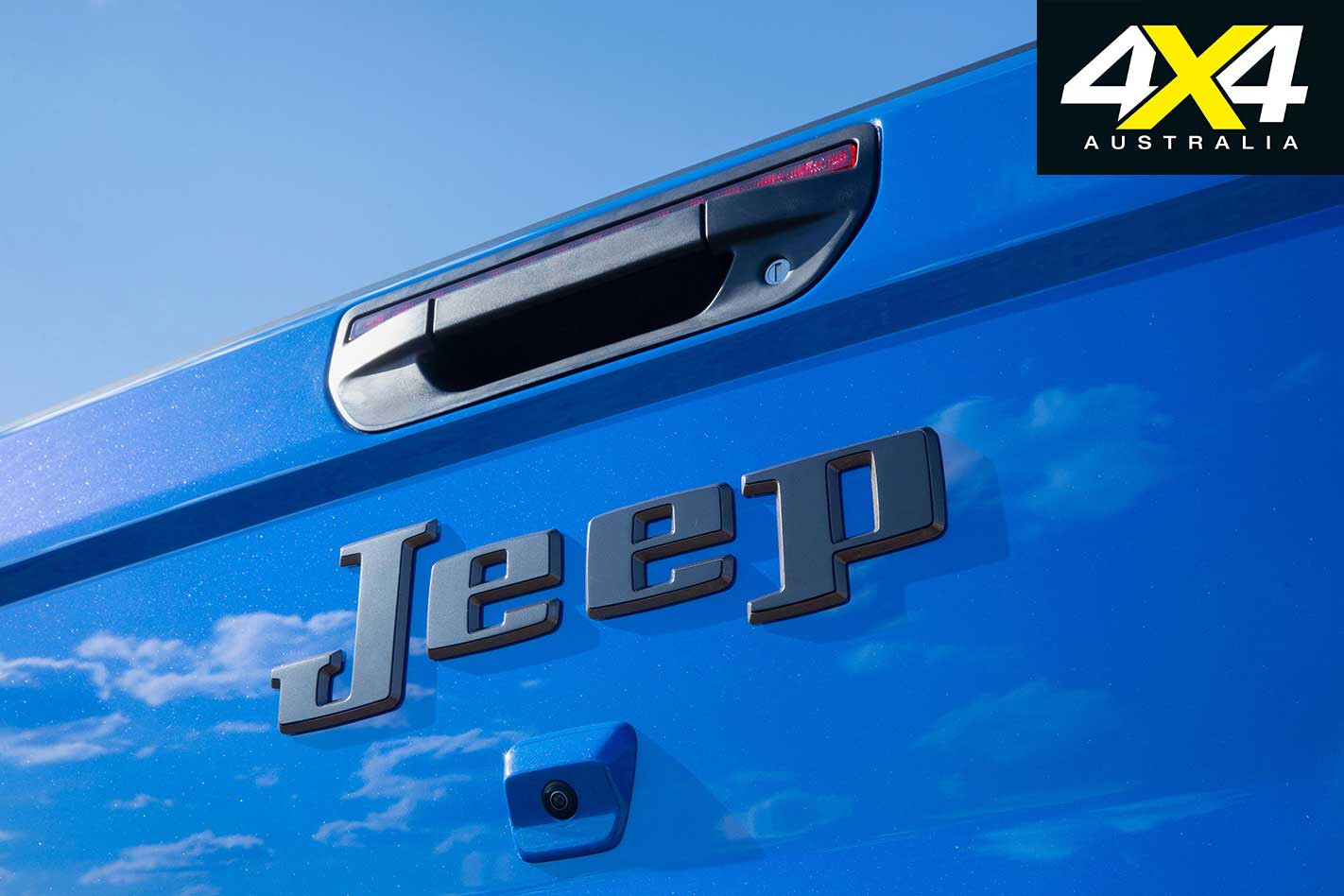
“The Moab Easter Jeep Safari provides the perfect venue to interact with and gather feedback from our most loyal and passionate customers,” Tim Kuniskis, Head of Jeep Brand North America, said. “This year’s Safari will mark the debut of the highly anticipated all-new Jeep Gladiator on Moab’s scenic and demanding trails. To celebrate, we are showcasing six fun and ultra-capable new truck-based Jeep concept vehicles that are certain to turn heads and delight the crowd.”
The concepts will showcase a vast selection of Jeep Performance Parts developed by Mopar, providing Jeep aficionados with plenty of food-for-thought when flicking through aftermarket catalogues.
“Customisation is one of the highest priorities for Jeep brand enthusiasts. This is why we have proactively developed a portfolio of more than 200 exclusive parts and accessories for the all-new Jeep Gladiator,” Steve Beahm, Head of Parts and Service (Mopar) and Passenger Car Brands, FCA North America, said. “At the 2019 Easter Jeep Safari, we will be inspiring our customers by showcasing just a fraction of what is currently available in our catalogue and also some conceptual accessories that might make it into production in the near future.”
Let’s take a look at this year’s Easter Jeep Safari concepts.
Jeep Wayout concept
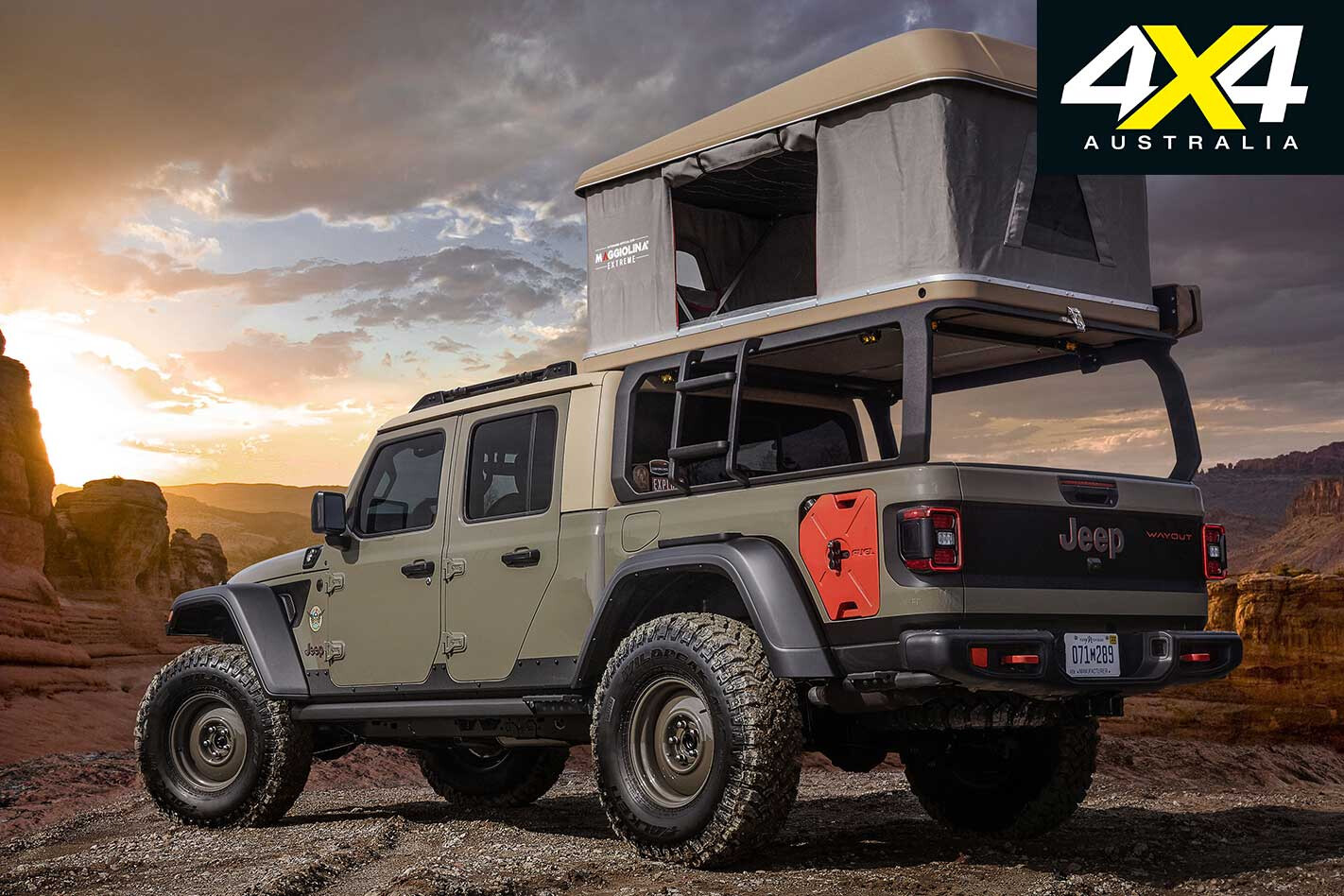
The Wayout is purpose-built for off-the-grid endeavours, with a full roof-top tent, a large canopy, a 270-degree awning, a Mopar/Decked bed-drawer system and two custom-fit auxiliary fuel tanks. An ARB on-board air system helps with remote-area touring; as does the two-inch lift kit, 37-inch muddies and a 12,000lb Warn winch. The Gator Green paint-job will be available on production Gladiators.
Jeep Flatbill concept
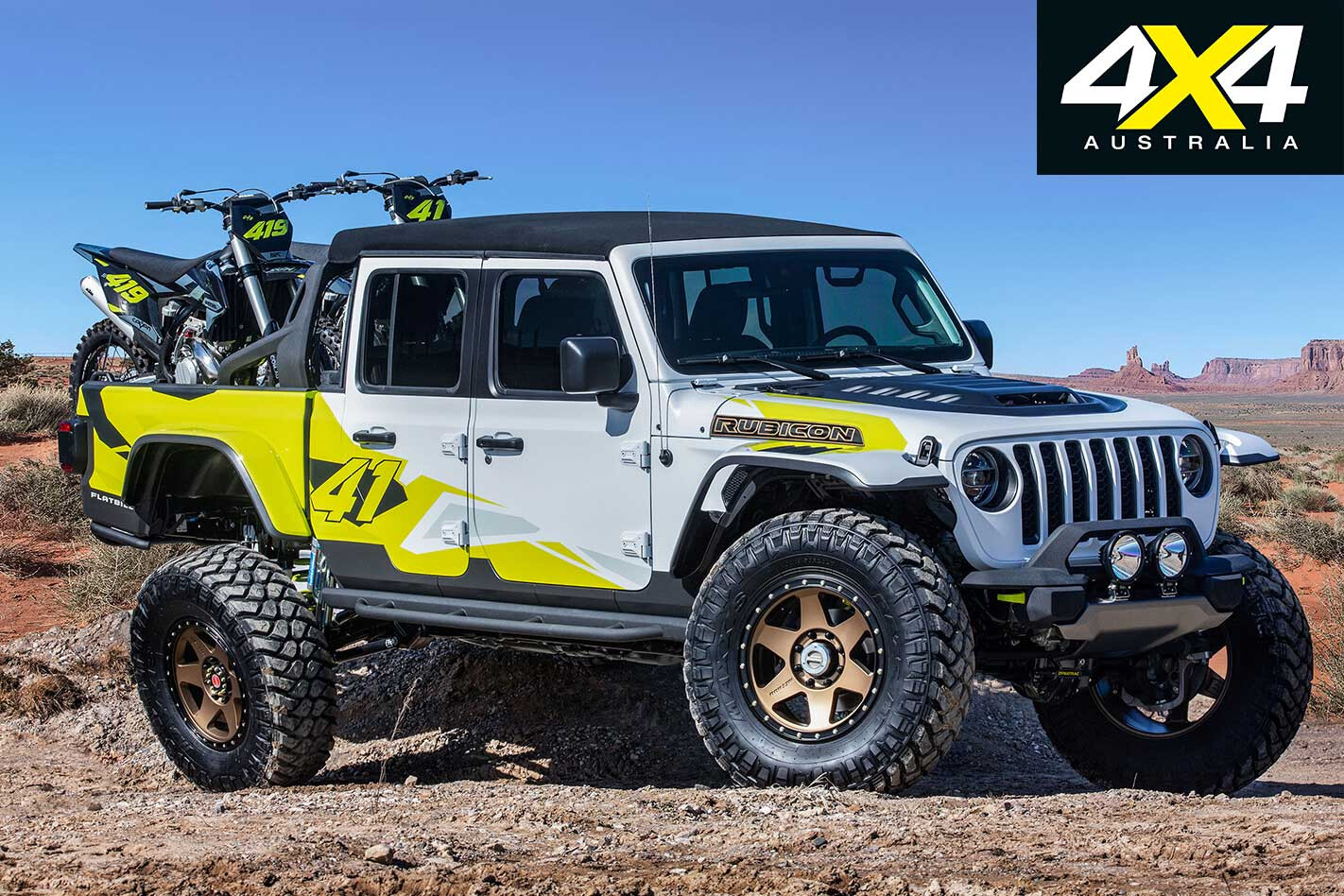
If there are any doubts on the intentions of the Flatbill, then the motocross livery and two dirt bikes in the tray should provide a few clues. Designed as the ultimate hauler of fast toys, the Flatbill has had its tray removed and dedicated wheel ramps installed. It also features a shortened front bumper and a skid plate to improve the approach angle, Dynatrac Pro-Rock 60 front and rear axles, an Off-Road Evolution custom four-inch lift, large rear bypass shocks, and 40-inch rubber.
Jeep M-715 Five-Quarter concept
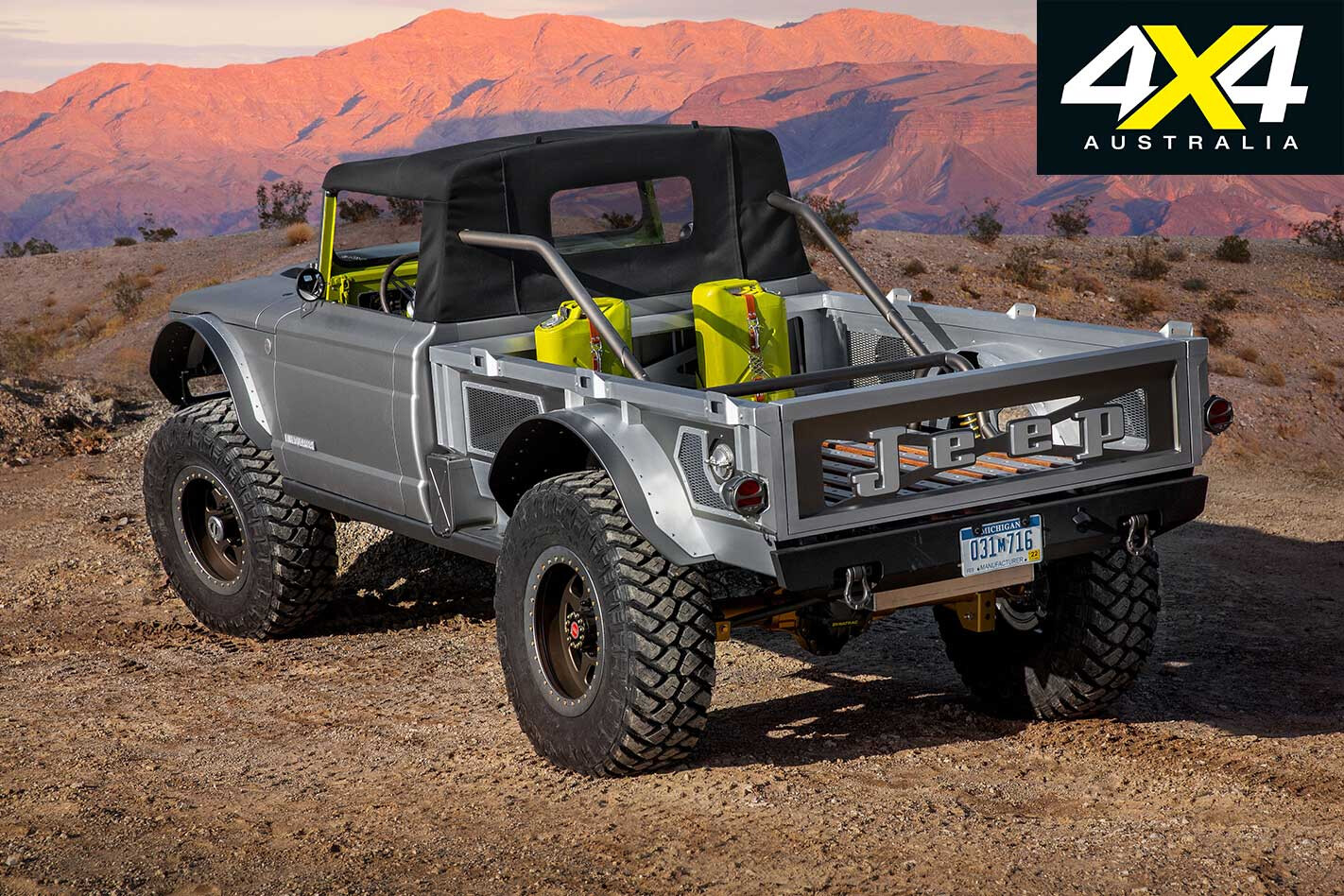
This concept is a re-imagined 1968 M-715 with changes to its chassis, drivetrain and cargo space. Additions include a carbon-fibre front end, a bobbed six-foot custom-fabbed aluminium bed, a 3.5-inch drop to its convertible soft-top, new HIDs and LEDs, rock rails, Rubicon steel bumpers, a heavy duty link/coil suspension system, 40-inch rubber and a Dynatrac Pro-rock 60 front axle and a Dynatrac Pro-rock 80 rear axle. A 6.2-litre supercharged “Hellcrate” HEMI V8 powers the resto-mod.
Jeep J6 concept
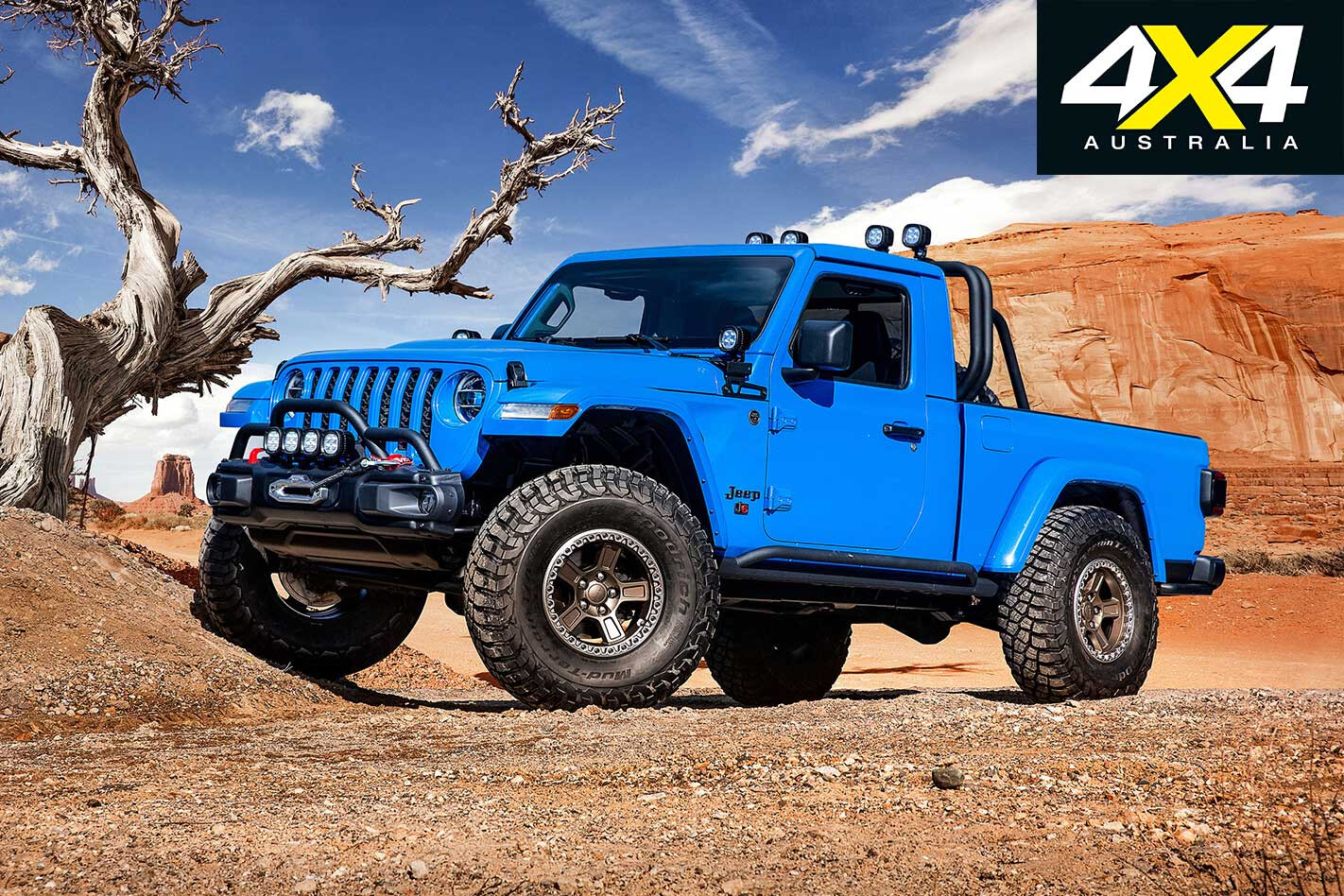
The two-door J6 is a Rubicon with a stretched rear tray and a wheelbase that matches the current-gen four-door Wrangler. A sports bar features JPP LEDs, while the spare tyre carrier is a prototype. The J6 also features a JPP two-inch lift with 37-inch tyres, a prototype two-inch steel stinger bar, rock rails customised with two-inch steel tubes, and a removable hardtop. The 3.6-litre Pentastar V6 is fed via a JPP cold-air intake. The Metallic Brilliant Blue hue pays homage to the 1978 Jeep Honcho.
Jeep JT Scrambler concept
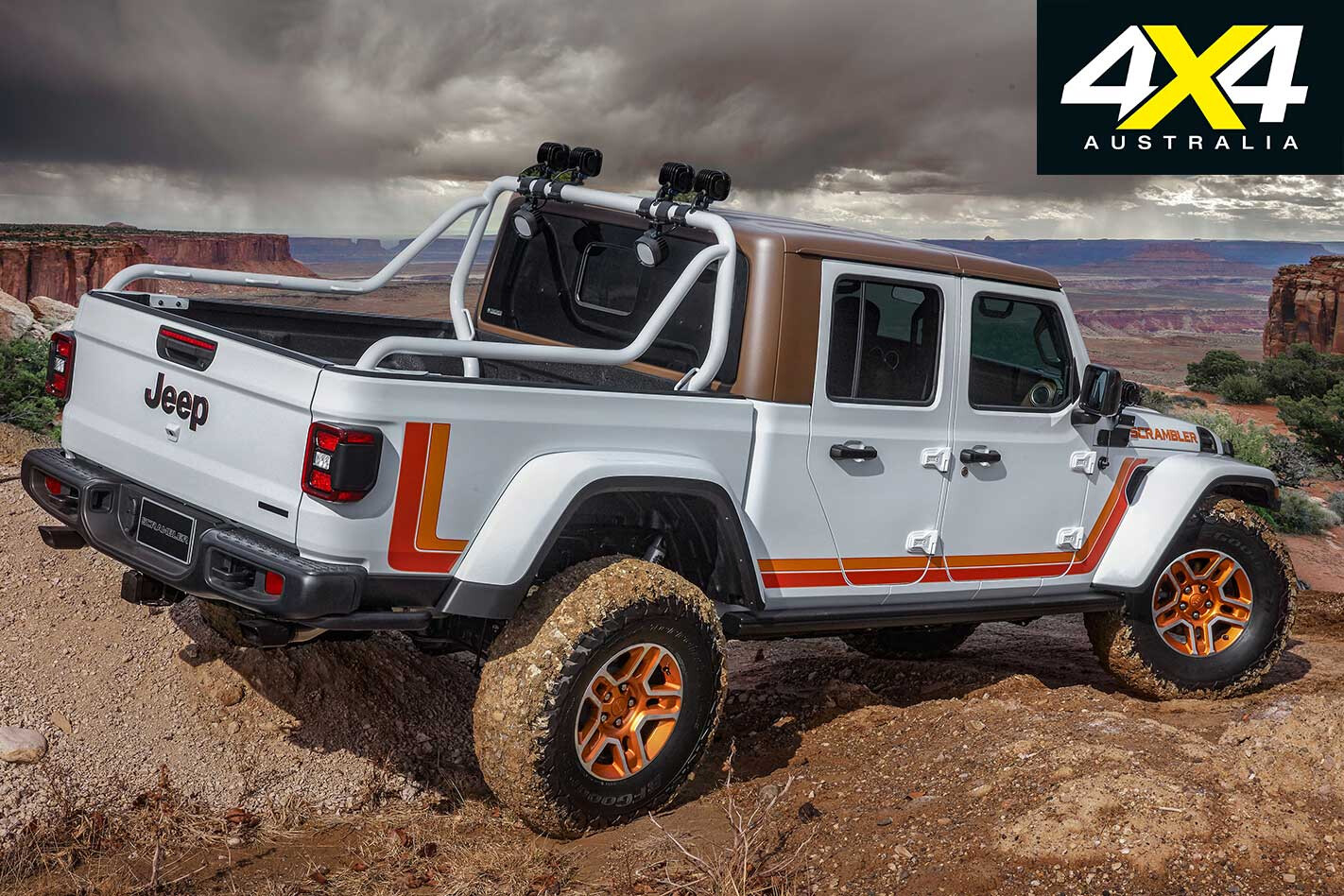
Eager-eyed Jeep fans will notice the iconic colour scheme and graphics of the Scrambler, while accessories plucked from the Mopar catalogue include a smattering of LED lights, 17-inch slot wheels with a bronze hue, a JPP two-inch lift kit, JPP rock rails and 37-inch tyres. A Mopar cold-air intake and cat-back exhaust eek more performance from the 3.6-litre donk.
Jeep Gladiator Gravity concept
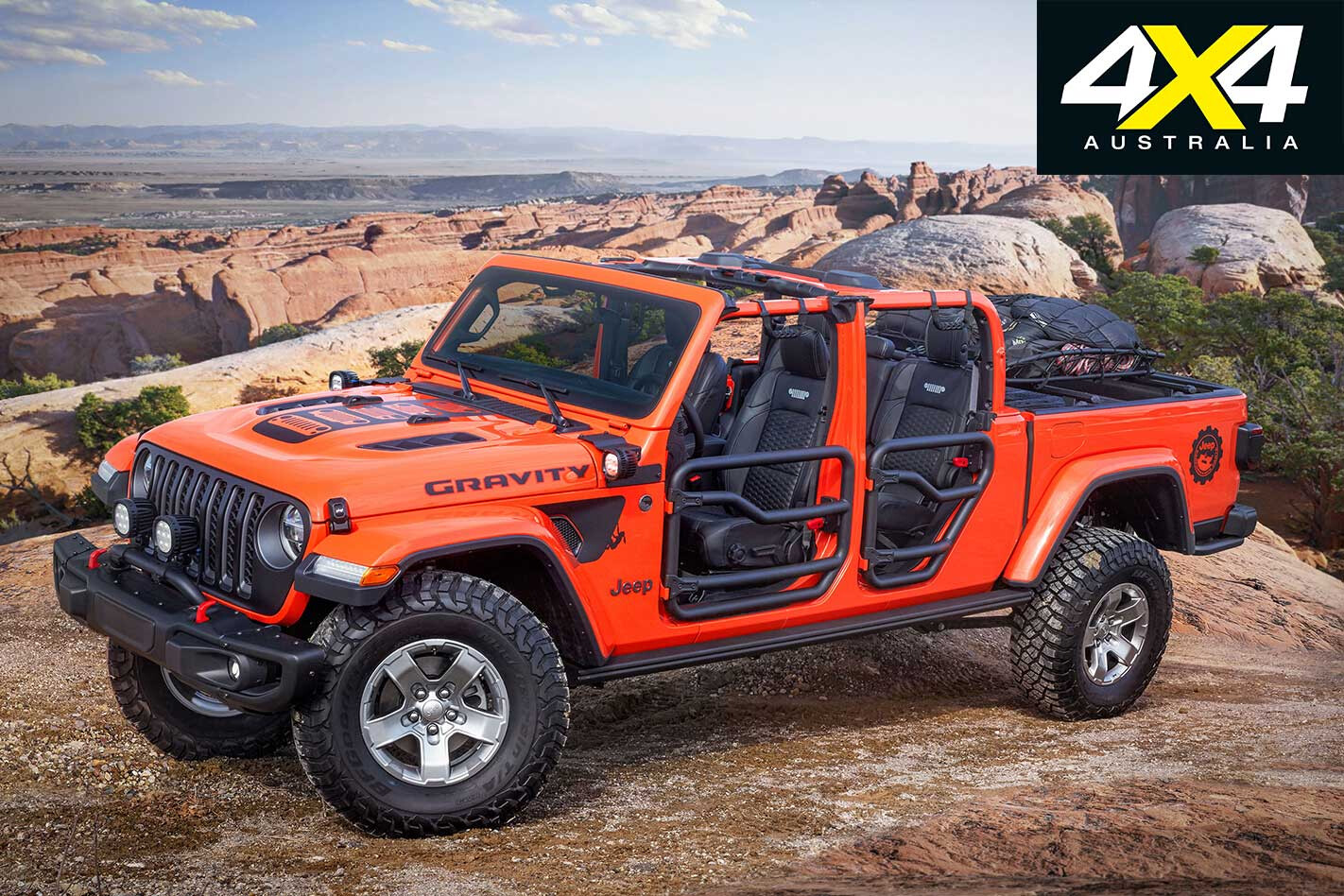
The full suite of JPP kit equipped to the Gravity will be available at launch, including the mounted Mopar cross rails in the tray, Mopar/Decked truck bed storage system, a JPP two-inch lift kit, plenty of LEDS, and heavy-gauge steel JPP rock rails. The Gravity also gets the cold-air intake and cat-back exhaust system for extra zip.
I CAN STILL remember my very first day walking through the doors of Narva more than 11 years ago.
My wife Esther and I had just returned from a once-in-a-lifetime trip where we took 12 months out of the daily grind, hooked up the camper trailer to our trusty Pov-Pack 100 Series 1HZ Land Cruiser, and threw ourselves into the most epic 40,000km adventure around this awesome country.
We more or less stuck to the coast and headed up the east coast to take in the usual iconic locations including Cape York, Savannah Way, Gibb River Road and Cape Leveque. The trip made the ‘Oz Lap Bug’ stronger, so we may have another one up our sleeve.
Narva life started in the marketing team, and four years later I stepped into the Product Development team where I spent a further three years. A few changes with new opportunities and people moving around saw the chance to jump back into marketing and this time in the position I sit in today: Marketing Manager.
To this day the trip around Australia helps me in the role, as I appreciate what our customers are doing with our product and, more importantly, what is expected of it. Touring remote, tough locations is when you truly appreciate quality products versus cheaper alternatives.
At Narva we cover many different sectors within the automotive industry, from 4×4 (my passion), caravan and RV, transport, marine, mining and so on; so we are always dealing with an exciting range of product, people and projects.
A usual day can consist of new product package development and design, advertising campaigns, organising a range of different trade show stands across the aforementioned sectors, photo shoots in the studio and in the field, and product catalogue creation – the new Narva catalogue currently underway is just shy of 600 pages, which is massive.
There’s also an ever-growing and major focus on digital marketing and website management, as well as retail merchandising of projects for instore presentations. The list goes on and there’s never a dull moment.
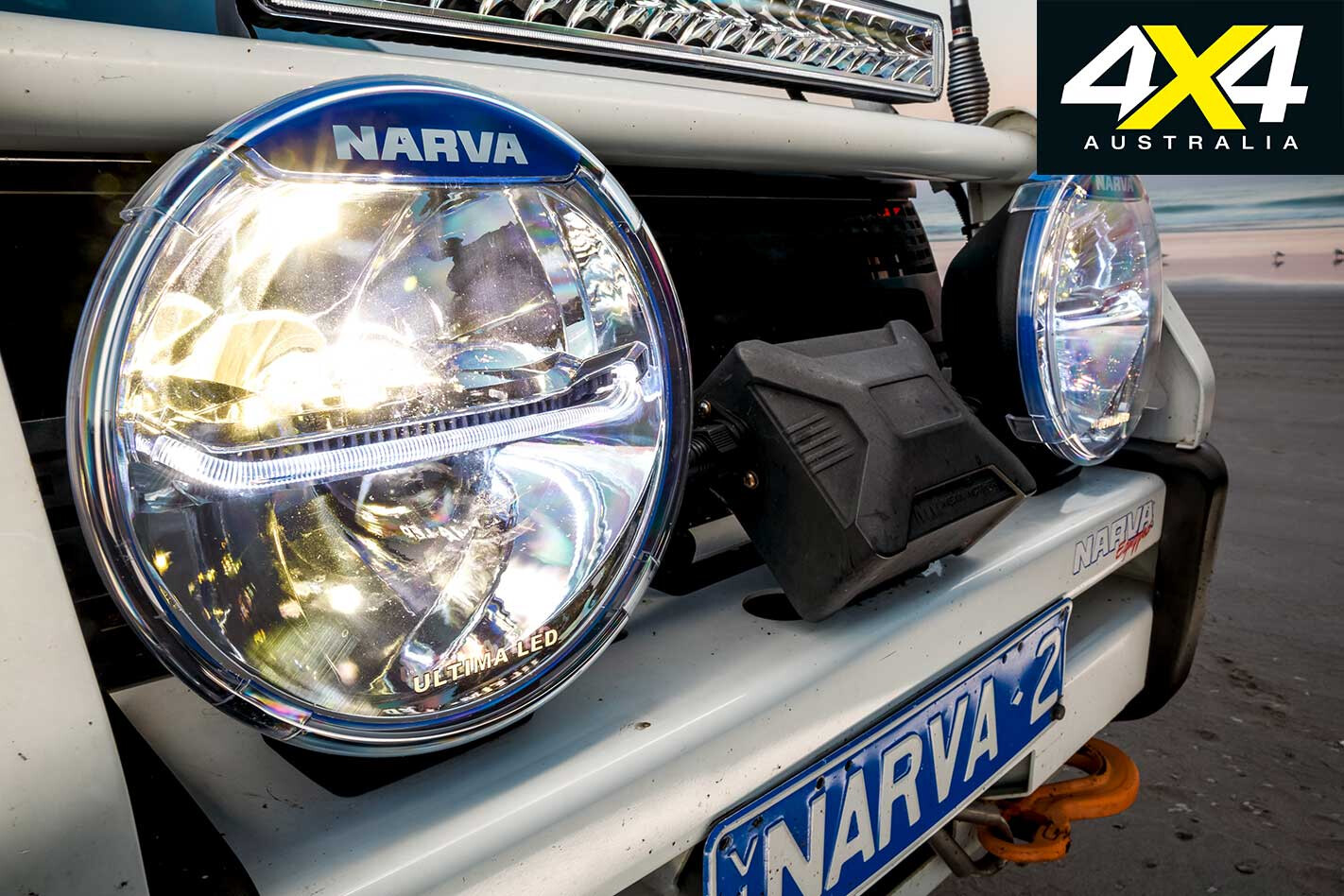
On the odd occasion, I’ll also find myself sitting behind the wheel of our Narva 4×4 on 4×4 trips or product shoots, flying the flag for Narva. The most recent was an epic trip to the Vic High Country with 4X4 Australia and a host of the industry’s best.
A recent stand-out project was delving into the world of virtual reality (VR). A huge bugbear of trying to sell driving lights is that you’re often doing it during the day. Turning a light on in a showroom or at a tradeshow doesn’t do much for giving the punter a true idea of how impressive a driving light or light bar is.
So, we partnered with a company whereby the end goal was to enable our customers to experience all our different offerings from the comfort of their home, office or local retail store. With huge planning, special vehicle-mounting jigs and camera gear you’d expect to see on a Hollywood movie set, we achieved the goal.
To check out the experience, visit: www.narva.com.au/vrexperience
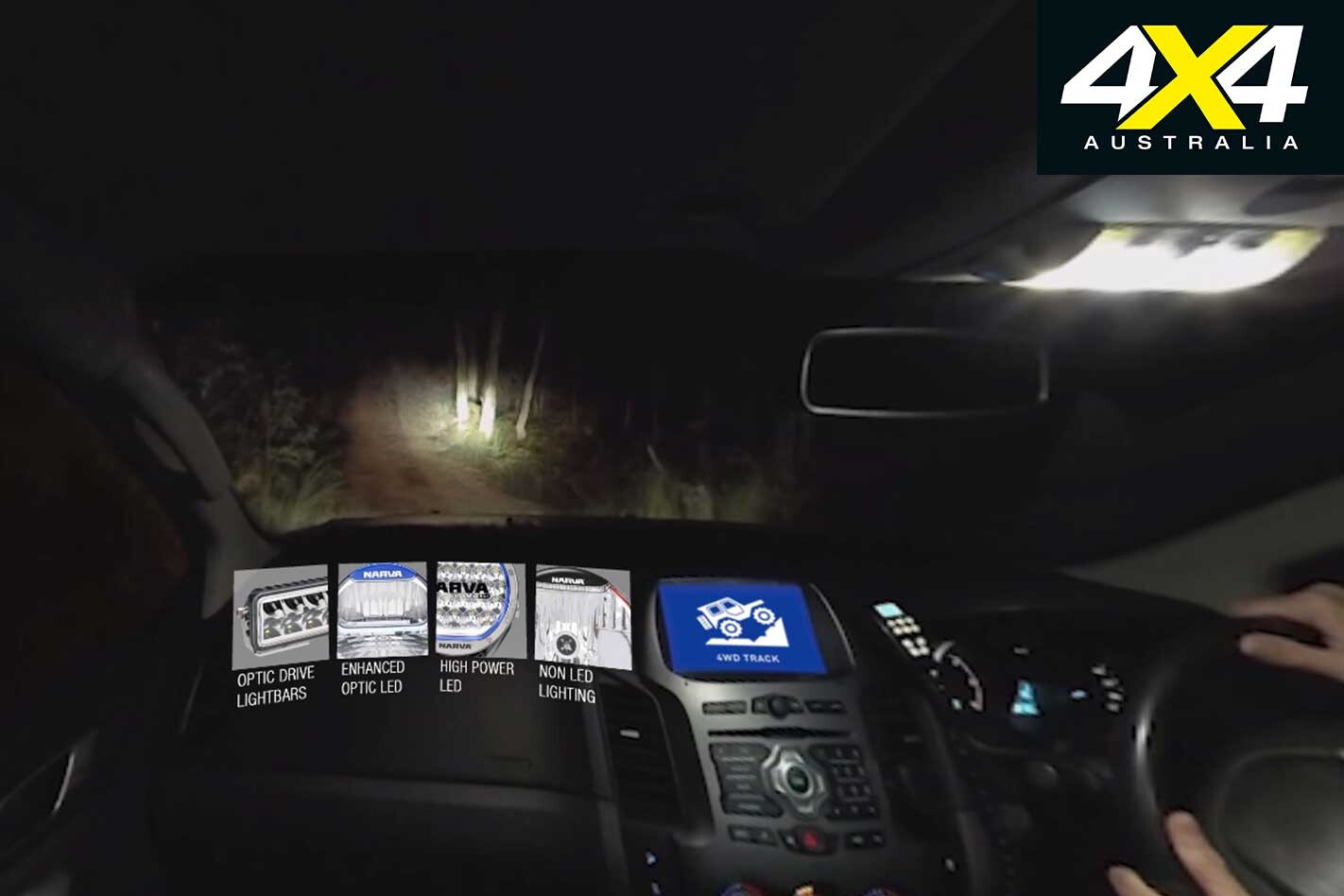
If you have a set of VR goggles – even the cardboard ones – simply use your mobile phone, slot it into the headset and become immersed in a virtual world where you’re a passenger in the Narva 4×4 driven by yours truly. From here you can choose between nine different driving lights and light bars, along with three different terrain types: highway, dirt and a 4×4 track. You have total control of choosing the light and the preferred terrain you wish to experience.
The 4×4 industry is ever-changing; you can’t sit still or you’ll fall too far behind and struggle to catch up. This is especially true in the lighting game, as technology, particularly in the LED space, is advancing by the minute. ‘Innovation’ is the buzzword at Narva.
To stay at the pointy end we take this seriously, hence why we have near a dozen people in our product development team, consisting of six or so engineering boffins specialising in different fields designing new products from the ground up, in-house. We also have the same number of product category managers who constantly source new and exciting product and technologies throughout the globe.
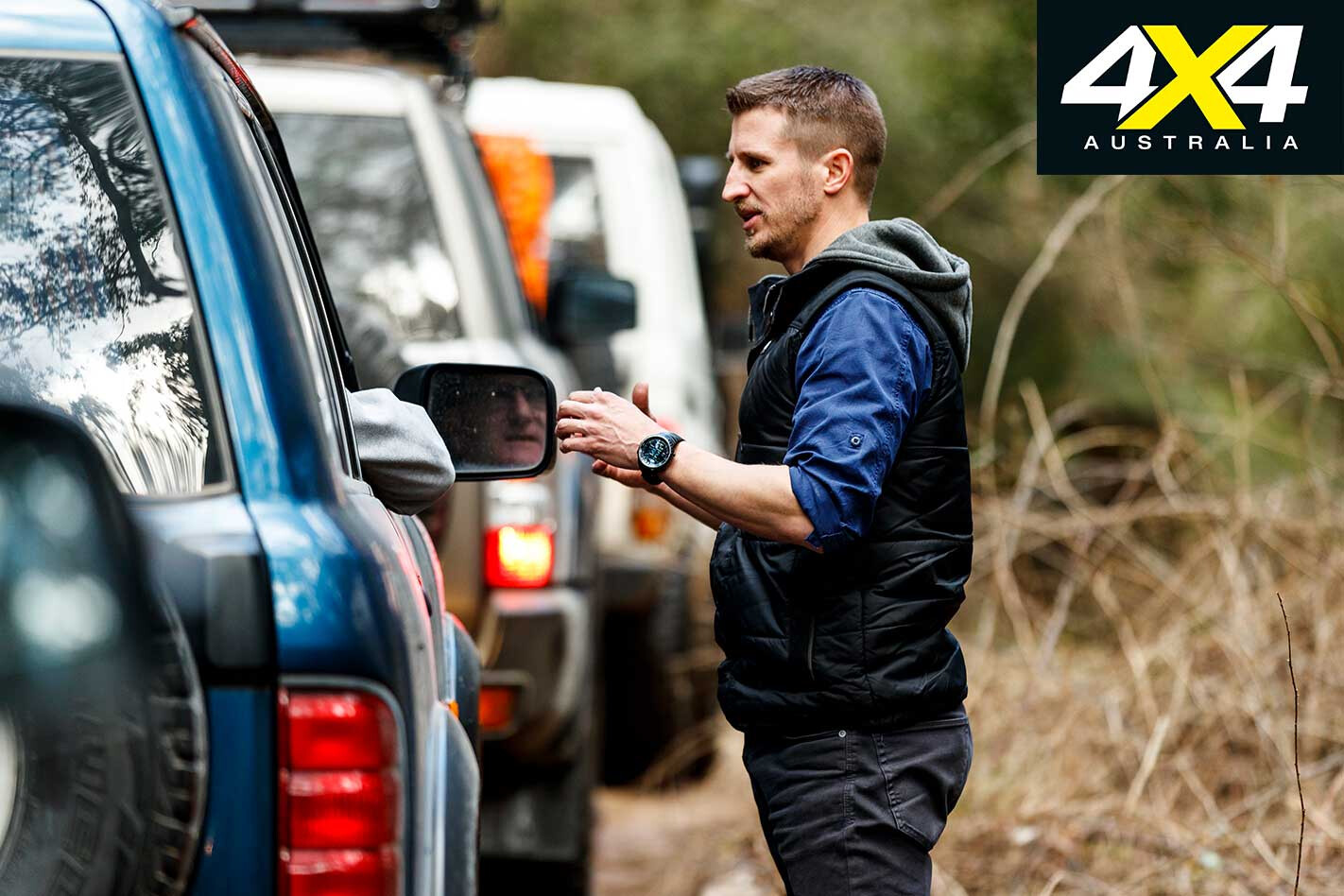
Adding to this, we have a state-of-the-art facility in Melbourne consisting of a host of environmental test chambers, an electrical test laboratory and our photometric laboratory. It enables us to torture test our product to levels well above real-world experience.
How could you not be excited to be a part of this ever-changing industry, with great likeminded and passionate people and the opportunity to get out into the real world to use some truly awesome products. It’s exciting times ahead and I can’t wait to see where we will be in a couple of years. It’s a case of buckle up, grit your teeth and hold on.
Meet the Expert Name: Jake Smith Role: Marketing Manager, Narva Experience: 12 years
YOU know it’s an election year when the political slang-match ramps up.
And today 4WDing was raised on the agenda, with The Australian reporting that current Prime Minister Scott Morrison has claimed opposition leader Bill Shorten wants to ‘force Australians out of 4WDs’.
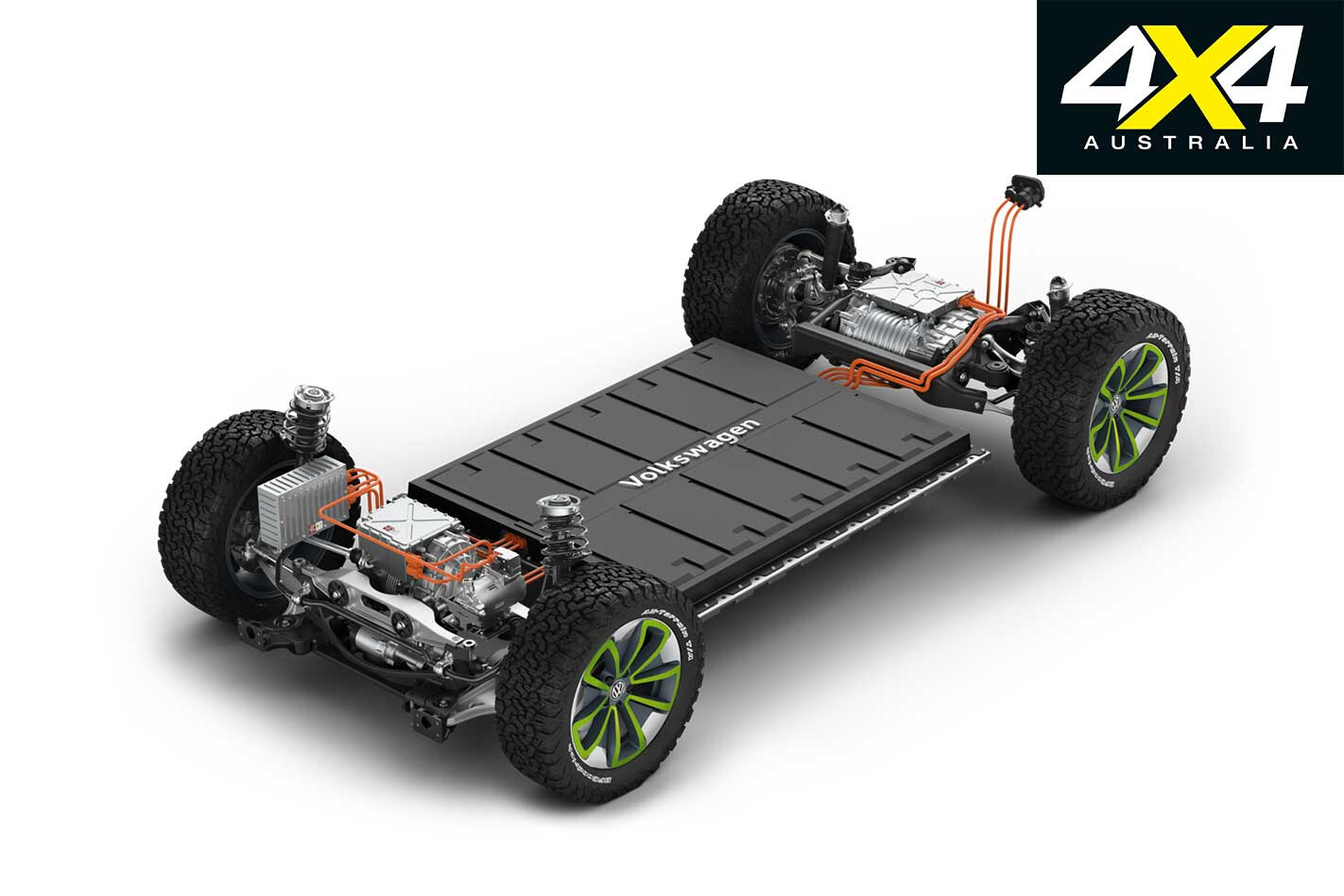
The comments comes off the back of Labor’s electric vehicle policy released last week, which says that Labor would like to see electric car sales increase from 0.2 per cent to 50 per cent by 2030.
When speaking of electric cars, Mr Morrison said: “It’s not going to tow your trailer. It’s not going to tow your boat. It’s not going to get you out to your favourite camping spot with your family.
“Bill Shorten wants to end the weekend when it comes to his policy on electric vehicles where you’ve got Australians who love being out there in their four-wheel drives.”
Mr Shorten allayed concerns that the government would decide what cars people should buy.
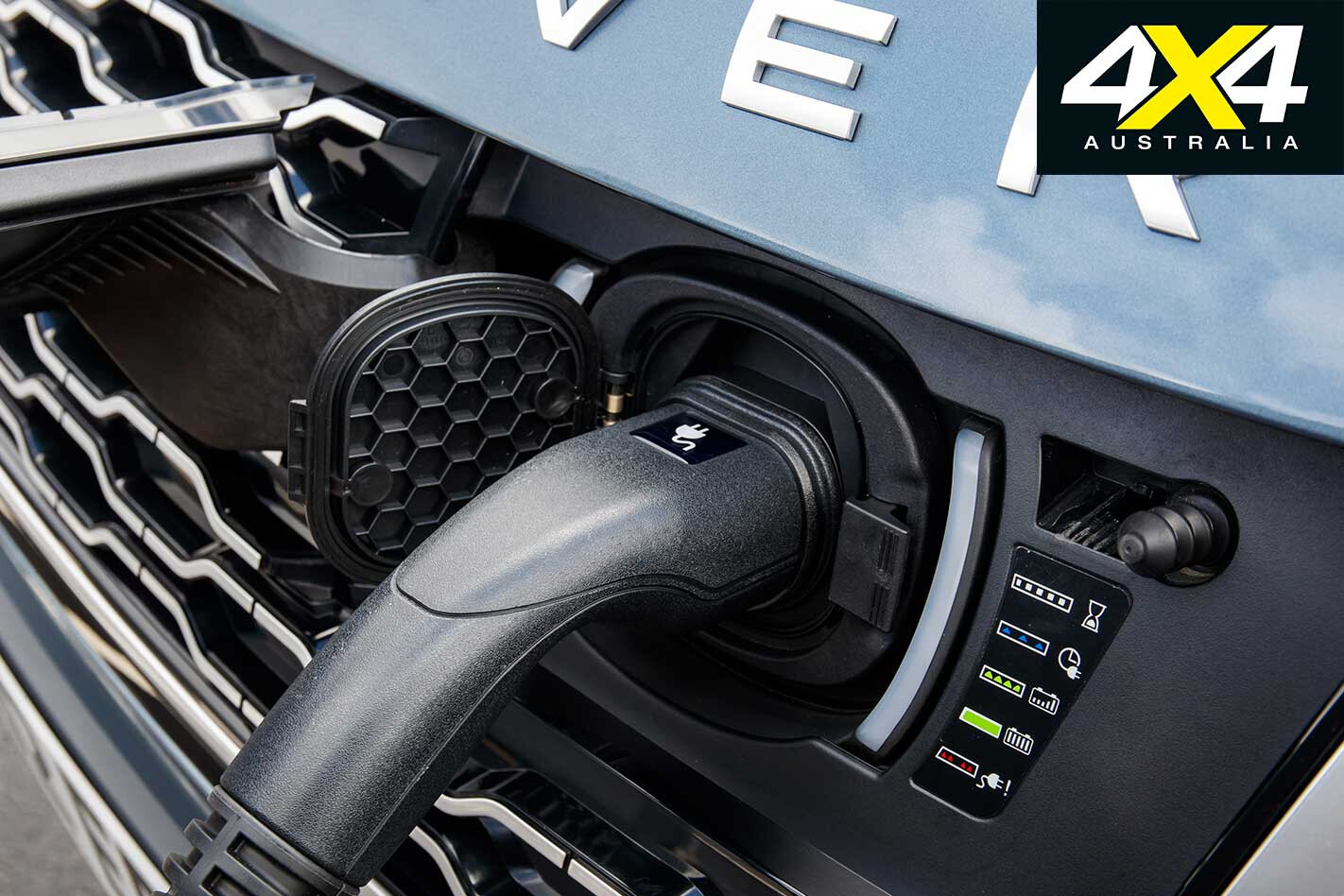
“What Labor has said is that by 2030 we would like to see half of new car sales are electric vehicles,” Shorten said. “That doesn’t mean the government is going to go around in 2030 and confiscate someone’s ute. Let’s skip the scare campaigns.”
The overwhelming problem with the EV plan is infrastructure, namely charging stations. While there have been improvements – a fast-charging 350kW charger is said to now top you up in eight minutes and provide 200km of travel – they’re of little benefit for 4WD explorers who travel well over 200km between fuel stops.
Despite the intentions for EV dominance in the market, both the Australian Automotive Dealer Association and the Federal Chamber of Automotive Industries told Wheels Magazine that the proposal is good in theory, but unrealistic.
Source: www.theaustralian.com.au
HERE are six reader-submitted 4x4s that were recently featured in the March 2019 issue of 4X4 Australia.
To get involved, post a pic and a description of your rig on our special site here or post it to our Facebook page.
TOYOTA LAND CRUISER: ROBBIE GRAY (4×4 Australia Readers’ Rigs Winner of the Month)
A two-inch lift, 305/70R16 tyres on aftermarket rims, an ARB bullbar, winch, lights, roof rack with shovel, High Lift jack holder, and side and rear awnings.
A mounted air pump in the back sits on top of drawers, with an MSA 4×4 drop-down fridge slide holding a 65-litre Waeco fridge with a monitor up front, four cigarette power outlets in the rear and two USB outlets in the front (with a Hema HN7 navigator unit). Future mods include a long-range fuel tank, dual-wheel carrier rear bar, reversing camera, diff locks, clutch and tune.
We’ve taken it to Tassie, Cape York and Fraser Island in the past 18 months.
1981 TOYOTA LC HJ47: DUNCAN MARGETTS
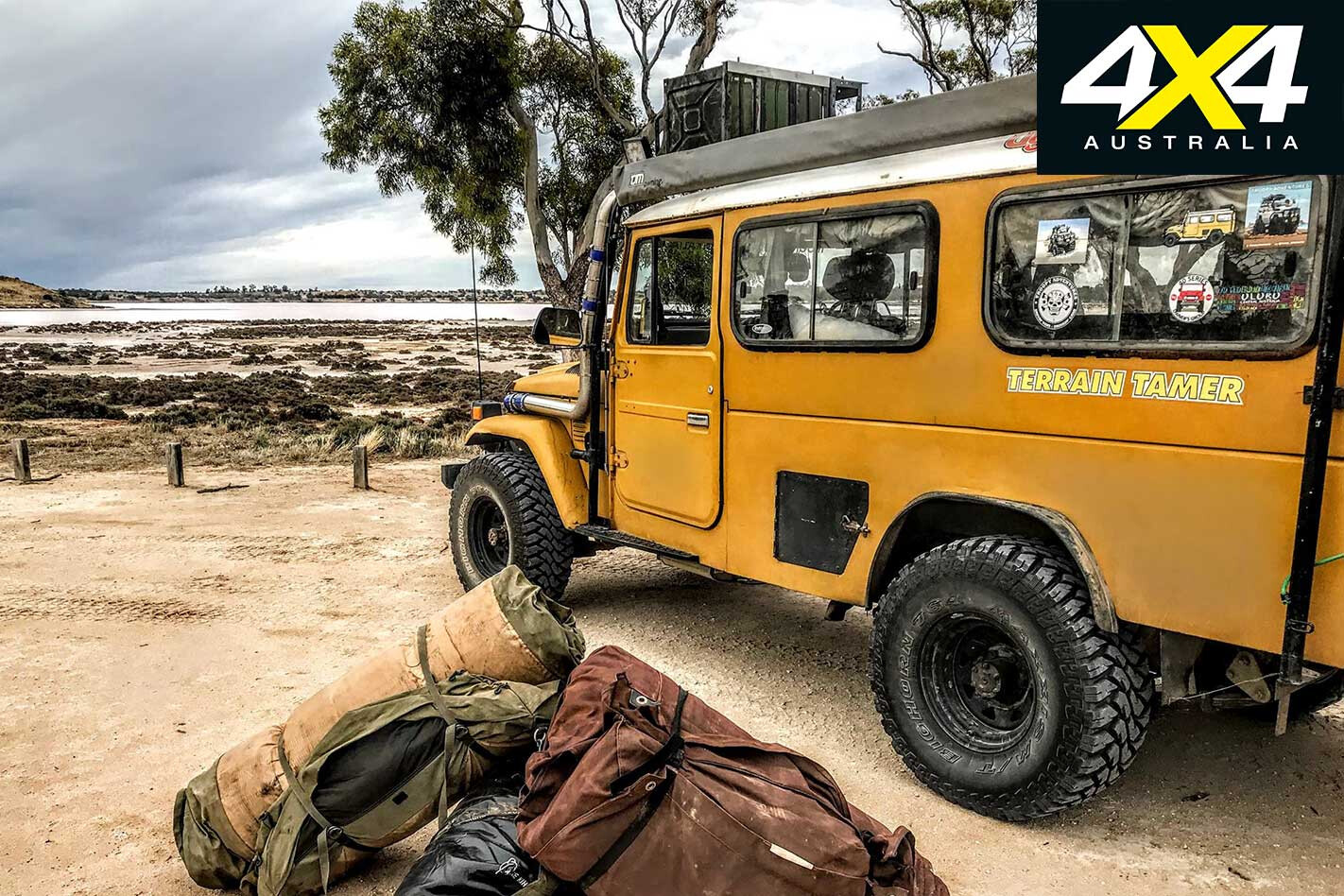
Aside from all of the overlanding modifications (electrical, interior fit-out, barwork, etc.) it’s a mostly stock HJ47 running the much-maligned 2H engine. Sure, it’s slow, but it always gets me home and it’s so easy to diagnose and work on. The vehicle runs 33-inch tyres, and has external and internal barwork, dual batteries and an Engel fridge.
She’s a noisy old girl inside; I wear Bluetooth-enabled earmuffs so I can hear the UHF and listen to podcasts. No long-range tank, so on long trips she’s packed to the gunwales with jerry cans. She’s such a trustworthy and capable old bus – I wouldn’t have it any other way.
The most enjoyable trip was the Anne Beadell Highway last year – five days on the track and so much fun.
JEEP WRANGLER UNLIMITED: COLIN MAREK
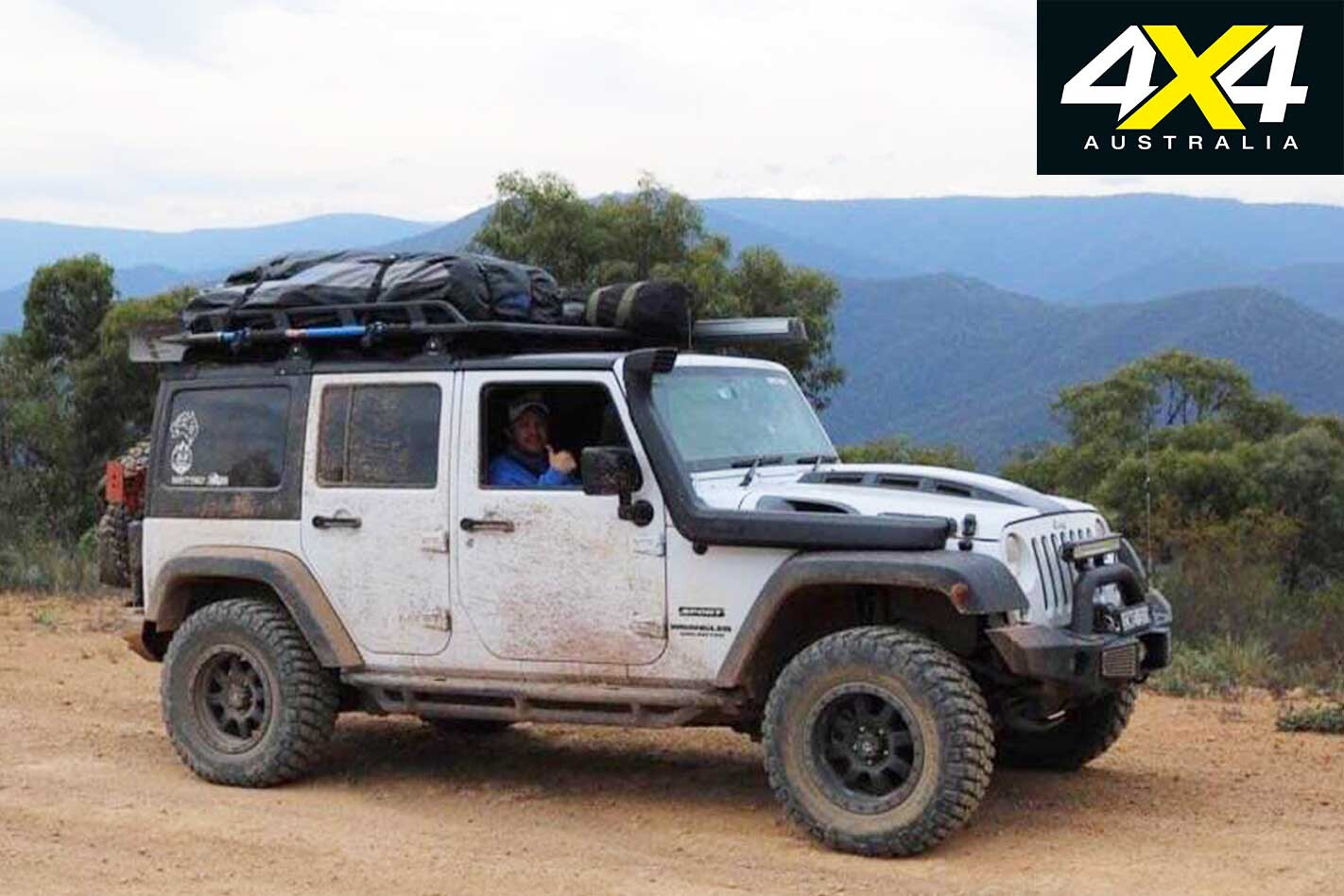
What’s it got? Suspension upgrade with Fox shocks, swaybar disconnects, ARB diff covers, rear Eaton locker, underbody protection, Smittybilt bars all around with jerry can holders built into rear bar, snorkel, heat-reduction bonnet, winch, LED light bar, roof rack, 17-inch rims, 33-inch muddies, modified exhaust, and more. The best trip was the Vic High Country.
NISSAN PATROL GQ TD42: TY HATELEY
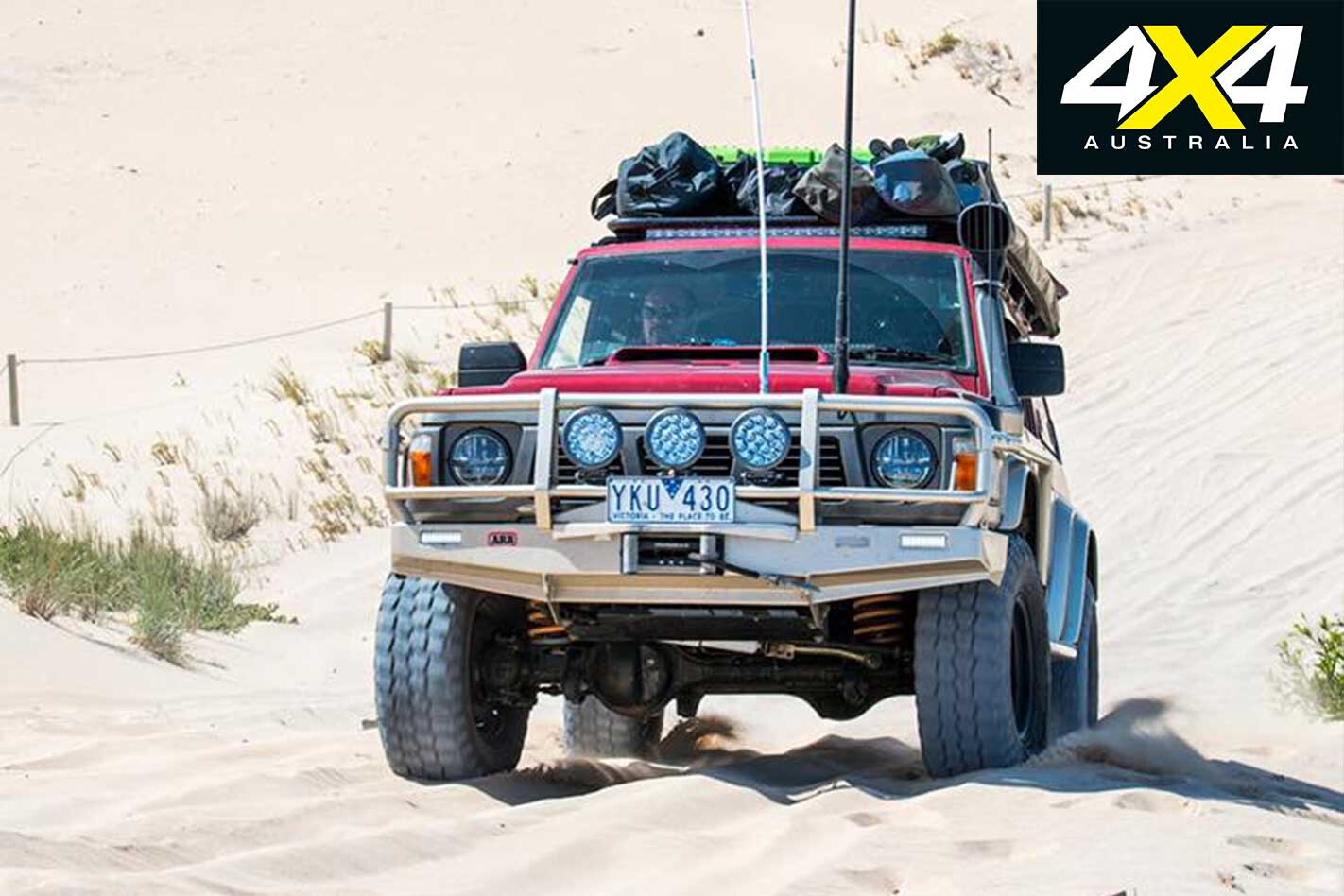
Four-inch lift via a Foam Cell Pro full kit, ARB bar work and a custom rear bar. Interior mods include Recaro seats, drawers and an extensive 12-Volt layout. It also features LED lighting and twin long-range fuel tanks. I regularly visit the High Country and Little/Big Desert in Victoria, and the sand dunes in Portland and over to Robe in South Australia.
TOYOTA HILUX: JUSTIN MCINNES
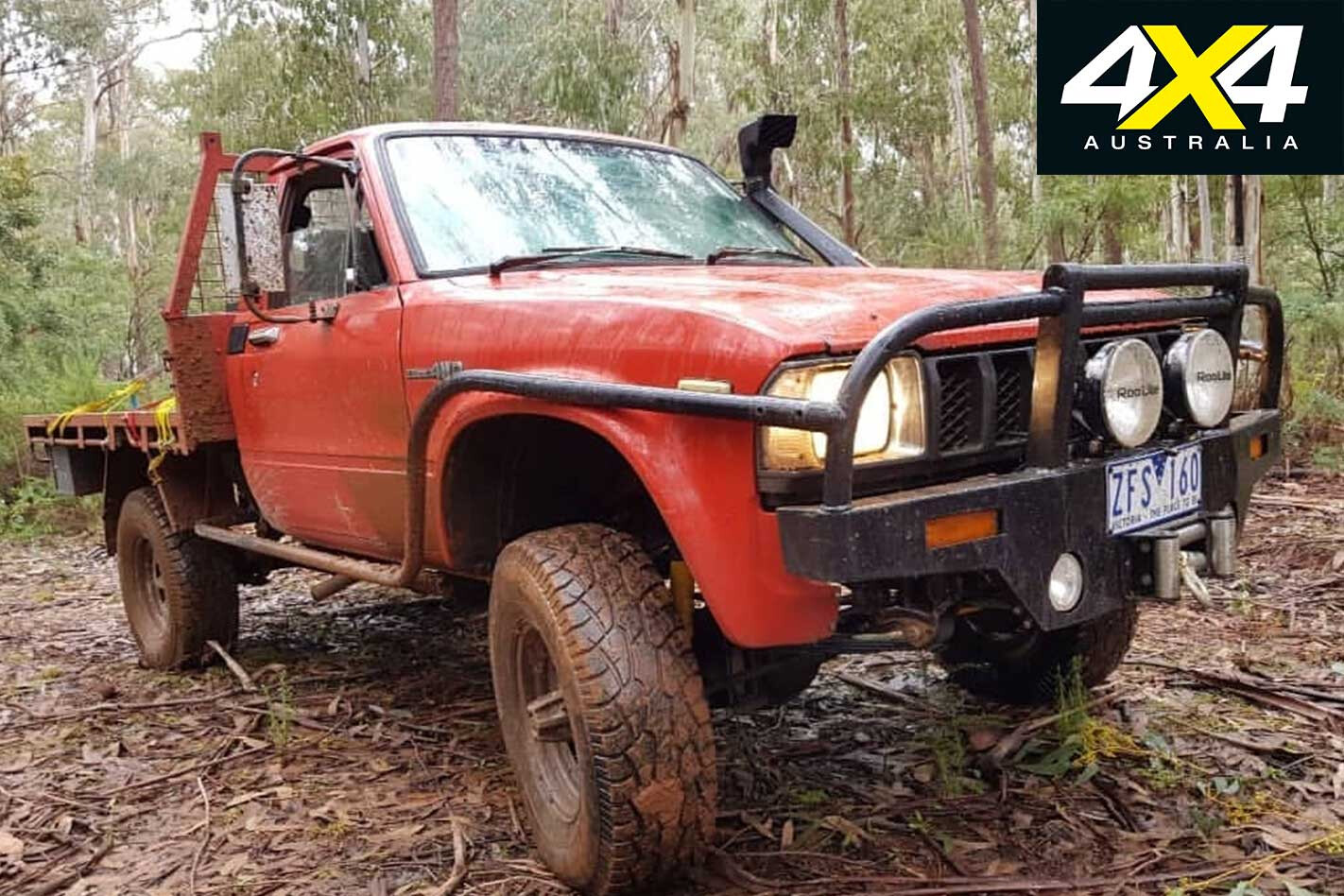
Where do I start with mods? It runs a 2.8L diesel with a Denco turbo and boost compensated pump, five-speed box, gear-drive transfer case, front and rear winches with in-cab controls, Old Man Emu two-inch lift suspension, and Subaru Forester seats. Next up will be lockers and a dual-battery setup.
We recently took it to Bago State Forest, NSW, but our favourite trip is the first: Blue Waterholes in Tumut, NSW.
FORD RANGER: STEVEN DOWDS
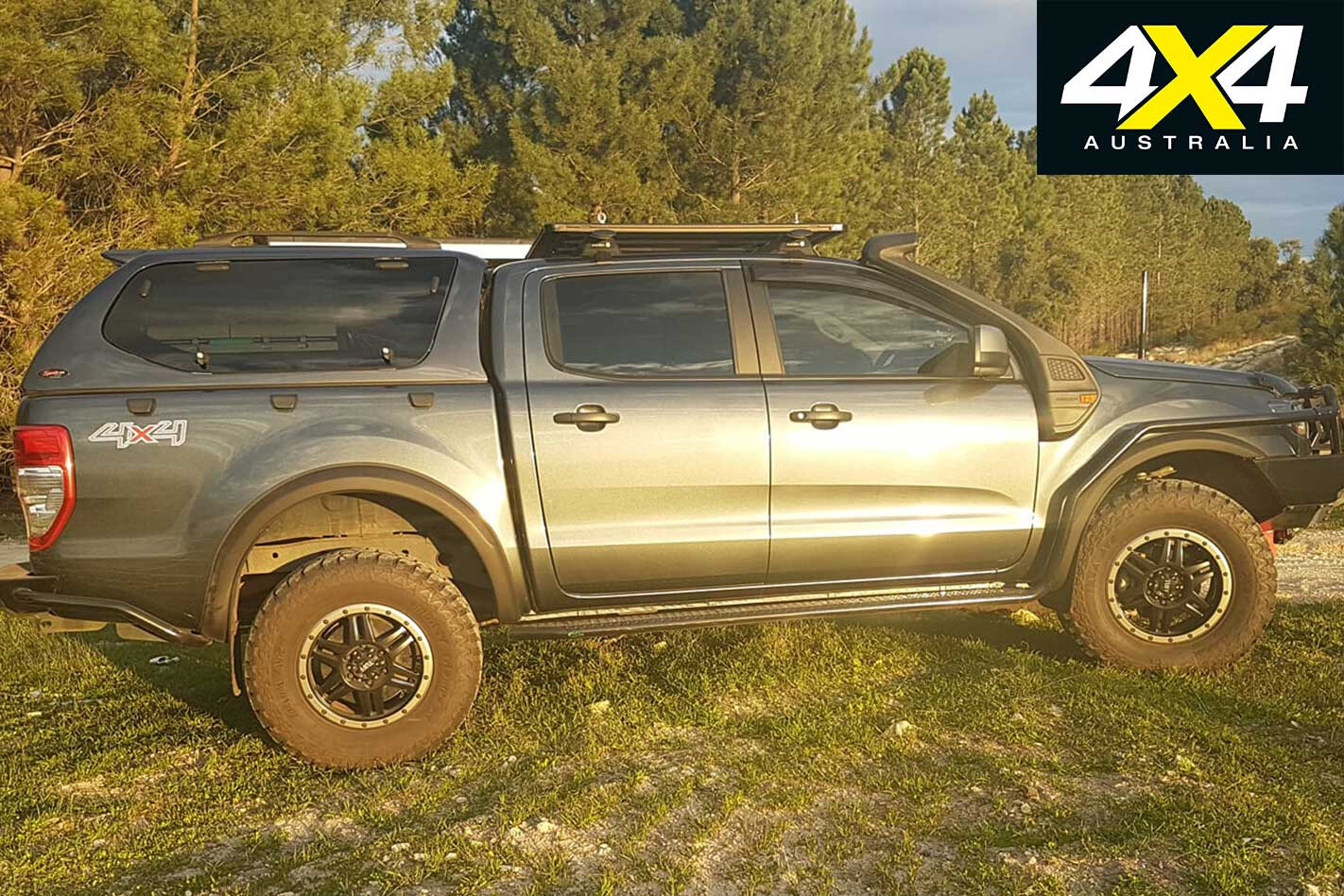
Ironman 4×4 bullbar, scrub bars, side steps, rear protection bar and LED spotties. It’s got a 12,000lb winch, recovery points, two-inch lift, 17-inch Tuff wheels with Mickey Thompson Baja ATZ P3 33in tyres and flares.
The canopy has a drawer and fridge slide, water tank, CTEK d250s for second battery with four extra outlets and a 100W solar panel. Other kit includes a snorkel, plug-in chip, ProVent catch can, and roof tray with awning. Best places: Nannup, Augusta and Walpole.
THEY SAY fortune favours the brave, but in the case of Suzuki Jimny ownership I reckon fortune favours the patient. The pint-sized 4×4 used to have a pint-sized price tag, but it seems that solid local demand for the little off-roader, and limited supply, have seen people paying big bucks to be one of the first to nab a new Zook.
I can see why Jimny demand is outstripping supply: not only does the new Jimny look bloody fantastic, it has ‘genuine’ off-road credentials that few vehicles can match these days including a ‘proper’ separate chassis, live axles front and rear and decent low-range reduction.
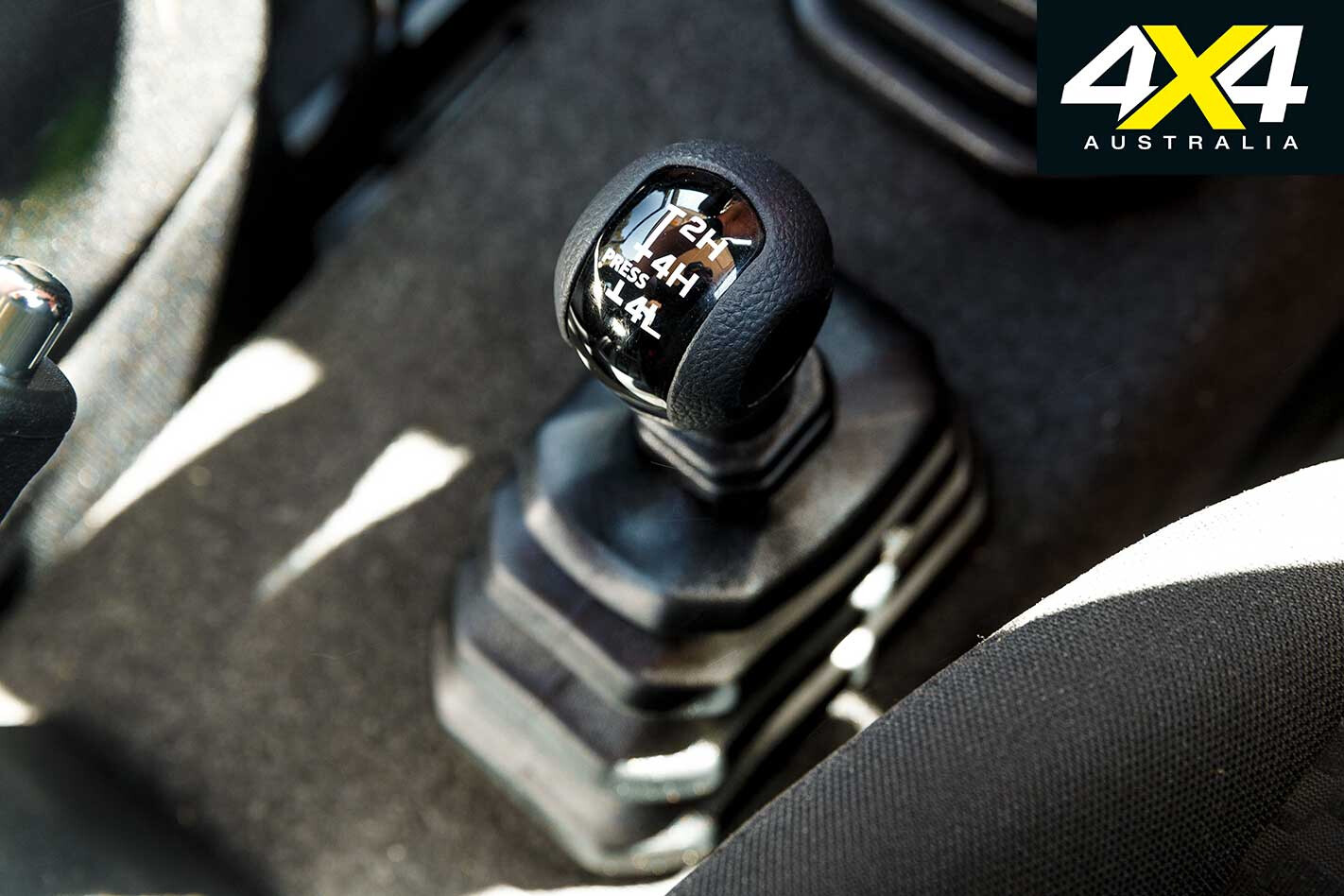
Architecture like this is rare in the 21st century, where even old stalwarts like the Land Rover Defender are expected to go the way of semi-unitary body construction and independent suspension (although I hope I’m proved wrong).
The Jimny represents all that’s good about old-school 4x4s, but with a healthy dose of modernity including a safety package that incorporates lane departure warning, six airbags, high beam assist, electronic stability control, reversing camera and LED headlights. And it’s packed with plenty of comfort and convenience goodies such as climate control air-conditioning, cruise control, privacy glass, and a seven-inch multimedia system with sat-nav, Apple CarPlay/Android Auto and Bluetooth connectivity.
Yep, the Jimny looks like great value for money with a list price of $23,990 (plus on-road costs), but not so much at $32K. You read that right. I’ve seen a Jimny manual advertised online with a whopping $32K driveaway price-tag … and that’s for an ex-demo with 1012km showing on the odo.
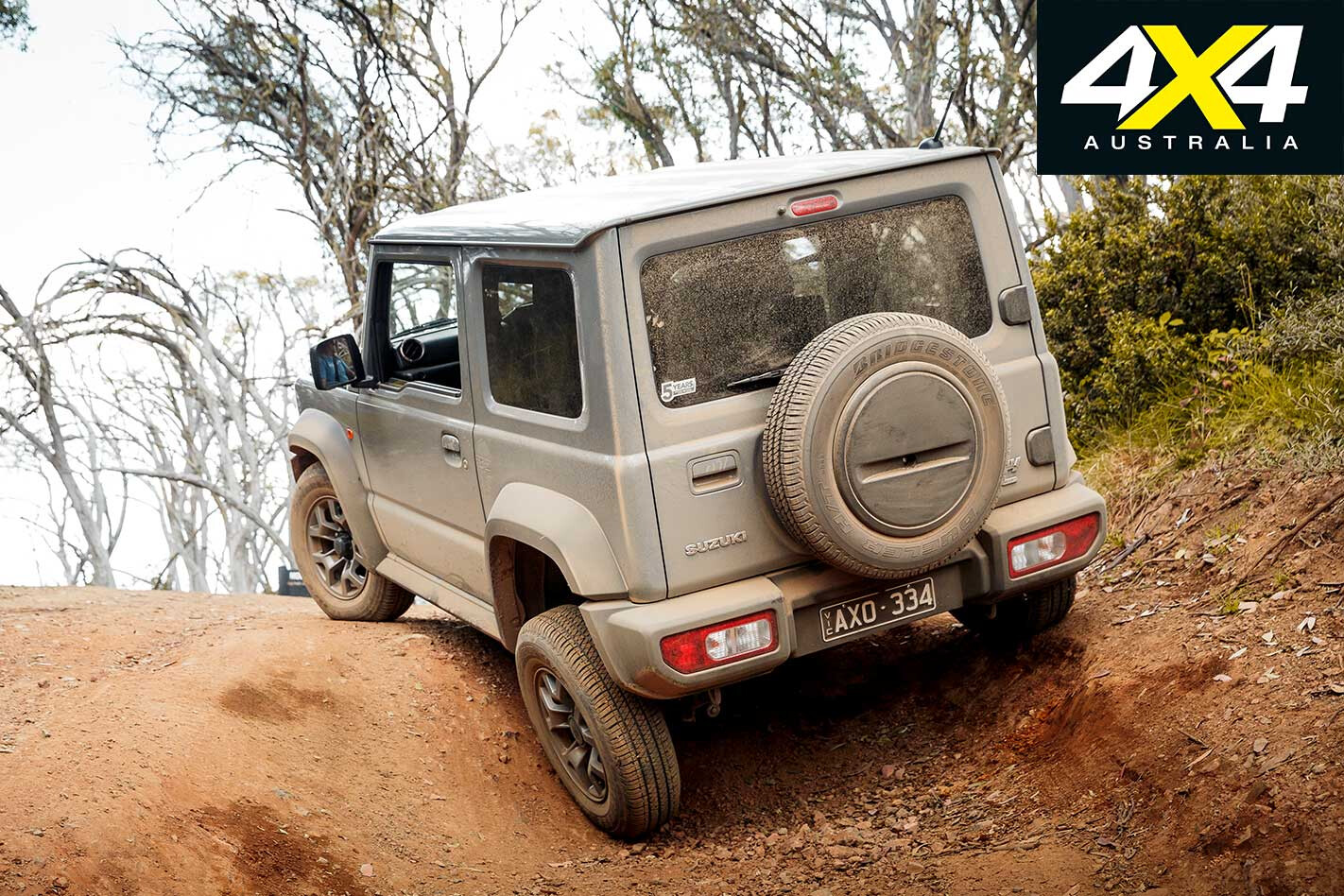
Of course, there are better deals to be had than that, but still, the cheapest Jimny I could find online was priced at $27,500 driveaway, which is still pretty hefty even when stamp duty, registration/insurance and dealer delivery charges are taken into account.
For those who can wait, Jimny prices will inevitably begin to fall as the initial demand for the vehicle begins to subside. And, as is usually the case with new vehicles, demand will eventually drop to a point where Suzuki will likely discount the Jimny, or add extra ‘no-cost’ features and introduce new model variants to the range to keep the market excited.
While the above downward pricing trend is typical, there have been a few exceptions over the years, with vehicles increasing in price after their initial launch, usually because of a threat to future supply. Some examples are the Ford F250 and the Land Rover Defender.
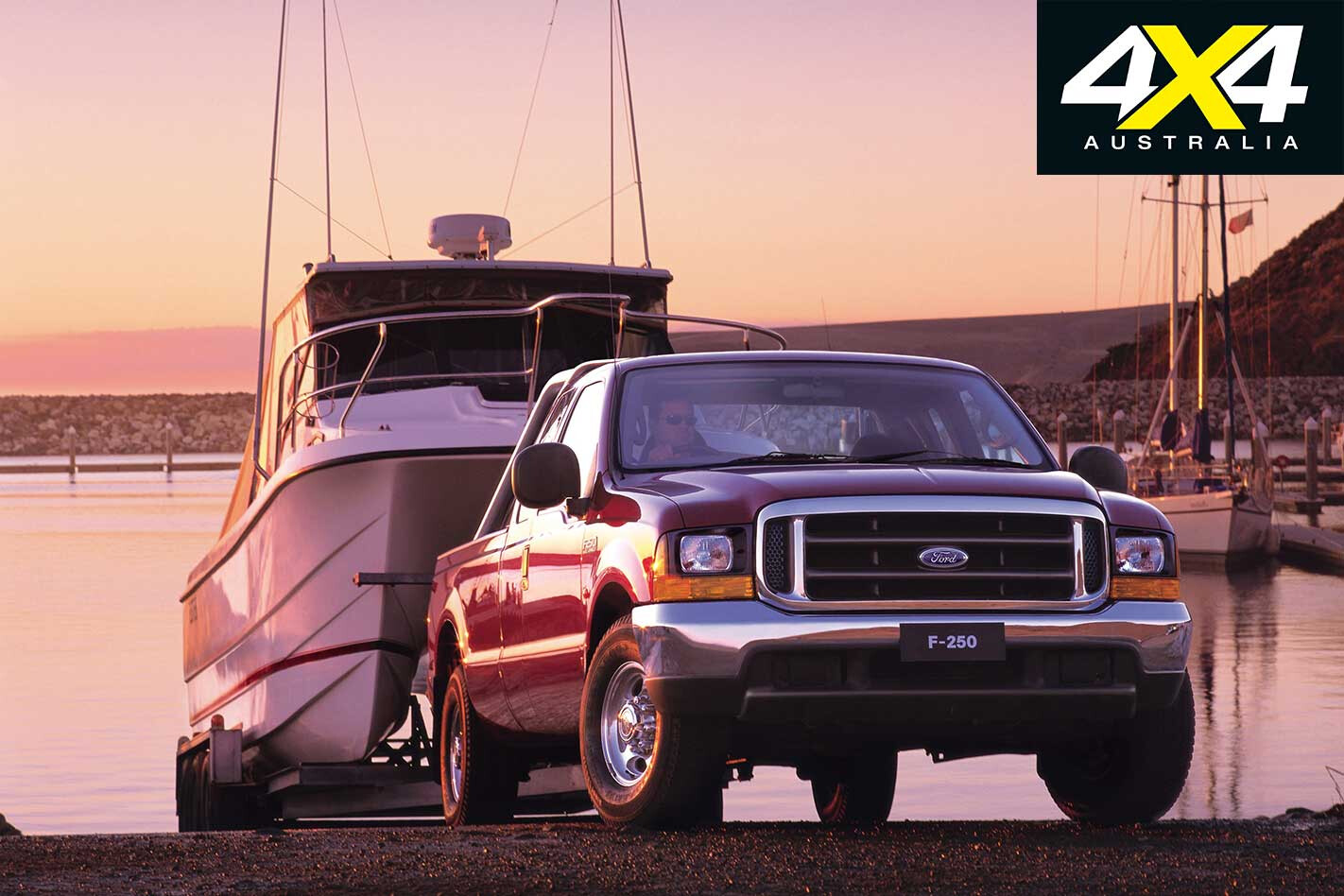
When Ford relaunched the F250 to Australia in 2001 it was an instant hit, and it became even more of a hit when Ford announced the Effy would be pulled from the Australian line-up just five years later. All of a sudden secondhand F250 prices went through the roof, and they still command good money today.
Back in 2003, for example, a Ford F250 XLT 7.3L TDV8 auto 4×4 dual cab was listed at $77,600 plus on-road costs. Today, there are examples of this model with more than 200,000km on the clock still fetching $70-80K.
When Land Rover announced the end of Defender production in 2016, the list price was $42,800 for a 90 and $47,500 for a 110 Wagon. Today, you’d be lucky to find a stock 2016-model Defender 90 for less than $65K and a 110 Wagon for less than $70K. And, as you’d expect, the limited-edition Heritage and Adventure models now cost significantly more than they did when new.
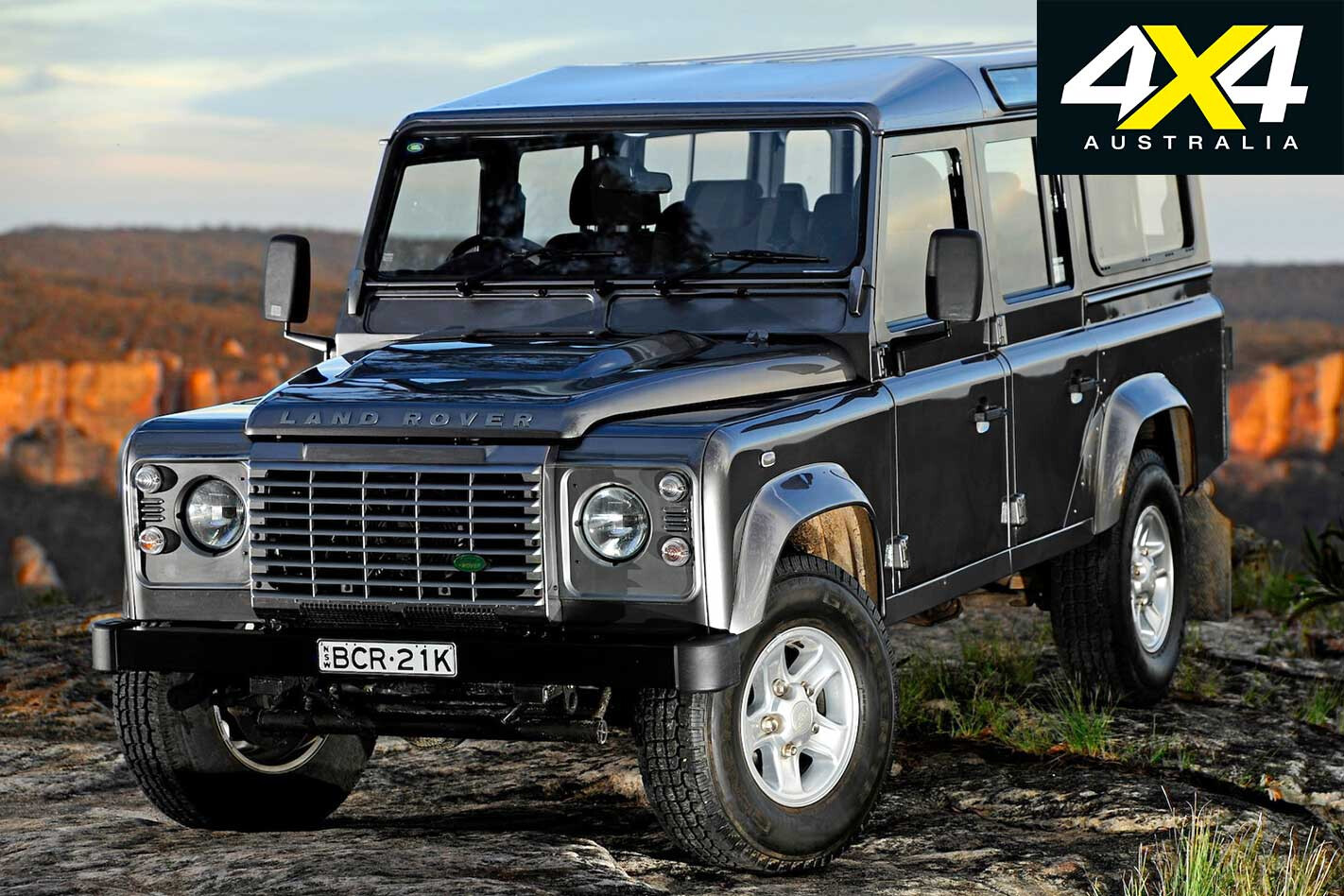
As I write this, there’s a bloke in Queensland asking $125K for a Defender 110 Adventure which, when new, was listed at just $68,510 plus on-road costs. Now that’s a good investment.
Not many vehicles increase in value in the short term, but in the long term there are plenty that do. Original two-door Range Rovers are now starting to command good dollars, as are Series I Land Rovers, and even later Series II, IIA and III models. Likewise, prices for Toyota 40 Series Land Cruisers are also starting to skyrocket.
I wonder if the new Jimny will one day fall into the collectible, appreciating-asset category. As one of the last remaining separate chassis, live-axle 4x4s, it’s a possibility.
STRADBROKE Island, or Straddie as the locals call it, lies right on Brisbane’s doorstep.
Its close proximity to the state capital – about an hour by car – makes it an ideal getaway for both four-wheel drive enthusiasts and fishermen. With its kilometres of unspoilt beaches you can drive, camp, fish or surf on, plenty of off-road tracks traversing its bushland, and a host of adventure activities to enjoy, it’s no wonder Straddie is a favourite for Queenslanders and interstate visitors.

Stradbroke, Fraser and Moreton Islands, all located in the south-east, are the biggest sand islands in the world, with beaches stretching for days.
MSA 4×4 Accessories tagged along for the ride and brought its four-way adjustable driving mirror, which we take a closer look at in the video.
During our few days on Straddie we experienced stunning sunrises and sunsets at our beachfront bush camp, saw whales and dolphins frolicking in the azure waters, and explored the many locations and attractions the island has to offer.
Whether you have time to stay for a weekend, a month or longer, be sure to experience Stradbroke Island on your next adventure to the east coast.
THERE’S no end to the type and number of accessories that enthusiasts fit to their 4×4 vehicles. From wheels and tyres, to suspension, barwork, storage, lights, electricals and all manner of gadgets, 4x4s must be some of the most accessorised cars on the planet.
Many of us like the DIY aspect to fitting accessories and spending hours in the shed. Others choose to go the pay-to-play route and have their gear installed by a professional at the shop. Both methods have their pros and cons, but you’d like to think that having new kit fitted at the shop should be foolproof and reliable.
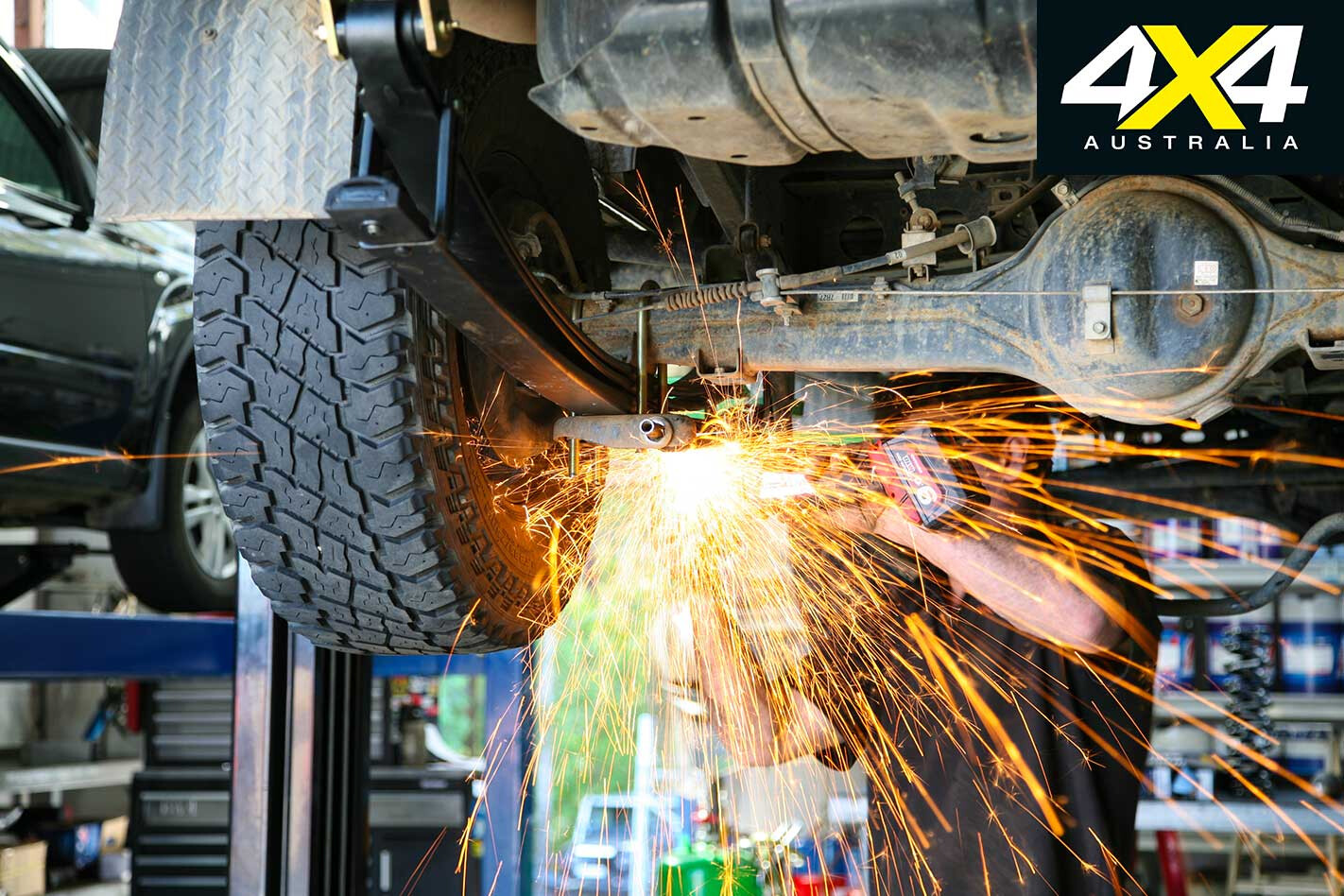
This isn’t always the case as some of the biggest complaints we hear about aftermarket 4×4 accessories has to do with poor installation by workshops. This isn’t limited to small backyard shops. Some of the biggest names in the business are often mentioned. It’s usually a case of the customer having no complaints about the gear, just the way it was fitted.
All we can say is to check the car park of the workshop you’re thinking of using. Does it look like the people who work there drive 4x4s? Ask the person in the shop about their 4×4 experience and make a call. It seems there are plenty of workshops where the fitters are just that; they do the job of fitting the products but have no real idea of how to do it so it works best in the bush.
If you’re kitting up a new 4×4 with a swag of new accessories, and this often extends to tens-of-thousands of dollars in equipment, you should plan ahead and think about who’s going to fit them all. We’ve found from experience that having one qualified shop do it all is better than going to a lot of different places – when your winch fails to pull you out of a bog you take it back to the guy who fitted it and he blames the shop that did your dual battery system, who in turn points the finger at the fella that fitted your bullbar. It’s a messy situation that is best avoided.
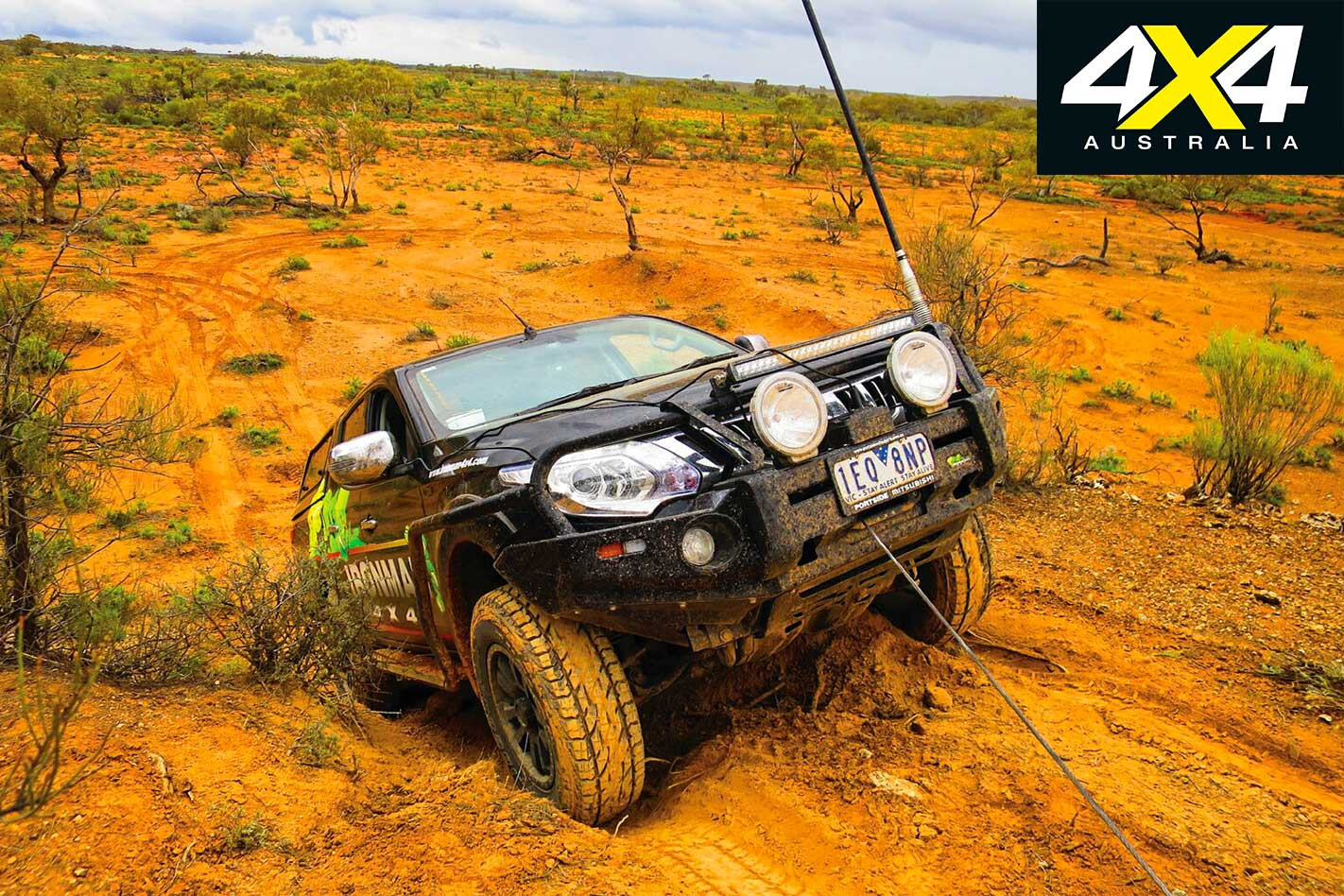
Imagine if you could take delivery of your new 4×4 already fitted with all the touring and off-road accessories already fitted from a qualified 4×4 shop.
It’s not a pipedream, as this is what a crew from Queensland’s 4×4 Megastores is offering with the Rambler packages on Land Cruisers and other new vehicles. Check out the feature on the April 2019 issue of 4×4 Australia to see what is achievable. That rig sure is a sweet dream.
WE RECENTLY lined up six dual-cab utes for our annual tow test, and among the competitors were two V6-powered units relatively new to market: VW’s Amarok 580 and Mercedes-Benz’s X350d.
With similar outputs from their respective 3.0-litre V6 units – 200kW (overboost) /580Nm for the ’Rok; 190kW/550Nm for the X – how do the two German utes cope with an extra 3144kg of weight on and behind them?
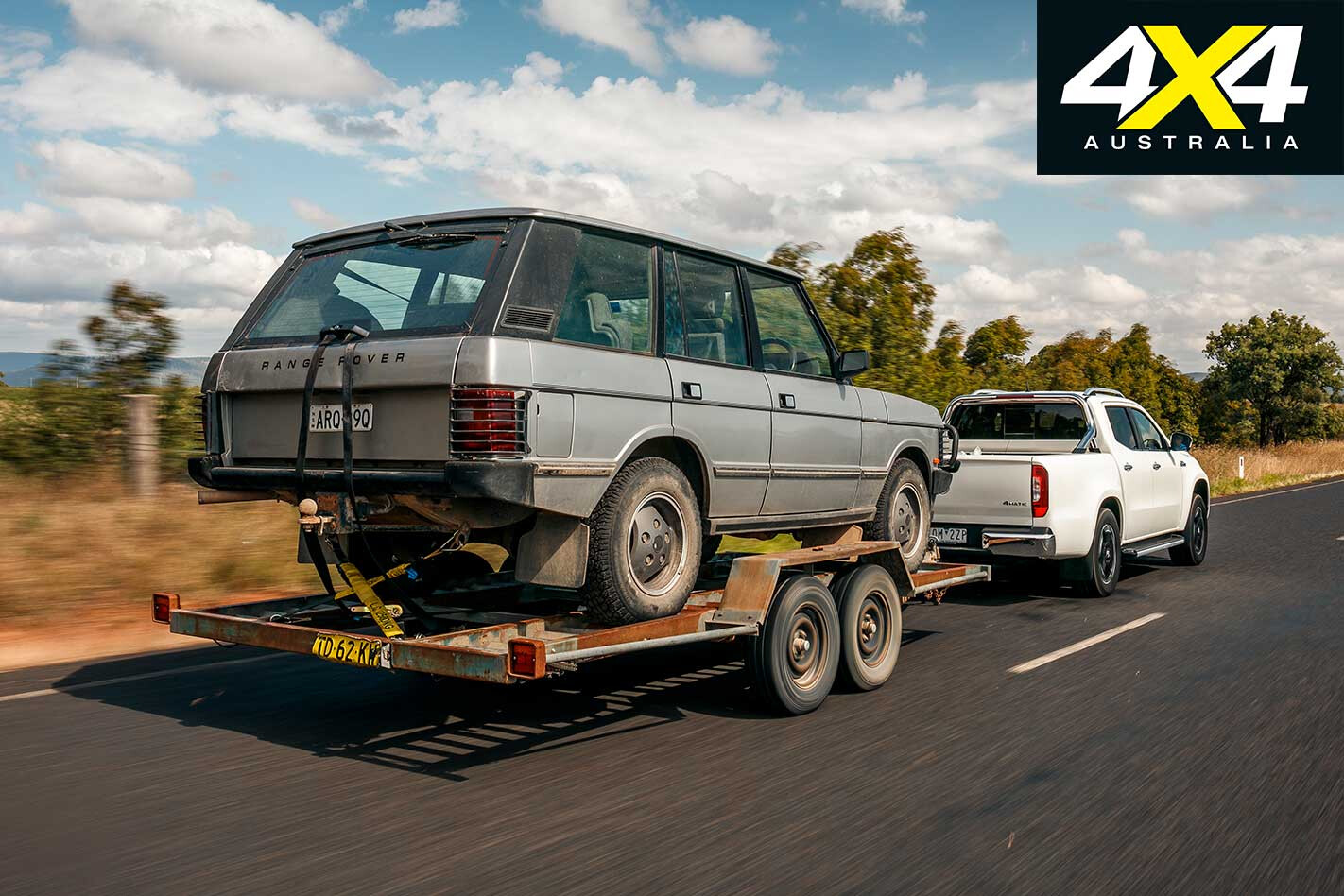
For the test we loaded 450kg worth of sandbags in the tubs, and then hooked up a tandem-axle trailer lugging an old Range Rover (another 2500kg).
The vehicles were then comprehensively tested on a variety of road surfaces: steep ascents and descents, hairpin turns and undulating country backroads.
There was little to separate the Amarok and X350d in general highway load a tow duties, with both V6 engines having ample grunt on moderate highway inclines. With the load in its tray the Amarok’s rear suspension dropped around 70mm, and despite operating close to its GCM the 580’s chassis felt stable and competent on the country road course.
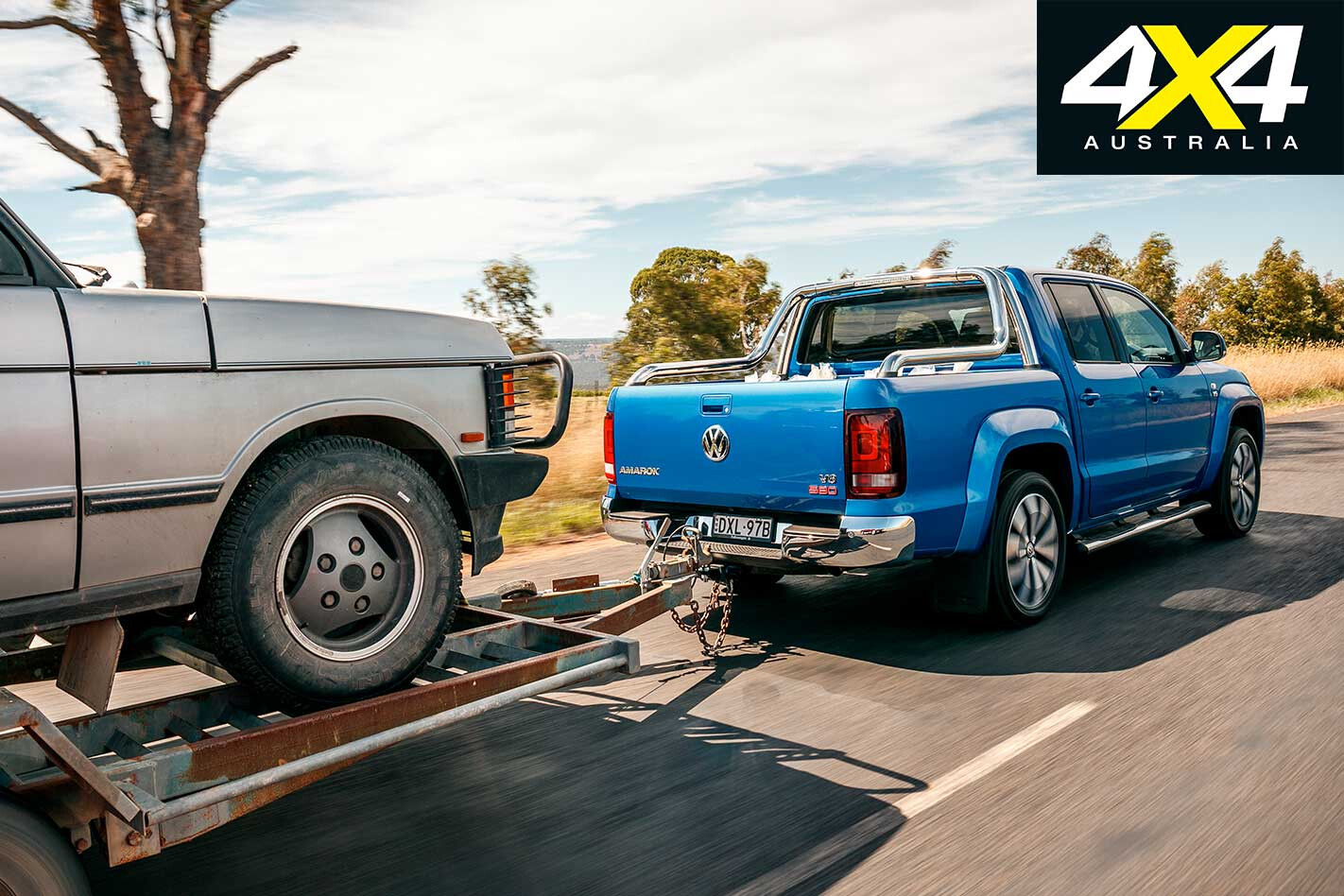
The Merc’s chassis, on the other hand, struggled under load right from the get-go, with a noticeable change in the vehicle’s steering and chassis stability. With the load added to the tray, the X’s rear suspension dropped by 80mm. Both powertrains made light work of the extra heft, though.
The steep hill climb separated the two V6 utes further. The X350d performed strongly on the climb, had good engine braking and the automatic transmission performed admirably, but it was no match for the Amarok. The Amarok was comfortably quicker than the X350d to mount the hill, with strong performance from its lower gears.
The comprehensive tow and load test – Amarok V6, X350d, Ranger 2.0, Ranger 3.2, Colorado and D-Max – is in the April 2019 issue of 4X4 Australia, which is in stores now.
Introduction: The One Tonner Life
THE TONNER has been registered and on the road for just on five months, clocking up more than 5000km. While that’s not an overly long time behind the wheel, one particular part of the build makes itself known every single time I drive it on- or off-road: the noise.
Don’t get me wrong, I love a strong, deep-noted V8 engine and exhaust note, but my Tonner develops an unbearably hostile buffeting at 100km/h in sixth (top) gear. It’s like that annoying, ear-belting drum you get when the rear windows of a four-door vehicle are wound down, but ten times worse.
The noise was so bad on its first big drive to The Deni Ute Muster that I ended up rolling tissue paper and stuffing it deep into my ears to drown out the sound. I could prevent the noise by changing the airflow via either dropping down to fifth gear or moderating the vehicle speed, but who wants to do that all the time?
Given the 6.2-litre LS3 pours gasses into the 4-2-1 extractors, dual cats and then into a single 3.5-inch exhaust with a single, long muffler, the problem seems to be the overly large diameter exhaust combined with the inability to fit a second muffler or resonator at the rear, given the lack of underbody space.
I’ve got a smaller diameter muffler lined up and will make a reducer from 3.5- to 3.0-inch to weld it into position. Failing that, perhaps I’ll change the complete system to three inches, but it is a little trial-and-error given the lengths and route are vastly different to the Maloo R8 the engine was plucked from. Plus, no two exhaust mobs have offered the same advice.
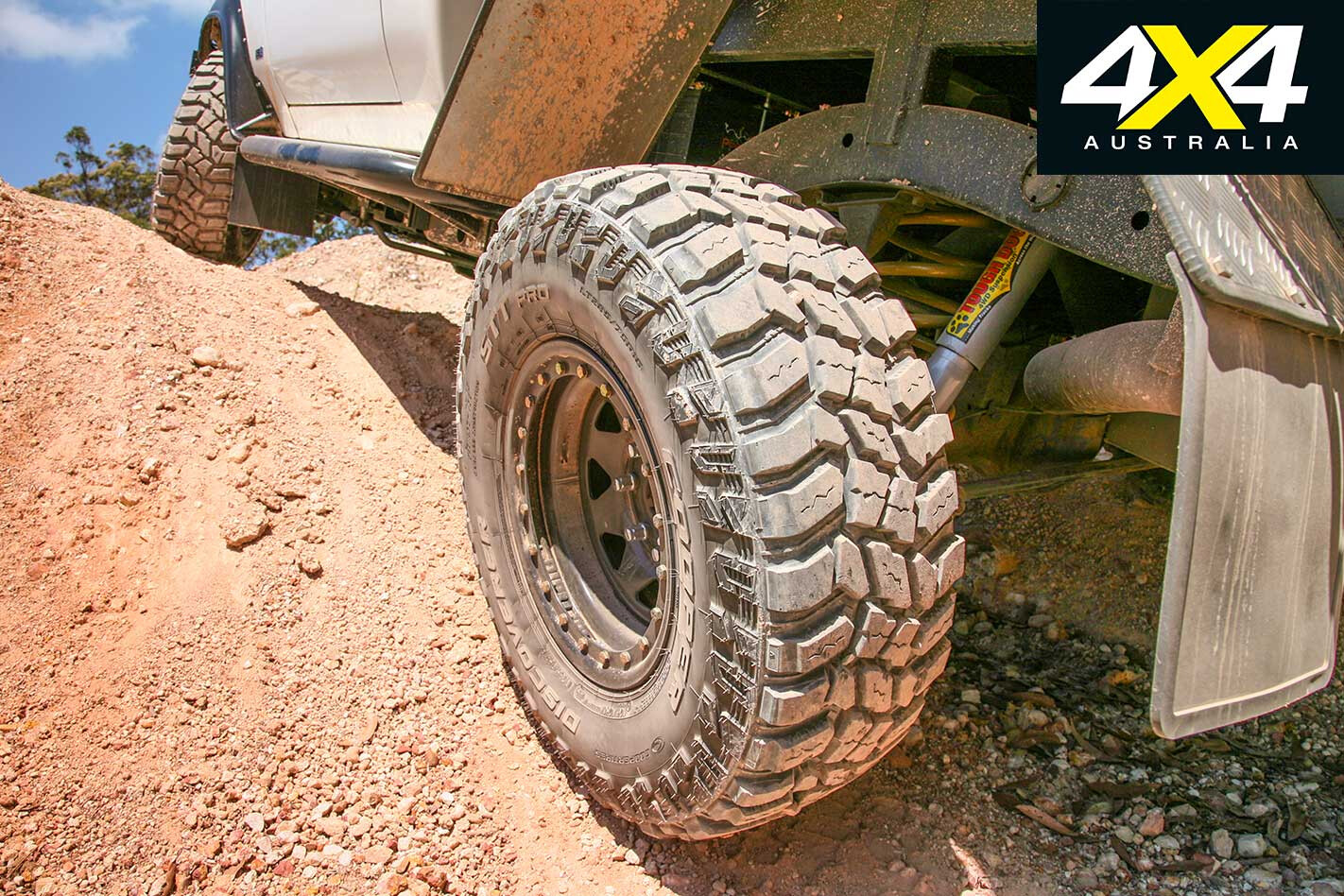
On a more positive note: right from the get-go I wanted serious, aggressive rubber on my Tonner 4×4. The Coopers STT Pros are quieter than expected and I can’t get over how discreet they are for a muddie. They aren’t smooth on-road, but, for a dedicated mud tyre, they sure beat a fistful of other muddies I’ve had the misfortune of listening to over the years.
The STT Pros are nothing short of phenomenal off-road. They grip like there’s no tomorrow and return excellent stopping and corning grip on all surfaces – even bitumen. The rubber capably controls the Tonner’s excessive power and agility, in addition to the Superior Engineering Superflex sway bars. These bars provide apt on-road body control as well as excellent off-road flex, without having to fiddle with sway bar disconnects.
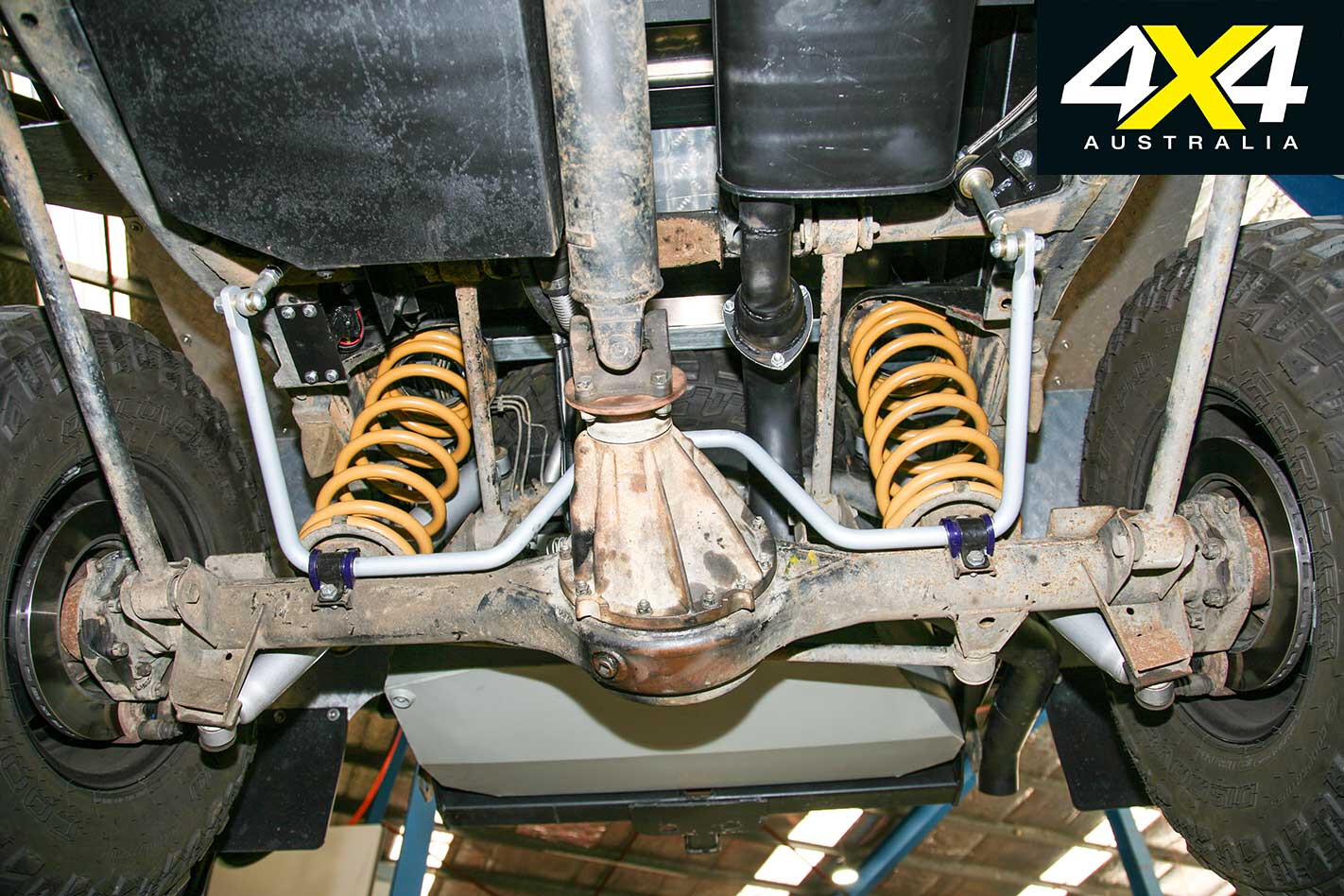
Peddling the Tonner on- and off-road is a blast, but that high-speed buffeting really needs to go so that I can enjoy the exhaust tune.
4×4 Shed Log: Holden One Tonner ute Current mileage: 5500km Date acquired: Oct 2018 Price: N/A Mileage since last update: 5000km Average fuel consumption: 15.5L/100km