
INEOS Automotive has announced it has extended its partnership with Magna Steyr to undertake the series development phase of its forthcoming Grenadier 4×4.
Magna Powertrain has been working in the chassis and suspension development of the upcoming 4×4 vehicle, but this partnership extends the ties between the two companies.

The Grenadier is a yet-to-be-seen 4×4 that was conceived after British business man, Jim Ratcliffe, failed to convince Jaguar Land Rover to sell him the rights to continue manufacturing the traditional Land Rover Defender following JLR’s cease of Defender production back in 2016.
Ratcliffe, owner of massive British chemical producer INEOS, then set out to build a vehicle on his own and created INEOS Automotive to do it, employing a team of engineers and known automotive companies to make it a reality.
Just recently, INEOS Automotive announced that BMW would be supplying both the six-cylinder petrol and diesel engines to power the Grenadier, and this latest announcement with Magna Steyr is the next step in the development. Interestingly, Land Rover was owned by BMW from 1994 to 2000 and Defenders were powered by BMW six-cylinder engines in some markets.
Austrian-based Magna Steyr has strong 4×4 manufacturing roots, having built the G-Wagen for Mercedes-Benz for more than 40 years, as well as the incredibly capable Pinzgauer off-road vehicles. In another twist of automotive fate, Pinzgauer was sold by Magna Steyr-Puch to BAE Systems (or British Aerospace) in 2000 – BA owned Land Rover prior to its sale to BMW.
INEOS Automotive is proudly British and the Grenadier (named after the pub its idea was conceived in) will be built in a new purpose-built factory in Wales. Production is expected to start in 2021.
Anyone who follows the America’s Cup yacht race will notice INEOS Grenadier is sponsoring the British entry in next year’s series, with the Grenadier name proudly displayed on the sail of the high-tech boat.
“The transition from concept to series development is a major landmark in the evolution of the Grenadier”, said Dirk Heilmann, Chief Executive Officer of INEOS Automotive. “We are pleased to have Magna, with their long heritage and experience in 4×4 development, with us for the next stage of the journey. With our production plans recently confirmed, we now move into all-important series development and start to set our sights on the start of production.”
Not a lot is known about what the Grenadier will roll on, but expect a purposeful boxy body on a separate chassis with live axles front and rear, the choice of petrol and diesel BMW power plants, 4×4 with low range, and serious off-road ability. Such a vehicle should appeal to not just off-road enthusiasts but also farmers, militaries, NGOs and global travellers.
The Land Rover Defender as we knew it might not still be available, but we think its spirit will live on in the Grenadier.
YOU CAN make a 4×4 go anywhere and gear it up to do just about anything in the bush, but the moment you need it to carry six or more of your mates, that is where you need something out of the ordinary.
Brisbane-based 4×4 conversion company, Bus 4×4, has been making a name for itself converting two-wheel drive buses and people carriers into properly equipped, roadworthy 4×4 vehicles over the past eight years.
Most of Bus 4×4’s creations are based on the Toyota HiAce, Commuter and Coaster people carriers, which were chosen for their popularity, ease of conversion, and spare part availability.
The converted vehicles are mostly bought and pressed into service in Australia’s mining and remote community sectors, where tarred roads are scarce and their converted 4×4 people carriers are the only way to shuttle people around.
The company’s latest creation, an AWD Conversion kit for the latest Toyota 300 HiAce Commuter, was recently put to the test on a two-week 10,800km tour of Eastern and Central Australia, going the long way around North Queensland, Northern Territory, South Australia and NSW, and visiting key customers in the region.
The AWD conversion was developed by Bus 4×4 in-house, using as many Toyota components as possible. The core components of the conversion features a high-range and low-range gearboxes, a 180mm body lift, modified independent front suspension, raised rear leaf springs, and a rear axle differential lock.
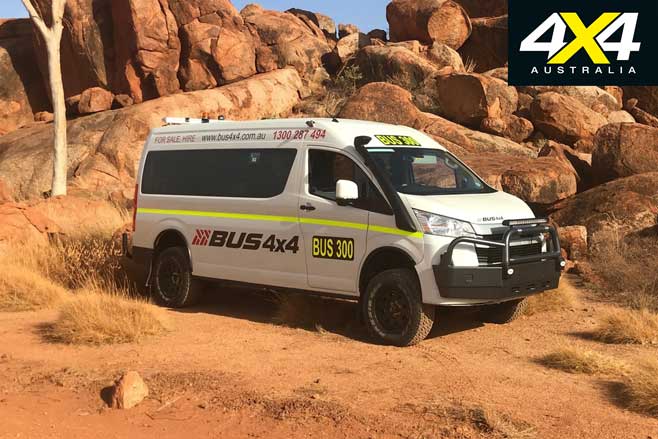
Bus 4×4 has a range of options to spec the HiAce for more rigorous journeys such as a shock absorber upgrade, protection rails, wheel arch mouldings, a lockable battery isolator with a jumpstart system, UHF/VHF radio, roof-mounted lights, and fire extinguishers.
According to the company, all of its HiAce conversions have a 1500kg braked-trailer tow rating, and retain the ANCAP five-star rating for the two- and five-seater models.
For the tour, the HiAce prototype was fitted with mine specification equipment such as a LK9-compliant roll over protection system, cargo barrier, bull bar, tow bar, custom-built snorkel, and further equipped with off-road tyres and under-body protection.
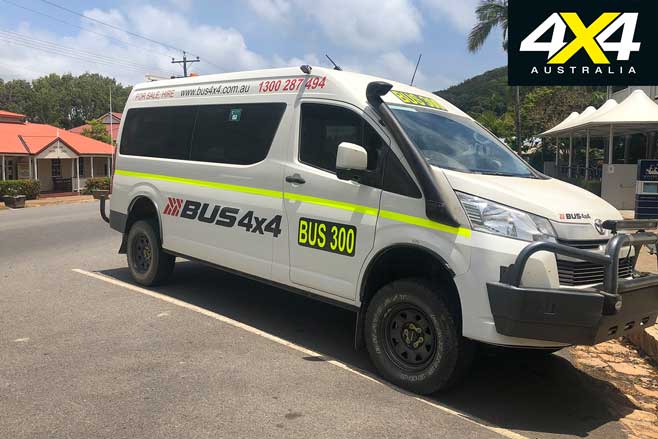
Driven by Steve Hargreaves, Bus 4×4’s national operations manager, the converted HiAce prototype left Brisbane and made its first scheduled stop at Blackwater, before tracking along the coast to Cooktown from Moranbah, cutting back down to Porcupine Gorge and stopping at Mt Isa.
Following a presentation to representatives from the mining companies in Mt Isa, the HiAce headed to Darwin along the Barkly Highway, before heading north on the Stuart Highway and stopping at the historic Daly Waters Pub.
From Daly Waters, Hargreaves drove to Darwin to showcase the HiAce prototype to the St John Ambulance organisation, the newest Bus 4×4 distributor for the Northern Territory. Hargreaves then pointed the HiAce south towards Alice Springs and Coober Pedy, before showcasing the prototype once again at more mining companies in the Hunter Valley. With the tour of duty done, Hargreaves then made a bee-line back to Brisbane.
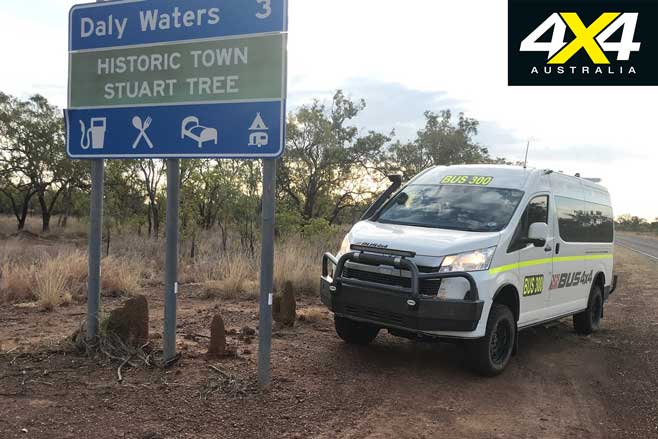
According to Bus 4×4, the AWD Conversion kit covers the entire HiAce range from the two-seat LWB van right up to the 12-seat SLWB Commuter. In addition to that, Bus 4×4 has also developed a kit for the luxury-spec Granvia.
Prices for the HiAce conversion kits start at $39,500 plus GST. Conversions are carried out by Bus 4×4 or any one of its distributors in NT and WA, however customers in other states would have to contact Bus 4×4 directly. For more information on Bus 4×4 and its range of products visit www.bus4x4.com.au.
TERRAIN Tamer celebrated its 50th anniversary earlier this month by throwing a shindig at the Hotel Windsor in Melbourne.
Held in the Grand Ballroom, the iconic aftermarket manufacturer invited 150 of its staff, suppliers and customers, as well as a contingency of media, to celebrate the milestone.
Picture: Frank Hutchison (right) and Brent Hutchison (left)
The proud Australian company traces its humble roots back to 1969, when the late Don Kyatt and Frank Hutchison (the current Managing Director) started the business in Moorabbin, Melbourne. The company remains family owned, with Frank’s son Brent becoming the General Manager in 2018.
Fifty years later and the brand’s extensive network supplies more than 40,000 4WD parts to customers located in more than 80 countries around the world, catering for a broad range of industries including workshops, mines, farming, emergency services and recreational drivers.
A coffee table book called ‘The Terrain Tamer Journey – 50 Years in the Making’ was also unveiled at the lavish party and gifted to those in attendance.
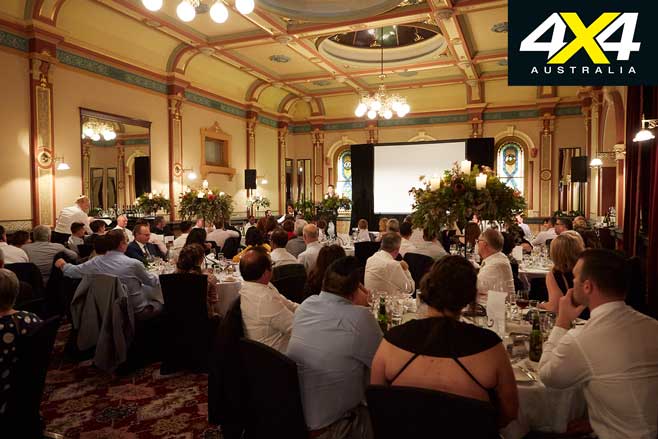
The book looks back at the company’s rich history, by paying homage to the key moments, people and innovations that have made the Terrain Tamer brand a household name around the country.
To pick up a copy of the book head to: www.terraintamer.com
What’s new this week? We put ARB’s Zero fridge, MSA 4×4’s compressor mounting plates and TJM’s HD vehicle mount compressor under the microscope.
ARB Zero Fridge Freezer
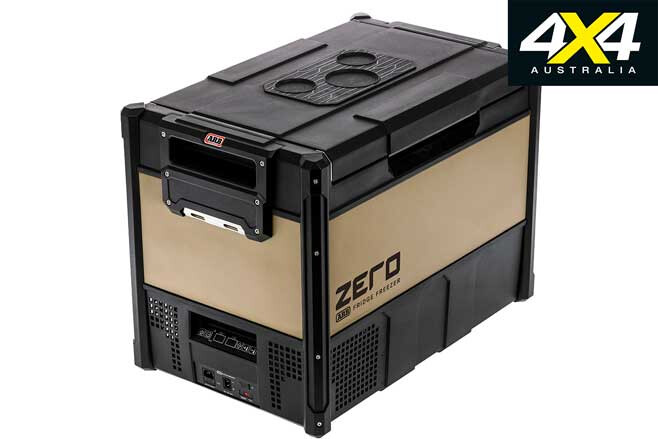
Keep your beverages cool and your dinner frozen with ARB’s all-new Zero Fridge Freezer range. Available in two sizes – 69 litres and 96 litres – the Zero offers easy access to contents thanks to a side-opening, quick-release lid. It also features handy front and rear DC inlets, while there’s also a front AC inlet for when camping at powered sites. A USB outlet also provides a charging point for gadgets and gizmos.
The dual cooling zones on both units can be independently controlled via a panel or wirelessly via a Bluetooth-enabled device. The 69-litre unit has one lid and an internal freezer compartment that can be removed if desired to increase fridge space. The 96-litre unit features two separate compartments, each with its own lid, completely isolating the freezer and fridge sections from each other.
Both Zero models also feature a ‘boost’ function to rapidly cool down contents, as well as ‘anti-condensation technology’.
RRP: $1599 (69L); $1799 (96L) Website: www.arb.com.au
MSA 4X4 Compressor Mounting Plates
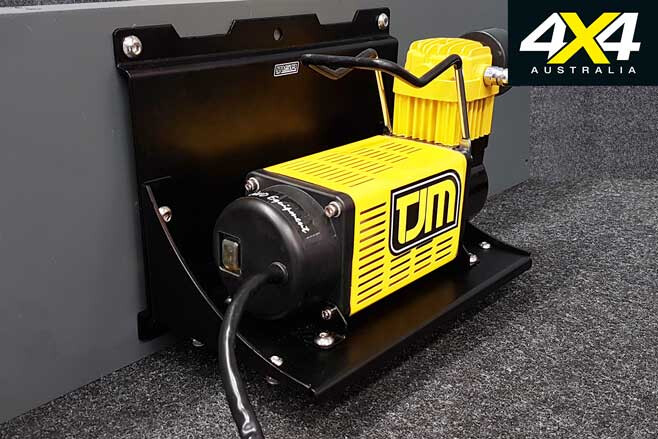
MSA 4X4 has developed Compressor Mounting Plates that enable you to mount air compressors and other accessories directly and securely to your Explorer Aluminium Storage Drawer System. There are upright and horizontal mounting plates allowing you to fit the air compressor exactly how you want it.
The steel mounting plates come with pre-drilled holes to suit popular air compressors, saving on installation time, and they are finished in a durable powder coat. Each model is supplied with a full fitting kit and comes with two reinforced backing plate strips for installation on the inside of the drawers.
RRP: $109 (horizontal); $124 (upright) Website: msa4x4.com.au
TJM HD Vehicle Mount Compressor
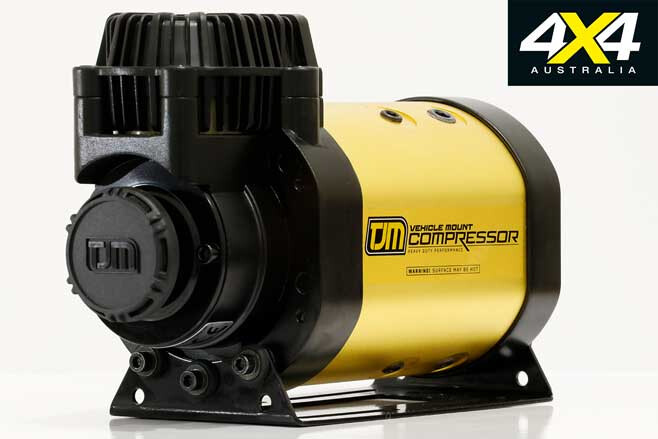
For those after faster tyre inflation TJM has developed the new HD Vehicle Mount Compressor with a claimed flow rate of 86/min and a 100 per cent duty cycle.
“Ever since we started work on this project, our aim has been to produce an air compressor that can not only perform at the highest level but do so for an extended period of time,” says James Renou, TJM’s lead engineer on the project. “The end result is a compressor that runs cooler, inflates faster and lasts longer.”
The exterior of the TJM HD Vehicle Mount Compressor is constructed from a combination of cast and extruded anodised aluminium to provide maximum protection for the oversized internals, which include a hard-anodised cylinder bore and Teflon-impregnated piston seal.
The compressor also features five unique mounting angles for easy access in your 4×4, whether in your engine bay, vehicle cab or drawer system. Additional features include multiple tyre inflation points, six auxiliary ports and a pressure cut-out switch. An optional matching airline kit includes a 6m rubber hose, a tyre inflation chuck, a female Nitto quick-connect fitting with male ¼-inch BSPT thread, an air blower and a selection of nozzles.
RRP: $389 (airline kit $69) Website: www.tjm.com.au
The Readers’ Rigs feature in the December 2019 issue of 4X4 Australia features a several customised raised adventure-ready 4×4 rigs from our enthusiastic readers.
To get involved, post a pic and a description of your rig on our special site here or post it to our Facebook page and stand a chance to win an ARB High Output Air compressor valued at $335.
NISSAN NAVARA BLACK EDITION: MARC NASH (4×4 Australia Readers’ Rigs Winner of the Month)
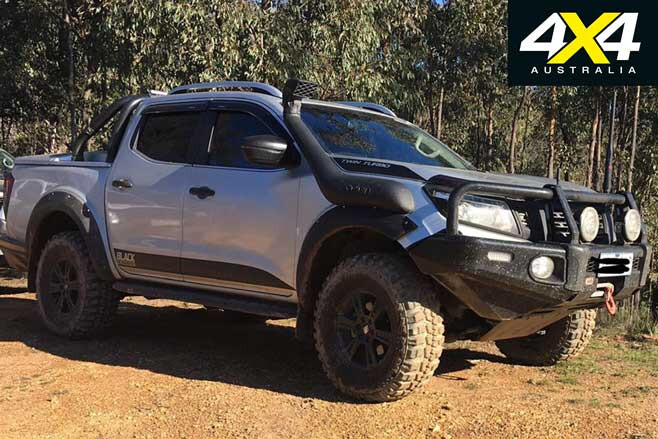
As the Founder of The Blue Green Crew I am lucky to head out with such an awesome group of people. The High Country around Mansfield is one of the nicest places to go four-wheel driving.
Mods include an ARB front bar with 12,000lb winch, ARB rear bar, ARB side-rails and side-steps, ARB suspension, ARB underbody protection, front ARB diff lock, rear factory diff lock, Safari snorkel, Bushranger LED lights, three-inch exhaust, DP Chip and iDrive, dual batteries, custom rear shelf and ute slide, 285 mud tyres, ICOM UHF, and the greatest heated seats ever.
TOYOTA PRADO: CHRIS LAGAS
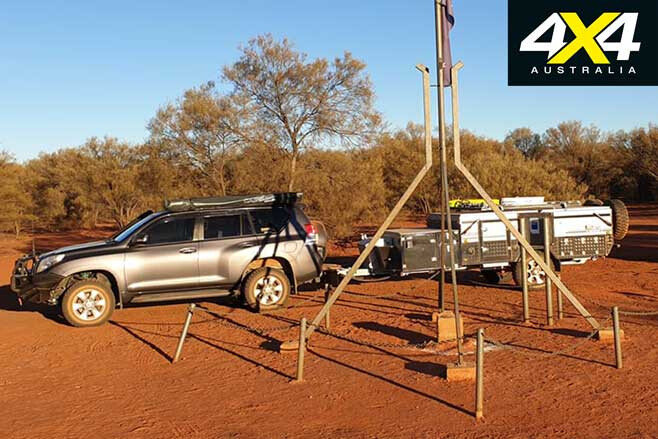
It’s my pride and joy, running on Kumho MT51s with two-inch Dobinsons MRR remote-res suspension. Mods include an Ironman 4×4 bullbar, Kings winch and spotlights, drawer system in the rear with Waeco CFX50 fridge, three batteries including the crank battery controlled by an Intervolt DC-DC charger, Mann+Hummel ProVent catch can, snorkel, Pioneer platform with Hard Korr light bar and work lights, and Supa-Peg awning. In the year I’ve had it I’ve done two big trips to Tasmania and Uluru, as well as a few small ones camping every third or fourth weekend.
TOYOTA PRADO 150: DEAN GOGGINS
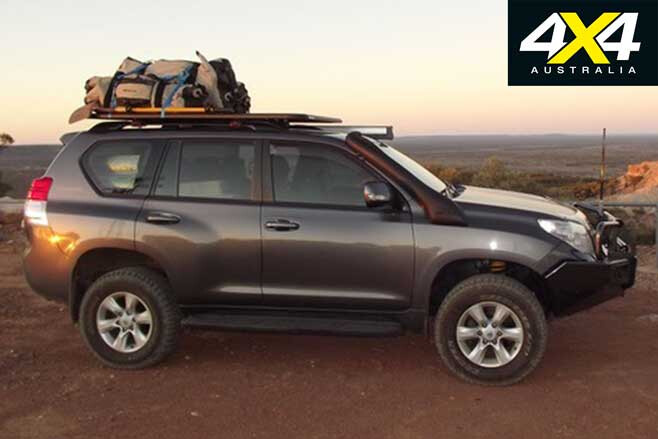
This vehicle has served us well over the past five or so years. It’s been all over the eastern side of Australia, from Cape York to Birdsville/Simpson Desert a few times and also down to the southern regions.
This photo was taken at sunrise on top of Mount Slocombe, near Yaraka in western Queensland. The mods include an ARB bullbar, underbody protection, recovery points, a Rhino-Rack, and I’ve just added a Foxwing awning and have a 60-litre Engel fridge in the rear.
FORD RANGER FX4: GRAMHAM EMBLETON
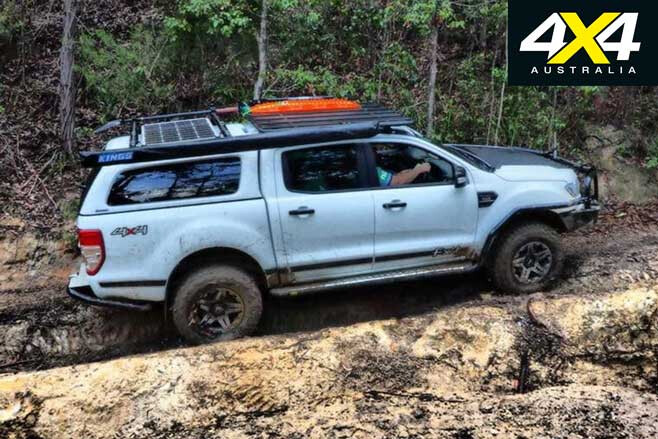
The best place I’ve been is Monkey Gum Fire Trail in Yalwal. I mainly four-wheel drive around NSW, but I’m planning a trip to Fraser Island and Cape York soon. Mods include TJM bar work, a 9500lb TJM winch, two-inch Tough Dog lift, 17-inch Auscar Bandit rims on 285/70R17 Hankook Dynapro MTs, a TJM snorkel, Aeroklas canopy, Rhino-Rack and platform, custom drawers, fridge and a Kings awning.
TOYOTA FQ15: DAVE KRENSKE
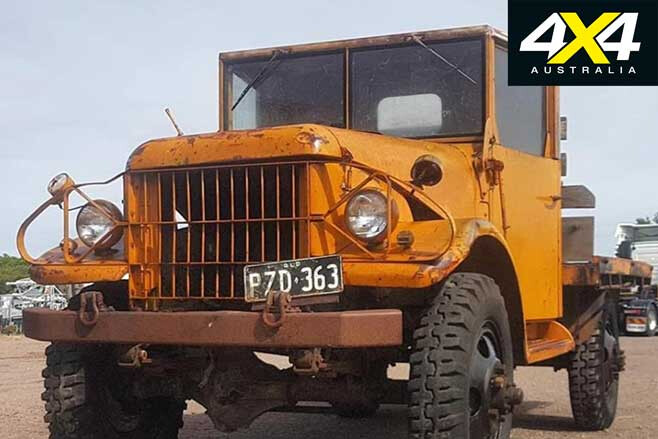
Not sure where it started life, but it ended up on a farm in Warwick. The motor blew a head gasket and it was eventually sent to a scrapyard. A neighbour’s dad saw it and saved it. While having beers over Christmas in 2018 I asked what happened to it. He knew where it was, and we ended up buying it. The original wheels/tyres were missing, but the lady from the original farm contacted us saying she still had them. She dropped them off the following day.
JEEP JK WRANGLER: PAUL SAWYER
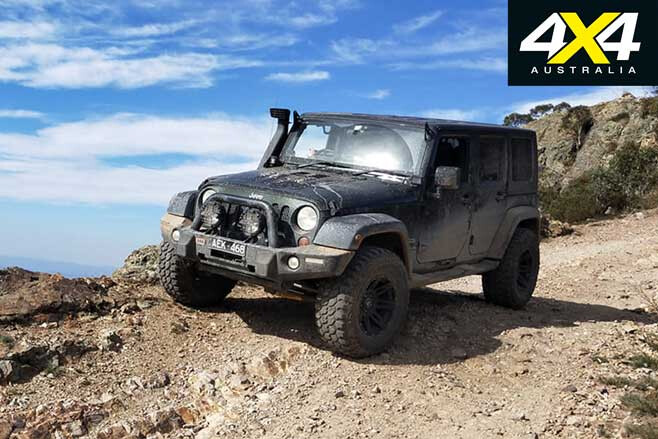
Here’s my 6.0-litre LS JK conquering Billy Goat Bluff. I’ve done an LS swap using a Gen4 LS and six-speed 6L80E from a Commodore. Mods include a 2.5-inch suspension lift, 35-inch tyres, and re-geared diffs with lockers. All built in the shed by my dad and me. I mostly lurk around the Victorian High Country, but Robe in South Australia is on the cards later this year.
Bushranger, Cel-Fi and Stihl have released a bunch of products to help in a 4×4 recovery situation.
Bushranger REVO 12S
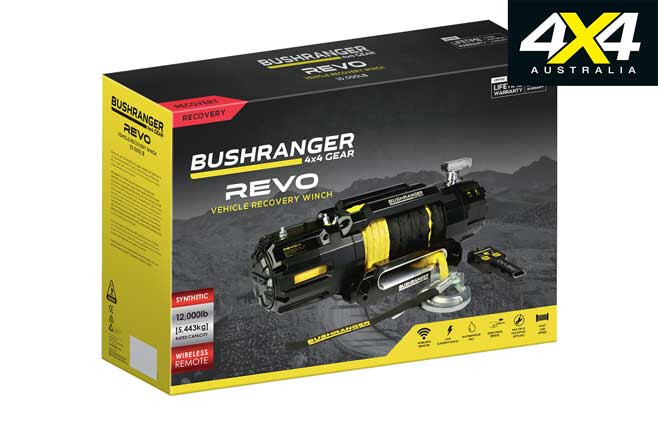
Bushranger has added a new 12,000lb model called the REVO 12S to its range of electric winches. REVO features include low current draw, four-stage oversized gearing, fast line speeds and a proportional friction braking system that will hold 100 per cent of the rated load with no slippage. A zero-drag brake allows for easy unspooling, while a fully sealed IP67 motor and gearbox gives protection from water and dust.
The REVO 10W is supplied with wire rope, while the 10S and 12S models are supplied with synthetic rope. The REVO can be mounted in 22.5-degree increments and comes with a multi-mount control box.
Both the 10S and 12S models also come with a wireless hand controller for cord-free operation. The REVO 12S is supplied with 24m of 11mm synthetic rope and 1850mm battery leads, and it weighs 35kg. All Bushranger REVO winches are covered by a limited lifetime mechanical warranty and a seven-year electrical warranty.
RRP: $945 (10W); $1045 (10S); $1195 (12S) Website: bushranger.com.au
Cel-Fi GO Trucker Pack
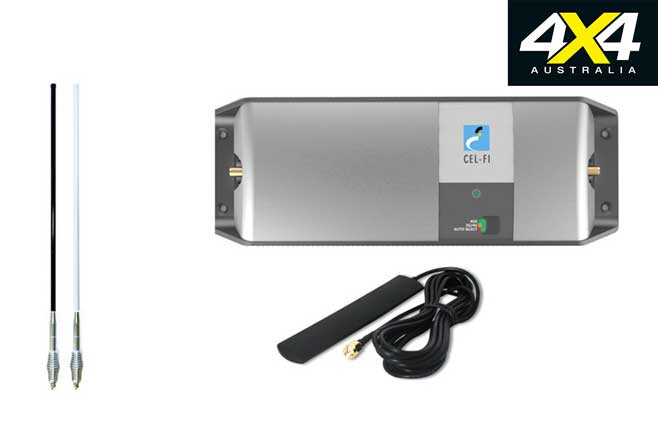
The Cel-Fi GO Trucker Pack improves mobile phone reception and has been specifically designed for four-wheel drive and truck applications. The Cel-Fi GO provides 70dB of system gain and the Trucker Pack includes external and internal antennas.
Locked to your carrier’s mobile network, this set-up is claimed to be the only carrier-approved and legal option in Australia. It has a band selection button and boosts Telstra 3G 850, 4G 700 or 4G 1800, Vodafone 3G (900/2100) and 4G (1800/2100/2600), and Optus 3G (900/2100) and 4G (1800/2100/2600).
RRP: From $1014.04 Website: powertec.com.au
Stihl MS 500i chainsaw
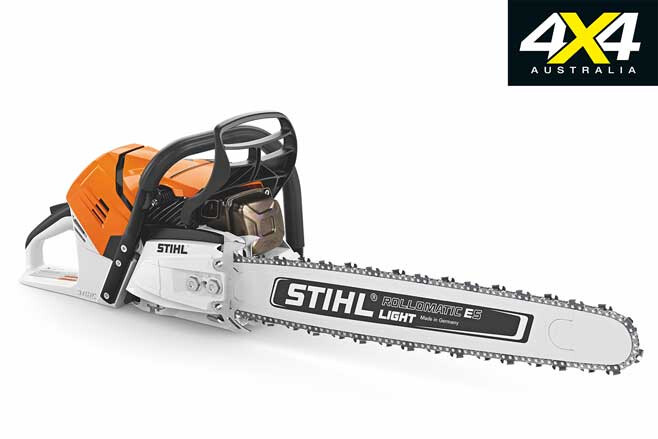
Stihl has launched what it claims to be the world’s first chainsaw with electronic fuel injection (EFI). Called the Stihl MS 500i, the chainsaw is said to have a best-in-class power-to-weight ratio of 1.24kg per kW, and impressive torque output that sees chain speed accelerate from 0-100km/h in just 0.25 seconds.
Thanks to EFI, the MS 500i’s engine is easy to start and its tune adapts to the environment, so it runs as intended no matter the altitude or the ambient temperature. Minimised gyroscopic forces also aid dynamic manoeuvrability, which Stihl says is of particular advantage during limbing, and gives the operator an easy-to-handle tool for all disciplines, from felling to cutting and length.
RRP: $1999 (50cm bar); $2049 (63cm bar) Website: www.stihl.com.au
UHF communications are an essential addition to any touring 4×4. Not only are they handy for chatting with and relaying messages to other members of your convoy but they improve safety by alerting you to road and track conditions, give you a means of staying in touch with your camp, are priceless when conducting vehicle recovery, and are super handy if you have someone spotting you over an obstacle.
There are a handful of quality brands of UHFs available for in-vehicle installation, but we always like the products from Australian company GME. It’s rare but great to see electronic components still be made in Australia, and that should be enough for us all to support this brand.
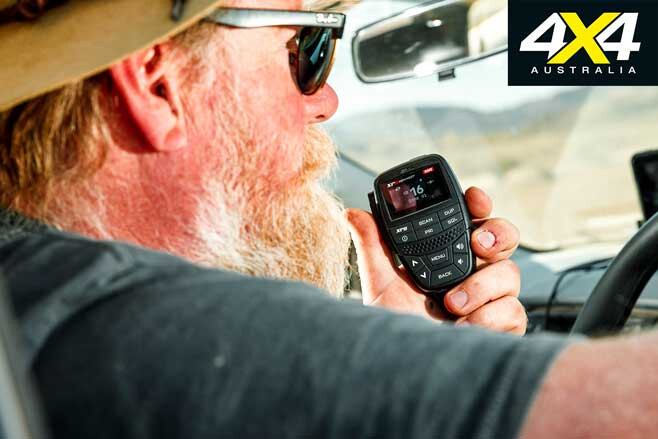
Not only are they Aussie-made but they are some of the best in the business, so there’s no compromise on quality and performance. Take GME’s latest range of leading XRS Connect radios for example. UHF radios where the main body of the unit can be mounted out of the way are nothing new, and they’re especially important in newer vehicles with complex dashboards that don’t easily accommodate a traditional boxy unit. With the main body tucked up out of sight somewhere, the handpiece is the only part of the radio set that comes into the passenger cabin and it therefore houses all the controls.
The handpiece is a hefty unit that feels top quality when it’s in your hand; not a flimsy plastic piece that you might crush in your grip. Not only does it contain the controls for the power button, channel selection, volume control, squelch, etc. but it also conceals the speaker inside it.
In the past, some mike-in-handpiece radios have used tinnie little speakers that delivered less than ideal sound quality, but not the GME handpiece. It conceals a two-watt speaker that gives you clear and easily understandable sound at all times. GME claims it’s class-leading, and Ron Moon said after driving our Ranger for a week that this was the best speaker-in-mike radio he’s ever used. Who are we to argue with the great man?
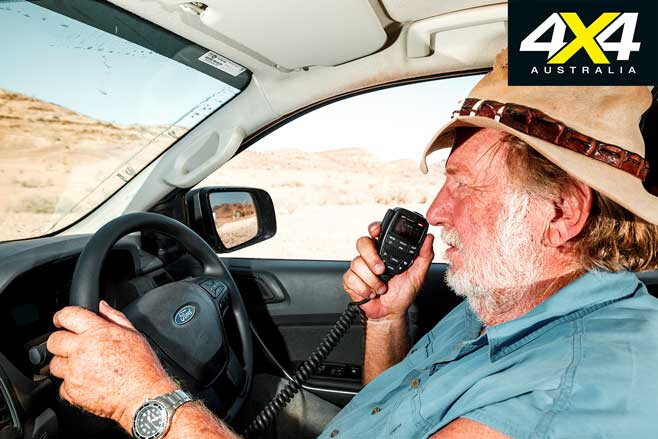
That’s right, we fitted an XRS-330C super compact UHF to the Ranger and it’s been delivering clear and precise comms for a few trips now. We got it as part of the 330-CTP Connect Touring package which also includes a GME 6.6dBi elevated feed antenna, and our good mates at Ontrack Automotive fitted it for us.
The XRS-330C has more features than we’ll ever need but basically it’s an 80-channel, five-watt UHF radio. Users can connect the radio to an app on their smart device via Bluetooth to program special features like the preset channels, scanning and the customisable buttons on the handpiece. As I say, more features than we’ll ever need but, most importantly, as a reliable UHF radio it works better than any other we’ve used before.
RATED Available from: www.gme.net.au Fitted by: ontrack4x4.com.au RRP: $629 We Say: Quality Australian-made radio for reliable comms.
Australian brand, 4×4 Megastores, has thrown its spanners at Toyota’s 79 Series to create a complete turnkey proposition.
The Toyota 79 Series Rambler Edition by TJM you see before you is a concoction of off-road gear from TJM, a body from Spinifex Manufacturing and the knowledge of 4×4 Megastores, and it seems punters can’t get enough of it.
Case in point is Malcolm, Leanne and their two daughters, in the above video. The adventurous family like to get outdoors whenever the opportunity presents itself, and they’ve decked out their 4×4 accordingly.
Modifications to the Cruiser include frontal protection, a suspension lift, a canopy down back, a roof rack up top, a dual-battery to keep the fridge running, a refreshed centre console, and a couple of spotties were installed up front.
The Rambler package is available for single- and dual-cab variants of Toyota’s 4.5-litre turbo-diesel V8-powered LC70. Expect a four- to five- week build time.
For a full list of features offered with the Rambler package, visit: http://www.4x4megastore.com.au/rambler-edition/
With the exception of a small community of doomsday preppers who have already sealed themselves in bunkers under the desert, it is impossible to ignore the rise in popularity of the dual-cab ute. And that’s a shame because, ironically, there’s a thriving segment at the pointy end of the one-tonne market that would really appeal to people who believe Armageddon is upon us.
The highly accomplished Ford Ranger Raptor took one-tonne toughness and off-the-shelf all-terrain ability to a new level and, despite a hefty asking price, people have been flocking to its combination of off-road athleticism gruff looks.
A handful of rivals have responded with toughened versions of more prosaic model lines including Toyota’s Hilux Rugged X and the HSV Sportscat but nothing has yet challenged Ford’s hulk and won.
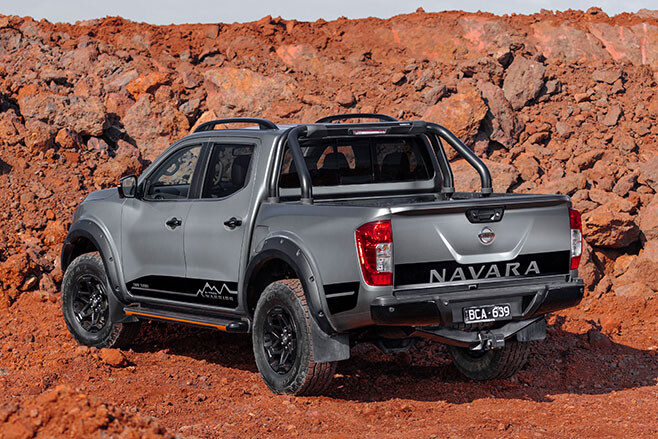
And now it’s Nissan’s turn. It might look like another lamb to the slaughter, but the new range-topping Navara goes further than the hopefuls before it, which did little more than add a bit of show and not much go.
For a start, Nissan Australia recruited automotive engineering authority Premcar – the mob that created the Ford Falcon Holy Grail – to craft a Navara specifically for Australian tastes. The result is a ute that you can’t buy anywhere else in the world, but that might change now Nissan global has sampled the results.
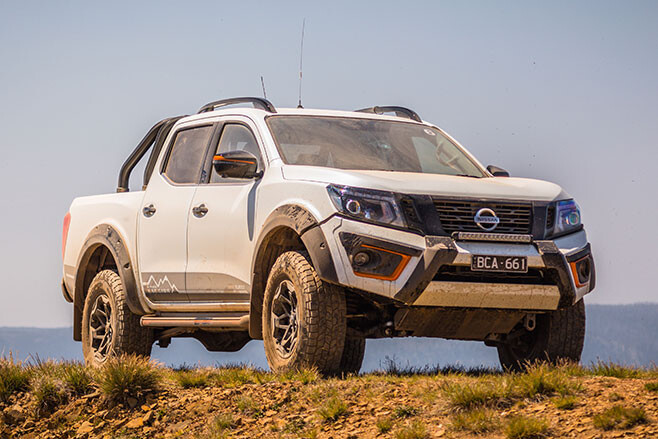
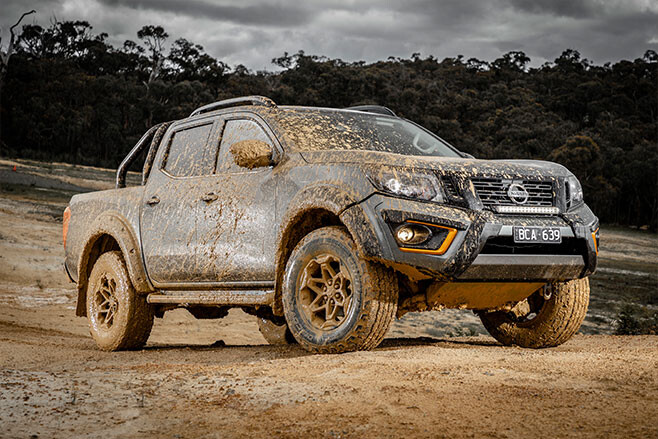
Oh and then there’s the name. Make no mistake on this Aussie-fettled off-roader’s intent because it’s called the Warrior. Based on the Navara N-Trek, the Warrior sits at the top of the pack as the new halo of the range and an ultra-sharp price of $62,990 driveaway (or $65,490 for an auto) is just the start of a compelling package. We sampled the new Navara N-Trek Warrior in Victoria’s spectacular high country to see how it establishes its position in the emerging premium dual-cab ute arena.
POWERTRAIN AND PERFORMANCE
What hasn’t changed is probably the best place to start with the Warrior and that includes its engine. It’s business as usual for the 2.3-litre twin-turbocharged four-cylinder diesel that drives the rest of the dual-cab Navara range (with the exception of the entry SL). That means 140kW and a respectable 450Nm sent to the dirt via a seven-speed automatic transmission or six-speed manual – also unchanged.
There’s good urgency off the mark and the four-pot is responsive in gears thanks to its sophisticated double-turbo plumbing, but it can feel lacking in outright power for road duties. Happily though, the engine and gearbox combine beautifully for off-road yakka with the linear-revving characteristics and solid torque throughout making so much more sense when the trail turns tricky.
It’s also frugal and seems happiest working hard. There are those who argue unnecessary complication of twin-turbos could potentially jeopardise reliability when you need it most, but you could counter-argue running out of fuel is more likely to leave you stuck outback.
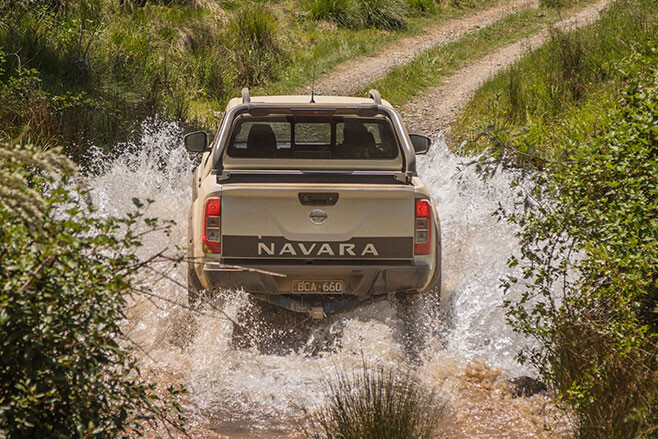
ON-ROAD RIDE AND HANDLING
Much fanfare was made of the Navara’s coil-sprung rear axle when the NP300 (D23) launched in 2015, but the relatively unusual suspension set up has never quite delivered on its promise of unrivalled dual-cab comfort. Even with a couple of revisions since.
However, Premcar’s intervention has brought a dramatic improvement. Larger dampers, softer springs and revised bump stops, in conjunction with a lift, have transformed the Navara’s on-road nature. We only had a few kilometres of sealed roads to appreciate it but, such is the improvement, that’s all it took.
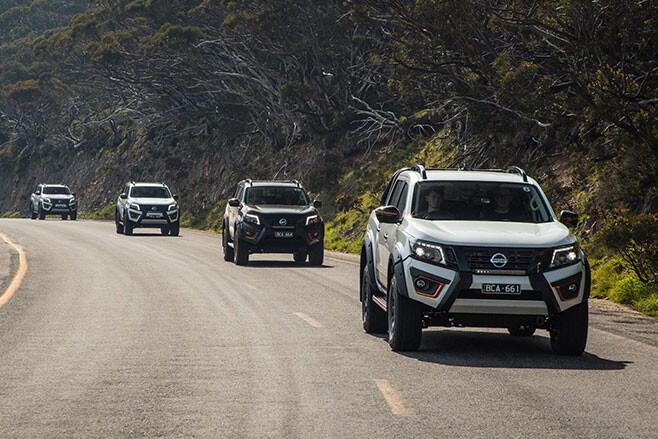
The Warrior feels more stable at speed, turns in with more obedience and the tail is now not jarringly stiff. Unlike the Raptor, which underwent complete suspension component substitution over the rest of the range and sacrificed towing capacity, the Navara retains its 3500kg rating and only forfeits about 190kg in payload with the addition of its extra equipment.
32-inch Cooper Discoverer all-terrain tyres are also included as part of the Warrior transformation which promise good times off-road but are notably quiet and smooth on-road too. Perhaps the only disadvantage to the silent rubber is that it allows you to better hear the wind noise from the standard sports bar.
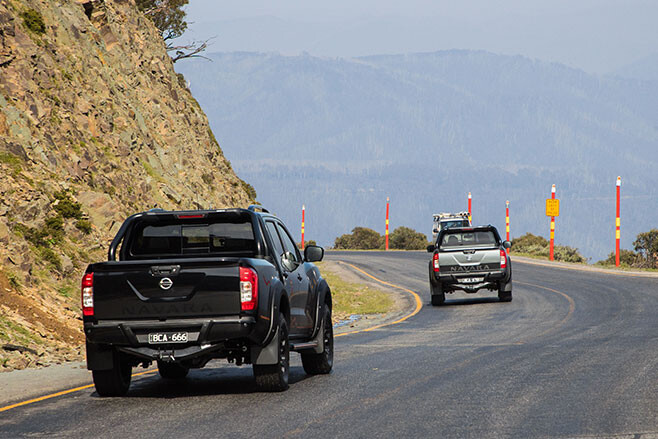
It’s not hard to see why Japanese engineers are closely examining the changes made on Australian soil by Australian developers, and the Warrior may subsequently conquer other markets outside its country of origin.
OFF-ROAD
And the deft suspension tuning continues to deliver when the road comes to an end too. In standard trim, the Navara wasn’t exactly hobbled off-road, but the Warrior’s set of modifications have made a huge difference here too. A 40mm total lift (the result of suspension mods combined with 32-inch Cooper rubber) has boosted ground clearance to 268mm with significant improvements to approach and departure angles – now 35-degrees and 29-degrees respectively.
The combination is a seriously well-rounded performer in the rough. Washed out drains that might have grazed the nose of some others are now a breeze and we only touched earth with the towbar once. Speaking of which, the towbar is part of the Warrior package and has been significantly reengineered to allow a fifth 17-inch wheel wearing the same Cooper tyre to come along for the ride in the standard position under the tub. That’s a big plus for those wishing to hit the high-country hard.
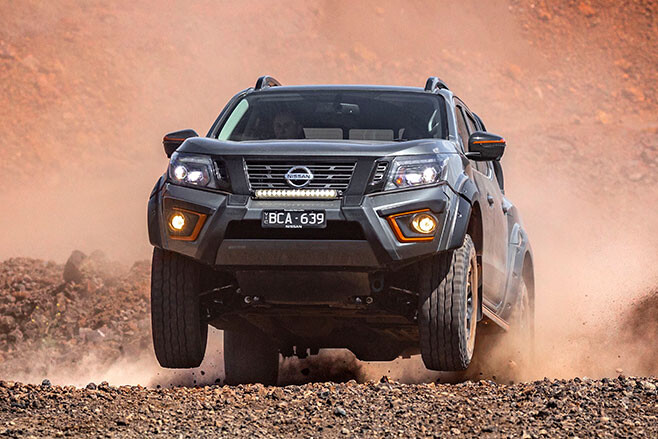
The bespoke alloy wheels are an inch smaller than the standard N-Trek rims, but that allows more tyre to be fitted for all the advantages associated with taller side-walls.
In previous tests we praised the Navara’s locking diff which maintains front axle traction control, and the feature works even better with the modified set up. Rather than pointing the Warrior at nasty moguls and pulling the trigger, a slower, careful approach is possible allowing more precise negotiation of the most challenging terrain. The overall sense of control and capability is notable and brings a renewed sense of confidence to push harder and go further.
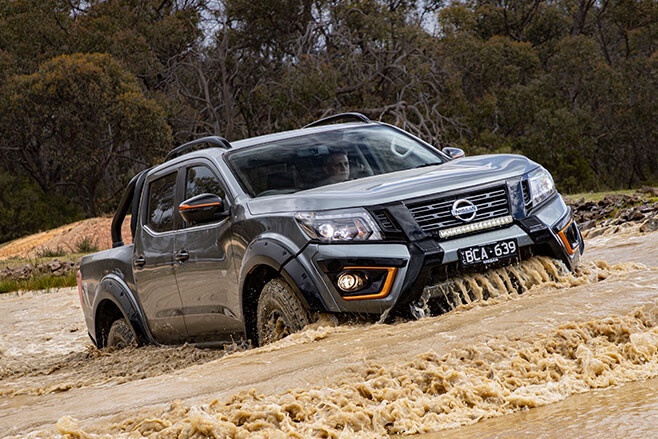
The rear axle revisions have also imparted a ride that has boosted cabin comfort for occupants. The onset of fatigue from long days away from sealed surfaces is delayed and our driver and one passenger arrived at camp feeling fresher than expected. We still needed a beer though.
PRACTICALITIES
Just as commendable as the Warrior’s tangible changes is the warranty that comes with it. Despite the significant mods, Nissan’s recently introduced five-year promise is honoured by the Warrior. Premcar’s engineering director explained that’s one reason the lift kit was capped at 40mm. If you see aftermarket options to boost your Navara to 50mm, expect the ball joints to over articulate and fail early, says Bernie Quinn. Everything that’s bolted to the Warrior however, is covered.
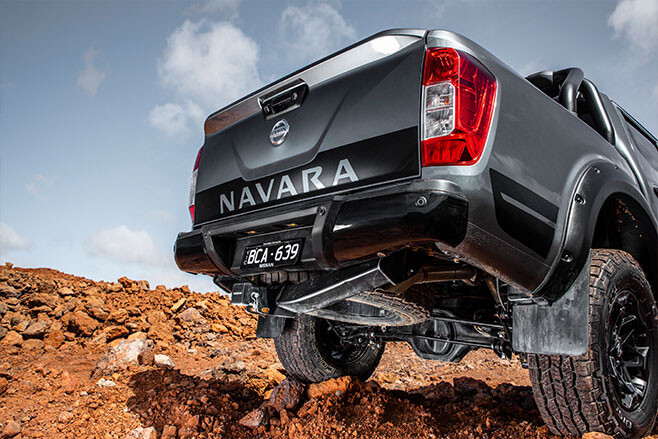
Taking out a roo isn’t. But at least the fully-integrated hoopless bull bar provides some protection from wayward marsupials. The feature is a standout adding a great purposeful front end aesthetic along with its extra light bar. The Warrior couldn’t be further from looking like a sticker pack or accessory program, it’s handsome with a solid stance and looks like a well-considered package – because it is.
CABIN AND EQUIPMENT
Aside from some orange highlights and embroidered headrests, there’s not a lot inside the Warrior to remind you that it’s quite special. In some other dual-cabs that might not be such a criticism but here was an opportunity for some of the less-inspiring Navara design to be redeemed – but was ignored.
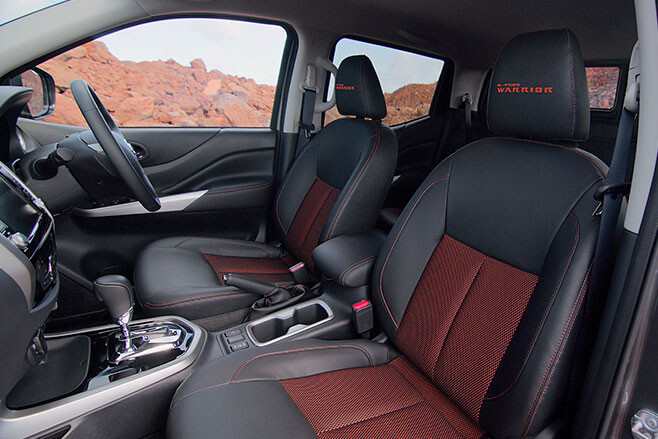
Rear seat room is certainly adequate if your intention is as a family wagon, and comfort in all five spots is good – although a steering wheel that doesn’t adjust for arm reach is a reminder that the NP300 Navara is feeling its age. Inoffensive is probably the fairest way to describe its interior.
SUM UP
Without the significant advantage of a fully-engineered suspension set up including Fox dampers and a tailored chassis to accommodate it, it’s unlikely anything is going to match the unstoppable manners of the Ranger Raptor. And nor does the Navara N-Trek Warrior.
But neither does it have the eye-watering price that comes with a similarly extensive development program. And that’s where the Warrior really excels – in value. Costing just $6500 over the previous N-Trek flagship, the value of a locally developed machine that looks handsome without being ostentatious and genuinely delivers is simply undeniable.
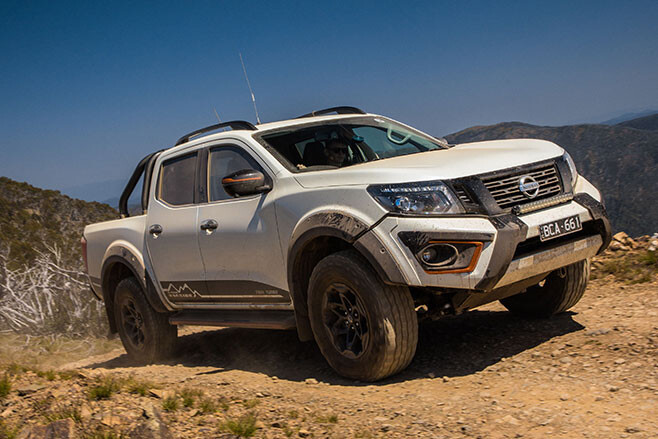
While it doesn’t look like anything is going to defeat the mighty Raptor just yet, the N-Trek Warrior is a worthy adversary to its sibling the Wildtrak, as well as the equivalent Toyota Hilux Rugged X and HSV Sportscat. The Raptor might secure its reign through brute force, but the Warrior’s most potent weapon is the ability to fight fearlessly on the value front line.
We take a closer look at 3XM’s Deluxe Smooth canopies and Rhino-Rack’s Pioneer Thru Axle bike carrier.
3XM Deluxe Smooth Canopies
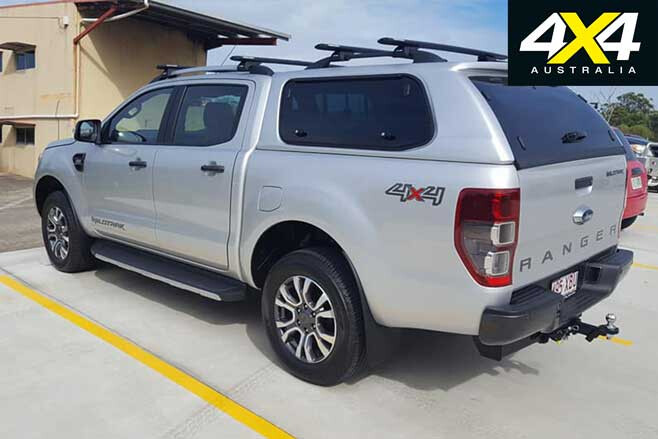
3XM Deluxe Smooth Canopies are manufactured from heavy duty hand-laid fibreglass and feature a textured finish with a small raise in the roofline. They have a durable resin-based UV-protected gel coat exterior and mould-resistant flow coat interior.
Features include tempered 4mm safety glass all ’round with a 30 per cent tint on the sides and rear, sliding windows with flyscreens, triple-positioned locks on the sliding windows for ventilation and security, LED interior strip light, gas strut assisted rear door with central T-handle, LED brake light and a sliding front window.
RRP: From $2100 (plus freight or fitting) Website: www.3xm.com.au
Rhino-Rack Pioneer Thru Axle Bike Carrier
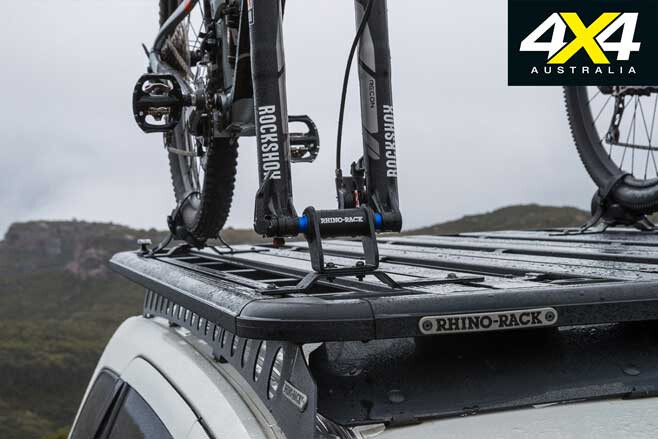
The new Rhino-Rack Pioneer Thru Axle Bike Carrier is the brand’s first bike carrier specifically engineered to attach directly to the Pioneer Platform. The kit comes pre-assembled with a 15 x 100mm through-axle insert, and Rhino-Rack offers additional sizes to suit different bikes.
The front of the bicycle is secured with a fork carrier that can be rotated to prevent handlebar clashes with other bikes, and the rear wheel can be quickly and easily secured via a strap. The rear wheel carrier can also be flipped to fit on smaller trays.
The carrier housing is made from black satin powdercoated steel, while the inserts are blue anodised aluminium to prevent corrosion. The Thru Axle Bike Carrier is rated to carry up to 17kg on-road and 11kg off-road.
RRP: $129 Website: www.rhinorack.com.au