Get up to speed on the new Prado
The stories below will give you a guide to everything we learned about the new Prado when it was unveiled. All fresh stories published since then will be found on our Toyota Prado model page here.

America’s most iconic tuning house, Shelby, has just unveiled its latest creation – the Shelby F-150.
The performance brand has gone to town on the Blue Oval’s best-selling vehicle, turning the pick-up into an extroverted horsepower machine capable of conquering both bitumen and the road less travelled.
Based on Ford’s already punchy F-150 Lariat 4×4, Shelby then adds a suite of performance, dynamic, and aesthetic features to take the pick-up truck into a different realm of capability.
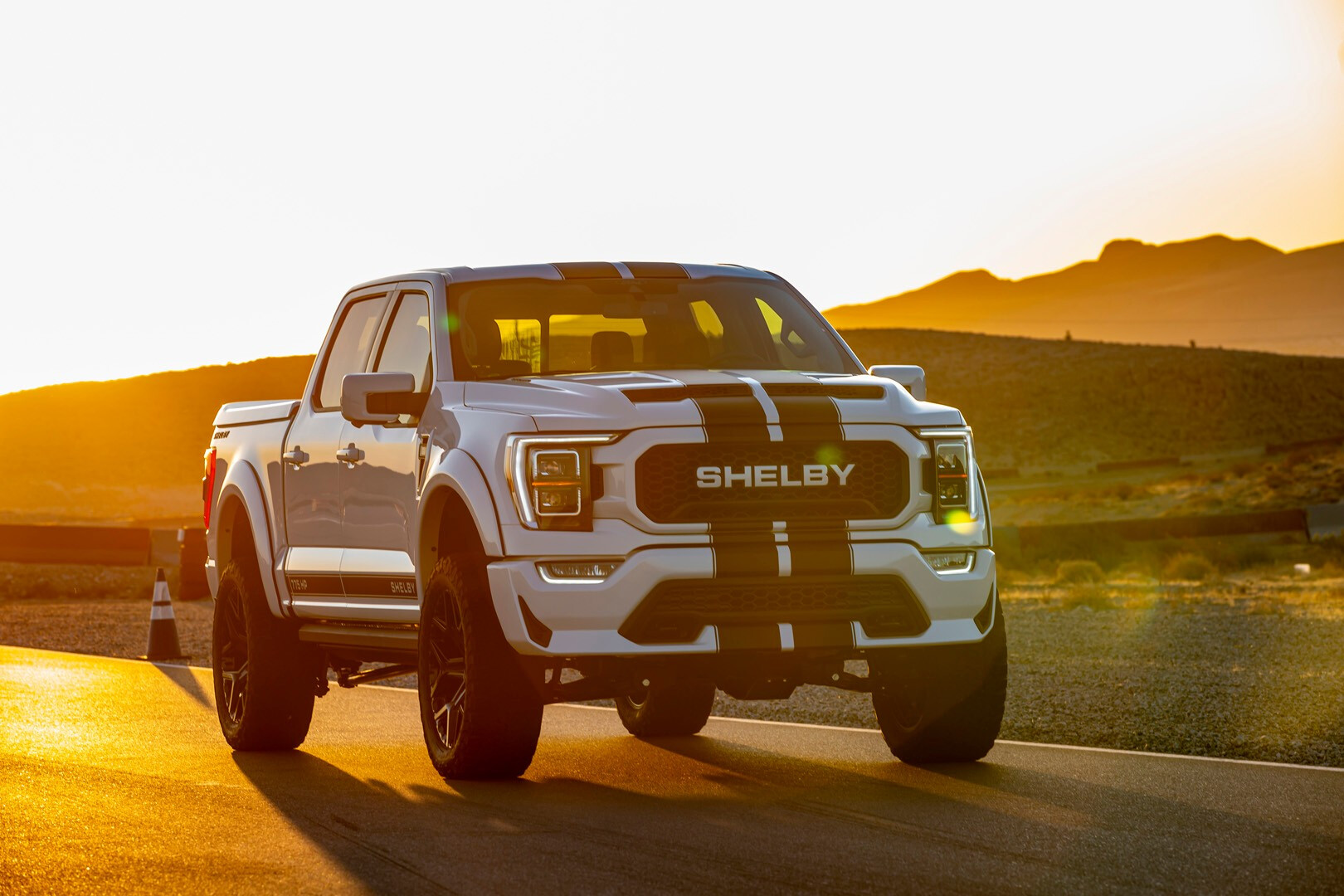
Chief among the upgrades is a custom-tuned set of Fox Racing aluminium dampers at all four corners of the imposing truck.
According to Shelby, this trick suspension utilises Fox’s internal bypass technology and adjustable dual-speed control, ensuring the F-150 will offer a cosseting ride quality on-road and an imperious level of control off-road.
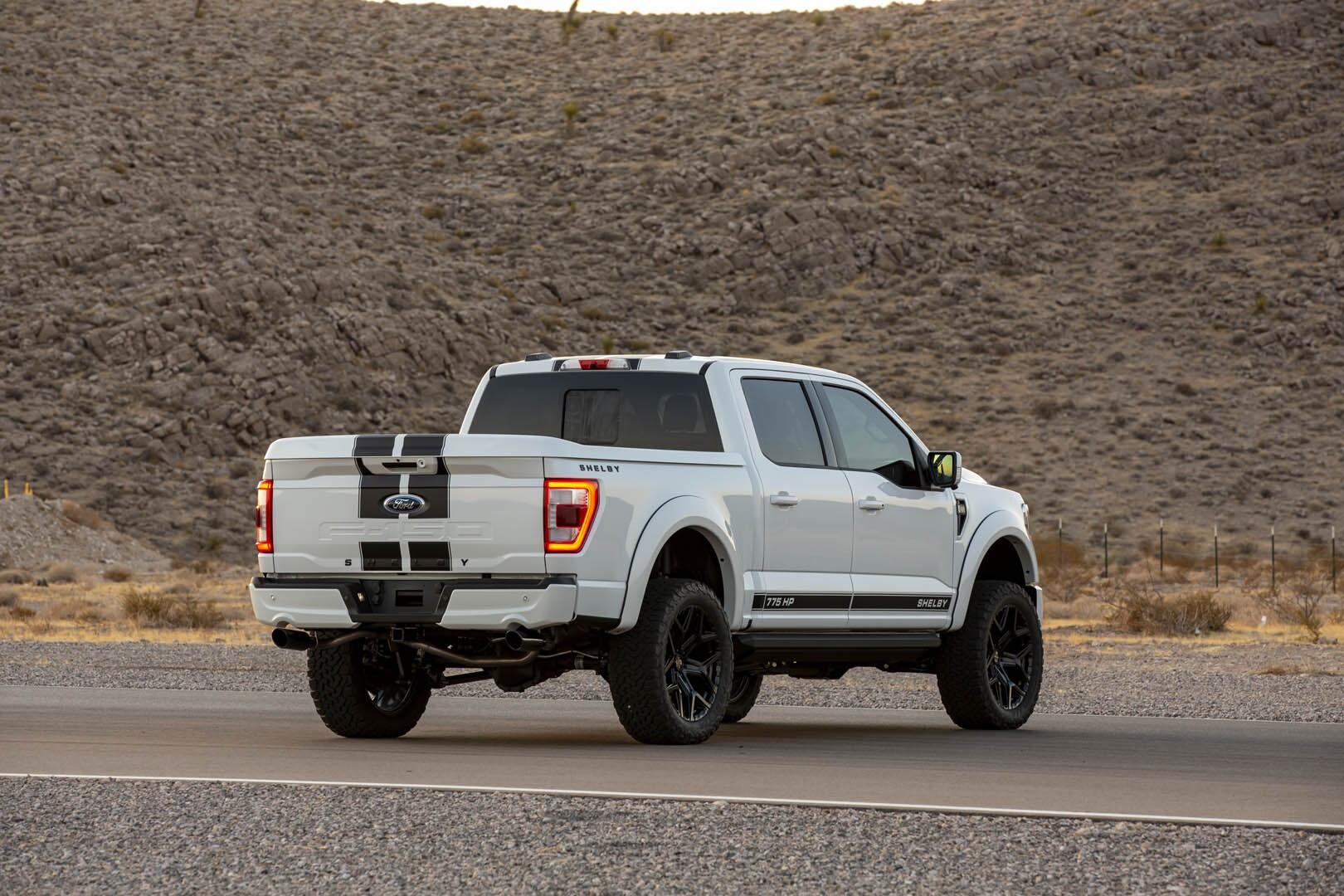
Other features include a BDS lift kit, unique ‘Shelby’ badging, custom bodywork, and a bespoke set of 22-inch alloy wheels wrapped in BFGoodrich KO2 all-terrain tyres.
Inside, the interior quality has also been dialled up, with Shelby fitting a two-tone leather scheme, machined billet pedals, carbon fibre trim accents, and signature Shelby badging.
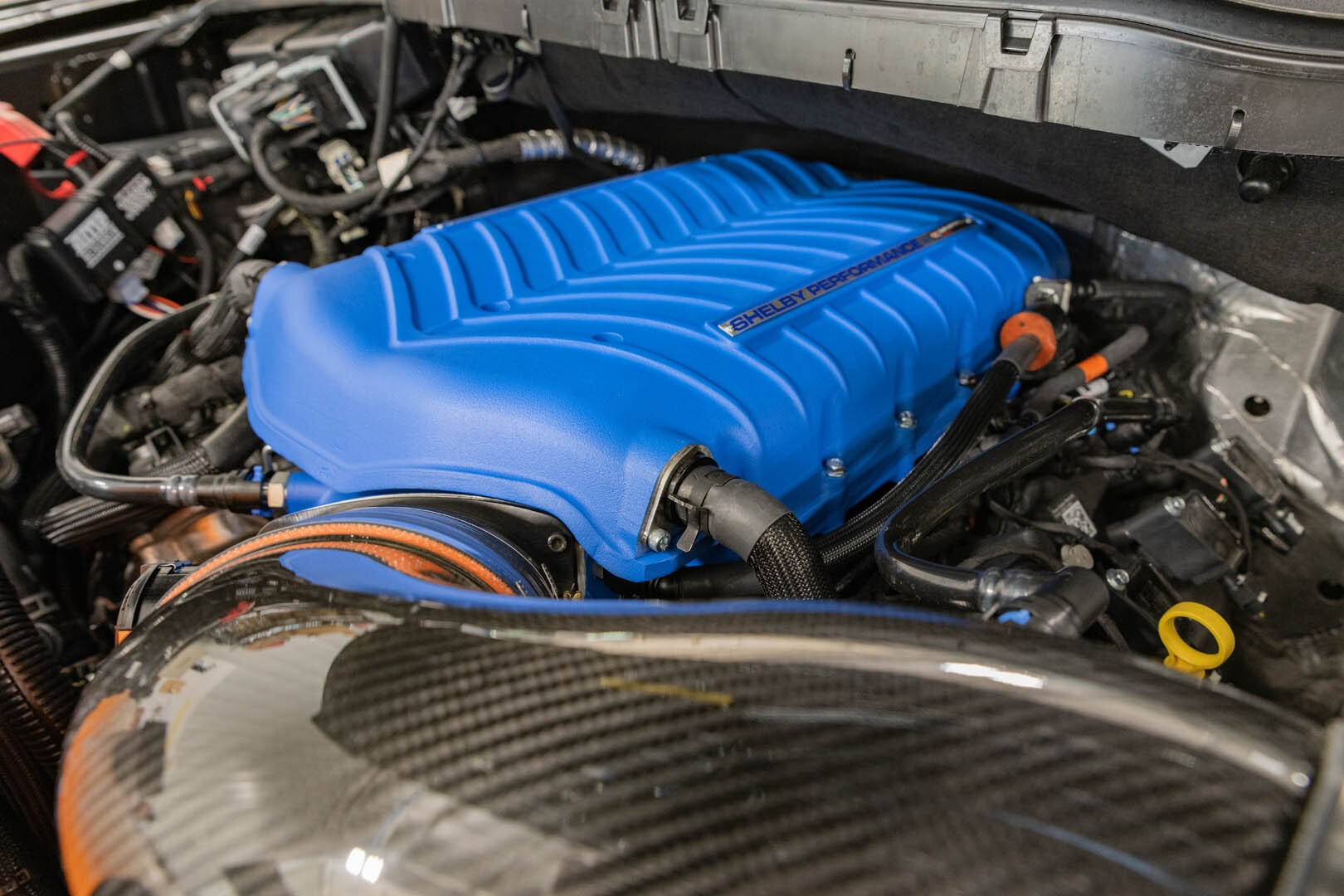
Under the hood, as standard, the Lariat’s factory 5.0-litre V8 remains scores a host of performance upgrades such as carbon-fibre air intake, new injectors, upgraded throttle body, upgraded heat exchanger, and a performance Borla exhaust.
Throw Shelby an extra US$7900 (AU$10,600), however, and the tuning house will equip the bent-eight donk with a supercharger which turns the ICE into a 578kW juggernaut.
Limited to just 600 units in 2021, the Shelby F-150 N/A variant starts from US$107,080 (AU$144,000) and the blown version from US$114,980 (AU$154,000).
As I write this I’m about to head out to our vast western desert country. It seems I won’t be alone going by the interest on TV and social media – this year is going to be a busy one in outback Australia, in fact right across the continent from Sydney to Perth and from Darwin to Tassie.
But for those who are preparing to head out to desert country and are getting their info from social media, I really do despair. There are so many self-proclaimed experts out there spruiking their wares on FB, Instagram and Twitter, who may have done a single lap of Australia or one trip across the Simpson Desert and they know everything … or so they say!
So, what’s my qualification you may ask … and it’s a fair one to throw back at me. Without going into too much detail, I’ve been driving a 4WD since 1965 when I joined the army and have been touring and travelling across Australia and the world for the last 40-odd years.
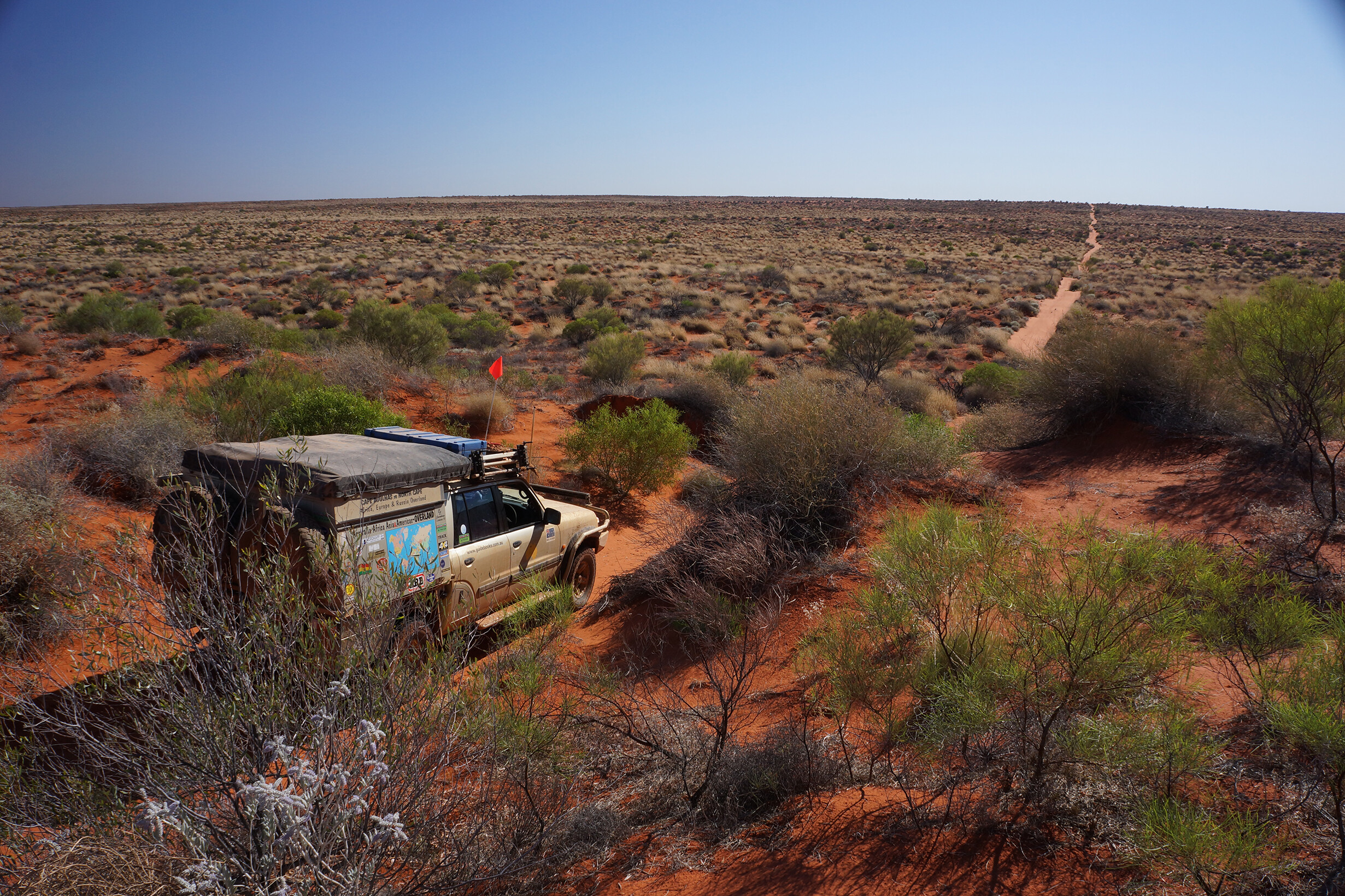
So, here are my thoughts on what you need to know or do for a desert trip in Australia.
I’m already assuming you know how to four-wheel drive because you’ve done a training course or joined a 4WD club. Likewise, your vehicle is well-maintained and set up with good suspension for the loads you are carrying or towing, while the tyres you’ve fitted are All-Terrain (or better) and of Light Truck (LT) construction.
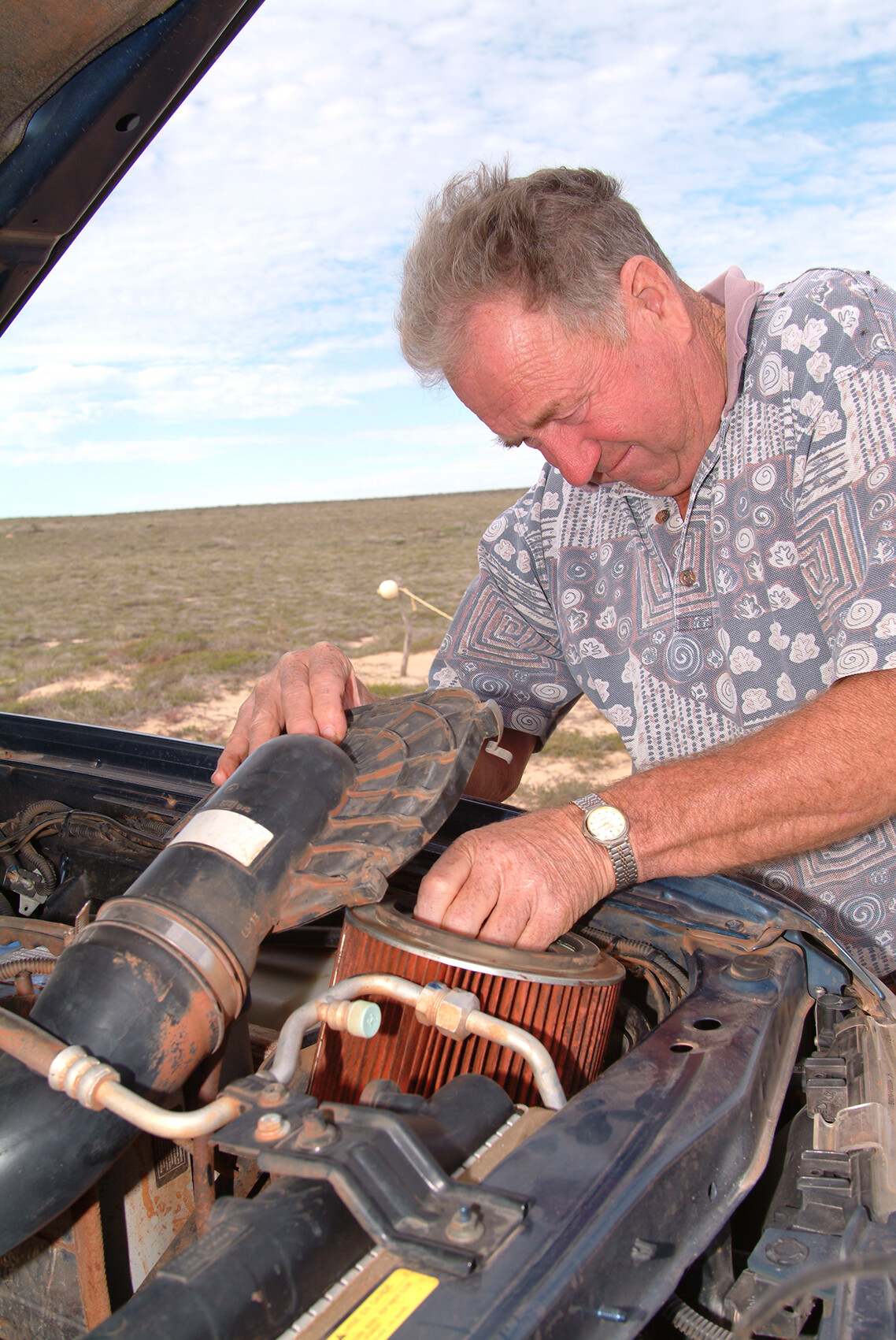
Now, you may have a brand-new car and camper, but that doesn’t make you immune from breakdowns and punctures. Do you know how to do the basic stuff or even what to look for under the bonnet if something does go wrong? Can you find the fuse box and have you got the right-size fuses – in both physical size and current-carrying capacity – to replace any if one does blow?
Do you know how to clean an air cleaner, change a fuel filter or, most important of all, how to change a tyre? Have you got the basic tools for such jobs? If you don’t know any of these basic repairs, it’s best to learn a little before you head off.
Also, before you go, have you got all your bases covered in regard to a first-aid kit, recovery gear and communication equipment – a normal mobile phone won’t cut the mustard. And in case of an emergency (having a blown tyre or being stuck on the side of the road should not be considered an ‘emergency’) who are you gonna call? And how?
What about water and fuel? If you do break down on a lonely road, it’s best to stay with the vehicle and it’s even better when the vehicle has a good supply of the liquid aqua.
How about your plans for the trip; where to go and what to see? A good guidebook will help here and for $50 or less (way less than one tank of fuel) you’ll have all the major spots to see and explore without asking mundane, stupid questions on FB.
With good planning and preparation and a bit of training, you’ll be able to handle most things that unexpectedly come your way on your next desert jaunt. However, please don’t rely on social media experts for all your information; ask someone that has more than a single-trip experience and join a club and get trained – or at the very least join a tag-along tour operator for your first long desert trip.
You may be surprised at what you don’t know!
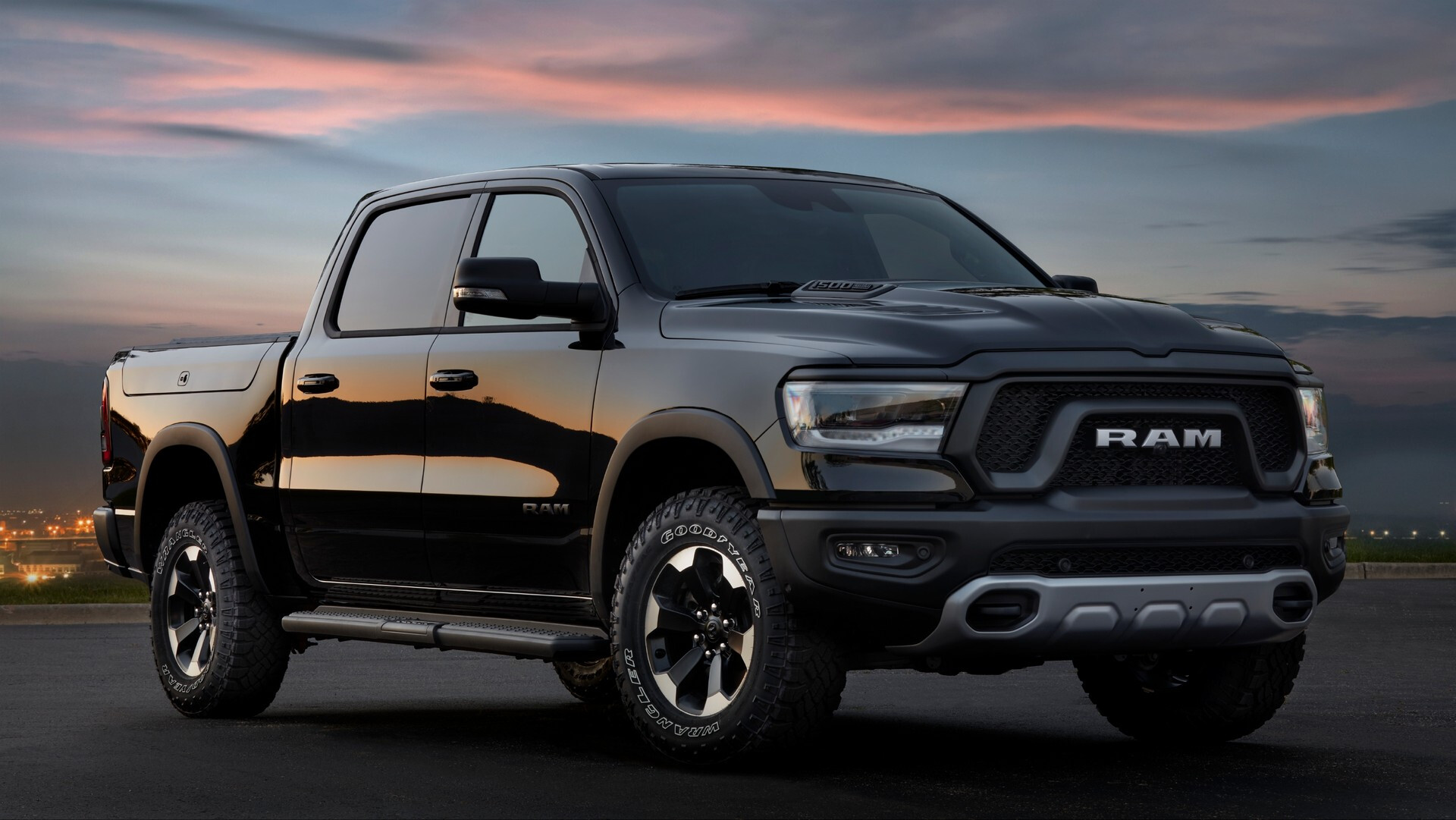
North American buyers of Ram pick-up trucks have been given two more options with the Stellantis-owned company adding the Laramie G/T and Rebel G/T to the 1500 model range.
The light-duty trucks are available as crew cabs only, featuring a number of upgrades over the regular 1500 which includes some gear from the range-topping TRX.
A Mopar exhaust and cold-air intake are standard on the G/T package, bolting on to the 291kW/556Nm 5.7-litre Hemi V8 engine with mild-hybrid assistance.
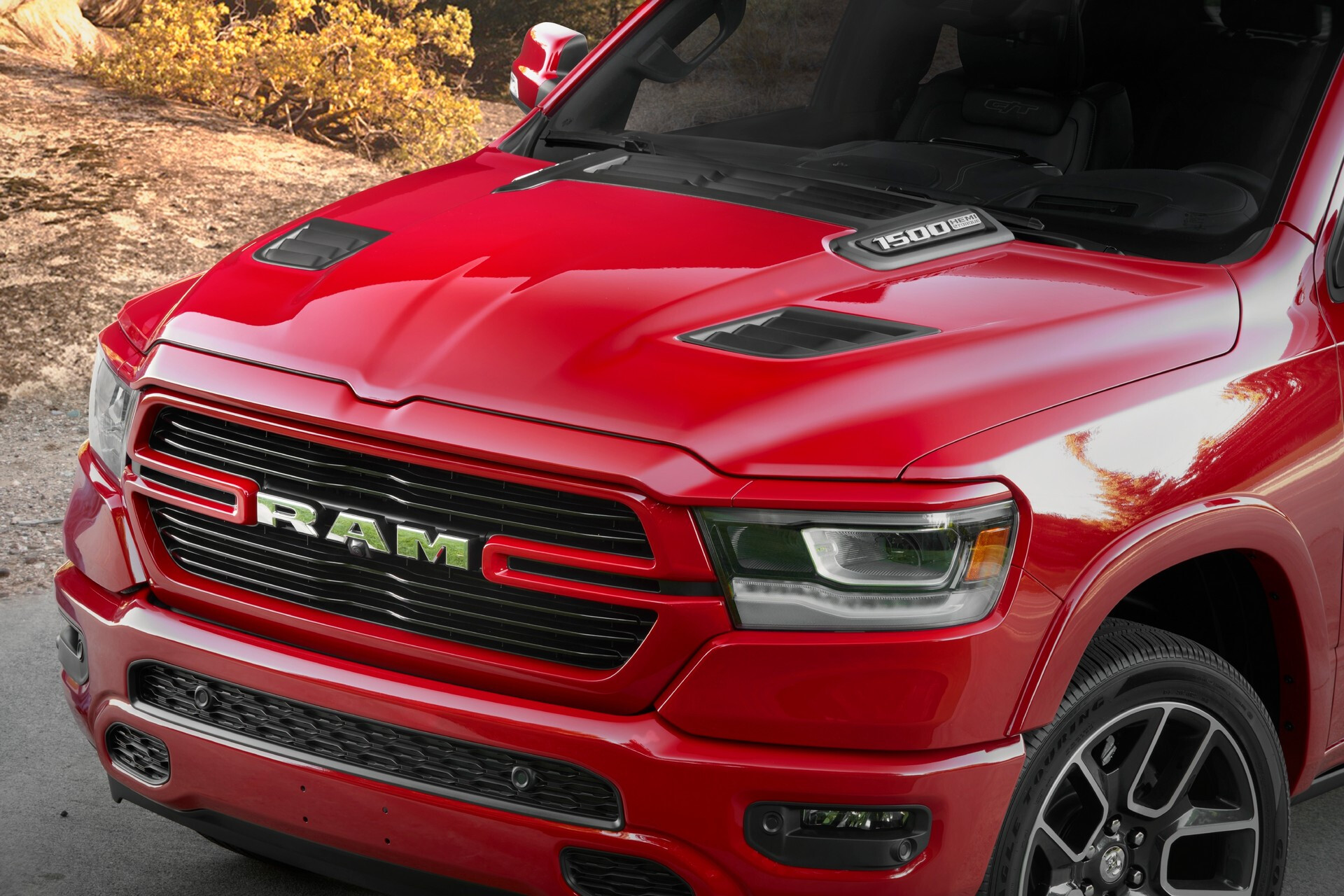
Visual changes include a ‘sport performance hood’ and G/T branding over the truck, distinguishing it from the regular Laramie and Rebel variants upon which they are based.
Inside the cabin, drivers have the ability to utilise performance pages in the infotainment system to log 0-100km/h acceleration times and see the vehicle’s real-time performance figures, with the ability to download it all to a USB.
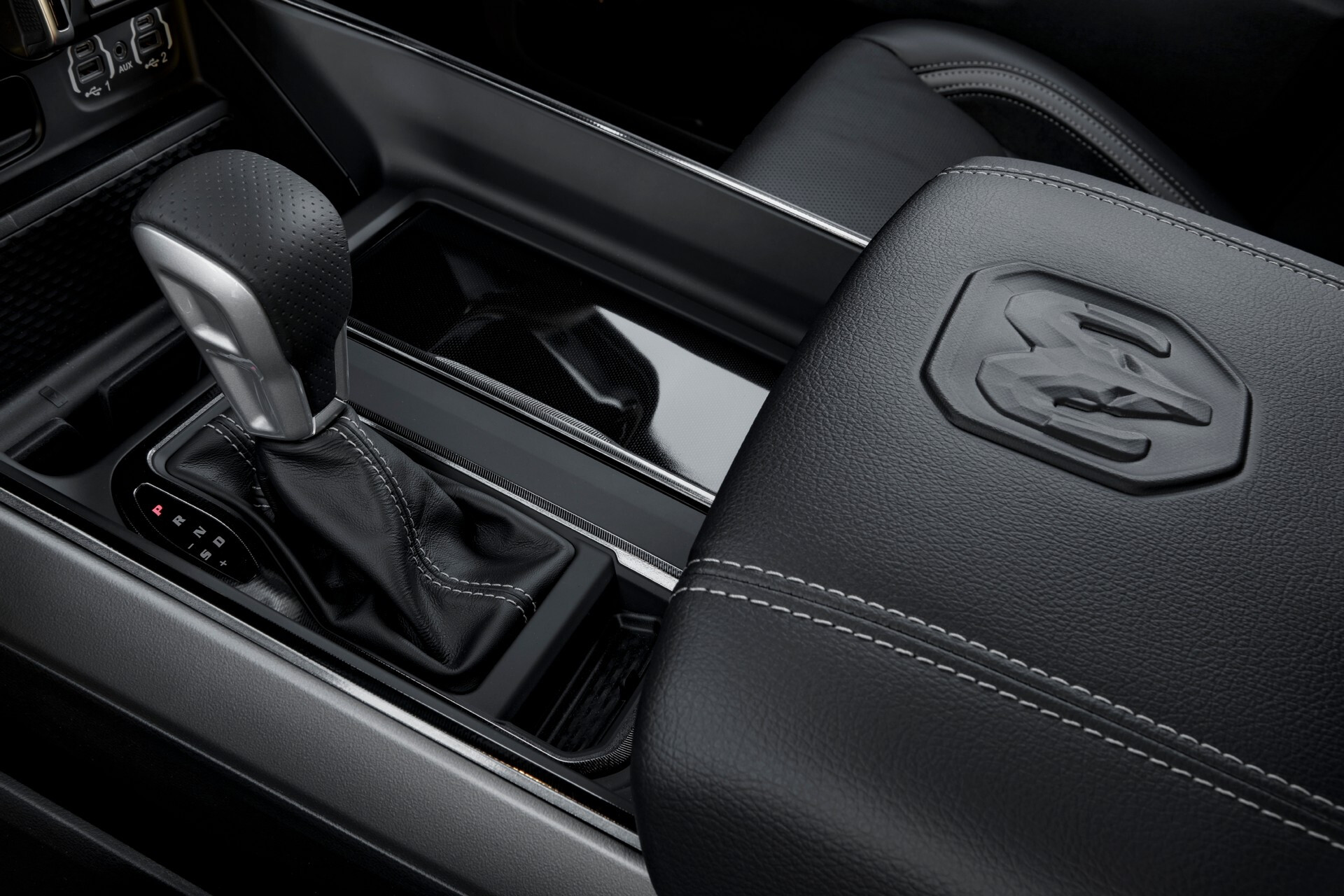
Gone is the rotary knob gear selector from the standard 1500, a console-mounted shifter now sits in its place with paddles attached to the back of the steering wheel, a first for non-TRX variants.
G/T logo embossed bucket seats are available exclusively on the new variants, as are the Mopar all-weather floor mats.
A spokesperson from Ram Trucks Australia couldn’t confirm plans on bringing the G/T trim Down Under, saying “we’re concentrating on the newly-launched 1500 and upcoming 2500 at this stage.”
Available from US$55,480 (AU$74,400, Laramie G/T) and US$55,375 (AU$74,250, Rebel G/T), the upgraded models are over a third cheaper than the standard 1500 Laramie in Australia, which starts from AU$114,950 excluding on-road costs.
1885 Ram 1500 trucks have been sold in Australia so far this year, representing a 10 per cent in sales over the same time last year.
Off-road insurance specialist Club 4X4 is running its own 4X4 of the Year competition, and a great prize is up for grabs for one lucky voter.
To vote, simply head to the competition page, enter your details and vote for your favourite fourbie in each category.

By voting, punters will go into the draw for a chance to win $5000 worth of Opposite Lock 4X4 Accessories and five Toyo Open Country tyres valued at up to $2500.
The competition has been split into six 4×4 categories: Tourer, Tradie, Rock Crawler, Comp Truck, Classic 4×4, and Mall Crawler. The vehicles in each category were shortlisted by a handful of industry experts including our very own Matt Raudonikis, Editor of 4X4 Australia.
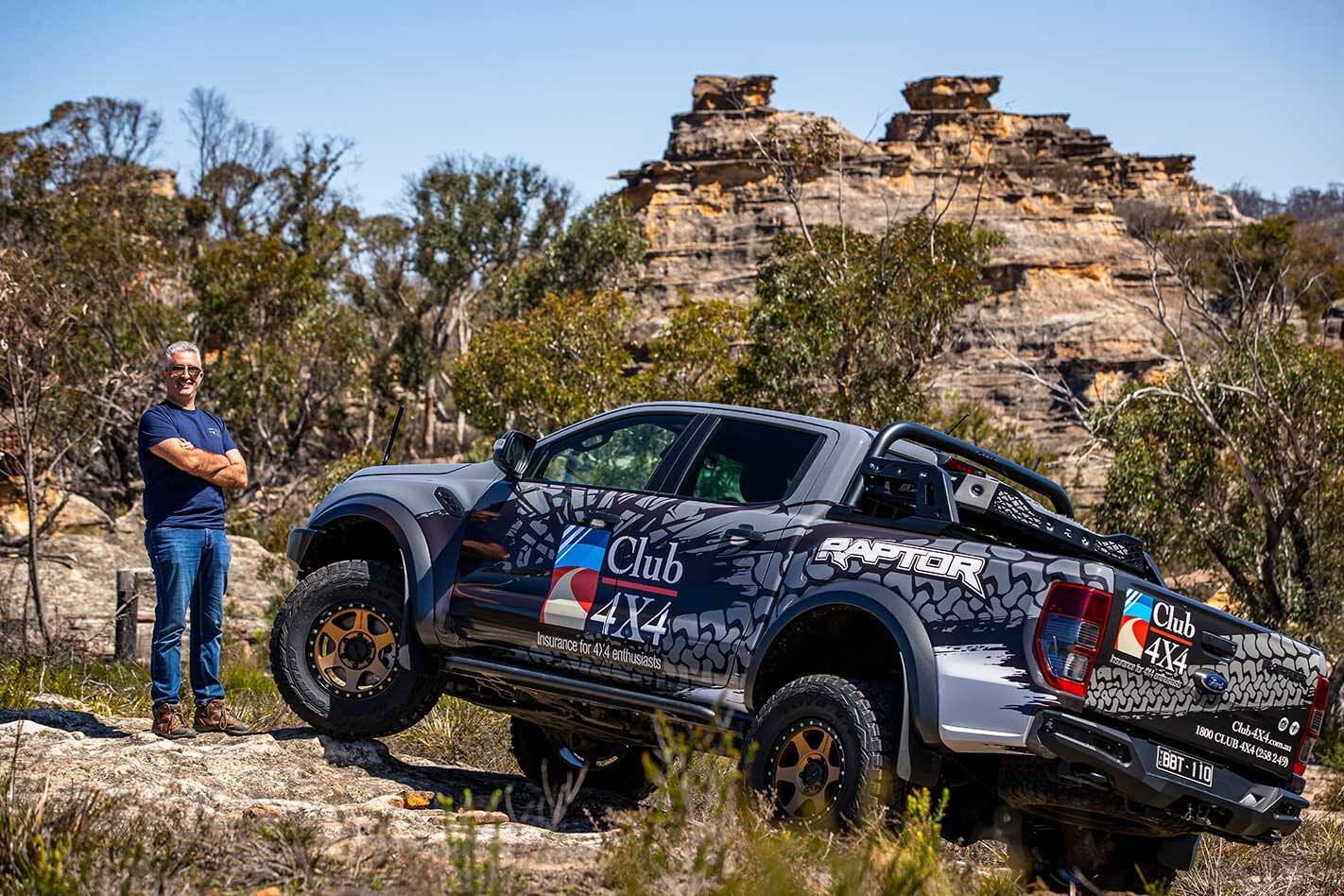
The other experts are Kalen Ziflian, General Manager of Club 4X4; David Carter, Marketing and Content Producer at Toyo Tires; Blake Jones, Commercial Manager at Tough Dog Suspension; and Aiden Frost, Marketing Manager at Club 4X4.
The competition is supported by Rhino-Rack, Toyo Tires, Opposite Lock, Autobarn and Tough Dog Suspension.
Here it is. If you’re patient and keen on Toyota’s very latest 4×4 offering, the links below hold everything you need to know.
The stories below will give you a guide to everything we learned about the new Prado when it was unveiled. All fresh stories published since then will be found on our Toyota Prado model page here.
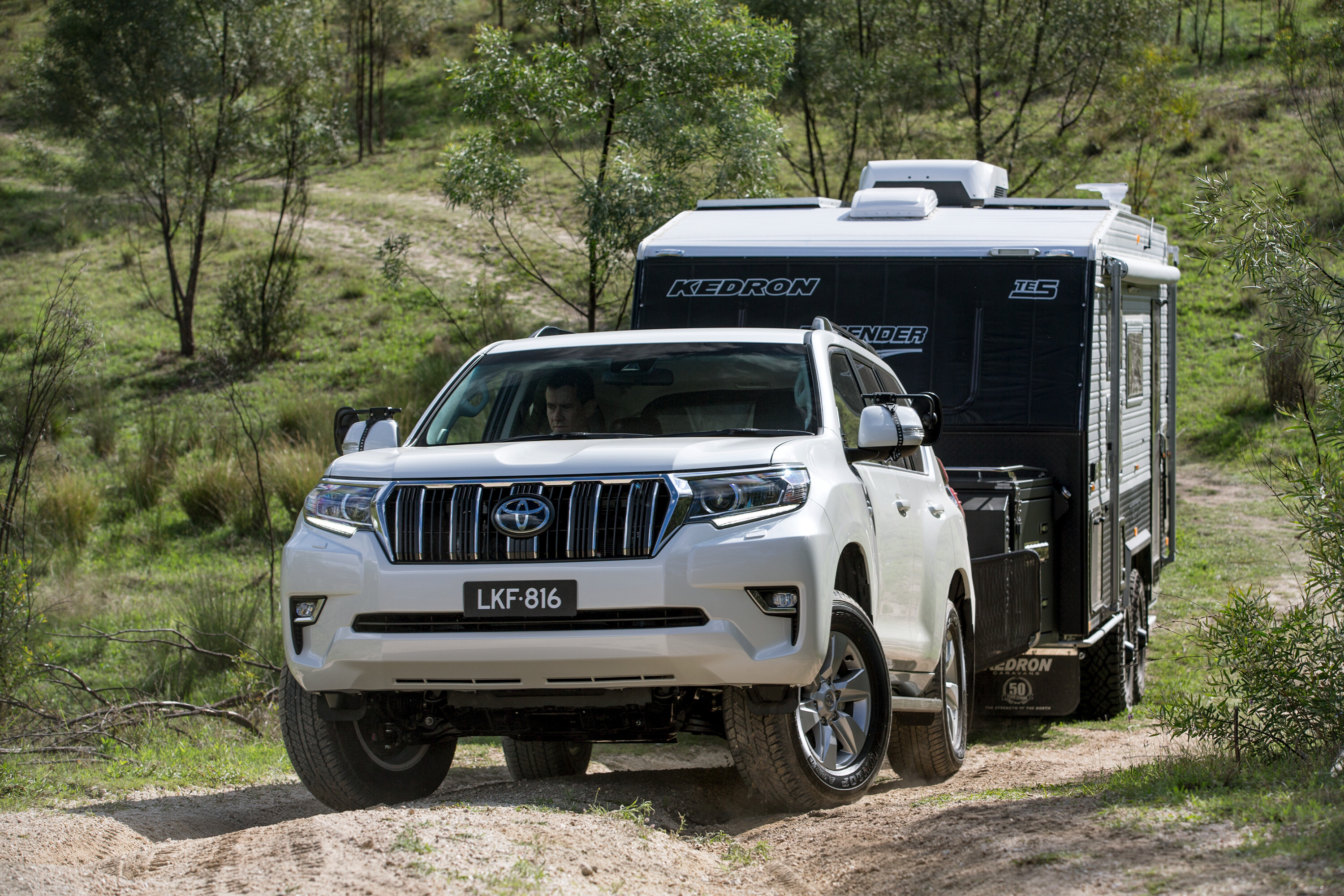
After last being given an update in the back end of 2020, the Prado’s biggest upgrade comes for the entry-level GX and GXL trims, now featuring blind-spot monitoring and rear cross traffic alert systems – adding to the range of safety features such as active cruise control, lane departure waring and pre-collision safety systems.
Both the GX and GXL variants have been given exterior design tweaks, with chrome-accented grilles and puddle lamps, while the VX and Kakadu trim options now feature 19-inch wheels, with the designs called ‘Active’ and ‘Prestige’ respectively.
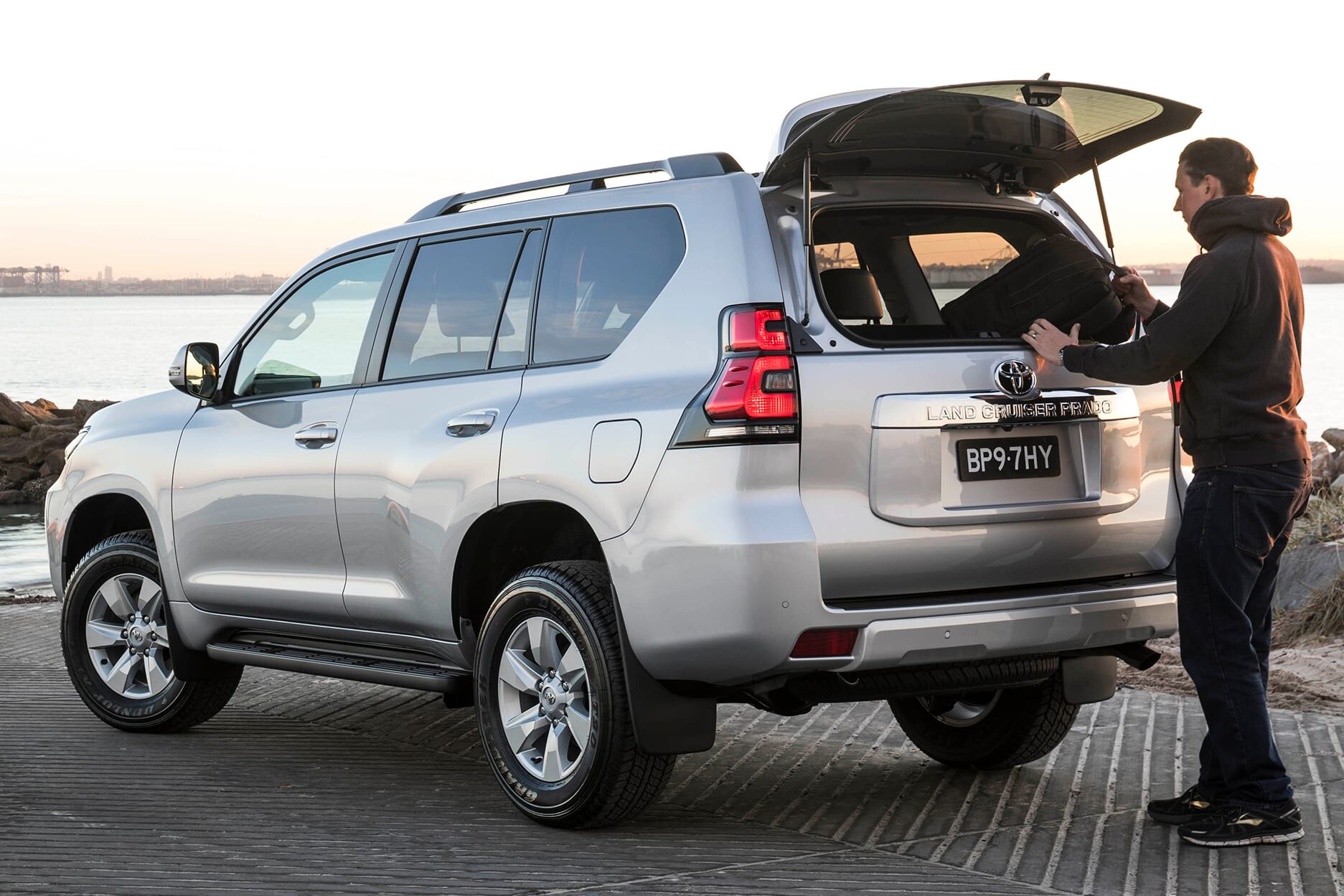
The Prado range is still powered by a 2.8-litre, four-cylinder turbo diesel producing 150kW/500Nm, paired with a six-speed automatic transmission after the manual ‘box was dropped from the line-up last year.
Toyota Australia’s Vice President of Sales, Marketing and Franchise Operations, Sean Hanley, says the safety upgrades and exterior updates will provide customers with extra value from their Prado purchase.
“We are committed to ensuring our customers benefit from the peace of mind which comes with the latest advanced safety features,” said Hanley.“These safety updates, along with the range of visual enhancements, ensure there has never been a better time to explore Australia’s vast backyard in a Prado.”
Toyota has sold 10,171 Prados up until the end of June this year, representing a 17.8 per cent increase over 2020 sales year to date.
| LandCruiser Prado GX (5-seat) | $60,830 (up $990) |
| LandCruiser Prado GXL | $67,530 (up $990) |
| LandCruiser Prado VX | $77,157 (up $777) |
| LandCruiser Prado Kakadu | $87,807 (up $777) |
| Third-row seat (GX only) u2013 $2550 |
| Leather-accented premium seats (GXL only) u2013 $3470 |
| Premium paint u2013 $675 |
| Flat Tailgate (GXL, VX, Kakadu) u2013 $0 |
The Ford Ranger remains the hot-ticket item on the new-car sales lists as we pass the mid-way point of 2021, increasing its lead over arch-rival – the Toyota Hilux 4×4 – by 1310 units in June.
Has the Blue Oval horse bolted or will the Hilux claw its way back through the second half of the year? Part of that answer will depend on when Ford brings its new Ranger to market, if that is to be this year or early in 2022. It’s always exciting between these two veterans of the 4×4 market.
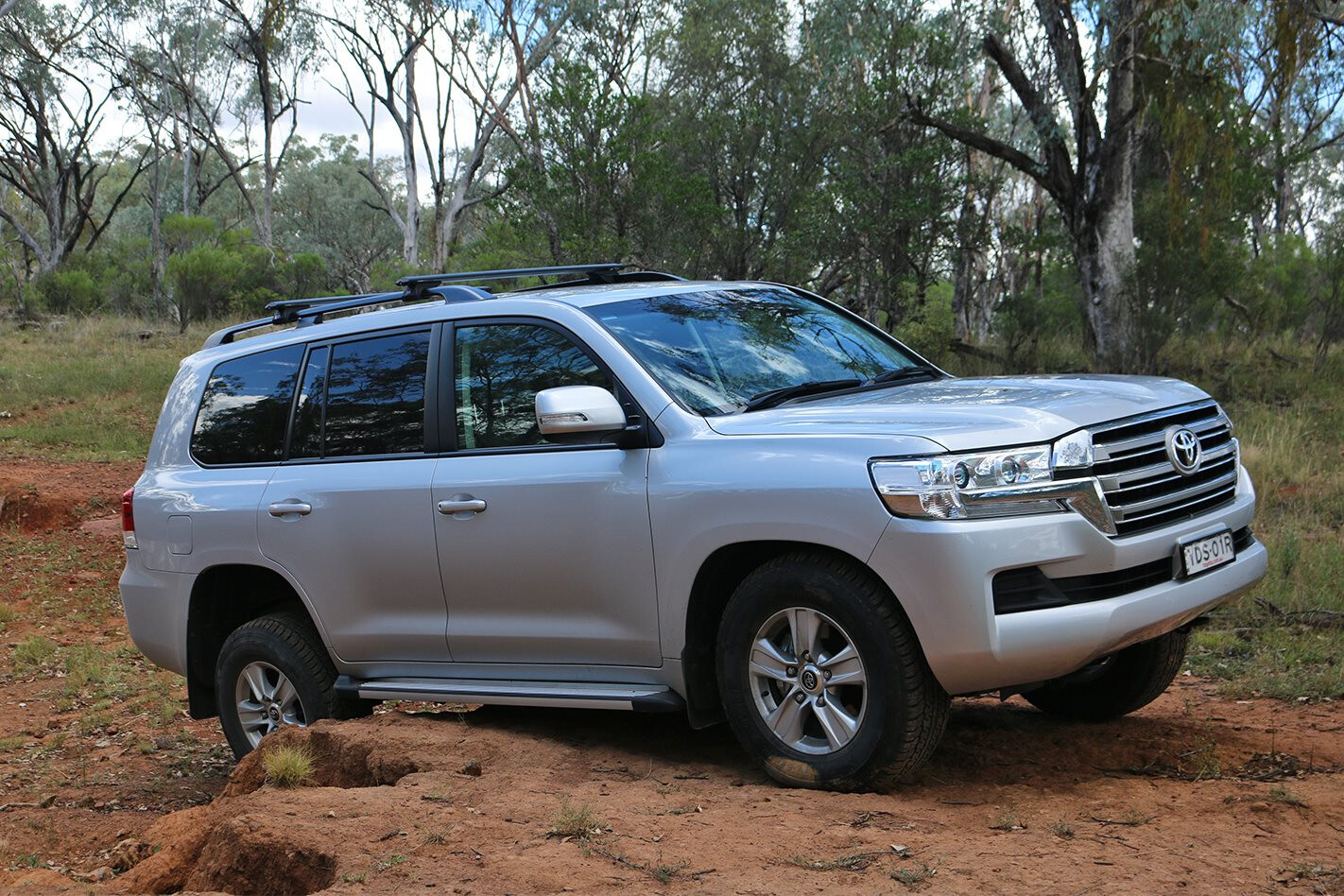
It seems stock of the LandCruiser 200 has finally run out, as the big wagon toppled down the rankings in June, selling less than half the numbers it did in each of the previous three months. We’ll see how much further they fall as stock dries up in the lead up to the launch of the LC300 before year’s end.
Isuzu MU-X numbers were also down in June, with its all-new model landing in August. It seems Isuzu Ute Australia might have managed its stock number perfectly in the lead up to the replacement wagon.
Mid-size 4×4 utes continue to be Australia’s favourite cars, but sales of American full-size pick-ups are also doing well.
Ram Trucks Australia sold three times as many 1500s than Jeep has Gladiators, year to date – 1885 versus 572. Meanwhile, GMSV has moved 902 Silverado 1500s through its dealers in the first half of the year.
Interestingly, Ford Australia says it can’t build a case for importing and selling the F150 in Australia, yet its third biggest-selling model, after the Ranger and Puma (1989 units to the end of June), the Mustang , has moved just 1792 units so far in 2021.
You reckon Ford would like 1500 or so high-margin trucks like the Effie rolling out of its showrooms every six months?
Continuing with its built for purpose theme, Ineos Automotive has revealed a functional and practical interior cabin for its Grenadier wagon which is due to go on sale around the globe in 2022.
The styling is very military-like with plenty of switches and dials which are said to be easy to reach and use, even when wearing gloves. Hopefully, the abundance of dials and switches means users won’t be pushed in to menus within the screen to access commonly used controls as seems to be the case in many new vehicles.
“When we started thinking about the Grenadier’s interior, we looked carefully at modern aircraft, boats and even tractors for inspiration, where switches are sited for optimal function, regular controls are close to hand, auxiliary ones are further away,” said Ineos Head of Design, Toby Ecuyer.
“You can see the same approach in the Grenadier. The layout is functional and logical, designed with ease of use in mind.”

The controls are housed both in a large central dash panel and on the roof above the heads of the driver and front seat passenger. There is also a 12.3-inch touchscreen on the dash to display the audio and mapping systems which include Apple and Android syncing. Inbuilt navigation system allows users to waypoint and log their route for future reference.
The roof switches are mainly for off-road features such as operation of the differential locks, off-road modes, and prewired switches for auxiliary accessories such as a vehicle winch or additional lighting.
Old fashioned park brake and transfer case levers are on the wide centre console instead of the dial or switches which have become the norm, although the electronic transmission shifter looks much like the frustrating-to-use pieces found in modern BMW and JLR vehicles.
The use of this shifter makes some sense as the Grenadier uses a ZF automatic transmission as found in luxury brand vehicles.
The levers and controls are moved across the console for the left and right hand drive variants, something some bigger brands don’t bother doing.
The large lockable console storage box may prove a welcome feature to users, as could door pockets which will hold litre-sized bottles.

The steering column is adjustable for both reach and height to accommodate drivers of many sizes but interestingly, no conventional gauges appear behind the wheel. There’s a small display panel shown there which we expect will include a digital readout for essentials, although the images show a speed readout on the centre dash screen. Ineos says the Grenadier uses a physical key for starting although we can’t see the ignition in these images.

The five seat model shown (the Grenadier can be configured for five or two seats) features Recaro seats for all passengers with a 60:40 split folding rear seat. Hard wearing fabrics are used on the seats which the company claims will not require protective covers for heavy duty and dirty use.
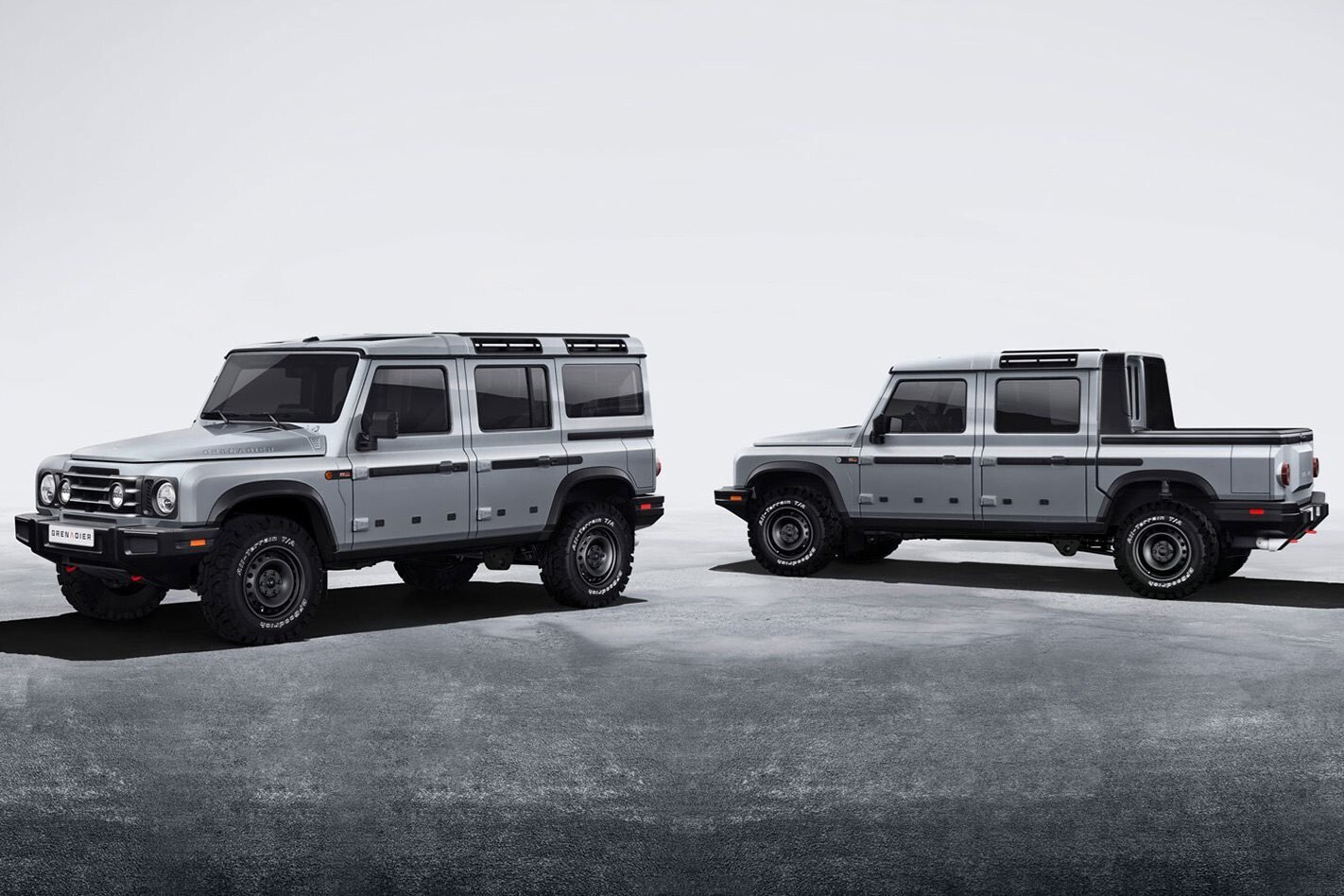
Floor coverings in the both the passenger and cargo area are rubber with removable bungs in the floor to allow hose-out cleaning. The floor of the cargo space shows adjustable tie-down rails which will be optional while standard equipment will be four tie-down points. Ineos claims the two-seat model can accommodate a Euro pallet in the back, and visible in these images are attachment points for cargo barriers behind both the front and second rows of seats.
Some of the photos reveal glass panels over the passengers’ heads which are removable for open air touring; these too are optional. Ineos says the interior, like the rest of the vehicle, will be very customisable to the users’ needs ready for both factory and third party products to be fitted.
The Grenadier will be available with a choice of petrol and diesel six-cylinder engines, both supplied by BMW, backed by an automatic transmission and dual-range, full-time 4WD. Initially to hit the market as a five-door wagon, there are also plans for both single and double-cab ute versions in the future.
Pricing of the Grenadier is yet to be revealed but it is planned to be available in the third quarter of 2022.
We all have that one mate who manages to get in to strife on every 4×4 trip, whether he or she is the first one to get bogged, roll the car or just get lost.
Well, here’s your chance to show the world their embarrassing predicaments and give yourself a chance to win a $300 voucher for MAXTRAX recovery gear.
To get involved, send your photos to our Facebook page. And make sure you put a few sentences together to explain the predicament you were in.
Here are some photos sent in from John Denman to get us started!
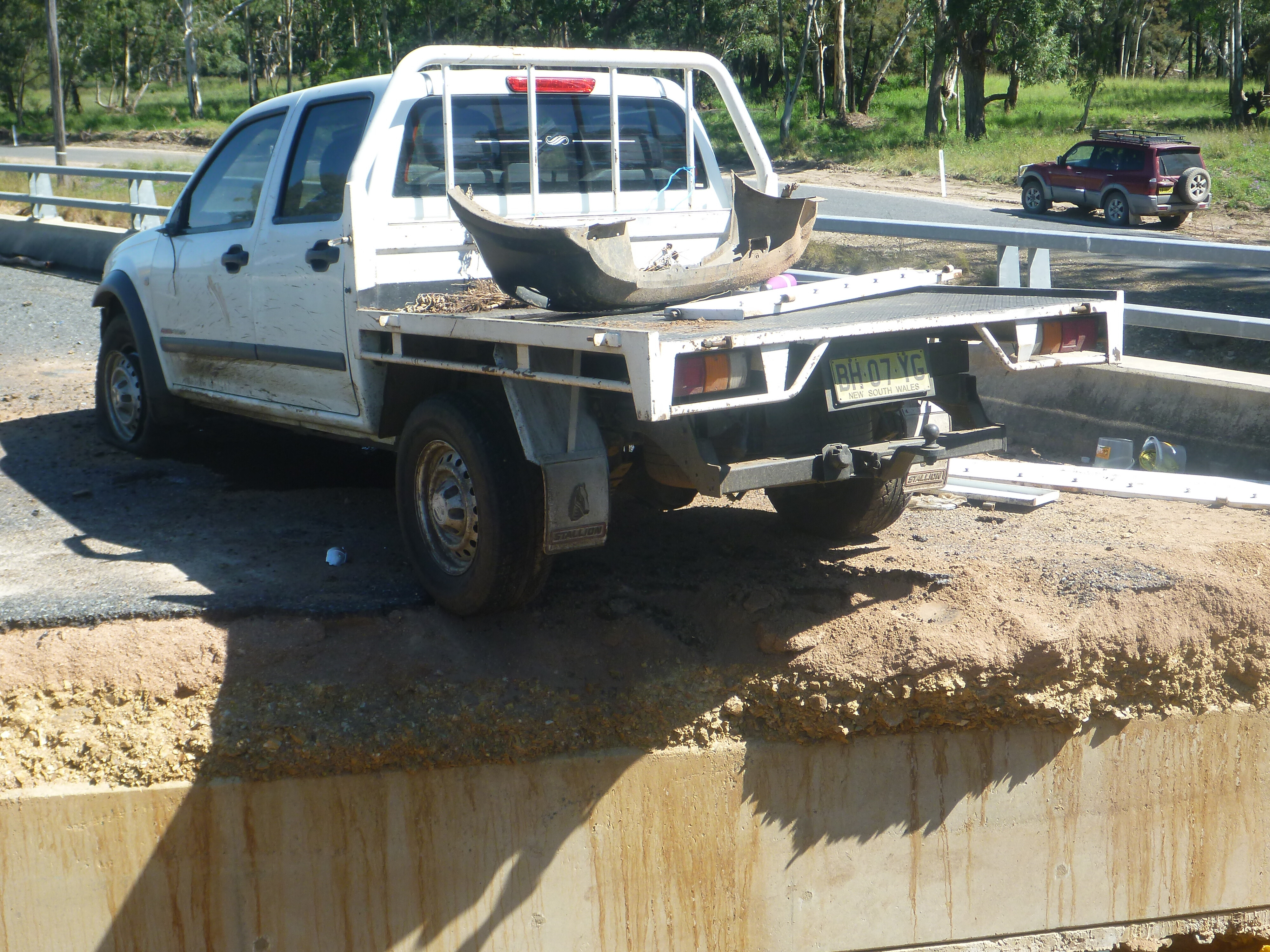
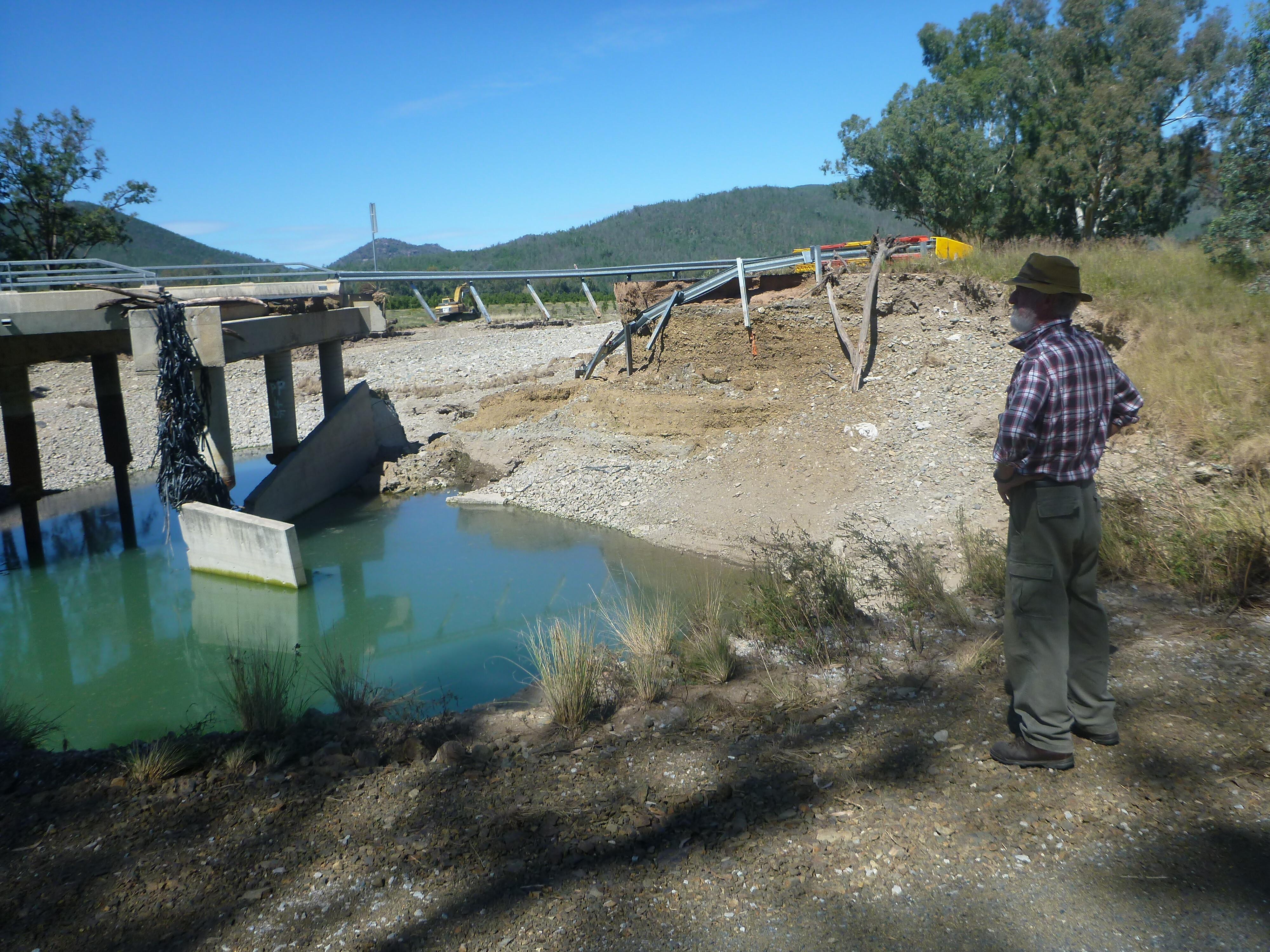
It seems the owner of this ute watched too many episodes of The Dukes of Hazzard back in the day, as when she came across this flood-damaged bridge in northern New South Wales, she figured she could jump it.
Using the red and yellow plastic bollards as a launching ramp rather than a deterrent, the Colorado cleared the washed-out section of the bridge but landed hard on the next section, smashing the engine sump, blowing out the front tyres and setting off the driver’s airbag. Judging by where those rear tyres finished, she only just made it too!
A local farmer used a ladder to bridge the gap and rescue the damsel in distress, and at last report the ute was still sitting there. Photos by John Denman (NSW)
• Voucher can only be redeemed through www.maxtrax.com.au • When using the voucher, any outstanding balance can be paid as normal. • If you don’t spend the whole thing, the remaining balance can be used on your account in the future. • The voucher will expire 3 years from the date of activation.
Launched in 2010, the Volkswagen Amarok mid-size ute is one of the older vehicles in its class and, rather than investing in an all-new model, VW is partnering with Ford to build the next Amarok on a platform shared with the 2022 Ranger.
Despite its age, the Amarok remains one of the best-driving cars in this segment, with dynamics that leave all competitors behind, and the option of a powerful V6 diesel engine that does the same.
It will be a real shame to lose the Amarok as it’s a unique vehicle in the class, but we wait with interest for the Ford-derived model.
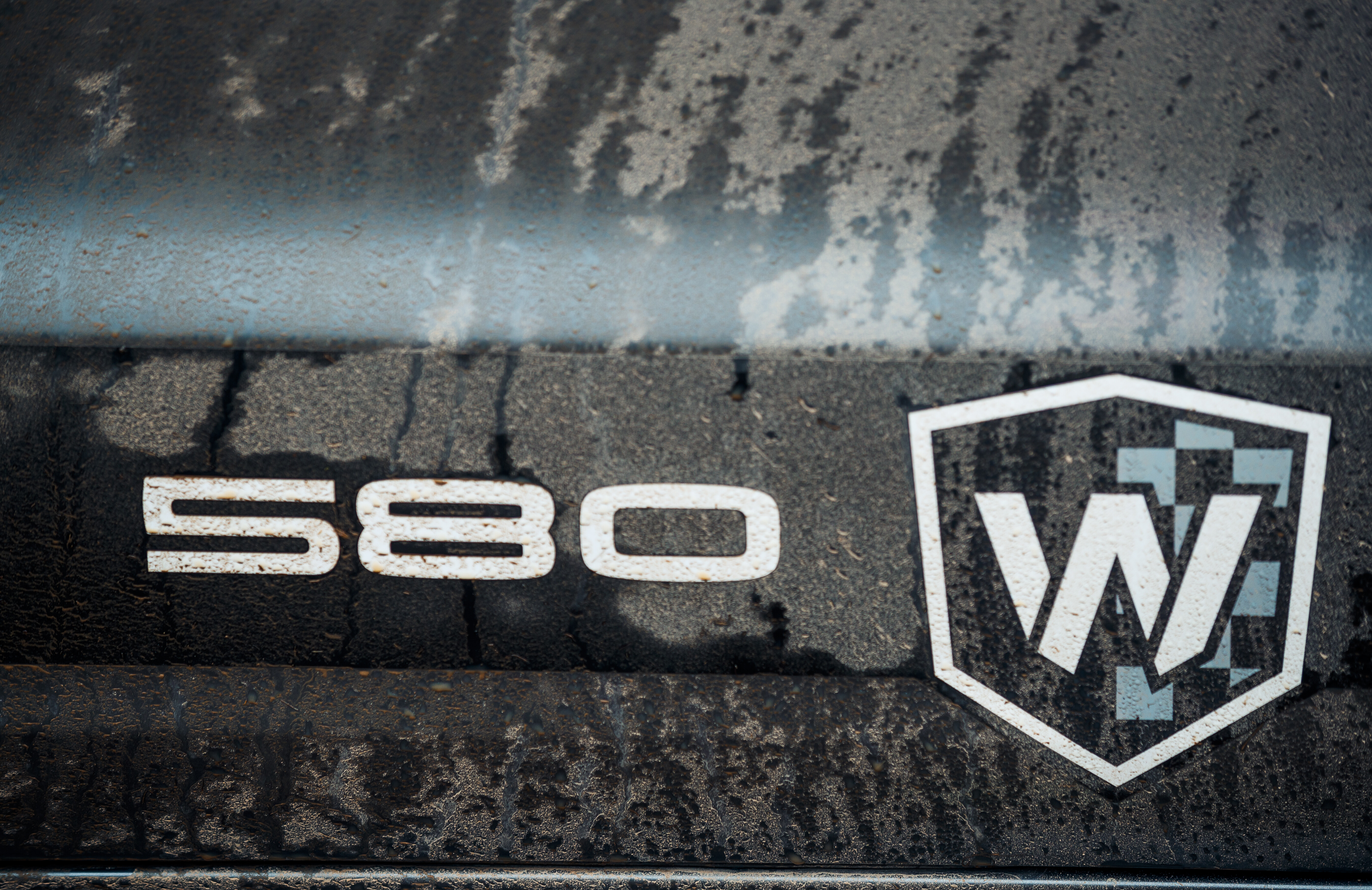
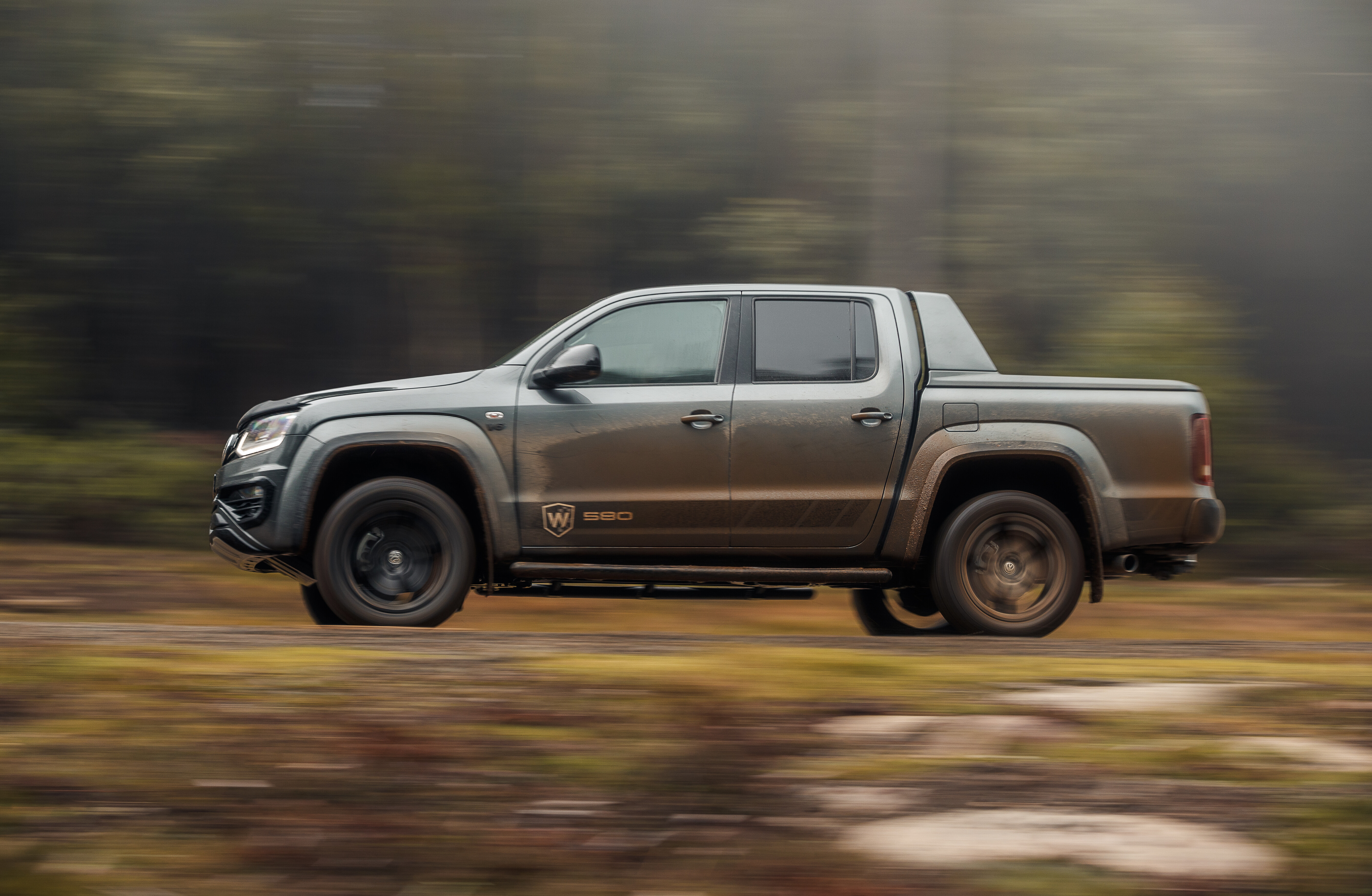
Before that arrives sometime late in 2022, Volkswagen Australia has given its grunty Amarok V6 a performance upgrade by teaming with the engineers at Walkinshaw Performance to make a good thing better. The upgrades made to create the Amarok W580 centre on the suspension and styling, while the powertrain remains the top-specification 580Nm version of the 3.0-litre V6.
The Walkinshaw-tweaked ute is available in two models: the Amarok W580 at $71,990 and the Amarok W580S at $79,990. The vehicles and accessories are covered by Volkswagen’s full warranty.
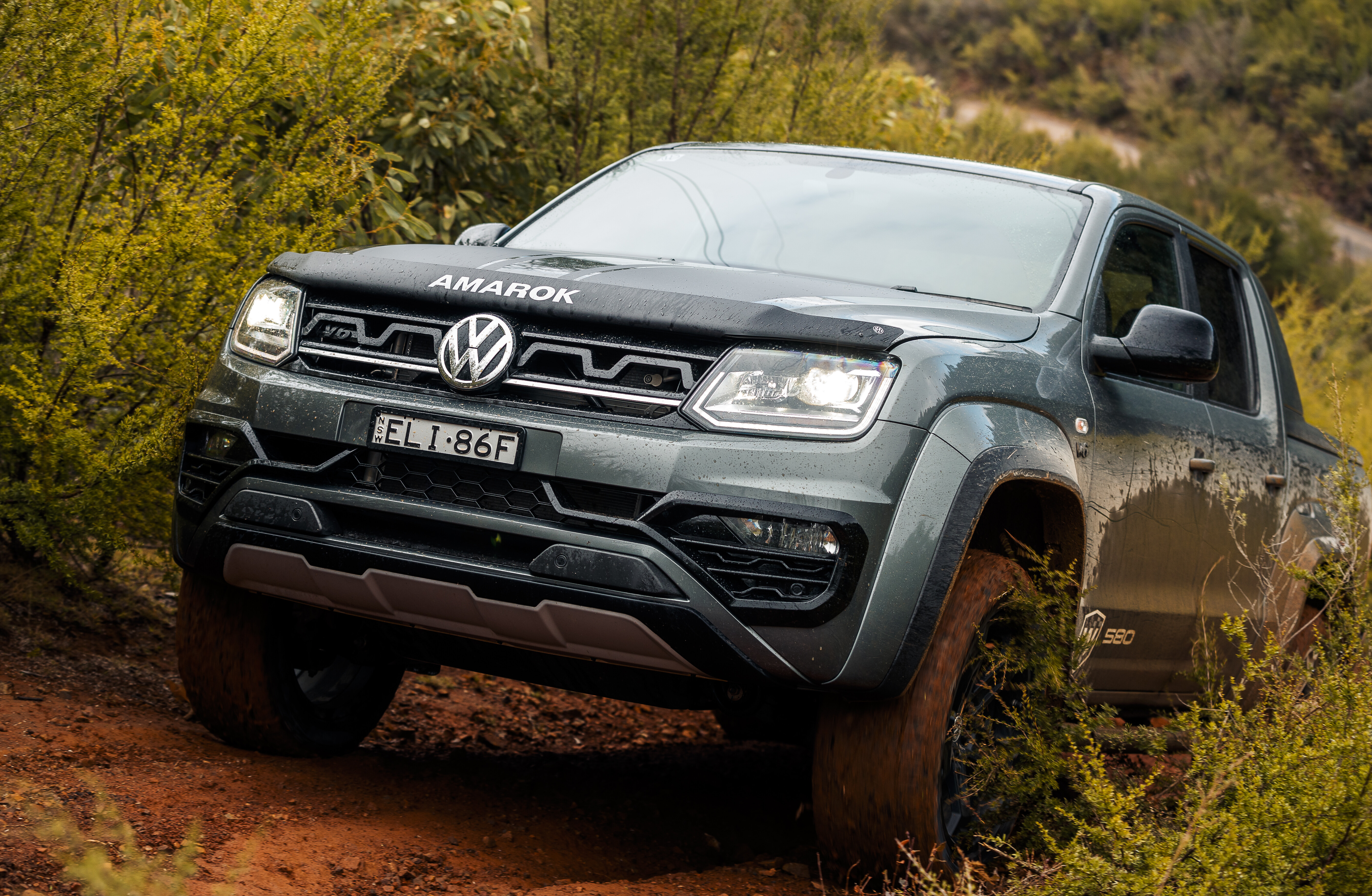
The Amarok’s V6 engine is already the most powerful and best engine available in the one-tonne 4×4 ute class, so the team decided to leave it alone. This is the top-tune version of the engine that makes 190kW under normal operation but ups that to 200kW on overboost, while the torque is locked in at 580Nm.
In the W580, the V6 is only backed by the eight-speed automatic transmission and full-time, single-range 4Motion four-wheel drive system. With a claimed 0-100km/h dash of 7.3 seconds the Amarok 580 leaves all other factory mid-size utes in its dust.
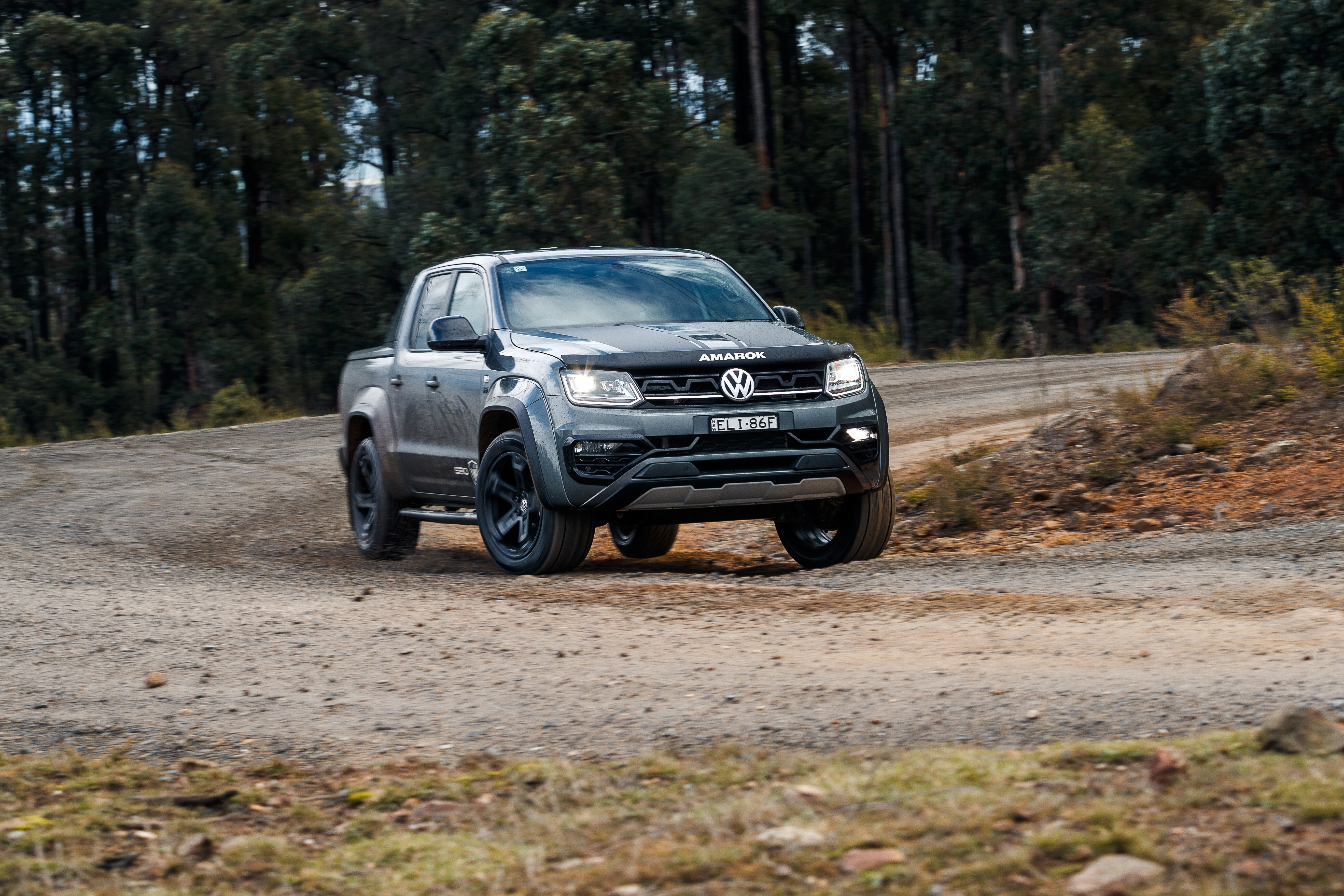
This is where the team at Walkinshaw really went to work on the Amarok. The brief was to create a better GT-style (grand touring) vehicle, and considering the platform was already one of the best for that, they succeeded in upping the ante.
While the Amarok follows the traditional light-truck chassis formula of a ladder frame with a leaf-sprung live axle under the back and coiled IFS up front, VW made it better by equipping its ute with a wider stance that improves both ride comfort and dynamics. VW also offered the option of rear springs that were optimised for comfort or load carrying depending on the owner’s needs.
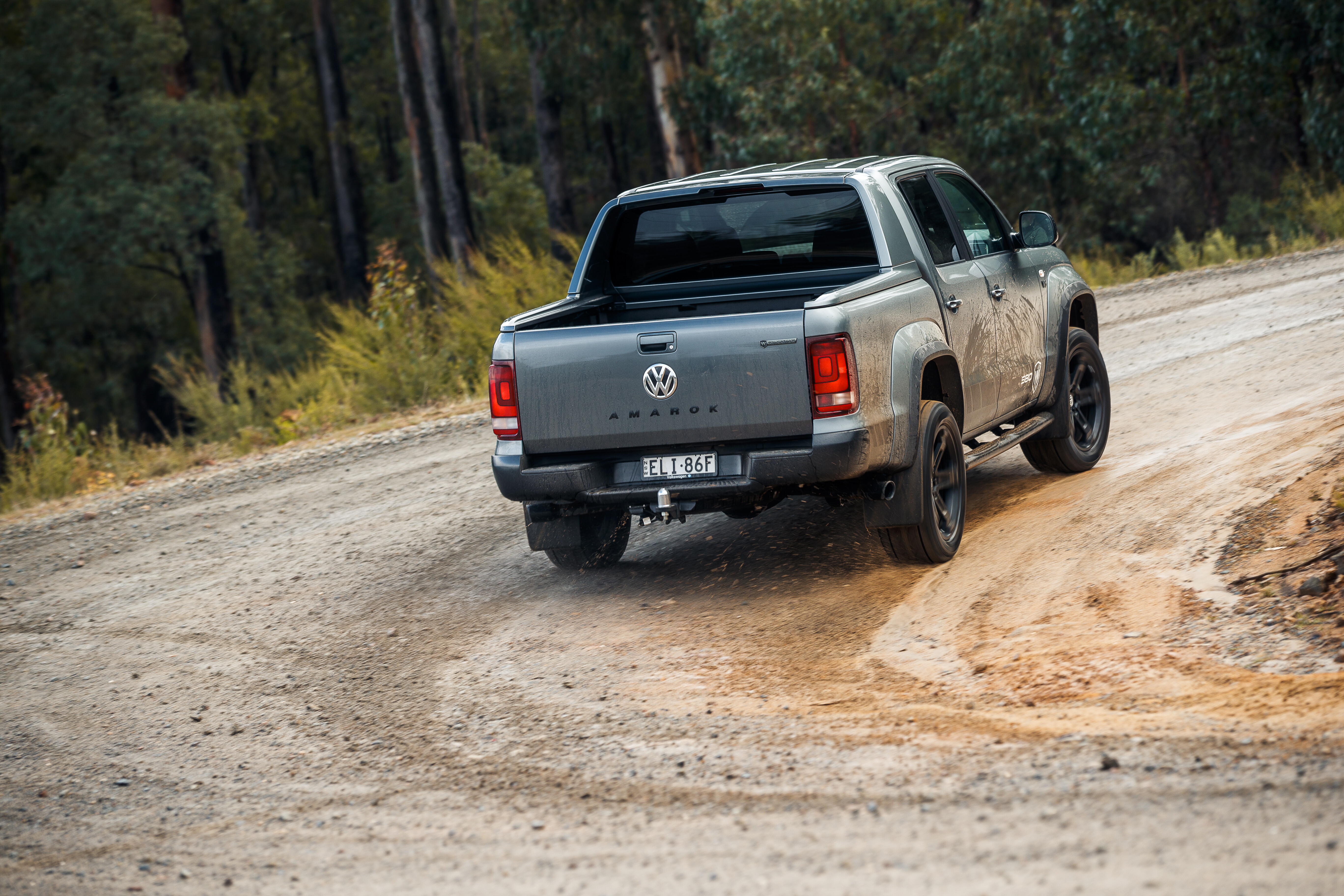
Walkinshaw widened the Amarok’s track even farther by fitting a set of 20mm offset 20×9-inch forged alloy wheels that take the track out an extra 46mm, front and rear. The wheels wear 275/50 Pirelli Scorpion ATR tyres which in turn take the overall diameter up 20mm for a bit of extra ride height that, with coil spacers also used, combine for a 50mm total lift at the front.
Being forged-alloy wheels, they are lightweight, and the bigger wheel and tyre package is equal to the standard set-up so as not to have any detriment on handling.
New shock absorbers were developed specifically for the model. The twin-tube design shocks are larger with bore size up from 32 to 35mm and the dampener shaft size up from 16 to 18mm. These work wonders to control the wheels as they cross uneven and rough terrain, as well as maintaining a flat and composed ride when cornering.
The Amarok shows its age in that it still has hydraulically assisted power steering, which isn’t an issue; although, it was a bit vague on centre at highway speeds. That could have more to do with the wider tyres than anything else, and it’s a small gripe on an otherwise excellent package.
A lot of people are quick to dismiss the Amarok with an auto transmission as an off-road vehicle because it only has a single-range transfer case – no low range. But the smart boffins at VW Commercial Vehicles tuned the action of the torque converter in such a way that it never really needs a low range ratio.
Sure, it’s not ideal for rock crawling, but in more than 10 years of testing the vehicle we’ve never found the single-range auto driveline wanting in any way; and that includes some steep Victorian High Country drives, where it stayed with the most popular dual-range 4×4 utes on the market.
This puts the auto Amarok in the unique position where you can be touring it down the highway at 110km/h, cross the Murray at Tom Groggin and ascend the steep climb up to Davies High Plain without having to pull a transfer-case lever, turn a dial or flick a switch. It’s off roading as its simplest.
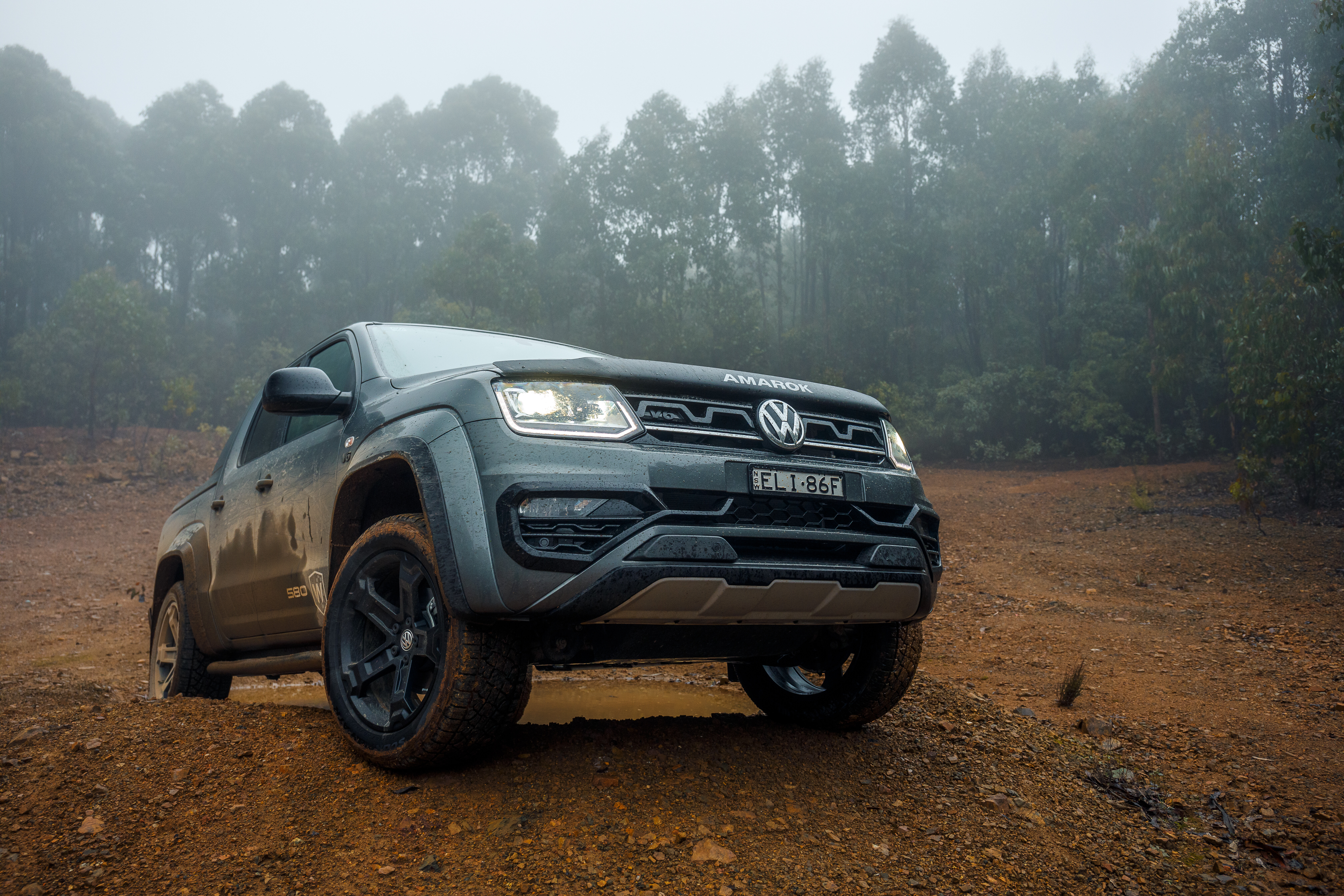
Yes, there is an off-road button which activates the hill-decent control and off-road-calibrated ABS, and another for the rear differential lock, but you would rarely need these functions for general use.
The Amarok’s chassis works just as well as any other mid-size ute off-road in that its wheel travel is sufficient but not great, its electronic traction control works very well and the ETC stays active on the front axle when the rear diff lock is engaged.
The W580 benefits from its 50mm rise in ride height and ground clearance, even if its 20-inch wheels and low-profile tyres are less than ideal. The Pirelli ATR tyres are a great all-round performer.
Slip over the side-steps and into the Amarok and this is another area where the VW shows its age. Acres of unadorned grey plastic cover the dash which houses a 6.5-inch AV screen which looks small by today’s standards. That said, the audio system has Apple and Android connectivity, its own inbuilt navigation, and it’s simple to operate.
The W580S gets power-adjustable heated front seats, leather trim with Walkinshaw logos embroidered into the front headrests, a colour multifunction screen in the gauge binnacle, gear-shift pads on the back of the steering wheel which are more functional than column-mounted paddles, and a proper park brake lever.
There was plenty of negativity directed at VW when the Amarok was released without airbags in the back for rear seat passengers, and this hasn’t changed over the years. Nor has it been upgraded with the latest safety tech such as AEB, rear cross-traffic alert, lane-departure system, or radar cruise.
What you do get in terms of safety are front airbags, ESC, ABS, trailer-sway control, tyre-pressure monitoring, a clear rear-view camera, and post-collision braking which slows the vehicle after an accident to reduce the risk of a further collision.
The Amarok has a wider cabin than most of the utes in its class, which makes it one of the more accommodating and comfortable cabins in this grade, and that hasn’t changed.
The extra width of the Amarok also means it will take a larger load than most other one-tonne utes. It is the only ute in the class that will take a full-size pallet in between the wheel wells in the cargo tub, and that tub is deep as well. There’s a plastic tub liner in the W580S to protect the metal surfaces and four tie-down points.
Payload of the 580S is 848kg (905kg for the regular W580) and towing is the class standard 3500kg.
A quoted 258mm of ground clearance is pretty good for this class and the Amarok has always had sturdy underbody protection. The wading depth of 500mm is relatively low, no doubt hindered by the engine’s air intake being forward-facing behind the grille.
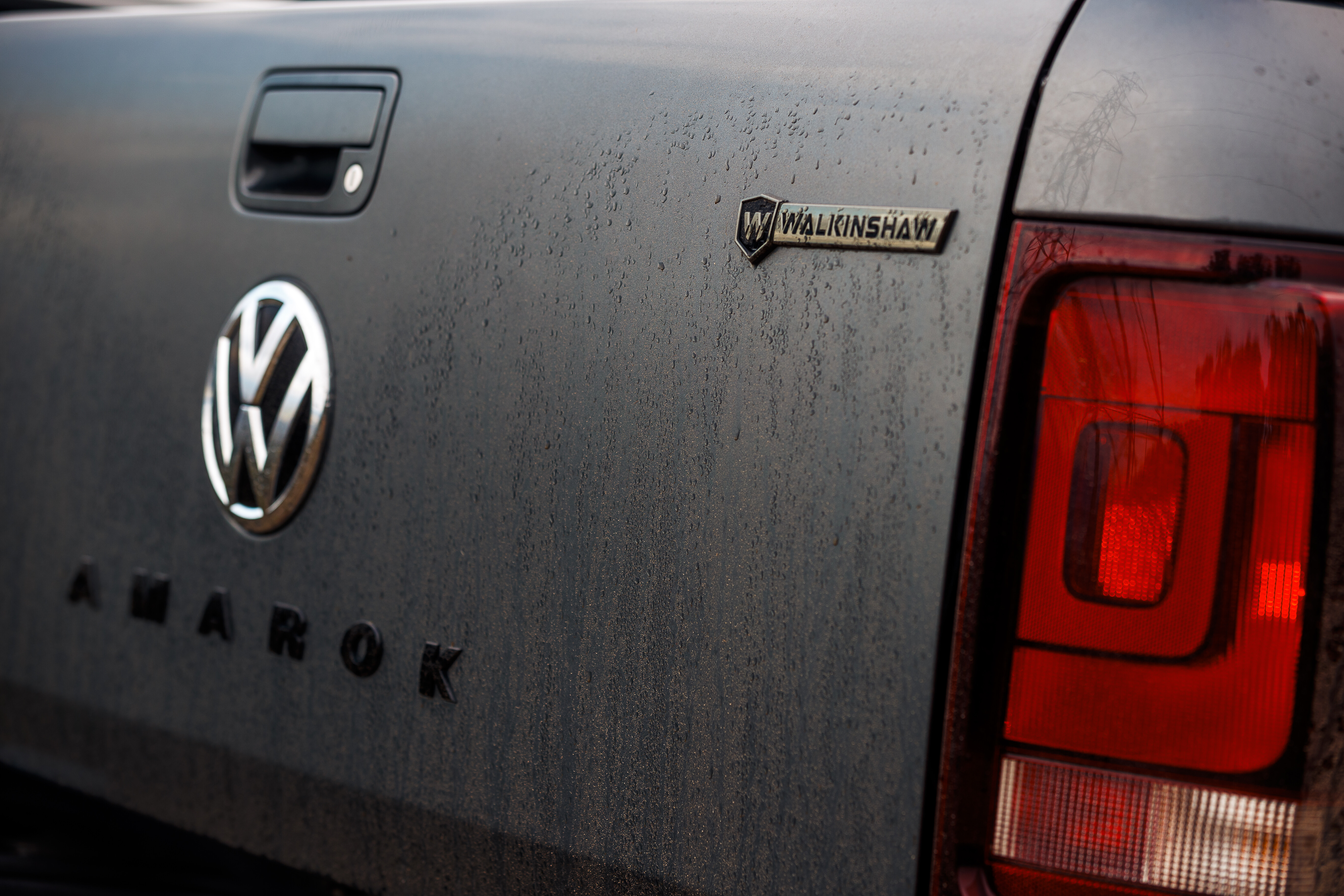
The wheel, tyre and suspension tweaks made to the Amarok W580S make a good thing better, while the value of styling additions are up to you. We reckon it looks pretty good but doubt it is $80K good.
That said, the Amarok’s V6 powertrain is superlative and unrivalled in the ute class, and the suspension tweaks work beautifully to control that power and performance. There’s no other in this class that can deliver that sort of performance, so, you might say, that’s the price you pay for a 200kW V6.
The Ranger Raptor is similar money and has a better suspension again, but it can’t deliver the same performance from its four-cylinder engine. Even though the Ford is similarly aging, it feels a more modern vehicle and still has the safety features and technology that the Amarok is missing. It all comes back to what price you are willing to pay for that V6 performance and driveability.
The GMC Hummer EV is shaping up to be a very exciting battery electric vehicle, with the American automaker revealing footage of its new pick-up trying out launch mode.
Called ‘Watts to Freedom’, or WTF for short, the amusing-sounding launch control system offers up some serious performance.
All three of the Hummer’s electric motors, powered by GM’s Ultium technology, are primed in the bespoke sprint mode and channelled through the car’s AWD system for an experience of “intensity and drama for drivers and passengers”.
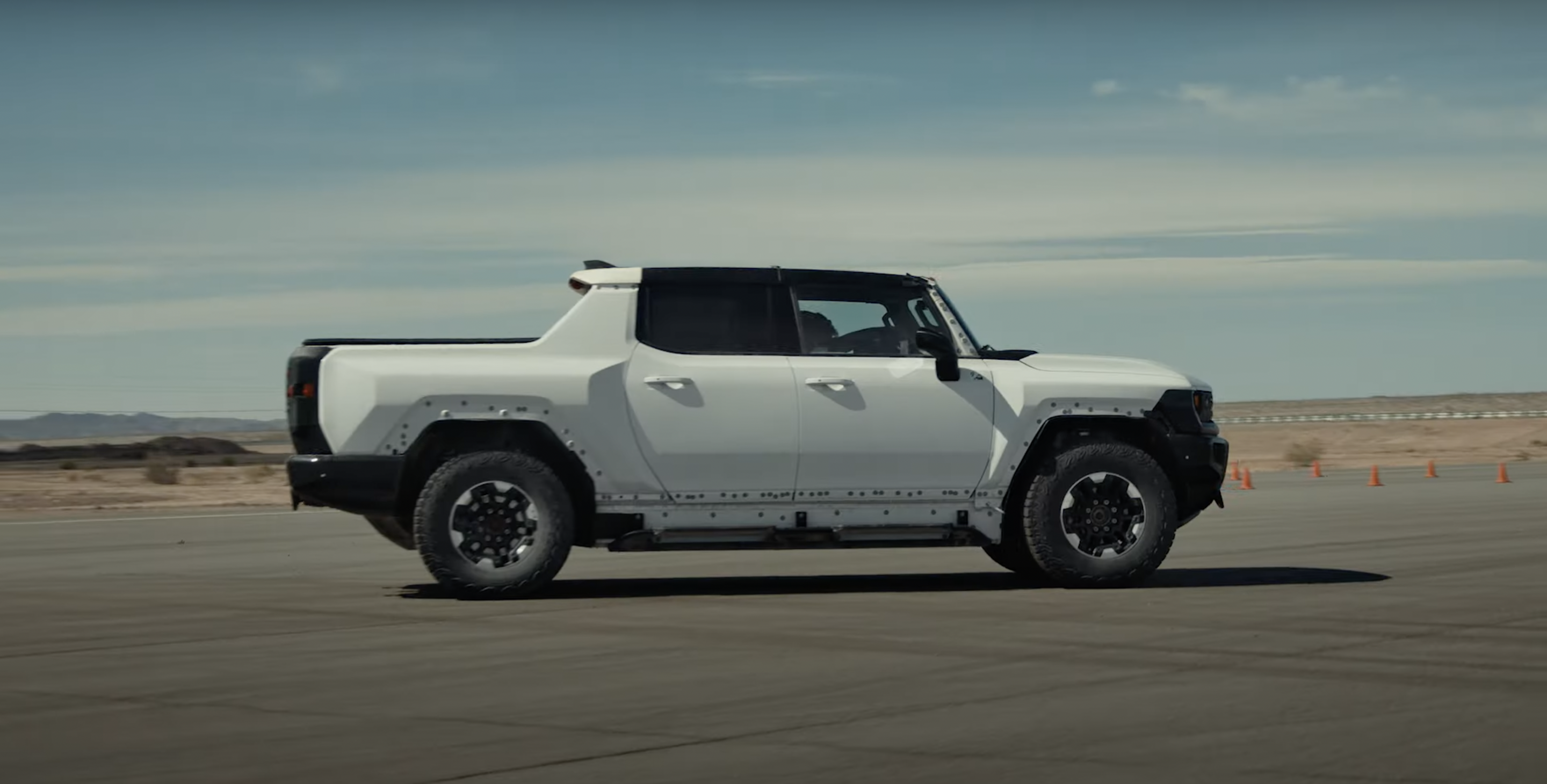
GMC claims, despite the car’s circa-three tonne kerb weight, the gargantuan pick-up can sprint from 0-60mph (98km/h) in around three seconds – or roughly the same as a 992 Porsche 911 Carrera S.
“Watts to Freedom unlocks the full potential of the propulsion system and puts all of its available power to the pavement,” Al Oppenheiser, Hummer EV’s chief engineer, said.
“It’s an all-encompassing experience unlike anything else – purpose-built for straight-line fun.”

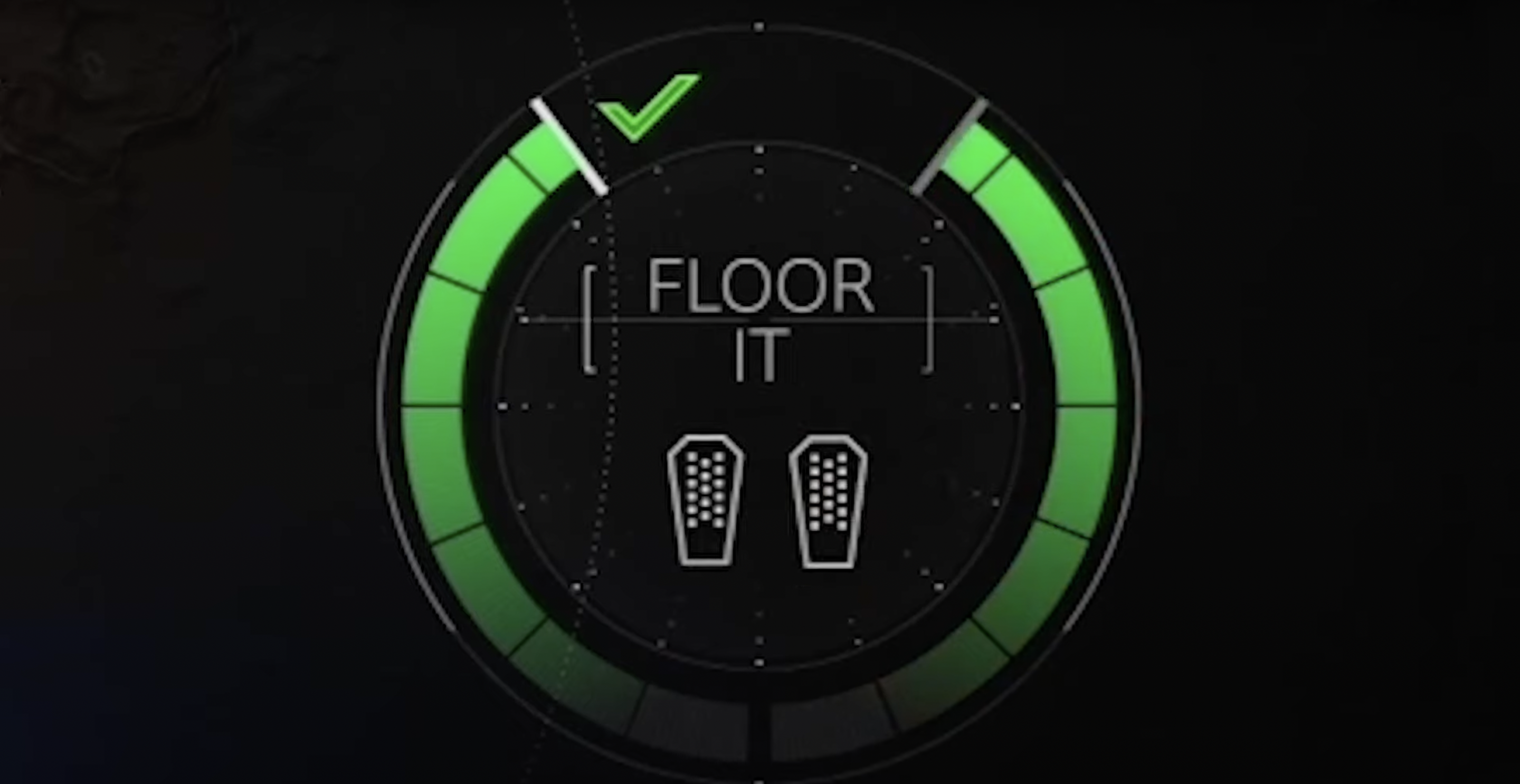
When WTF mode is engaged, a series of “pre-launch” features are displayed in the pick-up’s interior, communicating to occupants the g-force onslaught they’re about to encounter.
Custom screen animations are displayed, featuring graphics reading: “WATTS TO FREEDOM ARMED and “FLOOR IT”. Unique sounds are also played through the Bose audio system, and a countdown begins.
The theatricality of the interior is accompanied by the vehicle’s adaptive air suspension hunkering down close to the tarmac, dropping the ride height by a full two inches to ensure the car’s centre of gravity is as low as possible.
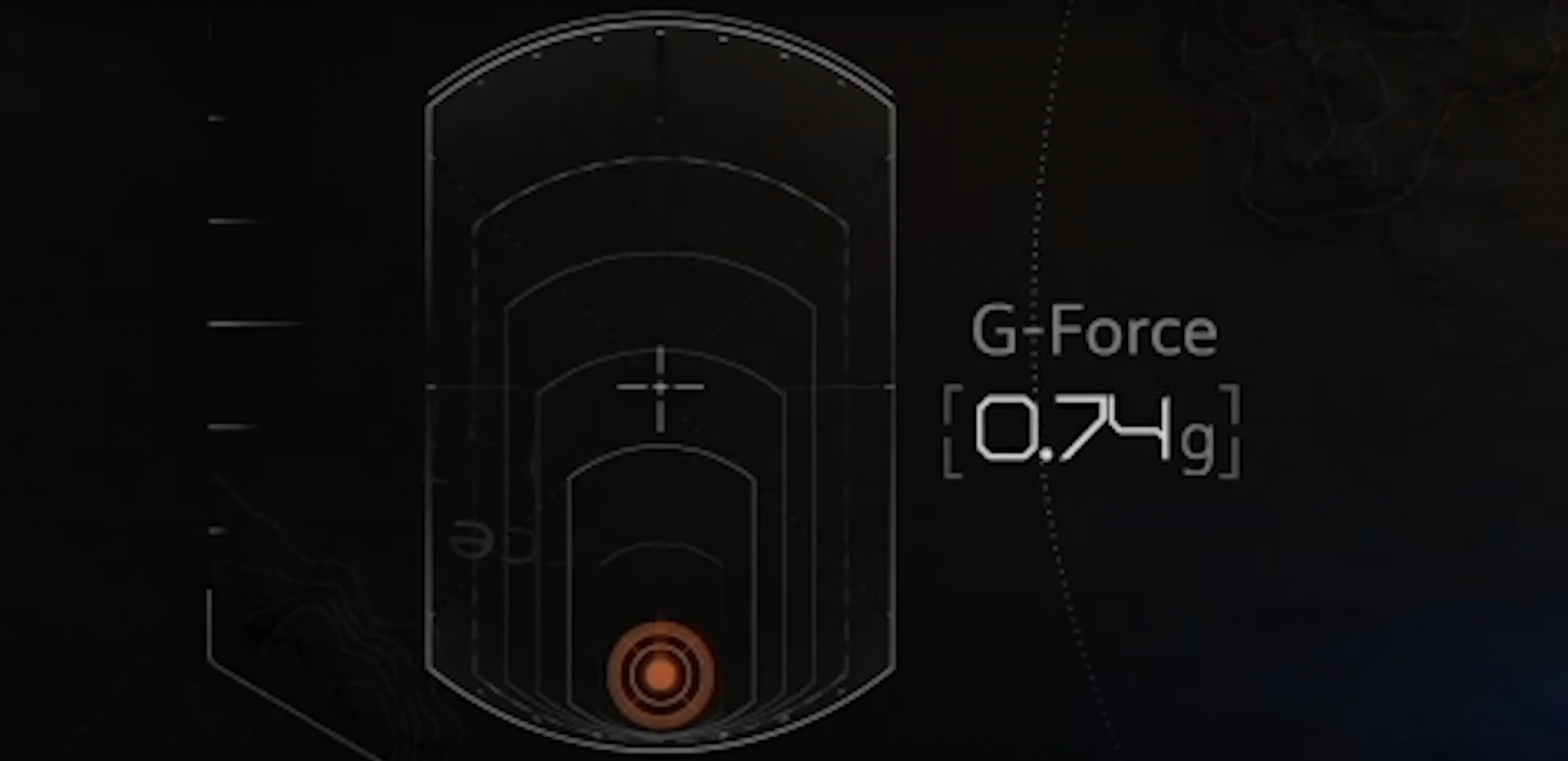
Once the driver releases the brake pedal, a g-force meter on the digital dash indicates to the driver just how hard gravity is forcing them back into their seat.
“It’s an amazing demonstration of just how fast 1000 horsepower and 11,500 lb-ft of electric propulsion can move you,” Oppenheiser said. “It’ll put a smile on your face every single time.”