The Toyota LandCruiser has been with us for 70 years. Seventy years of hard work, off-road holidays, mud, snow, sand and memories that have changed lives.
While designed and manufactured in Japan, this iconic 79 Series seen here in 70th Anniversary trim, is as Australian as cold beer and a warm pie.
One of the first things you’ll see driving in to any country town, is a 79 Series LandCruiser. Same goes for any mine site, farm or four-wheel drive destination. They aren’t just popular in Australia because they look cool (Instagram users might disagree), they are popular because they just work in harsh Australian conditions.
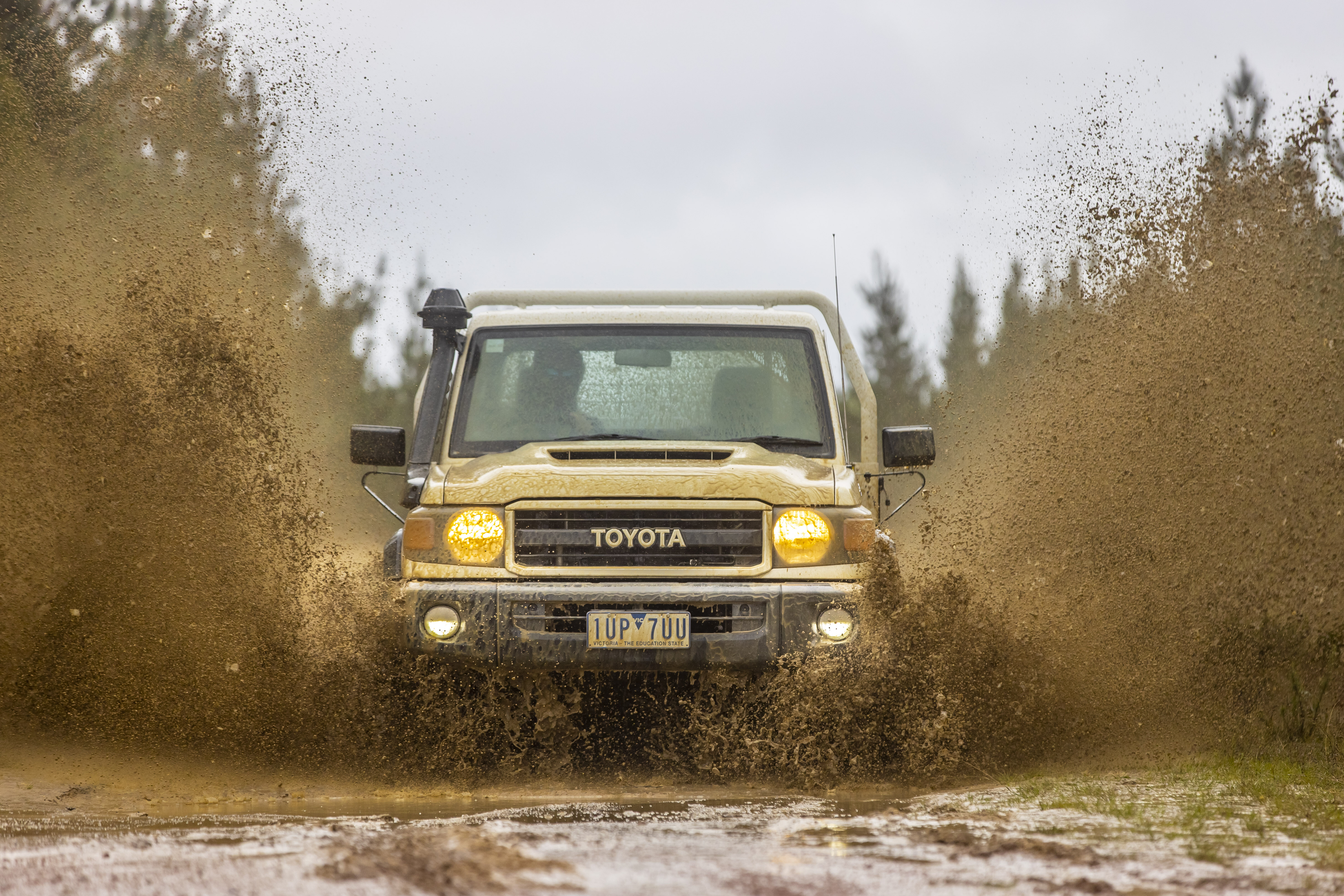
To celebrate the milestone, Toyota has released a very limited run of 70th Anniversary LandCruisers, with only 200 of the single cabs, as tested, being sold. The additions are largely cosmetic, with items such as historic retro badging, upgraded seats and a lovely centre console with additional cupholders.
While that might not sound like much, when you’re starting with such a basic vehicle, the 70th Anniversary model is the best 79 Series Cruiser ever released. We spent the week ploughing through mud, over corrugations and cruising the highway to see what all the fuss is about.
What’s so special?
As per the 76 Series LandCruiser we also reviewed, this 79 Series 70th Anniversary model receives a swag of goodies that are exclusive to this range.
Considering there are only 200 utes available in this limited-edition run, it’s safe to say they will sell quickly, if there’s even any left at this stage.
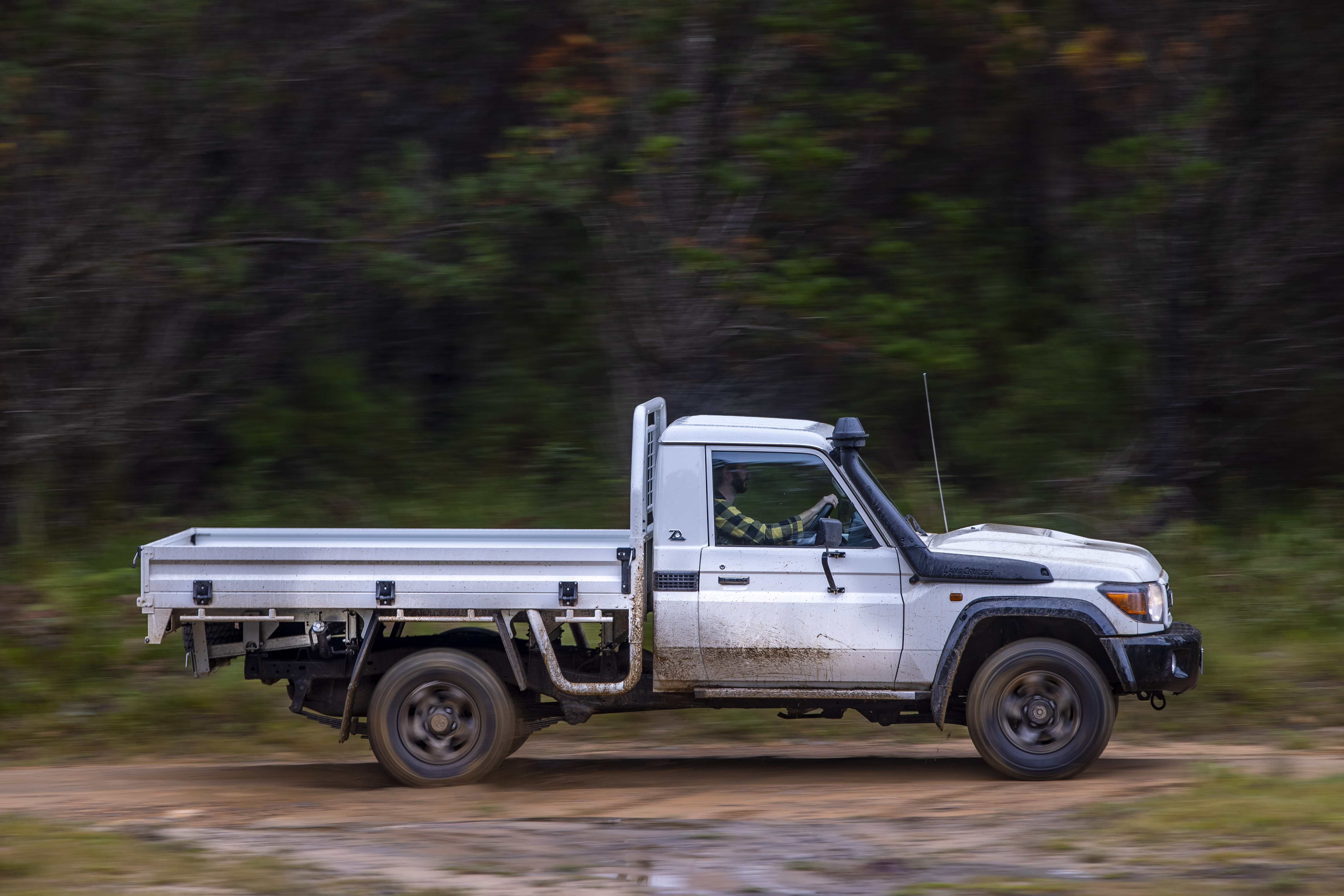
You’ll instantly notice 70th Anniversary badging inside and out, black 16-inch wheels, and a black front bumper and flares. This gives the old-school Toyota a bold and aggressive appearance, over what is essentially a farm truck.
You’ll also spot the retro-styled grille, LED daytime running lights and some black trim around the factory halogen headlights, which are neat touches.
Inside the ute you are greeted with ‘premium seats’ from GXL variants, retrimmed in a leather-style vinyl covering. There are two additional cupholders, bringing the total to three (woohoo); some faux wood trim on the dash; and piano-black trim around the air vents.
The steering wheel has been updated and looks the part, but I’m not sure about the wooden insert at the top of the wheel, which becomes slippery when your hands are wet.
Powertrain and performance
It’s a known package in Australia and has been largely left alone over the years. The 4.5L single-turbo V8 diesel engine is a lazy operator, making power right from idle. It has a lovely V8 bark when pushed, and push it does as large capacity turbo-diesel V8s tend to do.
It’s something that can be easily upgraded too, thanks to the wealth of knowledge in the aftermarket industry on what safely and easily wakes up a sleepy VDJ.
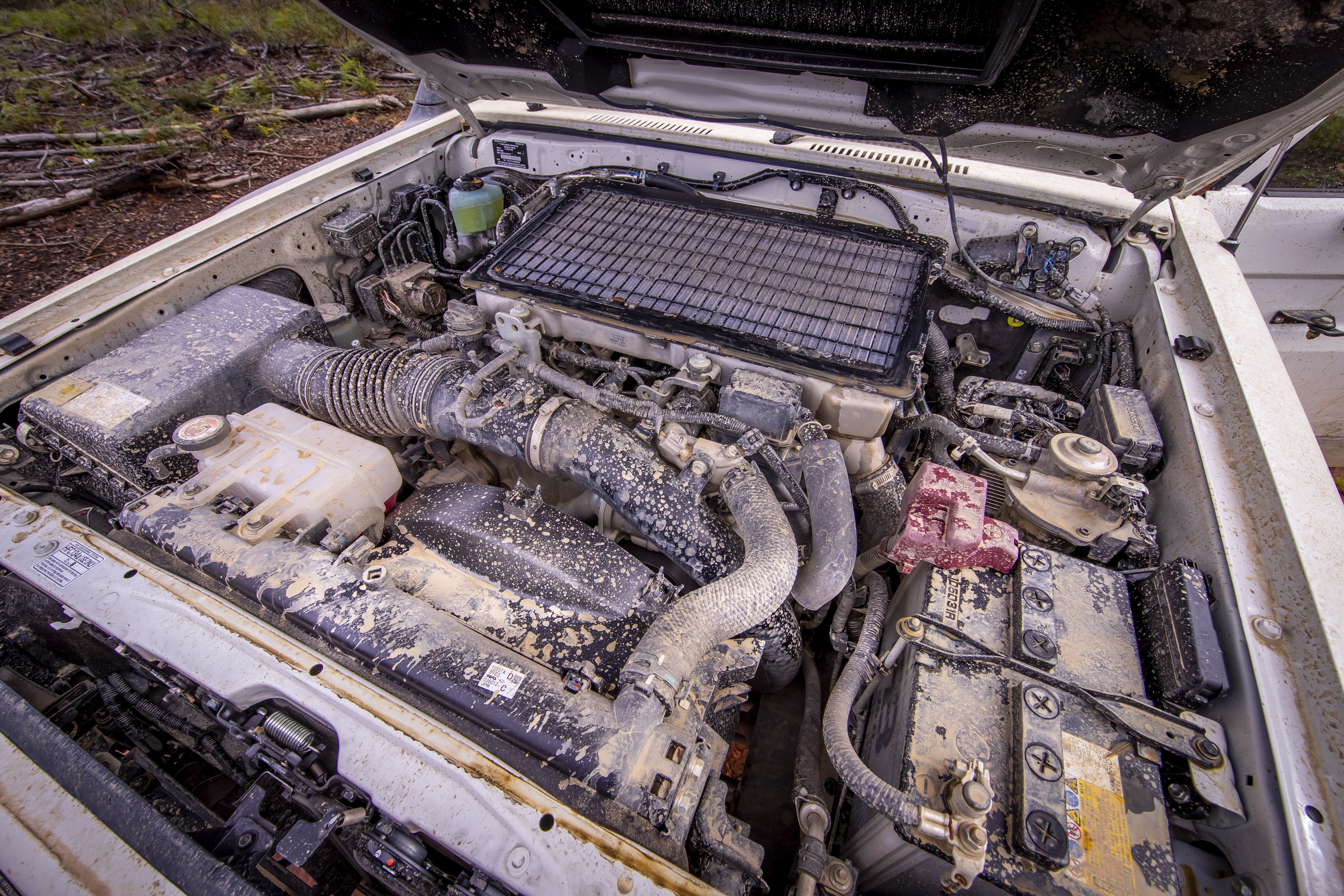
You get a five-speed manual gearbox, part-time 4WD system with high and low range selected via a transfer case lever, and front and rear diff locks activated by a dash-mounted rotary dial. These are old-school credentials, but a formula that works well both on- and off-road.
Considering the V8 produces just 430Nm, you’d think it is a bit underdone, and to a degree it is slightly asthmatic in the upper rev range. However, it’s a brilliant motor for low-range off-roading and towing, producing smooth power delivery while sounding glorious in the process.
It’s not known yet how much longer we’ll have this engine package available in the 70 Series range, so I genuinely enjoyed the opportunity to pilot it in this exclusive 70th Anniversary trim.
Cabin and accommodation
There’s not a lot to talk about here, other than you have ample head and leg room, and that the upgraded ‘premium’ seats found in this 70th Anniversary model are basic yet comfortable enough for the job.
One thing I wasn’t a fan of was the lack of visibility around the cabin’s B-pillar – you basically have to stick your head out of the driver’s side window to check blind spots.
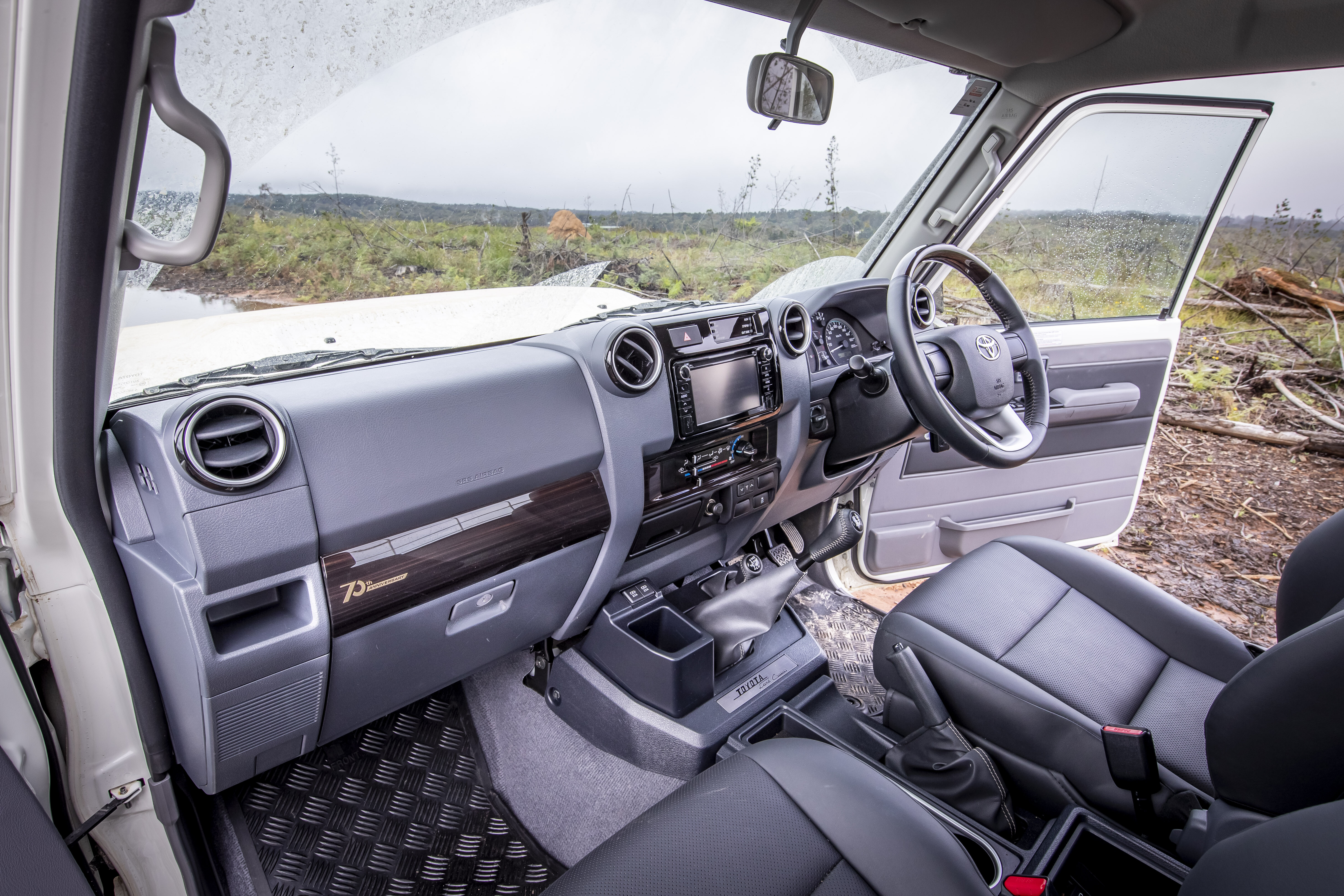
Another annoyance is the factory side mirrors. After a run on the highway, I had to adjust them fairly regularly, but there’s no button or switch to handle that task as you’d imagine.
The stereo in the 76 Series we reviewed in the May 2022 issue could be best described as woeful – well, the offering found in this 79 Series single cab is worse again. It’s almost there for decoration, as you can barely hear it over the V8 engine … which I’d prefer to listen to, truth be told.
On-road ride and handling
As you’d expect of an unladen heavy-duty single-cab utility, the 79 Series drives like a truck. The ride is better than expected, but still rough. Throw a few hundred kilograms in the tray and this would naturally change. While it rides like a tractor, it’s not annoyingly bad – it’s actually rather fun.
What isn’t fun is the steering, the same peeve I had with the 76 Series. The turning circle is a joke, I had to do a three-point turn trying to navigate a Maccas drive-through, that’s how bad it is.
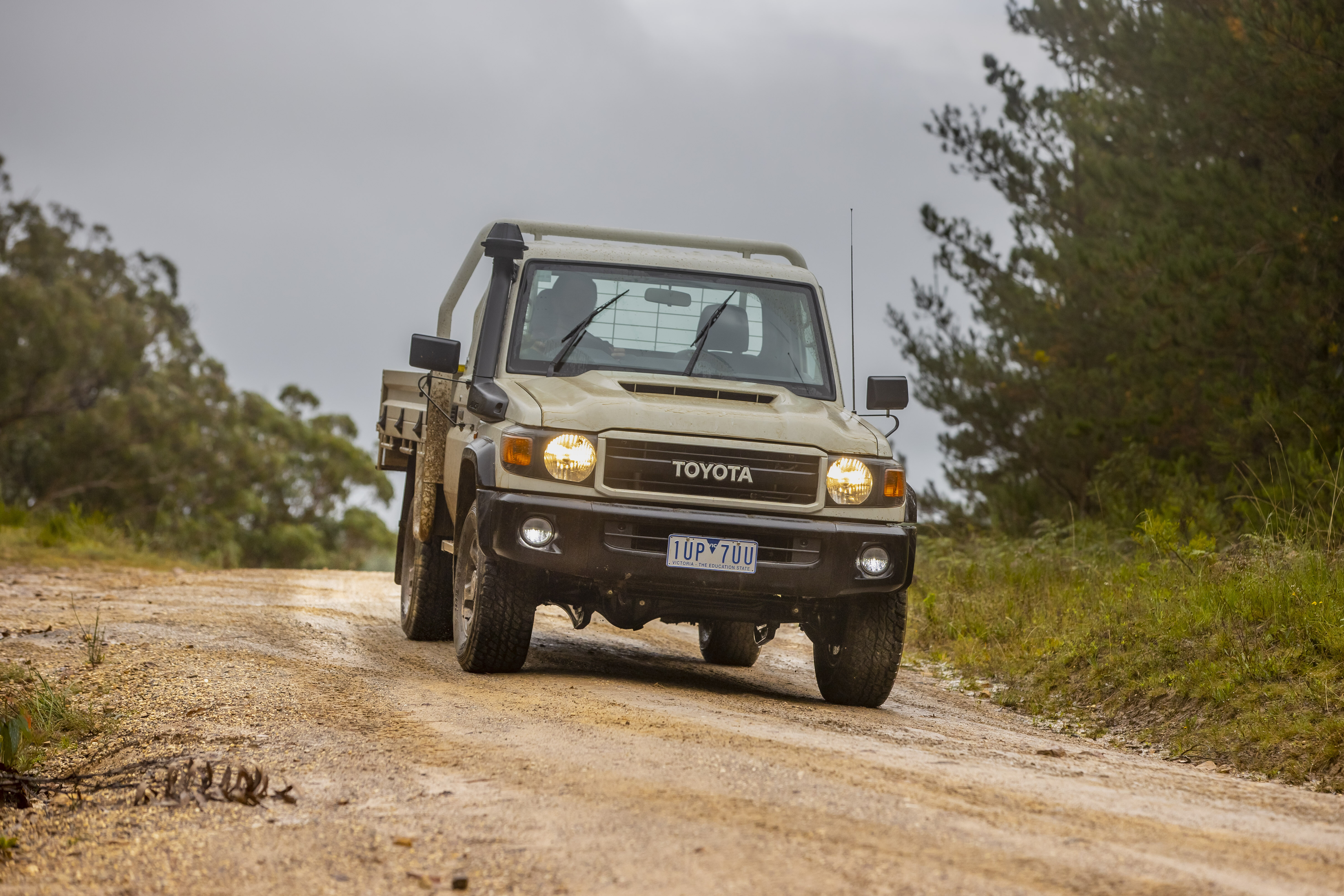
Steering feel is also primitive, with loads of free-play and an amazing amount of turns lock-to-lock in the process. I can’t really work a way around this, so it’s something you will just have to learn to live with.
If it was my vehicle, I’d be upgrading the suspension and fitting larger tyres straight off the bat. This should not only improve the on-road handling, but give you the option to select a more suitable spring rate for your needs. A quality suspension kit should give you a much-needed increase in wheel travel, something the big Cruiser lacks in factory trim.
Off-road
It’s often the little things that let a vehicle down, and something that was a constant annoyance was the positioning of the rear number plate mounted beneath the Toyota tray. It looks like an afterthought and, on such an expensive vehicle designed for hard work, that’s pretty poor. If you use this vehicle for its intended purpose, you will damage and eventually lose the rear plate, purely due to its poor positioning. I’d be moving this straight away.
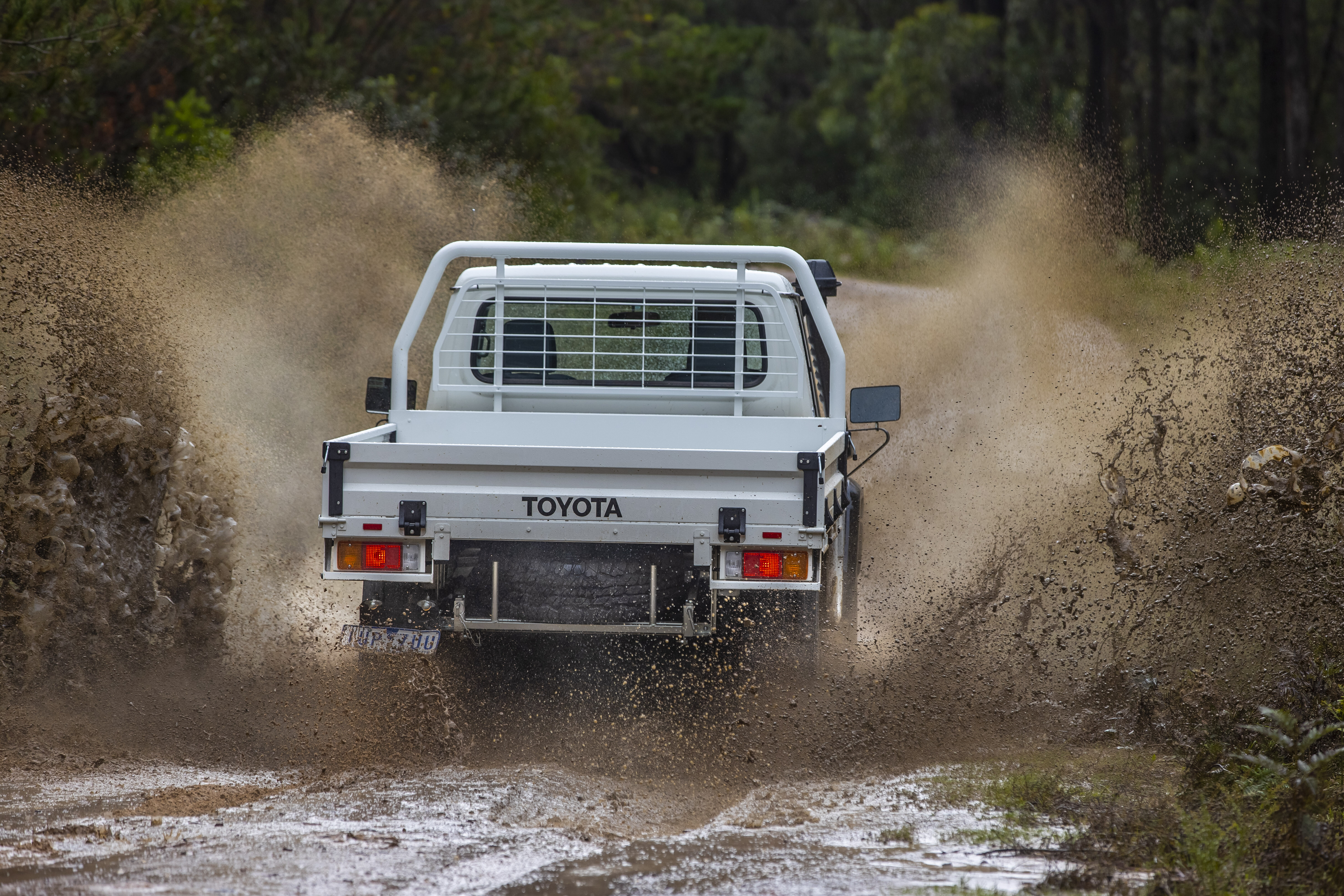
Lifting a wheel is all part of the fun when driving a stock 79 Series LandCruiser, but thanks to those factory electronic diff locks, front and rear, you can basically drive up walls without slowing down.
It’s a basic vehicle, which is a good thing for customisation. You can create anything using the 79 Series as a base, from a tradie rig, to a rock crawler, to a desert tourer with a canopy on the back.
This is a major reason why the 79 Series has been such a success in Australia: It’s strong, practical and easily modified, as well as being well supported by Toyota dealerships and independent mechanics nation-wide.
Practicalities
Being a single-cab ute, this vehicle is the definition of practical, with a massive tray and payload designed to carry anything. However, being a single-cab two-seater, it’s also extremely impractical for tasks like lugging passengers. That’s a call you’ll have to make to see if a 79 Series will work for you.
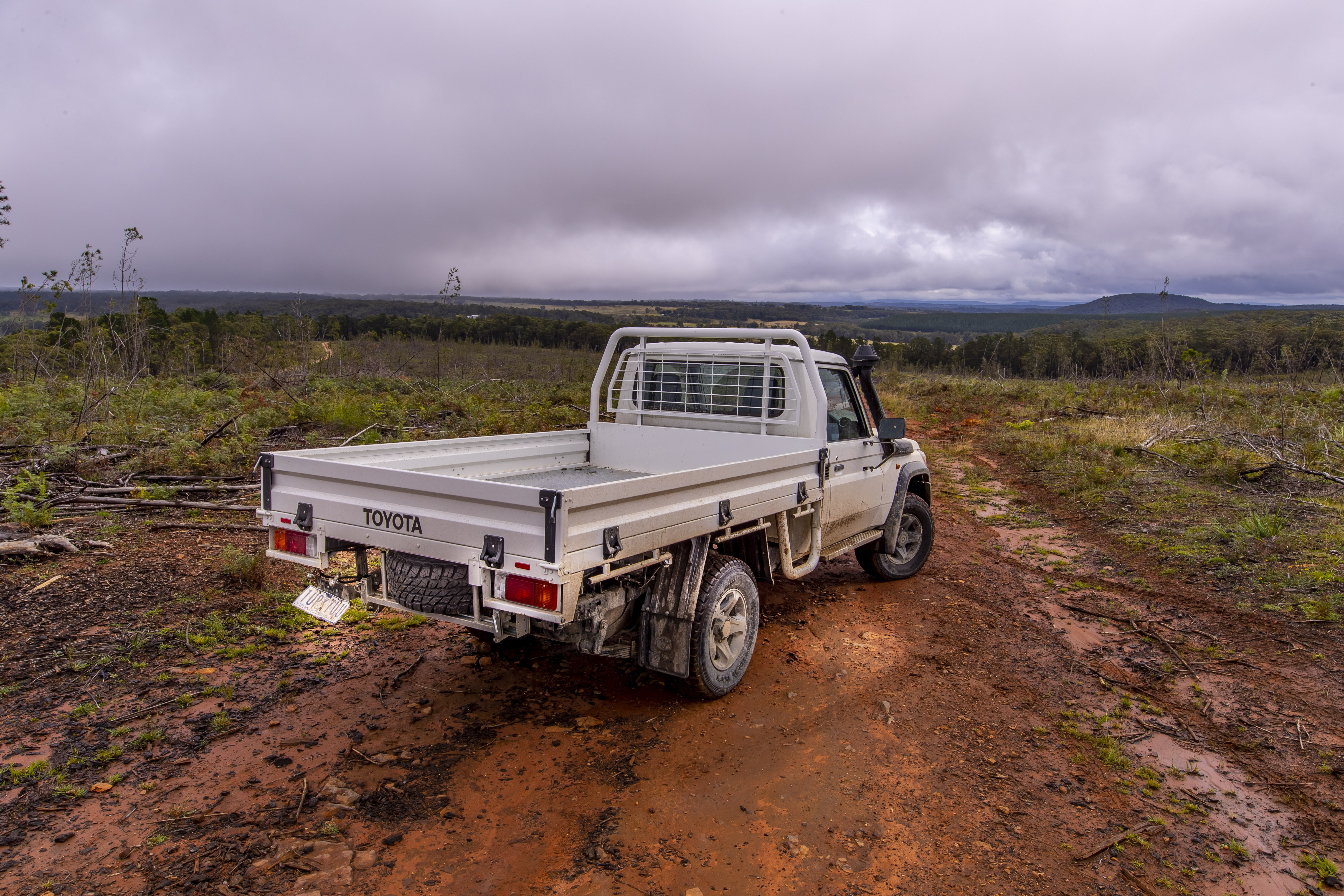
This model was fitted with a Toyota tray, which adds $4443.87 to the already rich $80,050 asking price this 70th Anniversary model commands before drive-away costs. It’s a solid tray, weighing 357kg and reducing the payload capacity of the 79 Series from 1220kg down to 868kg.
Other than the as-mentioned terrible number plate mount, the tray is rock solid and its dimensions are huge. Towing capacity is 3500kg, as you’d expect, and the entire 70 Series range of LandCruisers are solid performers when it’s time to hook up a trailer or caravan.
Verdict
With only 200 units of this limited edition 70th Anniversary 79 Series single-cab LandCruiser available, you just know this vehicle is going to become a collector’s item.
Sure, you are really only getting cosmetic upgrades, but they are tasteful and impactful in making this 79 Series something special. I can’t wait to see one decked out with a big canopy on the back, ready to hit the outback.
It’s not perfect, but I’m glad to see Toyota is still investing in a platform that was originally released here in 1984. If you need a no-frills heavy-duty single-cab 4WD utility that will go forever without complaint, there’s not much else like it on the market today.
2022 Toyota LandCruiser 79 single-cab 70th Anniversary edition: Specs
| Engine | V8 single turbo dieselu00a0 |
|---|---|
| Capacity | 4461cc |
| Max power | 151kW at 3400rpm |
| Max torque | 430Nm at 1200 to 3200rpm |
| Transmission | 5-speed manualu00a0u00a0 |
| 4×4 system | Part-time w/ locking front hubsu00a0 |
| Construction | Ladder frame chassis |
| Front suspension | 3-link solid axle w/ coil springsu00a0u00a0 |
| Rear suspension | Solid axle w/ leaf springsu00a0u00a0 |
| Tyre/wheel | 265x70R16 / alloy |
| Kerb weight | 2180kg |
| GVM | 3400kg |
| Payload | 1220kg |
| Towing capacity | 3500kg (braked) |
| Seats | 2 |
| Fuel tank | 130L |
| ADR fuel claim | 10.7L/100km |
| Test fuel use | 12.7L/100km |
| Departure angle | 27u2070 |
| Approach angle | 33u2070 |
| Ground clearance | 235mm |
After recently fitting a Piranha Off Road canopy to the 4X4 Australia D-MAX, it was time to look at long-term storage options for the tub area. We knew we needed to mount a decent-size fridge, and we also wanted something lockable to safely stow camera equipment and other valuables. We also wanted to use quality gear, as from experience cheap storage drawers are cheap for a reason.
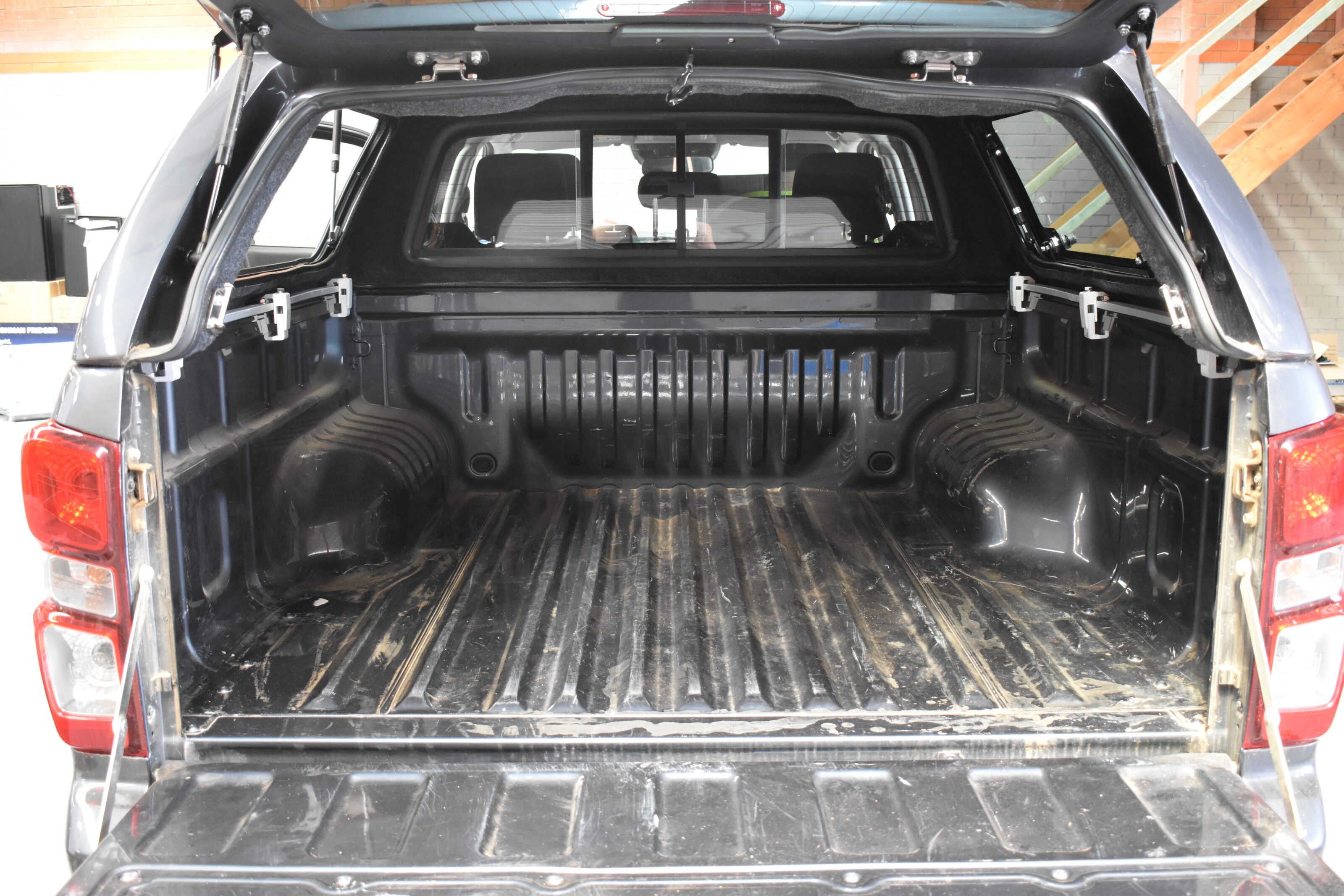
Being such a new vehicle, it can still be a bit tricky to find gear for the latest ute from Isuzu. After hours sifting through online forums and groups for inspiration, I discovered MSA offered a vehicle-specific drawer system to suit the 2020-21 Isuzu D-MAX. Many detailed measurements, emails and phone calls later, a plan was hatched involving a 60L Companion fridge, on to an MSA Drop Slide and set of aluminium MSA Explorer storage drawers. I do love a good plan.
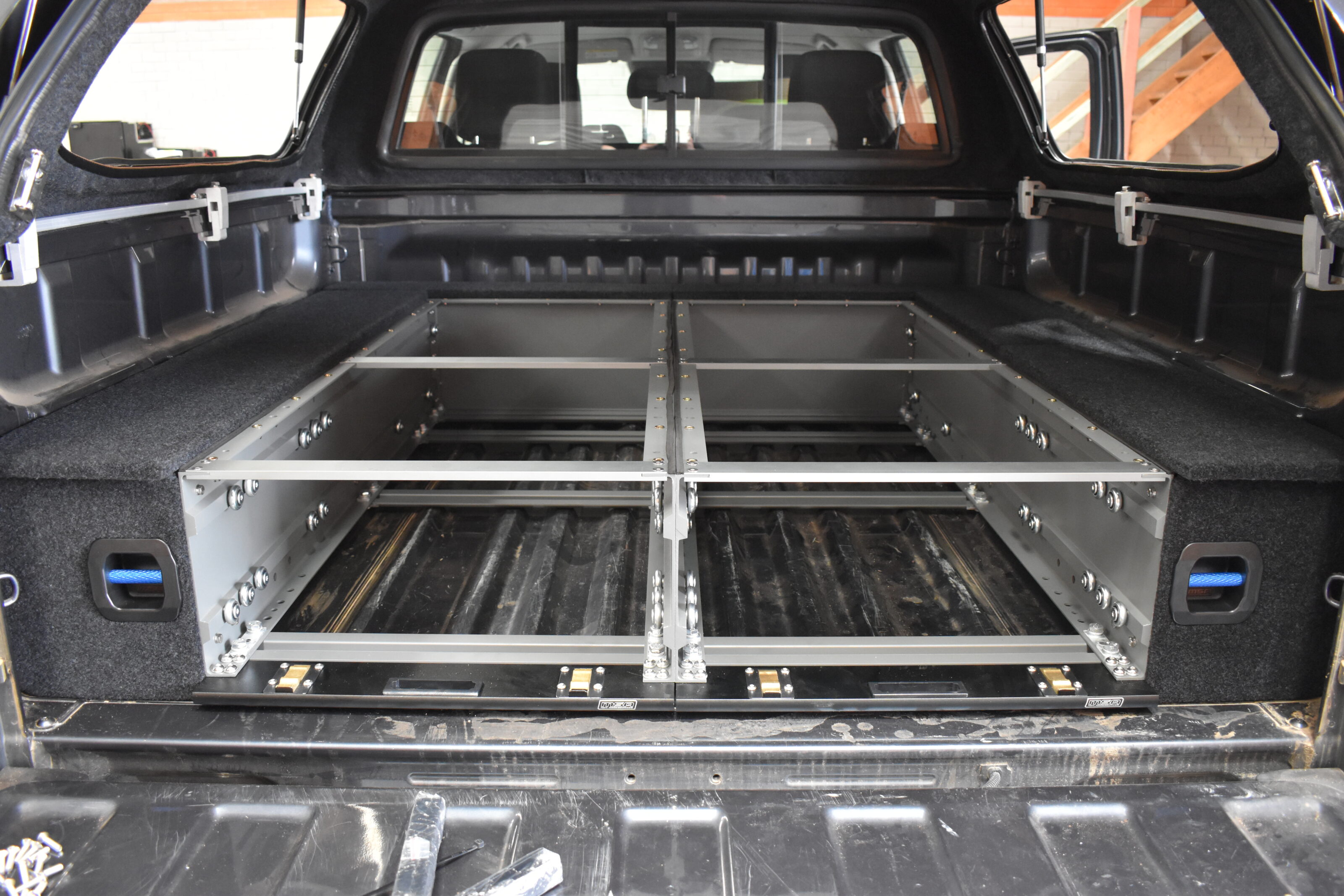
The biggest challenge we faced here was the height of the canopy, and the fact it slopes down at the back. After checking and rechecking our measurements, the plan looked like it was going to work. My advice here is, do plenty of research first to avoid hassles come installation day. You might find that a smaller fridge will fit better, or get lucky like we did and manage to fit the big 60L fridge we wanted. Proper planning paid off, with a few centimetres to spare.
Installation required drilling holes through the tub to mount the MSA drawers, and you’ll need a mate to help here to fasten the hardware. Once the drawer frame is bolted down, it’s just a case of putting everything back together. I found it helpful to install the side wings before drilling, so you could see if everything was lined up where it should be. I reckon the end result looks first class too, if I do say so myself.
With the aluminium MSA Explorer drawers frame in place, it was time to focus on wiring up a few 12V accessories. First of all, and this was a welcome surprise, there are LED lights built in to the MSA drawers. How cool is that! I ran some twin-core wiring from our Invicta lithium dual-battery system mounted behind the back seat of the D-MAX, through the canopy and to the rearmost section of the drawers. A neat wiring loom is also supplied by MSA for its internal LED lights that’s fused and protected in convoluted tubing, making for quick and reliable fitment.
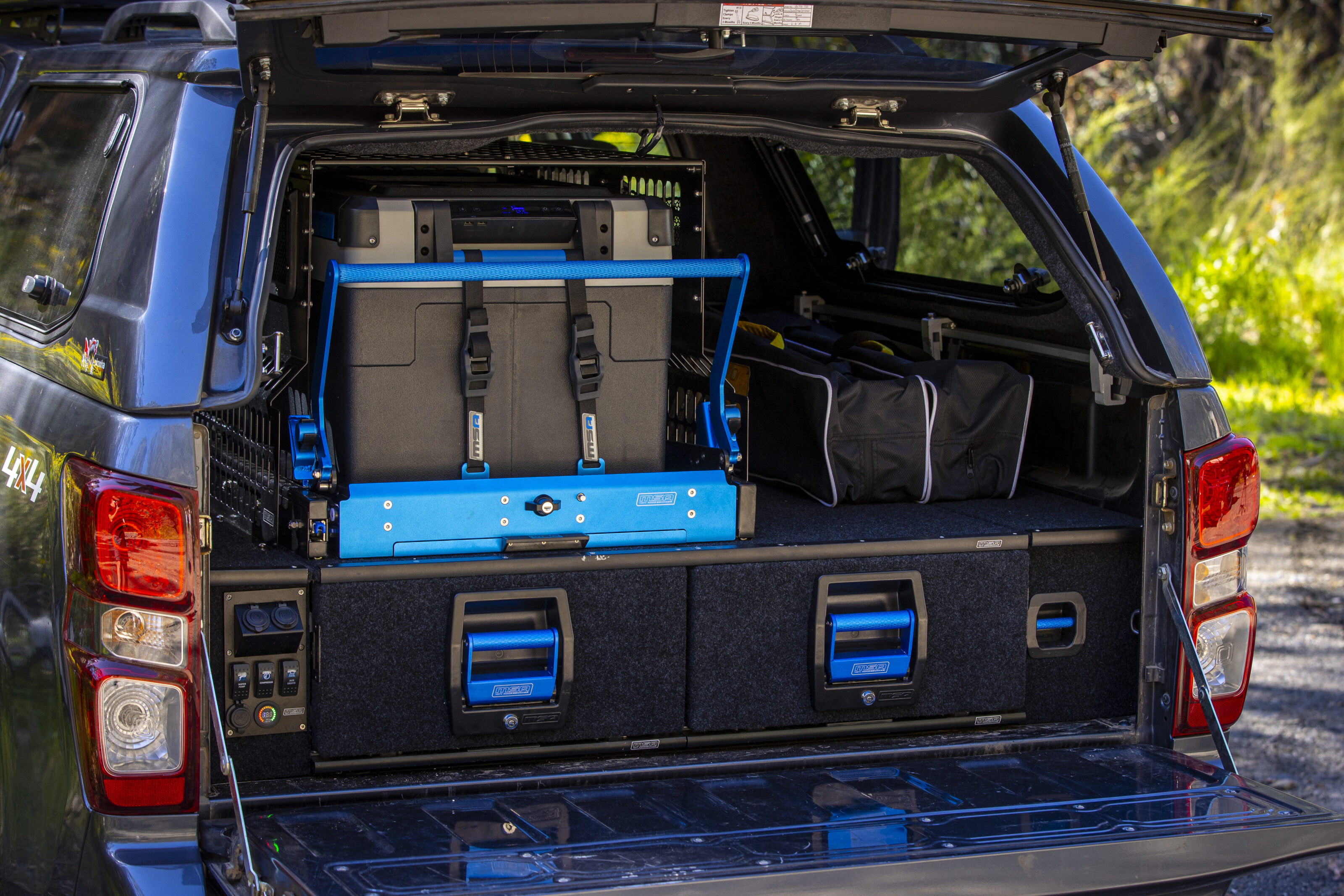
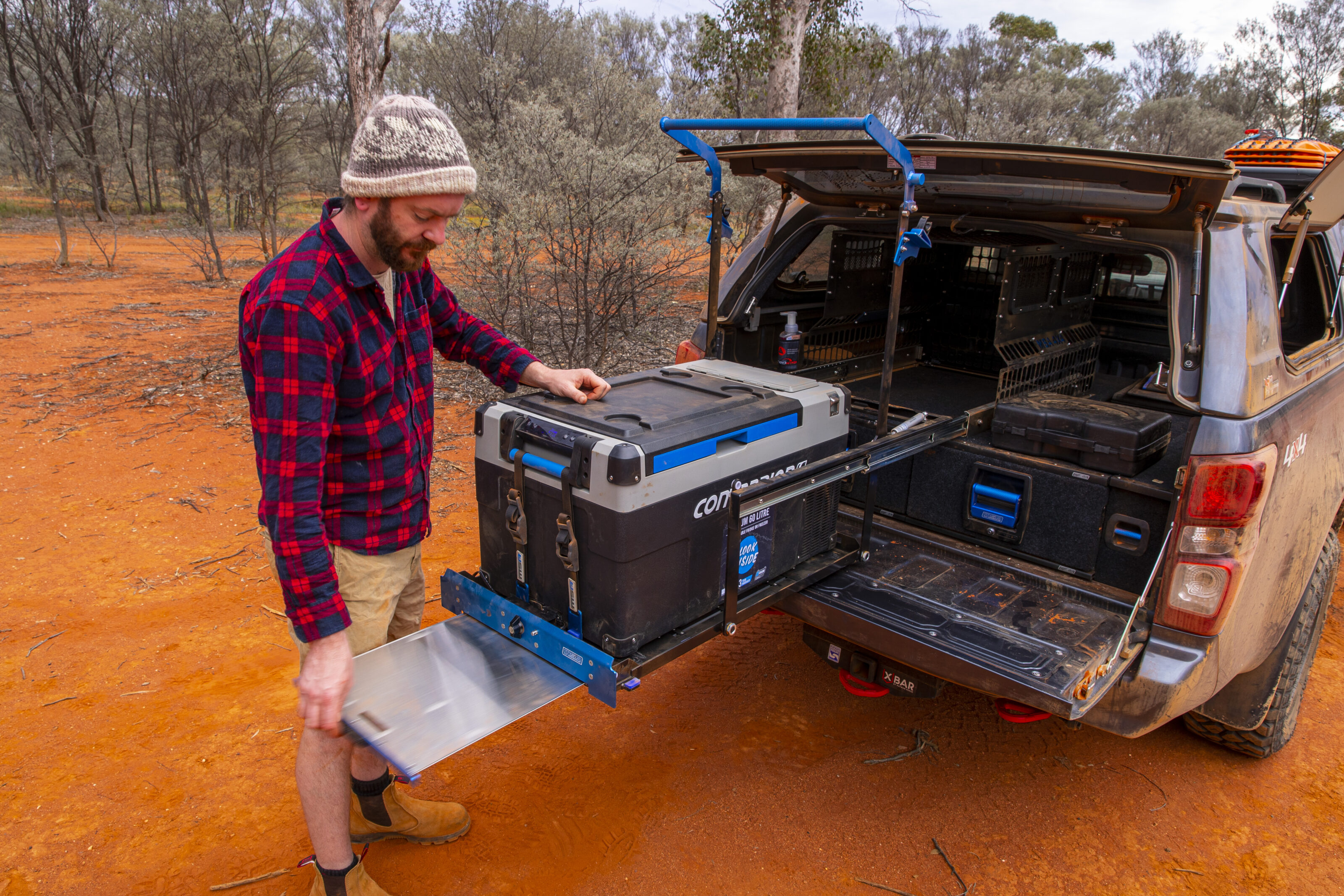
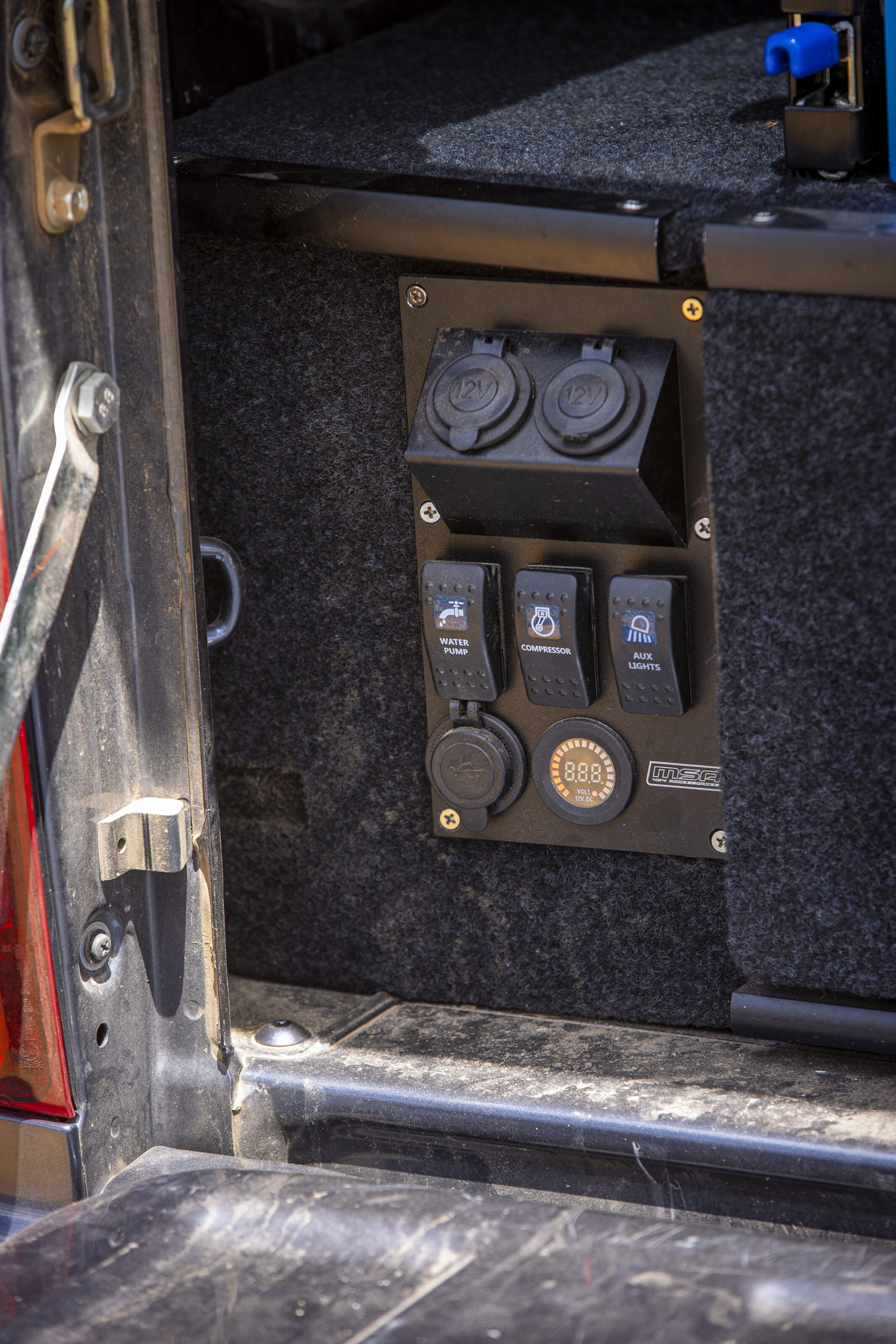
I also fitted an MSA Explorer Power Panel on the passenger’s side for 12V device charging, which I feel is a really neat solution. This required cutting the front lower trim panel, but the effort is absolutely worth it, as it looks factory as it is made to suit their drawer system. There’s an inbuilt power display, USB points and CIG points available to charge items in the back, and we’ll look at running a few Anderson plugs for dedicated fridge power and a solar input in the coming weeks. So that’s 12V out of the way (for now), and I feel it’s smart to handle that task for ease of access, before getting excited and bolting down the drawer tops.Once the drawers were slid back in to place and the tops secured, our next job was to screw down the MSA Drop Slide to suit a 60L fridge. This is a quality bit of gear that allows us to not only slide the fridge out but also lower it for easy access. It’s held in place with a series of large screws, located all around the base of the slide. After a few trial runs, I was happy with how it was sitting, so it was fixed permanently in to place. Keen eyes will also notice the slide-out table in the base of the Drop Slide. This is a new optional addition for the MSA Drop Slide, and one that will be getting plenty of use making meals on the tracks.
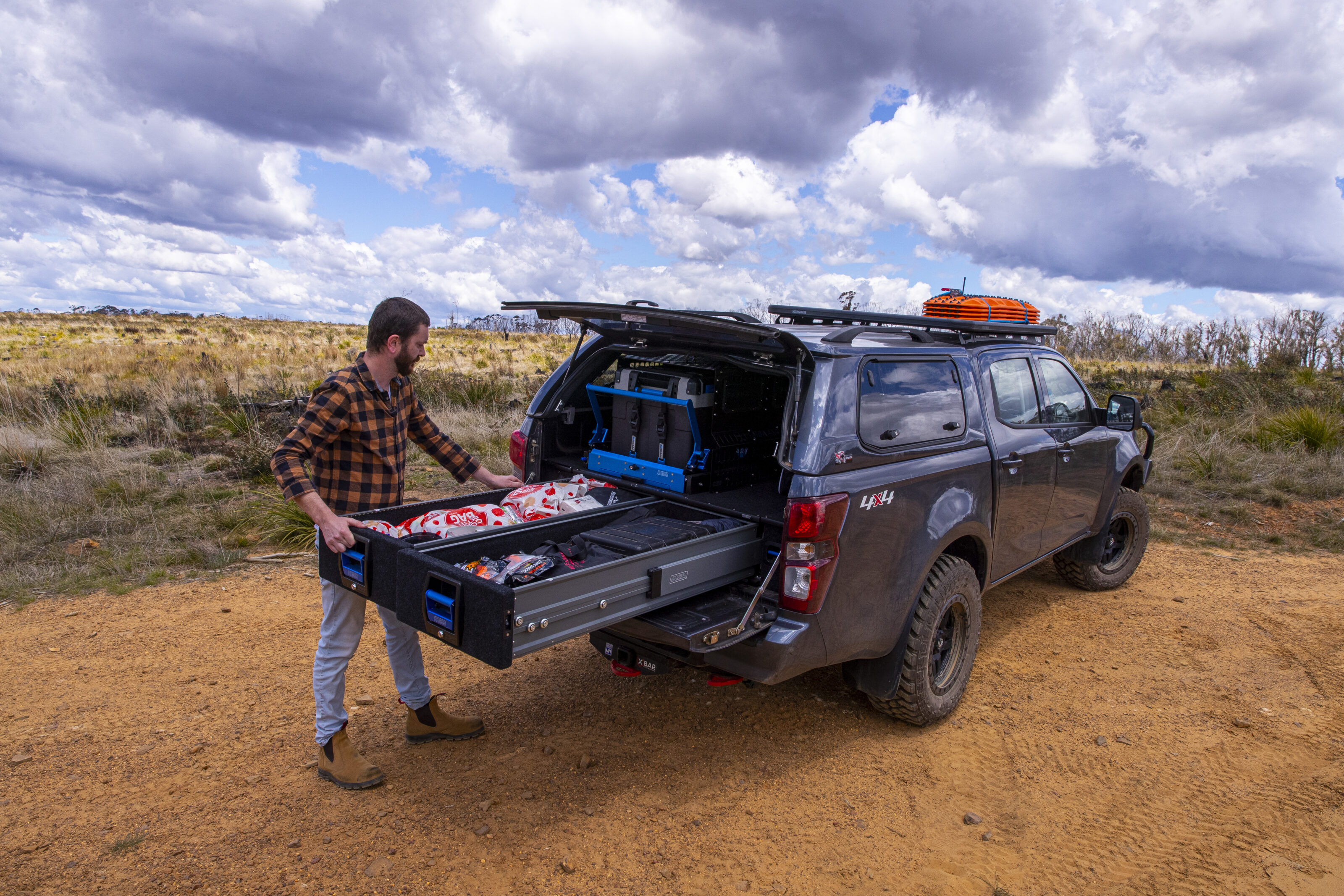
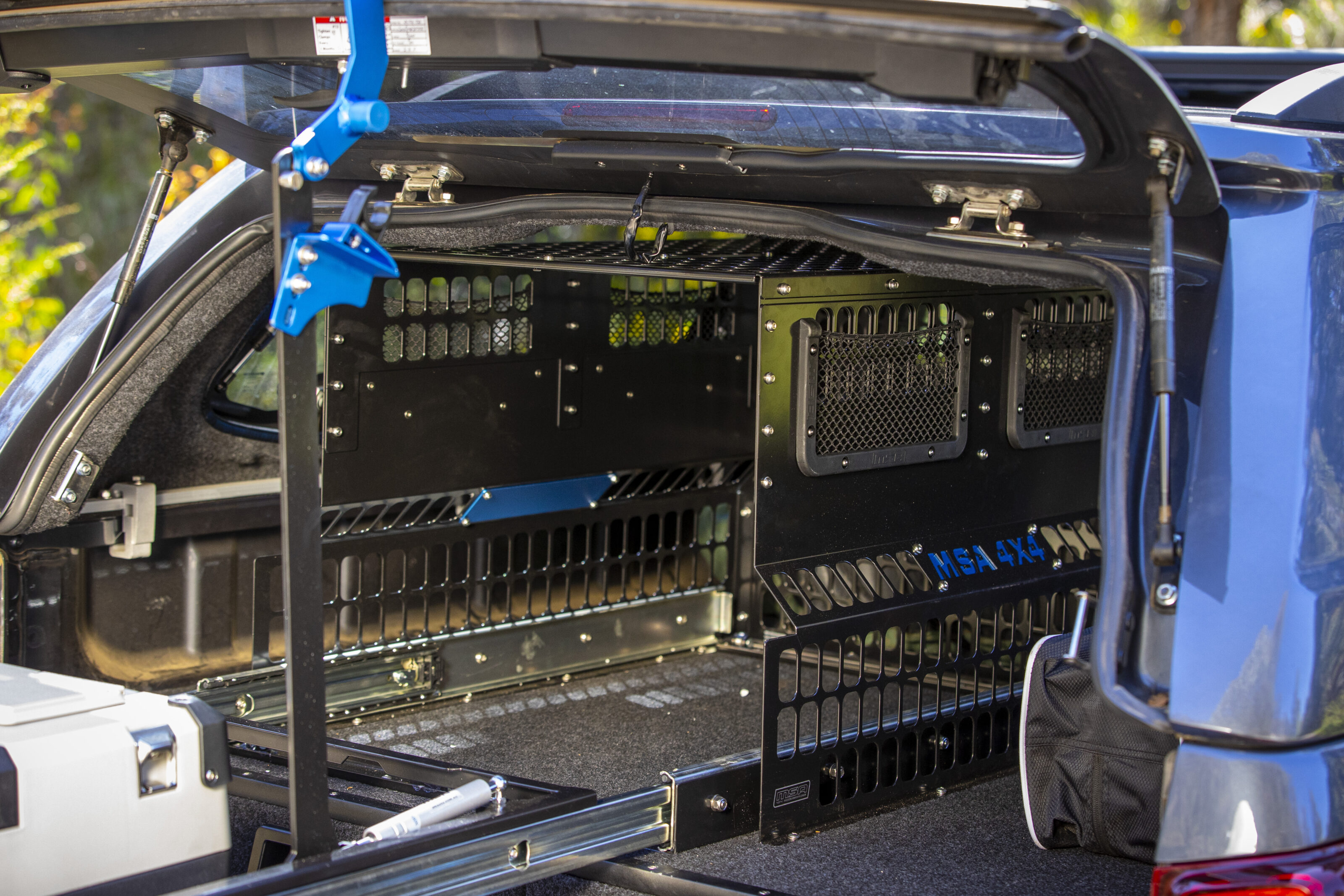
With the Drop Slide now in its final resting position, it was time to piece the MSA fridge barrier together. This is a seriously neat bit of engineering that provides protection for the fridge. It also allows gear to be stashed on top or behind the fridge, making the most of the space we have available. I particularly like the cargo pockets on the side of the barrier, a handy place to store small items like multi-tools or torches.First impression of the rear drawers, is just how big they are. They extend the full length of the unit, thanks to MSA’s clever runner system. This allows you to really pack the drawers to full potential and access everything easily. They don’t rattle, they open and close smoothly and easily, and are just plain nice to look at. The Explorer Power Panel made for a neat 12V installation, which is just what we are after.
Finally, the Drop Slide and fridge barrier combo protects and securely mounts our fridge, while allowing for quick and easy access when at camp as well as maximising storage potential.It’s safe to say, this MSA fit-out has transformed the rear end of the D-MAX, and we’re wrapped with how it turned out. We can’t wait to get out on the tracks and put it to the test. It sure has made packing for trips much easier, as everything now has a place. The 4X4 Australia D-MAX is an organised, well-oiled touring machine. It sure has come a very long way.
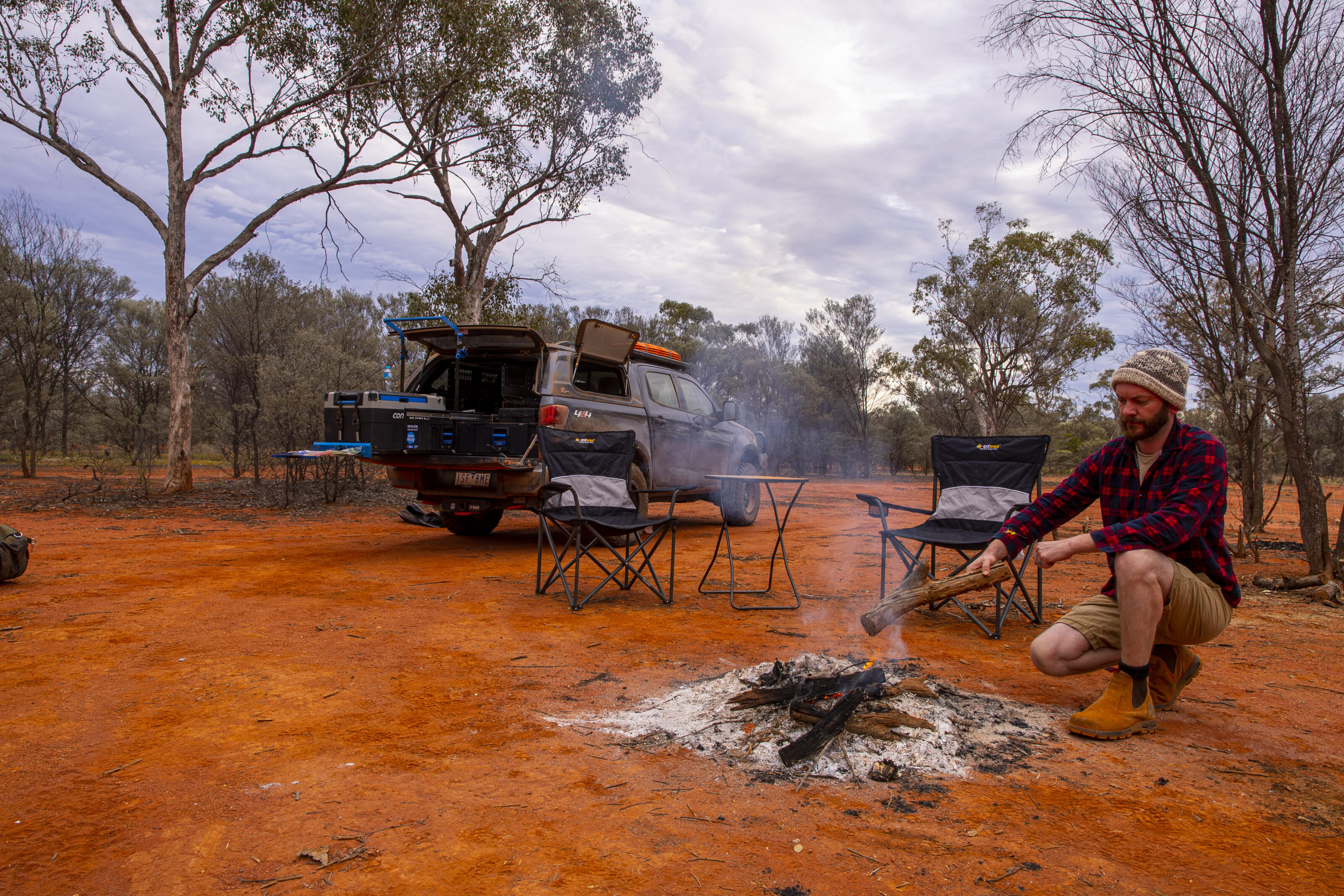
AVAILABLE FROM: msa4x4.com.au RRP: MSA Explorer Dual Drawer System $3044; DS60 Drop Slide with Table $1291; Fridge Barrier to suit DS60 $471; Explorer Power Panel $236.01. Parts Total: $5042.01. (Prices exclude labour and freight) WHAT WE SAY: Quality storage solution, covered by a lifetime guarantee.
I recently wrote that we have reached the peak of automotive diesel technology and, from this point in time, car manufacturers won’t be investing money to develop next-generation diesel technology, even if they do spend money on tweaking and adapting current diesel technology to give it a little more commercial life.
Judging from the reader comments that followed, this was taken to mean that current diesel technology is crap (which is clearly not the case especially in terms of performance, refinement and economy) or that you won’t be able to buy a diesel as of tomorrow. Please!
Exactly how long diesel cars, diesel 4x4s included, will be available from new will vary from market to market. More affluent markets such as those in Western Europe, North America and in parts of East and South-East Asia will be the first to see diesels disappear from new-car showrooms, while diesels will most likely be available for a longer time in less developed markets such as those found in Africa, Middle East, Central Asia and South America.
Much, if not all, will depend on exhaust-emissions legislation and how vigorously various governments pursue tighter standards that relate to the same. Some countries push hard on this, others don’t.
As in other democratic countries, in Australia this also takes on a political slant, as the different sides of politics typically approach the implementation of exhaust emissions standards from different directions, which throws in another level of uncertainty.
Right now in Australia new diesels have to meet Euro 5 emissions standards, even though many new diesels sold here already meet Euro 6. These standards, as the names suggest, have been developed by the European Union and adopted in Australia as a matter of expediency.
If the original schedule for Euro 6 set out by the previous federal Labor government was implemented, it would be in place now. As it is, the just-ousted LNP government pushed it back and it’s still effectively in limbo
In broad terms, Euro 5 typically means a diesel particulate filter (DPF) while Euro 6 typically means both a DPF and selective catalytic reduction (SCR), a technology that involves the use of exhaust-system additives such as AdBlue.
Euro 5 is designed to reduce the soot in diesel exhaust emissions, while Euro 6 breaks down dangerous NOx emissions. Euro 5 doesn’t, however, legislate the use of DPFs, just as Euro 6 doesn’t legislate the use of AdBlue. These two measures are simply the industry-wide answer to achieving the legislated maximum levels of these pollutants in exhaust gas.
The Euro 5 diesel standard was phased in here from 2013 and fully implemented from 2016, while Euro 6 is still pending. If the original schedule for Euro 6 (set out by the previous federal Labor government) was implemented, it would be in place now. As it is, the just-ousted LNP government pushed it back and it’s still effectively in limbo. With a recent change in government in Canberra, though, this may change again.

The different diesel emission standards in place around the world, combined with the fact that they are evolving at a pace that’s in part predictable but also subject to volatile outside influences, makes life very hard for the automotive industry to plan ahead, especially given the long lead times needed to develop the particular technologies required to meet new standards.
There’s also the need for a critical mass of countries to provide sufficient weight of commercial viability for any model employing a particular engine. No manufacturer will produce a model that can only be sold in a small market if it’s not commercially viable. So what you may or may not be able to buy in Australia or elsewhere will not just depend on local regulations.
Those who arrive in Silverton in the middle of the day and leave before the sun drops below the horizon will miss a spectacular sight.
Scattered throughout the oft-called ghost town are several well-preserved stone buildings intermingled with crumbling ruins and, regardless of their state, in the harsh light of day they expose what must’ve been incredible hardship for those who called this place home when it was first settled in 1875 with the discovery of silver.
But hang around in town as sunset approaches and you will witness that harsh light soften, and with it the intact buildings and the ruins begin to reflect a far gentler – and more colourful – side to life in the outback.
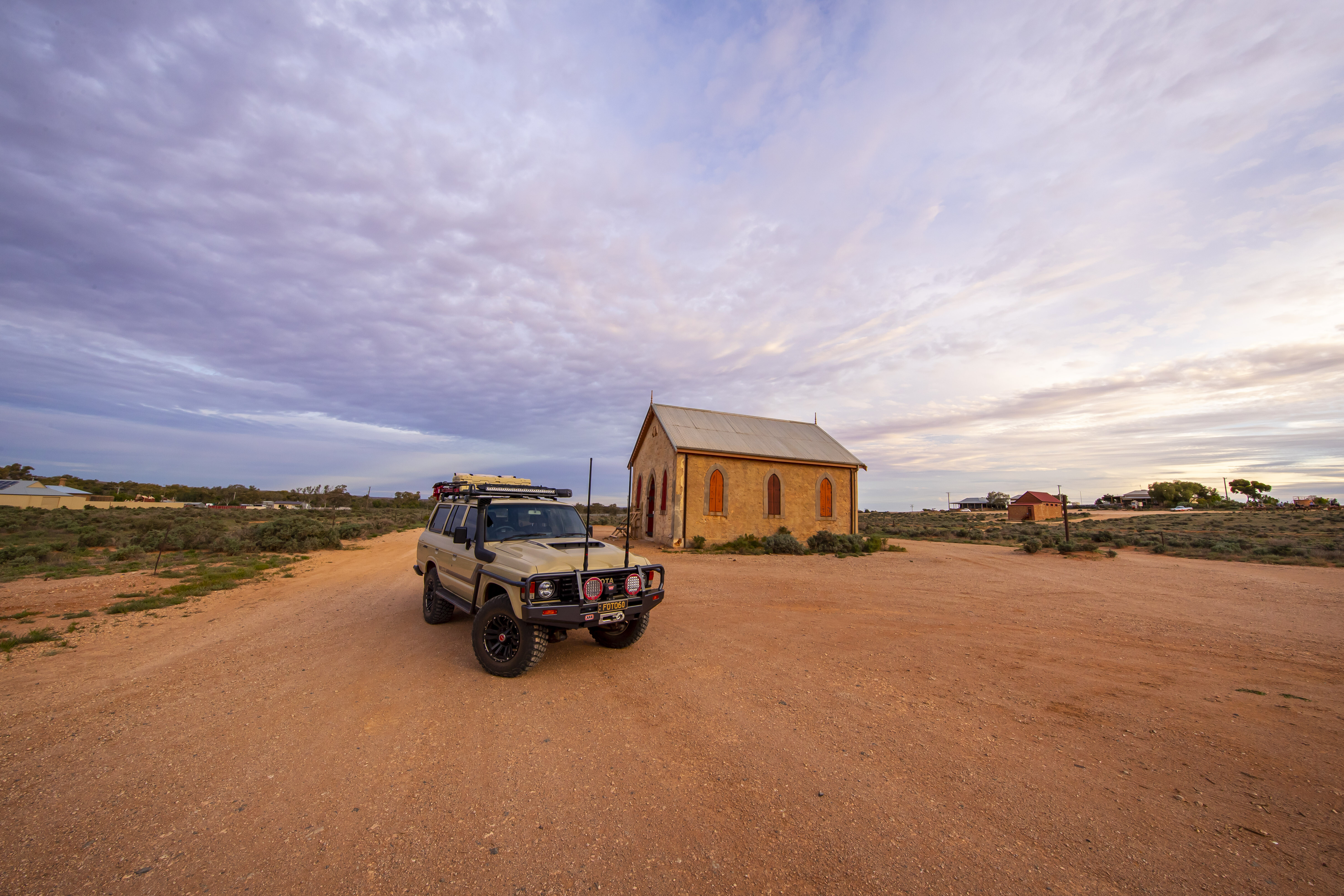
In fact, so captivating is the palette of sunset hues on offer that you might just be enticed to stay for a few days to see it over again … or even longer, as many resident artists have done so over the years.
Despite its ghost town moniker, there are several permanent residents in Silverton, and there is plenty to see and do both in and around the town.
For those staying in Broken Hill, Silverton is an easy 25km drive away, but if you want to stay in Silverton itself, there are several accommodation options including the fabulous Silverton Hotel.
Run by Peter and Patsy Price, the Silverton Hotel is one of those terrific outback pubs that’s jam-packed with character, with walls adorned with memorabilia including hats, guitars and funny signs. It’s a great spot to wash away the outback dust with a cold drink, and you won’t go hungry here either, with plenty of tasty meals to choose from.
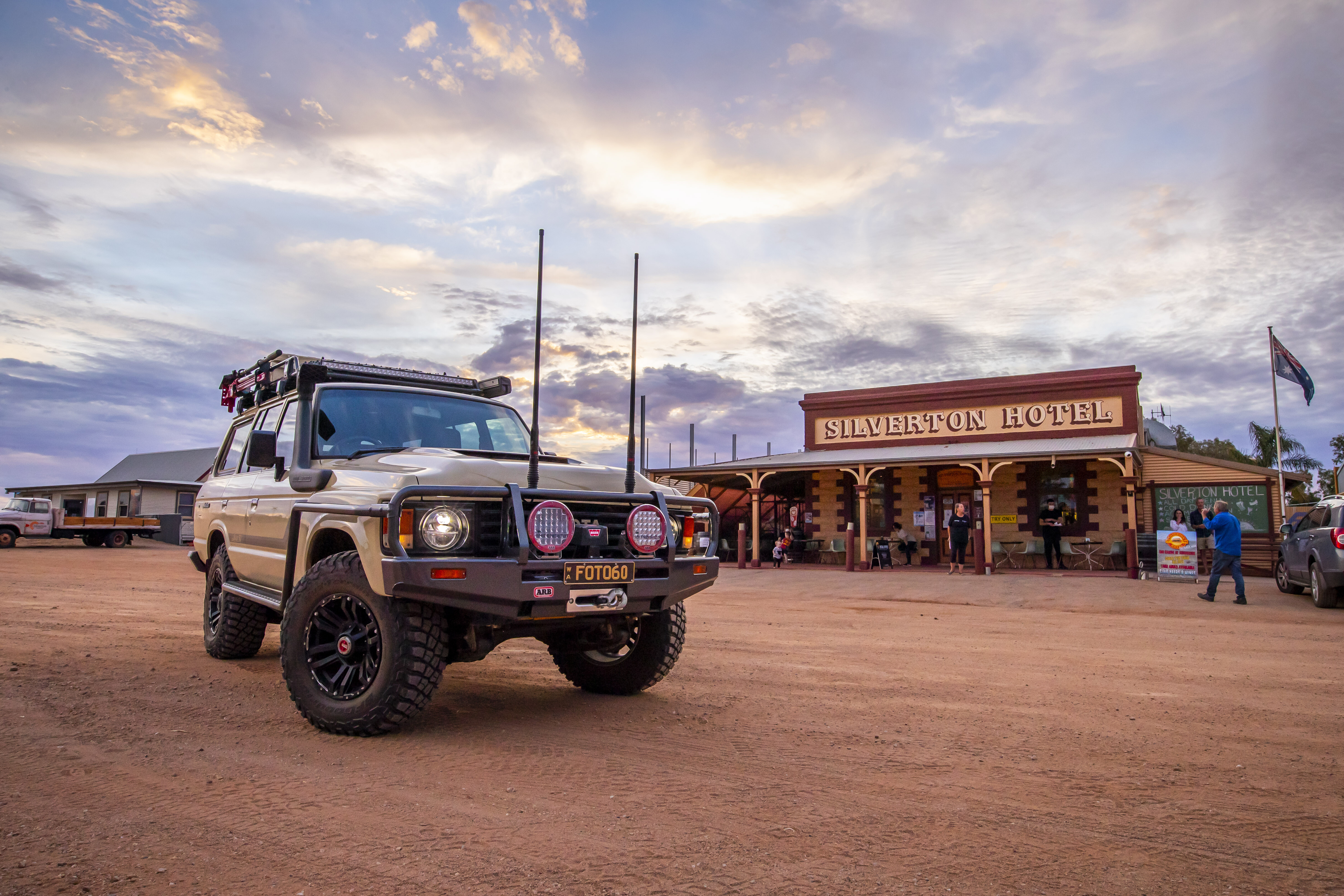
The original Silverton pub was built in 1884 and this was later replaced by a two-storey building that burnt down in 1918, the year in which the hotel moved in to what was once the town’s post office, where it remains today.
For those who want to stay overnight, out the back of the pub are seven self-contained units that Peter built himself, and these are situated opposite the ruins of the original two-storey pub. Peter used recycled timber and iron for the exterior of the accommodation block, giving it a rustic appearance, but throw open the doors and the immaculately maintained rooms are modern, spacious and comfortable.
Other nearby accommodation includes Penrose Park, which is a short stroll from the centre of town and offers powered and unpowered campsites, as well as self-contained en-suite cabins. Or for those who wish to experience life on an outback property, the award-winning Eldee Station is just a 15-minute drive to the north of Silverton.
Nestled in the spectacular Barrier Ranges, Eldee is a four-wheel driver’s paradise, with plenty of challenging rocky tracks that take you in to and to the top of the Barrier Ranges. Accommodation options here include powered and unpowered campsites, as well as several air-conditioned suites and rooms.
Eldee hosts, Naomi and Stephen Schmidt, also operate the Silverton Bakery back in town, which is situated adjacent to the pub in Layard Street. Pies, cakes, pastries, breads and biscuits are all prepared on-site at the bakery, which also offers barista-made coffees, milkshakes and other beverages.
However, you’re not in Silverton to just eat and sleep. Take a wander around town on foot and you will soon discover a couple of art galleries, including a colourful corrugated tin shed just a stone’s throw from the pub that is the working studio of artist John Dynon. Slight in stature, John is a larger-than-life character who describes himself as Silverton’s unofficial mayor, sheriff and town drunk.
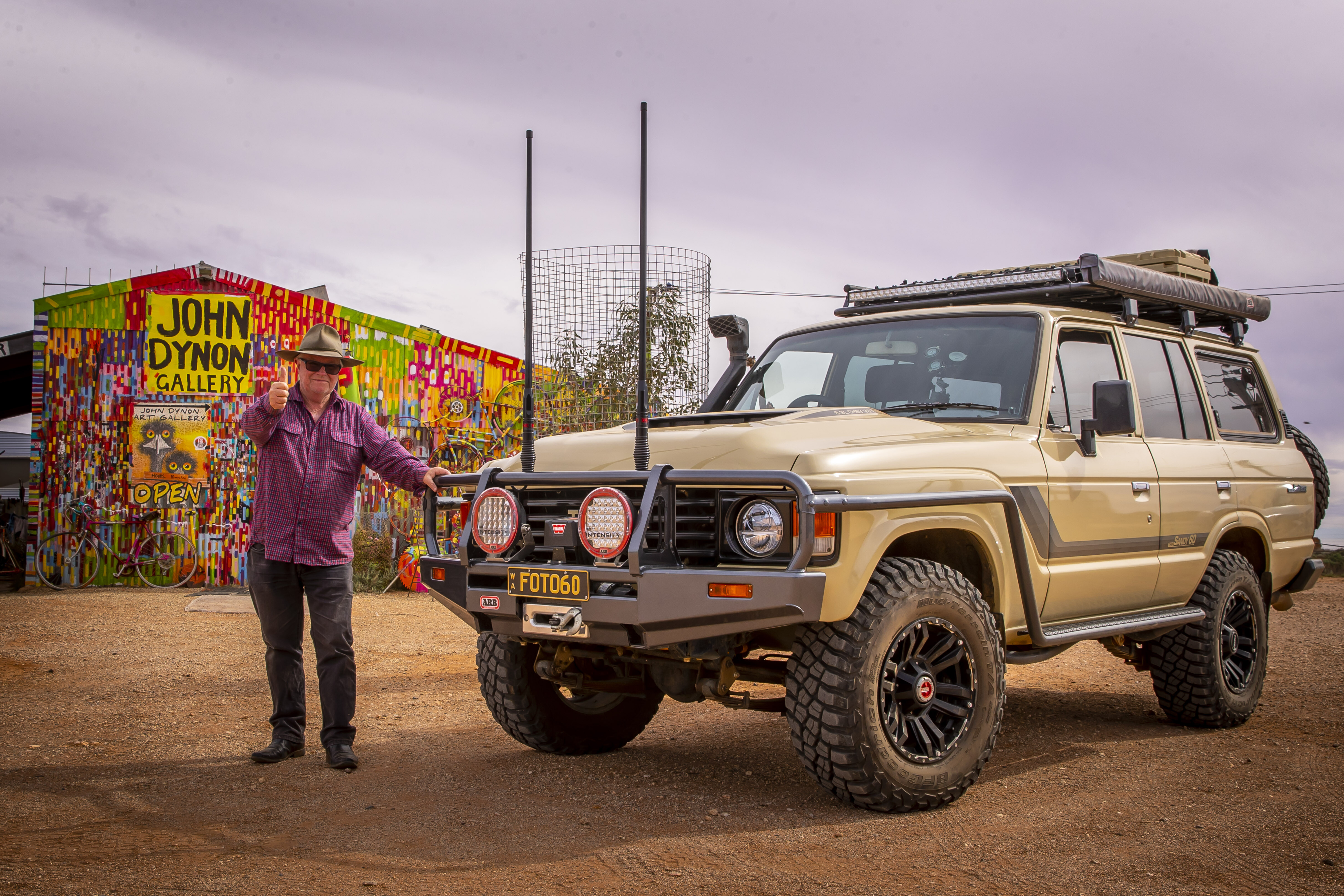
Many of John’s paintings depict scenes in the nearby Mundi Mundi Plains and the Barrier Ranges, and it’s in these works that he so accurately captures the colours of the outback when he applies paint to canvas. This ex-miner is one of Australia’s most accomplished artists, and his works appear in collections throughout Australia and the world, including one example that hangs outside my own office door.
As well as landscapes, some of John’s works depict comical emus, and back in 2015 his ‘emu’ art was chosen to appear on 780,000 ‘XXXX’ cans, commissioned to celebrate the 50th anniversary of St Patrick’s Race Day in Broken Hill.
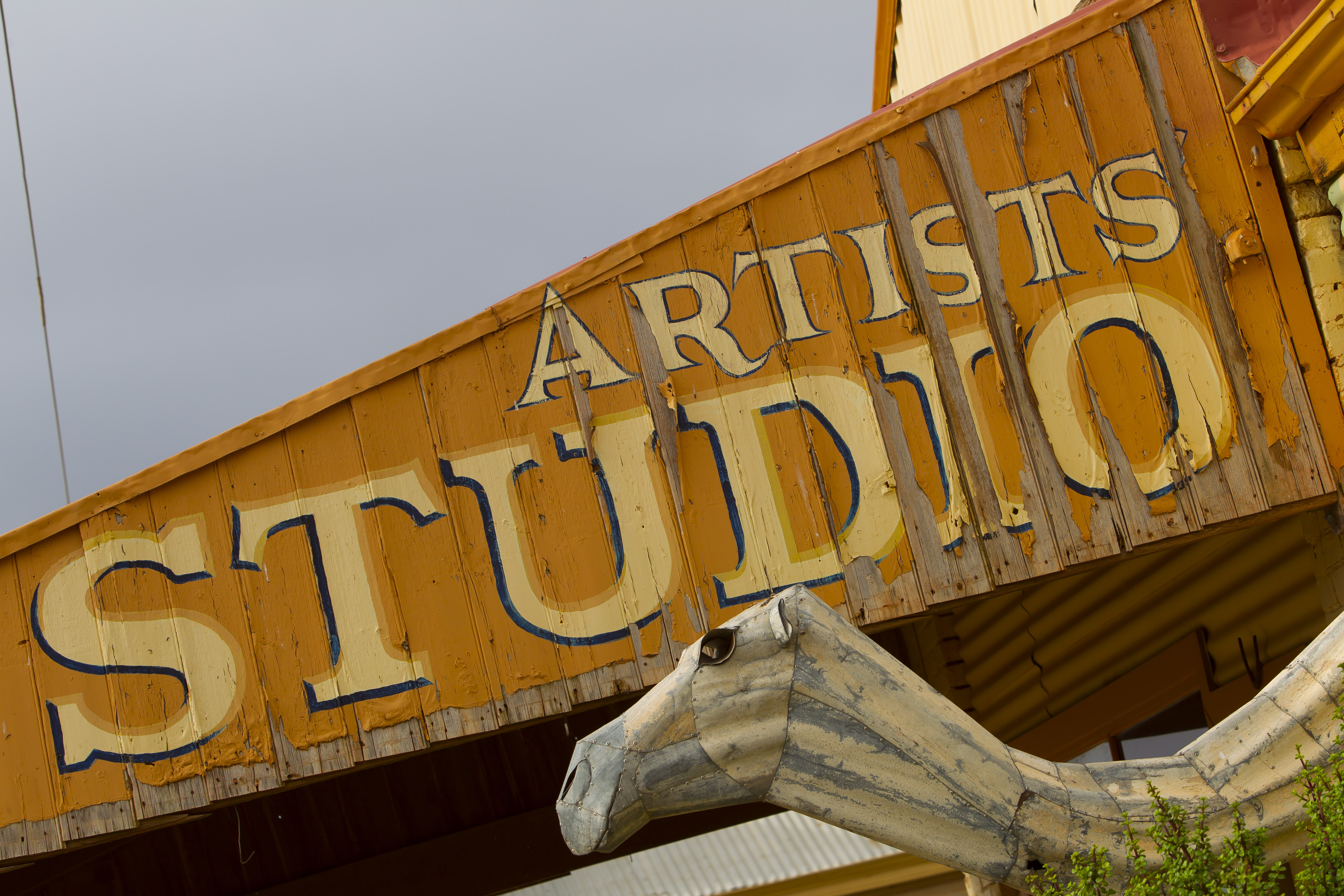
Head farther up Layard Street and turn left in to Loftus Street and you will find Justin Cowz Ghost Town Art Gallery, located in one of the town’s restored buildings that dates back to the 1880s. Justin says the inspiration for his eclectic artworks comes from his love of animations, nature and the Australian desert, and this can certainly be seen in many of the colours he uses.

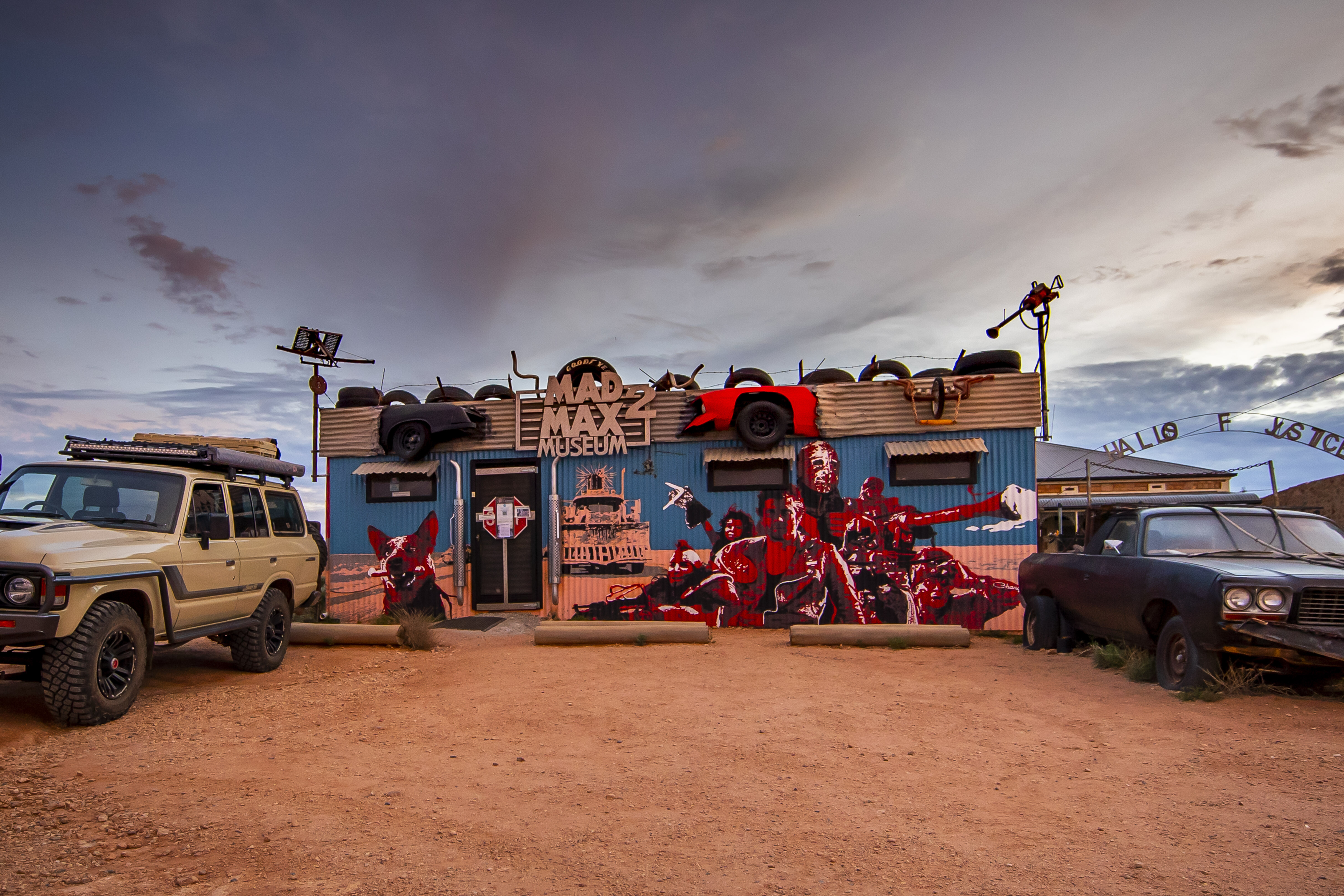
Head back towards Layard Street, hook a left and you will see the fabulous Mad Max Museum, which was set up in Silverton due to the fact that much of Mad Max 2 was filmed in the area, with the famous truck rollover scene at the end of the movie shot out on the Mundi Mundi plains.
Fans of the iconic Aussie movie franchise will be blown away by the collection of genuine and replica memorabilia in the museum, as well as the extensive collection of cars that were used in Mad Max 2, and the vast array of photos taken when the movie was shot here back in the early 1980s.
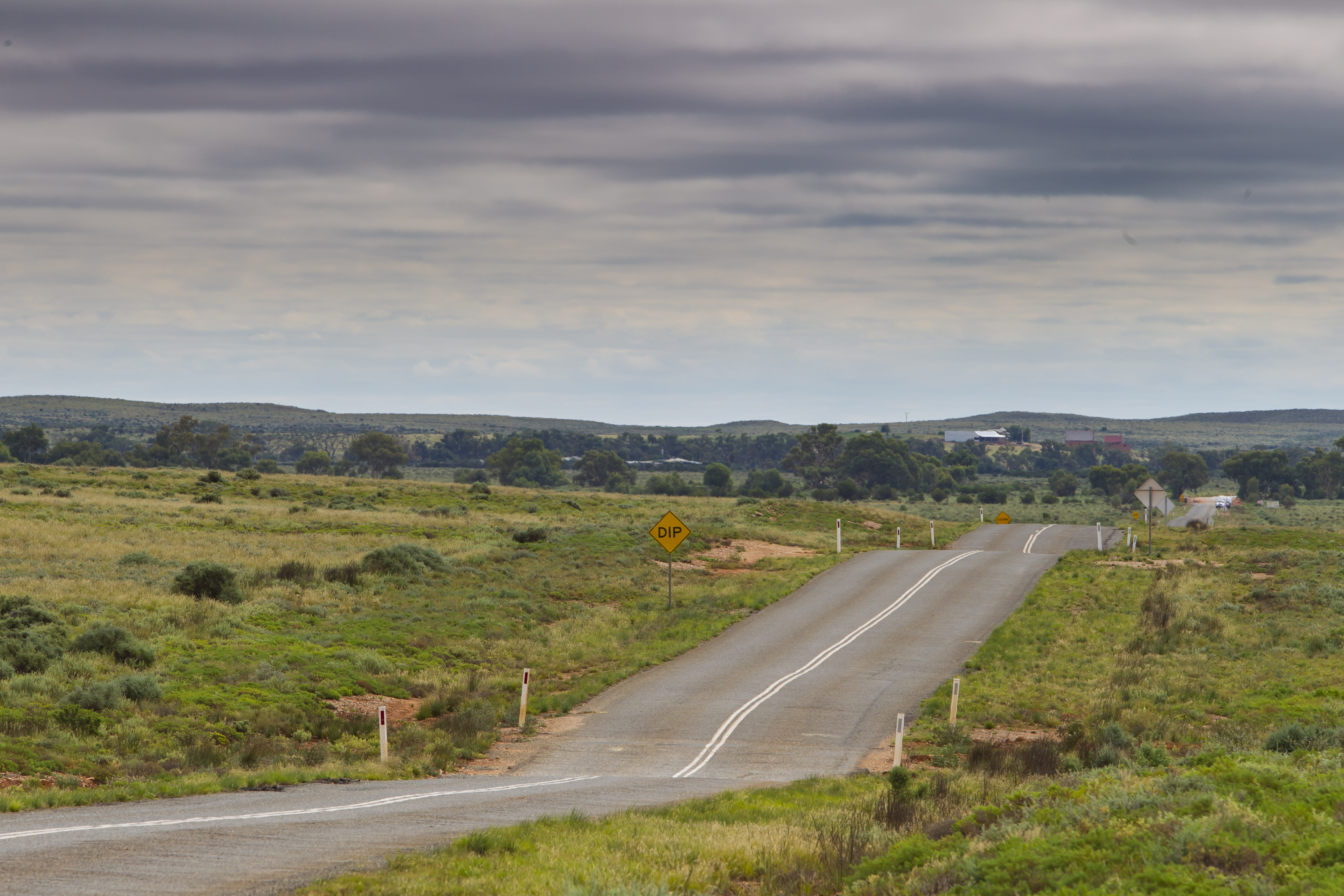
Just beyond the museum is Beyond 39 Dips studio, which is named after the undulating road to Silverton from Broken Hill. This studio specialises in original kiln-fired glassware, glass jewellery and handcrafted leather accessories. Some of the pieces are truly exquisite, and all are definitely unique.
Those who aren’t too fond of walking might like the idea of taking a camel tour around Silverton. Outback Camel Tours is a family-run business that offers a range of camel rides from short 30-minute stints to overnight treks, as well as farm stays, and the company operates seven days a week. Bookings are essential.
Of course, it wasn’t the colours of the outback that attracted miners to Silverton in the 19th century, and for those who want to gain an understanding of how tough it was to work underground in the late-1800s, a Daydream Mine tour is an unforgettable experience.
The mine operates two tours a day and takes you deep underground to where the miners worked 12 hours a day, six days a week, tapping holes in to the walls of the mine with hammers and then firing them. Young boys would then hand pick and bag the ore after a firing. Sadly, many of the miners succumbed to respiratory diseases.
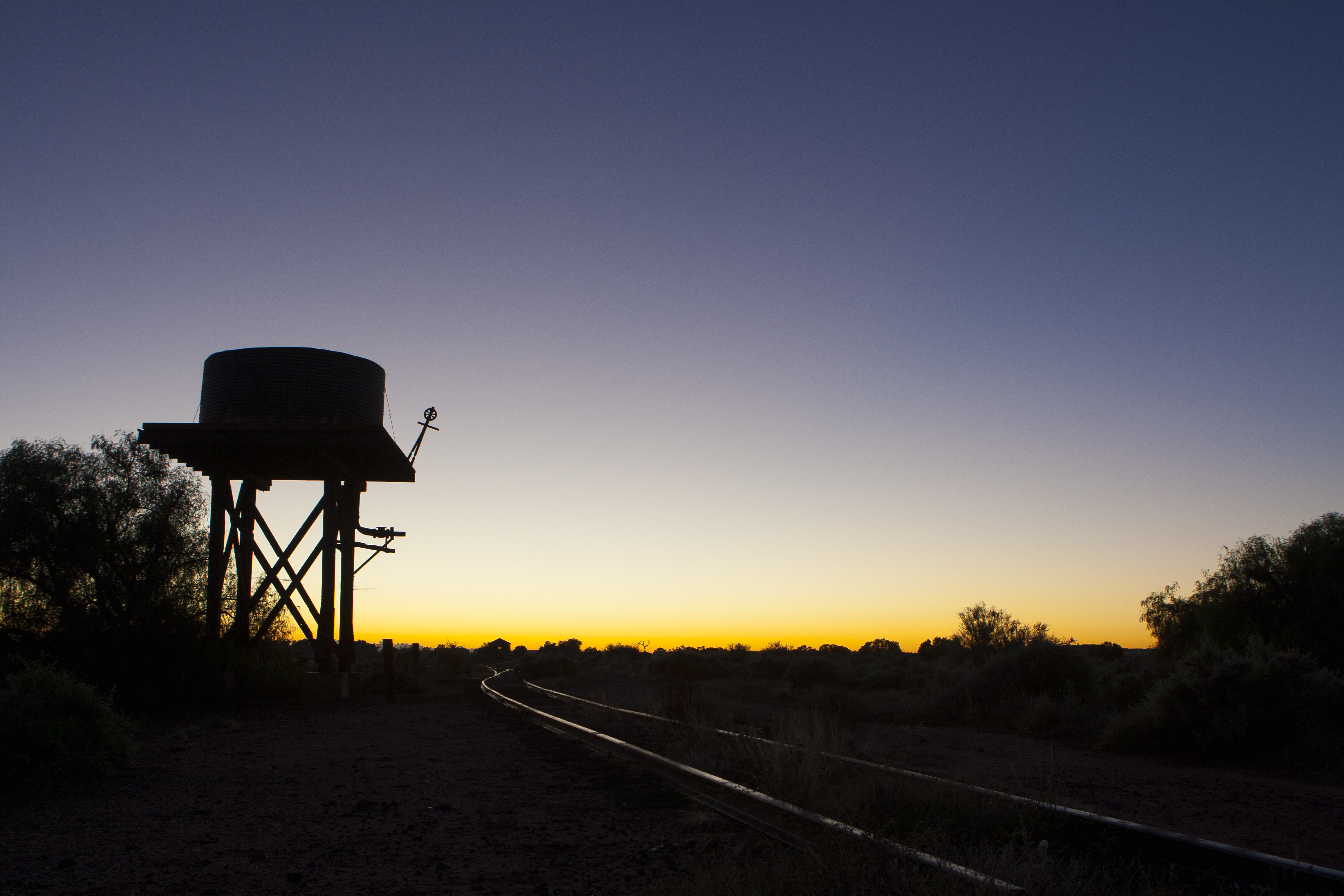
Back on the surface, head a couple of kays out of town to the Mundi Mundi lookout for the expansive view over the Mundi Mundi plains. As with all the landscapes out here, the best time to visit is pre-dawn, to catch the changing light as the sun peeks over the horizon behind you, or just before sunset, to watch the colours change from burnt oranges to pinks and then purples.
Bring some warm clothing, as it can get very cold here once the sun has set, and there is no protection from the wind which can be quite strong at times, as evidenced by the growing number of wind turbines you may spot as you drive beside the Barrier Ranges.
No matter whether you continue north to Eldee or head back to Silverton, take care when driving at dawn, dusk and night, as there is plenty of native wildlife about, as well as feral animals and livestock. Fitment of a decent bullbar and good quality driving lights is strongly recommended when driving out here.
If you feel the need for more activities when visiting, the area around Silverton and the Mundi Mundi plains has plenty of events taking place throughout the year, including the Mundi Mundi Bash music festival and the annual Eldee Easter Safari, both of which are family-friendly events.
The pub also regularly hosts live music. But if, like me, you’d prefer a bit of quiet so you can experience the beauty of the outback without interruption, there are plenty of times throughout the year when you’ll see little more in the main street of Silverton than a few wandering donkeys.
If you haven’t been to Silverton before, you really must get out there. If you have, you’ve probably already been back more than once.
Getting there
Broken Hill is a 1142km drive from Sydney, 837km from Melbourne, and a lazy 515km from Adelaide. Silverton is only 26km west of Broken Hill.
The sealed road from Broken Hill to Silverton is very undulating and the surface can be rough, depending on how much rain the area has copped and how often road crews have been able to do maintenance.
There is often a dry creek crossing as you come in to town, but with heavy rains this can occasionally flow with muddy water, in which case the road to Silverton will be closed. If unsure, check with local authorities before leaving Broken Hill.
Accommodation
Silverton Hotel: silvertonhotel.com.au; phone (08) 8088 5313 Penrose Park: penroseparksilverton.com; phone 0458 600 891 Eldee Station: eldeestation.com; phone (08) 8091 2578
Food
Silverton Bakery: silvertonbakery.com.au; phone 0429 912 578
Art
John Dynon Gallery: store.johndynon.com.au; phone 0429 060 413 Justin Cowz Ghost Town Art Gallery: justincowzghosttownartgallery.square.site Beyond 39 Dips: beyond39dips.com.au; phone (08) 8088 7566
Activities
Mad Max Museum: facebook.com/MadMaxMuseum; phone (08) 8088 6128 Daydream Mine: daydreammine.com.au; phone 0427 885 682 Outback Camel Tours: silvertonoutbackcamels.com.au; phone 0428 602 664
5 things to see and do
MUNDI MUNDI LOOKOUT
Not far from Silverton, on top of the Barrier Ranges, is the Mundi Mundi Lookout. From here is an expansive view of the vast Mundi Mundi plains with amazing colourful sunrises and sunsets, and dust and thunder storms. The road down from the lookout was in a scene from the movie Mad Max 2.
MAD MAX MUSEUM
On Stirling Street, Silverton, the fabulous Mad Max Museum honours the dystopian movie franchise with a display of genuine and replica memorabilia, and an extensive collection of cars used in Mad Max 2 which was filmed in the area and out on the Mundi Mundi plains.
BUSH ART
Formerly a silver mining town, Silverton has long been renowned for its arts heritage, attracting filmmakers and painters to the surrounding outback desert and big sky landscapes. The town’s galleries include artists in residence, such as the John Dynon Gallery and Justin Cowz Ghost Town Art Gallery, both artists faithful to the colours and hues of the local area.
SILVERTON PUB
The Silverton Hotel itself has been in many movies going back a half century and is a typical outback pub packed with character, the walls adorned with hats, guitars and funny signs. Great for a cool drink and a feed, with quality self-contained unit accommodation available too.
DAYDREAM MINE
For those who want to gain an understanding of how tough it was to work underground in the late 1800s, a Daydream Mine tour is an unforgettable experience. The silver mine operates two tours a day and takes you deep underground to where the miners worked 12 hours a day, six days a week.
Over the years that I’ve been driving four-wheel drives, testing vehicles and playing around trying to get better brakes for the vehicles I regularly use, I’ve found the search and the work to be frustrating for what has been limited success and an improvement of just a metre or three in braking distance.
Of course, when you add more weight as you do when heading off on a trip, the braking distance of your vehicle will increase significantly. Add a camper trailer and that distance could leap again!
So, when we decided to improve the brakes on the 79, we first checked what we had and found the pads, discs, brake lines and brake booster were all in good nick – all pretty standard fare, but in more than reasonable condition.
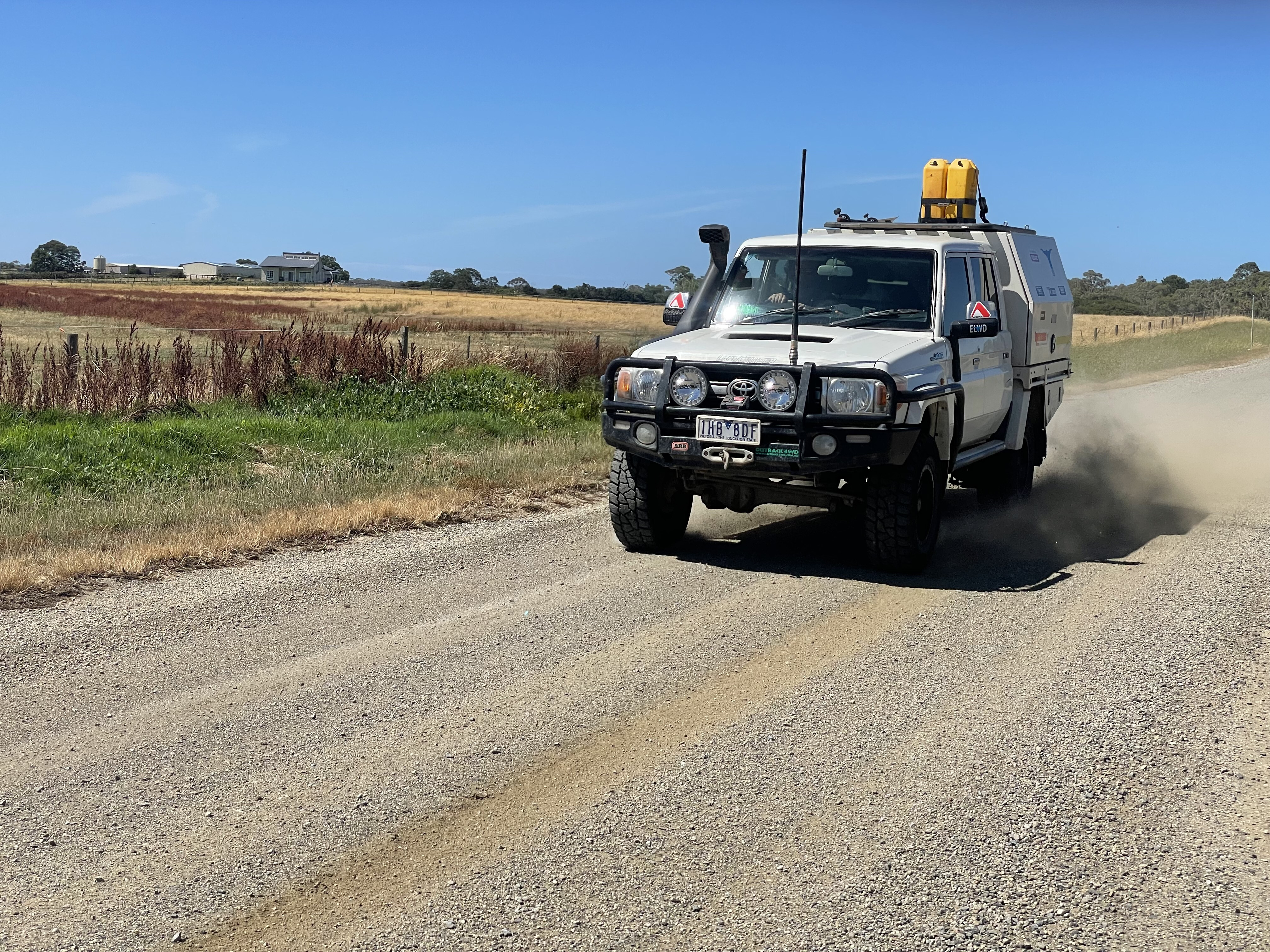
We then took the vehicle out for a test on both a smooth bitumen road and a good gravel road that featured some loose gravel. Before doing so, we filled the fuel tank and ensured that the rest of the load the vehicle was carrying could be replicated later. Tyre pressures were also checked to ensure they were the same for all tests.
We also got a sunny, dry day and that was the plan for the second lot of testing as well, which was done over the exact same sections of road. Maybe it wasn’t scientific, but it was practical and we did five or six runs to get a reasonable average.
The vehicle speed was a steady 80km/h as we hit the anchors. What was interesting in all cases was that the braking distance was always the longest for the first brake test; something to do with pads and discs being too cool, so we discounted that figure in all our averages.
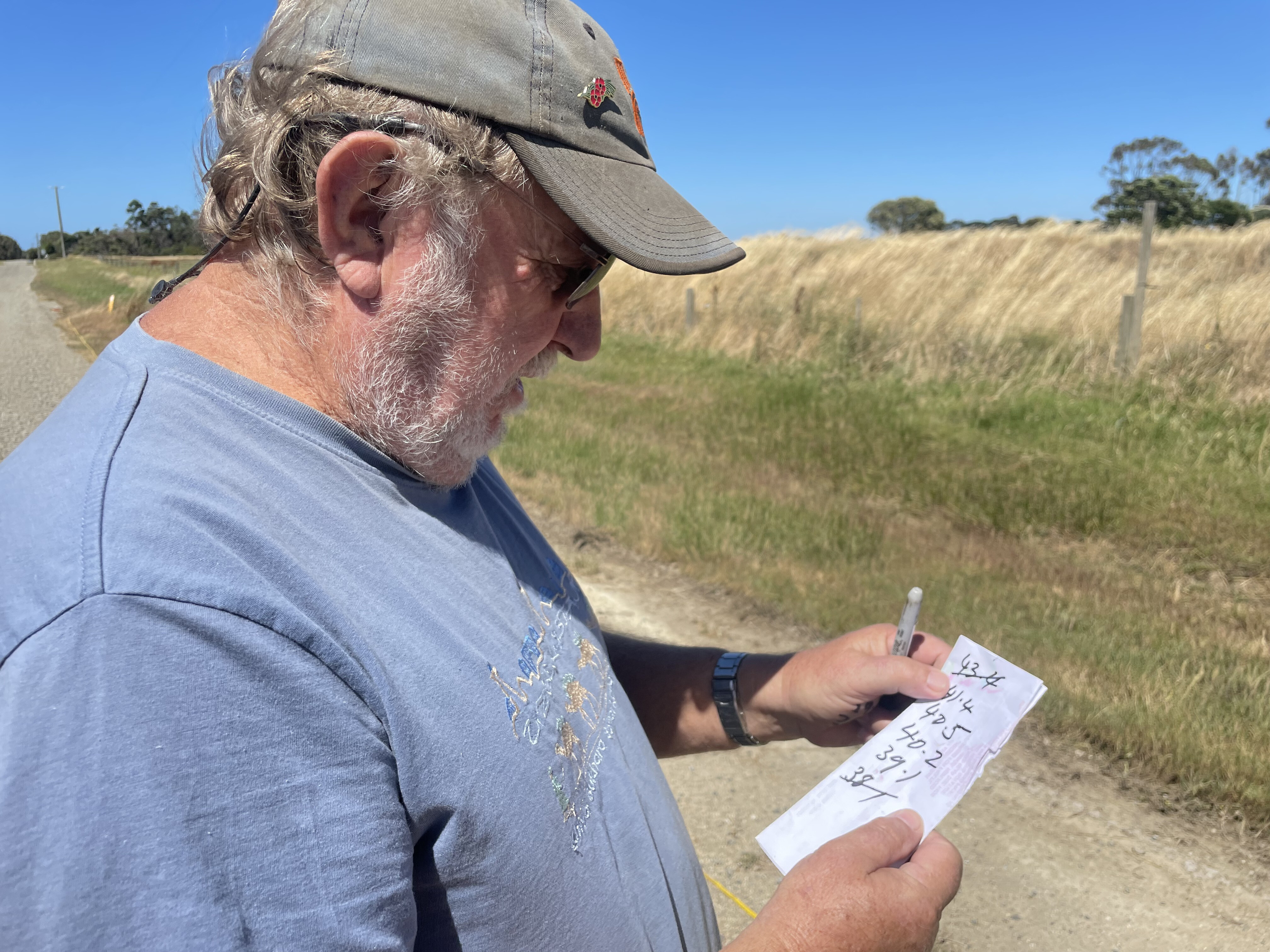
On the blacktop the Cruiser with its standard set-up pulled up at an average distance of 30.2m, while on the dirt road that distance stretched to 40.3m. That’s pretty similar to all the previous testing I’ve done on my Patrol, other Cruisers and a range of other 4WDs – the braking distance being much the same, give or take a metre or two.
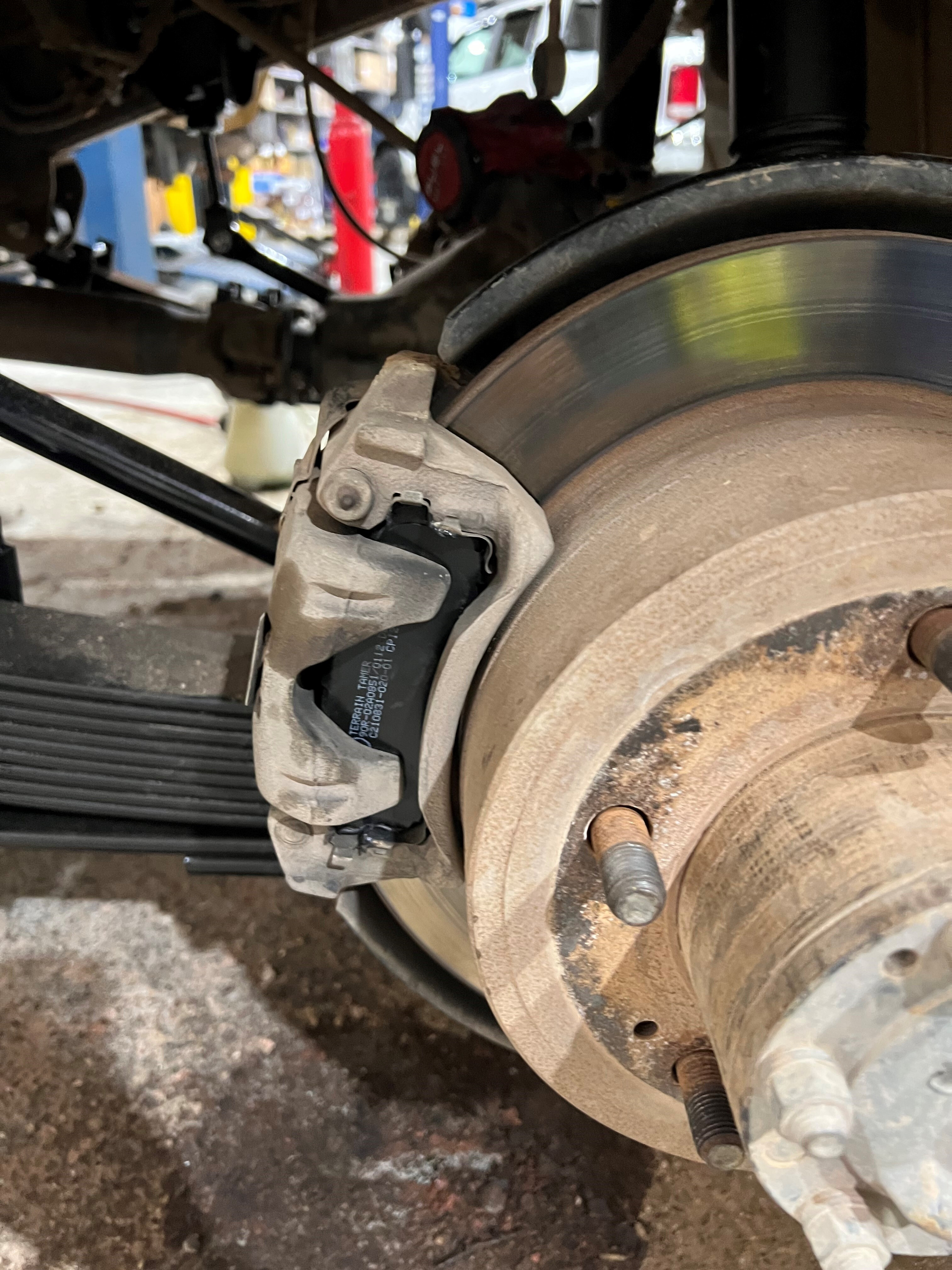
Then we fitted Terrain Tamer’s fortified brake pads, braided brake lines and a heavy-duty brake booster. We resisted the opportunity to change the discs to grooved or pitted discs which, we’ve found, are an improvement over standard smooth discs. We also stayed away from changing calipers and the like, as that becomes an expensive exercise … and it’s not practical in many cases.
Brake pads and how good they are and how much they wear over a given distance is all a bit of a ‘black art’, I reckon, and you’ll hear all sorts of claims from every manufacturer.
Terrain Tamer, for its part, says that its Fortified Brake Pad is designed to partner with the vehicle that is either carrying a significant load or placing the vehicle’s braking under significant pressure, such as on long downhill braking episodes.
It goes on to state that its brake pads will hold braking capacity through extreme usage, they are E1 Euro Certified, and feature better stopping power, reduced dust and improved wear resistance, while a red coating assists the bedding-in process. Pretty standard claims for an aftermarket pad, I’ve come to realise.
So, would you notice any difference in braking distance if you just changed your pads? Possibly … but it would be minimal. Wear rates and brake fade would probably be much better though over your standard OE pad.
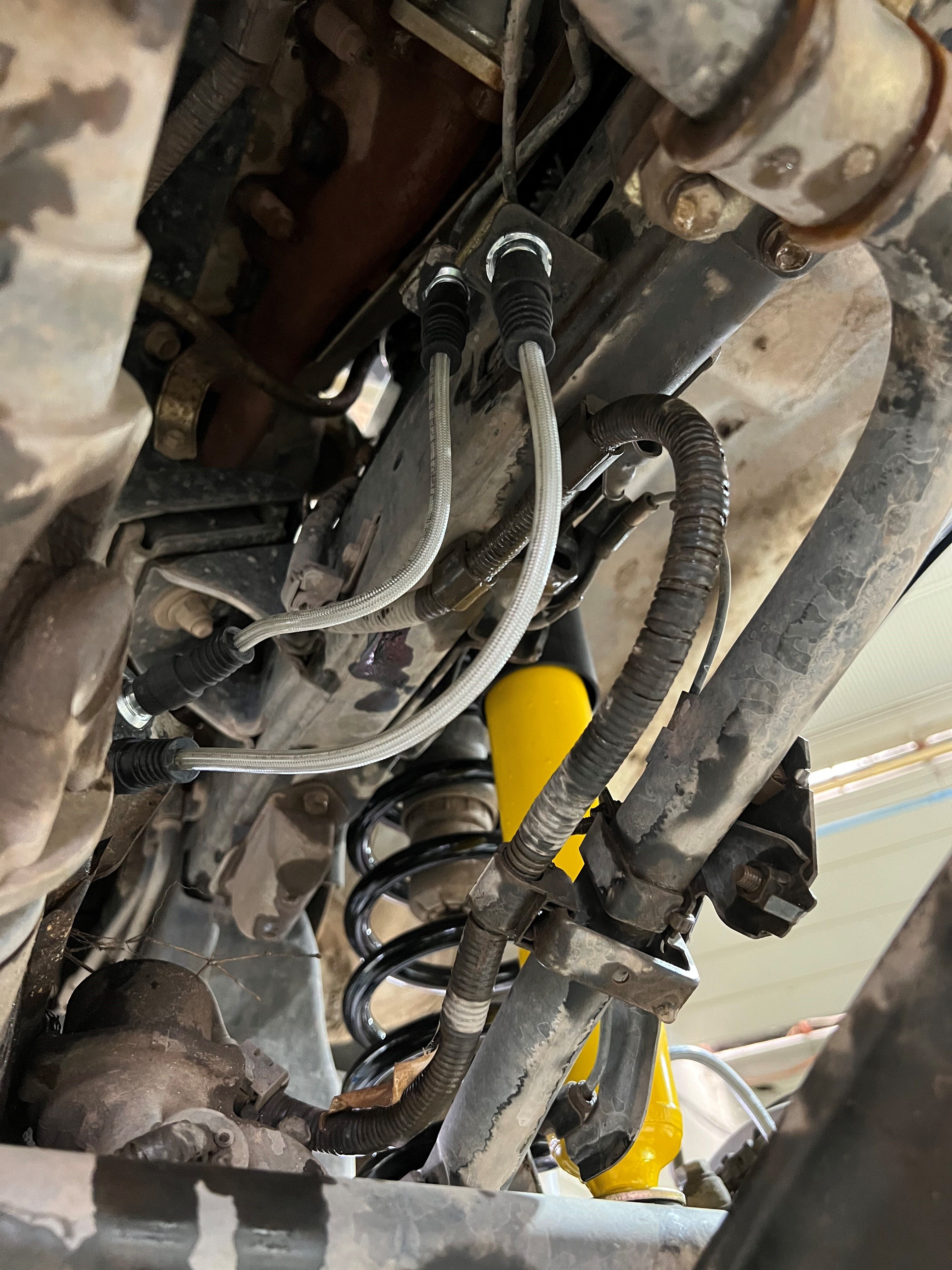
For the braided brake lines, there is no argument. They are way better than what you’ll find on your OE-equipped 4WD with the standard non-braided brake line. These standard rubber lines or hoses are made from some form of reinforced rubber, and with pressure and stretch, means that there is less effective pressure reaching the brake calliper and the pads.
Braided lines feature a close-knit steel mesh surrounding the normal reinforced rubber brake hose, which greatly resists any swelling of the line, which means all the pressure generated by the brake booster is transmitted to the brake calipers and the pads.
That also translates to a much greater, quicker and more effective braking response. Terrain Tamer’s braided brake lines come with a stainless-steel outer and would provide a longer life to the brake line itself.
Would you notice the difference? Brake feel would be sharper and you’d definitely notice it, while braking distances would improve, maybe by even more than a metre or more, which can mean the difference between a big smash or a tinkle!
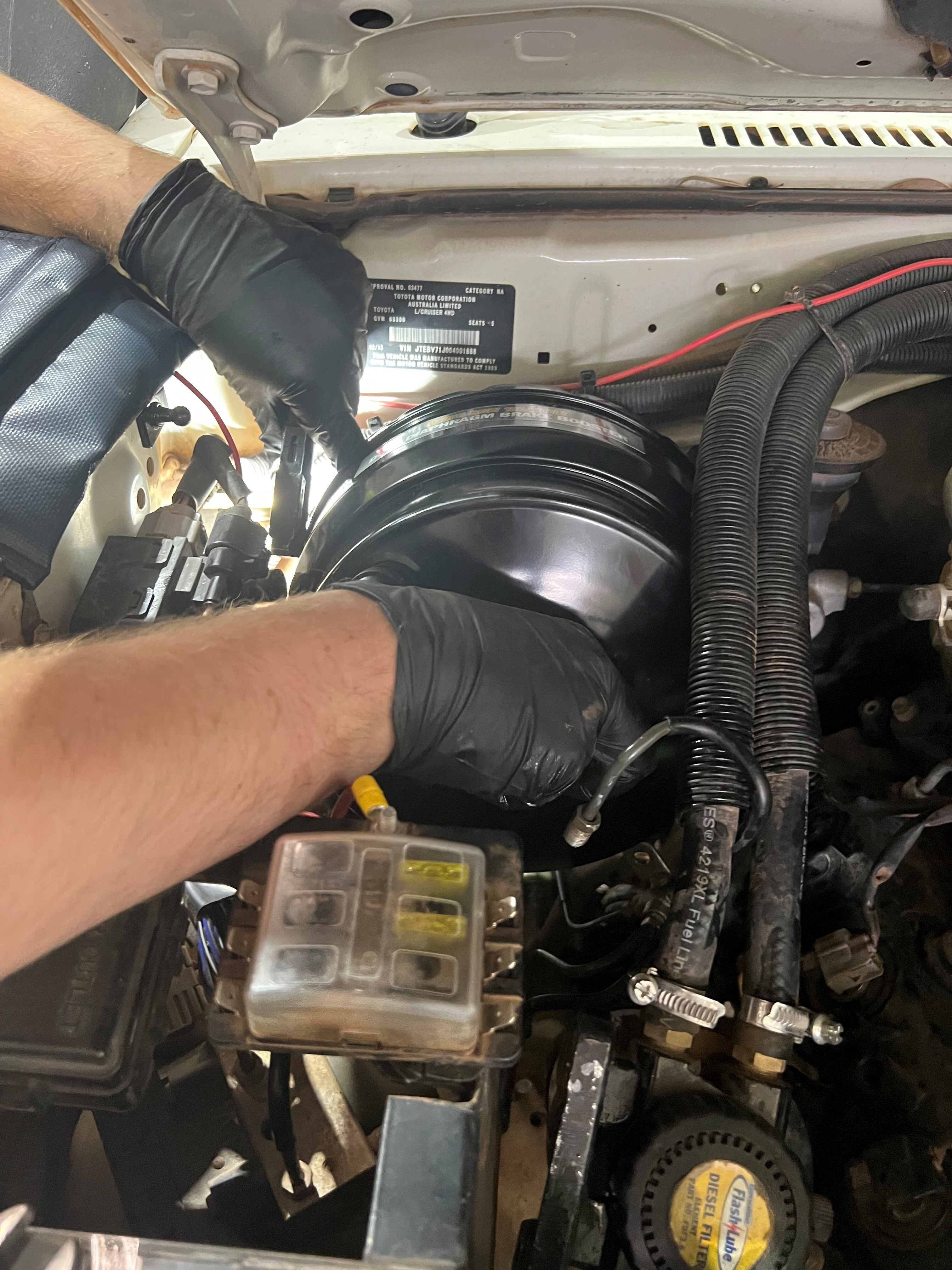
Then there is the vacuum brake booster, which is the standard fare in most 4WD vehicles here in Australia; although, the bigger American-sourced pick-ups, such as the Ford F-250 and the like, run an hydraulic brake booster. You can get kits that change a vehicle’s brake booster from a vacuum version to a hydraulic set-up, but it’s much more expensive and fiddly – I know, I went down that path with the mighty Patrol.
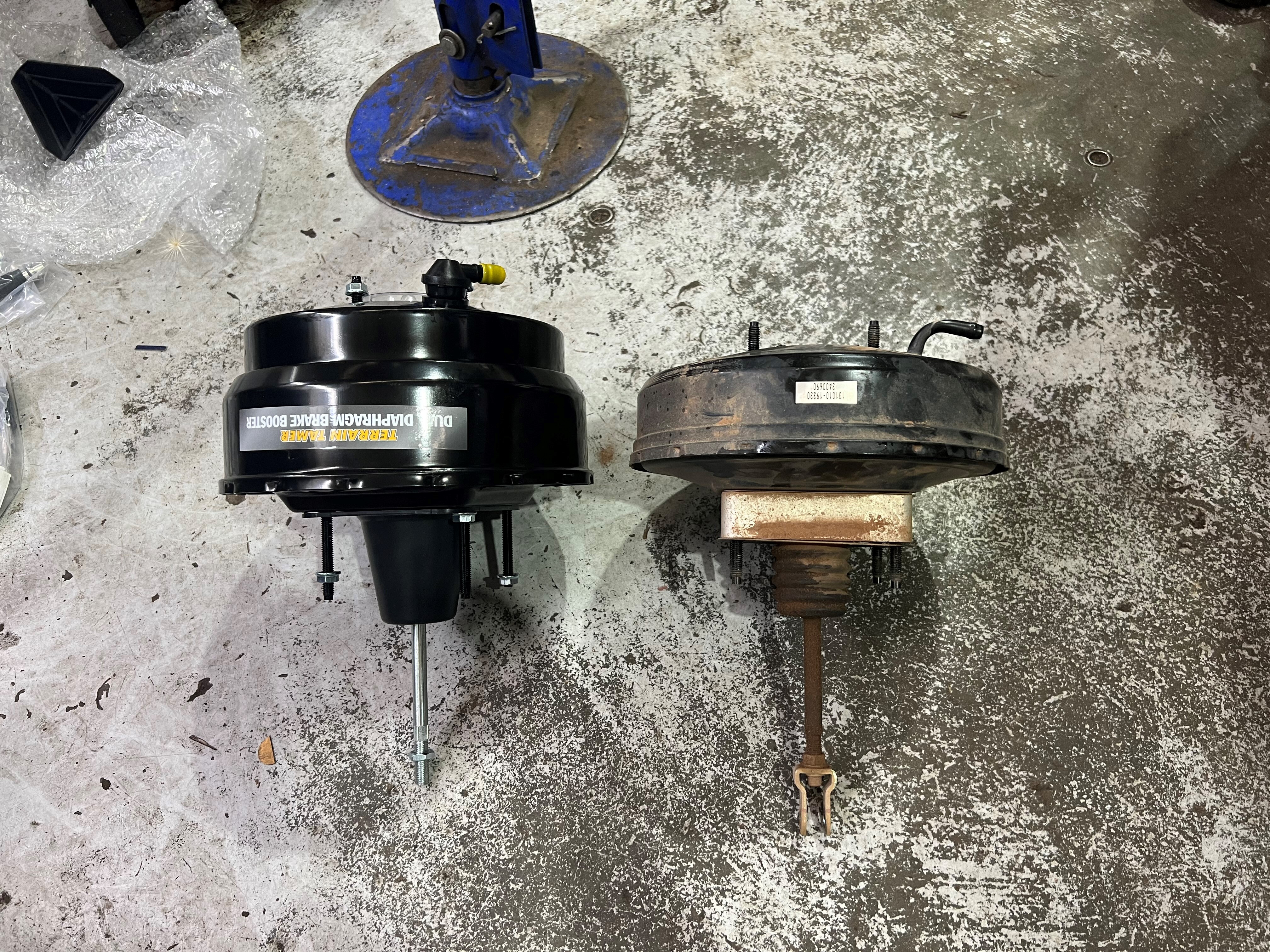
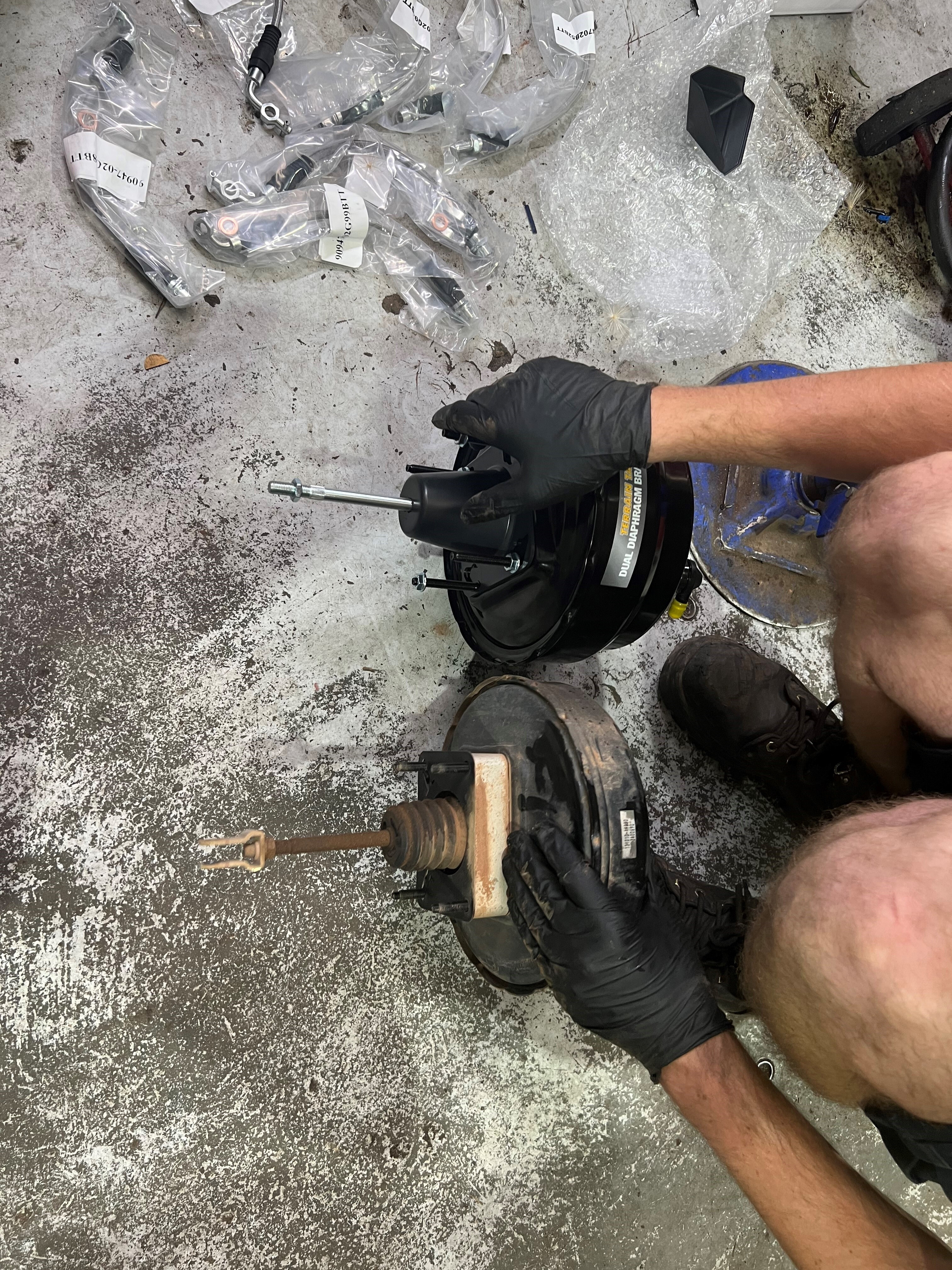
Sticking with the 79 Tojo, it has, as an OE fitment, a single diaphragm vacuum booster. As a general rule, a vacuum brake booster is more effective the bigger in diameter it is, while a twin-diaphragm booster offers the most braking and, for an equivalent amount of braking, can even be smaller in diameter.
The Terrain Tamer brake booster is much the same in diameter as the OE booster, but has twin diaphragms and is physically deeper or longer. The company states its booster offers a 30 per cent increase in braking capacity – we’ll take its word for it, as it seems more than reasonable.
So with new brake pads, braided brake lines and a new brake booster fitted to the 79 Cruiser, we went out and replicated our tests.
I was thinking as we drove out to our test strips, going on past experience, that an improvement of two metres in braking distance would have been acceptable, while three metres would have been outstanding … but I doubted if we’d get that!
Immediately it was noticed that the brakes felt sharper and more responsive even to the lightest touch. Then the first surprise was as soon as we hit the anchors from the set 80km/h, the brakes locked up, which was something that wasn’t happening with the standard OE set-up.
That resultant skidding meant the braking distance was longer than when we regulated our foot braking … and reinforced our desire to get the ABS working properly again after it had been ripped out on a Gulf bush trip.
So, after our desired number of runs, what did we find?
The average braking distance on the bitumen was just 24m. I couldn’t believe that and we checked the figures and ran a couple of more tests to see if we were doing everything right. That was nearly six metres better than our average braking distance beforehand, which works out to be an improvement of around 20 per cent!
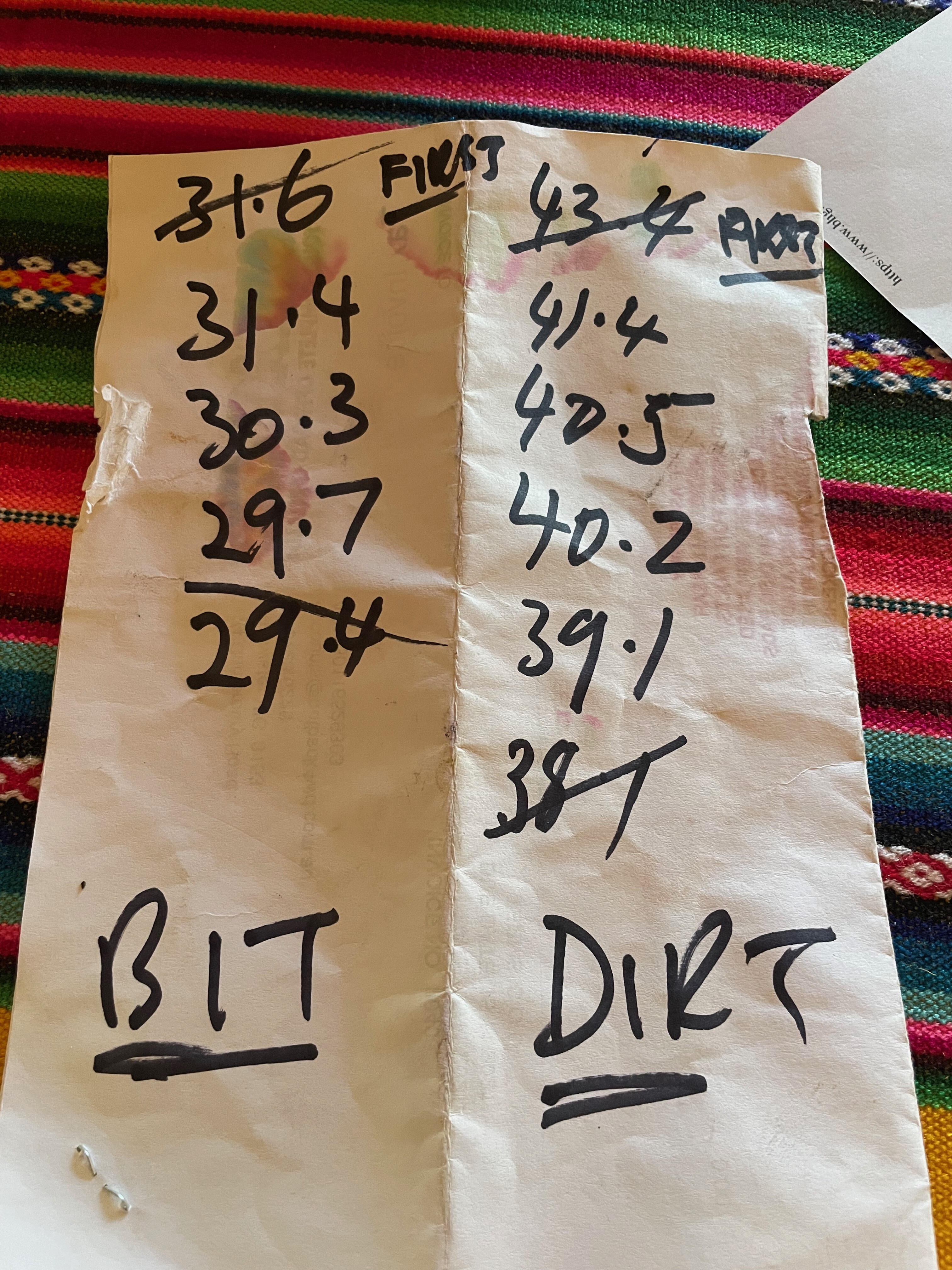
Shaking our heads in wonder, we went to our gravel road and the results were equally outstanding. Beforehand our average distance was 40.3m and now we were down to under 34m – again an improvement of close to 20 per cent.
Two weeks after the tests, I’m still shaking my head in wonder, but there is no doubt the Cruiser is pulling up better and faster, and the brakes are more responsive while exhibiting less heat stress and correspondingly less fade in the mountains. To watch the video of these tests, search for Moon Tours on YouTube.
As we write this, I have a new Troopy on order and this – pads, braided lines and bigger booster – will now be one of the first improvements I do to the vehicle. You will probably get a similar result.
Making these changes is the best bang for your bucks you can do for your brakes … and for your safety!
AVAILABLE FROM: terraintamer.com
RRP: Brake pads $95 (pair); braided brake lines $410 (kit of 4); Heavy Duty Brake Booster $750.
Snapshot
- Factory features include front LED light bar and 18-inch alloys
- Production limited to 600 units
- Pricing increased from $77,390 to $78,890 before on-road costs
UPDATE, May 20, 2022: Volkswagen Amarok W580X on sale as prices increase

The Volkswagen Amarok W580X is officially on sale, with VW confirming 600 units are up for grabs.
The most hardcore variant of the Amarok range, Volkswagen’s latest collaboration with Walkinshaw goes on-sale from $78,890 before on-road costs – a $1500 increase over its initial price listing when revealed last year.
In addition to the standard Amarok 580’s 190kW/580Nm 3.0-litre turbo diesel V6, the W580X scores lifted springs, MTV twin tube dampers, wheel arch extenders, a 4mm-thick 5052 marine grade aluminium bash plate, steel rock sliders and a 75-watt LED light bar – just to name a few equipment upgrades.

Joining the nearly 1400-strong line-up of Amaroks to roll out of Walkinshaw’s Clayton facility, the W580X is aimed at the top end of the market who have supported the off-road focused ute, with VW claiming roughly 20 per cent of V6 Amarok sales have been fettled by Walkinshaw.
“The current generation Amarok is widely loved for V6 power and towing, and praised by media for still setting the on-road benchmark for driving dynamics,” said Brand Director of Volkswagen Commercial Vehicles, Ryan Davies.
“The W580X retains this high watermark while adding authentically Australian elements perfect for the most rugged local off-road conditions.”
Its debut comes just a handful of weeks before Volkswagen unveils the brand new, second-generation Amarok – based on the upcoming Ford Ranger.
The story to here
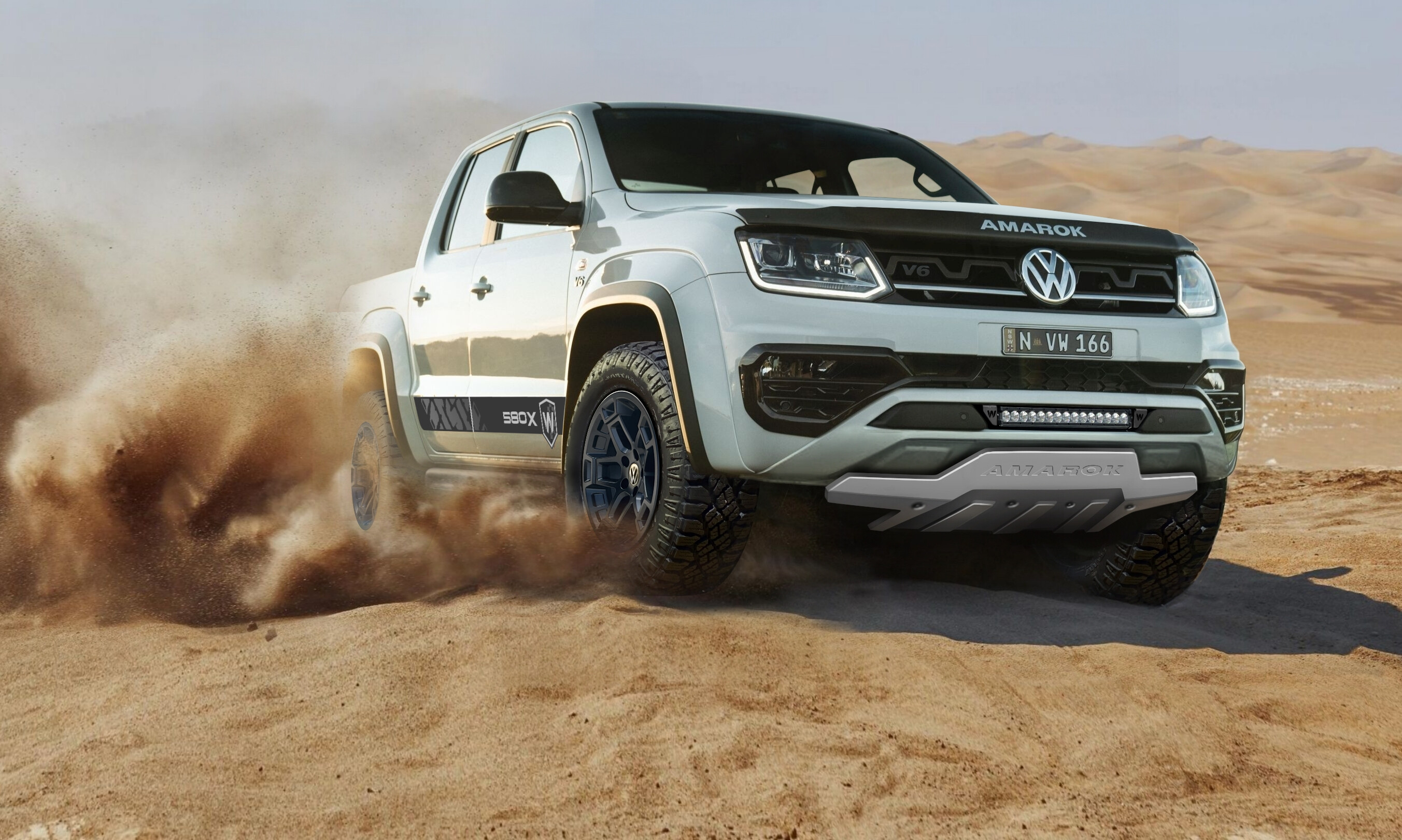
December 14, 2021: Volkswagen Amarok V6 W580X pricing and specs
The off-road-focused W580X VW Amarok, expected to arrive in showrooms during April 2022, has been developed by Australian company Walkinshaw Group.
Vehicles are sent from Argentina to the Melbourne-based Walkinshaw workshop to receive a significant makeover courtesy of its range of unique accessories.
Upgrades for the W580X Amarok start with an in-built LED light bar in the front bumper, 18-inch forged alloy wheels with Pirelli Scorpion all-terrain tyres, as well as a raised breather kit for what looks to include both front and rear differentials as well as the gearbox and transfer case.

Underbody protection is a major focus with this model, with some stout inclusions from the factory. Starting with a rear differential skid plate and a transmission bash plate, which runs from the front cross member covering the whole length of the transmission and transfer case.
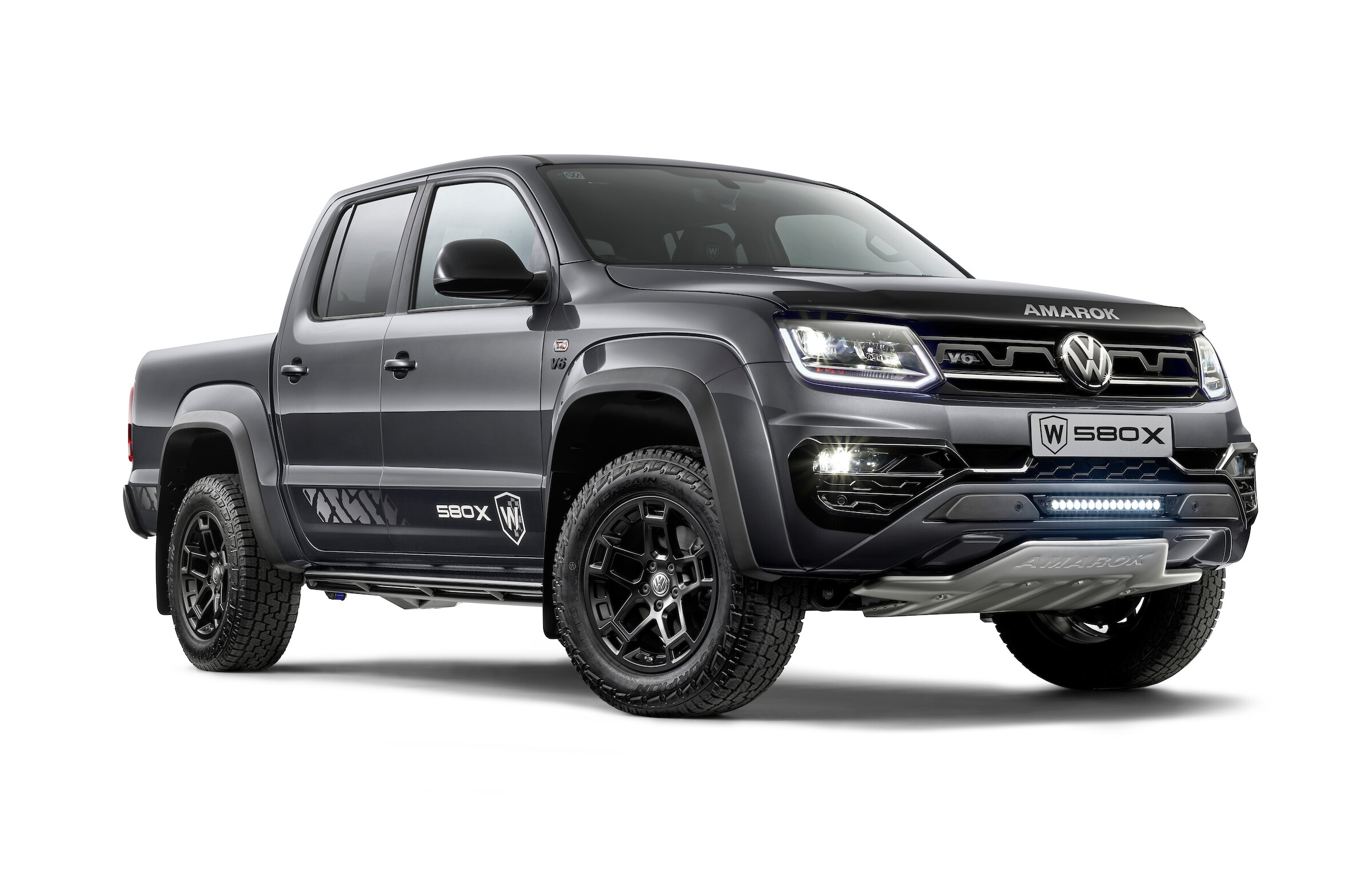
There is also a 4mm-thick alloy bash plate fitted to the front of the Amarok W580X, a substantial piece of metal designed to protect vital components in the front end while playing off road.
VW has also added some beefy looking side-steps to the W580X model, which look strong, but appear to mount to the body and clamp around the chassis instead of mounting directly to the chassis like a traditional rock slider.
Off-road-focused suspension upgrades have also been included, with thicker diameter twin-tube shock absorbers tuned for off-road conditions. The front end has been raised 40mm, which gives a more aggressive look while naturally providing much-needed boost in ground clearance.
Mechanically, the engine and driveline remain unchanged, rolling out with 190kW and 580Nm from the same V6 turbo-diesel motor found in the current 580 Amarok range.
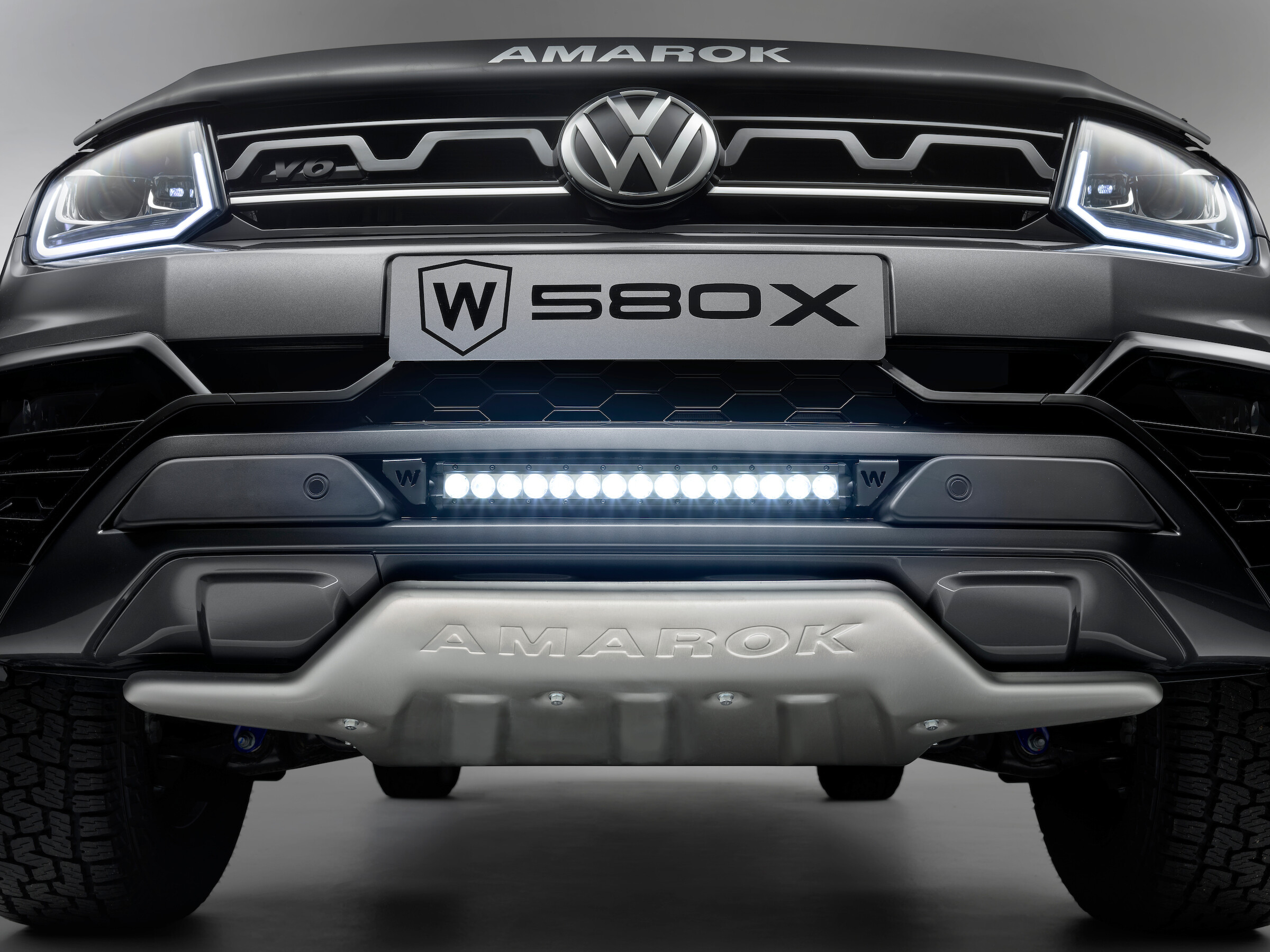
Optional extras for the W580X include a Seikel snorkel at an additional $1390, and a luxury pack featuring 14-way heated front electric seats wrapped in Vienna leather as well as VW’s Discover Media infotainment unit with inbuilt navigation for an additional $4690.
Pricing for the off-road-orientated Amarok V6 W580X starts at $77,390, not including premium paint.
Snapshot
- Ssangyong J100 spied undisguised ahead of reveal
- Electric SUV to feature off-road inspired styling
- Initial rumours of Musso nameplate being used quashed with Torres name confirmation
UPDATE, May 20, 2022: Ssangyong Torres off-roading SUV teased
Korean manufacturer SsangYong has released official teasers off its upcoming Torres SUV, aimed at the off-roading market.
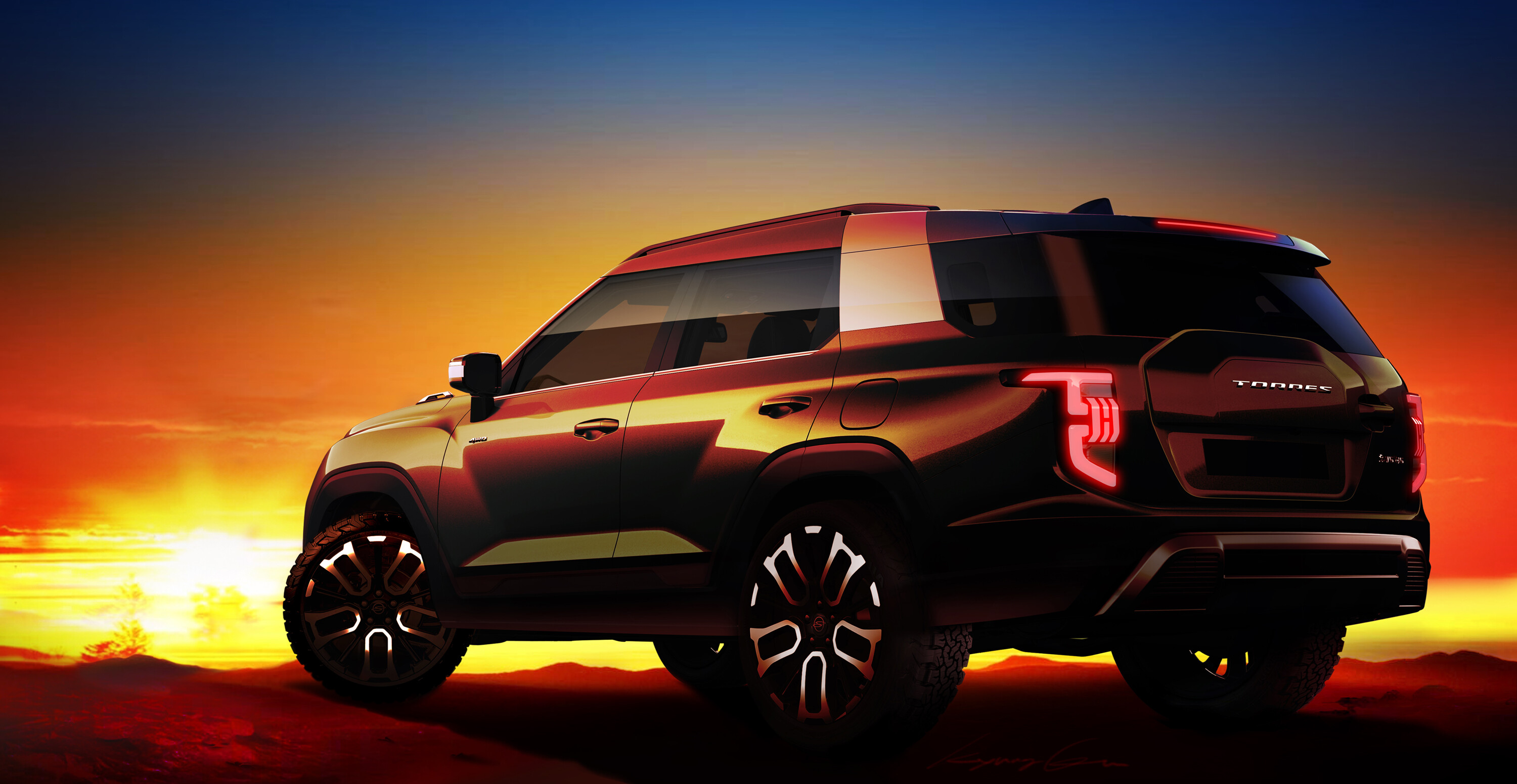
Previously spied with hints at a revival of the Musso nameplate, SsangYong’s design sketches for the Torres show off the SUV’s rugged design, with silver lower body cladding and roof-mounted spotlights hinting at its off-road aspirations.
With its name taking inspiration from the Torres del Paine National Park in Patagonia, there are hints of its rivals in the SsangYong design, such as its Jeep-esque grille and side-hinged boot entry.
“The SUV market continues to expand and subdivide, and with Torres we are filling the gap between semi-medium-sized SUVs such as Korando and large SUVs like Rexton,” SsangYong said.
“This move will create an additional segment in the market and will open up new opportunities for us, especially as we further develop the product offering and continue to add value and originality.”
No details have yet been released about the powertrain driving the Torres, but the Korean manufacturer has confirmed it will go into production this June, with plans to launch an electric variant in the back end of next year.
The announcement of the Torres comes just under two months after Edison Motors’s take-over bid for SsangYong reportedly fell through, with the former and its associates allegedly failing to pay the balance of US$226.5 million (AU$300.9 million) by the pre-set date – however it’s understood SsangYong pocketed the deposit of around US$25 million (AU$33.2 million).
The story to here
February 1, 2022: Ssangyong J100 electric SUV spied undisguised
The 2023 Ssangyong J100 electric crossover has been spied undisguised in South Korea.
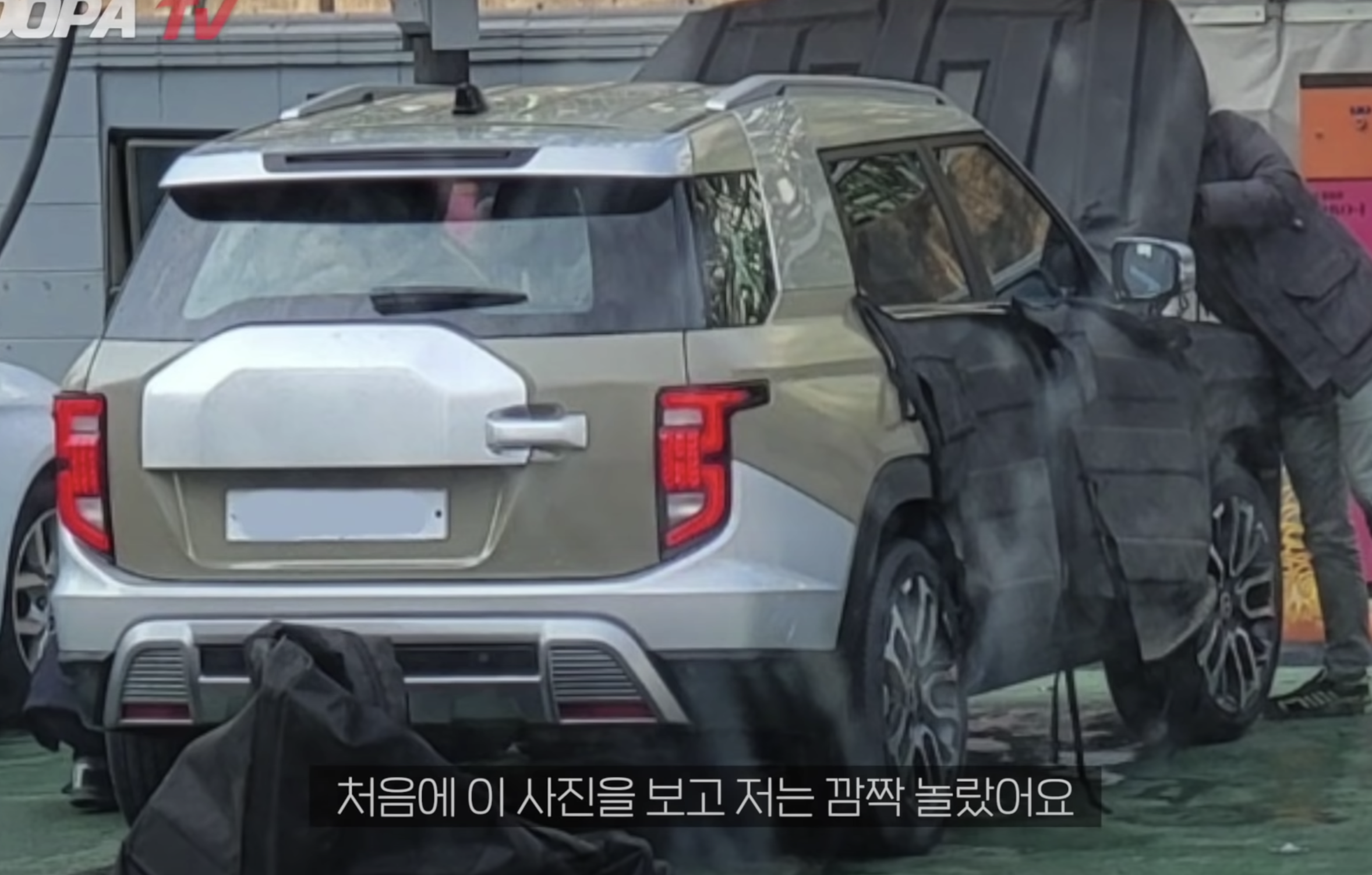
An image of the production mid-size SUV was uploaded to Woopa TV on YouTube, showing its rear-end – which will closely follow initial design sketches released in mid-2021.
It is expected to be the first all-new model released by the Korean brand under a new owner, after it filed for bankruptcy almost two years ago.
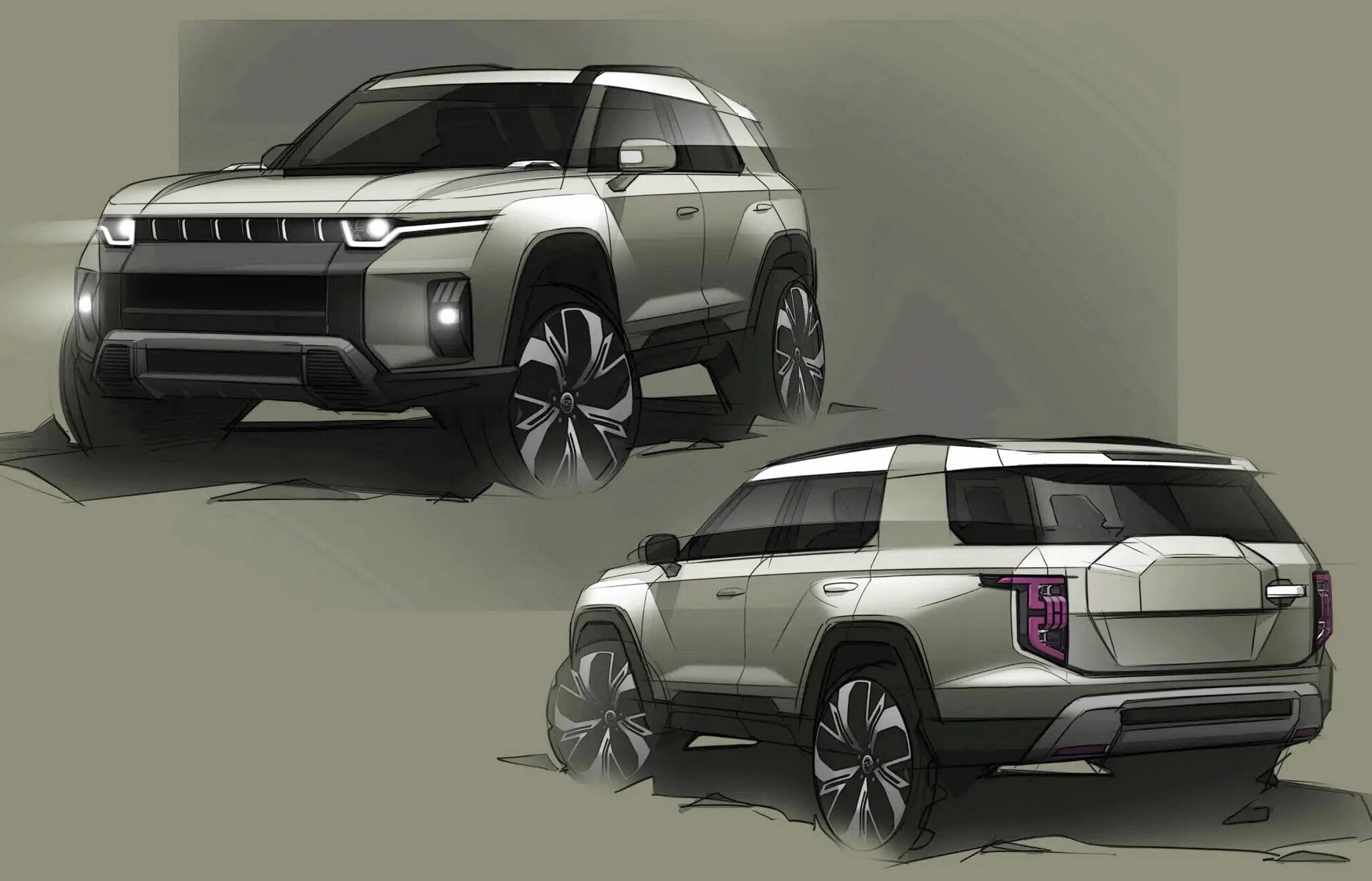
The boxy styling is similar to the likes of the Ford Bronco Sport and Haval Dargo (née Big Dog), with upright tail-lights and rugged body cladding – although the Ssangyong is unique in offering a faux spare-wheel holder on the tailgate.
This example is finished in navy green paint with silver accents on the rear bumper, rear spoiler, C-pillar and roof rails.
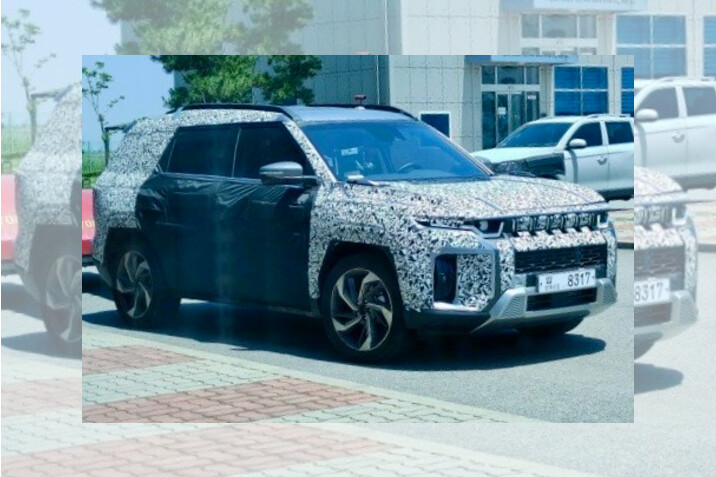
As with the Ford and Haval (and the Ssangyong Korando), the J100 is expected to be underpinned by a unibody platform – rather than a body-on-frame architecture, like the Rexton and Musso.
Extra details, such as battery capacity and performance figures, are currently unknown.
However, a new report suggests the J100 codename could make way for the Musso nameplate when the electric SUV makes its debut in July.
According to local media, a recent study showed Koreans would like to see the badge make a return.
What we know as the Musso ute is called the Rexton Sports Khan in its domestic market, with the nameplate last used in Korea in 2005.
This means the Musso could be forced to undergo a name change for the Australian market.
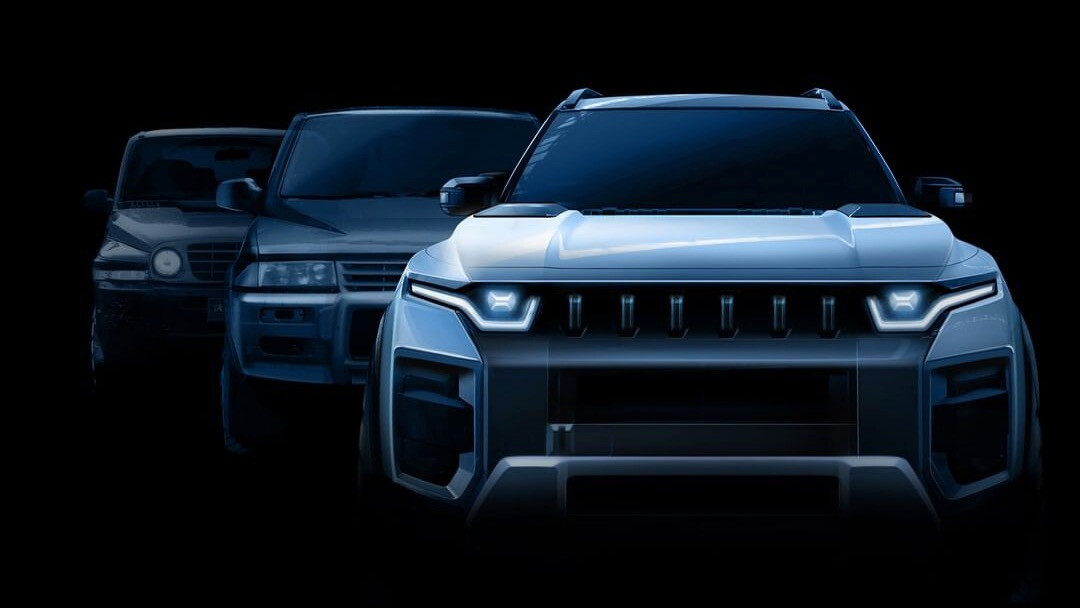
The J100 will be the second all-electric model from Ssangyong, following the Korando E-Motion.
It will go on sale in Korea during the first quarter, with a spokesperson for Ssangyong Australia confirming the brand will “carry out assessment activities” with an evaluation vehicle locally.
The new developments are part of a ‘corporate rehabilitation’ for Ssangyong, after a group of investors led by Edison Motors successfully acquired the marque for US$256 million (AU$362m).
In a last hurrah for the existing Volkswagen Amarok, the company has launched its W580X model.
Created in collaboration with Walkinshaw Performance, this is the second model in the partnership following 2021’s more road-focused W580S model. The $78,890 W580X will be limited to just 600 units and be the last run of the current Amarok mid-size ute.
Volkswagen will retire what was its own designed and developed ute at the end of 2022 when it will be replaced with an all-new Amarok that will ride on a new platform that is shared with the 2022 Ford Ranger.
It’s a shame really, as the VW Amarok was always one of the best driving utes in the category, even after being on the market for more than a decade.

Walkinshaw knows a thing or two about improving production vehicles after decades of producing hot Holdens via the HSV brand and the Melbourne team has waved its tuning wand over the aging VW ute. The improvements come in both trim and suspension additions to create a ute that has improved off-road control without compromising its stellar on-road dynamics.
The W580X is based on the double-cab, high-specification 580Nm version of the V6 diesel-powered Amarok. The idea of this being the only V6 diesel powered mid-size ute currently available and is about to be replaced by the Ford-based new Amarok which will introduce a new Ford V6 diesel engine, is not lost on us.
Mechanical upgrades

The W580X engine doesn’t get any power enhancements, with the only mechanical updates being extended breathers for the drivetrain components to place them up high.
This means it’s the same 190kW and 580Nm engine as found elsewhere in the Amarok range and still the most powerful mid-size ute on the market. It’s backed by a ZF 8-speed automatic transmission and a single-speed, full-time four-wheel drive transfer case.
The highlight of the mechanical upgrades is the suspension. Starting with a set of 265/60R18 Pirelli Scorpion A/T tyres fitted to lightweight forged alloy wheels, as opposed to the 20-inch rims and rubber on the regular W580 and W580S models. These tyres should be far better suited to rough-road travel with the larger tyre sidewalls better able to handle the bumps and grind.
The OE front coil springs and rear leaf springs are retained, however, the front struts benefit from a 40mm rise in height using spacers. This set-up levels up the look of the ute from its nose-down stance in standard trim, as well as giving a bit more clearance at the front end.
The W580X specific twin-tube shock absorbers have been tuned to offer the best balance of off- and on-road ride and control.
Other practical off-road-oriented accessories exclusive to the W580X include heavy-duty rock sliders/side-steps, rear differential and transfer case protective plates, a front underbody protective plate and a 75-watt LED light bar fitted in to the radiator grille to provide additional lighting.

The rest of the kit is styling focused with the W580 fender flares to cover the wider tyres, specific front grille and bumper and unique graphics. The air-intake snorkel you see fitted on some of the test cars is a $1390 option.
Products like the snorkel, breather kit, and the diff and transfer case guards come from VW accessory specialist Seikel, while the front protection plate was developed by Walkinshaw specifically for this car.
Also specifically developed for the W580X were the tubular steel rock sliders/side-steps which are mounted to the chassis rails rather than the body to best protect the sills from damage when off road.
As the only V6-diesel powered mid-size 4×4 ute on the market, the Amarok 580 has no rivals in terms of performance. Its acceleration is forceful and punchy and there’s nothing that come close to it for now.
VW claims a zero to 100km/h sprint in 7.3 seconds, which is not hanging around for any work ute. It leaves you wondering why other manufacturers haven’t developed similar drivetrains and how the coming V6 in the Ranger and new Amarok will compare.
On-road
The 8-speed ZF transmission shifts precisely and smoothly as you accelerate through the gears and it is quick to shift back to a lower gear to give engine braking on descents and when driving on a mountain road.
Also helping here were the Amarok’s four-wheel disc brakes which might not sound special, until you realise that most utes in this class still have drum brakes on the rear axle.

The Walkinshaw team achieved its goal of not compromising the Amarok’s on-road performance with the W580X. Sure, if you push it hard enough through the bends, you’ll encourage a squeal from the all-terrain pattern Pirellis, but the overall dynamics of the car are still the best in the class. This is thanks to the original design of the Amarok and its wide stance and long wheelbase.
The hydraulically-assisted steering does feel a bit dull on the road when you’ve been driving new mid-size utes with well-calibrated electrically-assisted steering, and the chunkier tyres do feel a bit more skittish in the bends than the standard Amarok road tyres.
Off-road (kinda)
This feeling is amplified when you leave the sealed roads and get on to some forestry tracks. The 580X exhibits a jittery nature that we don’t recall from the W580S on its 20-inch wheels and tyres which we drove over those same tracks last year.
It would have been interesting to check and maybe drop the tyre pressures for the dirt roads as they felt to be too hard, but the managed road test didn’t allow for this. I reckon dropping 8 to 10psi out of the tyres over the rockier sections of track would have helped the ride quality and stability.

Aside from the rocky roads, there were no actual off-road or steep climbs offered on this drive, but our previous testing of V6 Amaroks has found that they are never limited by a lack of low range in the transfer case.
They’ve kept up with low range-equipped utes in the steepest and roughest country. We can only imagine that the W580X would handle rougher terrain better again thanks to its A/T tyres, added ground clearance and body protection.
Interior
The Amarok’s cabin has always been a fine place to wile the hours away behind the wheel and despite its age, it remains one of the best cabs in the category.
Sure, the infotainment screen is small by modern standards but the wide and spacious cabin still feels more upmarket than most other utes. It must be that European influence from VW.

Indicators of the Amarok’s age, and ones that we will surely miss, include the old-school park-brake lever and the key that turns in the ignition to start the engine.
Our test car was fitted with the optional ‘ergoComfort’ heated leather front seats which were much appreciated on this cold mountain drive. The standard seats are microfleece cloth upholstered. The ‘Discover’ factory navigation system comes standard in the W580S and this includes apps such as CarPlay and Android Auto.
Pricing
Without any accessories or options such as the seats and the intake snorkel, the Amarok W580X is one of the most expensive mid-size 4×4 utes on the market at $78,890 plus ORC. Only the Ford Ranger Raptor and Jeep Gladiator Rubicon are priced higher and they are very different vehicles, while the W580S lobs in at $81,490.
When you consider that you can get the same TDI580 driveline in the non-Walkinshaw tweaked TDI580 Highline model for $63,490 or the slightly less powerful TDI550 Amarok Core for $53,890 you might question the value of the extras on this latest model. We still think that the V6 Amarok Core models represent some of the best bang for your bucks utes on the market.
All that will become irrelevant by year’s end when the current generation of Amarok will be sold out and the new, Ford Ranger-based model is ready to hit the market.
Both Volkswagen Commercial Vehicles and Walkinshaw say that they hope their partnership continues in to the new year and the next Amarok model, and we look forward to driving the fruits of that relationship.
2022 VW Amarok W580X specs
| Price | $78,890 +ORC |
|---|---|
| Engine | 2967cc V6 diesel |
| Power (on overboost) | 190kW from 3250 to 4500rpm (200kW) |
| Torque | 580Nm from 1400 to 3000rpm |
| Transmission | 8-speed automatic and single-range 4×4 |
| Claimed fuel consumption | 9.5L/100km combined |
| On-sale date | Available now |
UPDATE, January 2023: Grenadier pricing increases and delays explained
In a story common to all brands and buyers since COVID arrived on the stage, the Grenadier has suffered a significant price rise and production delays. Get the full story at the link below.
Story continues…
May 19, 2022: Ineos Grenadier Australian order books open
Snapshot
- Order books open for Ineos Grenadier
- 32 sales and service centres in Australia and New Zealand
- Grenadier range to go on sale from $84,500 before on-road costs
Australian buyers interested in the Ineos Grenadier can now put down an order for the off-roader.
The British-based manufacturer today announced its order books were opening globally, including for Australian customers, less than a month after Ineos revealed Grenadier pricing for the local market.
Starting at $84,500 before on-road costs for the base utility wagon, prices go up to $96,495 in its range-topping Fieldmaster station wagon guise, with prospective buyers given the option to configure their Grenadier on the Ineos website.
Read on further below for information on where Ineos is setting up its local dealer network.
The story to here
April 27, 2022: Ineos Grenadier order books open in May, 28 dealers announced for Australia
Ineos Automotive has announced it will have 32 sales and service centres across Australia and New Zealand when its Grenadier 4×4 wagon goes on sale later in 2022.
The dealers give the start-up 4×4 brand a widespread network across the two southern nations, and they will be among 200 centres set to be spread across the globe by year’s end. Notably under-represented, however, are Western Australian dealers, with just two announced in our biggest state.
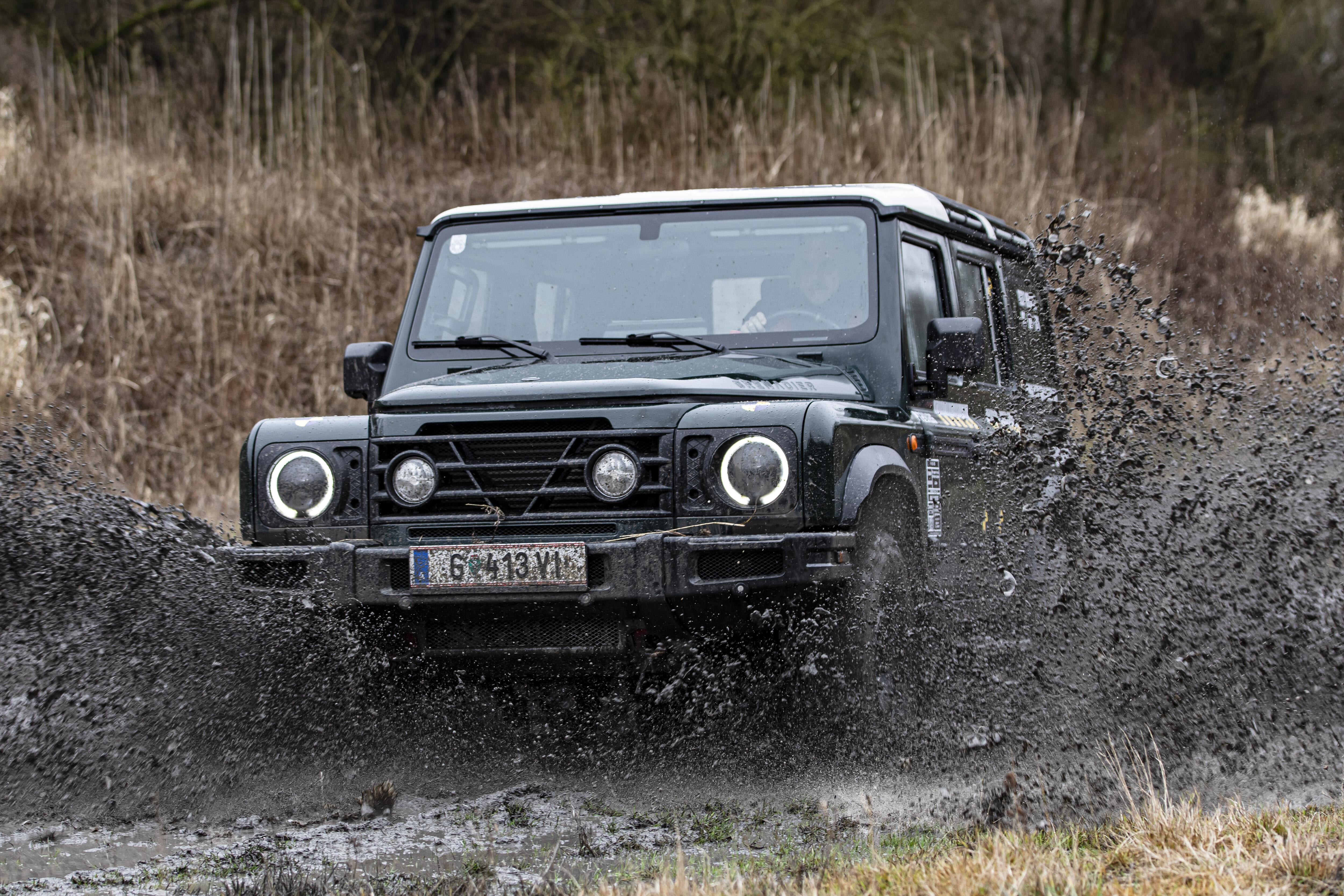
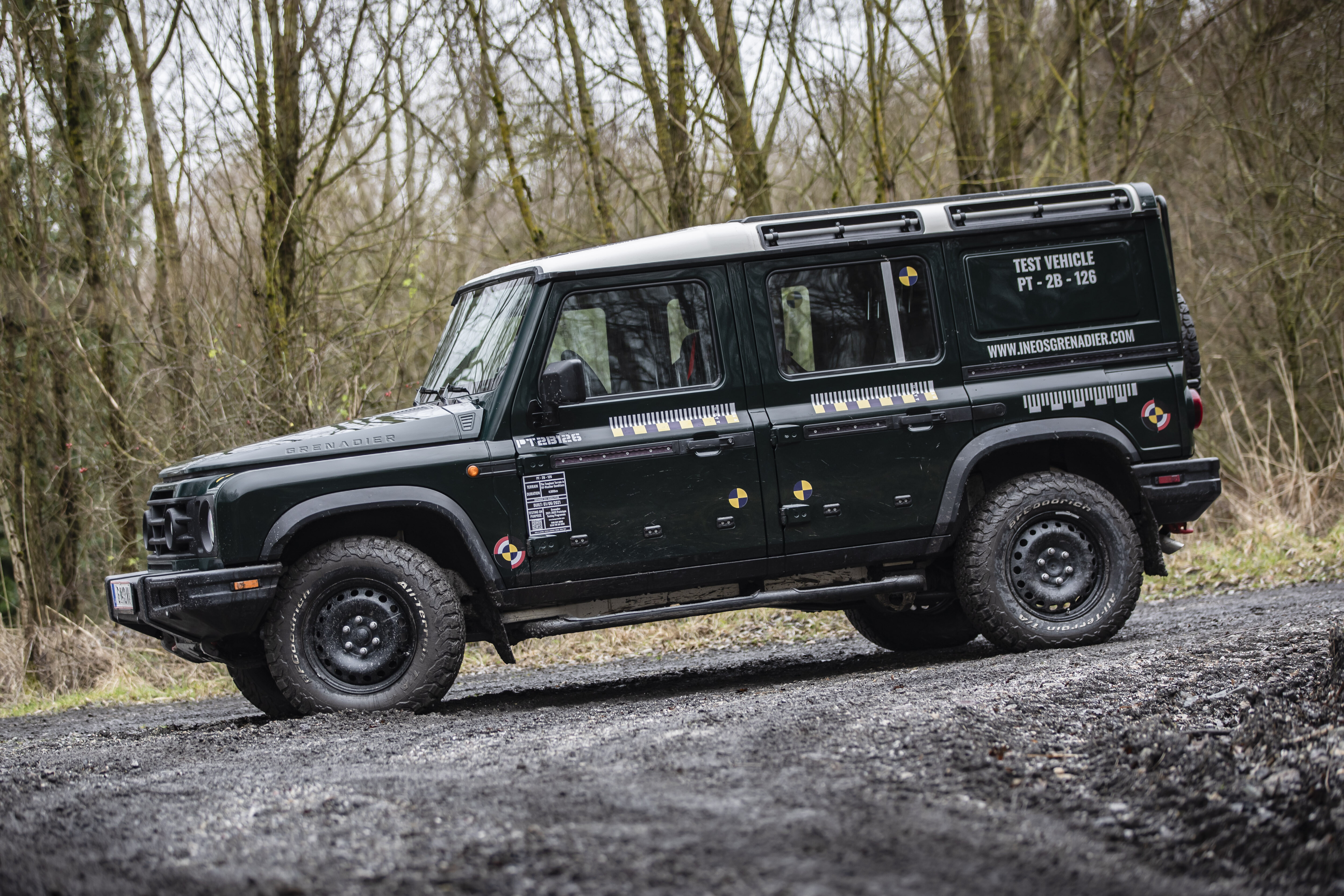
The Ineos Grenadier is arguably the most exciting and highly anticipated new 4×4 vehicle to hit the market since the LandCruiser 70 Series got coil front springs back in 2000. With more than a nod to the classic Land Rover Defender and the Mercedes-Benz G-Wagen, the Ineos Grenadier will feature live axles and coil springs both front and rear, with its boxy body riding on a separate ladder-frame chassis.
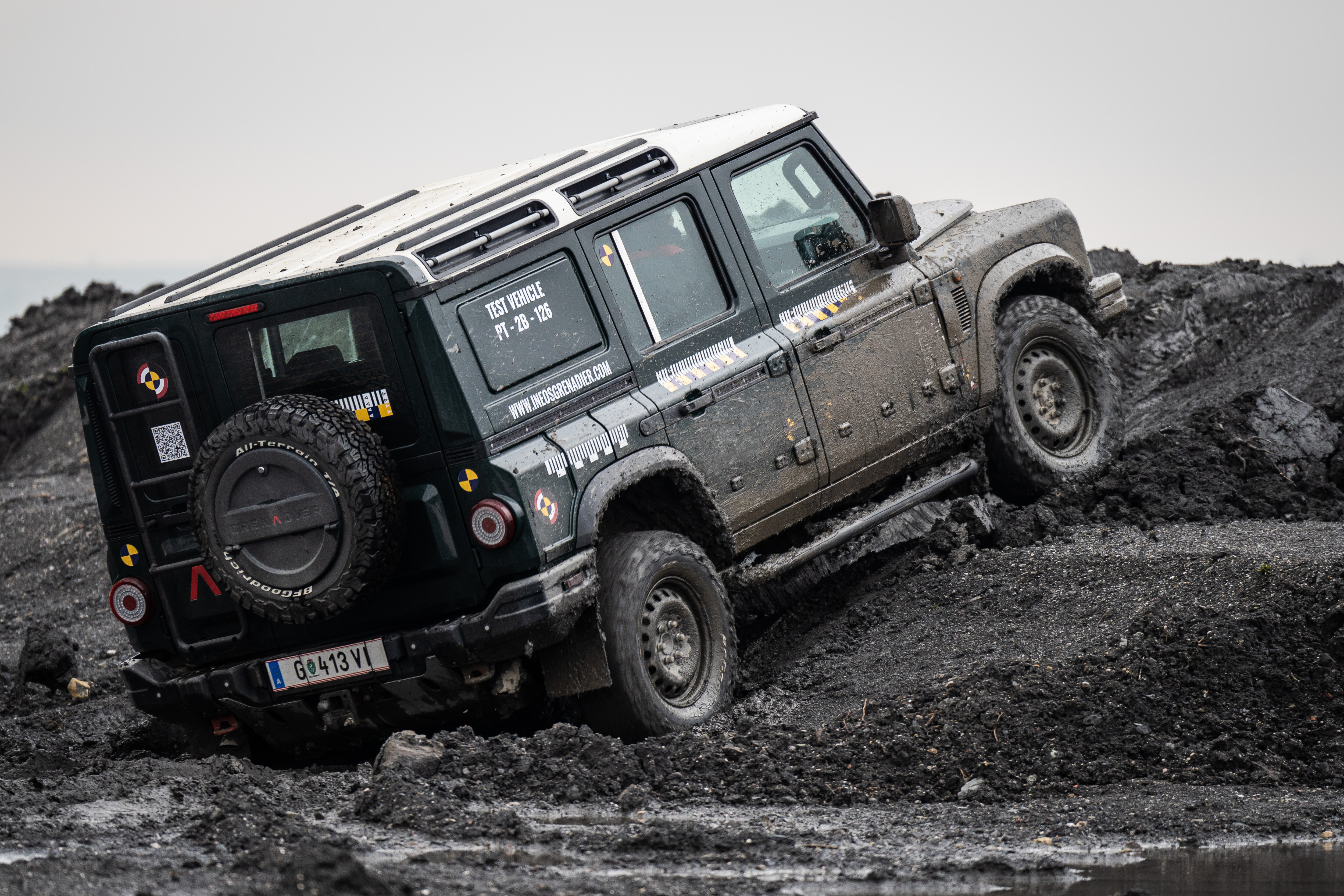
With a choice of petrol or diesel, 3.0-litre turbocharged six-cylinder engines running through an eight-speed ZF automatic transmission and full-time four-wheel drive, the Grenadier ticks many of the boxes that adventurous drivers are looking for in an expedition vehicle.
While it looks great on paper, the success of the Grenadier will come down to its reliability and aftersales service. Get that wrong and the reputation will be ruined before it even gets off the ground. With that same iconic LandCruiser 70 Series firmly in its sights, Ineos’s network won’t match Toyota’s vast dealer network, so a focus on customer service is imperative.
To aid that service, Ineos Automotive announced last year that it will team up with the Bosch Automotive Service network to have service available in regional areas. Like many new vehicles, the Grenadier will rely on Bosch software, electrical and chassis safety systems to keep it on the road.

“Having the full confidence in a thoroughly engineered off-road vehicle needs to be backed by the support of a comprehensive network,” said Justin Hocevar, Head of Asia-Pacific region, INEOS Automotive. “Our partners will be invaluable in ensuring Australians can explore this great land with the assurance of help, guidance and service wherever your Grenadier may take you.”
“We are committed to working with partners who hold the right credentials to represent the INEOS Automotive brand not just within metropolitan cities, but in the heartland of INEOS Automotive’s customer base – regional Australia.”
Ineos Automotive says it has enjoyed wide-spread expressions of interest in the Grenadier from Australia and around the world since announcing the vehicle will be coming to our shores. The order book for the Grenadier officially open on May 1, after full pricing and specifications are revealed later in April. (Yes, in the next few days.)
The new marque confirmed earlier that the Grenadier two-seater would start from $84,500 in Australia. The five-door wagon will be available in two, five and seven seat configurations, and a double-cab pick-up version of the truck is expected to arrive in the coming years.
Ineos Grenadier: Australian dealers
| Aaron Brain Motors, Shepparton | Mackay City Auto Group, Mackay |
| Armstrong Auto Group, Toowoomba | Magic Enterprises, Geraldton |
| Autoworld, Ballarat | Magic Enterprises, Perth |
| Brian Hilton Motor Group, Central Coast | Noosa Auto Group. Noosa |
| Brighton Automotive Holdings, Melbourne | Northstar Mildura Motors, Mildura |
| Buckby Motors, Launceston | Pickeringu2019s Auto Group, Townsville |
| Caravana, Brisbane | Purnell Motors, Sydney |
| DC Motors, Rockhampton | Rex Gorell, Geelong |
| Fraseru2019s, Newcastle | Rolfe Motors, Canberra |
| Fraseru2019s, Wollongong | SLRV Expedition Vehicles, Gold Coast |
| John Oxley Motors, Port Macquarie | Tony Leahey Motor Group, Orange |
| JT Fossey, Tamworth | Warragul City Motors, Gippsland |
| Kerry’s Automotive Group, Adelaide | Westco Motors, Cairns |
| Kerry’s Automotive Group, Darwin | Western Plains Automotive, Dubbo |
Ineos Grenadier: New Zealand dealers
| Armstrongu2019s, Auckland |
| Armstrongu2019s, Christchurch |
| Armstrongu2019s, Dunedin |
| Armstrongu2019s, Wellington |
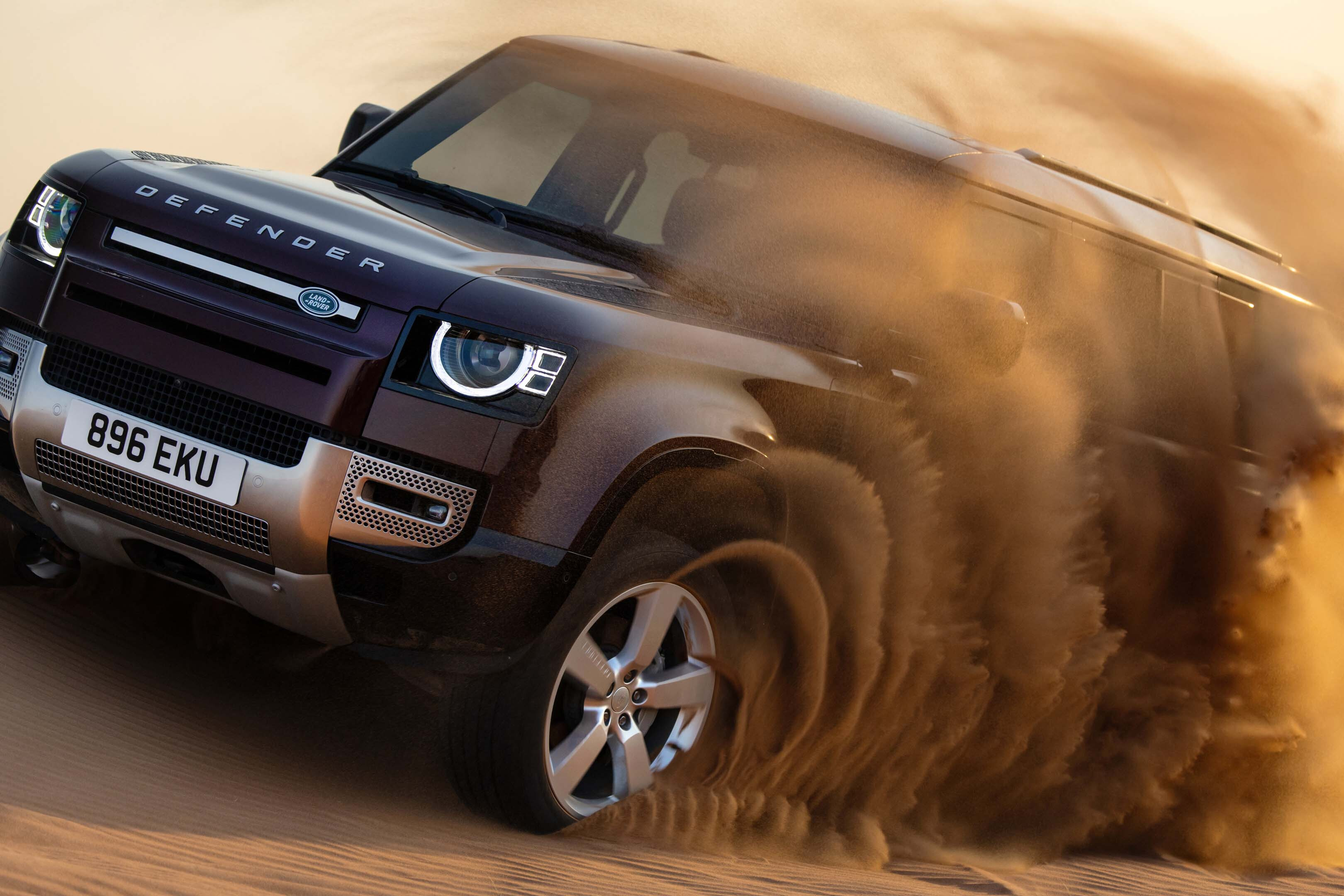
UPDATE, March 2023: Defender 130 driven ahead of Australian launch
Before it gets to Australia, Wheels editor Enright has been out in the Middle East to test the new Defender 130’s mettle. Read about it at the link below.
The story to here
May 2022: Land Rover Defender 130 confirmed for June 1 reveal
Land Rover has officially confirmed its new Defender 130 will be revealed on June 1, giving us our first look at the biggest Def’ in the range.
Set to join the short wheelbase Defender 90 and standard wheelbase 110, Land Rover’s 130 will feature three rows of seating, laid out in a 2-3-3 configuration.
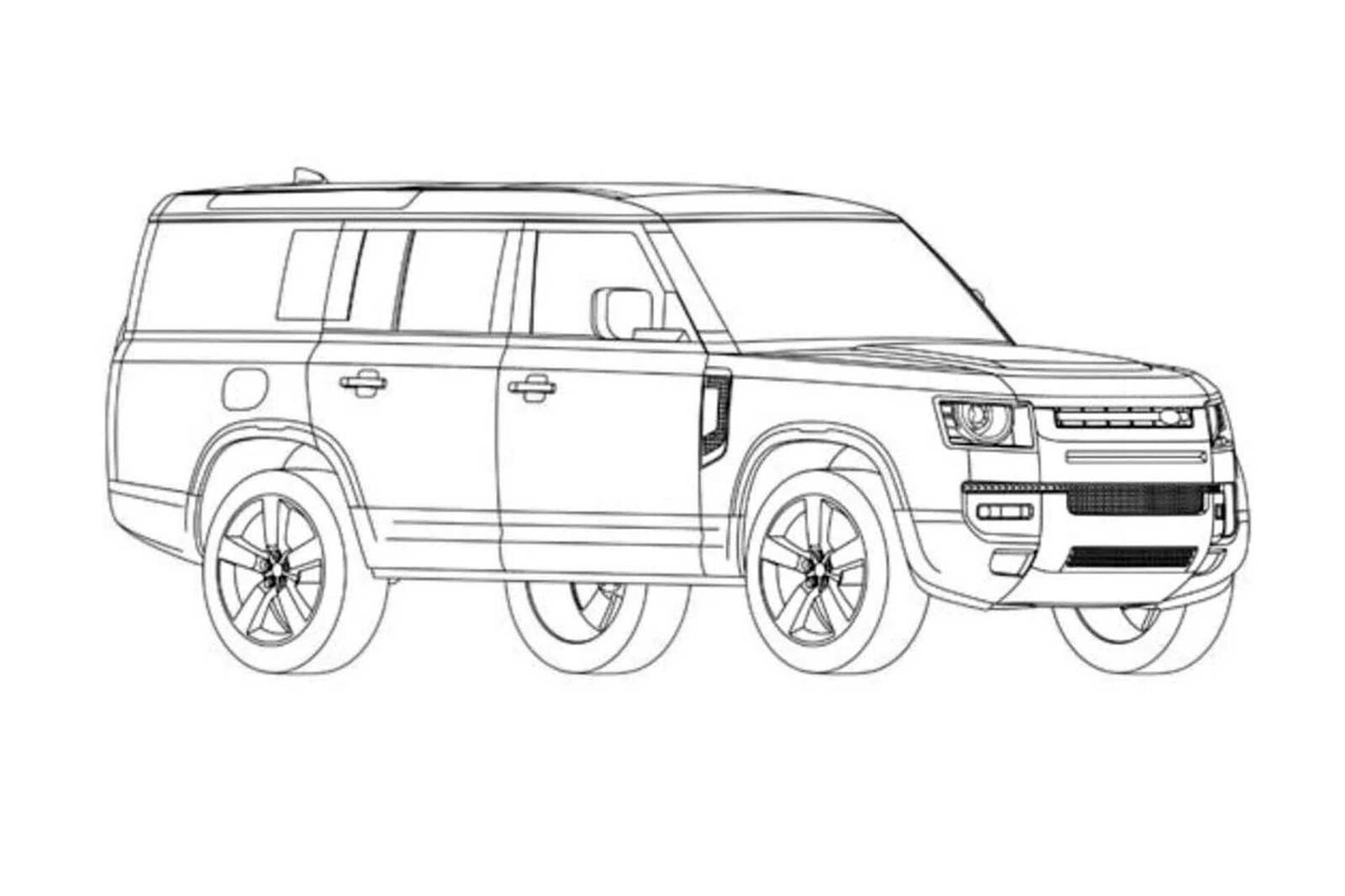
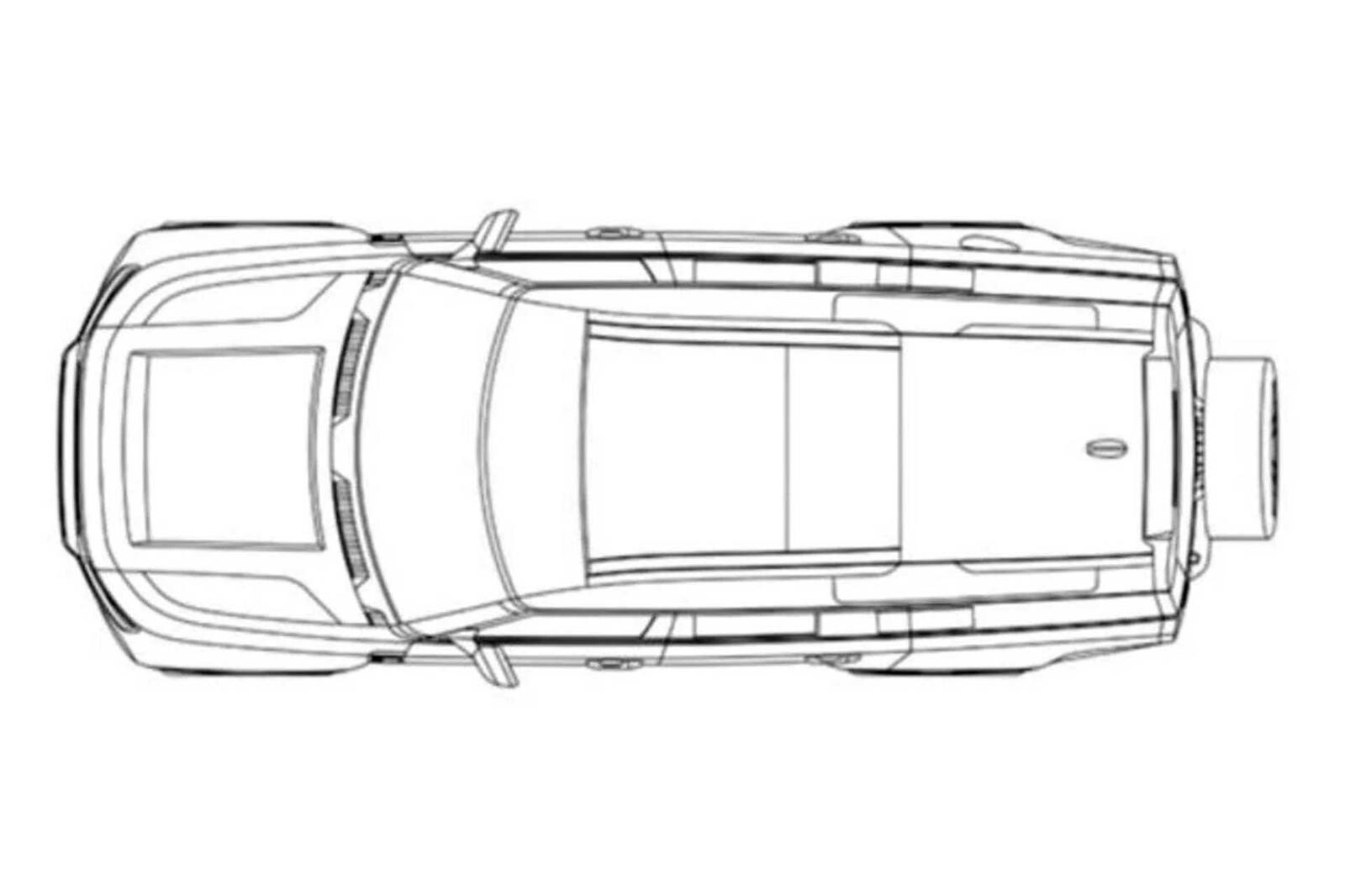
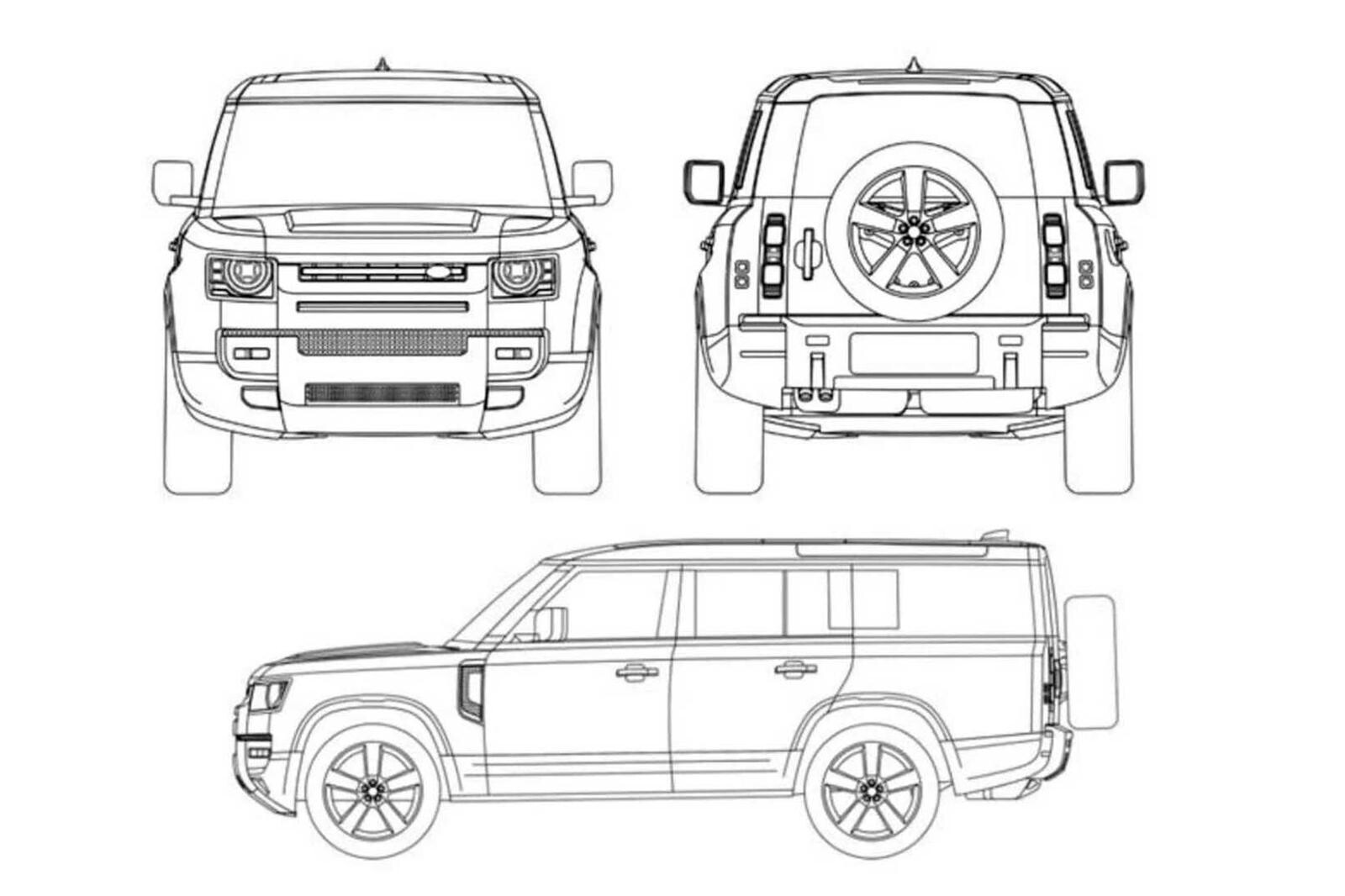
Leaked patent images (below) suggest the 130 will also incorporate a longer boot than its siblings, potentially making up for the reduced space thanks to the third row of seats.
Land Rover has also confirmed it will open order books for the new body style on June 1, in line with its reveal. 4×4 Australia will provide more updates on the new off-roader when it launches at the start of next month.
October 29, 2021: Land Rover Defender 130 images leaked
Images of what’s believed to be a patent for the Land Rover Defender 130 have been leaked –giving us our first look at the extended off roader.
Carbuzz sourced the images from the European Patent Office, the sketches showing what appears to be a Land Rover Defender 110 with an extended rear end.
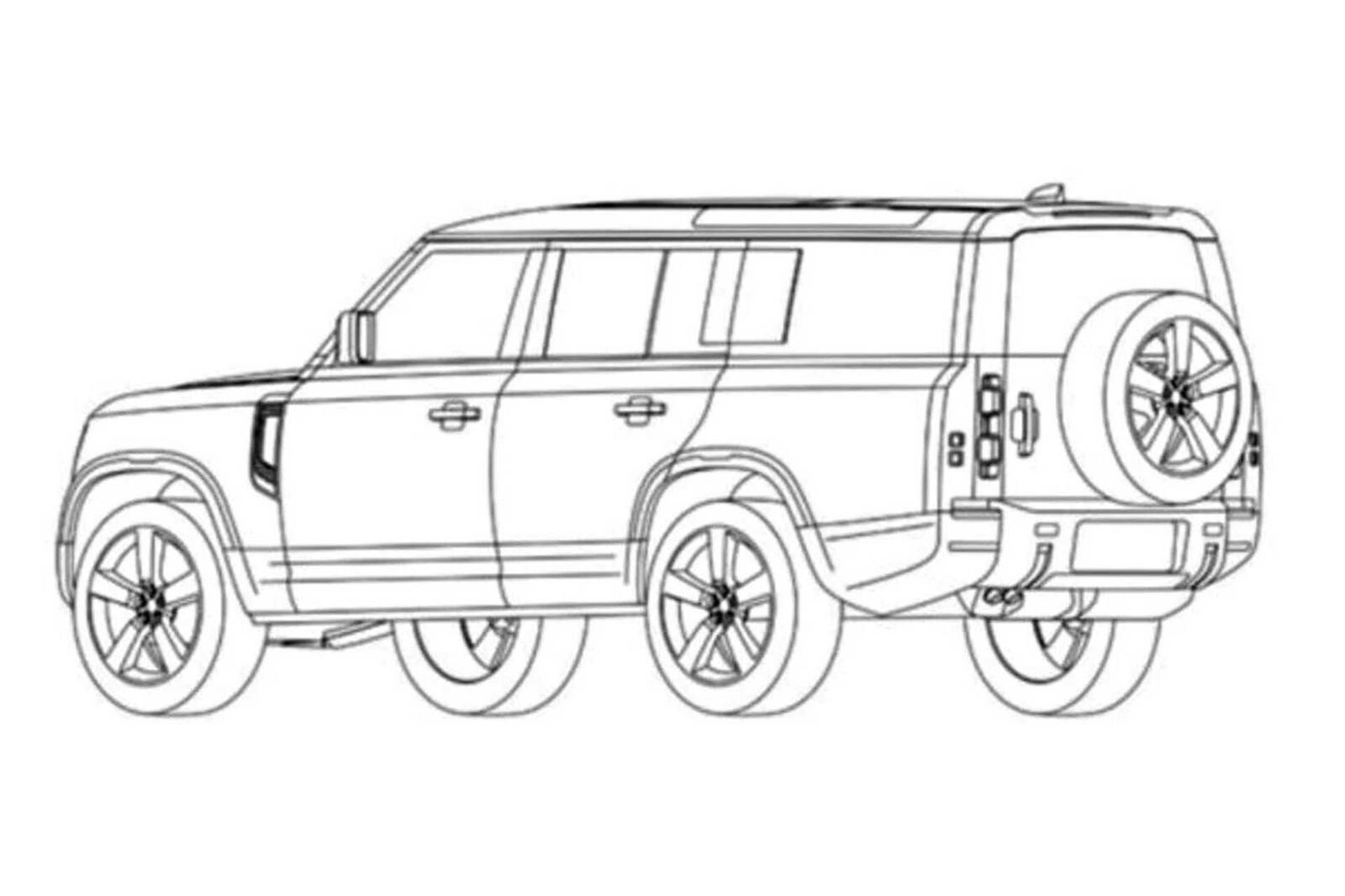
Reports are claiming the 130 is 33 centimetres longer than the 110, while still retaining the same wheelbase and rear side door size.
The current Defender 110 can be had with three rows of seats in the 5 + 2 configuration, but the extended 130 would theoretically allow for more leg room for rear passengers and a larger cargo space.
In March of this year, we reported that Jaguar Land Rover officials had confirmed a longer Defender would be unveiled in 12-18 months, and it would cater to markets in China, North America and the Middle East.
It’s expected the 130 would simple carry over the drivetrains already available in the Defender 110 and the smaller, two door Defender 90.
For the Australian market, those include the 147kW/500Nm 3.0-litre inline six-cylinder twin-turbo diesel MHEV hybrid, and the range-topping supercharged 5.0-litre V8 – which pumps out 386kW/625Nm.
We expect more details around the Defender 130 to come to light closer to the on sale date, which is now expected to be late 2022.