June 23, 2023: Grand Cherokee 4xe pricing announced for Australia
Off-road-focused carmaker Jeep will introduce its first plug-in hybrid SUV in Australia amid high fuel prices. Pricing and details below.
September 2022: Jeep’s 4xe models find the ‘magic’ off-road formula
“We’re going to push trail rating even higher with electric because I think we can do even better.”
Jeep has thrown its electric cards on the table confirming at least two battery-powered seven-slot models for the Australian market, and it says those concerned that zero-emissions power will blunt the brand’s off-road edge need not worry.
According to the company’s top executive, the future is even brighter for Jeep’s range of all-terrain machinery with the advent of electrification, and its new era of plug-in hybrids and pure electric models will be more capable than ever before.
Speaking at the North American International Auto Show in Detroit, Jeep Brand CEO Christian Meunier said electrification allowed the company’s rigorous ‘trail rated’ development and testing to get even tougher.
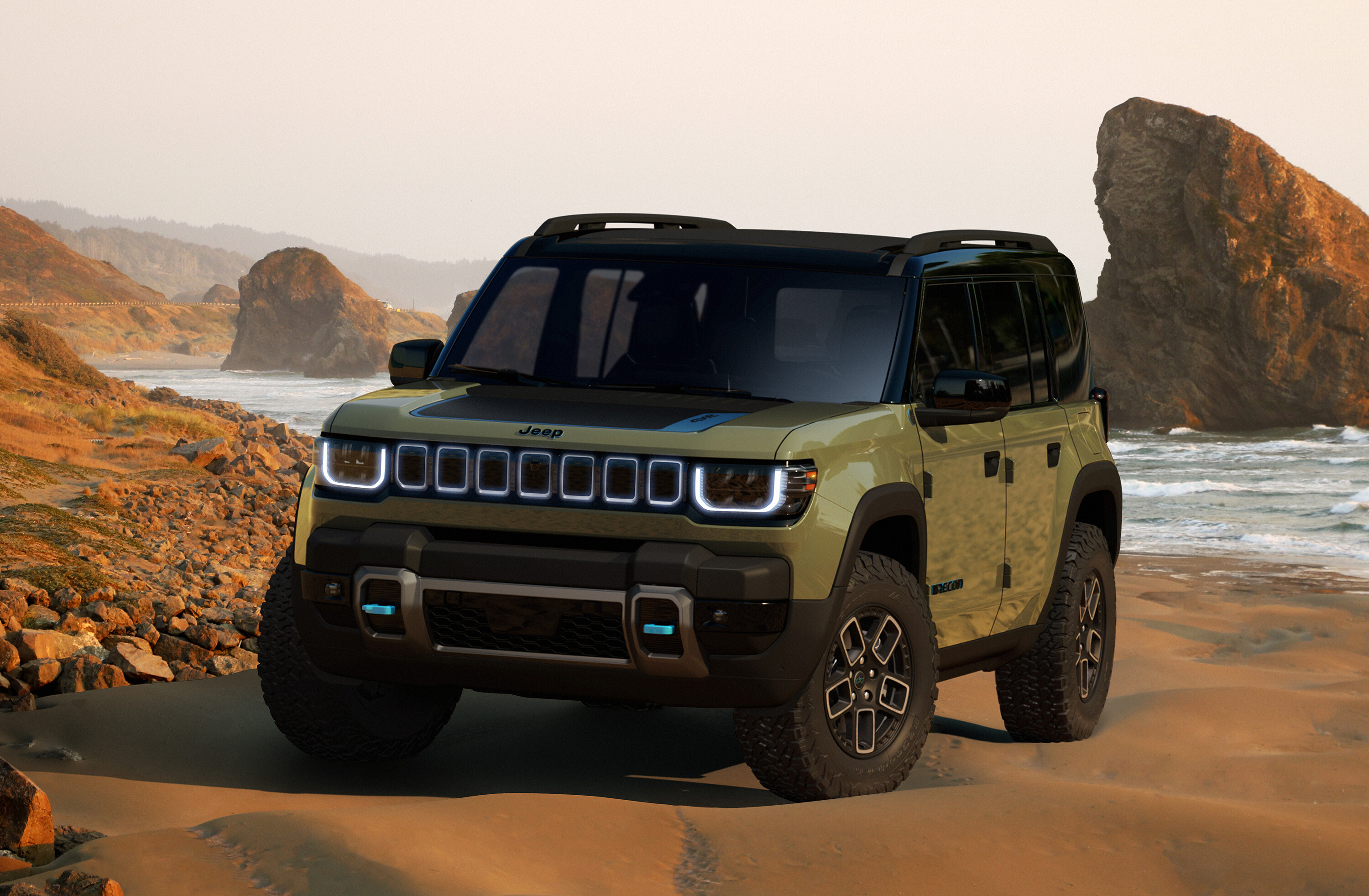
“Now that we have all these (electric) products coming in, I’m going to push harder,” he said. “We’re going to push trail rating even higher with electric because I think we can do even better.”
Jeep’s process of trail-rating a model focuses on a tiered system to test and evaluate its all-terrain ability, including one of its most gruelling challenges on the iconic Rubicon Trail.
With the introduction of electric models, Jeep coined its 4xe boot badge to denote plug-in or all-electric power coupled with four-wheel drive. One of the first to adopt the new moniker was the iconic Wrangler, which, according to Meunier, sets the standard for its siblings.
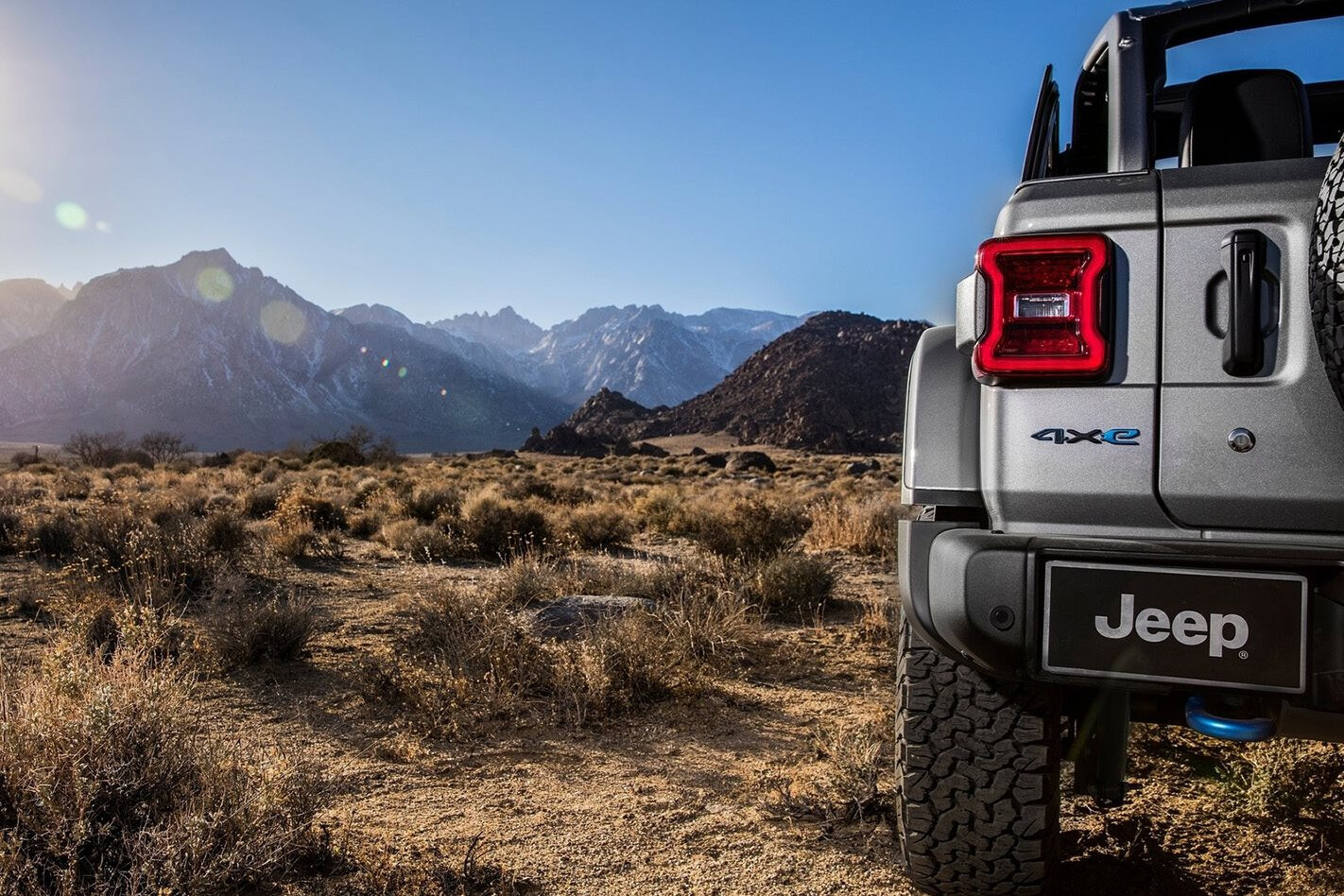
“The Recon is going to be Trail Rated six, which will make the Rubicon Trail. Wrangler is a 10, so the king remains the king. With electric, the Wrangler is unbeatable.
“The trail rating is going to be even more stringent and we’re going to push the limit of what we can do.”
While Jeep claims the instant and easily controllable torque of electric motors will enhance Jeep’s adventure credentials, the issue of battery range is a harder nut to crack, but the company has a solution here too.
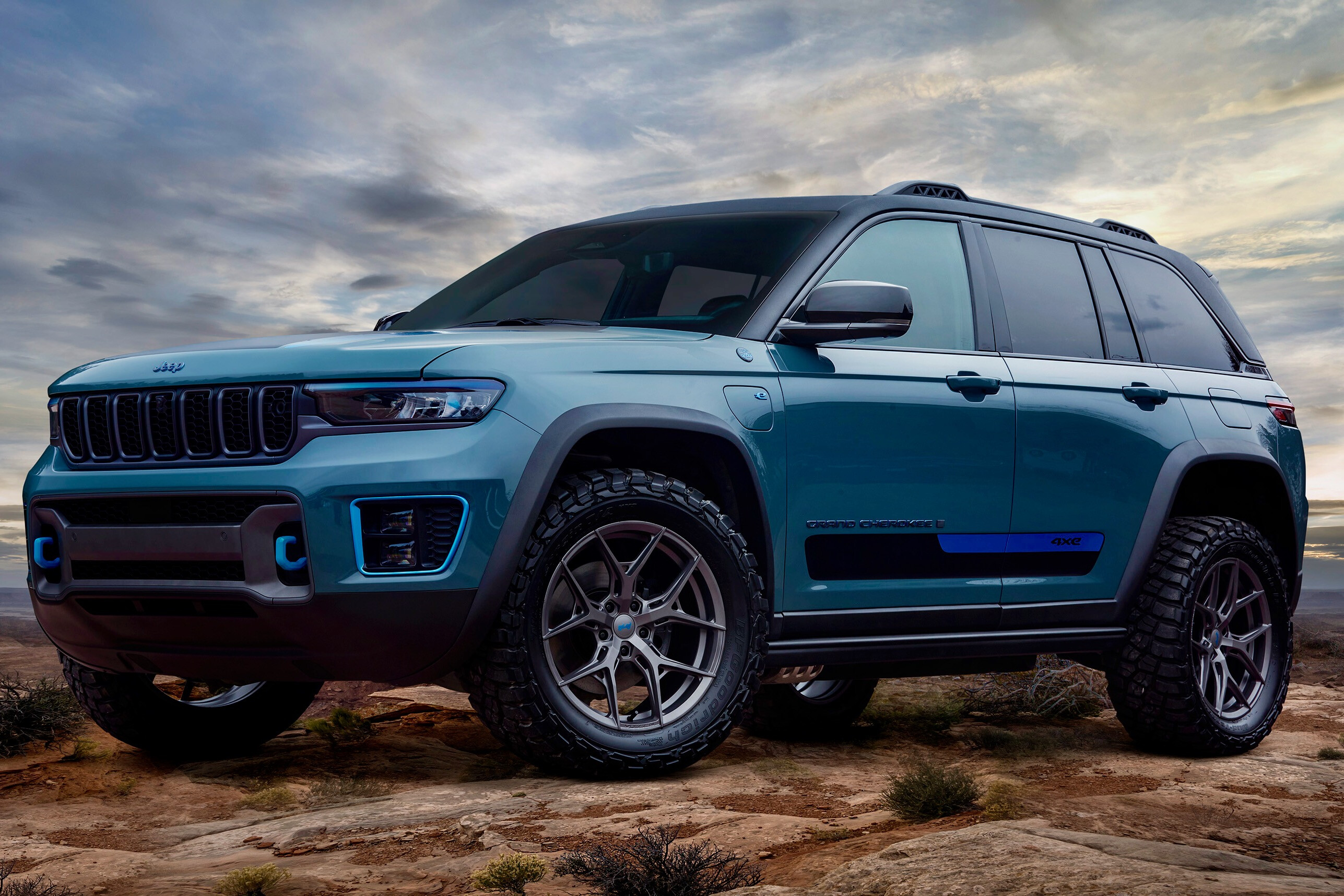
In cases where the battery’s full capacity is insufficient, the company is installing its own network of remote chargers and infrastructure.
“The Recon will be trail rated. It can do the Rubicon Trail in a day and a half and you have enough juice to get to the next town to charge it. On top of that, we’re working on solar charging stations that we’ll put on the trails.”
Over the coming years, Jeep will continue to roll out its web of wilderness charging points with a plan to eventually cover all its most esteemed trails, and Meunier is encouraging Jeep Australia to adopt a similar strategy.
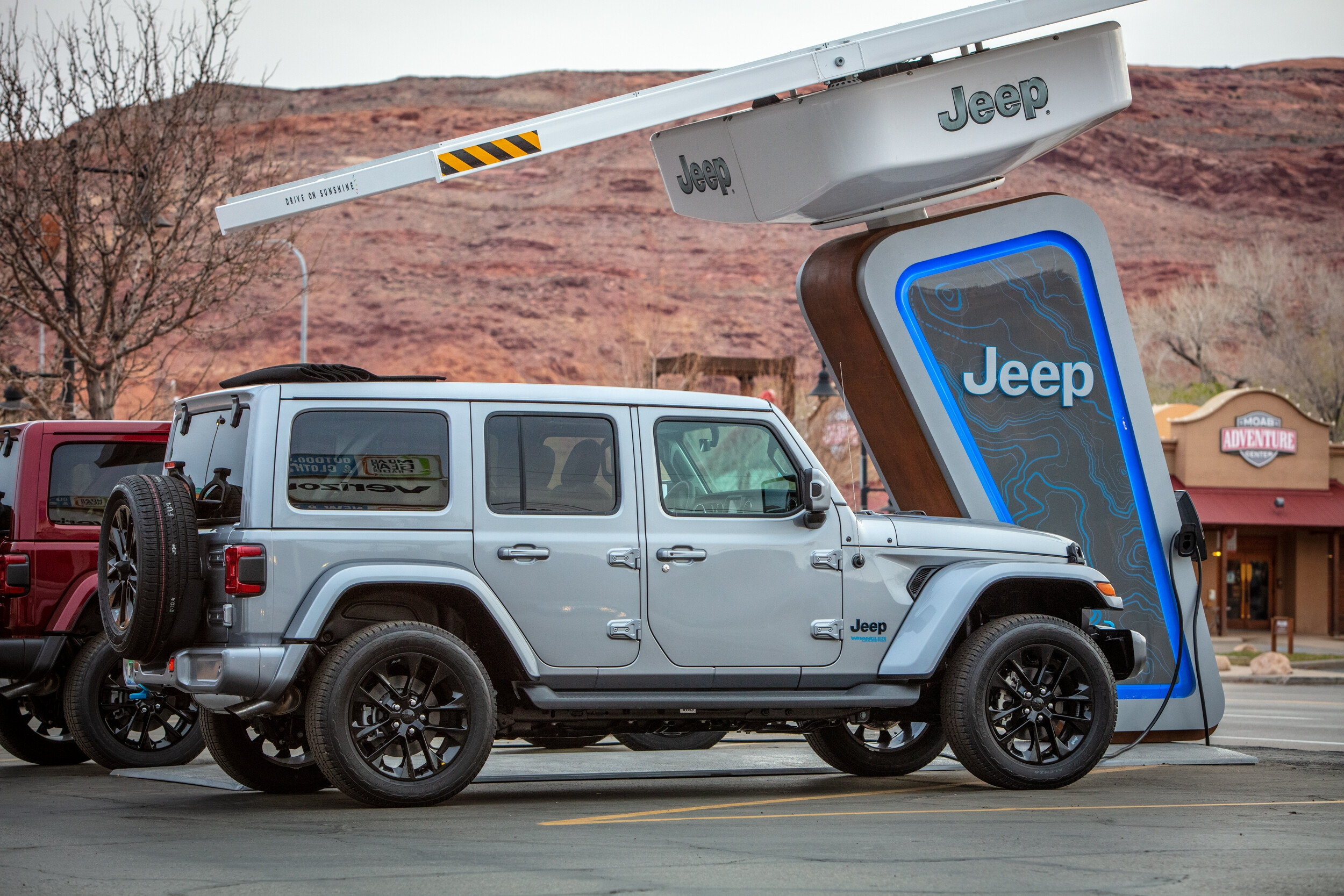
“We have 80 trails in the US which are the Badge of Honor trails on which you get a badge for making it,” he explained.
“All these trails will be equipped with charging stations (currently four) and I’m pushing the other regions, including Australia, to do the same.
“People have realised that electric mixed with 4×4 is magic. It’s the formula.”
Nothing beats a good camp cook-up and 4X4 Australia has combed the outdoor stores for seven of the best gas-fired camp stoves and cast or spun iron camp ovens to help sate the hungry hordes at meal times
There’s nothing like a camp cook-up to refuel after a day outdoors – which is all the more reason to add a portable stove or oven to your camp kitchen. To make choosing the best camp stoves and ovens easier, we’ve reviewed models from Companion, Coleman, Gasmate, Dr Livingstone’s and Campfire.
Portable camp stoves come in all different shapes and sizes, with options to suit single campers right through to large groups and families. Generally, for gas stoves and ovens, it is important to consider the fuel type, size, weight, number of burners and heat output. For cooking over the campfire we’ve reviewed portable camp ovens made from both cast iron and spun steel.
To get a better idea of what cooking equipment will suit you and your camping crew, check out our Buyers Guide to Camp Stoves and Ovens, and our reviews of the top models on the market this year.
Portable Camp Stove
Coleman HyperFlame FyreKnight 2 Burner Camp Stove
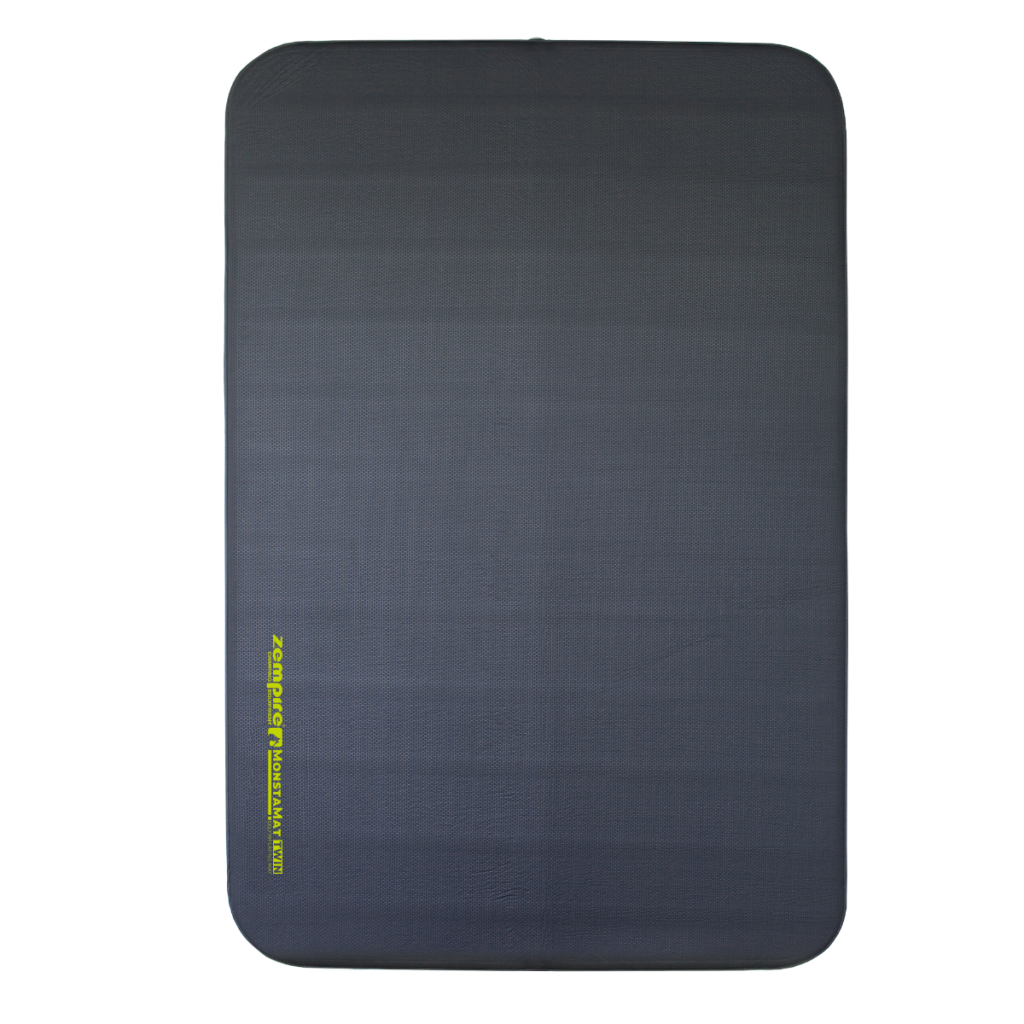
SPECIFICATIONS
- Fuel type: LPG
- Weight: 7.1kg
- Number of nurners: 2
- Heat output: 24,000 BTU (combined)
\n
Things we like
- Cooktop size
- New burner technology
- Easy cleaning
Not so much
- Weight
- Price
- Pack down size
Coleman’s HyperFlame series boasts a 2 x faster boiling time thanks to its latest innovation in burner technology. The HyperFlame FyreKnight two-burner camp stove has all the features to make camp cooking a breeze, which is why it tops our list of best camp stoves in Australia 2022.
Coleman has created the ultimate camping stove with its new burner technology. Wind-resistance plays a big part in speeding up the boil time thanks to a new downward stair-stepping design of the burners and an included windbreak pan support. A windshield is therefore not needed, which allows for more cooktop space – you can fit two 30cm pots or pans side by side on this stove.
The FyreKnight features two large burners for maximum heat distribution and both have fully adjustable, independent burner controls – letting you smoothly control the temperature of each. The removable windbreak pan support and aluminised cooktop make for easy cleaning, and it comes with a 3/8 hose ready to connect to LPG.
Coleman Triton 2 Burner Stove
SPECIFICATIONS
- Fuel type: LPG
- Weight: 4 kg
- Number of burners: 2
- Heat output: 22,000 BTU (combined)
\n
Things we like
- Price
- High heat
- Weight
Not so much
- Less wind resistance
- Slower boil time
- 1 year warranty
Coleman’s Triton 2 Burner Stove is lightweight and portable, but with a powerful output that will make camp cooking easy. Its large cooktop can accommodate one 30cm and one 25cm pan at the same time, on two adjustable stove-top burners. For such an affordable price it is a reliable stove that will suit most campers’ needs.
The Triton delivers on quality cooking performance with Coleman’s PerfectFlow and PerfectHeat technologies – which regulate the fuel stream and fuel combustion process. This results in a more consistent cooking process, even when cooking in cold weather or when the fuel is low.
The stove is built for outdoor conditions, with rust-resistant burners and an included windshield. However it is easy to clean – thanks to the removable grate and aluminised cooktop. It has a built-in handle for better portability and comes with a 3/8 hose for connecting to LPG.
Gasmate Compact 2 Burner
SPECIFICATIONS
- Fuel type: LPG
- Weight: 8.2kg
- Number of burners: 3
- Heat output: 28,000 BTU (combined)
\n
Things we like
- Weight
- High heat output
- Price
Not so much
- Requires manual ignition
- 1-year warranty
- Durability
Gasmate’s Compact 2 Burner stove is a reliable, easy to use addition to your camp kitchen that isn’t going to break the budget. It is a simple, yet durable stove with enough features to make camp cooking easy.
The Compact stove has a powder-coated body and windshields for flame protection. The two burners have individual adjustment controls and an overall high-heat output, giving you versatility and control over what you are cooking. The removable cooking trivet and flat surface beneath the burners make the clean up process easier.
It’s worth noting the manual ignition – which will require you to bring matches or a lighter and can be troublesome if the flame extinguishes while cooking. However, in what is a throwback to the good old days of camping, Gasmate’s Compact 2 Burner is simple and affordable without compromising on the most important features of a camping stove.
Coleman EvenTemp 3 Burner Camp Stove with Griddle
SPECIFICATIONS
- Fuel type: LPG
- Weight: 8.2kg
- Number of burners: 3
- Heat output: 28,000 BTU (combined)
Things we like
- Large cooking surface
- Even temperature
- Griddle included
Not so much
- Weight
- Pack-down size
- Price
- Fuel type: LPG
- Weight: 8.2kg
- Number of burners: 3
- Heat output: 28,000 BTU (combined)
Cooking on this stove is made easier with three independent burners – giving an even temperature across the whole cooktop (hence the name). For larger cook-ups, you can use one big pan or the included non-stick barbecue plate across multiple burners. Coleman’s PerfectHeat and PerfectFlow technologies again give a consistent cooking performance.
The EvenTemp has an included windshield and removable grates which make the clean up easier. This stove has a 3/8 hose included for LPG or it can be run off Coleman Cartridges (sold separately). For car campers who don’t mind the extra weight and size, this three-burner camp stove will allow for precision cooking even for larger meals.
Camp Stove & Oven Combo
Companion Portable Outdoor Gas Oven & Cooktop
SPECIFICATIONS
- Fuel type: LPG
- Weight: 15kg
- Number of burners: 2
- Heat output: Oven 3600 BTU / Stove 10,600 BTU (combined)
Things we like
- Oven and stove in one
- High heat in oven
- Glass door and thermometer
Not so much
- Weight
- Stove-top heat output
- Pack-down size
- Fuel type: LPG
- Weight: 15kg
- Number of burners: 2
- Heat output: Oven 3600 BTU / Stove 10,600 BTU (combined)
The interior of the oven is covered with temperature resistant porcelain and can be heated up to 250°C. Monitoring your cooking is made easier with the oven’s glass door and built-in thermometer. The stove top is encased in a tough stainless-steel exterior, and it has two burners with individual temperature controls and an easy-start ignition.
The Portable Gas Oven & Cooktop is easy to install and pack up, plus it comes with a 1000mm hose and POL regulator. Though the price is higher than our other options, you get a lot more for your money. If you don’t want to compromise on camp cooking, this is a great addition to your home away from home.
Portable Camp Oven
Campfire Pre-seasoned Cast Iron Camp Ovens
SPECIFICATIONS
- Fuel type: Campfire
- Weight: 9.4kg
- Number of burners: n/a
- Heat output: n/a
Things we like
- Pre-seasoned / ready to use
- Even heat distribution
- Value for money
Not so much
- Tripod sold separately
- Weight
- Can crack if dropped
- Fuel type: Campfire
- Weight: 9.4kg
- Number of burners: n/a
- Heat output: n/a
The traditional camp oven design features an indented lid so you can put coals on top for faster and more even heat. The pre-seasoning provides a protective surface that resists water entry and prevents food sticking to the pan. It also means that it’s ready to use, with no prep needed before your first camping trip.
If you are ready to try out some campfire cooking, we think a cast iron camp oven from Campfire is a great way to get started. They come in five different sizes from 1.8 to 11.5 litres. Each is an affordable addition to your camp kitchen which, with the right care, will last you a very long time.
Dr Livingstone’s Bedourie Spun Steel Camp Ovens
SPECIFICATIONS
- Fuel type: Campfire
- Weight: 3.9kg
- Number of burners: n/a
- Heat output: n/a
Things we like
- Made in Australia
- Lid doubles as frying pan
- Built to last
Not so much
- Needs to be seasoned before use
- Less even heat distribution
- Size range
- Fuel type: Campfire
- Weight: 3.9kg
- Number of burners: n/a
- Heat output: n/a
We love a good Aussie-made product and this one is built to last. The camp ovens are modelled on the traditional Bedourie Station design – when camp ovens were carried on horseback, the cast iron ones would break if they fell off. The spun steel ovens were designed to not break in the same situation.
The Bedourie camp ovens come in two sizes. Both have a lid that fits over the top and can also be used as a frying pan – giving you more versatility in what you can cook. The oven weighs just 3.9kg but is large enough to cook up a meal for the whole family.
How We Review Products
4X4 Australia has been reviewing four-wheel drive vehicles, aftermarket products and camping gear for more than 40 years. When looking for the best camp stoves and ovens in Australia there are some things that are essential to ensure you have the right cooking equipment for your needs.
When we compared each of the models in the list with hundreds out there we looked at the fuel type, number of burners, size, weight, materials and heat output, as well as the price. We also searched for additional features that make these camp cookers stand out from the rest.
We looked at hundreds of user reviews and drew on our own experience with camp cooking to make sure our recommendations are for the best from the market.
Disclosure: When you buy through our links, we may earn a commission. We also include products that we do not earn a commission from.
Buyers’ Guide to Camp Stoves and Ovens
Types of camping stoves and ovens
Gas-fuelled camp ovens and stoves
Gas-fuelled camp ovens and stoves are the ideal cooking companions for any camping trip. You can use them to get your cooking started quicker than if you are cooking over a campfire or coals. They come in many sizes – from compact, lightweight models for use on backpacking trips, through to larger 2- to 3-burner stoves and ovens that are more suited to car camping and caravanning. Keep in mind, camp stoves and ovens are designed for outdoor use only and should not be used indoors.
Cast Iron Camp Ovens
Camp ovens made from cast iron are great for slow cooking stews, casseroles, soups and curries over a campfire or coals. Their design usually allows for coals to be placed on the lid. While they will take longer to heat up than spun-steel camp ovens, they will hold the heat for longer and allow for even cooking.
Compared to spun steel, cast iron ovens are much heavier and they are also brittle so they may crack if dropped on a hard surface. However, if you care for them properly, cast iron camp ovens are a campfire cooking staple that will last you a lifetime. Proper care includes pre-seasoning with oil before use, and then washing and oiling again after each use.
Spun Steel Camp Ovens
Spun steel camp ovens function the same as cast iron camp ovens. You can cook up the same meals over a campfire or coals, and in some models the lid can be flipped and used as a frying pan, meaning you can add extra camp meals to your repertoire. Both kinds of camp ovens can be used over a camp stove, however spun-steel camp ovens will generally be the better performer if that is how you are planning to use it.
Spun steel is lighter than cast iron and will heat up quicker, but will not have the same even heat distribution so it may take a few tries to get your camp meals perfected. However, it is more durable – if you drop it, it won’t be rendered unusable. Spun steel also requires the same pre-seasoning, washing and oiling process as cast iron camp ovens to ensure a longer use.
How to choose the best camp stove or oven
There’s quite a few things to consider when buying a camp stove or oven. Here we’ve laid out a few of the questions you should be asking to ensure your purchase meets your camp cooking needs.
What fuel will you use for camp cooking?
All of these camp stoves and ovens need a fuel source, and it’s important to check if the stove is compatible with the fuel source you are planning to use. The most common fuel for gas stoves in Australia is LPG (propane) which is lightweight and efficient making it handy for camping. Butane is also used in some of the smaller one-burner or hiking stoves on the market, however it is not considered the safest option to use.
Depending on what fuel a stove requires, it will also need the correct hose and connectors – so it’s worth checking whether they are included in the purchase or need to be bought separately. If you are planning to cook on the campfire, we have included reviews of the best cast iron and spun steel camp ovens.
How many burners do you need on a camp stove?
Depending on what you like to cook and how many people you need to feed, you may find it useful to have more than one burner on your camp stove. The most popular amongst campers tend to be two-burner stoves, as you can fit two pots or pans side by side to cook a more complex meal. There are also three-burner stove options if you need to feed a larger group or family.
How much heat output do you need in a camp stove?
Heat output on camp stoves and ovens is measured in BTUs – British Thermal Units. The higher the BTUs, the hotter your burner can get – and therefore the faster you can boil water or cook food. However, keep in mind the higher the BTUs, the faster the fuel consumption as well. If you are eyeing off a stove with more than one burner, check if the BTUs measurement is per burner or combined.
What size and weight can you accommodate?
A camping stove is a great addition to any camping set-up, but it’s also going to take up space and be one extra thing that you need to pack and unpack with each camping trip. A three-burner stove might sound like a luxury – until you realise how much precious space it takes up in the car.
Like any piece of camping gear, it’s good to consider the size and weight of camp stoves and ovens before you buy. Most models will pack down and come with carry cases or bags for easy transport and storage.
Extra considerations
Wind protection
A major hazard of cooking outdoors – wind is going to play a factor in how effective your camp stove is. Quality camp stoves will come with some form of wind protection to improve efficiency and avoid the flames extinguishing in gusty conditions.
Push ignition
Grab a camp stove or oven with push-start ignition and you’ll never have to worry about forgetting the matches again. Push-start ignition makes it easier to get cooking quickly and if the flame goes out while cooking, you won’t need to lift the pans to reignite.
Cooktop size
Check the overall size of the camp stove cooktop to see what size pots or pans can be used simultaneously on top. It may be a two-burner stove, but if you can’t fit two pots at once – which can be the case when a windshield is in use – it may as well be one burner.
Temperature adjustment
A camp stove with adjustable heat on the burners will give you much more precision when cooking and prevent your meals from burning and sticking to the pan. One heat level on high is not the best way to cook up a tasty meal, so you’ll appreciate easy flame adjustment when it comes time to simmer your bacon and eggs for brekkie.
Easy to clean
Ease of cleaning is important for a camp stove or oven. As with all camping gear – if it’s going to get used, it’s going to get dirty. Stoves or ovens that come apart for easy cleaning will not only make the task easier, but ensure that your gear lasts as long as possible.
Pre-seasoned camp ovens
Cast iron and spun steel camp ovens will need to be pre-seasoned before use to prevent food sticking to the surface. If you can get one that is pre-seasoned it will save you time and allow you to take it straight out to the campsite without any effort needed beforehand.
Want to see your 4×4 in our magazine? Head on over to our Facebook page and post a few photos of your 4×4.
Mercedes-Benz X250D
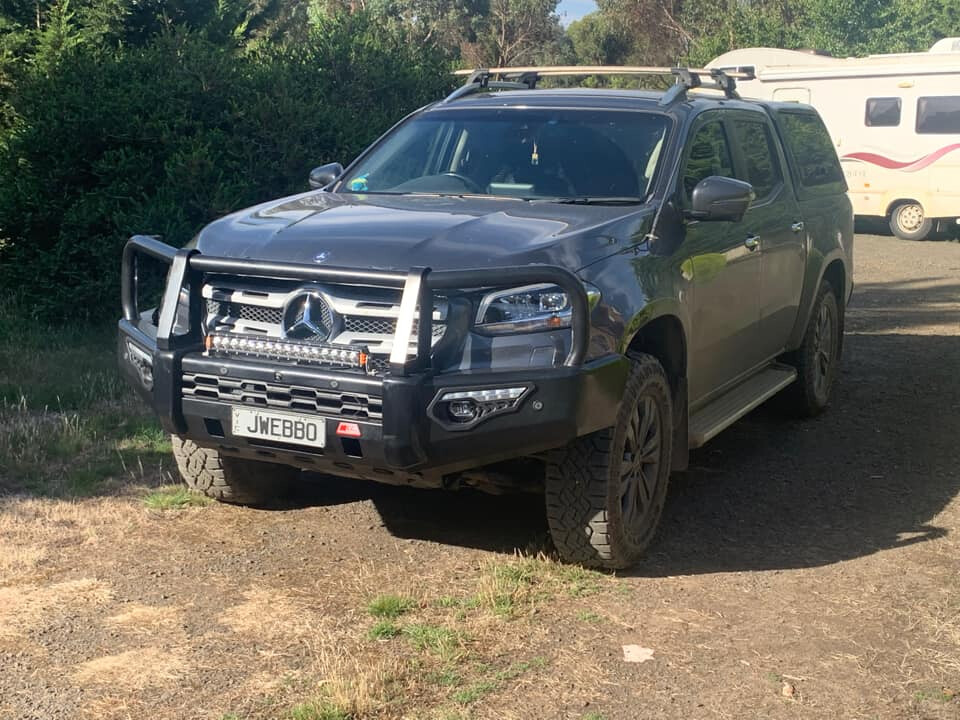
My X250d is pretty much stock, except for the MCC bar, Stedi lights and Wrangler 285/65 18 tyres on the outside, and an IDrive unit and CarPlay module on the inside. It may be a Navara underneath, but it sure as hell doesn’t drive like one – Justin Webster
Ford Everest
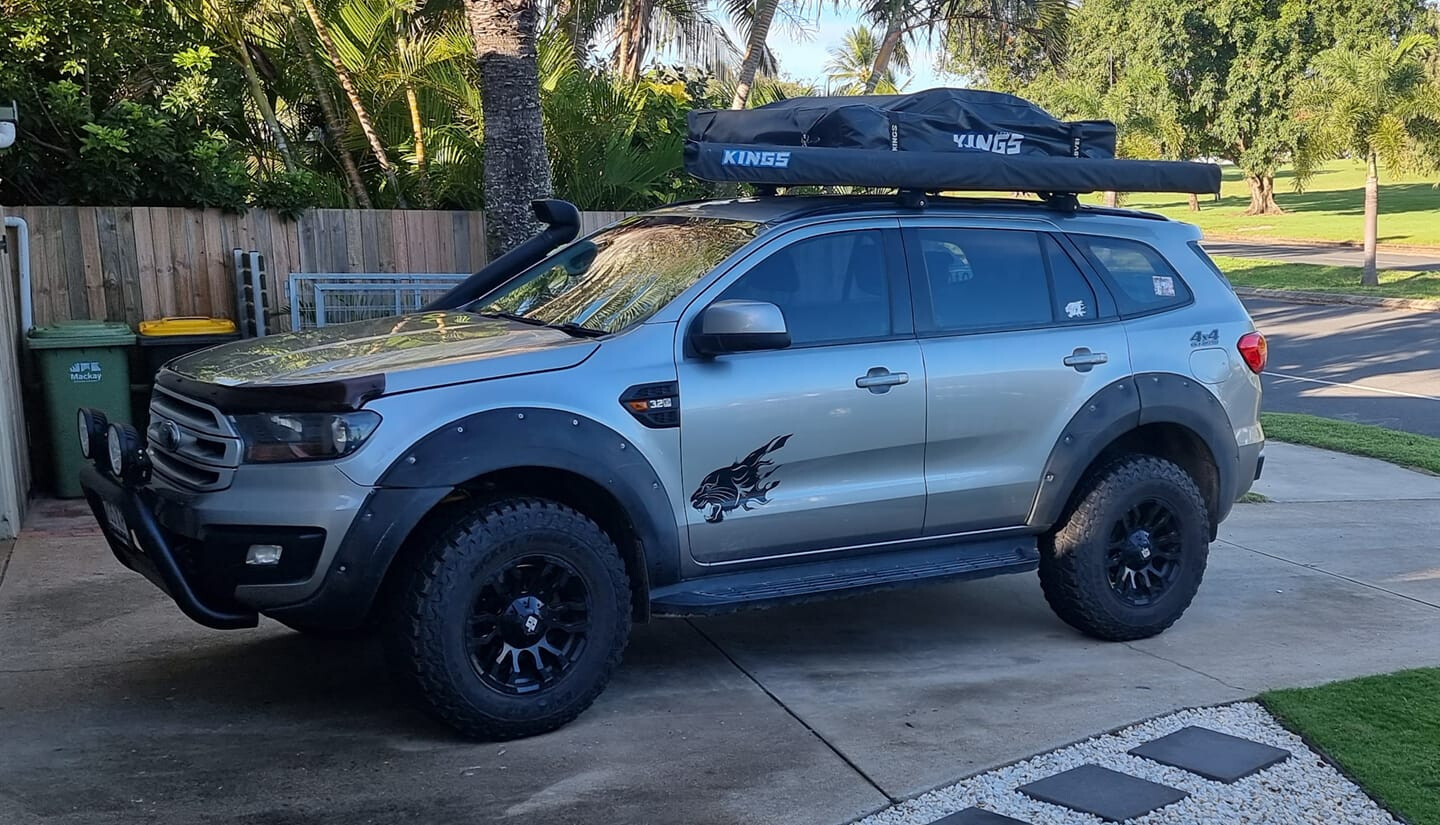
It has been fitted with a Ford nudge bar, Diesel 17 x 9-inch wheels inside Mickey Thompson LT285/70R17s, Kings seven-inch spotlights, Ryco catch can and water separation kit, two-inch TJM lift kit, snorkel and Jungle fender flares. Unstoppable! – Dennis Elstob
2021 Toyota LandCruiser 70
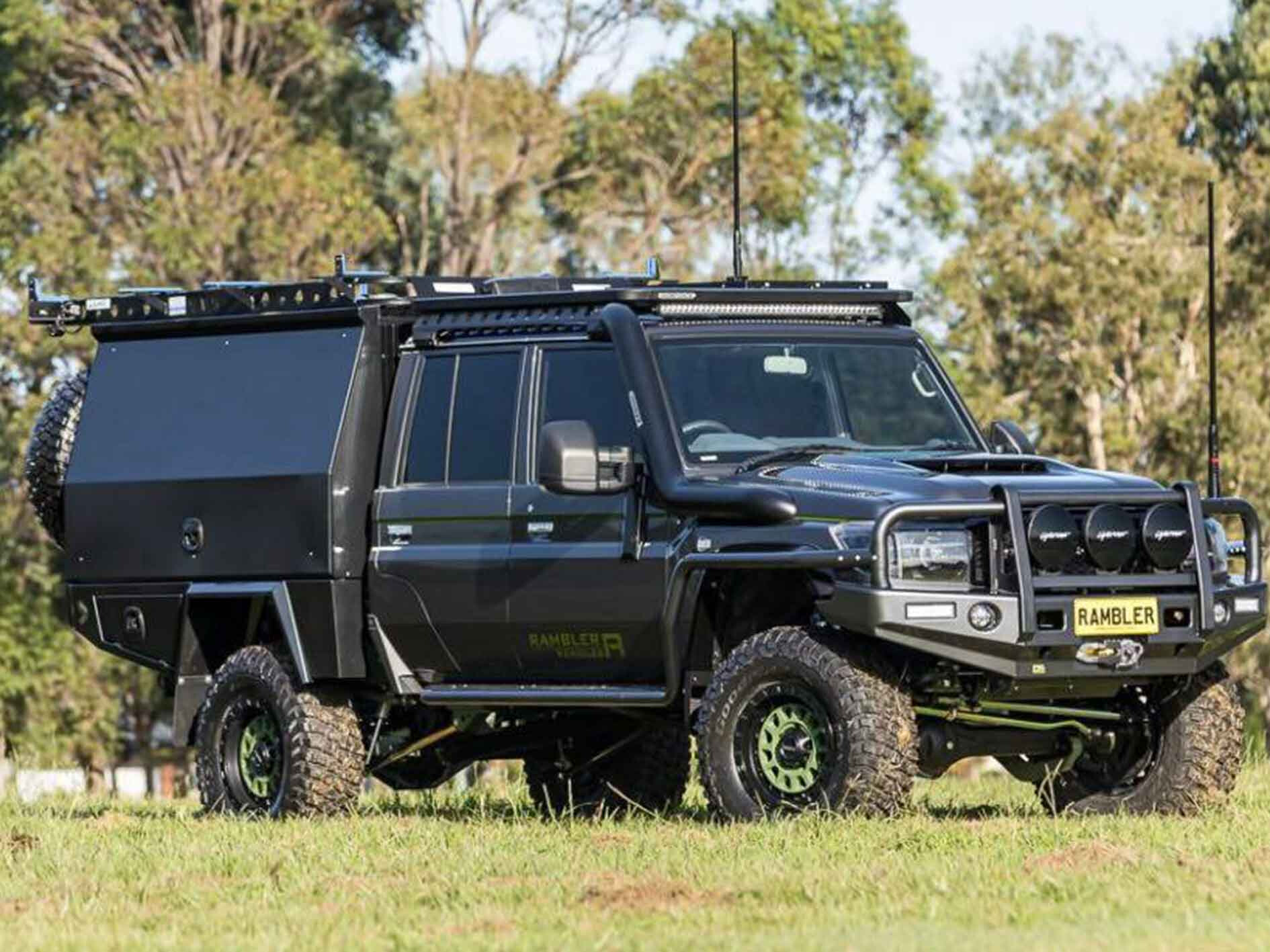
She’s a Rambler Vehicles build, and key modifications include a Spinifex Manufacturing full canopy body, underbody boxes and slide-out pantry; dual spare-tyre mounts; 70L water tank and pump; TJM air compressor; Almac boat loader; rear winch mount; and a rear ladder.
Driveline components include a Superior Engineering coil conversion four-inch lift and GVM increase to 4000kg; Superior front arms and coil cradle; alloy wheels inside BFG KM3s; Legendex exhaust system; Rambler custom dyno-tune and ECU remap; ASG 4×4 chassis extension; G-Turbo turbo upgrade; NPC heavy-duty clutch kit; PWR top-mount intercooler upgrade; Brown Davis long-range fuel tank; and airbags fitted to the rear.
Exterior additions include a TJM Outback bullbar; TJM side-steps and rails; TJM 12,000lb Torq winch; Factor 55 ProLink winch hooks; Legendex four-inch snorkel; Lightforce HTX2s and 40-inch light bar; Rhino Platform; Hayman Reese X-Bar; Clearview mirrors; and a catch can unit. – Shaun Hearn
2015 Holden Colorado
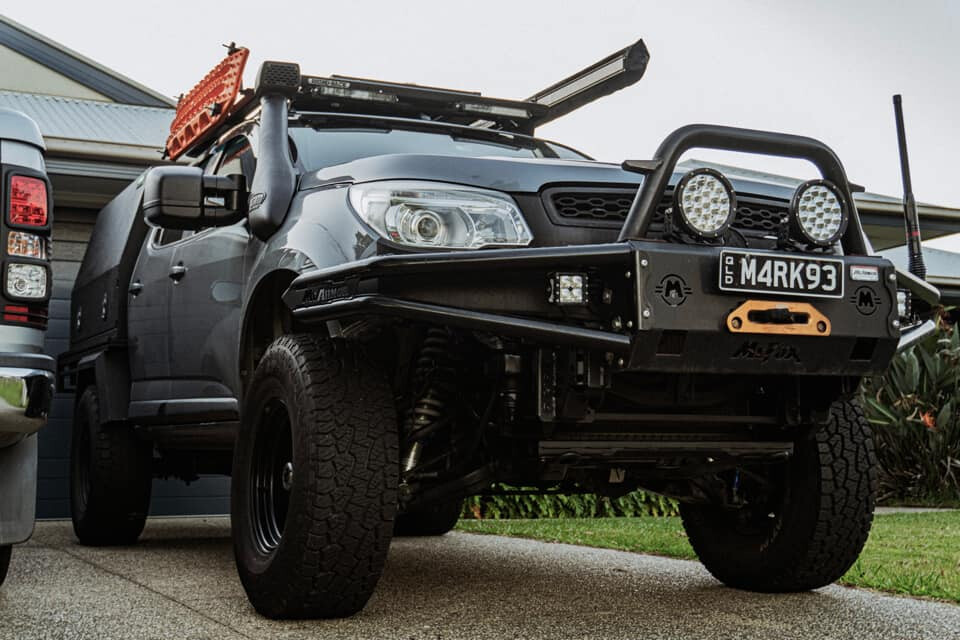
My RG Colorado features four-inch Superior Engineering remote-res front suspension and a two-inch Outback Armour leaf pack with Bilstein long-travel mono shocks, extended sway bar links and upgraded Bendix rotors.
Other key mods include a Garrett PowerMax turbo with PWR intercooler and pipework; PSICO airbox; TJM snorkel; transmission cooler; Clearview compact heated mirrors; McArmor Fox bar; Domin8r Xtreme winch; GME XRS system; PSR fairlead; Stedi C4 lights; XTM spotties; Rhino-Rack Backbone with Pioneer rack; Hardkorr 170W solar panel; XTM power board; 25amp Projecta DCDC charger; TC Boxes canopy; MW toolbox tray; Clearview drop-down fridge slide; Dometic CFX5; and 285/75/16 -22 16x8s on free-wheeling hubs.
It has done around 215,000km and hasn’t missed a beat. I have done plenty of beach trips and there are plenty more mods to come. – Mark Albans
2018 Isuzu D-MAX
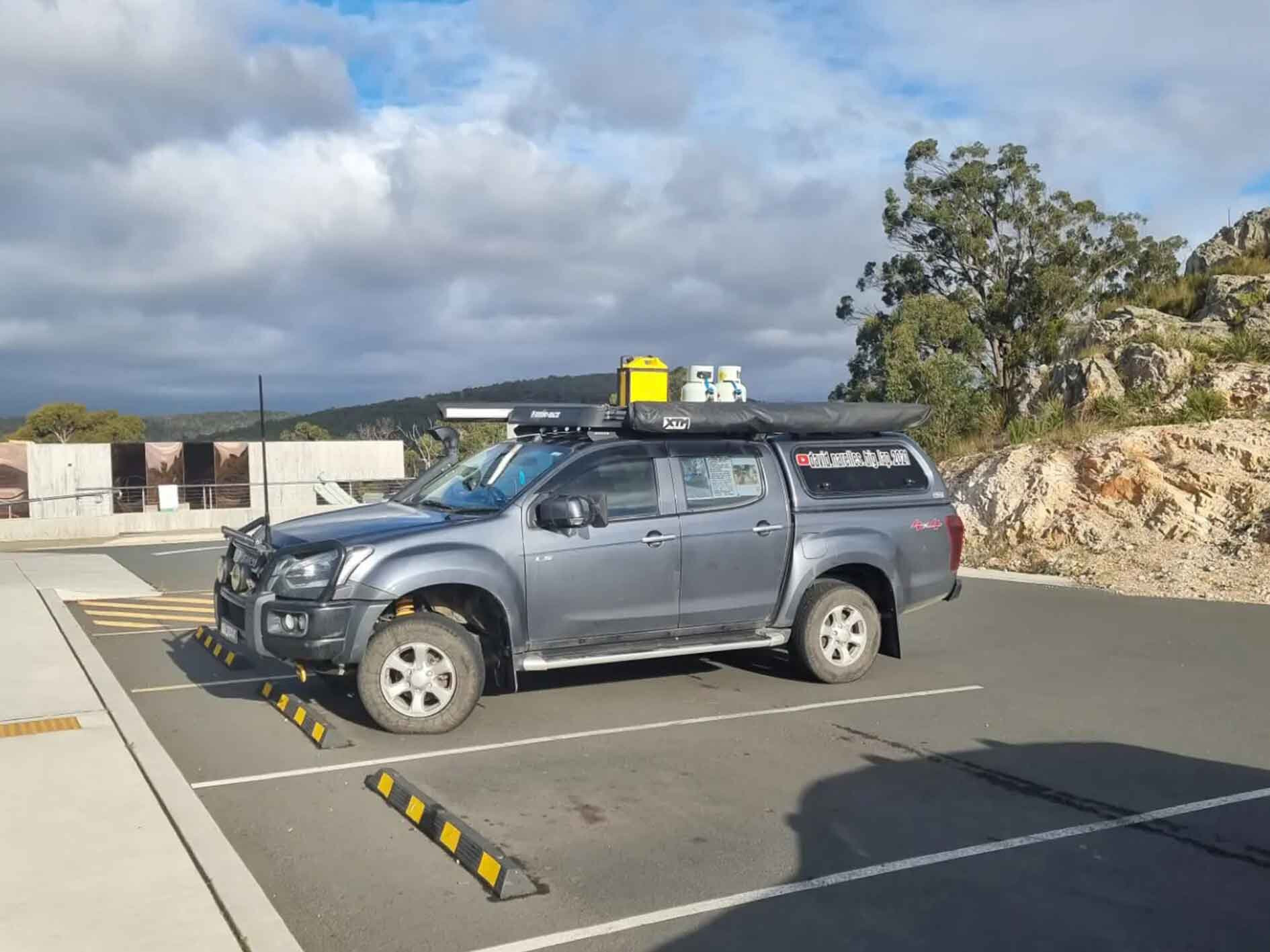
Main updates include a two-inch lift, Toyo all-terrain tyres, diff breathers, a Safari snorkel, a throttle controller, drawers in the back, and a 12-volt solar dual-battery set-up in the canopy. – David Williams
2004 Toyota LandCruiser HDJ78 RV TroopCarrier
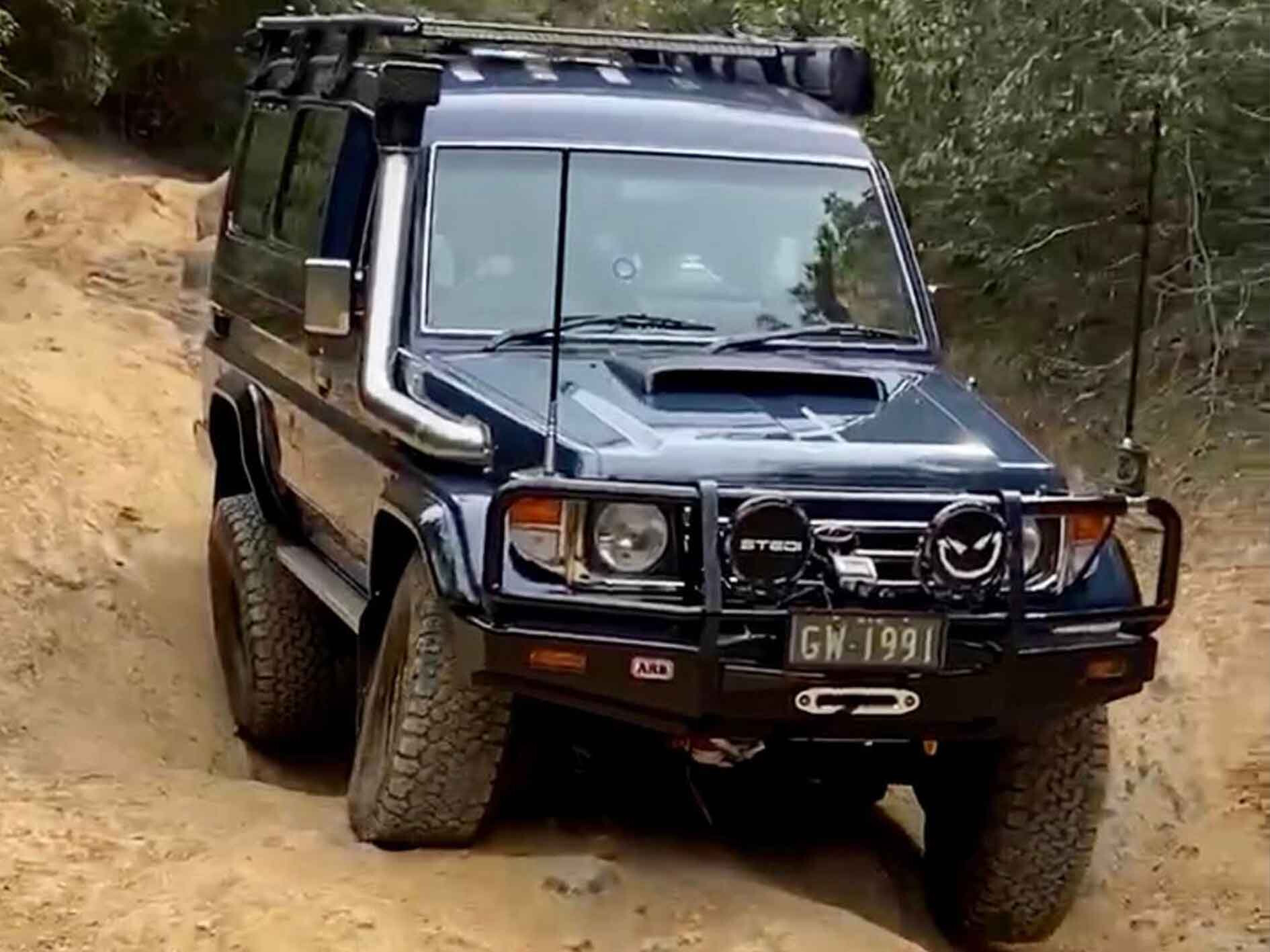
It’s mainly set up for touring with the family, with factory lockers; an ARB front bar with Runva winch; Stedi Type-X Pro LEDs; Thorburns rear bar; 45L stainless-steel water tank and pump; rear gullwing windows; custom rear drawers; Pioneer roof rack; and 285/75/16 Nittos on -25 King alloys. The engine is the mighty 1HDFTE with DPU module, top-mount cooler, and custom stainless-steel snorkel and airbox, with bigger intake to Munro high-flow turbo.
The interior features factory five-seat cloth trim, electric windows, pillar pod with boost and EGT, and Department of Interior centre and overhead consoles. – Grant Webb
The October 2022 issue of 4X4 Australia is officially out now, with two stunning custom builds stealing the show.
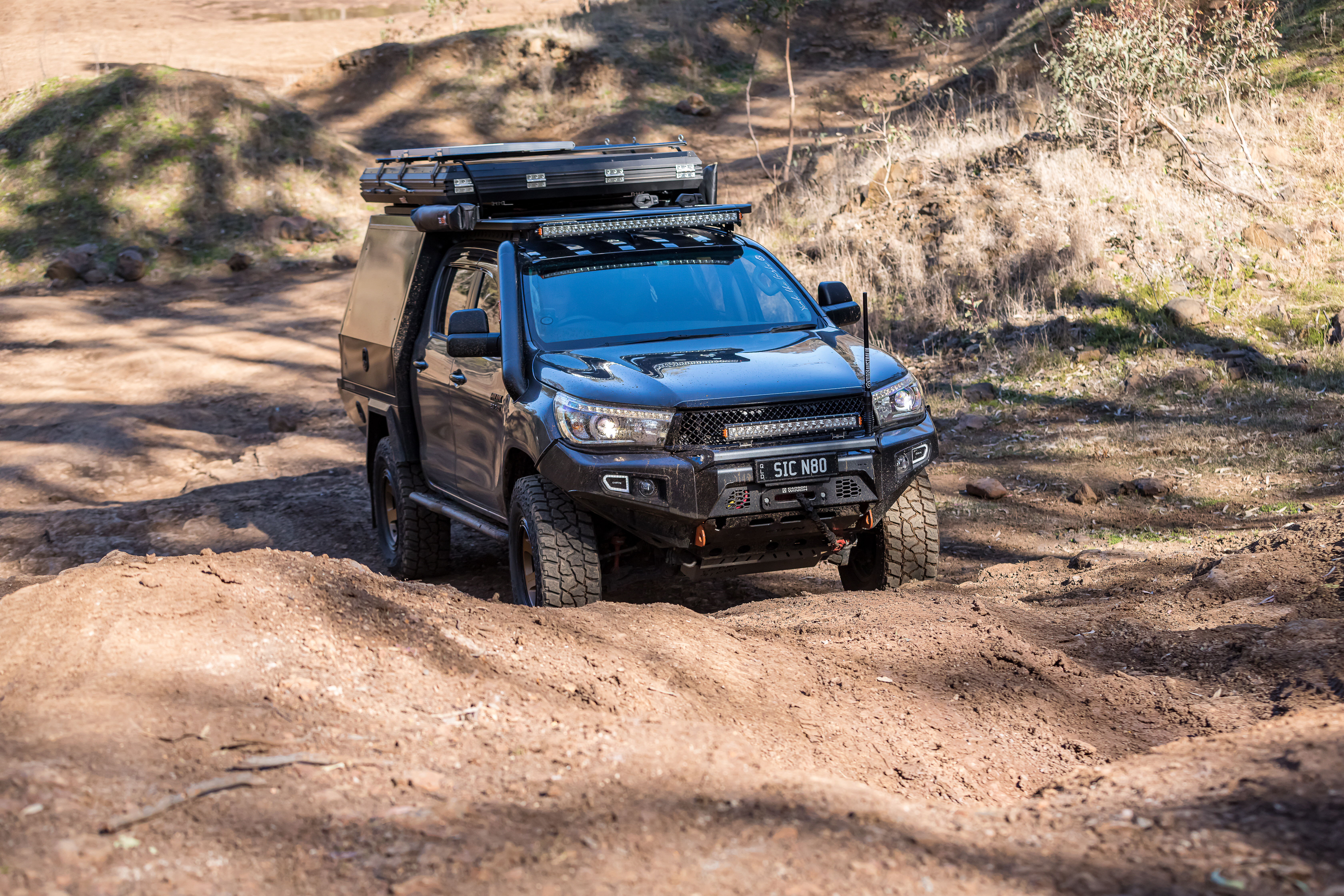
The modified Hilux SR5 on the cover is destined for a Cape York adventure, following an epic transformation from work rig to family tourer. The N80 is loaded with quality equipment for a Cape crusade, including an AMVE canopy, an AFN front bar, a Legendex four-inch snorkel and an In-House Fabrication air-box.
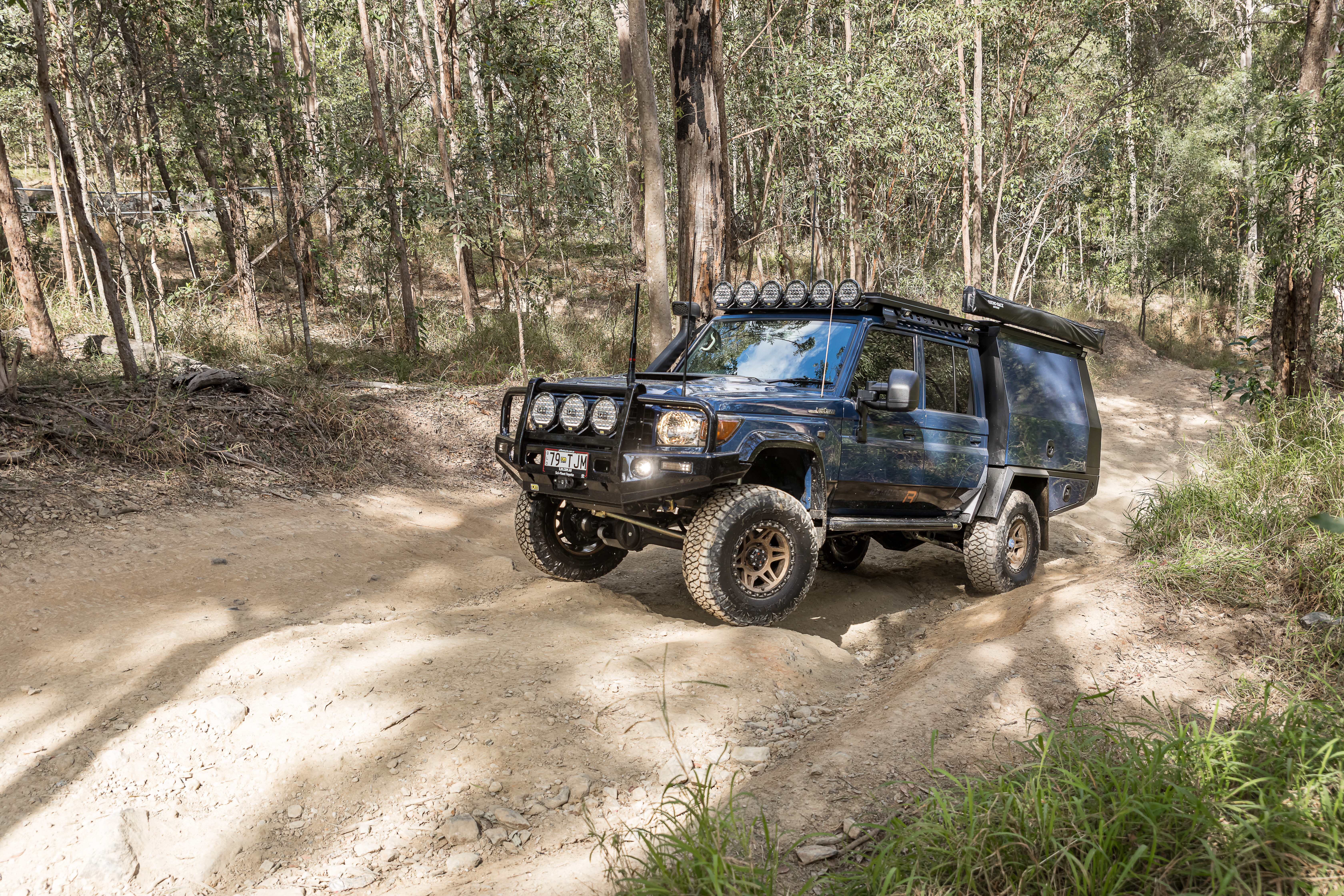
The second modified rig is a 79 Series LandCruiser meticulously pieced together by the expert team at Rambler Vehicles. TJM bar work and side-steps, a Hayman Reese X-Bar, a PWR intercooler, upgraded NPC 1300Nm clutch, and a Superior Engineering rear coil conversion are just some of the many changes.
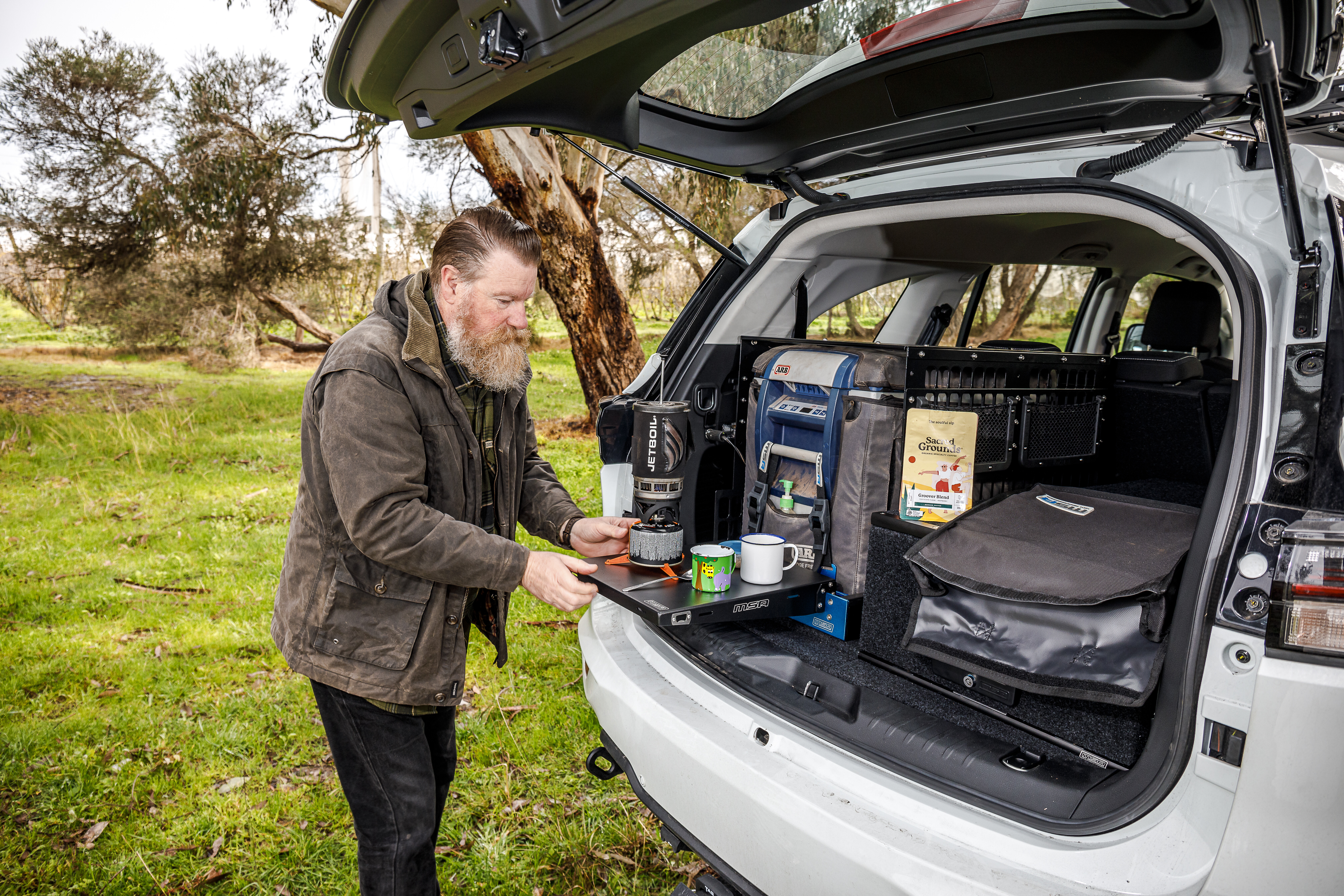
Our MU-X build ramps up this month with the addition of a full suite of MSA 4×4 gear including an Explorer drawer and fridge slide. Plus, we installed an Australian-made TAG XR Recovery bar to the rear-end of the Isuzu – the first time this specific bar has been fitted to a wagon.
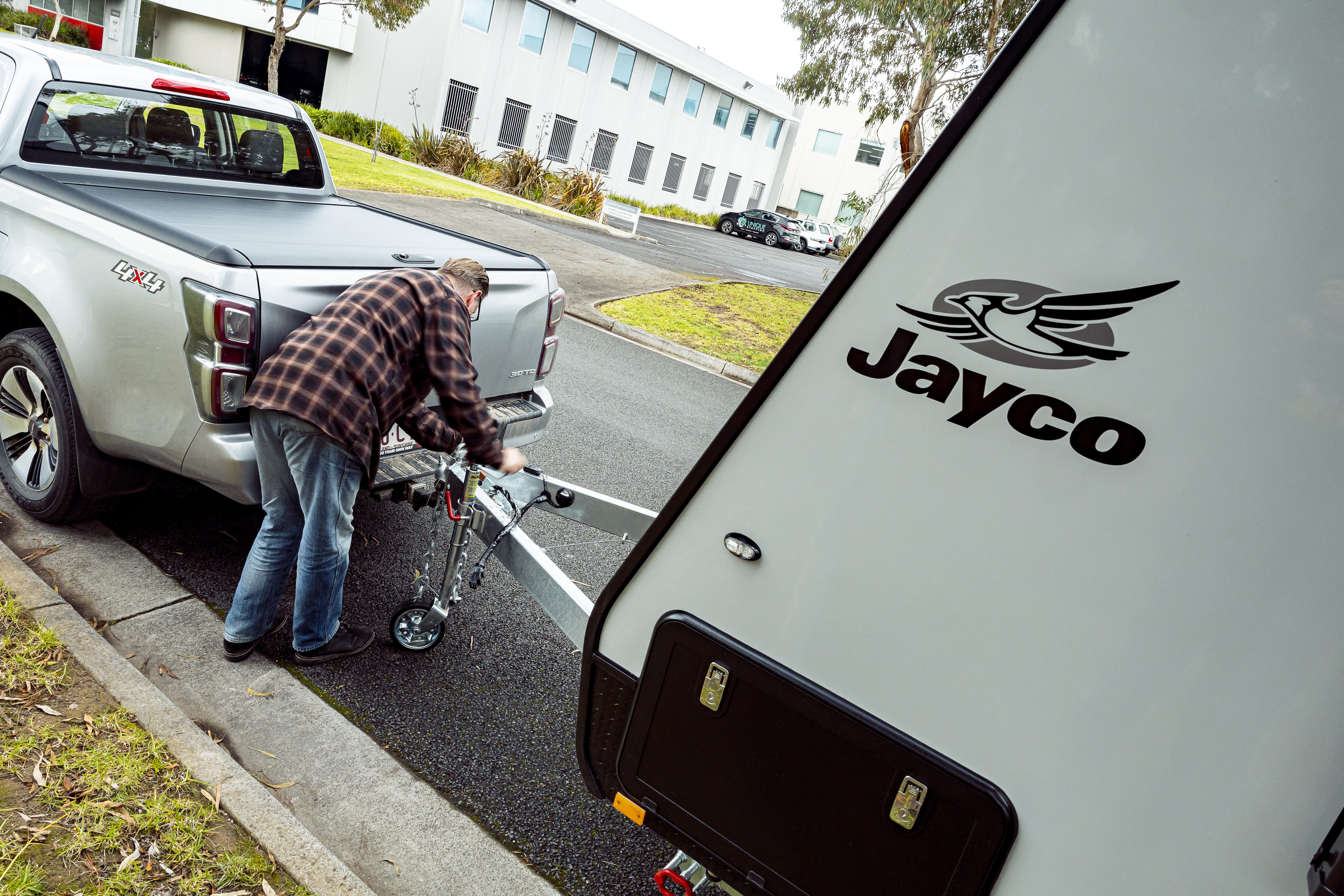
Matt was busy this month hitching a Jayco Journey Outback caravan to the back of six popular dual-cab utes, to find the best tow vehicle currently on the market. The test was done as part of our much bigger overall mega dual-cab ute test.
In this month’s instalment of 4X4 Australia’s ‘how to off-road’ driving series, Deano takes an in-depth look at the different 4×4 systems and traction aids available – what they do, and how to best use them.
What else is there?
- Wentworth to Renmark
- Coober Pedy to Apatula
- PRO-4X Warrior update
- FJ Cruiser in the shed
- New products + opinions
On paper, there is so much to like about the new-generation 2023 Ford Ranger. It really seems like Ford engineers have studied the market and produced a ute with features Australian tradies and four-wheel drivers actually want in a new vehicle. It’s bigger than its predecessor; longer and wider.
It has the option of a V6 turbo-diesel motor (as tested), as well as permanent four-wheel drive, which has only been incorporated into vehicles such as the VW Amarok and Mitsubishi Triton previously.
There’s plenty to love about the idea of this new Ford Ranger, and it seems the internet agrees considering the popularity of Ranger content. But without actually spending time with it, and using it daily, there’s no way to separate the hype from fact.

The basics
| Engine | 3.0-litre V6 diesel (single turbo) |
|---|---|
| Max power | 184kW @ 3250rpm |
| Max torque | 600Nm @ 1750-2250rpm |
| 4×4 system | permanent four-wheel drive |
| ADR fuel claim | 8.4L/100km (combined) |
| Price | $70,190 + on-road costs |
I attended the initial launch of the Ranger last year, but we weren’t allowed to drive the vehicle, or even look in the engine bay. This has all recently changed, and I was ecstatic to receive a call from Editor Matt saying it’s my turn for a spin in the top-of-the-line V6 Ranger Wildtrak.
Normally I don’t get excited by top-spec models as they include too many expensive additions and luxuries I just don’t need or want. But the Wildtrak, in my opinion, is the one to get; more on that later.
We headed out to the very wet Lithgow and Turon River area to put the new Ranger through familiar tracks and see how it would perform on dirt and off-road. This is beautiful country, filled with river crossings, mud, rocky climbs and amazing camping, all of which we were keen to explore in the 2022 V6 Ford Ranger Wildtrak.

Powertrain and performance
Combine a peppy 3.0L V6 turbo-diesel engine that produces 184kW at 3250rpm and 600Nm from 1750-2250rpm with a 10-speed automatic transmission, and it’s safe to say the new Ranger moves
It’s not just grunty though – it’s so smooth and refined in operation.
I actually jumped into a four-cylinder XLS Ford Ranger straight after the Wildtrak, and the first thing I noticed is how rough the four idles by comparison. In reality, it is just that the V6 is such a smooth motor it spoiled me as the 2.0L is still far quieter and smoother than most competitors.

Fuel economy hovered around 10.0L/100km on test but naturally, we weren’t driving with economy in mind. With a gentle right foot, this would see mid-eights, at a guess. With the factory Ford fuel tank coming in at 80L of capacity, it’s safe to assume a range of 750km per tank if being conservative.
The 10-speed gearbox is rather busy in operation but not what I’d call annoying. What I did find annoying was the actual gear selector, which has a small button at the front you need to press to change gears.
You get used to it, but I much prefer the more basic gear selector found in lower-spec Rangers. The upside to having a 10-speed transmission, though, is that there is a gear for any occasion when driving through technical terrain.

On-road ride and handling
The new Ranger’s suspension is definitely firm but at no stage harsh or skittish, particularly unladen. It’s impressive in operation even over corrugations and fast dirt road sections. On-road, this firmness is appreciated, as the Ranger feels well planted and doesn’t roll through corners.
Combine well-handling suspension with the ability to run this particular Ranger in all-wheel drive on-road, and you have a vehicle that is stunning to drive in wet and slippery conditions. With disc brakes on all four corners, braking feel and performance is excellent also.
I had to keep reminding myself this is a four-wheel drive ute. The previous-generation Ranger always rode and handled well on Australian roads, thanks to local development and engineering, but this new Ranger is better again. An evolution if you will.

The previous-generation Ranger always rode and handled well on Australian roads, thanks to local development and engineering, but this new Ranger is better again
Something I appreciated was the operation of stability control, traction control and the various safety additions such as lane-keep assist, which were effective in operation but at no stage intrusive. This calibration was appreciated as someone who actually likes to drive a vehicle rather than have it drive for me so to speak.
There is a lack of annoying beeps and chimes, which was music to my ears. Speaking of music, the audio system in the Wildtrak Ranger is a ripper, both in terms of quality and volume output.
You certainly do notice the increase in size compared to the previous Ranger, mainly the increased width of both the cabin and wheel track. You get used to it, but you absolutely can feel it’s a bigger vehicle all round.
The extra wheelbase is a benefit on-road, not just to assist with load distribution. It also (in my opinion) enhances the grip and overall ride quality experienced. Will these larger dimensions hold the Ranger back off-road though? That’s what we need to find out.

Off-road
In stock form, yes, I feel the extra length and width of the 2023 Ford Ranger are noticeable off-road, judging by the number of times we grazed the side steps, tow bar and underbody protection on tracks that other vehicles didn’t.
It’s certainly not as noticeable as a full-sized ute such as a Ram or Chevy Silverado but was noticeable in muddy ruts where it was a squeeze to sit in the tracks created by other vehicles.
Otherwise, the Ranger is a capable vehicle off-road, with decent (still not as good as a HiLux though) traction control, a rear locking differential and an impressive amount of suspension travel from the rear leaf springs.
Gearing reduction is nice and low, as you’d expect with a 10-speed gearbox, and at no stage did I want or need hill descent control thanks to this low-range reduction.

Gearing reduction is nice and low, as you’d expect with a 10-speed gearbox, and at no stage did I want or need hill descent control thanks to this low-range reduction
Various terrain modes, which alter things like throttle response and traction control calibration to better suit the terrain you are experiencing, proved to be helpful on test and are something both beginner and experienced off-roaders will benefit from using.
Those familiar with the Turon River area will know it is littered with water crossings and that the depth can vary from ankle deep to above your head seemingly overnight. During our visit, it was as deep as I’d want to take a stock four-wheel drive without a snorkel through, and on one occasion we saw water up over the bonnet.
The air intake is forward-facing in the engine bay, and I thought for sure we’d drowned the air filter. I was surprised on inspection that not a single drop of water had made its way in.
Ford claims an 800mm wading depth and we tested every millimetre of that claim, awarding the vehicle full points when it comes to water crossings. But I’d still fit a snorkel personally for peace of mind.

Cabin and accommodation
There’s a fair bit to talk about inside the top-spec Wildtrak, including a place to store your French fries. That’s not a joke, by the way – there’s even a little chip packet logo inviting you to do so.
If you look up from the driver’s seat, you’ll notice an aircraft-style switch panel, with six switches that allow you to easily and neatly add aftermarket accessories such as driving lights, which is refreshing to see.
Blank switches for accessories are few and far between elsewhere in the cabin (I counted one), so you’d have to run something like ARB’s Linx system to add gear otherwise.
The interior door handles also caught me off guard as you don’t pull a lever to open the doors, you squeeze the handle. I found this actually easier to use than a more traditional door handle, so there must be method to the madness. In the back seat area, there is storage under the seat, very useable storage at that.

With the back seat folded down, I dare say you’d be able to squeeze a slimline lithium battery in there, which in my opinion is a great place to store a second battery (most lithium batteries don’t like to be mounted in engine bays).
Design-wise, Ford has done an excellent job of the Ranger Wildtrak’s interior styling and layout. It is very dark with loads of black plastic, but with orange stitching to offset this.
The seats are really comfortable too; my wife especially appreciated the heated seats on a cold run up to Katoomba, as well as the wireless phone charger.

It’s impossible to ignore the massive infotainment screen mounted neatly onto the dash, which really is the brains of the vehicle
I found it intuitive and quick to operate, but gee I’d hate to see how much one would cost if you had to replace it. However, having most controls operated via the touchscreen neatens up the dash area considerably, and I appreciated seeing actual dials for things like volume control.
If I had to sum it up, the new Ford Ranger Wildtrak feels like a cross between a HiLux and an Amarok – it’s super comfortable and luxurious inside, yet capable and practical off-road. I really feel the Wildtrak is the model to get too, as the extra money you pay for it feels well spent.
I normally prefer simpler base model four-wheel drives and put the savings into accessories, but I’d absolutely spend the extra coin here and go with the Wildtrak’s many extra useful features and plush (for a ute) interior.

Practicalities
With 1200mm of cargo storage space between the wheel arches, as well as plenty of adjustable tie-down points and LED lighting in the tub, the Ranger is as practical as it gets really.
The steps on the side of the tub are also a simple yet well-executed inclusion, as is the electronically operated roller hard lid that can be operated from inside the vehicle as well as via a push button in the tub.
Towing capacity is listed at 3500kg, as you’d expect, however personally I’d not feel comfortable towing that much with any vehicle – but that’s just me. Payload capacity is an impressive 997kg, allowing a fair margin for those wanting to accessorise their Ranger with things like bull bars and winches.
Speaking of accessories, you can have a Ranger built up through your Ford dealership with ARB accessories, which is not only convenient but tells me Ford wants you to make your Ranger your own and build it up for your needs. It’s refreshing to see.

VERDICT
You’d bloody want it to be good. It needs to be.
This is the part of the article where you expect me to tell you the new Ranger is the best ute on the market, and you all ask how much Ford paid me to do so, right? Well, in my own opinion, the V6 Wildtrak Ford Ranger is the best ute on the market today, and I say that as a HiLux owner.
You’d bloody want it to be good though, it needs to be. Competition in this sector is getting fiercer by the week and I look forward to seeing what other manufacturers come up with to compete with the new Ford Ranger.
I am also aware it is a new model, and we don’t yet know of or understand any potential flaws or weaknesses that can arise from any new-generation vehicle. Not that I’m saying there are any, I’m just old school.
Were I in the market for a new four-wheel drive ute, the Ranger – particularly in Wildtrak trim – would be at the top of my list. However, I’d be waiting a year or two before buying one personally.

It is the perfect blend of being practical, capable, powerful and comfortable, a very long way away from the utes of the late 90s and early 2000s, which were commercial vehicles first, passenger vehicles second.
On my wish list if I purchased a new Ford Ranger would be a suspension lift and larger tyres, as on test the ground clearance proved to be an issue, with the side steps and underbody protection plates coming into contact with Mother Nature more often than I like.
The good news, however, is that’s about all it needs to be a solid performer in all areas, and these aftermarket accessories are available via the dealership (or other aftermarket accessory outlets) thanks to Ford’s partnership with ARB, which is a great initiative that more manufacturers should follow.
Ford has built a vehicle for the people who are actually going to use it – and for that, I say job well done.
2022 Ford Ranger Wildtrak specifications
| Engine | 3.0-litre V6 diesel (single turbo) |
|---|---|
| Max power | 184kW @ 3250rpm |
| Max torque | 600Nm @ 1750-2250rpm |
| Transmission | 10-speed automatic |
| 4×4 system | permanent four-wheel drive |
| Construction | body on ladder frame chassis |
| Front suspension | independent with coil-over struts |
| Rear suspension | solid axle with leaf springs |
| Tyres | 255/65 R18 Goodyear Wrangler Territory AT/S |
| Tare weight | 2353kg |
| GVM | 3350kg |
| Payload | 997kg |
| Fuel tank | 80 litres |
| ADR fuel claim | 8.4L/100km (combined) |
| On-test fuel use | 10.0L/100km |
| Departure angle | 23 degrees (with towbar) |
| Approach angle | 30 degrees |
| Rampover angle | 22 degrees |
| Wading depth | 800mm |
| Price | $70,190 + on-road costs |
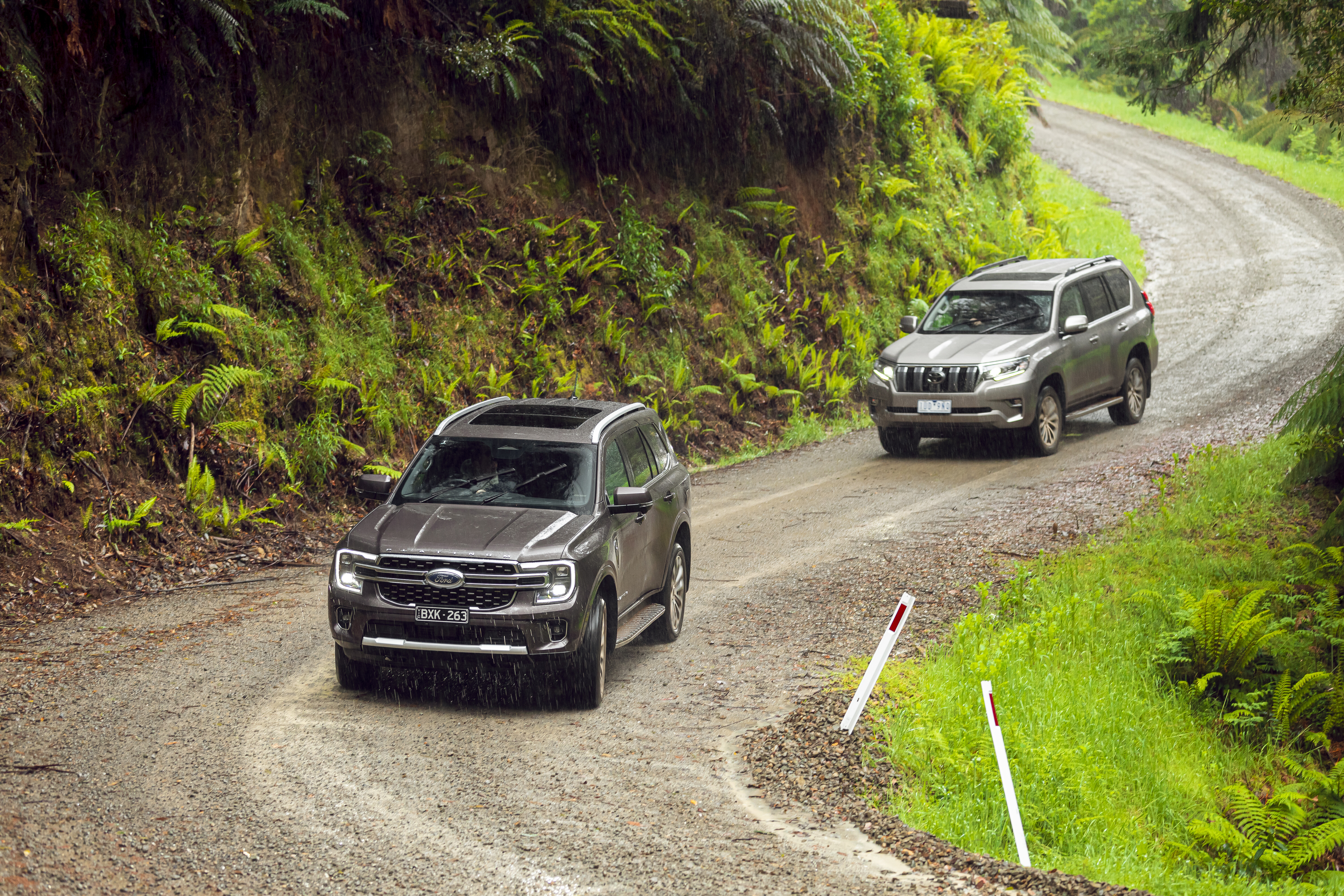
UPDATE, November 16: Ford Everest vs Toyota Prado
We’ve put the new-generation Ford Everest up against its most popular and obvious rival, the Toyota Prado. Get the full story at the link below.
Story continues: 2023 Ford Everest first drive
Ford Australia’s 2023 Everest wagon is now on sale and available in four model grades and a choice of 4×4 and 4×2 drivetrains, and inline 4-cylinder and V6 diesel engines.
Everest Ambiente and Trend models are powered by the 2.0-litre 4-cylinder bi-turbo diesel engine, and the Everest Sport and Platinum exclusively get the 3.0-litre V6 diesel engine.
All Everest models use the 10-speed automatic transmission, while only the lower-spec Ambiente and Trend models are offered with the 4×2, but all grades can be had as 4×4.
Ambiente Everests come standard with just five seats as standard, with seven available as an option, while all other Everests are seven-seaters.
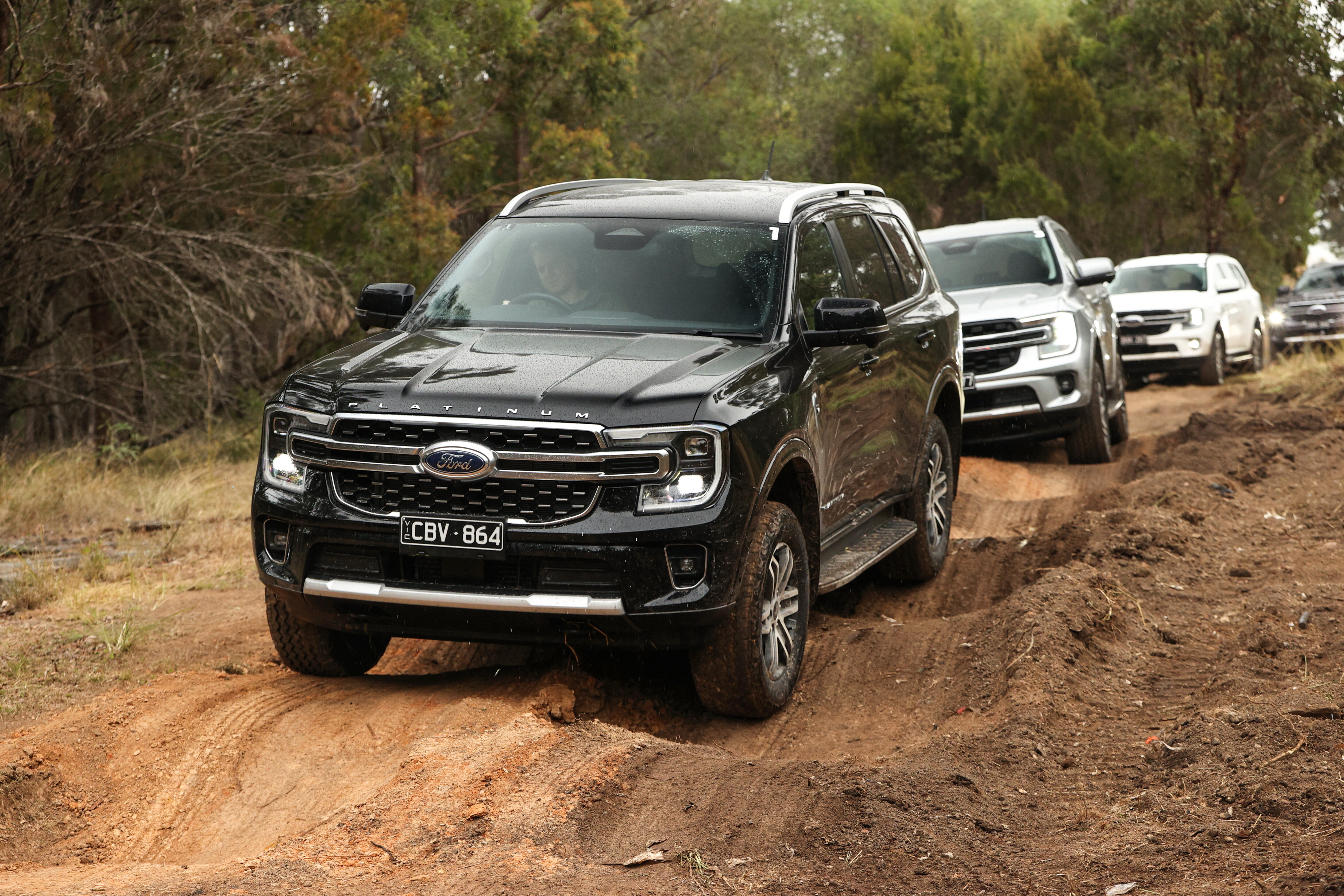
As you would expect, the new Everest borrows heavily from the new Ford Ranger, released just a month earlier. Both ride on model-specific versions of the T6.3 ladder-frame chassis platform.
The real difference between the two is the rear suspension, where the Ranger rides on leaf springs – better suited to heavier loads – and the Everest has coil springs and a Watt’s linkage for improved passenger comfort and vehicle dynamics.
Upgrade your 4×4
-
Bullbars
-
Underbody Protection
-
4X4 Tyres
-
Canopies
-
Roof Racks
-
Storage
2023 Ford Everest pricing
| Model | Price |
|---|---|
| Ambiente 4×2 2.0L Bi-Turbo diesel | $52,990 (+$2900 over Ambiente 3.2) |
| Ambiente 4×4 2.0L Bi-Turbo diesel | $57,990 (+$2900 over Ambiente 3.2) |
| Trend 4×2 2.0L Bi-Turbo diesel | $60,290 (+$3200) |
| Trend 4×4 2.0L Bi-Turbo diesel | $65,290 (+$2900) |
| Sport 4×4 3.0L V6 turbo-diesel | $69,090 (+$4700 over Sport 2.0 Bi-Turbo) |
| Platinum 4×4 3.0L V6 turbo-diesel | $77,690 (+$6500 over Titanium 2.0) |
For a full rundown on the Everest range’s entire features list, see our big pricing and specs story at the link below.
Interior
Comfort and dynamics are the two areas Ford has excelled in when creating the new Everest.
Ford Australia’s engineers set out to reduce what they call, ‘head bouncing’, or how much the passengers are bounced around inside the car when driving over rough roads, and they have succeeded by delivering a cabin that is comfortable and refined for passengers regardless of which row they’re seated in.
There is more leg and head room for second-row passengers, while the third row remains best reserved for kids or anyone shorter than 150cm.
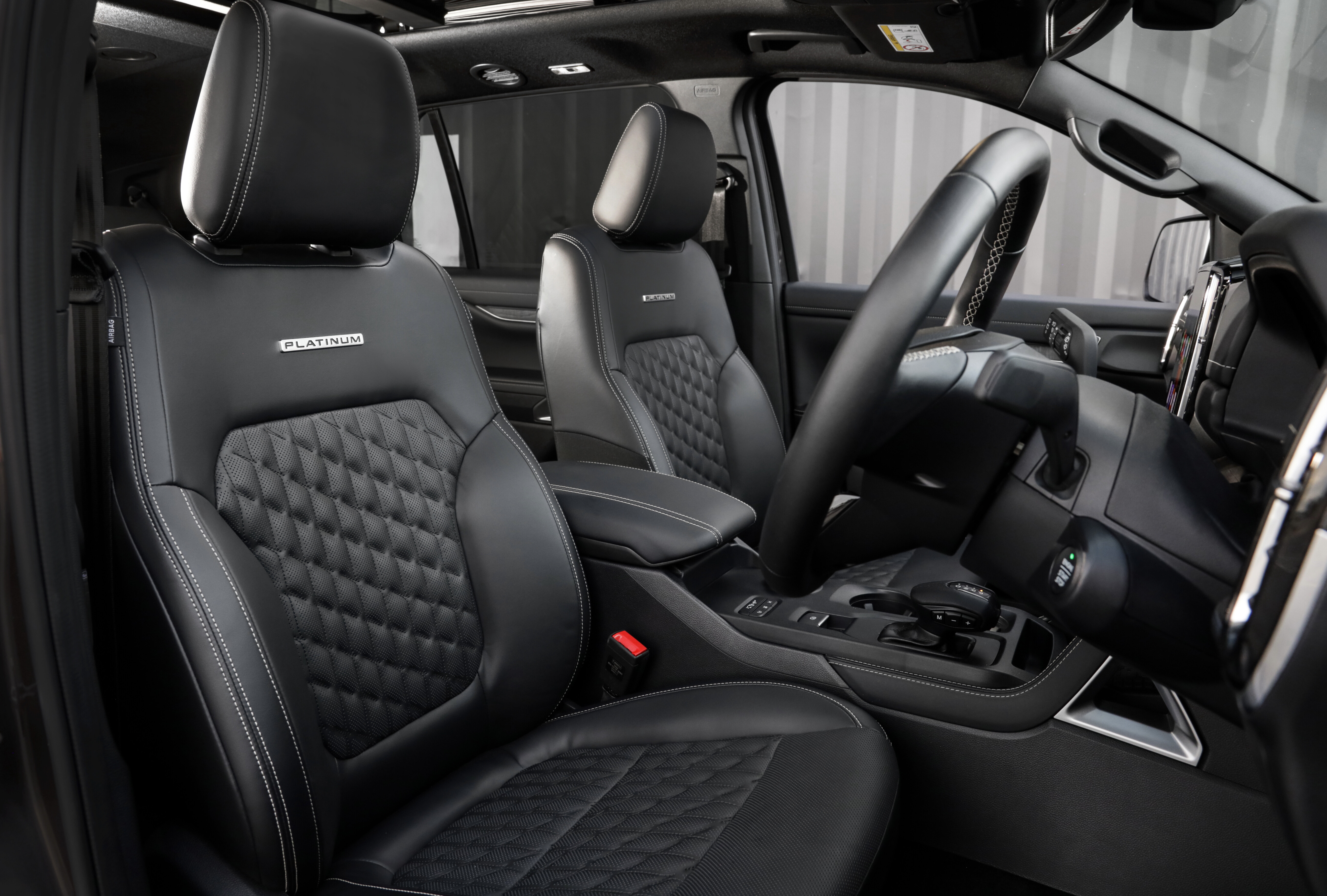
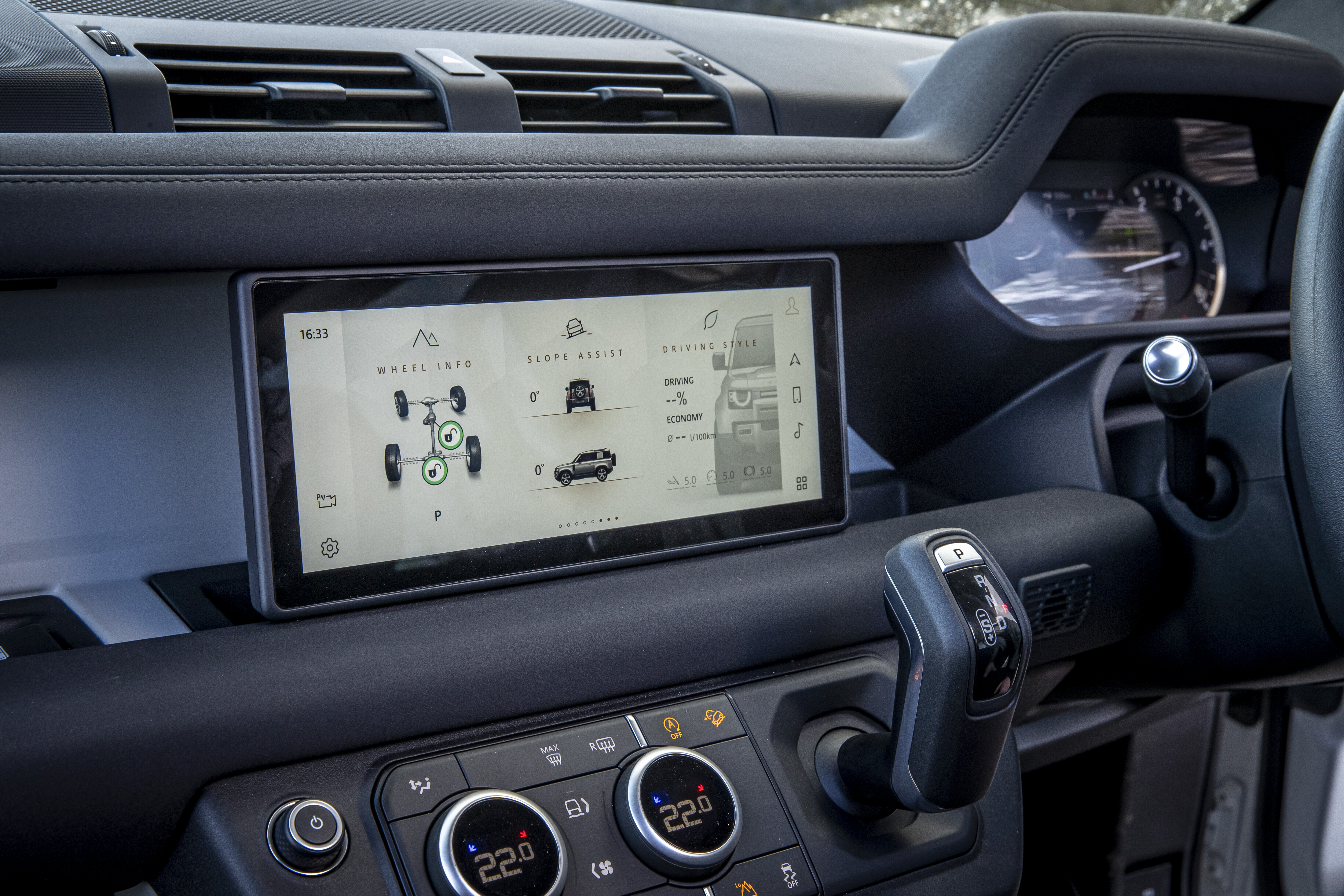
Up front, the driver and passenger are faced with a well-appointed dash. The standard centre screen is a massive 10.1-inch unit, but that only comes in the Everest Ambiente model. All other models get an even bigger 12-inch screen that includes all your A/V controls, HVAC and Ford Sync 4 infotainment functions.
Ahead of the steering wheel, which is now adjustable for reach as well as height, is an 8-inch configurable digital dash so that you can set up your gauges and info however you like. The 8-inch screen is in all models bar the Platinum, which gets a 12.4-inch unit.
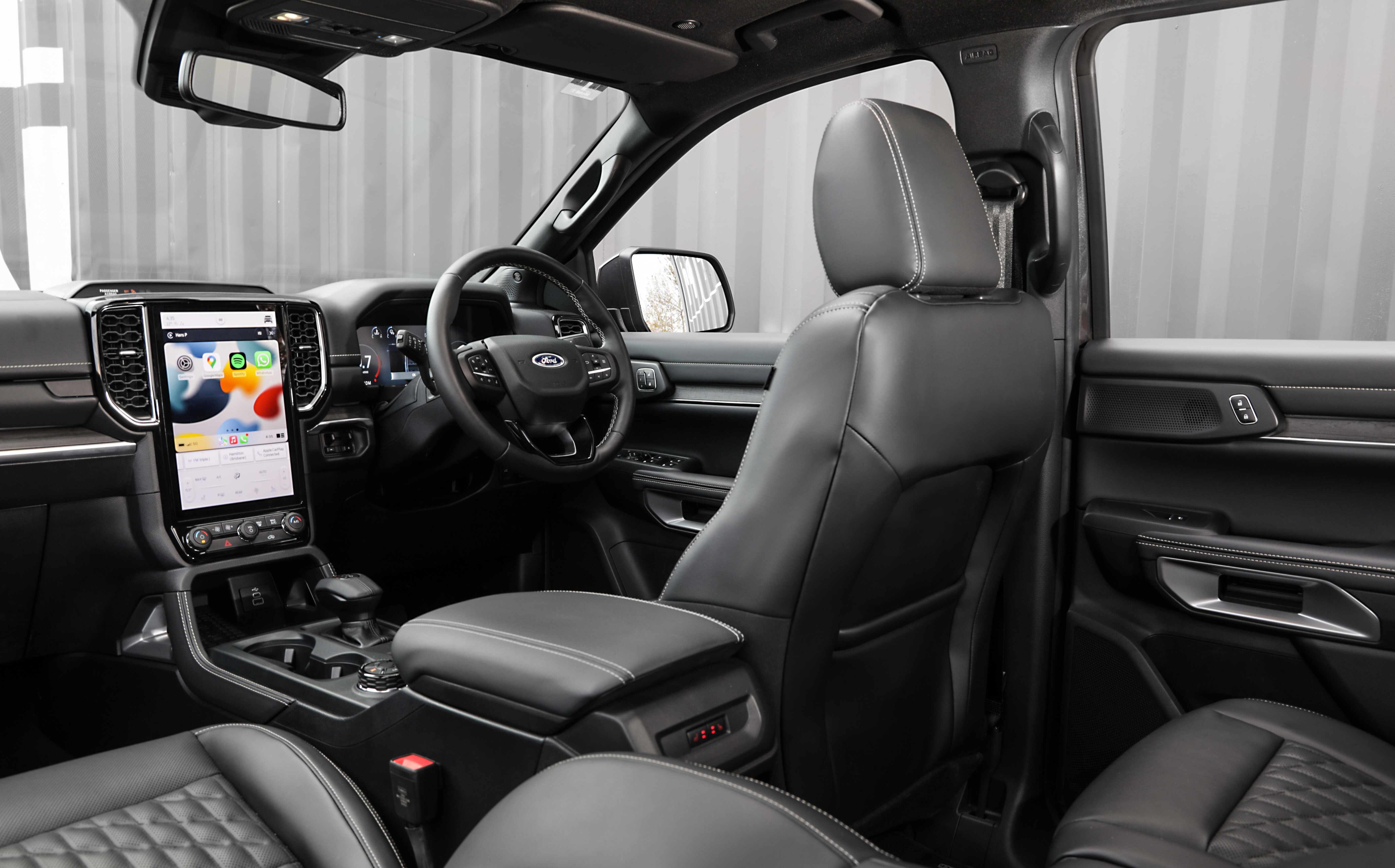
The Everest Platinum model replaces the Titanium from the previous generation Everest, and it really takes the 4×4 wagon up a notch in terms of equipment and styling.
Basically, it gets all the options and some exclusive extras like the Bang & Olufsen 10-speaker sound system, 10-way power adjustable heated and cooled seat and 21-inch alloy wheels.
For those that want a more practical and sensible wheel choice, you can option 18s back on your Platinum.
Safety
The new 2023 Ford Everest boasts a full five-star ANCAP crash safety rating, announced in September 2022.
All new Ford Everests get a full suite of class leading safety features including AEB, side airbags that extend through to the third row occupants, a centre airbag between the driver and front seat passenger to stop them smashing their noggins together in a crash, lane-keeping assist with roadside detection so that it doesn’t rely on the white lines, blind-spot indicators, reversing emergency brake, and radar cruise control.
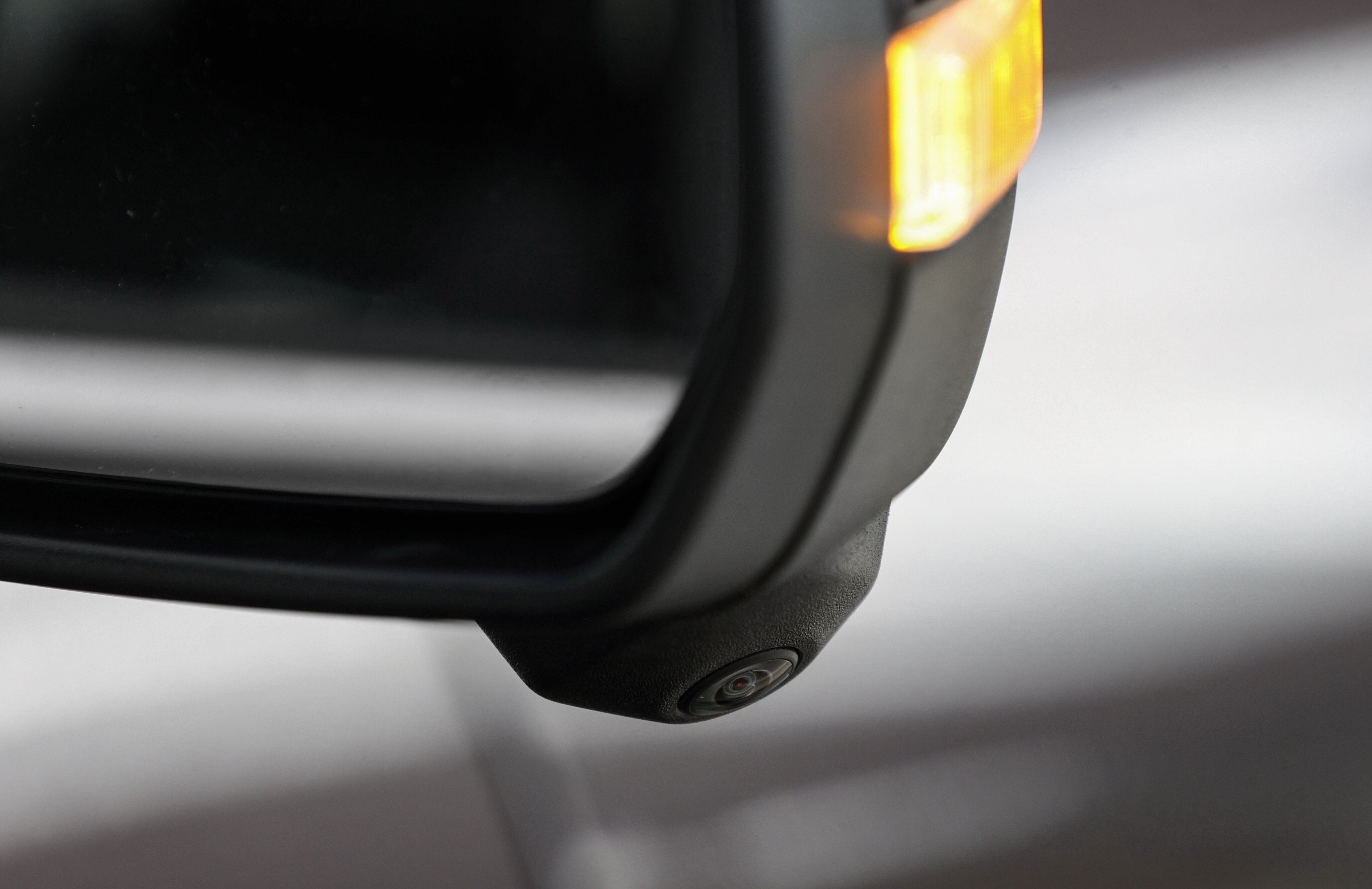
The blind spot indicators work with the Sync 4 trailer setup to take into account the length of your trailer and adjust the range it covers. Trailer sway control and a 360-degree camera are other handy safety additions.
Unfortunately, the essential safety item of a tyre-pressure monitoring system, only comes on top-of-the-range Platinum Everest.
When you consider that all these fancy electronic safety systems still rely on the vehicle’s tyres having the best contact with the road beneath you, then there is no more important factor than maintaining correct tyre pressures.
2023 Ford Everest safety features
| Electronic parking brake |
| Electronic brake booster |
| ABS, EBD, roll stability control, hill start assist |
| Nine airbags, including driver and passenger knee bag |
| Collision mitigationu00a0 |
| Autonomous emergency braking |
| Reverse brake assist |
| Post impact braking |
| Lane keep assist |
| Lane departure warning |
| Driver alert |
| Front and rear parking sensors |
| Blind-spot information system (BLIS) with rear cross-traffic alert |
| Digital reverse camera |
| Automatic headlamps and high-beam |
| 360-degree camera (Platinum only) |
| Active park assist (Platinum only) |
Towing
The Everest adopts the class-leading trailer tech that debuted on the new Ranger, including the Sync 4 setup, integration and towing checklist, and an integrated factory electric-brake controller.
All Everest 4×4 models have a 3500kg towing capacity to match the mid-size utes and other large 4×4 wagons, while the GCM is rated at 6250kg.
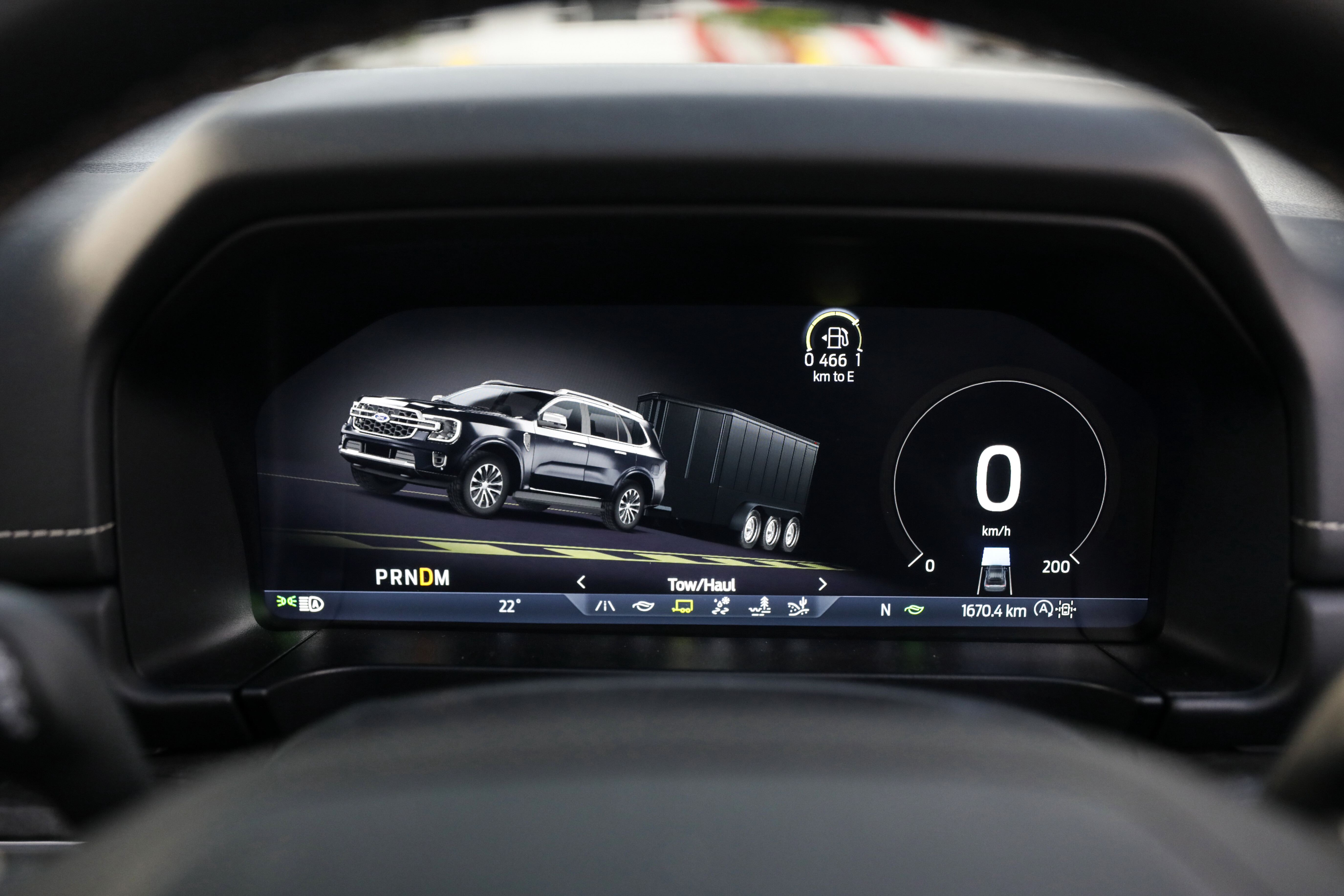
Towing is also a consideration of the Everest’s multiple drive modes where there is a Tow/Haul mode that optimises the vehicle’s chassis and driveline electronics to suit pulling a load. If it works as well as it does in the Ranger, then it’s a very good setting.
Other drive modes in the 4×4 Everest include an Eco mode, normal driving, slippery roads, sand driving, and mud and ruts for off-roading.
Engine and powertrain
The Everest’s new V6 diesel engine brings new levels of refinement and performance to the Ford wagon
While its 184kW of power and 600Nm of torque are not all that much more than that of the Bi-turbo 4-cylinder engine’s 154kW and 500Nm, it’s the smooth, quiet power delivery that makes the difference and contributes significantly to the Everest’s high levels of cabin quietness and refinement.
The 4-cylinder diesel has been upgraded for its application in the new Everest with changes to the injection system and other aspects, all designed to make the engine quieter, but it still can’t match the refinement of the V6.
The four’s 500Nm of torque still gives the Everest plenty of poke, and family users and those towing will not be disappointed in the way it gets along.
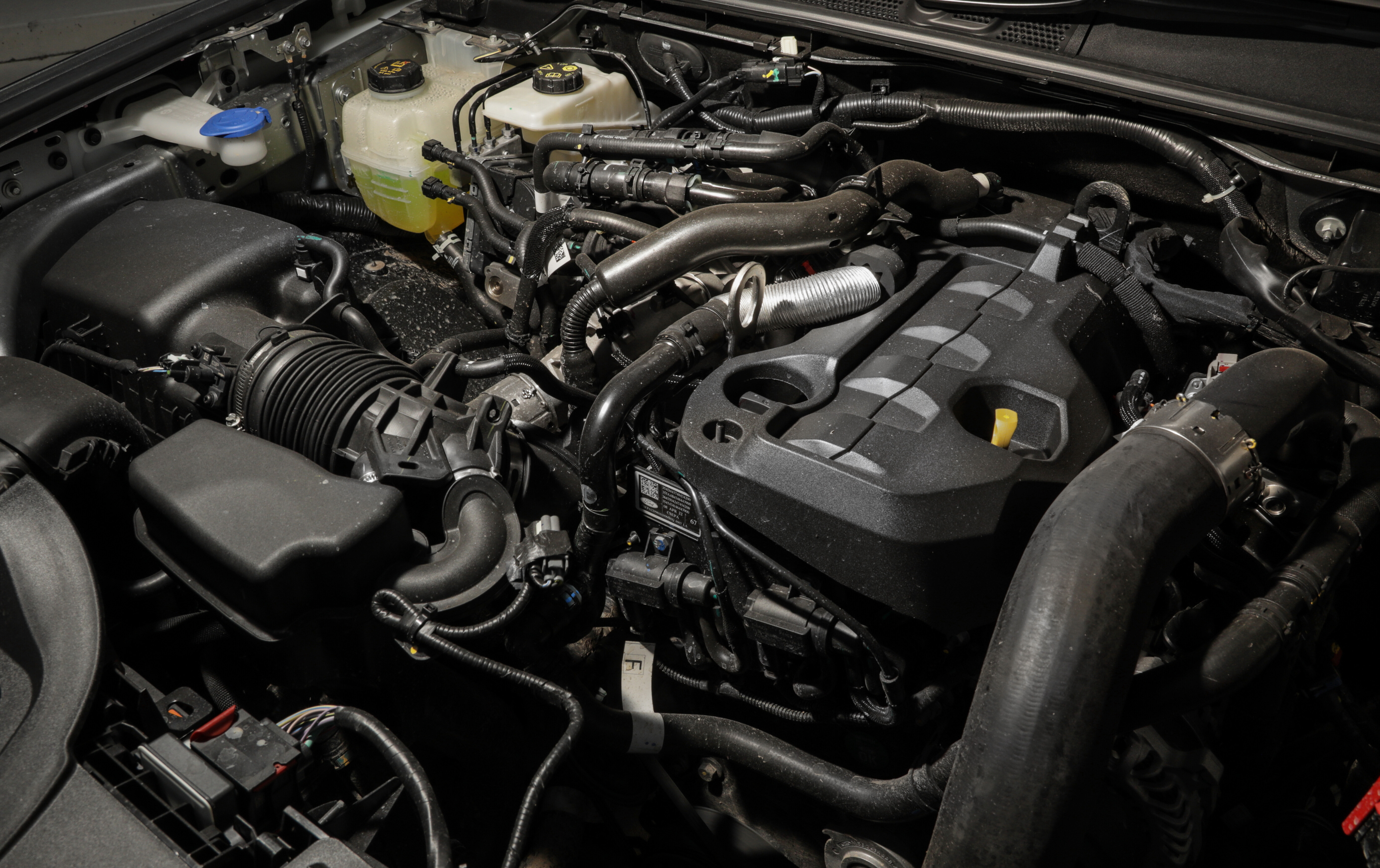
Both engines are backed by Ford’s 10-speed automatic transmission which again has been refined and improved since its application in the previous models.
ADR rated fuel consumption is 7.2L/100km for the I4 engine and 8.5L/100km for the V6 4×4 models. Everests have an 80-litre fuel tank.
The four-wheel drive system is again a full-time, dual-range system and there’s a rear differential lock for when the going gets rough. Using the off-road systems can now be done via the off-road screen, which brings all the functions to the big centre screen including the forward-facing and 360-degree cameras.
On- and off-road driving
The four-wheel drive section of the launch drive program didn’t challenge the Everest at all, and the car was able to cover it in the 4×4-auto setting
Still, we selected low range for a couple of steep descents and it did a great job of controlling speed without wanting to use the electronic downhill control, which still relies on the vehicle’s brakes.
What became obvious when driving the Everest over the variety of tracks was the level of refinement in the cabin. It is super quiet and comfortable within the cabin – thanks obviously, to excellent insulation materials used in the vehicle.
The suspension does a superb job of soaking up any bumps or irregularities in the road to make driving comfortable and relaxing.
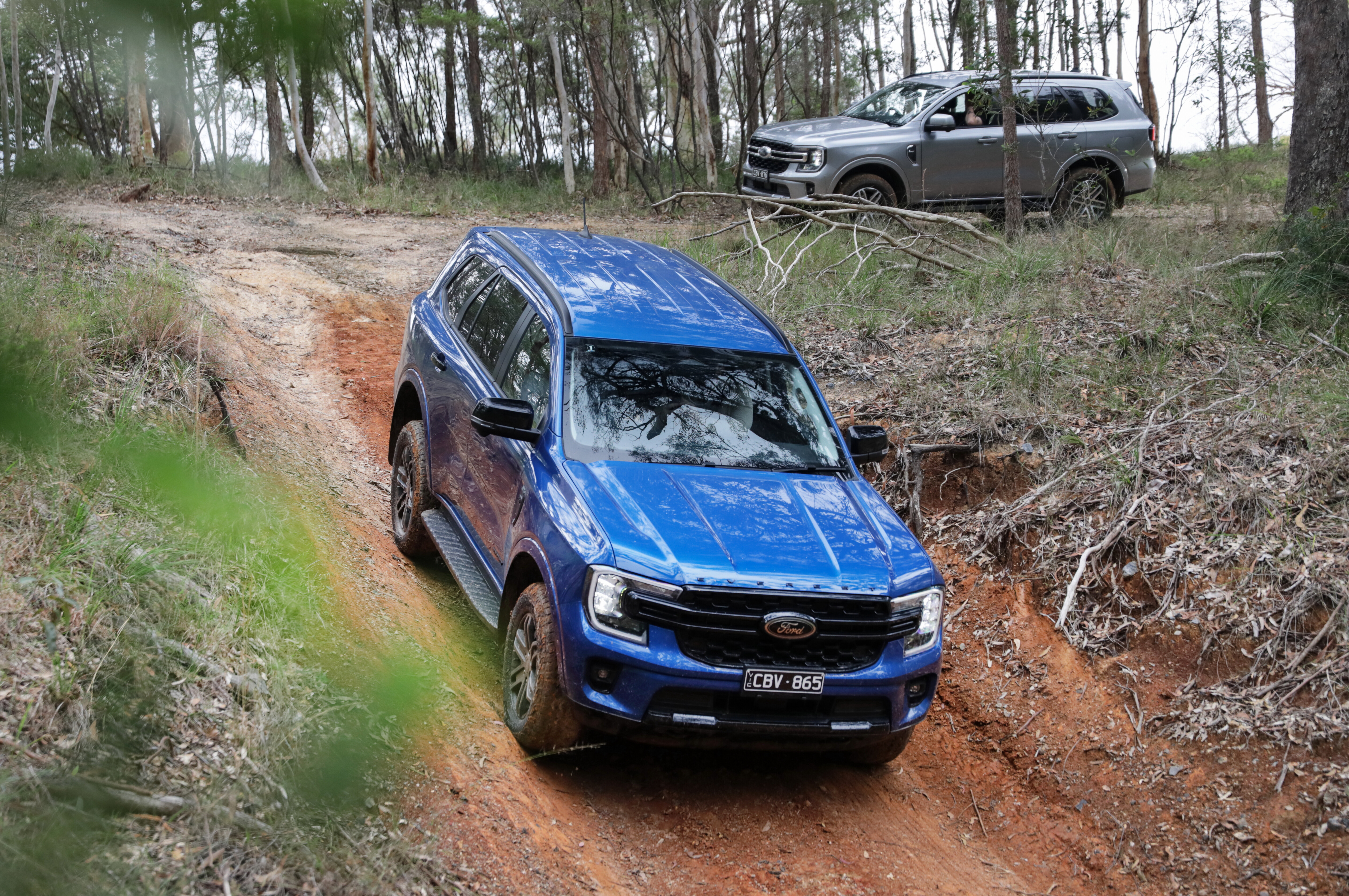
That smooth, quiet refinement continues on country backroads where the Everest’s dynamics belie its light truck underpinnings.
The electrically-assisted power steering is well-weighted at both touring and low speeds continuing Ford’s excellent calibration since introducing its EPS in the earlier Ranger models.
The suspension does a superb job of soaking up any bumps or irregularities in the road to make driving comfortable and relaxing.
ARB equipment
Like the Ranger ute, the new Everest benefits from Ford’s partnership with ARB 4×4 Accessories and a full range of ARB equipment will be available for the Everest directly through your Ford dealer at the time of vehicle purchase.
Included here are suspension packages, protective equipment such as bullbars and side rails, a larger fuel tank, driving lights, air compressor and rear storage systems. Everything you could want to equip your Everest for outback travel, and it’s covered under Ford’s 5-year factory warranty if the equipment is purchased when you buy the car.
Warranty and servicing
As per the wider Ford range, the Everest is covered by the brand’s five-year, unlimited-kilometre warranty, along with 12 months of roadside assistance.
This program can be extended for up to seven years through annual servicing at a Ford dealership.
Servicing is required every 12 months or 15,000 kilometres, whichever occurs first, with the first five services priced at $329 under Ford’s capped-price program.
VERDICT
The level of refinement and dynamics, especially when powered by the V6 engine, reallys put the Ford Everest at the pointy end of the three-row 4×4 wagon segment.
The Toyota Prado is the everlasting favourite of the sector with the Isuzu MU-X being the second highest seller – but neither of them, with their rattly 4-cylinder diesel engines, can match the new Everest on- or off-road.
The Prado might beat the Ford in heavier-ability off-road use, but we’ll have to wait for a direct comparison to confirm that. Other models in this class of wagon, like the Toyota Fortuner, Mitsubishi Pajero Sport, Haval H9 and SsangYong Rexton can’t come close.
This new V6 Everest will also tempt buyers looking to get in to a LandCruiser 300 Series and are unable to get one due to Toyota’s ongoing supply problems, resulting in long wait times.
2023 Ford Everest pricing
| Model | Price |
|---|---|
| Ambiente 4×2 2.0L Bi-Turbo diesel | $52,990 (+$2900 over Ambiente 3.2) |
| Ambiente 4×4 2.0L Bi-Turbo diesel | $57,990 (+$2900 over Ambiente 3.2) |
| Trend 4×2 2.0L Bi-Turbo diesel | $60,290 (+$3200) |
| Trend 4×4 2.0L Bi-Turbo diesel | $65,290 (+$2900) |
| Sport 4×4 3.0L V6 turbo-diesel | $69,090 (+$4700 over Sport 2.0 Bi-Turbo) |
| Platinum 4×4 3.0L V6 turbo-diesel | $77,690 (+$6500 over Titanium 2.0) |
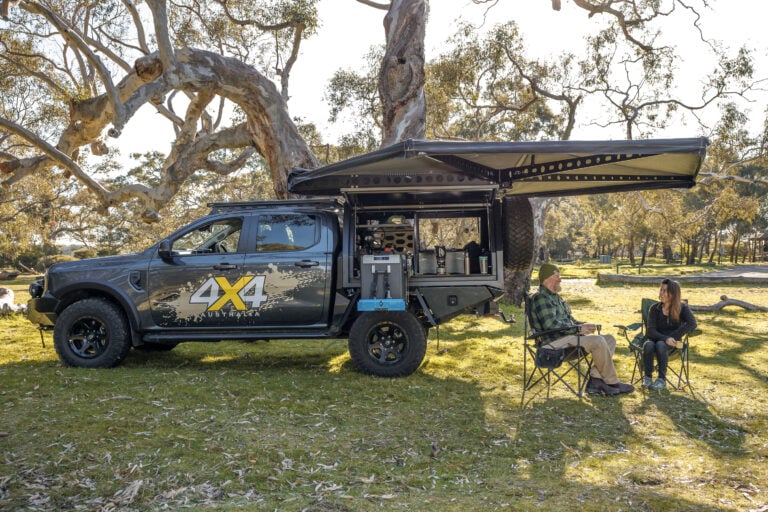
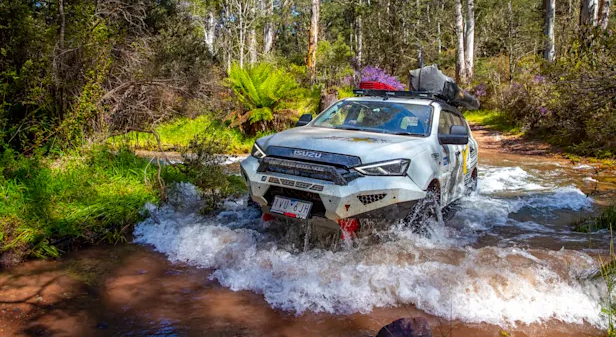
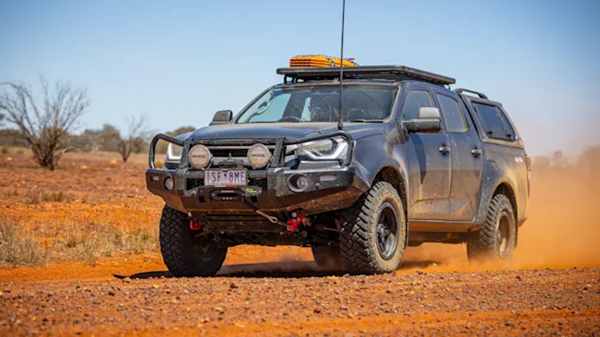
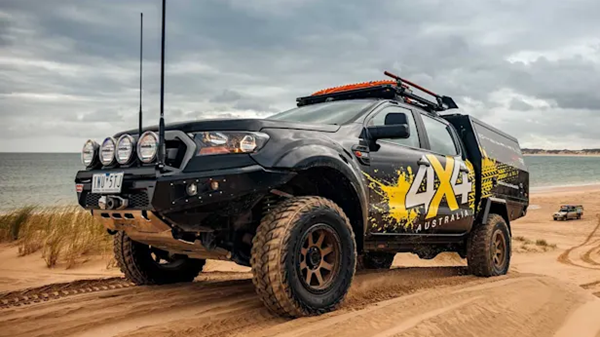
4X4 Australia's project builds
2023 Ford Everest Platinum specs
| Engine | 3.0L V6 turbo-diesel |
|---|---|
| Capacity | 2992cc |
| Transmission | 10-speed automatic |
| Poweru00a0 | 184kW |
| Torque | 600Nm |
| 4×4 system | Permanent 4WD |
| Wheels | 21-inch alloys |
| Kerb weight | 2492kg |
| GVM | 3150kg |
| Payload | 658kg |
| Towing capacity | 3500kg |
| Seating | 7 |
| Fuel tank | 80L |
| ADR fuel claim | 8.5L/100km |
| Wading depth | 800mm |
| Ground Clearance | 226mm |
| Price | $76,880.90* |
Frequently Asked Questions
Nissan Australia celebrates 60th anniversary of G60 Patrol completing first motorised crossing of the Simpson Desert
Straddling across three different states, the Simpson Desert represents the largest parallel sand dune desert on earth and, even today, traversing its unmaintained 4×4 tracks remains an admirable accomplishment.
Sixty years ago it was even more difficult and treacherous, but today Nissan Australia celebrates the diamond jubilee of the first motorised crossing of the Simpson Desert, achieved by the Sprigg family in their privately owned G60 Patrol.
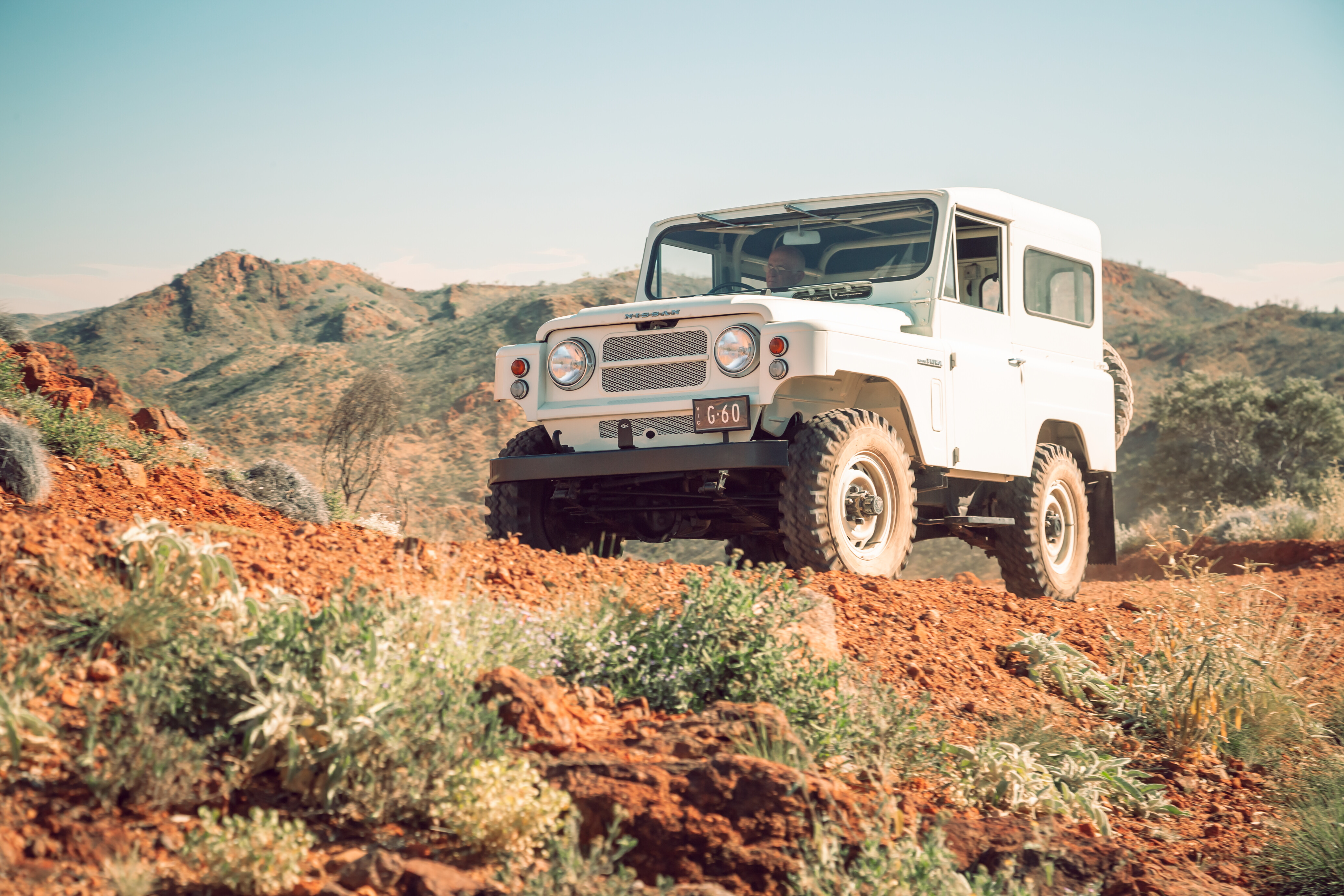
This was no factory backed exercise, but instead a family excursion of sorts. It was famed Australian geologist and conservationist Reg Sprigg who bundled his family of four into the humble G60 Patrol, setting off from the Northern Territory’s Andado Station, emerging in Birdsville Queensland, two weeks later.
With no established 4WD tracks or maps, the family averaged just 5km/h on their journey, travelling by day and camping under the stars by night.
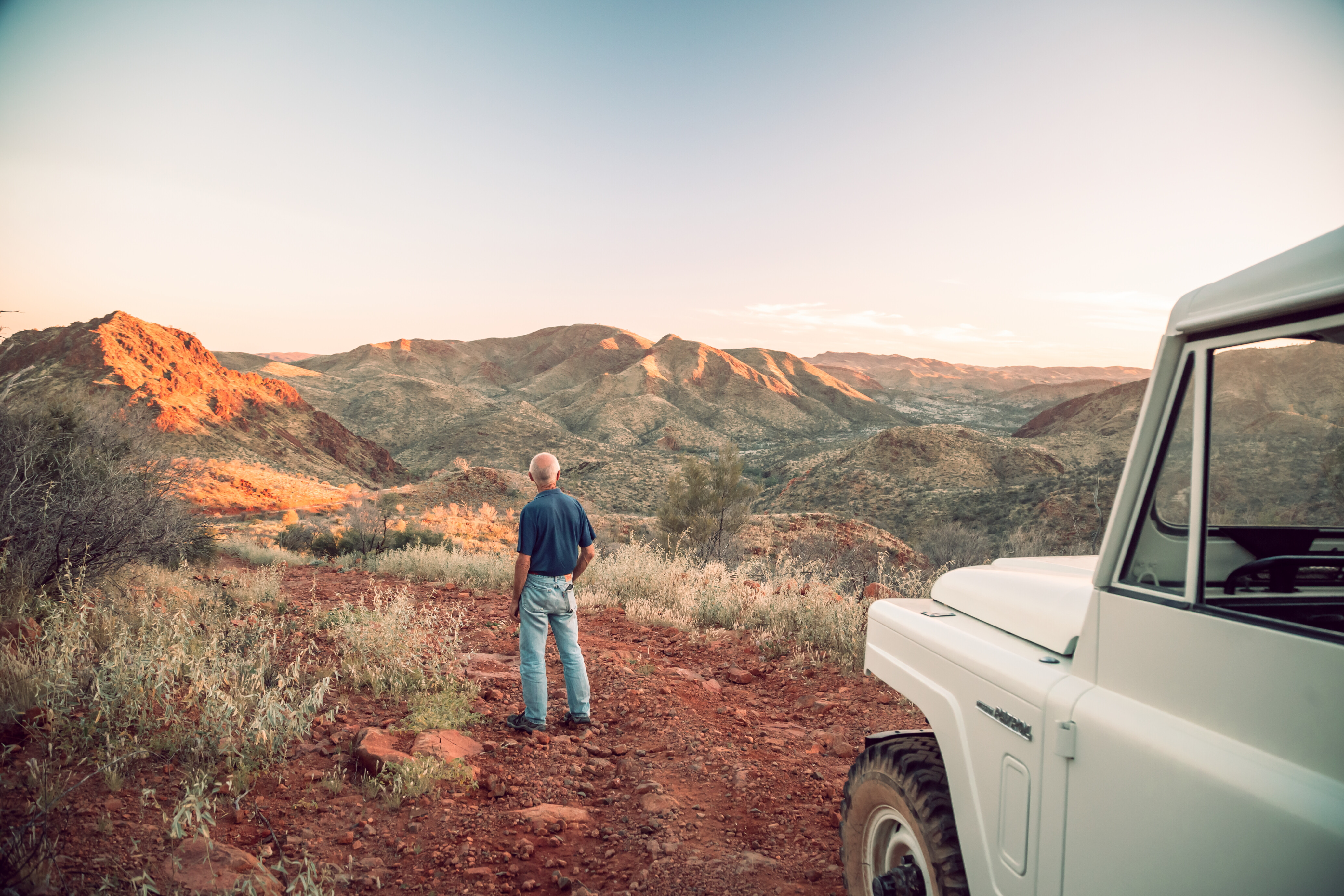
Riding up front on the bench seat for that historic two week trip was Reg’s son Doug, then aged just seven.
“Mum was the one that did a lot of the preparations. They were an amazing team. Without Mum, Dad wouldn’t have been anywhere near as successful”, says Doug.
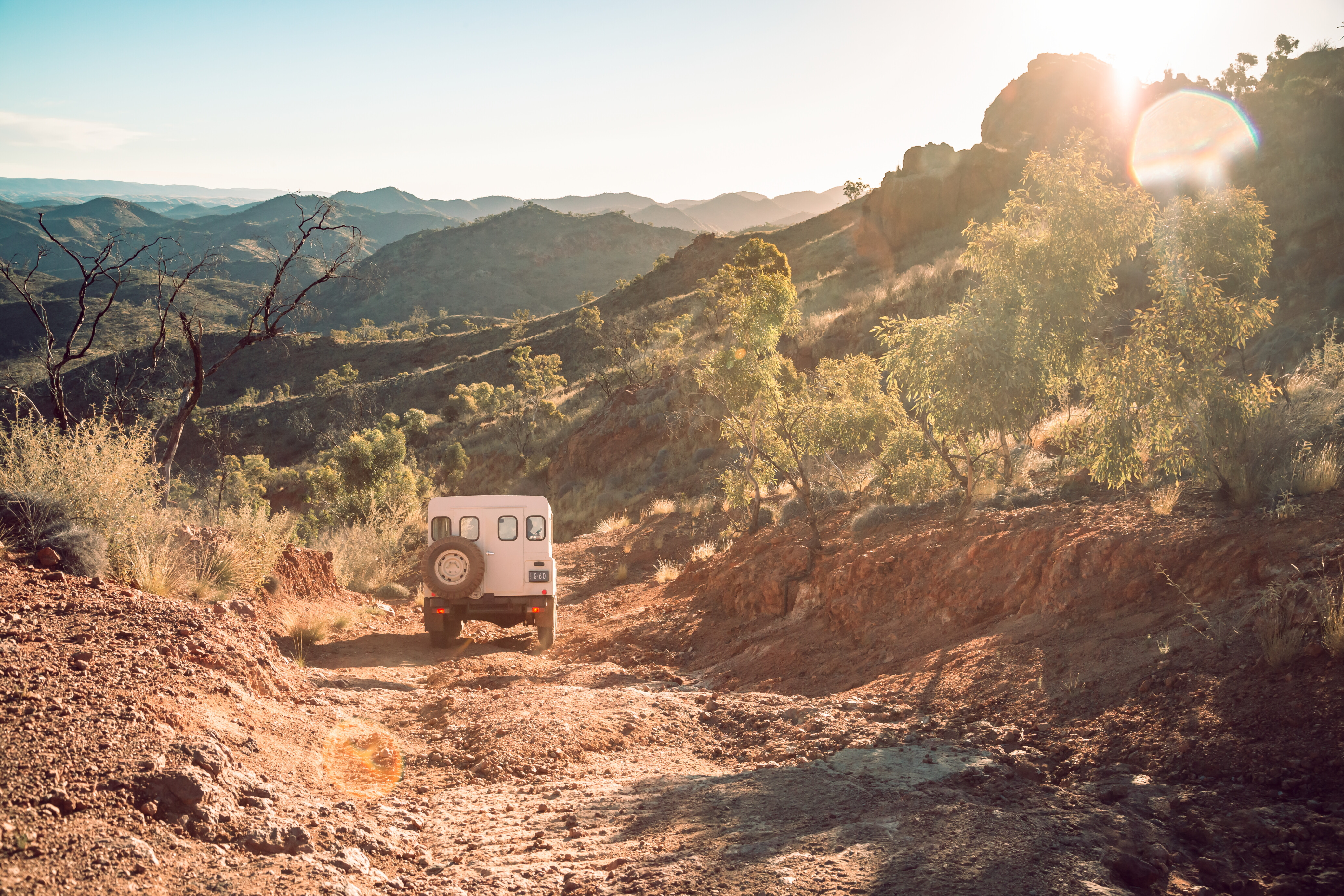
Nissan recently caught up with Doug, now the second-generation caretaker of the 144,000-acre Arkaroola Wilderness Sanctuary, originally founded by his dad Reg, in South Australia, to reunite him with a perfectly restored G60 Patrol.
Driving around the expansive land initially protected by his father, Doug muses: “I have such fond memories of that G60. It was such a robust and reliable vehicle”.
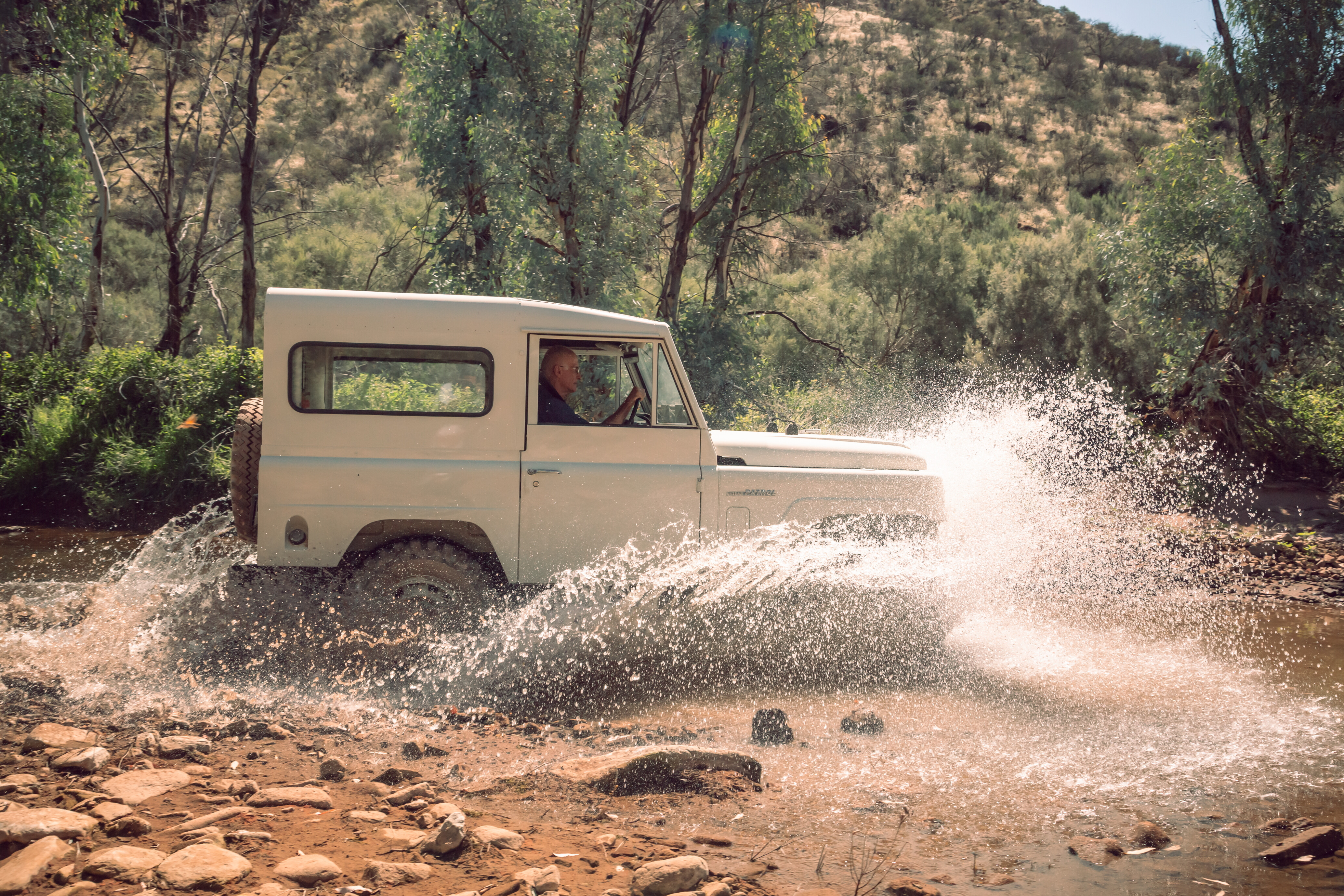
“Dad used his 4WDs to go and explore different parts of the country and one of the places he came to in 1937, as a geology student, was Arkaroola”.
“Driving this vehicle now, 60 years later, it’s just incredible… Dad was amazing in his diversity of knowledge, and I didn’t realise just how much I relied on him until he died. And suddenly, this amazing resource was gone.
“But jumping in this Nissan brings those memories back, it’s been amazing”.
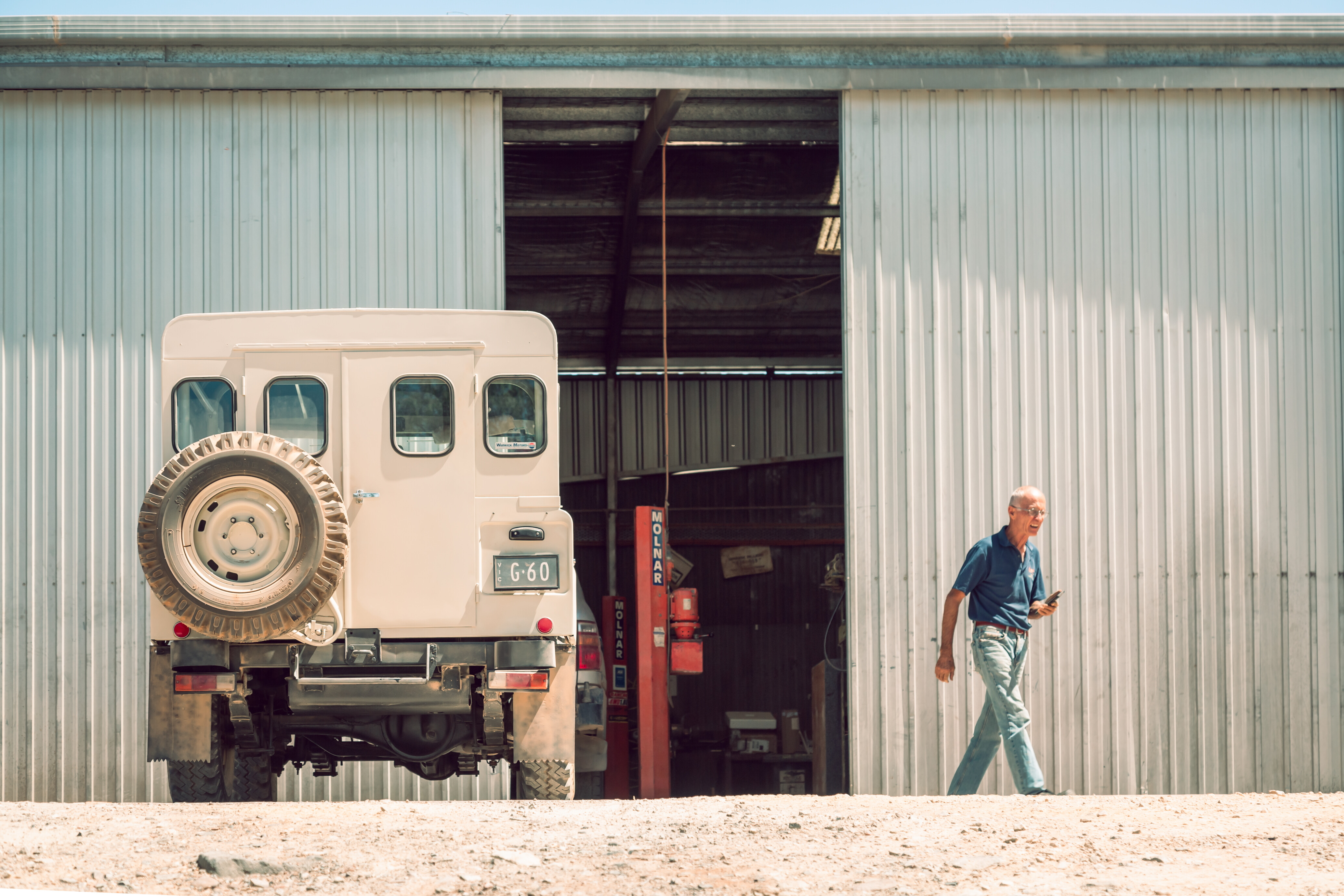
Watch the heartfelt reunion in the video at the top, and read more about the Sprigg family below.
Original story: How Doug Sprigg and his family fell in love with the Nissan Patrol
Nissan’s Patrol helped the Sprigg family conquer the desert, and the bond isn’t going anywhere soon
10 April, 2022: Arkaroola Wilderness Sanctuary isn’t the kind of place you’re likely to accidentally stumble across.
Hidden deep in South Australia’s red-dirt outback, some eight-hours drive from Adelaide and at least four hours from anything that could be described as a bustling town, the 610-square-kilometre wilderness sanctuary can be considered remote – even by Australian standards.
And that’s exactly how Nissan Patrol-owner Doug Sprigg likes it. A man so deeply in love with Australia’s outback it’s like the rust-red dirt flows right through his veins, Doug says he couldn’t see himself living anywhere else.
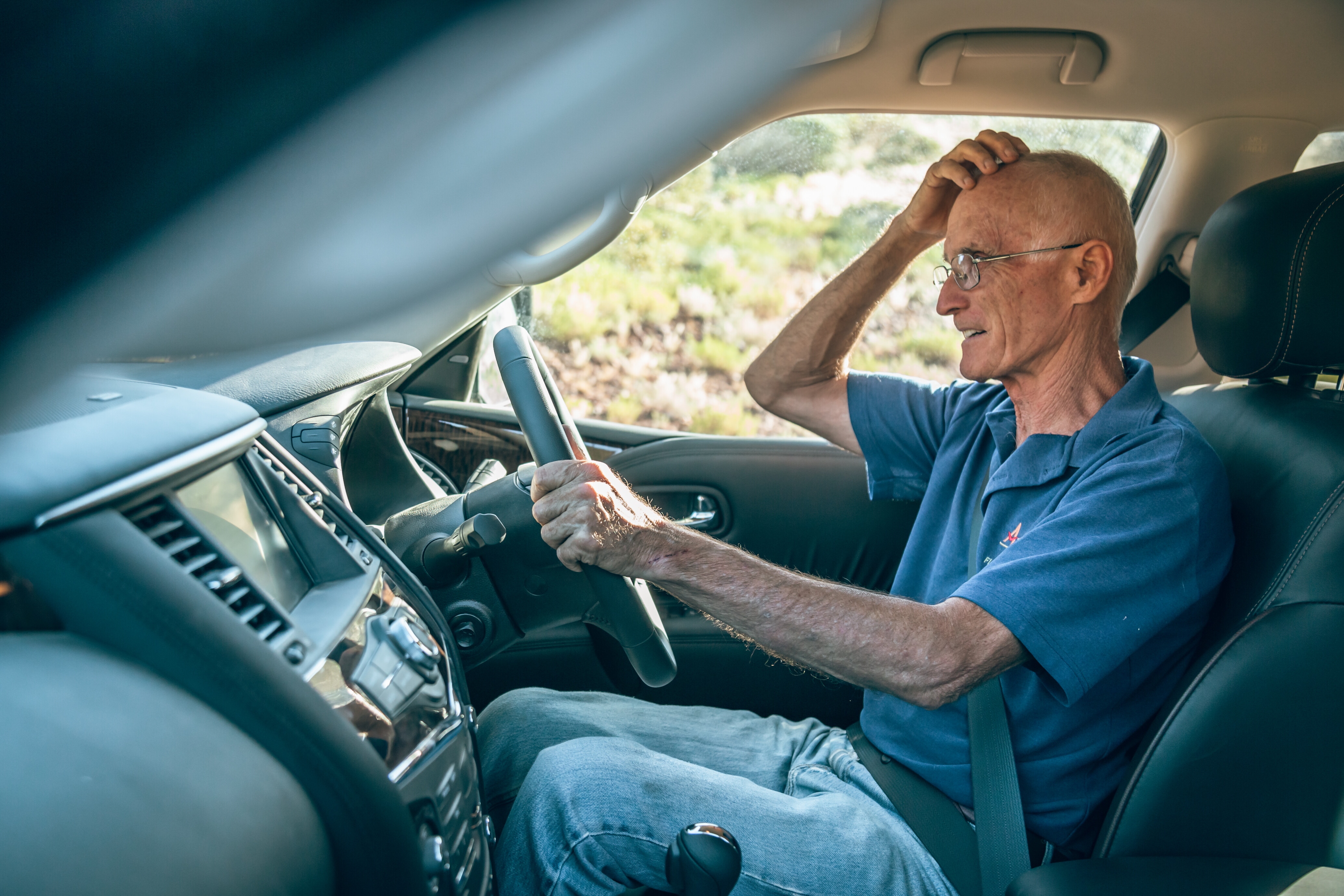
Which is a good thing, because the Sprigg family have been the custodians of this unique site since acquiring it from the South Australian Government in 1967.
“There is nowhere quite like this,” Doug says. “Arkaroola is a 144,000-acre property, and it has an amazing diversity of geology, animals and plants in these arid lands.”
When Doug was just seven years-old he climbed into his father’s G60 Nissan Patrol, one of the first examples to arrive in Australia, to complete the first ever motorised crossing of Australia’s vast Simpson Desert in 1962.
Doug, his sister Marg, and his parents Reg and Griselda, squeezed into the front seats of the tiny-by-current-standards G60 and set off in search of oil and gas reserves that might be hidden beneath the seemingly endless sand dunes of the Simpson.
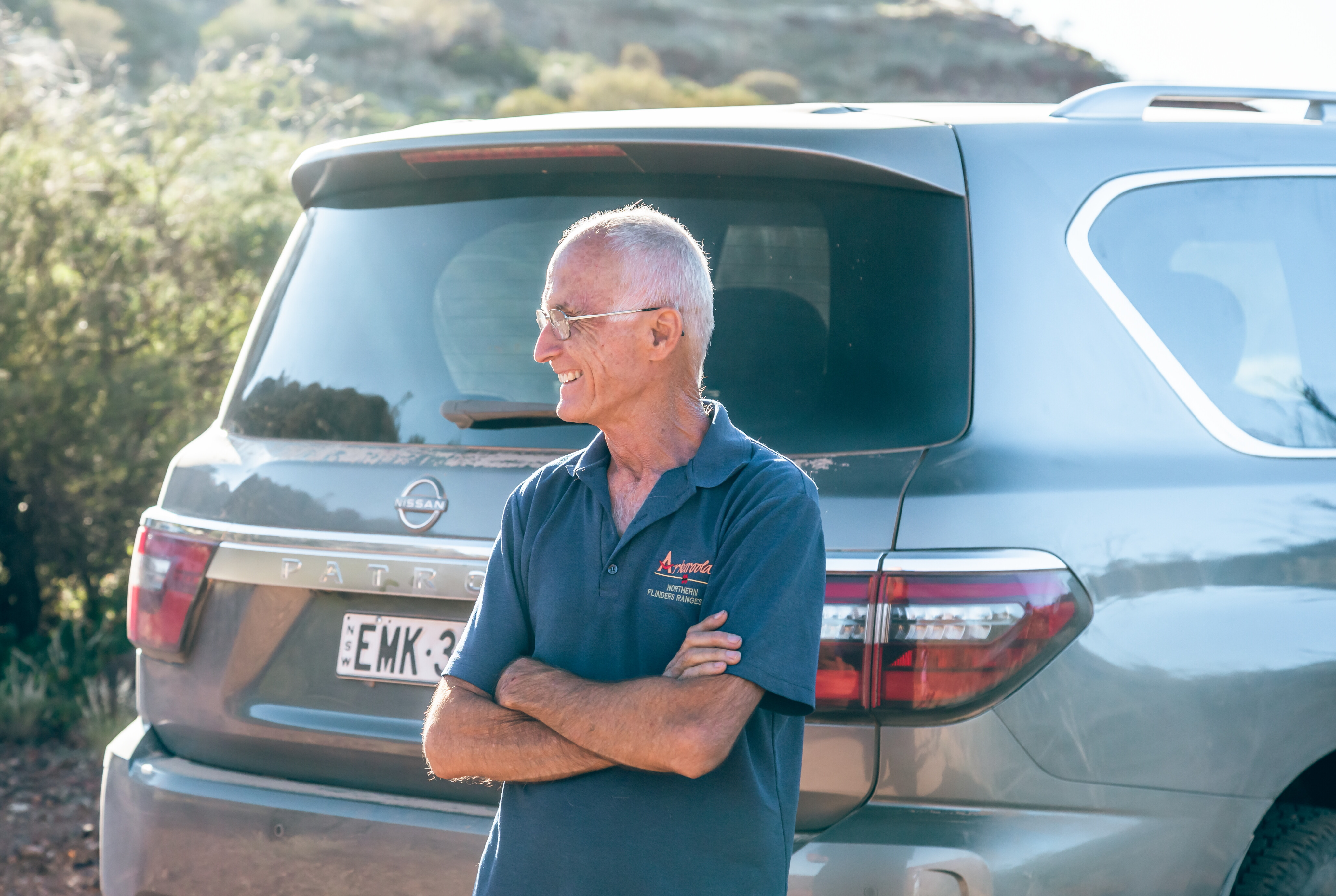
Leaving from Andado Station in the Northern Territory, the family emerged from the sand dunes in Birdsville, Queensland, just under two weeks later – a monumental feat made even more impressive by the fact the family hadn’t set out to etch their names in the record books.
“In 1962 my dad took my sister, mum and I across the Simpson Desert, and that would become the first motorised crossing of the desert. I have such fond memories of that G60 – it was such robust and reliable vehicle,” Doug says.
“There were other vehicles out there at that time, too, taking different routes, like the French Line. But the Nissan was the only one that made it across to the other side without any issues.
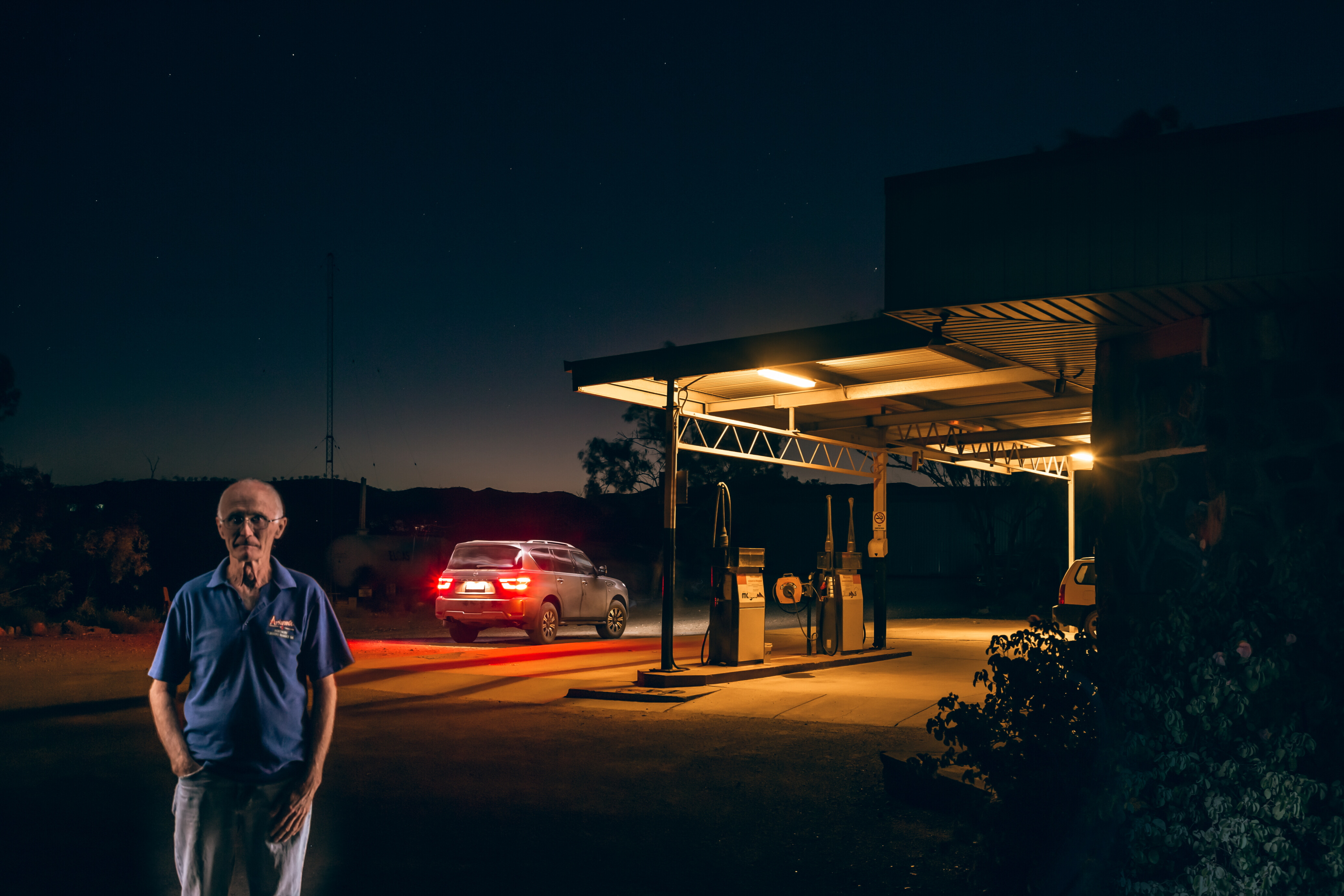
“And the modern ones are just brilliant, too. They’re just as robust, but a whole lot more comfortable.”
That cross-desert adventure ignited a love of country that still burns in Doug today, and that fuels his passion for Arkaroola and for the Patrol – which celebrated its 70th anniversary in 2021.
After acquiring the site, the Sprigg family had it gazetted as a wildlife sanctuary and historic reserve. The Arkaroola Education and Research Foundation has supports students in pursuing careers in botany, geology and paleontology ever since.
Today, Arkaroola welcomes tourists in droves who come to explore the stunning Flinders Rangers, or the deep gorges and towering mountains that cover much of the property, either on foot, by 4WD, or by one of the sanctuary’s planes – often piloted by Doug himself.
There’s no denying that a good set of vehicle-mounted four-wheel drive storage drawers are great for keeping things organised on long-distance trips and general day-to-day off-roading.
However, when you are an off-road journo like myself, the reality is you often find yourself jumping from vehicle to vehicle, yet still need to bring the same gear out on trips as you would in your own 4WD. This was my reasoning for purchasing two Expedition 134 storage tubs four years ago at the Sydney 4×4 show, to build myself a neat little portable storage solution.
So why did I decide to buy these units instead of just going to the local hardware store and buying any old storage tub? Honestly, the only answers I have here revolve around the quality of this product and the fact they are Australian made.
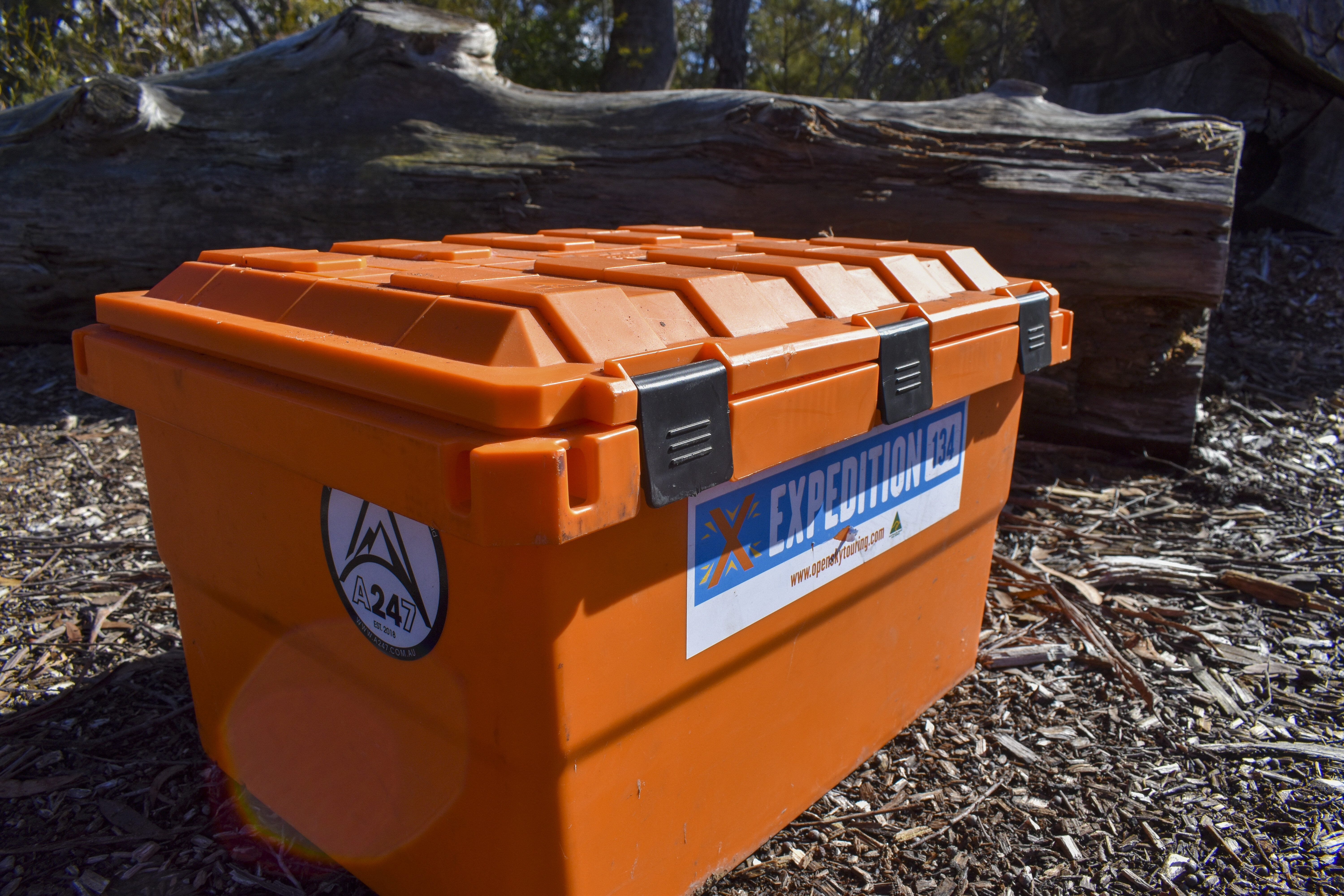
These tubs will outlast cockroaches, they are so well constructed. I can safely say I don’t think I’ll ever need to replace them, which in today’s throwaway society, is a rare and glorious thing. They also have a fair amount of useful features, which might sound crazy that a box has features other than just being somewhere to store your gear, but hear me out.
They are made in Australia on the Sunshine Coast, by actual four-wheel drivers to start with. Secondly, there is no metal used in the construction, which means there’s nothing to rust or rattle down the track. Not that these would ever rust, thanks to the inbuilt weather seal which does an impressive job of keeping all water and dust outside the storage box, meaning you can store precious cargo such as camera gear inside without fear of it getting damaged in bad weather.
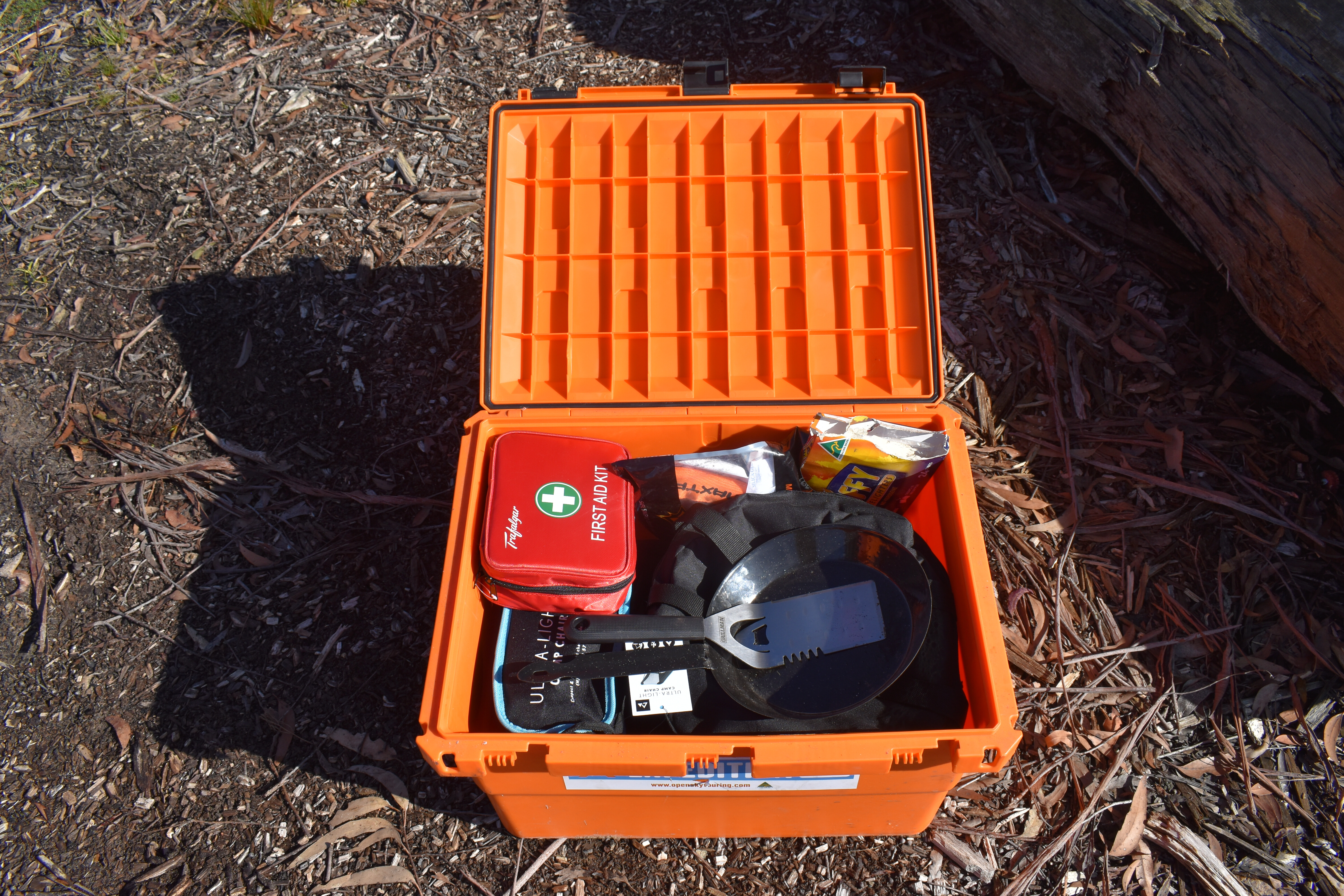
With no metal used in the construction, the Expedition 134 storage boxes are also super light, especially when you consider just how tough they are; the manufacture even lists a load rating of 120kg for the lid, making the Expedition 124 storage boxes a multipurpose tool – I’ve used them as a step or a seat more times than I can remember.
Not that I’ve used this feature too often, as I tend to store the tubs inside my 4WD, but if you do need to strap them to your rack, it’s a piece of cake to do so. The Expedition 134 storage tubs have external tie-down points built-in, which is brilliant to see.
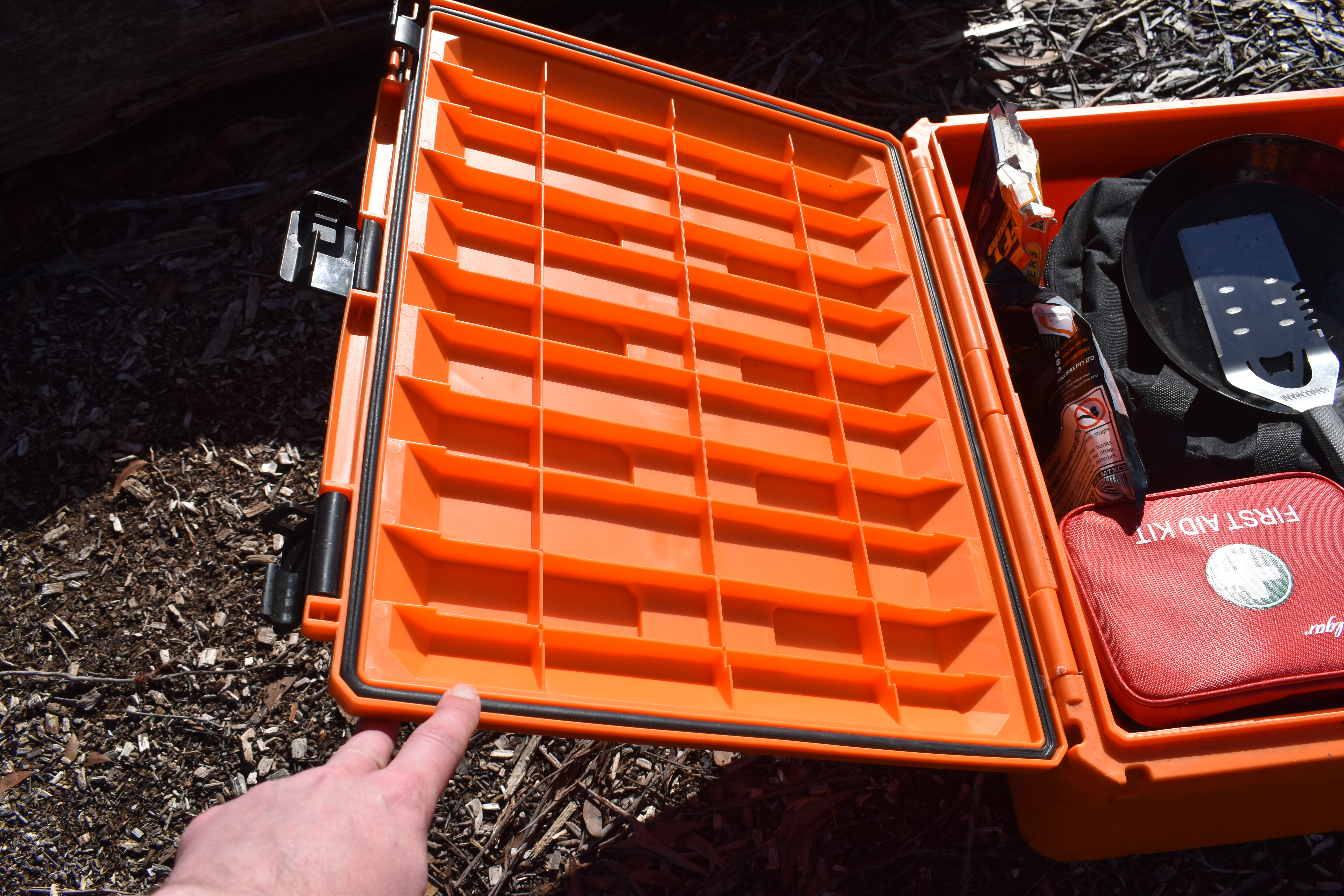
What else is brilliant (I know it’s a box, but I really like these things) is the fact you can tie down the storage tubs, and still open the lids if you need to access something inside. This is a feature worth its weight in gold, as having to untie items from the roof rack multiple times a day gets really old, really quick. They are also stackable, which just shows you how much thought has gone in to the design and manufacturing process.
In terms of negatives, there’s nothing I’d personally change about the actual product. I’m confident I’ll have these two storage boxes for as long as I’m four-wheel driving. Something that is worth mentioning is the price.
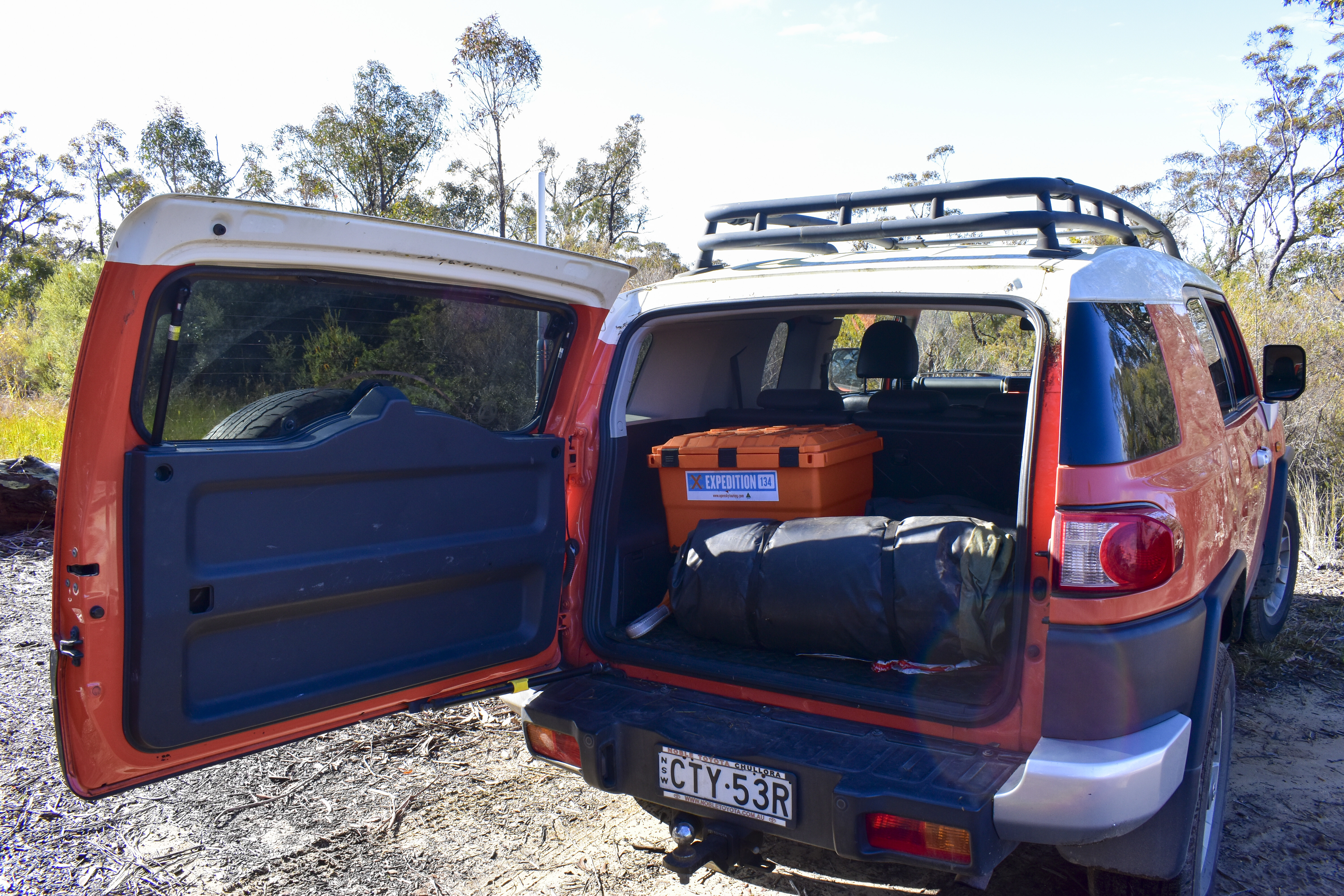
This is a premium product, and as such it’s certainly not cheap coming in at $179 each. But when you consider the quality, the fact they are Australian made, and that if you were to ever have an issue with say a plastic latch for example, you’ll be able to contact the company for parts instead of chucking the box in the bin and buying another cheap tub from the hardware store.
I’ll have these for life, and if you are in the market for a portable storage solution, I reckon you should take a look at the 55L storage tubs from Expedition 134. Oh, and for anyone playing along at home, they are just big enough that you can fit an entire full-size Ozpig inside. Neat, hey.
AVAILABLE FROM: expedition134.com RRP: $179
The last time we drove the new Ford Ranger Raptor it was a pre-production prototype and we spent an enjoyable afternoon sliding it on dirt and sending it into low-earth orbit by hurling it at high-speed jumps.
It was a riot and clearly demonstrated the benefits of the new ute’s huge power bump and improved steering and suspension, all of which have been engineered right here in Australia.
A brilliant performance car created by Aussies. Remember those? But what it didn’t show was how the new Raptor felt when it wasn’t being driven like a rally car.

Which is why we now find ourselves stuck in Brisbane traffic. The ute you see here is the finished product – customer delivers begin in a few weeks and Ford says it already has 5000 orders to fulfil – and that means this drive is our first chance to deliver a proper, well-rounded verdict on Ford’s second-gen ‘super ute’.
Some more high-speed off-roading is planned later today, but the great unknown is how does this more powerful and focused Raptor fare as an everyday proposition?
Is it too hardcore and unforgiving to drive in the urban jungle? And how does its cabin and tray stack up for family duties and for lugging stuff about? Today should be illuminating.
JUMP AHEAD
- How much is it and what do you get?
- How do rivals compare on value?
- What is it like to drive?
- How is it on fuel?
- How safe is it?
- Warranty and running costs
- VERDICT

How much is it and what do you get?
The second-generation Raptor costs $85,490 before on-road costs. That makes it around $6000 more than the ute it replaces but your additional outlay gets you more of, well, everything.
More power and performance, more sophisticated suspension, more off-road ability, more safety equipment and a more luxurious cabin that features a huge 12.0-inch central touchscreen, configurable digital dials and bespoke sports seats.
It also buys you one tough-looking truck. Like its engineering, the design of the new Raptor was led by a team of Aussies and they worked hard to boost the visual aggression and sense of width. It’s now blockier, more foursquare and while it doesn’t have the narrow glasshouse and bulbous guards of the original, the new Raptor looks chunkier and angrier.

There are eight exterior colours to choose from (Conquer Grey is our favourite, although every finish except white commands a $675 premium) and the nose is dominated by a huge F-O-R-D grille and new C-Clamp daytime running lights.
It has clever headlight tech, too. Raptors score Matrix LEDs as standard and they don’t only mask out oncoming cars to avoid dazzling other drivers, but they’re also self-levelling and adjust the intensity of their beam based on your speed to ensure the best illumination possible.
The tail-lights are LEDs too but one key visual change compared to the pre-production prototype we drove is the colour of the exhausts. Originally they were anodised black but they wore badly during testing so production Raptors now have exhausts finished in silver.

Other key visuals worth considering? Ford offers a decal pack that says Raptor on the rear quarter panel and includes a ‘war paint’ stripe over the bonnet, and you also have the option of 17-inch beadlock alloys for $2000 extra. They add around 16kg to the unsprung mass, though, and require you to buy an additional rim kit for another $1998 so unless you plan to do frequent heavy-duty off-roading we’d suggest saving your cash.
Where the new Raptor really moves the game on, though, is in the chassis and powertrain departments. The headline change is the engine. The old Raptor’s 157kW/500Nm 2.0-litre turbo-diesel is gone and in its place rests a 3.0-litre twin-turbo petrol V6.
Power has almost doubled to 292kW while torque has jumped to 583Nm and the new engine has transformed how the Raptor drives and sounds. It’s now hot-hatch quick (Ford says the 0-100km/h time is around 6.5 seconds) and with the exhaust valves open in Baja Mode, it’s also properly loud. Need a frame of reference for how it sounds? An Alfa Romeo Stelvio Q delivers a similar note and volume.

To harness the newfound grunt and potency, Ford’s engineers have also completely overhauled the chassis. The steering is quicker, heavier and more direct, the brake pedal is noticeably firmer courtesy of a new electronic brake booster and the suspension now gets more advanced ‘LiveValve’ shocks from US supplier Fox.
These electronically controlled dampers don’t only adjust the level of compression depending on your drive mode, but they can even tell when the wheels leave the ground – like say over a jump – and prime themselves accordingly. Clever stuff.
Like other V6 versions of the new Ranger, the Raptor has moved to a permanent 4X4 system which defaults to 4-Auto (4-High, 4-Low and 2-High are also selectable) and this time around there are locking diffs front and rear, not just at the back like the previous version.

There’s more underbody protection, too, and increased body strengthening plus a host of new off-road features like a high-res camera that allows you to see over crests.
As for lugging stuff about? The tray is now larger than before thanks in part to a wheelbase stretch of 50mm while the load bay has a spray-in tub liner and 12V socket. A soft tonneau cover is a $939 additional cost while a single-piece hard cover is $2600.
Combine all this and the upshot is a dual-cab that’s not only substantially quicker but one that’s also more focused and capable during high- and low-speed off-roading. Suddenly that $6000 price jump isn’t looking so bad, is it?

How do rivals compare on value?
Ford says the Ranger Raptor has no genuine rivals and in terms of performance, equipment and focus. It’s hard to argue with them. If off-roading is your top priority, however, there are some diesel-powered rivals worth considering.
Nissan’s Navara Pro4-X Warrior retails for $68,090 before on-road costs and has been re-engineered by PremCar with tougher underbody protection, overhauled suspension and other off-road accessories.
Toyota has also just announced a fresh version of the HiLux Rogue ($70,200 plus on-road costs) that gains wider tracks front and rear and a 20mm suspension lift. An even more capable version of the HiLux, dubbed GR Sport, will also join the Aussie line-up in 2023, although Toyota is yet to confirm the price and spec of that flagship variant.

Perhaps the most logical rival to the Raptor is the Jeep Gladiator Rubicon. It also has a petrol V6 engine and is hugely capable off-road but it’s not as good to drive, isn’t as comfortable and only carries a three-star ANCAP rating. The Jeep’s 209kW/347Nm also doesn’t even get close to the Raptor in terms of engine performance.
For powertrain potency, you need to look at something like a RAM 1500 TRX. It’s a size bigger than the Ranger and at $199,950 before on-road costs, it’s more than twice as expensive but its 6.2-litre supercharged V8 delivers a prodigious 523kW/880Nm.
One final rival worth keeping an eye on? The upcoming 2023 Volkswagen Amarok was developed alongside the new Ranger, meaning it should benefit from the same well-sorted chassis and interior tech as the Ford.
VW says it won’t offer a hardcore performance version to rival the Raptor but a high-output diesel variant of the Amarok could be an interesting if slightly more sedate alternative.
So is the Ranger Raptor in a class of one? If you’re chasing a potent powertrain with genuine off-roadability at a reasonable cost, then yes.

Interior comfort, space & storage
Plonk your backside in the new Ranger Raptor and you’ll be pleasantly surprised. The cabin design, materials quality and fit and finish have all taken a big step forward, as has the level of standard equipment.
On the tech front, you score two digital displays. The first is a 12.0-inch portrait-oriented central infotainment screen that’s nicely integrated into the dash design. It runs Ford’s latest Sync 4A software, is easy to navigate and also has wireless Apple CarPlay and Android Auto functionality.
The resolution of the screen is top-notch, too, which isn’t always the case in the dual-cab segment, and the clarity of the surround-view camera is also a highlight.

The second screen is found ahead of the driver. The digital instrument cluster measures 12.4-inches and is fully configurable, which gives drivers the option to prioritise their preferred set of gauges or other information such as oil pressure or pitch and roll angles.
Connectivity is also well catered for thanks to a wireless charging pad ahead of the gear selector and twin USB ports in the same central cubby; one USB-C and the other USB-A. Another USB-A port is located up high, next to the rear-view mirror, and is designed to power a dash cam or external GPS.
Perhaps the biggest improvement, however, is the driving position. The steering wheel now adjusts for reach as well as rake and it’s far easier to locate yourself comfortably. The seats themselves are also excellent.
The seat design is Raptor specific – Ford says they were inspired by the F22 Raptor fighter jet – and they offer ample electric adjustment plus strong lateral support thanks to their large side bolsters.

Even the rear seats have been redesigned and are more heavily bolstered to help lock passengers in place should you fancy some high-speed off-roading with family or friends. But while the rear cushion is an improvement, the sense of space for second-row passengers is on the tight side.
I was short on knee room when sitting behind my own driving position and while it wasn’t uncomfortable, it’s something to keep in mind if you plan on shoehorning tall teenagers or lofty friends back there on a regular basis.
As for equipment and quality, the Raptor feels every bit of its $85K price tag. The sound system is a 10-speaker set-up from Bang & Olufsen and the mix of materials manages to feel both hardwearing and premium.
There’s decent storage, too. The door bins are large, there are two cup holders on the centre console and there’s a new storage shelf ahead of the front passenger nestled between the two glove boxes.

What is it like to drive?
Given we’ve already driven the new Raptor off-road, let’s address the biggest question mark first: how it behaves on tarmac. Ford has firmed up the suspension considerably for this generation and while that makes it a sharper and more enjoyable thing to drive – especially around a high-speed track – our concern was that this newfound tautness would make it overly firm during the day-to-day.
One of the key attractions of the old Raptor was its long suspension travel and ‘magic carpet’ ride over urban lumps and bumps, so has that disappeared? In short, yes. It takes only a few minutes to confirm this new Raptor is firmer on the public road.
You feel surface imperfections more keenly and bigger bumps are more noticeable but the silver lining is that the ride doesn’t feel harsh or busy. Our drive loop was short and on relatively smooth roads, so a definitive verdict will have to wait, but first impressions are that Ford Australia’s engineers have struck a nice balance between comfort and control.
Ford has firmed up the suspension considerably for this generation.

Elsewhere, the experience behind the wheel is markedly different to the original Raptor. The first thing you notice is the steering. The old Raptor shared its steering hardware with the regular Ranger but this time around, the EPAS set-up is unique.
The rack is quicker, the weighting is meatier and more immediate off centre, and the wheel itself now fits more snugly in your hands thanks to a new design.
So far so good and we haven’t even talked about the engine yet. Like the more focused chassis tune, the big V6 delivers a fundamental character shift.
The 3.0-litre unit is essentially a bored and stoked version of Ford’s ‘nano’ 2.7-litre V6 but there are new camshafts, new heads, new cam covers and larger turbos with electronic wastegates.
It results in a petrol unit that is not only smooth and gutsy, but one that’s in a different league for response and punch compared with the old diesel unit. Plus, we’d buy the new Raptor for the noise alone.
Ford’s engineering team was so keen on extracting an engaging exhaust note that it completely changed the exhaust system after early prototypes produced a sound that was “boring and awful”.

The result is a petrol unit that is not only smooth and gutsy, but one that’s in a different league for response and punch compared with the old diesel unit.
Exactly how angry the engine feels and sounds depends on your drive mode. There are seven to choose from (Normal, Sport, Slippery, Rock, Mud & Ruts, Sand, Baja) and you cycle through them using a rotary dial on the centre console.
It’s a bit of a faff to use, especially on the move, but you can also alter most of the parameters through shortcut buttons on the right steering wheel spoke. Here there are buttons for the steering, suspension and exhaust plus an ‘R’ button that enables you to save your favourite settings in an individual mode.
The rest of the fundamentals are spot on. Vision out is excellent (the wing mirrors are especially enormous), the seating position is natural and comfortable and tyre roar and road noise are kept nicely in check.

So it’s quick, composed and quiet on the public road but to truly exploit the Raptor’s ability we need some space. And ideally, some jumps.
A makeshift circuit in a paddock gives us the chance to cut loose and just as we discovered when we drove the pre-production prototype, the new Raptor is incredibly capable and fun to hurl around.
The steering is sharp, the brakes are firmer and easier to modulate and unlike the previous Raptor, which was all about maintaining momentum, you can now use the throttle to get you out of trouble (or into trouble if you like seeing where you’re going through the side window). It’s a huge amount of fun to slide around but perhaps the most impressive thing is how much punishment the suspension can handle.
Big bumps and hefty washouts barely register in the cabin and the rebound damping is deeply impressive. Our course only had one small jump but having launched the pre-production Raptor skyward at over 120km/h we can attest it lands with the surety and poise of a WRC car.
The steering is sharp, the brakes are firmer and easier to modulate and unlike the previous Raptor, which was all about maintaining momentum, you can now use the throttle to get you out of trouble.

High-speed off-roading not your thing? Things have taken a step forward when it comes to overlanding, too. Ground clearance is 272mm, approach and departure angles remain largely unchanged at 32 and 24 degrees respectively, and you now have locking differentials on both axles.
You can lock and unlock the diffs via an off-road menu on the centre screen, which also includes a high-resolution forward-facing camera. It’s a useful feature that allows you to see over crests and also displays virtual tyre tracks to help when straddling deep ruts and other obstacles.
Hill descent control and Trail Control, which Ford describes as like cruise control for off-roading, are also standard.
So it’s a capable thing, the new Raptor. Judge it by how well it does what it sets out to achieve and there are few, if any, chinks in its armour. And much of that success is down to the passion and experience of the engineering team that created it, most of whom are right here in Australia. Kudos.

How is it on fuel?
There’s no way around it, the new Raptor is thirsty.
Officially the new 2023 Ford Ranger Raptor drinks 11.5L/100km on the combined cycle, which is the inevitable cost of switching from a 2.0-litre diesel to a larger capacity 3.0-litre twin-turbo petrol. The old Raptor drank 8.2L so consumption has spiked by around 40 per cent.
Ford says customers are willing to accept additional fuel use given the substantial boost in power, and also pointed out that the new Raptor is about as efficient as an XR6 Turbo ute. Still, with 98 RON currently costing north of $2 a litre, it’s something to consider. Fancy filling the 80L tank? Prepare to part with $160.
Another thing to consider is the reduced driving range. One of the key factors Ford said drove the decision to fit the original Raptor with a diesel engine was the need to cover large distances without refuelling and quoted a theoretical driving range of 976km.
The new Raptor will travel 695km from a full tank and you can expect that to drop even further when towing. Speaking of which, one notable compromise that the Raptor’s suspension set-up brings is a lower braked towing capacity compared to the rest of the Ranger line-up. A ‘regular’ 2023 Ranger can tow 3500kg braked. A Raptor is only rated for 2500kg.

How safe is it?
If you buy your cars based purely on ANCAP crash ratings, you might be in for a nasty surprise here.
Given its lower volume compared with the regular Ranger range, Ford isn’t planning to crash-test the Raptor, which means it will officially be ‘unrated’ by Australia’s independent safety body.
Ford maintains it’s just as safe as a regular Ranger, however, which is expected to be a five-star vehicle.
UPDATE, September 12: The Ranger now has a five-star ANCAP rating. Story here.
The Raptor carries exactly the same high level of passive and active safety systems as a Ranger Wildtrak, which means you score:
| Nine airbags |
| Autonomous emergency braking |
| Adaptive cruise control with Stop & Go functionality and lane centring |
| Blind-spot monitoring |
| Rear cross-traffic alert |
| Lane-keep assist |
| Reversing camera |
| Parking sensors front and rear |
| 360-degree surround view camera |
| Traffic sign recognition |
| Tyre pressure monitoring |
Warranty and running costs
The Raptor carries the same five-year, unlimited-kilometre warranty as the rest of the Ranger line-up.
Servicing costs are reasonable for a performance vehicle, with your first four visits to the dealership costing $329 each. The fifth service is slightly more at $410.

VERDICT
This isn’t an evolution of the original; it’s in a different league altogether.
The eighty-six-thousand dollar question is, does the new Raptor live up to the hype? And, if you’re already a Raptor owner, is it worthwhile upgrading?
Our answer to both is unequivocally yes. The new Raptor is better to drive, more capable off-road, better at lugging stuff about (though still not as capable as a regular Ranger, mind) and more comfortable – and safer – to spend time in.
It’s also a seriously capable and fun performance car, should you find yourself at the start line of an off-road course or, more likely, alone in an empty paddock with a few dirt mounds to launch over. Its only real compromise is the inevitable increase in fuel consumption that comes with moving from a small-capacity diesel to a larger 3.0-litre twin-turbo petrol.
The other challenge, of course, will be getting your hands on one. Right now high demand means wait times stand at around 10 months but if you can afford to wait, we doubt you’ll be disappointed. This isn’t an evolution of the original; it’s in a different league altogether.
Frequently Asked Questions
2023 Ford Ranger Raptor specifications
| Body | 4-door, 5-seat dual-cab ute |
|---|---|
| Drive | permanent four-wheel |
| Engine | 3.0-litre V6, DOHC, 24V, twin-turbo petrol |
| Compression | 9.5:1 |
| Bore/stroke | 85mm X 86mm |
| Power | 292kW @ 5650rpm |
| Torque | 583Nm @ 3500rpm |
| 0-100km/h | 6.5sec (estimated) |
| Transmission | 10-speed automatic |
| Weight | 2674kg (kerb) |
| Fuel consumption | 11.5L/100km (combined) |
| Front suspension | struts, double A-arms, coil springs, adaptive dampers, anti-roll bar |
| Rear suspension | Watts link, coil springs, adaptive dampers, anti-roll bar |
| L/W/H | 5425/2028/1926mm |
| Wheelbase | 3270mm |
| Brakes | 332mm disc brakes (f/r) |
| Tyres | BF Goodrich All-Terrain T/A 285/70 R17 |
| Wheels | 17-inch alloy |
| Price | $85,490 + on-road costs |
To help you sleep soundly on your camping adventures, we’ve reviewed seven of the best camping mats in Australia from Zempire, BlackWolf, Darche, Coleman, Sea To Summit and OZtrail.
The ultimate camping mat will be comfortable, keep you insulated from the cold and pack down enough to fit your requirements – whether you’re packing it in a hiking backpack, or throwing it in your car or trailer. You’ll also want something durable, so you won’t think twice about laying it out on the ground.
There are a few different mattress types to choose from, so check out our guide to choosing the best camping mattress for you, as well as our picks for the top camping mats in Australia 2024.
| Type | Size | Weight | R-Value | |
|---|---|---|---|---|
| Zempire Monstamat | Self-inflating | Twin / King Single / Single | 6.03kg / 3.60kg / 3.21kg | 10.5 |
| BlackWolf Hexatherm 2D Mega Deluxe | Self-inflating | Queen / Single | 5.2kg / 3.0kg | 8.6 |
| Darche All Terrain | Self-inflating | 140cm / 110cm / 90cm (width) | 9.3kg / 7.2kg / 6.2kg | Not rated |
| Exped MegaMat | Self-inflating | Queen /u00a0u00a0Double Long Wide / Double Medium / Single Long Extra Wide / Single Long Wide / Single Medium Wide | 5.39kg / 4.63kg / 3.34kg / 2.6kg / 2.275kg / 2.07kg | 8.1 |
| Coleman Double High Quickbed | Air mattress | Queen | 8.40kg | Not rated |
| Sea To Summit Ultralight Air | Air mattress | Large / Regular / Small | 0.495kg / 0.395kg / 0.345kg | 1.1 |
| OZtrail Camp Mat | Foam mat | Jumbo / Regular | 2.15kg | Not rated |
Zempire – Monstamat
SPECIFICATIONS:
- TYPE: Self-inflating
- SIZE: Twin / King Single / Single
- WEIGHT: 6.03kg / 3.60kg / 3.21kg
- R-VALUE: 10.5
Things we like
| Not so much
|
- TYPE: Self-inflating
- SIZE: Twin / King Single / Single
- WEIGHT: 6.03kg / 3.60kg / 3.21kg
- R-VALUE: 10.5
The Monstamat is a self-inflating mattress with a heavy-duty base and comfy stretch fabric on top. At full inflation it is 10cm thick, with the top layer designed to minimise noise. You can grab it in three different sizes, each with compression storage straps and a carry bag, plus the 360° one-way valve for easy inflation and deflation.
It’s got the best insulation rating of our top camping mats for 2022. With an R-value of 10.5 it will protect you from the cold ground and keep warmth from escaping. We reckon this will be your ideal bed-mate for any Aussie conditions you find yourself in.
BlackWolf – Hexatherm 2D Mega Deluxe
SPECIFICATIONS:
- TYPE: Self-inflating
- SIZE: Queen / Single
- WEIGHT: 5.2kg / 3.0kg
- R-VALUE: 8.6
Things we like
| Not so much
|
- TYPE: Self-inflating
- SIZE: Queen / Single
- WEIGHT: 5.2kg / 3.0kg
- R-VALUE: 8.6
Like the other self-inflating camping mats that we have reviewed, the Hexatherm 2D range offers comfort and quiet with its stretch-top fabric that is bonded to the inner foam. Both the Queen and Single sized mats are 10cm high when inflated, with an R-value of 8.6.
The ability to join mats together lets you create a larger sleeping space if needed. The easy-inflate valves make light work of the set up and pack down, plus it comes with a stuff sack for storage.
Darche – All Terrain
SPECIFICATIONS:
- TYPE: Self-inflating
- SIZE: 140cm / 110cm / 90cm (width)
- WEIGHT: 9.3kg / 7.2kg / 6.2kg
- R-VALUE: Not rated
Things we like
| Not so much
|
- TYPE: Self-inflating
- SIZE: 140cm / 110cm / 90cm (width)
- WEIGHT: 9.3kg / 7.2kg / 6.2kg
- R-VALUE: Not rated
There are three size options: 900mm, 1100mm or 1400mm wide. While the three mattress options weigh more than our other top picks, the prices are similar. If you are not concerned about a few extra kilos, this is a great option. Particularly if you already have Darche rooftop tents or swags as the mattresses are designed to fit its range.
However, the curved corner in the All Terrain design is there so the mattresses will fit easily in to most tents and swags. All three mattress sizes are 10cm thick when inflated and come with a carry bag and repair kit.
Exped – MegaMat
SPECIFICATIONS:
- TYPE: Self-inflating
- SIZE: Queen / Double Long Wide / Double Medium / Single Long Extra Wide / Single Long Wide / Single Medium Wide
- WEIGHT: 5.39kg / 4.63kg / 3.34kg / 2.6kg / 2.275kg / 2.07kg
- R-VALUE: 8.1
Things we like
| Not so much
|
- TYPE: Self-inflating
- SIZE: Queen / Double Long Wide / Double Medium / Single Long Extra Wide / Single Long Wide / Single Medium Wide
- WEIGHT: 5.39kg / 4.63kg / 3.34kg / 2.6kg / 2.275kg / 2.07kg
- R-VALUE: 8.1
It is designed with a level sleeping surface – doing its best to mirror your mattress at home. This means no tapering down at the edges and no rolling off in the middle of the night. It also has a wide range of size options, meaning you can pick up a mattress in the correct size for you.
The large valve makes deflating easier and a volume adjustable carry bag will help with storing and transporting. Though it is at the high end of the price scale, we don’t think you’ll be complaining when you’re the cosiest camper out there at night.
Coleman – Double High Quickbed
SPECIFICATIONS
- TYPE: Air mattress
- SIZE: Queen
- WEIGHT: 8.40kg
- R-VALUE: Not rated
Things we like
| Not so much
|
- TYPE: Air mattress
- SIZE: Queen
- WEIGHT: 8.40kg
- R-VALUE: Not rated
It has a Rayon-flocked top layer for additional comfort and a built-in 240V pump to ensure you are never caught out leaving the pump at home. However, you will need a power supply to inflate – so this is not the mattress to take off-grid.
While it is a heavy mattress – weighing just over 8 kilos – it packs down much smaller than self-inflating options, making it easy to pack and store. It is made from heavy-duty PVC to ensure durability and plenty of use for years to come. It is a good option for camping as well as a spare mattress at home.
Sea To Summit – Ultralight Air
SPECIFICATIONS:
- TYPE: Air mattress
- SIZE: Large / Regular / Small
- WEIGHT: 0.495kg / 0.395kg / 0.345kg
- R-VALUE: 1.1
Things we like
| Not so much
|
- TYPE: Air mattress
- SIZE: Large / Regular / Small
- WEIGHT: 0.495kg / 0.395kg / 0.345kg
- R-VALUE: 1.1
This hiking mattress is designed for comfort, with Air Sprung Cells that allow the mattress to mould to your body, whether you are on your side or your back. It comes in three sizes and has an R-value of 1.1. If you need a hiking mattress for colder conditions, you might consider paying more for Sea To Summit’s Comfort Light Insulated instead.
The Ultralight Air comes with its own Airstream pump that is attached to the stuff sack. The pump makes it easy to inflate, deflate and adjust the air levels. It’s treated to prevent internal mould growth, and comes with a repair kit and spare valve insert.
OZtrail – Camp Mat
SPECIFICATIONS:
- TYPE: Foam mat
- SIZE: Jumbo / Regular
- WEIGHT: 2.15kg
- R-VALUE: Not rated
Things we like
| Not so much
|
- TYPE: Foam mat
- SIZE: Jumbo / Regular
- WEIGHT: 2.15kg
- R-VALUE: Not rated
For kids, this is a mat they can unroll and use straight away, with no complicated set up. It is thick enough to be comfortable under a child’s weight. Plus its water-resistant, easy-clean base – and removable, washable cover – will be a winner for the post-trip clean up.
It comes in two sizes – regular or jumbo – and each comes with a webbing strap to roll up and carry. For a cheap, durable camping mattress to keep the young ones sleeping soundly, this OZtrail camping mat will do the job.
HOW WE REVIEW PRODUCTS
4X4 Australia has been reviewing four-wheel drive vehicles, aftermarket products and camping gear for more than 40 years. When looking for the best camping mat in Australia there are some things that are essential to ensure a comfortable, quiet, interruption-free night’s sleep.
When we compared each of the products in the list with hundreds out there, we looked at the comfort, size, weight, portability and price. We also searched for additional features, such as insulation, that make these camping mats stand out from the rest.
We looked at hundreds of user reviews and drew on our own experience with camping mats to make sure our recommendations are for the best on the market.
Disclosure: When you buy through our links, we may earn a commission. We also include products that we do not earn a commission from.
BUYER’S GUIDE TO CAMPING MATS
Types of camping mats
There are three types of camping mats on the market and it’s worth noting the differences. The standard air mattresses that require inflating are probably the most recognisable of the bunch. A newer, more comfortable and less-squeaky option is the self-inflating mattress. Then there’s foam camping mats, which come with a lower price and more durability.
Air mattresses for camping
Air mattresses are comfortable when inflated and generally pack down quite small. You’ll need to consider how they inflate and keep in mind they can be susceptible to punctures. There’s nothing worse than starting the night in comfort and waking at 1am flat on the ground. Air mattresses often come with a puncture / repair kit, which will give you longer use of this type of camping mat.
Self-inflating camping mats
Self-inflating mattresses are the most comfortable of the bunch. They use open-cell foam which holds air when inflated, then the air can be pushed out to pack up and store the mattress. They are generally not as light as air mattresses and therefore not good for hiking. They are also likely to come with the highest price tags. However, for a solid investment that will keep you comfortable and happy on your camping adventures for years to come, we recommend them.
Foam camping mattresses
Foam camping mats are cheaper and more durable than air mattresses. They are simple to use, as you just roll it out and it’s ready to go. They are not the most comfortable option but for limited use, or for kids (as they weigh less) foam mattress might just do the trick.
How to choose the best camping mat
Finding the best camping mat depends a lot on your camping set-up. Whether you’re short on space, need something lightweight to hike, or want to sleep as though you’re not even camping at all – there are options on the market that will suit you.
In general, when looking for a camping mat, it’s good to take in to account the comfort, size, weight and portability. You’ll also want to keep in mind what kind of inflation it requires, and what insulation it has to ensure you are warm the whole night through.
Let’s break those factors down a little further to make sure we’re all on the same page mat.
Comfort
Comfort is an important factor to consider in a camping mat. For multi-day hikes or weeks out on the road you want to be sure you are getting a good night’s sleep. For hikers, gone are the days of sleeping on a rubber mat. If you are prepared to invest a bit of money, you’ll find a huge range of lightweight, inflatable hiking mat options available. For car camping, it’s now possible to find camping mattresses that almost rival your own bed for comfort. Although, be warned, they come with a higher price tag.
Size
Most sleeping mats will come in variable sizes, from Single right through to King size. While extra size can mean extra weight, it can also mean a more comfortable night’s sleep. You won’t find yourself rolling off the mat in the middle of the night, or fighting for sleep space with your partner. A quality mat will come with at least a few different size options so you can choose the best one for you.
Weight
Weight is an important factor if you are planning to use your camping mattress for hiking trips. It’s also a consideration if you will be packing and unpacking multiple times per car on a camping trip. Generally a lightweight camping mat is going to be the best option for most camping set-ups. Having said that, if you’ve got room in the car or trailer for a larger mat, you might prefer to invest in a heavier or larger camping mattress to have a better night’s sleep.
Portability
Portability is important in a camping mattress so you aren’t stuck lugging the mat around on every camping trip. Check the comfort and size of the mattress when set up, but also be sure to check the weight and pack-down size of the camping mattress as well. Consider how it will fit in to your camping set-up – or backpack – and how often you will be packing, unpacking or carrying it around.
Inflation
If you are looking at inflatable camping mat options, then be sure to check how it inflates. For air mattresses you can sometimes get built-in inflation devices, but mostly they will come with portable inflation devices. It’s important to check how to power these so you are not caught out on the first night. Self-inflating camping mattresses make light work of this step, as you just roll them out and wait for them to inflate. Foam mattresses are even simpler – roll it out and it’s ready to go.
Insulation (R-value)
Sleeping mats are not just for comfort, but for insulation as well. The insulation on a sleeping mat will stop the cold coming from the ground and protect against heat being drawn from your body. Sleeping mats are rated for warmth by the R-value. This is a universal rating, however not all sleeping bags are tested for it which makes it a little harder to compare. We’ve included the R-value in our reviews, for those mats that have one, to help you find the right insulation for your needs. R-values are rated from 1 to above 10; those with a low number suit tropical or warm conditions, with higher ratings suiting more moderate to very cold conditions.
Price
There’s a huge price range across the sleeping mats on the market in Australia. But generally you can be sure that if it’s at the lower end of the range, you’ll be compromising on some of the important factors like comfort, portability and weight. If you need something cheap and cheerful for a one-off camping trip, you can get away with paying less. But generally if you want a lasting, comfortable, easy-to-use camping mattress – you’ll be wanting to invest more money into it.