Post a few snaps of your four-wheel drive on our Facebook page to get it in the next instalment of Readers’ Rigs. You never know, it could even end up on the cover one day!
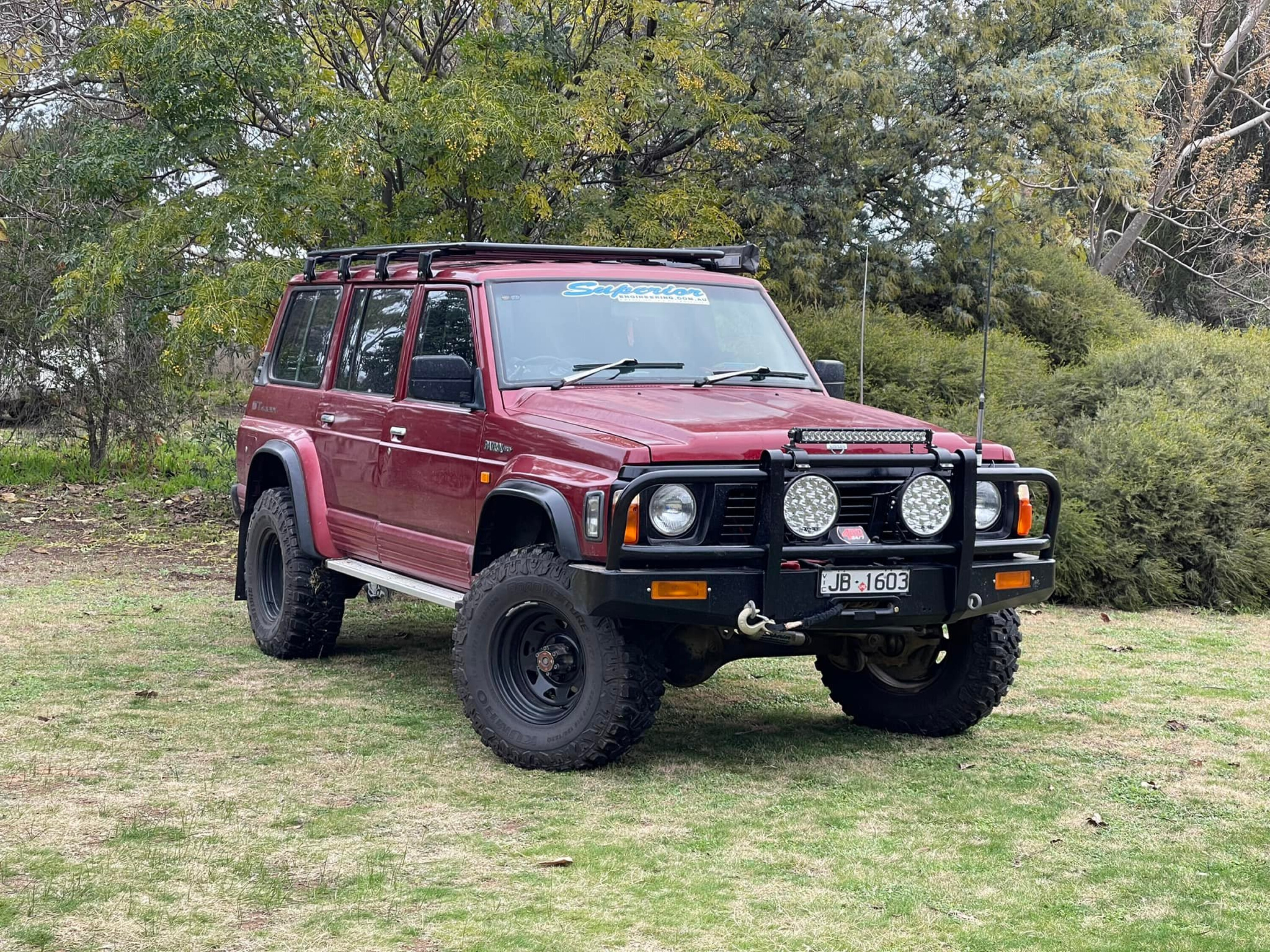
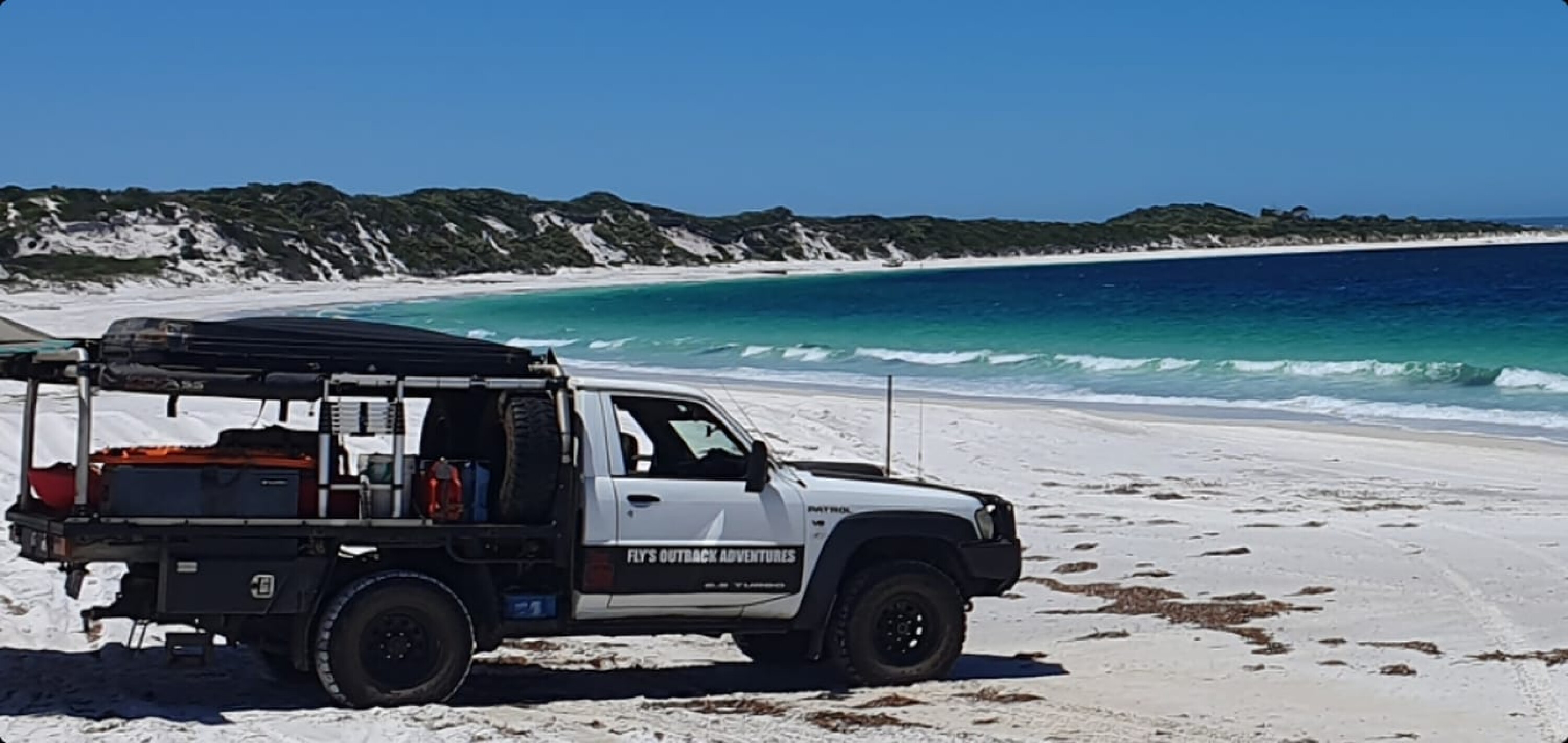
1994 Nissan GQ Patrol
1
My TB42E GQ is my first 4×4 and it never fails to put a smile on my face. I bought her in 2020 with 380,000km and she just clocked over 450,000km – still starts first time, every time.
It didn’t take long for me to open the wallet and start the mods. I started with a secondhand TJM bullbar and winch, which I repainted before fitting to the rig. Then, once deciding on a black and red theme, I set about painting the grill and flares black. I then opted for a two-inch lift incorporating Pedders TrakRyder shocks and King springs.
The flares looked silly with the Patrol’s offset wheels so I swapped them out for some -22 16-inch Sunnies with 33-inch Kumho MT-71 mud tyres. I built the rear setup myself, then I spent a pretty penny on the Kings online store and fitted a flat rack, fridge with slide, spotlights, etc. The latest mod was a rear bar with swing-aways – Jarrod Ernest Barker
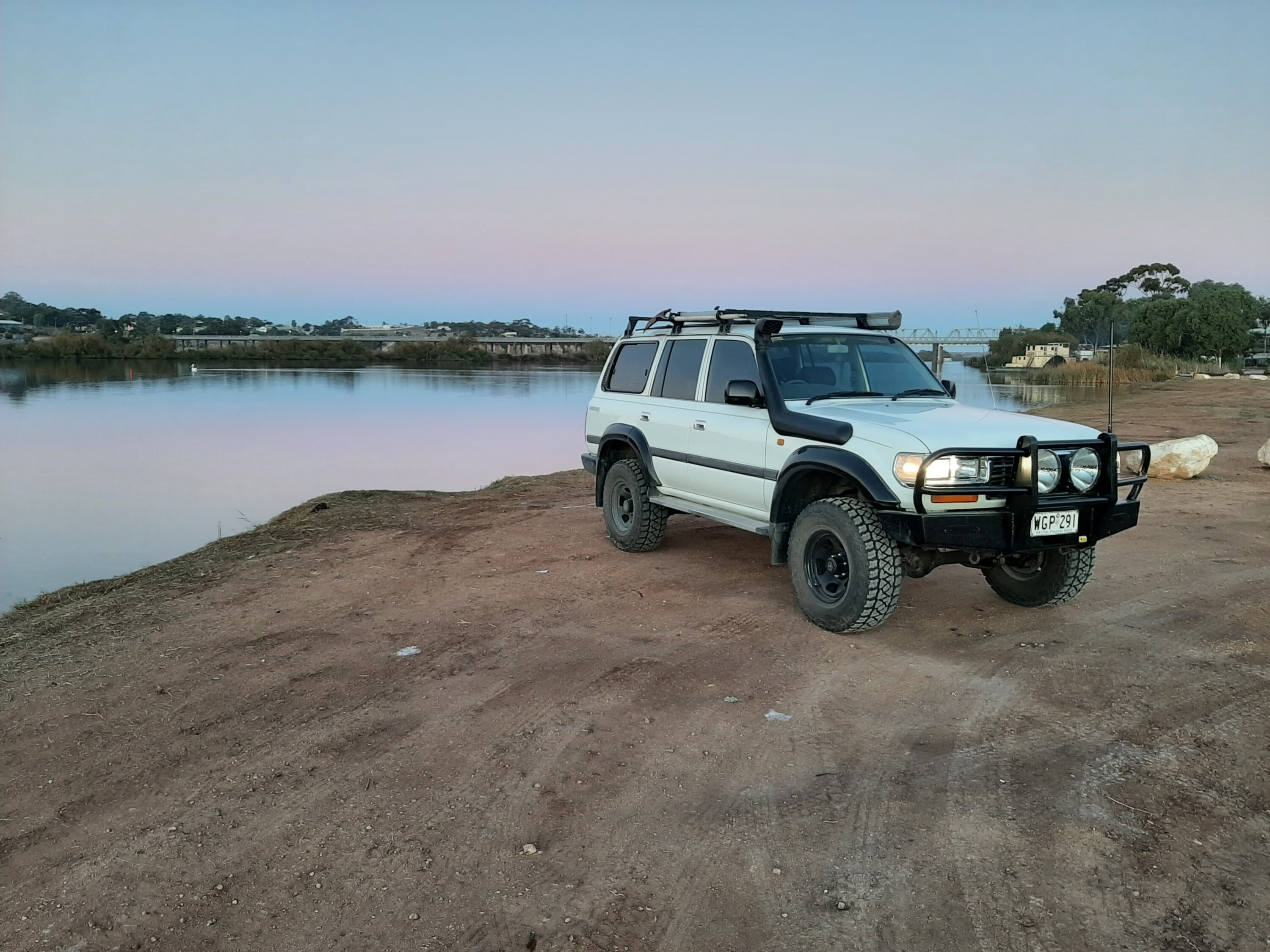
1996 Toyota LandCruiser 80 Series
1
I bought the Cruiser completely standard almost five years ago, besides the bar. Throw the soft-floor camper into the mix and we have an unreal little setup that still owes me less than 15 grand, and allows us to camp comfortably for days on end.
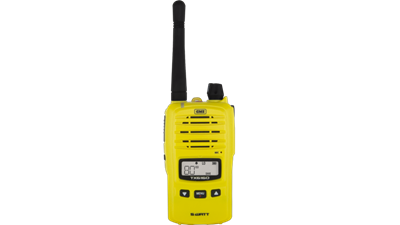
Current mods include EFS Suspension; 285/75R16 Kumho MT51s; dual-battery system with full-time solar and 12V/USB outlets to power the kids’ gadgets; homemade rear storage system with 20-litre water tank and 5L per minute pump; 23Zero 2.5 x 2.5 awning; Kings shower tent; homemade roof rack; Safari snorkel; Lightforce ROK9 lights in the tailgate; Lightforce ROK10 reversing and camp-lights on the spare wheel carrier; and an Oricom UHF with AXIS 4dB antenna – Nathan Godleman
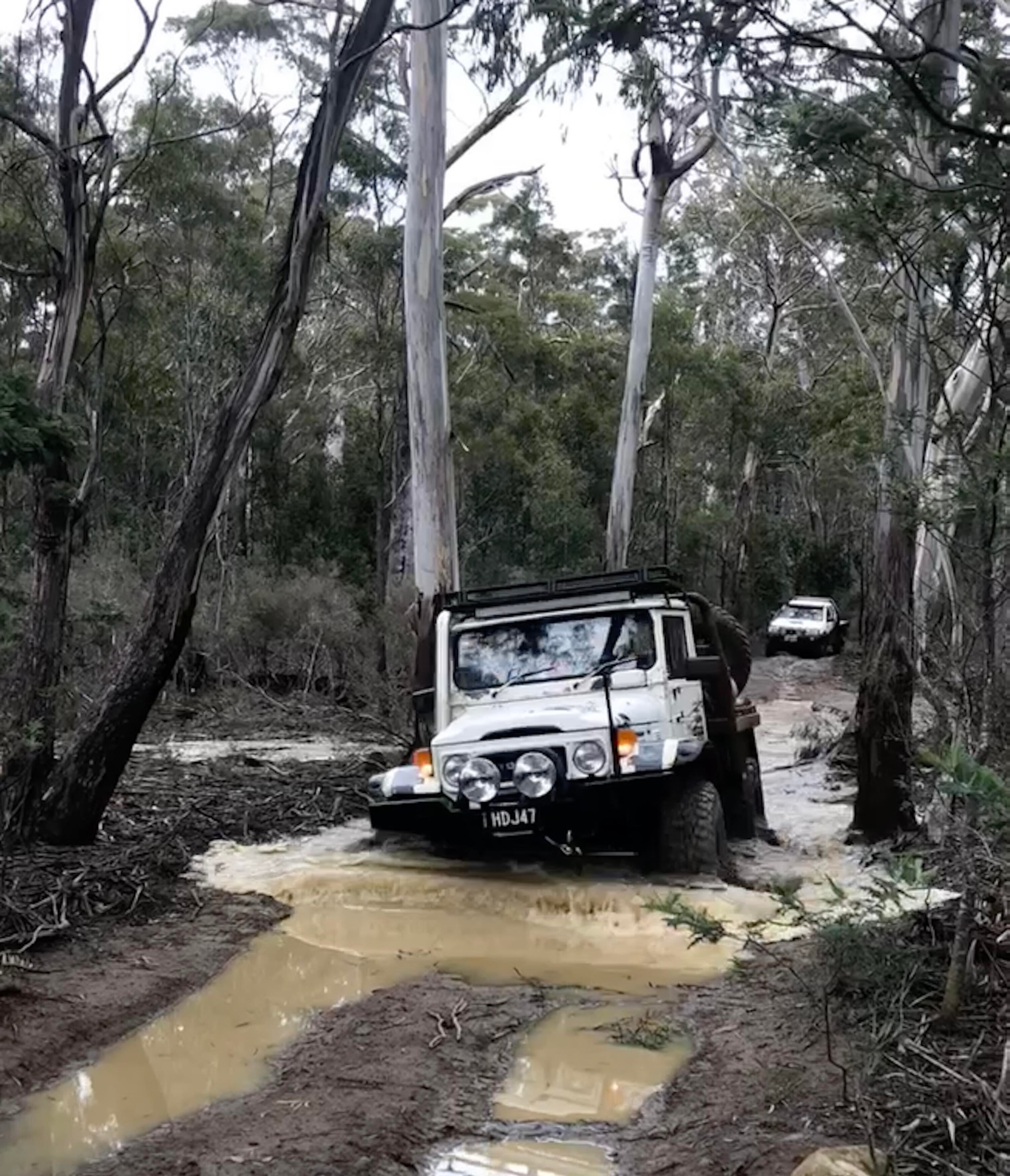
1984 Toyota HJ47 LandCruiser
1
It started life as a 1984 HJ47 series LandCruiser and it’s now named the HDJ47. It’s running a Nissan GU Patrol wagon chassis with a custom four-link rear.
It’s twin-locked and sits on a four-inch lift with Superior Engineering arms, Fox shocks and Dobinson springs front and rear. The engine is a 1HDFTE out of a HDJ78 TroopCarrier, running a GTurbo Red Wheel, custom front-mounted intercooler and +30 percent injectors – it runs at 30psi of boost and makes 217kW and 720Nm.
Other kit includes custom bar work, custom snorkel and custom four-inch exhaust. It is one of a kind – Samuel Richardson
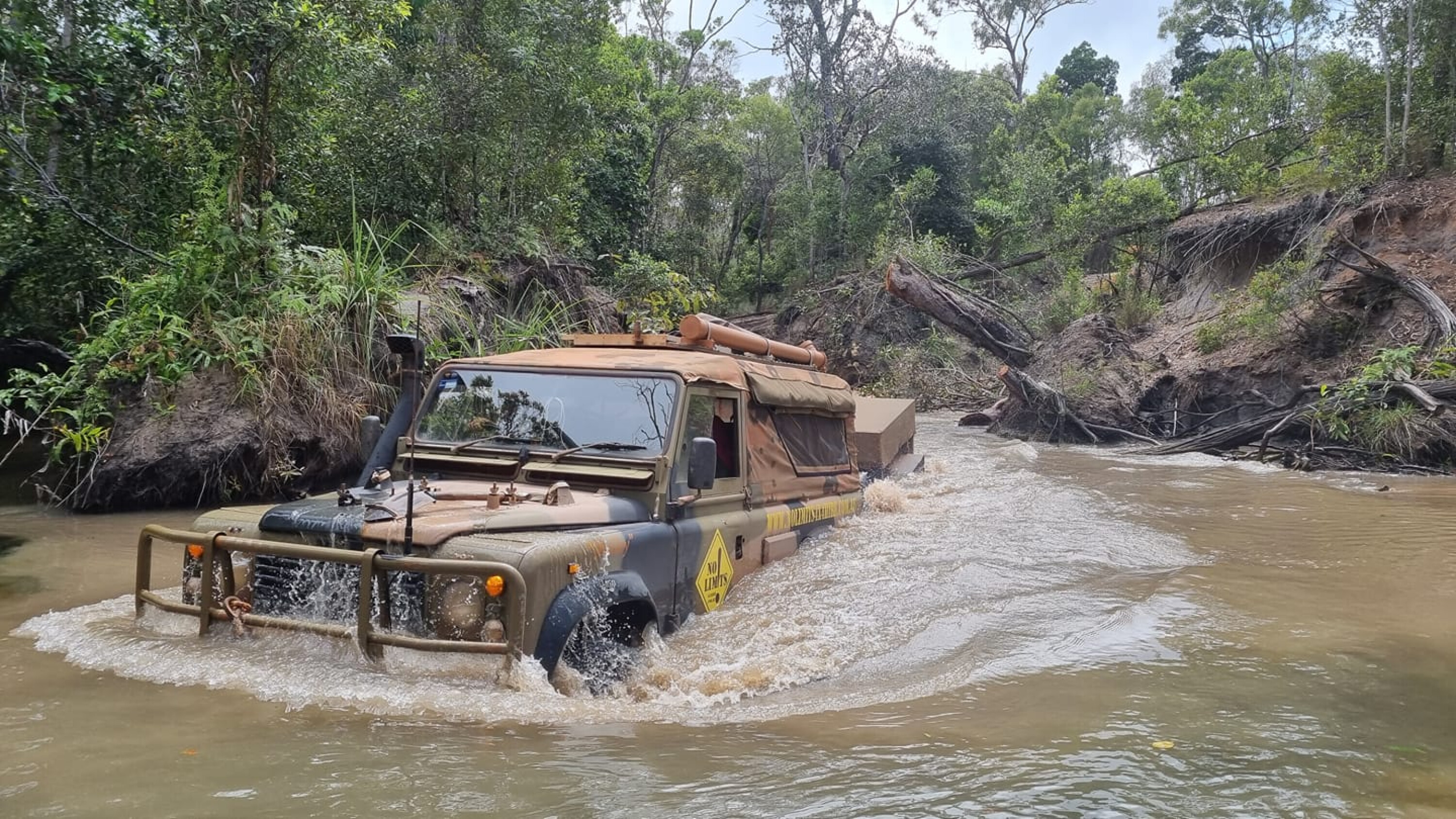
Land Rover 110 Perentie
1
This is one of our ex-military Land Rover 110s (GS/Cargo), also known as a 4×4 Perentie. We have 17 that we offer for hire, to travel any legal bit of road, track or beach in the country.
We also utilise our vehicles on our tagalong tours to Cape York, the Simpson Desert and Arnhem Land. The vehicles are ’88-’91 models and were designed by Australian Defence and Land Rover, specifically for the ADF.
They are essentially a Defender with two-inch lift, modified galvanised chassis, Isuzu 3.9L 4BD1 engine, Range Rover Classic running gear and Salisbury rear diff, and a PTO winch. We also add solar panels, shower, UHF, snorkel, 12v power and more – No Limits 4×4 Hire
Nissan GU Patrol
1
It’s powered by a 6.5-litre diesel and is twin-locked and has a two-inch lift. Other gear includes a 12,000lb winch; 280 litres of fuel capacity; 100 litres of water; rooftop tent; 270-degree awning; pull-out shower awning; five spotlights/light bar combo; Kenda Klever R/T 33-inch tyres; and two fridges – Robert Francis
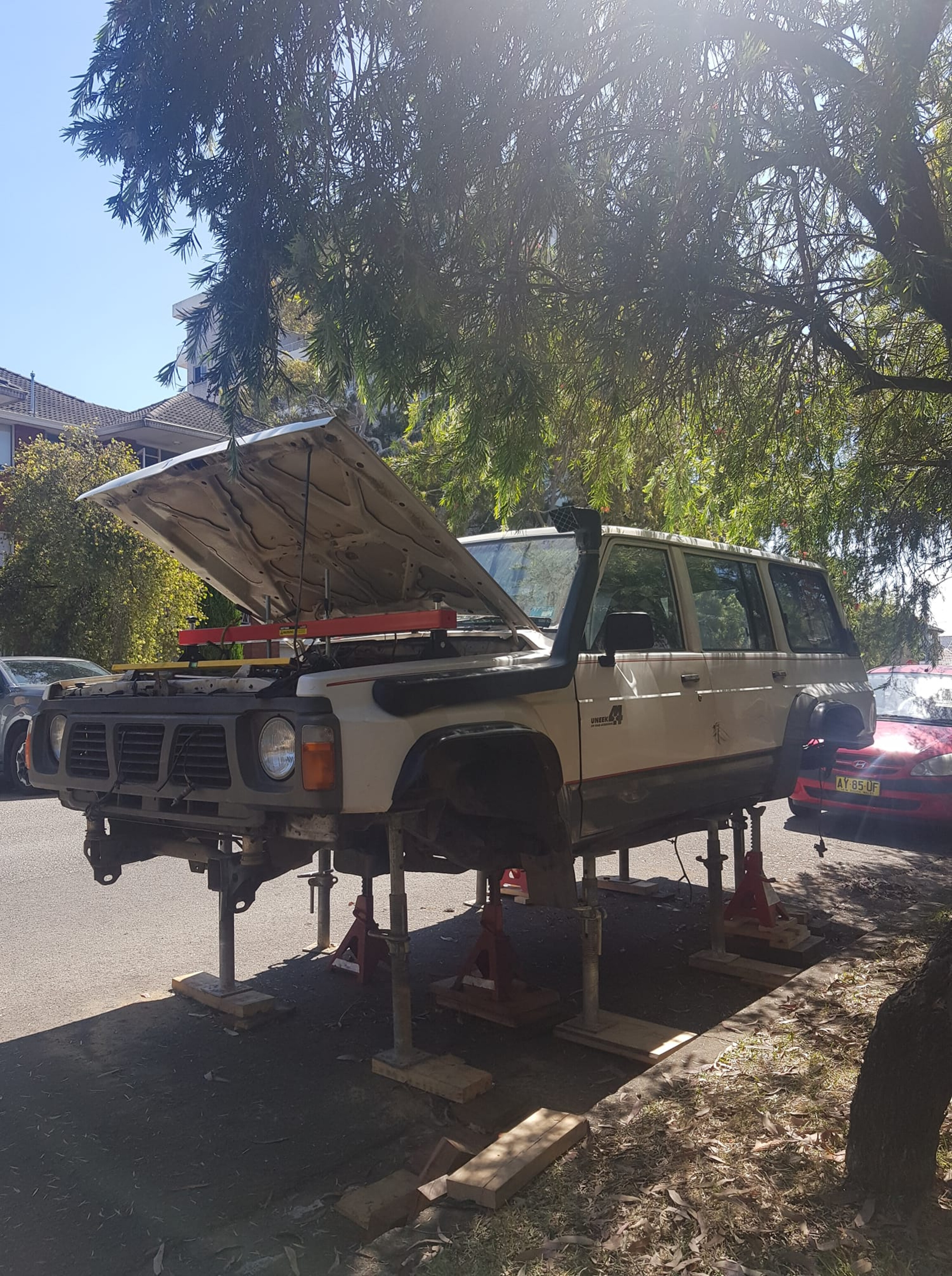
1989 Nissan GQ Patrol Maverick
1
I just did a full chassis swap on the side of the road late last year, and it’s currently in the garage slowly coming together – Rohan ‘Budge’ Hunt
There’s been a lot of static and chatter on all forms of media over recent months about Starlink, Elon Musk’s answer to slow web speeds and communication for the masses.
The figures, for anyone interested in space, satellites and communication, are staggering. As of February 2023 the Starlink constellation of low-orbit satellites consisted of nearly 4000 space capsules providing web services and communications to 48 countries, while SpaceX, the parent mob launching the satellites, now has more than a million subscribers.
When the system is fully operational there will be around 12,000 satellites buzzing around above earth with a possible later increase to 42,000!
For us mere mortals on planet earth looking for an even better way of communicating, accessing emails, watching video news, attending Zoom meetings and making Google enquiries, plus lots more, from anywhere in Australia… and I mean anywhere … then all the hype around Starlink is a good thing.
First launched in 2018 and available in a limited way in 2019, it was only a few months back that our whole continent got full coverage from Starlink and, just before Christmas, the price of the hardware was slashed to just $450.
My son’s company, Moon Tours, bought two systems, while ARB Broken Hill has three vehicles set up with Starlink; other small operators are following suit, with a heap of private individuals opting for the system in lieu of satphones and the like.
Almost as incredible as the figures and stats of the Starlink system are, is the social-media responses I’ve been receiving from people who have the system, which are almost completely positive.
What has our experience been like?
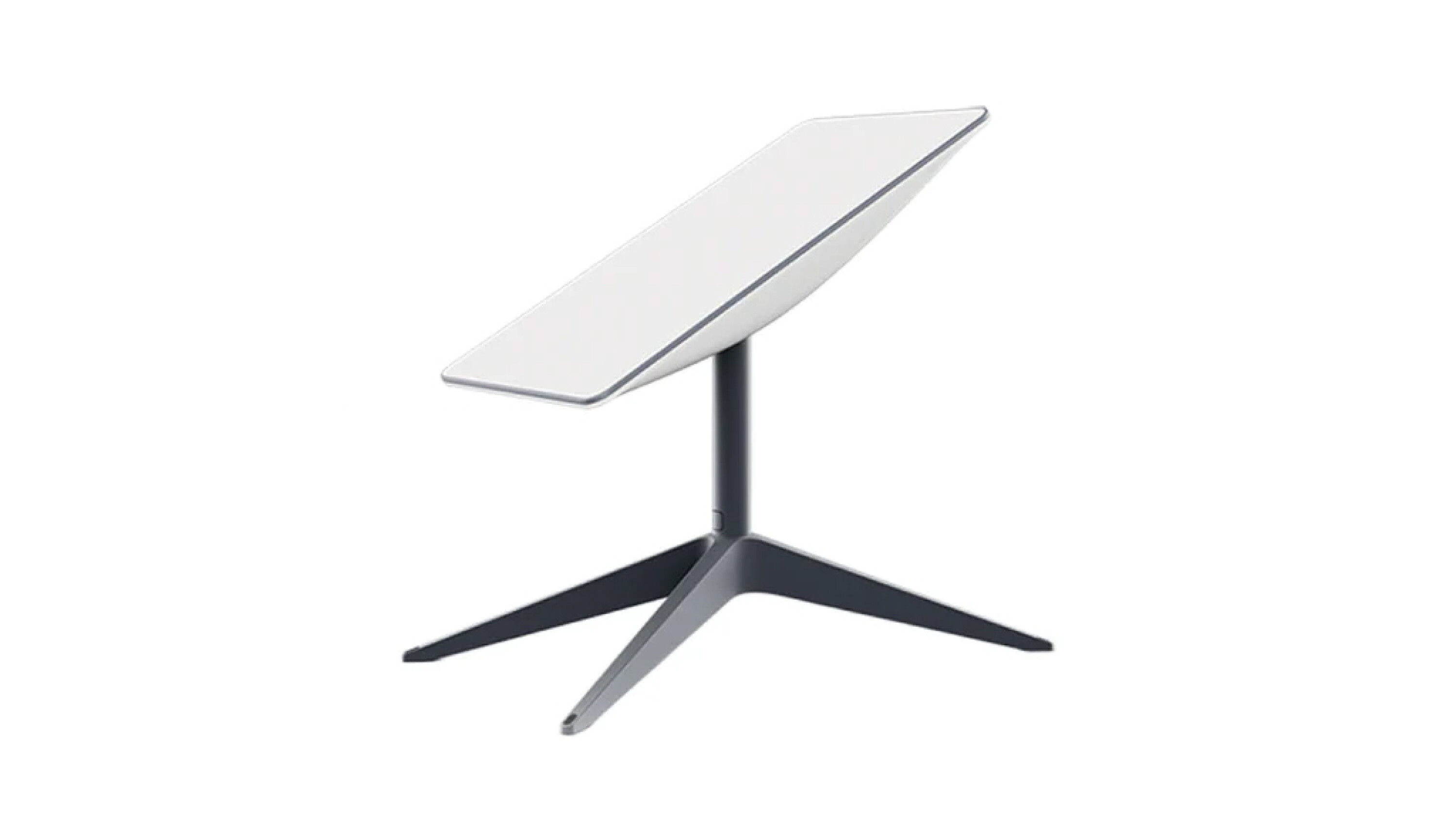
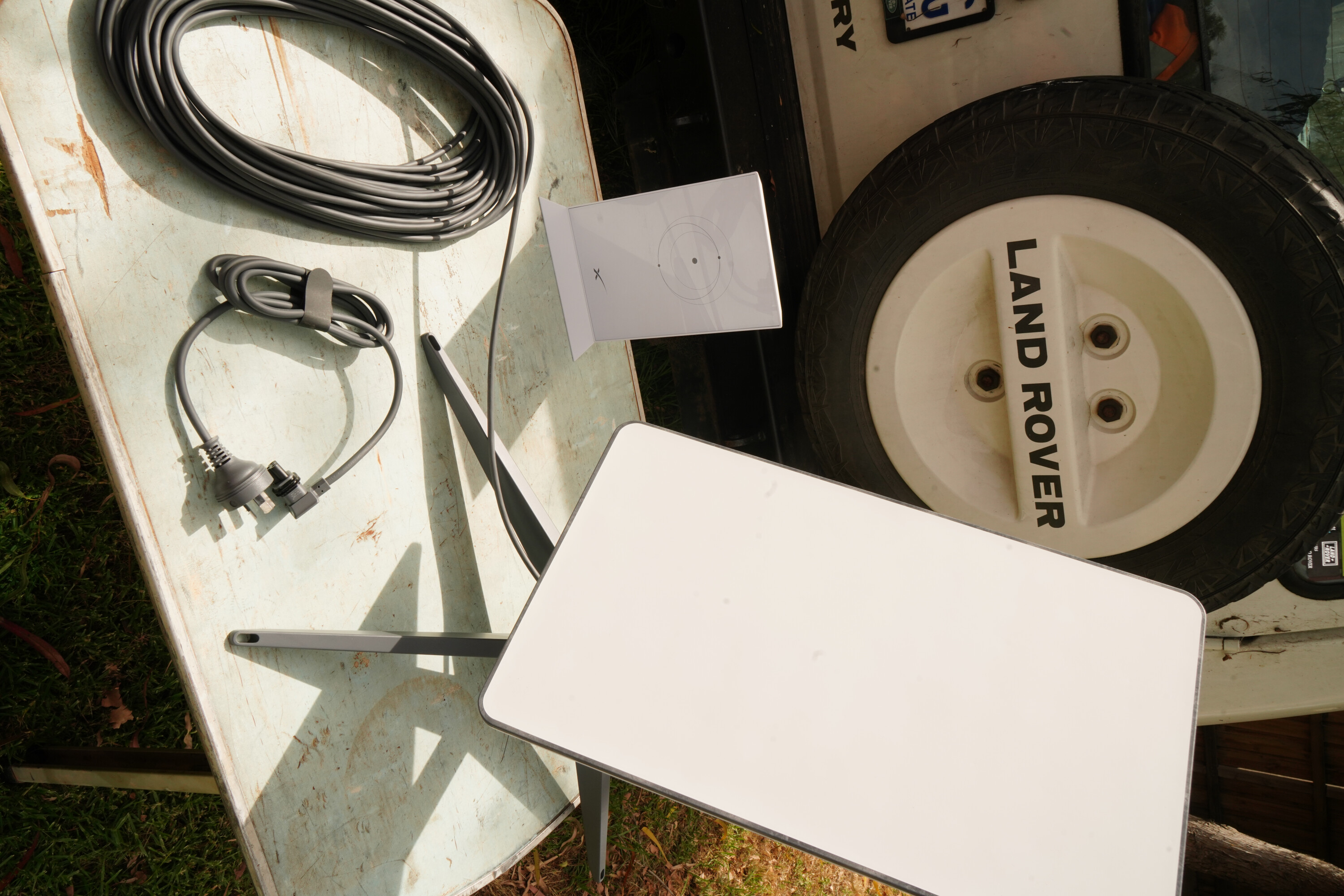
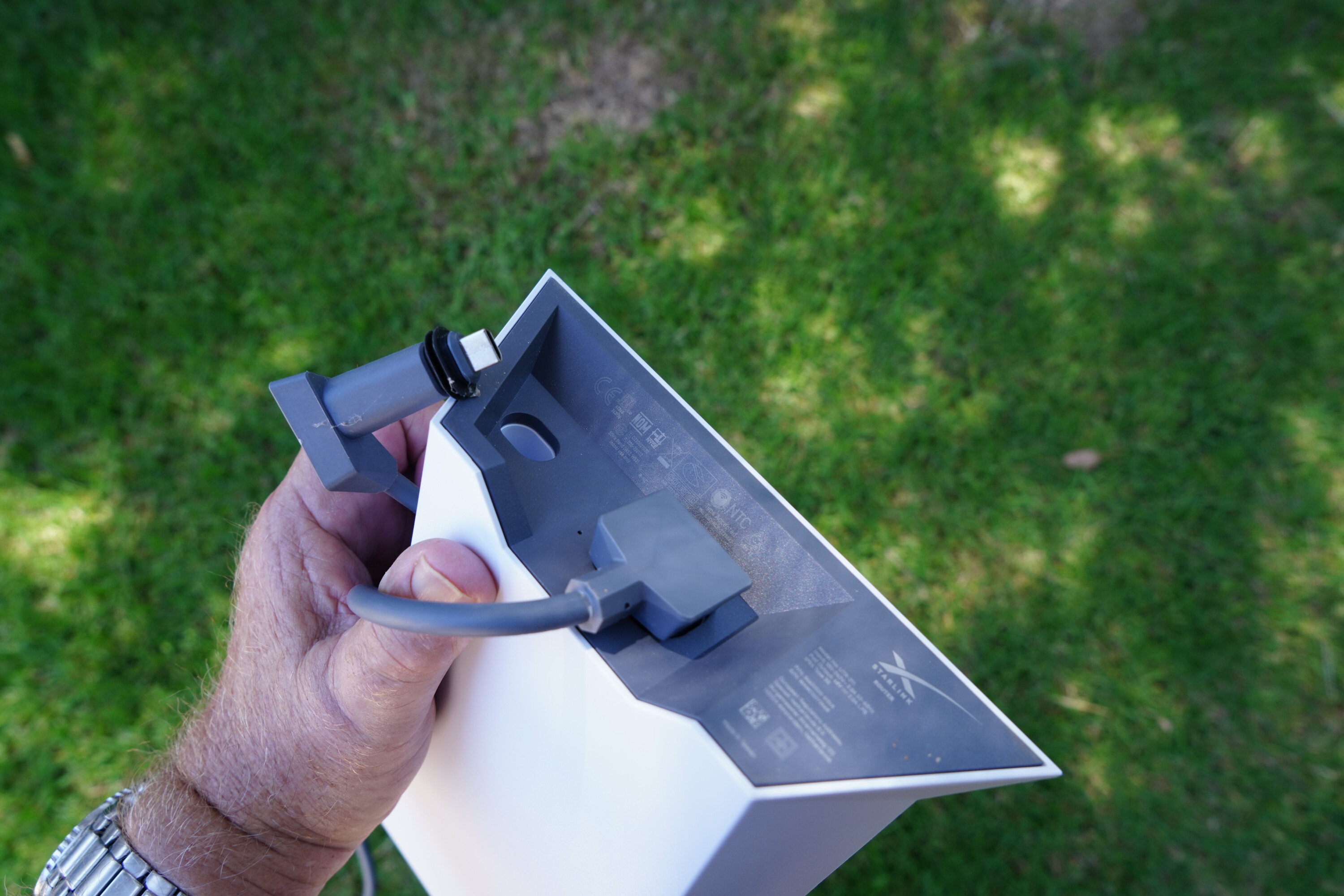
The set-up is surprisingly simple. The system, which arrives in a box promptly after ordering, consists of the antenna and a modem, with a long cable to attach them, and a power cable.
Once unpacked, position the antenna with a clear view of the sky and locate the modem close to where you want to work and wirelessly connect your phone, computer or iPad. When you first switch on the power, the antenna does a bit of a dance as it looks to find the best satellites to get its feed from.
1
On your device, once you’ve received a signal from Starlink, punch in your username and password and then connect. It’s as easy as that. Believe me, I normally leave such procedures to someone who’s a bit more tech savvy than I, but even I managed to connect it… without even swearing at the bloody thing.
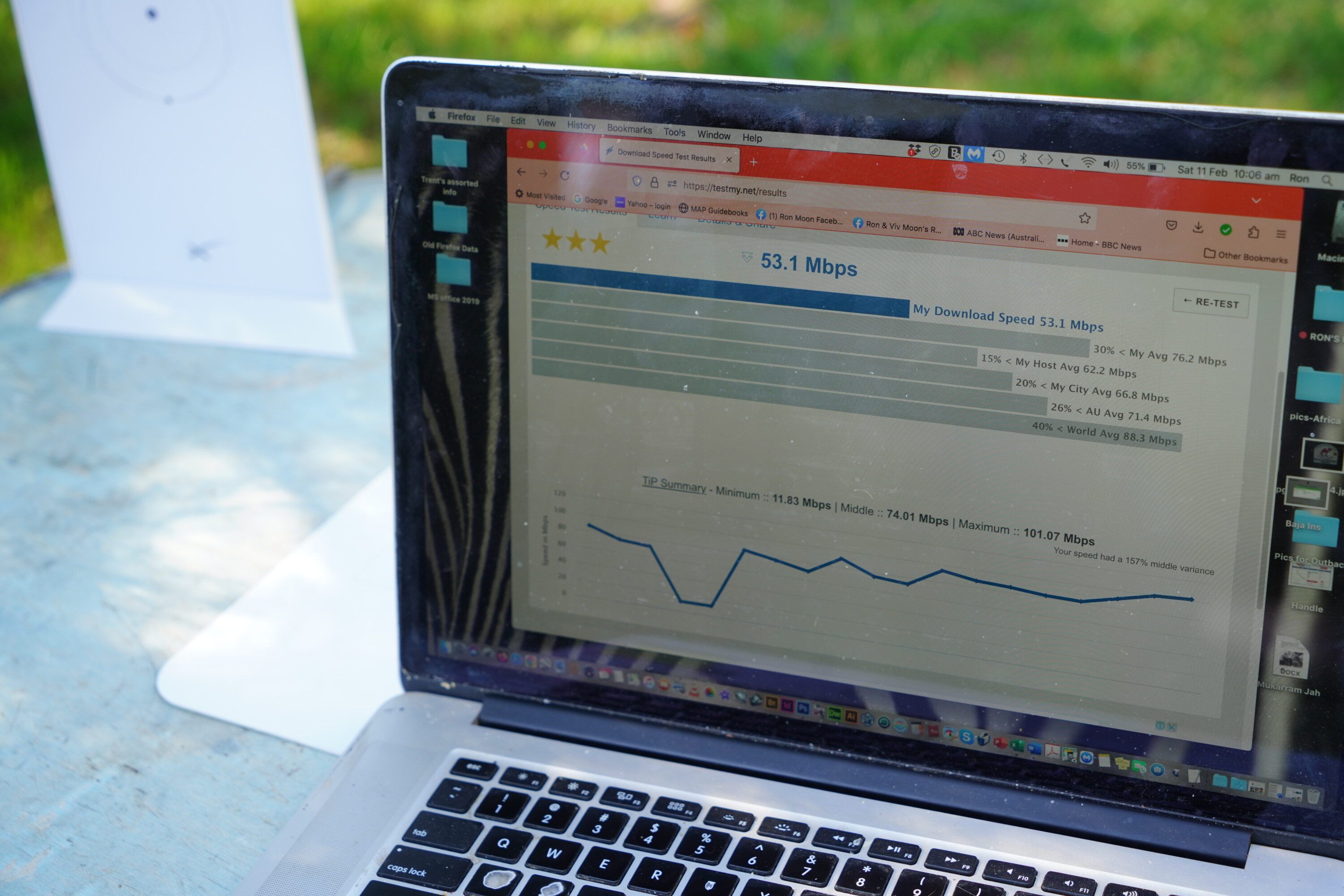
I’ve run download and upload speed checks and have had varying results over the course of a few days, from 50Mbps to 161Mbps down and between 12Mbps to 14Mbps up. Some people I know have been getting up to 280Mbps down and 16.4Mbps up. To put those speeds into context, our NBN speed here in semi-rural Victoria on the Mornington Peninsula has been running, on a good day, at around 40Mbps down, and less up.
Currently, there is no limit to the amount of downloads or uploads you can have per month, while the number of devices you can connect to the unit is in excess of 20. Of course, there is an app for your phone to control and monitor reception.
The question I gotta ask though, is the satphone dead? It seems from my Facebook feed that a lot of people are dumping their satphones and swapping over to Starlink.
To access all this tech and high-speed data there is a monthly fee, with the basic Starlink connection starting at $139/month for Residential, or $174 for the RV package.
With the Residential version you always pay the access fee of $139 per month, while with the RV option you can ‘pause’ the system which means you don’t pay anything until you reactivate it again; there is no connection or disconnection fee.
To a Residential package you can add ‘portability’ if you ever want to travel, when the months selected will be charged at the RV rate. Take note, that these charges are by the month and there are no discounts for parts of a month, and prices listed are current as at February 2023.
1
With such a high profile, impressive feedback and incredible uptake of Starlink, it’s little wonder that there are companies out there making a range of accessories for the Starlink system, as they provide support and backup for mining exploration companies, remote vehicle recovery operators and tour guides.
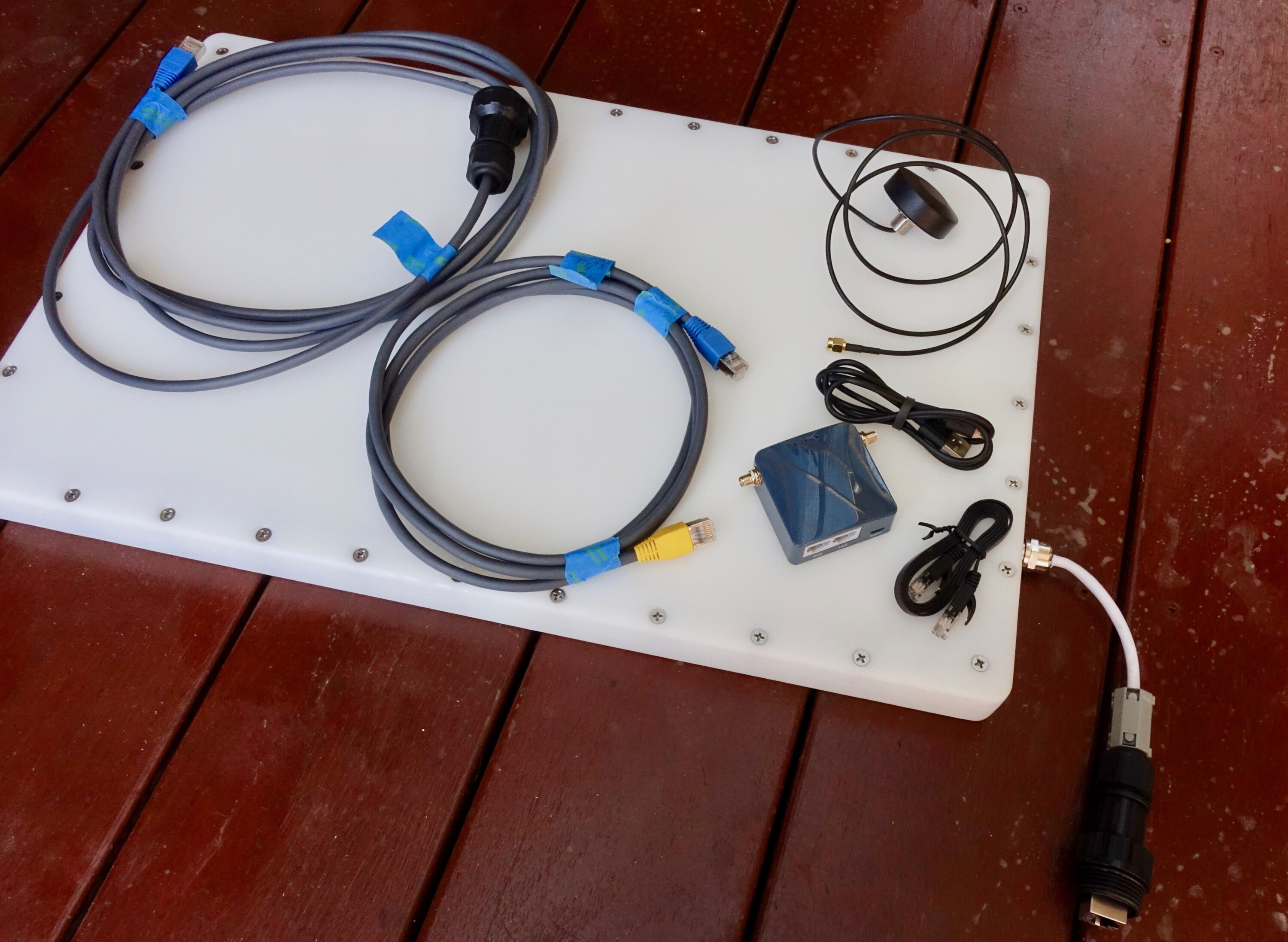
Outback Comms, based in Mackay, Queensland, has a wide range of products to enhance the Starlink system, and the company has just supplied us with a Rugged Flat Mount kit.
This modifies the standard antenna, doing away with the stand and much of the motor assembly, making it a much smaller package. Power comes from an inverter already in our 79 Cruiser, and we will mount the antenna on the roof rack, which will in turn connect to the standard Starlink modem to give coverage inside the vehicle.
1
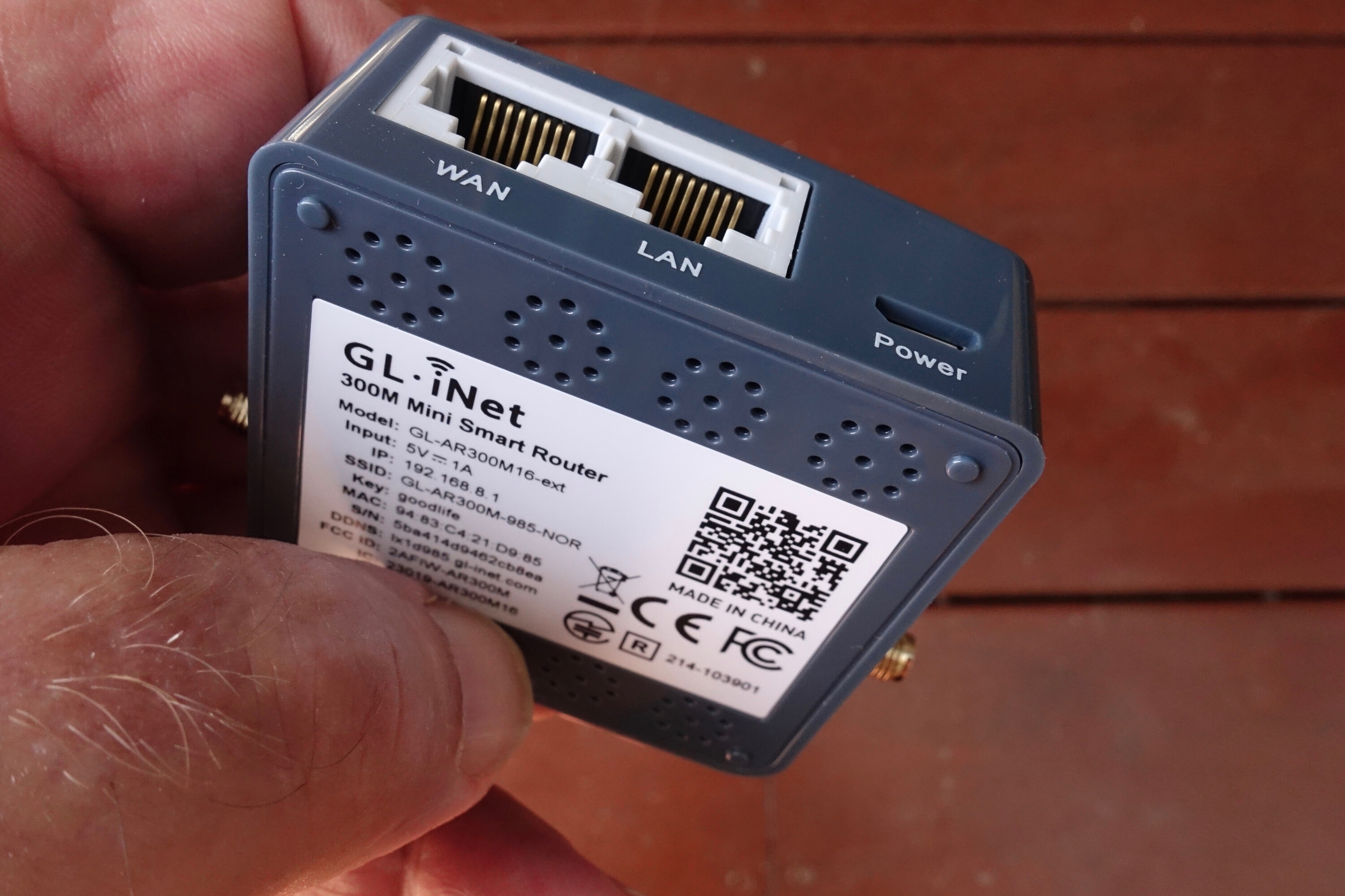
To improve exterior reception, up to 50m from the vehicle, we have also opted to fit an additional wireless mini-router with assorted cables plus an external relay antenna. All this allows connection to the web, emails and phone calls while on the move, anywhere in Oz. ARB Broken Hill already has three such setups in their vehicles and has found them to be fantastic.
In the USA, a new RV version has been launched but it’s way more expensive in both hardware and monthly fees; we’re not sure when this system will arrive in Australia and I guess what it will cost will be up to Elon.
Still, love him or hate him, Elon’s satellite-based comms system is pretty darn good.
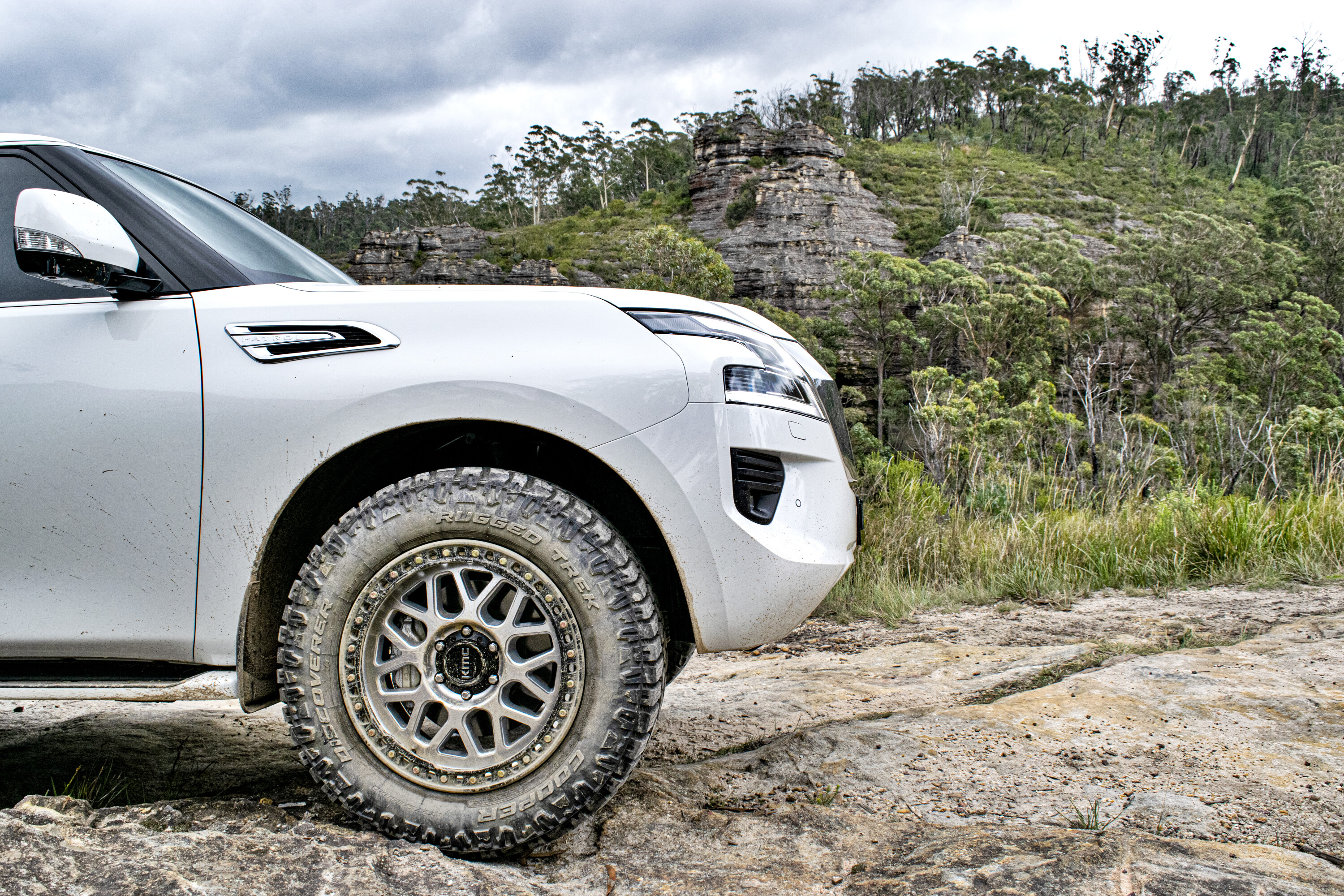
Cooper Tires has released an all-new tyre to market, which has been designed and built for serious on- and off-road adventures.
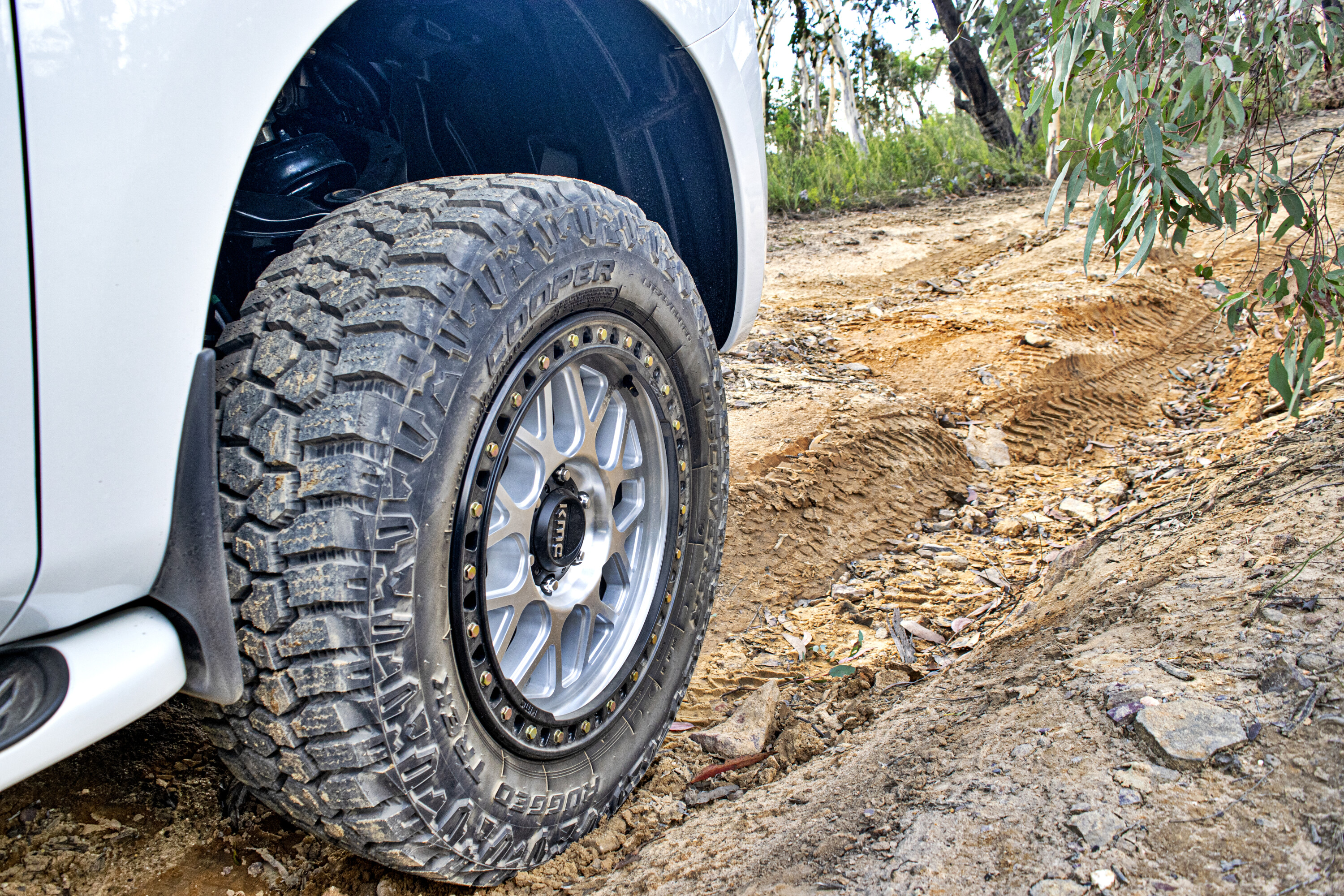
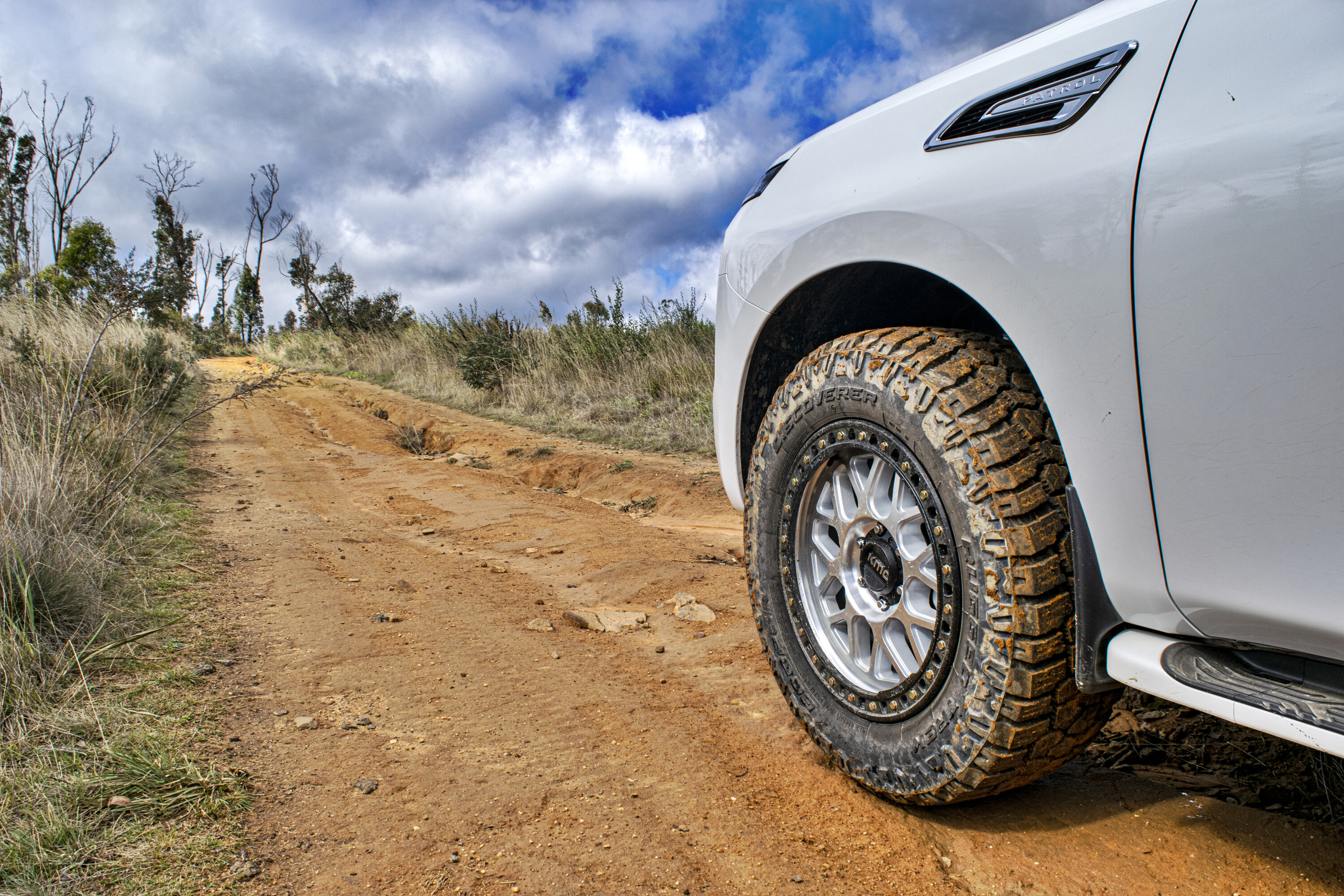
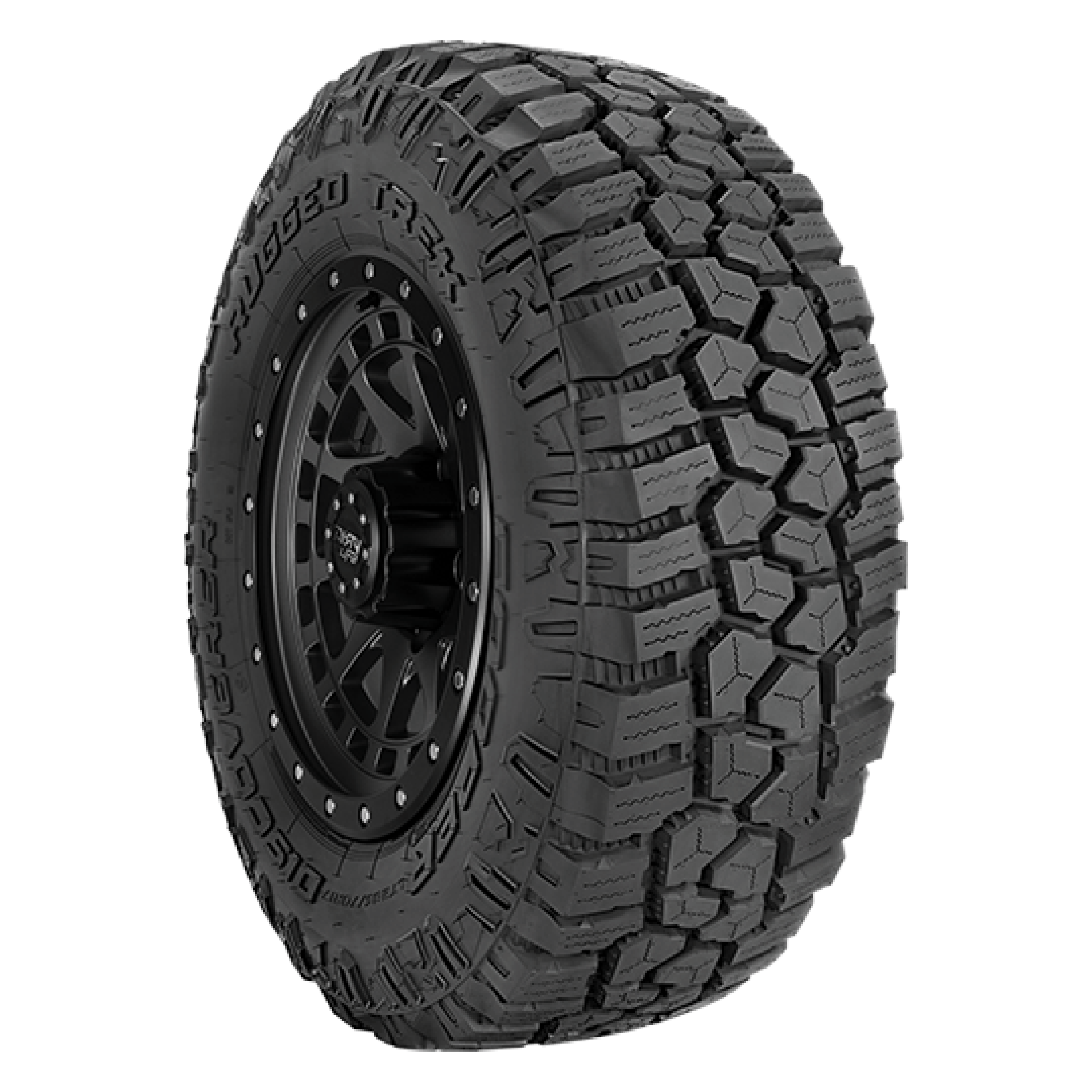
The Rugged Trek – said to be the brand’s “best 4WD tyre ever made” – is an all-round tyre with a massive 14.7mm tread depth that is guaranteed to last up to 80,000km of use and abuse.
The tyre is a combination of all the best bits of all-terrain and mud-terrain tyres, without the compromise, to create what is essentially a hybrid tyre dubbed “rugged-terrain” which is capable of tackling all terrain types – sand, rocks, mud and bitumen.
“It has all the abilities of an all-terrain tyre. [It’s] nice and smooth on the road and nice and quiet, but then it has the aggression to help off-road,” said Cooper Tires’ technical manager, Jeff Newick.
“Cooper’s Rugged Trek rugged-terrain tyre has all the characteristics you look for in an aggressive mud tyre, while still giving you the mileage and performance from an all-terrain”
Compared to OE tyres, the Rugged-Trek is said to have 63 per cent more tread depth, a 14 per cent larger footprint and 25 per cent more load-carrying capacity.
1
1
The Rugged Trek utilises a combination of high-quality technology and state-of-the-art design, with highlights including:
Dual sidewall (adaptive) design: With a knife-edge design on one side and mountain design on the other, the sidewalls are said to be 20 per cent stronger due to the use of high-tensile body ply in lieu of standard tensile.
Whisper groove shields: This design stops a lot of the noise from resonating outside of the tyre, by blocking the air to reduce road noise.
1
Stable Trac technology: Omni-directional microgauge siping through the centre of the tyres is designed to help the stability of the tyre, provide wet weather grip and reduce cut-and-chip.
Offset lugs: Off-set lugs on an eight-degree angle to enhance off-road traction.
Stone blockades: Positioned up against the lugs, the blockades reduce stone retention and damage on the tyre. It also creates an air pocket under any soft material to allow it to clear out of the tyre.
The tyre also contains more than 30 per cent chemically-coupled silica, which, according to Jeff Newick, is essential: “”Coupled silica in the tread compound is absolutely a must in Australian conditions for safety and performance.”
“The development and technology in this tyre is second to none in any market throughout the world,” Newick added. “We’ve been testing it in outback NSW … we’ve been putting it through its paces and it has stood up fantastically.”
The Rugged-Trek is available in 16-, 17-, 18- and 20-inch options with a Light Truck construction, and 18- and 20-inch options for SUV construction.
Founded in Ohio, USA, in 1914, Cooper Tires is now the 10th largest tyre manufacturer in the world. It reached local shores in 1988, when Terry Smith, General Manager of his family’s retail tyre stores in Canberra, started importing Coopers to Australia after seeing them at an international show in New Orleans in 1988.
Demand from other cities led to wholesale distribution, and in 1991 Terry established a Brisbane-based distribution business. Cooper Tires soon became a major 4WD tyre brand in each state.
I can just about smell Johannesburg, around 300 clicks to go.
We have been up since 5am, and our plan was to drive from Kasane, on the banks of the charming Chobe River in northern Botswana, to Johannesburg, 1200km away.
We are breaking my first rule of African travel, don’t drive at night. Why? Drunk drivers, animals on the road and people running out of driving talent. All three can kill you.
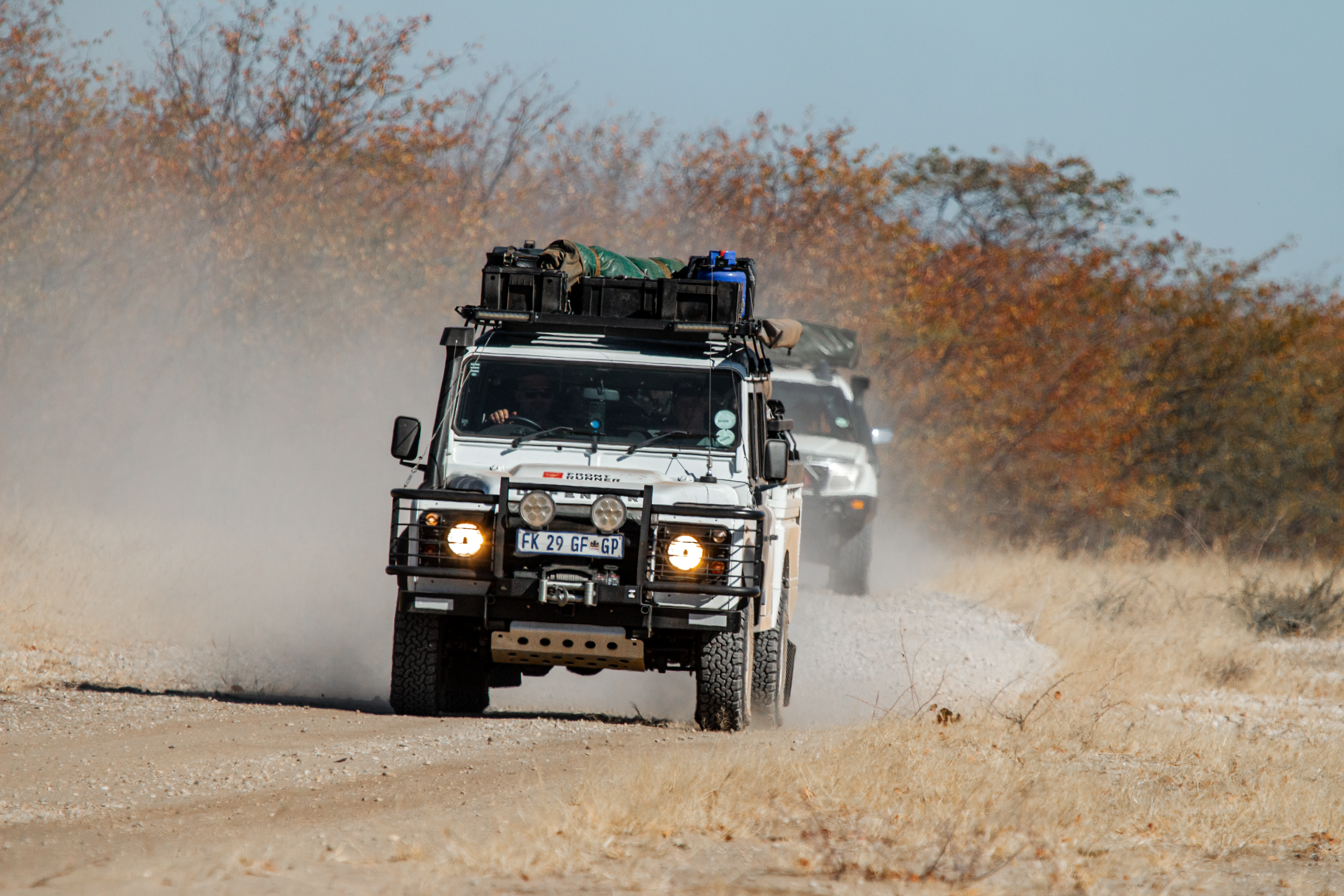
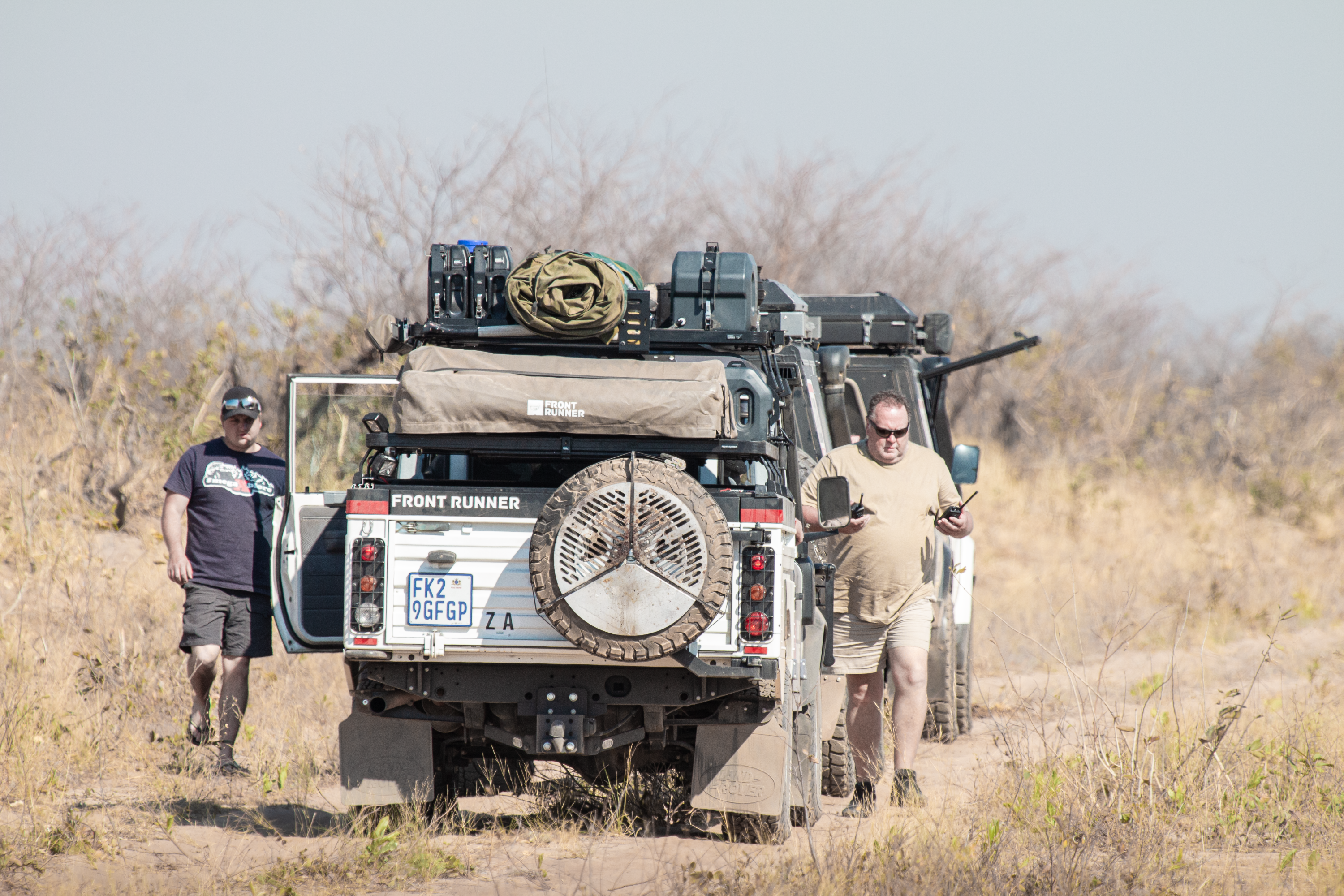
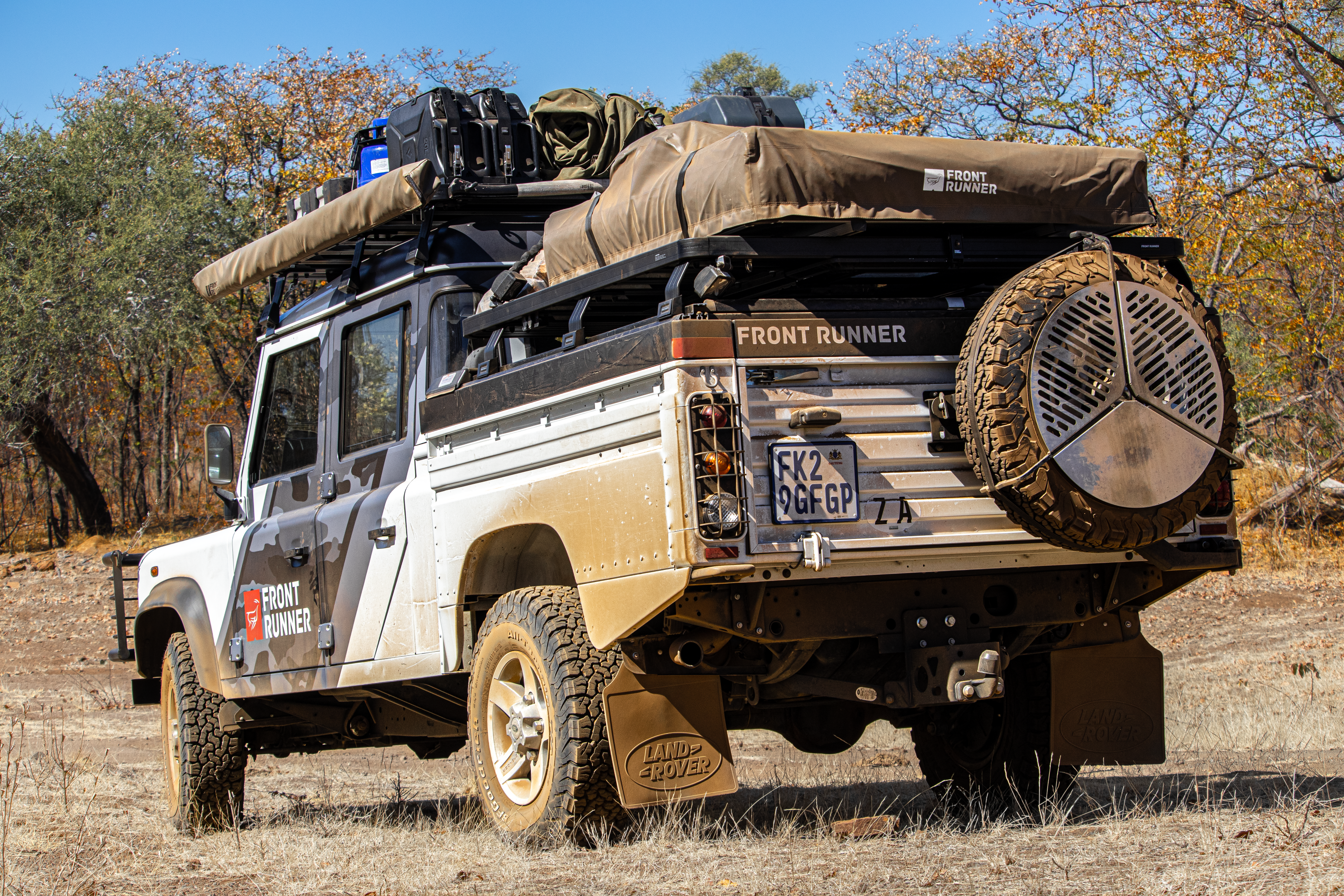
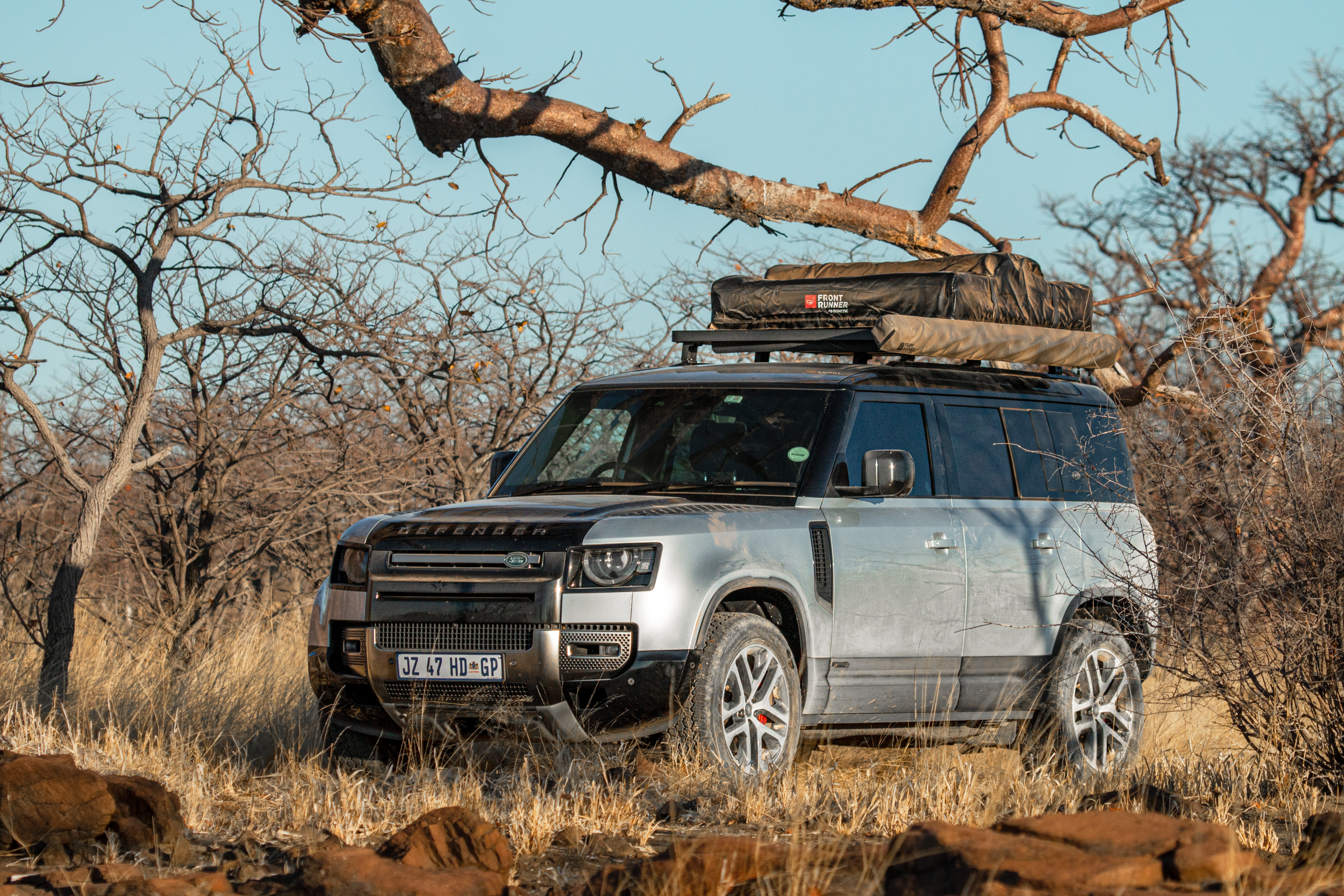
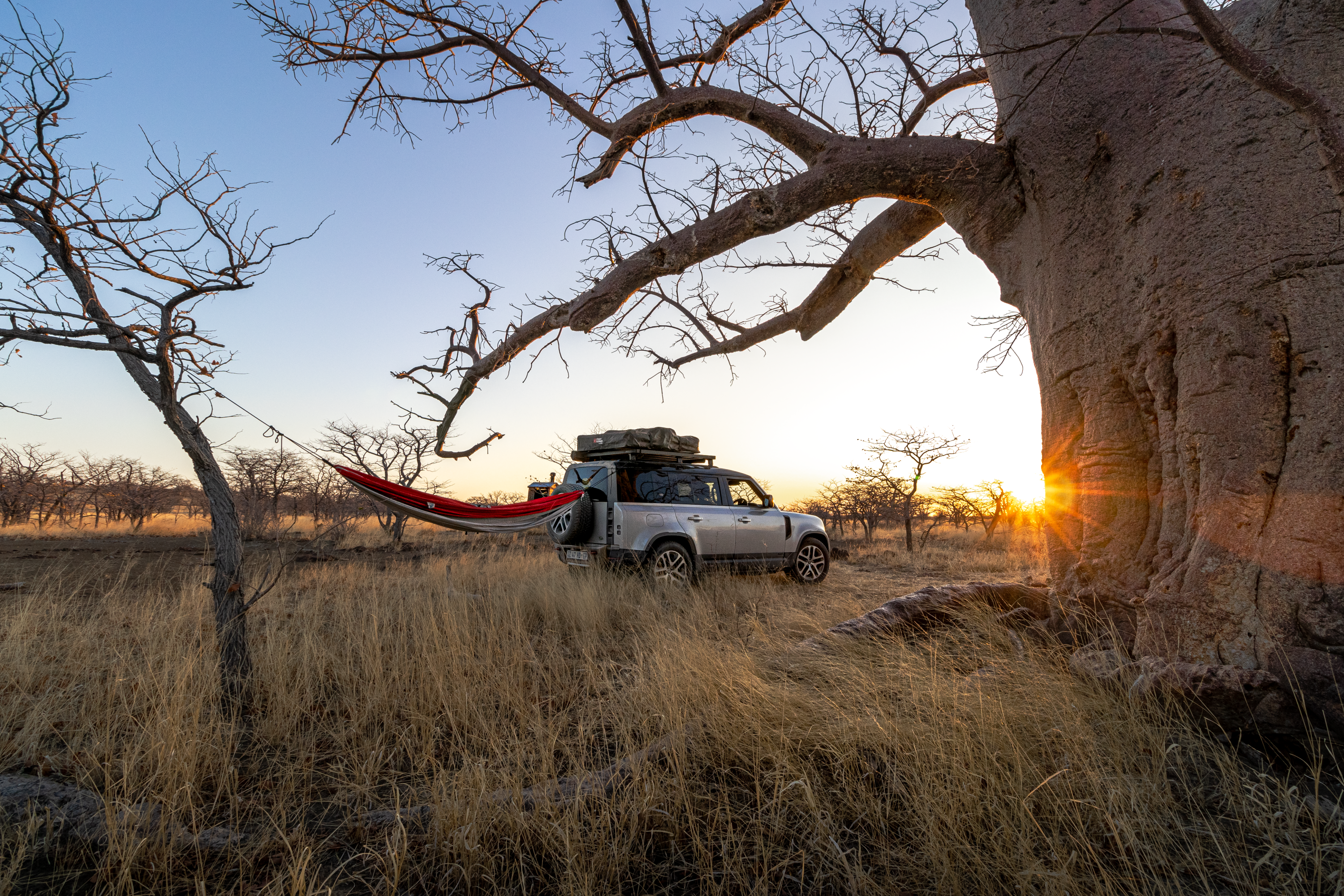
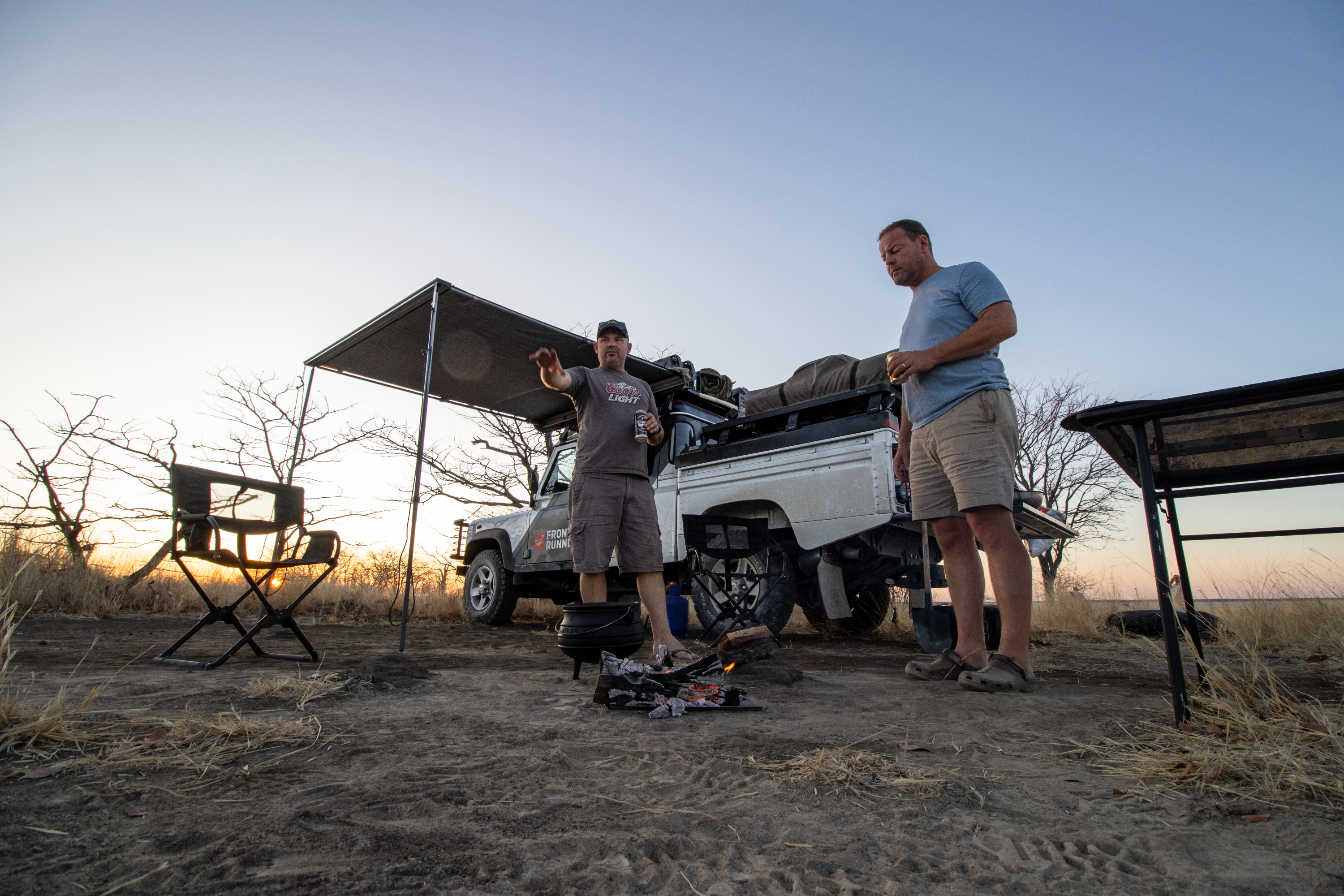
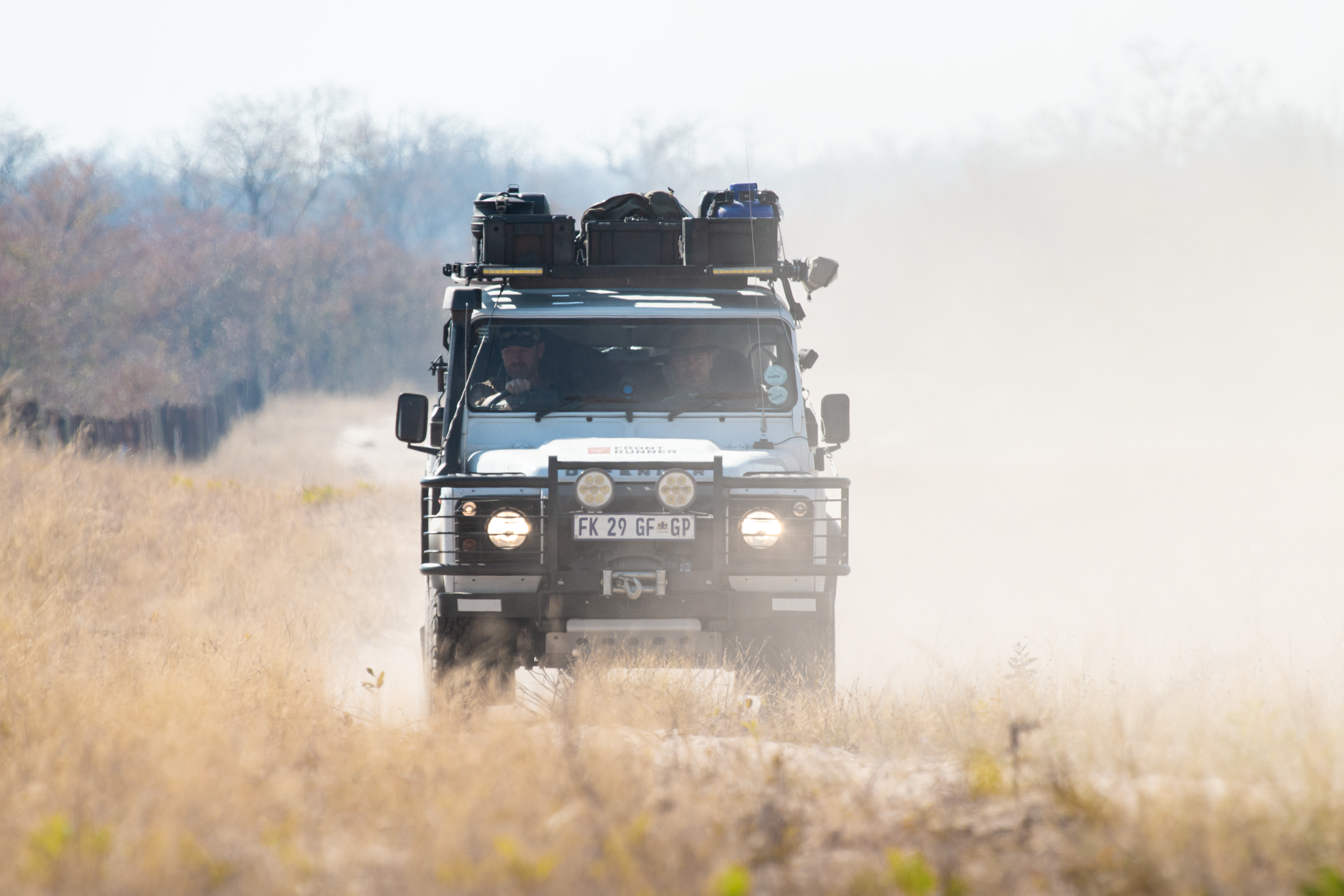
I am behind the wheel of the big old 130. I love this old girl; she is fitted with every Front Runner accessory ever made and she has been our chef, shower and cold-beer provider on this trip.
1
The truck approaching from the front has its high beams on. I try to look away, but they still blind me. I realise that it is in my lane and about to crash into us. I don’t want to die here. I pull hard left on the steering wheel; there is no time to look out for pedestrians, donkeys or, God forbid, a young child.
I wait for the impact of the truck. It does not come, we are doing 120km/h through the dry and dusty bushveld. I dare not brake for fear of rolling – old Defenders are notorious for just that. I allow the Defender to gradually roll to a halt. St Peter is nowhere to be seen. I am still alive. I bloody love old Defenders.
What about my friends behind us in the new 110? It has all the technology and driving aids in the world but there is no special red button to deal with a truck driver who has fallen asleep. Did the truck get them? Are they dead? Once the dust settles, I see that they too took the off-road alternative to definite death. Africa is most certainly not for sissies.
Even though I am attempting to compare the old and new and Defenders, I would like to start by saying that there is no comparison. The 2016 Defender 130 I am in is not too dissimilar to the original 1983-model Land Rover 110.
It was assembled by hand, not by robots, and it runs a separate body-on-chassis construction, live axles front and rear, and coil spring suspension, and is without a doubt a 4×4 icon.
It is instantly recognisable and loved the world over. You can find spare parts for it in the most remote locations. Case closed. End of article.
1
Not so for our 2022 Defender X 110 D300 V6, which came off the production line at JLR’s newest and most modern production facility in Nitra, Slovakia. When running three shifts, this facility has the capacity to build 150,000 vehicles a year.
This is a huge number, especially when you consider Land Rover was producing fewer than 20,000 old Defenders per year at its Solihull plant towards the end of production.
The new Defender is a luxurious and thoroughly modern vehicle with more electrickery than a rocket ship on the way to Mars, while the old Defender can often be fixed on the side of the road.
Most old Defenders have a simple diesel engine under the bonnet. I have had an old-style Defender as my daily driver for more than 15 years now, and I am not going to lie, you need to love them to drive them all the time. They are more tank or tractor than modern car.
Now, as I find myself cruising in a convoy at 110km/h in a fully-loaded old 130 after crossing into Botswana, I can’t possibly be any happier. As a bonus, everyone is smiling and waving back at me. Try that in the blingy new Defender 110 and you’ll probably be greeted by a middle finger from someone bouncing along in a lifted Disco 2 or a HiLux.
In Africa, people see new, shiny vehicles as an ATM of sorts, which means their drivers can expect to pay more in fines and bribes than if in an old 130.
1
Out of all the new Defender engine derivatives, the 220kW straight-six D300 is my favourite; flatten the accelerator and it just takes off, making it great for overtaking convoys of long trucks, whereas the old 130 only musters a modest 90kW from its 2.2-litre four-cylinder diesel engine and so requires a more measured approach when overtaking.
It is rather fun flying across the dry Makgadikgadi salt pans at just over 160km/h in a new Defender. Even though it is loaded with gear, I am still able to throw it about through tight turns without having to worry about toppling over. It does not handle like an old Defender; it sits solidly on both tar and rough tracks.
But the 130 really comes into its own when we engage low range to crawl along over the rough stuff. This is what it was made for. I know the new Defender has lockers front and back, plus lots of other off-road traction aids, but just how much capability do you need?
Old Defenders are renowned for being uncomfortable. When cruising in the 130 I put my left foot on the handbrake for comfort, I open the driver’s window for elbow room and I crank up the not-so-good aircon. When going off-road along one of the hunting concession cutlines, I feel at one with nature.
You can smell the elephant dung and hear the squawk of the yellow-billed hornbill. It does not bother me that there is dust coming through the windows and covering me and everything else inside the vehicle.
Not so in the new Defender 110, which I drive with the windows closed, aircon on, seat massagers engaged and seat-aircon blowing hard! It’s as though Land Rover has taken the Range Rover Gucci bits and put them in the new Defender.
When off-roading it feels like I am cheating on my old Defender as it sanitises the whole experience. Everything is too easy and, thanks to the air suspension, bumps are barely noticeable. It really takes the ‘off’ out of off-roading.
Our first stop before heading off on this adventure was the Front Runner HQ in Kyalami, Johannesburg. The latest Defender is still the new off-roader on the block and while global chip shortages have slowed sales and production, overland accessory companies like Front Runner were quick out of the blocks with new product.
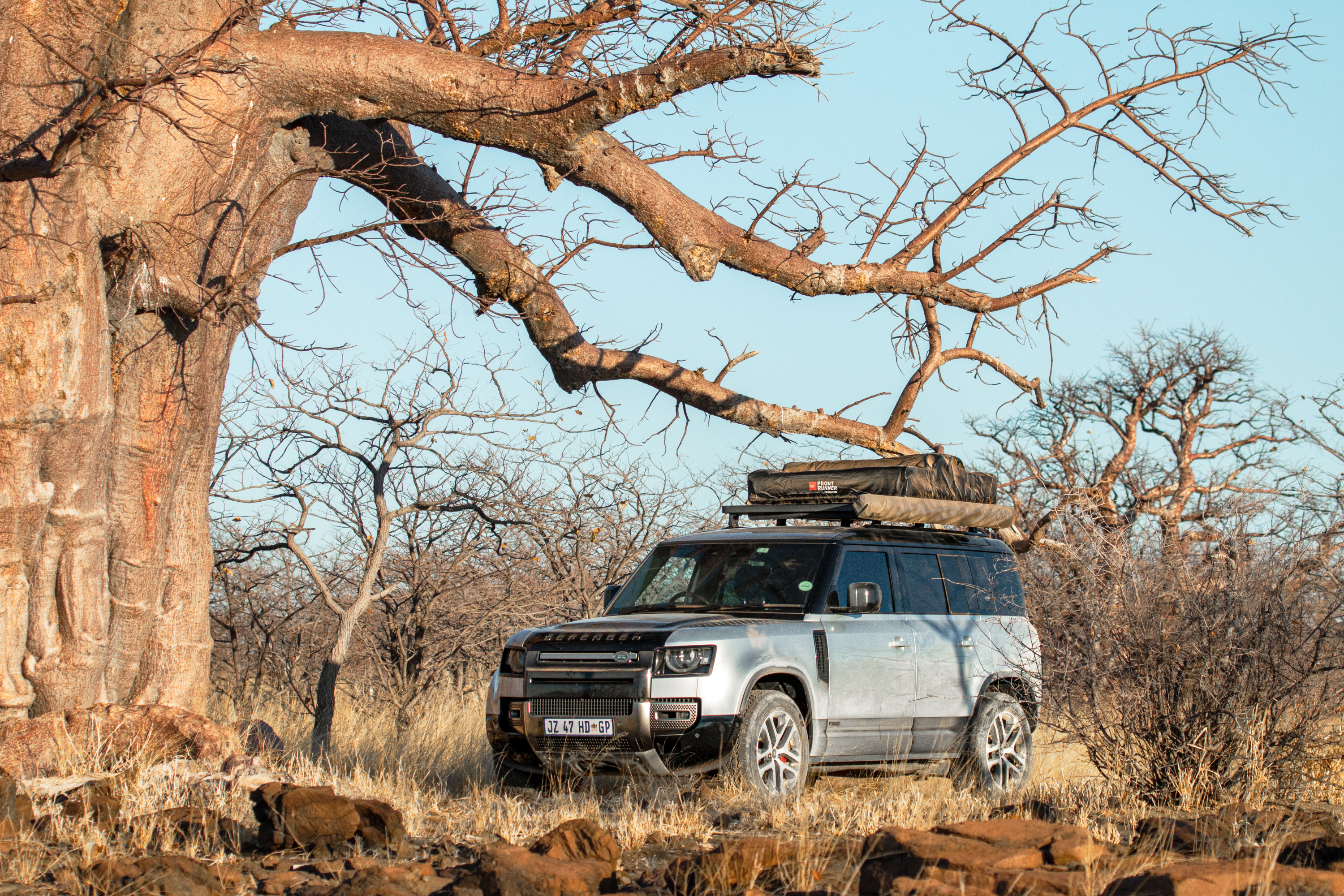
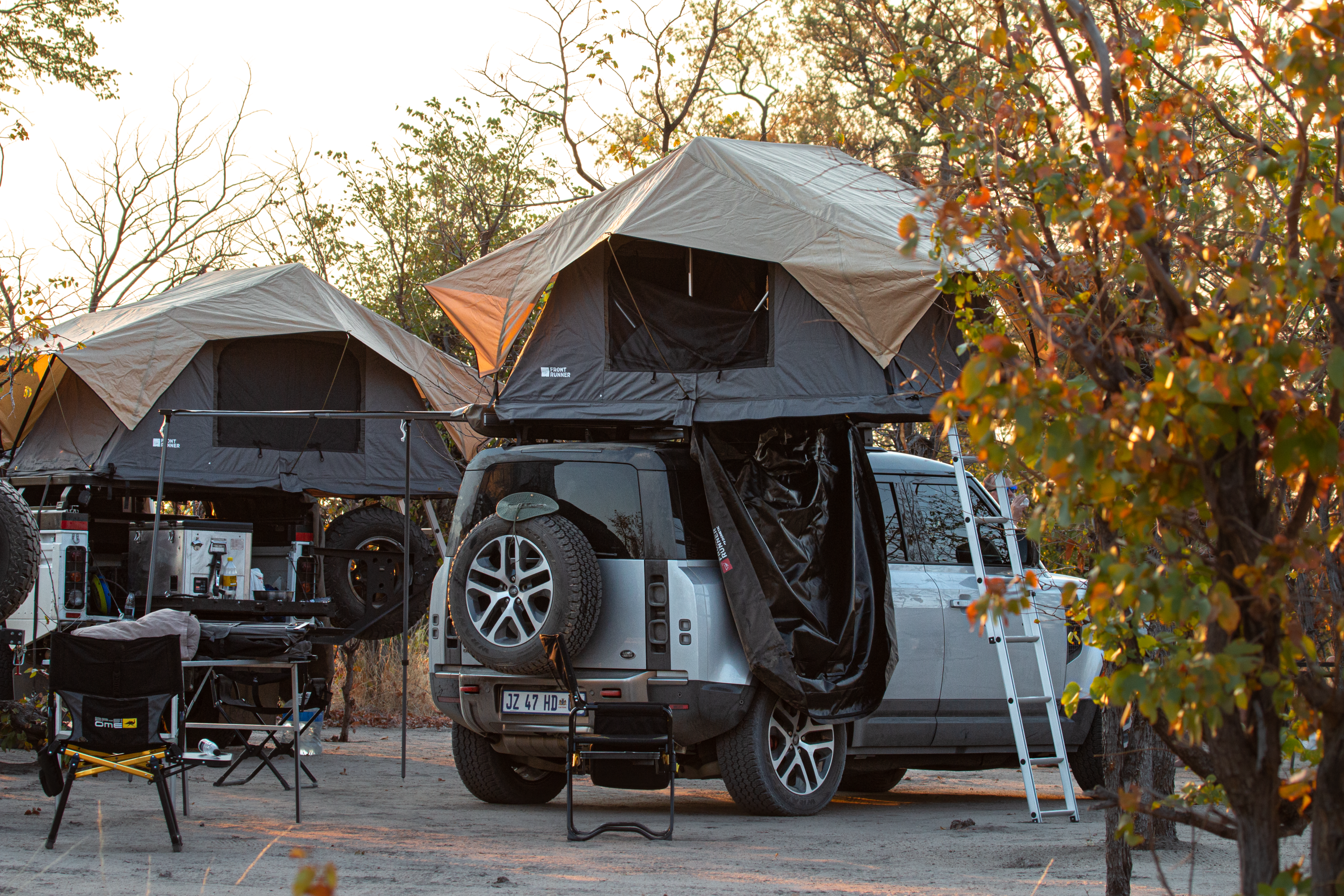
In less than an hour our new Defender was fitted with Front Runner’s Foot Rail Kit Slimline II roof rack. A roof top tent and Easy-Out awning were also added and, despite the additions, the increase in noise levels were minimal as we sped along towards the Botswana border.
Old Defender owners certainly have a bigger catalogue of overland products to choose from, especially when it comes to things like underbody protection and interior storage systems.
1
I chatted to ARB recently and they told me they would not be developing a bullbar for the new Defender – this is problematic for overlanders who in Africa and Australia wouldn’t leave home without one – but US companies like Lucky 8 Off Road Equipment are leading the way when it comes to developing quality off-road accessories for new Defender owners.
To earn the same overland status as a Nissan Patrol or Toyota Troopy takes time, and the new Defender is still light years away from that.
Defender fans see the old 130 as the ultimate overlander due to its size and carrying capacity. Our 130 is living proof of that, and it’s fitted with two roof racks. One on the cab carries our boxes, jerry cans, water, and gas, and the second rack on top of the enclosed load-bed is the base for our roof top tent.
One of my favourite parts of this 130 is the fact that it has a load bed cargo slide, so accessing anything that we have in there is a breeze. This slide is a blank canvas you to customise your gear arrangement on it.
One of the biggest worries on any off-road expedition is the potential for a breakdown. When it comes to the new Defender, you can fix punctures, replace filters and do some of the basics yourself, but if something more serious goes wrong you will need a satphone to call a Land Rover mechanic to assist with the diagnosis.
Ironically it is the 130 that suffers the only technical issue on this trip. We initially think that it is the mass airflow sensor not reading the correct flow, but a quick check with the diagnostics tool tells us it is a faulty ABS sensor, which is quickly resolved with a fault clear and reset.
Both vehicles are fully loaded, and this obviously has an impact on fuel consumption. The tank on the new Defender is 14-litres bigger than the standard 75-litre tank on the 130.
The heavily laden and not very aerodynamic 130 uses at least 20 percent more fuel than the 110. Land Rover’s modern diesel engines are certainly more efficient than the old ones.
I seriously doubt we are going to see a heap of new Defenders on the big overland routes around the world any time soon, although legendary African explorer Kingsley Holgate took the first new Defenders on a trans-Africa trip without any dramas, and he loaded them way past Land Rover’s legal weight limits.
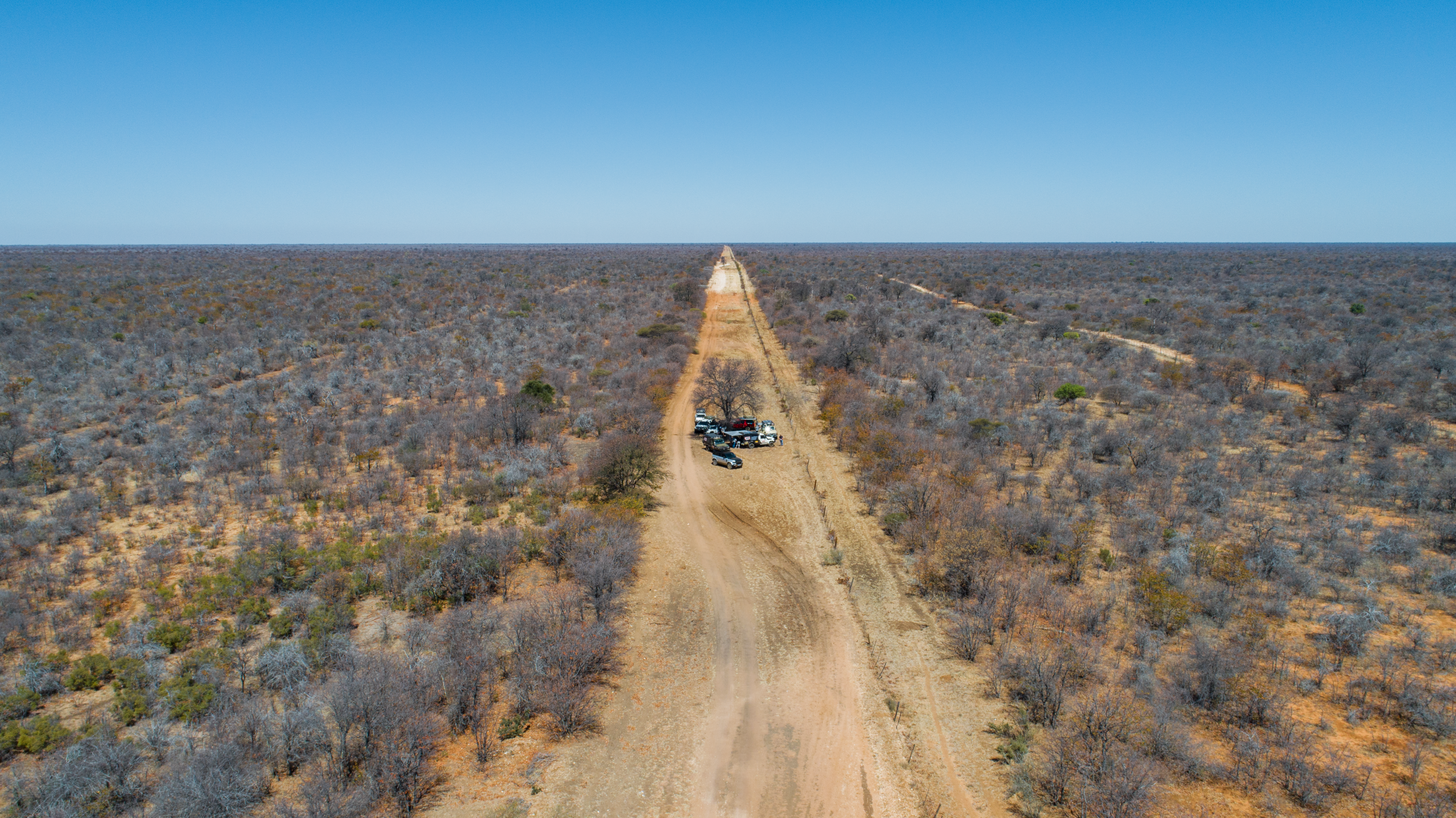
When leaving Kasane we decide not to do the northern section of the Hunters Road like the rest of the convoy because the thorn bushes would’ve destroyed the paintwork on the new Defender.
Would I have done it in my old Defender? Of course! That is what they are built for.
1
While it is great being comfortable and cool while doing 120km/h, one of the most important things when overlanding is the ability to fix a vehicle when it breaks down, so it’s the old that wins over the new for me.
But more than that, old-style Defenders have an iconic legacy that the new Defender will never possess. Old Defenders have a soul; new Defenders are highly capable but soulless.
There are certain things that money can’t buy: the smile you get when climbing into an old Defender or the looks you get from others when driving one. That is why the old Defender is still the Land Rover king of the outback.
A few years ago I was travelling with someone who had a stack of Front Runner Wolf Pack storage boxes in their 4×4 vehicle and I was impressed with their sturdy and solid construction.
Unlike the cheap plastic boxes you buy from hardware megastores, these South African brand boxes are built for travel and unlikely to crack or break when they cop a beating over rough terrain.
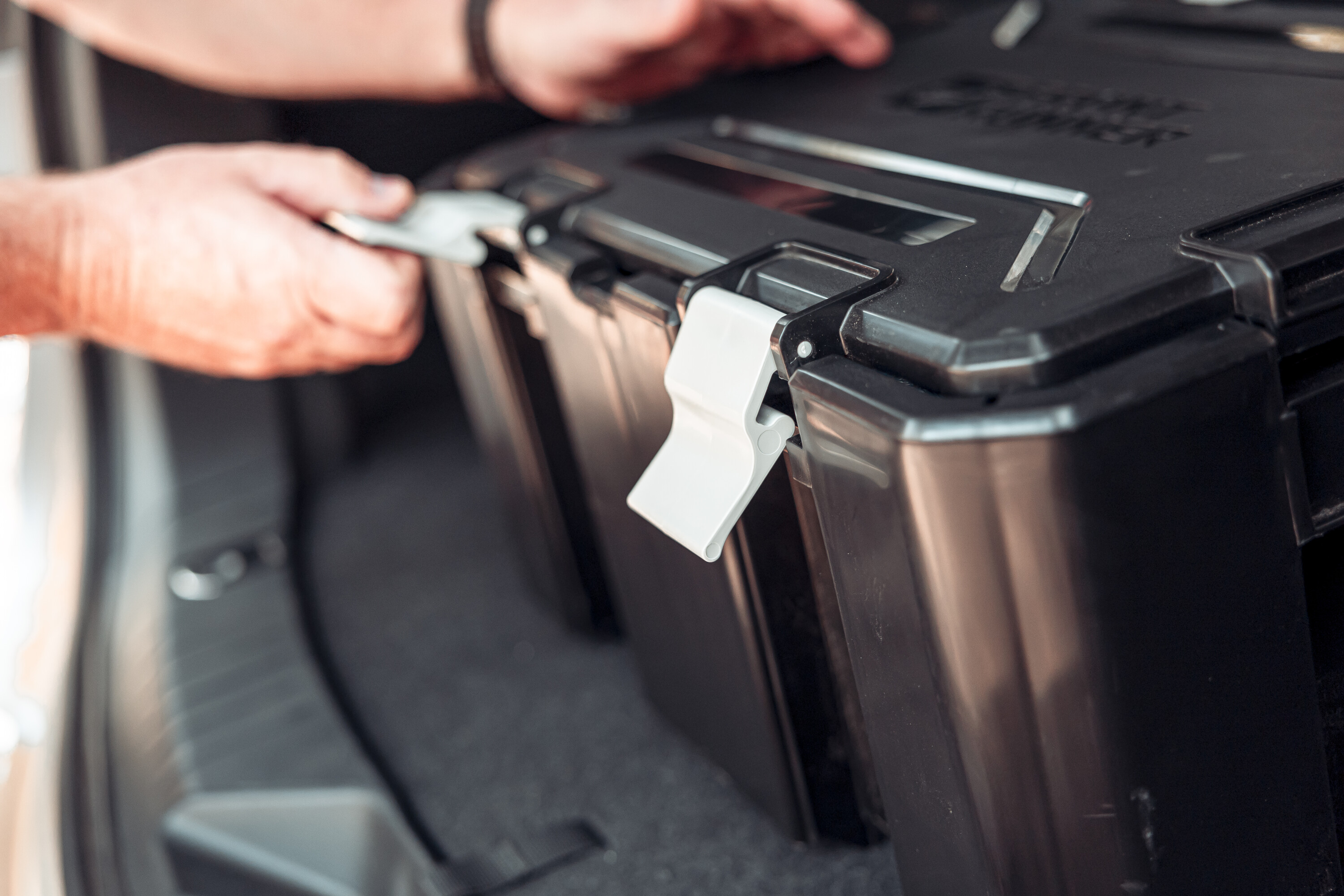
When I saw that Front Runner had released an evolution of the Wolf Pack, I thought it was time for a closer look. The Wolf Pack Pro builds on the original’s solid construction and rugged design but improves on it with a secure latch-down lid to make it waterproof and dustproof.
Made from a thick polypropylene plastic, the boxes are built to last, whether used for storing things in them at home or in the shed, or transporting them in or on the roof rack of your 4×4. With the latches securing the lid on these, you needn’t worry about them being out in the elements up on your roof rack or in the tray of your ute.
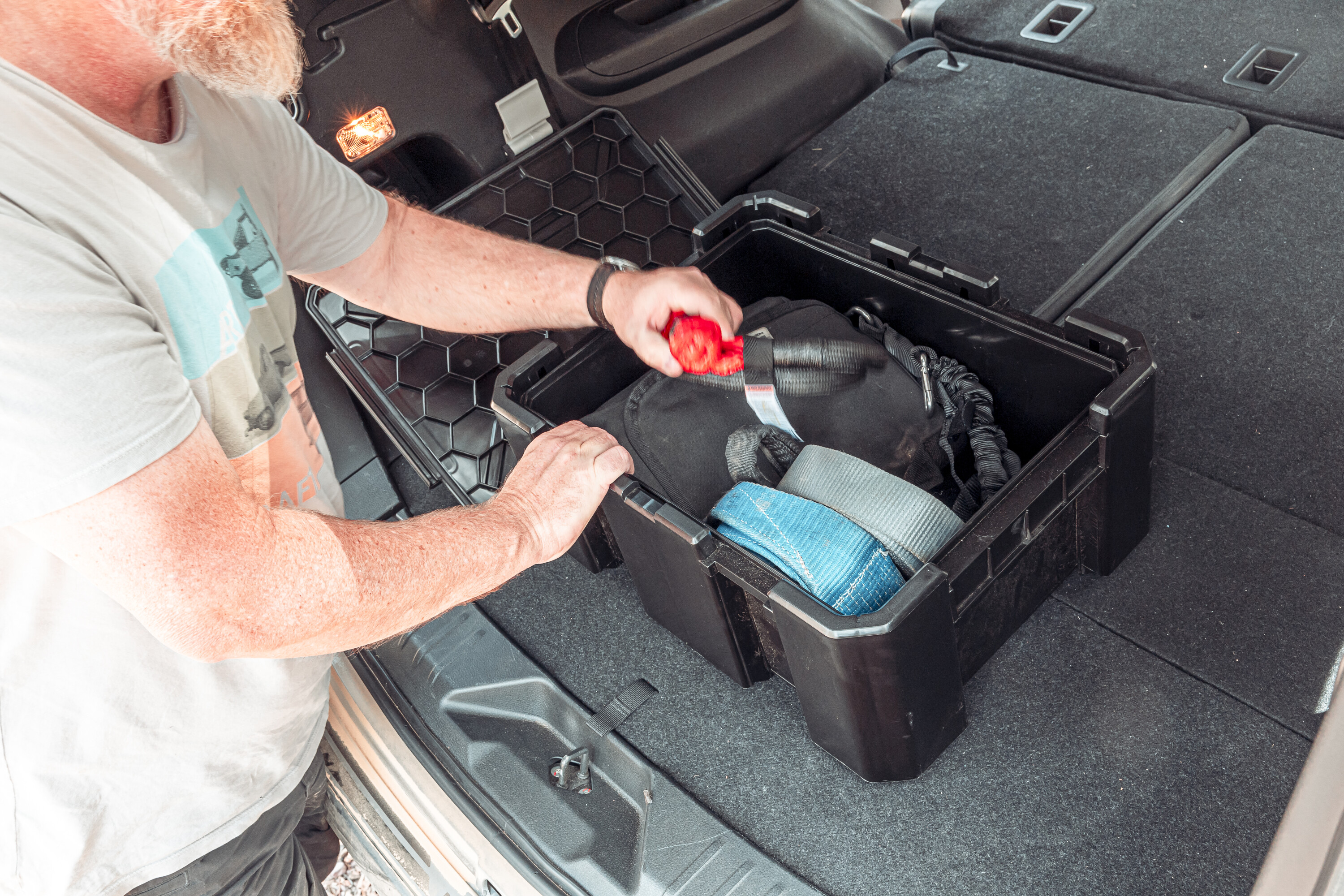
You can carry anything in the Wolf Rack Pro be it 4×4 recovery gear, clothing, food, camera kit, a drone, or camping accessories… and rest assured it will be secure and protected. The boxes are just the right size to carry a basic 4×4 recovery kit while keeping the contents protected and easy to access when needed.
The boxes are also designed to be stackable, with the lids mating to the base in a Lego-like fashion. They also have indents moulded into them to accommodate tie-down straps so they can be secured either in or on top of your vehicle.
Front Runner also has a range of internal dividers and storage bags to further compartmentalise the contents of the boxes. There’s also a higher lid available to increase the capacity of the Wolf Pack Pro.
With external dimensions measuring 510mm (L) x 400mm (W) x 230mm (H), the Pro packs will fit in many storage-drawer systems to better secure and compartmentalise your gear and supplies.
The design and construction of the Wolf Pack Pro shows that this is a product designed by people who use them, and know what’s needed to create a lasting product.
South Africans travel the bush in much the same way as Australians do, and we use our vehicles and gear in a similar way. For that reason, we both value quality products, and this shines through with Front Runner gear.
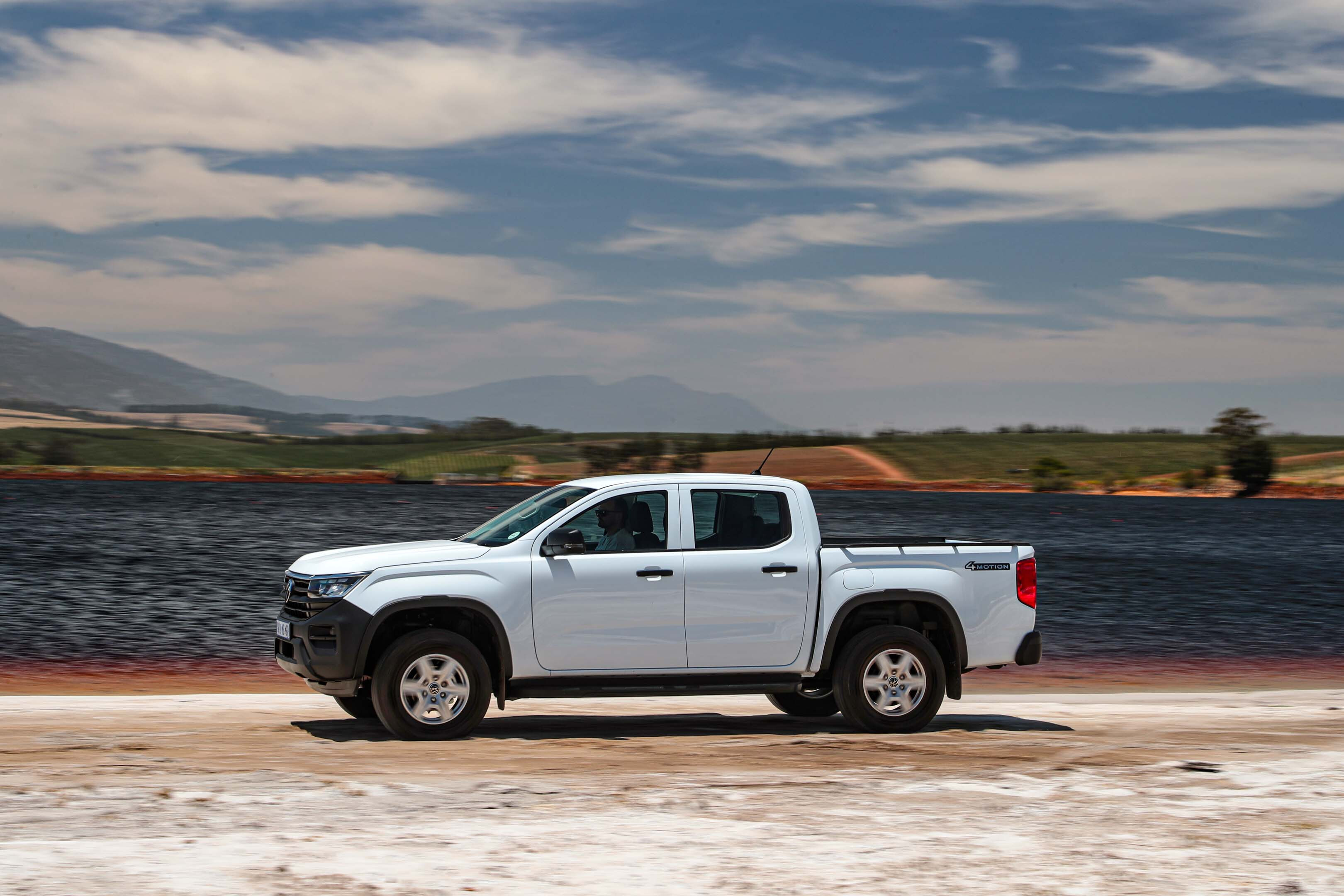
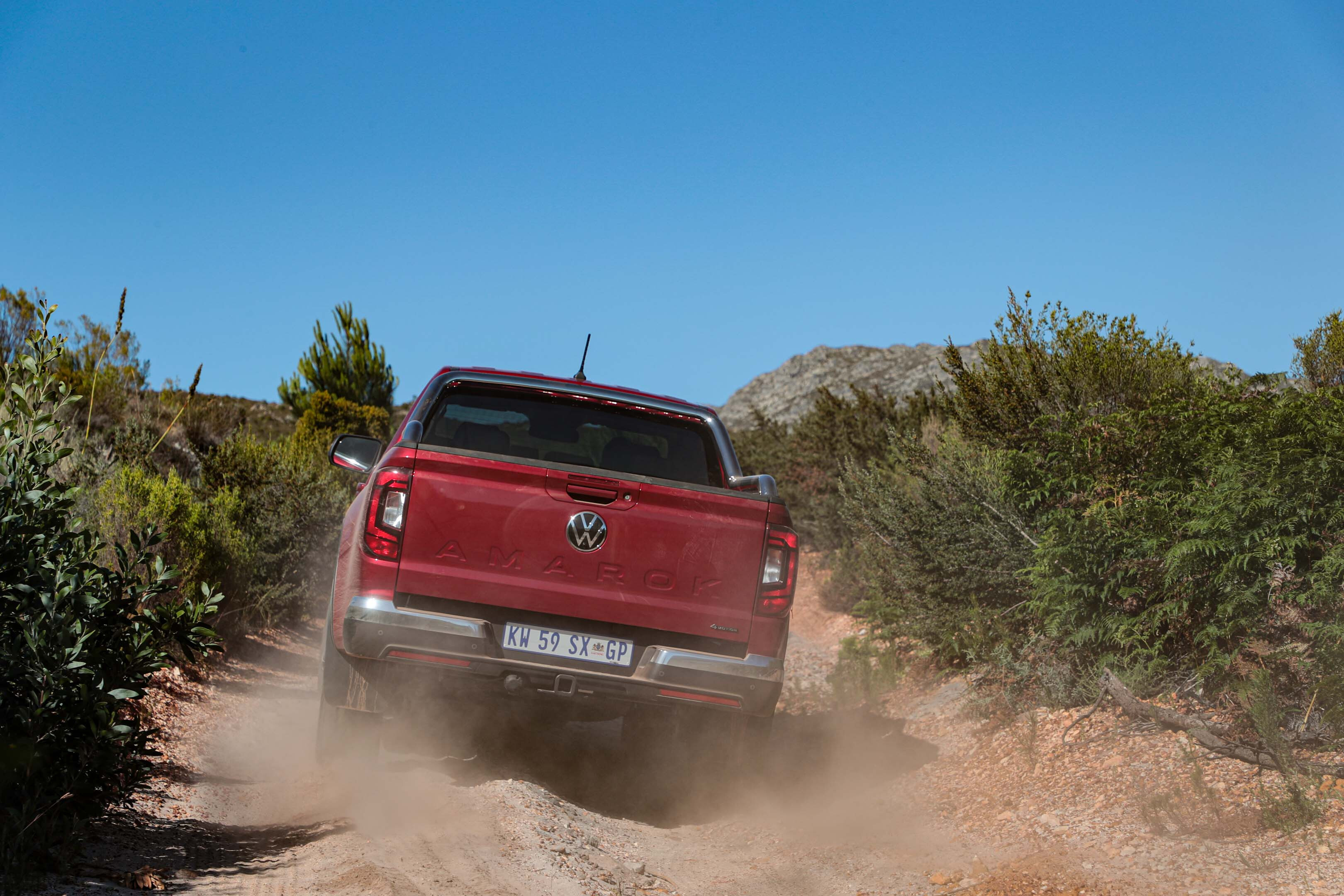
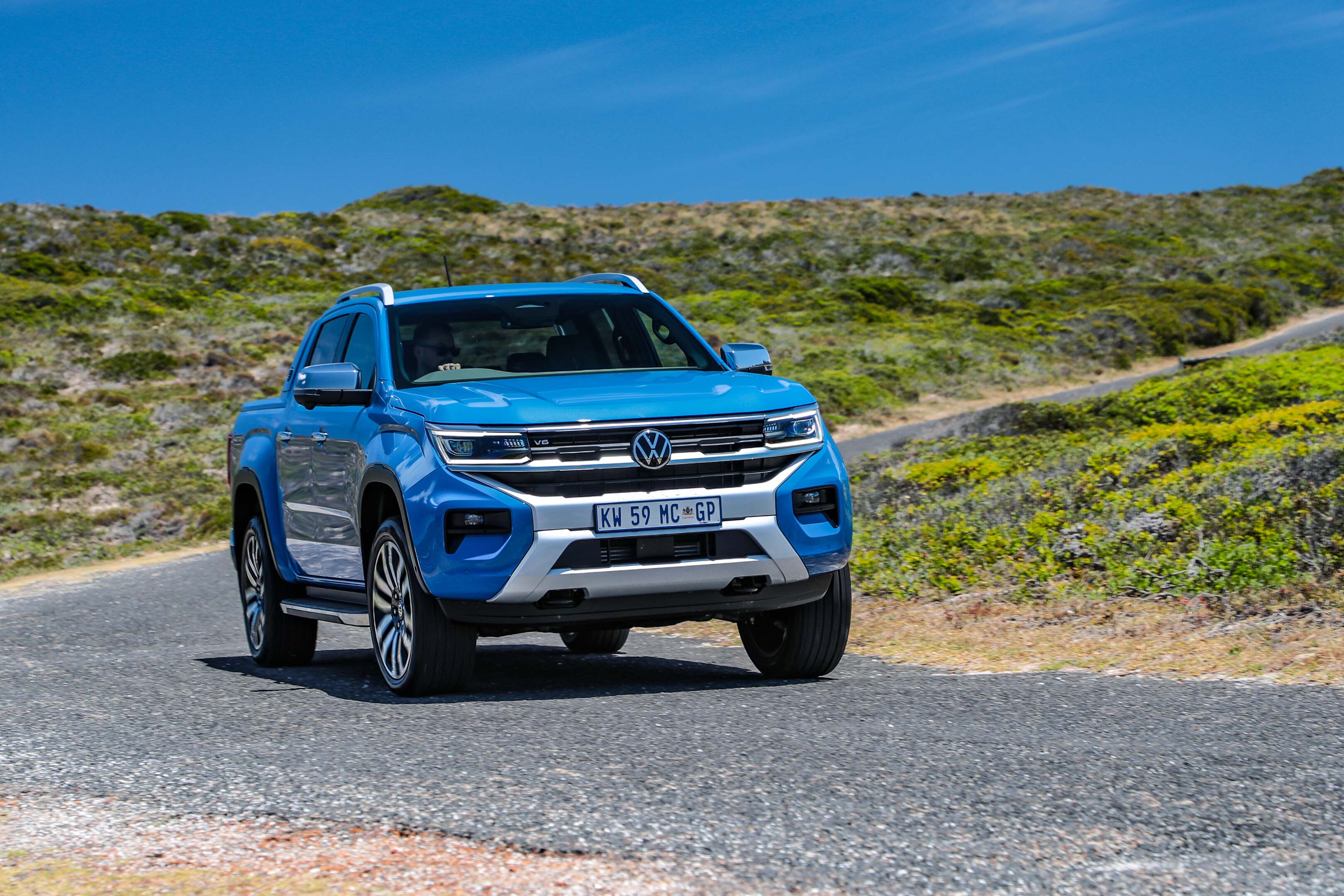
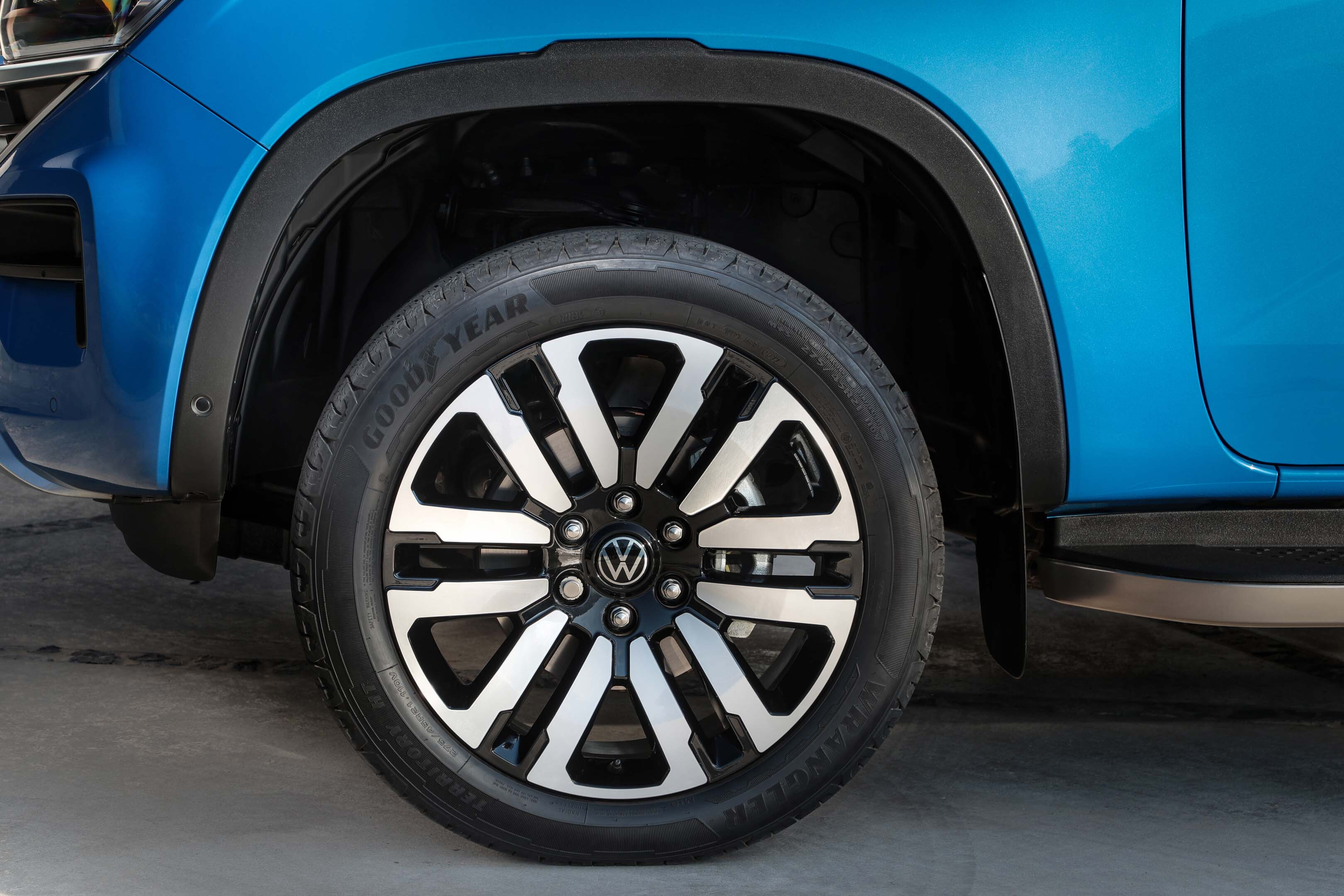
VW’s second-generation dual-cab starts from $50,990 before on-road costs, representing a rise of $5000 into the entry-level Amarok Core.
It fractionally undercuts the starting point for the equivalent version of the Amarok’s twin, the Ford Ranger with which it was co-developed in Australia. A Ranger turbo diesel auto is priced from $53,680 compared with $52,990 for the Core auto.
The mid-range Style, predicted to be the best-selling Amarok, costs from $66,990 for a four-cylinder diesel or from $70,990 for a V6 diesel. It essentially replaces the Highline that was priced from $64,990 and available only with a V6.
UPDATE, May 12: New Amarok driven in Australia!
Get the full story at the link below.
Story continues…
The Aventura flagship – until the return of Walkinshaw-badged models – rises from $75,490 to $79,990, with a no-cost choice between a V6 diesel or a 2.3-litre twin-turbo petrol four-cylinder.
1
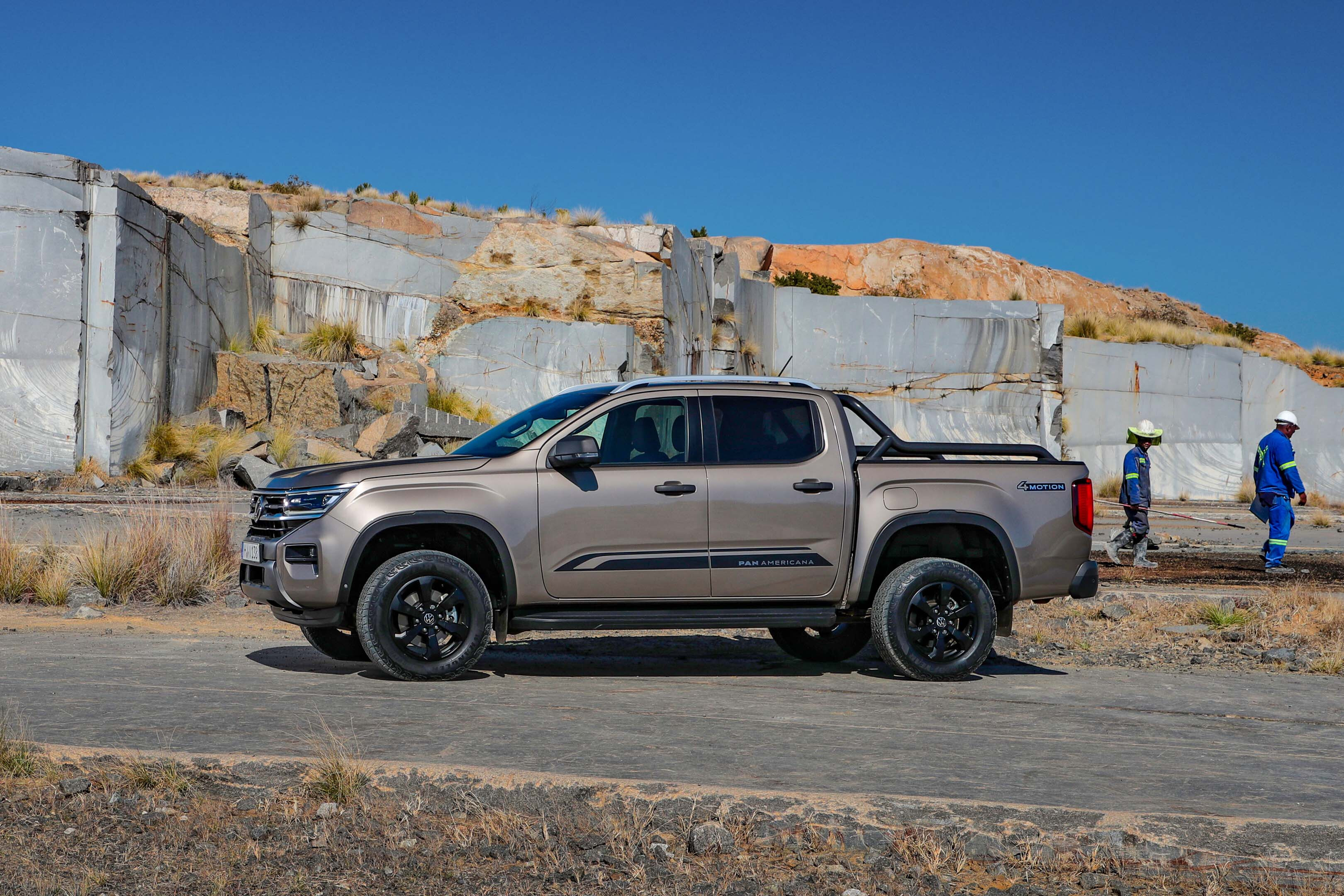
The German car maker is pitching the South African-built Amarok as the most premium offering in the 4×4 dual-cab ute segment, despite the ute now being co-developed with the Ford Ranger.
“We’re landing Amarok with the high level of specification that Amarok customers absolutely demanded of us,” said Volkswagen Commercial Vehicles director Ryan Davies.
“It’s the top-of-the-range Amaroks – Aventura, PanAmericana and Style – where demand will be by far the strongest. Apart from an enhanced upholstery option in the Style, the only extra cost for Amarok is for your choice of paint.
1
“These are standard Amaroks, not special or launch editions. In time, it’s likely that Volkswagen Commercial Vehicles will decide on limited editions, but we won’t need to rush one to market on the basis that the standard ute isn’t equipped to the level customers require.”
Its mid-range Amarok Style is priced and equipped closer to the Ranger Wildtrak that, not including the Raptor performance ute, is the range-topping model until the May arrival of a Ranger Platinum.
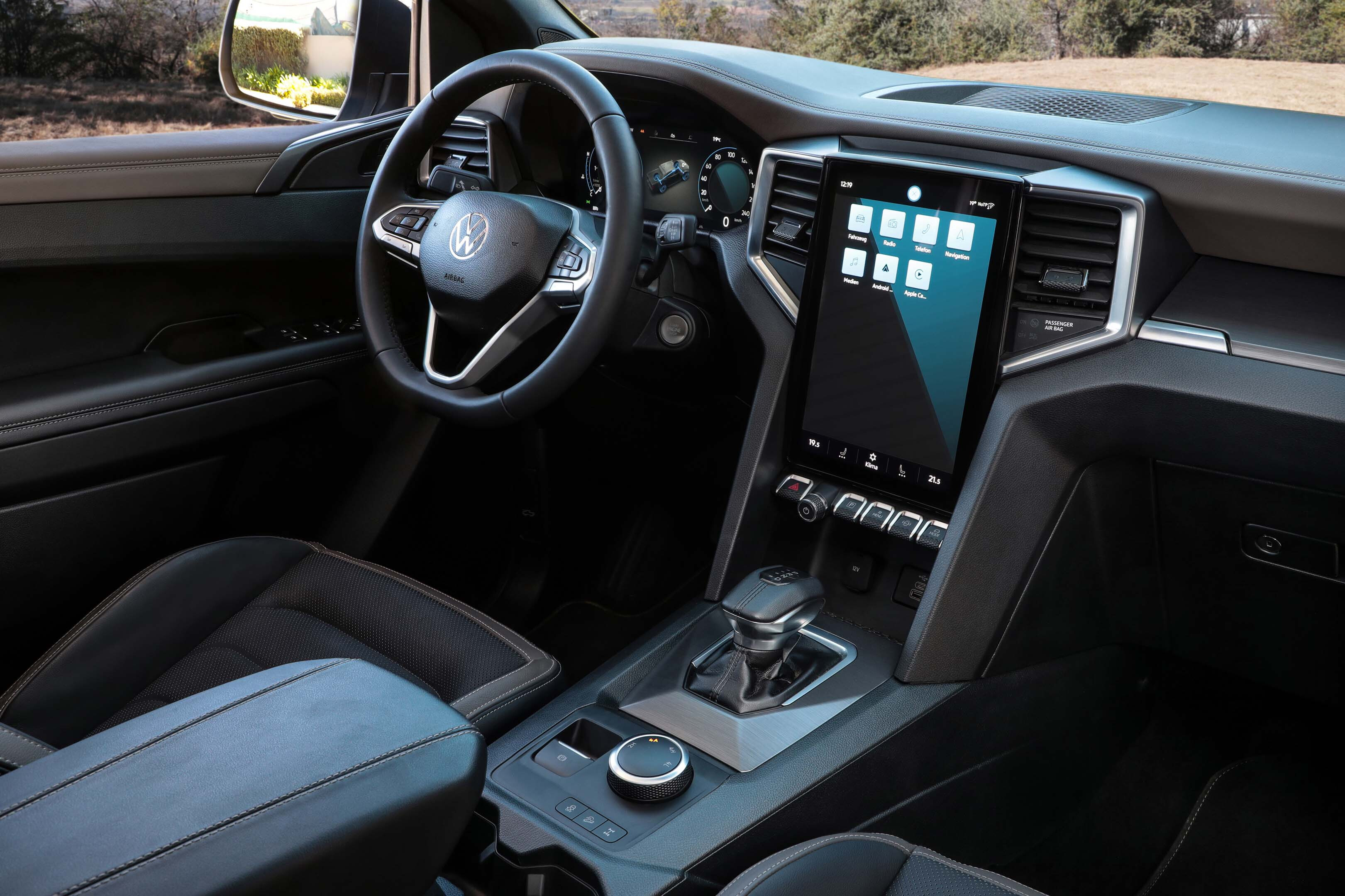
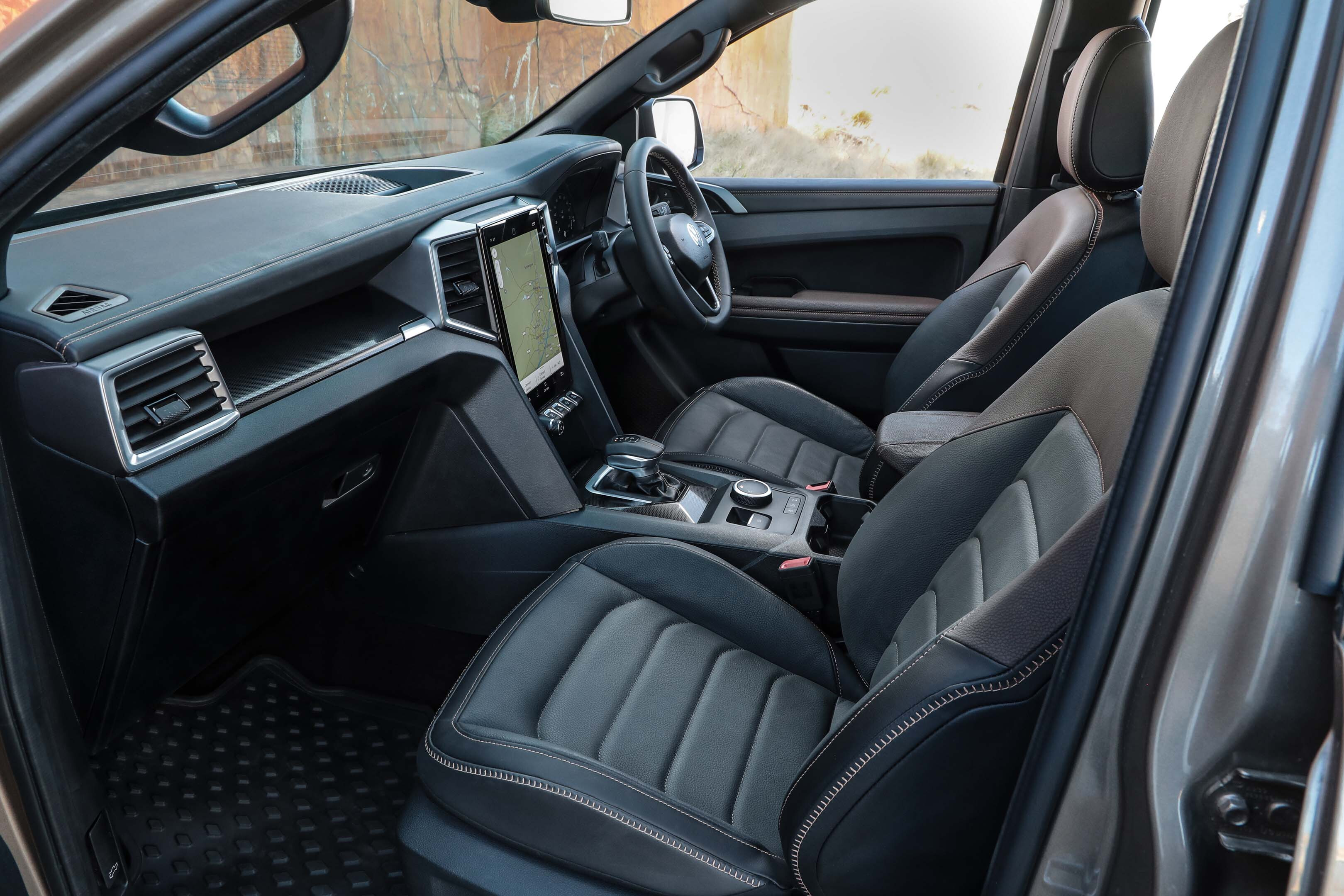
The Style also includes Matrix LED headlights and a larger, 12-inch digital driver display that are standard only on the Platinum in the Ranger line-up.
VW’s Amarok Aventura range-topper has managed to stay below $80,000, if only just, though its $79,990 price tag is $3000 above the Platinum that mirrors many of its new rival’s features.
1
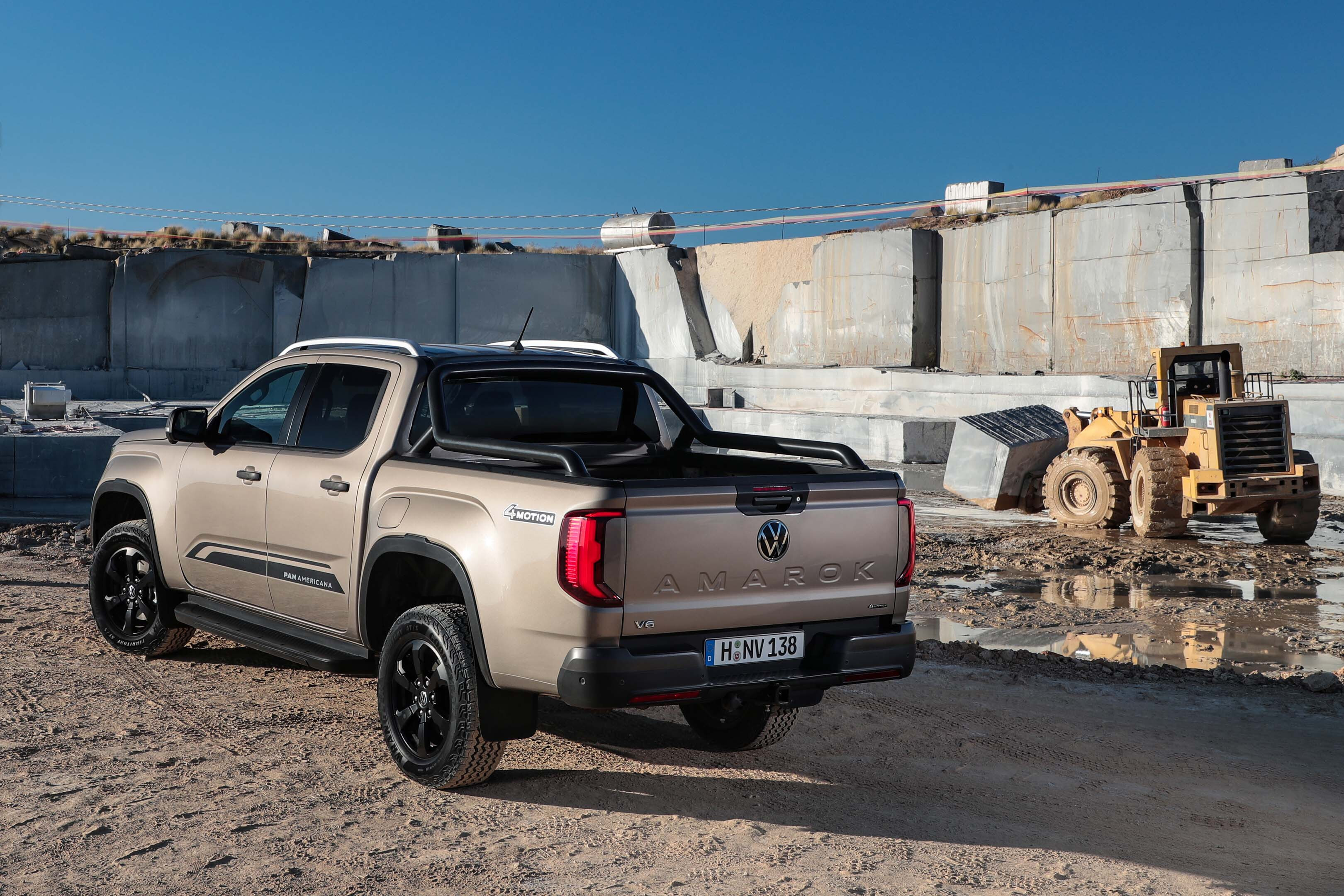
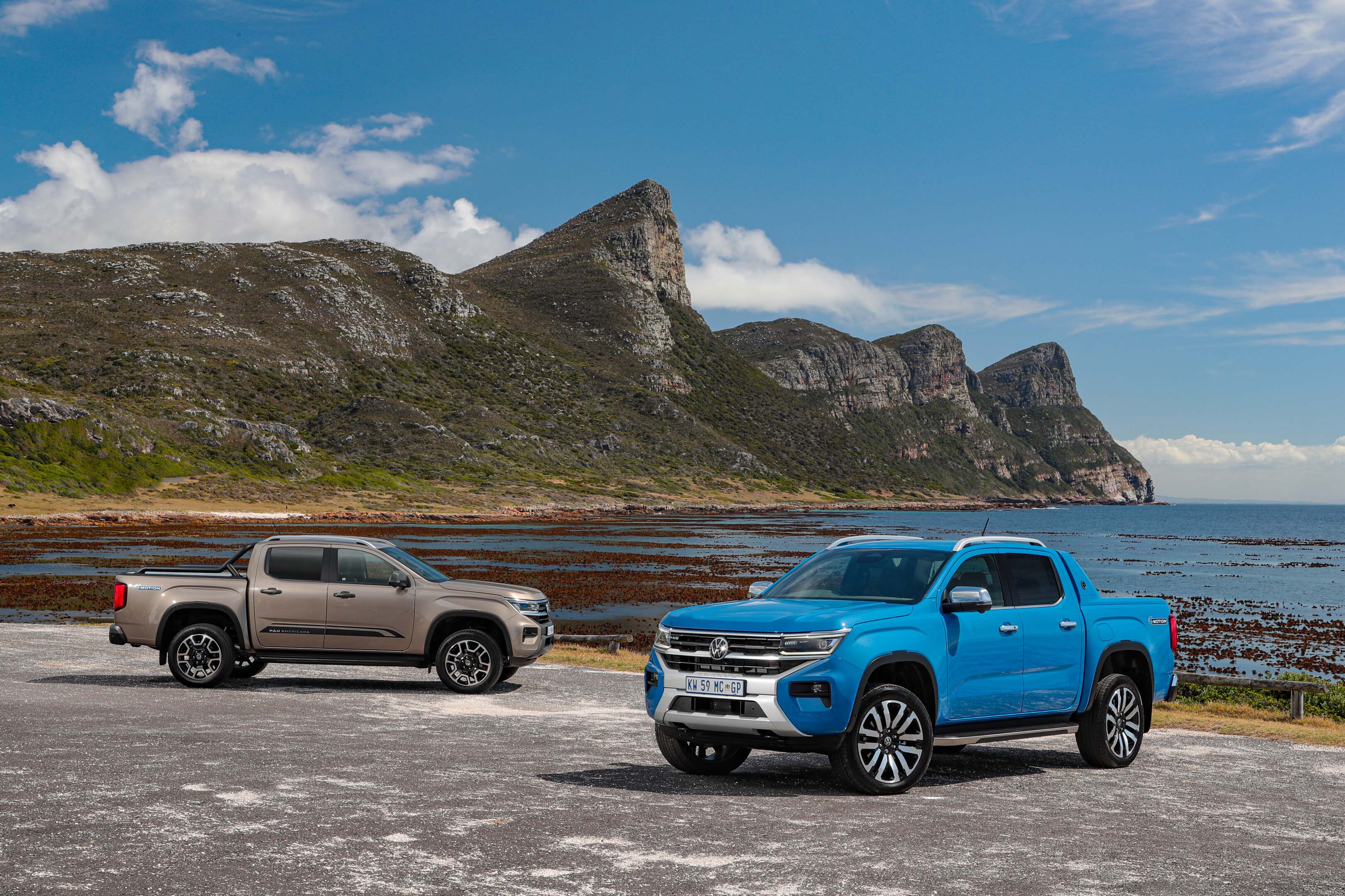
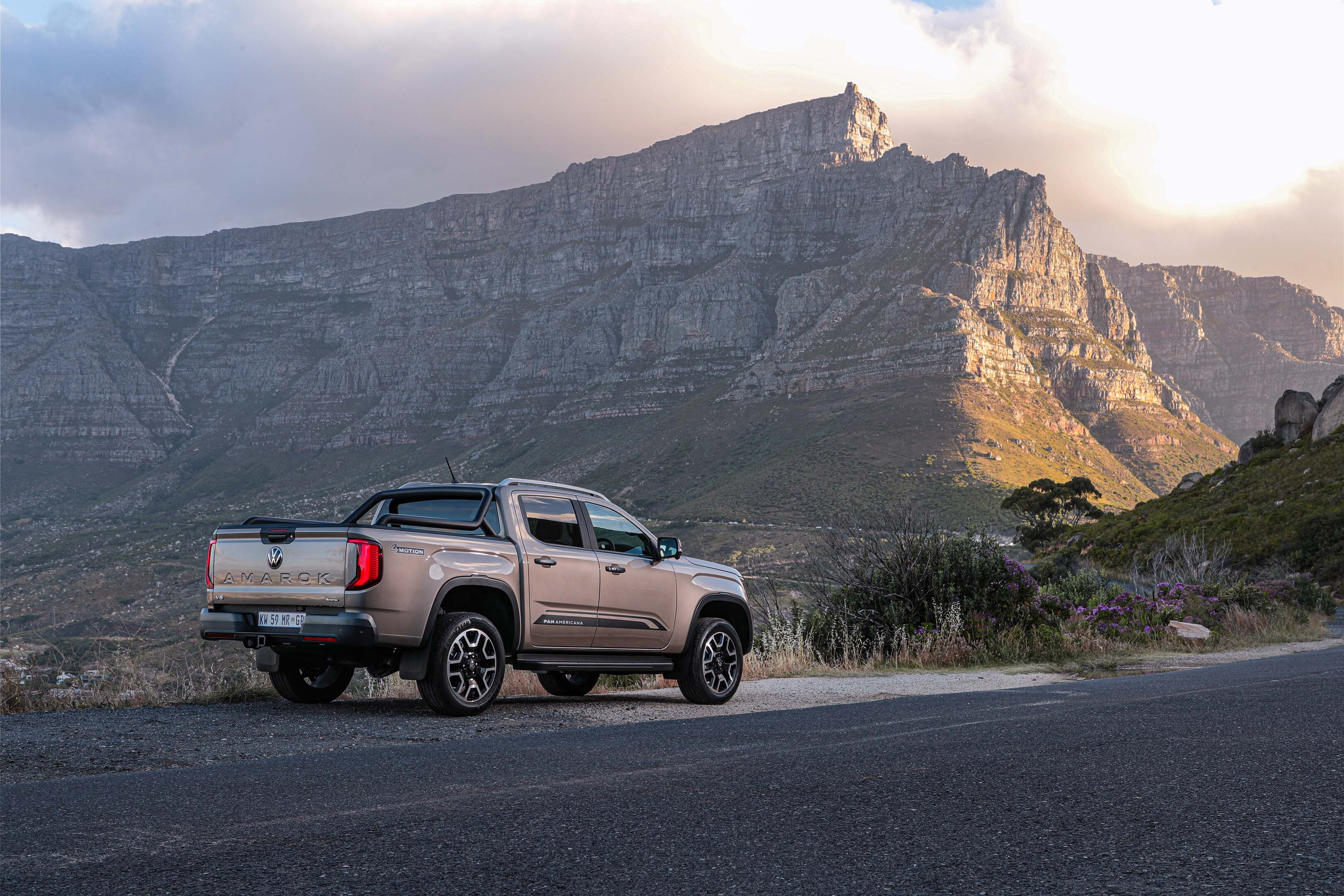
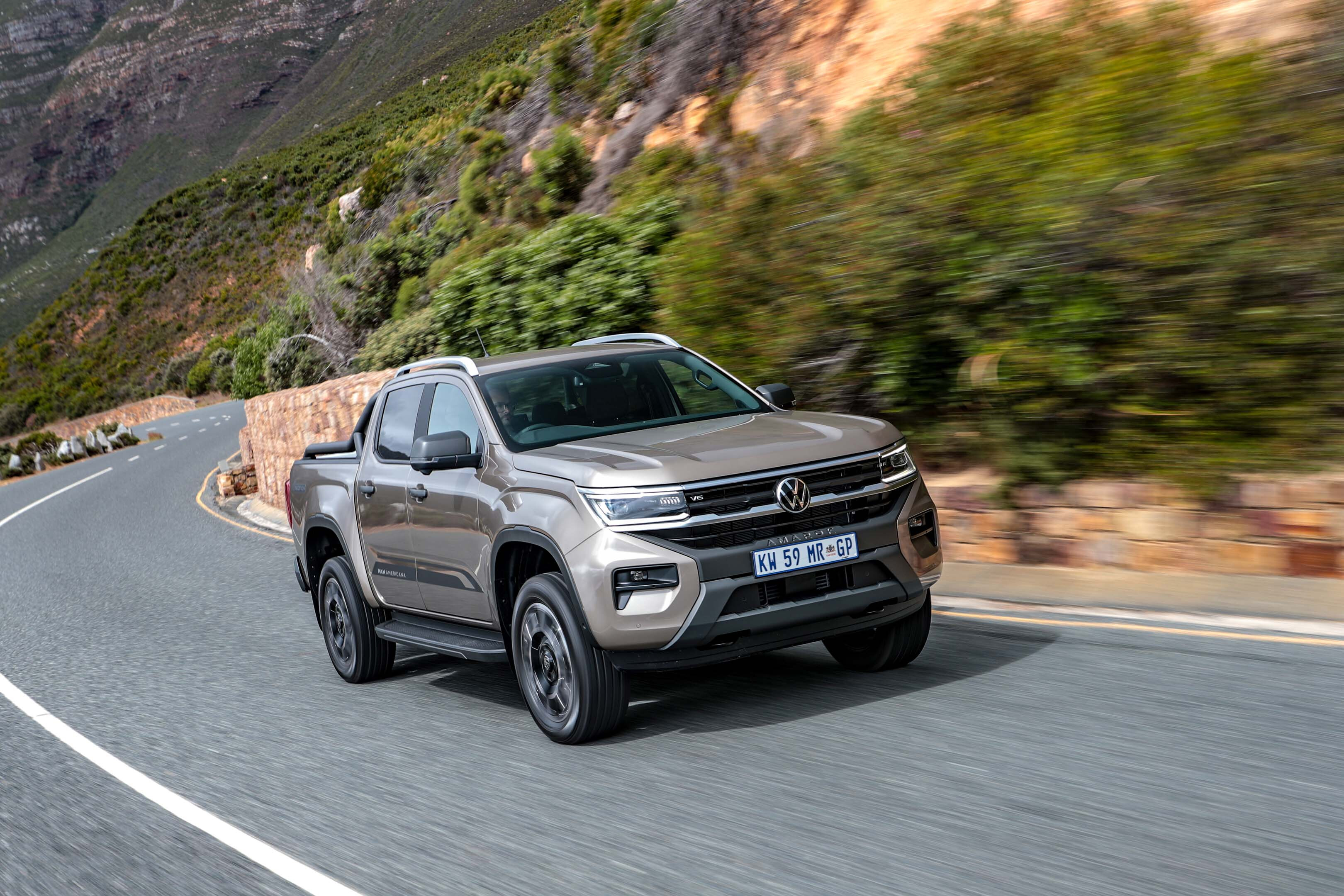
Life and Style are now-traditional VW variant names that have been introduced to the Amarok range for the first time; the PanAmericana badge is completely new to VW and represents the most off-road focused version of the new Amarok.
The PanAmericana and Aventura will be the first Amarok models available locally, given priority owing to the growing popularity of higher-spec variants.
The Amarok and Ranger share diesel engines, with the Volkswagen alone in offering the Mustang-derived 2.3-litre turbo petrol that’s exclusive to the Aventura.
2023 VW Amarok pricing
2023 VW Amarok fuel consumption
For 2023 Amarok fuel consumption, Volkswagen claims:
7.1L/100km for the 2.0-litre single-turbo manual
8.0L/100km for the automatic
7.2L/100km for the twin-turbo automatic
8.4L/100km for the V6 diesel
9.9L/100km for the turbo-petrol.
2023 Amarok tray practicality and towing
2023 Volkswagen Amarok load and towing
Tray length (mm)
1624
Tray width between wheel arches (mm)
1227
Load lashing rating (kg)
400
Load clamps rating (kg)
250
Payload (kg)
1200
Towing – braked (kg)
3500
GCM (kg)
6000-6500
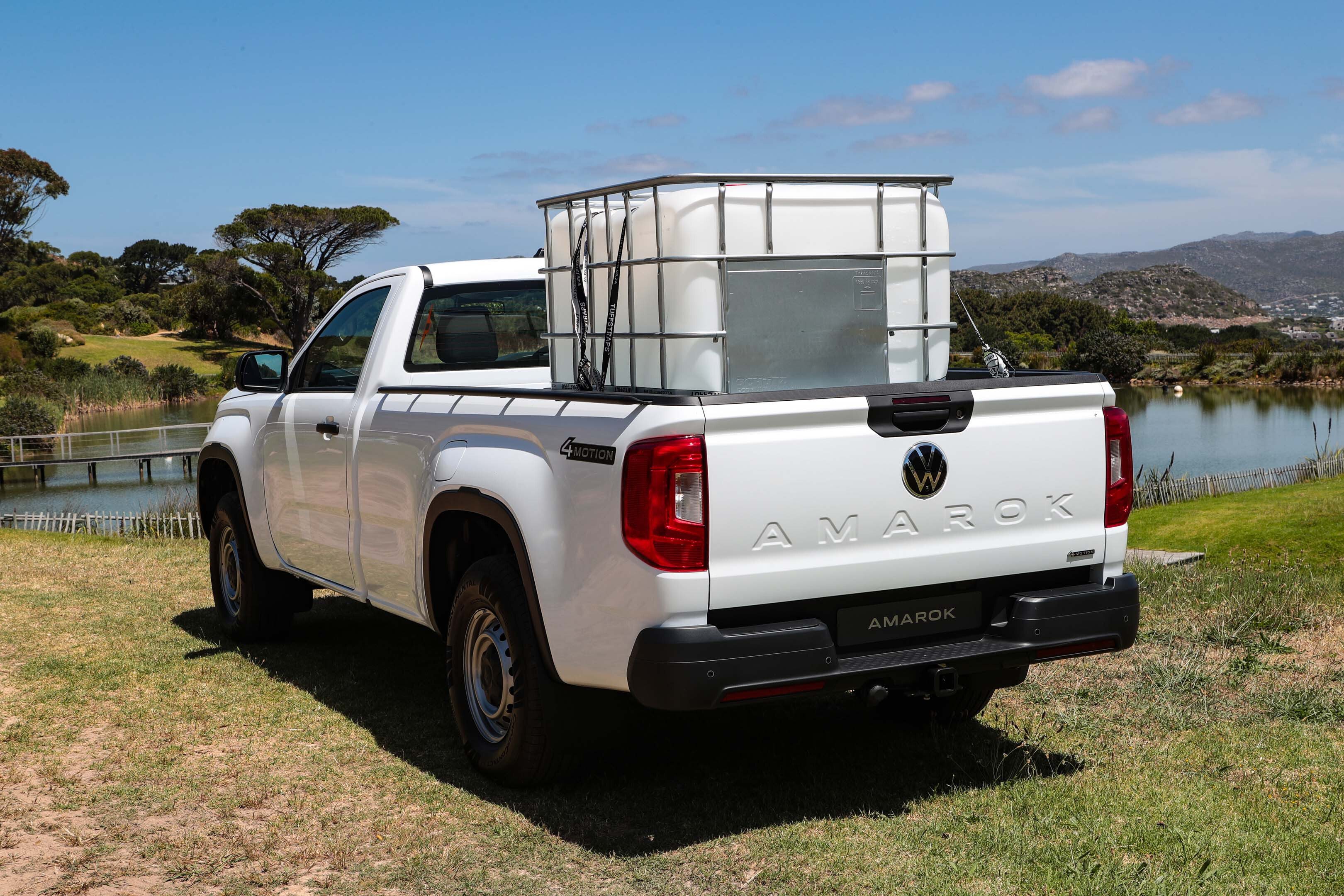
The Amarok’s tray continues to fit a Euro pallet courtesy of a 1624mm length and 1227mm between the wheel arches.
Six load-lashing rings have a tensile load rating of 400kg, while a track system incorporates four moveable clamps each with a 250kg limit.
LED tray lighting is standard on all Australian Amarok models.
1
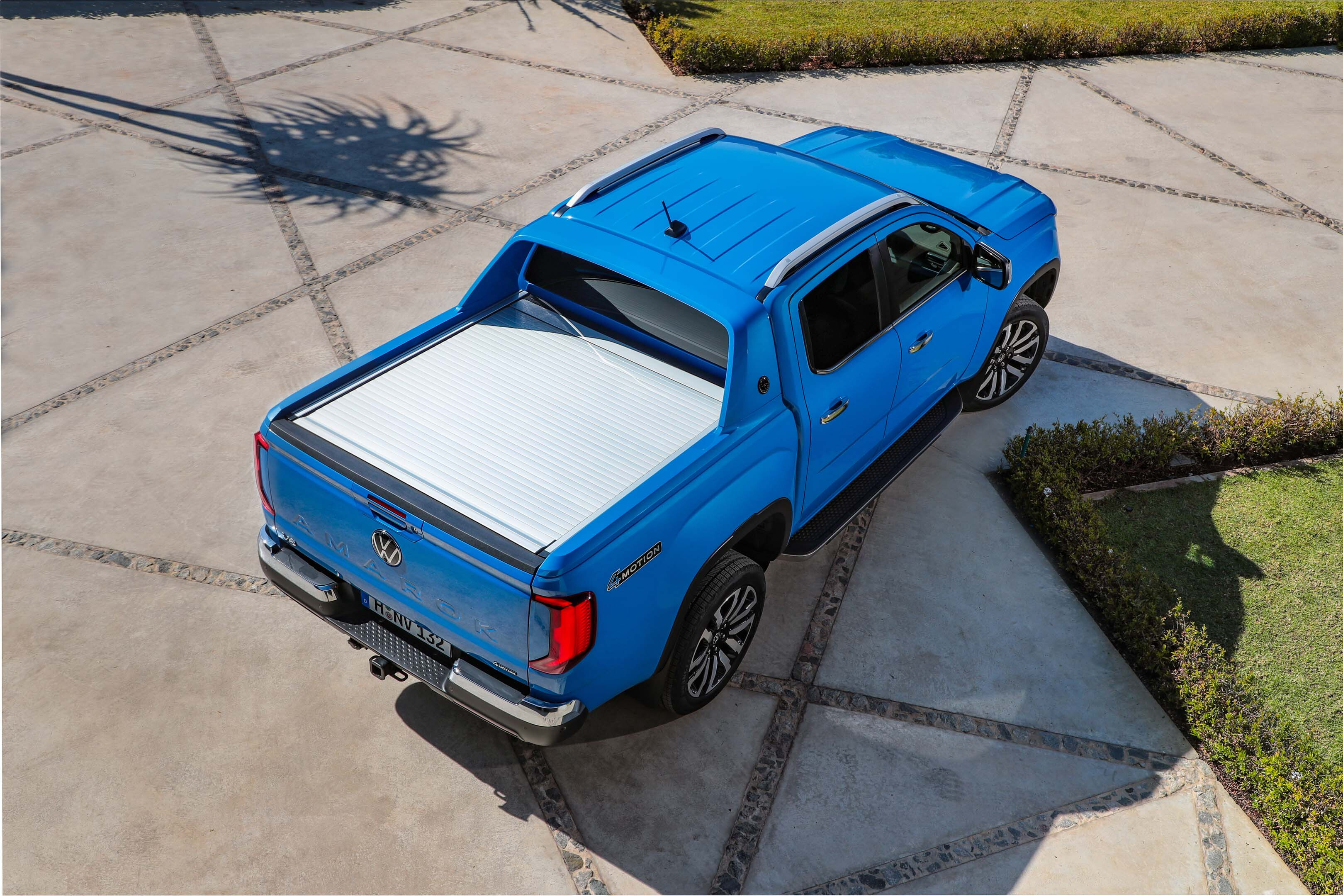
The PanAmericana comes with a tonneau cover; the Aventura features an electronic roll cover.
Maximum payload has also increased, from one tonne to just under 1.2 tonnes – one of the best figures in the segment.
There’s again a 3500kg braked towing capacity, while VW says the permissible total weight of vehicle and trailer has increased from 6 to 6.5 tonnes.
2023 VW Amarok range in detail
Amarok Core spec and price
Volkswagen Amarok Core 2.0 TDI405 4MOTION
Manual
Automatic
Engine
4-cylinder turbo diesel
4-cylinder turbo diesel
Power
125kW
125kW
Torque
405Nm
405Nm
Transmission
6-speed
6-speed
Drive
part-time 4WD
part-time 4WD
Price
$50,990
$52,990
2
Volkswagen Amarok Core – Exterior features
17-inch alloy wheels
Mudflaps front/rear
Electric foldable Exterior mirror
Towbar (brake controller optional)
LED headlights
Tailgate lock (manual)
Tie-down ring on cargobox
Cargo box lighting
Volkswagen Amarok Core – Interior features
Fabric seats
Single-zone air-conditioning
Vinyl floor covering
Wireless charging
10-inch radio (inc DAB) with four speakers
Rear centre armrest
8.0-inch digital instrument cluster
2
Volkswagen Amarok – Safety features
Tyre pressure monitoring
Adaptive cruise control and Lane Keeping Assist
Mechanical differential lock
Multi collision break
Intelligent Speed Limiter
Rear sensors and rear camera
Speed sign recognition
Knee, centre, side, curtain airbags
E-call (emergency call)
Amarok Life spec and price
Volkswagen Amarok Life TDI 4MOTION
Engine
4-cylinder twin-turbo diesel
Power
154kW
Torque
500Nm
Transmission
10-speed automatic
Drive
part-time 4WD
Price
$56,990
Volkswagen Amarok Life – Exterior features
17-inch alloy wheels
Locking wheel nuts
Front bumper, mirrors & door handles in body colour
Power tailgate lock
LED fog lamps
2 front towing hooks
Electric foldable, heated mirror & puddle lamps
2
Volkswagen Amarok Life – Interior features
Fabric seats
Carpet floor covering
Privacy glass
Rain sensor
Leather gearlever
Blind-spot monitoring
Leather multifunction steering wheel
Auto-dimming rear-view mirror
Front and rear floor mats
Amarok Style spec and price
Volkswagen Amarok Style TDI 4MOTION
2.0 TDI500
3.0 TDI600
Engine
4-cylinder twin-turbo diesel
V6 turbo diesel
Power
154kW
177-184kW
Torque
500Nm
600Nm
Transmission
10-speed automatic
10-speed automatic
Drive
Part-time 4WD
Full-time 4WD
Price
$66,990
$70,990
Volkswagen Amarok Style – Exterior features
18-inch alloy wheels
Chrome rear bumper and step
IQ. Light LED-Matrix headlights
Bed liner
Stainless-steel sports bar
2
Volkswagen Amarok Style – Interior features
u2018ArtVelouru2019 seat upholstery
Ambient lighting
12-inch audio with navigation
Keyless entry and start
12-inch digital instrument cluster
Thatcham alarm system
10-way electric driveru2019s seat
Surround view
Insulating windshield
Park assist
Dual-zone climate control
Volkswagen Amarok Style – option
u2018Savonau2019 leather interior $300
1
Amarok PanAmericana spec and price
Volkswagen Amarok PanAmericana TDI 4MOTION
3.0 TDI600
Engine
V6 turbo diesel
Power
177-184kW
Torque
600Nm
Transmission
10-speed automatic
Drive
Full-time 4WD
Price
$75,990
1
Volkswagen Amarok PanAmericana – Exterior features
18-inch black alloy wheels (with all-terrain tyres)
Roof rails
Front bumper in X-Design (black)
Spray-in bed liner
Side mirrors, bumper and door handles in black
PanAmericana decals
Black sports bar and steps
Volkswagen Amarok PanAmericana – Interior features
Leather (cricket) upholstery
Leather-covered dashboard
Leather door inserts
Premium audio
10-way electric front seats with heating
1
Amarok Aventura spec and price
Volkswagen Amarok Aventura
3.0 TDI600 4MOTION $79,990
2.3 TSI452 4MOTION $79,990
Engine
V6 turbo diesel
4-cylinder twin-turbo petrol
Power
177-184kW
222kW
Torque
600Nm
452Nm
Transmission
10-speed automatic
10-speed automatic
Drive
Full-time 4WD
Full-time 4WD
Price
$79,990
$79,990
Volkswagen Amarok Aventura – Exterior features
21-inch alloy wheels
Sailplane and steps in chrome
Front bumper in X-Design (chrome)
Electronic roll cover
Side mirrors, door handles and rear bumper in chrome
Bed liner
1
Volkswagen Amarok Aventura – Interior features
u2018Savonau2019 leather upholstery
Leather-covered dashboard
Volkswagen Amarok – Paint options (all models)
Clear white paint – Standard
Metallic paint – $990
(Bright Beige, Dark Grey, Midnight Black, Deep red, Light Grey, Bright Blue, Mid-blue)
1
2023 VW Amarok servicing costs
The new Amarok is covered by a five-year capped price servicing scheme that limits the cost of each visit to the dealer to between $329 and $414.
That puts the total cost over five years to $1800. The breakdown of each service is in the table below.
Service
Price
#1
$329
#2
$329
#3
$414
#4
$319
#5
$400
Total
$1800
Service intervals for the Amarok are every 12 months or 15,000km which is now industry standard. Interestingly those intervals are a slight step backward for Amarok.
MY21 and onwards versions of the first-gen Amarok required a visit to the dealer every 12 months or 20,000km.
The sticker is one thing, but how do Australia’s utes perform on fuel economy?
1
In all of our big multi-car group tests and COTY assessment, Wheels has always prided itself on its rigorous testing and comprehensive assessment.
Beyond chassis dynamics and interior packaging, we apply the same discerning eye for data when it comes to testing a vehicle’s fuel efficiency against its manufacturer’s claim.
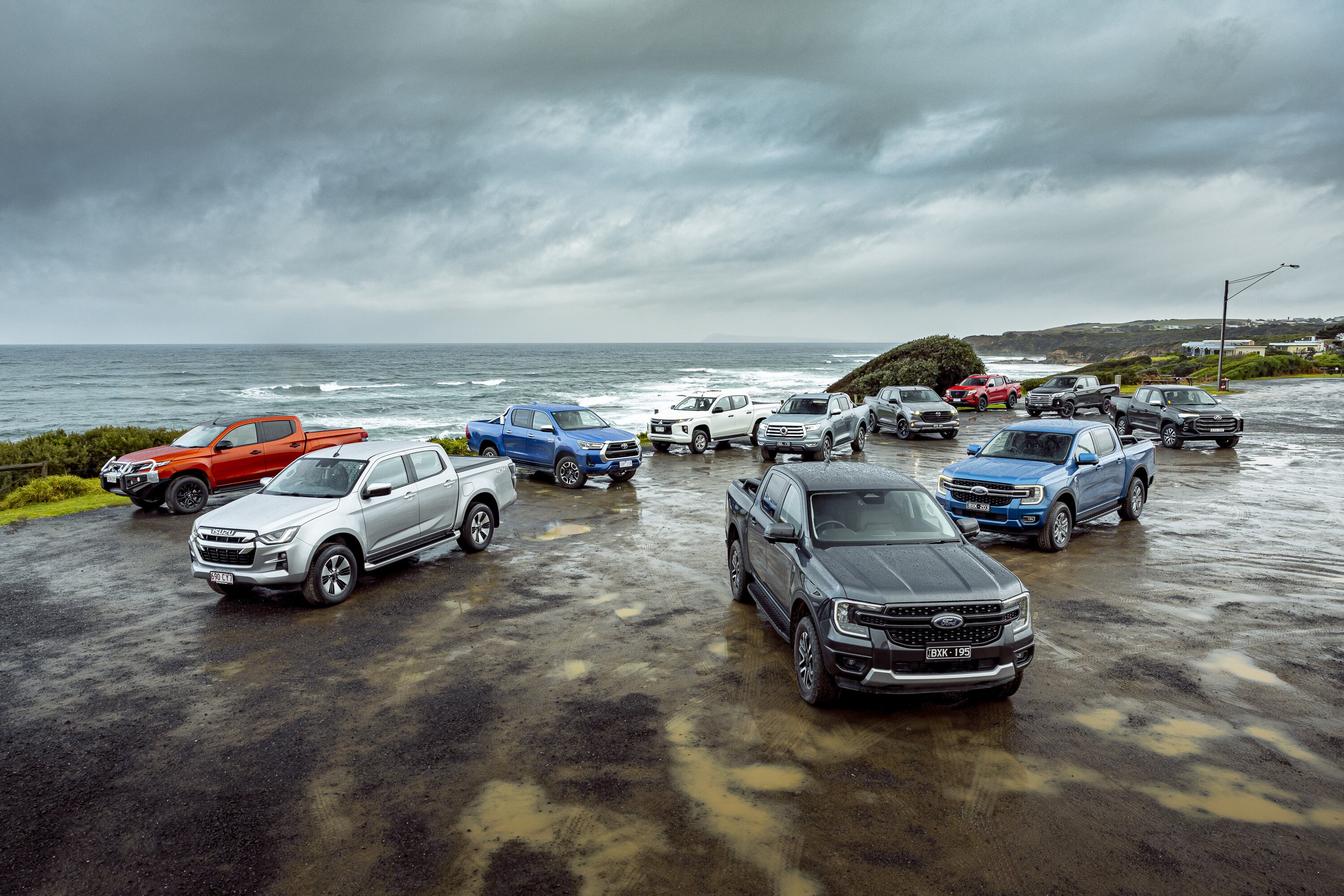
The catalyst for the data in this story was our dual-cab ute mega test, which put the major players of Australia’s hottest segment under review.
Where’s the new Amarok?!
Only freshly launched into Australia, we’ve not yet had the opportunity to run the new Amarok through comparisons and a thorough fuel-consumption test.
Volkswagen claims 9.9L/100km for the 2.3L 4cyl turbo petrol, 7.1L/100km for the 2.0L 4cyl turbo diesel, and 8.4L/100km for the 3.0L 6cyl turbo diesel. We’ll put those numbers to the test very soon.
1
The testing process
It’s not rocket science, but it’s thorough.
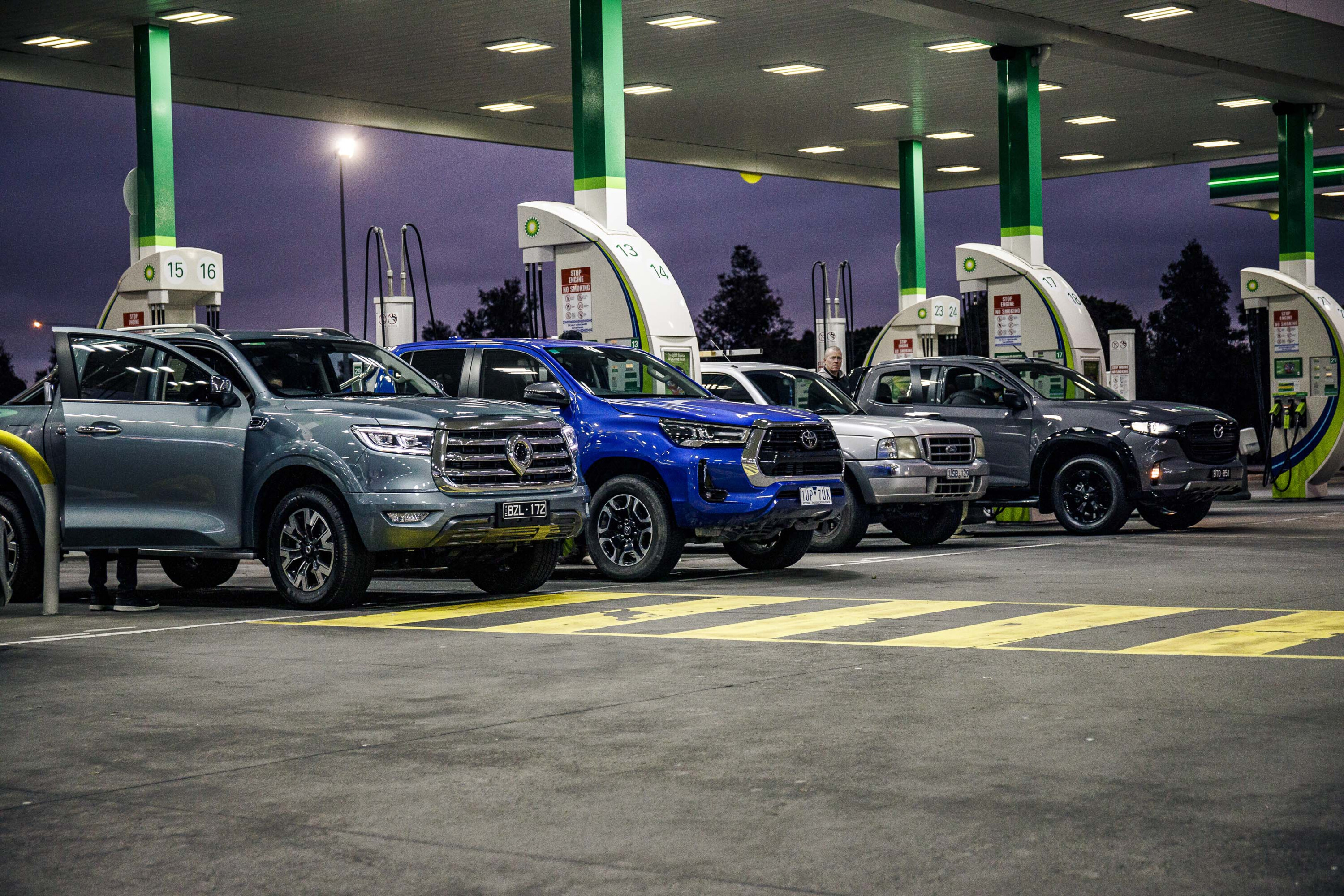
The Wheels fuel-use assessment sees all vehicles topped with fuel at the start of our primary drive day, then again upon final fills at the end of the day, with individual odometer readings recorded at beginning and end.
Recorded odometer readings provide distance travelled, while noting the amount of fuel filled at the end of the day allows us to calculate real-world fuel figures.
Best Dual-Cab Utes 2023 results
Prices shown are before on-roads costs, unless marked *DA for drive-away.
Table scrolls horizontally.
Price
L/100
KM travelled
Litres filled
Odo Start
Odo End
Mazda BT-50 GT
$57,290
9.3
219
20.36
5048
5267
Toyota Hilux SR5
$58,680
9.5
215
20.42
10231
10446
Isuzu D-Max LS-U
$59,000
9.65
215
20.75
24402
24617
Nissan Navara Pro-4X
$58,730
9.83
217
21.33
10662
10879
Mitsubishi Triton GSR
$55,690
10.64
235
25.01
2632
2867
Ford Ranger XLT
$61,190
11.28
215.5
24.29
3755.3
3970.8
Ford Ranger V6 Sport
$66,690
11.75
218.4
25.66
4278
4496.4
LDV T60 Max Luxe
$43,674
10.37
204
21.15
4887
5091
GWM Cannon Ute X
$44,490
10.39
204
21.19
710
914
Mitsubishi Triton GLX+
$43,940
11
205
22.55
1050
1255
Ssangyong Musso XLV
$46,590* DA
11.14
201
22.39
328
529
Among the more affordable utes, it was the LDV T60 Max Luxe that returned the most frugal fuel figures, returning 10.38L/100km – narrowly edging the GWM Cannon Ute X, at 10.39L/100km.
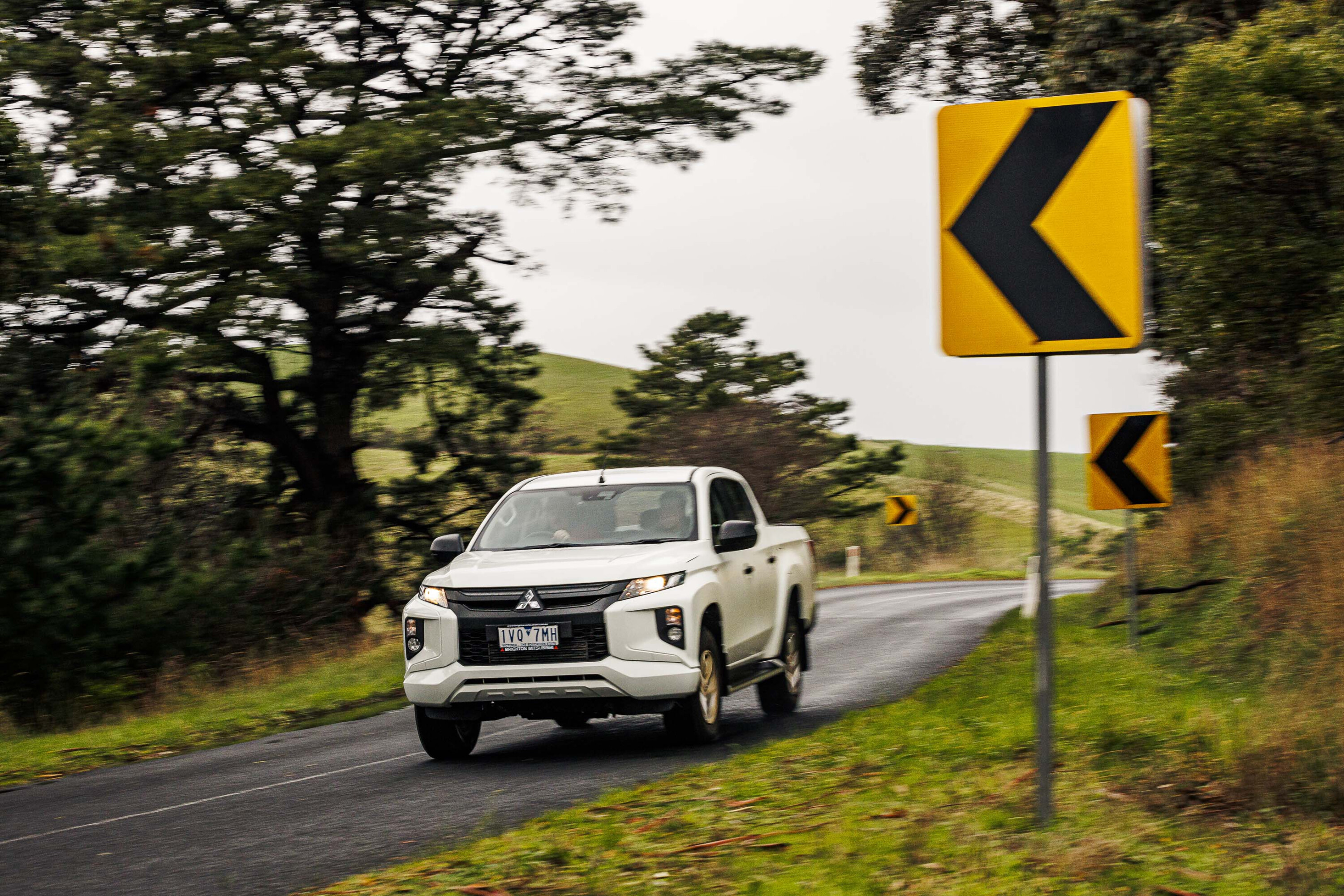
Finishing third in that group is the Mitsubishi Triton GLX+ with 11.0L/100km, followed by the SsangYong Musso XLV on 11.14L/100km.
1
Among the more premium utes, the Mazda BT-50 gets the hyper-miler award, netting just 9.3L/100km.
The popular Toyota Hilux follows closely, registering 9.5L/100km.
The Isuzu D-Max, on our on-road assessment day, travelled precisely the same distance as the Hilux but drank 0.3L more at the end of the day, returning 9.65L/100km.
1
The Nissan Navara Pro-4X dipped under double-digits, returning 9.83L/100km, while the Mitsubishi Triton GSR returned 10.64L/100km.
Ford’s impressive and desirable Rangers, in both 2.0-litre bi-turbo diesel and 3.0-litre V6 turbodiesel guises, enjoyed the biggest drinks of our batch, with the 2.0-litre XLT registering 11.28L/100km, and the Ranger V6 Sport returning 11.75L/100km.
What about other utes?
Wheels is regularly testing the latest offerings in the popular dual-cab ute segment.
Here is a compilation of vehicles that we’ve recently tested for real-world data figures.
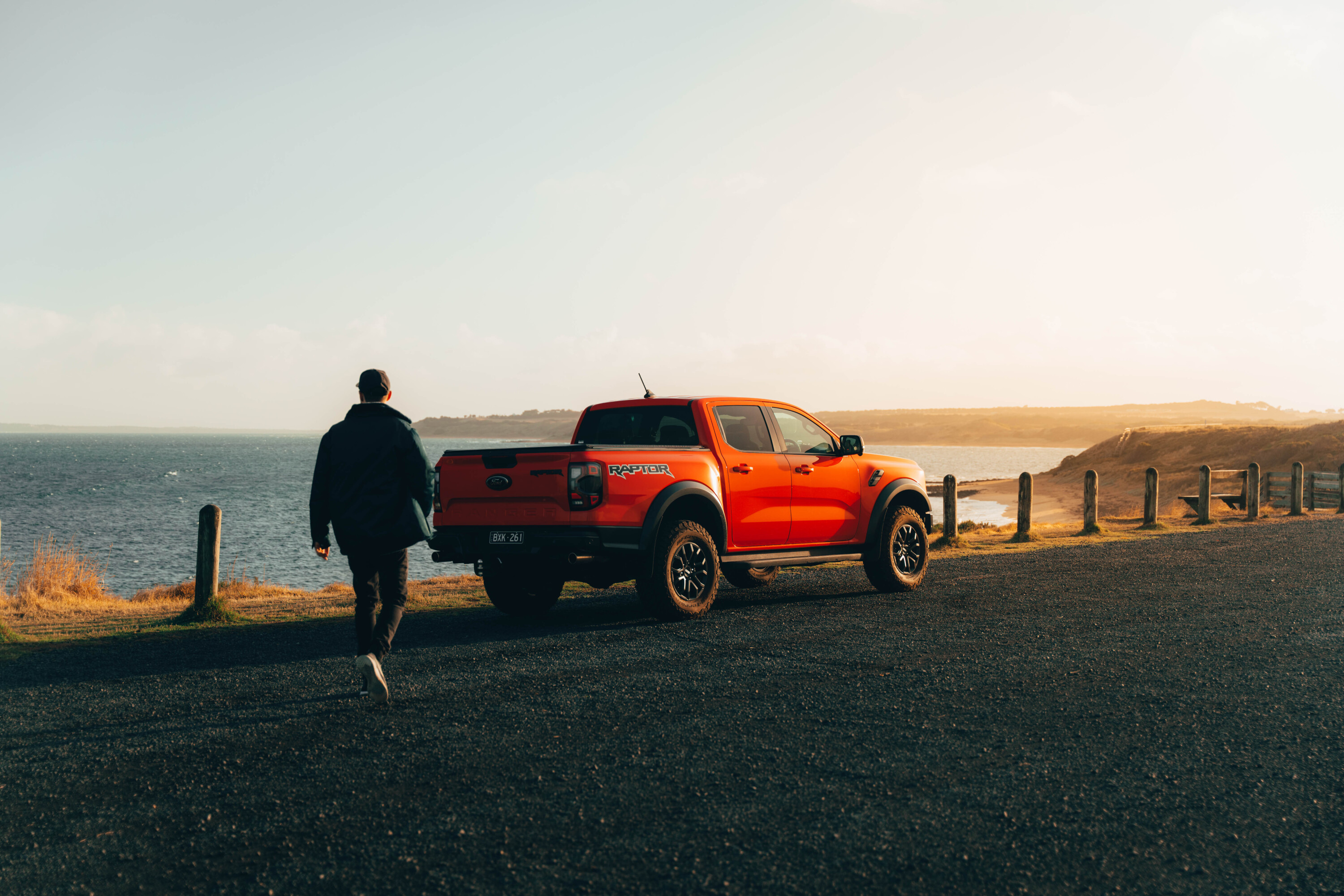
We recently had the loveable big Blue Oval beast, the Ranger Raptor, in the Wheels long-term test fleet.
Alex Inwood did the honours, clearly enjoying the new 3.0-litre twin-turbo V6 petrol engine – currently sitting at 14.8L/100km over his first month of custodianship.
The official manufacturer ADR Combined claim is 11.5L/100km.
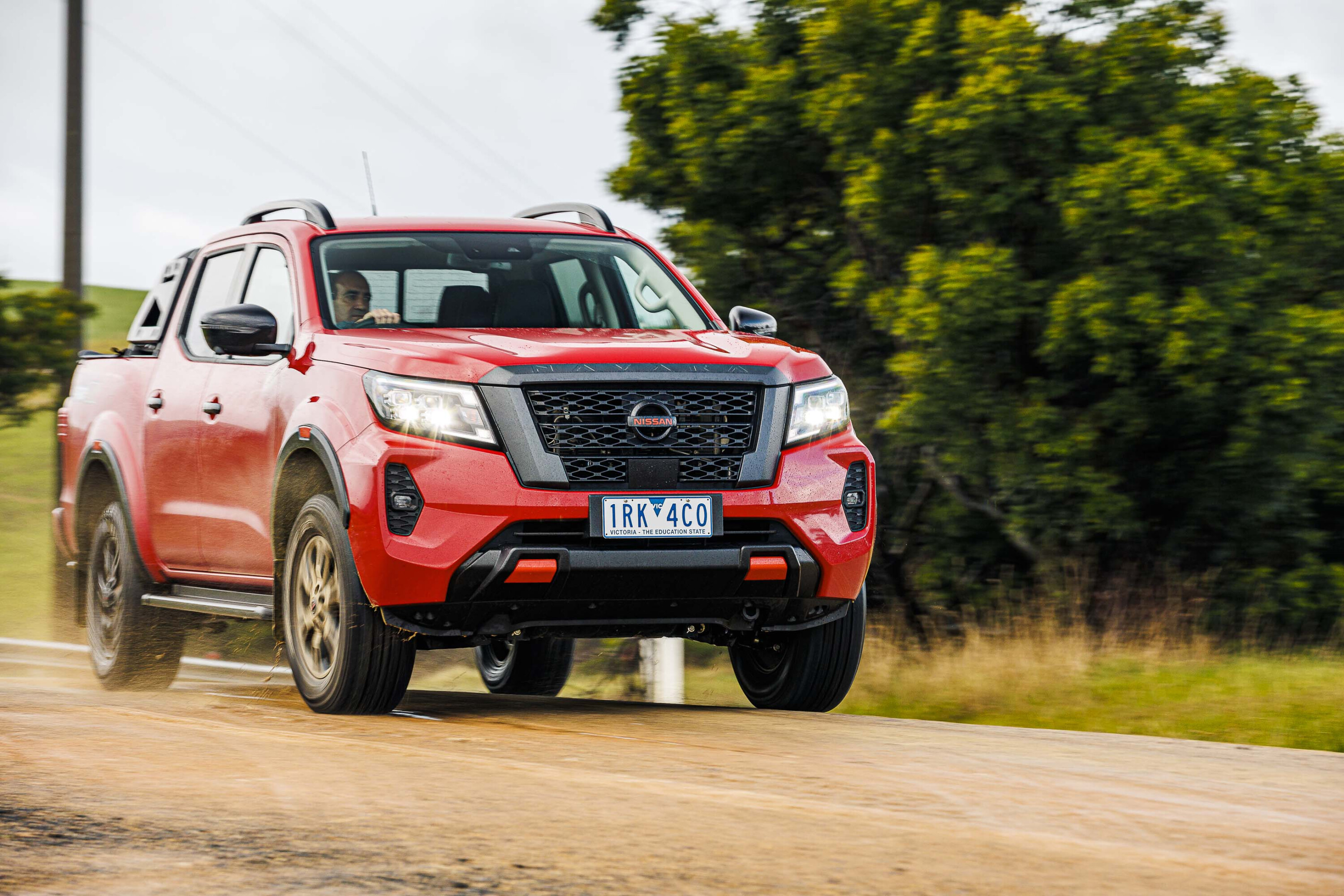
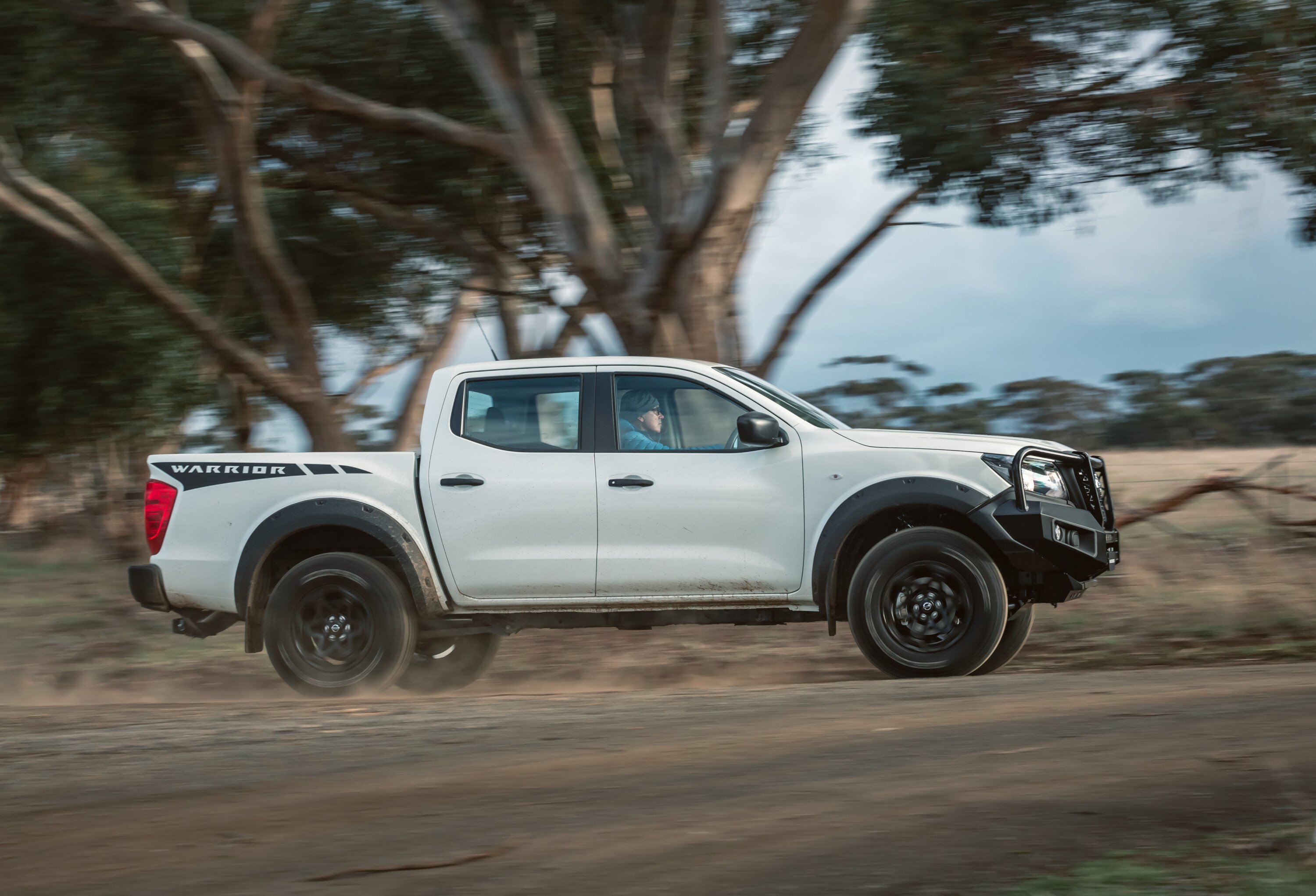
Our brothers at 4×4 Australia steered Premcar’s latest no-frills off-road focused Nissan Navara pitched as a more affordable counterpart to its fully-loaded Pro-4X Warrior.
Fitted with a 40mm Australian-optimised suspension lift, steel bash plate, front-mounted intercooler, winch-compatible bullbar with recessed LED light bar, and the same 2.3-litre turbo-diesel four-cylinder found in the Pro-4X tested above – the SL Warrior 4×4 returned 9.9L/100km over a weeklong test, in line with prior testing from other variants.
The ADR Combined claim for the Nissan Navara SL Warrior is 7.9L/100km.
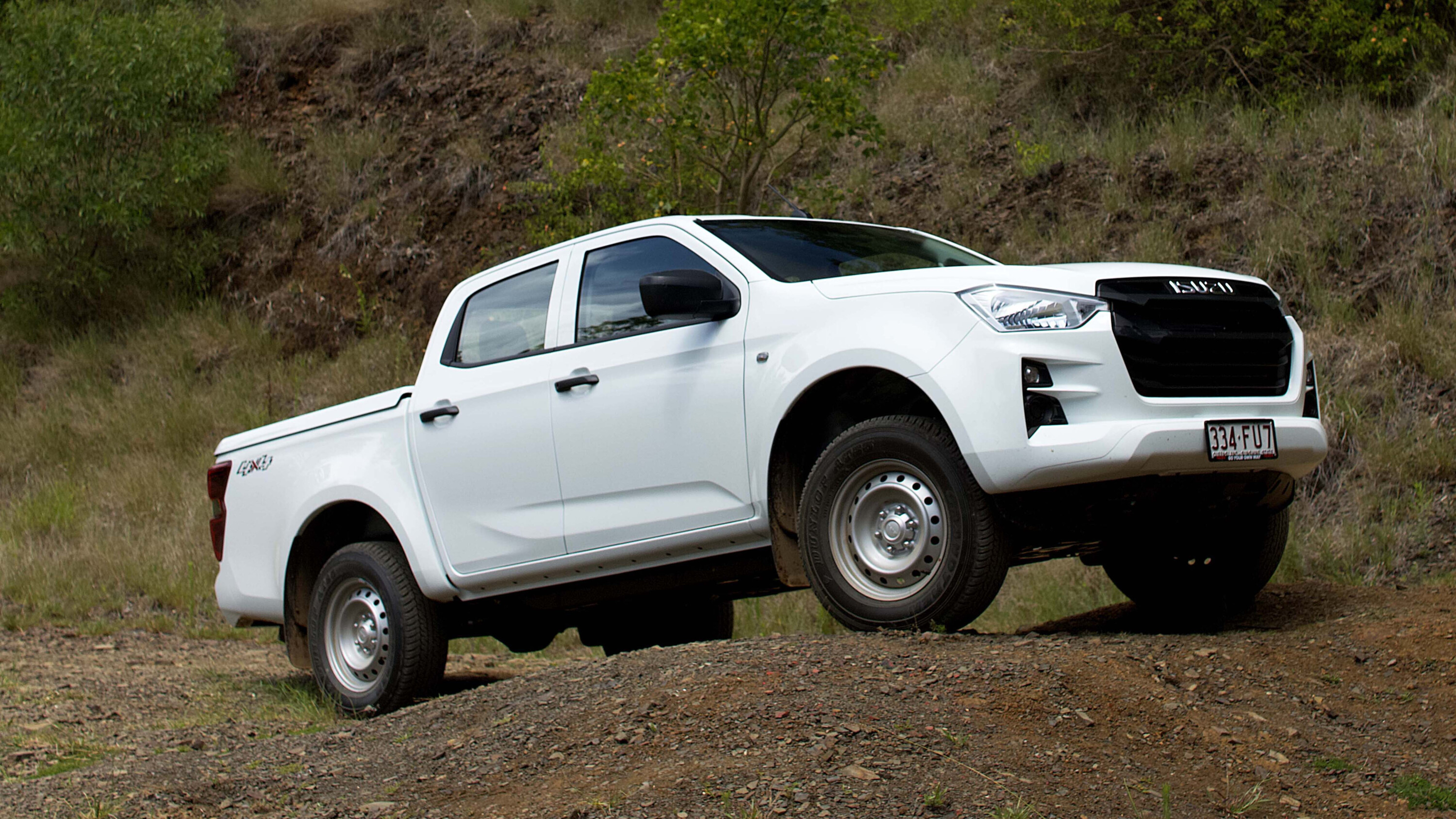
The new fleet-oriented 1.9-litre D-Max forms part of Isuzu’s recently-refreshed 2023 range.
Cobey Bartels ran the bare-boned workhorse for over 1000 kilometres, in a mix of urban and off-road driving with the odd drip into low-range – and registered 8.8L/100km against its claim of 6.9L/100km.
He further notes that the D-Max “wasn’t babied or driven gently”, and says that efficiency would undoubtedly improve with more sympathetic driving behaviour, and that the savings compared with the existing 3.0-litre D-Max are evident.
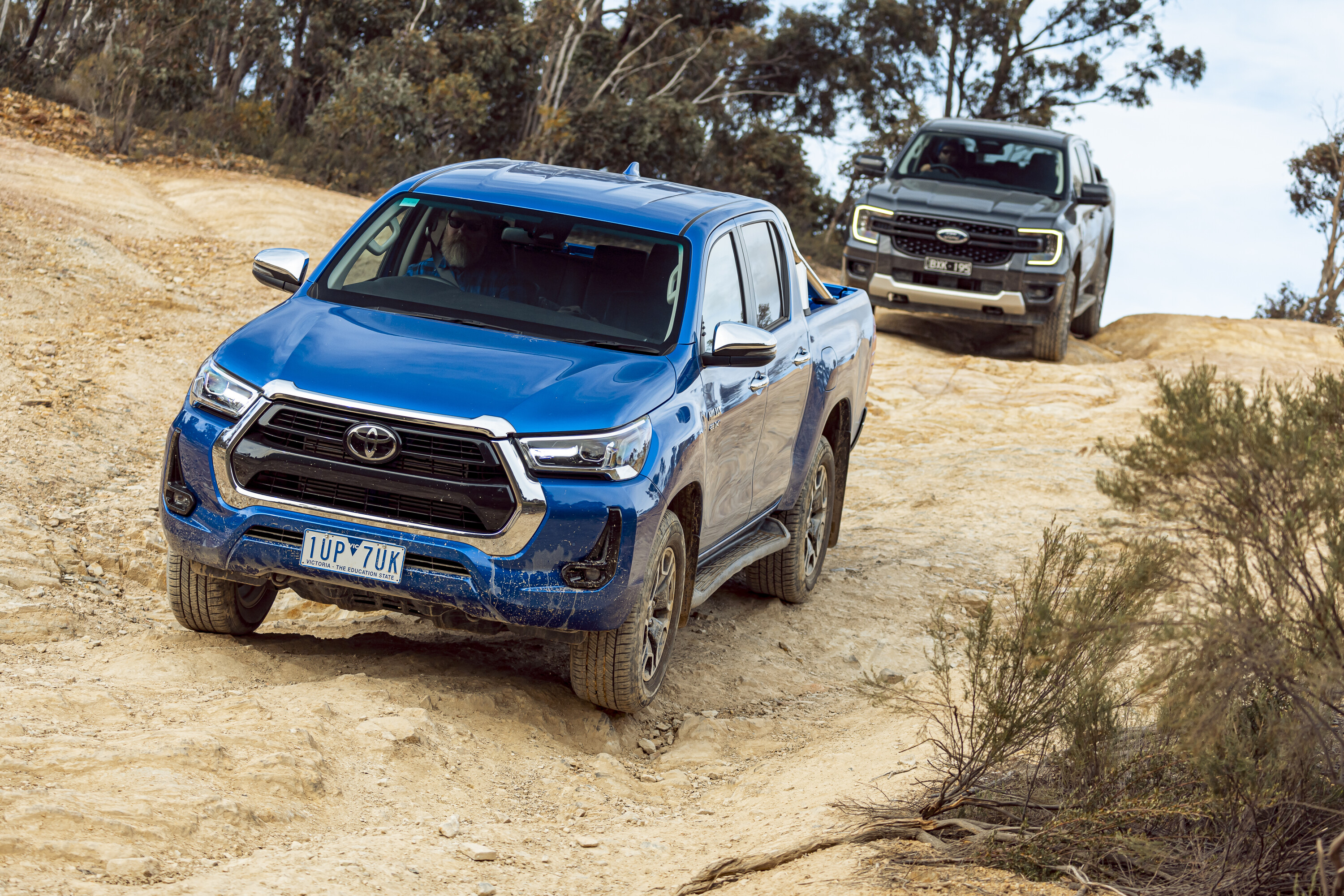
Two top-shelf variants of Australia’s most popular vehicles, the Ford Ranger Wildtrak and Toyota Hilux Rogue, were pitched against each other by Wheels in a discerning comparison that travels beyond tarmac’s end.
Over a gruelling day being tested on-road and off-, the kitted-up Hilux Rogue consumed 11.9L/100km while the Ford Ranger Wildtrak cruised through with a respectable 9.7L/100km.
They both share an identical 8.4L/100km claim on the ADR Combined cycle.
SPONSORED PARTNER CONTENT
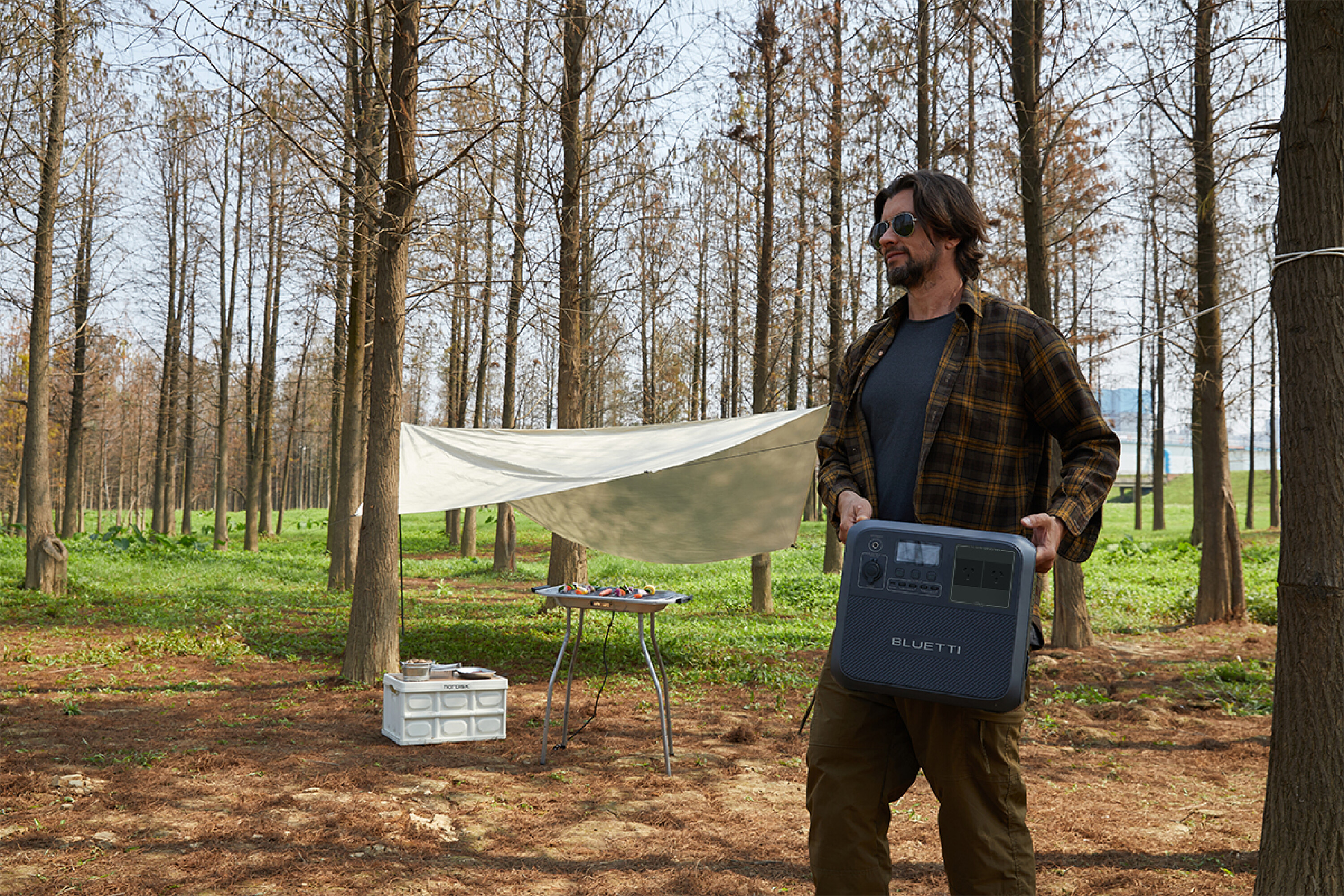
The explosion in popularity of outdoor adventure in recent years has stimulated off-grid power demand
However, some camping enthusiasts still rely too much on fossil-fuel generators for an alternative power source for the grid, which will definitely cause environment pollution and destroy the green woods and fresh countryside air.
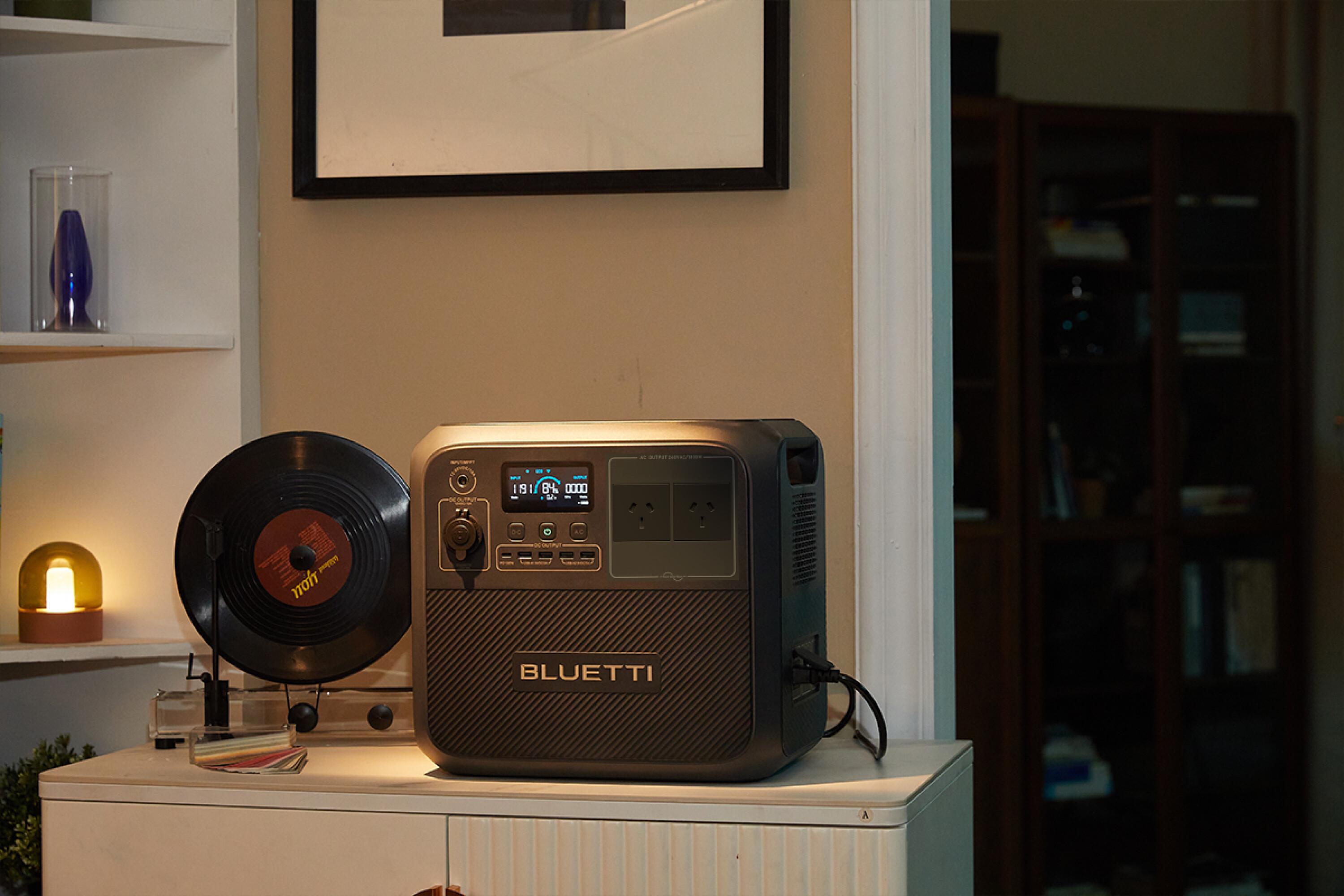
The BLUETTI AC180 is officially out now, with the early bird presale ending on May 31
Now it’s time to right these wrongs as BLUETTI has launched its brand new portable power station AC180, which will surely alter the way we gather green solar energy with optimal cost performance.
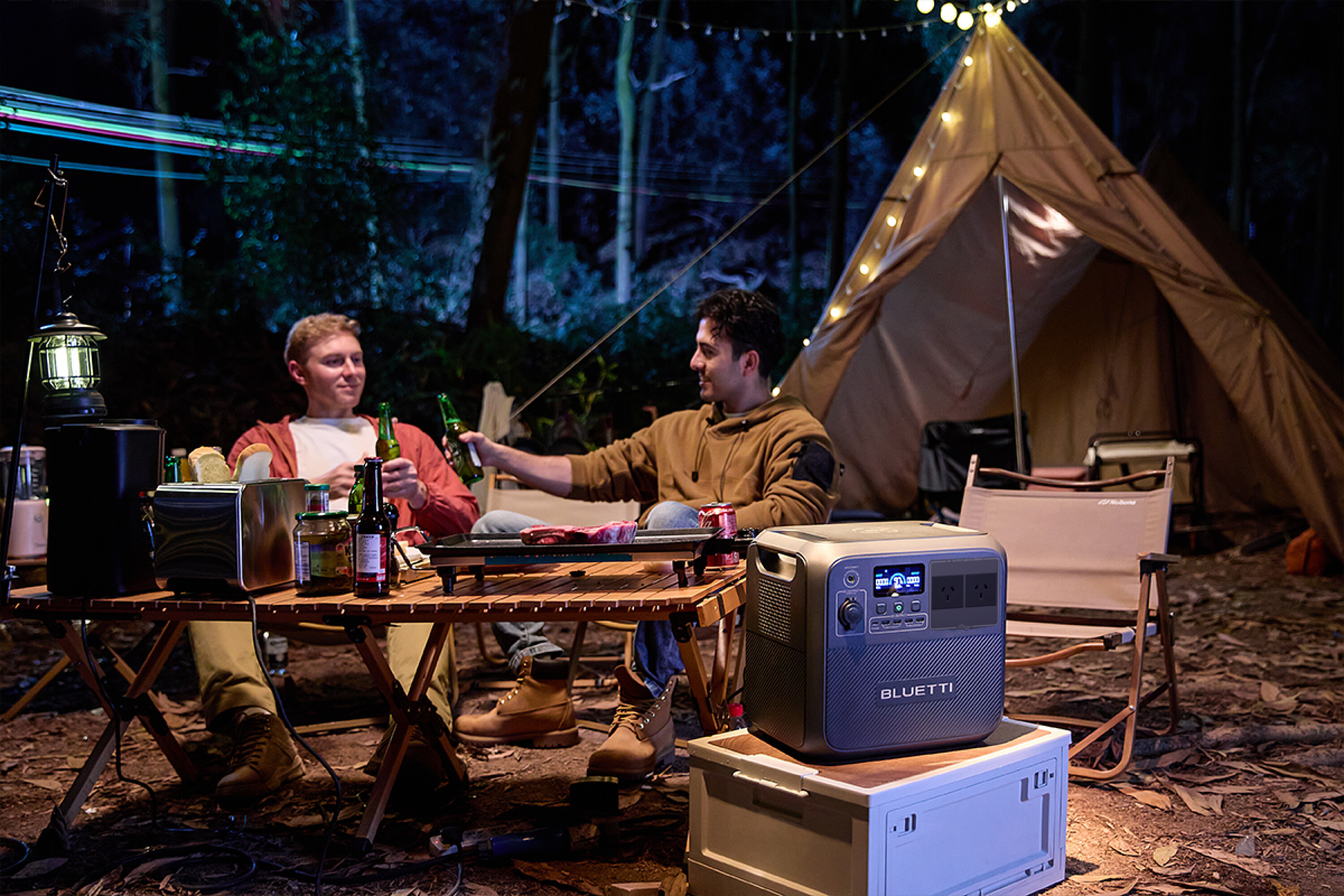
Never leave behind BLUETTI AC180 before heading out for your wonderful trip since it has a 1152Wh capacity that will provide allday battery life with only a single charge.
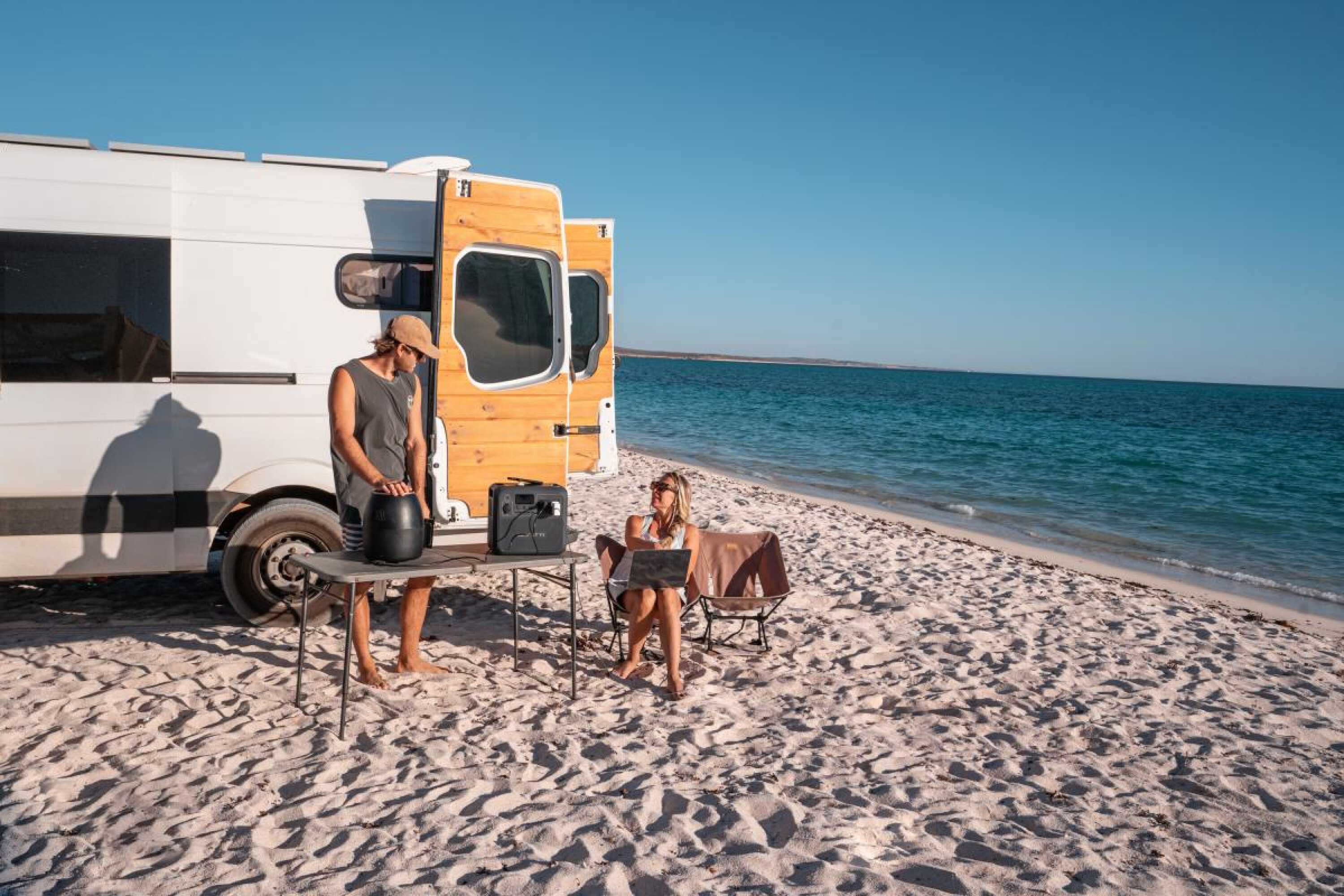
The 500W solar input tops the devices up with free and green solar energy in a few hours which helps get rid of finding AC outlets and the worries about running out of juice on exciting outdoor adventures.
For camping lovers who prefer a cup of coffee in the morning the BLUETTI AC180 can make their dreams come true even when they wake up in the middle of nowhere or explore off the beaten track Driven by the Power Lifting Mode of up to 2700W output AC180 is capable of running your coffee maker and electric kettle with the least fuss
1
With constant power on call no more darkness during blackouts
In addition to extreme weather events natural disasters and an aging electricity grid that can bring your family into the darkness at any time power failures happen more frequently as the conflict between increasing power demand and energy shortage has become more acute.
1
Therefore get well prepared with this marvelous BLUETTI AC180 as a green, efficient and reliable power station a musthave choice of every family.
The AC180 is able to store the electricity within the battery efficiently for later use As soon as a power blackout strikes emergency power will instantly switch over in only 20ms.
It’s hard to notice the blackout since lamps keep illuminating computers remain operational and food stays fresh in the refrigerator
1
Appropriate dimension amazing impact
As an upgrading continuation of the previous generations the BLUETTI AC180 is able to present more accurate capacity and duration of use on its screen just as the EB3A does It also carries a bunch of small improvements will make a big difference in everyones life.
Whether as a grabandgo power supply for outdoor activities or a plugandplay viable backup power the AC180 is the best option for the people who want to live a sustainable lifestyle and be prepared for potential power shortages and it will always stand by their sides.
The BLUETTI AC180 is officially out now, with the early bird presale ending on May 31.
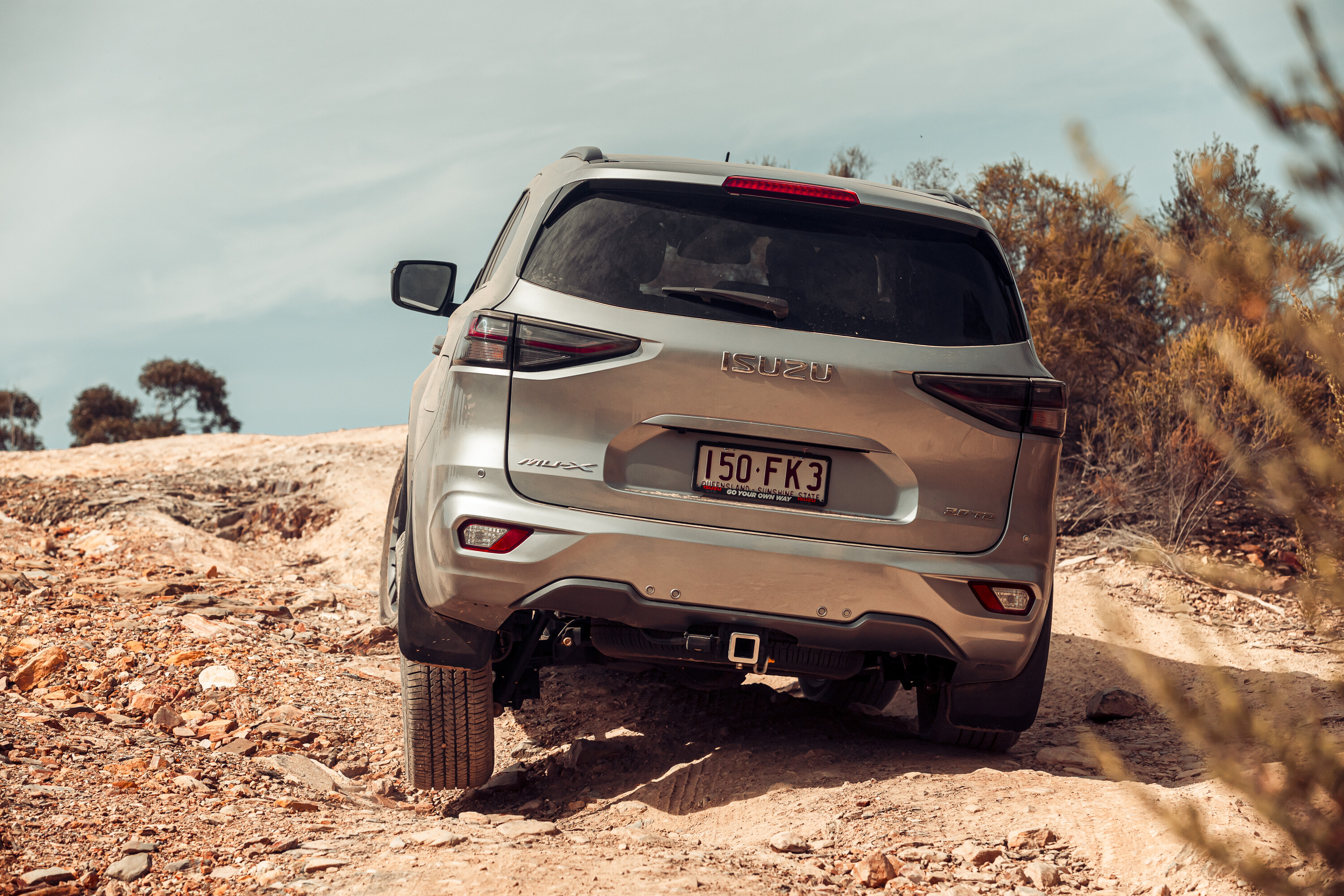
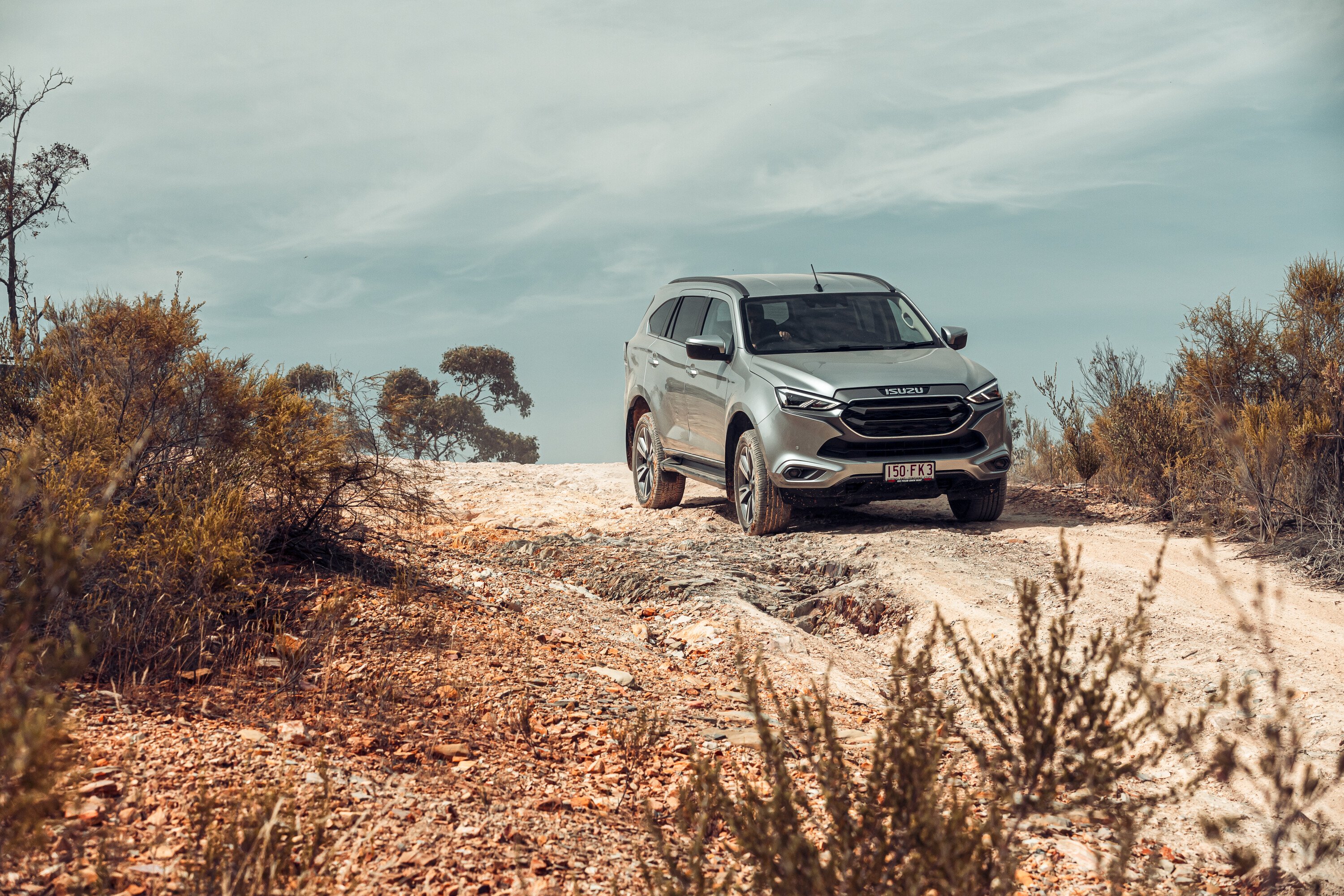
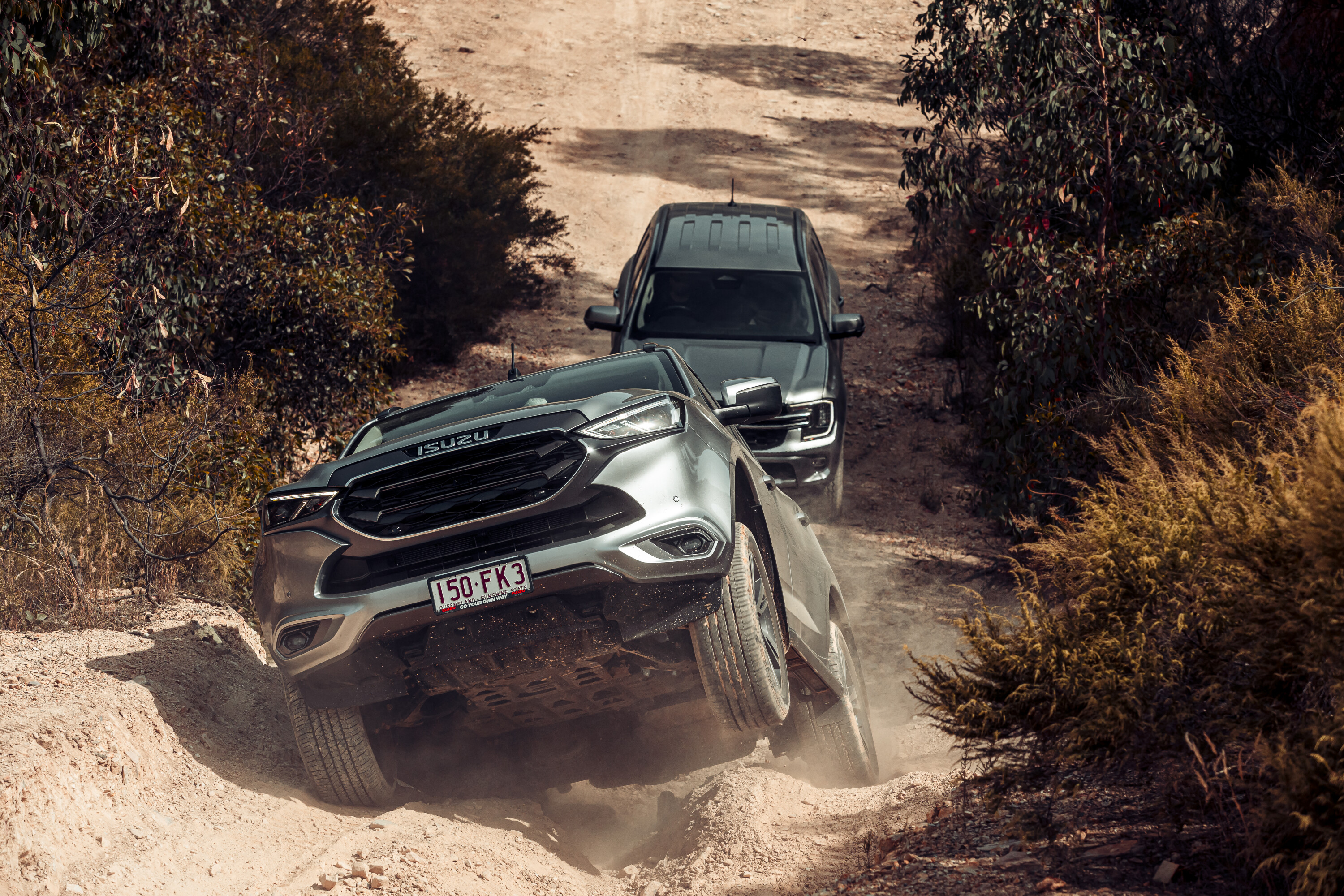
“We’re pleased to see that our MU-X remains the top-selling large SUV under $70k for the second month in a row, and that D-Max remains one of the top-selling nameplates overall,” an Isuzu Ute Australia spokesperson told 4X4 Australia.
“While it is a solid indication that the market continues to gravitate towards capable 7-seat SUVs and utes, we believe that our numbers – like the rest of the industry – could be higher if we weren’t affected by some of the recent supply chain challenges.
“We remain hopeful that the market will continue to recover in the near future,” the spokesperson added.
The MU-X is a body-on-frame SUV built in Thailand. It uses the D-Max ute’s underpinnings, safety suite, and 140kW/450Nm ‘4JJ3-TC’ 3.0-litre turbo-diesel four-cylinder paired with a six-speed torque-converter automatic.
Isuzu’s three-row MU-X is priced between $48,900 and $64,900 before on-road costs. It’s available in three trim levels, with a choice of 4×2 or 4×4.
In March, the D-Max ute displaced the Toyota RAV4 medium SUV for third place overall, though last month the ute slipped back to seventh in overall sales (1089) and stayed third in pick-up/light commercial vehicles.
The MU-X sat further down the charts in 16th but dominated the large SUV segment with 1095 registrations in April – 35 per cent more than the second-place Kia Sorento (814).
Crucially, the Isuzu MU-X ended up 418 sales ahead of its main rival, the Ford Everest, and beat the long-standing Toyota Prado (762).
Isuzu sold 66 per cent more MU-Xs than last April and is up 53 per cent year-to-date. In the marque race, Isuzu remains 10th this year with 13,265 sales to its name – 12 per cent up on last year
Fewer 4×4 sales were registered across the board in April, but the Ford Ranger once again proved to be the most desired vehicle in the segment.
A total of 3152 Ranger 4x4s were delivered for the month – 725 fewer than the preceding month – with the Toyota Hilux once again cementing second spot with 2817 sales of its 4×4 variants. The Ranger has now outsold the Hilux by a total of 2843 units on the year-to-date 4×4 charts.
Isuzu’s D-MAX and MU-X continue to perform consistently, with 1345 and 1095 monthly sales respectively.
1
When combining 4×4 and 4×2 variants, the Ford Ranger remained the best-selling vehicle with 3567 sales (-0.4% compared to April 2022). It pipped the Hilux by just 41 sales, with the Hilux registering a total of 3526 sales (-21.5% compared to April 2022).
In the budget segment, the LDV T60 has reappeared on the Top 10 4×4 charts for the month with a total of 683 sales. The GWM Ute fell from the Top 10 in April but clings on to tenth spot on the YTD charts.
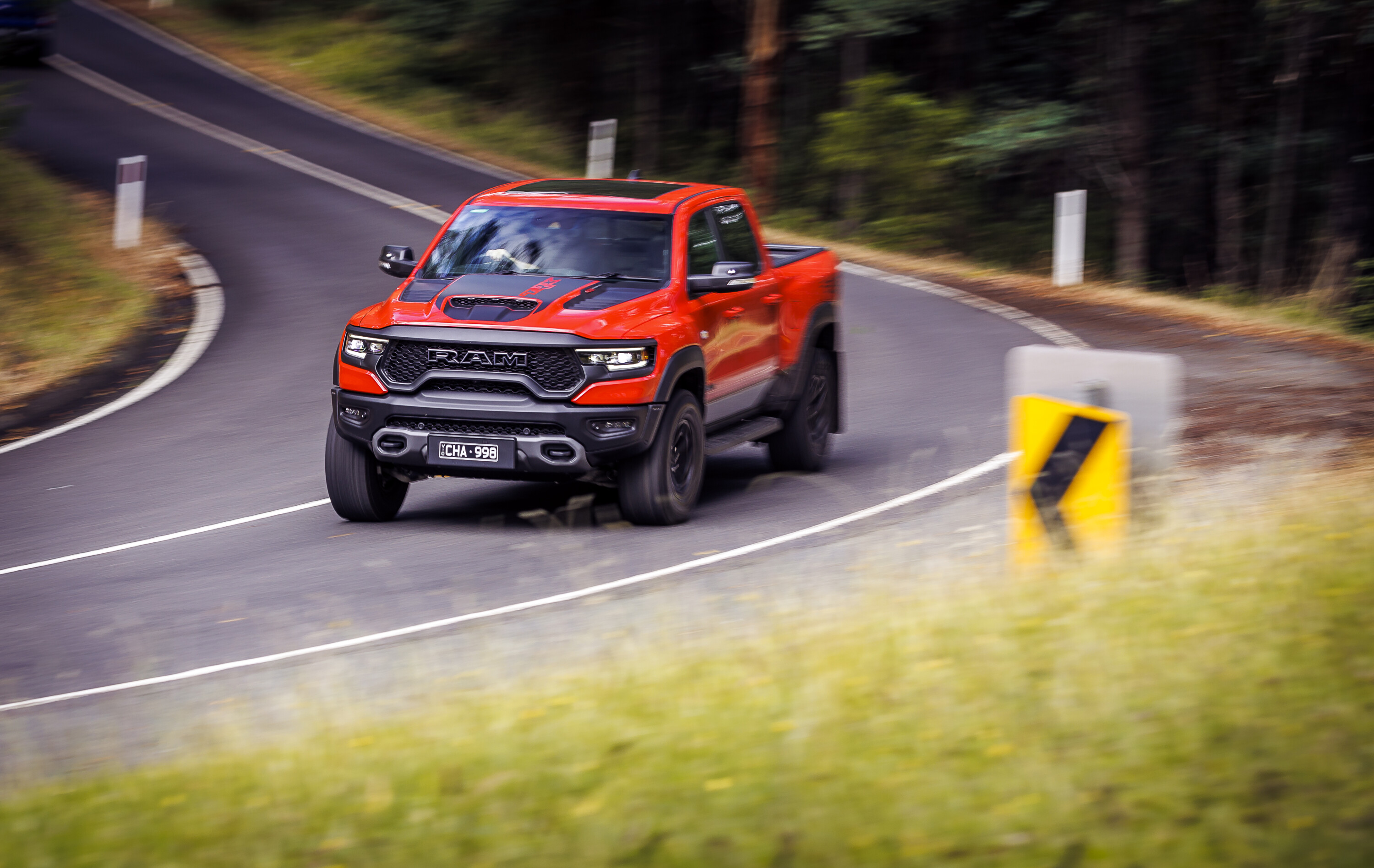
In the battle of the big utes, RAM (511 sales of its 1500) outsold Chevrolet (206 sales of its Silverado) on the 4×4 charts for April. In addition, RAM sold 66 2500s and four 3500s for the month.
Top 10 best-selling 4x4s in Australia: April 2023
1
Ford Ranger
3152
2
Toyota Hilux
2817
3
Isuzu D-MAX
1345
4
Isuzu MU-X
1095
5
Mazda BT-50
1053
6
Toyota LandCruiser 300
830
7
Mitsubishi Triton
790
8
Toyota Prado
762
9
LDV T60
683
10
Ford Everest
677
Overall 4×4 sales have dipped in April 2023, with the PU/CC 4×4 segment in particular showing weaker performance compared to the same time last year. In April 2022, a total of 14,411 PU/CC 4x4s were sold; in April 2023, that figure dropped to a total of 12,197 units.
That is reflected with a sales drop of 7.5 per cent on the year-to-date charts. So far in 2023, 56,694 PU/CC 4x4s have been sold; at the same time in 2022, the total was 61,304. Despite this, sales of SUVs and Light Commercial Vehicles (LCV) still accounted for 76.8 per cent of total vehicle sales in April.
Breaking it down a bit further, monthly passenger car sales were down 1.6 per cent compared to the same month last year; SUV sales were up by 8.6 per cent; and LCV sales were down 13.1 per cent.
Delving a bit deeper, total diesel sales are down 9.1 per cent for passenger, SUV and LCVs on the year-to-date charts. There has been a slight rise in the sale of petrol-powered vehicles (+2.5%), but sales of both electric vehicles (+214.1%) and PHEVs (+19.7%) have sky-rocketed so far in 2023.
The best-selling brand in Australia for the month was Toyota, with 12,029 vehicles. It was followed by Mazda (6926), Kia (6200), Hyundai (5732) and Ford (5047).
Top 10 best-selling 4x4s in Australia: year-to-date