News

Gallery 1
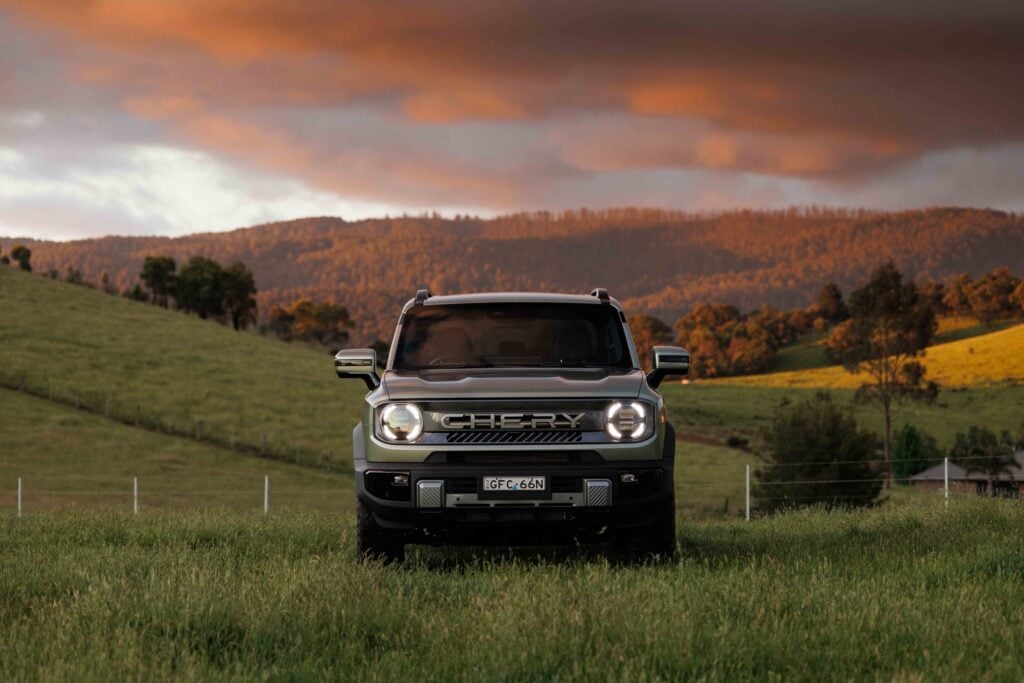
A suspension lift that’s legal in one state could land you in trouble in another, with different rules applying to 4WD modifications across Australia.
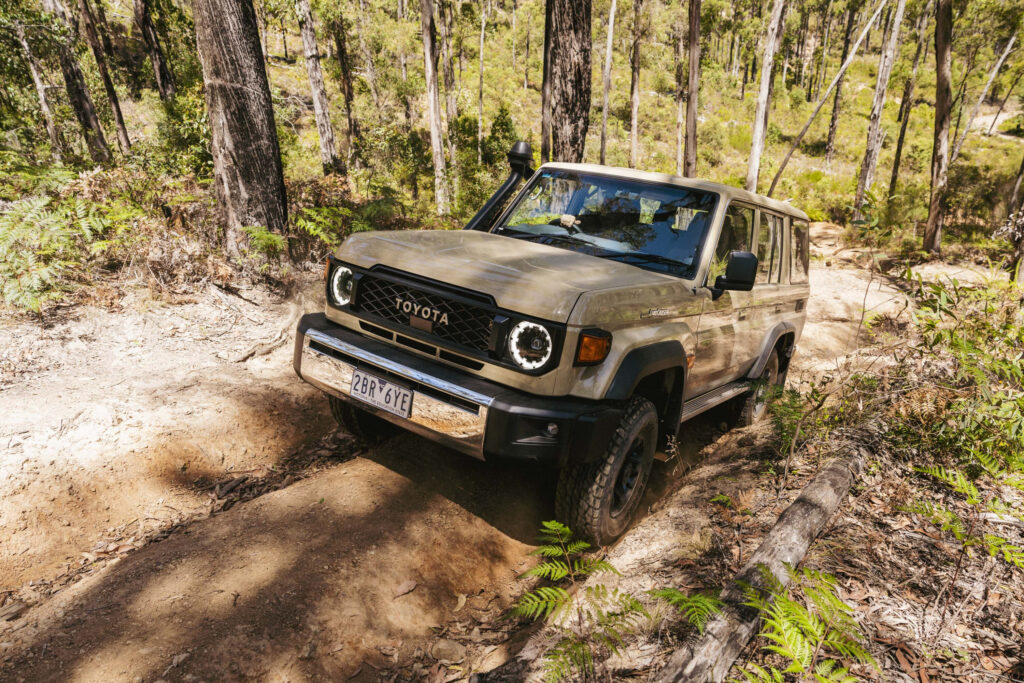
Building a 4WD for touring or off-road use often means fitting a suspension lift, larger tyres and a bull bar. But before bolting on the next upgrade, it’s worth checking the rules in your state, because Australia’s modification laws aren’t consistent nationwide.
A breakdown by Australian accessory supplier OCAM 4×4 Accessories (↗) has highlighted just how much those rules differ, particularly when it comes to suspension lifts. Depending on where a vehicle is registered, the published limits range from 50mm to 100mm without engineering certification, although the conditions and how that height can be achieved vary.
Suspension lift limits vary between states
The Northern Territory is the most accommodating, allowing a total lift of up to 100mm without engineering approval. NSW, Victoria and Queensland permit up to 75mm, while Western Australia, South Australia, Tasmania and the ACT cap the increase at 50mm.
But those figures don’t tell the whole story. In NSW, Victoria and Queensland, no more than 50mm of the total increase can come from the suspension itself. Larger tyres also count towards the allowance, with half their additional diameter included in the calculation.
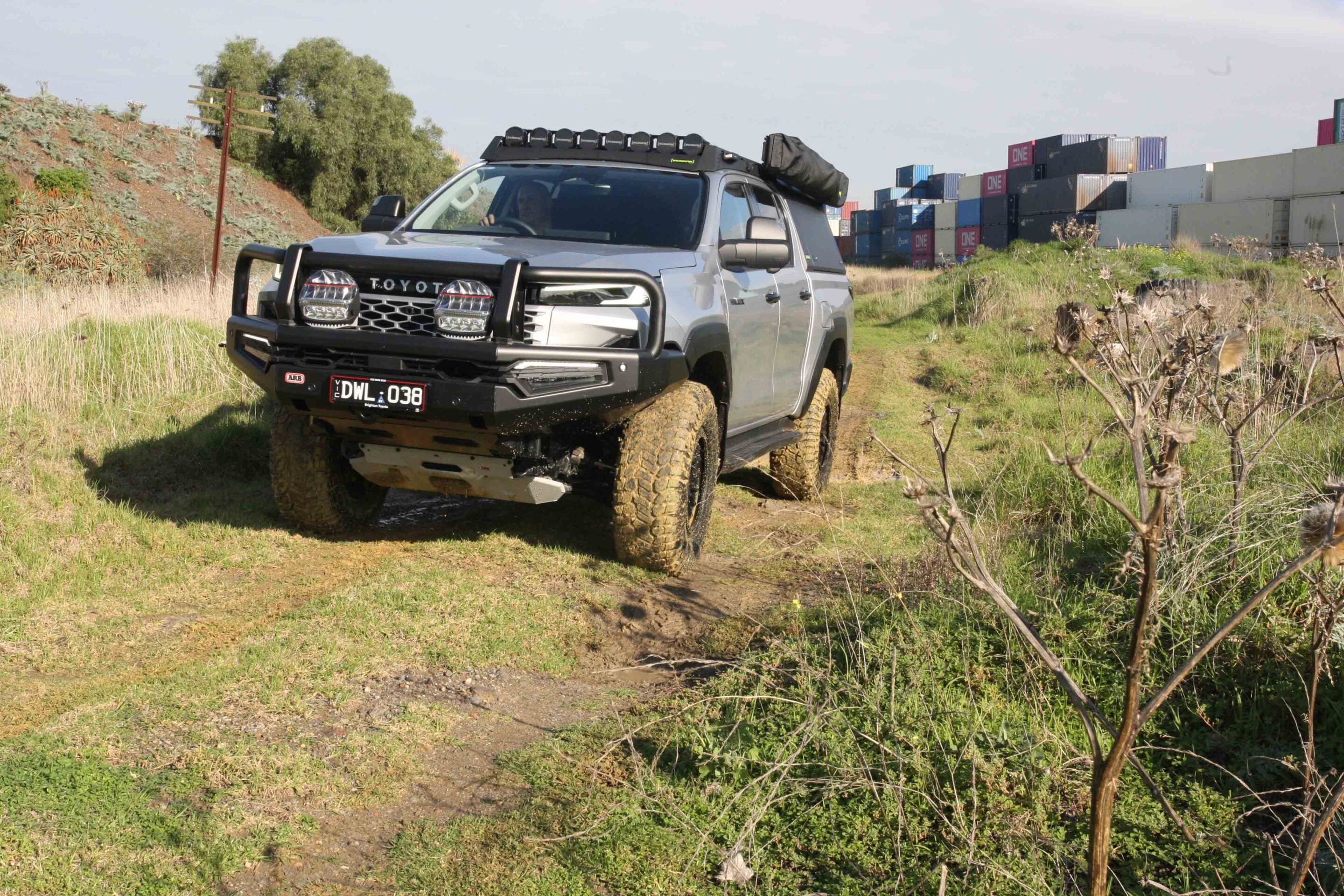
That means fitting tyres that are 50mm taller than the originals adds 25mm to the vehicle’s lift, potentially pushing an otherwise compliant suspension upgrade over the limit. These limits aren’t blanket approval to fit any combination of suspension and tyres. Vehicle category, the type of components fitted and applicable safety requirements can all affect whether certification is needed.
1
OCAM director Peter Gorgievski said it’s a common misunderstanding among owners planning a suspension upgrade.
“People see 75mm and think they can bolt on a 75mm lift kit,” Gorgievski said. “But that 75mm is the suspension and the tyres together. If you put bigger tyres on top of a big kit, you’ll go over the limit without even realising it.”
Measurement methods can also vary between jurisdictions, as Gorgievski explained: “In the Northern Territory, for example, it’s measured to the roof, so everything underneath counts: suspension, body lift, tyres, the lot. Same car, same tape measure, and you can get a different answer depending on where you are in the country.”
Illegal modifications can cost hundreds in fines
Getting caught with an illegal modification can also be expensive, although there isn’t a specific on-the-spot fine for suspension lifts in any Australian state or territory. Instead, police can issue penalties under broader vehicle standards, dimensions, tyre and roadworthiness offences.
According to OCAM’s research (↗), Victoria has potential on-the-spot penalties of up to $836 for relevant vehicle standards offences, while Tasmania’s penalties reach $852. At the other end of the scale, the Northern Territory’s general unsafe vehicle penalty is $60. These figures are for light vehicles and are current as at September 2026.
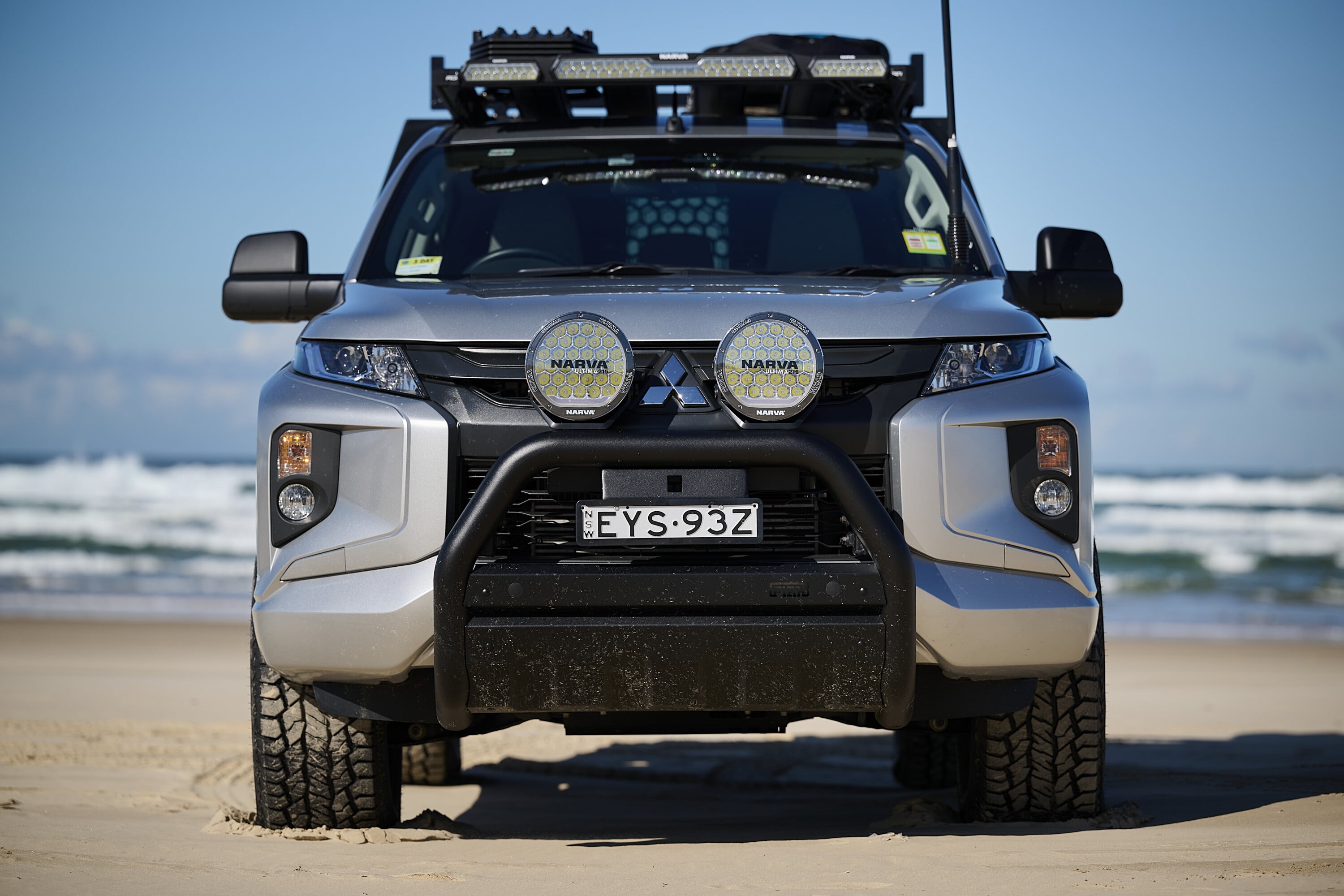
Bull bars are another potential compliance headache, particularly on newer 4WDs. As well as meeting Australian Standards, bull bars need to be suitable for the vehicle and must not interfere with factory safety equipment such as radar sensors, cameras and autonomous emergency braking systems. Suspension and tyre changes can also affect electronic stability control (ESC), which must continue to operate correctly.
“On a modern car, there’s radar and cameras sitting right behind where the bar mounts,” Gorgievski said. “Fit the wrong bar and you might not find out you’ve blinded your safety systems until the day you need them.”
Obstructing a number plate can also attract significant penalties, with OCAM identifying a potential $1200 fine in Western Australia.
While most modification rules change depending on where a vehicle is registered, OCAM says aftermarket wheel spacers are prohibited across Australia unless they were supplied as original equipment. The devices push wheels further out from the hubs to increase track width.
“Spacers come up constantly,” Gorgievski said. “People want the wheels sitting out a bit further and don’t realise it’s the one thing that’s illegal in every single state.”
1
Could Australia’s modification laws become standardised?
OCAM says Australia’s differing state and territory rules can make it difficult for 4WD owners to know exactly what’s permitted, particularly when planning a major build or moving interstate.
The company recommends checking local lift limits before ordering parts, confirming whether an engineer’s sign-off will be recognised interstate and obtaining approval before starting modifications in Western Australia.
“One set of rules would make our job easier and our customers safer,” Gorgievski said. “Until then, our advice is simple: check before you build, not after.”
FAQs
How much can you legally lift a 4WD in Australia?
It depends on where the vehicle is registered. OCAM’s research puts the limits at between 50mm and 100mm without engineering certification, although vehicle category and state-specific conditions can affect what’s permitted.
Do bigger tyres count towards your suspension lift?
Yes. Under the lift calculations outlined by OCAM, half the increase in tyre diameter counts towards the overall lift. A tyre that’s 50mm taller than standard, for example, adds 25mm to the vehicle’s height.
Are wheel spacers legal in Australia?
OCAM says aftermarket wheel spacers are prohibited across Australia unless supplied as original equipment. They push the wheels further out from the hubs, increasing track width.
Are bull bars legal on modern 4WDs?
Yes, provided they’re suitable for the vehicle, meet the relevant requirements of Australian Standard AS 4876.1-2002 and don’t adversely affect factory safety systems, including airbags and driver-assistance technology.
Can you drive interstate with a modified 4WD?
Generally, yes, but owners should check that their modifications are approved under the rules applying to their vehicle’s registration. Engineering approvals and modification requirements can vary between jurisdictions, so it’s worth checking before travelling.
Do you need engineering approval for a 50mm lift?
Not necessarily. A lift of up to 50mm can be permitted without certification if it meets the relevant requirements. However, certain modifications may still require engineering approval, regardless of the overall lift height.
Source: OCAM 4×4 Accessories (↗). Lift limits are based on published state and territory modification requirements. Fine figures are on-the-spot penalties for light vehicles as at September 2026. Owners should confirm requirements with their relevant transport authority before modifying a vehicle.
Follow 4X4 Australia on Google
Get more 4x4 news, reviews and gear stories from 4X4 Australia in your Google feeds.

We recommend
-
 News
Another accessory under fire: Reflective window coverings now in police crosshairs
Police are cracking down on reflective window coverings, warning 4WD owners their rigs could be fined or defected
-
 News
Thousands of Australian seatbelt fines caught up in AI camera blunder
Around 13,000 Canberra seatbelt fines are in doubt after an administrative error left AI traffic cameras operating without the correct legal authorisation