News


Gallery 1
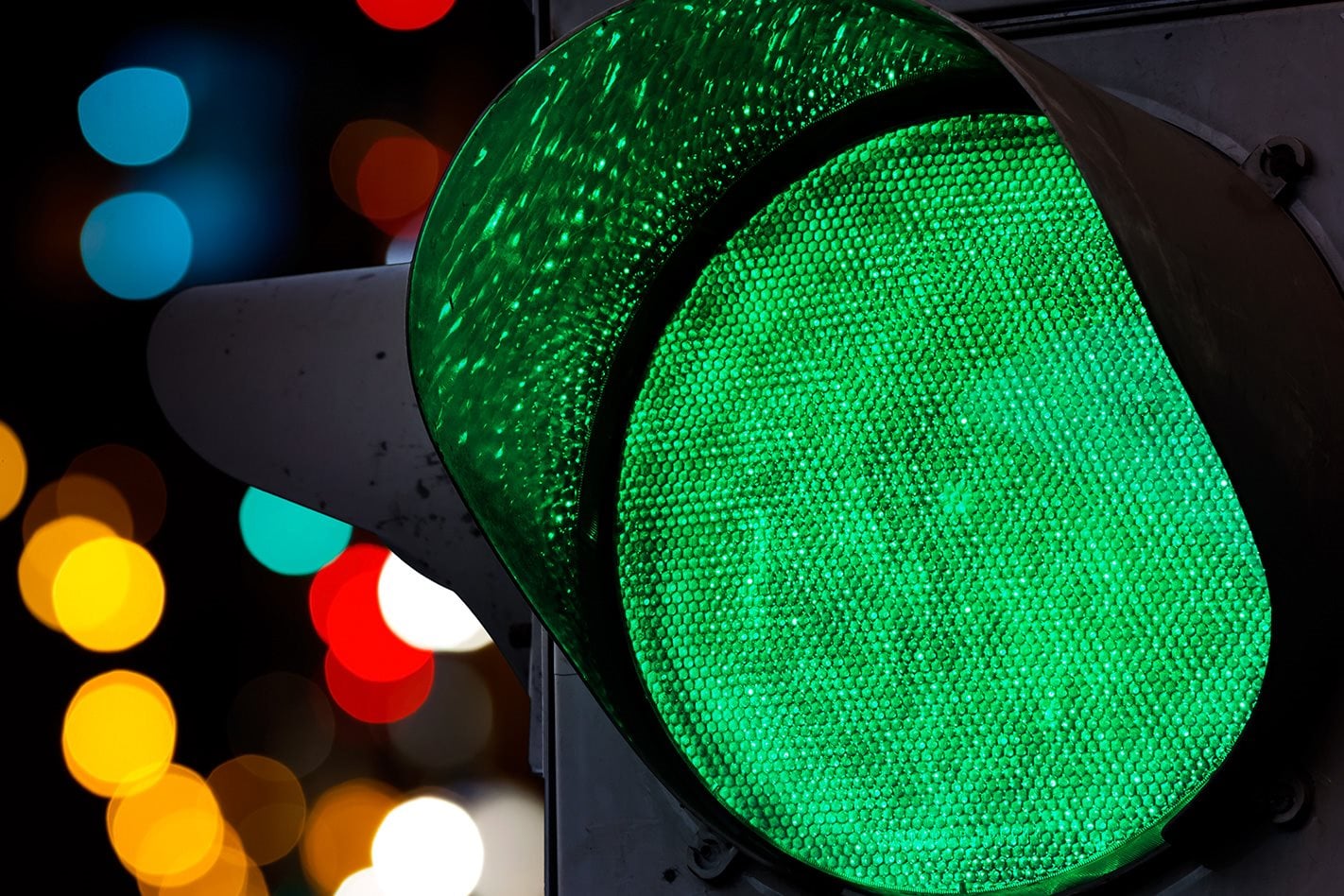
Sitting at a red light with no other vehicles around can be a right pain in the backside. You’re sitting there watching the clock tick over, burning fuel and wondering why the lights aren’t changing.
Now, an Australia-first trial is looking to make those frustrating waits a thing of the past, with new traffic signal technology designed to improve traffic flow and reduce unnecessary delays.
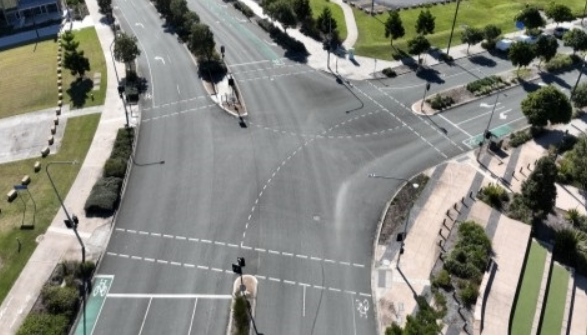
The City of Moreton Bay (↗) will soon begin testing next-generation traffic signal technology at the intersection of Moreton Parade and Paper Avenue in Petrie, with the system designed to better manage traffic movements and respond to changing conditions on the road.
Most traffic lights across Australia still operate using phase-based control systems, a method that dates back to the 1980s. These systems rely on pre-programmed sequences, meaning drivers can sometimes be left waiting even when an intersection is clear.
1
The new system takes a different approach by using movement-based control, allowing individual traffic movements to be managed without being tied to a fixed sequence. The aim is to reduce delays, improve traffic flow and get vehicles moving more efficiently.
Mayor Peter Flannery said the trial could help change the way traffic is managed across the region: “We’re excited to be the first in Australia to trial technology that has the very real potential to improve the flow of traffic around our road network,” he said. “The technology effectively uses both AI and advanced algorithms to inform optimised traffic operations under a new traffic management approach. This means that higher traffic flows of vehicles including public transport can be prioritised dynamically throughout the day.
“There is the potential to substantially reduce the time motorists spend unnecessarily sitting at red lights, which is often constrained by legacy traffic control methods, and this can be extremely frustrating especially when there are no cars in sight. This presents the opportunity to reduce emissions as vehicles will idle less at traffic lights.
“Plus, for the first time, traffic signals can be adjusted by individual movements using advanced traffic detection sensors so congestion can be better managed including when vehicles flood our local road network,” Flannery said.
The technology is also designed to reduce the time between conflicting traffic movements while still maintaining safe operating margins. In practice, that could mean less time stuck waiting through an ‘all-red’ phase when there’s nothing else moving through the intersection.
As part of the trial, existing traffic signal controllers will be replaced with next-generation hardware that can make decisions about the most effective way to manage traffic movements. The system will initially work with existing in-ground vehicle detection technology.
The council will also install advanced vehicle detection sensors to collect more detailed traffic data, allowing the system to identify different road users including cars, trucks, pedestrians and cyclists, while helping predict traffic flow.
The trial will be rolled out at the Moreton Parade and Paper Avenue intersection in Petrie later this year. If successful, the council will then test the technology at a more complex intersection.
Follow 4X4 Australia on Google
Get more 4x4 news, reviews and gear stories from 4X4 Australia in your Google feeds.