Reviews

Gallery 1
- UPDATE 1: From the showroom to the tracks
- UPDATE 2: Mods tested in the Vic High Country
- UPDATE 3: Bigger tyres give the Grenadier a boost in the bush
- UPDATE 4: Grenadier to the rescue
- UPDATE 5: Mud and maintenance
- UPDATE 6: Final fling
Part 1: From the showroom to the tracks
“What kind of car is that?” It’s a question I’ve been asked many times in the first month of driving the Grenadier.
Is it a Land Rover? Is it electric? Is it Chinese? Not many people seem to know exactly what it is. The only other vehicle I’ve driven that causes this much confusion is my 1968 Country Buggy. Yep, Google it.
By now, most people know the story of why the Grenadier was created. Man drives Defender. Defender stops being made. Man decides to build his own four-wheel drive to replace his much-loved Defender – but better. That man is Sir Jim Ratcliffe, owner of Ineos, Manchester United and a large part of the Mercedes F1 team.
I owned a 2015 Defender back in 2023 in the UK, and I’ve also owned a 1976 VW Kombi. In many ways, the Kombi and Defender feel like a closer driving experience than the Defender and Grenadier. Yes, the Grenadier looks a little like an old Defender, but that’s where the similarities stop. I was lucky enough to go on a few of the Grenadier’s Australian development trips in the Outback a few years back. These were all pre-production vehicles and not final spec. They were rough and still being worked on by engineers, but even then I could tell they were highly capable, and I was looking forward to driving the production model.
1
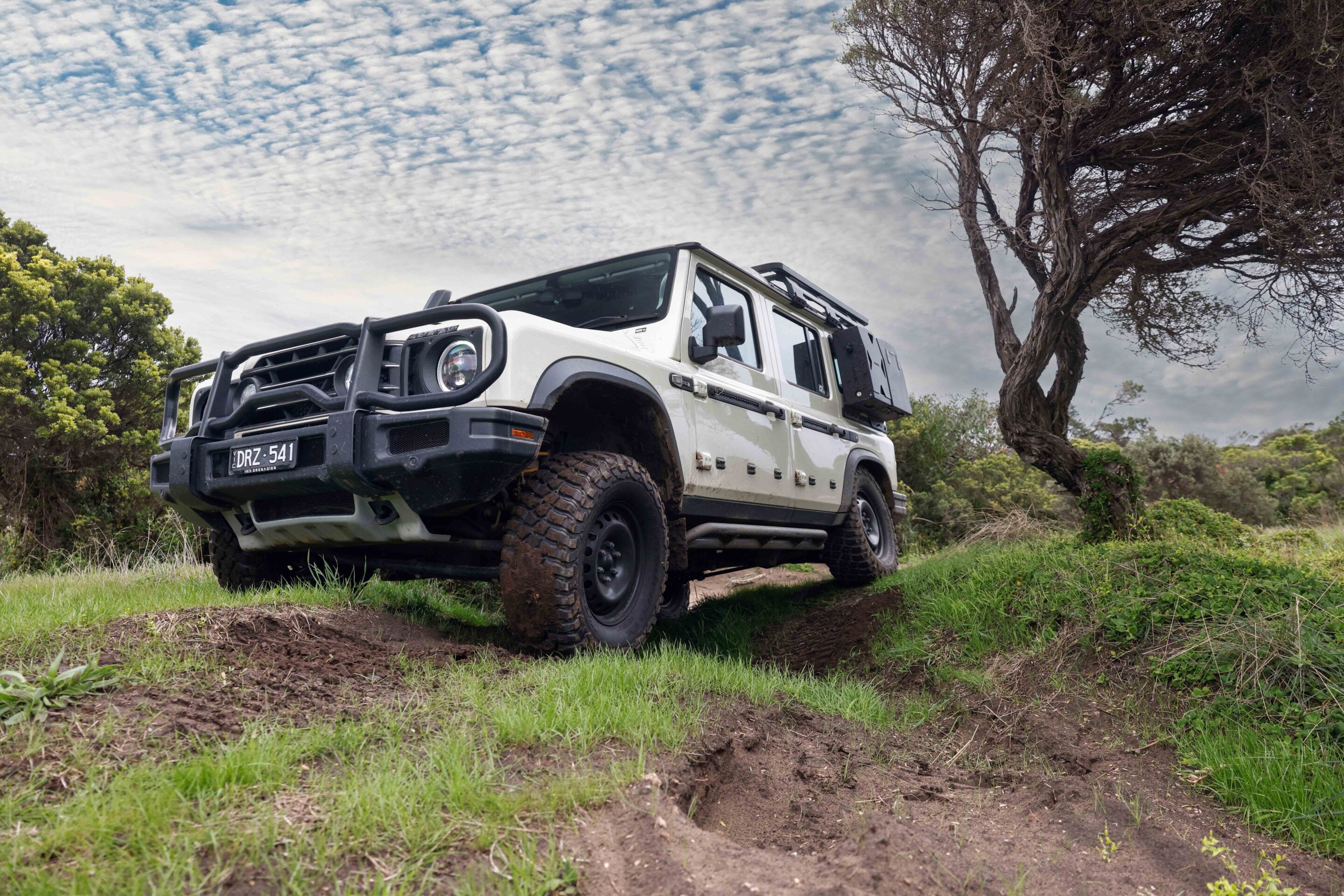
Fast forward to late 2025 and I’m picking up my long-term Grenadier. I’ve gone for a Trialmaster Station Wagon in Scottish White (apparently named after one of Sir Jim’s Scottish mates and his white legs), powered by the BMW B57 diesel engine. I opted for steel wheels, leather trim, heated seats and Safari Windows. The base price is $120,000, plus $8670 in options.
The Trialmaster comes standard with front and rear diff locks, a raised air intake, Class III 1-7/8” NAS tow hitch and electrics, and an access ladder. I also had factory rubber mats added. There are no carpets in this vehicle and that’s exactly how I like it – rubber mats and a vinyl floor are the best.
The very first thing you notice when you drive a Grenadier is the steering. It doesn’t self-centre very quickly compared to most other vehicles. Once you’re aware of this and get used to the steering technique required, it’s fine. Just be ready for it. The Recaro seats are very comfortable and help soak up the kays, plus they look cool. Rear passengers also get a Recaro bench seat, and I like how high it sits you in the back. It’s great for kids, as it makes it easier to look out of the vehicle, placing rear passengers at a similar head height to those in the front.
I picked up the Grenadier just before the start of the summer holidays, and it’s proven to be a great beach vehicle. Having no carpets makes it super easy to get sand out, and the interior utility rails work well when you’ve got lots of gear to tie down in the back.
I strap the surfboards to the roof, with four factory rails fitted. I’m planning to get a roof rack, but more on that later. Running to and from the beach is fun, and the kids have found it to be a great family vehicle so far. It’s not really what this vehicle is designed for, though. Yes, it will do the day-to-day tarmac stuff just fine. The 550Nm of torque that the BMW engine pumps out makes keeping up with traffic easy as well.
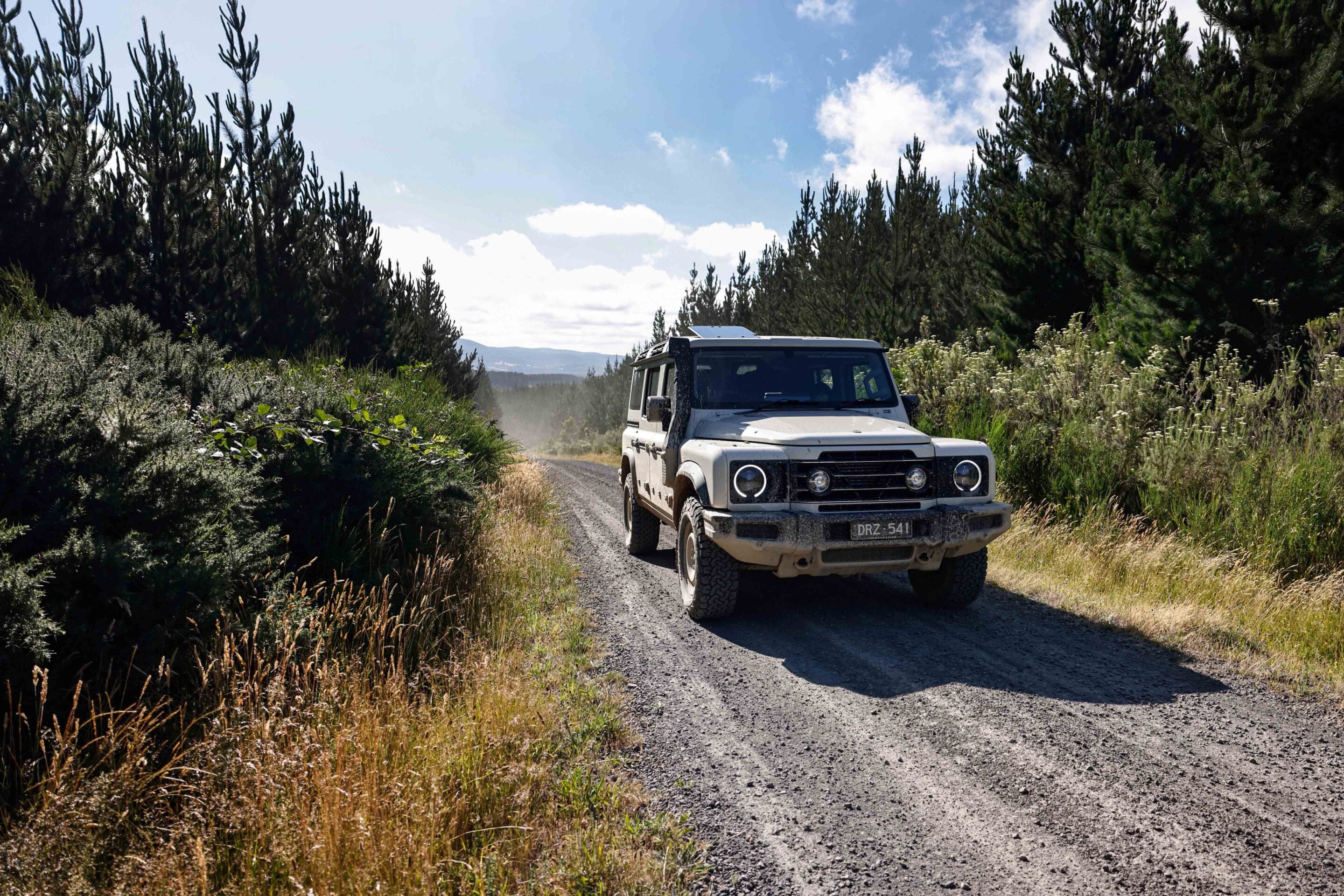
It was time to head off-road, so I pointed it toward Lerderderg State Park. I’ve photographed and driven many four-wheel drives up here, so it’s a great place to get to know the Grenadier. The first thing I do once I hit the dirt is flick the low-range selector lever across to lock the centre diff. This also automatically turns off the ESC.
14
I leave it in high range to begin with. The ride on gravel roads is excellent and, as I start to push it a little harder, it actually feels light on its feet and keen to turn in sharply. I then head to some fairly steep, rutted tracks. I select low range and start driving up the first climb. The Grenadier has solid axles front and rear, which gives it excellent wheel articulation. I try engaging the rear diff lock and it just walks up the track. No need to even try the front diff lock – I need to find a harder track. That will have to wait until my next trip, though. My first experience off-road has shown that the Grenadier is highly capable, and I’m going to enjoy finding gnarlier places to drive it.
One thing that takes a while to get used to is having the speedo in the centre display rather than directly in front of you. Living in Victoria and constantly stressing about being 3km/h over the limit, I sort of wish it was straight ahead. My other small gripe is that the driver’s-side wiper misses a chunk of the windscreen near the A-pillar. It only becomes an issue if you really get the vehicle and screen super muddy, but I do notice it.
Plans? We’re going to throw some factory and non-factory accessories at the Grenadier while we have it, starting next month. Can’t wait.
- Kilometres this month: 4780km
- Average fuel use: 11.7L/100km
Part 2: Mods tested in the Vic High Country
The Grenadier wave is alive and well. I used to get the Jeep wave back when I had a JK Wrangler and was wondering if Ineos owners would do the same. Well, they do! I even got a wave from a guy in a 110 Defender – maybe the sun was in his eyes?
This month has seen quite a few kays racked up in the Grenadier. I wish I could say they were all off-road kays; sadly not. As a daily driver, though, I’m really enjoying the Grenadier. It has such a nice ride – comfortable on the tarmac and even better when you hit the dirt. I think they’ve done a great job with the suspension tune.
I headed up to Mt Disappointment in Vic this month to shoot a HiLux vs Ranger comparo. One of the tracks we drove was pretty gnarly and it was the first time I needed the rear diff lock. Once engaged, the Grenadier just walked up in low range – no issue. The way it moulds itself to the terrain is amazing to watch. It also does all the hard work for you. I tried picking the worst lines and it just ate them up.
1
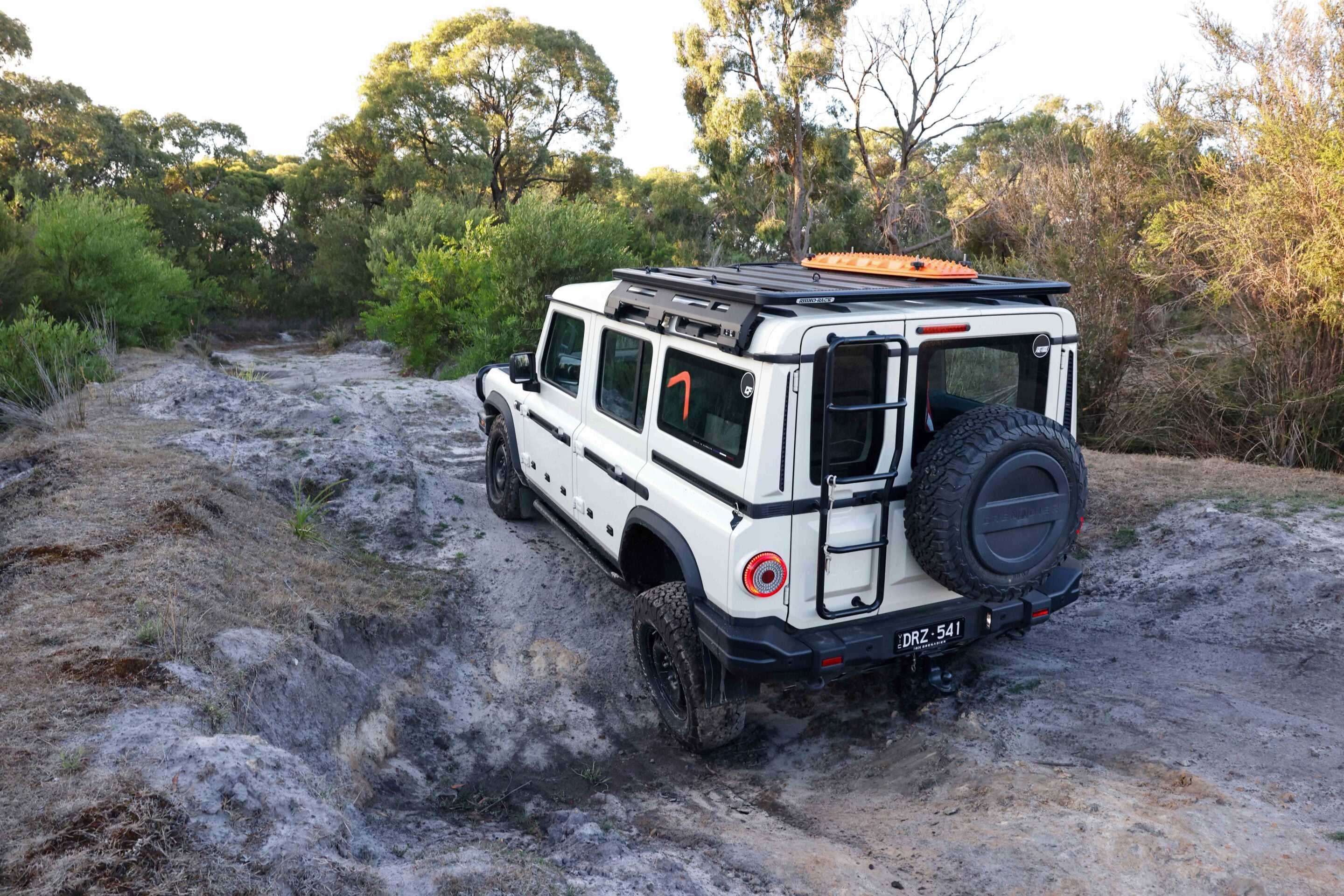
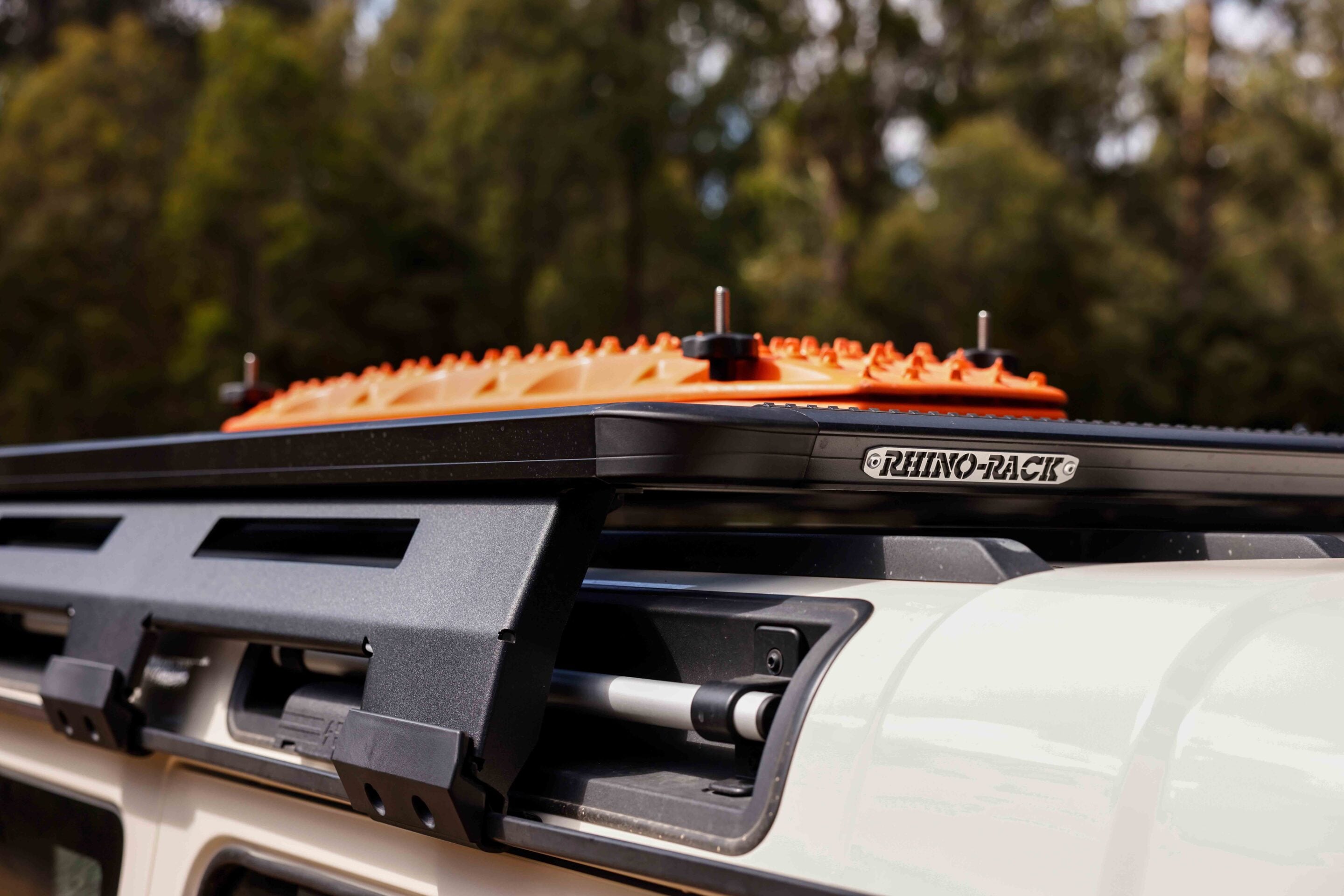
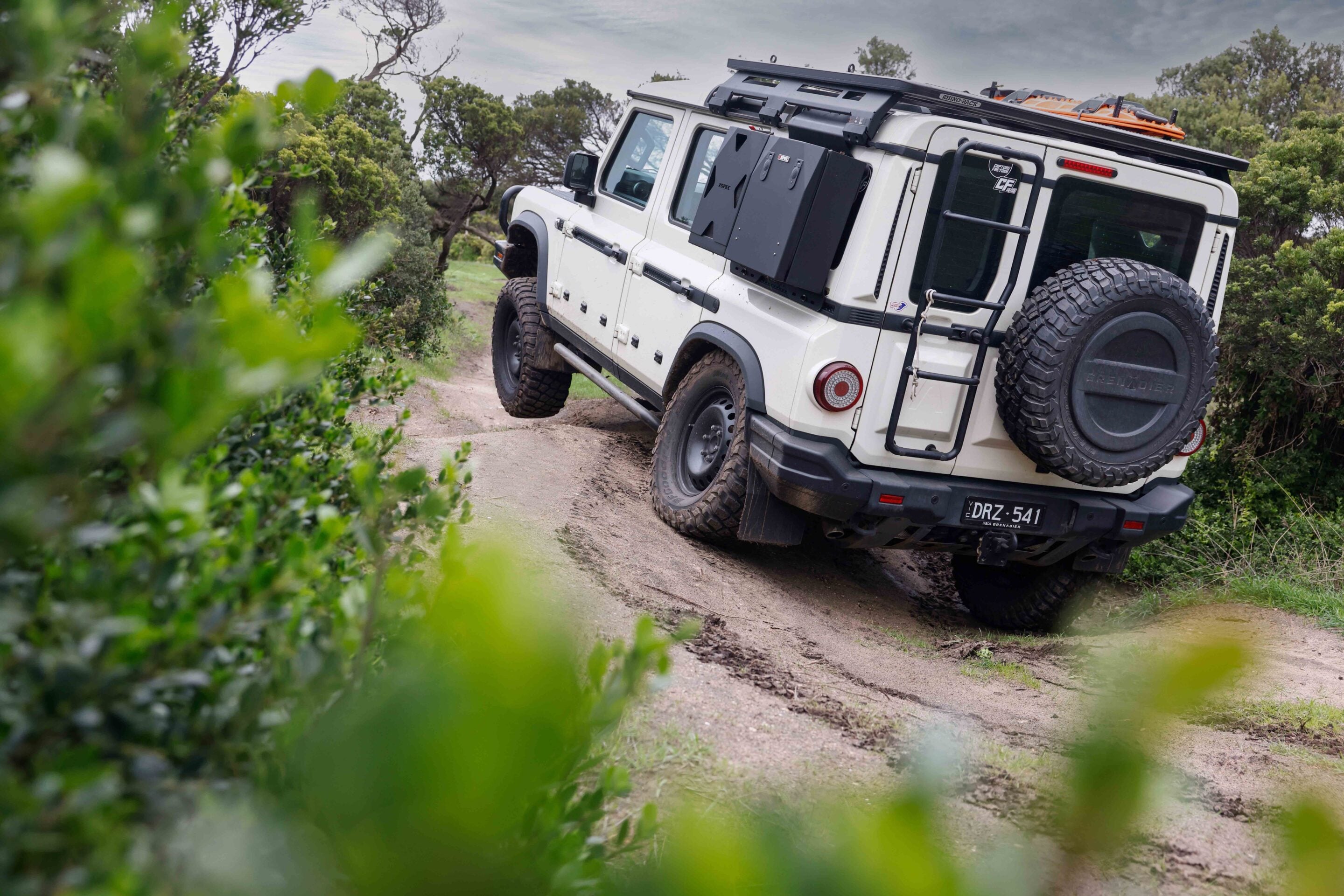
I used the freshly fitted Rhino-Rack Pioneer platform to photograph the utes from. I went for the three-quarter length option as it still allows me to open the safari windows. It was $3688 plus fitting. It’s great now – the factory ladder on the back door actually goes somewhere! I also fitted a set of MaxTrax up on the platform – thanks Matt.
A factory Ineos roo bar ($2720), rock sliders ($1921) and checker plates ($560) were also fitted. The roo bar is a smart design that works with the existing factory bumper. You just take a couple of caps off and it bolts straight on. Job done! The rock sliders are also well designed and solid. They bolt directly to the chassis rails and offer a twin-tube setup. The checker plates sit on top of the front guards and allow up to 120kg load. Luckily I’m only 103kg, so I’ve been up there quite often just because I can.
Hopefully I won’t have to test out the roo bar. The rock sliders, however, have had their first slide. Yes, it was a little painful, but I figure that’s what they’re for. They feel super strong and can take the weight of the Grenadier no worries. Plus, the scratches are underneath so I can’t see them.
16
I had to top up the AdBlue this month. It gave me a warning that it was running low, which was handy. The front parking sensors have been triggering at random. Apparently it’s some dirt stuck on the edge of a sensor that’s setting it off. No big deal, as you can manually turn them off and it stops the beeping. I might try giving them a proper clean.
Next mods? I want to try a bigger tyre size. The standard 265s are fine and do a great job, but I’d love to see those guards filled a little more. Maybe a 295? Mud-terrains? Let’s see what happens.
- Kilometres this month: 5300km
- Average fuel use: 12.4L/100km
Part 3: Bigger tyres give the Grenadier a boost in the bush
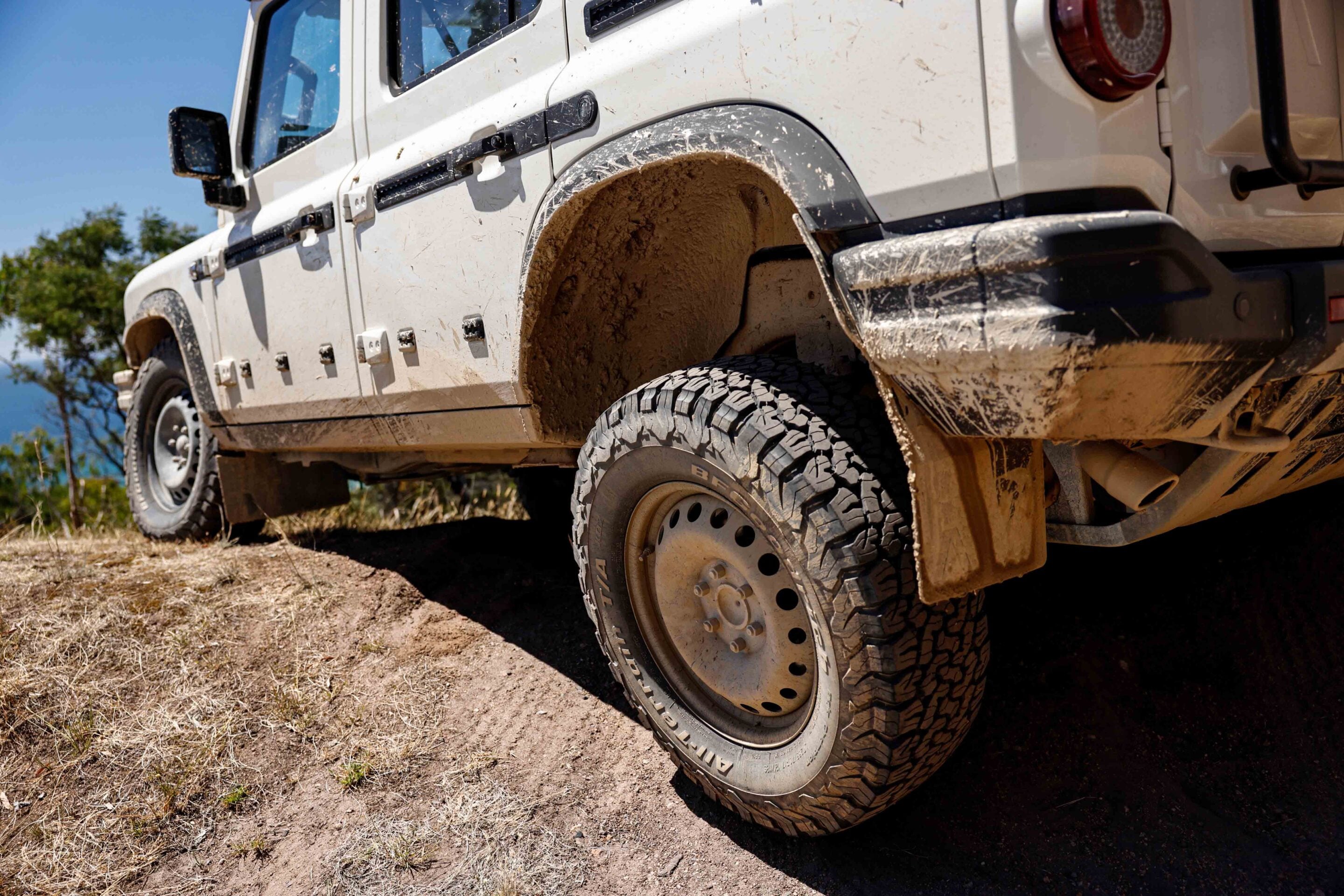
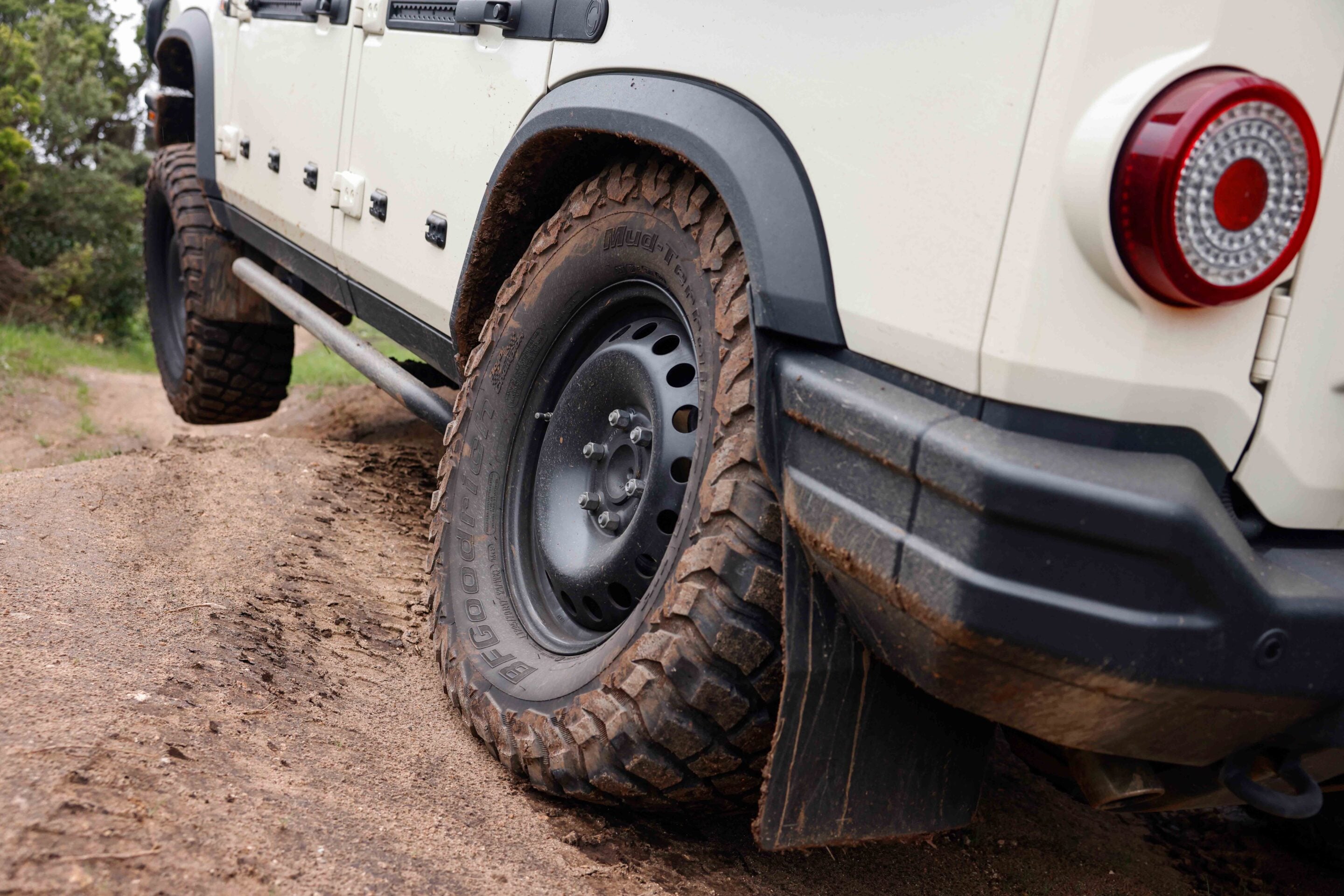
New tyres for the Grenadier this month. I had my local tyre store (thanks Tyrepower Mornington) fit five BFGoodrich Mud Terrain KM3s in a 295/70R17 size, at $590 each.
The original BFG All Terrains weren’t worn out and were still doing a great job; I just wanted to try a bigger size than the standard 265/70R17 tyres fitted as stock. I had a set of KM2s on a JK Wrangler about 15 years ago, so it is going to be interesting to see how the KM3s compare.
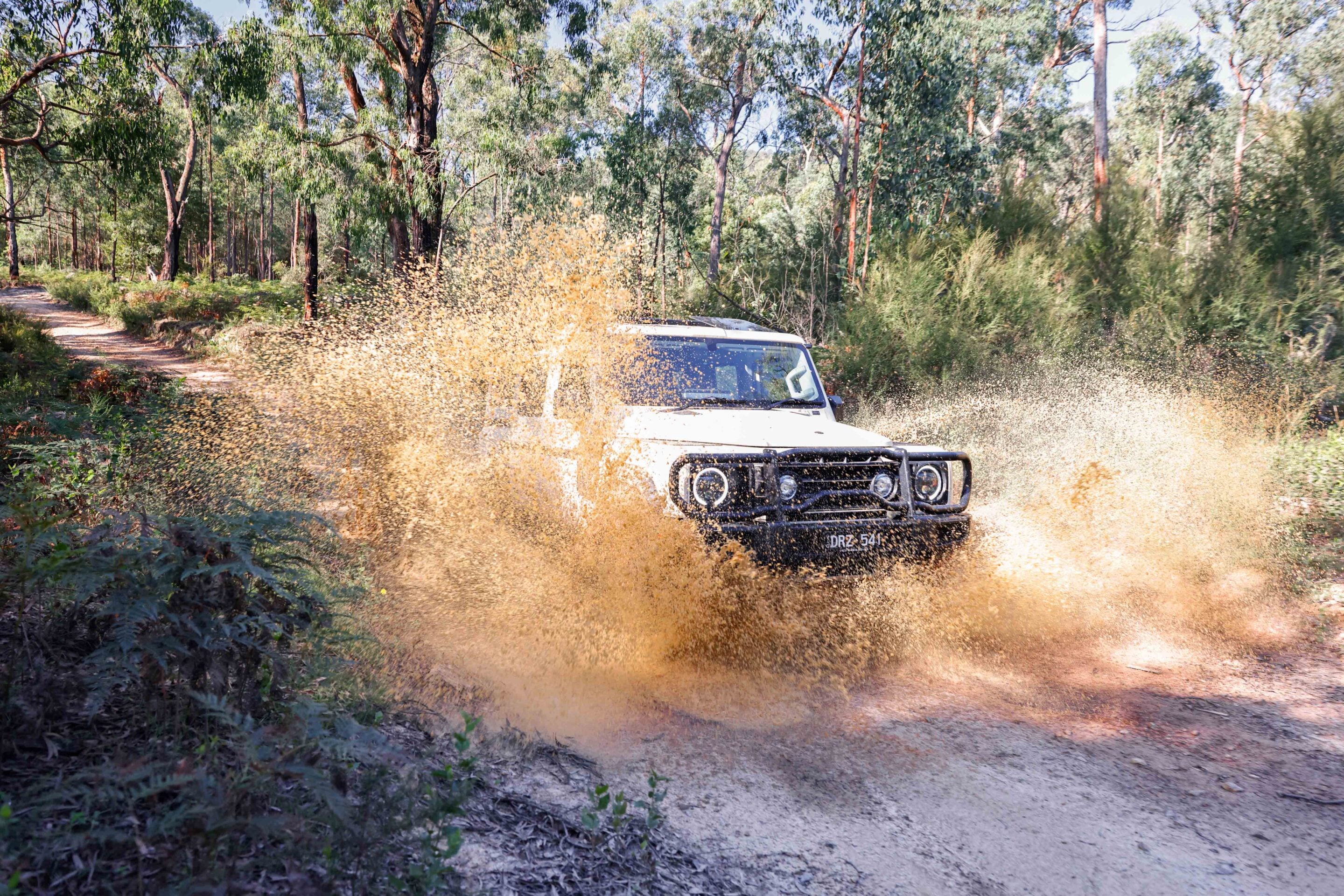
Standing the 295 Mud Terrains next to the original tyres, the size difference is noticeable without being extreme. I think it’s a worthwhile upgrade for the Grenadier, especially considering it’s on stock ride height and wheels. I also like that BFG has done away with the white lettering – I was never a fan. Clearance to the brake lines has reduced slightly, but I don’t think it will be an issue. There are also no signs of rubbing, even with the suspension fully articulated, which is reassuring.
29
With the first opportunity, I headed to the Yarra Valley in search of mud. It’s been a dry summer in Victoria, so finding mud hasn’t been easy. The only option was to head to Toolangi State Forest, where I knew I’d be guaranteed to find some. To get there, I had a fair amount of highway driving to cover. The KM3s are definitely louder on-road than the ATs, but nothing you couldn’t live with, even as a daily driver. You do feel a touch more tyre roll through corners because of the taller sidewalls, but overall the ride is better. It’s simply a more comfortable experience now, both on- and off-road.
Before any mud could be sprayed, I found Rocky Track, dropped the Grenadier into low range and began the climb. If you’re familiar with Rocky Track, you’ll know it’s a very challenging drive. I completed the first section fairly easily with the centre and rear diffs locked. The aggressive sidewalls on the KM3s helped bite into the rocks and push the Grenadier forward.
The second section is much tougher, and line choice really matters. With the front locker engaged, I continued to make forward progress. The rock rails were taking a beating and things were getting pretty serious. I’m confident the Grenadier would have made it to the end of Rocky Track, but I chose not to push on. With just the two of us in one vehicle, it wasn’t worth the risk. If we got stuck – or worse – there was no one around to help. It’s a serious track.
1
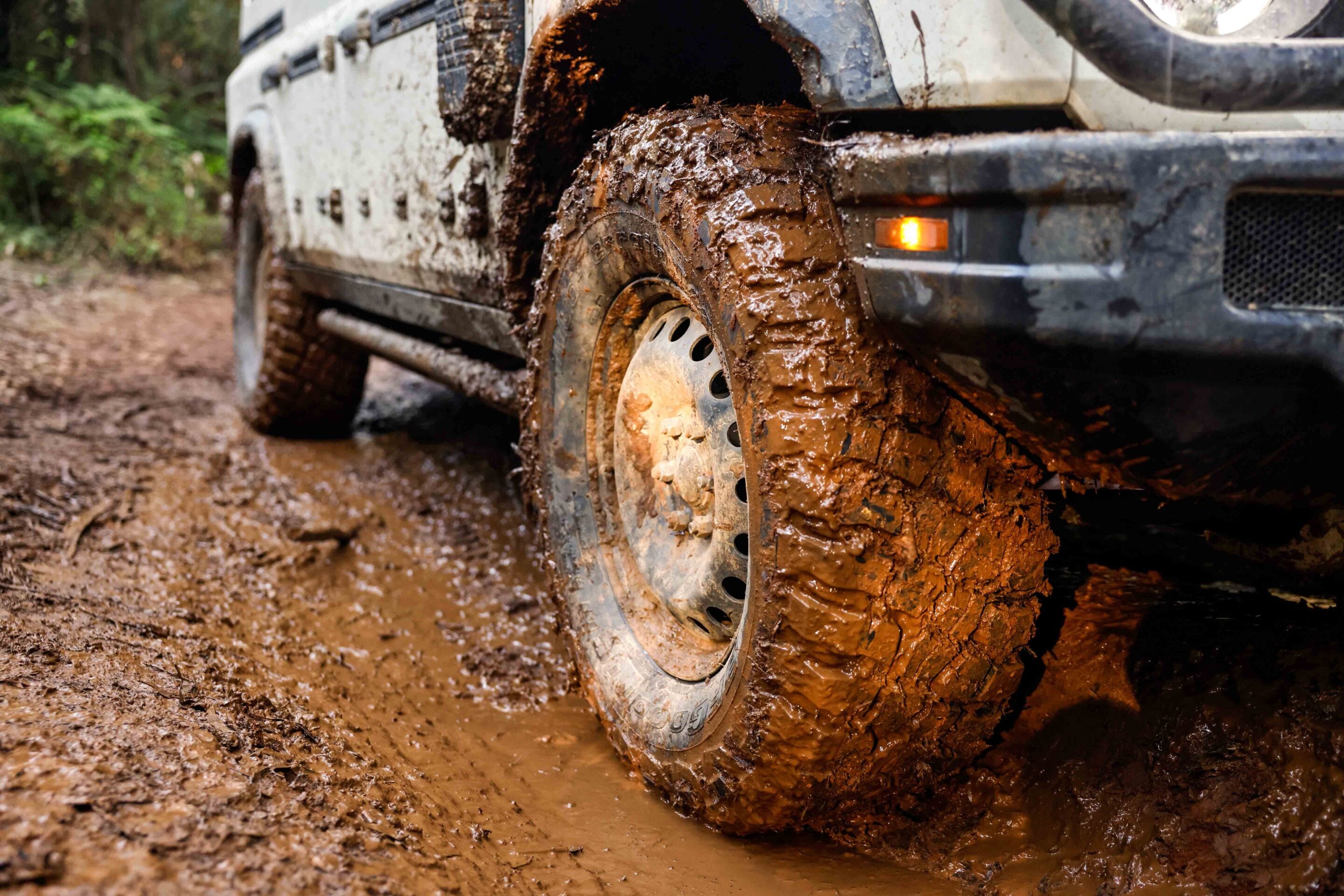
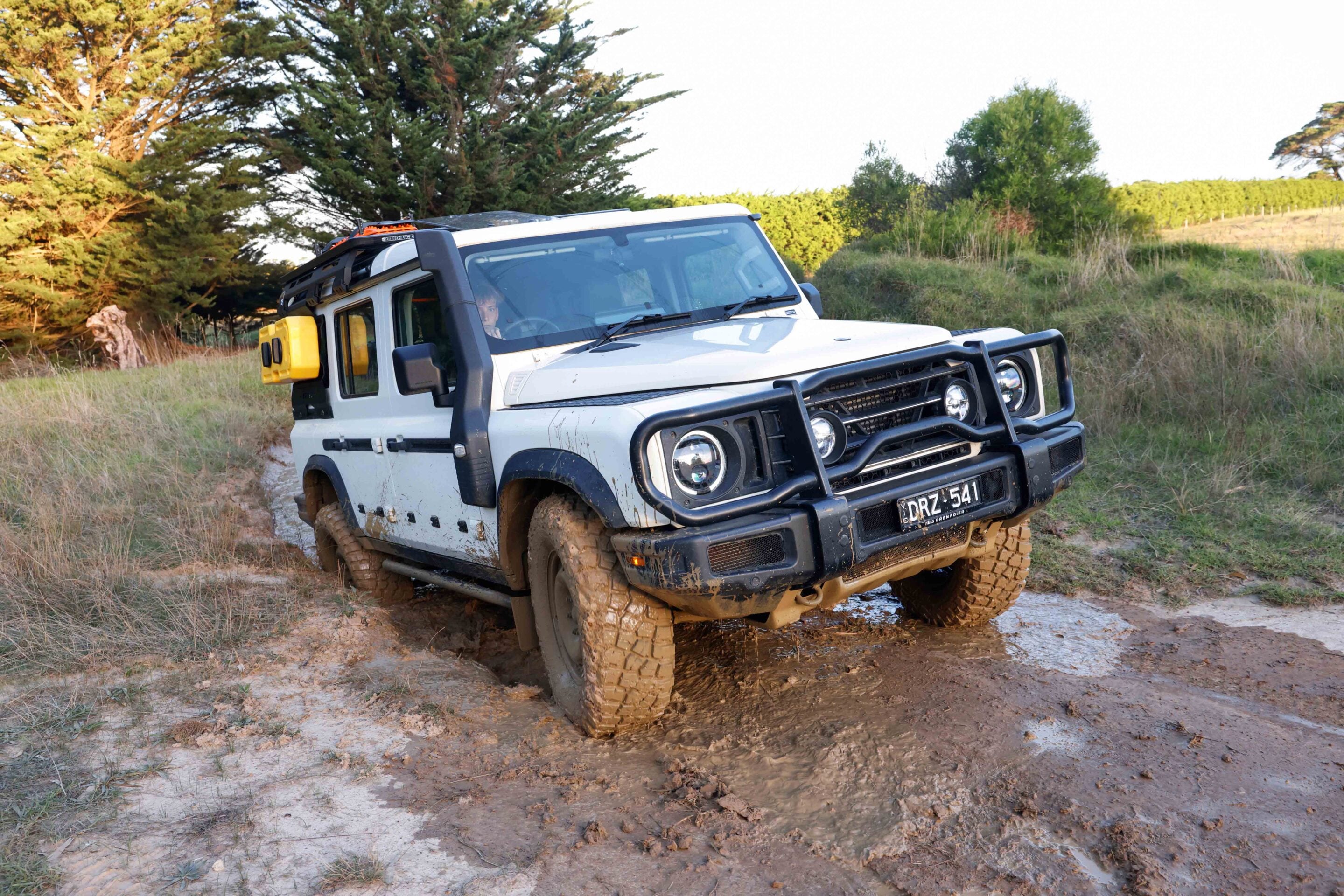
So my son William and I headed off in search of muddy tracks, and we found them. The KM3s performed exactly as you’d expect in sloppy conditions. Where the ATs would turn into slicks, the KM3s cleared mud far more effectively. I’m really impressed with the BFGoodrich Mud Terrain KM3s so far and happy I opted for the larger size.
They suit the Grenadier perfectly and make it an even more capable vehicle. I also fitted the new MAXTRAX Recovery Shovel this month. It’s a clever storage solution, with the shovel and extension handle integrating neatly with MKII and Extreme MAXTRAX boards. Hopefully I won’t need to use it too often.
One thing I would like for the Grenadier is a way to shade the safari windows. Don’t get me wrong, I really like them and at least one side is nearly always open, but there are times when the sun is directly overhead and some sort of shade system would be ideal. Maybe that’s my next mod?
- Kilometres this month: 4650km
- Average fuel use: 12.7L/100km
Part 4: Grenadier to the rescue
Are you busy right now? We have a slight need for a tow from a 4×4.
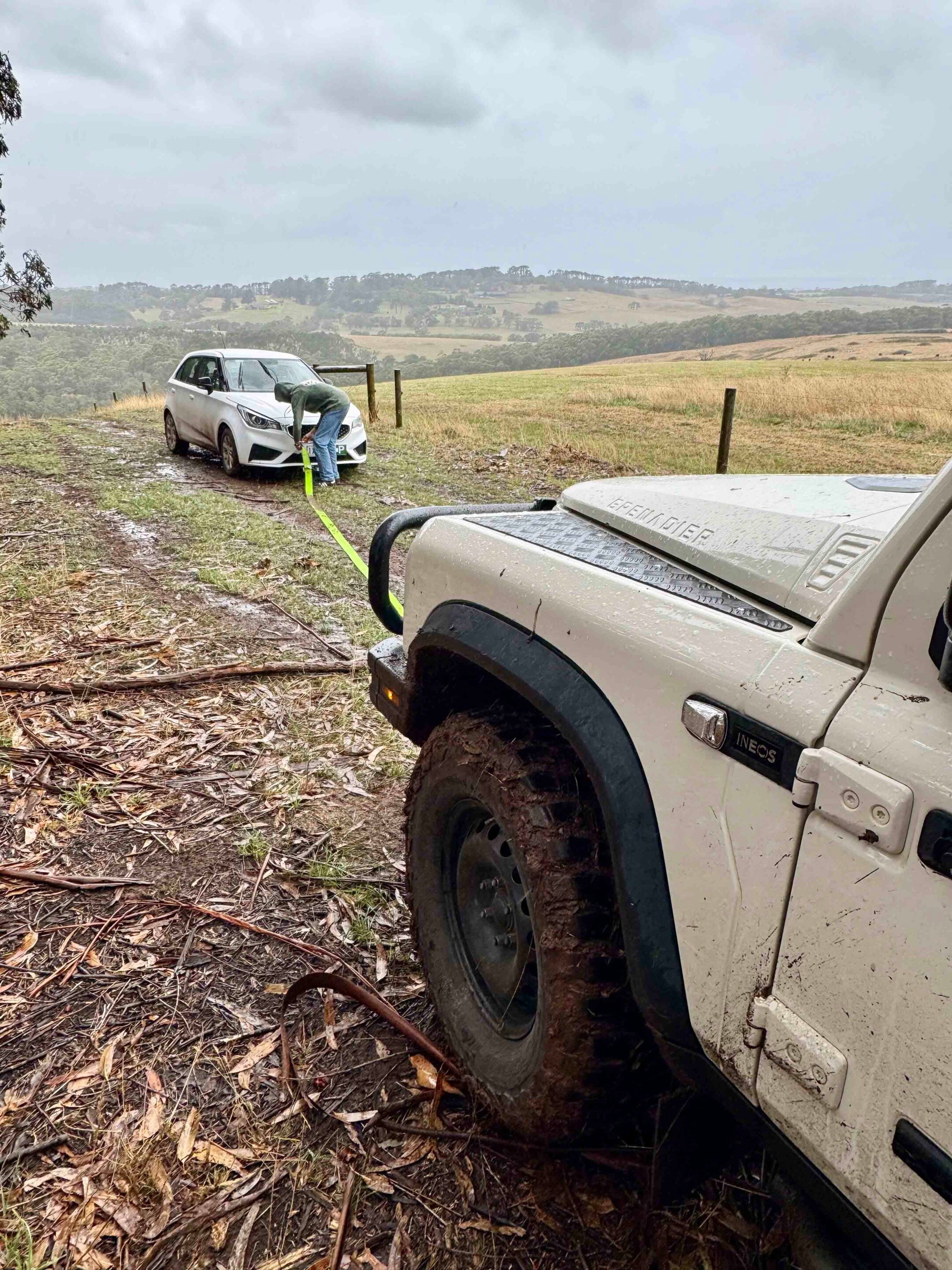
This was a message I received on a rainy Wednesday afternoon at around 1pm. Do you need help? I wrote back. Yes please! The message had come from my son Charlie’s friend, Sylvan. He was in a hired MG hatchback on a steep dirt road, doing P-plater things, and it had just started raining heavily. Yes, I do have a 4×4, I thought. So, I headed off to try and help.
The first thing I thought when I arrived at the muddy location was that he had put in a decent effort to get that far down the track in a 2WD hatch! It was a rental car, after all. A car that, now, was going nowhere under its own steam.
1
We were on a slippery track between farms near Red Hill and the rain was getting heavier. At this point, I was very happy that I had recently switched to BFG Mud Terrains; they were about to get a proper workout. So, I positioned the Grenadier close enough to the stricken rental, secured the snatch strap and gave Sylvan some brief instructions. With the Grenadier in low range, I started to reverse up the track slowly, waiting for the slack to be taken up.
This gentle approach just didn’t work. As soon as the slack was gone, the INEOS was spinning all four wheels on the spot, gymkhana-style, and we were going nowhere. For a second, I thought we might actually be cooked here, as the track was getting worse by the minute. So, take two, and the plan this time was to use some speed and hopefully snatch the hatch into forward movement.
With Sylvan ready, it was go time. I also engaged the rear diff lock on this attempt. I drove the Grenadier backwards at a brisk pace and, when the slack took up this time, the MG lunged forward. Now the Grenadier was doing it easily and I towed the rental car all the way up the hill. Sylvan and I were both really impressed with how well the Grenadier got this job done. A quick pressure wash on the MG and no one will ever know!
1
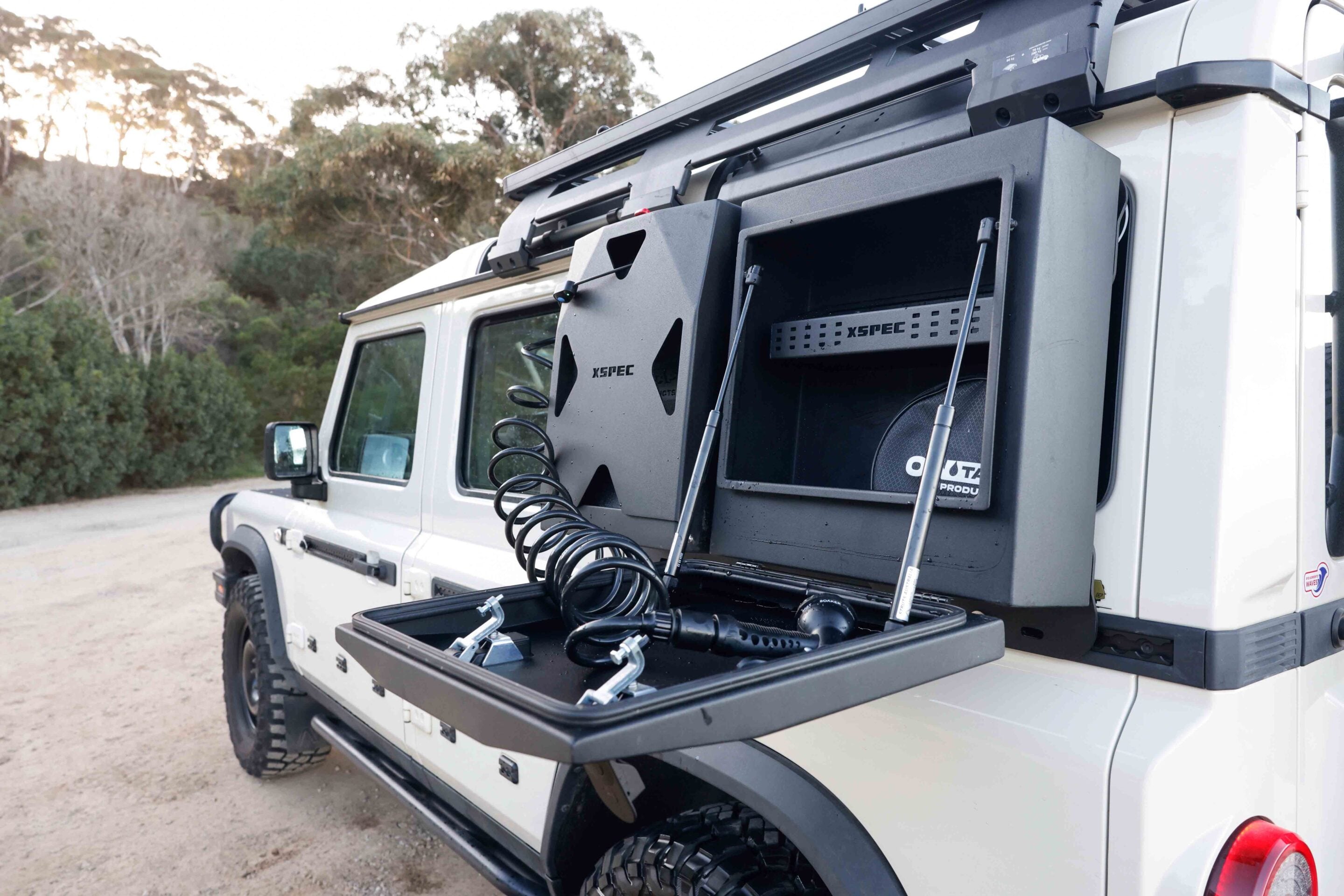
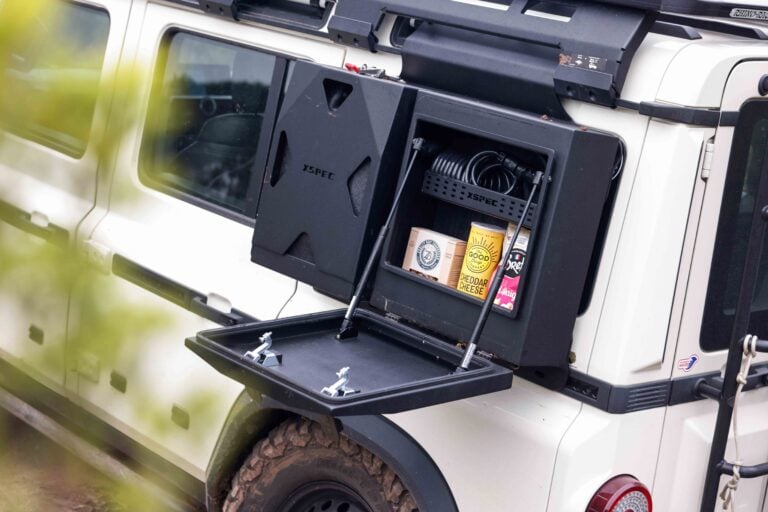
This month, the Grenadier received some new bits in the form of an XSPEC 30L gravity-feed diesel tank with a 12V transfer pump (↗). On the passenger side, we also had an XSPEC storage locker (↗) and an XSPEC 20L lockable jerry can holder (↗) fitted with an ONTAP 22L portable shower (↗). These products were mounted to the Grenadier with the XSPEC rear-window utility frame (↗).
We tried out the ONTAP portable shower while out surfing for the day with my son William. It’s really simple to use. Just fill it up before you head out and then insert the plug into a 12V outlet. The Grenadier has one in the rear load area, which is great.
The storage locker next door is also really handy. I stored the hose and seven-function spray gun in there, along with some snacks. I could also see the shower system being really useful to spray down mountain bikes after a day off-road. All these products from Expedition HQ are well designed and very well integrated into the Grenadier. Hopefully, I won’t have to fill up the 30L diesel tank too often, as fuel prices this month were hectic!
9
Also this month, the Grenadier’s front windscreen took a beating. I was on a narrow country road – the type where you need to drop a wheel into the gravel – when a big tipper truck passed me in the opposite direction. It managed to throw up enough rocks that I had three cracks appear all at once. Great!
I feel the upright design of the Grenadier windscreen – much like my old Wrangler’s as well – makes it more prone to getting stone chips. Not much you can really do, though. The Grenadier is asking me to be serviced, so I’ll let you know next month what the INEOS dealer service experience is like.
- Kilometres this month: 2300km
- Average fuel use: 12.5L/100km
Part 5: Mud and maintenance
A 15,000km service, new factory accessory and a proving-ground hill climb keep the Grenadier busy this month.
So after kindly asking me to have its first service done, I booked the Grenadier in at Cupra Brighton – yes, they service and sell Ineos as well. It’s the closest dealership to where I live on the Mornington Peninsula. Still, at 85km away it’s not really that close. This is the downside of having a vehicle from a smaller manufacturer; you just don’t have a dealership in every suburb. Hopefully the service is good and I will forget about the distance to get there.
The Grenadier was in for its first service at 15,000km. When I dropped the Grenadier off at the dealership, Lincoln, to his credit, made it all happen around my busy work schedule. It’s really great when a service centre has this flexibility, and also nice to deal with just one person who can get the job done efficiently.
1
I did feel bad that I dropped the Ineos in for service with mud dripping off it. Hopefully they were thinking that at least I use it properly, and not upset at me for making the workshop floors filthy. Sorry!
I received the call from Lincoln to come and pick up the Grenadier. It was ready to go. For the first service they changed the engine oil, air filter, HVAC filter, water-separator filter – so many filters! – and also changed the oil in the front and rear diffs. Total cost was $975.
They gave the Ineos the best clean it has ever had. It actually looked Scottish White again! While I’m not a fan of shiny tyre spray on 4×4 tyres, the BFG Mud-Terrains looked brand new and actually black for once. I have to admit I didn’t want to get it muddy for a week or so after that, so I stuck to mall crawling and posing with all the other pristine off-roaders on Sorrento’s main street.
1
Mods this month? I fitted an Ineos factory accessory, the Tailgate Table (↗). It bolts inside the larger rear door and sits flush when not being used. It’s simple to fold out and gives you a handy flat surface for tools, equipment or even campsite cooking gear. I use it to hold my camera bag when I’m out on a shoot and have the rear of the Grenadier opened up. The black finish means it blends in perfectly. It does occasionally give a little rattle when you’re on a really rough dirt road, but I can live with that.
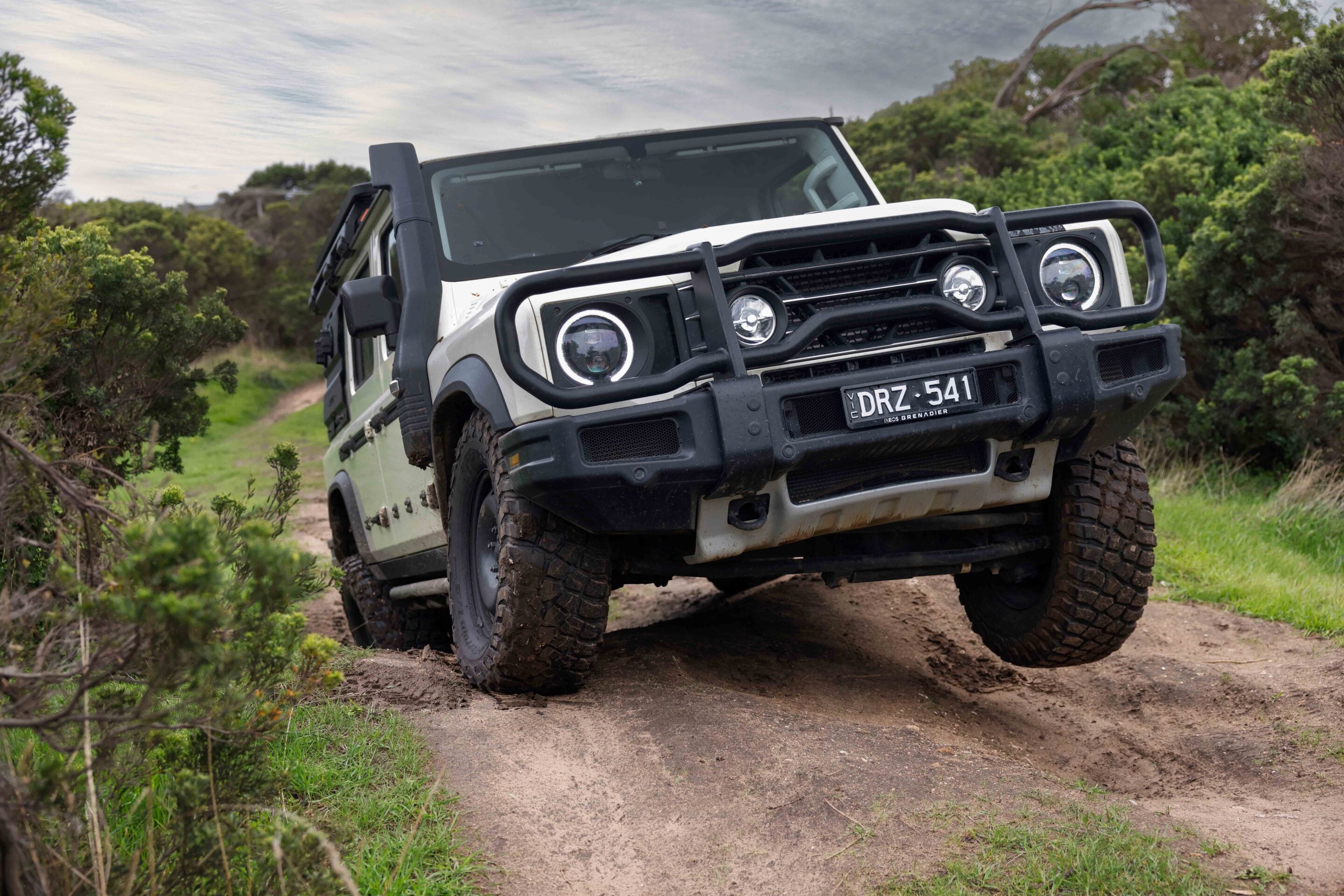
The KM3s have been seeing some action as it’s winter now. I have put the rear skid plate to good use as well. Not many 4x4s have a factory rear bash plate and when I first saw it I thought it may be overkill. Recently, however, I have noticed wear marks on it, so it does get used and, in doing so, protects what’s under it – mostly the exhaust system. The front bash plate has also seen some action, as it now has a very slight bend to it.
The Grenadier spent much of the past month parked up at the airport as I have been on back-to-back automotive launches. I did get to have some fun though. One of these launches was at the former Holden Proving Ground at Lang Lang. While everyone was having lunch, I jumped in the Grenadier and headed out to the 4×4 test area. There is a fairly steep gravel climb that really tests a stock 4×4. Not everything makes it up here, so I went up in the Grenadier in high-range 4×4 with no drama at all.
1
Bored with that climb, I spotted a way steeper one that I think was designed for tanks to go up. I wanted to try it, but the angle seemed more than 45 degrees and it looked scary. Do I do it or not? I was also missing lunch, so with that I gave it a crack.
Low range and all three diffs locked, I started to climb. All I could see was sky and I thought it might topple backwards, such was the steepness of the thing. I gave it more throttle than I should’ve, as I wanted it over with.
The Grenadier popped over the top and I was up! It managed it really easily and I headed back before the pies got cold.
- Kilometres this month: 1650km
- Average fuel use: 12.9L/100km
Part 6: Final fling
After six months and nearly 24,000km, the Grenadier has gone back to INEOS.
Over the time I had it, it became part of the family. It wasn’t afraid of getting dirty, having kids clambering all over it or being driven hard. In fact, I think it enjoyed those things and loved the punishment.
It took a while to get used to the steering, as it was slow to self-centre. The 2026 Grenadier has an updated steering system that self-centres more quickly and naturally. I became accustomed to the steering in my vehicle, though, and actually quite liked it. It gave the Grenadier character.
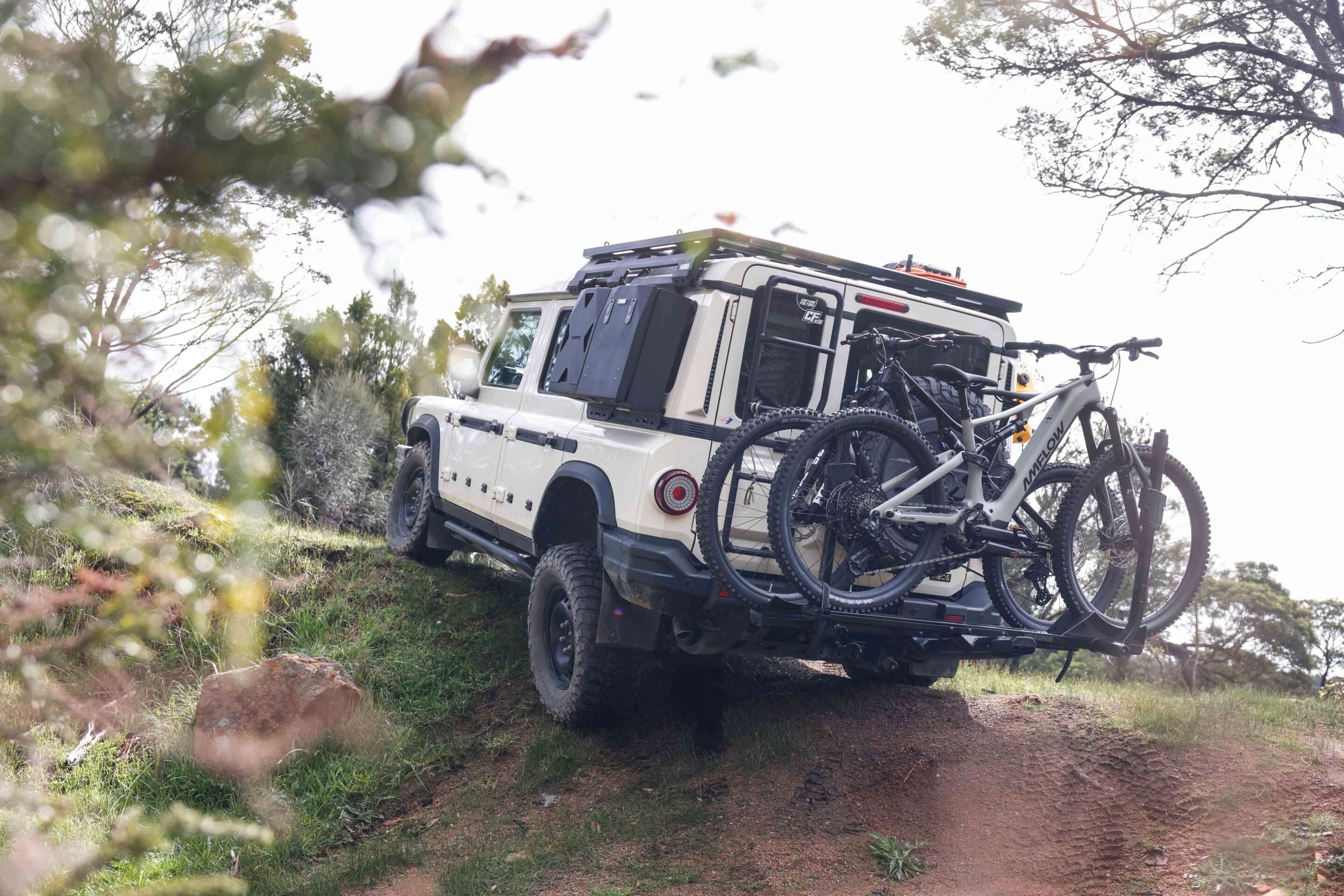
Before it went back, I still managed to have some fun in it this month and added another accessory in the form of a Yakima bike rack. I thought it was time to charge up my e-bike and start riding again. Because e-bikes are heavy, I needed a heavy-duty rack suited to off-road driving. I went for a Yakima StageTwo rack, priced at $1299 (↗), as it can carry two bikes weighing up to 32kg each. It also sits high and out of the way, so it is less likely to get hung up when driving off-road.
1
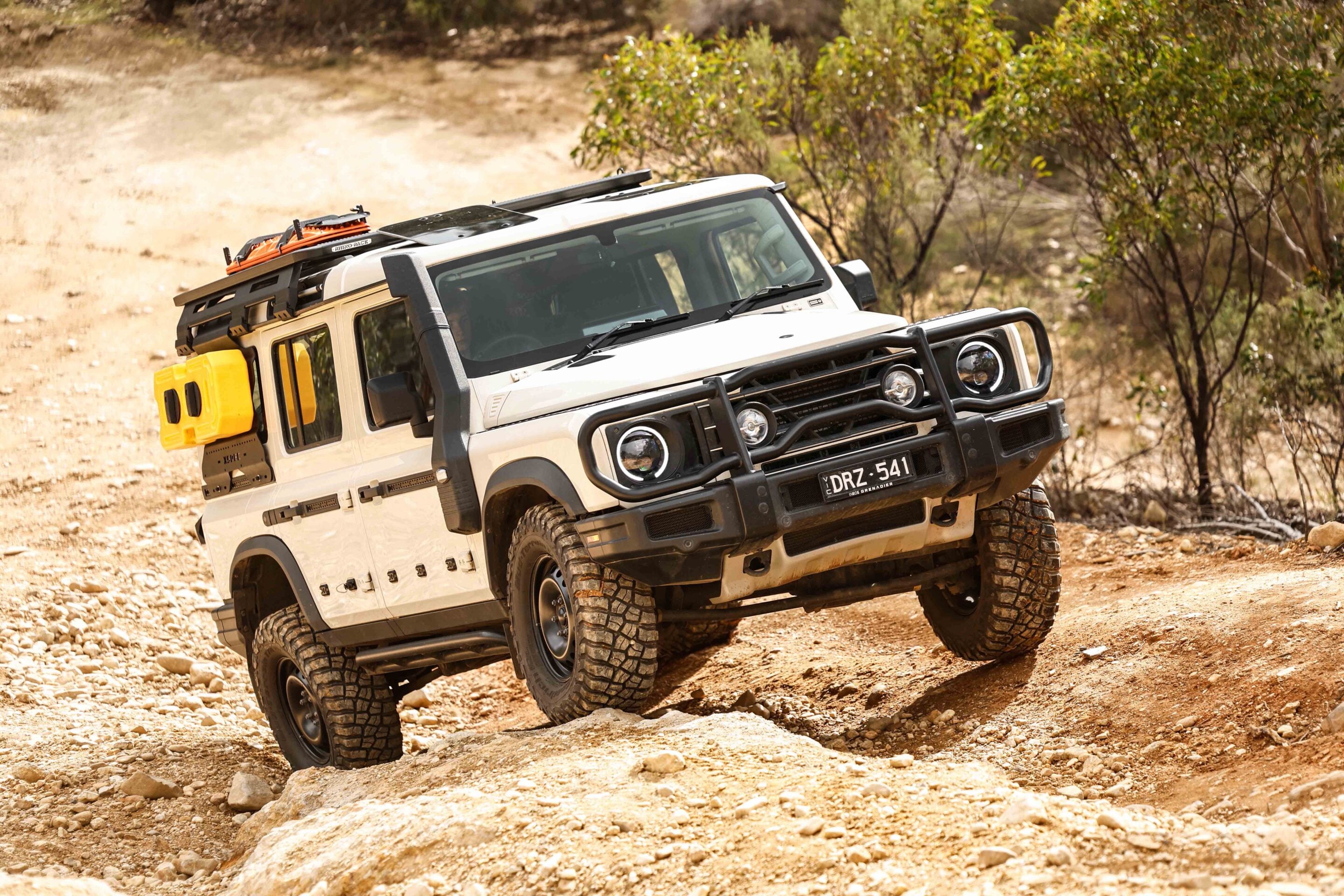
I decided to take the Grenadier back to Lerderderg State Park for our final adventure together. This was the first place I drove it properly, so it seemed fitting to finish where we started. The major difference was that I picked up the INEOS in summer and it was now the middle of winter.
Shortly after we arrived, it began to rain, which ramped up the difficulty. This time, though, the Grenadier was wearing BFGoodrich Mud-Terrain KM3s instead of the standard BFGoodrich All-Terrains, making them the perfect tyres for the conditions.
I’m always amazed by how much articulation the Grenadier has, especially at the rear. Watching it mould itself over the terrain never gets old. I reckon INEOS hit a sweet spot with the suspension tuning, making the 4×4 highly capable in the rough stuff while still keeping it comfortable and predictable on-road.
1
The KM3s have been great tyres and are surprisingly easy to live with on-road. I tackled most tracks in low range with the centre diff locked, only engaging the rear diff lock on some of the gnarlier uphill sections. Engaging the third diff lock – the front – feels like finding a cheat code in a PlayStation game. With all three locked, the Grenadier feels unstoppable. The suspension is a major plus, as I mentioned earlier. The BMW engine is a beast, with plenty of torque, and when paired with the eight-speed ZF automatic it makes the Grenadier feel both quick and exceptionally smooth.
The Recaro seats are excellent, and rear-seat passengers get them too, which is a great touch. The Grenadier is also simple to use: you just get in, turn the key – yes, an actual key – and go. There aren’t a million modes to choose from, and it doesn’t constantly beep at you or tell you how to drive. It feels solid and well built, like something you could own for a long time. It also comes well equipped from the factory while remaining easy to modify with aftermarket gear.
As for the negatives, the location of the USB-A and USB-C ports drove me nuts. They’re tucked away in the centre-console armrest and are awkward to access. The limited dealer network may also mean travelling some distance for servicing, depending on where you live. The only real issue I experienced occurred this month, when several ESC warning lights appeared. I took the Grenadier to Brighton INEOS, where the team checked it over, reset the system and sent me on my way.
24
Looking back over the past six months, it’s been great not only to drive the Grenadier and explore its huge capability, but also to add aftermarket gear and make it more suited to my needs. It was especially rewarding to see the vehicle progress from the prototype stage – including trips through the Australian outback – to spending six months with the production version.
I’d recommend the Grenadier to anyone looking for a highly capable off-roader that also works as a comfortable family 4×4. Best of all, it has loads of character. I’m really going to miss it.
- Kilometres this month: 2810km
- Average fuel use: 14.4L/100km
Follow 4X4 Australia on Google
Get more 4x4 news, reviews and gear stories from 4X4 Australia in your Google feeds.

We recommend
-
 Custom 4x4s
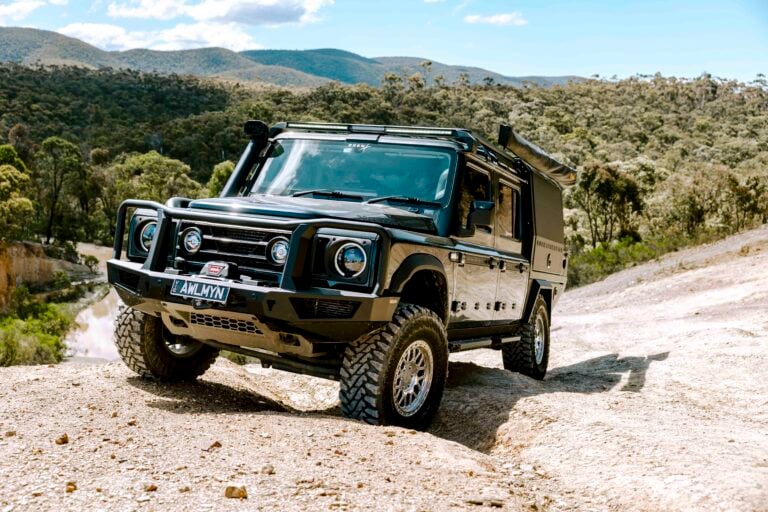
Is this GrenX-built INEOS Quartermaster a match for the 79 Series?
Ineos is taking no prisoners in its battle for the LC79’s mantle – and this built-up Quartermaster is its latest weapon
-
 News
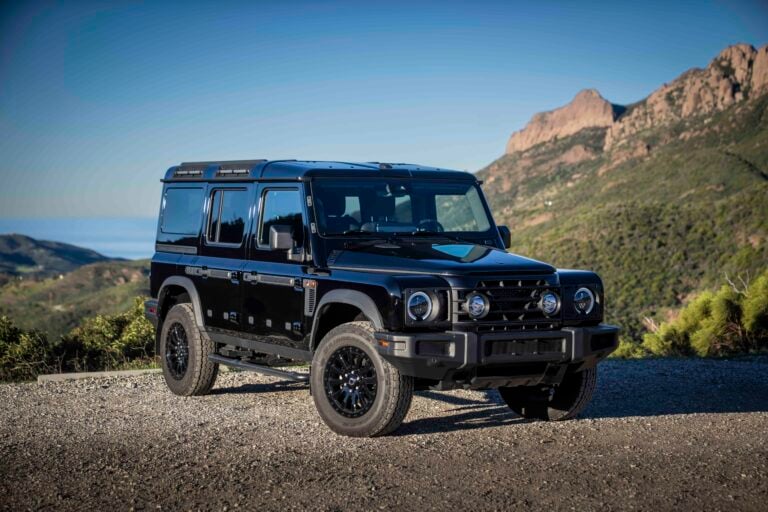
NewsINEOS Grenadier updated for 2026; Black Edition added to line-up
Grenadier gets revised steering, improved climate control, a limited-run Black Edition, and an expanded accessory range
-
 Gear
GearX-Spec storage locker review: Practical external storage for the Grenadier
The latest piece of X-Spec gear to go onto our long-term Grenadier is this handy storage locker