Advice

Gallery 1
Okay, let’s not pretend. Insurance is probably one of the boring bits about owning a 4×4 or SUV.
It sits right down the list somewhere below tyre pressures and somewhere above remembering to service it on time. It’s not what gets discussed when people start talking trips, setups or mods. But when things go sideways, it suddenly becomes very important, very, very quickly. So let’s dedicate a few words to it.
JUMP AHEAD
- Are 4x4s and SUVs insured differently to standard cars?
- Comprehensive vs third party cover for off-road capable vehicles
- Agreed value versus market value for modified or accessorised vehicles
- How common 4×4 modifications affect your insurance
- Off-road driving and where standard car insurance may stop
- Towing, caravans and trailers and what is actually covered
- How excesses and claims work for larger, heavier vehicles
- What to look for when comparing 4×4 and SUV insurance policies
- Common mistakes new 4×4 and SUV owners make with insurance
- FAQs from 4×4 and SUV owners
Most people sign up to a policy, skim a few dot points and assume it’ll all work itself out. For standard cars, that holds true because their usage is predictable. For 4WDs and SUVs, things get a bit muddier, mostly because these vehicles get used in more of a variety of ways. One week it’s commuting, school drop-offs and motorway driving. The next it’s loaded up for a camping trip down an unsealed road. Over time, the same vehicle might be a work ute, a family hauler and a weekend escape machine. That variety is what complicates insurance, not the vehicle itself.
At the most basic level, insurance is still insurance. Third party cover pays for damage you cause to other people’s vehicles or property. Comprehensive cover does that and also protects your own vehicle against accidents, theft, fire, storms and vandalism. The excess is what you pay when you make a claim. The premium is what you pay to keep the policy alive. None of that changes just because your car has low range, a ladder frame or a factory rear locker.
Where people start tying themselves in knots is assuming that owning a 4WD automatically means different rules apply. Drivers start thinking they now need specialist cover, niche clauses and protection for every off-road scenario you’ve ever watched on YouTube. For most owners, that’s overthinking it. Modern 4WDs and SUVs are often daily drivers first and adventure vehicles second. Insurance works best when it reflects that balance rather than the fantasy version of ownership.
1
Are 4x4s and SUVs insured differently to standard cars?
Not as much as people think, and not in the way most expect. Insurers don’t see a Hilux, Prado or Everest and instantly assume it’s about to disappear into the Simpson Desert. They don’t price policies based on Instagram feeds or vehicle reputation. They look at far more simple things like vehicle value, repair costs, usage patterns and claims history.
Yes, bigger vehicles tend to cost more to repair. Panels are larger. Parts are heavier. Modern 4WDs are packed with sensors, cameras and safety tech that all need recalibration after even minor impacts. That alone can push premiums higher than a small hatchback. But that’s a size and complexity issue, not an off-road one.
A stock dual cab doing highway kilometres all week isn’t much different, risk-wise, to a large SUV doing the same thing. Both are exposed to traffic accidents, car park scrapes and weather damage far more often than they are to serious off-road incidents. Meanwhile, a heavily modified tourer that regularly heads remote, carries extra fuel and water and operates well beyond mobile coverage sits in a different category altogether. Even if it started life as the same base model.
The key point is this: Capability doesn’t equal behaviour. Just because a vehicle can go somewhere doesn’t mean it does. Insurance works best when it’s based on how a vehicle is actually used, not what it’s theoretically capable of at the extreme end of its design brief.
Comprehensive vs third party cover for off-road capable vehicles
This is where a bit of honesty helps.
Third party cover is cheap because it protects everyone else, not you. If your vehicle is old, low value or easily replaced, that can be a perfectly sensible option. You accept that if something happens to your own rig, you’re covering the cost yourself.
For newer 4x4s and SUVs, it’s a harder sell. These vehicles can be expensive to repair and even small accidents can rack up big bills. A clipped guard, damaged suspension component or a minor front-end hit can cost more than most people expect once labour and parts availability are factored in. Comprehensive cover exists to deal with that reality. Accidents. Theft. Storm damage. Fires. Vandalism. The stuff that actually happens, not the hypothetical worst-case scenarios people imagine when they’re bored at work or scrolling forums.
Here’s the part that often gets overlooked. Most 4WDs spend most of their lives on sealed roads. Commuting. Highway driving. Sitting in shopping centre car parks. That’s not a criticism, it’s just how people use them. Insurance data reflects that. Claims overwhelmingly come from everyday driving situations, not extreme off-road mishaps. Comprehensive insurance is built around those everyday risks. Occasional dirt roads, beach runs and fire trails usually fall comfortably within that scope. It’s only when off-road use becomes frequent, remote or genuinely high risk that standard cover starts to show its limits.
A lot of the bigger insurers, like Youi, actually do a pretty decent job of breaking this stuff down for 4WD owners in a simple way. Instead of burying the differences between everyday driving and off-road use in fine print, they spell out what’s generally covered under comprehensive insurance and 4×4 insurance, and where the lines are drawn in plain language. For a majority of owners, comprehensive cover is doing a lot of the heavy lifting for what they need.
1
Agreed value versus market value for modified or accessorised vehicles
If there’s one insurance decision that really matters for 4WD owners, it’s this one.
Market value means the insurer pays what your vehicle is worth at the time of the loss, based on age, condition and the current market. That works fine for stock vehicles and lightly optioned SUVs where replacement cost roughly matches book value. Agreed value is different. You and the insurer agree upfront on what the vehicle is worth, taking accessories and modifications into account. That figure is locked in for the policy period.
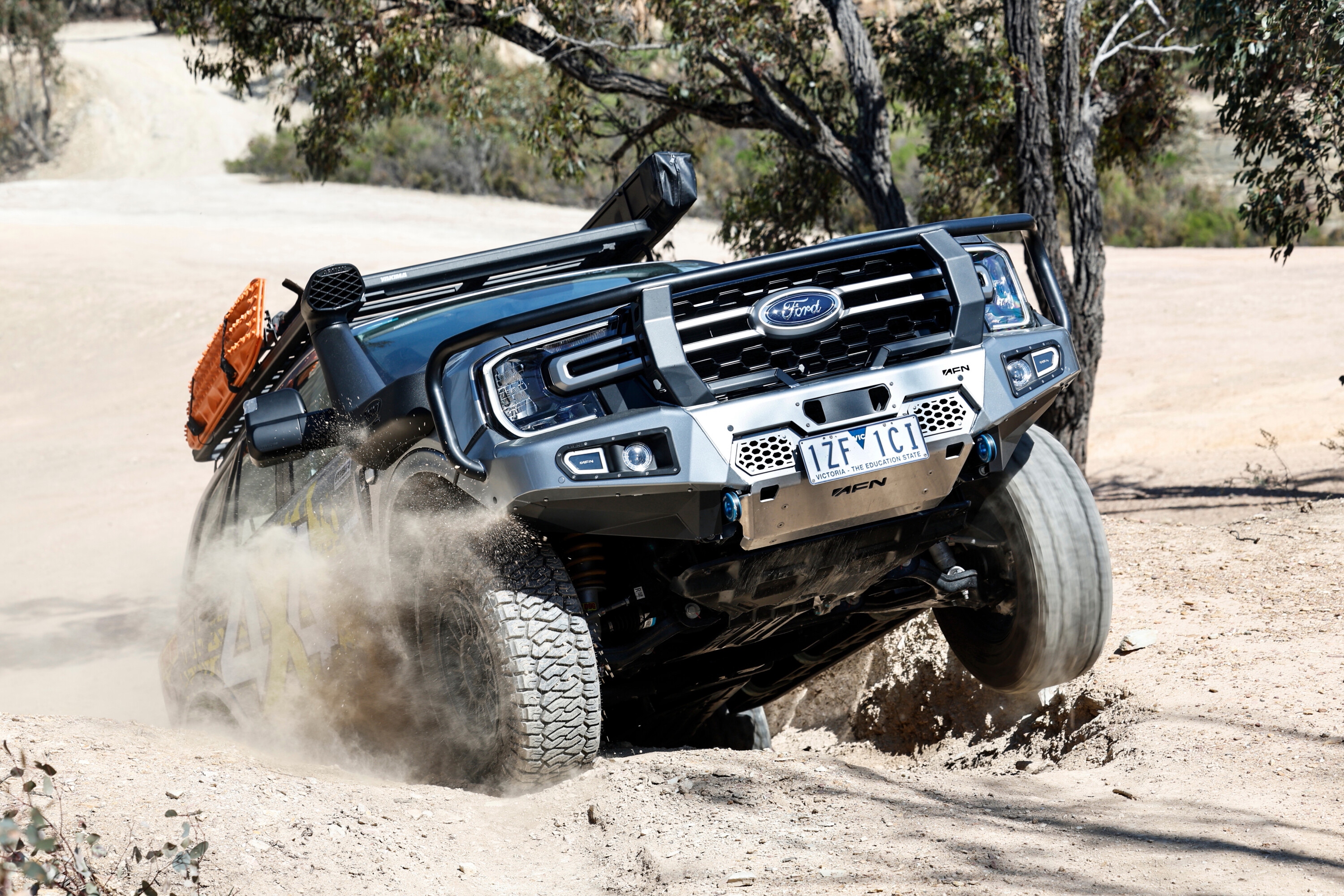
For 4WDs, that distinction matters far more than it does for most standard cars. Bull bars, suspension upgrades, canopies, drawer systems, auxiliary batteries, lighting, communications gear and electrical work add up fast. It doesn’t take long to sink serious money into a build that still looks fairly normal from the outside.
Market value rarely reflects that investment properly. Accessories depreciate differently, if they’re counted at all. Agreed value removes the guesswork. You know what the vehicle is insured for. The insurer does too. There’s also a psychological benefit. When something goes wrong, you’re not negotiating value at the worst possible moment. You’ve already agreed on what’s fair. If your rig is more than just a stock commuter, agreed value is worth serious consideration.
1
How common 4×4 modifications affect your insurance
Mods themselves aren’t the issue. Not telling anyone about them is.
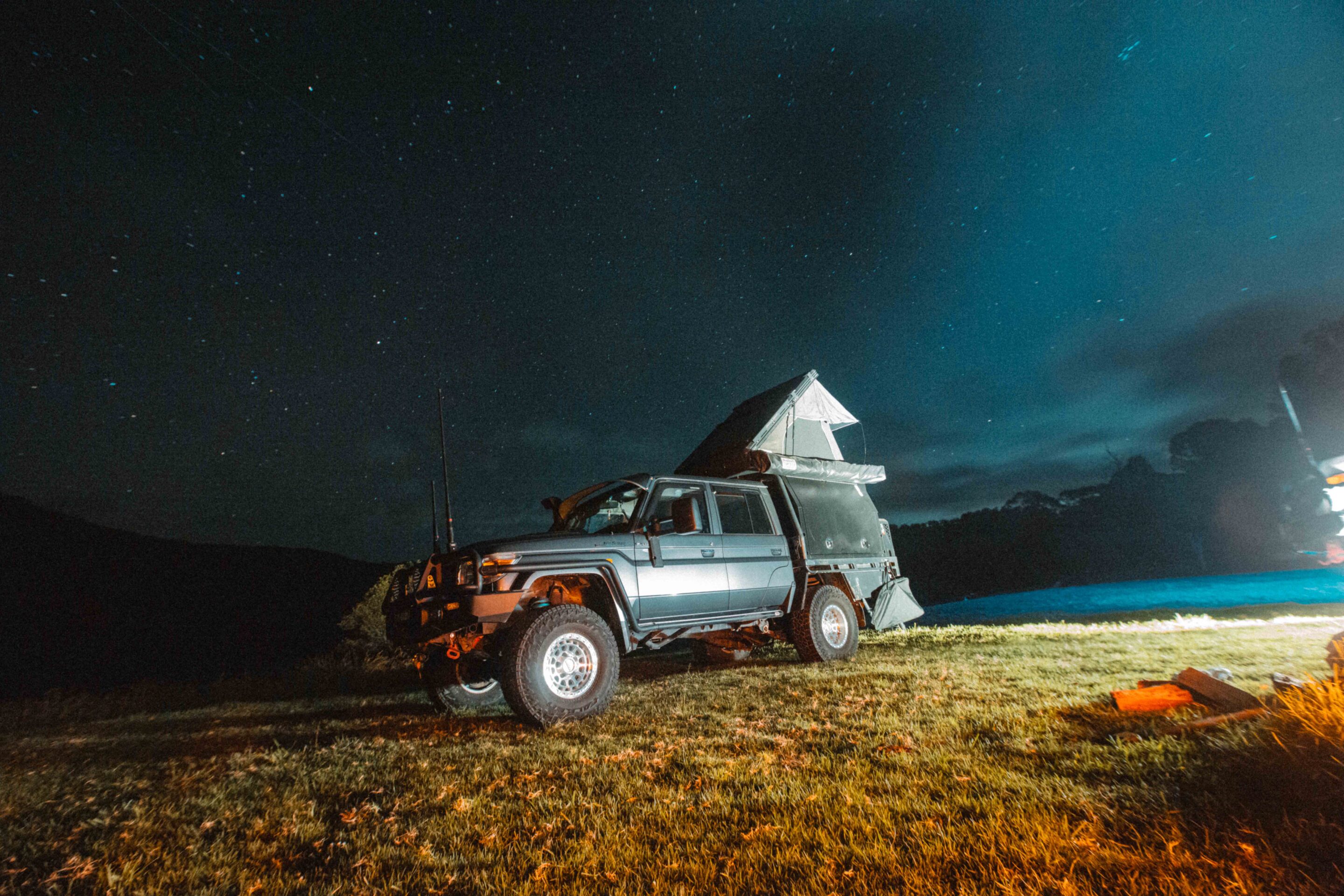
Most insurers will cover common 4×4 modifications as long as they’re declared. Bull bars, snorkels, suspension lifts within reasonable limits, aftermarket wheels and tyres, roof racks and canopies are all fairly standard across modern builds. Where people come unstuck is assuming mods don’t matter because they’re common. Or assuming the insurer will just sort it out if something happens. Heads up. They won’t. Insurance works off what’s disclosed, not what’s popular.
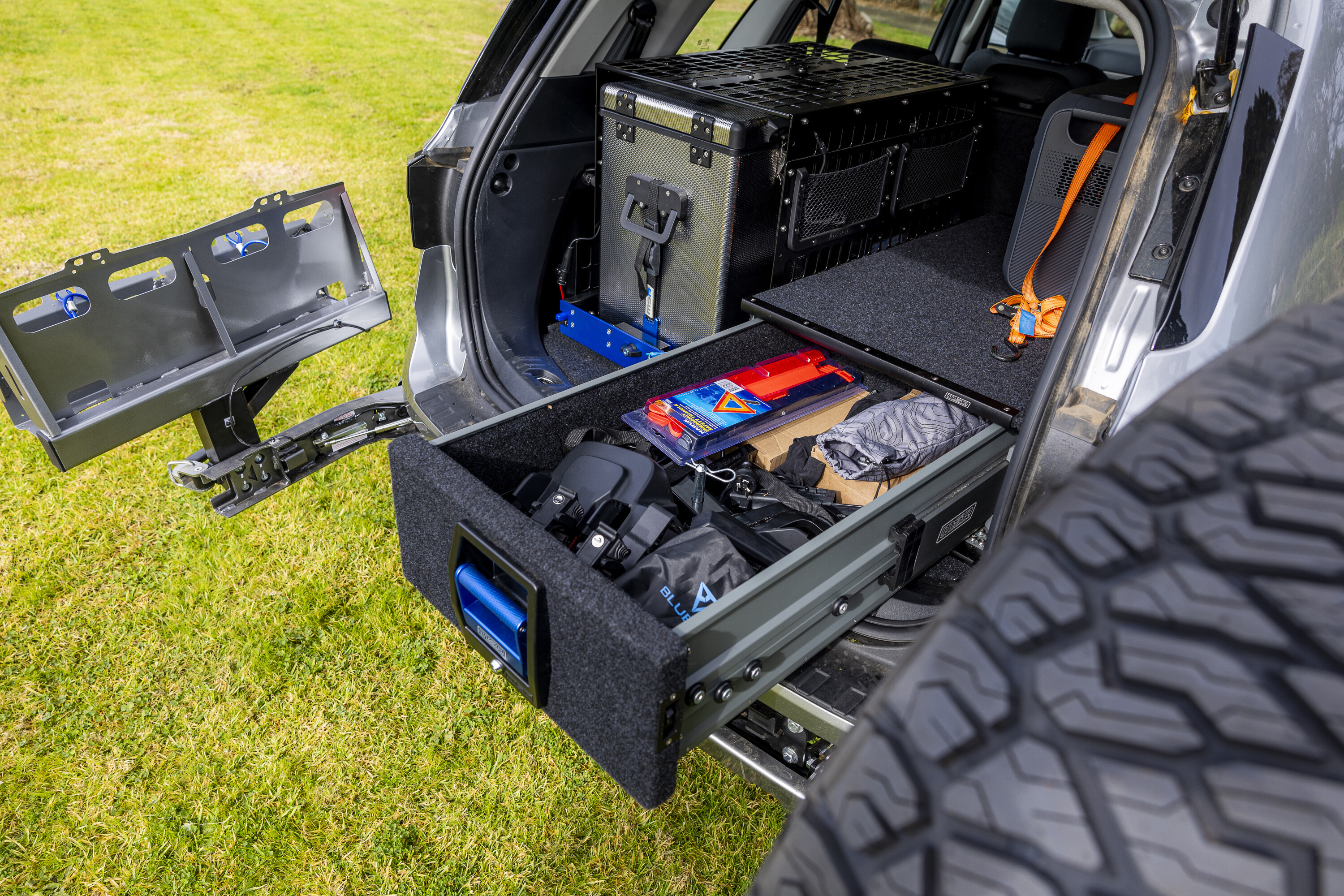
Loose gear is another grey area. Recovery gear, fridges, tools, camping setups and portable electronics often aren’t covered unless they’re permanently fitted or listed separately. If it can be lifted out easily, there’s a good chance it isn’t automatically insured.
This is where frustration usually kicks in after a claim. Owners assume everything bolted to or sitting in the vehicle is covered. The policy wording often tells a different story. The rule is simple: If you’d expect to be paid for it after a loss, it needs to be on the policy.
1
Off-road driving and where standard car insurance may stop
This is probably the biggest source of anxiety for 4WD owners, and often unnecessarily so.
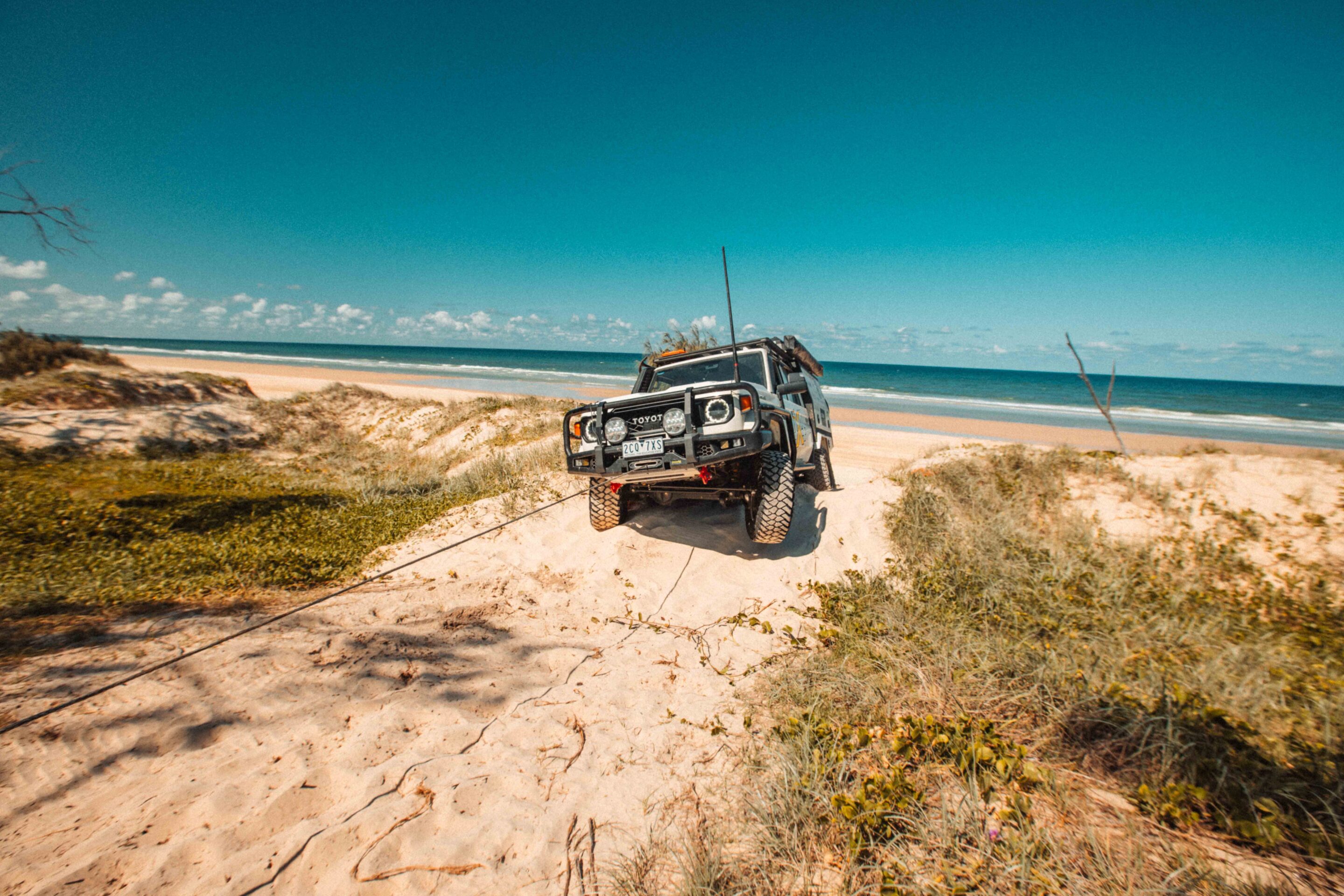
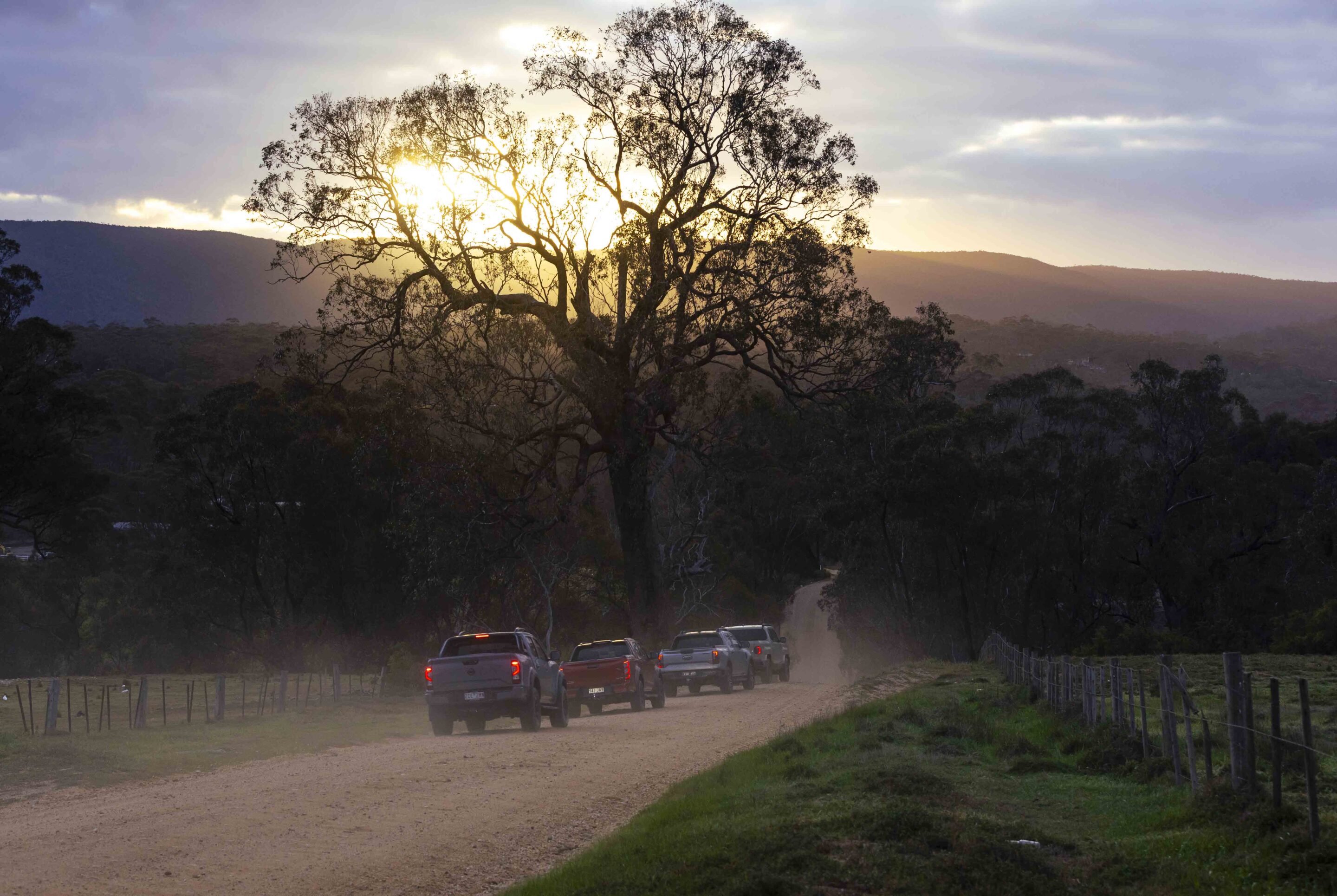
Most standard comprehensive policies will cover recreational off-road driving: Beaches, where legal; gravel roads; and 4WD tracks. That covers the majority of off-road driving most people do in Australia. In other words, the kind of trips that are well-travelled, well-documented and relatively easy to recover from if something goes wrong.
Where cover can stop is when driving moves into clearly higher-risk territory. Closed tracks. Competition use. Extreme terrain. Areas where access is restricted or recovery would be difficult and expensive. That line exists for a reason. Risk changes fast when help is far away and damage becomes harder to manage. Most owners never go anywhere near that line. They just don’t always realise where it is.
Knowing where standard cover ends isn’t about being cautious. It’s about understanding what you’re actually insured for when you leave the bitumen and how close your driving habits come to that boundary.
1
Towing, caravans and trailers and what is actually covered
Towing is obviously a huge part of the 4×4 world and it’s also where assumptions creep in.
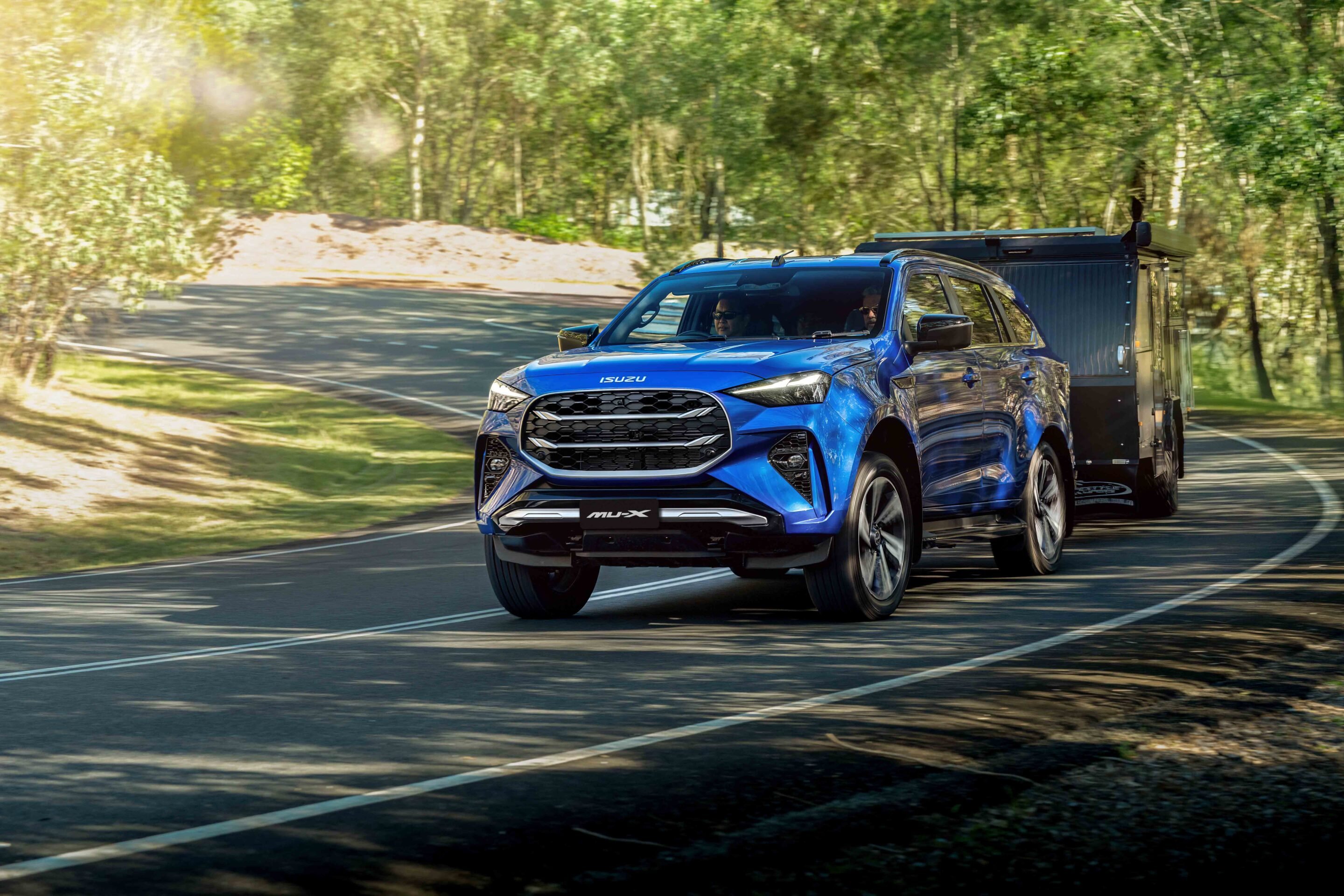
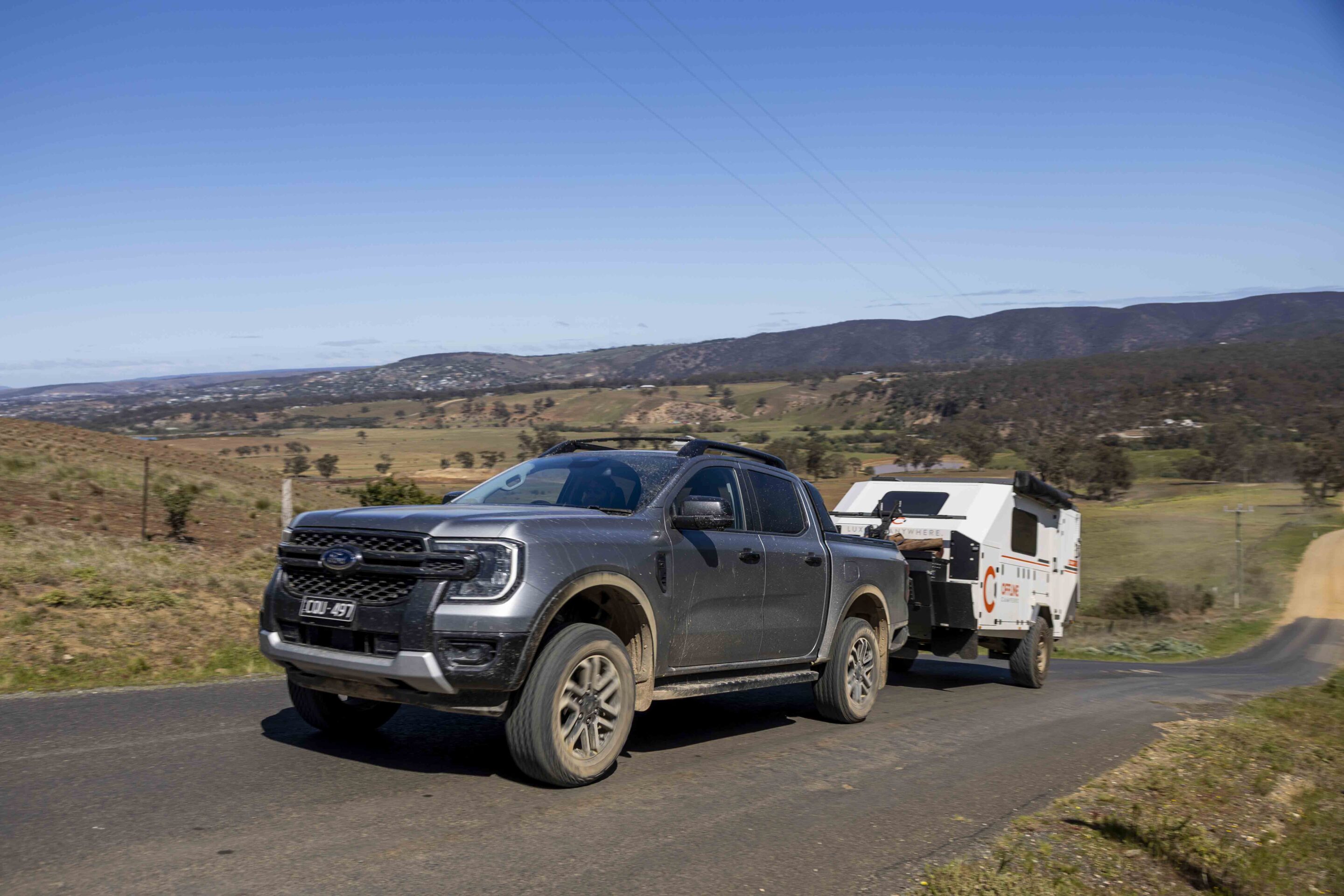
Most comprehensive policies will cover damage you cause while towing and liability for trailers you own. That means if something goes wrong and you damage another vehicle or property, you’re generally covered. What they don’t always cover is damage to the caravan or trailer itself. That usually needs its own policy. A lot of owners assume the tow vehicle policy covers everything behind it. It often doesn’t.
There’s also confusion around accessories fitted to caravans and trailers. Solar setups, batteries, fridges and internal modifications may need to be insured separately depending on the policy.
Tow ratings matter. Weight limits matter. Declared upgrades matter. If you’ve modified your vehicle in ways that affect towing, that needs to be disclosed. There’s no trick here. Just clarity. Know what’s covered and what isn’t before you hook up and head off.
1
How excesses and claims work for larger, heavier vehicles
Bigger vehicles generally mean bigger repair bills. There’s no getting around that.
Larger panels, heavier components and more electronics all influence how insurers price policies and structure excesses. Some policies apply different excesses depending on who was driving, where the vehicle was being used or whether a trailer was attached. This can catch people out. An excess that looks fine on paper can sting when it’s time to claim, especially if multiple excesses stack together.
Choosing an excess you can comfortably afford matters more than trimming a small amount off your premium. There’s no upside in saving money upfront if you’re stuck when you actually need help.
What to look for when comparing 4×4 and SUV insurance policies
This is where it pays to slow down and have a good read.
Ignore the marketing gloss and focus on the details. Look at how off-road use is defined. Check modification limits. See how accessories are treated. Understand what recovery is included and what isn’t. Read the sections that explain exclusions. That’s where policies really differ.
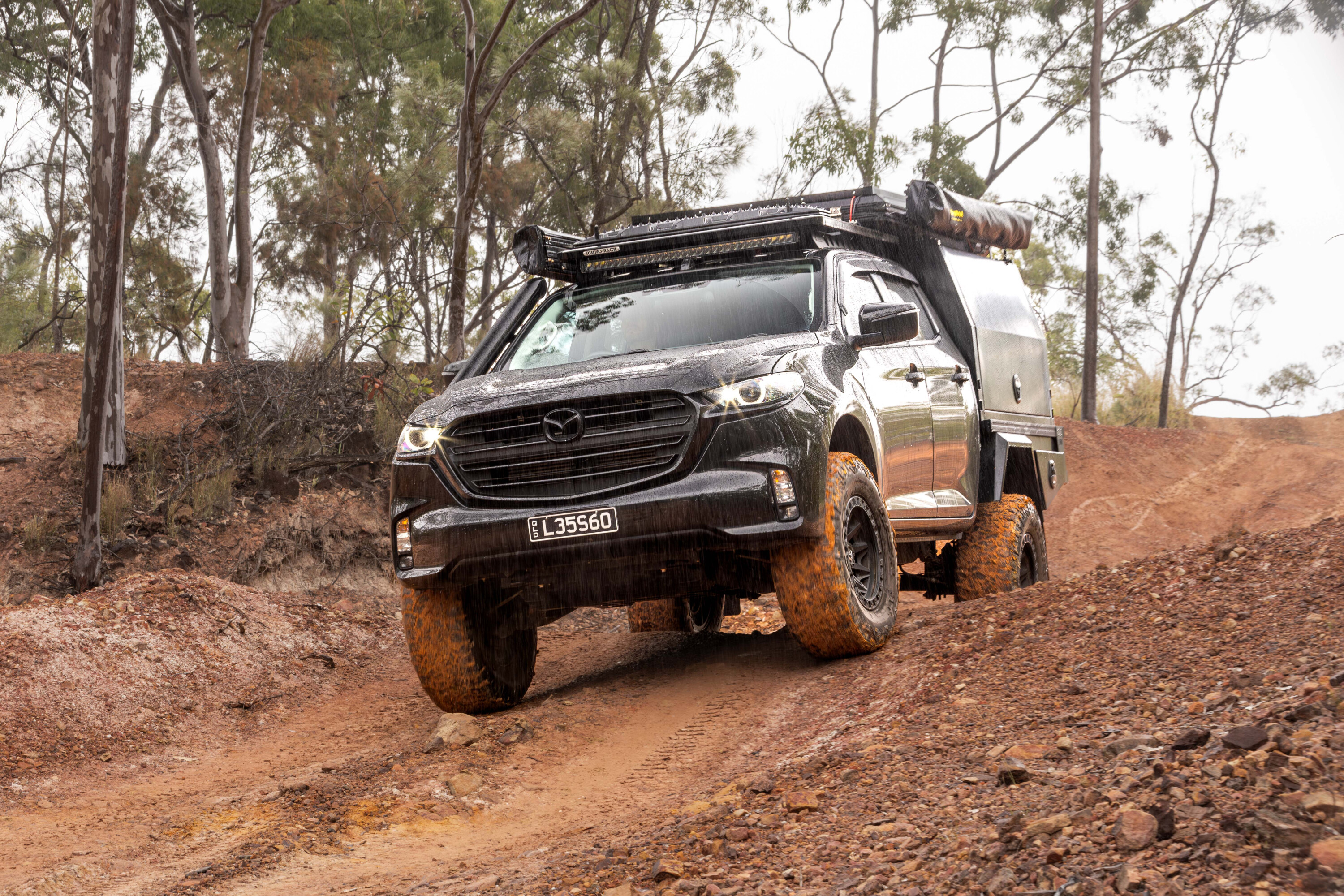
The best policy isn’t the one that sounds the most adventurous. It’s the one that actually matches how you use your vehicle day to day. Two identical vehicles can live very different lives. One might never leave the suburbs. The other might spend weeks on remote tracks every year. Insuring them the same way makes no sense.
Insurance works when it reflects reality. Kilometres driven. Where the vehicle goes. How it’s set up. Not the logo on the tailgate.
1
Common mistakes new 4×4 and SUV owners make with insurance
These come up again and again, so it’s good to know them off the bat:
- Insuring the dream instead of the day-to-day.
A lot of owners insure their 4WDs for the big trip they might do one day, not how it actually gets used most weeks. That usually means paying for cover that never really comes into play.
- Forgetting to declare accessories.
Because bull bars, canopies and lifts are so common, people assume they’re automatically covered. If they’re not declared, they’re often the first thing to be missed when a claim happens.
- Assuming specialist cover is always better.
Specialist policies have their place, but they’re designed for specific use cases. For many owners, standard comprehensive cover matches their real-world driving far better.
- Paying for recovery they’ll never use.
Remote recovery sounds reassuring, but most trips stay close to popular tracks or towns. Paying extra for cover that never gets called on is more common than people realise. - Choosing excesses that hurt when claimed.
A higher excess can make a policy look cheaper, but it can sting when it’s time to claim. What feels manageable on paper can feel very different in real life. They’re not stupid mistakes. They’re just common ones.
Frequently asked questions from 4×4 and SUV owners
Q. Do I need specialist 4×4 insurance just because I own one?
A. No. Only if your usage genuinely demands it.
Q. Are beach runs covered?
A. Usually, as long as you’re legally allowed to be there.
Q. Do modifications void insurance?
A. No. Not declaring them might.
Q. Is cheaper insurance risky?
A. It depends on what’s included and what’s excluded.
You don’t need insurance for every trip you might take one day. You need insurance for the life your 4WD actually lives. Get that right and insurance fades into the background where it belongs. Leaving you free to focus on the important stuff: Where you’re heading next and how you’re getting there.
Follow 4X4 Australia on Google
Get more 4x4 news, reviews and gear stories from 4X4 Australia in your Google feeds.