Explore


Gallery 1
Every good trip starts the same way: Dust still settled on the driveway, coffee in hand, and zero real idea of how the next few weeks are going to pan out.
This one kicked off with Max riding shotgun, sprawled across the passenger seat and proudly rocking the ARB swag the whole trip like it was first-class accommodation. Behind us were Sarah and Jesse in their 3.0-litre Hilux, with their three-month-old Border Collie, Willow, already proving she had more energy than the rest of the convoy combined.
There was no hard itinerary, no strict timelines, just a rough plan to head north, chase water, find cold beers in dusty pubs and see where the road took us. Some trips are about ticking off destinations; this one was about rolling together, making calls on the fly, and letting the kilometres do the talking. It didn’t take long to realise this was the kind of run where the best moments weren’t planned.
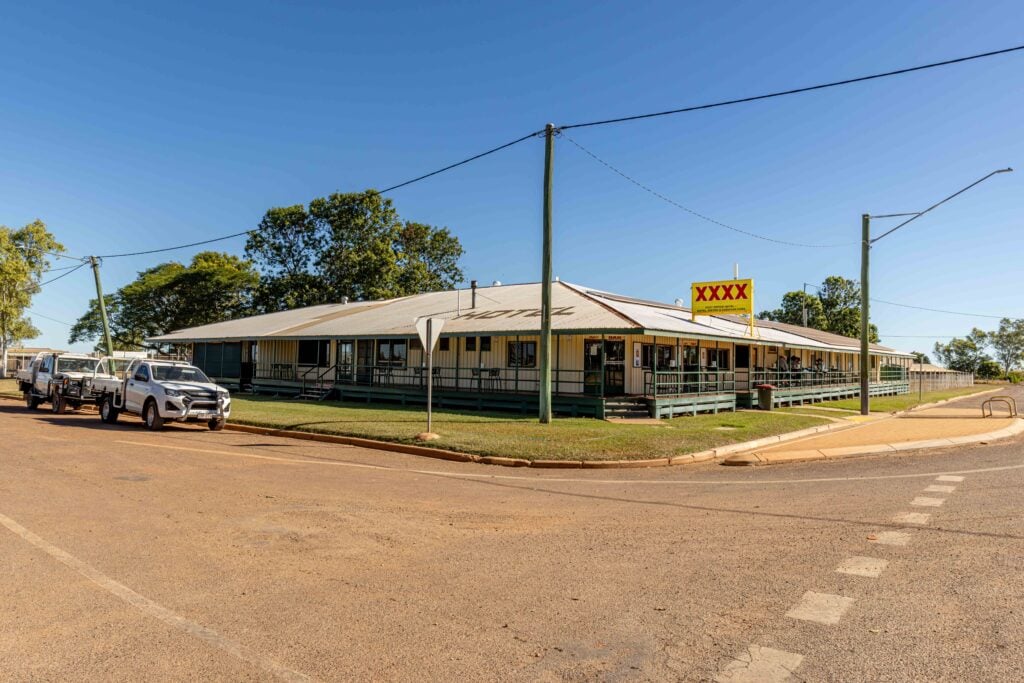
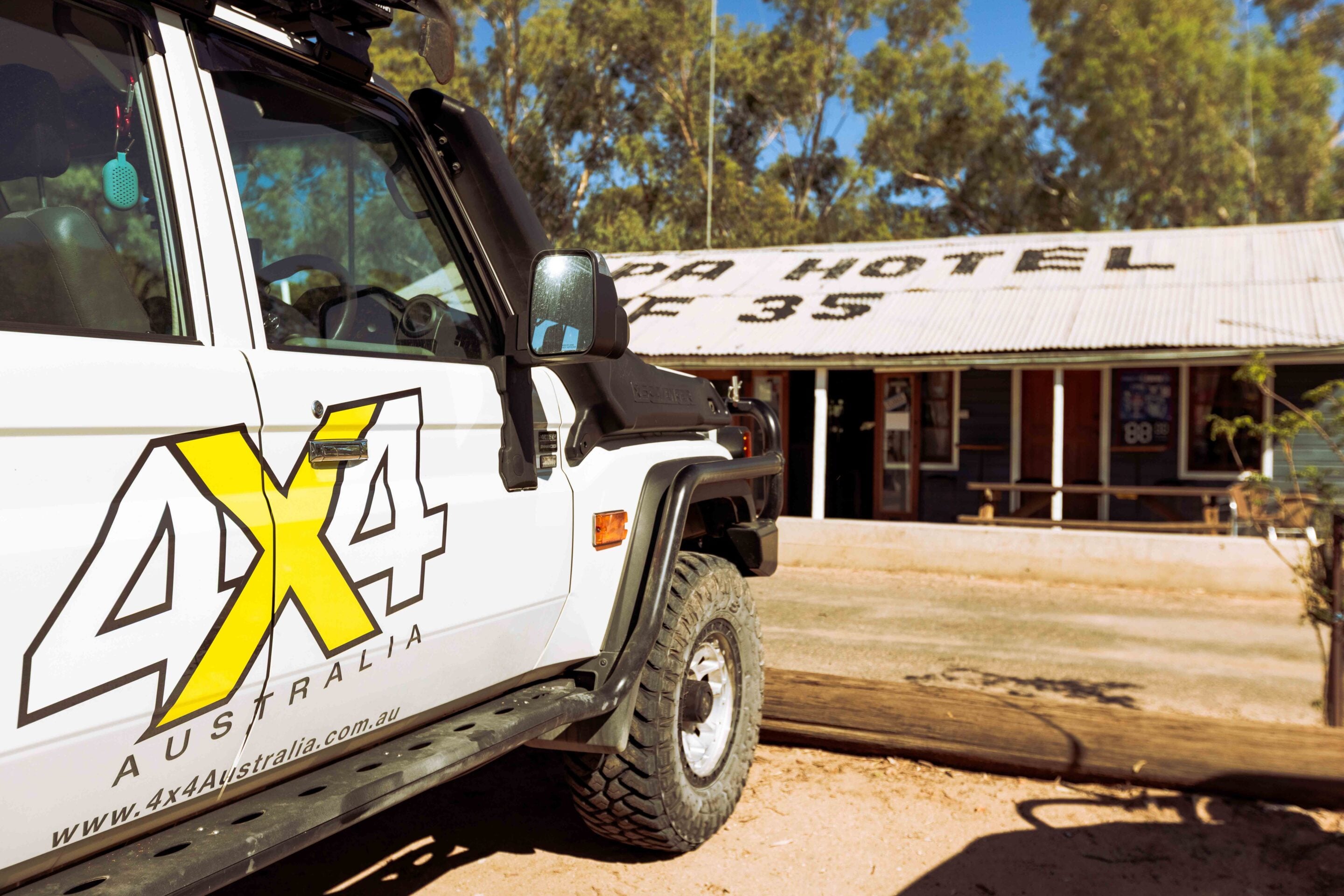
Tilpa Hotel: Iconic outback pub on the Darling River
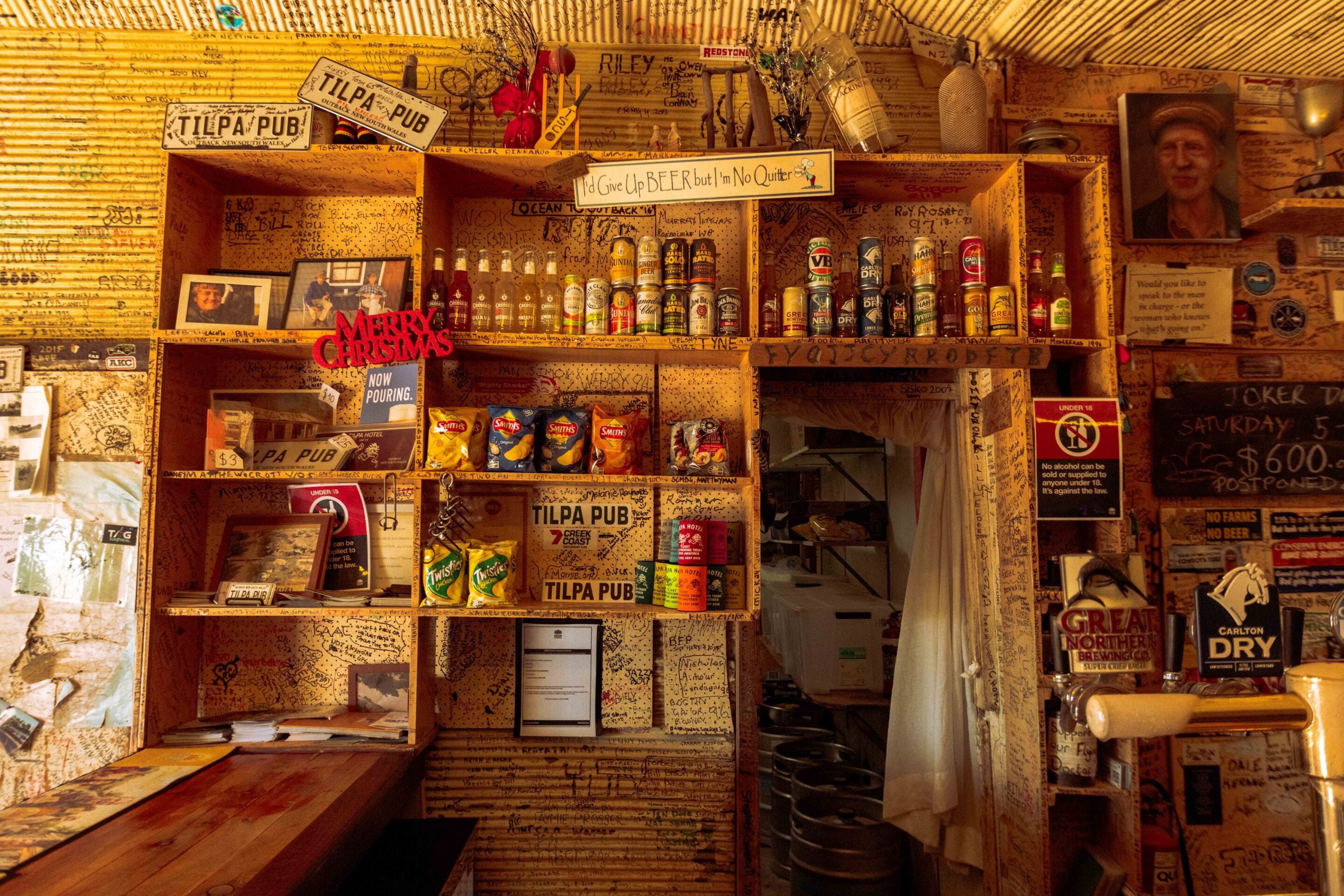
Few pubs sum up the Australian outback quite like the Tilpa Hotel.
Sitting on the banks of the Darling River in far-western New South Wales, this iconic bush pub has been pulling beers since 1894, back when paddle steamers were the lifeline of the region and Tilpa was a thriving river port. More than a century later, the population might be tiny, but the pub remains the heart and soul of the town, and a mandatory stop for anyone touring the Darling River.
To put the remoteness into perspective, Tilpa is roughly 14 hours from the nearest major city, surrounded by red dirt, river flats and endless sky. And yet, from the moment we rolled in, it felt anything but isolated. The locals were great company and always up for a yarn. It’s the kind of place where conversations start easily, stories get better with every beer, and no one’s in a rush to be anywhere else.
For a pub this far off the grid, the facilities are surprisingly comprehensive. The Tilpa Hotel supplies both petrol and diesel, accessible from 10am, which can be a genuine trip-saver when touring remote country. Even more impressive was the food. Prices were very reasonable given the location, with T-bone steaks at $35 and pizza at $25 – and they weren’t just passable pub feeds either. They were genuinely good, hearty meals that hit the spot after a long day on dusty roads.
1
Inside, the pub features a well-kept pool table, dartboard and walls covered in handwritten names and messages from travellers who have passed through over the decades – a living guestbook of outback tourism. Outside, the beer garden overlooks the Darling River, offering one of those classic sunset views that somehow makes a cold beer taste even better.
Directly across the road is a large, free campground tucked behind the flood levee, with plenty of room for multiple rigs and easy access to the pub. It’s an ideal setup, but as always, this unspoken rule applies: If you’re staying, make sure you head over and support the pub. If you’re chasing the full outback experience, the men’s toilets deserve a mention. It’s rough, absolute no-frills and somehow it fits the place perfectly.
The Tilpa Hotel isn’t just a pub – it’s a slice of Australian outback history that’s still very much alive. Whether you’re passing through on a big lap, tackling the Darling River Run, or just chasing a cold beer with a cracking view, this one’s a must-visit. We’d go back in a heartbeat.
3
Shindy’s Inn Louth: Historic Darling River pub
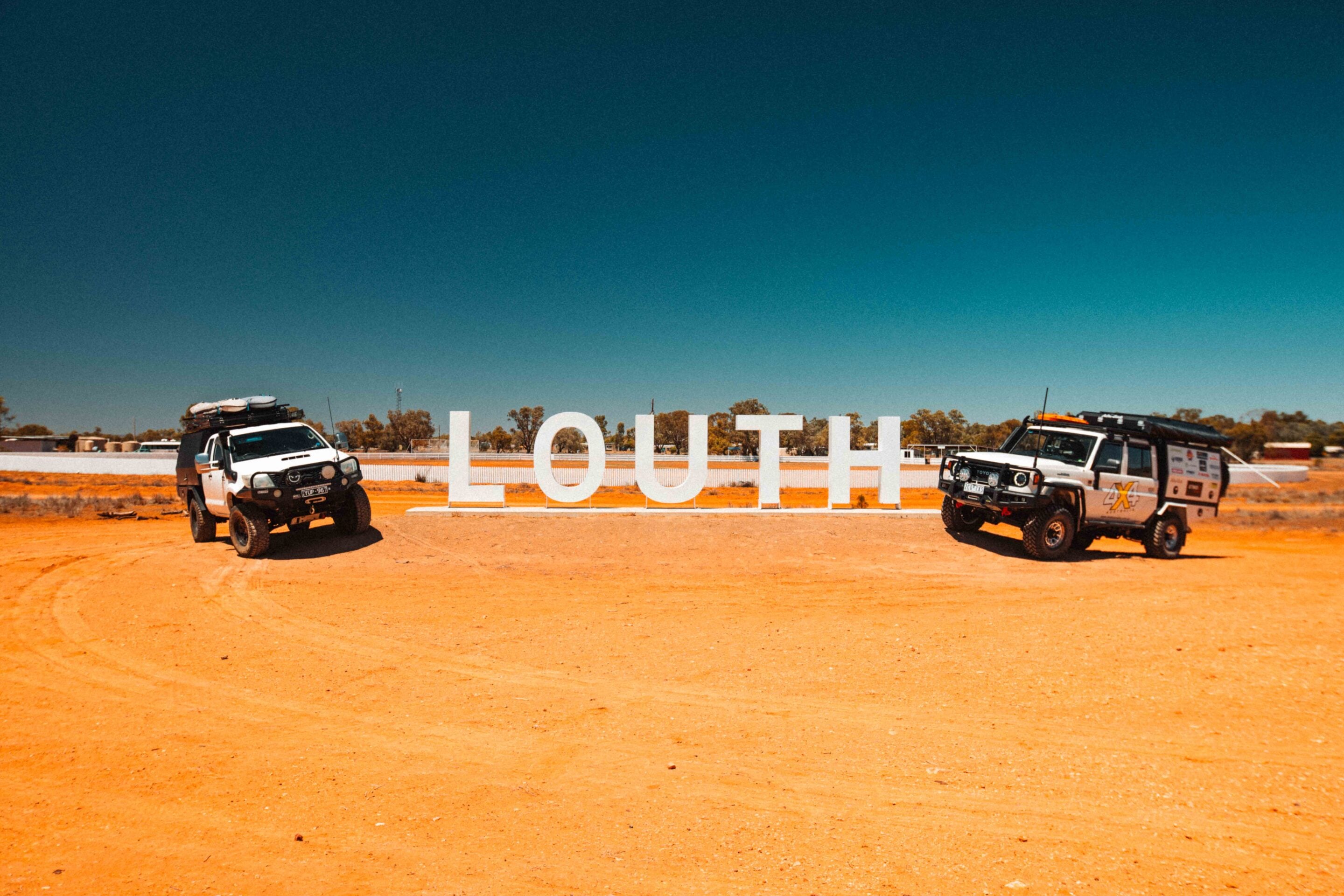
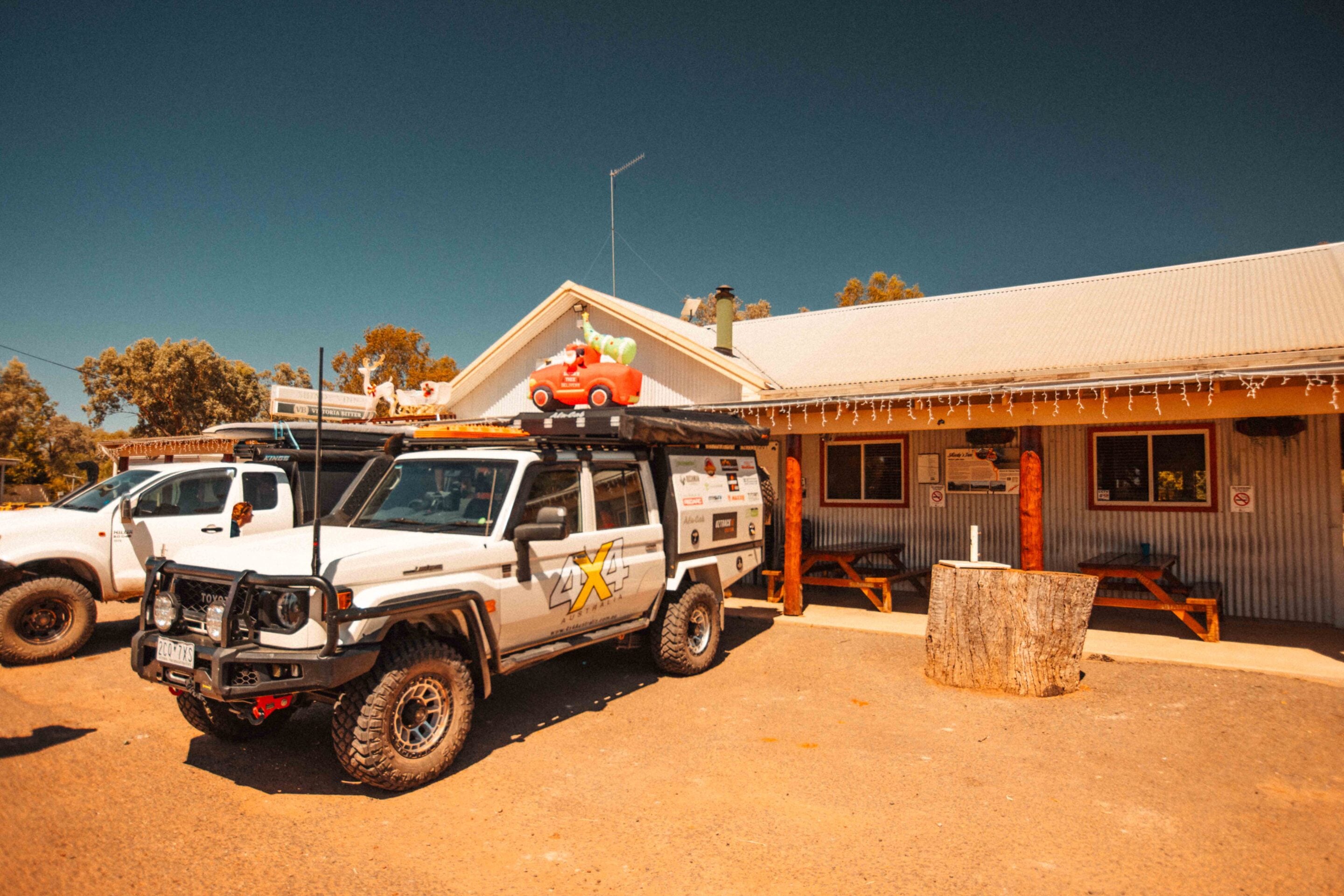
Perched on the banks of the Darling River in the small outback town of Louth, Shindy’s Inn is one of those places that instantly feels like it’s been part of the landscape forever.
Established in the late 1800s during the peak of river trade and pastoral expansion, the pub has long served as a gathering point for locals, stockmen, river workers and travellers moving between Bourke and the far west of NSW. Today, Louth is quiet and unassuming, but Shindy’s remains the town’s social anchor.
Rolling in around 11:30am, the place was understandably dead quiet, but that didn’t stop the locals from giving us the time of day – or a schooner of XXXX. It’s that classic country-pub hospitality where it doesn’t matter who you are or where you’re from; if you walk through the door, you’re welcome.
1
Inside, Shindy’s feels as much like a living museum as it does a pub. The walls are packed with memorabilia, historic photos and artefacts that tell the story of the Darling River, the town and the generations that have passed through. It’s the kind of place where you could easily lose an hour just wandering around, beer in hand, soaking up the heritage and stories layered into every corner.
Out the back, the pub opens up into a spacious outdoor beer garden complete with lush grass and a permanent stage – and it’s easy to imagine the place coming alive during big events. Locals tell us Christmas at Shindy’s is an absolute hoot, with live music, crowds spilling out onto the lawn and the kind of atmosphere that only a remote country pub can pull off properly.
The beer was cold, the staff genuinely lovely, and the view across the river flats was nothing short of unreal. There’s something about standing in a pub that overlooks the Darling, knowing it’s been doing the same job for well over a century, that really grounds the experience.
3
Port of Bourke Hotel: Gateway to the outback
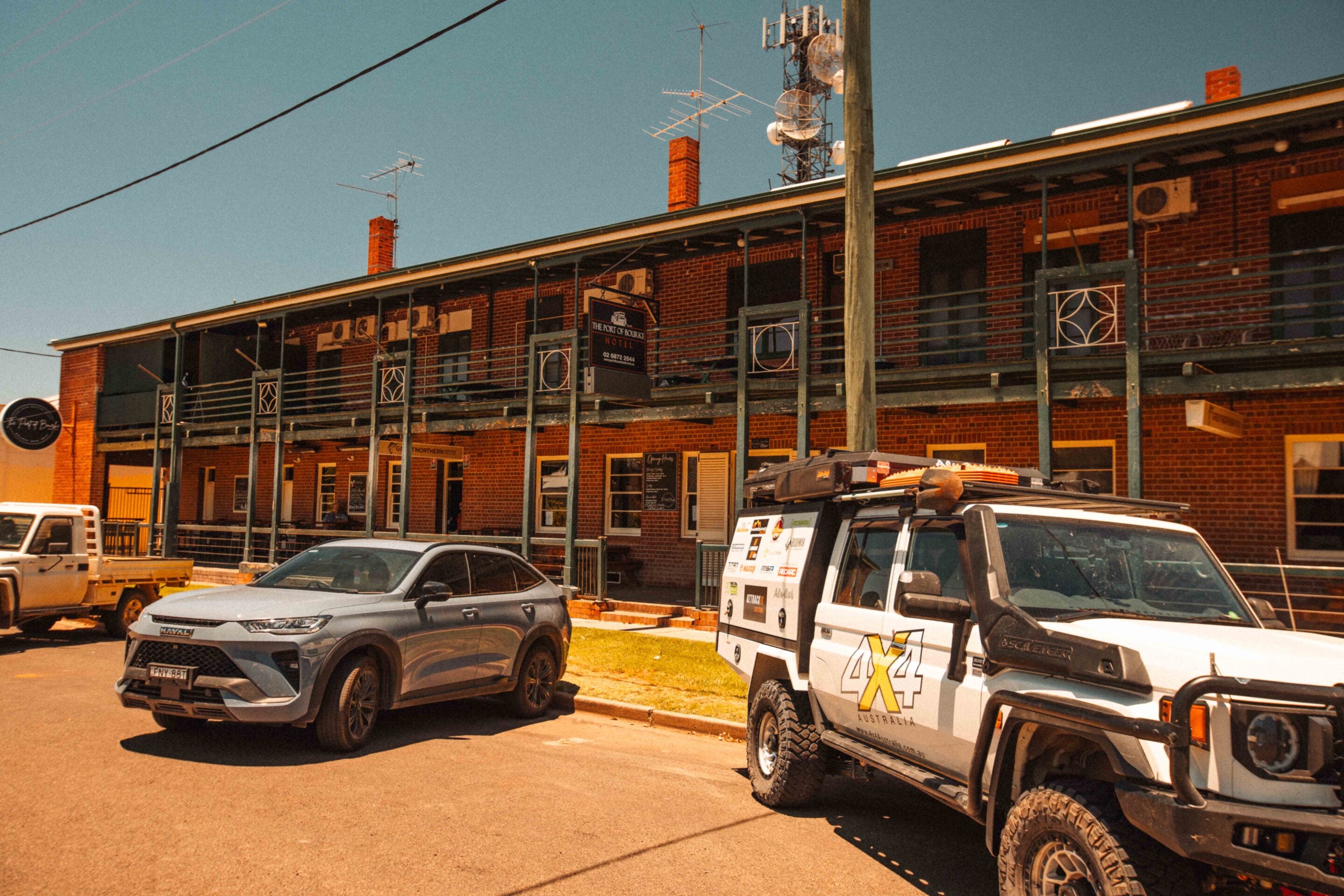
Also set on the banks of the Darling River, the Port of Bourke Hotel sits in one of the most historically significant outback towns in NSW.
Bourke was once a major inland port and transport hub in the late 1800s, where paddle steamers unloaded supplies and wool was moved out to the rest of the country. Known as the “Gateway to the Outback,” the town played a critical role in opening up Australia’s interior, and pubs like this were central to daily life – places where river workers, drovers and station hands swapped stories, waited out the heat and washed the dust down with a cold beer.
1
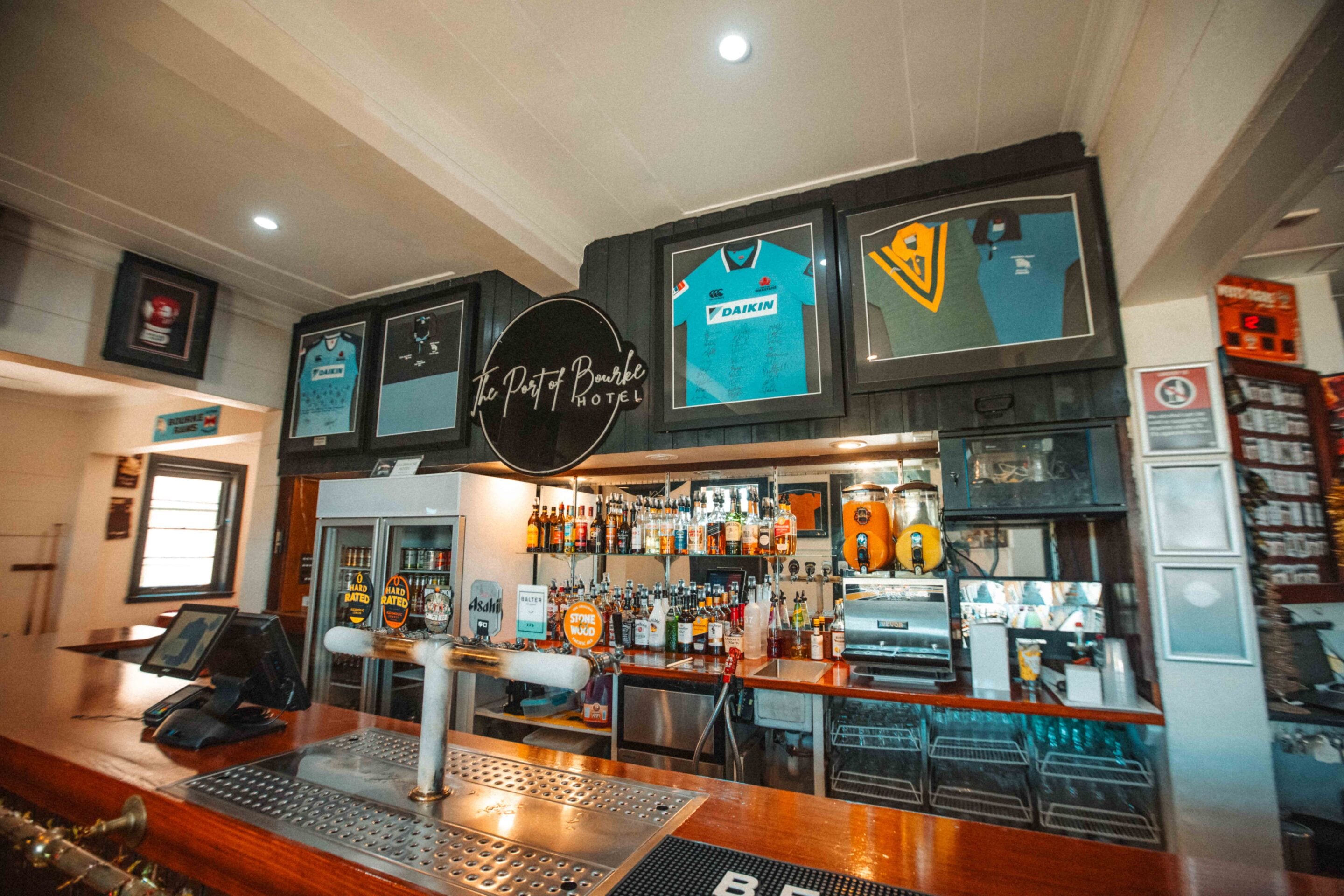
Compared to some of the more weathered pubs along the Darling, the Port of Bourke Hotel presents as one of the more modern-looking venues, but it still holds on to that classic country-pub role. The wide veranda out the front is prime real estate, offering the perfect vantage point to watch locals roll past and strike up a yarn on a hot day.
That’s exactly where we found ourselves when we met Bill. If you’re from Bourke, chances are you know Bill – and judging by how many people stopped to say g’day, he’s well and truly part of the local fabric. He wasted no time having a laugh at my mate’s reverse parking efforts, letting us know that if the veranda had been full, we’d have been the entertainment for the afternoon.
Inside, the main bar area is set up with a handful of tables, pool tables and cold beers on tap. It’s straightforward and unpretentious, exactly what you’d expect from a pub that’s long served as a social hub rather than a showpiece. A bit of a wander revealed a bistro area and an outdoor seating space with a playground, making it a practical stop for families passing through.
1
Visiting the Northy: Classic outback pub in Bourke, NSW
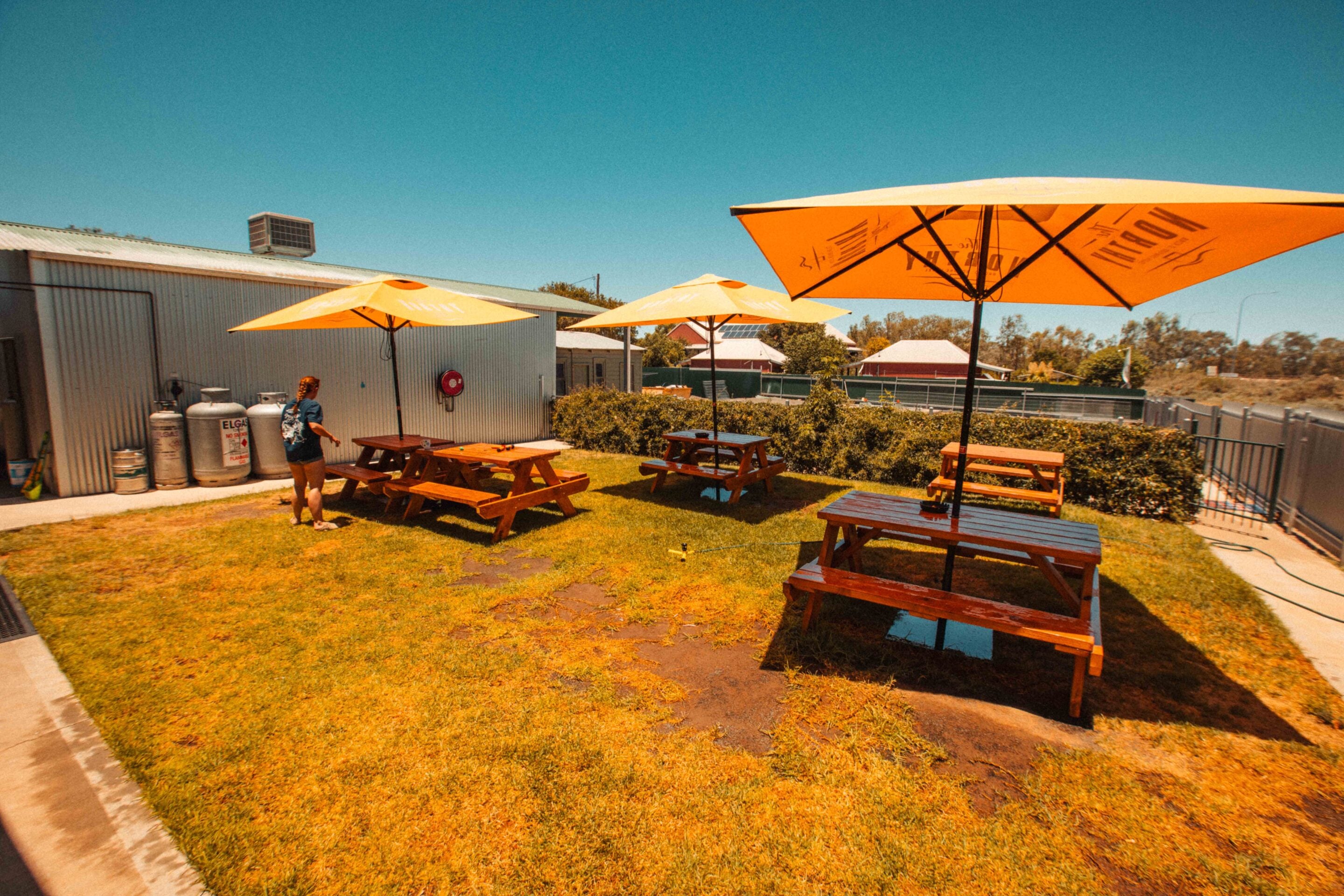
Sitting just out of town and living up to its name, the Back O’ Bourke Hotel – better known as the Northy – is one of Bourke’s most iconic pubs.
For generations, it’s been a true outback watering hole, serving locals, station workers and travellers who’ve pushed a little further west than most. In recent history, the Northy faced one of its biggest challenges when a devastating fire tore through the pub, leaving the building heavily damaged. Thankfully, the pub has since been rebuilt and reopened, and while it carries a fresher look in places, the spirit of the Northy is very much intact.
These days, the Back O’ Bourke feels exactly like it always has at heart – a place to pull up for a beer and a yarn rather than a formal sit-down affair. After a big day behind the wheel, it’s an easy pub to settle into. The menu has its own unique spin, and we tucked into a steak sandwich and a Mexican parma, both of which hit the spot nicely after hours on the road.
While there’s food on offer, the Northy is best described as a proper watering hole first and foremost. It’s the kind of pub where the bar is the main attraction, conversations flow easily, and you’re just as likely to hear about cattle prices or road conditions as weekend plans.
3
Free campsite: Minor Balonne River Bridge
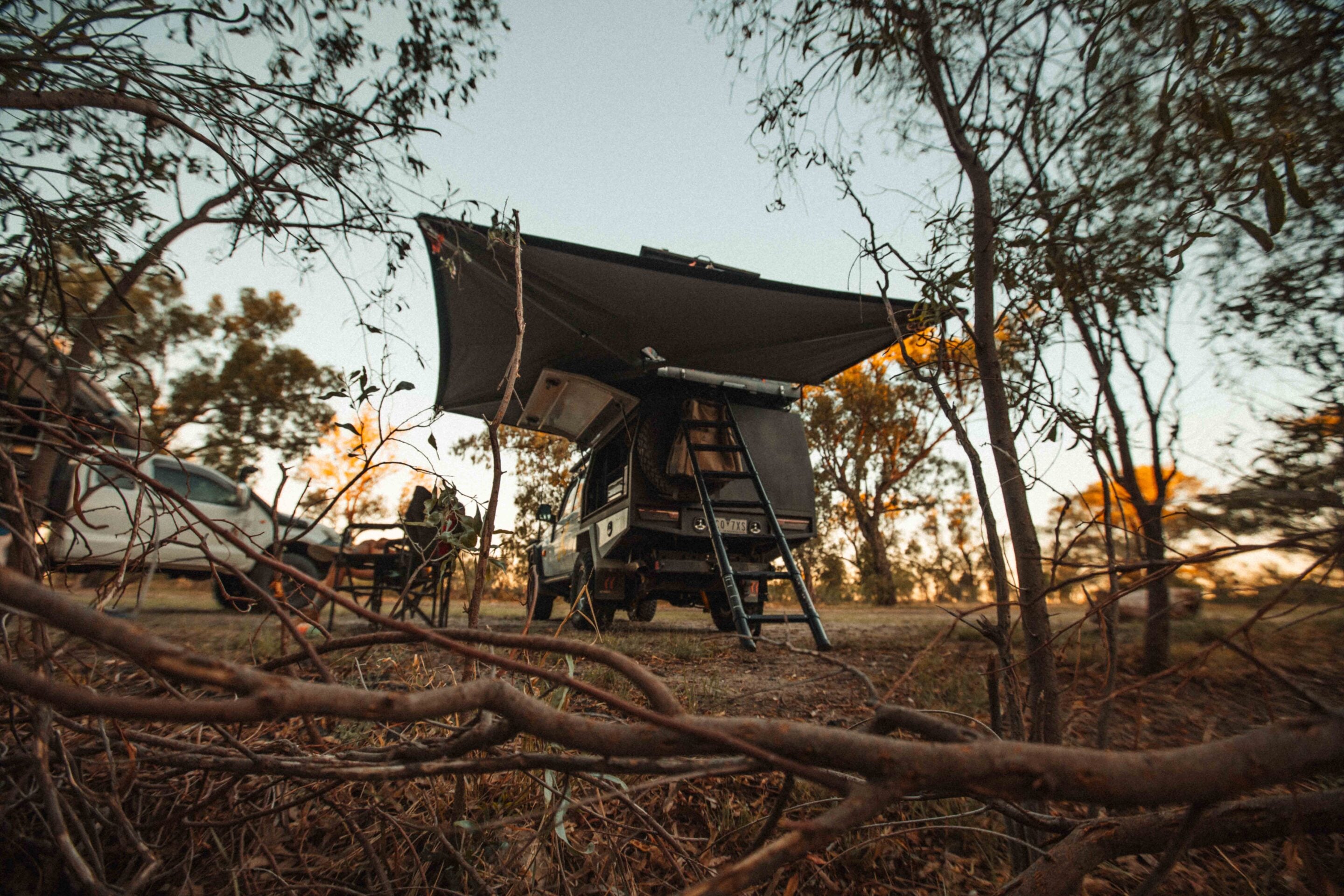
With dinner done at the Northy and the sun slipping away behind us, we pushed on across the border and called it a night at the Minor Balonne River Bridge campsite.
Crossing into Queensland always feels like a milestone on a long drive, and after a full day behind the wheel, this was a much-needed stop. Set beside the Balonne River, the campsite delivered exactly what we were chasing: Warm night air, the sound of nature rolling off the water, and a sense of switching off as soon as the engines stopped.
Access is straightforward. The campsite sits right near the Minor Bridge crossing, with easy access off the main road and no technical driving required in dry conditions. Any high-clearance vehicle will have no trouble getting in, and even touring rigs should be fine with a bit of care. As always with river-adjacent camps, conditions can change after rain, so it’s worth checking the ground before committing, especially if the banks are soft or the river is up.
There are no facilities, no signage, and no effort made to turn it into anything fancy, but for a roadside free camp, it felt like luxury. Flat ground, plenty of space to spread out, and the river close enough to set the mood without being intrusive. We cracked a few Larry Pale Ales, let the day wind down naturally, and hit the hay early, rested and ready to knock over the kilometres toward Sandstone Point the following day.
2
Sandstone Point Rodeo for NYE
On the run toward the Sandstone Point rodeo, the HiLux suddenly dropped into limp mode, refusing to sit on more than 100km/h.
Not ideal with plenty of highway ahead. We pulled over, popped the bonnet and had a quick poke around – no warning lights screaming, but something was clearly off. That’s when Max spotted the culprit: The rubber vacuum line to the MAP sensor had popped clean off. A few zip ties, a bit of bush-mechanic magic, and everything was back where it belonged. Five minutes later, the HiLux was out of limp mode and we were rolling again like nothing ever happened … for now.
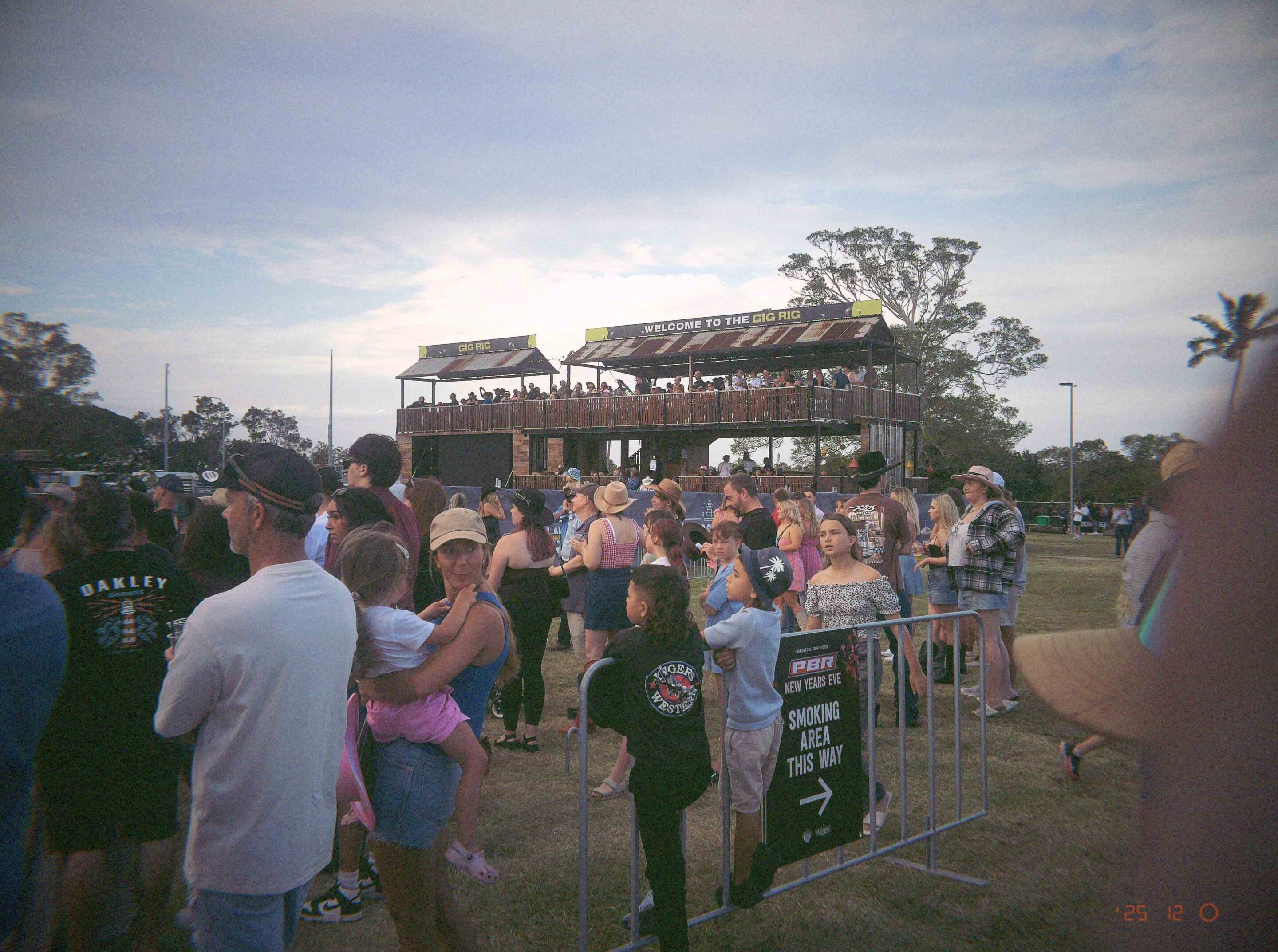
Rolling into Sandstone Point Hotel for the NYE PBR Rodeo felt like the perfect way to cap off a long run north. Set right on the water at the northern end of Bribie Island, Sandstone Point is known for hosting major live events, and New Year’s Eve turns the place up another notch. Big crowds, a buzzing atmosphere and a genuine sense that this is one of Queensland’s go-to end-of-year destinations.
1
This isn’t your typical dusty bush rodeo – and that’s part of the appeal. The crowd is noticeably more family-friendly, with plenty of people there as much for the event and the location as for the bulls. World-class riders, aggressive bulls and a fast-paced program kept the crowd locked in, with announcers and music maintaining a constant buzz between rides.
What really sets the Sandstone Point NYE rodeo apart is the setting. One minute you’re watching riders being launched into the dirt, the next you’re looking out across the water with boats anchored offshore and live music rolling through the venue. Food trucks, bars and open spaces keep things moving, making it feel more like a coastal festival with a rodeo at its core than a traditional country meet.
If you’re planning to stay, booking well in advance is essential. Accommodation was booked out, so we improvised for the night, keeping things simple before an early start the following morning.
Double Island Point
Next up was Double Island Point, a destination that always feels like a reward after long hours on the blacktop.
Long before it became one of Queensland’s most popular beach-driving locations, Double Island Point was an important coastal landmark for shipping and fishing vessels, with its prominent headland used as a navigation marker along this stretch of coast. Today, it’s best known for its long, drivable beaches, clear water and relaxed camping.
Travelling with Willow the dog meant a bit of forward planning, so kennels were organised before we headed north. With Queensland regulations requiring a toilet per vehicle for beach camping, we also made a quick stop to get ourselves sorted and keep everything above board. A little preparation goes a long way once you leave the bitumen behind.
1
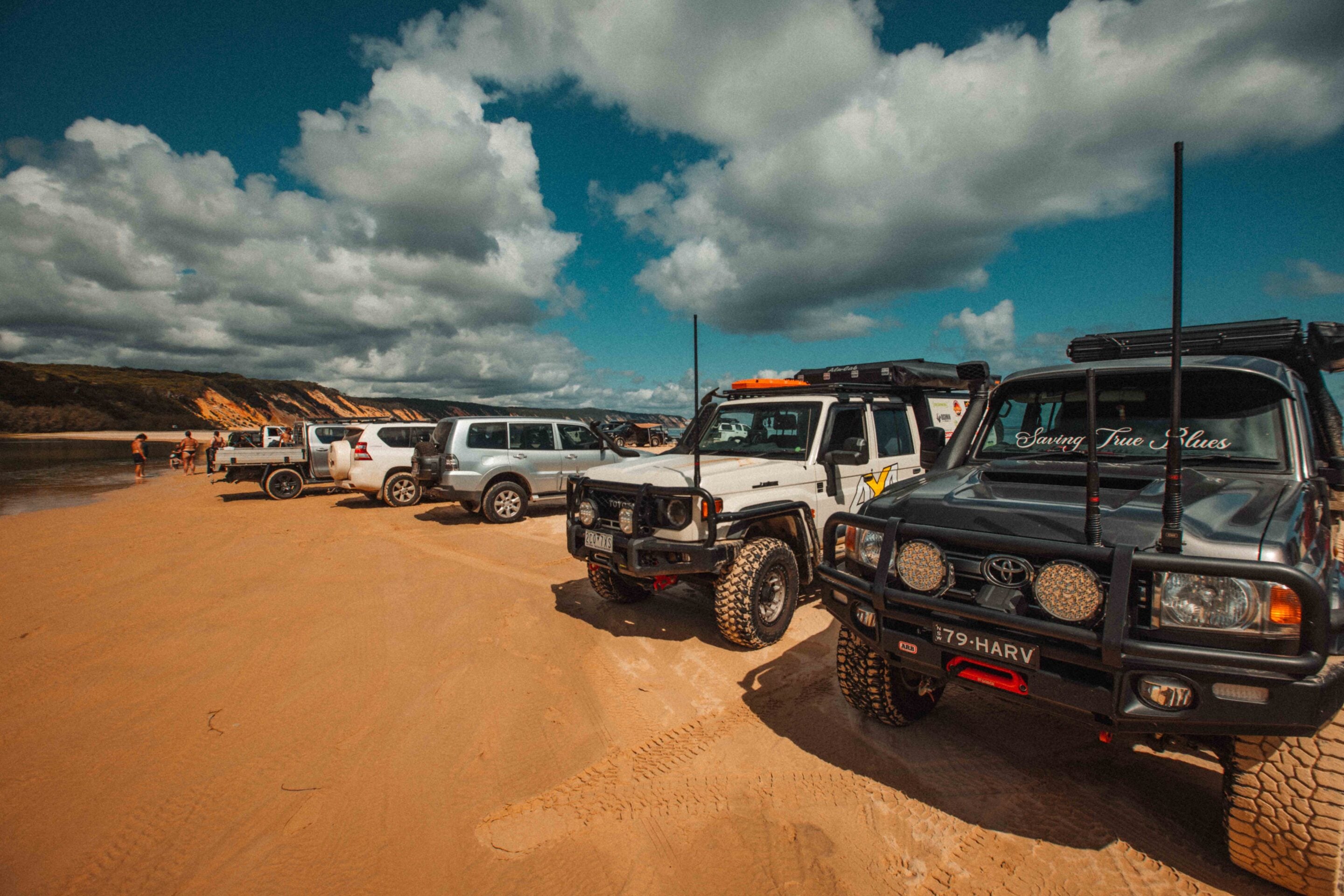
Double Island Point has long been one of my favourite places in Queensland. After living in Coolum for a couple of years, it became a regular weekend escape – whether that meant surfing, slowing things down or just getting outside. It’s one of the most beautiful beaches you can legally drive on, and, for the rest of the convoy, it was a first visit. Being able to take them to the iconic lagoon – one of the standout spots on the entire coastline – was genuinely special.
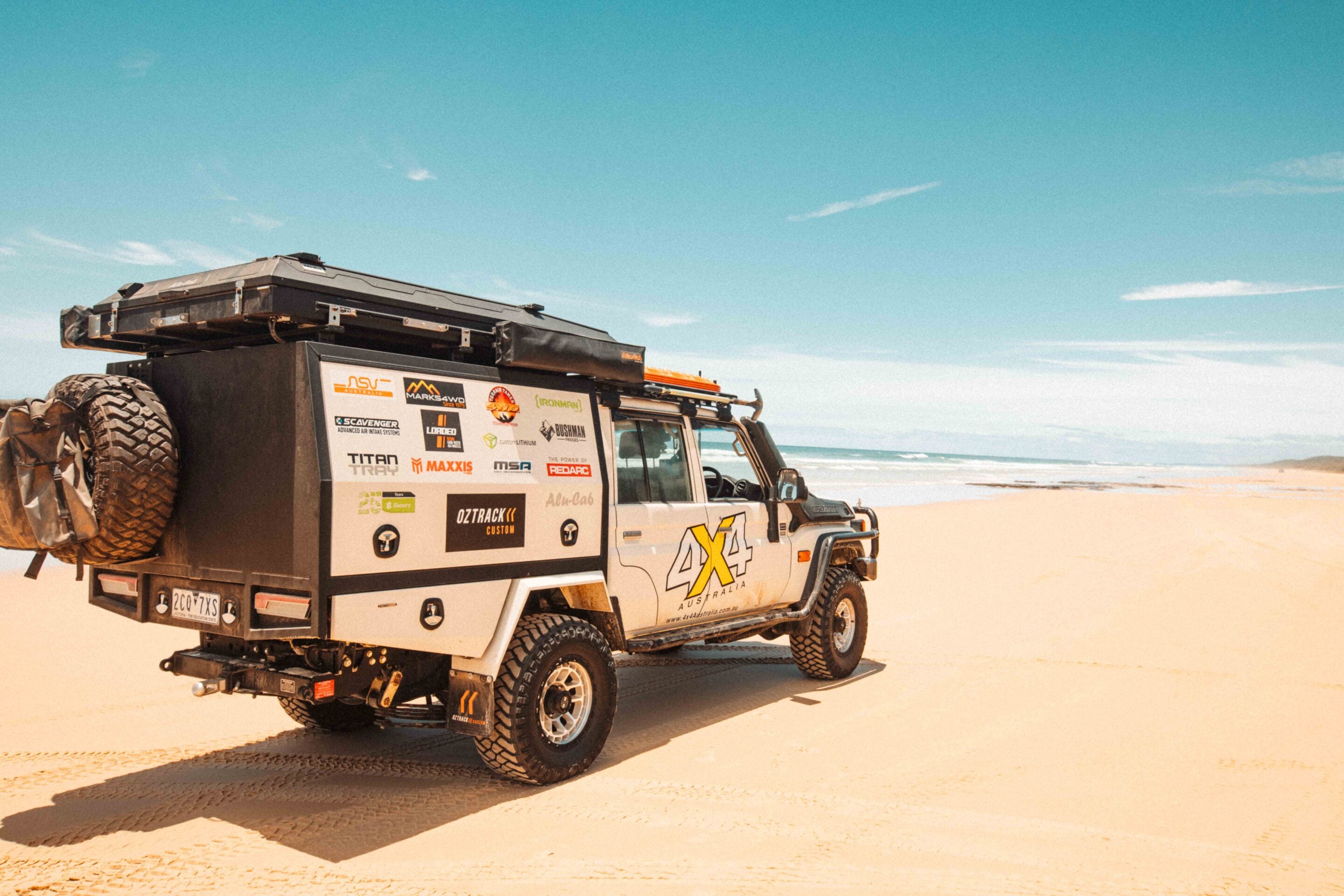
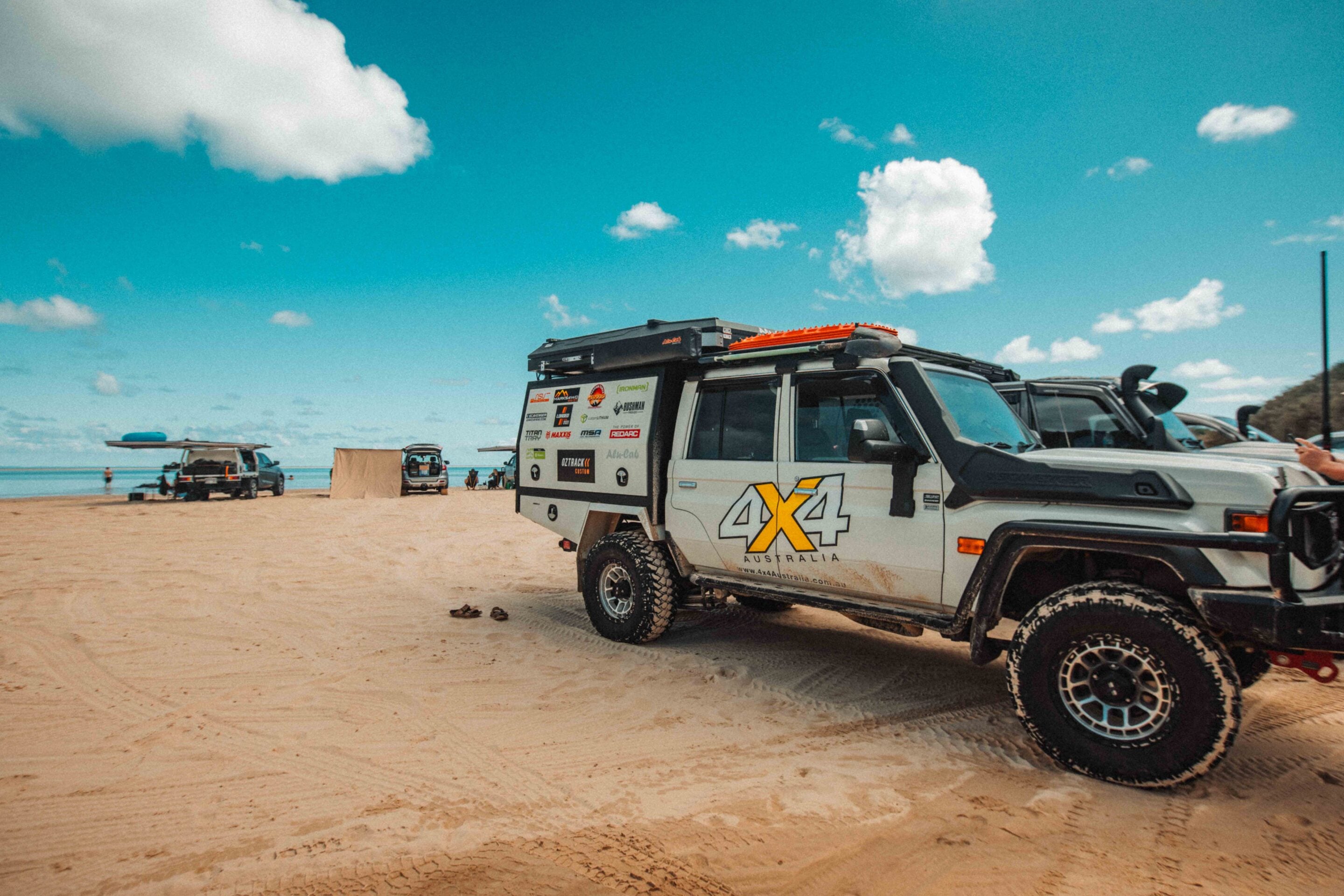
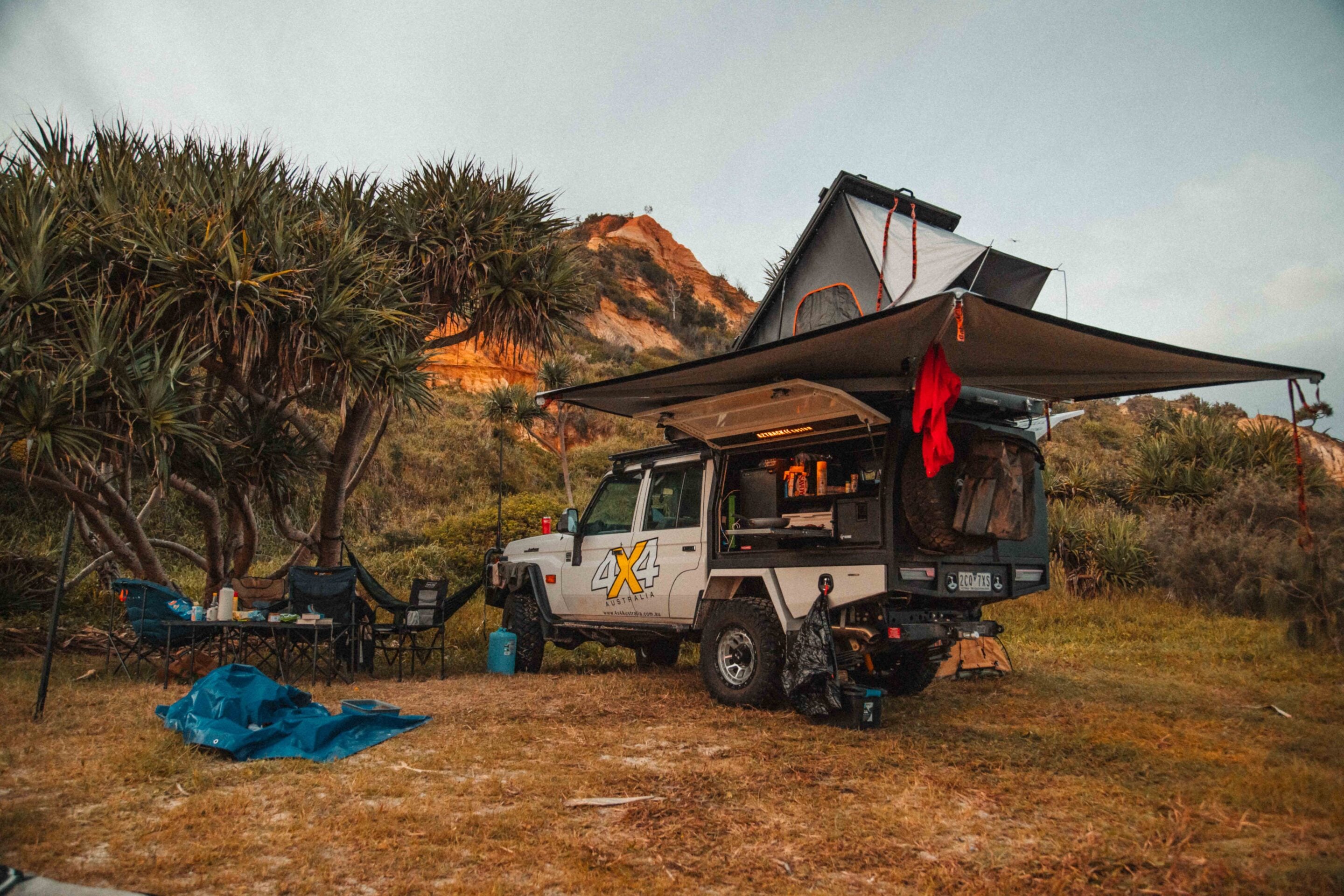
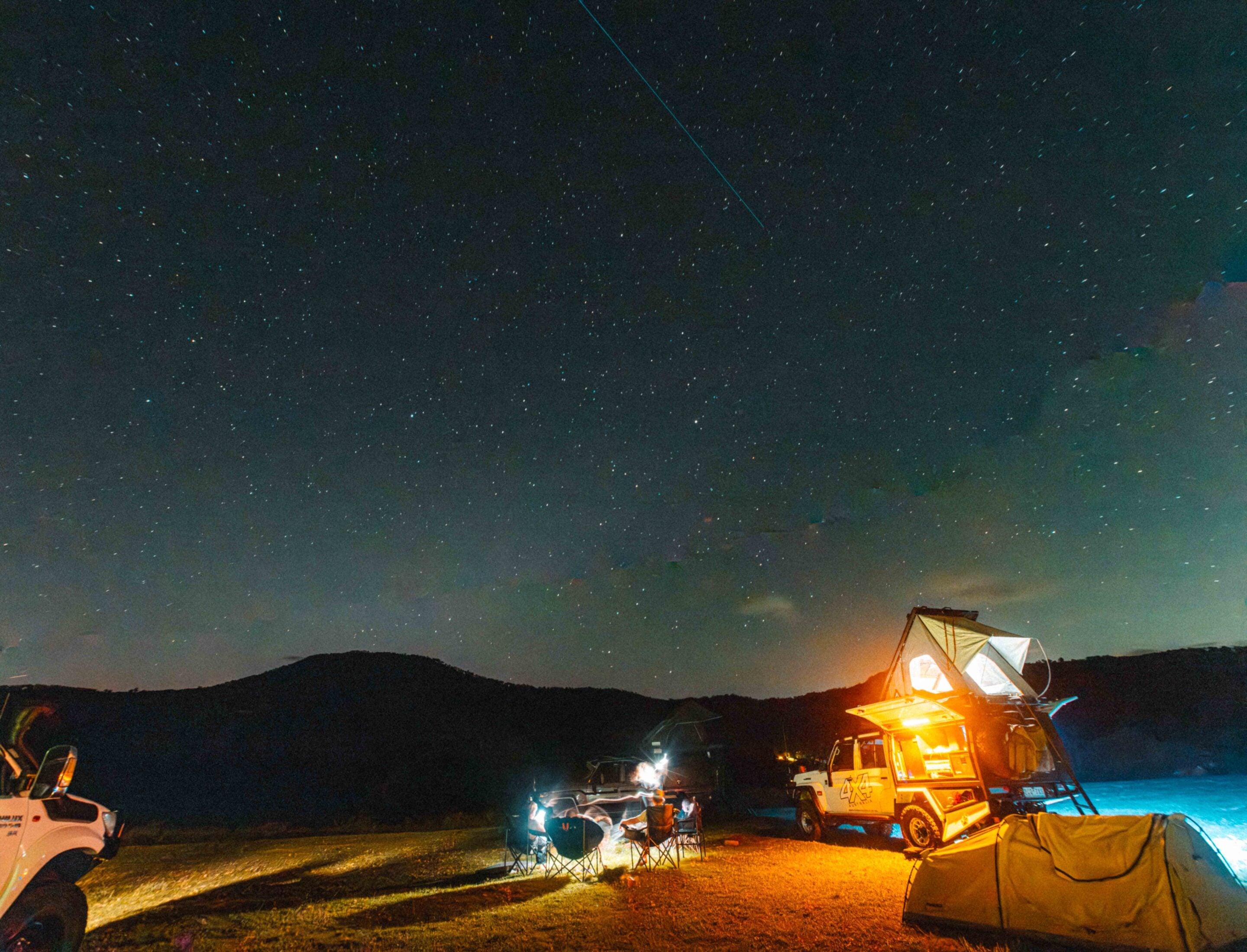
We set up in Camping Zone 4 for three nights and quickly slipped into beach mode. Days were spent swimming, relaxing and letting time stretch out, while nights were filled with the sound of waves crashing under a bright full moon. This was also where the Alu-Cab rooftop tent earned its keep, delivering what we jokingly called “penthouse views” – open air, uninterrupted beach outlooks and the perfect spot for a midday siesta with the sea breeze rolling through.
Access to Double Island Point is via the beach north of Noosa, and vehicle access permits are mandatory. Separate permits are required for beach driving and camping, and both must be organised prior to arrival. Permits are available online, and rangers regularly patrol the area, so it pays to have everything sorted before hitting the sand.
Tide planning is just as important as permits. We timed our runs around low tide, when the sand is firmer and more forgiving, particularly for those new to beach driving. High tide can quickly narrow the beach and push vehicles into soft, chopped-up sections, especially near inland exits and headlands.
1
Tyre pressures were dropped across the convoy to around 16 to 18 psi, which kept vehicles floating nicely without working the driveline too hard. Heavier touring setups may need to go lower depending on conditions, while lighter vehicles can sometimes run slightly higher. Low range isn’t always necessary on the open beach, but it’s invaluable for soft exits, bypass tracks and recovery situations.
A day trip up to the lagoon is almost mandatory, but it also highlights how quickly conditions can change. As we approached the bypass track leading into the lagoon, traffic slowed to a standstill. A 2WD Ranger was well and truly bogged in extremely soft, chopped-up sand, with vehicles stacking up behind it.
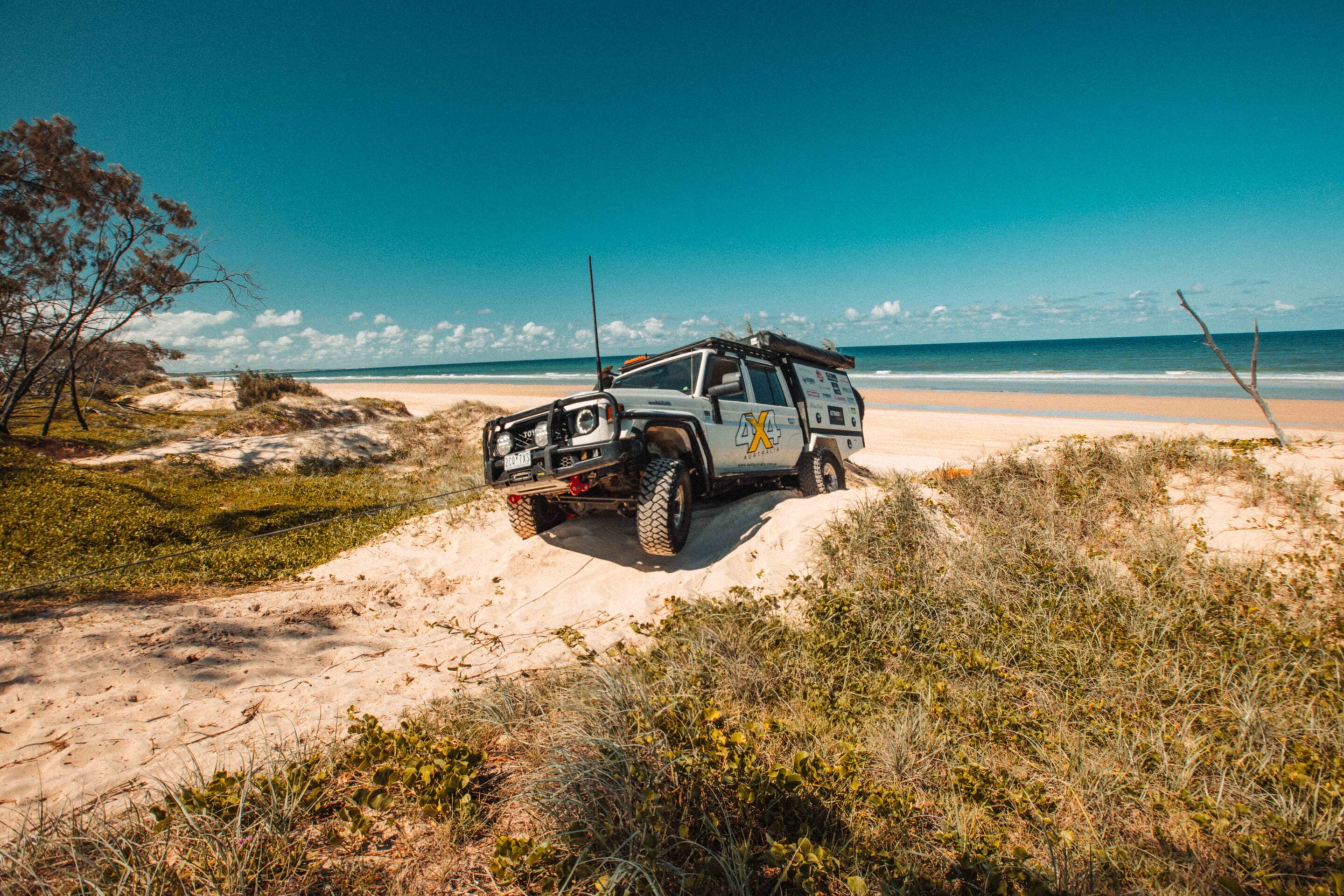
To set up the recovery, we had to turn around in the same boggy conditions – never ideal – and for a moment it felt like we were dangerously close to becoming part of the problem rather than the solution. With Maxtrax and a snatch strap out, the LandCruiser was positioned for a straight pull. On the first attempt, traction aids restricted power just when it was needed most, causing a brief struggle.
3
After a quick reset, the second run was textbook: first gear low range off the line, a quick shift into second, holding around 3500rpm to maintain momentum through the soft sand. Within seconds, the Ranger was free and rolling, and traffic was flowing again after roughly 15 minutes. With the track cleared, we continued on to the lagoon, where calm, crystal-clear water and soft sand made it easy to forget the brief chaos.
While we were settled in at D.I, the convoy grew by one. Lucinda Harvey, owner and founder of Saving True Blues, joined us for the next leg of the trip. Having spent most of her time outside Queensland, this was all new territory. And with K’gari – Fraser Island – sitting just a stone’s throw offshore, it didn’t take long for the inevitable suggestion to surface. Within 30 minutes of arriving, Lucinda looked around, took it all in, and said the words that would shape the next chapter of the journey: “We should go to K’gari”. And from there, things escalated quickly.
K’gari (Fraser Island)
We didn’t actually have a plan for where to go next.
Parked at Double Island Point, camp dialled, vibes high, Lucinda Harvey dropped the line that changed everything. The first step was logistics. We ducked back up to the lagoon at Double Island Point to get phone reception, checked campsite availability, made sure permits were all good, and confirmed we could extend Willow’s stay a little longer.
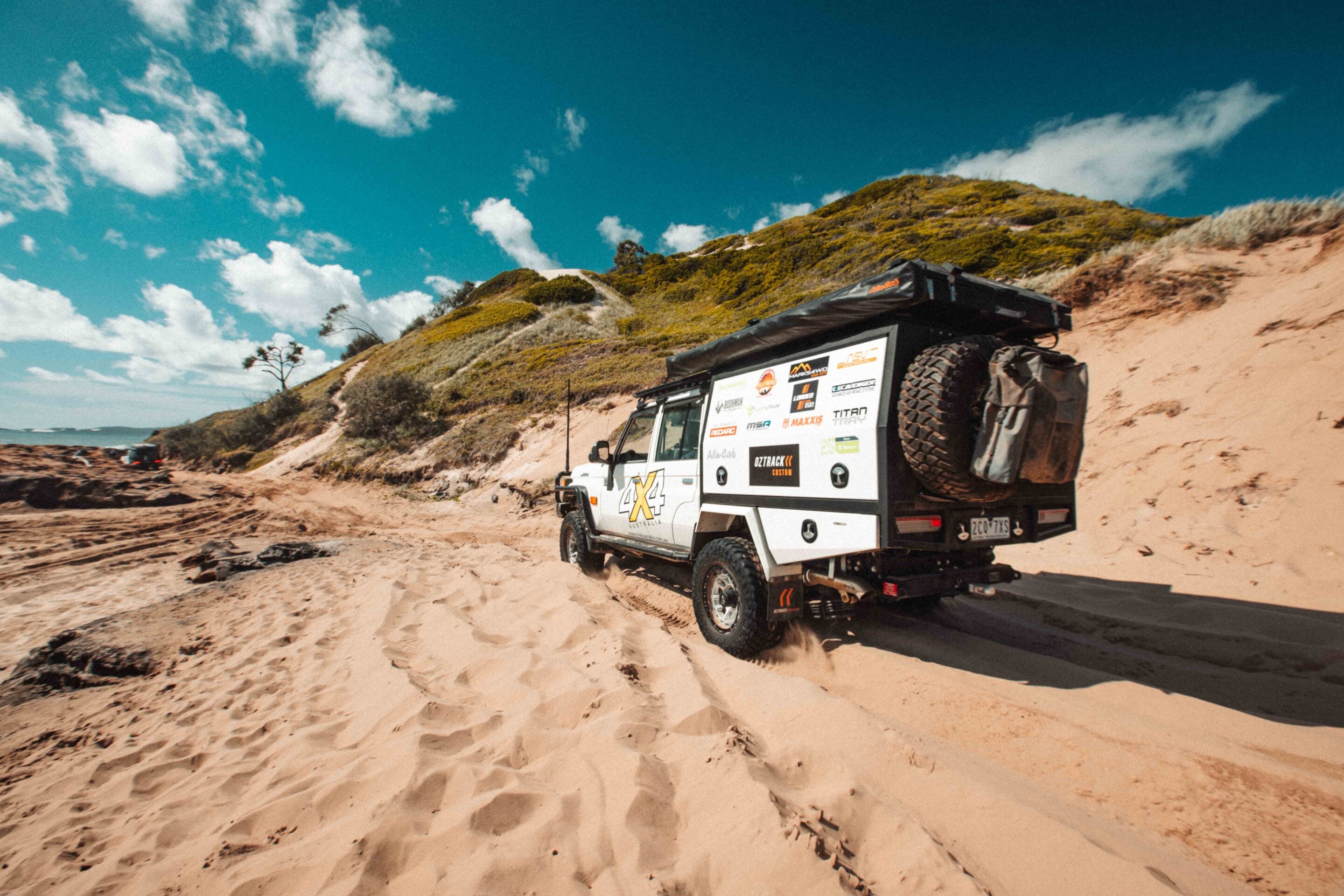
We took the freshwater track out of Double Island Point, aired up slightly for the run into Rainbow Beach. From there, it was on to Inskip Point, infamous for one thing above all else: People getting bogged. And wouldn’t you know it, as soon as we rolled in, someone was stuck.
A small wagon was stuck in soft sand while traffic banked up behind it. About 20 vehicles sat watching, most on 35s, locked, loud and ready, while people tried to dig and shove Maxtrax under it. We suggested a snatch strap, hooked it up, and had them out in seconds. Traffic flowing again. A bit of thinking goes a long way on sand.
We rolled onto the Manta Ray Barge, crossed over, and … holy hell, K’gari was busy. Absolutely packed. So our first priority was getting to camp before everything filled up. We headed north and locked in Camp Zone 8, up near Orchid Beach and Ngala Rocks. Found a cracking spot with views, sun on our faces and salt in the air. That said, the campsites themselves were pretty grubby – a shame, really. So we did a quick clean-up, met the neighbours and dipped our feet in the water. That night, sitting on the dunes with the breeze rolling through, was easily one of the best nights of the trip.
1
The following day the obvious next move was Ngala Rocks, and we spent the morning thrashing through it multiple times. The Cruiser went through comfortably in first gear high range. I ran second gear low range, no drama, even with a heavy setup. Tyres were sitting around 20 psi, which could’ve gone lower.
From there, it was time to show Lucy the classics. We cruised south for a sightseeing run to Champagne Pools, Eli Creek, lunch at the Eurong Beach Resort, and then Lake McKenzie. The drive inland through the rainforest still blows me away every time. The temperature drop, the shade, the colour of the sand – it’s unreal. With how busy the island was, police were everywhere, and we even got breathalysed at the intersection between Eurong and Lake McKenzie.
Lake McKenzie, as always, delivered. Crystal clear, warm water, and one of the busiest days I’ve ever seen there – but still absolutely stunning. From there, the convoy split. Sarah and Jesse headed toward Kingfisher Bay to catch their barge and go grab Willow, while we doubled back to the Manta Ray barge and pointed the bonnet south. By nightfall, we were camped up at my family’s place in Coolum, dusty, sunburnt, wrecked – and already talking about when we’d do it all again.
7
Stonesthrow Bush Camping in the hinterland
After a few big days on the coast chasing waterfalls and freshwater swims around Yandina and out near Kenilworth, it was time to start pointing the bonnet south toward Victoria.
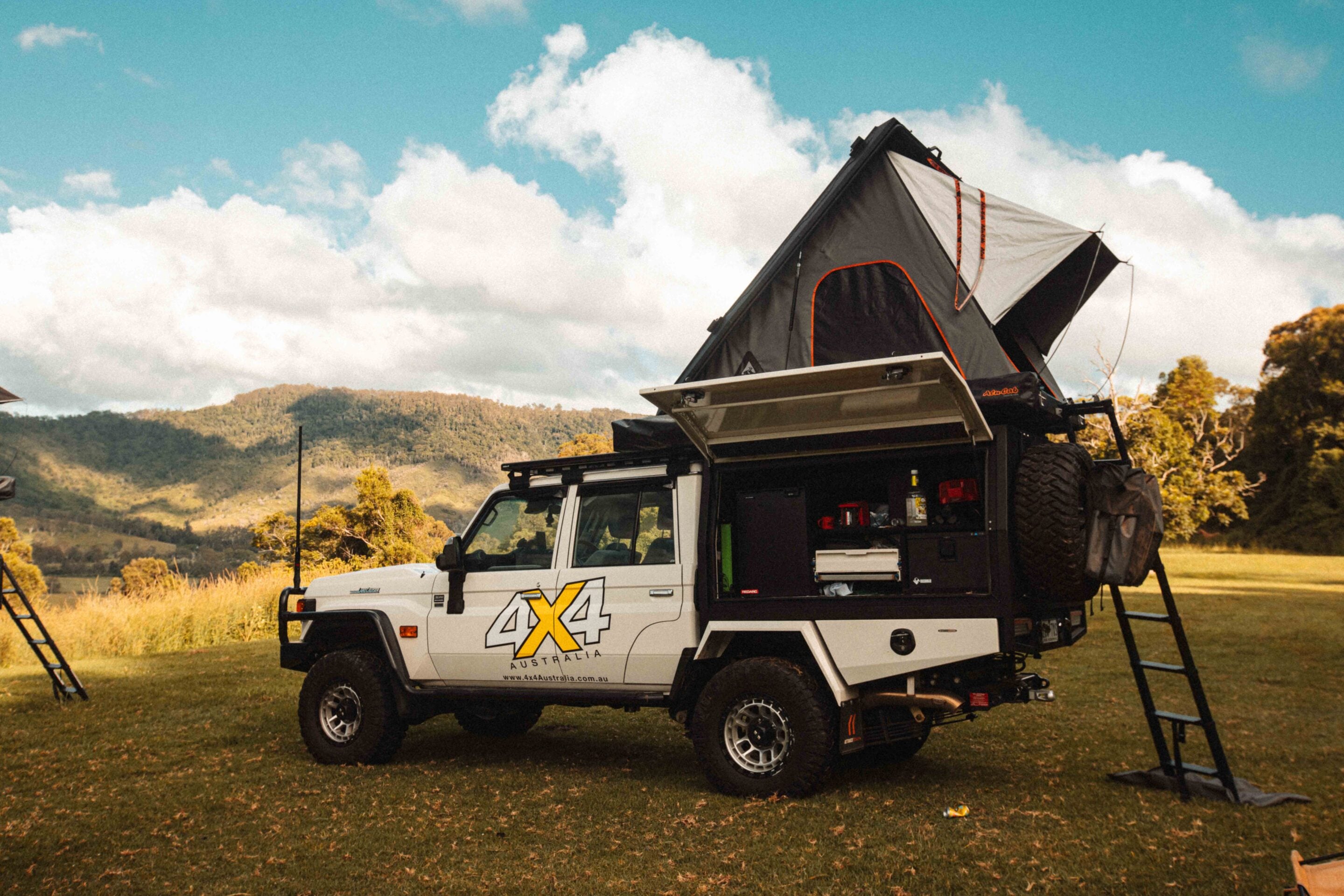
Before we did, though, we had one last proper stop lined up – a Hipcamp called Stonesthrow Bush Camping, tucked away in the Gold Coast hinterland. What makes Stonesthrow special is just how close it is to civilisation, yet how quickly it feels like you’ve escaped it. The property sits roughly 40 minutes from Movie World and about 30 minutes from the Gold Coast, but once you roll through the front gate, you’d never know it. Entry is an experience in itself: You’re greeted by free-roaming goats, horses and steers, all incredibly curious and more than happy to come say g’day.
Not long after, we met the owners. Richard came cruising up on a Yamaha TTR125, with his daughter Essence riding along. Easily some of the most welcoming camp hosts we’ve come across. They guided us through the property and up into the bush to the higher sections, where the views open right up across the valley. This turned out to be some pretty fun off-roading to get up to this section – off-camber dirt roads and washed-away ruts kept the journey lively, a proper hinterland adventure.
1
Richard ran us through the set-up: There’s a composting toilet and filtered water near the house, but campers are still required to bring their own toilet to use at their sites. Fair enough – as Richard put it, he’s not keen on mowing paddocks or walking through human poo while maintaining the property. Respect the place, and it stays as good as it is.
The campsites themselves are spacious, quiet and well spread out, offering a true bush-camping feel without the chaos you sometimes get at public spots. It’s also pet-friendly. It was one of the best Gold Coast hinterland camps we’ve stayed at. Peaceful, unique, and full of character.
From there, it was time to wrap things up. We pushed south, breaking the drive with motel stops to make good time, keen to get home before the bushfires threatened to cut access back across the border.
2
Road trip wrap-up: Heading home
After our final night at Stonesthrow Bush Camping, reality came knocking. Max and I had to be back for the start of work, so the convoy split and we pointed the bonnet south.
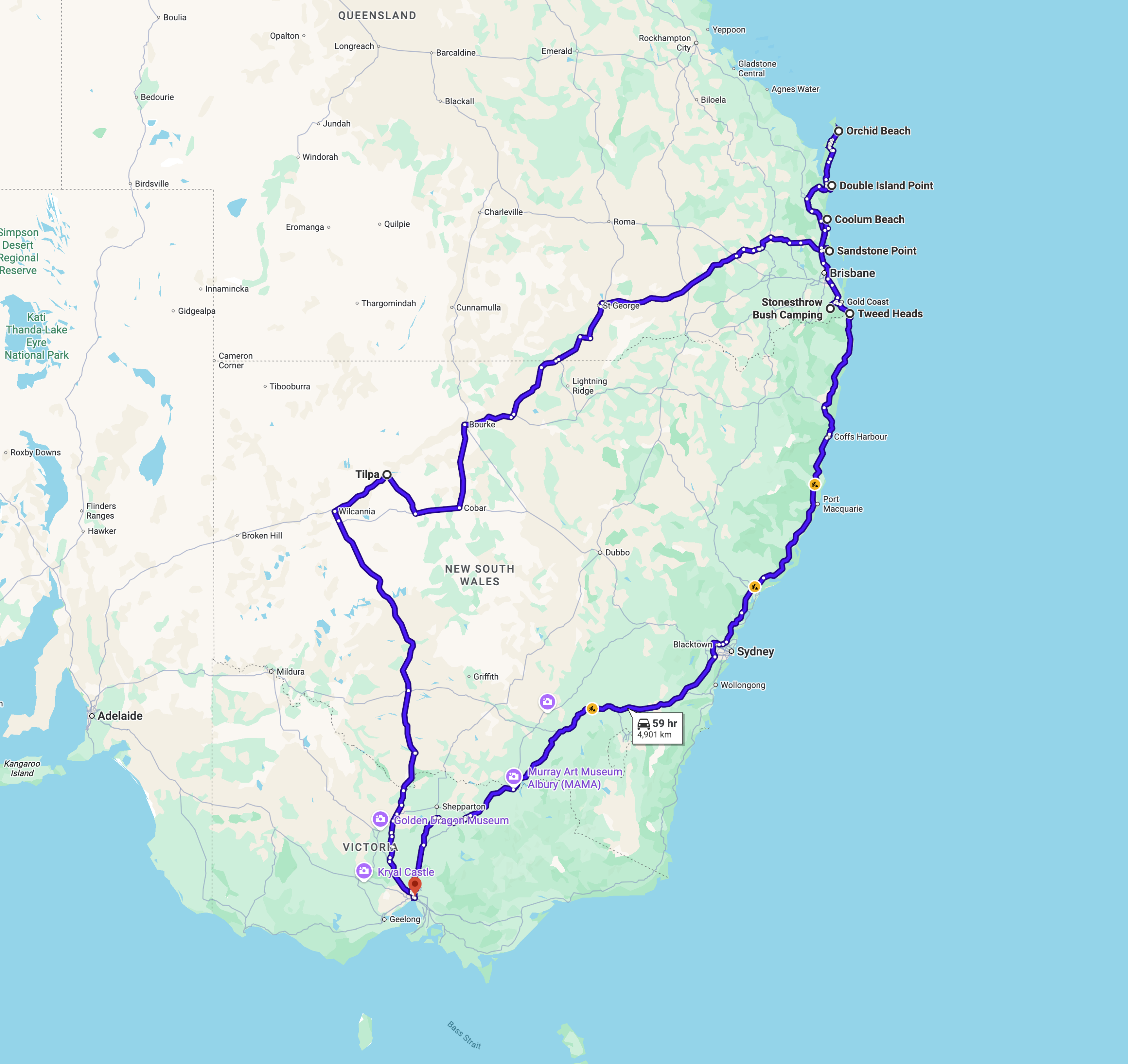
What followed was a big push: Tweed Heads to Goulburn, then Goulburn to Melbourne, cutting through regions scarred by bushfires. It was confronting. Blackened paddocks, burnt trees, and that heavy, smoky stillness that makes you slow down and take it all in. A sobering reminder of how quickly things can change out here.
Still, from dusty pubs and beach camps to late-night laughs and spontaneous decisions, it was one of those trips that sticks with you. Thanks for tuning in for the read. And remember – it doesn’t matter what you drive. Get out there. Go explore.
1
Limp mode … again
A few days after we made it home, the phone rang. It was Jesse and Sarah, still in Goulburn, and the HiLux was in limp mode again.
This time it wasn’t a loose hose or a zip-tie fix. Fault codes were popping up, power was gone, and things were looking far more serious. After an RACV inspection and a tow truck ride, the verdict was grim: Either a blown turbo or a failed turbo sensor – still not 100 per cent confirmed, but all signs were pointing toward the turbo.
We wouldn’t be surprised if Jesse turns up in a LandCruiser sometime soon. He was already low-balling Marketplace listings for the entire trip.
Follow 4X4 Australia on Google
Get more 4x4 news, reviews and gear stories from 4X4 Australia in your Google feeds.


We recommend
-
 Gear
Gear2024 Toyota LandCruiser 79 GXL: Our big build for 2025 gets underway
Our new VDJ79 build gets cracking with a suspension and GVM upgrade from Terrain Tamer
-
 Explore QLD
Moreton Island or K'gari (Fraser Island): Which one should you visit first?
Both are breath-taking, but which island paradise is right for you?
-
 Reviews
Sink or swim: Is the BYD Shark tough enough for the Simpson Desert?
The Chinese-built BYD Shark sinks its teeth into the brutal Simpson Desert to prove it’s much more than an urban EV