Gear

Gallery 1
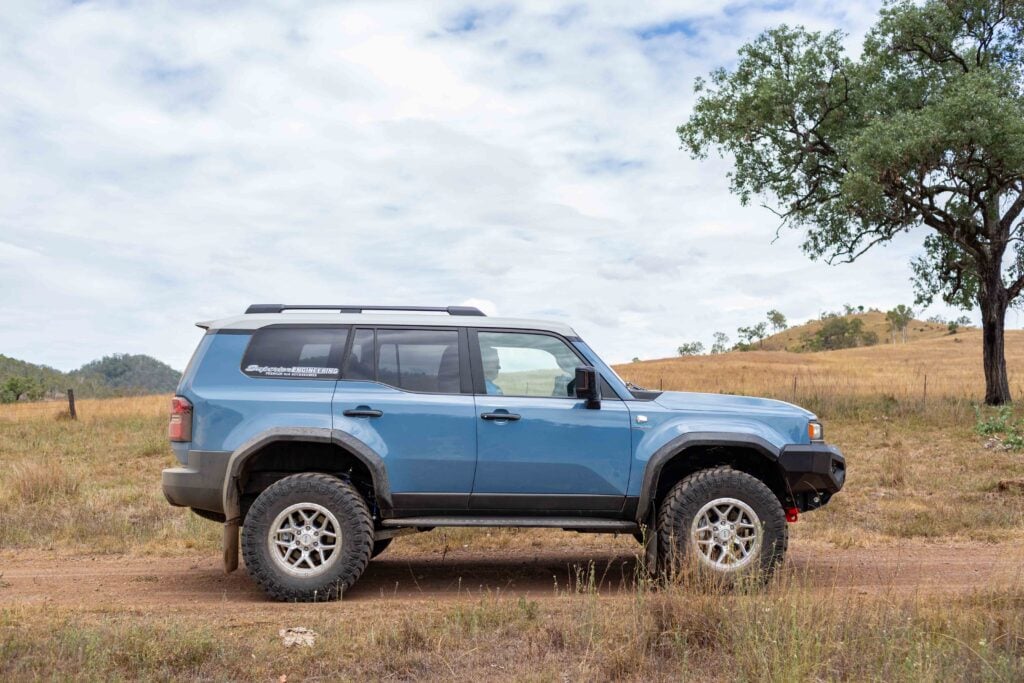
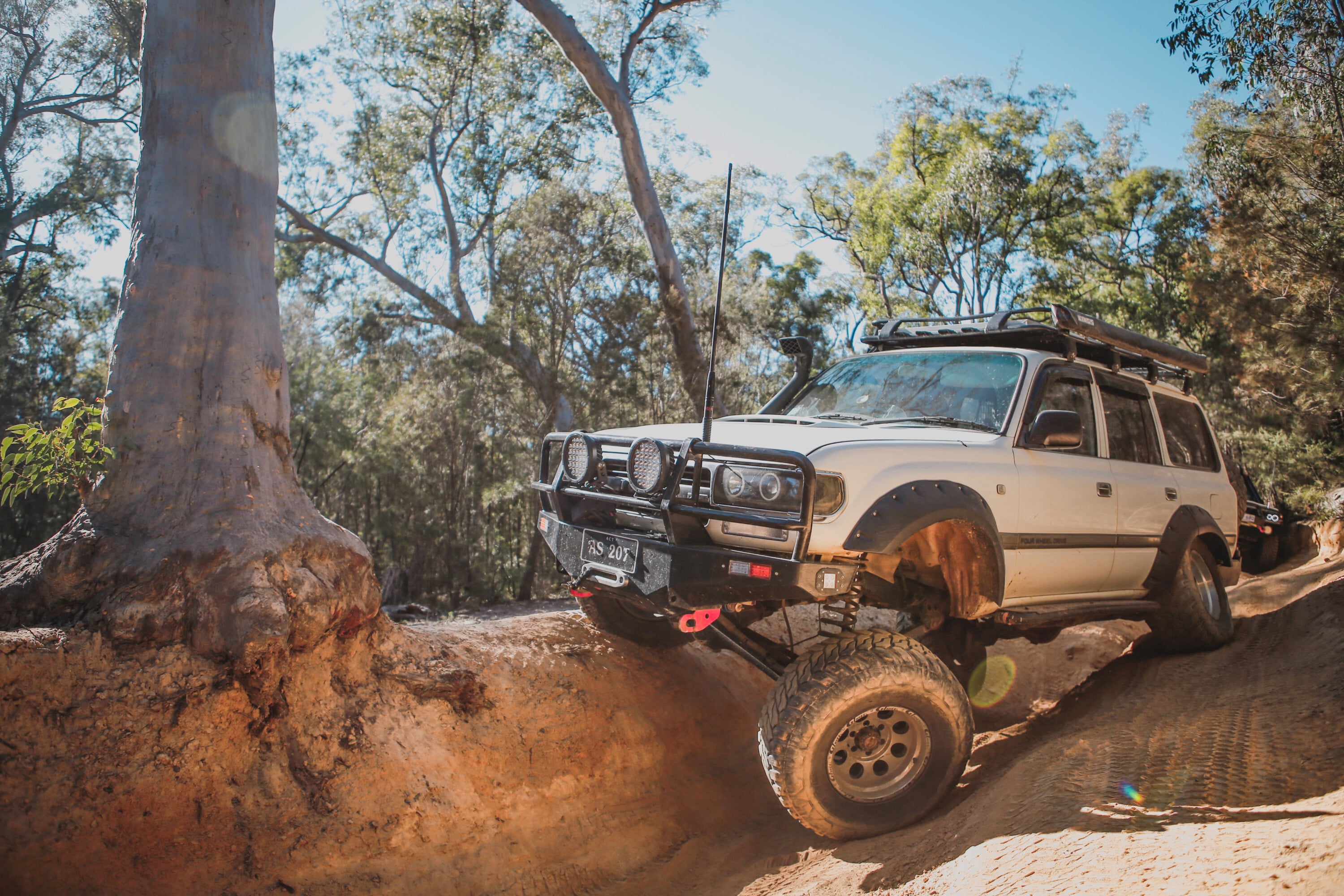
Suspension isn’t just about ride comfort – it determines how your 4WD handles off-road terrain and carries gear safely.
Superior Engineering recommends starting with a Spring Rate Calculator to remove guesswork. It estimates your vehicle’s load and suggests suitable spring rates, helping achieve the right balance of ride height, wheel travel and handling.
Why spring rate matters
A spring’s rate defines the weight it can support.
Springs that are too soft for your rig’s load can lead to sagging, reduced suspension travel, shocks bottoming out, and accelerated wear on other components. Springs that are too stiff, on the other hand, can make the ride harsh and limit wheel articulation. Getting it right ensures the suspension functions efficiently under real-world conditions.
The spring rate should reflect your constant load – the weight your vehicle carries day-to-day. This includes items such as:
- Bullbars and winches
- Rear canopies or drawer systems
- Roof racks and long-range tanks
- Bolted toolboxes
- Secondary batteries
- A full tank of fuel
- Regular passengers
Occasional loads – luggage, camping gear, or supplies – should not dictate spring selection. Springs sized for maximum weight will make the vehicle stiff and uncomfortable when lightly loaded.
Measuring your vehicle’s real-world load
For accurate results, measure actual axle weights rather than relying on estimates. Weighbridges or corner weight scales give the most reliable data. Make sure the vehicle is configured as it is used daily – full fuel, permanently installed accessories, and typical tools and equipment. This provides a solid foundation for selecting the right suspension.
Superior Engineering’s Spring Rate Calculator lets you build a digital model of your rig, including common accessories such as fridges, roof-top tents, and steel bars. The tool aggregates these loads to recommend spring rates for front and rear suspension, making sure upgrades deliver predictable ride quality and handling.
Spring rate also affects suspension geometry. Springs that are too soft will sag, lowering ground clearance and limiting travel, while overly stiff springs can restrict upward movement if the vehicle’s weight is insufficient. Any changes – adding accessories, removing weight, or upsizing tyres – should prompt a recalculation to ensure the suspension remains properly matched.
Expert support from Superior Engineering
While calculators provide a starting point, professional guidance is recommended to ensure safe and reliable installation.
Superior Engineering also offers integrated suspension solutions and speedo correction services to maintain drivetrain performance. With more than 20 years of 4WD suspension expertise, the team helps match spring rates to real-world conditions, delivering comfort, capability, and reliability across all terrain.
Follow 4X4 Australia on Google
Get more 4x4 news, reviews and gear stories from 4X4 Australia in your Google feeds.