
Snapshot
- Developed with Icelandu2019s Arctic Trucks
- 35-inch off road tyres
- UK only so not for us
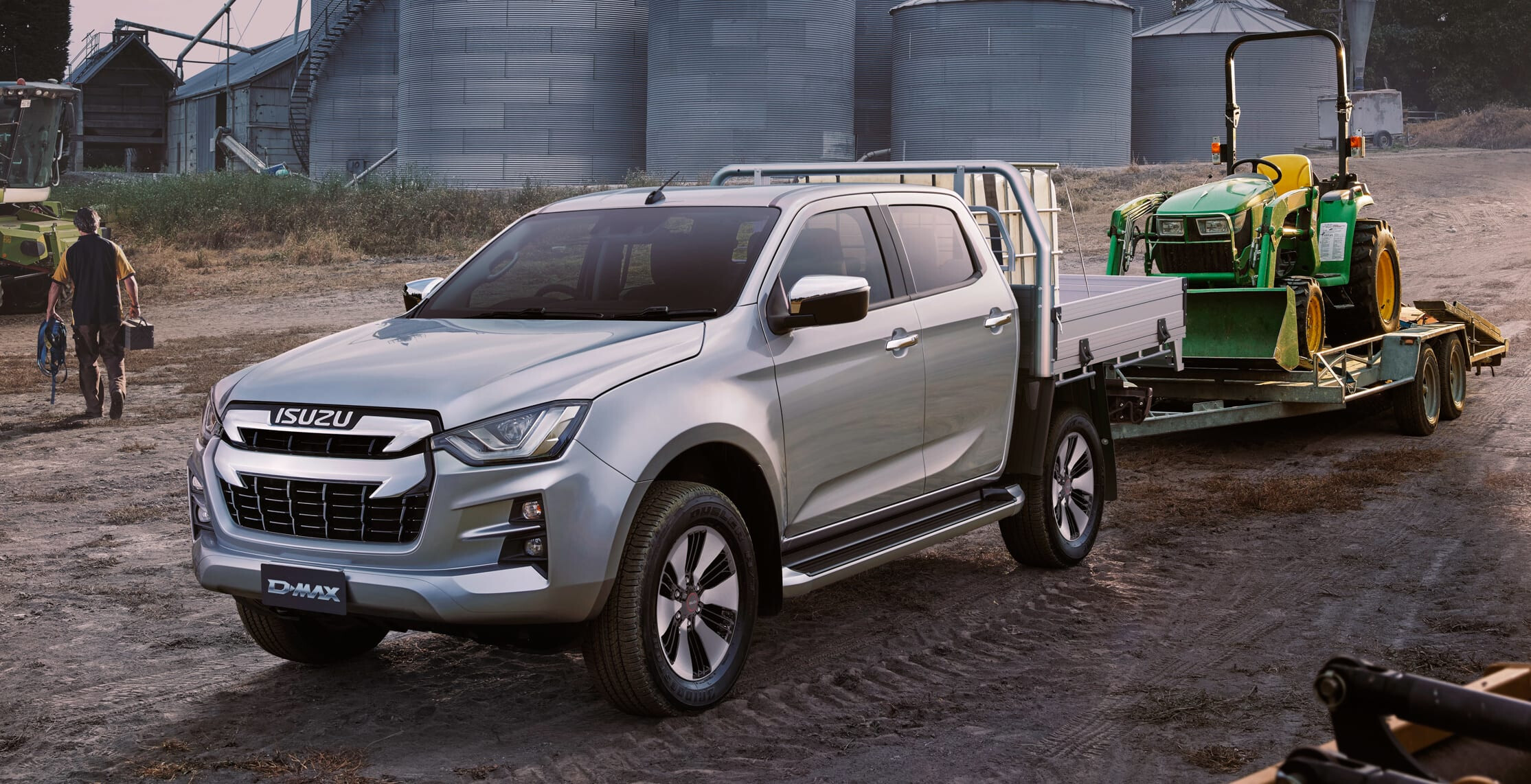
Isuzu UK has pulled the wraps off its 2022 D-Max AT35 and we’re asking –why can’t we have one?
While Isuzu Ute Australia is currently selling every one of its D-Max 4×4 utes it can get in the country and the waiting lists are extending out to months for some models, the one variant we wish IUA would introduce here is the D-Max AT35.
Isuzu in the UK has had a long relationship with Iceland’s Arctic Trucks which build some of the coolest, glacier climbing, big-wheel 4x4s on the planet. This has seen the UK market getting specifically engineered AT versions of the D-Max for a few years now, and the company has just pulled the covers off its AT35 version of the current model D-Max, set to go on sale there early in 2022.
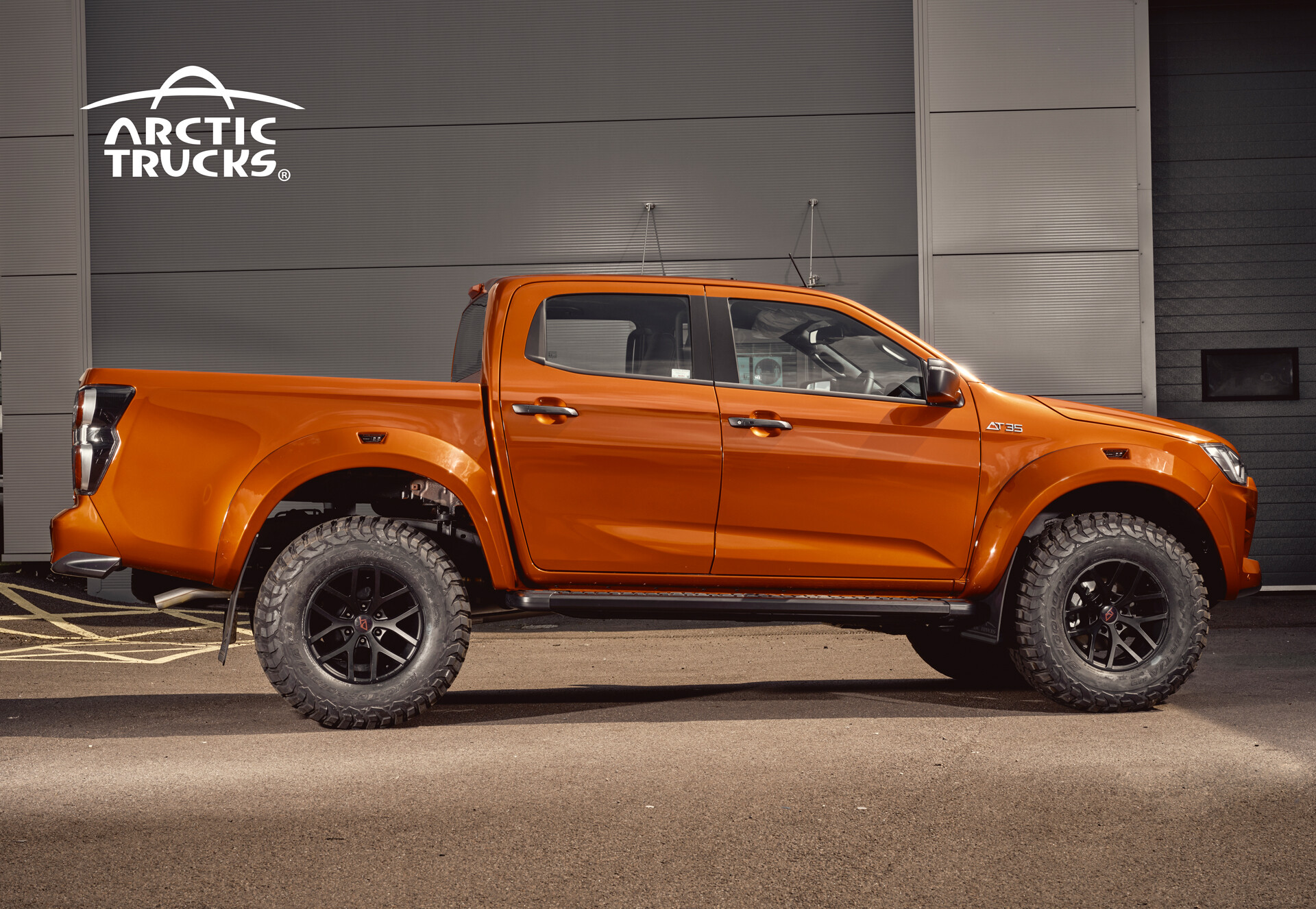
Like the AT35 models of the past, the new D-Max AT35 is fitted with 35-inch off road tyres and to make them fit, Arctic Trucks modifies the D-Max with a strengthened chassis, Bilstein suspension and the all-terrain wheel and tyre package.
“Our partnership with Isuzu now stretches back years and during that time, we have had several versions of the Isuzu D-Max AT35 however this is the best yet,” says Peter Smith, Arctic Trucks UK Managing Director.
The D-Max AT35 isn’t just about big tyres and off road performance. Based on the top of the range, D-Max V-Cross (UK) it features a leather trimmed interior with Arctic Trucks branded headrests and floor mats plus all the luxury and safety feature that the D-max comes with as standard.
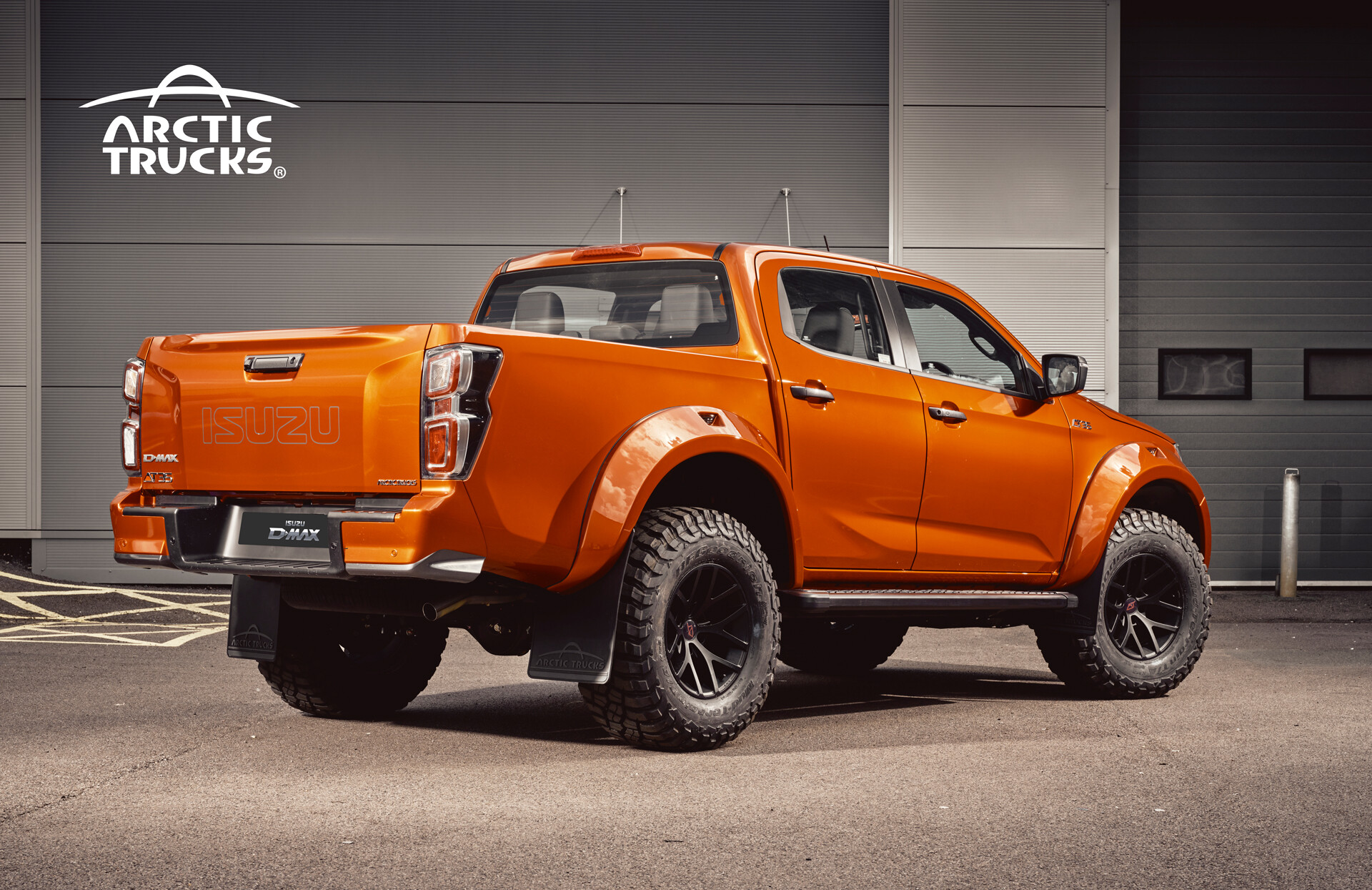
The AT35 is sold through Isuzu UK dealers and is covered by the full factory warranty there. All UK D-Maxes are powered by the 1.9-litre, 360NM RZ4E diesel engine that will be introduced in Australia on just the entry-level SX 4×2 cab-chassis early in 2022. The Brits don’t get the well-proven 3.0-litre so loved by Australian owners.
Just think what the demand would be like if we could get a 3.0-litre powered AT35 D-Max here; the dealers wouldn’t be able to keep up with it.
Snapshot
- 1.9-litre diesel engine introduced
- Heated seats announced on first day of spring
- Six new variants introduced/two discontinued
Isuzu Ute Australia (IUA) has announced a host of changes to its D-Max ute range for the 2022 model year.
Due to arrive in dealers in the first quarter of the new year, they include upgraded specification and equipment, a new entry-level diesel engine and minor price rises.
While sales of popular D-Max are still being hampered by supply restraints overseas, any new ute ordered on or before July 31, 2021 will not be subject to the price rise – even though some orders may be upgraded to the 2022 specification to meet demand.
Isuzu’s 1.9-litre RZ4E diesel engine will arrive in the entry-level D-Max 4×2 SX single cab-chassis. This base-spec is often called the ‘traffic controller model’ due to its use by the stop/go lolly-pop wranglers.
In many markets around the globe, the newer design and technology 1.9L engine is the only engine offered, while Australia has fought to upgrade and retain its popular 4JJ3 3.0-litre engine. In the SX 4×4, the RZ4E makes 110kW of power and 350Nm of torque. It is available with a choice of six-speed automatic or manual transmissions.
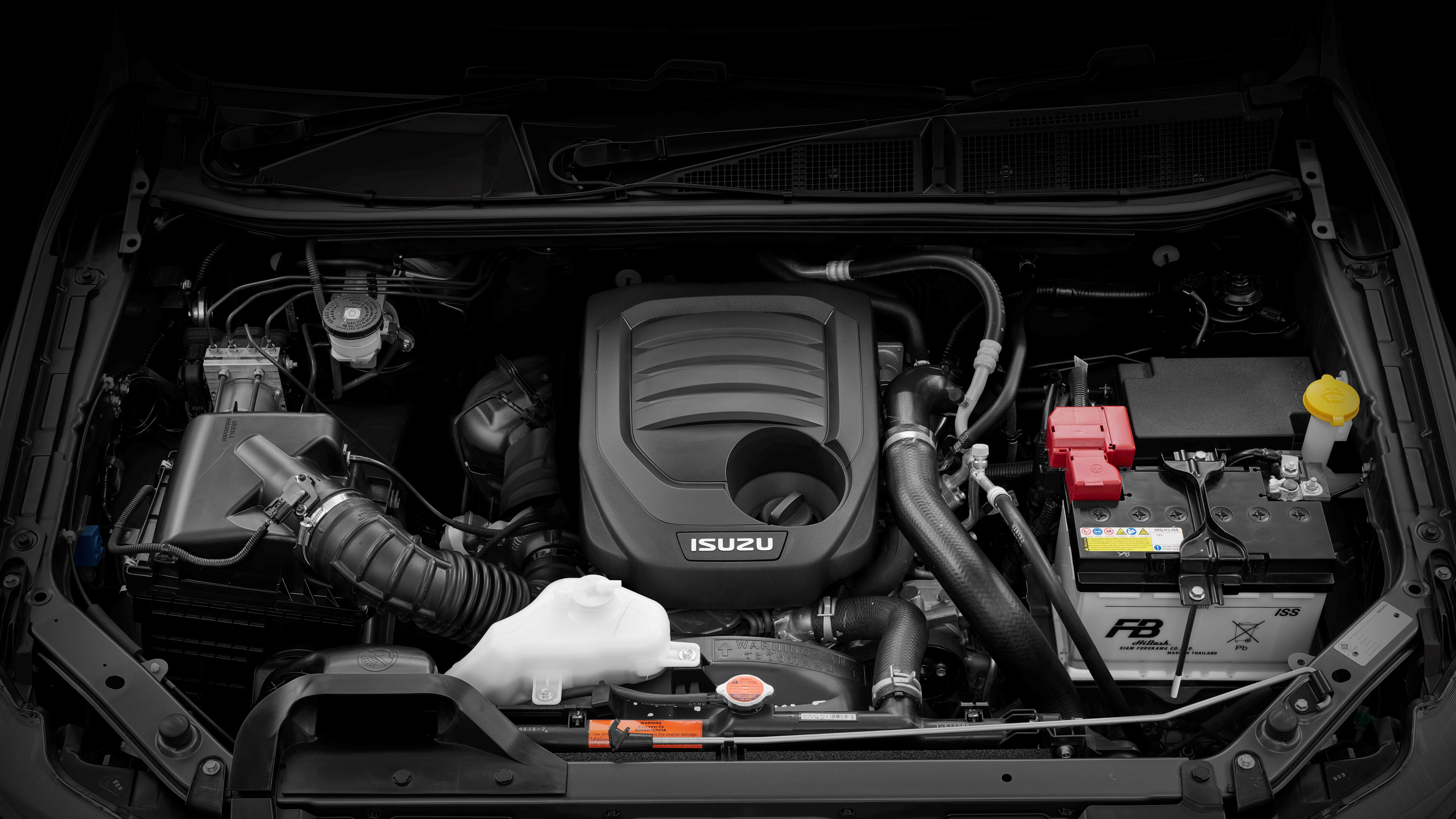
The RZ4E is a cleaner more efficient engine than the 4JJ3 but doesn’t have the outputs to be competitive in the Australian ute market. In some countries it uses AdBlue to meet the latest emissions regulations, while the 4JJ3 isn’t AdBlue ready yet as it doesn’t need to be to meet Australian standards.
As a result, all other D-Max variants will continue to be powered by the 140kW/450Nm 4JJ3 engine.
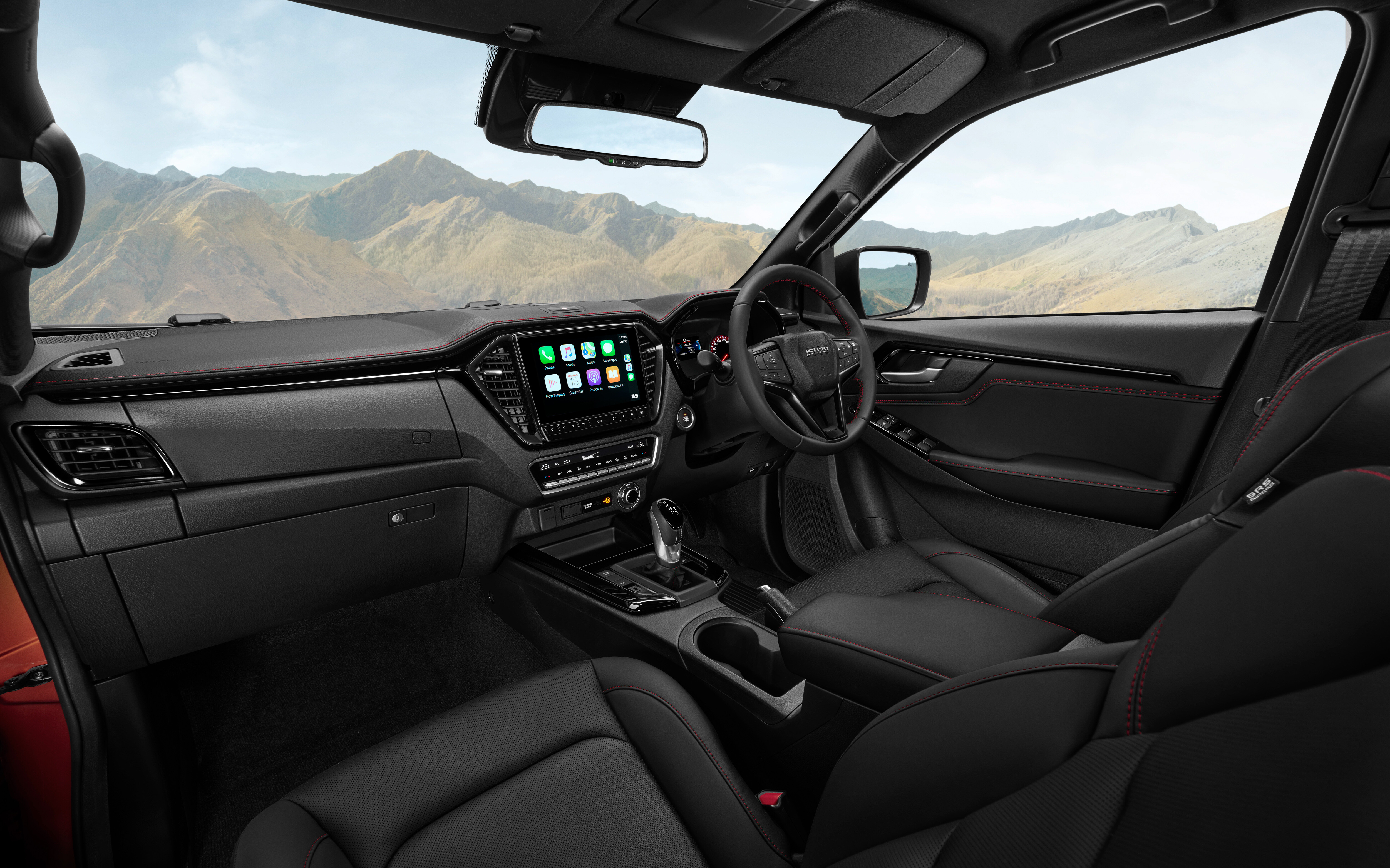
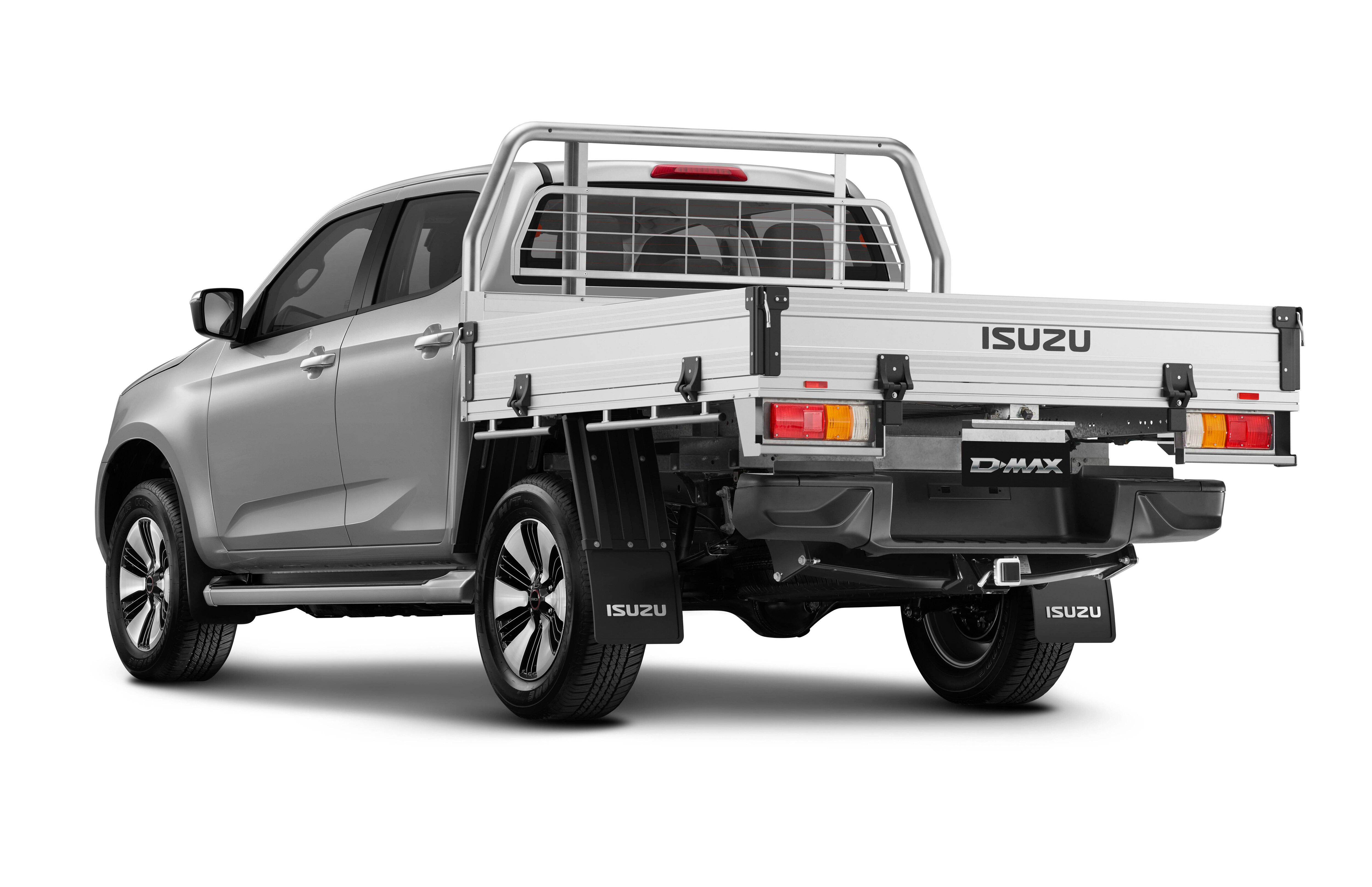
The six new D-Max variants are mainly cab-chassis models, with the aforementioned SX single cab 1.9L in auto and manual; SX extra-cab 3.0L with auto; LS-M and LS-U 4×4 double-cab cab-chassis with auto; and the new LS-U+ double-cab 4×4 with auto.
D-Max SX extra–cab 4×2 auto and D-Max SX double-cab 4×4 manual have been dropped for the new year.
Updated specification
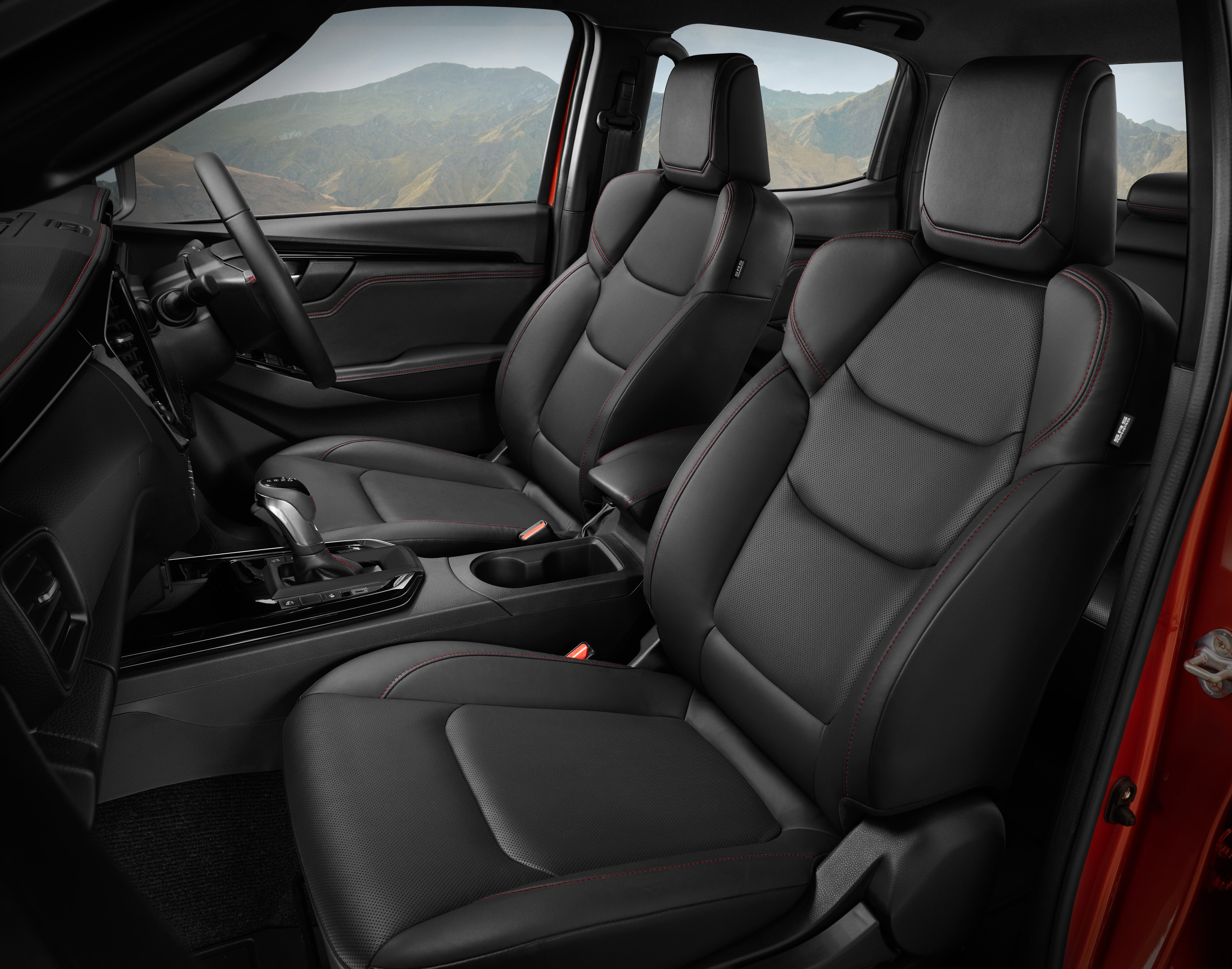
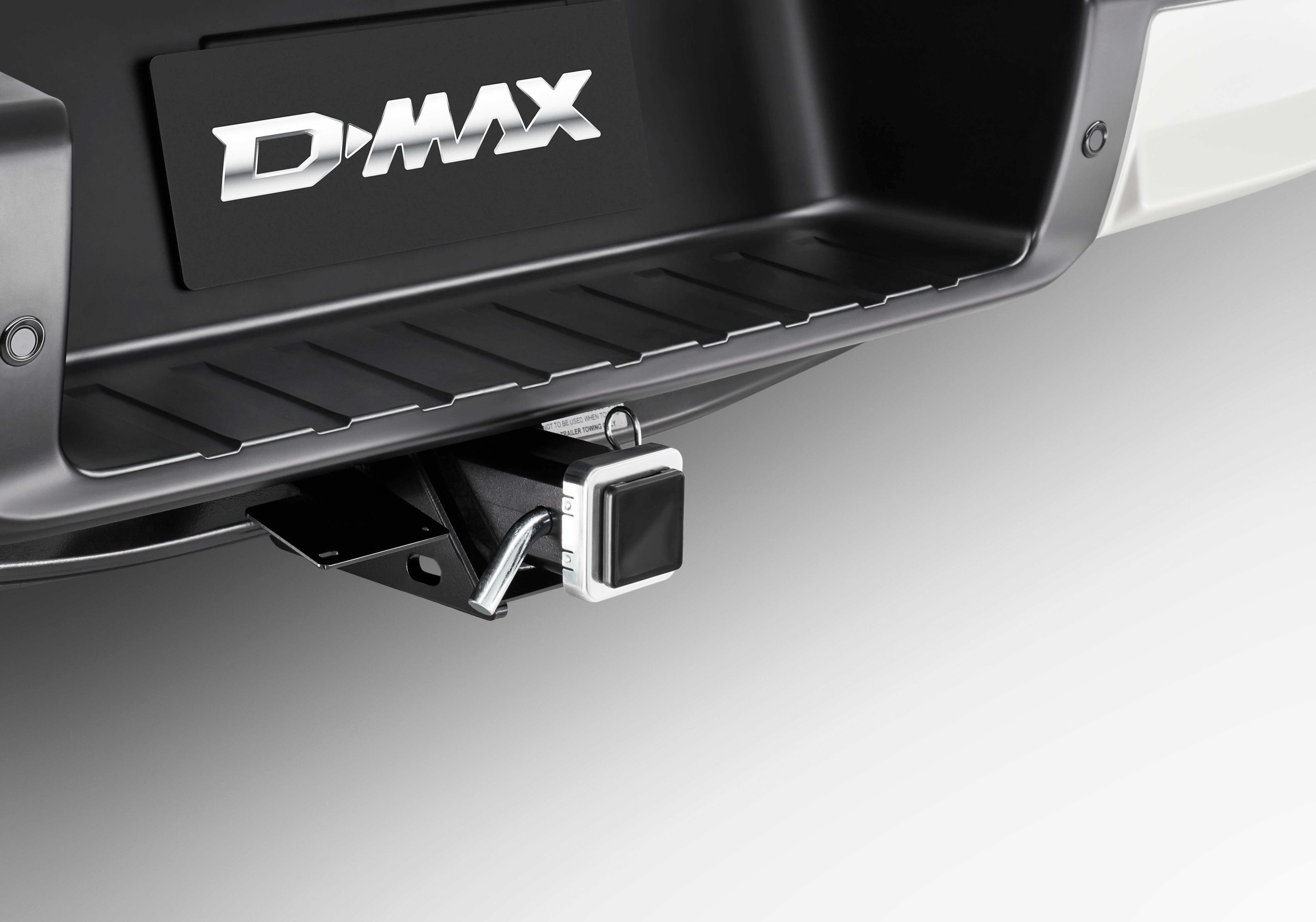
The 2022 D-Max X-Terrain boosts its top of the range stature by adding features including; variable heated front seats, vanity mirror light, auto-dimming rear view mirror, heated door mirrors, a factory-fitted tow bar and black and red accents to the interior trim.
Queensland-based IUA didn’t offer heated seats on any of its D-Max variants in the past, while the closely related Mazda BT-50 has had them on its top-spec model since launch. It’s nice to see them finally making it to the D-Max – just in time for summer.
The new LS-U+ double-cab 4×4 ute 4×4 D-Max also benefits from the inclusion of heated seats, with 8-way electric adjustment with electric lumbar support for the driver’s seat and black leather inclusions on the trim.
Regular LS-U double and extra-cab D-Max utes also get keyless entry with push button start, automatic locks on the doors when the driver walks away, an auto-dimming rear view mirror, a vanity mirror light and a factory-fitted tow bar receiver and tub liner. The cab-chassis 4×4 gets the same features minus the tub liner due to its tray.
A rear view camera is standard on all D-Max models, but the LS-M double-cab adds rear parking sensors to its class-leading safety kit to ease reverse parking.
2022 Isuzu D-Max pricing (excluding on-road costs)
| Drive | Cabin | Body | Grade | Engine | Transmission | RRP Including GST |
|---|---|---|---|---|---|---|
| 4 x 2 | SINGLE | Cab Chassis | SX | 1.9L | MT | $31,200 |
| 4 x 2 | SINGLE | Cab Chassis | SX | 1.9L | AT | $33,200 |
| 4 x 2 | SINGLE | Cab Chassis | SX | 3.0L | MT | $33,200 |
| 4 x 2 | SINGLE | Cab Chassis | SX | 3.0L | AT | $35,200 |
| 4 x 2 | SPACE | Cab Chassis | SX | 3.0L | AT | $38,700 |
| 4 x 2 | CREW | Cab Chassis | SX | 3.0L | AT | $41,700 |
| 4 x 2 | CREW | UTE | SX | 3.0L | AT | $42,900 |
| 4 x 2 | CREW | UTE | LSU | 3.0L | AT | $51,400 |
| 4 x 4 | SINGLE | Cab Chassis | SX | 3.0L | MT | $41,200 |
| 4 x 4 | SINGLE | Cab Chassis | SX | 3.0L | AT | $43,200 |
| 4 x 4 | SPACE | Cab Chassis | SX | 3.0L | MT | $44,700 |
| 4 x 4 | SPACE | Cab Chassis | SX | 3.0L | AT | $46,700 |
| 4 x 4 | CREW | Cab Chassis | SX | 3.0L | MT | $47,700 |
| 4 x 4 | CREW | Cab Chassis | SX | 3.0L | AT | $49,700 |
| 4 x 4 | CREW | Cab Chassis | LSM | 3.0L | AT | $52,800 |
| 4 x 4 | CREW | Cab Chassis | LSU | 3.0L | AT | $58,200 |
| 4 x 4 | CREW | UTE | SX | 3.0L | AT | $50,900 |
| 4 x 4 | CREW | UTE | LSM | 3.0L | MT | $52,000 |
| 4 x 4 | CREW | UTE | LSM | 3.0L | AT | $54,000 |
| 4 x 4 | SPACE | UTE | LSU | 3.0L | AT | $56,400 |
| 4 x 4 | CREW | UTE | LSU | 3.0L | MT | $57,400 |
| 4 x 4 | CREW | UTE | LSU | 3.0L | AT | $59,400 |
| 4 x 4 | CREW | UTE | LSU+ | 3.0L | AT | $61,900 |
| 4 x 4 | CREW | UTE | XT | 3.0L | AT | $65,900 |
Snapshot
- Seven-seat Tank 500 offers mild-hybrid V6 to compete against Prado
- Tank 400 expected to be an off-road alternative to Wrangler and Fortuner
- New Tank range under consideration by GWM Haval Australia
GWM has unveiled two new models under its Tank sub-brand, and the Chinese car giant has Toyota firmly in its sights.
Revealed at the Chengdu motor show, GWM showed off its new Tank 400 and Tank 500 four-wheel-drives – with the 500 built to take the fight to the peerless Toyota LandCruiser Prado.
The seven-seater Tank 500 is underpinned by a ladder-frame chassis, and is powered by a 48-volt mild-hybrid 3.0-litre turbo-petrol V6 engine.
UPDATE, December 2022: GWM Tank 300 now on sale in Australia!
The new GWM Tank 300 Hybrid is now on sale in Australia, with a starting price of $55,990. It’s not cheap, but you get a lot of kit. Hit the link below for details.
Story continues…
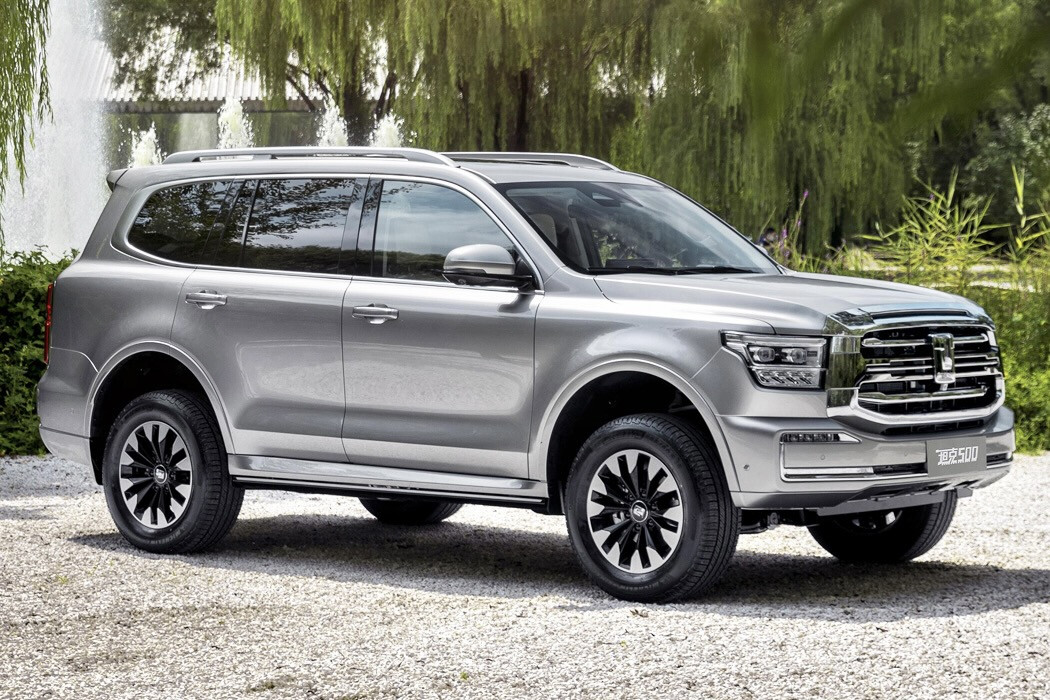
An in-house nine-speed automatic transmission sends 260kW and 500Nm to the rear wheels, with a part-time, low-range four-wheel-drive system and front/rear locking differentials available, according to FormaCar.
Company officials had previously referred to the Tank 500 as the 600, but changed the model name without explanation – likely to allow room in its range for a larger LandCruiser rival.
So far GWM has publicly shown five Tank models, from the 300 to the 800, with just the 600 missing from the line-up.
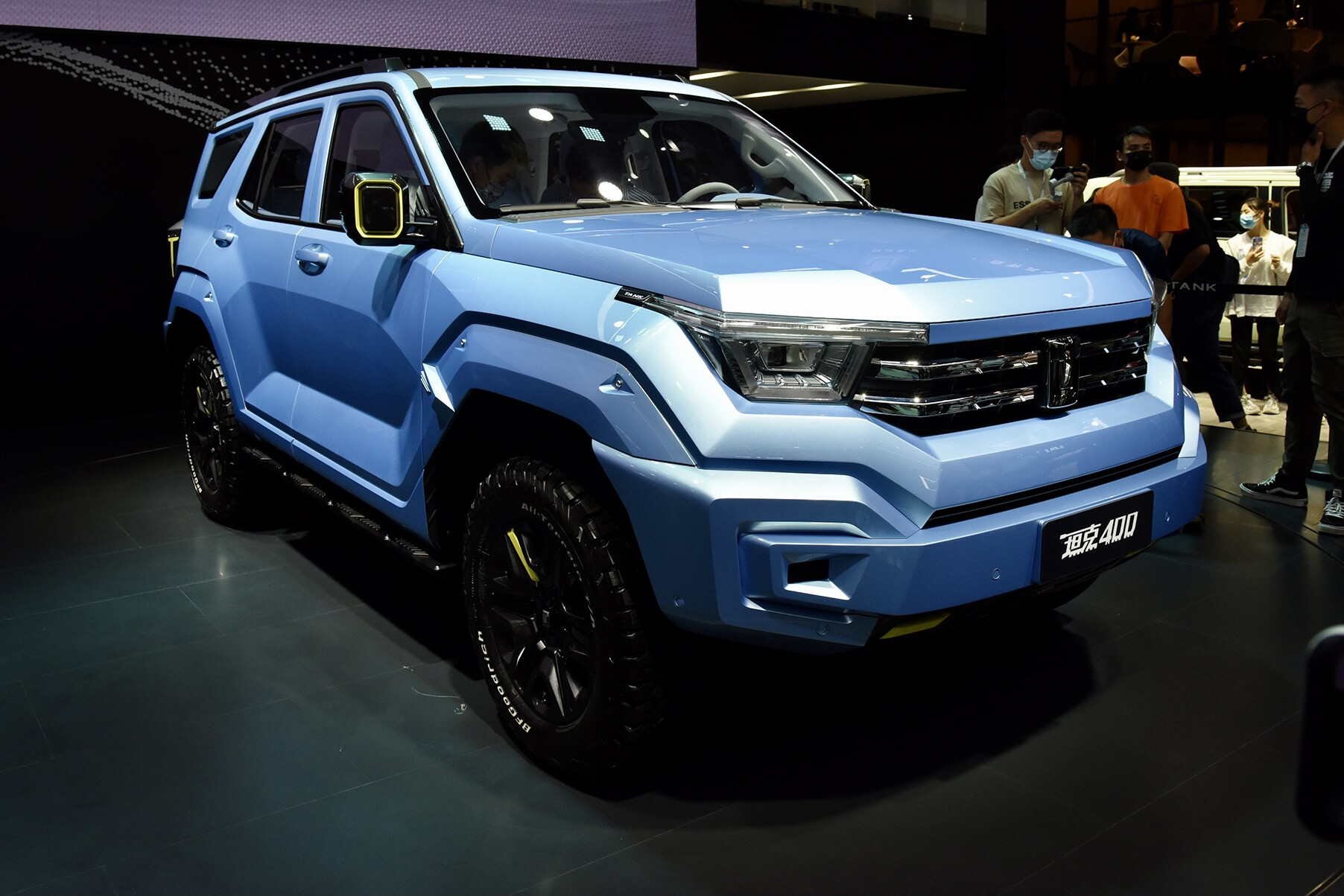
While both the Tank 400 and 500 have the same 2850mm wheelbase – also shared with the LandCruiser 300 Series – it appears from its chunky exterior the 400 is designed to be a more purposeful off-road vehicle, with the 500 offered as the more comfortable, family-oriented option.
Details of the 400’s powertrain have not yet been revealed, but it’s expected the four-wheel-drive will be pitched against the likes of the Jeep Wrangler, Ford Everest, Mitsubishi Pajero Sport, and Toyota Fortuner.
It’s understood GWM Haval is currently evaluating four-wheel-drives for Australia, though it is expected the models could be sold under the Haval brand if they are brought here.
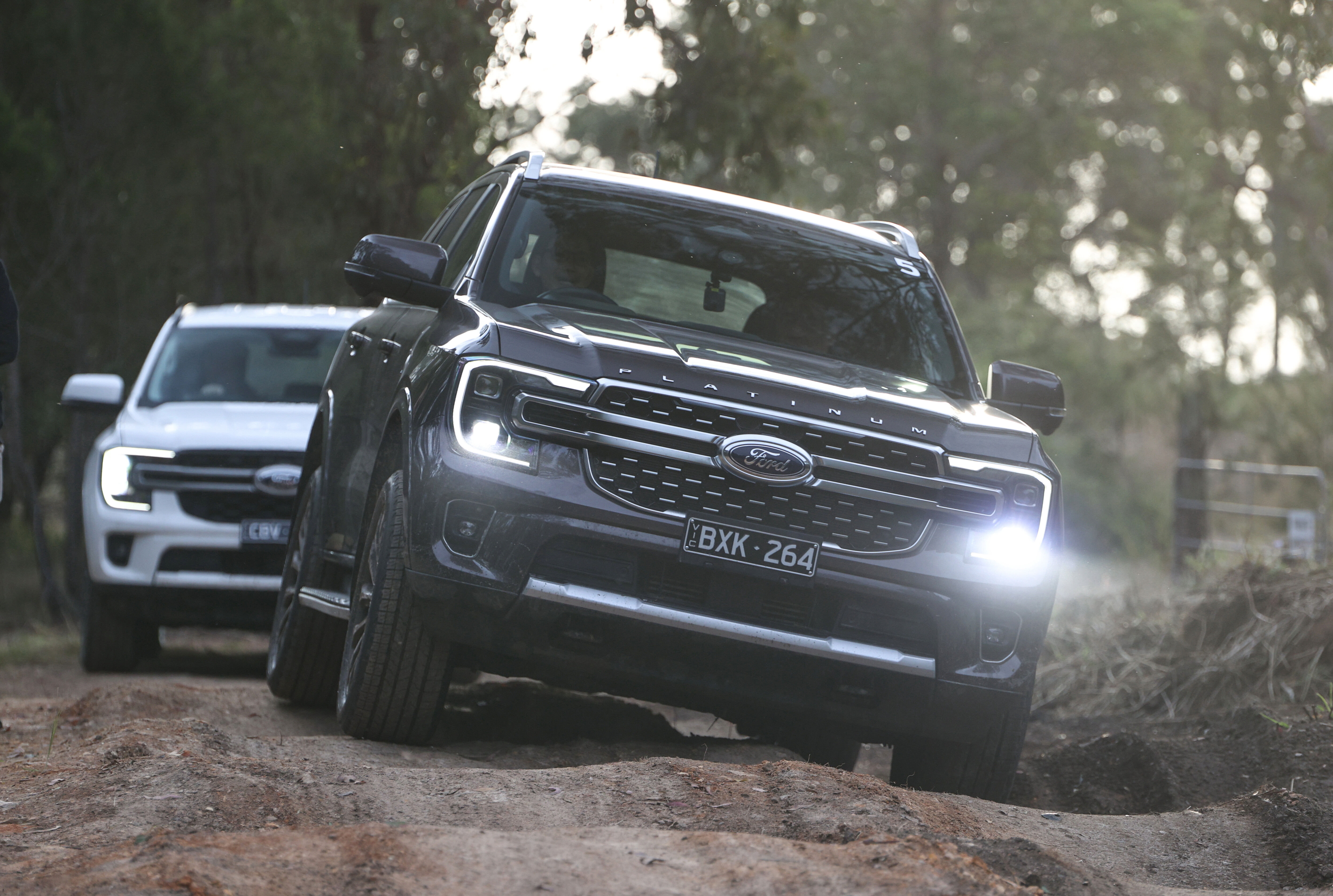
The 2023 Ford Everest is currently undergoing development in both Australia and the USA, but information out of Michigan suggests the Blue Oval may be benchmarking it against the Toyota 4Runner.
Based on the next-generation Ranger, left-hand-drive versions of the Everest have been spotted undergoing testing by Ford engineers in Michigan in recent months, suggesting the model is destined for showroom floors in North America.
UPDATE, September 13, 2022: New Ford Everest on sale, and we’ve driven it!
The new-generation 2023 Ford Everest is finally on sale in Australia, and our man Matt Raudonikis has driven it. Get the full story, and our first-drive video, at the link below.
Story continues…
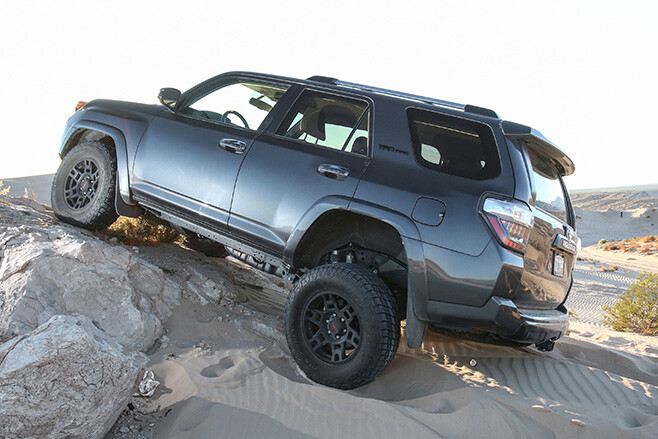
According to website Ford Authority, in the past few days spies have spotted a Toyota 4Runner being driven in and out Ford headquarters, complete with a trademark yellow sticker seen on windscreen normally reserved for vehicles owned by the Blue Oval.
Ford has a history of benchmarking its competitors’ cars. During the development of the Bronco, Ford engineers were often seen driving Jeep Wrangler and Gladiator models.
While the 4Runner isn’t sold in Australia – Toyota instead offering the HiLux-based Fortuner – the four-wheel-drive is considered to be a class leading off-road vehicle in the US. All of which suggests the next Everest may end up being quite capable in the bush.
Despite launching in 2010, the 4Runner accounts for 37 per cent of all body-on-frame SUV sales in the US, as well as being the second quickest-selling new car in America after the Corvette. According to website The Drive, it takes just 10 days to sell a 4Runner after it arrives at a Toyota dealership – putting the vehicle firmly in Ford’s crosshairs.
In late 2019, sources told Wheels the upcoming Ford Ranger ute will be offered with both petrol and diesel V6 engines, and it’s likely these powertrains will carry over to its Everest sibling when it’s unveiled in 2022.
The track was carpeted with twigs, branches and leaves from the surrounding forest, but it was otherwise smooth and easy going for most of the way, testimony to the low use of the track. We were searching for remnants of the Victoria Star Mine but little did we know we had driven past the major site hidden as it is, amongst the verdancy of Far East Gippsland.
Our trip had started a few days previously when we left the mountain township of Omeo and headed east looking for less frequented spots to enjoy in the Victorian High Country. Our first night had been spent camped at a remote, little-used campsite on the edge of Limestone Creek, north of the Limestone Creek-Black Mountain road that cuts through this section of High Country, west of the mighty Snowy River. Our camp beside the mountain stream was everything you look for in a bush camp: a shady glade amongst trees that weren’t so tall to be a danger, a small creek with mountain-fresh and clean water flowing past, green grass beneath our feet, and an abundance of firewood within 100 metres. Pure heaven with nobody within cooee, while dingos called during the night and the snort of a wild stallion guarding its mares woke us in the morning.

We had settled in for a few days but rain that first night continued into the morning and sent us scurrying out of this mountain fastness, the steep tracks becoming decidedly slippery after rain and no place for a four-wheel drive with a camper on the back, even one as capable as my 79 Cruiser.
For the next few nights we settled in and enjoyed the serenity of one of my favourite camps in this part of the High Country: Native Dog Flat. While it’s close to the main dirt road and easily accessible, it’s rarely crowded and for the first few days we enjoyed the spot all to ourselves and a group of wild horses that came in every day to graze on the surrounding grassy plain.

With the weekend, a couple of locals from Orbost came along, so looking for even quieter abodes we pushed east and crossed the mighty Snowy River at McKillops Bridge. The road has improved since the first time I drove it 40-odd years ago, but it’s still a long, tight descent where there are few places to pull aside and let an oncoming vehicle pass. It’s not recommended if you are towing, but we took the chance and were lucky enough to only meet one vehicle and he had seen us coming down and parked up to let us sneak by.
After a brief stop at the info shelter on the eastern approach to the bridge, we cruised on, stopping for the evening at the historic Ambyne (sometimes, Amboyne) Suspension Bridge. The old bridge crosses the Deddick River and was designed to handle vehicles weighing up to three tonnes and was in use from 1935 to 1970. It’s only one of two still standing and is classified by the National Trust and has undergone some renovation. It’s worth a stop to check it out and, while the camping area is small, it’s okay for a night camp.
BEN’S DOCK
We wound our way towards Bendoc, close to the NSW border in East Gippsland. Once an important gold-mining town, today Bendoc is pretty quiet with just a pub and not even a general store or fuel outlet to serve any visitors or passing traffic.

Local legend reckons the town’s name dates back to the 1840s when cattle from Ben Boyd’s runs, which then stretched from Eden to the Monaro, wandered south into Gippsland. Arriving at ‘Wagra’, the original name for the town and an Aboriginal word for ‘black-eyed crow’, there was a portion of clear country and Ben’s cattle congregated there. It was here that Ben and his men would dock the tails of the cattle, and so the area became known as ‘Ben’s Dock’, later to be shortened to ‘Bendoc’. However, there are other stories too.
Today, if it wasn’t for the government departments of Parks Victoria and the DPI, along with the SES and their relatively new buildings, you’d be flat out finding any life in the town. On the outskirts are a couple of logging contractors who employ most of the people in the region, but it was the old gold-mining stories of the region that had attracted our attention.

Alluvial gold was first discovered in the Bendoc River in 1855 and, while this didn’t last too long, the rich deposit of what was to become the Morning Star mine was found a couple of years later. Other deposits were soon discovered and over the next 20 years many prospectors, including a number of Chinese, were sluicing for gold in Back Creek, and in the Bendoc, Queensborough and Delegate Rivers, while hard-rock miners were digging shafts as deep as 200 metres at such mines as the Conical Star, Homeward Bound, United Welcome Stranger, Sunbeam, Wagra and Snow Storm, amongst others.
In 1889, rich reefs were discovered at what became Clarkeville, and from 1910 until the end of WWI the Victoria Mine, south of Bendoc, was taken up and worked successfully, as was the neighbouring Welcoming Stranger. Prospectors were again active in East Gippsland during the 1930s and the depression, with a hydraulic sluicing works established at Back Creek, which operated until the 1950s.
While timber harvesting was very much a part of the gold-mining process in the early days of settlement, it wasn’t until after WWII that the forests in the region were subjected to commercial logging, which continues to this day.
In 1988, the Errinundra National Park of nearly 40,000ha was established and covers an area of rich verdant forest, including the largest preserved cool temperate rainforest in Victoria. In amongst this verdancy are some of the biggest trees still standing in Victoria, with many listed by the National Trust as outstanding trees such as giant shining gums of over 60 metres in height and more than 200 years old, with mountain grey gums and messmate of similar size and vintage.
WILSON’S HUT

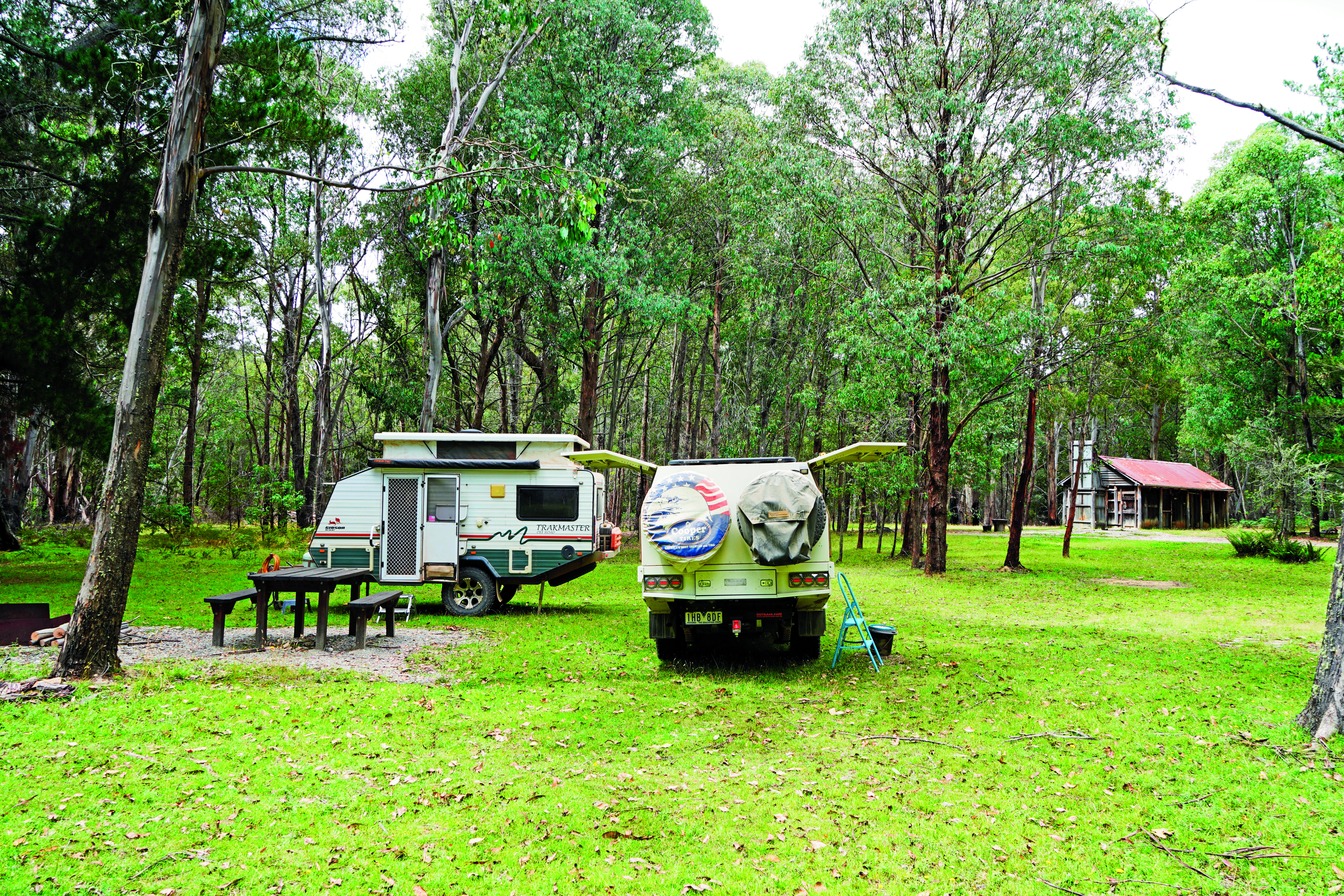
We had heard of a bush hut in the region that offered pretty good camping, so we wandered south along forest roads to Wilsons Hut, which sits in a small grassy clearing dotted with some ancient pine trees and surrounded by native forest. The hut was built, by all accounts, around 1916 and is a rare surviving example of a slab hut erected entirely of timber and bark. It’s in remarkably good condition with a couple of rooms, a little-used fireplace and a water tank outside full of water, with a stack of firewood conveniently located close to but not beside the hut.
In the surrounding cleared area a couple of established fireplaces show hardly any ash, while the nearby tables are the only other facility you’ll find here. We settled in for a few nights, which kind of extended a Victorian COVID lockdown came into effect.
Still, we had plenty of time to explore the surrounding forests and the remnants of the nearby Victoria Star Mine, mentioned at the start of this yarn, which reportedly still had the remains of its mullock heap, some mine workings and machinery foundations – the remains of a battery and a portable steam engine. The Victoria Star was reputedly the highest yielding mine in East Gippsland and was originally worked in 1869 to a depth of more than 90 metres, producing some 5337oz of gold, today worth more than 12 million Aussie dollars.
Backtracking along our little-used track, we first found the mullock heap and then some scattered old pieces of mining equipment before stumbling on the old boiler and stamper right beside the main dirt road.

Later, we ambled farther afield, driving through areas of pristine forest dominated by tall majestic trees to the Jungle King Mine, which is an example of a mining shaft dug vertically into solid rock and quartz. Nearby at the end of a short walking track are the remains of the Aspen battery, the most obvious equipment being an old boiler, while anything else is hidden in the dense scrub that surrounds it.
At other times, we drove through forest just starting to recover from the devastating fires that wreaked East Gippsland at the end of 2019 and the beginning of 2020 when more than 1.3 million hectares of wild, rugged forested country was burnt. It’ll be a long time before the forest in those places will be back to anywhere near its previous glory, but, be assured, the process is beginning and new life is sprouting, with colourful mountain daisies often in profusion alongside the tracks and roads.
Another relic of the gold-mining days is the Delegate Diversion Tunnel, which was cut through solid rock to divert the river so the resultant river bed, then cut off from the flow of the stream, could be worked for gold. How much gold was won by this tough endeavour, or even who dug the tunnel, is shrouded in mystery and the veil of time. While some say it was Chinese workers who dug the tunnel, others say it was a solitary gold prospector using hand tools and dynamite who constructed the water-filled passage. Whoever it was went to a lot of trouble, the results of which can still be seen today.
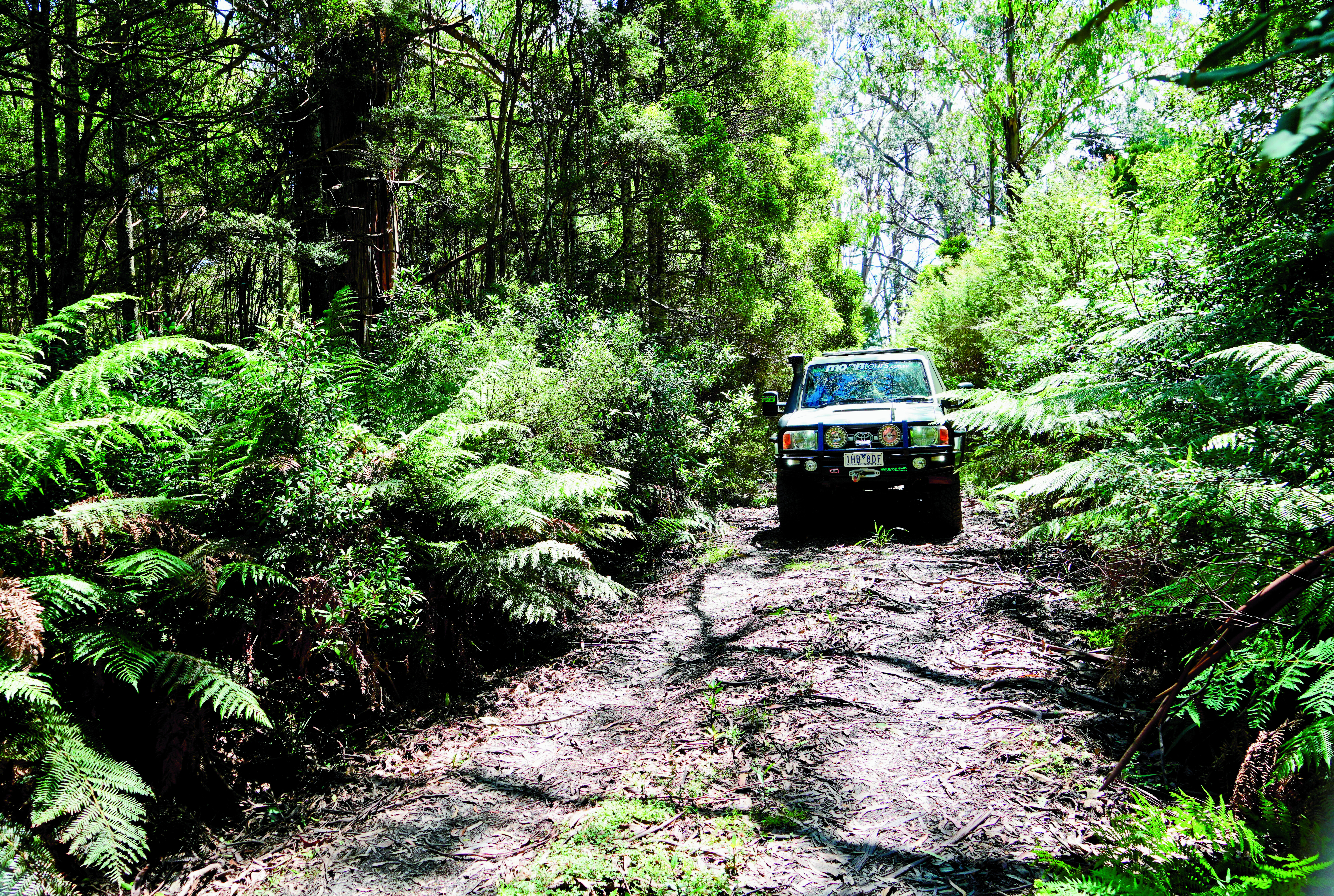
It was on yet another excursion to visit another old mining area at Golden Gully we came a bit unstuck. Wandering along a little-used track, which was absolutely covered in small branches and other debris from the surrounding forest and overhanging trees, we were continually stopping and dragging sticks and branches out from underneath the Cruiser. Then, somehow, one got stuck in an engine pulley which shredded the serpentine belt, which quickly had the battery light on and the temp gauge climbing. Needless to say, we got out of there (a long story) and had the belt replaced (we now carry a spare) before we returned to our camp at Wilsons Hut.
The pub in Bendoc was finally allowed to open and we sat with the locals enjoying a beer at the end of another day of exploring and wandering, vowing that we’d be coming back to this little-explored and visited area of Victoria. You should check it out!
TOP FIVE PLACES TO VISIT
1. The wild horses of Native Dog Flat
2. Delegate Diversion Tunnel
3. The impressive Snowy River
4. The giant trees of the Errinundra NP
5. Camping at Wilsons Hut
We’ve seen them on every trip to the local 4×4 spot. Dual-cab utes with a fresh aluminium canopy proudly bolted to the rear chassis mounts. The fact that a well set-up canopy makes sense isn’t lost on most, and there’s no shortage of companies out there with a drop saw and a spool gun ready to meld one together for you. Jimmy Egan decided he could make one better, so after assembling a team and putting in a solid 10 months of researching, development and testing, he swung the doors open at Core Off-Road in the Western Australian coastal town of Rockingham.
That was around 14 months ago, and it all revolves around clever thinking, and the use of HDPE or High Density Polyethylene, which along with an aluminium base and decorative trims make up the core (so to speak) element of the bespoke canopy-building business. Being a super-strong plastic (see more details below) that Jimmy has been able to register a patent to weld and mould, Core is able to create canopies highly resistant to damage and next to nil corrosion.

“It all started when I wanted to make a new canopy for ‘The General’, my army green 79 series,” says Jimmy. “Personally, I’d worked with aluminium with our fabrication workshop in Queensland for years, and I just wasn’t happy with the final product that aluminium gave.”
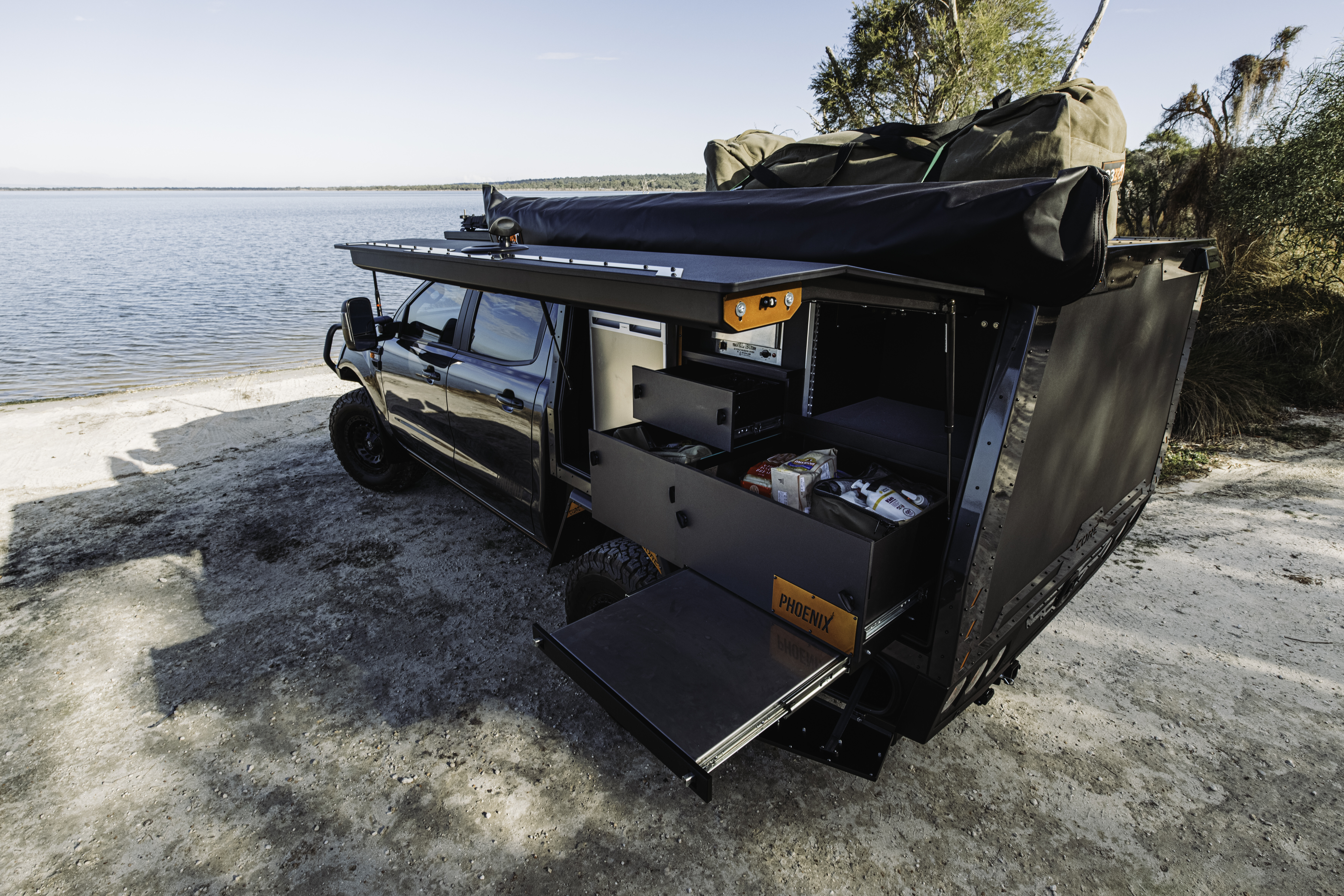


Suffice to say the team at Core have come up with a clean method of putting a canopy together, with clean being the operative word. “One thing we’ve focused on with our canopies purely from previous experience, is cleaning,” adds Jimmy. “There’s no nooks and crannies where dirt can sit or mud can get stuck. One area of interest is the rear tail-light area where we’ve designed it to be easily washed out or cleaned with a brush without smashing your knuckles.” Maintaining the clean look are a set of six LED Autolamps Maxilamp round reflector combo lights, which have had hexagonal recesses CNC-machined into the HDPE beaver panel for mounting. Central to the rear lights is a 950mm trundle drawer with top cover allowing for extra bench space when camped.

The Phoenix GTX canopy you see attached to the Ranger here is a sub-range of turnkey canopies with four models. These being the Workmate, GT, GTX and the top of the line GTU. With Core being a full-service workshop, its canopies are only fitted in-house and signed off on with all accessories already installed. Just drive your ute into its workshop and Core will give it back to you fully wired, plumbed, accessorised, and ready to go. With a host of top-shelf standard and upgrade options available across the range, like water heaters, storage baskets, compressors, roto-moulded water tanks, or pull-out pantries, it’s just a matter of deciding what you can’t do without. The layout is designed to not waste a bit of space inside, with one of the many clever ideas being the integration of a complete central-locking system. While locking the main canopy doors is an industry standard, the Core line of canopies also locks the trundle drawer and under-tray toolboxes. In addition, the fuel filler cap is located inside one of the tapered toolboxes, so once closed and locked there’s no access to your fuel cap to dirt or sticky fingers.

The GTX on the Ranger features a Dometic CRX 80L stand-up fridge as standard. The 125amp/h Enerdrive lithium battery keeps things going when parked up, and it’s supported by the DC2DC+ multistage battery charger also from Enerdrive – power is sent through Core’s custom-built switch and breaker panel. This contains the Enerdrive ePro Plus battery monitor readout, alongside a Fusion BB100 Bluetooth stereo system, with low-profile speakers located on the underside of the passenger-side canopy door.
Wanting to create a promo vehicle to demonstrate its products, the Meteor Grey Ranger you see here was screwed together in-house, but it didn’t last long in the hands of the team, being snapped up at its first camping show. “It’s worked well for us so far, where we take two, maybe three brand-new vehicles to a show fully kitted out,” Jimmy explains. “So the customer can walk in, have a look, put down a deposit and basically drive away on Monday.” The 2020 XLS Sport Ranger with Tech Pack here was chosen as it’s what a lot of Core’s Ranger customers go with. “It comes with all the bells and whistles and nothing you need to tear off, and a lot of it like door handles and grilles are already blacked out.”
Upgrading the frontal protection is an Offroad Animal Toro bar which was pulled apart and colour-coded with orange accents, while a pair of Teralume Icon 8.5-inch lights had their brackets powder-coated to match. These were bolted down above a Stedi 21-inch STK3 light bar peaking out from behind the (you guessed it) colour-coded centre grille and the Carbon 12,000lb winch’s fairlead, while the recovery points received the same lick of colour too. Rounding out the bullbar is a GME 2.1db Radome antenna sending and receiving through an GME XRS 370C4P two-way inside the cabin. Keen eyes will pick the Raptor grille upgrade further adding to the aggressive look of the Ranger.

The 3.2-litre turbo-diesel and six-speed auto driveline was left as Ford intended, but with a few upgrades to increase the GCM to 7000kg and GVM to 3500kg. As per the newer government requirements, Core fitted an upgraded radiator and intercooler, as well as a set of Lovells springs and Gas Legend shocks, with the front coils being colour-matched to the aforementioned highlights in the front bar. Keeping the faux bead locks of the 17×9-inch +30 King Offroad Zombie hoops off the ground are a set of BFG’s venerable KO2s in a 285/70R17 sizing.

Bearing in mind the clean look Core was going for, and the interior being brand spanking new, few changes were needed in the cabin. These included a set of double denim SupaFit seat covers with an embroidered Core Offroad logo and colour-coded stitching. The GME UHF also cuts down on internal clutter with its display, and all controls are located within the hand-piece. Maintaining that clean look along the sills are Clearview motorised side-steps staying tucked away during driving, and only dropping down when using the Ranger’s doors. Keeping an eye on what is happening behind the canopy are a pair of Clearview extendable towing mirrors.
The 3.2-Litre turbo-diesel and six-speed auto driveline was left as Ford intended, but with a few upgrades to increase the GCM to 7000kg and GVM to 3500kg
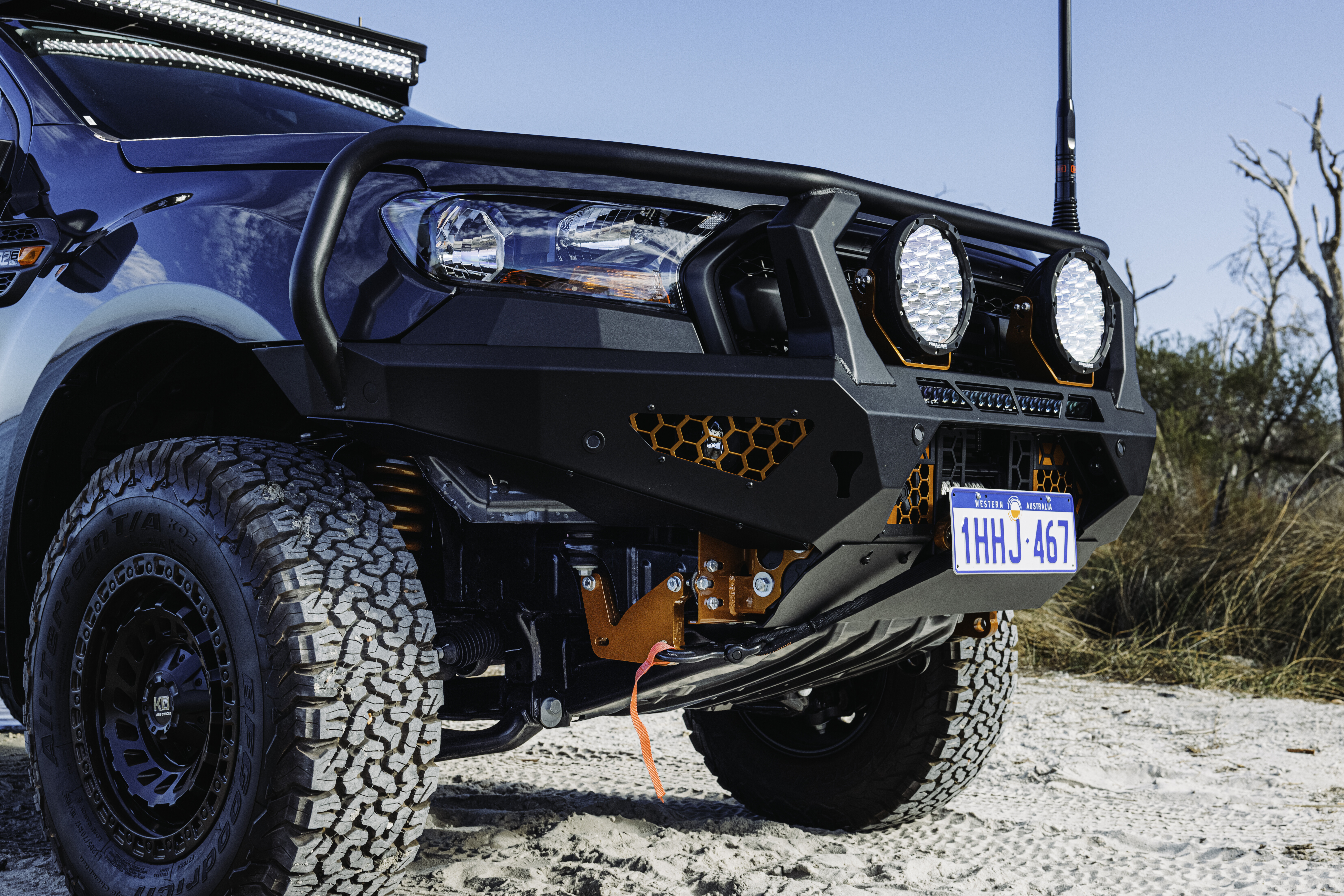
Extra storage is available across the Ranger’s roof with a Rhino Pioneer platform getting the nod, but when it came to mounting it, the team at Core decided to design their own backbone-style rail system which included on-road wind-noise testing. Starting with a basic design in aluminium, this was trialled while driving with sponges inserted in gaps to find ways of cutting down the wind noise. As Jimmy recalls: “Having too large a gap creates a wind rush, and too small a gap creates a whistle.” One of the changes being the kicked-in ‘wings’ located either side of the front light bar. The final design on the Ranger being made of stainless steel and powder-coated.
Also incorporated into the design is a swag of lighting, including Stedi RGB rock lights, four Stedi ST3520 work lamps, and a 42-inch Stedi STK4 light bar tucked up underneath the rack’s leading edge. Up top you’ll find a pair of Maxtrax, a colour-coded shovel and eArc 100W solar panel. Keeping your campers cool in the shade is a Falcon 270-degree awning from 23Zero, which is capable of throwing shade without the need to drop its support poles should the wind not be too outrageous. “It’s only 19 kilos, which is pretty light for a 270 these days,” says Jimmy. “Plus it has their new LST (Light Saving Technology) which doesn’t allow the light to come through the canvas.”
With the innovation that has come out of the Core Off-Road doors in just over a year of trading, it’s no wonder the Motor Trades Association of WA chose it for an unprecedented two awards in its recent 2021 awards night. Core Off-Road walking away with Off-Road Business of the Year, and Innovative Business of the Year.
To keep up with the options, upgrades and innovations, head to the Core Off-Road website at www.coreoffroad.com.au or, alternatively, visit its regularly updated YouTube channel, Core Off-Road, for walk-throughs and build vids.
SO WHY HDPE, JIMMY?
“Plastic has next to no memory,” Jimmy tells us. “If hit with a hammer, the most you’re likely to do is mar the surface, as apposed to aluminium which will deform and hold its shape, and it takes about 200ºC of heat before it starts to deform that way. There are around 15 different manufacturers globally, and we use King StarBoard, out of Miami (USA). It’s been in the marine industry for 40-odd years, so it’s not a new product.
“With our process, we are able to do a 90º bend without deforming the outside. We end up with a 3mm radius bend on the outside on a half-inch sheet.
“Anything bolted into the plastic we use a thread insert, which ends up flush. With all of our testing, one M6 bolt is good for 300kg of pull, vertically up. With plastic it’s totally different to steel and aluminium. With metals the two parts can vibrate, and that’s when you start to have bolts come undone. But with plastic there’s no need to use anything like Loctite, because the material is so dense, vibration doesn’t affect it as the plastic doesn’t vibrate.”
A CLOSER LOOK
1.Up she goes
There’s a Lovells GVM and GCM upgrade with 2-inch suspension lift.
2.Top light
A 42-inch Stedi STK4 light bar slots between the roof and rack.
3. Solar input
Rhino-Rack platform affixes a solar panel, Maxtrax and shovel.
4. Air hose
One of many inclusions is a 9-metre retractable air hose reel.5. Basket case
GTX Canopy gets a driver’s side fold-down storage basket.
THE Toyota LandCruiser’s outgoing 4.5-litre V8 diesel and incoming 3.3-litre V6 diesel in the 300 Series are both labelled as ‘twin-turbo’ engines, which makes the V6 just seem like a smaller version of the V8. After all, if you just lopped two cylinders off the end of the 4.5-litre V8 you would have a 3.3-litre V6, or thereabouts. But that wasn’t Toyota’s way and, in the case of these two engines, the shared ‘twin-turbo’ descriptor is seriously misleading.
Where the outgoing V8 diesel has a relatively straightforward parallel-turbo system where the two turbos work completely independently from each other, both feeding off and feeding its adjacent bank of cylinders in a wide (90-degree) V-engine. As is conventional practice, the cylinders’ exhaust ports, and consequently the turbos, sit outside of the V. Turbos are best placed as close to the exhaust ports as possible, as this helps in capturing as efficiently and effectively the energy from the engine’s exhaust gas, which is half a turbo’s lot in life. The other half is using that captured energy to drive a compressor that pressurises the air that’s being fed into the engine’s cylinders.
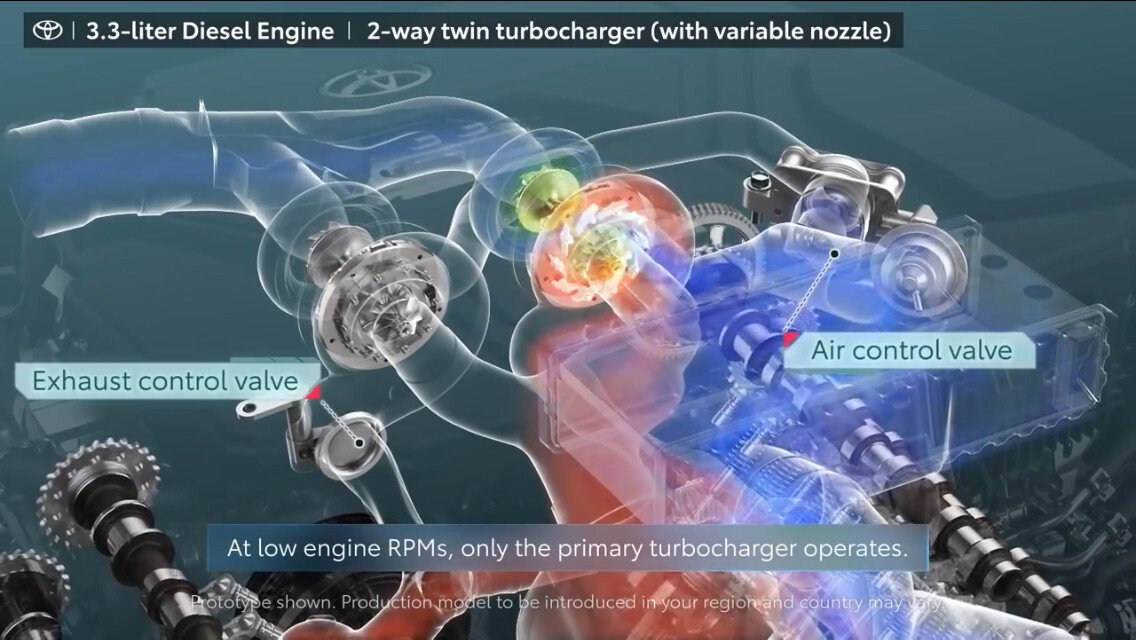
In contrast to the V8’s simple parallel-turbo system, the 3.3-litre V6 uses a complex sequential-parallel system. At lower engine speeds and under lower engine loads (i.e. less throttle) just one turbo operates, feeding off and feeding both cylinder banks. Open up the throttle however, and the second turbo joins in, hence ‘sequential’ in operation, but once up and running, works side-by-side in ‘parallel’ to the primary turbo to help pump more air into the engine. More air to the engine means you can burn more fuel and therefore make more power.
In another significant departure from the V8, the V6’s cylinder heads have been turned around so the exhaust ports face to the centre of the V, with the two turbos sitting side by side within the V in a ‘hot-V’ arrangement. Being a V6, the V angle is most likely 60 degrees to provide the smoothest running. For Toyota, this is its first ever diesel where two turbos are in play in the same inlet/exhaust path.
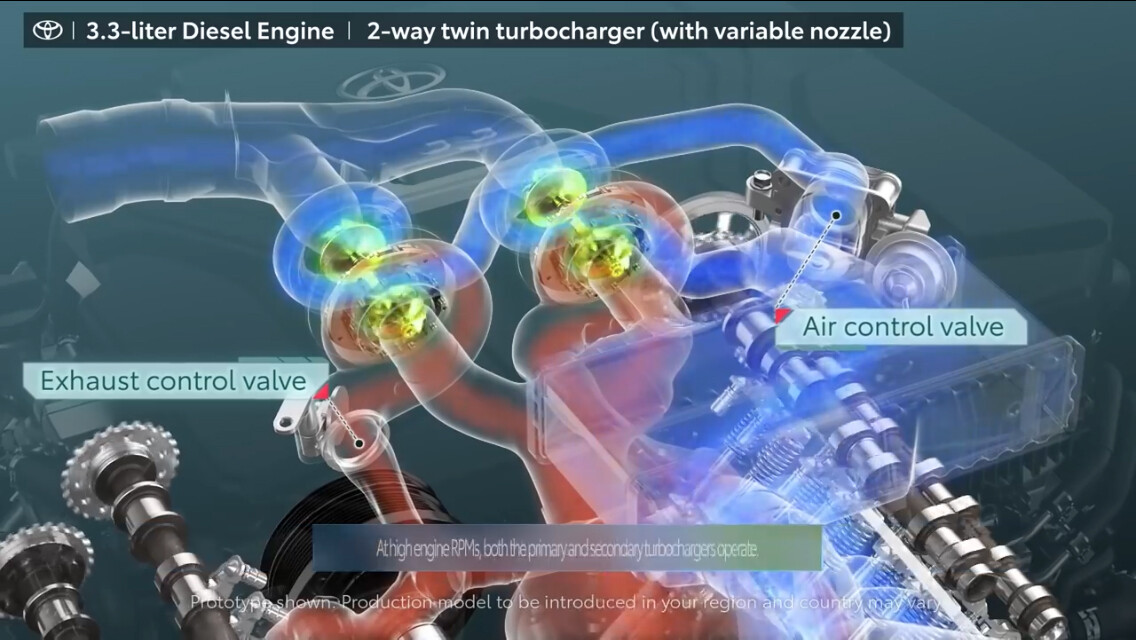
Complex multi-turbo systems aren’t new for diesels of course and amongst those already in the market, the Toyota system bares most resemblance to Land Rover’s sequential-parallel system as used with its V6s in Discovery and Range Rover/Sport. But where Land Rover used a medium-sized variable-vane primary turbo and a smaller fixed-vane turbo as the secondary, the two turbos in the Toyota system appear to be the same size and both are variable vane. The Land Rover V6s also use the more traditional ‘cold-V’ design.
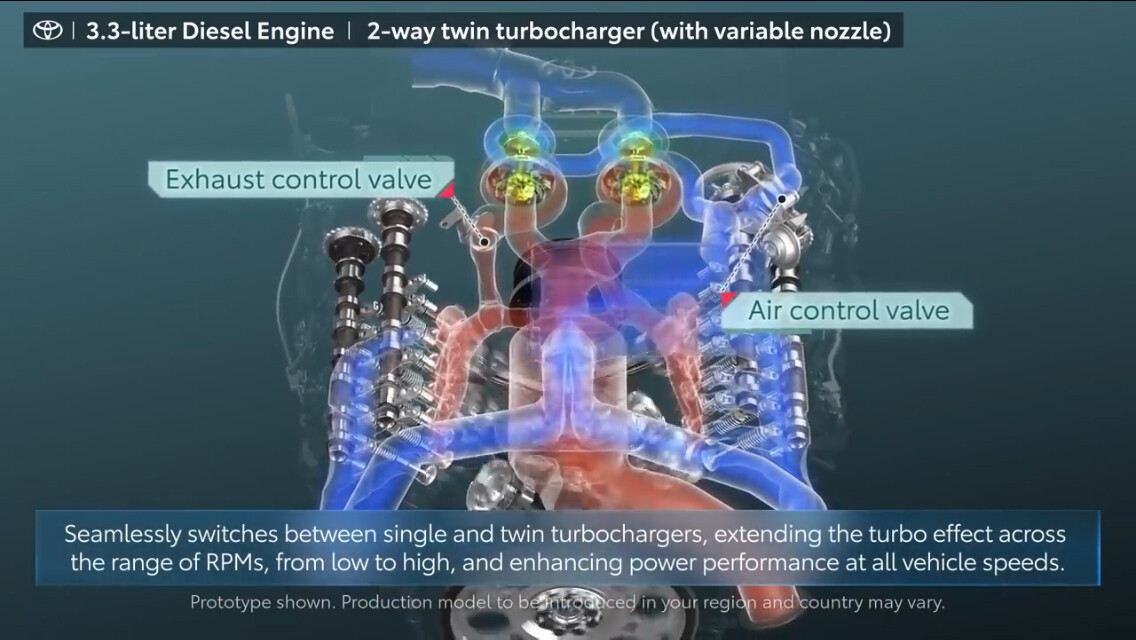
Both Toyota’s and Land Rover’s sequential-parallel systems are, of course, different again from the Ranger 2.0-litre, Amarok 4-cylinder and Navara D23, all of which are sequential systems where once the second (and main turbo) kicks in, the primary (and smaller turbo) is bypassed.
The lesson here is that the 300 Series V6 is a huge leap forward in sophistication from the V8. It may be 25 per cent smaller in capacity and number of cylinders, but it claims more power and torque. No doubt it will deliver on those promises and, more significantly, it will bring a level of NVH refinement over the gruff-running V8. And to build on its high-tech approach, a direct-shift 10-speed auto is used in place of the V8’s sequential-shift six-speed auto.
FOR a chance to win a Wurth under-bonnet LED valued at $249, head to the 4X4 Australia Facebook page and send us a photo of your 4×4 in action.
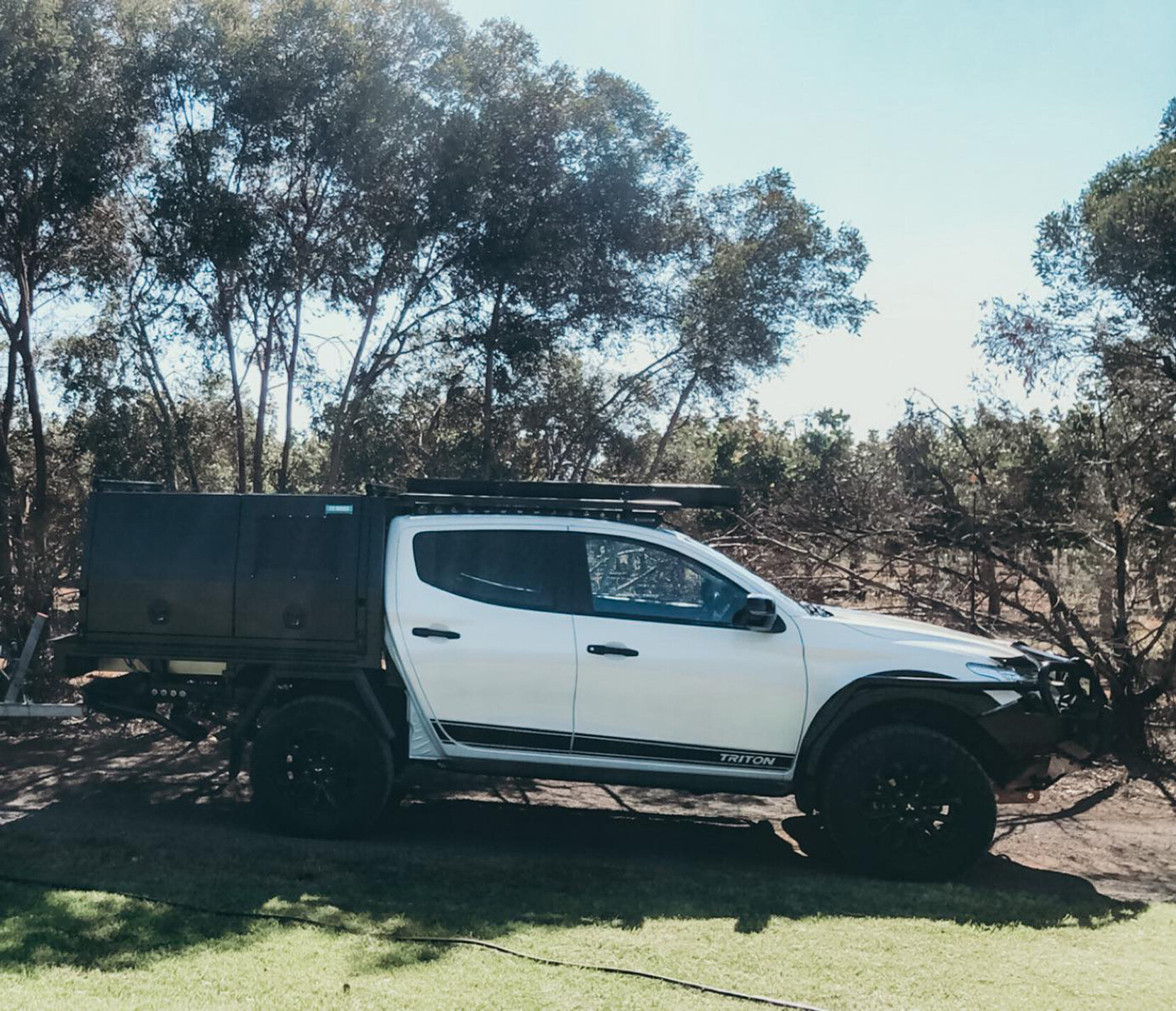
2018 MQ TRITON BLACKLINE EDITION
Our Triton is running an Ironman performance suspension kit with Ironman bullbar and side-steps. The tray is made by GDR Mechanical & Fabrication, and the TC Boxes Canopy is fully set up as we get ready to do a lap of Australia in 2022. The best place we’ve taken it is Big Desert Wilderness Park in Victoria. Our Instagram page is @wheredidthedaygo – Cameron Henson
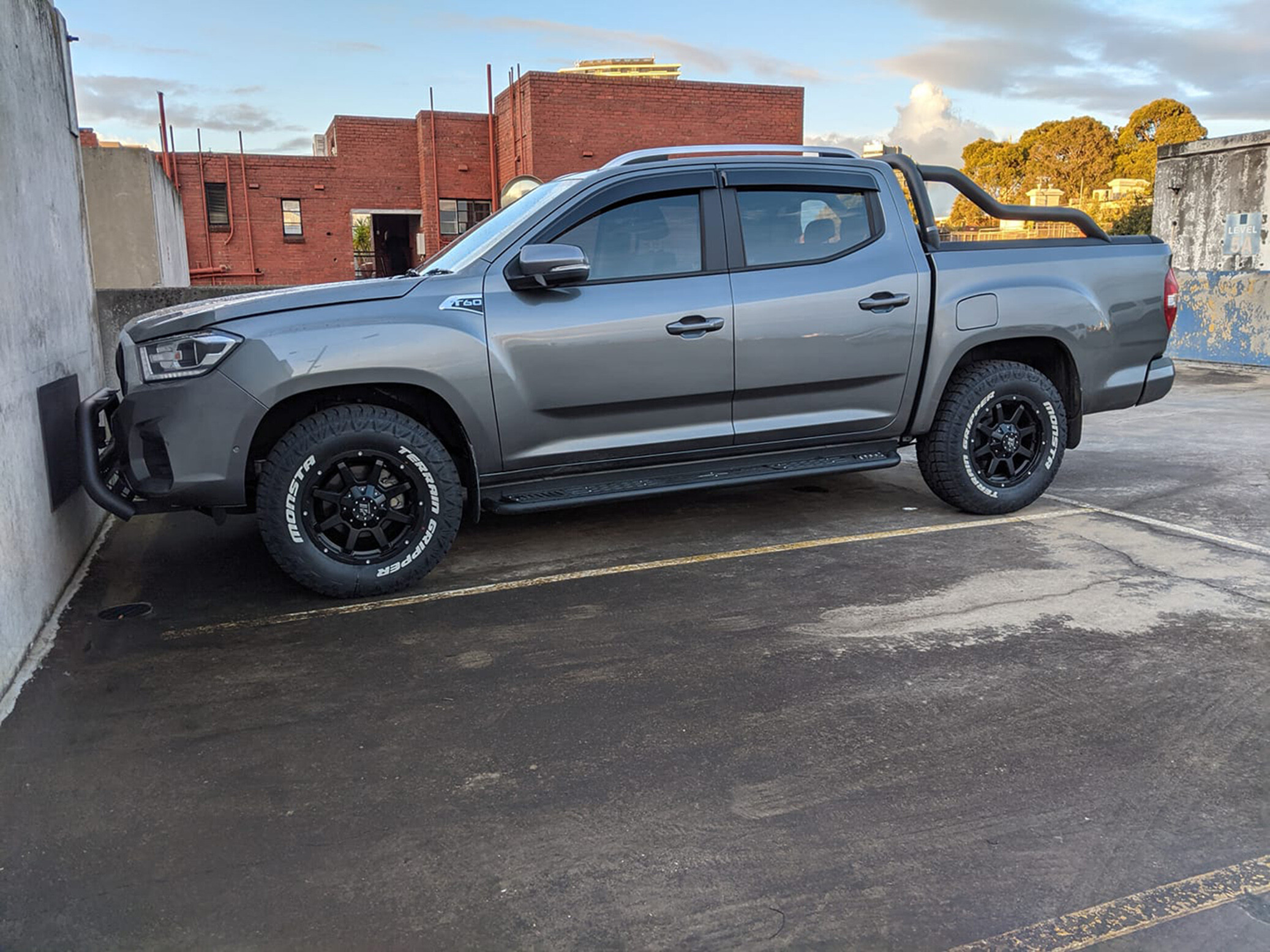
2020 LDV T60 TRAILRIDER 2
This is my first fourbie of any kind. Since I picked it up, it’s had the 19-inch wheels changed for 17-inch Hussla rims with 265/70 all-terrain tyres. Added 3mm underbody bash plates and a throttle controller for now. Later this month it’s going in to get a lift, suspension upgrade and three-hoop bullbar. Still need to get diff breather, snorkel and a few other things – Duane Miller
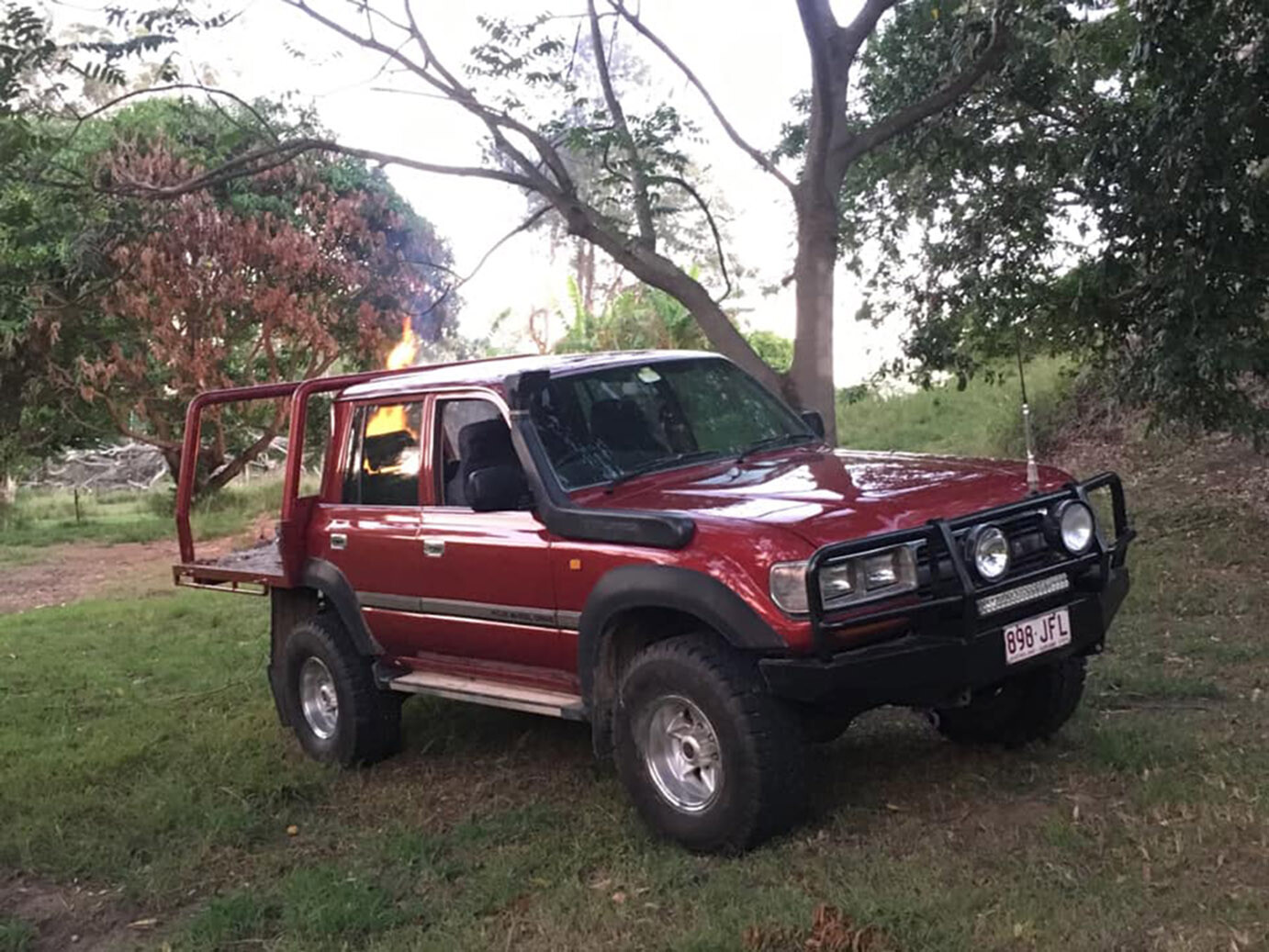
1991 80 SERIES
I have owned it for 15 years. It’s a 1991 turbo-diesel 80 Series wagon chopped in to a dual cab. It has a two-inch lift, 33×12.50 Mickey Thompson tyres and an ARB locker in the rear. It has had many other small improvements along the way – Dean Lyons
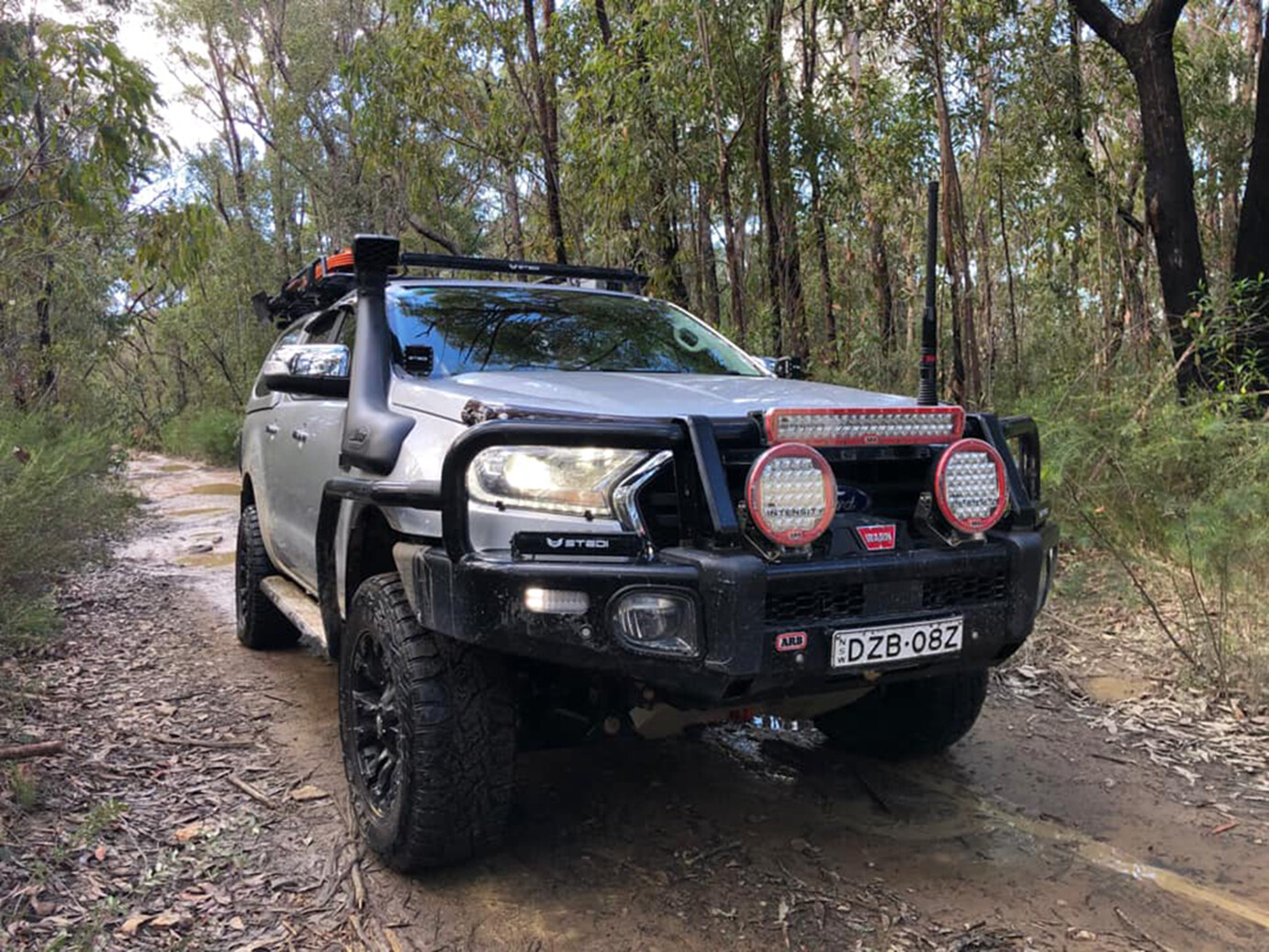
2019 FORD RANGER
This is my Ranger bi-turbo. I’ve been slowly building it over the last two years, trying to make it as efficient and capable off-road as possible. Slowly getting to the final stages of the build (hopefully)! – Josh Dardo
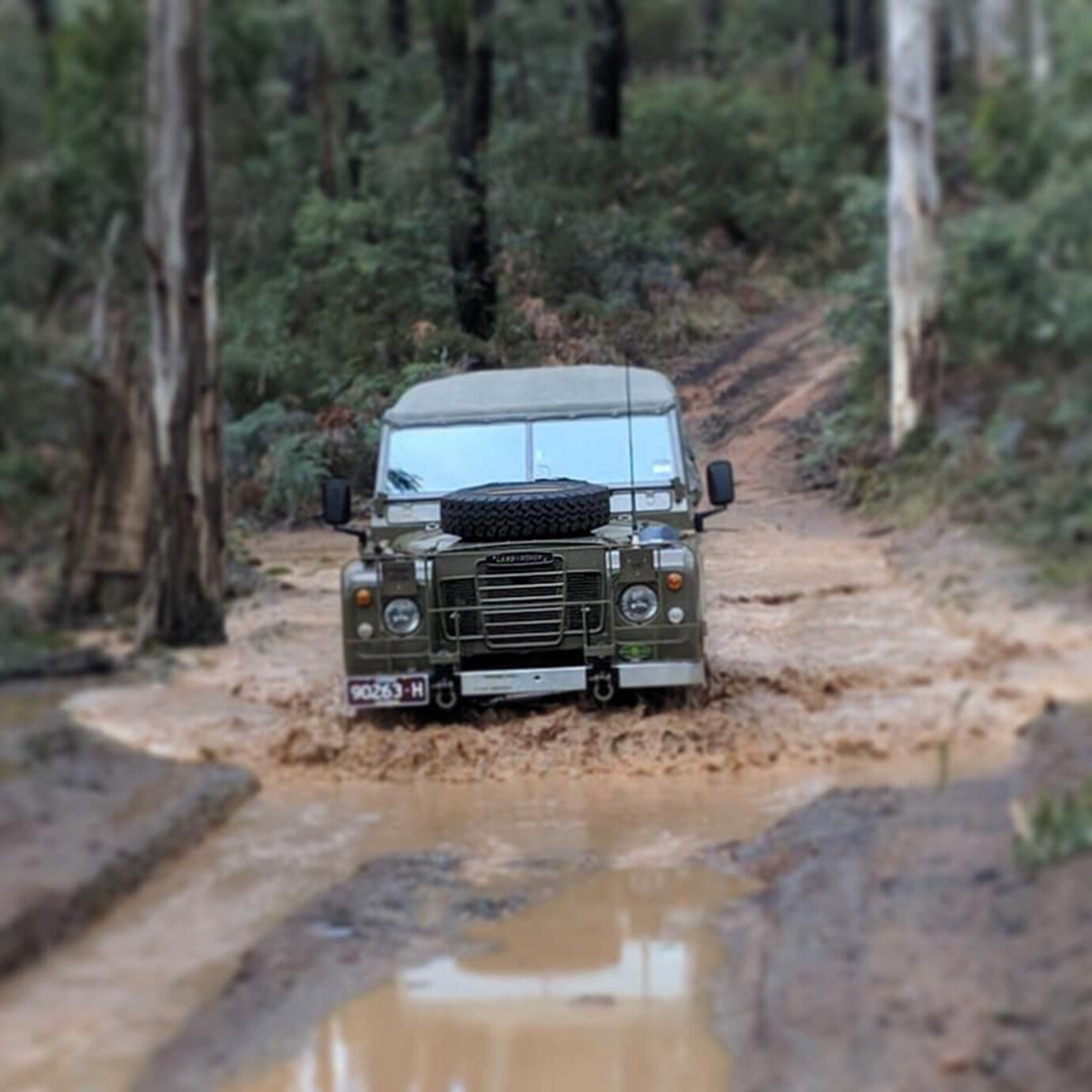
1979 SERIES 3 EX-ARMY LAND ROVER
I have kept it original since it left the army, and I love the ‘back to basics’ 4WDing in it. I also have a 1999 Disco 2, which is my budget tourer and day-to-day vehicle, and a 1969 Series 2A Carawagon which I’m restoring. The Wurth under-bonnet LED light will be worth its weight in gold on those after-dark moments when the spanners have to come out, to keep them going – John Patridge
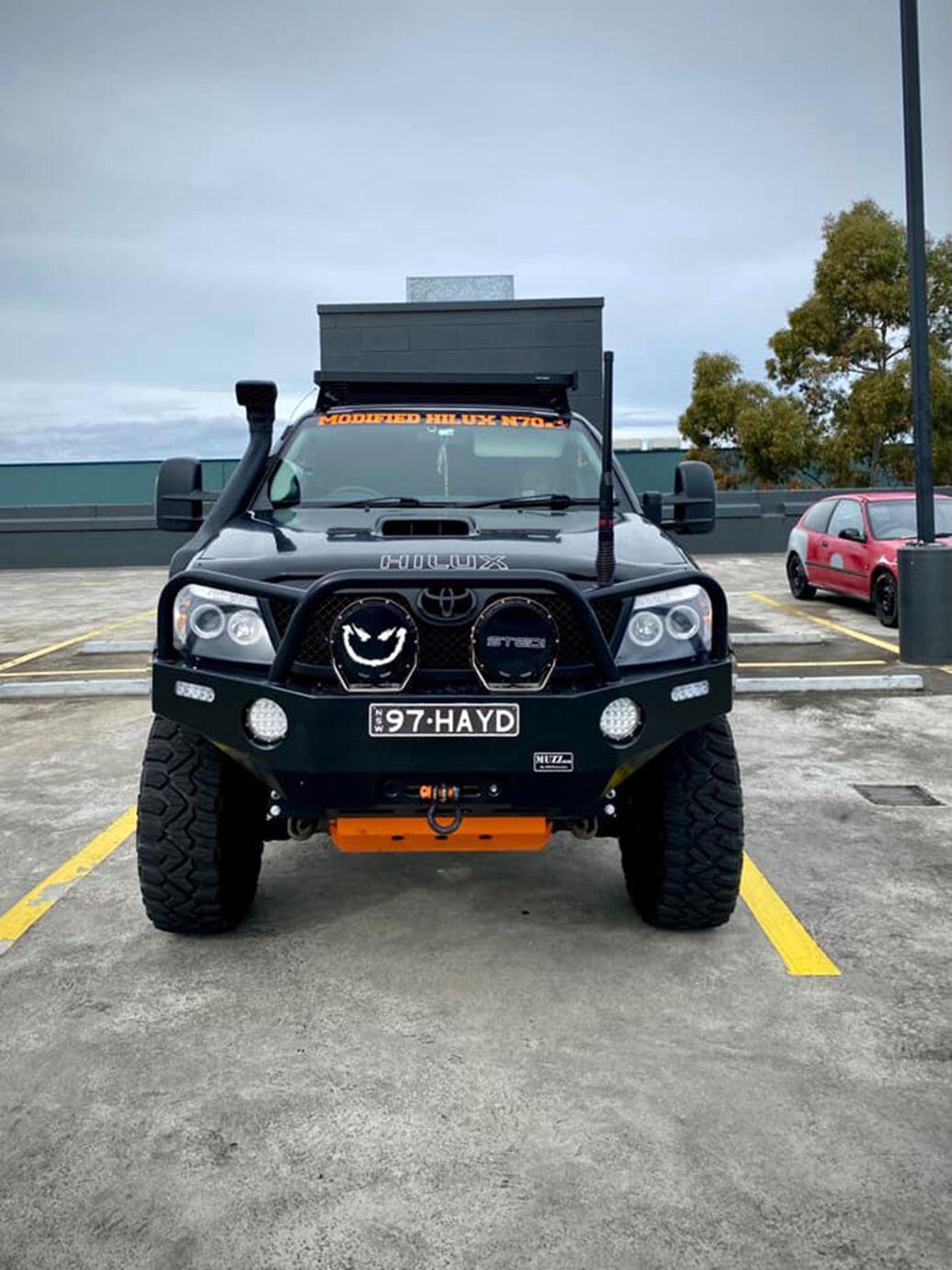
2006 N70 HILUX
I’ve had my N70 Hilux for a year now, and I’ve still got plenty to do – Hayden Keuneman
WE all know the Isuzu D-MAX is a proven tow rig, the 3.0L motor found in our 2020 D-MAX pulls like a train. So, it was a bit of a no-brainer that we would be fitting a tow bar to the 4X4 Australia D-MAX. Being that this was a new-model vehicle, choices were somewhat limited, but we lucked out and managed to land one of the first in the country (for this model) of what would have to be the most 4×4 friendly tow bar on the market. The X-Bar from Hayman Reese, which was installed by our mates at Truracks in Penrith, NSW.
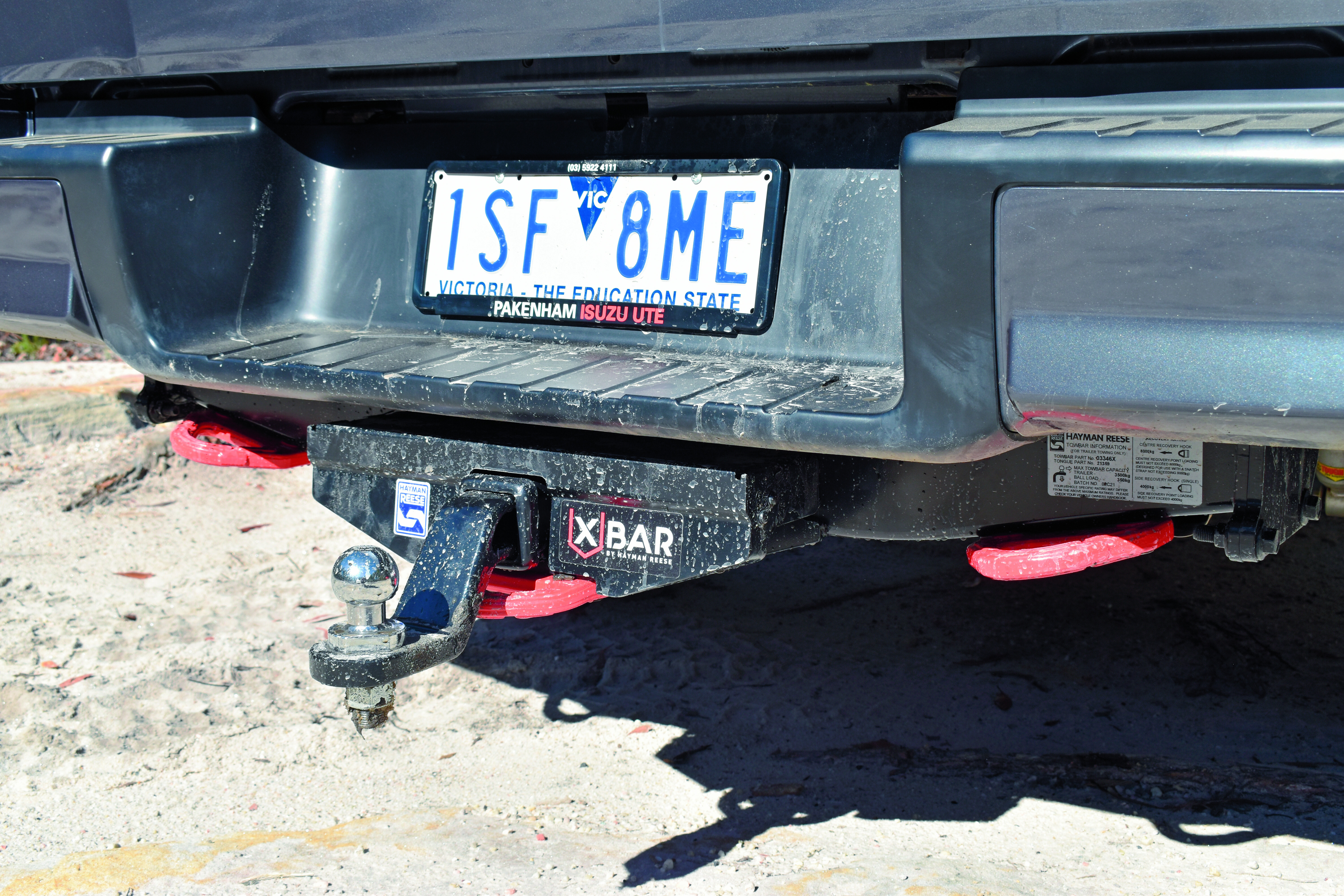
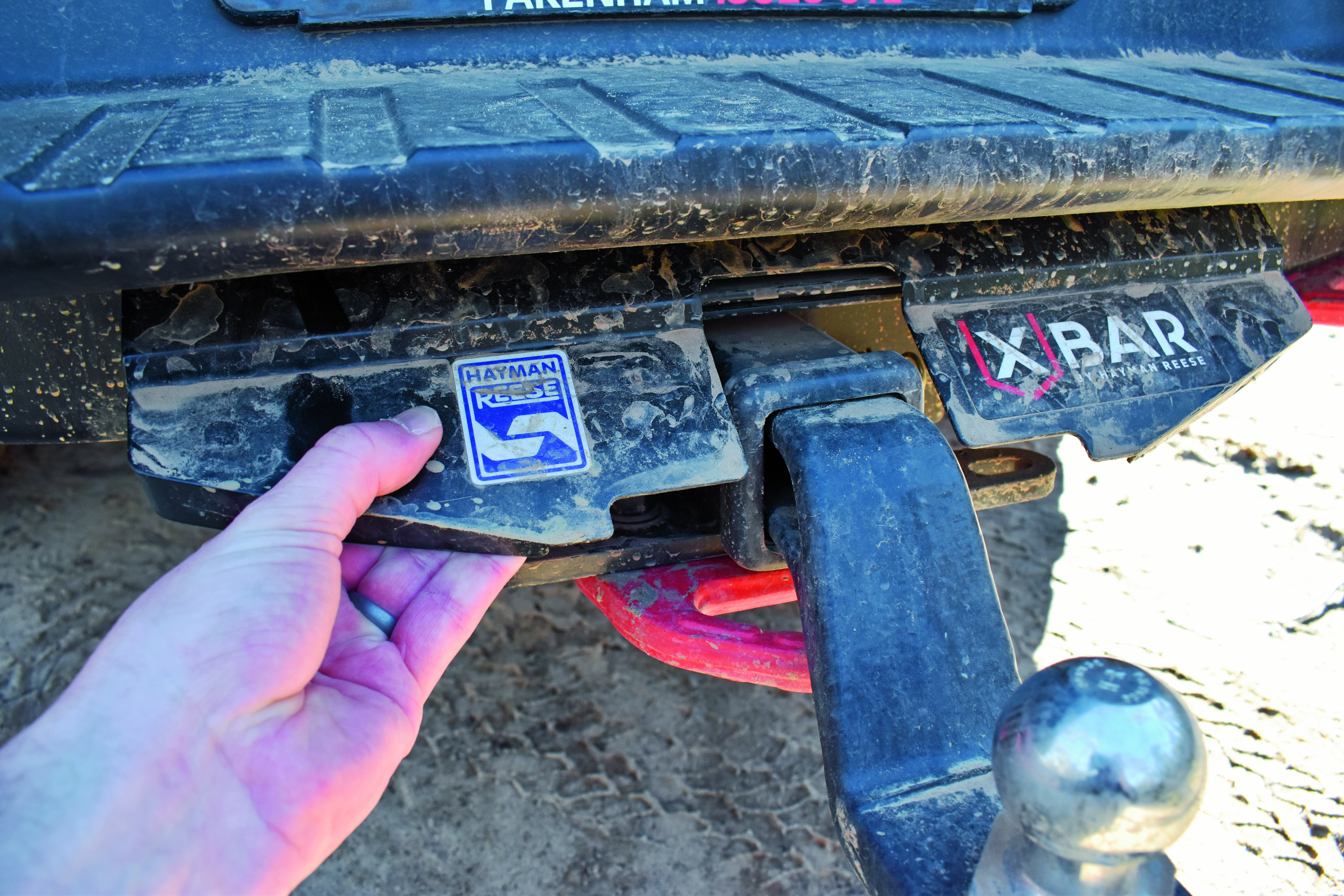
And why do I say that? Hayman Reese has been building tow bars for more than 65 years, so they have the runs on the board. And I’ll be blunt, take a look at the thing! Not only is it a beefy looking unit, it has built-in recovery points. Combined with the Ironman 4×4 recovery points and winch on the front of our D-MAX, it means we’re covered when it comes to recovery duties. I also like the design of this tow bar; it just looks the part. This is definitely helped along by the centre quick-release cover, which is a neat solution and protects the trailer-plug wiring.
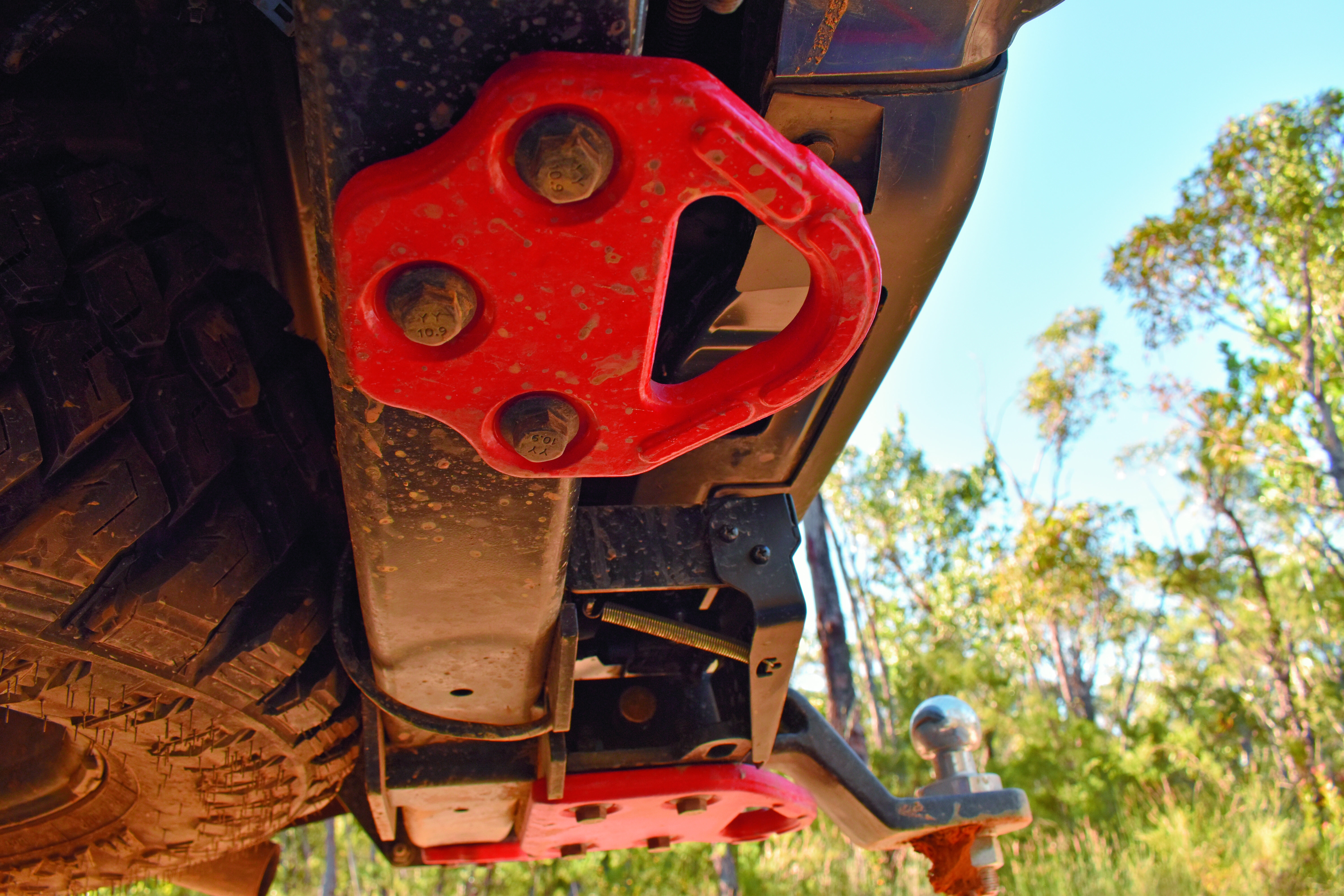
There are actually three recovery points built in to the X-Bar, two side ones and a centre point. Each side recovery point is rated to 4000kg, and the centre recovery point is rated to a whopping 8000kg. Best of all, they feature a rolled edge, so these recovery points are soft-shackle compatible. I also like that the bar has been designed for four-wheel drivers, as such departure angle clearance was a major consideration during the design process. It doesn’t stick out like a sore thumb, basically.
Snapshot
- 2021 Silverado 2500 HD to be in Australia by November
- Brings diesel power and eight-tonne towing back to GMSV’s truck range
- Pricing starts at $144,990
GMSV is set to add a bigger brother to its Silverado range later this year, announcing today it will be converting the diesel-powered 2021 Silverado 2500 HD LTZ Premium to RHD from November this year.
The new 2500 HD LTZ Premium will join its smaller Silverado 1500 LTZ Premium and LT Trail Boss siblings as part of GMSV’s Silverado range, one of the biggest differences being the 2500 offered by GMSV will use diesel power rather than the 313kW 6.2-litre EcoTec3 petrol V8 found in the 1500s.
Under the enormous bonnet is Chevy’s 6.6-litre Duramax diesel V8, which in the US makes 331kW and 1233Nm, backed up by an Allison 10-speed automatic.
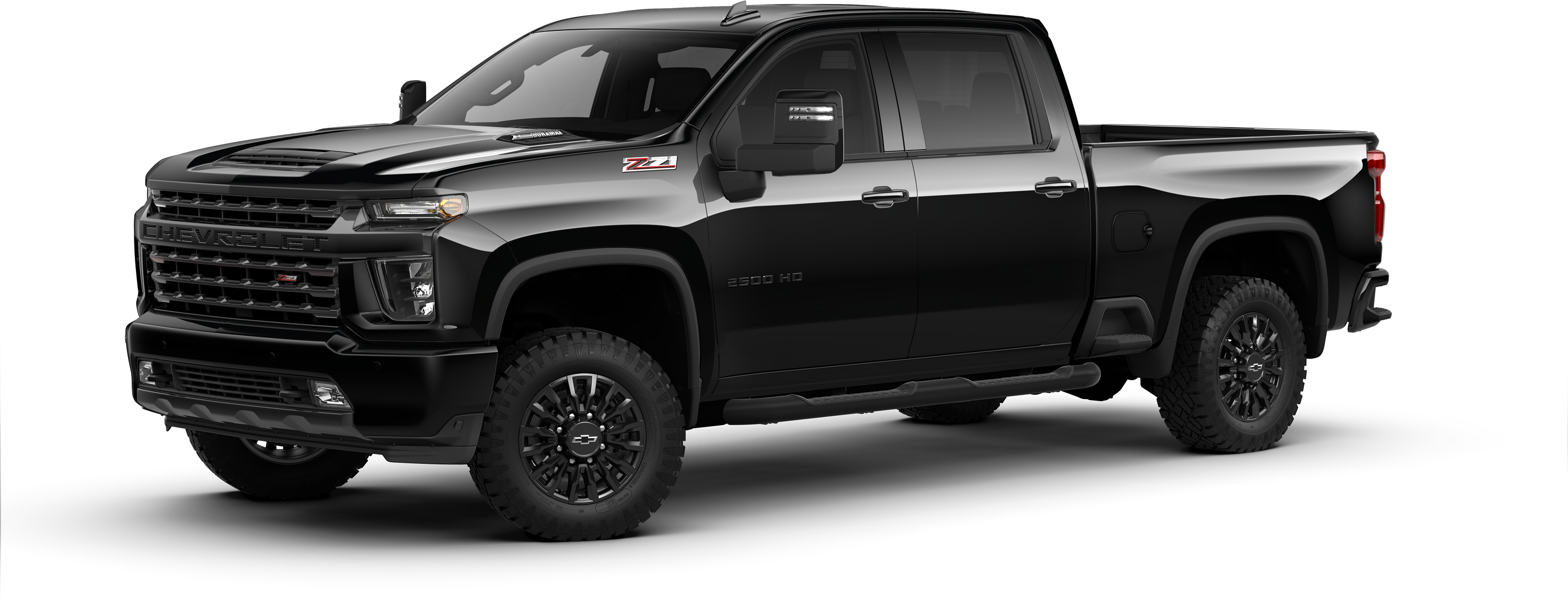
At the time of writing, GMSV has yet to specify towing and payload ratings for the Australian-converted 2500 HD, but in the US the MY21 2500 HD Duramax has a maximum tow rating of 8395kg (18,510lbs) and a payload of 1723kg (3800lbs).
By comparison, the Silverado 1500 currently offered by GMSV has a maximum towing capacity of 4500kg (4.5-ton).
At this stage, GMSV is only offering the 2500 HD in LTZ Premium trim, with pricing starting at $144,990. For comparison, the 1500 LTZ with Tech Pack is $114,990.
The 2500 HDs will feature the Z71 Off-Road Package, consisting of off-road suspension with twin tube shocks, hill descent control and skid plates with Z71 badging.
Also included as part of the LTZ Premium trim is the Appearance Pack, which includes; colour-matched bumpers and door handles, black bonnet vent, skid plate and tubular side steps, belt moulding and exterior badges. Completing the pack is a set of 20-inch gloss black alloy wheels.
The tub gets a coat of spray-on liner, and measures 2104mm long by 1814mm, with a maximum space of 1968 litres. There’s 12 tie-down points rated at 127kg each, and the 2500 HD also has a power up and down tailgate like the smaller 1500.
To make use of the mammoth eight-ton towing capacity, the 2500 HDs come fitted with the Advanced Towing Package, which consists of rear-vision camera with hitch guidance, trailer brake controller and power extendable door mirrors.
GMSV has also specified the Technology and Safety Pack 2 for all 2500 HDs, which, along with ESC and traction control, includes; lane change alert, side blind-spot and rear cross traffic alert, pedestrian and low-speed emergency braking.
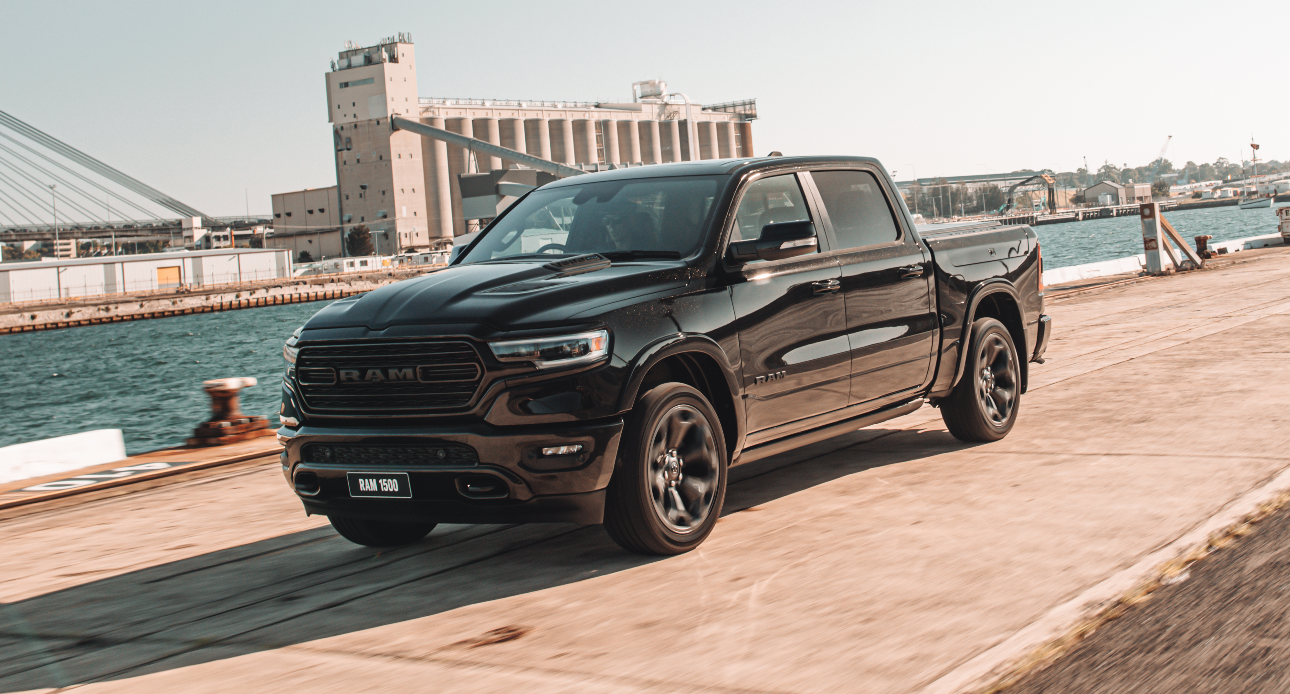
Inside, the LTZ Premium scores a heated leather steering wheel, as well as heated and vented leather seats, dual zone climate control, an 8-inch interior screen, power sunroof and a multi-colour 15-inch head-up display.
The re-introduction of the 2500 HD Silverado has been a while coming for GMSV, which discontinued the previous generation 2500 HD to focus on its current petrol-only 1500 Silverado as a direct competitor to the hugely popular Ram 1500.
The 2500 HD will serve as a direct rival to the Ram 2500 and 3500 Laramie, the latter of which uses a 6.7-litre Cummins diesel developing 276kW/1152Nm, and is converted to RHD configuration in the same factory in Clayton as the Silverado 1500 and soon-to-be 2500 HD..
GMSV will fully confirm local specification once final certification for the Silverado 2500 HD LTZ Premium is completed later this year.