
No matter where you go in your four-wheel drive, one thing is certain: sooner or later you will need to eat.
Anthony ‘Macca’ McDonald gives a few tips on planning meals for journeys like his recent trip with 4×4 Australia across the Great Australian Bight.
Part one of the epic three-week Big Bight exhibition saw the crew trek towards the South Australian border cliffs, braving rain, shine, rock and sand, not to mention more than a few boggings.
Along the way they gave us pointers on how to beach drive, how to communicate in a 4×4 convoy and how to prepare for an off-road adventure.
To see what the second half of the journey has in store, buy a copy of the latest issue of 4×4 Australia from newsagents or subscribe in electronic or print format.
Get the latest info on all things 4X4 Australia by signing up to our newsletter.
Mazda today confirmed a revamped BT-50 will be available in Australia this year.
The update, expected in October, will be mostly cosmetic, with the current model’s styling proving unpopular with many Australians.
According to Mazda, the new model will have a ‘sportier and more powerful presence’ and will include a new front face, rear combination lamps and aluminium wheels.
The interior has also changed to give a ‘higher-quality feel’ and is expected to be in line with the recent update of its mechanical twin, the Ford Ranger.
A rear-view camera has been added to the list of safety equipment available on the BT-50.
The powertrain and body-type line-up of the new BT-50 won’t change from the current model.
The current Mazda BT-50 XTR dual-cab (auto), which 4×4 Australia will test against three other new-gen utes in the September issue, has a 3.2-litre five-cylinder turbo diesel, 147kW of power at 3000rpm, and 470Nm of torque at 1750-2500rpm.
It also has a traditional dual-range part-time 4×4 system.
Debuting in late 2011, the current model shares little with the previous BT-50.
The original BT-50 was actually a Mazda. The current BT-50 was largely designed and developed by a global Ford team headquartered at Ford Australia.
Current model prices:
Mazda BT-50 XT (man) $44,240
Mazda BT-50 XT (auto) $46,240
Mazda BT-50 XTR (man) $48,890
Mazda BT-50 XTR (auto) $50,890
Mazda BT-50 GT (man) $51,140
Mazda BT-50 GT (auto) $53,140
*Dual-cab 4×4 pick-up models only; prices do not include on-road costs
Get the latest info on all things 4X4 Australia by signing up to our newsletter.
The August issue of 4X4 Australia is on sale now. Grab your copy to see our top ten 4x4s of all time, our take on the Navara NP300, and loads more. Here’s a taste:
Grab your copy of 4X4 Australia from newsagents or subscribe to 4X4 Australia in electronic or print format.
TOP 10 OFF-ROADERS OF ALL TIME
What is the ultimate 4×4? Is it the original WWII Army Jeep? Maybe it’s the Land Cruiser 70 Series? What about the ‘unbreakable’ Toyota HiLux?
We got the blokes here at 4×4 Australia to vote for the 10 most significant 4x4s, ranked in order. We then allocated points with 10 for first place down to one for 10th place, before doing the maths to establish the definitive top 10.
Vote for your favourite 4×4 here:
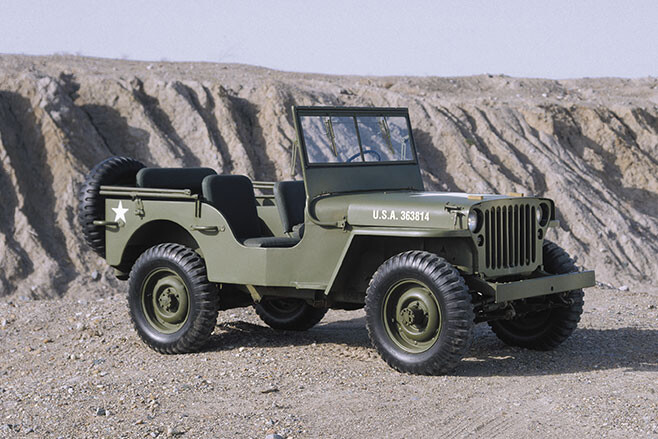
THE BIG BIGHT STAGE 2
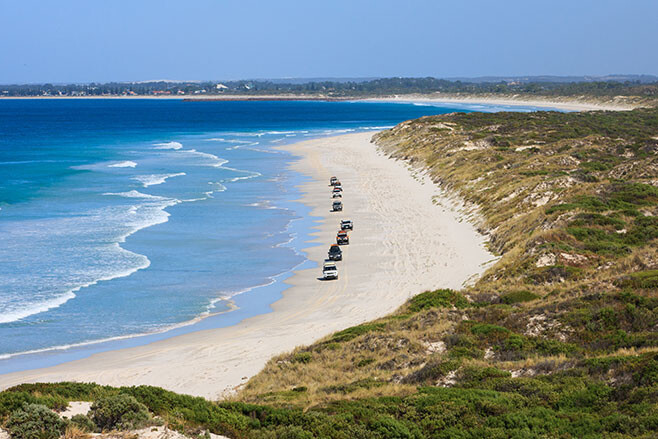
Stage 2 of this epic journey saw us crossing the SA border, trekking the Bight’s southern cliffs, cruising the beach and avoiding the blacktop. Check out videos of our trip here:
- Across the Bight: Part 1
- How to prepare for a 4×4 trip
- How to beach drive
- How to 4WD in a convoy: radio communication
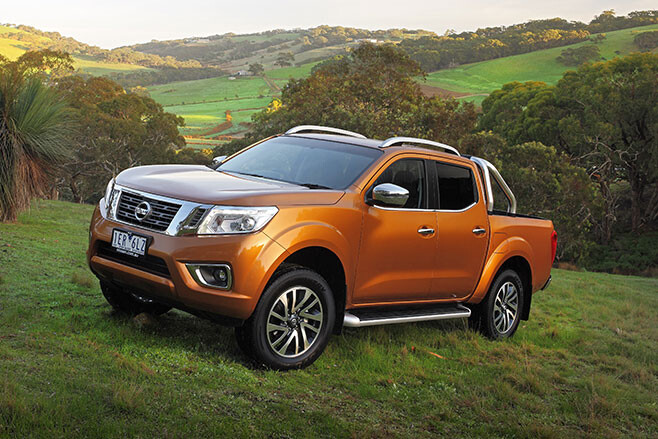
DRIVEN – NISSAN NAVARA
Following our sneak peak of the new Navara in the July issue, we take a closer look at the long-awaited new Navara range and how it stacks up against class leaders.
ROAD TEST – MITSUBISHI MQ TRITON CLUB CAB
Extended club cabs make sense if you don’t need a dual cab. We rate the new Mitsubishi Triton Club Cab.
CUSTOM 4X4 – BUSH RANGER
We check out the Gold Coast-made Bush Ranger, a go anywhere bush-and-beach buggy
CUSTOM 4X4 – MORRIS/4X4 VITARA
Crazy Kiwi’s insane, one off Morris Minor
EXPLORE – O’Grady’s Well, SA’s Lake Eyre, SA’s Willangi Bush Escapes, Finke River Gorge
IN THE SHED – Ron Moon shows off his new Toyota Hilux, taking us for a spin through Vic’s High Country
GEAR – Majestic Sierra Extreme, the Diesel Key, Lifestraw Filtration System, Cooper Discoverer AT3, Sol All-Weather Fire Cubes
Grab your copy of 4X4 Australia from newsagents or subscribe to 4X4 Australia in electronic or print format.
In this cotton-wool world of molly-coddled SUVs and computer-chipped four-wheel drives, it’s refreshing to head scrub with a brutish bush-and-beach buggy built just for fun.
The Bush Ranger may not be the most civilised of machines, the quietest, or the most loaded with fripperies, but it is a 4WD of great competence and it’s loaded with go-anywhere character.
The short-arsed Bushie climbs and scrambles, slithers and splashes with style, allowing the driver the priceless bonus of experiencing unrestricted sights, sounds and smells of the bush or beach.
It cruises down the bitumen with all the poise of an older Land Rover Discovery, albeit with a little less body roll and a lot more engine, tyre and road noise.
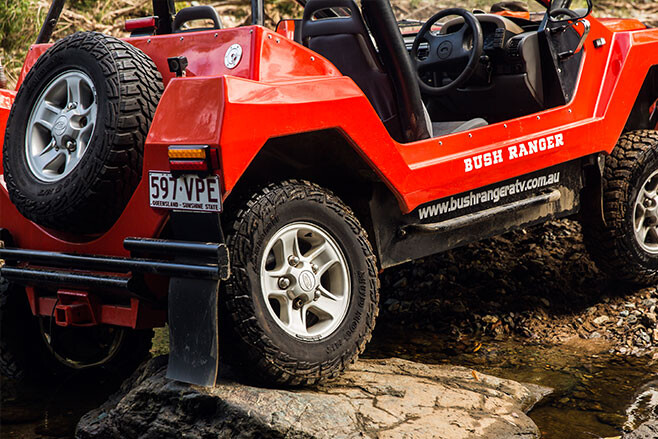
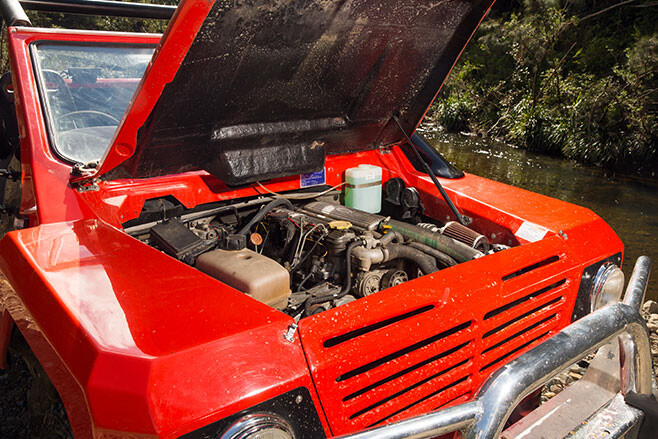
This particular reborn example sits on a shortened 1995 Land Rover Discovery chassis with the 300TDI 2.5 litre diesel and four-speed auto. The wheelbase remains at 2540mm (100-inch) but about 450mm has been cut from the back of the chassis.
It’s a bit hard to miss in the car park, with a slicked-back windscreen, no doors, roll-cage and a high-rise rear end, all finished in one of Bush Ranger ATV’s favourite hues – Vermillion Fire – from Ford’s 1972 Falcon GT colour chart.
There’s a 16-inch wheel at each corner and a high-riding, sit-up attitude now that the Land Rover suspension is carrying around 700kg less. The ride height is about 75mm taller than the Disco.
The front end – headlights and grille – might be a bit old-style Morris-van looking, and this bullbar (pinched for now from a Nissan Patrol) doesn’t quite suit, but even so, the end result is a head-turner.
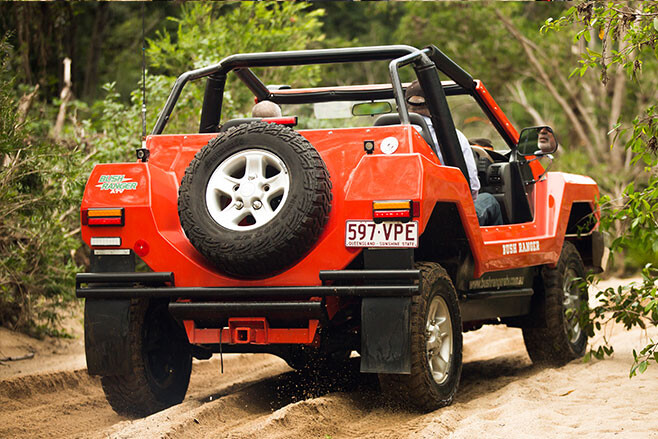
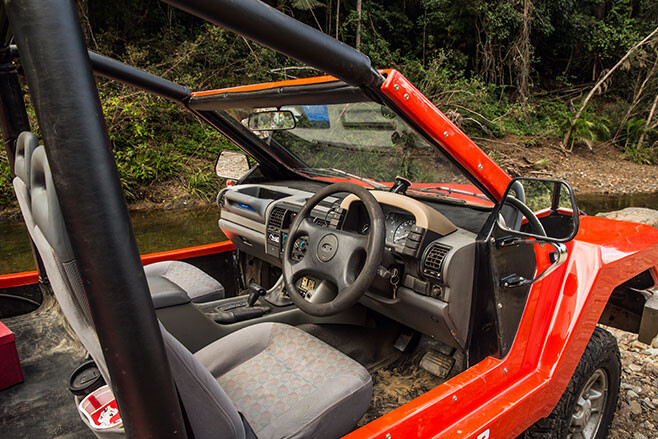
This particular Bush Ranger is a two seater. It will take a pair of seats in back, but just not those from the donor Discovery. There are plans to make the next Bush Ranger about 20mm longer in the body to add valuable space in the rear compartment so the Discovery rear seats will fit. There’s a vinyl roof and side curtains packed away for poor weather, but this off-roader – like most convertibles – is best enjoyed top-off.
Clamber up over the high sill and slot in behind a familiar Land Rover steering wheel, instruments and dashboard. It’s a snug driving spot, with plenty of room. It’s also well-protected in the tub of the buggy body. All the controls fall well to hand. The visibility is great in all directions, aside from directly to the rear where that kicked-up body style impedes a fair bit.
Fire up that old 2.5 diesel and drop the auto into drive. There’s a mere 83kW and 265Nm from 1800rpm here, so despite the lightening of the Land Rover’s load, the Bush Ranger doesn’t move off in any great hurry.
On road, the drivetrain is leisurely, the engine a bit coarse and there’s a fair swag of road noise, but it will sit on a steady 100km/h.
The surprise here is just how comfortable the Bush Ranger feels on its Discovery-based suspension, and how steering and roadholding in general are quite competent from the old British wagon’s underpinnings.
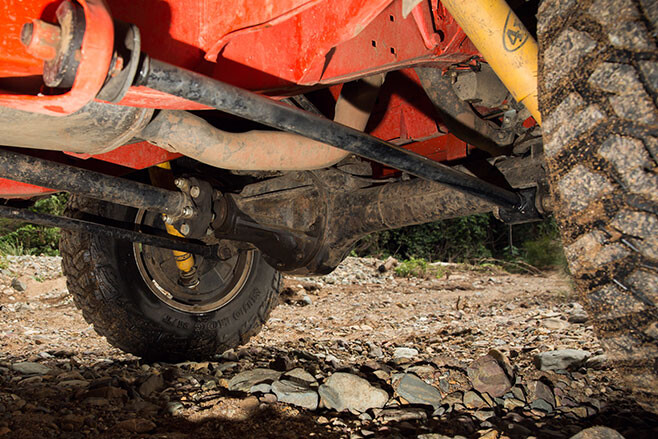
The Bush Ranger rumbles into the scrub to strut its stuff. Shift into low range, lock the centre diff and our Jaffa orange machine feels unstoppable. The Bush Ranger is a weapon in the scrub. Low(er) weight, low gearing and the Discovery’s supple, long-travel coil-sprung suspension allows the big buggy to walk over some obstacles and straddle others. There’s also that extra ride height for spotting dramas ahead, plus excellent approach and departure angles.
Bush Ranger builders David Marshall and John Hill haven’t measured it all up yet, but departure could be an amazing 80 degrees; a shade better than the 1995 Disco’s 32 degrees. At the front the angle’s been compromised a bit on this one by the soon-to-be-replaced Nissan bullbar.
Out here, wandering around in low range, the Bush Ranger feels a bit like a doorless, topless Land Rover Defender.
It rides on 245/75 Summit Mud Hog tyres on original Land Rover alloys. With style and substance, it’s an excellent machine for weekends on fun – or difficult – country.
“We wanted to have a macho car when we started to build this (first) one,” David says.
“John’s a Land Rover mechanic and we decided to just go mild and go with a two-inch lift.”
But even that made the Bushie, with a body now some 700kg lighter than original, sit far too high and look awkward.
“I don’t think the body weighs any more than 60 kilograms. John and I can pick it up, lift it above our heads and drop it on the chassis – and we’re old farts!”
David is a bit old-school when it comes to 4WDing and isn’t sure about having vehicles and computers take over from the driver.
“The sad and silly thing is you don’t need high skill-levels to drive in the bush with a modern motor car. Whereas with the older generation of 4WDs you have to be able to drive them and think all the time. You have to be involved and have to have a certain level of skill.”
That’s yet another reason for David being a Bush Ranger disciple: the driver involvement needed with older-style chassis and drivetrains. Plus there’s the open-top experience.
“I love driving through the bush with no top on, the smells and the sounds,” David says. “In a steel box with the air-conditioning on you don’t hear the whipbirds, you don’t smell the gum blossoms, you don’t smell the flying foxes. It’s a different way of travelling through the bush.”
And then there’s the ‘bush rod’ (as opposed to street rod) element to the Bush Ranger; the ability to customise the vehicle to suit individual needs and tastes.
David reckons it takes about two weeks to build a Bush Ranger. “But it’ll be ongoing because you’re never satisfied,” he reckons. “If you get something out of the showroom with this capability you don’t want to muck it up, you don’t want to change it, you don’t want to fiddle. But a Bush Ranger is a hobby, a passion. You can get into it, you can play with it.”
That’s the best thing about a Bush Ranger; the playfulness of this re-born off-roader. It’s an Australian machine with aptitude and a tonne of attitude.
Get the latest info on all things 4X4 Australia by signing up to our newsletter.
Hot on the bumper of Nissan slashing the prices of its Y62 Patrol large 4×4 wagon and cutting the range from three to two models, the company’s luxury partner Infinity is introducing its own take on the Patrol, in the form of the QX80.
Priced from $110,900, the single-variant Infinity QX80 will theoretically top the Patrol model range in much the same way as the Lexus LX570 tops the Land Cruiser 200 Series, on which that vehicle is based.
The $134,700 Lexus will be the QX’s main competitor but as both of them are offered with petrol V8 only, we expect them to remain small sellers.
According to VFACTS figures, only 87 LX570s have been sold in the first six months of 2015, as opposed to the class-leading GL-Class Mercedes Benz which has racked up 295 sales.
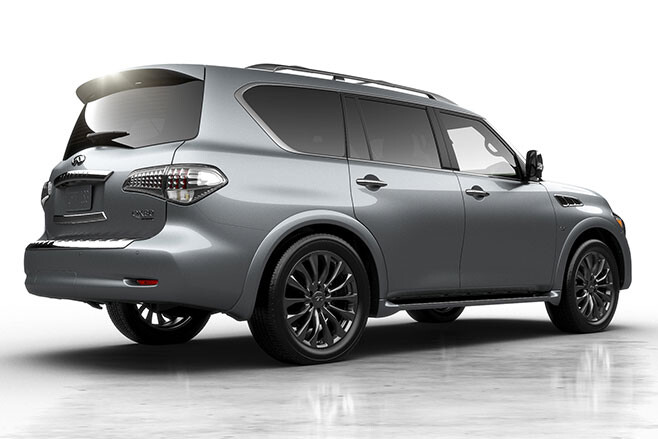
The QX80 will share its stonking 298kW, 5.6-litre V8 engine and seven-speed automatic transmission with the Nissan Patrol.
It will also share its All-Mode 4×4 drive system with low-range transfer case and clever hydraulic body motion control (HBMC) suspension system that reduces body roll on high-speed corners yet maximises suspension travel in off-road driving conditions by doing away with sway bars.
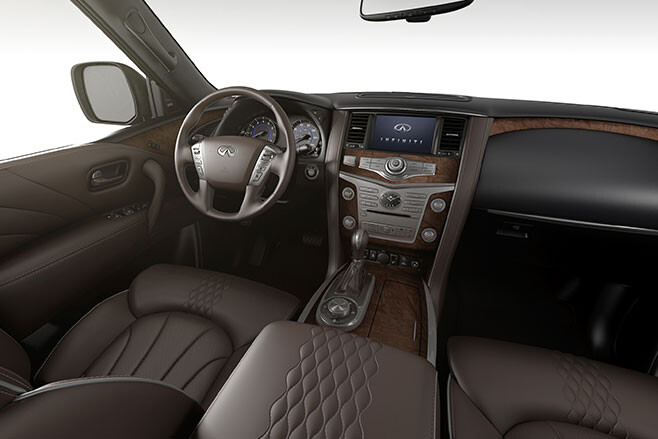
As you would expect, the big Infinity will be loaded with all the luxury and convenience features the company can stuff into its cavernous, leather laden eight-seat cabin.
The managing director of Infiniti Cars Australia, Jean-Philippe Roux, claims that:
“The QX80 is among the most luxurious and generously appointed SUVs available in the world. It is spacious, elegant and has an incredible presence.”
There’s no denying that the bespoke body styling of the QX has presence.
It is unique and will certainly get noticed once it hits Infinity showrooms later in July.
We’ll have the full specifications and a drive report following the launch at that time.
Get the latest info on all things 4X4 Australia by signing up to our newsletter.
You won’t see many of these around. Featured in the August issue of 4X4 Australia, the Bush Ranger is a hot-rod off-roader built on a 1995 Land Rover Discovery chassis.
With its history tracing back to the English-made Dakar, there are only about 30 Bush Rangers thought to exist in Australia, but that won’t stop enthusiasts getting together for a laugh and a bit of friendly competition this October.
Co-owner of the Bush Ranger all terrain vehicle (ATV) business on the Gold Coast, David Marshall is organising a bash from October 24-25 on an old sheep-grazing property in Wallabadah, where Bush Ranger owners will put their beach-and-bush buggies to the test.
Marshall, who bought the moulds for the Bush Ranger and opened his business late last year, will polish up the 2.5L Vermillion Fire Bushie (seen above), but is also putting together a new 3.9L V8 Bush Ranger ute for the two-day camp.
Which Bushie will turn more heads is up for debate.
“It’ll be interesting, I’m sure,” Marshall says.
“It’ll just be a fun weekend.”
Friendly competitions will be held over the two days, with an obstacle course to test Bush Rangers against each other and other 4x4s.
Public and non-Bush Ranger owners are welcome to attend and toilet facilities will be provided.
Dave is taking suggestions and registrations on his Facebook page for the event.
To see more of the Bush Ranger check out the August issue of 4X4 Australia on sale now.
Get the latest info on all things 4X4 Australia by signing up to our newsletter.
Winner of 4X4 Australia’s 4×4 of the year award in 2011 and 2014, the Jeep Grand Cherokee has finally been awarded a five-star ANCAP safety rating.
The Grand Cherokee, which has undergone significant revisions in its recent lifespan, will now have the maximum safety rating for each V6 produced from March 2013 onwards.
Grand Cherokees from 2011 to 2013 had missed out on the five-star rating by one star, scoring only 9.5 out of 16 in ANCAP’s Frontal Offset category, which tests cars in offset frontal collisions at 64km/h.
ANCAP’s safety reports show that, during the 2011 test, protection from serious chest and leg injury was marginal for drivers of the 2011-2013 vehicles.
Several safety improvements, however, have been made to V6 models built from March 2013 onwards, according to the latest test results, released yesterday.
The car now scores 14.09 out of 16 in the Frontal Offset category, an improvement largely responsible for boosting the car’s overall rating to 34.09 out of 37, up from 29.95 in 2011.
Included as part of the 60 safety and security features now on offer in the car are dual-frontal, side-chest and driver-knee airbags; autonomous emergency braking (AEB); blind-spot monitoring (BSM); and seat belt reminders for the front and back seats.
Also notable is that all Grand Cherokees from 2011 to the present date have scored of 16 out of 16 in ANCAP’s side-impact crash test.
The ANCAP rating follows the car’s recent five-star result in America’s NHTSA crash-test program.
Jeep’s Patriot was also awarded the maximum five-star safety score in 2014.
Jeep Grand Cherokee manufacturer’s list prices
Petrol:
3.6l Laredo, $48,500
3.6l Limited, $58,000
5.7l Limited, $64,000
3.6l Overland, $74,000
5.7l Overland, $74,000
6.4l SRT8, $82,000
Diesel:
3.0l Laredo, $54,500
3.0l Limited, $64,000
3.0l Overland, $74,000
Get the latest info on all things 4X4 Australia by signing up to our newsletter.
Price and specifications
Price: $43,490
Engine: 2.0-litre horizontally-opposed four-cylinder diesel; 110kW at 3600rpm, 250Nm at 1600-2800rpm
Transmission and 4WD system: continuously variable transmission (CVT) auto, full-time four-wheel drive
Braked tow capacity: 1700kg
Spare tyre: Full-size
Fuel tank: 60 litres
Fuel use (claimed): 6.3L/100km
Fuel use on test: 8.8L/100km
Approach/departure angles: 17.8 degrees, 22.2 degrees
Ground clearance: 213mm
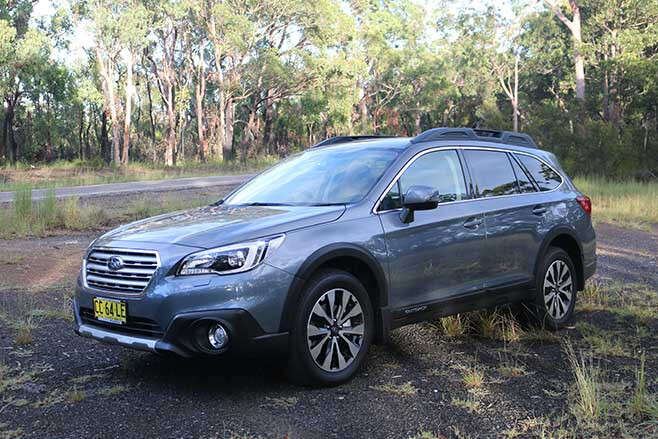
WHAT’S THE DEAL?
Subaru has taken the knife to Outback prices with the latest fifth-generation model. Prices start at $35,990 (plus on-road and dealer costs) for the most affordable 2.5-litre petrol model, which includes a standard auto transmission. Included in the deal are dual-zone air-conditioning, automatic wipers, auto headlights and 18-inch alloy wheels. There’s also the Eyesight safety system, which combines auto braking, lane departure warning and active cruise control.
The diesel is $35,490 but that’s for the manual; an auto adds $2000 on to the price. The diesel matches the petrol model on equipment except for the Eyesight driver-assist system, which isn’t available yet. It also gets 17-inch wheels instead of the 18s on other variants.
Those wanting more gear can choose a premium model ($41,490 for diesel manual or petrol auto) and get smart key entry, a sunroof, electric seats, heated front seats, leather trimming and satellite-navigation.
There’s also a six-cylinder engine available exclusively in the premium range for $47,990.
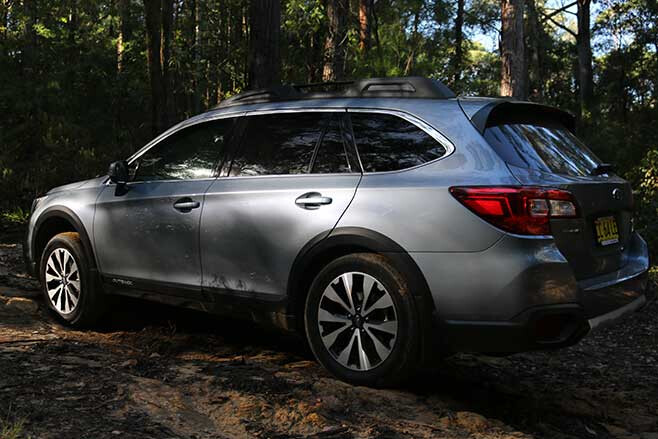
PRACTICALITY
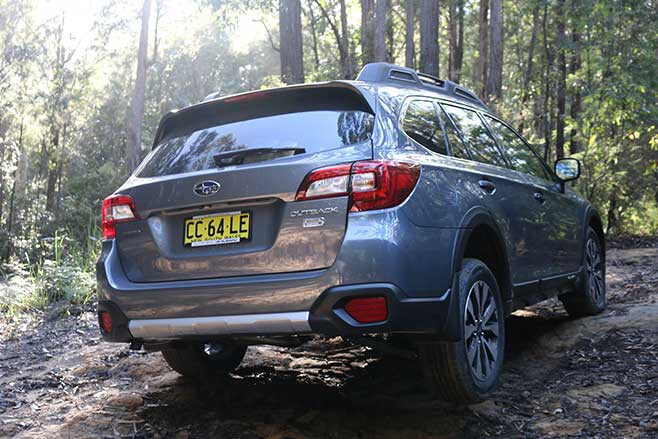
Being based on the Subaru Liberty (the Outback is now the only one that uses the wagon body style, with the Liberty now exclusively a sedan) the Outback is more car than traditional 4WD or SUV in its basic composition.
But the new body is 25mm longer, 25mm higher and 20mm wider than the model it replaces. That translates directly into more interior space, and the Outback is now noticeably larger inside than previous generations.
It’s genuinely comfortable for four adults, with five at a pinch. Head and leg room are great front and rear, while the seats are supple yet supportive.
The cabin is also nicely presented, from the logical buttons and controls (the electronic handbrake is a particular highlight for its functionality and design) to the large touchscreen (the Premium tested here gets a 7.0-inch screen, up on the 6.2-inch screen in basic models).
ON THE ROAD
SUVs don’t get much more car-like than the Outback. That’s because it is a wagon version of the Subaru Liberty medium car but with a higher ride height.
On-road dynamics, then, are very good and the Subaru is an easy car to live with around town. The suspension tends towards firm at lower speeds but is more compliant above 60 or 70km/h.
Our Premium model ran on 18-inch Bridgestone rubber, which gripped very well on bitumen and cemented the Outback as a confident vehicle.
The diesel engine is nothing special on the power front – just 110kW. But the 350Nm is more on the money and ensures hearty response, albeit with some initial turbo lag.
And while the power is produced at 3600rpm, the CVT does its best to make the most of what’s on offer by quickly reacting to throttle inputs and adjusting revs accordingly. Interestingly, under full throttle the CVT does mock gear shifts, dropping revs from about 4000rpm to closer to 3000rpm before building up again (other CVTs simply hold an optimum rev point until you’ve reached the appropriate speed).
OFF-ROAD
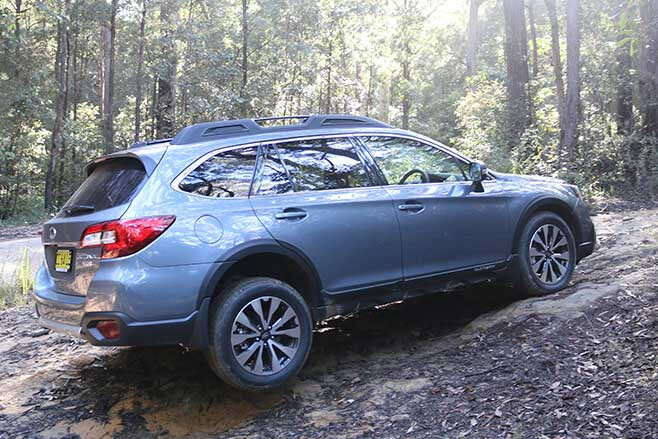
Being based on a passenger car, the suspension travel isn’t great, something that becomes obvious early. While it quickly extends to its maximum, it doesn’t take much of a cross-up to leave a wheel hanging in the air.
The constant four-wheel drive system can take a moment to recalculate, although pressing the X-Mode button improves traction by more quickly responding to wheel spin; X-Mode tailors the traction and stability control systems to off-road conditions, optimises the throttle response and activates the hill-descent control system.
The hill-descent control is okay for less rugged trails but the speed cannot be adjusted and keeps the car travelling at about 6-8km/h, which will be too fast over more rugged sections; best to forget them, then.
The 213mm of ground clearance is more than acceptable and ensures rock-hopping ability beyond what may be expected from a high-riding wagon; a full-sized spare tyre is also a plus. But underbody protection is made of light-weight plastic that doesn’t look prepared for a good rock strike.
It would also pay to be careful of the bumpers at either end, with modest approach and departure angles. The 17.8-degree approach angle, in particular, is one to be aware of.
The on-road-biased tyres are respectable for the light duty work the Outback is designed for, although it’s the 17s on the base diesel model (the only Outback to get 17-inch wheels) that make most sense for those planning to get more adventurous.
Those 17-inch Yokohamas also slightly increase the approach angle to 18 degrees.
As an aside, while the air scoop on the bonnet has disappeared, the intercooler for the turbo still sits on top of the engine and out of the way of sticks, rocks and other obstacles. Fresh air is fed to it via hidden scoops beneath the lip of the bonnet.
Those looking to tow will be limited to a modest 1700kg load.
VERDICT
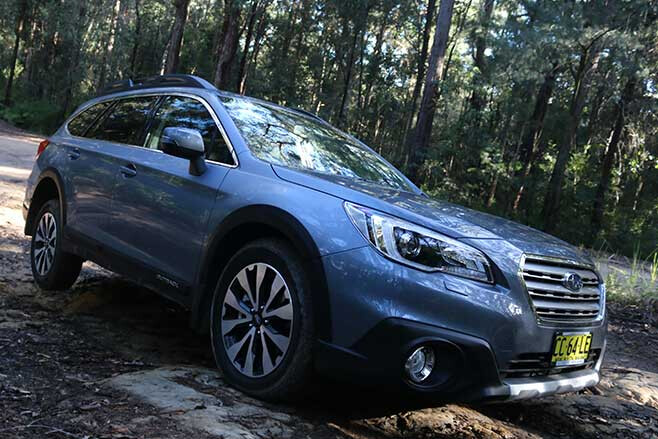
It’s no serious off-roader – but it’s not meant to be. As a light-duty off-roader with plenty of equipment and on-road talent, the Outback makes for sensible buying. And it earns plenty of points with its fantastic on-road demeanour.
The key to any good off-road expedition is clever planning.
Macca shares some of his tips for a successful trip.
Click here to watch Across the Bight: Part 1.
Can you imagine the frustration of a Jeep salesman seeing this striking custom-built Wrangler ute for the first time?
Yep, a Jeep ute would be just the ticket to get sales soaring in a market obsessed with utes. Forget your Hiluxes and Rangers, this thing would be the duck’s guts on any worksite or campground and, if Jeep had the smarts to build them, we’re sure it’d be run off its feet trying to keep up with demand.
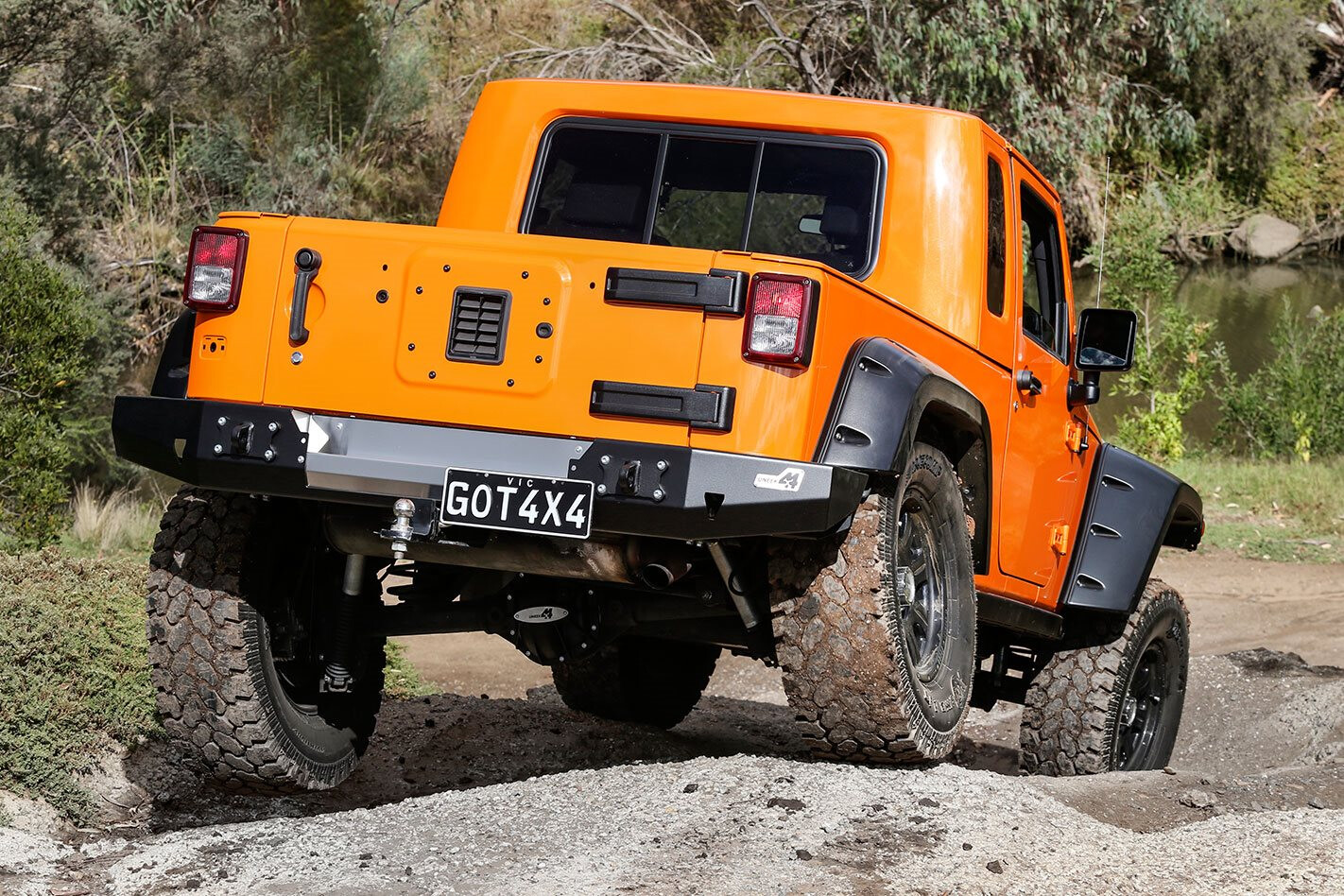
Alas, this Wrangler ute isn’t some flash pre-production model… and Jeep has no plans (that we know of) to build such a rig. But while it might not be a production model, the Wrangler JK-8 you see here is a kind-of official Jeep product. You see, the JK-8 pick-up conversion kit is sold through Jeep’s performance and accessories arm Mopar. And although the kit is damn good value – at less than $US6K – you’ll also have to stump up for freight, a Wrangler Unlimited and the rather extensive labour and know-how required to fit it.
Nevertheless, if you’re a Jeep fan and you want a usable ute, then the JK-8 is certainly a good way to get one. And that’s precisely why Autobody Prestige proprietor Wayne Bernhard built this bright orange JK-8.
“We use it mainly for promo,” Wayne says. “We’ve started another business called GOT 4×4, so we’re doing a lot of fit-ups on Jeeps, and that’s sort-of been generated through Uneek 4×4 and Murchison Products in Queensland.”
Wayne’s JK-8 started life as a 2007 Rubicon-spec Wrangler Unlimited. After all, if you’re going to modify a vehicle to this extent, you might as well start with a Rubicon that already has all the good off-road bits fitted to it including ultra low-range gearing, diff locks, sway bar disconnects and the like.
The JK-8 kit was sourced through Alan McMullen at Jeep Konection. “We actually did the conversion on Al’s JK-8,” Wayne says, “and we thought, you know what, we’re going to have a go at one ourselves. Once I found the right vehicle, being a Rubicon, I thought that’s the one we’d use.”
Fitting a JK-8 kit can be completed in around six to eight weeks, however the conversion on this Unlimited took more like six to eight months. “It wasn’t the only job in our shop; it was a filler,” Wayne says of the JK-8.
The conversion process is quite involved, and requires a fair bit of chopping and welding of body parts, as well as the vehicle’s original roll bar. Wayne also wanted to do much more with this project to make it really stand out, starting with that spectacular orange paint.
“The colour’s just awesome,” Wayne says. “It’s Ford Focus orange and it’s got a flick of pearl through it. The car was silver but we thought ‘let’s make it the colour we want.’”
The driveline remains essentially standard Rubicon gear, but Wayne gave the front diff a going over. “The front diff, it’s a [Dana] 44, and I’ve bomb-proofed it, so it’s got the outer shell around it, the inner sleeves in the diff housing, the gusseting… we’ve sort of beefed the hell out of that front diff because it just got hammered,” he says.
The 3.6-litre Pentastar V6 engine hasn’t been touched – not even a snorkel – but there’s enough performance on tap to push around the lightweight Wrangler without it raising a sweat, especially off-road thanks to the Rubicon’s fantastic low-range reduction of 4:1.
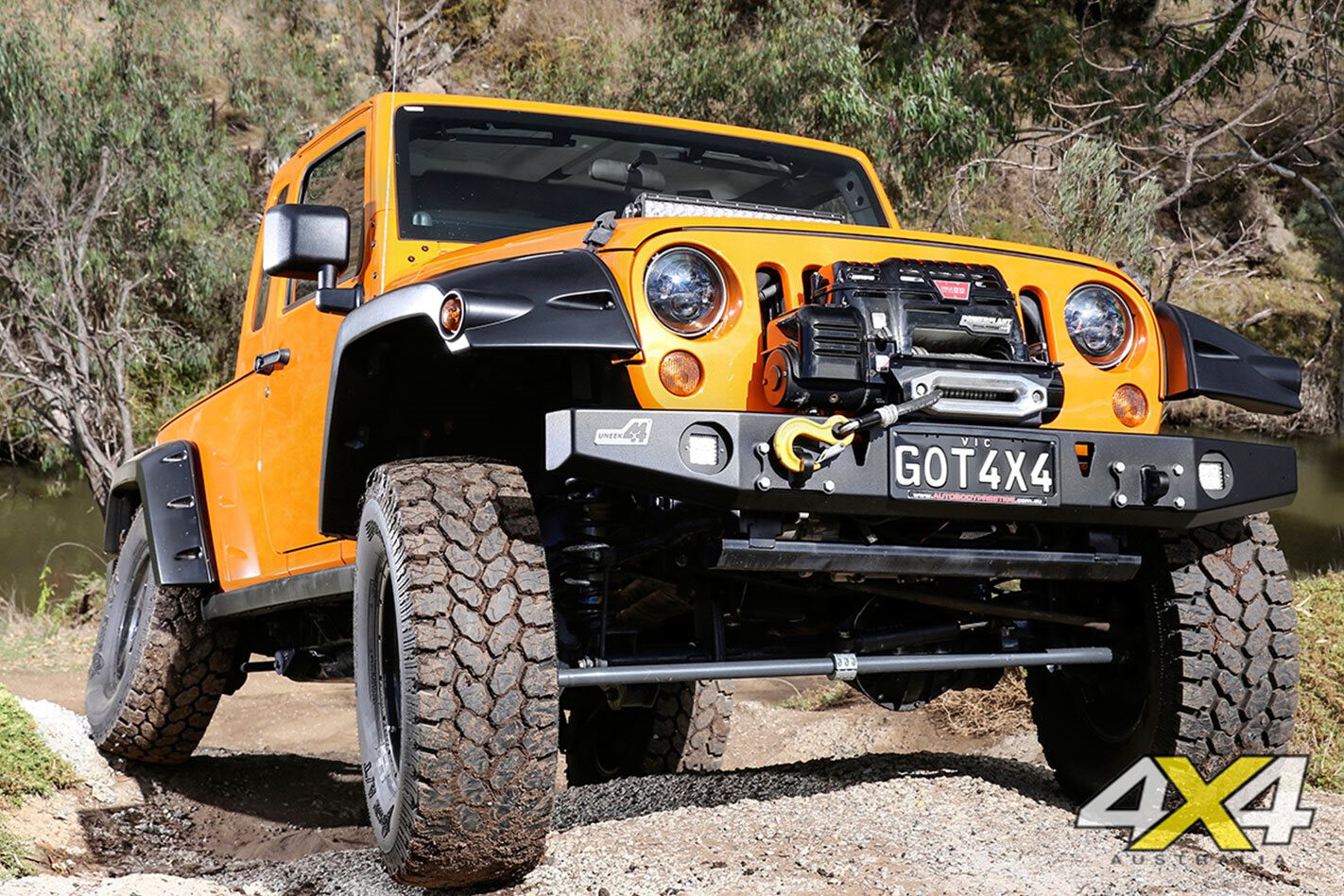
Wayne has messed around with the suspension a fair bit to get the perfect stance out of the JK-8. “I’ve probably changed the springs in the rear four or five times just to get it to ride really nice. I wanted that sort of Baja look, you know… a little bit of arse-end down.”
To achieve the right suspension set-up, the JK-8 has been equipped with AEV (American Expedition Vehicles) springs front and rear; providing about 90mm lift at the pointy end and 30mm at the rear. The shock absorbers are aluminium-body Bilsteins.
The Pro Comp 35×12.5in R17 Xtreme A/T tyres are mounted to American Eagle Wheels Series 140 rims. “They were chrome and we powdercoated them,” Wayne adds. “Because there’s no other chrome on the vehicle, we made them black.
The result is a stark contrast to the bright orange body, yet it mates well with the other black components on the vehicle, including the Bushwacker fender flares from Jeep Konection.
The Bushwacker flares are claimed to offer an additional 50mm of tyre coverage and are finished in a similar matte-black to the original Jeep items. The Torx bolts are all decorative and the flares are easily fitted using the existing factory holes, so no cutting or drilling is required.
It’s unlikely that you’ll see this JK-8’s distinctive front bar on any other vehicle. “The front bar is from Uneek 4×4, but I didn’t want the hoop,” Wayne explains. “I go to the SEMA Show every year and I look at what’s trending over there, and I try to bring back those kinds of ideas to Australia. So I said to Dave [at Uneek 4×4] ‘you know, I don’t want a hoop, I want to put this massive winch on it, so just do this hoop delete and call it a Baja Bar’. He said ‘awesome mate, let’s do it.’”
The front bar is equipped with a couple of substantial recovery points, integrated LED fog-lights and that monster Powerplant Dual Force HP winch, which incorporates what Warn claims to be a best-in-class air compressor. The winch itself is rated at 9500lb pulling capacity, while the compressor has enough pressure and volume to operate air tools such as nail guns and impact wrenches. It can also quickly air-up tyres after a day on the tracks or inflate rafts.
The rear bar is also from Uneek 4×4 and has a tidy step for easy access to the ute bed and a couple more recovery points. The tailgate is the standard Wrangler Unlimited item, albeit with the spare wheel removed.
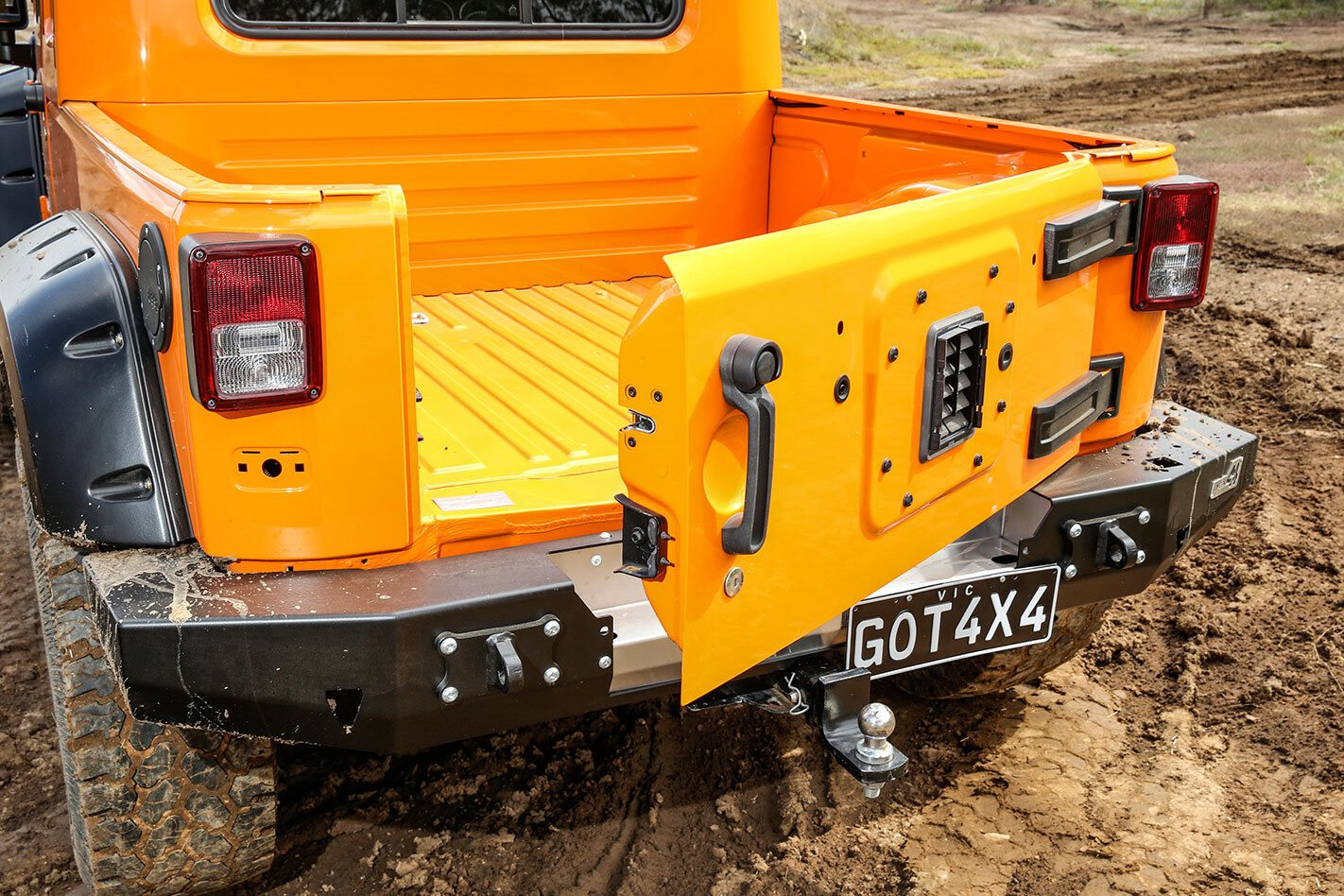
Another stand-out exterior feature is the bonnet-mounted light bar. Both the mounting system and the light bar are from Monster Lights Australia. The mount is manufactured from laser-cut 304 stainless steel and has been designed to specifically fit on the Wrangler’s bonnet in such a way that it doesn’t interfere with the vehicle’s window washers. The light bar is the company’s ML200X 200 Watt unit, which is claimed to generate 12,000 lumens and offer a range in excess of 300m.
“It really projects the light nicely from out there,” Wayne says. “I’m six-foot-three, so I can see right over the top of it; it doesn’t get in my way at all.”
The replacement LED headlights are also from Monster Lights Australia, as are the neat fog lights in the front bar.
As the JK-8 is mostly used to promote Wayne’s GOT 4×4 business, he hasn’t bothered with fitting items for off-road navigation or communications gear. In fact, the only real interior modification to speak of is the sound system.
“On the JK wagons there’s a sound bar, but that doesn’t fit when you do the JK-8 conversion,” Wayne explains. “We got this sound bar out of the States from Michigan Vehicle Solutions, so we could mount the sound bar speakers out of the wagon into the new sound bar carrier. And then we got two subwoofers, made a frame and bolted it underneath the seats.”
Despite losing a second row of seats, the cab configuration of the JK-8 Wrangler still offers relatively decent interior space. “Put it this way, you couldn’t fit a fridge in there but you definitely get your jackets and stuff in there. It’s pretty handy, like an extra-cab ute…”
So what’s next for Wayne’s JK-8?
“Move it on. Sell it,” he says. “We’ve finished this one. The next project we’ll look at will be the new Navara or the new Hilux. We’ll work with Uneek 4×4 and get the bars right, and the sliders and that sort of thing. Because we’re looking at getting more involved in 4WDs we’re still developing GOT 4×4, and that’s where we’re at.
MOPAR JK-8 Kit
Mopar offers the JK-8 pick-up conversion kit for less than US$6K, plus freight. It’ll fit any JK Wrangler Unlimited models from 2007 to 2015.
The JK-8 is referred to as a style-side pick-up, and it takes its cues from the Jeep Scrambler CJ8 that was offered in the 1980s. It was, however, a troopie-style conversion of the Wrangler Unlimited that spawned what was to eventually become the JK-8 kit.
According to US-based Michigan Vehicle Solutions (MVS), its J-8 program was the genesis for the JK-8. “MVS worked with D-Mac Industries and Jankel Armouring Ltd to build 34 Jeep J-8s for United Nations Haitian relief efforts,” MVS states. “The vehicles began life as bare-metal body-in-white Jeep Wranglers and were modified to become two-door pick-up trucks with high clearance rollcages, upgraded leaf spring suspension, military spec paint and primer, and a diesel powertrain.”
The success of the J-8 program lead to MVS being selected to help Mopar develop the consumer version of the J-8, called the JK-8.
While it doesn’t get the J-8’s beefed up leaf spring suspension, the JK-8 Kit includes components such as the 1120x1270mm steel bed, inner and outer bed-sides made from stamped sheetmetal, panel assemblies, removable fibreglass hardtop with sliding rear window, side windows, fibreglass bulkhead behind the seats and JK-8 badges.
The JK-8 is a permanent conversion and requires significantly more skill to put together than the average handyman could muster. The installation requires several spot welds in the body to be cut, as well as the B-pillars and sections of the existing roll bar. The kit’s new body panels then have to be welded in place. The whole shebang also has to be engineered for compliance, which includes weighing all four corners to make sure there’s no variation from standard.
If you don’t feel confident in performing a JK-8 conversion yourself, no worries – there are several companies in Australia who have already fitted these kits, including Wayne Bernhard’s Autobody Prestige in Victoria and Murchison Products in Queensland.
As it is a six- to eight-week job to properly install the JK-8 kit, it’s unlikely that the original purchase price of the kit from Mopar will be the most costly part of the exercise. And once it’s all put together, there’s still a lot of work to do if you want a rig that looks as spectacular as the one gracing these pages: paint, suspension, wheels, tyres, front and rear bars… but hey, you’ll end up with one hell of a great looking ute.