
Jaguar Land Rover (JLR) and the James Bond films have been closely associated for 35 years, with the last Bond film, 2015’s Spectre, featuring Range Rover Sports and Defenders in a spectacular snow-driving sequence being the highlight.
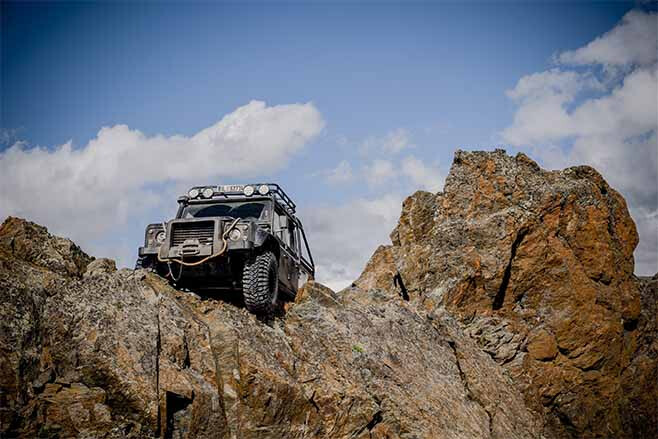
For those fans keen to check out how that sequence was filmed –and are suitably cashed up for the flights – you can now head to Sölden, Austria, to check out the 007 ELEMENTS “cinematic installation”. This display is set up inside the summit of Gaislachkogl, at more than 3000 metres above sea-level, and it is here that visitors can see the behind-the-scenes work that went into that dynamic driving display that featured in the film.
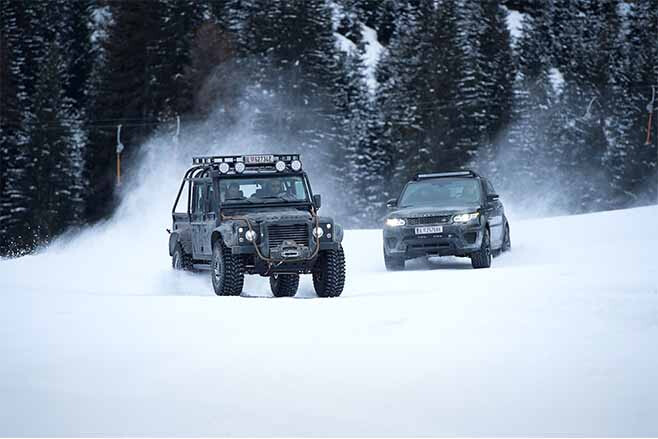
One of the Land Rover Defenders driven by the hapless bad guys is perched on a cliff edge outside, while another vehicle from the film – a Range Rover Sport SVR – is also on display. Sadly, you can’t re-enact the sequence yourself and drive these vehicles, but you can check out the latest Jaguar Land Rover technology that is included in the display. It’s a nice nod to the lengthy partnership between the Bond films (this kicked off with the late Roger Moore’s Bond driving a Rangie convertible in 1983’s Octopussy) and JLR, with more than 70 of the brands’ vehicles used in Spectre.
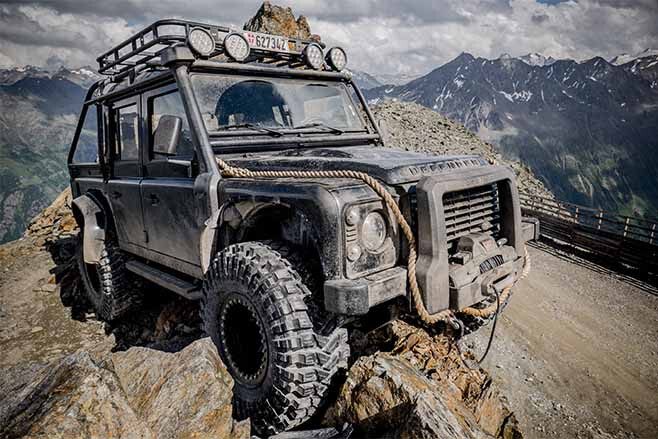
Of course, an actual immersive experience – like, say, driving a bloody Landy – would be even more awesome and tie in with the brand’s touted off-road heritage, something that will hopefully be reinvigorated once the near-mythical new Defender makes its debut.

JLR Australia representatives won’t be drawn on a local (or global) release date for the vehicle, and even though “very late 2018” has been mentioned before, it is looking more and more likely that the world will have to wait a wee bit longer for the Defender to appear. Although it might be worth seeing what JLR brings to the Paris Motor Show in early October. In the meantime, Landy-philes will have to placate themselves with things like this 007 ELEMENTS display, for their regular LR fix.
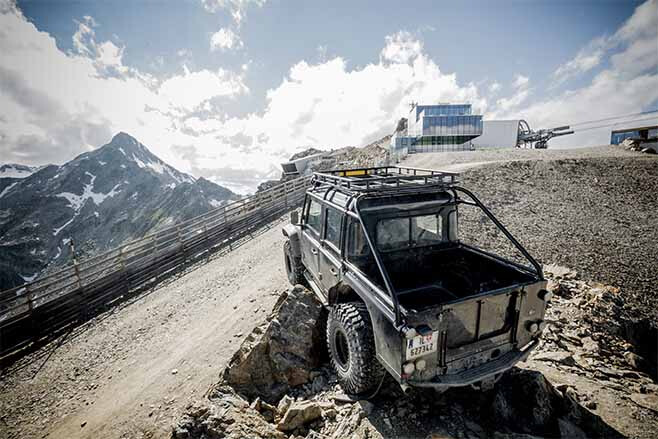
The 007 ELEMENTS display is accessed via the Gaislachkoglbahn Gondola in Sölden. It is open every day, from 9am to 3.30pm.
ARB 4X4 Accessories has signed on as an official partner for rounds three and four of the 2018 Australian Supercross Championship.
Hosted by Troy Bayliss Events, the Australian Supercross Championship is an off-road-packed schedule full of dirt-kicking shenanigans, just with two wheels instead of four. Troy Bayliss expressed his excitement to see ARB throw its support behind the Championship.
“ARB [is] such a fitting partner. A huge percentage of dirt-bike riders own 4WDs to tow and carry dirt-bikes to trails and tracks all over the country, and having quality aftermarket products on your 4WD is just as important as having aftermarket parts on your bike, be it for performance or functionality,” Bayliss said.
“We may even let a couple of ARB-accessorised vehicles tackle the Supercross tracks over the weekend. That would be a great sight. Supercross racing is such a great spectacle; it’s perfectly suited for the whole family.”
Mark Berger, ARB’s brand marketing manager, agreed that the partnership was perfect, and he said most of ARB’s customers and staff were avid dirt-bike riders and fans of the Supercross Series.
“It’s great to be involved in rounds three and four of this year’s Australian Supercross Championship. We’re looking forward to seeing some great racing, which will no doubt inspire us to get back out on the tracks ourselves,” he said.
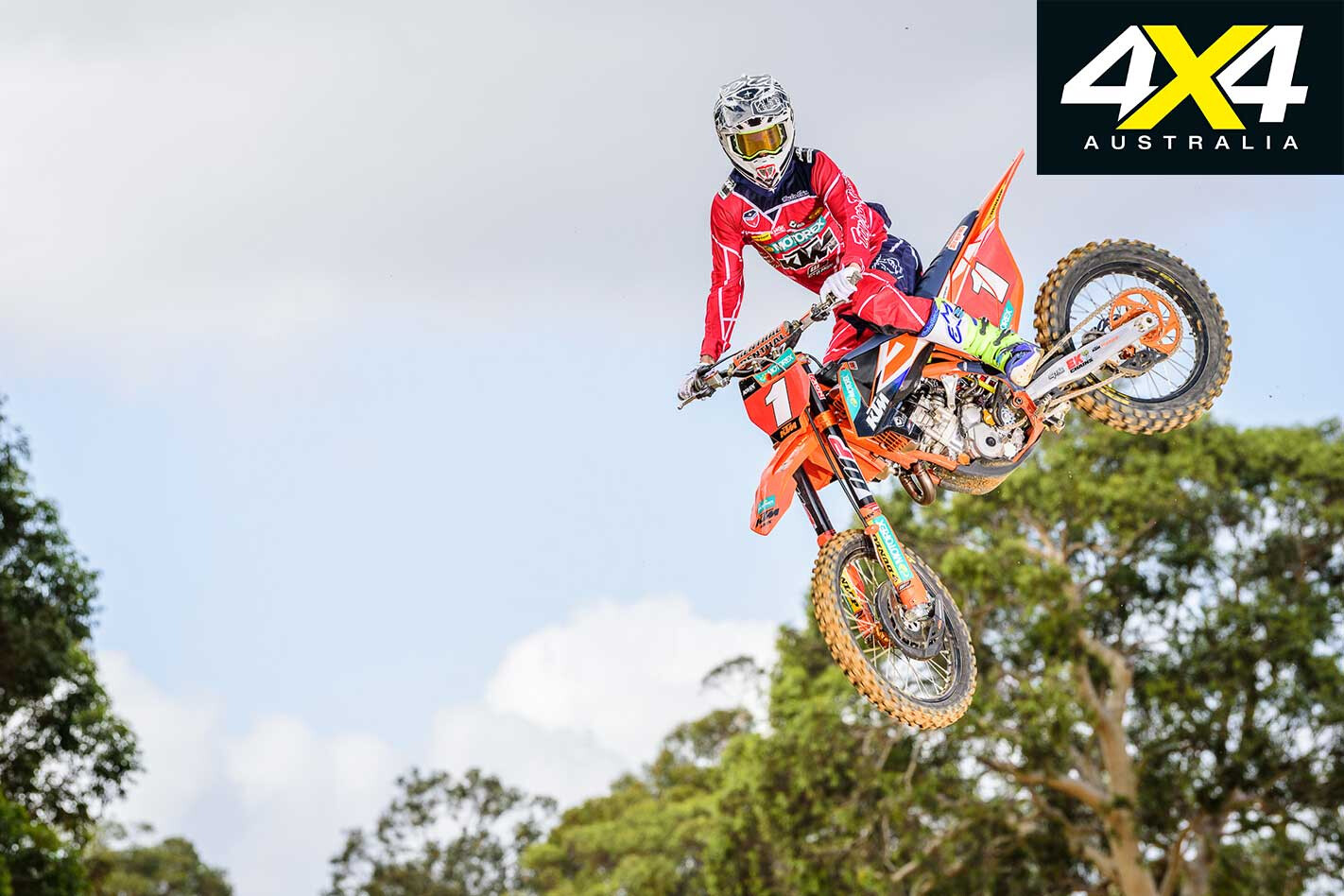
Geelong’s GMHBA Stadium will host Round 3 on October 13, with the stadium boasting an ability to host up to 36,000 fans.
The bikes will then head west to Gillman Speedway in Port Adelaide, for Round 4. More than 25 per cent of the Speedway’s 5000-strong capacity is already sold out, so get booking now before it’s too late.
Tickets and info: www.TroyBaylissEvents.com
OUR RECENT problems with a Toyota Hilux dusting its engine has sent the internet into melt-down, with lots of owners saying I-told-you-so and a raft of would-be owners scratching their heads about the problem.
But let’s take a step back here before everybody hits the panic button. What exactly is engine dusting, what damage does it do and what can you do about it if you already own a late-model Toyota 4WD?
Okay, so dusting is the generic term for airborne dust entering the engine when it should have been stopped by the air filter. In a general sense, this is usually the result of either a poor quality air-filter element or an air leak (split trunking, loose clamp, etc.) somewhere downstream of the air box.
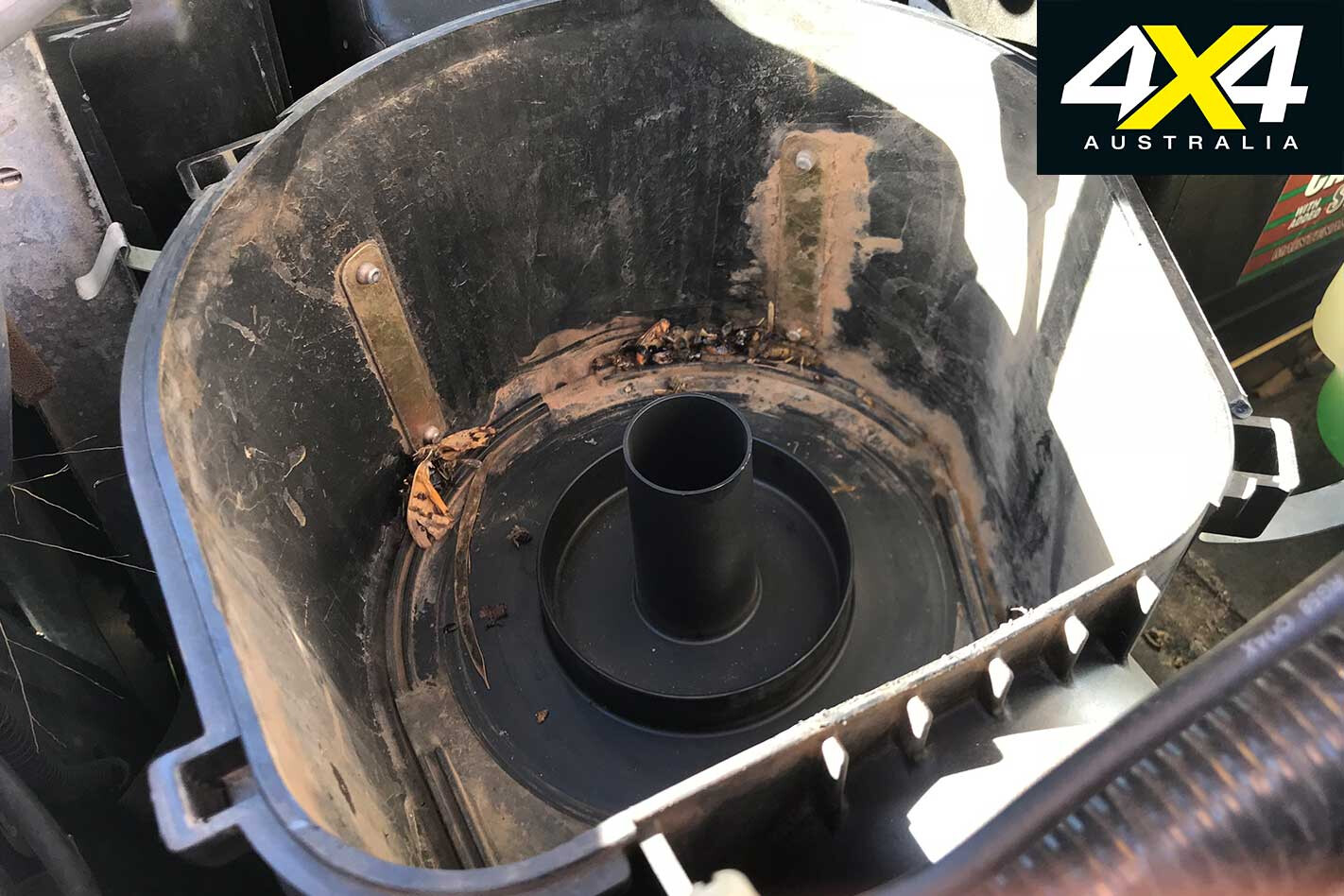
However, in the case of these late-model Toyotas (Hiluxes, 79s and 200s mainly, it seems), the problem seems to be a tendency for the air box (which houses the air-filter element) to distort, probably due to its shape and the flexibility of the plastic from which it’s made.
According to Melbourne-based Power Torque’s Stephen Booth, that allows unfiltered air (and the dust in it) to bypass the filter and enter the engine.
Stephen reckons that in turn leads to three main problems. The first is that the dust sticks to the internal bits of the air-flow sensor, which is an integral part of the petrol or diesel engine’s ability to maintain a correct air-fuel mixture.
Once that dust has stuck to the delicate little wire that sniffs the air the sensor can no longer do its job and the vehicle can experience all sorts of problems, from poor idling to a lack of throttle response and, in some cases we’ve heard of, going into limp mode.
But the other two problems are a bit more permanent, says Stephen. The thing to know is that dust is (if not in a macro sense) highly abrasive. Mix it with oil fumes inside an engine and it becomes a very good substitute for grinding paste. Remember grandma’s kitchen knife? And how Grandad would take it down to the shed for a few passes over the wet-stone every Sunday before he carved the roast with it? And remember how the knife, after 40 years of this, had been ground down to a sliver of blade and not much more? Well, that knife is your engine’s internals and airborne dust is the wet stone.
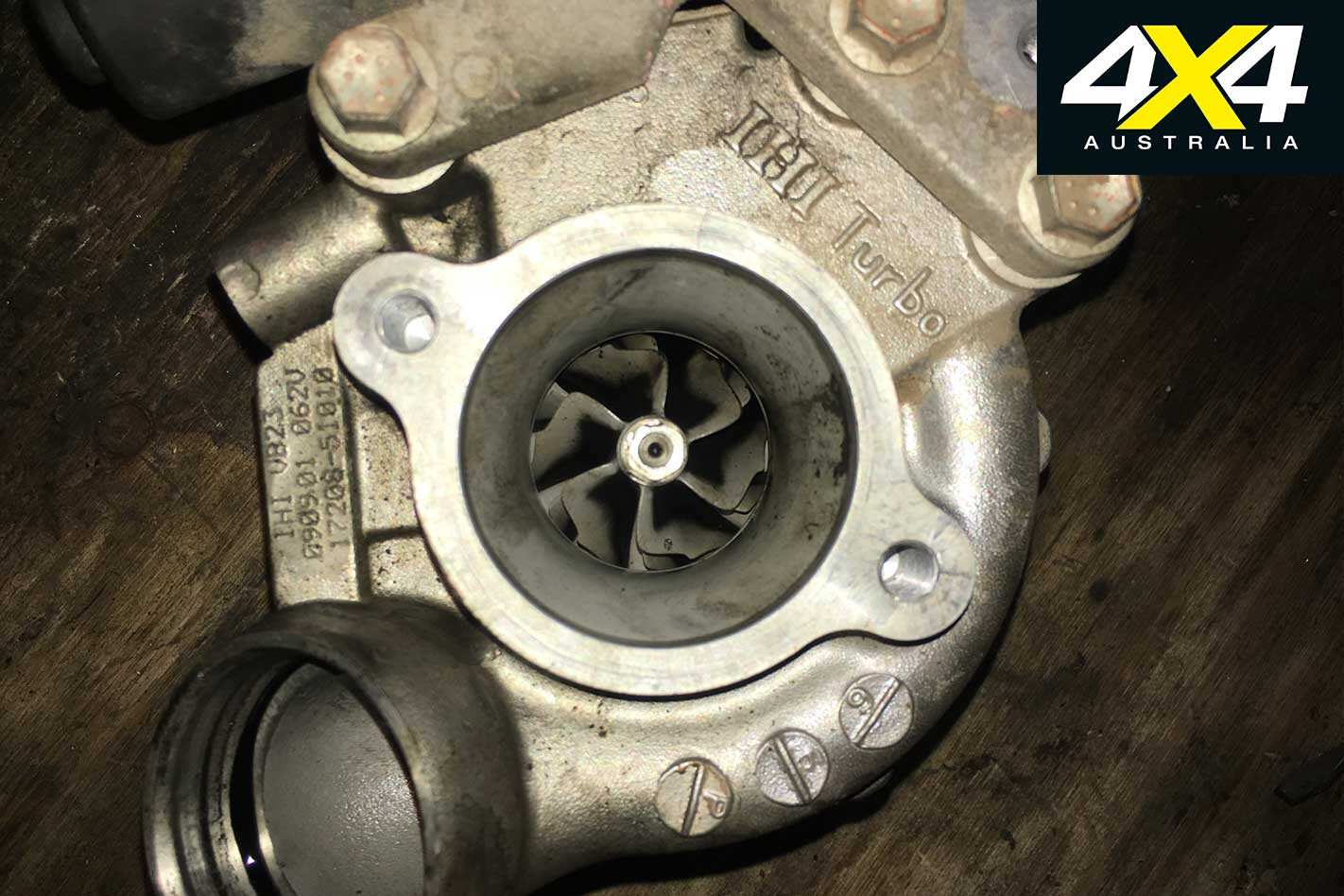
The turbocharger is a likely candidate to be damaged by this; the high-revolution speed of the compressor-wheel making it susceptible to that grinding process. Finding turbos “chewed up” and ground down to almost nothing is not unusual, but Stephen also warns that your whole engine is at risk here.
“After a good dusting, the piston rings can be destroyed. At which point, you’ll have low compression and oil burning.” You’ll also be looking down the barrel of a complete engine rebuild; although Stephen reckons this isn’t a hugely widespread problem at this stage.
So what can you do? We’ve heard of some owners physically scraping the dust off an air-flow sensor with a fingernail with good results, and our own experience suggests that disconnecting the battery for a few minutes will reset the car’s computer in some cases. But when it comes to major internal damage, it will come down to equally major repairs.
Stephen reckons the lid of the air-box in these Toyotas is the “main offender” and until Toyota introduces a better unit, the advice is to be very careful when refitting the air-box lid after a filter change or inspection, and to ensure the rubber seal seats properly.
Here’s the MacGyver moment: Stephen says the best trick to stop dusting your engine in these cases is to run a small smear of Vaseline around the edge of the air-box where the lid seats. You don’t need much, just enough to create an air- an dust-tight seal.
The scout’s motto of “Be Prepared” should be listed as the top advice for anyone who is planning a 4×4 trip into the outdoors.
It isn’t just making sure that the oily bits are in good nick, but that it has the right gear to help you push through any challenges you might encounter on your trip. To that end, here is a trio of essential 4×4 gear that is right for the task.
EFS Vividmax 9-inch spot/spread LEDs
New to the EFS range is the EFS Vividmax 9-inch round spot/spread combo LED Driving Lights. The 9-inch round VMDL-9180 is powered by 18 x 18-Watt Cree LEDs for a very high level of brightness (6500k).This brightness is thanks to the 10W Cree LED, deep light buckets and Cree lens.
With a total of 180W and 15,480 lumens, the 9-inch draws 10.4amp at 12V (they can be powered up to 32V) and the lights are claimed to have a 50,000-hour lifespan (you could run them for 5.7 years).
The light housing uses high-grade aluminium for minimal weight with maximum protection. The lights are rated to IP67 water/dust protection, and include stainless steel mounts and hardware, polycarbonate lens covers and a two-year warranty.
RRP: $349 Website: www.efs4wd.com.au
Rhino-Rack Pioneer Wind Fairing
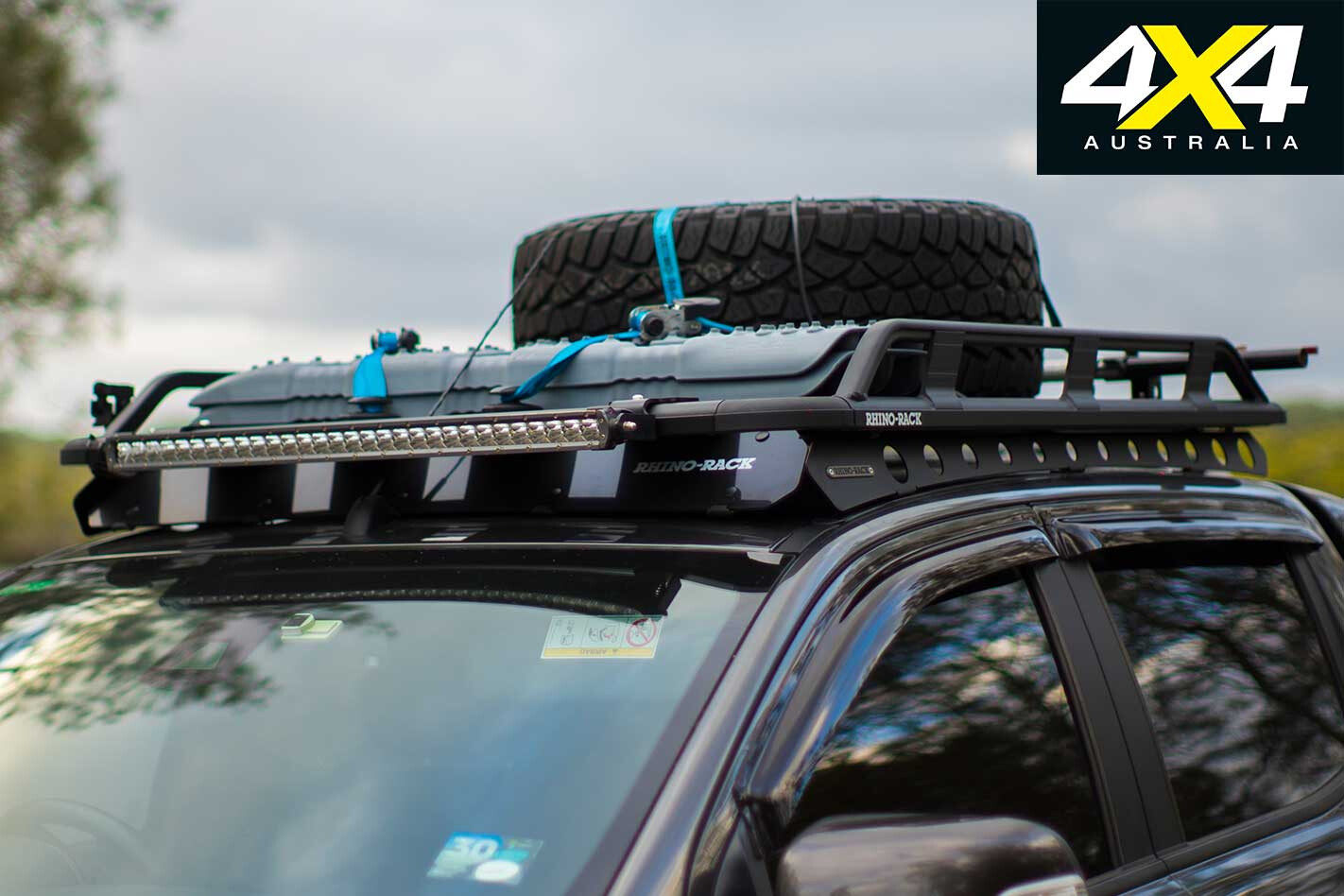
The whistle and howl of wind passing through your roof-rack will be a distant (and gladly forgotten) memory after fitting Rhino-Rack’s new Pioneer Wind Fairing. The fairing is designed to minimise wind noise and is engineered with a sawtooth pattern that is claimed to redirect and disrupt airflow around the rack, thus minimising wind noise.
The Pioneer Wind Fairing doesn’t compromise rack space, either, and looks well integrated with the rack when fitted. The fairing offers adjustable longitudinal and angular positioning for optimum performance.
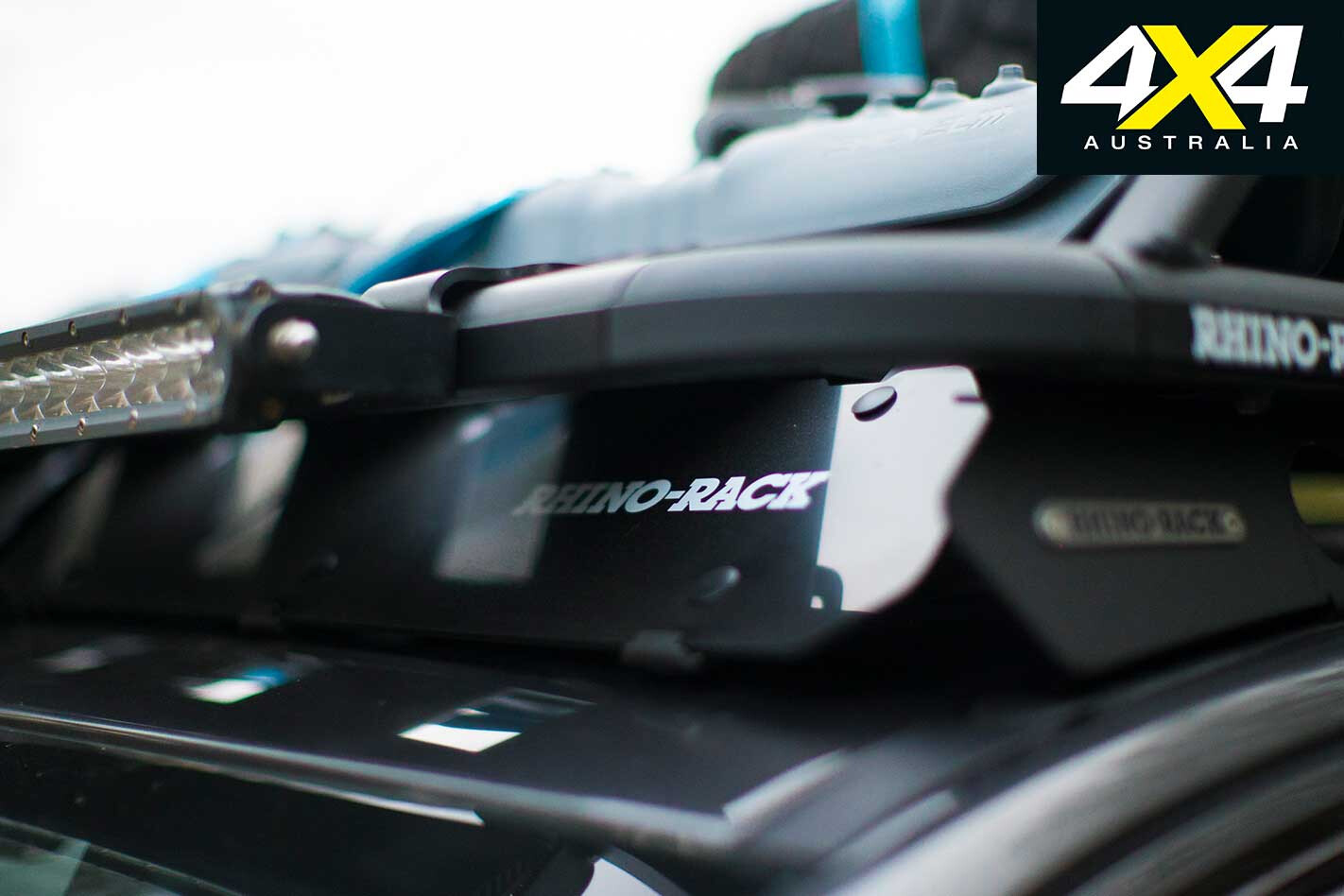
The 4mm ABS construction (combined with glass-filled nylon) means the fairing is well up to the rigours of off-road touring. A high UV resistance ensures no colour fading, while the rubber feet and 3M plastic patches eliminate any chance of damaged paintwork. It comes with a five-year warranty.
RRP: $179 Website: www.rhinorack.com.au
Ironman 4×4 snorkel: Triton MQ
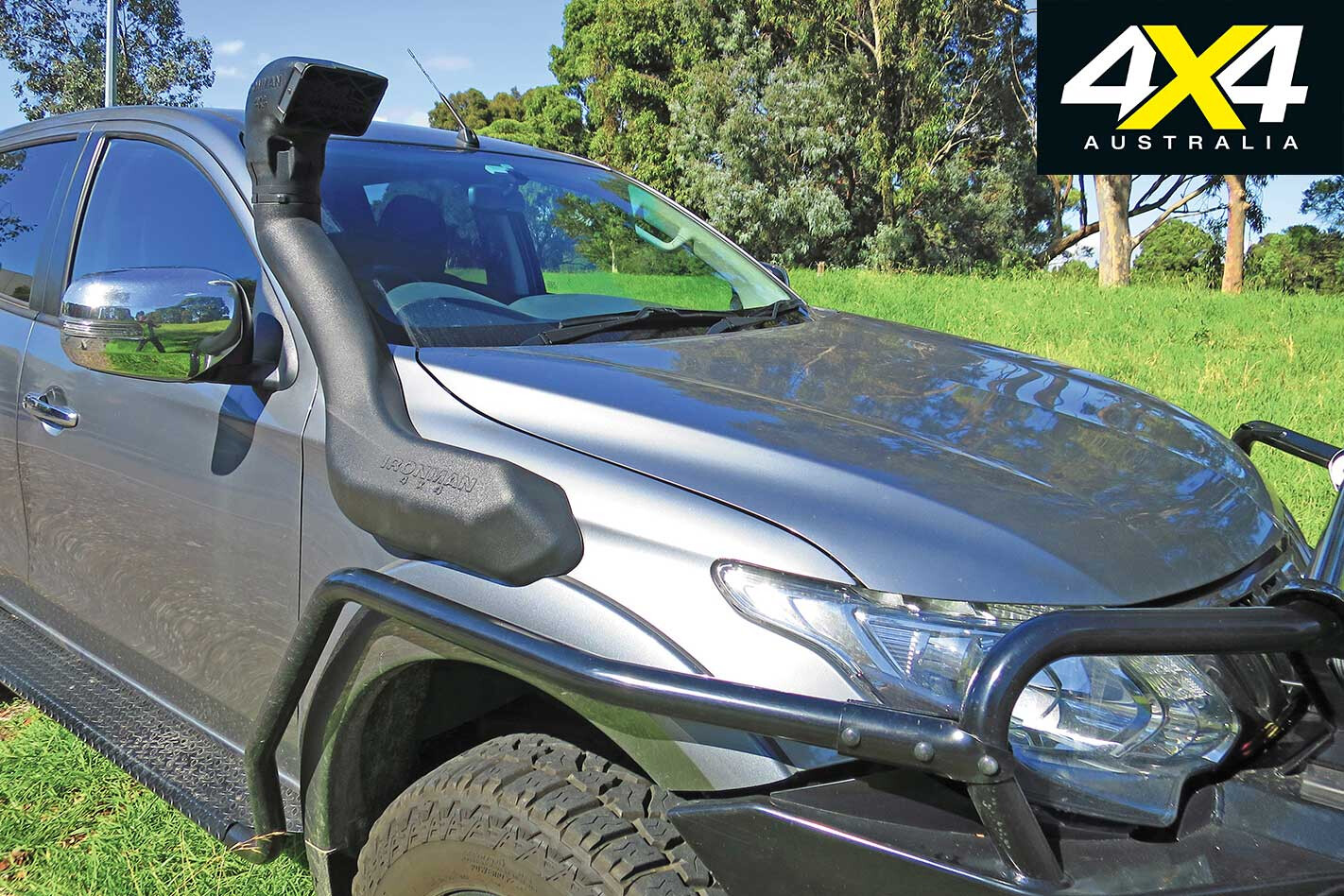
Ironman 4×4 keeps on delivering the good stuff, with this new snorkel for Mitsubishi’s popular MQ Triton (2015-onwards) the latest release.
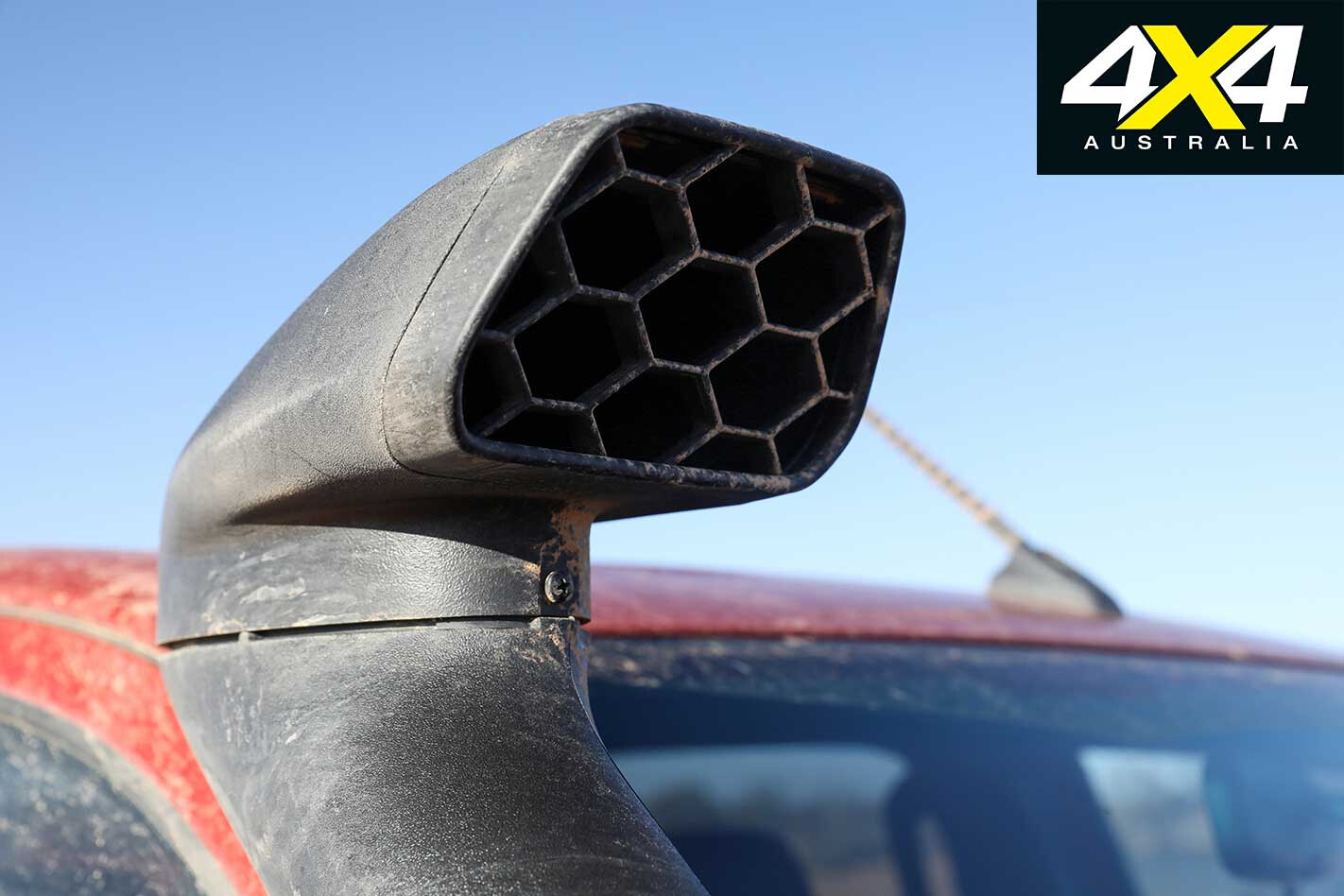
The snorkel was designed in Australia and built using 3D scanning, thus ensuring the shape of the snorkel complements the Triton’s curvy front end. The snorkel includes a four-inch RAM head with inbuilt rain deflector and has been dyno-tested for improved air intake.
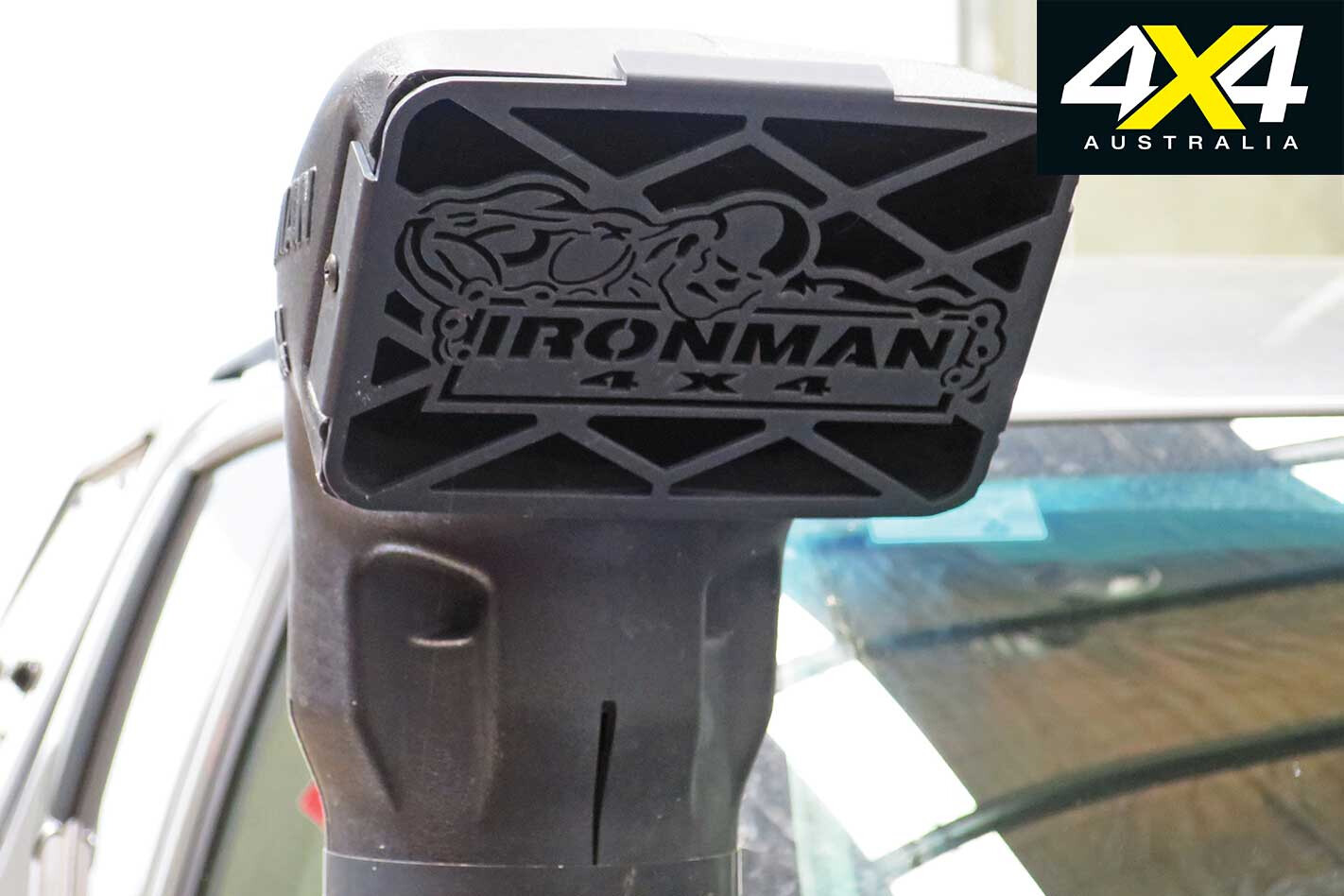
The top quality LLPDE material is rated to the highest UV rating. Fitment of the snorkel means additional protection from dust and water ingress, and it also supplies ‘cleaner’ air to the engine.
Website: www.ironman4x4.com
OUTBACK Queensland is chock-full of events over the Dry Season, and one of the biggest and most popular is the Boulia Camel Races, set to go this weekend (July 20-22).
The event has been running for 22 years and draws huge crowds to the tiny town (permanent population: 300) at the edge of the Simpson Desert, for an always-awesome couple of days enjoying what is touted as the Melbourne Cup for camel racing.
The Boulia Camel Races are so highly regarded competitors travel from thousands of kilometres away (Melbourne, Newcastle, Brisbane, etc.), and the crowd is often comprised of people returning from other outback events such as the Big Red Bash at Birdsville or the Bedourie Camel Races. There are also those who simply enjoy just travelling in the region.
These travellers usually add the Boulia Camel Races to their outback trip calendars, as Beck Britton, the event organiser, explained.
“Almost half of our early ticket sales this year have come from other states, with travellers planning their winter holiday around our races,” Beck said. The split is roughly 54 per cent being Queenslanders, with the rest being made up of visitors from NSW and Victoria, and even some from Tassie and WA.
This is no novelty event, either, with the 1500m Quality Electrical Boulia Camel Cup the longest and most challenging and highly regarded of its kind in Australia.
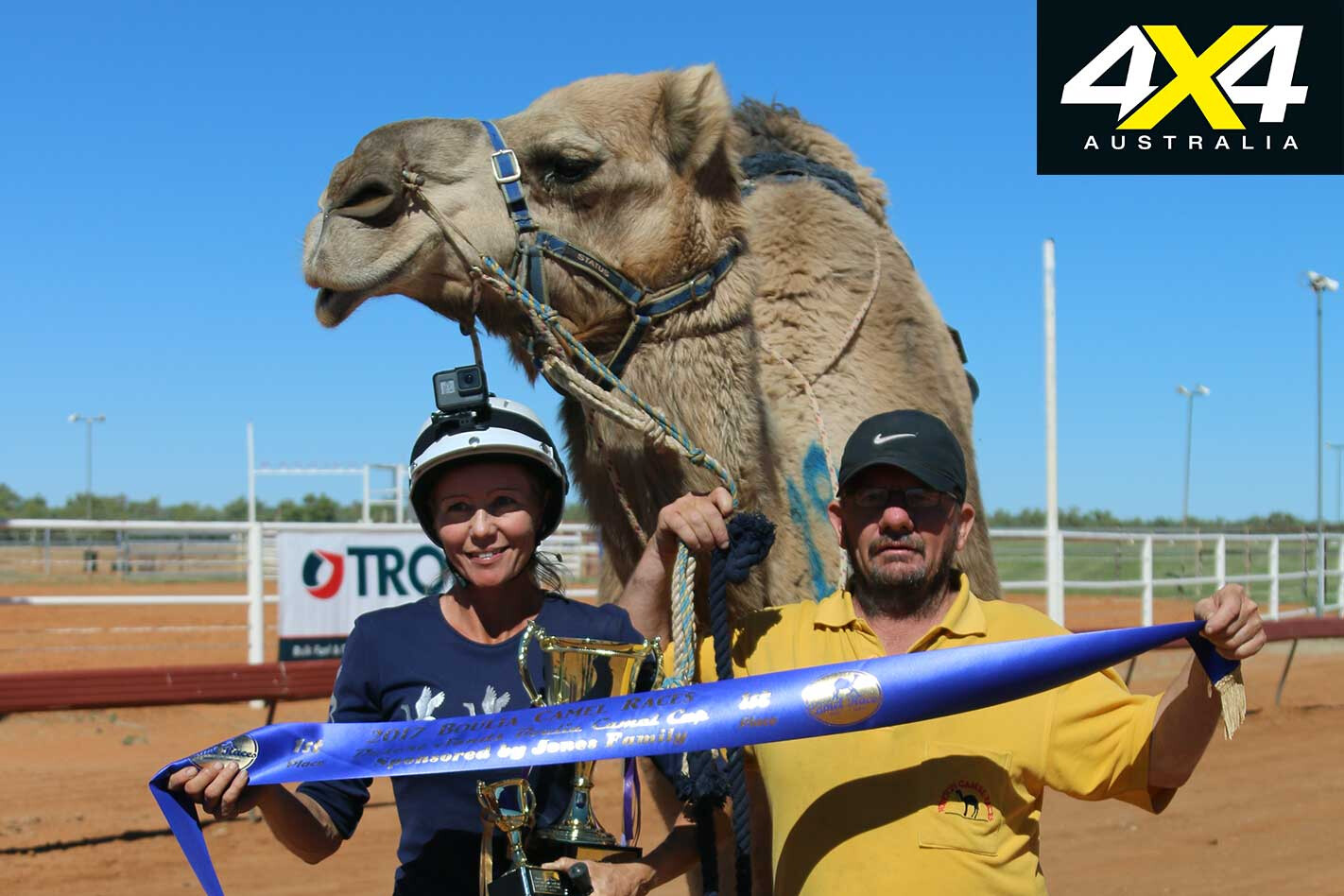
“Boulia is the biggest and the best,” Victorian-based trainer Glenda Sutton, the 2017 Cup Champion, said “The hardest race ever to win is that 1500m final and it’s the most prestigious.”
Glenda rates it such a highlight that she even wants her ashes scattered in the middle of Boulia Racetrack when she passes away – and with a number of Cup wins (including a record 11 wins from 11 races in 2011) we can understand that.
This year she will be up against the six-strong team of camels from Newcastle’s Oakfield Ranch, which includes the 2018 Bedourie Camel Cup Final winner, Uncle Bob.
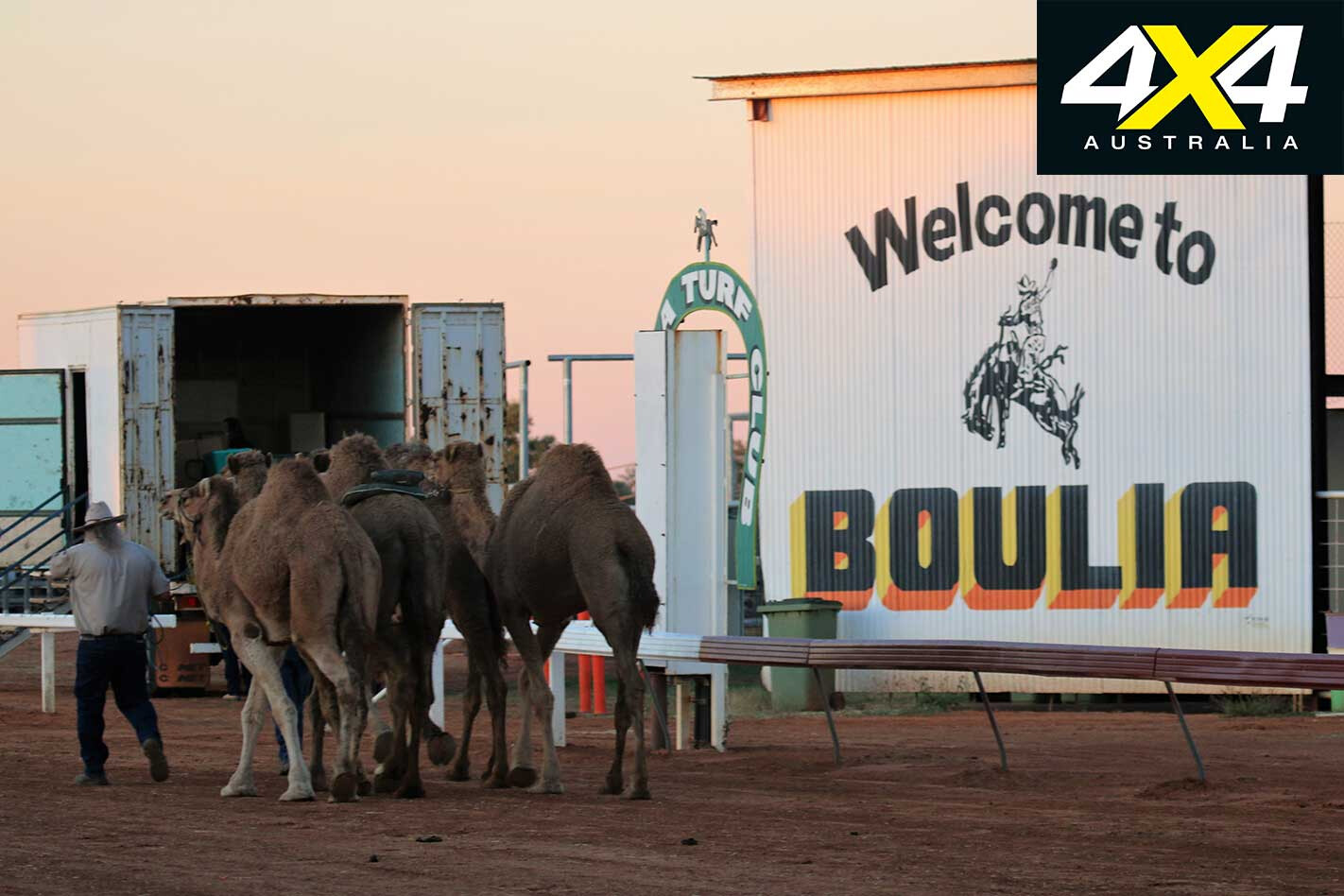
For the town of Boulia it is a brilliant event, with each year coinciding with the influx of tourists. Boulia’s Australian Hotel will be serving up some unique ‘local’ cuisine, including camel sausage rolls, burgers and crumbed camel steak, along with plenty of other top nosh and cold beverages.
The three-day program is packed with live performances from Mick Lindsay, the Pink Tribute Band, Owen Blundell and others, while there will be some cracking extras such as the Camel Tagging Competition and the Great Australian Ride-on Lawnmower Competition.
For those keen to see more of the spectacular surrounds there will also be helicopter joy flights, with Elite Aviation Services from Winton operating its R4 chopper.
Check out www.bouliacamelraces.com.au for more info and, if you can, make it a date. It’ll be a cracking weekend!
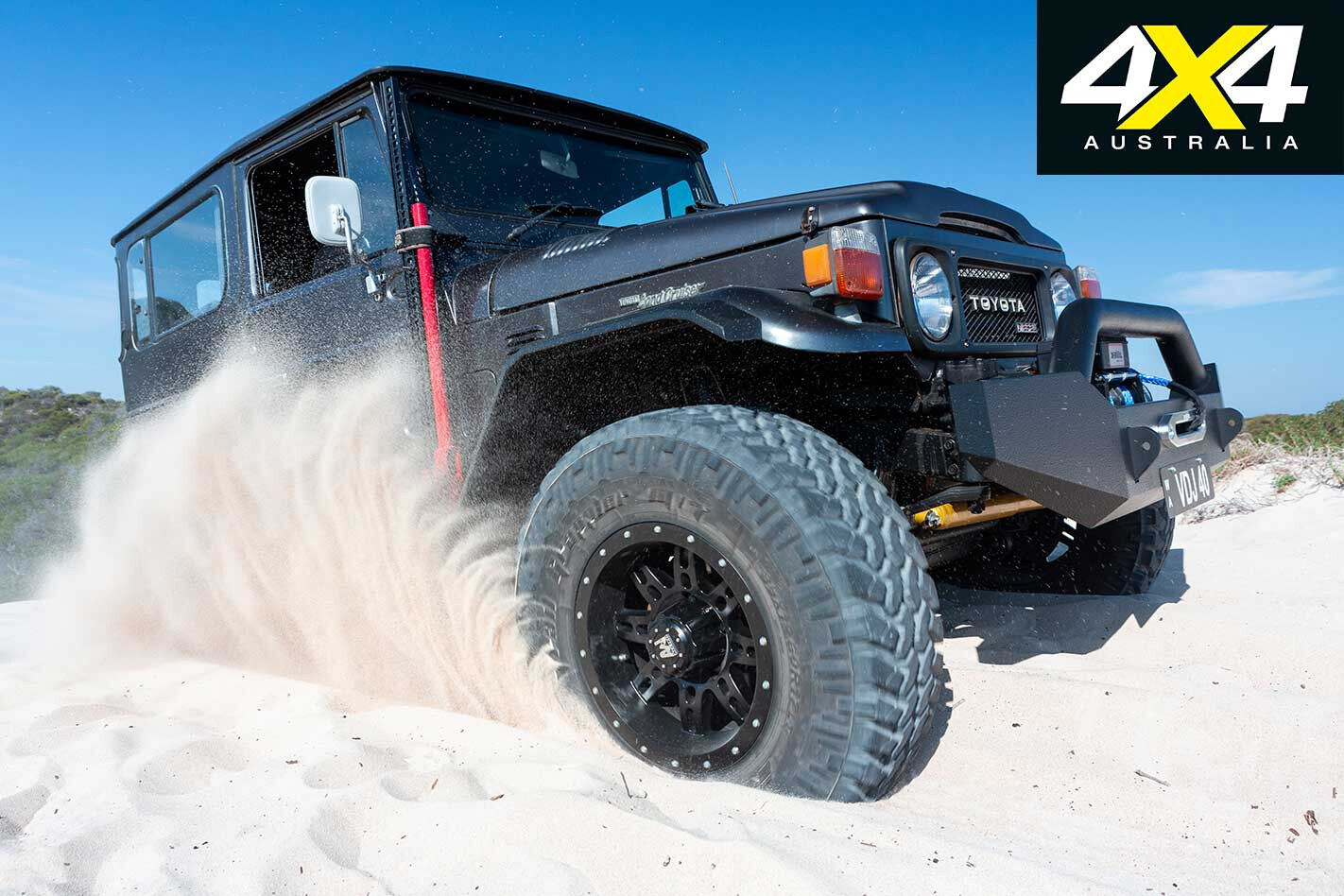
Being told “it can’t be done” is like the proverbial red rag to a bull, but for Perth-based brothers Harpaal (Harry) and Sarpal Gill, that saying just doesn’t fly, as this incredibly cool 1979 BJ40 Cruiser proves.
In truth, this vehicle is probably a dream for most off-roaders. Take one 4×4 that is regarded worldwide as one of the true 4×4 icons and update it for off-road touring and daily driving.
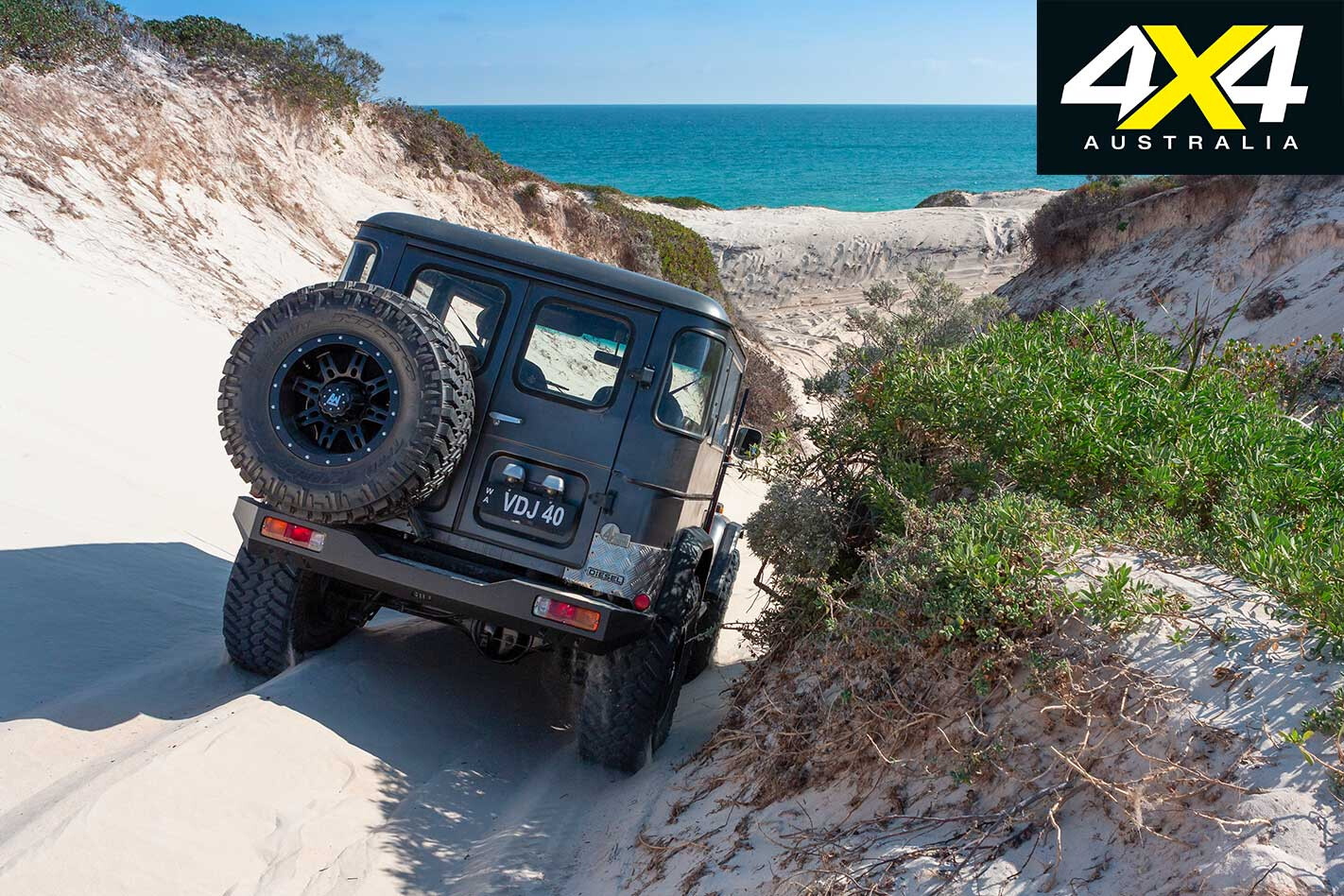
And when we say update, we mean the Full Monty: shoehorning a 4.5TDV8 from a 79 Series Cruiser into the engine bay and then building a fully custom suspension system – highlighted by the trick four-link rear with Nolathane bushing – makes this BJ a distinct one-of-a-kind off-road bruiser. And all it took was a belief that anything is possible, and then knuckling down and just building it…
PROVING A POINT
The Gill brothers aren’t new to tackling the impossible, having been involved in a number of unique vehicle builds over the years: search YouTube for the Gill brothers’ crazy Mahindra MM540 – an Indian variant of a Jeep Wrangler – with custom chassis and 14-inch hydraulic-lift suspension.
Their combined skillsets include metal fabrication, metal machinist, draftsman, mechanic and hydraulic fitter – all pretty handy when it comes to tackling a project such as the BJ40, and helped even more by owning their own automotive repair and tyre outlet, allowing them to keep it all in-house.
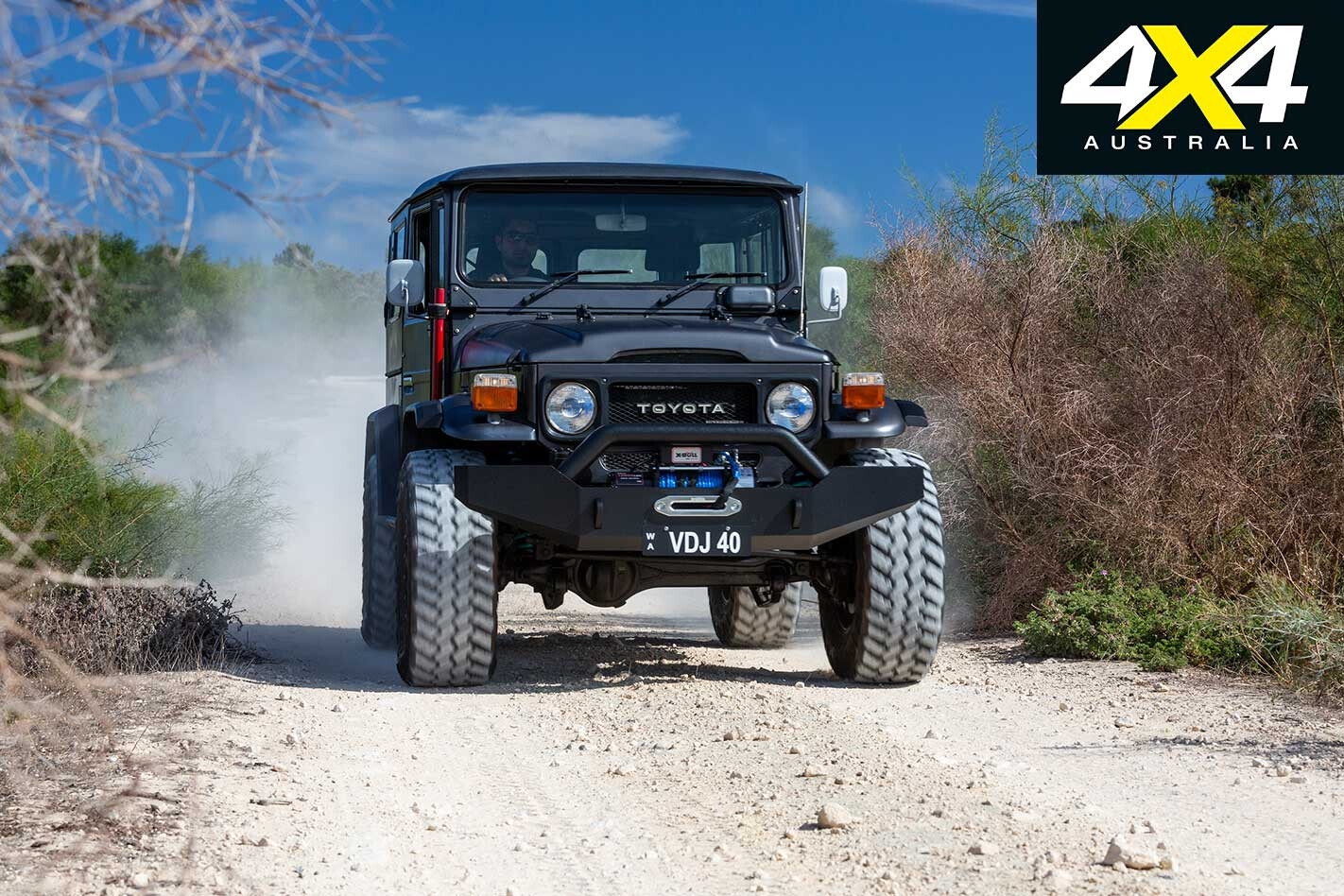
“I kind of enjoy the design,” Harry says when asked about the choice of BJ40. “I was a huge fan of the 40 Series from a long time ago. I always wanted to build up an old one but we sort of had this idea – why don’t we try this? So, yeah, it was like a childhood dream.”
The combination of a very well-proven original vehicle and an all-new (for it) but also well-proven drivetrain was the aim of the brothers’ project – and they wanted to ensure it still retained the charm of the ‘old’ BJ40, along with that ease-of-use provided by the modern LC79 donor vehicle.
Considering that first impressions of this project were daunting – Harry says most people they talked to said it couldn’t be done and not to bother trying – the actual project itself went relatively smoothly.
CHOPPIN’ AND CHANGIN’
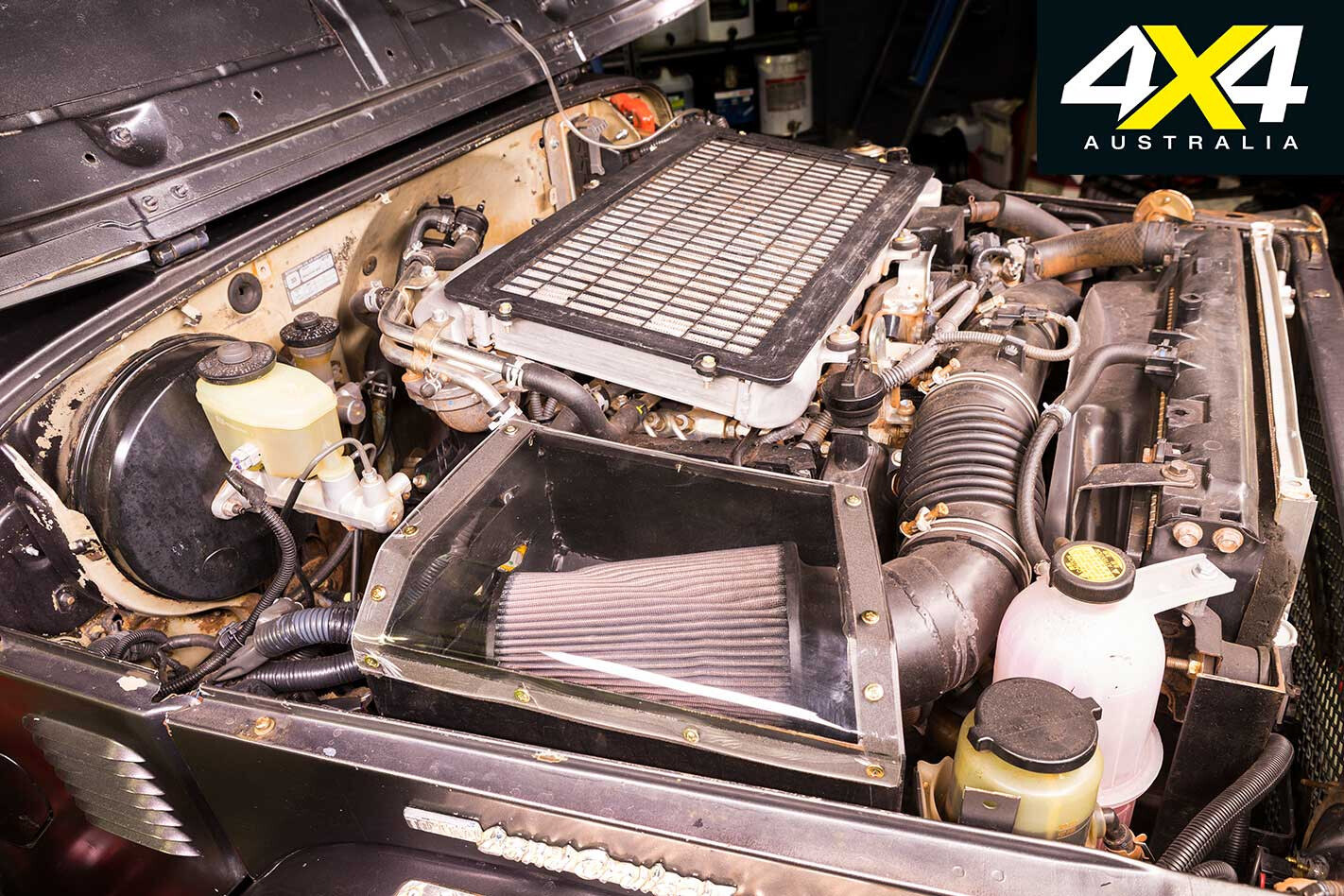
The idea of transplanting a modern 4×4’s gearbox, drivetrain and engine into what is a distinctly shorter and much older rig sounds like a whole lot of headache, starting with how to make that beefy 4.5TDV8 fit into the BJ’s engine bay without too much cutting of original BJ sheet metal.
“We started with the engine first and tried to ensure we didn’t cut anything on the body,” Harry says. “We had to place it in a couple of times in the chassis to get it where we wanted it, then started from there.”
“From there” meant also fabricating all engine mounts, the mounts (and brackets) for the five-speed manual gearbox, as well as modifying the transmission tunnel to fit said gearbox, all while making sure each and every mod would pass engineering regulations for registration.
The result – after more than a few chassis cuts and mods – is an engine bay that looks factory in appearance, with only the custom air filter box and piping hinting at the transplant that has taken place.
WHAT LIES BENEATH
Deciding to build something that’s never been done before requires plenty of forethought and the ability to transfer ideas to an engineering reality. Harry called on his draftsman qualifications and AutoCAD software for this.
“We designed everything on AutoCAD,” Harry says. “So everything was designed on the computer and then we got everything laser-cut and fabricated it in the shop. It was not easy I would say, but yeah, it was fun, albeit a lot of work!”
One of the biggest parts of the project was the build and fitment of the trick four-link rear suspension setup; although, surprisingly it didn’t take as long as you’d think, thanks again to the wonders of computer design.
“For the rear setup, it took me a couple of days to draw everything,” Harry reckons. “It then took around about a week to get everything laser-cut, and then we spent another week fabricating everything. After that, it all fit perfectly.”
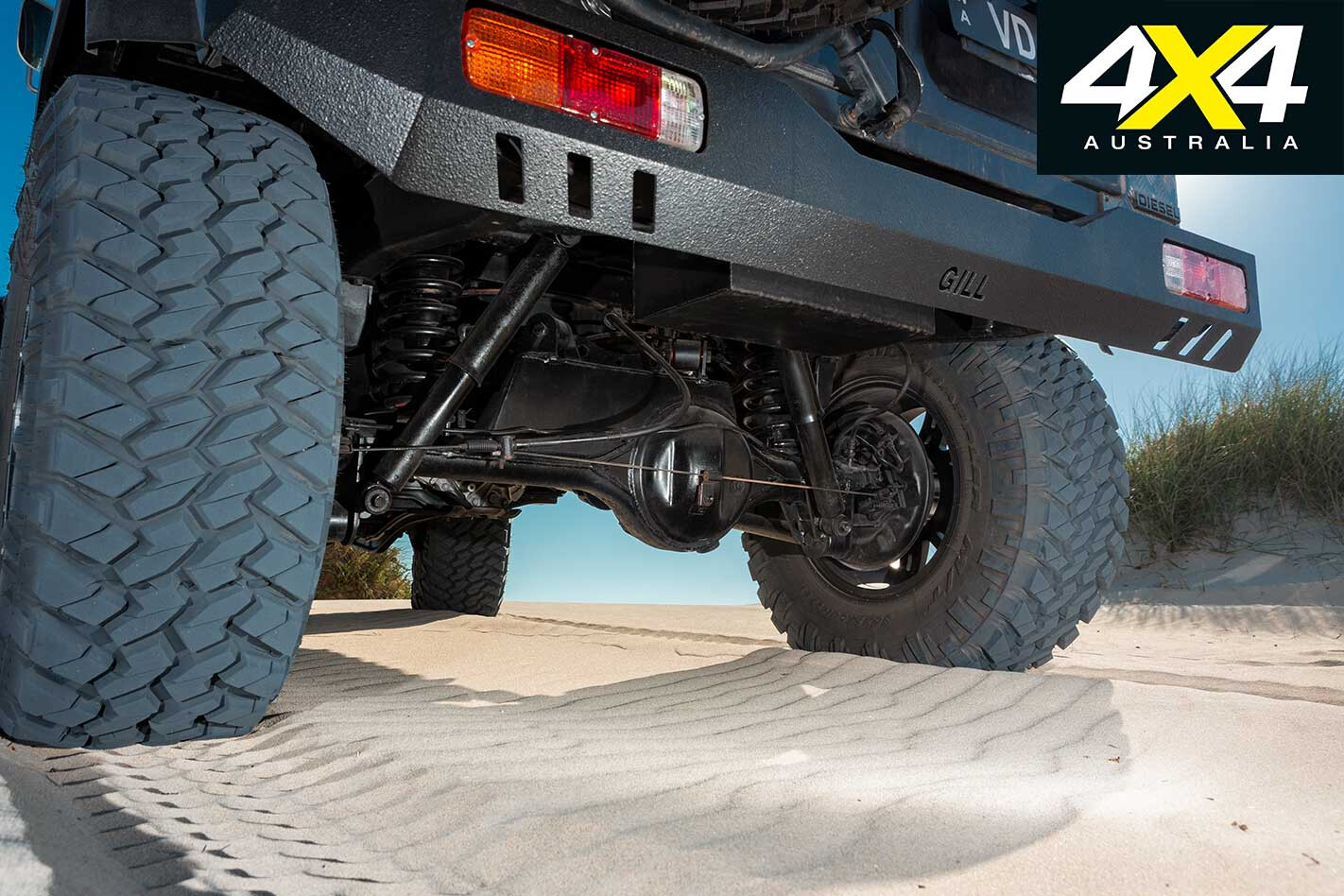
Not only does it fit perfectly, when you check out the photos of the BJ’s rear end, it looks like it came fresh from the factory – pretty impressive stuff.
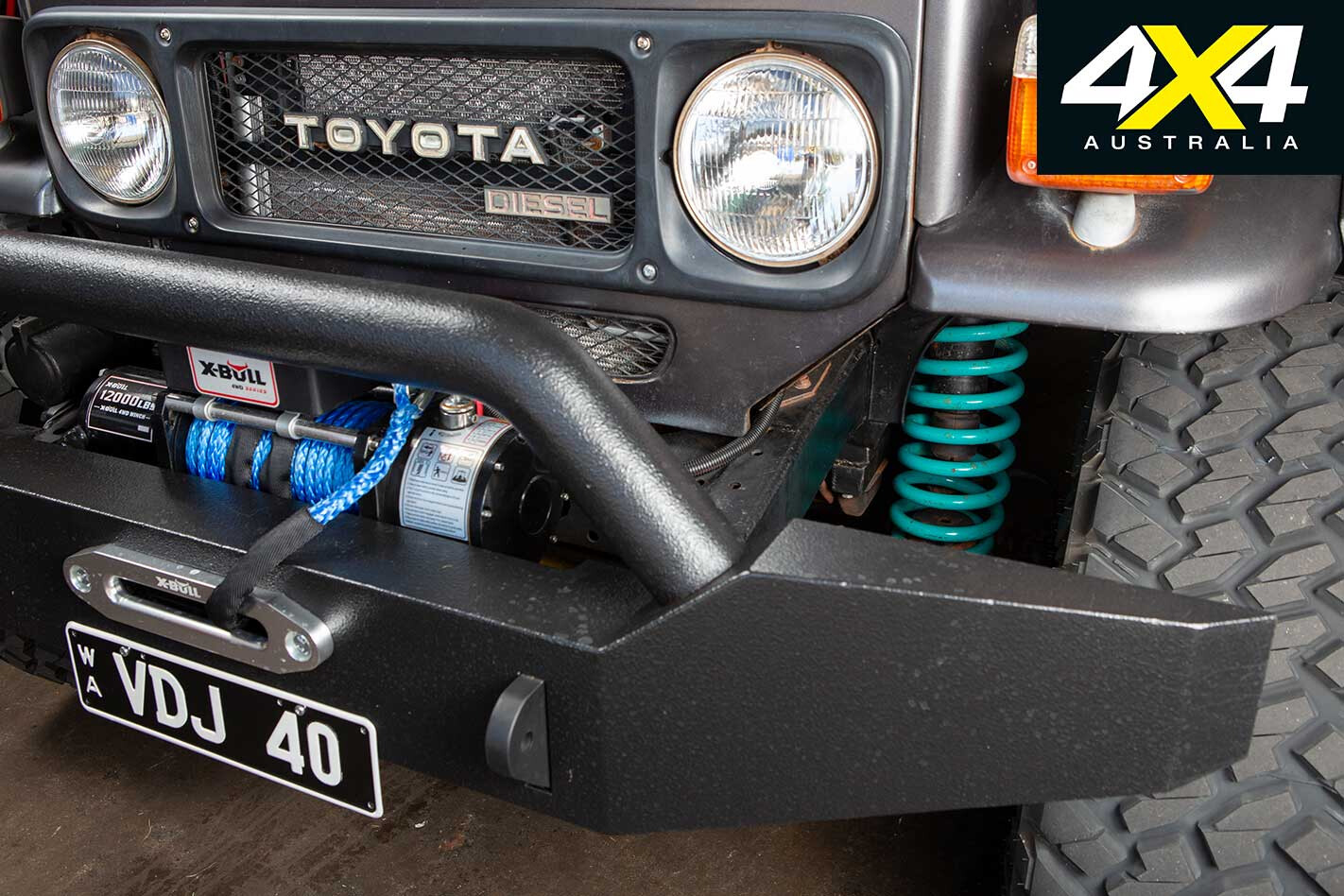
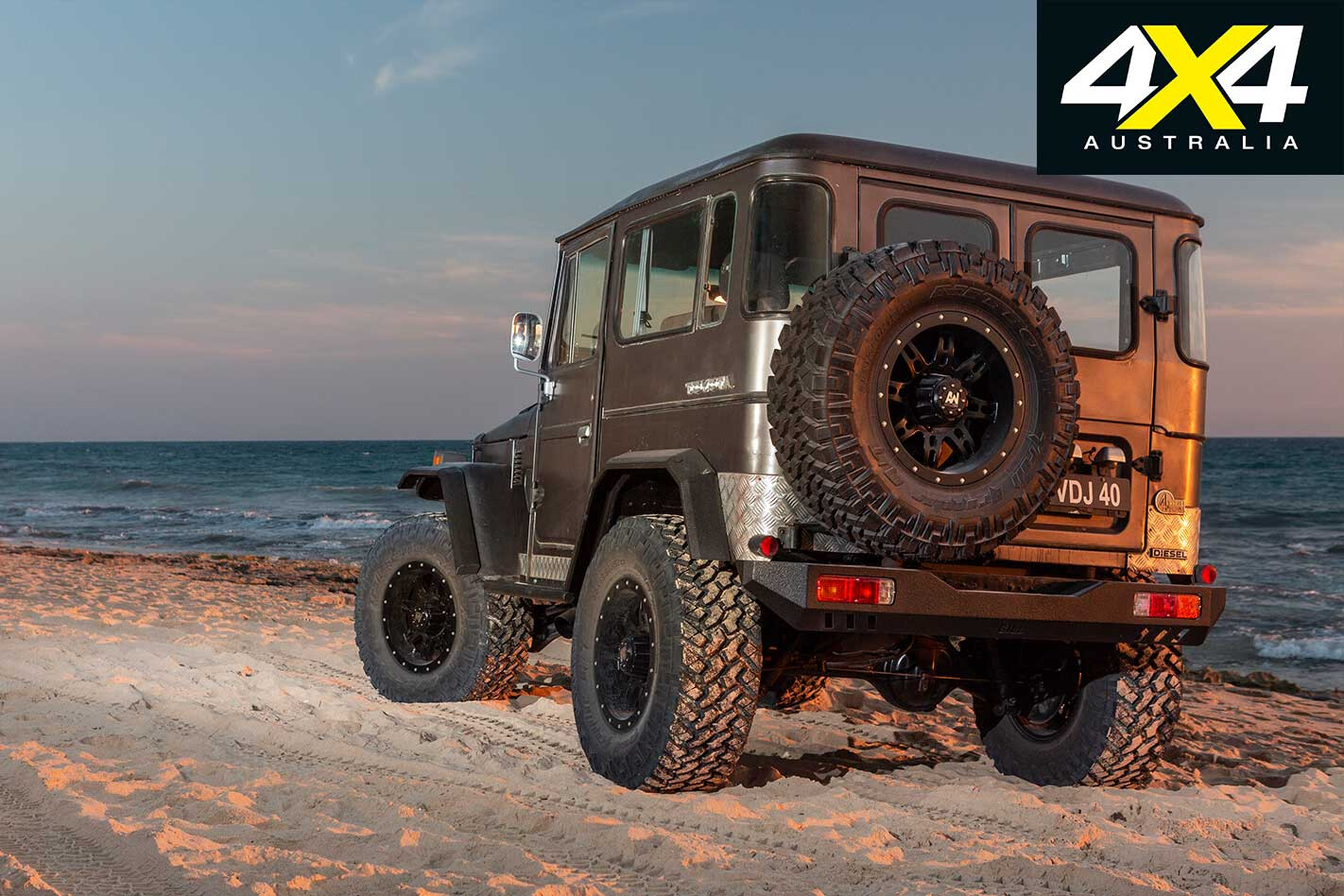
The ability to work as a one-stop shop in regards to designing, cutting, building and fitting each component of this build definitely made for an easier project overall. As well as the rear suspension and engine/gearbox mounts, the brothers also designed, cut and built the front winch bar (the winch is an X-Bull 12,000lb) and rear custom bars, sidesteps and flares, with only the (again) custom-sized driveshaft and tailshaft being built by one of their suppliers (the front and rear axles are stock LC79 jobbies).
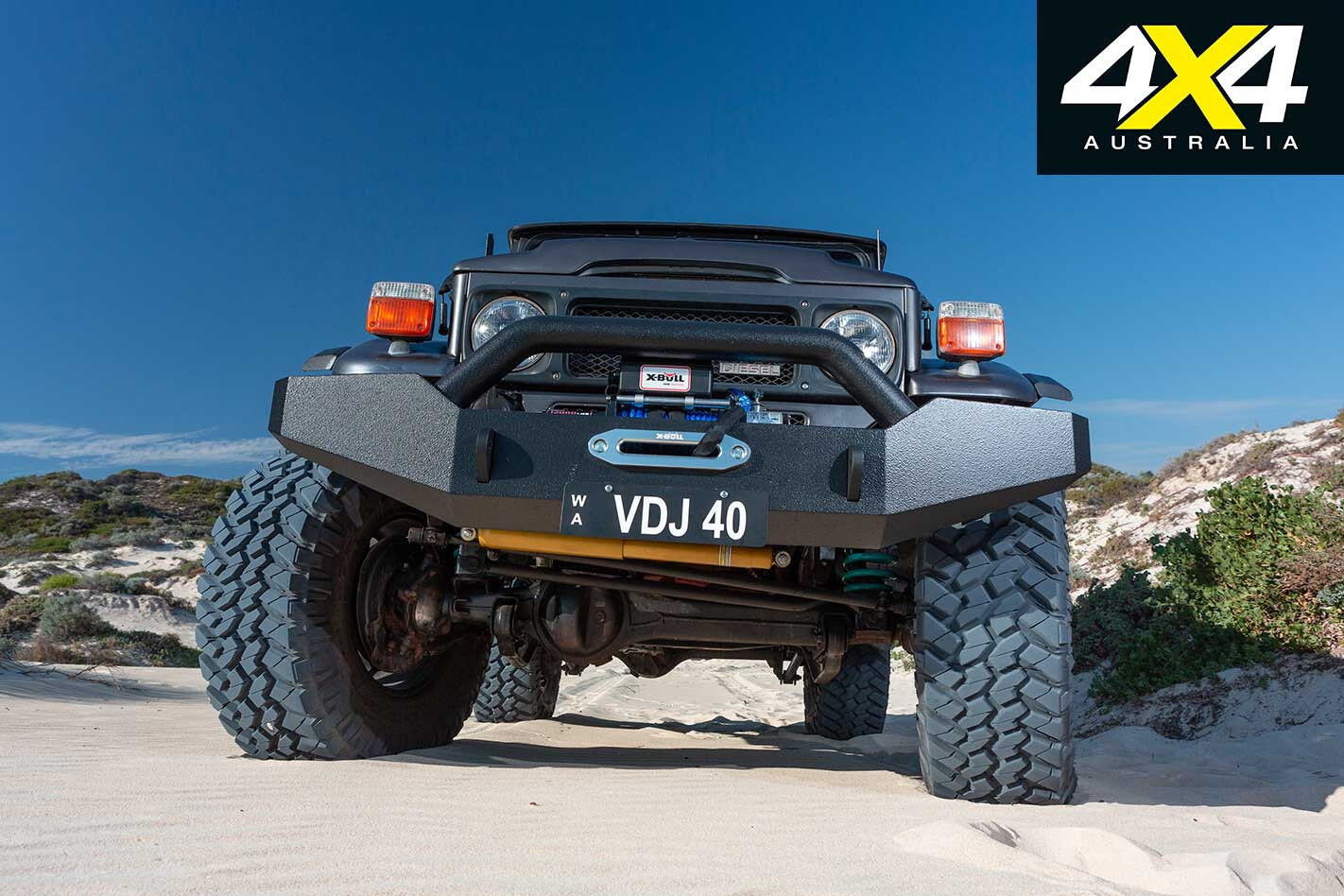
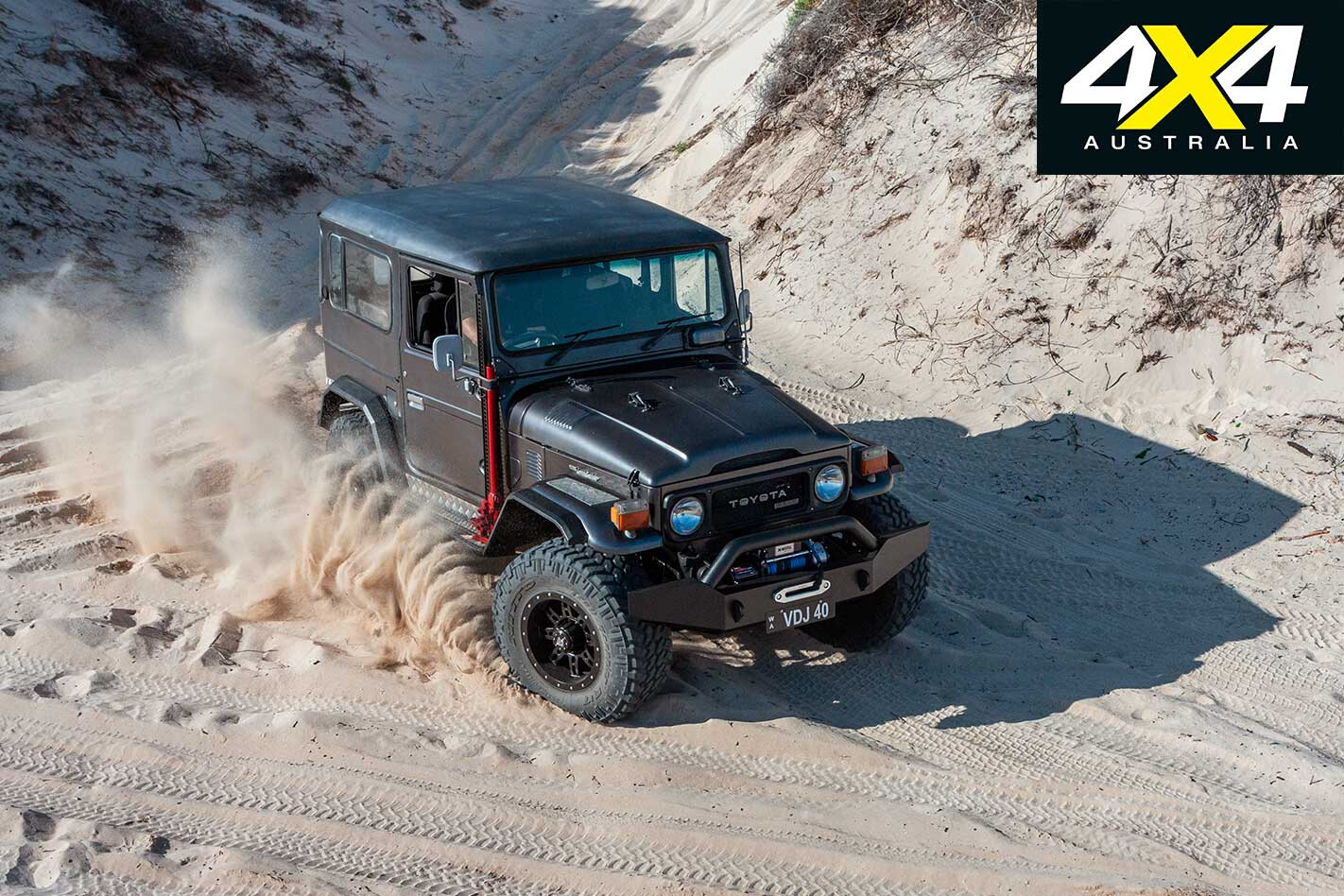
The track width of the BJ isn’t that different to the LC79, and Harry and Sarpal accounted for the difference by fitting Allied Goanna 17 x 9-inch alloys (with a 38mm spacer in the rear wheel) shod with chunky 35×12.5R17 Nitto Trail Grappler tyres. This meant the stock 79 axles (and brakes) were, in the end, a straightforward fit.
The Dobinsons dampers and springs give the BJ a 50mm lift and are a direct carry-over from the donor vehicle.
Last, but certainly not least – especially when you hear this tough BJ coming – was the full custom exhaust system. The exhaust system is a combo of factory (the headers are stock) and a three-inch custom-made mandrel-bent system, with a five-inch Hot Dog resonator, finished off with a glorious-sounding side dump pipe.
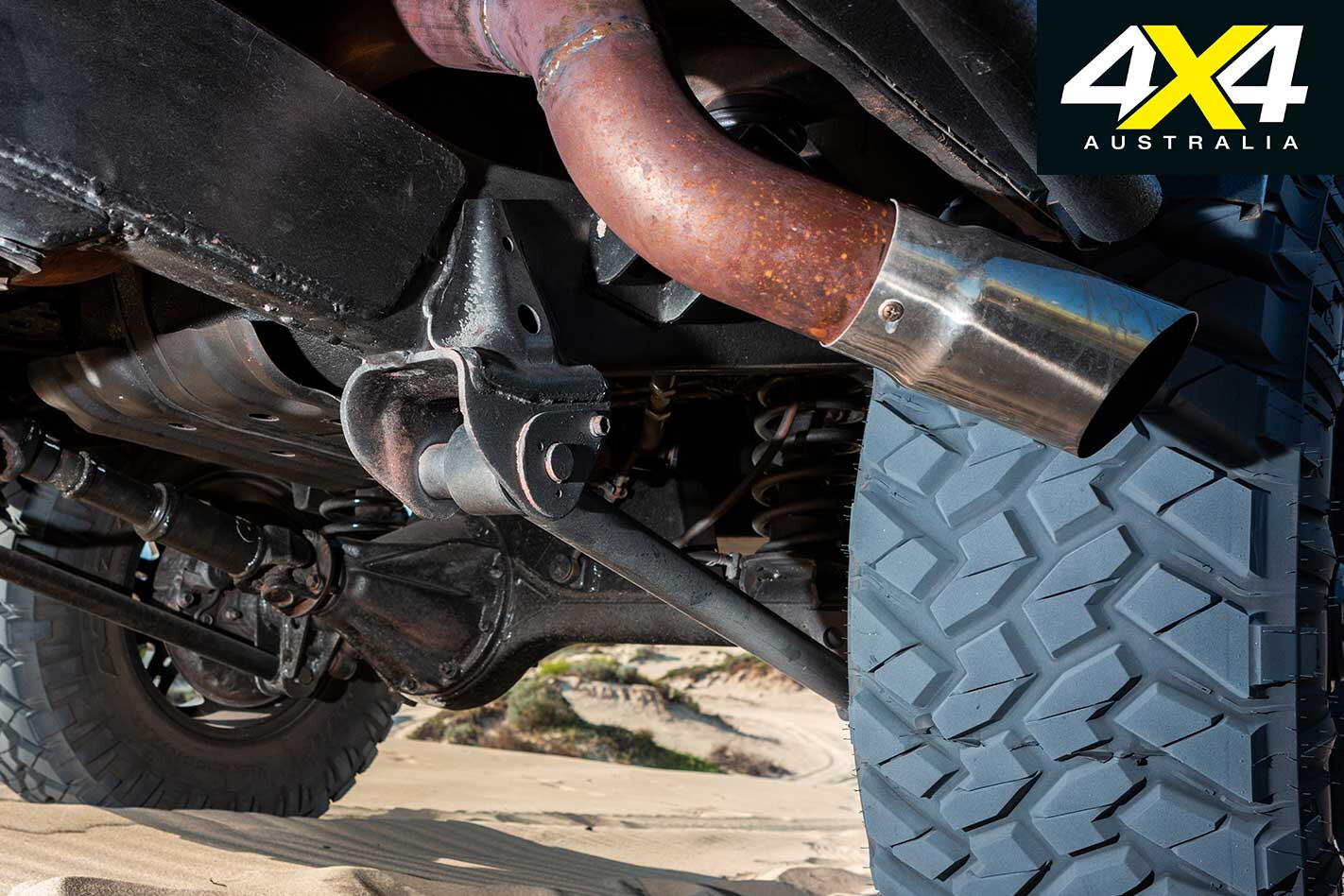
As you can imagine, space for a big-bore custom exhaust system to do justice to the TDV8 was at a premium with this shorty.
“It’s a V8, so we wanted it to sound like one,” Harry says. “We bought a few different hot dogs, a few different resonators, and a few other bits and pieces to try and see which ones sound better, which was the easy part. Then we had to modify all the bits and pieces to make it fit, but, again, it was good fun.”
IT AIN’T OVER YET
Amusingly – well, after the fact – one of the biggest hang-ups for this build was the donor LC79’s ignition key. Because the brothers didn’t have access to the donor vehicle’s original key they couldn’t reprogram the replacement to ensure it worked (the wiring in the BJ40 is a full custom job owing to the 4.5TDV8’s ECU) worked.
After getting a frightening quote from Toyota to replace the whole system (around $3K) Brendon from AutoSpark Greenwood came to the rescue, reprogramming the key in roughly 15 minutes. Other electrical work is all custom; an aftermarket central locking system ensures the BJ won’t go walkabout, while power windows offer a further touch of modernity.
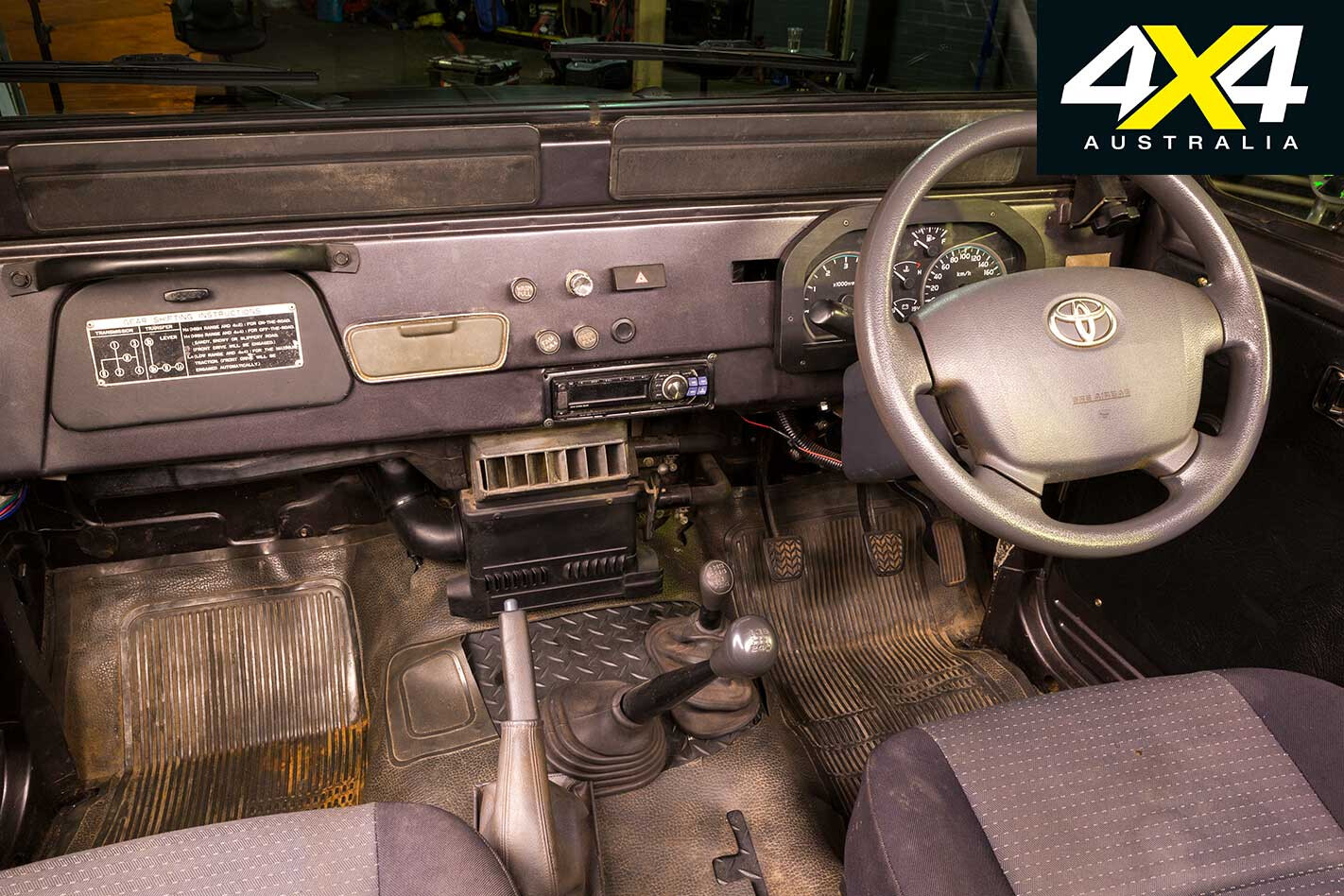
The Graphite BJ40 has been on the road and tracks for three months now, but that doesn’t mean it is finished being cut, chopped, prodded and poked. Harry and Sarpal have plans to continue driving it for a few more months before it is returned to their workshop for a complete disassemble and rebuild, with the currently as-stock interior (bar the custom-made gauge fascia that fits the LC79 instrument cluster) one of the many things on the list to do, along with new suspension, another paint job and no doubt more tweaks.
For something that was impossible, this tough BJ40 certainly looks like the perfect answer to any doubters – and if the numerous phone calls, emails and conversations Harry and Sarpal have had over the months since the big rig has been out on the tracks, it proves Harry’s point that “nothing is impossible” and that if you don’t try, you’ll never know.
When the end result is a super slick and totally unique TDV8-powered BJ40 Cruiser, you can see why it’s worth keeping those dreams alive.
SIT back, grab a beverage and enjoy 162 pages of four-wheelin’ fun.
Harrop Engineering put its own spin on the Killa Kustoms V8-powered Colorado and called it the ‘Superado’, and we were flung the keys to it this month.
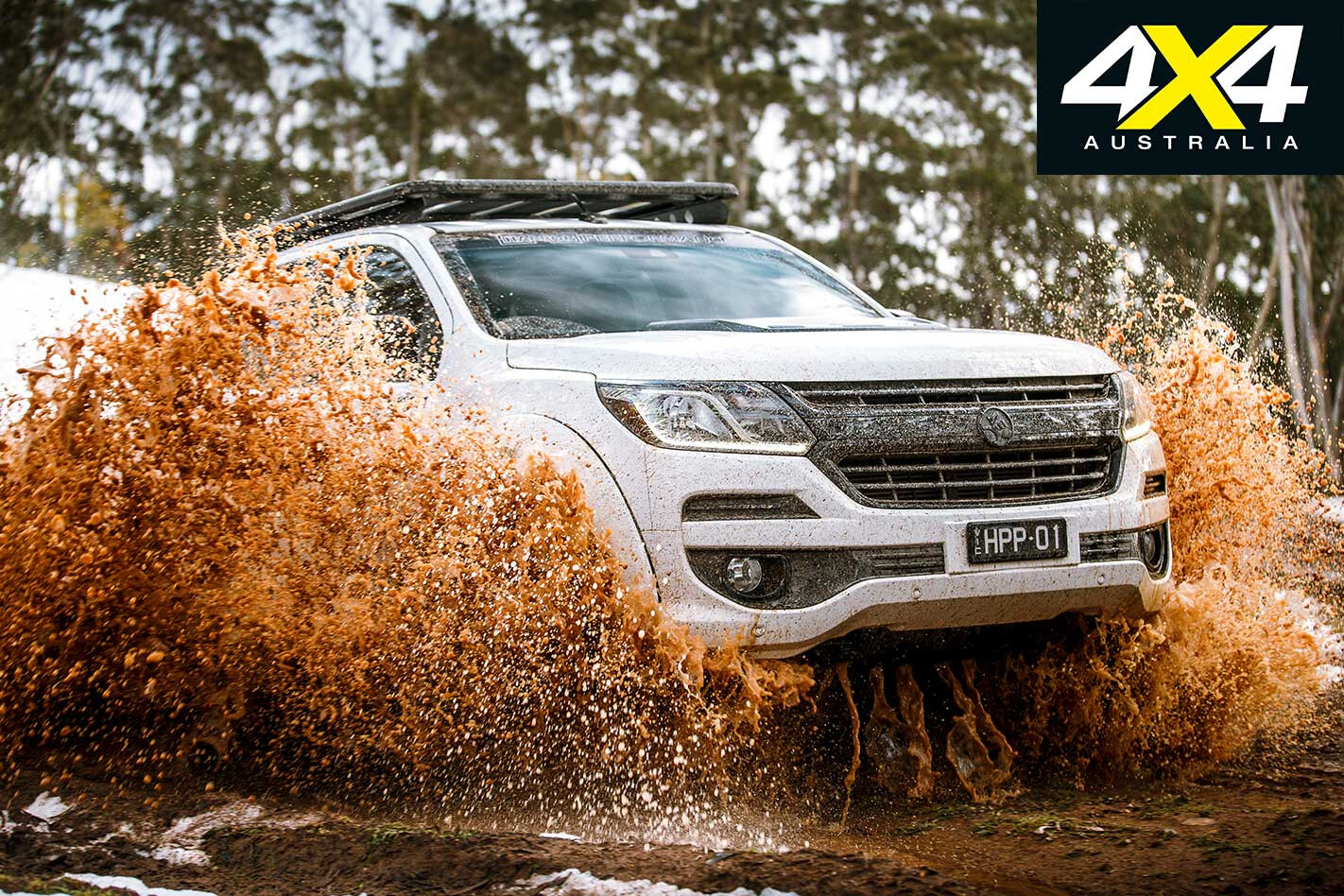
Customised metal didn’t end there, as we focused our microscope on a modified LC79 and American Expedition Vehicles’ Outpost II.
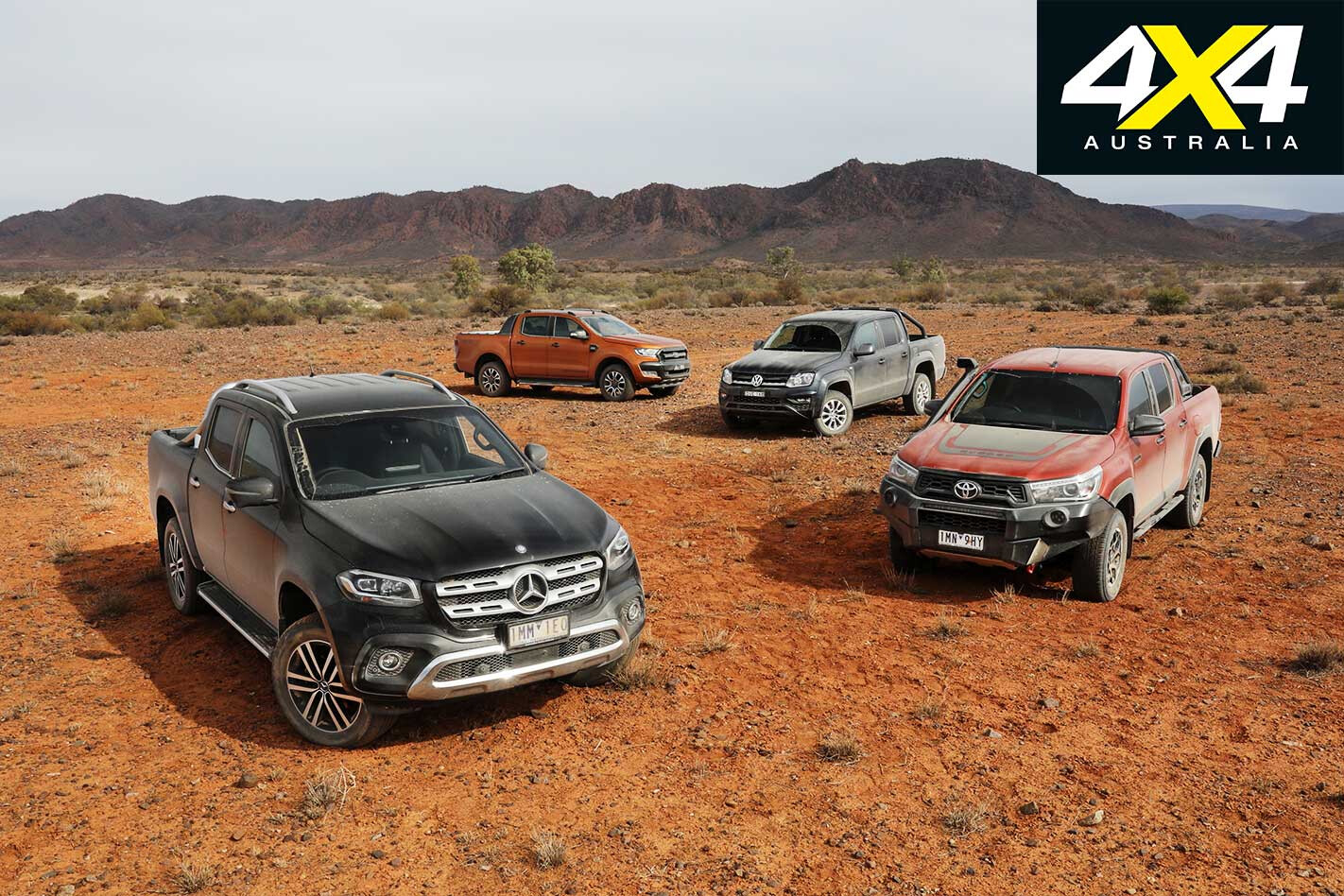
We also pointed four utes to the Flinders Ranges – X-Class, Ranger Wildtrak, Amarok Core Plus and Hilux Rugged X – for the Merc’s first outback stoush.
Wagons weren’t forgotten, either, with the top-selling MU-X and Pajero Sport ramming heads.
WHAT ELSE IS THERE?
- Venturing to Hell Hole National Park, Queensland
- Family fun at Rover Park, NSW
- Pub talk at the Albert Hotel in Milparinka.
- How to get the most out of adjustable dampers.
- Why you need Safari’s Armax ECU.
- Holden 1 Tonner: the often overlooked bits of kit.
- New products tried and tested.
- How to save a penny at a 4×4 wrecking yard.
- Colorado LTZ joins the 4X4 garage.
- Regular columns by Fraser and Ron.
The August issue will be on shelves July 19.
FOR Land Rover fanatics, it was heaven on earth.
The parade of 70 Land Rover models started with a replica of the centre-steer prototype (built by the team from the Dunsfold Collection, the world’s largest LR collection, and driven by owner Philip Bashall) and finished with the latest Range Rover Sport SVR.
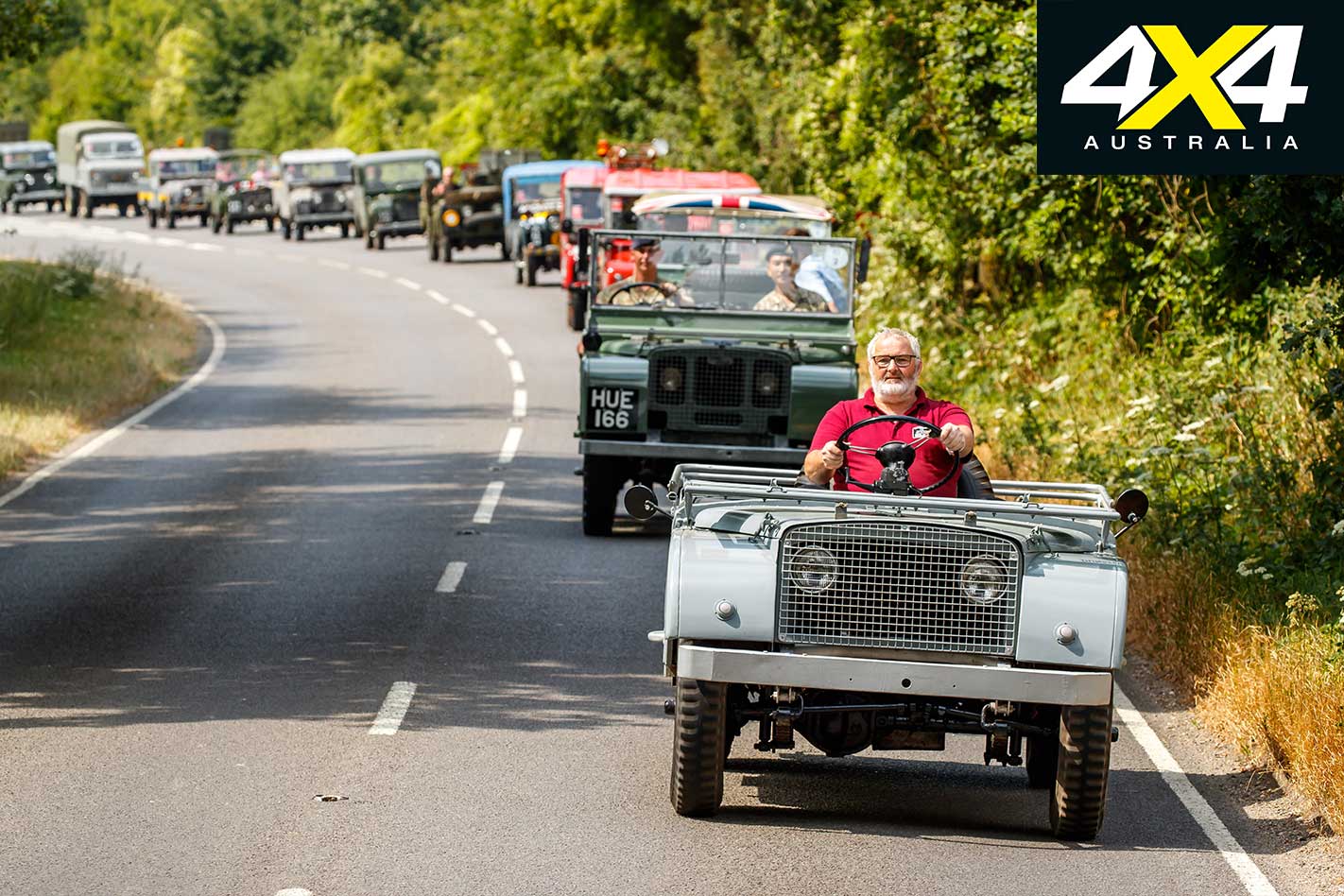
All were driving the famous Goodwood Festival of Speed hill-climb circuit at Goodwood Estate in West Sussex, UK, with the brand setting a new record for the largest number of vehicles to drive the hill climb simultaneously.
The recreation of the centre-steer Landy was followed by the famous ‘HUE 166’ – the first Series I pre-production vehicle – and then a bunch of Series II and Series II Landies, including the one-millionth Land Rover sold.
Other stand-outs in the Series section of the parade included fire engines, expedition vehicles and SAAS rigs, and Land Rover Defenders were fitting final inclusions in the Series/Defender representatives.
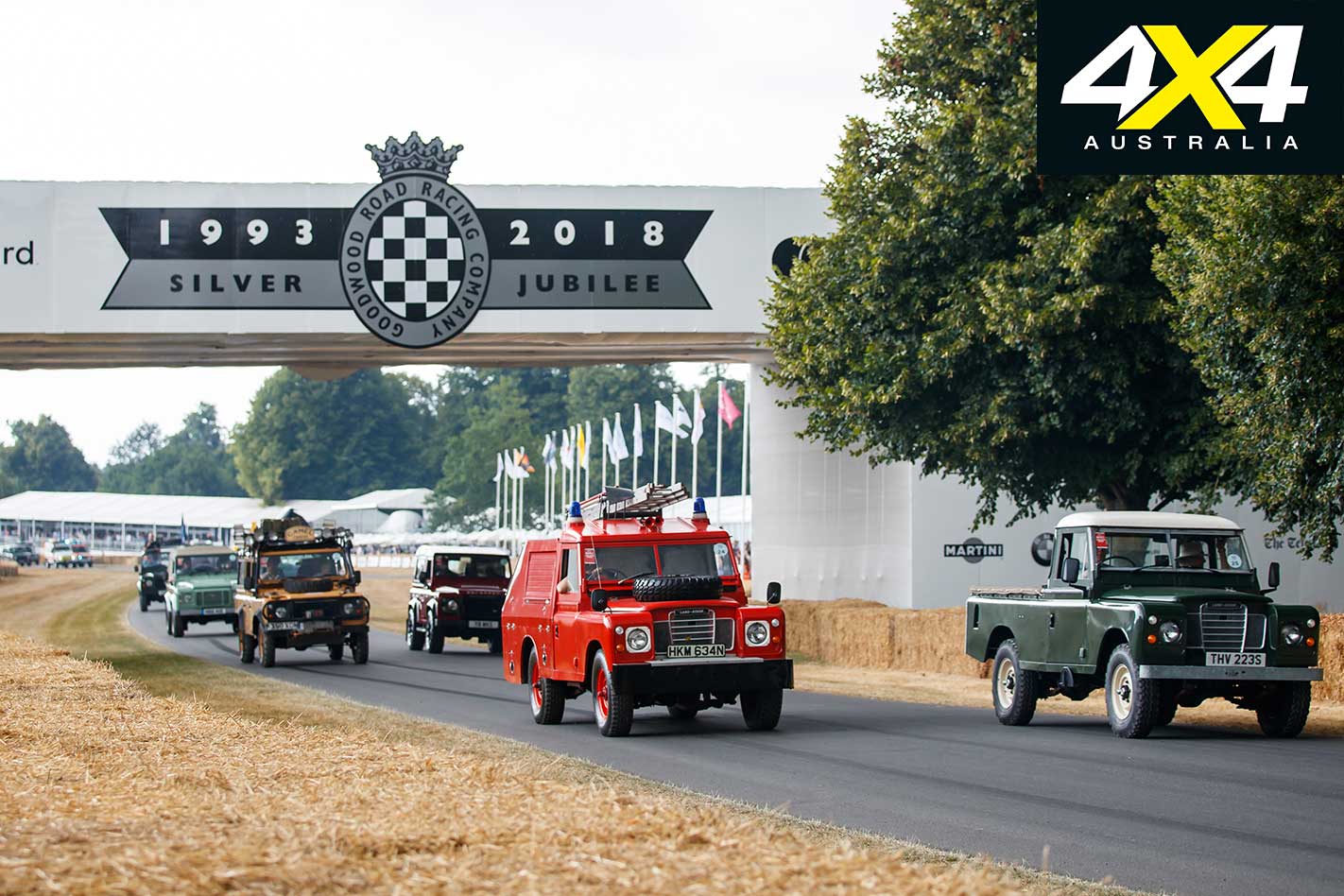
Rare vehicles included a 40th anniversary Defender 90, two Camel Trophy vehicles (a 110 and a Discovery), a Dormobile Landy, and – slightly less rare – ‘Mr Land Rover’ himself, Roger Crathorne, aboard his own Defender 90, one of the last ones built.
The Series Landies and Defenders weren’t the only models front and centre, with Land Rover including examples of all its vehicles produced over the course of 70 years.
The Range Rover Classic’s long production run was featured, with these vehicles book-ended by one of the two famous 1971 Trans-Americas Expedition Range Rovers (the two Rangies were the first vehicles to complete the north-to-south traverse of the Americas) and an example a soft-dash 2004 Classic that had served with the Cheshire Police.
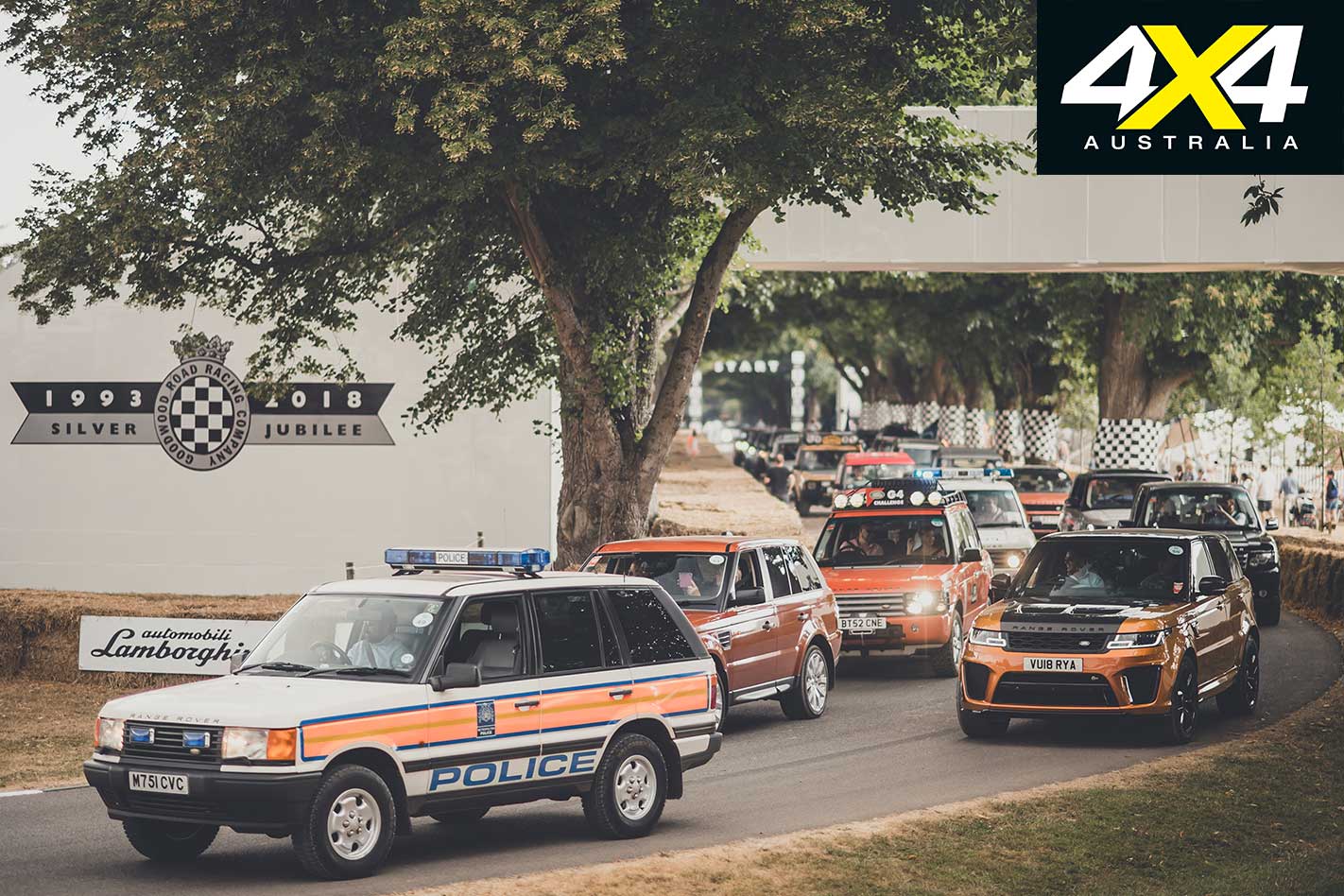
Every variant of the Land Rover Discovery was present, from the original three-door Disco 1 up to today’s ‘new’ Discovery and its smaller Sport stablemate. The Disco Sport’s spiritual predecessor – the Freelander – also joined the parade listing, along with the Range Rover Evoque (and convertible), and the latest Rangie, the Velar.
The parade was a huge hit with spectators and, as Jaguar Land Rover UK Sales Director, Scot Dicken said, showed what the brand has – and still does – represent.
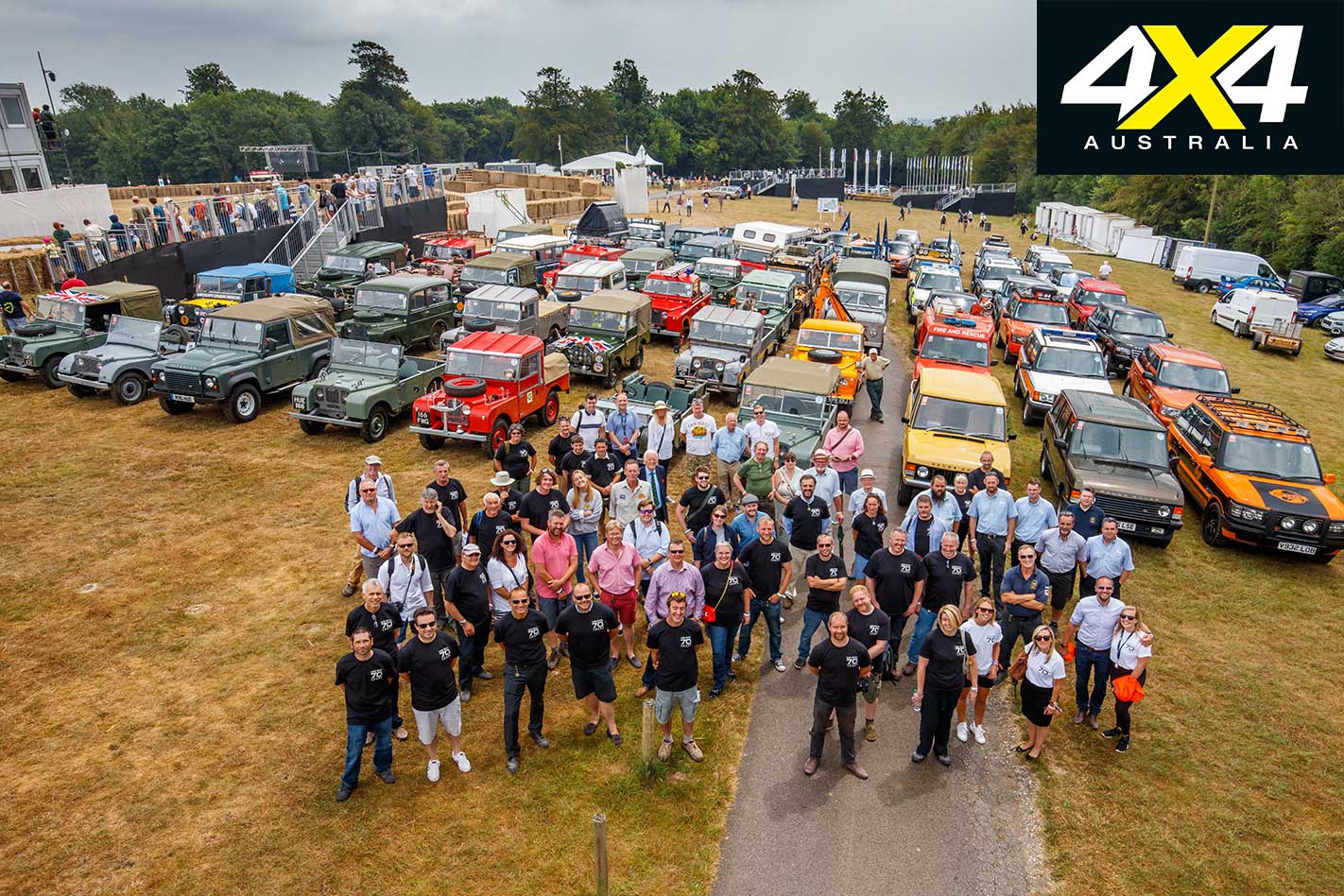
“The vast breadth of vehicles here, from fire engines [and] tow trucks to expedition vehicles demonstrated the capability that is core to the Land Rover name.”
Buoying the 70th anniversary celebrations is the fact that the JLR stable (Land Rover and Jaguar) continues strongly in the marketplace, with 621,109 vehicles sold globally in 2017.
The smart-arse in us could say they’d probably sell even more if it had a true workhorse – yep, we’re talking Defender – in its model line-up, but, sadly, there was no mention of the upcoming new Defender at Goodwood. Land Rover continues to remain stone-cold silent on the vehicle, which means more grinding of teeth from the not-so-patient Green Oval brigade.
HERE are five reader-submitted 4x4s that were recently featured in the July issue of 4X4 Australia.
To get involved, post a pic and a description of your rig on our special site here or post it to our Facebook page.
We feature a bunch of readers’ rigs in the magazine each month, where we award one lucky punter with a $200 voucher to spend at Piranha Off Road.
2012 TOYOTA FJ CRUISER: MAX MAMMONE (4×4 Australia Readers’ Rigs Winner of the Month)
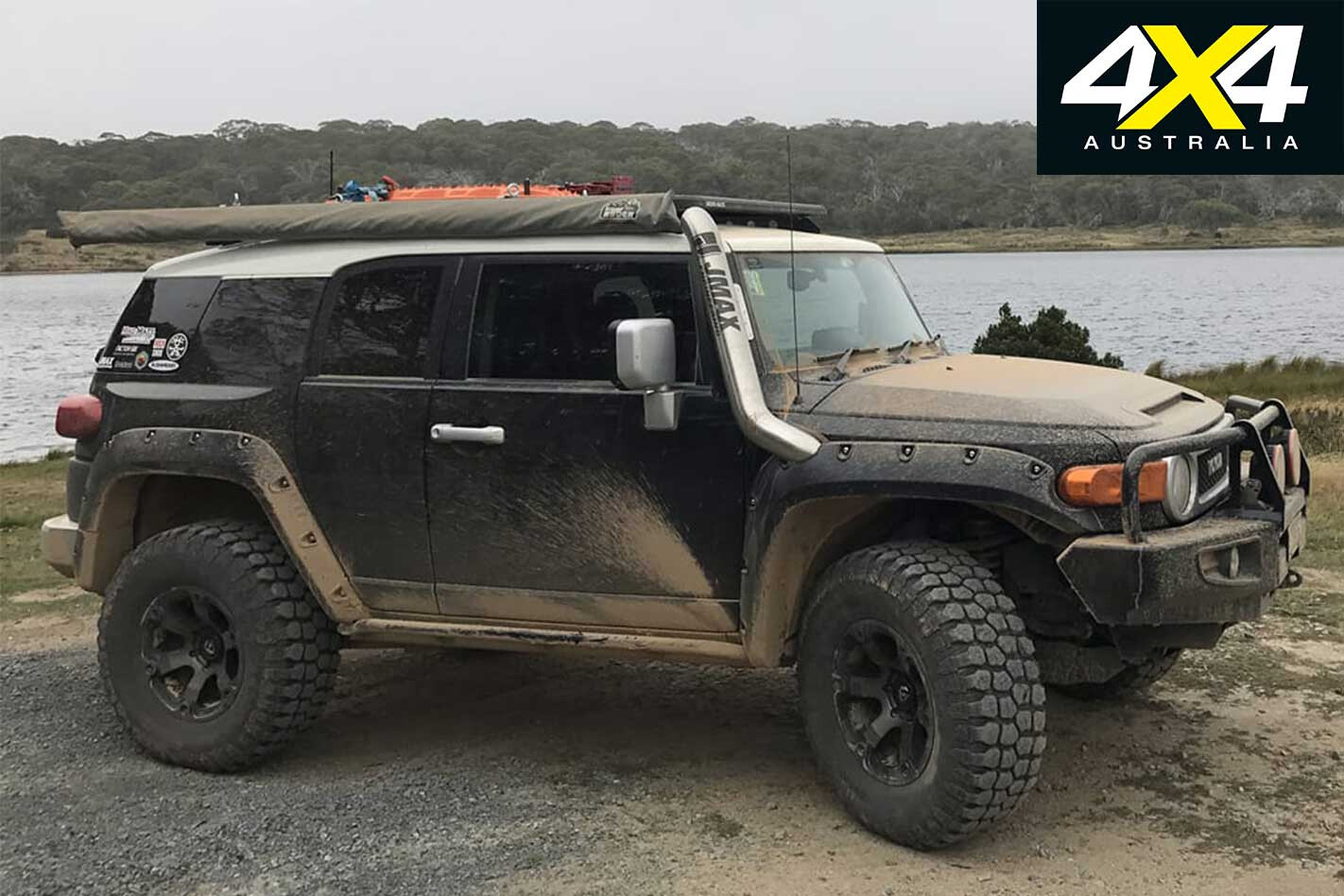
Mods include 35s, three-inch Fox lift with UCAS, rear links, three-inch exhaust, custom rear drawers with fridge, and a stainless steel snorkel. It has other little mods like UHF, under-bonnet compressor, breathers, and a dual-battery setup.
I’ve had the FJ for four years and have done a lot of the NSW region. The best four-wheel driving has been at Watagans NP, and the best touring trip at Vic High Country (Mt Pinnibar).
2004 TOYOTA LAND CRUISER HDJ78: MACKA WEBB
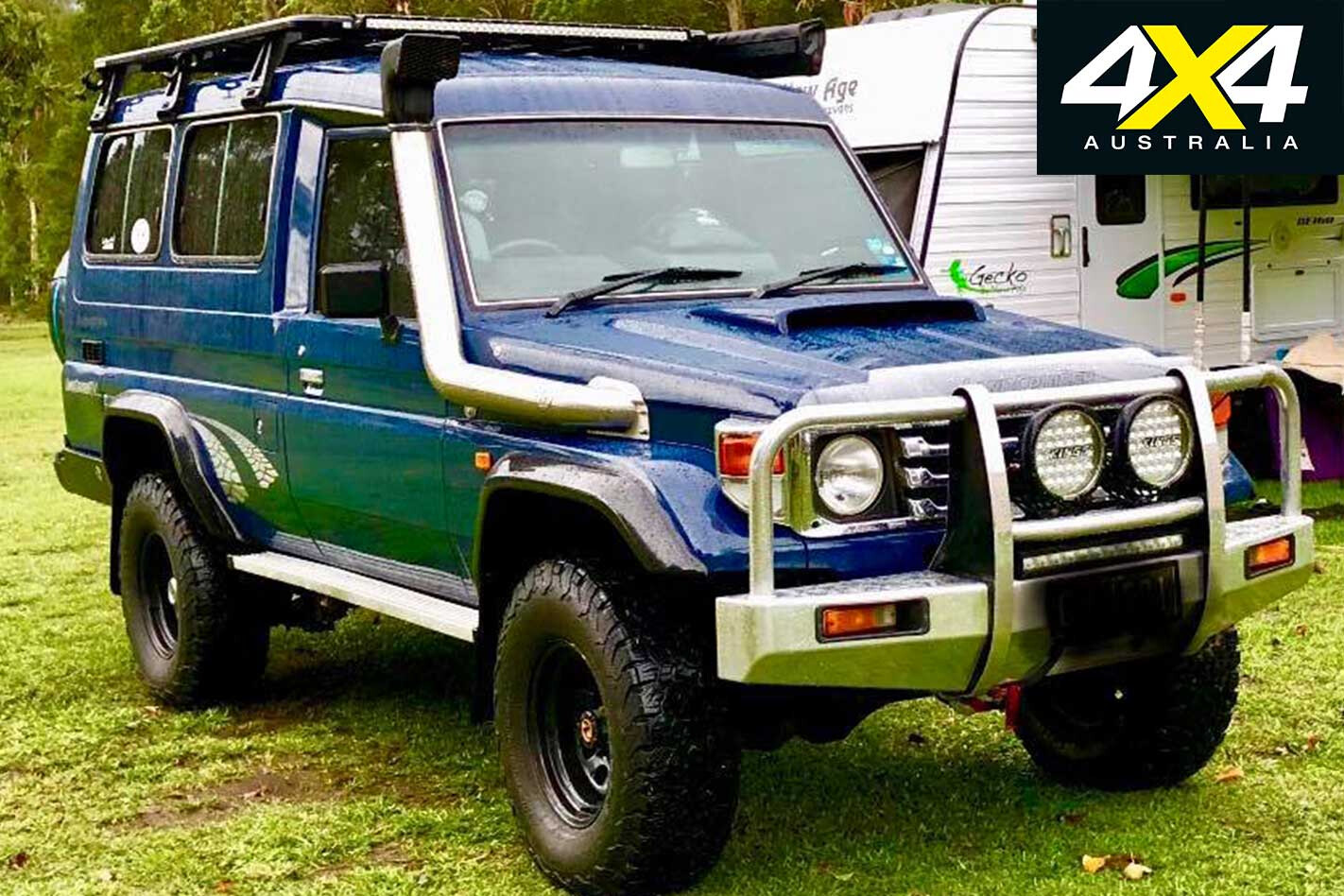
Kit includes factory RV, 1HD-FTE factory turbo, exhaust, intake, chip, factory lockers, OME lift, Dynamic rims 285/75 16 BFG K02s, drawer system, drop-down fridge slide, stainless steel underbody, water tank and pump, custom wheel carrier, hot water shower, Runva 11xp, interior console, and a few gadgets. The best trip would be Tassie.
1997 TOYOTA PRADO: EMJAY JAMES
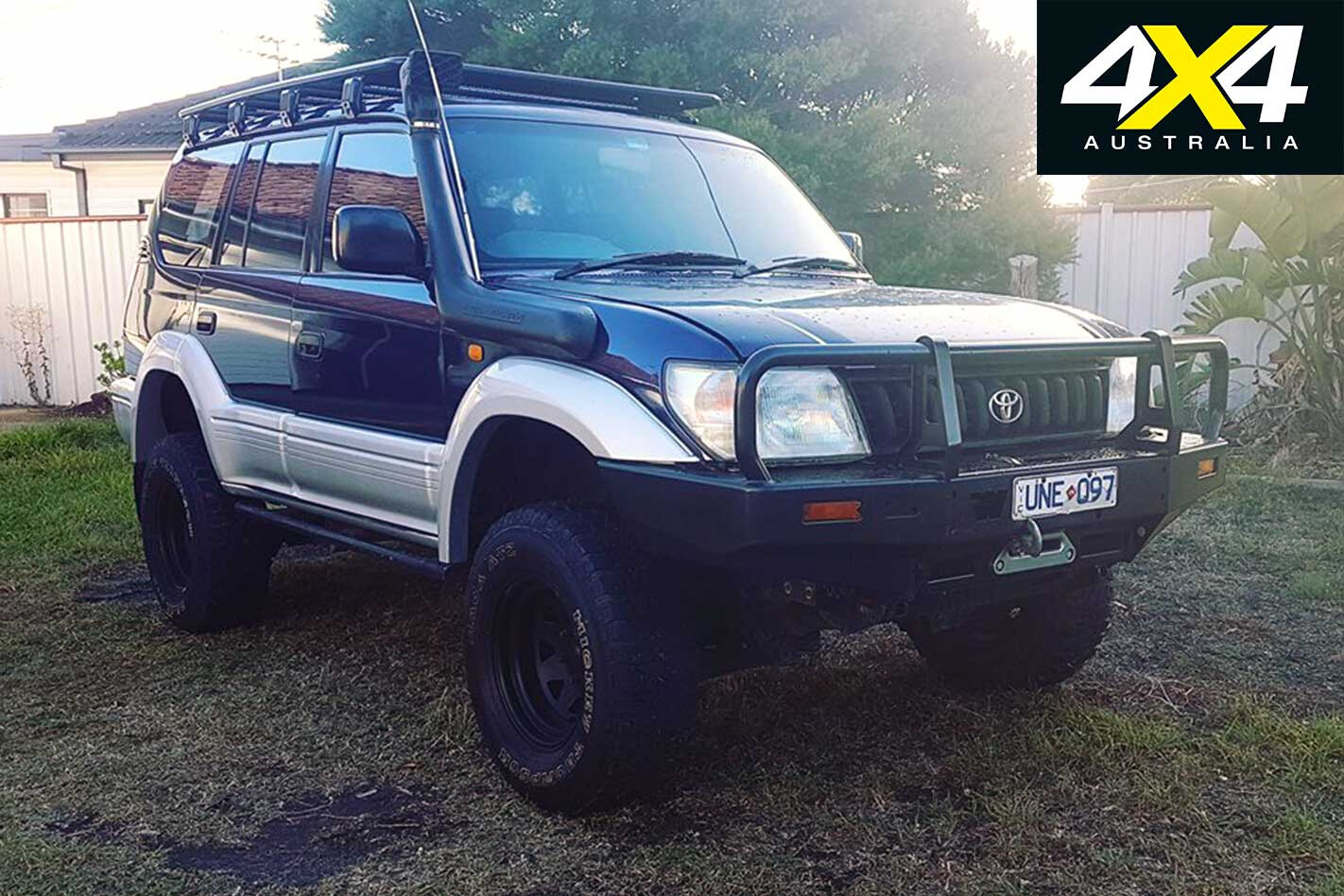
I just purchased it three weeks ago and all was included with the vehicle. It’s a 320,000km auto petrol and gas. It’s got a 3.4L V6 supercharged engine with lockers and a winch.
Other kit includes custom rear drawers, dual-battery setup, 50-litre Ironman fridge, a two-inch lift, and 265/75 16 Mickey Thompson Baja ATZs. I will be doing the Creb Track in a couple of weeks and I’ve already done Black Mountain Road.
2007 TOYOTA HILUX: JESSICA FLEMING
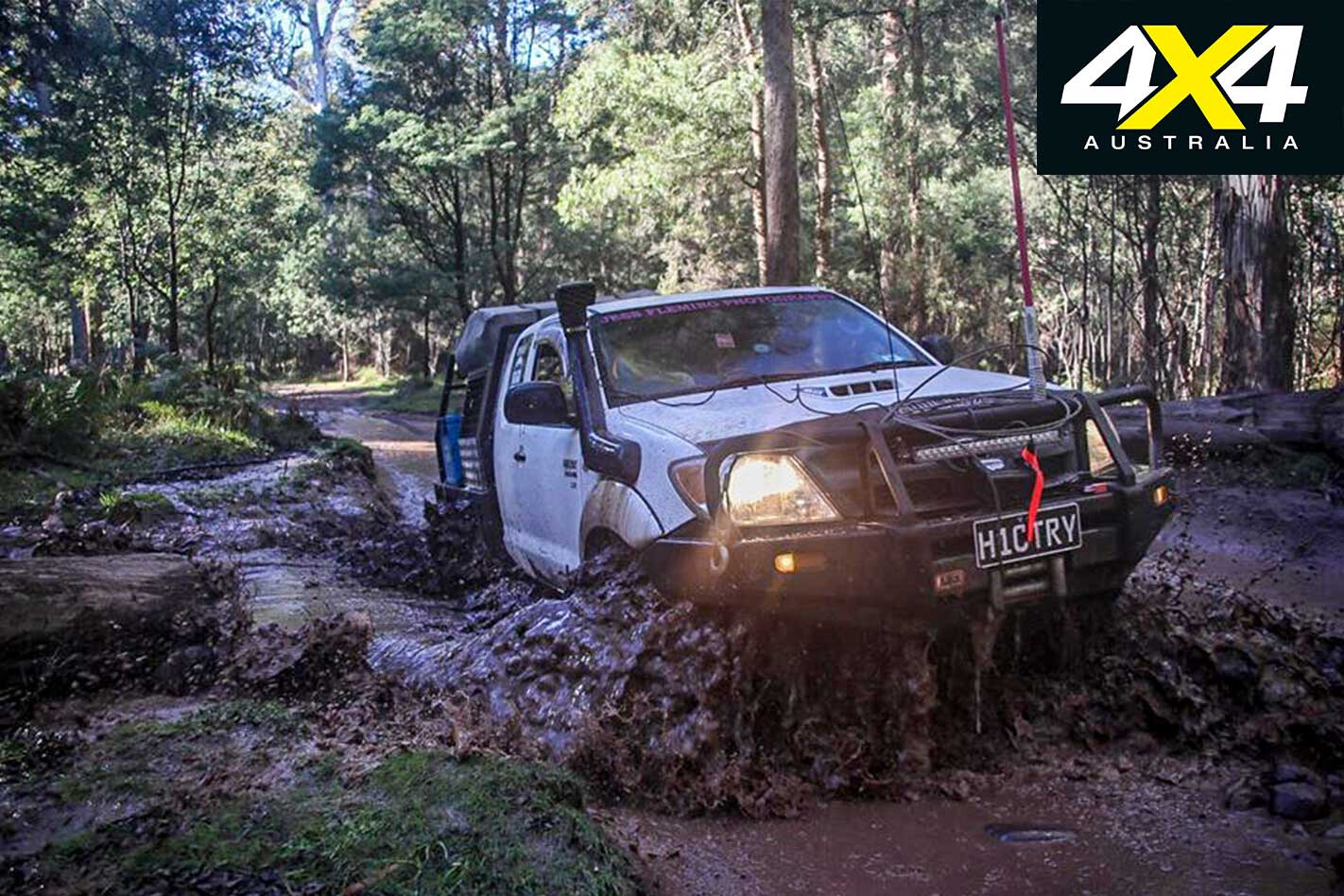
I’ve had the Space Cab 3.0-litre diesel Hilux for three years, and I bought her just after I got my P-plates. She already had the snorkel, lift kit and bullbar on it. Since then I’ve added my custom-made dog box and tray, which is home to my Engel and a space for the pup to live when we are out travelling through the High Country.
Mods include an ARB bullbar, Warn winch, OME two-inch lift, Lightforce light bar, ARB awning, HEMA HN7 navigator, Maxxis AT tyres, UHF with my pink aerial, and a dual-battery system that runs my Engel and lights in the dog box and rooftop tent.
The best place I’ve taken her is through the Vic High Country, especially over Mount Pinnibar, Blue Rag Range, and the Bluff into Wonnangatta Station.
2013 FORD RANGER XLT: BRENT JAMES BLUNDELL
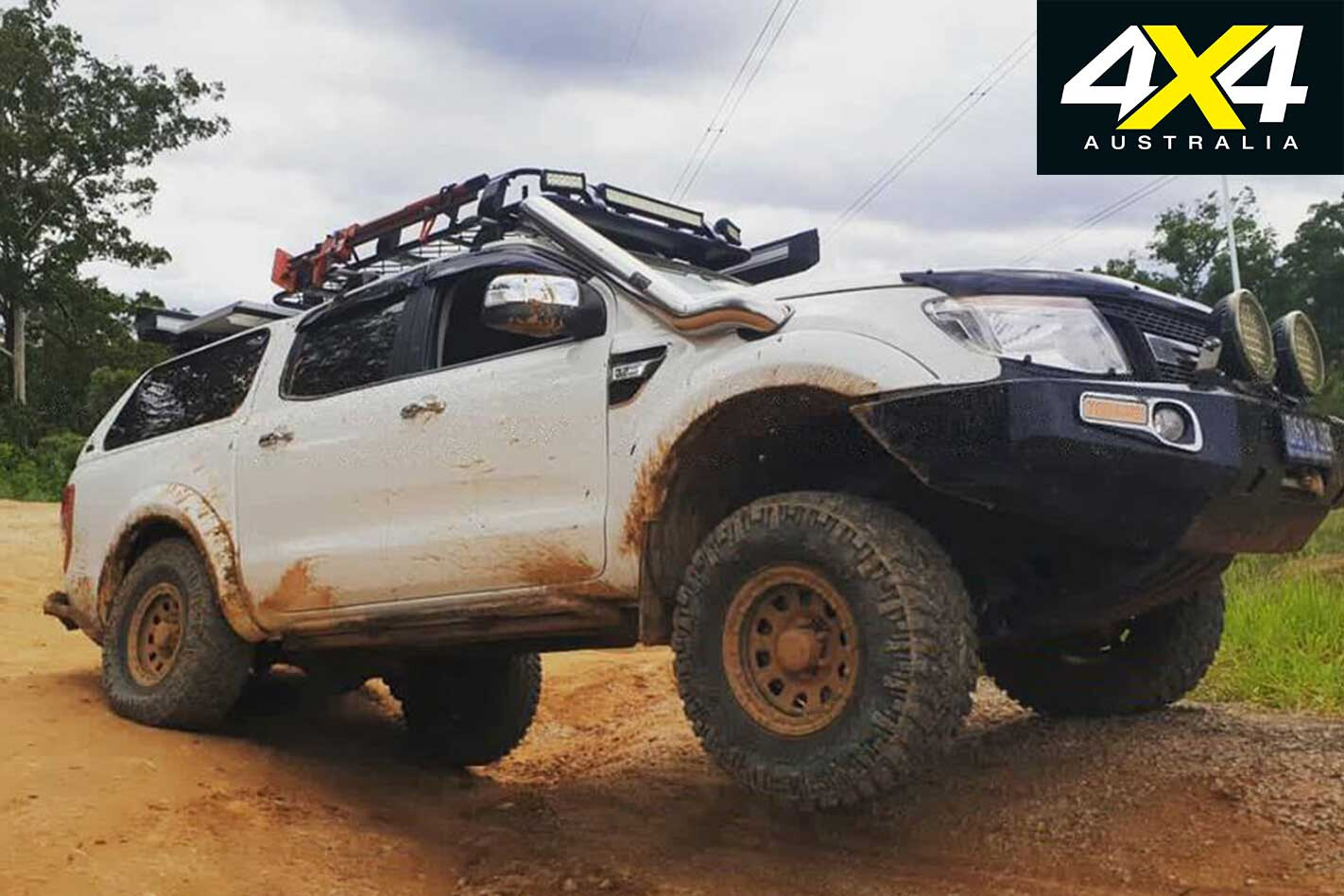
I’ve owned the car for the past four years, and I bought it second-hand. Mods are: Piak front winch bar, Tubeworx rock sliders, Ironman 4×4 rear bar, four-inch Fab snorkel, Ironman 4×4 trades canopy, Dobinsons MMR suspension, 33-inch Nitto Trail Grapplers, 16-inch D lockers, side and rear awnings, X3 battery setup, and a 150W solar panel. There’s plenty more to list.
My partner and I did a trip last year to Newcastle from Brisbane. Stopped at a few great places, but Lake Glenbawn in NSW was probably the highlight.
MY ROLE is in product development and I am based at the Ford Asia Pacific You Yangs proving ground in Victoria. Integration is the key word within my job title; my team ensures all the performance targets and engineering requirements roll up and work together, to deliver what Ford expects in terms of overall performance and features.
There are four main pillars within my role: Water Management, Off-road Trailer Towing, Vehicle Integration Attribution, and Label Engineering.
Typically, during a development cycle, we set vehicle targets and work with the engineering parameters during the development stages. This culminates in vehicle level testing, development and sign-off prior to production.
It has been a very busy time at Ford in 2018, with the release of the new Ranger and Everest series, as well as the Ranger Raptor for the Asia Pacific market. We’re also involved in the new North American Ranger.
We’ve been busy completing reviews of owner’s guides, final calibration drives around off-road modes within the TMS (Terrain Management System), and trailer towing.
The off-road team has been out driving the vehicles at the limits to ensure robustness around all the final designs. We had completed a full suite of water management tests around wading capability and other water management tests, including wind tunnel tests to simulate high speed torrential rains.
Within a typical work week I use my time to review each vehicle program status. Where the team needs help with a particular issue, we work together to align the engineering teams with our suggested direction. Pulling the data together and presenting in a fashion that is clear takes a lot of effort and time.
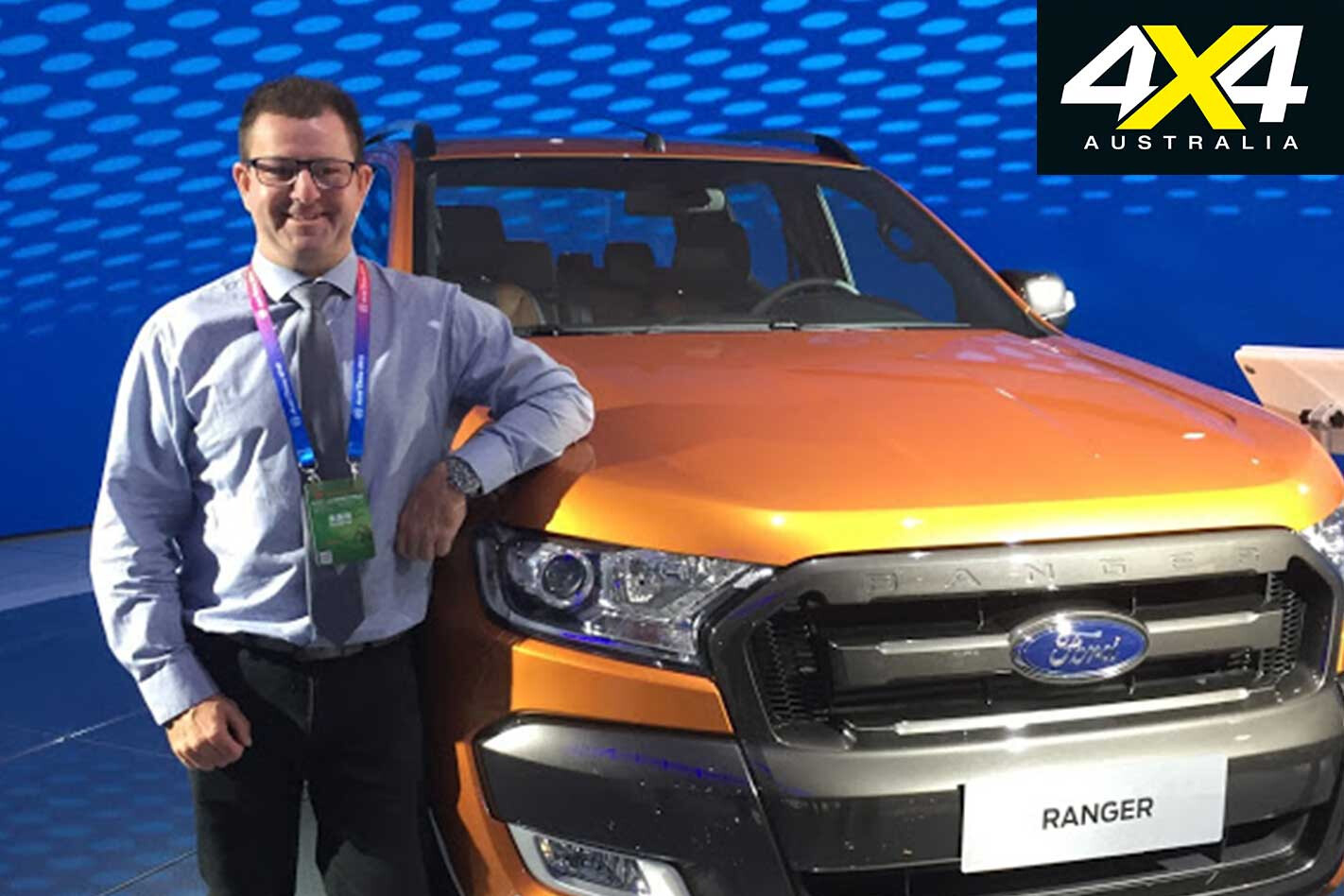
Most people won’t realise that, here in Australia, we are working on vehicle lines in China, and supporting models that will come into the Asia Pacific market from Europe, India and North America.
Within the off-road attribute, we have everything we need within the proving grounds, including a dedicated 4×4 park with rock sections, a mud and ruts area – which we can fill with water as required – many different hill grades, a sand pit, and other obstacle types.
This facility is large enough to test calibrations and hardware including suspension or underbody protection. We still complete all of our testing and sign-off in real world locations like the Victorian High Country, Simpson Desert and many others.
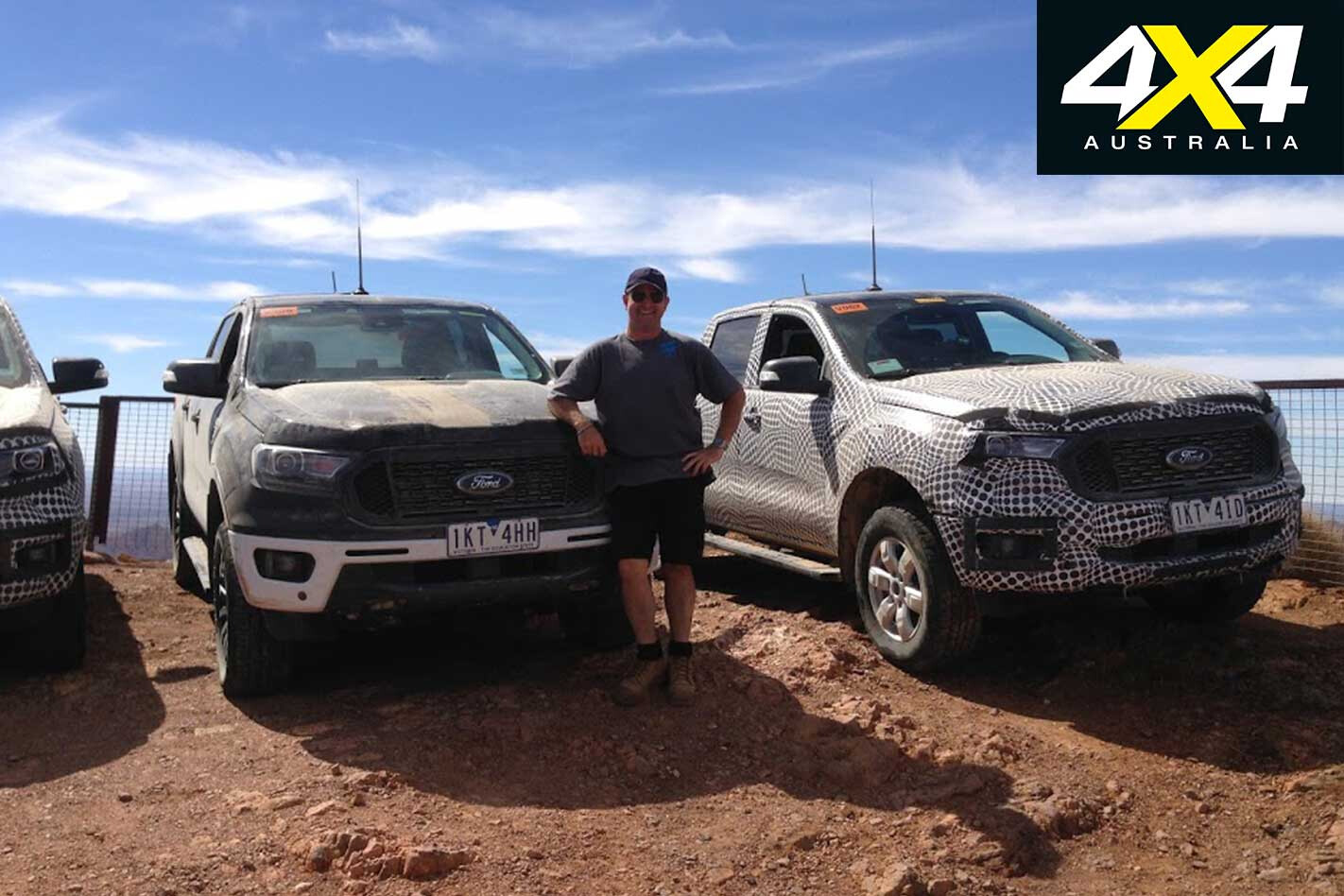
I have had many memorable experiences in this role. One of the highlights during the development of the Ranger Raptor was during a transit drive while on a test trip. We were travelling the road from Yunta into Arkaroola, in convoy, connected by radio signal.
At that time of year the road was quite smooth and in good condition. I jumped behind the wheel of the Ranger Raptor and off I went. Part of our safety process is to reset trip meters and GPS so we can call out cautions around road conditions, oncoming traffic or wildlife.
So I start calling cattle grids and culverts in the road and rating them for speed and harshness; to my surprise the following cars were re-calling them over the radio with higher harshness and soon after that we stopped getting any communication.
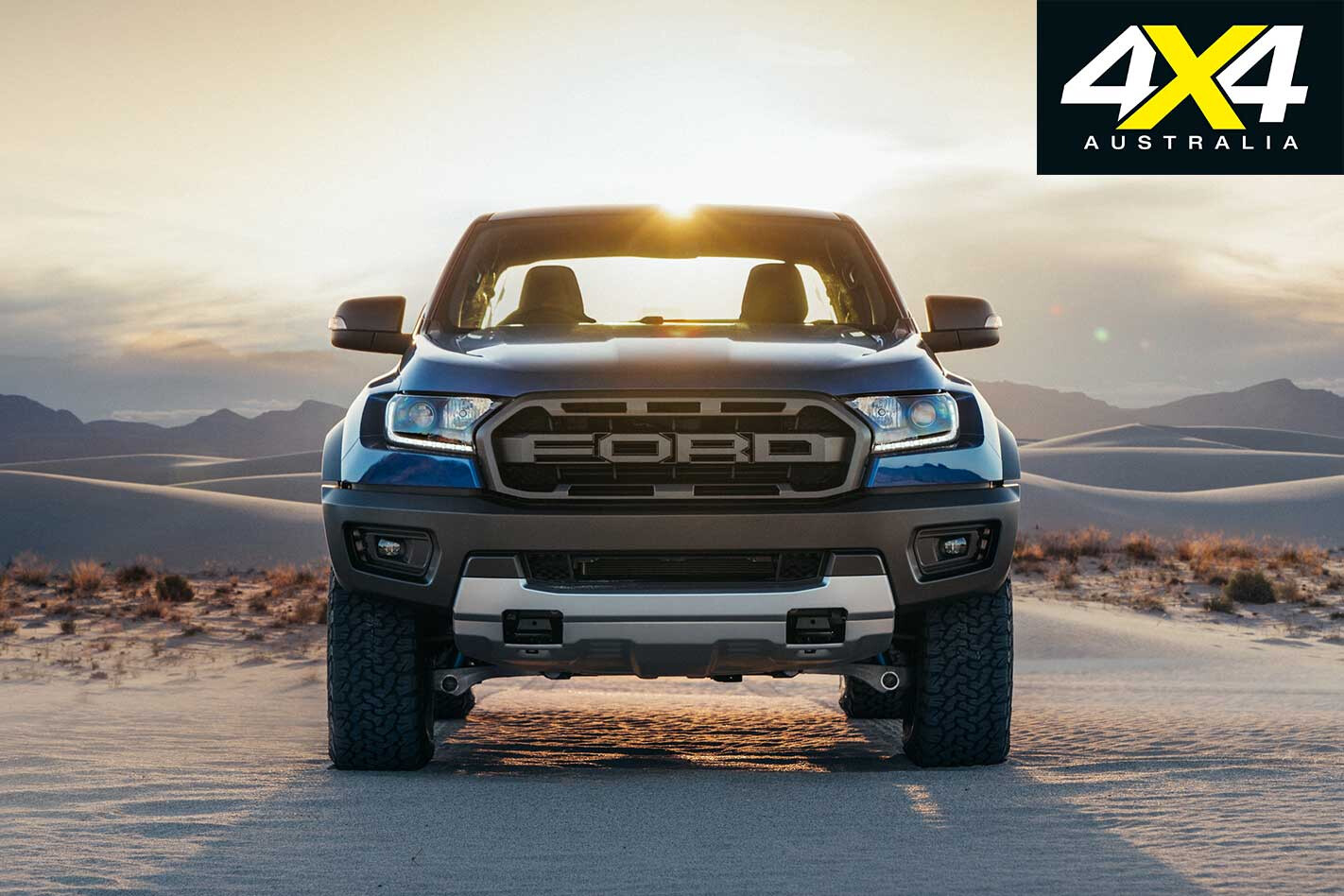
It soon dawned on me that the Raptor was soaking up the road at speed, and we had left the others behind. For me, it was a highlight of how capable the Ranger Raptor is in this environment.
I am very fortunate in this role to drive in some very iconic locations and tracks. The best part of my role, though, is meeting customers and having great conversations, getting feedback directly while out on the road. I can then take that information and feedback and translate it into future products.Meet the Expert Name: Richard Woolley Role: Vehicle Integration Core Attributes Supervisor Experience: “I’ve been with Ford for 30 years.”