
PERHAPS it’s a reflection of a lack of serious competition in the large 4×4 wagon market, but sales of the 200 continue to grow, climbing some 13 per cent in the first six months of 2018 compared to the same period in 2017. And that comes off the back of two years where sales grew by 20 per cent and 30 per cent before that.
In fact, the 200 has never sold better despite being more than 10 years old. A few years back the 200 was hovering outside the top 10 best-selling 4x4s, but is now well established at number seven and closing on the Navara.
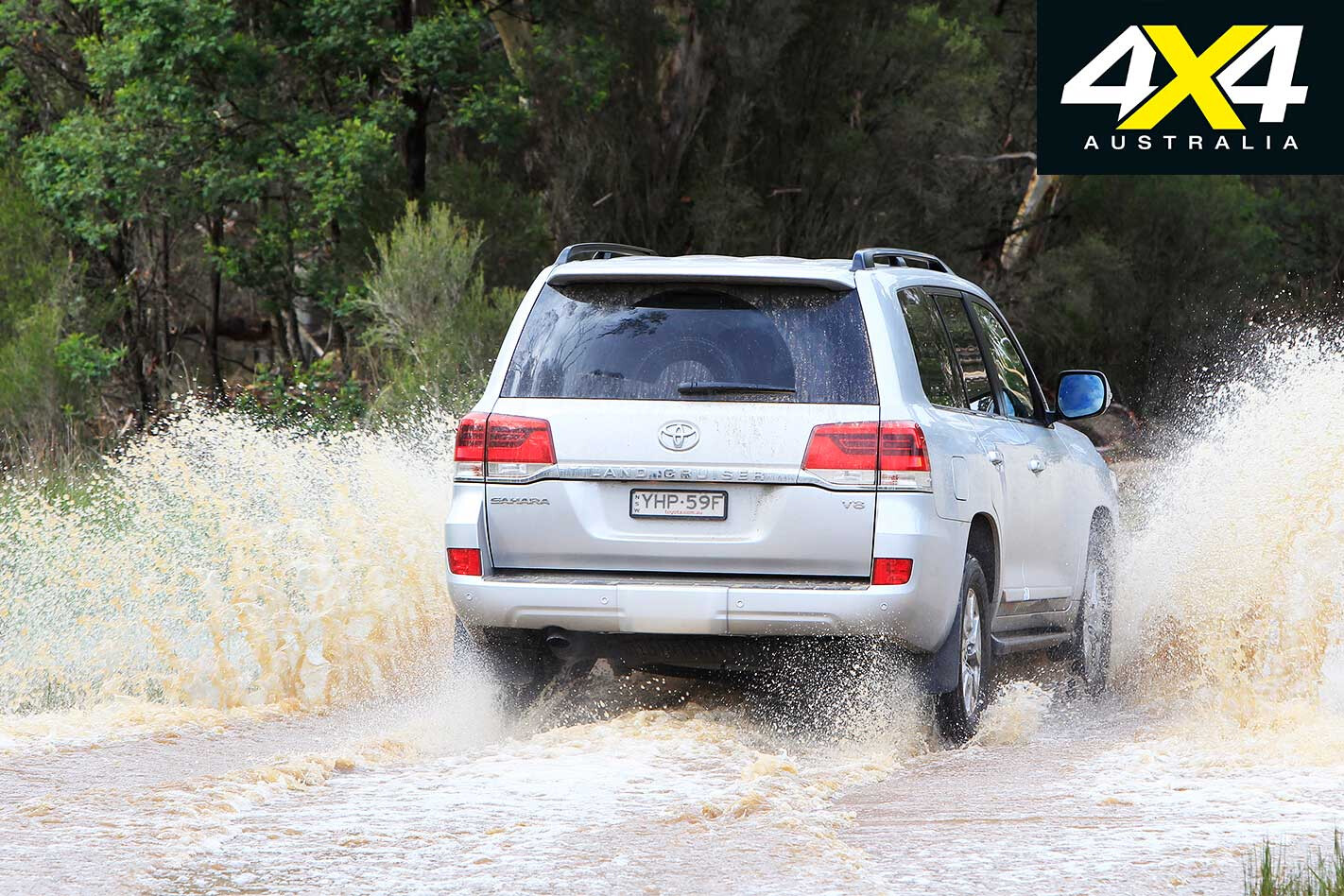
The 200 has no doubt benefitted from the fact Nissan’s Patrol Y62 is petrol-only, and you haven’t been able to buy a diesel Y61 Patrol for more than a year. And all in a market where diesel rules – Toyota offers the 200 with a very sweet 4.6-litre petrol V8, but only 1.0 per cent of 200 Series buyers take up the offer.
Nor does the new Land Rover Discovery offer much sales competition to the mighty 200 – in the six months that 6581 LC200s were sold, Land Rover sold 1026 Discoverys and Nissan just 716 Patrols.
The 200’s sales have accelerated since its facelift back in 2016. That facelift brought distinctive new styling, a raft of new safety and tech kit, and Euro 5 compliance via a DPF, improved fuel economy and even a slight jump in overall power.
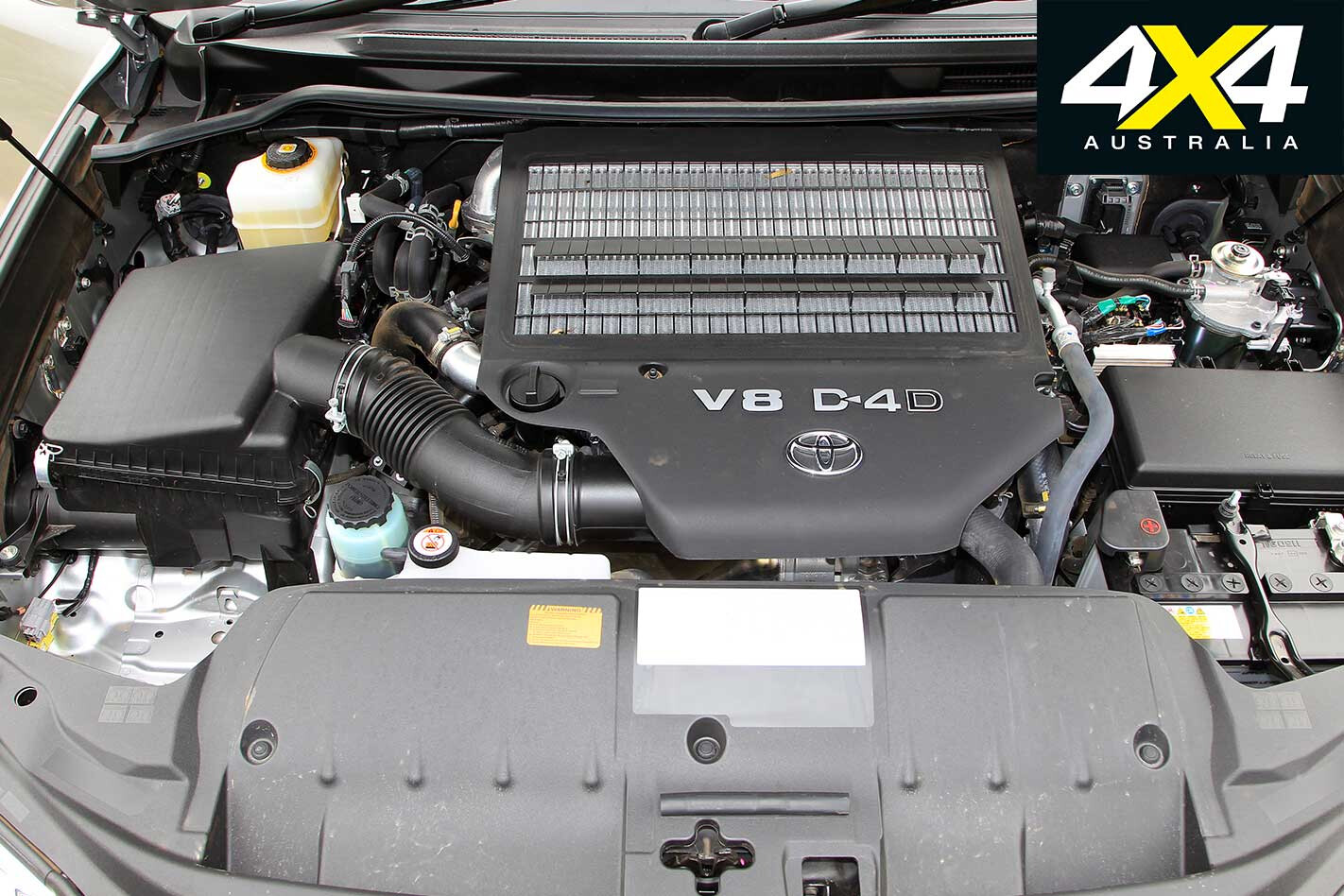
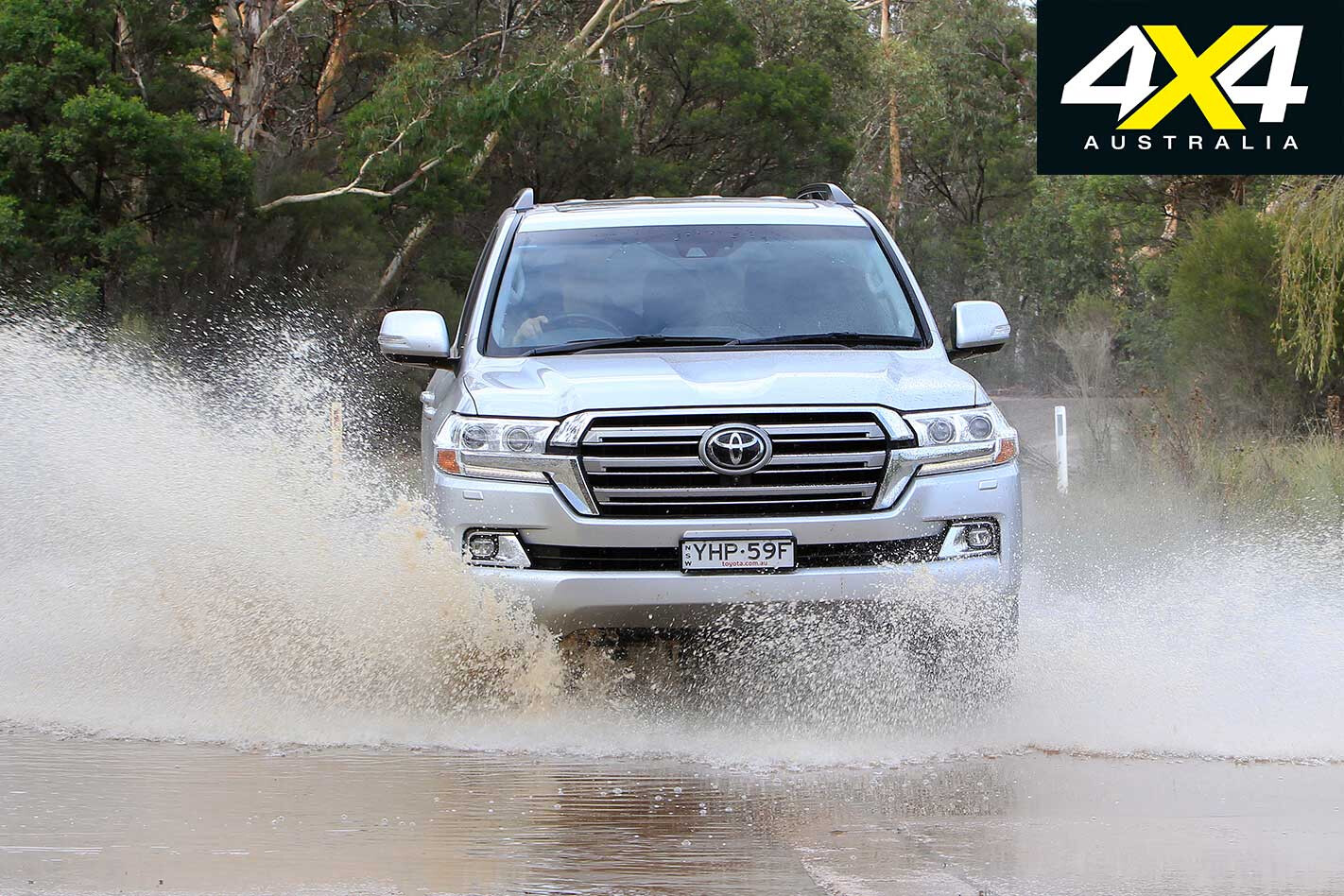
As ever the 200 is effortless to drive both on and off the road. The engine may be a bit ‘truck-like’ in terms of refinement, but it does every job asked of it without raising a sweat. And while the 200’s on-road dynamics aren’t the sharpest, the ride comfort is excellent on even the nastiest of roads.
To improve the on-road dynamics of the venerable 200 (and the off-road ability even more), ticking the KDSS option box on the GXL diesel is a very good idea.
Toyota Land Cruiser 200 mid-2018 Year-on-Year sales
| June 2018 YTD | June 2017 YTD | Sales Change |
| 6581 | 5831 | 12.8% |
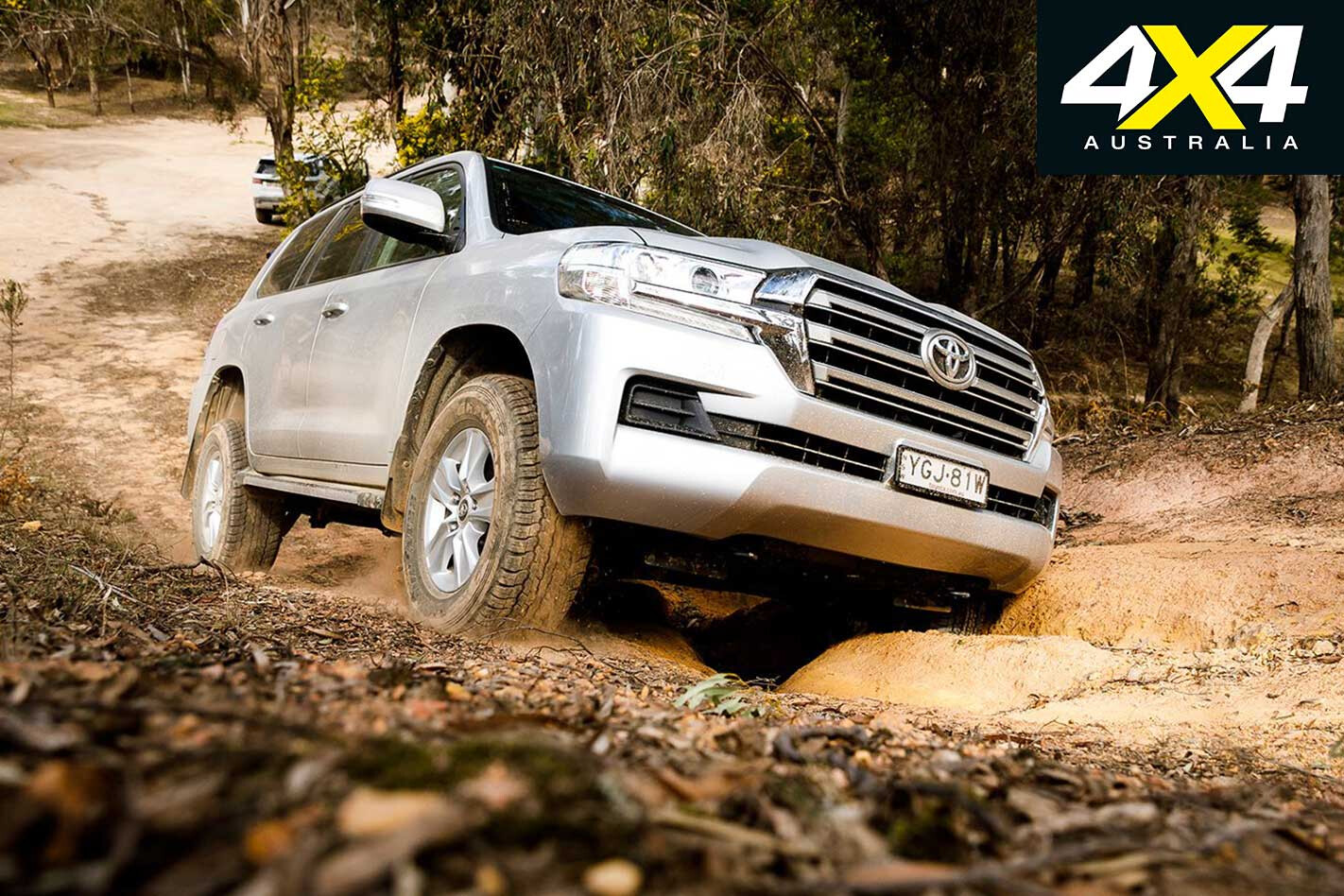
2018 Toyota Land Cruiser 200 GXL Specs Engine: 4.5-litre V8 turbo-diesel Power: 200kW @ 3600rpm Torque: 650Nm @ 1600-2600rpm Gearbox: 6-speed auto 4X4 system: Dual-range full-time Kerb weight: 2740kg GVM: 3300kg Towing capacity: 3500kg Fuel tank size: 138 litres ADR fuel claim: 9.5L/100km
Land Cruiser 200 4×4 Report Card
| Attribute | Grade |
| Powertrain | B |
| On-Road | C |
| Off-Road | A |
| Cabin & Equipment | B |
| Towing & Practicality | A |
| Final Results | |
| A large 4×4 wagon that will do it all – and then some. | |
*Scored against class competitors. A = Excellent; B = Very Good; C = Good; D = Fair; E = Poor; F = Fail.
FCA has unleashed the Jeep Wrangler Moab Edition in the USA, a limited-edition model based on the all-new Wrangler Sahara.
The base vehicle is then pumped full of features and trick componentry: a Rubicon hood; Rubicon steel bumpers with removable end caps; 32-inch muddies; and LEDs fore and aft.
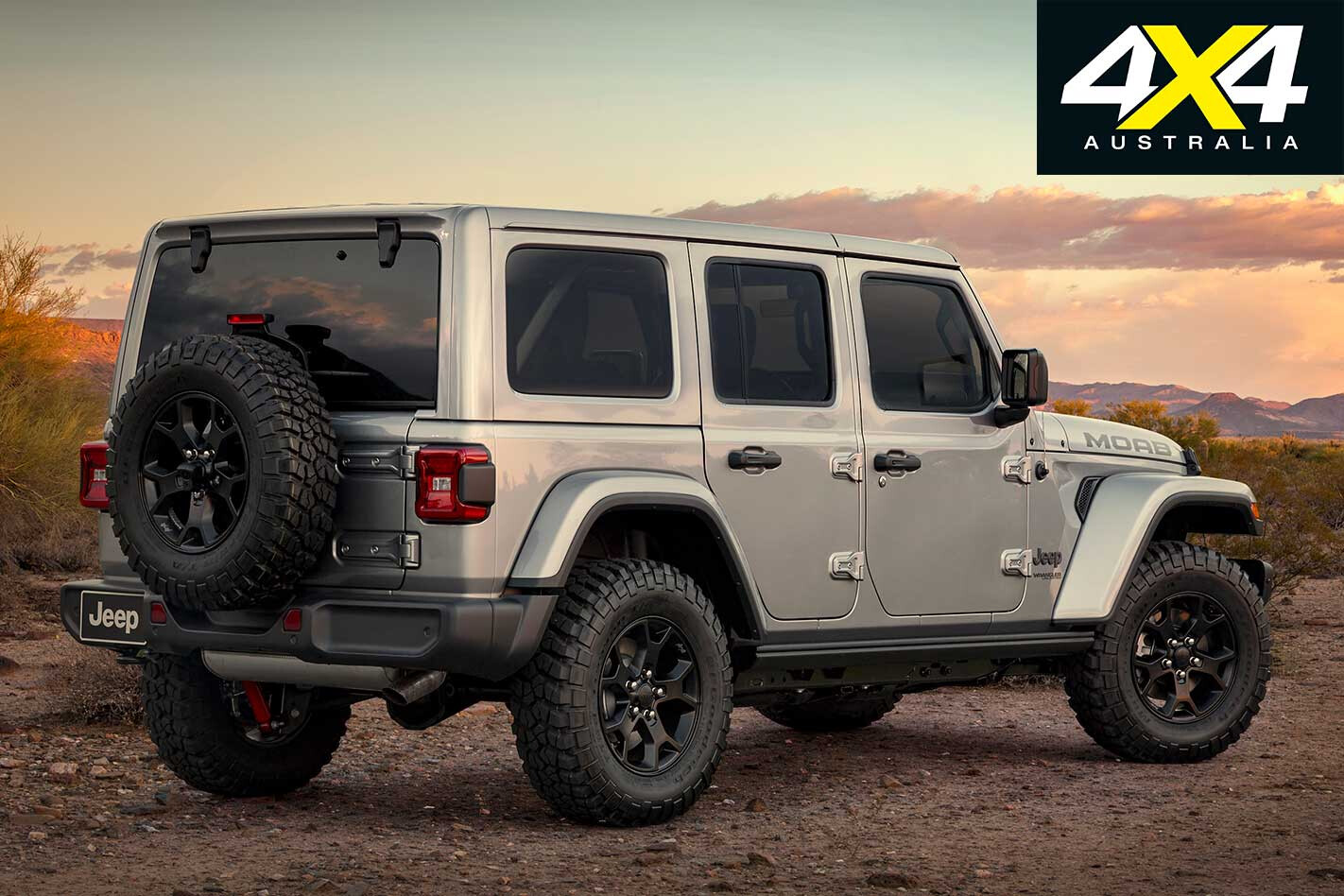
Moab decal is plastered on the hood, while the headlight surrounds, grille throats, tow hooks and 17-inch Rubicon wheels are coated in low-gloss black paint.
The Moab comes standard with Rubicon side rails; however, Sahara side steps are a no-cost option.
A Pentastar V6 unit – the same engine used right across the Wrangler range – resides beneath the vented hood. A Selec-Trac full-time two-speed transfer case and a Trac-Lok limited-slip rear diff are also standard fare.
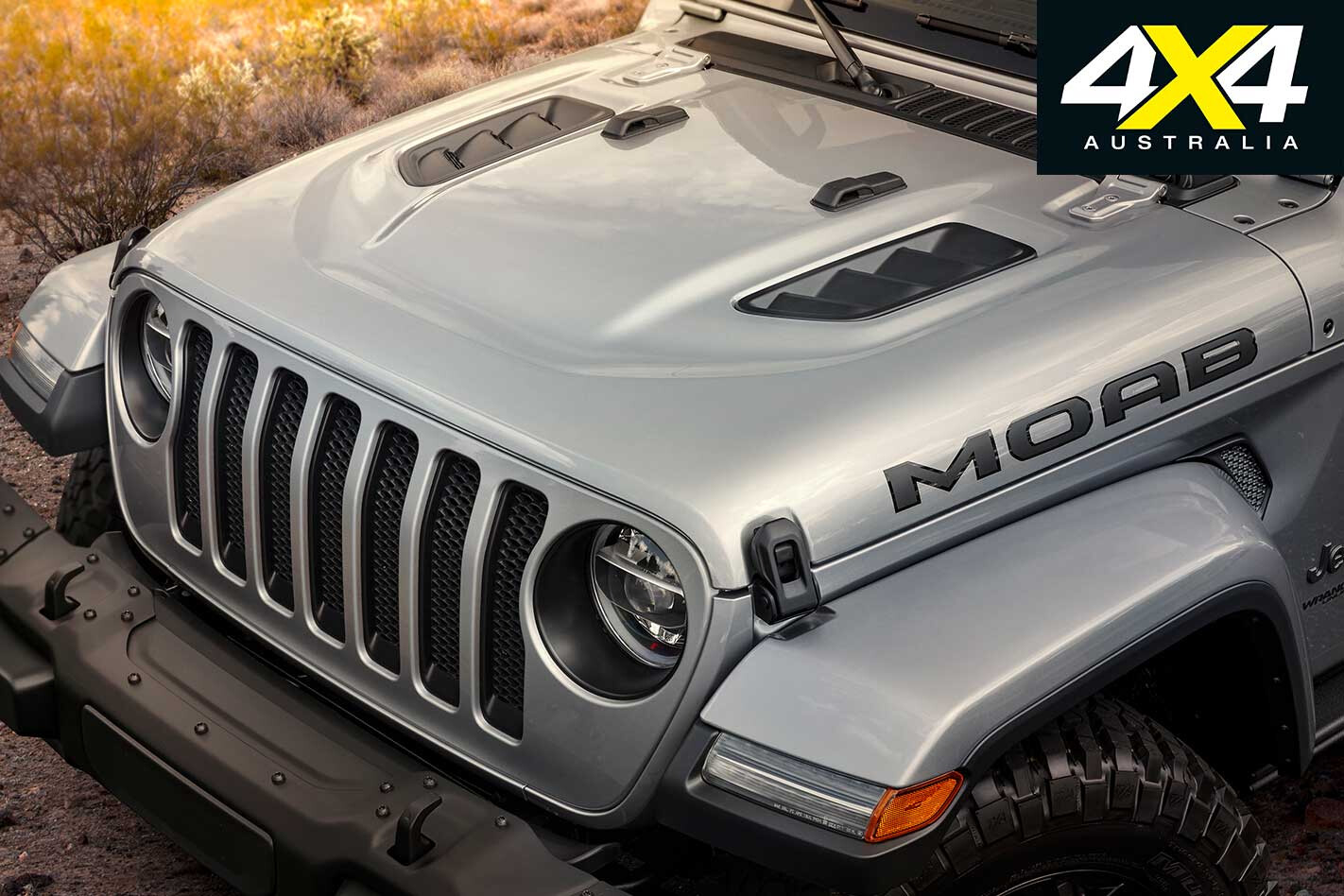
Safety kit extends to blind-spot monitoring, rear cross-path detection and a ParkView rear backup camera with dynamic grid lines.
Add a bit more money to the credit card and you can fetch a Trailer Tow and Trail Rail cargo management system, available as an optional extra.
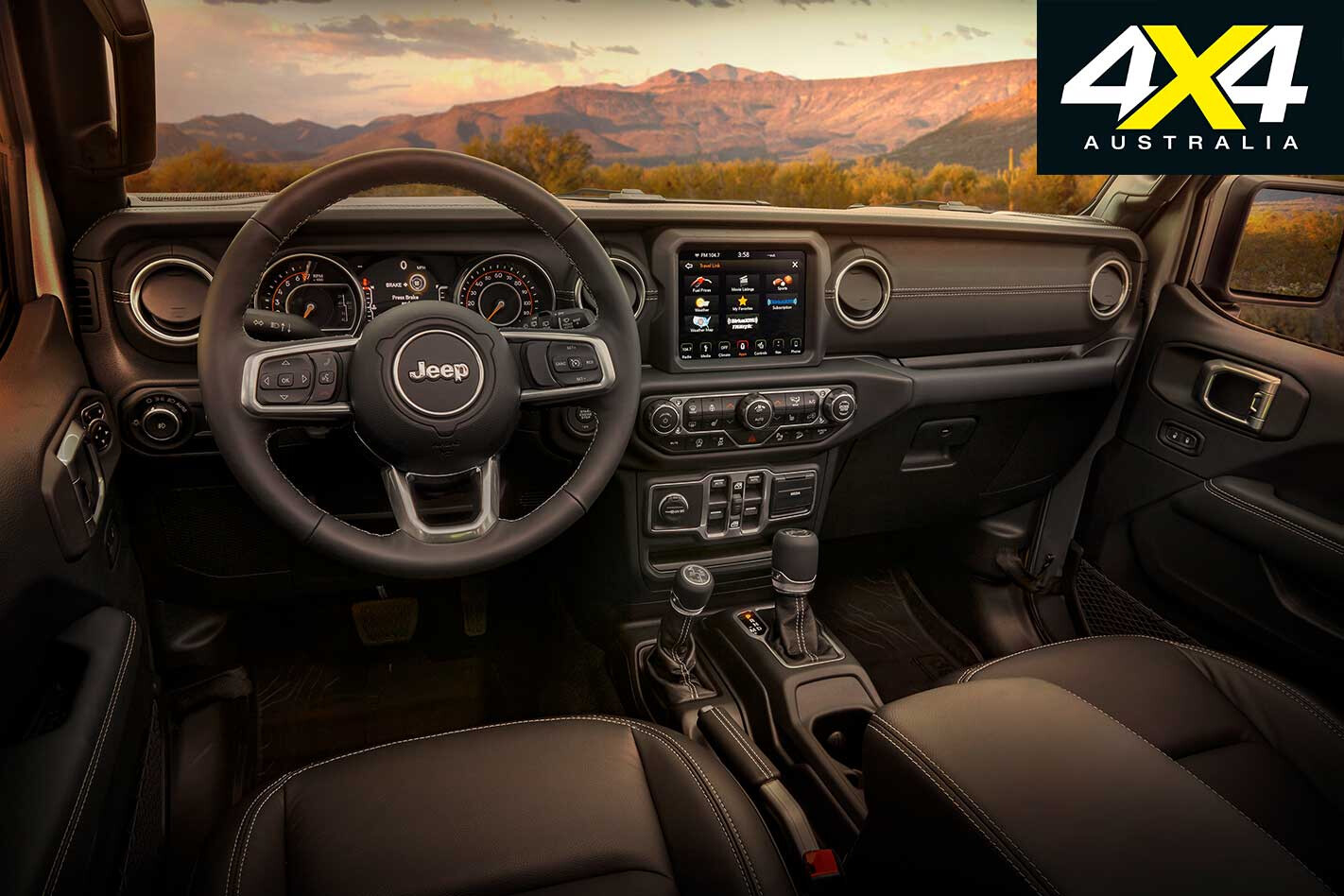
Why Moab? Well, the Moab nameplate pays homage to Jeep’s long-running partnership with the famous Easter Jeep Safari, which is held annually in – you guessed it – Moab, Utah.
Keen to get one? You can’t, as the Wrangler Moab Edition isn’t coming to Australia.
THE Navara is the second of the top 10 best-selling 4x4s to lose sales in the first half of 2018 compared to the same time last year, despite a rising market.
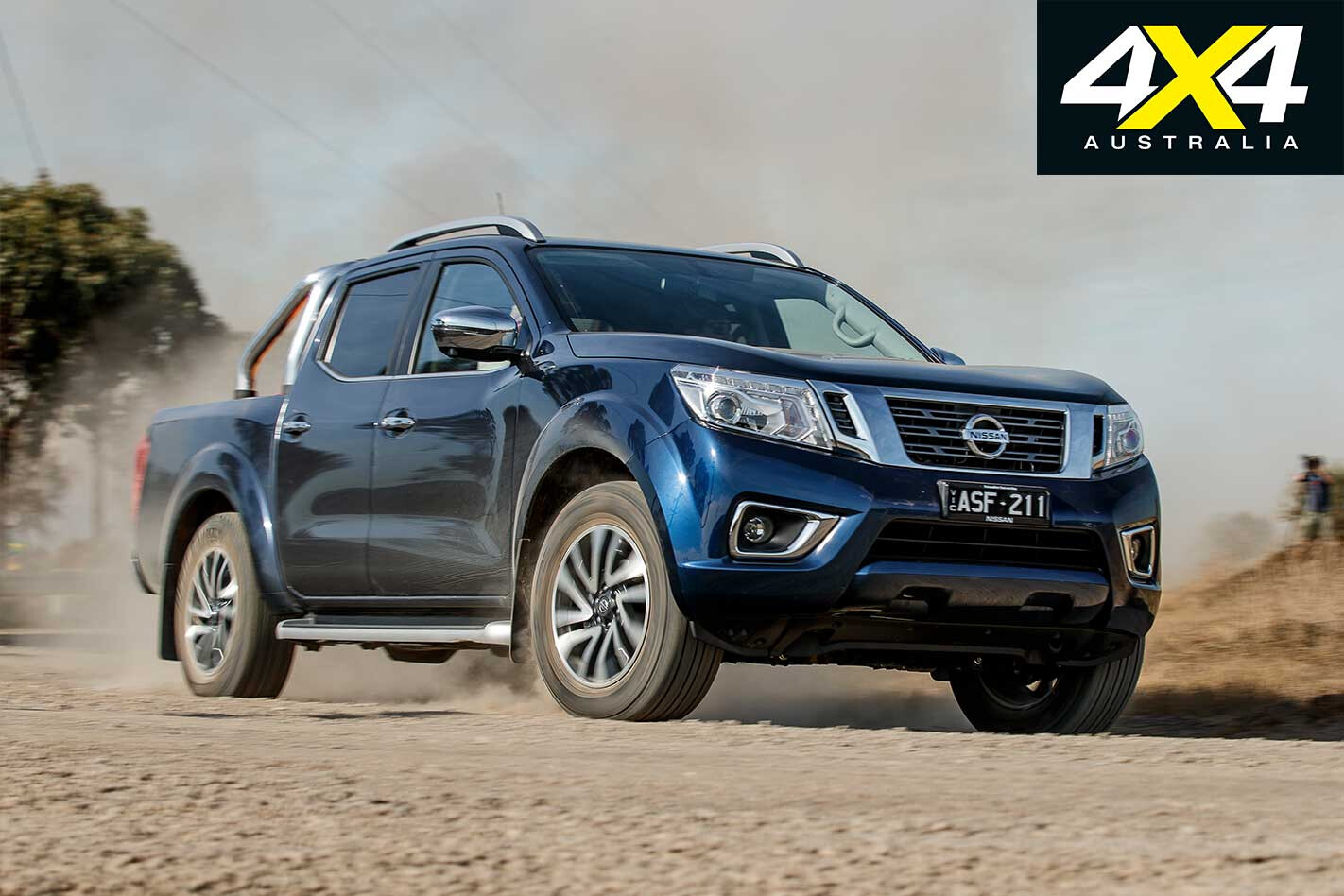
In the first six months of 2018 Nissan sold 6722 Navara 4x4s, some 651 fewer than the same time in 2017. This may not look like a big drop, but it comes despite two upgrades since this generation Navara (the D23) first appeared in late 2015 and in light of generally disappointing sales along the way.
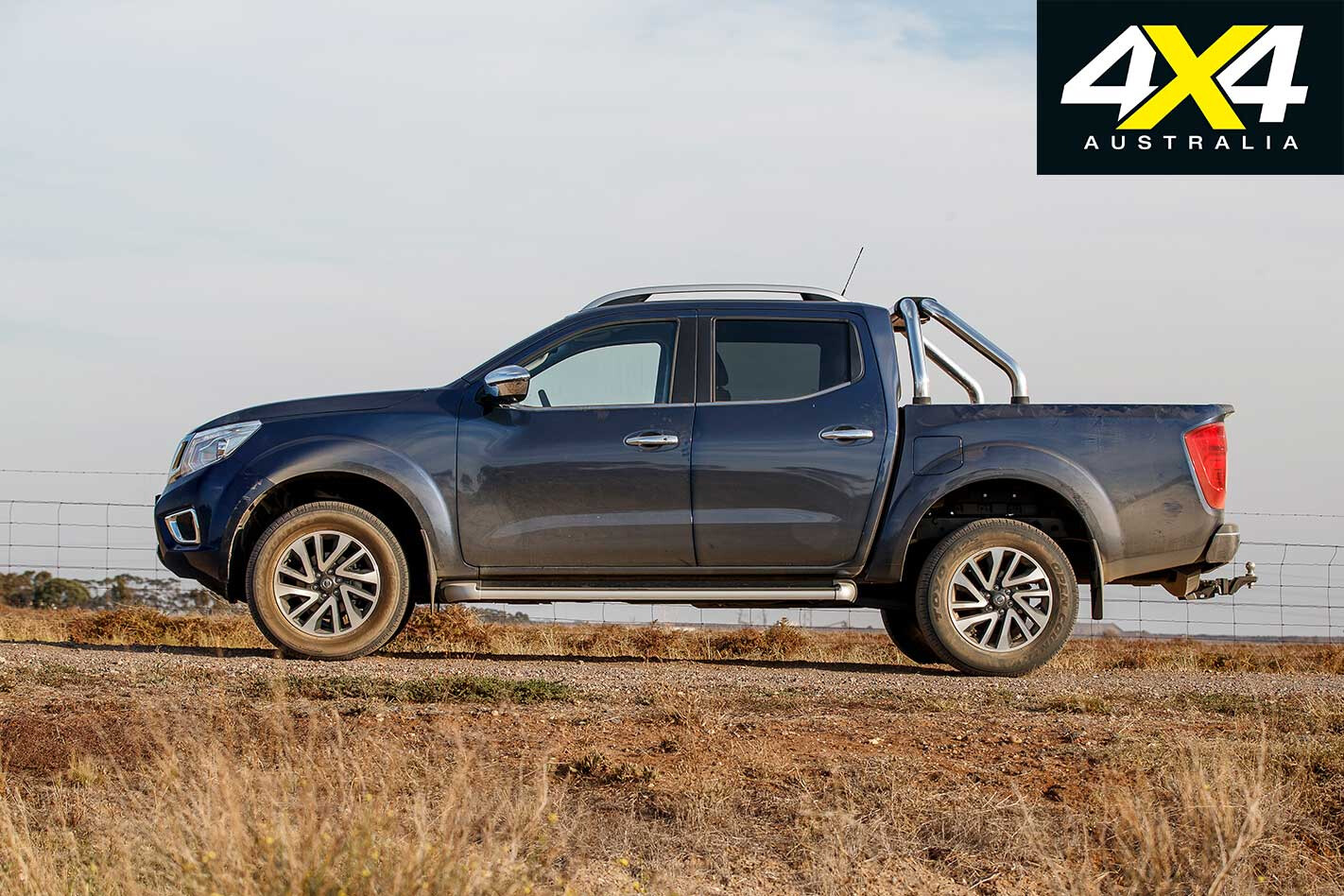
When you consider the previous D40 Navara 4×4 was selling twice as many five years ago – in a 20 per cent smaller 4×4 ute market – and was second only to the all-conquering Hilux, the D23 hasn’t been what Nissan would have wanted.
The D23 (or NP300 as it was initially known) came with the fanfare of coil-spring rear suspension, a theoretically better arrangement than leaf springs, and a sophisticated bi-turbo engine and seven-speed auto gearbox.
While the engine provided plenty of performance, helped by the seven-speed auto and relatively short gearing, the coil-spring rear suspension, especially for heavy load carrying or towing, was problematic right from start. The front-to-rear suspension match wasn’t great either, nor was the too-heavy and too-slow steering.
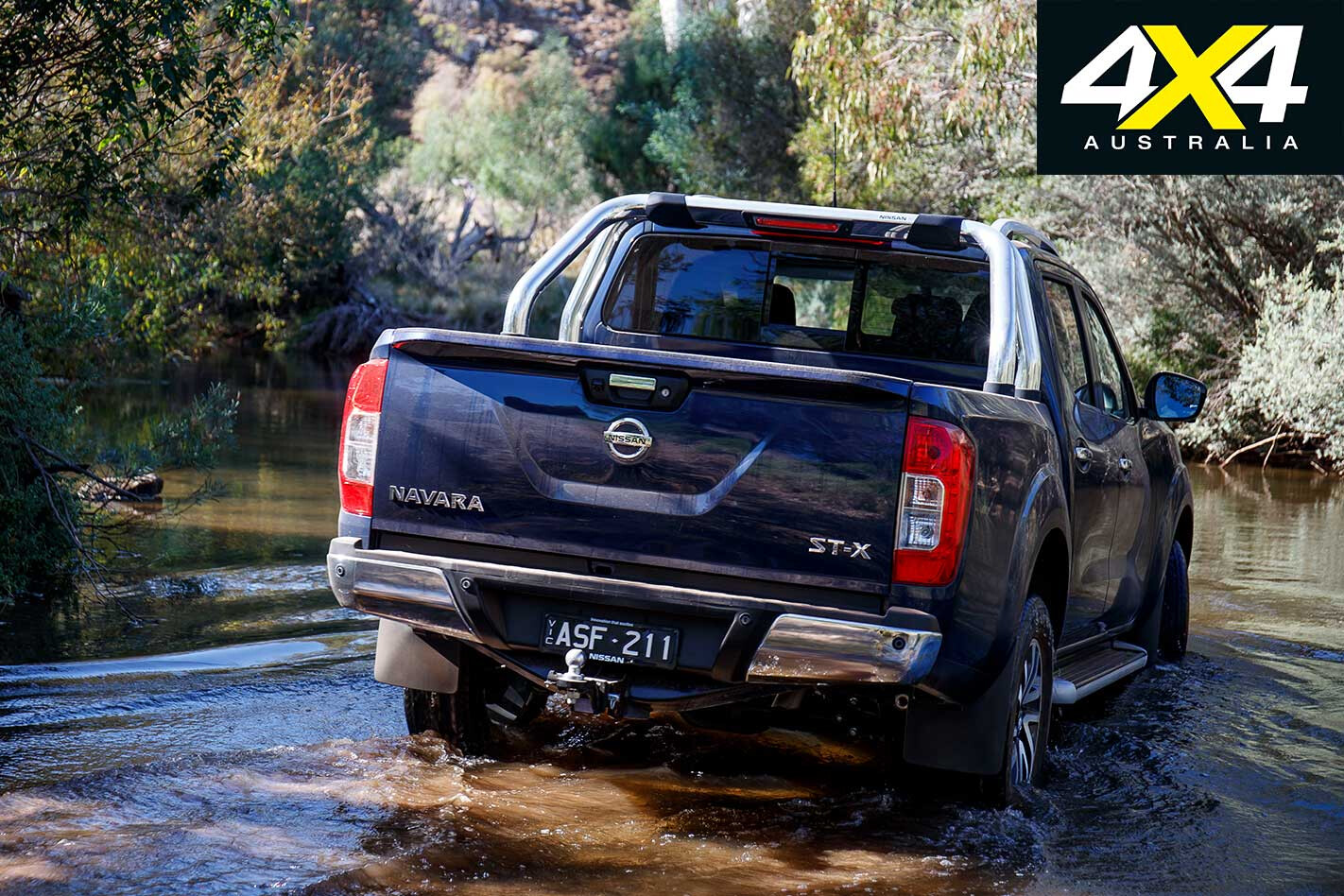
Within 12 months Nissan addressed this via the Series II model, with new rear coils, new dampers front and rear and revised suspension bushings. More suspension changes were implemented for the 2018 model with a second new set of rear coils, new rear dampers and a revised steering rack.
Thankfully the Navara is better for all these changes, especially in its general on-road handling, ride and steering, which is now very acceptable. But it’s still not great at towing its claimed max 3500kg or carrying its full theoretical payload of around 1000kg. Nor is it a gun off-road ute, where its lack of wheel travel and lowish stance puts it at a disadvantage compared to its rivals.
Nissan Navara mid-2018 Year-on-Year sales
| June 2018 YTD | June 2017 YTD | Sales Change |
| 6722 | 7373 | -8.8% |
2018 Nissan Navara Specs Engine: 2.8-litre 4-cyl turbo-diesel Power: 140kW at 3750rpm Torque: 450Nm at 1500-2500rpm Gearbox: 7-speed auto 4X4 system: Dual-range part-time Kerb weight: 1865kg GVM: 2910kg Towing capacity: 3500kg Fuel tank size: 80 litres ADR fuel claim: 7.0L/100km
Navara 4×4 Report Card
| Attribute | Grade |
| Powertrain | B |
| On-Road | C |
| Off-Road | D |
| Cabin & Equipment | C |
| Towing & Practicality | D |
| Final Results | |
| Second revision of the coil-spring rear suspension makes for better, but still not great, load and tow performance. | |
*Scored against class competitors. A = Excellent; B = Very Good; C = Good; D = Fair; E = Poor; F = Fail.
A 4×4 trip is always a chance to get away from the hustle and bustle of everyday life, but don’t throw caution to the wind.
Don’t be left unprepared for the hazards a 4×4 trip might entail, and when planning for a trip to the outback it is always wise to follow that old scout’s motto of “Be Prepared”.
Ironman 4X4 First-aid kits
Ironman 4×4 has collaborated with Australian paramedics to develop two first-aid kits ideal for those heading outdoors. The kits comprise an innovative fold-out pouch system, with each pouch containing the implements necessary for particular injury types, whether they are small/large wounds, snake and spider bites, or sprains and fractures.
The small kit packs plenty in, including latex-free gloves, face shield, wipes of varying types, adhesive strips, dressings, different-sized bandages (including conforming and compression type bandages), safety pins, scissors, an emergency thermal blanket and a quick-reference guidebook.
The large kit also includes nonadherent dressings, burns gel, single-use instant ice pack, and other emergency essentials you might need.
Website: www.ironman4x4.com
TJM Outback Bar: Toyota Prado
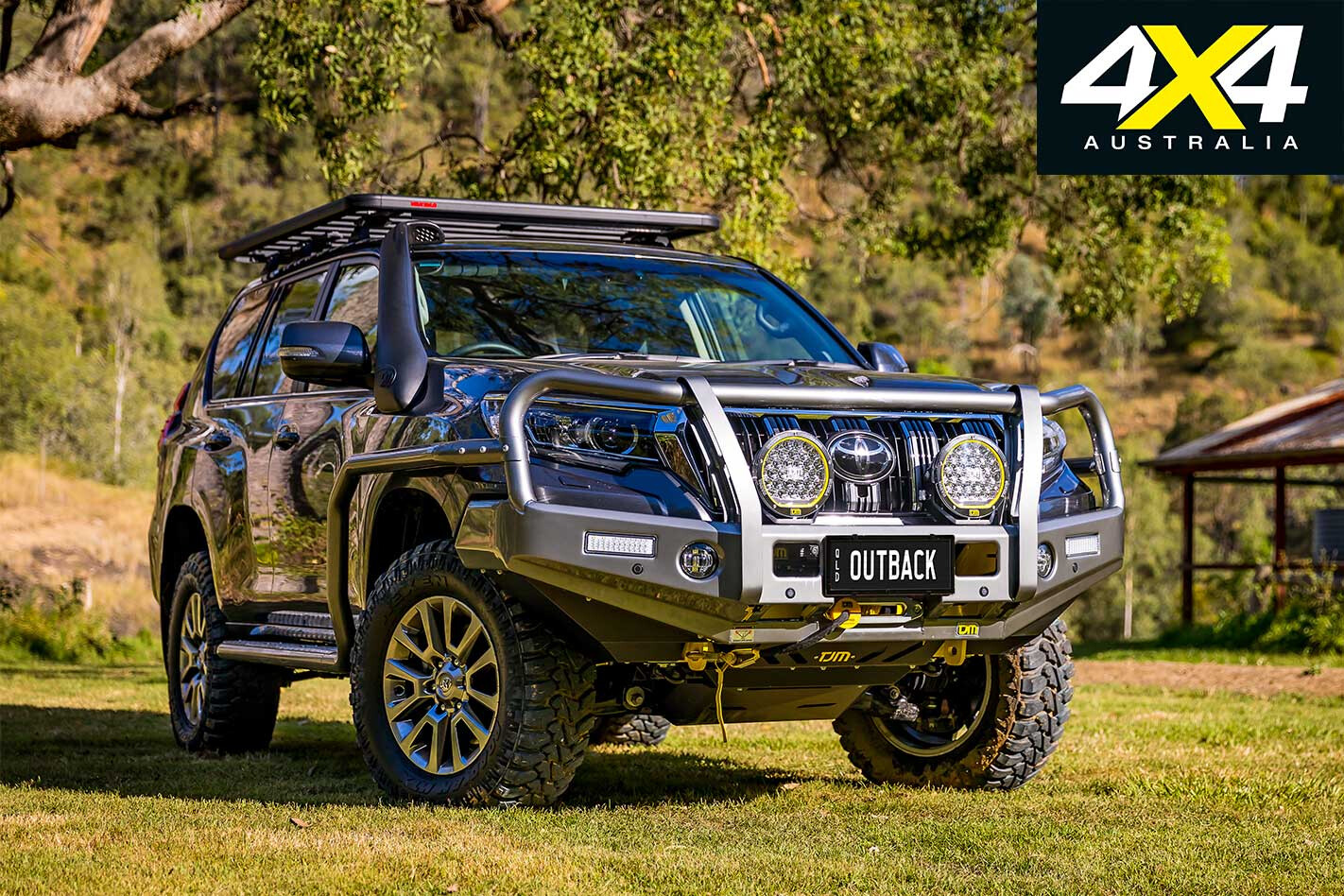
TJM has released its Outback frontal protection bar for the 2018 Toyota Prado, with the all-steel bar sporting a more aggressive, bush-tough design. The bar includes 63mm side loops for optimum protection of the Prado’s lights, along with full cato straps for strength and protection.
The bar design ensures the vehicle retains an optimum approach angle, and the recovery points are rated to 8000kg. The bar includes inbuilt LED fog lights, an integrated winch mount (can fit up to a 9500lb winch) and reinforced recovery jack points.
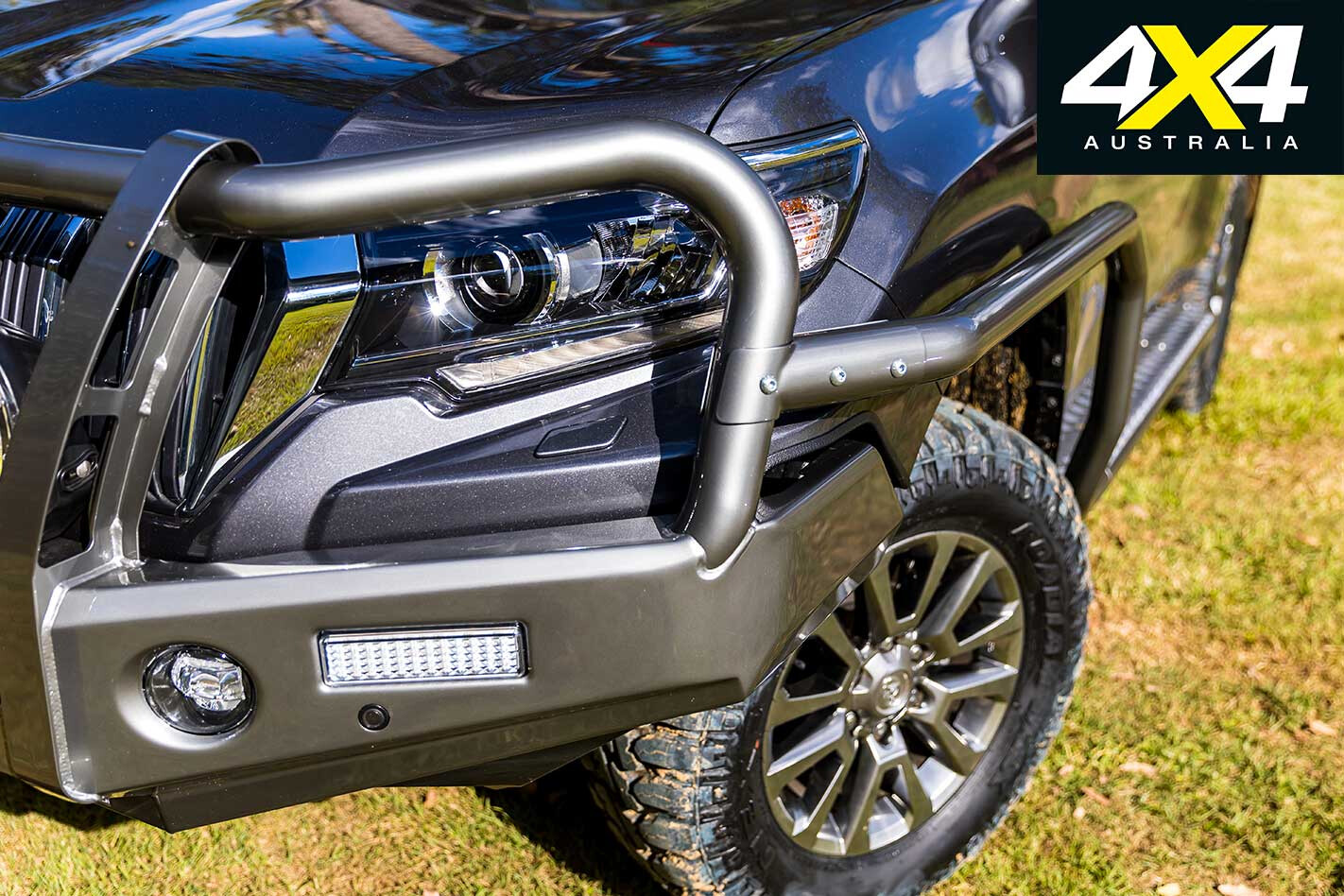
There’s space for fitment of two aerials and large driving lights, and the bar has provision for the vehicle’s parking sensor to be relocated. It is airbag and adaptive-cruise control compatible, as well as ADR compliant.
Website: www.tjm.com.au
Pelican 7620 Tactical torch
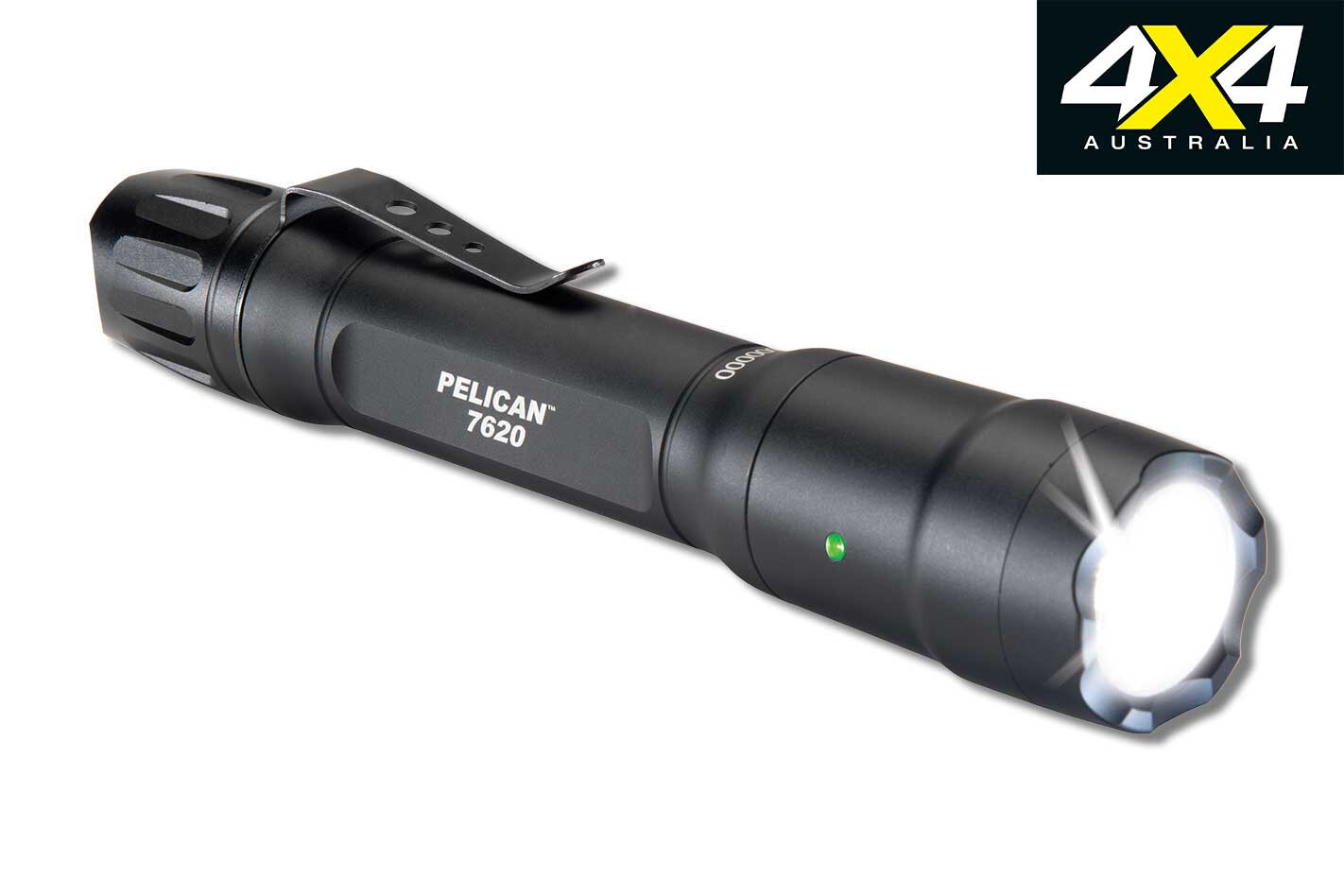
Pelican is renowned worldwide for its tough protective cases, but it also produces equally tough torches, including the 7620 Tactical. This torch is ideal for camping and has a type-3 hard-anodised finish and full-time battery level indication. The 7620 can be powered a number of ways: two AAs, two CR123, three CR123 or Pelican 18650 lithium-ion rechargeables.
The output – at maximum power using three CR123 batteries – is 1124 Lumens. The 7620 has four light modes – low, medium, high and strobe – that can be programmed in five different combinations, so you’ll always be able to get the right type/amount of illuminative output you need for any scenario.
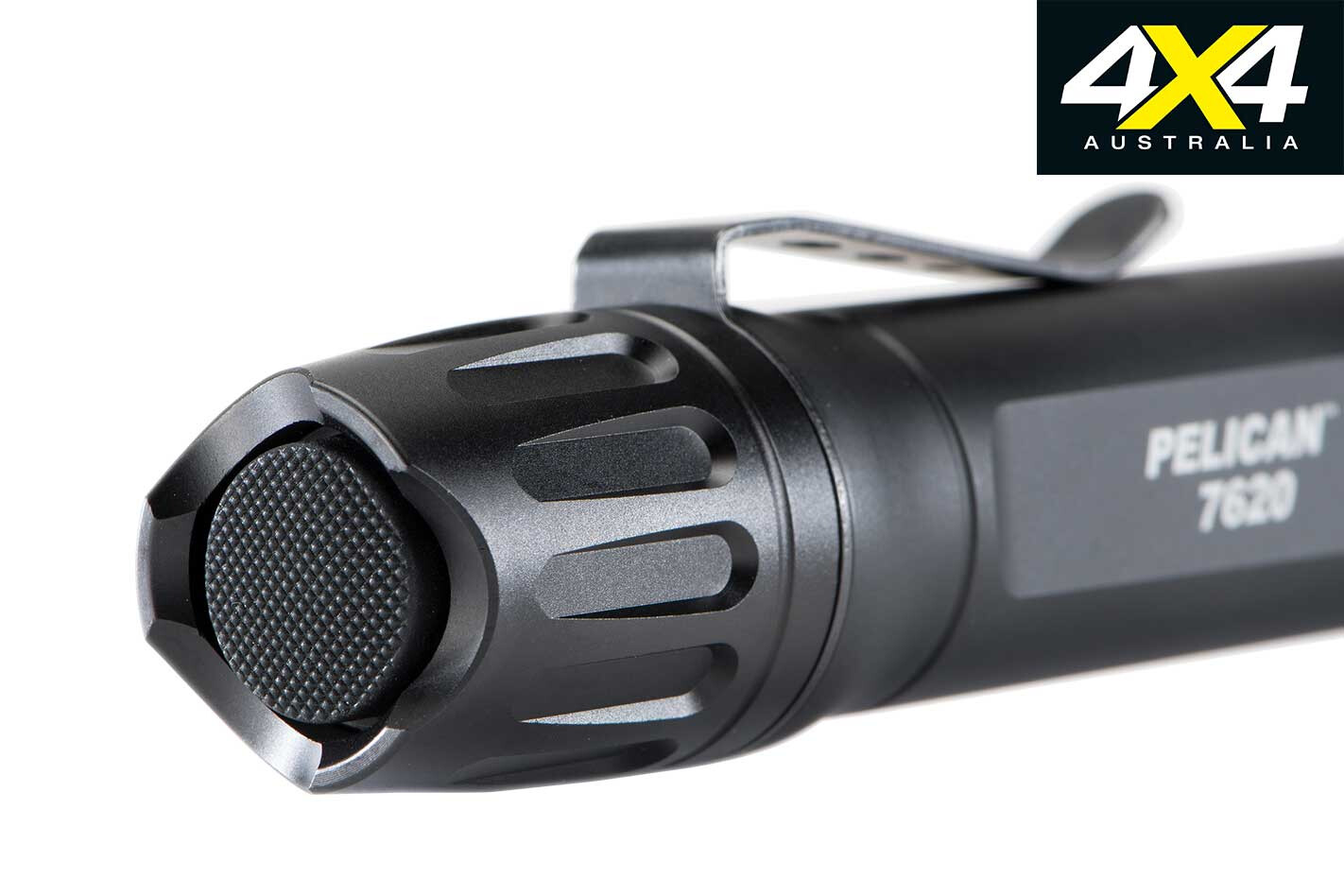
The hard-anodised outer means the torch can cop some serious punishment and still function perfectly. The belt clip also means you’ll never lose the thing at camp.
RRP: $89.95 Website: www.pelicanstore.com.au
THE Colorado has gone backwards in sales in the first six months of 2018, compared to the same time last year. The slower 2018 sales come off the back of a surge in 2017 and reverse most of those gains with a year-on-year 11.2 per cent slide.
While the Colorado has slid down, the Prado has climbed up, with the two now swapping places in the top 10.
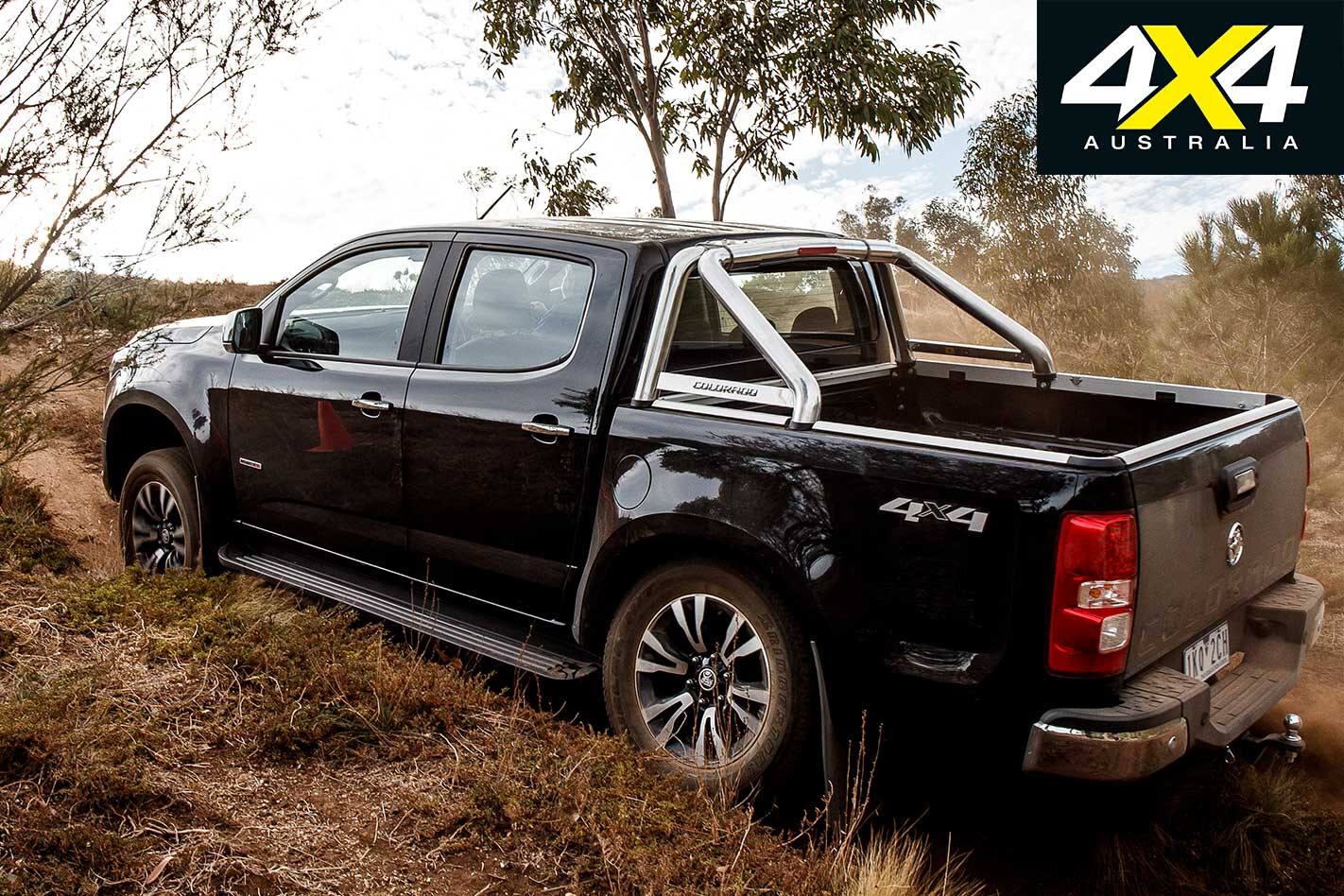
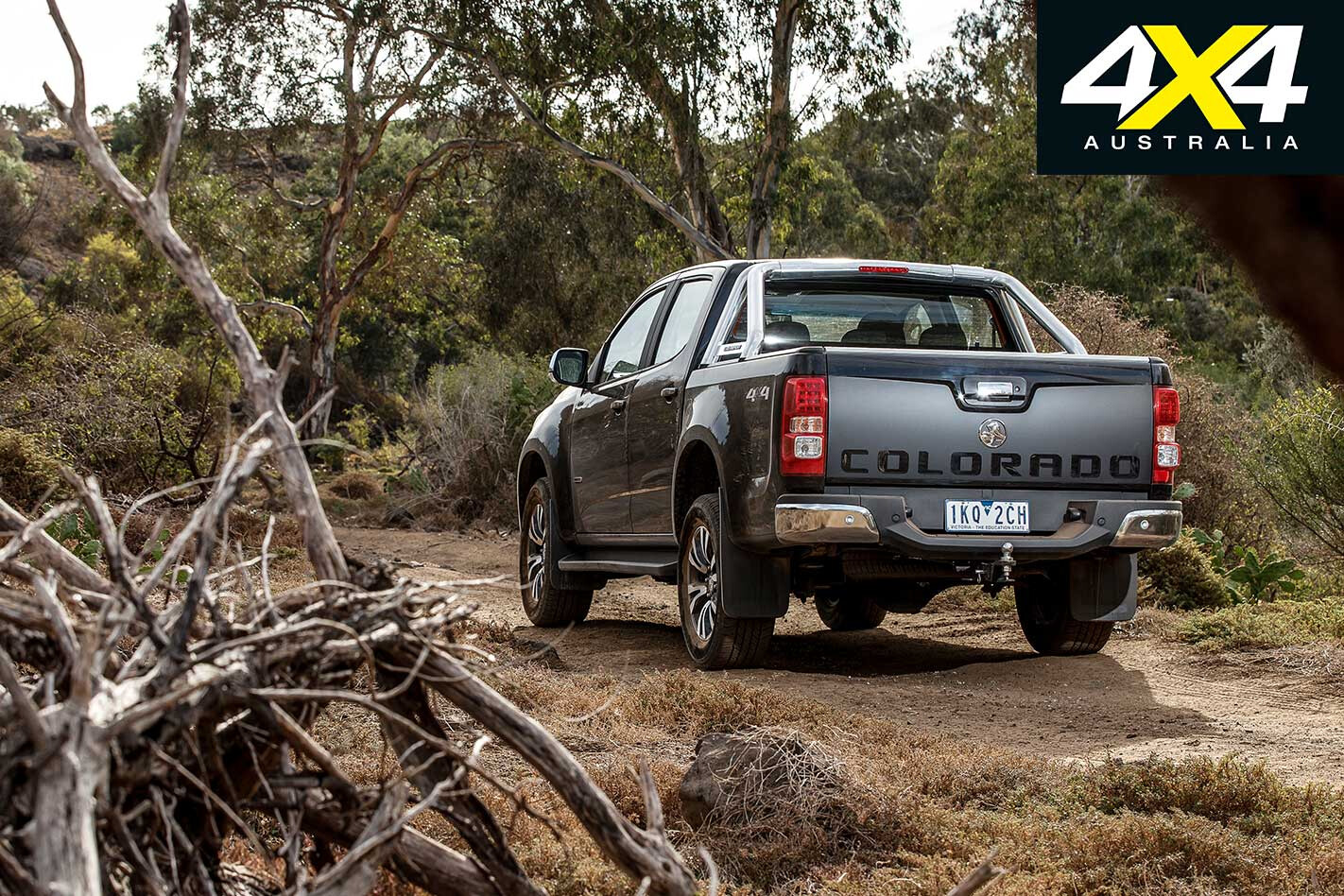
This generation Colorado first appeared in 2012, was tweaked just 12 months later and then again the year after, before being pulled completely apart and put back together again for the 2017 model year. The result was a completely different vehicle.
The changes to the engine, transmission, chassis and body were deep, extensive and thorough, resulting in a vehicle that’s far smoother and quieter engine-wise, rides and handles better on-road and is far more capable off-road.
The Colorado’s strong points include its punchy 2.8-litre turbo-diesel four-cylinder engine that lives up to the promise of 500Nm, a figure that betters the 470Nm of the notably bigger engine in the Ranger. The Colorado’s engine is revvy, willing and aided by what is the best of the automatic gearboxes in any ute bar Volkswagen’s Amarok.
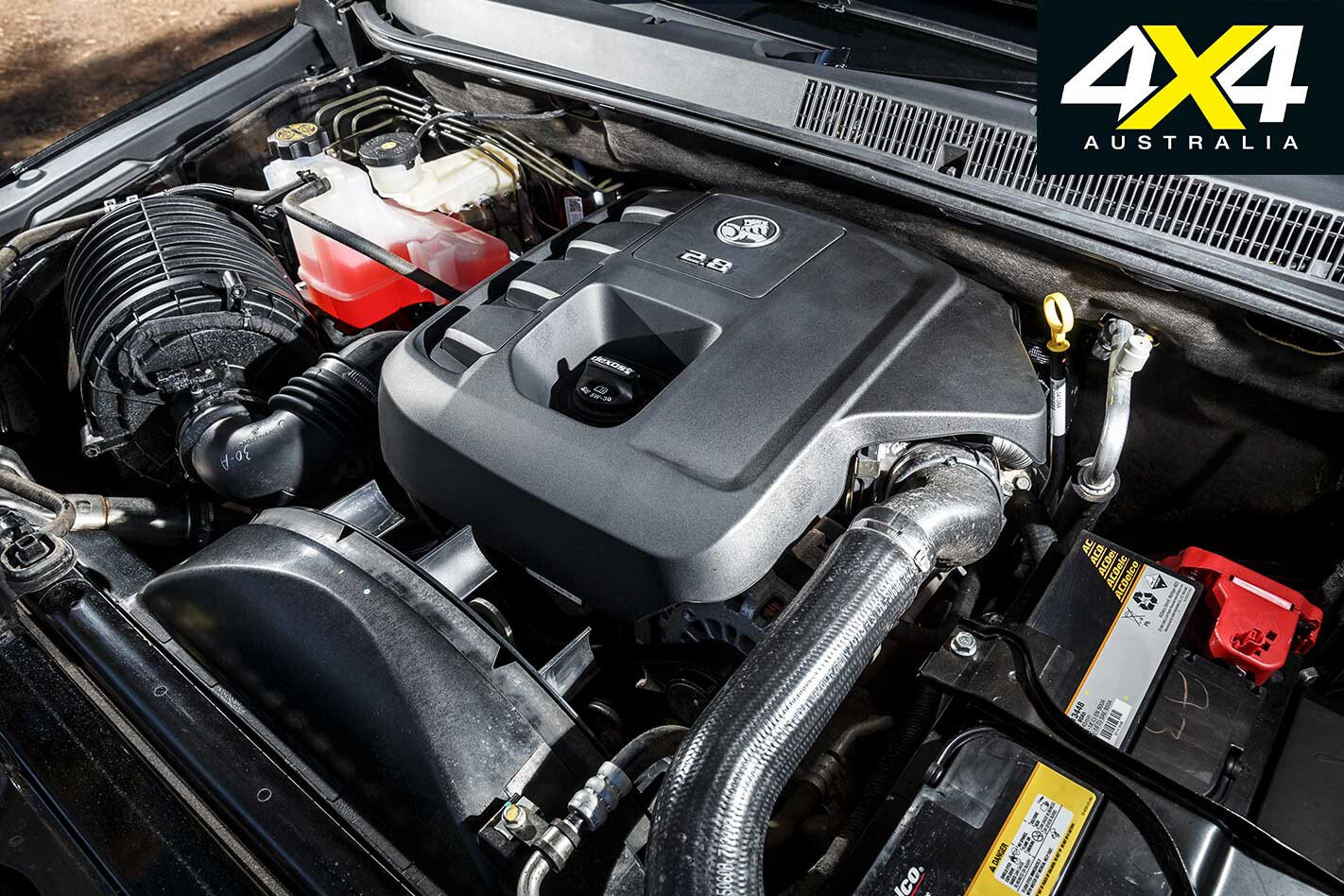
The Colorado is also a polished on-road drive in terms of its steering and suspension performance, and if you want it to carry or tow anything notably heavy, it will do that without any complaints.
Best of all the Colorado is now a much better 4×4 thanks to its electronic traction control that’s been specifically tweaked to improve its off-road effectiveness. Ultimately it’s still no Toyota Hilux, Ford Ranger or VW Amarok off-road, but it’s far better than what it was.
Holden Colorado mid-2018 Year-on-Year sales
| June 2018 YTD | June 2017 YTD | Sales Change |
| 8526 | 9603 | -11.2% |
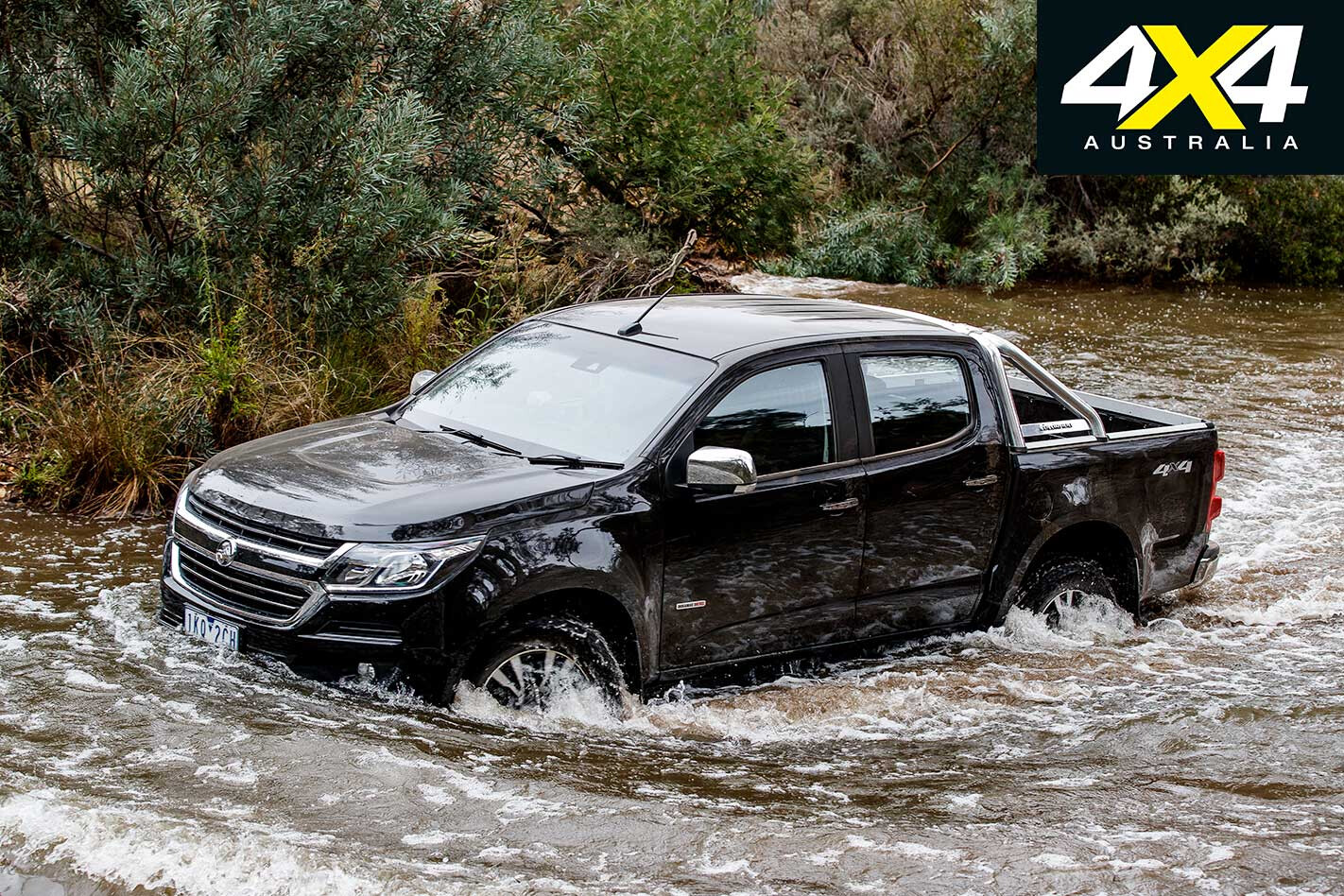
2018 Holden Colorado LTZ Specs Engine: 2.8-litre 4-cyl turbo-diesel Power: 147kW at 3600rpm Torque: 500Nm at 2000rpm Gearbox: 6-speed auto 4X4 system: Dual-range part-time Kerb weight: 2121kg GVM: 3150kg Towing capacity: 3500kg Fuel tank size: 76 litres ADR fuel claim: 8.7L/100km
Colorado 4×4 Report Card
| Attribute | Grade |
| Powertrain | B |
| On-Road | B |
| Off-Road | C |
| Cabin & Equipment | C |
| Towing & Practicality | B |
| Final Results | |
| The Colorado is finally the ute it should have been right from the start. | |
*Scored against class competitors. A = Excellent; B = Very Good; C = Good; D = Fair; E = Poor; F = Fail.
BACK in July we dissected off-road tyres, and this month one we’re taking a closer look at what lives inside that rubber: wheels.
A set of off-road wheels are an integral make-up of any serious touring machine; a good set from a respected manufacturer – wrapped with good quality rubber – ensures peace of mind when pointing your bullbar toward a crumbly climb.
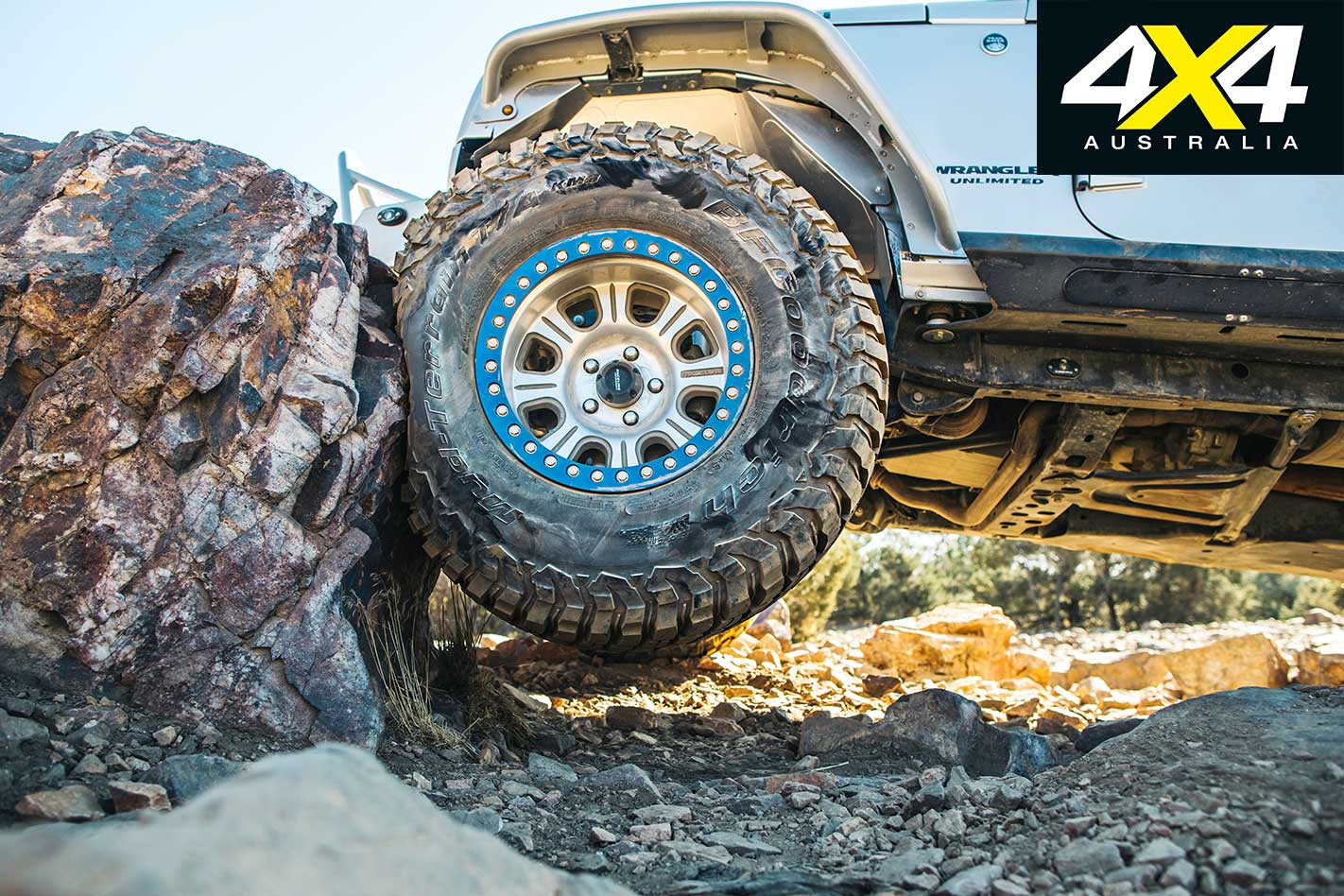
But what kinds of wheels are better for off-roading? What sizes should you be looking at what? What are they made of? And what are the benefits of different compositions? We chatted to a few experts to get to the bottom of all these questions.
Upgrade your 4×4
-
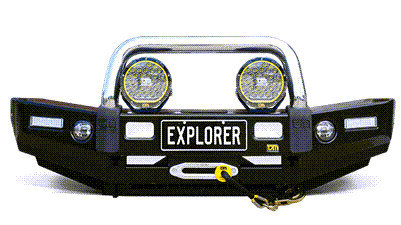
Bullbars
-
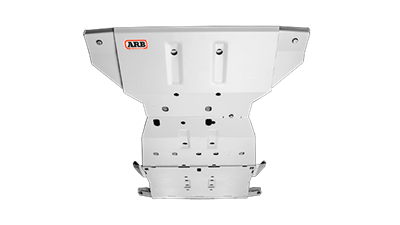
Underbody Protection
-
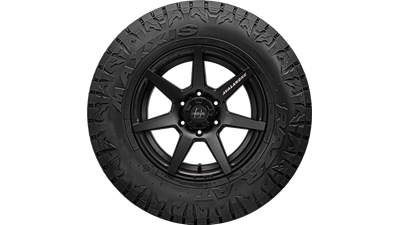
4X4 Tyres
-
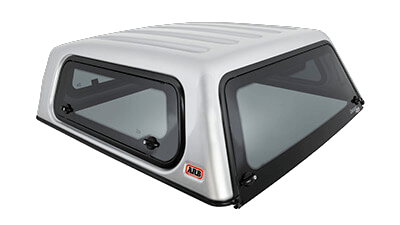
Canopies
-
Roof Racks
-
Storage
What Should You Look For?
CRITICAL things to keep in mind when prowling the various catalogues for a new set of rims is size, construction and whether they’re load-rated to suit the GVM of your current 4×4.
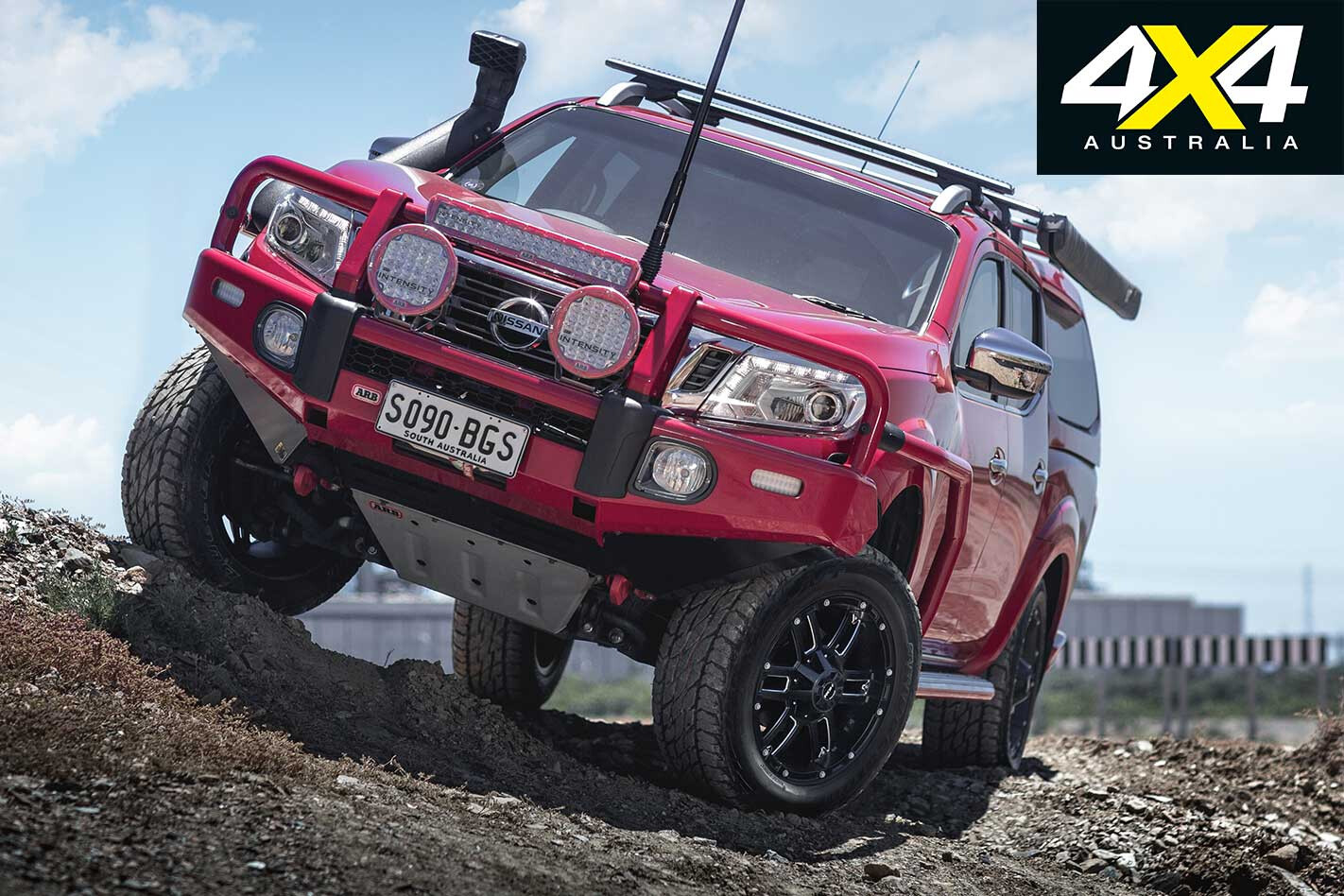
Compliance to AS1638 or equivalent JWL, VIA, SAE standard is also vital, according to Glynn Helgeson, product designer for ROH Wheels. This is to ensure the wheel has survived adequate testing and is constructed correctly.
“Buy a reputable brand,” Helgeson added. “You don’t want to be stuck out in the middle of nowhere with an unusable wheel due to a slight off-road incident.”
Corey Longstreth, art director at MHT Wheels, added it’s also important to keep an eye out for exposed lug bolts, because if they get damaged, removing them could prove difficult.
Steel or Alloy?
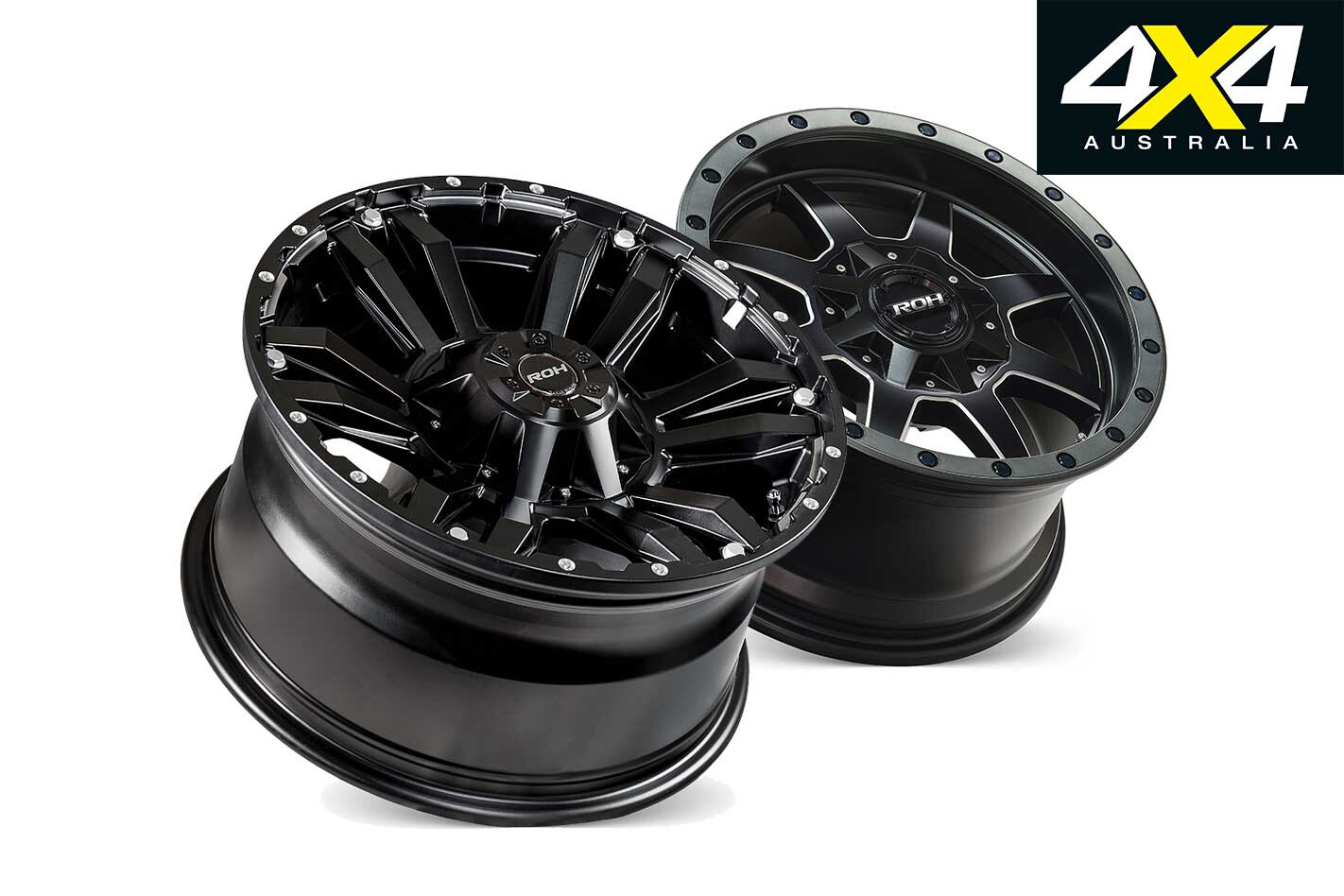
THE differences between alloy and steel wheels are obvious from a visual perspective, but the reason alloy wheels are popular goes much deeper than simply optical appeal.
Alloy wheels are lighter, tend to be stronger and have greater heat conduction, which can be beneficial in tricky terrain. In contrast, steel wheels are heavier and don’t pack as much of a visual punch, but can be easier to repair – something of extreme importance for remote-area travellers.
Helgeson told us: “Steel wheels are inexpensive and strong, yet heavy compared to alloy wheels. Alloy wheels are lightweight, corrosion resistant and look great, but they’re more expensive than steel wheels.
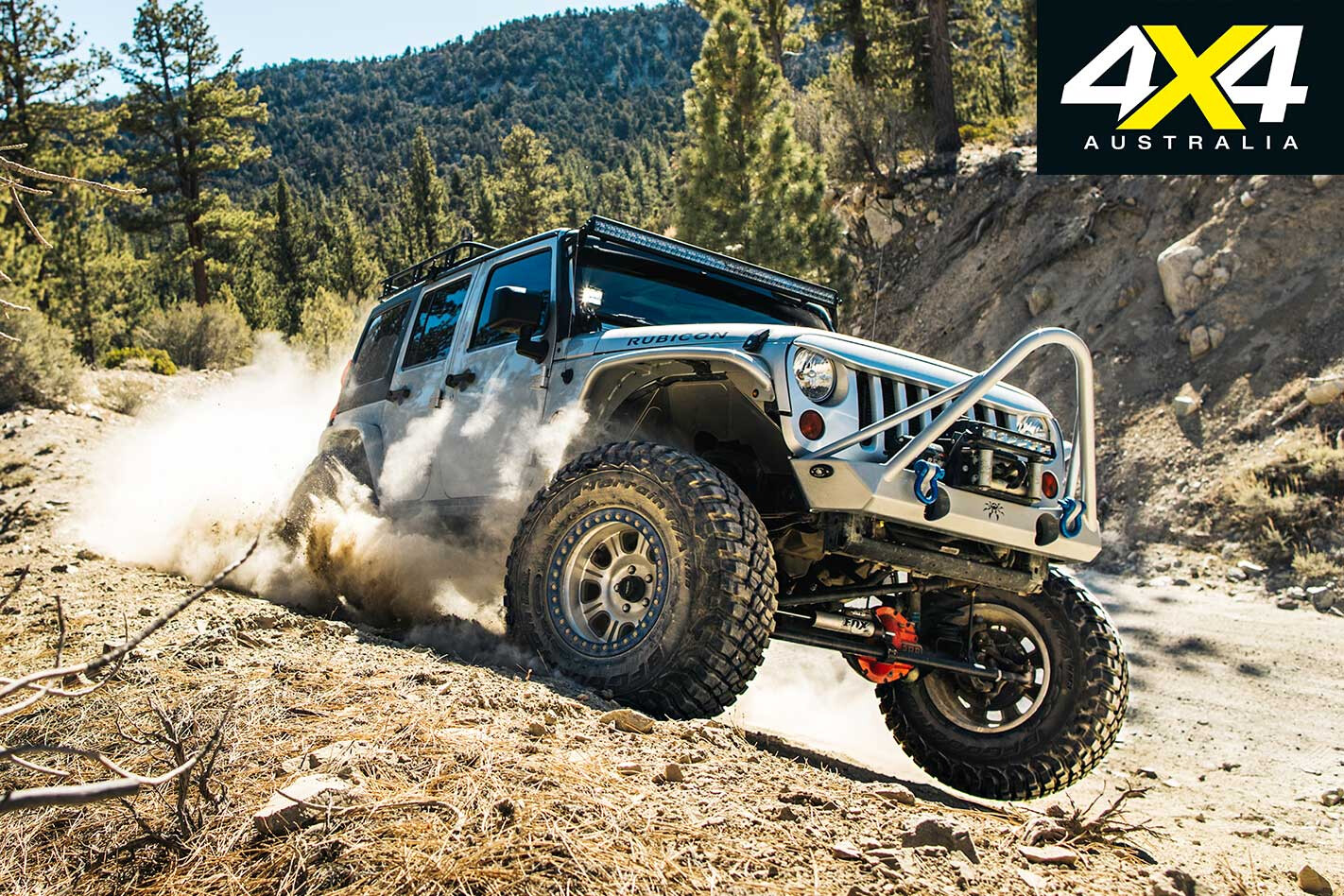
Martin Tonkin, GM of Allied Wheel Group added: “Steel wheels are cheap and can be banged back into something that can get you home, but that’s about where it stops. However, they’re heavy and often not hub-centric, so vibrations are a common issue on late-model cars. They’re usually not as tough-looking as a well-styled alloy, and only as strong as the welds that hold it together.”
Tonkin was more positive when it came to alloys: “There’s an excellent range of designs and offsets. If a reputable high-load brand is bought, the wheels will be substantially stronger. They can often be custom-drilled to more uncommon offsets or fitments, and can usually be made hub-centric.”
However, he said if an alloy gets a crack they often can’t be repaired; and they can easily be damaged on rocks. “They’re usually at two to three times the price of steel wheels,” he added.
Risks of Buying Online

PICKING up a set of wheels from an unknown website might save you time and money, but there are reasons why you should avoid purchasing from companies that lack a reputation in the industry.
The most important reason is that buying from a reputable brand means you’ll get a factory-backed warranty – as opposed to a lack of product liability from some online eBay sellers – and adequate customer support and service.
“Be aware of ‘no-name’ brands online,” Tonkin said. “These are usually imported by smaller companies looking for a quick buck. You can still buy trusted-name wheels on eBay, but make sure you check that the seller understands your vehicle’s offset and specific needs, particularly if you are unsure yourself.”
“The wheels might be cheaper, however there is a greater possibility of fake wheels, copies and wheels which aren’t tested adequately,” Helgeson added. “Again, you don’t want to be stuck out in the middle of nowhere with a cracked or bent wheel.”
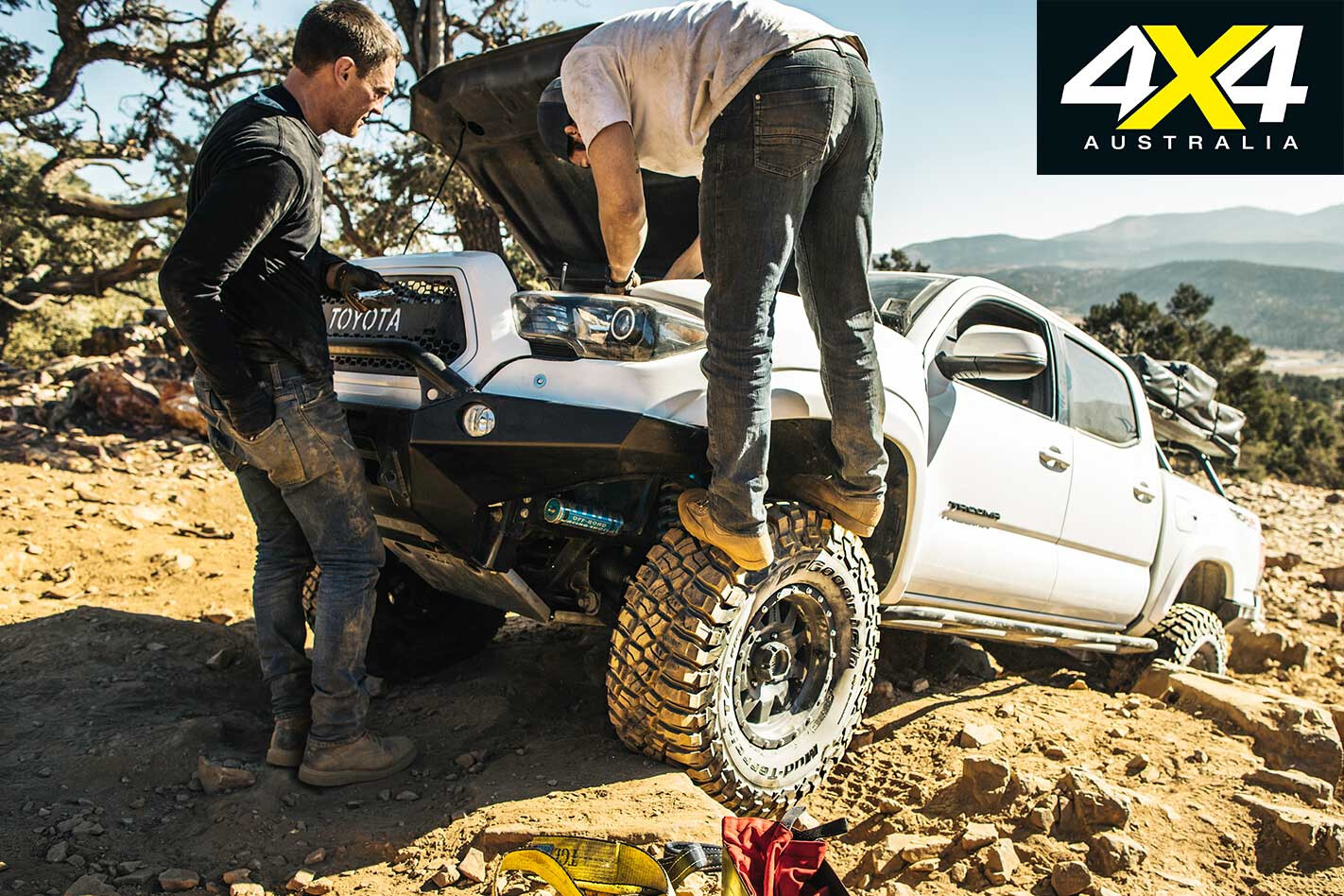
MHT’s Longstreth reiterated that point: “When buying any wheel it’s important to know it’s been manufactured and approved to the standards of the country it’s being driven in.”
“Not having proper certification can cause legal issues and in extreme cases could potentially expose to potential for failure.”
Size Matters
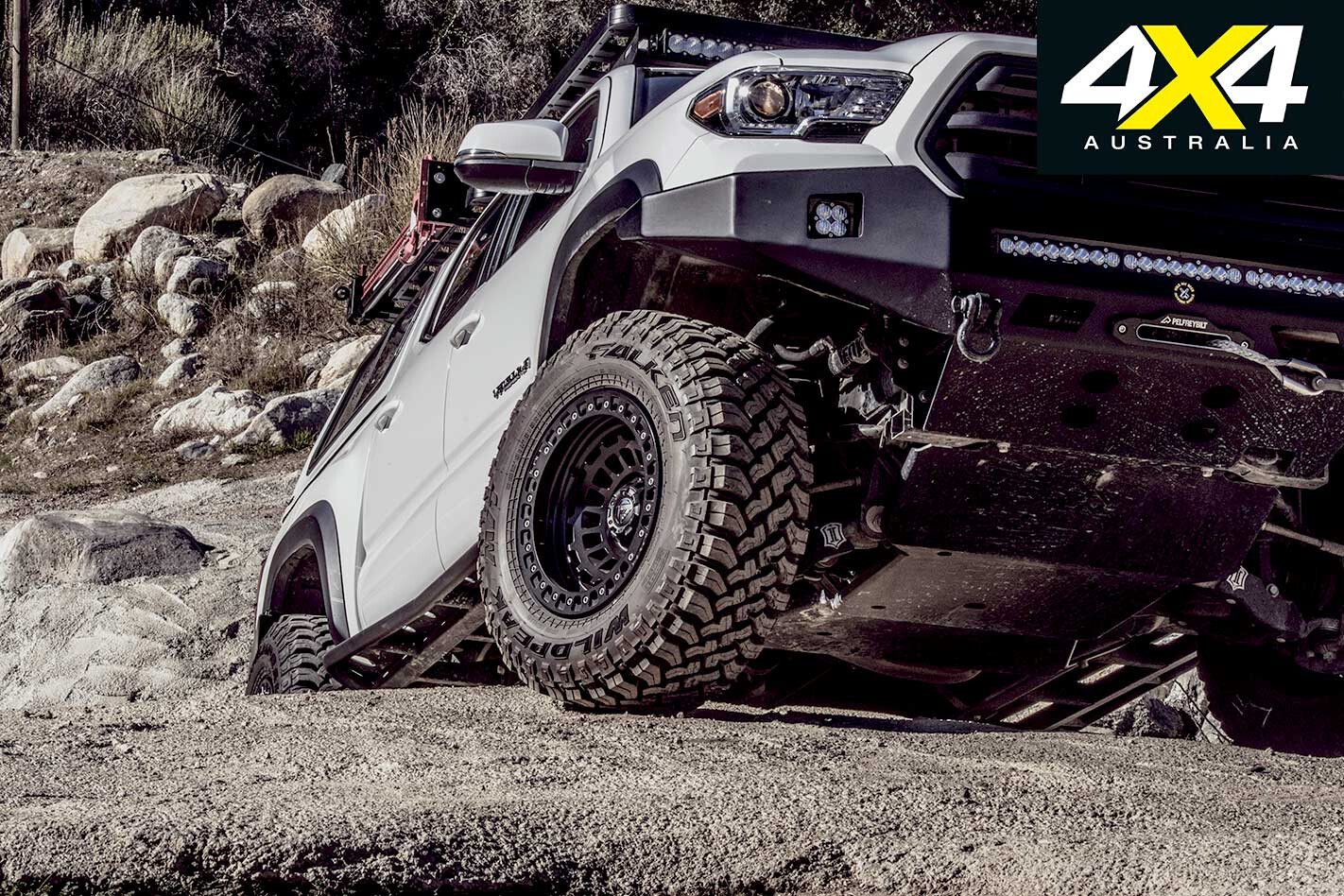
WHEEL SIZES in the off-road world typically range from 15 to 20 inches, but the larger the diameter the more impractical they become when tarmac turns to dust and eventually mud.
“Multiple sizes are available,” Helgeson said. “However, 16- and 17-inch are the most common off-road sizes due to being able to maximise the sidewall of the tyre to absorb impact and shock.”
A bigger sidewall tyre affords more protection for the rim, which, as mentioned previously, is possible due to the size of the rim itself, as Tonkin explained.
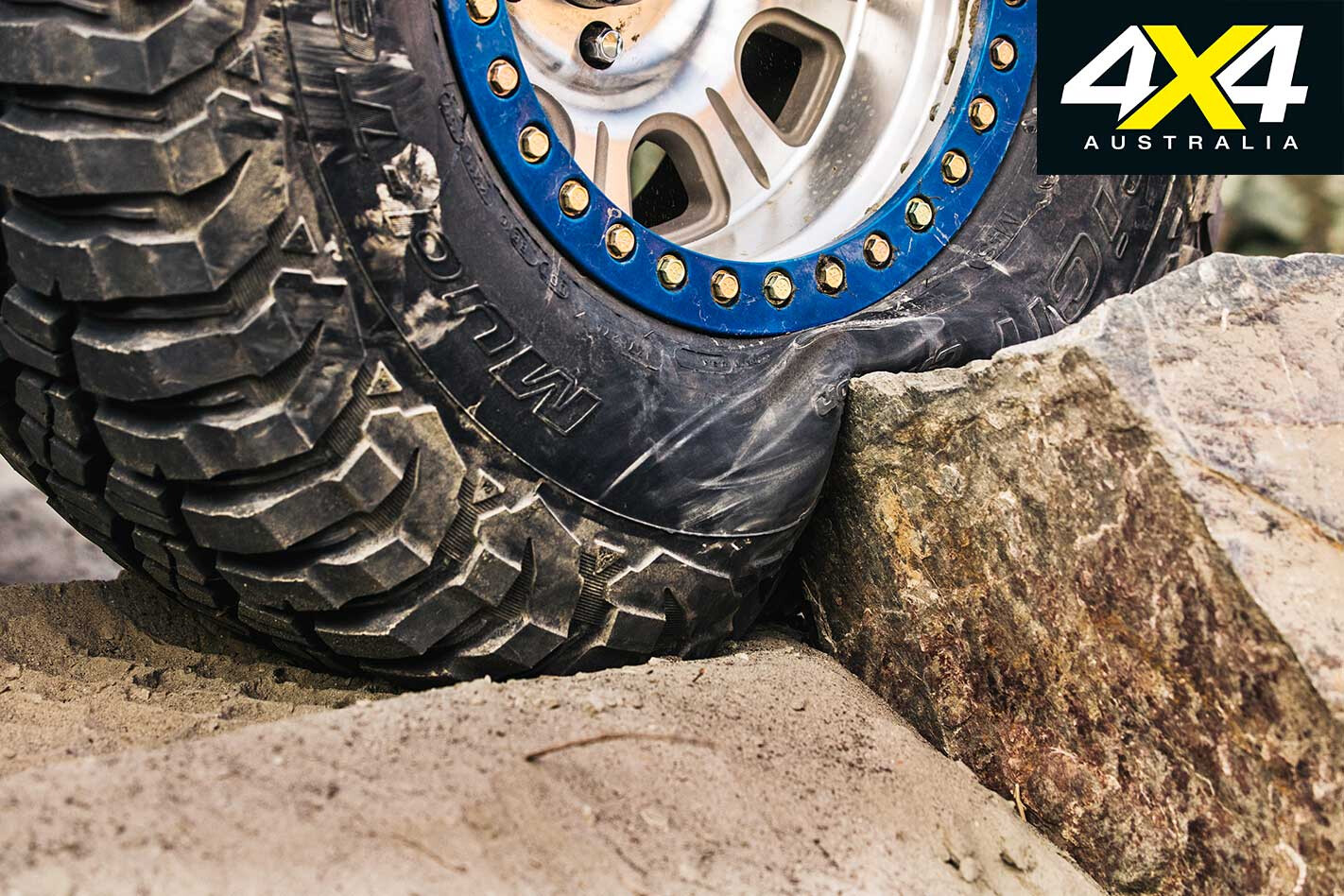
“Smaller diameter wheels allow a bigger sidewall tyre, and hence can protect the rim more from a hit from the tyre’s sidewall profile. Lower profile tyres have less of a sidewall and can mean the wheel is less protected and more prone to copping the full force of a hit directly to the wheel.”
Longstreth says that there are other things to keep in mind when opting for smaller diameter wheels: “Smaller diameter wheels can allow you to run a larger tyre, which, in-turn, can have the ability to create a larger contact patch; but, at the same time, it might have a rotational weight penalty from the additional rubber. Smaller wheels severely limit brake sizes.”
But how do you decide what’s best? Well, the choice is dictated by tyre size and OEM wheel size limitations.
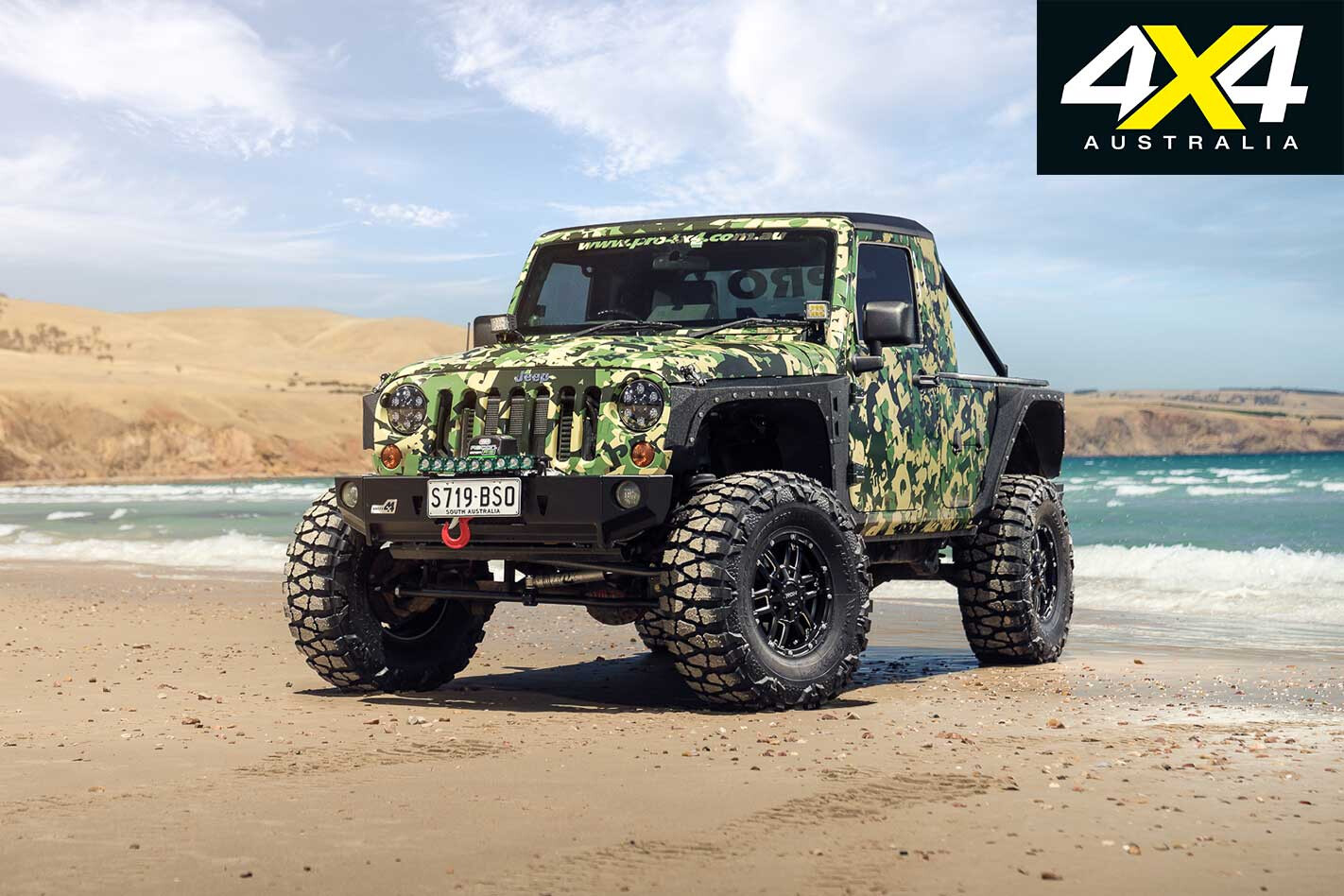
“Wheel size is now dictated by tyre choice and OEM wheel size limitations,” Helgeson says. “17-inch now has the greatest variety of tyre choices; what to pick depends on what terrain you will cover, i.e. sand, rocks, mud, etc.”
“Off-roading on 18-inch or 20-inch wheels is probably not the best idea as you’ll feel every bump, however good 18-inch off-road tyres are now readily available for vehicles which cannot downsize due to a large OEM wheel size,” he added.
However, it’s important to remember that consumers will run into clearance issues when they increase a tyre’s diameter and lower the offset. “This is why it’s recommended as you increase size to also lift the vehicle,” Longstreth explained.
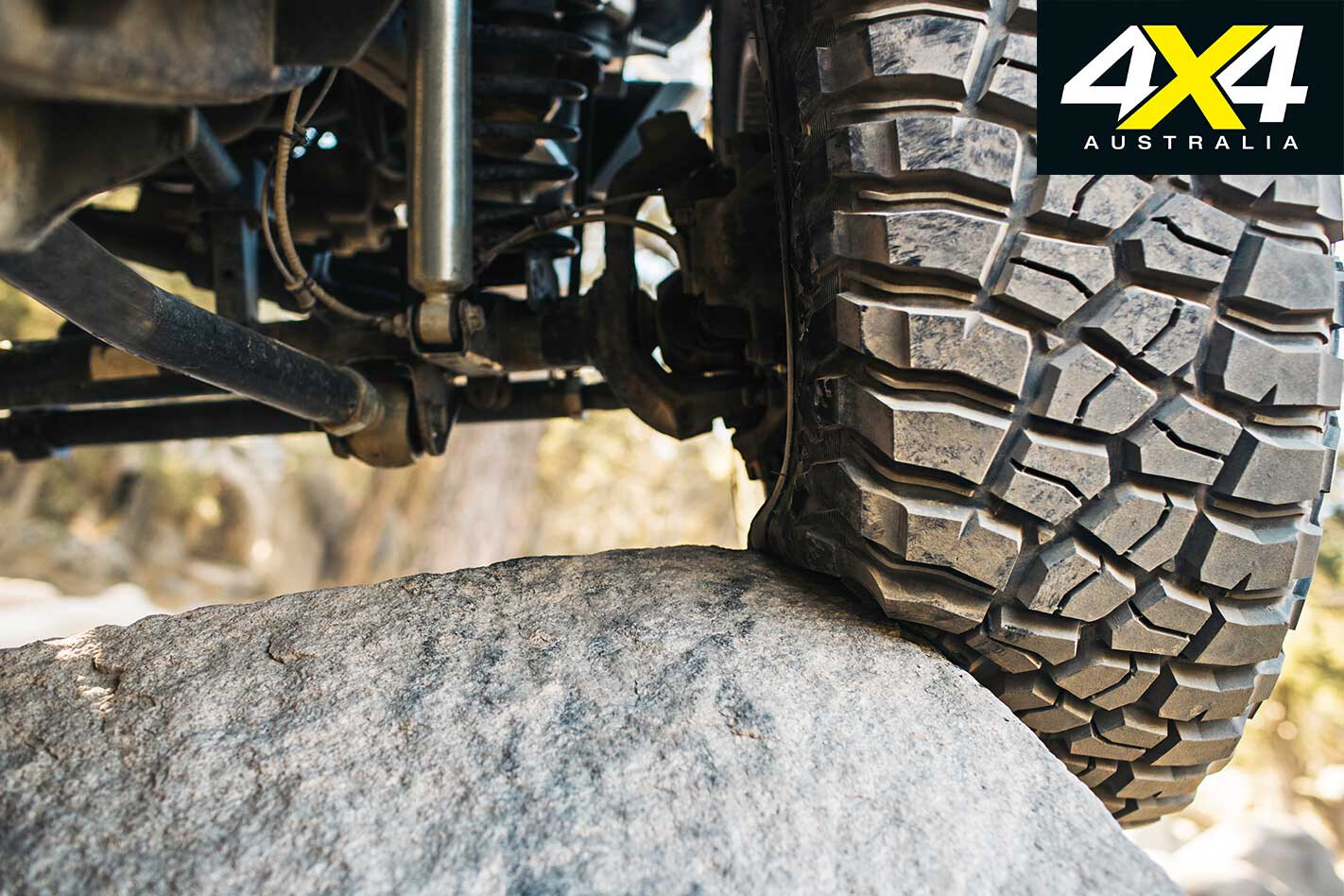
“As you increase the diameter of a wheel you can, at the same time, limit the tyre sidewall size you can run. If your vehicle is lifted and can fit a 33-inch tyre, going from a 15, to 16, to 17 (and up) limits sidewall selection. This can have an adverse effect on ride quality as well as the ability for the tyre to flex over objects.”
Another thing to look out for is wheel poke, as in, how much the wheel sticks out. “The more ‘poke’ on your wheels potentially can mean you will graze them against things if outside the line of your cars body,” Tonkin says. “Then again, wider fitments can give stability and allow for a larger footprint on the dirt.”
Numbers Game
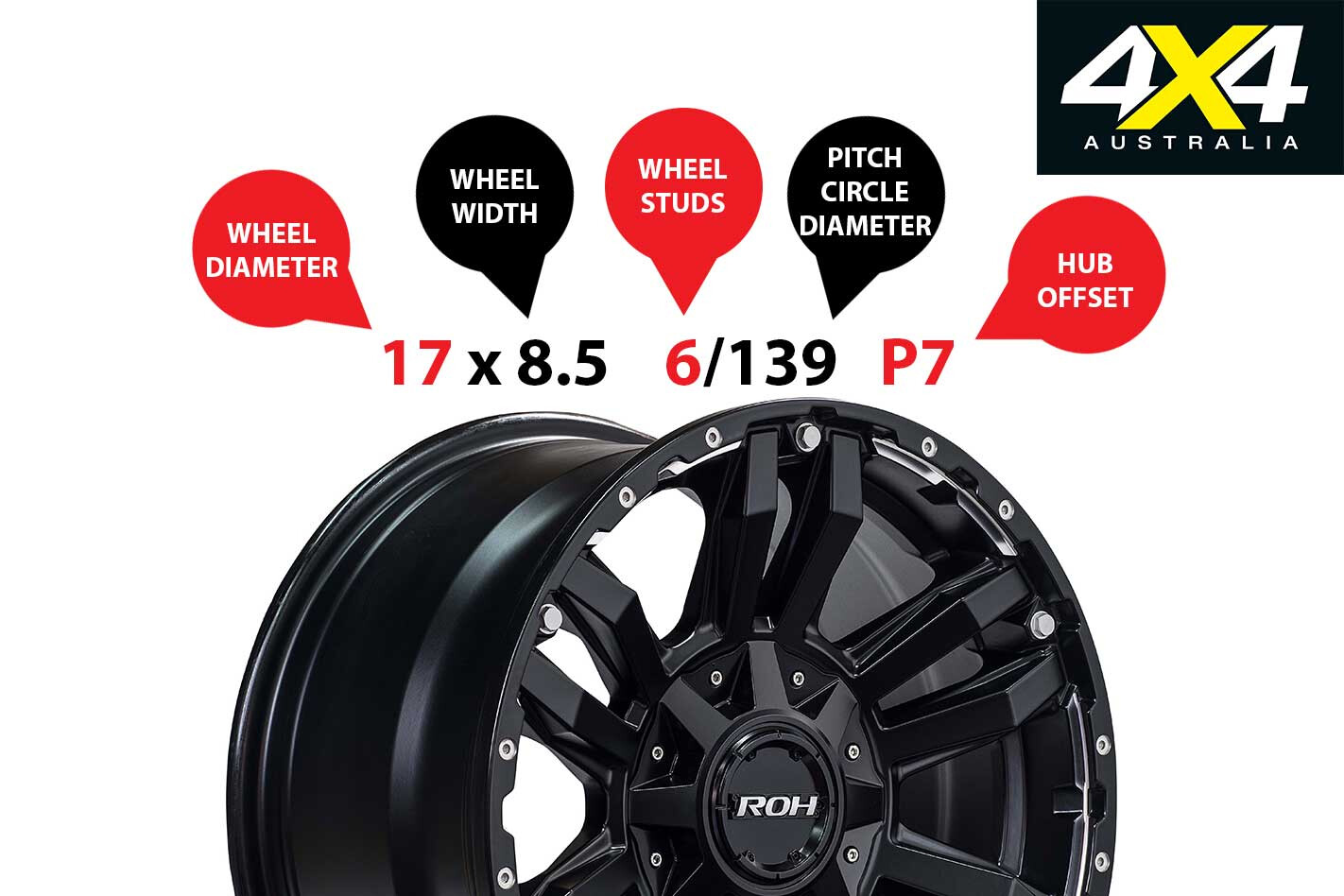
WHAT do those numbers on a wheel mean? Well, using 17 x 8.5 6/139 P7 as an example, the first number is the wheel diameter in inches (so 17 inches); the second number indicates the wheel width in inches (in this case, 8.5 inches). We’ve covered the importance of a wheel’s diameter, but the wheel’s width is important because the wider the wheel, the more horizontal grip will be provided.
The next number (6) indicates the number of wheel studs, followed by the Pitch Circle Diameter (139), which is the diameter, in millimetres, of the circle which passes through the centre of all the studs, wheel bolts or wheel rim holes.
The next digits (P7) explain the offset of the wheel, from the hub mounting surface to the centre of the wheel. Also measured in millimetres, the wheel offset results in a positive, negative or zero offset – in this case, positive 7mm.
Beadlocked & Loaded
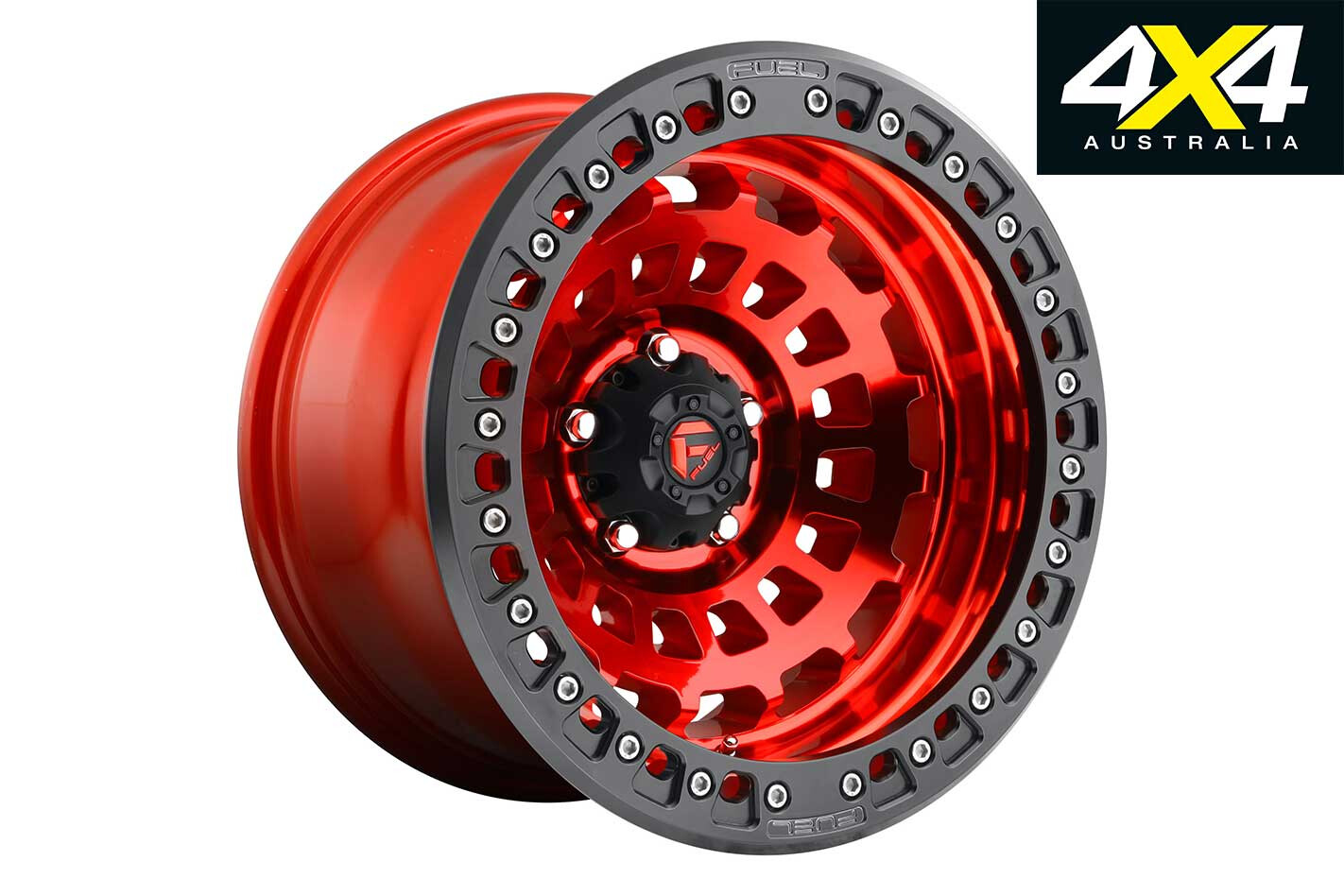
“DEPENDING on the degree to which one is involved with off-roading, things like true beadlocks can aid in the ability to traverse difficult terrain at lower tyre pressures without de-beading the wheel accidentally,” Longstreth told us.
A beadlock is a device typically used in competitive and extreme off-roading to secure the bead of a tyre to the wheel of a vehicle. It’s so that in situations where a tyre’s low pressure can’t hold the bead of a tyre, the beadlock will keep the two rotating together. Typically you’ll find it’s a ring with bolts clamping the wheel and tyre together.
“A beadlock is designed to be used to hold the tyre on the wheel, when low pressures are being run on your wheels. The ring is designed to hold tyre on so it doesn’t roll off the rim,” Tonkin said. “Low pressures increase surface area of the tyre for traction in the dirt. It’s not really necessary on most applications, it will just mean pressures can be down as low as 1-5 psi for extra bag.”
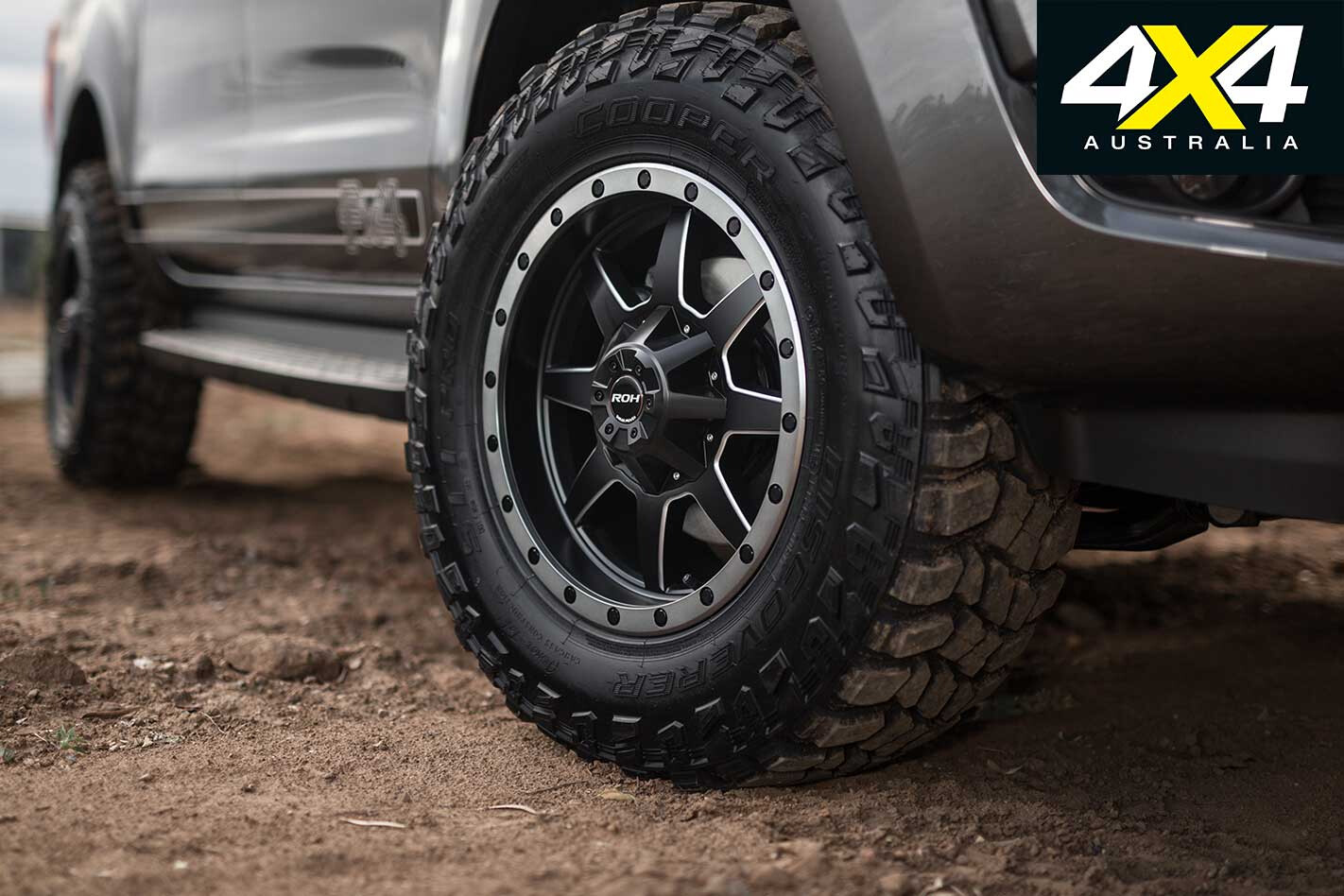
They might look the bee’s knees beneath your decked-out tourer, but it’s important to remember that they aren’t legal for road use in Australia.
“Beadlock wheels are strictly for off-road use only and not legal for road use in Australia,” Helgeson told us.
Across the ditch in the USA, Longstreth confirmed that certifying beadlocks for street use is also not possible as there’s currently no federally approved method for testing.
Why are they illegal? Well, safety reasons mainly, as problems could arise from interfering with the structural rigidity of the vehicle.
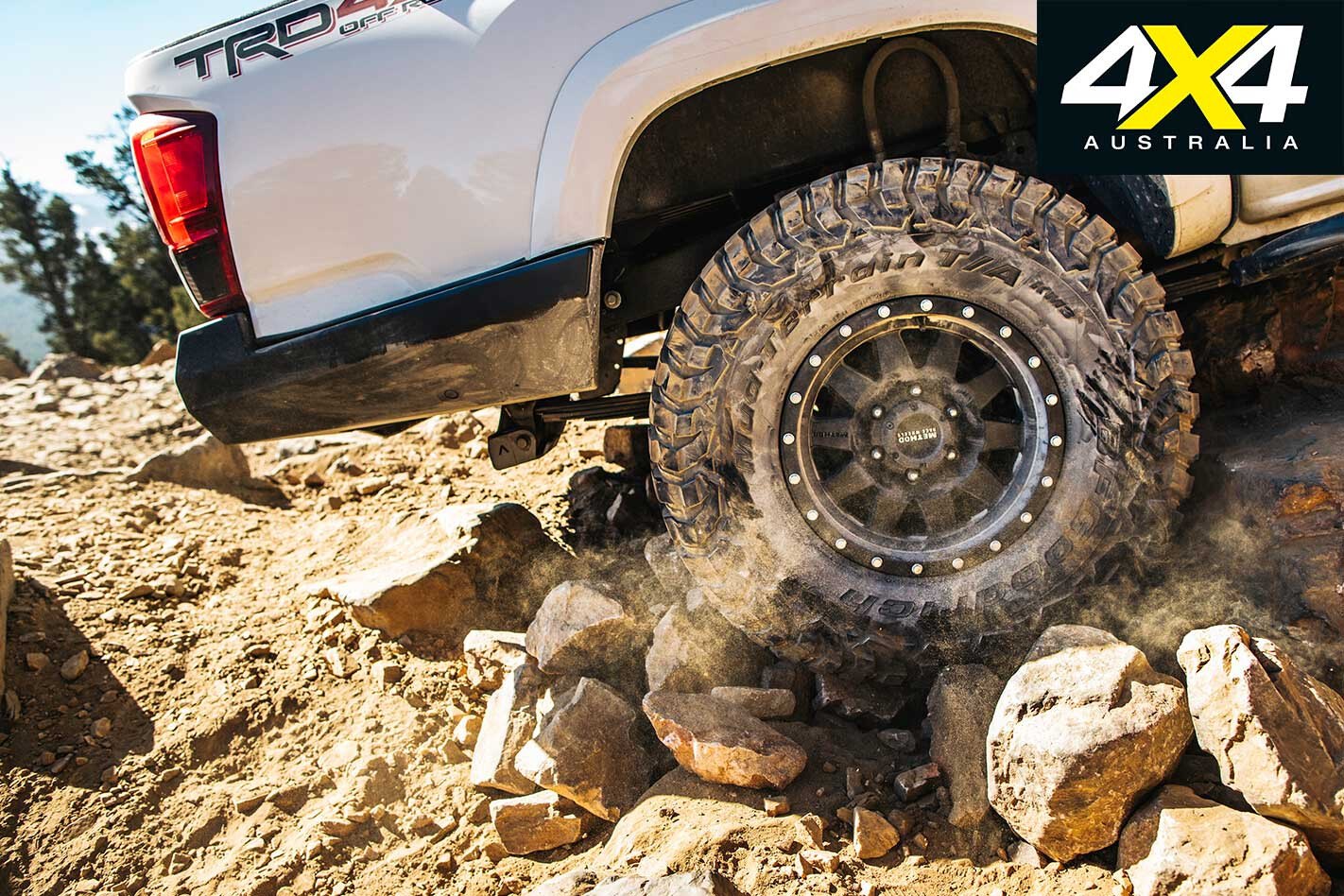
However, Longstreth reckons times are changing: “The old fear and misconception that beadlocks don’t balance well or tend to leak comes from an era where manufacturing technology and economies of scale simply didn’t apply,” he said.
“Too many makers of old beadlocks were simply cutting apart wheels and welding in new parts. This method was, at best, mildly accurate. With the invention of tighter manufacturing tolerances for OE and non-OE parts and automated machines, manufacturers can (now) build wheels that meet most applicable standards.”
Load Ratings
“A wheel load rating is the mass the vehicle must support on that corner of the vehicle, sometimes referred to as axle loading,” explained Helgeson.
“In theory, the mass distribution should be equal at all four corners of the vehicle – i.e. 50:50 mass distribution, so each wheel would need to carry 25 per cent of the total GVM,” he said. “However, mass distribution in 4×4 vehicles may have a 60:40 split, so the rear wheels may need to carry more load than the front wheels.
“To account for this we calculate the required wheel loading by multiplying the GVM x 0.3 which allows for a 60 per cent loading on one axle.”
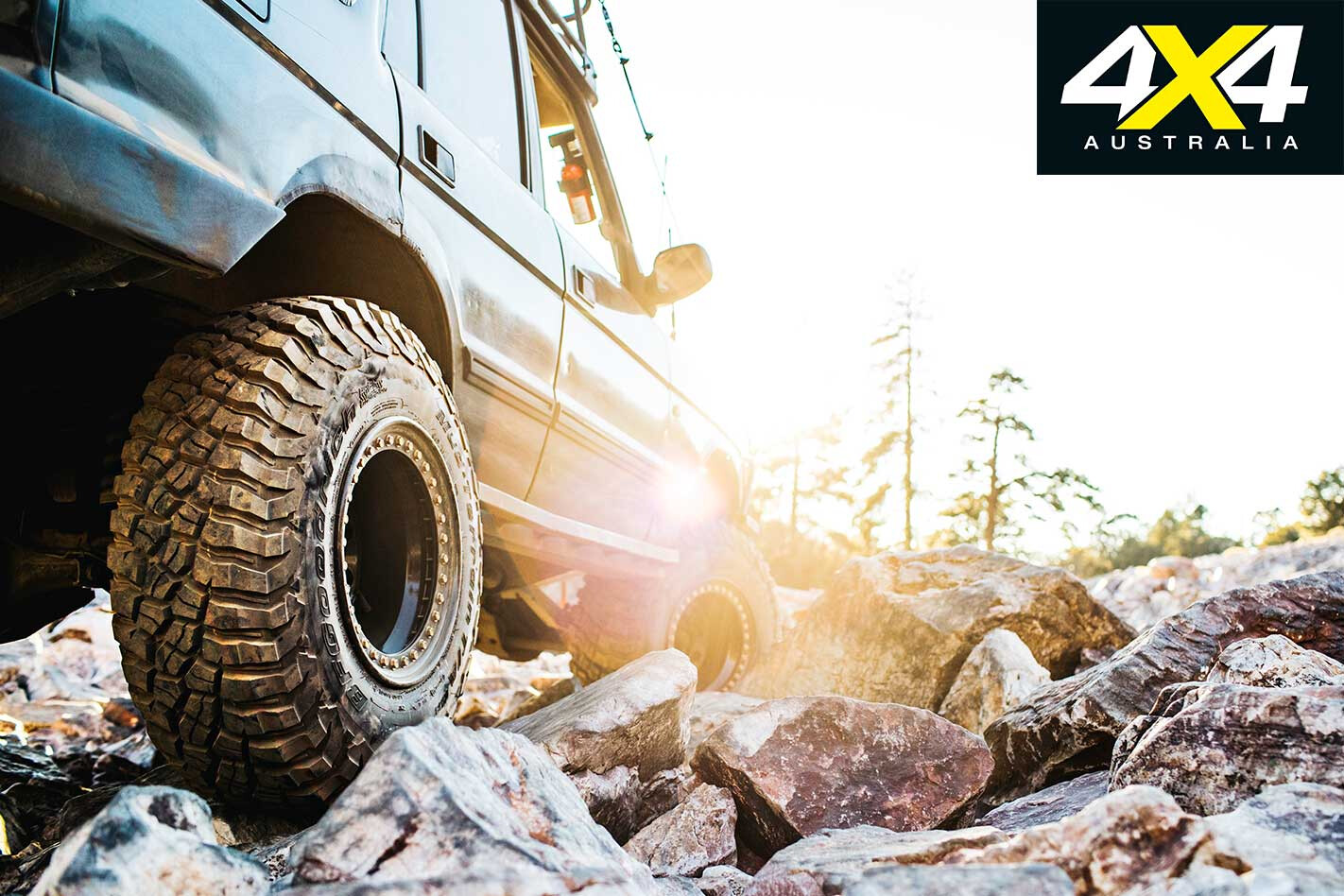
Helgeson added that this is a rule of thumb and should be calculated accordingly if you have heavily modified your vehicle.
The consequences of not adhering to load ratings go beyond voiding your insurance or having a car that’s no longer roadworthy. Having an overloaded vehicle with wheels that aren’t load-rated to suit can put your life at risk, as well as others on the road.
“Consumers should be looking at the wheels load rating if specifically buying the wheels for off-road use,” said Allied’s Martin Tonkin. “A high load rating will help when putting your wheels through some serious 4×4 driving.”
MHT’s Corey Longstreth explained to us that a wheel’s load rating should not be exceed by a vehicle’s heaviest gross axle weight, divided in half.
“For example, if your vehicle’s heaviest axle weight is 4000lbs and the wheel you’ve selected has a load rating of 1500lbs, then you have exceeded the load the wheel can carry by 500lbs,” he said. “While this might not mean immediate failure of the wheel, it can lead to a potentially catastrophic failure of the wheel that could have fatal results.”
“Manufacturers will tell you to never exceed the load rating because extensive FEA analysis has determined that number is the maximum load the wheel can support failure of the wheel could occur and that could potentially create an accident on the roadway.
“If the failure of the wheel is determined to be the cause by police or insurance inspectors, denial of insurance claims could occur as well as any potential legal issues associated with the accident.”
4X4 Australia's project builds
Product Offerings
ROH WHEELS
ROH has a range of off-road wheels in its showroom – Beadlock, Vapour, Assassin, Redback Assassin, Patriot, Trojan, Octagon, Terrain, RTX, RTX LC100/200 and Impact – in a variety of sizes and finishes. ROH offers a lifetime structural warranty, three-year painted finish and one-year accessories warranty.
Website: www.roh.com.au
ALLIED WHEELS
Allied Wheels stocks a massive catalogue of 4×4 wheels in different styles and sizes – Brute, Byron, Goanna, Jet, Kakadu and Savanna, to name a few. For warranty information, contact Allied or visit a distributor.
Website: www.alliedwheels.com.au
MHT WHEELS
The American-based company has a catalogue overflowing with quality off-road wheels. There are plenty of dealers Australia-wide that can help you fit a set to your 4×4. MHT’s warranty guidelines say: “Under normal and reasonable use, wheels produced by MHT Wheels are warranted against defect in workmanship or materials to the ORIGINAL owner/purchaser for a period of one year from the date of purchase.”
Website: www.mhtwheels.com
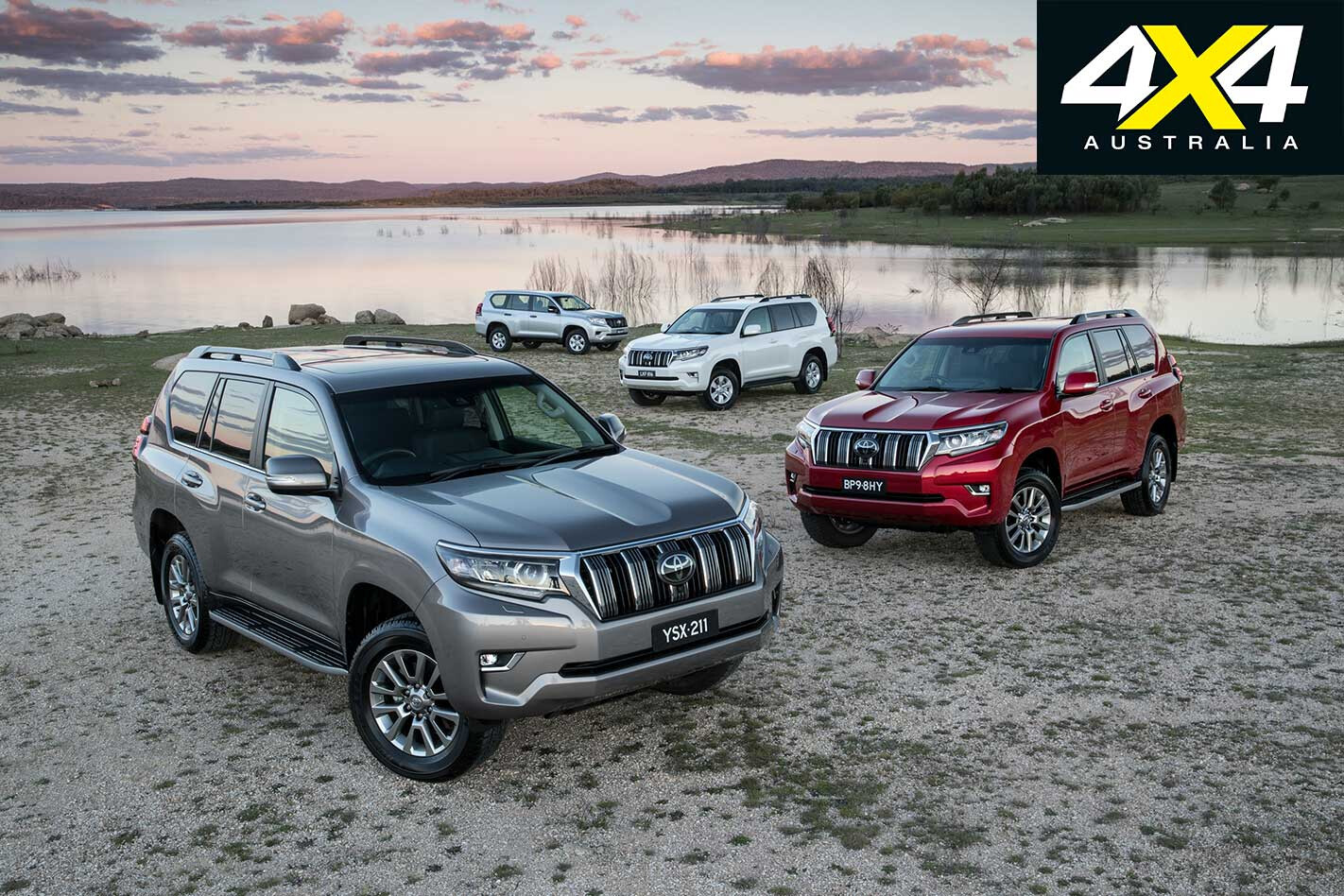
JUST when you thought the days of the 4×4 wagon were numbered due to the dual-cab onslaught, the Prado has fought back to take fourth place in the top 10 and move past Holden’s Colorado.
Prado year-on-year sales are up around 7.0 per cent off an increase last year and in spite of the popularity of dual-cab utes and more direct competition in the form of Mitsubishi’s Pajero Sport, Isuzu’s MU-X, Ford’s Everest, Holden’s Trailblazer and Toyota’s own Fortuner.
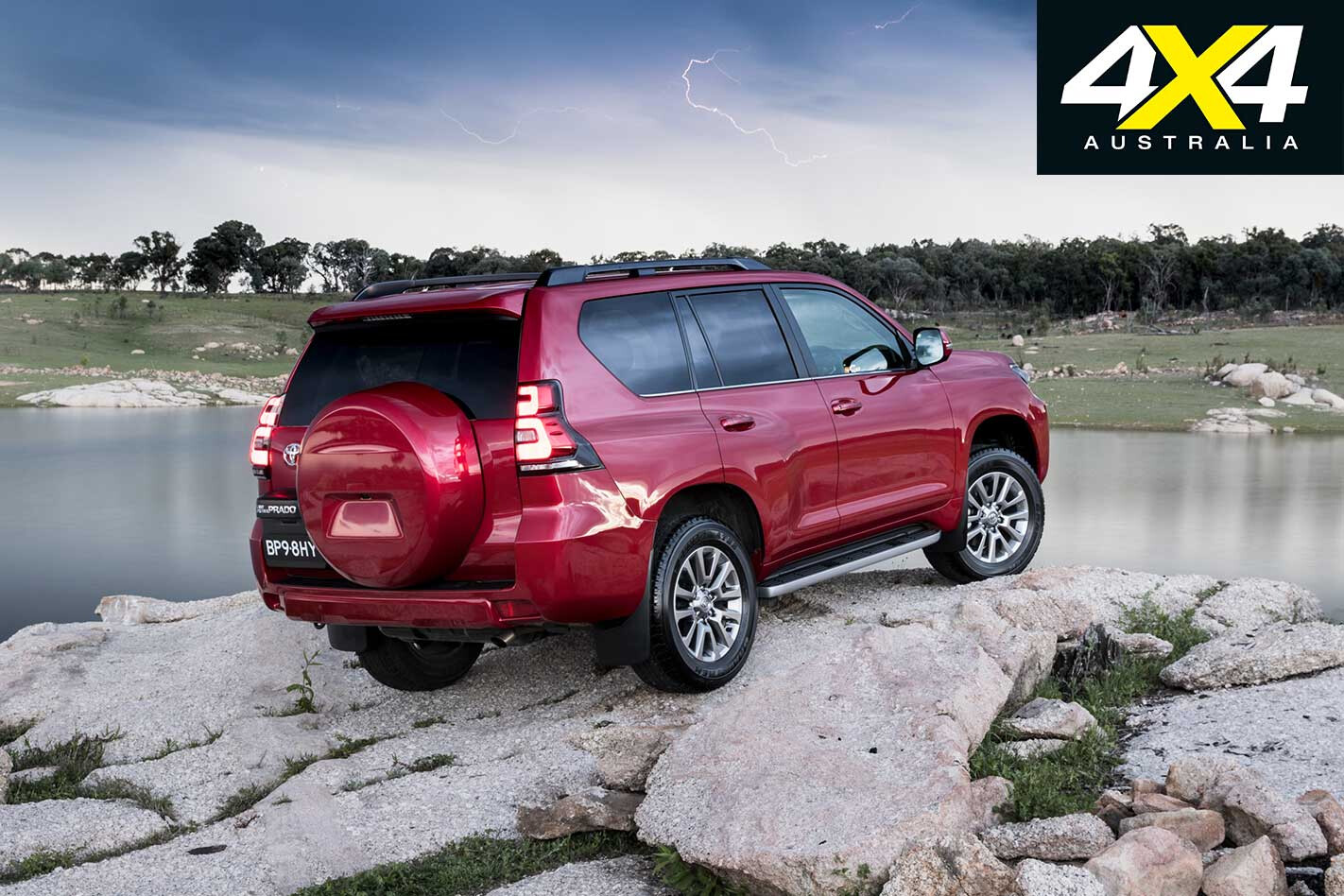
Looking at the broader picture, Toyota now sells more Prados than it did five years ago, despite a lack of direct competition back then beyond Jeep’s Grand Cherokee.
After a slow start in late 2015, the Prado’s then newly arrived 2.8-litre diesel has been accepted as a decent replacement for the previous 3.0-litre diesel. And while the 2.8 isn’t a particularly exciting engine, it’s certainly quieter, smoother and generally more refined than the previous 3.0-litre and is both torquey off idle and still happy to rev.
It’s offered with a six-speed manual (used with the 3.0-litre engine) and a six-speed gearbox, which has two overdrive ratios, whereas the previous five-speed had a single overdrive. If anything, sixth gear is too tall and it’s a shame Toyota didn’t see fit to lower the final drive gearing to bring the new sixth back to where the old fifth was and gain a performance benefit everywhere else.
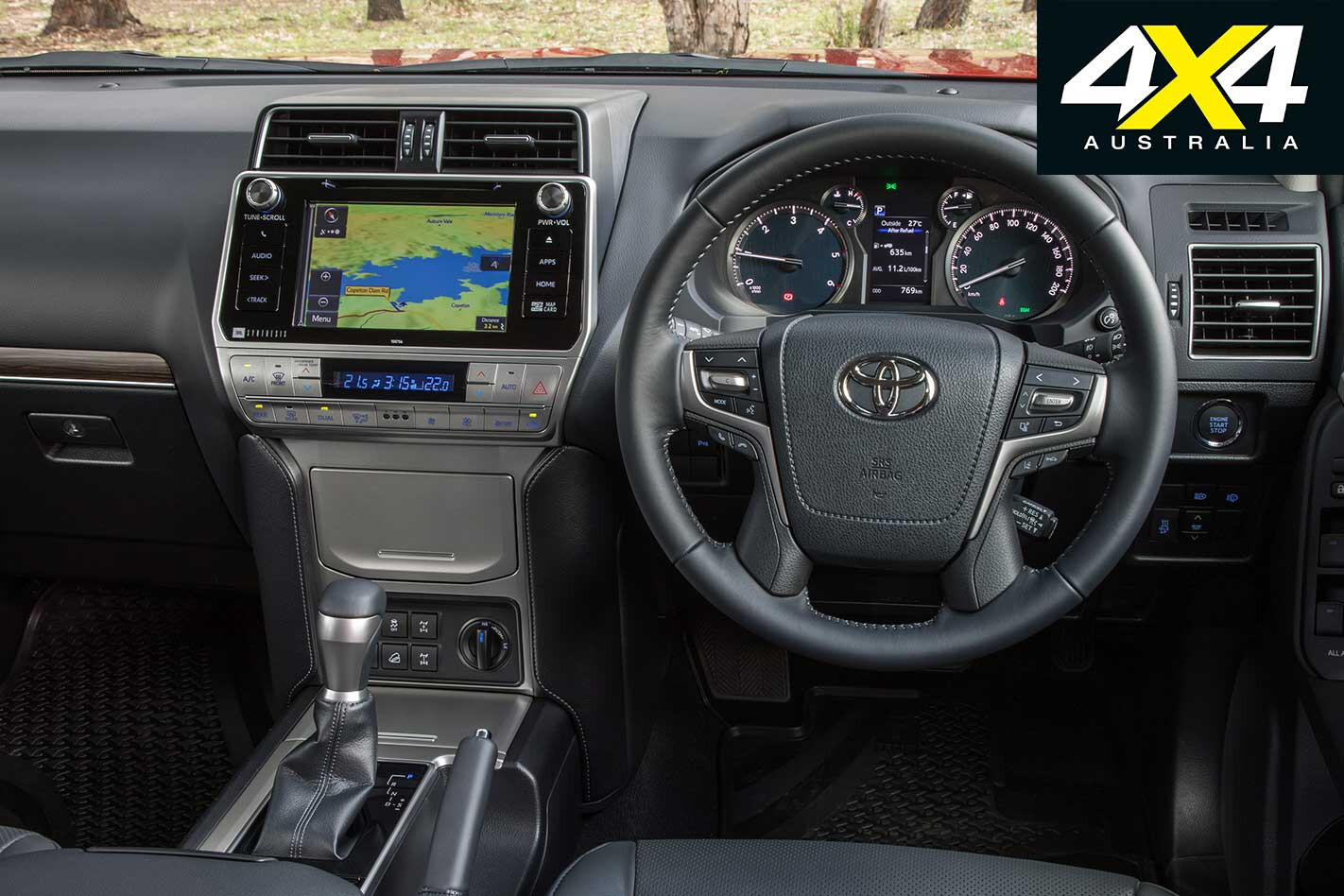
Regardless of the new powertrain the Prado remains happy in town, on the open road and off-road, and it’s a do-it-all wagon that impresses with its refinement, day-to-day practicality and effortless long-distance touring ability. It also now offers a 3000kg towing capacity; a long-overdue upgrade.
The pick of the Prado range is the VX, with the brilliant KDSS suspension which improves the Prado both on- and off-road. Unfortunately, KDSS is not available as an option on the popular GXL, nor does Toyota now offer the sweet but unloved 4.0-litre petrol V6.
Toyota LandCruiser Prado mid-2018 Year-on-Year sales
| June 2018 YTD | June 2017 YTD | Sales Change |
| 9268 | 8657 | +7.1% |
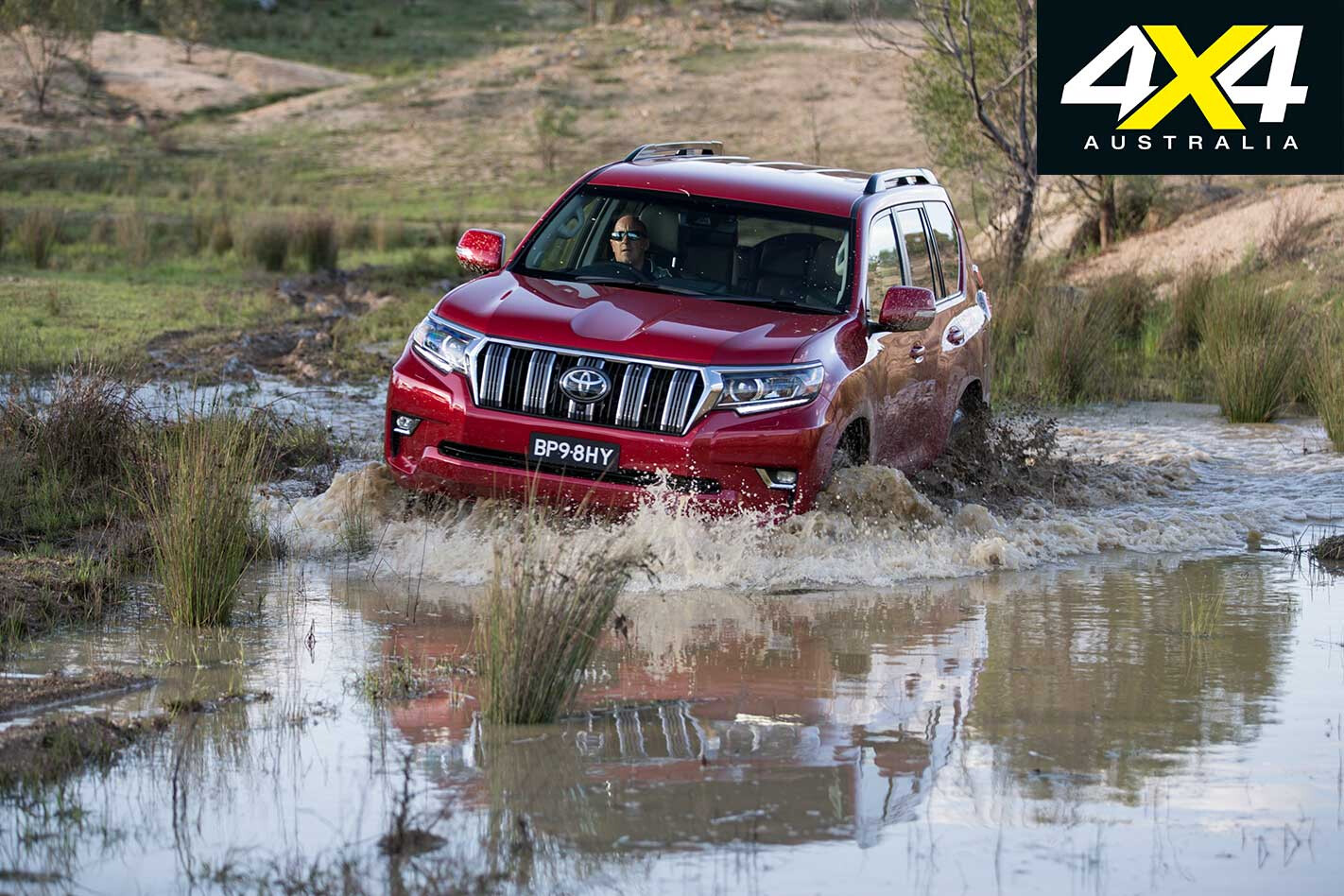
2018 Toyota LandCruiser Prado Specs Engine: 2.8-litre 4-cyl turbo-diesel Power: 130kW at 3400rpm Torque: 450Nm at 1600-2400rpm Gearbox: 6-speed auto 4X4 system: Dual-range full-time Kerb weight: 2290kg GVM: 2900kg Towing capacity: 3000kg Fuel tank size: 150 litres ADR fuel claim: 8L/100km
Prado 4×4 Report Card
| Attribute | Grade |
| Powertrain | C |
| On-Road | C |
| Off-Road | A |
| Cabin & Equipment | B |
| Towing & Practicality | B |
| Final Results | |
| Itu2019s none too exciting to drive, but it still does everything well. | |
*Scored against class competitors. A = Excellent; B = Very Good; C = Good; D = Fair; E = Poor; F = Fail.
MITSUBISHI’S Triton 4×4 is the big mover at the pointy end of the top 10, despite remaining in third place overall and still a long way behind the two runaway leaders in Hilux and Ranger.
That said, Triton sales are up nearly 20 per cent without Mitsubishi doing much more than a mild tweak of the line-up, which, among other changes, has seen the introduction of the Blackline dual-cab.
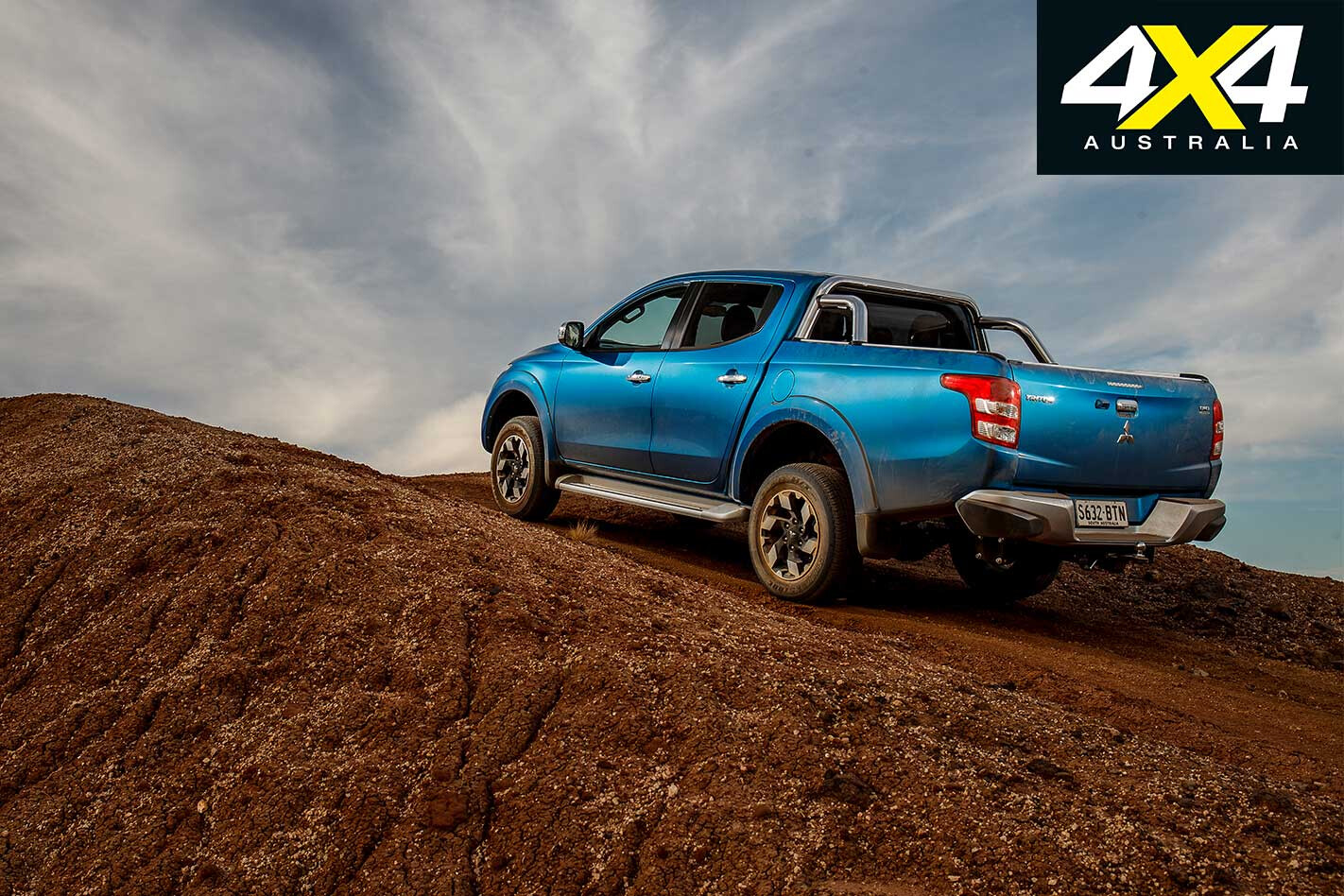
The sales success has much to do with its sharp pricing and ongoing factory discounting, with driveaway prices on the popular dual-cab variants sitting well below other mainstream utes and bettered only by the Indian and Chinese offerings. Dual-cabs make up 11,570 of the 12,127 Triton 4x4s sold (more than 95 per cent) while autos make up 73 per cent of all 4×4 sales.
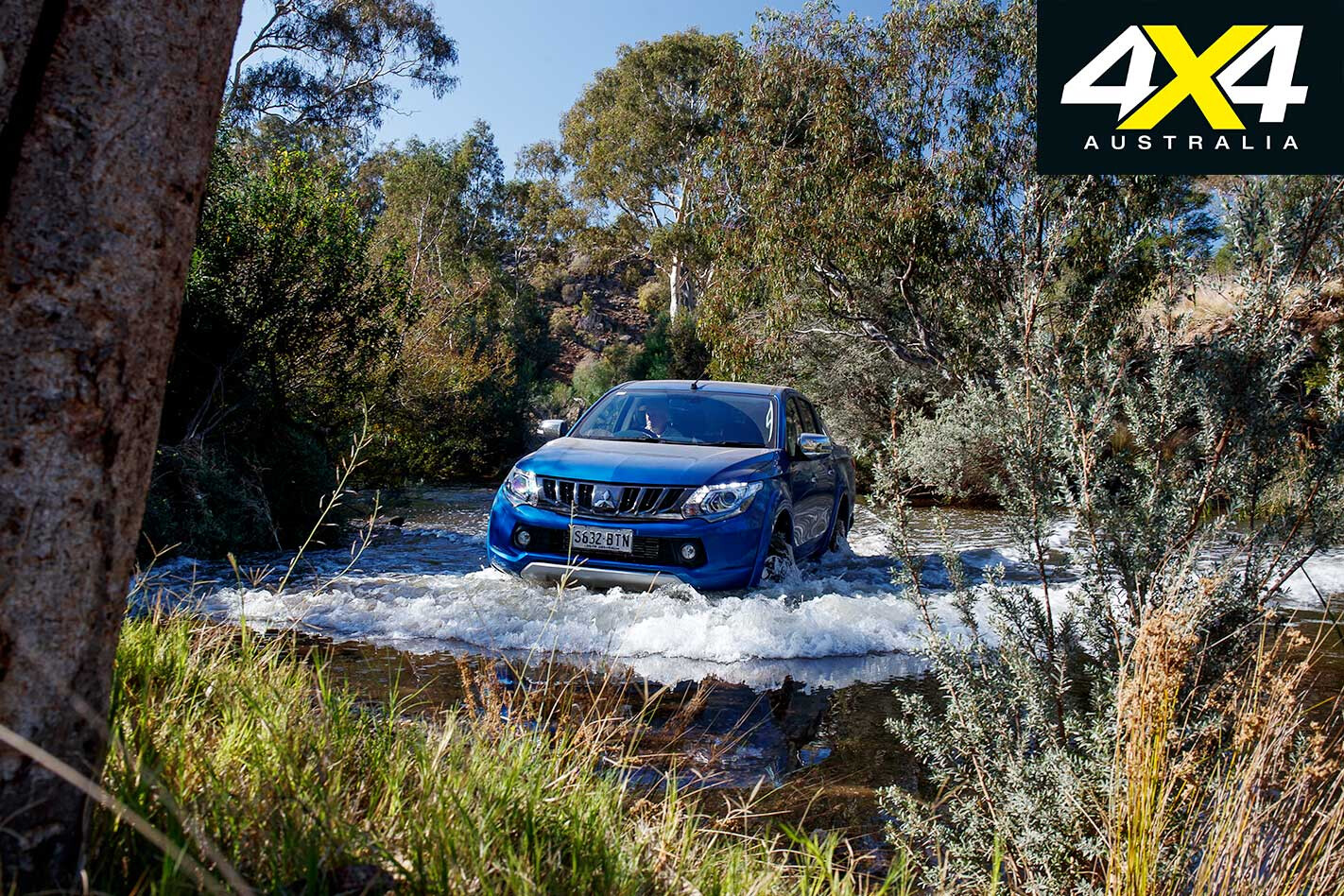
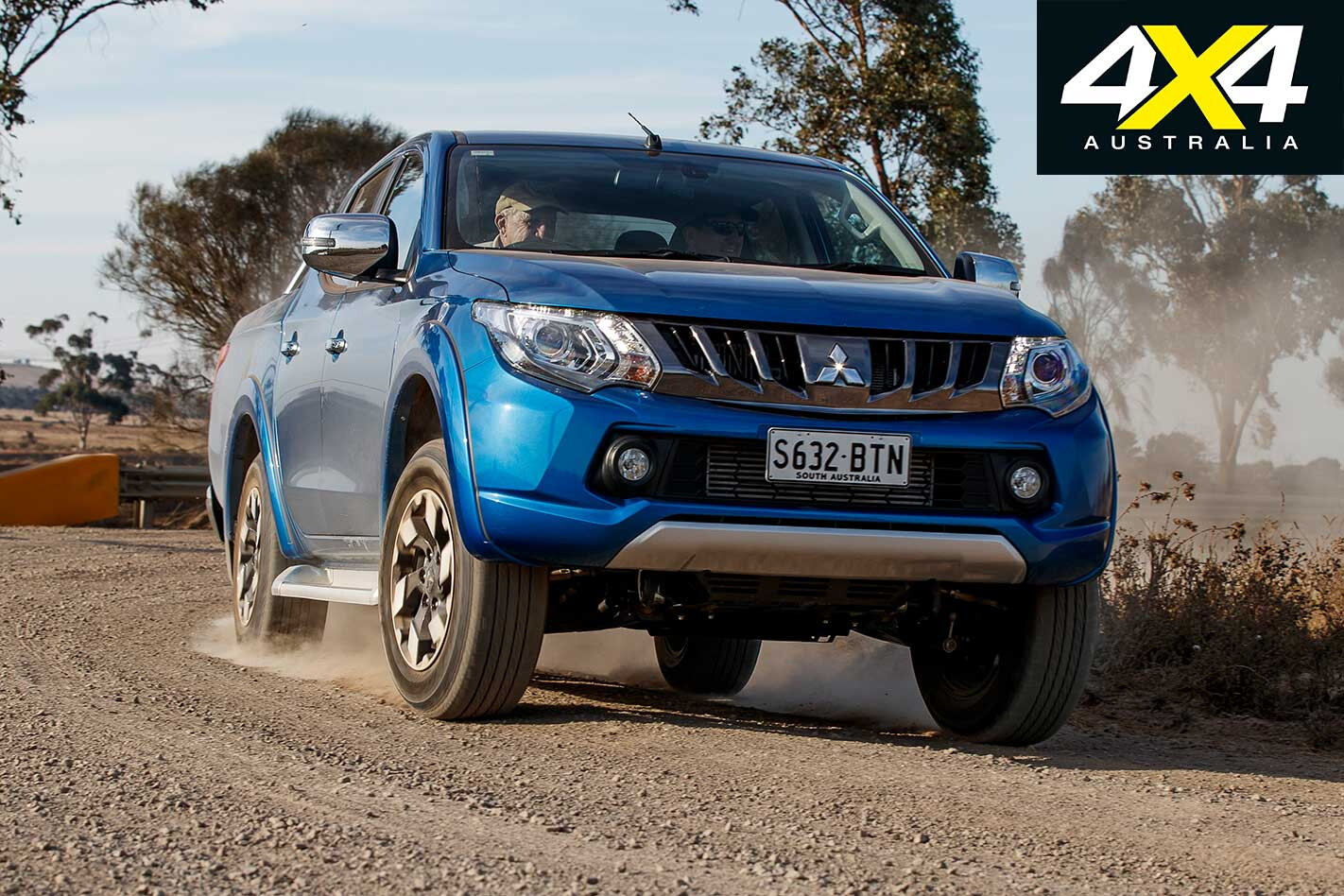
The Triton stands out among the current crop of 4×4 utes in a number of ways. One is the full-time 4×4 of GLS and Exceed models thanks to Mitsubishi’s Super Select system. Full-time 4×4 adds greatly to the Triton’s functionality, driveability and safety under most driving conditions and stands it apart from all of its competitors bar the Amarok.
Super Select also has a 2WD mode, so it’s different again from a conventional full-time system. Unfortunately, Super Select doesn’t make the Triton a gun off-road ute, but that’s all to do with its modest suspension travel and ground clearance and nothing to do with the system.
The Triton is also a small ute by class standards in cabin size, payloads and towing capacity. The fact that most of the tray of the dual-cab overhangs the rear axle is also a negative for carrying or towing heavy loads; although, the 2.4-litre diesel holds up its end, even if the chassis layout isn’t ideal.
One positive here is that the Triton is more manoeuvrable than others in its class thanks to a relatively short wheelbase, and it also has a sporty feel to the way it steers and handles thanks in part to also being lighter than most competitors.
Mitsubishi Triton mid-2018 Year-on-Year sales
| June 2018 YTD | June 2017 YTD | Sales Change |
| 12,187 | 10,318 | +18.1% |
2018 Mitsubishi Triton Specs Engine: 2.4-litre 4-cyl turbo-diesel Power: 133kW at 3500rpm Torque: 430Nm at 2500rpm Gearbox: 5-speed auto 4X4 system: Dual-range full-time (+2WD) Kerb weight: 1950kg GVM: 2900kg Towing capacity: 3100kg Fuel tank size: 75 litres ADR fuel claim: 7.6L/100km
Triton 4×4 Report Card
| Attribute | Grade |
| Powertrain | C |
| On-Road | B |
| Off-Road | D |
| Cabin & Equipment | C |
| Towing & Practicality | D |
| Final Results | |
| Strong on value, but not as big or as capable off-road, or as good as a work ute as others. | |
*Scored against class competitors. A = Excellent; B = Very Good; C = Good; D = Fair; E = Poor; F = Fail.
MORE: Mitsubishi Triton Range Review MORE: Mitsubishi Triton Specs, Range & Price
BEING a keen mountain biker I was in need of a bike rack after selling my VW Amarok and buying a two-door Jeep Wrangler. The Amarok was great for carrying my bike as it had a big tray – a two-door JK doesn’t have anywhere near the same amount of space.
For transporting my bike (and often my kids’ rigs), the question was, what to do? It was a straightforward answer: get a tow hitch-mounted bike rack. Enter the Yakima HoldUp which, as well as being a top-end bike carrier from the US brand, allayed my fears of scratching the frame of my just-acquired (and expensive) carbon-fibre Yeti SB6 mountain bike.
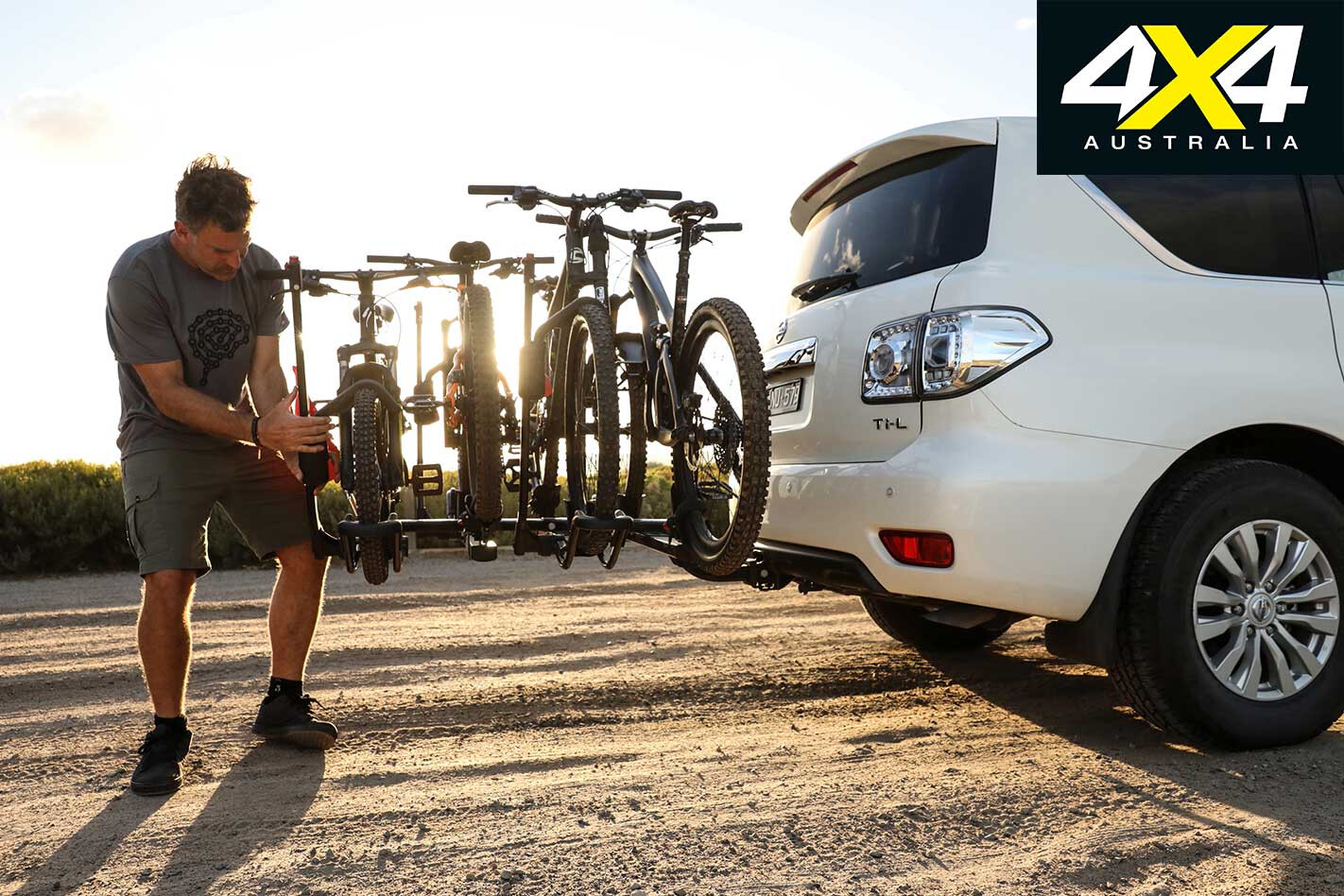
Thanks to the HoldUp’s StrongArm design, it secures bikes by clamping down and locking said ‘arms’ over the front wheel of the bikes carried, thus there’s no contact with any part of the bike’s frame (the rear wheel is secured via a ratchet strap).
The HoldUp is not lightweight (22kg), but the over-engineered build means it can carry two bikes, each of 27.3kg, so my svelte Yeti SB6 is no problem, and it can cater for wheel sizes ranging from 20- to 29-inch, plus there’s an optional fat bike attachment if needed. It has side-to-side adjustability as well, which means you can avoid any handlebar/frame contact between loaded bikes.
Most of the time I’m carrying just the one bike, but I also have to carry – along with their smelly helmets – my sons’ two bikes. Thankfully, Yakima produces the HoldUp +2 that, as the name suggests, ups the capacity of the HoldUp from two to four bikes. It cleverly slots into the existing Holdup rack and can be removed just as easily when you don’t need it.
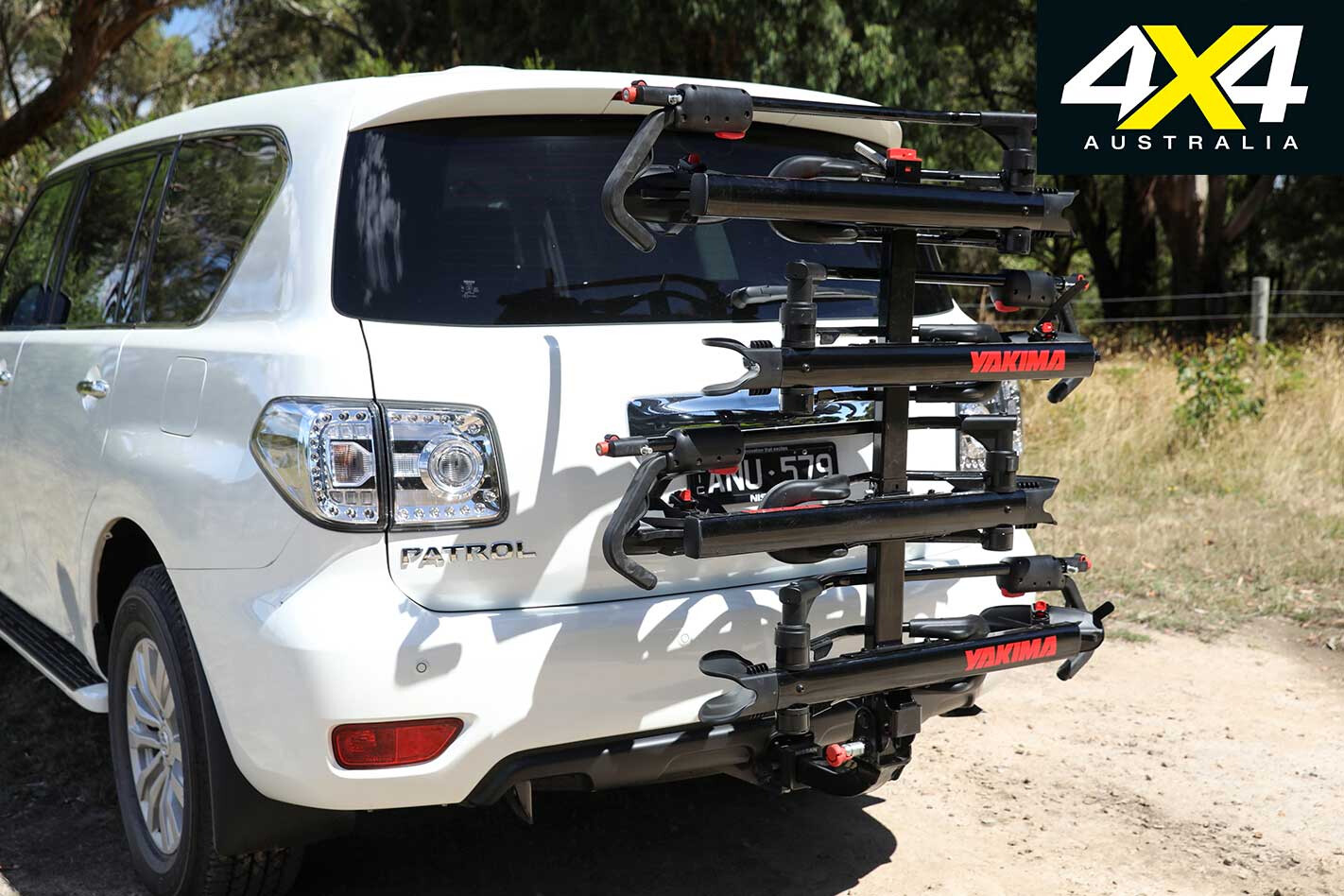
While the rack spends most of the time on the back of my Jeep, I’ve also had a chance to try it out on a couple of other off-roaders: a Ford Everest and a Nissan Patrol. It is super-easy to attach and has built-in locks so you can secure bikes to the rack.
As well as easy fitment to a variety of vehicles, the HoldUp’s other nifty trick is that it folds up and out of the way when the bikes are off. This is great when parked and unloaded and you need space. It also seems to sit high enough on the car, so that if you are off-roading the rack will not bottom out. Like all Yakima racks it has an inbuilt bottle opener – perfect for post-ride drinks.
The only negative is that, as mentioned before, it’s heavy. So it can be a bit of a struggle when you’re attaching it to the car or storing it. Apart from the weight, it has been awesome; it does a great job, is easy to use and, best of all, is durable.
WHEN we spoke to Victorian dairy farmer Steve Riley back in 2014 about his then-new all-wheel-drive V8 Holden ute, he told us that ultimately he would love to take it to Dakar.
“Dakar would be the ultimate goal, but it requires a huge investment of both time and money,” he said after recently debuting the ute in the Australian Safari.
By Dakar, we’re not talking about the capital city of Senegal in North Africa, but the world’s most gruelling cross-country rally that these days is held in South America. It used to be conducted in Africa after growing from the Paris-Dakar Race, but it shifted continents to South America in 2009 after the 2008 race was cancelled following unrest and terrorist threats in North Africa.
The 2019 running of The Dakar, as it has become known, will be solely in Peru, and Steve will realise his dream of running his Holden there for the first time.
“My dream was always to build my own car and race it in the Dakar,” Steve said. “To take a Holden and complete with it on the world stage.”
Steve recalls speaking with Peter Brock when they were both competing in the Australian Safari many years ago, and says that Brock had a similar dream to run a Holden in the toughest off-road race in the world.
A Holden Adventra wagon was built to FIA specification with plans to run in the 2006 Dakar, but it wasn’t completed in time. The plans switched to the 2007 race but they never made it to fruition after the racing legend was killed in a tarmac rally in Western Australia in September 2006.
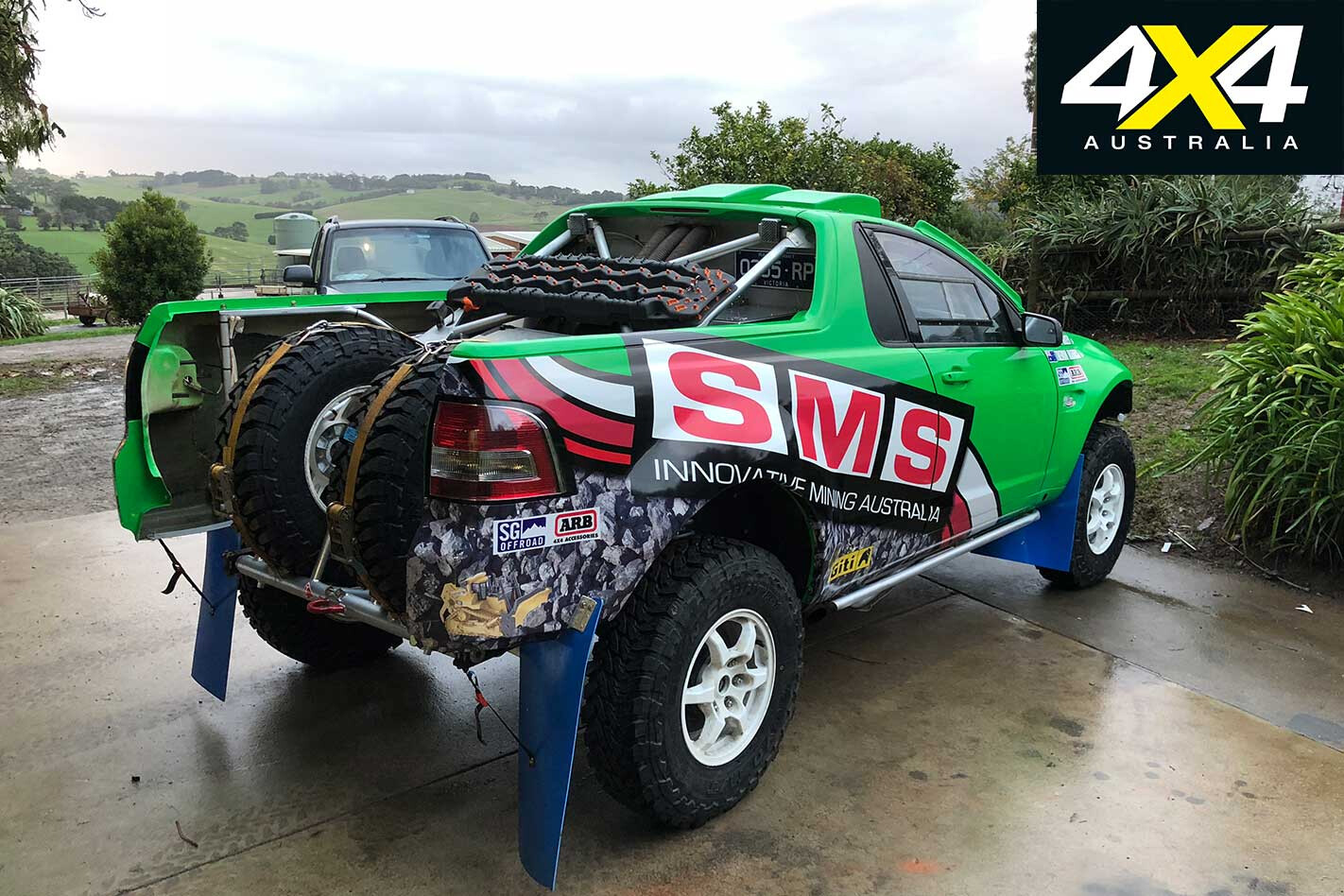
When it takes to the start line in Lima on January 6, Riley’s ute will be the first Holden to compete in the event, but it won’t be Steve’s first time. He has competed in the Dakar twice before, co-driving with fellow Australians Geoff Olholm in 2011 and Adrian Di Lallo in 2013, finishing in both occasions. He also has 20 Australian Safaris and countless other rallies under his belt, but now it’s the Dakar that is in his sights.
The ute has undergone a major refresh to take on the world’s best Rally Raid teams in the Dakar. This was with the intention of competing in the Silk Way Rally earlier this year, but when that event changed location – while the ute was already on the water heading for China – Steve was forced to change tack. It now sits in Perth, from where it will undergo further testing this month before it is put back in a shipping container and headed for Peru.
The ute is powered by a 6.0-litre GM LS V8 engine that is good for around 500hp, but to meet the FIA specification a 37mm restrictor plate has to be fitted in the intake to regulate power.
“It’s still got plenty of grunt in the bottom end, but it runs out of puff in the higher revs,” Steve said of the fresh combination. The engine has been-dyno tested in this trim and Steve says it will suit the sandy stages in Peru.
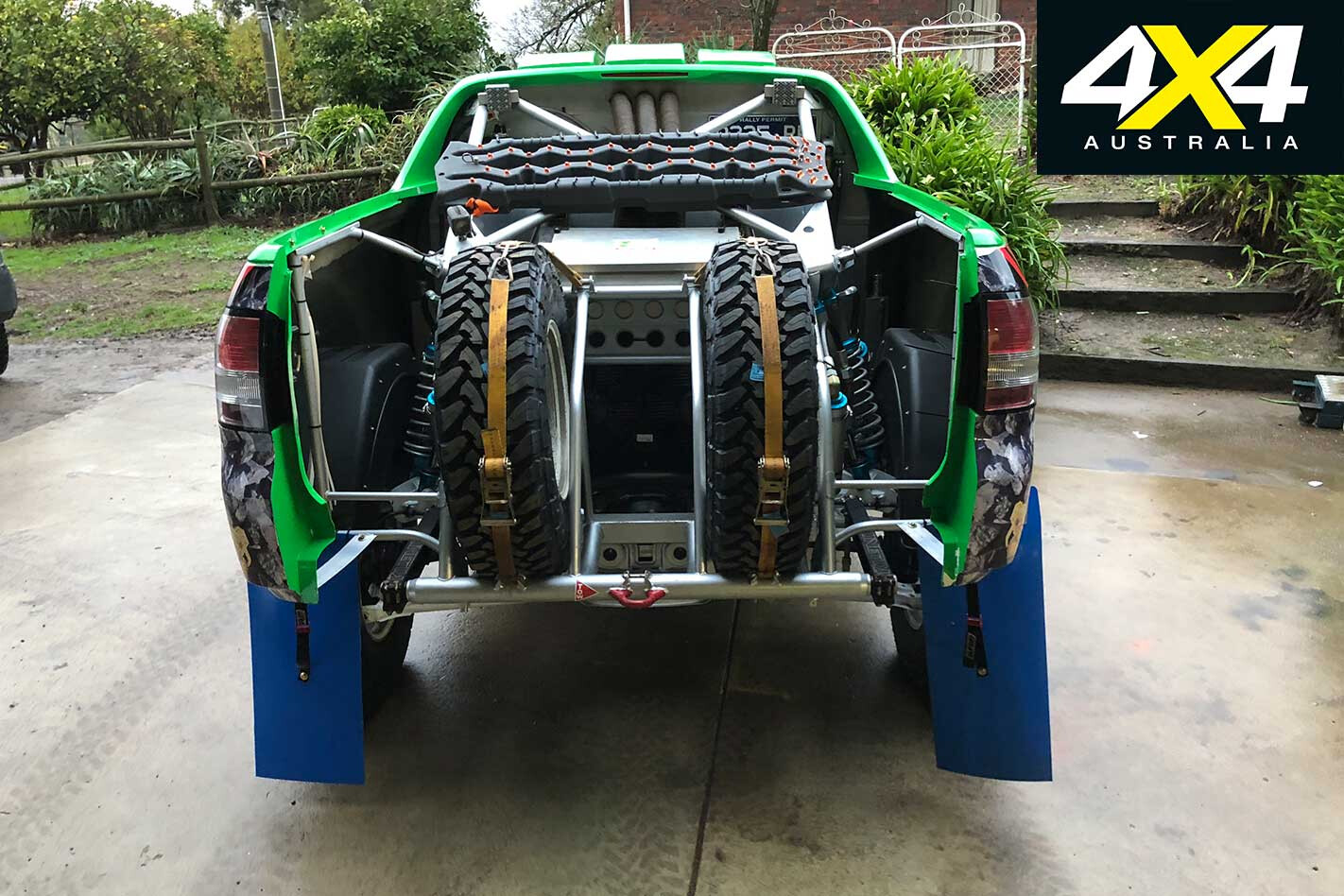
The engine is backed by a durable Hollinger gearbox, and the 4×4 transfer case can be operated in 2WD, full-time 4WD, locked 4×4 high range and 4×4 low range. The suspension is fully independent and features state-of-the-art componentry.
The home-built ute will need the best of equipment to compete with the likes of the X-Raid Minis, Overdrive Toyotas and ex-works Peugeots that will have former Dakar and world rally champions at their controls.
None of this comes cheap and Steve enjoys the support of sponsors SMS Mining Services, GiTi Tires and South Gippsland Offroad-ARB, each of them helping to get the team to the line in Lima. There’s also a dedicated team of mechanics and helpers, as well as co-driver Trevor Hanks, all putting in to make it happen.
The 2019 Dakar route will start and finish in the Peruvian capital of Lima and will cover 5000km of harsh terrain over 10 special stages in 10 days, from January 6 to 17. 3000km of the rally will be on sand.
The only Australian to ever win the Dakar, Toby Price, will again be competing on his factory-KTM motorcycle. Could Steve Riley become the first Aussie to take the title on four wheels?