
Any people who travel to the vast reaches of the Australian outback also enjoy learning about the men who opened up these regions: explorers such as John McDouall Stuart (1815-1866) and Augustus Gregory (1819-1905).
This feature was originally published in 4×4 Australia’s October 2012 issue
These men were contemporaries who made incredible journeys. They were brave and resourceful, well qualified, great leaders, outstanding at finding water, managing limited resources and at the forefront of exploration technology at the time.
The contrast between the two men, however, was marked. Stuart is known by almost all travellers for the highway if not his deeds, whereas Gregory is known by few. The other great contrast is their health, status, success and indeed longevity when their ‘ramblin’ days were done’ … but we are getting ahead of ourselves.
John McDouall Stuart (1815–1866)
In the 2723km between Port Augusta to Darwin is one of Australia’s best known and important roads, a railway and once an Overland Telegraph Line. There are also cattle, tourism, mining and other industries and their attendant populations. This all happened due to the efforts of a thin, taciturn, sickly, heavy-drinking, heroic Scotsman, John McDouall Stuart, between 1858 and 1862.
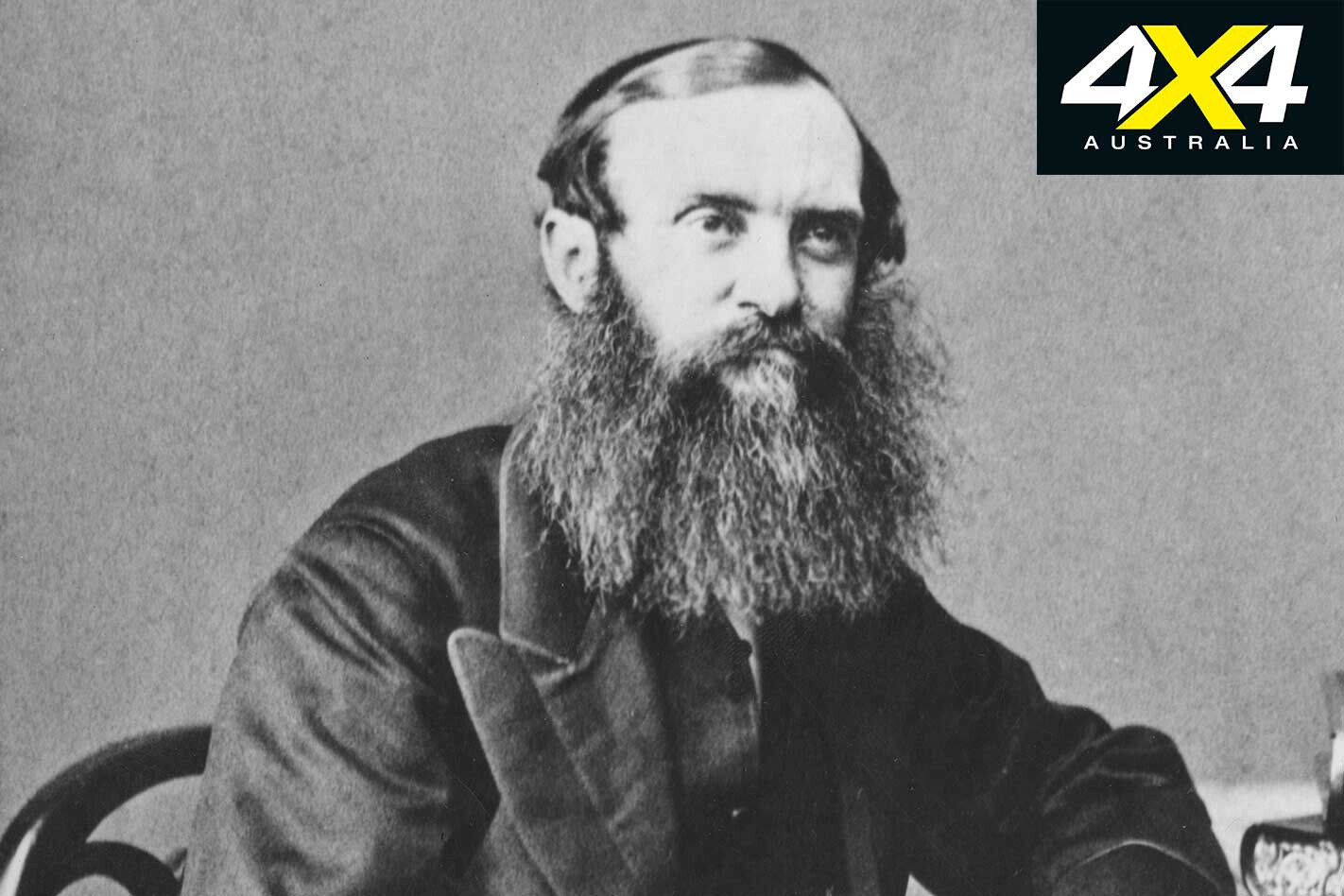
Stuart was born in Dysart, in Fife, and after being orphaned as a teenager, he graduated as a Civil Engineer from the Scottish Naval and Military Academy. In 1838, he arrived in Adelaide aboard the Indus in the company of James Sinclair, who would become a pastoralist. (Interestingly, Stuart would return to the UK a broken man onboard a different ship but one also called the Indus.)
He was said to be a man of small stature at 5ft 6in (168cm) and slight; at nine stone (54kg) he certainly was ‘jockey’ weight.
From 1839 to 1842 he worked as a surveyor in Adelaide. He then farmed for two years with his friend Sinclair, at Nairne, and later joined Charles Sturt’s northern expedition as a draftsman. This was a harsh and dangerous 18-month journey, as the men searched for the fabled inland sea, that foundered on a sea of a different sort, that of gibbers, in Sturt’s stony desert.
Despite ludicrously carrying a boat, the party achieved a success of sorts as they travelled closer to central Australia than anyone had before. The privations were terrible. In furnace-like heat they had to wait for rain at one place for weeks.
Stuart suffered from scurvy – he was laid up for 12 months on his return to Adelaide. (Scurvy is a terrible condition. It can cause gum disease, bad breath, bleeding from the gut, swollen limbs with hard, blackened skin, easy bruising, poor wound healing, nerve pain, blindness and obvious debility.)
It is a puzzle how Glen McLaren, in his 1996 book Beyond Leichhardt, lauded Stuart’s provisioning against scurvy, which occurs due to vitamin C deficiency, as “a milestone of sophistication in the history of land exploration”. Yet Stuart then and later suffered horribly from this preventable disease. One can only wonder why.
After this journey he joined James Sinclair for a few years near Port Lincoln, South Australia, where Sinclair’s relatives still live and hold land today.
Outback exploration, however, was in his blood and in 1850 he spent some time with William Finke surveying and exploring the northern Flinders Ranges. During 1858 and 1862 his six famous sorties reached the northern coast, initially at Finke Bay and then Chambers Bay, east of Darwin. These locations were named after his two benefactors.THE SIX NORTHERN JOURNEYS
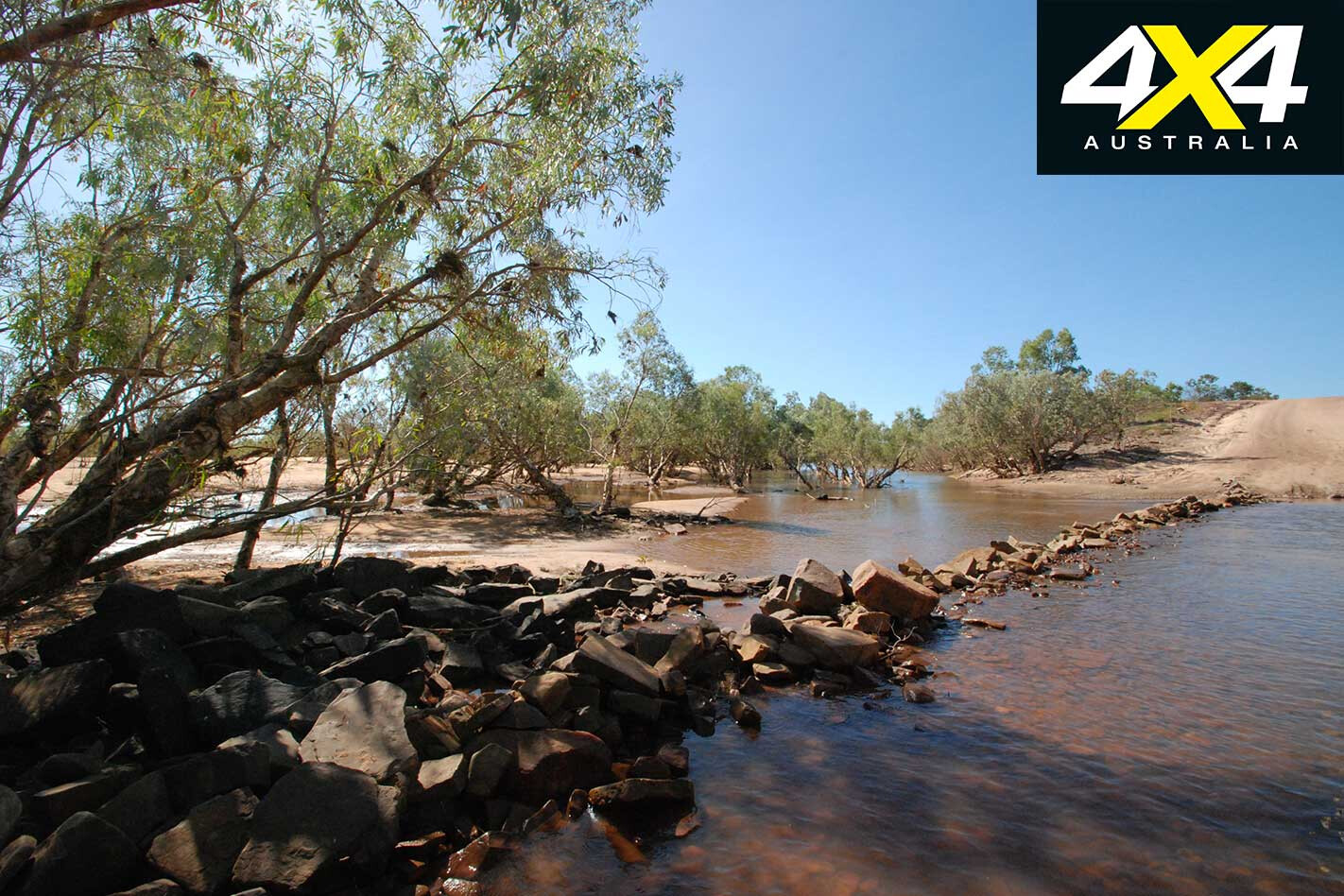
The reasons for these northern odysseys were complex and mixed. There was the desire for pastoral country and minerals and the wish to reach the Victoria River so that a navigable route to the inland could enable settlement in the way that had happened along the great rivers of the world. Unfortunately, the river was unnavigable to this extent and the land unsuitable.
Stuart’s trips were funded by James Chambers and later the SA government. There was huge political and economic interest in a telegraph line reaching Australia from Europe but there was no knowledge of how it was to reach the south or where it was to come ashore.
It is hard to imagine just how important the telegraph would have been for business and the economy, with communication achievable in minutes rather than the six weeks for letters. South Australia and Victoria were fierce rivals for this potential boom.
For the first person to establish a route to the north coast, South Australia proposed a reward of £2000 but Victoria provided £10,000 for Burke and Wills, a reflection of the colony’s massive gold-derived wealth. This farcical expedition ultimately cost £30,000 when the search costs were added.
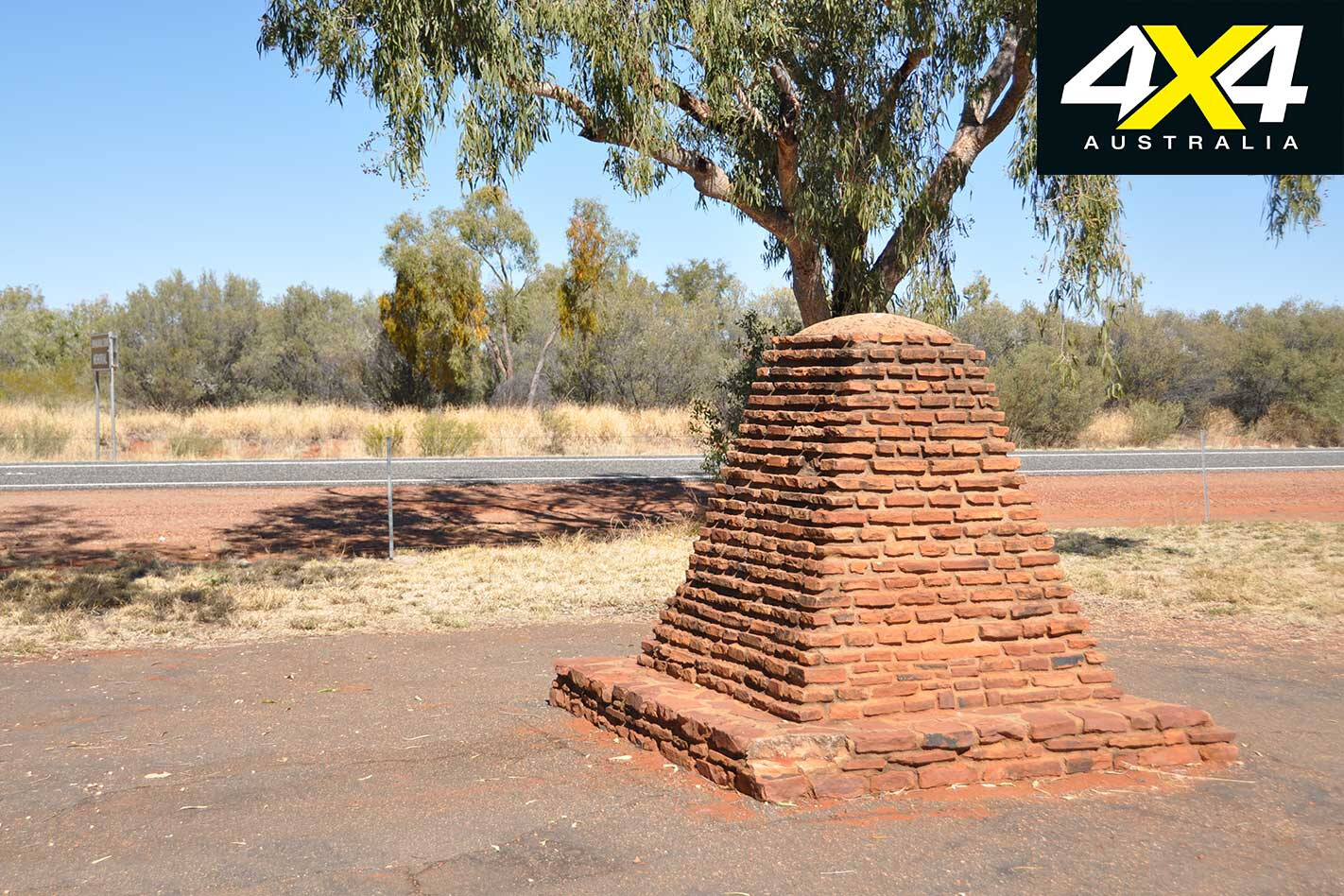
Stuart’s first three trips essentially found a way through the western part of Lake Eyre’s horseshoe of salt lakes that was thought to bar the way to the north and established a route to the Oodnadatta area.
The fourth was curtailed at Attack Creek, north of Tennant Creek, for obvious reasons (although a clue is in the creek’s name), the fifth at Newcastle Waters by the Murranji scrub preventing access to the Victoria River and in the sixth he reached the coast in July 1862.
He was already sick but the return journey to Adelaide was the stuff of nightmares. Ably led by Frank Thring, who was just 20 years old, the party managed to reach the outer settlements of South Australia and safety. Near death, Stuart had to be carried for the last 650km – an extraordinary feat. They eventually reached Adelaide in January 1863 to a huge celebration.
Stuart was awarded the Royal Geographical Society’s Patron’s Medal, a recognition he had proved worthy of as he had reached the geographical centre of Australia. He named this area Mt Sturt, which was later adjusted to Mt Stuart.
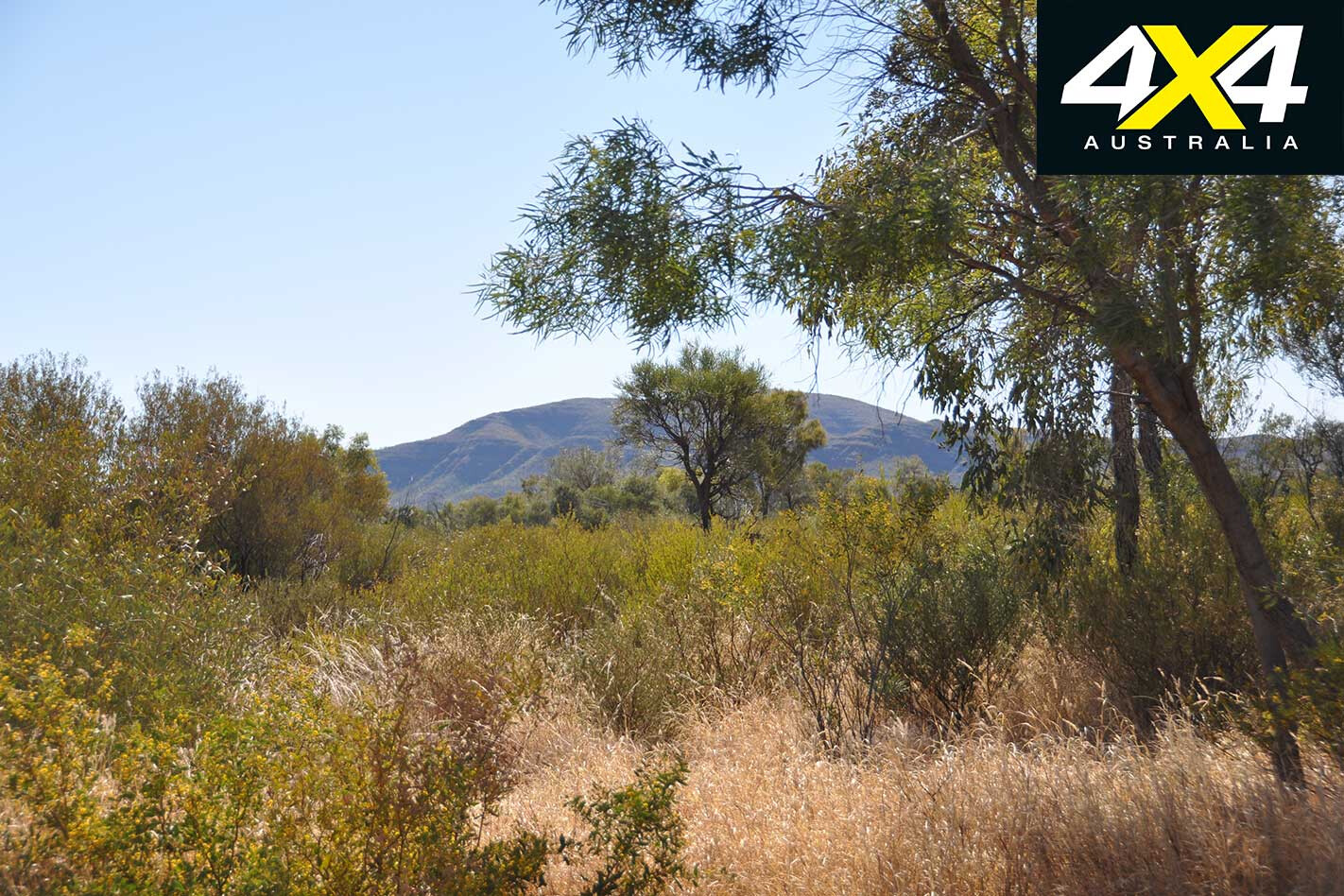
From March 1860 to January 1863 Stuart spent 30 out of 34 months in the saddle, most of this in some of the most inhospitable land on earth. He rode 20,000km and never lost a man. The only time he had access to maps was in the area of the Roper River where his, Leichhardt’s and Gregory’s paths crossed.
This last trip ultimately killed him. His mentor, James Chambers, died shortly before his return which must have shattered him as Chambers was the only person who seemed to care for Stuart. Neither Chambers nor Finke, who both attained considerable wealth helped by Stuart’s endeavours left him anything in their wills.
Sadly, Stuart reaped little in monetary reward and the South Australian government granted him a relative pittance – £162 a year. Disillusioned, he returned to England to live with his sister where he died in 1866, blind, crippled and demented after his years of torture.
He was buried in West London’s Kensal Green Cemetery where seven people attended his funeral: four relatives, a visiting South Australian pastoralist and two members of the Royal Geographical Society.
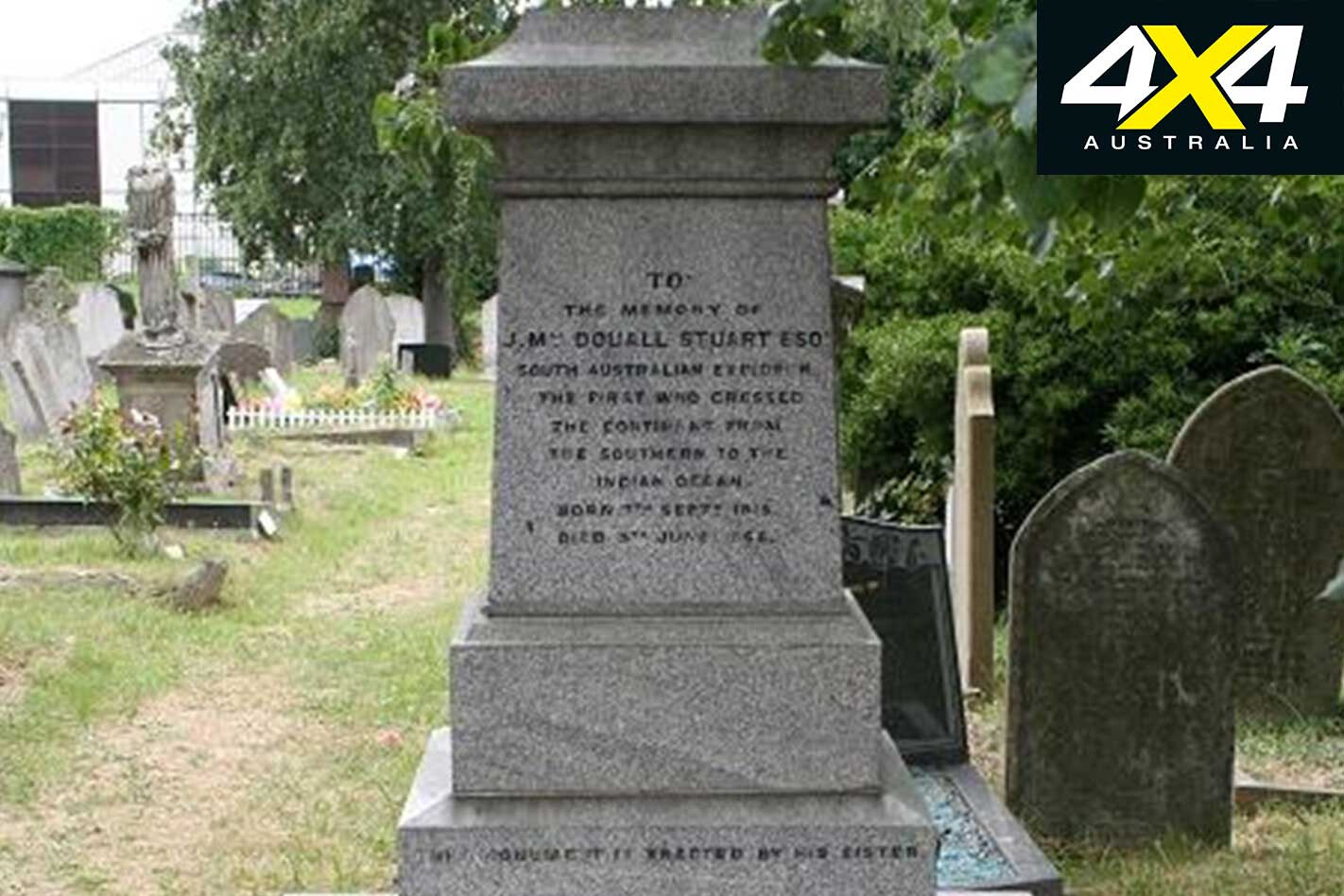
STUART’S HEALTH
During virtually every one of his journey John McDouall Stuart was incapacitated by pain, scurvy, night blindness, and more. A list of his ailments includes scurvy, Beriberi, vitamin A deficiency, gastric and/or duodenal ulcers that bled, alcoholism, a suspected addiction to laudanum (10 percent of which is opium), depression and probably other psychiatric illnesses, anaemia from his ulcers and malnutrition, dementia and quite possibly some other illnesses.
How could someone so frail and sick achieve what he did, mostly while enduring a diet of dried meat and flour? The Royal Geographical Society in London awarded Stuart its Patron’s Medal in recognition of his efforts in reaching the geographical centre of Australia.
This award, together with the watch he was given for his first trip, made Stuart one of only two people – the other was Dr David Livingstone – to gain two of the Society’s rewards. (Augustus Gregory received the Gold Medal.)
Augustus Charles Gregory (1819–1905)
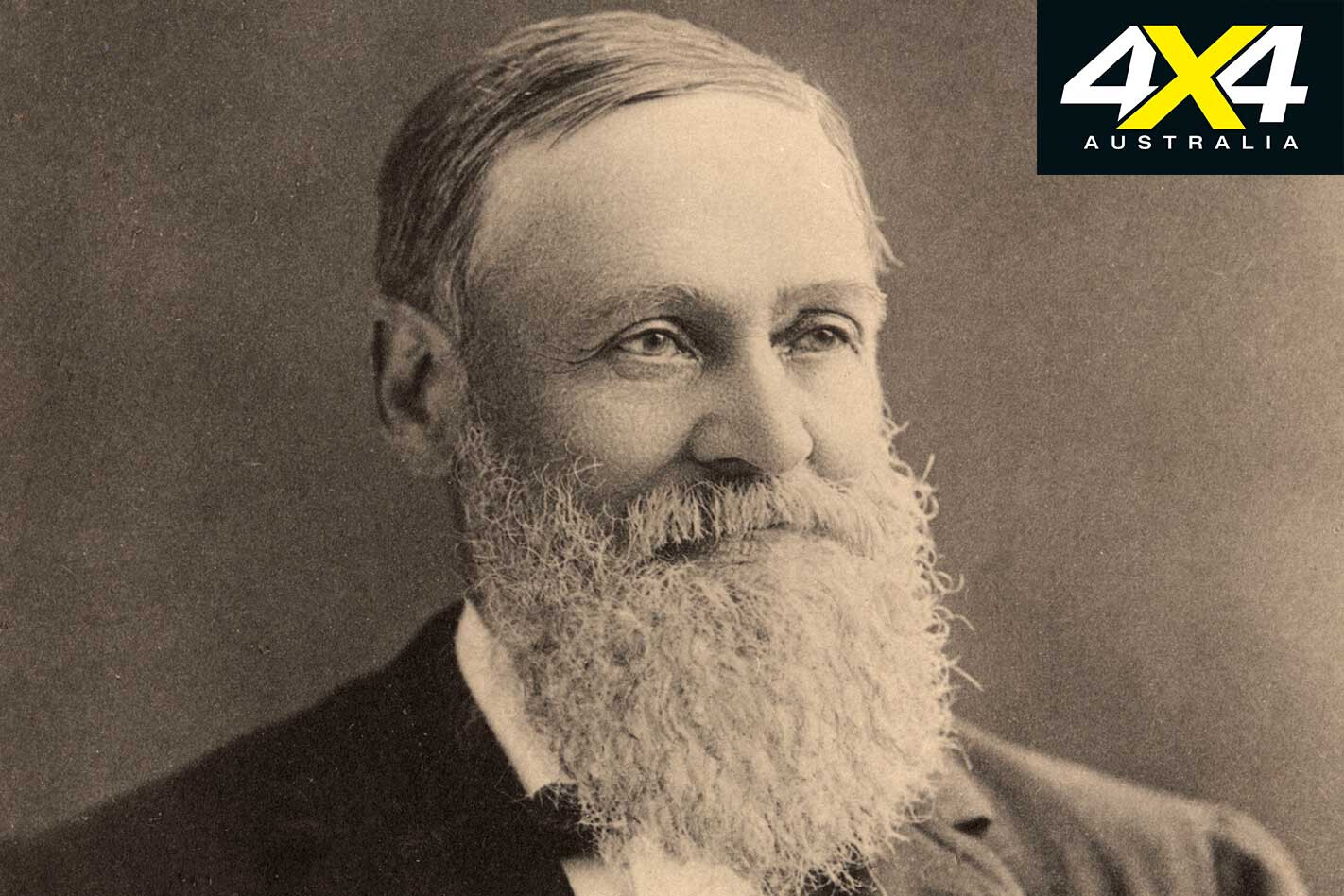
He was born in Nottingham, England, and educated privately. In 1829 his parents moved to Western Australia. He and his brothers (Henry, Charles and Francis) were well educated and employed in surveying-type jobs by the government of the day.
They were mentored by the Western Australian Surveyor-General, John Septimus Roe, to whom McLaren attributes the “creation of a school of exploration perhaps unrivalled in Australian exploration”. They explored to the north and east of Perth.
After 13 years as an assistant surveyor in Western Australia, in 1854, Gregory was appointed to lead the North Australian Expedition. This was the last expedition in Australia funded by the Royal Geographical Society and he took advice from Captain Charles Sturt.
The expedition’s aim was to explore the hinterland of the Victoria River and to report on the pastoral suitability. The party consisted of 18 men, 50 horses and 200 sheep and left from Brisbane.
They arrived at the Victoria River in two ships, the Monarch and the Tom Tough, the former being of little use as it could not manage the river; it ran aground in the Brisbane River at the beginning of the voyage and was despatched to Singapore.
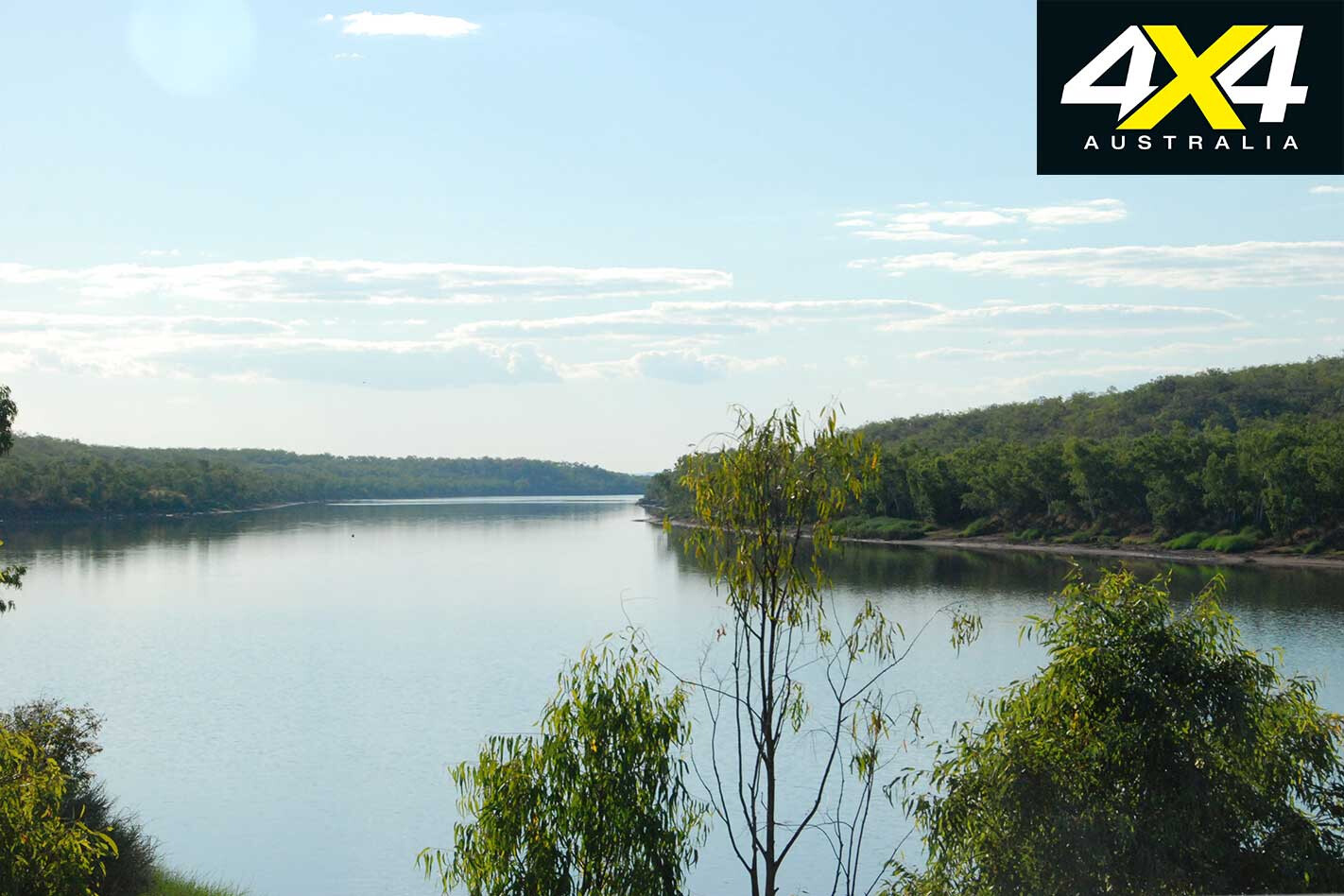
After losing horses and suffering a 28-day delay with a stricken Tom Tough they finally reached Timber Creek in late 1855 and built quite a little settlement reputed to resemble an English farmyard. This is well worth a visit today.
For the next six months they explored the area, including travelling along Sturt’s Creek to the desert, after which Gregory described it as favourable land.
In mid-June 1856 they sent the Tom Tough to meet them at the mouth of the Albert River, in the Gulf of Carpentaria. They arrived two months later, only to find that the ship was not there. Undeterred they rode to Brisbane. This was before Burke and Wills. Gregory did not lose a man or horse. He had covered 3219km by sea and 8047km by land in 16 months.
The party’s reports of the Victoria River’s potential sowed the seeds of settlement in the minds of their sponsors and others.
Later, Gregory searched for the missing Ludwig Leichhardt from the middle of Queensland towards Cooper Creek and then Adelaide, before returning to Brisbane and retiring from exploration. (A metal plate, identified as Leichhardt’s, was found along Sturt’s Creek in 2000 so it seems he made it two-thirds of the way from Brisbane to Perth.)
BEGINNINGS AND ENDS
Stuart was orphaned at 14 and educated in an army institution, whereas Gregory was privately educated in the bosom of a family. How gentle this was is conjectural but he was likely to have had a kinder life than Stuart and perhaps the thousands of shared kilometres he travelled with his brothers confirm these strong family ties.
They both received support in their trips but there it ended. Stuart left for England with £162 annual income and nothing else. He died in poverty, crippled, partially, if not totally, blind and suffering with dementia. Gregory became Surveyor General of Queensland, a member of the Legislative Council and later a Knight.
It is easy to imagine Stuart as permanently semi-malnourished as a result of the colossal impact of the depredations of his journeys and the effects of excessive alcohol consumption hammering away at his frail body.
It is also easy to imagine how he was used by others and his efforts never really recognised. Perhaps even more depressing was the fact none of the 30 men whom he led did anything to help him in his later life. That is a sad epitaph for a man who achieved so much.
Last but not least, while no stranger to dry country, Gregory’s major journeys were through well-watered lands; Stuart’s challenges were often tackled in the red-hot heart of the country.
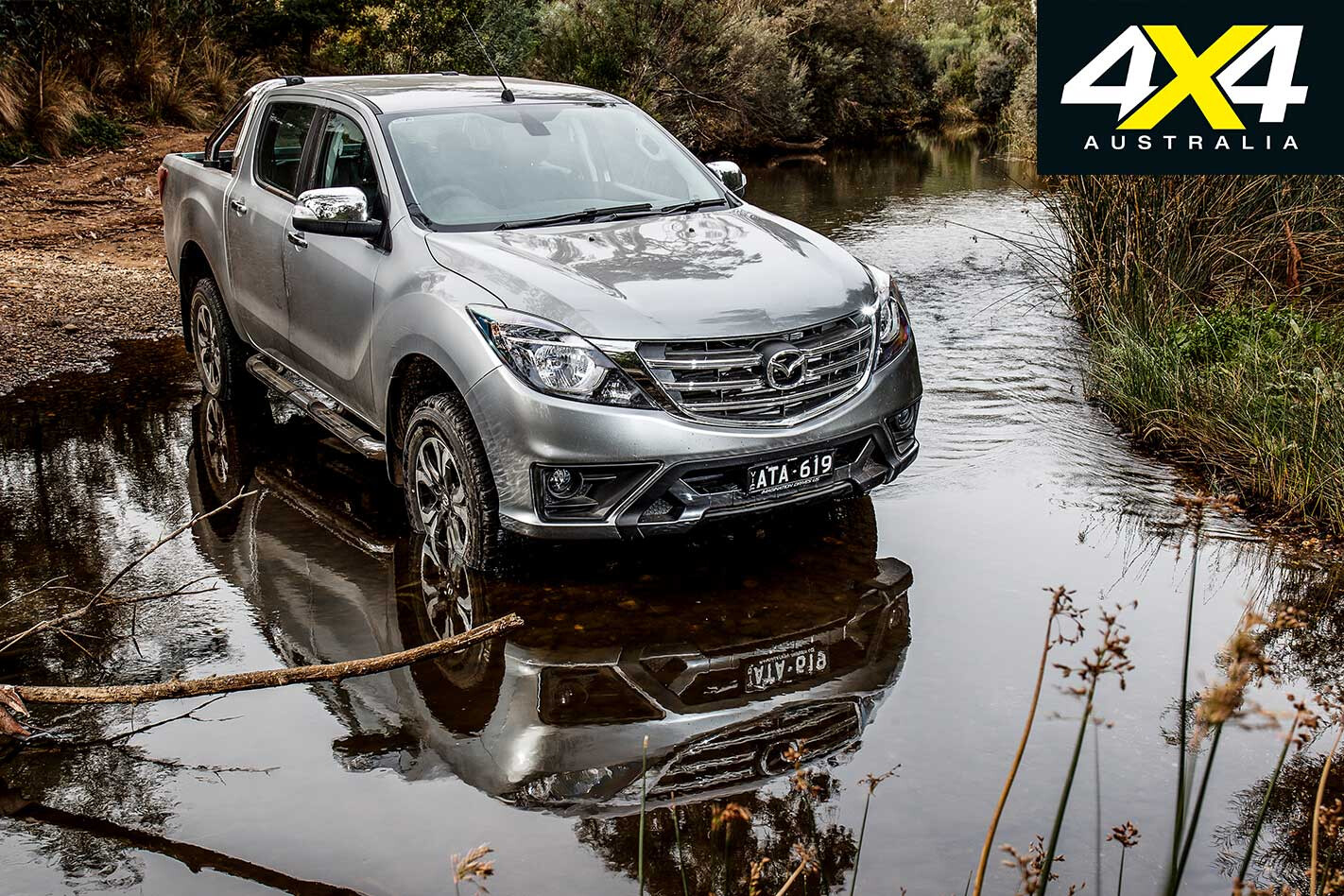
MAZDA’S BT-50 is the third vehicle in the top 10 to suffer a sales decline in the first half of 2018 compared to the same time last year. Mind you, it’s only dropped by 1.3 per cent year-on-year, but, due to better sales of the others, the BT-50 now only scrapes into the top 10 by around 150 units in front of VW’s Amarok.
In what has been a booming ute market over the last decade, BT-50’s sales have remained pretty constant since it arrived in late 2011. In its first full year of sales in 2012, 8279 BT-50 4x4s were sold, while last year 8900 were sold.
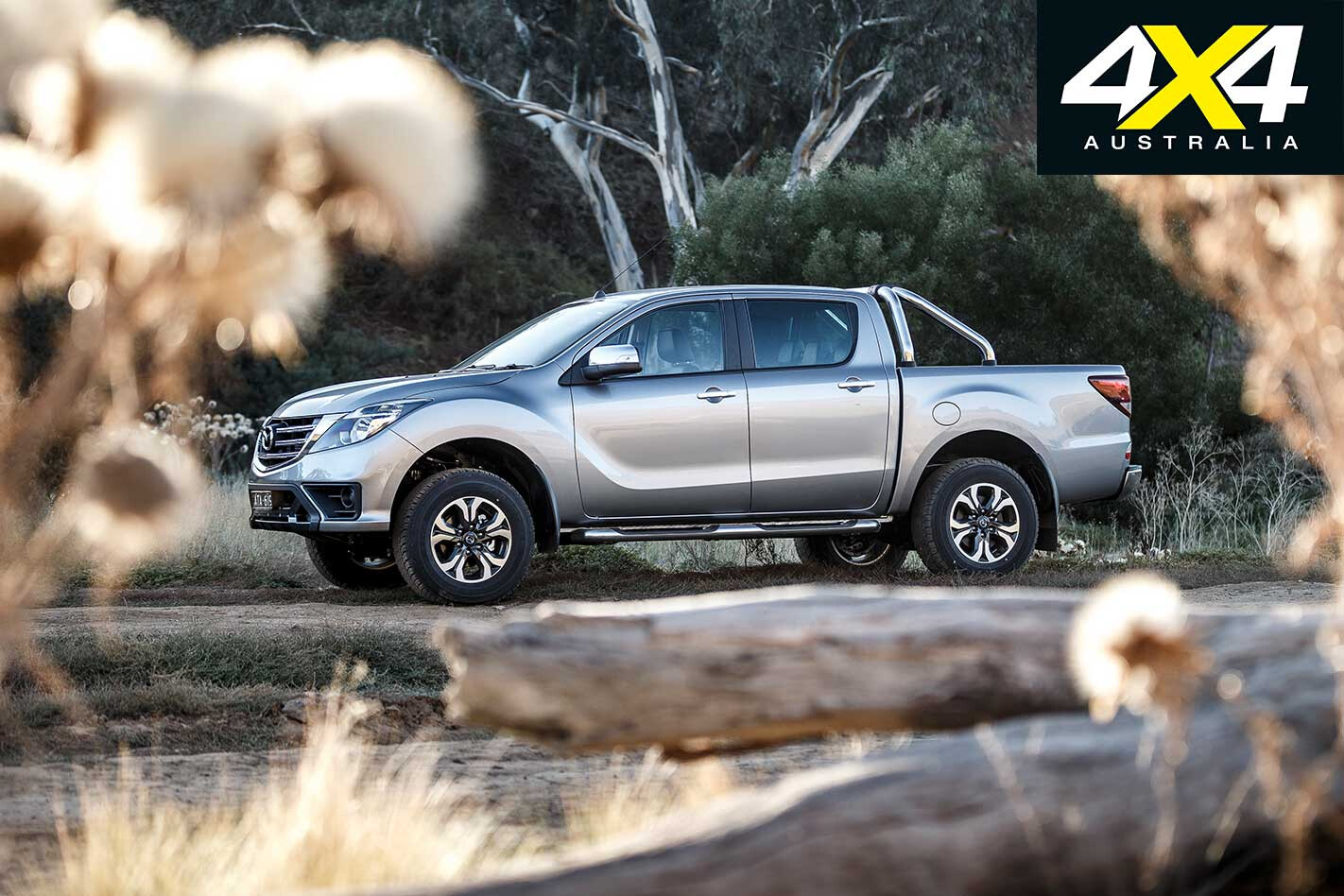
It’s hard to believe how poorly the Mazda BT-50 sells in comparison to the Ford Ranger given they are – in essence – the same ute. More than four Rangers are currently sold for every one BT-50 and, while the Ranger offers some notable technical advantages adopted for MY16, the BT-50 is generally cheaper.
In Mazda’s defence, it is probably more concerned with its small passenger cars and SUVs, which are its big sellers, where for Ford the Ranger is the main game. Mazda is also well ahead of Ford in overall new-car sales.
In most ways the BT-50 drives much like the Ranger. For starters its 3.2-litre five-cylinder engine retains the same torquey, low-revving, smooth-running and agreeable character, even if it’s not as quiet or as responsive as the Ranger’s.
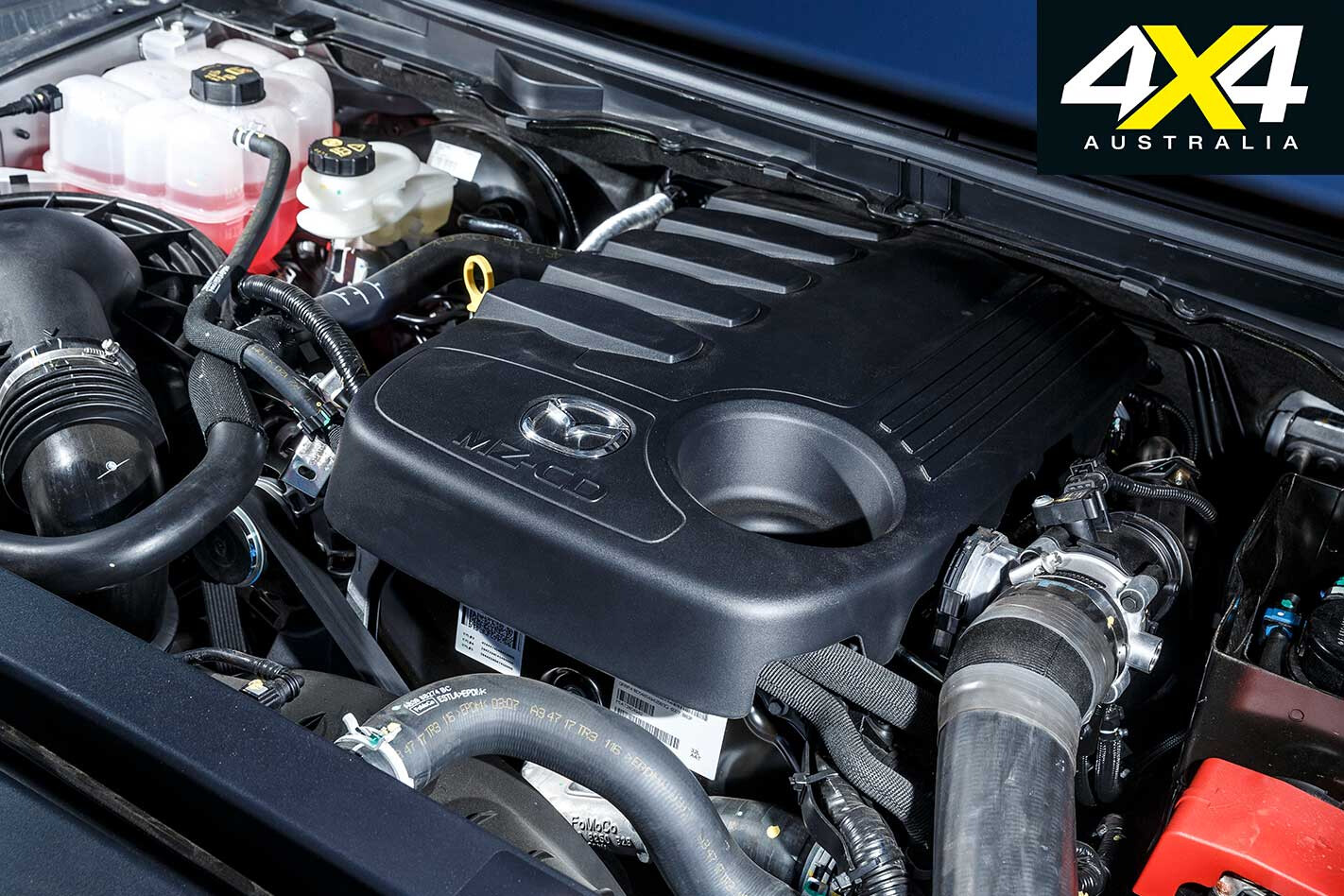
The BT-50 also doesn’t have Ranger’s electric power steering that makes for easier low-speed manoeuvring; although, others will argue that Mazda’s old-school hydraulic system in its offering is potentially more robust.
Off-road the BT-50 is a good thing; although, a notch down from the Ranger due to another 2016 upgrade it received – leaving the front traction control active when the rear locker is engaged – which Mazda didn’t adopt.
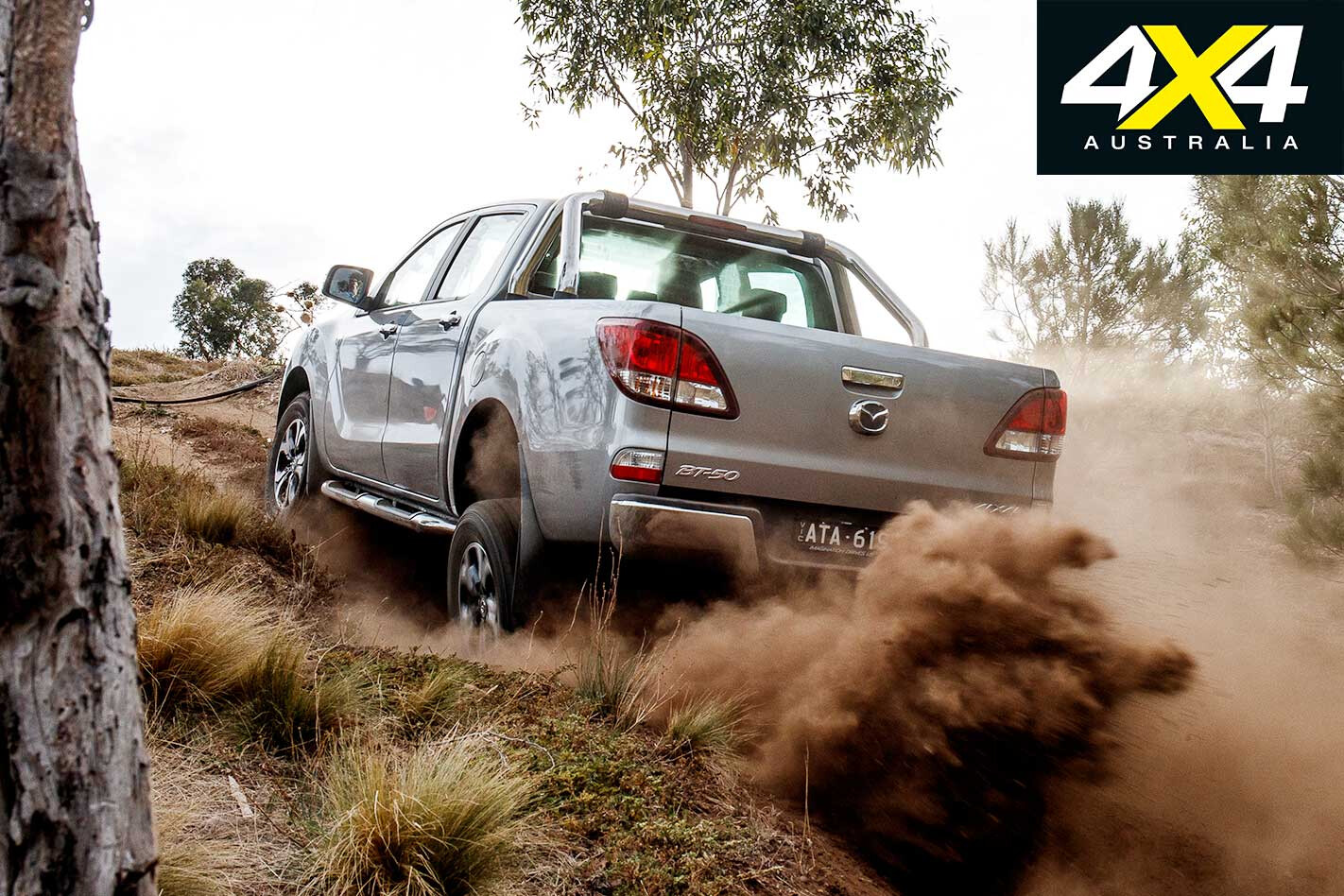
Otherwise everything that is likable about the Ranger, such as a spacious cabin and excellent towing and load-carrying ability, is essentially true of the BT-50.
Mazda BT-50 mid-2018 Year-on-Year sales
| June 2018 YTD | June 2017 YTD | Sales Change |
| 4683 | 4746 | -1.3% |
2018 Mazda BT-50 GT Specs Engine: 3.2-litre 5-cyl turbo-diesel Power: 147kW at 3000rpm Torque: 470Nm at 1750-2500rpm Gearbox: 6-speed auto 4X4 system: Dual-range part-time Kerb weight: 2118kg GVM: 3200kg Towing capacity: 3500kg Fuel tank size: 80 litres ADR fuel claim: 9.2L/100km
BT-50 4×4 Report Card
| Attribute | Grade |
| Powertrain | C |
| On-Road | B |
| Off-Road | B |
| Cabin & Equipment | B |
| Towing & Practicality | B |
| Final Results | |
| Essentially a Ranger wearing another badge,u00a0but not as good in the detail. | |
*Scored against class competitors. A = Excellent; B = Very Good; C = Good; D = Fair; E = Poor; F = Fail.
While Oxley Wild Rivers NP is the largest of five other national parks either adjoining or adjacent to it, there are another 22 national parks and 30 nature reserves in the New England area.
Travelling east across the tablelands towards the Great Dividing Range and onto its eastern slopes, annual rainfall rises from 800mm to 2000mm creating a diverse range of forest types from temperate to tropical rainforest.
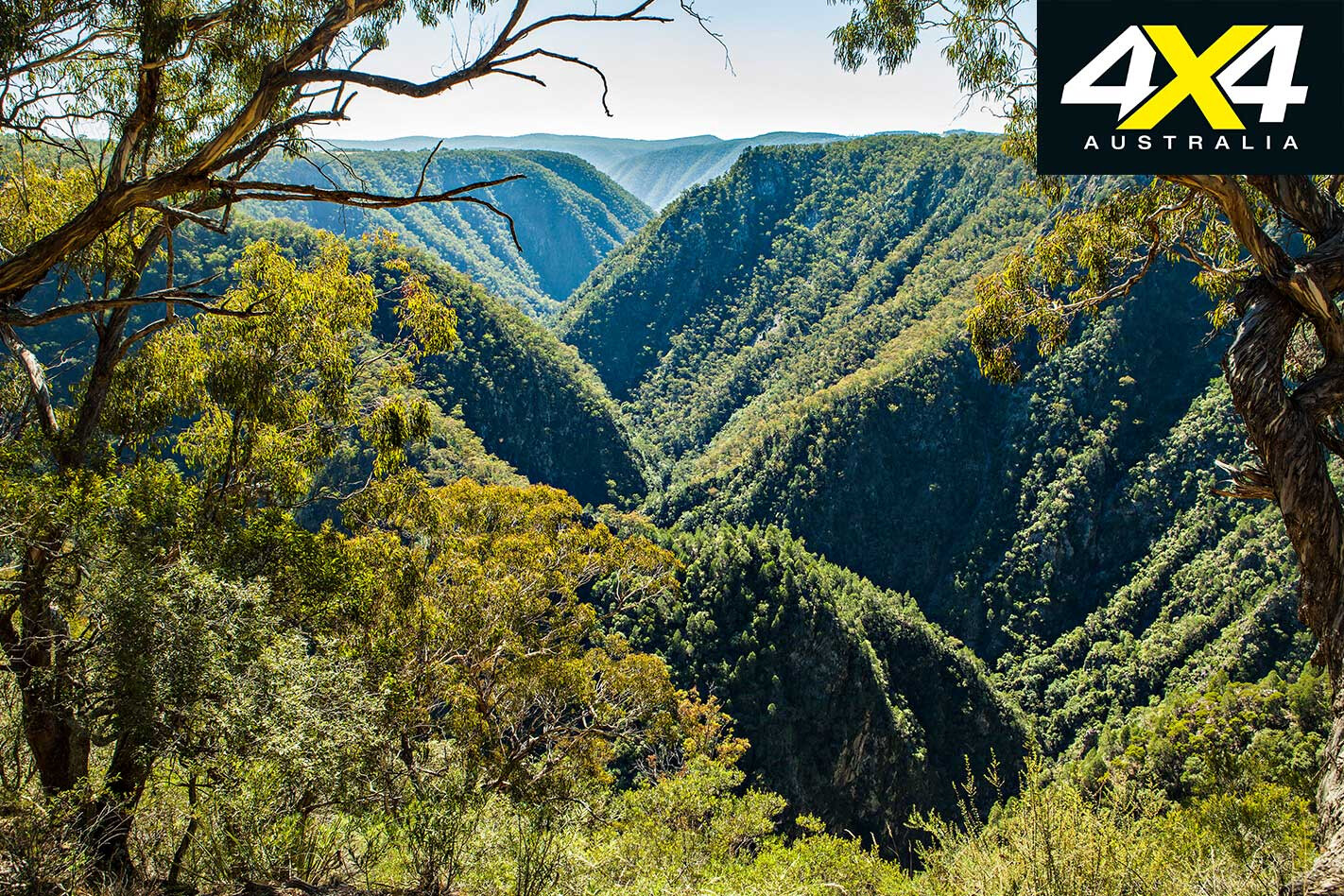
Around Walcha, south of Armidale, it is easy to see how the New England Tableland got its name. Deciduous trees such as elms and poplars paint the rolling green hills with vibrant splashes of yellow and gold in autumn. The area sees most of its rain over summer and autumn, but it remained in the grip of a severe drought at the time of our visit in late April.
The local service station at Walcha, Apsley Motors, is the NSW National Parks agent for permits and keys to some controlled access areas – a system that some of the other states could do well to consider. The entry permits generate additional income for the care and maintenance of sites in question, while allowing Parks to control the number of users.
The key accompanying the permit allows access via locked gates that can only be described as impressive. Heavily built, they make the gates on the seasonally closed tracks of the Victorian High Country look like they were bought on special at Bunnings.
NSW Parks’ care and maintenance of its campgrounds is second to none. The major campgrounds are regularly provided with cut firewood and the facilities regularly cleaned. How often in other parts of Australia have you seen a Park’s employee mowing the grass and tidying up, what are in some instances, very remote campgrounds with a leaf blower?
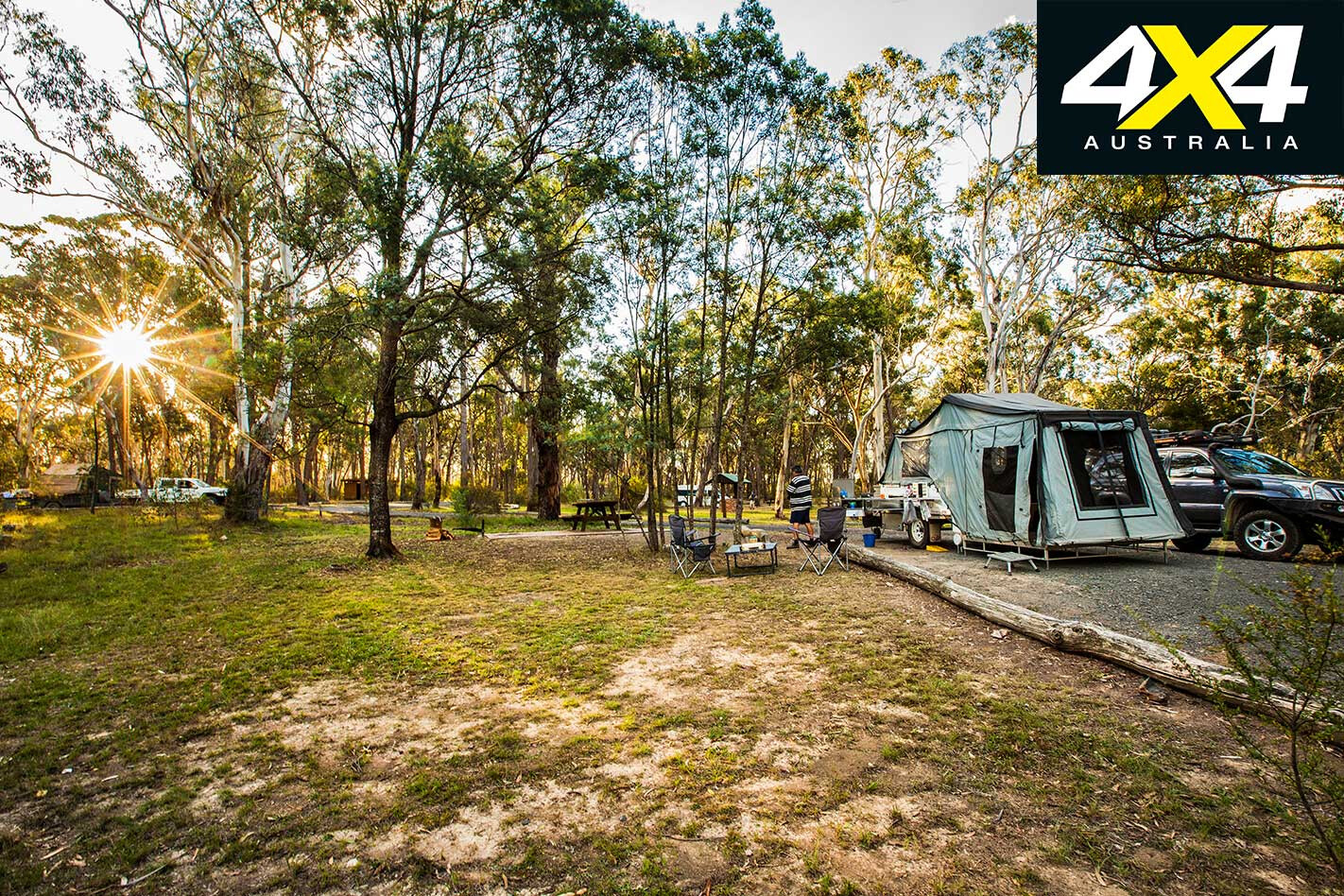
Surprisingly, with the NSW school holidays being in full swing, we had our first camp at Apsley Falls to ourselves until late in the afternoon, when three or four grey nomads pulled in for an overnight stay.
Despite the excellent facilities at Apsley, including flushing toilets, untreated rain water on tap and the aforementioned free firewood, it was very disappointing to see very few campers bothered to pay the self-registration fee of $6 per head.
The drought meant some of the park’s more spectacular waterfalls were not flowing. Apsley Falls was one of these, but the deep gorge with its precipitous walls was still an impressive sight and provided a striking testimony to the power and volume of water that flows down the Apsley River at times. There is an easy walk around part of the gorge rim, with viewing platforms providing spectacular views.
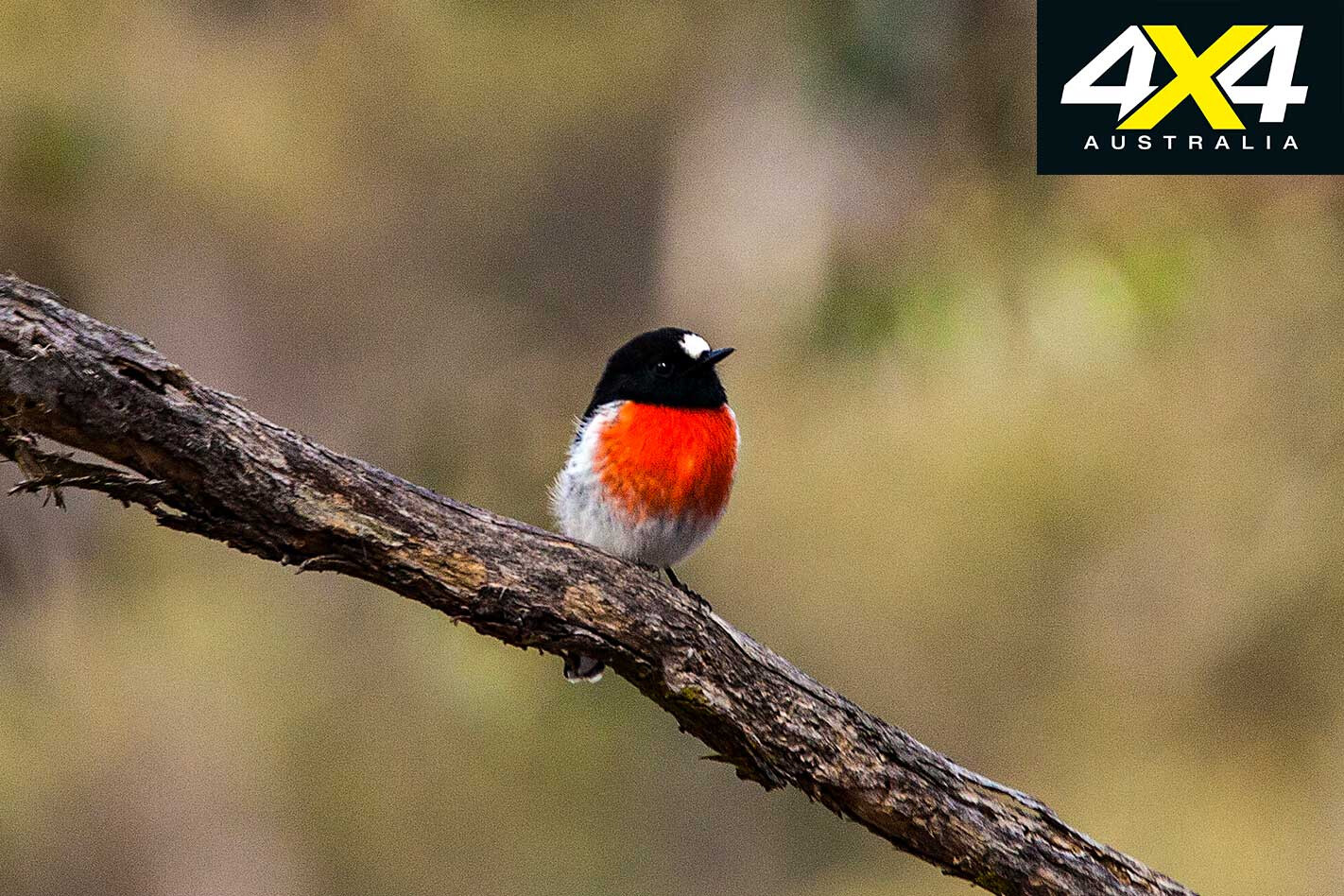
A diverse range of birdlife can be seen around the campground. Scarlet robins were the most striking, with their iridescent red plumage standing out like small beacons as they flitted through the otherwise drab green-grey bush.
The magpies proved to be a lot of fun as they picked over our campsite for crumbs and even ate from our hand (whether invited or not). The group’s alpha male, built like an avian rugby player, would perch on the edge of the table staring fixedly at the food on our plates, and on one occasion deftly removed a sandwich between hand and mouth with a flash of black and white.
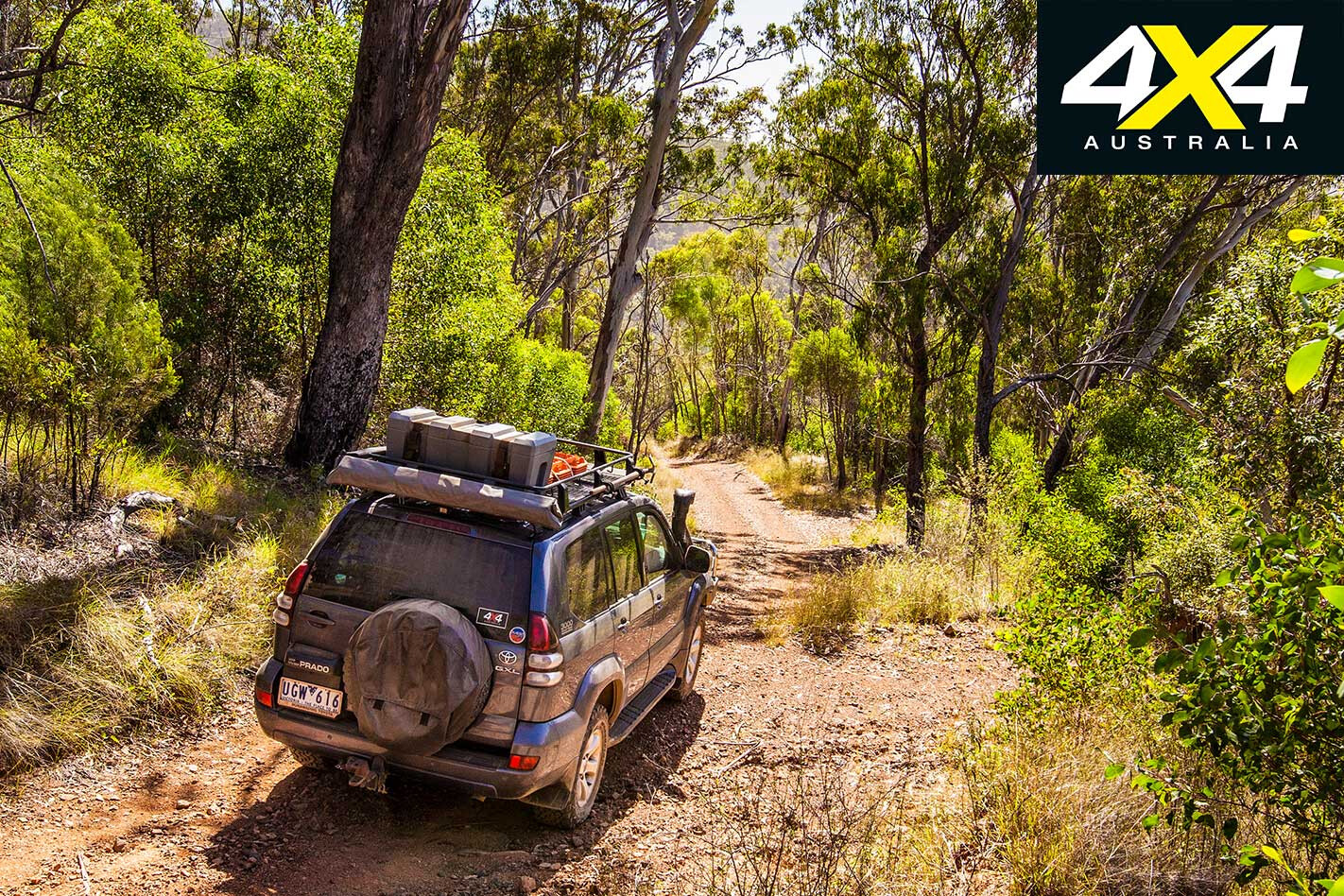
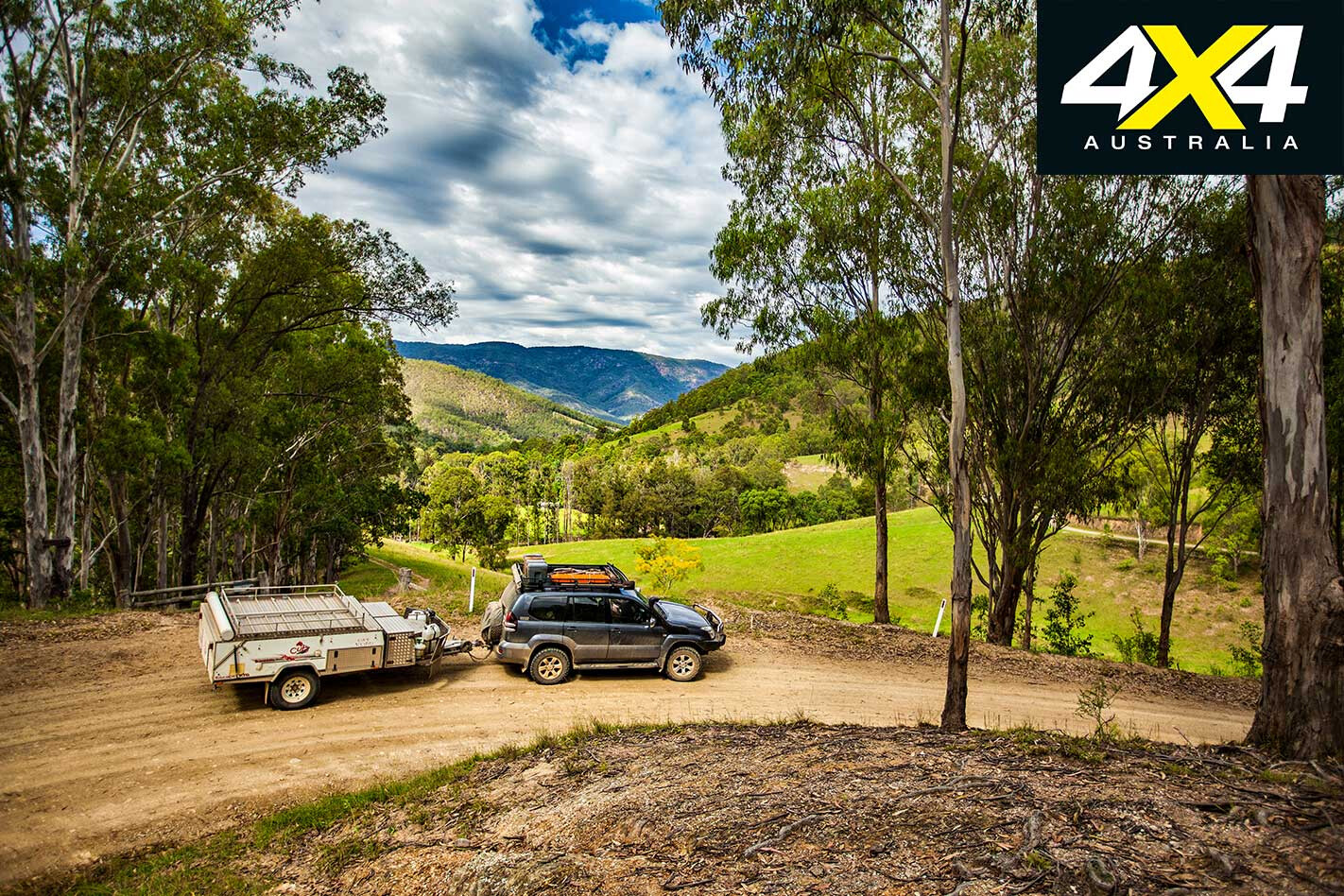
Riverside campsite is a permit-only area some 20km from Apsley Falls, but getting there entails a drive back to Walcha to cross the Apsley River. A narrow but well-maintained gravel road runs through dense forest for several kilometres before reaching the locked gate after which it becomes a narrow track (rough in places) that drops very steeply to the valley floor 800m below.
With steep pinches, switchbacks and few places to pass with plenty of oncoming traffic, it is easy to see why camper trailers are not permitted. Most of this slow descent was tackled with the auto in low-range first gear, allowing the engine compression rather than our brake pads to fight gravity on the steep track.
Riverside can only be described as one of the nicest campsites you could hope for. With his and hers facilities, gas barbecues, picnic tables and a large mowed grass area protected by heavy bollards, it was perfectly maintained despite its remote location. Hidden behind a line of trees just a few metres from the grassed area is a postcard-perfect stretch of the Apsley River with its inviting crystal-clear water.
While a pleasant destination for a day drive, Riverside is a place that will ensure you throw a tent in the camper to enable an overnight stay on your next trip.
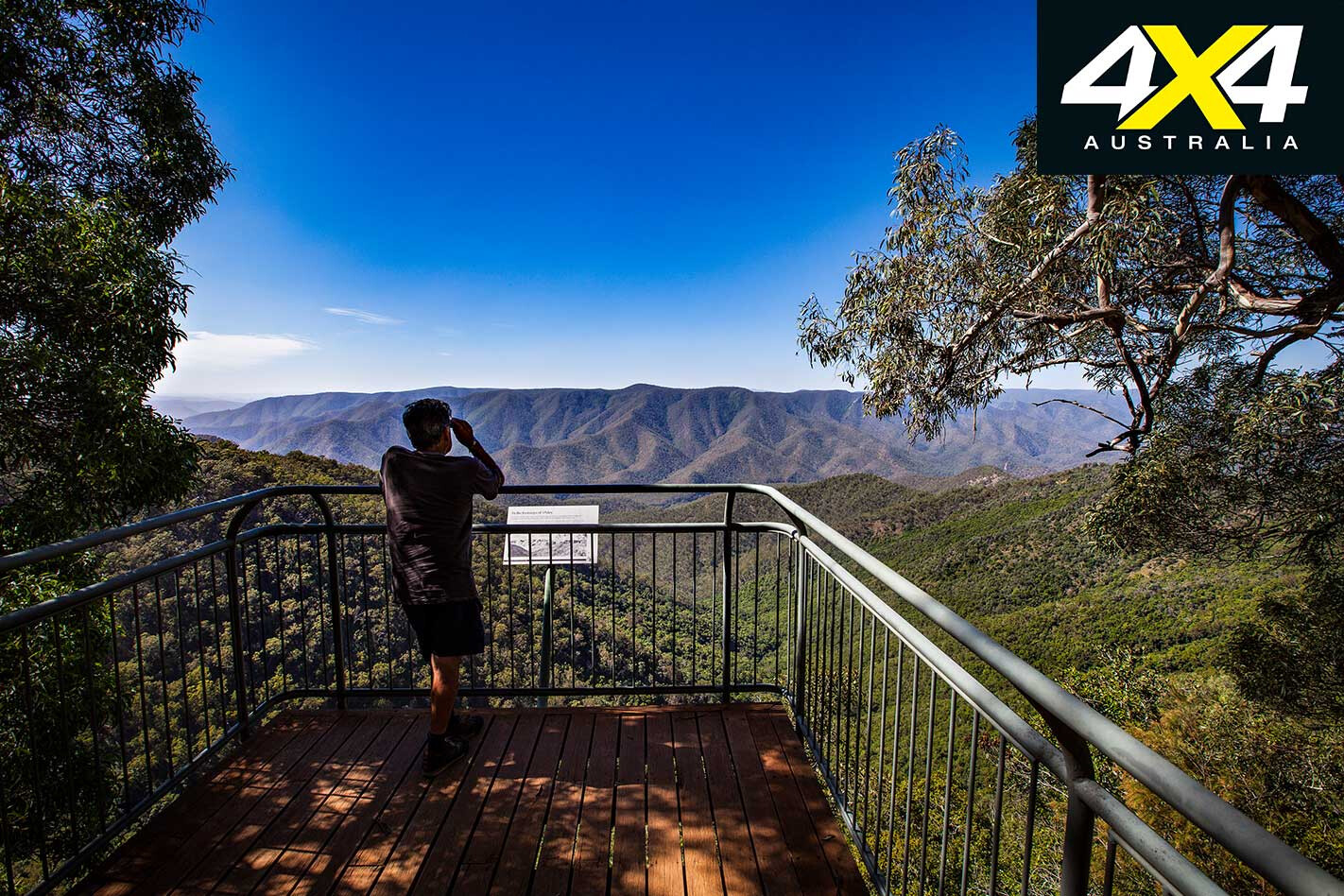
Leaving Riveside it is worth a stop at Budds Mare campground located on a high ridge near the Park entrance. The three campsites here are easily accessible with a camper, and a nearby lookout has commanding views over the rugged ranges to the east. NSW’s Surveyor General, John Oxley, stood here in 1818 during his efforts to find a path across the ranges to the coast beyond.
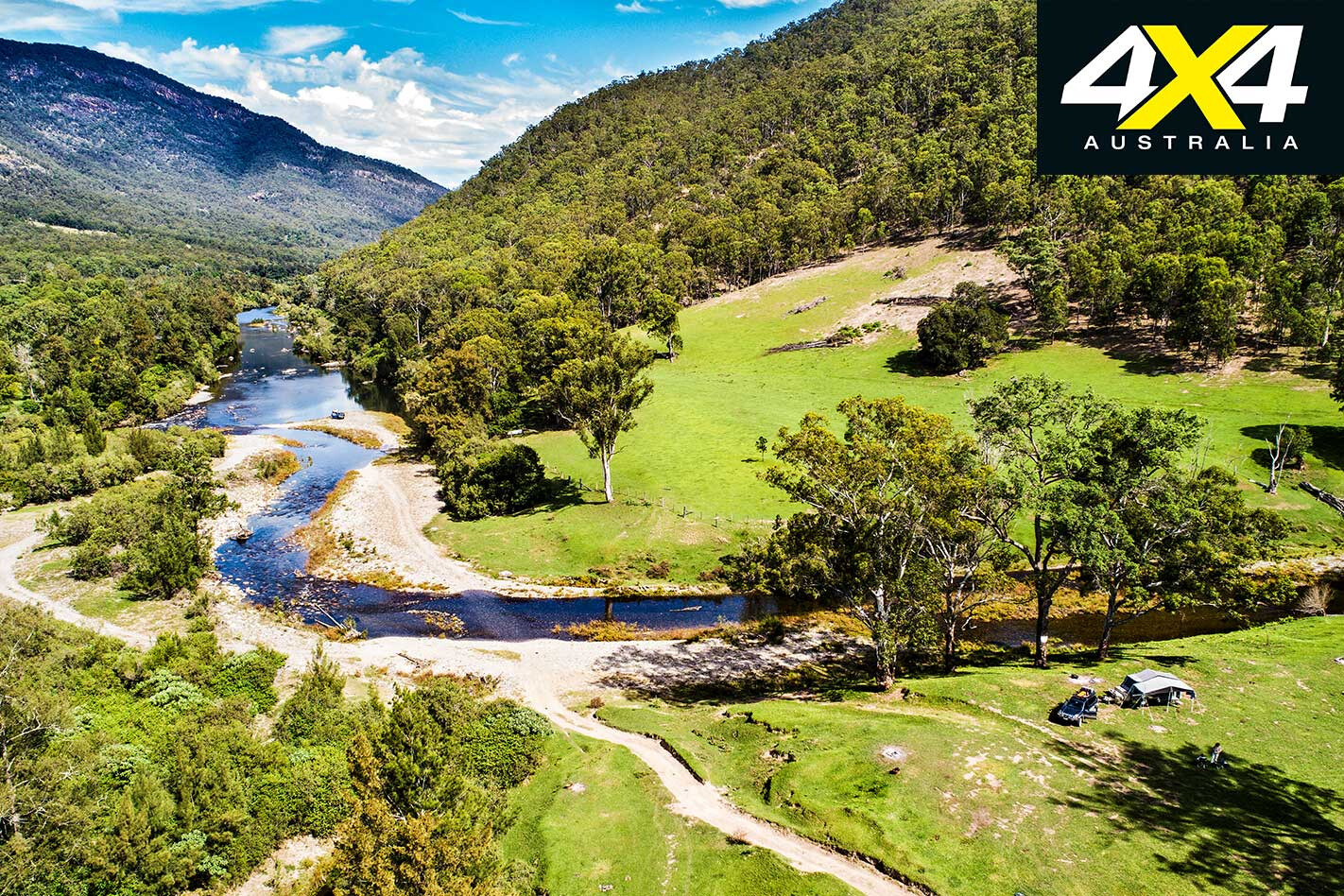
Taking in that same view today it is easy to see Oxley’s problem, as the deep valleys that crisscross the area largely run north south, presenting a seemingly impenetrable barrier to any easterly route. Oxley eventually crossed the Great Dividing Range at Apsley Falls before following the Hastings River to the coast at what is present-day Port Macquarie.
Another restricted access site is Youdales Hut, some 75km south-east of Apsley Falls. Half the journey is on bitumen, with the balance on good gravel forest tracks which slowly degrade the deeper you travel into the forest. Like Riverside, the final few kilometres into Youdales involved a very steep drop of about 800m down a narrow track.
Youdales Hut was built in the early 1900s and restored after lying abandoned for many years. Set in a large, grassy clearing with an adjoining grassed and shady camping area, the hut backs onto a shallow river with water that is as clear as glass.
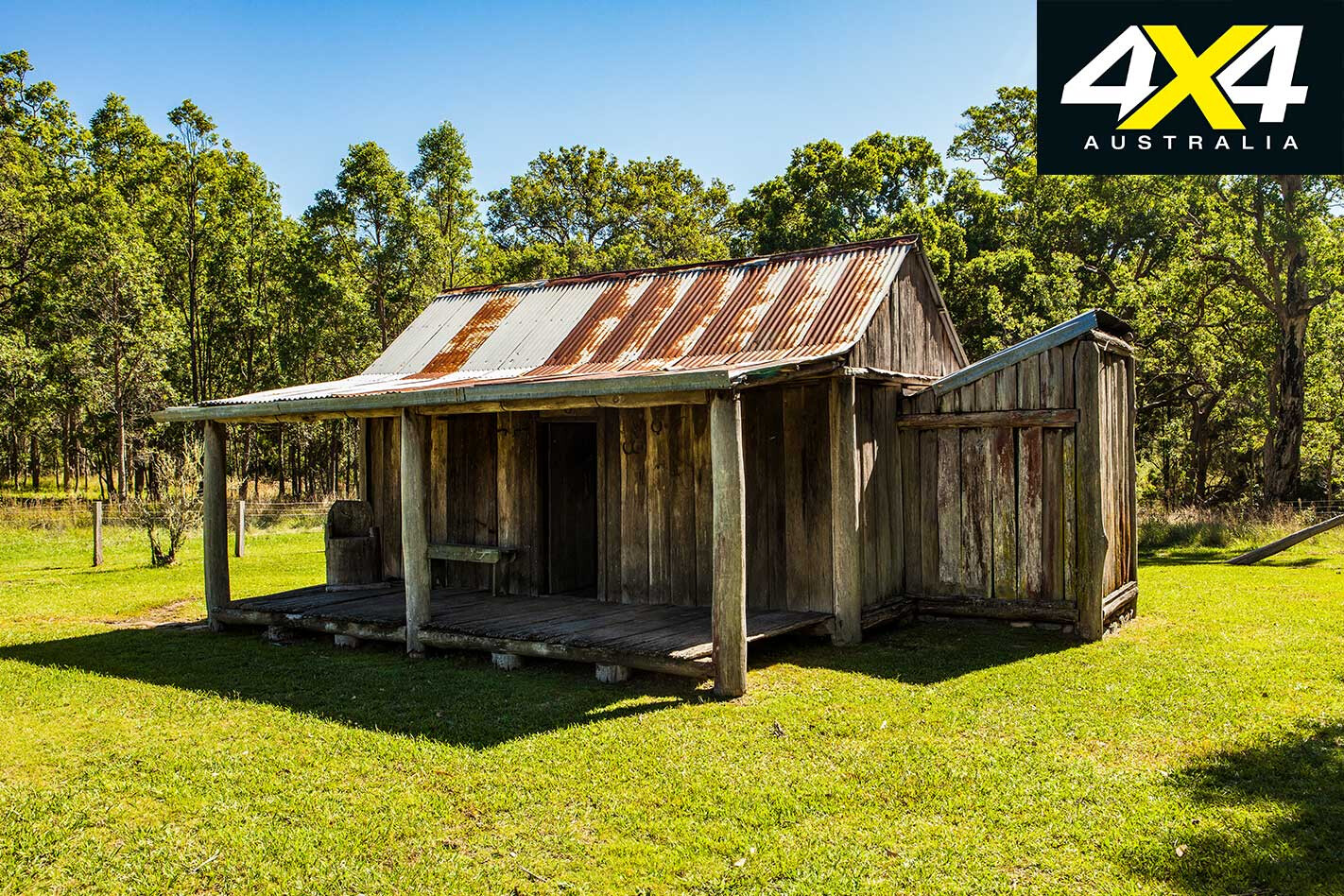
Youdales won the lease of the land here in a lottery; although, considering the remoteness and difficulty of access in a time before roads were cut into the valley, you would have to wonder if it was first prize.
Youdales was certainly a man with a long-term view. To overcome the problem of termites eating his stockyard timbers, he planted gum trees as living posts – a plan that would have taken years to realise.
The road back to Apsley Falls passed Tia Falls, which had enough water flowing over its huge drop to paint a picture of how impressive it would be when in flood. As well as the deep gorge cut by the river, a nearby lookout also has even more spectacular views over the rugged, forest-clad ranges to the east. Wollomombi Falls, just east of Armidale, like nearby Dangers Falls was also dry. However, both locations, as well as still being scenic, had stories to tell.
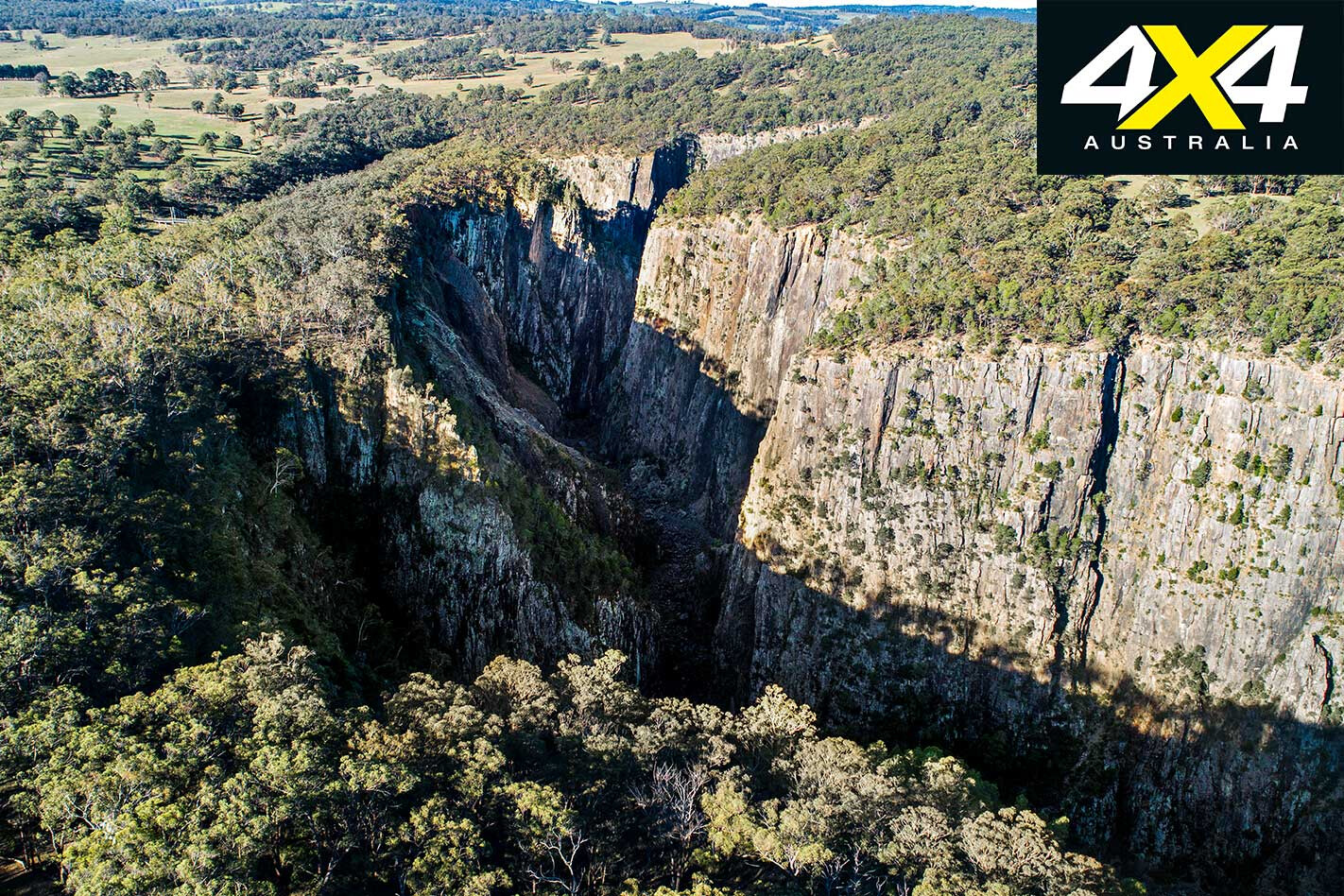
A sign at Dangers Falls explains how large numbers of eels can sometimes be seen in the pool at the bottom of the falls. Growing to two metres, these eels breed in the Coral Sea off the Queensland coast, from where the young eels then make the arduous 1500km journey back to the headwaters of this river – in the process somehow scaling the 120m-high waterfall.
Wollomombi Falls, with a total drop of 230m, was for some time considered to be the tallest waterfall in Australia, but it has now been relegated to second or third tallest (depending on what reference material you read).
The Wollomombi campground, like Apsley, was perfectly maintained if somewhat busier. The quiet afternoon was filled by the sound of campers cutting the already split eucalypt firewood into kindling. Despite being dry, the timber just wouldn’t burn unless split into small pieces, and we wondered if Parks soaks the wood in fire retardant to make it last longer.
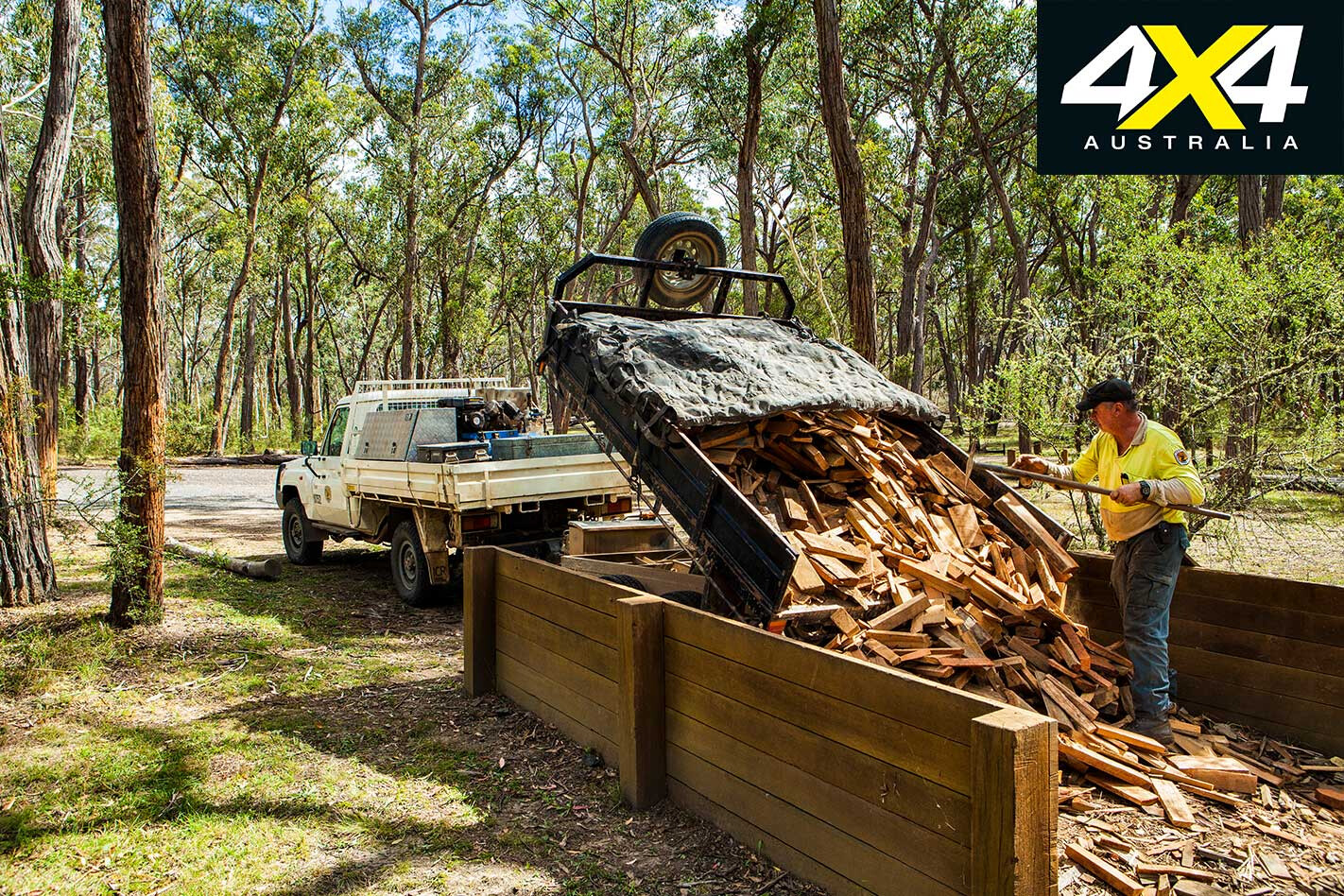
On the topic of firewood, one of the resident grey nomads related the tale of seeing someone, ostensibly another camper, pull in with a trailer covered with a tarp only to leave a short while later. They subsequently found the campground’s wood supply had disappeared – undoubtedly in the campers’ trailer.
East of Wollomombi, on the road to Dorrigo, is the picturesque Ebor Falls, which had a good flow of water falling over two substantial drops. Fusspots, a cafe in the adjoining township of Ebor, is a great place to take a break (its hamburgers and Devonshire Tea are especially recommended).
Nearby Point Lookout at 1540m is one of the highest vantage points in the New England area, with spectacular panoramic views to the east. However, this is one of the wettest areas in NSW and on anything other than a bright, cloudless day expect the lookout to be shrouded in thick fog. Our visit was no exception, with misty rain and visibility down to less than 100m.
Judging by the lichen and mosses covering pretty much everything, a clear day at Point Lookout is probably a rarity. The one compensation in the event of a fruitless drive to Point Lookout is that the road passes a fish farm where you can buy mouth-watering smoked trout.
Our final stop was Georges Junction, named because it is on the junction of the Georges Creek and the Macleay River. Access to the Junction necessitated another 800m drop off a high ridge by way of a good all-weather gravel road.
Despite protecting our brakes as much as possible during the descent, the extra weight of a camper behind us resulted in a definite smell of cooking brake pads by the time we reached the bottom. Be sure to use lower gears.
Pre-trip research indicated there was an interesting 4×4-only track that followed the Macleay River south from the campground. However, access was barred by a closed gate emblazoned with a “No Entry” sign. It seems the leaseholder has had a gutful of people doing the wrong thing.
With 4x4s, trail bikes and dogs chasing his cattle, broken glass and other rubbish lying around, and being regularly asked to recover bogged vehicles, who could blame him for shutting down access? Certainly not us.
While ‘ferals’ only constitute a small percentage of the camping/4×4 community, the impact of their thoughtless actions affects us all. No doubt on their next visit said ferals will be complaining bitterly about the injustice of being denied access. Will they comprehend the reasons behind the closure? I’d say the answer to that is, probably not.
From Georges Junction there is a choice of either driving out to the coast at Kempsey or taking a 4×4 dry-weather-only track over the top of the range via Kemps Pinnacle. The previous night had seen a thunderstorm that would have done Noah proud, but as the morning started bright and clear, we decided to chance the track.
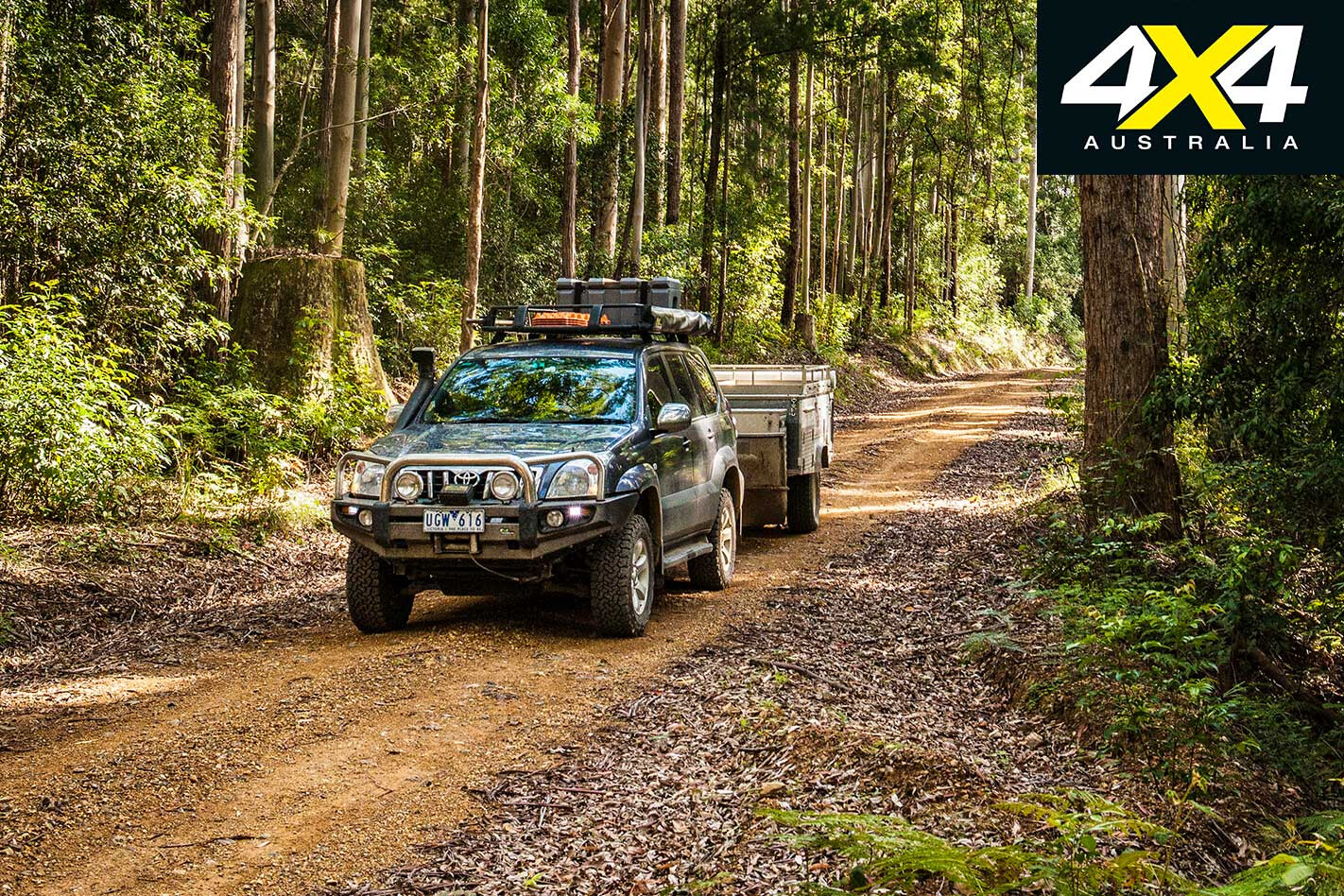
Reached from the small town of Bellbrook, what started as a good gravel road quickly became a narrow, winding track with numerous blind corners. A somewhat slow yet interesting drive was made more interesting by a surprise visit from a two-metre carpet python during a lunch stop.
Camp that night was at Bushy Mountain Campsite on a high ridge in the rainforest. With a campfire burning and a red wine (or three) behind us, we relaxed after a long day before a tickling sensation suddenly alerted us that we both had several leeches dining on our legs. The joys of the rainforest! A sprinkle of salt solved the immediate problem, but we kept a close watch on the ground around us after that and agreed this was definitely not a place to throw down the swag.
Heading south, the drought-stricken plains of central NSW were a stark contrast to the rainforests and rivers we had left behind. With numerous other national parks in the New England Tableland, a return visit is on the cards when the area’s waterfalls are in full flow.
Travel Planner
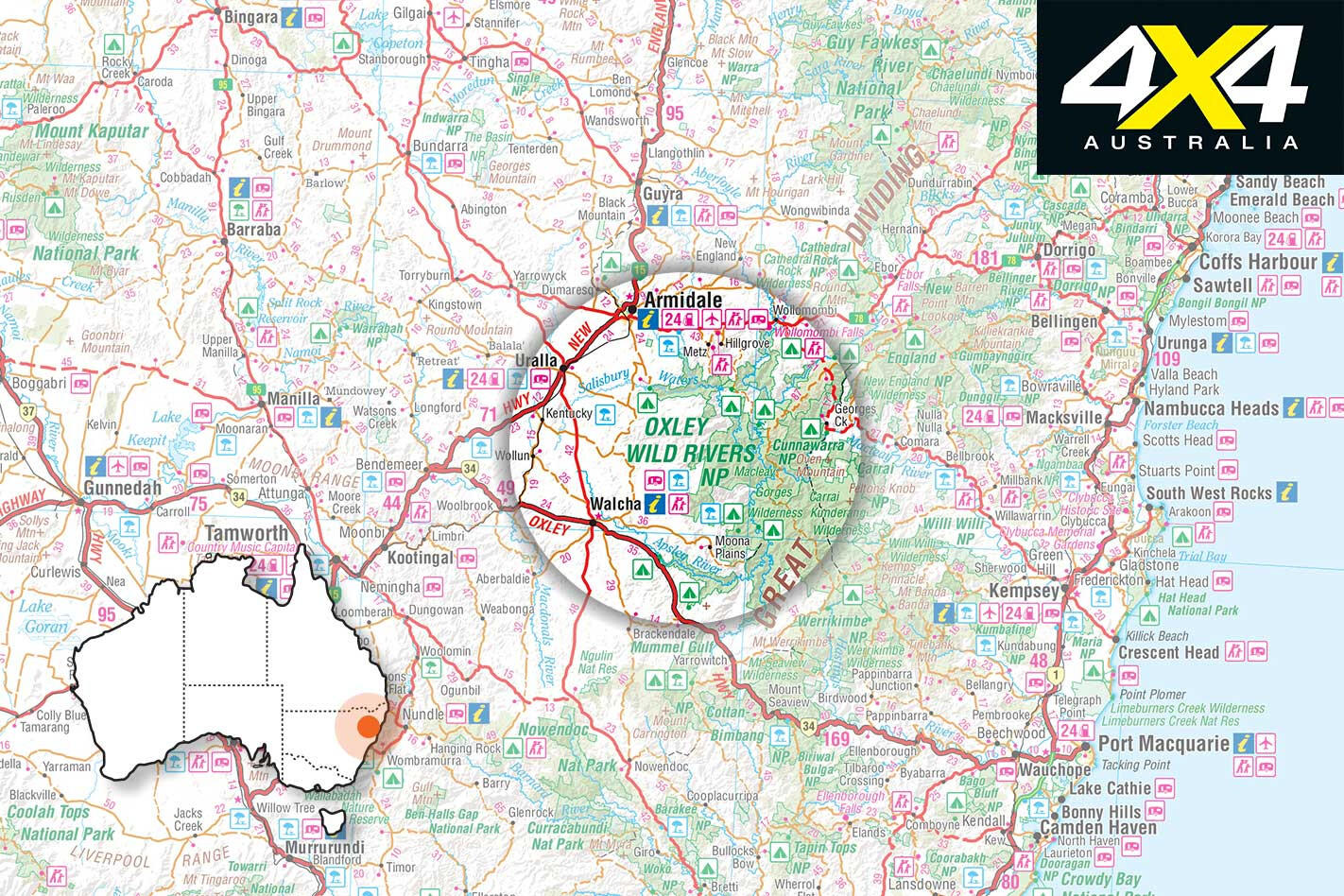
WHERE? Oxley Wild Rivers NP is located south-east of Armidale in the New England Tableland area of NSW. Armidale is 475km (six hours) north of Sydney and a similar distance from Brisbane.
WHEN TO TRAVEL? Autumn and spring have pleasant daytime temperatures and mild nights, whereas summers can be hot. On the other hand, winters are cold and wet given the Tablelands’ 1000m altitude. After a period of rainfall the numerous waterfalls are at their best.
STAYING THERE Walcha and Armidale both provide a full range of accommodation and services. Numerous campsites with good facilities are scattered throughout the national parks in the area.
ROAD CONDITIONS Most access roads are suitable for passenger vehicles, but some locations are closed to anything other than 4x4s. Roads and tracks in the forest can be narrow with blind corners, requiring care in respect of oncoming traffic. The area has many long climbs and descents of up to 1000m. Therefore, anyone towing a camper trailer needs to be careful to avoid brake fade.
MAPS It proved difficult to obtain detailed paper maps of the area and the NSW Parks’ maps online are less comprehensive than they could be. A 4×4 GPS is highly recommended.
CONTACTS NSW Parks, Walcha Phone: (02) 6777 4700
Apsley Motors, Walcha (for permits to controlled areas) Phone: (02) 6777 2755
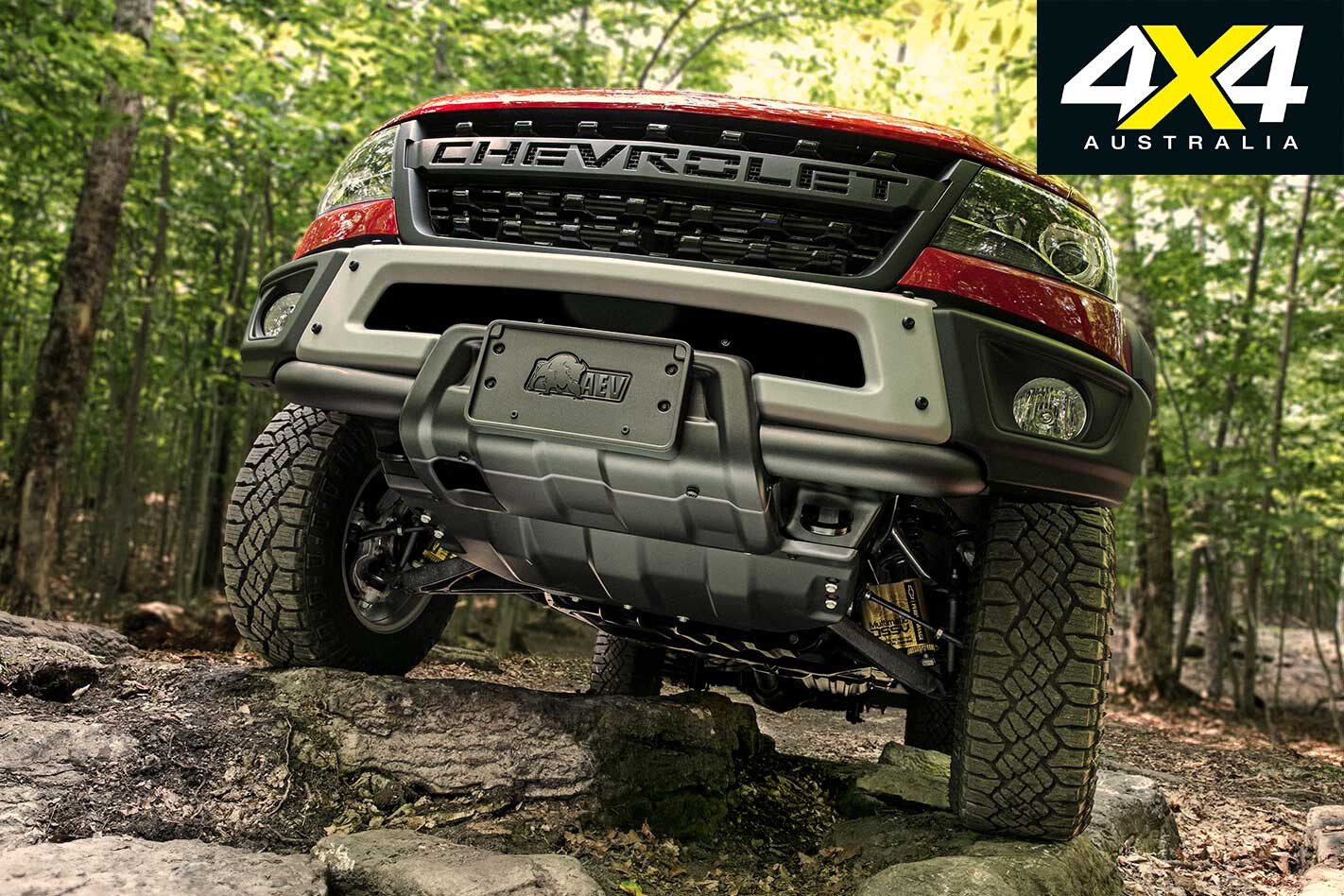
CHEVROLET has added the performance-honed ZR2 Bison to its midsize truck stables, following an extensive collaboration with aftermarket manufacturer American Expedition Vehicles (AEV).
First seen at the 2017 SEMA Show on the AEV stand, the ZR2 Bison ups the ante with a selection of skid pans, front and rear bumpers, a redesigned front grille, 31-inch Goodyear Wrangler Duratrac off-road tyres, enlarged fender flares, and Bison-specific 17 x 8.0-inch aluminium wheels.
The skid pans (five in total), which cover the engine oil pan, fuel tank, transfer case and front and rear locking diffs, are made using Boron steel.
The front bumper is winch-compatible and caters for fog lights, while the rear bumper features recovery points.
“We’ve been following Colorado since its introduction, and the ZR2 really captured our attention,” said Dave Harriton, founder and president of AEV. “As this is the first Chevrolet vehicle we’ve given the AEV treatment to, we wanted to do something special with the industry’s first use of hot-stamped Boron steel. We also expect that Colorado drivers will love the added ruggedness of our front and rear bumpers on ZR2 Bison.”
The Colorado ZR2, on which the Bison is based, features front and rear locking diffs, Multimatic DSSV dampers, cast-iron control arms, and an Autotrac transfer case. It also features a modified rear axle with a 3.42 ratio, widened tracks (front and rear) and a two-inch suspension lift over a Z71.
“More and more enthusiasts are discovering that Colorado is ideal for off-roading, especially overland travel,” said Sandor Piszar, director of Marketing, Chevrolet Truck.
“The Colorado Z71 offers a full suite of off-road equipment, the maneuverability of a midsize truck and the driving range of a class-exclusive diesel engine. The Colorado ZR2 offers even greater off-road capability with class-exclusive front and rear locking differentials and Multimatic DSSV dampers. And now, Bison offers customers an even more extreme turnkey off-road truck ready to tackle your next adventure.”
The ZR2 Bison will go on sale in January 2019 in the USA, backed by a full factory limited warranty. We’re hunting for local news, so stay tuned.
EVERY day is a big day. I start work around seven in the morning, finish work around six at night (or nine on Thursdays) and I pretty much do everything from helping to design new products, answer phones and technical support enquiries, and everything else that’s involved in running a small business. It never stops.
Most of our staff has been with us for a long time. We don’t have too many young people – I think the youngest person in the building is 31 – and most of the staff would be in their 50s and 60s. Experience is very important.
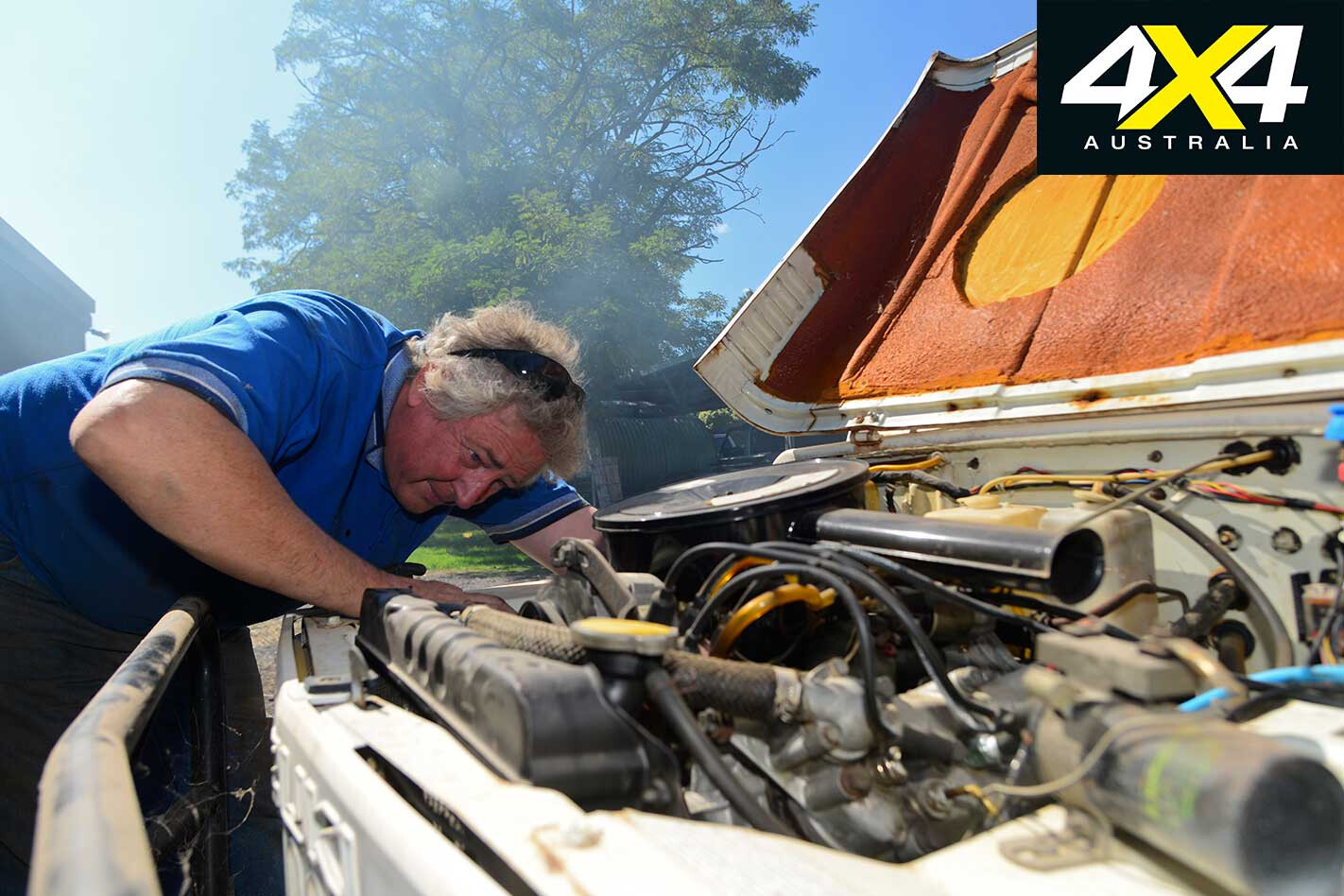
In this industry a lot of people rely on what is on the computer screen as their total knowledge base, whereas in our situation we have a massive knowledge base thanks to all the people here who have done the job for so many years. This makes it really important and exceptionally valuable.
We’ve done some amazingly memorable projects here. Last year we completed our solar challenge event, which was to build the first-ever solar-powered electric 4WD and cross the Simpson Desert. So me and my mates Mark and Denny French [founders and former owners of Marks 4WD Adaptors] went out and built two cars, and last year we achieved that dream.
After probably around four to five years of mucking around making it work, we finally did it. So that was a huge achievement – we’re very proud of that – and it’s a world record to cross a Category 1 desert, which is just amazing. We went from Alka Seltzer Bore to Birdsville.
On another project last year we took a group of Suzukis from the ’70s, ’80s and early ’90s all the way from Bairnsdale, Victoria, to Cape York and back again, with people aged from young teenagers to blokes in their 70s. The other thing we do is work with Simon Christie on 4WD TV and Your 4×4, so we’re constantly out there doing stuff in the bush for the filming of those TV shows.
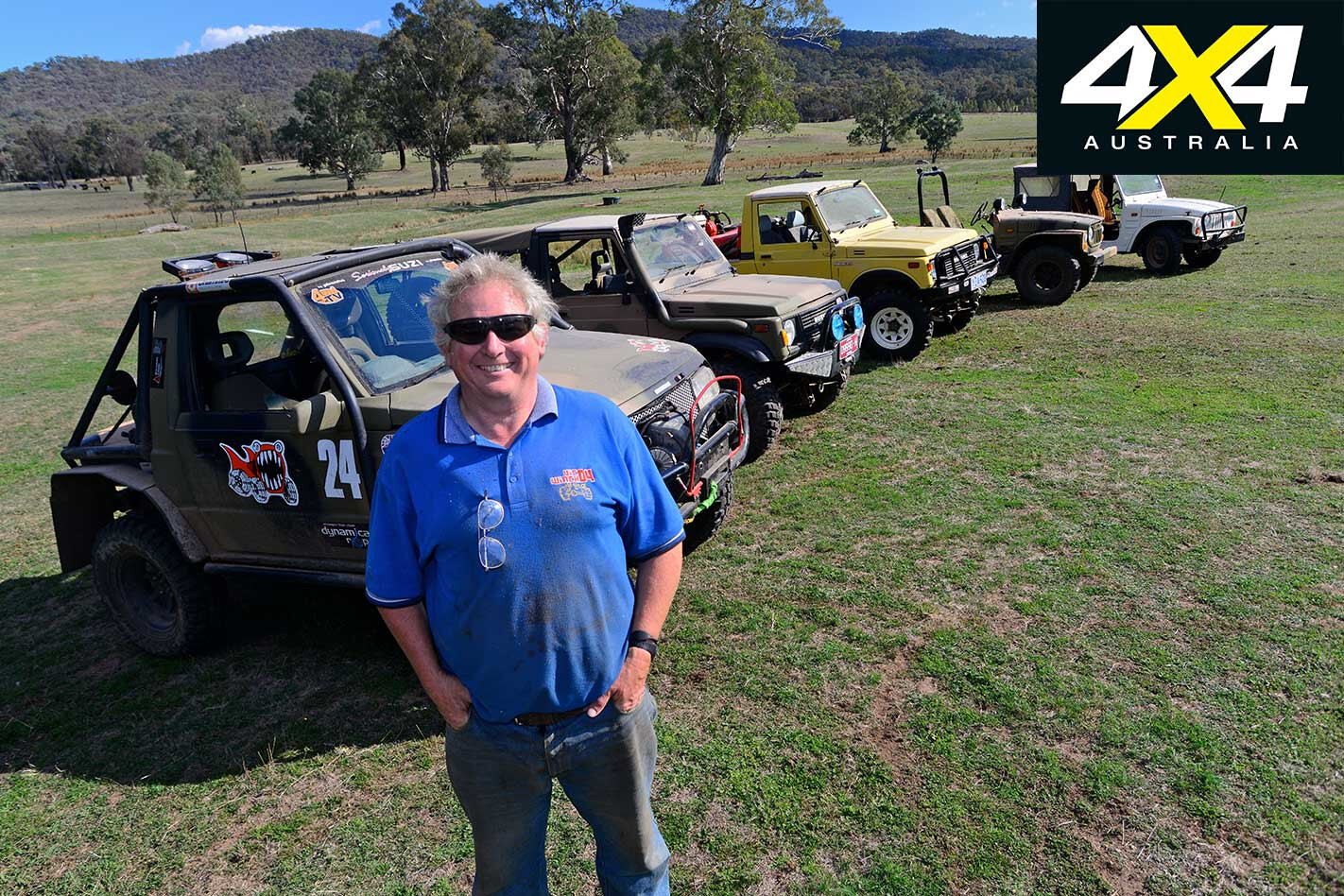
When you’re out in the bush you see things that work well, things that nearly work well but need improving, and things that don’t even exist. So going and working in the bush with 4WDs and other people’s vehicles, you get to see the shortcomings and that helps to evolve or create new products.
In terms of longer-term work, the whole market is changing. Once upon a time vehicles were very simple – truck-based – but now vehicles are becoming very car-based. What we’re trying to do is make our vehicles tougher, whereas in the early days we were trying to make our vehicles a bit softer – a bit more comfortable – so things like aftermarket suspension, better seats and more lights are important.
In the changing market, I can see myself working with those new vehicles to try and make them do what people need them to do in the Australian marketplace.
Meet the Expert Name: Alan Johnson Role: Owner, Piranha Off Road Experience: “We’ve been going for 31 years this year!”
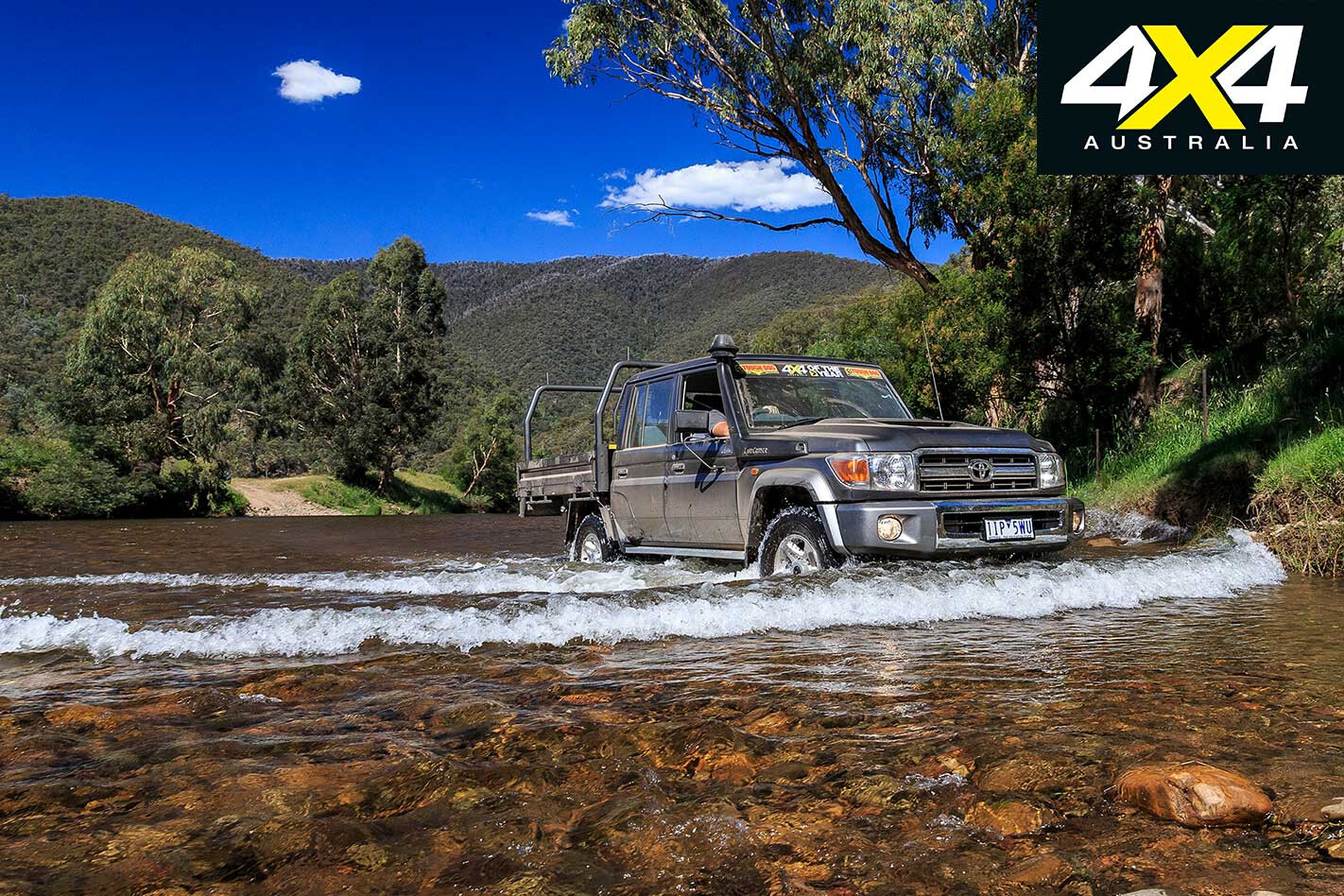
THE Land Cruiser 79, complete with its then all-new 4.5-litre V8 diesel, arrived in 2007 and has never been more popular than it is now.
In fact, in the first six months of 2018 it has sold almost as well as it did for the full 12 months of 2008. What’s more surprising is its year-on-year sales increase to June 30 is better than any of the other top 10 best-sellers, with a 24 per cent increase, despite the fact it’s the oldest vehicle here. This time last year the LC79 wasn’t even in the top 10.
In its 11-year history in Australia, two significant things have happened to the LC79. Firstly, in late 2012 the dual-cab model appeared, Australia being the first market to receive it off the back of what Toyota said was “demand from the booming mining sector and others”.
Then in late 2016 the 79 received a raft of updates, many of which came from meeting government safety and emission standards as well as industry safety demands. First up, all models gained the now mandatory electronic stability control (and electronic traction control as a side benefit). Then to meet Euro 5 emission standards all models gained a diesel particulate filter and piezo injectors.
All variants also got locking hubs, cruise control and a new five-speed gearbox with a much-needed taller top gear as well as a taller second gear. To meet industry OH&S demands for a five-star ANCAP safety rating, the single-cab model also gained curtain and driver’s knee airbags and thicker frame rails.
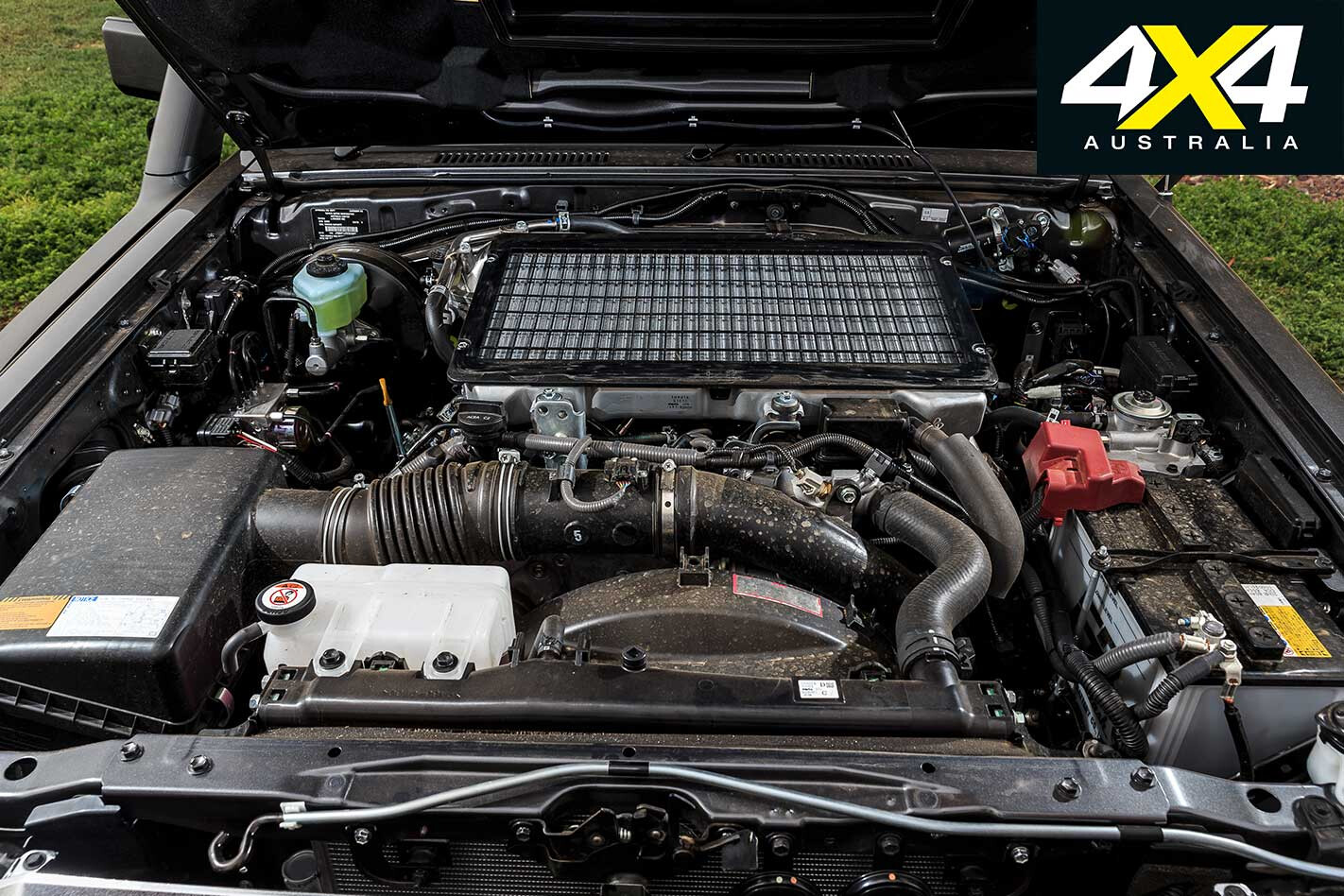
As ever the 79 is very truck-like to drive compared to others utes in this top 10, and it doesn’t offer much in the way of on-road civility in terms of handling and ride or noise refinement. Plus, the top gear still isn’t tall enough for relaxed highway cruising.
However, all of that is forgiven once you take the 79 off-road, where it is near unstoppable. The farther you get from civilisation, the more sense it makes; and if you happen to be in the middle of nowhere, it’s the only 4×4 you really want.
Toyota Land Cruiser 79 Series mid-2018 Year-on-Year sales
| June 2018 YTD | June 2017 YTD | Sales Change |
| 5140 | 4142 | +24.1% |
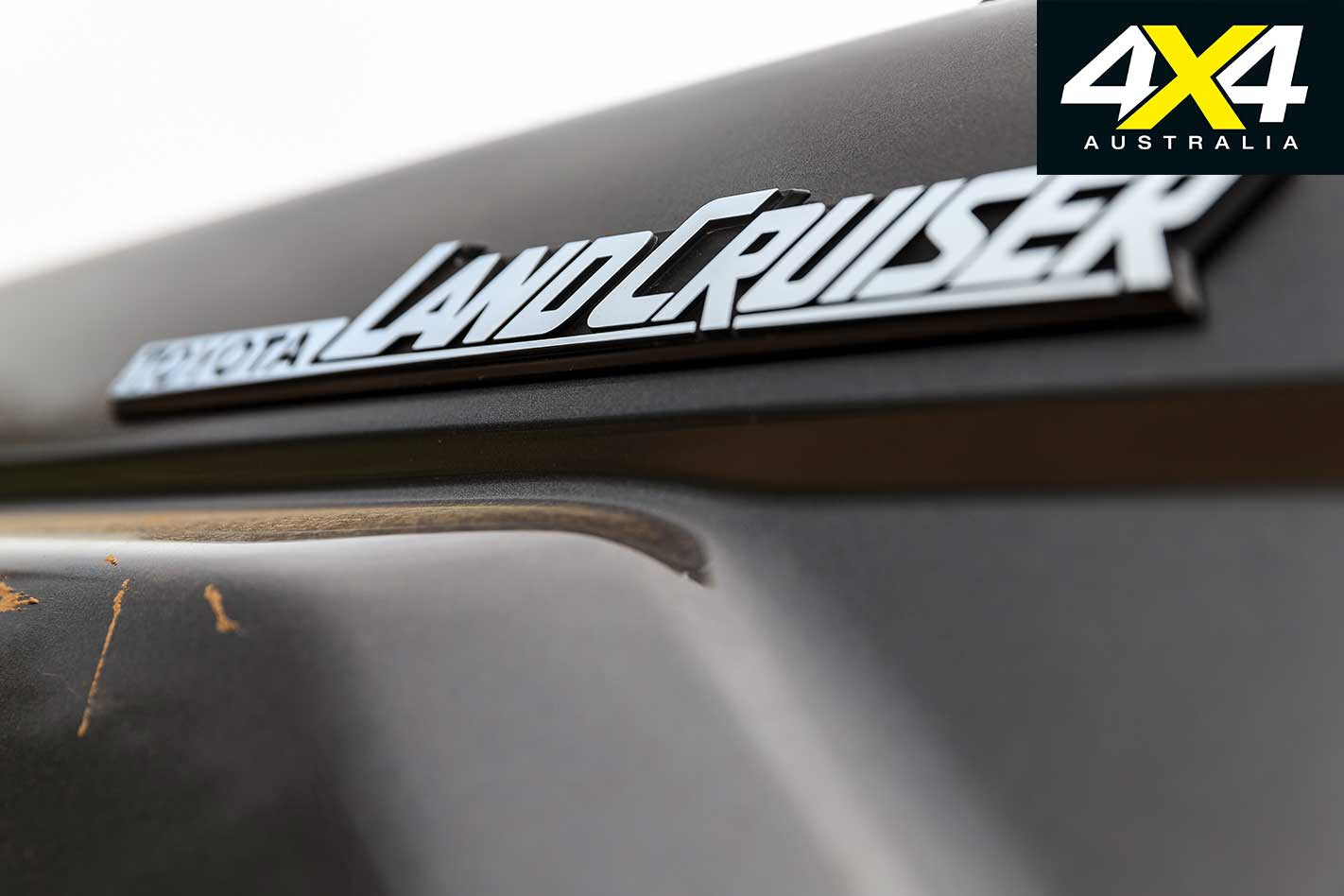
2018 Toyota Land Cruiser 79 Series Specs Engine: 4.5-litre V8 turbo-diesel Power: 151kW at 3400rpm Torque: 430Nm at 1200-3200rpm Gearbox: 5-speed manual 4X4 system: Dual-range part-time Kerb weight: 2175kg GVM: 3300kg Towing capacity: 3500kg Fuel tank size: 130 litres ADR fuel claim: 10.7L/100km
Land Cruiser 79 Series 4×4 Report Card
| Attribute | Grade |
| Powertrain | C |
| On-Road | D |
| Off-Road | A |
| Cabin & Equipment | C |
| Towing & Practicality | A |
| Final Results | |
| Itu2019s the yardstick in toughness and go-anywhere ability. | |
*Scored against class competitors. A = Excellent; B = Very Good; C = Good; D = Fair; E = Poor; F = Fail.
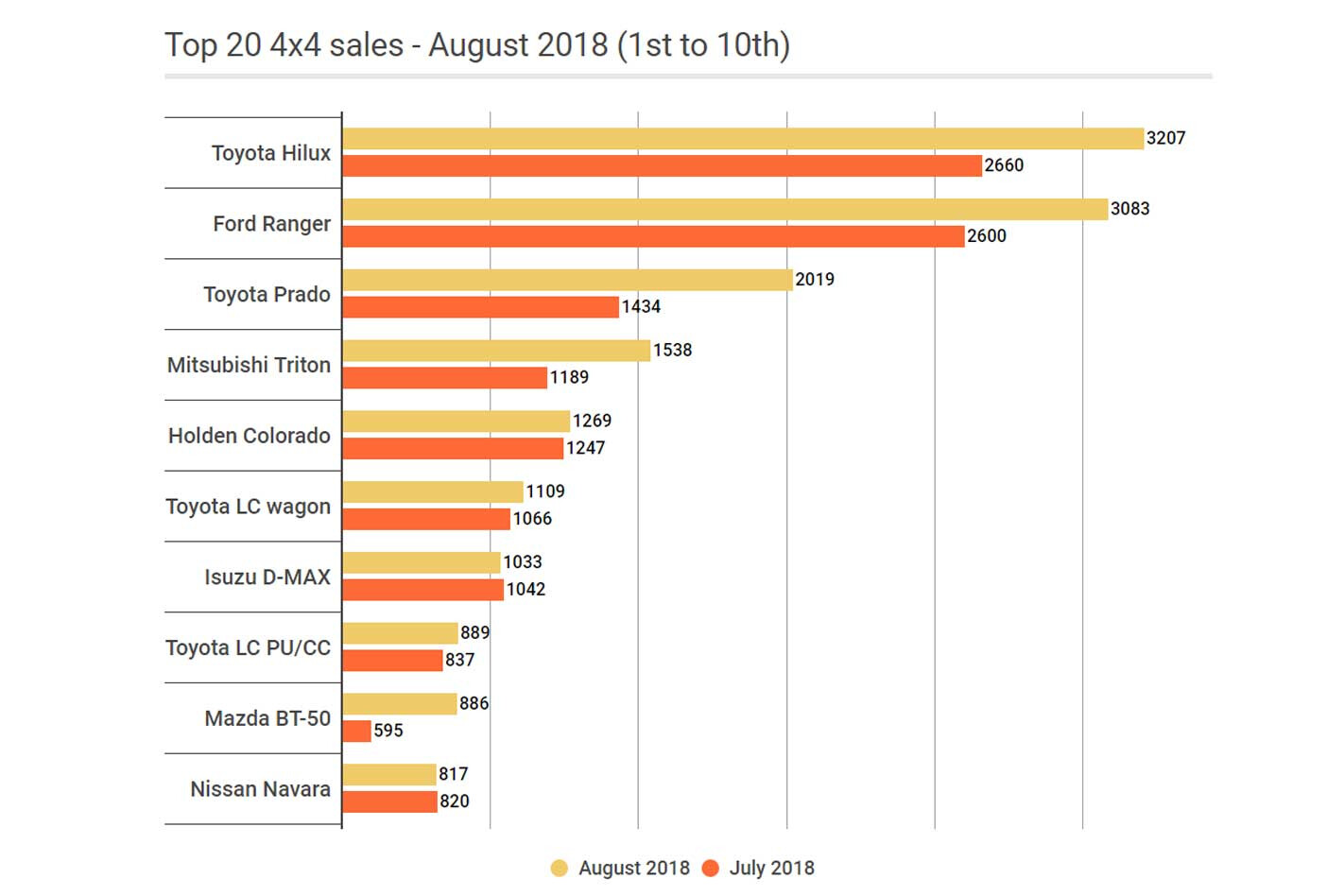
THE perennial Toyota Hilux and Ford Ranger maintain a stranglehold on the 4×4 pick-up/cab-chassis market, posting a 45.1 per cent share of the segment’s sales in August.
The duo shared a 43.3 per cent slice of the segment in July, and, in June, that number was down to 39.3 per cent. The Mitsubishi Triton is the next best-placed 4×4 ute, with 1538 monthly sales and an 11.0 per cent share of the segment.
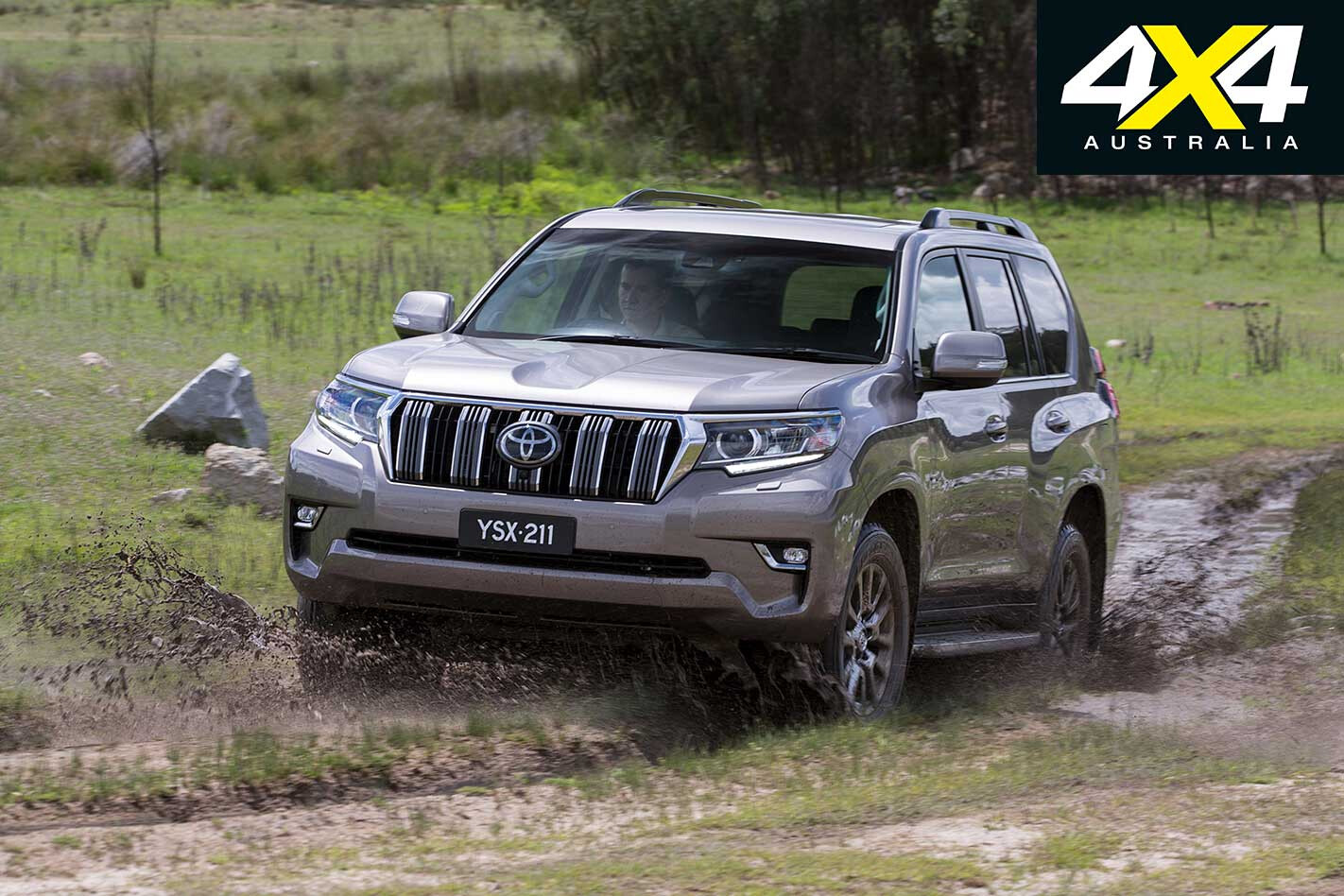
The Prado is the best-selling vehicle in the Large SUV segment – against the likes of Subaru’s Outback and Toyota’s Kluger – with a 19.6 per cent market share. With 2019 monthly sales, it was an extraordinary month for the Prado, registering a 79.1 per cent increase on July 2018’s figures (1434).
On the 4×4 sales chart, however, it nestles in-between the Ranger and Triton to claim the final spot on the podium.
A TOTAL of 6409 D-Max 4x4s were sold in the first six months of 2018, a 6.4 per cent increase on the same period last year. That’s not sufficient to see it climb out of the number eight spot in the year-to-date top 10, but at the same time it’s not far behind the LC200 or the Navara 4×4 in sales and could pip both by year’s end to move up to number six.
Since the arrival of this generation D-Max in 2012 it has enjoyed a steady increase in sales. In its first full year in 2013, some 8488 D-Max 4x4s were sold. Last year 12,795 D-Max 4x4s found new homes. That’s a 50 per cent increase over that four-year period and sales continue to trend in the right direction so far this year.
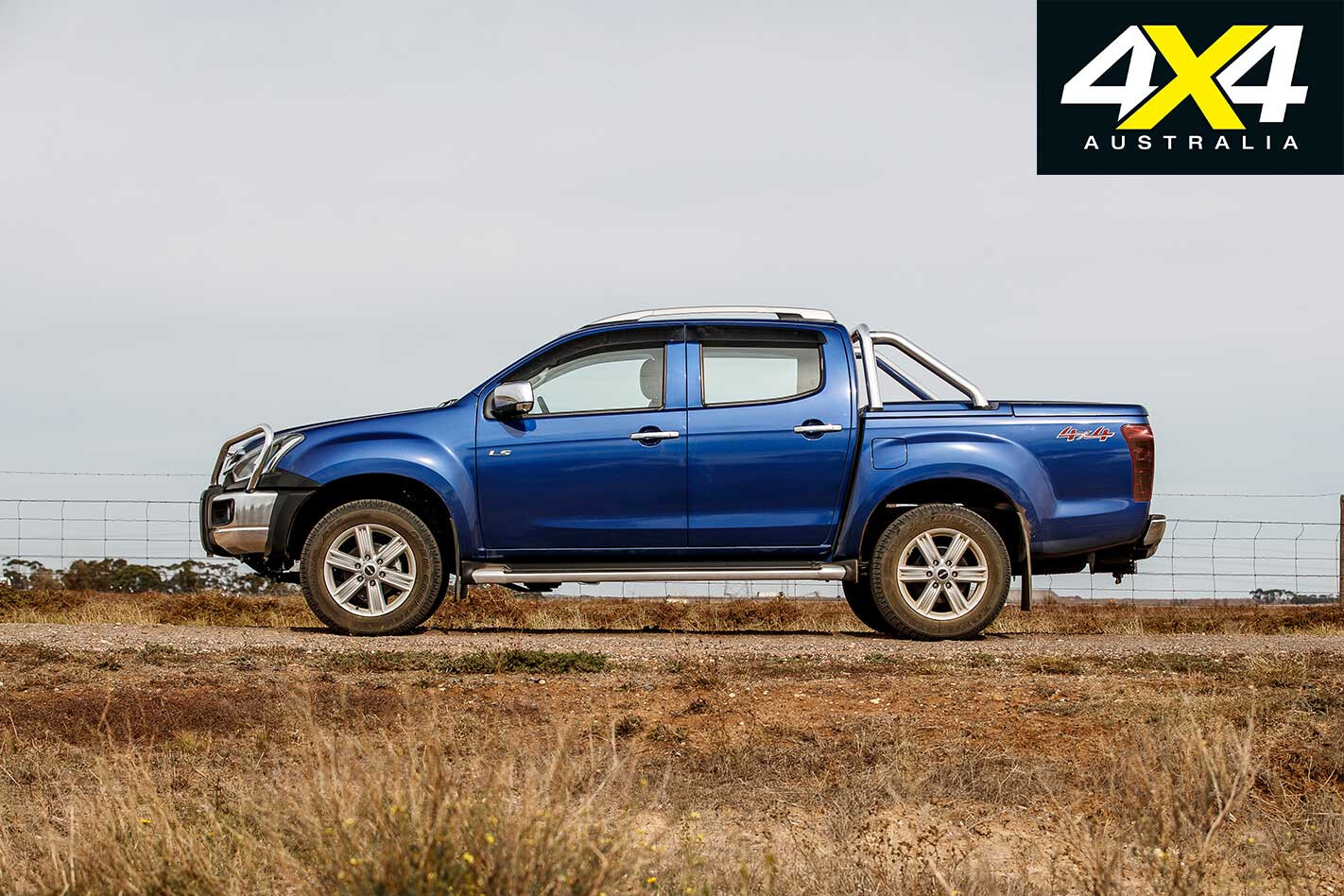
However, the D-Max sold now is a different vehicle from the D-Max that arrived here in 2013, mainly thanks to a raft of upgrades for the 2017 model initiated by mandatory compliance to Euro 5 emissions standards that came into effect in December 2016.
This bought a diesel particulate filter, but at the same time Isuzu reworked the engine’s top end (from the pistons up), new turbo and all, to bump torque from 380Nm to 430Nm for better driveability and to quieten what’s always been a relatively noisy engine.
At the same time an Aisin six-speed automatic, similar to what’s used in the Hilux and Prado, replaced the previous five-speed auto, and a six-speed manual replaced the previous five-speeder.
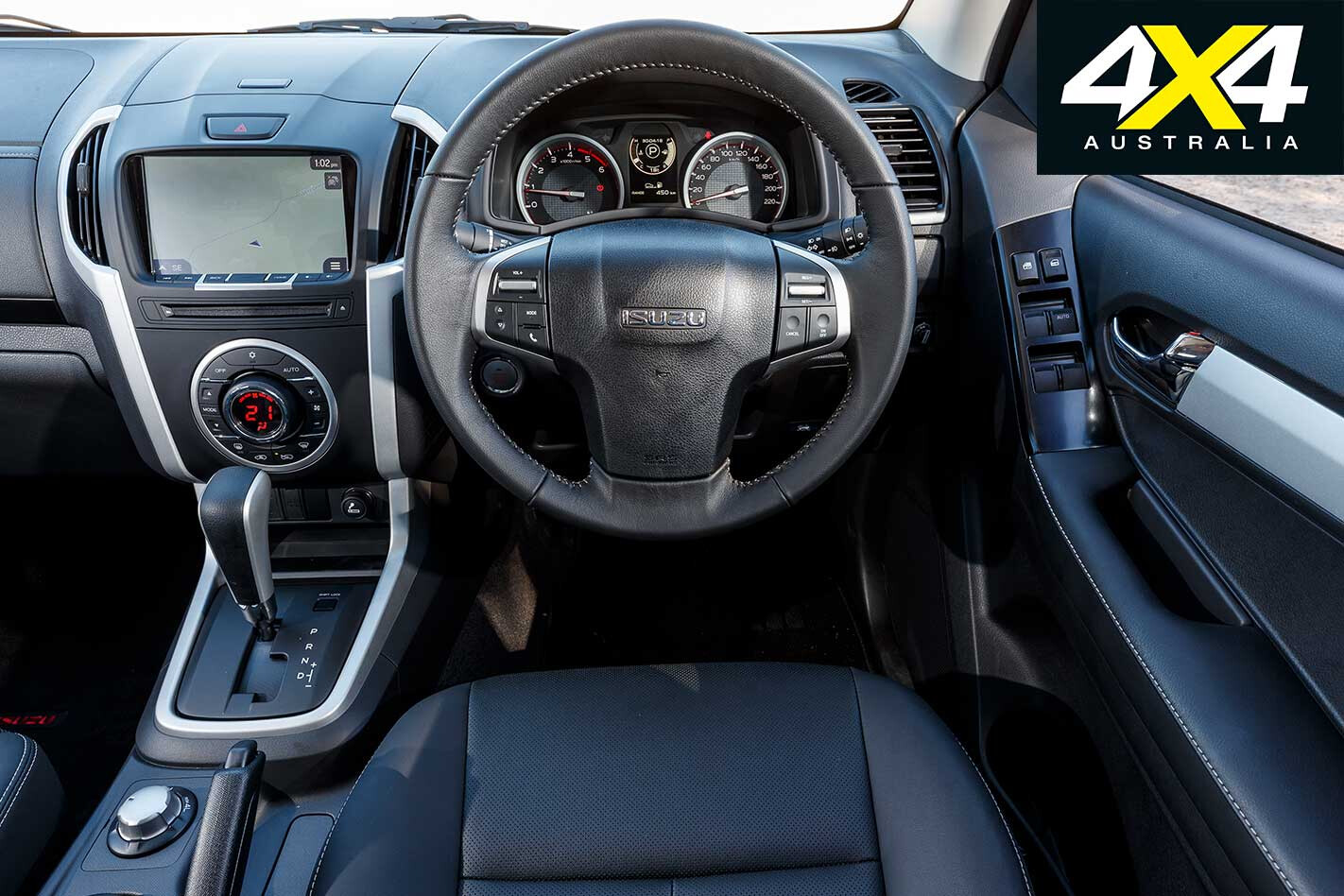
For the 2018 model, Isuzu made changes to the cabin, equipment levels and rear suspension. SX, LS-U and LS-T dual-cab 4x4s now have softer three-leaf springs instead of the five-leaf springs used previously. The end result is a more compliant ride when unladed but seemingly diminished ability to carry maximum payloads, if our recent nine-ute comparison is anything to go by.
As ever the D-Max is solid rather than spectacular and, while it’s not the last word in what it does on or off the road, it makes a lot of sense as an ownership proposition.
Isuzu D-Max mid-2018 Year-on-Year sales
| June 2018 YTD | June 2017 YTD | Sales Change |
| 6409 | 6127 | +4.6% |
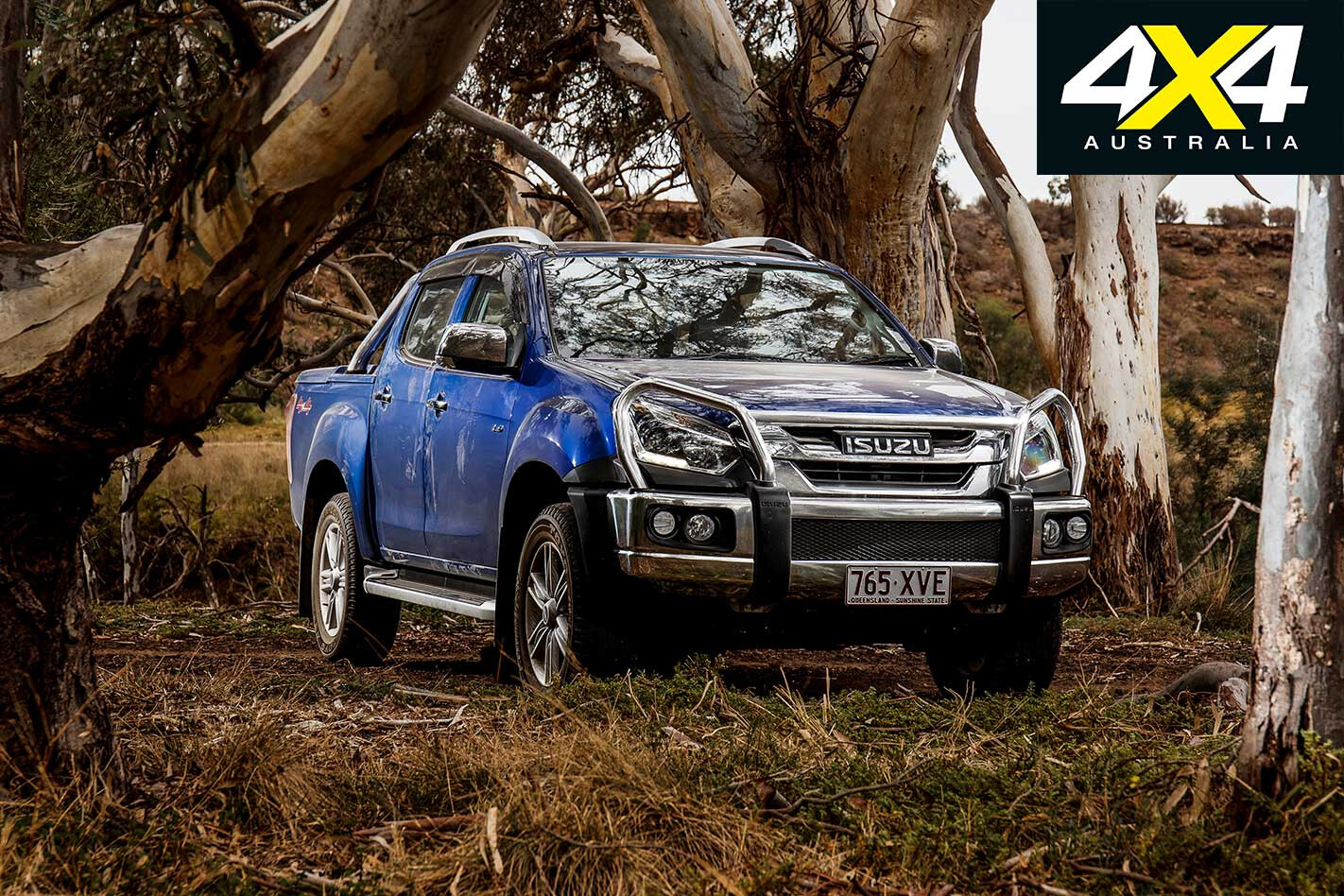
2018 Isuzu D-Max Specs Engine: 3-litre 4-cyl turbo-diesel Power: 130kW at 3600rpm Torque: 430Nm at 2000rpm Gearbox: 6-speed auto 4X4 system: Dual-range part-time Kerb weight: 1945kg GVM: 2950kg Towing capacity: 3500kg Fuel tank size: 76 litres ADR fuel claim: 7.9L/100km
D-Max 4×4 Report Card
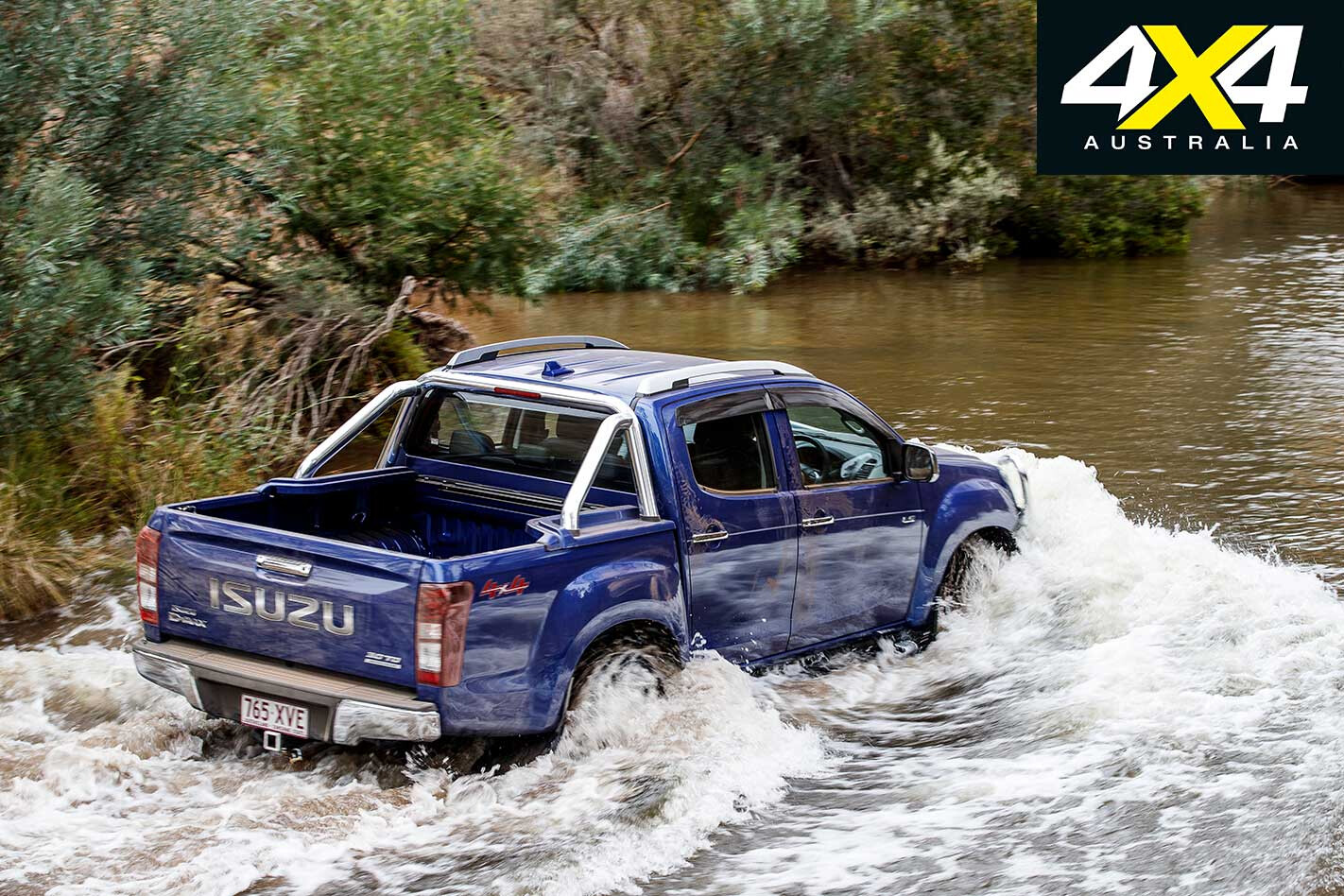
| Attribute | Grade |
| Powertrain | C |
| On-Road | C |
| Off-Road | D |
| Cabin & Equipment | C |
| Towing & Practicality | C |
| Final Results | |
| The D-Max is solid in every regard without being spectacular in any way. | |
*Scored against class competitors. A = Excellent; B = Very Good; C = Good; D = Fair; E = Poor; F = Fail.
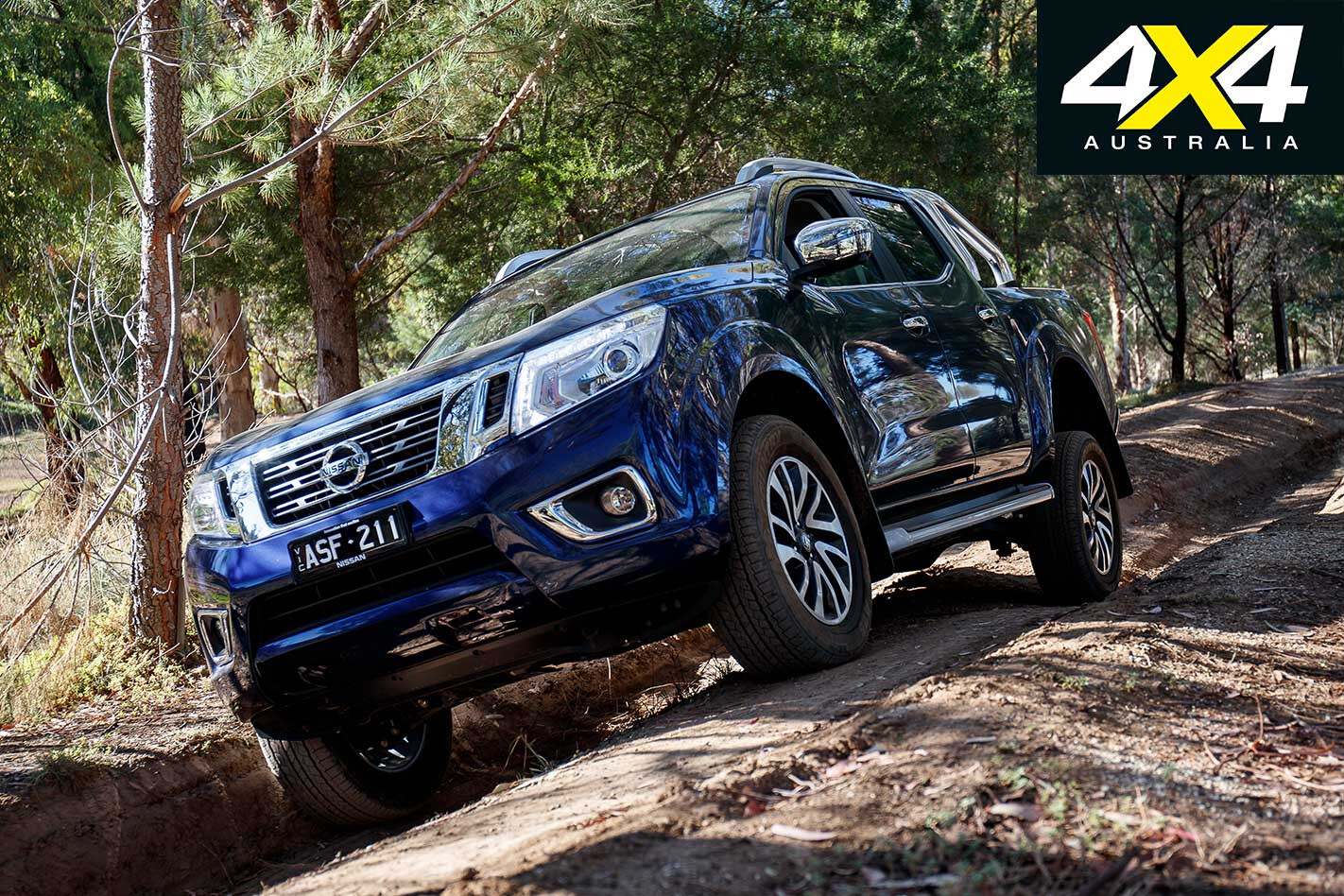
THE Holden Colorado and Nissan Navara are bucking the 4×4 sales trend, with both vehicles posting fewer sales so far in 2018 compared to 2017 (year-to-date).
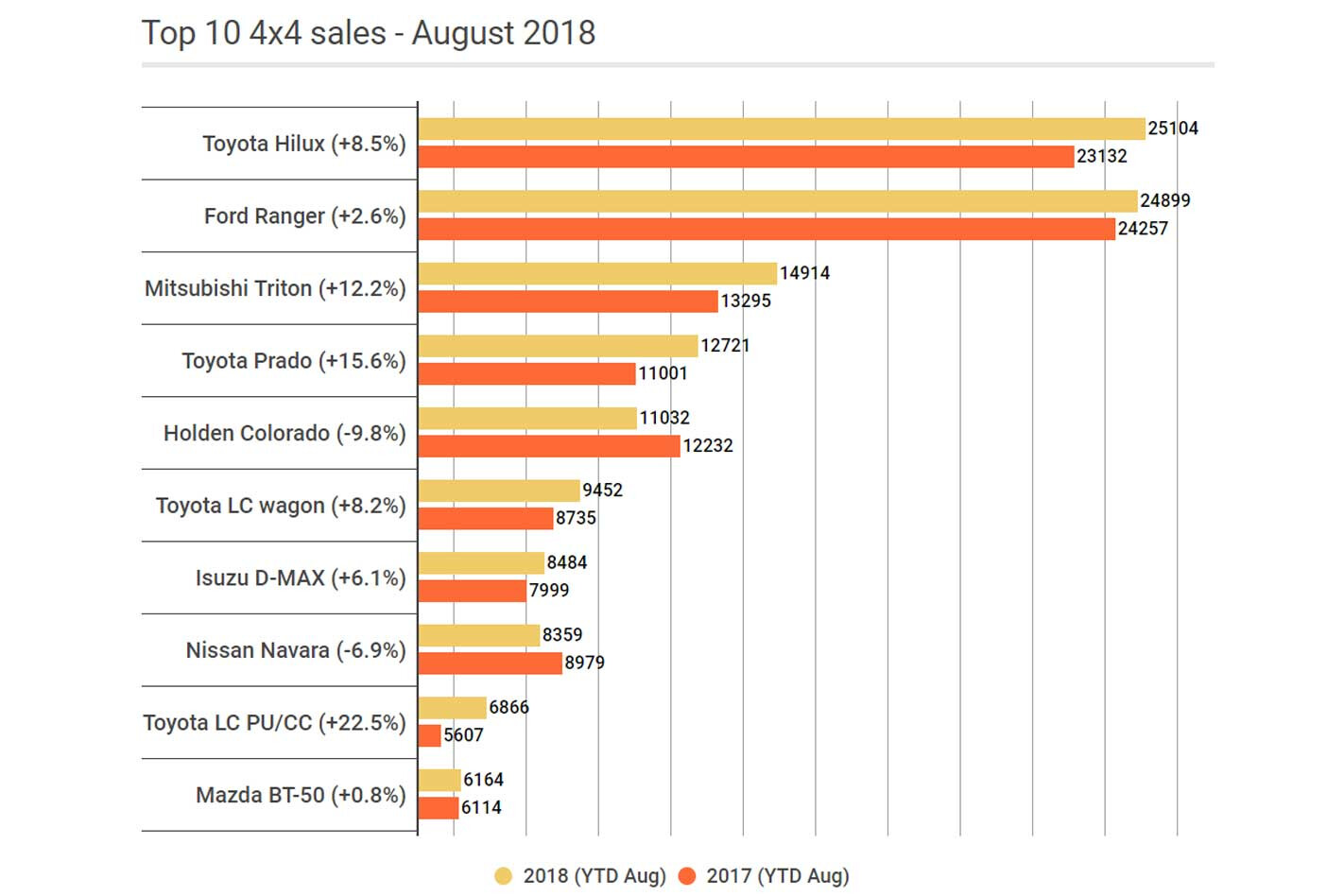
This time last year Holden had shifted 12,232 Colorados from the showroom floor; so far this year, 11,032 units have been sold. Nissan finds itself in a similar position, shifting 620 fewer Navaras this year than last.
All the other four-wheelers in the top 10 (on the 4×4 YTD sales charts) have posted increases in sales. Toyota’s Land Cruiser (PU/CC variants) is the biggest mover and shaker this year, posting a 22.5 per cent increase in sales in 2018. It’s trailed by the venerable Prado (+15.6 per cent) and Mitsubishi’s Triton (+12.2%).
The status quo remains, with the Toyota Hilux (25,104) and Ford Ranger (24,899) residing one-two on the YTD 4×4 sales charts. In fact, the Hilux was once again the best-selling overall vehicle for the month with 4275 sales (4×2/4×4). It was followed by the Ranger (4×2/4×4) with 3515 sales.
Despite the positive YTD results, the overall LCV market actually fell by 1.9 per cent compared to August 2017.
How’s the X-Class tracking?
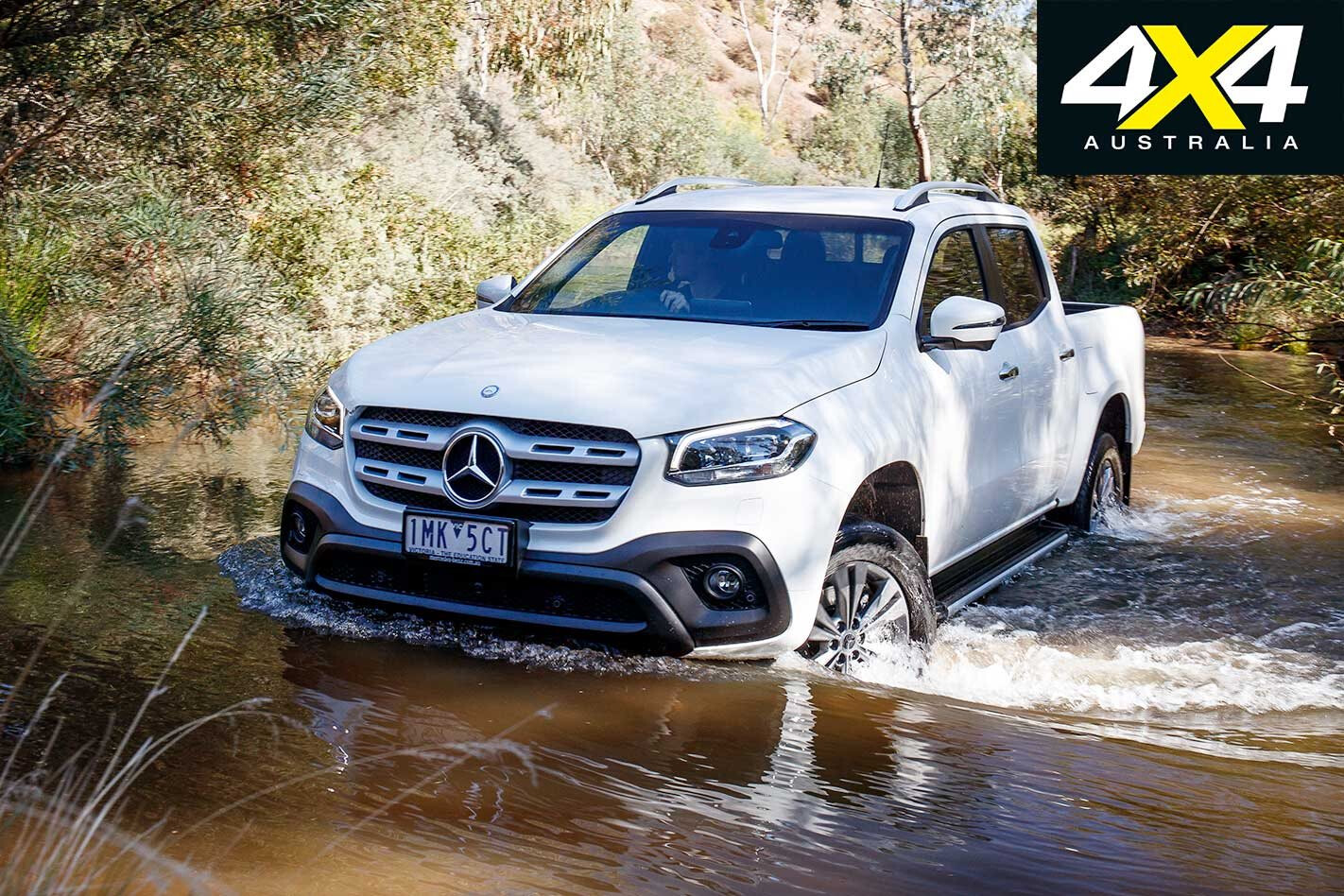
Mercedes Benz’s dual-cab pick-up hit showrooms in April this year, posting 322 sales in its first month on the market. Since then, Merc has recorded monthly sales of 182 (May), 218 (June), 75 (July) and 112 (August), giving it a total of 909 vehicle sales across the country since launch.
I HAVE BEEN driving a lot of new vehicles lately and it’s got me thinking about how complex modern in-car multimedia systems and driving-assist systems have become.
Way back before mobile phones were a thing, the only multimedia to be found in most 4x4s was a radio with a tape deck. And back then (yes, I’ve been around for a bit), I recall writing about how easy some of these sound systems were to operate (usually in Toyotas and Nissans) and how fiddly some others were (usually in Mitsubishis).
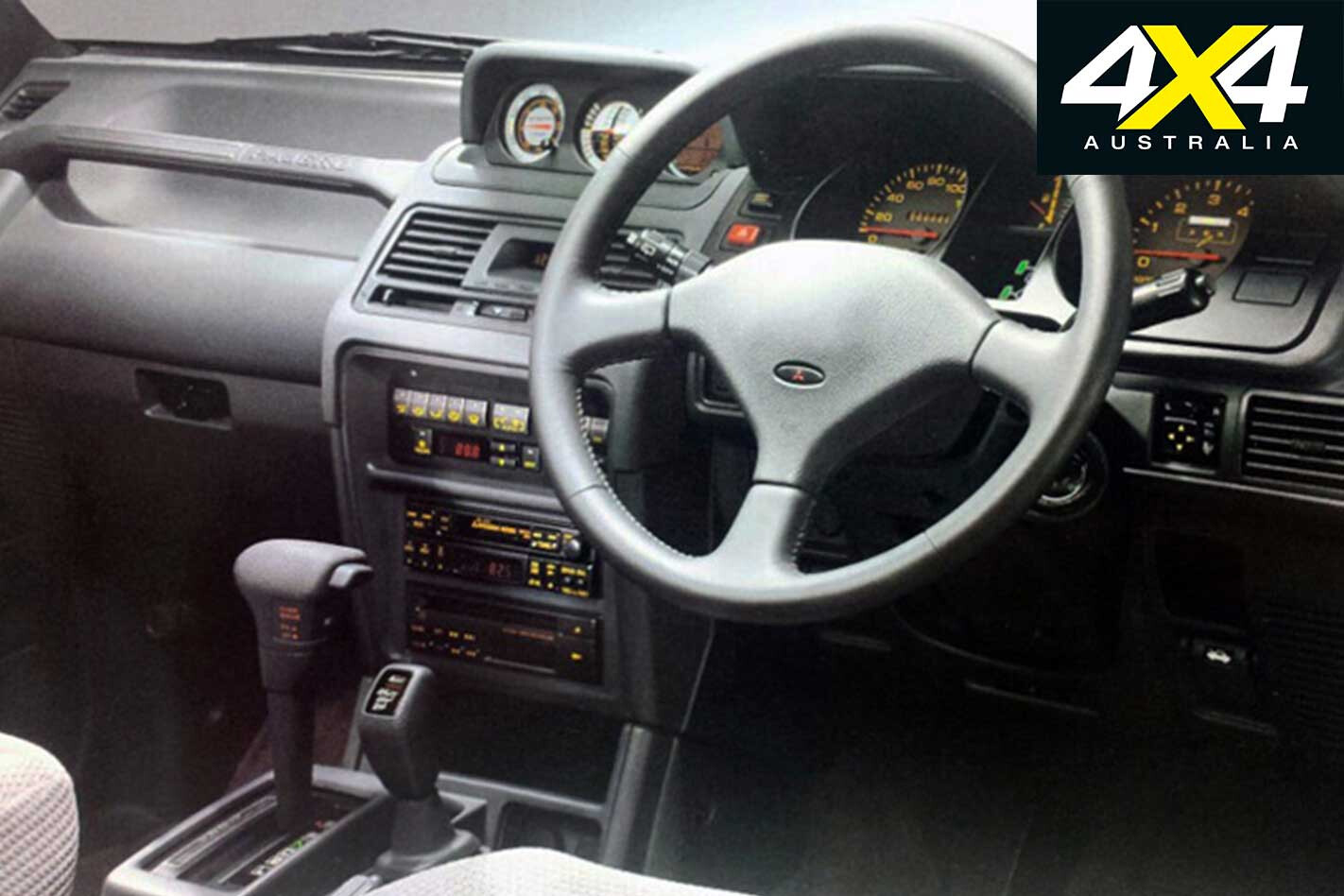
The ones that were easy to use had big dials and buttons for volume, tuning, balance and tone, and, in later years, an AM/FM selection switch and a digital station display. If you wanted to play a tape you just inserted it, and if you wanted to eject it you pressed a button marked ‘Eject’.
For some unknown reason, Mitsubishi decided to complicate matters by equipping its vehicles with radio/tape decks with lots of tincy-wincy buttons with even tincier-wincier writing on them, so you’d have to study them in detail before setting off on a journey because you’d never figure out how to change stations or adjust the volume once you were on the road… not without crashing, anyway. And this seems to be the case with some modern multimedia systems.
Multimedia systems often consist of a great, big touchscreen that’s positioned high on the dash where it’s easy to read and, in some cases, operate… but not always.
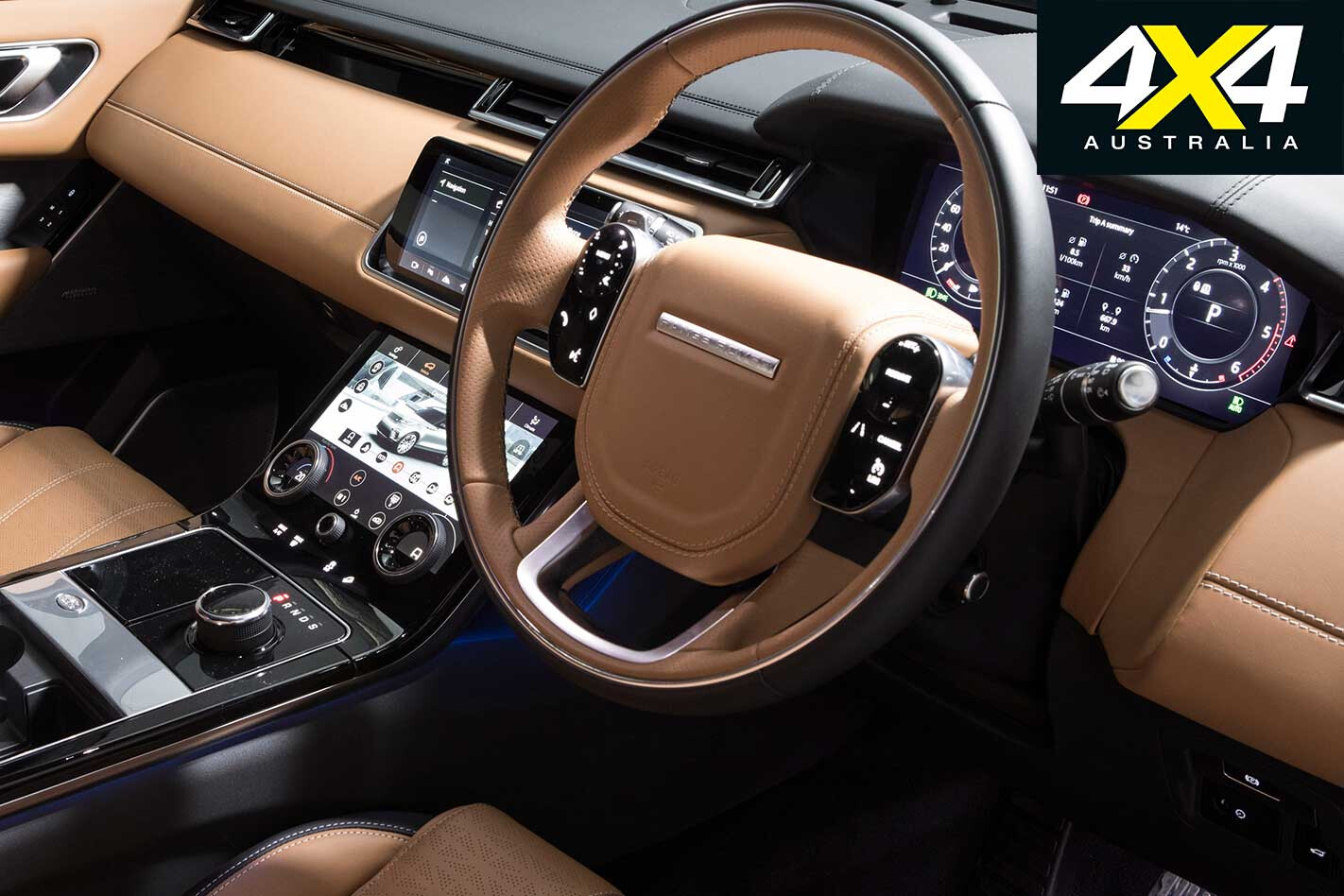
While some vehicle manufacturers have seen the light and offer Apple CarPlay/Android Auto, which essentially displays phone functions in an easy-to-see-and-use format, others insist on connection and multimedia operation via their own apps and systems, some even eschewing the ease of operation provided by a touchscreen. Nissan, for example, has NissanConnect, Mazda has MZD Connect, and Mercedes-Benz has COMAND, the latter operated by a touchpad, buttons and a dial down on the centre console.
Now I’m sure you might be able to familiarise yourself with any one of these systems over time, but it shouldn’t be that difficult; you should be able to get into any car and be able to easily use the sound system without having to first study an operation manual. At least Mazda has seen the light and will make Apple CarPlay/Android Auto retro-upgradeable on many models by the end of this year.
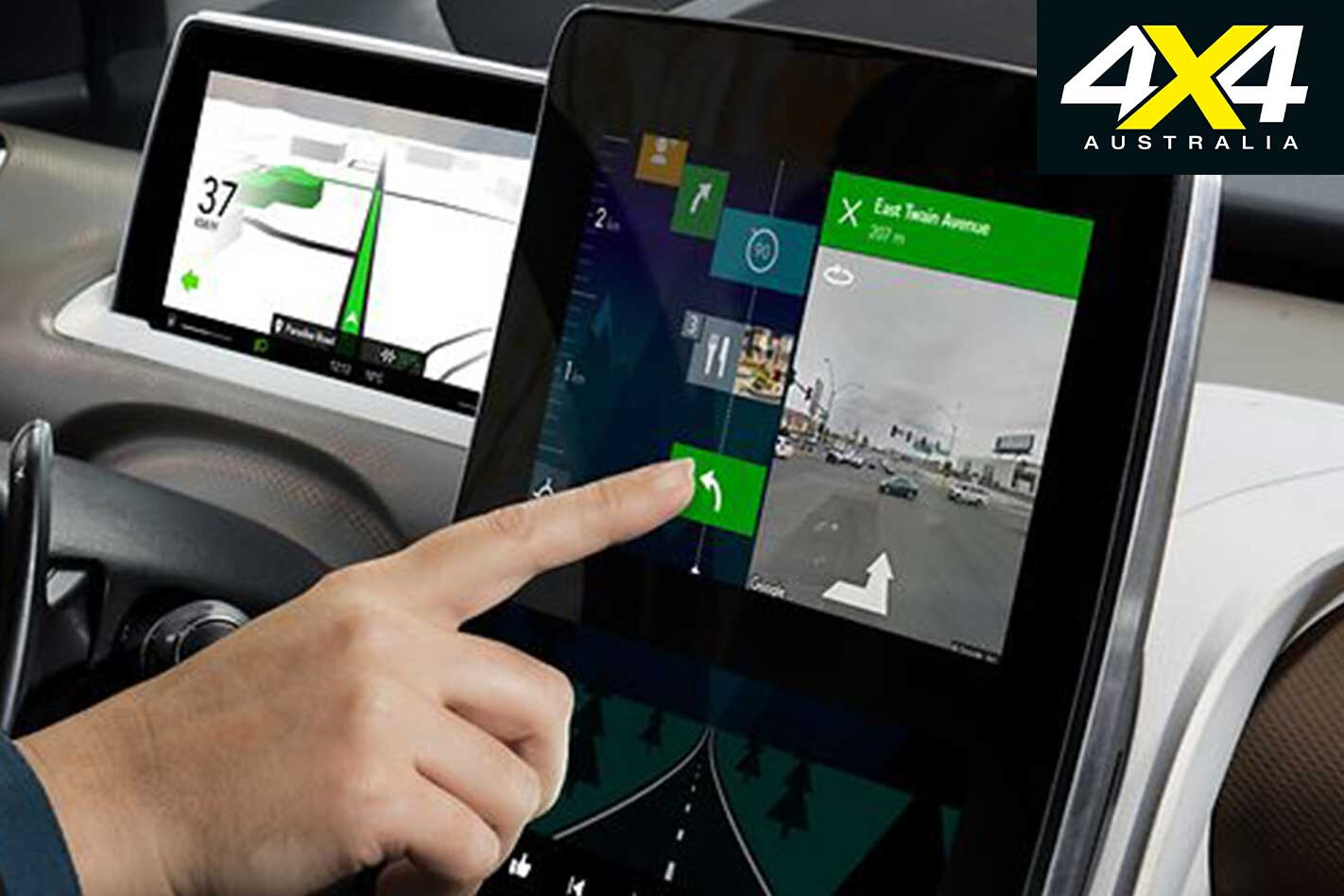
Another bugbear I have is with the increasing complexity of active vehicle systems. Things like lane-keep assist, automatic emergency braking, radar cruise control and park assist are all extremely convenient and, in some cases, very helpful safety features.
However, it is almost like you need a PhD in electrical engineering to activate, deactivate or adjust many of these new systems. First you have to delve into menus and submenus, and then sometimes into sub-submenus, either through the multimedia system or the vehicle’s colour TFT multi-information display in the instrument cluster.
Frustratingly, there are so many switches and dials on many modern vehicles that an Airbus pilot would struggle to unlock the fuel cap. As well as HVAC controls on the dash, the centre consoles on some new vehicles are crowded with switchgear for the park brake, mode-selectable 4×4 systems, a variety of transmission modes, hill-descent control, hill-start assist, rear diff lock and more.
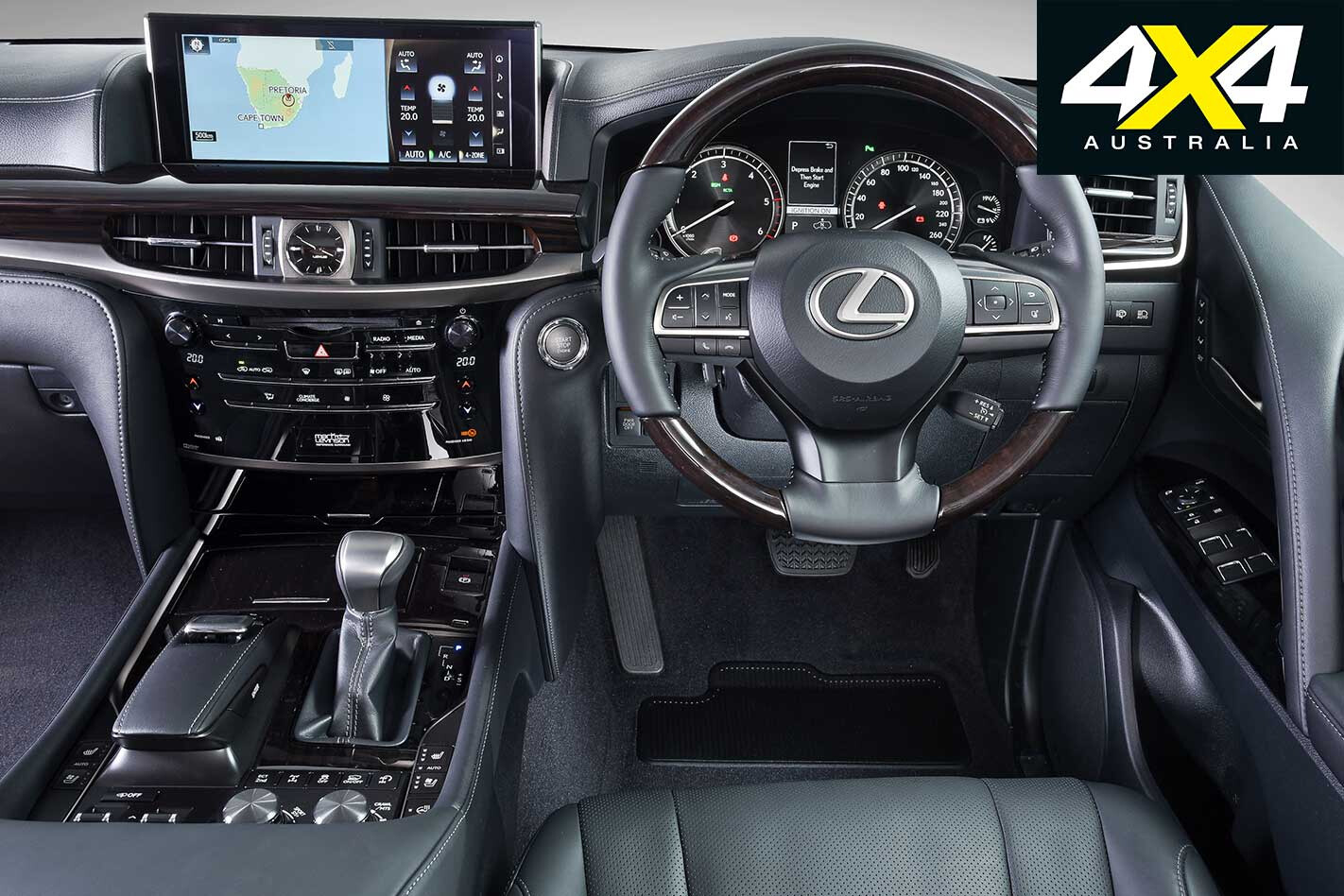
Then, in addition to the steering-wheel controls for manual gear selection, multimedia operation and cruise control, you’ll often find a cluster of switches almost hidden low on the right side of the dash to enable or disable the traction control, the stop-start function, the lane assist and the parking sensors, to adjust the camera view, heat the steering wheel, or open the boot.
Now, don’t get me wrong, as I’m all for modern technology improving vehicle safety, performance, handling, ride, comfort and off-road capability, but I think as vehicle complexity increases there needs to be some sort of consistency in operation of these systems between the vehicle manufacturers.
However, considering after more than 130 years of vehicle manufacturing they can’t even agree on where to locate the parking brake, I won’t be holding my breath.