
JEEP in the USA has issued a Stop Sales Order and recall on certain 2018-2019 JL Wranglers, following the failure of the weld that secures the track-bar mount to the chassis.
The attached video was posted to YouTube by a Jeep owner and it clearly shows the weld has completely broken away from the chassis, allowing it to move when the steering is turned. The resulting movement would make the vehicle unsafe to drive on any road. FCA claims it isn’t aware of any accidents related to the welding fault.
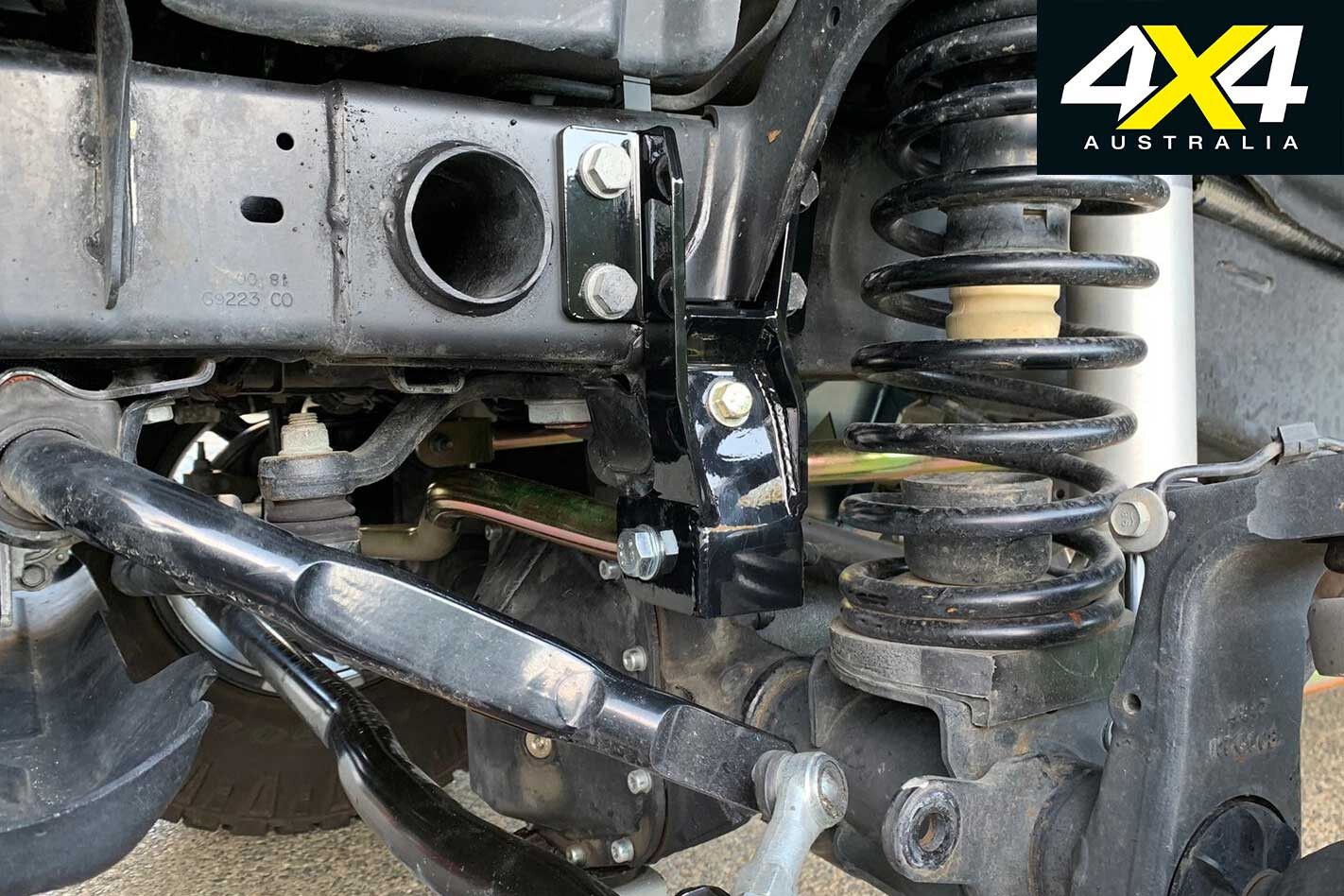
The voluntary recall covers around 18,000 vehicles in the USA and asks owners to bring their JL Wrangler to the dealers for inspection – or owners can check to see if their vehicle is affected by visiting Mopar.com and keying in their VIN.
Only around four per cent of the 18,000 recalled vehicles are said to be affected. Many of the vehicles remain unsold on dealer lots in the USA, hence the Stop Sale Order until they have been inspected prior to sale.
The 2018 JL Jeep Wrangler is not on sale in Australia yet, so no Australian-delivered vehicles are affected by the recall. The JL is expected to be available in Australia from March 2019.
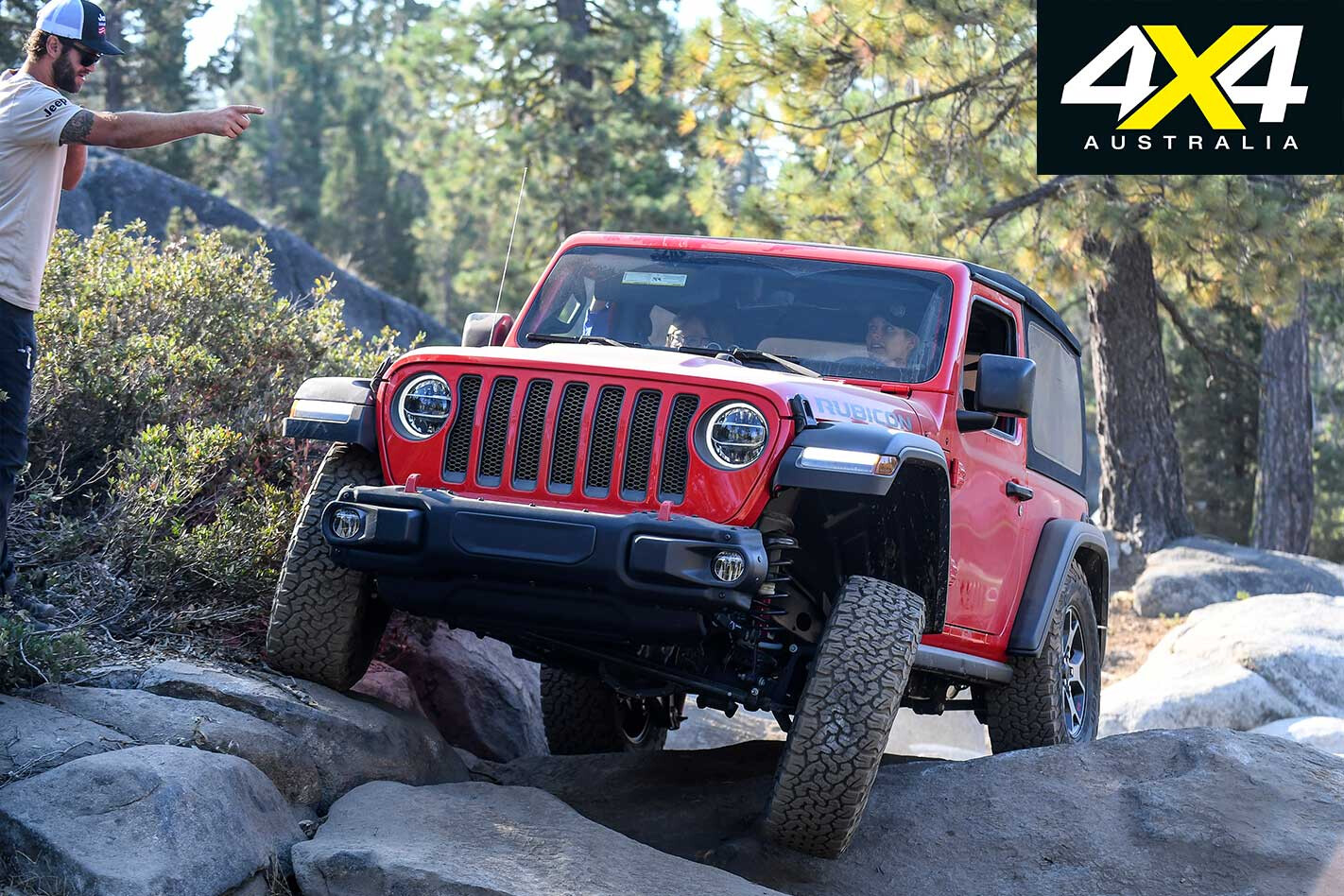
Enthusiast site JL Wrangler Forums shows numerous cases from JL owners where the track-bar bracket has come away from the chassis; and some owners have resorted to reinforcing the bracket with aftermarket solutions. Other owners have had the weld inspected, while some have been re-welded independently.
ELLEN Dewar’s FJ Cruiser has been steadily modified to suit her often nomadic role as both 4X4 Australia snapper and keen off-road tourer.
As you’d expect, Ellen is often away from ‘regular’ power sources when on assignment, so when it comes to recharging camera batteries, working on laptops and powering some of the other accessories fitted to her rig, a battery charging system was a must-fit.
New Tech Mirrored
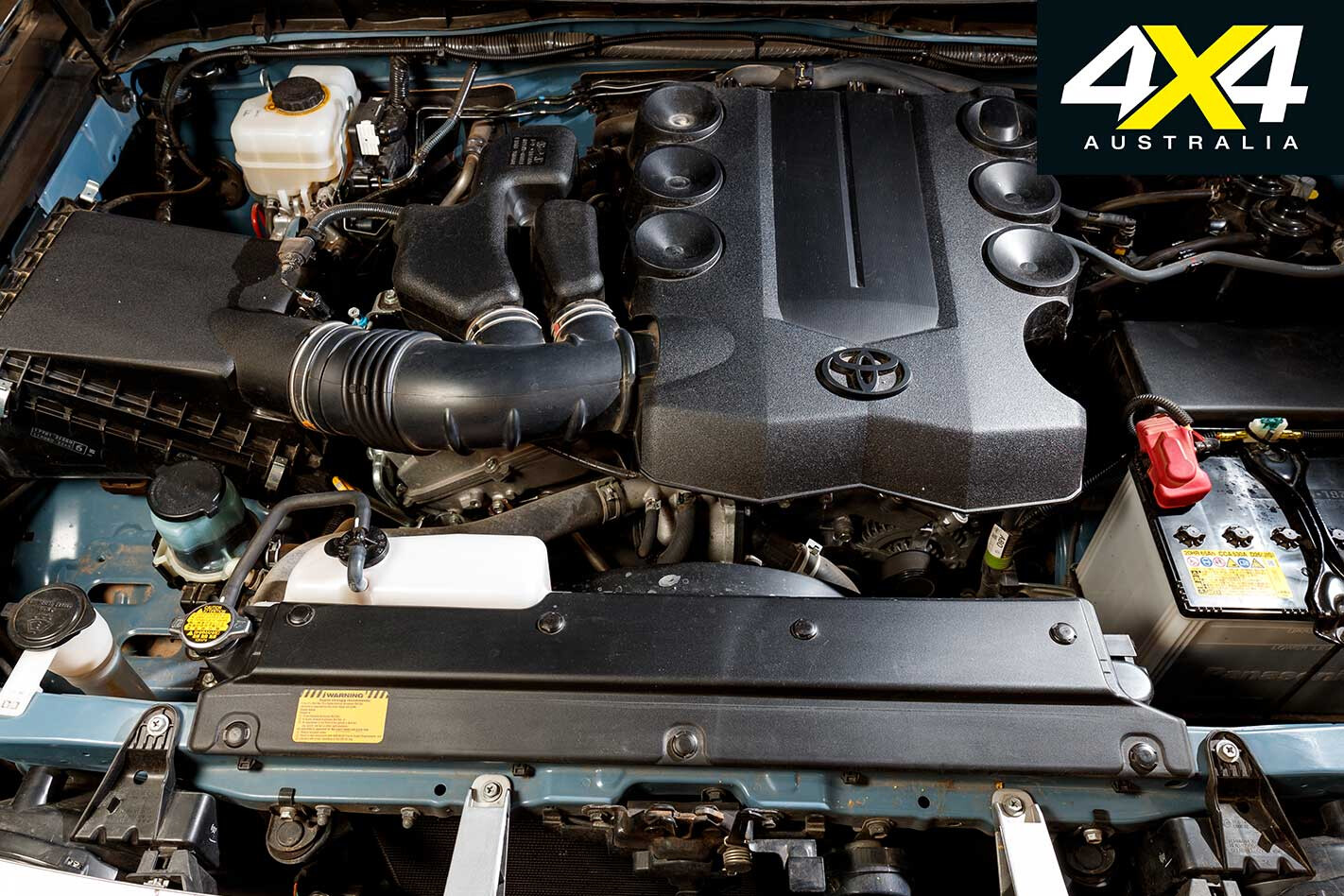
MODERN 4x4s are complex, especially when it comes to power which, these days, sees vehicle alternators often controlled by the ECU, making hooking up an auxiliary battery a more involved process than it was in the past. Enter the Redarc BCDC1225D charger, a multi-stage charger designed specifically to cater for that complexity, as Phil Cochrane from Ontrack Automotive explains.
“If the vehicle is equipped with a voltage sensitive alternator – which is computer (ECU) controlled – that’s the charger we’ve got to use most of the time now, otherwise it won’t fully charge second batteries,” he says.
“If the alternator is controlled by the ECU … some of these Ford Rangers, they turn the alternator off while they are travelling and then turn it back on once the voltage drops below certain volts to recharge it. And then the alternator is switched back off again – it’s an absolute nightmare.”
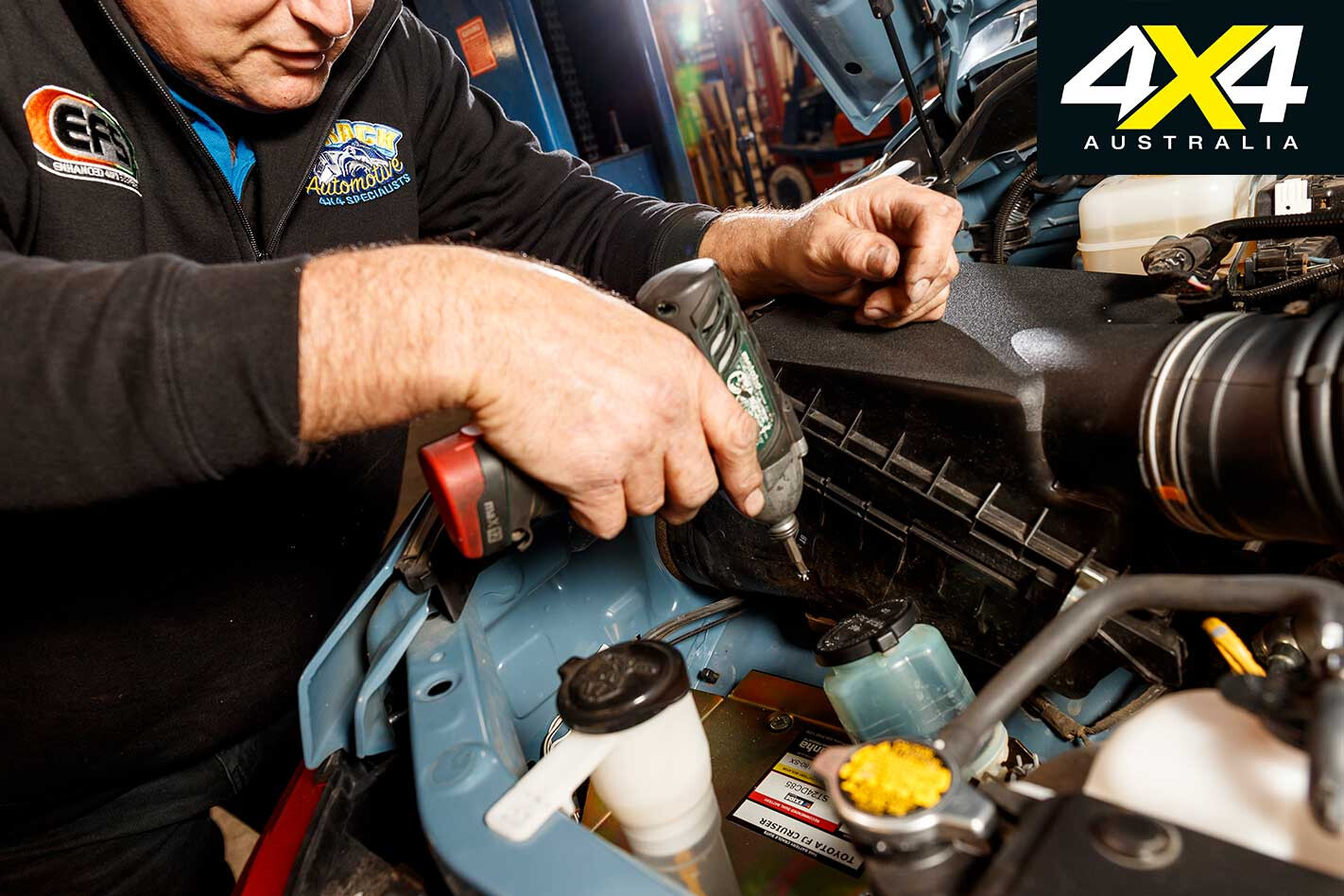
This also means the second battery can often never reach full charge, so fitment of the charger is a way to ensure the auxiliary power source is always juiced up, ready to go. This is different to older vehicles, where fitment of a solenoid-based management system is still effective.
“If the vehicle is charging at over 14 volts then we’ll put a solenoid on them, but if they’re charging under 14 we won’t do that,” Phil explains. “I reckon a solenoid is more reliable, but some people don’t like the solenoids anymore. It’s what the customer wants basically, so we do it this way if that’s their preference.”
Float Like a Boosted Butterfly
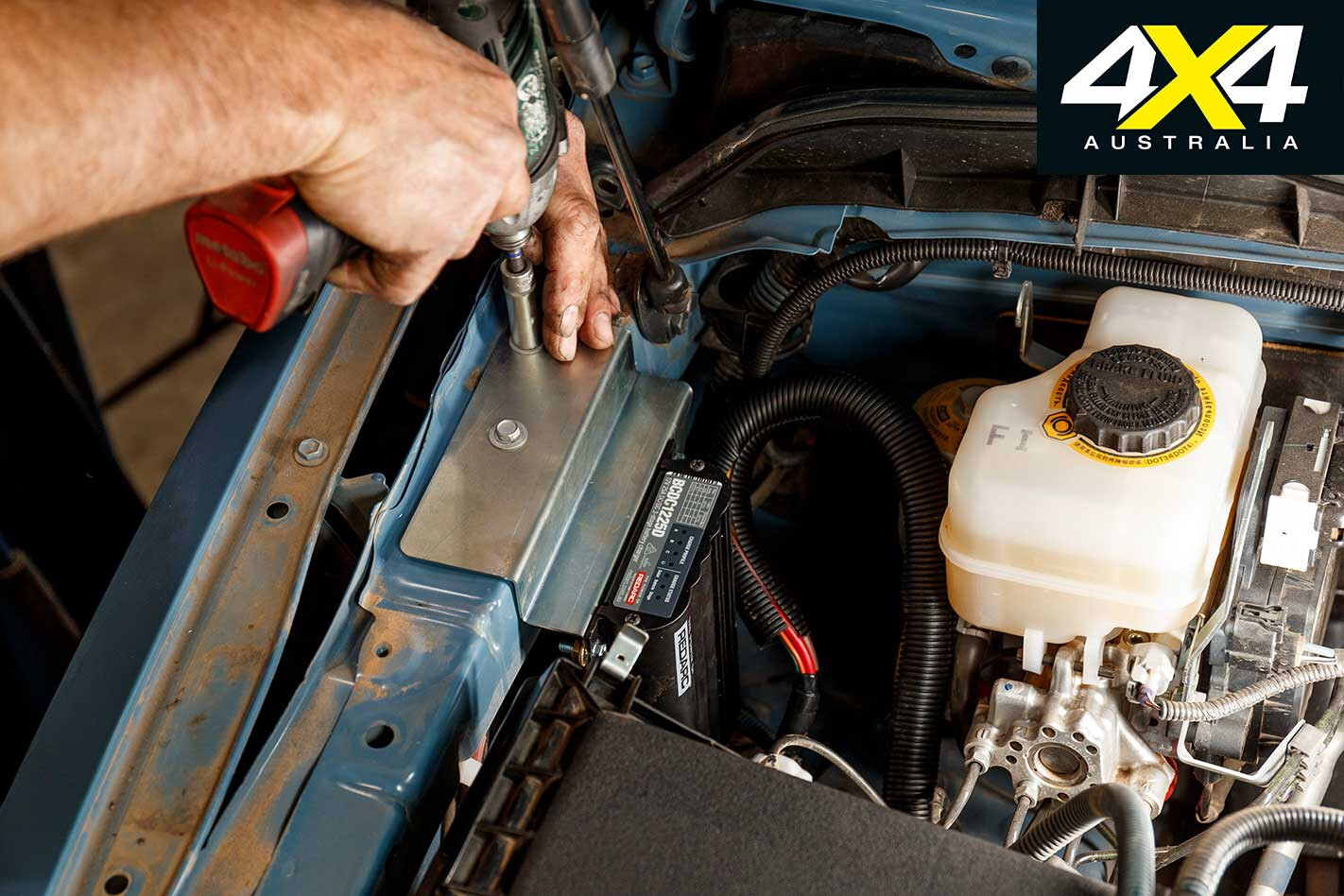
FOR the FJ Cruiser, Phil chose a charging system that reflects Ellen’s needs. Often out in remote areas, being able to keep cameras and laptops charged, as well as food and drinks cold, is an essential for her, so the Redarc BCDC1225D is ideal.
“The system we fitted to Ellen’s vehicle was a charging system, so it works off the vehicle’s engine management system to charge the battery,” Phil explains. “As a charging system, it doesn’t actually work off the alternator. So what it does, it charges as a multi-stage charger; it will charge for a certain percentage and then it will ‘float’ and ‘boost’ when the battery needs the correct amount of power.”
When Phil is talking about power ‘floating’ he is describing how the charger stores excess charge; if the battery is full and cannot take any more charge, then the BCDC1225D ‘floats’ (or stores) that excess and will just trickle power into the battery (down to 0.5amp) until it needs more of a boost. Then, that excess charge is utilised. This self-regulation ensures full capacity at all times.
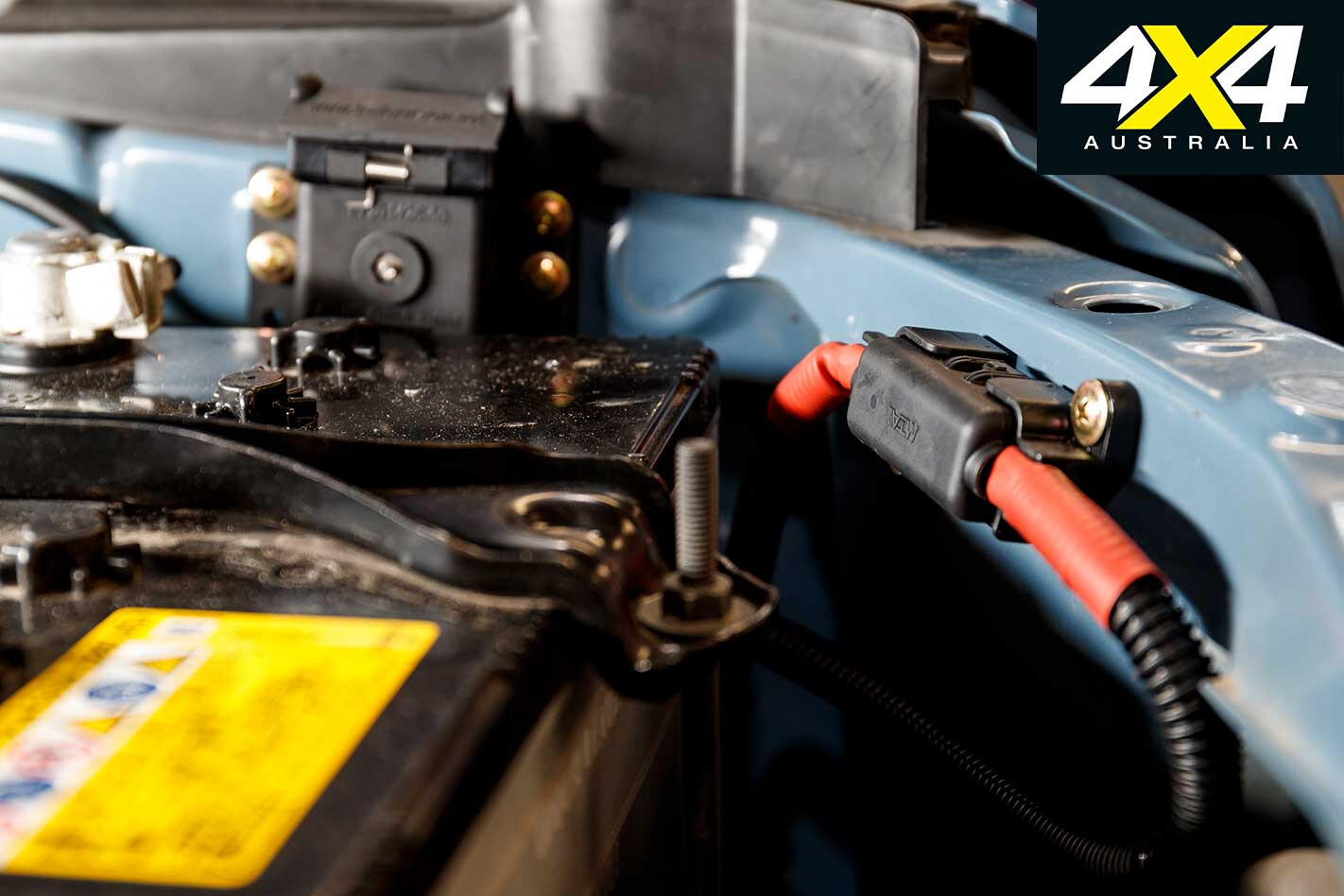
Impressively, the BCDC1225D is more than a one-trick pony – the ‘D’ signifies solar power capability, and a capability that is super simple and very effective.
“It [the Redarc BCDC1225D] is a charging system that can also operate off a solar panel, so it’s got the input on the charger,” explains Phil. “So, if you wanted to plug a solar panel into it, you can, and without using a solar regulator.
“The charger does all the regulating to the battery, so, as long as the charger is getting over 18 volts to it from the solar panel, it automatically converts it to 14.3V to the battery. It’s a fantastic system the way it works, compared to just a solar panel with a built-in regulator that can only put in a maximum of 8amp (this depends to a degree on the size of the solar panel).
“With this system, if the battery charger is getting about 21 volts from the solar panel it will put in the 25amp, so they are a very good system – they work fantastically.”
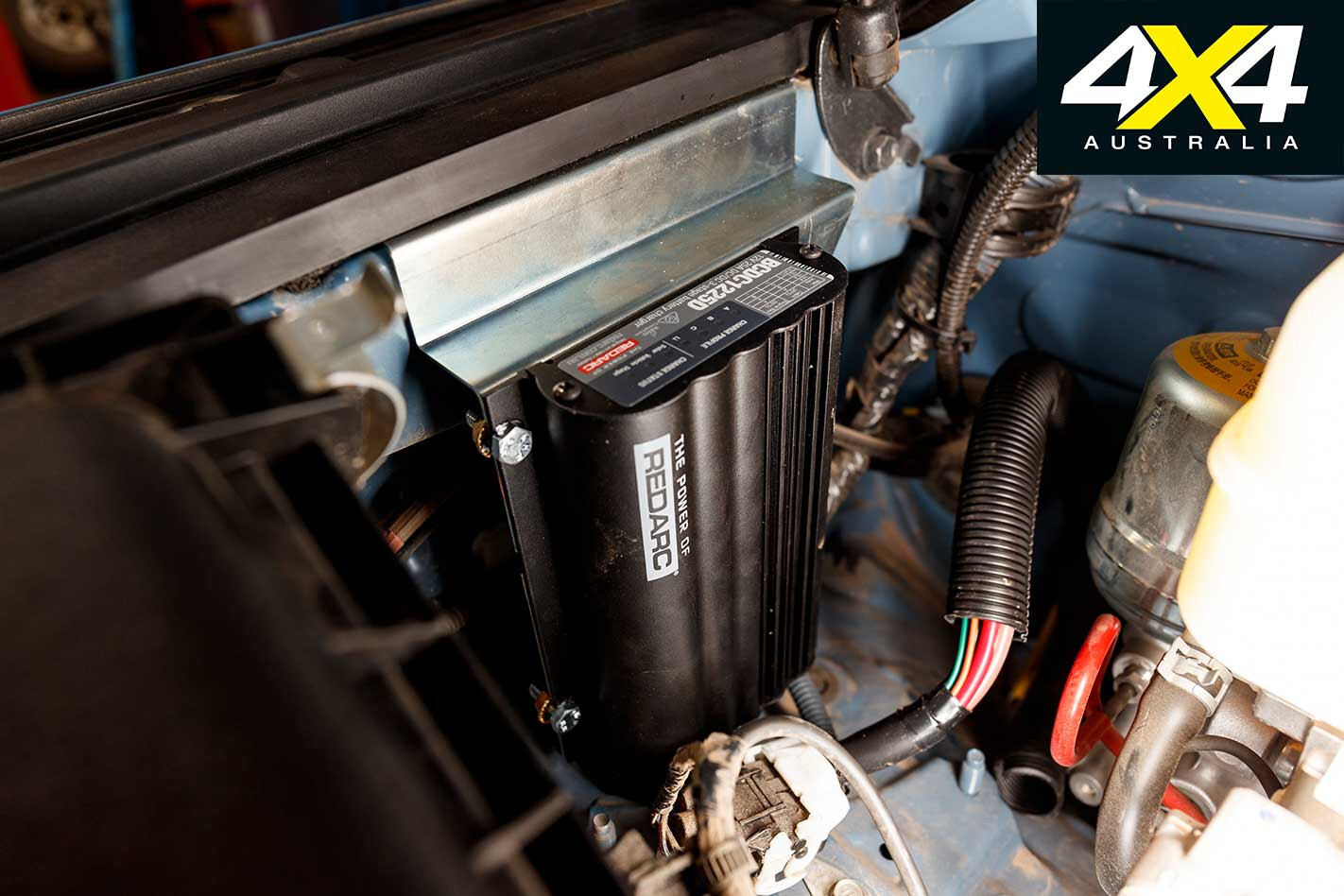
Having the ability to gain maximum input from the solar panel, and all through a direct connect to the charger, makes for a hassle-free recharging process when you’re in the middle of nowhere.
When quizzed on the amount of grunt needed to power an off-road vehicle’s accessories – fridge/freezer, lights, winch, etc. – Phil reckons that, generally, this model charger (at 25amp) is more than enough.
“Most people run a fridge, some lights and everything else, so during the day when you’re driving, the charger will charge the battery back up to its full capacity,” he reckons. “At night time the battery will use what it’s got to use to keep the appliances charged, so, by doing that, most of the time, a single battery only requires a 25amp charger.”
However, he does suggest for those running two fridges, a pile of power-based accessories or two auxiliary batteries, the 40amp model is the one to go for.
The Process for Power
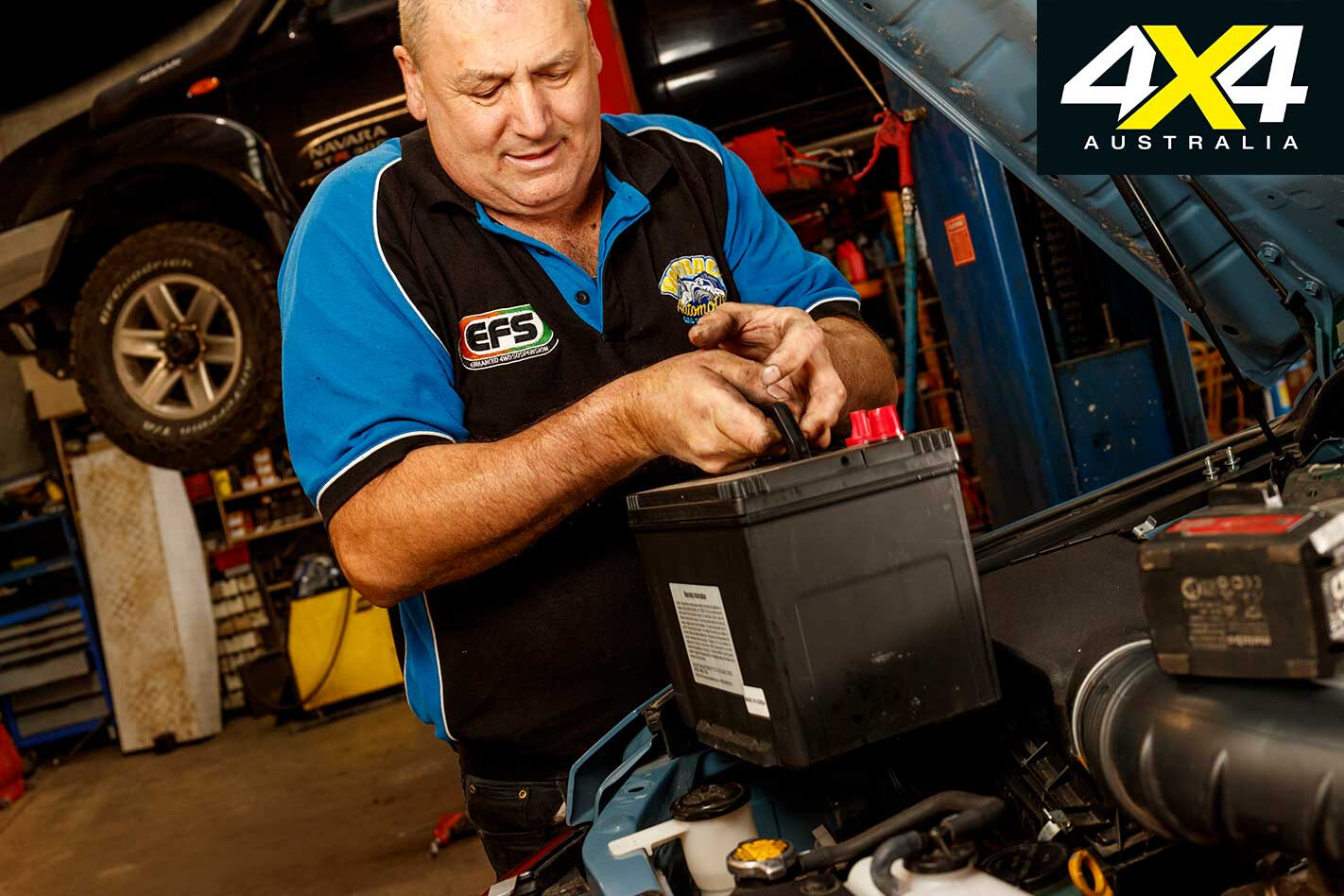
THE fitment of the Redarc system to Ellen’s FJ is a day-long gig, with auxiliary battery choice and protection fuse location just some of the things to factor in when fitting. Phil used a fully-sealed lead-acid Century battery as the auxiliary battery choice as it is more heat-resistant, and being mounted under-bonnet means it will be subject to plenty of high temps. He also tries to get the biggest capacity battery he can into the space allocated – in this case, an 82A/h jobbie.
Pre-fitment, Phil went over the vehicle with Ellen to discuss what she wanted and where she wished the power outlets/points to be located, and also what types were required. For this particular FJ Cruiser, it was two in the back – a Merit socket and 12V socket – plus an Anderson plug for the fridge/freezer.
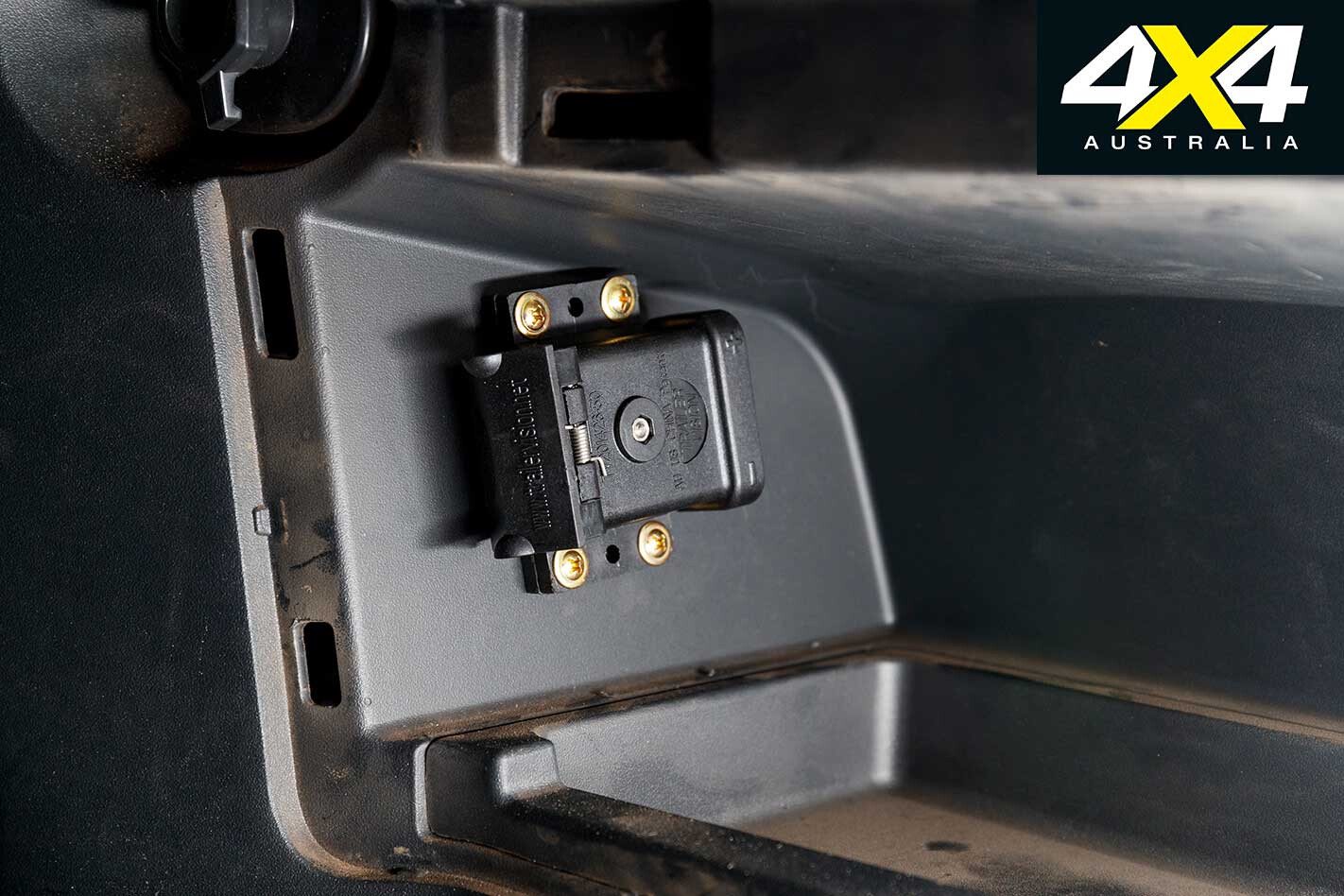
To ensure power spikes don’t affect the two connected batteries, protection fuses are fitted between them, with Phil opting for 40amp midi-fuses, which have to be fitted in certain locations for optimum protective performance.
“If it’s a 25amp charger, we put a 40amp midi-fuse in there; if it’s a 40, we up the fuse size to a 60amp,” he says. “We use the midi-fuses as they are the best on the market, as they can take the current and high flow.”
He does mention the fact any charger can be affected by nearby heat and can shut down if over-heated; they work best in a (relatively) cool environment, with a location like the back of an engine bay as one example of where they can be positioned for optimum performance.
The Power of Proof
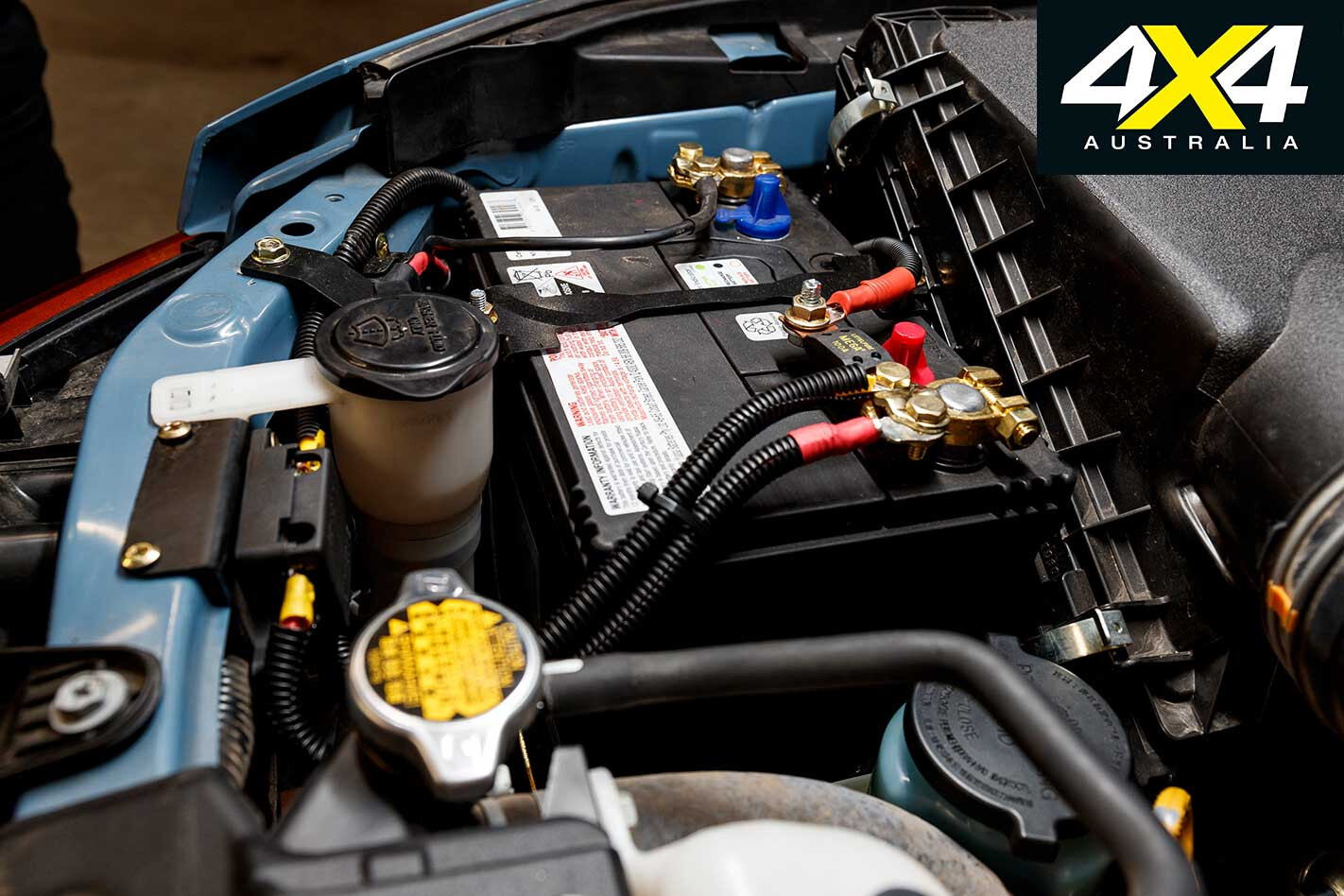
THE FJ Cruiser is a common vehicle through the Ontrack Automotive workshop, and this gave Phil the chance to show Ellen previous examples of the Redarc system.
Surprisingly (or not?) the team there made up specialty brackets for the many LC79s that come in, and these also fit the FJ Cruiser perfectly. Phil also mentions his LC79 as proof of the Redarc system’s effectiveness in trying conditions, noting how it is also fitted with the BCDC1225D unit.
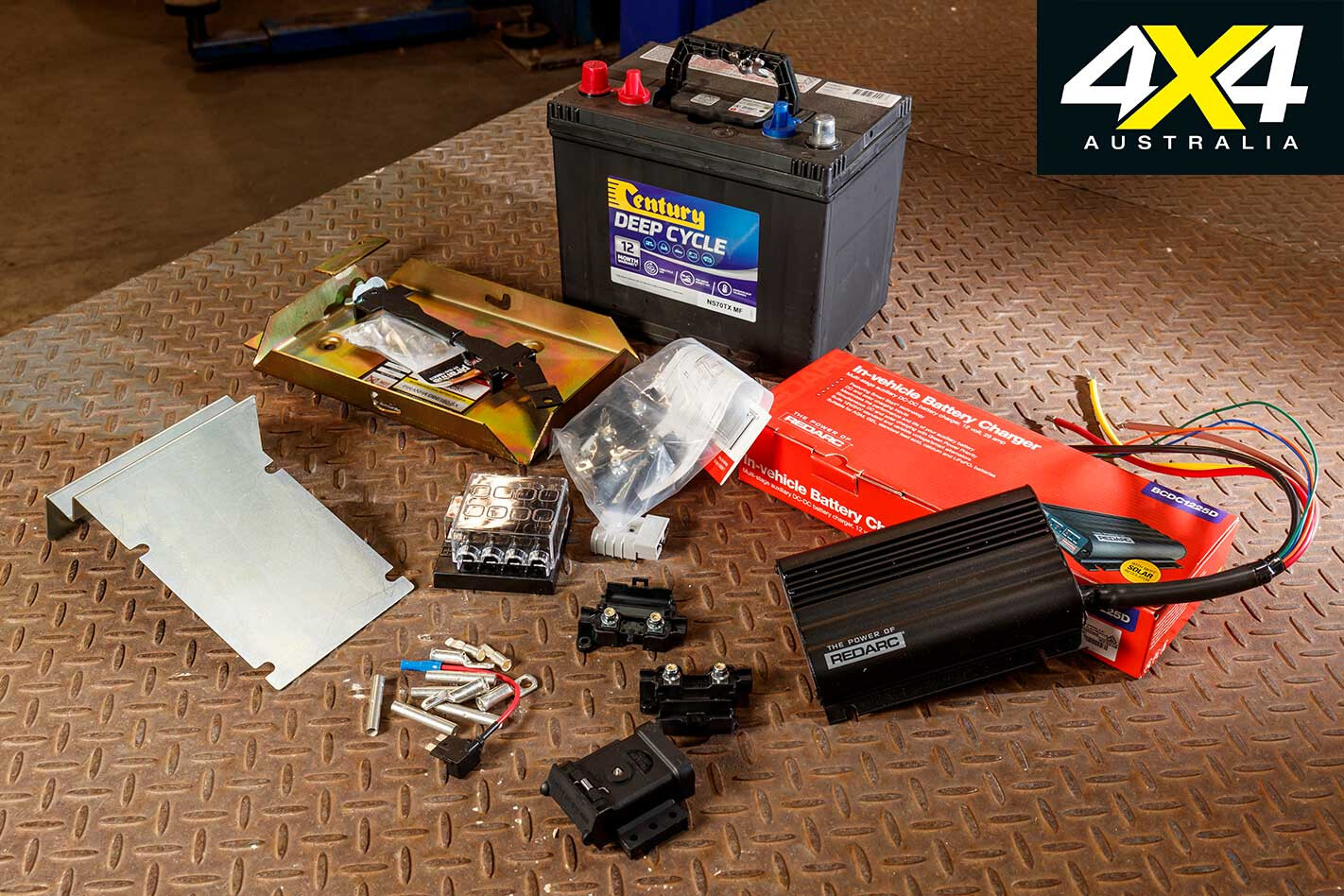
“We’ve got an LC79 with a canopy on the back,” he says. “We can be out in the middle of nowhere and have two fridges running and lights and everything else, and the solar panel is just sitting on the roof connected to the charger, charging away and doing all the right things.
“We’ve got cold food, cold beer; everyone’s happy and there are no issues.”
I reckon there’s a certain 4X4 Australia photographer that will be happy, too, knowing she can be in the middle of nowhere and be able to rely on having constant, reliable power ready to go.
RATED Available from: www.redarc.com.au RRP: $700 (excl. fitment) WE SAY: Reliable, effective and simple to use.
Aside from usual mechanical mods, roof racks, or storage fixtures, there is a whole range of 4×4 gear out there that is made for a specific need.
From the latest apps for your electronic devices that provide a wide range of information to simple and robust wheeled duffels to transport your gear around, these 4×4 gear are perfectly suited for specific tasks at hand.
Hema HX-1/Explorer app (WA Topo map)
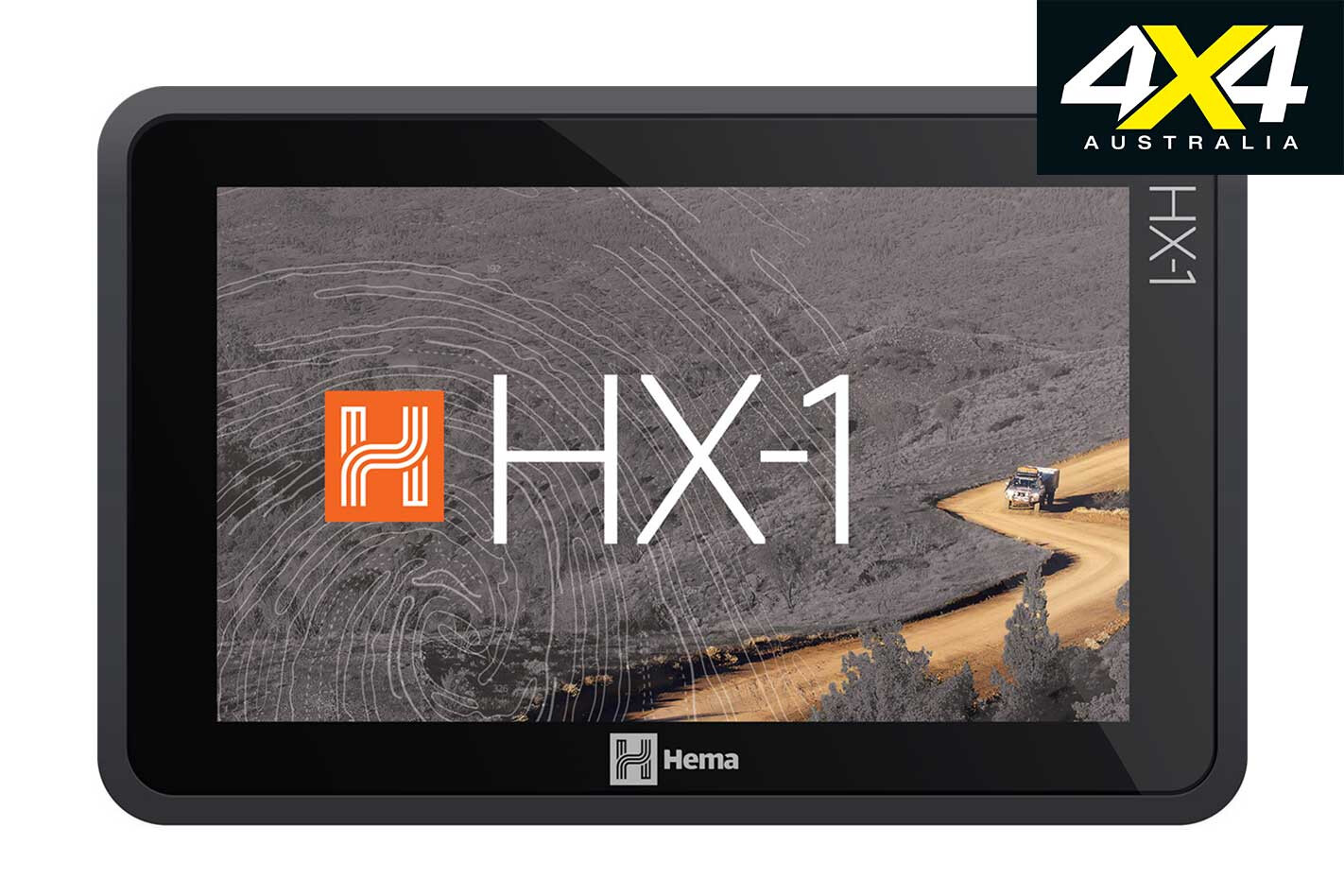
The Hema HX-1 and Explorer app are two of the best go-to GPS navigation solutions for planning that epic adventure and then getting out there to do it. Hema has just released a device update for the HX-1 that protects the unit against intermittent loss of the GPS signal, while also upping the already high level of navigation accuracy.
As well as this update, Hema has made available a Topo update for Western Australia that can be used on both the HX-1 and Hema’s Explorer app. This complements the mapping already available and will add even more for those keen to explore our great western state.
The topo map is provided under license to Hema by the WA Land Information Authority. When used in Explore mode, this new map covers zoom levels that equate to an approximate scale range of 1: 35,000,000 to 1: 18,000. Yep, that’s impressive.
Website: www.hemamaps.com.au
ARB LINX modules
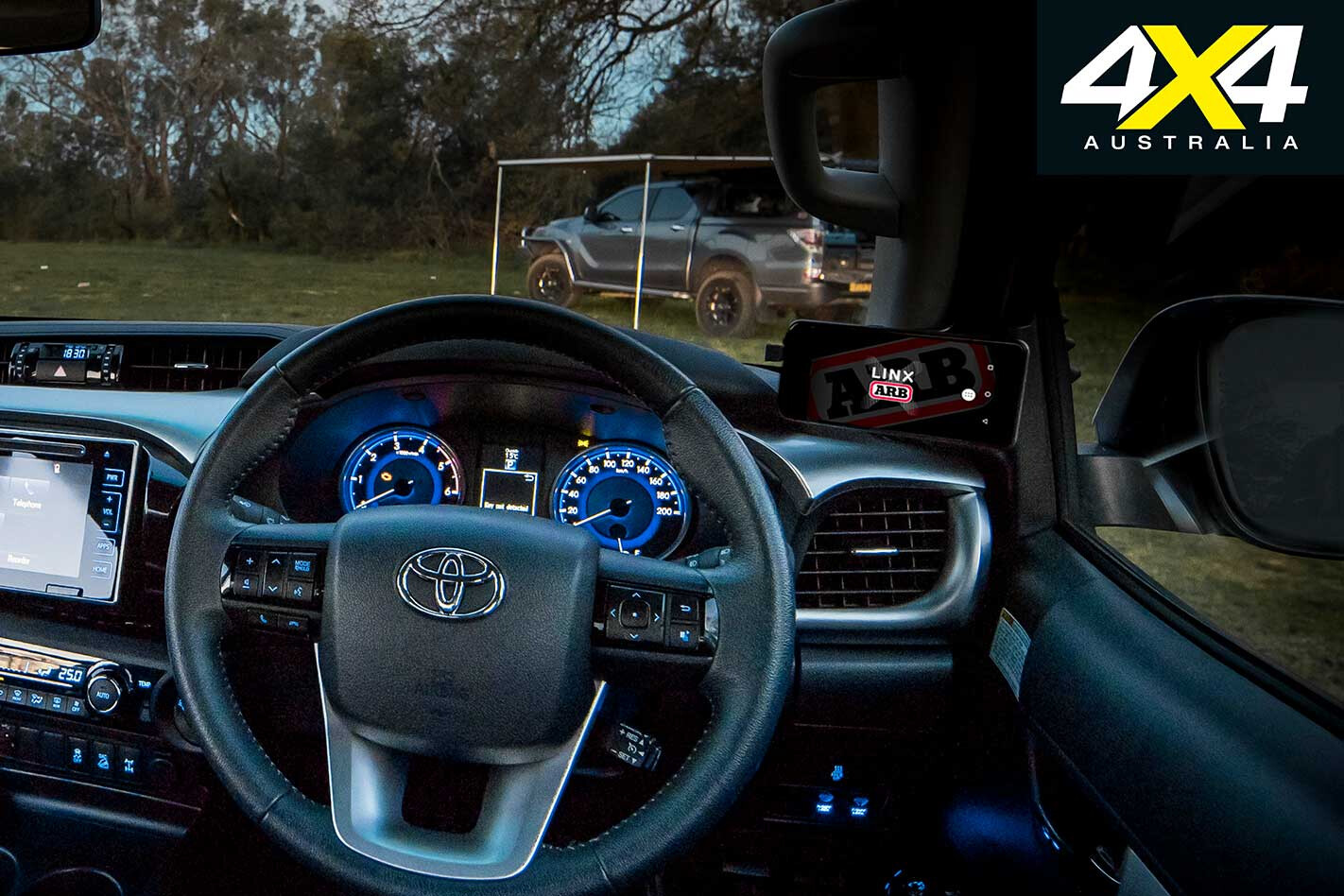
ARB’s LINX has just copped an additional two modules on top of its six original modules available since its release. This expandability is the big appeal of the LINX setup, adding additional modules as they are developed – plus they are free to LINX owners.
The first module is the clock, with the ability to set local and world time, date, timer, alarm and a stopwatch. The more exciting second module is the inclinometer, which allows you to monitor the roll and pitch of your vehicle – something that is not always easy or simple to judge while inside the vehicle, negotiating the terrain.
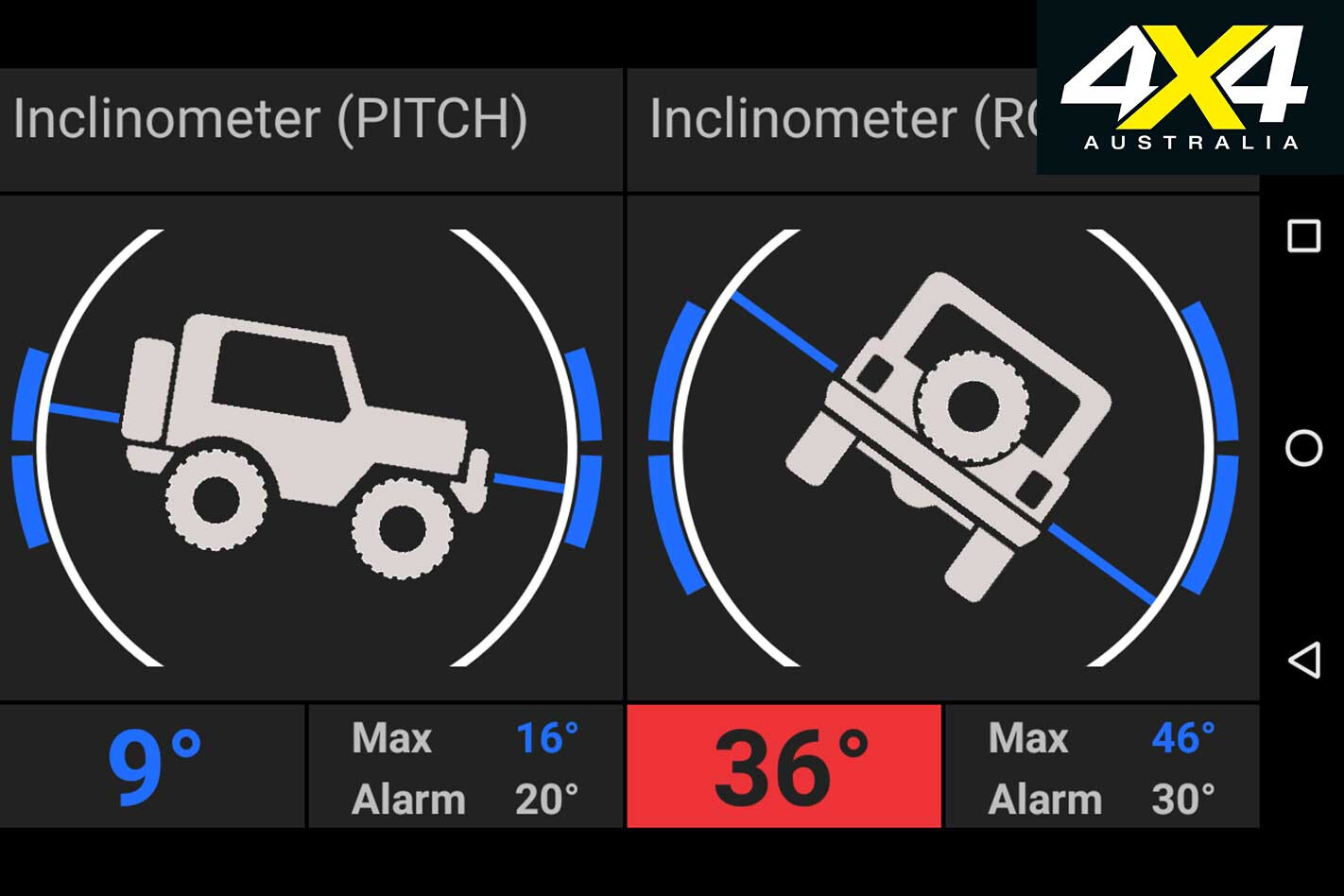
The inclinometer module allows users to set an alarm that is emitted when your rig is getting close to its roll or pitch limit. The roll screen and pitch screen can be viewed separately, or a simple double-tap can combine them on-screen together.
Website: www.linx.arb.com.au
Osprey Transporter wheeled duffel
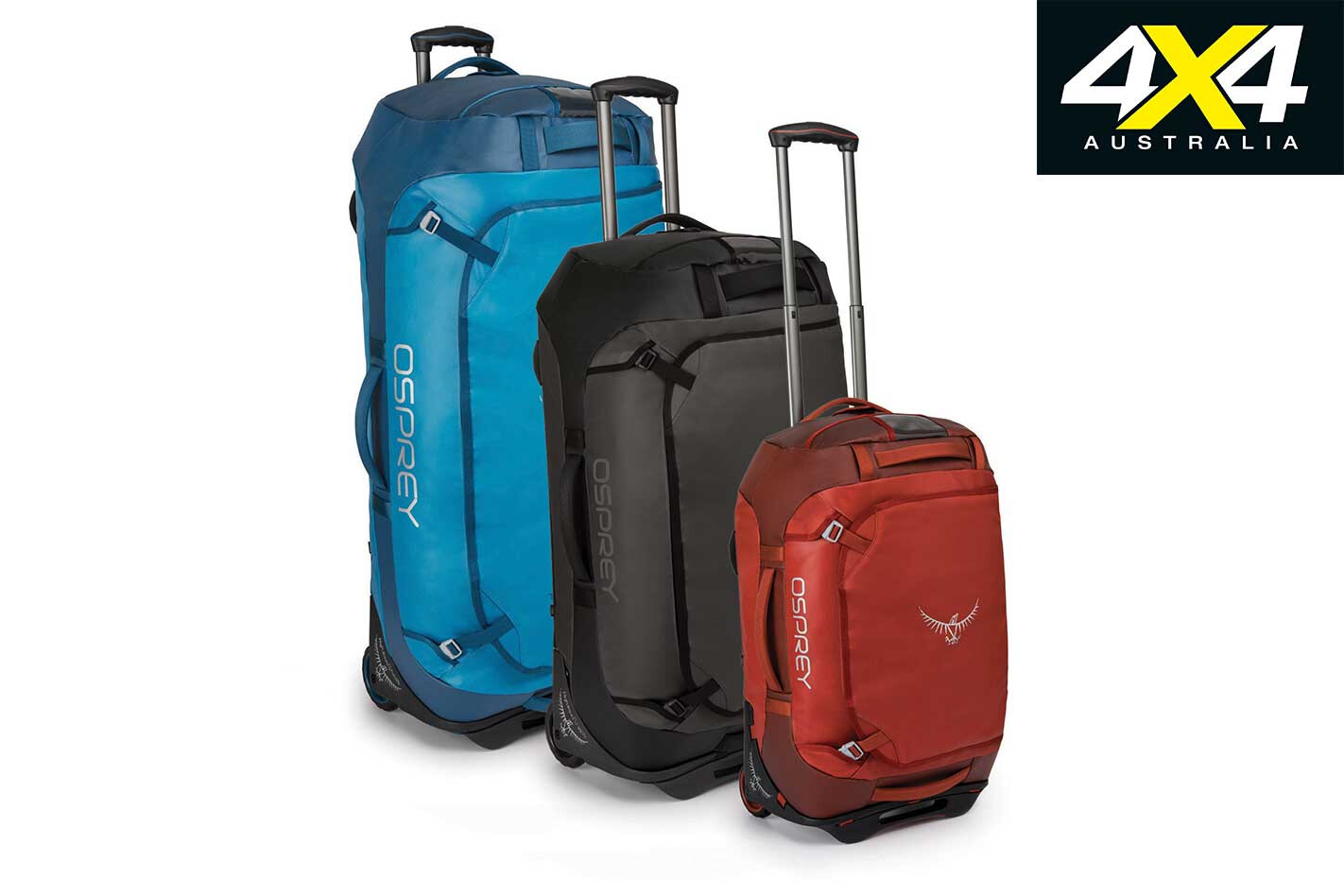
We’re big fans of duffel bags – they’re easy to pack and can cop a beating on trips – and even bigger fans of duffels that, when loaded up with gear, are easy to transport (excuse the pun), making Osprey’s new wheeled duffel Transporter series an appealing option for your touring kit.
The Transporter wheeled duffel is available in three sizes – 40L, 90L, 120L – and is built to withstand rugged treatment. The 800-denier TPU-coated nylon is abrasion- and water-resistant, the YKK zips are well-proved in terms of durability, and the HighRoad chassis and its oversized wheels ensure it can be rolled easily over uneven terrain.
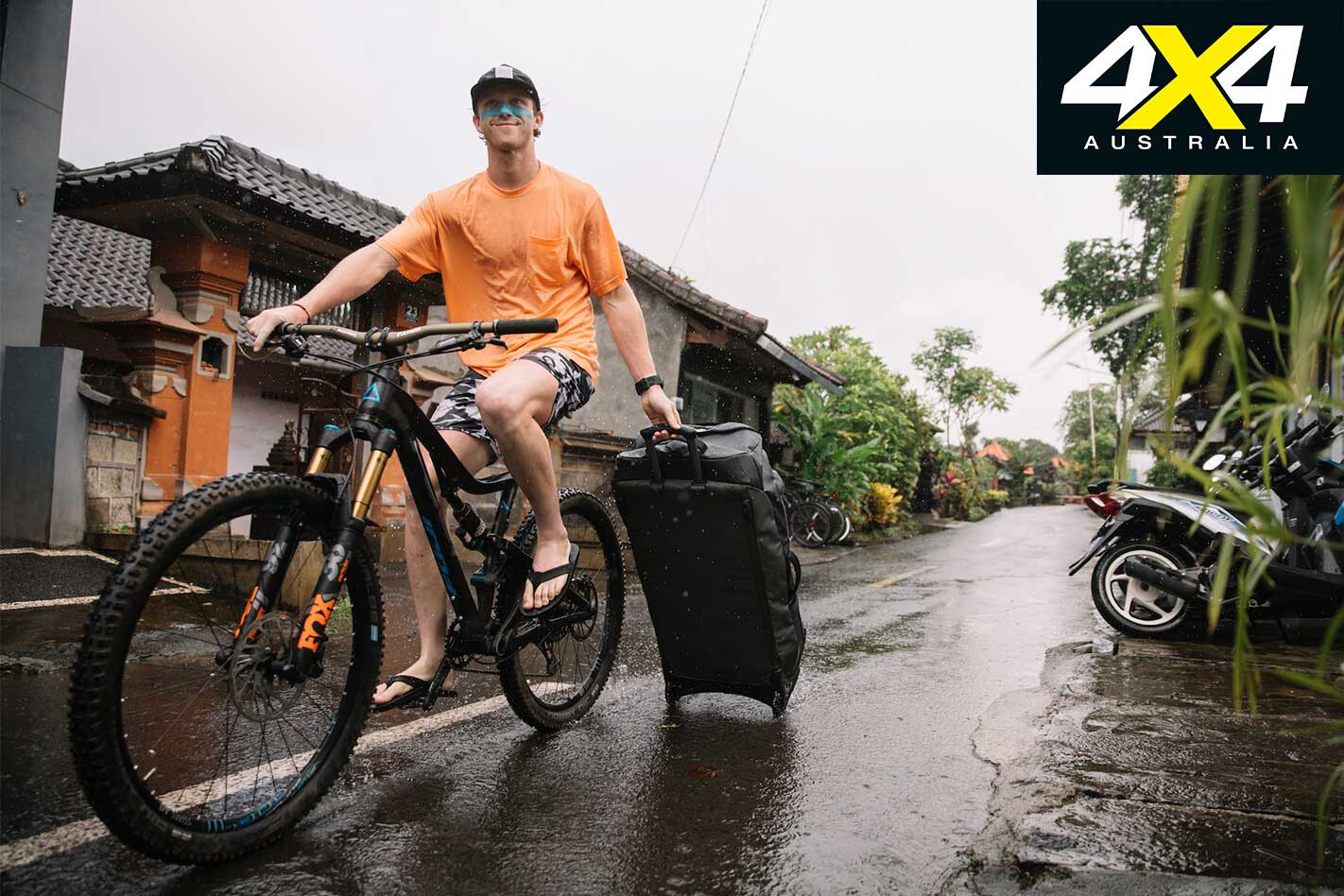
The large U-zip opening allows easy access to gear, which can be secured via the internal compression straps. The duffels also have padded grab handles and lashing points, making them easy to tie down on cargo racks.
Website: www.osprey.com/au/en RRP: $279.95 (40L); $319.95 (90L); $349.95 (120L)
Though part of the adventure of hitting the tracks is to leave the comforts of home behind, there are 4×4 gear that allows you to bring some of that luxury necessities along with you.
From well-insulated coolers to keep your drinks cold, to caravan walls to keep the weather out, and generators to keep the lights on, these new 4×4 gear will keep those homely comforts close to hand.
Briggs & Stratton PowerSmart Inverter Generators
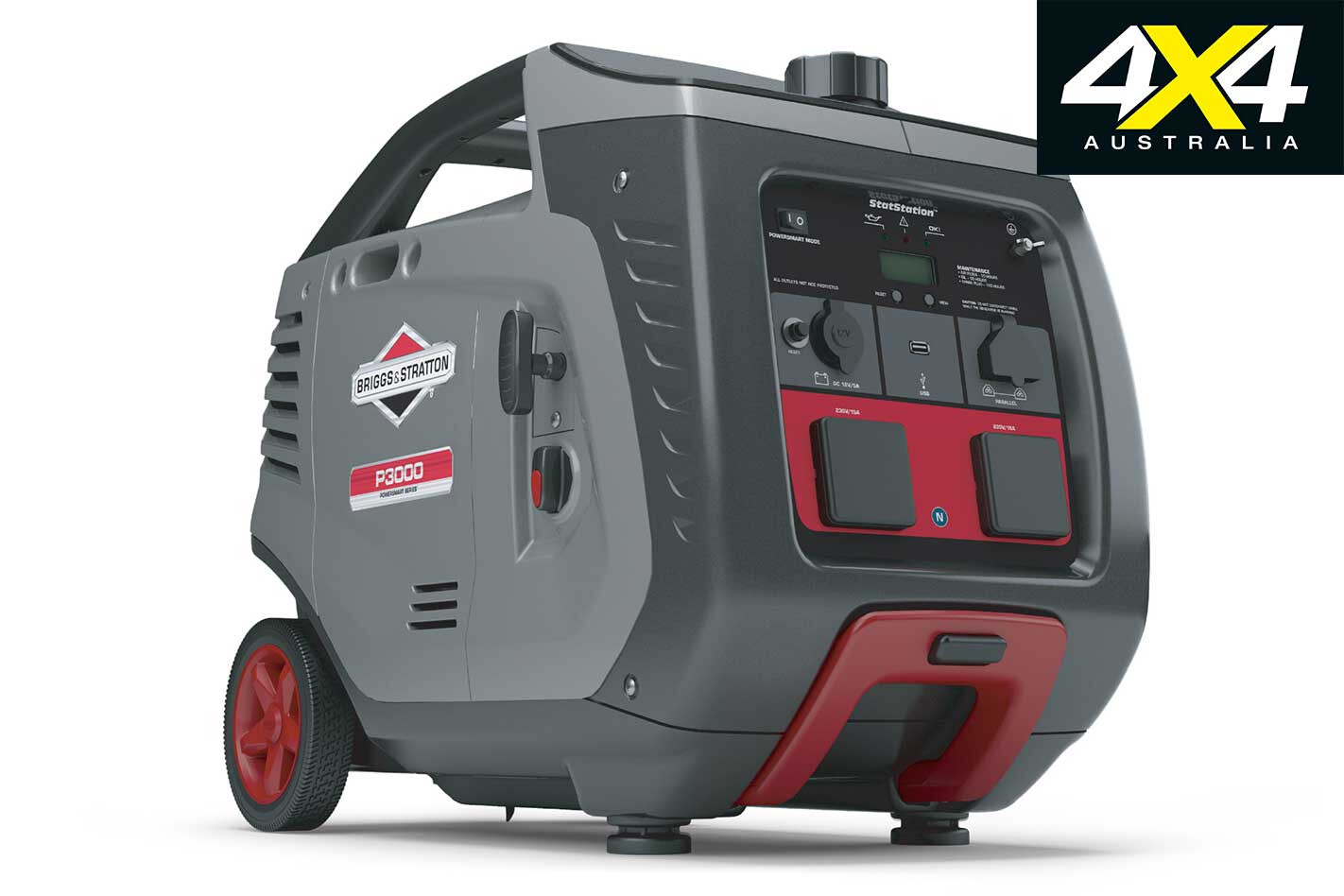
The P2200 and P3000 PowerSmart inverters from Briggs & Stratton are perfect for those longer camping trips where you need reliable power and recharging facilities. The generators are claimed to be quieter in operation than most other camping generators.
The P2200 is relatively light in weight (24kg) making it easy to move around camp, and even the beefier (44kg) P3000 is not that hard to shift as it is fitted with wheels. For even more grunt you can connect to another P3000, thanks to the parallel outlets fitted to this model.
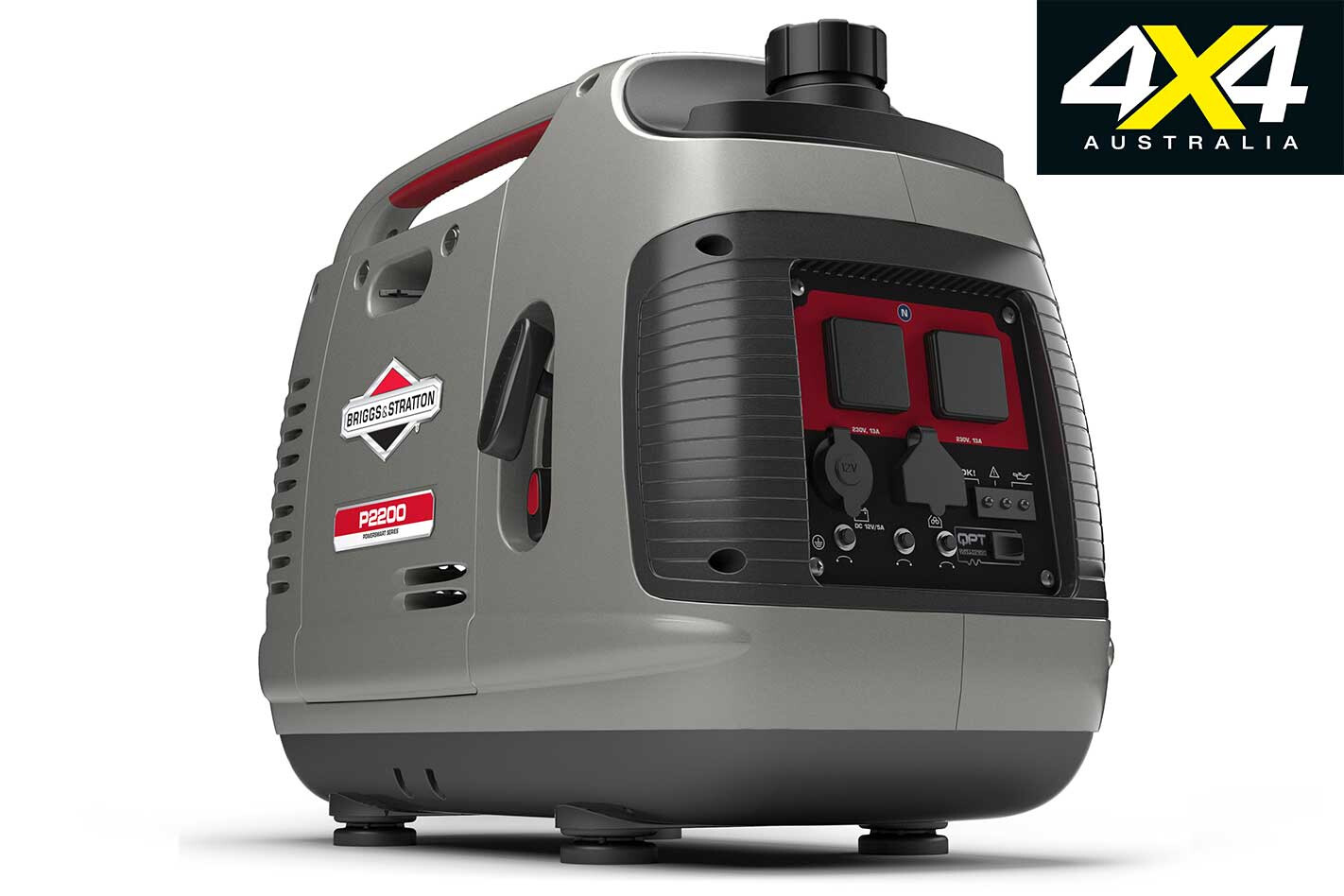
The P2200 has a continuous watts output rated at 1700 and a running output of 2200. The P3000 has 2600 and 3000 respectively. Outlets include two 240V, one 12V DC and one USB. Warranty is three years.
Website: www.briggsandstratton.com
Aussie Traveller Euro Walls
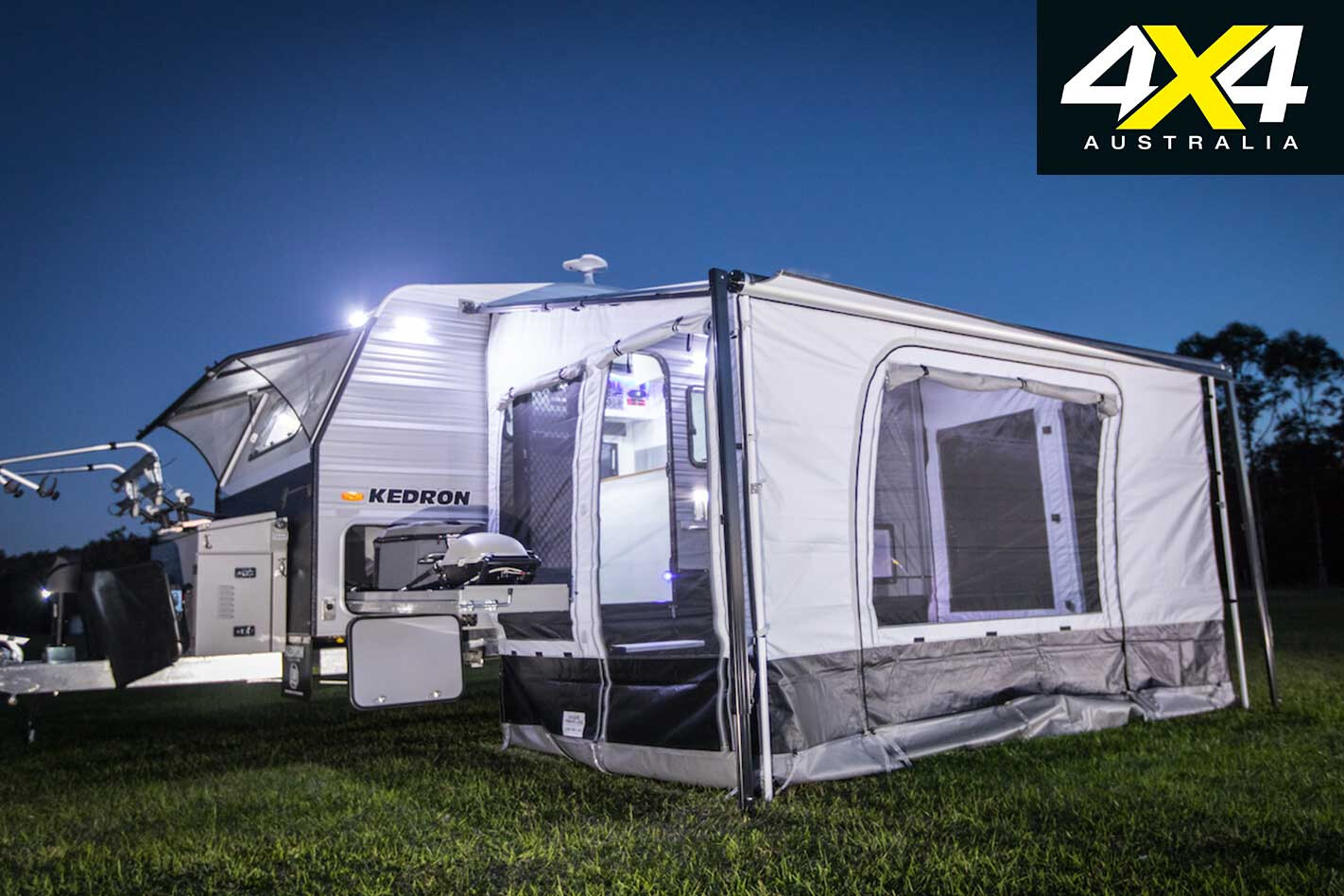
Claimed to be Australia’s lightest caravan living walls, Aussie Traveller’s Euro Wall uses lightweight European fabric, combined with a zip-in/zip-out flyscreen (or interchangeable PVC panel), for a 25 to 30 per cent weight saving over traditional canvas walls. Every set is custom-made by Aussie Traveller to fit exactly to your caravan or motorhome.
The Walls can be fitted to the awning using the Aussie Traveller Anti Flat kit for protection from wind and water ingress, thus doubling the available sheltered area at your base camp. The Euro Wall allows some light in (although not enough to eliminate privacy), as opposed to the more traditional canvas annex that makes the interior too dark.
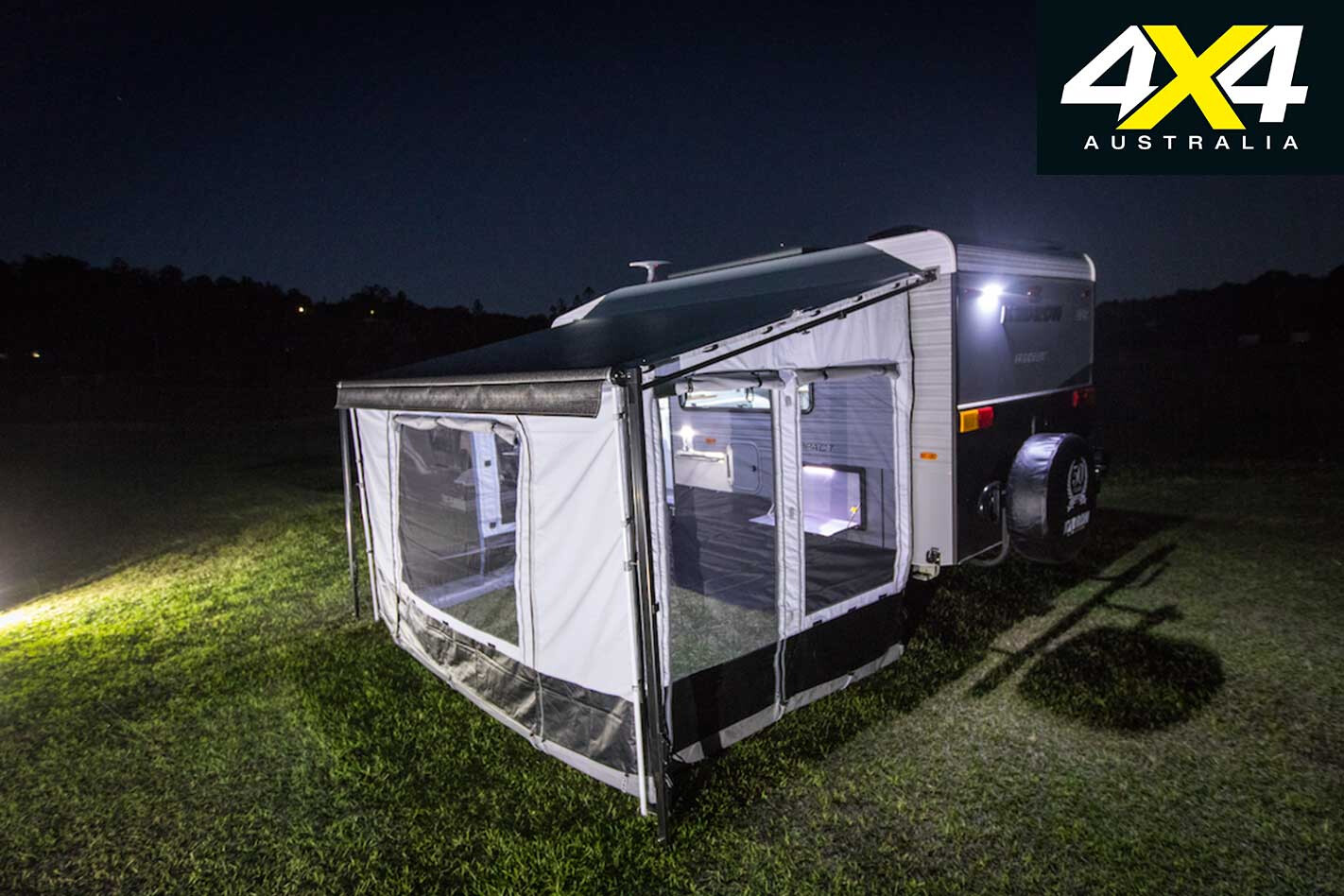
By reducing the load weight of the awning, and adding unique features, Aussie Traveller has made the Euro Walls well worth checking out for serious caravan and motorhome tourers.
Website: www.aussietraveller.com.au RRP: $2100
Otterbox Trooper LT30 cooler
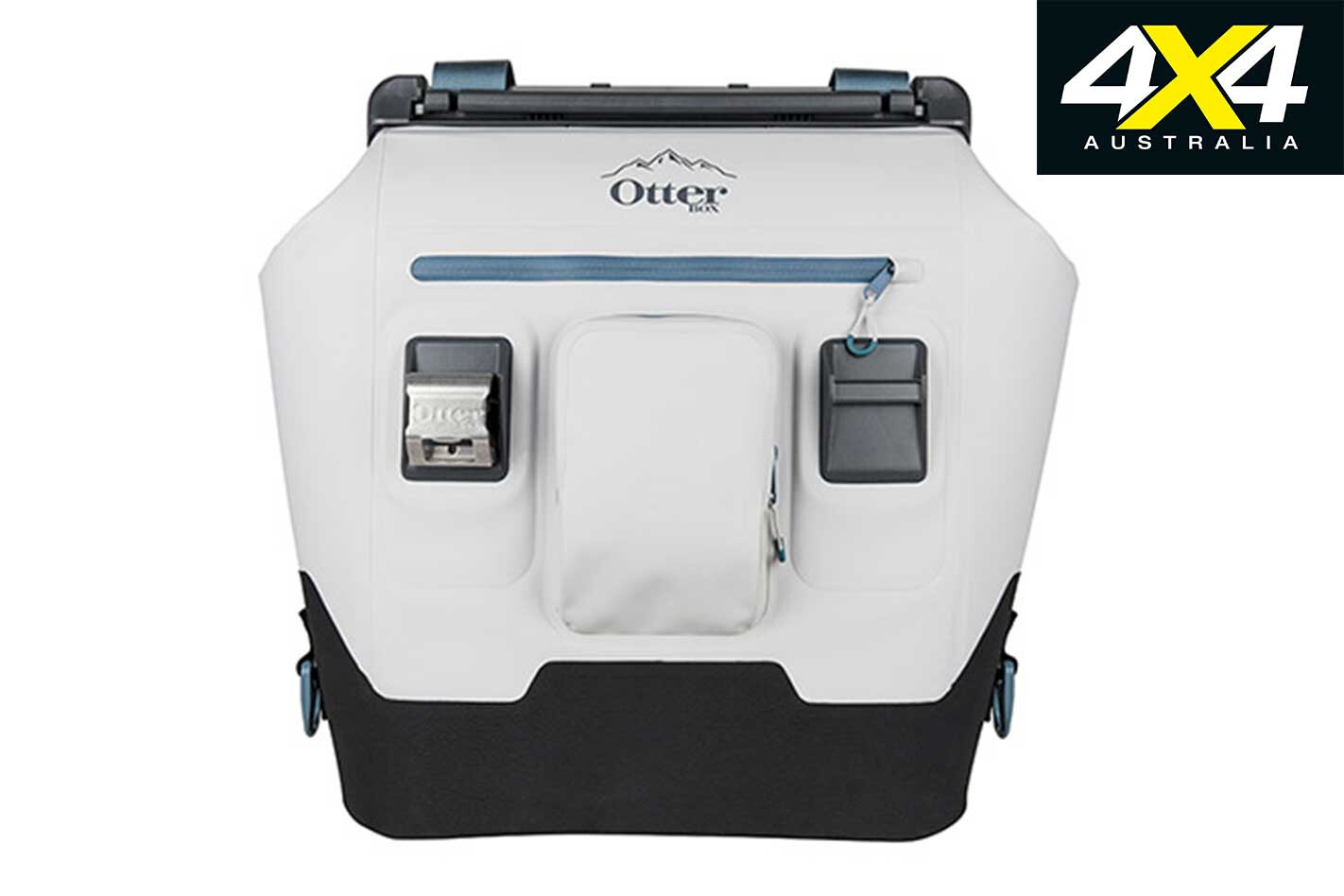
For those after a compact solution for keeping bottles cold in the outdoors, the Otterbox Trooper LT30 cooler is a great option. The LT30 features 28-litre capacity and high-end thermal insulation (and food-grade liner) that allows Otterbox to claim it will keep ice for more than three days.
The LT30 has shoulder and backpack straps for carrying, while the wide opening allows for easy access to that next coldie. There’s an inbuilt bottle opener, too. You can add accessories to it, and there are two zipped compartments for phones or other gear.
The heavy-duty base is up for punishment and the whole thing folds down very small when not in use. The outer is tough TPU nylon, and it also includes tie-down points.
Website: www.otterbox.com.au RRP: $430
Don’t be left out in the dark on your next big trip. There is no shortage of LED lighting choices out there, and this month’s New 4×4 Gear features a LED light bar kit and awning lamps from Big Red and Narva.
Although not an LED light, Piranha Off Road has a Midi Fuse mounting kit to ensure that your 4×4’s electrical system is up to scratch to support all the on-board accessories you need.
Big Red LED light bar kits
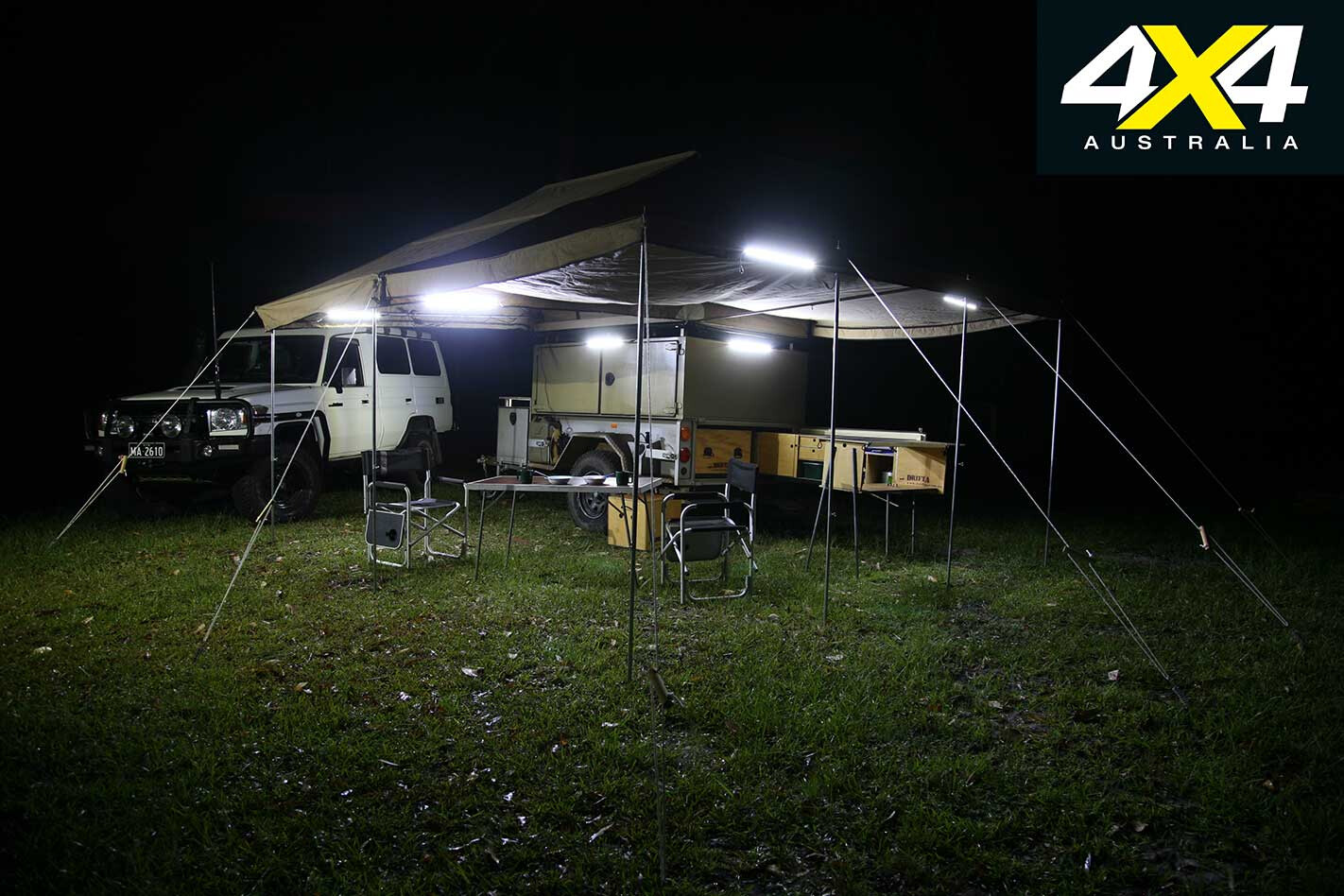
A new range of 12-volt LED light bars, designed specifically for camping and outdoor adventure, has just been released by Big Red. The new camp light bars are 500mm long and are comprised of a robust aluminium housing and an array of surface-mount LED lights for a broad light-spread.
The magnetic light bars come as complete two-, four- or six-bar kits, and these kits include all the essential accessories necessary, plus a carry bag. The bars are fully sealed and have waterproof connectors for optimum outdoor durability.
They can be daisy-chained together or run separately using the splitters supplied in the kit. All kits include two dual-colour light bars (white and amber; the amber light is non-attractive to insects). The four- and six-bar kits also include, respectively, an additional two and four white-only LED bars.
Website: www.bigredled.com.au
Narva LED awning lamps
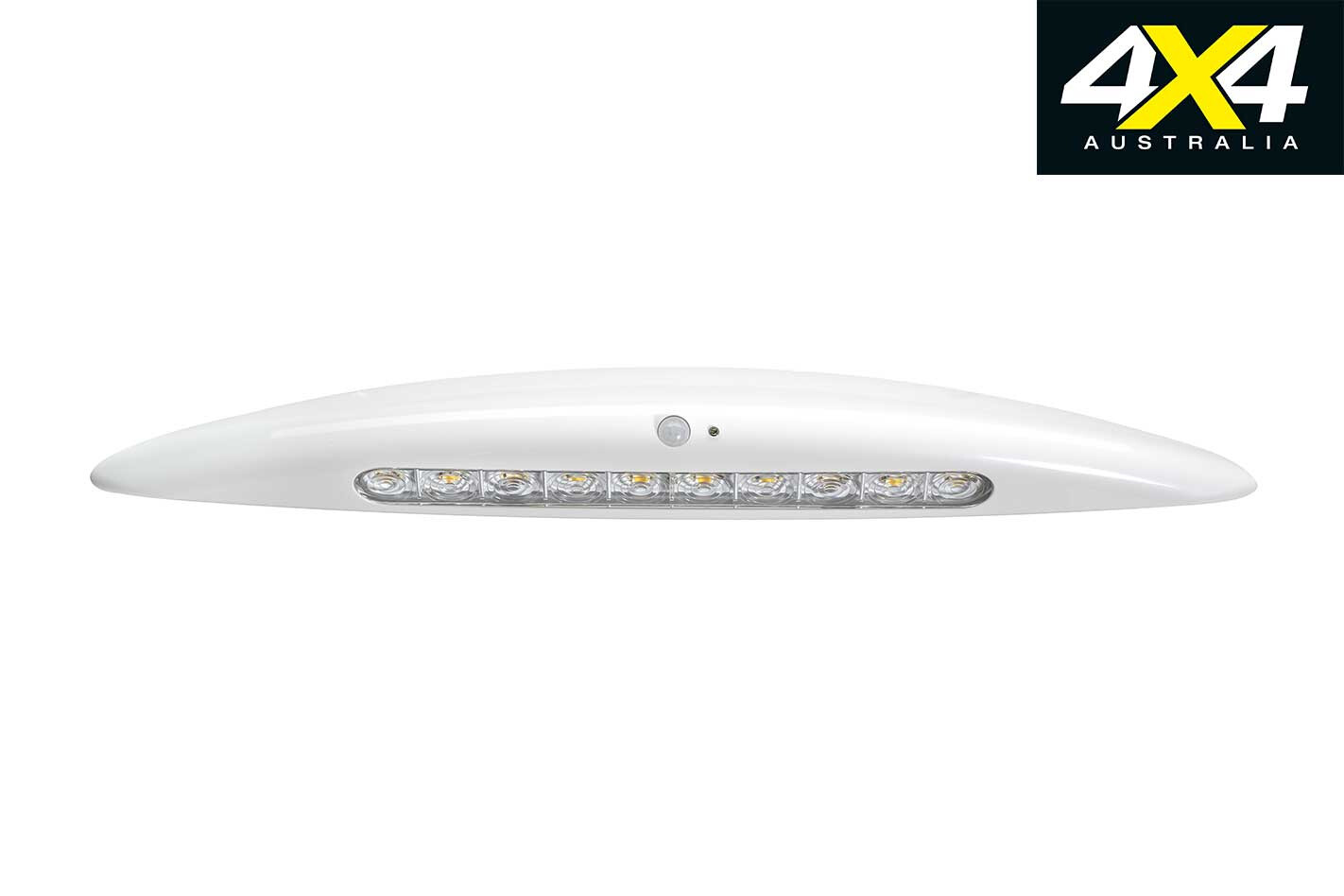
Narva has released a four-model range of awning lamps that are longer and narrower than previous versions, allowing for easier fitment into various sections of your campsite.
The range kicks off with the 87792 model (includes a motion sensor), which measures 365mm x 49mm and has a light output courtesy of SMD LEDs (30 lux at two metres). It also has a low current draw (0.5A at 12V), a polycarbonate lens and an IP66 rating. You can also opt for the same model without the motion sensor.
The 87794-12 uses six 0.5W LEDs (33 lux at two metres) and it measures 218mm x 44mm. The 12-24V 87796 is larger (332mm x 44mm) and uses 12 0.5W LEDs for a 65 lux at two metres light output, while retaining a low current draw of 0.50A at 12V or 0.25A at 24V. The top-end 12-24V 87798 model offers 130 lux of light at two metres, thanks to its 24 0.5W LEDs.
Website: www.narva.com.au
Piranha Off Road Midi Fuse kit
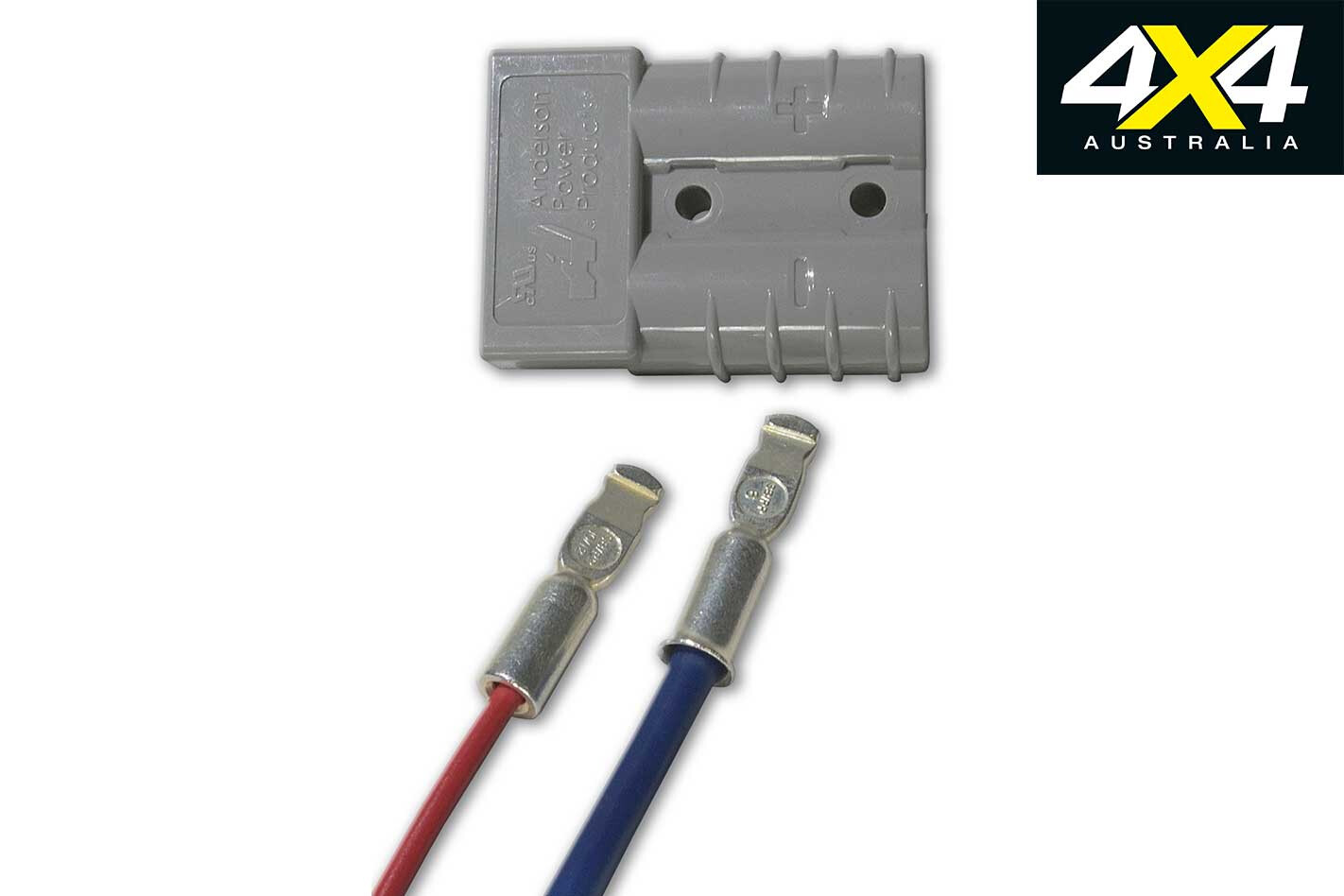
The gurus at Piranha Off Road have produced another schmick piece of gear, with the Midi Fuse Mounting kit designed to suit the OE fuse box on Toyota’s 79 Series, the HiLux and Fortuner 2015-onward models. The kit includes nuts, bolts and fuses and allows you to add an extra fuse into your vehicle’s power system so that you can run a fused connection for accessories.
The kit will work with fuses ranging from 30amp to 100amp, with this kit designed for products at up to 50amp capacity, battery-to-battery setups up to 100amp, DC to DC from 40 to 80amp, and compressors that are from 20 or 40amp.
You don’t need to modify your vehicle’s original fuse box – the mounting kit will fit in neatly – and thus keep the engine bay tidy.
Website: www.piranhaoffroad.com.au RRP: $25
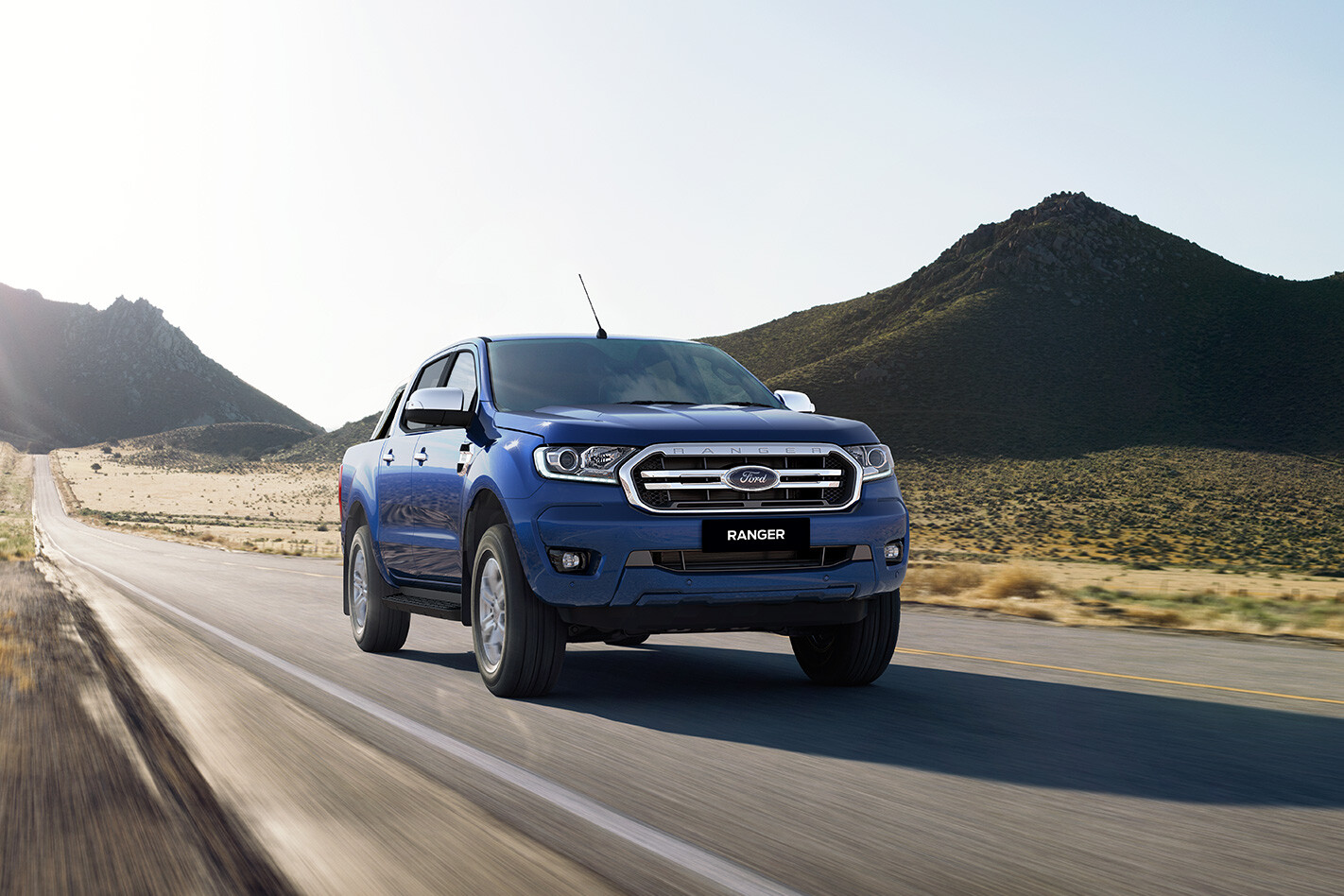
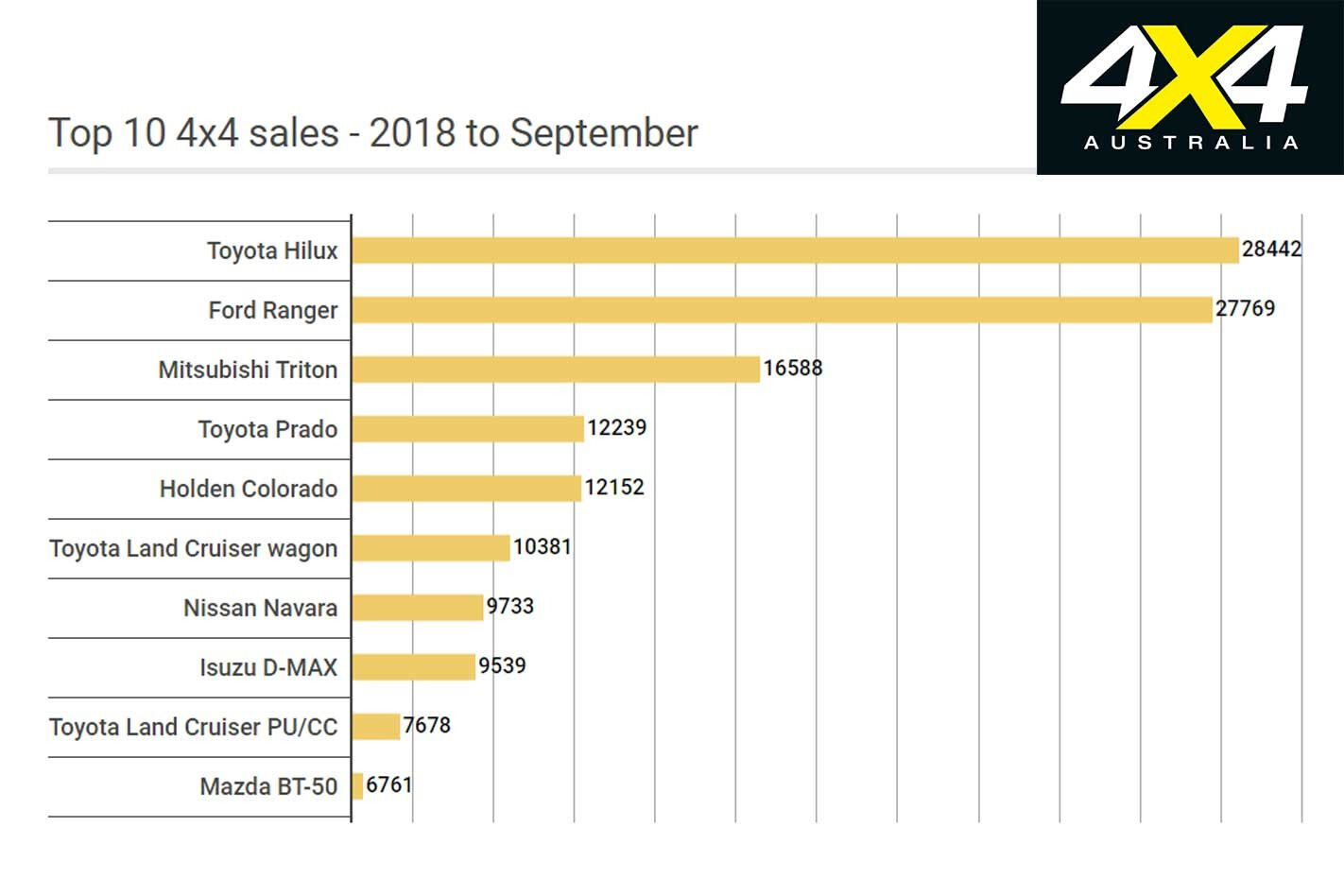
NEW CAR sales in September across the board were down on previous months, but it was the usual Ranger-versus-Hilux battle at the top of the 4×4 listings. Toyota Hilux outsold the Ford by 468 units over the month to extend its overall lead in 2018 as both the best-selling 4×4 overall and best-selling 4×4 ute.
The ‘Lux was no doubt helped by the new, tougher-looking front-end styling and some sharp driveaway prices throughout the month while the Ranger is in run-out mode as the updated model approaches in October.
4×4 utes remain popular choices with the Mitsubishi Triton, Holden Colorado and Nissan Navara the perennial bridesmaids, while the Toyota Prado was the only wagon to be in the top five sellers and it remains in the top five year-to-date.
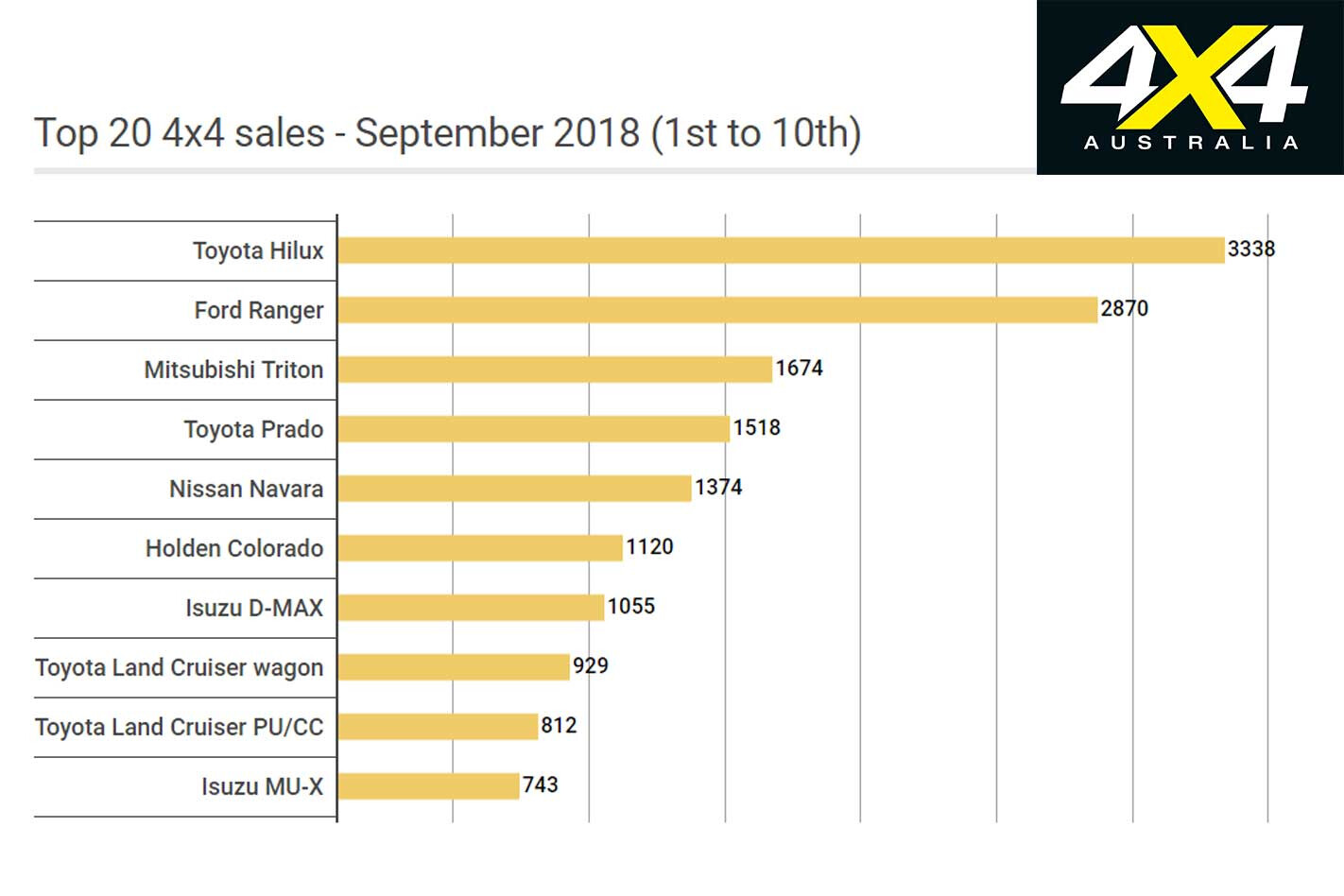
Navara had a strong September, bouncing back after a poor showing in August. 1274 of the Nissan utes found homes allowing it to leap Holden Colorado in the monthly sales and the Isuzu D-Max in the YTD figures.
Our reigning 4×4 Of The Year champion, the Land Rover Discovery, pipped its stablemate the Range Rover Sport to scrape in to the monthly Top 20 4×4 sales while Jeep’s Grand Cherokee held steady to jump a few places as other vehicles had a slow month.
The race to the 2019 flag will be on throughout the remaining three months as the updated Ranger arrives with its Raptor variant and the 2.0-litre diesel engine will also available in regular XLT and Wildtrak models. Will these changes be enough to claw back lost ground on Hilux? Only time will tell.
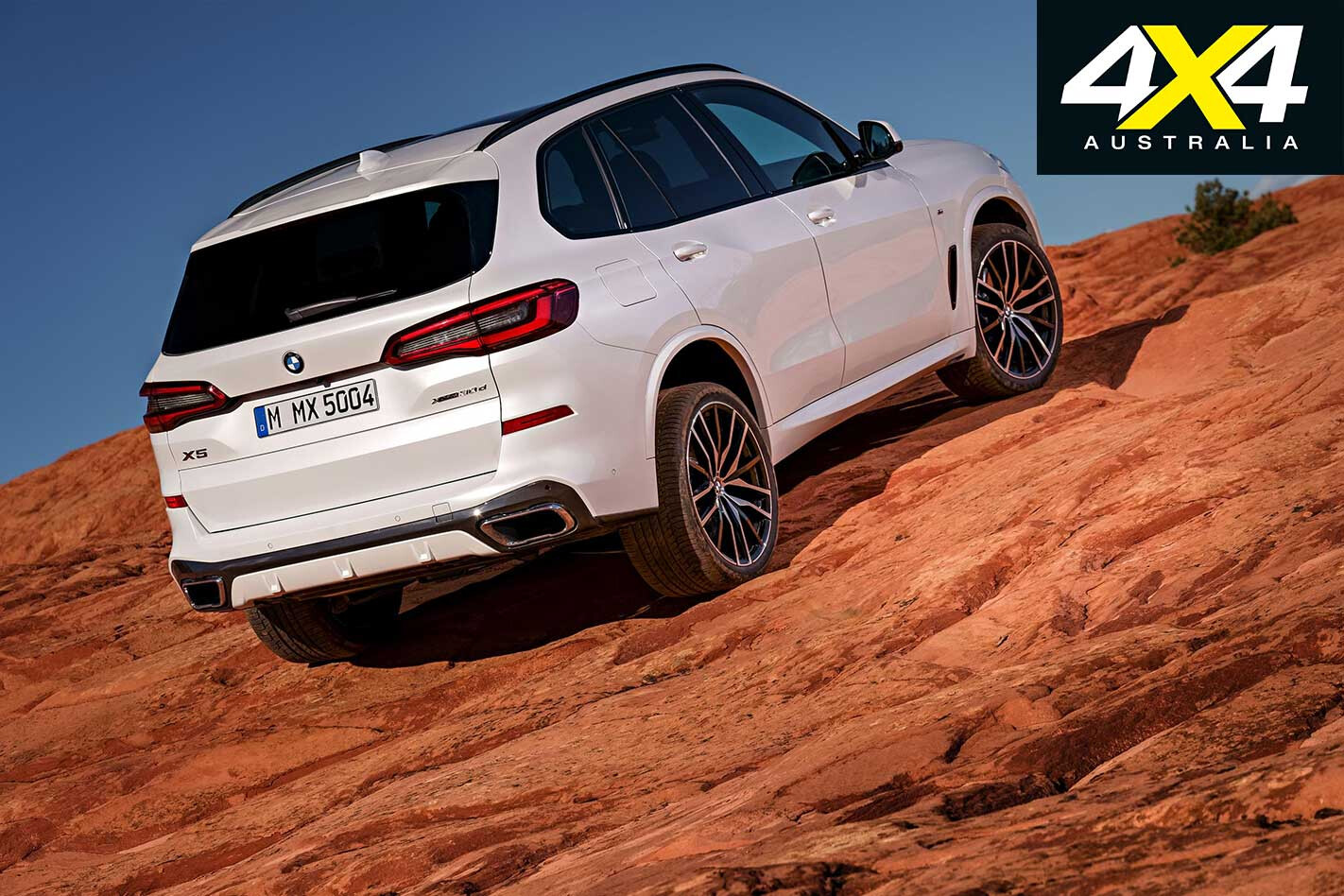
LUXURY German SUVs are getting serious about going off-road with upcoming iterations set to ramp up the rock-hopping ability. The fourth generations of two of the pioneers in the luxury SUV segment – the BMW X5 and Mercedes-Benz GLE – will place an emphasis on getting the tyres dirty, albeit with the primary focus still freeways and the suburbs.
Both the GLE and X5 ride on independent suspension with road-biased rubber, But each is now also available with an off-road option pack that adds things such as better underbody protection and drive mode programs better tailored to challenging conditions.
When the X5 arrives late in 2018 its optional off-road pack will allow access to four rough-road drive modes: sand, rock, snow and gravel. Each mode tailors the throttle response, transmission, stability control, xDrive active all-wheel drive system and the height of the air suspension. There is also a rear diff lock to aid traction and the X5 can be optioned with factory-approved all-terrain tyres.
The project manager for the upcoming new X5, Johann Kistler, says some of the off-road smarts come from the unique high-riding suspension system that can add 40mm to the regular ground clearance at the push of a button. “By adding the two-axle air suspension we also opened the door to the off-road package,” he says.
Kistler is not expecting owners to suddenly follow Land Cruisers and Patrols into the bush, but he says knowing the car is capable of rougher roads and tackling more challenging terrain is something buyers of luxury SUV buyers are expecting, even if they never plan to use it.
“We’re always investigating customer behaviour and most of the customers are driving in on-road conditions,” he says. “Customers want to have this capability and to know that it’s possible to go off-road, it’s important.
“Maybe we have a farmer to go through the countryside, or people like fishing on the weekend or a hunter, for example.”
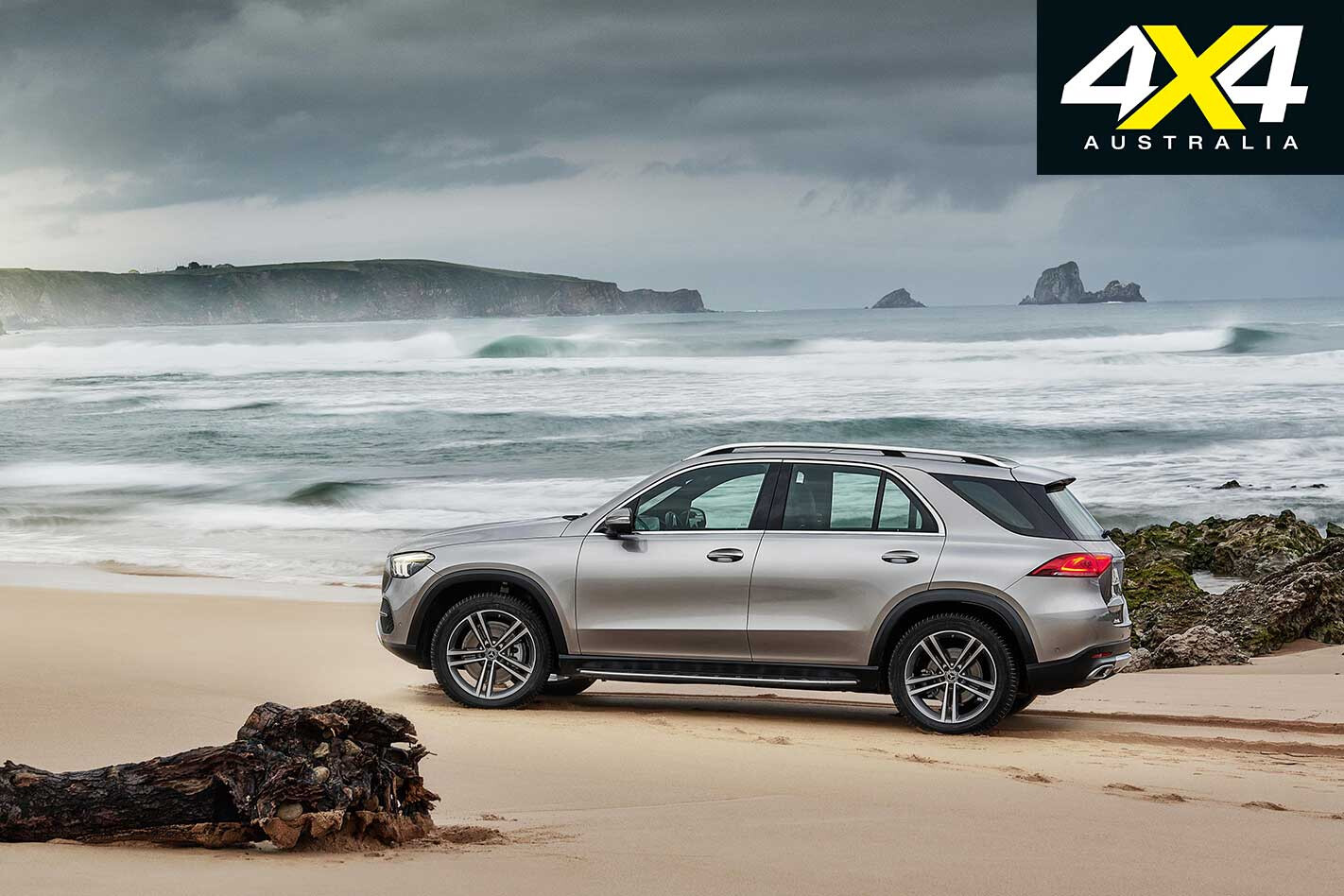
Arch rival Mercedes-Benz is also trying to appeal to those prepared to test the mettle of their off-roader. Key to the GLE’s smarts is its new air suspension system, which has smarts not yet seen on any other off-roader.
Software engineers have developed a program referred to as “free-driving mode”, which tries to extricate the car if it’s bogged in sand or dirt. Using the air suspension, the car can effectively bounce on the spot by raising and lower the suspension. It has the effect of temporarily putting more weight on the wheels, briefly increasing traction and potentially helping the car without the need to call for help.
The GLE will also have a feature to individually actuate the suspension on each wheel. If a wheel is hanging in the air or in a dip, for example, it could be raised or lowered to give it and the other wheels a better chance of being in contact with the ground.
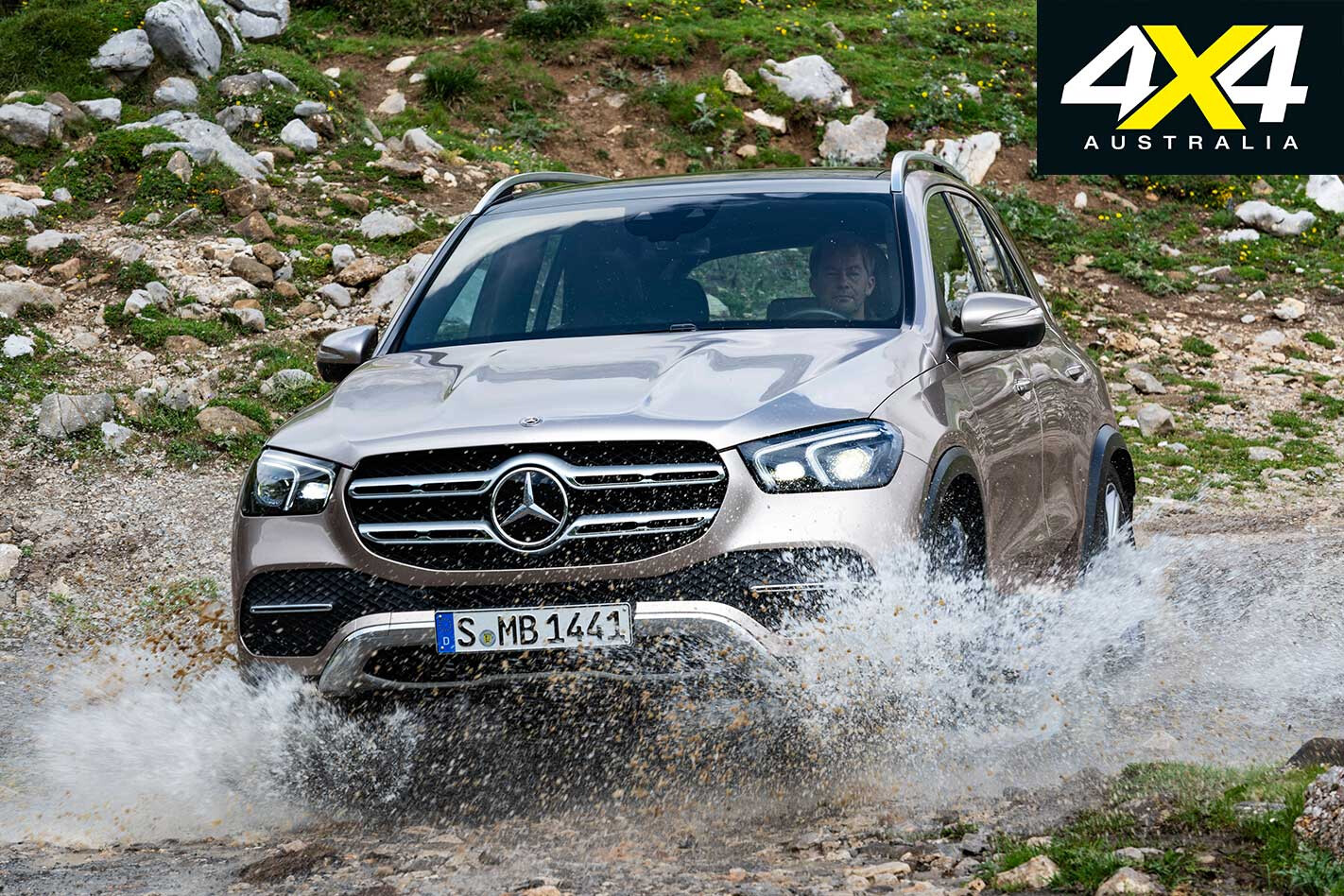
It’s tricky stuff and the sort of tech likely to be copied soon by more dedicated off-road brands. No doubt some will be worried about the added complexity of such technology, the last thing many want in the Australian bush or outback. After all, that’s one of the reason 70-Series Land Cruisers remain so popular.
Indeed, the new X5 and GLE will have more computing power than ever, including for the suspension, differentials, engines, brakes and more. The GLE also gets a 48-Volt electrical system to control its fast-acting air suspension; there’s still a 12V electrical architecture for many accessories.
Of course, the GLE won’t be the first car with electronics tailored to get it out of a bog; the Land Cruiser 200-Series can rock the car back and forth using the throttle, recognising how much acceleration to apply for a successful recovery.
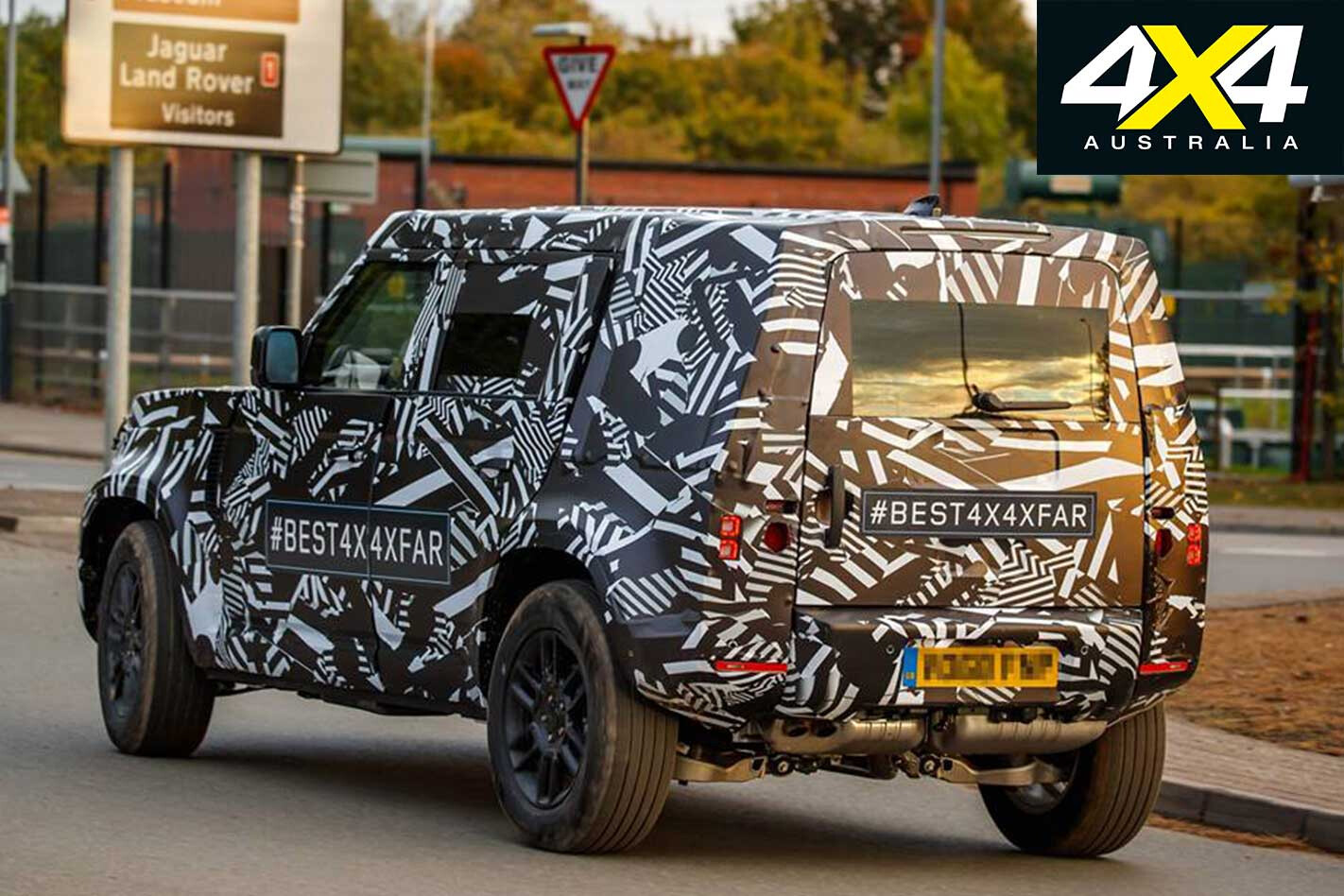
In a well-staged ‘leak’, Land Rover has given the world its best look yet and what the replacement for the iconic Land Rover Defender will look like as this heavily camouflaged prototype was photographed outside the company’s premises.
No details on the new car are available yet but we do know that it will be built on the same aluminium monocoque architecture with four-wheel independent suspension used for the current full-size Land Rover Discovery and Range Rover models.
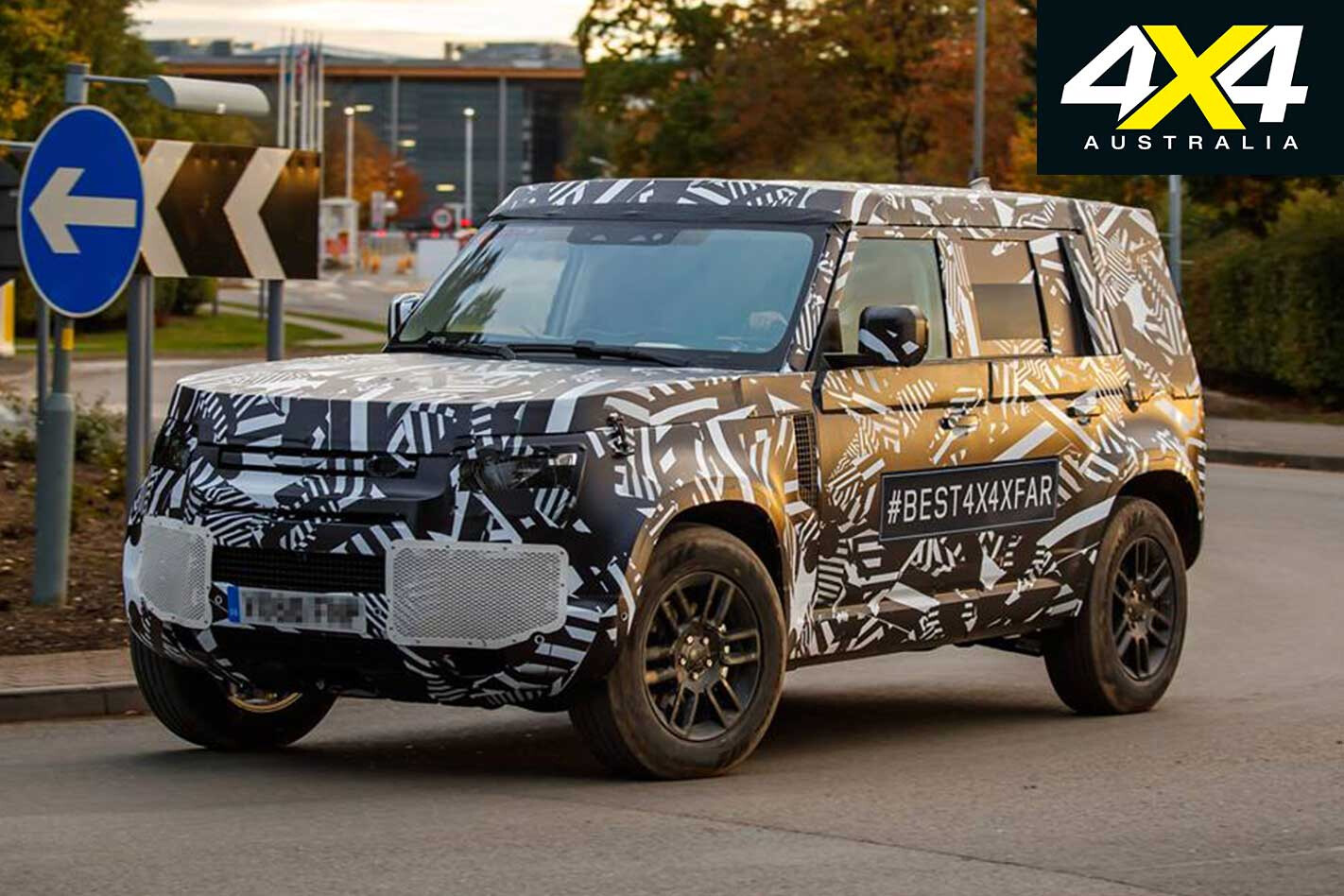
While that may not please Defender purists, the boxy shape of the five-door bodyshell should. This vehicle looks similar to the body of the Discovery 3 and 4 variants, which will be wider and lower than the traditional Defender’s tall and narrow proportions.
This is expected to create a much more appealing cabin to a wider audience of buyers, whereas the independent suspension will improve the ride comfort at the expense of off road ability.
Like the current Discovery and Rangies, we expect the new Defender to host a full swag of electronics to aid with traction and off road performance in lieu of the traditional axle articulation and high ground clearance. The next Defender is expected to arrive in 2020 and we’re sure we’ll see more of it as it sheds its disguise in the lead up to its debut.
Whether you think they are decorative or purposeful, a lot of thought and design goes into making sure bullbars and snorkels fit properly, doesn’t restrict air flow, doesn’t compromise on safety, and are durable enough for any climate and condition you are going to put it through.
These new 4×4 gear are fine examples of the level of engineering and design detail that goes into making sure that it delivers on its promise without any compromises.
ECB Big Tube winch-compatible Bullbar: X-Class
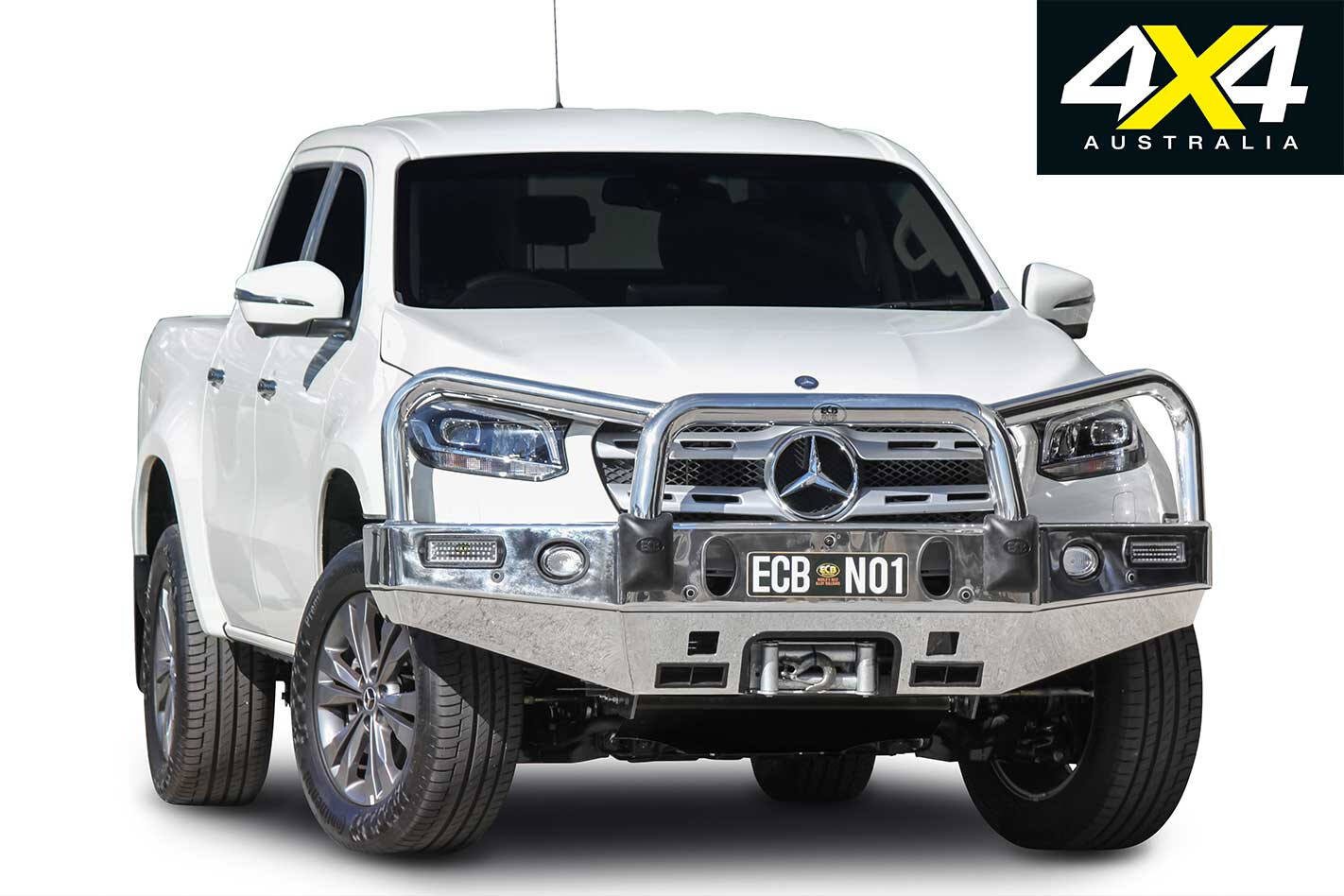
ECB’s new winch-compatible bullbar boasts all the expected features such as high-tensile structural-grade alloy construction, a 6mm thick one-piece channel (reinforced by a braced lower protection skirt that runs full width), 76mm x 4.75mm centre tube, a fully gusseted 63mm x 4.2mm side/shoulder tubes, and integrated ECB bumper lights and LED indicator/park lights.
The Big Tube Winch Bar features a bumper cut technique that includes a specifically engineered 6mm plasma-cut steel mounting system, so once fitted, it ain’t going anywhere. The bar is ADR- and airbag-compliant and comes with ECB’s lifetime warranty. There’s also provision for the mounting of spotlights, plus an aerial tab.
Website: www.ecb.com.au
TJM Signature bar: Isuzu MU-X
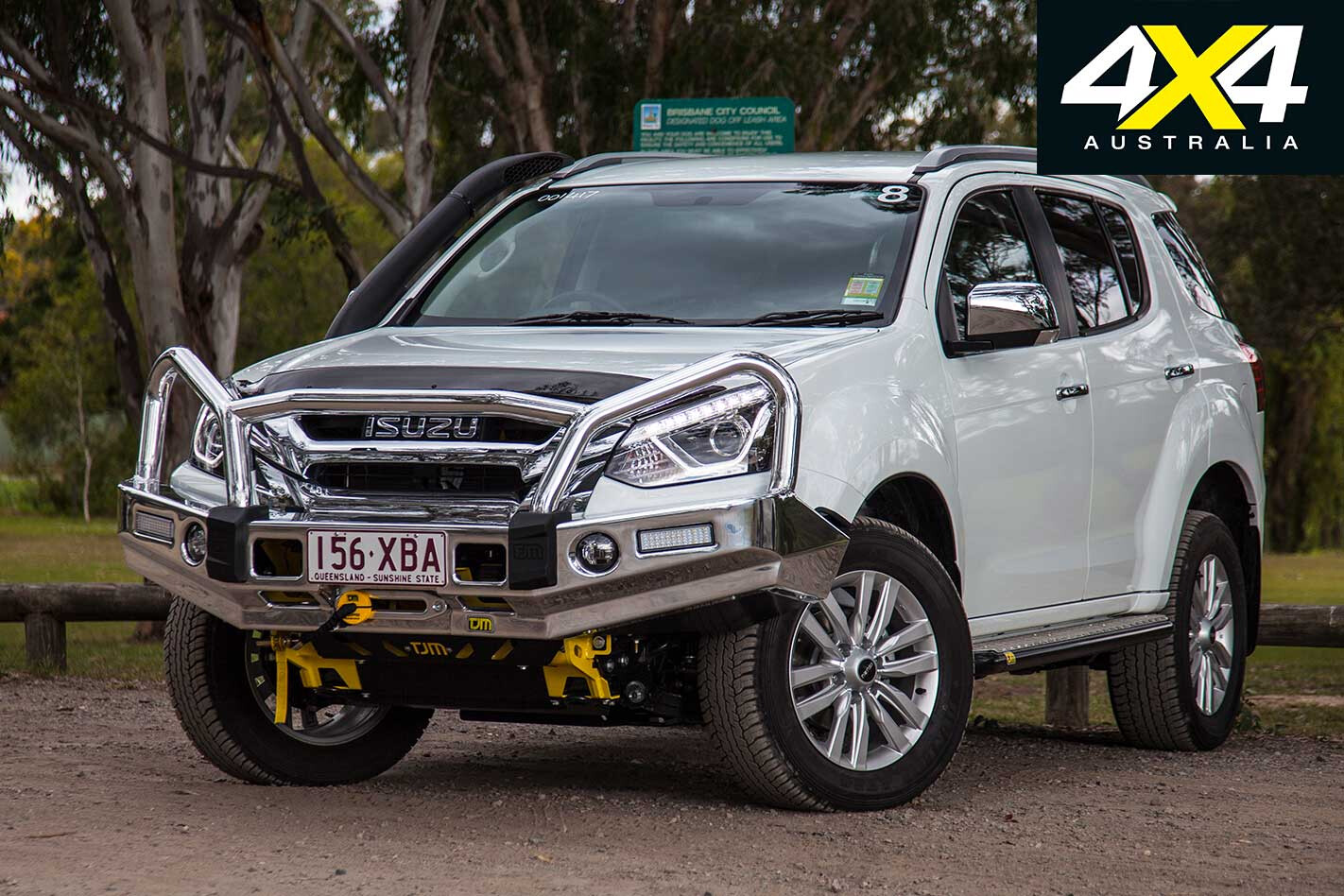
Isuzu’s tough touring wagon is popular with both buyers and the aftermarket industry, with TJM producing another of its impressive Signature bars for the 2017-onwards MU-X model.
The Aussie designed and engineered bar features a strong 76mm centre loop combined with two side loops (63mm) that offer optimum headlight protection. The bar’s design is focused on ensuring uninterrupted airflow to the MU-X’s cooling system.
The bar is airbag-compatible, can take a winch of up to a 9500lb rating, features a steel mount system, and you can fit full-size (220mm) spotties. Other features include LED indicators, LED fog lights, two aerial tabs and bumperettes. The included recovery points are rated to 8000kg.
Website: www.tjm.com.au
Ironman 4×4 airforce snorkel: D-Max & MU-X
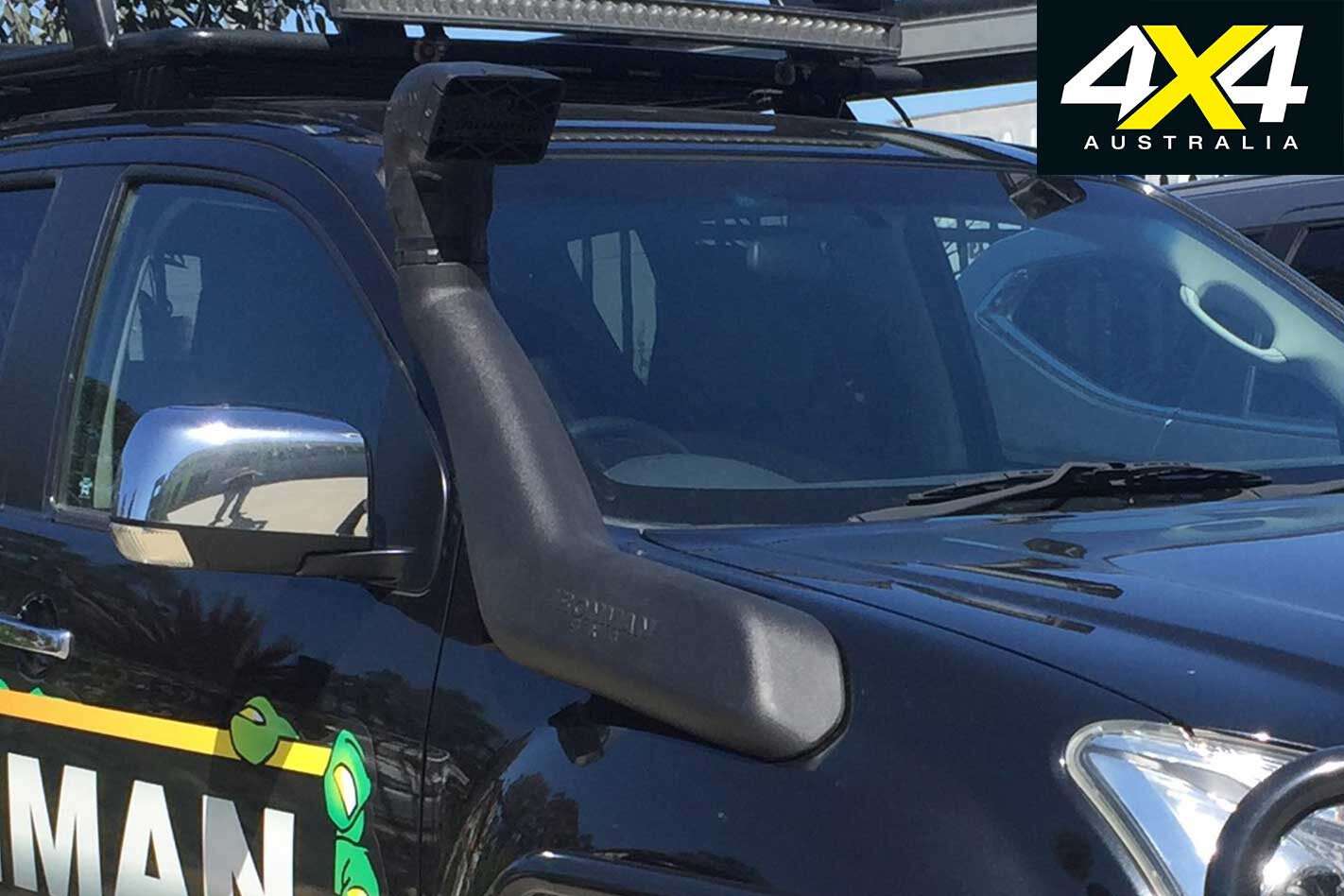
Ironman 4×4 has a new Airforce snorkel for the Isuzu D-Max (6/2012-onwards) and MU-X (2014-onwards).
The snorkel is made from UV-stabilised polyethylene and built using 3D-scan and design tech to hug the body contours of each vehicle. The 3.5-inch RAM head features an inbuilt rain deflector to protect against water ingress in heavy rain.
This Aussie-designed snorkel has also been dyno-tested to confirm improved air intake. Win, win.
Website: www.ironman4x4.com
LAND ROVER has a long history of working with the Red Cross and Red Crescent organisations globally and the latest initiative sees this Land Rover Discovery TD6 being delivered to the Red Cross of Austria for rescue work in the Alps.
The vehicle remains mechanically standard, but has the added equipment of specialised radio communications and a drone for seeking out locations or patients in remote terrain. Images from the drone can be viewed on a big screen mounted in a specially constructed carbon-fibre capsule in the cargo area, which also secures further rescue equipment.
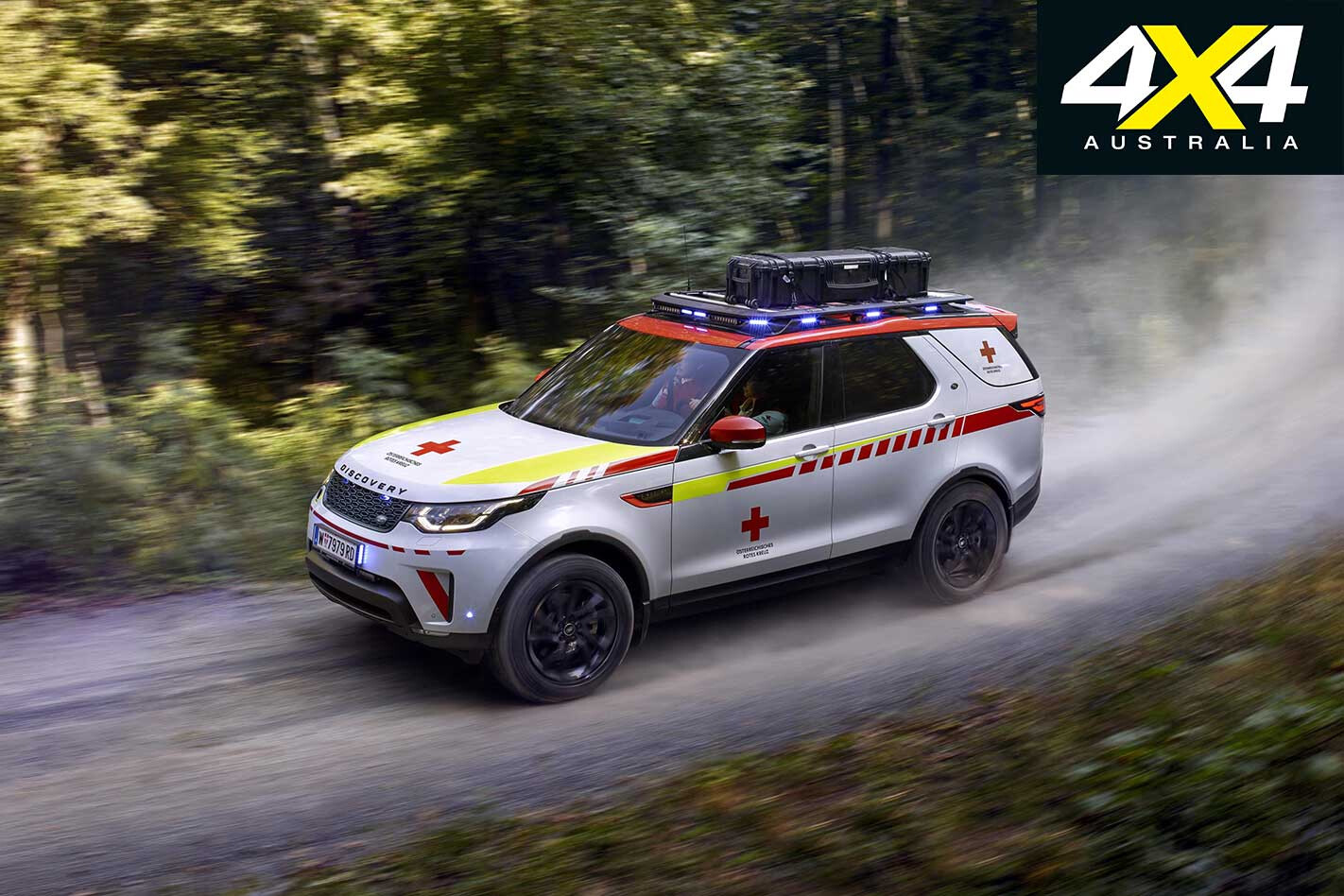
Michael van der Sande, Managing Director of Jaguar Land Rover Special Operations, said: “Our partnership with the Red Cross isn’t just about our vehicles. Since we started collaborating in 1954, our aim has been to help the Red Cross improve its disaster response and ultimately to help save lives.
“Over the past 18 months our engineers have worked closely with the emergency response team at the Austrian Red Cross, deploying Land Rover’s technology and talent to create a unique solution to the requirements of the Red Cross in the region.”
While this is a very different vehicle to the go-anywhere Toyota Land Cruiser Troop Carrier ambulances we have here in Australia, the Discovery would certainly get to the scene faster than a Troopy, or a Defender for that matter. It would be interesting to see what Land Rover’s SVO group would do with a Defender replacement for such applications when it arrived in 2021.