
It’s been said that the vastness of the Australian outback was the only place big enough for Len Beadell’s huge personality. A positive, cheerful and commanding character, Len was devoted to the bush. The love affair lasted his entire life; something he considered a privilege.
This feature was originally published in 4×4 Australia’s April 2009 issue
Len was born at Pennant Hills West – north of Sydney – on April 21, 1923 to parents Fred and Viola. A year after Len was born they began moving through a succession of Sydney homes before settling at Burwood. This was important as it was attending Burwood Public School that set in motion a series of events that would ultimately create history.
A schoolmate, Jimmy Owens, invited Len to his Scouts group where he was to meet John Richmond, the pack’s scoutmaster. Richmond was a surveyor with the Sydney Water Board and passionate about his craft. He also lived permanently in a tent in his own backyard. It wasn’t long before Len began to share Richmond’s passion for surveying.
For ten years, almost every weekend was spent with Mr ’Mond (as Len called John) and other scouts on weekend excursions that were, in fact, Richmond’s ‘homework’ of establishing a trigonometric network for the Sydney Water Board’s planned pipe link between Sydney’s dams.
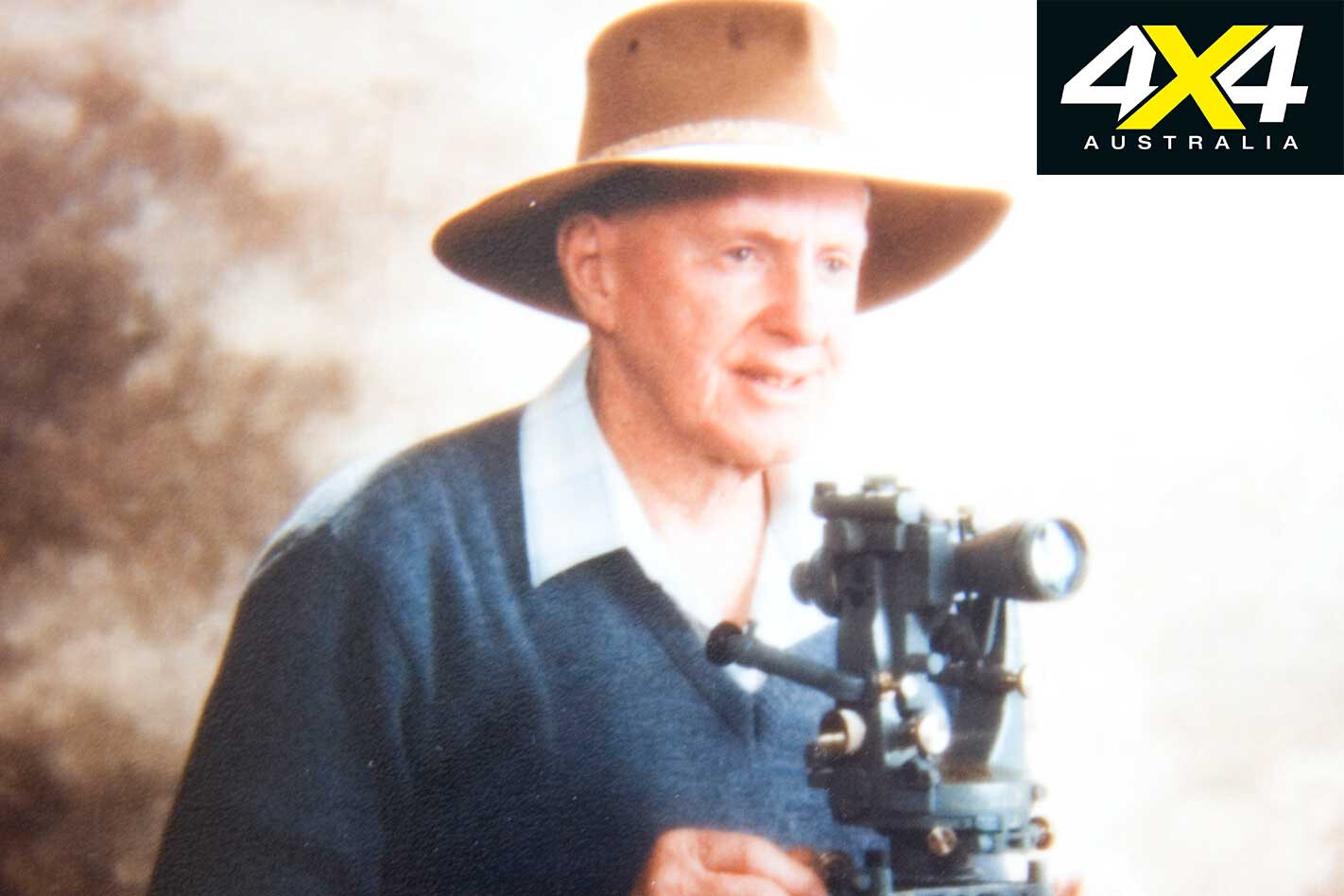
It was Richmond’s work with astronomical observations, his main focus, that Len really took to. He became fascinated with ‘star fixes’ – working out one’s position from the heavens – and Richmond imparted all his knowledge about this and the use of what would become Len’s tool of trade, the theodolite.
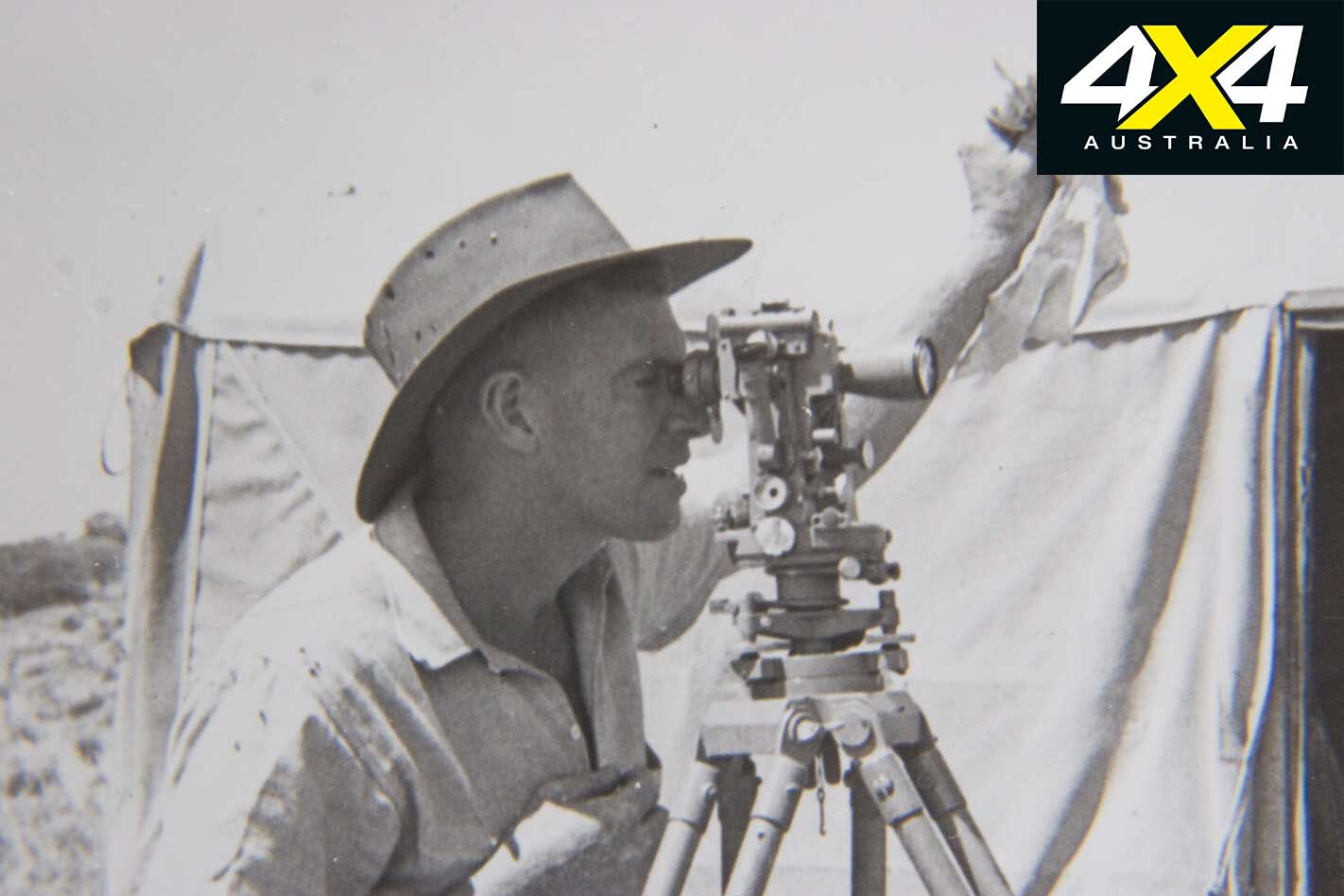
Len left Sydney Grammar School in 1939 and gained temporary employment with the Sydney Water Board, thanks to Richmond.
The pair was immediately engaged in making star observations for the Lands Department in northern NSW, as part of military mapping operations. The assignment lasted two months and Len couldn’t believe his luck at being paid to do what he loved doing.
In 1942, a year after being called up to serve in the Army Service Corps, while stationed at Bathurst, Len’s commanding officer told of his transfer to the 2nd Australian Field Survey Company based near Burwood.
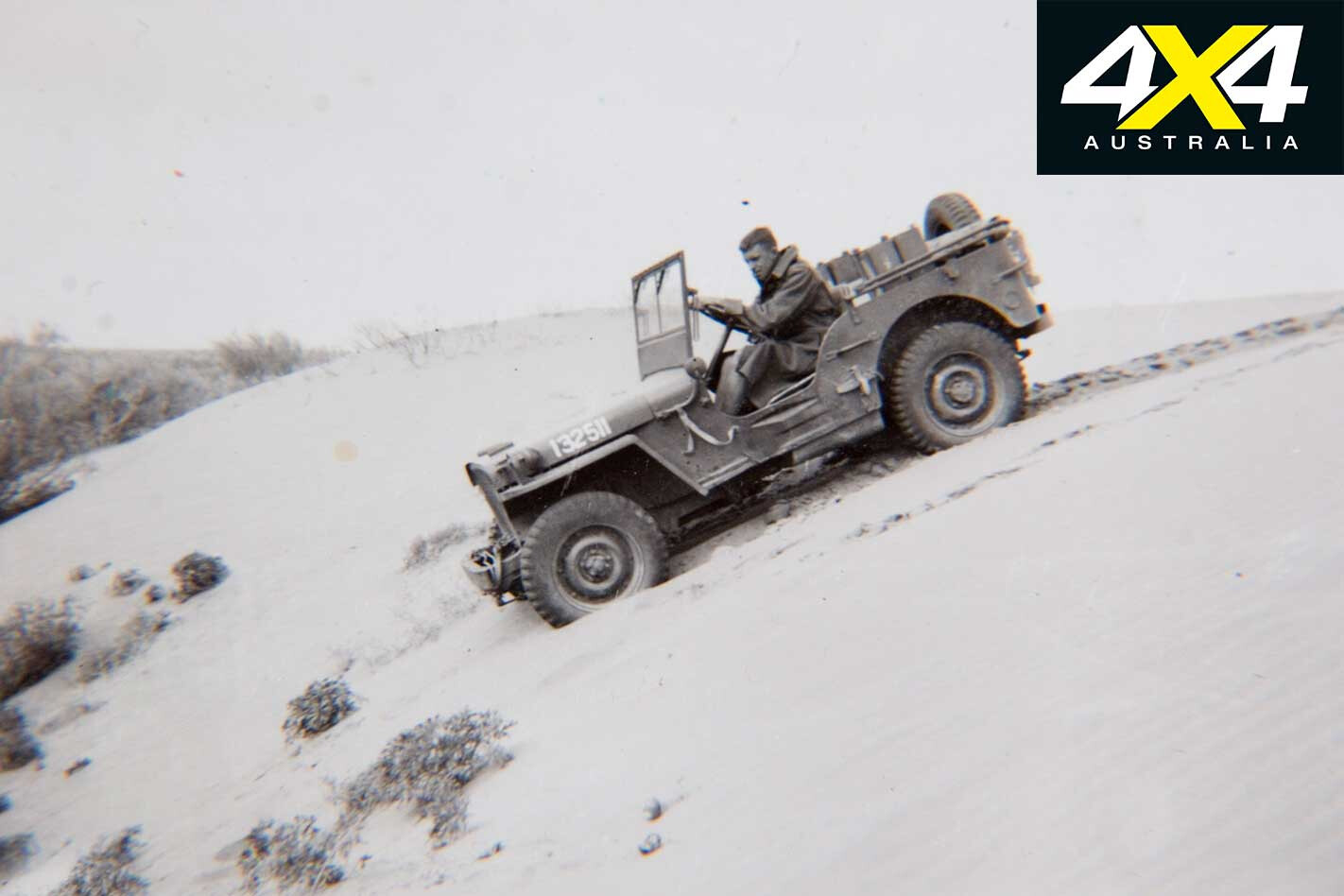
Toward the end of 1942 Len was shipped to New Guinea where tropical conditions made survey work horrendous. Len was hospitalised after a spider bite numbed his arm and the troops endured scabies and malaria, which Len contracted.
Len had maintained his values through the stressful war years; he didn’t smoke, drink or swear. And he was known still for his cheerful disposition, enthusiasm for the job and his larrikin style. His modification to his army uniform was also quite unique!
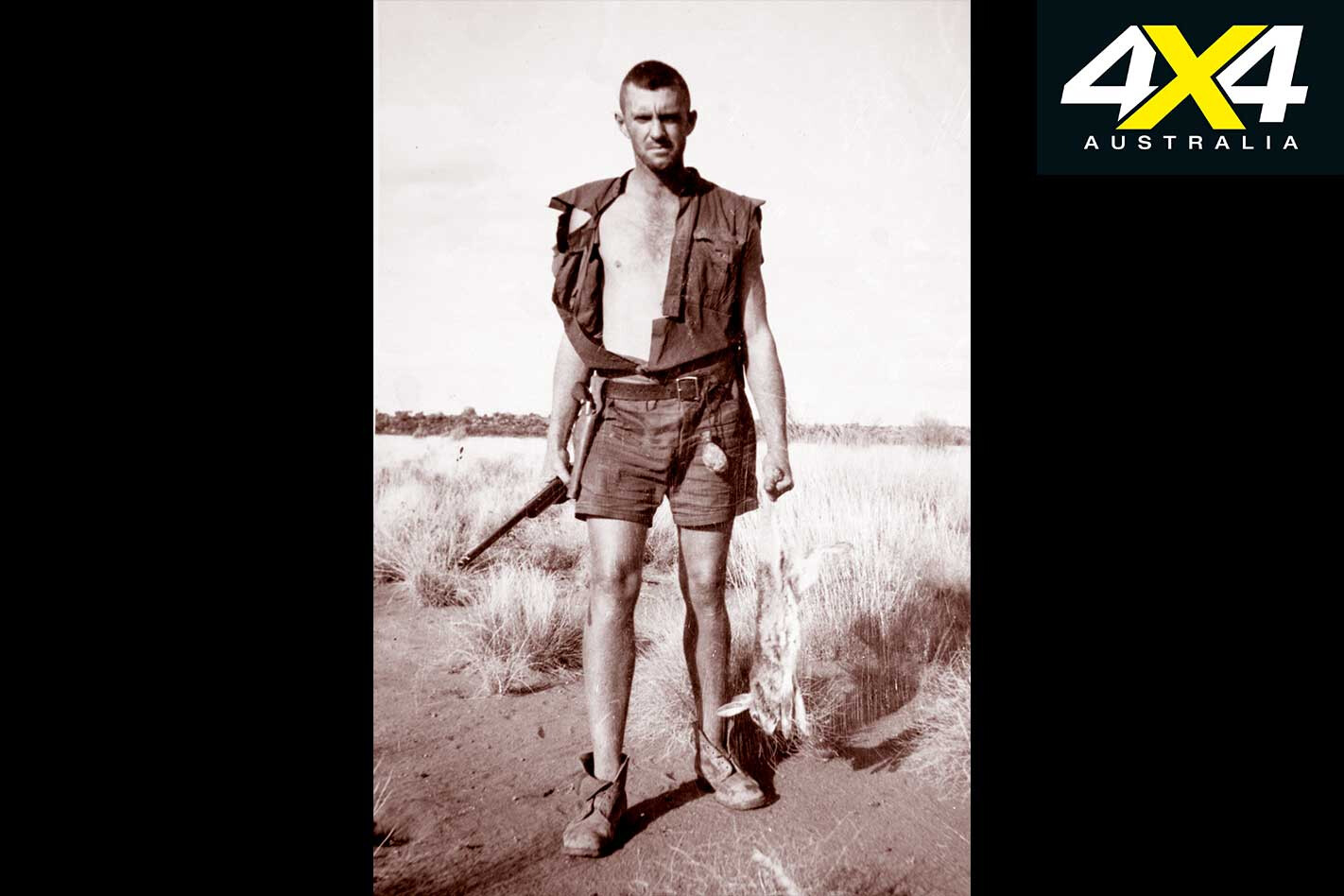
After the war ended Len was seconded for a survey mission in the Northern Territory with the early CSIRO. Len was to later realise that if he hadn’t accepted, he would have left the army and missed the career on which he was about to embark.
Len began a long relationship with the Weapons Research projects. He selected the sites for the base at Woomera and then the nuclear tests at Maralinga and Emu for the British. There needed to be no risk of stray weaponry causing civilian injury so a long clear range was required. This was a 1600km stretch from the range at Woomera to 80 Mile Beach on WA’s north-west coast that became known as the centreline. In December 1948 Len was officially discharged from the army.
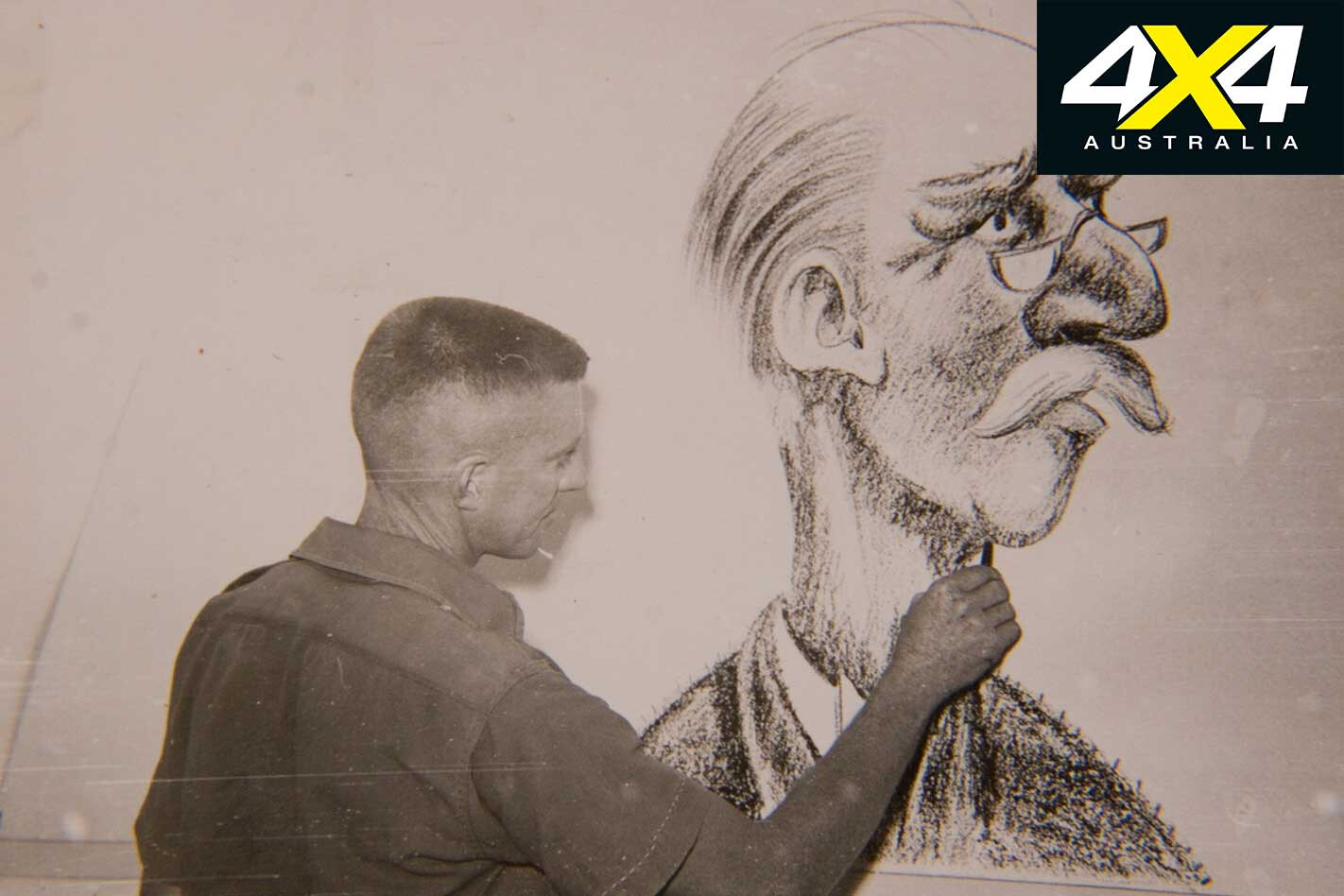
He returned to Woomera in 1949. To facilitate effective military transport movements around the sites of the atomic tests in 1953 Len was asked to do a recce and then construct a track between Mabel Creek and Emu Claypan; the beginning of the Anne Beadell Highway.
Next came Maralinga’s construction as Emu was proving too remote and it was here that the Gunbarrel Road Construction Party came into being.
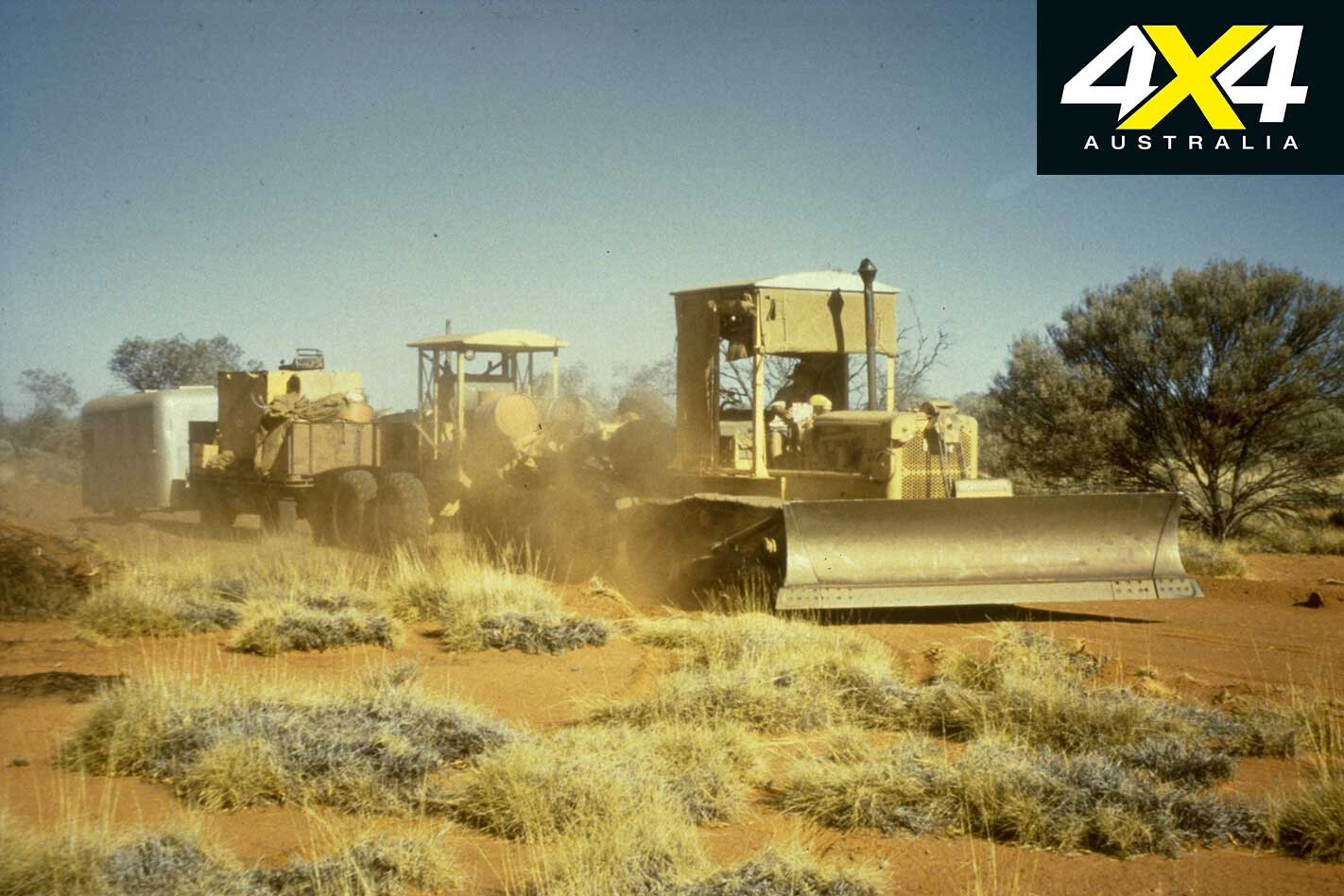
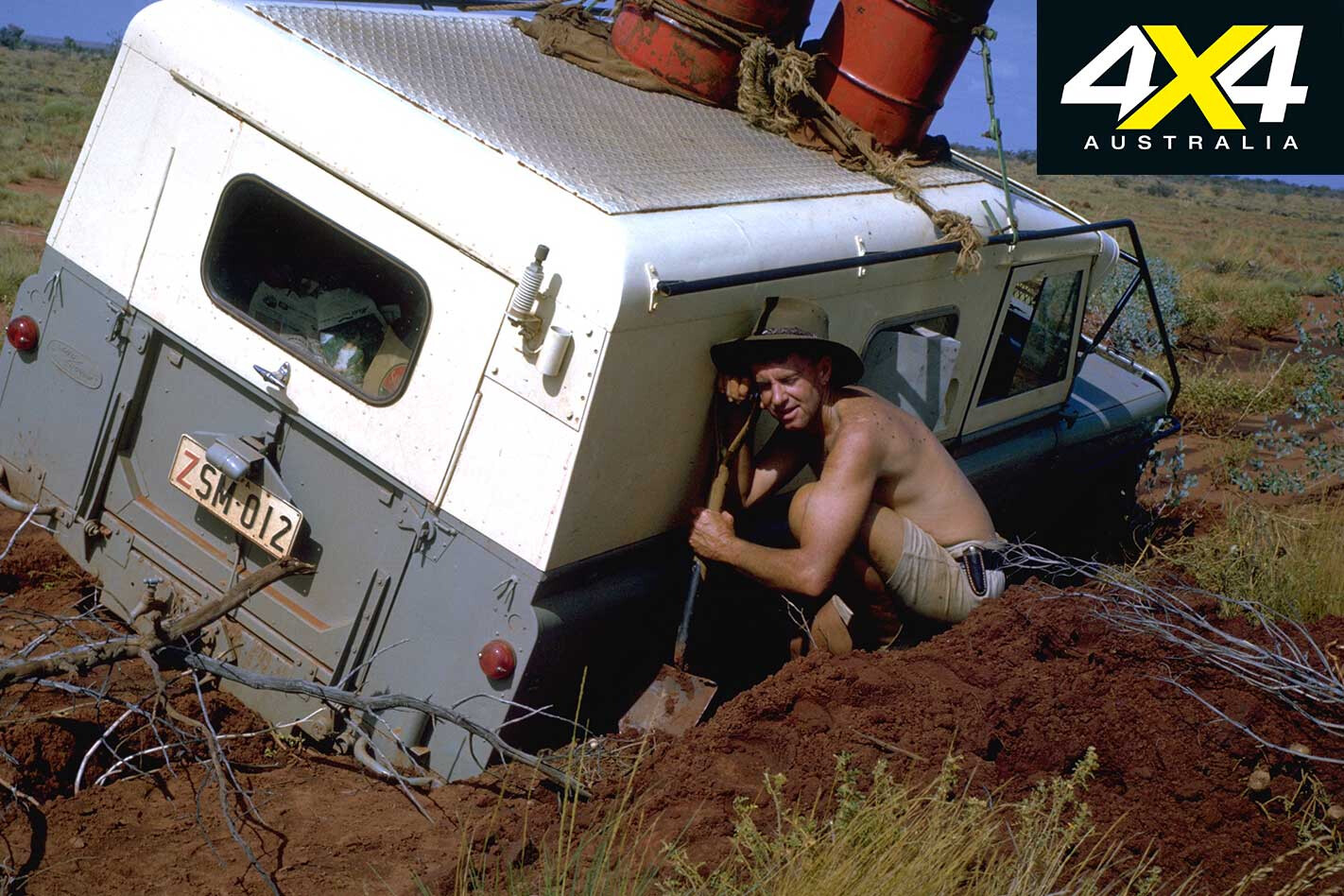
In the ensuing years the group built more than 6000km of outback highways that changed the face of Australia. It was tough: Len almost died of thirst during one recce for the Gunbarrel Highway.
In 1960, Anne Matthews and her parents arrived from England and rented Len’s Salisbury (SA) home. By July 1961 they were married. Three children followed: Connie Sue, Jackie and Gary, whose names were all to take pride of place as names given to Len’s roads.
As a family, the Beadells travelled extensively throughout the bush, camping in Len’s simple style. Anne’s mother was convinced baby Connie would not survive her first trip into the unknown as Anne and Len headed off on an early holiday!
All this experience and Len’s humour found its way into print through his books and also publicly as Len was often called on to give lectures and talks to all manner of gatherings to great acclaim.
For his endeavours Len received numerous awards and honours, notably the British Empire Medal (1959), the Advance Australia Award (1989) and the Order of Australia Medal (1989).
Such was his enthusiasm for the bush many a tour was graced with his presence and regaled with detailed stories of locations visited as the outback opened up to travellers in the ’70s and ’80s.
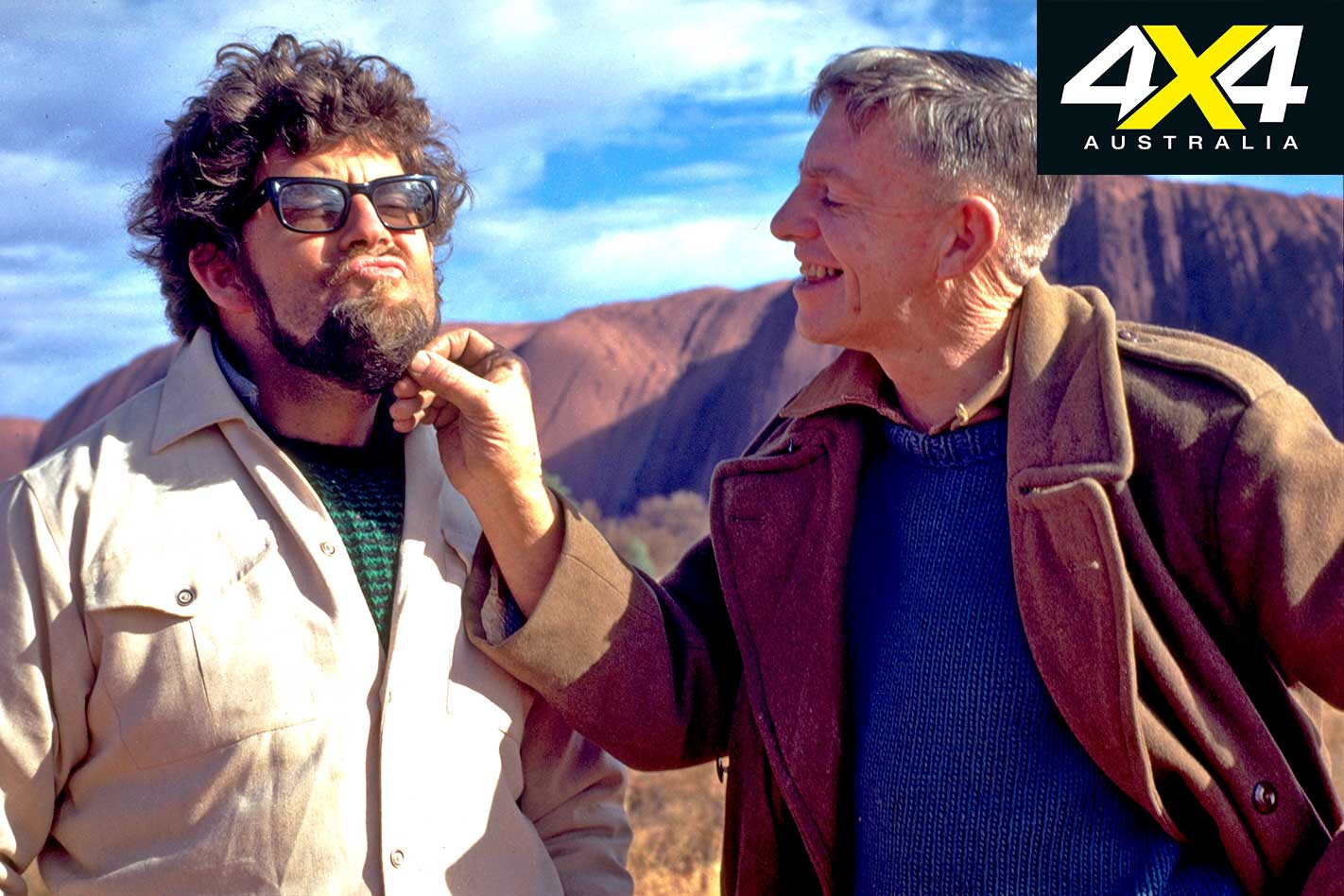
Amazingly, he was denied registration as a surveyor due to lacking a ‘pass’ in English on leaving school. He studied and achieved the leaving certificate, but never got round to the registration. In 1987 Len was awarded Honorary Fellowship to the Institute of Engineering and Mining Surveyors. Len was proud of that.
After several health scares Len faced major heart surgery in 1993. In April ’95, it was suspected that Len had the flu as he became very ill. It transpired that Len had an infection of the heart valve replaced in the previous surgery. Len died in May 1995 and his ashes were buried at Woomera Cemetery.
Len Beadell’s legacy is enormous, both in the physical and also to the many who spent time in his company. He gave time and sincerity and crossed all divides in his ability as a communicator. A true bushman. ‘Iron man of the Inland’.
I had one constant travel companion during my four-month, 25,000 kilometre journey across the north-west of Australia.
This feature was originally published in 4×4 Australia’s May 2009 issue
This one companion shared every experience over thousand-kilometre stretches of bitumen as we kicked up dust along unpaved red roads and waded together across wide, deep rivers. My constant companion over these long, but never lonely roads was my Troopie.
The Troopie was a bit of a head-turner in Melbourne – the huge, white, glistening truck somewhat out of place in suburban city streets. I think the Troopie was as keen as I was to get packed with everything I might need for four months of campfire-cooking and swag-sleeping, and just get out there and hit the open road.
My Troopie wasn’t my only travel buddy during four months on the road – every so often we were joined by friends to share sections of the adventure.
The basic itinerary for the trip was up through the centre to Arnhem Land and Darwin, then along the Gibb River Road and the Mitchell Plateau on the way to Broome, before returning south via the Tanami Track.
Bo was our first passenger. He jumped on board in the depth of a Melbourne winter, ready for the long drive north. I picked him up straight from his office on a Tuesday afternoon and it took us a couple of days to shake the city from our psyche as we trundled along highways, dreaming of the desert.
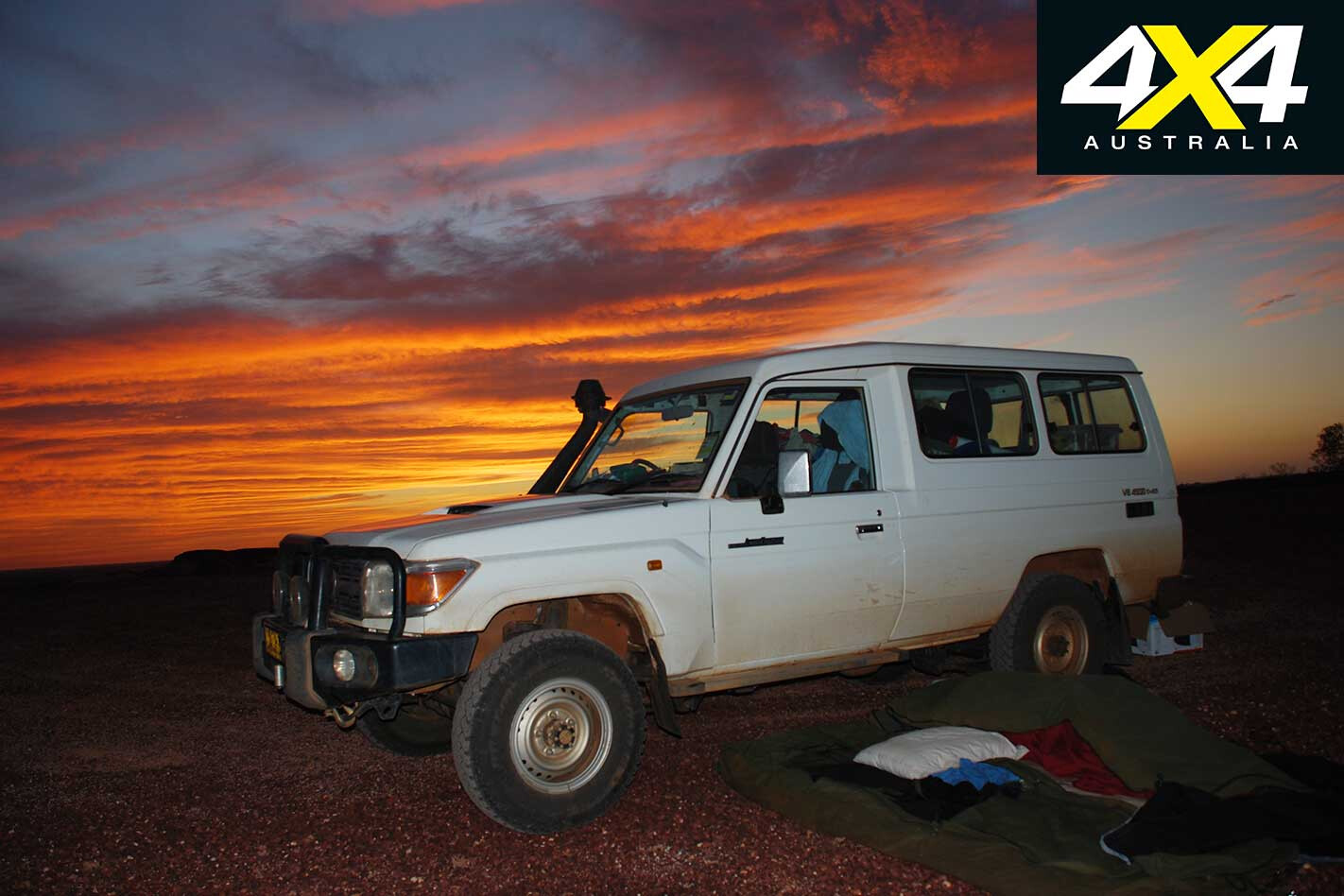
It was so cold over the first few nights that we ended up staying in sleepy ’60s roadside motels instead of camping out. Finally on our third night, just north of Coober Pedy, we set up camp and lit a campfire under a dramatic wide-sky sunset. It was our first real sense that the road trip had begun.
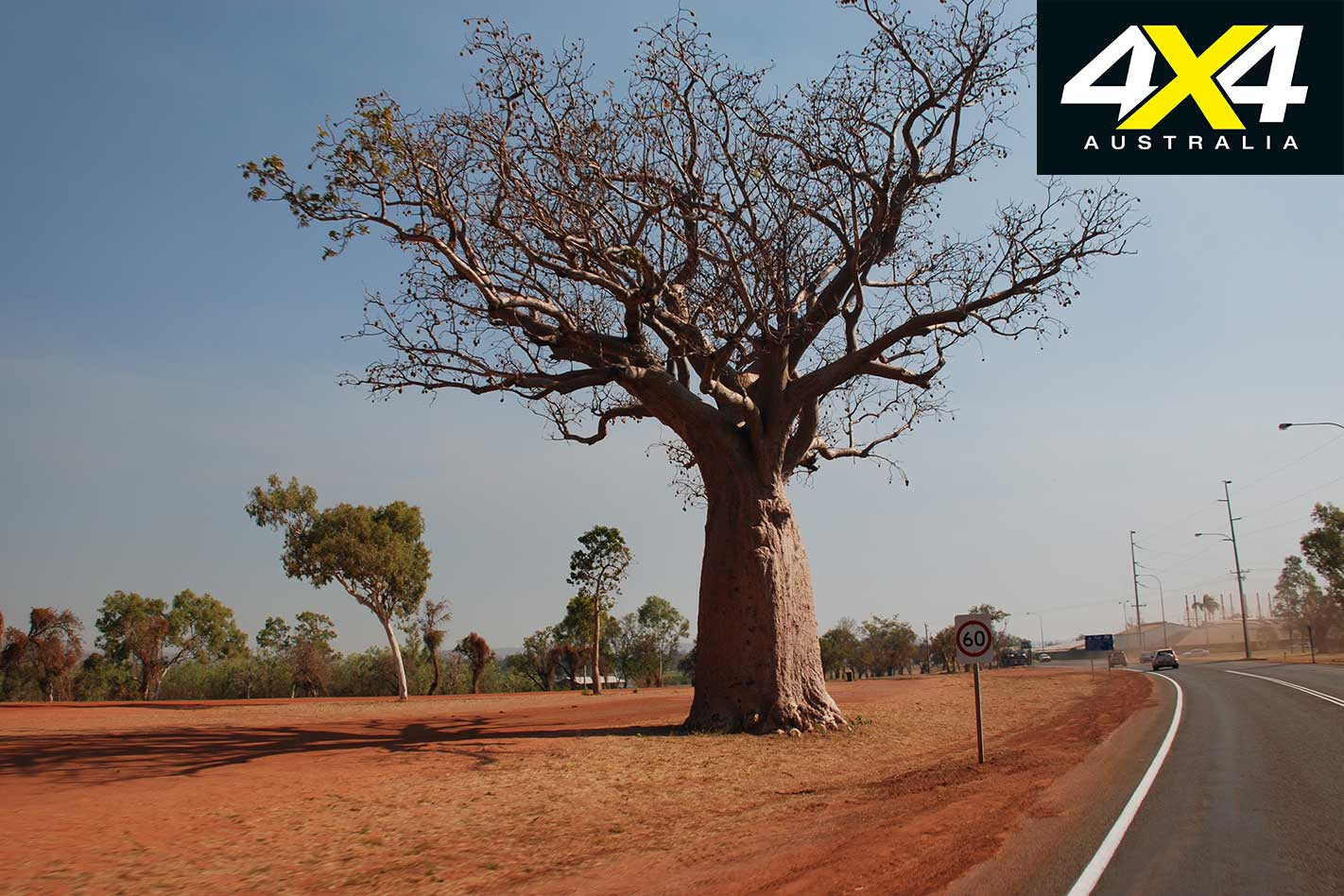
Earlier that day we’d spotted an emu dashing through the scrub and the dirt by the road was gradually becoming a stronger shade of red – we had finally left the city behind.
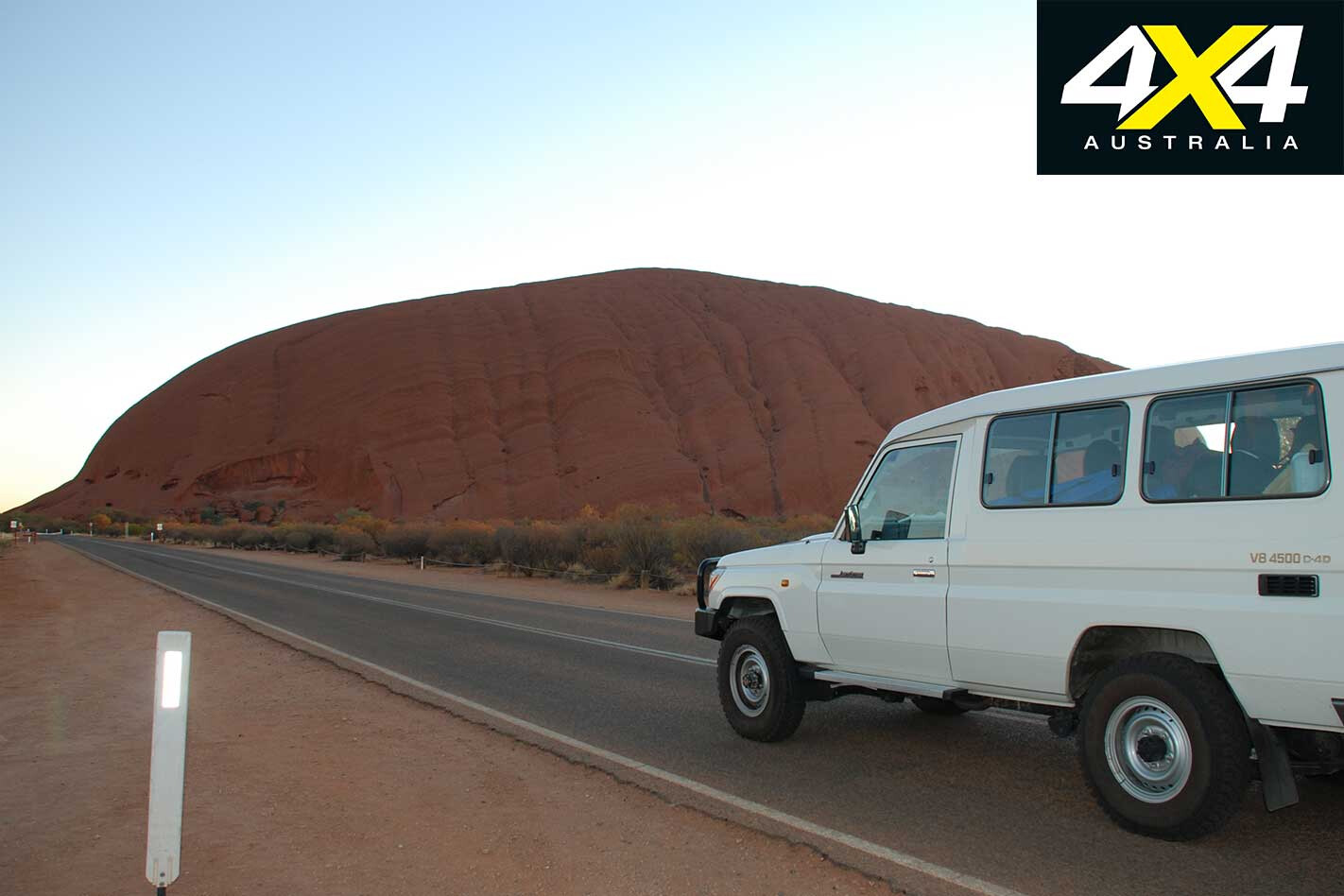
Bo had never been to the Red Centre before so we made a spur-of-the-moment decision to turn left at the Lasseter Highway for an 800km detour into Uluru-Kata Tjuta National Park. Four hundred kilometres to the Rock felt like a short sprint before breakfast under our new, recalibrated, sense of distance.
The detour was worth every centimetre. We were entranced by the mystical quality that floats in the air around Uluru and Kata Tjuta (the Olgas). These rock forms are so domineering they even influence the shape of the cloud patterns above. They are magnificent from afar and mesmerising up close. We walked the 10km around the base of Uluru and enjoyed the distinctive personalities portrayed by different sections of the rock.
The 800km Uluru detour threw us into an entirely different head space; we both felt the city was light years behind us, and that we’d been travelling for many months. It was a transforming mind-shift after less than a week on the road.
Returning to the Stuart Highway was daunting after emerging from the cocoon of the national park – our next significant point on the map wasn’t until Katherine, almost 1500km ahead. Luckily we quickly returned to the bitumen groove and had fun testing the might of the Troopie’s V8 turbo-diesel engine along the empty highway stretches. This part of the journey was dotted with impromptu visits to fruit farms for wine-tastings and homemade ice-creams.
When we finally arrived in Katherine our first task was an administrative one. You need a permit from the Northern Land Council to travel along the Central Arnhem Highway and Bo and I had applied for these separately a few weeks before we left.
Upon our arrival at the NLC Katherine office, the woman went away to her filing cabinet and came back with one form which she handed to Bo and pointed for him to sign. I waited patiently for my form before eventually asking for it. To Bo’s amusement, and my mock horror, the woman in the office replied: “You don’t need a form, you’re just the passenger”.
With our NLC “driver” form in hand, the Troopie, Bo and I were finally ready to veer off the bitumen and play in the red dusty gravel.
We loved every moment of our off-roading adventure up into Arnhem Land. Our travels took us through a wild pandanus forest, past giant anthills, across fresh water buffalo tracks and even across a bloated-belly buffalo carcass by the roadside. At night we fell asleep to the wail of distant dingoes. Most of our time in Arnhem Land was spent at the Garma Festival (see right) but we still managed to explore some of the pristine north Australian beaches and hidden waterfalls during our visit.
After a return trip back down the Central Arnhem Highway, I dropped Bo off in Darwin in time for his flight home. My next passenger, Natasha, jumped on board to join the Troopie and I along the Gibb River Road headed for Broome.
This 3000km leg included a detour north of the Gibb River Road, up through the Mitchell Plateau, and included some of the roughest roads of the entire trip. The sense of isolation in this part of the country was intensified by the complete lack of mobile phone range – which also provided the opportunity to completely disconnect from world news and gossip from back home.
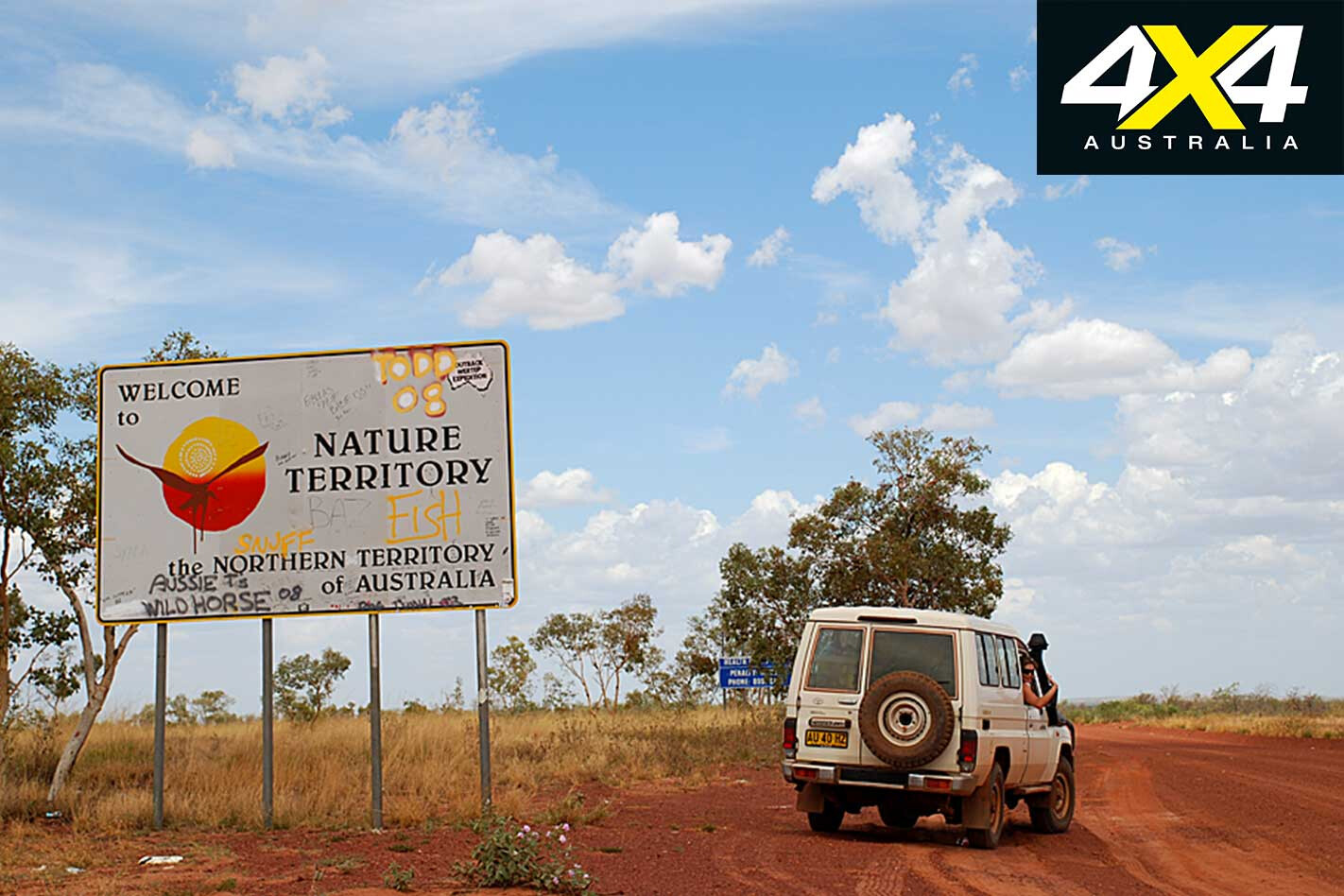
We discovered that two women and a Troopie travelling through this remote northern plateau was quite a novelty, and Tash and I were generally met with a combination of incredulous disbelief, condescension or concern.
One man asked: “Why are you girls travelling alone?” Simple answer: “We’re not travelling alone, we’re travelling together.”
When we were at Mitchell Falls we exchanged travel tales and itineraries with some other off-roaders. Half an hour later, from our shady perch by the swimming hole, we overheard a man call out to another traveller: “Have you heard there are two lasses travelling alone in a LandCruiser?” Later in the week a couple asked us: “Do you girls know how to change a tyre?”
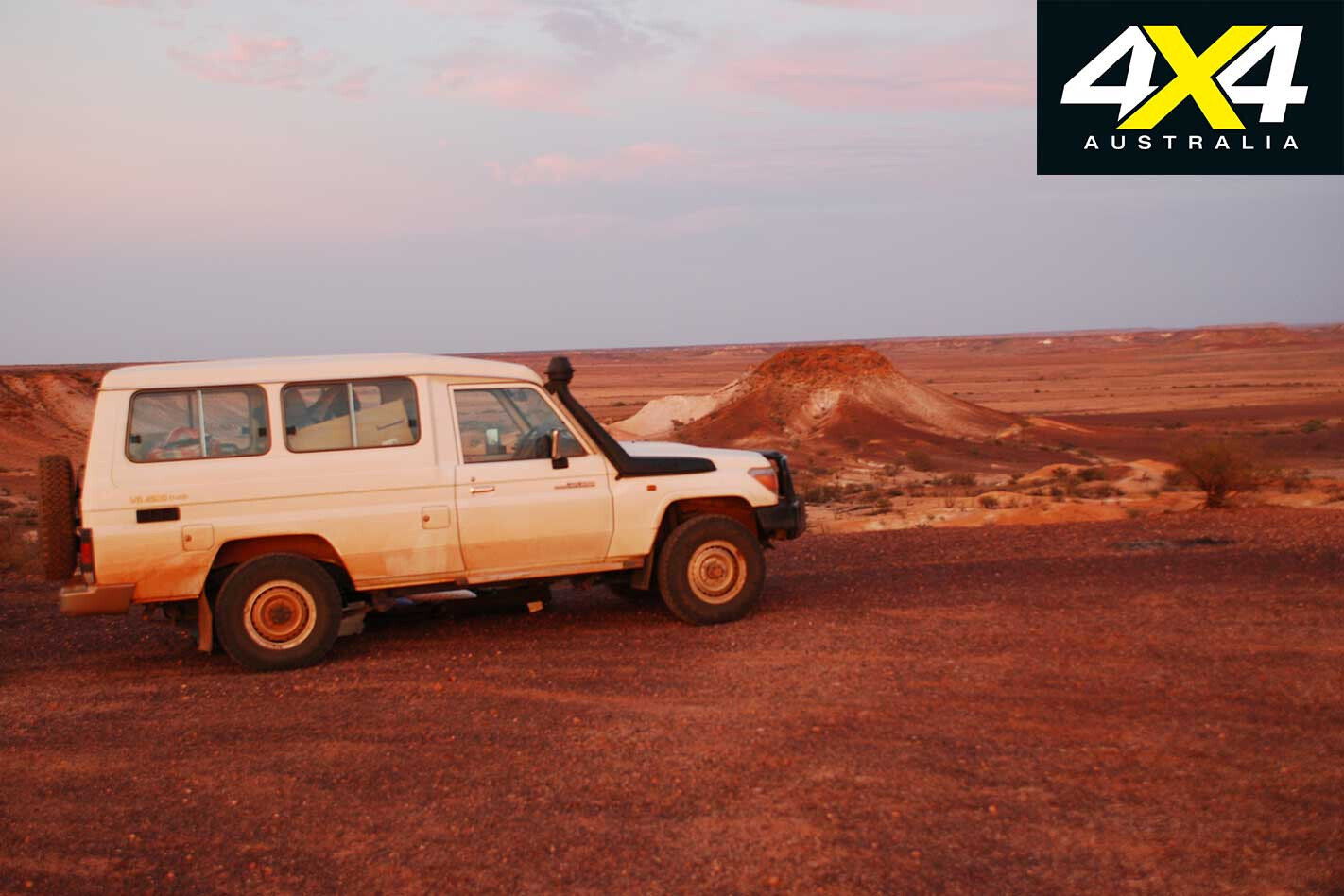
We had not only rehearsed our 4X4 tyre-changing skills before we left, we also had a boot-full of gear that would have impressed any girl scout. Our emergency supplies included two spare tyres (the bare minimum), two jerry cans of diesel fuel, an air compressor, a satellite phone, an EPIRB, 80 litres of water and at least two weeks’ worth of food.
Despite all that concern from other travellers we’d encountered, Tash and I survived the river crossings, rugged roads, bush-camping, map-reading and long hikes into magical freshwater swimming holes with only one terrifying moment.
That moment occurred at about 1am when I woke up on a moonless night and sensed a hulking shadow above us. Tash was ripped from her dreams to the sound of my panicked words – “What is THAT?” – as my half-dreaming eyes saw the shadow transform into what looked like a giant bull.
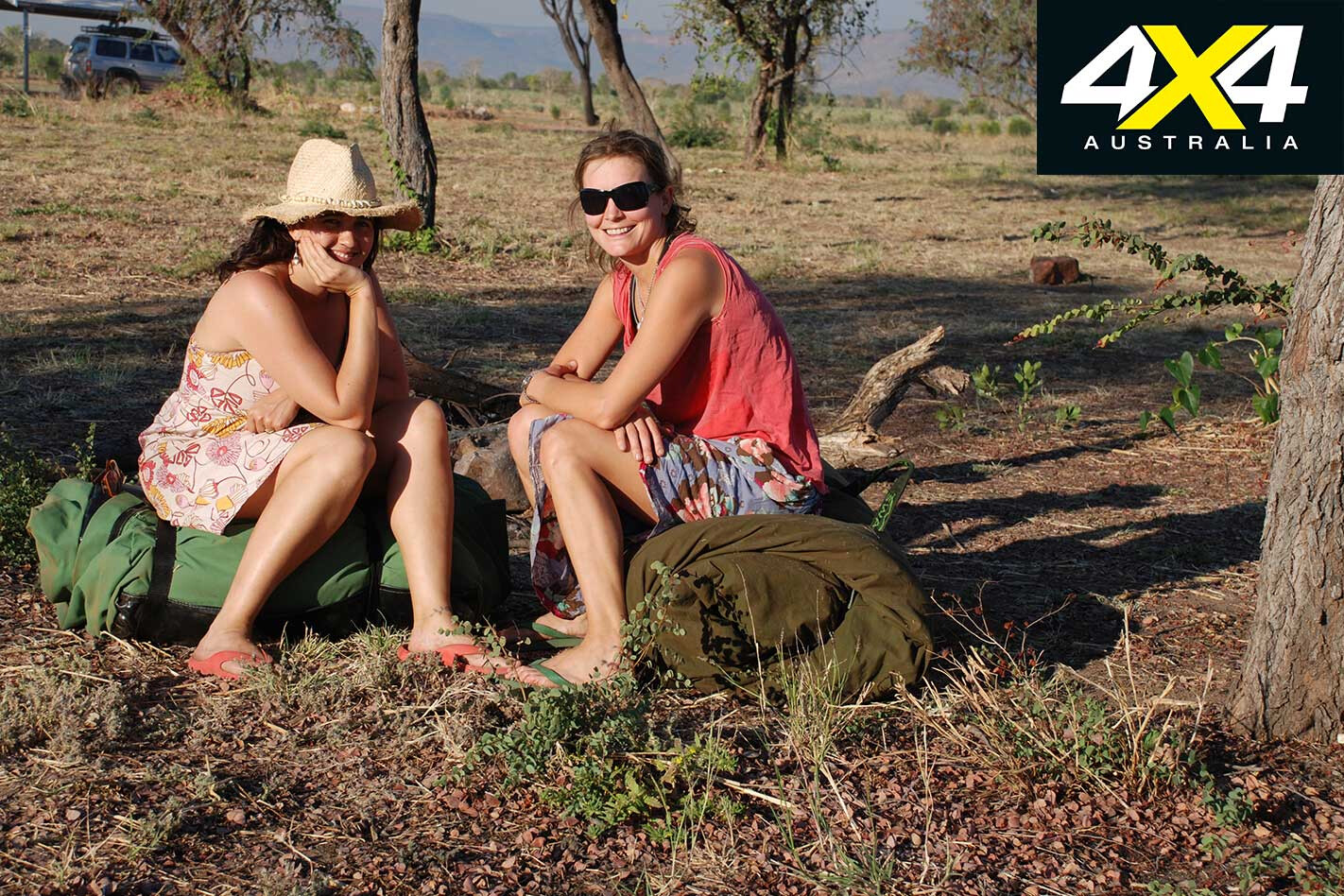
The two of us scrambled from our swags and ran behind the Troopie to put a line of defence between us and our tormentor. Our spotlight revealed the threat to be a wild cow (she did have small horns) who was dining on the leafy branches of the tree that we had chosen to roll our swags under.
The cow’s meal was cut short when she finally noticed the spotlight we were staring her down with and she scrambled away in fear, in much the same way Tash and I had done minutes earlier. We returned to our swags and spent the next few hours talking and watching shooting stars – waiting for the midnight adrenaline to fade.
Tash and I had mixed feelings as we were pulling into Broome at the end of our remote two-week adventure. We were excited about the prospect of a shower (the first one in almost 10 days) and a swim in non-croc-infested salt water, and as much as we hated to admit it, we were hankering for a freshly brewed coffee. But this also meant a return to the world of mobile phones, internet, street-lighting, footpaths and other signs of civilisation we had enjoyed living without.
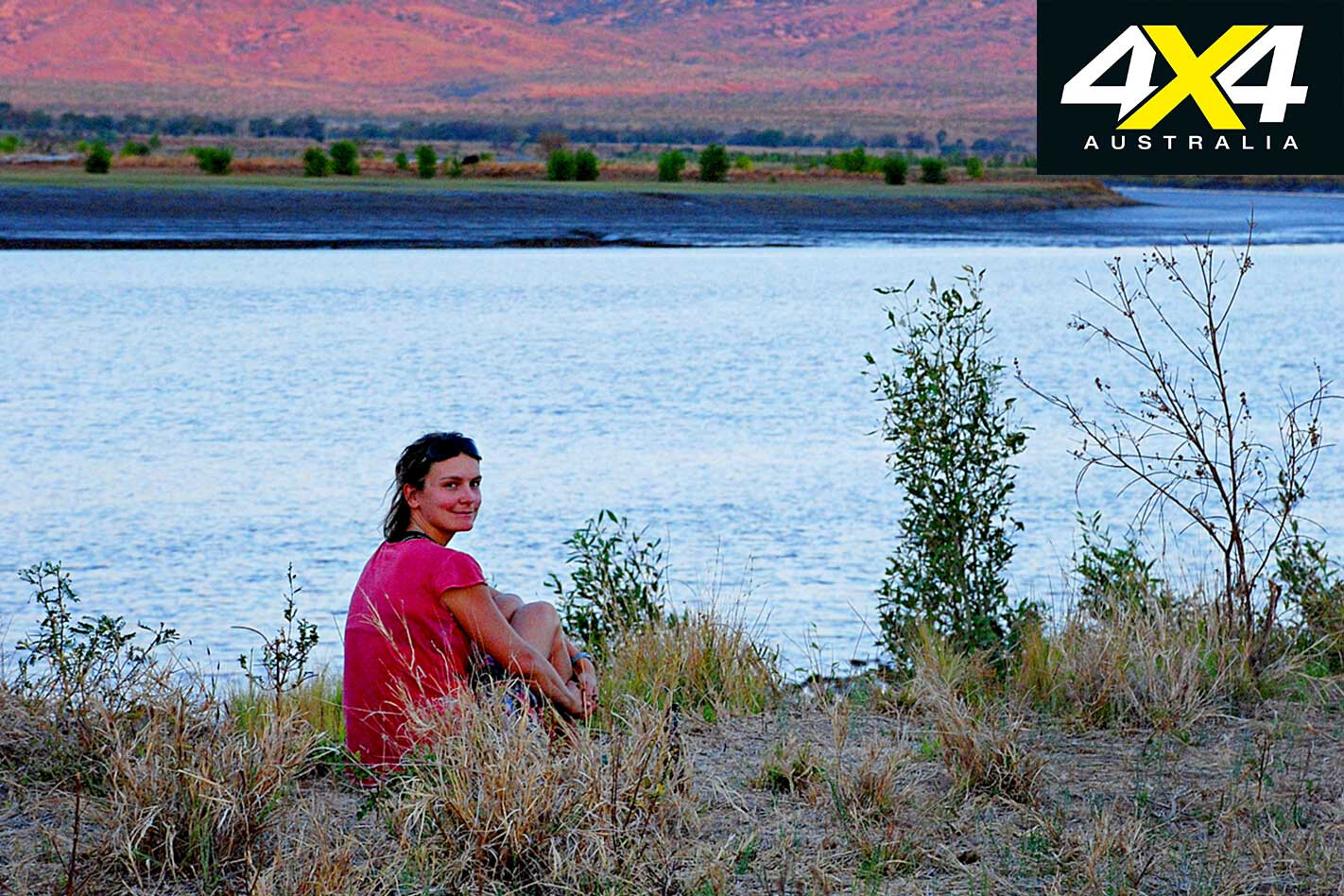
Admittedly, it didn’t take us long to ease into Cable Beach sunsets and restaurant meals. Tash even splashed out during an extended shopping spree through Broome’s China Town before flying back to Darwin.
After Tash left, the Troopie was my sole travel companion for the next phase of the journey, which involved research trips between Fitzroy Crossing and Broome, and across other parts of the Kimberley.
I was based in the Kimberley Aboriginal Law and Culture Centre office for a month in Fitzroy Crossing and during this time shared a house with two guys who worked in town – Simon, who works with Indigenous youth through an organisation called the Yiriman Project, and Andre, who works at the art centre, Mangkaja.

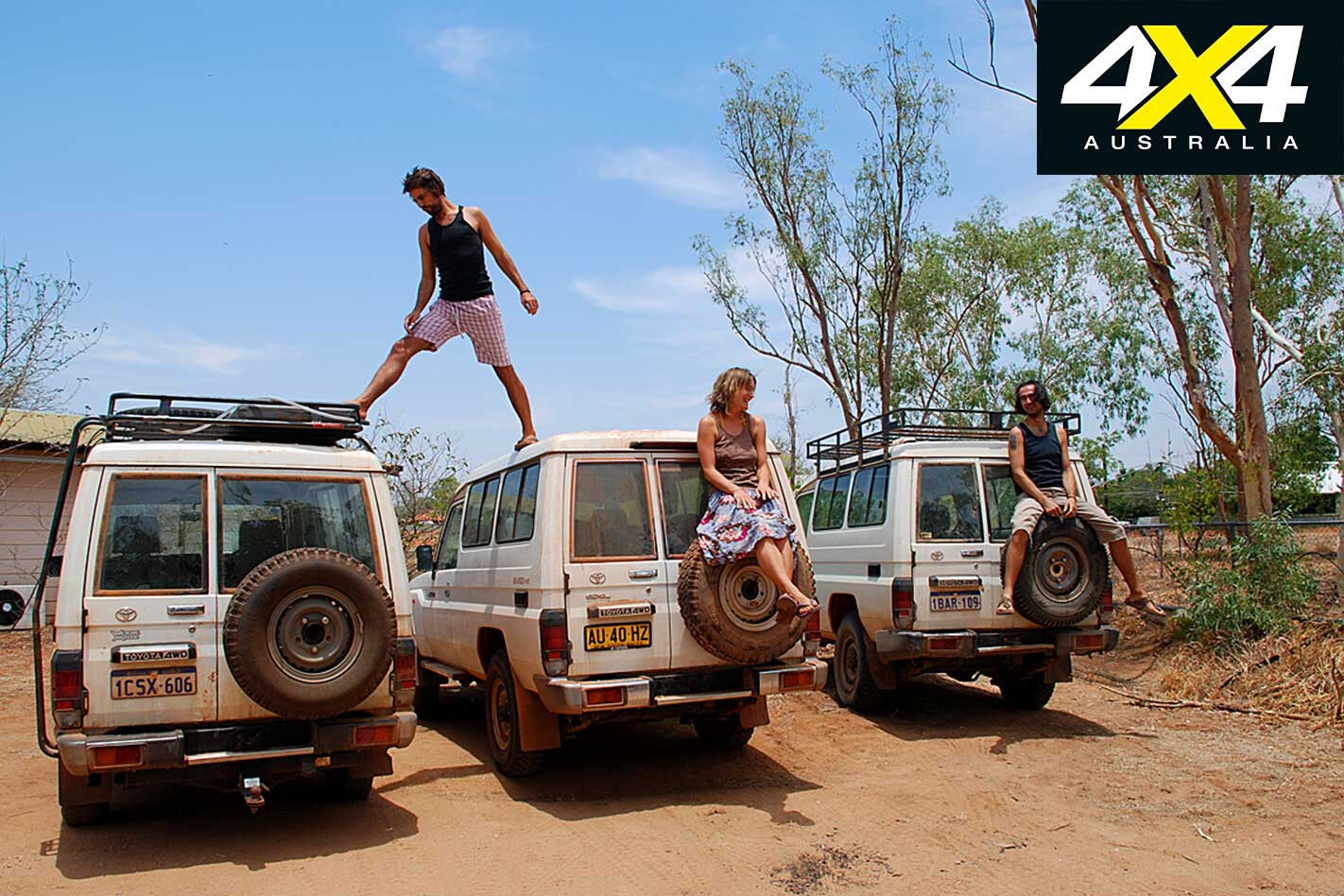
This was a very social time for my Troopie who found itself in familiar company, because both my housemates drove identical vehicles. There wasn’t much room left over in our front yard when our three giant TroopCarriers were all lined up in a row.
The three Troopies had a team adventure in late November, the day the season’s first storms came through without warning. Simon was out fishing on the Fitzroy River and ended up getting bogged in fine, black sand. The rising-river rescue mission took two Troopies and four hours to complete and ended in a bountiful midnight fishing expedition.
The final leg of my four-month journey was from Fitzroy Crossing back home to Melbourne via the 1000km Tanami Track, with my housemate Simon along for the ride. The Tanami Road is sometimes closed due to heavy rain and we were on standby right up until the day we left as to whether we’d have to take the alternative route via Kununurra and Katherine, adding 1000km to the trip. Sections of the Tanami Road had been closed the week before our departure, but the rainfall cleared just in time to get us through.
When the roads are open, early December is a fantastic time of year to drive through this part of the world – the skies are painted with dramatic rain clouds and the fresh, green sprouting scrub provides a spectacular contrast to the dark, red desert. And best of all, you have the whole place to yourself.
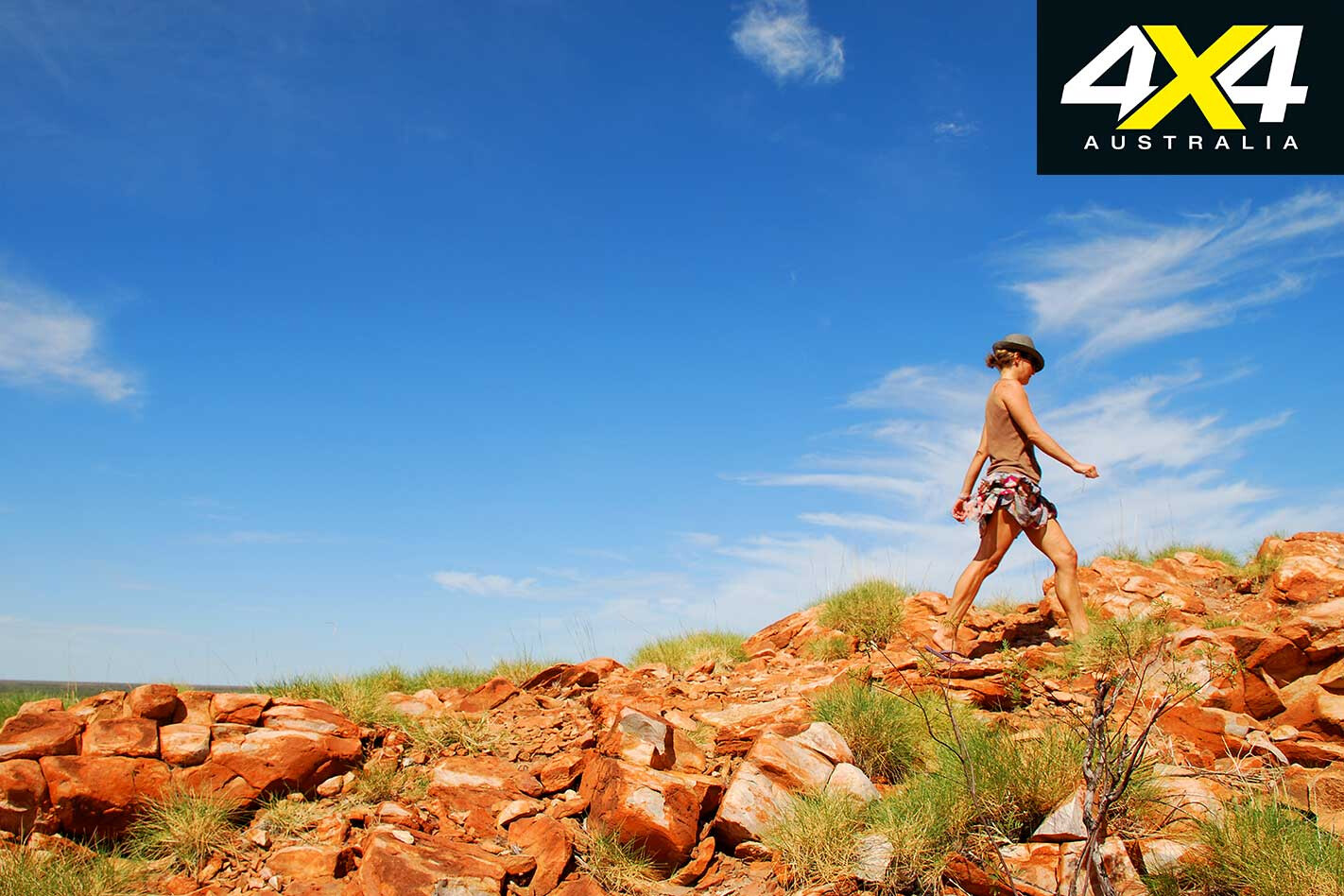
Simon and I spent the first night of our homeward journey camped out at Wolfe Creek Crater without another person around. The next morning we spent two hours hiking into the deep gash left by an ancient meteorite and we inhaled the view from the top rim of the crater out across hundreds of kilometres of empty desert lands – giving us a strong sense of the vastness of this desert we were crossing by car.
The Tanami Road was in much better condition than we’d expected – almost to the point of anticlimax after all the warnings we’d been given in the lead up to our departure. The only rough section of the track was between Balgo and the Rabbit Flat Roadhouse.
We spent our second night along the Tanami staying with friends of friends in the Aboriginal community Yuendumu. We stayed up until midnight enjoying the company of our hosts and the next day had a long chat with Francis Kelly – the star of the ABC series Bush Mechanic – about his many years of Australia-wide travel and his recent brush with celebrity following the success of his show.
From Yuendumu it was a quick trip back to Alice Springs and then a 2500km barrel along bitumen south back to the city. The turning point of this trip, four months later, was once again close to Coober Pedy, where a frosty bite came back into the air – something I hadn’t experienced for many months in Australia’s wild north-west desert country.
The drive came to an end more quickly than we wanted it to. Suddenly there we were: on the outskirts of Melbourne.
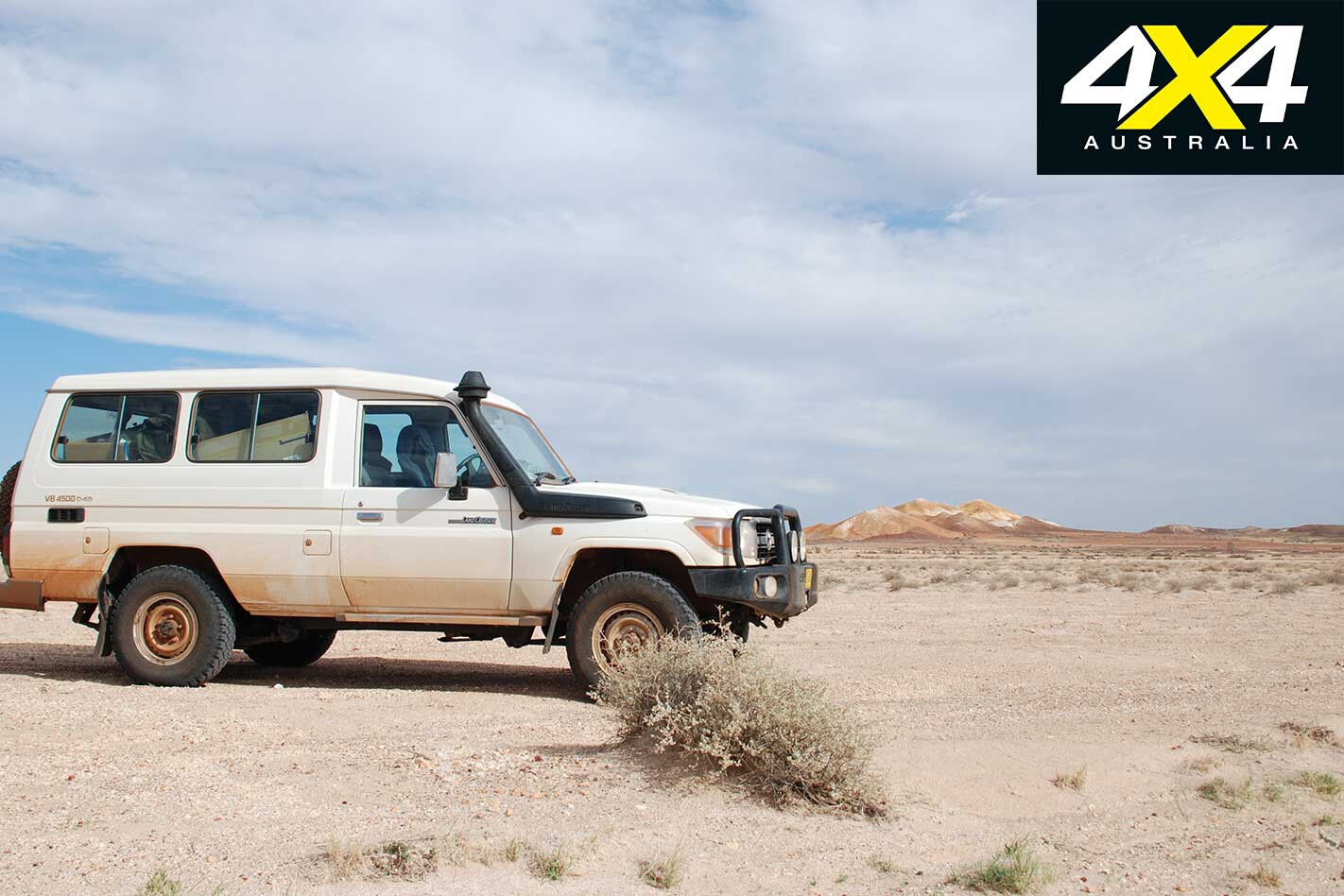
The Troopie was whisked straight in for a thorough car detail – all evidence of red dust and desert adventure scrubbed clean. It wasn’t until I picked the car up, and saw it all glistening white and sparkling again, that I had a true sense of the journey being over.
I was almost right was back to where I started: driving around in a clean white truck in the city. Only this time, the purr of the Troopie’s TDV8 engine sparked vivid memories – setting my mind whirring with the recollection of experiences – of many months of adventure with this constant companion along one very long road.
Fishing McGowan
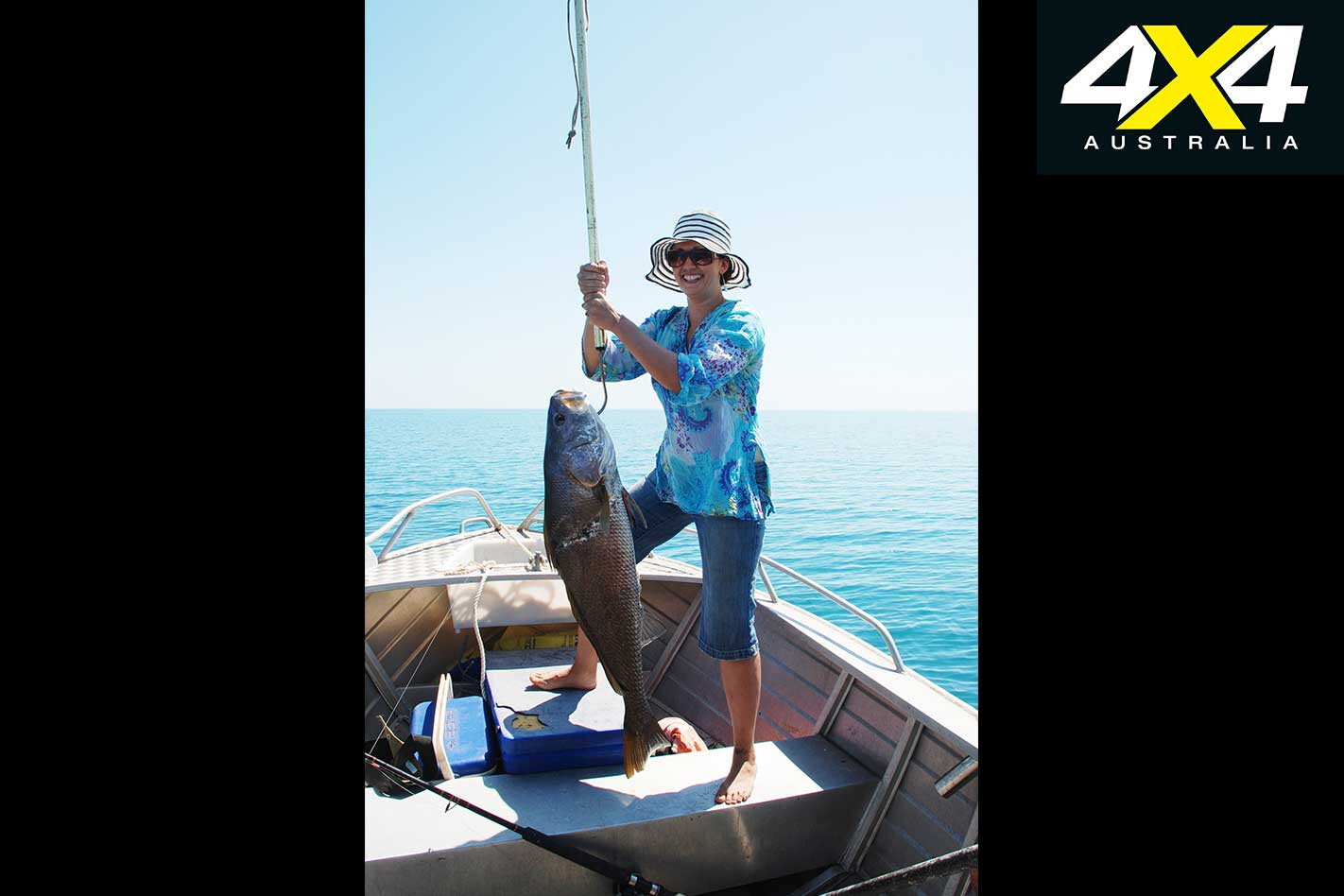
McGowans Island Beach is one of the most remote mainland beaches on the planet. This tropical paradise is at the top of Mitchell Plateau, north of Kalumburu – a township originally established by a Catholic Mission more than 100 years ago.
Natasha and I pulled up our swags under two palm trees and made ourselves right at home at our ocean-view campsite.
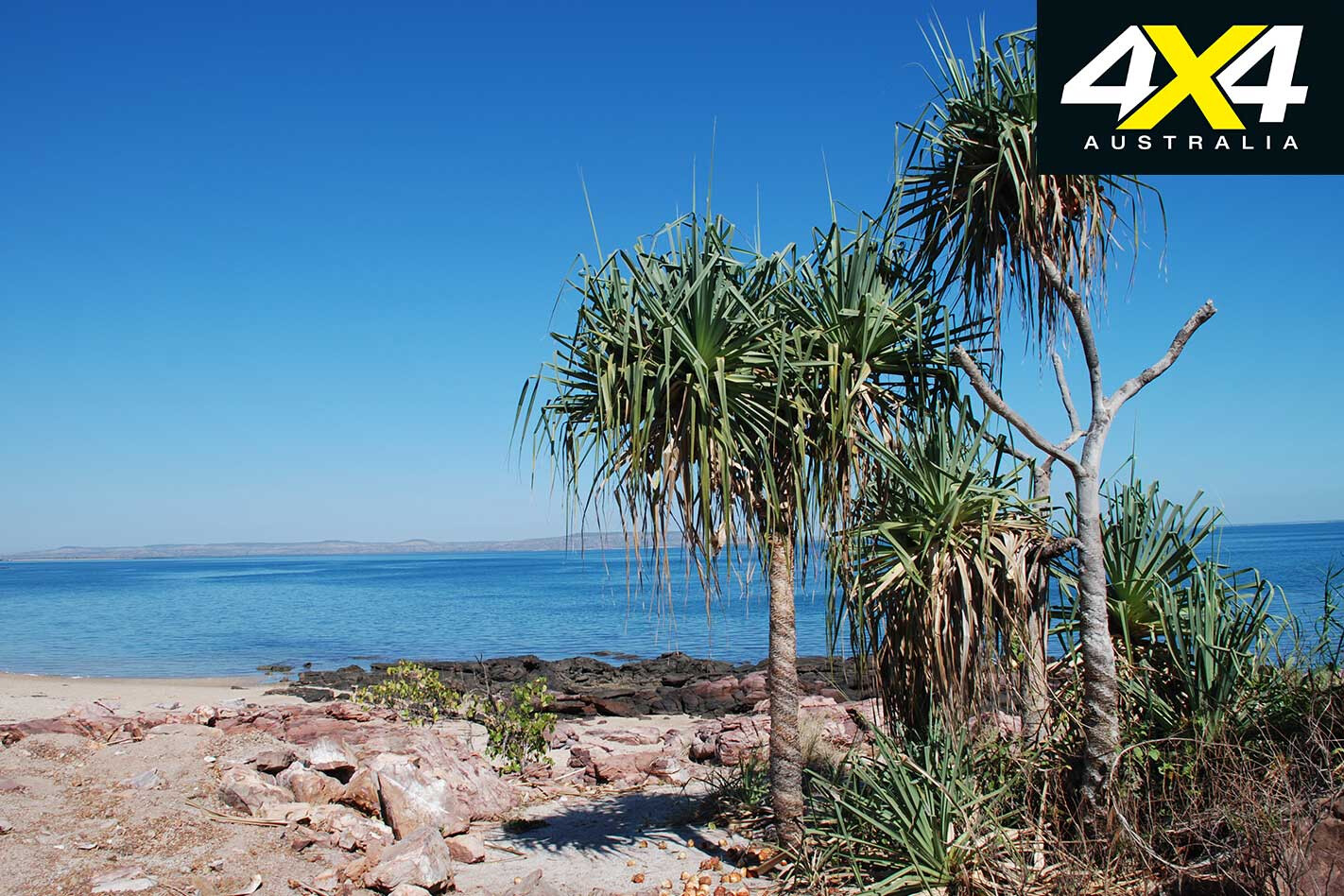
The fishing up here is spectacular and we spent half a day out on the water with some local fishermen. Within the first half hour, Tash had reeled in a 50 pound West Australian dhufish.
Not long afterwards, I began my own 15-minute battle to pull in an even bigger dhufish, which we unhooked at the surface because we had more than enough fish to eat. We also caught sea perch and threw back a dozen javelin fish, reef sharks and queenfish.
Garma Festival
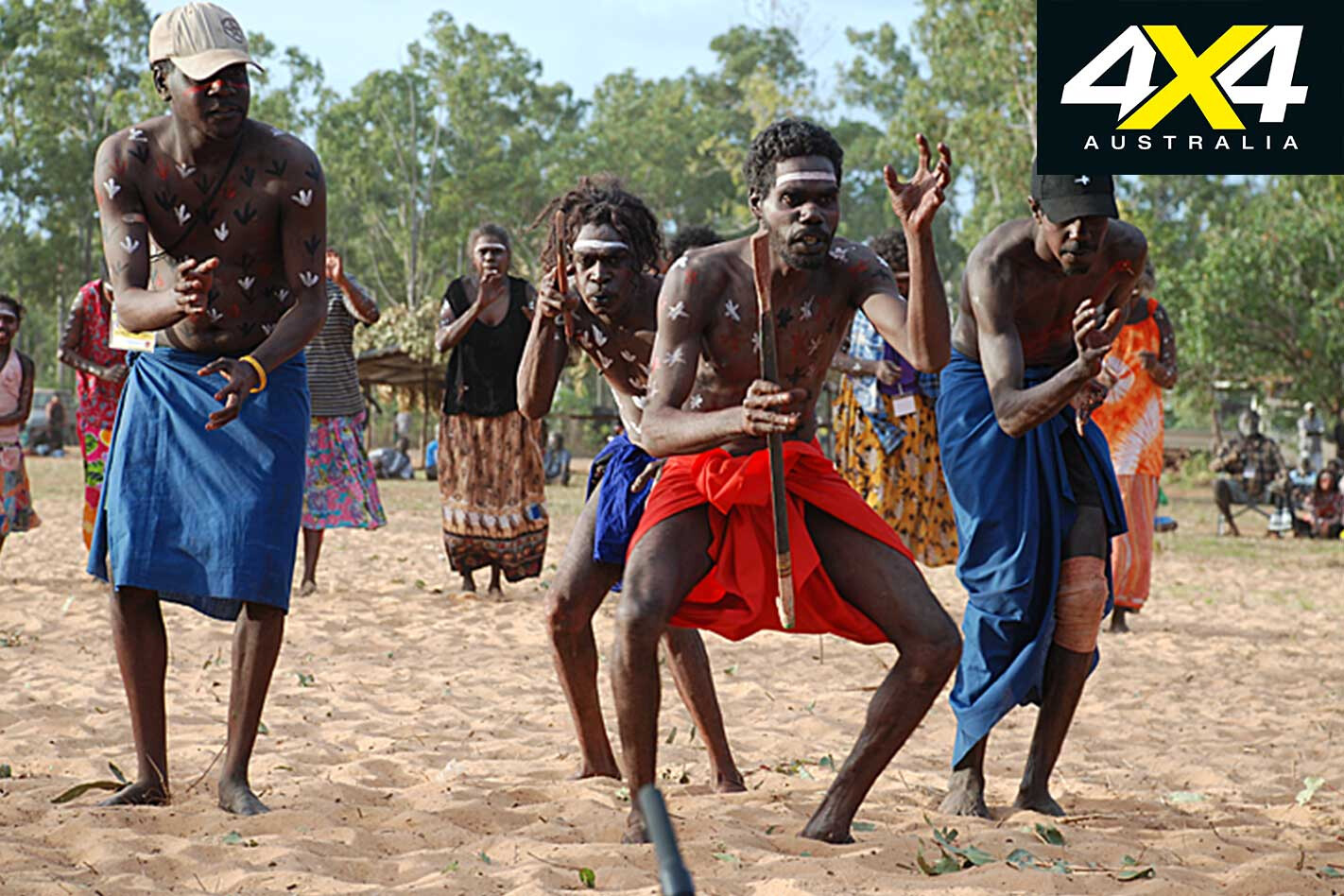
The Garma Festival is hosted in August each year by the Yothu Yindi Foundation in a site close to Nhulunbuy in Arnhem Land. It’s a celebration of the Yolngu culture and presents a mix of art, dance, culture and workshops. The Yolngu word “garma” means “both-ways learning” and the event brings together communities across Arnhem Land and guests from around the globe.
Each year an academic forum, co-ordinated by Charles Darwin University, focusses on a specific topic. Recent themes have been Indigenous education, health, culture and arts. Regular guests of the forum include esteemed Melbourne University academic Marcia Langton and ABC Latenight Live presenter Philip Adams. Former Australian of the Year Galarrwuy Yunupingu (brother of Mandawuy, lead singer of Yothu Yindi) is the face of the festival.
In 2008 Garma celebrated its 10th anniversary. It brings together some of Australia’s top musicians, but the central focus is the Bunggul, a performance of traditional dance and story-telling.
Canyon to Rock
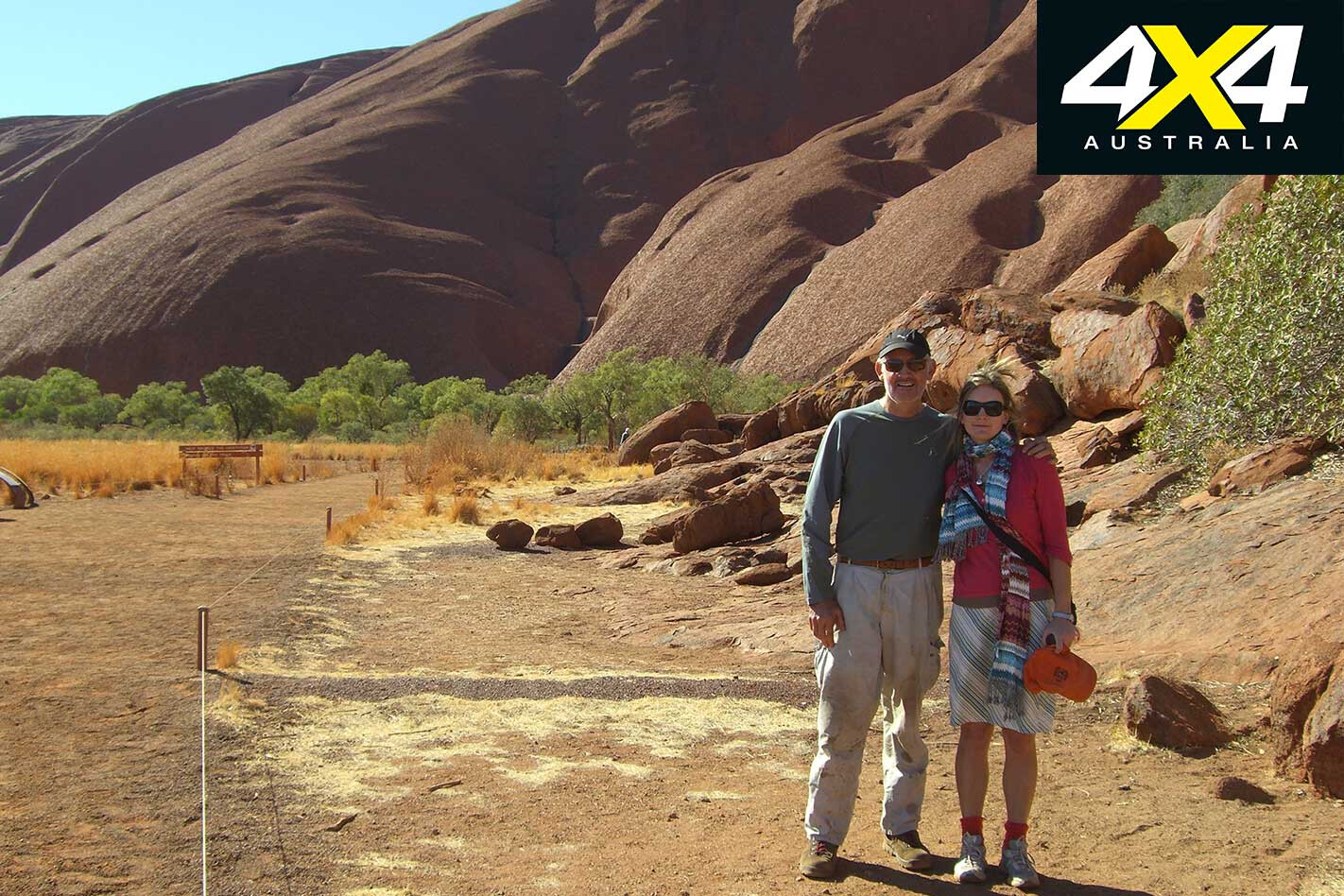
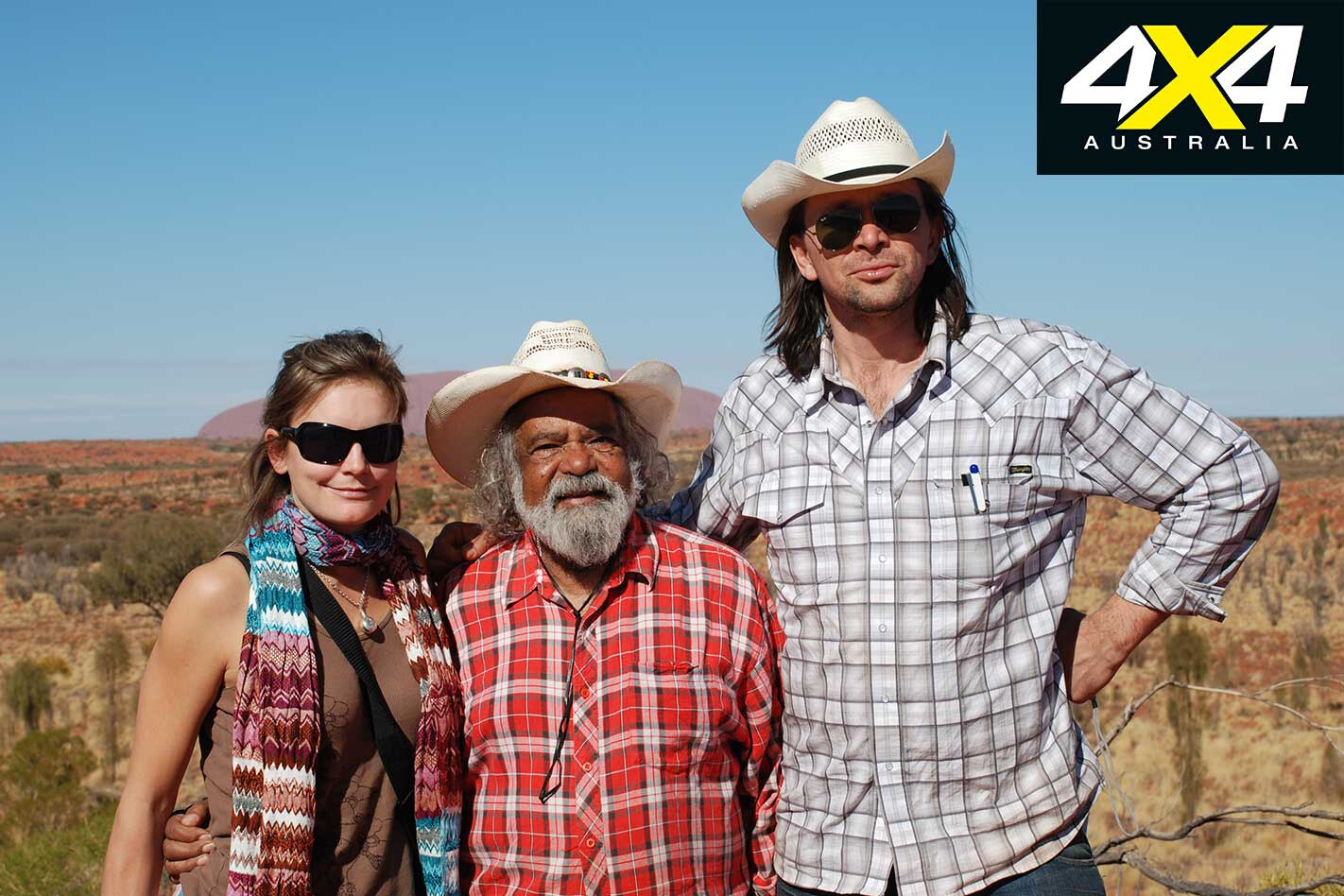
By complete coincidence, my unplanned visit to Uluru happened to fall on the weekend that my dad arrived at The Rock after an eight-day adventure trek from Kings Canyon.
My father, Geoffrey Knight, and well-known adventurer John Muir had just walked 160km across the desert and salt plains on a direct path from Kings Canyon to Uluru. They had each pulled a trailer carrying 90kg of supplies – including less than five litres of drinking water per day – and all the food they would need to sustain them over the desolate trek.
It was a Saturday morning when the pair were scheduled to arrive at The Rock. Instead of waiting for them in the carpark, I began to walk around the base of Uluru in the direction they were meant to be arriving.
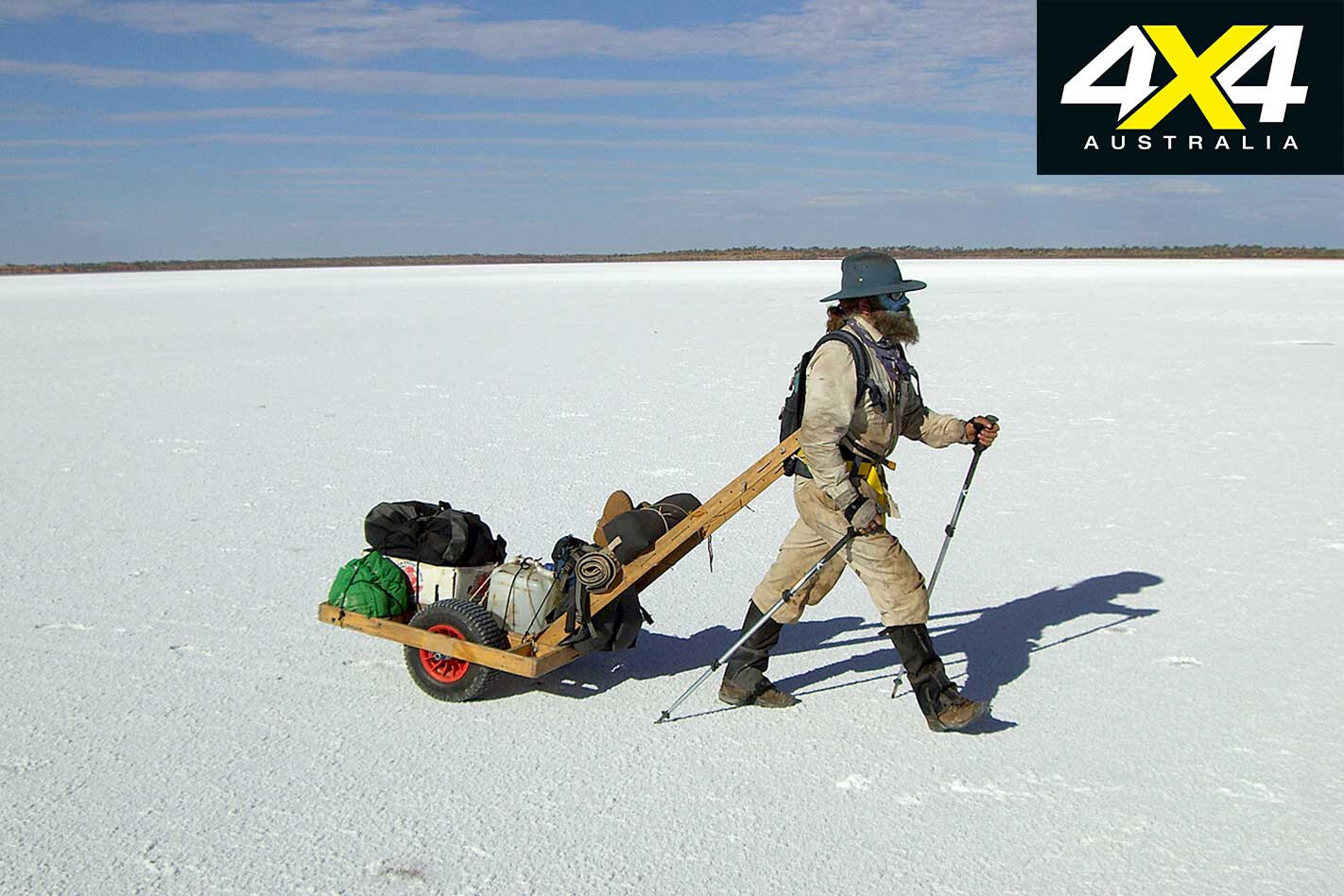
After about two kilometres of walking, and just before I decided to turn back to the carpark, I noticed two men in the distance with wild beards and wide-brimmed hats; they looked like travellers from Central Asia or pioneers from a different era. Within 20 minutes, back at the designated arrival spot, I discovered these two gentlemen were, in fact, the very same ones I had been looking for.
They looked exhausted and bedraggled and Dad, who has climbed a number of the world’s highest mountain peaks including Mt Vincent in Antarctica, Denali (Mt McKinley) in Alaska and Aconcagua in the Chilean Andes, said the 160km trek was the most difficult thing he had ever done. It was also, he said, spectacular to finally touch the base of the rock after having spent so many days watching it loom in the distance.
The Dog Fence
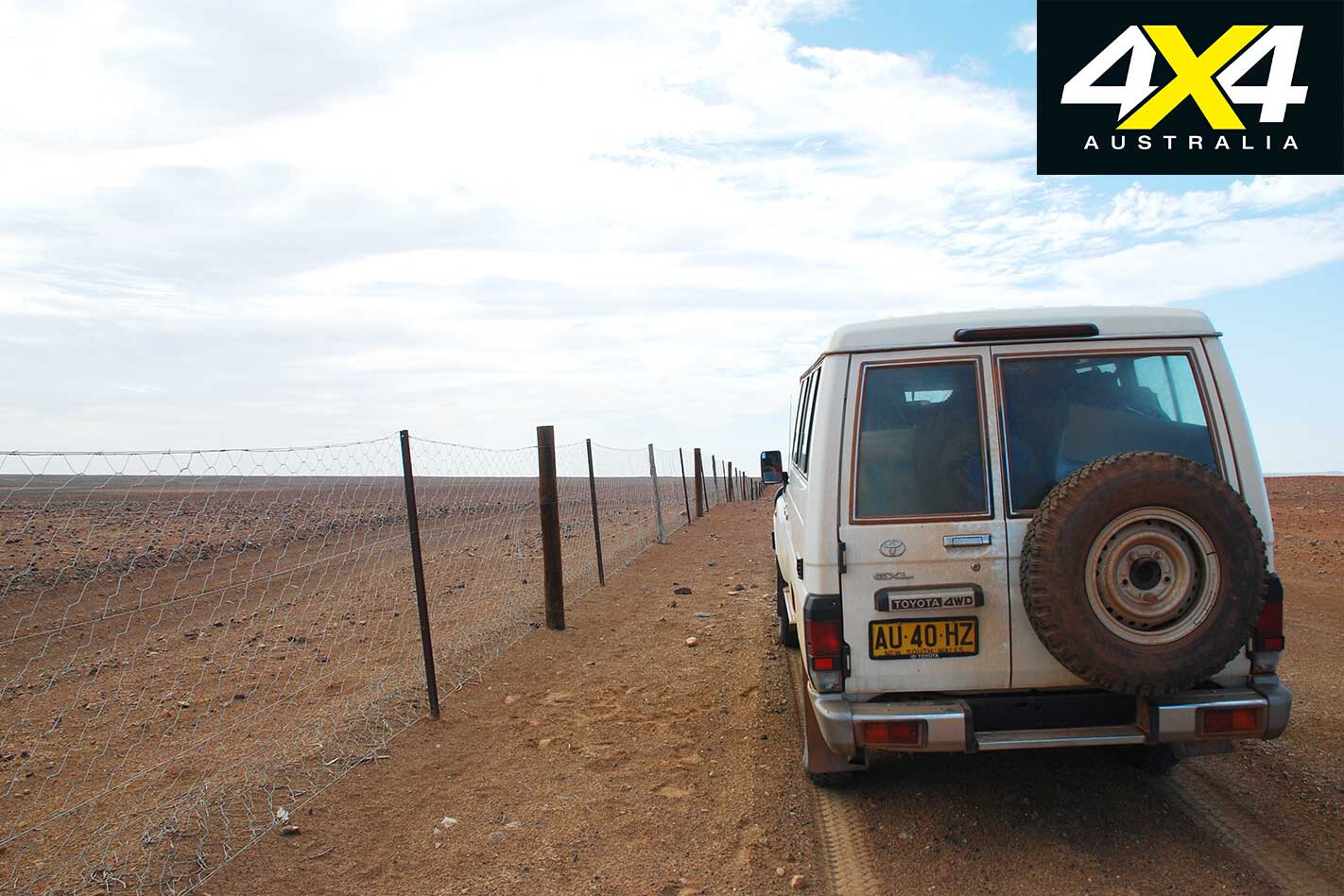
The Dog Fence is a stretch of wire and wood that runs for more than 5000km from Surfers Paradise right across the country to the Great Australian Bight, west of Adelaide.
Pioneers started building the fence in 1880 and it took five years to finish. Its purpose was to keep dingoes out of the sheep country in the south-east of the continent. It captured the imagination of Sydney Morning Herald journalist James Woodford, who wrote a book called The Dog Fence (Text Publishing) about its construction and maintenance and the psyche of outback Australians in their battle against the wilderness.
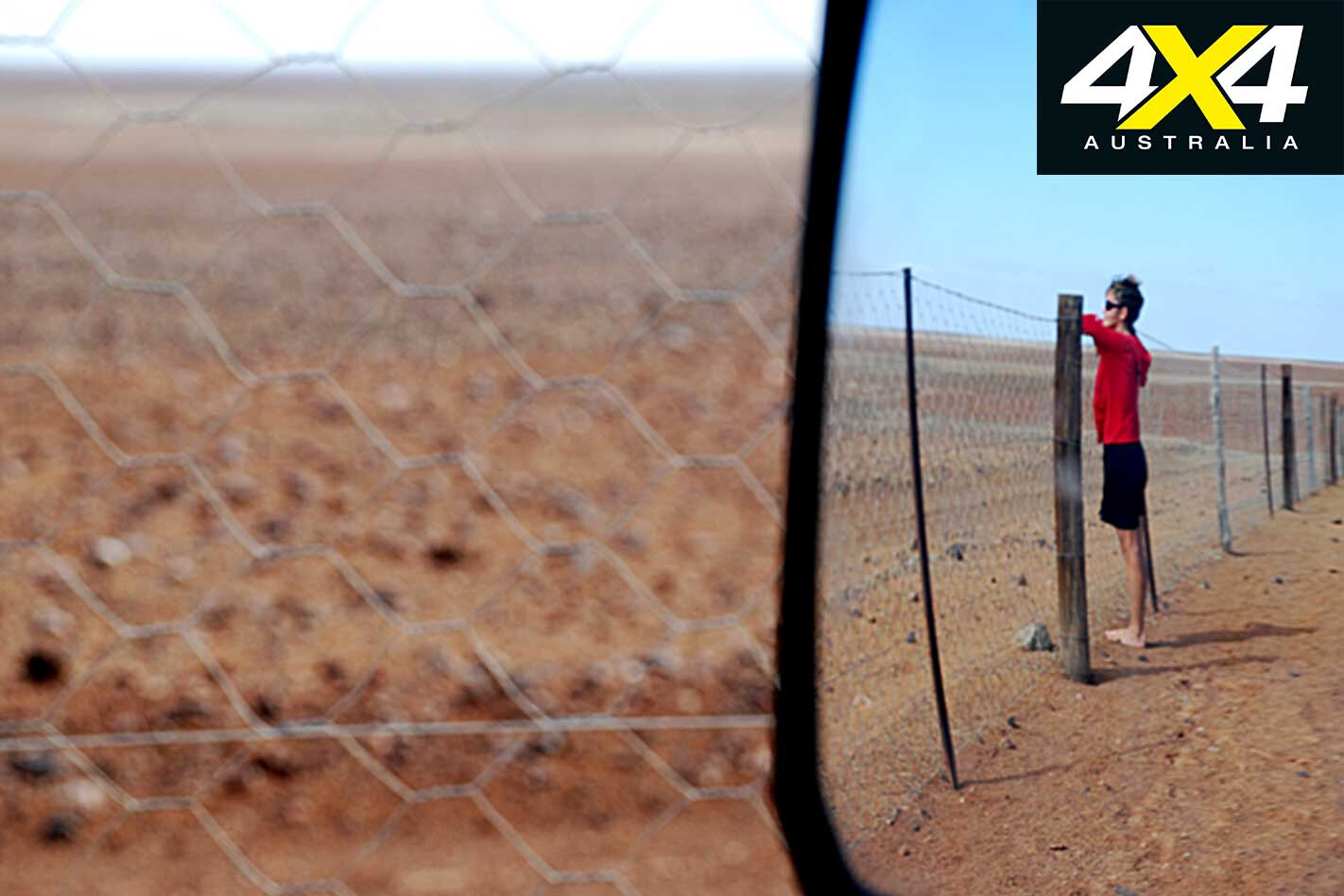
A visit along the edge of the fence that runs east of the Stuart Highway takes you through the Breakaways. This surreal landscape, with its moon plains and multi-coloured flat-topped mesas, was once part of the Flinders Ranges, located much further south, but broke away from the range more than 60 million years ago.
As the sunrise or sunset light infuses golden hues into these sandstone formations, it is easy to be overwhelmed by this timeless and ancient landscape.
We picked up the Bushcamper 4X4 from the Adelaide Britz office and planned to head to the Flinders Ranges and Riverland. Our aim was to enjoy some fairly difficult four-wheel driving and general touring.
This feature was originally published in 4×4 Australia’s January 2009 issue
As we collected the camper late on a Saturday afternoon, we decided that we wouldn’t leave home until the following morning. It seemed like a good idea at the time as it would allow us the rest of the day to pack and to familiarise ourselves with the operation, equipment and layout of the vehicle.
What we didn’t realise on this beautiful, dead calm, 27 degree Saturday was that Sunday would turn out to be a shocker! Leaving home in quite cool, dark conditions with what seemed to be a fairly serious threat of rain wasn’t the worst of it.
Pointing the Cruiser to the north brought crosswinds you wouldn’t wish on your worst enemy. Gusts of up to 70km/h had been forecast for this part of SA and warnings were broadcast by the weather bureau to tie down loose objects and batten down the hatches. Great! Probably every one of us has passed a Britz Cruiser in similar conditions and said ‘wouldn’t want to be driving that thing in this wind!’
We found it wasn’t so bad after all; in fact, it handled quite nicely despite the gale. The big V8 turbo-diesel has loads of grunt making overtaking a breeze – if you’ll pardon the pun. Wider tyres would have made for better ride and handling but, on the bitumen, the 16×5.5-inch steel split rims with their 7.50R16 eight ply tyres coped better than anticipated.
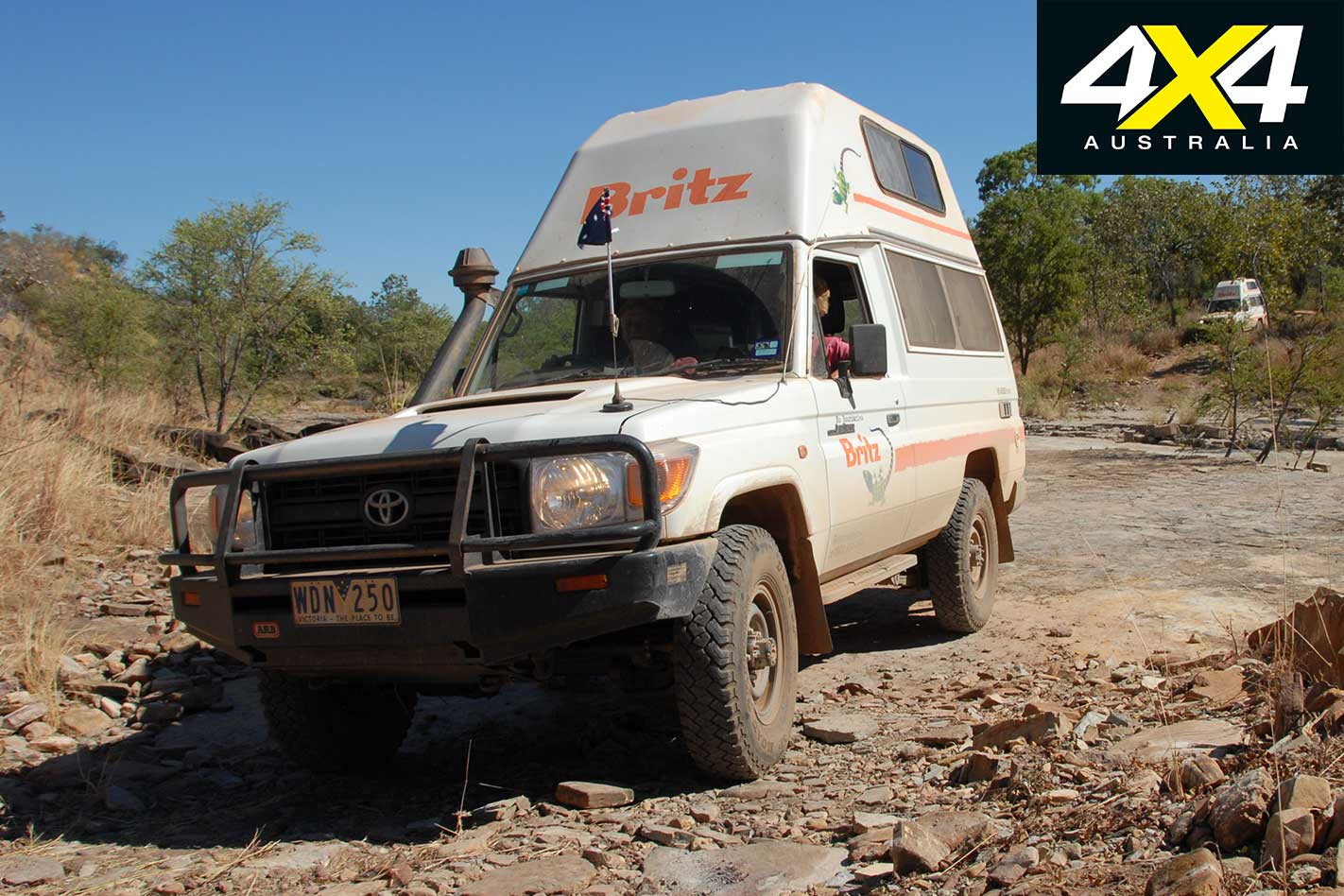
Our first night was at the Wilmington Caravan Park and, not being caravan park types, everything was new to us. We wanted to experience this versatile vehicle in all possible situations. After working out how to connect our little mobile home to the power we settled in for the night, very grateful we weren’t trying to pitch a tent or having to sit freezing around a campfire.
Instead we had a portable fan heater and a 12V DVD player borrowed from one of our teenagers. I can’t begin to say how pleasant it was listening to the howling wind and being cosy and snug watching TV while camping – the concept was alien to us but we were both rapidly warming to the idea.
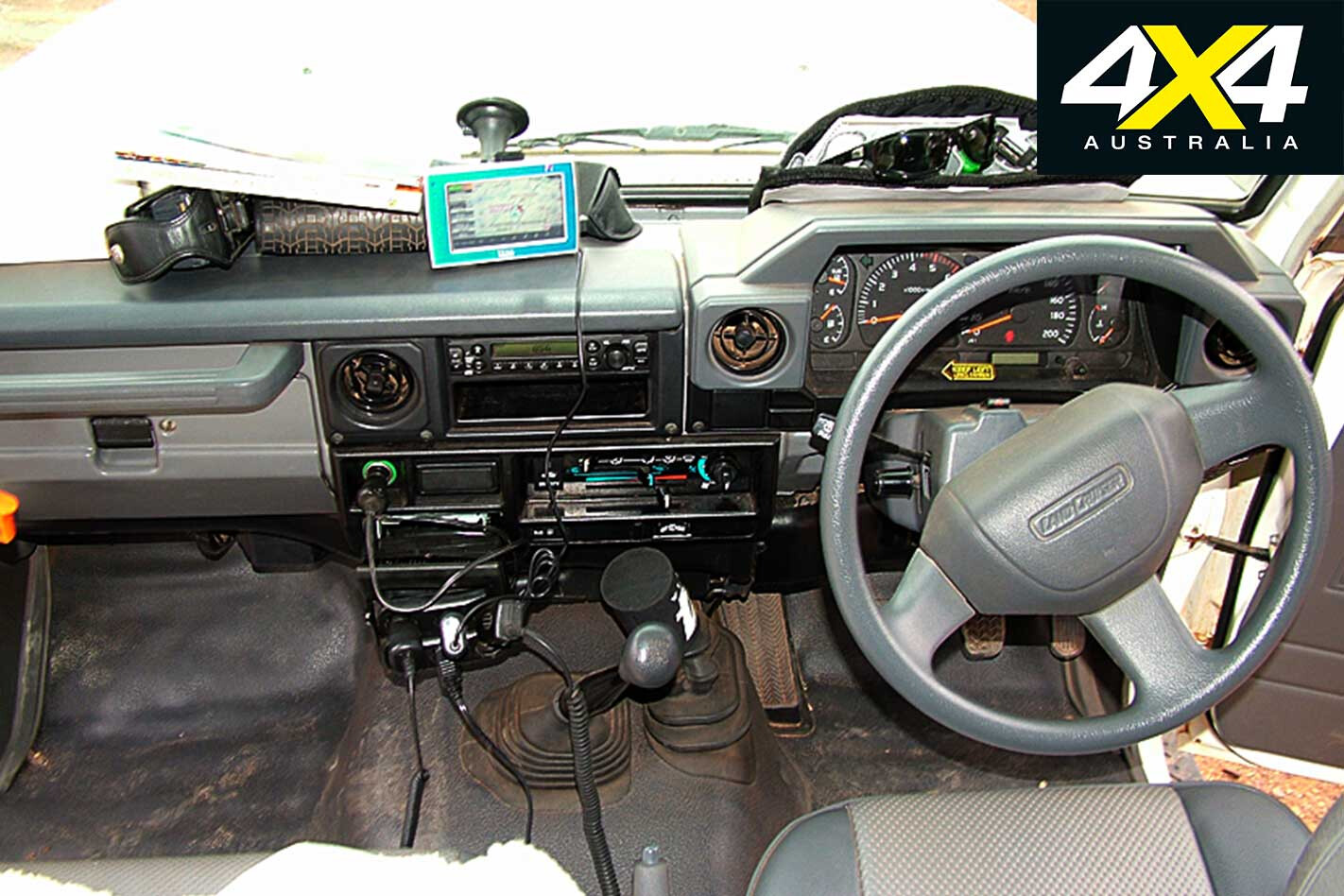
After a few drinks there was much hilarity as the bed was set up and Brad tried to manoeuvre his aging and slowly expanding figure into the overhead double bed (definitely not for the larger person). Rather than become a contortionist, I chose the easier option of sleeping on the lower bed listening to the muffled, wheezing giggles of a slightly inebriated ‘Muttley’ still getting over his exertions above my head.
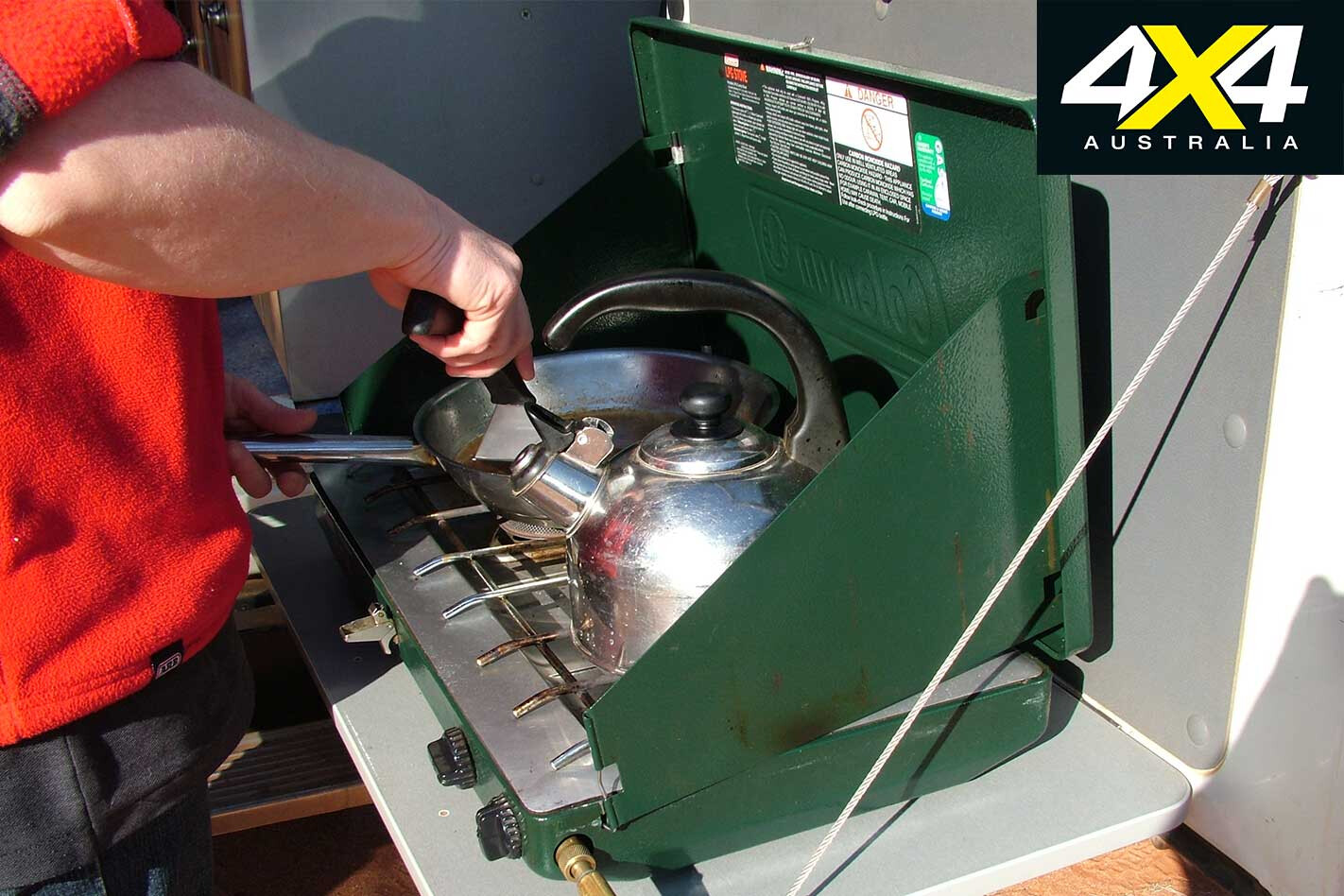
Meal preparations were straightforward with the two burner gas stove easily accessed and set up. Cooking can be done either inside on the long bench top, or outside on the drop down door table. For safety reasons, Britz would prefer all cooking to be done outside unless impossible due to inclement weather.
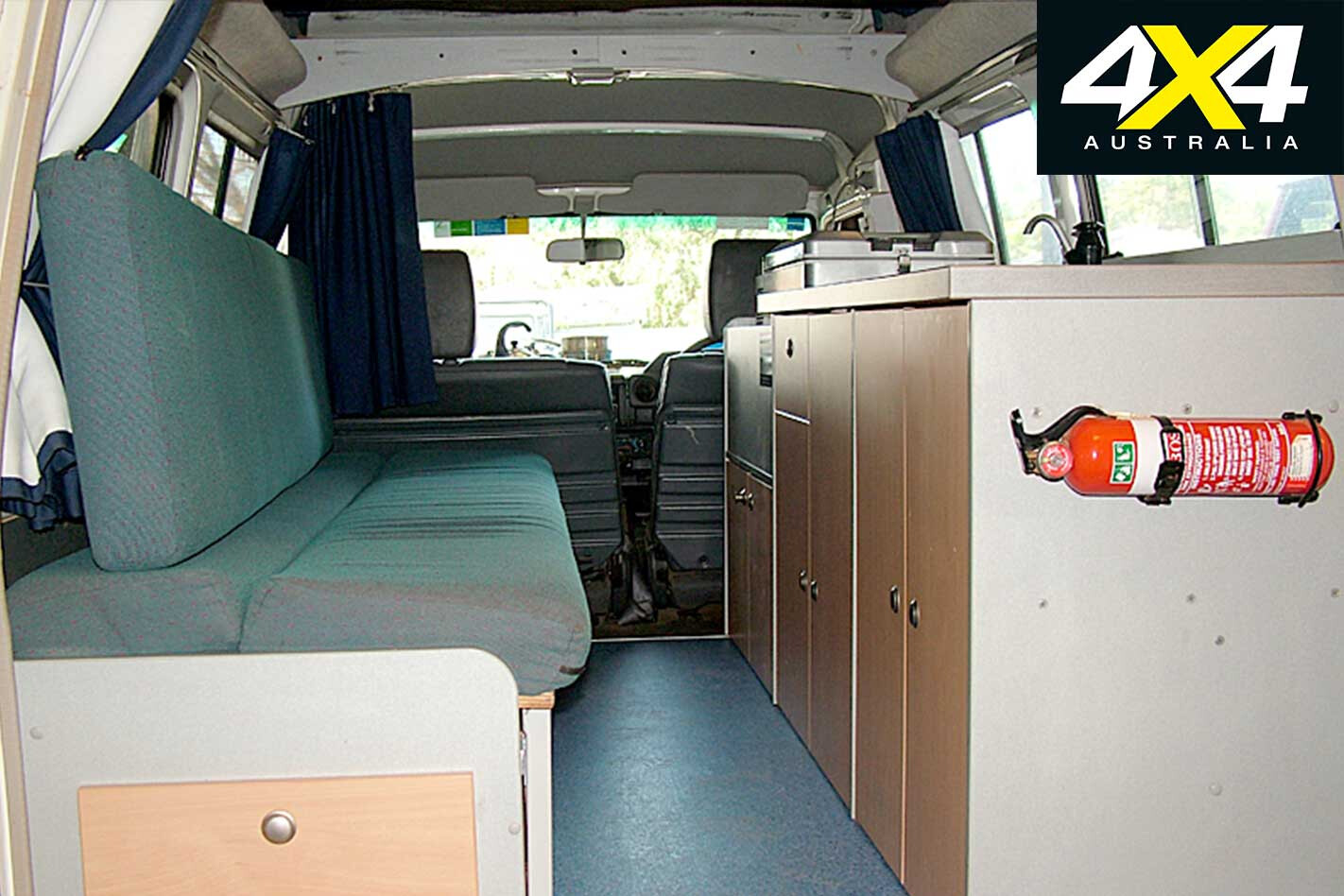
The camper comes equipped with a 30-litre Engel fridge which switches automatically from 12V to 240V when connected to mains power. Storage space is phenomenal considering the size of the vehicle and with strategic packing it is amazing what can be stowed.
The vehicle is licensed to carry three people but is more comfortable for two, especially for long periods. You may get away with a small child squeezed in between two adults but the 1.5 passenger seat is really only big enough to carry one adult or two small children.
The bitumen roads were handled without problem but now the dirt beckoned. We left Quorn and headed to Arden Hills Station, approximately 12km north of the town. Graham and Inge Stokes are the owners of Arden Hills and welcome visitors onto their property for a brilliant Self Drive Tour.
The Arden Hills drive is magnificent with views across the mountain tops and to the gulf. Native fauna is abundant and as you come to the bottom of one of the massive hills there is the most beautiful spot for a picnic lunch with a stone, wood-fired barbecue.
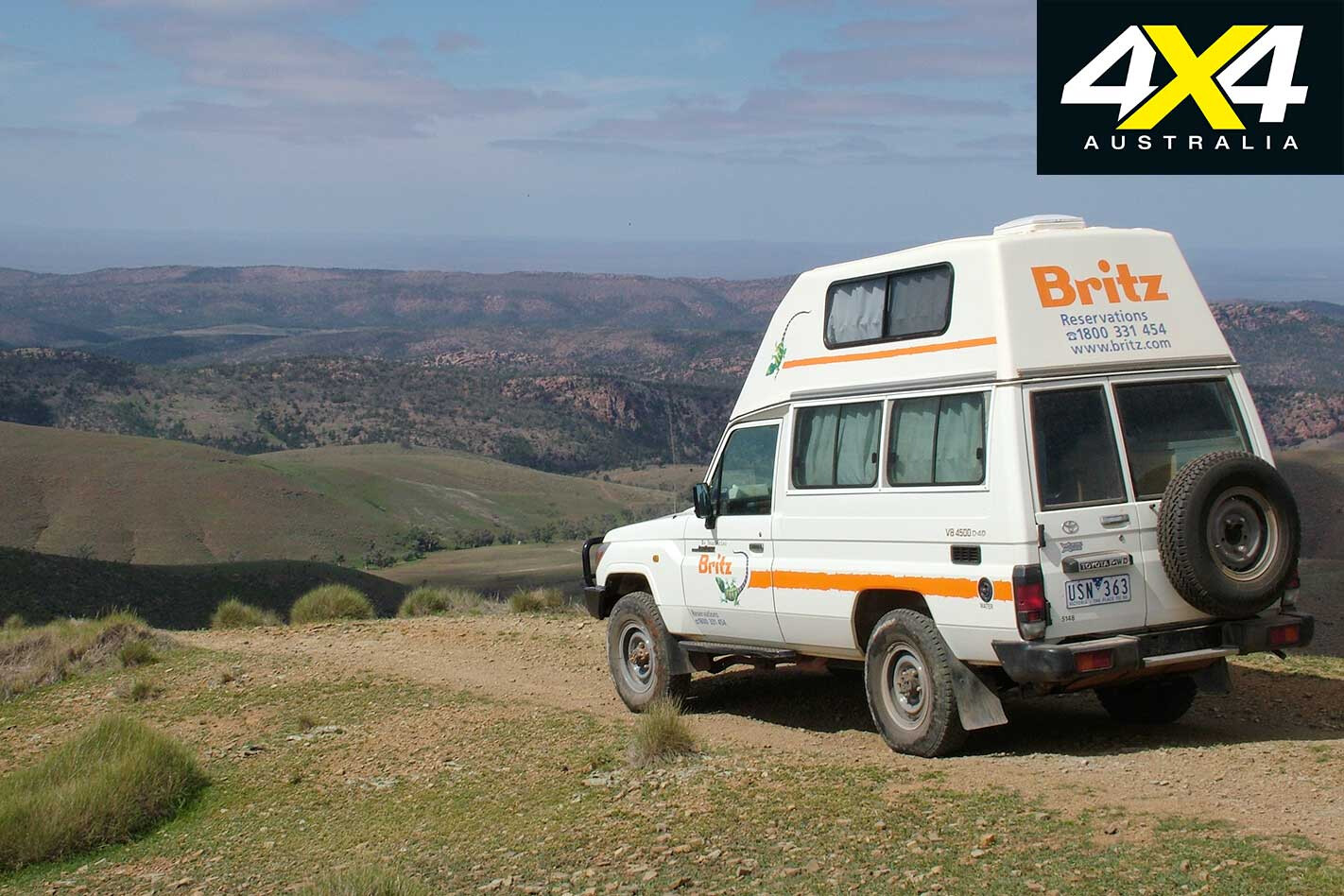
While reasonably difficult, with a few washouts to look out for, the experienced four-wheeler won’t have a problem. The only thing we were concerned about was height; at 2.8m you have to be aware of your perimeters but this drive is fairly open for most of the way.
Again the TDV8 proved its worth and climbed every challenging hill without fuss. However, it’s probably advisable for novices to travel in convoy with more experienced drivers; and this tough track should only be attempted in capable vehicles with decent low-range gearing.
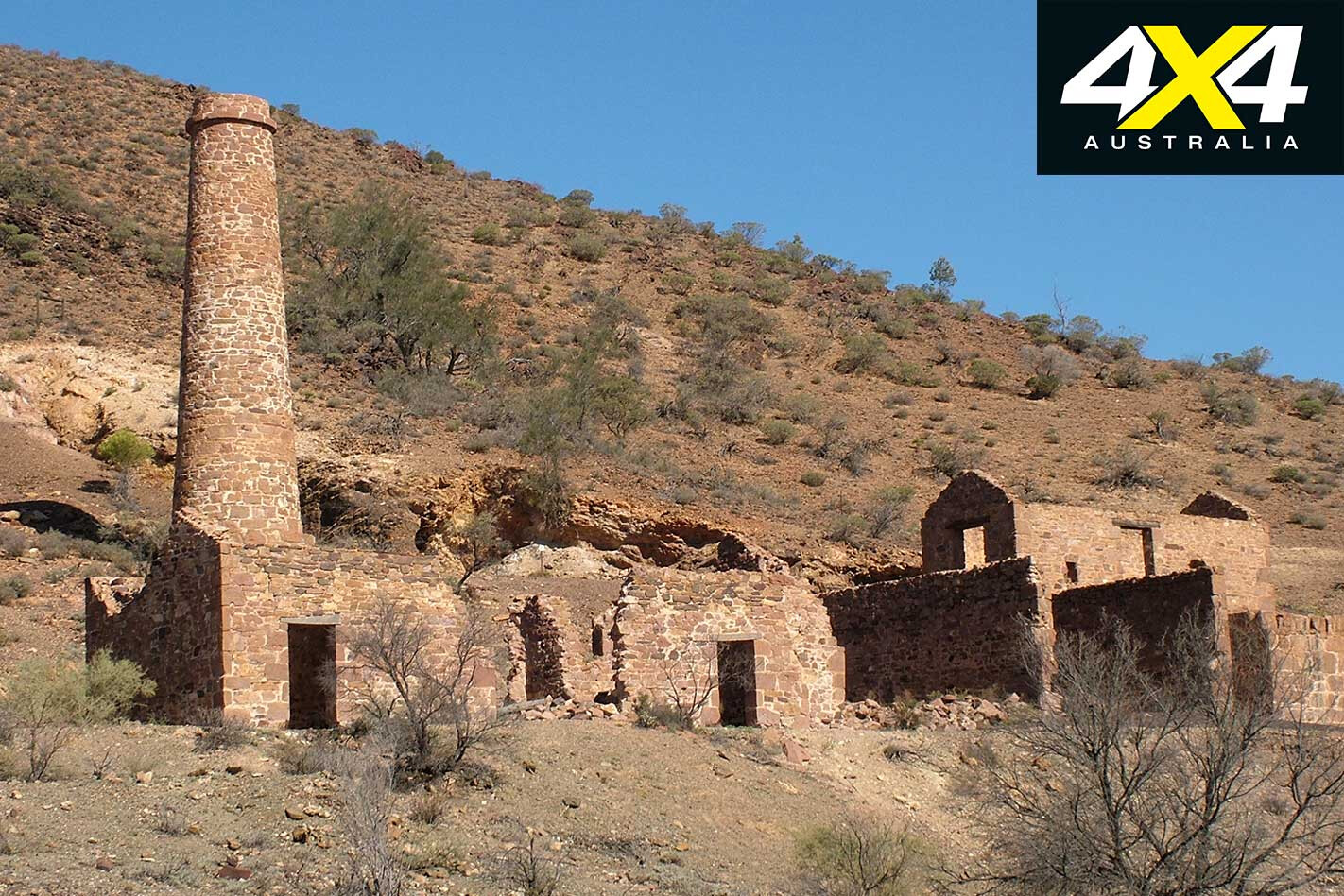
Travelling via Hawker, Wilpena Pound and Bunyeroo Gorge was all easy 2WD bitumen or dirt and, once reaching Blinman, we decided to travel the Glass Gorge Road and then to make the journey up to Nuccaleena Mine ruins. The road through the gorge was fairly easy going until we reached the track into the mine which displayed a stern warning – 4X4 only and no towing of caravans for the 14km drive in.
The mine was well worth the drive and boasts a very interesting history. One can only imagine how tough life was out here. The logistics of carrying the ore out, even though it was crushed onsite, must have been a nightmare and it’s not difficult to understand why the venture ultimately failed.
Our Camper handled the rough terrain with ease and a short way back along the track was the site of our first bush camp. We still couldn’t get over how easy it was to organise our campsite, with no tents to erect and everything at our fingertips it took about five minutes before we were relaxing with drinks and snacks.
The following morning we made our way back to the beginning of this track. Turning left toward Artimore Ruins we thought the track would be much the same. Wrong! This was a real test with the Cruiser requiring the articulation of a millipede to negotiate the washed out 36km trail.
Apart from worrying (needlessly) about height clearance again, and taking twice as long as anticipated, we safely arrived at Artimore ruins. The only resident to greet us was a kangaroo, very appropriately decaying on the equally decaying doorstep of the old homestead.
Here we took the time for a stretch as we fossicked about before heading on to a relaxing lunch stop under some shady trees near the Wirrealpa to Blinman road.
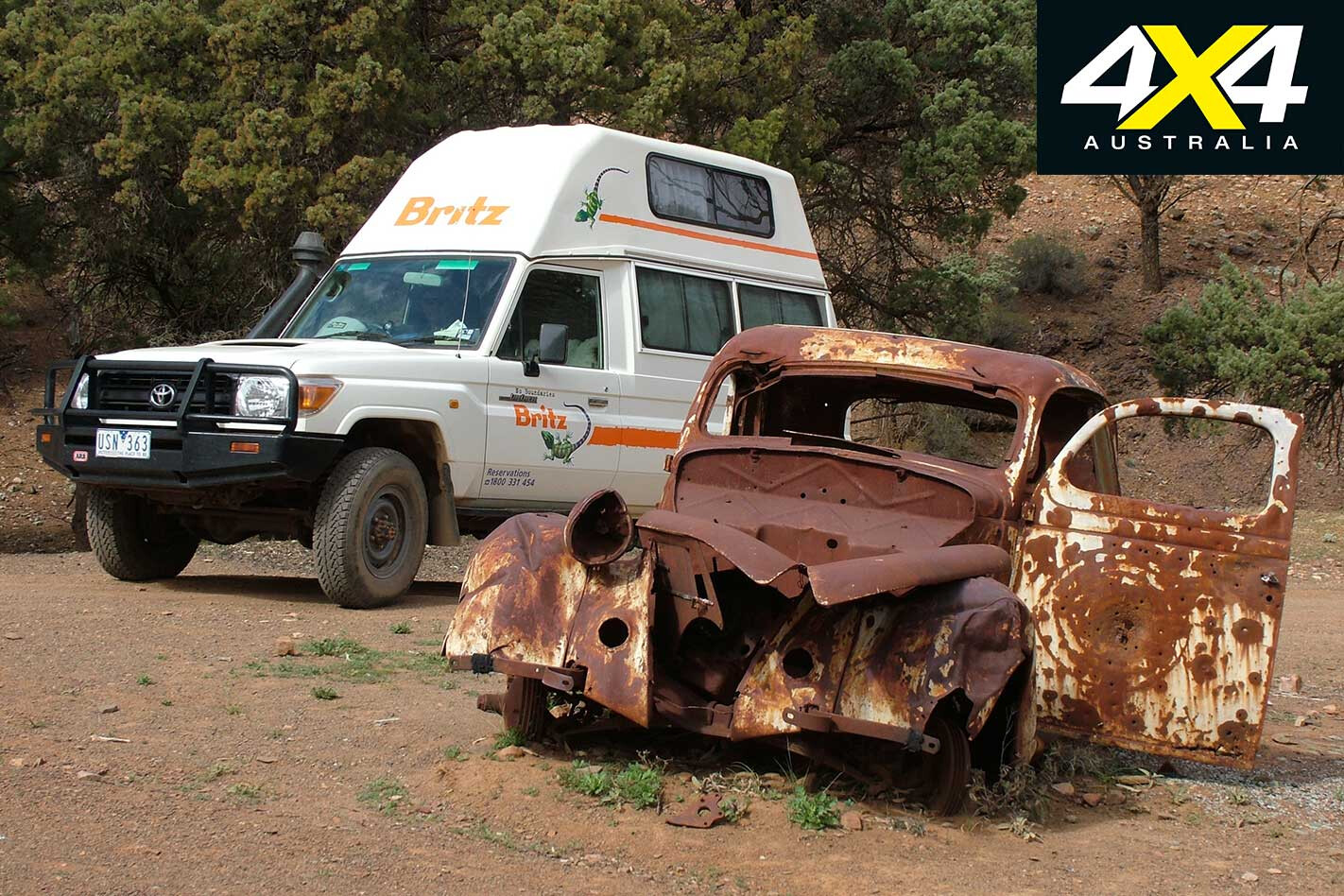
Once again we’d struck some extremely windy weather on this leg of our trip and this is where we found the camper to be invaluable as we sat cosily inside with our meal and drinks. Just having no flies was an amazing concept to us very hardened, but quickly softening, campers!
We headed back through Blinman, across to Parachilna via the picturesque Angorachina Gorge, taking a right turn onto the bitumen to arrive at our next stop – Beltana Historic Village. Although you can’t go into any of the buildings – they’re all privately owned – information boards explain what they were used as in their heyday.
Allow yourself an hour (an hour and a half if you’re lucky enough to have a coal train pass by; three locomotives and 169 carriages!) for a good look around Beltana. It’s well worth the detour off the main road.
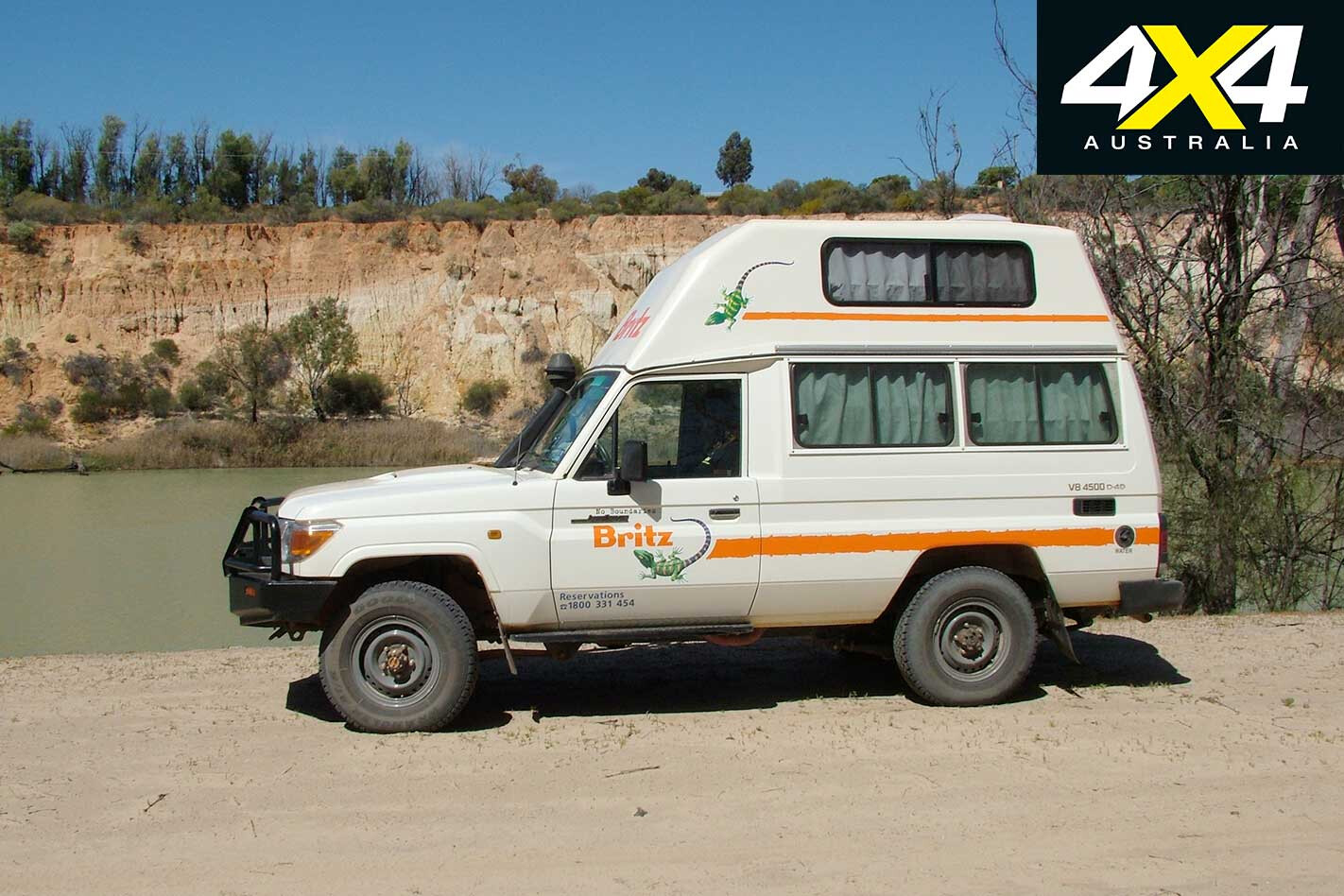
Back onto the blacktop and heading north we decided to spend the night at the Leigh Creek Caravan Park. Admittedly this wouldn’t have been a first choice for us but as it was getting late in the day we thought it would have to do.
This park is looked after by the Leigh Creek Progress Association and they are to be commended. The toilets and showers are immaculate and Leigh Creek has a very good water supply in Aroona Dam, so it’s a good place to replenish water tanks. Here we saw our first and only snake – in town!
From here we travelled the road east via Nepabunna to Balcanoona where we turned south and headed down to Yunta on the Barrier Highway.
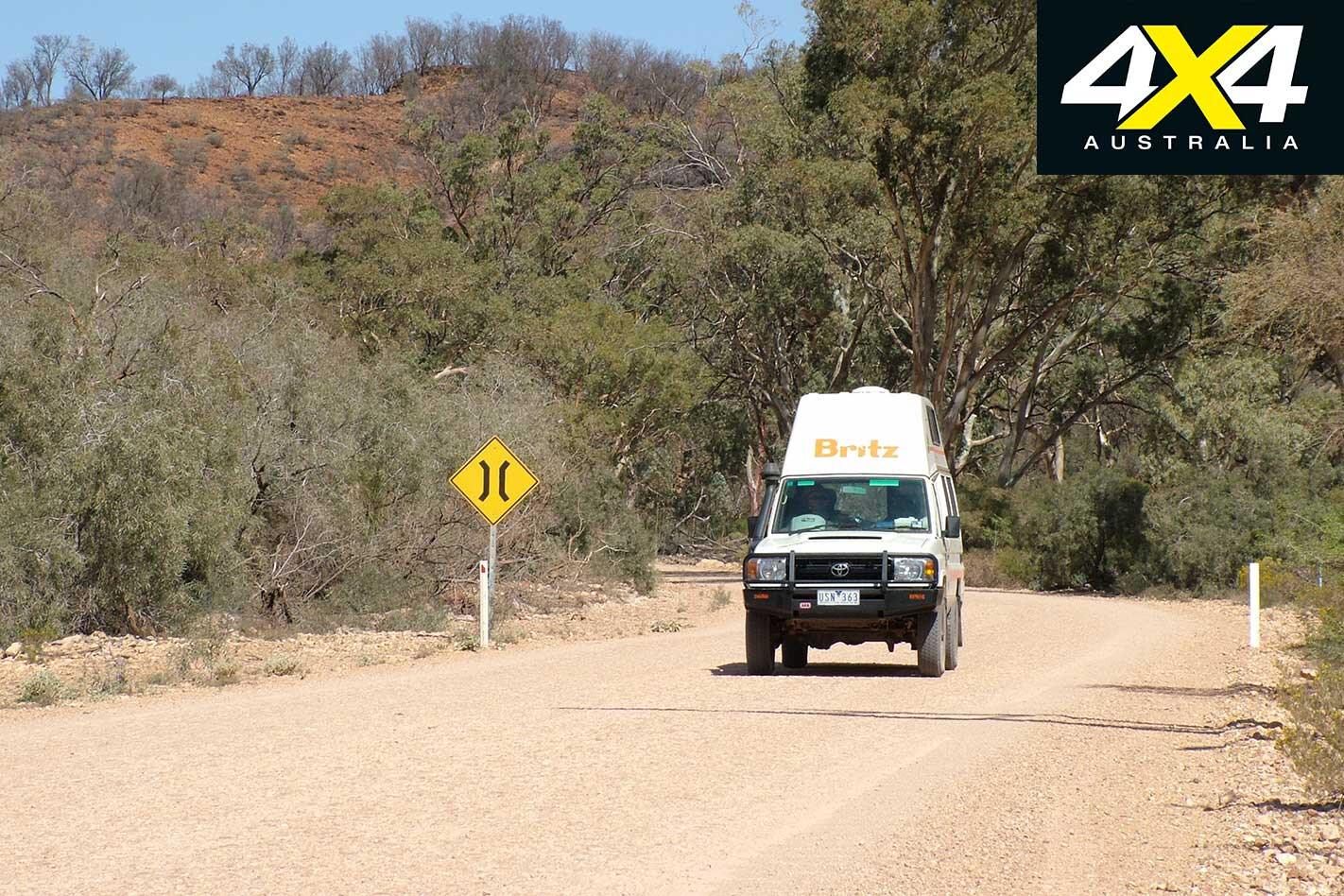
A reasonably long, desolate drive was broken by lunch in a dry creek bed under a tree. The flies were extremely friendly here so again we took the soft option for lunch and sat in the back of the camper with the airconditioner on.
That night was spent in Dangalli Conservation Park near Renmark and, although we again endured windy conditions during the day, the evening settled to become balmy and we sat by the perfect campfire. We enjoyed a few quiet ones with the many curious kangaroos and emus who inhabit the area before retiring to the quiet comfort of the camper.
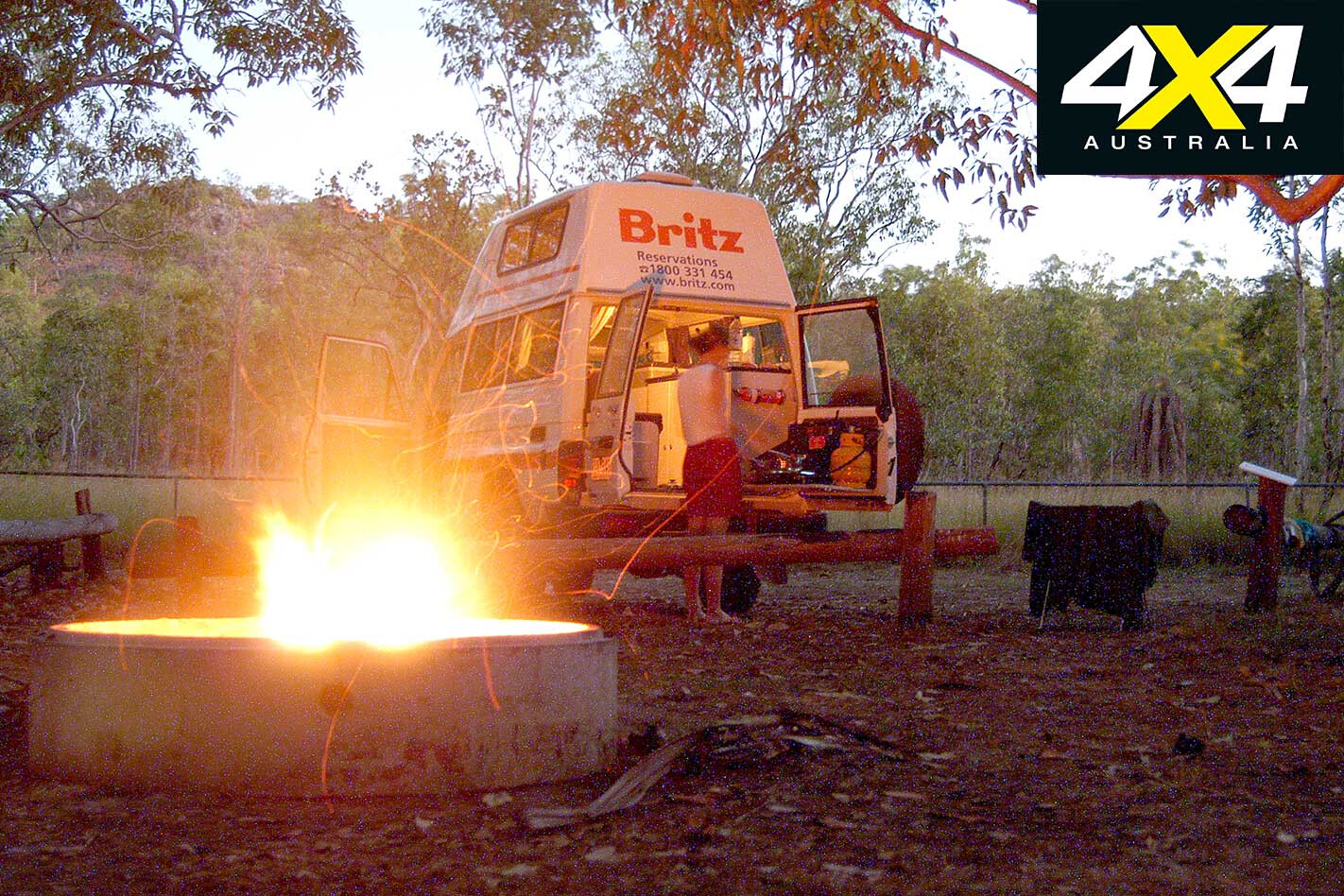
Our last few days were spent touring the Riverland towns between Renmark and Morgan and by this time Brad was sold on the Britz Cruiser. It was a breeze to drive and proved extremely economical, especially considering the height of the vehicle, the windy conditions and the big TDV8 engine. Average fuel consumption for the trip was 13.3L/100km – not bad for a laden vehicle in sometimes extremely difficult off-road conditions.
The Britz camper is not only a great option for overseas visitors wanting to enjoy a self-drive outback tour, it’s also suited to local off-roaders who want to avoid the long commute to far-off destinations.
The Britz Cruisers are well equipped, so all you really need to do is stock up with food and personal items and you are away. This makes them a great ‘try before you buy’ option for potential 4X4 owners who are not yet convinced that camping out is for them. To top it off, Big4 Caravan Parks offer Britz campers a 10 percent discount on site fees!
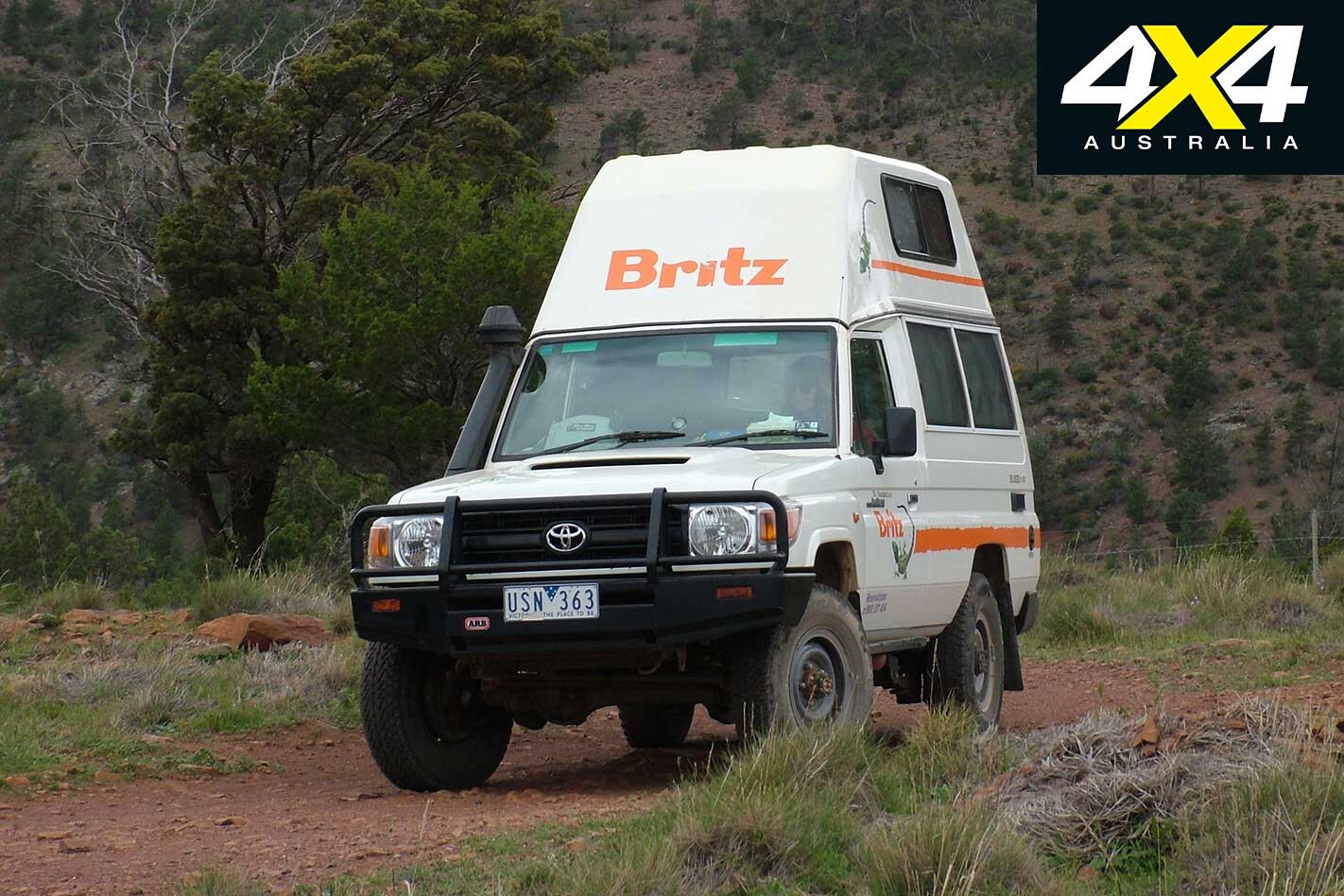
Toyota TroopCarrier Britz Bushcamper specs: Base Vehicle: 2007 Toyota TroopCarrier High Roof; TDV8; Five-speed manual; Manual hubs Equipment: – First aid kit is supplied sealed. If needed, a charge of $20 must be paid upon return of the vehicle – Two burner LPG stove and gas bottle – All cooking equipment and utensils; two stainless steel saucepans and one stainless steel frypan; stainless kettle – Solar shower – Hose – 15 amp power cord – Melamine crockery and glassware, cutlery, plastic storage containers, grater, matches, teatowels, mixing bowls etc. Optional Extras/Costs (Supplied upon request for a nominal fee): – Linen, electric fan heaters, basic recovery gear (inc. EPIRB), table and chairs, tents, awnings, satellite phones, personal kits and child booster seats. – Hire costs vary depending on the time of year with January being the most expensive and May and June the cheapest. Contact your nearest Britz office for more detailed information as there are a lot of variables involved. Check out britz.com.au.
Synthetic rope has revolutionised the 4×4 recovery winch market and you’re hard pressed to find a user who still persists with the old steel cable these days.
Yes, the steel cable is more durable, but the reduced weight, ease of handling, flotation, and most of all, the safety of synth line far outweighs the durability factor. Synthetic rope has improved over the years and if you look after it, it will last you along time.
Bubba Rope is a Florida, USA-based company that started in the vehicle recovery business with a unique kinetic-energy snatch rope, but has a gone on to produce winch lines, soft shackles, tree protectors and complete recovery kits.
What makes Bubba Rope so special is the way these self-confessed good ol’ boys from down south ‘Gator-ize’ the High Density Poly Ethylene (HDPE) Plasma rope by dipping it in a vinyl coating for better protection against moisture, abrasion, dirt and ultraviolet light; all elements that have long been problematic to the longevity of synth lines.
Another element that makes Bubba Rope winch lines safer than others is the spliced in thimble that does away with the need for a metal eye at the end of the rope. Doing away with any heavy metal objects in a recovery rig is paramount for increased safety.
The boys took this a step further when they created the Bubba Rope Pro Line with a soft shackle integrated into the end that you connect to a vehicle or anchor point. This allows the user to completely get rid of any metal shackles from your recovery rig.
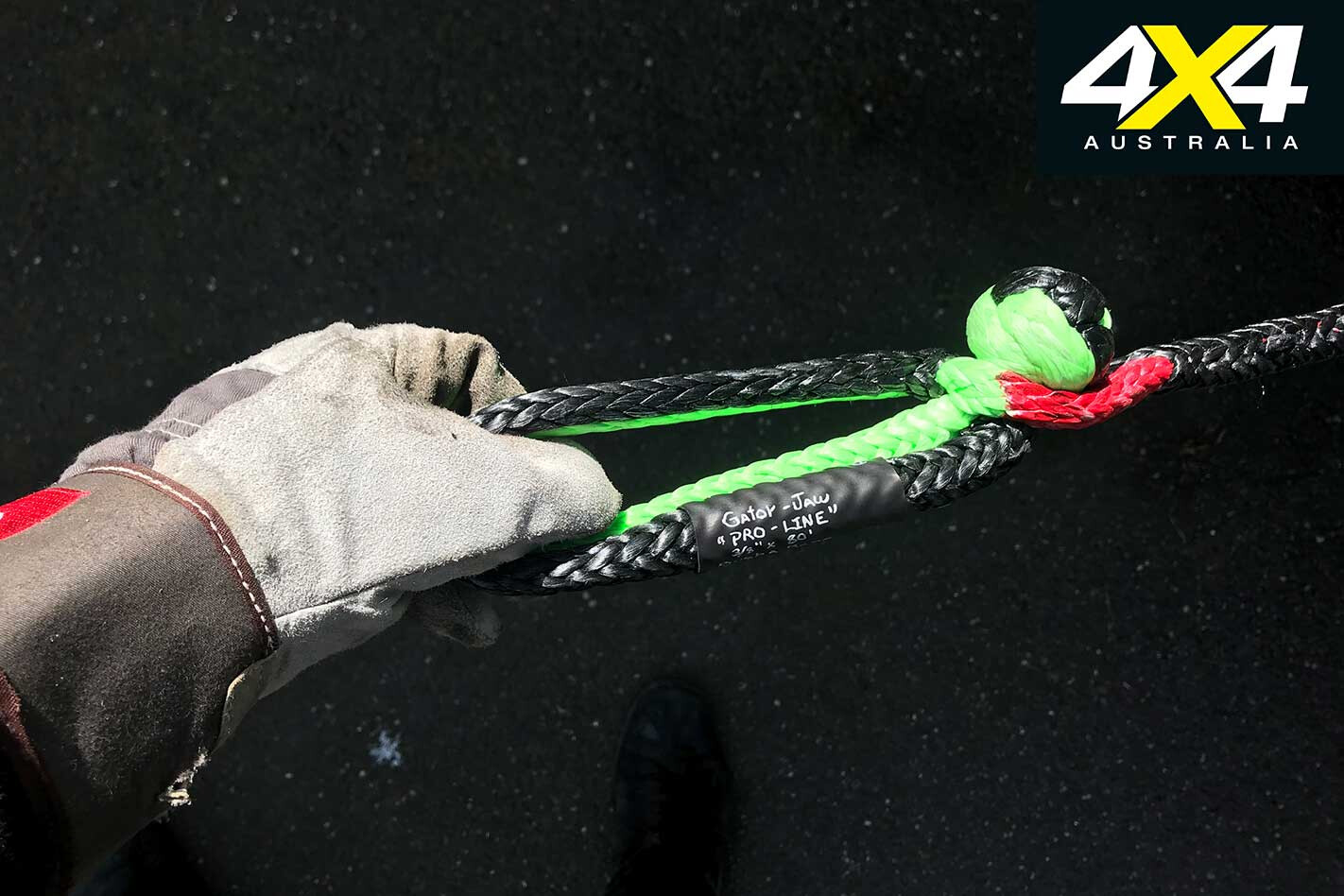
Bubba Rope manufactures its Gator Jaws range of soft shackles from Gator-ized rope so splicing that design into the winch line was the next logical step toward improved safety and simplicity.
We’ve been impressed with the Bubba Rope products when we see them at the SEMA show each year and decided to put some of them to the test, coming back with a Pro Line winch rope and some Gator Jaw soft shackles.
Looking at the Pro Line it’s evident that these guys use these products and include features that make using them easier and safer. The multi-colours of the winch lines aren’t just there for a fashion statement, as the colours each serve a purpose.
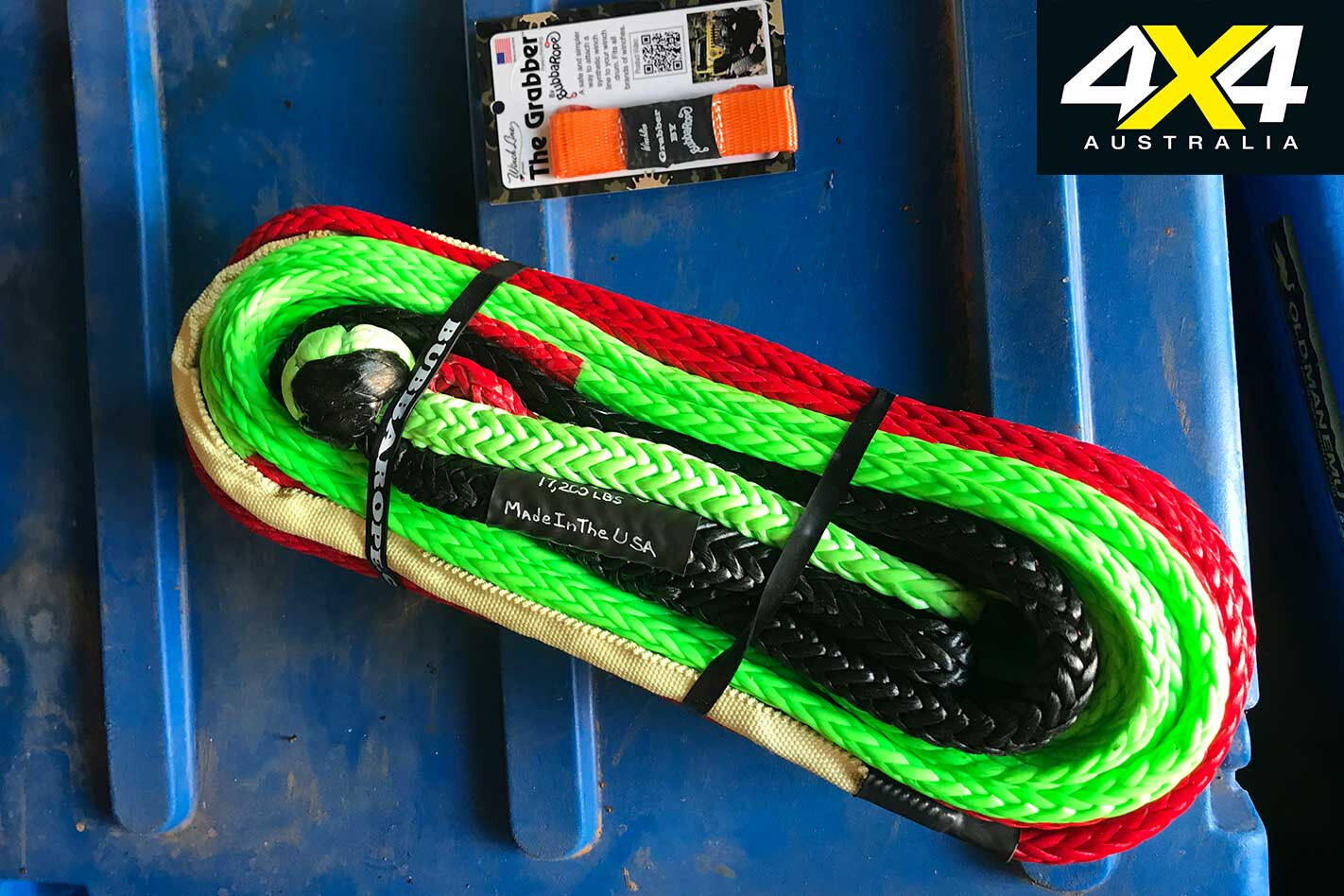
The last 20-feet of rope at the winch drum is coloured red to warn the user that he is getting close to the end and needs to leave a layer wrapped on the drum. The yellow section is heat-protection coated to shield the rope from the heat generated by the brake in the winch drum during operation, while the red bands around the line are placed every 10-feet along its length to let you know just how much line you have out.
Even the Gator-green colouring of the rope itself is bright and easy to see if it is in mud, water, snow or sand. All common sense stuff that improves the product.
Another clever product is The Grabber, a simple yet effective means of attaching the winch line to the drum without the need to screw it on or need tools to remove and refit it. Clever stuff! The Grabber comes with your Bubba Rope winch line or can be bought separately if you need one.
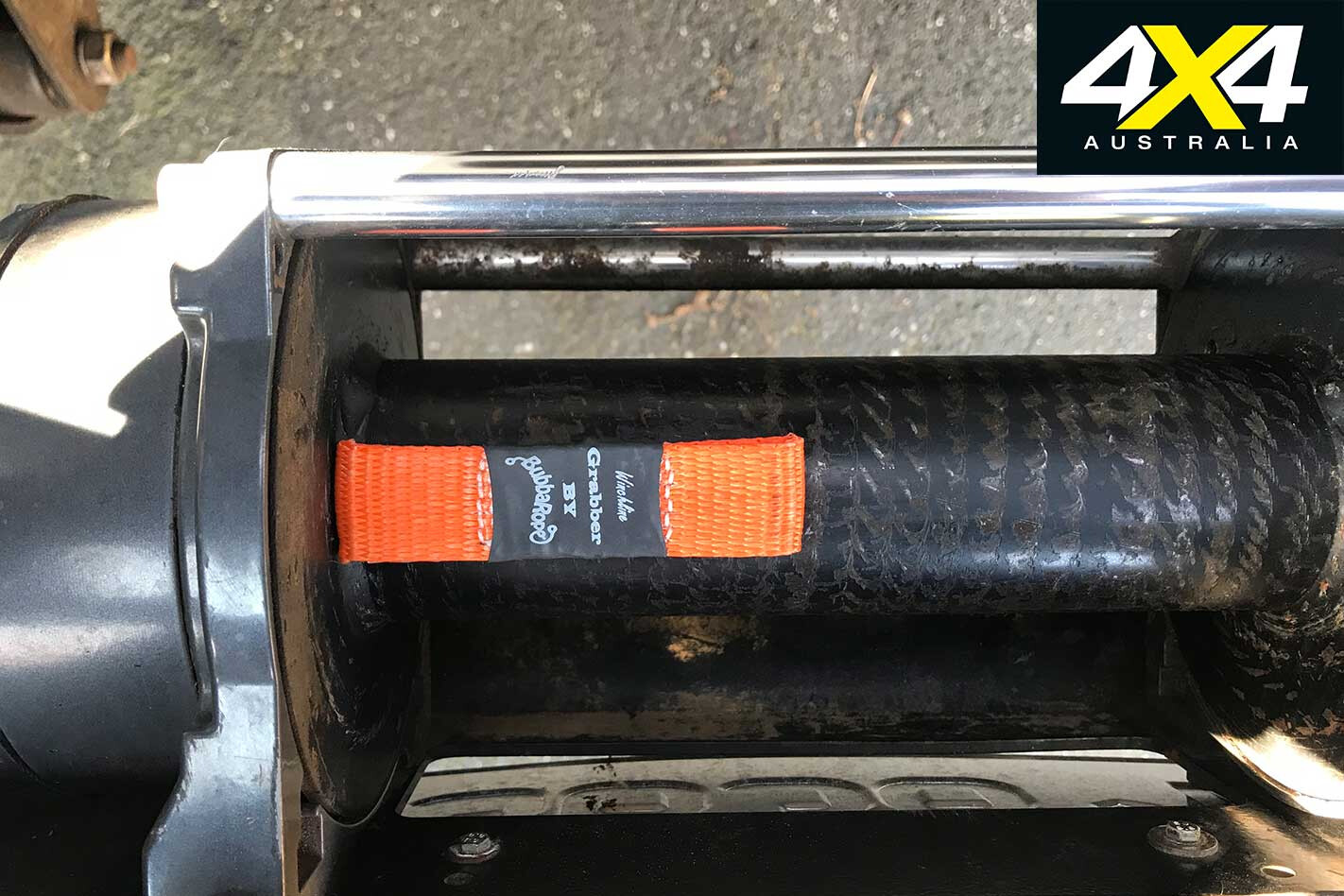
We fitted the Bubba Rope Pro Line to the Warn winch in the editor’s old Land Cruiser before a recent trip. After removing the old steel cable and cleaning the dirt and grime off the drum, it was pretty simple to install neatly.
It was put to use on a trip in the High Country and immediately the usability of the winch is much simpler, the rope is easier and safer to handle, attachment is easy using the inbuilt soft shackle, and it’s easy to pack up with no kinks or loose wires in the rope like you would get in a steel cable.
Completely removing the rope for cleaning after the trip is tool-free and easy too thanks to the Grabber, meaning this is more likely to get done and hence looks after the rope for a longer service life.
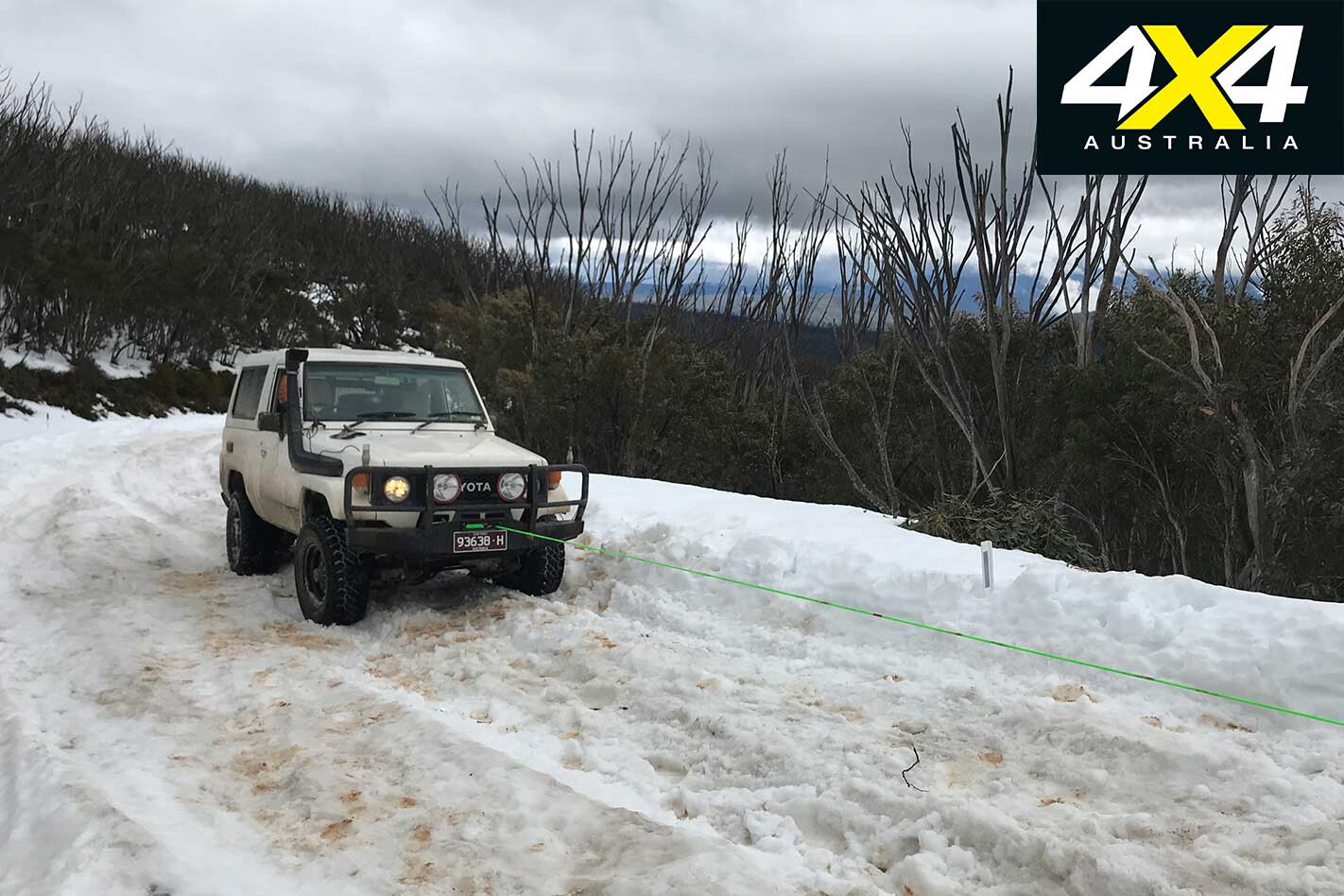
Due to the fact they are premium products made in America, the recovery gear from Bubba Rope isn’t cheap; 80-feet of the 3/8-inch Pro Line sells for US$449 and the poor Aussie dollar isn’t helping once you get it here. But you get what you pay for and this stuff is strong, safe and easy to use. Look after it and it will last you longer than regular synthetic ropes thanks to the tough Gator-ize coating.
Bubba Rope products are available in Australia from SJM Offroad in Queensland at www.sjmoffroad.com.au.
RATED Available from: Bubbarope.com; Sjmoffroad.com.au We Say: Quality rigging gear that is simple, safe and easy to use
If embarking on a trip to any corner of Australia, you may encounter our legless mates. They’re more active when the weather is warmer, but you can still cross paths with a slithering reptile all year round.
Victoria in particular is home to a number of venomous snakes – Eastern Browns, Tigers, Lowland Copperheads and Red-Bellied Blacks – and it’s important to remember that, although they are highly venomous, it’s rare for them to bite people.
“These species [listed above] are known to bite animals when disturbed,” said Lachlan Clarke, a wildlife officer from the Department of Environment, Land, Water and Planning (DELWP). “If you are a pet owner and your dog or cat encounters a snake, causing you concern, the best course of action is to remove your pet from the area or tie it up while the snake passes.
“Snakes are generally very shy and prefer to keep away from people – often snakes are found in backyards because they are passing through on their way to other habitat. Being aware that snakes may be around and being informed about how to react to them is very important,” he said.
These handy tips were posted on the 4WD Victoria website:
- If you see a snake – keep calm and try to move yourself, anyone with you and your pets away from the snake.
- Never touch or attempt to capture or hurt a snake – instead call DELWP Customer Service Centre on 136 186, who will provide you with advice or put you in contact with your nearest licensed snake catcher.
- Have a spring clean – clean up around the house and cut lawns regularly. Snakes are attracted to shelter such as piles of rocks and timber, sheets of metal, or building materials.
- Undertake first aid training – ensure your first aid kit contains several compression bandages, and if someone is bitten call 000 immediately.
- Snakes are protected under the Wildlife Act 1975 – it is illegal to capture, kill or harm them. Bites can occur when people try to kill snakes.
- Finally, stay safe!
THE aftermarket continues to mimic the increasing sales trend of pick-ups, by unveiling special edition models every other day.
Roush has taken the sheets off its F-150 Nitemare, which, according to the American company, “is a purpose-built street performance machine” that is “far from a bad dream”.
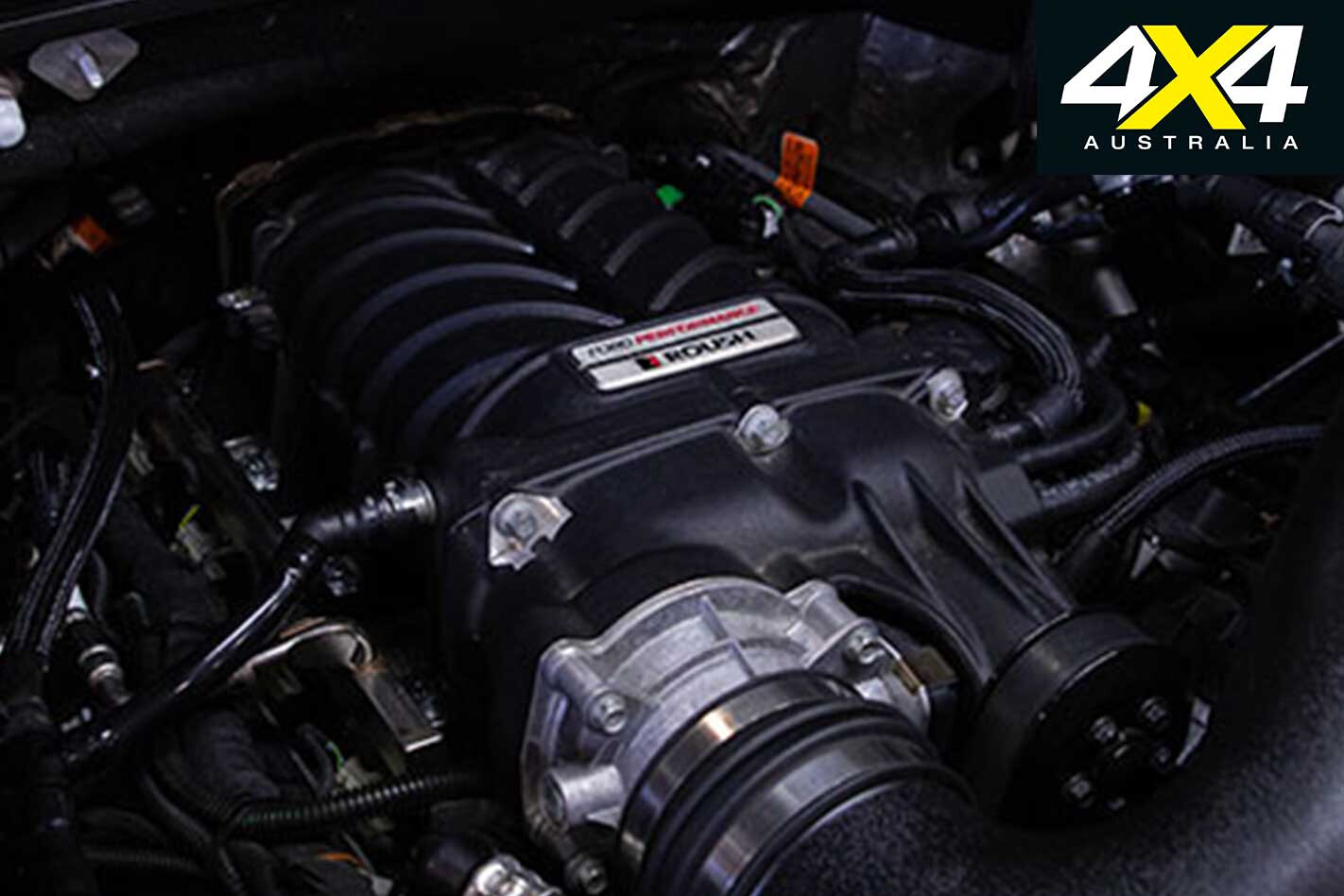
Ford’s 5.0-litre Coyote V8 provides the Nitemare with 650 horses, and it’s equipped with a Roush TVS R2650 supercharger package for the added urge.
To acquire the attention of pedestrians who’ve failed to acknowledge the presence of your fresh ride, a Performance Exhaust System lets owners customise the exhaust note. Four settings are available – touring mode, wide-open mode, sport mode, and custom mode – which are activated via an optional Roush Dual Tip Active Exhaust System which uses Roush Performance Valve Technology. An in-cabin dial allows the driver to switch between open and closed exhaust valve positions.
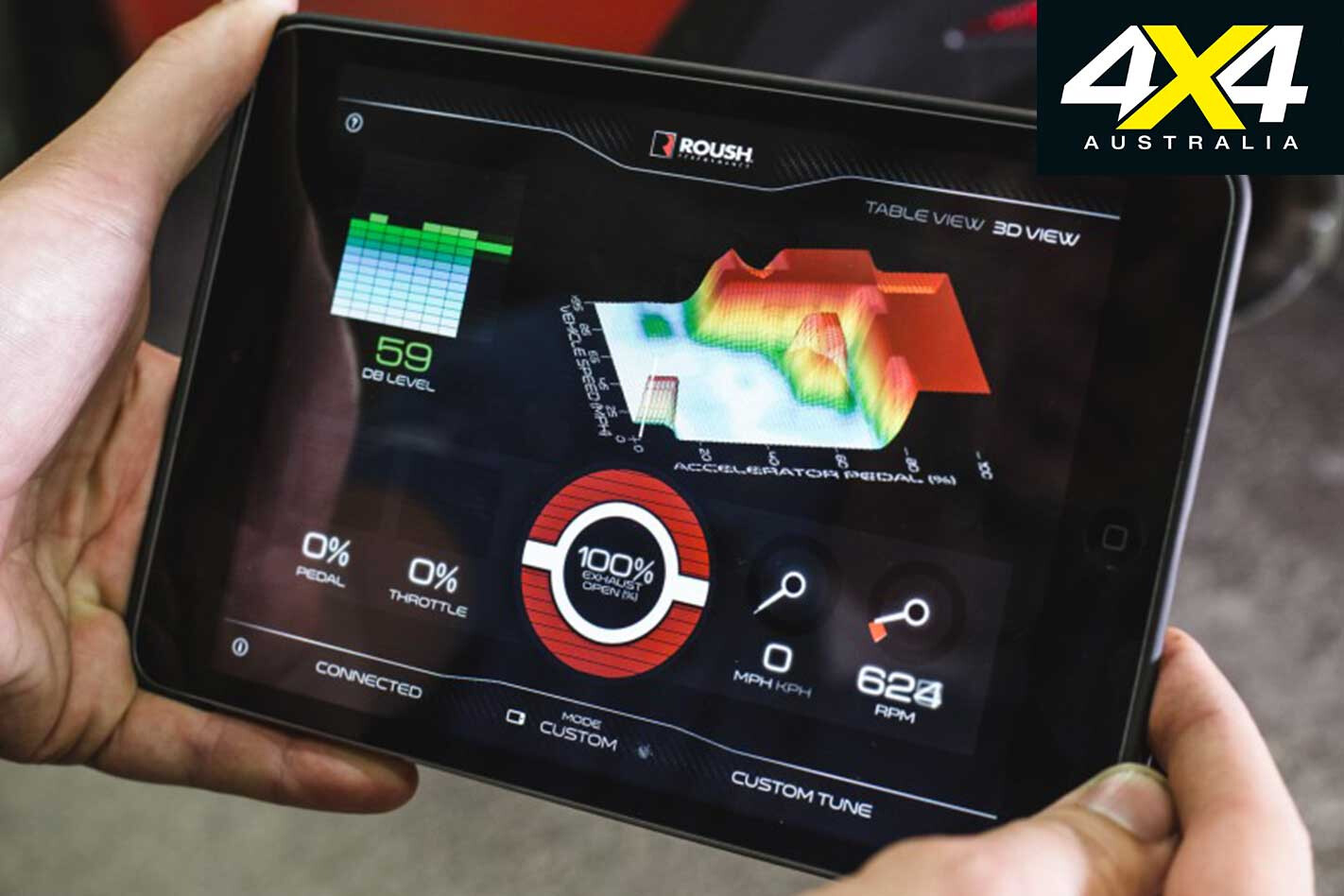
In addition to a front grille replacement, an in-house-designed front bumper and numerous exterior decals and graphics, the Nitemare rides on 22-inch wheels wrapped in Continental CROSSCONTACT LX20 285/45R22 tyres; so it’s best to remain on the tarmac.
A Roush Off-Road Utility Kit is an optional extra, and it nets you all the tools required if you dare risk getting the tyres muddy.
The Nitemare is priced from US$16,999 on top of the donor vehicle, and Roush covers it with a three-year/36,000-mile warranty in the USA.
IF YOU reckon you’re having a bad day at work, think again.
A truck driver has slammed the top tier of their car transporter into the underside of a railway bridge in Perth, Scotland, and, in doing so, ripped the roofs off three Range Rovers and a Jaguar F Pace. Ouch.
According to the The Courier, the accident – said to cause tens of thousands of pounds worth of damage – forced train and road traffic to a standstill. Two of the vehicles have since been written off.
The Courier also reports that this bridge “has been struck by heavy-good vehicles several times in recent years”, which reminds us of a little bridge closer to home in Southbank, Victoria. The Montague Street Bridge is notorious for claiming the topside of trucks and vans, and there’s even a website set up with a counter for the number of days since the bridge has been hit – check it out here: howmanydayssincemontaguestreetbridgehasbeenhit.com
So the next time your computer freezes or there’s no coffee in the kitchen, think about the poor sod from Scotland. They’re going to have a fun time explaining this one to their boss…
As other luxury carmakers such as Rolls-Royce and Bentley enter the premium SUV segment, one marque stands alone as the only true off-road luxury vehicle.
For almost half a century, the Range Rover has set the standard for premium off-roaders, and while the luxury part of the formula has taken precedence over off-road ability in recent generations, the Rangie still holds its own in the rough stuff.
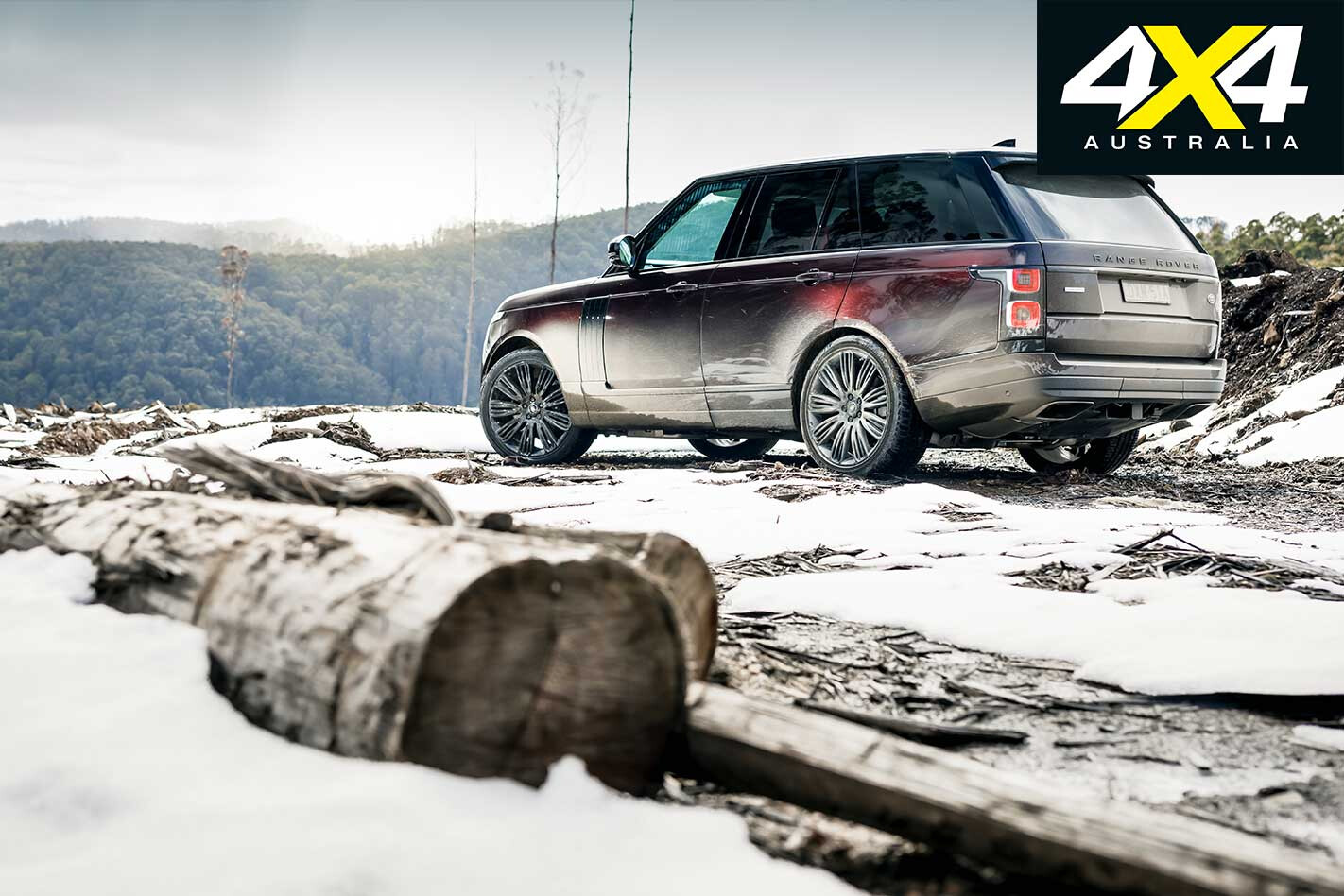
As it approaches that 50-year milestone and with a fifth generation Rangie on the MLP platform only a few years away, we thought it timely to take a look at the current offering, just in time for the 2019-upgrade Range Rovers to hit Australian showrooms. We did it in style with this 2019 Range Rover Autobiography SDV8.
What’s New
The fourth generation (L405) Rangie has been with us since 2013. When you consider that the first-gen model ran from 1970 right through to 1996, second-gen to 2002, third-gen to 2012, the successive models are running over a shorter lifespan. The L405 brought with it an all-new aluminium monocoque architecture that has since been adapted to Range Rover Sport and Land Rover Discovery models.
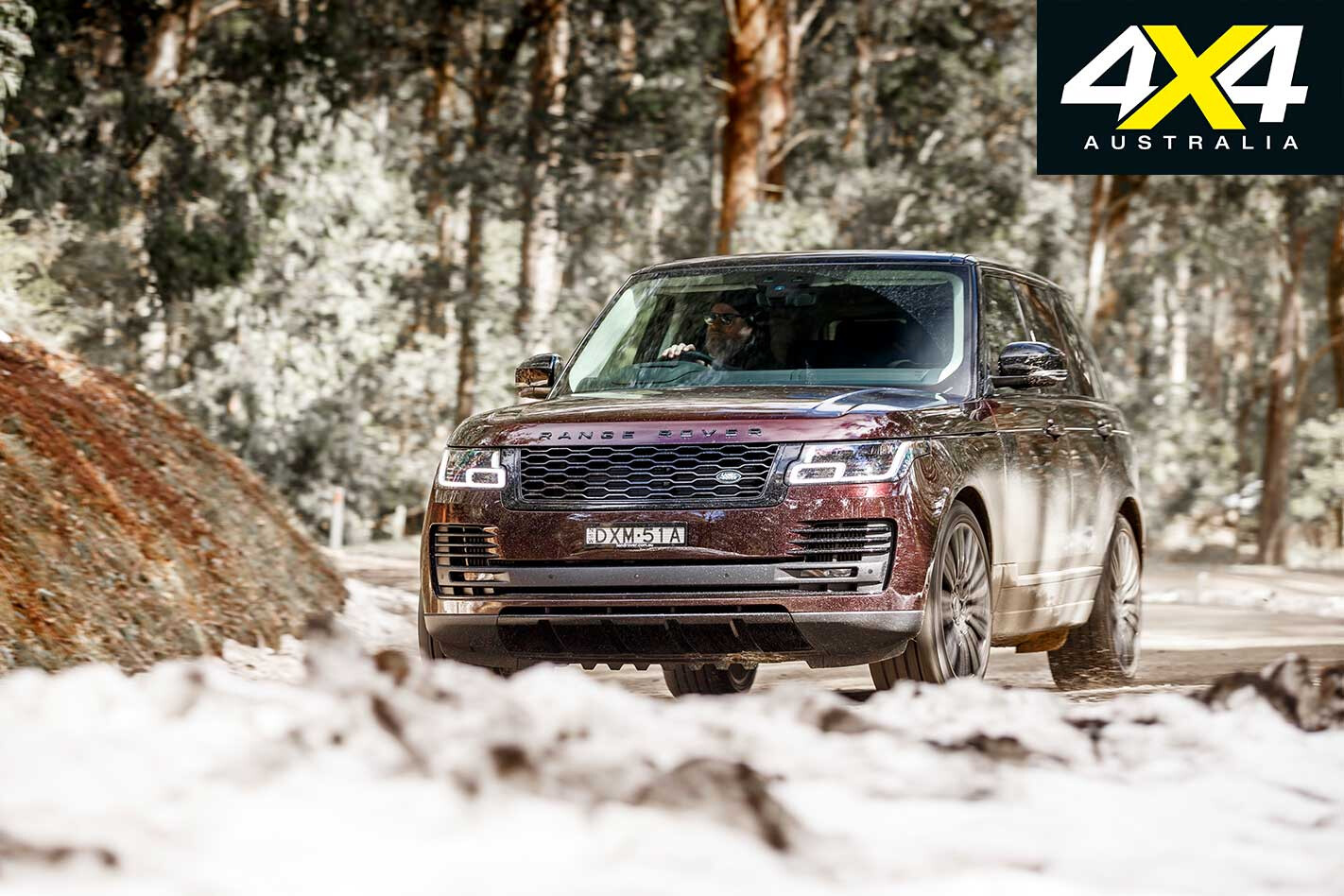
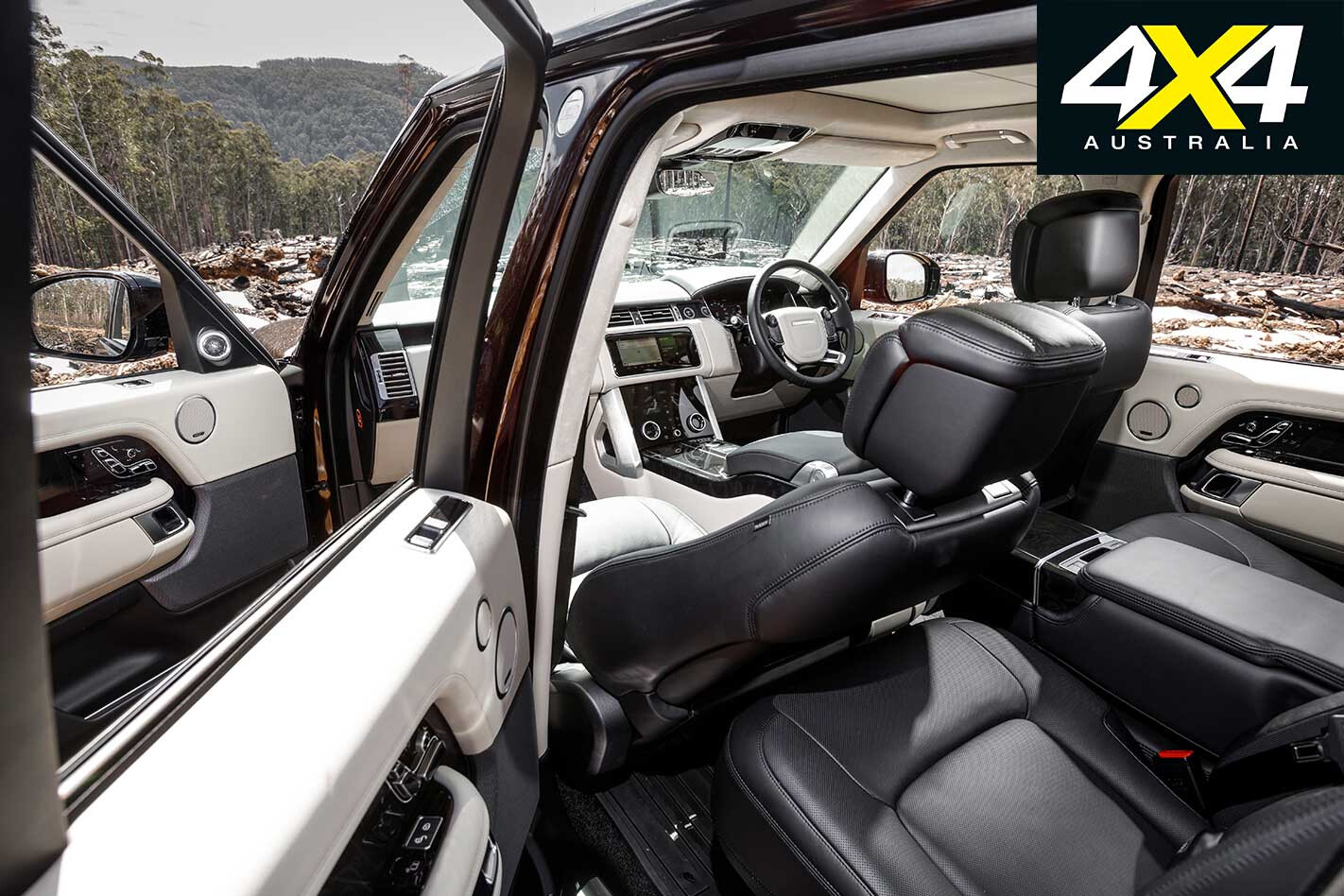
The 2019 Range Rover updates include a new centre stack in the dash that incorporates a pair of 10-inch high-definition touchscreens to control the infotainment, sat-nav, HVAC and seat settings. There’s also new driver-assist tech with adaptive cruise control and lane-keeping assist now included as is idle stop-start for the engine.
In this vehicle is the SDV8 engine; a sublime 4.4-litre turbo-diesel V8 that makes an effortless 250kW of power and 740Nm of torque. It’s backed by an eight-speed automatic transmission which has been tweaked for improved efficiency and performance as part of the MY19 update.
Genuine Off-Roader
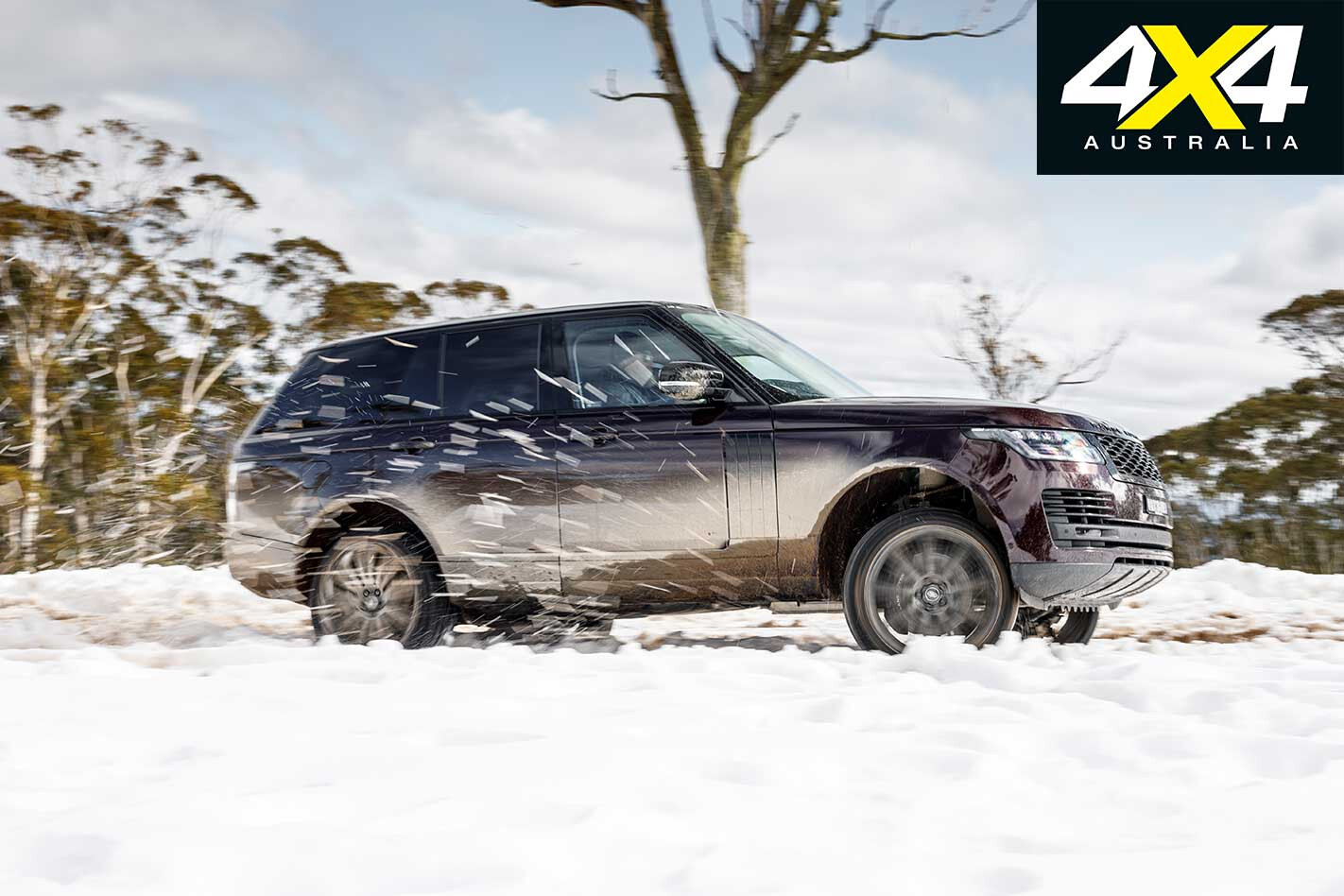
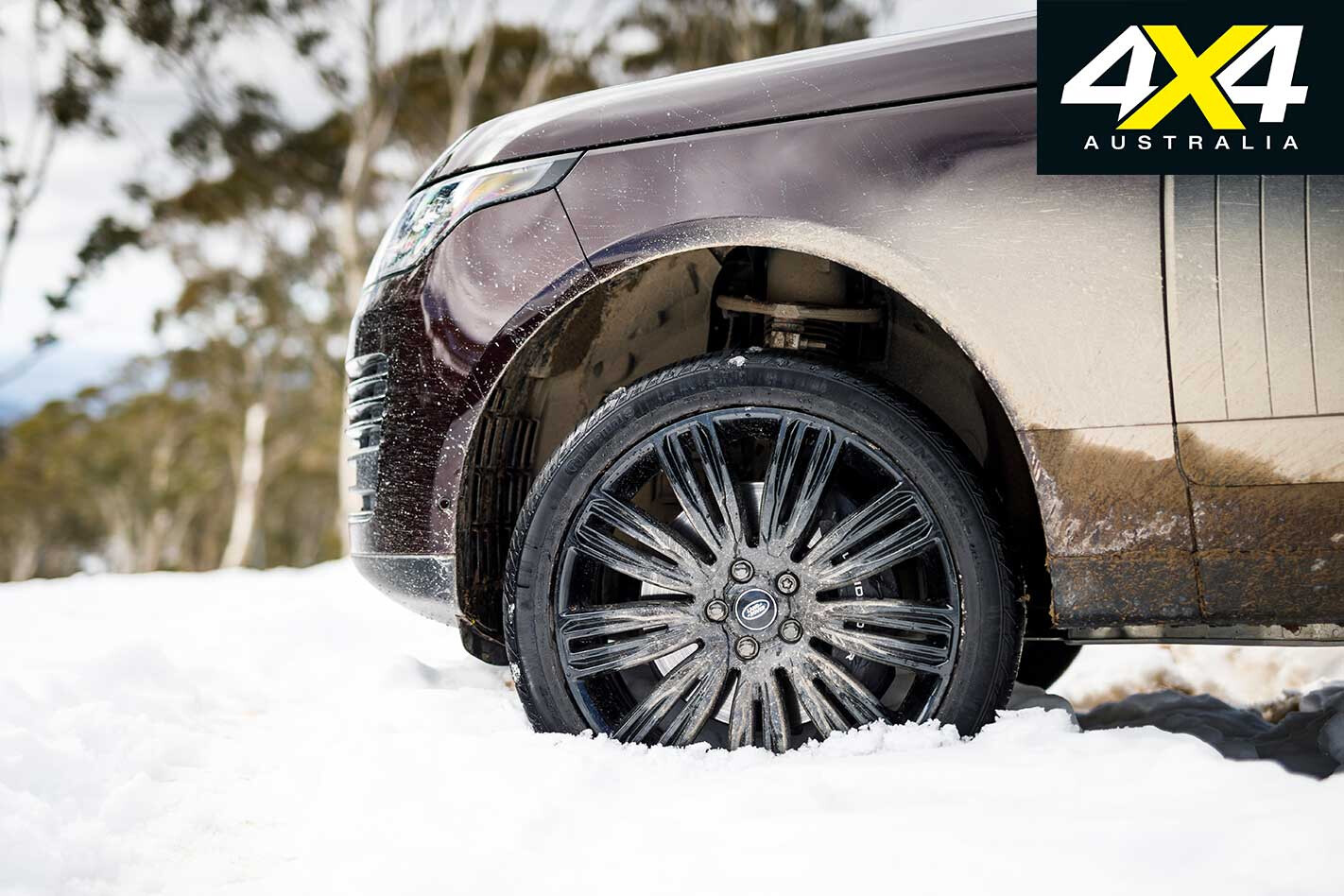
You might not think so by looking at its liquorice strap-wrapped 22-inch wheels, but unlike most so-called luxury off-roaders, the Range Rover retains off-road ability. The two-speed transfer case is a full-time arrangement that automatically varies the torque sent to the front and back axles right up to full 50:50 lock-up. There’s an automatically locking rear differential as well and the electronics are controlled by the latest Terrain Response 2 system.
The height adjustable, fully independent air suspension can raise the vehicle 75mm from its regular ride height for traversing off-road terrain and, conversely, it can be lowered to ease ingress and egress or adjusted up and down to make hitching up a trailer easier.
It’s these systems that give the Range Rover the ability it is legendary for and which other luxury brands can’t match. Sure there may not be many Range Rover owners who want to go muddin’ in their $200K+ wagon, but they like to know they can if they want to. And when they do it, they’ll do it in the lap of luxury.
Many people see the Rangie as a stately luxury car that might consider a trip to a lodge in the ski fields as its most challenging terrain. With that in mind, we decided to take the SDV8 on a snow trip, the 4X4 Australia way.
With bumper snowfalls for the winter of 2018, you didn’t have to venture too far from Melbourne to find the white stuff and not have to enter the national parks or ski resorts. A favourite area for Victorian four-wheel drivers is always the hills around Woods Point and Mount Matlock – and they certainly didn’t disappoint for this day trip.
The drive out of town provides a vast array of conditions to sample the breadth of the Rangie’s talents. Its large, heated and cooled, massaging seats encompass the passengers in comfort as they are isolated from the noise, hustle and bustle of city life outside.
The engine only shows its V8 diesel characteristics when the driver plants the accelerator and it’s the abundance of torque, not a V8 roar or diesel clatter that give it away. It presses you back in the pew while the eight-speed slips through its ratios.
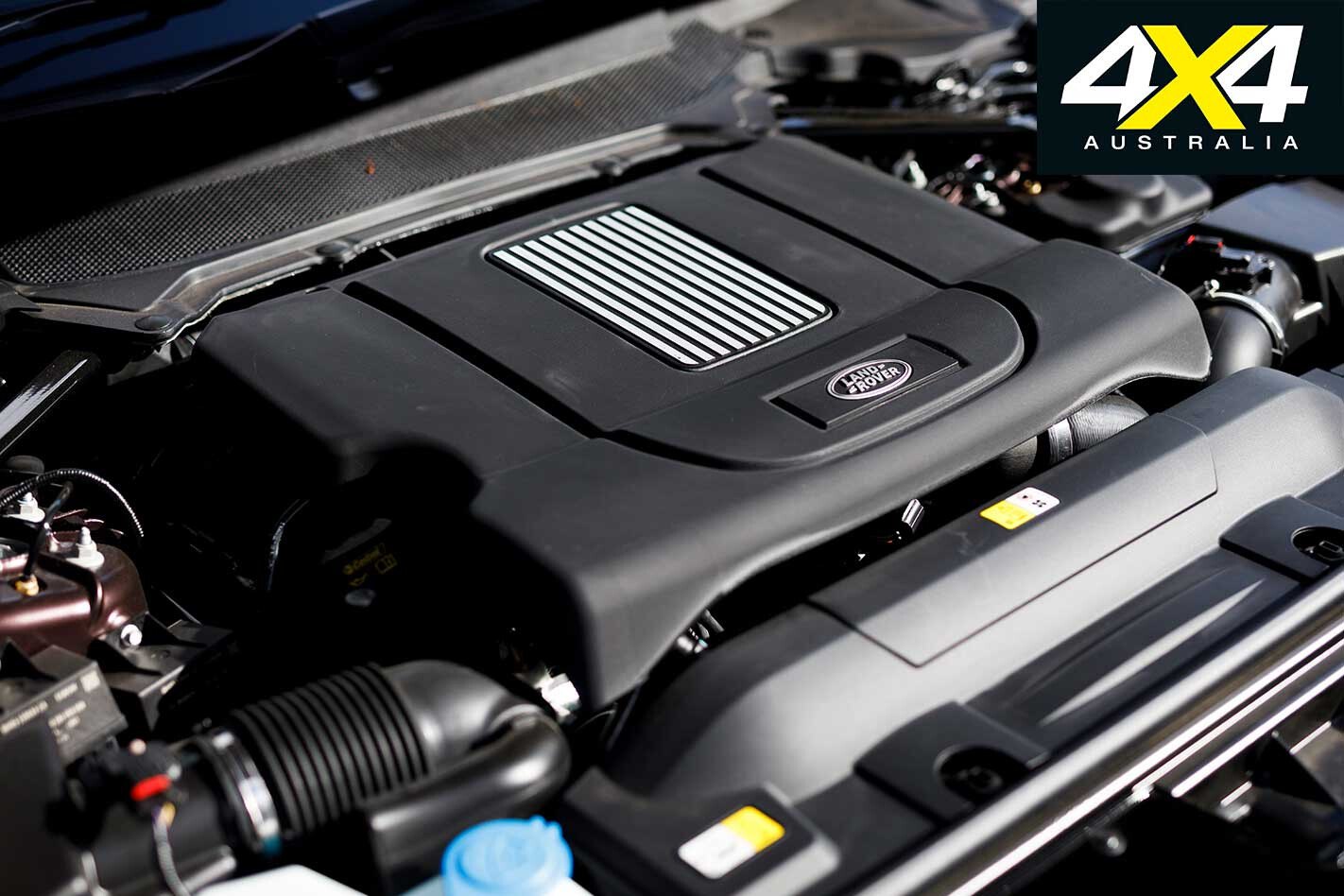
Highway driving reveals that the automatic cruise control works well at maintaining vehicle speed in traffic, while the lane assist does as well, making micro-steering inputs to correct your position in the lane if you let the Rangie wander.
The lane assist becomes a nuisance, however, when the highway turns to a twisting mountain road and approaching and crossing the white road marking lines becomes inevitable and the steering wheel fights your inputs. Thankfully, the system can be turned off.
The handling and stability of the big Rangie belies its size on these roads. Admittedly it’s still no sports car, but swift point-to-point travel is not out of its talents. This is grand touring on the grandest scale. The low-profile 22-inch tyres no doubt help here.
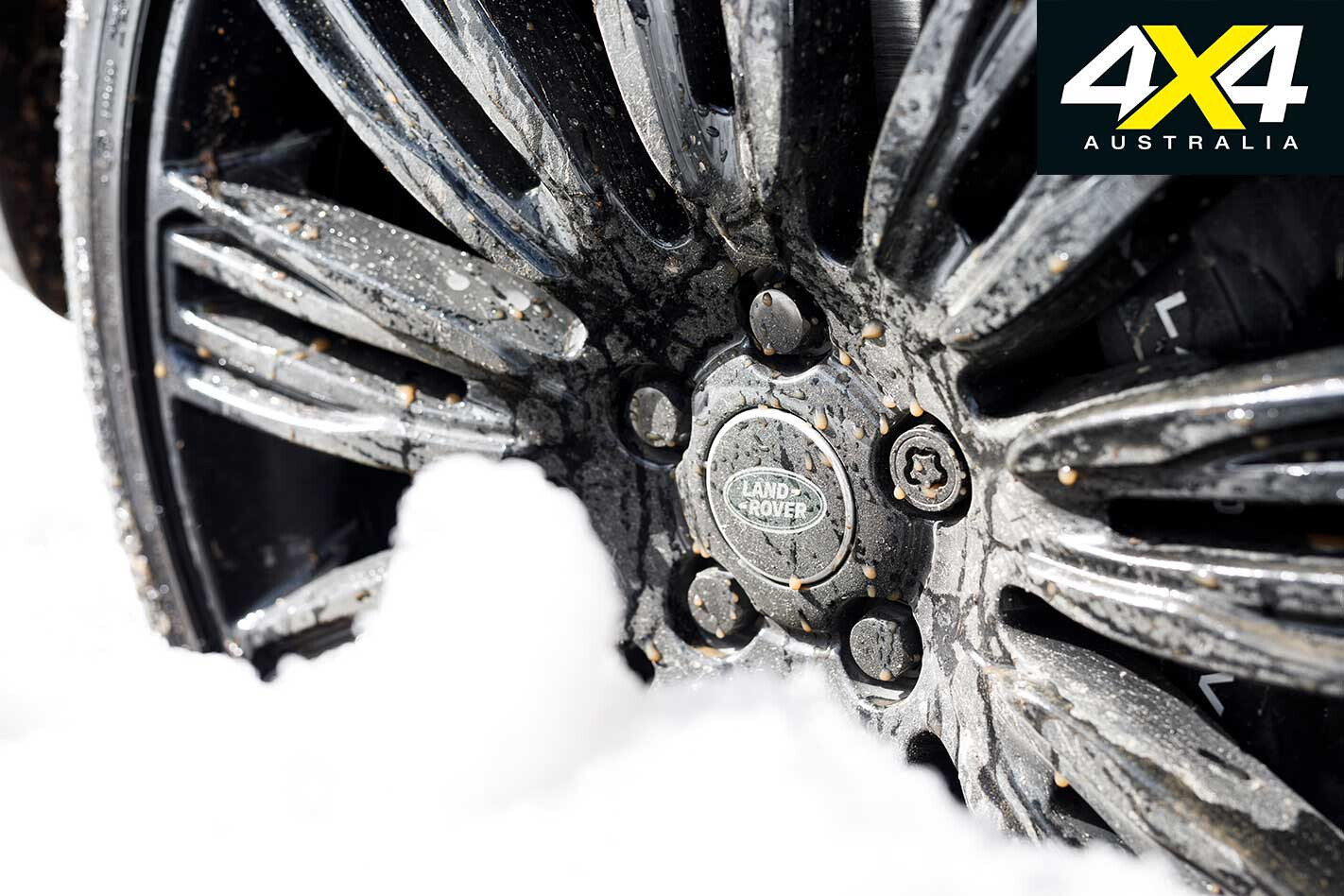
Where they don’t help is when the asphalt ends and the roads become rougher. The SDV8 rides on 21-inch wheels as standard, but this car was fitted with optional black 22-inch alloys.
We were concerned about the tyre’s durability on rocky roads, however, they didn’t let us down, literally, or in any other sense of the term. Nor did they seem to have a negative effect on the ride quality as the SDV8 maintained its luxurious demeanour over all surfaces. We’ve driven double-cab utes on 17-inch rims and rubber over this same road with far worse ride quality.
Leaving the road for the snow-laden 4×4 track up to trig point, we switched the Terrain Response system to the snow and mud mode to deliver the best traction and raised the suspension to give added ground clearance.
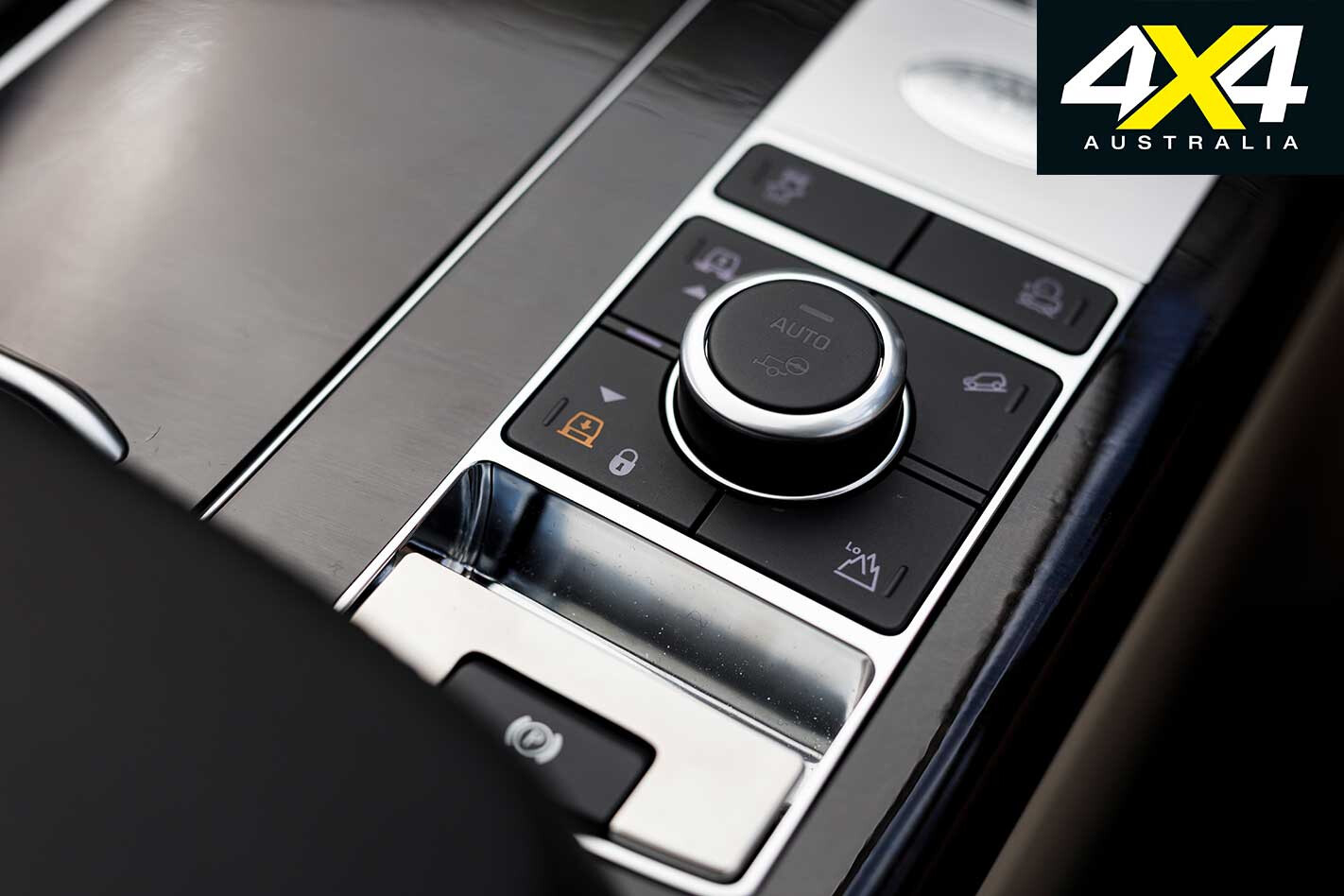
We later played with the Terrain Response 2, switching between the bespoke modes and the auto setting, and it seems that leaving it to its own devices in auto mode is sufficient to deal with these conditions.
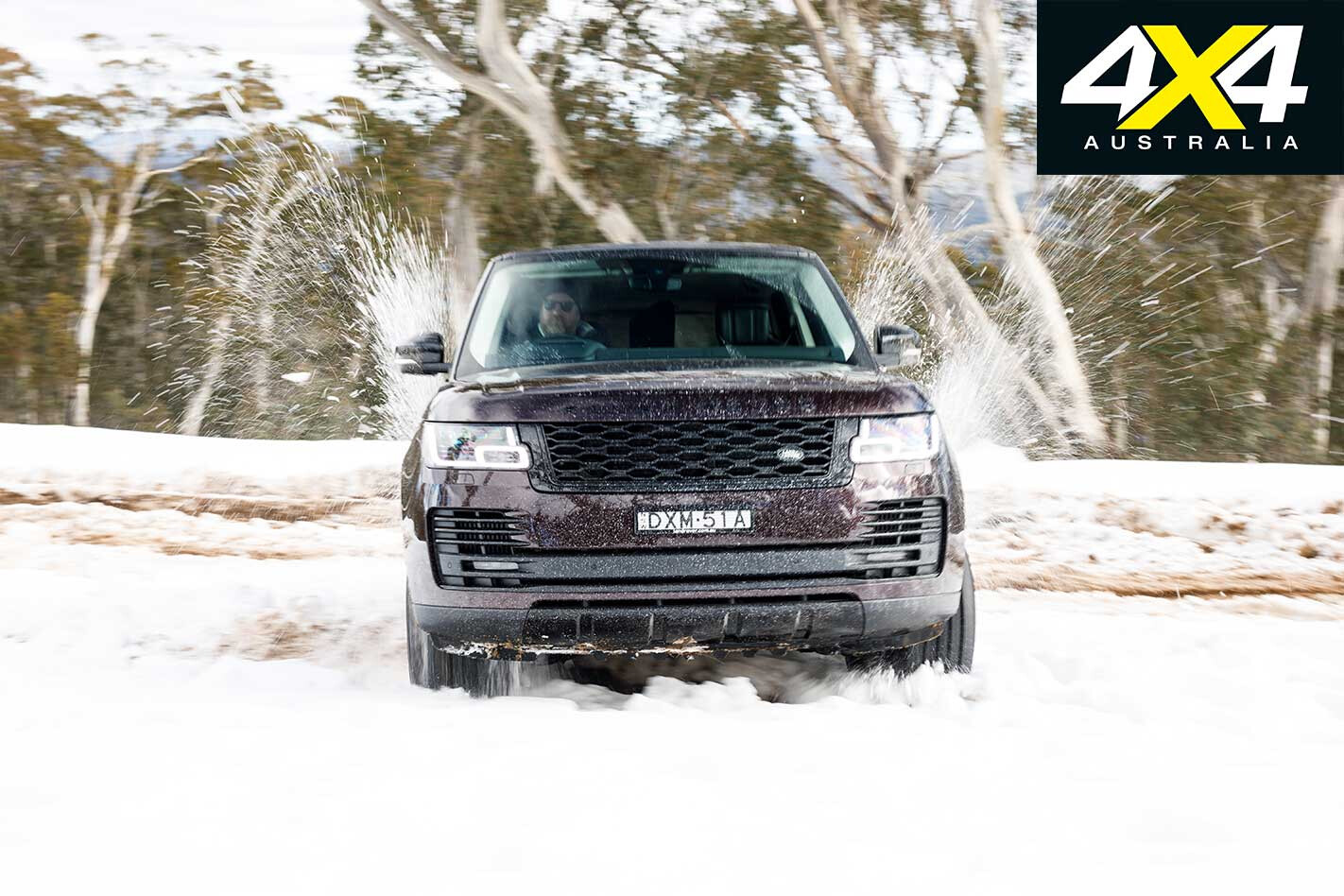
Yes, the road-oriented tyres slipped and struggled in the deep icy snow, however, the electronics worked wonders to deliver drive to the wheels with grip and keep the Rangie from getting stuck every time.
A couple of blokes in lifted Patrols on big mud-terrain tyres offered to drag us out of the deep snow where we had parked the Rangie and warned us not to go on any farther; they needn’t have bothered as the stately Range Rover worked its own magic on the surface to get us out.
Of course all this opulence and ability comes at a cost and $256,000 is nothing to be sneezed at. Add on another $14K of accessories to get an SDV8 Autobiography just like this and the price is beyond the reach of most buyers. But one place where you won’t pay a premium is at the diesel pump. The SDV8 Rangie is rated at 6.4L/100km, an amazing figure for a beast so big and powerful.
To put that in perspective, the other car we drove the same week as the Rangie was the 2019 Ford Everest with the new 2.0-litre diesel engine and 10-speed auto. It’s official fuel number is 7.1L/100km despite being in a smaller vehicle, with half the cylinders, less than half the engine capacity, fewer gear ratios and less power. Lightweight materials and technology are wonderful things sometimes.
So the answer to our original question as to ‘can the Ranger Rover still hold it head high when off road as well as on?’ is a definitive yes. It might use electronics and computers to give it the ground clearance and traction required, but it gets the job done while remaining the epitome of British opulence and luxury.
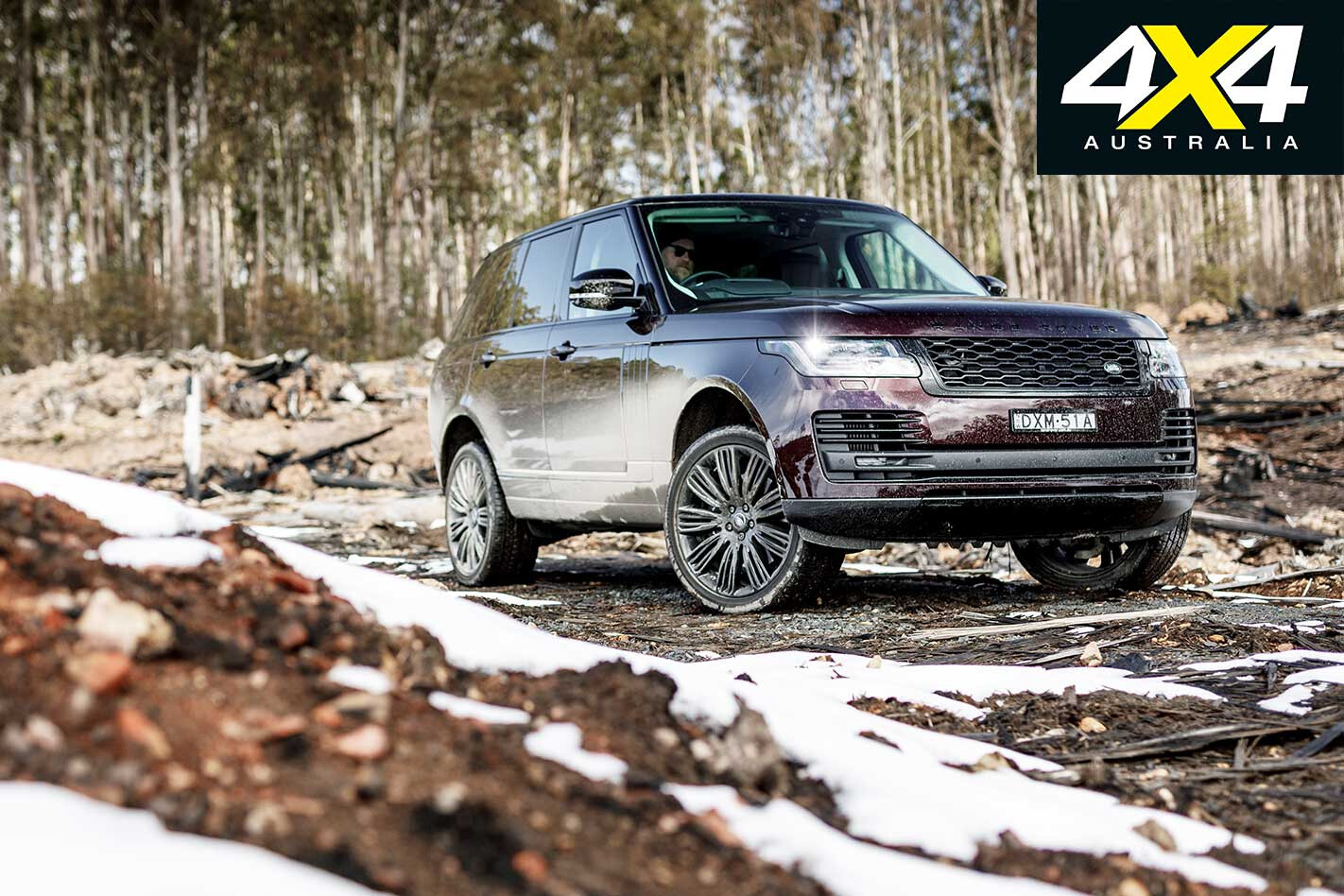
2019 RANGE ROVER AUTOBIOGRAPHY SDV8 Engine: 4367cc, V8 diesel Max power: 250kW @ 3500rpm Max torque: 740Nm @ 1750-2250rpm Transmission: 8-speed automatic; Full-time 4×4 with low range Crawl ratio: 40.47:1 Construction: 5-door wagon on aluminium monocoque Suspension: Height adjustable air sprung independent (f & r) Wheels & Tyres: 22-inch alloys; 275/40-22 tyres Kerb weight: From 2505kg GVM: 3250kg Payload: 786kg Towing capacity: 3400kg Seating capacity: 5 Fuel tank capacity: 105L ADR fuel consumption: 6.4L/100km
POP open the diary and jot these dates down, as Drive 4 Life is gearing up for two massive tours in 2019.
The first tour will see up to five groups (of up to 10 vehicles) return to the Victorian High Country, from April 28 to May 3. This tour will start and finish in Harrietville at 3:30pm, and punters will cover between 450 and 500km.
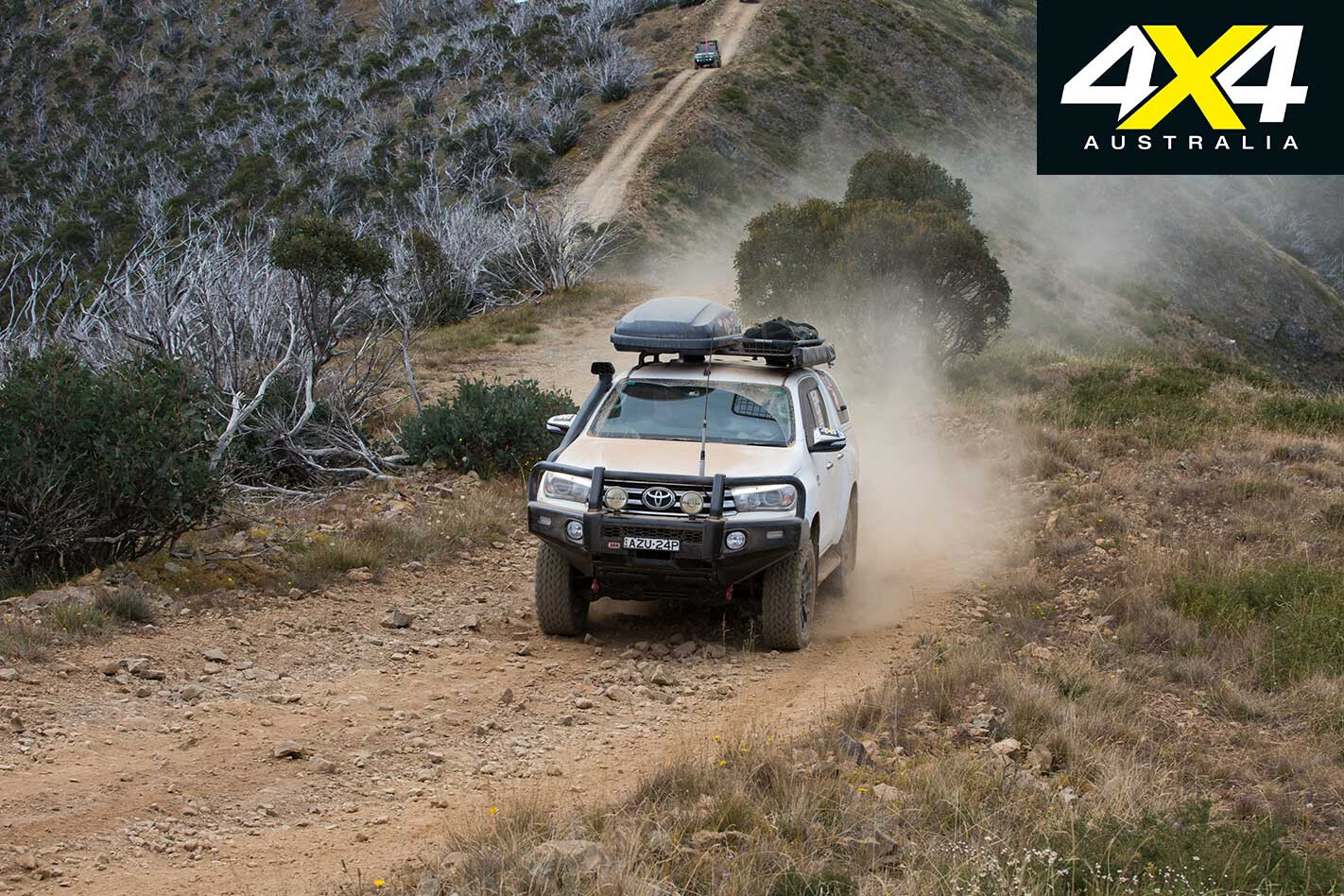
The second tour will depart from Broken Hill and visit the Flinders Ranges, explore the Corner Country and pop into Tibooburra, before returning to Broken Hill. This trip will run from September 8 to September 15, and it will cover much larger distances than the first tour – between 2100 and 2300km.
Drive 4 Life advises that vehicles must have high and low range, a minimum of all-terrain tyres, and a five-watt UHF radio with an external aerial. Attendees must also be self-sufficient for all camping and food/drink needs.
A full list of essential and recommended items can be found here: (http://drive4life.com.au/index.php/tour-information)
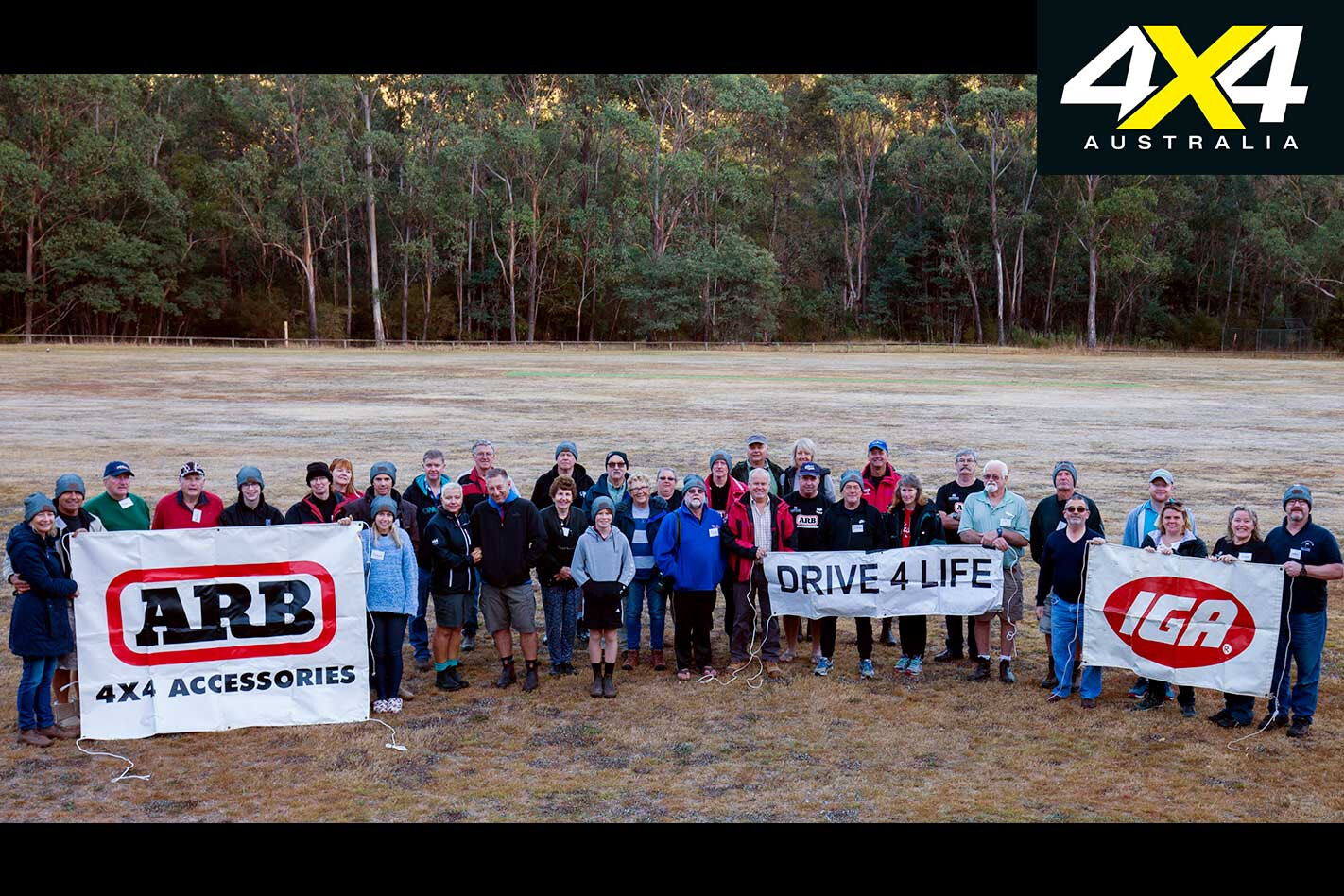
All participants are asked to donate $1000 to Northcott, and every cent donated goes directly to them. As an added incentive to sign up for both tours, Drive 4 Life is offering a $500 discount to anyone who does both. Too easy!
To date, Drive 4 Life has raised a mammoth $804,500 for Northcott Equipment Solutions, a branch of the Northcott foundation that supports children and young adults – and their families – with disabilities. Northcott currently offers more than 40 services across NSW and assists more than 13,000 individuals.
To secure your spot on one or both of the 2019 tours, or for further information, please visit: drive4life.com.au
STEEL or alloy wheels: which are better for your 4×4?
It’s a question that has been asked many a time, around many a campfire, over many a beer. Add a few more beers and you might even try to prove that one is stronger than the other and therefore better for a 4×4 application.
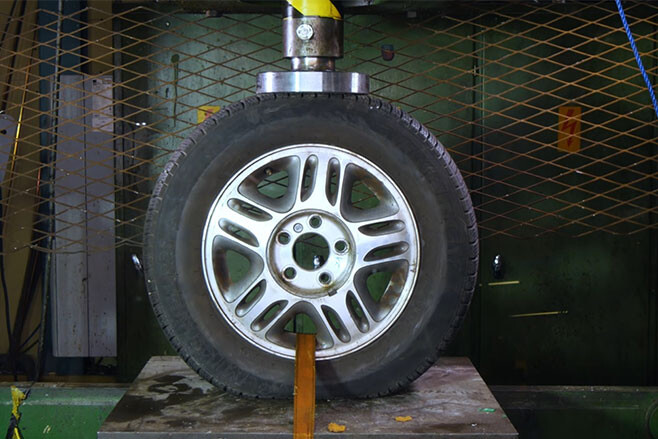
The common belief among four-wheel drivers is that while alloy or mag wheels generally look better than plain, old steel – and should be lighter, saving you small amounts of fuel and resulting in better suspension performance – they are prone to crack or break easier than a standard steel wheel rim.
Steel wheels are more likely to bend than crack when they hit a sharp bump or rock and, in some cases, a bent steel wheel can be beaten back into shape with a hammer; while alloys simply crack and become unserviceable.
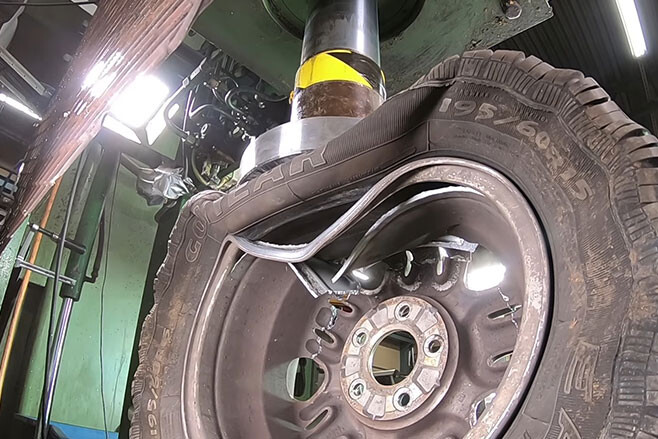
We’d hazard to guess that the guys from the Hydraulic Press Channel on YouTube had a beer in hand when they figured people would love to see what they could break, bend and blow up with their hydraulic press.
You’ll be surprised at how therapeutic watching everyday items crush, compress and comply under 20 tonnes of force can be.
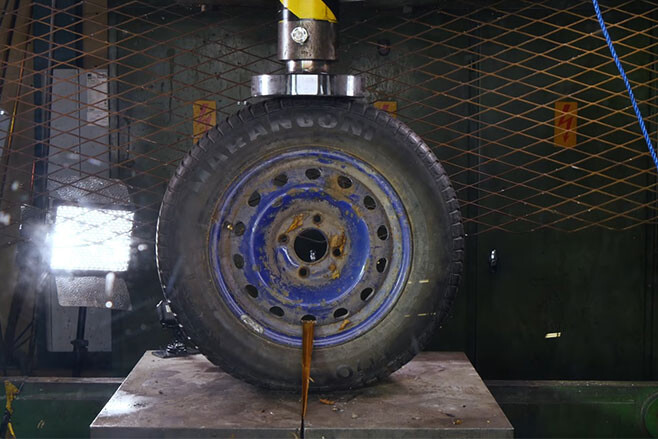
We took an interest when the lads decided to see how both steel and alloy wheels coped with the pressure. Each wheel was fitted with an inflated tyre and pressed to destruction. The results weren’t surprising, but they were entertaining.