
AUSTRALIAN companies are always well-represented at the SEMA Show, often setting the standard for top-quality products.
REDARC is one such company, and this year Craig Herriot was flaunting the brand’s Manager30 battery management system, which is ideal for when you want to tour beyond powered campsites.
The unit allows you to maintain the life of all of your electrical products when you’re off the grid. It includes an AC charger, DC/DC charger (which runs off the car battery) and an in-built MPPT solar regulator.
The Manager30 also has a feature called Green Priority Power, as Herriot explained, “It’ll pull as much power from solar and then it’ll top up from either the AC charger source or the DC source – vehicle start battery – depending on what you’re doing.”
More info here: www.redarc.com.au
THERE mightn’t have been a 6×6 LandCruiser on Patriot Campers’ 2018 SEMA Stand, but that didn’t stop the Australian company wowing the public this year.
Instead, Justin Montesalvo and his crew were showing off a PCOR Toyota Tundra, the brand’s first full-sized truck they’ve done in the United States.
The versatile unit – adapted for the full-size pick-up – utilises the same technology Patriot uses for its camper-trailers, which means the entire body is aluminium. Included in the Tundra set-up is an 80-litre water tank, Dometic fridge, full drop kitchen, a rear winch mount, plenty of storage compartments, a rear tray, and a BMS1230 Redarc unit.
PCOR gear is currently in production and is set for a January 2019 Australian launch.
WITH 2018 being the debut year of the new Jeep JL Wrangler, it comes as no surprise the spotlight for many 4×4 aftermarket brands at SEMA 2018 was focused on the Wrangler.
The all-new Wrangler has yet to reach Australian shores in production guise, but Australian 4×4 gear specialists ARB has already rolled out a full range of aftermarket gear developed just for the JL.
The range of JL Wrangler-specific ARB gear showcased at SEMA includes a brand new deluxe bullbar aptly named the ‘Bondi’, frame-fitted recovery points, Old Man Emu suspension kit, rock sliders, and a rear bar.
While ARB’s JL products sport a premium finish, Scott Frary of ARB North America assures us the new parts will be able to function in harsh environments as intended: “More so than just being a premium product, (our product) has to actually work,” he said.
MAXTRAX is famous for its recovery boards, but the Australian brand had something a little bit different up its sleeve at SEMA 2018.
Alongside its new Xtreme recovery boards were two all-new products: the MAXTRAX Hitch and MAXTRAX Ring.
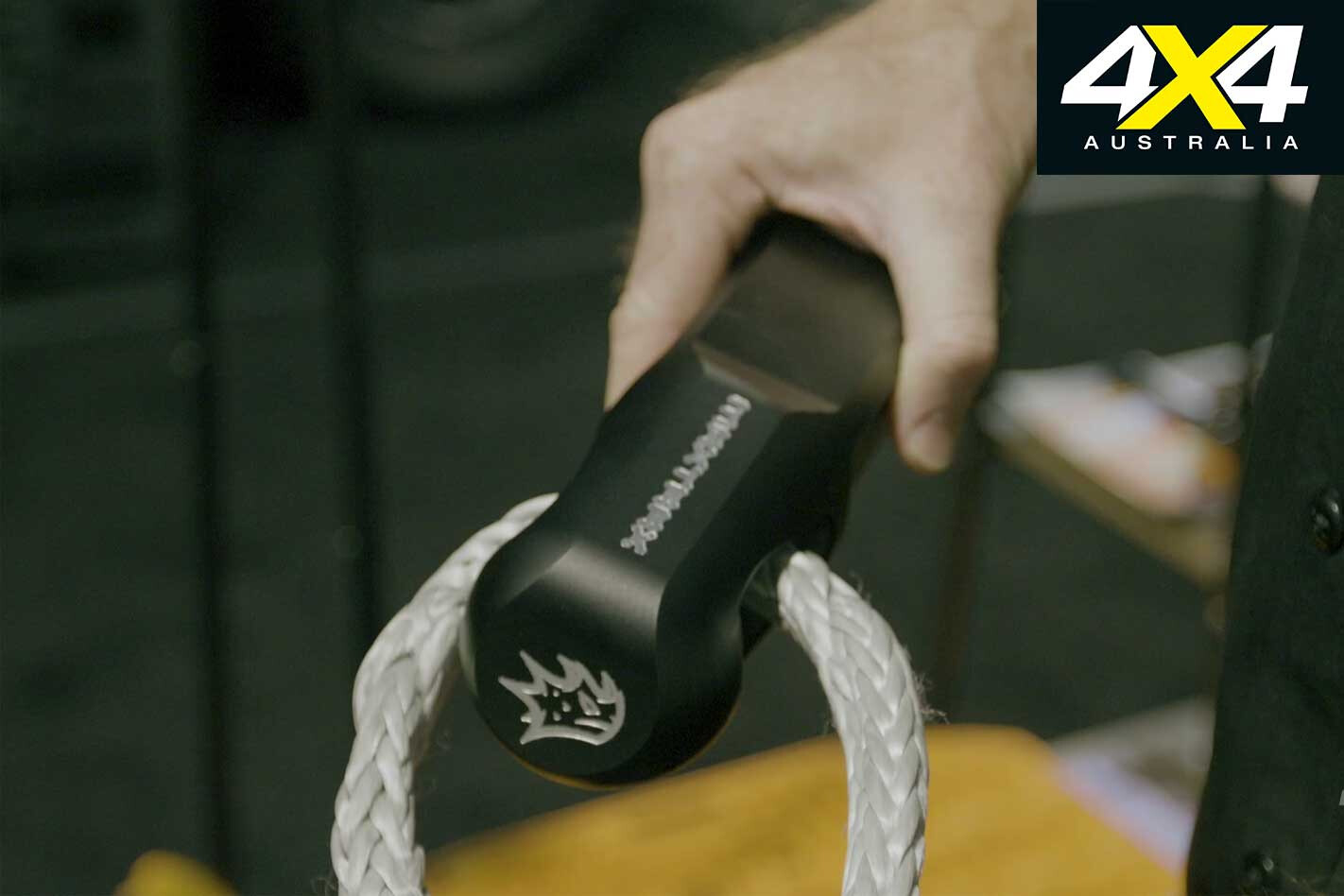
Regular readers would recognise Brad McCarthy – he’s the owner of that crazy LandCruiser 6×6 we drove earlier this year – and he was manning the brand’s SEMA stand to push the all-new products.
Brad told us the Hitch, rated at 8000kg, is designed specifically for soft shackles; while the lightweight Ring is rated at 9500kg and is also specifically designed for soft shackles.
The safe kit is aimed at getting rid of metal from recovery situations – think towballs, etc.
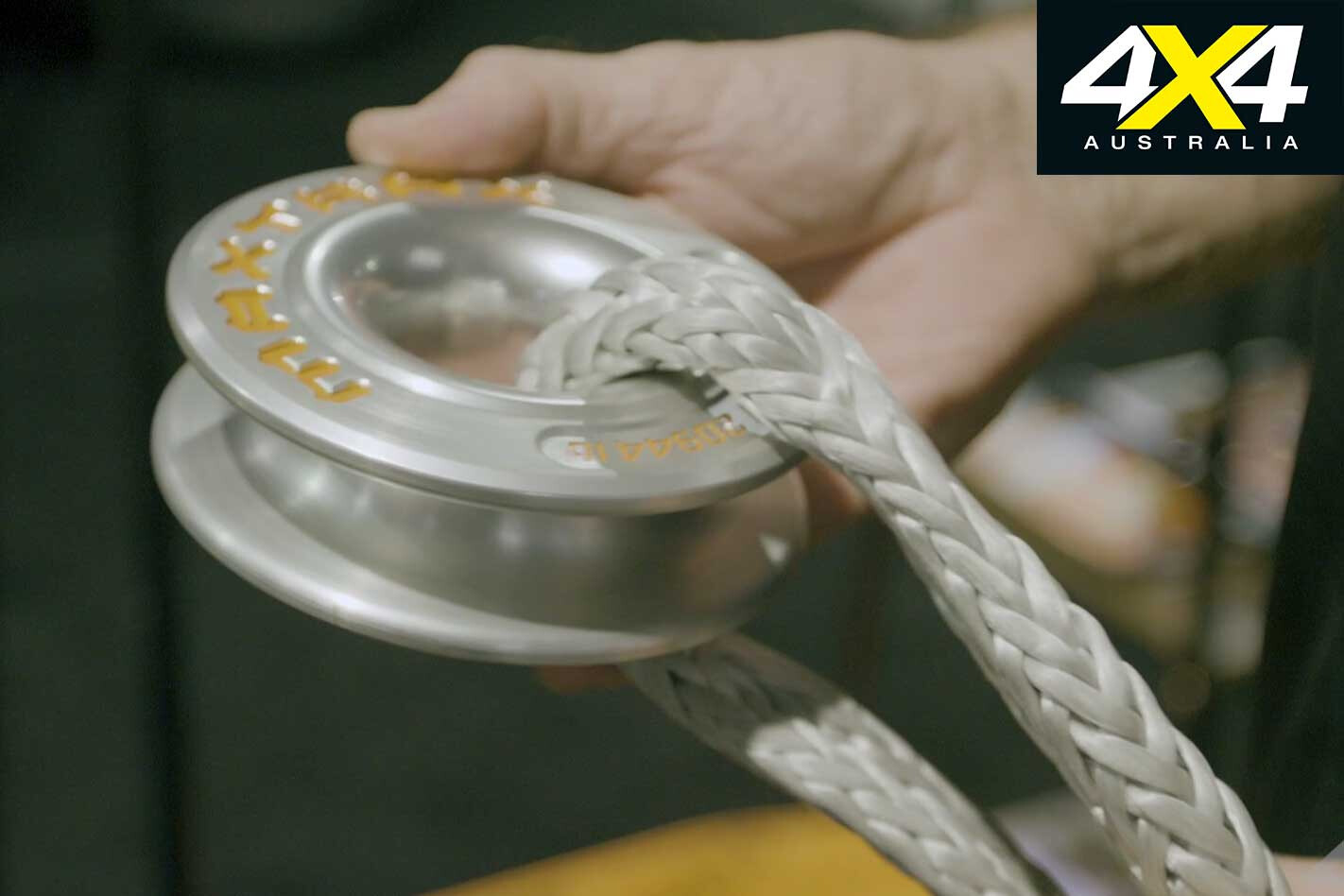
“I’ve seen people nearly killed by flying towballs and shackles and just think it’s unnecessary. People are going out there to have fun, and the last thing you want to do is come home in a coffin,” Brad said.
The new products are already on the market.
Also keep an eye out for a future issue, where we’ll features a comprehensive Buyers Guide to recovery straps.
Only days after the crew at the www.jeepgladiatorforum.com leaked the information that the name of Jeep’s new Wrangler based pick-up would be Gladiator, they’ve got their mitts on these leaked official images and details on the truck which will be designated JT.
They distinctly show the long wheelbase, full-size bed, four-door truck which falls into the mid-size category alongside one-tonne utes such as Ranger and Colorado. What those popular utes don’t have though is the Jeep’s peerless off-road ability afforded by live axles front and rear, with locking differentials available on the Rubicon models.
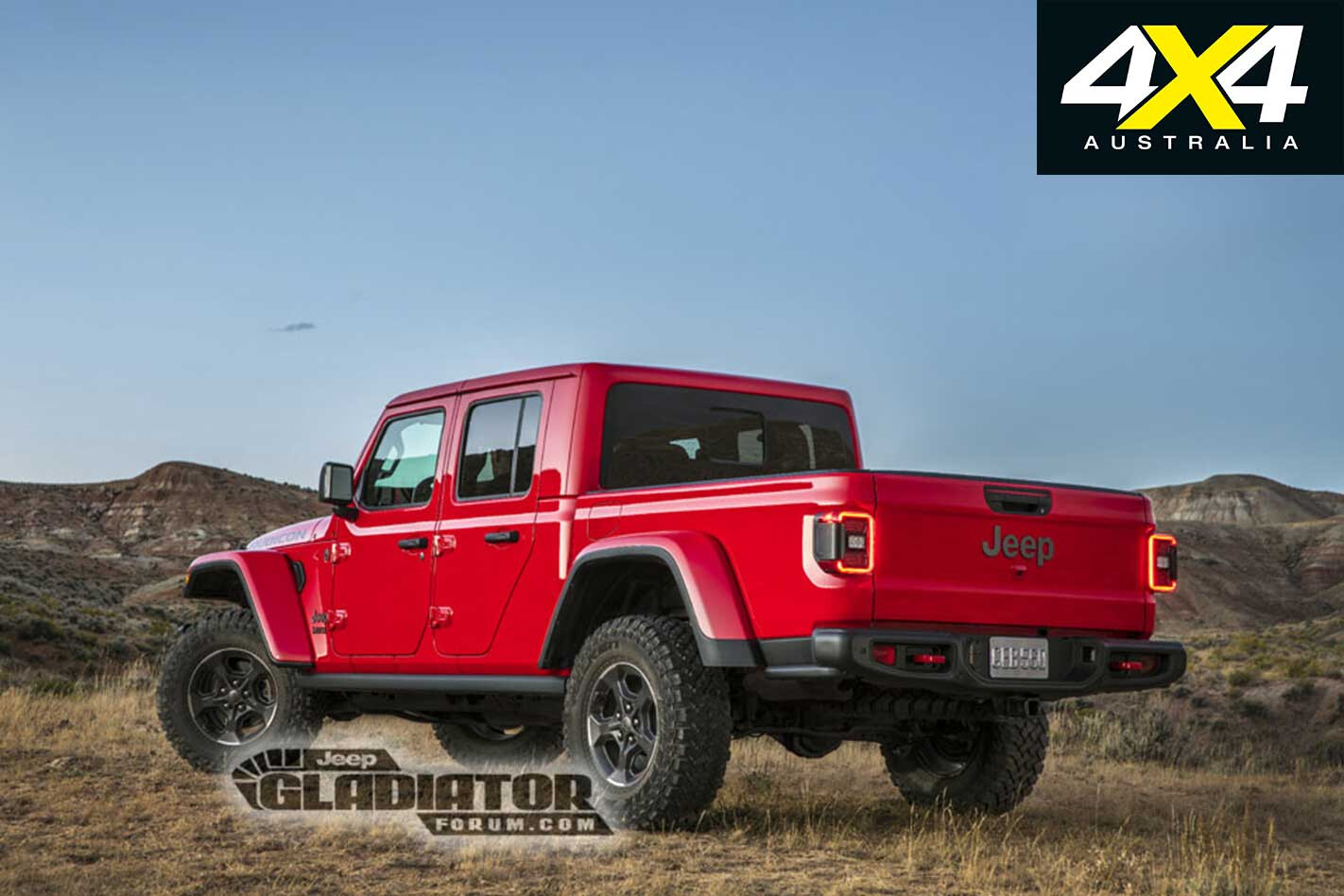
Add in the host of other off-road tricks that are available on the Wrangler, and the JT should be the best ute in its class when you get off the pavement. Water fording depth is quoted as 760mm.
The documents also claim ‘class-leading’ payload and towing capacities which, at 725.7kg and 3469kg respectively, are down on payload but up there with the popular one-tonne 4×4 offerings here in Australia. The steel cargo tub is 1525mm in length.
Looking at the images you can’t help but compare the styling of the JT Gladiator to that of the AEV Brute which was built on the JK Wrangler platform for more than a decade by American Expedition Vehicles, and those close to the project have said that it is almost the same in dimension to the millimetre. The now discontinued US$100,000 Brute was a touch less than 5.5 metres in length, riding on a 3530mm wheelbase.
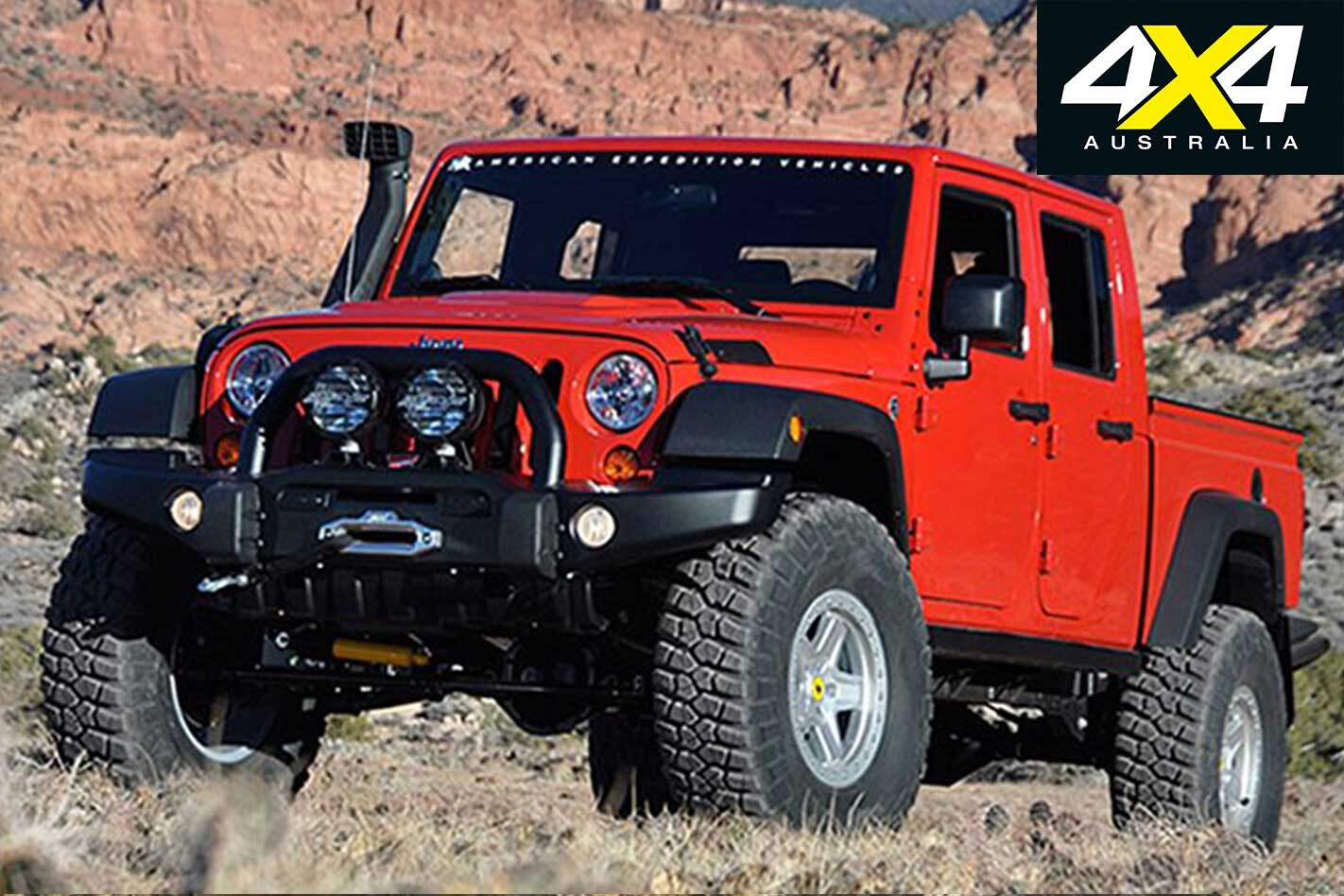
Also notable in the images is that the JT still has the removable roof panels of the JL, which are just one of the multiple soft- and hard-top options available on the Wrangler. No other ute offers this open-air motoring, which would be great when off-road.
As seen at the SEMA Show last month, the aftermarket has gone into a frenzy for the JL Wrangler, offering anything and everything you could ever imagine to customise your Jeep. We expect that excitement to continue for the JT and, while there was a JL on just about every booth at the show this year, it will be JTs in 2019.
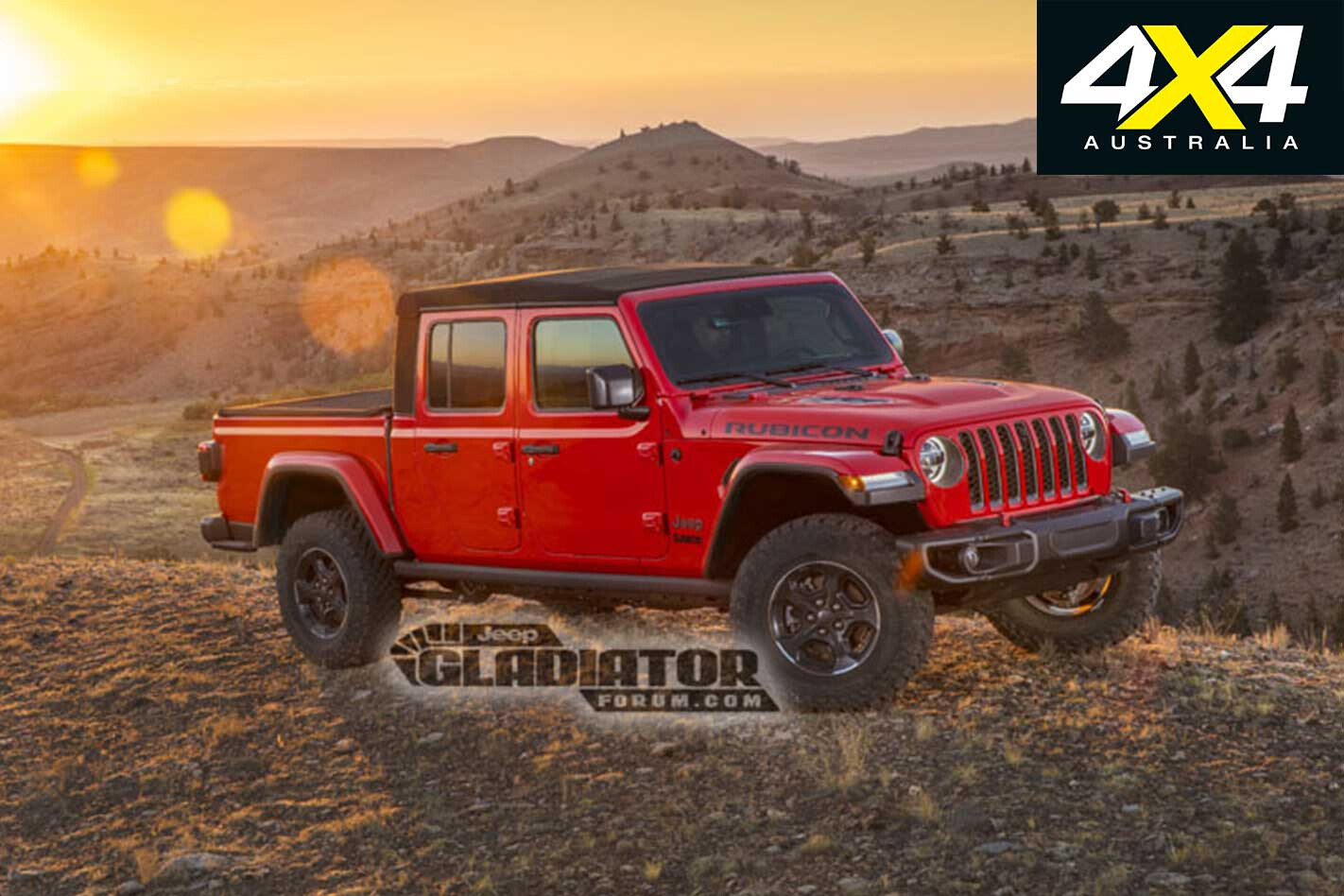
The leaked document reveals that the JT will launch in the US later in 2019 with the 3.6-litre petrol V6 engine and eight-speed auto, as found under the bonnet of the JL Wrangler; while the 3.0-litre EcoDiesel borrowed from the Grand Cherokee and RAM 1500 will not be available until 2020 model year.
The official reveal of the Jeep pick-up is to be later in November at the Los Angeles Auto Show, and the order books are due to open to US buyers in the new year. Jeep Australia has been awfully quiet as to whether the pick-up will come to Australia, so it still remains in doubt. Earlier on we had assurances that it would be made in right-hand drive for Australia, but it has been radio silence ever since.
Likewise on the 3.0 V6 EcoDiesel for the JL Wrangler, and it is now expected that if our Wranglers get a diesel engine option at all it will be the new 2.2-litre four-cylinder engine as has been launched in Europe. Latest word on Australian launch for JL is March or April; although, it seems to be getting later all the time.
Customisation is the name of the game at SEMA, but few aftermarket brands have a reputation up to the standard of American Expedition Vehicles (AEV), which is why it is always a treat to visit its booth at SEMA.
For SEMA 2018, AEV’s booth was mainly focused on the debut of its new core product lines, comprising of a whole host of aftermarket parts for the upcoming Jeep JL Wrangler including new suspension kits, front and rear bumpers, new wheels, and a front bullbar made from stronger and lighter high-strength boron steel.
According to AEV founder, Dave Harriton, some of the components for the new JL Wrangler will be tweaked to suit the Australian-market models.
AEV also played host to the new US-market Chevrolet Colorado ZR2 Bison, which is based extensively on the ZR2 concept, which AEV presented at SEMA last year – only this time around AEV tweaked it further with the fitment of tougher expedition-ready components.
IF YOU ascribe to the belief that names really do define oneself, then the recent surprise revelation that Jeep would name its upcoming Wrangler-based pick-up truck the ‘Gladiator’ instead of the rumoured ‘Scrambler’ might be the right sort of course correction.
That being said, the Gladiator moniker isn’t merely about conjuring up machismo imagery, rather it harkens back to one of Jeep’s seminal but often-overlooked nameplates. The name first appeared on Jeep’s full-sized pick-up truck, which was introduced in 1962, and it wasn’t your average pick-up truck fare back in its day.
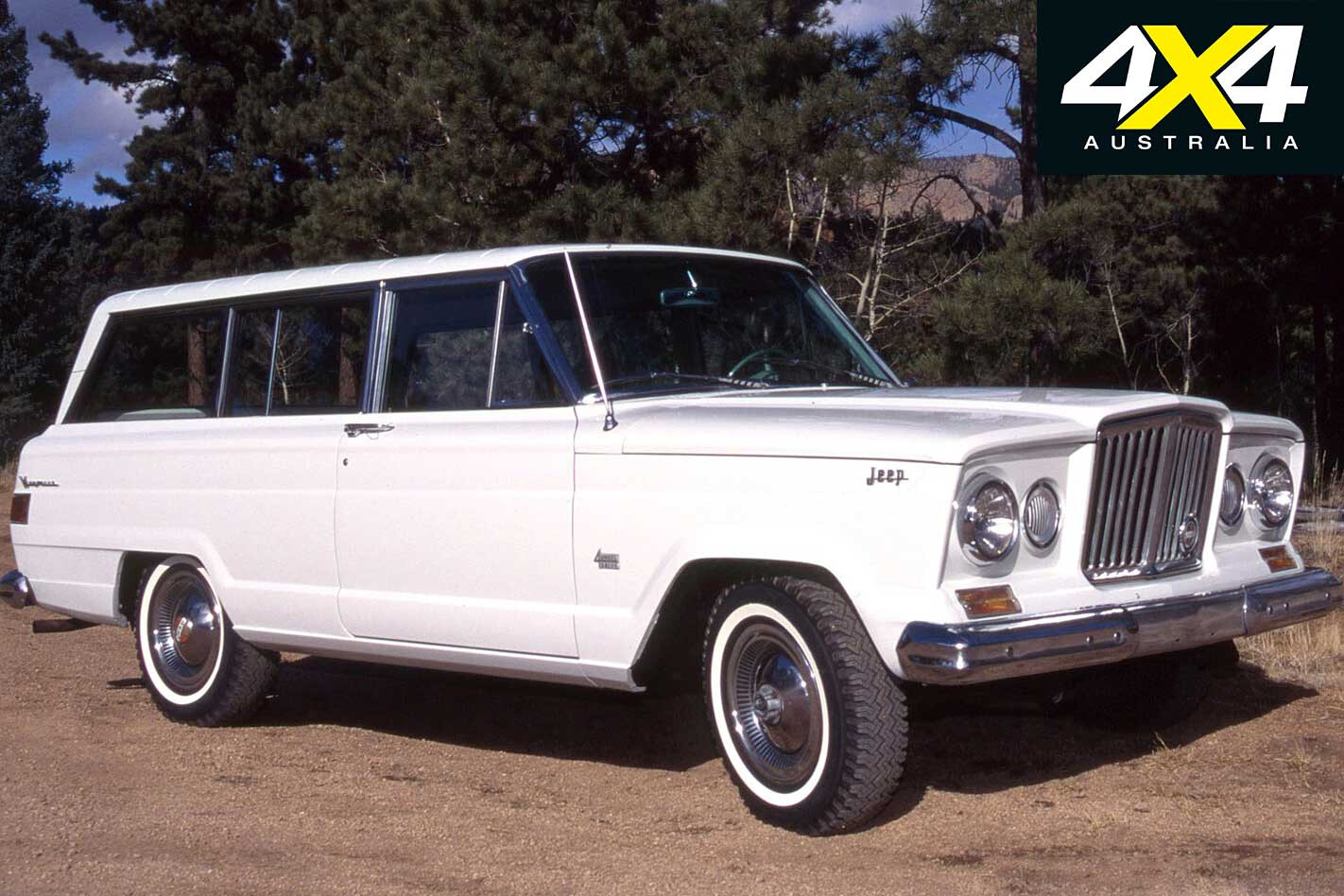
Developed concurrently with Willys-Overland Motors’ iconic 1962 Jeep SJ Wagoneer, not only was the Gladiator based on the same body-on-frame design, it also gained some of the wagon’s luxury options such as an automatic transmission, power-assisted brakes and power steering.
Under its hood, the Gladiator also adopted its wagon relation’s then-pioneering 104kW 3.8-litre inline-six OHC Tornado engine, which was one of the first overhead-cam engines offered by an American manufacturer.
However, while it charted a first for Jeep, the Tornado later gained an infamous reputation for oil leaks and was replaced three years later by an AMC-derived 3.8-litre inline-six, which would continue in Jeep’s service, albeit in different forms, for the next four decades. A larger 186kW 5.4-litre AMC Vigilante V8 would follow soon after to address criticisms of the Gladiator’s lack of grunt in an increasingly competitive market.
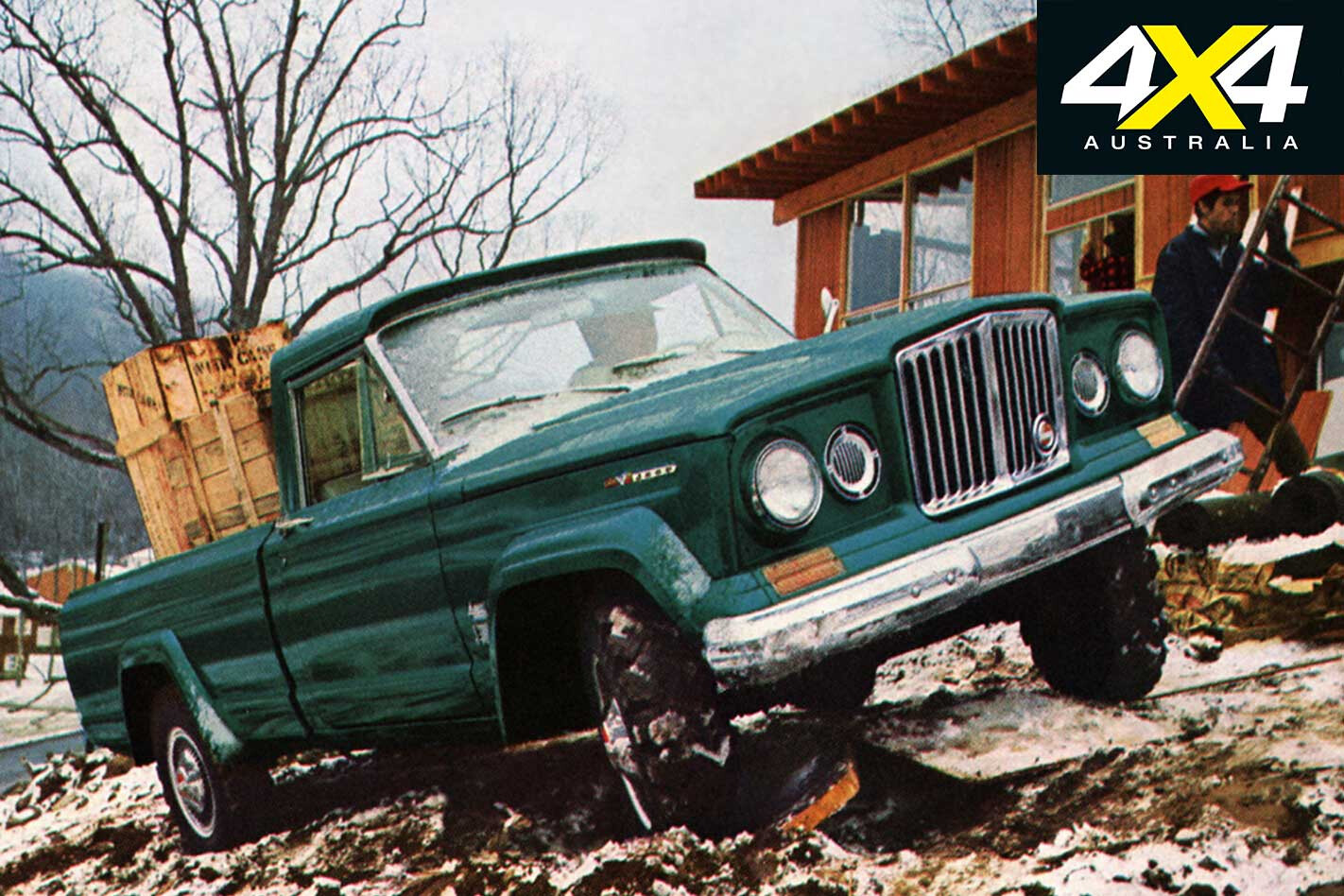
As for drivetrain options, the Gladiator was offered with either a 2WD or 4WD setup and paired with a standard three-speed manual or an optional three-speed automatic. The combination of four-wheel drive with the optional automatic was said to be a first for a pick-up truck in America.
To cater to different needs and demands in the market, the Gladiator was also available in a wide variety of configurations. Initially offered in short-wheelbase J200 and long-wheelbase J300 forms, Jeep eventually expanded the range to include narrow or wide cargo beds, chassis cabs or extended wheelbase versions, and even camper versions.
Kaiser-Jeep, the company which emerged from the merger of Willys-Overland and Kaiser Motors in 1963, also made military versions of the Gladiator between 1967 and 1969.
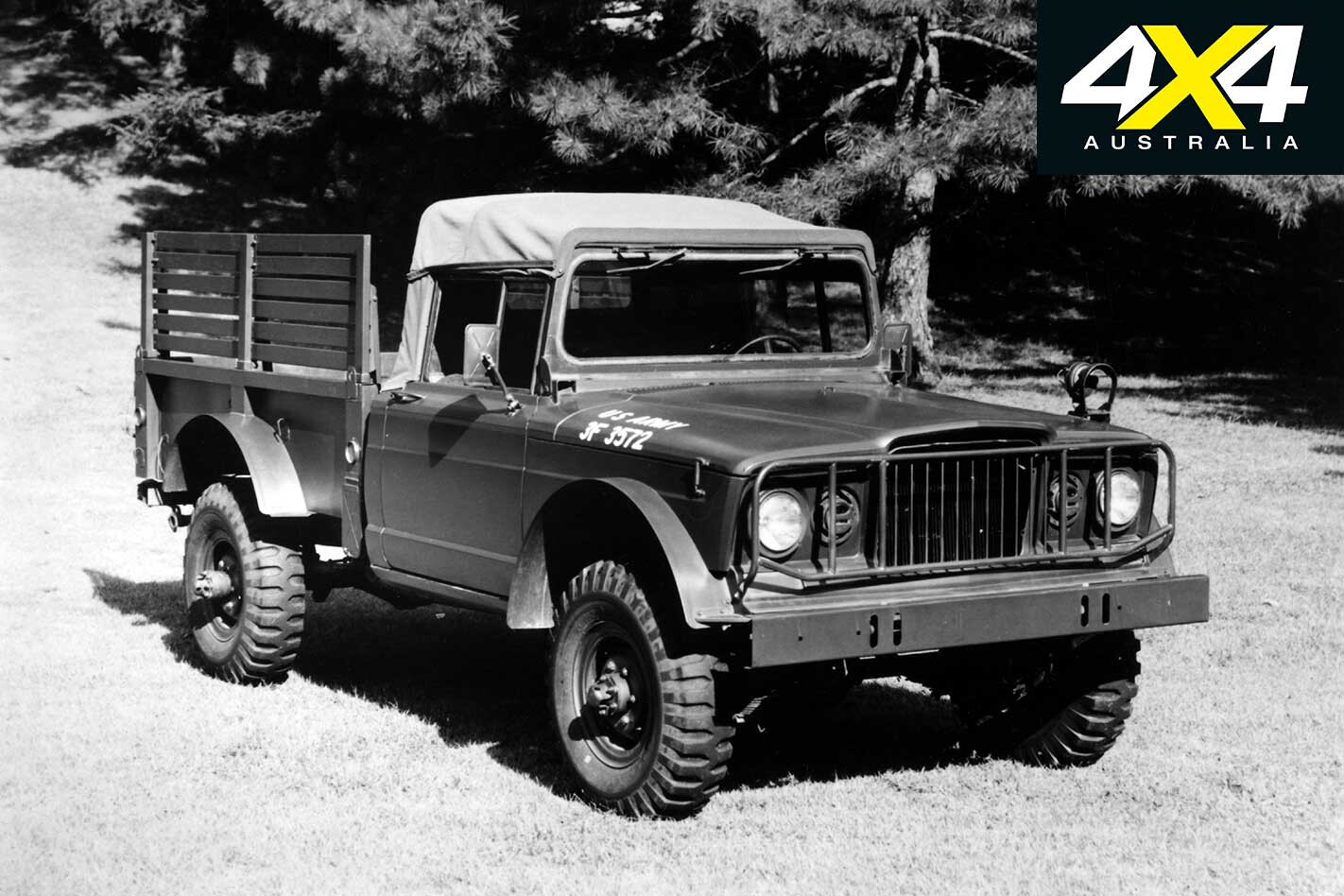
Designated as the M715, the truck was the first US military procurement of off-the-shelf based vehicles as part of its effort to cut down on costs. Kaiser-Jeep was reported to have produced between 30,500 and 33,000 examples in several different configurations and drivetrain fitments for the military, several of which were used in the Vietnam War where it was found to be underpowered and fragile for combat operations.
In 1970, AMC acquired Kaiser-Jeep, and while they continued the Wagoneer nameplate, the Gladiator name was discontinued, but not the model range. Instead, the pick-up trucks models were simply known as the J-Series from 1971 onwards.
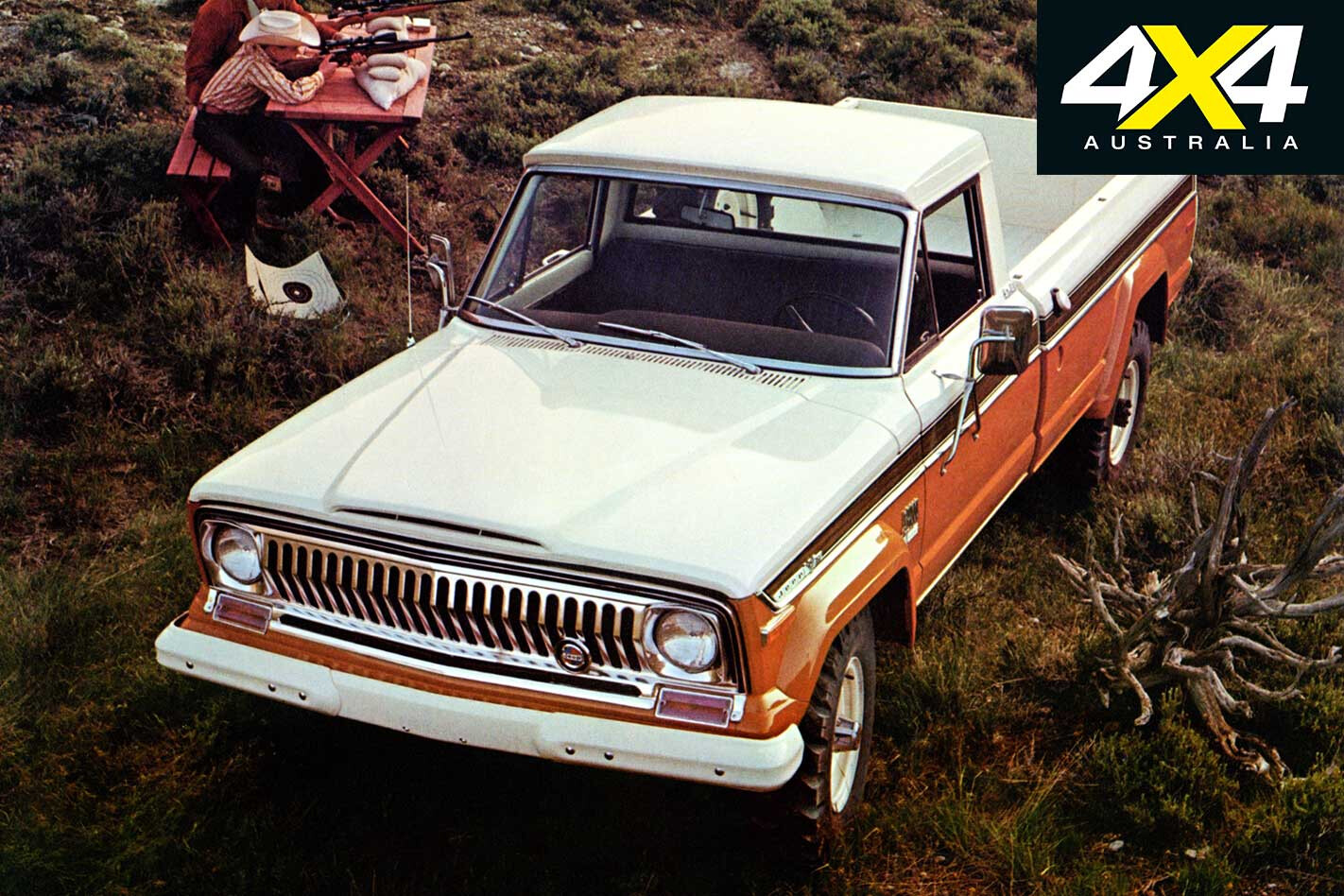
Though the name might be different, and it looks were changed to keep in line with AMC’s updated Wagoneer, the J-Series pick-up truck was fundamentally the same truck from 1962, and it was to soldier on for another 17 years until 1988, when AMC was eventually acquired by Chrysler. In those years, the J-Series only received minor mechanical updates, and its production even overlapped its successor, the 1986 Comanche, momentarily.
As Jeep’s other model ranges such as the Cherokee, Grand Cherokee and Wrangler continued to define the company as a maker of 4×4 wagons, the Gladiator name eventually faded into history, along with the memories of Jeep’s pick-up truck lineage as Chrysler shifted its focus towards Dodge’s Ram pick-up trucks as the challenger to Ford’s F-Series and GM’s Chevrolet Silverado.
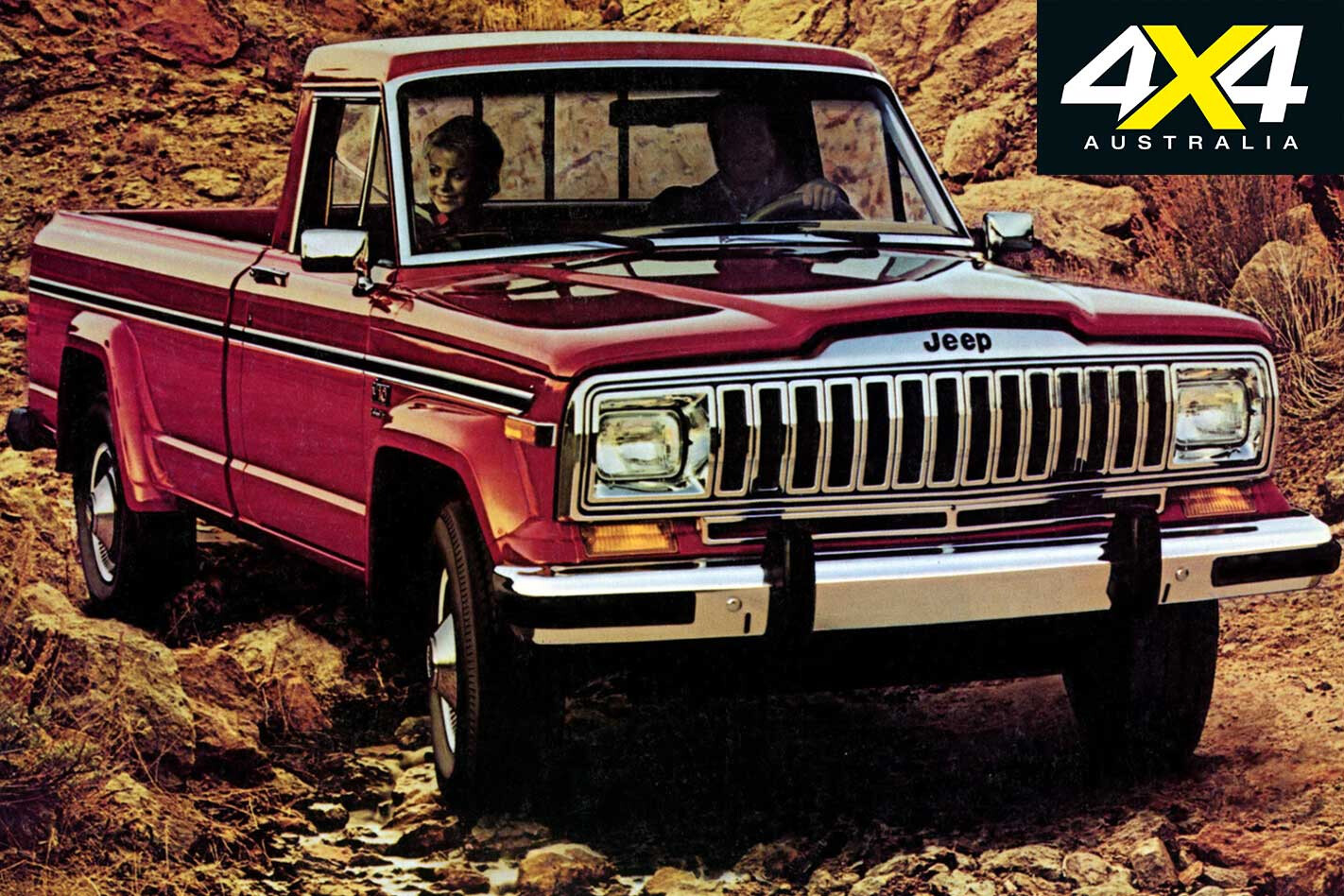
It wasn’t until the retro-revival of the early 2000s, when Jeep started revisiting the idea of a new pick-up truck model, and revived the Gladiator name in 2004 for the first of many Wrangler-based pick-up truck concepts that Jeep would continually tease fans with throughout the years.
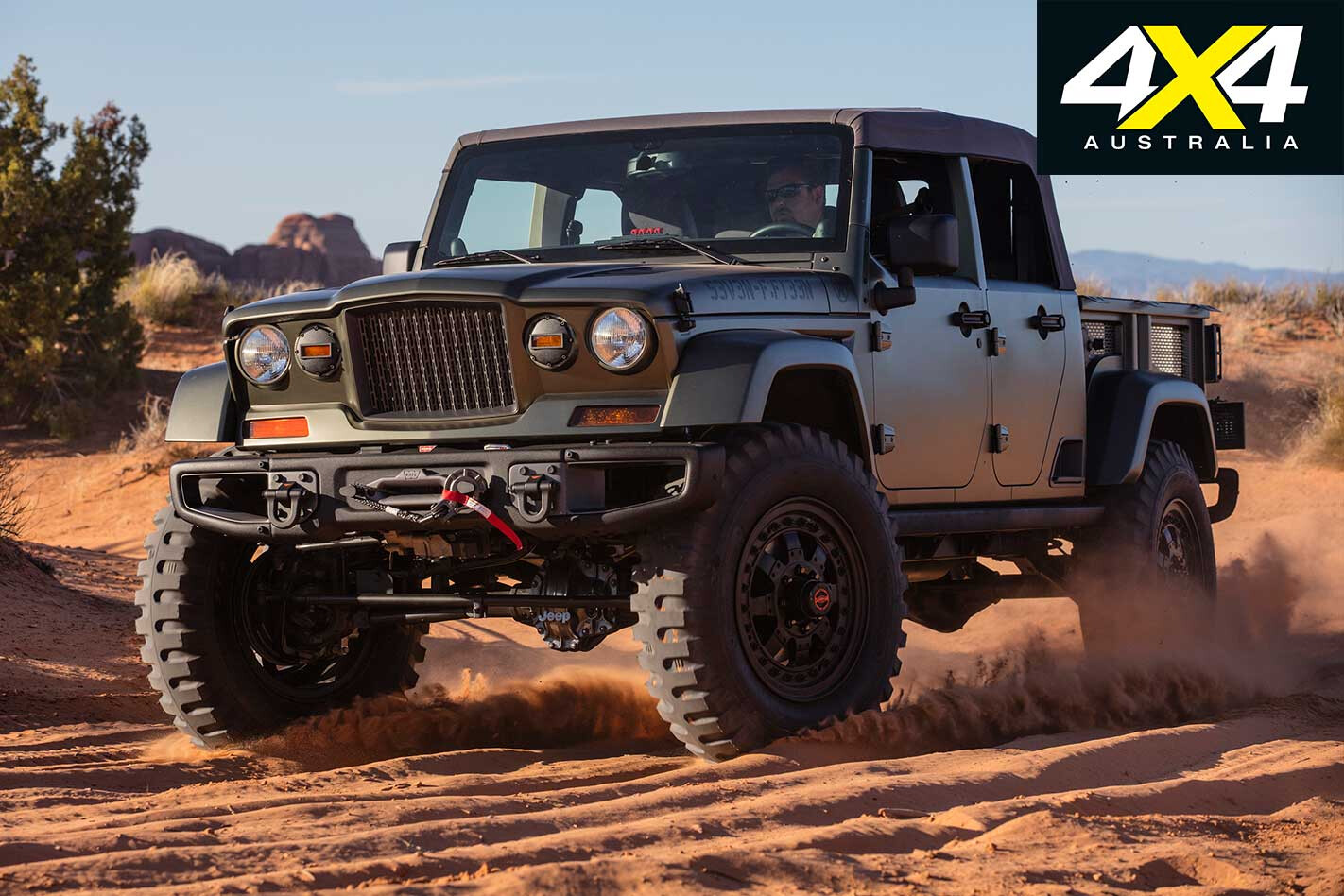
The Gladiator’s signature four-headlamp arrangement, square grille and forward leaning front fascia was later revived on the imposing Crew Chief 715 concept at the 2016 Jeep Safari in Moab. Though, like the 2004 Gladiator concept, it never moved on from being a concept.
Despite teasing fans with concepts, Jeep is well aware of the popularity of a Jeep pick-up and with a burgeoning pick-up truck market, there is no better time to make a comeback, and they have the right name for the job.
MITSUBISHI has ditched what it described as a ‘sporty design’ for the Triton mid-size ute and opted for what it calls a tougher-looking truck for 2019. In fact, the word ‘tough’ was used a lot at the launch on the Triton in Thailand, as Mitsubishi rolled out what it believes is more akin to what ute buyers want.
To achieve this look the company has given the Triton a thorough reskin from front to back. The passenger cabin remains the same, but all the exterior metal has been replaced with a bolder, boxier design. They say beauty is in the eye of the beholder, so we’ll leave that to you to interpret, but we think the new look is a huge step-up from the previous model and it should appeal to more buyers.
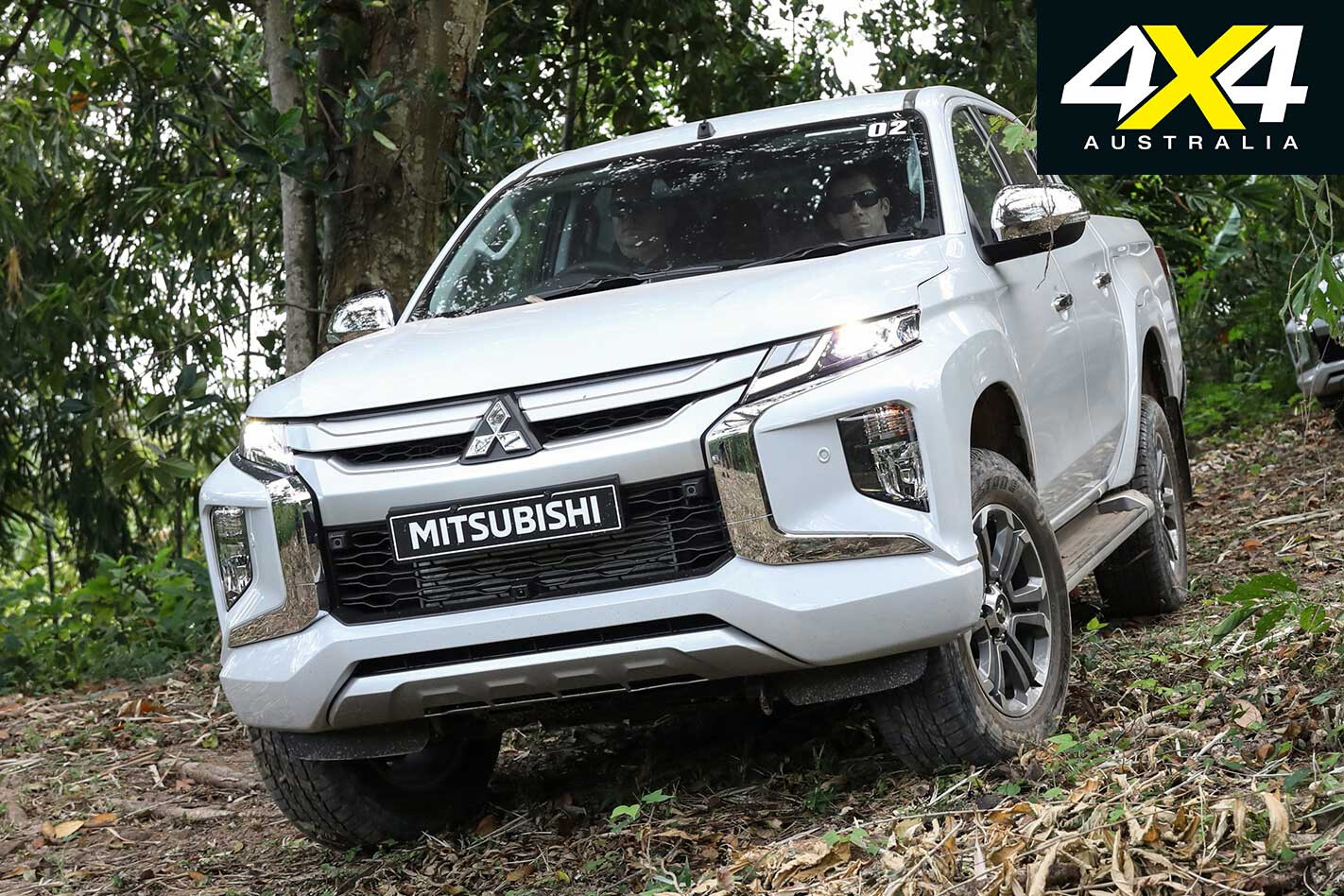
The Triton holds a solid third place in the new-4×4 sales race in Australia for 2018, only trailing the juggernauts Toyota Hilux and Ford Ranger. Mitsubishi can credit its sales to heavy discounting and great drive-away deals that have always made the Triton a good value-for-money proposition for both private and fleet buyers, but don’t think this is a cheap, stripped-out vehicle.
Like most Mitsubishi products, the Triton is well-appointed, drives well and has a quality feel about it. Its smaller dimensions than many other utes in this class is also a reason many buyers have chosen it ahead of the bigger offerings.
The 2019 Triton retains these traits, including the dimensions and capacities. In fact, underneath that new metal skin it is business as usual, with the same chassis, live leaf spring rear axle and independent coil springs up front. The suspension benefits from larger diameter rear shock absorbers and revised spring settings all around.
The 2.4-litre diesel engine and six-speed manual gearbox are carried over as well; however, if you tick the box for an automatic transmission, you’ll now get a six-speed auto in lieu of the ageing five-speeder.
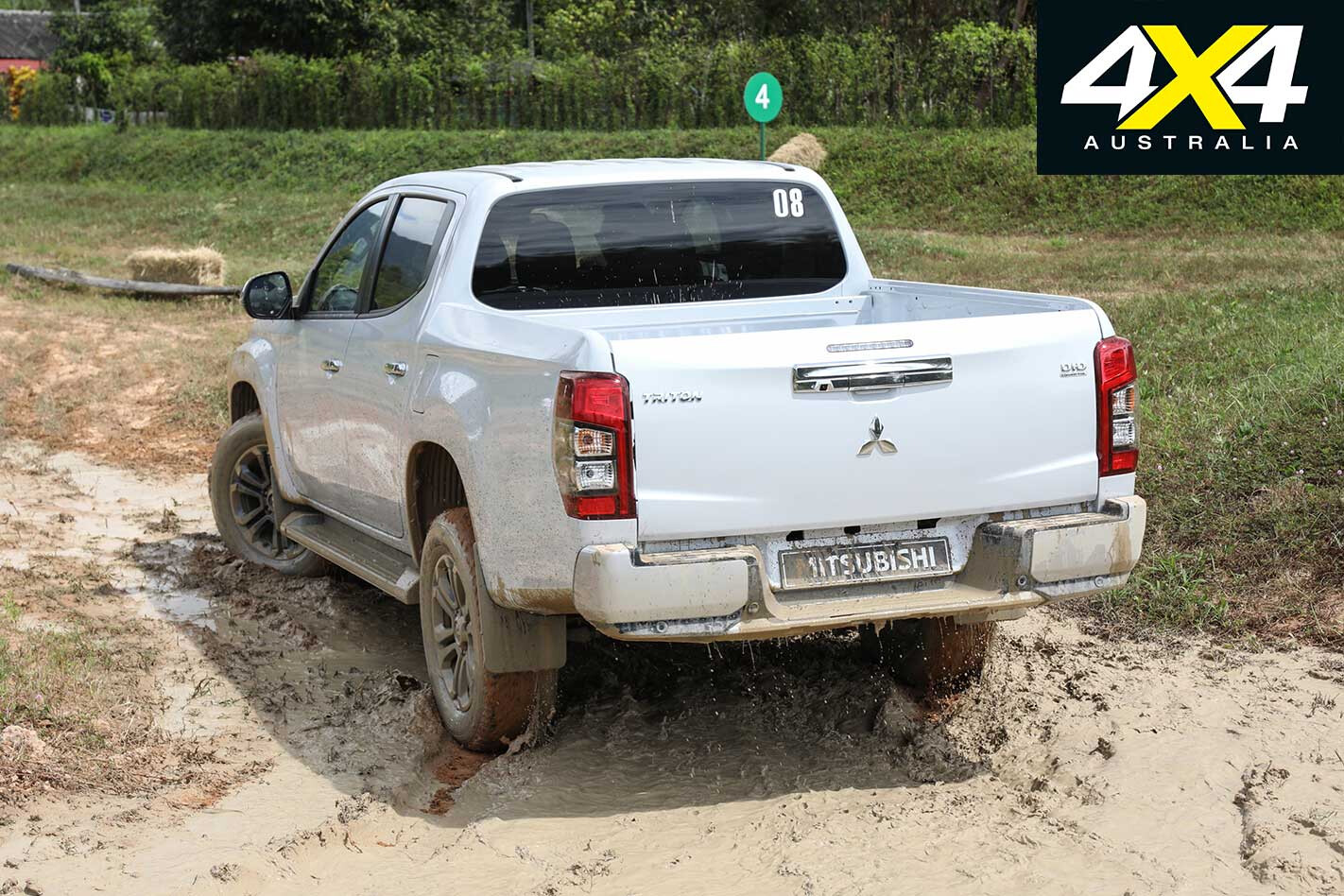
When asked why it didn’t fit the eight-speed transmission from the closely related Pajero Sport, Mitsubishi’s execs said that the two vehicles are for different markets, and that the Triton has to sell to a price point.
The Triton remains the only ute in this class to offer a transfer case with the choice of 2WD (rear), full-time 4WD for on-road use, locked 4WD for off-road use, and locked low-range 4WD for serious off-road terrain. A rear diff lock is also offered on some variants, but it is unclear yet which ones those will be in Australia. In the past it was only on the top-of-the-range Exceed, which was disappointing for most buyers.
The Super-Select II 4WD System will come with upper-spec 4×4 variants, while the lower grades will come standard with conventional part-time 4WD which doesn’t give the driver the benefit of an on-road AWD setting.
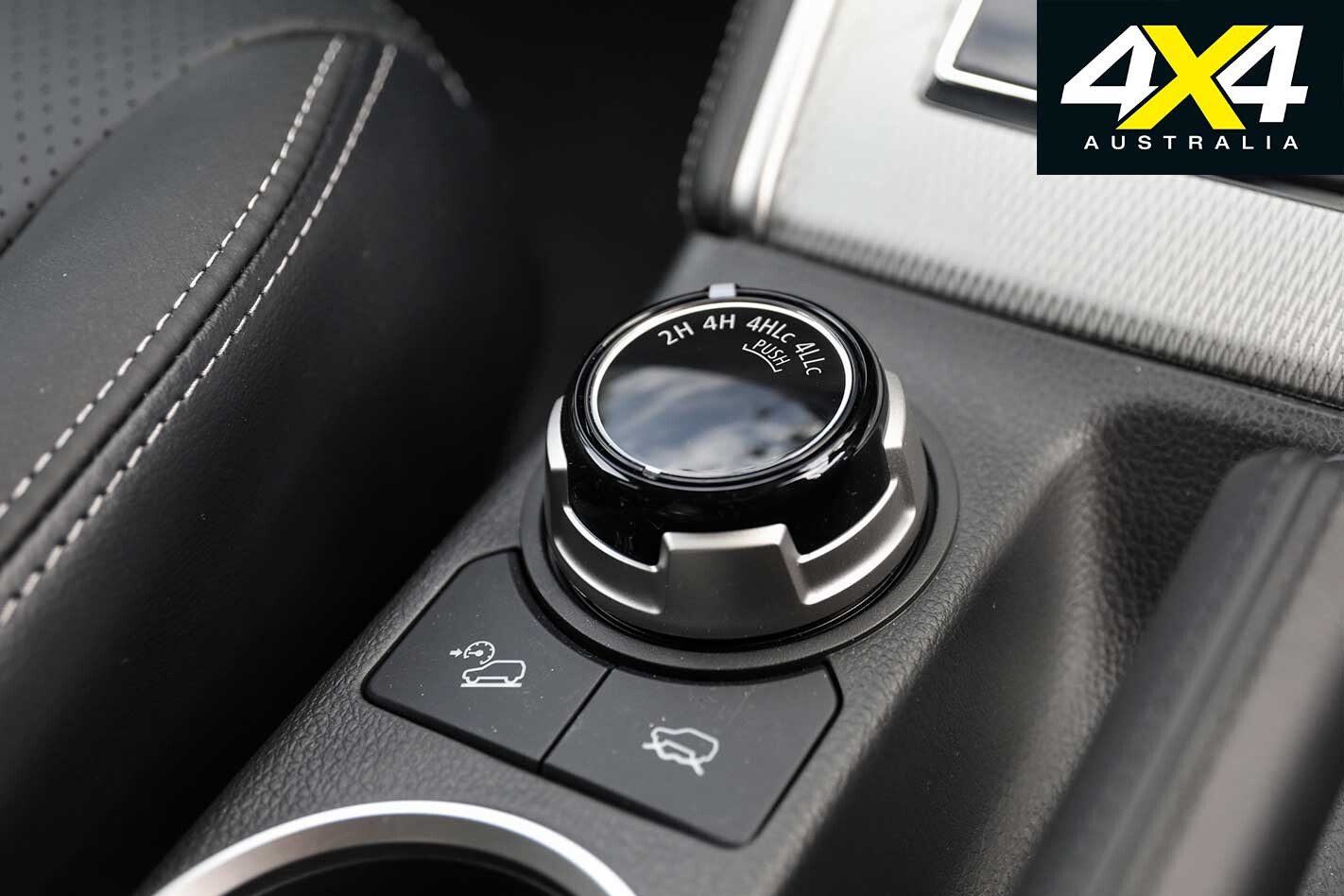
The 4WD systems will be supplemented on some variants by a new Terrain Response-like Off-Road Mode that offers specific Gravel, Mud/Snow, Sand and Rock settings at the twist of a dial to maximise all-terrain and grip performance through the integrated control of engine power, auto transmission and electronic stability control settings. Again, it is still unconfirmed which variants will get this when they land in Australia in January 2019.
Other new tech in the 2019 model includes a suite of driver’s aid technologies such as Forward Collision Mitigation (FCM/AEB), Blind Spot Warning and Ultrasonic Misacceleration Mitigation System. The last of these, UMMS, guards against accidental hard acceleration in both forward and reverse gears during slow manoeuvres such as parking.
The inclusion of AEB brings the Triton in line with the safety leaders in the class – the Mercedes-Benz X-Class and Ford Ranger – which are currently the only other utes to offer this technology. Again, Mitsubishi Australia is yet to reveal if this safety tech will be included across the Triton range or only on select variants.
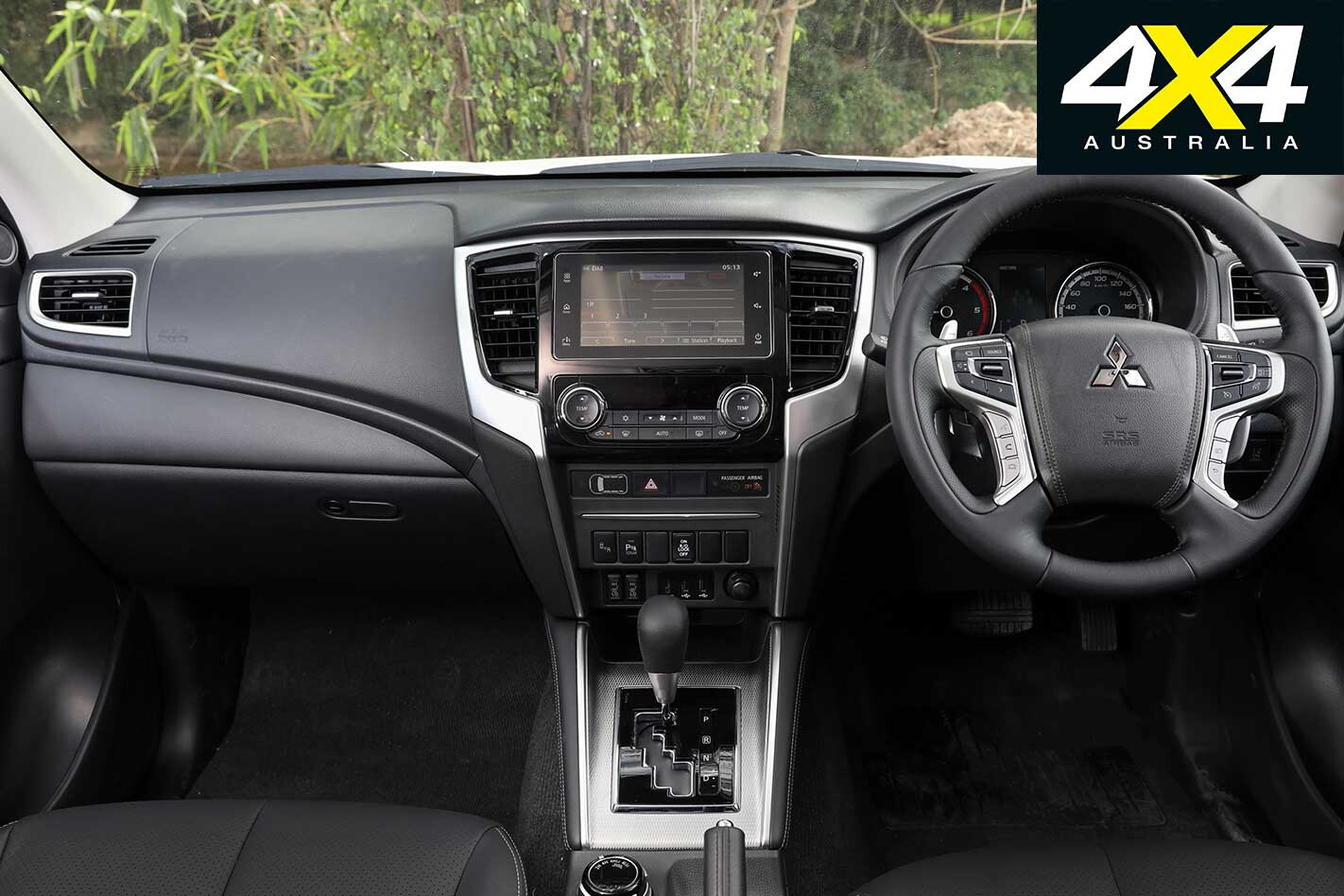
Full Australian specifications, variants and pricing will be revealed in December before the local launch. A Mitsubishi representative did indicate that prices will rise above current levels but wouldn’t go further than that. Our tip is that they will have to stay low if Mitsubishi hopes to maintain the sales popularity of the Triton.
We drove an Australian-spec Triton on an off-road course in Thailand. Fitted with leather seats with electric adjustment for the driver, a big-screen AV unit with Apple CarPlay, an Off-Road mode selector, and a rear differential lock, we’d say this would be an Exceed here.
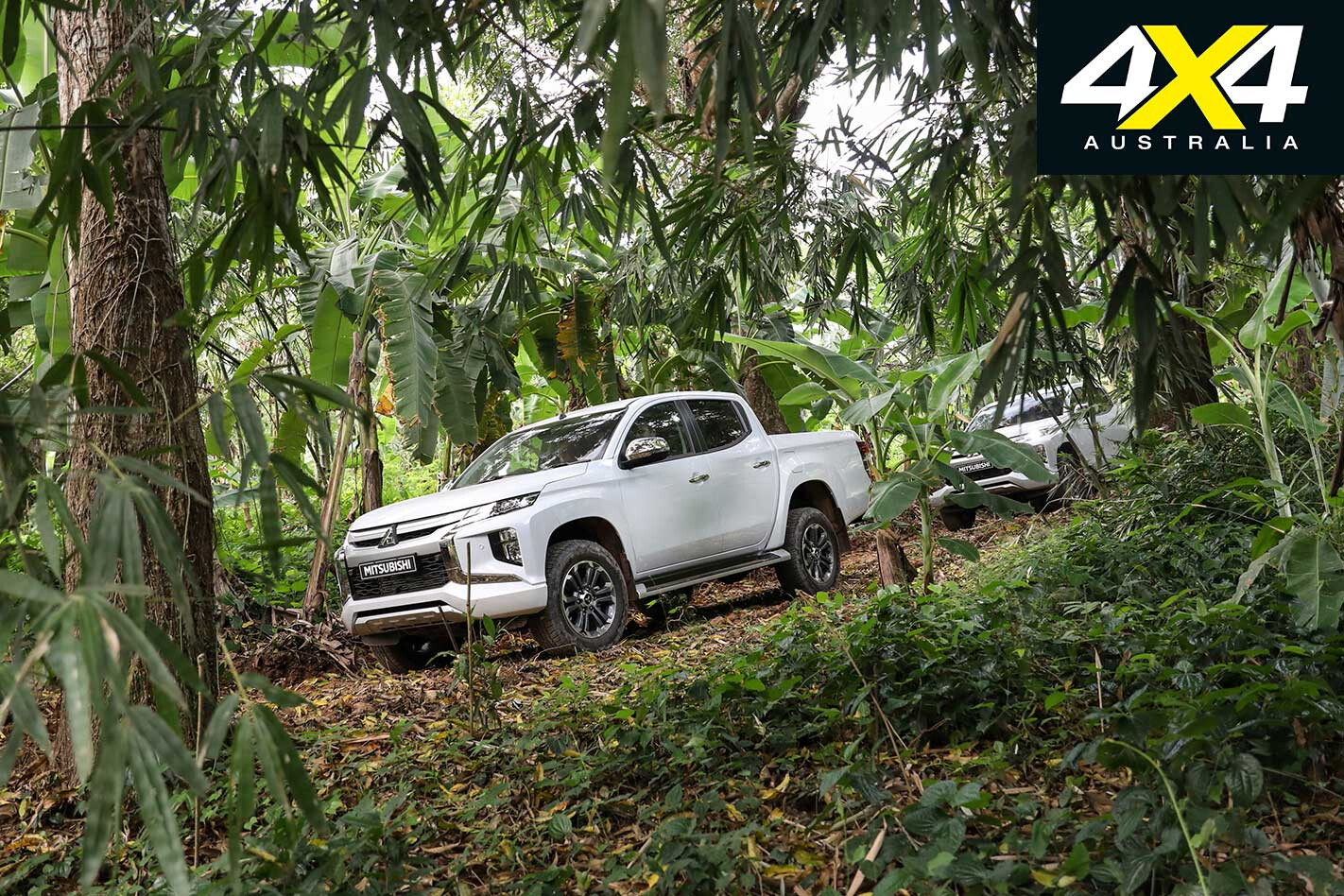
Unfortunately the drive over a short and timid off-road track didn’t reveal anything about the new automatic transmission, and the vehicle easily climbed over the terrain. The good manoeuvrability afforded by the Triton’s relatively short wheelbase came to the fore when negotiating tight, heavily forested tracks.
The on-road part of the drive was in heavy traffic in a Thai-spec, manual car, so again it didn’t reveal a lot. The little 2.4 remains a willing and flexible engine that propels the unladen Triton along briskly, but it’s no rocket ship. The manual gearbox is easy to use and, as is the case with all small diesel utes, is the better transmission option for performance.
The revised suspension setting feels soft and comfortable, but without driving them back-to-back it’s difficult to distinguish any difference to the old model and it’s impossible to say how it will go with a load in the tray or on a trailer. The Triton has modest towing capacities but has struggled in our loaded test in the past, so it will be interesting to see how the updated chassis fares when we drive it in Australia next year.
MORE: Mitsubishi Triton Range Review MORE: Mitsubishi Triton Specs, Range & Price
AT FIRST glance you’d think a trip to the centre of Australia would be as easy as plugging the co-ordinates into a GPS unit, but no, it ain’t that simple.
Why? Well, no one can really agree where the centre of Australia actually lies. In fact, there are five listed centre points: Centre of Gravity Method, Lambert Centre, the Farthest Point from the Coastline, the Median Point, and the Johnston Geodetic Station.
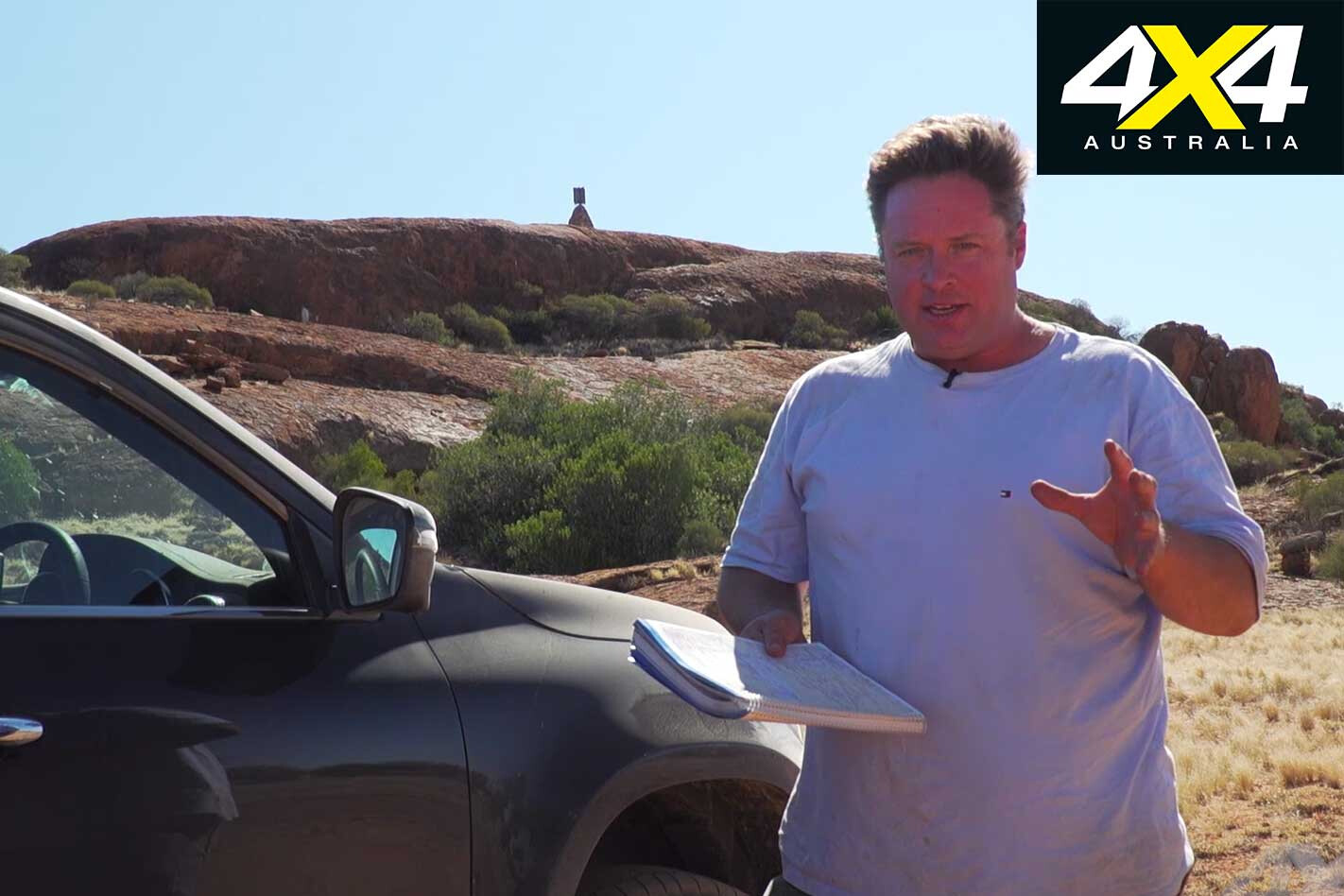
So we wrangled together a convoy of vehicles, led by a Mercedes-Benz X-Class, to venture to all five hard-to-access points, all of which are located within the Northern Territory.
Some of the points are extremely elusive and hard to find, and some are on private land; so you’ll need permits to access them. Somewhat surprisingly, some of the centre points are even spread out in excess of 400km from each other.
Watch the above video and enjoy the journey.
Whoever first said, “I haven’t met a Newton metre I don’t like” probably just jumped out of a Chevrolet Silverado.
When driving the big Chev you get to meet lots of Newton metres, some 1234 of them, in fact! That’s right, the Silverado claims a mind-boggling 1234Nm (at just 1600rpm) from its 6.6-litre turbo-diesel V8. It also makes a healthy 332kW and only needs 2800rpm to do so. Did someone also say, “there’s no substitute for cubic capacity?”
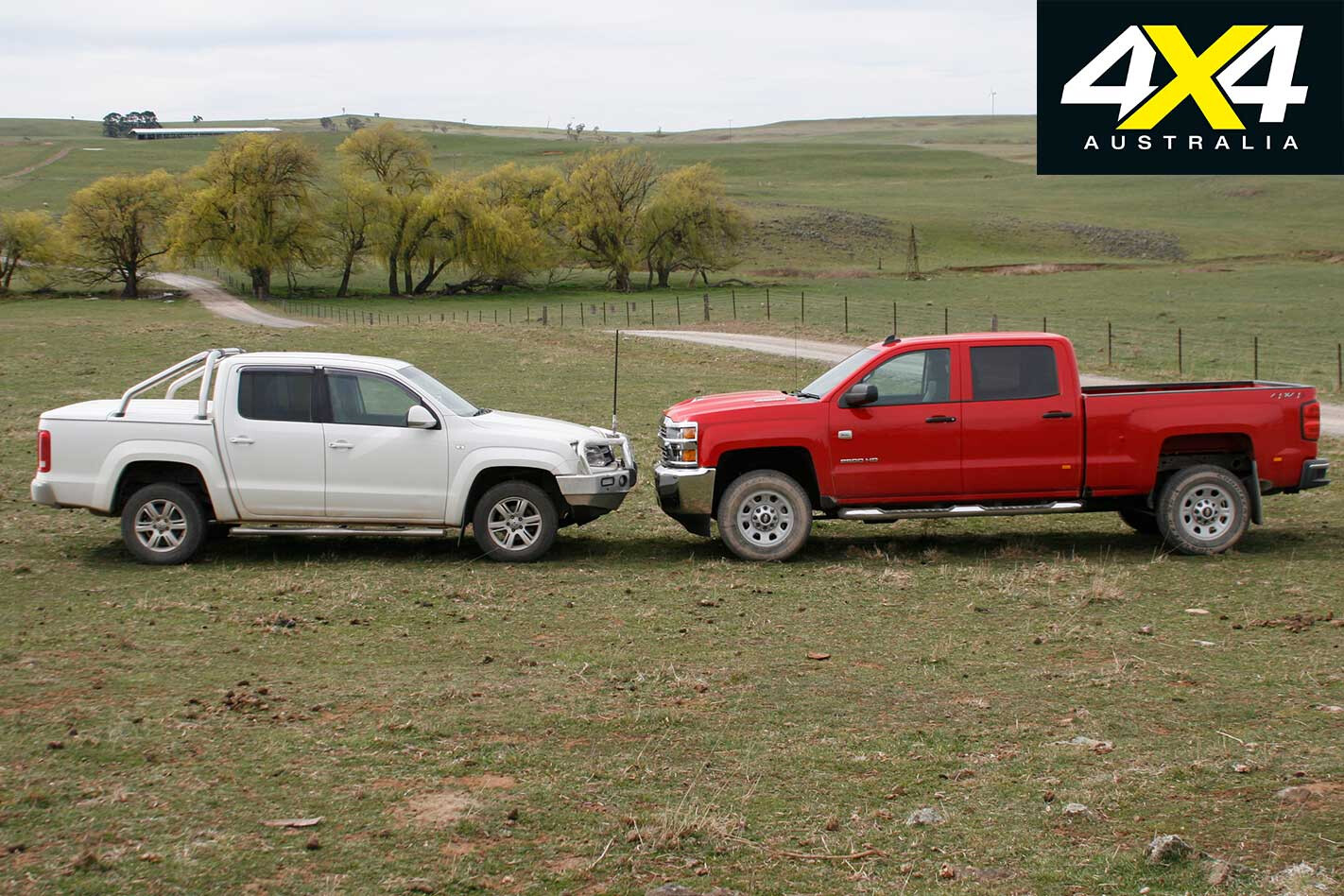
These big numbers are tempered by the fact the Silverado is big everywhere – and heavy. It’s more than six metres long, nearly two metres tall and weighs in excess of 3500kg, which brings its power-to-weight and power-to-drag ratios some of the way back to the field.
Powertrain and Performance
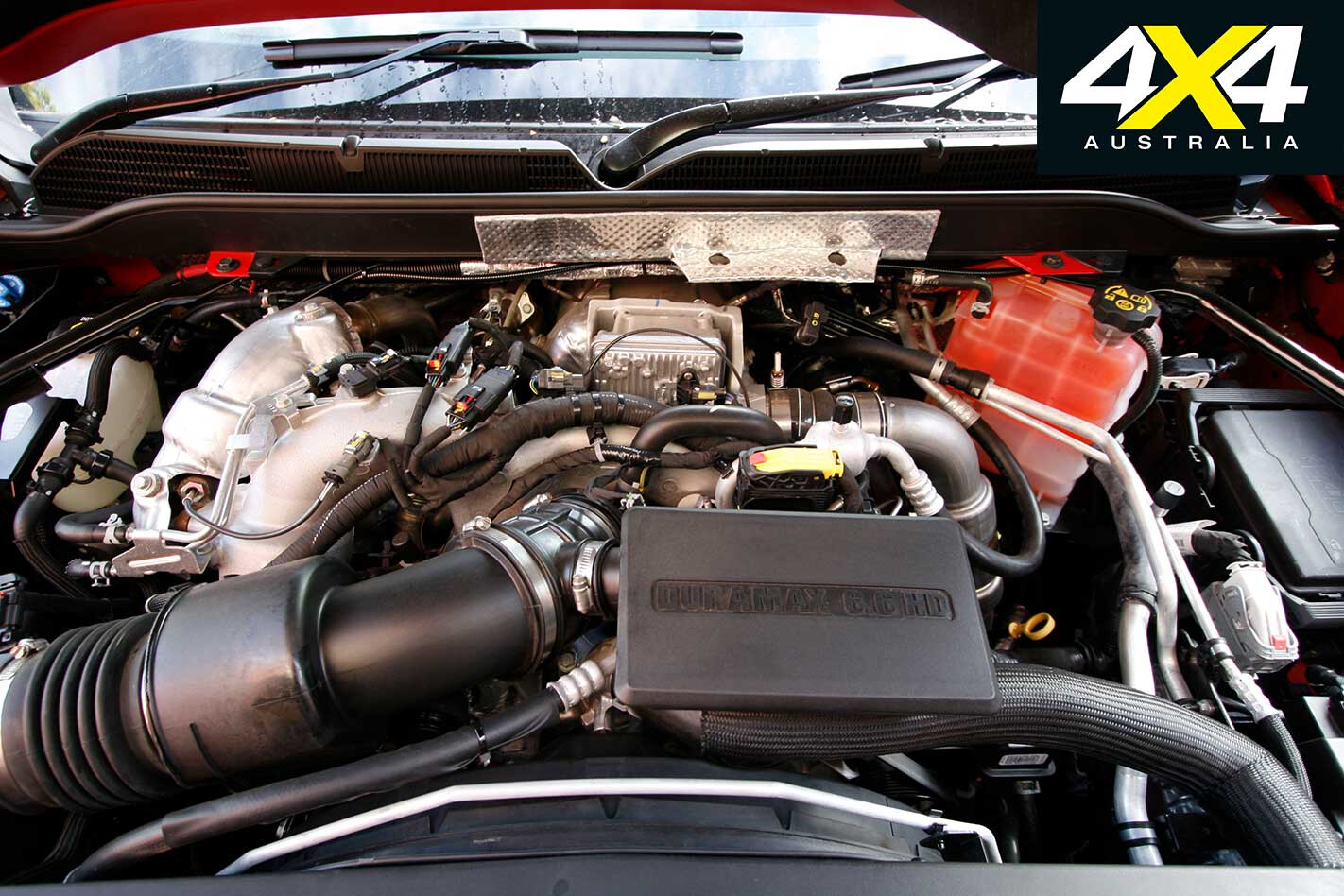
Fire up the Silverado’s big diesel V8 and, sure, it sounds like a diesel and it sure sounds big, but otherwise it’s remarkably quiet and refined. Much quieter than the 4.5-litre V8 diesel in an LC79, even if the Toyota is more a familiar yardstick rather than a direct competitor.
Once underway, the big V8 continues to impress with its refinement and general civility, but even more so with the supremely effortless manner in which it dismisses every driving duty. Steep hills? In the Silverado’s playbook, they don’t even remotely exist.
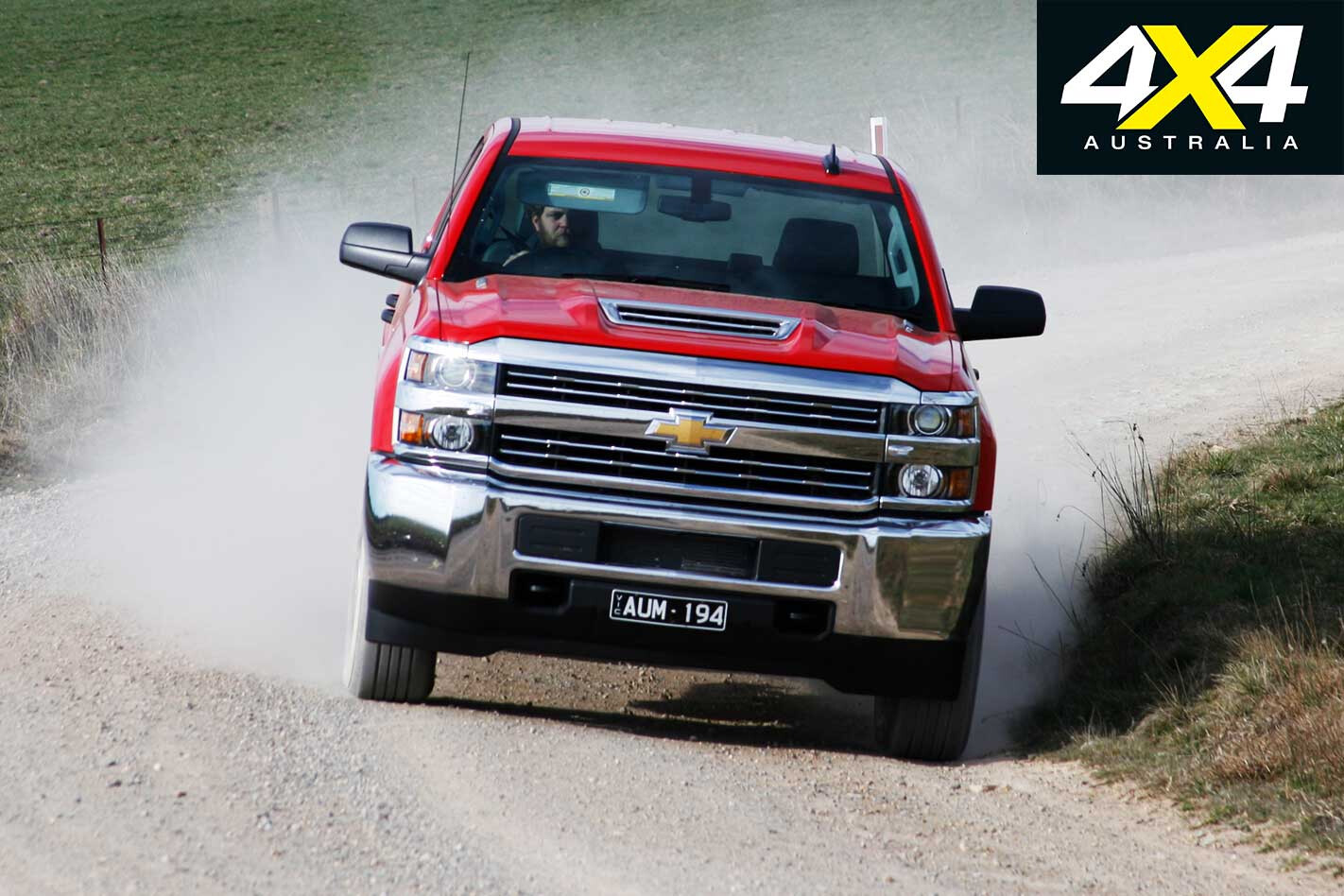
Pedal to the medal the Silverado will sprint to 100km/h in less than seven seconds, despite its considerable weight, while overtaking from highway speeds is also effortless. The six-speed Allison automatic is surprisingly smooth shifting, but the right-side column shifter takes a little getting used to.
Our test fuel consumption averaged out at 17.7 litres/100km, which doesn’t seem bad given the weight, size and performance of the Silverado. A 136-litre fuel tank also means a decent range.
On-Road Ride and Handling
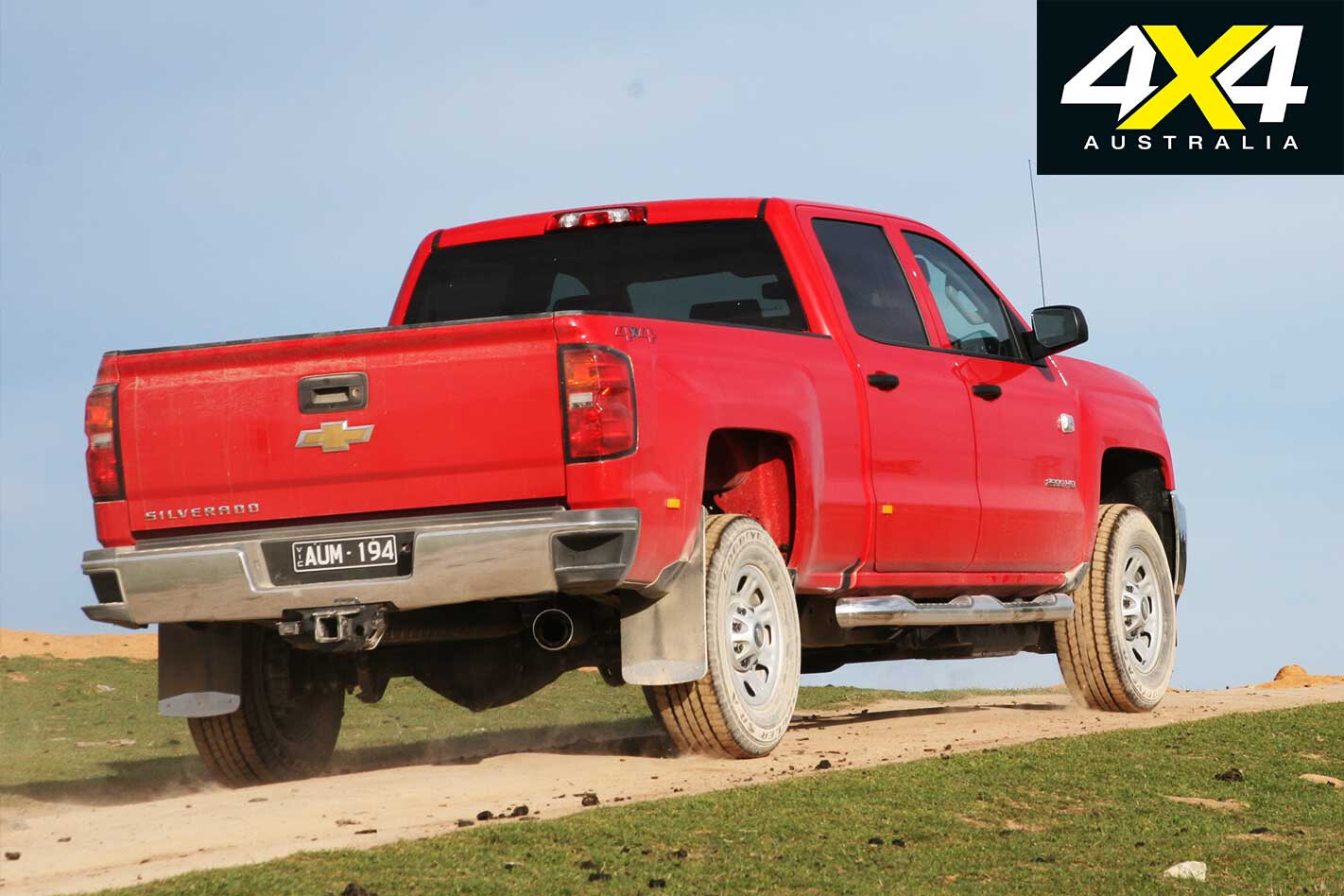
The Silverado has very light steering for a vehicle of its size – perhaps a little too light – but is nevertheless confident and stable on the road. However, there is some bump steer at the rear on badly potholed roads when there’s no weight on the tray. Otherwise, the unladen ride is more than acceptable. There’s not much road noise either, which also contributes to the generally polished and refined feel.
Off-Road
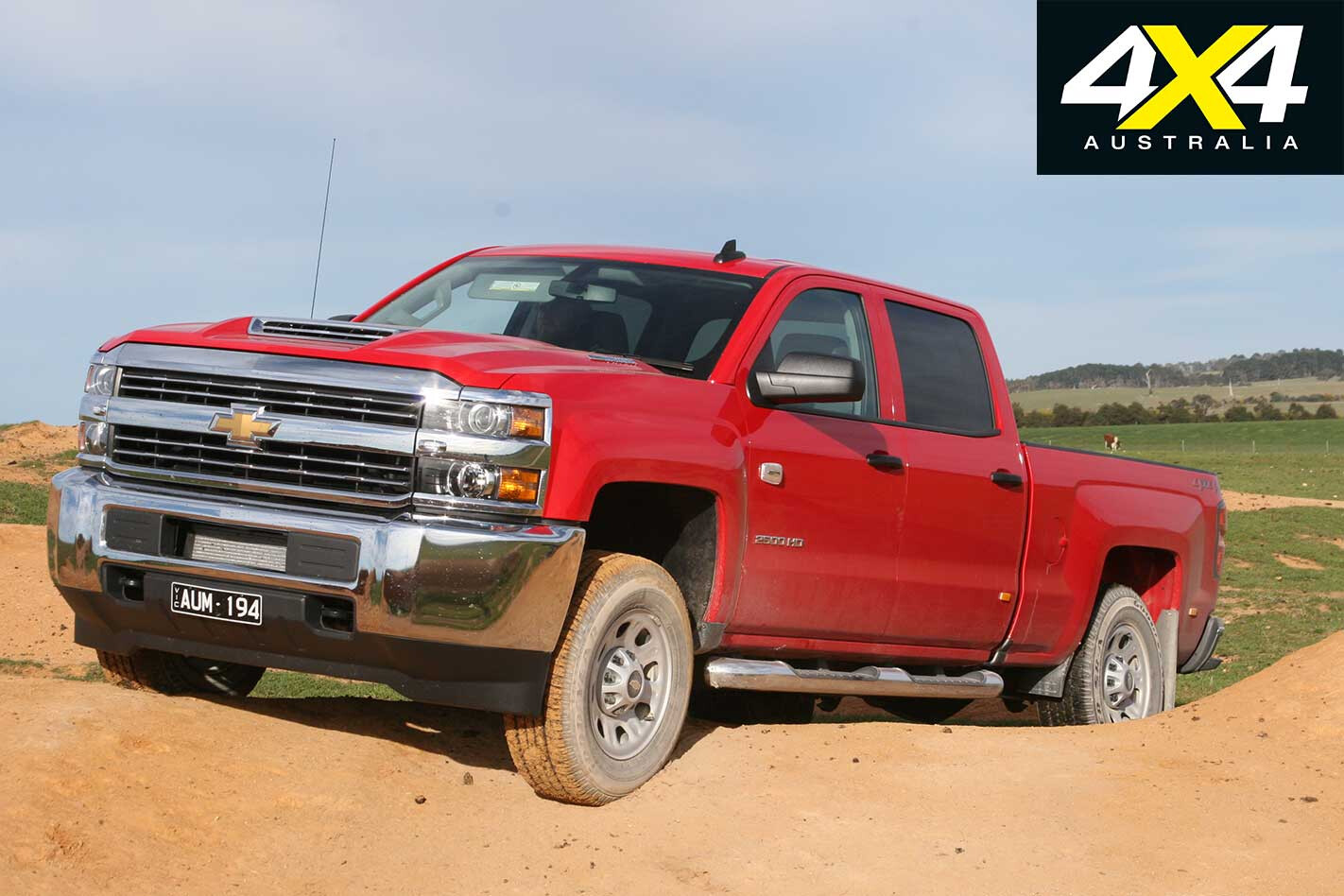
Thanks to an Eaton self-locking (mechanical) rear diff and electronic traction control that stays active on the front wheels when the rear locker engages, the Silverado has good tractive ability. However, it’s sheer size, shallow approach angle and modest wheel travel at the front limit its off-road performance, even if it has plenty of clearance.
To be fair to the big Chev it’s not designed as an off-road vehicle as such; its 4×4 system is more there to help on low-traction, snow and ice-covered roads, a common US driving environment.
Cabin and Safety
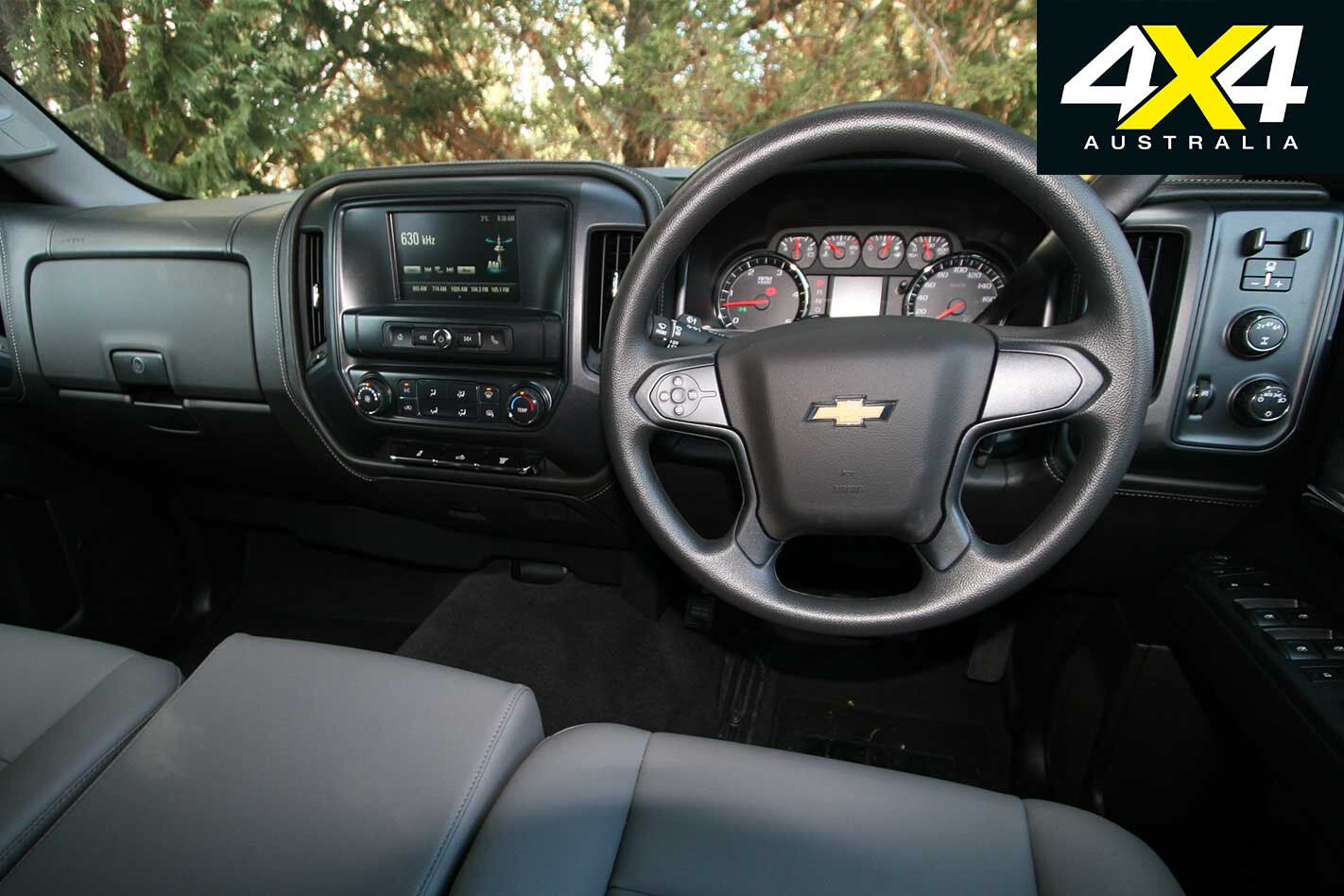
The tall step-up to the Silverado’s cabin is made easy by the sidesteps and well-placed assist handle, and once onboard you’ll find a familiar Silverado theme – everything is plus-sized. This entry-level WT model seats six courtesy of a fixed seat (with a lap-only belt) above the transmission tunnel between the driver and front passenger seats.
When not in use the backrest of this centre seat folds down to provide a console with three drink-holders and storage. The driver gets a big and extra comfortable seat, but at this spec level there’s no steering-wheel-reach or seat-height adjustment. For that you need to move up to an LTZ.
There’s plenty of room in the back seat, too, for six-foot-plus adults – even when the front seats are pushed right back to accommodate an equally tall driver or front-seat passenger. Yet, there’s no centre headrest in the rear. The Silverado hasn’t undergone local ANCAP safety testing, but is rated as a five-star truck by the National Highway Traffic Safety Administration (NHTSA) in the USA.
Model range and equipment
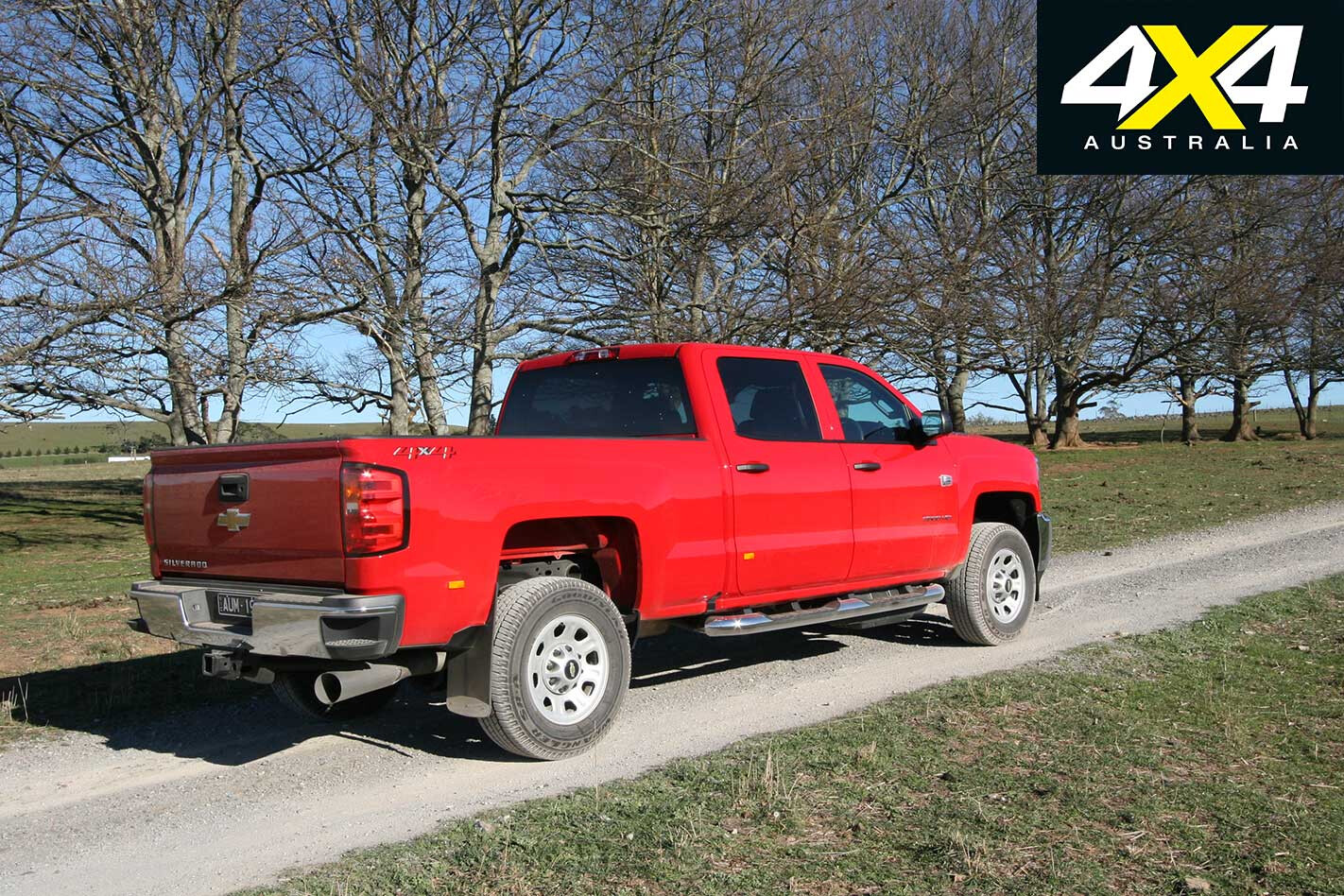
The RANGE starts with the 2500HD WT (or ‘Work Truck’), which has seating for six and gets leather, carpet, eight airbags, a seven-inch touchscreen, a rear-view camera, and a six-speaker audio system. It rides on 18-inch steelies wearing LT ATs.
Next up is the 2500HD LTZ, which seats five with the electric-adjust front seats. The LTZ adds power adjustable pedals, steering-wheel reach, two-position memory for the driver, push-button start, an eight-inch touchscreen, Apple CarPlay/Android Auto, and a BOSE audio system.
Forward collision and lane-departure warnings join 35mm twin-tube gas-charged suspension dampers, a thicker front stabiliser bar, transfer-case protection and 18-inch alloys. The ‘Midnight Edition’ is effectively a ‘black-look’ LTZ, while the ‘Custom Sport Edition’ is a white-themed LTZ riding on 20s. The top-of-the-range 3500HD has dual rear wheels and a longer tub.
Practicalities
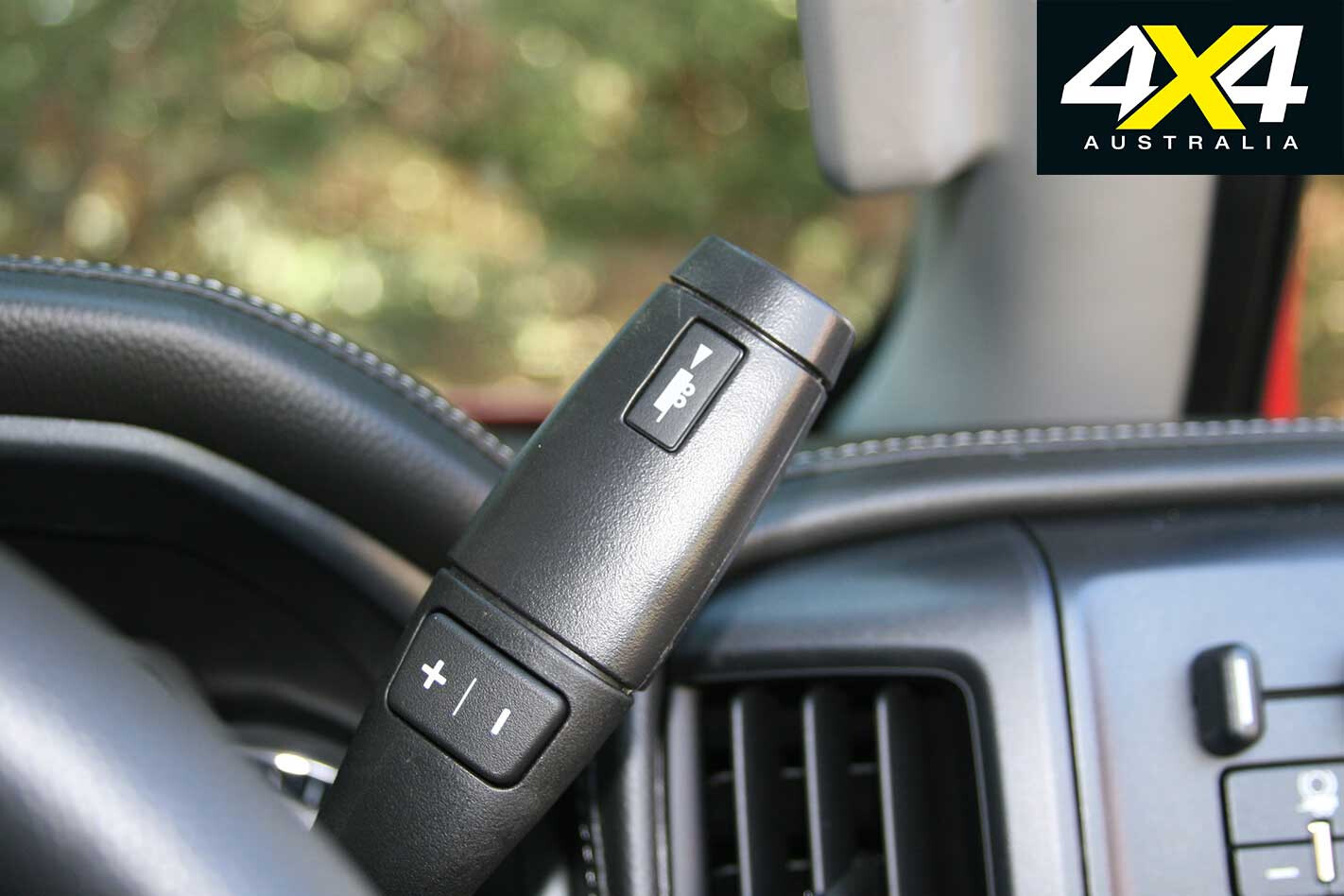
In many ways the Silverado’s raison d’etre is towing and with a heavy-duty hitch complete with pintle coupling it can tow up to 5890kg. As standard, the Silverado is fitted with a 70mm hitch receiver that is good for a towing capacity of 4500kg provided you use a 70mm ball.
Special towing features include a transmission tow mode, exhaust brake, trailer wiring pre-installed and a built-in trailer-brake-bias adjuster. The Silverado’s payload is, ultimately, less impressive at 975kg. However, the huge tray is perfect for bulky items, while the corner steps and grab assists make it dead easy to climb up into the tray.
The Silverado is imported and converted to right-hand drive by HSV and will be sold through HSV/Chevrolet dealers and 54 (growing to 61) authorised Holden dealers.
Made in Oz
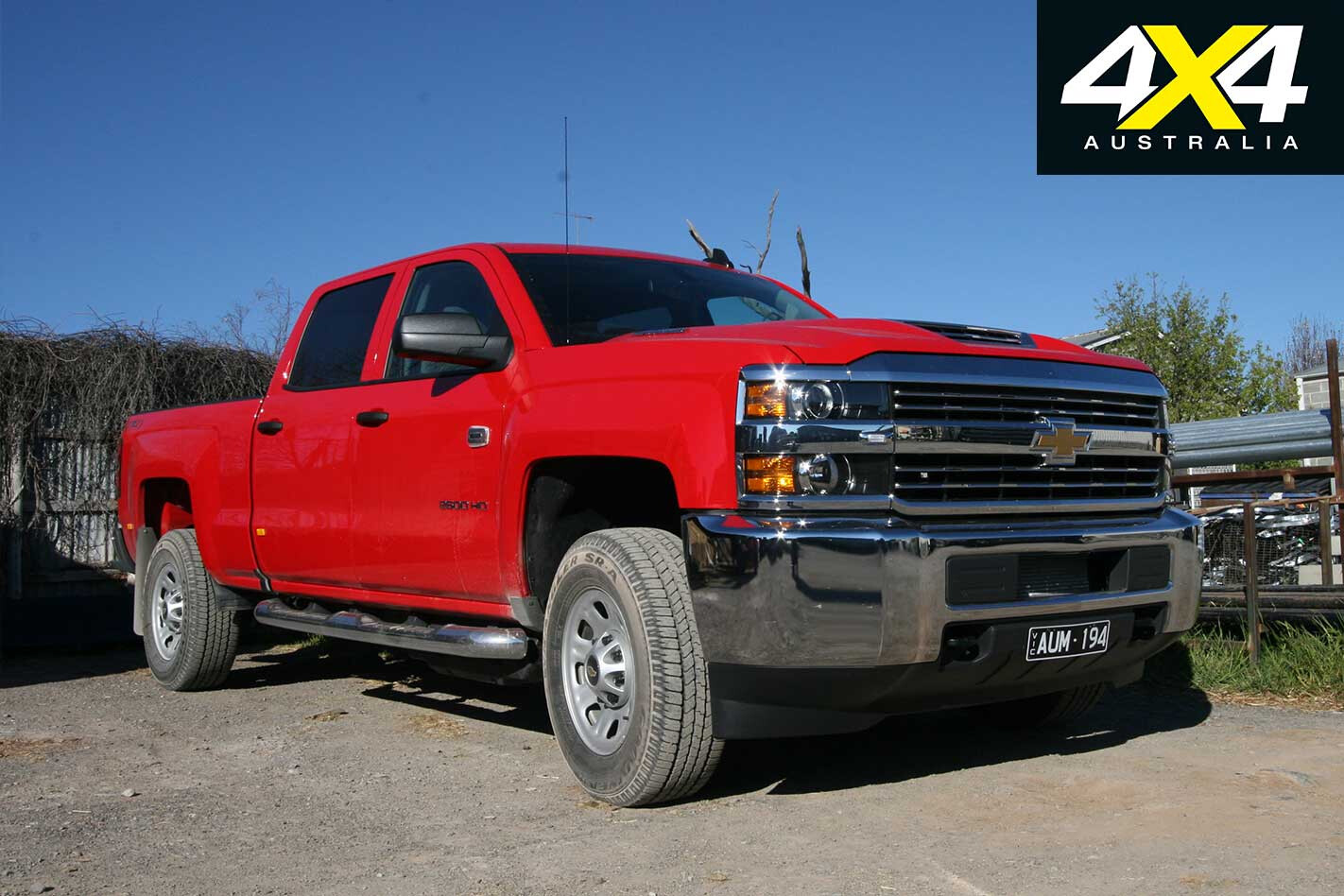
HSV isn’t the only company to import, convert and market American pick-up trucks in Australia, but with a long established connection with General Motors through its 30-year relationship with Holden, it’s probably a step ahead of any of the independent importers. HSV prefers to call its work on the trucks ‘re-engineering’ rather than converting them from left- to right-hand drive, and we took a tour of the Melbourne facility to see where it all happens.
The Chevrolet Silverados are ‘re-engineered’ on one of three production lines alongside the Chevrolet Camaro, which is also sold by HSV, and the RAM trucks that Walkinshaw ‘re-engineers’ for Ram Trucks Australia. The HSV SportsCat Colorado is built in another building on the same premises.
Around 100 man-hours goes into the process for the Silverado and it takes two days for the LHD truck to be converted. Along the way the cabin, including front fenders and radiator support, is lifted off the chassis and is moved along its own line alongside the rolling chassis.
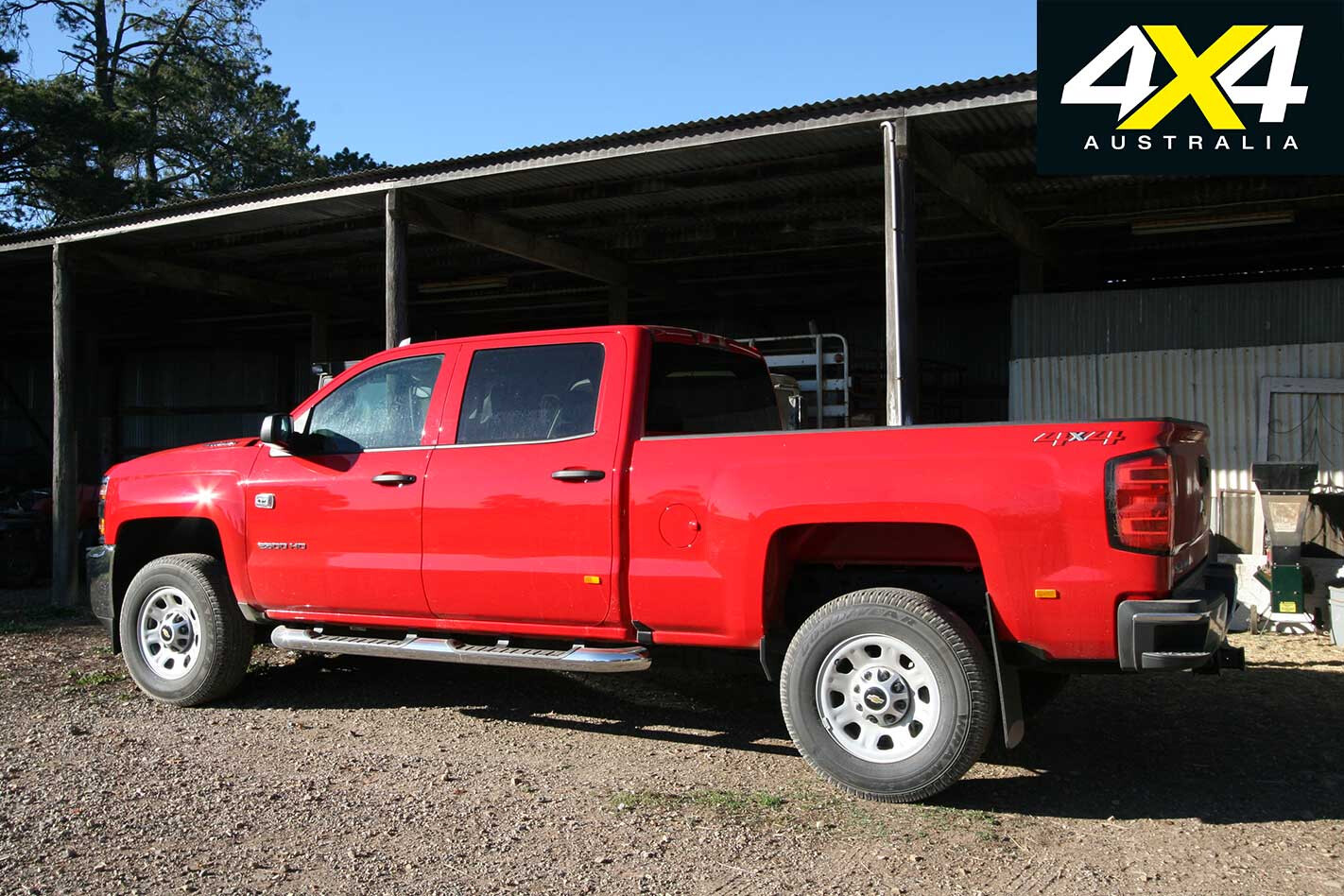
The cab has its interior removed and replacement panels welded into the firewall to accommodate the left-to-right conversion, and then the interior is refitted using a new dash pad, re-engineered heater box and the original centre stack and gauge cluster.
The OE steering column, box and links are removed from the front of the chassis, bracing is welded to the right-hand side of the chassis where a new steering box is fitted, and the crossmember is ‘notched’ to provide clearance for the new drag link. The steering box is a new casting that mirrors the OE LHD one and it is fitted with the internals from the OE box by an outside steering specialist.
It’s the closest you can get to a genuine factory conversion.
Sum up
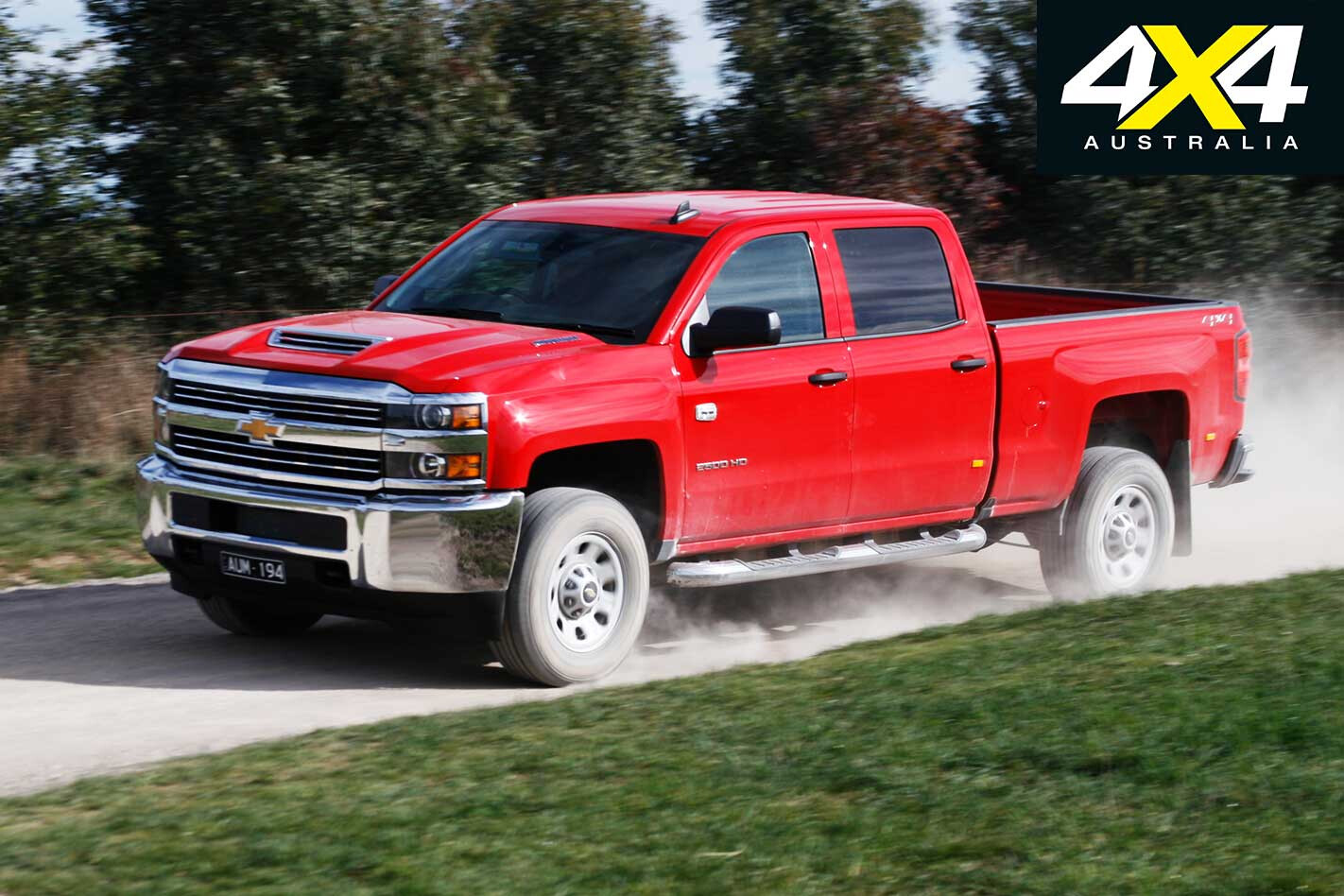
The Silverado may look like a big and beefy truck, but it doesn’t drive like one. What’s more, you get a truckload worth of truck for what seems like a very reasonable asking price – even if the WT as tested here feels a bit skinny on kit. And if towing is your go, then the Silverado is the go.
2018 CHEVROLET SILVERADO 2500HD WT Engine: 6.6-litre V8 turbo-diesel Max power: 332kW at 2800rpm Max torque: 1234Nm at 1600rpm Transmission: Six-speed automatic 4×4 System: Dual-range part-time Crawl ratio: 31.9:1 Suspension: Independent/torsion bars (f), Live axle/leaf springs (r) Tyre/Wheel spec: LT265/70R18 Unladen weight: 3516kg GVM: 4491kg Payload: 975kg Towing capacity: 5980kg GCM: 9801kg Ground clearance: 250mm Fuel tank capacity: 136L Test fuel usage: 17.7L/100km Touring range: 768km* *Based on test fuel use, claimed fuel capacity and a 50km ‘safety’ margin.
Chevrolet Silverado model range price* 2500HD WT: $114,990 2500HD LTZ: $134,990 2500HD LTZ ‘Midnight’: $139,990 2500HD LTZ ‘Custom Sport’: $139,990 3500HD LTZ: $147,990 *Manufacturer’s list price. Does not include on-road costs