
CHEVROLET recently dropped the curtains to reveal yet another Silverado design – the third all-new model in 18 months – and this one is perhaps the most contentious one yet from the Detroit-based company.
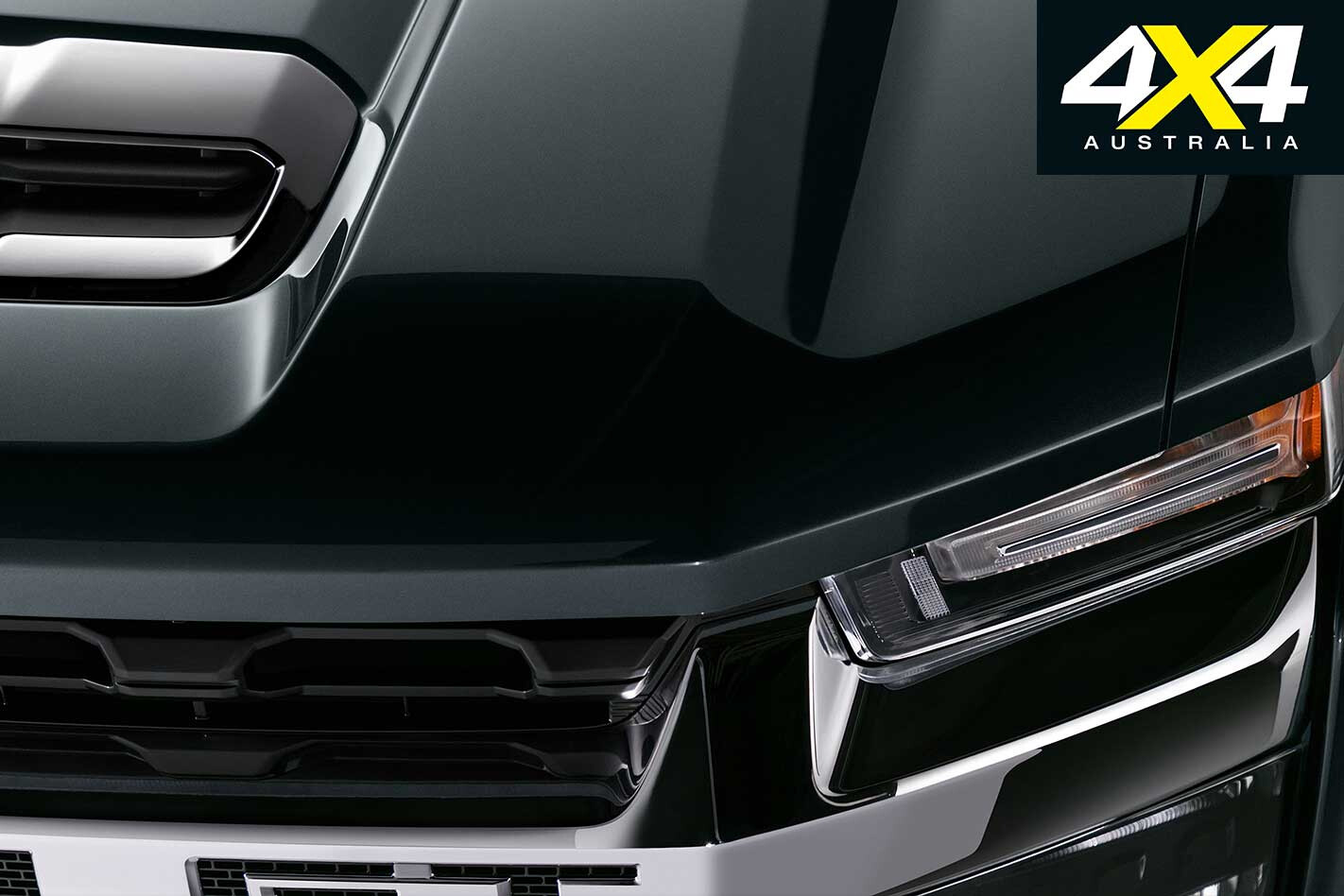
The talking point is that fierce front-end, with its bold, aggressive and busy look sparking widespread chit-chat among off-road enthusiasts.
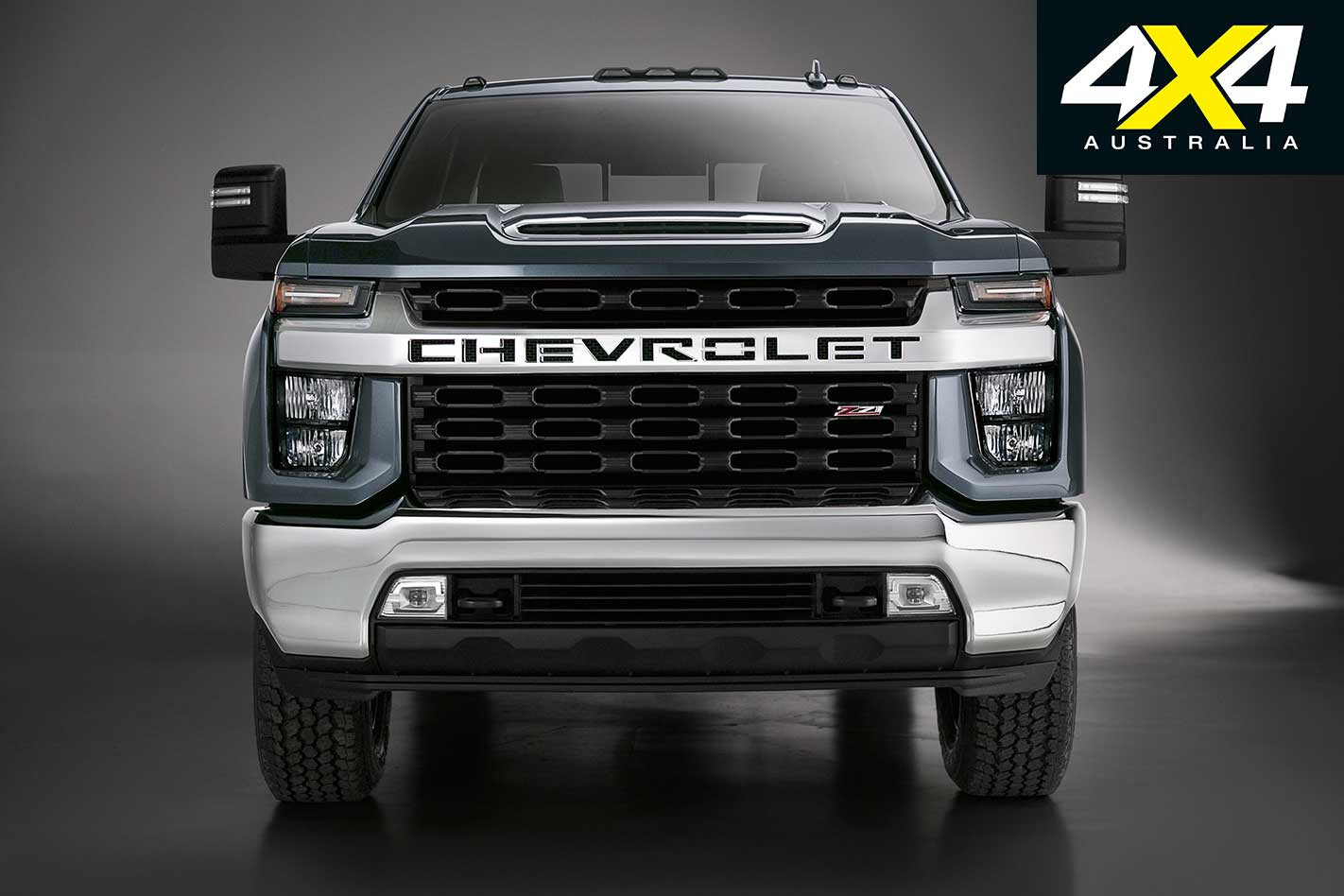
Sure, style is a subjective thing, and there’s no doubt there are punters out there admiring the burly truck with a nod of the head; but there are also those baffled by what Chev has produced.
The giant ‘wall’ of grille and lights was perhaps best exaggerated by Cop4x4 TV on its Facebook page, which sums up much of the negative commentary since the HD was released. The image can be seen here:
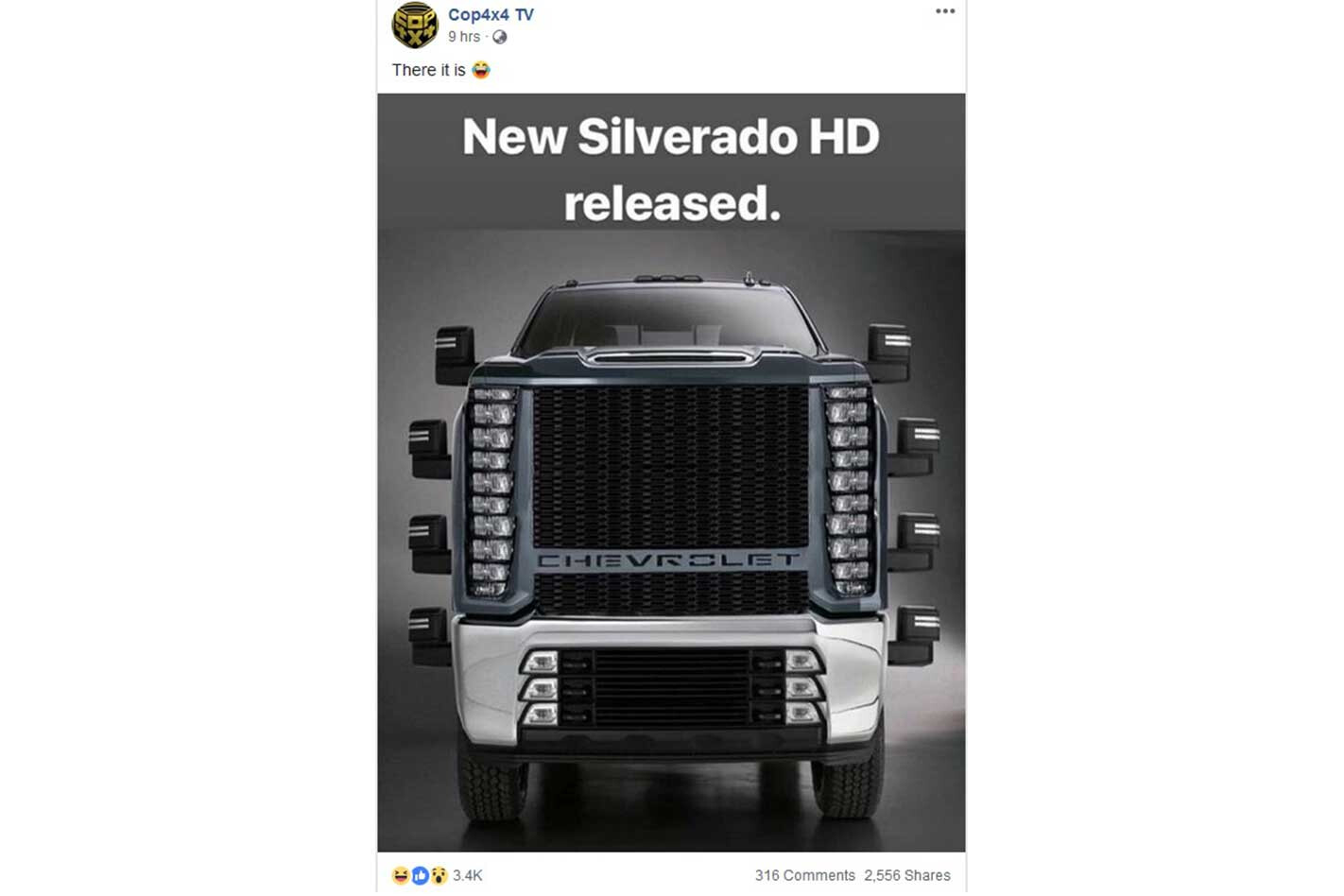
The Silverado HD’s lead exterior designer, Brian Izard, said his team “set out to make a statement with the 2020 Silverado HD (mission accomplished) and wanted to visually capture the power and capability of the truck.
“The result is a truck that looks like a piece of heavy machinery with modern, chiselled finishes and customer-focused details,” he said.
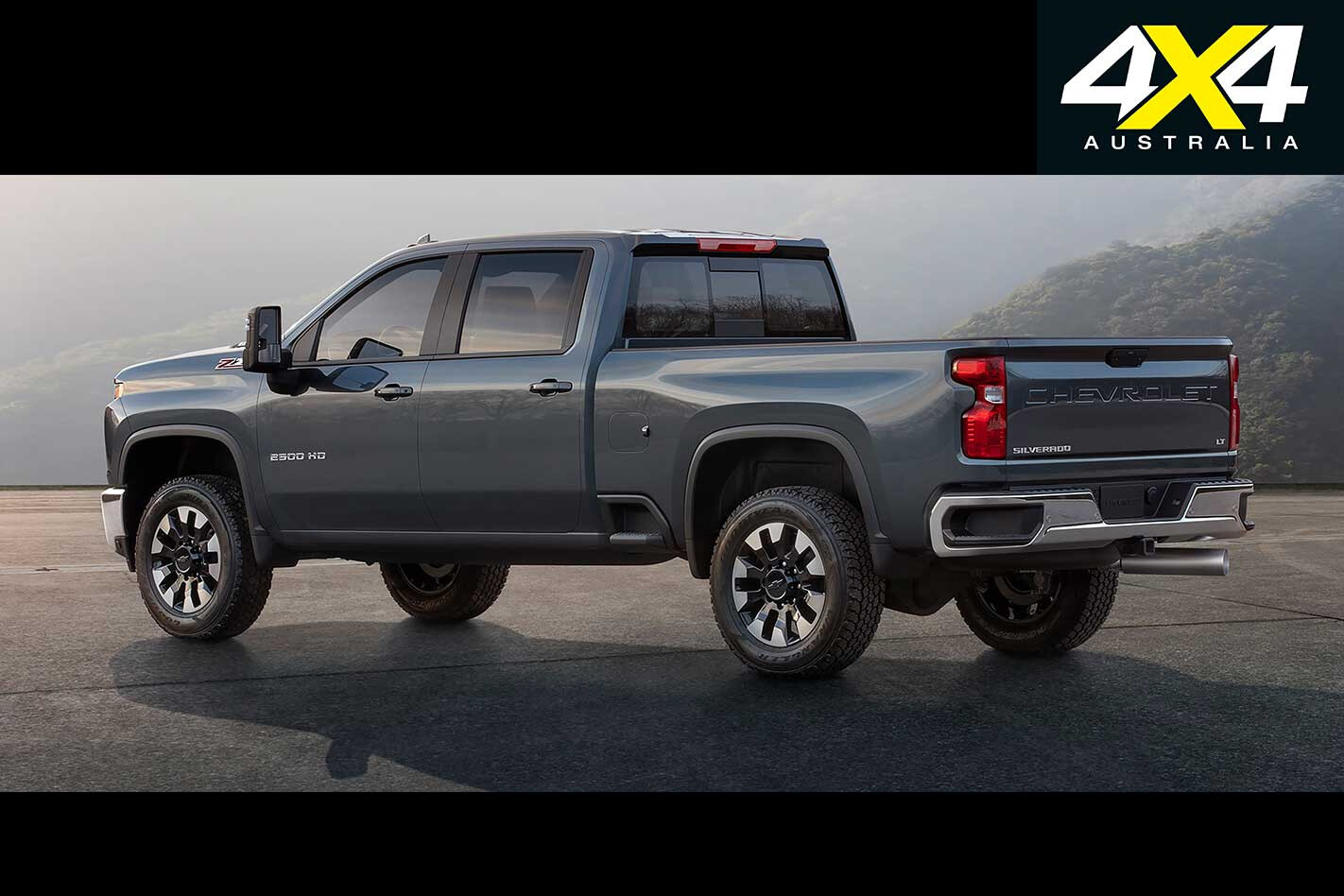
The all-new Silverado HD, built at the company’s Flint Assembly Plant in Michigan, is powered by either a petrol engine mated to a six-speed transmission, or a Duramax turbo-diesel V8 and Allison 10-speed auto combination. The big pick-up features exclusive sheetmetal not used on its smaller stablemates – in fact, only the roof is shared between the HD and the light-duty derivative.
“We know the needs and priorities of heavy-duty customers are different than those of either light-duty or medium-duty customers,” said Jaclyn McQuaid, chief engineer of the Silverado HD.
“As such, we built a heavy-duty truck tailor-made for them that has more differentiation than ever before from light-duty models, offers advanced towing technologies to improve towing confidence and includes new features such as the integrated Bedstep, which makes it easier to access the bed while pulling a fifth-wheel trailer.”
There’s no official word yet on a local arrival, but don’t expect any conversions to land until early in 2020.
LAS VEGAS Nevada is a Mecca for tourists who travel there to gamble and play in any of the hundreds of hotels and casinos Sin City is famous for. With tens of thousands of hotel rooms available, the city is also home to some of the biggest conferences and exhibitions in the USA, but there’s one time each year when Vegas is overtaken by petrol-heads from around the globe.
The SEMA Show brings gear manufacturers, custom-car builders, off-roaders, drag racers, hot-rodders and street-machiners to the Las Vegas Convention Centre for four days of automotive mayhem. It’s a trade-only show, so you need to be in the business to gain entry, but once within the massive halls you’ll be awed by what a huge industry we’re a part of.
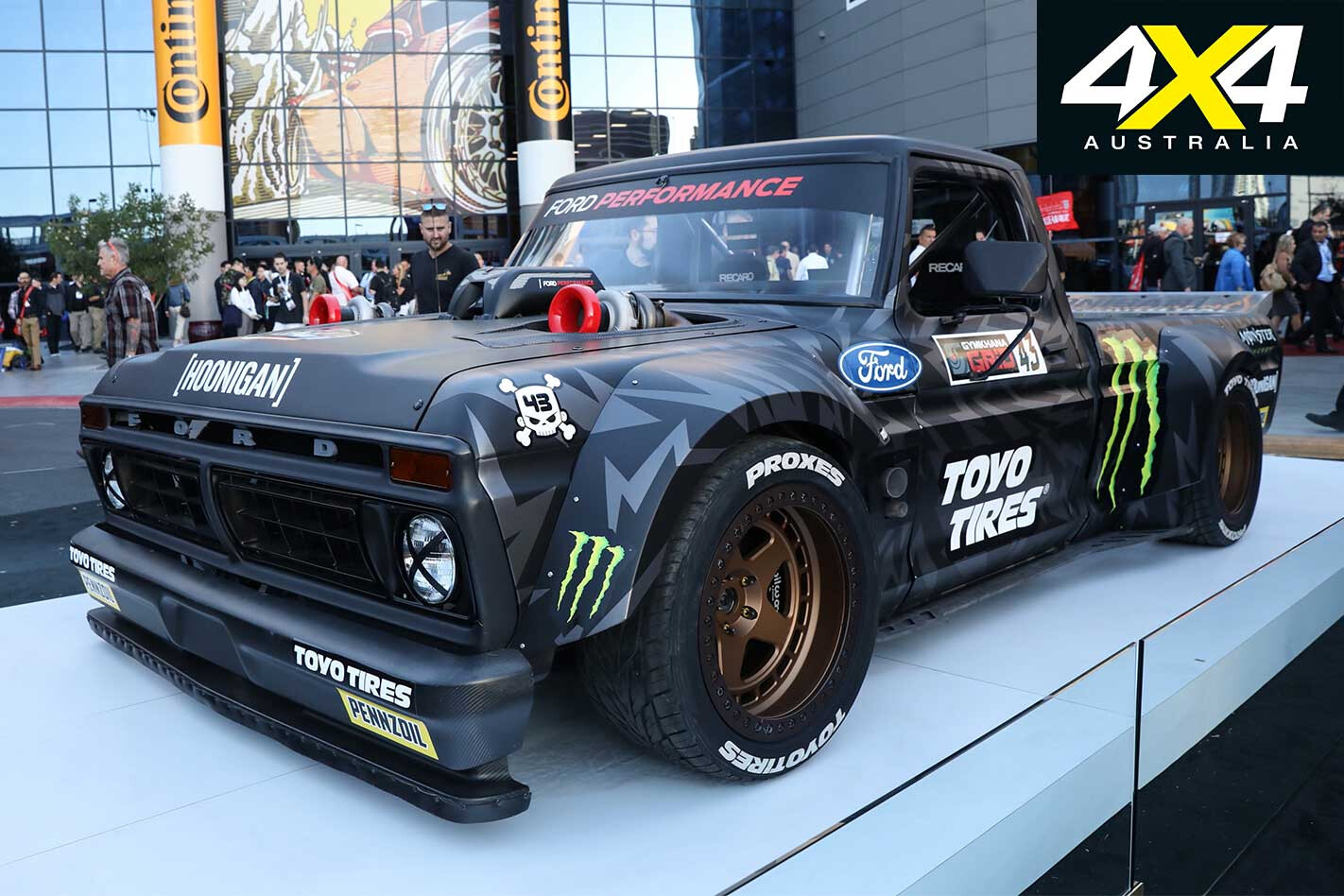
With the NHRA running drags at The Strip the weekend before the show, and qualifying for the Baja 1000 taking place in the surrounding desert during the week, there are plenty of racers and celebrities also in town and working their sponsors’ show booths. It wall to wall cars, people and products, and after five days of walking the show I still didn’t see all of it.
There are custom cars, trucks and 4x4s, with every taste – from mild to wild – catered for. When we arrived on the day before the show opened many of them were rolling into the Convention Center straight off the street, regardless of how wild they were.
One of the first cars I saw was the Lamborghini LM002 from Italian Design and Style, and I was amazed that anyone would modify one of them; and that was before I saw what engine was under the hood. It’s no surprise that it heads our Favourite Five 4x4s from SEMA 2018…
1 – Rambo Lambo
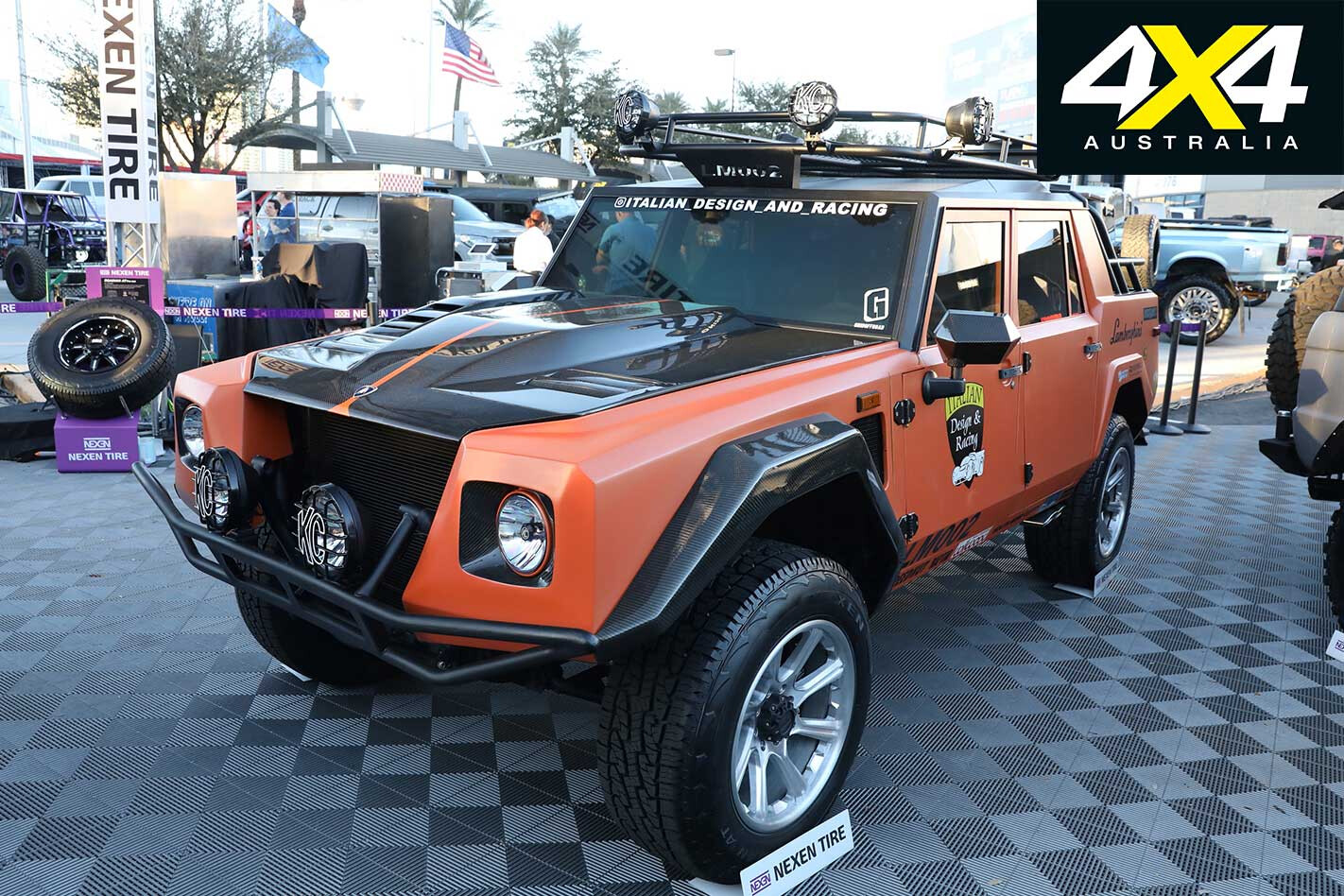
Lamborghini’s LM002 was a utilitarian rig developed for the military in the 1980s, and less than 400 were produced. Any classic Lambo is rare and the LM is no exception, so it was a surprise to see one at SEMA on the Nexen Tyres stand.
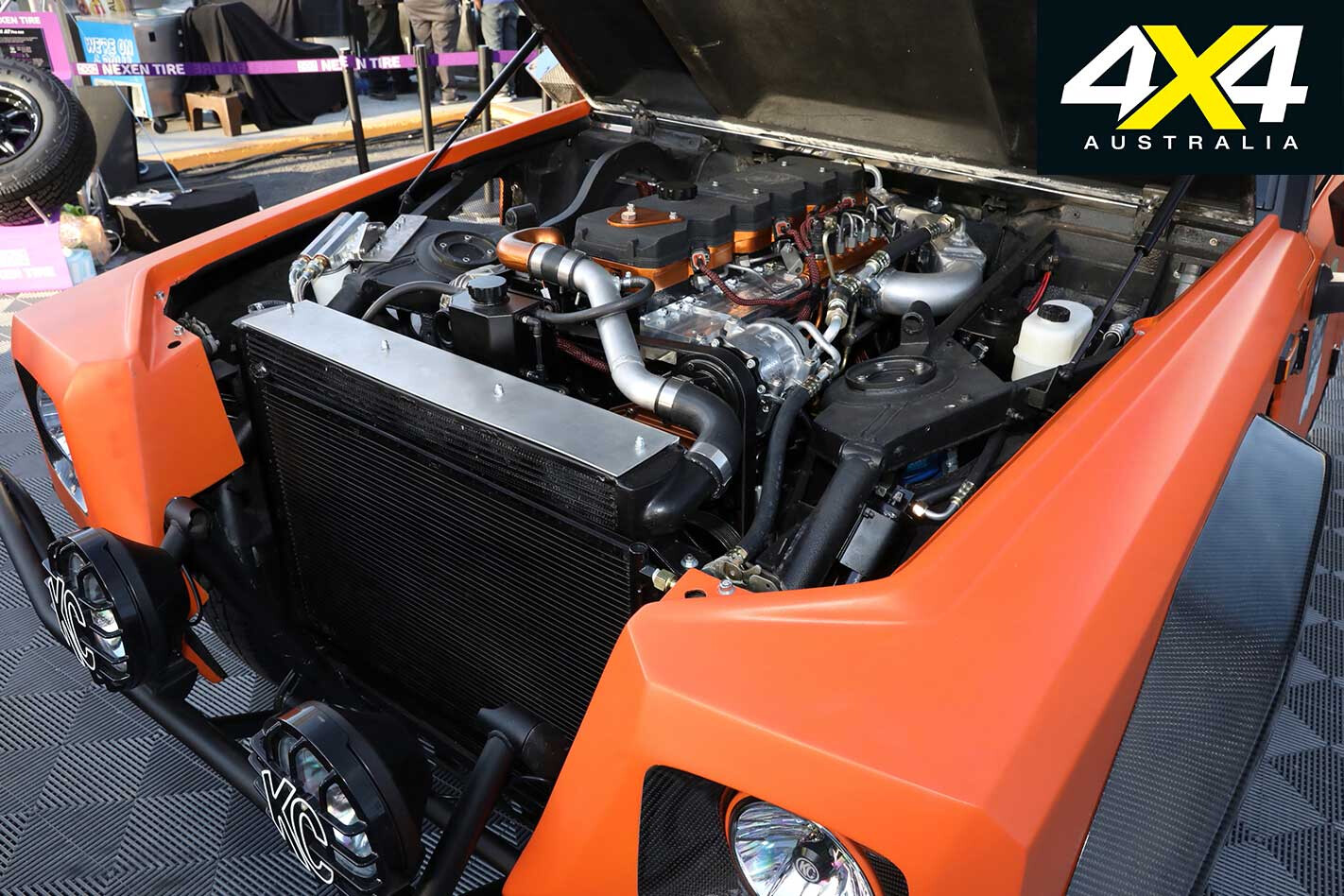
What was more amazing was that, beneath the flip-forward hood, the highly strung Lamborghini V12 engine has been swapped out for an inline six cylinder Cummins diesel engine. Sacrilege, yes, but cool? Hell yeah! Credit to Italian Design and Racing of Arizona for having the balls to do it.
2 – Outlaw Ranger
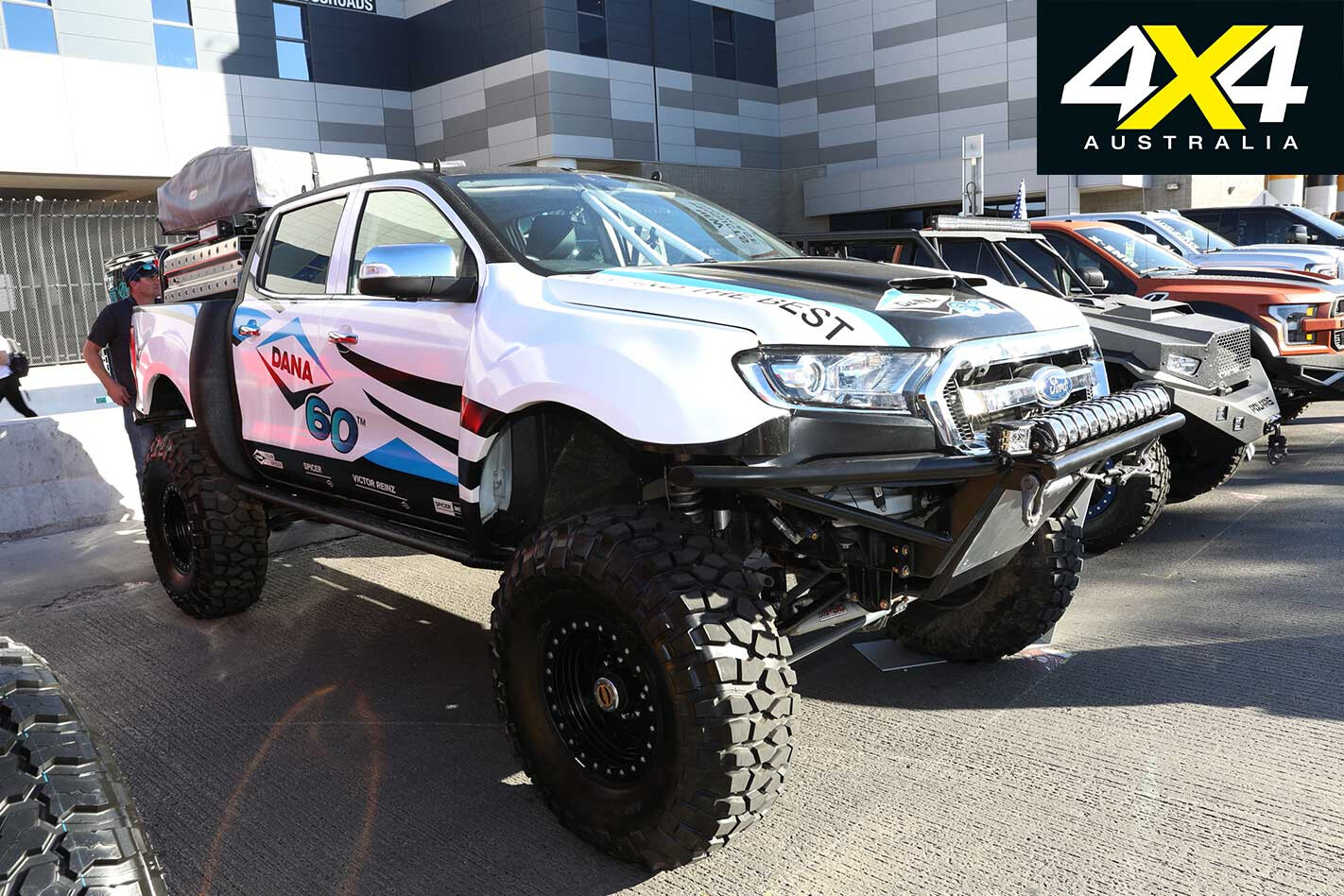
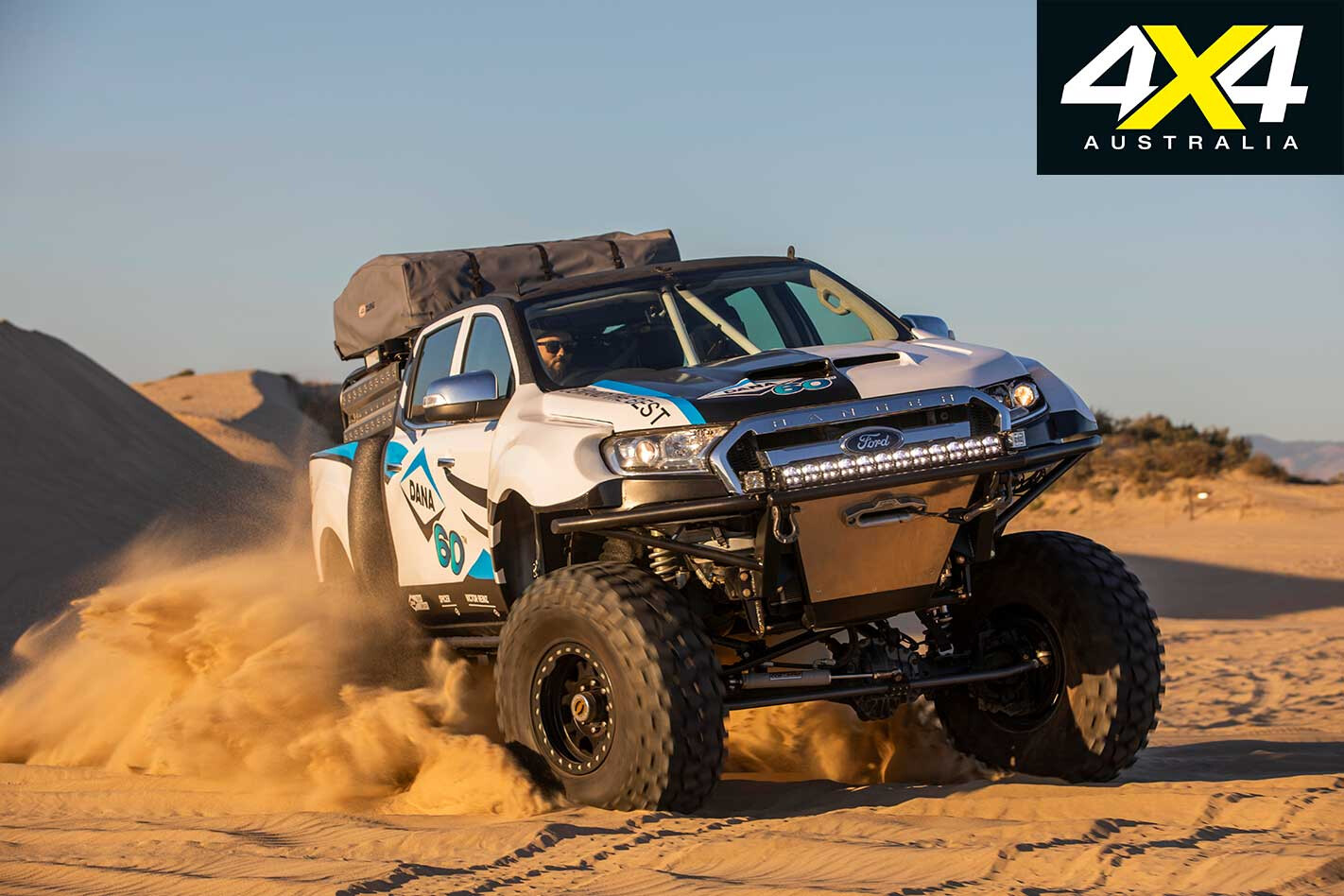
Ford’s T6 Ranger has only just hit the USA, and FoMoCo had five tricked-up examples of the US version on its stand. The one we liked most was outside and built by California’s Dirt Cinema as a commission for Dana Drivelines.
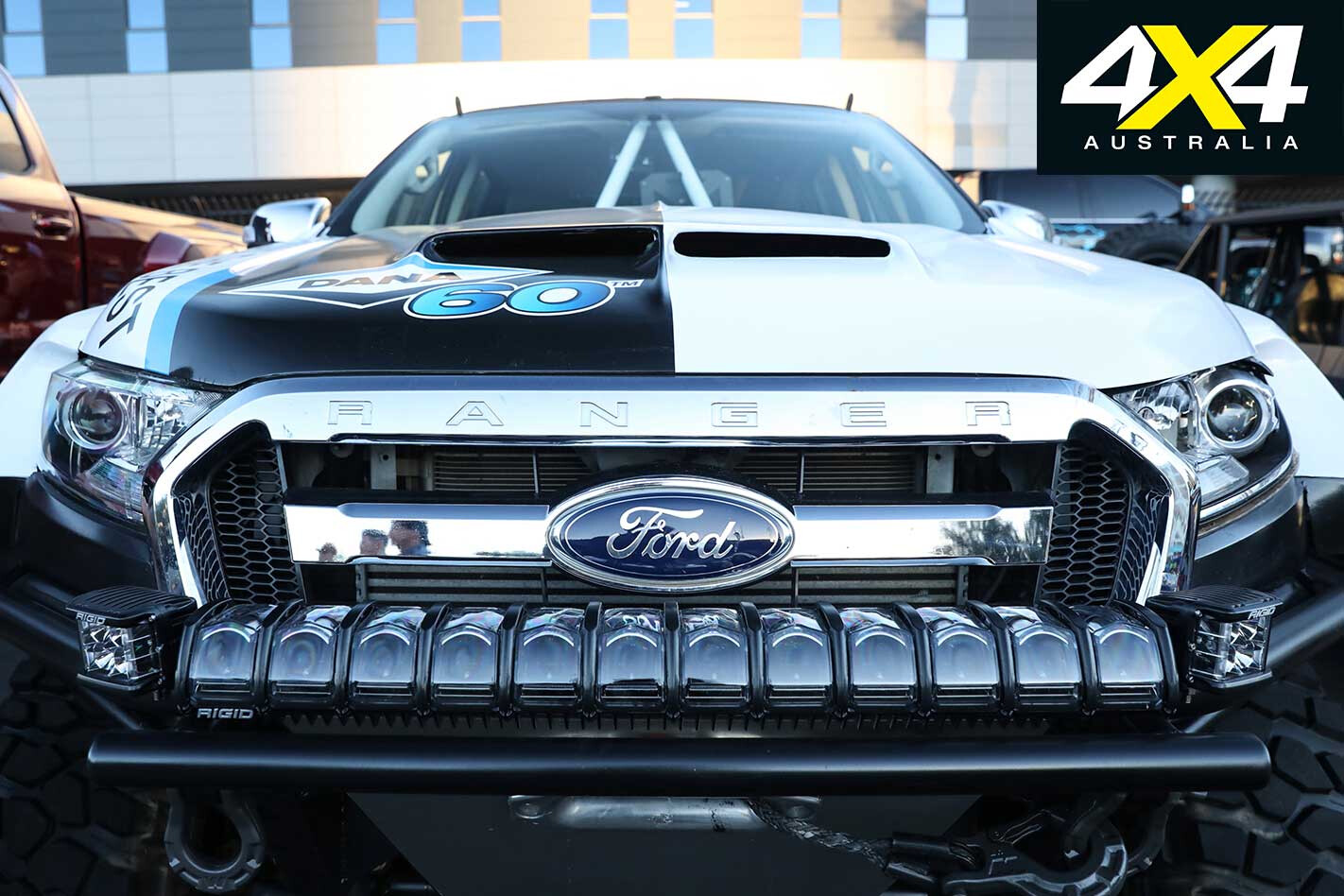
Needless to say the right-hook Ranger features Dana axles front and rear, and you can read all the details about it on page 34 of this issue. Could these be the start of SAS conversions for the PX Ranger here in Australia?
3 – Cactus Runner
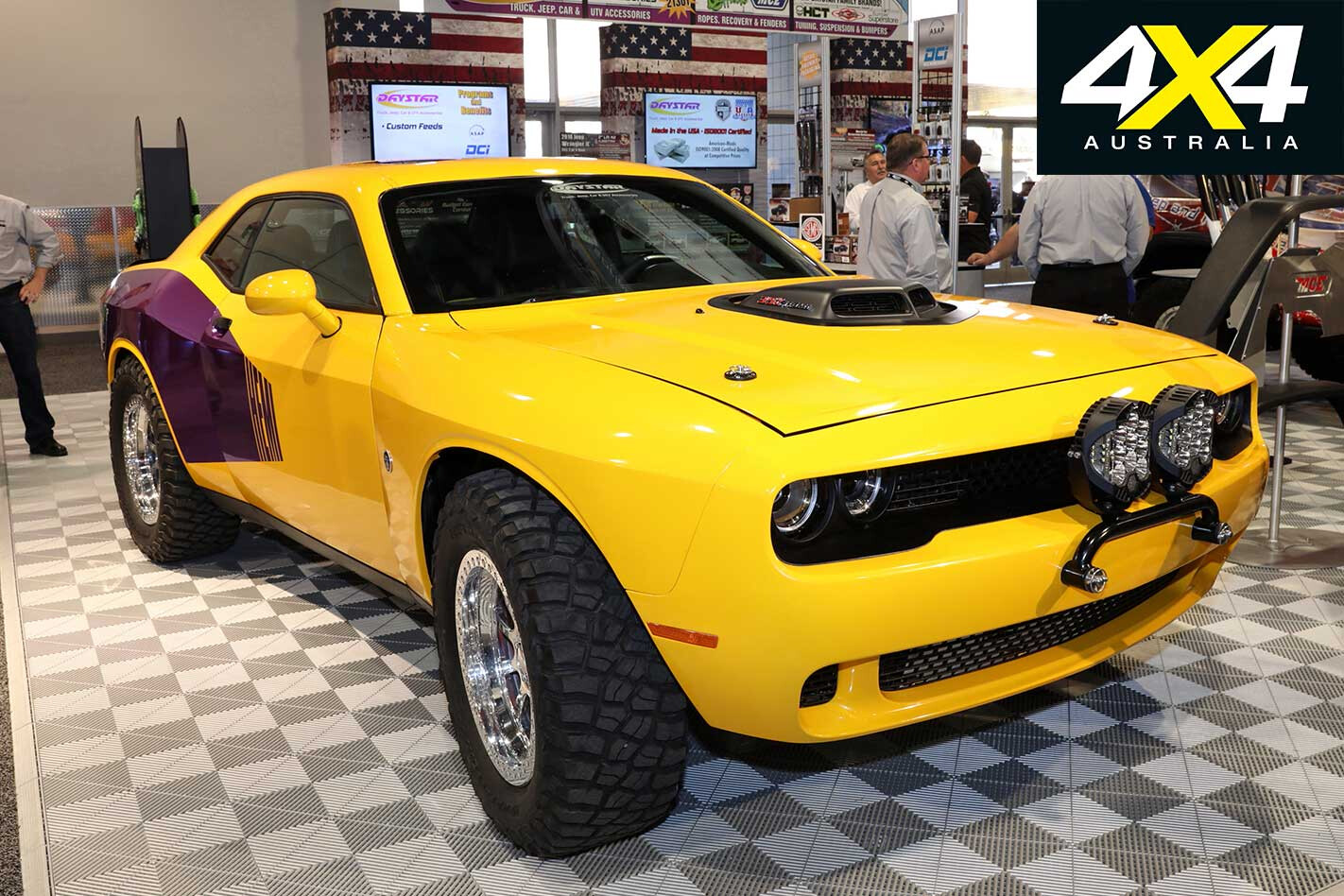
It’s not everyone’s first choice when thinking about a 4×4 desert racer, but this late model Challenger from Daystar is one hell of a muscle car. Daystar always comes up with some of the best rigs at SEMA Show, and its Cactus Runner didn’t disappoint.
A supercharged 392 Hemi V8 drives through a dual range transfer case to all four of those 35-inch KM3 BFGs. This Challenger would be a demon in the dunes.
4 – Trophy FJ
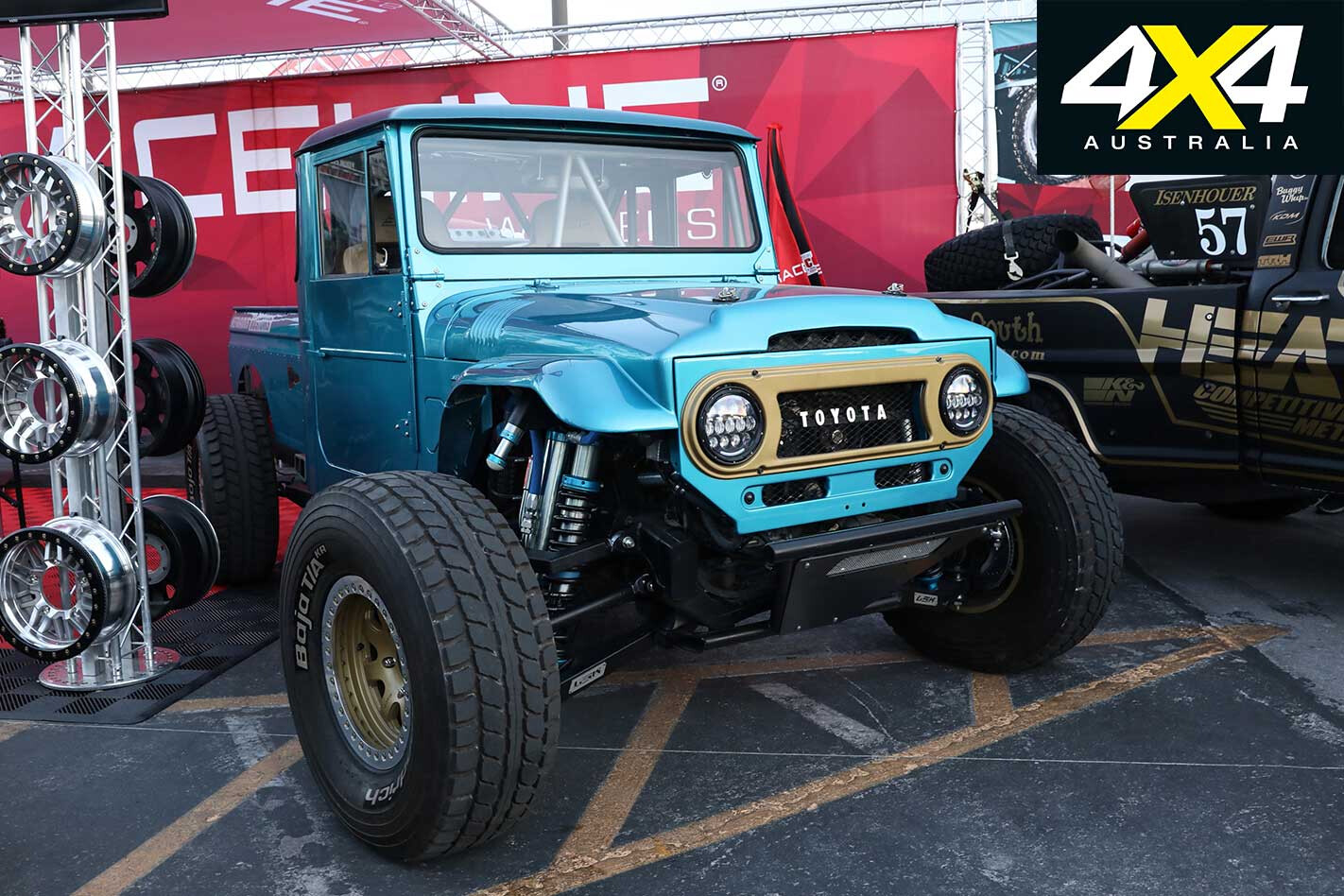
We’d been following the build of this FJ40 Land Cruiser from Vegas’s Nefarious Kustoms for the last couple of years, and it was only completed days before the 2018 show. Being based in the desert city, Nafarious’s main work is on off-road racing and pre-runner vehicles, so it’s no surprise that business owner Cameron would follow that style for his own Cruiser.
Rolling on a chassis derived from a Toyota Tundra pick-up and retaining the Tundra’s 4.7-litre V8 and auto transmission, the Trophy FJ stands staunch on long travel suspension and BFGs on Raceline wheels. Keep an eye on 4X4 Australia magazine for a full feature coming soon.
5 – International Rescue
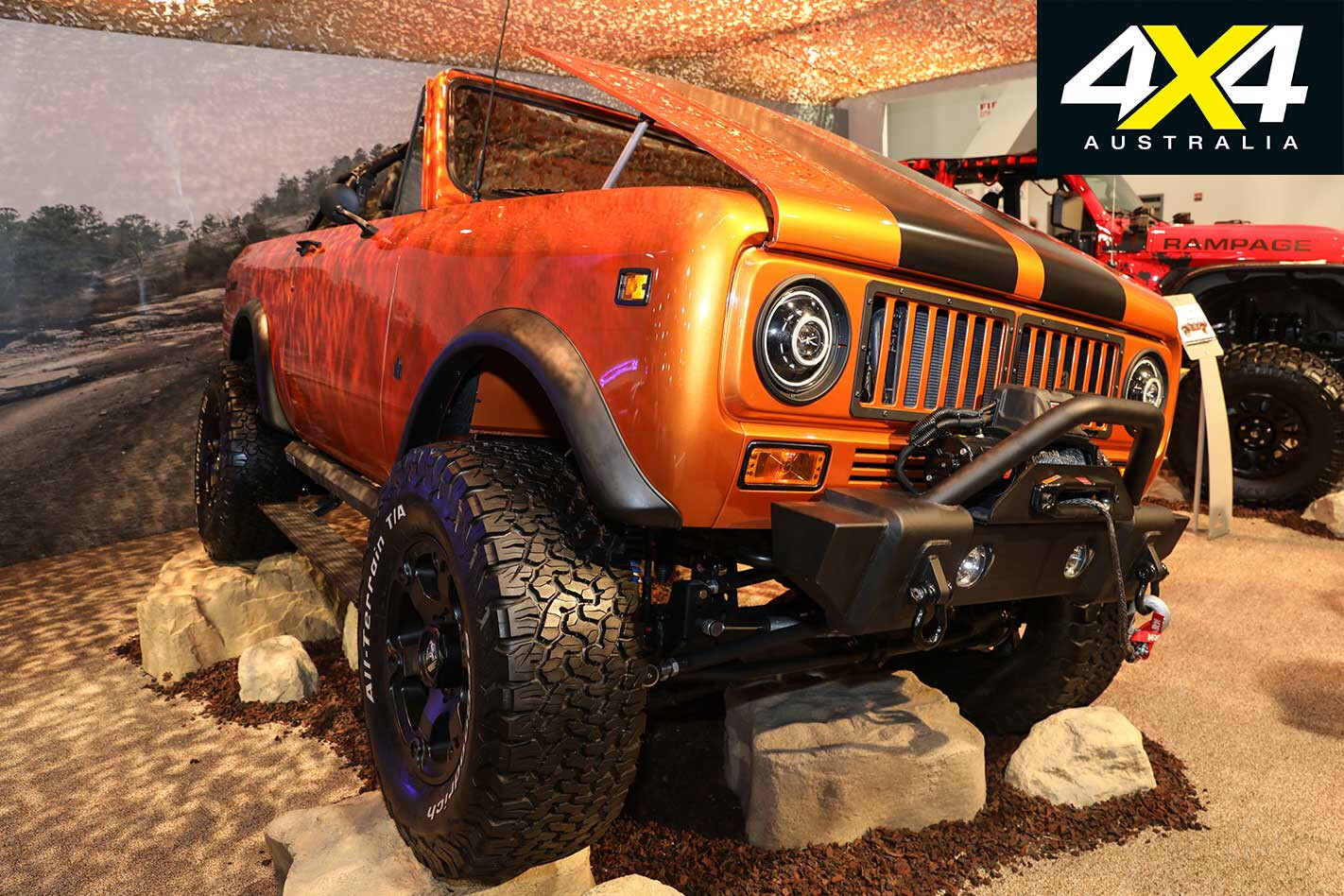
The International Scout is one of those classic American off-road vehicles that are drop-dead gorgeous, even in stock trim. That didn’t stop Colorado customiser Billy Bibb from taking to this 1973 International Scout II and transforming it into an all-terrain hot rod.
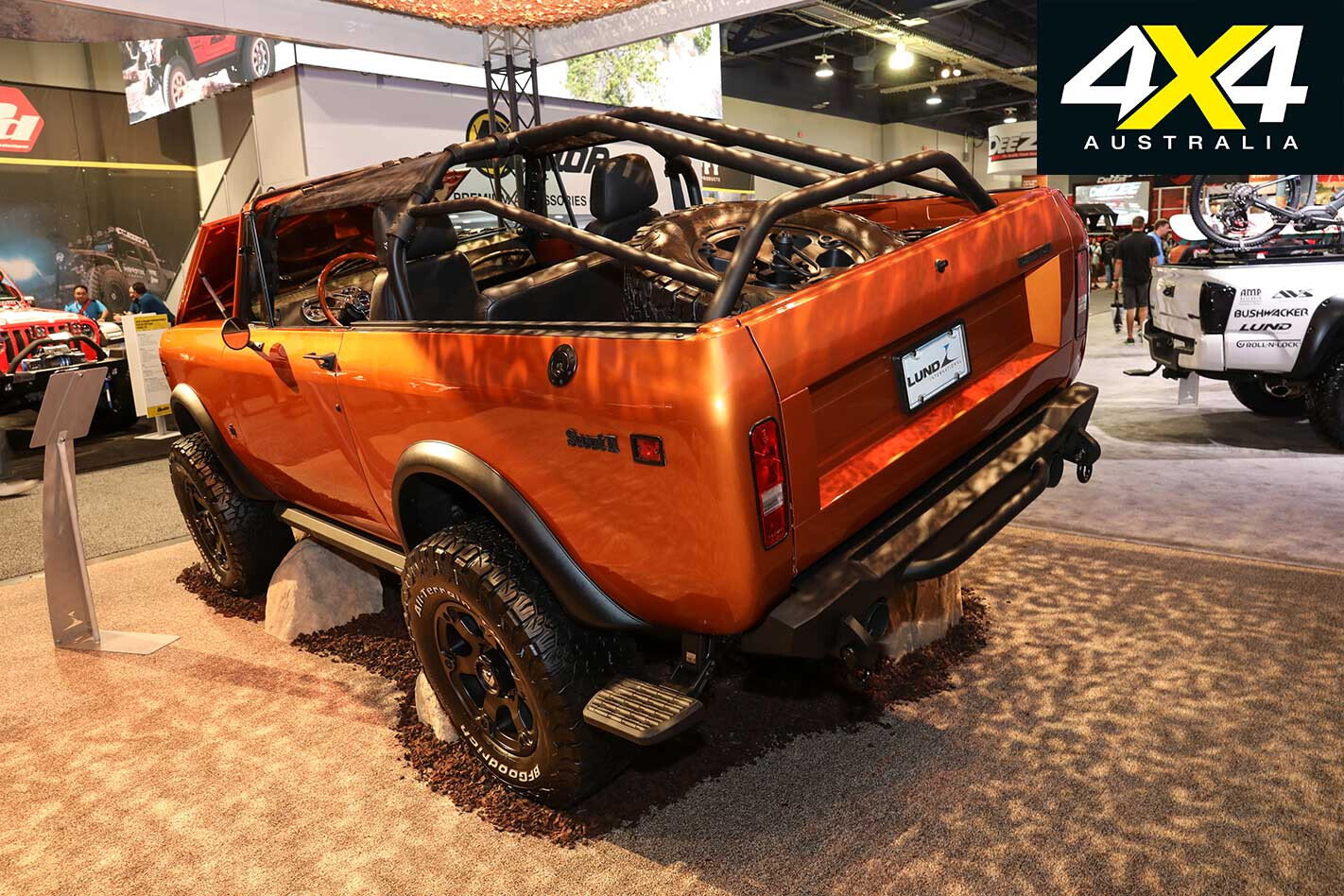
The glowing gold open-top Scout is powered by a 550hp supercharged LSA V8, driven through an auto transmission. Dana 60 axles are stuffed full with ARB Air Lockers, which are hung from the custom chassis on links and coil-overs. The Scout was indoors on the Lund International booth, but it shone when it hit the Strip for the SEMA Cruise.
THE rock-crawling Ford Ranger you see planted on the cover packs Ultimate Dana 60 axles – some of the strongest axles on the planet – and is the result of an open chequebook and a complete disregard for rules.
A trip State-side brought us face-to-face with a custom 1988 Land Rover 110 with a Cummins R2.8-litre turbo-diesel residing beneath the hood; Sin City was also on the cards on our American adventure for the annual SEMA Show, and we list all the best four-wheelers and products to line the massive halls in 2018.
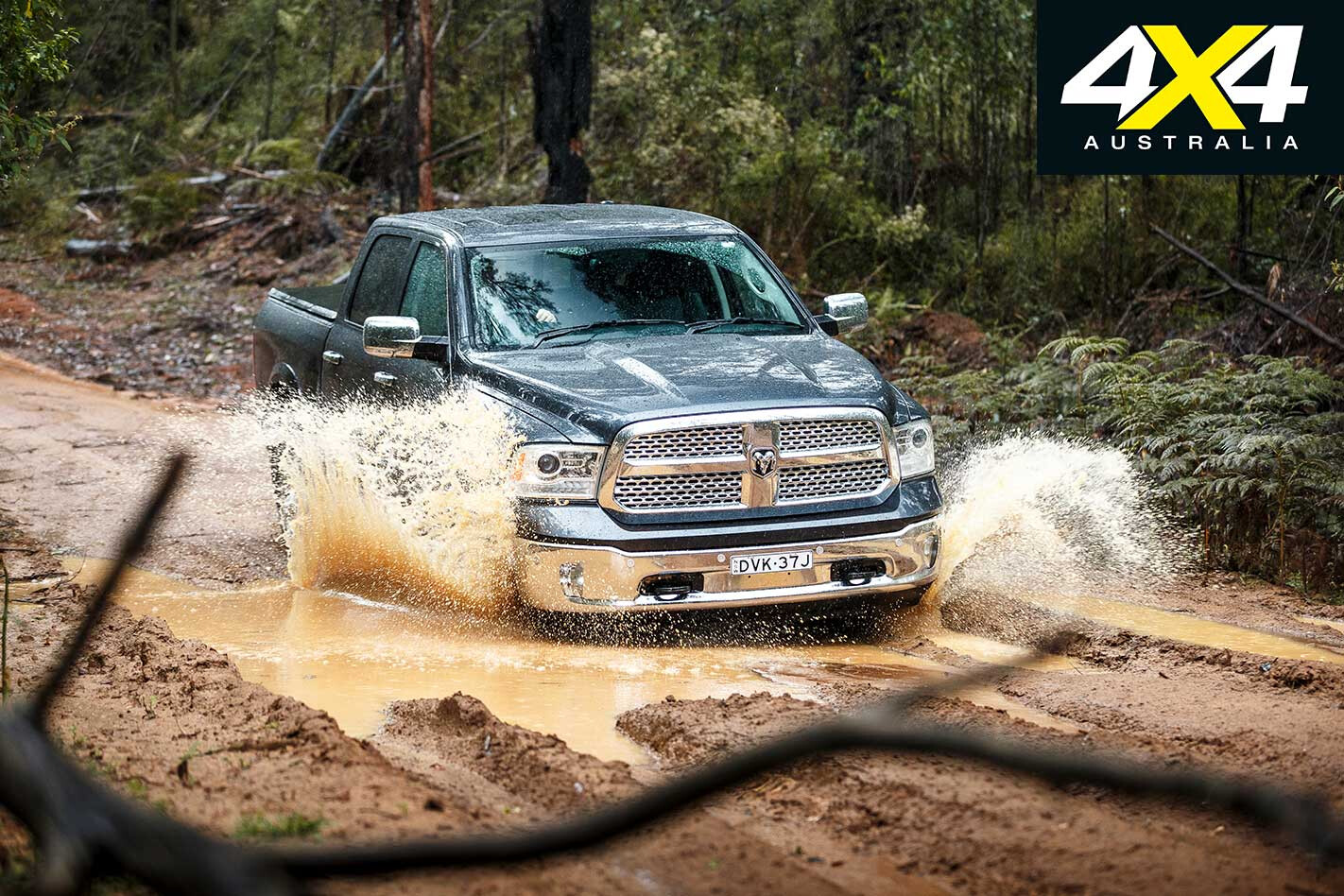
We carve through off-road terrain in Thailand with the upcoming 2019 Mitsubishi Triton; the budget-priced Great Wall Steed dual-cab impresses with its underrated ability; and Matt takes a V8-powered RAM 1500 Laramie for a spurt to Melbourne’s outskirts.
Ford now offers the Everest wagon with the 2.0-litre four-cylinder diesel introduced with the Ranger Raptor, so we decided to run it side-by-side with Holden’s 2.8-litre four-cylinder diesel-powered Trailblazer. Is the Everest’s 2.0-litre the ‘little’ engine that could?
In this issue we also venture to the world’s largest parallel sand-dune desert, the Simpson; and we discover a new NT gem not yet open to the public.
We also chat to the experts to unravel why a recovery strap is an essential off-road recovery tool. Enjoy!
WHAT ELSE IS THERE?
– Bonus 4×4 Adventure Series DVD: SE Qld (part 1) – 4X4 Shed: Nissan Patrol GU – Explore: Litchfield NP, NSW – Product Test: UEV-490 camper trailer – Terrain Tamer’s BJ40 Bull Buggy – Ground Grabba tested – 70 Series clutch and regear – 1HZ engine gets boosted – Regular columns, new gear and plenty more.
LIGHT Commercial Vehicle sales have bucked the trend seen throughout the market, with more LCVs sold in November 2018 than were sold in the corresponding month last year.
LCV sales were up 4.2 per cent in November 2018 from November 2017; for comparison’s sake, overall national vehicle sales were down 7.4 per cent, passenger car sales were down 20.8 per cent and SUV sales were down 1.9 per cent.
Still, year-to-date sales passed the one million mark in November, with the total number of sales coming in at 1,065,583 – a 1.9 per cent drop compared to 2017.
“The November 2018 sales reflect tougher conditions across the economy. However, it is encouraging that sales have once again passed the one million mark for 2018, with one more selling month to go,” said Tony Weber, the Chief Executive of the Federal Chamber of Automotive Industries. “The 1.9 per cent fall in sales … is a modest outcome within a market where consumer preferences are rapidly shifting from passenger vehicles to SUVs.”
The LCV market held a 22.3 per cent share of the market in November, and a 20.5 per cent share of the market year-to-date (218,579 overall sales).
The five best-selling 4x4s remain unchanged from the previous month (October), with the Hilux remaining well on-track to re-claim the gong from the Ford Ranger, which took home the trophy in 2017.
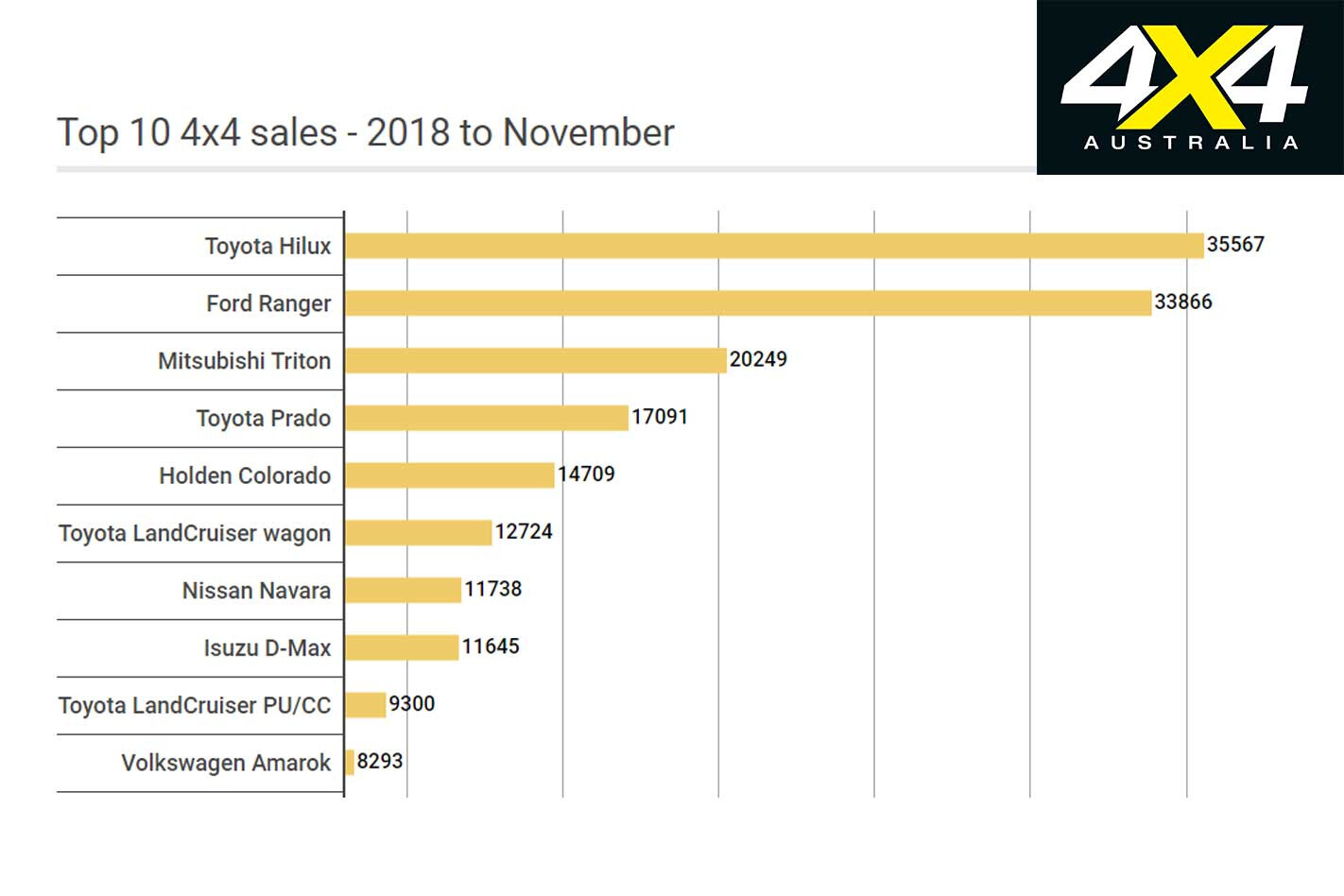
LDV T60 sales continue to rise (455 units this month; compared to 342 last month); and the X-Class has made the top 20 list for the first time, registering 118 sales in November.
The Hilux 4×4/4×2 (4671 units) and Ranger 4×4/4×2 (3469) were once again one-two on the overall sales charts, and they were trailed by the Corolla (2659), Triton (2404) and i30 (2378).
Will the status quo get rocked when a bunch of new off-roaders – Jimny, Gladiator – land next year?
THE diminutive off-roader we’re all eagerly anticipating will be available at dealerships Australia-wide from January 26, 2019.
When it lands, the fourth-gen Suzuki Jimny will be powered by a 1.5-litre naturally-aspirated inline four-cylinder petrol engine, capable of 75kW and 130Nm. It will be mated to either a five-speed manual or four-speed automatic transmission, with part-time 4×4.Michael Pachota, Suzuki Australia’s General Manager, said launching the upcoming Jimny – as well as the new Vitara (also landing with dealers on the same day) – was appropriate for the Suzuki brand.
“Both the Jimny and Vitara have a strong heritage and following in Australia, which has been none more evident than the demand for pre-orders since the all-new Jimny was confirmed for the Australian market,” Pachota said.
Like its predecessor, the Jimny will retain a ladder-frame chassis, live front and rear axles, and dual-range transmission. In addition, it will get a stiffened chassis, Electronic Stability Control, dual sensor-brake support and be compatible with Android Auto and Apple CarPlay.
So far, more than 200 enthusiasts have already pre-ordered the pint-sized off-roader.
LOOK closely or you might miss the latest derivative offered by HSV for its Colorado SportsCat ute.
The performance-honed company recently revealed the SportsCat ‘Look Pack’, which will sit between the SportsCat and SportsCat+ in the model line-up.
The ‘Look Pack’ gets all the design and visual cues of the SportsCat+ – fascia, grille, fender flares, bonnet bulge and hard tonneau – but it misses out on the range-topper’s rear de-coupling anti-roll bar and AP Racing brake package.
The ‘Look Pack’ is powered by the 147kW/500Nm 2.8-litre four-cylinder turbo-diesel and benefits from HSV’s Sports Suspension and a unique ESC tune. The premium interior of the SportsCat+ is carried over, and the Cooper Zeon LTZ Sports all-terrain tyres are wrapped around the same 18-inch forged alloys found on the SportsCat+. A new ‘Crush’ exterior paintjob is also available.
“The rugged styling cues of the SportsCat+ model have been exceptionally well received by customers and HSV dealers alike,” said HSV’s Managing Director, Tim Jackson. “The introduction of the ‘Look Pack’ now provides buyers with three distinctive SportsCat specification and pricing alternatives to suit their work and lifestyle requirements.”
Production has begun at HSV’s manufacturing facility in Clayton South, Victoria.
RRP Colorado SportsCat (manual): $60,790 Colorado SportsCat “Look Pack” (manual): $62,490 Colorado SportsCat+ (manual): $66,790
Major personalisation options Six-speed Automatic Transmission with Active Select: $2200 Sail Plane (SportsCat “Look Pack” ’ SportsCat+ only): $1300 SupaShock suspension (SportsCat+ only): $3600 Prestige Paint (Dark Shadow ’ Mineral Black): $550 Tub-liner: $300 Load Master: $795 Eye-Bolt: $75 Load Rack: $647
SOUTH Korean auto company SsangYong has relaunched its brand in Australia with a line-up of three models including the Musso ute, the Rexton SUV and the Tivoli compact SUV.
Missing from the range is the vehicle we’d most like to drive, the SsangYong Rexton DKR, which the company will use to compete in the 40th edition of the Dakar Rally in Peru in January 2019.
The SsangYong (in name and face only) Rexton DKR is a rear-wheel-driven rally-raid buggy powered by a mid-mounted 335kW petrol V8 engine that is capable of propelling the 1900kg buggy from 0-100 km/h in 4.4 seconds and to a top speed of 195km/h.
In an Australian link, the Rexton DKR’s engine is controlled by an ECU from Melbourne manufacturer MoTeC, a brand with a long history of supplying top-end race teams and performance cars with premium electronic control systems.
The Rexton road car in Australia will be powered by a more subdued 2.2-litre four-cylinder turbodiesel engine that makes 133kW at 4000rpm and 420Nm between 1400-2800rpm. It’ll be backed by a seven-speed automatic transmission and part time four-wheel drive with low range, for some genuine off-road ability. It’ll be priced from $46,990, drive-away.
We expect the Rexton DKR will be more costly and harder to get behind the wheel of. It’ll be driven by Spaniards Óscar Fuertes and Diego Vallejo, while key Australians to look out for include 2016 Dakar champion Toby Price on his factory KTM motorcycle and Melbourne dairy farmer Steve Riley in his home-made Commodore ute. Price is the only Australian to ever win the gruelling desert race; for Riley, his ute will be the first Holden to ever compete.
The Dakar Rally starts in starts in Peru on January 6, 2019 and finishes in Lima on January 17. It covers more than 5000km of terrain, including 3000km in the 10 special stages on mainly desert sand-dune country.
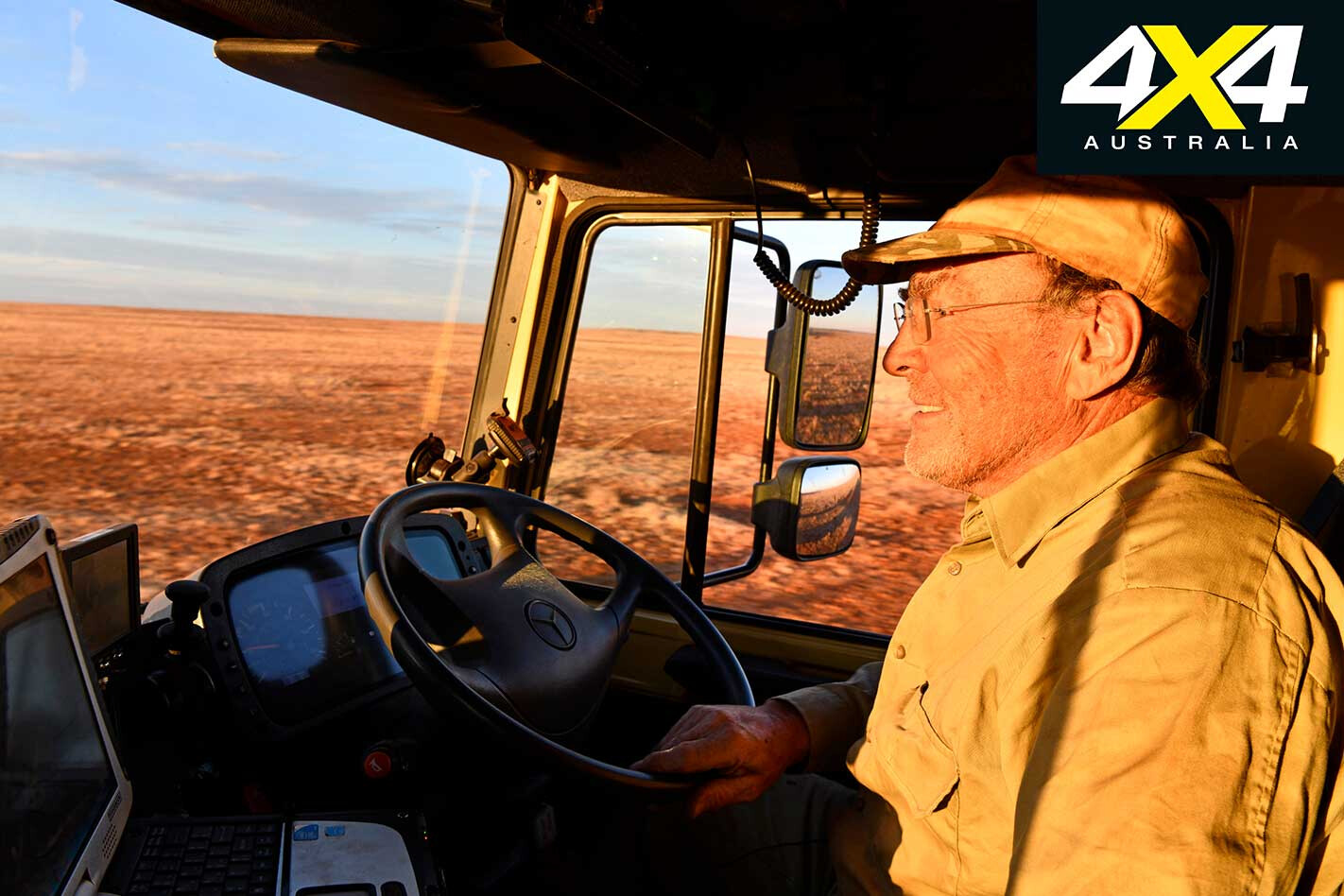
If there’s one thing Larry Perkins has learned in his long motorsport career, it’s to use the right tool for the job. The no-nonsense, six-time Bathurst 1000 winner was renowned for the reliability of his racecars and engines and was fond of saying there were “no palm trees” in his pits. That’s Larry-speak for no bullshit. At Perkins Engineering, function always came before flamboyance.
So when Perkins retired in 2011 to take up his other passion, exploring the deserts of outback Australia, he wanted a no bullshit, high ground clearance vehicle that could handle the extremes of terrain he would encounter, tow a trailer with his quad bike, and be comfortable enough to live out of for extended periods. So Perkins bought a Mercedes-Benz Unimog U4000 – naturally.
Perkins was already familiar with the big German 4×4 trucks and had built an off-road motorhome based on an earlier model, with a Kenworth truck cab in place of the ’Mog’s, which he still owns.
But it was a device Perkins developed for his new Unimog that would transform it into the V8 Supercar of off-road trucks, a Land Cruiser on steroids (but more on that later).
Aussie stamp
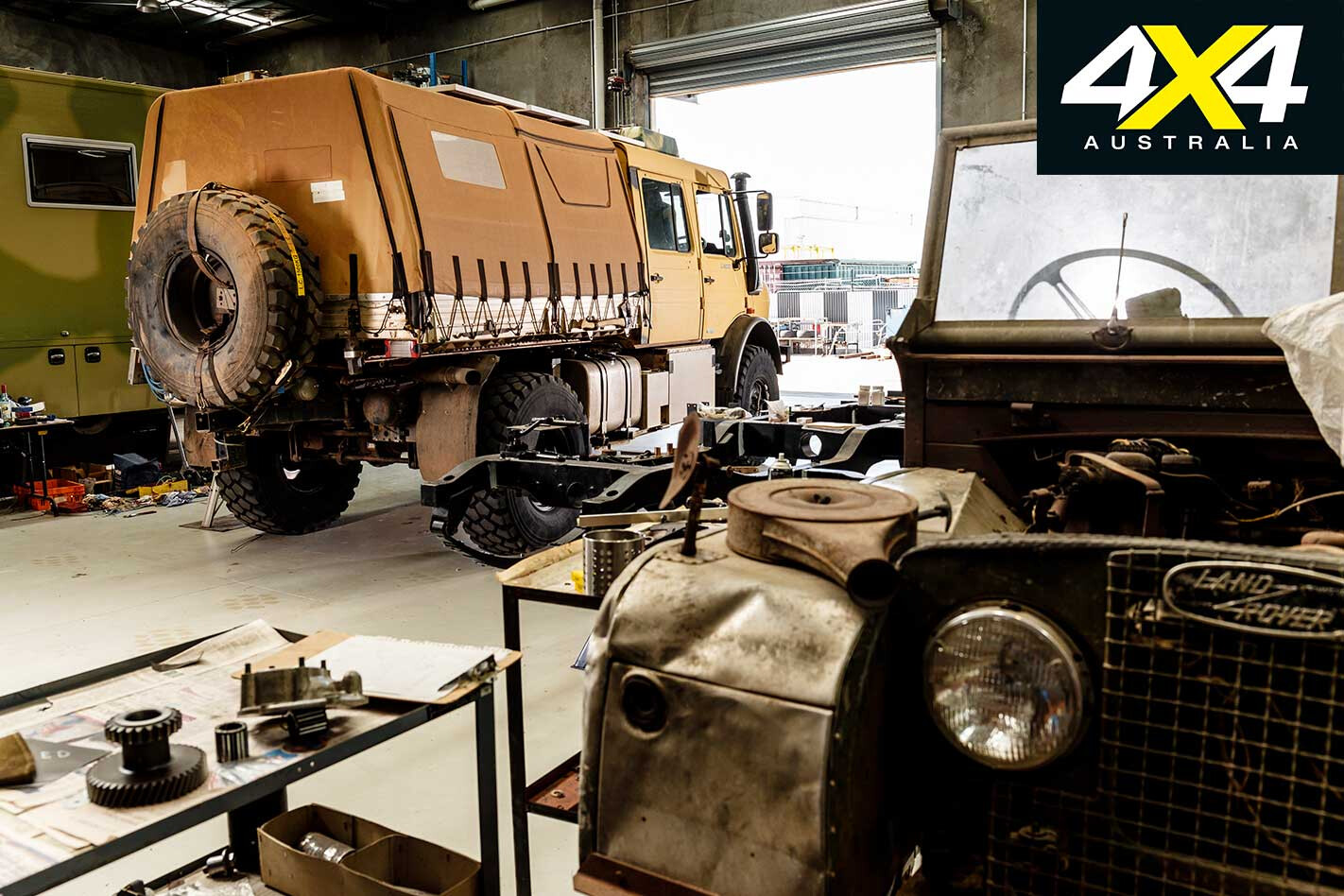
Eight months after he ordered it, the Unimog cab/chassis arrived – basically stock except for air-con and, most importantly, Mercedes’ onboard tyre inflation system – and Perkins set about modifying it into an Australian desert conqueror.
He jettisoned the “pathetic” single 160-litre fuel tank, replacing it with two tanks with a total capacity of 550 litres, and fabricated the rear cabin structure, adding storage bins and drawers all around the chassis to house everything from a kitchen to tool boxes, spares and bottles of red, of course.
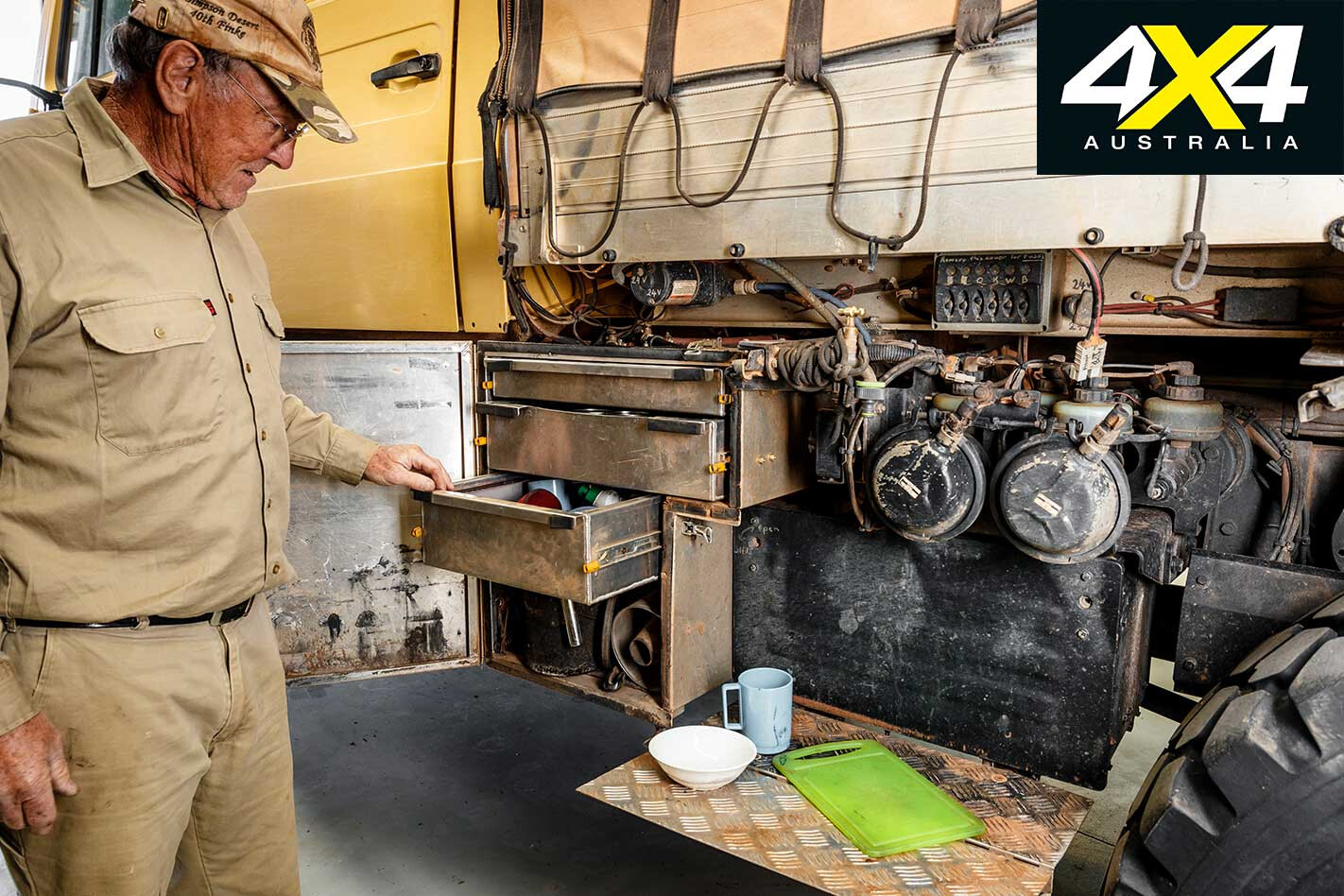
Everything was designed to be light because any racer will tell you weight is the enemy of speed and fuel consumption. “I don’t like weight, I hate carrying stuff I don’t need to carry,” Perkins growls.
He added a 190-litre water tank that can be filled (from a bore, for example) by an electric pressure pump that also feeds a shower hose; and for a hot shower Perkins boils water in a stainless steel bucket and uses the pump to extract it.
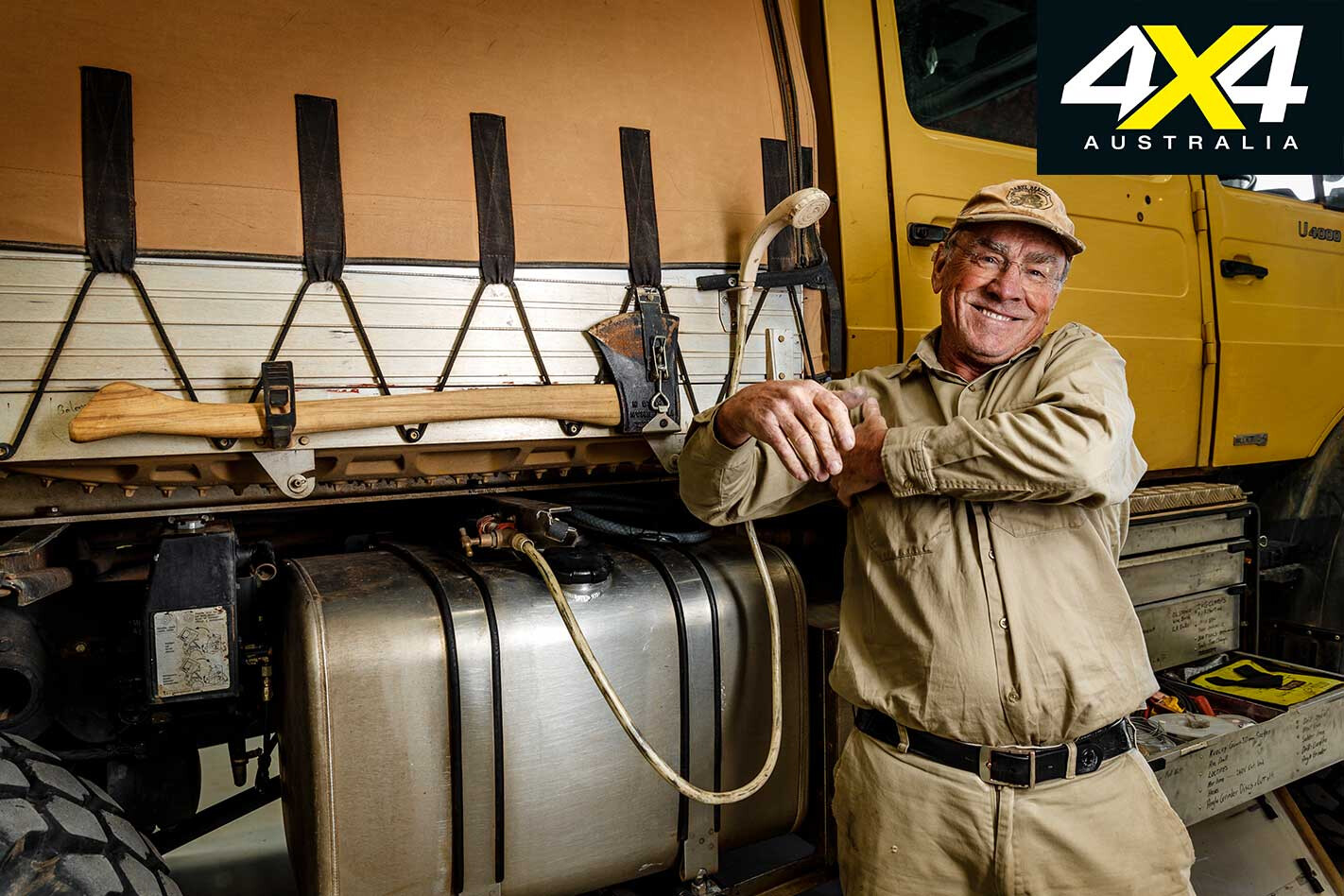
“I had a 75-year-old professor and his missus travel with me once and she didn’t mind having a shower (by the side of the truck); I’m not going to carry a shower cubicle,” Perkins smiles.
Inside the ‘motel’ section of the ’Mog, which is mounted at three points, like the cab, to allow for 10 degrees of chassis twist, there’s a double bed with storage under it, various fridges and freezers and room to stow items like his satellite dish stand.
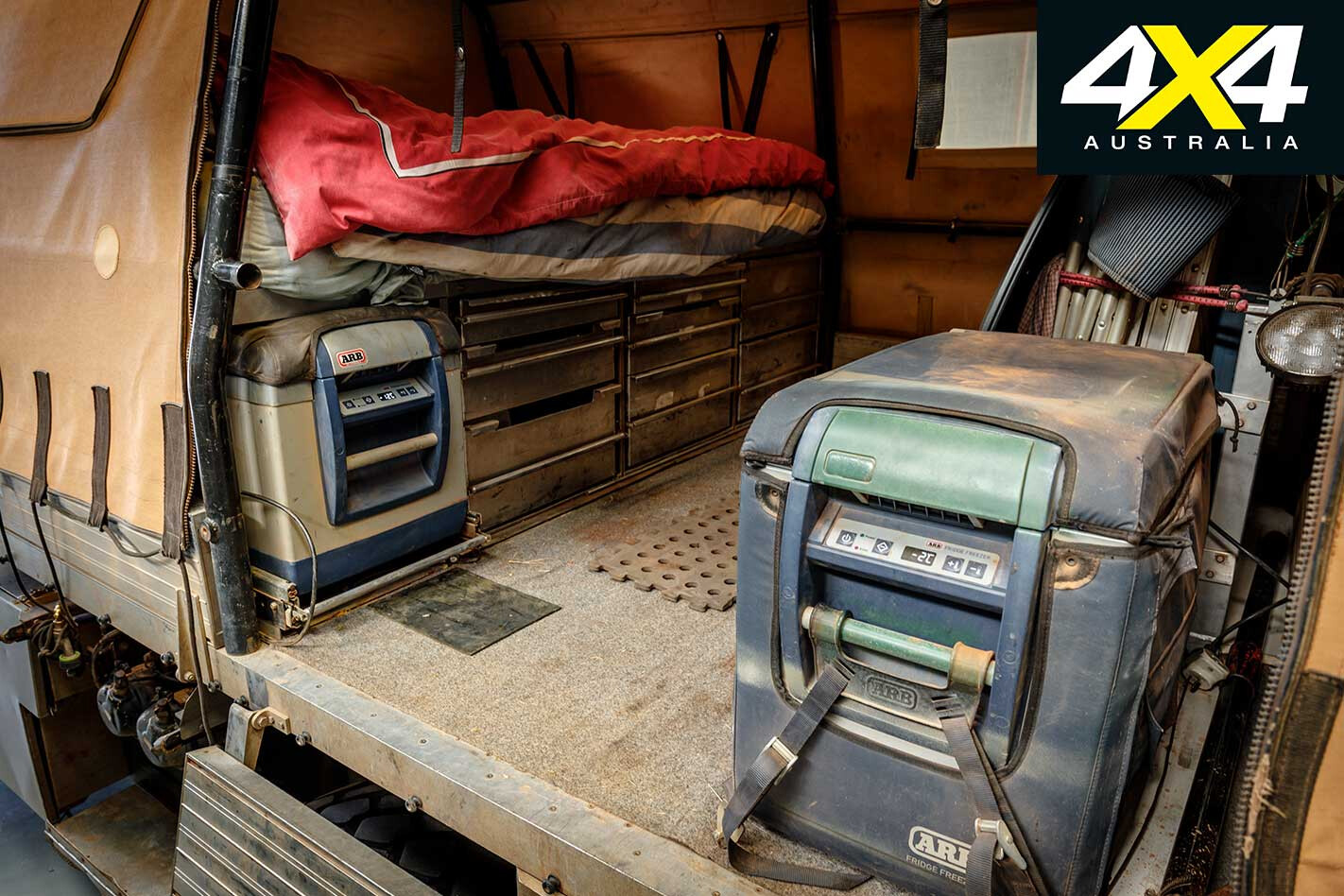
There are three solar panels on the roof making 450 Watts and the ’Mog has just about every electrical power configuration available: 12, 24 and 240 volts, and a 12- to 240-volt convertor.
The ’Mog is powered by a 160kW/810Nm 4.8-litre turbo-diesel four, and that surprised Perkins when he placed his order. “I would have preferred a six because they are inherently smoother. It’s got a lot of torque, but I wouldn’t mind another 50hp, especially when I’m towing my trailer. But with more power comes more fuel consumption.”
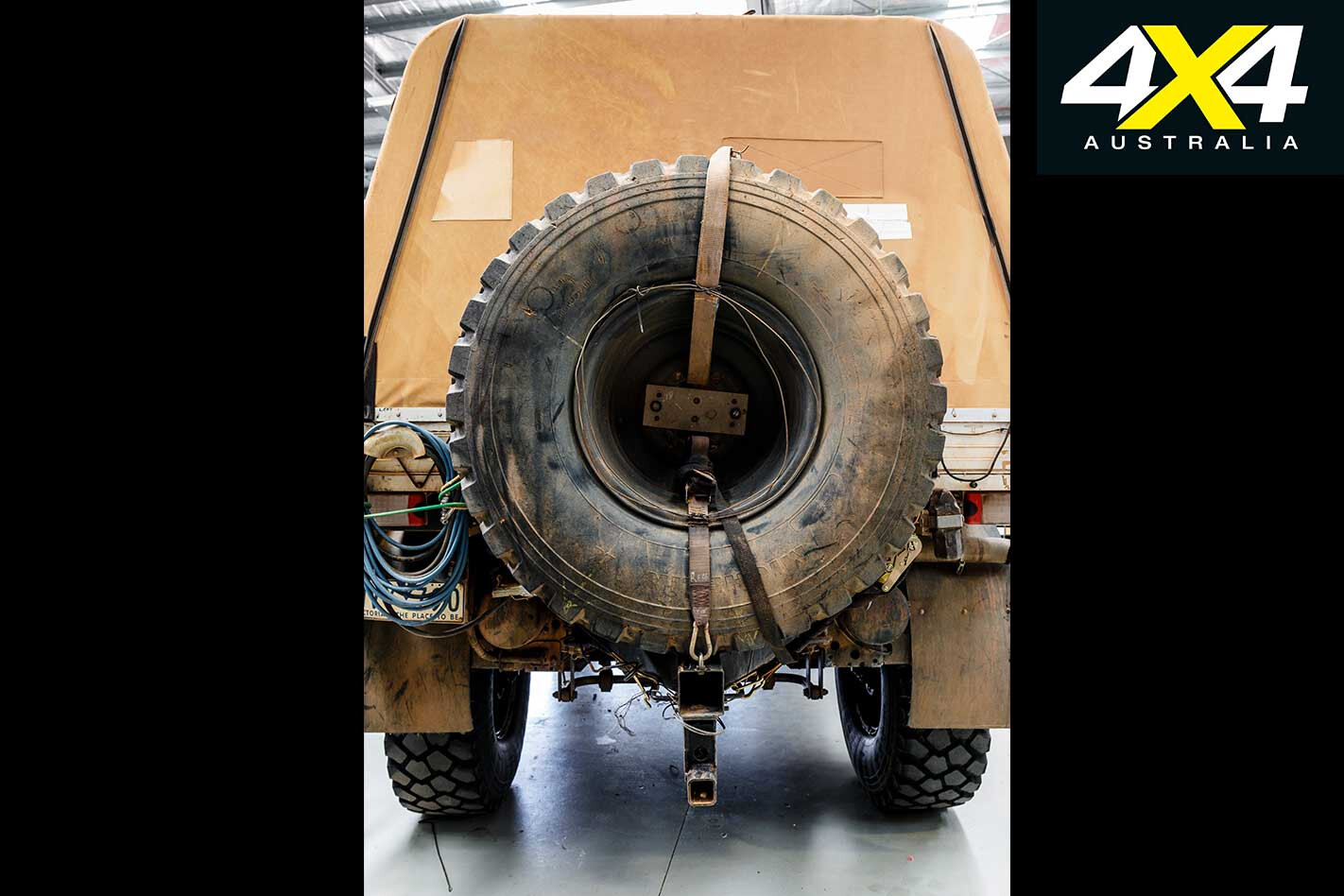
The high-tech, coil-spring suspension is “bog standard” and, combined with huge 395 x 20-inch tyres, the 7.1-tonne (fully loaded) ’Mog has a very soft ride. Changing tyres is not for the fainthearted, though, a wheel and tyre weighs a whopping 125kg!
Sophisticated all-disc brakes have dual calipers and four-channel ABS that can be deactivated off-road, and the big ’Mog can turn on a 10-cent piece. “I’ve got a 79 Series Toyota Land Cruiser and the Unimog has an almost 10-foot tighter turning circle, I couldn’t believe it,” Perkins marvels.
Perkins overdrive
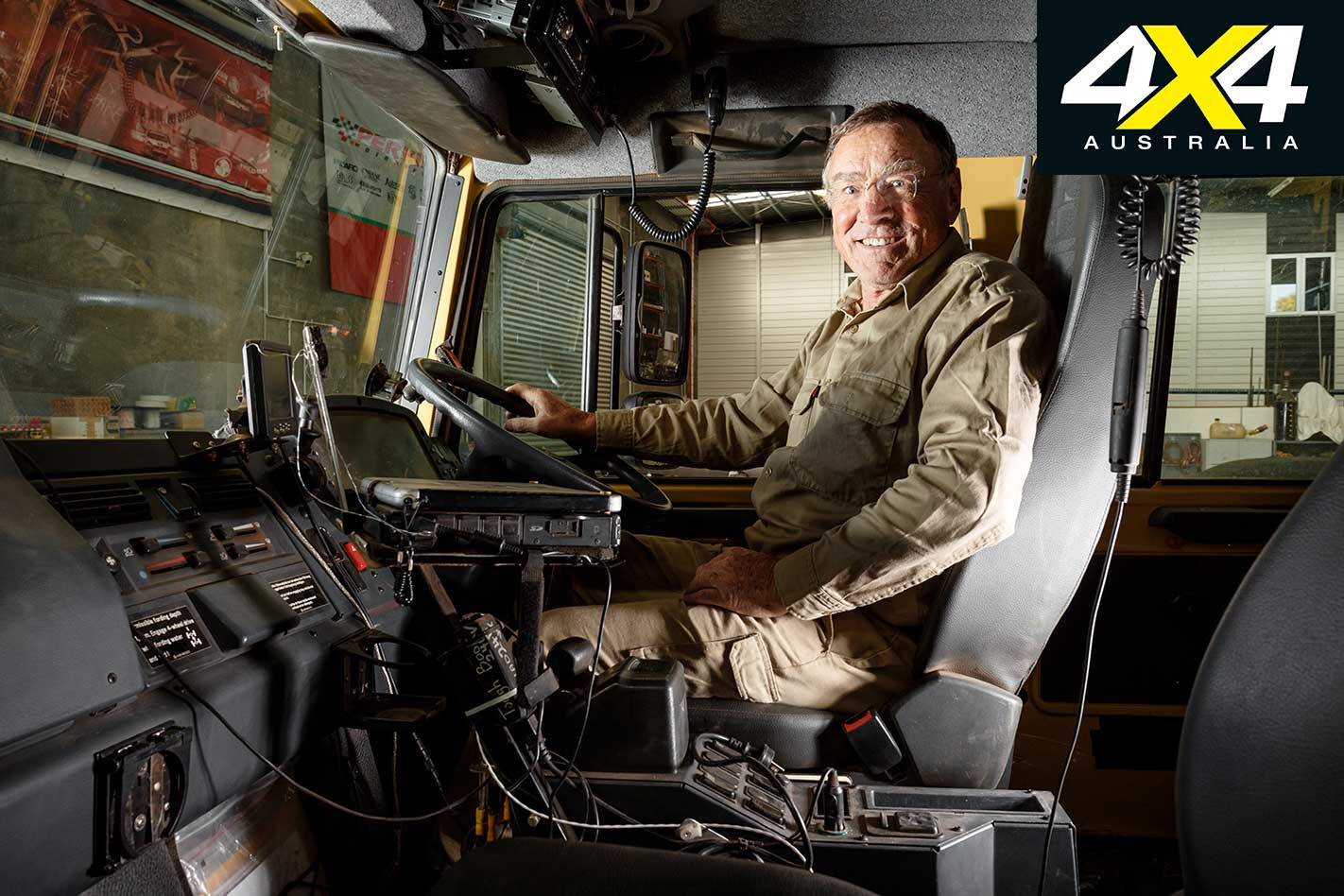
The Unimog’s one drawback was its gearing, it’s too low for this wide, brown land. Perkins ordered a manual transmission which has electronic shift with pneumatic actuation and eight forward and six reverse gears, plus low range.
What transforms the Unimog, though, is the Perkins-designed overdrive which gives the truck 32 forward gears and 24 reverse gears in total. He designed it out of necessity, as he explained to Mercedes engineers who inspected it.
“I told them I’ve sometimes got to drive 2000km just to get to some scrub and I can’t do that at 80km/h; you’re a danger to everyone else on the road when they’re doing 100,” he reasoned. We tend to agree with him.
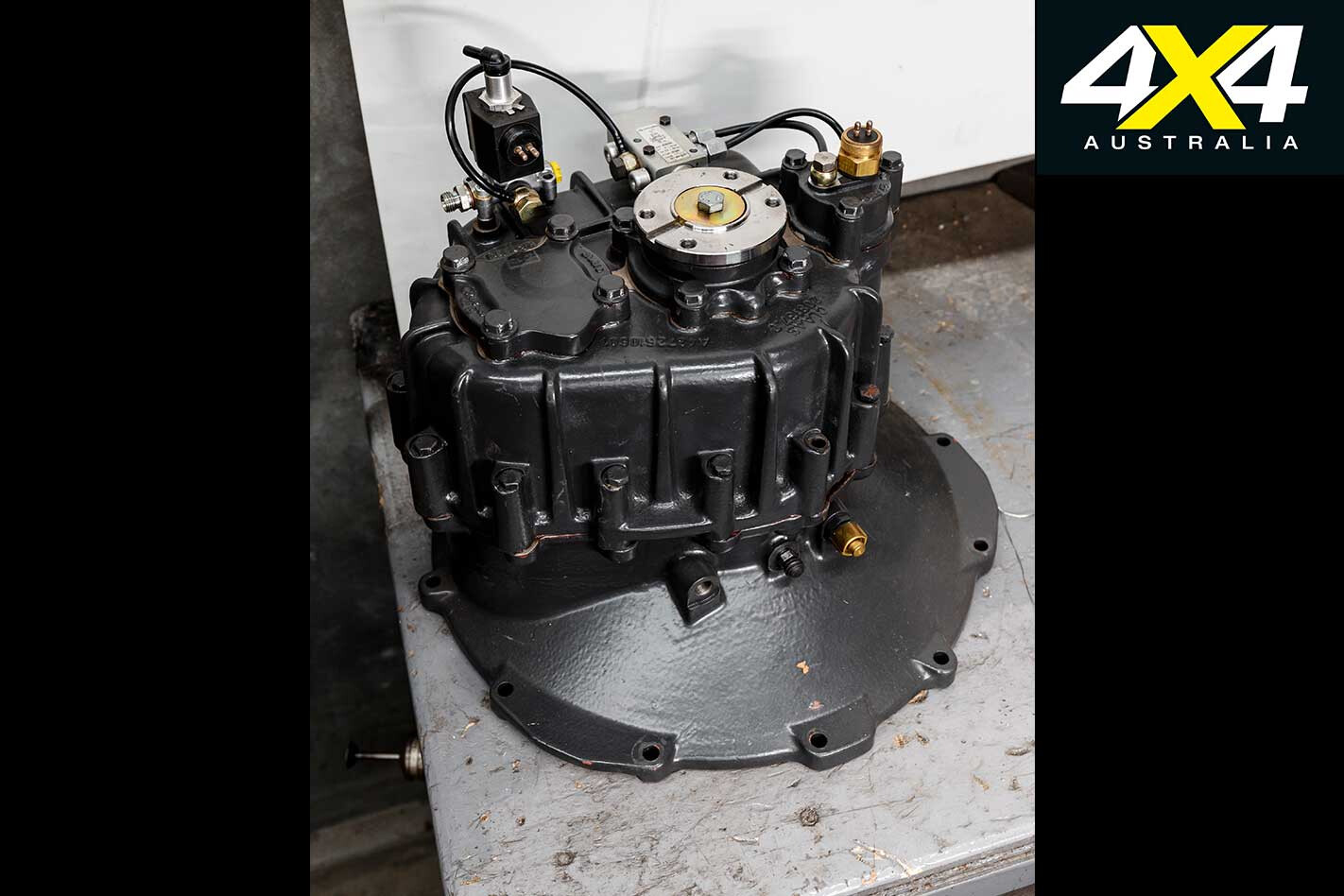
After a technical thumbs-up, Mercedes gave him permission to use its intellectual property, free of charge, and the overdrive is now manufactured for the aftermarket under the Perkins brand by the Claas Group in Germany, and as original Mercedes equipment. It’s a win-win result.
Ever the pragmatist, Perkins based his 21 per cent overdrive on an older, pre-electronic Mercedes unit. That meant the Unimog’s ECU didn’t have to be reprogrammed to make the overdrive work with its computer-controlled transmission, which would have cost millions.
“It was a relatively simple exercise to make different input shafts to fool the electronics,” Perkins explains. “I start the engine in non-overdrive then I can immediately go into overdrive, because I haven’t selected a gear.
“The overdrive is ahead of the gearbox which doesn’t know whether you’re in overdrive or not. But at start-up the computer knows the revs are wrong (if you start in O/D) because a sensor on the input side of the gearbox tells the computer it’s not doing the right revs (450 instead of 650rpm) and a red light comes on. It takes about 10 seconds to get used to [the procedure].
“You don’t need overdrive until you want to split gears, so on the highway I normally get to seventh, which peaks at 69km/h, then I go into 7.5 (seventh plus O/D) which gives me 85km/h, then go out of O/D and back to eighth, which gives me over 90 then O/D which gives me 110km/h. I’ve had 117km/h out of it. And it’s all just a flick of a switch and a clutch depression.”
Simpson simply
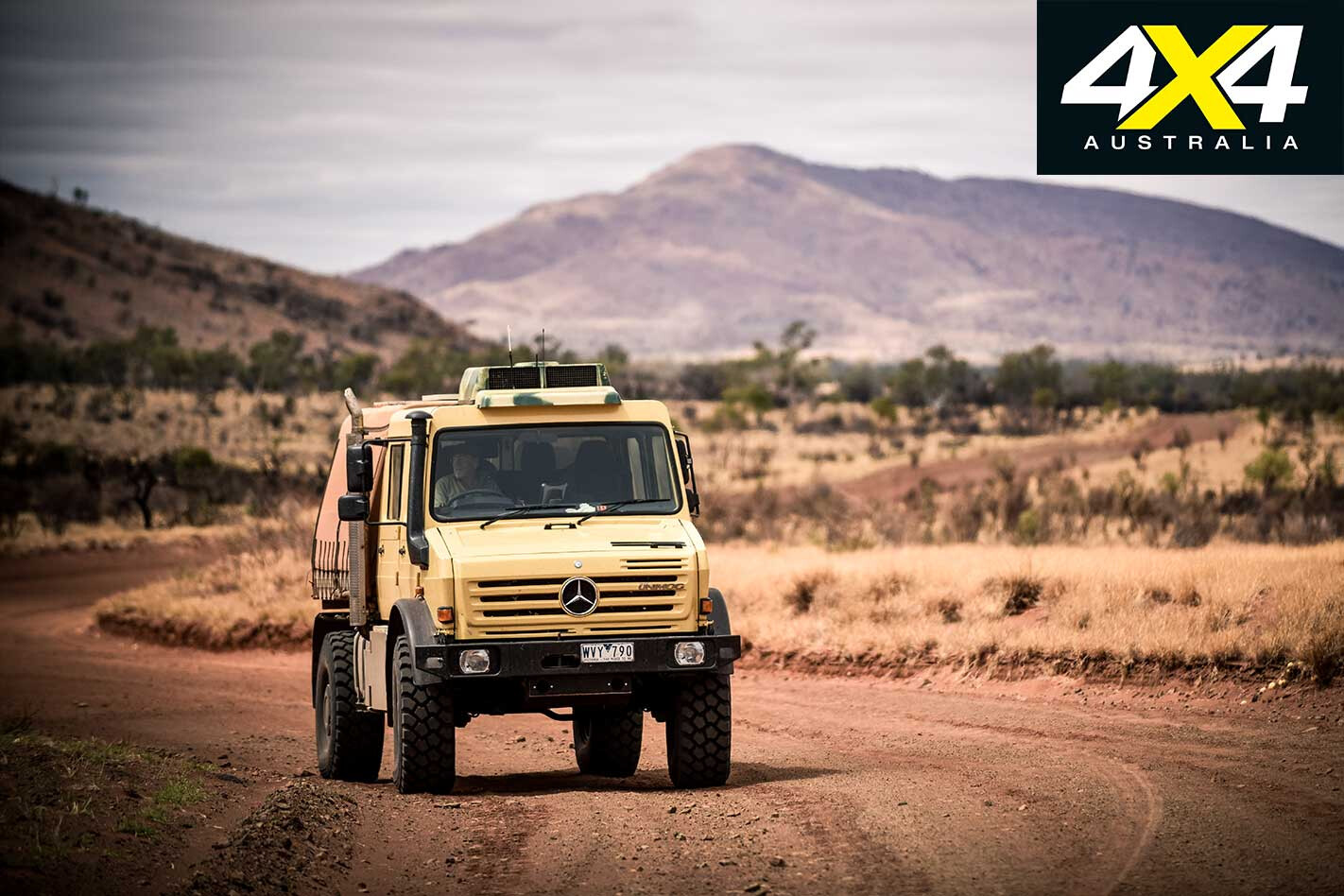
The Unimog really comes into its own when Perkins hits his beloved deserts and not much stands in its way. The daunting sand hills of the Simpson were a snap.
“I crossed 40 to 50 sand hills towing my quad bike, ahead of my brother in a Toyota, and I was doing it easier, probably because I was able to get the right tyre pressure quicker than he could. I’d run down to 10psi for bigger sand hills (25psi is normal) and as soon as I crested a hill I’d start pumping them back up which takes about three minutes. And you can do that on the fly.”
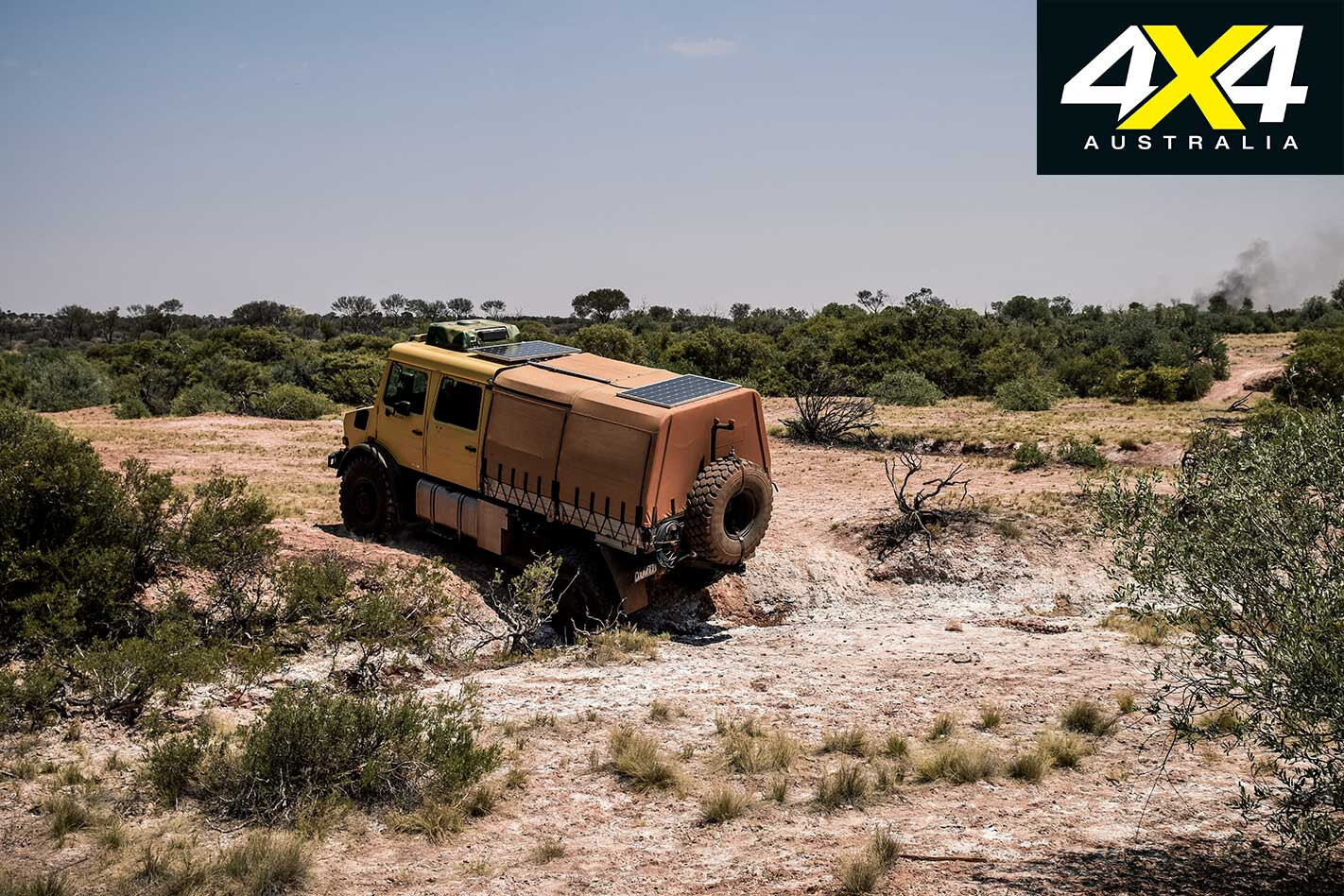
On the highway Perkins gets a remarkable 24L/100km at 100km/h in overdrive, and those extra gears also transform outback driving; the ’Mog averaging 31L/100km crossing the Simpson Desert on the Madigan Line at 15 to 20km/h.
“I found that gear 3.5 was the ideal ratio in the sand hills,” Perkins says. “Fourth was a little too fast and the engine power wasn’t enough, and third was a bit slow with a surplus of overdrive.”
Perkins loves his no-bullshit Unimog which has done 97,000 trouble-free kays.
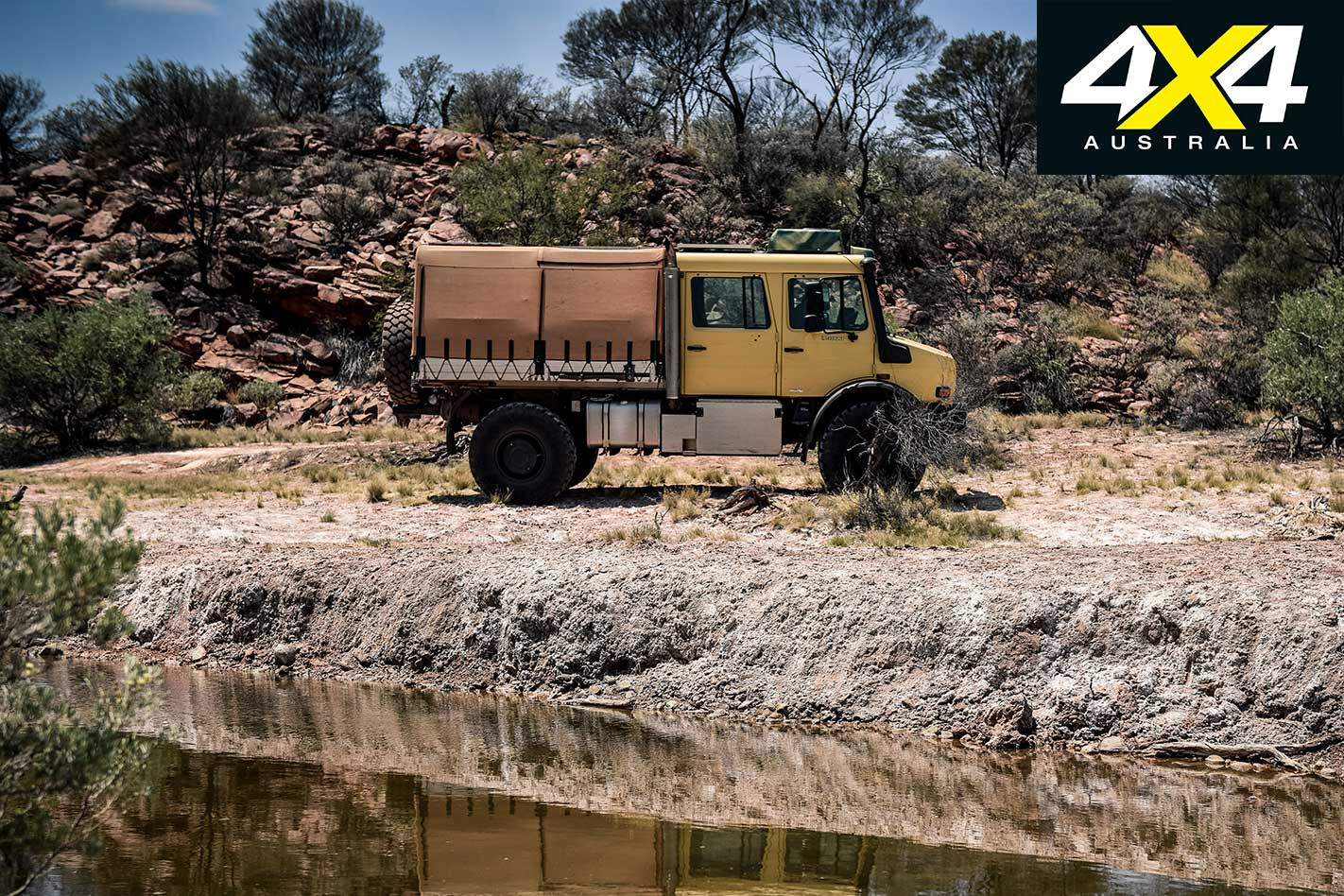
“In some ways it’s the top of the tree for off-road four-wheel driving. It handles very well, and I say that as an ex racecar driver. The Binns Track from Alice Springs to Old Andado has got some beautiful winding roads and you can drift through there at 80 or 100km/h, it’s fantastic,” Perkins grins. “Not that I recommend that, being politically correct.”
* Contact Perkins Engineering via Facebook to enquire about purchasing a Perkins Unimog overdrive locally.
Finding Barclay
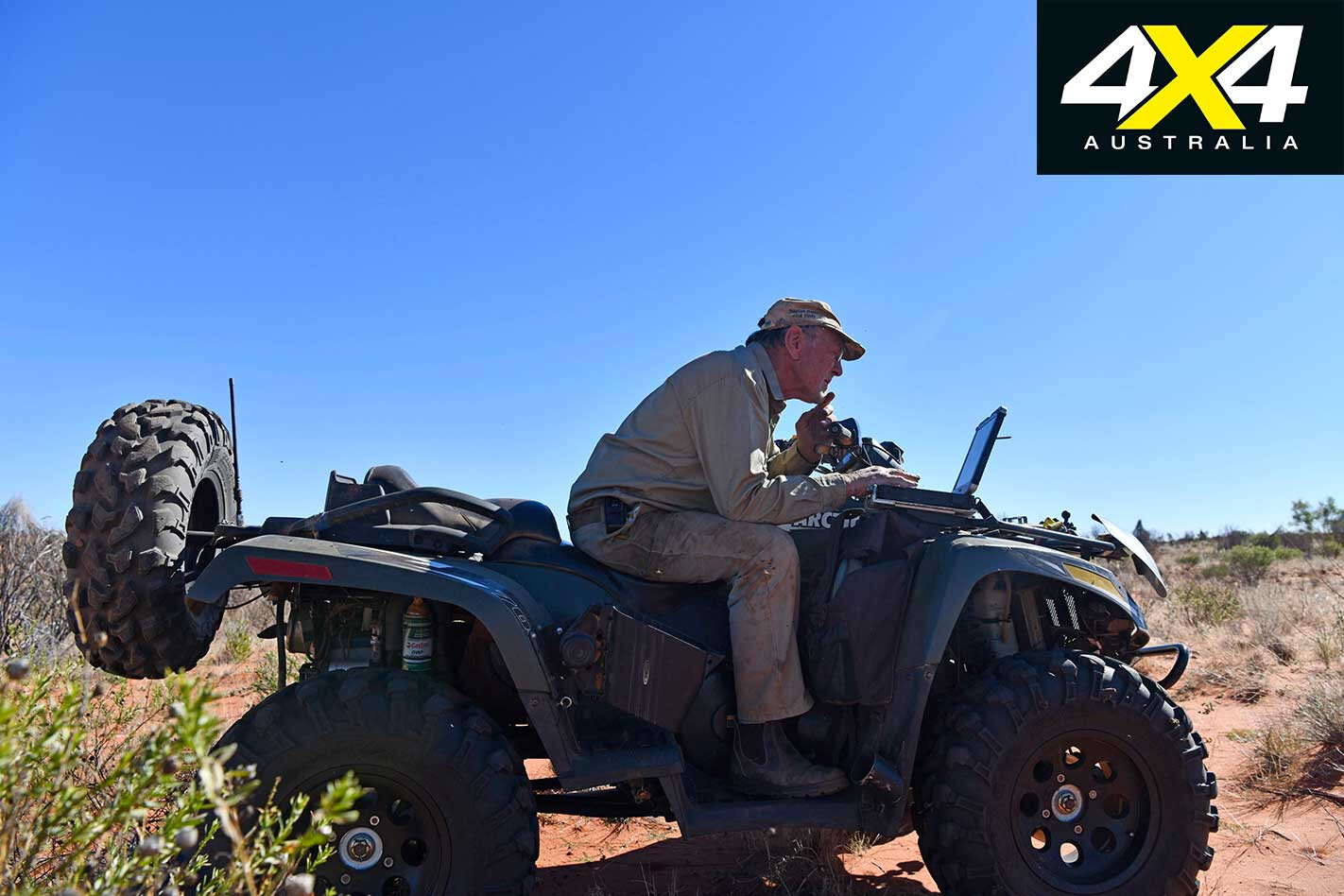
Larry Perkins is proud of his racing achievements, but you get the feeling he is even more proud of finding a long lost cache of equipment, abandoned in the Simpson Desert in 1904 by explorer and surveyor Henry Vere Barclay.
“A lot of people have won Bathurst, but not many have done something like this,” Perkins smiles.
Although Barclay, a former Royal Navy captain, and his second-in-command Ronald Macpherson, had kept an expedition journal complete with the coordinates of where they left their gear, no one had been able to find it. That intrigued Perkins, so he and his brother Peter set off in the Unimog last year to find the Barclay stash.
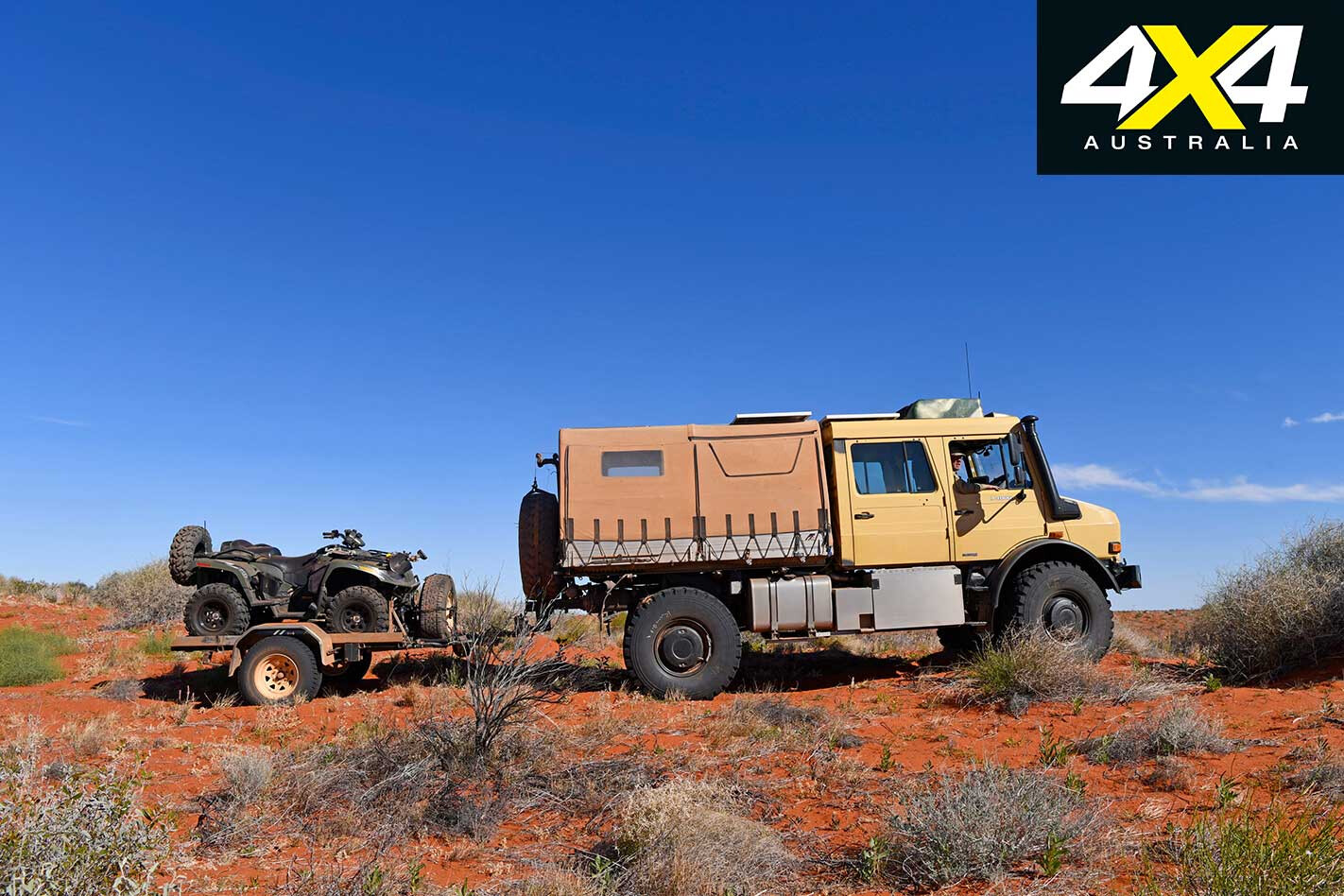
“I didn’t go by what was written (in the journal) at all,” Perkins explains. “I could see from his daily readings that he was wandering around up there and walking about 18 to 20 miles a day. I was able to determine a rough path where he should have been walking, which didn’t make any sense to the spot where he said he left the gear. So I chose not to even look there and put a spot on a map, and after four-and-a-half days on the quad bike we found the gear within five kays of that spot. I was pretty chuffed about that.”
Barclay and his three-man team were seasoned explorers but were in deep trouble by the time they abandoned their gear, including water tanks, cooking gear, ammunition, personal effects and even glass photography plates.
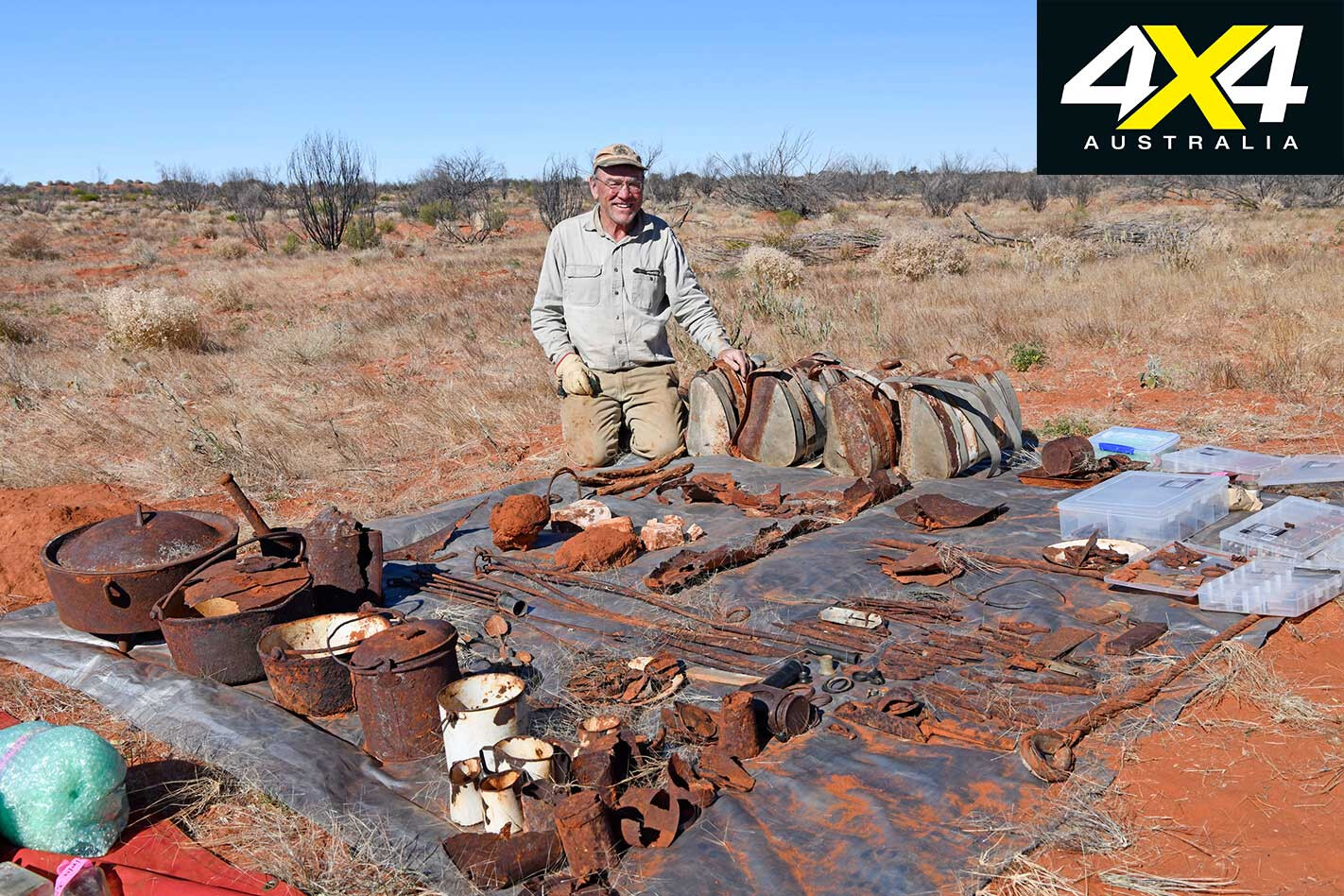
“One had severe cramps and the others were concerned about whether they were going to make it,” Perkins says. “They had camels, but they had to walk. They were heading south-west, they’d got past the middle, but they didn’t realise the sand hills were so big. It was 114˚F (46˚C) and they didn’t have enough water. The camels couldn’t cross the sand hills so they unloaded everything except for rifles, theodolite and food because it was a five-day walk out of the Simpson Desert to water.
“Barclay and Macpherson were experienced men and knew what they were doing, but why would they carry three pick axes? On that first trip we recovered over 200kg of goods and on the last trip we got it all, about another 100kg of gear.”
So, did the expedition appeal to Perkins’ risk-taking racer side or to his problem-solving engineer’s brain?
“A bit of a combination of everything,” he admits. “Having studied his diary over many weeks, this probably fits into ‘I need a bit of can-do’ attitude.
“But the homework of choosing a particular spot to go to (to start the search) has given me the greatest satisfaction and it was the combination of enthusiasm, can-do, logic, and just because others couldn’t do it, that made it a bit more exciting.”
MOPAR has a head start on the aftermarket fraternity, with the FCA-owned company already producing products to suit the recently revealed 2020 Jeep Gladiator.
Much like the Wrangler, the possibilities for aftermarket support are extensive, with Mopar already stating it will offer more than 200 new or redesigned Jeep Performance Parts (JPP) and accessories for the Gladiator at launch.
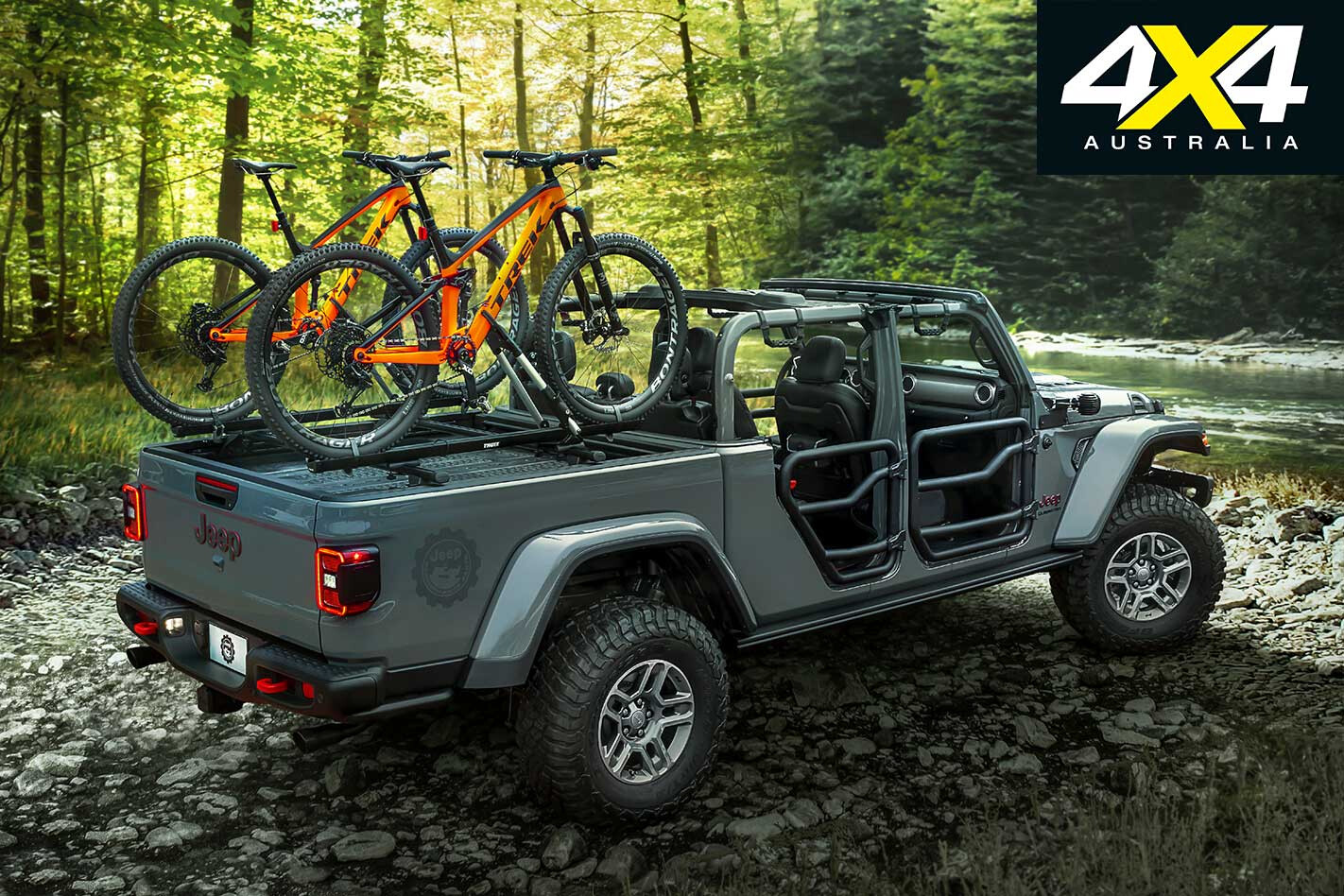
With access to factory-exclusive data unavailable to the aftermarket industry, Mopar’s parts and accessories will seamlessly integrate with the Gladiator for proper fit, finish and quality.
As can be seen in the above video, some of the Mopar products developed for the Gladiator include a JPP two-inch lift mated to Fox shocks, 35-inch tyres, five- and seven-inch LEDs, a JPP cold-air intake, a cat-back exhaust, two-inch steel tube doors, windshield tie-down straps, a slide-in storage system developed in conjunction with Decked, and a cross-rail system to maximise storage space.
Mopar’s Gladiator kit – “created in close conjunction with the Jeep brand, engineering and the product design office through tens of thousands of hours of development, testing and validation” – will be backed by a factory warranty.
I PURCHASED my first winch back in 1984 from a buddy’s dad: a well-used Warn upright with a cable-operated brake. I didn’t know anything about the winch or how to use it, but I knew I needed something to pull me out of future jams and Warn had the Xerox reputation in the industry.
Little did I know at the time that I was entering a paragraph in what would become a 70-year chronical of high-quality off-road products. Recently, I took the opportunity to visit Warn’s headquarters in Clackamas, Oregon, tour the production plant, and dig into the company’s rich history.
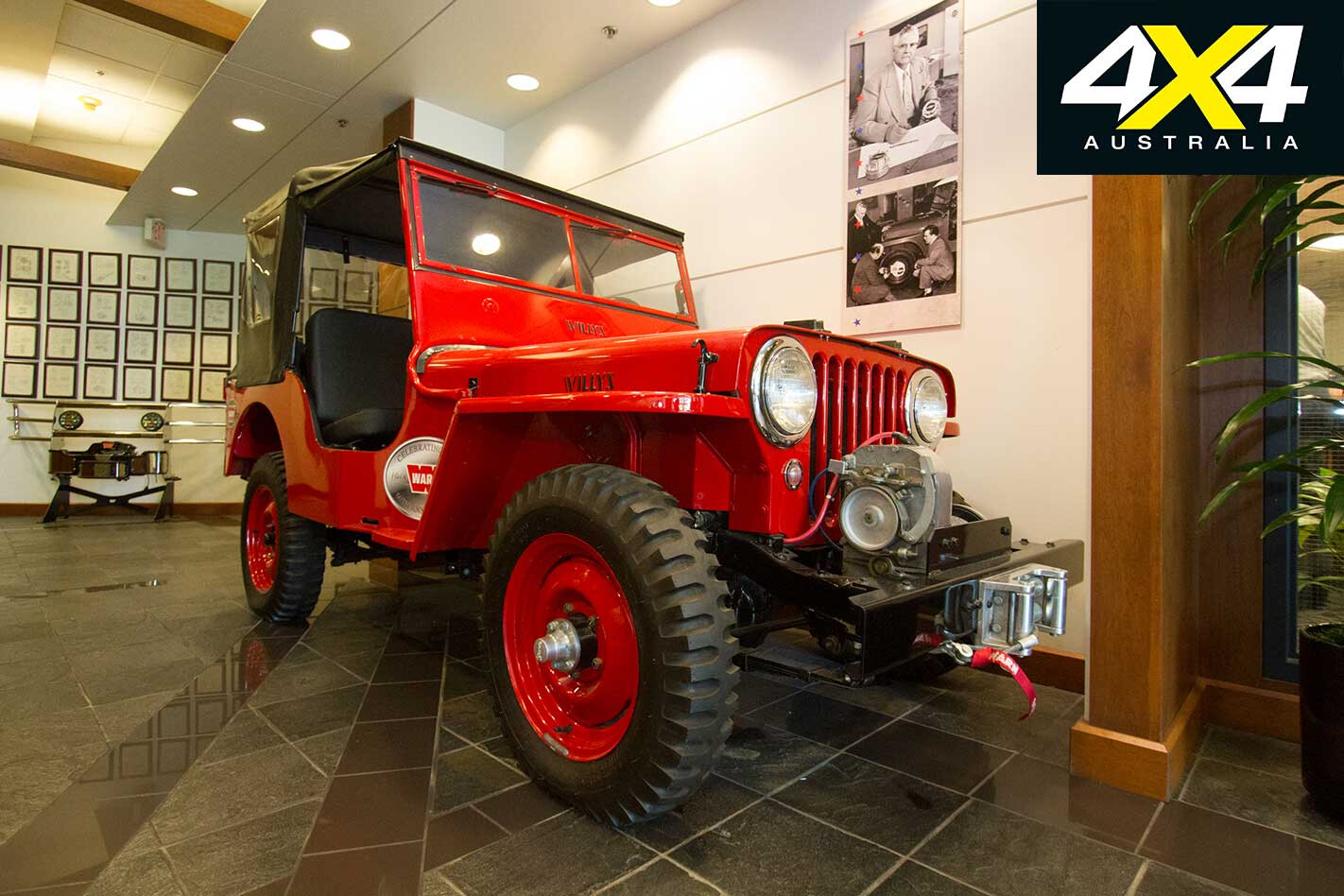
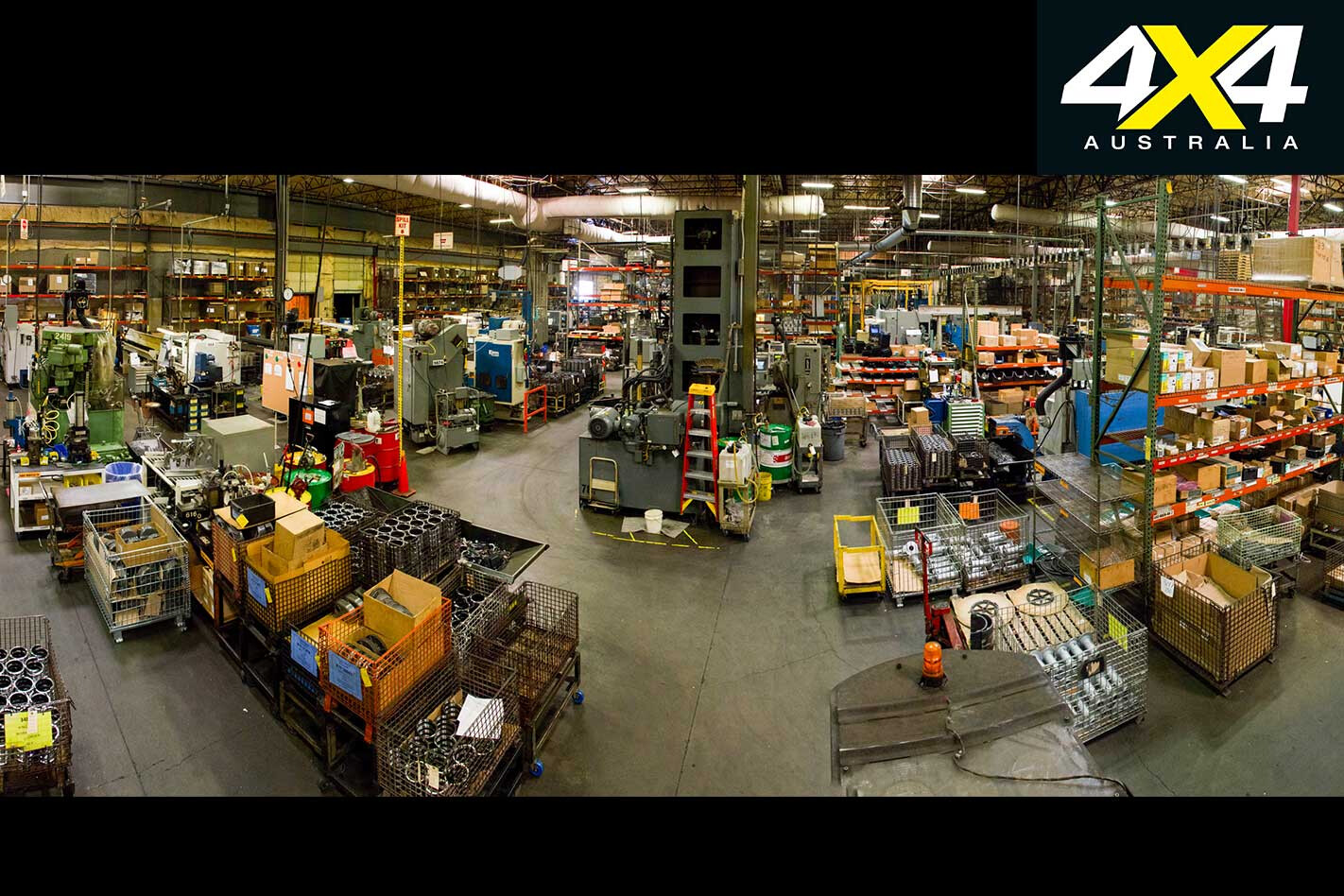
I met with systems technician Chad Schroll for a tour of their 200,000ft² facility. From the catwalk of a 20-foot-tall gear-cutting broach, overlooking CNC mills and plasma tables, he shared the company’s humble beginnings. While many only associate the Warn moniker to its line of winches, the company’s roots lay slightly aft of the fairlead – capping the front axle to be exact.
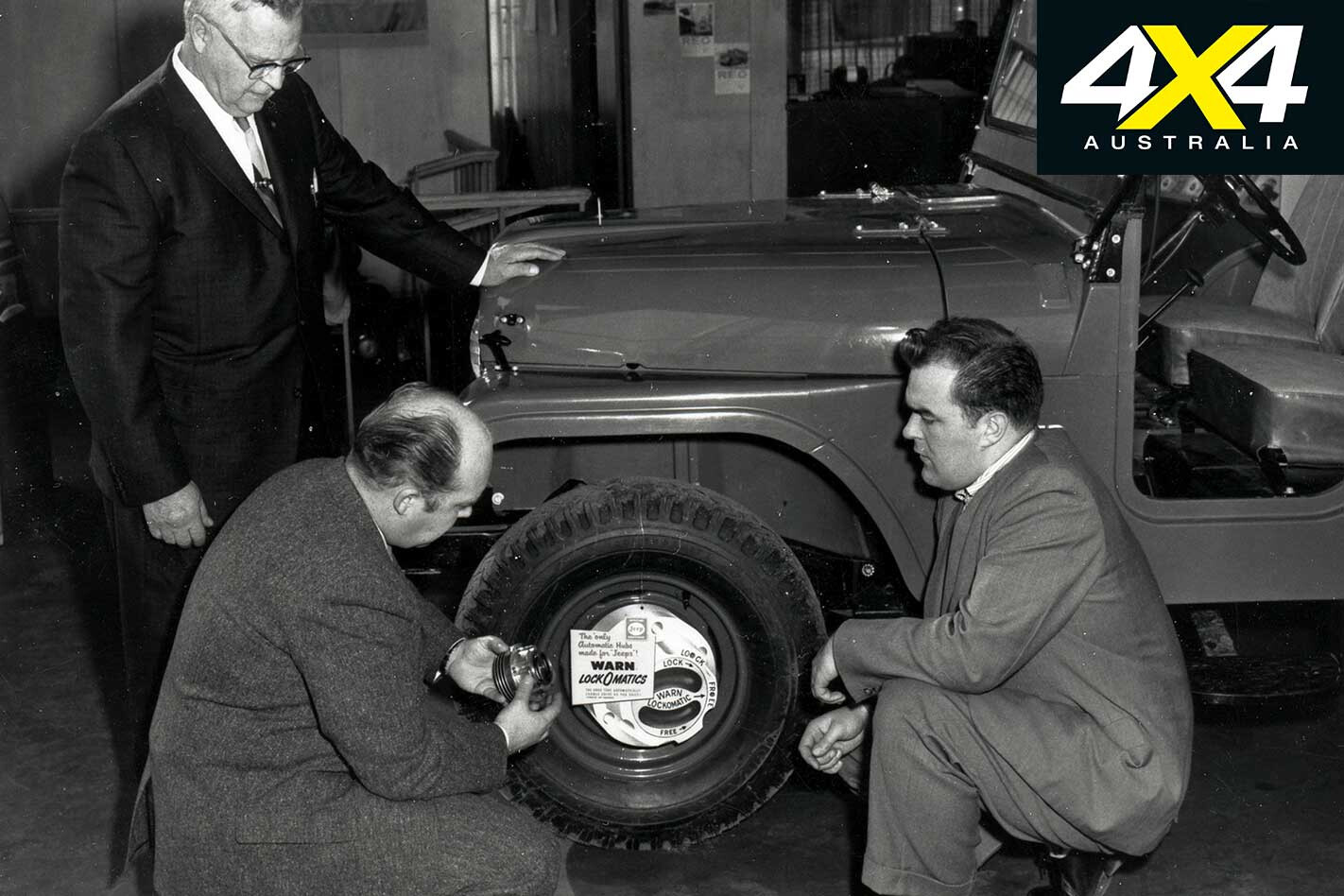
After WWII, surplus Willys flat fender Jeeps, which could be purchased for a few hundred dollars, flooded the civilian markets. Arthur Warn, who had opened a Willys dealership with his wife Sadie in Southpark, Washington, in the 1930s, realised the need for a way to disengage the front axle to allow for on-pavement use. He took it upon himself to design a new hub to allow for “free-wheeling” in two-wheel drive.
Early sales were generated by going door-to-door demonstrating the new product, but upon his wife’s suggestion Arthur invested in an ad in Popular Mechanics. It not only provided national exposure, but was the catalyst for future global expansion.
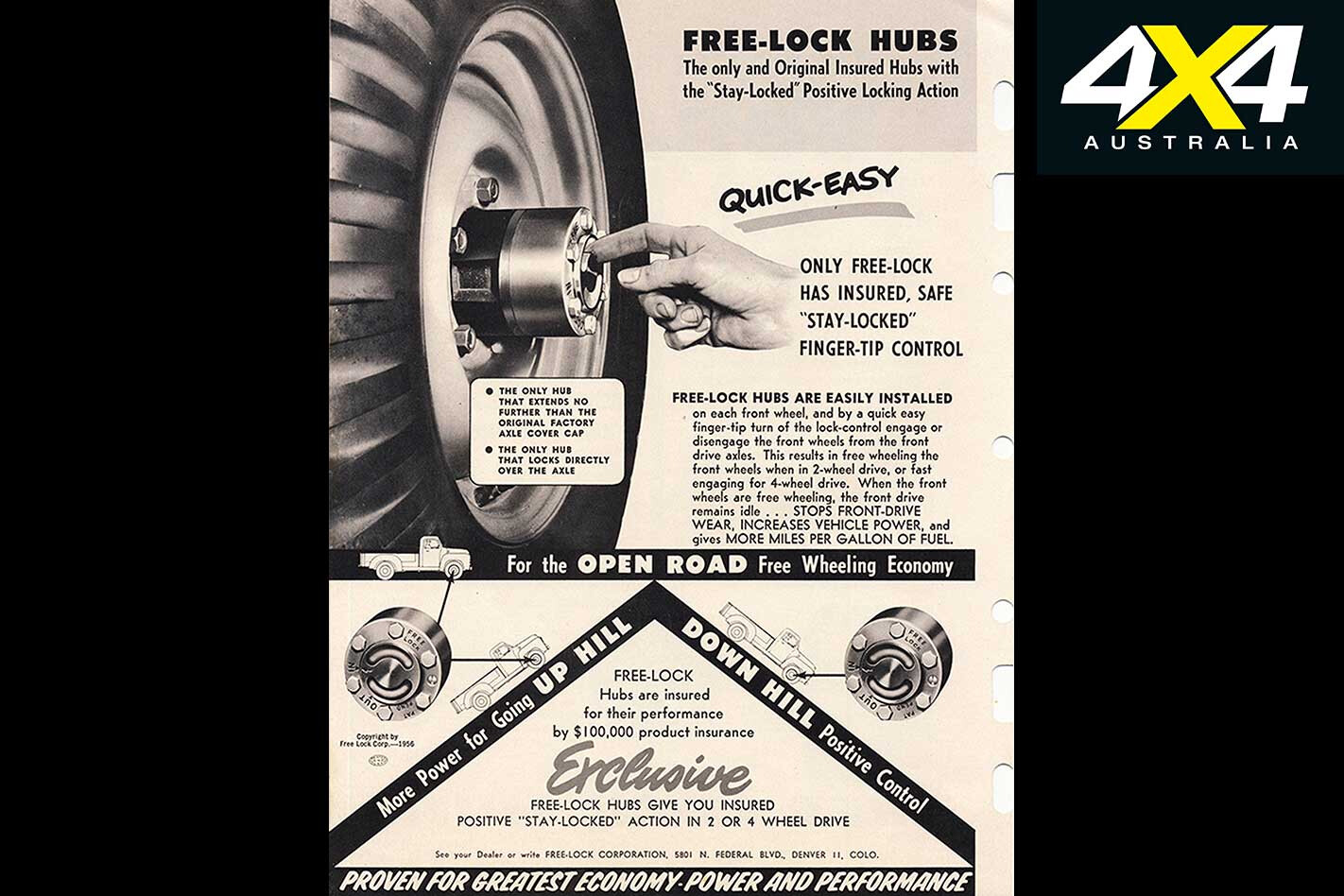
After a few years perfecting the application, Warn approached the automotive industry and his hub became a factory option for several brands, eventually becoming the OE fitment for International Harvester, Kaiser Jeep, Ford and Chevrolet.
There were various iterations over the coming years – the Lock-O-Matic selectable and the Automatic, which relied on internal friction clutches to apply torque to the wheels – but the headline news landed in 1959 when Warn partnered with Bellevue Manufacturing to create the first vehicle-based electric winch.
The M6000, affectionately referred to as the Bellevue, eliminated the issues associated with power takeoff (PTO) and hydraulic options. Namely, the engine did not need to be running to self-recover the vehicle.
The Bellevue was an instant hit with the growing off-road enthusiast market, and in 1974 it was redesigned as the venerable M8274. The 8274 penned the opening chapter for an epoch of growth for the company. The “M” indicates model, “8” is the capacity (8000 pounds), “2” denotes two-way operation (power-in and free spooling), and “74” was the first year of production.
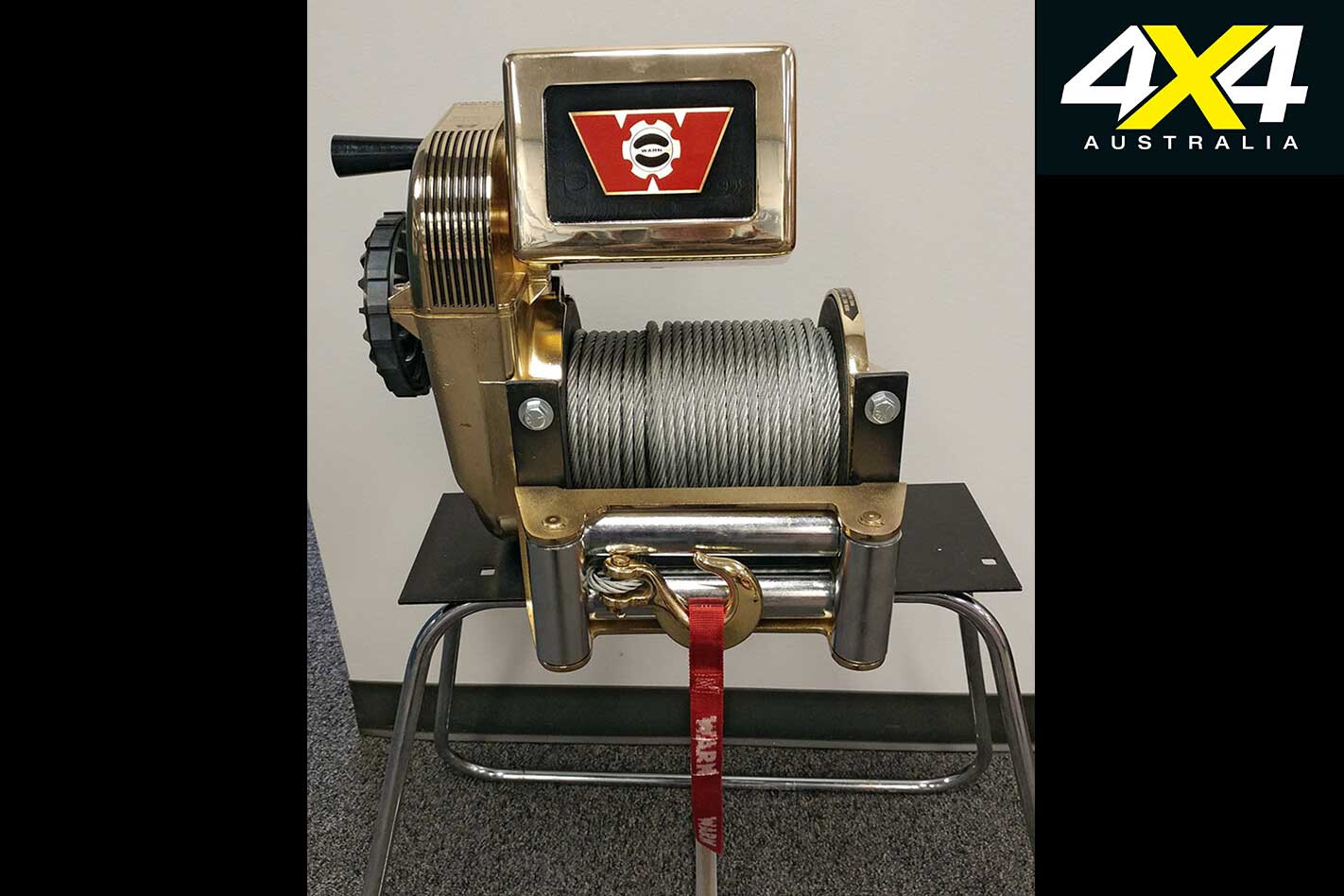
During the ’70s and ’80s Warn expanded its line of winches, developing its first three-stage planetary gear model, which now ranges from minuscule UTV options to massive 30,000-pound industrial models. In the past decades Warn winches have been utilised by off-roaders, the towing industry, and military forces around the globe. At one time it even developed a limited-slip differential.
As the company gained financial clout it introduced bumpers, body armour, auxiliary lights, utility winches and, as of late, recovery gear – and lest we forget the beloved Warn overdrive. Born in 1961, this miracle gearbox allowed our painfully slow Jeeps to keep up with increasing highway speed limits, while improving fuel economy and range. To this day it can be found in thousands of vintage Jeeps the world over – I run one in my 1952 Willys CJ3A and I love it!
What the future holds
DURING the past decades the shift to outsourcing production overseas has put considerable pressure on companies to follow suit.
When I asked Chad about Warn’s stance on the subject he said: “Much of the foundry work is still done here in the USA, and we cut almost all of our gears and do most of the machining and assembly here in Oregon. It is a delicate balance. We do have some parts made overseas, but we have full oversight of every step of the process, as well as full control of QC. The reality is, with electric motors for example, we can’t get them in the States anymore.”
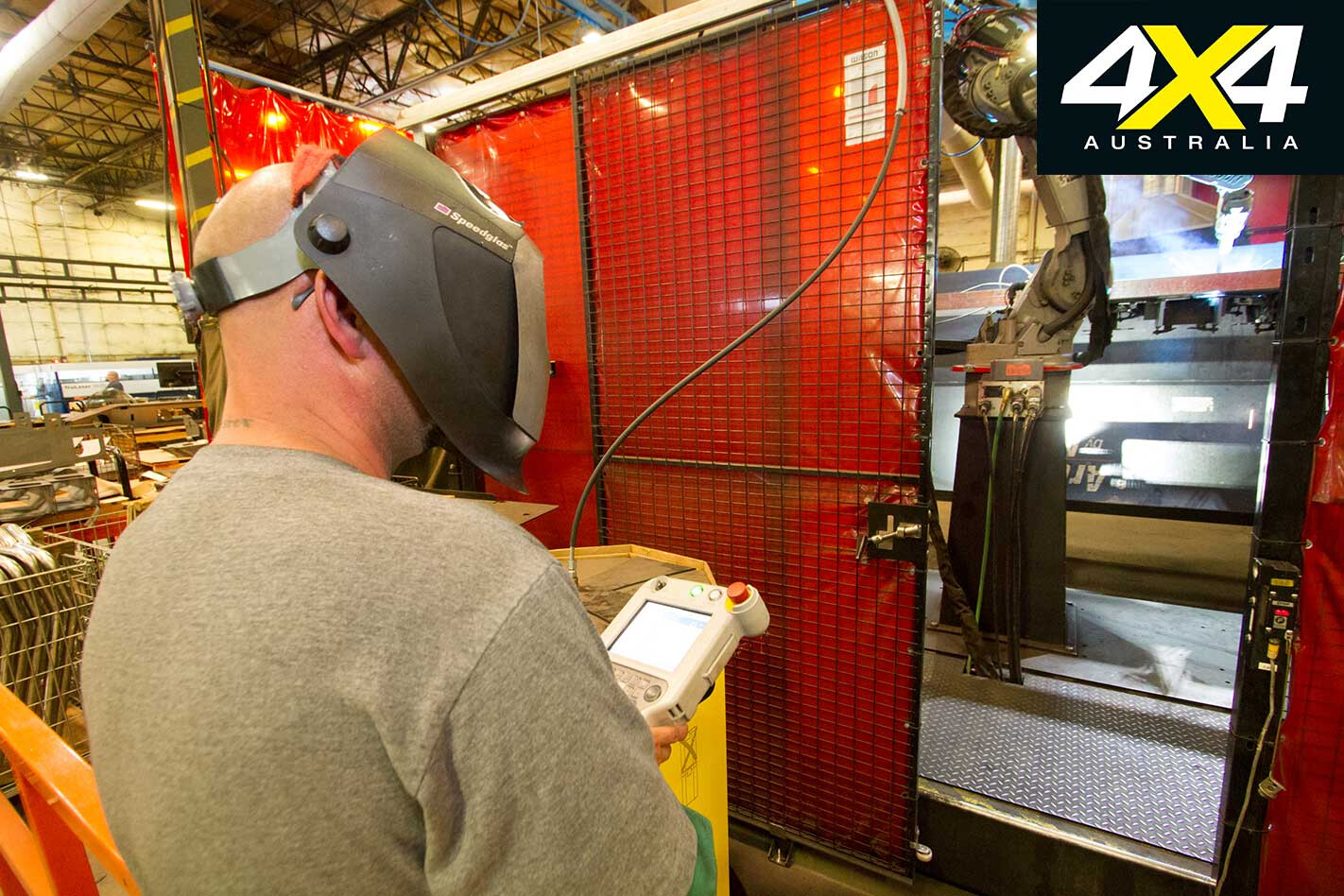
As I walked through the building I witnessed Warn’s various product lines being transformed from neatly organised carts of machined parts and sheets of plate steel, into freshly powder-coated winches, hubs, bumpers and accessories ready for a box and a bow tie. It is an impressive operation.
Family control ceased in 2000 when the company was acquired by an equities firm, but Warn has been able to retain its autonomy and remains a driving force in the sector. Chad informed me that they have more than 350 boots-on-the-ground staff in the US. In a world where manufacturing has almost entirely been shifted to Asia, these were good words to hear.
During my visit I talked with dozens of machinists, welders and technicians and was impressed to find that many have been with Warn for more than 20 years, and some more than 30. Long-term employees are always a sign of a healthy, well-managed company.
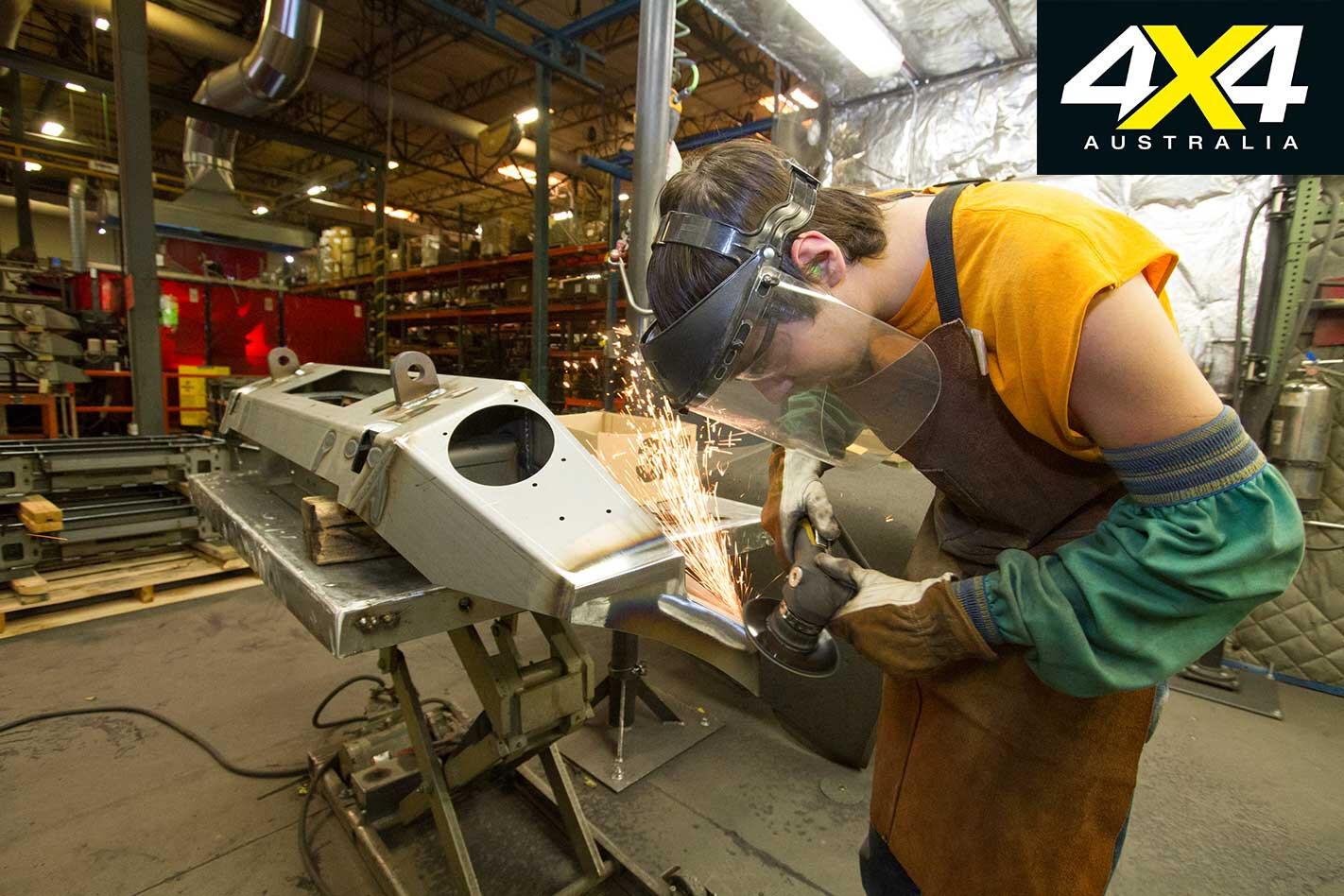
As a leading innovator in the genre, Warn holds dozens of patents and has been the recipient of numerous industry accolades including 20 SEMA Best New Product and Global Media Awards. Warn isn’t the only name in town when it comes to quality recovery gear, but I’ve run Warn winches (including that old used Bellevue) on my four-wheel drives for the past 30 years and always felt confident that they would answer the call to duty – which they have.
As the company celebrates its 70th anniversary, it’s exciting to witness its continued success and it’s good to know that Warn’s employees will still be churning out some of the best products in the industry, right here in the good old USA. Arthur Warn would be proud!
Warn winches and recovery gear are distributed in Australia by both Ateco and ARB 4×4.