
QUALITY kit makes camp life bliss. ARB has released an updated Classic fridge range, and Leatherman has brought out the Free P2/P4 multi-tool.
ARB Classic Fridge Series II
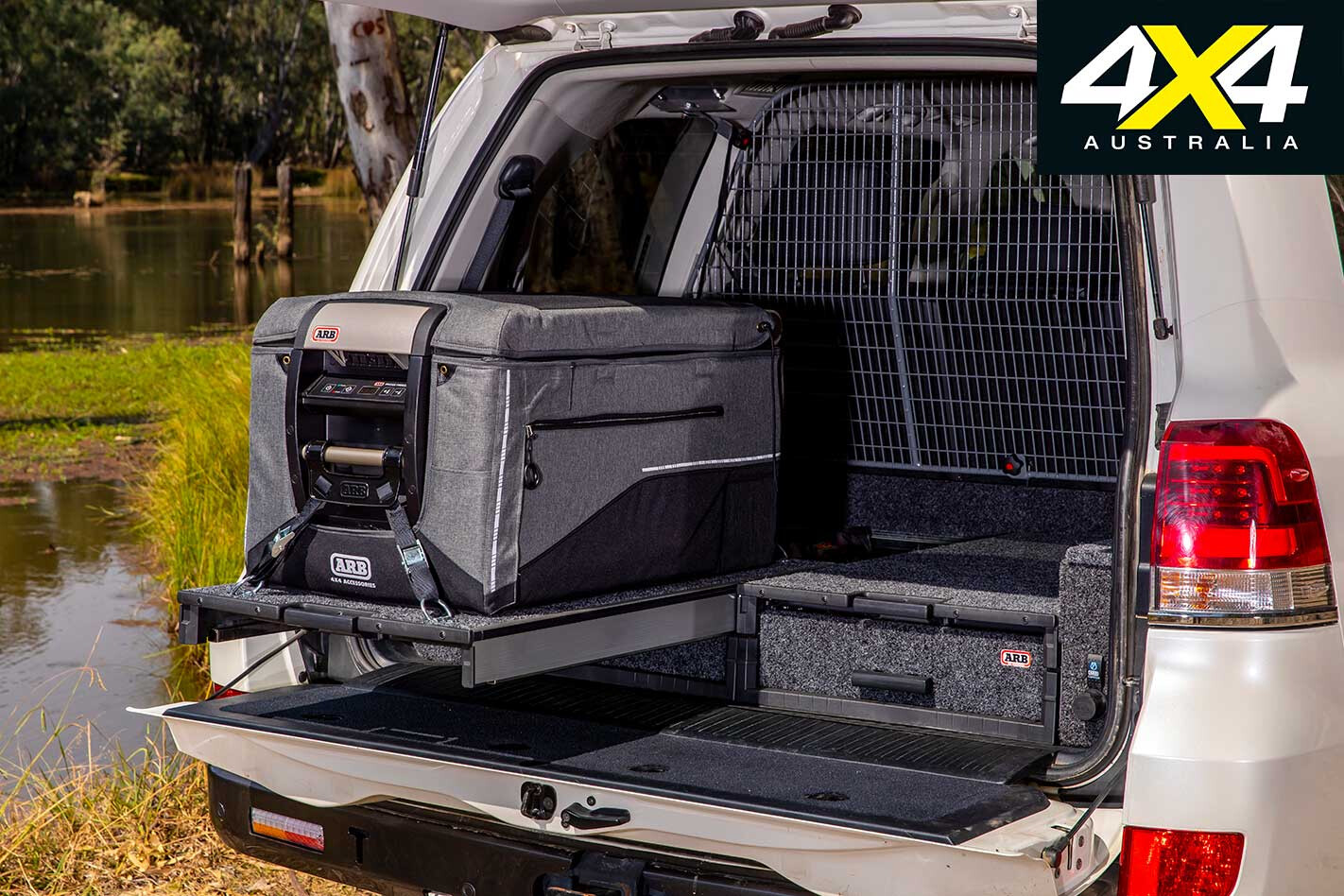
ARB has just released the second incarnation of its popular fridge range, with a new colour scheme and updated electronics, along with the ability to operate your fridge via a smartphone app. The new fridges include a backlit touchpad for optimum visibility and use. The display is now dimmable (high and low) and there’s also a 12-volt power input readout.
The app requires a transmitter (sold separately), which is attached to the fridge’s rear. Once transmitting, you can view the power input voltage, you can set the temperature (and check it), and it’ll keep you updated on how the compressor is going (whether it is at idle or running).
The app also offers a warning if the lid is left open. As well, you can turn the fridge on/off via the app, adjust the temperature (or use pre-set ones), toggle between the various battery protection levels and display brightness, and even assign your fridge a name. Excuse the pun, but that’s cool.
Website: www.arb.com.au
Leatherman Free P2/P4
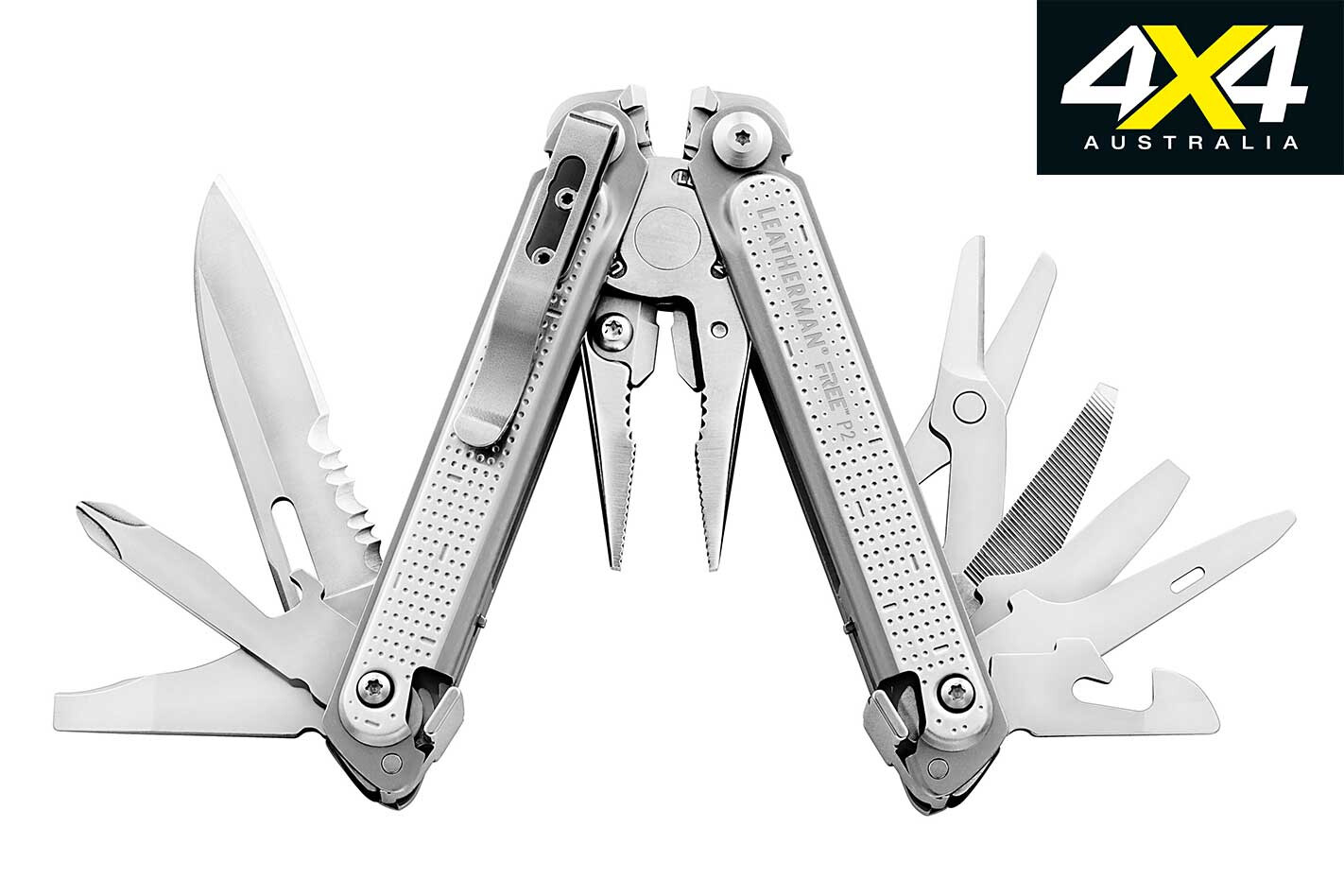
Just when you thought there was no way Leatherman could improve on its iconic multi-tool design, the company brings out the FREE multi-tool series, and packs it full of new tech, based around a technology as old as the earth: magnetism.
The P2 (with 19 tools) measures 108mm long and weighs 215g, while the P4 (21 tools) is the same length, but slightly heavier, at 244g. Both share the same main blade length of 70mm, and both utilise a magnetic system to enable users to open and close the FREE one-handed, as well as each individual tool in the unit. The handles of the FREE are held closed by magnets, but are easily opened with your thumb even with the FREE in the palm of your hand – yep, that’s right, no more nail grooves in the tools are needed.
All implements are on the outside of the tool for easier access. Speaking of which, the usual implements are included, such as two pliers, scissors, bottle opener, four screwdrivers (one of which is Phillips-head) and plenty more.
RRP: $294.95 (P2); $339.95 (P4) Website: www.leatherman.com.au
It’s all very well dumping as much power as possible into your 4×4; the more you have, the more you want. Brakes on the other hand often get forgotten about. This is just what happened when building my One Tonner – an LS1 or LS2 would have had my face beaming, but an LS3 complete with a stat-write-off VE Maloo R8 ute was too hard to ignore.
Initially I planned to graft the Maloo’s HSV discs and callipers onto the Tonner’s GQ Patrol chassis, but after consulting my engineer I discovered there was no need as the original four-wheeled disc brakes from the GQ were in perfect working order. Plus, the Tonner was kept to a similar overall weight as a GQ Patrol.
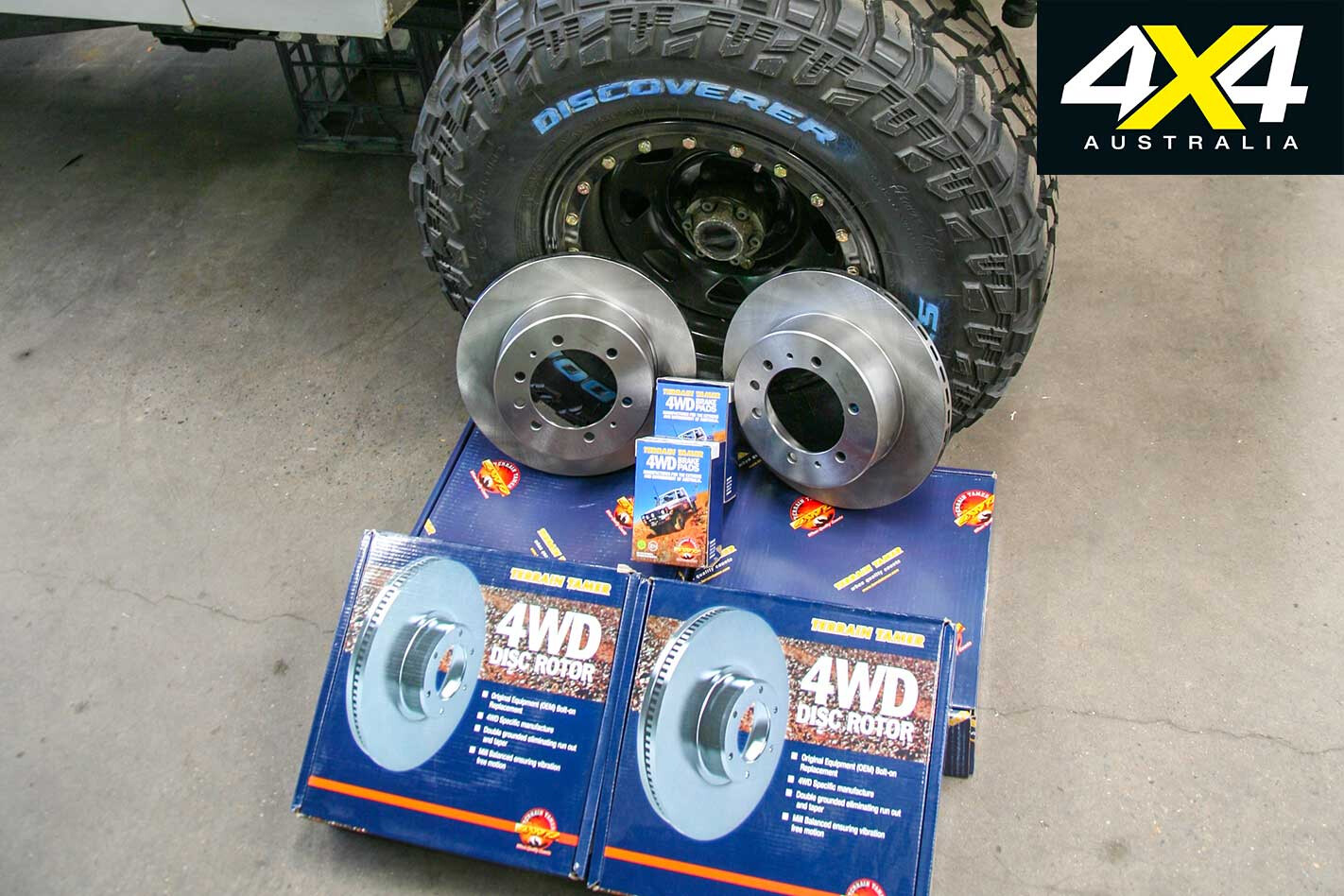
That’s when I cracked open Terrain Tamer’s brake catalogue, only to find its high-performance, slotted and drilled rotors weren’t available for Nissans. However, its OE replacement rotors, vented for cooling and mill-balanced to ensure no vibrations, were available. So too were Terrain Tamer’s Nissan GU OE bolt-on replacement brake callipers and 4×4-specific disc brake pads and lines.
With the huge power outputs of the 6.2-litre engine I was confident with the complete new brake system, but the proof would be in the testing and real life use on- and off-road.
After more than 5000km I’m stoked with the braking performance of the two-tonne beast thanks to the Terrain Tamer GU brake kit. Hitting the anchors hard at highway speed sees the whole show pull up quickly and evenly every single time; same goes for slow off-road driving, with plenty of dabs on the brake pedal required given the six-speed auto and petrol engine combo don’t do much in the way of engine braking.
While I was keen on using the Terrain Tamer slotted and drilled high-performance disc rotors – available for the range of Toyotas – I’m happy with the machined finish of the standard offerings. Given they are ventilated through the centres, there hasn’t been any brake fade and my engineer doesn’t see the need for further upgrades.
As expected after only 5000km, the semi-metallic 4×4-specific disc pads have shown little wear and, importantly, don’t leave brake dust all over my rims.
If you need replacement brake parts and don’t want to pay exorbitant prices, the Terrain Tamer gear is worth a look.
RATED Available from: www.terraintamer.com.au RRP: $144 each (front GU rotors); $100.45 each (rear GU rotors); $70.30 each (front and rear brake pads) We Say: Quiet; effective; well-designed
Thinking of buying a new 4×4 but don’t know where to start? Thankfully it’s not all that difficult. Following a few simple guidelines will help you decide.
First up, your budget is important and a good starting point. Be aware when you’re looking at prices that there’s a big difference between the list price of a new vehicle and the drive-away price. The drive-away price includes all the extras like stamp duty, registration, third-party injury insurance and any dealer charges. By law, dealers are now obliged to quote a full drive-away, no-more-to-pay price.

Keep in mind that you may also need extra money for general accessories such as a towbar, or 4×4 accessories such as a frontal-protection bar, long-range fuel tank or more durable tyres.
Insurance is also a significant extra cost that must be factored into your expenses when buying a vehicle, so don’t blow all your budget on just buying the vehicle.
Should I buy a dual-cab ute or a 4×4 wagon?
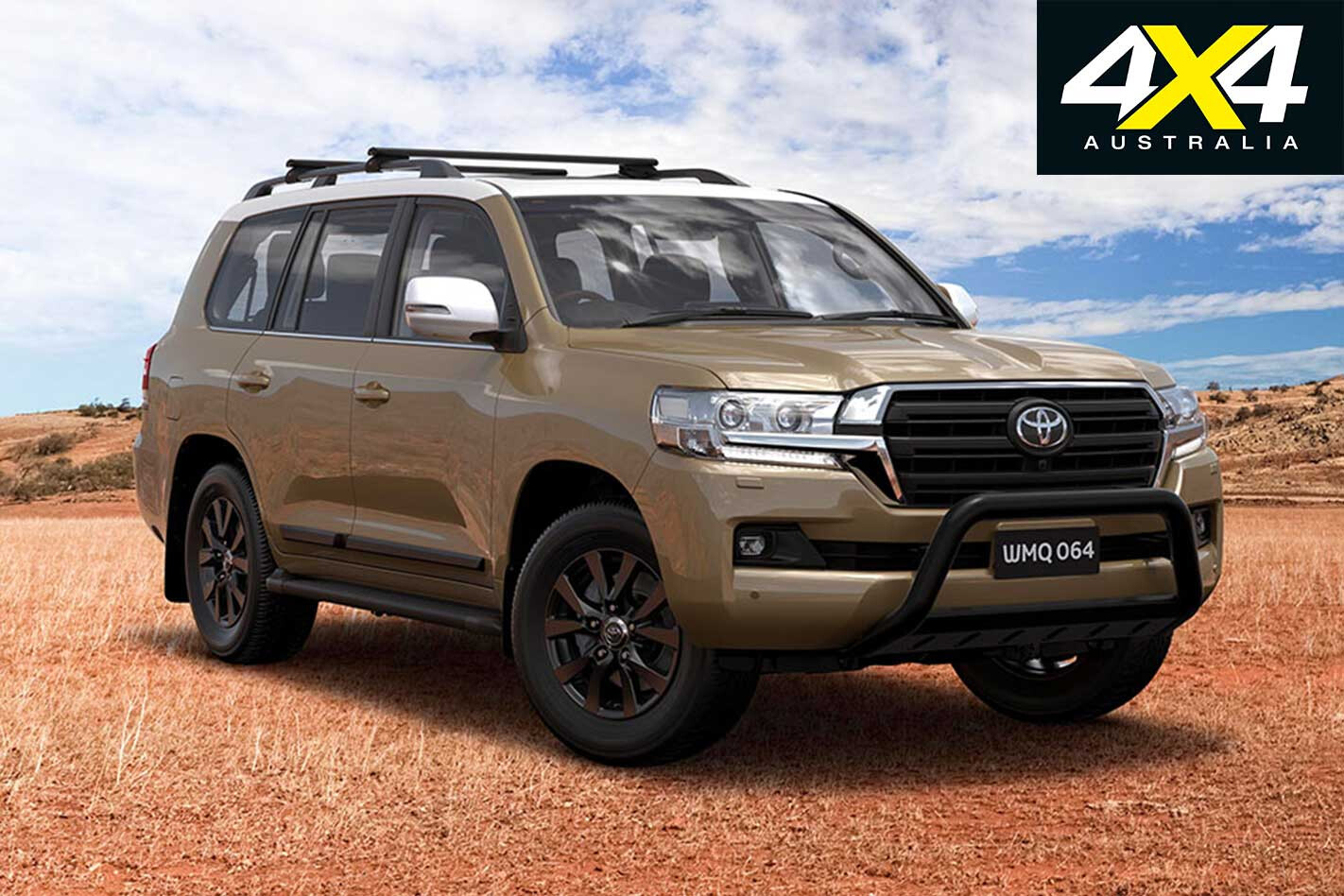
The next obvious question is how many seats do you need? This may seem like a bit of a dumb question, but if five seats aren’t enough then straight away more than two-thirds of new 4×4 vehicle models on sale won’t meet your needs: in particular the popular dual-cab utes.
Also be aware that while most 4x4s with third-row seating can accommodate seven people, some models are approved to seat eight. At the other end of the scale, some small 4x4s – like the short-wheelbase Jeep Wrangler and the Suzuki Jimny – only seat four. All have limited luggage space and carrying capacity when all seats are occupied.
This seating issue is arguably the key difference between most 4×4 wagons and dual-cab utes, but that’s not where it ends. While dual-cabs are extremely popular they often don’t offer the general refinement and the ride quality of a good 4×4 wagon. Particularly when empty a ute’s ride can be hard and uncomfortable, and its roadholding skittish on rough roads.
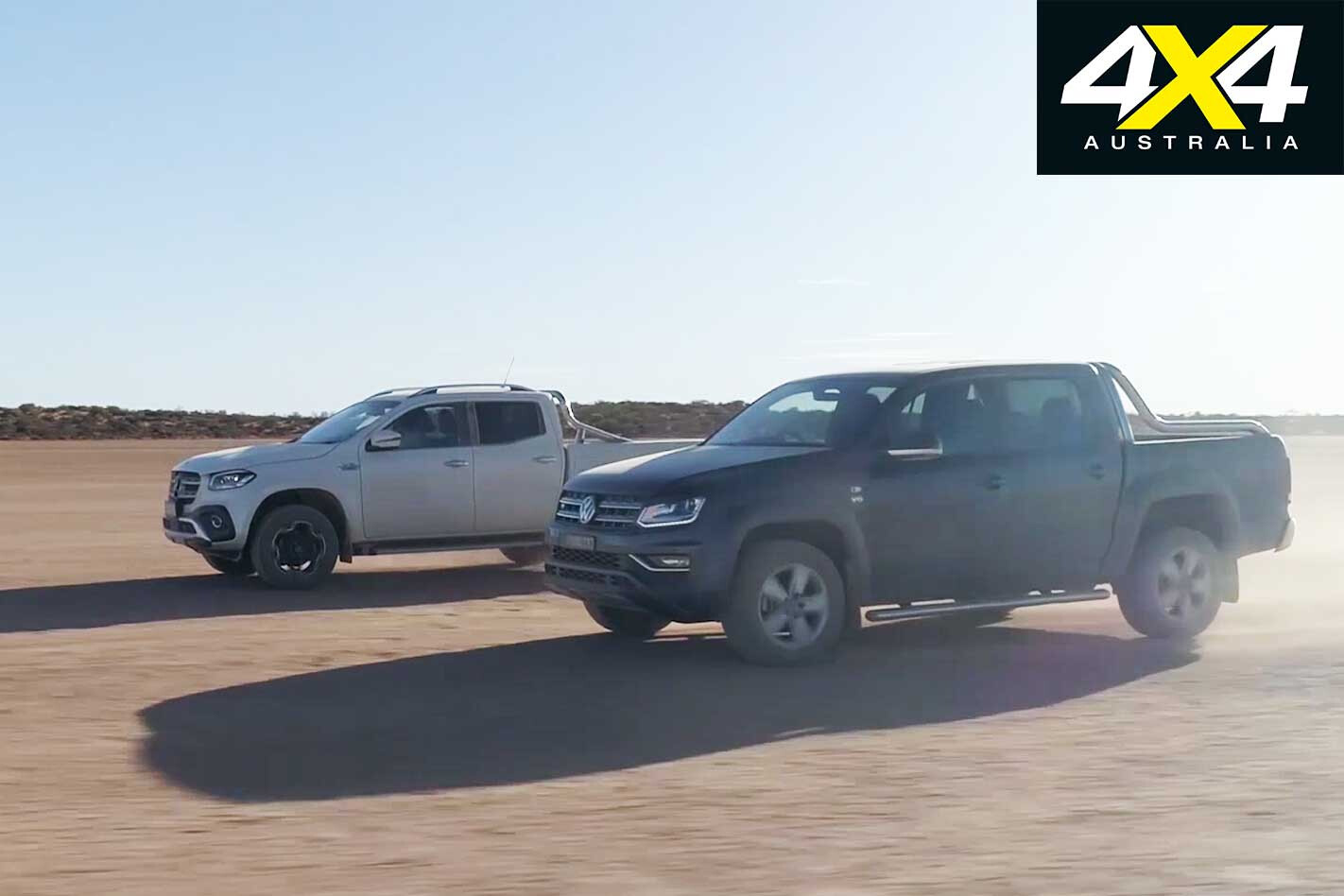
However, not many people go bush without carrying food, water, and equipment, so the upside is that a ute is better designed to carry a heavier load. Straight from the showroom floor, a ute will shoulder the load of a weekend’s worth of camping equipment, or semi-permanent accessories such as drawers and fridge slides that many people install for longer-term touring, with less fuss that most wagons.
On the other hand, utes will require the extra outlay of a canopy to help with weather proofing and security. Wagons should be fitted with a cargo barrier between any equipment load and the vehicle occupants; these are all factors that should be considered when choosing a model.
Which is better, petrol or diesel?
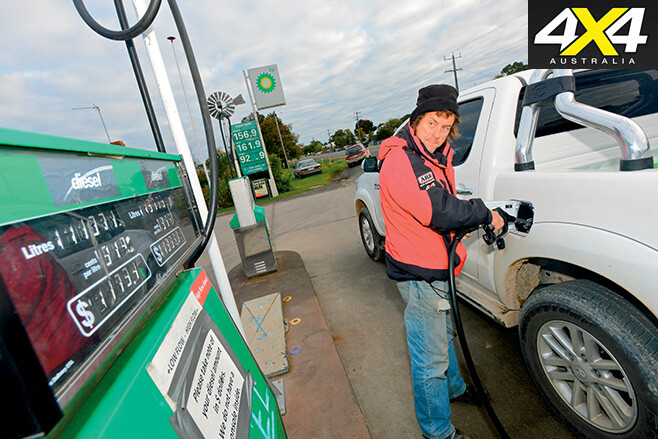
Diesel or petrol power was once an important buying decision, but now that question is largely irrelevant as most new 4x4s are available with only a diesel engine. There are, however, a few things to consider if you’re thinking about a petrol 4×4. While petrol 4x4s tend to be a lot thirstier than diesels for stop-start urban driving or in demanding off-road conditions, they generally aren’t bad on fuel for constant-speed touring.
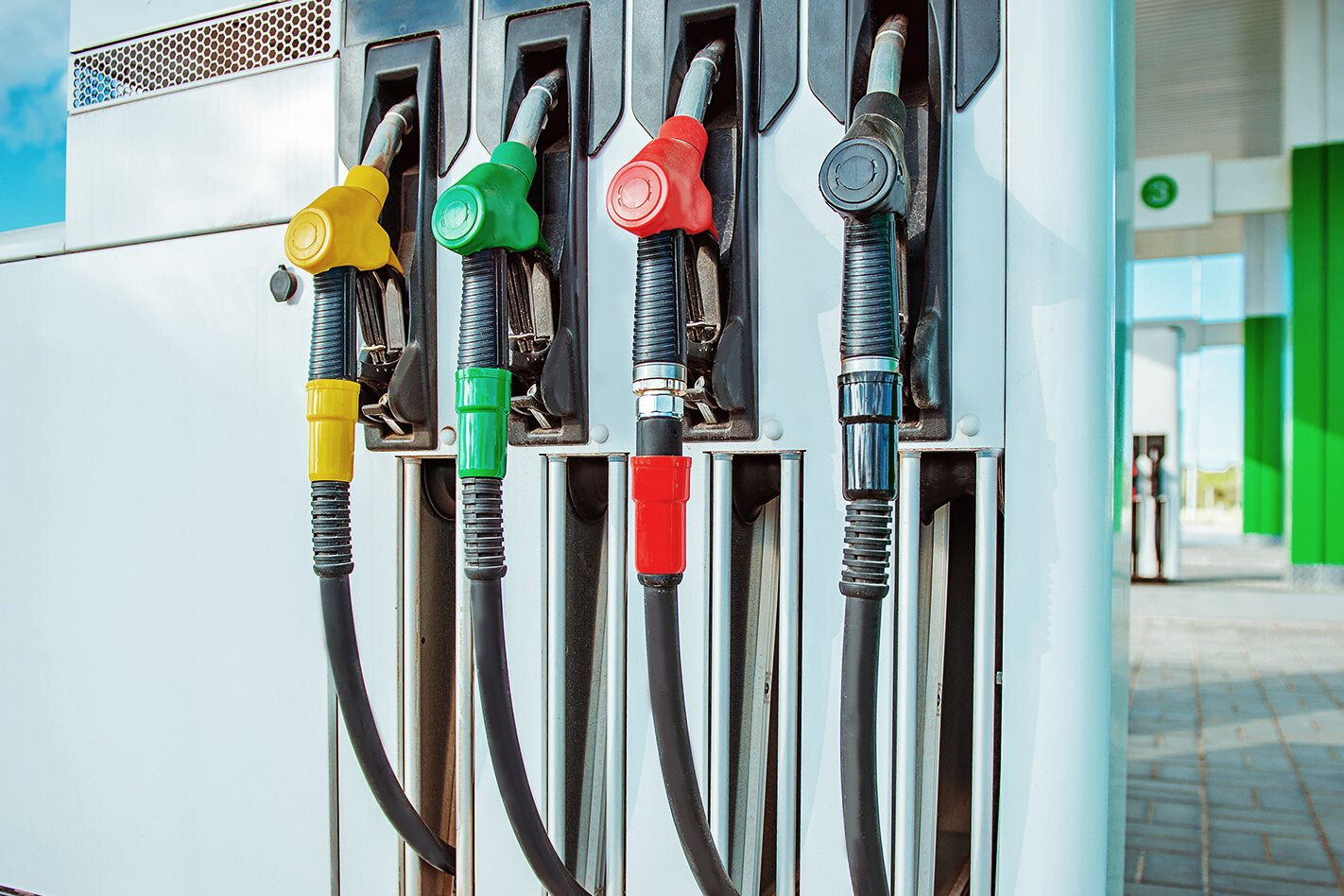
Regular-grade unleaded is also often cheaper than diesel – though some petrol 4x4s require more expensive premium-grade petrol – and petrol servicing is usually cheaper and less frequent than for diesel. Plus, many petrol 4×4 vehicles can be converted to liquefied petroleum gas (LPG) for even more affordable running and longer touring with multiple tanks.
Official government-mandated fuel-use figures (listed on a yellow windscreen label on new vehicles) should give you an idea of relative consumption for your driving conditions. The fuel consumption figure commonly quoted in advertising is the combined-cycle figure, but you can expect real-world fuel use to be at least 25 per cent more; depending on your driving style.
Should I get a manual or an auto with my 4×4?
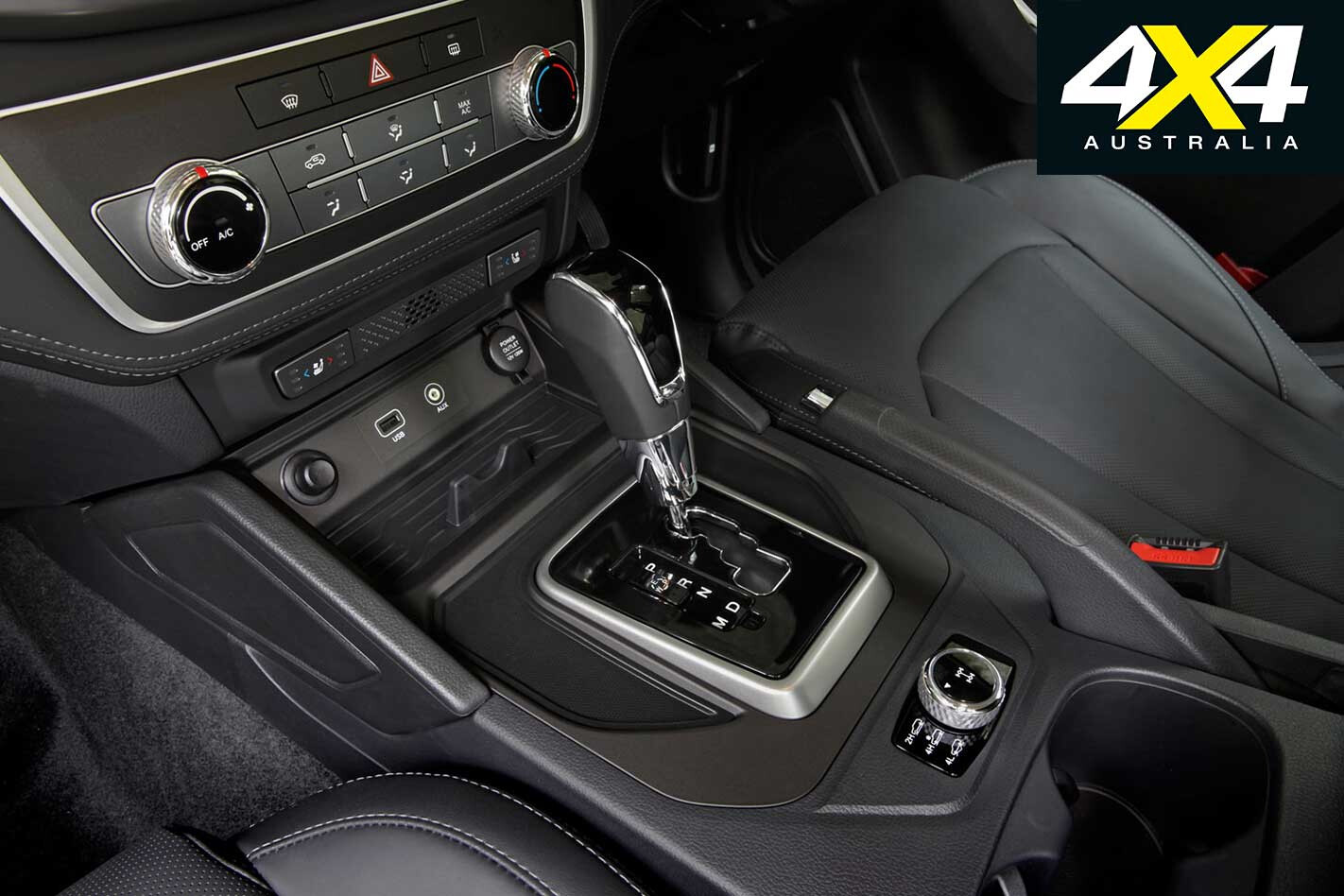
It’s another age-old question: manual or automatic? Some 4x4s are auto only and some are manual only, so sometimes your decision is made for you. If you do have the choice, there are a few things to think about.
Generally, a manual will be more economical than an automatic; although automatics are far more economical compared to manuals than they were in the 1980s and 90s. Turbo-diesel engines generally mate well to automatics because they make good torque at lower engine speeds. As a rule automatics work much better with torquey engines than with engines that require lots of revs to give their best. They are generally better for towing.
Some people claim that you must have a manual for off-road driving, but this is simply not true. In fact automatics, especially those with driver-selectable gears, are often better off-road than manuals thanks to the grunt-enhancing effect of the torque converter and smoother power delivery.
What gives a 4×4 its off-road ability?
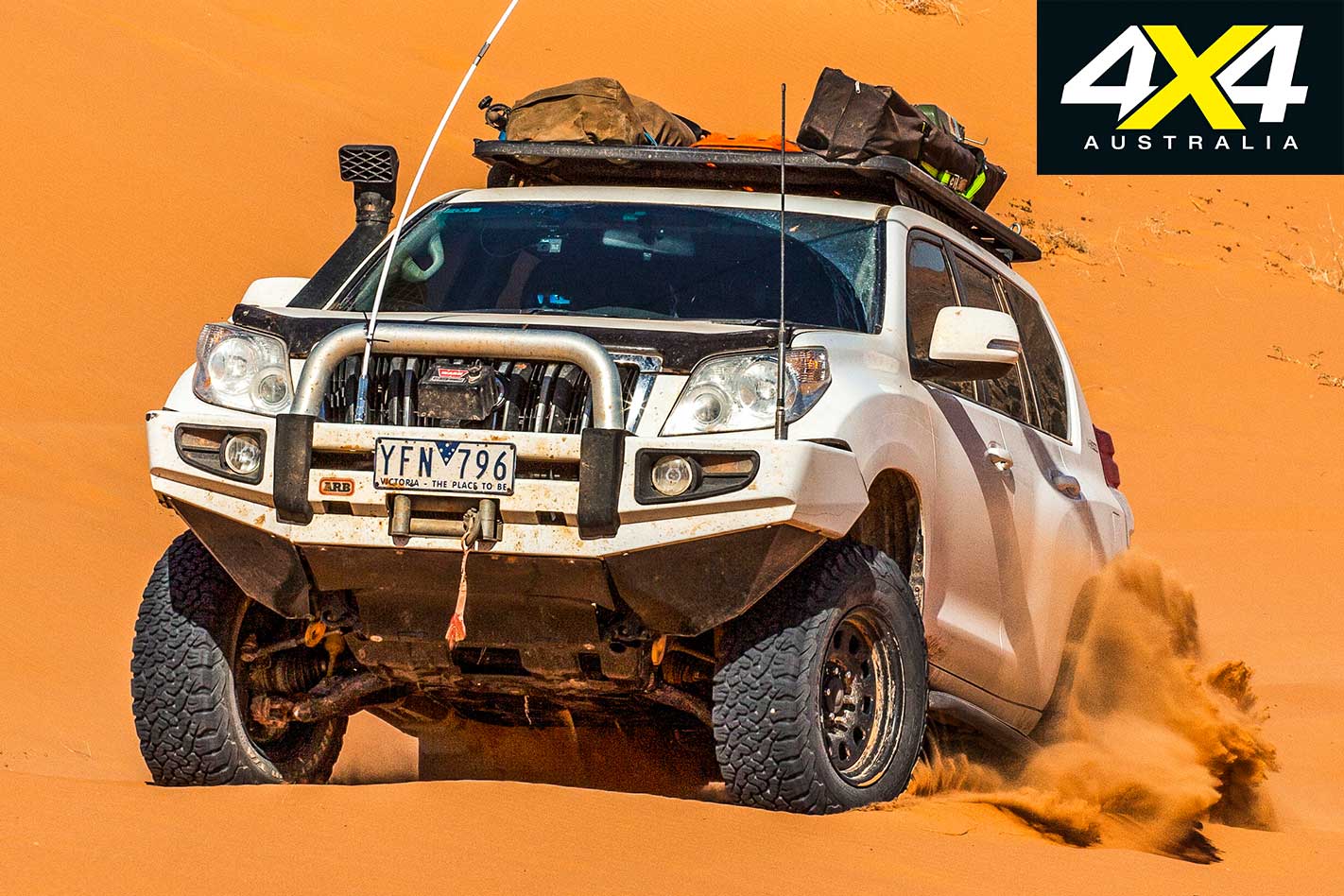
The degree of off-road prowess you require is also important as many vehicles that are excellent off-road can be cumbersome around town. Vehicles such as the commercial-grade Land Cruisers, Land Rover Defender and even the Jeep Wrangler, all of which have live axles front and rear, fall into this category.
Conversely, something like the Jeep Grand Cherokee, with its fully-independent suspension, is brilliant on-road but not as happy in more arduous off-road terrain. The unfortunate fact of life is that if you want something that excels in both arenas (like a Range Rover), you generally have to pay big bucks.
Dual-range gearing is one of the key characteristics of a serious 4×4 however, ground clearance, approach and departure angles, and wheel travel are vital, too.
Recommended 4×4 options and aftermarket parts
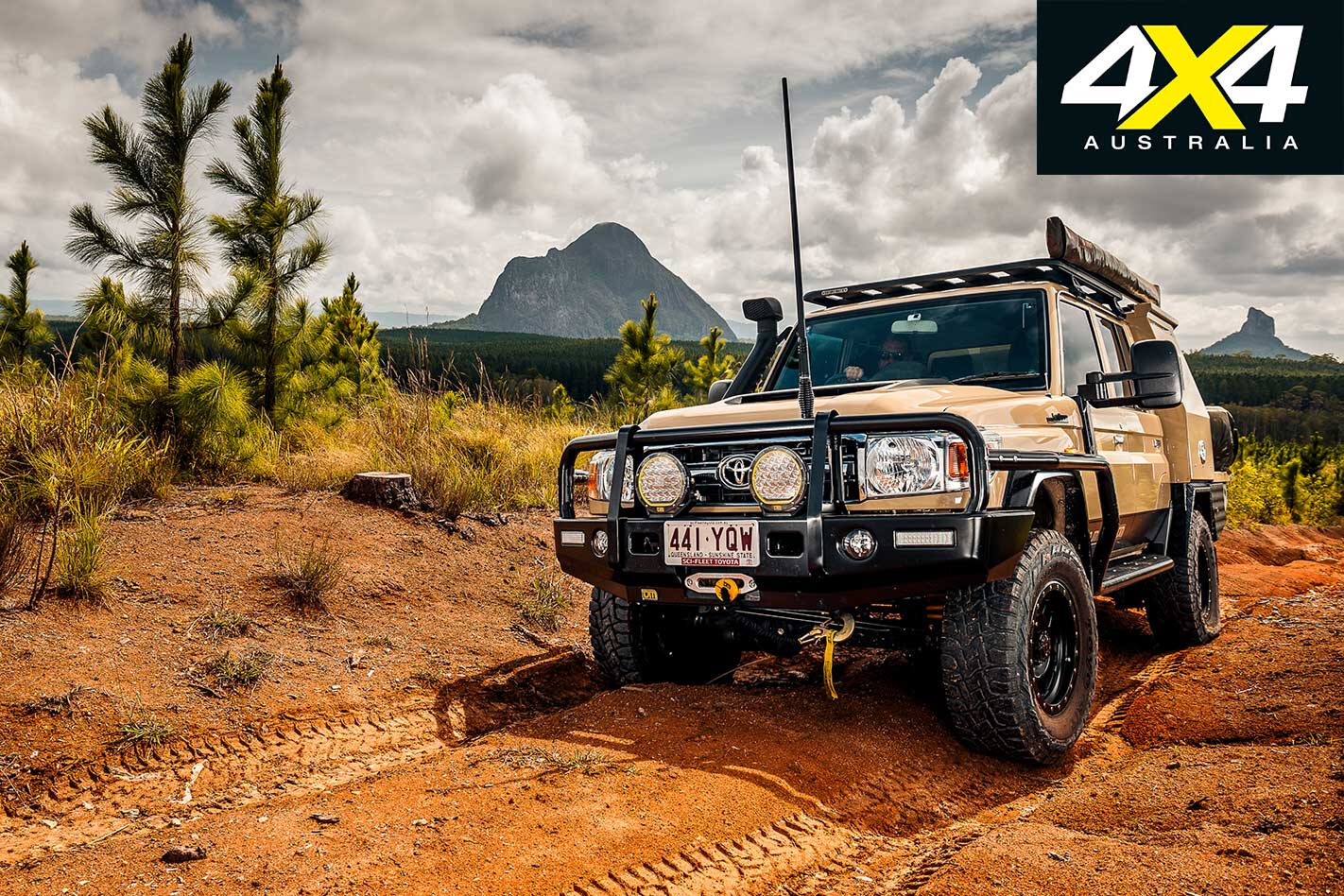
You need to do your homework on options and equipment. The Land Cruiser 200 GXL diesel, for example, doesn’t come with the Kinetic Dynamic Suspension System (KDSS). The GXL doesn’t need KDSS, but it’s a far better prospect with KDSS – both on and off the road – and you’d be silly not to tick this option box.
Given the great improvement in off-road ability they bring, it’s well-worth buying a locking differential where the option is available.
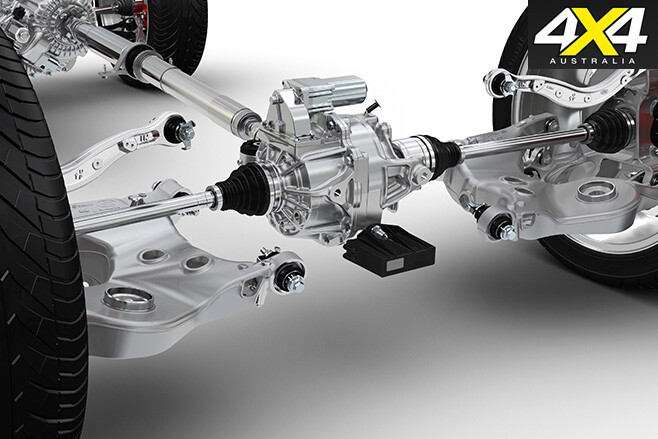
A Jeep Grand Cherokee is pretty ordinary off-road without the height-adjustable air suspension and rear locker, which are optional on lower spec models and standard on the top-spec Overland. However, the Overland still needs the optional off-road pack, which swaps the 20-inch wheels for 18s and adds underbody protection.
You also need to think about the availability of aftermarket accessories. Frontal protection bars, brush bars and side steps – even roof racks and tow bars – are all assets to a vehicle that will be used extensively in remote areas. However, the popularity – or lack of it – of a particular model may limit the availability of essential aftermarket touring equipment.
And finally, make sure your intended purchase will fit in your garage or parking space with its bullbar and/or roof rack. Don’t laugh, but we’ve heard of people buying a new 4×4 only to get it home and find it’s too high or too long for their garage.
Get the latest info on all things 4X4 Australia by signing up to our newsletter.
With 522kW and 868Nm on tap from a 6.2-litre supercharged V8 engine, and a 0-100km/h boast of 3.7 seconds, the Jeep Grand Cherokee Trackhawk has all the ingredients of a road-focussed beast. However, that doesn’t mean it doesn’t have the mechanicals for a spot of off-road fun.
Jeep recently took the Grand Cherokee Trackhawk to the Baikal Ice Motor Sports Festival’s 2019 Speed Days in Russia, where it set an average speed over a distance of 1km of more than 257km/h; with the GPS trackers clocking in a peak speed on the ice of 280km/h. Not too far off the SUV’s v-max claim of 290km/h.
According to Jeep the runs were conducted in line with the FIA’s regulations, with the average speed run conducted with a rolling start and the maximum possible speed done from a standing start. The peak speed for both runs was verified by the Russian Automobile Federation and was included in Russia’s official Book of Records.
The icy conditions on the Baikal Lake during the run posed a challenge for the Trackhawk’s brakes, due to the thin film of water on its surface. However, the Trackhawk’s huge brakes – together with its on-demand Quadra-Trac four-wheel drive system – handled the lake’s slippery conditions.
Although peak speeds in the runs had to be sustained over 1km in order for participating vehicles to reach its purported speeds, the course had to allow room for vehicles to accelerate and brake, which resulted in a total course length of 12km.
MITSUBISHI Motors Australia has issued a nationwide recall for the 2016 Mitsubishi Triton dual-cab ute, due to faulty rivets that are at risk of corrosion and fracturing especially when exposed to salt or an anti-freeze agent.
Corroded or fractured rivets presents a real hazard to users as well as other road users, as the side-steps may drop off unexpectedly.
The recall is said to affect 13,876 MY2016 dual-cab Tritons with the “pipe type” side-steps, which were sold between March 2, 2015, and May 26, 2017 – the full VIN list of affected Tritons can be seen here.
Mitsubishi Motors Australia will contact all owners and advise them to bring their utes into a preferred Mitsubishi dealership to have the issue rectified.
Mitsubishi says the replacement rivets will be fitted for free and can be performed at any Mitsubishi dealership, regardless of where the vehicle was originally purchased.
For more information on the recall, owners can call Mitsubishi Motors Australia on 1800 931 811 or their preferred dealership on 1300 131 211.
MERCEDES-BENZ has upped the ante in the top-end dual-cab segment, with the launch of its 2019 Mercedes-Benz Edition 1 X-Class.
The Edition 1 X350d 4MATIC sits on smart-looking 19-inch six-twin-spoke alloys and comes with a choice of three metallic hues: kabara black, bering white and rock grey.
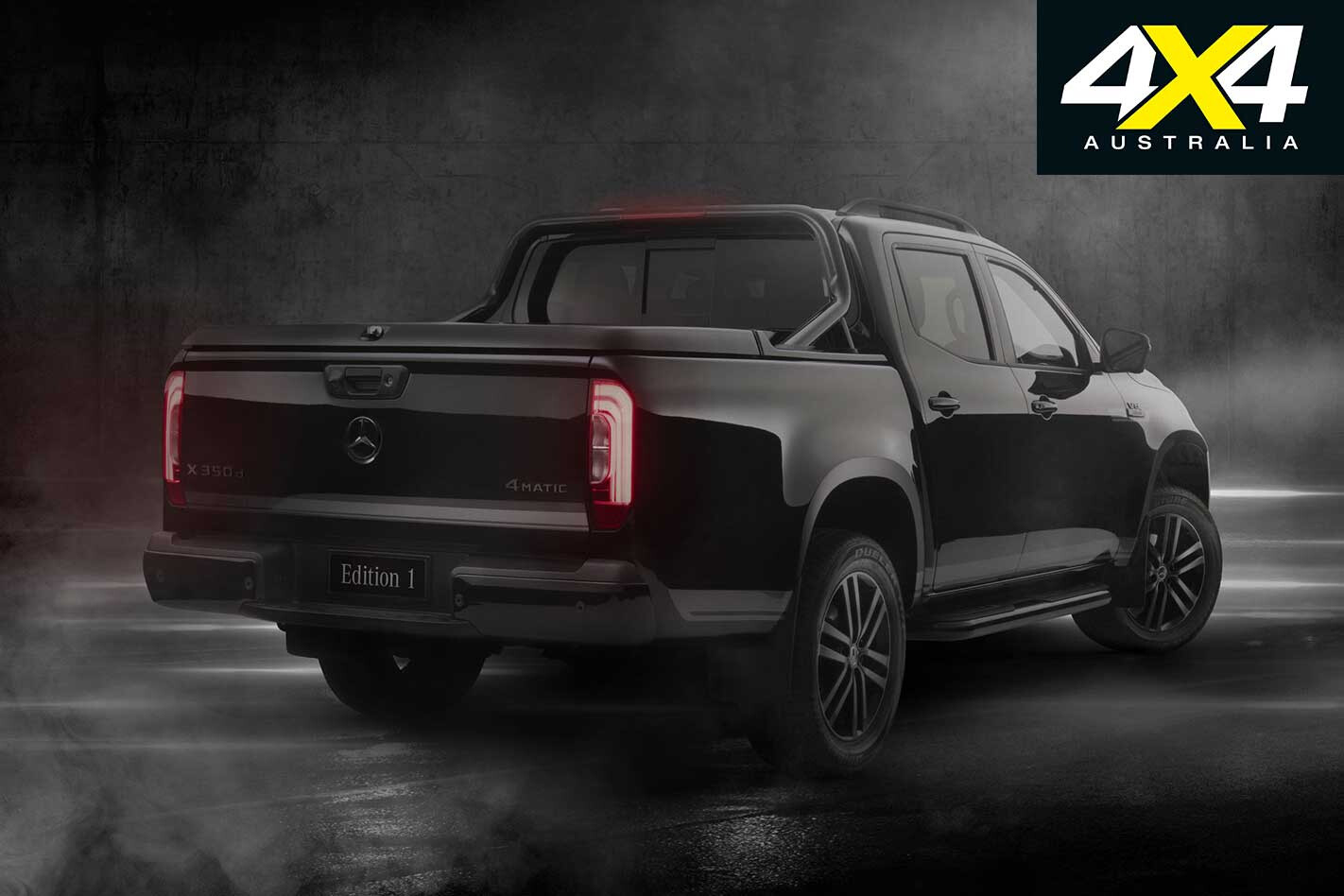
Black treatment has been applied to the twin-louvre radiator grille, front and rear bumper-bar valance, fog-light surround, side door handles rear tailgate handle, beltline trim strip and roof rails. The badges and Merc star have also been blacked out.
For an extra layer of spice, sports stripes have been painted on the engine bonnet, side mirrors, V6 badge surrounds, lower side lines and the rear tailgate. Side steps, a black styling bar and lockable hard tonneau cover with a ute tray bedliner also toughen up the visual impact.
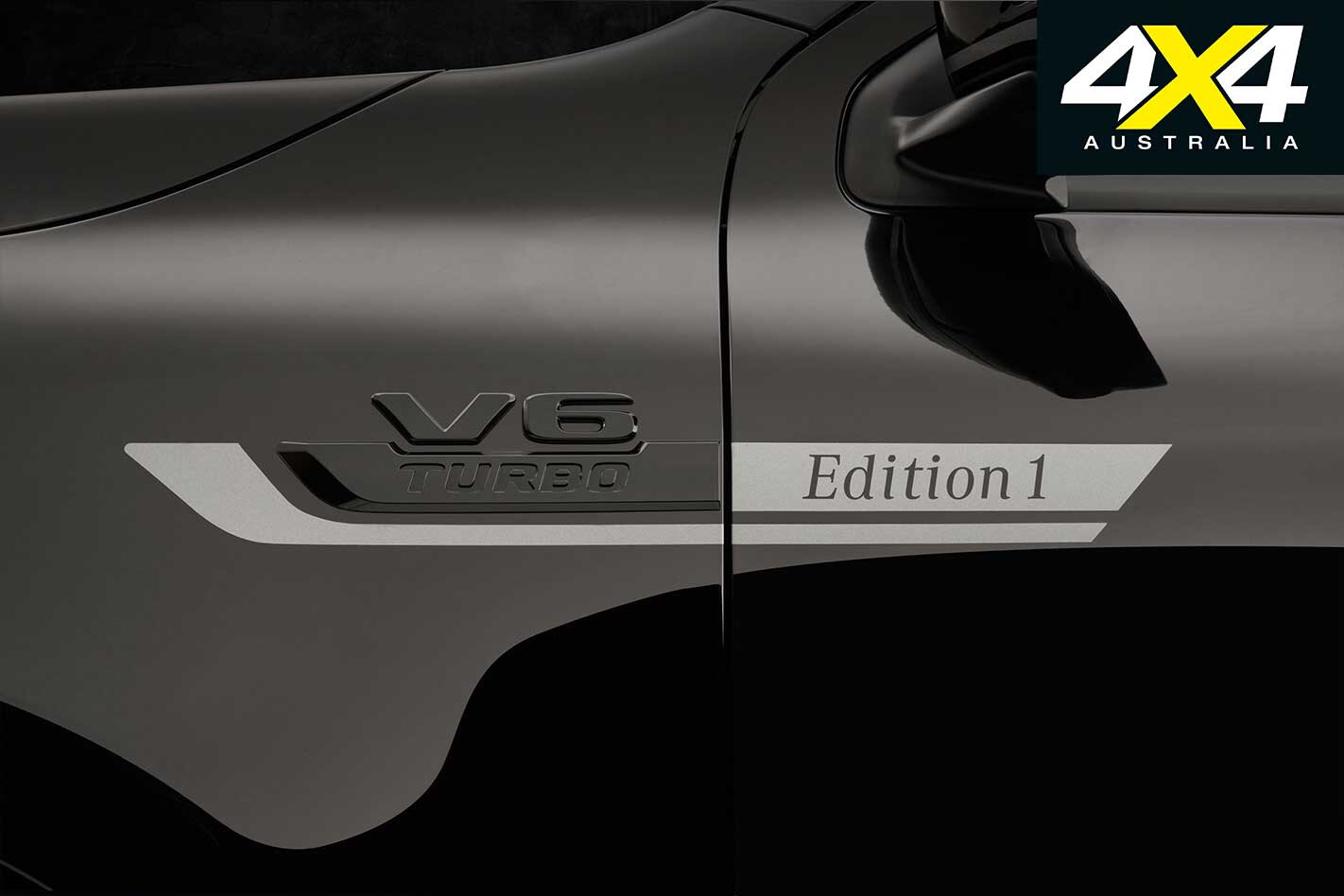
As it’s based on the X350d Power variant, the Edition 1 is powered by Merc’s 190kW/550Nm 3.0-litre V6 and gets the 4MATIC permanent AWD system with a low range reduction gear.
The Edition 1 is arguably the best-looking truck on the building site, but only a limited number will be available for purchase. It’s priced at $87,500 (MRLP)*.
*MRLP is the Manufacturer’s Recommended List Price. The MRLP excludes on-road costs and dealer delivery
The 2019 LDV T60 dual-cab ute has been given the Walkinshaw treatment, with the Limited Edition Trailrider rolling on a suspension setup developed here in Australia by the gurus at Walkinshaw Automotive Group (Melbourne), who’ve tweaked the workhorse’s ride and handling for Aussie roads and tracks.
The Australian-specific suspension calibration is combined with a package that comprises a black nudge bar, side steps, grille and sports bar, as well as schmick 12-spoke 19-inch black alloys, a lockable roller tonneau cover and bespoke Trailrider decals for the side panels, rear end and the bonnet.
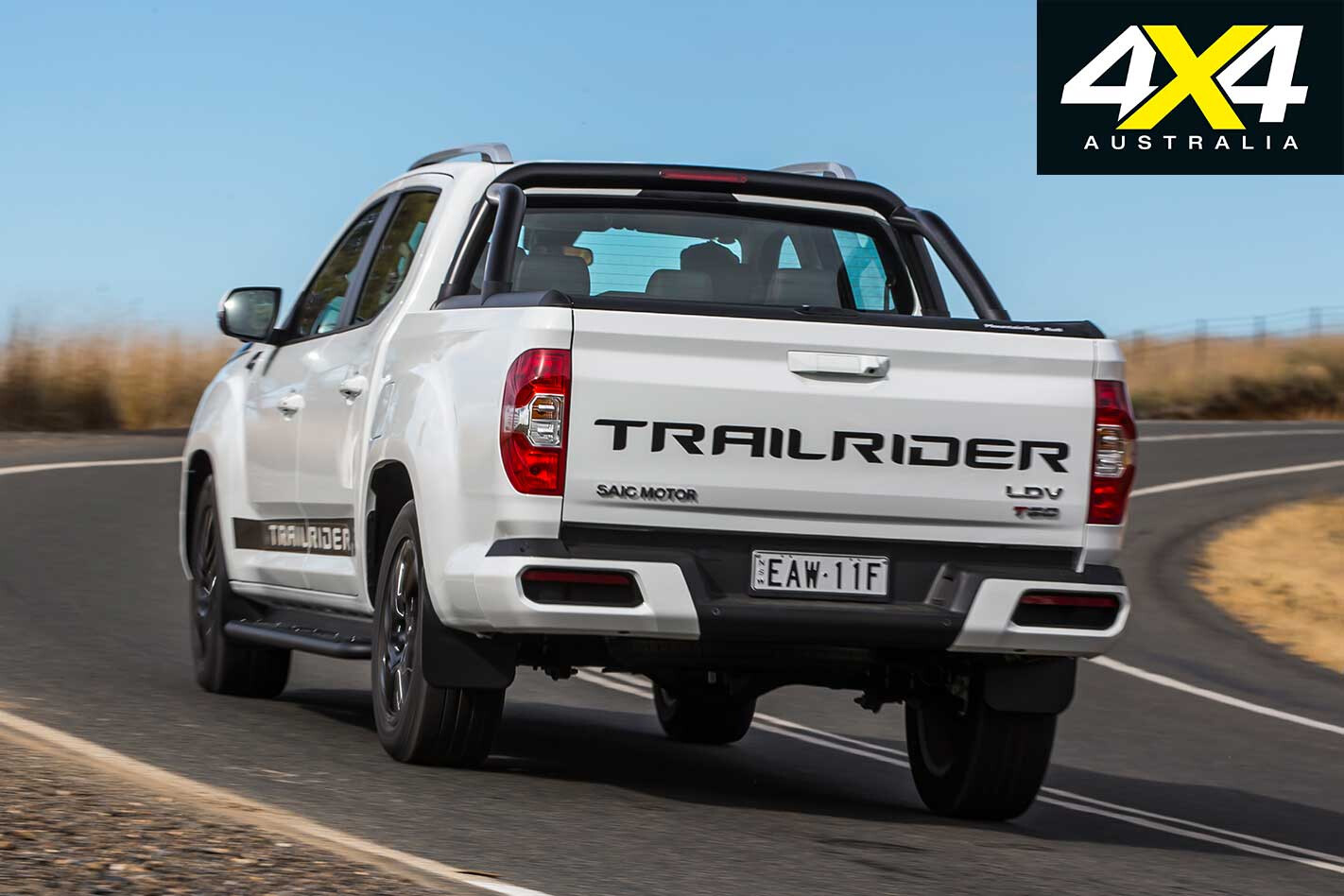
With all this kit, the asking price is impressive: the LDV T60 Trailrider will set you back $38,937 driveaway for the six-speed manual (the six-speed auto is $41,042 driveaway), and that’s with a five year/130,000km warranty.
“With only 650 vehicles being built this is a genuine limited addition, and the new suspension calibration was developed for the T60 Trailrider and the Australian market,” says Dinesh Chinnappa, General Manager of LDV Automotive Australia. “It is the result of the Walkinshaw Automotive Group working closely with LDV in China to produce a new and unique suspension calibration that is ideally suited to Australian road conditions and driver requirements.”
The Trailrider is based on the top-of-the-range 4×4 T60 LUXE dual-cab, with the option of six-speed auto or manual gearbox (behind the 110kW 2.8-litre turbo-diesel donk). As per the LUXE, the Trailrider also offers an on-demand diff lock and is rated to tow 3000kg.
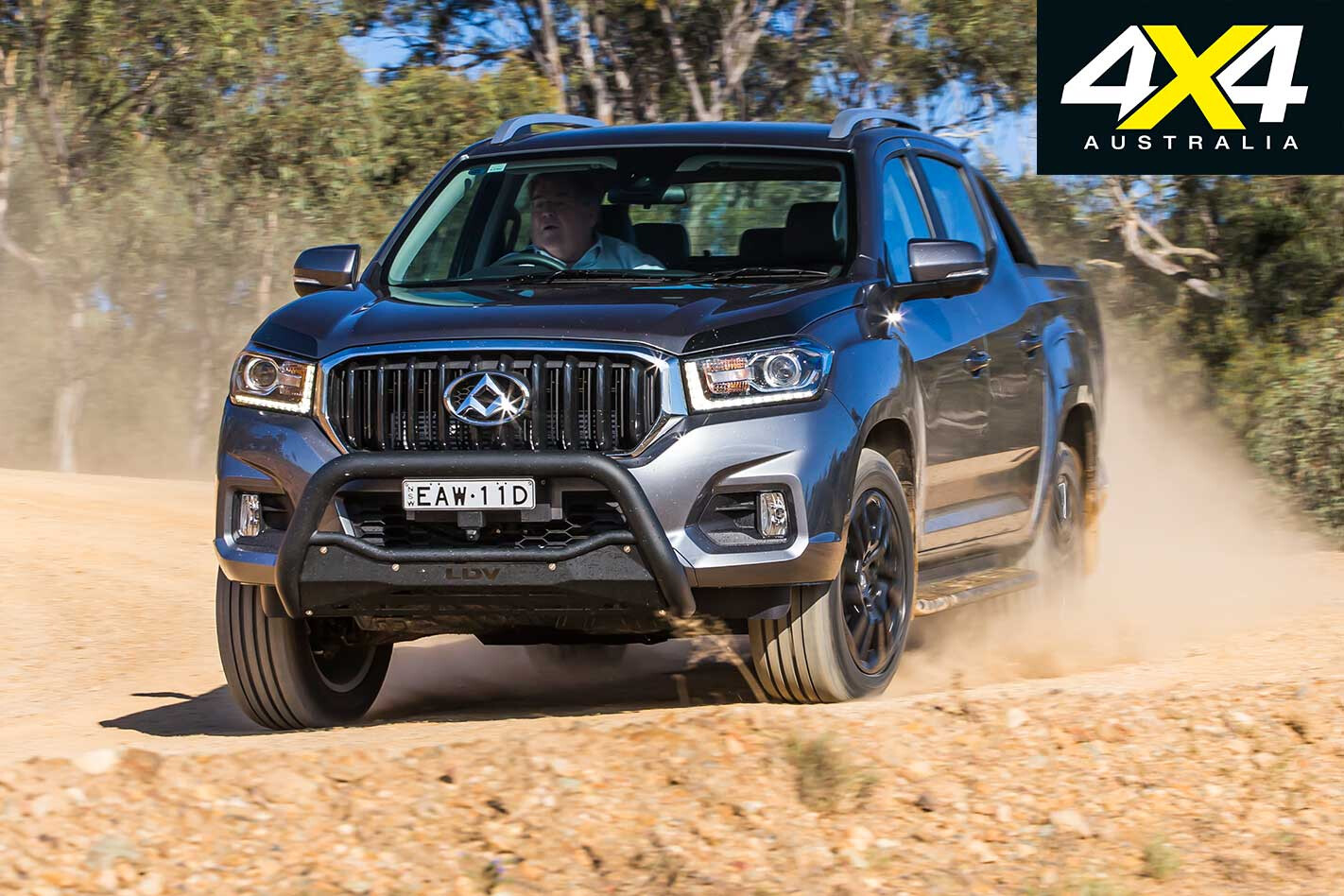
There’s plenty of standard kit, too: six airbags, a 360-degree camera, cruise control, climate control air-con, adaptive headlights, leather trim, electric-adjust front seating, a 10-inch touchscreen (with Bluetooth), keyless entry and start, roof rails, auto-fold rear view mirrors, a tub liner and six tie-down points (two high, four low), plus there’s plenty more equipment to make this limited-run T60 highly spec’d for the asking price.
Colour options are red, grey, white or black. On top of all this is the inclusion of the 24/7 roadside assistance for the warranty period, combined with that loan car programme.
The Limited Edition T60 Trailrider goes on sale May 20, 2019.
COPETON Dam up near Inverell in northern NSW is three times the size of Sydney Harbour when full, is 104 metres deep, has some of the best freshwater cod (monsters up to 1.3 metres are caught regularly) and offers an array of water sports. Plus, it has a rich history and some of the best waterfront camping you’ll find.
Back in the 1930s, Inverell and the nearby Gwydir Valley needed a new water supply, so a proposal was planned to dam the current location for irrigation to an ever-increasing agricultural production.
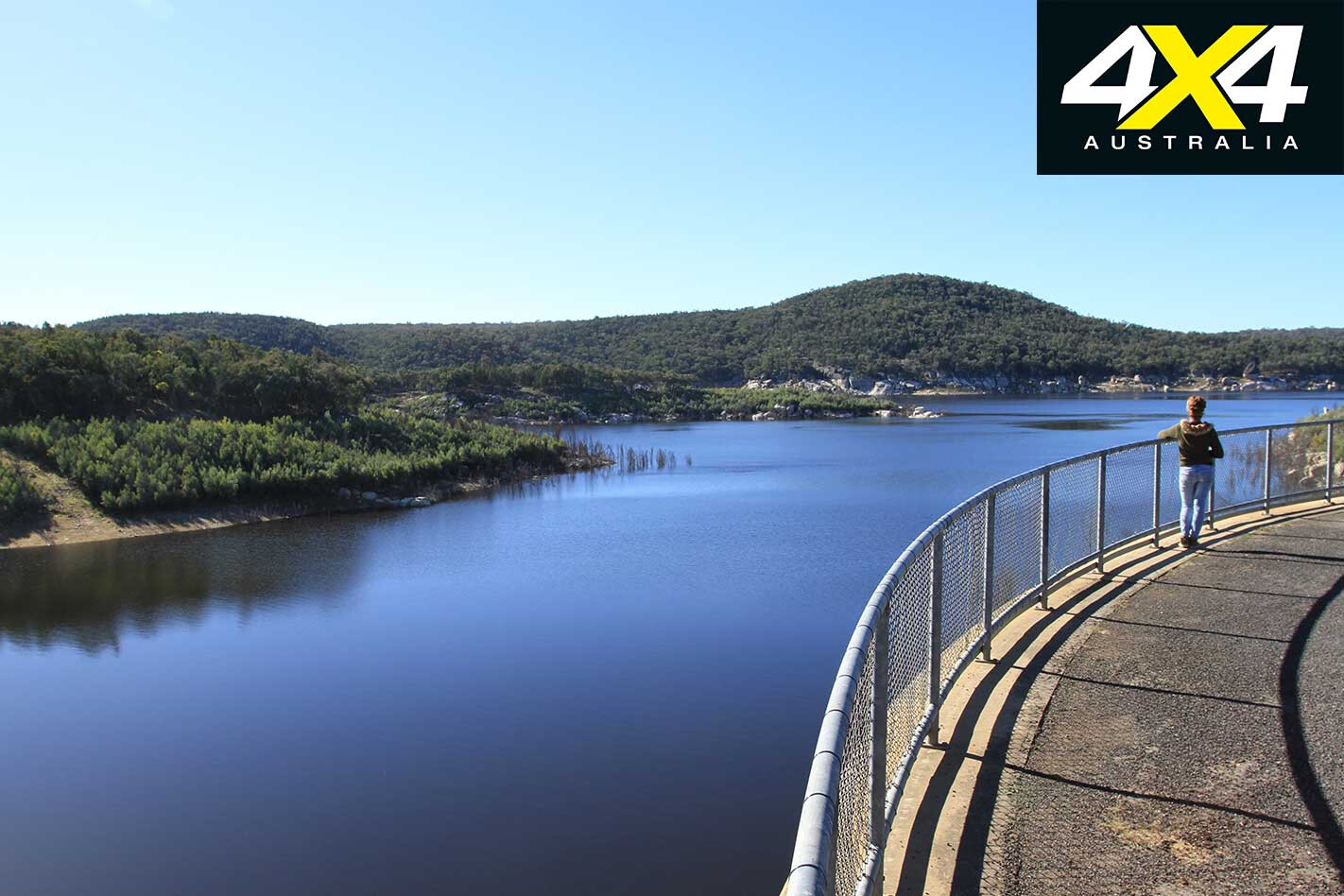
World War II came around and funds dried up, but in 1966 the current location was approved and work started in 1968. It took five years to complete the wall, while further improvements have been added the past few years including external spillways and nine massive gates.
Prior to the valley flooding, two small towns – Copeton (formally Boggy Camp) and Dasey Town – were busy supplying workers to the nearby goldmine. The stockyards, cemetery and buildings are now deep underwater, but relics rise from the deep when severe drought strikes the area. In 1994 the dam registered a two per cent water level and it was possible to see some of the 39 cemetery headstones, the mine tower and old fence lines.
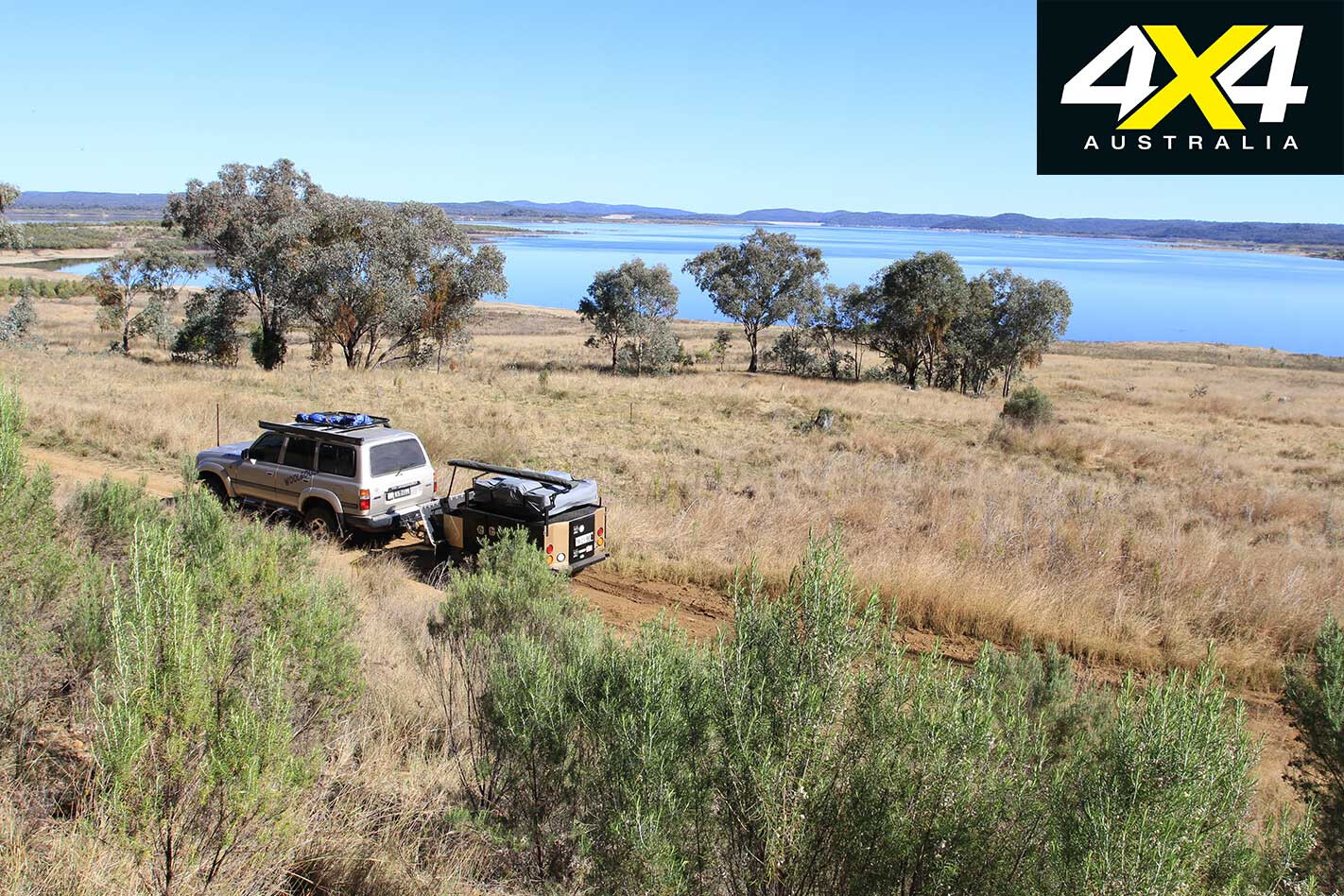
Most people head to Copeton for the magical camping and watersports, where you can fish, sail, jet-ski or swim in this vast waterway; with around 45km² of water to explore it’s easy to find a quiet cove. Camping options are pretty good, too, as there are kilometres of free camping, as well as paid sites at the Inland Water Holiday Park.
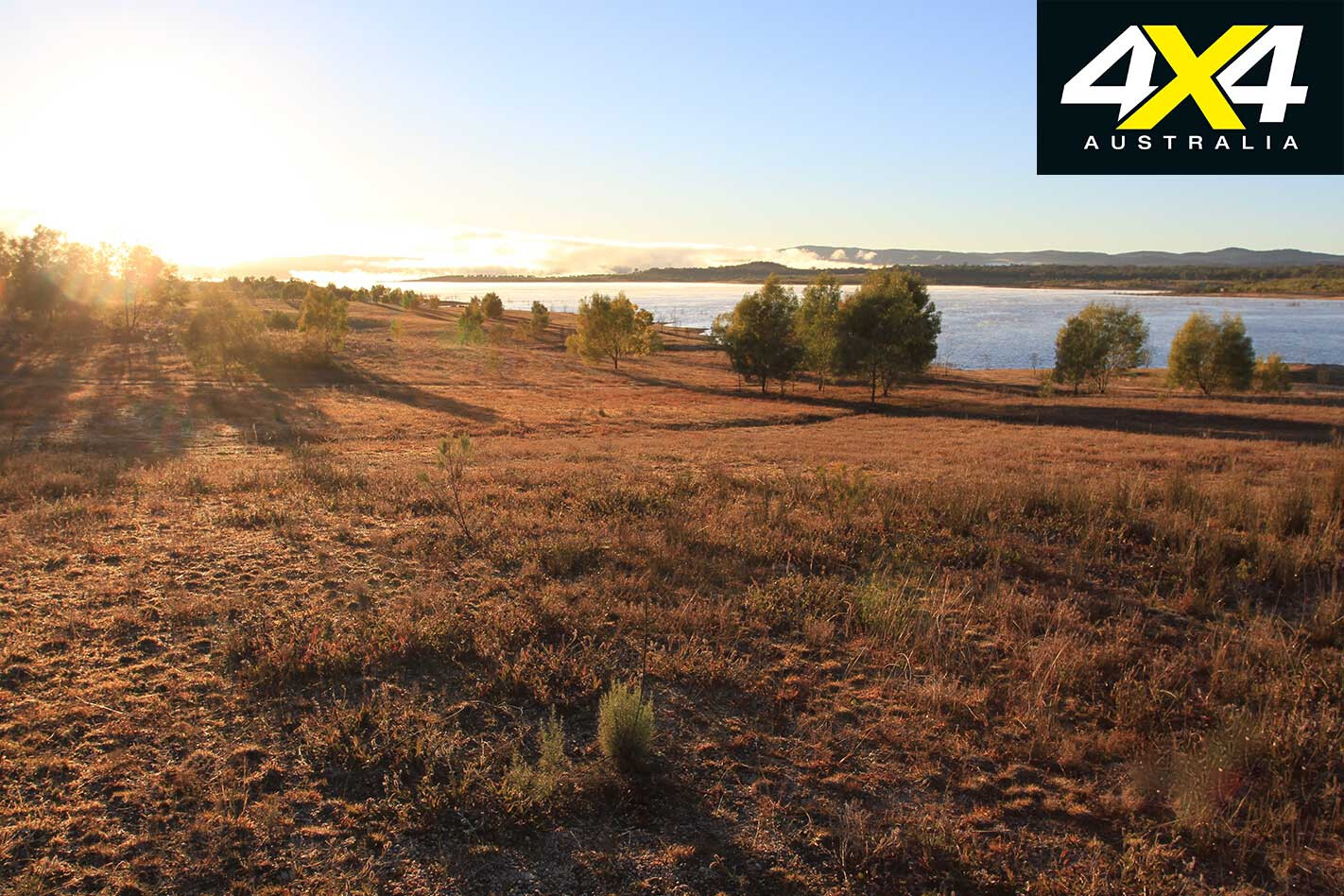
For a small fee the northern side of the dam, along Auburn Vale Road from Inverell, contains waterfront sites where fires and dogs are permitted. The serene sites have basic showers and toilets and plenty of boat-launching spots. Free camping can be found on the eastern side coming in from Howell, but with no facilities you’ll need to be totally self-sufficient as it’s a long way into town if you forgot loo paper.
The Inland Water Holiday Park is nothing short of amazing. Here you can camp on the water’s edge or on grassy sites near facilities, and as far away from others as you please. There’s a golf course, canoe hire, walking trails, playgrounds for the kids, and much more. Take a stroll around the park and you’ll see a vast array of wildlife, from deer, pelicans, emus, kangaroos and predatory birds like the squawking plovers.
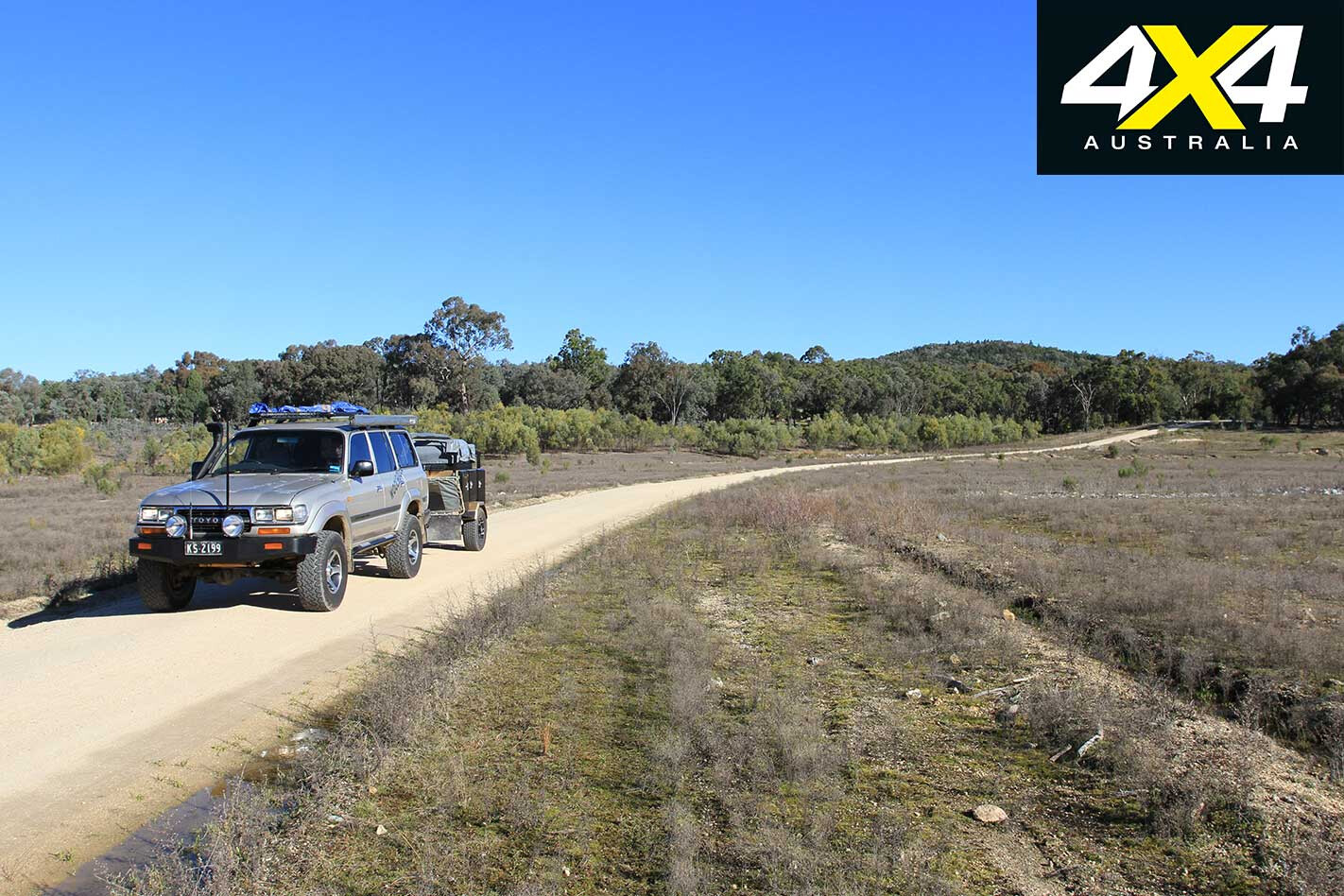
This area is part of the Fossickers Way route, where punters can scratch around for gems and coloured stones. On the eastern side of the dam near Howell the Conrad Mine began operation back at the turn of the century and diamond and tin were discovered, and some of the original shafts dug by hand are nearly 250-feet deep. The mine was shut down in the mid-1950s, and safety procedures are now in place to clean the site up and preserve it for historical reasons.
While the Conrad Mine was operational other areas within the region were explored, and smaller mines were opened with a host of gems and minerals found. Sapphires were discovered in the area and by 1970 there were more than 100 mining operations in the district all searching for this shiny stone. Inverell is now known as the Sapphire City.
Halfway between Copeton Dam and Inverell on the Copeton Dam Road, the local shire has put aside a large lump of land where you can fossick for free. Signposted at Staggy Creek, it’s only a short drive through several paddocks (keep the speed down and shut the gates) to the digging fields. Staggy Creek Reserve is part of an ancient creek bed that has eroded down to what it is today.
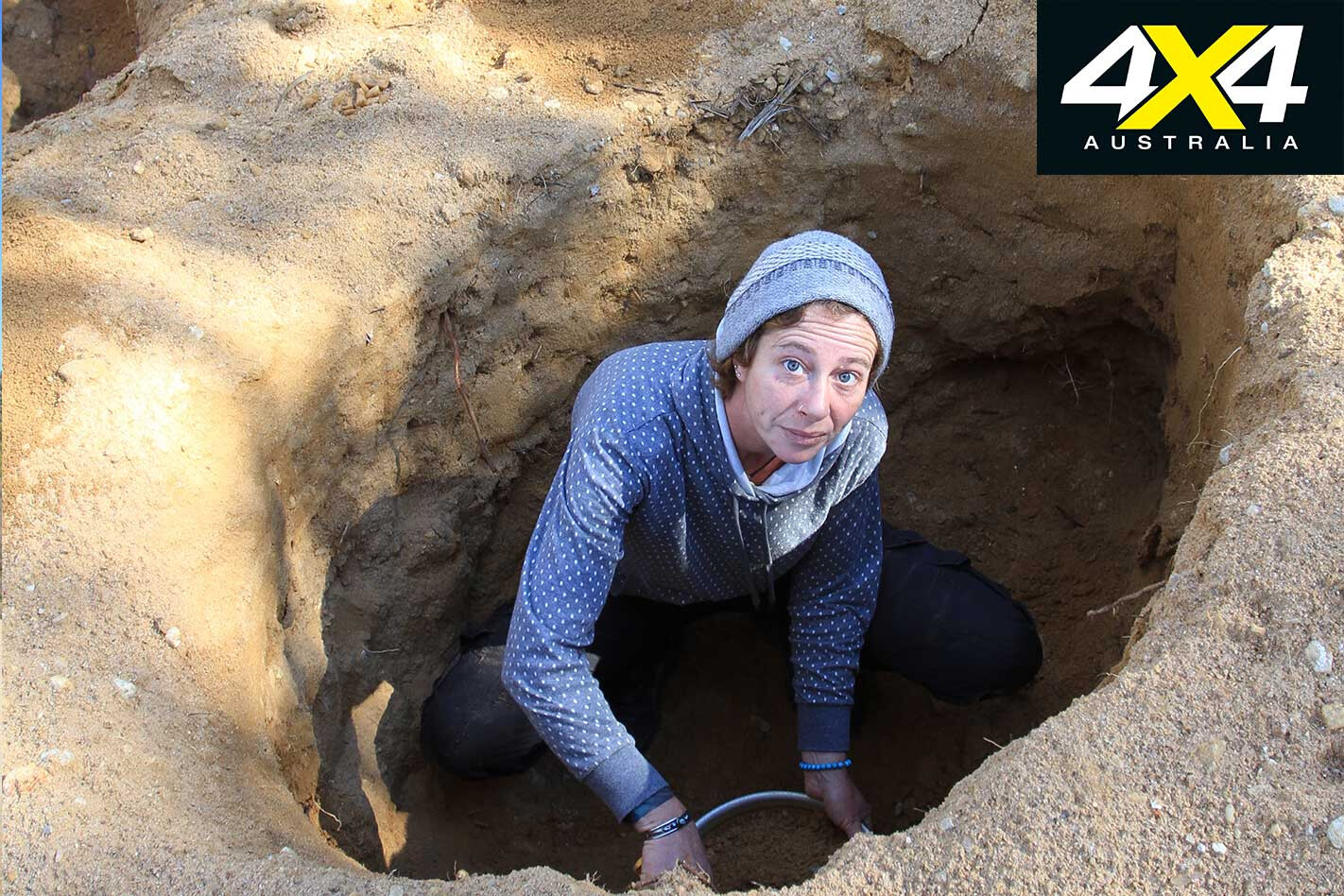
Even though the ground has been trawled for the past 20 years it’s still exciting to scratch around for an alluvial diamond, black tourmaline, tin or clear quartz. The best way to explore is to walk around and check out the amount of holes (shafts) others have dug.
The eastern side of the dam, not far from the hamlet of Tingha, holds hidden mining history dating back to 1841 when tin was discovered and mined. With some 6000 people working in the area tin was soon exhausted and the boom was over by 1890. Chinese people worked and lived among the miners and their heritage is prevalent in town, where several buildings and a museum still stand.
Tingha has a quaint, little caravan park with honest sites and basic facilities. Here you’ll receive information on where you can scratch for gems and perhaps some local knowledge on where the locals and diehard diggers go. First-timers should head to the Tingha Sands Quarry on Howell Road, where, for a few dollars, you can dig around for crystals in piles of sand and washed dirt. The kids will love digging in a safe location.
Deep in the forests at Tingha are relics of an old stone baker’s oven and a few baking pits. Better still, the site and underground wine cellar of the Mannix Hotel can be found nearby. The story goes that shortly after the pub burnt down the owner’s young daughter fell down a mine shaft and died. Unfortunately, the owners had enough bad luck in this area and decided not to rebuild the pub and moved away, leaving only a stark reminder where their little girl was buried.
It’s not a trip to experience extreme four-wheel driving – you probably won’t even lock the hubs – but it’s a great fossicking adventure for the entire family, with some of the best camping you’ll find.
Copeton 4×4 Travel Planner
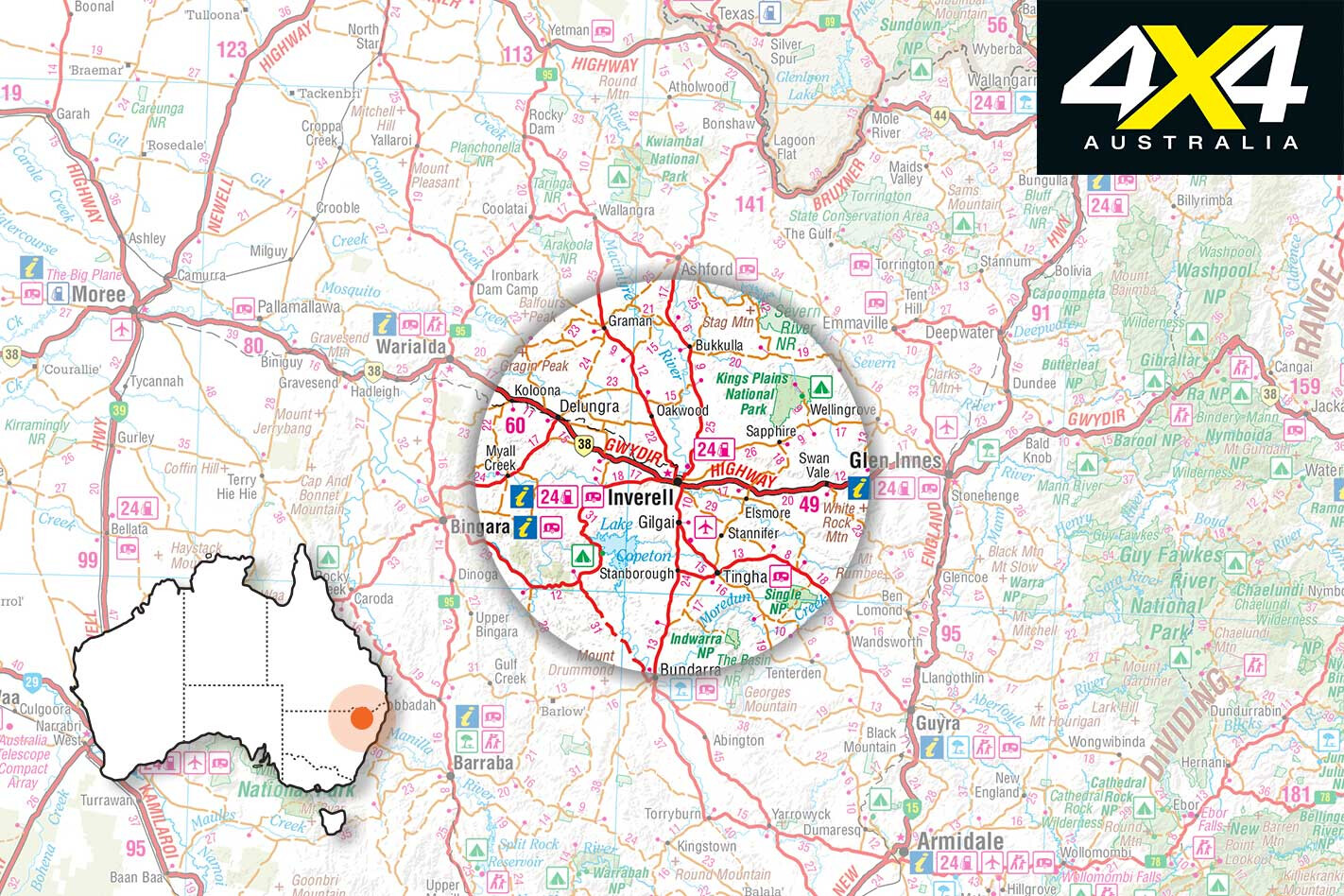
LOCATION Copeton Waters is 35km SW of Inverell, which is 430km SW of Brisbane. The Inland Park is more than 9km², and there’s more than 25km of water frontage to camp on.
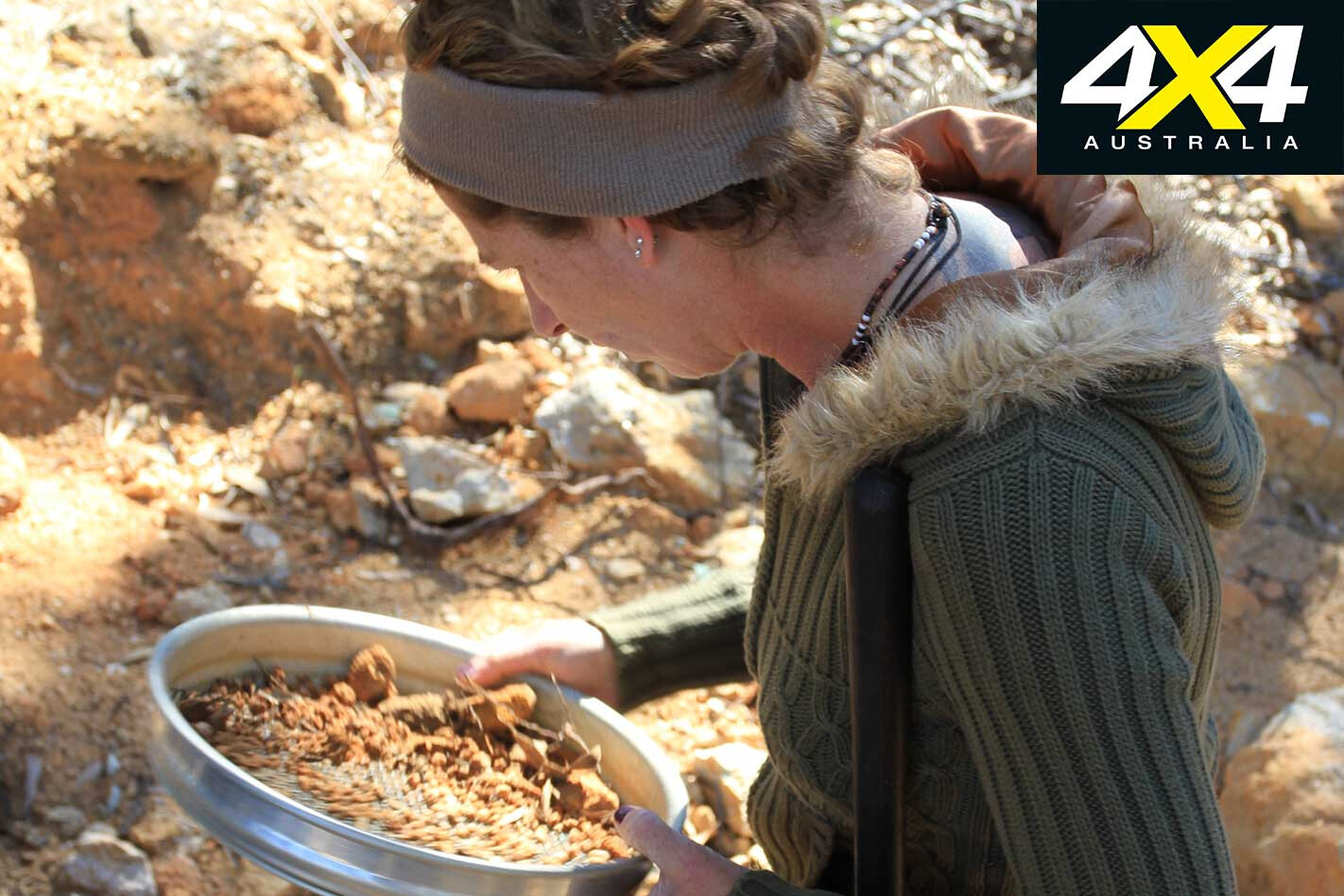
WHAT TO TAKE Fuel, takeaway food and basic items can be bought at the shop. There are no facilities on the northern and eastern free-camping sides. Fossickers should bring a spade and a sieve.
CAMPING With powered and unpowered sites available, swags, tents, camper trailers and caravans are all catered for. The softies can even hire a cabin for overnight stays.
THINGS TO DO Fishing, fossicking, birdwatching, photography, walking trails, exploring, golf, tennis and swimming – the list goes on.
MORE INFO For more info on facilitates or camping at Copeton Waters Park, phone: (02) 6723 6269. The Inverell Information Centre can advise on free camping areas, places to fossick and explore, or general info, phone: (02) 6728 8161.
AUSTRALIA’S largest motoring organisation, the National Roads and Motorists’ Association (NRMA), reckons all petrol and diesel cars should be banned from sale from 2025… really? 2025? In just six years’ time? Surely it must be an April Fool’s Day joke.
This idiocy from the NRMA comes off the back of one of the two major political parties announcing that 50 per cent of all new vehicles sold by 2030 must be electric, a far more reasonable proposition but still largely pie-in-the-sky stuff and something you would expect from politicians anyway. But from a body like the NRMA that supposedly represents motorists’ interests and therefore hopefully knows something about cars… seriously?
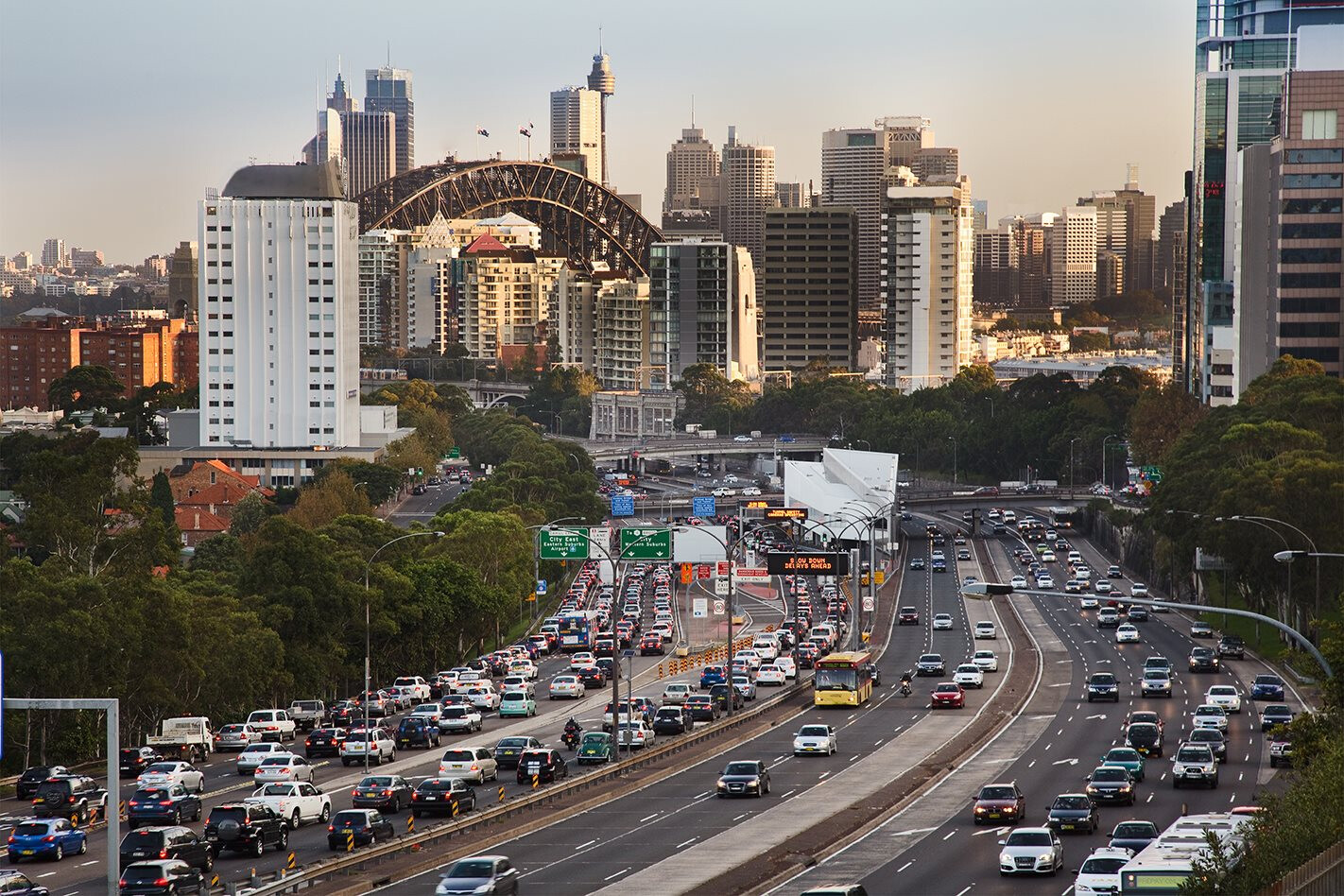
Electric vehicles are coming and need to come. They can make a huge difference to air quality in cities where pollution from petrol and diesel engines is at its worst and has a detrimental effect on human health, particularly that of children. Provided those electric vehicles (EVs) can also run on electricity generated fully by renewable sources, they will also benefit the wider, potentially global, environment.
But where is the electricity to power all these EVs going to come from in Australia given we barely have sufficient electricity for our current domestic, commercial and industrial needs. So-called ‘brown-outs’, a polite way of saying ‘bad luck, we switched your power off as we didn’t have enough to go around’, already happen in peak-load times in summer.
Even without the extra demand EVs will place on the national grid, it will be under increasing pressure going forward with the transition to renewables and away from coal- and gas-fired power stations.
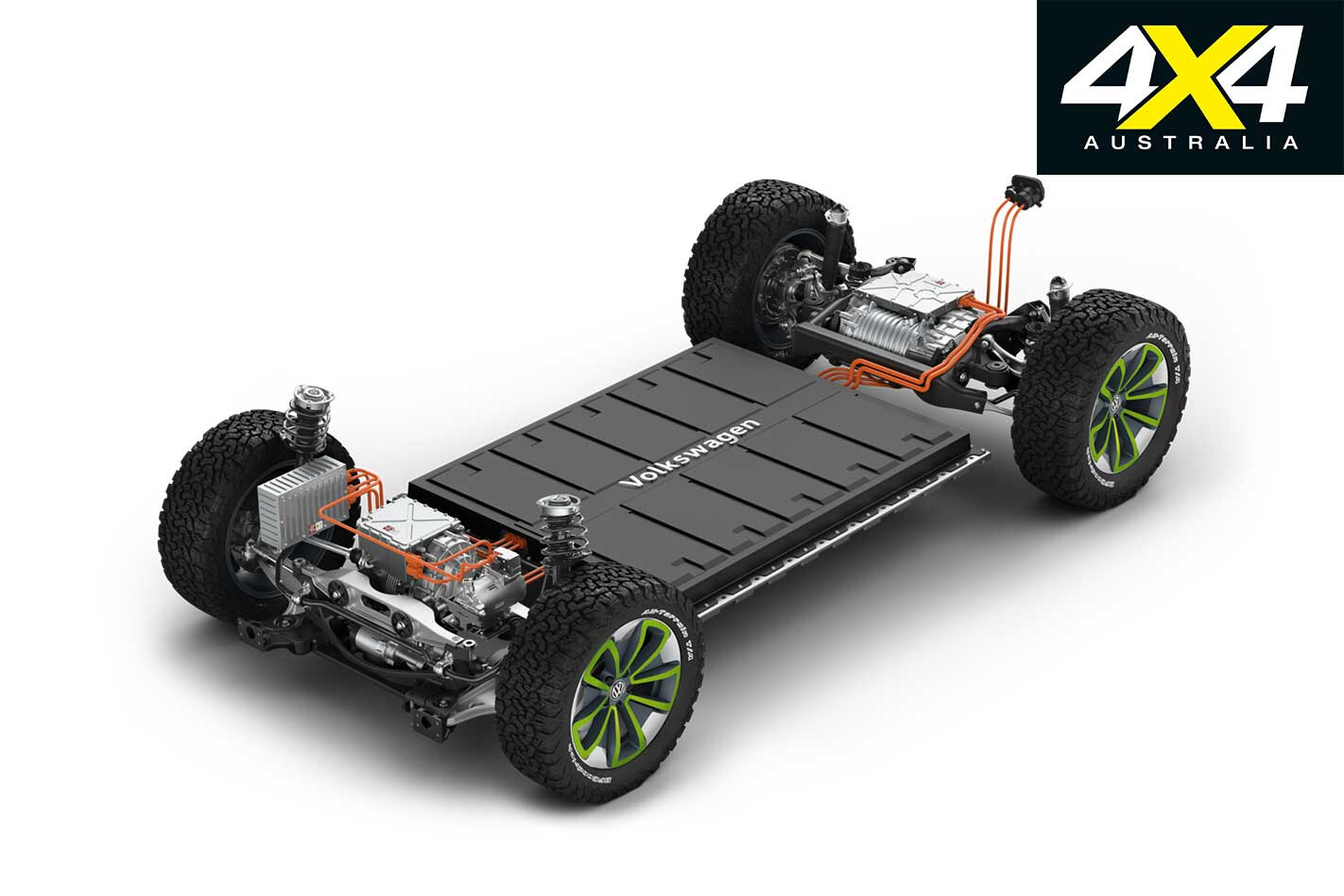
If we are charging EVs off a grid that is still 80 per cent fossil-fuel-powered, as it is at present, the net environmental gain is also much reduced, even if it moves the pollution out of cities to wherever the fossil-fuel power stations are located.
Much has also been made of the situation in Norway where some 50 per cent of new cars sold are electric-powered; good on the Norwegians for initiating financial incentives dating back 20 years to make that happen.
The fact that Norway is 20 times smaller than Australia, and the majority of the five million people (one fifth of Australia’s population) are concentrated at one end of the country, presents a more EV-friendly situation than in Australia in terms of travel distances and building EV-charging infrastructure.
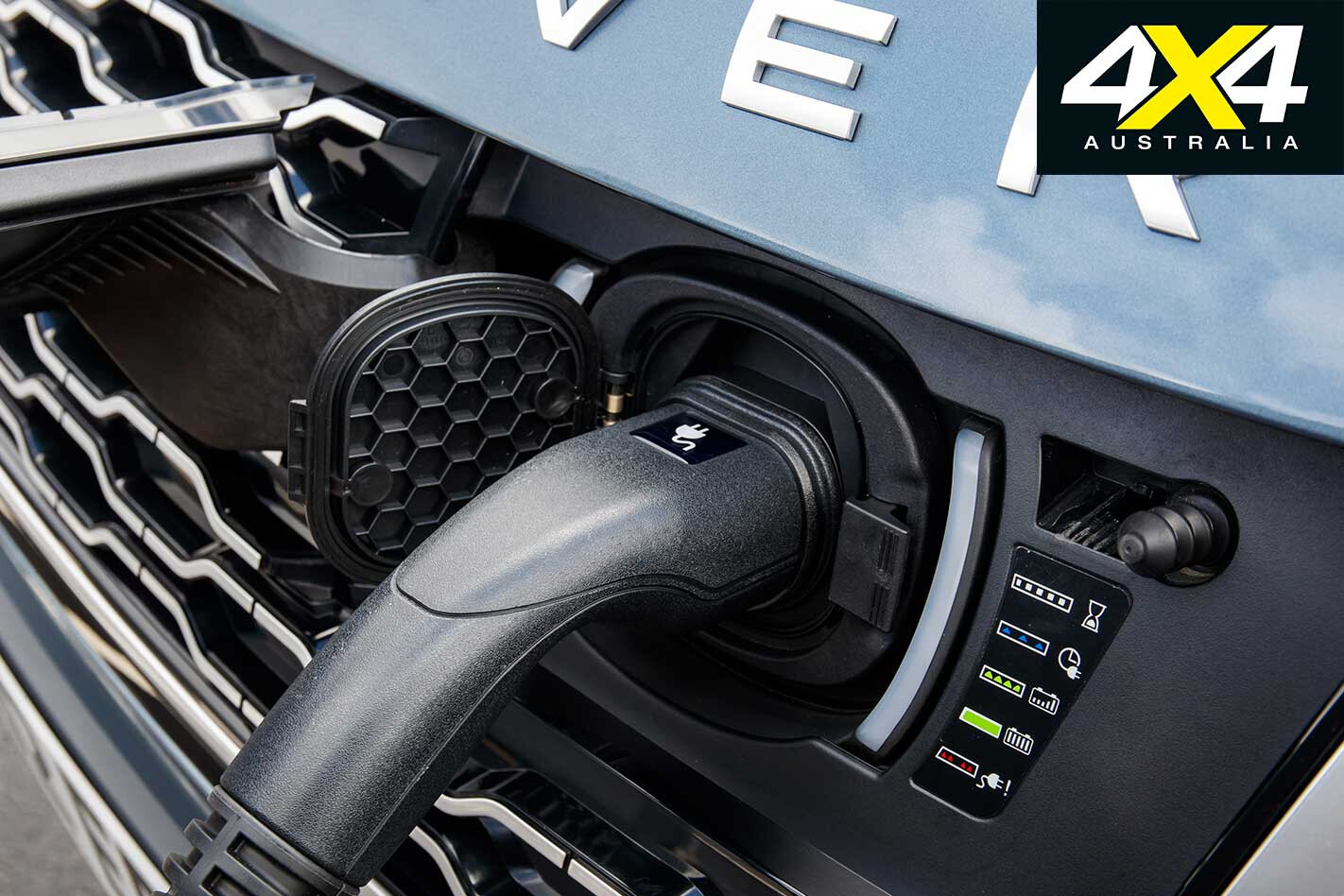
In terms of moving forward towards EV adoption, governments at every level in Australia have been largely asleep at the wheel. Witness the situation where electric carmaker Tesla has been allowed to build fast-charging stations here in Australia where you can only recharge Tesla cars. Now, that’s forward thinking on a plate.
In the bigger picture, on-the-run recharging isn’t actually the best way to recharge EVs anyway; although, it will be part of the infrastructure mix. Given the longer time to charge an EV compared to filling a fossil-fuel car, and that, unlike petrol or diesel, electricity is easy to move around, EVs will be best recharged whenever they’re sitting still. That means in parking stations and in carparks in home units, shopping centres and office buildings; in fact, carparks anywhere.
That’s where the EV infrastructure is needed and needs to be planned for today. Without EV infrastructure, EV sales won’t move forward.
I HAVE JUST returned from a quick trip up to Coober Pedy along the Anne Beadell Highway. We only went as far west as Voakes Hill Corner, where we turned south before getting to the coast at Cheetima Beach. It was a top trip through an area I hadn’t visited in a long time and I vowed to return much sooner than my previous visit.
It got me thinking about why I like desert country so much: Is it the remoteness or the challenge of travelling such harsh country? Is it the seemingly lifeless expanse that hides such variety? Or is it that sense of freedom many of us pine for and which seems to get harder to find as the planet gets more crowded?
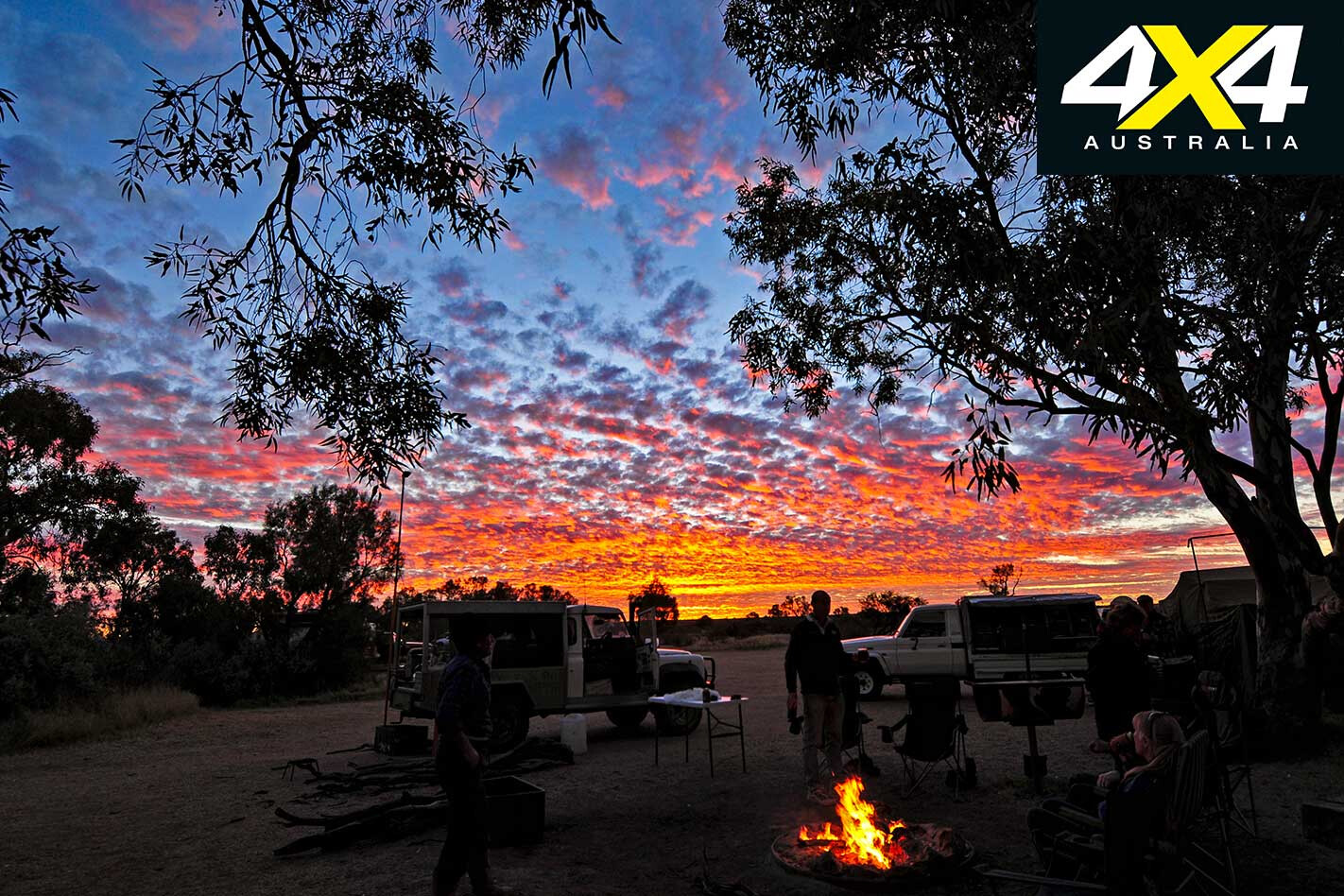
Maybe it’s just the wide open spaces that attract me, or the incredible transformation that comes about when water falls or flows, such as what is happening along the Diamantina River and Warburton Creek floodplain all the way to Lake Eyre.
Then, of course, the desert is a great leveller. It doesn’t matter who or what you are, the desert will bring you down to earth, often with a thud. And it can be cruel. Do the wrong thing out here and you’ll have a very hard time of it all – some may even die.
Being born in Tennant Creek and living all my early days in the Northern Territory and northern South Australia perhaps imbued me with a sense of ‘home’ and belonging. Maybe it is all those things that attract me.
Over the past 12 months I’ve spent a fair amount of time in desert country, on one occasion passing through Corner Country and ending up at Innamincka on Cooper Creek, a place every Aussie should visit at least once in their life. Water was flowing across the causeway and we wandered down to the creek and drove across the shallow stream a few times; for no reason other than it seemed like a good thing to do after a few days of crossing some very dry and dusty country north of Broken Hill.
Before our Corner Country travels we’d been driving our RAM 2500 through the high desert country of Moab, Utah, in the US of A.
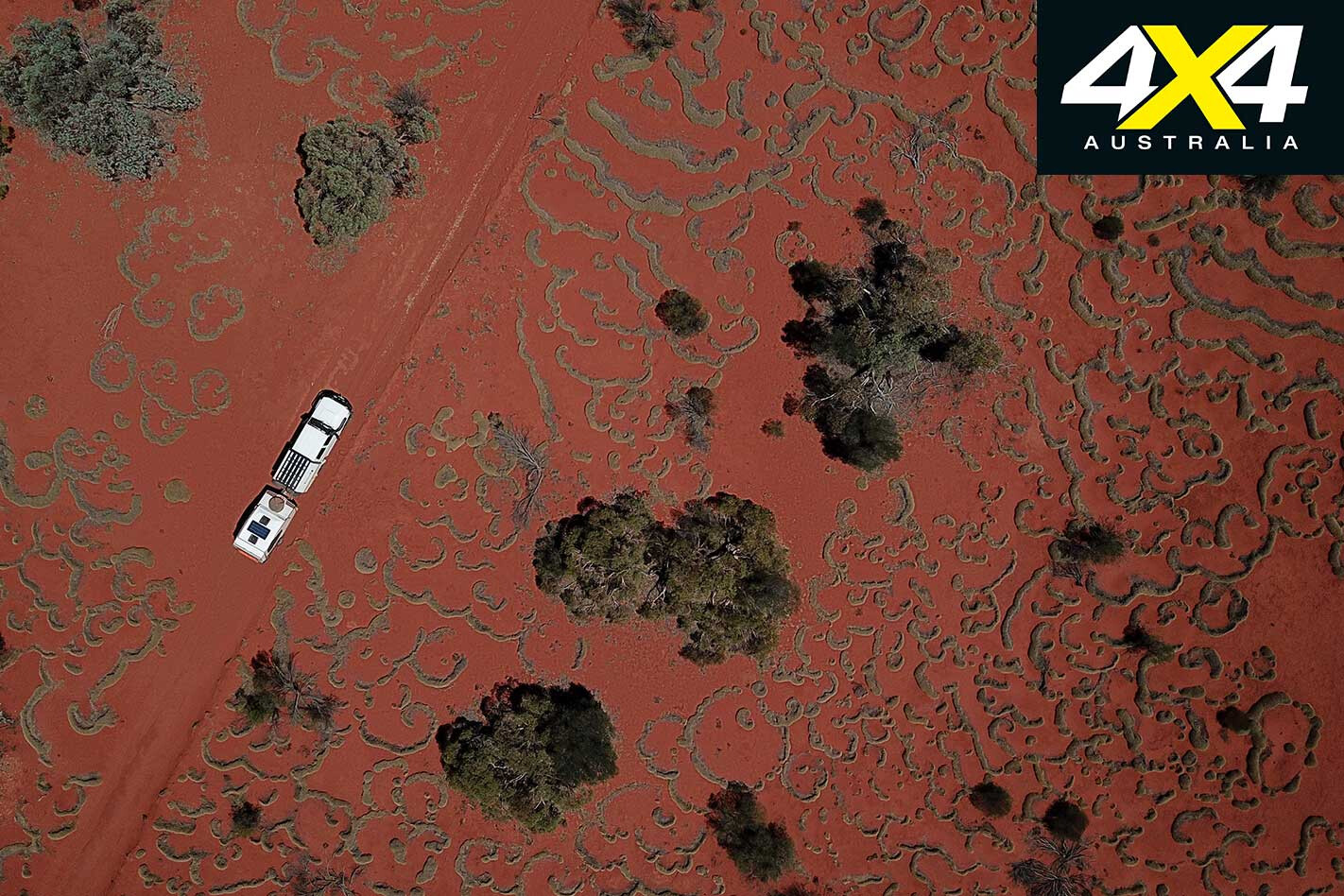
There are many delights to be had in the west of North America, but Utah and its red-rock desert country would have to be our favourite and keeps drawing us back every time.
Edward Abbey, author of Desert Solitaire knew the Utah back country like the back of his hand, and an excerpt from his book reads: “The desert is nothing. Completely passive, acted upon but never acting, the desert lies there like the bare skeleton of Being; spare, sparse, austere, utterly worthless, inviting not love but contemplation.”
Denis Bartell, who named that big Simpson Desert dune, Big Red, back in 1977, was struck by the magic of the desert when he set out on the first of many trips (see: www.desertwalker.com.au). He said to me while at Big Red a couple of years back:
Picture: Denis Bartell on top of Big Red
“Over the past 40 years and 70-plus crossings, mostly solo, a ritual formed between that dune and me. A sunset whenever possible from Big Red was something not to be missed for it was then that I could easily relive, in a most vivid form, my past journeys and scenery from its ever-changing landscape – I could truly be at one with the spirit of the desert.”
I know how he feels; in that place of seemingly lifeless expanse, you feel more alive than ever.