
FIFTY YEARS! That’s a bloody long time to be tackling the challenge of designing and building parts to withstand the ruggedness of outback travel, but that’s the impressive milestone Aussie off-road icon Terrain Tamer has reached this year.
Terrain Tamer founder Frank Hutchinson has been there since the beginning, back in 1969, when, after four years in the banking industry, he decided to start his own spare parts company, so began working as a parts supplier at the local Bedford General Motors distributor – then called GV Clarke.

“For four years I worked learning all about the spare parts industry and in the last year I met Don Kyatt,” Frank recalls. “I told him that I joined this company to get experience and I wanted to start my plan … and so, with the workshops and with my Bedford knowledge, GV Clarke offered me 30 per cent discount because I was moving down south. I wasn’t interfering with them, they were to the north and the north-west of Melbourne … so GV Clarke saw me not as opposition but perhaps as someone who could be a good customer.”
It was also at this point that Frank asked Don Kyatt if he was interested in joining a relatively young new-business owner in his latest endeavour and Kyatt agreed. Frank was quick to realise the potential and even asked Don if he could name the business after him, as the Kyatt name was so well-known in the Bedford industry.
The next 10 years involved a lot of hard work, building relationships and, slowly in the background, watching the Bedford brand die in Australia – something Frank knew he had to have a contingency plan for. Enter Terrain Tamer.
“We kept selling the Bedford parts, but I knew that I had to go to something else,” Frank affirms. “So I was selling Land Rover parts, and I was selling Bedford four-wheel drive chassis to (Aussie tour operator) Bill King in the early days, but I knew that I had to come up with a 4WD brand of my own. And that’s when I saw the name Terrain Tamer come across me and I’ve gone, ‘Yes … that’s my name, that’s the name I need’ and so I decided to call it Terrain Tamer. So the Don Kyatt name is still the company, but Terrain Tamer is the brand name.”
Frank even designed the Terrain Tamer logo: two ’roos backlit by a beautiful Northern Territory sunset.
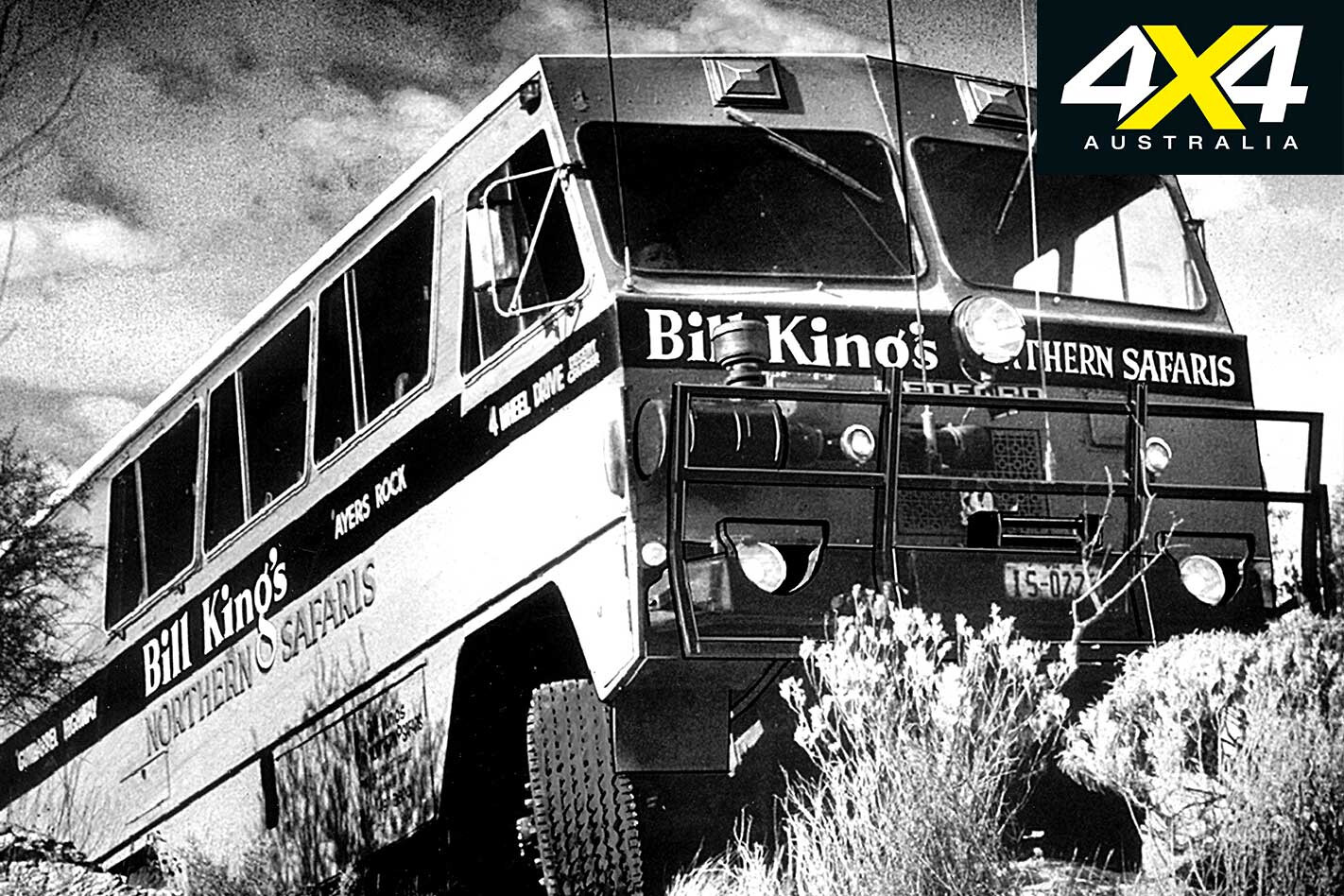
Aussie tour icon Bill King was, back in the late ’60s and early ’70s, one of the groundbreakers in terms of outback tourism. It was Bill’s initial problems with potentially dangerous remote-area vehicle break-downs – where help was often days away – that saw Frank resolve to produce parts that could be relied upon in those testing conditions.
Terrain Tamer’s journey to highly regarded manufacturer and supplier of robust off-road aftermarket parts that, in its entirety, now contains more than 40,000 individual part numbers and is distributed globally, had begun.
On the rough roads
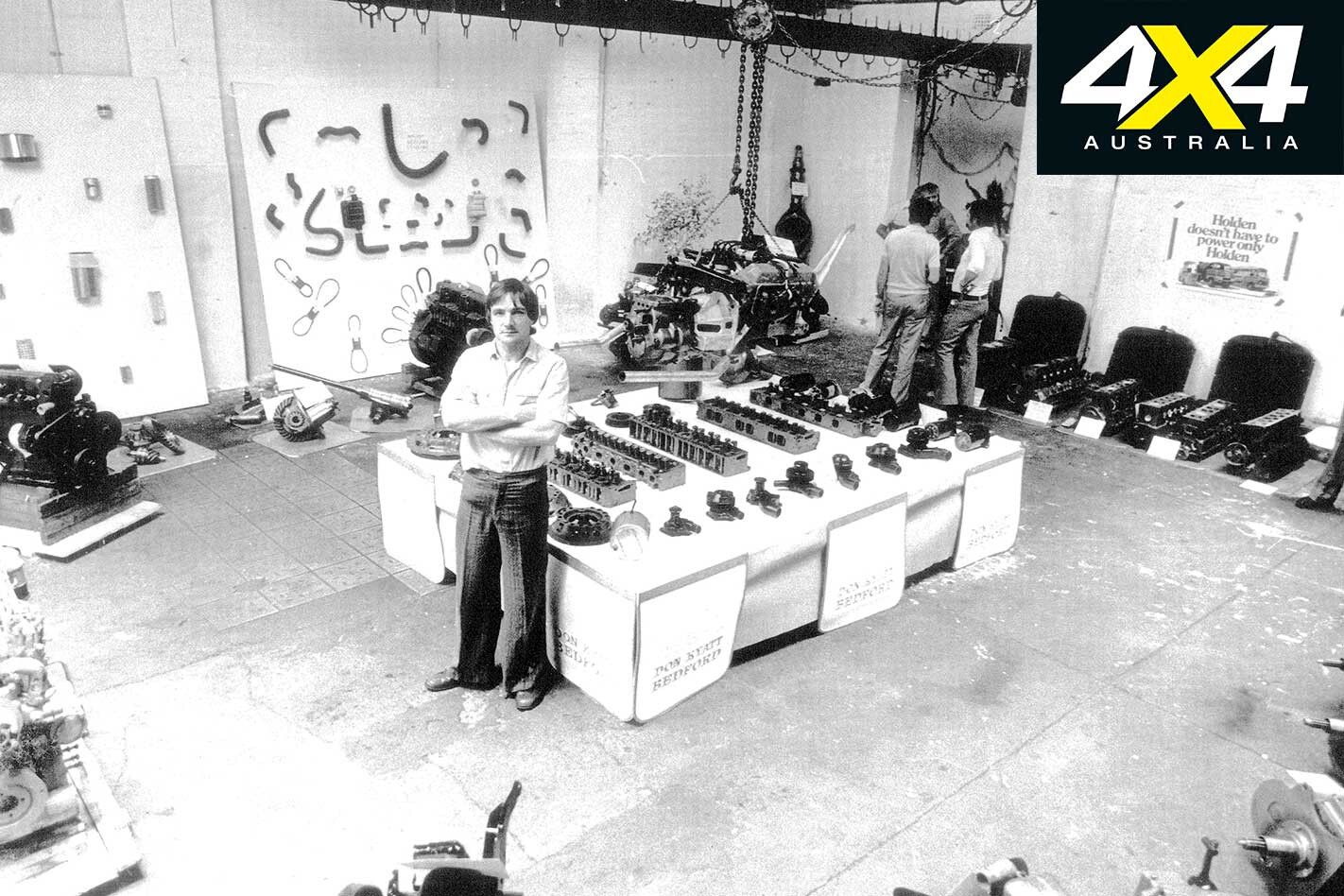
OVER THE next decade Frank continued in Bedford parts distribution and some parts for Japanese-brand trucks, but he focused more on his push into the four-wheel drive spare parts market, with a view to not only supplying true spares but also delving into design and manufacturing of improved 4×4 spare parts.
“So the other thing I came up with was to make some parts better than genuine,” Frank says. “Everybody used to go, ‘Oh, their part is nearly as good as genuine and they’re a lot cheaper’, and I said, well what about … let’s make the parts better than genuine. And I remember saying to a couple of senior manufacturing directors, well, you know we make parts better than genuine in some cases because the mining companies, or people in the outback of Australia, the parts aren’t standing up. So Terrain Tamer got a name for making some parts stronger than genuine. I think that was a world first as far as what we did, too.”
It is the close attention to – and immersion in – the off-road community that has been an integral part of the continued growth and success of Terrain Tamer. Visiting mining sites to see just how punishing conditions are there for work vehicles, chatting to outback tourers and station owners – all of this has been the backbone of Terrain Tamer’s ongoing development of equipment and parts that meet the needs of vehicles in these circumstances.
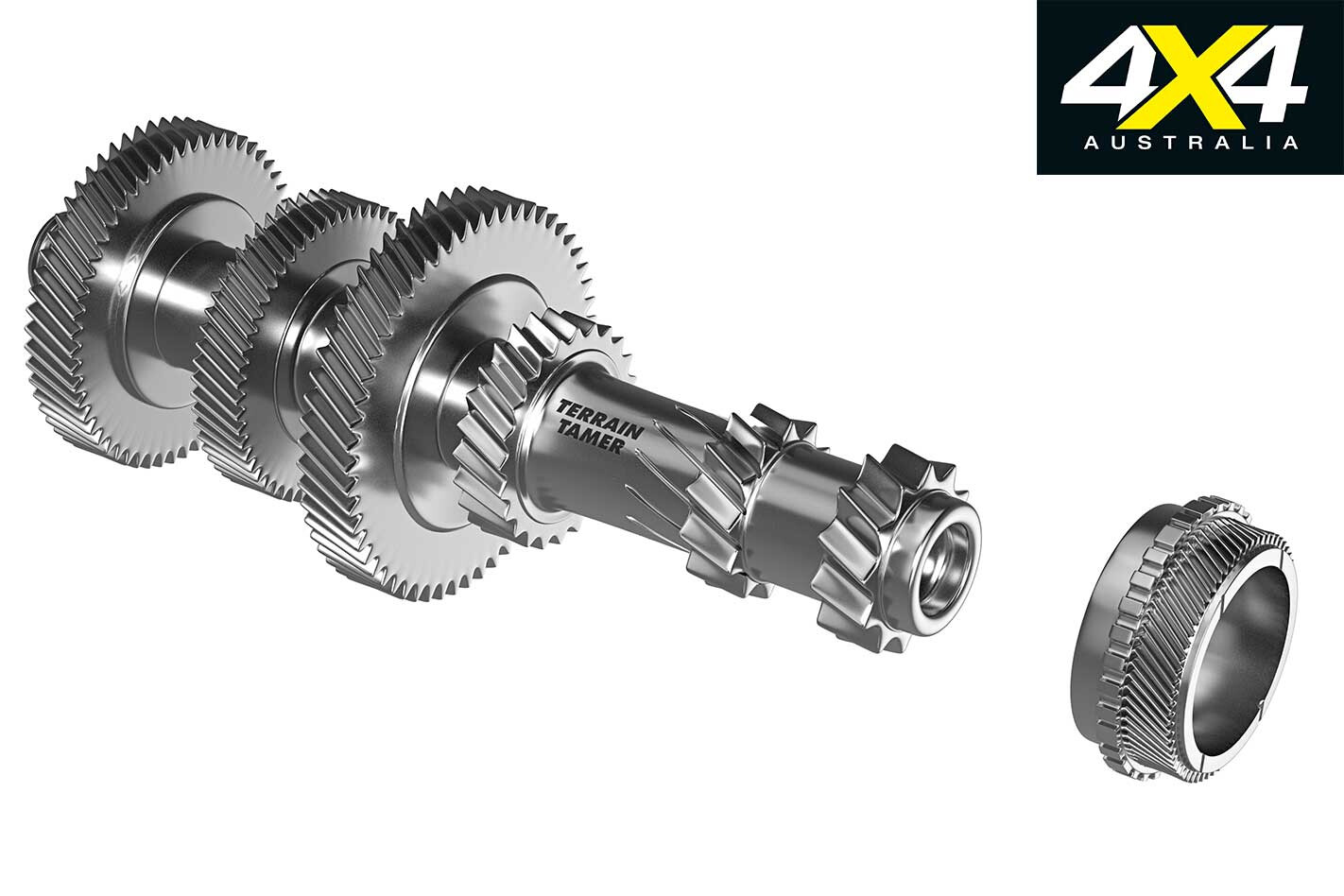
Terrain Tamer’s modified fifth gear for Toyota’s 70 Series Cruiser (dropping revs by around 20 per cent) and heavy-duty brake pads and high-performance disc rotor range are a direct result of seeing how those parts are put through the wringer in trying conditions such as mine sites, as well as listening to the on-the-ground users of the vehicles.
“That’s the old story. I mean, it’s all about people,” Frank says. “You build a relationship with people and the same with our staff. You want the staff to be happy and you want them to enjoy what they’re doing; if people like you, they come back no matter whether you’re running a restaurant or you’re running a spare parts shop or running anything. It’s the same principles.”
This welcome attitude has also been responsible for the now 23-year-strong partnership with Terrain Tamer and probably its most famous employee, veteran off-road mechanic – now global social media star and brand ambassador – Allan Gray.
“I said to Allan one day, ‘What if I just buy you out and you work for us, and we can run the little workshop ’round the corner and you just take it easy?’,” Frank remembers. “I could see him getting older and it was a lot harder for him running a one-man workshop. He came back and said, ‘Yeah, I’d love to do it.’ And you know, it was at least 15 years ago and my son Brent sort of made him famous now all over the world, so it’s amazing how that’s changed.”
Always thinking ahead
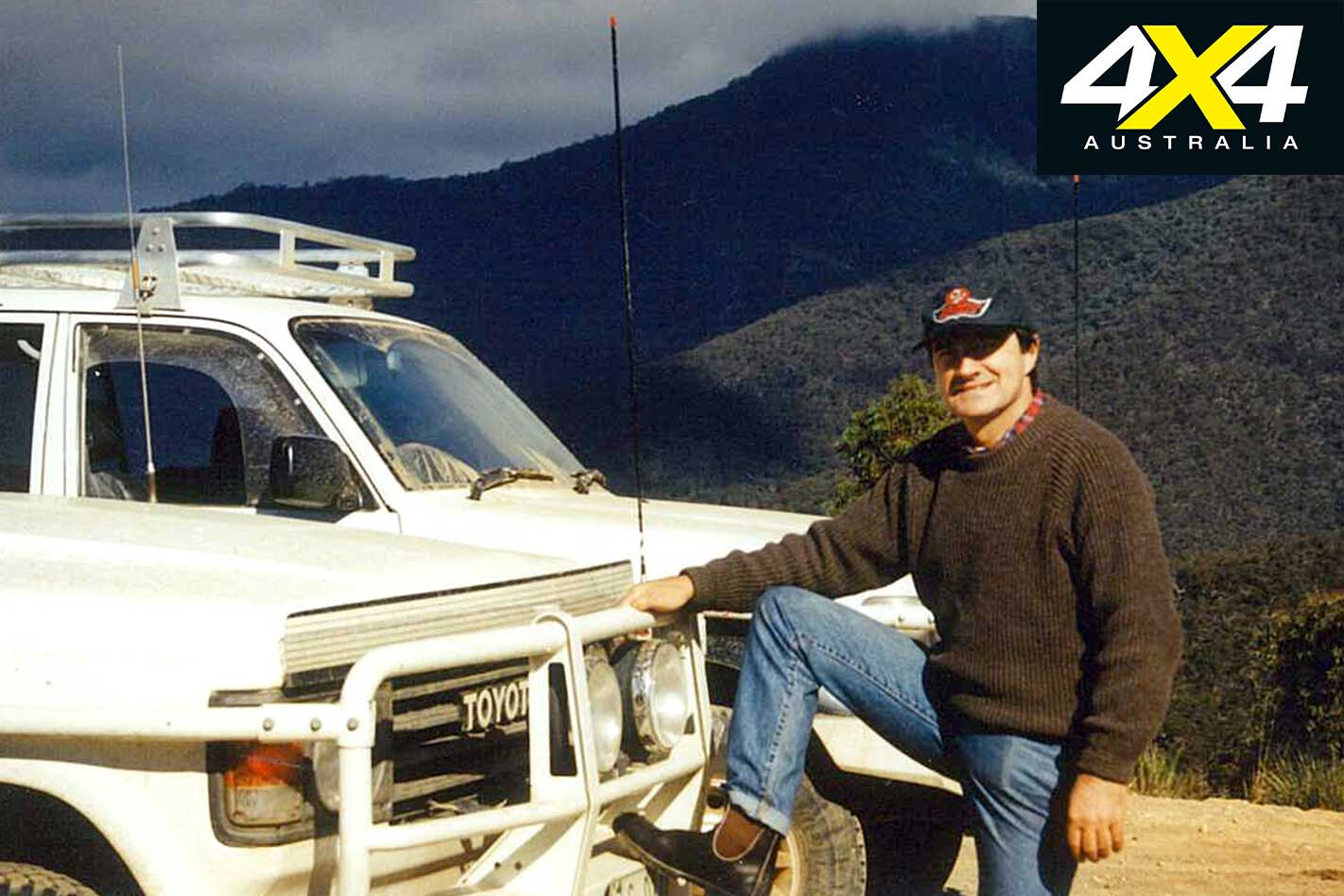
YOU DON’T stay successful for half a century by not keeping abreast of changes in the industry your business is involved in, and Frank and the Terrain Tamer team are the perfect example. This is reflected in the fact the company is still privately owned and both locally and internationally successful, thanks in no small part to its immense spare-part listing of more than 40,000 items and ensuring these parts are always available.
“That’s the situation with spare parts,” Frank says. “People ring us and we can supply everything for them. What they don’t want to do is ring around and make ten phone calls to get ten different parts. “Number one, they want supply. Number two, they want service. Number three, they want quality. So we try and supply them and help them in all those three areas.”
And even though it’s been 50 years of adhering to these strong principles, Frank has no thoughts of retiring for an ‘easier life’.
“I’m enjoying it,” he says. “It’s like a never-ending cycle of improving things all the time, and so at this stage I haven’t put a date on when I’m definitely going to retire. So yeah, I’m happy working with my son (Brent). He’s trained in to sustain the same principles we’ve followed for the last 50 years, and he’s doing a great job.”
The success of Terrain Tamer – and the passion its owners and staff have for the brand – is a great reflection of its ethos of listening, problem solving and hard work, combined with the team’s innate understanding of what off-roaders want.
IF YOU’RE looking for some peace and quiet, then you can’t go past this place. The Clarence River Wilderness Lodge is a 40km² property with rugged, mountainous landscapes of river-crafted beauty, which is all bundled up for you to explore. Who would have thought such a pristine property could exist in northern NSW?
The property is roughly three hours’ drive from Brisbane via the Mount Lindesay Highway through Woodenbong and Urbenville. The turn-off to Paddys Flat Road is just after Tooloom, and you follow this road for 24km to reach the gate of the property. It’s a further 7km of rough track to the homestead, where you will need to sign in.
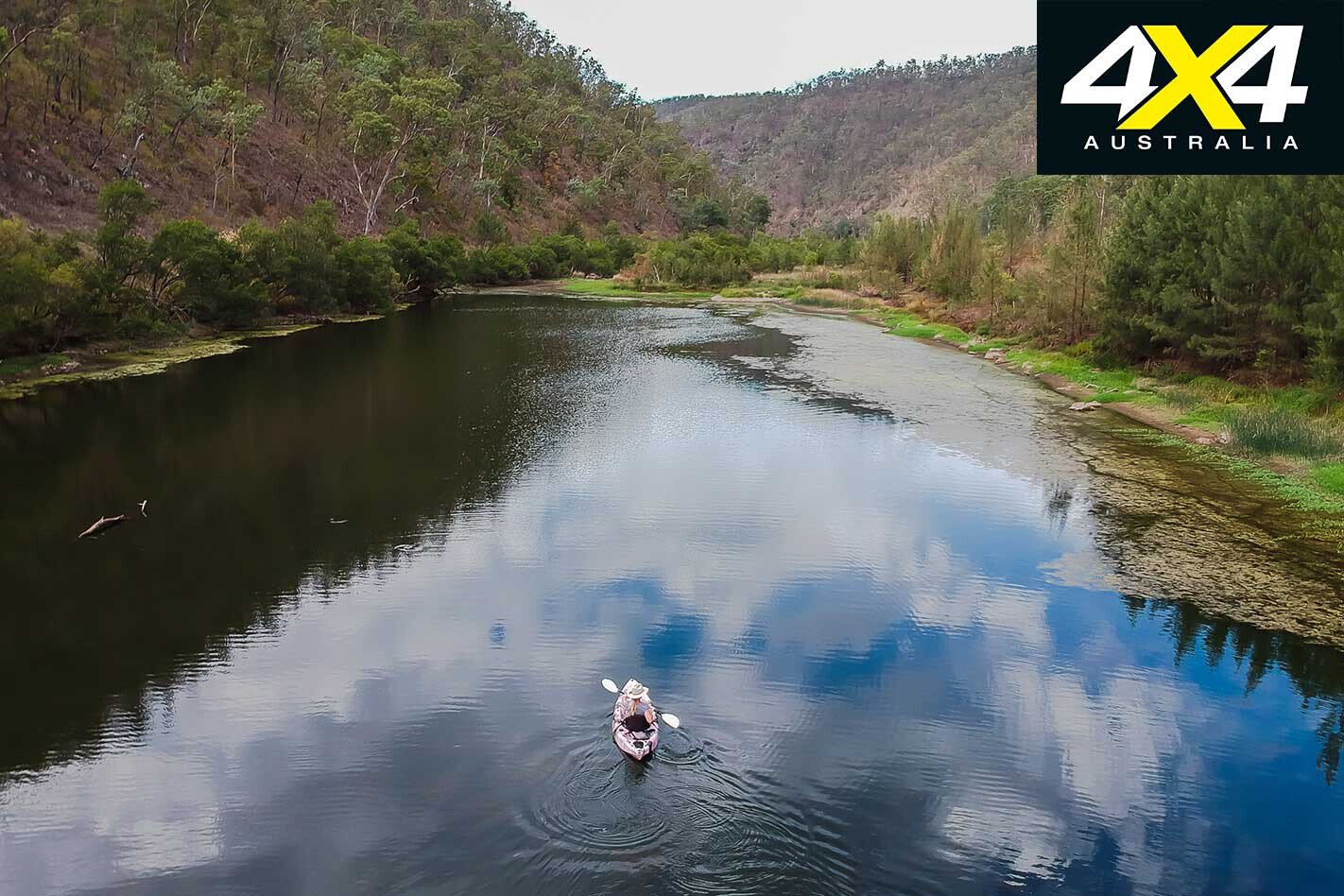
There are a few different options offered by the Clarence River Wilderness Lodge, from open, flat campsites with facilities, to a couple of secluded sites. Camping may not be everyone’s cup of tea so there are glamping options, too, with tree huts, cabins and bell tents available.
The property prides itself on being eco-friendly, with solar power, regulated water use, bush regeneration and minimal impact policies all part of your stay. There are stand-up paddleboards and canoes available for hire, as well as snorkel gear and gold pans that are free to use. This provides hours of fun for the entire family, and if you’re up early enough you might be lucky enough to spot the resident platypus.
The area has some great four-wheel drive tracks. They’re mainly old forestry tracks, but they come with their challenges as they have become very steep and rutted in sections. However, the track’s rocky base provides a lot of grip and a whole lot of white-knuckle fun.
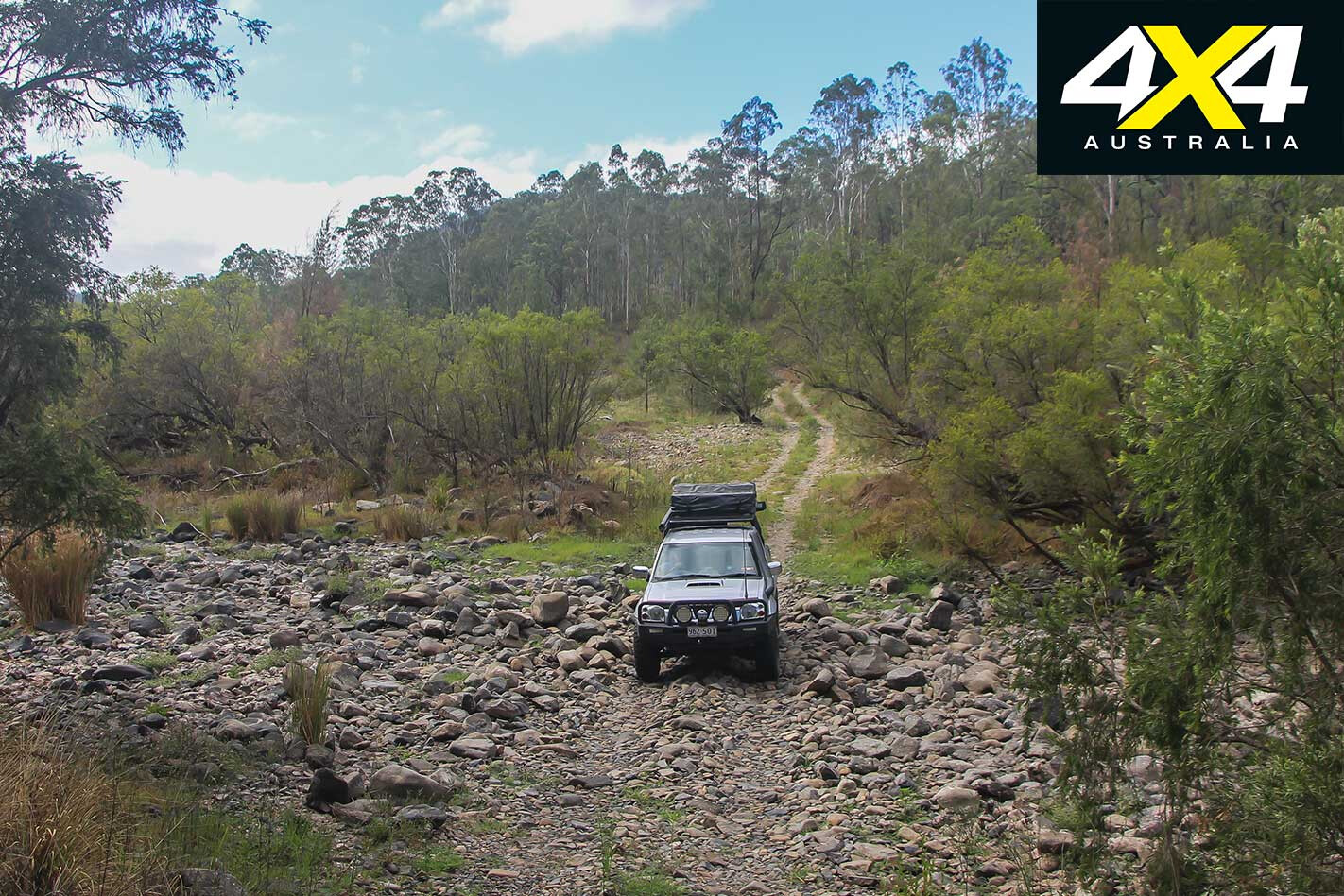
The old Phone Tower Track from Nugget Flat provides some pretty good views before linking back up with the main road again. A good spot to chill is at Sunset Lookout, with tables and chairs set beneath a large shady tree for you to enjoy the view.
Another track requires a key for a locked gate, so ensure you ask for that before venturing out. However, if you’re looking to do more than an hour or two of off-roading, then you can head into the Yabbra State Forest or Levuka 4WD Park, which is just a stone’s throw away.
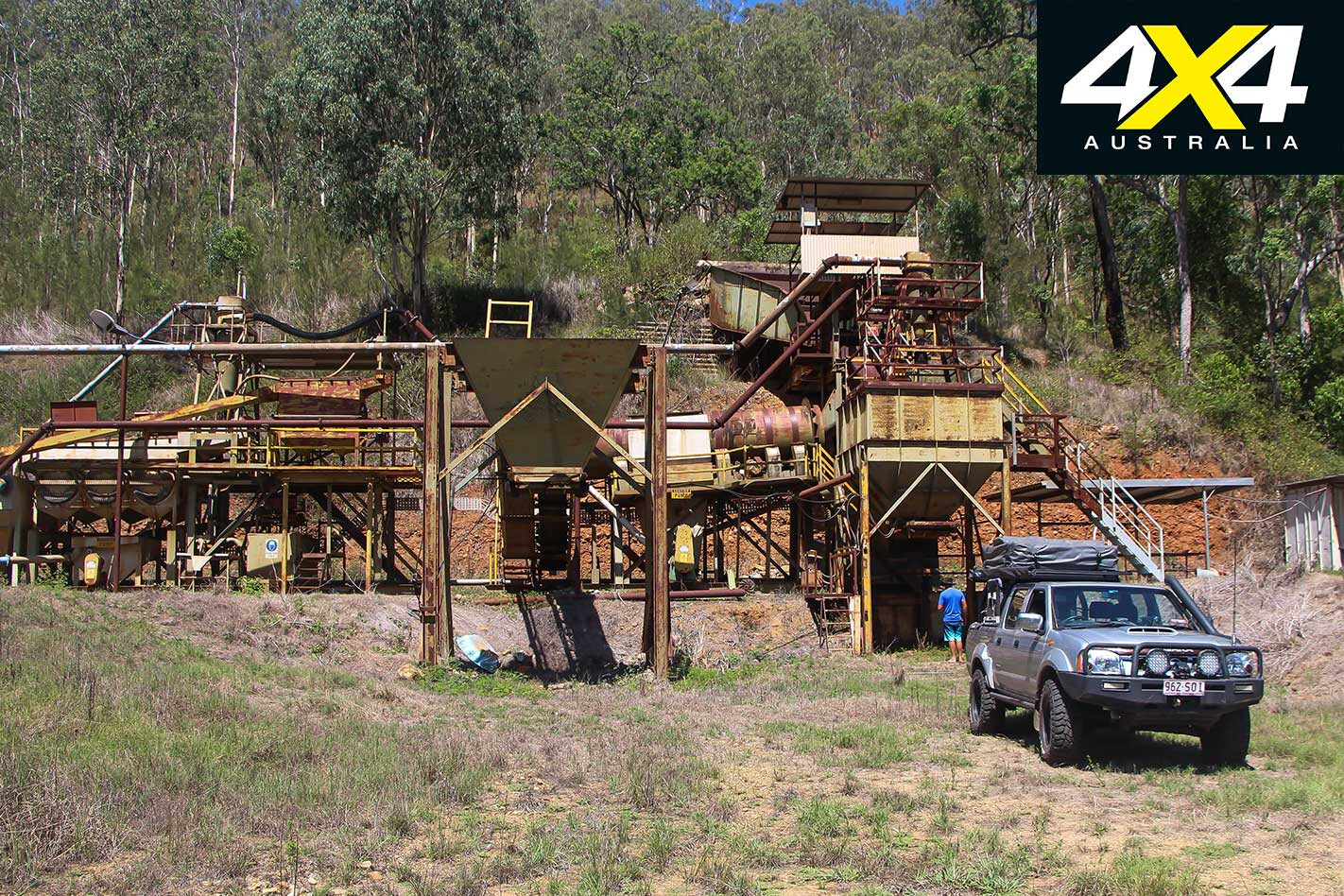
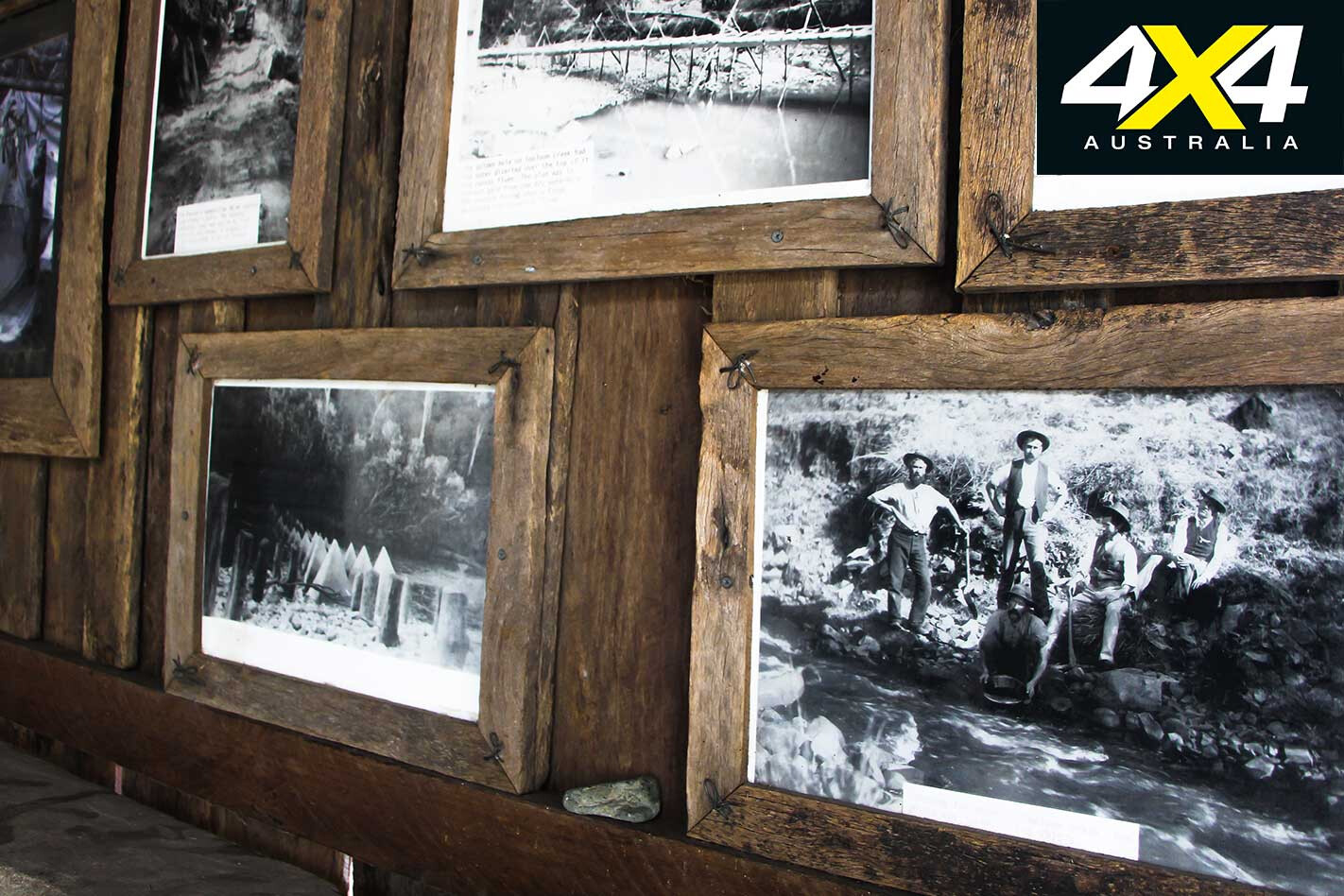
For history buffs there’s a 4×4 track that leads away from the homestead and down to an old gold mine. Old miners’ huts still stand here; although, time and neglect has visibly taken its toll. A little farther up the hill and past the huts, an ageing, rugged metal structure still stands as a reminder of the region’s mining past – we’re sure it would have some stories to tell if it could talk.
If you’re thinking all of this is too good to be true, then you need to find out for yourself. The Clarence River Wilderness Lodge is a hidden gem, and you’re guaranteed to go home feeling relaxed and refreshed.
Mother Nature’s Fury
Owners Sharon and Steve have lived here for more than 30 years and over that time have experienced Mother Nature (fire and floods) at its worst. The worst of the floods took place in 2011, when the water rose so high that it was lapping at the steps of the main house and the floods caused them to be trapped in the property for two weeks. Then, just over 12 months later, bushfires raged through the area.
Travel Planner
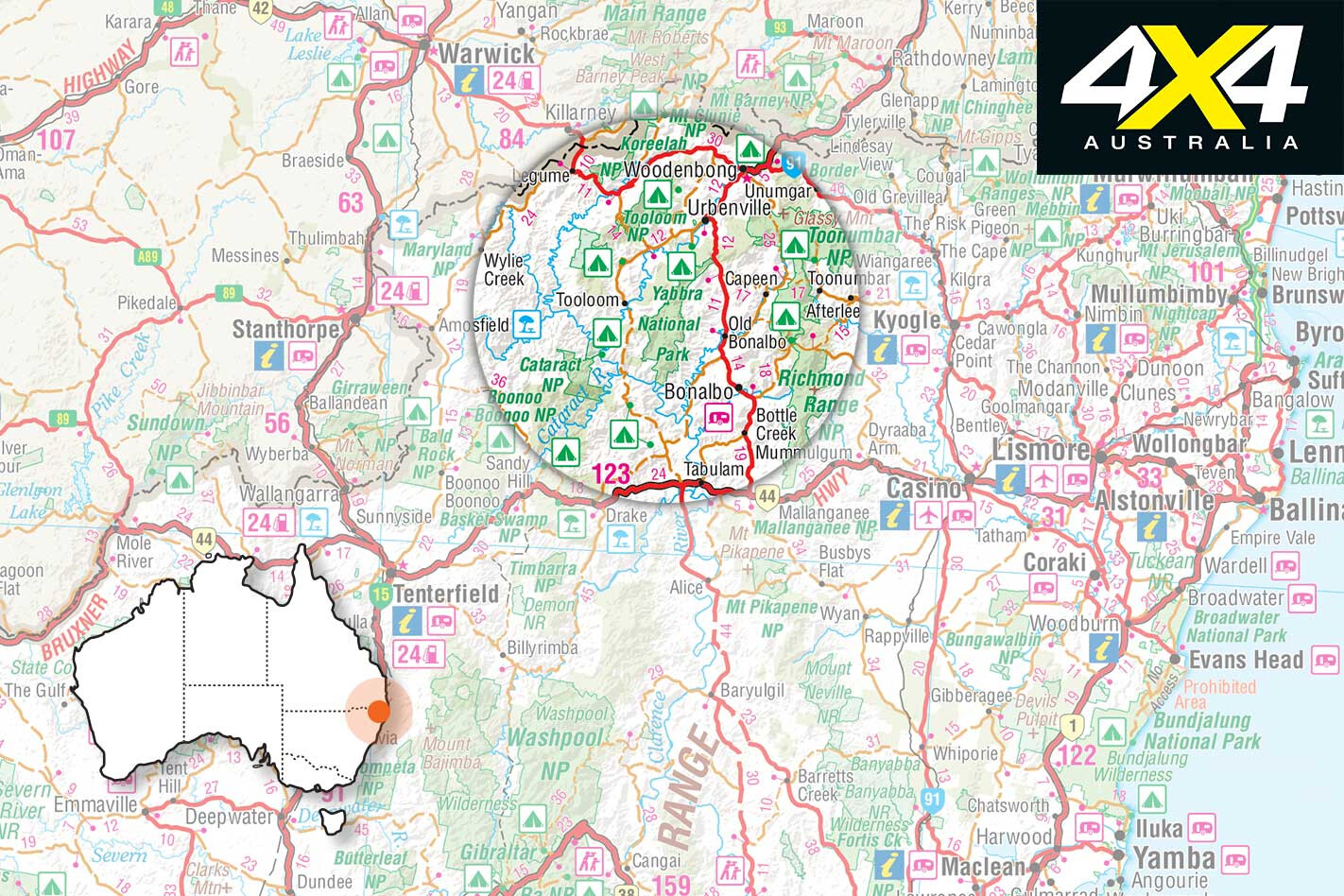
WHERE Clarence River Wilderness Lodge, Paddys Flat, NSW.
CAMPING $16 per person per night. There are secluded campsites and one main open-plan camping area available.
FACILITIES Pit toilets and showers.
TRIP STANDARD It’s a three-hour journey from Brisbane via Woodenbong and Urbenville. There is a dirt road from the turnoff towards the property, and a 7km rough road from the gate to the homestead. 2WD and 4WD access. Suitable for caravans and campers.
CONTACTS AND INFORMATION Website: www.clarenceriver.com Phone: (02) 6665 1337 Email: [email protected]
RESTRICTIONS AND PERMITS Bookings are required, No pets permitted.
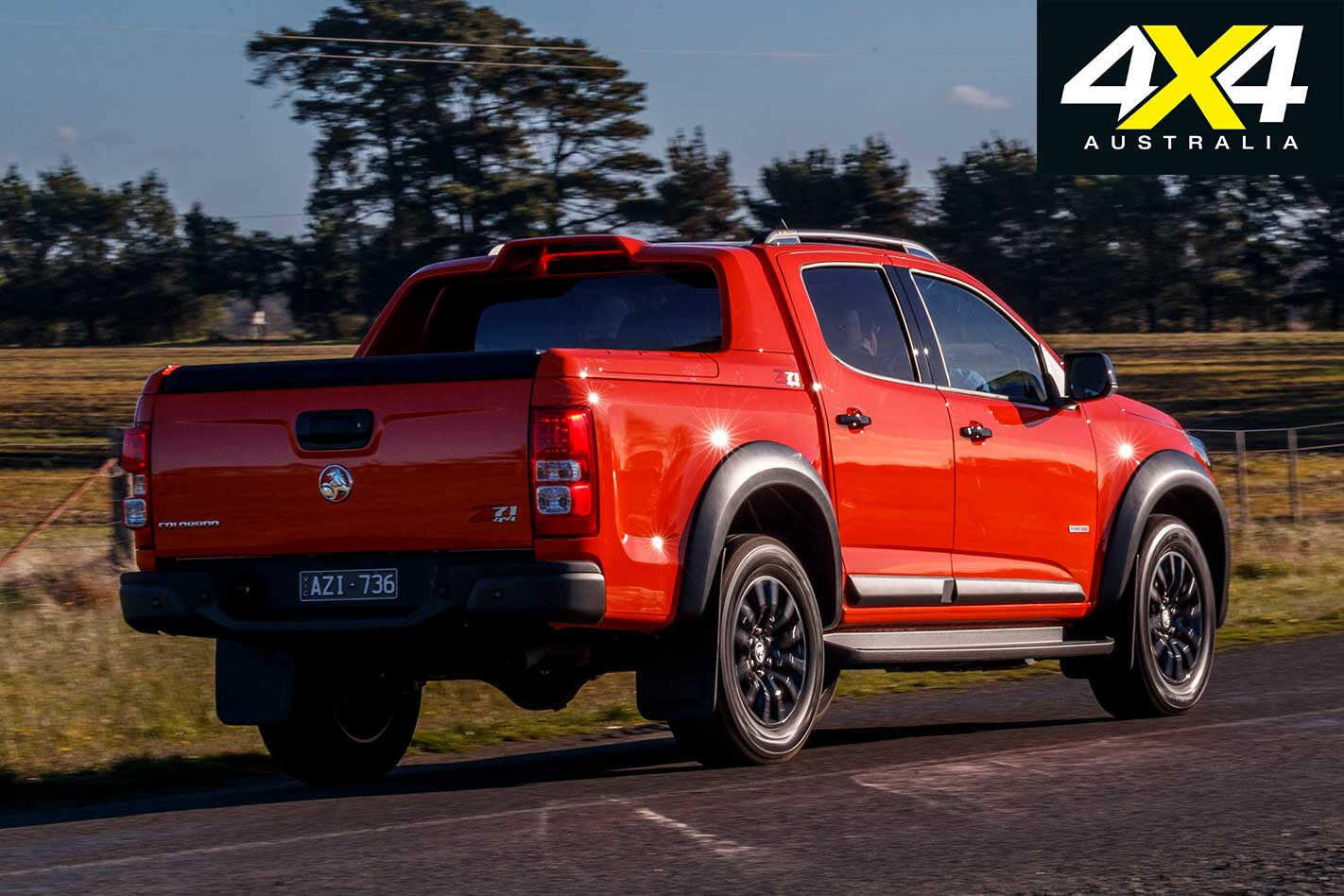
THE HOLDEN COLORADO 4×4 ute range has been revised for 2020, introducing the LSX as a full-time variant and adding features across the line-up.
There are no mechanical changes to the Colorado and the full range remains powered exclusively by the 2.8-litre diesel engine and a choice of six-speed manual or automatic transmissions.
The Colorado also remains without autonomous emergency braking (AEB), a safety technology that’s becoming more common in the highly competitive 4×4 ute segment. The Ford Ranger, Mercedes-Benz X-Class and Mitsubishi Triton are the only popular utes in the segment to include this tech to date, with Toyota expected to introduce it to its Hilux fleet before the end of the year. It seems we’ll have to wait for the next generation Colorado to see AEB in the Holden, and the next model isn’t expected until 2021-22.
The LSX was previously a limited edition model for Colorado, but it enters the range full-time on the second tier of the four model line-up. The Colorado 4×4 range now starts with the LS in single-cab, space-cab and double-cab body styles; the LSX is a lone double-cab variant; the LTZ is available in space- and double-cab models; and the top-of-the-range Z71 is again a lone double-cab variant.
The new bad boy on the block is the LSX, which toughens up the base-spec LS double-cab with grey 18-inch alloys, a gloss black grille, a new design black sports bar, black wheel arch flares, soft tonneau cover, “COLORADO” decal on the locking tailgate, and a digital radio.
The LSX is designed to appeal to the buyers who want the tough-truck look without all the bells and whistles, and it’s priced at $46,990 (manual) or $49,190 (auto). The Z71 also gets the bold wheel arch flares, while both the Z71 and LTZ get a new spray-on cargo tub liner and ‘soft-drop’ assisted tailgate to make opening it easier.
Drive Impressions
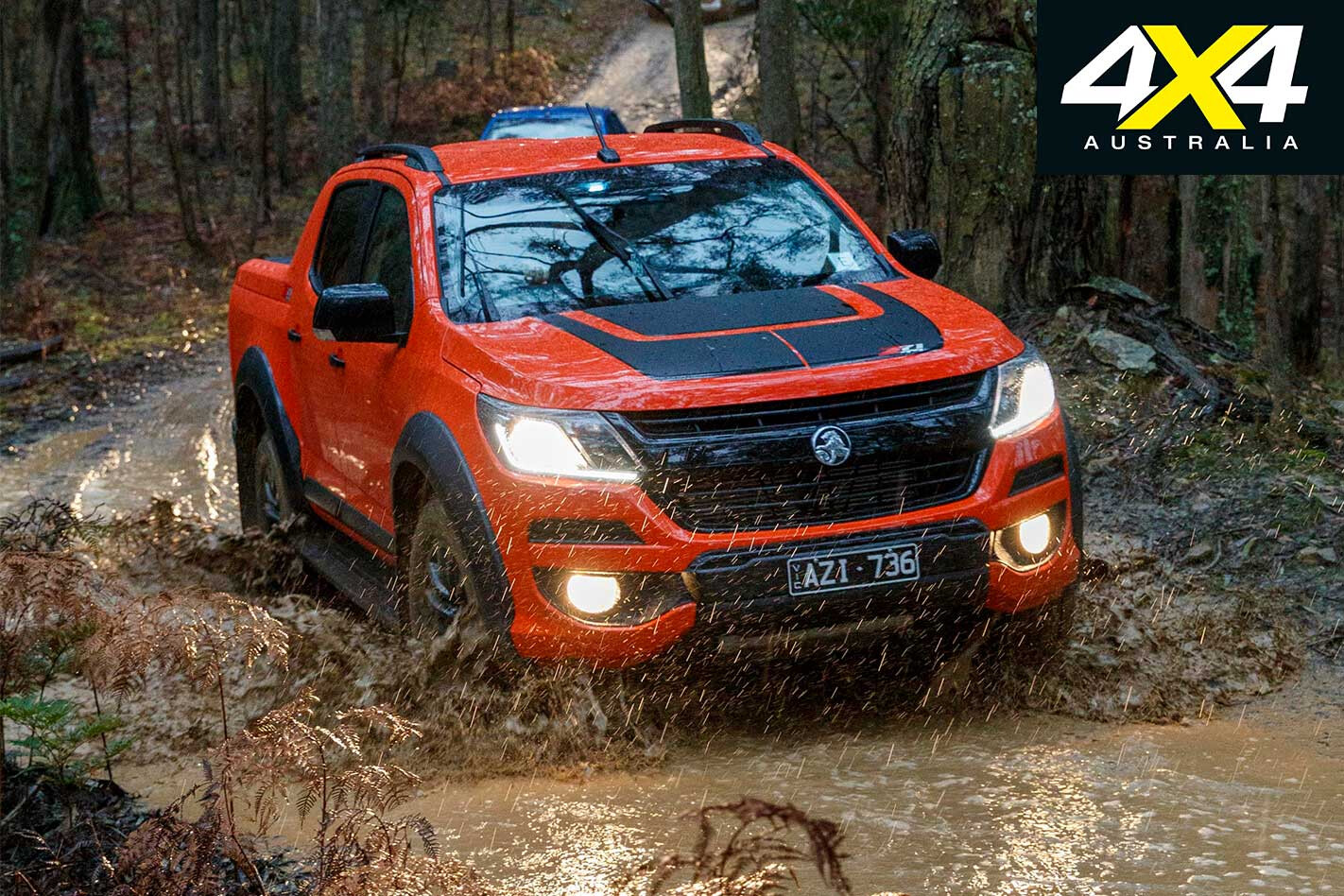
EVEN though the changes to the Colorado are purely aesthetic, Holden still put on a comprehensive drive to reacquaint us with the vehicles. The Colorado stepped up the ranks of 4×4 utes with its major overhaul back in 2017, and those features are still there to keep it at the fore.
Back then the suspension received a reworking, with input from Holden Australia engineers. It remains unchanged and the Colorado rides and steers well on all road conditions, which we previously experienced on outback drives.
The weather on this latest test drive was treacherous, with heavy rain and pools of standing water on the road, but the Colorado felt surefooted at all times. Likewise, the off-road tracks were slippery and steep, but the Holden didn’t put a tyre wrong.
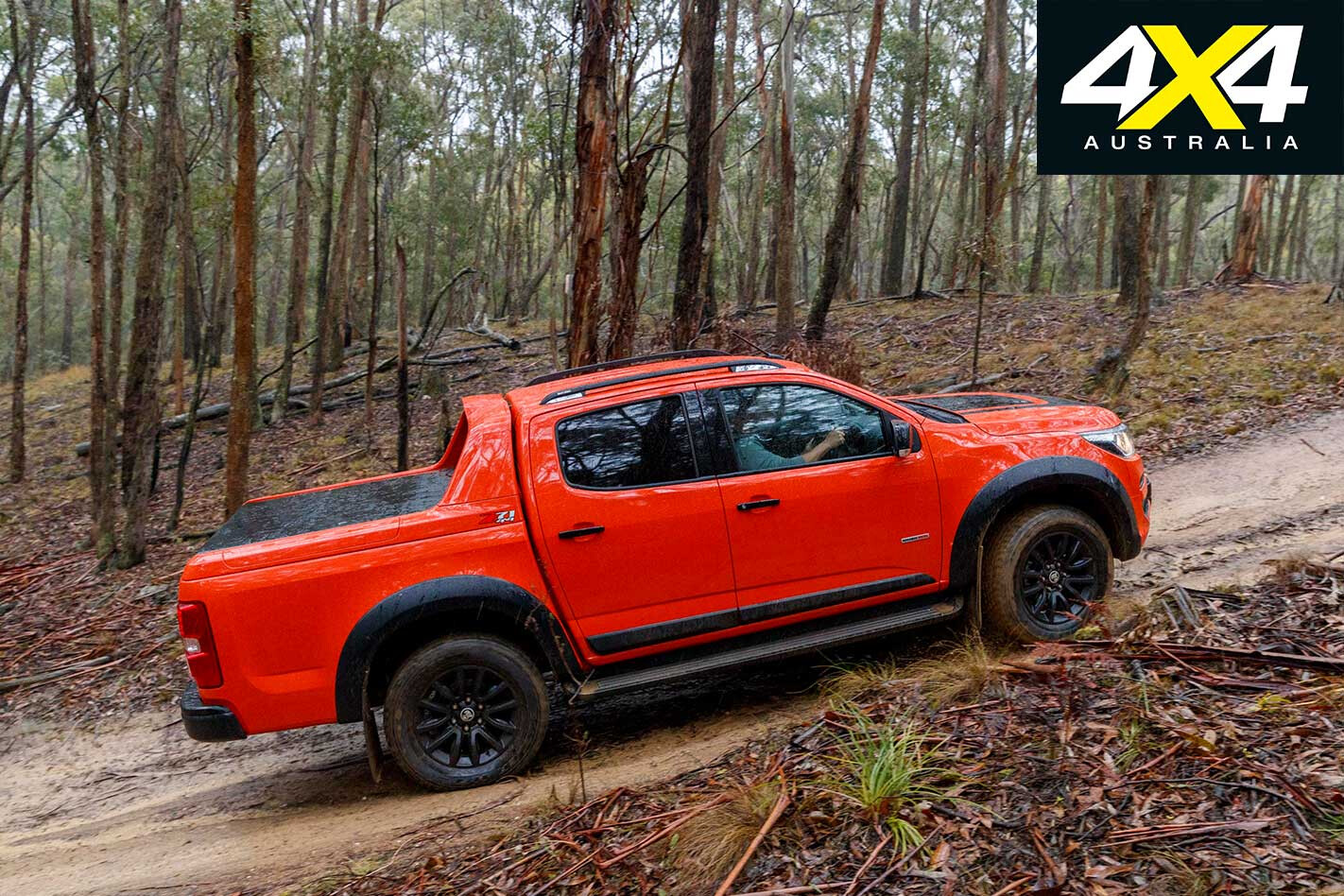
The Colorado’s drivetrain also remains a strong point. With 500Nm on tap the 2.8 ‘Duramax’ engine delivers the most grunt in the one-tonne ute class, aside from the European V6-powered rigs. You feel it, too, each time you plant the accelerator the ute pulls hard from the mark. It’s aided by a limited slip differential (LSD) to get all that grunt to the road.
An LSD is odd in this segment, as most utes rely on electronic traction control and differential locks and, while the Holden also has ETC as standard, it is not available with a rear diff lock (RDL). A RDL is good off-road, but the LSD is beneficial on all surfaces, providing grip every time you drop the 500Nm hammer.
Colorado’s ETC copped a recalibration back with that 2017 refresh and, while it mightn’t be as good off-road as a well set-up ETC and RDL arrangement, it will get you places a pre-2017 Colorado would never reach.
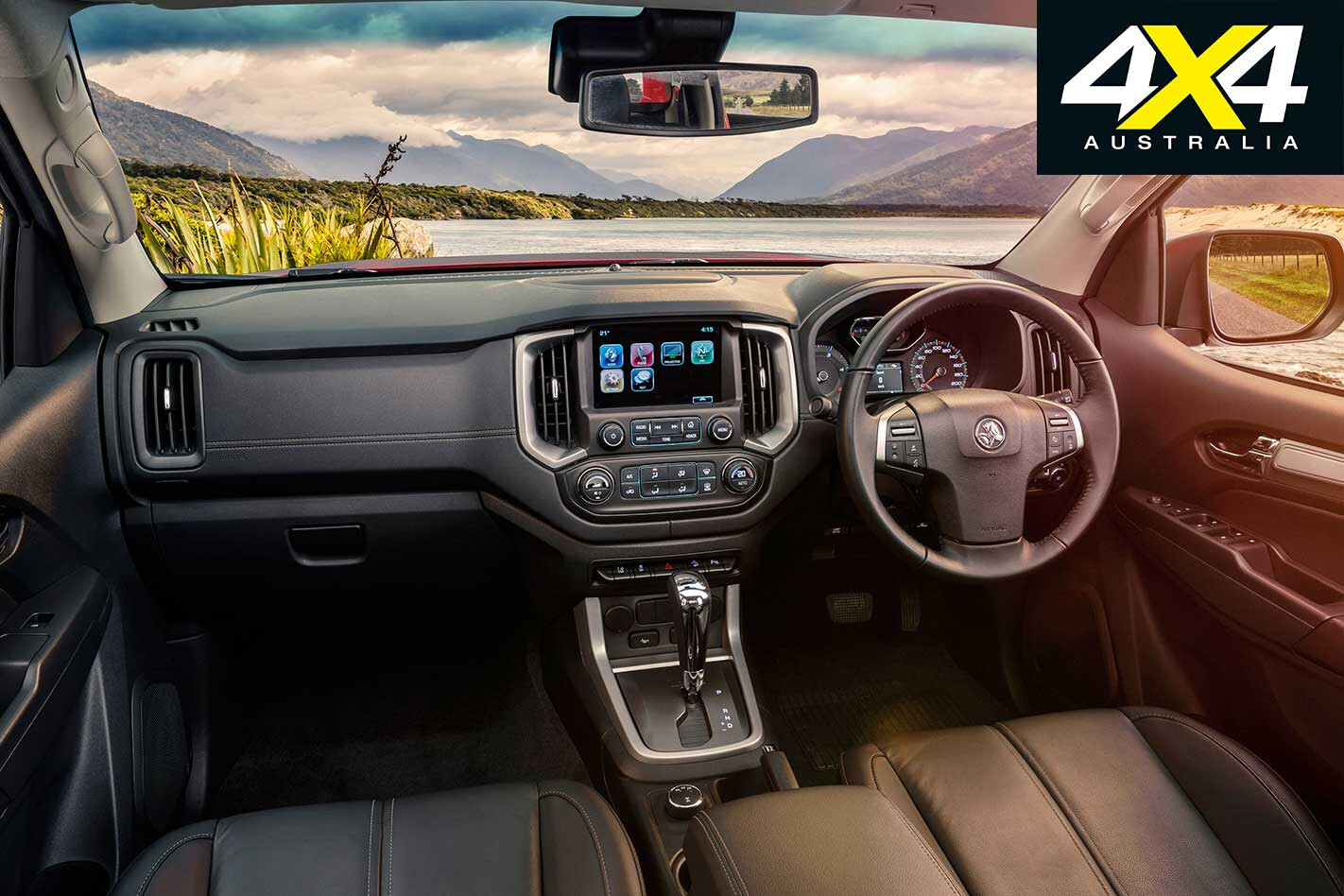
The Duramax engine is a little noisy and harsh, but its performance and efficiency more than makes up for that. Likewise, the six-speed auto is a sweet unit that is intuitive and precise in its shifting both on- and off-road.
Like other utes in this class the Colorado is heavily accessorised, and Holden is capitalising on this with its range of accessory packs which add savings to the price of the vehicle if ordered at purchase time. These include the Tradie, Farmer, Black, Rig and Xtreme packs, each designed to tailor the vehicle to the end users’ needs be it work or play.
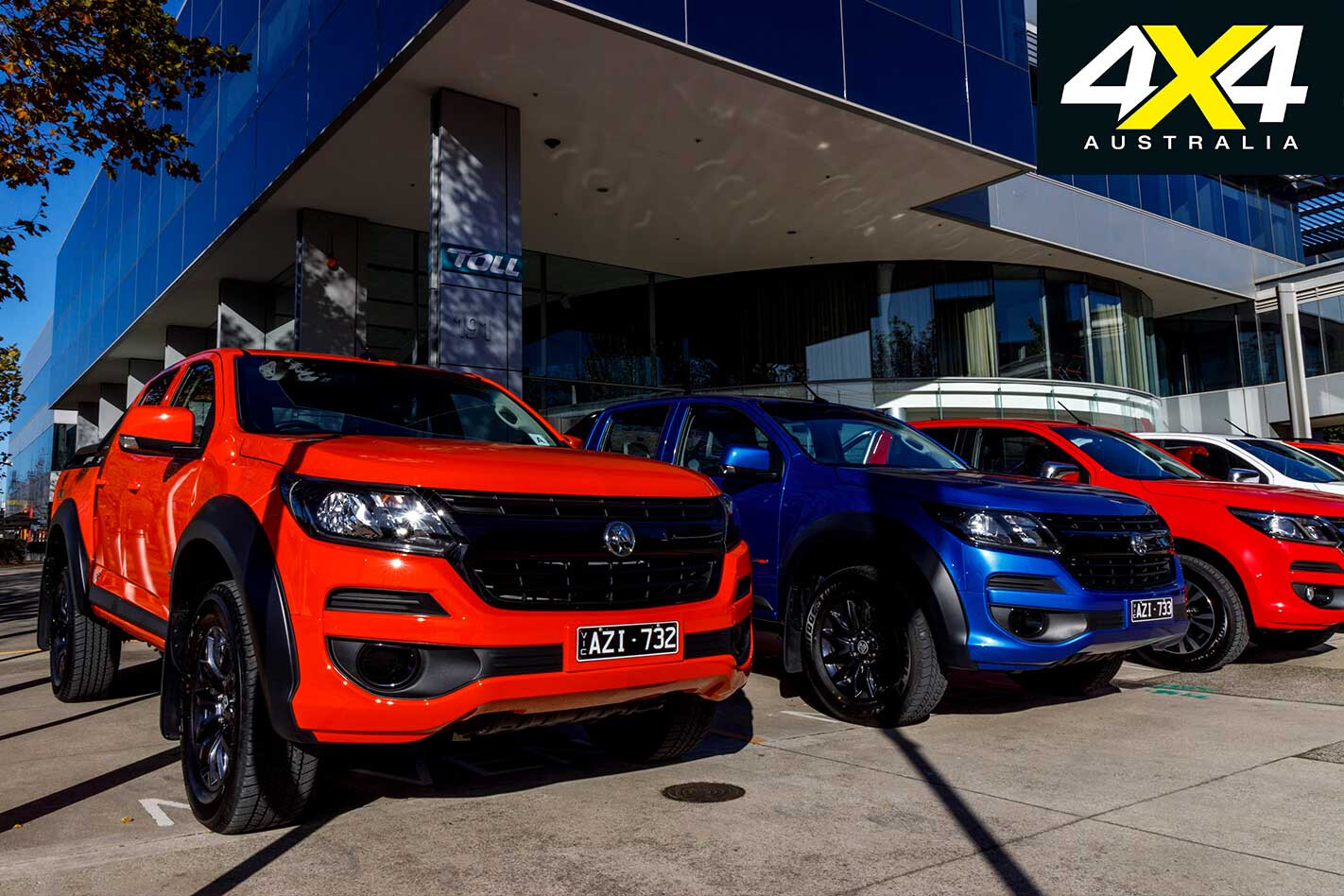
“The combination of these new enhancements for MY20 Colorado, along with the carefully specified accessory packs, will add a definite edge to what is already one of the best offerings in the light commercial segment,” said Peter Keley, executive director sales for Holden.
Coming on the back of those major upgrades to the Colorado in 2017, these latest tweaks and inclusions should keep the Colorado firmly in the sights of new ute buyers and at the pointy end of the 4×4 pack.
2020 HOLDEN COLORADO RANGE AND PRICES (MANUAL /AUTO) – LS 4×2 Single Cab Chassis $31,690 – LS 4×2 Crew Cab Chassis $36,690 – LS 4×2 Crew Cab Pick-Up $38,190 – LT 4×2 Crew Cab Pick-Up $41,190 – LTZ 4×2 Crew Cab Pick-Up $44,690 – LS 4×4 Single Cab Chassis $37,490/ $39,690 – LS 4×4 Space Cab Chassis $43,190 – LS 4×4 Crew Cab Chassis $43,490 /$45,690 – LS 4×4 Crew Cab Pick-Up $44,990/ $47,190 – LSX 4×4 Crew Cab Pick-Up $46,990 /$49,190 – LTZ 4×4 Space Cab Pick-Up $51,190 – LTZ 4×4 Crew Cab Pick-Up $50,490/ $52,690 – LTZ+ 4×4 Crew Cab Pick-Up $51,520/ $53,720 – Z71 4×4 Crew Cab Pick-Up $54,990/ $57,190
AS THE cold snap hits and the white stuff falls in the higher parts of the southern states, many of us are getting excited about wheeling in the snow.
However, alpine driving in the snow poses a few specific issues to look out for. Here are a few quick tips on how to prepare your 4×4 for snow driving.
IS YOUR 4X4 READY?
TO cope with the harsh climatic conditions of winter, your vehicle needs to be in top mechanical condition. Things to look out for include the antifreeze in your cooling system, the condition of all hoses and lines, battery performance, wiper blades, lights, heater/demister performance and the tread on your tyres. Make sure they are right before you leave.
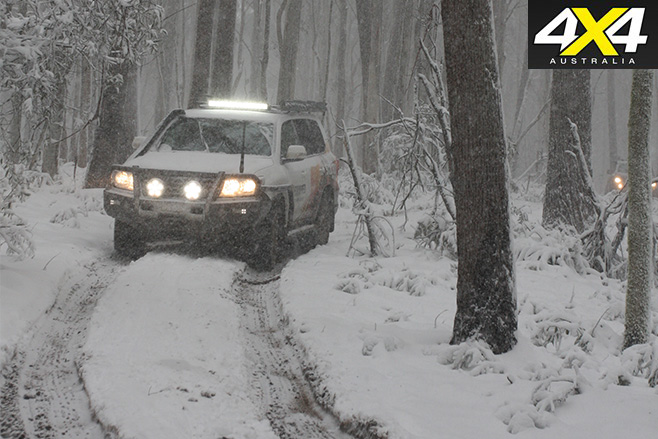
CARRY TYRE CHAINS
IT’S compulsory to carry tyre chains in all Victorian alpine parks – it’s recommended in NSW parks – even if driving a 4×4. Buy or hire your chains well before you venture out and make sure they fit correctly. Practice fitting them in your driveway before you leave, as it’s a lot easier than learning in the cold, wet slop on the side of the road. Remember to carry a tarp that you can put on the ground when you are fitting the snow chains.
PACK SMART
THE old Boy Scout slogan applies even more so in the extreme cold. Anything can happen and the weather can change very fast, leaving you stranded for any amount of time. Be sure to pack plenty of warm clothes, blankets, sleeping bags and extra food and water, should you get stuck on the side of the road.
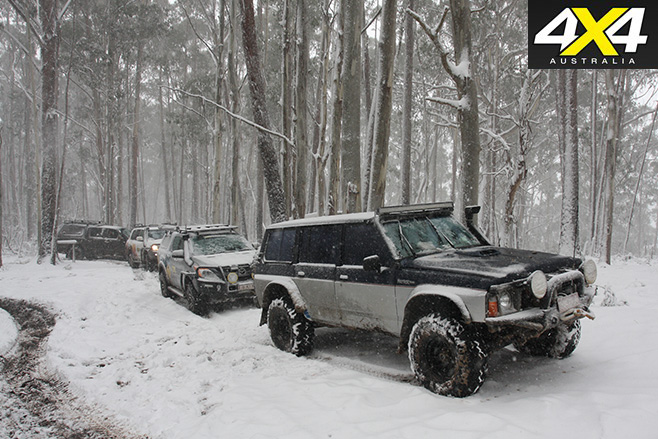
DRESS APPROPRIATELY
YOU might think it’s chilly in town, but it’s a lot colder up in the mountains. Thermal underwear, fleece and down jackets, gloves, a good beanie and a waterproof over layer will all be essential if you have to spend time out of the car in the snow. Even if you’re not skiing or boarding, ski wear is ideal for these conditions.
TAKE IT NICE AND EASY
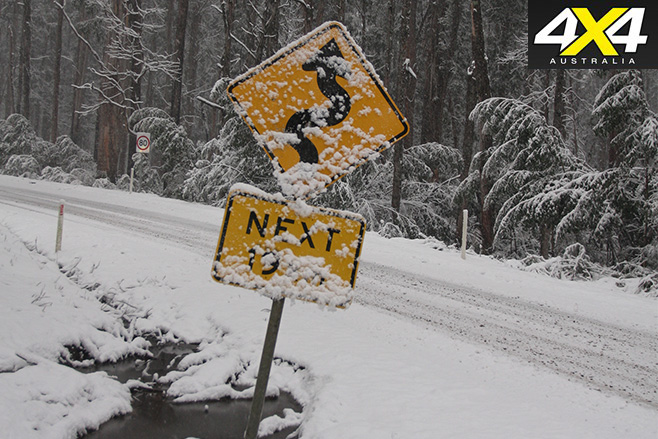
WHEN driving on a snow-covered or frozen road, take it slow. Gentle steering and subtle brake and accelerator inputs are needed to maintain control of your 4×4. Increase the gap between you and the car in front to allow a greater stopping distance. This will give you more time to react to an obstacle. Never plough into snow drifts if you don’t know what’s inside them, as they could be hiding rocks or even a car.
USE DIESEL ADDITIVES
IF you’re fuelling up your diesel 4×4 before you go, be sure to include an alpine fuel additive. Fuel stations in the mountains will sell Alpine Blend Diesel, but the stuff you get in town is just the regular stuff. Alpine diesel or additives prevent the paraffins in fuel from solidifying and clogging up in the system.
Follow these simple steps and remember to take your time on the roads to ensure you have an excellent alpine adventure.
THE First Overland is an iconic 1955-1956 expedition that saw two Series I Land Rovers and a crew of keen Oxford and Cambridge university students tackle the overland route from London to Singapore, through some of the world’s most amazing countries and landscapes.
The adventure was made famous by Tim Slessor (one of the original expedition members) in his book, First Overland.
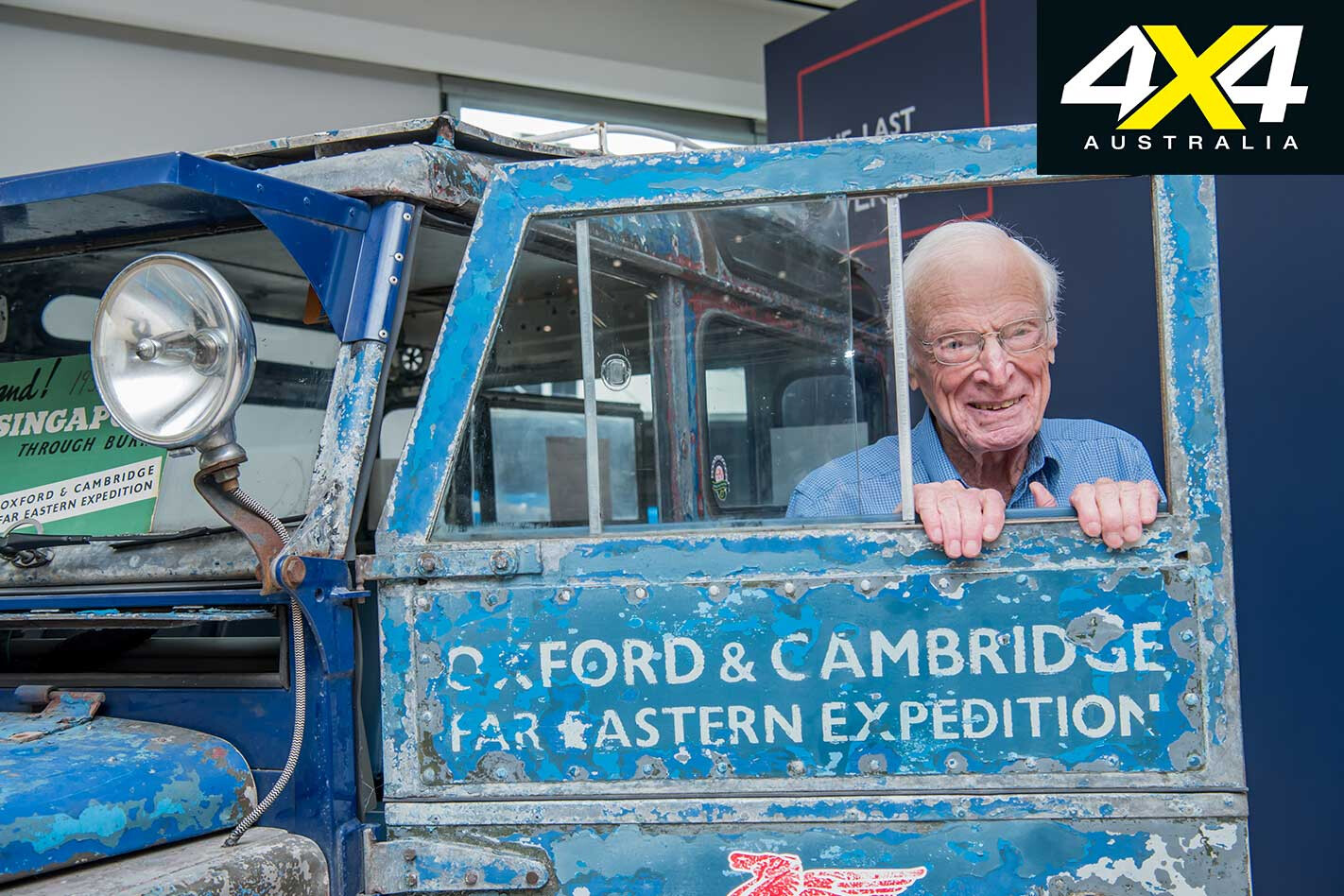
Now, 64 years after the original expedition finished in Singapore, Tim, now a spritely and still-adventurous 87 years of age, is doing it again; jumping on-board as a co-driver (with Grammar Productions’ Alex Bescoby) for The Last Overland expedition. Tim’s fellow surviving Oxford-Cambridge Far East Expedition members, Patrick Murphy and Nigel Newbury, have also been involved in the preparations for this new adventure.
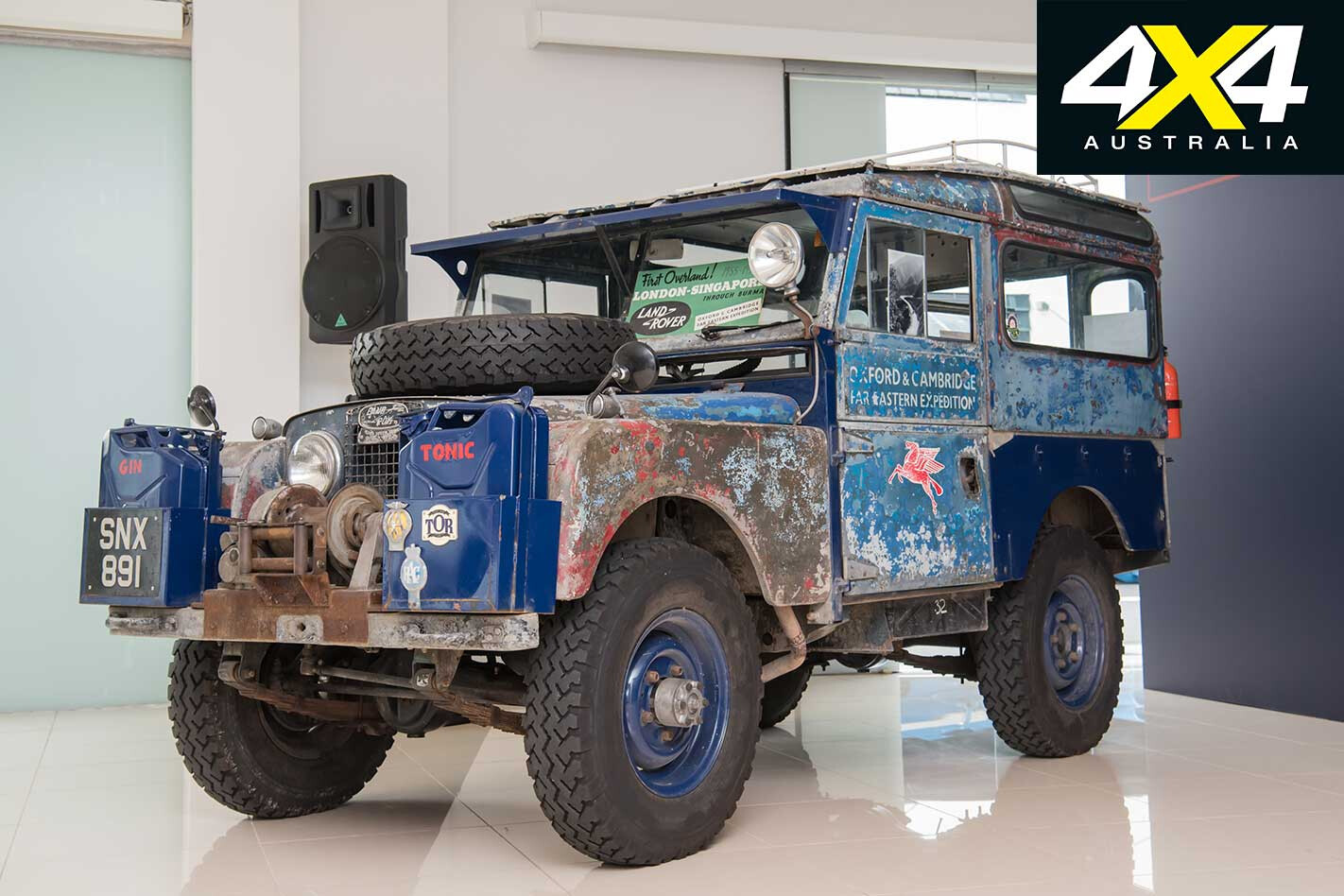
Even more awesome: the team will be driving one of the original expedition’s Landys, dubbed ‘Oxford’, that was recently found (in the South Atlantic’s Ascension Island, of all places) and restored by Land Rover nut, Adam Bennett, in 2017.
Adam has kindly lent ‘Oxford’ out to Tim and Alex for this ambitious ‘return journey’. Alex’s documentary company, Grammar Productions, will be producing a film on this adventure that focuses on not only the journey but also how much the world has changed since that duo of Series I Landies travelled the route more than six decades earlier.
As mentioned, the journey will be reversed, with the team (The ‘Oxford’ Landy crew will be accompanied by two other support vehicles) leaving Singapore on August 25, with a ‘flag-off’ from Singapore’s Formula 1 Pit Straight in Marina Bay.
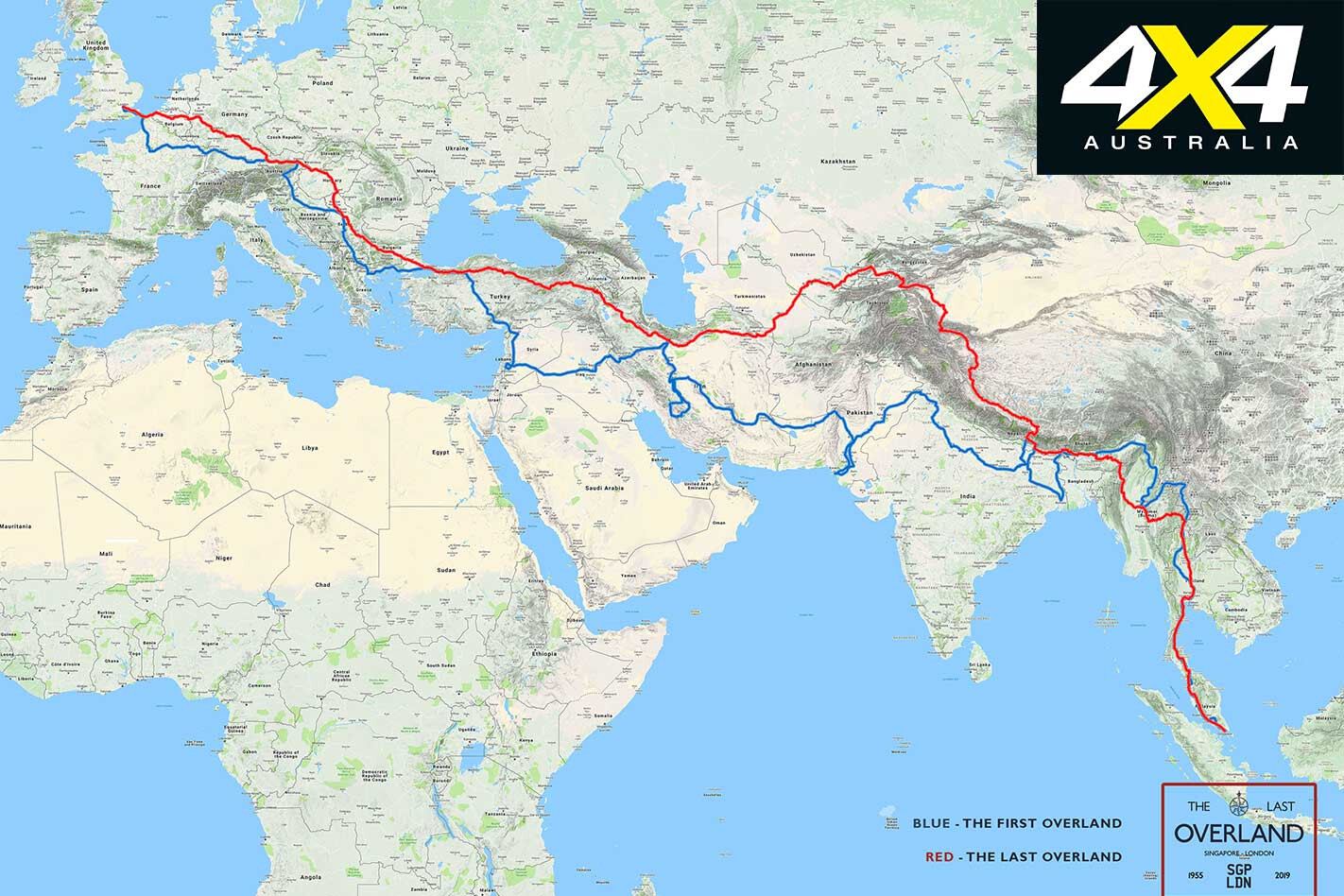
The journey will see the ageless adventurers traverse three continents and will include tackling the jungles of Malaysia and Myanmar (known as Burma back when Tim did the original trip), the lofty peaks of the Himalayas, northern Turkey, the vast deserts of the Middle East, Iran, and then into Europe before, hopefully, arriving at London within 100 days.
For Tim, it’s the chance for what he terms ‘one last great adventure’ and to answer what he says has become a “recurring and nagging whisper: ‘Go for it – before it’s too late’”. He laughingly adds, “If you like, it’s a case of: ‘this Old Man helps take the Old Lady home.’” The Old Lady, in the form of a restored ‘Oxford’, has also got Tim excited.
“The last time I seriously drove this old thing was a long time ago,” he says. “So, as you might imagine, to see the old thing again today is quite moving. After all, before we had set out, the experts had told us that we were geographically ignorant and politically naive; the journey couldn’t be done.
“All that did was to make us more determined. Six months later, we pulled in to Champion Motors on Singapore’s Orchard Road. I can tell you, the champagne and flash-bulbs really popped that day. We’d made it. As the man from America’s Time Magazine put it, ‘I guess you boys have run plumb outta road.’”
Mr Robin Colgan, Managing Director, Jaguar Land Rover Asia Pacific Region, said, “Tim’s book of the original journey is required reading here at Land Rover, and the idea of retracing this epic journey after 64 years has really caught our imagination.”
Reflecting how some of those parts of the world to be traversed have changed, there is a team of professional advisors, a security team, Land Rover enthusiasts and travel experts tagging along, to ensure the ‘Old Lady’ and the young and old adventurers make it home safely. Yep, it sure does sound like a grand adventure. To keep up to date with it, check out: www.lastoverland.com
Changing your gear, diff, or automatic transmission fluid has always been an absolute mission that could take hours and leave you messy, sweaty; and with a garage floor covered in oil. Until now.
Do you want to go from this?
To this?
Meet the quickest, easiest way to change your 4WD’s fluids – introducing Nulon EZY-SQUEEZE™ – a range of 1 litre ATF, gear and diff fluids made to suit over 95% of vehicles found on (and off!) Australian roads.
We all know the damage water can cause if it gets into the oil, and no one wants those part replacement costs; making regular fluid changes not just beneficial, but an absolute must for many 4WDers. Even so, the time, effort; and arm-strength required to change gear and diff oil has made it an often-avoided aspect of servicing, and one often left to the workshops.
EZY-SQUEEZE™’s filler tube, patent-pending applicator and flexible packaging have been designed to make your life easier and fluid changes cleaner and quicker, a huge time saving for those who have to change their gear or diff oil before or after every trip away.
The product has also been extensively tested in workshops and under controlled conditions, with the product exceeding all expectations and cutting fluid change times by up to 50%. So whether you’re up in Cape York, the Simpson Desert or Mt Huxley, you’ll be able to do a fluid change using Nulon’s EZY-SQUEEZE™ – provided you’ve got a flat surface and some jack stands.
To complement the new EZY-SQUEEZE™ product range, Nulon has also designed a range of sleek transmission FILLER-TOOL(s) ™ for those vehicles requiring specialised tools to complete a driveline service. The high-quality FILLER-TOOL(s) ™ simply screw into the transmission fill point and when attached to the EZY-SQUEEZE™ filler tube creates a fast drip free application, so you can spend less time de-greasing your garage floor and more time behind the wheel.
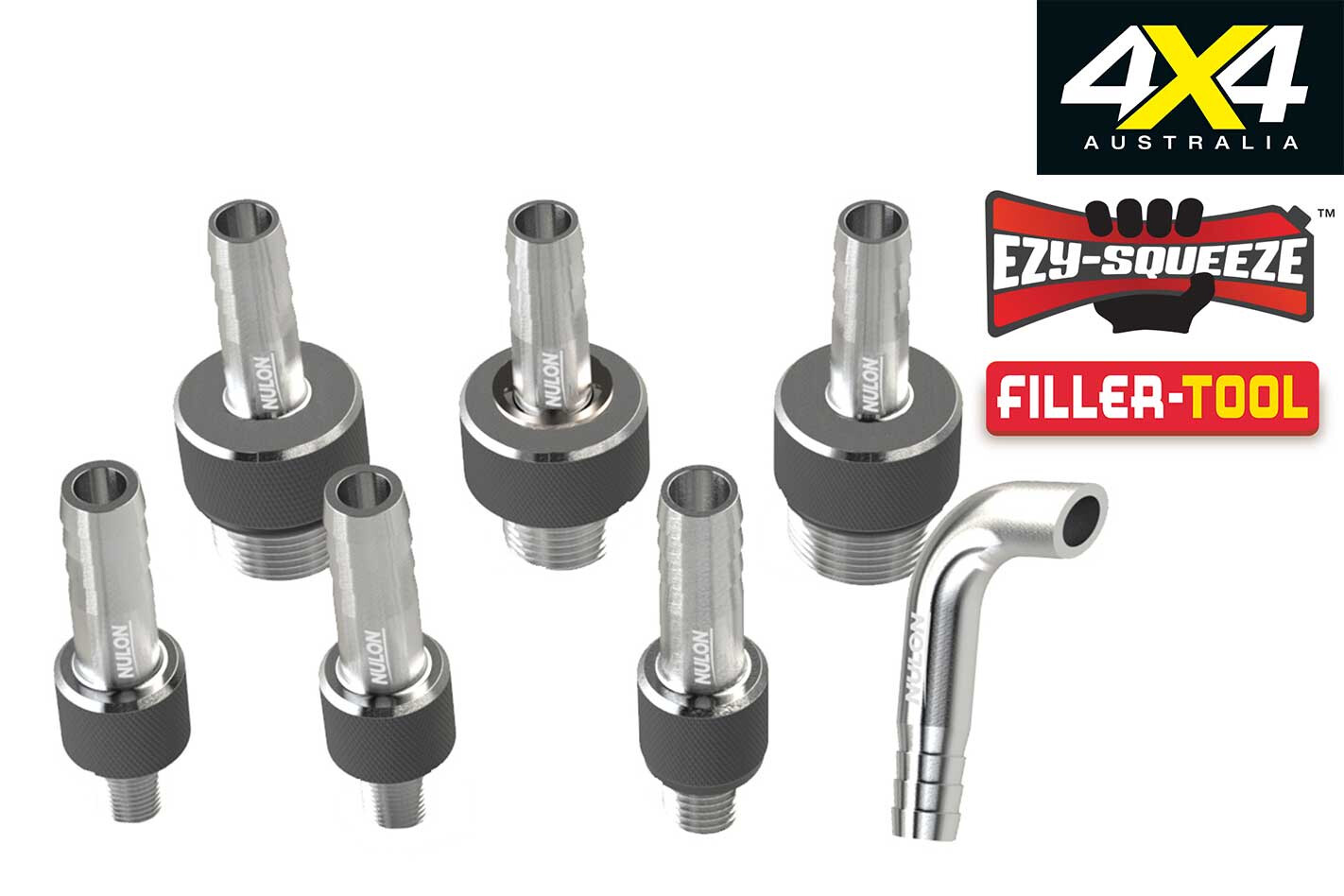
Plus, if you’ve never done a fluid change before, Nulon’s MyGarage has all the tips, tricks, and instructions you’ll ever need, along with downloadable step-by-step illustrations. On the website, and on Nulon’s YouTube channel, you’ll also find a range of DIY videos, and the Nulon Lube Guide, which will match your vehicle with the fluids it needs.
Want to see just how easy it is to do a manual transmission service on a Patrol? Check this out!
Nulon’s EZY-SQUEEZE™ and FILLER-TOOL™ ranges are now available in all good auto stores Australia wide, so head in store to pick up a pack and get ready for the easiest fluid change of your life!
Explore the range at www.ezysqueeze.com.au.
THE option of a diesel-powered Jeep Wrangler Rubicon has been on the Aussie Jeeper’s wishlist for the past decade and is a welcome addition to that model.
However, the oiler powerplant does come with somewhat of a caveat: the Wrangler has never been known as a load-lugger and this rings even more true with the diesel JL Wrangler Rubicon’s paltry 470kg load capacity. Throw in four burly blokes and their luggage and it’s all over.
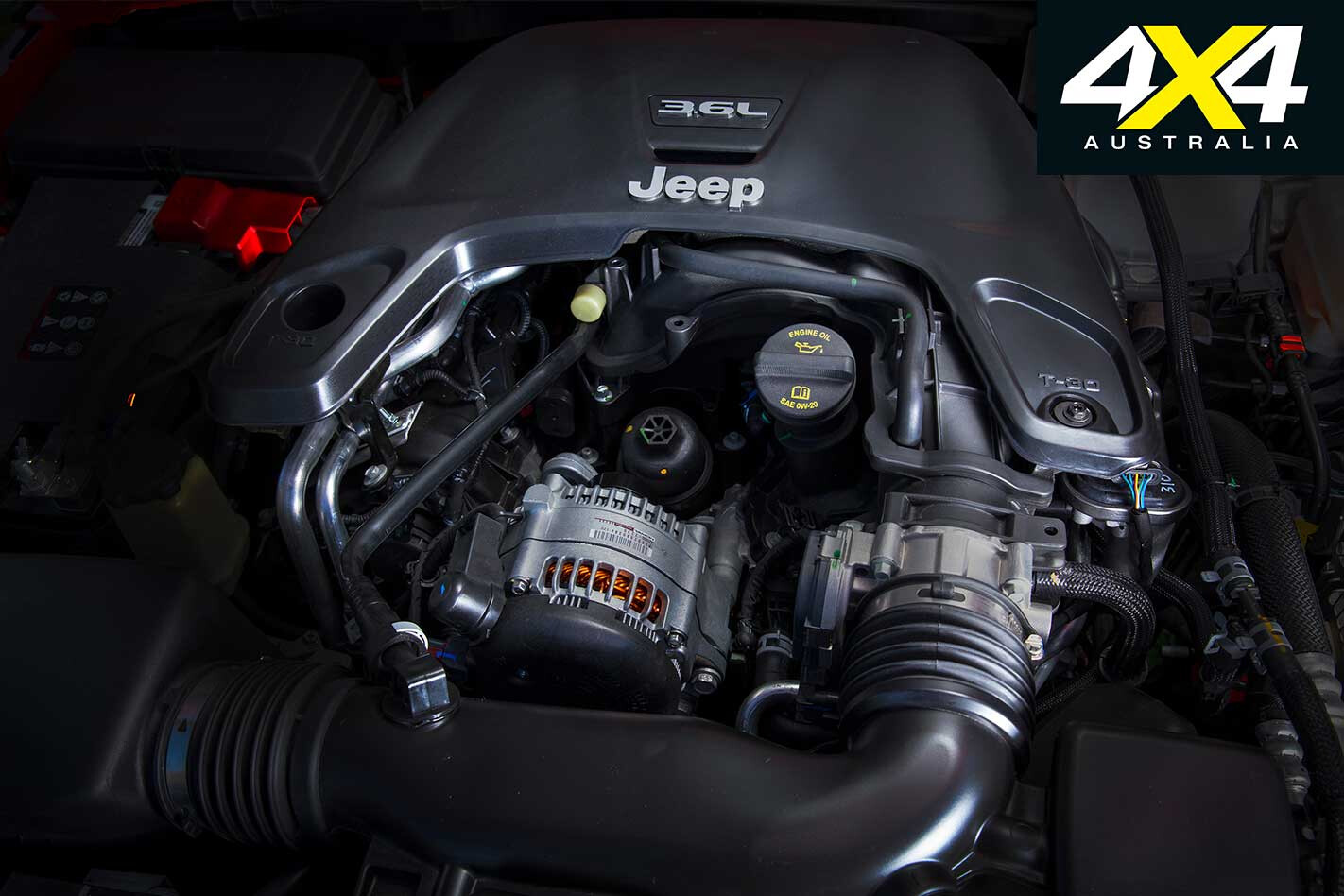
The lighter-weight petrol Rubicon does slightly better, offering 570kg, but even then, once you add a bullbar up front, roof-rack on top and the aforementioned quartet of boofheads, you’re close to capacity.
The significant price increase across the Wrangler range can, perhaps, be slightly justified due to the increased tech featured in the vehicle added to the already highly regarded off-road capability. Whether this, along with the smoothing of the Wrangler’s previous ‘rough edges’ – and the availability of that diesel Rubicon – is enough in this ever-more crowded mid-size 4×4 wagon market segment, remains to be seen.
For the true Jeeper, though, and anyone else looking for a ‘traditional’ 4×4, it’s probably still one of the toughest and most capable out-of-the-box off-roaders, and price may not matter.
The Missing Spec
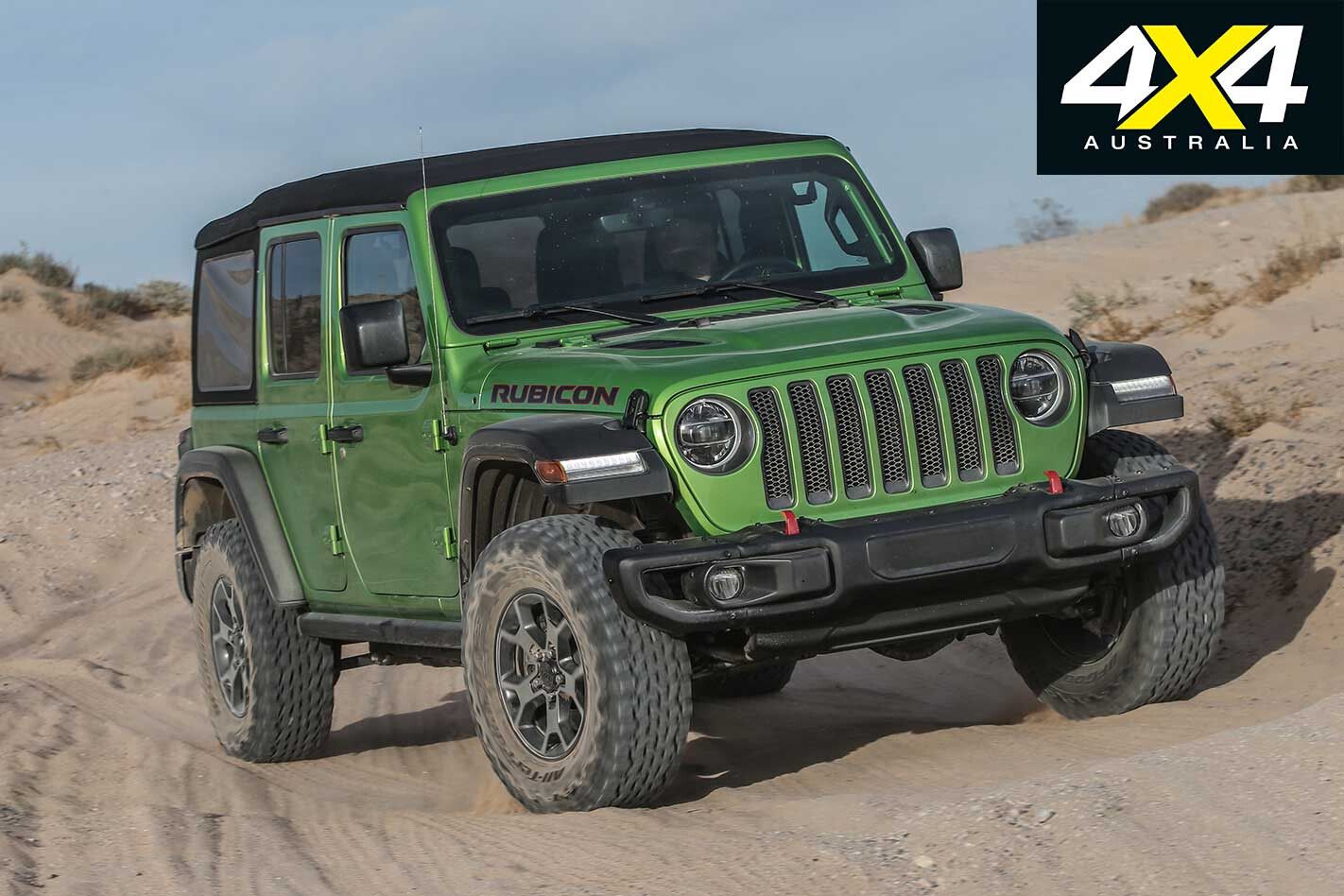
Australia doesn’t get the 2.0-litre turbo-petrol ‘eTorque’ engine, with its mild hybrid system that utilises a 48V generator to provide a short power boost when you put the boot in.
It’s been 50 years since Ian McDonald and some of his close mates drove a convoy of Jeeps across Australia, from east to west.
To celebrate this milestone adventure, 4X4 Australia’s US Correspondent Chris Collard and Aussie Ben Davidson of Seven Slot Expedition, along with Ian McDonald and John Eggleston (two of the three surviving members of the original expedition), will head a group of Jeeps from different eras including TJ, JK and new JL Wranglers to replicate the 1969 adventure. BFGoodrich is the expedition’s main sponsor and will be fitting all vehicles with its highly regarded KM3 mud-terrain tyre.
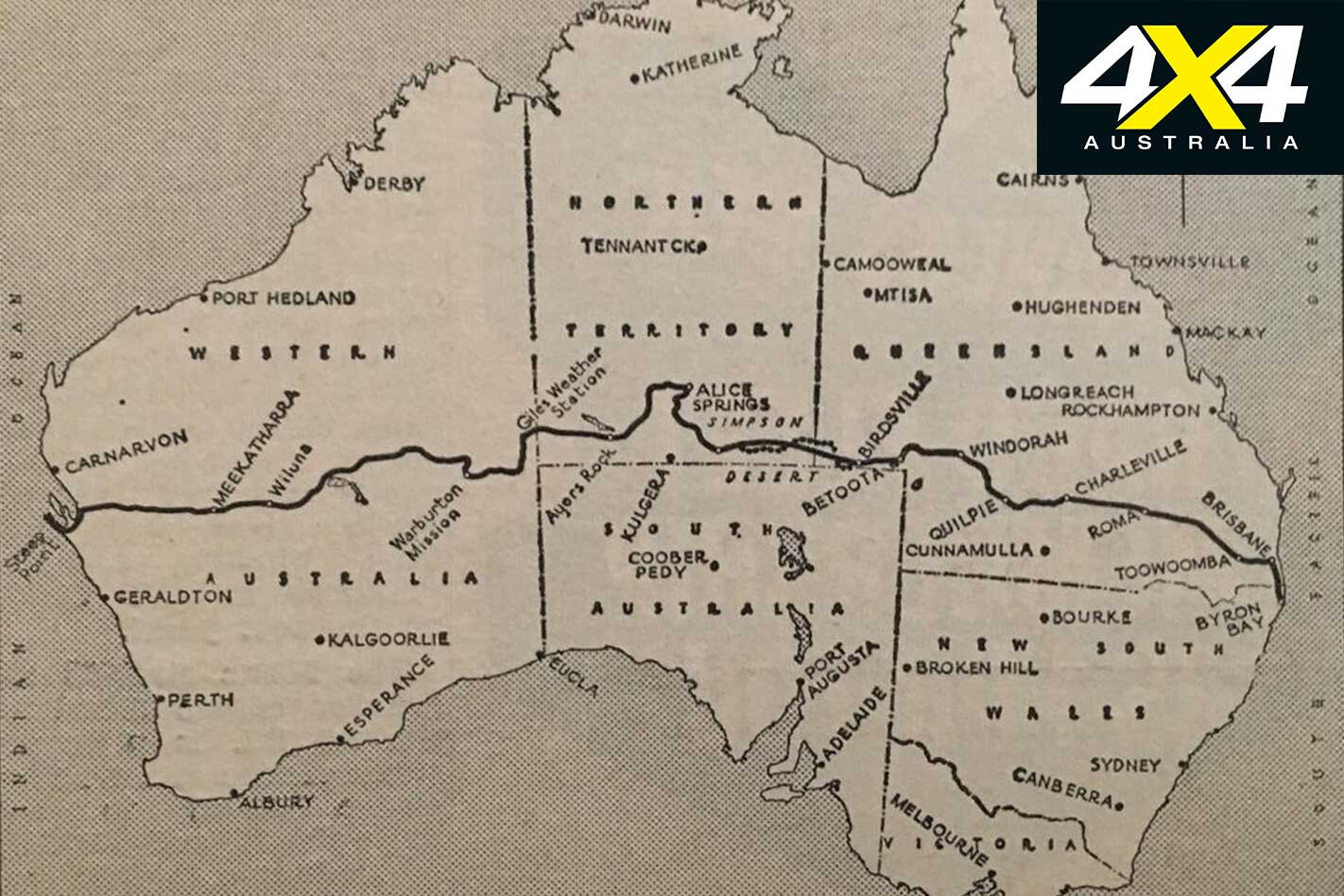
Leaving from Australia’s most easterly point of Byron Bay on July 4 and aiming to finish more than 5000km later at the most-westerly, Steep Point, the expedition will retrace McDonald’s original route through some of the toughest outback terrain in Oz.
Highlights and challenges for the crew will include the remote tracks and deep, soft, unforgiving sand of the northern Simpson Desert (the expedition has received permission from Traditional Land Owners to traverse this region) before reaching Alice Springs. From there they will head to Uluru and Kata Tjuta before striking west across Outback WA to reach Steep Point and the Indian Ocean.
The vehicles have been prepared by Melbourne-based Jeep specialists JeepKonection and, besides the BFGoodrich KM3 muddies, will be fitted with Warn Zeon winches, TeraFlex suspension systems and other gear from Bestop and Factor55.
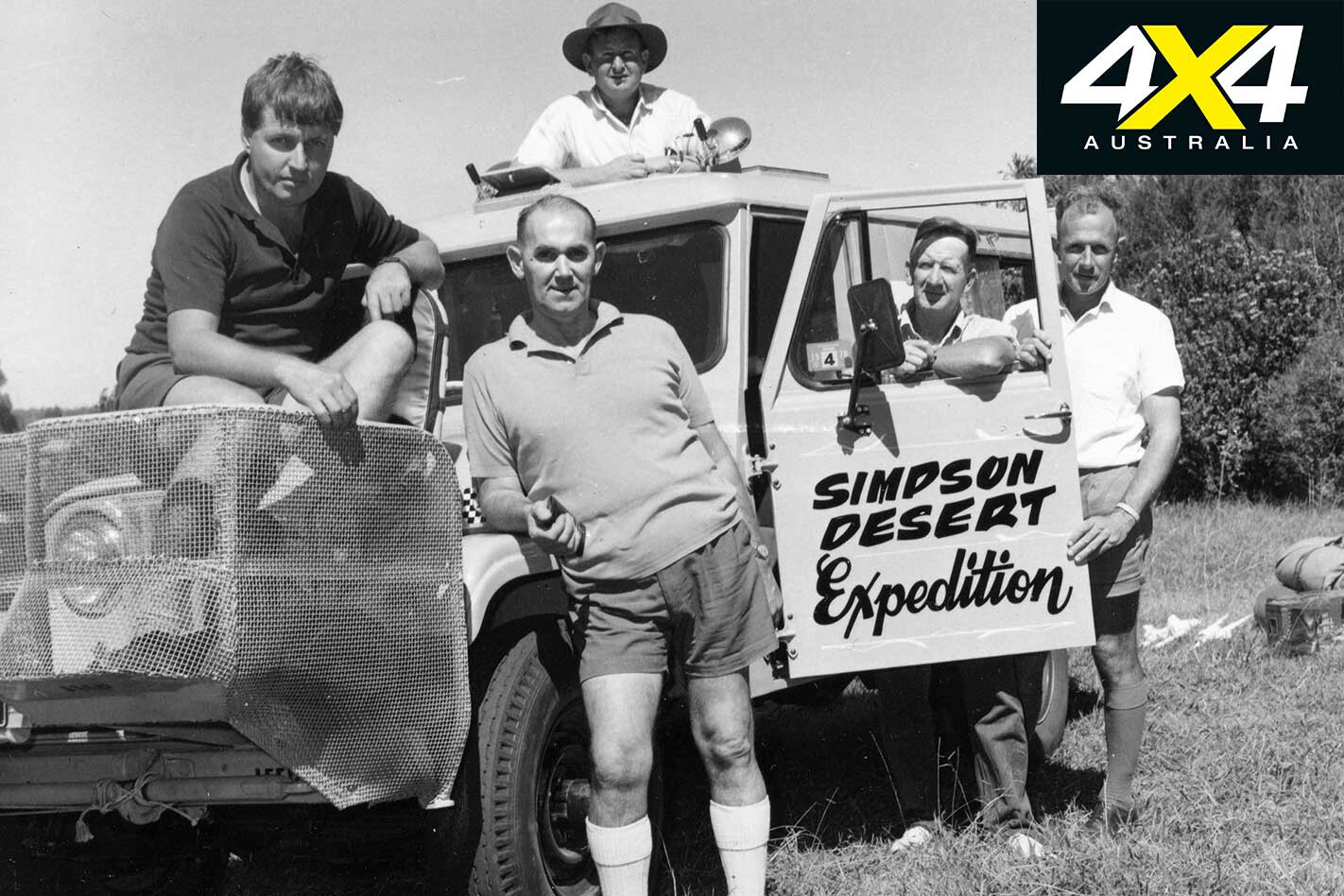
Along with the aforementioned crew of Chris, Ben, Ian and John, other attendees include Off Road Motorsports Hall of Fame inductees Rick Pewe and Sue Mead, and a few international media representatives. If all goes well for the expedition, 20 (or so) days later, it will have traversed 37 degrees of longitude by trip’s end.
A huge difference between the original 1969 expedition and this new adventure will be the fact all of us chair-borne adventurers can keep up with the team’s progress, thanks to regular updates comprising image and videos, as well as the ability to track the team via Garmin’s InReach and Earthmate software.
IT WAS never planned that way, but after my Discovery TD5 had been sitting idle for around a month, welcoming ten generations of arachnids and their webs, and looking distinctly forlorn in the driveway, the fact that it would no longer start was both unsurprising but also a nice surprise at the same time.
The reason behind this slightly odd statement is that the Disco’s failure to start gave me the chance to test the NOCO Genius Boost HD GB70 Lithium Ion Jump Starter (yep, it’s a mouthful), a recent arrival to the 4X4 Australia shed.
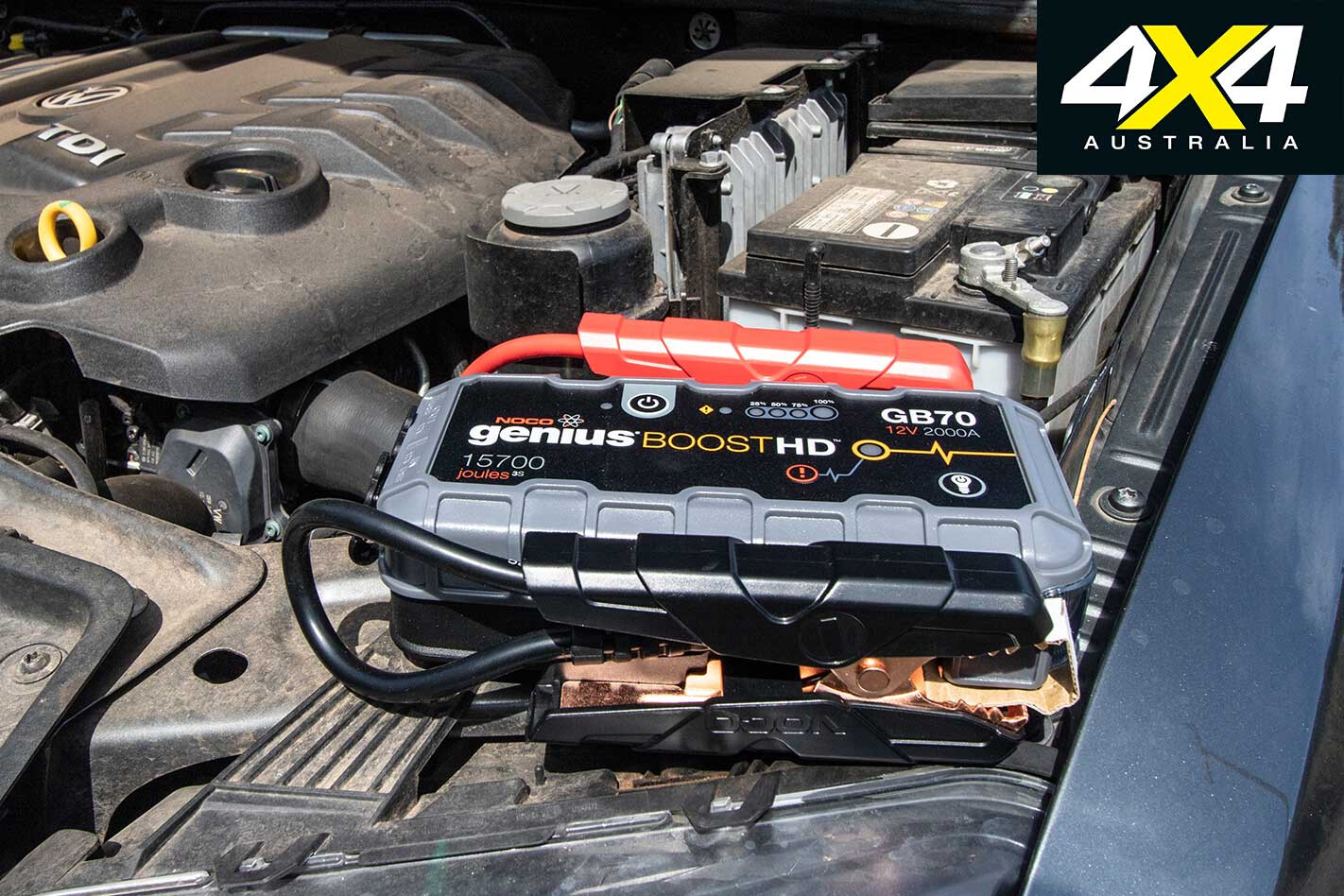
The NOCO GB70 (for short) is a 2000amp 12-volt jump starter that is claimed to be capable of jump-starting diesel engines of up to 6.0 litres capacity – and big 8.0-litre petrol donks as well. Not that you’d guess its propensity for grunt, going by the size of the thing; weighing just 2.3kg and measuring 185mm wide, 315mm long and 92.5mm tall, it’s amazing how much power tech NOCO (a US-based company) has managed to jam inside the GB70.
On top of all that is a light – and not just a basic one, either – which has seven modes and produces 400 Lumens of output, making it a very handy camp-light option or when you need some illumination for under-bonnet work.
Along with the usual protection against reverse polarity, sparks, overcharging and overheating, the GB70 contains a USB port for device charging, 12V power outlet for your air compressor, inverter or camp lighting, and a claimed 40 jump-starts per charge.
Recharging time is between two and three hours from 12 volts and, depending on the USB charger’s rating, between seven and 28 hours via USB. I charged this unit initially from my PC at the 4X4 Australia office and it was ready to go after a full day in the office. Other spec highlights include a claimed operating temperature range of between -30°C and +50°C.
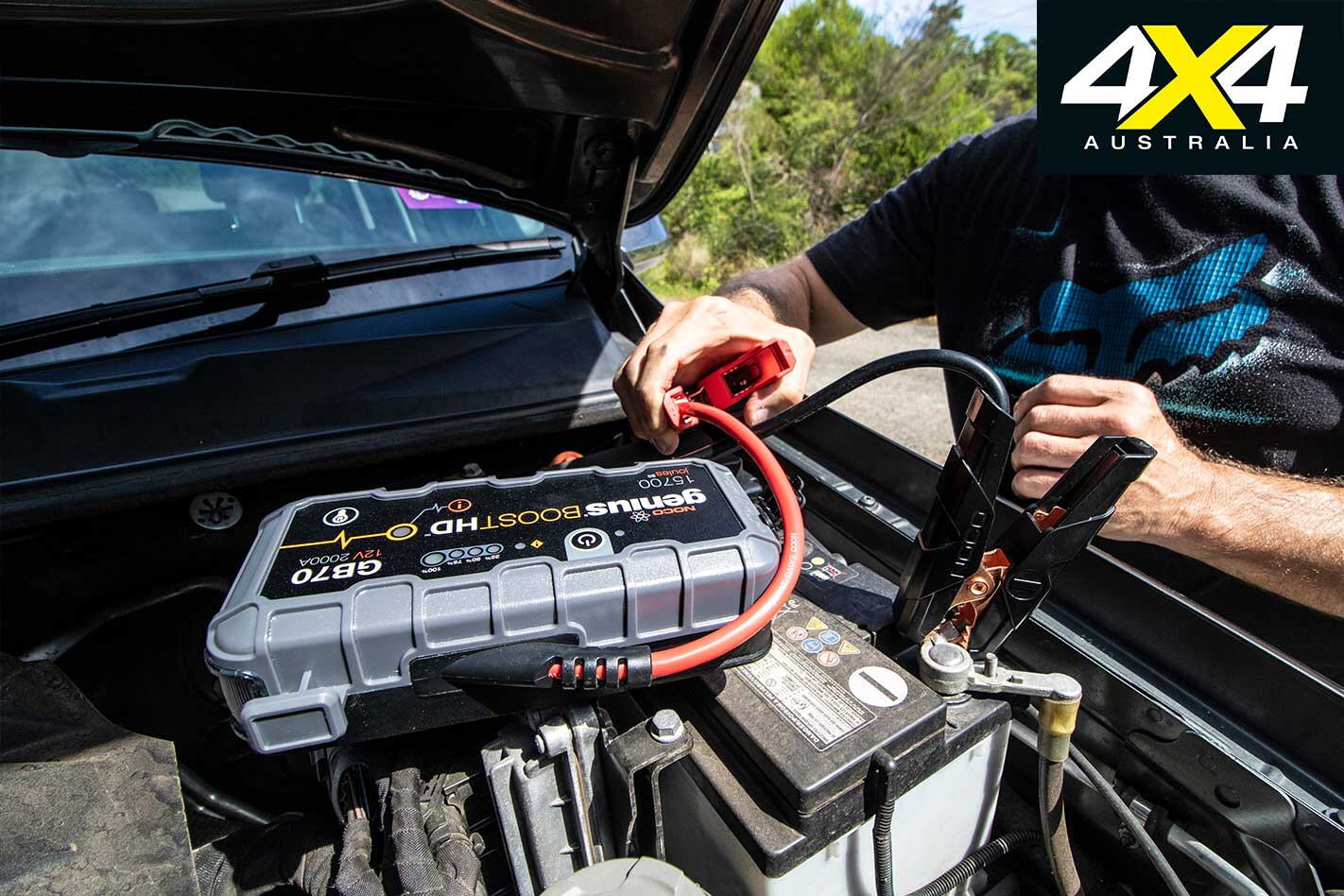
Thankfully, I have only needed to jump-start the Disco once, and it was a simple process (as they usually are). The compact size of the GB70 means it can be stored in one of the side storage bins in the Disco’s cargo area, so it was just a case of grabbing it, removing it from its material carry bag and connecting the alligator clips to the Disco’s battery terminals. Then it was just a case of turning the key and the distinctive sound of that TD5 donk was back.
The GB70’s compact size means it doesn’t need to take up much space when charging, which comes in handy as the GB70’s power leads are decidedly on the short side in terms of length. This is the only negative of the unit, with the result being the GB70 has to be placed very close to the battery that needs jumpstarting for it to be able to be connected.
It wasn’t a problem with the Disco, but it may not be that easy with other vehicles. The leads are easy to manoeuvre, but they could do with being at least another 100mm to 150mm longer.
With its compact dimensions and user-friendly operation, the NOCO GB70 could be a very handy addition to your shed. The fact you can (once it is charged, of course) store it easily in your rig means it is also super convenient – after all, if it ain’t there, you can’t use it.
RATED Available from: www.no.co RRP: $350 We Say: Compact and versatile, with plenty of oomph.
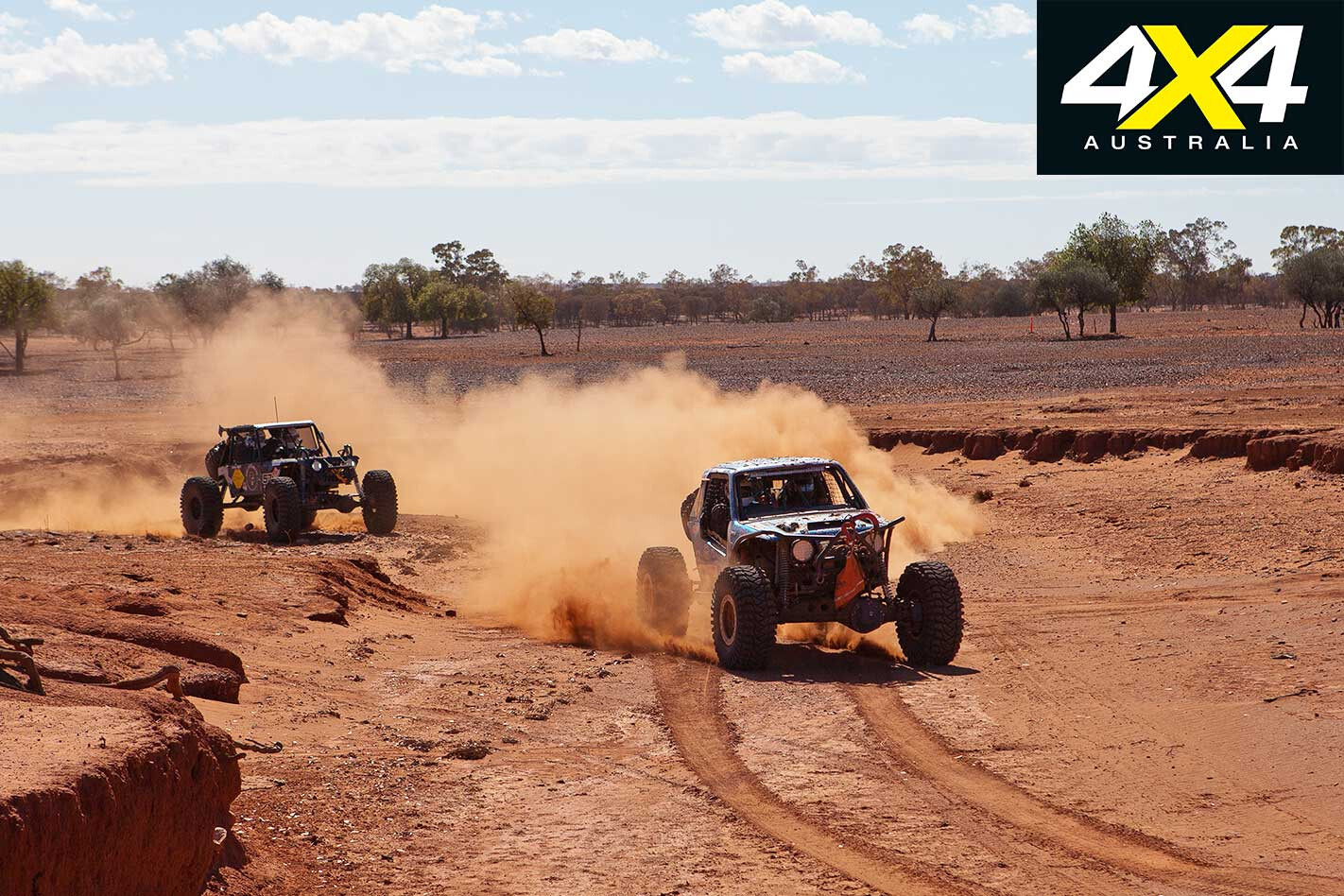
TAKE A half-dozen off-road buggies (think: rock crawlers and Ultra 4s) add an equal number of Touring Class 4WDs and combine them with 30-odd Challenge Class winch trucks. The mix varies from recognisable profiles of the 4WDs we see travelling day-to-day, to something that wouldn’t look out of place on the set of Mad Max.
Assemble these rigs on a rough and desolate 47,000-acre property in the boondocks somewhere north-west of Cobar, NSW, and ask them to negotiate some near impossible terrain as fast as they possibly can … for a week!
Sounds like fun? Or maybe more like hard yakka?
The recipe worked and, amid the bleakness and dust of the worst drought in recent memory, competitors raced and sweated through 20 special stages, day and night, vying for glory. The stages have names like Run for the Hills, Rock Garden, Lost, and Where Goats Dare, hinting at the varied terrain.
Contrary to common beliefs it ain’t flat north-west of Cobar, with rough, rocky ridges separating red soil valleys and soft, sandy creek beds. Plus, there are rocks the size of cars, and the sand here is often more treacherous than that of coastal beaches.
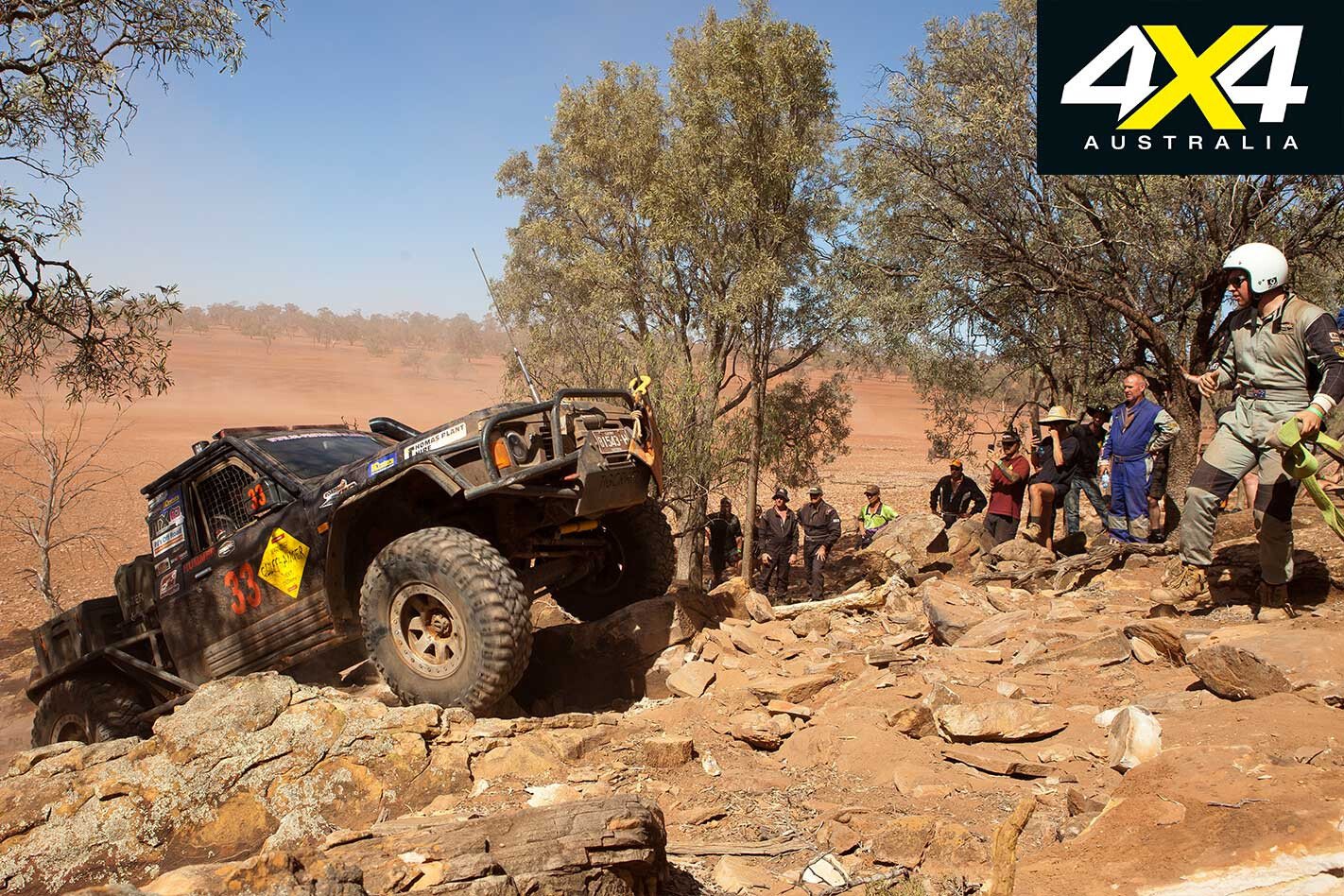
With a central camp and civilised facilities, “Cliffy”, as it is affectionately known, is a family affair. A catering crew serves egg and bacon rolls for breakfast, sandwich packs for lunch and hot meals in the evening. The ever-present daytime breeze kept the camp mainly clear of the dust of drought, but the calm of late evening and early morning saw a rising crimson haze. Mars must look something like this.
The local cockies came for a squiz; they are ever optimistic, smiling and imagining the time when it will rain again. The area hasn’t seen any substantial rainfall since the spring of 2017, and while water for stock isn’t a problem (bores take care of that) feed is a different matter. Most is trucked in, and much of the cockies’ time is spent cutting the leafy lower branches from mulga bush to give the cattle something green to eat. Mulga seems to survive, while 100-year-old gums are dying of thirst.
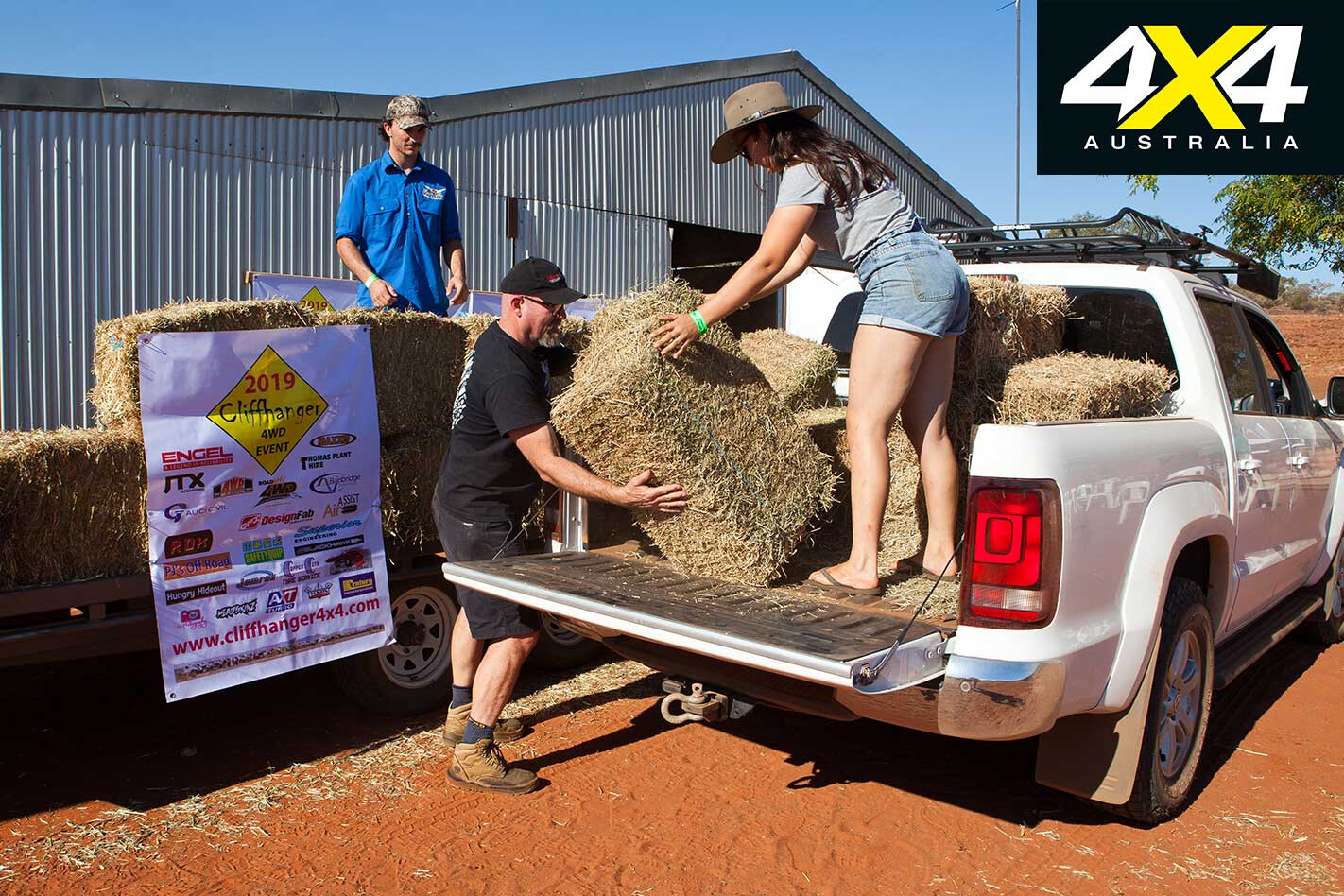
The owners of the 47,000-acre property and a neighbour seemed embarrassed, but grateful, for the donation of hay from attendees. Small amounts from a number of people added to a healthy load of small and large bales; probably not enough to put a big dent in the cost of feeding stock, but plenty enough to show that many ordinary Aussies are aware of the plight of graziers affected by drought.
Competition days started at 8am with crew and marshal briefings and regularly ended (for some) in the small hours, with recovery crews often struggling to retrieve broken cars from impossible terrain. On GPS navigation stages, whether they were point-to-point or random collection, the location of all competing vehicles, moving or stopped, was tracked and known in real time through RallySafe.
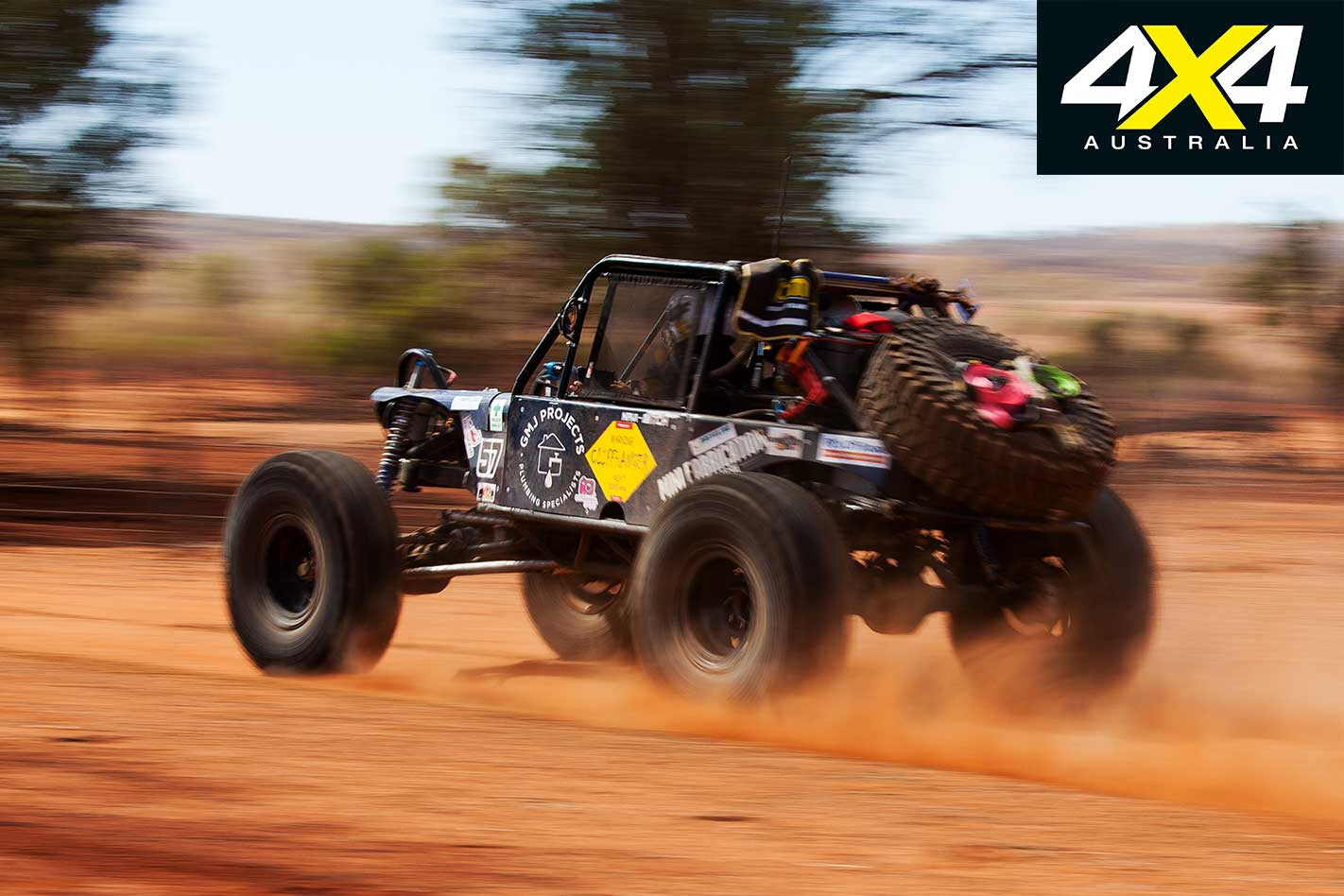
Safety was paramount. Strict protocols were in place at refuelling stops, and crews wore protective race suits. St John Ambulance Service was in attendance with two ambulances and crews.
As expected in this form of competition, the attrition rate was high. The terrain and pace are brutal on both vehicle and crew, and weary support teams at camp worked relentlessly to get their vehicle competition-ready for following stages. Those without support crews were heroic.
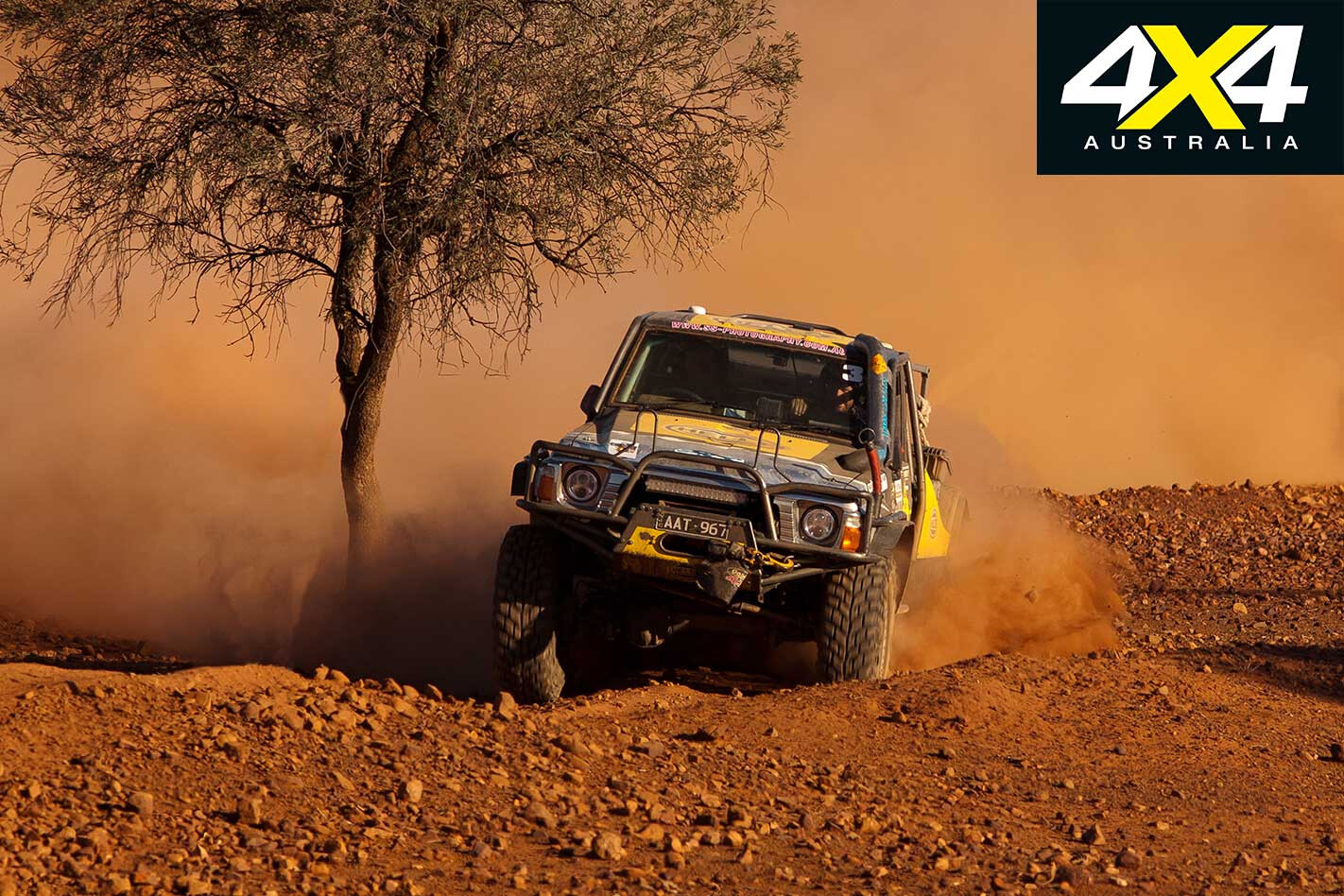
At the end of the week, followers of the sport cheered the victory of a well-known team, Coops and Hummer (Neil Cooper and Chris Hummer). They have won the Outback Challenge three times – a similar but arguably tougher event than Cliffhanger – and at their first attempt this year, a 15th outright placing at King Of The Hammers, the prestigious Californian off-road event combining desert racing and rock crawling.
Now running biennially, Cliffhanger has trebled in size this time around, and thanks to sponsors and the army of volunteers in marshalling and other duties, is destined to become even bigger.
What is RallySafe?
“RallySafe is the world’s most advanced rally management system. Using the latest technology, RallySafe is an all-in-one advanced safety, timing and tracking package and one of the most robust, feature-heavy technology platforms to ever be used in motorsport. The system comprises a unit for each vehicle, a cloud-based management portal, mobile apps, and timing/management accessories, all of which together provide advanced vehicle-to-vehicle/race control safety warnings, global tracking coverage and automated timing features,” – from RallySafe website.