
INFORMATION leaked from what appears to be an in-house Land Rover presentation has revealed the new 2020 Land Rover Defender will eventually be available in three wagon variants.
Taking its nomenclature from Defenders past, the three wagons will be known as the Defender 90, Defender 110 and Defender 130; but, unlike in the past, the numerals do not reflect the wheelbase in inches. Notably, there is still no mention of any Defender ute or cab-chassis models. The information appeared on a Disco4 forum.
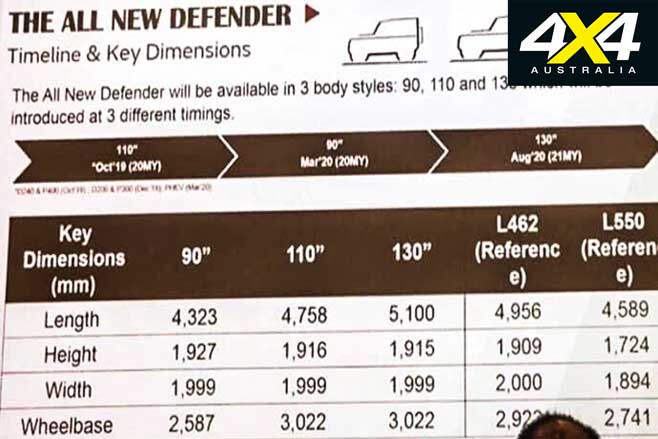
The new Defender family will debut here in Australia early in 2020 with the expected 90 and 110 models, while the unexpected 130 variant won’t be seen until 2022.
According to the leaked information the 130 is being dubbed the Premium Explorer model and will ride on the same 3022mm (119-inch) wheelbase as the 110 mode, but at 5100mm total length it will offer more cargo space than the 4785mm Defender 110, at the expense of added rear overhang. The 130 will also have seating for eight passengers, while the 110 will be limited to seven with options for five, six or seven seats.
The 110 is dubbed Definitive Defender in the leaked documents, while the 90 is the Halo, Icon model. It also lists the 90 as being offered with a choice of five or six seats, suggesting a three-pew front row, but whether that is offered in Australia remains to be seen.
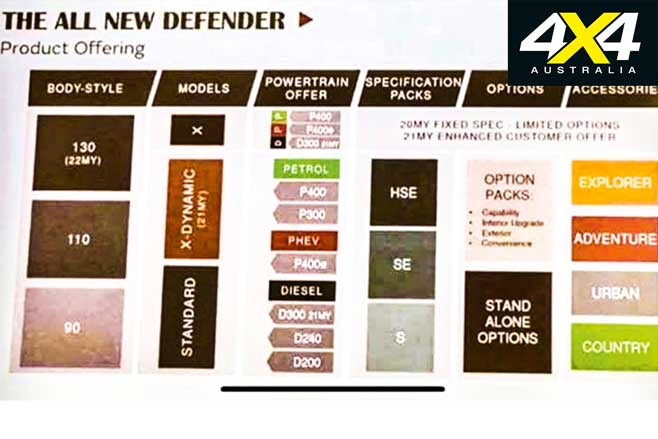
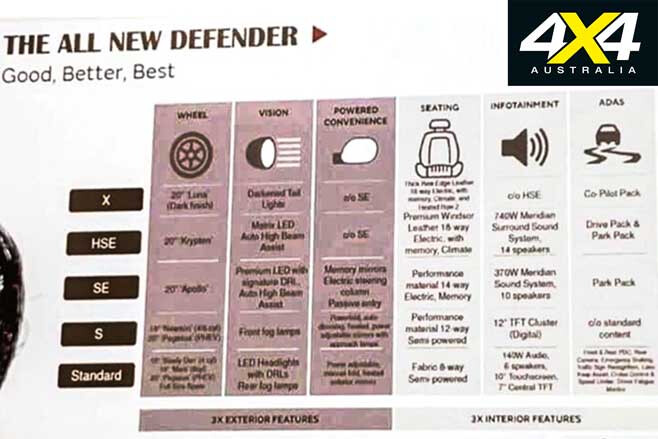
In good news for off-roaders, the leaked info reveals standard Defenders will be fitted with 18-inch wheels which, while not ideal, are better than the 19s on Discoverys and offer more off-road-suitable tyre choices. It also suggests there will be three specification levels with a choice of petrol, diesel and PHEV engines, all backed by an automatic transmission – no manual gearbox! These are European suggestions and Australian specs have yet to be revealed. We expect full local specs closer to launch in the second quarter of 2020.
UK’s Autocar magazine suggested the base model Defender 90 could sell for as much and £40,000 in the UK, which suggests a price upwards of $70,000 here. Expect that amount to quickly go north when you add options and climb through the S, SE and HSE specifications and option packages, with the 2022 Defender 130 HSE with the works to be more expensive than $150,000.
All the Defender wagons will ride on Land Rover’s aluminium monocoque chassis with full independent suspension. At least the upper-spec models will have height-adjustable air suspension and it remains to be seen if any model will be offered with steel coil springs. Expect a swag of electronic features and gizmos to improve its off-road abilities, in lieu of traditional wheel travel and locking differentials. Land Rover is promising the new Defender will be the most capable off-road vehicle the brand has ever produced.
The camouflaged Defender will appear at the Goodwood Festival of Speed, which is running from July 4-7.
PEOPLE are still buying dual-cab utes, despite a consistent slump in new vehicle sales on the overall market.
The overall Light Commercial Vehicle market may be down by 1974 sales (-7.0%) compared to June 2018, but both the Ford Ranger and Toyota Hilux have remained the best-selling vehicles on the market.
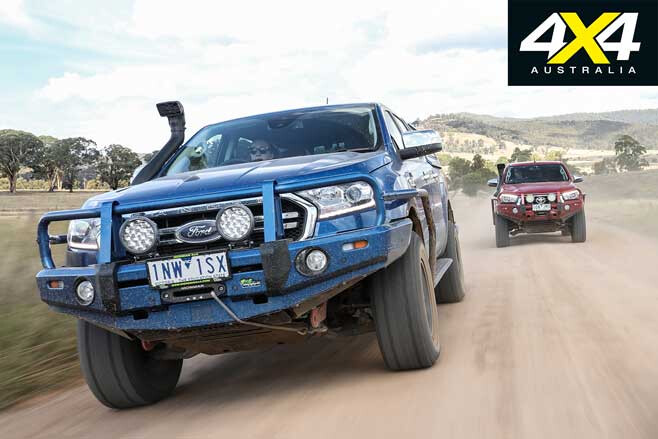
A total of 4396 Ranger 4x4s exchanged hands last month (a month-to-month spike of +3.8%), while 3891 new Toyota Hilux 4x4s were sold (a -3.5% drop month-to-month). The next best-selling vehicle was the Hyundai i30.
Other big improvers on the 4×4 charts this month include the Mitsubishi Pajero Sport (+12.7% compared to June 2018), Toyota Prado (+21.1%), Nissan Patrol (+55.0%), LDV T60 (+54.2%) and Ford Everest (+19.8%).
The FCAI reported a sales dip of 9.6 per cent in June 2019, with a total of 117,817 units sold. In June 2018, 130,300 units had been sold.

“Over the past six months we have seen various conditions and circumstances which adversely affected the market. These include a tightening of financial lending, environmental factors such as drought and flood, and a strongly contested federal election,” said Tony Weber, chief executive of the FCAI.
“In addition, the continuing incursion of Luxury Car Tax on a federal level, and now in some cases on a state level as well, is a major disincentive. It could just be the straw that breaks the camel’s back for the new car buyer.”
A total of 26,372 LCVs were sold in June 2019, up from 19,178 sales in May.
AFTER HIS initial test flight of the Messerschmitt Me 262 – the world’s first operational jet-powered fighter plane – Adolf Galland, Germany’s top World War II fighter pilot said: “It was though angels were pushing … no engine vibration … no lashing noise from the airscrew. It will guarantee us an unbelievable advantage in operations while the enemy adheres to the piston engine.”
Well it might seem like romanticising the occasion, and putting airscrews and enemy aside, the sentiment in those words sprung to mind when I got behind the wheel of the Jaguar I-Pace, a fully electric SUV with jet-like performance.
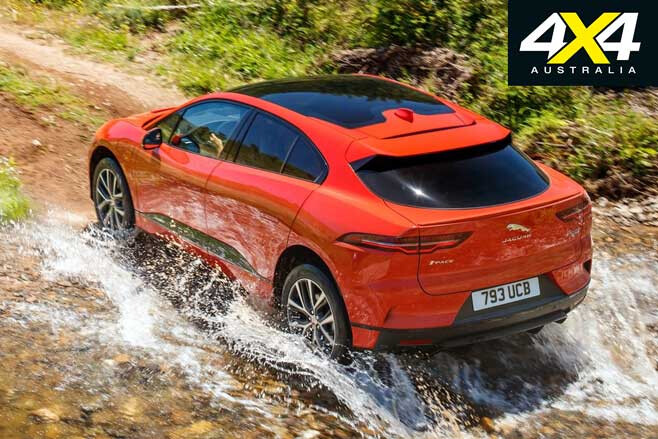
Compared to piston-engined vehicles, the I-Pace represents a whole new paradigm of performance, refinement, efficiency and simplicity. It’s like it has come from some parallel universe and demonstrates without doubt that the piston engine’s days are numbered.
The I-Pace has two electric motors, one at either end integrated into the axles to provide all-wheel drive. Combined they produce 294kW and 696Nm, which is available from zero revs. Put the foot down and it’s like being shot out of a cannon. Despite its 2200kg, the I-Pace gets to 100km/h in 4.8 seconds and feels even faster to 60km/h. As such, it could be the ultimate street sleeper.
Not in a hurry? Then you’ll marvel at the I-Pace’s dead silent and vibration-free powertrain: no induction noise, no combustion noise and no exhaust noise. Plus it’s also turbine-smooth, given there is no reciprocal motion as there is with a piston engine to cause vibration.
The I-Pace’s electric motors offer such a wide spread of power, and with a near endless rpm limit to play with, they get away with a single-speed transmission, which is in stark contrast to piston engines that now run boxes with up to 10 gears.
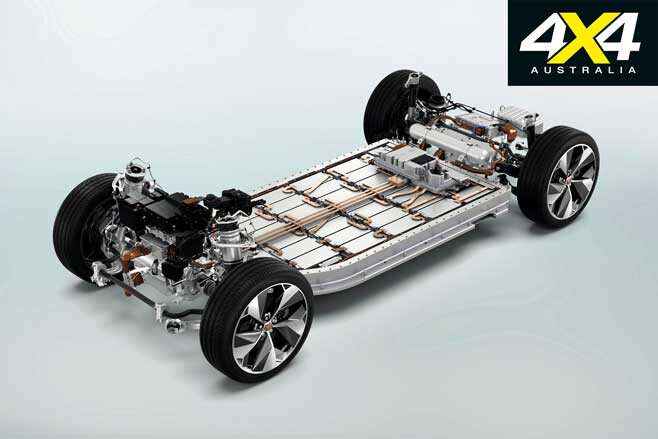
This simplicity is reflected in the electric motors, as each only has one moving part, its rotor. Compare that to the moving parts in an internal-combustion engine with its crankshaft, sometimes with counter-rotating balance shafts, and then the pistons, con rods, camshafts, valves, injectors, pumps and turbos.
With sufficient production volume, an electric motor must be much cheaper to build than a piston engine. It’d be easier to service, too, with no engine oil, filters or spark plugs to change. Even the brakes shouldn’t need much service such is the strength of regenerative braking.
Set to the maximum regenerative braking, the I-Pace is close to a one-pedal driving experience with little or no need to apply the conventional wheel brakes. The less you use the wheel brakes, the more energy is recaptured for later use; so it’s the ideal driving technique to master anyway.
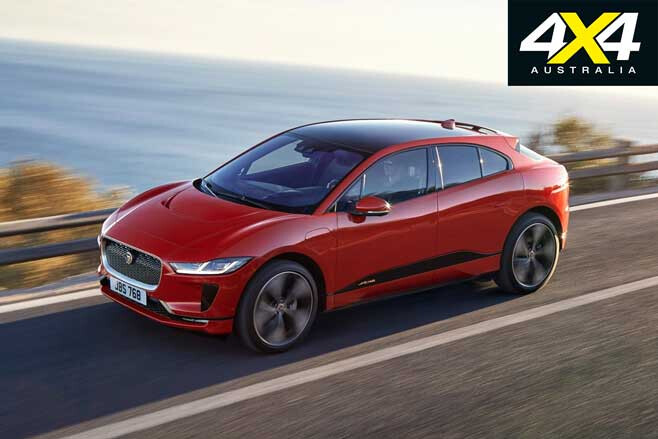
It isn’t perfect, though, with its shortfalls all linked to its electric motor that’s powered by a battery. This brings with it all the associated limitations of driving range (you’re doing well to get to 400km) and recharging, which can take a couple of days from a 240V 10A domestic outlet. Things get better (recharge overnight) with a 7kW fast charger installed in your garage or parking area for about $3K, which is pretty much a prerequisite for EV ownership.
Otherwise you’re relying on the thin spread of public chargers, which – although they range up to 50 or 100kW direct-current ‘superchargers’ – still don’t provide anything that vaguely resembles the convenience of refilling a petrol or diesel car. Perhaps hydrogen fuel cell-powered EVs are a better long-term bet, given hydrogen’s quick refilling times and better range. Time will tell.
IF YOU don’t have a spare $76K lying around but you still want to own a Ranger Raptor, now you can … well, kinda.
Gamers can now demolish dirt tracks in the venerable off-roader on Xbox’s Forza Horizon 4, a video game developed by Playground Games and published by Microsoft Studios.
https://www.instagram.com/p/BzYtWAoBsxU/
From today, July 2, punters can push their digital Raptor’s Fox-tuned suspension and 2.0-litre, four-cylinder turbo-diesel engine to its limits in the pursuit of best times and bragging rights.
Whether the Raptor will be available as a paid add-on, a free in-game purchase or as a reward is unknown.
Forza Horizon 4 is set in an open-world environment with a dynamic weather system. With more 450 licensed vehicles available, gamers can tune and tweak their vehicles to tackle a variety of terrain types.
FH4 was officially released on October 2, 2018, and it can be picked up today for around $50.
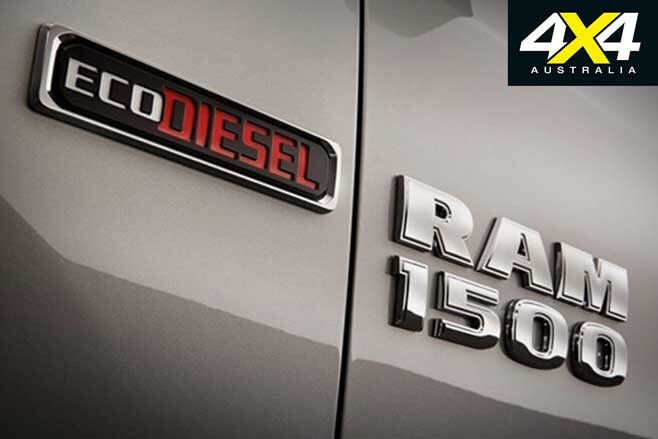
THE LONG wait for a diesel RAM 1500 is over, with the Australian launch of the RAM 1500 EcoDiesel variant.
The 3.0-litre V6 powerplant, pushing out 179kW and 569Nm (at 2000rpm), is only available in the top-spec Laramie model, with an asking price of $109,950 – a neat $10K above the price of the equivalent V8 petrol Laramie 1500.
Surprisingly, the 3.0TDV6 oiler uses more fuel, with a claimed combined fuel consumption figure of 11.9L/100km versus the 5.7-litre V8 RAM 1500’s claimed 9.9L/100km. This higher consumption can be attributed to the shorter final drive ratio (3.92:1 versus 3.21:1) fitted standard to the diesel-powered 1500. Real-world figures, however, may differ, especially when it comes to towing a heavy caravan/boat or doing a lot of off-road touring.
The Laramie 1500 diesel drops back to the rest of the diesel dual-cab 4×4 ute pack in terms of towing, with a rating of 3500kg (a full one-tonne drop compared to its 5.7-litre V8 stablemate’s 4500kg) and lags slightly behind the average with its 735kg payload capacity.
By taking these figures into account, RAM Trucks Australia sees the diesel model as the ‘lesser partner’ in terms of local sales volume moving forward. The majority of RAM 1500 sales to date have been to city-based buyers (with Laramie accounting for 60 per cent of those sales), and RAM Trucks Australia predicts rural buyers as the most likely to look to the diesel variant. It’s just a damn shame the big-brother RAM 2500’s monster 276kW/1084Nm 6.7-litre Cummins inline six-cylinder TD couldn’t be shoe-horned in there.
The RAM 1500 available Down Under is still based on the previous-gen model, with US buyers fortunate enough to have the option of buying the all-new DT RAM 1500. The Australian market model is the DS, with no word as to when the DT RHD version will be available; but you can bet RAM Trucks Australia is working away behind the scenes to get it here sooner rather than later.
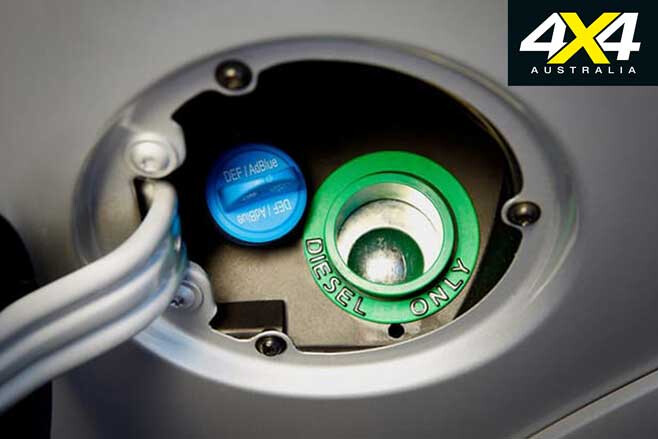
This hasn’t stopped RAM Trucks Australia from enjoying sales success with this smallest of RAMs, with RAM Trucks Australia recently announcing its conversion facility – Walkinshaw Automotive Group’s Melbourne-based factory – moved to 24-hour production schedules to meet buyer demand.
Australian RAM 1500 Laramie buyers (regardless of powerplant) will also benefit from some MY19 upgrades on top of what is a relatively highly-specced and spacious dual-cab 4×4 ute that already offers four-wheel disc brakes, all-coil suspension, six airbags, a raft of safety features (but no AEB at this point), heated seats (all five, in fact), 20-inch rims, a big 8.4-inch touchscreen multimedia set-up (with nine speakers), and plenty more.
The only thing missing from the diesel model’s option list (which includes pearl and metallic paint and a tri-fold tonneau cover) is RAM’s popular RamBox Cargo Management System that utilises the interior of the tray sides. The MY19 RAM 1500 Laramie 4×4 Crew Cab is covered by a three-year/100,000km warranty.
It will be interesting to see how the local market reacts to the arrival of this diesel-powered RAM 1500, especially with its higher asking price, lower tow rating (compared to its petrol stablemate, and the (slightly) less-than-average payload when compared to the medium-sized dual-cab 4×4 ute segment.
However, with the petrol version selling gangbusters, the diesel 1500 may be only a slight gamble on RAM Truck Australia’s part. Filling that market segment, no matter how small it may end up being, still shows how serious the local distributors are in regards to getting more of these big rigs on the road.
Those looking to get in early on the RAM 1500 Laramie EcoDiesel will be stoked to know dealers have demos on sale now, with the MY19 stock to arrive in dealerships within the next two months.
THE onslaught of spy shots of the 2020 Land Rover Defender continues ahead of its September debut, with a spy shot surfacing of the rugged off-roader’s front-end.
However, due to a lack of information regarding the leak, whether it is the real thing is yet to be confirmed; though it’s likely to be the best look at the vehicle’s design we’ve had so far, as the original Instagram image was instantly removed.
Picture: 2020 Land Rover Defender instrument display spy shot
The image reveals the front fascia sans hood and upper grille, with squared headlight covers – housing circular lights – paying homage to its ancestors. Boxy elements remain, but the looming Defender clearly has more rounded edges than any Defender before it.
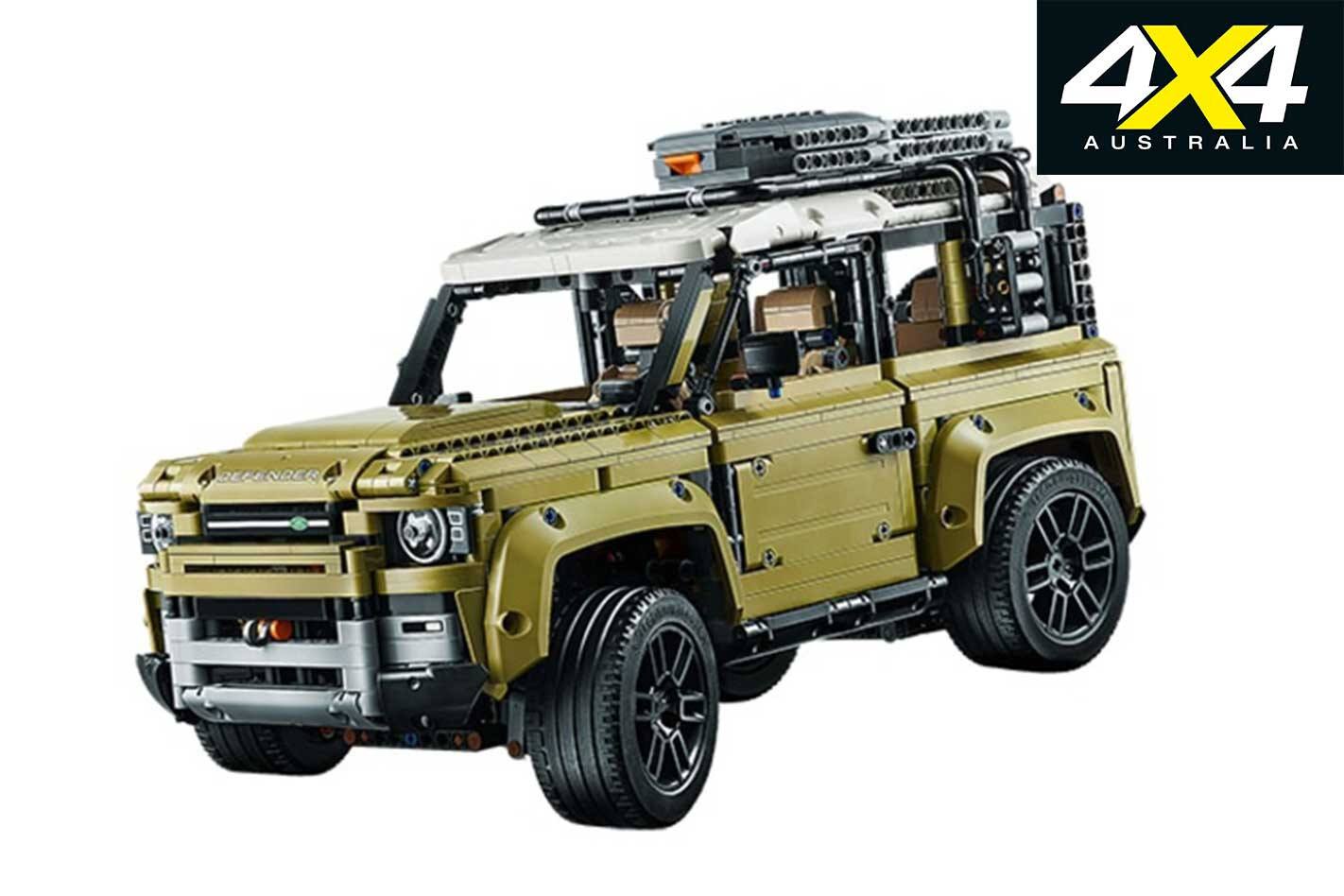
The Defender is also seen to be wearing silver inserts, widened fender flares, wraparound front guards and a white roof that was first seen in the “LEGO leak”.
Last month, a LEGO news website leaked an image of the Defender. Running hardware for the LEGO Defender included three differentials, independent suspension and a winch on the front bumper.
This was closely followed by a side profile shot of the Defender caught on the vehicle’s instrument display cluster, which revealed the white roof, a raised hood and a spare wheel on the rear door.
Earlier spy shots revealed the Defender will run height-adjustable independent front and rear air suspension.
The 2020 Defender is due to be revealed in September, 2019, with a local launch expected early in 2020.
THE SsangYong Musso XLV is the long-wheelbase version of the Musso dual cab, released last year, with this stretched variant measuring a touch over 5.4 metres in length, with that additional size allowing the XLV to boast a longer rear tray and the ute segment’s highest payload capacity (1025kg in ELX with leaf-spring rear) as a result.
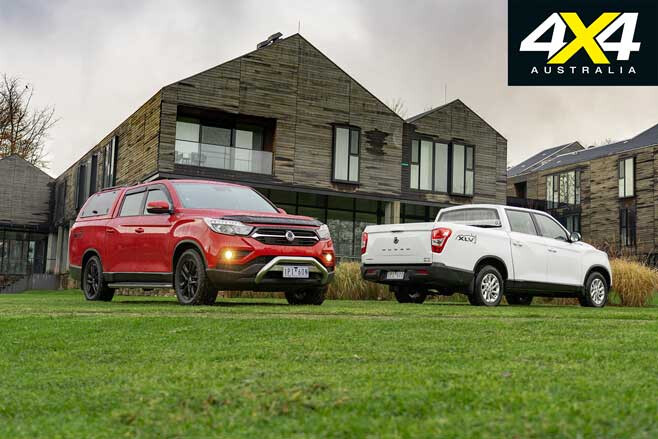
The SsangYong XLV is available in three model trims – ELX, Ultimate and Ultimate Plus – all powered by an EU6-compliant 2.2-litre four-cylinder turbo-diesel engine that pushes out 133kW at 4000rpm and 420Nm at 1600 to 2600rpm, backed by the choice of either a six-speed manual or six-speed automatic gearbox. SsangYong is confident this stretched rig will be popular with buyers, predicting the XLV to end up accounting for approximately 60 per cent of Musso sales.
Stretching reality
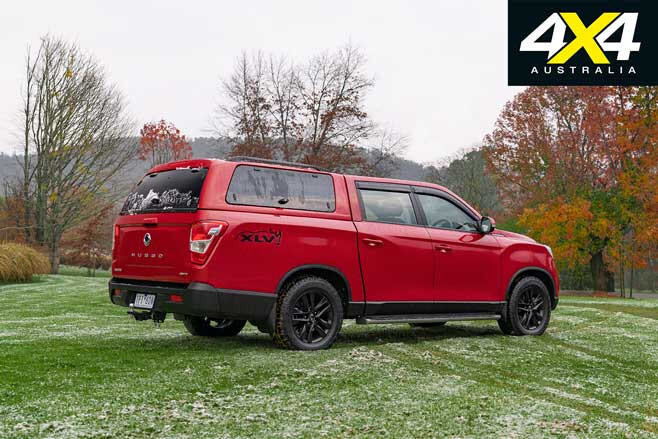
THE XLV hides its increased overall length reasonably well, with a side profile that is slightly wedge-shaped from front to back. The sheer bulk of the high-sided rear tray does dominate the standard wheelset, regardless of whether it’s the 17-inch alloy wheel-equipped ELX, or the Ultimate Plus sitting on its stock 18s (or optional 20s), making them look a tad inadequate.
The long, wide-opening doors are the first indication of the additional length, with the wheelbase extended by 110mm allowing additional legroom in the rear as well as easier ingress to the vehicle.
It’s the monstrous rear load tray that stands out style-wise, though, as it is not only long – at 1610mm, it’s 310mm longer than the SWB Musso – but it’s also deep. The rear tray includes four low-set sturdy tie-down points, as well as a 12V outlet.
The interior impresses with a grey and black palette matched to a mix of hard- and soft-touch surfaces. The range-wide eight-inch multimedia screen (Apple CarPlay, Android Auto standard on Ultimate and Ultimate Plus variants and Bluetooth across all models) sits front and centre and is easily accessed by the driver or passenger and is intuitive in use.
Seating is fabric for the ELX, ‘Endure-Lite’ for Ultimate (these are also heated and cooled), and Ultimate Plus owners score powered leather.
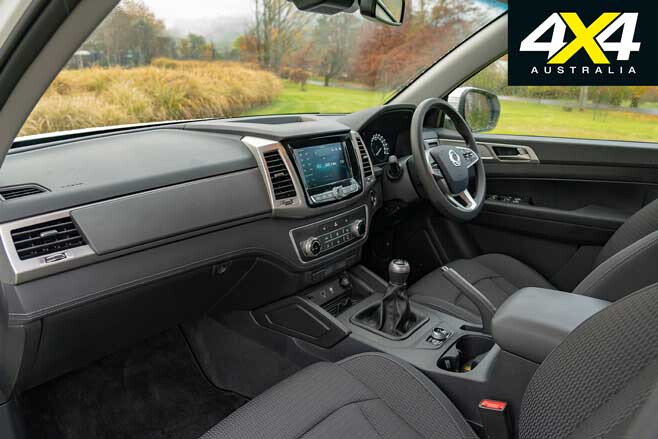
At the launch 4X4 Australia tested both an ELX and the Ultimate Plus variants and found both vehicles’ seats firm but supportive and comfortable. Rear seating is also comfortable for adults, with sufficient legroom for a 180cm-tall adult to sit comfortably.
All switchgear (indicators, lights, windows, mirror-adjust and 4WD settings) is easy to hand and very easy to operate. Fit and finish is surprisingly good, with tight gaps on panels and a reassuring thud when the doors close.
SsangYong Musso price & value
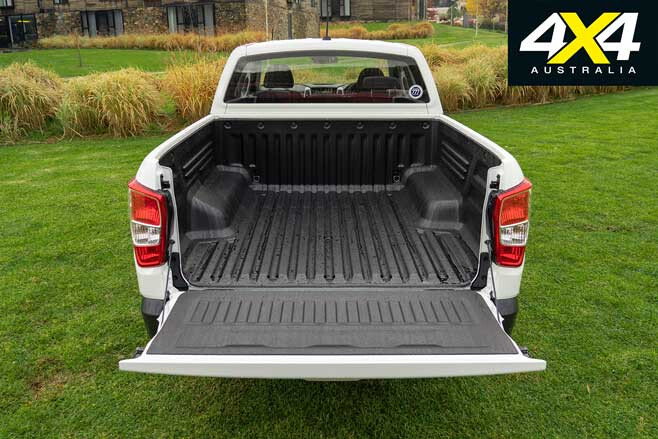
THE XLV is highly spec’d across the range, with standard kit including a limited slip diff, eight-inch multimedia system, six airbags, reversing camera, six-speed manual gearbox, Autonomous Emergency Braking and Lane Departure Warning. The six-speed automatic gearbox is a $2K option.
To that list, the base-spec ELX adds leaf spring suspension, a fabric interior, 3500kg towing capacity and SsangYong’s industry-leading seven-year/unlimited kilometre warranty. Driveaway price for the ELX is $33,990.
The Ultimate will set you back $39,990 and swaps the leaf-spring rear for the multi-link coil setup, adds 18-inch alloys, Lane Change Assist, Daylight Run Lights (DRL), a larger instrument cluster, Front/Rear Park Assist, Blind Spot Detection, Rear Cross Traffic Alert, heated and cooled Enduro-Lite seats, and a leather steering wheel.
For the Musso Ultimate Plus ($43,990), you get heated/cooled and powered seats, 360-degree camera and HID lights. SsangYong does offer 20-inch alloys as an option, as well as a sunroof.
Compared to other models in the ute segment, the XLV represents impressive value for money, considering its high levels of modern safety and driver-aid technology, plus don’t forget that lengthy warranty and the levels of fit and finish.
If you consider SsangYong’s ‘Triple 7’ of seven-year/unlimited kilometre warranty, seven-year capped servicing and seven years of roadside assist, you can see why SsangYong believes the Musso XLV has the potential to be a big seller.
SsangYong Musso safety tech
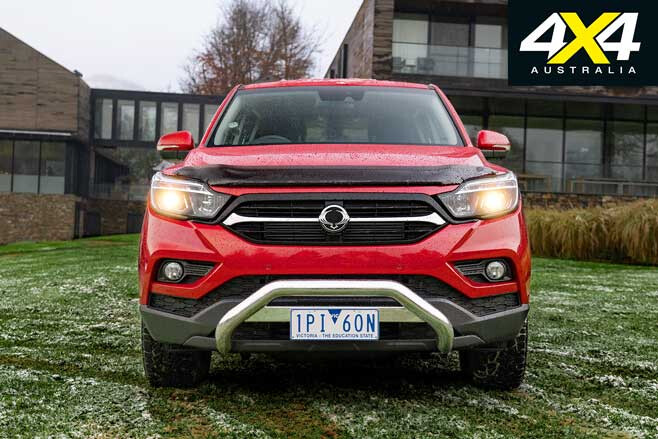
THE Musso XLV includes plenty of passenger safety technology right across the model range, with six airbags, Autonomous Emergency Braking, Front Vehicle Start Alert, a reversing camera and Lane Departure Warning across the three spec levels.
Add in Lane Change Assist, Blind Spot Detection and Rear Cross Traffic Alert on the top two models and you’ve got a comprehensive safety suite – far more so than a number of other competitors in the ute market, such as Isuzu D-Max and Nissan Navara, both of which are more expensive to boot.
The 2.2-litre turbo-diesel is claimed to use 8.2L/100km in the combined cycle with the six-speed manual, and 8.9L/100km when backed by the six-speed auto. Combined with a 75-litre tank, it makes for a reasonable – but not great – touring range.
Servicing is getting easier and more convenient, too, thanks to the growing dealer network. Currently there are 40 dealers, and SsangYong claims there will be 50 by the end of the year. Impressive indeed when you consider the company started with 22 in January, 2019.
SsangYong Musso road handling
SSANGYONG engineers have worked hard to ensure the Musso XLV is comfortable on Aussie roads both sealed and unsealed, with the XLV suspension an evolution of that on the Musso short-wheelbase. The company is also currently in the final moments of finalising a local suspension tune (and, further down the line, an OE accessory lift kit, using the same tune). Even now, without this new tune, the on-road handling impresses.
Surprisingly, it is the leaf-sprung ELV that handles better on bitumen. The ride is firmer than the coil-sprung Ultimate Plus, but it feels more planted and connected to the road surface. The coil-spring variants feel a little more nervous on-road, while the steering on the Ultimate Plus transmits more road vibration back through the steering wheel.
The 2.2-litre TD feels a mite underpowered on the road, with acceleration from a standing start nothing exciting; but it’s offset by the more dynamic rolling-speed performance. Speaking of performance; even when under acceleration, the vehicle is astonishingly quiet. The cabin, in fact, would rate as one of the quietest in the dual-cab ute market, with very little road or engine noise audible from inside.
SsangYong Musso off-road performance
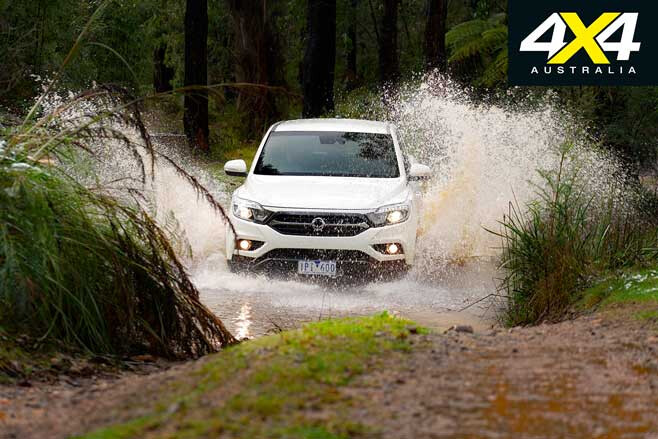
THERE’S no getting around the fact the Musso XLV is long, and one of the negatives of this is a low ramp-over angle when driving off-road. That long belly looks, at first appearance, to be way too low to traverse even slight lumps on the tracks.
The XLV belies its long and low appearance, however, and on our sometimes-challenging 4×4 test track it didn’t scrape its underbelly once. We still think a two-inch lift would be a welcome modification, as the ute tray’s long overhang is quite vulnerable to steep drop-offs. Showing the company was serious in terms of this big rig’s touring potential, it also announced a raft of off-road accessories will be available, on top of that factory-backed two-inch lift.
The 4WD system in the XLV is straightforward in use and quite effective; a simple twist of the console-mounted bezel selects either 2WD, 4WD High or 4WD Low, with the Low setting called into action for some particularly steep and slippery Victorian High Country trails during the test drive.
Hill Descent Control is relatively effective; although, we’d like to see the minimum speed set to 1 or 2km/h, rather than 4km/h. In very steep, slippery terrain, being able to rely on a very low speed significantly improves the ability to negotiate challenging terrain.
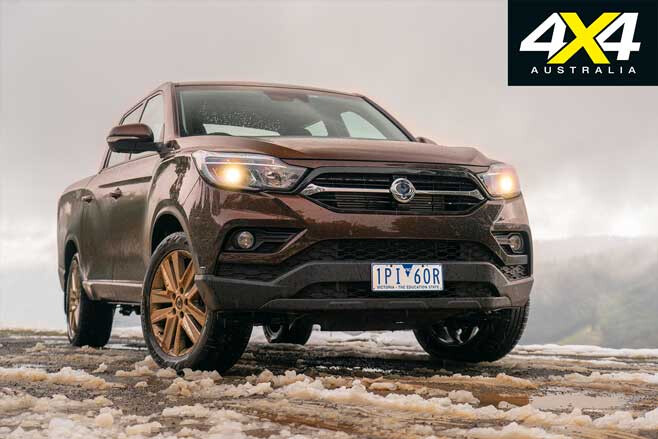
2019 SSANGYONG MUSSO XLV SPECS: Engine: 2157cc 4-cyl turbo diesel Max Power: 133kW @ 4000rpm Max Torque: 420Nm @ 1600-2600rpm Transmission: 6-speed manual/6-speed automatic Weight: 2160kg (leaf spring), 2170kg (coil spring) Fuel consumption: 8.2L/100km (manual), 8.9L/100km (auto) Price: From $33,990
HERE are five reader-submitted 4x4s that were recently featured in the June 2019 issue of 4X4 Australia.
To get involved, post a pic and a description of your rig on our special site here or post it to our Facebook page.
2017 NISSAN Y62 PATROL: MATT WEBBER (4×4 Australia Readers’ Rigs Winner of the Month)
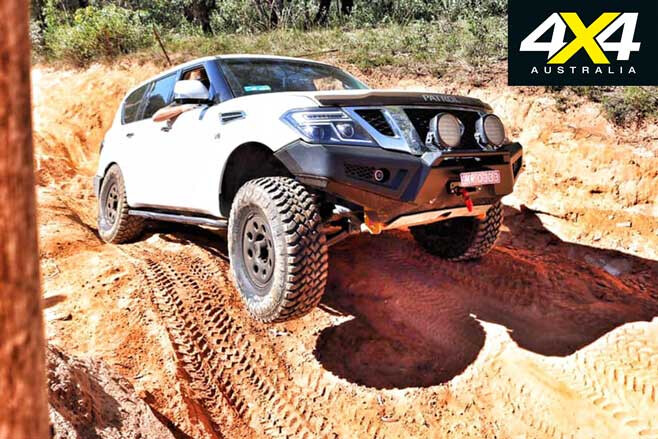
Kit includes 3.5-inch lift, 37-inch M/T tyres, front E-locker, Predator front bar, Carbon winch, Predator rear bar, Big O sliders, Full Boar Fourbie drawers, false floor, Xforce headers and full exhaust with Varex, Drivetech bash plates, and Roadsafe recovery.
Best trails include Yalwal, Watagans, Lithgow, Wheeny Creek (Gees Arm), Menai Ella Road, Palmdale, Coffs, Wauchope, Land Cruiser Mountain Park, Appin, Capertee, Stockton Beach, Snowy Mountains and Victorian High Country. The rig gets used almost every weekend.
2006 TOYOTA TROOPCARRIER 1HZ: BENEDICT SMITH
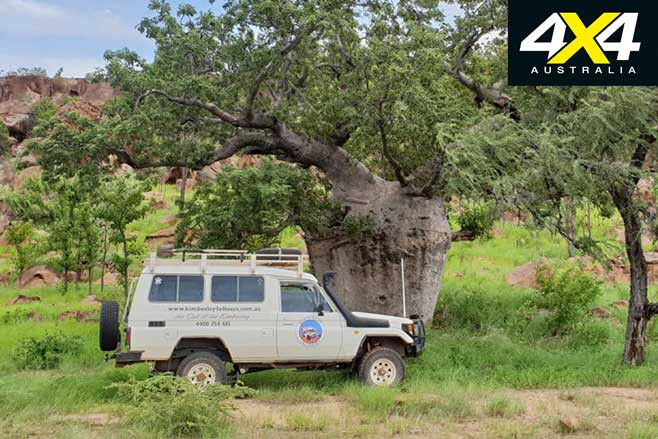
It was bought for touring the Kimberley region and now used as my tour vehicle. I run Kimberley 4×4 Tours, Custom Adventure tours and tag-along tours throughout the Kimberley region. Mods are many but the latest is four-leaf parabolics, king coils in the front and Tough Dog 45mm adjustable shocks all around. Very happy so far – she gets the job done with no fuss.
2003 TOYOTA LN167R HILUX: MATT BROWNE
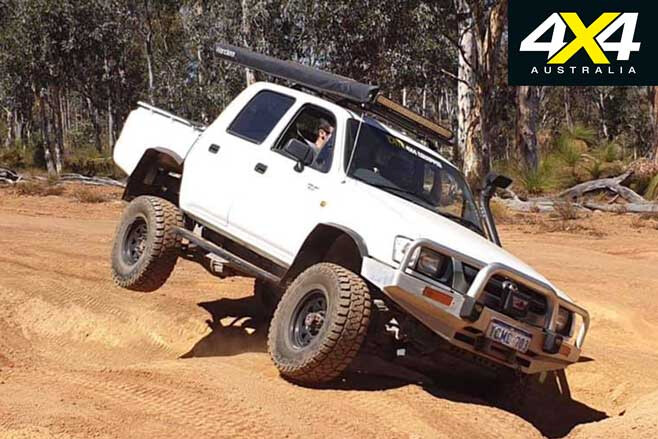
What it’s got: 5LE 3.0-litre with aftermarket AXT turbo kit, 4WD Systems front auto Lokka, Ironman Nitro two-inch lift kit, 120-litre fuel tank, TJM bar with Warn winch, and 32-inch Kumho MTs (I have 16-inch wheels when these tyres run out). I have huge plans for engine power, fuel usage and making it run cleaner. Then I have plans for a custom tray to carry water, a Lift Off canopy, a coil conversion and SAS’d front.
1996 TOYOTA LANDCRUISER 80 SERIES GXL: NICK HALL
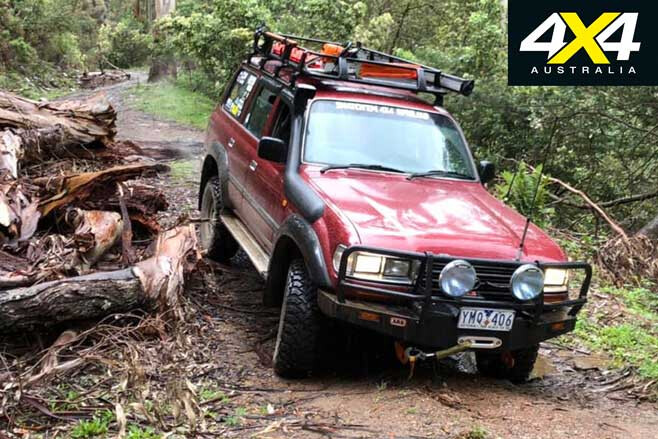
I’ve had the vehicle for just on five years. It has a two-inch lift, 285 mud tyres, 10,000lb Warn winch, rear drawers, rear bar for spare tyre and jerry cans, roof rack, etc. I’m originally from Tasmania, but I have been living in Victoria for almost six years. I love the Vic High Country and want to go back to Tassie this year to explore the west coast.
TOYOTA FJ TROOPCARRIER: TRAV & ELLY SWIFT
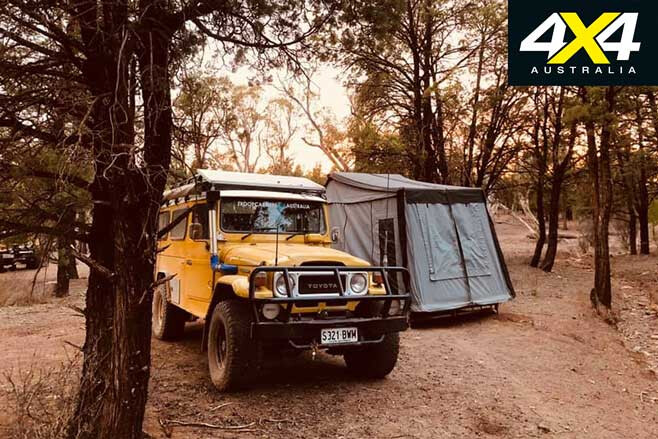
Kit includes a 12HT motor and five-speed gearbox swap, long-range fuel tank, solar and dual-battery system, underbody water storage, 30-second awning, Alu-Cab en suite, and rear forward-facing seats. Our favourite place will be a trip to Kingoonya in a couple of days.
RANGE ROVER, the premium model in Land Rover’s now extensive line-up, comes with no fewer than six powertrains in both diesel and petrol and in four-, six- and eight-cylinder configurations. They top out with a stonking 415kW supercharged 5.0-litre petrol V8, while at the other end of the range, at least in terms of green credentials, is the Range Rover P400e PHEV (Plug-in Hybrid Electric Vehicle).
As its primary power source the PHEV still relies on ‘fossil fuel’ but via a cutting-edge 2.0-litre turbocharged four-cylinder petrol engine that is good for 221kW and 400Nm.
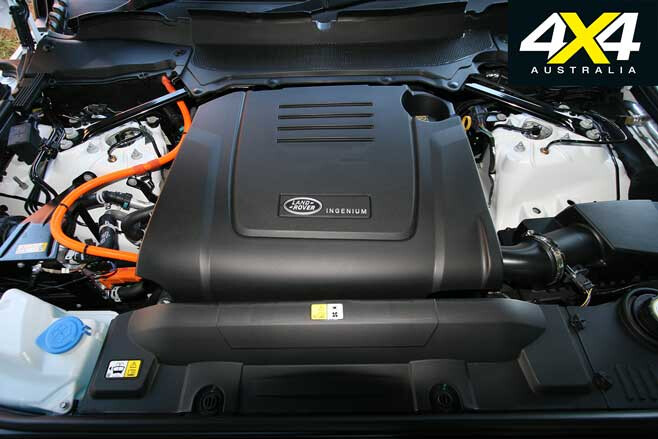
Supplementing this is a 105kW/275Nm electric motor powered by a battery that can be charged via an external power supply, but it also charges as the vehicle decelerates and the electric motor switches to generator mode. This is called regenerative braking, the method by which all hybrid (and electric vehicles) recapture energy that would be otherwise lost.
You might think the combination of the 221kW/400Nm petrol engine and the 105kW/275Nm electric motor would result in 326kW and 675Nm, but it doesn’t work out that way as the two power sources don’t peak at the same engine speeds.
In effect, the electric motor beefs up the petrol engine more at low and middle engine speeds rather than at higher engine speeds. With the two working together peak power still runs to 297kW at 5500rpm, but the combined torque output of 640Nm from 1500rpm right through to 4000rpm is the key enhancement that the electric motor makes to combined output.
Pedal to the metal the PHEV will sprint to 100km/h in 6.8 seconds; so while the sales pitch may be ‘green car’, the reality is that it’s also a fast car (or at least a fast 4×4).
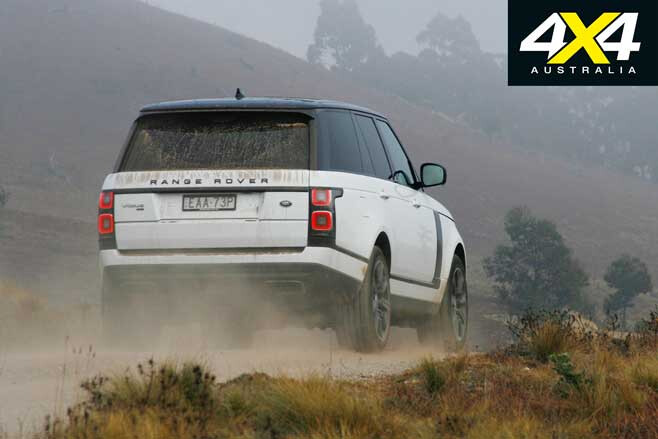
The PHEV can be driven via the electric motor alone as a fully fledged electric vehicle, but its range in EV mode is limited (due to the battery capacity) to 50km, which makes its EV role essentially an urban commute.
You can still drive on the open road at highway speeds in full EV mode up to that 50km range, and if the road is relatively flat and the throttle loads are low it will remain in EV mode; although, when confronted with a hill, especially if you press the throttle to maintain road speed, the petrol engine will seamlessly kick in. Once in operation the ‘little’ petrol four is particularly smooth and quiet.
At all times the PHEV operates as a hybrid, in as much as it recoups otherwise lost energy via its regenerative braking and stores it in the battery for later use. In effect this makes the petrol engine more efficient, which is reflected in the PHEV’s almost diesel-like (sub 10s) fuel economy.
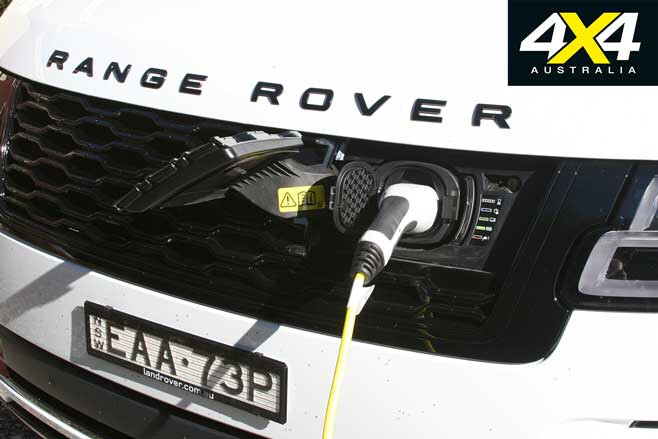
Interestingly the ADR fuel test figure is just 2.8L/100km, as the ADR test protocol is blindsided by the PHEV’s ability to operate as an EV for the majority of the test procedure, therefore using only a sip of petrol. With its 91-litre fuel tank the PHEV has a useful range of 900km; although, the downside of having to accommodate the 12.4kW-hour EV battery is that the PHEV loses the otherwise standard full-size spare wheel and instead gets a small compressor and tyre-repair kit.
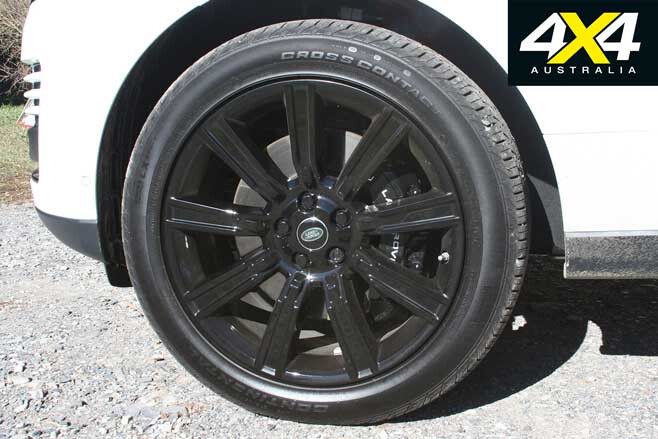
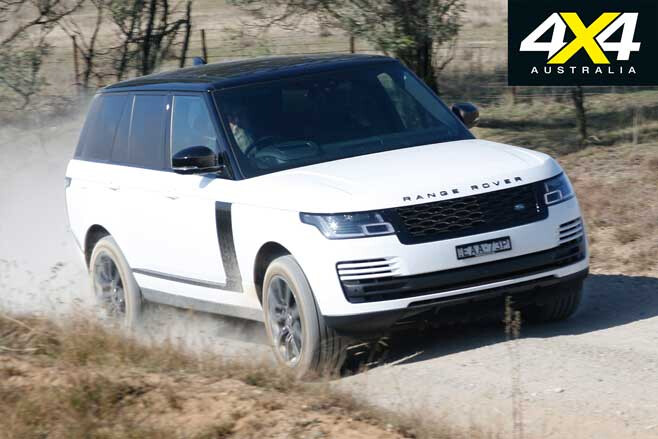
Powertrain aside the PHEV is typical Range Rover, which is another word for a peerless combination of cabin opulence, on-road finesse and off-road prowess. Even on 21-inch wheels, the test vehicle’s ride proved plush and supple thanks to the long travel, fully independent, air-spring suspension. For a vehicle that offers such a soft ride, the steering and handling is unbelievably sharp.
Hitting the low-range button enables you to tackle the gnarliest track thanks to the ‘smarts’ of a fully automatic (self-locking diffs) 4×4 system and the height-adjustable suspension adding ground clearance. However, the showroom tyres are the weak link in the Range Rover’s off-road armoury, but that can be easily fixed given the off-road tyre options available for the standard 20-inch rims.
Given the PHEV costs an extra $15K, what does it offer over what is effectively the default and least expensive Range Rover engine in the form of 202kW 3.0-litre V6 diesel? A fair bit more performance for starters, as well as more powertrain refinement thanks to its smooth and quiet petrol engine and noise- and vibration-free electric motor. The ability to operate as an EV and the benefit this brings to the immediate urban environment (no exhaust emission) may also be a winner for some buyers.
If you can charge the battery off solar panels rather than the grid, perhaps via a wall battery in your garage or parking area, then you get to close the environmental loop even further and generate some real fuel-cost savings.
2019 RANGE ROVER P400e PHEV SPECS Engine: 2.0-litre 4-cyl turbo petrol Engine Output: 221kW/400Nm Electric Motor: Permanent magnet Electric Motor Output: 105kW/275Nm Combined Power: 297kW @ 5500rpm Combined Torque: 640Nm @ 1500-4000rpm Gearbox: Eight-speed automatic 4×4 System: Dual-range full-time Kerb Weight: 2596kg Towing Capacity: 2500kg Fuel tank capacity: 91L PHEV battery capacity: 12.4kWh ADR fuel consumption*: 2.8L/100km On-test fuel consumption: 9.5L/100km Base price: $210,400 As-tested price: See below
*Australian Design Rule ‘Combined-Cycle’ claim
2019 Range Rover range of options
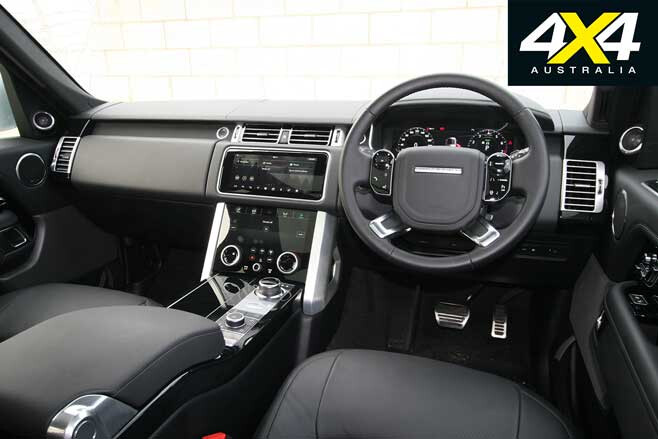
IT’S HARD to get your head around all the kit on the $210K Rangie. It has 20-way adjustable heated front memory seats, power-recline and heated rear seats, electric-adjust heated steering wheel, three-zone climate control, electric cabin ‘pre-conditioning’, digital radio/TV, and a panoramic roof and head-up display.
Safety kit includes autonomous braking, rear cross-traffic camera and alert, lane-departure warning, and tyre-pressure monitoring. Mechanical features include height-adjustable air suspension, Terrain Response 2, Adaptive Dynamics and electric power steering. Our tester was fitted with 21s, radar cruise, 360˚ camera, traffic sign recognition and an auto rear locker.
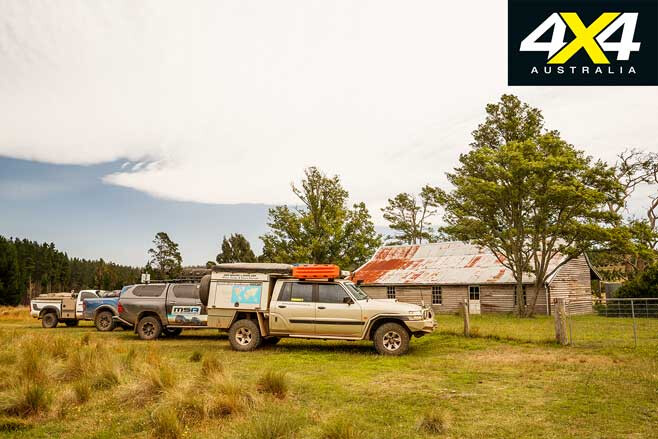
WE FOUND the hut sitting in a strip of cleared land, between rows of pine trees on one side and native forest on the other. Judging by the grass growing along the pathways and around the drooping gate, few people had been there in the preceding weeks. Wombat crap testified to a family of burrowers, who were busy undermining the stumps of the old building.
The building had eluded my search as I hunted for it for hours on the web, even though that is where I had first heard about it from a traveller’s blog – and while there was a photo there was no indication of where it was, apart from ‘southern NSW’.
I rang some 4×4 mates who lived in the region and who knew the area pretty well, but all had the same reply: “Never heard of it.” I then rang the National Parks office until I got to the Bombala branch, where I was shuffled around for a time before some older guy said he thought the hut was on forestry land and I should ring them.
When I did I was put through to the head forester and ‘bingo’ we had the info we needed. The forester explained where it was located, just a few kilometres south of Cathcart, inland from Merimbula on the south coast of NSW.
It was more than just a hut, though. Built in 1860 in the USA the building had been prefabricated and then shipped to Australia, where it was erected in 1861 on what was then the main coach route from the coastal towns of Eden, Tathra and Merimbula to the once booming but short-lived Kiandra goldfields.
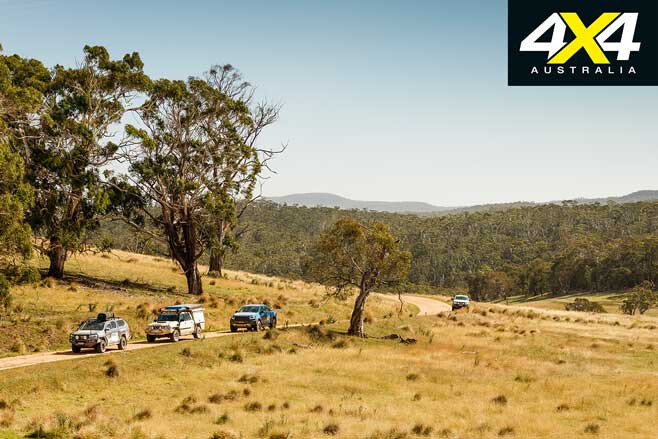
In 1860 the High Country goldfields had more than 10,000 hopeful diggers searching for their fortune and, while some lucky ones hit incredible riches, most struggled to survive, especially when the snow and cold descended in winter.
The Woolingubrah Inn, as it was called, takes its names from the Aboriginal word for ‘windy place’, which is more than appropriate as the inn was located on an exposed ridge of the Big Jack Range, much of which is now included in the Coolangubra State Forest.
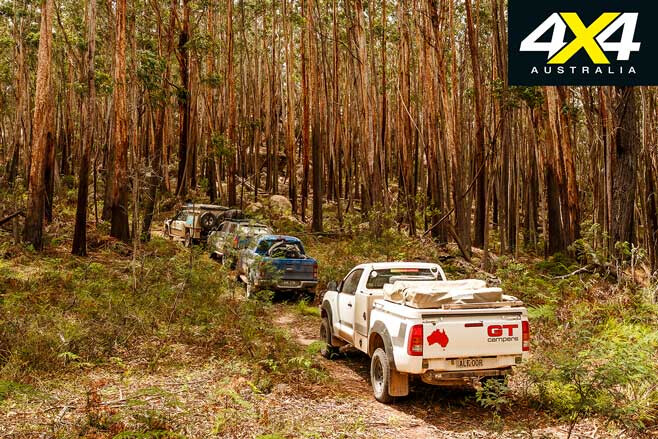
It is probably the only building of its type still standing in Australia, and was restored by NSW Forestry nearly 20 years ago. Consisting of a bar, dining room, kitchen and six bedrooms, we sadly couldn’t get into the building as it was locked – next time I’ll ask for a key.
Our journey had continued from where we had explored the remains of the Pambula Goldfield just inland from the coast and not far from the popular holiday destination, before heading inland over some spectacular peaks and along Big Jack Mountain Road.
This route passes through the Coolangubra section of the South East Forests NP, before we took Tantawangalo Mountain Road into the Tantawangalo section of the same sprawling national park.
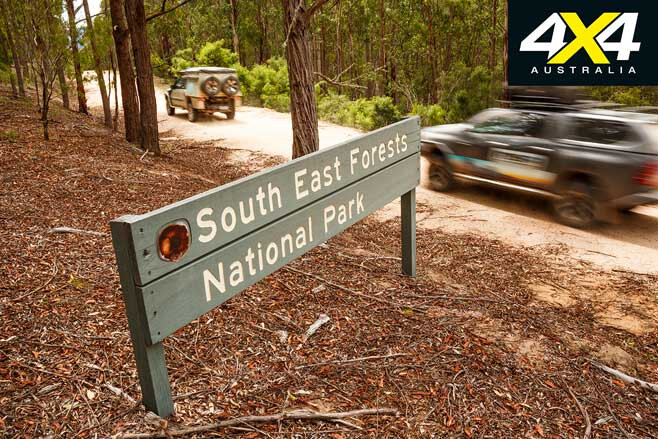
Once again we had vaguely heard of some camp spots in the northern section of the park but could find little on the park’s website; although, the Hema map on my iPad at least had them marked. Once again, though, Parks had closed a few of the tracks in the immediate vicinity and so our route took us through a variety of different landscapes, varying from grassy woodlands, dry forests, tall wet forests and natural grasslands to clear marshy areas around the Nunnock Swamp.
The little-used Nunnock camping area is located on the edge of a grassy clearing. We picked a spot away from the overhanging branches of the big gum trees that overlooked the camp and settled in for the night. Grey kangaroos and swamp wallabies grazed the grasslands and nearby scrub, while later that evening a rarer greater glider was seen checking us out from above our campfire.
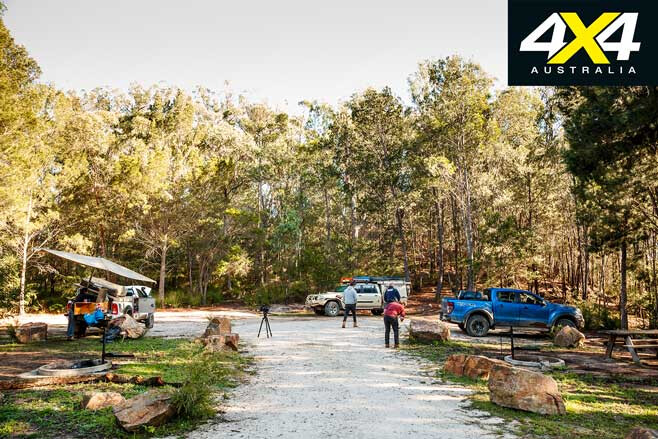
The Nunnock camping area is a beauty, but Alexander Hut, just a short distance further on, is an absolute cracker. A hut was first built on these high plains in the 1890s by cattlemen bringing their stock up during the summer for the rich, verdant grazing.
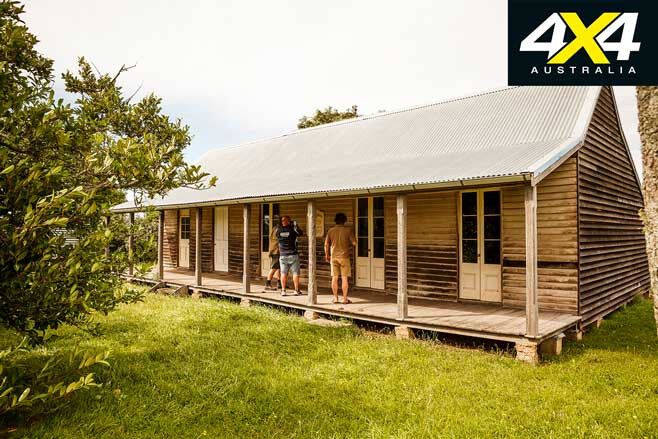
In 1922 Alexander Robinson took over the lease and continued the tradition of summer grazing and built the slab hut from local timber, hessian and corrugated iron. Still, bringing cattle to these leases and living here was no walk in the park. In the tough times, especially during The Great Depression and WWII, rabbits helped sustain families by providing not only food but also cash flow brought on by selling the skins – the skin was used in the manufacture of the famous Slouch Hat.
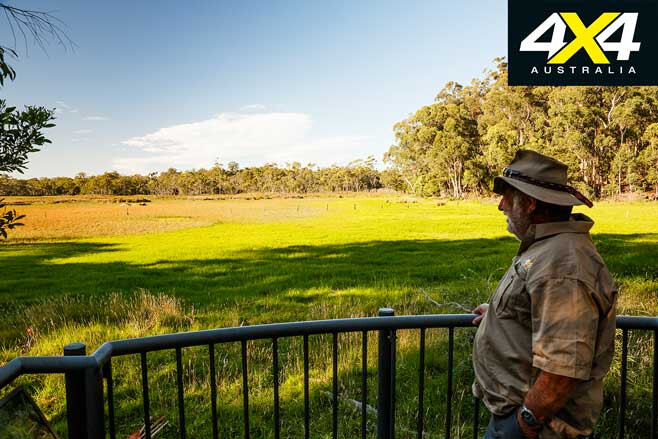
The hut, now included in the national park, is surrounded by natural grasslands where kangaroos and wombats are common, while eagles and other birds of prey glide on the thermals overhead. Near the hut is a small camping area and, while extremely pleasant in good weather, it can be a bit exposed when the weather turns foul.
Tearing ourselves away we headed south through tiny Cathcart to finally find the Woolingubrah Inn. We celebrated our find by heading to Bombala and having a pie and coffee in the local bakery, before heading back into the forest for another unexpected highlight of our travels.
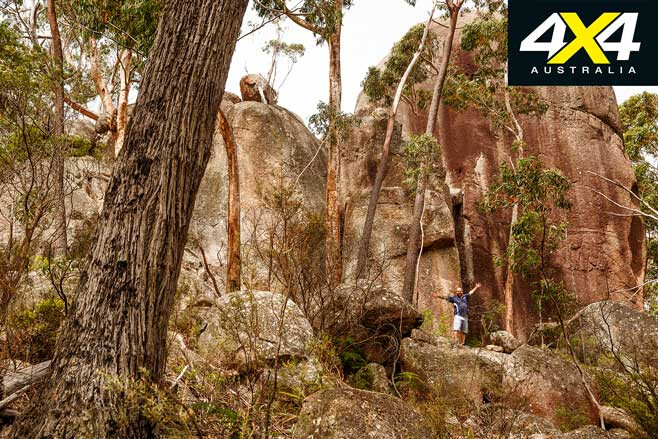
We poked our way towards Pheasants Peak where the Wog Wog Trail, as marked on all the maps and now renamed Pheasant Peak Trail, began. And what a trail it is, showing very little use by the amount of timber down and the lack of wheel marks. It’s one of the things that continually surprises us with these trails in southern NSW, as we are more used to the well-populated tracks in the Victorian High Country.
This route climbs up on a narrow trail before dodging around and between great castles of boulders that dominate each and every crest, until you finally reach the sheer rock maze and ramparts of Pheasant Peak. We spent an hour exploring here, some of the more agile in our party making it to the very pinnacle of the rock towers while the rest of us were content to explore the crevices and mini-canyons lower down in the labyrinth.
That evening, after following Wog Way and Wallaby Road, we camped beside the Wallagaraugh River at Newtons Crossing close to the junction of Imlay Creek. It’s not a bad camp, but finding level ground can be an issue and our group of four vehicles struggled to fit in most of the campsites.
For a change from our forestry rambles we headed for the coast at Wonboyn Lake and the mouth of the river of the same name near Bay Cliff. The road beyond the small hamlet is poorly maintained, and while it was no problem for our group of four-wheel drive vehicles others might find it a bit daunting.
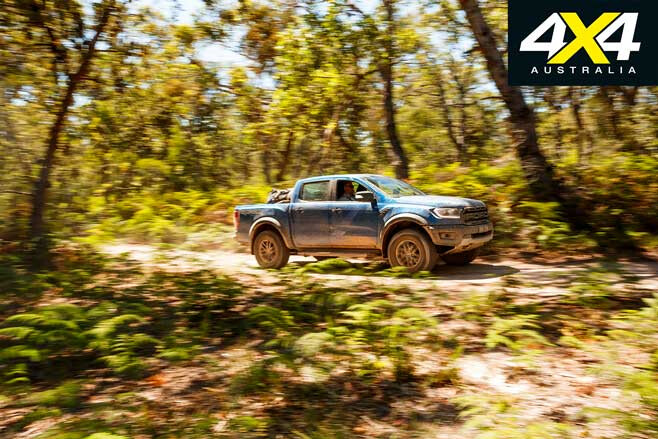
Once on the beach we wandered along the long strip of sand to Bay Cliffs before clambering over the rocks and along the cliff-lined shoreline. It’s a magical piece of coast and we wished we could have stayed longer, but in the distance and almost directly east of us was our planned destination for the day: the low bluff of Green Cape adorned with its white marker of a lighthouse.
With a lot of the tracks marked on the maps closed by Parks, we had to backtrack a little. Then, once we got into Ben Boyd NP, we had to pay an entrance fee while planning to pay for our camping fee with a not-so-good Wi-Fi connection.
It seems crazy that you can pay an entrance fee with cash at a drop box at an entry station, but you must book your campsite via the web in places where it’s impossible to get a web or phone connection. I often wonder if the city-based people who plan these systems have ever been camping … I’d hazard a guess and say ‘no!’
Long-term readers of the magazine would know I’m a bit of a tragic when it comes to lighthouses, and the Green Cape Lighthouse is grist for the mill. It’s set in a dramatic setting surrounded by magical country, while playing testimony to our nation’s history. The spectacular building was built in the early 1880s and in its day was the largest concrete structure in Australia.
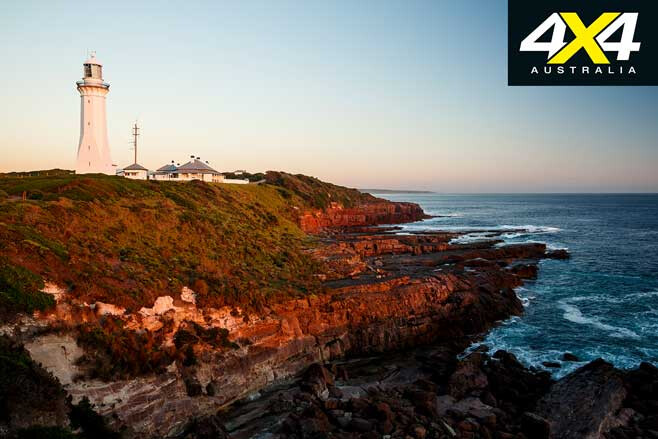
Today you can stay in the lighthouse keeper’s quarters, with the role of a warning light taken over by a nearby ugly steel tower with a cylinder stuck on top where a bright light flashes from its highest point. Luckily, it’s pretty easy to ignore this monstrosity.
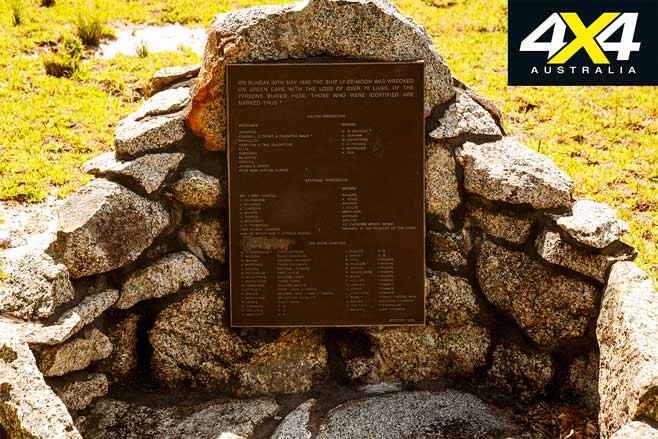
The start of the Light to Light walking trail, which can take you 30km to Boyds Tower, begins a little further along the coast. However, we opted to take the short stroll to the cemetery of the 71 victims of the Ly-ee-Moon disaster. Wrecked in 1886, this ship was one of many that came to grief along this stretch of coast, the last in 1994 when a fishing vessel was wrecked with the loss of two lives.
That evening we threw down our swags at Bittangabee Bay, a spot I hadn’t visited for more than 30 years. It was as stunning as ever, while the camping area was a little more formal and a lot bigger.
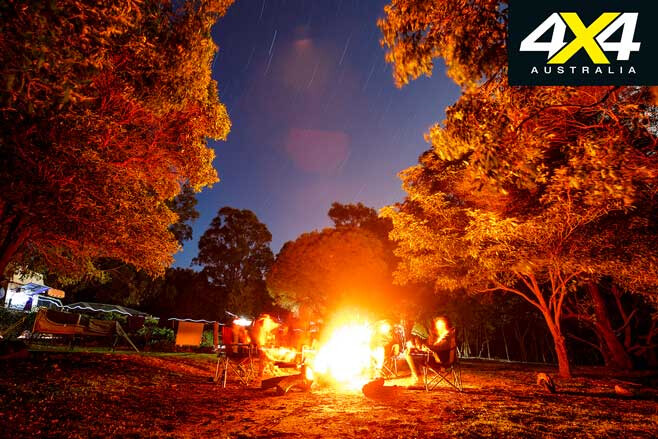
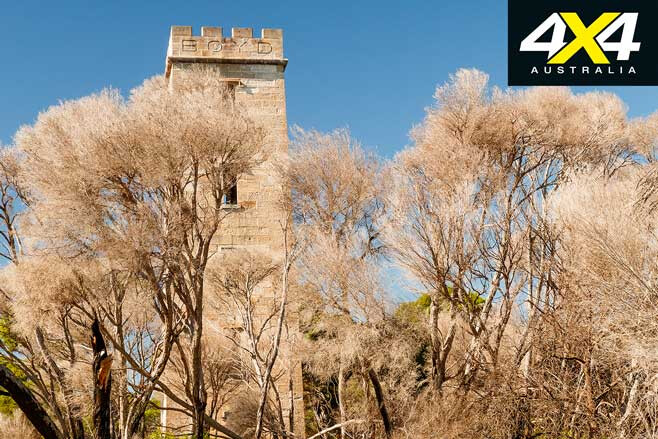
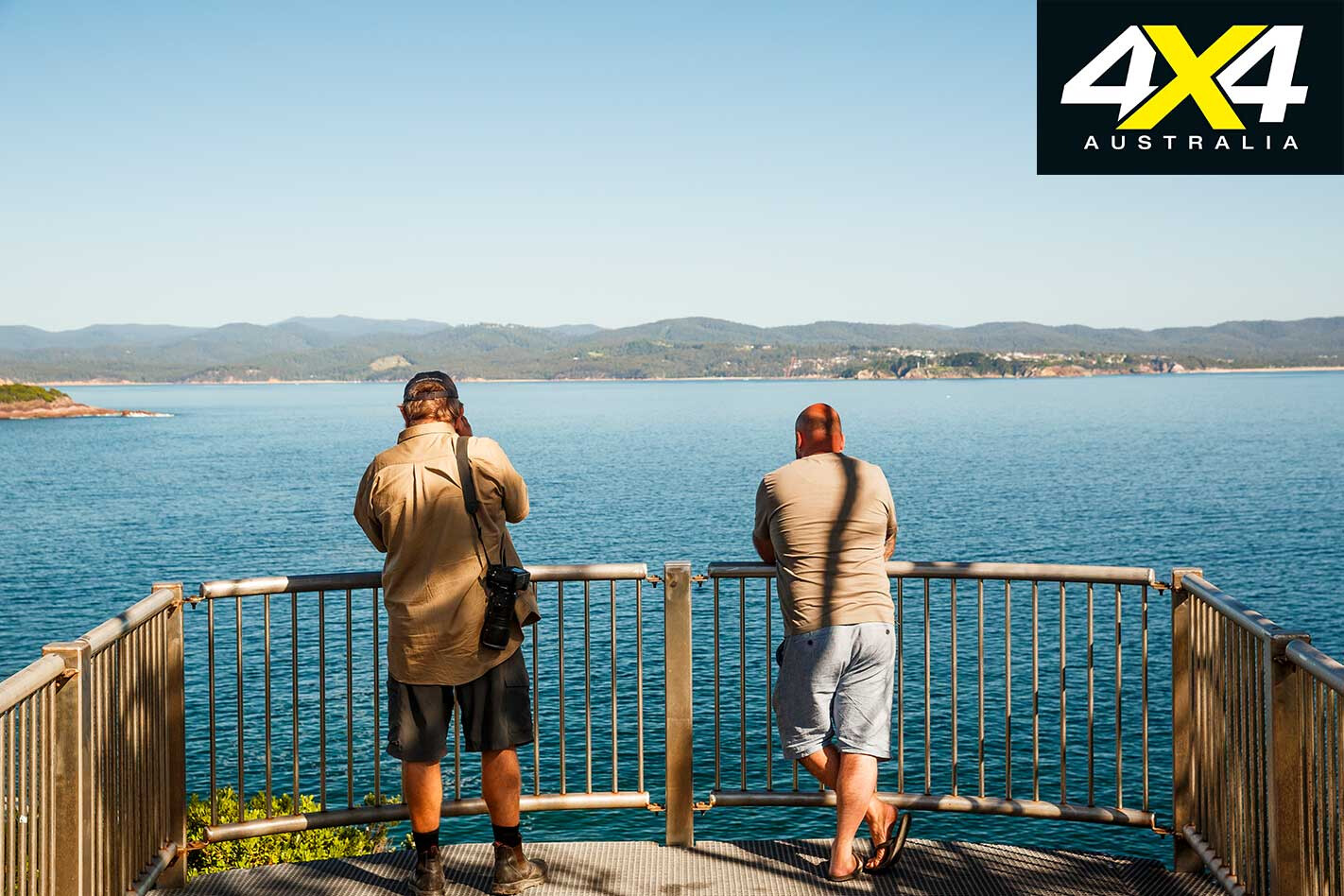
Luckily there were only a few other campers in residence and we enjoyed the late afternoon in the protected bay. Kangaroos were everywhere, and that evening around the campfire possums and bandicoots paid us a visit. The next day we drove north on roads that were extremely dusty. We then took the short walk to Boyds Tower which stands on Red Point and has a fine view of the surrounding coast.
Our last night on the south coast of NSW was spent in Eden and, over a few beers, there was a realisation that we had only skimmed the surface of places to see and things to do along this remarkable coast and hinterland. Will we be back? You better believe it.
Boydtown’s whaling history
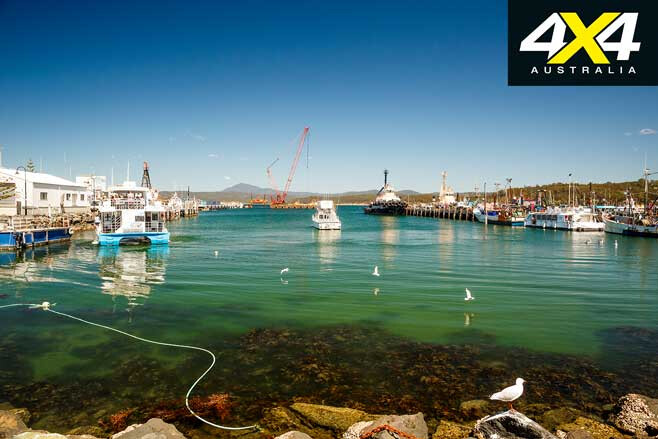
In the 1840s Ben Boyd arrived at Twofold Bay (named by George Bass in 1797) and established his empire of wool, timber and whaling. Building a town called Boydtown, in 1846 he had built the tower that still bears his name.
From here his whaling teams looked for whales which they hunted and processed nearby. By the late 1840s Boyd was broke and he did a runner to the USA, leaving behind a legacy that is still remembered and highlighted today.
Later, during the Davidson era of whaling at the beginning of the 20th Century, his men manned the tower and competed with other whaling crews for the rich bounty that continued to swim past. Later, with a pod of killer whales assisting them, the Davidson crews became the only whaling team still operating from the bay.
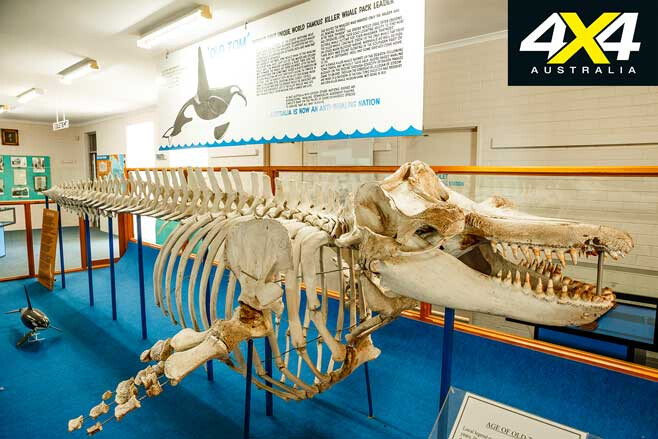
When the leader of the killers, Old Tom, died in the 1930s the whaling era here came to an end and the last shore-based whaling station in the country closed. The story of the unique partnership between men and killer whales is graphically told in the book, Killers of Eden, while the Eden museum is one of the best local museums in the country with the skeleton of Old Tom on display and a fine exhibition on whaling and the history of the town and area.
Travel Planner
For info on the many national parks in the area and the latest alerts and info go to: www.nationalparks.nsw.gov.au
For info on the forests in the region and the camping and four-wheel drive opportunities, see: www.forestrycorporation.com.au
A useful guidebook to the 4WD tracks in the area is 4WD Touring South East NSW and East Gippsland, by Craig Lewis & Cathy Savage.