
FOLD-DOWN tables hanging off rear doors are nothing new. Many punters make their own, with the DIY route saving them money and producing a superior product to suit one’s needs.
I was going to make a fold-down table for the rear barn door of my Troopy – a couple of sheets of timber or sheetmetal, some hinges or one long piano-style hinge, a couple of lengths of cable or chain, and presto, you’ve got yourself a table. A few screws later and the whole shebang will be hanging off your door ready for service.
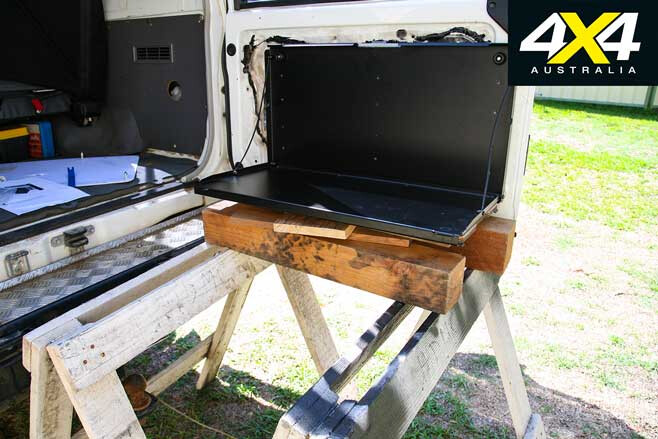
I was going to, but I haven’t got around to it yet (really, I was). That was until I spotted the Front Runner drop-down table which incorporates a slide-out table, effectively (almost) doubling the table surface area. I may have taken the easy way out by buying instead of making, but this kit ended up costing not much more than all the parts I’d need for a DIY job; plus it has the extra slide-out table.
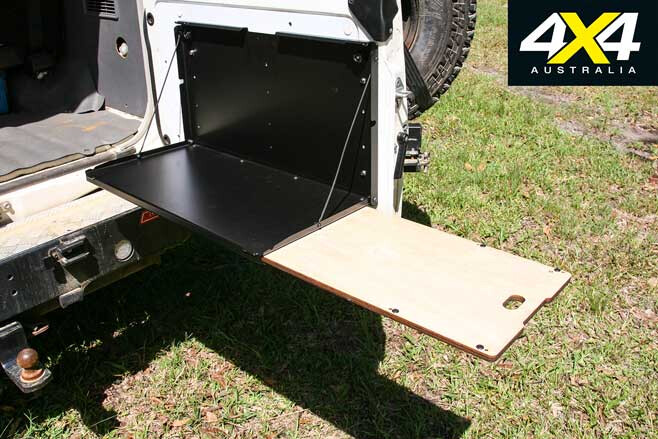
The kit offers a downward-folding metal table that is kept (vertically) in place via two spring-loaded retaining clips. Once lowered, two plastic-coated stainless steel cables keep the table horizontal, ready for immediate use and preventing sausages from rolling into the dirt. That initial table top measures 665mm wide by 300mm deep – not huge, but very useable – and is a black, powdercoated steel unit, making it easy for cleaning.
The extra slide-out table is hidden beneath the first tabletop and slides out the end, offering an additional 440mm in length. The slide-out table’s timber surface is uncoated, which makes cleaning harder and allows food and liquid to penetrate – not ideal when it starts to go mouldy. I’ll be giving it a couple of coats of stain or paint to seal it.
I’ve fitted it to the driver’s side rear door (the larger door) of my Troopy, but the kit is more suitable for JK Jeep Wranglers as well as any other vehicle with swing-open doors with a flat vertical area of 650mm long x 350mm high. The table can also be configured to suit either left- of right-side opening, making it a fairly universal product.
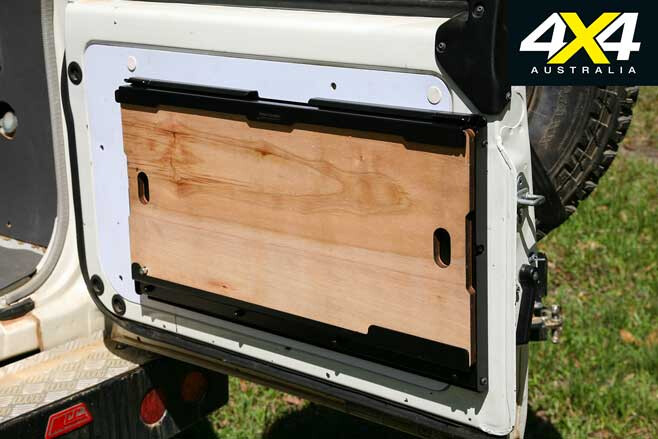
Drilling into the door is required to mount the unit securely, and all hardware and instructions are included. The main table has a load rating of 40kg (that’s a lot of sausages). The weight limit for the timber section is uncertain, but it’s perfect for placing on all of your condiments, drinks and tableware, while using the main metal table for a gas cooker or food preparation table.
Perhaps it’s my overzealous slamming of the rear door, but the table clips aren’t strong enough to prevent the table from falling open inside the Troopy. It’s easy enough to close again from the inside, but perhaps I’ll have to adjust either the table clips or my door-slamming style.
Given the large rear door of the Troopy, a DIY job would have yielded a larger fold-down table and made for the easier fitment of screws, nuts and bolts, given the hassle of lining the table holes with suitable fixing points inside the Troopy door. Perhaps this table is ideal for a Jeep Wrangler door?
RATED Available from: www.frontrunneroutfitters.com RRP: $180 We Say: Well-priced; stable; ample space
WHO knew there was a gold rush on the far south coast of New South Wales? We didn’t, until our happy little convoy was shown around the relics of the Pambula goldfields on our South-East Forests trek.
After reaching the Tuross River in full flow, Ron, Matt and the team had to adapt their route back through the hinterland forests as they climbed the range in search of waterfalls and gold.
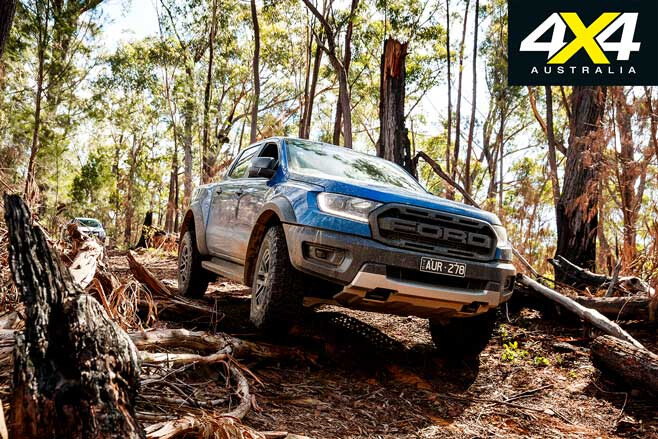
Exploring the wilderness areas of Wadbilliga National Park, the convoy avoided the tourist traffic of the highway and found some magic remote campsites before eventually hitting the coast at Tathra with its beautiful beaches and historic wharf.
From there it was an easy drive on to Pambula, where Ron called on an old mate to take them into the long-abandoned goldfields. It was an eye-opening adventure that showed there’s more to the South Coast than just cheese and beaches.
To find these hidden gems you just have to take the time to head out to the hills and explore the quaint towns and campsites that are hidden within this amazing part of Australia.
In Episode 3, the crew arrive at the whaling hub of Eden.
WE’VE BEEN going to the Kimberley since 1978 and, while I’m not sure how many trips we’ve taken to its sandstone ridges and grassy valleys, we have also often thought about a boat trip along the coast.
To cut a long story short, we finally got around to doing it. Over a year ago, we got a few friends together and booked a charter boat – Kimberley Xplorer through One Tide Charters – for an early Dry season trip out of Derby.
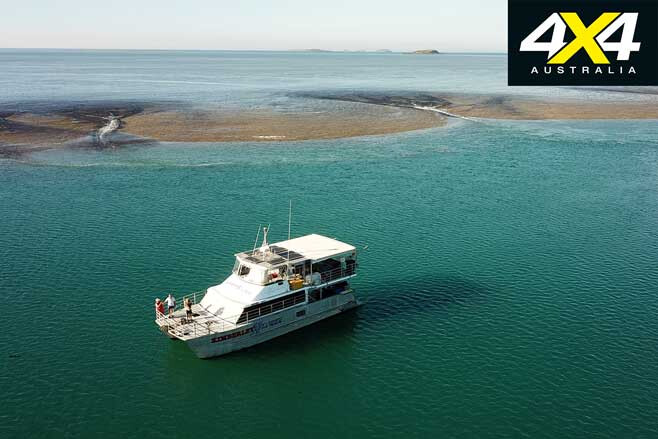
The plan was to see the Kimberley just after the Wet when all the waterfalls and the like would be thundering, but the weather didn’t play ball and, after a Wet that really didn’t eventuate, the waterfalls were just trickles – not that it made the slightest bit of difference to the adventure we had.
Our trip took us north from the muddy waters of King Sound at Derby, along the coast through Whirlpool Passage into Cone Bay, up past the great ‘Iron Islands’ of Cockatoo and Koolan, and to the Horizontal Waterfalls, the only place we saw any other tourists on this trip.
This unbelievable water flow is generated by the huge tides the Kimberley is known for, which rate as the second biggest rise and fall in the world. Greg, the skipper and owner of Kimberley Xplorer, who has been wandering this coast in small boats for more than 30 years, told us that everything revolves around the tides.
Over the next few days we continued north, going ashore each day to explore islands, find hidden treasures and cast a line. Sailing through Perseverance Inlet we visited Camden Harbour and the failed 1864 settlement, before sailing on past Treachery Head into the St George Basin and the mighty Prince Regent River and King Cascade. We set up camp that afternoon on a shelf below some great Kimberley sandstone cliffs.
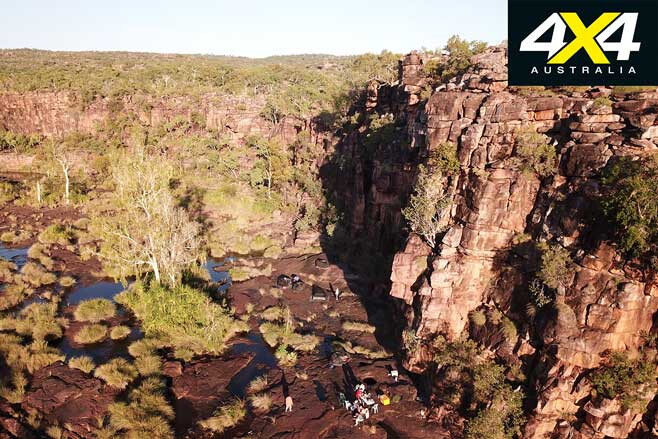
Here we collected oysters, fed sharks off the rear marlin board, discovered ancient Aboriginal art sites, swam on deserted sandy beaches, found the graves of Japanese pearlers and Portuguese whalers, and splashed around in hidden freshwater pools. We also visited Careening Bay, where Phillip Parker King careened his ship in 1820 and his men carved the name of their ship, the HMC Mermaid, on a big boab tree.
The Kimberley Xplorer isn’t a big boat, but it’s the perfect boat to explore the Kimberley, with a catamaran-type hull designed to sit on the mud if the boat ever gets stranded by the tides. Powered by twin 5.9-litre Cummins engines it can cruise at more than 17 knots.
With Greg’s vast experience, he will take you places the bigger, fancier boats can’t reach or where their skippers fear to tread. The boat only takes eight people (along with three or four crew) so, like us, you can easily get together with friends and take over the entire ship.
This is a trip where you’ll really experience the best of the Kimberley, with one of the most experienced skippers in the region and one of the greatest Kimberley characters you’ll ever meet. You’ll have one hell of an adventure, so don’t pass up the opportunity if you get the chance; you’ll never forget it.
For more information, visit: kimberleycruise.com.au
Introduction: Box Fresh
I SEARCHED far and wide for the “right” Land Rover. I wanted a late-model Series IIA with the headlights on the fenders rather than in the grille, preferably green, rust-free, with the original running gear and in sound mechanical condition. In other words, something like the first Landy I ever owned, but not as rough.
I looked all over the country before finding this nice restored example about five minutes’ drive from my front door. It ticked all the boxes, but the vendor was asking a bit more than I was willing to spend. After a couple of days of negotiations, we agreed on a price and the SIIA was mine.
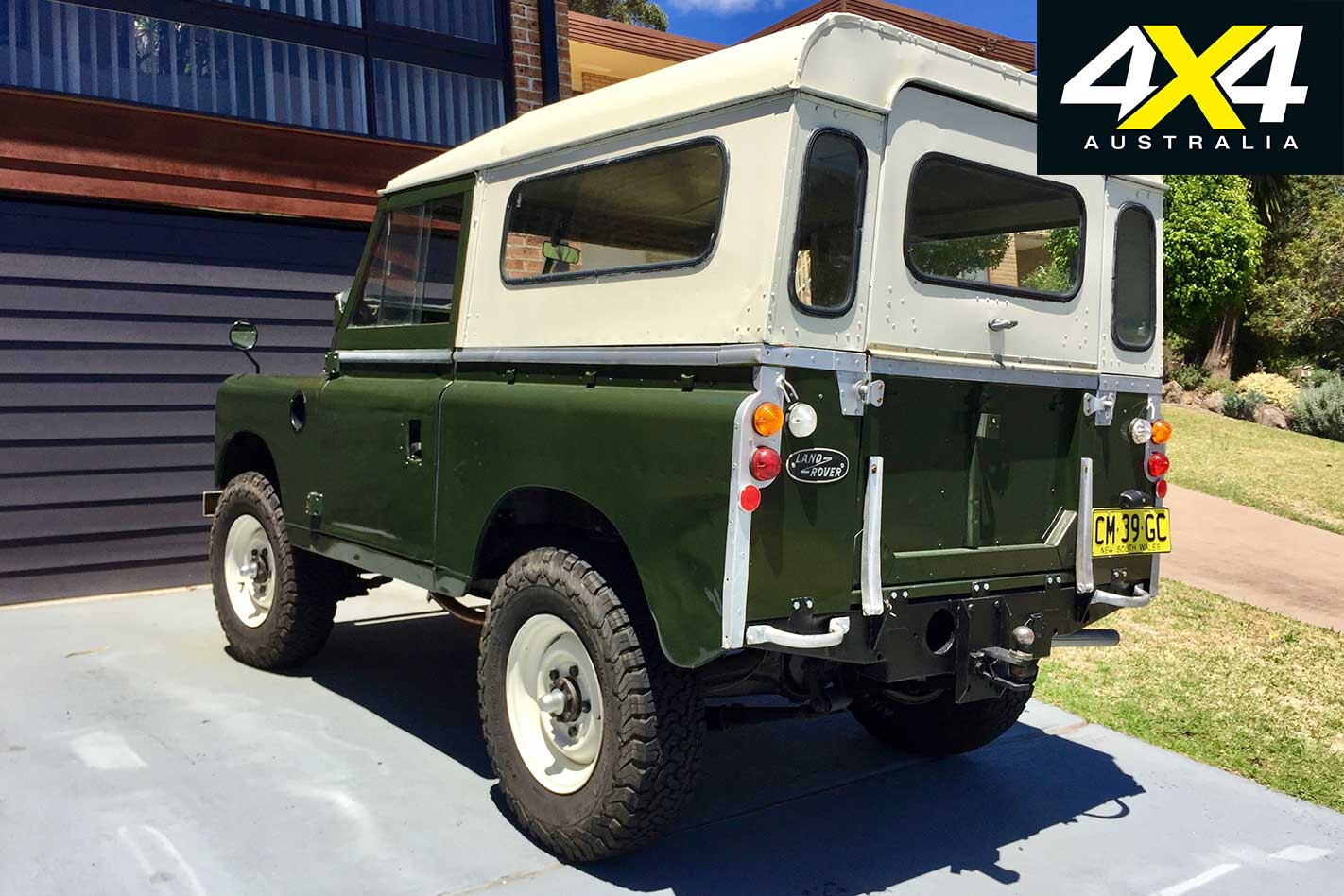
I’ve been told the old Landy once belonged to a Mayor of the Eurobodalla Shire on the NSW South Coast. The fellow I purchased it from had completely stripped it and rebuilt the thing. And yes, while it’s hardly in showroom condition, it scrubs up alright and has so far proven mechanically reliable (knock on wood).
The Landy runs the original 2.25L four-cylinder petrol engine, which is standard other than a Stromberg (Holden) carburettor and extractors – the former rubbing on the underside of the bonnet and the latter providing a tasty exhaust note under full throttle.
The four-speed gearbox offers a positive shift and the clutch provides progressive engagement. Of course, there’s no synchro in first or second gears, so shifting requires a combination of patience, revs and timing in the lower ratios, but shifting into third and fourth gears is smooth and easy.
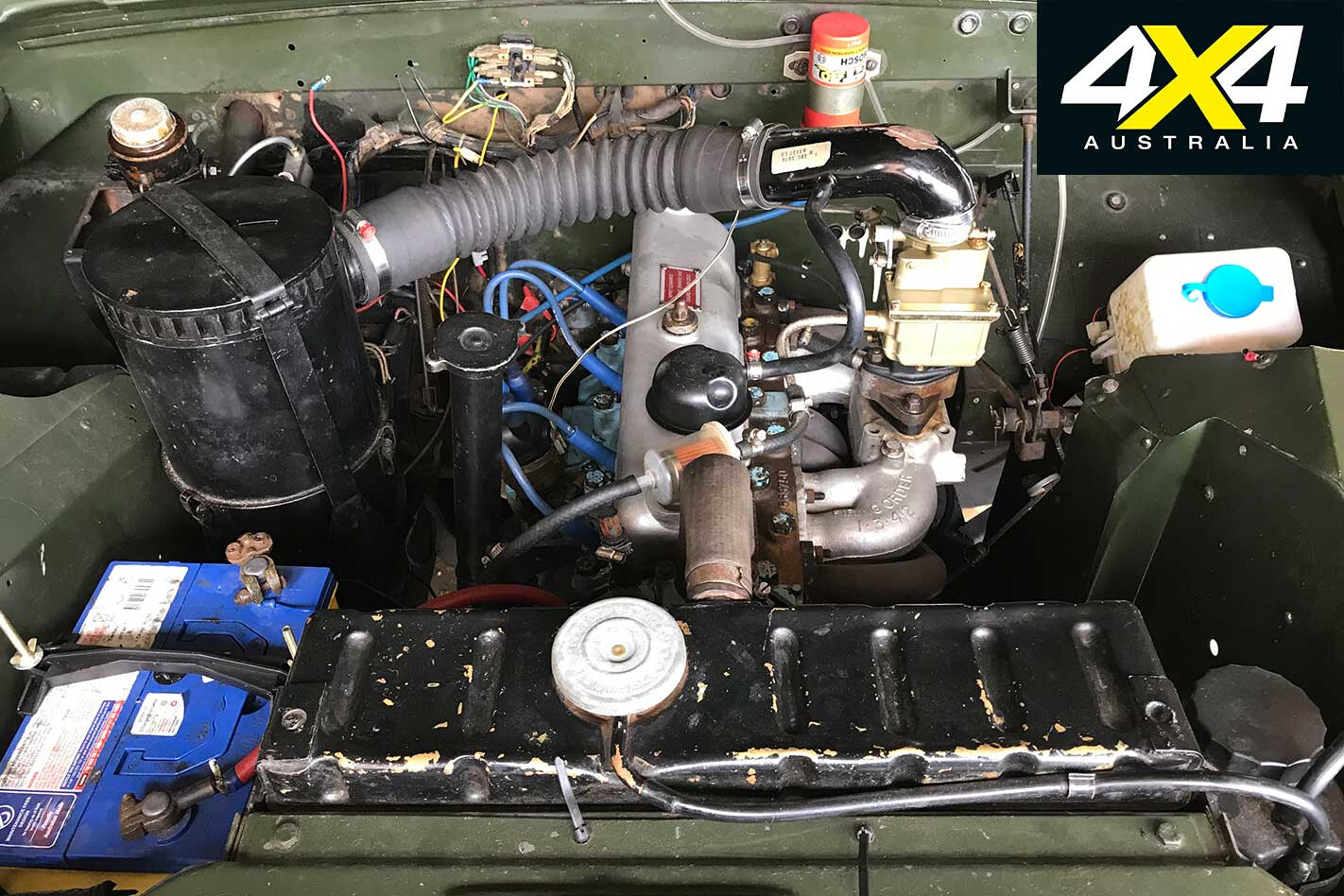
The leaf springs have been refurbished; although, they’re not set quite right, so the Landy leans to the right somewhat. When I get a chance, I’ll take them out and have them reset.
The repainted steel rims wear 235/85R16 BFGoodrich All-Terrain KO2s. This is the same rubber I run on my 1994 Defender, which will certainly come in handy if I ever need an extra spare for a big trip.
If you don’t look too closely the Landy appears pretty tidy. It has new lights, the seats have been recovered in black vinyl and the whole vehicle has had a respray, inside and out. The nearside front guard is off a Series III Landy, hence the vent in the side, but other than that it’s quite original.
One of the first things I did when I got the Landy home was remove the roof, so it’s a fair-weather vehicle until I track down a stick set and buy a canvas roof.
Other than drive it, all I’ve done to date is source a couple of clamps and bolts to put the spare tyre on the bonnet, but I’ve reverted to tying it down in the tub for the time being. I need to run the Landy at least once a week or it gets a little hard to start, so it currently does the school run on Friday afternoons as well as regular weekend runs to the beach.
The long-term plan? I’m keen to drive the little Landy across the Simpson Desert one day, while wearing a big bloody hat with the roof down, but I reckon I might have to ship it to Alice Springs and start the trip from there, because it’d be a long (and expensive) trip under its own steam. Hey, it never hurts to dream, right?
4×4 Shed Log 1: 1972 Land Rover Series IIA Current mileage: 6926km Date acquired: November 2017 Price: $8500 Mileage this month: N/A Average fuel consumption: N/A
Update 1: Prepping for the Simpson
The Simpson? Seriously?
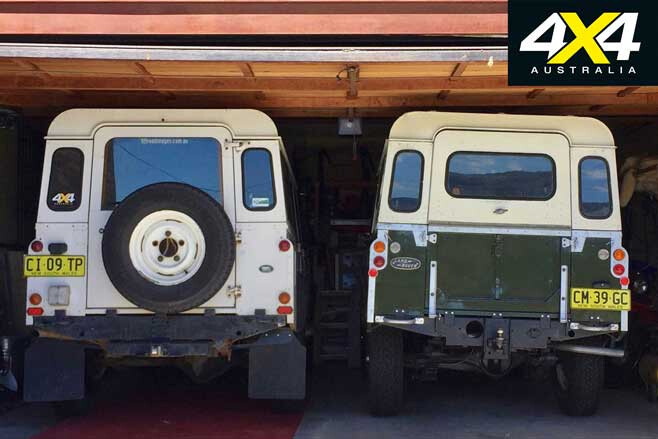
I HAVE owned my little 1972 Land Rover Series IIA for 18 months now and in that time the only thing that’s needed attention was a loose wire on the ignition coil, which was promptly detected, tightened and sorted. Admittedly, I only get the Landy out once a week or so and usually only for short stints, so it only covers about 1000km a year.
If you recall the last 4×4 Shed update, I mentioned that one day I’d like to drive the Landy across the Simpson Desert, “while wearing a big bloody hat with the roof down” – after all, what better way to immerse myself in the complete desert experience than driving it at a slow pace with the wind in my hair (in my case, that’d be facial hair, because there’s nothing left up top).
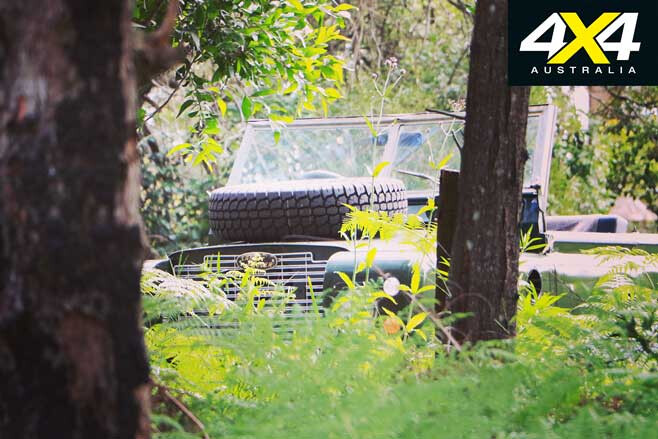
When fellow 4X4 Australia contributor Glenn Torrens read about this loose plan (read: pipe dream), it inspired him to want to drive the Simpson in an old fourbie, too; in his case, an old Pajero he’d recently re-engined. He’s since roped in a few other enthusiasts, a couple of whom are experienced bush mechanics including Brad Newham and Norm Needham, which I reckon could come in very handy.
Other likely vehicles include an old live-axle Daihatsu Rocky and a 40 Series Land Cruiser. I reckon 4X4 Australia Editor Matt Raudonikis should ready his BJ73 Land Cruiser, and I have it on good authority that Deputy Editor Justin Walker is hoping to convince his better half that he needs to buy an old Rangie for the trip.
My preferred timeframe for a Simpson Desert crossing would be late-August or early-September 2020, depending on the weather, of course. This would (hopefully) give me enough time to get the Landy ready…
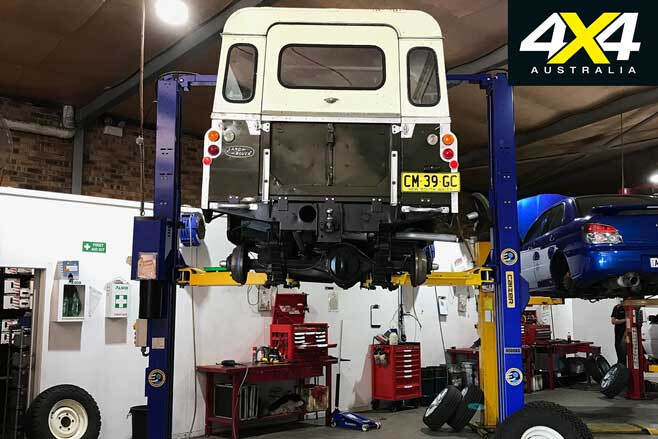
While it seems to be in pretty good mechanical shape, the Landy leans down a fair bit on the driver’s side. I recently put it up on a hoist at my local suspension specialist and discovered that the leaf springs are, in fact, in good nick, but there are a couple of kinks in the chassis that are likely causing the wonky stance.
While it drives okay, I reckon I’ll need to straighten out this little problem before embarking on a desert crossing. The method? Several ‘experts’ have offered their opinions, from resetting the springs, packing the springs and even pulling the chassis into line at a truck-repair specialist. I’ve got a bit of time up my sleeve, but this is definitely a priority.
On the positive side, the only other ailments discovered up on the hoist include items such as steering arm joints, tie rod ends and shock bushes.
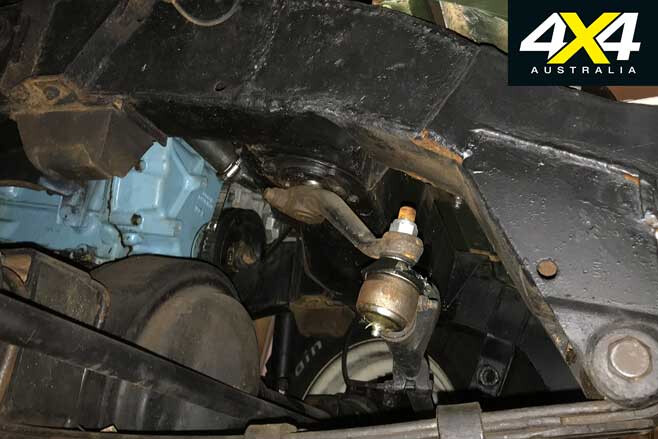
Prior to the Simpson Crossing, however, I need to thoroughly check all the electrics, because I can see wires threaded through holes without rubber grommets fitted, and the last thing I want is a short circuit and a potential fire. I also need to source a hoop set and new canvas roof, because the hardtop will stay at home in the shed for this trip.
I have considered buying a Roamerdrive Overdrive, but it’s hard to justify the substantial expense for a vehicle that only gets driven occasionally. The Landy currently tops out at about 90km/h, but is much happier at 80km/h, so driving long distances are not its forte.
Bearing this in mind, rather than drive all the way to Mount Dare from Sydney for the start of the trip, I might ship (or tow) the Landy to Adelaide before setting off. This would knock a good 2500km off the trip overall, which will save a lot of time.
I also need to figure out how much fuel I’m going to need to use on a Simpson Crossing. The Landy is quite thirsty and it only has a 45-litre tank, so I’ll need to carry quite a few jerry cans. This will, unfortunately, eat into beer-carrying capacity, so hopefully our support vehicle will be able to help out with fuel haulage.
The next time you read about the IIA, hopefully it will no longer be dubbed Eileen.
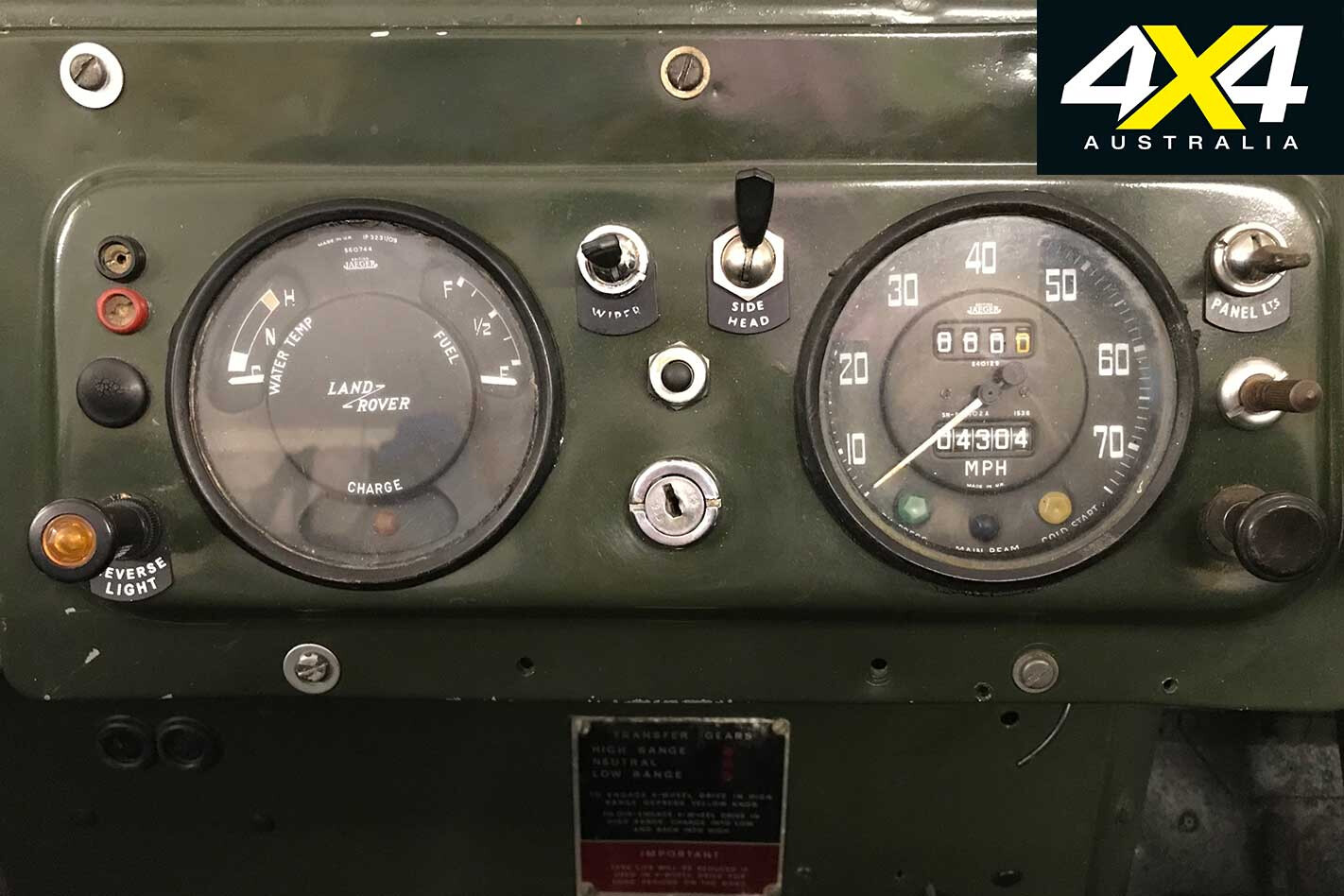
4×4 Shed Log 2: 1972 Land Rover Series IIA Current mileage: 4304km Mileage this month: N/A Average fuel consumption: N/A
FORD has added the Ranger Sport to its model line-up, slotting it between the XLS and XLT 4×4 models.
With no mechanical changes, the Ranger Sport instead provides an improvement – above the XLS – to practicality and aesthetics. In fact, Ford claims the Sport features an additional $6000 worth of kit over the XLS, but it retails for only $3500 more than a standard XLS dual-cab.
On the cosmetic front, the Ranger Sport’s exterior has copped the black treatment, with a black front grille, black mirror caps, black door handles, and a matte black sports bar and headliner as standard. The 17-inch wheels – the XLS runs 16-inch wheels – are also black, as is the unique ‘Sport’ tailgate decal and rear bumper.
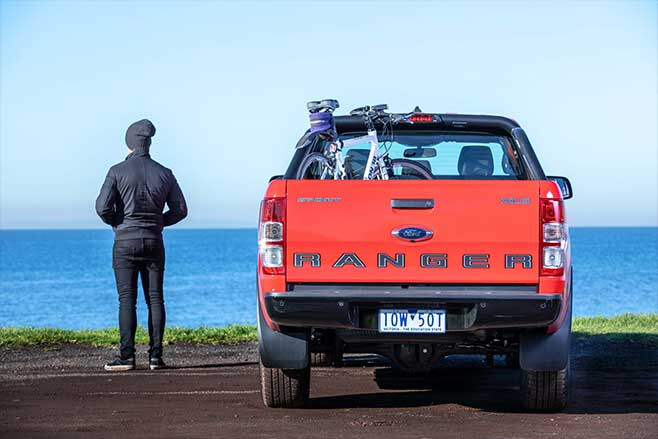
Moving inside and the Ranger Sport adds dual-zone climate control, smart keyless entry and push-button start, SYNC 3 with 8-0-inch touchscreen, built-in sat nav, and Apple CarPlay and Android Auto.
The Ranger Sport is available exclusively with Ford’s 3.2-litre engine, capable of 147kW and 470Nm, which can be mated to either a six-speed manual or six-speed automatic transmission. As is the case with the entire Ranger line-up, the Sport comes with up-to-date driver assistance technology including Autonomous Emergency Braking, Pedestrian Detection, Lane Keeping Aid, Lane Departure Warning, Traffic Sign Recognition and Automatic high beams.
The Ranger Sport is available in five colours: True Red, Meteor Grey, Arctic White, Shadow Black and Aluminium Metallic.
Available with Ford’s five-year unlimited-kilometre warranty, the 2019 Ranger Sport will retail for $52,940* (manual) and $55,140* (automatic).
*Manufacturer’s list price.
AFTER months of leaks and drip-fed content, the 2020 Land Rover Defender has made its official global debut … well, the prototype has.
Steered by the Duke of Richmond, video footage of the camo-clad Defender doing a lap at the Goodwood Estate was published via the official Goodwood Road & Racing YouTube channel.
Recent leaks indicate the all-new Defender wagon would be available in three model variants: Defender 90 (dubbed Halo, Icon), Defender 110 (Definitive Defender) and Defender 130 (Premium Explorer).
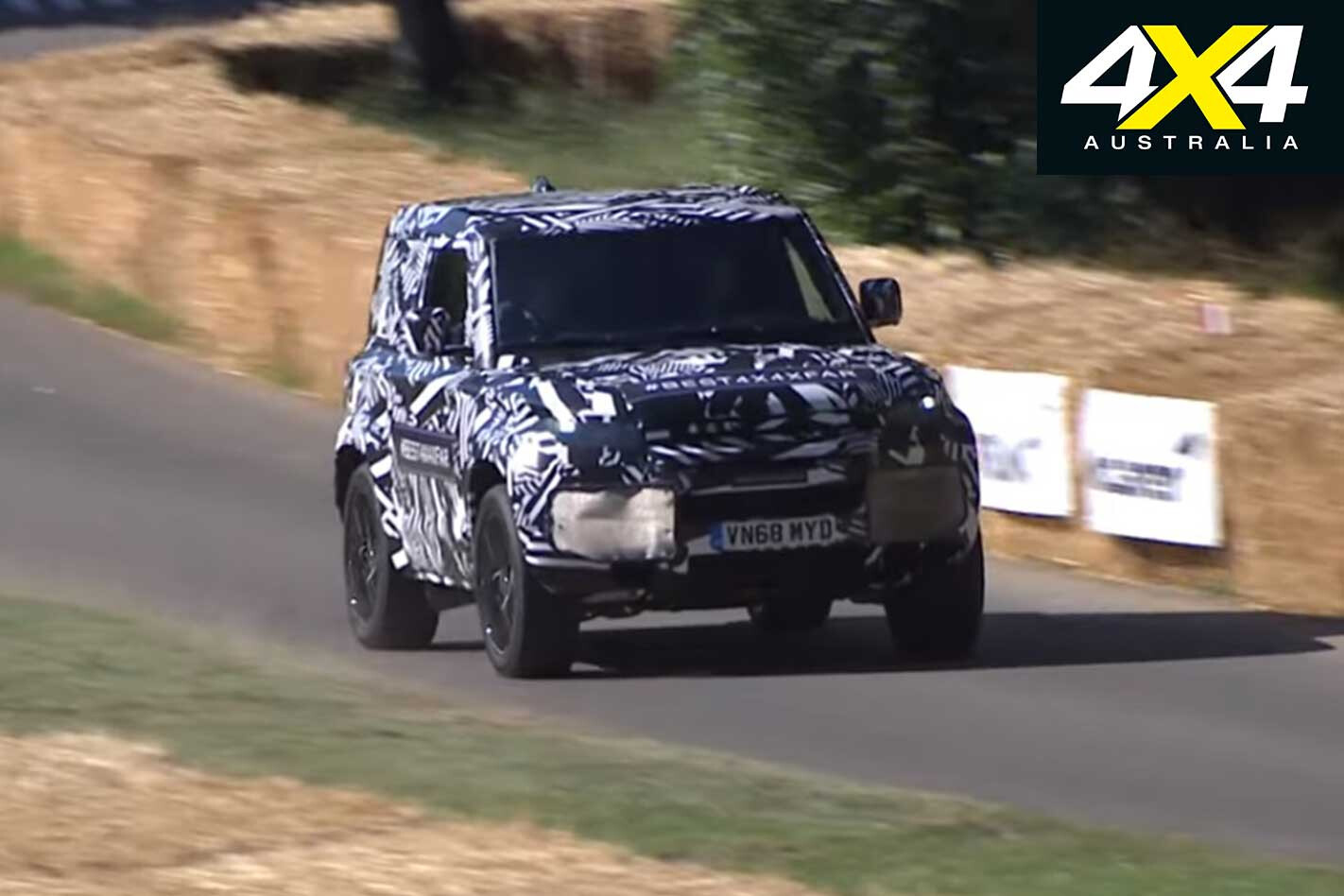
The leaks also suggest the Defender will be fitted with 18-inch tyres and will have three spec levels with a choice of petrol, diesel and PHEV drivetrains, all backed by an automatic transmission.
As learned earlier in the year, all Defenders will ride on an aluminium monocoque chassis with full independent suspension.
The 2019 Goodwood Festival of Speed is running from July 4 to July 7.
FOR THE 11th time in 13 years, Drive 4 Life returned to Harrietville for another tour through Victoria’s High Country, which arguably has some of the best off-road driving in the country.
Drive 4 Life is a non-profit organisation set up by a group of long-term four-wheel drivers, with the objective to raise funds for charitable organisations that do not have a high profile and therefore have difficulty raising enough funds to achieve their objectives.
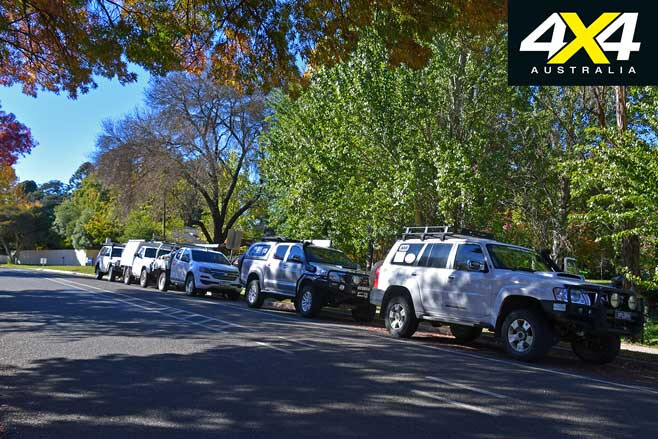
The main beneficiary has been Northcott Disability Services, which was established as ‘The New South Wales Society for Crippled Children’ in 1929 by the Rotary Club of Sydney in response to the growing number of children left with the effects of illnesses such as polio and tuberculosis.
Prior to this year’s event the funds raised to date totalled $804,500. Each participating vehicle pays $1000 with all monies going directly to Northcott, so with nine vehicles taking part a further $9000 was raised. No event like this could run without support from sponsors, and since its inception Drive 4 Life has had 4X4 Australia magazine, ARB and IGA, who have all kindly assisted with the events.
Participants gathered at the Harrietville Hotel for introductions, vehicle checks and to be issued with the sponsor stickers. Taking part was Mick Whitehead, a founding member of Drive 4 Life; his brother Peter; Mick and Maxine; Mark and Deb; David and Anni; Steve; Dennis; Nevin and Shaun; Rob and his young son Bailey; and Mark and Michele. It was great to see some new faces, but equally it was awesome to see some repeat offenders including the two Micks having been on all 11 tours in the High Country.
Due to recent bushfires, with some still burning at the time of the tour – particularly in the Dargo area – a lot of the favourite campsites such as Wonnangatta Station and Talbotville were off limits, but the leaders were confident they could still show the group some amazing landscapes, with no shortage of having to engage the little stick.
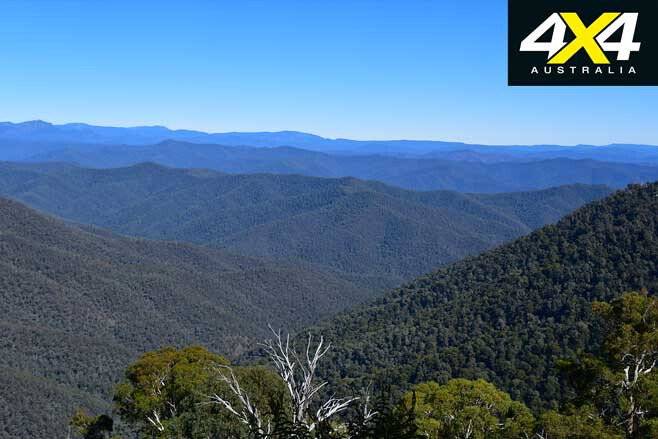
On Monday morning we headed out through Porepunkah into the Buckland Valley before turning onto Goldie Spur Track, where we stopped to lower tyre pressures. It wasn’t long before some of the group were stopping to capture photos of some of the amazing vistas on offer.
After lunch, at one of the camps along Abbeyards Road, we engaged 4WD for the first time and climbed up towards Lake Cobbler and stopped at a helipad for more photos. Shortly after, one of the vehicles struck mechanical troubles and the true spirt of the Drive 4 Life family came to the fore, as everyone assisted in whatever way they were able to. Unfortunately, we weren’t able to get the vehicle going and, with time ticking on, the decision was made to camp just up the track from the breakdown.
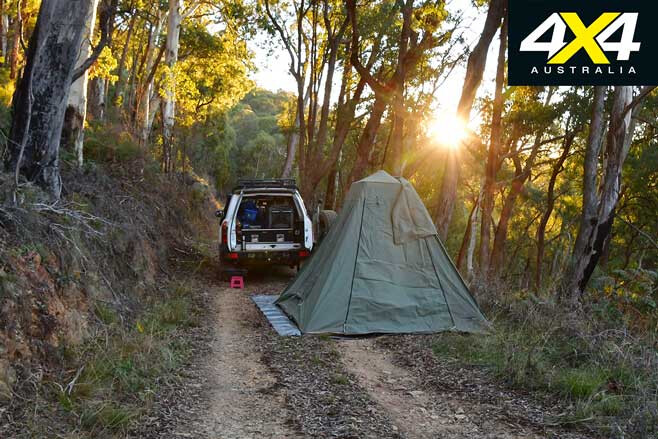
However, nothing was going to stop us from having a good night, and a roaring fire was soon under way. After dinner, we went around the group with each person talking about what Drive 4 Life meant to them and letting fellow members know a little bit about themselves.
Having to tow the broken-down vehicle out, it was an early start the following morning. With a vehicle in front for the ascents and one at the rear to act as a brake when descending, it was an amazing achievement to get out from where we were.
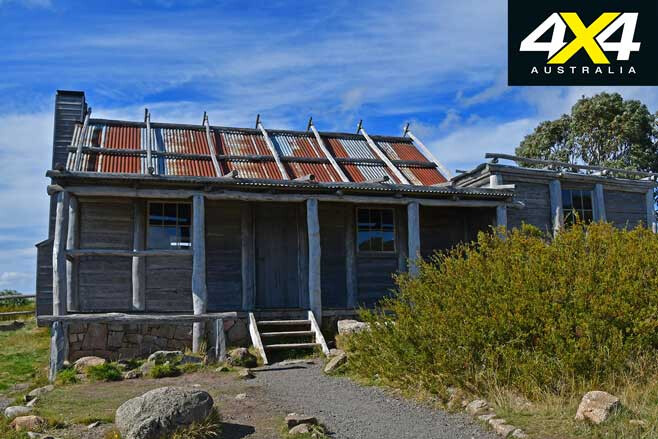
In the meantime, the rest of the group, led by Mick and Maxine, moved onto King River Hut for morning tea. It was then up to Craigs Hut, probably the best-known hut in the High Country. It was here the legendary Man from Snowy River was filmed way back in 1982. The hut has been rebuilt twice, once after it fell into disrepair and again after been razed by wildfire.
From Craigs Hut we followed Clear Hills Track where we were lucky enough to see the best scenery for the week. Along this track is a trig point, with magnificent views across to Mount Buller and down to the Howqua Valley.
The camp for the night was at Bindaree Campground where there is a hut bearing the same name, which the author is convinced is the smallest wooden hut in the area. Rather than having to pack up the next morning, we elected to spend two nights here.
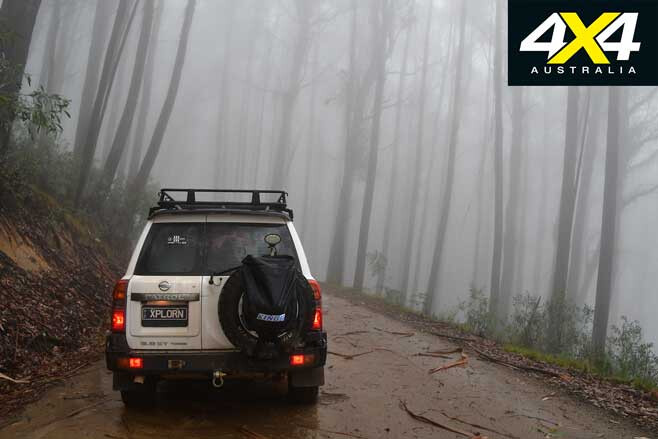
The rain came early on the Wednesday morning, but it didn’t dampen our spirits and by mid-morning, with Mark and Deb up front, we headed out to visit both Bluff and Lovicks huts. As we neared Bluff Hut, the weather rapidly deteriorated as cloud descended on the mountain, reducing visibility to just metres.
With the weather so dismal, we got a fire going in Lovicks Hut and enjoyed lunch there. Once the worms were satisfied, we returned to Bindaree and lit another fire in the hut and all squeezed in for the afternoon and evening. Amongst the group were a couple of singers that entertained us, with another member doing a magnificent job reciting poetry.
The weather hadn’t improved by Thursday morning and back on the road we made our way to Razorback Hut, stopping along the way to walk into Bindaree Falls which, after the rain, was cascading beautifully.
On arrival at the hut, we soon had another fire underway before most of us took a drive to No 3 Refuge Hut. Back at Razorback, we enjoyed the best night of the trip, mainly due to not having to put tents up in the elements as there was space to sleep in the hut. Nature did its bit to entertain us by putting on a spectacular lightning and thunder show. For entertainment, we had music playing, singing and more poetry.
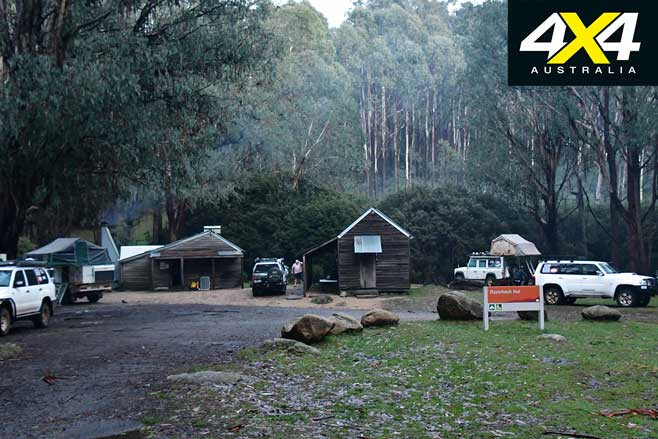
On Friday morning, we headed out to Pineapple Flat before tackling probably the most challenging track for the week. Wildhorse Track has everything a 4WDer would want, with ruts, rough sections, amazing scenery, very steep climbs and descents. Following the rain it was quite slippery in some sections.
The group returned to Harrietville via the Wandiligong Pub and a fantastic night unfolded in the Snowline Hotel where each participant was recognised for their contributions throughout the week. Everyone acknowledged what a great week it had been, new friendships were formed, and commitments to return for future tours were confirmed.
Drive 4 Life is conducting another tour later this year – September 1 to 8 – with the convoy to hit the Flinders Ranges, Corner Country and Tibooburra, starting and finishing in Broken Hill.
HSV has sharpened the claws of its SportsCat by adding a generous list of cosmetic enhancements and revising the performance model’s nomenclature. In further good news for buyers, the price hasn’t risen as a result.
No longer known as the SportsCat ‘Look Pack’ and SportsCat+, the Series 2 variants will now be called SportsCat V and SportsCat SV.
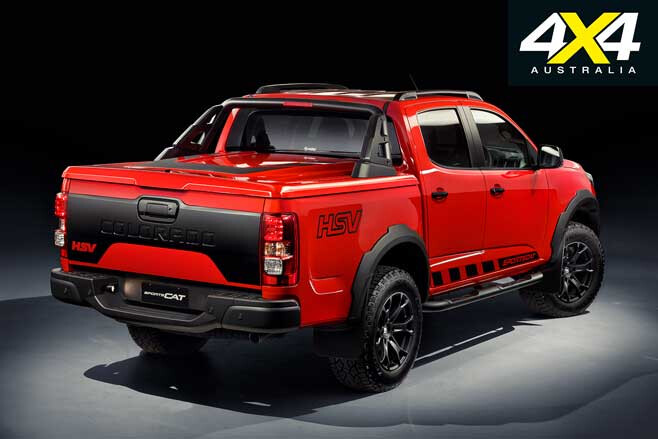
Starting at the front, and the updated model’s fascia, grille and lower inserts have been treated with a gloss black finish – more in line with the limited-run SportsCat RS released earlier this year.
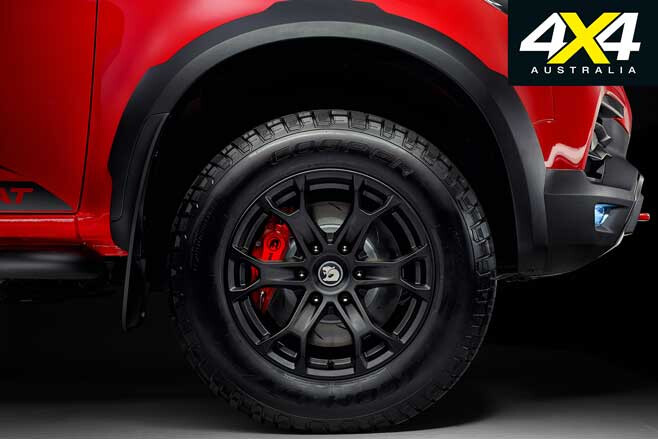
New 18×10-inch six-spoke forged alloy wheels wearing Cooper Zeon LTZ Pro Sports A/T rubber reside beneath each corner of the 4×4, while HSV branding has been ramped up, with the logo now slapped on the side and rear of the vehicle’s tub, as well as on the front seat headrests, instrument panel and floor mats. Why? Customer feedback, HSV says.
“Class-leading stature and stance, combined with bold graphics, sum up the design direction we took with the initial SportsCat program,” said HSV’s Chief Designer, Julian Quincey. “We wanted our design to look strong and purposeful, yet beautifully integrated. The enhancements we’ve introduced with Series 2 accentuate that theme and deliver a road presence that’s truly distinctive and unique.”
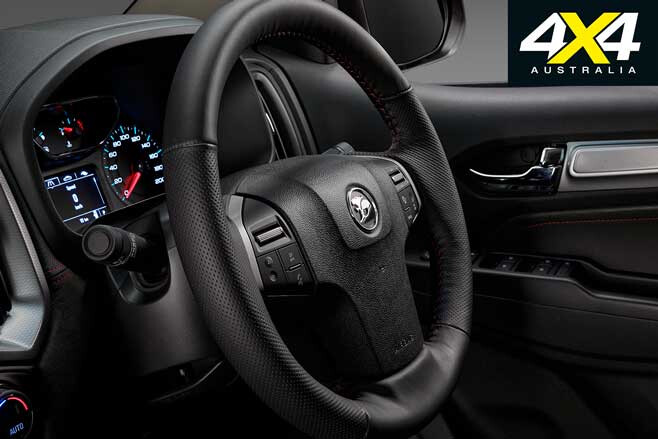
The cabin has also been refreshed, with HSV Performance pews replacing the leather- and suede-trimmed seats of the outgoing model. Not only is the visual pattern different, the seats now feature Windsor suede inserts and include “substantially enhanced bolsters” for superior comfort and support. To guide you up and down tricky terrain, a new sports profile steering wheel wrapped in leather has been installed.
The Series 2 SportsCat remains mechanically unchanged from the Series 1, meaning both models are powered by a 147kW/500Nm 2.8-litre turbo-diesel engine mated to a standard six-speed cog-swapper or an optional six-speed automatic transmission.
The SportsCat runs a swathe of driving aids – forward collision alert, lane departure warning and front/rear parking assist – as well as HSV Sports Suspension (SupaShock suspension is optional), a limited slip diff, shift-on-the-fly 4WD, and a rear de-coupling anti-roll bar is standard on SV (optional on V). It has 251mm of ground clearance and an approach angle of 32 degrees.
The SV features an AP Racing premium brake package, which nets it four-piston forged AP Racing brake calipers, 362x32mm diameter rotors and a 25.4mm diameter brake master cylinder. This stopping package is an option on the SportsCat V. HSV also offers the option for buyers to delete the Hard Tonneau and Sports Bar, which will cut $2500 from the RRP. The complete new list of personalisation options can be seen below.
The SportsCat Series 2 will be built at HSV’s production facility in Clayton South, Victoria, with building to commence early this month.
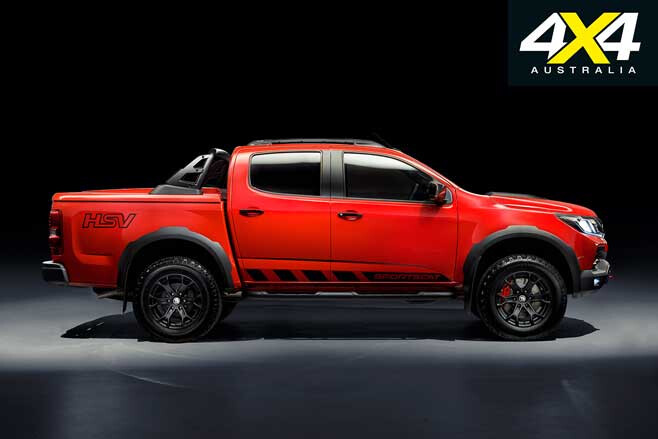
Recommended Retail Pricing ($A) SportsCat V (manual): $62,490* SportsCat SV (manual): $66,790* * Model pricing quoted is Recommended Retail Pricing and excludes Dealer Delivery and Statutory Charges.
Major Personalisation Options ($A) 6-speed Automatic Transmission with Active Select: $2,200 AP Racing premium brake package (SportsCat V only): $2,295 Rear De-coupling Anti-Roll Bar (SportsCat V only): $2,795 Sail Plane (SportsCat SV only): $1,300 SupaShock suspension: $2,990 Tub-liner: $300 Prestige Paint: (Dark Shadow / Mineral Black / Crush) $550 Delete Hard Tonneau & Sports-bar: (SportsCat V only) ($2,500)
A SMALL number of MY2010 RAM 2500 and 3500 pick-ups have been hit with a recall notice due to a loose mounting bolt on the front track bar.
The ACCC report indicates that the mounting bolt may not have been tightened to specification, and that the bolt “may cause a rattle or banging noise under certain driving conditions”.
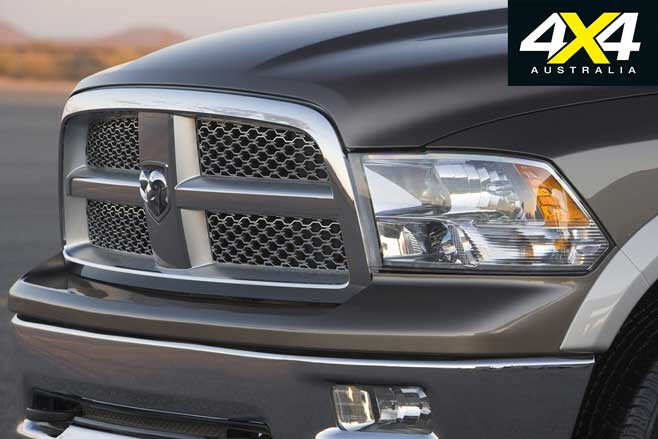
The recall adds that “a loose front track bar mounting bolt may cause loss of steering control, increasing the risk of an accident that could injure vehicle occupants and other road users”.
Only 18 vehicles have been caught up in the recall, with the affected vehicles on sale nationally between June 21, 2009, and June 21, 2012.
Affected owners will be contacted by FCA Australia, where they’ll be advised to lock in an appointment for free reparation of the fault.
Late last year, more than 800 RAM 2500 and 3500 pick-ups were recalled due to an insecurely mounted heated hose. This recall specifically hit vehicles sold between January 1, 2016 and October 1, 2018.
IT WAS a pleasant start to the weekend as 25 teams consisting of couples with and without kids, along with extended family and friends, started to gather at Eldee Station. Some had arrived from as far afield as southern Queensland, Sydney and south-eastern SA, while ‘locals’ came from western NSW and the Wimmera region of Victoria. They were all here for the ARB Easter at Eldee weekend.
The small, powered camping area at Eldee with its patches of green grass (unique during these drought-ridden times) was quickly filled up, with most setting up camp nearby, sprawling over the flat plains but still within easy walking distance to the bar, restaurant and a racetrack hosting scale radio-controlled (RC) rock-crawling vehicles.
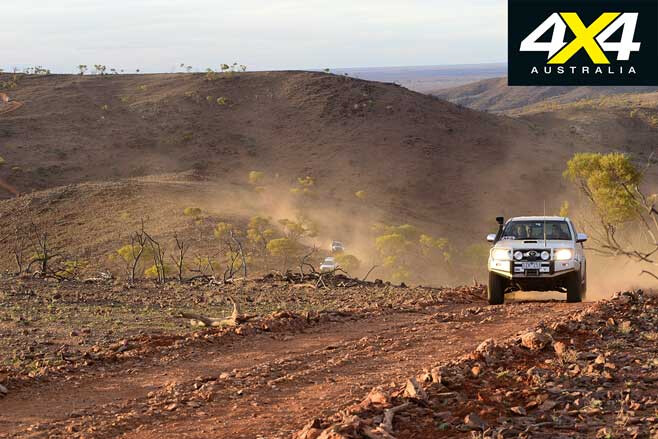
For many first-time visitors to western NSW the adventure and fun begins well before arriving at Eldee Station. The main focus of the area is the mining colossus of Broken Hill, and while mining is still going on deep underground, much of it has been automated with heavy machinery ripping the now not-so-rich ore out of the ground. I haven’t been underground there for 20 years or so, but even back then when I plucked up the courage to head down into the bowels of the earth there was a huge cavern beneath the town of Broken Hill. Some say the town will one day vanish into a gigantic pit…
The town now relies more on the outlying mines and a growing tourist trade, many of whom come to this city in the west for its vibrant art scene (think: Priscilla Queen of the Desert fame and its Broken Heel Festival). I’m not sure what the early miners, who dug holes with pick and shovel, would think of those seismic changes to their society.
On the way to Eldee Station you pass through the artist enclave of Silverton. Once a booming mining town (before Broken Hill) there are a few art galleries, an interesting local museum, the Day Dream Mine just out of town, and the famous Silverton Pub and nearby bakery. It’s always worth a stop to check the place out, have a coldie and tour the historic underground mine.
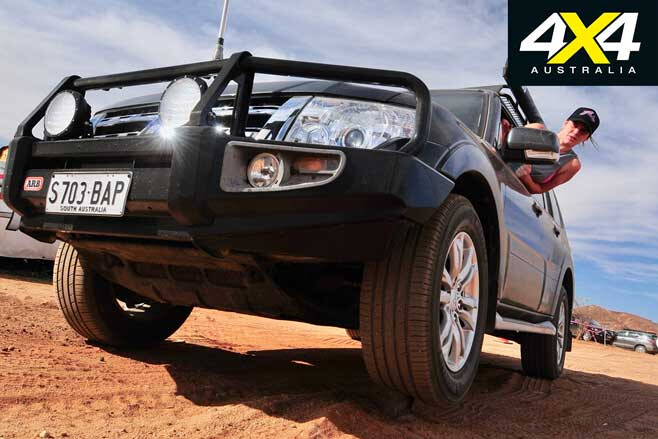
Eldee Station, about 30km north-west of Silverton, sits on the edge of the vast Mundi Mundi Plains tucked up beside the rounded, rocky hills of the Barrier Ranges. Friday evening saw the last of the stragglers arrive at the homestead, while kids wandered the open paddocks getting to know the run of the land and the other kids who had joined them. The adults were doing much the same, most with a beer in hand.
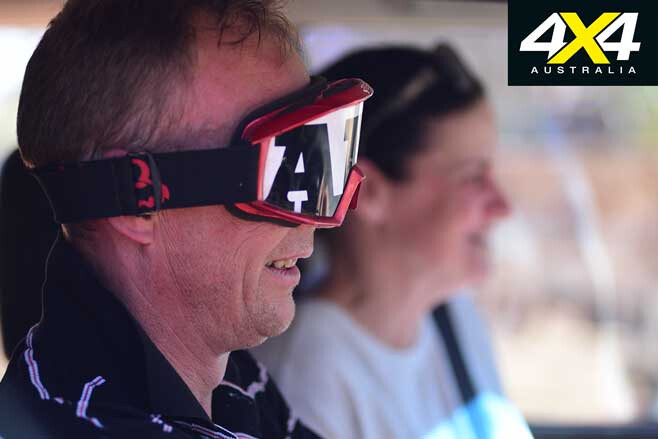
After a lazy start on the Saturday the first of the many challenges for the weekend was held along a nearby creek lined with age-old red gum trees, which made great obstacles to zig and zag around. One of the funniest events here was a form of blind-man bluff, where the driver was blindfolded and the navigator had to give very specific directions. While a few scrubby bushes were mown down in the process, nobody hit the big gum tree that was the centrepiece of the course. Slow and steady was the name of the game here.
Nearby were a couple of higher speed courses, the Mini-Dakar being a standout where all competitors were allowed two runs to try and improve their time. The route started in a sandy creek bed, blasted up the bank between some big gums, swept around through the scrub, and then returned to the creek via a series of whoopty-doos. The Mini-Dakar saw quite a few teams grab some air in their endeavour to get around the course in the fastest possible time.
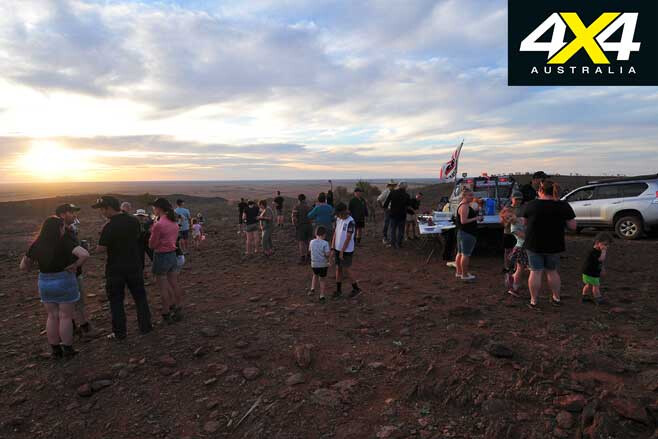
That evening the owners of Eldee Station, Steve and Naomi, led the convoy of cars to the top of the Barrier Ranges for a sunset view over the Mundi Mundi Plains – few will forget the scene, even though the sun and clouds could have put on a better show on this day. Still, it was an enjoyable spot to have a meal and a few beers or wines. The view on the descent of the snaking line of vehicle lights was particularly impressive.
The Sunday morning started off with the all-important Easter egg hunt that saw the kids running, searching and finding dozens of Easter eggs and bunnies along a section of the creek and in the nearby scrub. Most kids ended the hunt with bags stuffed full of chocolate. The hunt was followed by more lighthearted challenges, with the Sheepyard Shenanigans enjoyed by the teams as they competed against families and friends in a vehicle race through the confines of the sheep-mustering yards.
Then there was the navigational challenge, where a basic map was supplied (no GPS) with eight points that had to be calculated, marked on the map and then visited on the ground. With a paddock larger than 40km² and a straight line between points not advisable, it was about two hours before the teams started rolling into the finish line.
The kids spent the rest of the day competing in the RC Challenge on the custom-made racetrack built by photographer (and RC race nut) Michael Ellem, who also kept the track and race cars in tip-top order under the onslaught and gruelling pace of the kids.
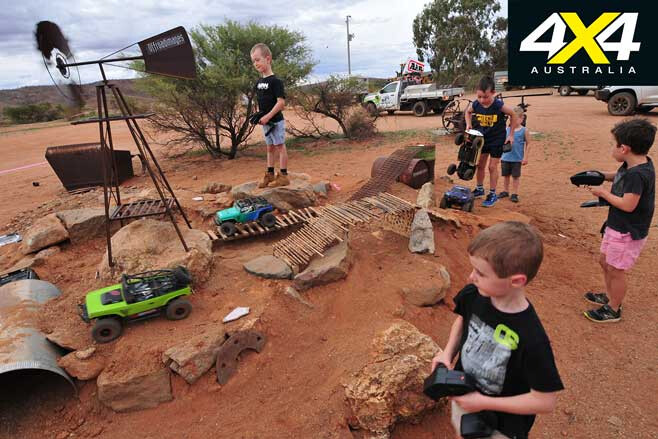
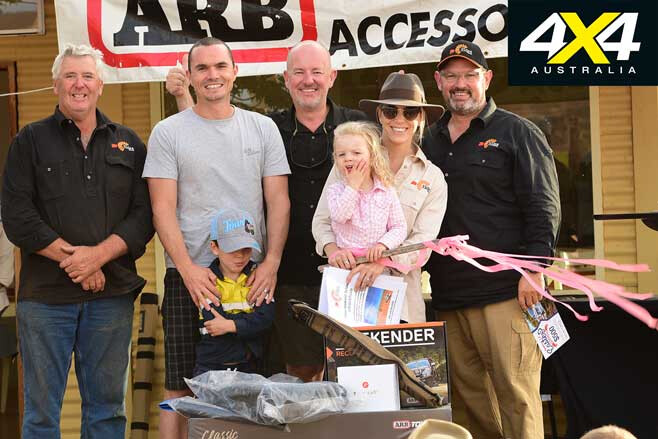
Prizes were handed out to the kids later that afternoon, with the six fastest winning their very own RC rock crawler. Prizes for the adults followed and, while nobody missed out on a bag of goodies, each prize got more impressive as you got closer to the top point scorer.
First prize was worth at least $4000 and, like all the rest, was supplied by event sponsors that included ARB 4×4 Accessories, Cooper Tires, Shimano, RFI Antennas, Torqit, Offroad Images and 4X4 Australia magazine.
Third place went to the Ellis family from Horsham in a well-sorted GQ Patrol, while second place went to the Skinner family from Aldinga, SA, in an old, battle-hardened 4Runner. Top spot went to the Mason family, again from western Victorian, who ran a well set-up 76 Cruiser wagon. Friends of the Ellis family said they have been locked in friendly rivalry since the challenges started, and they emphasised the family and congenial nature of the whole weekend.
A talented local band rocked the homestead that night, while a colourful and funny stage show played homage to Priscilla, the desert queen. An auction of prints donated by Steve and Naomi, as well as a painting donated by Silverton artist, John Dynon, raised more than $2000 for the Ronald McDonald House charity in Adelaide, something many people in the bush use when their kids have to go to the city for hospital treatment.
It was a fabulous weekend thoroughly enjoyed by all who took the drive to Eldee Station, in western NSW. Next year will be the 10th running of this unique event and it will be big. Mark it in the calendar and we’ll see you there!