
BRIGHTEN up the festive season with these new 4×4 lighting solutions by EFS, Ironman 4×4 and Narva.
EFS 4X4 Accessories X3 Tactical Torch
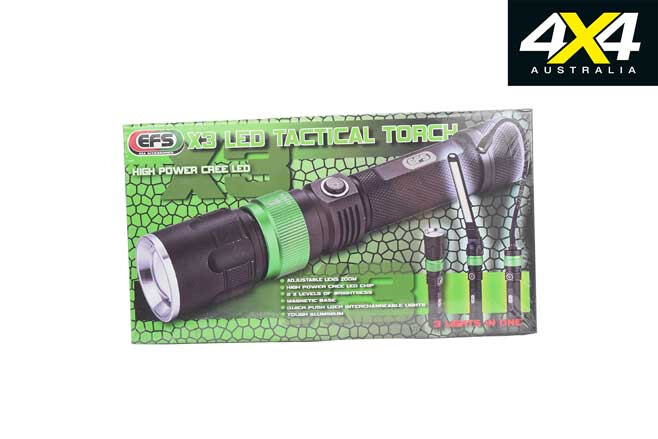
Offering plenty of versatility, the EFS 4X4 X3 Tactical Torch is a three-in-one LED light with a raft of clever features. The key to the X3’s versatility is its three interchangeable lights: Torch, Blade and Flexi.
The adjustable LED Torch head has a Cree XPG LED delivering 250 lumens, and it provides wide- and short-angle focus for nearby or long-range illumination. The LED Blade head transforms the X3 into a work light and features a COB LED with an output of 350 lumens, and a magnetic base.
The Flexi head has a Cree XPG LED that emits 200 lumens and its flexibility allows the user to see in hard-to-reach cracks and crevices.
RRP: $104.99 Website: efs4wd.com.au
Ironman 4×4 Megatom & Eclipse LED driving light
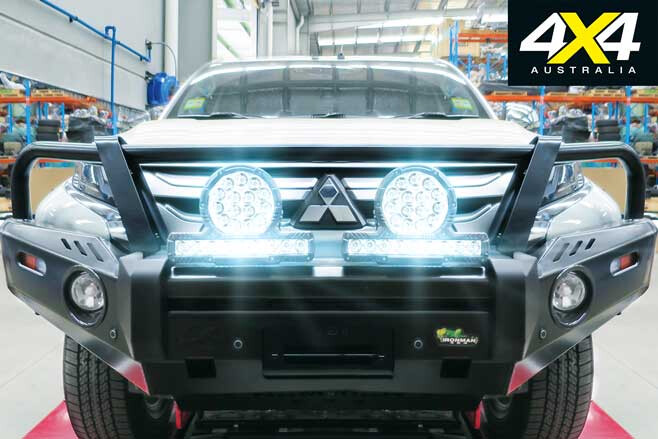
Ironman 4×4 has released two new LED driving lights: the Megatom and the Eclipse. The Megatom is a two-in-one LED driving light/light bar combination that can be installed with the light bar positioned at the bottom or the top. Housed in a tough diecast alloy housing, and supplied with a stainless steel mounting bracket, the Megatom is IP67 waterproof rated.
Each of the Megatom’s lights can be operated independently of each other for a combined maximum 120W high lux output (driving light 75W/light bar 45W) with a 90° beam spread. The Eclipse is a 75W LED driving light with additional 24W “Side Shooters” that offer a combined 99W high lux output with a 140° beam spread. It has a diecast alloy housing, is IP67 waterproof rated and has a shockproof polycarbonate lens.
RRP: Megatom: $495 each; 2 x light wiring loom $88 | Eclipse: $220x each; 2 x light wiring loom $50 Website: www.ironman4x4.com
Narva Generation II Performance LED Globe Conversion Kits
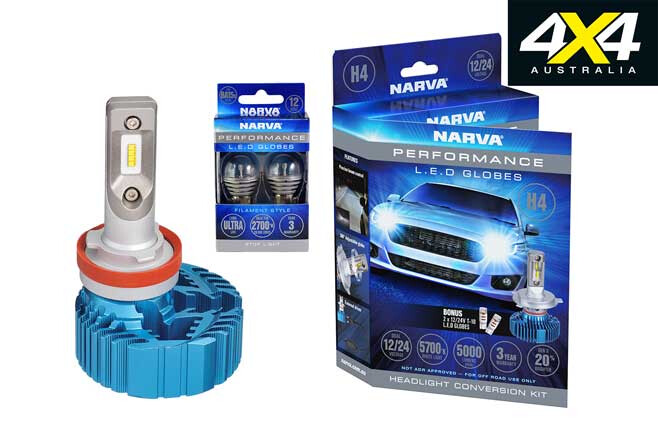
For those wanting to upgrade their vehicle’s old halogen headlights, Narva has developed Generation II Performance LED Globe Conversion Kits. Available to suit 12V and 24V applications, the kits are claimed to project a crisp white light (5700°K) for impressive penetration down the road, as well as a favourable colour rendering index for optimum depth perception and increased safety.
Output from the globes is claimed to be up to 80 per cent greater than traditional headlamp arrangements and, according to Narva, the LED performance globes have a sharp, precise beam cut-off that provides maximum output without dazzling oncoming traffic.
As is the case with most LED set-ups, the Generation II Performance LED globes offer improved durability, and an external driver and adjustable heatsink provide cooling to allow the globes to deliver more than 30,000 hours’ run time without brightness diminishing over time. The LEDs’ inherent shock and vibration resistance characteristics also aid longevity.
The kits have been designed for fast and easy fitment, and are available for a wide range of globes including H1, H4, HB3, HB4, H7, H8, HIR2, H15 and H16, while a selection of Resistor modules and CAN bus modules to suit are also available at additional cost. Narva has also released a new range of 12V/24V Performance LED Signalling Globes to complement the headlight conversion kits.
RRP: From $199 Website: www.narva.com.au
It was back in the early ’90s when a mate introduced me to four-wheel driving with a camping trip up the back of Coffs Harbour, and from that moment I was hooked on this whole new world off the bitumen.
Every spare chance I had I headed bush with old paper maps hoping to find new tracks, fishing holes and secluded camping spots around the coast – and boy did we have some great adventures. We also competed in a few competitions around the state, and took off on epic trips into the heart of Australia.
It was about this time when I started my journey in photography, back then shooting on 35mm film and hoping for that one great shot. Over the years my photography has grown, and taking photos is a bit easier these days with the amount of gear available; but there is still a thought process about image capture. I love getting up at the crack of dawn to wait for that magic hour of colour, trying to get that perfect landscape shot after hiking up a mountain or capturing those stunning desert colours everybody talks about.
Before long, mates wanted to come along with me on trips after hearing about my exploring, so I formed Woolgoolgaoffroad, which was like an informal 4WD group for anyone who wanted to join us on a day out. Kicking around the NSW north coast has been my backyard for all these years, where the bush and ocean meet, so I have had no shortage of places to go.
Roll the clock to now and there’s been some bloody good water under my bridge: driving three 4WDs; living out of camper trailers; being support vehicle for bike riders across desert areas; hosting many camps; working with a national camping chain; plus a few years with an off-road store in Coffs Harbour. And with all this experience it wasn’t long before I saw the potential to write a 4WD book on tracks around the Coffs Coast area.
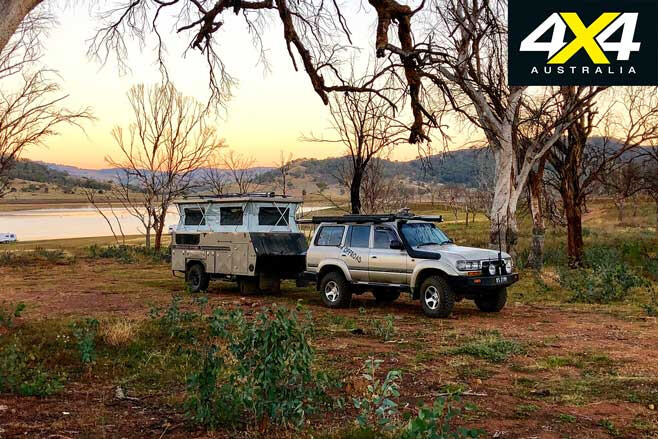
With this new project I found myself taking more and more time off work to seek out new destinations and explore, so last year I made the decision to semi-retire and do the grey-hair, big-lap nomad thing. But it seems like I am busier than ever, collaborating with great Australian companies with advertising, destination write-ups and product reviews through to setting up customer appreciation camps and weekend drives, as well as supplying magazine content.
With 12 months of planning, buying a hybrid off-road trailer, rebuilding my 80 Series Cruiser and downsizing into a storage shed, the nomad plan came to fruition this year. Making the decision to rebuild the LandCruiser was an easy one, as it is easy to maintain, it’s a fantastic off-road truck set-up for touring, and I know all the squeaks and rattles in the old girl (built in Sept 1991). Plus, it has no electronic garbage.
Spending plenty of time in the 4WD industry I’ve seen the introduction of many ‘lower standard’ accessories to the market, and I’ve stayed well clear of these, choosing to fit only good quality Aussie accessories to the LandCruiser. And my camper trailer is extremely comfy, capable on and off the road, and if the weather turns crappy I can jump in there and whack on the radio or get stuck into some emails that seem to be never-ending.
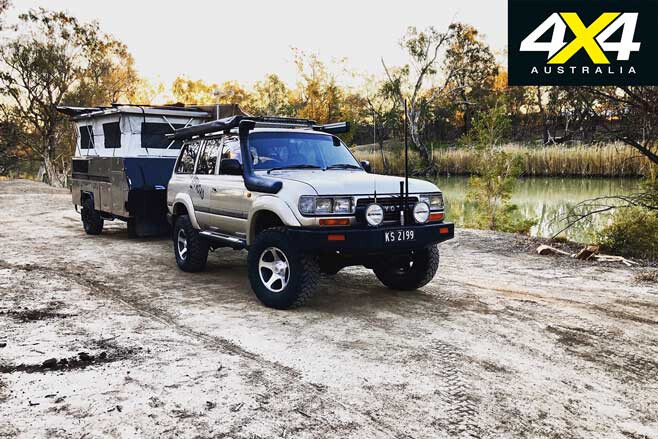
Over the years with my outback trips I’ve seen areas covered in flood and drought, and it never ceases to amaze me that people who have never ventured outback will say there is nothing to see. However, waking up in the morning, seeing tiny footprints in the sand, the amazing variety of birdlife in outback waterways and the history that this country holds is nothing short of spectacular to me.
I love the remoteness of hard-to-get-to places and the dirt and dust that you travel through for days – it’s all part of the adventure and it really can make you appreciate life in a different way. Seeing wildflowers as high as my knees or hiking out into dry lake beds where early explorers blazed trees and left relics is what my life is all about now.
Meet the Expert Name: Kev Smith Role: Writer/Photographer Experience: More than 30 years
FOR the ultimate turn-key tourer, 4×4 Megastores reckons it has the answer.
The Australian brand recognised there was space in the 79 Series market for a complete turnkey offering that could balance off-road pursuits with day-to-day life.
Enter the Toyota 79 Series Rambler Edition by TJM, which combines off-road gear from TJM, a body from Spinifex Manufacturing and the knowledge of 4×4 Megastores, to create a practical and functional 4×4 that’ll take you anywhere.
In this video, the Trenton, Shelly and their four boys provide an insight into their turn-key 79 Series dual-cab, which frequently transports them away from the bright lights of the city.
The family fourbie is set up for long-distance touring, so to this end it has water tanks, two large fuel tanks, a tyre pressure system, 200W solar panels, a 100amp lithium battery, two fridges, and an epic REDARC electrical fit-out in the canopy.
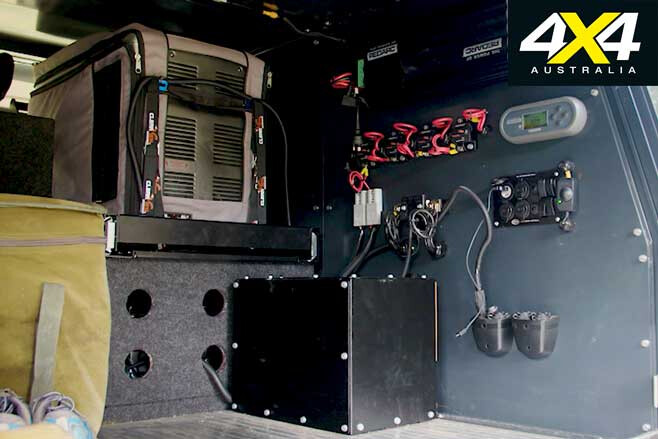
The Rambler package is available for single- and dual-cab variants of Toyota’s 4.5-litre turbo-diesel V8-powered LC70. Expect a four- to five- week build time.
For a full list of features offered with the Rambler package, visit: http://www.4x4megastore.com.au/rambler-edition/
THE ARRIVAL of the Ram 1500 with its 5.7-litre Hemi V8 engine has been seen by some as the new alternative for V8 ute buyers who might have once looked to Ford and Holden for their vehicles of choice. With no locally made utes available anymore and none of the popular 4×4 midsize utes offering a petrol engine option, let alone a V8, these full-size American pick-ups are really your best option.
With prices for the Ram 1500 Express V8 DS starting from $79,950 driveaway from Ram Trucks Australia, you can get into one for around the same price an old 2WD Holden or Ford ute from HSV or FPV would have cost. Ram variants including the more modern 1500 DT are available from importers other than Ram Trucks Australia.
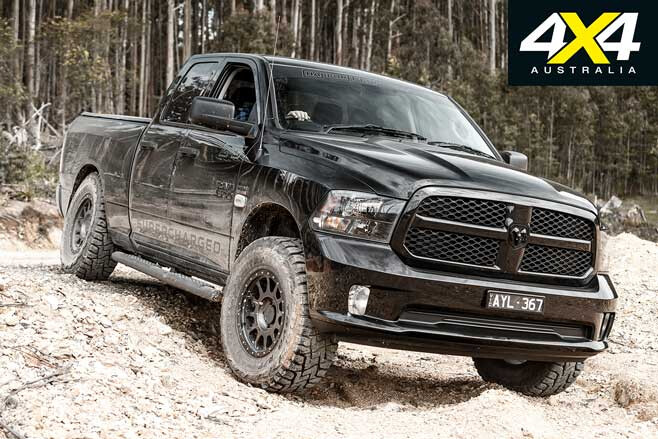
The standard Ram 1500 Laramie V8 was a great jigger when we tested it in standard trim last year but, like most petrol engines, the Hemi V8 lacks the torque and grunt of a big diesel powerplant. You need to step up to the Ram 2500 to get the awesome Cummins inline-six-powered models, or the Ram 1500 EcoDiesel V6 that has just been launched here. However, you won’t land either of them on the friendly side of $100K.
Melbourne tuning house and supercharger specialist Harrop Performance nabbed a base-spec Ram Express 1500 V8 and applied its talents to rectifying any lack of bottom-end mumbo. How did it do that? It simply bolted a big, fat supercharger to that V8 engine.
While hot-rodders have been bolting blowers to the top of V8s for generations, there’s a lot more to it when you want to engineer and produce a product to OE (original equipment) standards, as Harrop does. Harrop has been successfully developing supercharger kits for Ford and Holden V8 cars for years and even has packages for 4x4s, such as the Y62 Patrol with its VK56 5.6-litre V8 and the Toyota Tundra with its 5.7-litre V8. FCA’s modern Hemi V8, as found in the Ram or Jeep Grand Cherokee, was the logical next step.
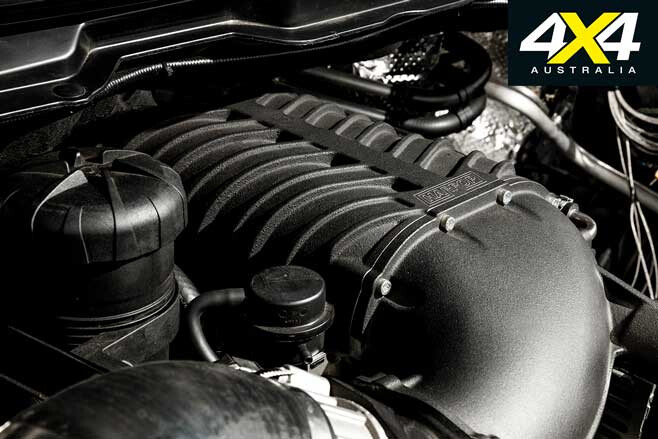
Central to Harrop’s supercharger packages is the TVS supercharger. This is a Roots-style positive displacement blower using high helix, four lobe rotors to pump more air into an engine, and it’s available in a range of sizes from 900cc displacement for smaller engines right up to the 2650cc unit for bigger mills like the Hemi V8.
In stock form, the Ram’s 5.7-litre V8 makes 291kW at 5600rpm and 556Nm at 3950rpm. Fitted with the 2650cc pump in its V, feeding just 5psi of boost into the intake, the Ram showed 333kW at 5600rpm and 580Nm at 3800rpm. Before you say that’s not a big gain, those numbers are measured at the rear hubs on the hub dyno at the Harrop Performance Centre. When the power losses through the driveline are taken into account, you could estimate around 410kW and 700Nm at the flywheel, which are far more impressive numbers.
Want more? The guys at Harrop say that with the right engine and transmission mods, this supercharger package is capable of producing upwards of 745kW, or more than 1000 horsepower in the old money. That would be one hell of a killer truck!
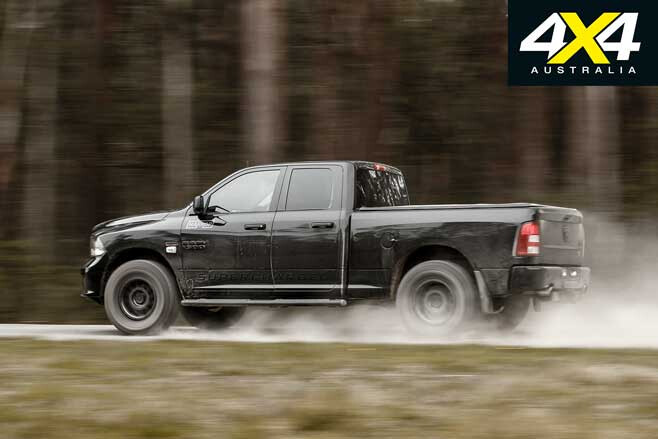
So how does it go? As it stands with just 5psi of boost, the supercharger package delivers just what it sets out to do. Nail the throttle and the Ram truck shoots off the mark without needing to build on the revs to get the best performance out of it; the grunt is there right from the get-go. At lighter throttle applications the added grunt translates to a more drivable package as you don’t need to wring its neck to get the best out of it, making it ideal for off-road work or towing. That’s especially pertinent if you bought your Ram for its 4.5-tonne towing capacity.
While it delivers more than enough grunt, the one attribute of the diesel engine the supercharged V8 can’t emulate is efficiency … the blown Ram certainly likes a drink. It might have been that we only had it for a couple of days when we drove it non-stop, gassing the accelerator whenever the road opened up in front of us and smiling from ear-to-ear, but, yes, it gulped down the 98 octane. We’re sure it would be better with more liberal use of the loud pedal, but who doesn’t like the sound of a V8?
We did some light off-roading in the Ram and it walked over uneven and rutted terrain with ease. The low-range ratio gives plenty of control and the throttle only needs to be lightly pressed to make use of the added torque. The stock suspension works well enough and clearance was never an issue, but what truck wouldn’t be better with bit of a lift. The 35-inch Toyos also worked a treat in the muddy conditions we encountered.
The Harrop kit includes the TVS2650 supercharger, a 55mm-thick dual-pass intercooler, upgraded injectors, all the required hardware and an ECU tune. It is designed to work with the stock intake, which is great if you run a snorkel, and the test vehicle retained its stock exhaust system. The package will sell for $15,990 fitted at one of Harrop’s approved installers around the country, and it should be available around the time you’re reading this.
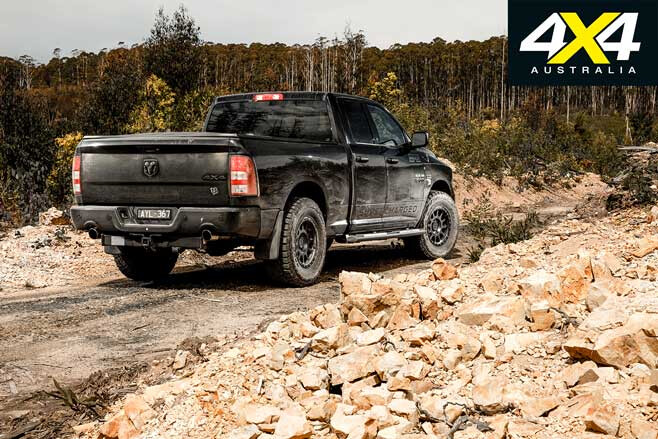
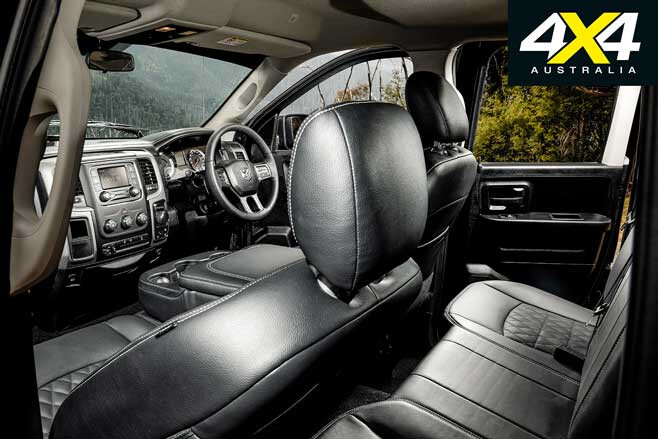
Aside from the engine mods, the Harrop Ram is otherwise pretty stock. Stock suspension, exhaust system, eight-speed auto transmission and mainly stock interior. The seats have been updated with leather covers for added prestige and comfort and they complement the monochrome exterior you get when you tick the Black Pack option. Obviously the wheels and tyres have been upgraded, with Method alloys wrapped in 35-inch Toyo Open Country R/T rubber improving looks and off-highway performance.
If you’ve always baulked at the high price of imported American pick-ups, you should consider that you could be driving a supercharged Ram 1500 just like this one for less than $100,000, and then you might think again. Take a ride in this truck and you’ll seriously be thinking about it.
THE Ford Ranger remains the king of the 4×4 hill, with the Blue Oval ute edging out the Hilux and Triton to be the best-selling 4×4 in November 2019.
Managing a total of 3218 sales last month, the Ranger outsold the Hilux by 343 units and the Triton by 423 units.
20 BEST-SELLING 4X4s, NOVEMBER 2019

Total sales in Australia’s Light Commercial Vehicle (LCV) segment dropped considerably in November this year, when compared to November 2018. Just 19,065 LCV units were sold last month, which is a dramatic 8.8 per cent drop compared to the same month last year. This correlates with the other segments across the board, marking the 20th consecutive month of decreasing sales.
The chief executive of the FCAI, Tony Weber, said the market is tough at the moment, but he remains optimistic.
“The industry has been looking for a lift for some time now and has activated multiple levers to achieve some stimulation, including incentives, sales and special vehicle editions,” he said. “However, the appetite for new vehicles remains suppressed.”
Weber added that there has never been a better time to purchase a new vehicle.
“With over 60 brands and more than 350 models, the Australian market is one of the most competitive in the world. This is great news for consumers who have an abundance of choice and pricing options when it comes to selecting a new vehicle.
“Now, with the holiday season upon us, is a great time to act,” he said.
On the year-to-date sales charts, the Ranger, Hilux and Triton remain the best-selling 4x4s.
10 BEST-SELLING 4X4S IN 2019 (YTD)
The Toyota Hilux (4×2/4×4) also remains the best-selling vehicle on the overall monthly charts, shifting a total of 3687 vehicles in November. As always, it’s shadowed by the Ford Ranger (4×2/4×4) which registered 3491 sales for the month. The Triton (4×2/4×4) rounded out the top three, with 3123 total sales.
The Red Centre Adventure kicks up another notch, as we depart the fossicking fields of Gemtree with the Simpson Desert in our sights.
In Episode 1 the crew began the epic journey at Alice Springs, cutting through the MacDonnell Ranges and stopping at Trephina Gorge, Ross River Homestead, Altunga and Hale River Homestead, before finally arriving at Gemtree.
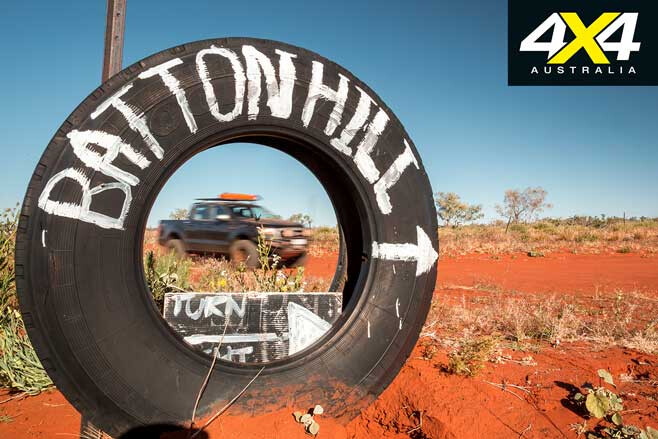
In this episode – after trying their luck trying to strike it rich at Gemtree – Ron guides the convoy north to Tower Rock, before turning south-east in pursuit of the hard-to-find Boxhole Crater.
Battling relentless corrugations along the Plenty Highway the crew continues east to Batton Hill, where the traditional owners lead an eye-opening Bush Tucker Tour of the region.
Camp was set up for the night at Goyders Pillar, which wrapped up another epic episode.
In Episode 3 of the Red Centre Adventure, the team heads deeper into the Simpson Desert.
WITH THANKS MSA 4X4: www.msa4x4.com.au
A DISTRIBUTION agreement has been signed between TAG Towbars and the Brink Group, which means TAG Towbars will now distribute Brink’s range of European Towbars throughout Australia and New Zealand.
Not only does this allow Brink to grow its presence within TAG’s distribution network, but the alliance also means TAG will begin to expand its portfolio of towbars into the European vehicle segment within Australia and NZ.
With more than 30 years of experience designing and manufacturing towbars in Australia, TAG has a wide range of towbars and wiring solutions that suit more than 90 per cent of vehicles in Australia. Brink, on the other hand, has 1000 different towbar models and wiring kits in its repertoire, and about 25 million vehicles utilise its towbars worldwide.
“In addition to the Brink European range manufactured in Europe, Brink Thailand will be manufacturing the new generation TAG Towbars that have been designed, developed and tested in Australia,” the statement reads. “Not only do the towbars meet the stringent ADR62/01 standards, but the Brink manufacturing facilities also meet and exceed IATF 16949 quality standards prescribed by the global vehicle manufacturers.”
Brink’s European range of products will begin arriving locally early in 2020, and this will shortly be followed by the arrival of Thai-manufactured equipment.
THE ANNUAL SEMA Show is the biggest and wildest showcase of automotive art and engineering on the planet. It brings together vehicles of all descriptions and disciplines including nut and bolt restorations, wild customs, hot rods, street machines, 4x4s, off-roaders and trucks. Builders from around the world bring their latest creations to the SEMA Show in Las Vegas to put them on the big stage.
But the SEMA Show is not your average car show. It’s a trade show, so there’s business to be conducted and thousands of products and services from a global pool of manufacturers and suppliers who are all on display looking for buyers.
To get more exposure for your product among so much competition, exhibitors are invited to enter their products in the New Products Showcase. 4X4 Australia attends the show as a judge for the Global Media Awards program, which includes 30 judges from media around the world. Some 3000 products to suit all types of vehicles make it in to the showcase and the GMA judges are asked to select 10 products that would do well in our market.
Here is 4×4 Australia’s selection for the 2019 show.
Cooper Tires Evolution M/T
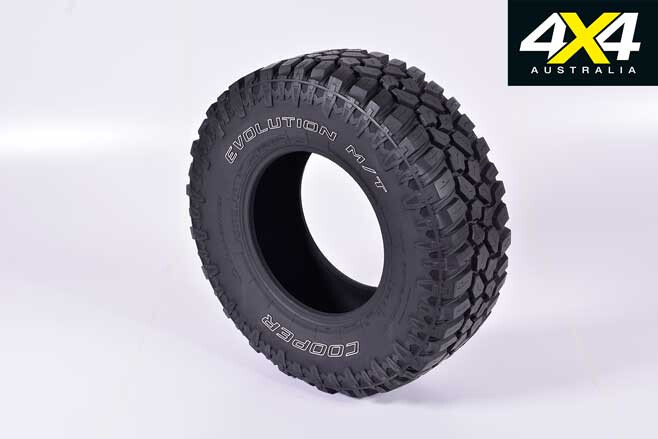
Many Australians love their Cooper tyres for four-wheel driving and touring, so any new product from the American brand is exciting. The Evolution M/T is a new muddy from the team at Cooper, and it will sit in the range between the existing STT Pro and the ST Maxx 4×4 products.
Employing ‘Earth Diggers’ to give the user more traction and ‘Mud Slingers’ to keep the tread clear, this tyre is made to get you through the rough stuff. It’s tough, too, using Cooper’s cut- and chip-resistant rubber compound and heavy-duty sidewalls to protect against punctures. The Cooper Evolution M/T is available through your local Cooper Tires dealer.
More info www.coopertires.com.au.
Icon Vehicle Dynamics Ford Ranger coil-overs
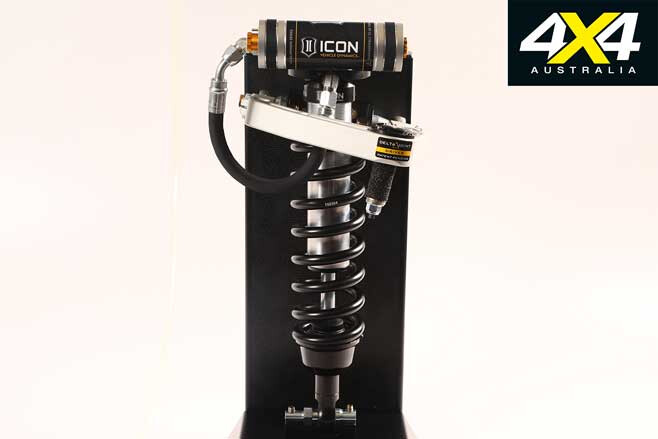
The Ford Ranger is a new vehicle to the US market and the aftermarket brands are jumping on board to get products for it. One such brand is the manufacturer of quality suspension systems, Icon Vehicle Dynamics.
Icon’s 2.5-inch remote reservoir coil-overs for the 2019 Ranger feature the brand’s height-adjustable coil-over design with a 10-way adjustment for dampening control to improve ride and handling. Unfortunately for us, these are for the US-made Ford Ranger and will not fit directly into our models yet, but Icon is working on more products for the Aussie market.
More info www.iconvehicledynamics.com.
MSA 4×4 Towing Mirrors
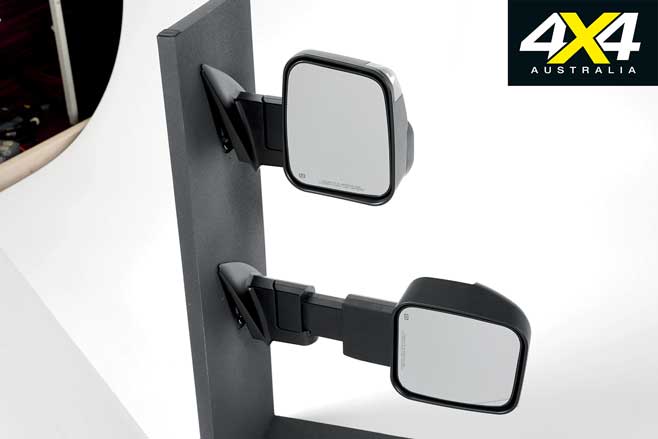
We love seeing Australian 4×4 brands represented on the world stage at SEMA, and this was the first time MSA 4×4 Accessories had its kit here. On display were the new MSA 4×4 Towing Mirrors, a product we have had a bit of experience with and have grown to love.
The MSA mirrors are unlike other towing mirrors in that they’re not strapped onto your factory mirrors, nor do they look like elephant ears flapping on each side of your fourby like truck mirrors. The majority of 4x4s used by Aussies are smaller than US pick-up trucks and the big mirrors look out of place on them.
The MSA rectangular mirrors can be turned upright or on their side to improve rearward visibility and can extend outwards for an even better view. Cleverly, when you turn the mirrors upright or on their side the adjustment functions of electric mirrors work as normal. Likewise, any wing mirror blinkers or lights are also integrated into the MSA units.
More info www.msa4x4.com.au
Factor 55 Rope Retention Pulley
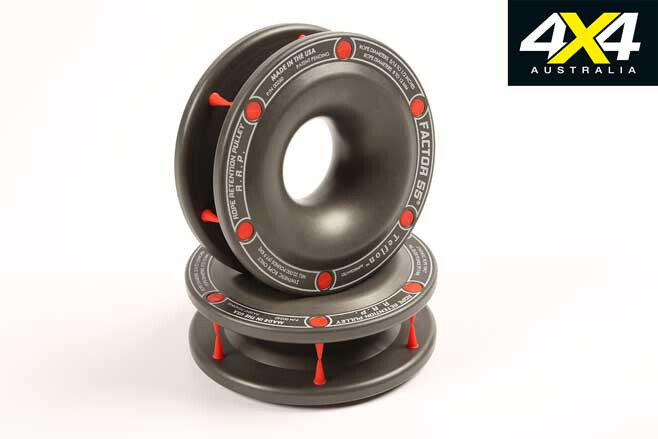
Spun alloy discs in lieu of traditional snatch block pullies for vehicle recoveries have become a big thing over the last couple of years as they are simpler with no moving parts and are lighter and easier to carry, making them well-suited to use with synthetic ropes.
One problem that has come up when using these products is the possibility of the winch rope slipping out of the pulley groove if ever any slack gets into the rig. This shouldn’t happen in most 4×4 recovery situations where there should always be tension on the rope, but in some conditions such as competition or rock crawling, where a user might drive the vehicle on the winch, it is possible.
Leading American manufacturer of 4×4 recovery products, Factor 55, has come up with a solution to this potential problem with its latest recovery pulley. The Factor 55 Rope Retention Pulley incorporates little rubber ‘fingers’ in the pulley groove that hold the rope in position as it becomes slack.
More info www.factor55.com
The Bracketeer Fire Extinguisher Bracket
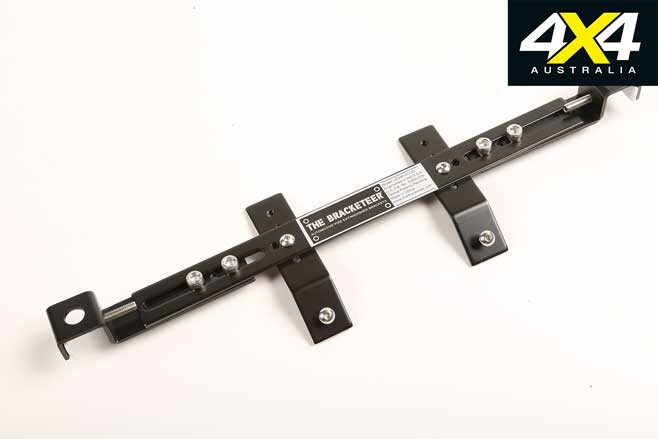
Usually when you are fitting a fire extinguisher to your vehicle you will need to fabricate a custom bracket to mount it safely and securely. The Bracketeer is an adjustable bracket that can be fitted between your seat rails, either by using the clamping mounts or through the holes direct to the seat mounting bolts. It’s simple and safe with no need to drill holes or modify the vehicle in any way.
If you’re like us and you move from car to car on a regular basis, the Bracketeer is easily transferable between vehicles – it’s one product that fits all. You can see why fleet owners and government bodies in the USA are insisting their vehicles are fitted with fire extinguishers using the Bracketeer.
The icing on the cake came when we met the designer and owner of the Bracketeer and he greeted us with a familiar Aussie accent. Simon is an Adelaide ex-pat now living in the USA, where he designed the product.
More info www.thebracketeer.com
Pro Eagle Phoenix air jack
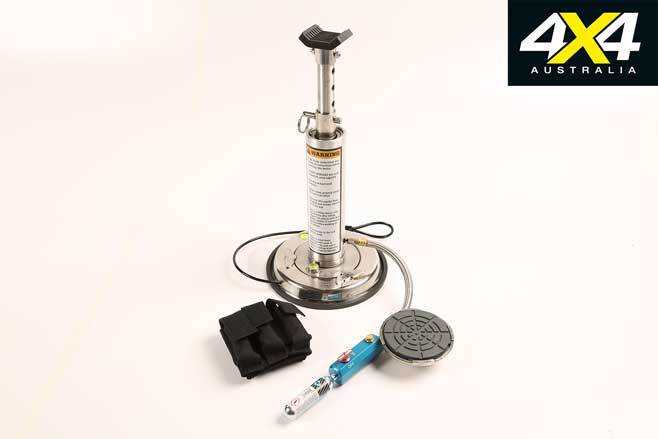
We’re fans of Pro Eagle’s trolley jacks that have big wheels to make them suitable for off-road use and for lifted vehicles, but this is something different from the team there. Designed more for UTVs, side-by-sides and other lightweight vehicles, the Phoenix portable air jack uses compressed CO² for a quick and easy lift.
The gas is carried in separate canisters and runs through a regulator so you can control the speed and amount of vehicle lift, more than 610mm in total.
Pro Eagle jacks and the Phoenix air jack are available through the Australian distributor, Pro Eagle Australia.
Advance Adapters
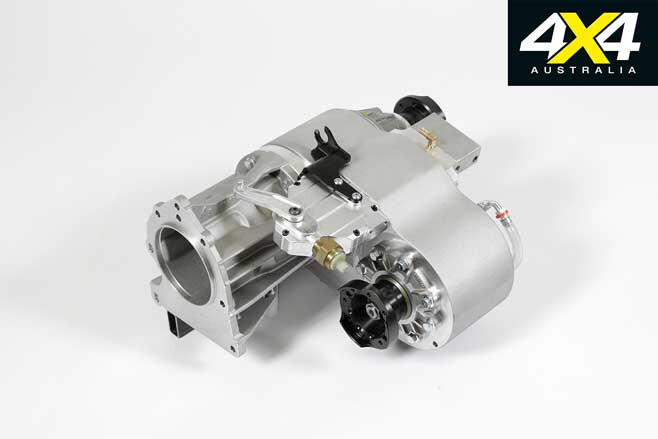
Anyone into hardcore off-roading will know of the Atlas transfer cases from Advance Adapters (AA). They are heavy duty units designed to be tough and dependable, while giving drivers more options for gear ratios and drive selection, such as 2WD low range.
For 2019, AA debuted a kit to put its Atlas cases behind the new eight-speed transmission in Jeep JL Wrangler and JT Gladiator vehicles. The DIY install kit is designed to bolt straight in behind the stock transmission using all OE drive shafts, shifter and support member. Just the kit to get the ultimate transfer case in your new Jeep.
More info www.advanceadapters.com
RSI Smartcap Canopy
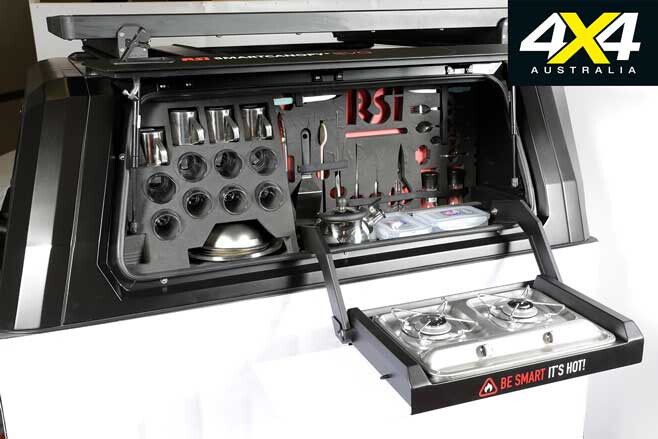
Americans call what we would call a ute canopy, a truck cap. Basically a canopy that sits on the factory ute tub. RSI (Rock Solid Industries) makes its canopy or cap (or whatever you want to call it) in South Africa, where the ‘Bakkie’ or ute is just as popular as the 4×4 ute is here. What makes the RSI Smartcap different to the plethora of fibreglass and plastic canopies we are familiar with here, is that it’s made from 409-grade stainless steel for strength and durability.
What really impressed us about the RSI canopy is the range of clever accessories available for it. These are made as swappable units that fit in behind the side windows and include a basic box, a camp kitchen with stove, and tool drawers. These are easily interchangeable to transform your canopy from weekday workhorse to weekend camper.
Then there’s the SmartRack that fits on the canopy, which slides outwards and down to make loading and unloading gear easier. All clever stuff. We didn’t realise it when we were at SEMA Show, but the RSI products are available in Australia.
More info www.rsismartcanopy.com.au
Roadster Shop RS4 Bronco chassis
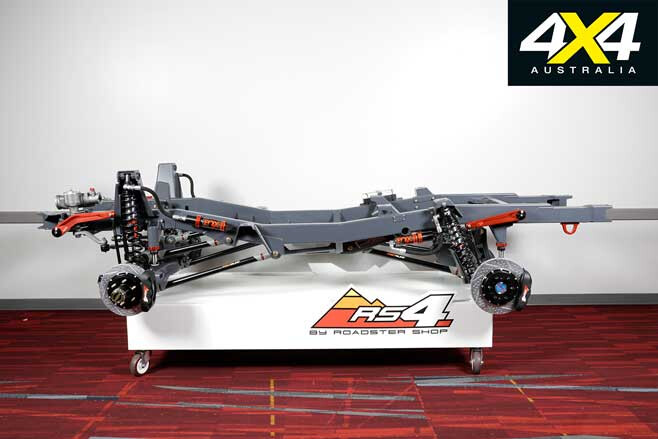
Okay, we admit this is a product with a very limited market, but it was just so goddamn gorgeous that we fell in love with it. I could fit a set of wheels and tyres to the RS4 chassis and just have it on display in my pool room. The Roadster Shop is best known for its top-tier hot rod and street machine builds, but has got its boots dirty with this chassis to suit the classic Ford Bronco.
Made with adjustable triangulated 4-link suspension, Fox Racing coil-over shocks, Dana 44 and 60 diffs by Currie, and loads of neat anodised alloy machined parts, the RS4 is designed to slip straight under your classic Bronco, be it restored or hot-rodded. It’s ready to fit your choice of drivetrain and 1966 to ’77 first generation Bronco bodies. We spotted the RS4 under a couple of Bronco vehicles out on the show floor and it’s a neat fit.
More info www.roadstershop.com
Road Armor bed rack system
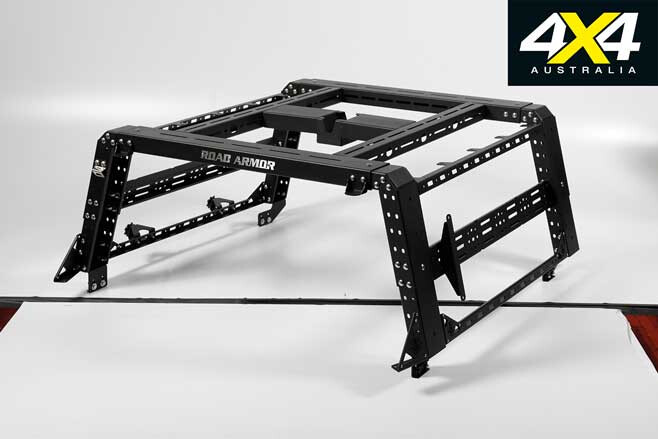
Jeep Gladiators were everywhere at the SEMA Show and there were some pretty trick tray set-ups on them. A product featured on some of the better builds was the TRECK Rack from Road Armor.
The TRECK rack is a bed rack that is designed to fit on a range of factory cargo tubs and give users a platform on which to mount accessories like a rooftop tent, MaxTrax, fuel, cans, lights, shovel, external speakers or a spare wheel. There’s even a bottle opener available to fit. The rack is height-adjustable to three heights and can be swapped between vehicles.
More info www.roadarmor.com
I have clocked up more than 20,000km on the Cooper AT3s now, which made me realise I’ve been slack performing their second rotation. At their 10K rotation, they showed a measured wear of 1mm; boding well for their longevity. The first rotation also saw me make a pair of locating studs so I could refit the Amarok wheels with much less swearing.
While a big share of the distance travelled so far has been on blacktop, there were some sojourns into the red and rougher outback. The AT3s have been to Lake Gairdner and environs, for Speed Week, the Barrier Ranges for the Outback Challenge, and the drought-ravaged Far West NSW for the Cliffhanger 4WD Event. There’s also been some beach work and track exploration along Australia’s East Coast.
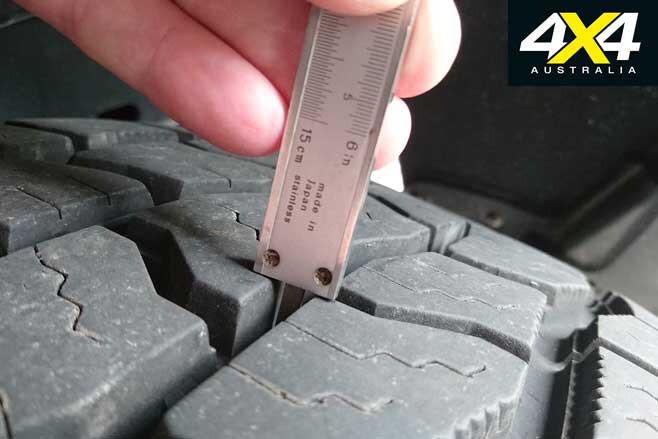
It was at “Cliffy” that the AT3s suffered their first and only (thus far) puncture. In rocky terrain that was tearing apart the competition cars’ tyres, and which was plenty lumpy enough to mask a deflating tyre, my aftermarket TPMS warned of the slow leak and saved the tyre. I remain amazed at where one finds those damned tek screws!
The AT3s sound like they may be developing a weeny whine as they wear, although they show no visible sign of whine-inducing ‘heeling and toeing’. The upcoming tyre rotation will correct any that might exist, so I’ll soon find out. Mind you, driving a mate’s GU Patrol ute with 35-inch muddies from the Flinders Ranges to Sydney last week reminded me that, comparatively, the AT3s are whisper quiet!
So far I’ve been impressed by the performance of the Cooper AT3s. Let’s see what they’re like in another 20,000km.
RATED Available from: coopertires.com.au RRP: $399 (LT265/70R17) We Say: Minimal wear and quiet performance. So far, so good.
We had turned onto the Toupna Crossing Road on our second attempt to get to the Millewa River Road, our first effort thwarted by a small creek that had oozed across the track and was about 30 metres wide with lots of sloppy mud on either side.
Earlier, we had been turned back by ‘Road Closed’ signs in another indication that the Murray River, so tantalisingly close, was running at its normal high Spring water level and limiting access to several spots along its length.
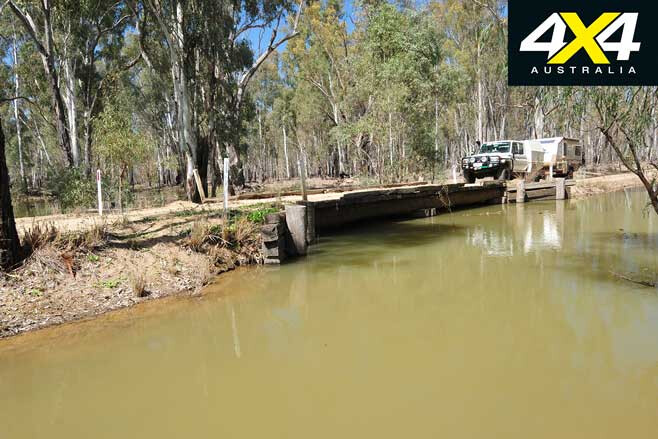
We were in what is now the Murray Valley National Park on the NSW side of the river, east of the town of Mathoura and downstream from Tocumwal. While by far the most extensive area of park is centred around the red gum forests just east of Mathoura, outliers of the park dot the river up nearly as far as Mulwala, about 110km east.
In all, the park covers nearly 42,000ha of red gum country and, with the adjoining Barmah National Park of more than 28,000ha on the Victorian side of the river, forms the largest river red gum forest in the world.
The Murray Valley NP was, up until 2010, a state forest, where logging helped sustain many of the communities along the river, especially Mathoura. Certainly from our drive through it, the park needs better management, with the most obvious issue being the thinning of the many red gum saplings that have sprung up since logging was banned. These dense stands demote the growth of big trees that supply nesting hollows and, in the end, are nothing but an increased fire hazard.
Interestingly, the forest as we know it is a relatively recent phenomenon. About 60,000 years ago a series of seismic events changed the course of the river, while a fault line – the Cadell Fault – can easily be seen along the Cobb Highway between Echuca and Deniliquin. This ridgeline blocked the flow of the stream to form the Old Barmah Lake, and about 8000 years ago the Murray was probably flowing north via what we know as the Edward River and Gulpa Creek.
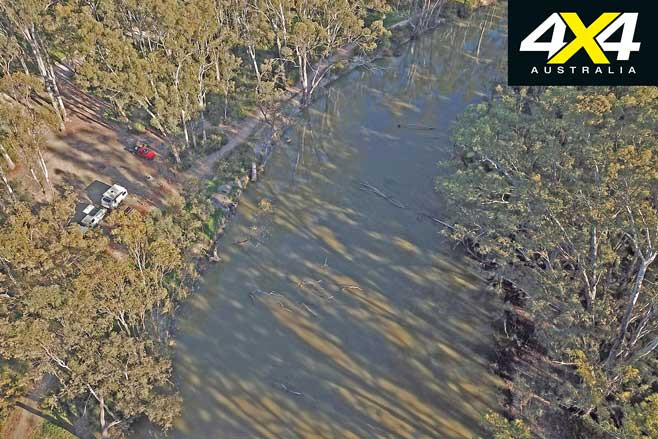
Recent research, and long-standing Aboriginal folklore, indicates that only 550 years ago or so, Aboriginal people carved a channel through a sandbar which allowed the Murray to flow in its present course and formed what we know as The Narrows, or The Cutting, downstream from Picnic Point.
This damming of the river allowed the formation of a delta and the wide expanse of the red gum forest, and ongoing Aboriginal management of the region with fire-stick farming kept the forest regrowth down, in turn forming a rich mosaic of grassy country and open forest.
When Charles Sturt came through this region in 1830 he was struck with the cleared country and recorded two instances of the Aboriginals burning the land to keep it that way; he complained there were many dense reed beds but few trees.
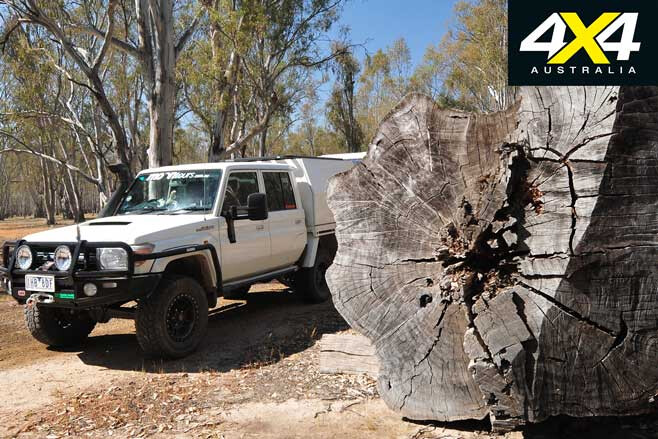
When white settlement arrived in the early 1840s the sheep and cattle they brought with them helped keep the country open, and the red gums formed an open forest. From 1853 paddle steamers started plying the river, the boilers relying on the dead timber along the rivers for fuel.
Logging of the forests started in the early 1860s and within 15 years the rapid decline in timber being harvested led to the government of the day imposing a ban on logging. After that, good management sustained the logging industry until its forced closure in 2010.
The situation on the southern side of the river was much the same, with the National Park being gazetted in April 2010. However, like their NSW brethren, many of the locals aren’t impressed with the situation or the management of the area’s 500 or so feral horses. Parks Victoria earlier this year drafted a plan to cull numbers to 100 within three years and to totally eradicate them by some later date. Both locals and horse lovers aren’t happy!
Rather surprisingly, locals have said that the number of visitors to the area around Mathoura has dropped since it was gazetted a National Park. Some of my friends who used to regularly go up there hunting and fishing have stopped visiting altogether.
And most of the good camping is now restricted to the adjoining regional parks, along with a plethora of private campgrounds on both the NSW and Victorian sides of the river – so the National Park status has added little to the area’s attractions, it seems.
Where does that leave the keen four-wheeler and camper? Well, on the NSW side of the Murray you’ll find an excellent spot at Edwards River Bridge in the regional park, and this is where we camped for our first night in the area.
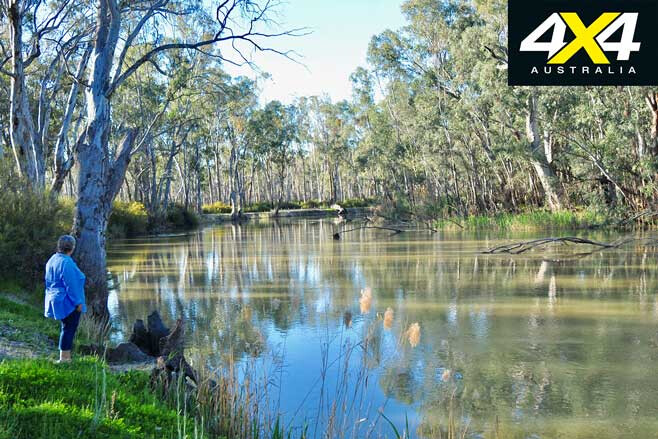
It’s a very pleasant spot with only six or so camps along a long stretch of water, while a day-visitor area has gas barbecues and associated facilities. Being a regional park, you can walk your dog. On the other side of the river, tracks lead to a few more riverside camps.
The Edwards River is an anabranch of the Murray and flows north towards Deniliquin, and there are a number of tracks giving access to the river, along with a designated camping spot at the Benarca campground just outside Deniliquin.
The Edwards is narrower than the Murray, with less current and more trees and obstructions, making it ideal for those who want to go for a paddle; there is an excellent launching ramp for paddlers located at the Edwards River day-use area.
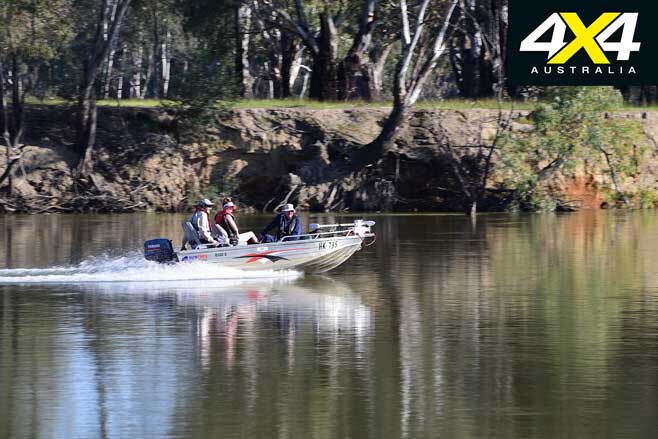
There’s another designated camping area a little south of Mathoura at Swifts Creek at The Narrows, where the Murray River is at its most confined. Farther upstream is the Woperana campground, west of Tocumwal, and the excellent Quicks Beach near Barooga. Upstream from here is Mulwala campground (also known as Hinches Beach campground), located just downstream from Yarrawonga.
Elsewhere in the park there are smaller, less-developed spots to camp, but we found access difficult to much of the river with high, steep banks making life arduous. Back near Mathoura, Picnic Point offers a large caravan park close to the Murray, where there is also a good boat ramp and pleasant barbecue facilities.
This whole region of red gum is a Ramsar-listed wetland of international importance, where more than 200 species of birds have been recorded, with many such as the eastern great egret, the cattle egret and straw-necked ibis nesting here. The area is also home to 35 species of mammals, 28 species of reptiles, 10 species of amphibians and up to 550 species of plants.
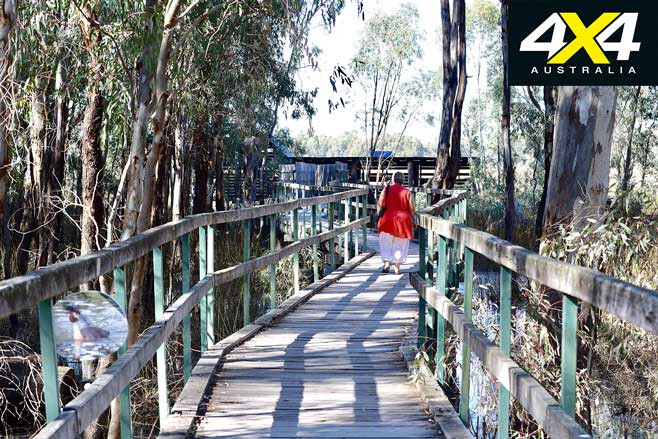
A few of the native animals are declared threatened including the blue-billed duck, fishing bat and squirrel glider. There are also, by all accounts, 40 threatened plant species including the Moira grass; and while Parks Victoria reckons its threatened because of wild horses, others blame the high water levels brought on by irrigation and environmental flow requirements.
If you’re into bird watching the Reed Beds Bird Hide, passed on the way to Picnic Point or the Edwards River Bridge camping area, is a favoured spot to look for our feathered friends. This whole area is great for bird watching with ducks, cormorants and swans on the waterways, ibis and spoonbills in the shallows, and colourful wrens and treecreepers flitting in amongst the scrub.
Galahs and corellas screech from the treetops, while kookaburras laugh from dead branches, magpies stroll around on the grassy areas and herons wait patiently for a fish to swim by. At one point a magnificent white-breasted sea eagle took off from a branch directly above me; I don’t know who got the biggest fright!
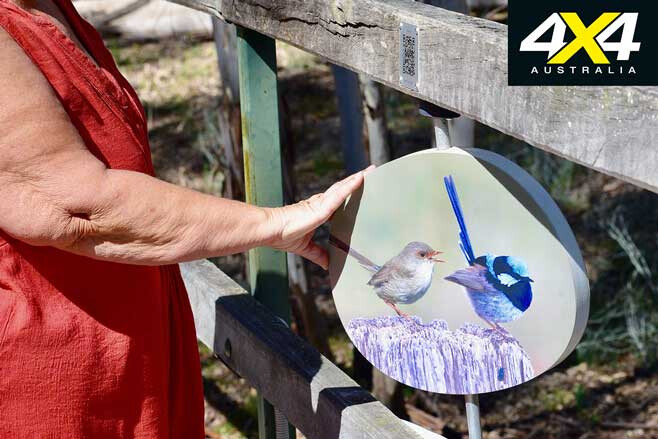
Rather surprisingly we only saw one ’roo for the whole time we spent in the forest, even though there was plenty of green grass for them to feed on, or so it seemed to us. Maybe the encroaching spindly stands of gums are keeping them away?
With our meander along the river road bearing little fruit and our exploration of the smaller sections of the park eastwards offering little to stay our wanderings, we crossed the river into Victoria and headed for Carters Beach, one of three popular riverside camps west of Tocumwal and in the Murray River Reserve. Others include Doctors Bend and Ulupna Creek East, and all are located on sandy bends of the river. These wide, sandy beaches are ideal for swimming, fishing or just lazing around, and, as it’s outside the National Park, you can bring your dog.
There were a few campers in residence when we arrived and, with a reasonable dirt road giving access, a few ’vans and campers were dotted along the shore. A group of young canoeists arrived and I spent a lively half-hour with them talking about the delights of paddling such a great river as the Murray, something I had done many years previously on a number of occasions. I highly recommend it.
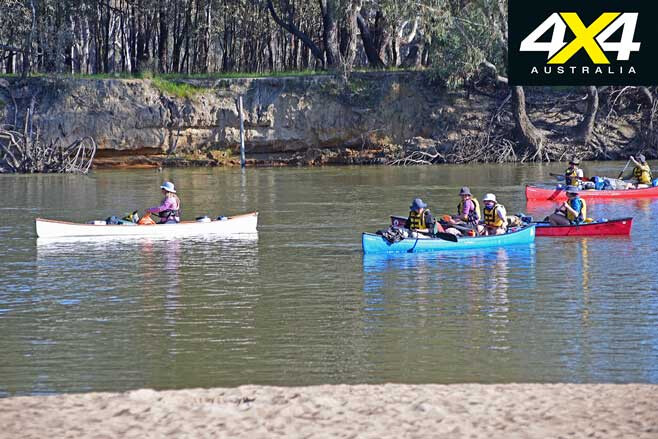
The next day we cruised into the heart of Barmah NP and, while we have camped here on numerous occasions in the past, this was the first time we have been here since it became a National Park. Once again access was restricted because of local flooding, so we contained ourselves to the area around the Barmah Lakes camping area, which is easily reached from the small hamlet and supply point of the Barmah township itself.
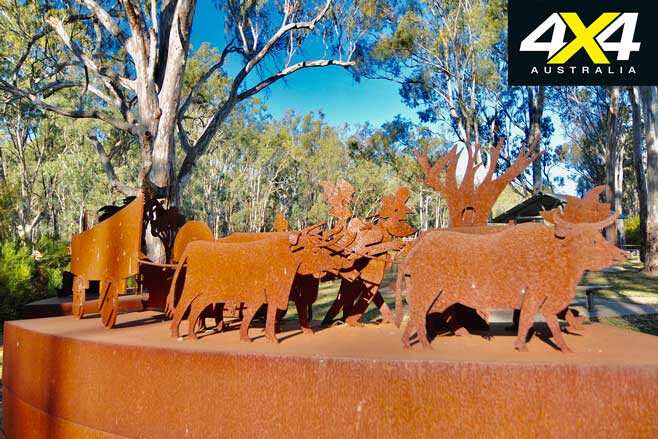
We settled into our camp, the area around the shallow waters of the lake dotted by some big red gums, and we made sure to stay away from them when setting up the camper. Then we wandered off and explored around the nearby area and the old heritage-listed mustering yards, which gives an idea of the cattle-grazing tradition of this area that’s often overshadowed by the forestry operations. The forest had been grazed since the 1880s and, even in the last year of grazing, 30 families were still mustering cattle here.
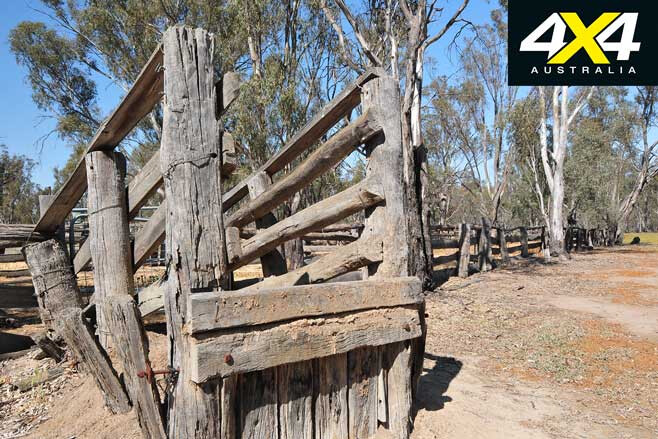
The history of the cattlemen is being kept alive by the Barmah Muster, which these days is more of a social event with friendly competitions, trail rides, entertainment and the like, but it’s still held every year. By all accounts it’s a great family occasion and one we must put on our calendar of things to do.
There is an easy walking trail near the Dharnya Centre with informative signs, which among other things take you to an Aboriginal cooking mound and a canoe tree, both graphic indications of the people’s long-term association with the country. We also found a nice campsite just outside the National Park in the adjoining Murray River Reserve, just before you cross Broken Creek north of the Barmah township. With easy access to the water and a few open areas right beside the creek, it’s a top spot and one we’ve added to the memory banks for our next visit.
Our time exploring the red gum forest around Barmah and beyond had come to an end, and it was with regret we packed up and headed back home. Next time, I’ll be back with a canoe and maybe even a fishing rod!
Travel Planner
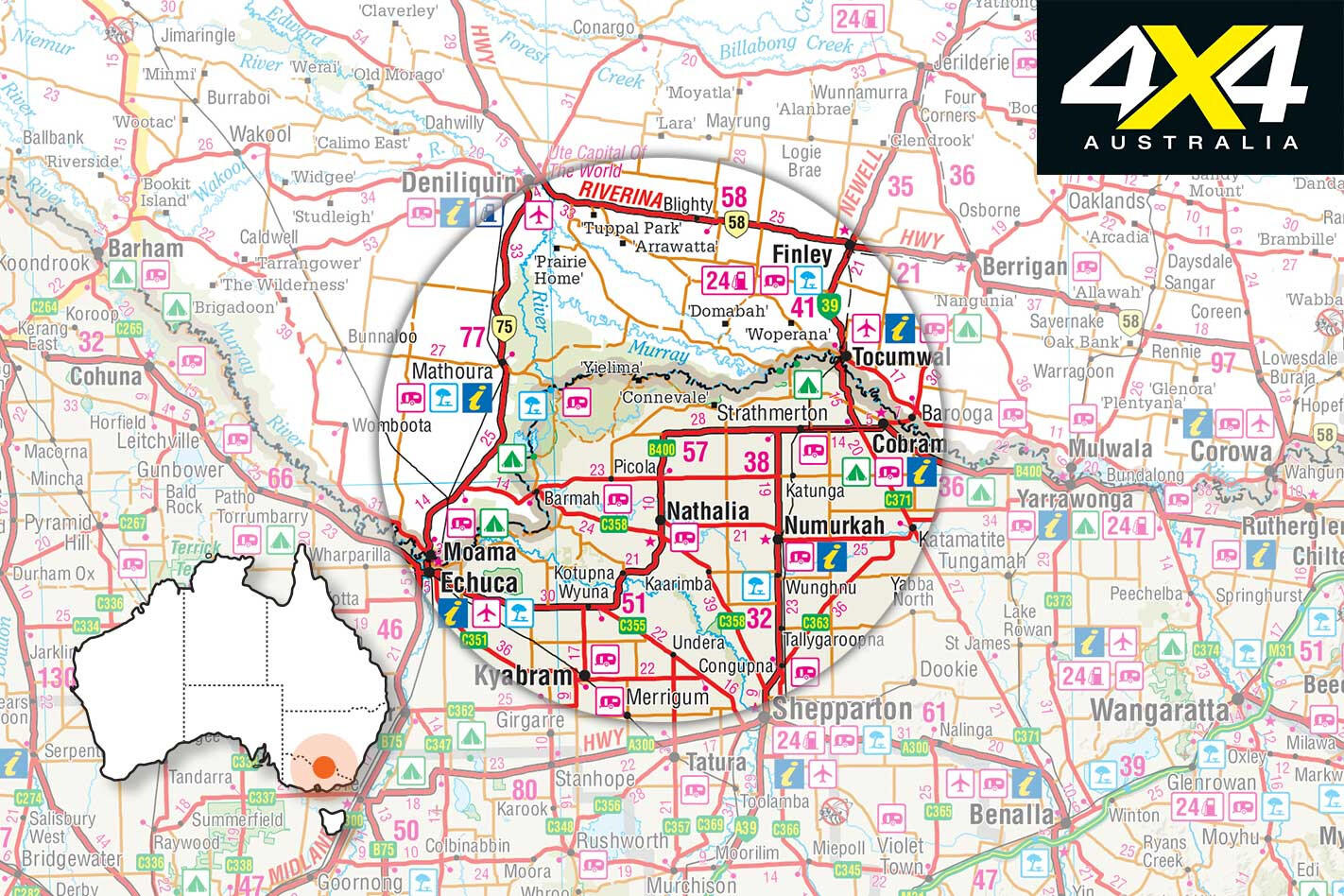
The red gum forests are approximately 260km north of Melbourne. It pays to check the relevant park websites to see road closures. Fines can result from driving on closed roads.
Murray Valley NP: www.nationalparks.nsw.gov.au/visit-a-park/parks/murray-valley-national-park Barmah township: www.murrayriver.com.au/barmah Mathoura: www.murrayriver.com.au/mathoura Barmah Muster: www.barmahmuster.com.au