
THE Black Edition mHAWK is no longer a limited-edition model, with Mahindra Australia officially adding the blacked-out budget ute to its model line-up.
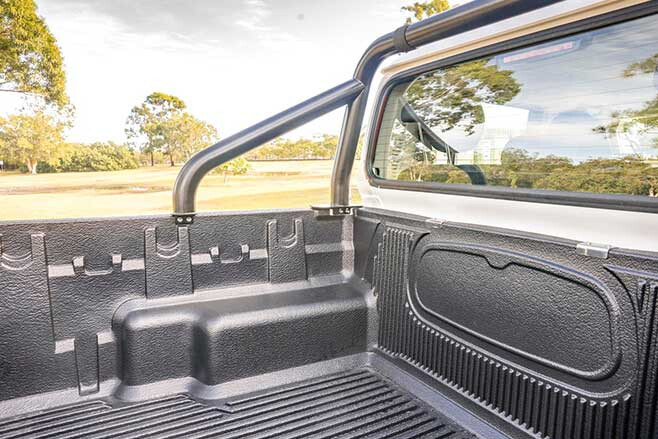
Originally revealed in April 2019 as a limited-edition model, the Black Edition mHAWK utilises the Pik-Up S10+ model as its core adds a steel bullbar, alloy sports bar, flares, custom decal kit, 17-inch rims and a tubliner – all in black.
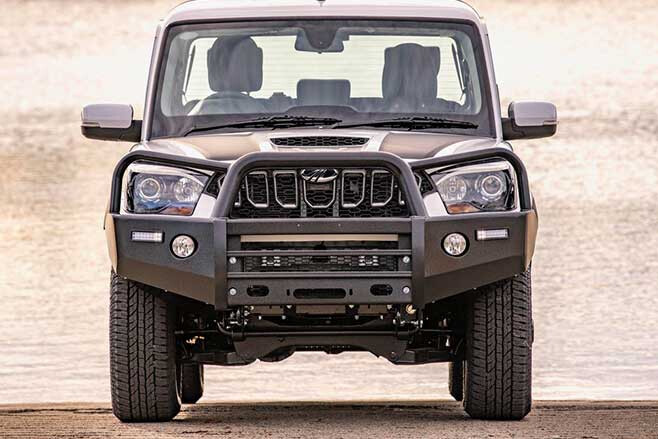
“The Black mHawk was designed in Australia, for Australian conditions,” said Ankit Taneja, the national manager for Mahindra Australia, at the 2019 launch.
The S10+ is the halo model in the Mahindra garage, and it comes with hill descent control, a hill-hold function, a 2.5-tonne brake tow capacity, a new seven-inch touchscreen with satellite navigation, Dana Spicer axles, and an Eaton self-locking differential.
The 2020 Pik-Up runs a 2.2-litre turbo-diesel engine, good for 103kW and 320Nm, which runs through a six-speed manual transmission.
With a factory tub, the Black Edition mHAWK is priced at $39,990 driveaway, $7000 more than the standard S10+ version. It comes with a five-year/100,000km limited warranty.
ORGANISERS of the iconic Birdsville Races have announced the 2020 event has been cancelled, but reassured us it will be back in 2021 by revealing the dates for next year’s event.
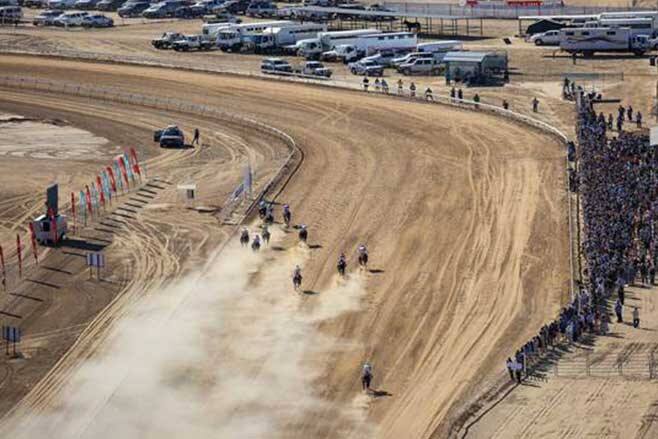
The 2020 Birdsville Races were set to run on September 4 and 5 this year, but have had to be canned due to health and safety reasons.
The races are traditionally held over the first weekend in September each year and draw thousands of enthusiasts to the outback Queensland town on the eastern edge of the Simpson Desert, which usually has a population of just 150 people. The 2021 dates have been set at September 3 and 4.
“It is with heavy hearts that we have made the difficult decision not to stage the Birdsville Races this year. As much as we were holding onto the hope that we could run them, we’re at a point where we’ve had to concede defeat. The health of our patrons, and those who live in Outback Queensland, is of paramount importance to us – and it is impossible to know what the status with Covid-19 will be come September,” said Gary Brook, Vice President of the Birdsville Race Club.
This news comes on the back the canning of Birdsville’s other big event – the Big Red Bash. The massive music festival that is held at the base of the giant sand dune known as Big Red was set to happen in July but was cancelled earlier this year once the effects of the pandemic were unfolding.
Like the Birdsville Races, the Big Red Bash promises to be back bigger and better than ever in 2021. While the BRB has limited numbers and usually sells out quickly, numbers at the races are not capped. The last time the races were cancelled was back in 2007, when the town was cut off by flooding, and crowds flocked back the following year.
“After the event was unable to run in 2007 we recorded our largest crowds ever in 2008. And we’re expecting next year to even bigger than that. It will be an amazing experience in Outback Queensland,” said Gary Brook.
While these events have been cancelled for 2020, don’t let that stop you from visiting Birdsville and the Corner Country. Travel restrictions are progressively lifting state by state and it won’t be long before travel to Outback Queensland and beyond is allowed again.
Birdsville is the eastern stepping-off point to the Simpson Desert and is a classic outback town. The iconic Birdsville Pub and the bakery have new owners and will be open for business, and there’s plenty of camping in the caravan park and outside of town. Big Red is just 30km west and is a Mecca for four-wheel drivers, even if you’re not planning to continue across the desert.
Keep an eye on the Queensland government news for the status of travel restrictions, and check out the Outback Queensland website for what’s on in Birdsville.
AS THE colder months take hold in the southern states of Australia, a lot of us are thinking of escaping to the warmer climes of the north.
At this stage, 2020 probably isn’t going to be a year for travel, but as you’re shivering in your Uggies this winter, start making plans to ensure some respite in the years ahead.
The Top End of the Northern Territory is a destination on the bucket list of most, if not all 4×4 travellers. Not only does it offer warmth all year ’round but there’s plenty of adventures to be had there, particularly if you’re keen to get off the beaten track.
Unfortunately for most of us, particularly those in the southern states, the Top End is a long way away and a 4×4 trip there usually means a week of travel either end of your adventures just to get there and back. It’s something many folks just can’t afford to spend that much time away from home and work.
FLY IN, FLY OUT
THERE IS A WAY to maximise your time in the Territory with a fly-in/fly-out holiday to Darwin and either hiring a 4×4 vehicle or joining one of the many 4×4 tours available. There are plenty of Darwin-based tour operators and companies that can rent you a 4×4 vehicle to explore.
We did just this and left mid-winter Melbourne for 30˚C-plus sunny days in the Top End. Direct flights to Darwin from most capital cities make this easy and with clever packing you can transport all you need for your off-road exploration and camping.
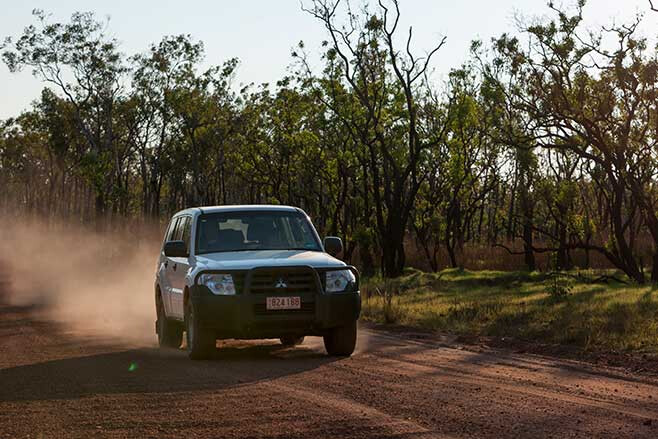
Darwin is unlike any other capital in Australia. It’s chilled vibe and friendly locals are a refreshing change from folks down south who are too rugged up behind scarves and hats to say g’day. It’s very much a tourist town with plenty of fully kitted 4x4s covered in red dust roaming the streets, and a variety of languages heard in the many bars and cafes.
There’s plenty to see and do in town, too, and we killed an afternoon at Crocosaurus Cove where we caught the croc-feeding show and swam with one of the bigger crocs in the protected tank. After managing to stay off the croc’s menu, we enjoyed a meal at the well-developed waterfront precinct but we were keen to get out of town to see the crocs in the wild.
You don’t need to venture far from Darwin to see crocs in their natural habitat. The world-renowned Kakadu and Litchfield National Parks are less than a half-a-days’ drive from the city. We headed for Kakadu on a tour with Territory Expeditions, in one of its 4×4 trucks.
Before you reach the national park you come to the Mary River Wetlands, where there are numerous tour operators offering wildlife and croc experiences on the water. A cruise on Corroboree Billabong is an easy way to get out on the water, and it wasn’t long before we saw some big crocs gliding through the water and lazing on the banks. The eagle-eyed skipper was expert at getting us as close as possible to them and also spotting and identifying the plethora of water birds on the billabong.
KAKADU NATIONAL PARK
KAKADU NATIONAL PARK is just 250km from Darwin, so you can get out of the 4×4 and enjoy the sites before lunchtime if you leave town early enough. There’s plenty of Aboriginal culture and art to discover within the park, and the best way to find and appreciate it is to drop in to one of the information stations or take a guided tour.
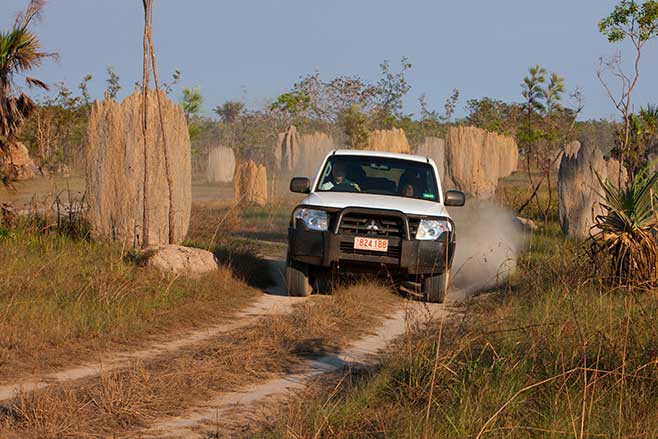
The rock art site at Ubirr is a place where you can easily access and view the many different art sites via a relatively flat loop walk. Do it with one of the park guides for some local knowledge and interpretations of what the art means and signifies. One of the more interesting pieces of rock art depicts a thylacine, better known as the Tasmanian Tiger. Not known for being in these parts, the thylacine is thought to have become extinct on mainland Australia 2000 to 3000 years ago, before the last of them was lost in Tasmania back in the 1930s.
For the more energetic there’s a short but steep climb to the top of Ubirr Rock that offers spectacular views out across the floodplains below. With storm clouds approaching from one direction, fire and smoke rising in another, this hilltop was the perfect place to break from the group to experience in solitude the feeling and beauty of such a magical place and forget the cold city you left just a day earlier.
The drive to a campsite at Mardugal was perfectly timed to enjoy a quick sundowner at Yellow Water Lagoon (Ngurrungurrudjba). There are cruises available on the wetlands here, but the westward-facing view from the jetty is the perfect spot to catch a Territory sunset and reflect on the day.
WATERHOLES
AFTER SEEING MANY crocs in the waters around the floodplains it was with some trepidation that we ventured off toward Jim Jim Falls and the promise of a swim in the cool waters.
Many of the waterholes and waterfalls within Kakadu look inviting, but you have to assume there will be crocodiles in the water unless told otherwise by a reputable source such as a park ranger or tour guide. Most of the waterways within the park are signposted to indicate whether they are safe, and there are plenty of signs warning of crocodiles and where not to swim.
The drive in to Jim Jim is via the Karnamarr campground, the last 10km of it for 4×4 vehicles only, but it’s not difficult off road driving and anyone should be able to do it. From the carpark it’s a further walk to the falls, ensuring that by the time you reach the pool you are well and truly looking for a quick swim.
The waters are cool and refreshing, and depending if there is any sun on the pool at the time, dark. But a swim here is the perfect way to sooth the humidity of the day … and the aches and pains from the walk.
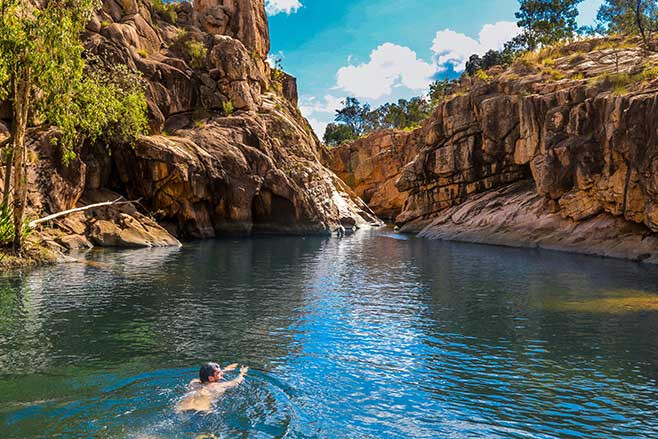
While there were no crocodiles at the waterhole we were reminded they are not the only animals that can hurt or kill you in the Top End. While enjoying lunch back at Karnamarr, the park ranger showed up with a death adder he caught at his doorstep that morning. The death adder is one of the most venomous snakes in the world and, without proper treatment, a bite will kill you quickly. The ranger was going to release it a safe distance from the campground.
The waterhole and falls at Maguk, or Barramundi Gorge, are well worth the walk, too. The one kilometre, mainly flat, walk follows a creek before delivering you to a stunning large pool with the falls at the other end. A pleasant swim gets you across to the falls, which you can swim beneath. There’s a basic campground at Maguk and this is a spot where you could spend more time, but we had other waterfalls to find.
To cap off the afternoon, we went to one of the most photographed waterholes in the park. But to reach the iconic spot, you first need to complete a steep 450m climb up the escarpment. It’s worth the effort. The pools atop Gunlom Falls run right to the edge of the cliff, forming a natural infinity pool where you can soak in the amazing view. It’s this unique and unmissable perspective that ensures images of Gunlon are plastered all over social media.
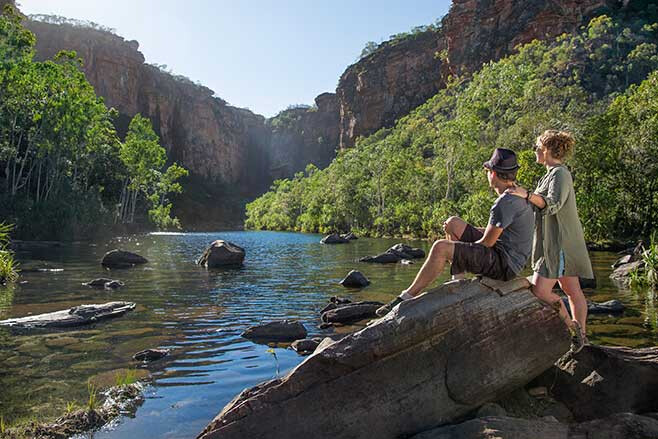
At the time of our visit in 2019, the track up the escarpment was being improved to make it more accessible, so this work should be completed by now. For those less energetic, there’s the plunge pool at the bottom of the falls, but it’s less spectacular.
The campsite at Gunlom is large and spacious and offers shower and toilet facilities for campers, caravans and camper trailers. It’s location makes it an ideal base for those looking to explore the walks and swimming holes in this southern part of the park. There are park and camping fees required to access and use Kakadu park, so research before you visit.
Our camp this night was just outside the park at the Mary River Roadhouse that offers a quality campground and facilities, plus the chance to enjoy a few cool drinks and a game of pool at the bar after dinner.
One last waterhole before ending the trip, this one a lesser-known small gorge not far from the Roadhouse. Ikoymarrwa, or Moline Rockhole, is a small gorge at the end of a 4×4 track at the southern edge of Kakadu National Park. It’s a short walk from the small carpark to the rock hole, where it’s possible to swim and sit under the falls when flowing. Due to its size and location, Moline Rockhole is one of the few within Kakadu that is open all year around, including in the wet season.
Moline provided a last taste of the water in Kakadu, and from the southern border of the park it’s around 160km on sealed road to the Stuart Highway at Pine Creek. From here you can turn south where its 95km to Katherine or north 225km back to Darwin.
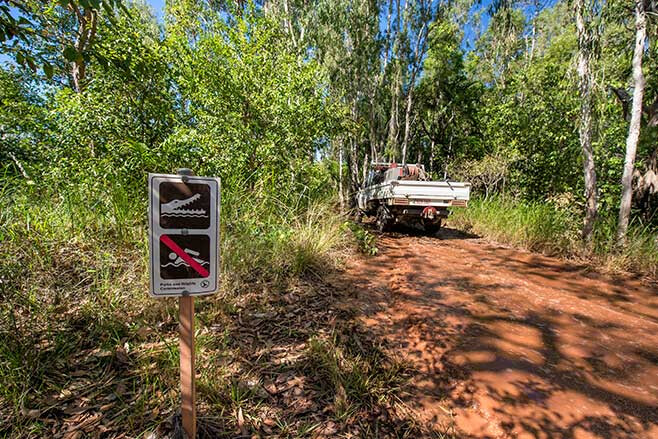
Our three-day jaunt through Kakadu was only a small taste of what the park has to offer but enough to leave you wanting more. More importantly it provides a respite from the winter chill down south and a chance to plan more adventures in the Top End. We spent a few days in Katherine to make it a week away, and your time in the Top End is only limited by your ability to escape the every day. At the time of going to print, Kakadu National Park, like most national parks in Australia, was closed due to quarantine regulations, but there’s nothing to stop you preparing your 2021 winter escape now.
ESSENTIAL INFO
KAKADU NATIONAL PARK
BEST TIME TO VISIT: The park is open all year; the dry season runs from April through to October and is the best time to see most of the park and surrounds.
WHERE IS IT? Kakadu NP is 250km east of Darwin and 150km north of Katherine.
GETTING AROUND: It’s best to have a 4×4 vehicle for exploring Kakadu and the Top End. Either bring your own or hire one in Darwin. If you don’t want to do it yourself join an organised tour, such as Territory Expeditions.
MORE INFORMATION https://territoryexpeditions.com.au https://northernterritory.com/kakadu-and-surrounds https://www.crocosauruscove.com https://parksaustralia.gov.au/kakadu
IN THE market for a GVM upgrade or new suspension for your 200 Series LandCruiser? How about a loopless bullbar for your 2019+ Jimny?
IRONMAN 4X4 GVM UPGRADE
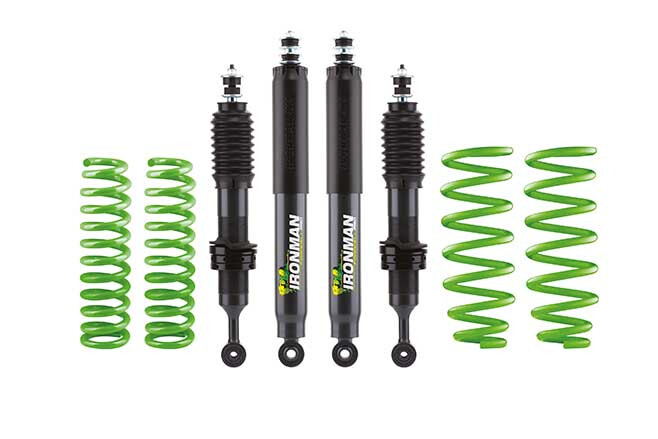
IRONMAN 4×4 has released a federally approved 4000kg GVM upgrade for the 200 Series LandCruiser. Utilising the Aussie brand’s Foam Cell Pro Shock Absorbers, the upgrade will certainly improve the control and ride of your vehicle when loaded with plenty of gear for that remote-area adventure.
The upgrade has been thoroughly stress-tested by an independent body – in-house, on road and off road – for Australian conditions. For specs and details, head to the Ironman 4×4 website.
RRP: From $2600; Website: www.ironman4x4.com
TJM PACE REMOTE RESERVOIR STRUT FOR LC200
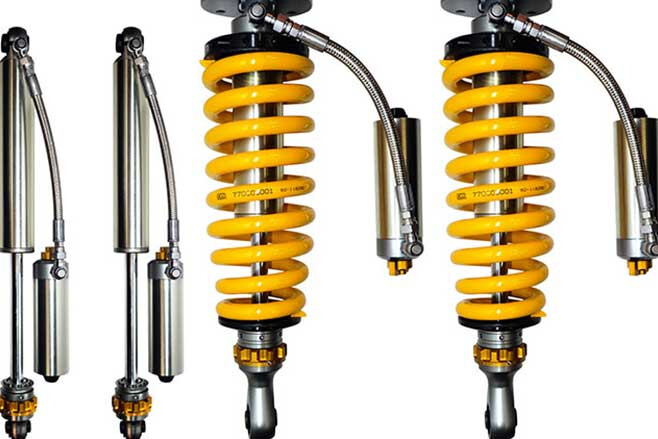
TJM has released its Pace Suspension setup for the Toyota LandCruiser 200 Series (2007-current), with the equipment now available to order via TJM stores and stockists. The brand-new bi-direction adjustable remote reservoir shocks are built for high-performance off-road users. Features include eight-stage compression and rebound adjustability, a patented inbuilt hydraulic bump-stop, an innovative monotube design consisting of a single-wall steel tube construction, and a coil-over assembly which includes the coil spring and has an adjustable spring seat for fine-tuning.
RRP: $999; Website: www.tjm.com.au
AFN 4X4 LOOPLESS BULLBAR
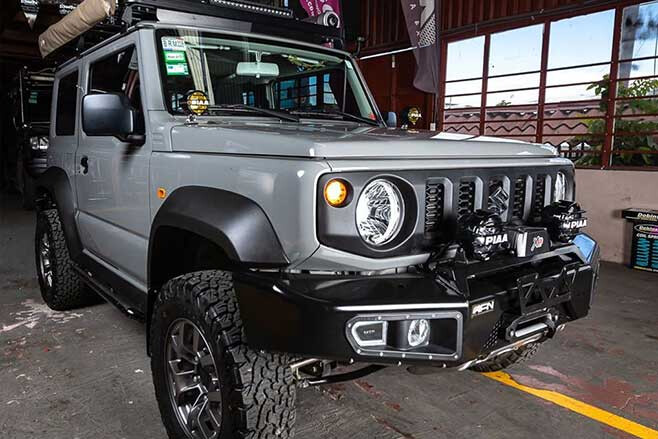
THE full bumper replacement for the 2019+ Suzuki Jimny is a neat addition to give the pint-sized 4×4 more capability yet keep it looking tidy. The bumper features dual antenna tabs and Hi-Lift Jack points.
The bumper is winch-compatible and suits both standard and compact mounts, while it also utilises OEM fog lights but includes new AFN LED indicators and DRL light assemblies. As standard, it comes with a satin black powdercoat.
RRP: $1535; Website: www.afn4x4.com.au
MERCEDES-Benz’s venerable G-Wagen might appear to be bulletproof, but even they are subject to niggling wiring problems.
A total of 155 AMG G63 series vehicles sold in Australia between August 1 2018 and March 31 2019 can be affected by incorrectly installed wiring within the doors, which could see the wires damaged from the constant opening and closing of the doors.
If the cables are damaged the side airbag may not deploy (or there may be a delay in deployment); the door may not automatically unlock in an accident; or, in the event of an airbag deployment, emergency services may be automatically notified of the incorrect affected seating position in the car.
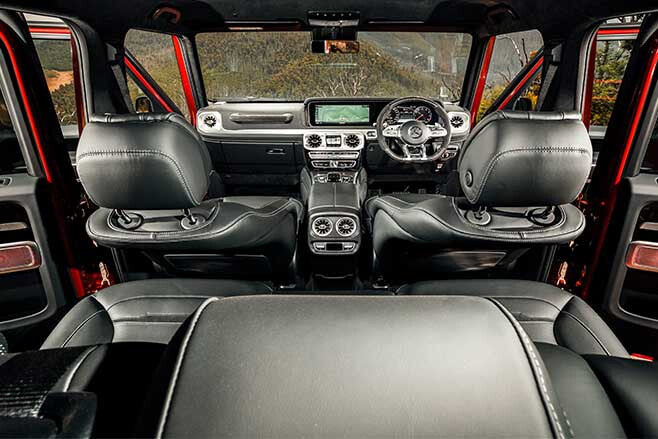
Owners of the affected vehicles are asked to contact their Mercedes-Benz dealer to organise a free-of-charge repair.
Note that this is only for the IFS 463 G-Wagen and not the 461 G-Professional models. The Bahn-storming G63 is the only variant of the IFS G-Class currently available in Australia.
FOR THE sixth season of the 4X4 Adventure Series, Ron, Matt and the team explored South Australia’s stunning Flinders Ranges.
Beginning at the southern edge of the Flinders Ranges – just north of the famous coastal town of Port Germein, at the foot of Mount Remarkable – the team headed north to its first stop at Alligator Gorge to stretch their legs.
It was then on to the four-wheel mecca of Bendleby Ranges, where Ron had a chinwag with Charlie, the manager of the Ranges’ 190km of tracks, who then pointed the convoy in the direction of some freshly laid tracks.
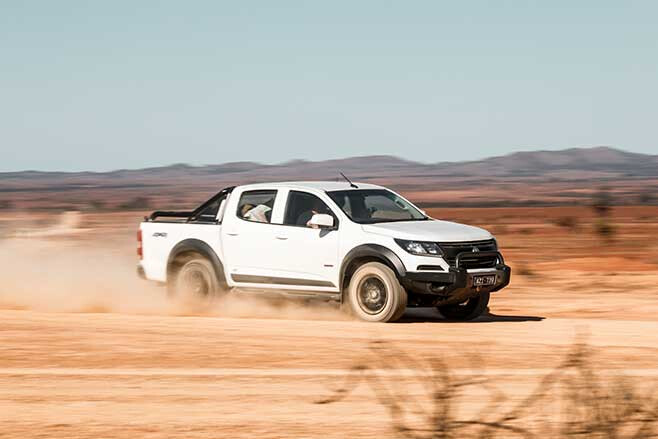
Following plenty of fun on the challenging tracks, a sunset view was enjoyed at the aptly names Sunset Ridge.
It was then on to Quorn, with its famous Pichi Richi Railway. After a quick wander around the quaint town, it was on to the Arden Hills 4WD Track, north of Quorn. This track leads to some sensational vantage points, before ending the day at the base of Arden Hills.
Also on the agenda on this trip were the Willochra Plains, Kanyaka Station and a tour of the Blinman Mine. And what better location to end an episode, than atop the Skytrek Track at Willow Springs.
AS TRAVEL restrictions start to ease and even lift by varying degrees, depending on what state you’re in, most of us are itching to get back out there and kick up some red dust beneath our 4x4s.
None more so than the good folks at Drive 4 Life, who had to cancel the original planned 2020 tour as travel bans prevented it from passing through aboriginal communities. However, the hard-working team has planned a fresh trip, which will take in some iconic outback locations and stop at some well-known bush pubs.
The revised 2020 tour will start and finish in Broken Hill, NSW, and will run over the week from Saturday September 26 to October 3.
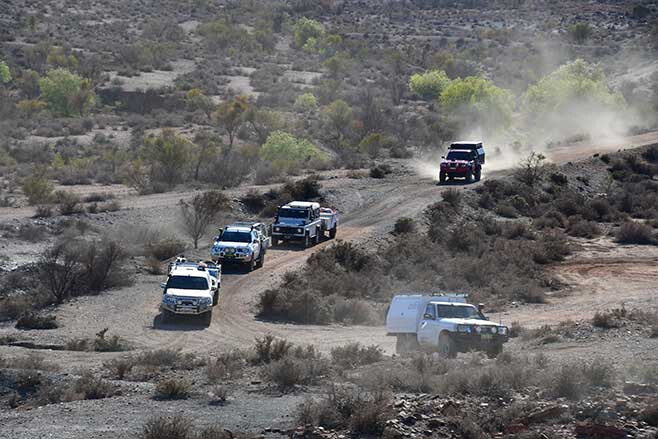
The tour will visit Blinman, Maree and Mungerannie in South Australia; duck in to Queensland for Birdsville, Big Red and Betoota; back to SA for Innamincka and Cameron Corner; before returning to NSW to visit Tibooburra, Milparinka, Packsaddle and Silverton.
This is not a difficult 4×4 trip, but your vehicle will need to be well-maintained and properly equipped, as would any trailers and caravans which are also suitable for the tour.
Participant numbers will be limited to 20 vehicles in total, and these will be split into two groups. with one going clockwise and the other going anti-clockwise around the same route.
As with all Drive 4 Life tours, entry is via a $1000 tax=deductible donation to Northcott Disability Services (www.northcott.com.au). Tour logistics and operating costs are covered by long-time Drive 4 Life partners ARB 4×4 Accessories, IGA Supermarkets and 4X4 Australia magazine.
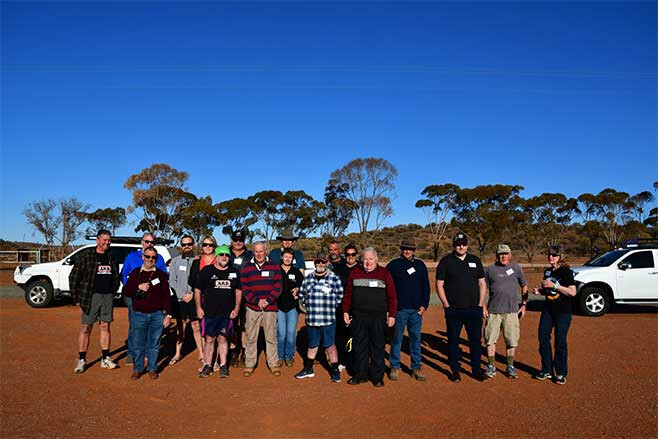
These tours are always a lot of fun, with a great crew of people along to take in the awesome tracks and, in this case, visit some top Aussie pubs.
Of course, this trip will be subject to interstate travel being allowed by the end of September, as we hope and expect they will be. If restrictions or any other reason prevents the trip going ahead, the donation is fully refundable.
The guys tells us they already have seven vehicles signed on for this tour and spots are filling fast. So head to the website at www.drive4life.com.au for all the details and the registration form, so you don’t miss out.
WITH THE popularity of the Ram 1500 pushing Walkinshaw to up the production of the re-engineering process, to meet demand in Australia, the inevitable comparison between it and the new Chevy 1500 has to be made.
While you can get in to a Ram from $79,990 for the base model Express Quad cab, a closer comparison here is with the Ram 1500 Laramie Crew Cab V8. Even so, the Laramie starts at $99,950 to the Chevy’s $113,000.
BIGGER AND BETTER
- Chevy Silverado 1500 off-road test
- Is the Silverado 1500 too big for Oz?
- Silverado 1500 v Ram 1500 video review
Feature-wise the two are similarly equipped but the Chevy, being a newer model, takes a clear lead on safety equipment as it comes with forward collision warning with low-speed autonomous emergency braking (AEB), lane departure warning and adaptive cruise control, none of which are fitted to the Ram. The Chevy leaps ahead on power and torque numbers, while the Ram edges back with a higher payload. Both are rated to tow 4500kg when specified accordingly.
The Chevy feels more spacious and comfortable inside and offers a more refined drive. Overall, its driving experience is preferred over the Ram. Part of the reason the Silverado is better is that it is a newer car.
The Ram 1500 sold by Ram Trucks Australia is the older DS model which, even though it is still produced new and sold as a 2020 model in the USA, has been superseded by the DT Ram. Both models are sold alongside in the US, while RTA says it will be 2021 before it introduces the DT here.
CHEVROLET SILVERADO 1500 LTZ SPECS
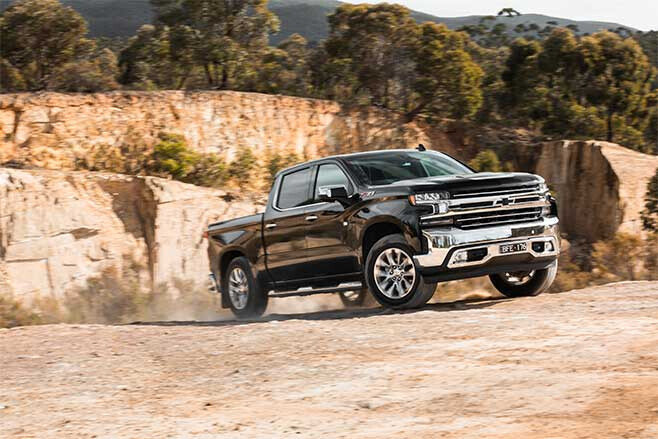
- ENGINE: 6.2L OHV direct-injection petrol V8
- MAX POWER: 313kW at 5600rpm
- MAX TORQUE: 623Nm at 4100rpm
- TRANSMISSION: 10-speed auto
- CRAWL RATIO: 40.69:1
- 4X4 SYSTEM: Dual-range part-time
- CONSTRUCTION: 4-door cab and tub on ladder chassis
- FRONT SUSPENSION: IFS with wishbones & coil springs
- REAR SUSPENSION: Live axle with leaf springs
- WHEEL AND TYRE: 20-inch alloys with 275/60R20 AT tyres
- WEIGHT: 2588kg
- GVM: 3300kg
- PAYLOAD: 712kg
- TOWING CAPACITY: 4500kg
- GCM: 7160kg
- SEATING CAPACITY: 5
- FUEL TANK CAPACITY: 91L
- ADR FUEL CLAIM: 12.23L/100km
- TEST FUEL USE: 12.4L/100km
CHEVROLET SILVERADO 1500 LTZ OFF-ROAD SPECS
- DEPARTURE ANGLE: 23.0°
- RAMPOVER ANGLE: 20.0°
- APPROACH ANGLE 21.0°
- WADING DEPTH: N/A
- GROUND CLEARANCE: 235MM
CHEVROLET SILVERADO 1500 LTZ BASE PRICE
- $113,000
RAM 1500 LARAMIE SPECS
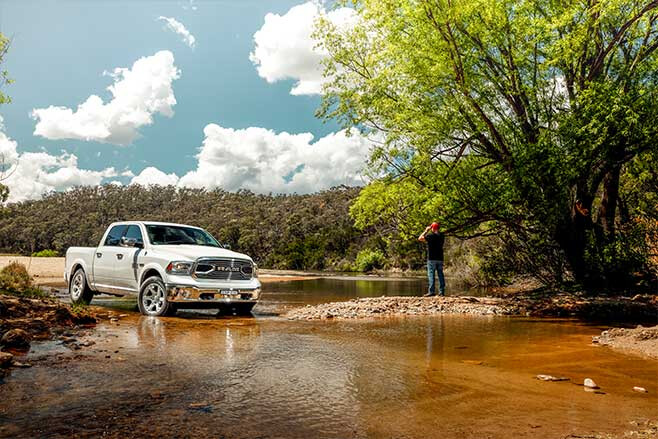
- ENGINE: 5654cc OHV petrol V8
- MAX POWER: 291kW at 5600rpm
- MAX TORQUE: 556Nm at 3950rpm
- TRANSMISSION: 8-speed automatic
- CRAWL RATIO: 48.74:1
- 4X4 SYSTEM: On-demand 4WD with low range
- CONSTRUCTION: 4-door cab and tub on ladder chassis
- FRONT SUSPENSION: IFS with wishbones + coil springs
- REAR SUSPENSION: Live axle with coil springs + 5-link
- WHEEL AND TYRE: 20-inch alloys with 275/60R20 HT tyres
- KERB WEIGHT: 2650kg GVM: 3450kg
- PAYLOAD: 800kg
- TOWING CAPACITY: 4500kg (with 3.92:1 final drive)
- GCM: 7237kg
- SEATING CAPACITY: 5
- FUEL TANK CAPACITY: 98L
- ADR FUEL CONSUMPTION*:12.2L/100km *Australian Design Rule ‘Combined-Cycle’ claim
RAM 1500 LARAMIE OFF-ROAD SPECS
- DEPARTURE ANGLE: 24.4°
- RAMPOVER ANGLE: N/A
- APPROACH ANGLE: 17.8°
- WADING DEPTH: N/A
- GROUND CLEARANCE: 219.5mm
RAM 1500 LARAMIE BASE PRICE
- $99,990
A timeline of the Range Rover Classic’s evolution, from 1970 to 1994.
1970: Range Rover launched with long-travel coil-spring suspension, full-time 4×4 and V8 power from a state-of-the-art Buick-sourced 3.5-litre all-alloy V8 being defining features separating it from the Land Rover models then in production.
1972: The Range Rover arrives in Australia and commands the princely sum of $7475 at a time when Toyota LandCruisers (40 and 50 Series) were priced between $2700 and $4800.
1973: Power steering and a wash/wipe for the rear window introduced as options across the range.
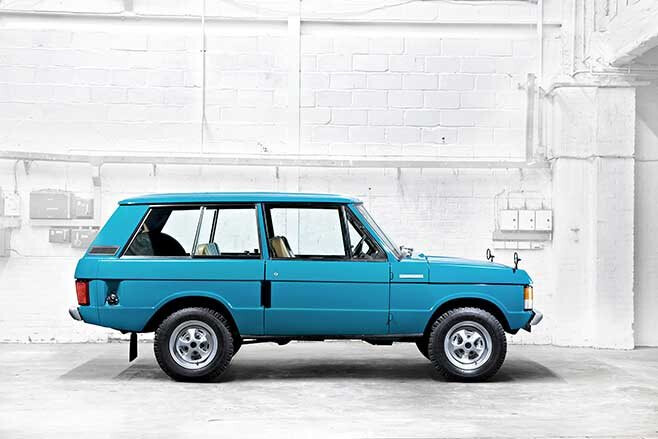
1970 Range Rover Classic four-door
1978: Emission controls first introduced. Engine compression ratio reduced to 8.13:1, automatic choke fitted to the carburetor, and air pump and air-injection introduced. Power steering made standard by year’s end.
1979: Jaguar Rover Australia begins local production of the Range Rover at its Enfield plant in Sydney using knockdown kits supplied by the factory in Solihull, UK.
1982: The four-door model introduced in Australia, soon to become standard as the two-door is phased out. Australian models get a more powerful (up to 93kW) ADR-compliant engine with a 9.35:1 compression ratio and manual choke. The manual gearbox gets revised ratios and shift gate, while a three-speed Chrysler Torqueflite automatic becomes an option. Carpet and cloth trim replace the rubber floor coverings and vinyl seat coverings used previously.
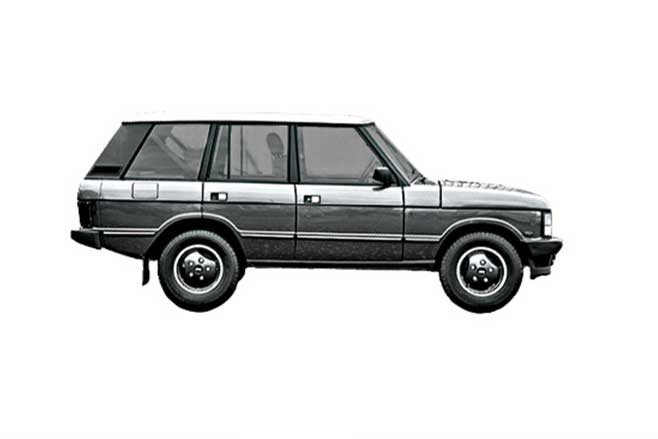
1974 Range Rover Classic four-door
1984: Due to increased government tariffs on automotive parts, Australian assembly ceases. The Highline model also joins the range with either the automatic gearbox or a new five-speed manual, replacing the previous four-speed. Alloy wheels, armrests and timber door cappings are also standard.
1984: The five-speed manual becomes standard across the range and the Torqueflite automatic is upgraded. Central locking and factory air-conditioning introduced. In late 1984 the engine gains electronic ignition and the suspension is raised by 38mm. The front quarter windows are dropped, the external rear view mirrors relocated to the doorframes, the front seats gain height adjustment and the dashboard redesigned.
1985: Range Rover sales in Australia exceeded those in England for the first time. A new luxury model – the Vogue – introduces electronic fuel injection (Lucas L system) and a four-speed ZF automatic transmission.
1986: Fuel injection and the four-speed automatic become standard, while the power is increased to 110kW. The suspension is lowered by 38mm via dual-rate coils. A turbo-diesel model using a 2.4-ltre VM Motori engine is launched in the UK and arrives in Australia the following year.
1987: The Range Rover is launched in the USA. A new grille and concealed bonnet hinges lead a number of styling changes.
1989: The introduction of the Vogue SE brings new levels of luxury with leather, a CD player, sunroof, walnut-wood trim and colour-coded alloy wheels. Mechanical changes in 1989 run to a chain-driven transfer case and an automatic-locking viscous-coupling centre differential replacing the manually lockable centre diff used previously.

Range Rover Vogue four-door
1990: The 250,000th Range Rover is built and the long-serving 3.5-litre V8 is replaced by the new 3.9-litre V8 complete with a new fuel-injection system and claims 130kW. Ventilated front brake rotors and electronic anti-lock braking provide more consistent stopping, while the ZF auto is revised to cope with the extra power. For the first time in Australia, the Vogue SE climbs above $100K.
1991: A special CSK model (named after Range Rover designer Charles Spencer King) is introduced. Much to the dismay of off-road enthusiasts, anti-roll bars are introduced to the suspension, which reduces the wheel travel meant for flatter on-road handling. Cruise control also introduced.
1992: Electronic traction control and electronic height-adjustable air suspension introduced on Australian Vogue Plus and Vogue SE models. Meanwhile, the UK sees the introduction of the LSE model riding on a long wheelbase (108-inch rather than 100-inch) and powered by a new 4.2-litre V8.
1994: The second-generation model, code-named P38, makes its debut.
LIFE AFTER THE CLASSIC
WHILE production of the ‘Classic’ Range Rover continued until 1996, the second-generation model widely referred to as the P38 arrived in 1994.
Initially developed under the code name Pegasus and Discovery, the latter to confuse journalists, the P38 name came from the building (Block 38) at Land Rover’s Solihull plant where the new model was developed.
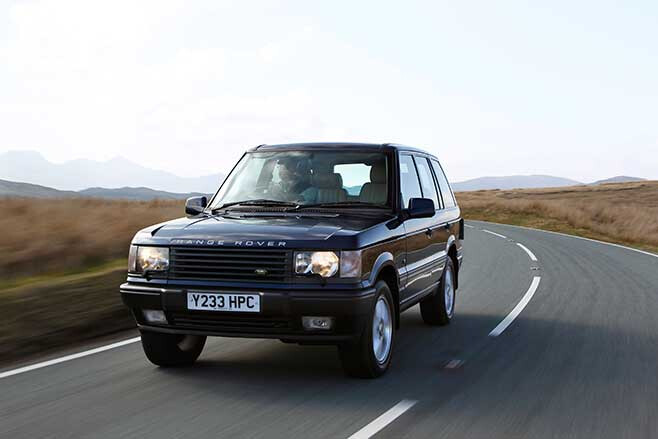
Second-generation Range Rover
While the P38 bought 4.0- and 4.6-litre developments of the original Buick-sourced 16-valve pushrod V8, the new generation model retained the defining features of the original, namely separate-chassis construction, front and rear live axles, full-time 4WD, and aluminium body panels. The P38 also bought height-adjustable air springs but this feature, along with electronic traction control, had already appeared on the last of the first generation models.
With BMW’s purchase of Land Rover/Range Rover from the state-owned British Aerospace at the time the P38 was launched, it wasn’t long before the new German masters wanted to move the game along. Perhaps the P38 didn’t perform well hot-lapping the Nurburgring?
Following a relatively short eight-year life span the P38 was replaced by the third generation, or L322, in 2002. The L322 shared much with BMW’s first-generation (E53) X5 including the powertrains, basic floorpan structure, electronics, switchgear and numerous ancillary items.

Range Rover’s second generation
More notably the L322 bought a whole new BMW-inspired design philosophy by employing monocoque construction and fully independent suspension, a complete about-face from the first and second-generation models. Cleverly, the new suspension still offered a generous amount of wheel travel, and combined with third-generation height-adjustable air springs, provided a lofty ride height when needed.
With Ford’s purchase of Land Rover/Range Rover from BMW in 2000, where BMW used the fully-developed and ready-for-production L322 as a deal-sweetener, Ford bought the L322 to production and from 2005 onwards Ford engines replaced the original BMW units.
The L322 lasted some ten years and in 2012 was replaced by the L405, another completely new clean-sheet design. Funded by a open cheque book courtesy of India’s Tata Motors, which had purchased Land Rover/Range Rover from Ford in 2008, Range Rover’s engineers literally aimed for the stars with the use of aerospace technology in the L405’s aluminium-alloy monocoque structure.
Compared to the steel monocoque used with the L322, the L405 saved more than 400kg in weight, which brought significant benefit to performance, fuel efficiency, on-road dynamics and off-road ability. Initially Ford designed engines, both diesel and petrols have been used but increasingly the L405 is using new generation ‘Ingenium’ engines designed in-house off the back of Tata funding.
“WE DID IT off our own bat. It wasn’t management saying ‘do this’, we did it ourselves because we thought it was a worthwhile thing to do, and the management accepted it.
“The sales department thought it was stupid: ‘What? A Land Rover costing two thousand pounds – you must be mad.’” So said the late Charles Spencer King of the birth of his brainchild the Range Rover in an interview given in 1995 to Australian motoring journalist Shane Nichols.
Spen King, as the Rover Company senior engineer was known, was many things, but mad he was not. When the Range Rover made its debut to a group of prominent (and almost exclusively British and European) motoring journalists in West Cornwall in 1970, it was immediately clear that here was a whole new type of vehicle. What wasn’t so obvious was the profound effect on motoring during the close of the 20th century and into the 21st century that the Range Rover would have.
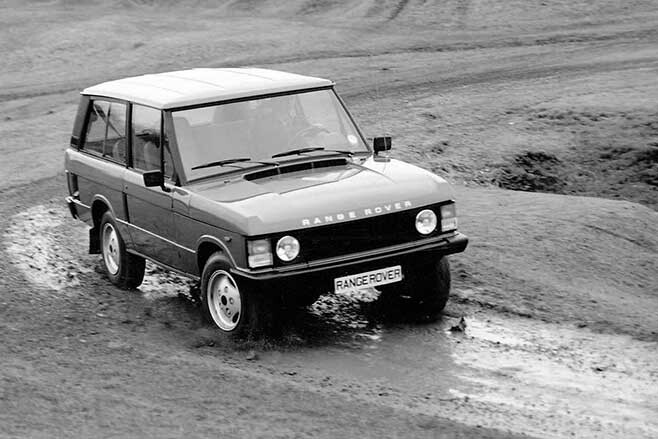
Two-door Range Rover Classic (1st gen)
Arriving in Australia in 1972 priced at $7475 – when the most expensive Toyota LandCruiser was under $5000 – the Range Rover came at a time when 4x4s where generally crude and utilitarian. Yet, the Range Rover managed to better its contemporaries in genuinely difficult off-road conditions due largely to its long-travel coil-spring suspension while at the same time providing on-road comfort and performance to shame many a luxury car.
In essence, the Range Rover did what all modern passenger 4WDs attempt to do, namely mixing on and off road performance in such a way that neither are unduly compromised.
It wasn’t until Nissan launched its GQ Patrol late in 1987 and Toyota its 80-Series LandCruiser in 1989 that Japanese 4WDs approached the Range Rover’s unique blend of off-road prowess and on-road civility, and even then they fell short.
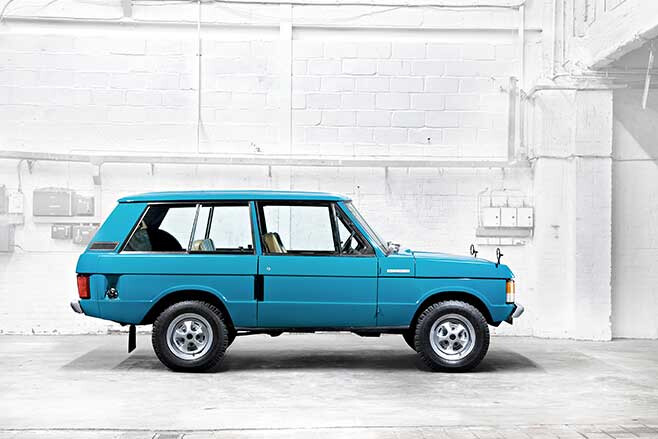
The Range Rover was quickly adopted by the gentry as the first Toorak Tractor.
THE FIRST LUXURY 4×4? NOT QUITE
THE RANGE ROVER is often called the first luxury 4×4 but that’s misleading, and wrong on both accounts. The first Range Rover wasn’t even luxurious and as for being the first 4×4 that ventured down the ‘luxury’ road that accolade is more fairly given to the original Jeep Wagoneer, which preceded the Range Rover by seven years and had some influence in the Range Rover’s conception.
Somewhat ironically the Range Rover wasn’t developed out of the Land Rover side of the Rover Company but rather the new-vehicle development unit of the passenger-car side of the company. What’s more many in the Land Rover side of the business, including Tom Barton, Land Rover’s chief engineer of the time was very skeptical of the Range Rover as he was a firm believer that 4x4s should have leaf springs.
Spen King, as the chief engineer of Rover’s new-vehicle projects, was looking for product and was interested in combining the comfort of a Rover P6 ‘executive saloon’, one of his earlier designs, with the off-road ability of a Land Rover.
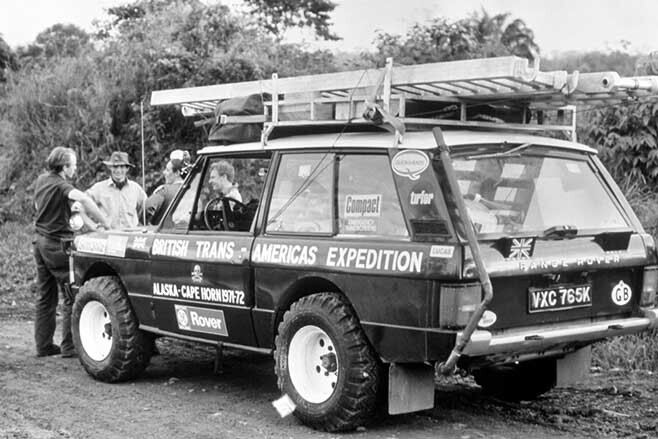
Range Rover’s Classic TransAmerican Expedition rig.
To this end, in 1966 King took a P6 for a drive on the company’s private test track at Solihull, effectively bumpy field, and was surprised how good it felt, remembering of course that passenger cars of the times – the mid 1960s – had a lot more ground clearance than passenger cars of today. What’s more, he was also surprised how good it felt compared to the company’s Land Rovers of the time.
At this stage the Range Rover ‘project’ wasn’t a company condoned or authorised endeavor and King and two other key members of the design team, Geof Miller, a 4×4 expert and chief project engineer, and Gordon Bashford, the chassis engineer who was involved with every Land Rover since the original Series One, worked on the project in their own time.
Rover management soon got on board however, as there was a belief that 4×4 sales would expand beyond the rural and military sectors into the recreational market where towing boats and caravans and having a vehicle just as adept at high speeds on the motorway as it was off-road could bring sales that the Land Rovers of the day could never achieve.
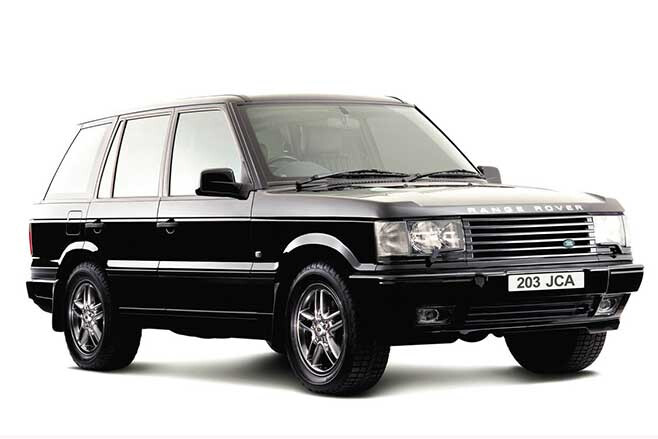
Second-generation Range Rover
The 1960s had already seen the seeds of this in the USA where the Jeep Wagoneer, Ford Bronco and the International Harvester Scout were early signs of the emergence of a new style of 4×4. The USA was targeted as potential Range Rover market but emission and safety regulations made it too expensive to comply so the idea was dropped and the Range Rover didn’t actually find its way to the USA until 1987, some 17 years after it was launched in the UK.
IMPROVED VERSATILITY
THE ORIGINAL CONCEPT of the Range Rover was never to produce a luxury vehicle but more a premium vehicle that could offer far more versatility than any of the existing Land Rovers. King listed site foremen, skiers and army officers who wanted something better than a Land Rover, as potential buyers.
It certainly wasn’t aimed at the ‘landed gentry’ as one look at the simple and utilitarian interior with its rubber floors and vinyl seats of the original would reveal. Of course it would become a vehicle of choice of well-heeled country folk but that was a role it grew into rather than being designed for.
Around this time, and very fortunately so, Rover had already agreed to buy the tooling and blueprints for an all-alloy 3.5-litre V8 from Buick for Rover’s passenger cars. This was timely as the Land Rover’s existing 2.5-litre four-cylinder and 2.6-litre six-cylinder engines wouldn’t have given the Range Rover the 145km/h-plus motorway speeds and heavy towing capacity that was envisioned for the Range Rover.
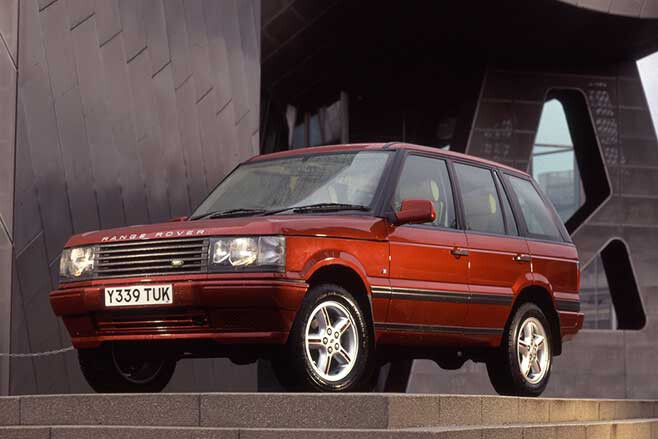
The second generation ran from 1994-2002.
At that time within the Rover Company the Land Rover was still seen as the stopgap measure it was originally designed as, and its development was still slow paced and underfunded, hence the lack of a more modern engine in the Land Rover stable until the Buick V8 came along.
The first prototype was built in 1967 using a Land Rover chassis and many Land Rover parts including the part-time transfer case, Land Rover axles, and drum brakes. But the springs were adapted from the Rover P6, and the rubber mounts to isolate the body from the chassis also came from a Rover passenger car, as King was keen to achieve Rover passenger-car NVH levels with the Range Rover.
The second prototype moved the game on considerably introducing full-time 4×4 and disc brakes. It also brought the Boge Hydromat self-leveling strut, which helped maintain the vehicle attitude when heavily laden, something that’s essential when you have soft, long-travel springs. For the first 20 years of its life the Range Rover didn’t even employ anti-roll bars, which allowed the suspension to work freely through its full travel off road.
FULL-TIME 4×4
THE DECISION TO use full-time 4×4, in retrospect a breakthrough design, came about as King wanted to use Land Rover axles rather than heavy-duty truck axles as these would ruin the on-road handing due to the extra unsprung weight. The trouble was the extra torque from the V8 might be too much for the lighter axles, so by using full-time 4×4 the drive torque was spread front to rear.
As King was to say some years later: “You have the rotating machinery at both ends so you may as well use it. It saves on tyre wear and confers better grip – a prime safety factor. The security on slippery, nasty roads is just wonderful.”
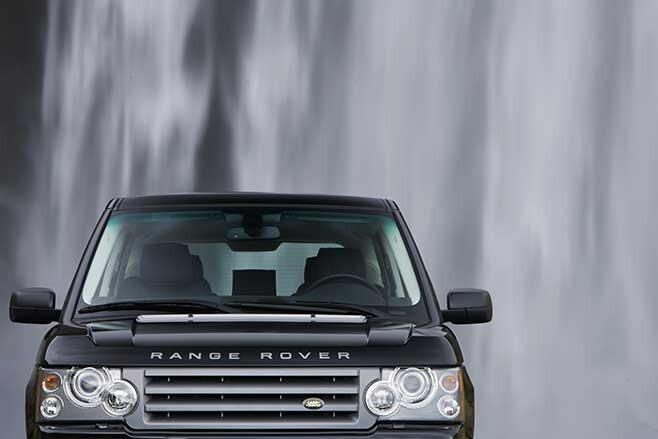
Third-gen Range Rover.
As the project moved from design to development, King was offered a more senior position within the then new British Leyland group and departed the Range Rover project content in the knowledge that “it was going to be a successful and iconic vehicle”. From there it was up to the development team to take the Range Rover to production, among them Roger Crathorne, who within Land Rover circles is still today referred to as ‘Mr Land Rover’.
The third prototype that came along was built in 1969 and produced what is more recognisable as the initial production model. Initially Rover’s head of styling, David Bache, wasn’t keen on the car and King did much of the initial work himself. Then King ‘borrowed’ a stylist – Geoff Crompton – from the styling office without Bache’s knowledge. Crompton helped with the styling and eventually Bache helped to finish it off and, in King’s words, “did a great job”.
Much of the design was centered on making the vehicle as compact as possible to make it more useful off road. Hence the relatively short wheelbase (better ramp-over clearance) and short front and rear overhangs for better approach and departure. The only dimension that wasn’t kept to a minimum was the roof height, deliberately so to allow the driver and passengers to sit upright and look through an enormously deep glasshouse. Even to this day there’s not a 4×4 that offers anywhere near the vision of the original Range Rover.
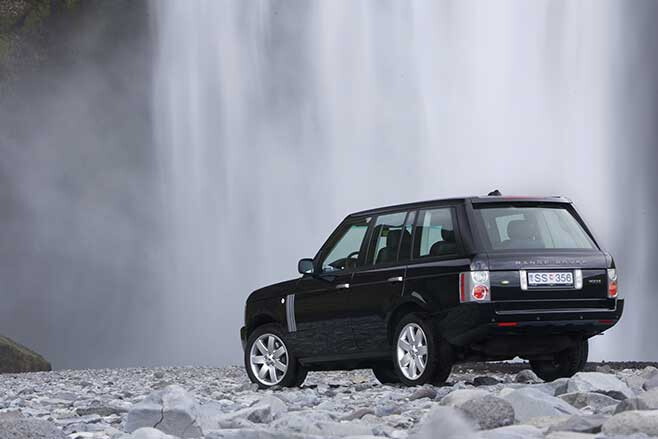
Range Rover third generation.
Initially the whole body was to be made from aluminium-alloy panels but the complex shape of the bonnet required steel. Steel was also used for the rear window frame for strength.
Developed at a time of much turmoil as the Rover Company was merged into British Leyland in 1967, the Range Rover went from concept to production in four years, and in the final year was rushed even faster as the then British Leyland chairman Sir Donald Stokes wanted a new car every six months! This bought the release date forward to mid-1970.
Most of the prototype testing was done at the Motor Industry Research Association (MIRA) test centre and at Rover’s off-road proving ground at Eastnor Castle. Hot-weather testing was done in North Africa in 1969 and, while cold-weather testing was done in simulators in England, an official cold-weather test – in Finland – wasn’t conducted until after the Range Rover went on sale! In the words of Crathorne “fortunately it did well!”
DON’T FORGET THE ASH TRAY
MISTAKES were made along the way. As none of the design team were smokers there was no ashtray and that was only added as an afterthought. During severe on-road testing the rear diff nose also fouled the A-frame, which meant a sight redesign of the brackets and trailing links just before the sales started. A few vehicles that had had already left the production line had to be retrofitted with the changes. The torque-sensing centre differential proved noisy and was phased out after a few hundred units to a manually lockable non-torque-sensing unit.
The idea behind the two-door body was essentially for strength and while this was well received in the UK it wasn’t liked in the Middle East by wealthy sheikhs or in Africa by rich leaders who generally had chauffeurs and found it was somewhat unbecoming to have to clamber into the back seat. Still it took 11 years after the initial launch before the four-door appeared.
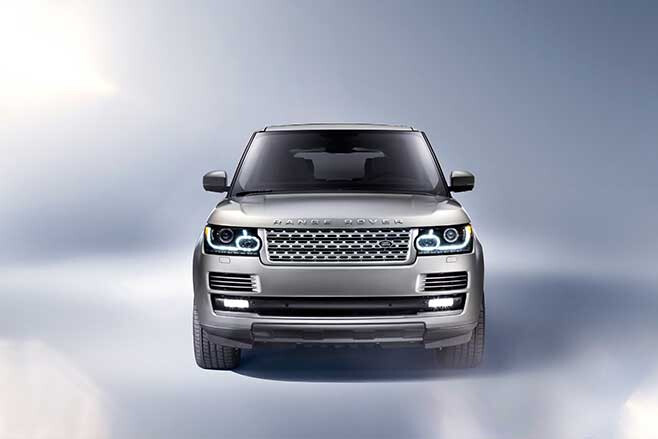
Range Rover PHEV features an Ingenium petrol engine and electric motor.
The export market was important for the Range Rover and played a significant part in making the Range Rover more globally influential than the Jeep Wagoneer and Ford Bronco, significant as they were in their own right.
Given the huge domestic market, USA automakers weren’t as export orientated as Rover where the success of the Land Rover right from the beginnings in 1948 was based very much on export off the back of commercial networks established in British Commonwealth countries such as Australia. This was an advantage the USA automakers didn’t enjoy.
Despite its many fiddly flaws and rushed development the soundness of the original design was well vindicated as the Range Rover’s core elements – long-travel coil-spring suspension, full-time 4×4 and flexible V8 power – remained essentially unchanged throughout its 26-year production run.
References: Born in Lode Lane by Roger Crathorne with Gavin Green; Suspension King – How it all Began by Shane Nicholls in Range Rover, A History.
CHARLES SPENCER KING
CHARLES Spencer King (1925-2010) was far more than the father of the Range Rover, a fair claim to fame by any measure.
His life as an engineer started in wartime England in 1942 as an apprentice with Rolls-Royce, arguably the pinnacle of British engineering at the time – Spitfire fighter-plane engines and all that – but at the end of the Second World War he moved from aeronautics to the Rover Car Company where he joined his uncles, Maurice and Spencer Wilks. Maurice Wilks was responsible for the original Land Rover that debuted in 1948.
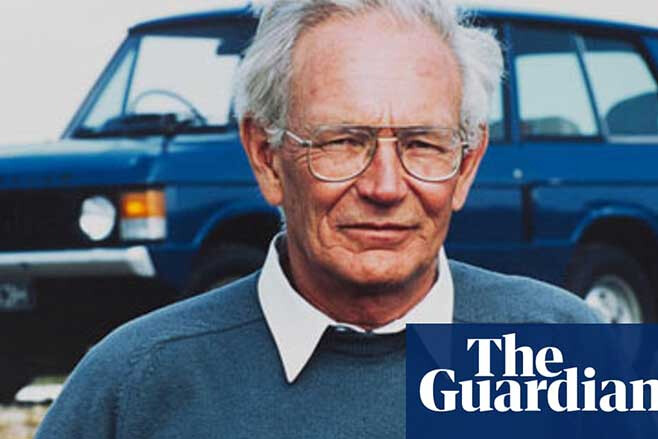
At Rover, Spen King worked on the Jet1 and T3 gas-turbine cars and led the teams that developed the innovative Rover P6 and the SD1 passenger cars.
He was also involved in the Rover-BRM gas-turbine racing car that competed at and finished the 1963, 1964 and 1965 24-hour endurance races at Le Mans. He also led the development teams that created the Triumph Stag, and the Triumph TR6 and TR7 sports cars, and designed the famous 16-valve head for the Triumph Dolomite Sprint.
He retired in 1985 but not before heading up a British Leyland advanced research team tasked with designing vehicles of the future, including the ECV3, a lightweight aluminium space-frame three-cylinder hatchback that used as little as three litres of fuel per 100 kilometres. He is remembered as an engineer’s engineer for his pragmatic, down to earth approach to problem solving.