
OUR TRIP had not started well. We were on top of Jacobs Ladder … or at least that was what the sign said … when we were close enough to see it!
We could have been anywhere, I guess, as the thick cloud that swirled around us limited visibility to just a few metres. Occasionally a wind gust would blow in a thinner patch of heavenly moisture and we would catch a glimpse of craggy rock faces above us, or the beginnings of a rugged valley below.
Then all would vanish in another billow of grey matter and we were back to wondering where the vehicle was that we had just walked away from. We waited for some time for the view to improve before we gave up and headed back down through the switchbacks that the ‘Ladder’ is so well-known for.
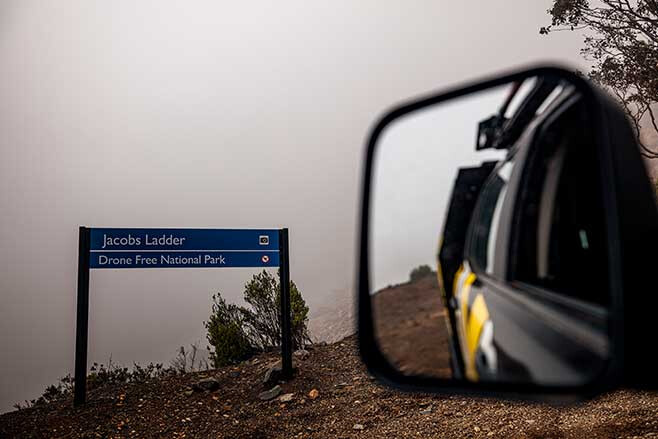
Originally the only access to the top of the Ben Lomond Plateau was via a rough walking trail from the south and while other walking routes followed, the one and only road to the top of the mountain was cut up the near sheer cliffs in 1963.
Today the route remains narrow, unsealed and with a speed limit of just 30km/h. It also rates on the ‘Dangerous Roads’ website, but they do beat it up quite a bit! Still it is reportedly a pretty impressive drive and from the photos on Instagram and Facebook it looked pretty good – I guess, if nothing else, we have an excuse to go back once again.
While there is a small camping area up on the plateau, we drove off the mountain and descended to a lower level amongst the rolling verdant plains of NE Tassie where we could see more than 50 metres. With such visibility we cruised effortlessly towards Bridport.
Located on the northern coast of Tasmania, Bridport was first settled by Europeans in the 1830s with the town being established 30 years later. Gold and tin discoveries farther inland in the 1870s had the town booming, but when the Scottsdale-Launceston railway bypassed the town in 1889 its economy slumped.
Still by the 1920s and the advent of the affordable motor car, the Ford Model T, Bridport became a tourist resort. That continues today and with a couple of world-class classic links golf courses, its popularity seems assured.
TO THE BEACH
WE HAD COME though, for the beach drive that stretches along the sands and across the headlands between Bridport and Bellingham – just one of the many such drives on this northern coast of Tassie.
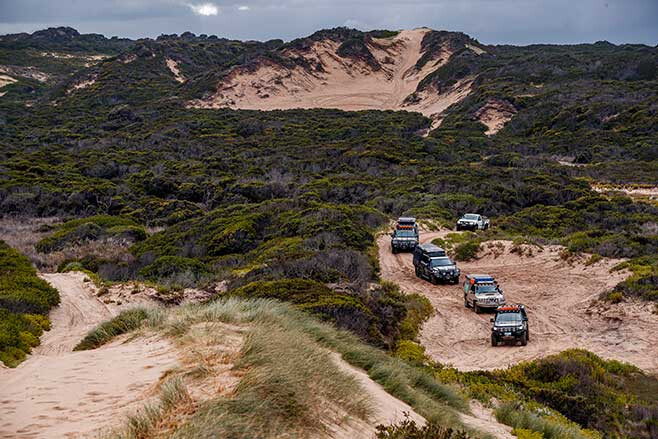
The following morning, with light showers of rain and a strong wind, we set off. We dropped tyre pressure and slipped on to the first beach before climbing a dune that had a nasty off-camber turn close to a cliff edge that had us all puckering up in the nether regions and breathing a sigh of relief as soon as we passed the obstacle.
The sand though was pretty benign as the rain had dampened the fine stuff into a firmer base than normal and we cruised through the dunes of East Sandy Point to drop onto the beach of St Albans Bay. The route is marked by orange markers and there are a few no-go areas along the way, designed to protect important seabird and wader-bird habitat, so please stick to the marked route.
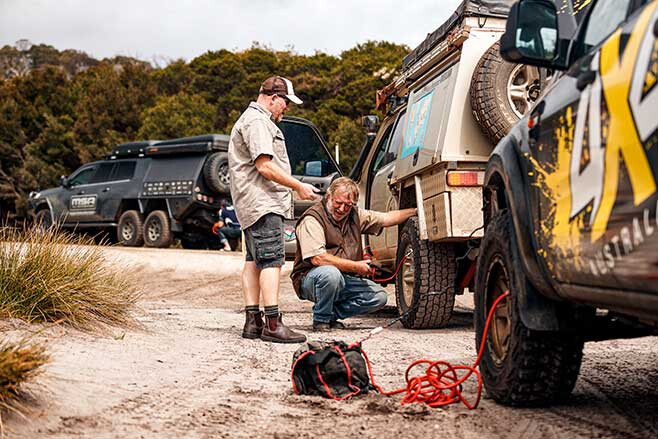
At the far end of the beach there’s a small camping area close to the sea, while the major through-route climbs up onto the sand expanse of West Sandy Point. This large area of tall dunes has long been a playground for 4WD vehicles, buggies and bikes and for those who can’t resist the challenge there’s plenty to test you and your vehicle.
We settled for finding a high, big bare expanse of dune to prop and take a few pics before pushing on, the track dropping onto the beach for the 10km run to the small village of Bellingham.
The Little Pipers River, which can be a real trap for the unwary, was nothing more than a trickle and we splashed across it without a care. At high tide or after recent heavy rain the crossing can be very tricky and we got told of a LandCruiser being buried in the sand somewhere nearby, although we saw absolutely no sign of it.
As we climbed on to firm sand we were waved down by a fellow four-wheeler who was stranded nearby – with just a flat battery. In no time we had him started and we were all on our way again.
TRAIL OF THE TIN DRAGON
WITH OUR MORNING warm-up drive behind us we inflated tyres and headed inland, through Derby along what has now been called, ‘The Trail of the Tin Dragon’. This trail runs between Launceston and St Helens and tells the story of the near one thousand Chinese who came to Tasmania in the 1870s to find their fortune in the rich tin mining areas of the north-east.
After stopping in Derby for coffee and lunch – it was again raining – we headed to the historic Moorina cemetery where in one section a Chinese ‘Burning tower’, for the sending of paper prayer scripts to the heavens, had been erected for their customary burial services.
Still, there’s little to remind you these days on how important the township of Moorina was back in the 1880s when it was the main town in the region and an important distribution centre. First named Krushkas Bridge, after the brothers who were the first miners in the region, it later became known as Moorina, after the sister of Truganini, who is often considered to be the last full-blood Tasmanian Aboriginal.
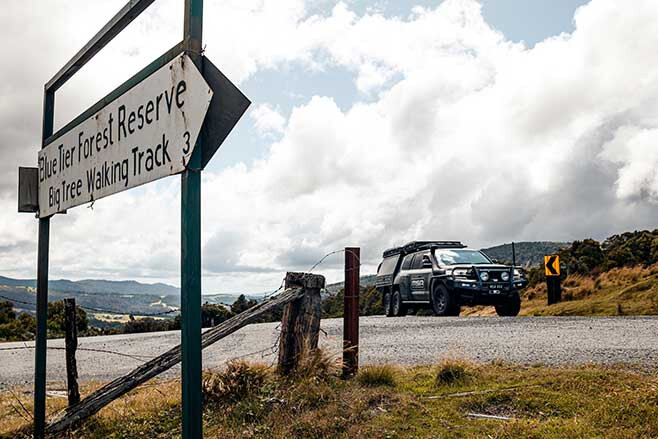
Pushing on, we passed through the small village of Weldborough, passing the local pub somewhat reluctantly, which was crowded with locals. Still on the blacktop we passed through the Weldborough Pass Scenic Reserve, notable for its impressive tree ferns which are interspersed with myrtle, sassafras and blackwood, all of which crowd the road in luxurious verdancy.
We took to the dirt soon afterwards and found our way to the Blue Tiers, which from 1870 till 1996 produced more than 11,000 tonnes of tin. First proclaimed a Forest Reserve in 1958 the area now protects soje 5000ha of open grasslands, heathland and cool temperate rainforest, dotted with waterfalls and cut by a number of walking and mountain bike trails.
Poimena, where there is now a carpark and info shelter (the road continues a short distance but comes to a dead-end at the start of a walking trail), was once the main town in this rich mining area. However, it wasn’t your normally rip-roaring mining settlement as the one and only pub selling grog was outnumbered by two tea-totaller temperance hotels, plus the normal buildings you’d find in such a spot: a butchery, blacksmith shop and a number of stores and cottages.
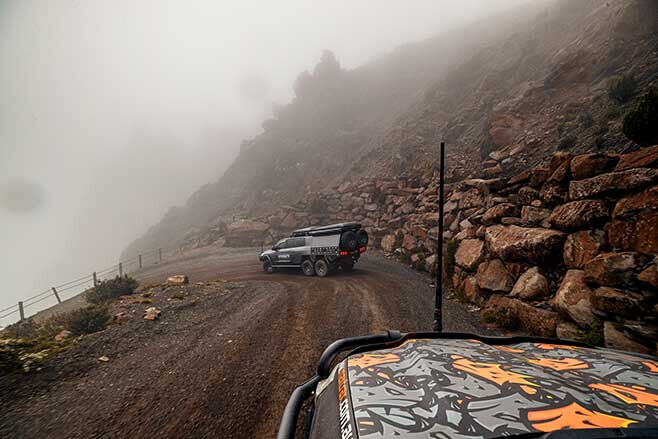
Today it’s a picturesque spot and well worth a visit, even if it was cold and windy, like when we were there. From this point a couple of mountain bike trails head off through the bush and across the plains while walking trails, varying in length from 400m to more than 10km, one way, lead through a variety of forest and wildlife habitat. We took the short Goblin Forest Walk which wanders through delightful forest, albeit one that has regrown since the tin mining days.
Just down the hill a few kilometres from Poimena is the walking trail to the historic and impressive Anchor Stamper. In 1880 a vast tin reserve saw the Anchor Mine Company install a 40-head stamper, which increased in size to a 100-head mill, initially driven by a water wheel some 20m in diameter.
It must have been an incredible operation and a noisy one when it was thumping away crushing the rock into fine powder to extract the semi-precious metal. Today, just a few heads of the stamper can be seen, the walk to them taking you through delightful forest dotted here and there with tall tree ferns that help cover the man-made scars that can still be seen by the observant walker.
From there we headed downhill to lower, warmer altitudes to the small spread-out hamlet of Pyengana, the first European settlement, known as St Columba, having been established here in 1875. Today that name is perpetuated in the nearby spectacular 90m high St Columba Falls, that some consider to be Tasmania’s finest waterfall. While the town began in this lush valley as a place to service the mines in the region, it was the rich grass that helps produce high-quality milk and cheese that the place is now famous for.
Among other attractions, the community is home to the famous ‘Pub in the Paddock’ and a beer swigging pig or two. Trouble was, when we got there on a Sunday evening the pub was shut, as it does on most Sunday evenings. But this is country and when the owner who was driving past saw us wandering around checking out the pub (and the pig) he came in, opened up and served us a beer or three amongst a chattering of rich repartee.
We didn’t drive far that evening, just a couple of hundred metres to the free camping area set around the footy ground … and it’s a cracker with lots of room, hot showers and all.
That’s what I really enjoy about Tasmania. Distances are generally short and you can be on a challenging beach drive in the morning, have a good coffee in a trendy town like Derby (now the mountain bike capital of Tassie), soak up a bit of history, have a mountain forest drive in the afternoon and be at a great country pub in the evening, all with time to spare.
Next day we headed through the forest on Argonaut Road, dodging a few logging trucks in the process to get to St Helens and a coffee before heading to the Peron Dunes and the beach for a bit more sand-driving fun. The weather had cleared too which made the beach, sand and water even more enjoyable. With a set of Maxtrax we rescued another four-wheeler who had bogged down in the soft sand before departing and heading to places farther south.
FRIENDLY BEACHES
STOPPING AT THE info centre in Freycinet NP we obtained our permit and headed to the Cape Tourville Lighthouse, set on a dramatic bluff above a normally wind-churned sea. The lighthouse though is not a real oldie, only being built in 1971, and replacing an older light on Cape Forestier, nearby. There’s some amazing coastal views around here, but we struggled to stay upright on the boardwalk, the wind threatening to blow us off towards a very distant New Zealand.
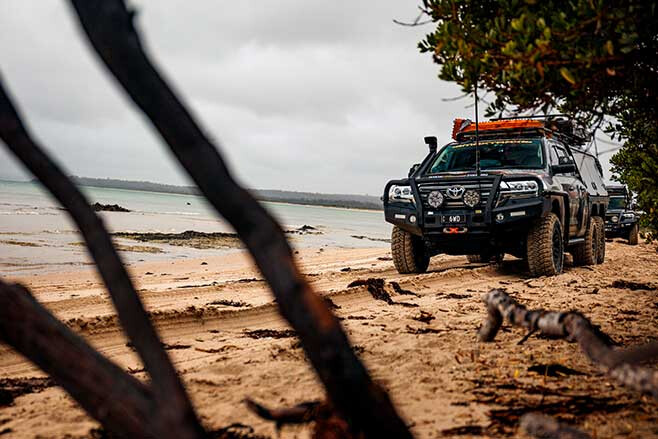
With the long summer twilight of Tassie well advanced, we headed for a bush camp at the southern shores of the Friendly Beaches. Trouble was we never quite made it with one of the vehicles in our group developing a mechanical issue, so we camped in the forest on a clearing beside the main 4WD track for the night before getting the problem sorted in the morning.
We then headed to the very popular Friendly Beaches carpark and camping area where you could not move, everything being full to the brim. After a quick look around and an envious glance at the white sand and blue water, which the area is famous for, we headed off; the start of another adventure farther south was calling.
TRAVEL PLANNER
There are plenty of opportunities for camping and exploring Tasmania’s East Coast and hinterland. If you’ve got a camper trailer or van, for most of the beach drives I’d leave the camper behind at a suitable spot while for mountain trails I’d be doing the same.
The best guide to 4WD touring/camping in Tassie is, 4WD Tracks in Tasmania, by Chris Boden.
Ben Lomond NP (Jacobs Ladder) Blue Tiers Forest Reserve Pub in a Paddock – Pyengana: Phone: (03) 6373 6121 Peron Dunes Freycinet National Park
Isuzu Ute Australia today released a teaser of its new D-MAX mid-size ute, which it has announced will officially be revealed on August 13. However, the look of the all-new ute is no secret, as it has been on sale overseas for a while now.
Nor is the spec, and the good news is that the Aussie model will get an updated version of the trusty 3.0-litre turbo-diesel engine and be available with automatic or manual gearboxes. And, for the first time in D-MAX, a rear differential lock will be offered.
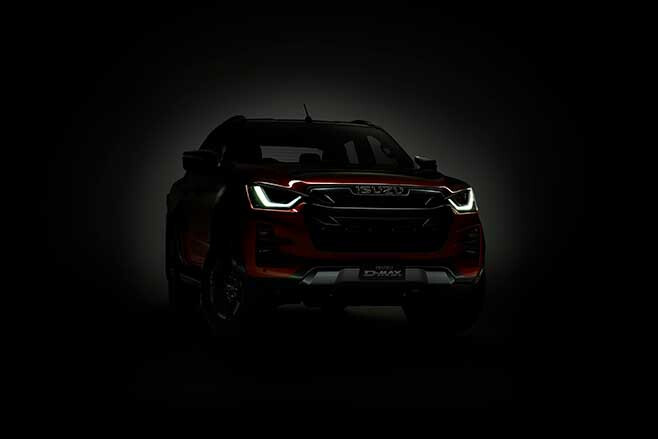
International photos reveal a more up-spec and well-equipped interior that is a bit bigger than the previous model and should really make the Isuzu a serious contender in Australian 4×4 ute sales.
The press release says to expect, “premium-levels of refinement, technology and practical enhancements, yet retain reputed durability and ruggedness”.
The 2020 D-MAX will be revealed on August 13, before arriving at dealerships on September 1, 2020.
AS SUMMER came to a close and the cooler touring months were approaching, we were packing the Ranger for a trip to the inaugural ARB 4×4 Culture Live event at Loveday Park in South Australia, followed by some travel out to Lake Gairdner. Summer might have passed, but where we were headed still promised hot days and cool nights.
We thought it timely to fit an awning to the Ranger to give us some shade on those hot days, and after looking at the many options available we settled on the ARB Awning & Light Kit.
As the name suggests, this is the standard ARB canvas awning, but it comes with an LED lights strip built in to the canvas.
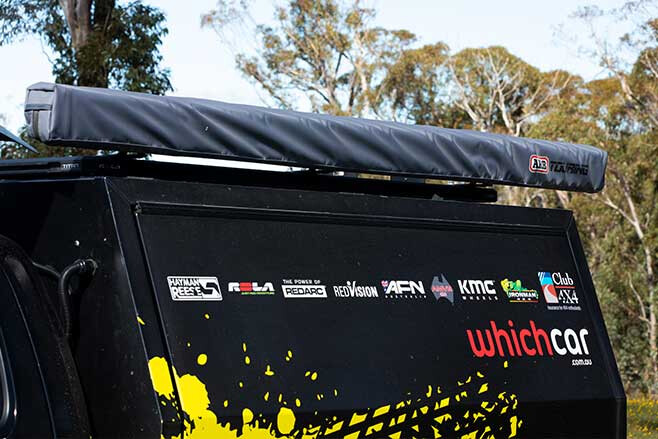
ARB awnings come in a range of sizes and models that all use 300gsm Ripstop canvas for the main cover, telescopic aluminium legs and arm poles, and all the required tie-downs and pegs.
The standard ARB awning comes in a heavy-duty PVC bag or can be ordered in a stylish aluminium case (2.5m x 2.5m only), with or without the inbuilt light. The two available sizes are 2m x 2.5m or 2.5m x 2.5m.
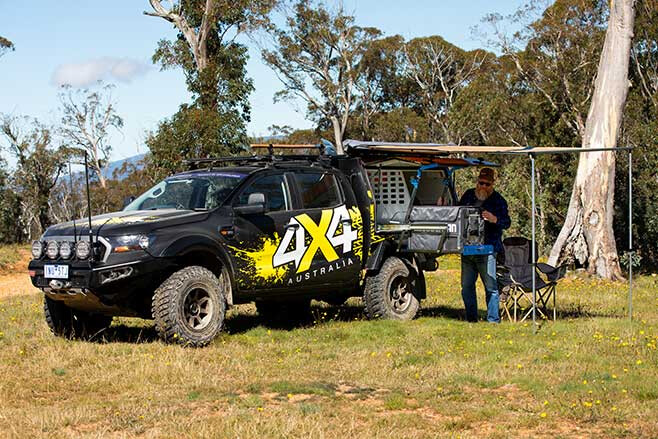
We opted for the 2.5m x 2.5m with light in the PVC bag, with the plan being to fit it to the Rola Titan Tray on the AMVE aluminium canopy. The Rola accessories awning mounts are simple L-shaped brackets that affix to the rack using the captive bolts, and they can accommodate most brands of awnings. Due to the 2.5m length of the ARB awning, we used three of the mounting brackets to balance the load.
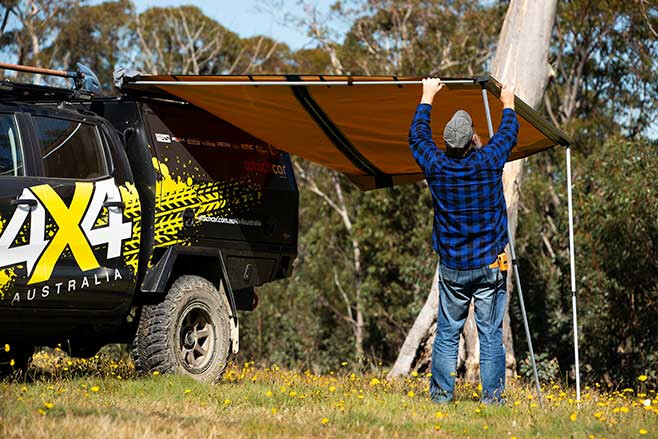
Installing the awning was a simple one-man job; probably made easier by the canopy as I was able to lay the awning on its edge while affixing the brackets. You might want an extra set of arms if you can’t lay the awning on the canopy like we did. Once I set where I wanted the awning to sit in relation to the car, it was simply a matter of tightening everything up and it’s ready to go.
As the pandemic developed, the ARB Culture Live event was cancelled and our travels put on hold, so using the new awning out in the outback will have to wait. We did however make use of it during a lunch stop on a recent photoshoot.
Like the install, setting up the awning can be done by one person but is a lot easier with two. You simply unzip the PVC bag, roll out the awning, put up the telescopic legs, fit the arm braces, and then tie it all down for securing from the wind. Sit down, crack yourself a coldie and enjoy the camp.
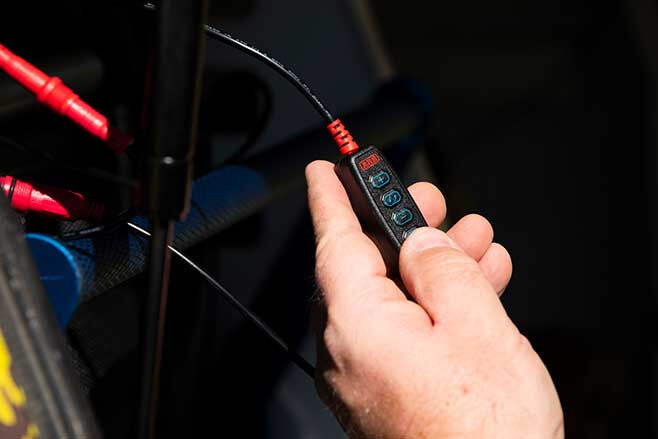
The 1200-lumen LED light strip is sealed in to an extruded aluminium strip along the awning, where it stays and simply rolls up in the canvas when its packed away. Power comes via a 12-volt ciggie lighter plug and there are a few extension leads supplied to make it reach your power source. For our Ranger, that power comes from the Redarc panel within the canopy.
The light strip has a dimmer switch and you can switch between a bright white light or a yellow light that is less attractive to bugs.
ARB offers a few accessories for its awnings including a zip-on awning room with floor, a mozzie/bug screen, and windbreak panels. We reckon the windbreak panels are a worthy inclusion to keep the breeze and rain from getting under the awning, particularly if you’re setting up your swag there.
Awnings are a great addition to the side of your fourby, giving protection from the sun, wind and rain when you’re in camp or just set-up on the beach for the afternoon. They are inexpensive and easy to assemble and pack down, and we’re looking forward to putting the ARB awning to more use on our Ranger.
AVAILABLE FROM
Website: www.arb.com.au RRP: $379 We say: Easy to use; instant shade and weather protection.
THE current model LandCruiser 200 has been with us for more than 12 years and is well up for replacement.
If you listen to the rumours, that a replacement is not far away and an all-new Cruiser should be with us within the next year.
What form the next LandCruiser takes is all speculation at this point, but with newer rivals in the form of the also ageing Nissan Patrol Y62 and the seemingly sprightly latest Land Rover Discovery, and also the new Defender, the old Cruiser surely needs upgrading.
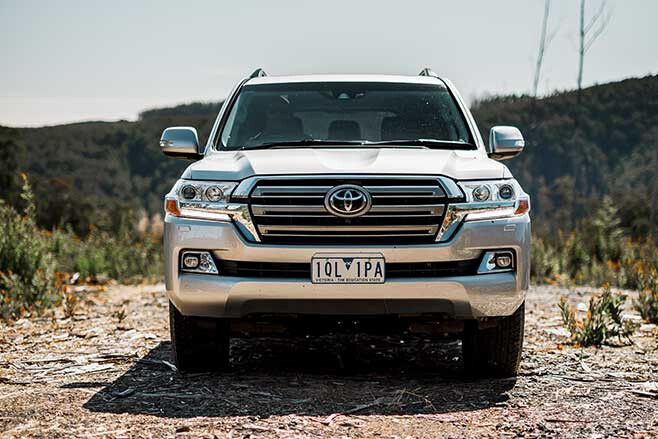
The LC200 is ageing gracefully and, despite its years, or perhaps because of them, it outsells the sportier Patrol more than five to one and the Discovery barely rates a mention, while the Defender is yet to show its form.
As the sun sets on the 200 we thought it time to sample one again and see just what makes it so popular with Australian buyers.
POWERTRAIN AND PERFORMANCE
The LC200 only comes with a single powertrain no matter what specification you go for. The twin-turbocharged version of the 1VD-FTE V8 diesel engine makes a lazy 200kW of power and 650Nm of torque. I say lazy as the Cruiser never seems to raise a sweat in delivering its performance, and those power and torque numbers are moderate when compared to what many smaller capacity modern engines put out.
This conservative tune from Toyota means the big Cruiser ambles along at highway pace yet still has the grunt you want when you put your foot down to overtake, tackle a steep climb or for towing.
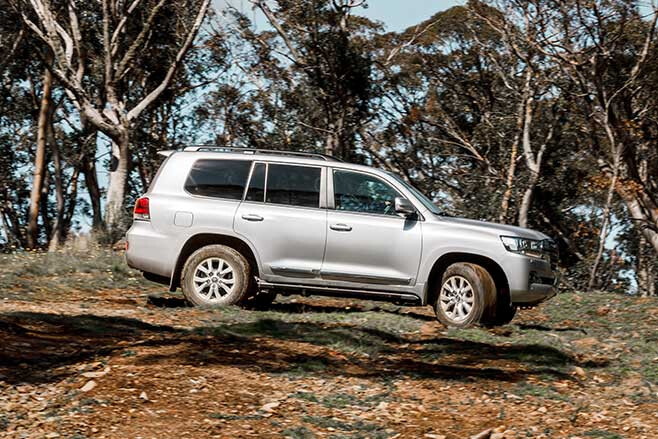
The six-speed auto transmission is kept busy when you ask for more performance from the drivetrain as it is geared tall for better fuel economy, and squeezing the go-pedal down will see it shifting back a ratio or two yet the transmission never seems to want for more gears.
The power unit is backed by a full-time four-wheel drive system that uses a lockable Torsen-style centre differential with the option of low range for off-road use.
As a big and heavy wagon, the LandCruiser is never going to be what you would call economical and it returned 12.4L/100km over our week of testing against its ADR quoted figure of 9.5L/100km on the combined cycle. Good luck achieving that on a regular basis around town!
ON-ROAD
THAT effortless performance makes the Cruiser a supreme touring vehicle. Its laid-back gait results in relaxed mile-munching, and a spacious and well-appointed cabin means that the Cruiser is a nice rig to ride in.
Being built on a separate chassis, the body is well-insulated from road noise and vibration. The chassis uses independent suspension with coil springs and wishbones up front, while under the back is a live axle also riding on coils. That live axle can be prone to a bit of axle hop on corrugated gravel roads, and the soft, long-travel suspension wallows and pitches a lot when pushed hard through bends, so it’s a compromise between on- and off-road performance.
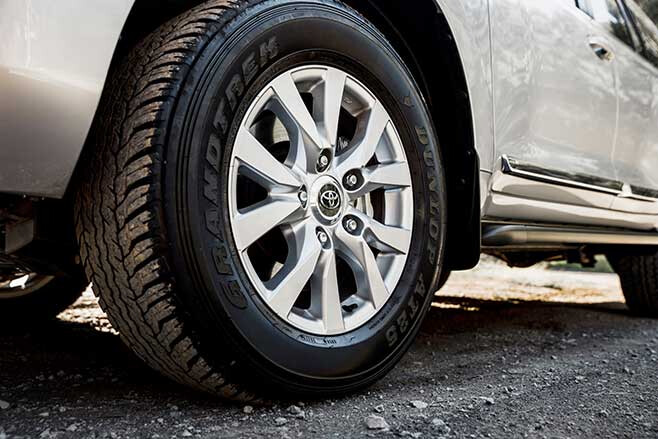
Toyota tries to limit this compromise with the clever Kinetic Dynamic Suspension System (KDSS) on upper-spec VX and Sahara models, and it’s available as an option on the GXL. KDSS uses hydraulically linked actuators on the front and rear sway bars to stiffen up or loosen the bars depending on wheel travel. That’s putting it simply, but it does allow the engineers to fit heavier sway bars for improved on-road handling, and the effect of these is lessened when driving off-road at low speeds.
KDSS is not as complex or effective as Nissan’s excellent HBMC as fitted to the Patrol, and the Cruiser will never match the Y62 for on-road dynamics. However, the travel of the rear axle on the Cruiser is a bonus when the going gets rough.
OFF-ROAD
Toyota loves to call its LandCruiser the ‘King Off The Road’ in a reference to the old Roger Miller track, and in many ways its justified.
For a large, semi-luxurious seven-seat wagon, the LC200 is pretty good off-road. The live rear axle offers considerable wheel travel for a stock wagon and it’s this that keeps the tyres on the ground and the Cruiser moving.
Travel at the front end is not so good, but the electronic traction control is effective. Only the centre differential is lockable from the factory, but front and rear lockers are available from the aftermarket.
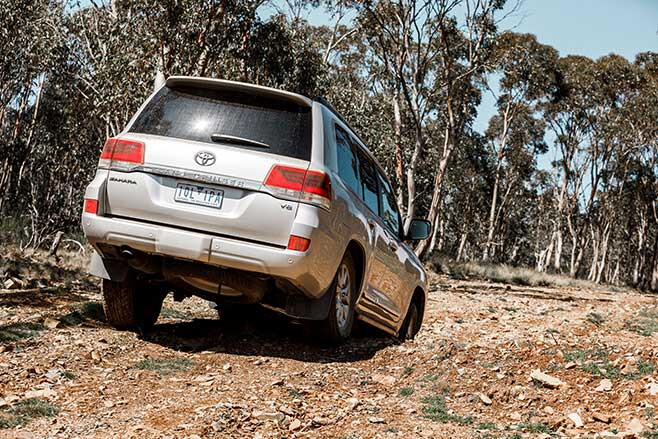
Like most modern 4×4 vehicles, the LC200 is loaded with electronic aids designed to make your off-roading experience easier. Some, like the traction control, are useful, others less so.
In the Sahara you get things like Multi Terrain Selection, an adaptation of Land Rover’s Terrain response system; Crawl Control, which is like a cruise control for low-speed off-road driving with five preset speeds; and Off-road Turn Assist, which, when enabled, locks the inside wheels on tight U-turns to decrease the radius.
But the real winners are the great rear axle travel and effective traction control. These combine to get the Cruiser most places an owner could want to get it.
Visibility from the driver’s seat is good, and manoeuvring the big Cruiser on tracks isn’t difficult. Full surround-view cameras are also there to help in the Sahara.
PRACTICALITIES
The LandCruiser has a GVM of 3350kg, but at 2750kg it’s a heavy beast once you start talking about a Sahara with all the bells and whistles.
So while the 200 is a big vehicle, it doesn’t have the payload to match it. Start fitting some off-road accessories and you could easily hit the GVM with four burley blokes onboard. Thankfully, there are GVM upgrades available from the aftermarket that go someway to improving the situation.
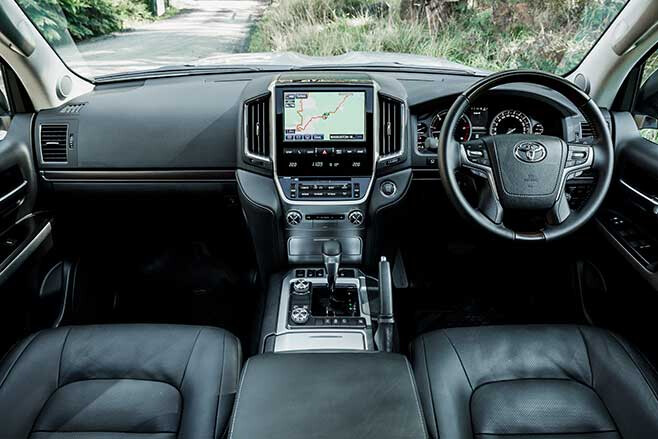
All LC200s are rated to tow 3500kg, and with that bulk in the wagon and a torquey V8 diesel engine they tow with relative ease. There’s a 138-litre fuel tank fitted as standard, so you won’t be stopping at every fuel station on the road.
Even in top-of-the-range Sahara spec, the Cruiser has a practical-size 285/60R-18 tyre on its alloy wheels and not some silly ultra-low-profile rubber. We’ve noticed Toyota has in recent years changed the spec on the standard tyres to a V-rated high-speed tyre and, strangely enough, the first time we took one off-road on this tyre, we got a puncture. There are plenty of more off-road-suitable tyres available for the 18-inch wheels.
SUMMARY
IT’S a bit rich to call any showroom stock vehicle ‘King Off The Road’, the Cruiser has the potential to get close. While it’ll never be a Jeep Rubicon off-road or a Y62 on it, the LC200 is a supreme all-road tourer, towing rig and outback explorer.
With its unrivalled popularity in sales, Toyota seems to charge what it likes for the big Cruiser and, while the stripped-out, base model GX seems expensive at $80K, $125K for the Sahara feels a bit better given the level of features and comforts in it. Although Patrol fans definitely have a credible argument against that.
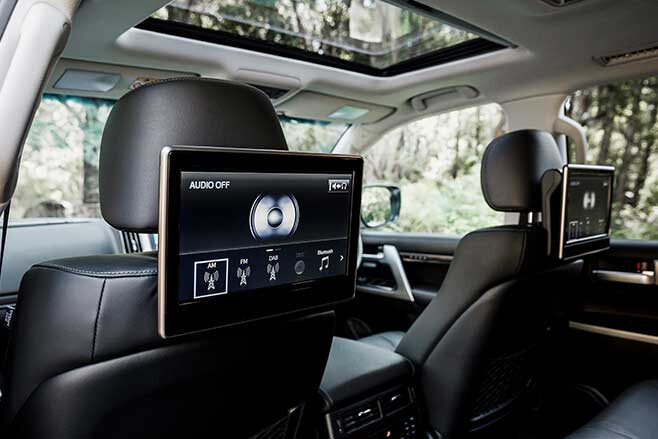
As I said at the start, it will be interesting to see what Toyota delivers as a replacement for the LC200 next year, and with the promise of more hybrid models, we might even see a petrol-hybrid Cruiser. Until then we’ll still see the 200 Series sell well, as it delivers what buyers want.
2020 TOYOTA LANDCRUISER SAHARA: SPECIFICATIONS
- ENGINE: 4.5L V8 diesel
- CAPACITY: 4461cc
- MAX POWER: 200kW at 3600rpm
- MAX TORQUE: 650Nm at 1600 to 2600rpm
- TRANSMISSION: 6-speed automatic
- 4X4 SYSTEM: Dual-range full-time
- CRAWL RATIO: 34.11:1
- CONSTRUCTION: 5-door wagon on ladder chassis
- SEATS: 7
- KERB WEIGHT: 2740kg
- GVM: 3350kg
- GCM: 6850kg
- PAYLOAD: 600kg
- TOWING CAPACITY: 3500kg
- TYRES: 265/60R18
- FUEL TANK CAPACITY: 138L
- ADR FUEL CLAIM: 9.5L/100km
- TEST FUEL CLAIM: 12.4L/100km
- BASE PRICE: $123,590 (+ORC)
We run the microscope over new gear released by EFS, TRED and MSA 4×4.
EFS ESSENTIALS WINCH RECOVERY KIT
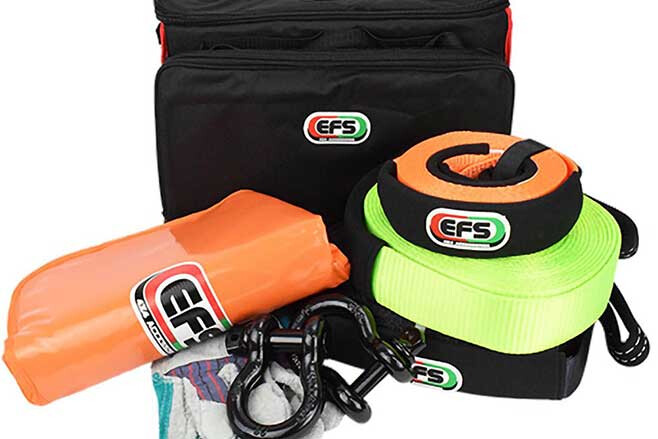
Never underestimate the importance of a 4×4 recovery kit. If you don’t have the kit stored somewhere in your fourbie, it’s only a matter of time until you’ll be cursing yourself. EFS 4WD has packed everything you need to pull your vehicle from a predicament, with its Essentials Winch Recovery Kit. The kit comprises an 8000kg 9m x 60mm snatch strap, a 700kg 5m x 50mm tree trunk protector, a 5000kg 20m x 50mm winch extension strap, a pair of gloves, rope blanket, and two 4750kg ¾-bow shackles. Plus, it all comes neatly packed in a carry bag.
RRP: $249.99 Website: www.efs4wd.com.au
TRED MOUNTING BRACKET
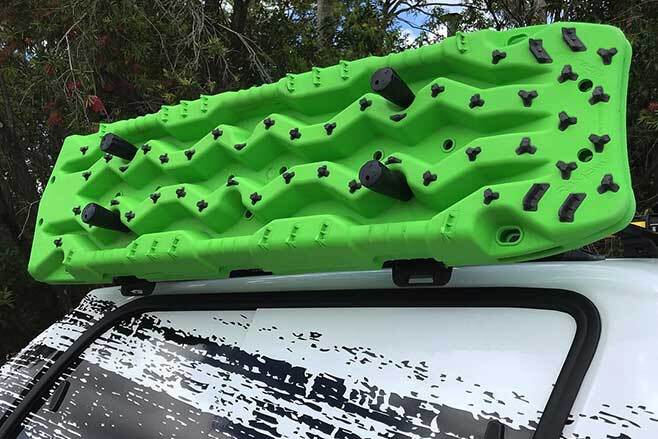
TRED has launched a mounting bracket that’s suitable for its range of recovery boards – TRED Pro, HD, GT, 1100 and TRED 800 – as well as MaxTrax. The Aussie-made bracket has been designed to mount in a variety of ways to suit your packing style. Made from corrosion-resistant aluminium and polypropylene, the bracket features a lockable 6mm Padlock (TRED Pro model only) and a quick-release twist function. Installation is easy, and it comes with a 12-month warranty.
RRP: $64.95 Website: www.tred4x4.com.au
MSA 4X4 DROP SLIDE
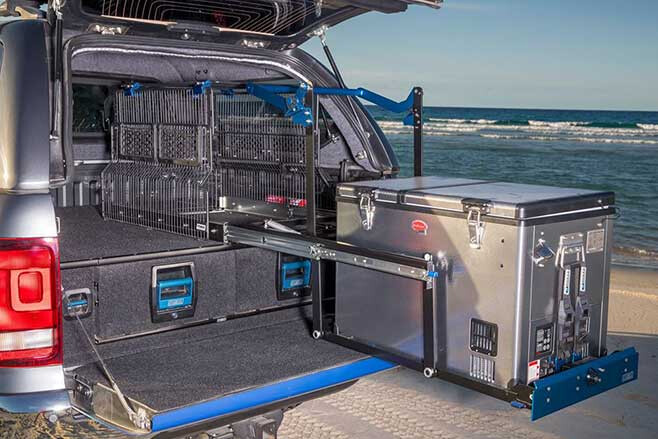
The MSA 4×4 Drop Slide is said to be “lighter, stronger, safer, smarter”. The slide can lower a full 30cm in one smooth motion and enables the platform to remain in a horizontal position the whole time. This provides unrestricted access to the fridge at a safe level, with the user not having to raise a sweat. The Drop Slide is available now, with delivery to your front door available.
Website: www.msa4x4.com.au
LET’S be honest, most of us are glued to our mobile phones – checking Facebook periodically, calling friends or using mapping software, among a long list of addictions – but your mobile phone will be as useful as a rake pushing water uphill when you’re out beyond the black stump.
Once off the grid, you’ll need another means of communication. Even if you want to head to remote country for the isolation and peace and quiet, it’s still essential to pack a comms tool in case the proverbial hits the fan.
The options include an HF radio, satellite phone, a satellite messenger or personal locator beacon (PLB). Here, we dive into the world of satellite messengers, by speaking to the folks who produce them.
A satellite messenger differs from a satellite phone as it allows the user to send and receive messages; a satellite phone, on the other hand, will, in addition to sending/receiving messages, allow voice calls to be made. A satellite messenger is usually smaller and lighter and won’t hit your hip pocket as hard as most are considerably cheaper than satellite phones. Some satellite messengers also include SOS functionality.

“A simple way to think about it is, a satellite phone keeps you in touch and a satellite messenger keeps you safe,” said Kieran Blakemore, marketing manager at Pivotel, the distributor of SPOT products.
As the name implies, a satellite messenger can send preset or customised text messages (which can be emergency-related or just for staying in touch with family and friends), and also offer tracking features so that contacts can follow geotagged signals sent at predetermined intervals. However, the satellite messengers on the market all differ in features and functionality, as you’ll read later.
Much like a satellite phone, a satellite messenger must connect to a satellite network to function, and it needs to be used with a clear, open view toward the sky.
“The satellite must be able to see the device and the device to see the satellite to operate,” said Reiny Gajewski, VP of global sales for Beam Communications. “Once they have connection, the messages are sent back and forth over the satellite network to the public phone network and then to their destination.”
We’ve taken a microscope to examine a few satellite messengers currently on the market: the Garmin inReach, Iridium GO!, ZOLEO, SPOT X and SPOT Gen3.
FEATURES TO LOOK FOR
PLANNING that post-lockdown adventure? Here’s what to research when hunting for a new satellite messenger: Cost (low ongoing plans, with suspension options); comprehensive network coverage (satellite constellation, to determine where in the world you can use the device); simple and easy operation; the ability to send and receive messages (some are one-way only); battery life; high IP rating (so it can go wherever you go); good warranty period; portability; and an SOS feature.
“Whenever travelling with a satellite messenger, it is recommended to have a secondary source of power such as spare batteries or a solar charger, ensuring you can recharge your device in the event of an emergency,” added Kieran Blackmore.
WHY NOT JUST USE A PLB?
A PERSONAL locator beacon is a one-way device you can trigger only in an emergency, to send your co-ordinates to the emergency services. Simply hit the SOS button and wait. The only issue is that with most PLB devices, you won’t get confirmation that your message was received – sure to drive up stress levels for anxious folk.
“Satellite messengers also offer communication capabilities with friends and family, as well as the ability to communicate with rescue services which enables users to advise what their status is,” Garmin Australia’s general manager, Matthew Thomas, told us. “They also allow them to receive information from emergency services such as first-aid advice and expected time of rescue.”
“It’s important to note a satellite messenger cannot replace a PLB in a situation where you’re required to carry a PLB,” added Kieran Blackmore.
SPOT GEN3
THE SPOT Gen3 is an entry-level messenger that provides simple one-way communications, allowing it to send SOS, HELP and OK messages. Unlike the brand’s recently released SPOT X, the Gen3 is designed for tracking and safety purposes only.
“If you only need something that is going to keep you safe in the event of an emergency, then the SPOT Gen3 is a good option,” said SPOT’s Kieran Blackmore.
The Gen3 is fairly rudimentary in its operation, using replaceable lithium AAA batteries as its power source. The batteries are said to provide up to three months of standby power and can send 1250 messages on a single set of batteries, but always have a spare set stored just in case.
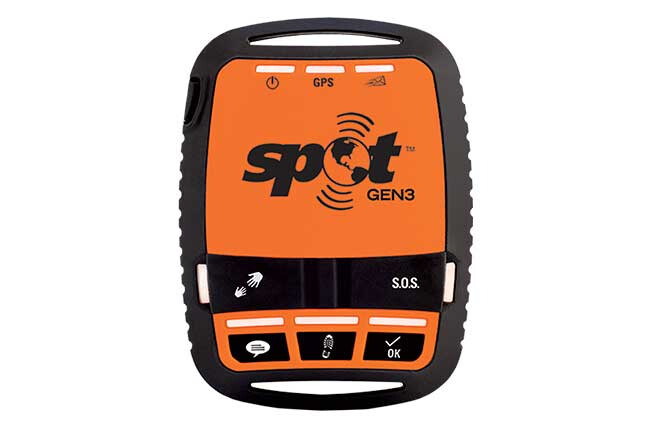
The Gen3 has an operating temperature range from -30˚C to 60˚C, with an operating altitude of -100m to +6500m. With an IP67 rating, the Gen3 also has a waterproof rating of one metre for up to 30 minutes. It measures at 87.2 x 65 x 25.4mm and weighs 114g (with batteries). As the Gen3 is fairly long in the tooth, it doesn’t have Bluetooth functionality.
Like the SPOT X, the Gen3 uses the Globalstar satellite network, which is a low earth orbit constellation made up of 48 satellites providing coverage across Australasia.
Ron Moon used the SPOT Gen3 on a Victorian High Country trip a few years ago. Here’s what he said about the product at the time: “A very handy and easy-to-use safety device that could save your life if lost or broken down in a remote area. Cheaper than a satphone or an HF radio!”
RRP: $239 WEBSITE: www.findmespot.com
SPOT X
THE X is SPOT’s latest addition to its range of satellite messengers, but unlike the Gen3 it has two-way functionality, allowing the user to send and receive custom text messages via SMS and email.
“The SPOT X provides a good balance between safety and messaging functionality, but those with a more constrained budget will find the SPOT Gen3 a more economical option,” said Kieran Blackmore.
At approximately double the price of the Gen3, the X brings considerably more to the table, with an internal lithium-ion battery (in conjunction with a low-power screen) high on its list of features. This combination allows the SPOT X to operate constantly at 10 minutes (tracking) for up to 10 days. The unit’s battery is said to have 240 hours of battery life (in 10-minute tracking mode).
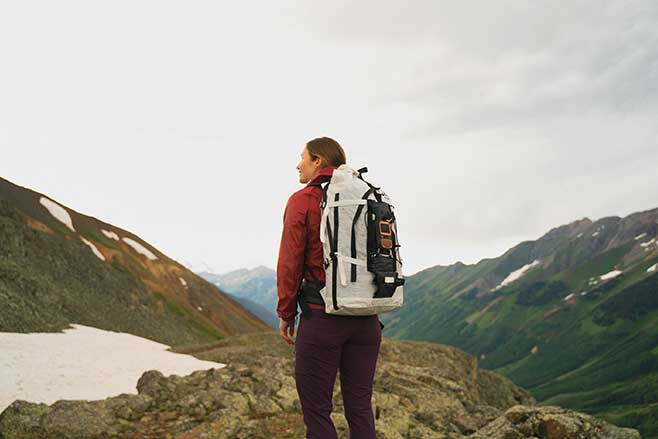
The X weighs more than the Gen3 (at 198.4g), has an operating temperature of -20˚C to 60˚C, an operating altitude of -100m to 6500m, and is impact-, water- and dust-resistant with an IP67 rating (submersible up to one metre for 30 minutes). The X also features has a physical QWERTY keyboard, while other devices require you to use an app to message, or have an on-screen keyboard you access with a Navi-Key.
In-built Bluetooth functionality is a difference between the X and the Gen3, with Bluetooth providing the option to download the SPOT X app to your smartphone and use it as the satellite messenger interface rather than the device itself. Much like the Gen3, the X uses the Globalstar satellite network.
RRP: $469 WEBSITE: www.findmespot.com
GARMIN inREACH
GARMIN has a range of satellite messengers on the market, ranging in price from $529 (Mini) to $949 (GPSMAP 86i).
The Mini is the entry-level unit within the Garmin range and features two-way messaging, two-way global interactive SOS, tracking and location sharing, cloud storage, trip planning, and weather info. The Mini weighs a lithe 100g and measures in at 5.2 x 9.9 x 2.6cm. The rechargeable internal lithium-ion battery provides up to 50 hours of life (at 10-minute tracking with five-minute logging).
4X4 Australia’s former deputy editor, Dean Mellor, tested the inReach Mini and said of it: “Here was a two-way satellite communicator that cost much less than a satphone to purchase and operate, yet it allowed for text communication from anywhere in the world. Better yet, by downloading an app and connecting to my phone via Bluetooth, it would be super-easy to use.”
The SE+ is the next step up and also includes two-way messaging, interactive SOS functionality, cloud storage and trip planning, weather information, navigational features, and can be paired with mobile devices. It adds a QWERTY keyboard for customised text entry. The Explorer+ then adds preloaded topographic maps and built-in navigation sensors (compass, barometric altimeter and accelerometer).
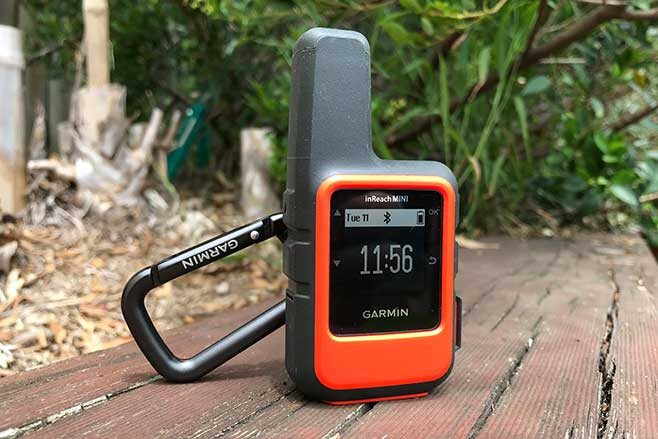
The SE+ and Explorer+ utilise an internal, rechargeable lithium battery that provides up to 100 hours of battery life (in tracking mode). Both weigh 213g and measure in at 6.8 x 16.4 x 3.8cm.
The GPSMAP 66i and GPSMAP 86i are the premium offerings in the Garmin range; though the 86i has been designed mainly for boating and water use. In addition to interactive SOS and two-way messaging, the premium 66i features a Livetrack function (share your co-ordinates with loved ones) and Topoactive maps in the form of direct-to-device BirdsEye Satellite Imagery downloads. Other notable features include a three-inch colour display, and an LED flashlight and beacon. The 66i weighs 241g (with batteries) and measures 6.6 x 16.3 x 3.5cm.
All devices are housed in an impact-resistant, water-rated construction, with an IPX7 water rating. All Garmin satellite messengers communicate through the Iridium satellite network, which provides global coverage including all areas of Australia.
Bluetooth-compatible Garmin devices are synced to the Earthmate app, providing easy access to unlimited maps and aerial imagery. The Earthmate app also allows you to conveniently use all of the inReach features on your paired mobile device.
“For easier messaging, you can also access your phone’s contact list from the Earthmate app to connect with fewer keystrokes. One great example of Bluetooth functionality is staying warm inside your hut or tent while placing the inReach device outside and messaging from your phone,” Matthew Thomas said.
RRP: $529 InReach MINI; $599 InReach SE+; $699 InReach Explorer+; $899 GPSMAO 66i WEBSITE: www.garmin.com
ZOLEO and IRIDIUM GO!
THE ZOLEO communicator is a device that simply extends your smartphone’s messaging coverage by transmitting over satellite, mobile and WiFi, so that it continues to work when you leave the bright lights of the city.
The key to the ZOLEO is a free mobile app that syncs the unit via Bluetooth to a smartphone, through a simple set-up process.
Utilising the Iridium network, the ZOLEO app incorporates an SOS function with 24/7 monitoring and response, as well as a dedicated Australian SMS number and email to share with contacts. ZOLEO allows anyone to message you directly without the need to message them first. ZOLEO supprts 900+ character app-to-app messaging; 160 character SMS; and 200 character email.
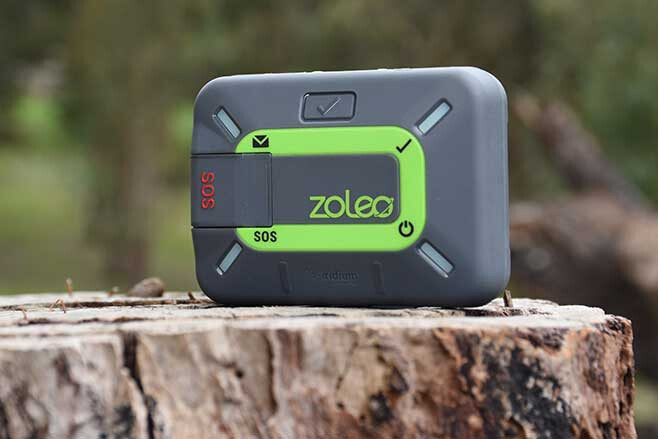
An in-built check-in button notifies contacts you’re okay and that you’ve arrived at your destination in one piece. The ZOLEO app also features DarkSky, one of the most accurate sources of hyperlocal weather.
“A satellite messenger like ZOLEO is smaller and lighter, has a long battery life of 200+ hours, and it works with your smartphone so it’s easy to use,” said Reiny Gajewski. The units weighs 150g and its small stature measures 9.1 x 6.6 x 2.7cm.
The Iridium GO! works in a similar way to the ZOLEO, in that it allows the user to communicate via a smartphone when cellular coverage is unavailable. When paired to a smartphone via WiFi, the GO! allows the user to make phone calls and send messages via the Iridium satellite network and can support up to five smart devices at any one time.
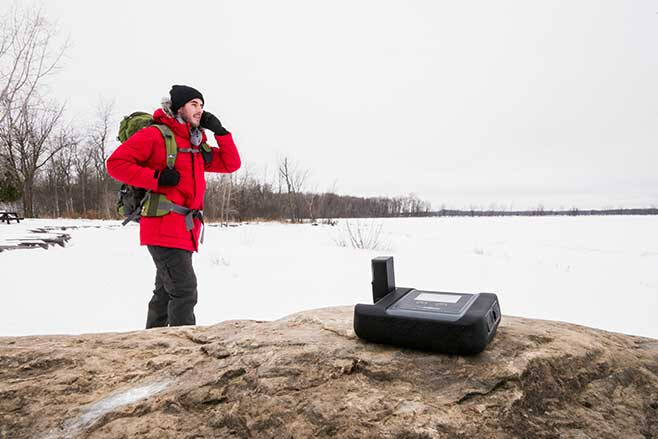
The ZOLEO is IP68 rated, and it’s shock-, dust- and water-resistance (to 1.5m for 30 minutes). The unit is powered by a rechargeable internal lithium-ion battery that boasts a life of more than 200 hours. The GO! unit weighs 304g and measures just 11.4 x 8.2 x 3.2cm. The unit is IP65 rated.
RRP: $345 (ZOLEO); RRP: $1145* (GO!) *sold by many stockists WEBSITE: www.beamcommunications.com
BACK in 1827, Allan Cunningham came through the Gwydir River area of northern NSW and camped beside the river with his entourage as they headed north looking for new pastoral land. Over the next few years more people followed and Bingara was subsequently founded in 1840.
As with most new settlements, locals started searching the outlying areas and gold was found a few years later along with other gems like rubies, garnets and a few diamonds.
Not long after, the word got out about another new goldfield and the town’s population grew, shops and pubs were built along with a police station, post office, flour mill and more. The gold and diamonds ran out by around 1950 and the miners, their families and shopkeepers moved on. At the time, the Bingara diamond field was Australia’s largest and most profitable, with the largest diamond found in the region being 37,000 carats.
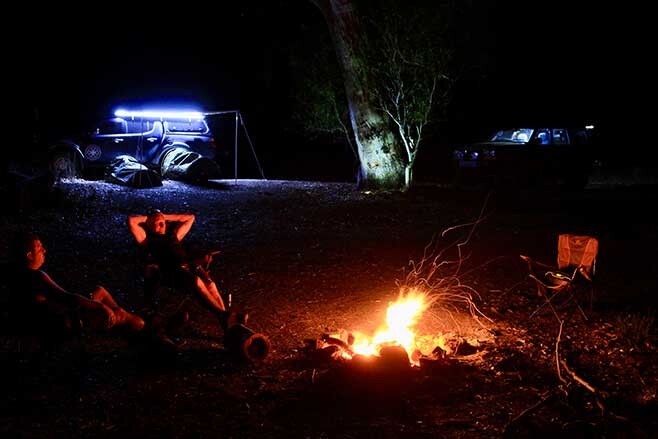
These days it’s a quiet, slow town where travellers are welcomed and the locals friendly with advice and big hearts. On our arrival we headed straight to the local tourist info centre for some recommendations on where to stay and what to do. The local council has set aside areas in the heart of town where you can free camp beside the Gwydir River and farther east towards the massive Copeton Dam.
Being an ex-mining town, Bingara has set aside areas where you can freely fossick for gems, and the info centre has a map of where you can go. One of the biggest gold mines in Bingara (and the last to close just before 1950) was the All Nations, and only minutes from town in Hill Street you can get up close to its massive 10-head stamper.
Fully intact, you’ll be blown away with the size of this thing, but just for a minute stop and think about the logistics in getting this monster out here from England.
One of the best places to get an overall view of Bingara is from the HF Batterham Memorial Lookout on the eastern side of town. The narrow road leads you up several hundred metres to some of the best views of the area. You can make it a day out up here as there are toilets, barbecues and one of the area’s many bird-walking trails. These days, the town has an art deco feel due to the fully functional Roxy Theatre which was built back in the 1930s.
Bingara sits in a valley surrounded by several ranges and nearby Mount Kaputar (an old volcano active 20 million years ago), so weather conditions vary immensely from winter to summer. Frost is a common occurrence during winter, but that’s the best time to throw another log on the fire and enjoy the clear winter skies. Summertime is often hot and dry with four-million flies being a pain, so come prepared or just spend time in the nearby pool or the Gwydir River for cooling down.
COPETON DAM
FARTHER east, towards Copeton Dam are areas that can only be explored by 4WD. Copeton has free camping and some of the biggest cod in the state.
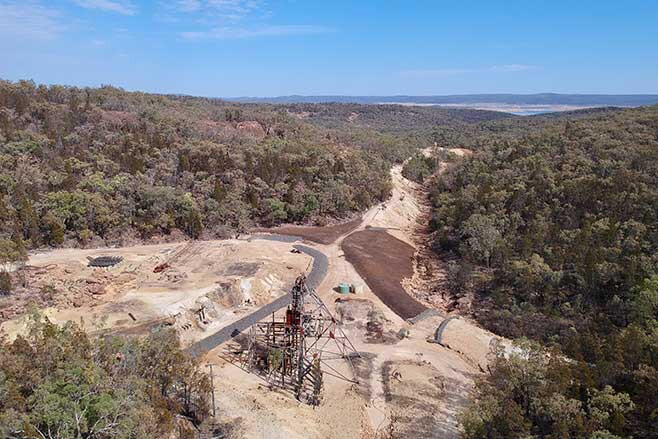
At the turn of the century, before the dam was a thought, there were massive mines in the area, including several arsenic and tin deposits. One of the more notable ones was the Conrad arsenic mine that has now been decommissioned and where rehabilitation works have taken place.
It’s pretty darn amazing to be able to wander around this area, gazing at the incredibly massive and solid timber structures that once lowered the workers deep into the mine in steel crates. Around the mine are relics left behind that include structures, boilers, concrete foundations and more.
Along the main mine road towards Copeton Dam, keep a lookout for the tunnel in the rock where the explosives were kept behind a thick steel and timber door maintaining them at a steady and cool temperature. There’s a series of tall, solid rock structures that ran cable carts away from the mine to dispose of the waste rock; and around the hills you can see other mines and tunnels, some with narrow trolley rail lines coming out of them.
Some of the better and more remote camping can be found nearby at the Gwydir River State Conservation Area. It has been broken into several sections but one of our favourites is the Salmon section below Copeton Dam. Entry is via the Inverell to Copeton Dam road through a nature corridor where sheep properties line either side.
Not a hard road into the area (allow an hour to travel the 20km) and best for most 4WDs with proper low range, but recommendations advise not to tow any kind of trailer down into the gorge.
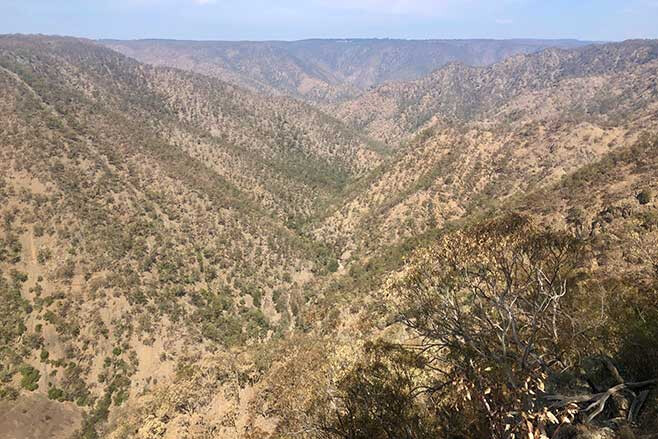
The gorge road winds its way down pretty steeply towards the bottom, with plenty of switchbacks and narrow sections. Along the way take a break at the Boulders lookout where the views across the valley towards other tors and mountains are some of the best in the region. But just keep in mind there is absolutely no mobile reception out here, so safety first and stay back from the edges.
The terrain is steep and holds nearly no flora content apart from the cyprus pines that like the sandy soil in amongst the granite rocks. It’s not until you get down to the bottom of the gorge where the land flattens out a bit and you’ll see more native grasses and gums.
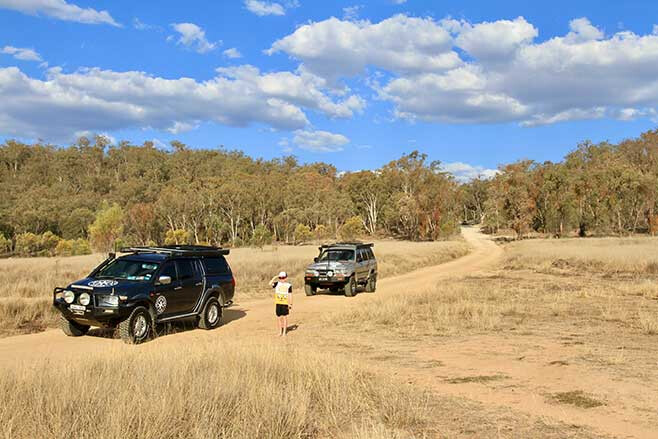
This area is also the home to several types of deer (although we saw none), feral pigs and ’roos. Right at the end of the track where it merges with the Gwydir River, the camping spots are to die for with water views and lots of flat areas for a swag or tent.
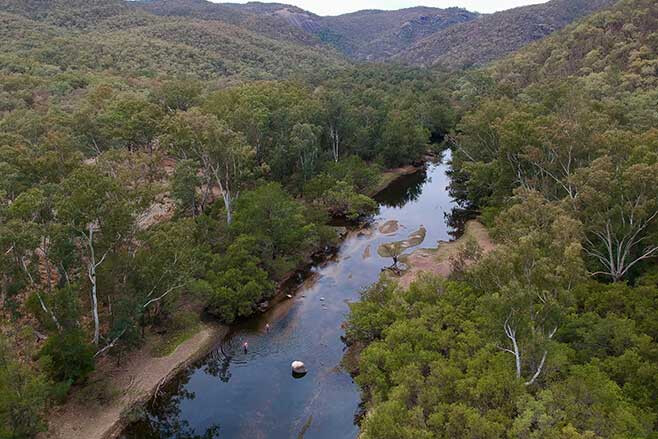
The river has a sandy base and the water is filtered to the max, crystal clear and perfect to soak in on those hot summer days. Along the river are loads of bottlebrush and other native flowering trees, the birdlife soaking up the area with plentiful insects and water.
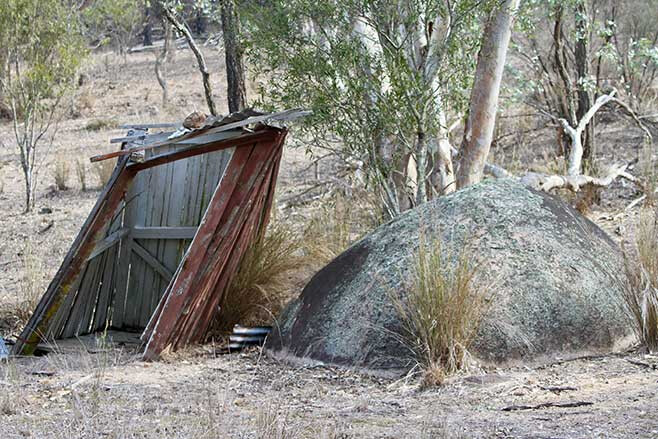
Back in the day this place must have been popular as pit toilets were installed, but these days they are full of rubbish and are seriously leaning over about to collapse – to us it looked like there had been no maintenance done on these structures for years.
The Gwydir River rises west, on the cusp of NSW’s New England Tablelands, and the summers get extremely hot and the winters down to below zero, so the best time to head here would be either spring or autumn with cooler nights and warm days.
Throughout the region are plenty of huge granite boulders that over millions of years have been slowly breaking down due to wind and rain, depositing a sandy covering across the landscape. During periods of heavy rain these little ball-bearing-like grains of sand become pretty slippery and it is advisable to take care exploring if there’s a storm about.
There are no other 4WD tracks down in the gorge, making it a great place to unwind and enjoy the river in its natural beauty.
The Gwydir River region may not be as popular as other higher profile local destinations, but if you’re after something more out of the way and need to switch off, this spot will tick your boxes. It’s all about the history, hidden camping areas and relics that line this great area.
LIKE so many other parts of our lives the new car sales market showed positive signs of a comeback in June, with the best numbers we’ve seen since the virus first reared its spikey head back in March.
The top-selling 4×4 vehicles, the Toyota Hilux and Ford Ranger, each sold more than double the units they did in May, with significant advances elsewhere in the market.
While June is generally a strong month for 4×4 sales, in particular the 4×4 ute segment, June 2020 was buoyed by the government’s extension of its instant assets write-off scheme which encourages buyers to get a new ute before June 30 tax time.
Still, the overall market was 6.4 per cent down on June 2019; but when you consider that May was 35.3 per cent down over the same month last year, you can see the upward trend.
In all, four of the five best-selling cars in June were 4x4s; mainly utes, except for the trend-bucking LandCruiser, which was 23 per cent up over June last year.
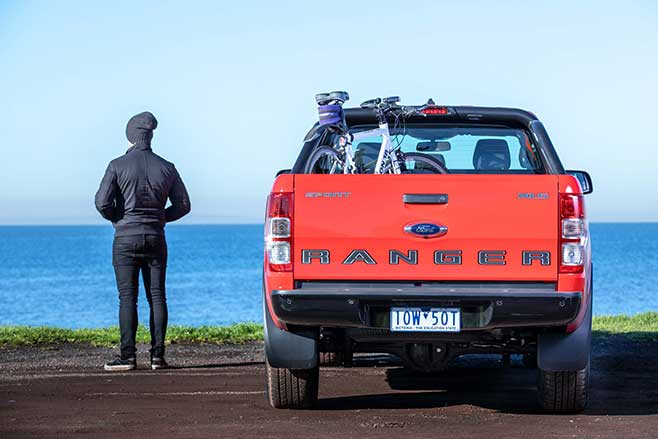
While both vehicles had strong months, Ford Ranger’s month-leading tally was enough to see it claw back the top spot to date over arch rival Hilux – and this looks like it could be a ding-dong batter through to the end of the year.
It will be interesting to see if any COVID-caused supply issues affect sales over the rest of the year, and how much the updated and more powerful Hilux ups the ante when it arrives next month.
Also of note were strong sales numbers for the VW Amarok and Mazda BT-50, both of which are getting long in the tooth and set for new models in 2021. The Mazda should be here by the end of 2020 and the VW around 12 months later.
While most models went up in sales, the poor old Holden Colorado had just 759 sales in June, as it fades into history.
The Isuzu MU-X wagon might have crept into the Top 10 YTD last month, but it was bumped out by the hot-selling utes in June, including its stablemate the D-MAX which is in run out mode. The all-new D-MAX will be on sale here towards the end of August.
JUNE 2020 4X4 SALES
- Ford Ranger: 5092
- Toyota Hilux: 4811
- Toyota Prado: 2374
- Mitsubishi Triton: 2292
- Toyota LC200: 1521
- Toyota LC79: 1388
- Mazda BT-50: 1315
- Nissan Navara: 1234
- Volkswagen Amarok: 1229
- Isuzu D-Max: 1137
- Isuzu MUX: 1014
YEAR TO DATE – JUNE 2020
- Ford Ranger: 17,406
- Toyota Hilux: 17,276
- Toyota Prado: 8632
- Mitsubishi Triton: 8244
- Toyota LC200: 6860
- Holden Colorado: 6030
- Toyota LC79: 4928
- Isuzu D-Max: 4595
- Nissan Navara: 4498
- Mazda BT-50: 3741
HAVING A reliable and versatile torch in your fourby and shed is invaluable, but there’s nothing worse than picking up said torch when you need it only to find its batteries are flat.
Rechargeable is where it’s at and some smaller torches and headlamps can easily be kept powered using your car’s USB points. But when you want a stronger light for working under the bonnet or under the car, more power is required.
Already having a selection of Ryobi’s One+ range of power tools at home, I’ve now added the One + Hybrid Shoplight to the kit and it should serve as a versatile light for working on the car and around the campsite.
The premise of the One+ range of products is that it is extensive and all powered off the same battery-pack design. These Ryobi One+ products extend from lights and power tools right up to lawn mowers and chainsaws and as they all use the same batteries, you don’t need a selection of different batteries and chargers.
The batteries are 18-volt lithium units and come in a range from 1.5amp/h to 9amp/h models that are all interchangeable with the tools in the One+ range. If you have an invertor in your car you can charge the batteries wherever you are and use them for other tools like the One+ impact driver for removing wheel nuts. There is also one 12V car charger available to charge batteries on the run.
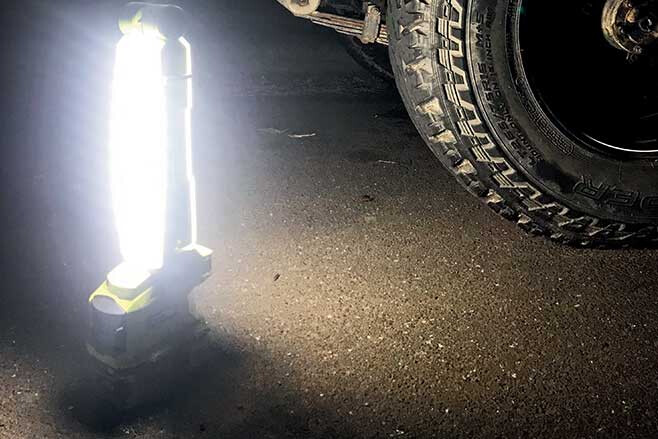
The Ryobi One+ folding Shoplight features two 250mm light panels, each containing ten 12W LED chips to give out a wide, bright light. The panels can be powered individually or together for maximum light output. The unit has a folding head that swings though 270° to give light wherever you want it, while the housing has a number of different hooks and mounting points to secure it where needed. The light stands 440mm tall with the battery fitted.
The Shoplight doesn’t come with a battery but that wasn’t a problem as I already have some for the other Ryobi One+ products. It can also be powered directly from a 240V AC plug at a workbench. Cleverly, the 240 plug has a safety cover that prevents the plug going in when there is a battery installed and visa versa.
The Ryobi Shoplight has become a handy torch for use around the house, the campsite, in the car and, as mentioned, being able to use the batteries I already have or 240V power, it’s always ready to go.
ESSENTIAL INFORMATION
Available from: Bunnings stores nationwide; www.ryobi.com.au Price: $109 (+battery) We say: Functional and versatile light for at home, camping and in the 4×4.
Land Rover is restoring the Hard Top name to its Defender 90 and 110 models, with Land Rover Australia currently evaluating the models for local sale.
Land Rover Australia says timing and availability of the 90 and 110 Hard Top will be advised at a later date.
The demountable Hard Top origins date back to 1950, with the new Defender Hard Top’s fixed metal roof paying homage to the original.
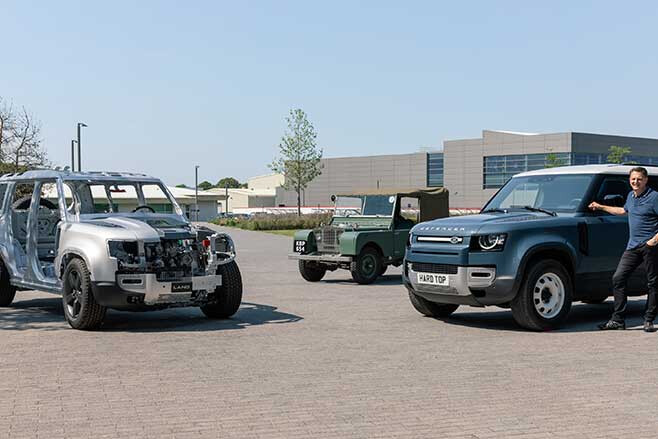
“New Defender 90 and 110 Hard Top will be the toughest, most capable and most connected commercial 4x4s we have ever produced,” said Nick Collins, Land Rover Vehicle Line Director. “They have been engineered to meet global safety standards and deliver impressive long-haul comfort, giving businesses and professionals the best of all worlds.”
Built on the Defender’s D7x body architecture, much like the passenger Defender variants, both 90 and 110 Hard Top models will feature independent coil-sprung suspension, with the 110 getting the option of advanced electronic suspension.
Both the 90 and 110 feature 291mm of ground clearance, with the 110 Hard Top boasting approach, breakover and departure angles of 38, 28 and 40 degrees.
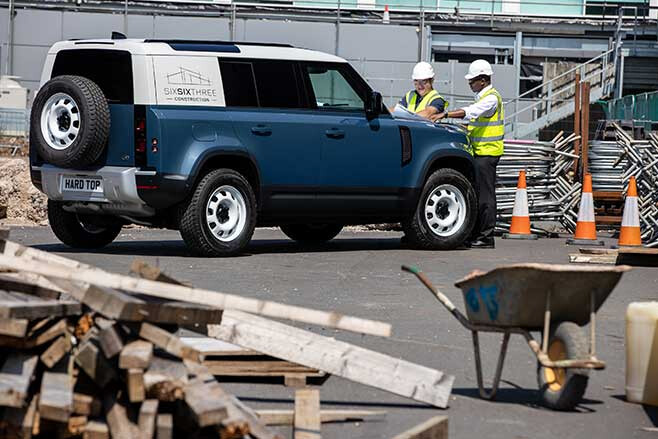
The new Defender also features a towing capacity of 3500kg, a 900mm wading depth (supported by a new Wade programme in the Terrain Response 2 system), and advanced tech including Advanced Tow Assist and a 3D surround camera.
Images of the cargo area have not yet been released, with Land Rover Special Vehicle Operations’ Managing Director, Michael van der Sande, saying: “We will maximise the functionality and usability of New Defender’s cargo area, with tough materials and clever storage solutions to ensure it surpasses the capability of any previous Defender Hard Top.”
Land Rover says full technical details of the 90 and 110 Hard Top will be confirmed later this year.