Sponsored

Gallery 1
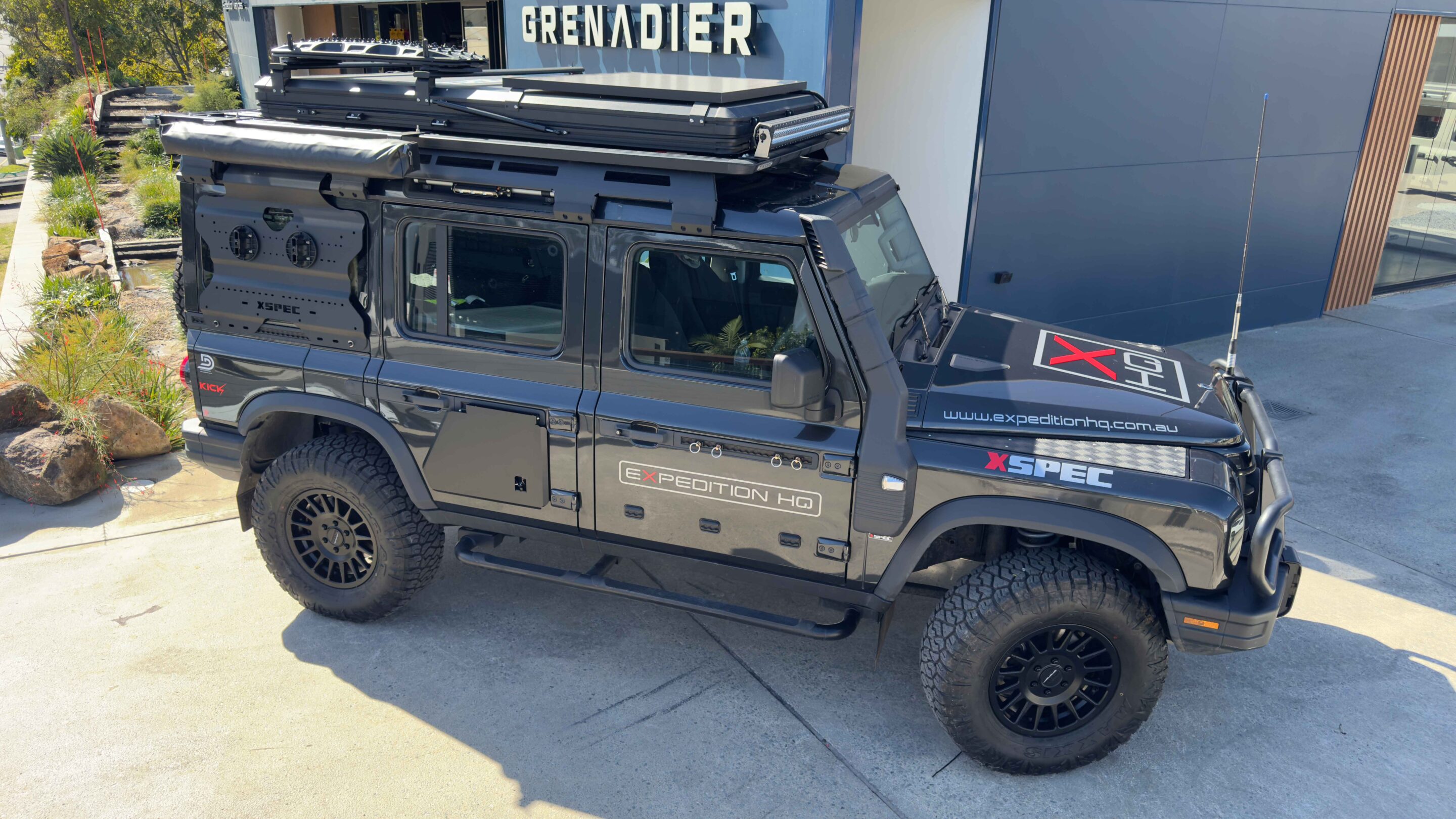
Long before the INEOS Grenadier touched down in Australia, the team behind Expedition HQ were already deep in the business of building vehicles designed to cross continents, not just sit in carparks.
The roots go back to SLRV Expedition Vehicles, a name well-known to anyone who’s walked a remote outback track and seen one of those big, go-anywhere rigs rolling past – they’re impossible to miss. The business wasn’t born from marketing strategy – it came from a simple, old-fashioned desire to build machinery capable of surviving remote travel.
Heavy-duty 4x4s engineered for corrugations, isolation and long-haul living were its foundation, and that experience in durability and reliability forms the DNA that later became Expedition HQ.
So when the Grenadier arrived in 2023, promising a modern take on a traditional 4WD formula, the SLRV team saw a familiar brief – a tool built around utility, mechanical simplicity and long-range capability. And that’s where Expedition HQ starts.
From Expedition vehicles to expedition builds
Expedition HQ emerged from a practical need. The Grenadier offered a platform with genuine potential, but the Australian aftermarket wasn’t ready for it. Owners needed parts, advice and fitment from people who understood expedition travel, not just weekend accessories.
The logic was straightforward: SLRV knew how to build vehicles for remote work, the Grenadier offered the right bones, and someone needed to support owners with gear that actually matched the vehicle’s intent. So Expedition HQ was formed – a dealership, accessory hub and fit-out centre – all built on the back of experience earned in real-world expedition environments.
“At SLRV we’ve spent decades designing and building vehicles that are expected to cross continents, not just look capable in a car park. That background meant we approached the Grenadier the same way we approach a full expedition build: we assessed it as a platform first,” Warwick Boswerger, Director at SLRV, told 4X4 Australia.
“Chassis strength, drivetrain choice, electrical architecture, serviceability in remote areas and long-term durability all came under the microscope. The Grenadier impressed us because it didn’t require “fixing” at a foundational level – it only needed refining for purpose. That’s a very different starting point to most modern 4x4s.”
A workshop first, a shop second
What sets Expedition HQ apart is that its history is mechanical and practical, not retail. This isn’t the story of a shop expanding into fitment. It’s the story of a fitment and expedition specialist expanding into sales and parts. They were building serious touring vehicles before the Grenadier arrived, solving remote-travel problems before the showroom opened and designing components before XSPEC became a brand.
That lineage matters, because it means the advice comes from use, not catalogues.
1
Why the Grenadier fit the philosophy
Expedition HQ didn’t back the Grenadier because it was hyped. They backed it because it’s built on a ladder chassis, uses proven mechanical components and is engineered around function. The platform suits Australian touring, station work and remote travel. And for a workshop built on expedition travel – not mall-crawling – that mattered.
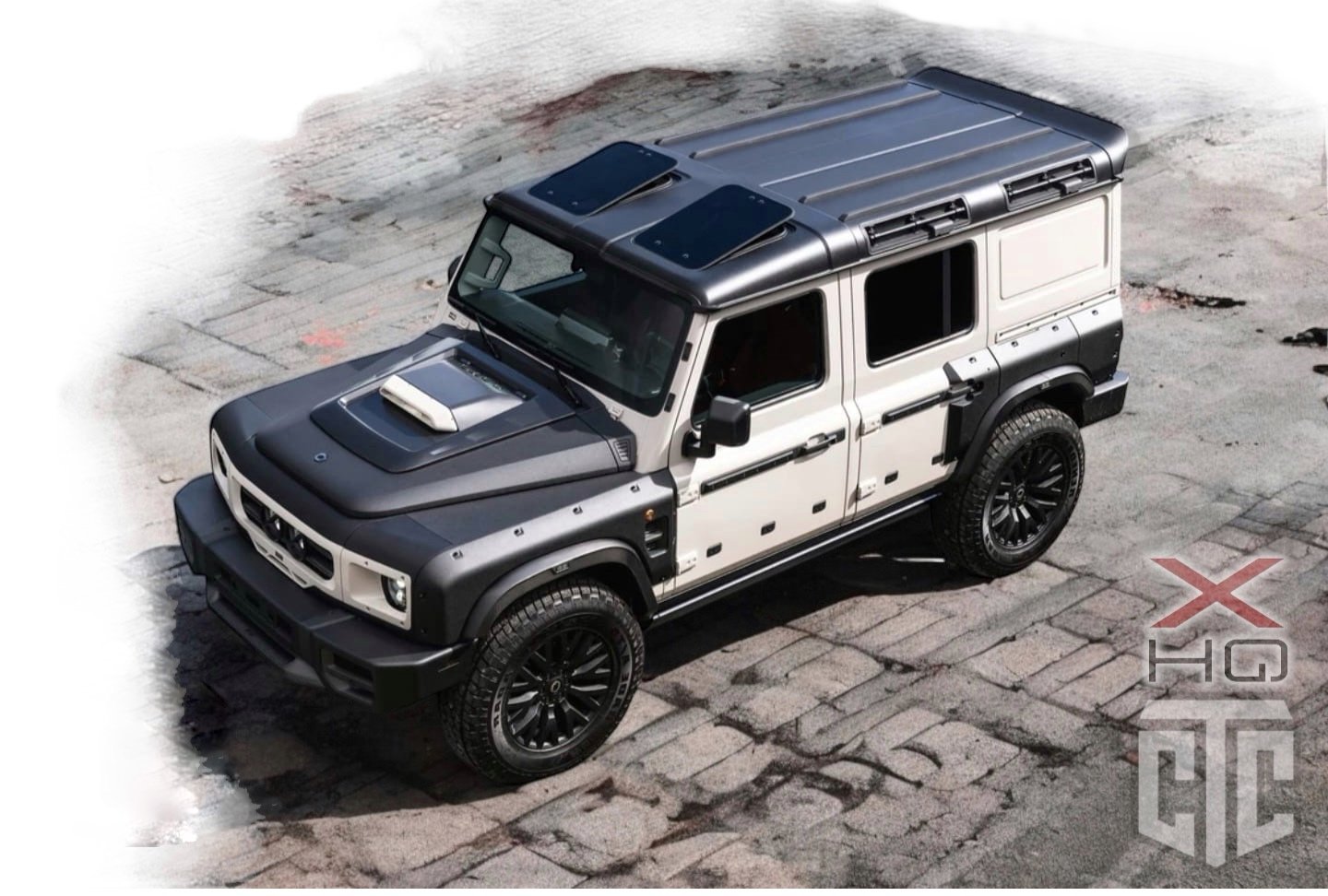
The Australian aftermarket didn’t immediately deliver what the Grenadier needed, so Expedition HQ did what anyone with real expedition history would do – they built their own. Essentially XSPEC was a response to gaps in available equipment, the demands of remote touring and the needs of working vehicles. The gear was designed around durability first and aesthetics second.
“Australia still demands genuine, mechanical 4WDs that can handle distance, heat, corrugations and isolation. The Grenadier arrived at a time when that segment was shrinking,” said Boswerger. “For Expedition HQ, it filled a gap we’d been watching widen for years – customers wanting a modern vehicle, but without the fragility and complexity that can limit remote travel. It also allowed us to offer something that could be driven daily, then prepared properly for serious off-grid travel without fighting against the vehicle’s original design intent.
1
“The Grenadier is unapologetically functional. Ladder frame, solid axles, proper transfer case, mechanical switches and a focus on longevity over trends. That mirrors SLRV’s philosophy exactly. We build tools, not toys. Vehicles that earn their keep through reliability, repairability and real-world usability. The Grenadier felt like it was designed by people who actually understood what happens to vehicles after 200,000 kilometres of hard use,” added Boswerger.
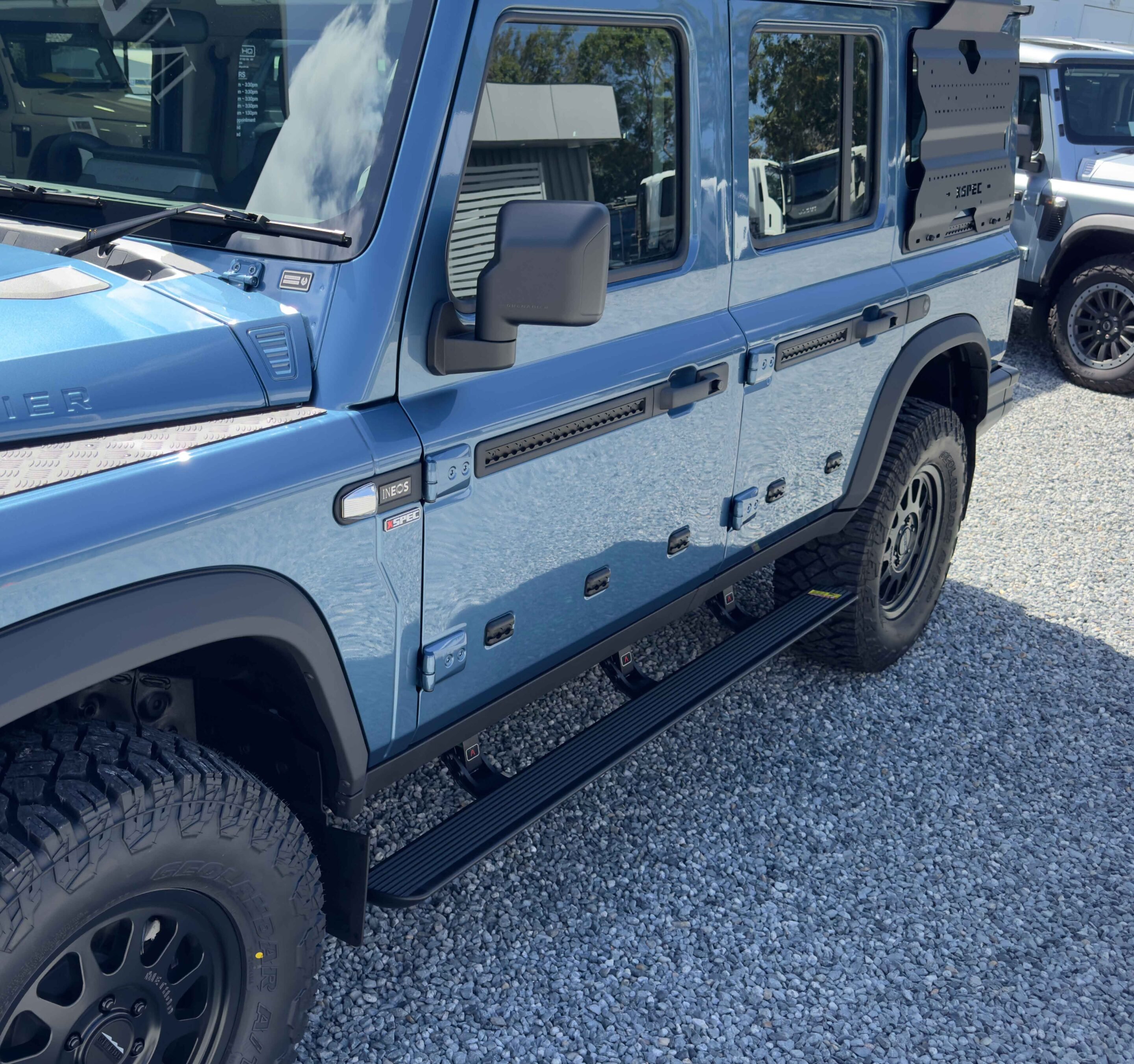
If you walk into Expedition HQ today, you’ll see Grenadiers lined up in various build stages, accessories tested and fitted on real customer vehicles, and XSPEC components developed from on-road feedback. You’ll also find a team who speak the language of touring, repairs and capability – not marketing.
But the important part isn’t what they sell now. It’s why they sell it. Because their story didn’t begin with the Grenadier. It began with expedition travel – and the Grenadier simply aligned with the philosophy they already lived by.
“We’re not a retail-only operation,” Boswerger told us. “Expedition HQ grew out of vehicle design, fabrication, field testing and recovery experience. We’ve broken vehicles in deserts, repaired them on tracks and lived out of them for months at a time. That means when we talk about modifications, servicing or set-ups, it’s not theoretical. It’s based on what fails, what survives and what actually makes life easier when you’re days from the nearest town.”
XSPEC drawer system
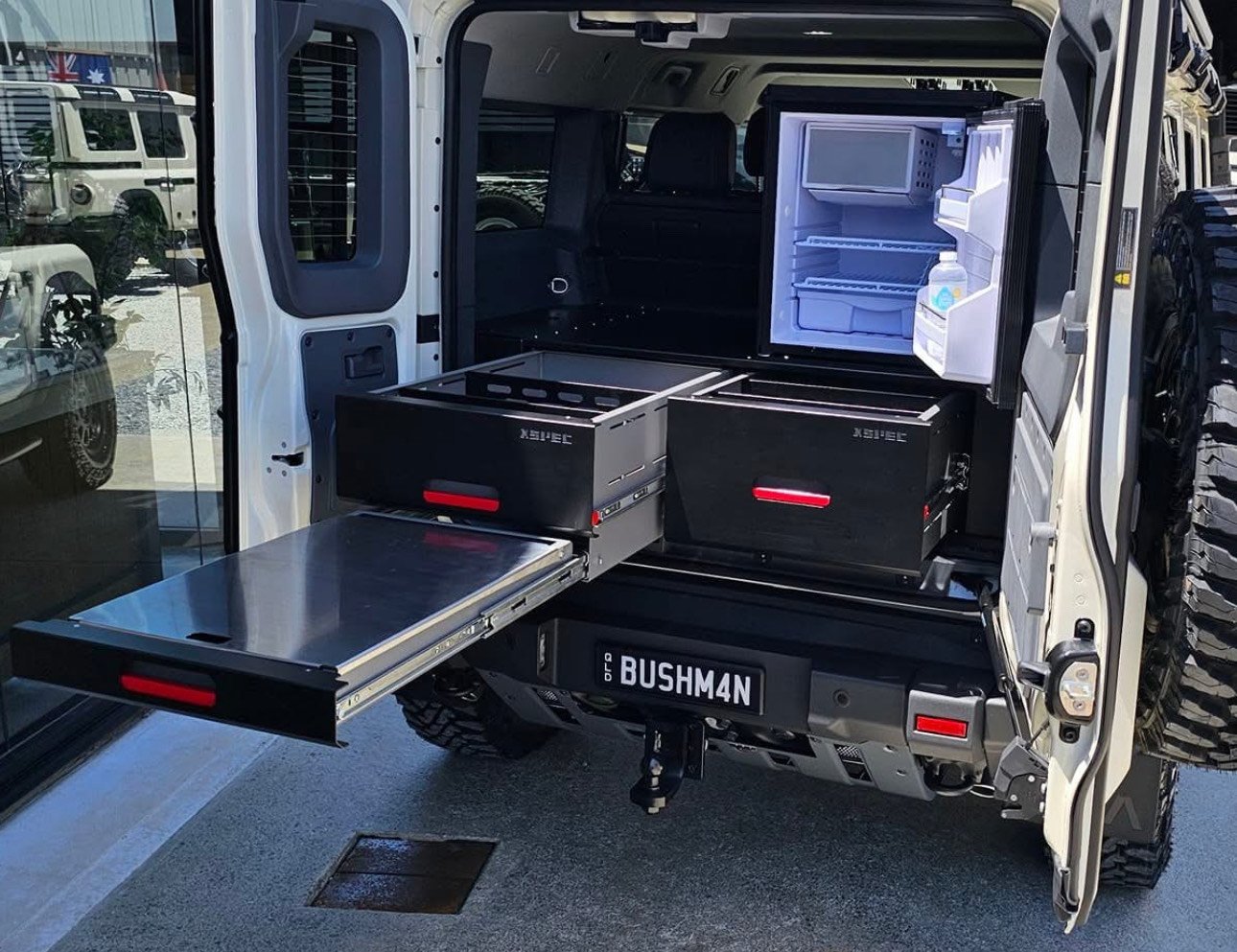
The XSPEC drawer system for the Grenadier is a good example of a piece of gear designed for durability first, aesthetics second.
“It was designed as a load-bearing storage solution first, not a furniture piece. The structure is built to handle constant vibration, heavy payloads and long-term use on corrugations, with robust materials, solid mounting points and simple, proven hardware,” said Boswerger. “It’s not about glossy finishes or tight tolerances that only work when the vehicle is new — it’s about drawers that still slide properly after years of dust, heat and abuse. The look is deliberately understated, because in remote travel reliability always comes before appearance.”
1
What’s next?
The Grenadier is a key platform for Expedition HQ moving forward, particularly as they expand purpose-built touring and expedition solutions around it.
“Beyond that, we will continue doing what we’ve always done: Developing vehicles and systems for serious travel,” said Boswerger. “Whether that’s compact expedition platforms, advanced electrical solutions or complete off-grid vehicles. The common thread remains the same – durability, function and real-world capability.”
Follow 4X4 Australia on Google
Get more 4x4 news, reviews and gear stories from 4X4 Australia in your Google feeds.