News

Gallery 1
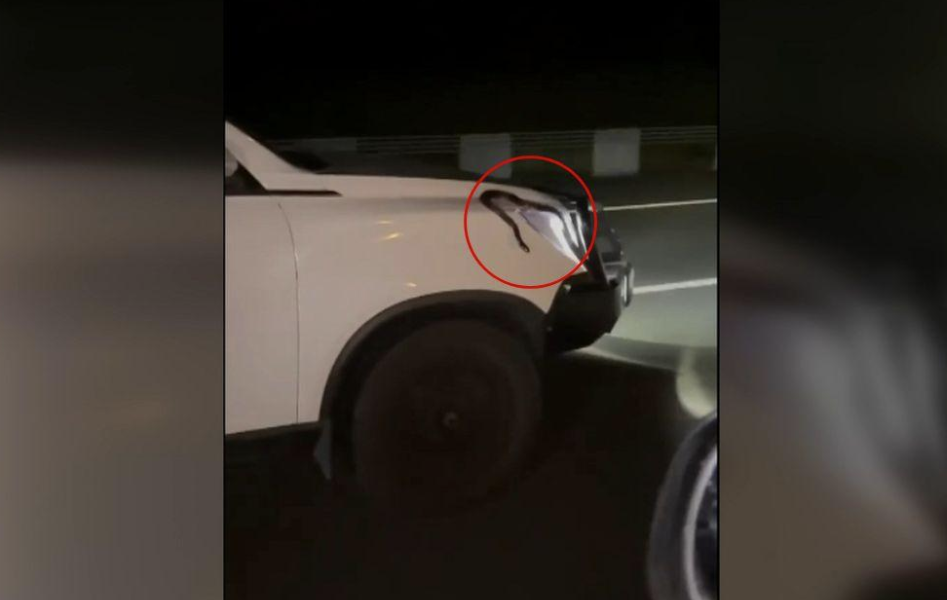
A ute driver heading from Caboolture to the Sunshine Coast on the Bruce Highway had an unwelcome passenger, when a large red‑bellied black snake climbed onto the vehicle’s bonnet.
As reported by 7NEWS, the reptile – which was close to two metres long – stayed there for several kilometres before disappearing, most likely into the engine bay.
Red‑bellied black snakes are widespread along eastern Australia, through Victoria, New South Wales, and up into Queensland – but it’s also found in parts of South Australia. They favour wetlands, creeks and bushland but are also found near urban waterways. They are venomous, though generally not aggressive – so bites are rare. These snakes are most active in warmer months and are strong swimmers, which explains why they often turn up in unexpected locations.
Similar incidents of hitchhiking snakes have been reported across Australia. Last year, a LandCruiser owner in Broome discovered an almost-two‑metre mulga snake tucked into the engine bay after a day at the beach; the reptile had climbed up via the front wheel while the vehicle was parked and was only removed after a professional snake catcher intervened.
How you respond to a snake encounter matters. Touring and off‑road guides advise keeping calm and backing away to give the snake space, because most will retreat if unthreatened. Never touch, capture or harm a snake; attempts to do so are illegal and are when most bites occur.
If you spot a snake near your vehicle or campsite, move people and pets away and, where available, call a licensed snake catcher rather than handling the animal yourself. A basic first‑aid kit with pressure bandages and proper training can also be invaluable if an incident does occur. These precautions are especially important in warmer months when snakes are most active.
Both roadside and bush encounters show snakes will take advantage of warm, sheltered spaces under bonnets and inside engine bays. Drivers exploring snake country should always inspect their vehicle before setting off – particularly if parked near scrub, watercourses or long grass – and, as mentioned, leave removal to trained professionals.
Image credit: 7NEWS
Follow 4X4 Australia on Google
Get more 4x4 news, reviews and gear stories from 4X4 Australia in your Google feeds.