
LAND Rover in the UK is taking its autonomous vehicle technology off-road, developing vehicles that can drive themselves over any terrain.
We don’t know about you, but we actually enjoy driving cars and being able to drive them off-road. Taking that ability away has absolutely no appeal to us.
Thankfully Land Rover’s autonomous tech won’t fully take away the driving experience. The company is developing fully- and semi-automated vehicle technologies, offering customers a choice of the level of automation, while maintaining an enjoyable and safe driving experience.
This project forms part of the company’s vision to make the self-driving car viable in the widest range of weather and real-life, on- and off-road driving environments.
“It’s important that we develop our self-driving vehicles with the same capability and performance customers expect from all Jaguars and Land Rovers.” said Chris Holmes, Connected and Autonomous Vehicle Research Manager at Jaguar Land Rover. “Self-driving is an inevitability for the automotive industry and ensuring that our autonomous offering is the most enjoyable, capable and safe is what drives us to explore the boundaries of innovation.”
Project CORTEX will develop the technology through algorithm development, sensor optimisation and physical testing on off-road tracks in the United Kingdom. The tech will use acoustic, video, radar, light detection and distance sensing (LiDAR) data live in real-time to ‘view’ the terrain and guide the vehicle over it using the correct vehicle systems.
Access to this combined data improves the awareness of the environment the car is in. Machine-learning enables the self-driving car to behave in an increasingly sophisticated way, allowing it to handle any weather condition on any terrain.
Autonomous off-roaders might be a way off yet, but it is something we’d rather live without.
Nissan has started production of its D23 Navara-based Terra wagon in Thailand, with deliveries of the three-row seven-seater set to go to South-East Asian countries in August.
Those countries don’t include Australia, with Nissan’s local arm telling us that, “there are no confirmed plans for the Terra to launch in Australia”.
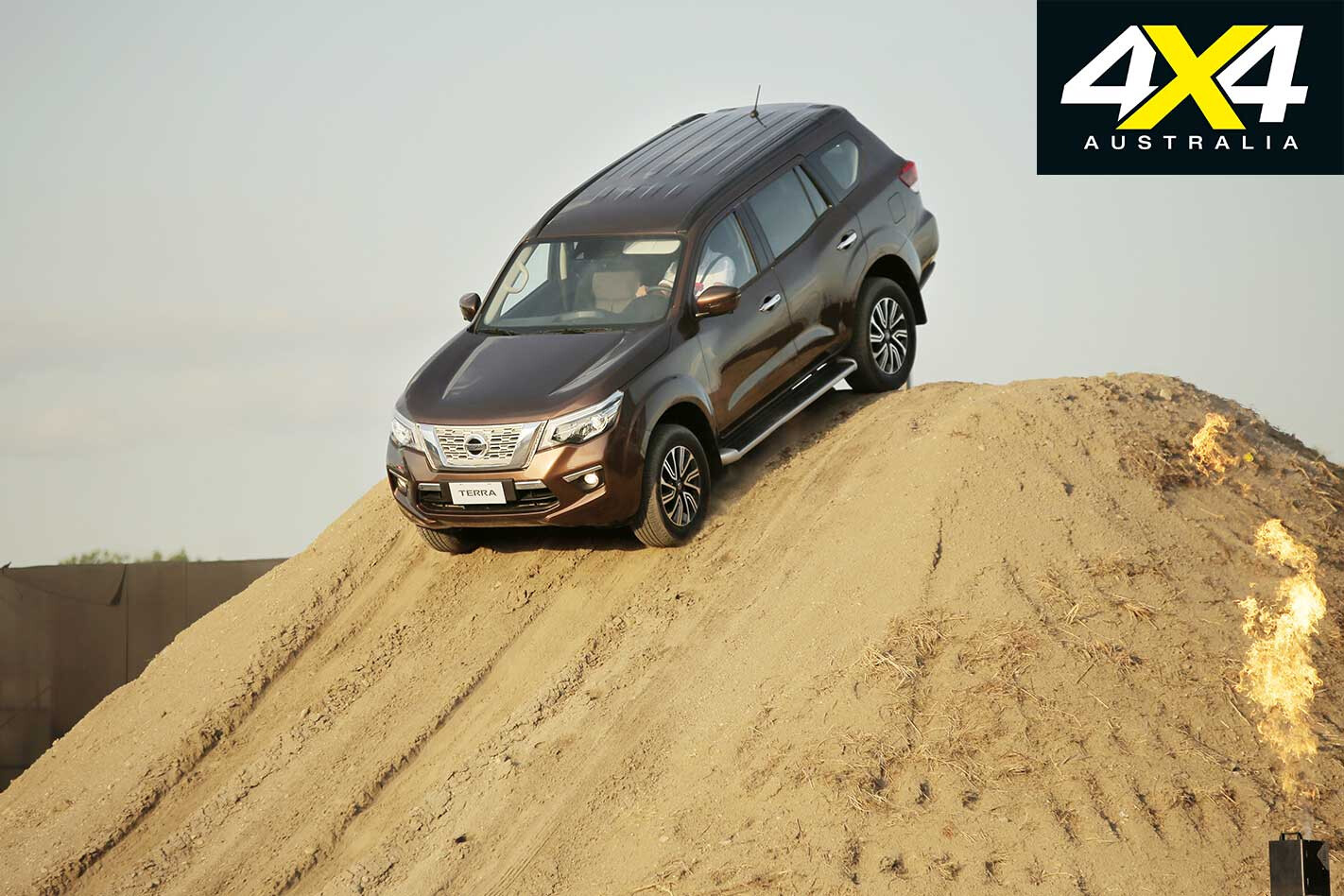
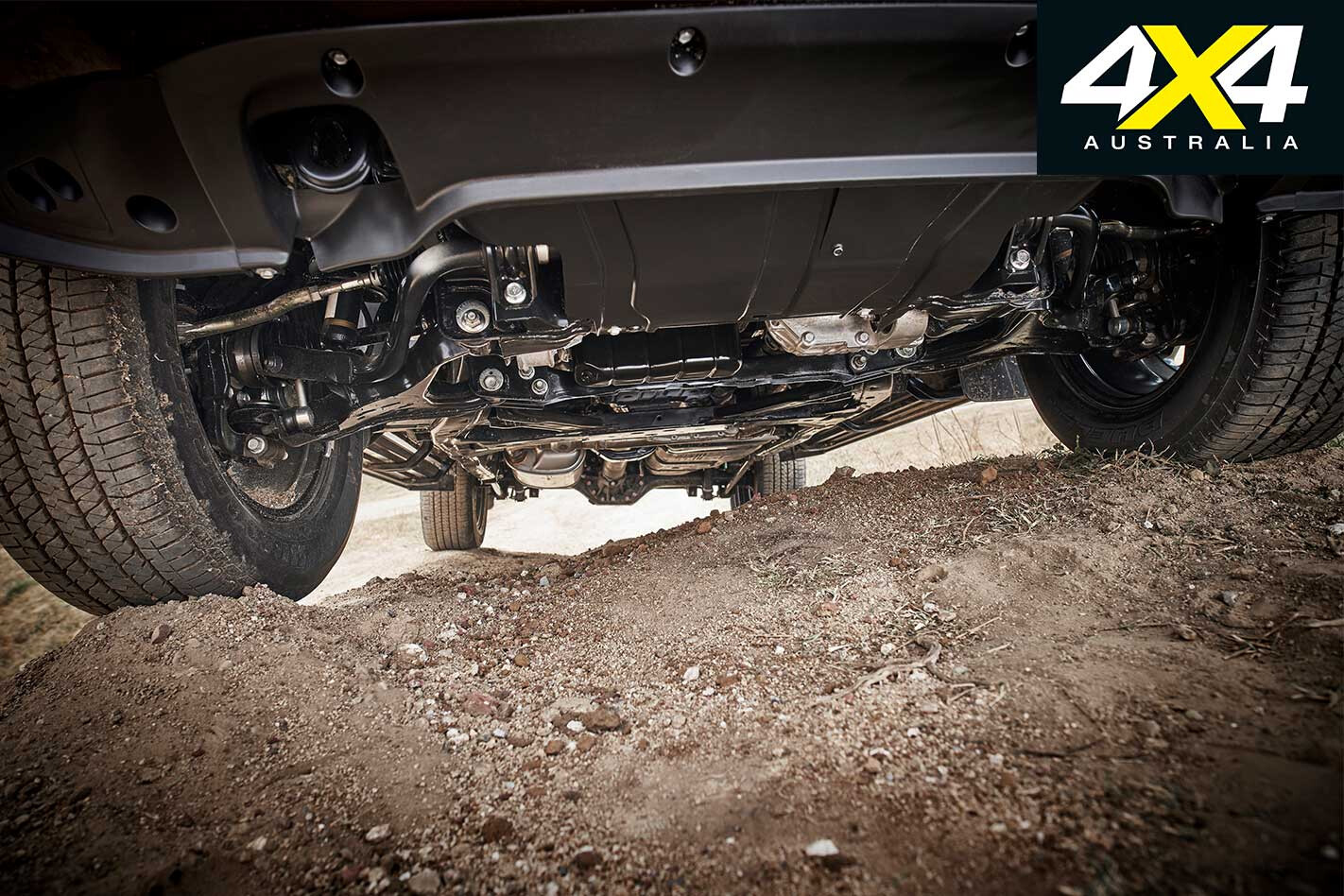
The Terra follows the formula of the Isuzu MU-X, Holden Trailblazer, Toyota Fortuner and Ford Everest in that it is a wagon built on a ladder frame that is shared with the brands’ one-tonne pick-up. The big difference here is that while all those other vehicles have a bespoke coil spring rear suspension specifically made for the wagon derivative, Nissan Terra retains the coil sprung live axle the Navara uses.
The D23 Navara and the Mercedes-Benz X-Class, which is spun off the same chassis, are unique in the ute segment in that they offer coil springs at the back.
In the countries it is being launched in, the Terra is powered by a 450Nm 2.5-litre YD25 diesel engine similar to what was used in the previous D40 Navara model. The current D23 Navara uses a choice of 2.3-litre diesel engines including a bi-turbo variant that also makes 450Nm.
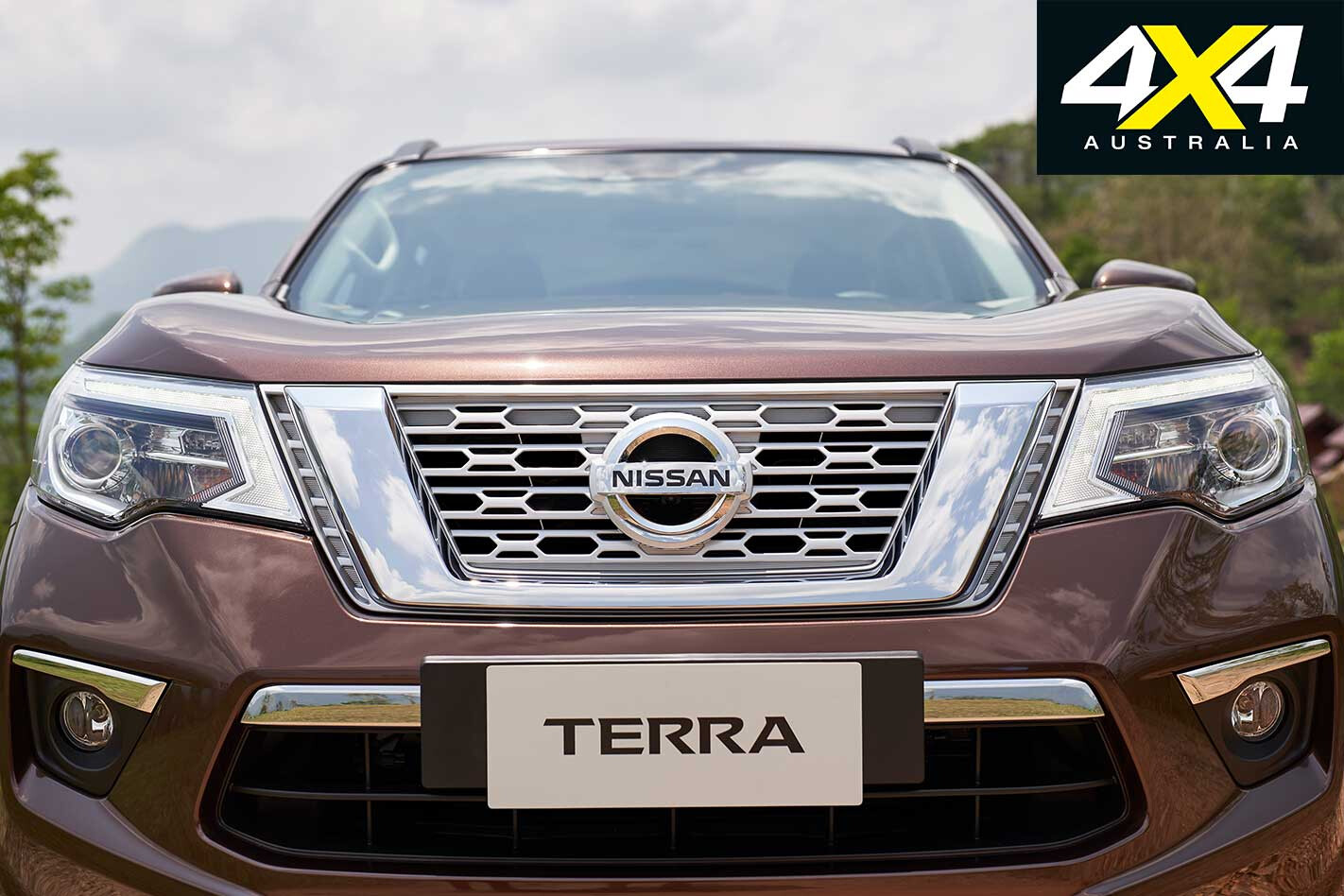
Nissan Australia did admit that, “we think it would appeal to the Australian market – especially customers who are looking for a tough, practical and comfortable large SUV.”
Nissan has not had a diesel-fuelled seven-seat 4×4 wagon in its extensive range of SUVs since it discontinued the Y61 Patrol last year. It’s only three-row off -roadable wagon is the Y62 Patrol, which is powered by a petrol V8 engine only; while Australia remains a market that prefers diesels engines in its 4×4 vehicles.
It would be fair to say Nissan Australia wants such a vehicle for this market in its line-up, it’s just a matter of building the business case and getting the latest engine in there to suit us.
A Volkswagen Amarok V6 with a manual gearbox and dual-range, part-time 4×4 is set for release in Australia, with full details to be announced on June 21.
Up until now, the punchy 165kW (180kW on overboost) V6 has only been available with an eight-speed automatic and single-range full-time 4×4, which hasn’t pleased some traditional 4×4 enthusiasts and fans of manual gearboxes. Not that the automatic single-range V6 Amarok doesn’t work brilliantly off-road, even without low range, but that’s another story.
The manual V6 will be offered in a base-spec vehicle, which will probably align with the four-cylinder Amarok Core models in terms of equipment. That also means it will be cheaper than the Sportline V6, currently the least expensive way to get into an Amarok V6.
The manual’s V6 offers 165kW and 550Nm but may not come with the 180kW overboost function. That’s yet to be confirmed. Either way, 165kW and 550Nm puts the manual Amarok in front of even the upcoming 157kW/500Nm bi-turbo diesel that will be offered in top-spec MY19 Ranger models due to arrive in the third quarter this year.
The Amarok V6 manual will be joined by a new up-spec V6 (automatic only) that will offer 190kW with 200kW available on overboost.
Fans of diesel V6 utes can also look forward to the arrival of a Mercedes-Benz X-Class sporting a 190kW/550Nm 3.0-litre V6 before year’s end. The X-Class V6 will have full-time dual-range 4×4 and an automatic gearbox, something not offered with the Amarok.
From humble beginnings as a one-day trail ride back in 1967, which wrapped up with a Boy Scout barbecue fundraiser, the Easter Jeep Safari has matured into a global phenomenon attracting tens of thousands each year, enticing the who’s who of the off-road community.
While this year’s event took place over iconic 4×4 routes and featured vendor shows that whetted the show goers’ appetites for customisation, the headlining exhibit of the eight-day event was undoubtedly the seven unique Jeep and Mopar concept 4x4s that were built to captivate and inspire fans of the Jeep name.
These are the highlights of the seven Jeep-Mopar concepts at the 2018 Moab Easter Jeep Safari.
4SPEED WRANGLER
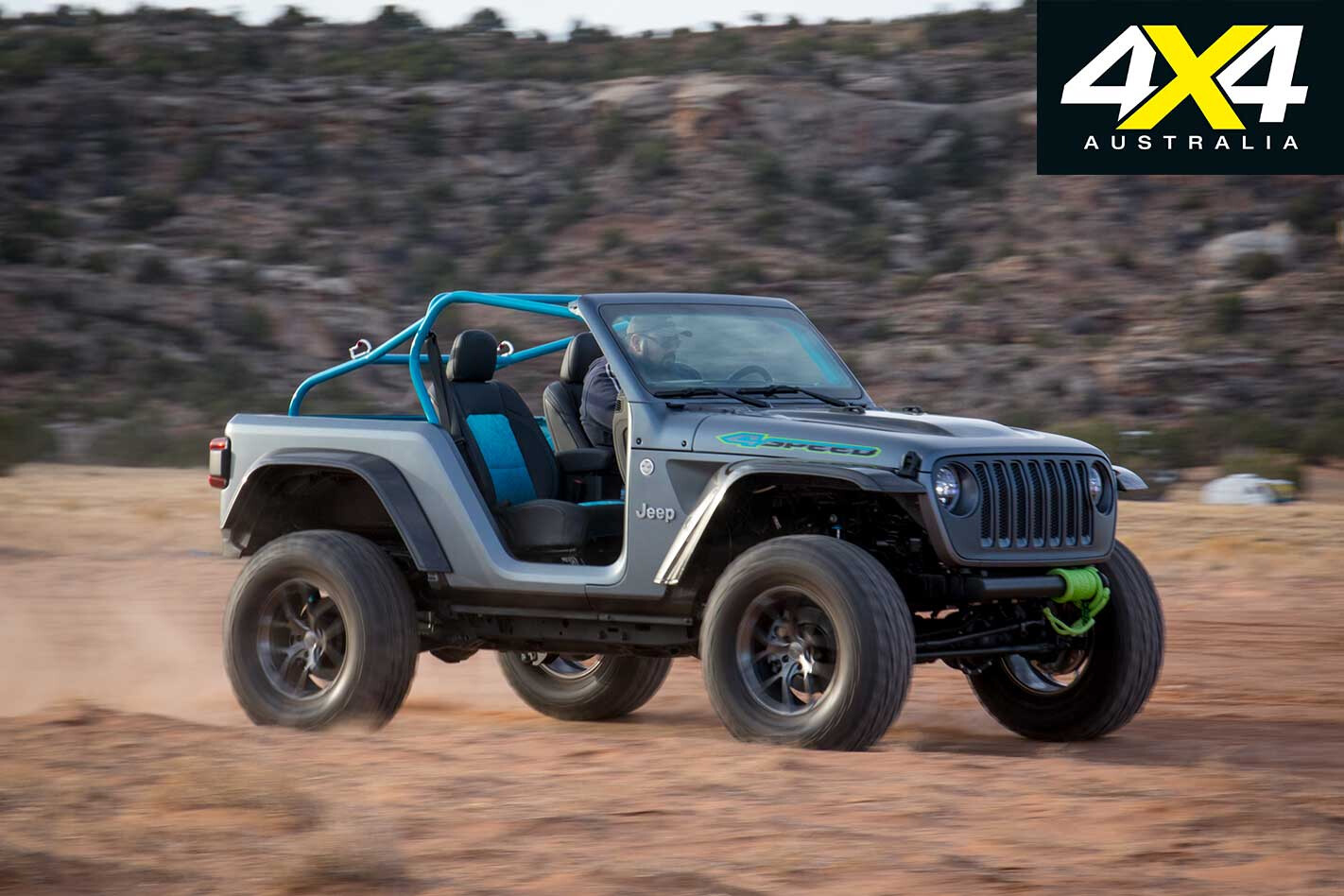
Door-off styling and shortened body serves as a fitting ode to the welterweight 2011 Pork Chop and 2013 Stitch Jeep concepts, but the 4SPEED concept features proper lightweight engineering that extends beyond the cosmetic.
Besides having a shortened body, the 4SPEED also features extensive use of carbon fibre in the form of its bonnet, fender flares, and rear-tub. Put together, the 4SPEED is said to be 408kg lighter than stock.
Engine: 2.0-litre turbo-charged four-cylinder Transmission: Eight-speed automatic Axles: Dana 44 w/ 4.1:1 gears Fenders and hood: Custom carbon-fibre Seats: Refitted with snowboard jacket material Cage: Custom sweep-back Wheelbase: Shortened 22 inches Wheels/Tyres: Forgeline, BFGoodrich KM2 Favourite Feature: 408kg lighter than stock
SANDSTORM WRANGLER
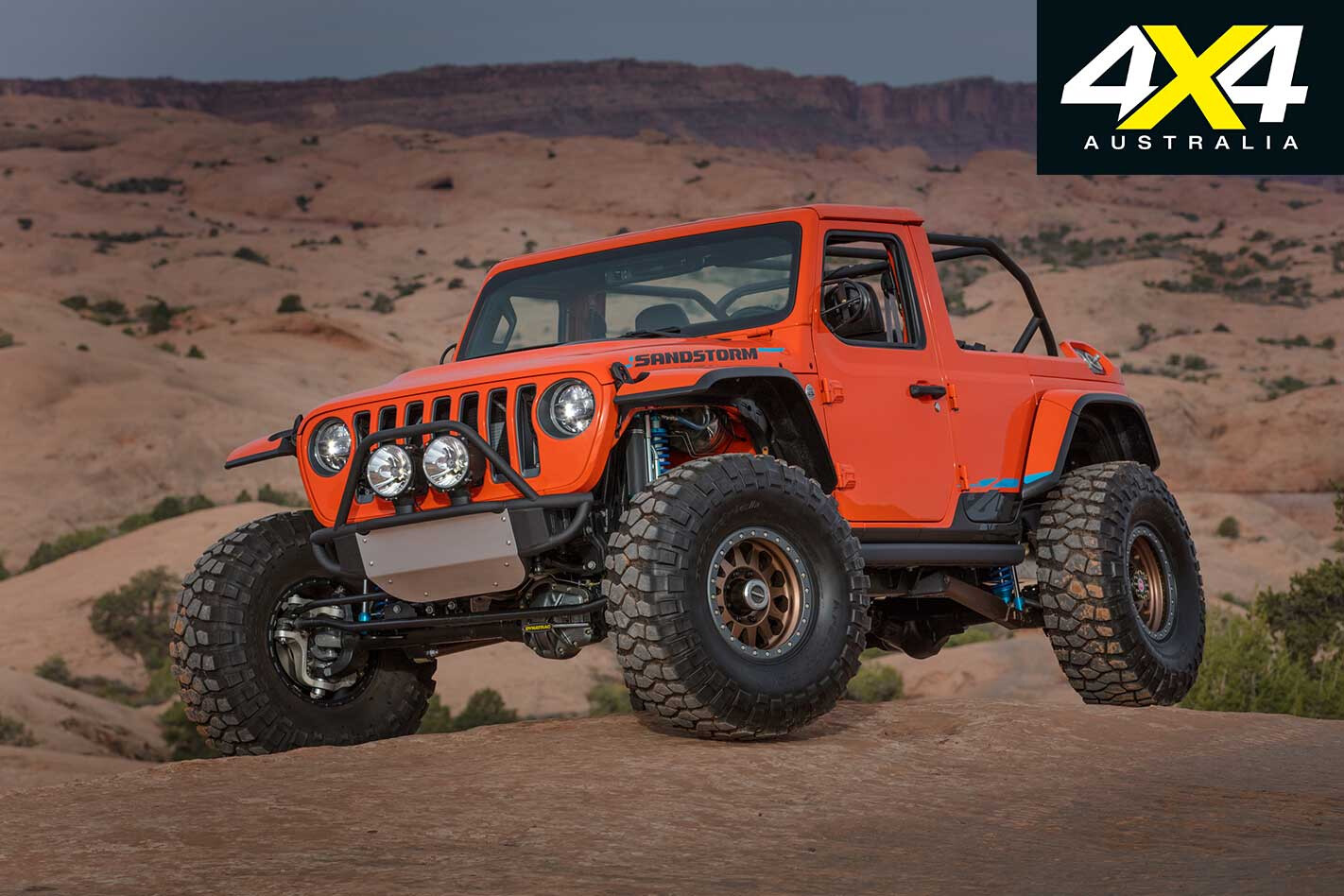
As its name implies, the Sandstorm is built with the full intention to kick up a storm as it blasts through desert terrain. For that the Sandstorm is fettled with a healthy dose of engineering and styling bits lifted from Baja desert racers.
Besides boasting heavy duty engineering underneath, the Sandstorm’s front-axles have been moved 100mm forward, while its rears are pushed 50mm rearward to give it proper desert-storming capabilities.
Engine: 6.4-litre HEMI V8 Transmission: Six-speed manual Axles: Dynatrac Dana 60s, 5.68:1 gears Lockers: ARB Air Lockers Suspension: Off Road Evolution coil-over long-arm, King shocks Cage/Spare tyre mount: Custom Wheels/Tyres: Method monoblock alloy, BFGoodrich 39.5-inch Krawler Extras: Stretched six inches, ARB twin compressor, Lowrance GPS Favourite feature: 6.4-litres of HEMI fun
B-UTE RENEGADE
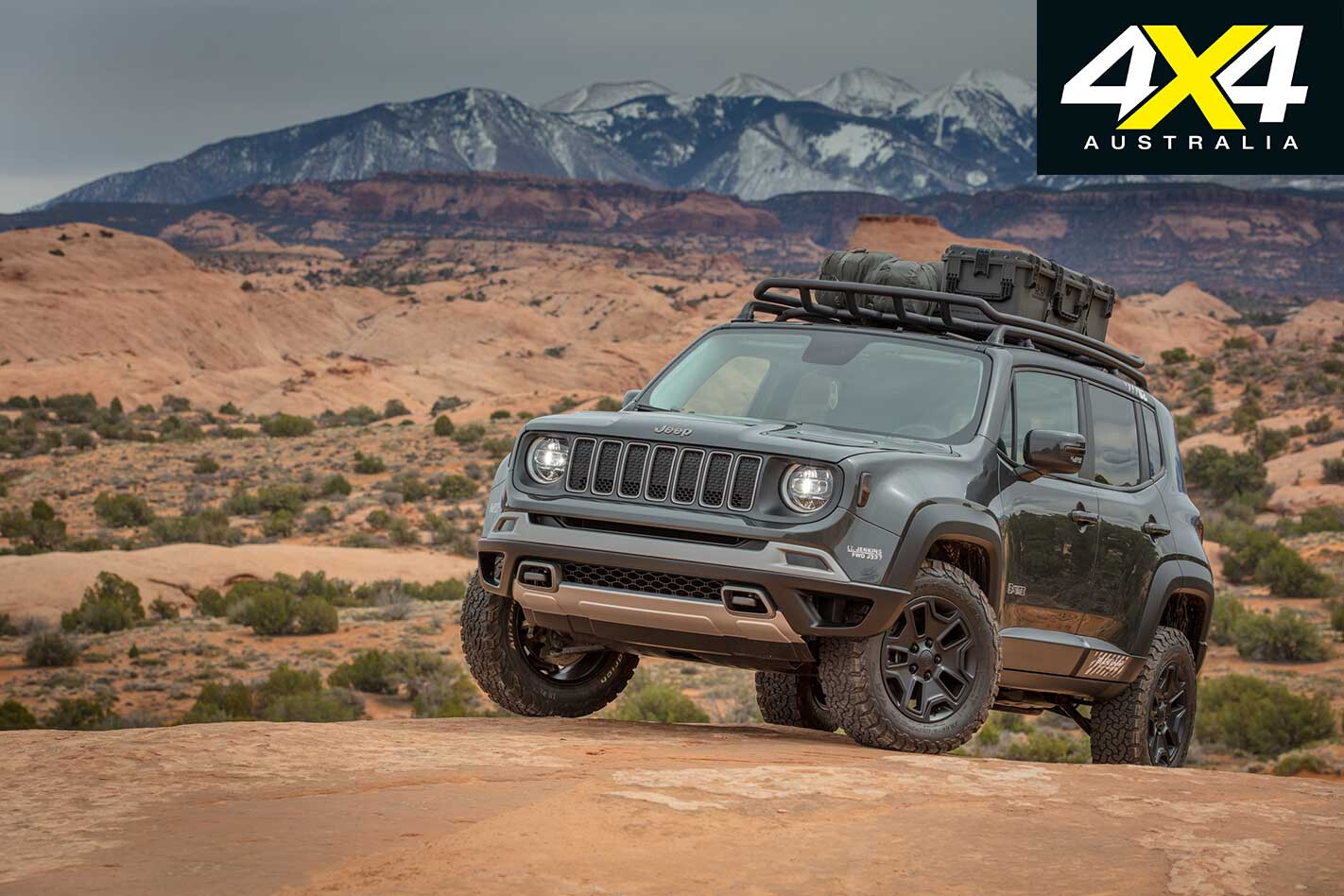
Though it is based on a model that is more a soft- rather than an off-roader, the B-Ute is no shrinking violet amidst this year’s company of Jeep/Mopar concepts.
The Renegade is loaded to its roof with numerous accessories and cops a 1.5-inch lift with 30mm-offset, 17-inch wheels wrapped in proper all-terrain rubber, in an effort to toughen its diminutive stature.
Engine: 2.4-litre Tigershark Transmission: Nine-speed automatic Suspension: 1.5-inch lift Body armour, hood, and fenders: Jeep Performance Parts (JPP) Rear deck: MOLLIE-attached emergency gear Wheels/Tyres: 17-inch JPP alloy, BFGoodrich KO2 Favourite feature: Drives like a go-cart
ROADTRIP WAGONEER
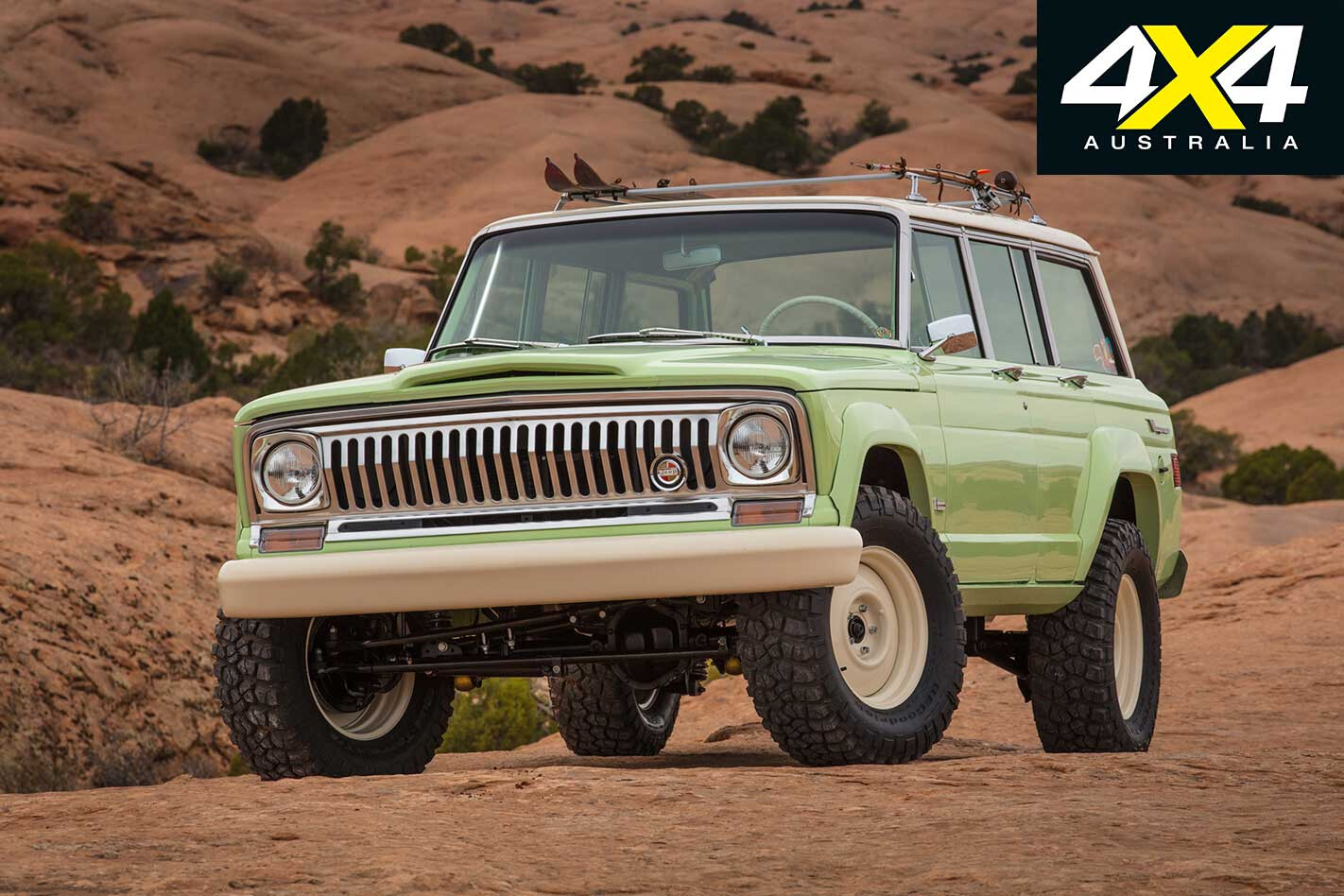
Considering the undying adoration of Jeep aficionados for the Wagoneer, it comes as no surprise as the Wagoneer Roadtrip was the darling of the concept 4×4 line-up.
Based on an original Wagoneer of 1965-vintage, the Roadtrip looks like a pristine original, though the more astute Wagoneer connoisseurs would have spotted that the Roadtrip sports a wheelbase (and body) that has been lengthened by 125mm, while its track has been widened and now sports Dana 44 front and rear axles with diff locks.
Base vehicle: 1965 Jeep Wagoneer Engine: 5.7-litre HEMI Transmission: Four-speed automatic Axles: Dana 44, Rubicon locking differential Suspension: Custom 4 link Rear deck: Luggage icebox, Tornado 260cdi I6 valve cover toolbox Wheels/tyres: OEM, BFGoodrich 33-inch KM2 Favourite feature: Cruising the backcountry
NACHO WRANGLER
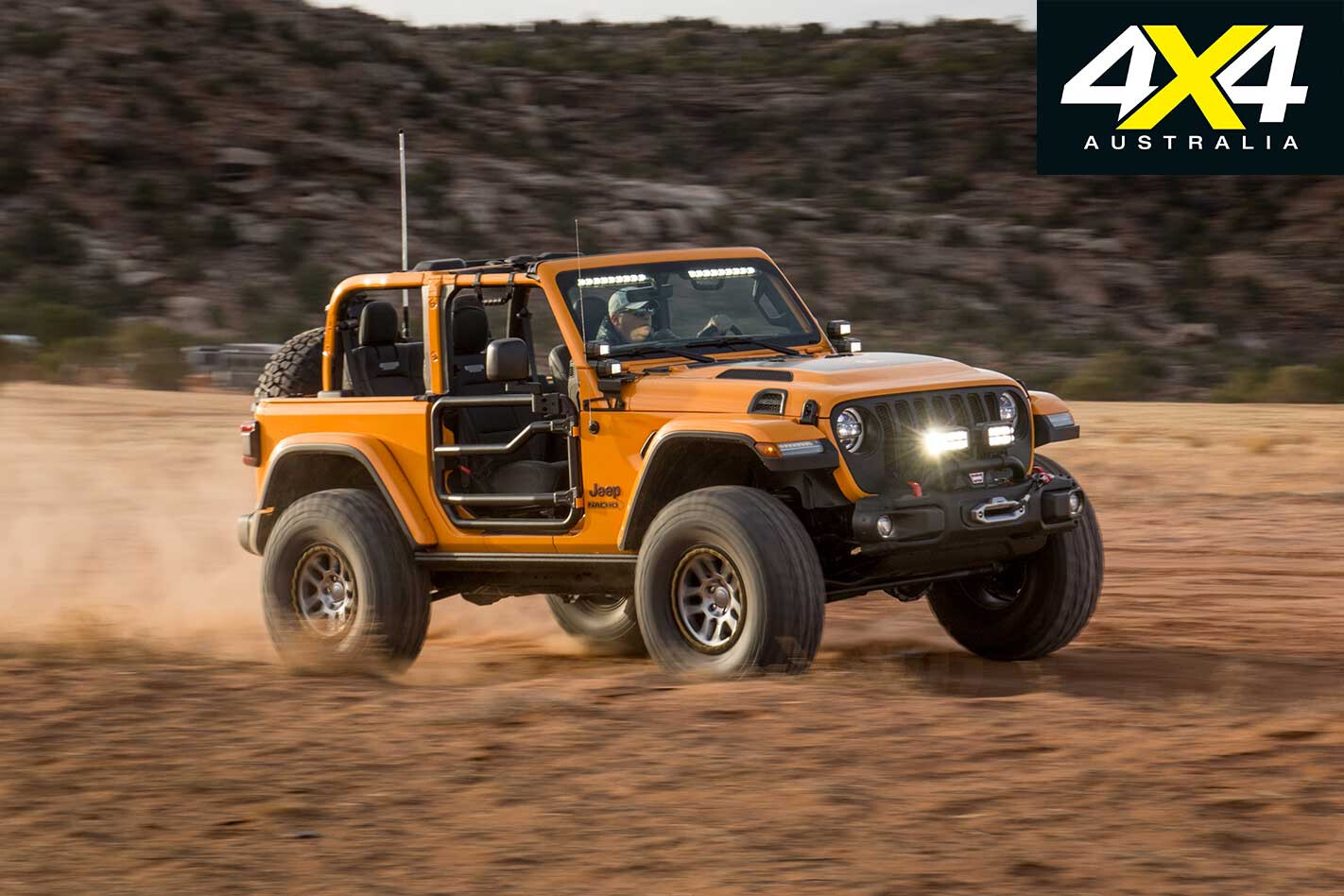
With a colour scheme as spunky as an orange fizz and a name of a snack, the Nacho Wrangler looks prepped for casual outdoors fun on weekend excursions rather than the hardened 4×4 enthusiast looking to go full-tilt through the wilderness.
The Nacho Wrangler sports a number of parts from the Jeep Performance Parts catalogue, and rides 50mm higher thanks to a lift and large 37-inch tyres beneath.
Engine: 2.0-litre turbocharged four-cylinder Transmission: Eight-speed automatic Axles: Dana 44, electric locking differentials Suspension: JPP two-inch lift Armour: Rubicon bumpers, JPP rock rails, Warn winch Extras: JPP tube doors, Katzkin leather seats, Magneti Marelli LED lights Wheels/Tyres: 17-inch JPP alloy, BFGoodrich 37-inch KM2 Favourite feature: Carving turns in the sand
JEEPSTER WRANGLER
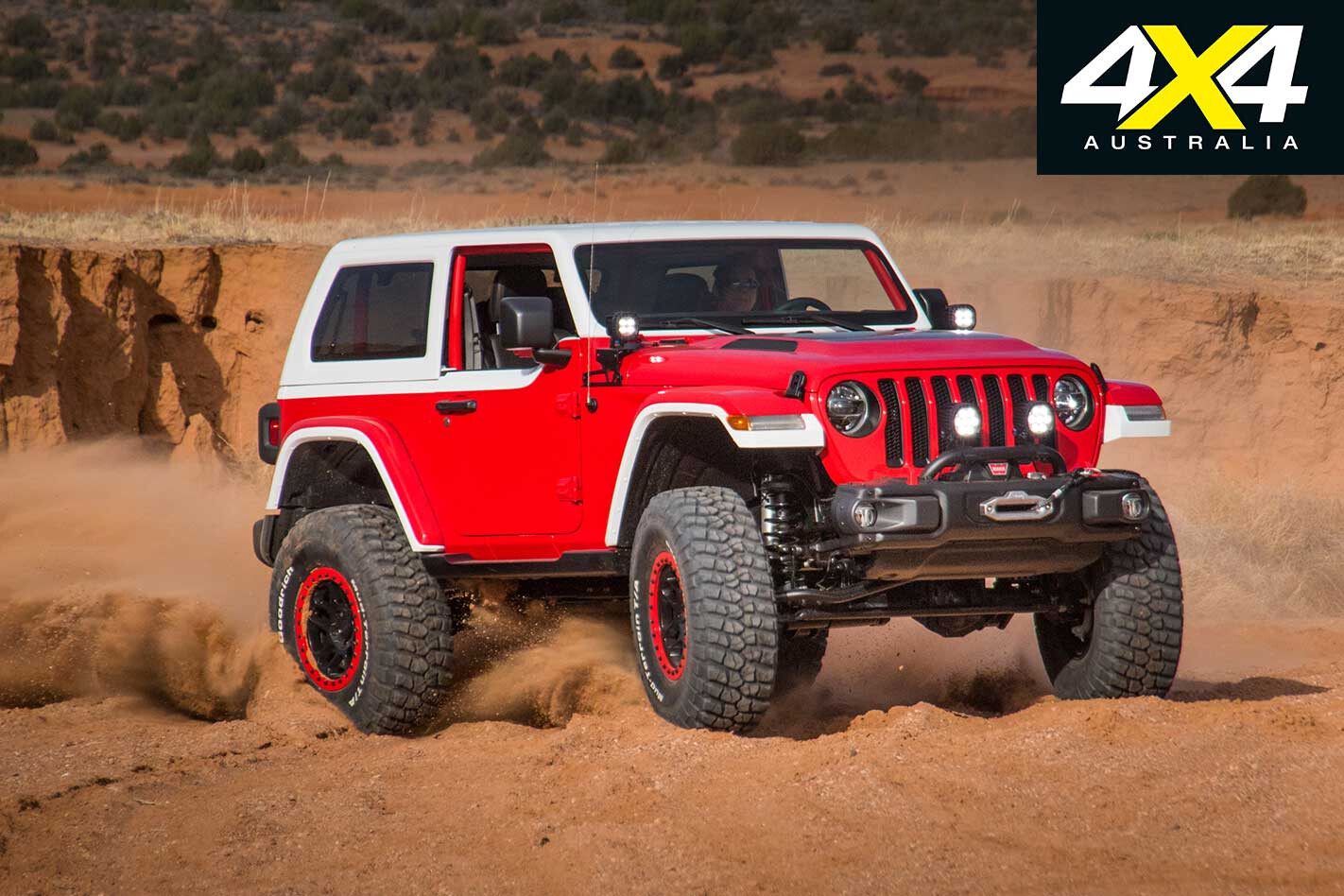
Built as a tribute to the 1966 Jeepster, the Jeepster Wrangler features neat tweaks to its body styling in the form of a hardtop that has been chopped by 50mm and a custom windshield that is raked back by 2.5-degrees.
While it still looks recognisably like a stock Wrangler, the subtle – but crucial – adjustments to its roofline, together with its pumped up 37-inch BFGoodrich tyres and 50mm lift, gives the Jeepster a captivating appearance.
Engine: 2.0-litre turbocharged four-cylinder Transmission: Eight-speed automatic Axles: Dana 44, electric locking differentials Suspension: two-inch JPP suspension, 2.5-inch shocks Armour: Rubicon bumper, rock rails, and Warn winch Extras: Half doors, custom seats, interior cage Wheels/Tyres: JPP 17-inch alloys, BFGoodrich 37-inch KO2 Favourite feature: Retro chop top
J-WAGON WRANGLER
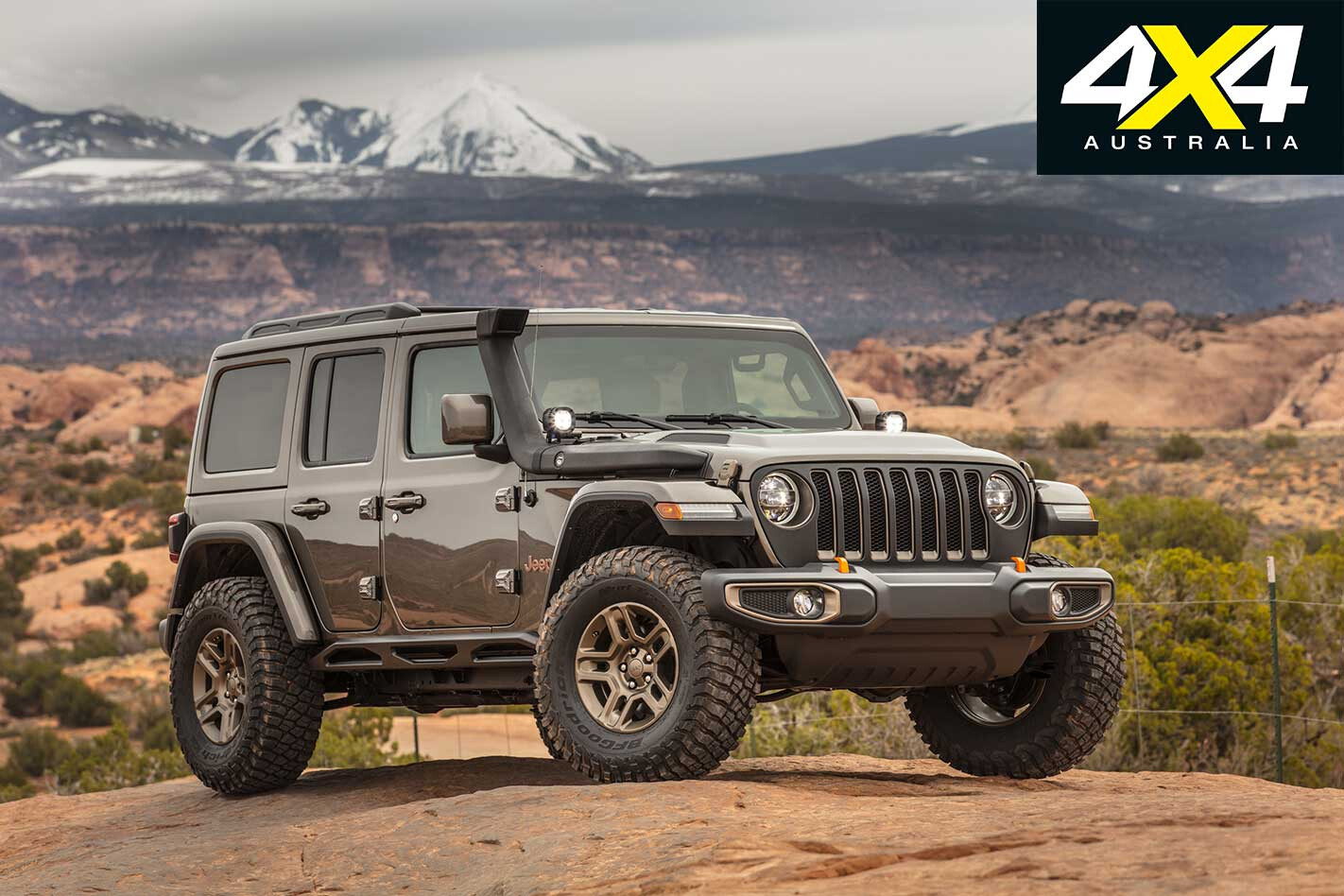
Though built for the outdoors, Jeep recognises that many Wrangler owners will relegate their Wranglers to a life on the streets. The J-Wagon is built to inspire owners who want an off-road capable machine that isn’t unapologetically raw for the streets.
The J-Wagon is finished in stealthy Warm Neutral Gray paintwork and tinted windows with black metal concept rock sliders underneath, and a Jeep Performance Parts low-profile roof-rack on top equipping it to be suited for both street and 4×4 duties.
Engine: 3.6-litre Pentastar V6 Transmission: Eight-speed automatic Axles: Dana 44, electric locking differentials Armour: JPP rock sliders, Sahara premium bumpers Interior: Camel-coloured and Brass Monkey trim accents Extras: Katzkin leather seats, JPP LED lights, snorkel, and roof rack Wheels/Tyres: JPP 17-inch alloys, BFGoodrich KM3 Favourite feature: Perfect for extended overland travel
THE ARB Eldee Easter Festival has been a popular event with four-wheel drivers for a number of years and, while there are some tough competition stages and some very keen competitors, there’s a heavy emphasis on this being a fun weekend escape for the whole family.
Thanks to this event, Eldee Station has been teeming with kids over the past eight Easter weekends, with plenty of activities on offer to keep the little’uns entertained while the not-so little’uns get down to the serious business of off-road competition.
But rather than forging lifelong rivalries, this event has a habit of cultivating lifelong friendships. No wonder so many 4×4 enthusiasts and their families come back year after year.
“The whole focus this year was the fact it’s a kids and family event … it’s all about the kids,” was the first comment made by Ian Berry after it had been announced he and his son were the winners of the ARB Eldee Easter Festival 2018.
Booting his wife out of his 100 Series Land Cruiser this year, Ian was competing with his (admittedly full-size) son Ash, the duo taking out four of the 11 stages in the ARB Eldee Easter Festival 2018.
Ian has actually won the event a couple of times in the past, having a 100 per cent attendance record at Eldee Station since the event’s inception, but competing with his son Ash was a novelty. Ash was ecstatic. “This year’s event was heaps better than last,” he exclaimed, “because we won!
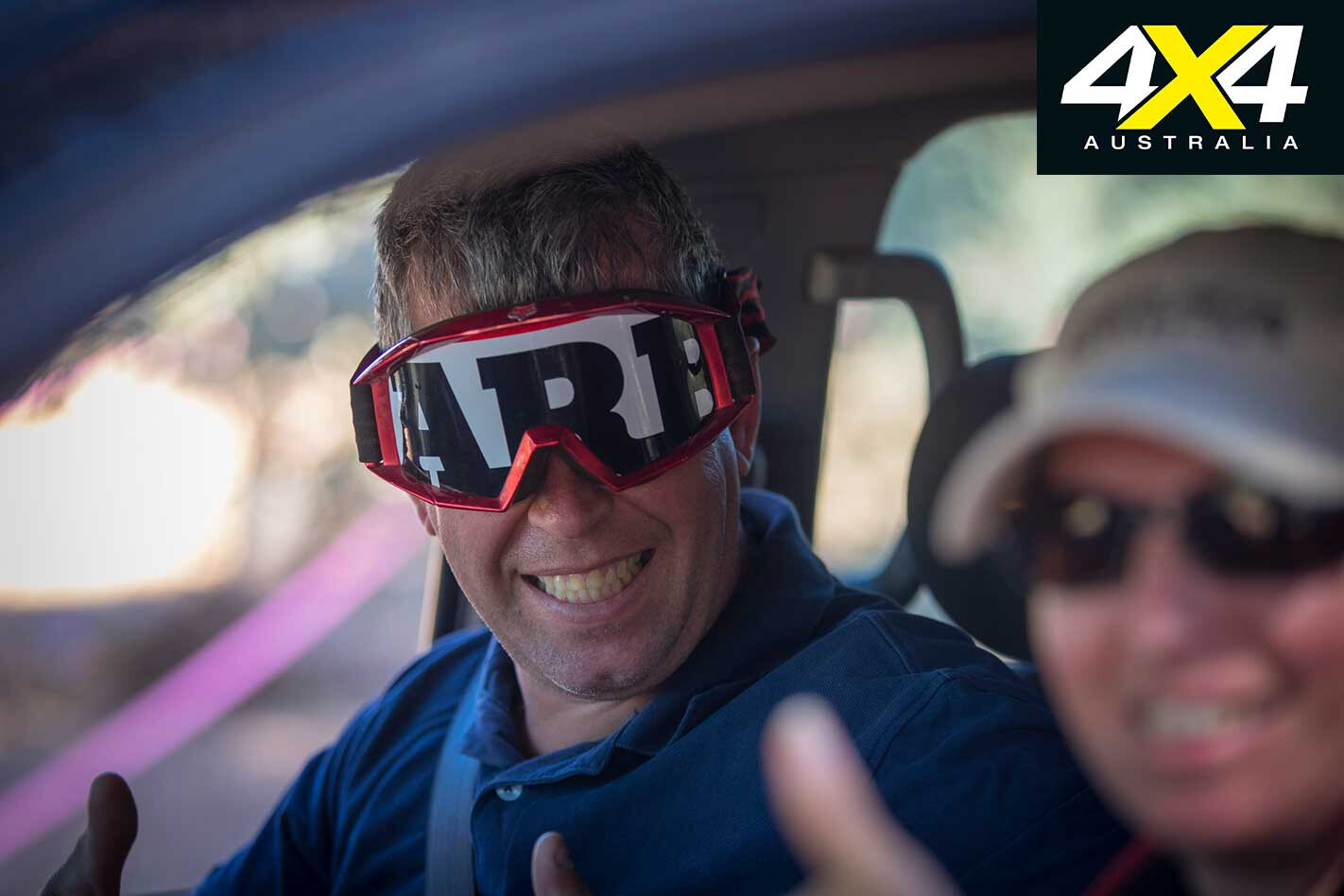
“I can’t believe we won the Blind Man’s Run…I can’t believe he listened to me,” Ash said of his old man.
Ian and Ash were up against 23 other teams, all of whom successfully made it to the finish line after two days of fun, adventure and excitement on one of outback NSW’s most iconic properties, nestled in the spectacular Barrier Ranges.
There were plenty of challenging driving stages in 2018, with events including the Club 4×4 Back and Forth, the Rhino Rack Paddy Melon Challenge, the ARB Mini Dakar, the Cooper Tires Motokhana, the ARB Thornleigh Stump Up, the ARB Penrith Sheepyard Shenanigans, the Oricom All Terrain Challenge and the Blind Man’s Run.
The Club 4×4 Back and Forth is a timed stage in which competitors must reverse into a marked box, drive forwards into another box, reverse again and then exit the course. Conducted in soft riverbed sand, it’s a dusty and demanding affair that’s a true test of the driver’s skill … and the co-driver’s patience.
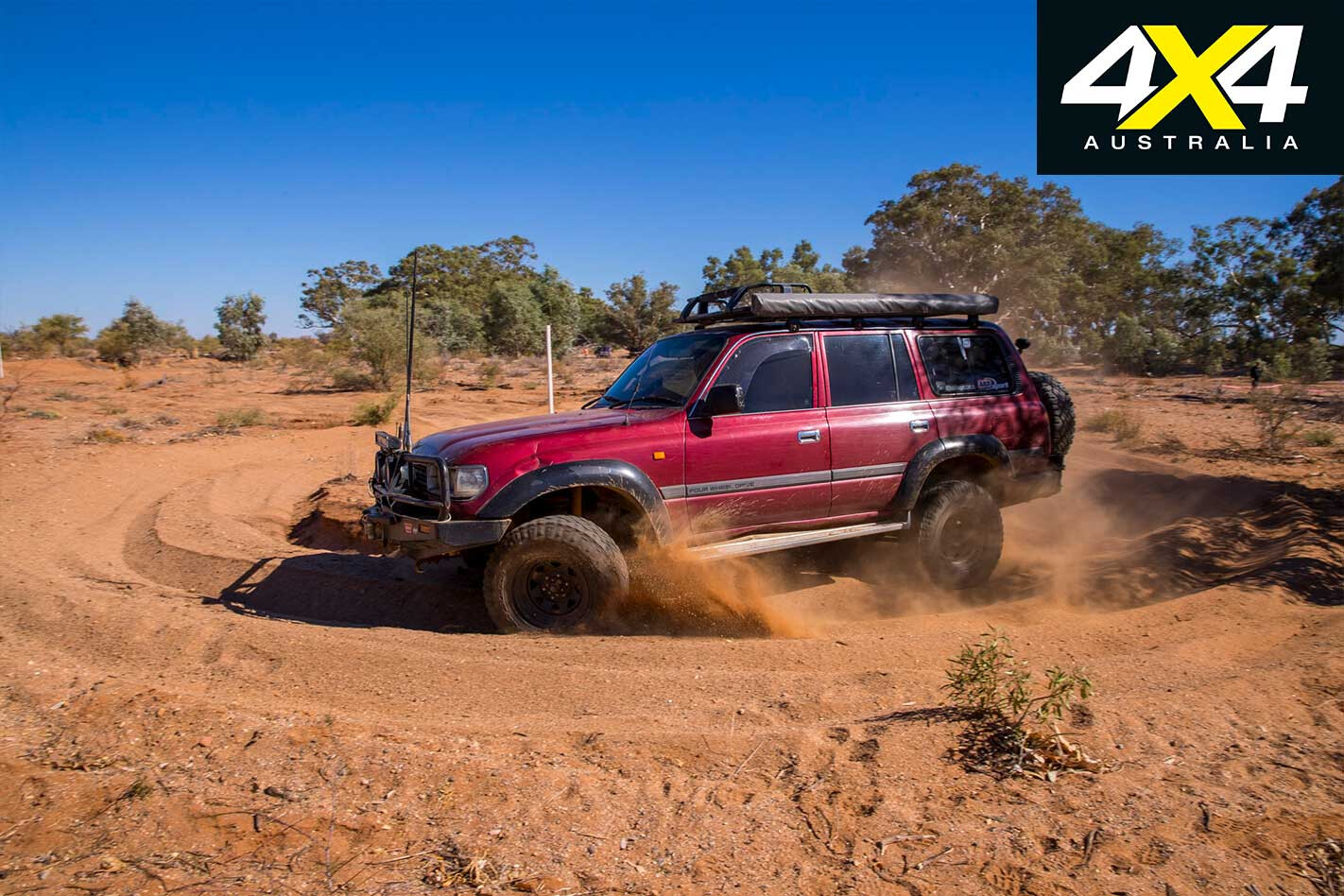
As its name suggests, the ARB Mini Dakar is a timed run through a bunted course over soft sand, around bushes and in and out of steep creek banks. Many teams found a steady-as-you-go approach worked best, but not Jason Pink, a farmer from Boort in Victoria. Jason punted his Ford Ranger through the course with his wife Jess urging him on.
“Jason’s driving was a bit slow for my liking,” she laughed, despite their three-year-old daughter Millie looking a bit terrified in the back seat.
Broken Hill locals Danielle Marsh and Brad Hill said their kids Luke (10) and Lucy (2) loved the Mini Dakar … and their four-month-old twins Alexander and Georgia slept through the whole thing in the back seat!
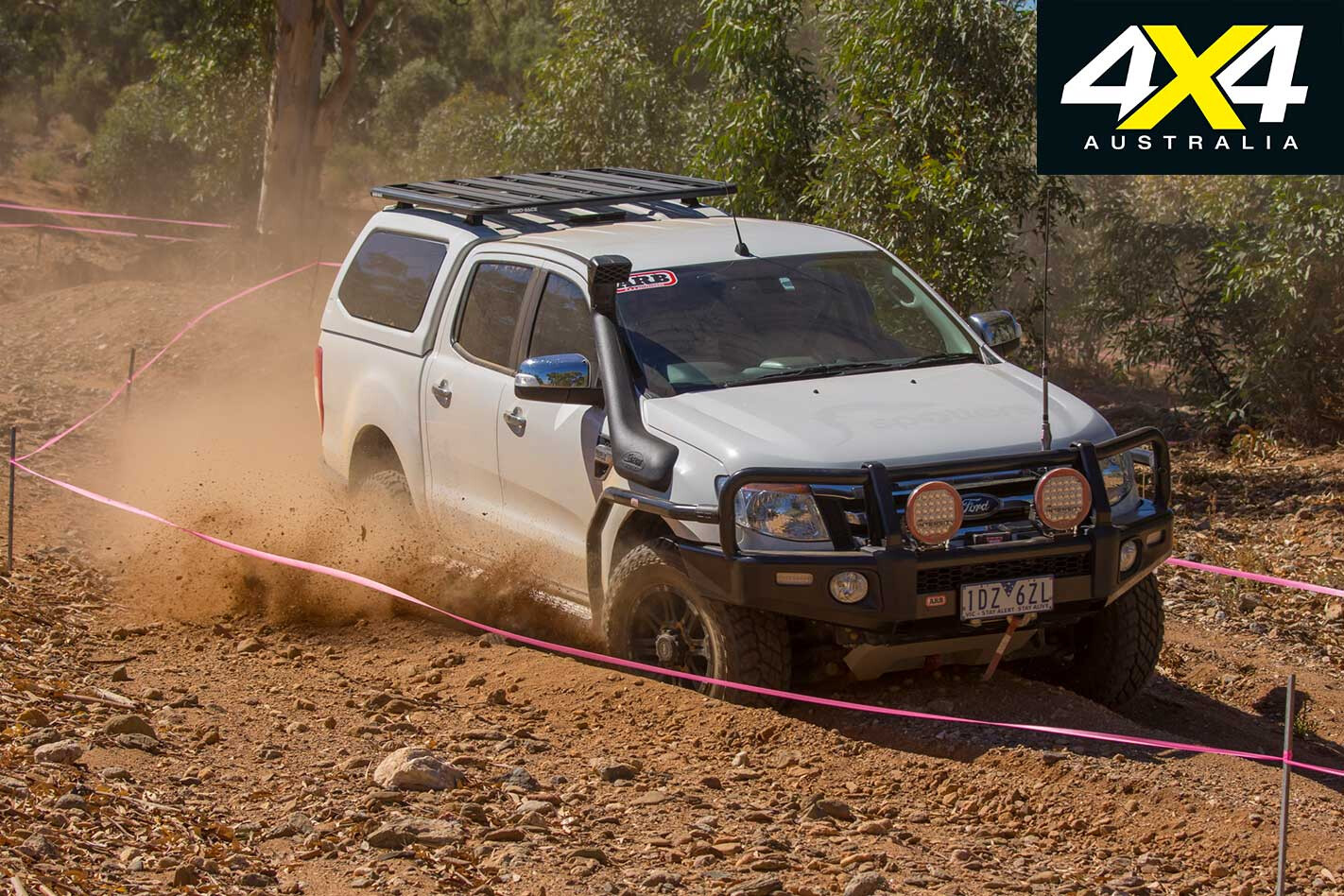
The Blind Man’s Run is always an event favourite, with the blindfolded drivers relying entirely on their co-drivers to direct them through the course. In the past this event has almost ended in divorce for some teams.
Steve Wolski admitted he was “a bit nervous” before tackling the Blind Man’s Run due to hitting a stump last year. “It’s still got a battle scar on it,” he said of his otherwise unmarked Toyota FJ Cruiser. His co-driver Shelby Cooper was also nervous, but the pair made it through unscathed this year.
The Paddy Melon Challenge is a test of precision driving and teamwork, as the co-drivers have to reach out of the window to place paddy melons on top of poles, then collect them on a second run before throwing them into a bucket.
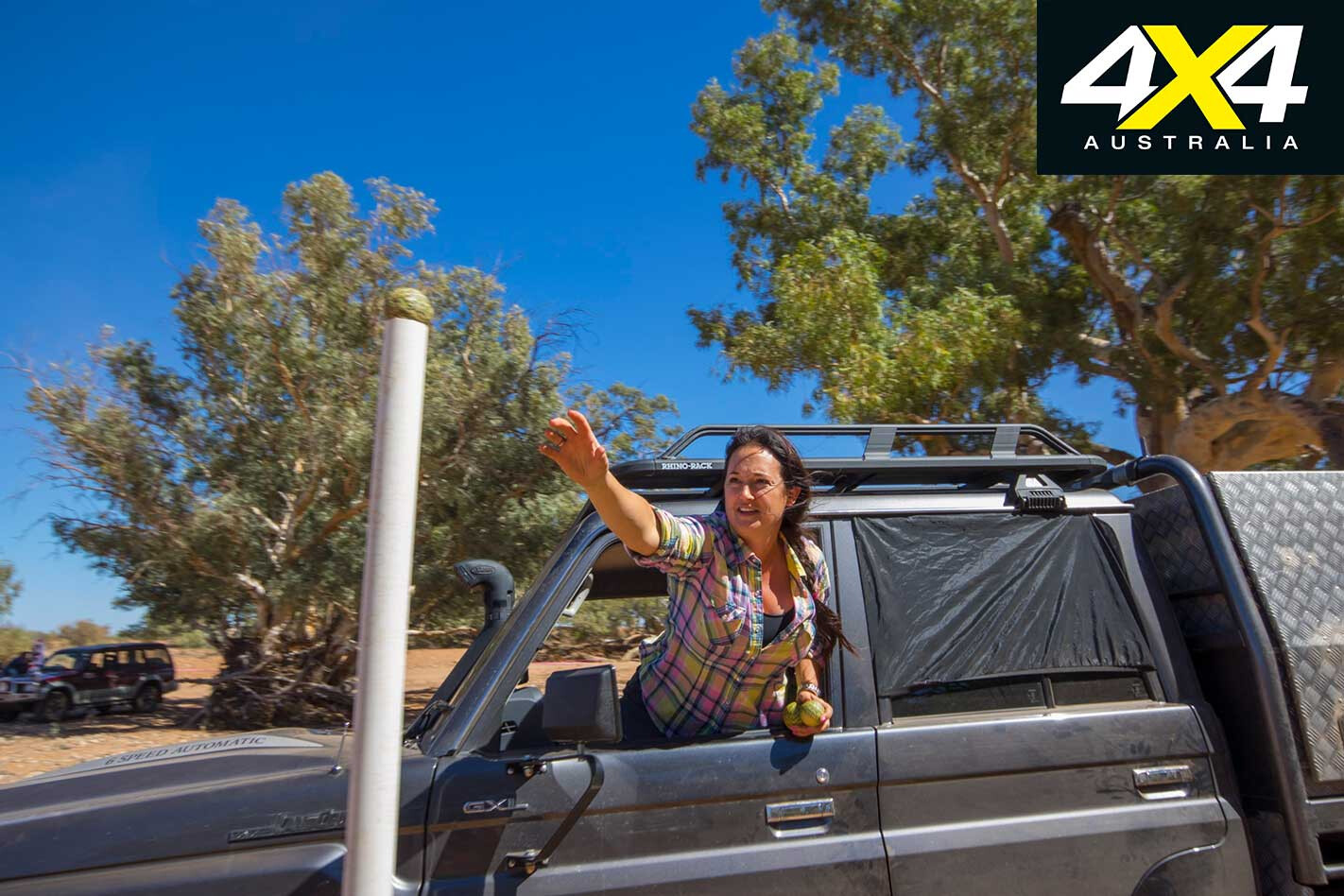
Brad Wilson said the tight course was tough due to the size of his 79 Series Land Cruiser Double Cab. “It was interesting,” he said, “because the Cruiser is such a big rig.” But his co-driver Qona described the course as “the funnest yet”!
One of the fastest stages of the Festival is the Cooper Tires Motokhana, with teams driving up a steep bank to exit the creek bed, steering around a series of poles and then finishing back in the creek bed.
Neale and Judy Postlethwaite hit the course hard in their Volkswagen Amarok, peeling a tyre off a rim. While it didn’t affect their time on the course, they did miss their next timed stage while changing the tyre, missing out on some valuable points. Regardless, a positive Neale described the course as dusty but fun; although, Judy said that being a passenger was a little “scary”.
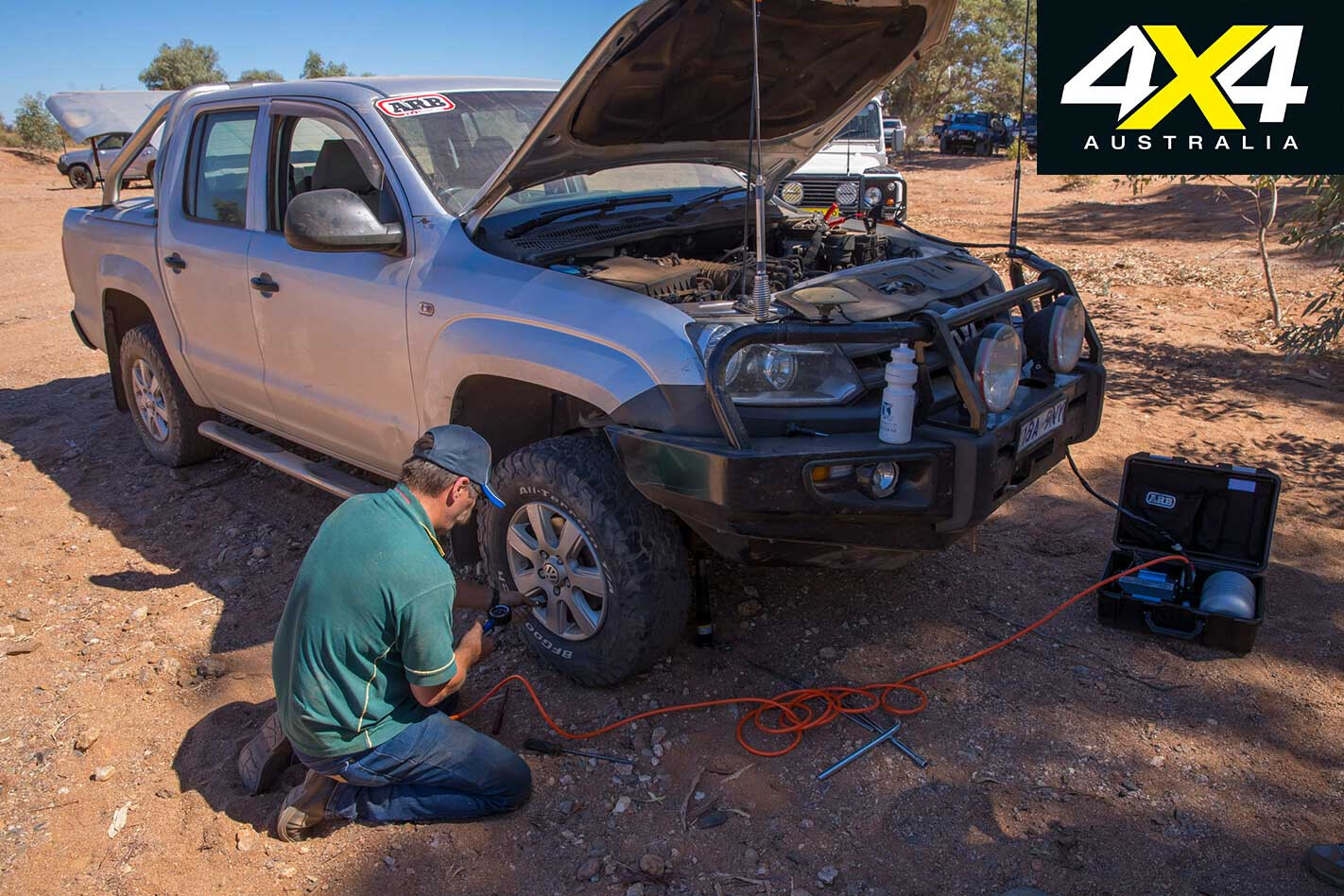
Rob Baumann from the Barossa Valley ran the course in his Nissan D40 Navara with his six-year-old navigator, Alana. “It was awesome,” he said. “I’m still trembling from it.” Rob’s other daughter, eight-year-old Holly, shared the co-driving duties with her sister on some of the other event stages.
Rob competed in last year’s Eldee Easter Event with his wife Amanda, but she sadly passed away in October last year after a battle with cancer.
“The kids have taken mum’s spot, so to speak,” explained Rob. “Eldee was a big thing for mum, so they wanted to make sure they came back and did it right for her.”
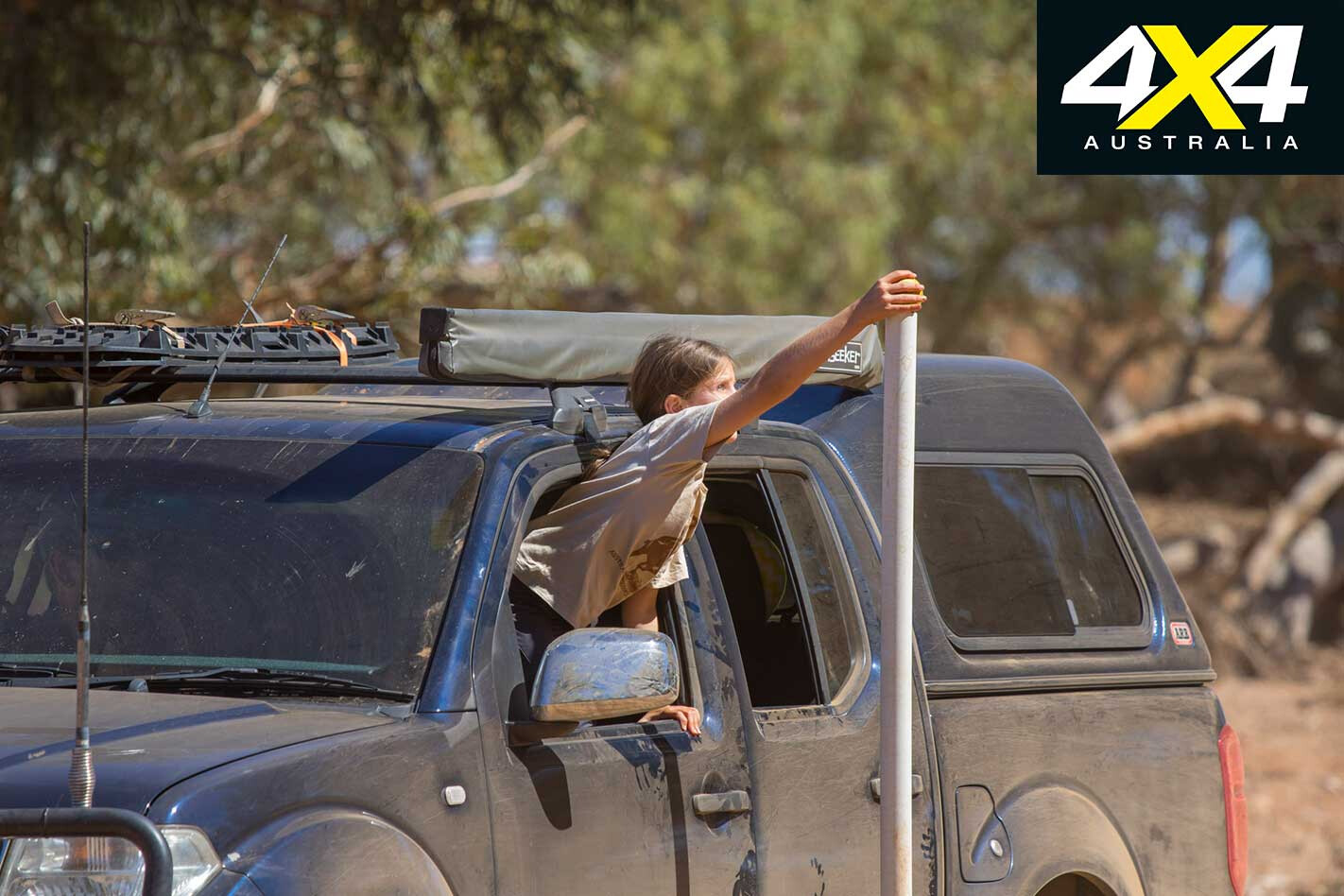
The pace of the event was dropped down a gear or two on Saturday afternoon as competitors lined up for the ARB Thornleigh Stump Up, in which they had to idle up on to a small post with their front right tyre, stop, reverse off, then repeat the process with their front left tyre.
“The trick is to look where you’re going,” advised Martin Cattanach dryly. His wife Vicky was a little more forthcoming, suggesting it wasn’t too hard to see the posts … at least when she hung out the window.
The next event was the HEMA Outback Map Navigation Challenge, which involved teams navigating their way around Eldee Station and looking for clues to complete a puzzle.
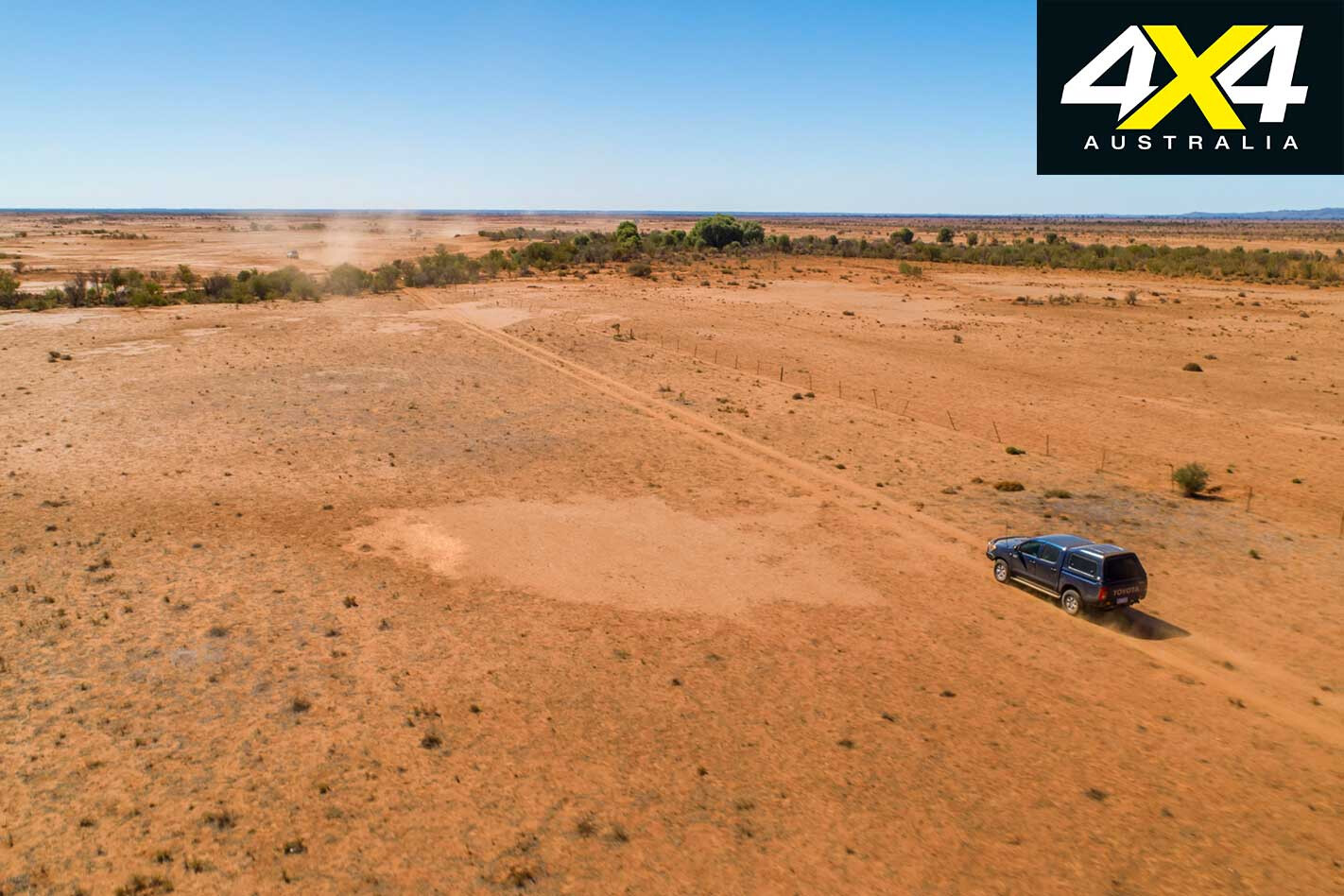
This was followed by the ARB Broken Hill Swag Roll and Set Up, in which two members of each team set up a swag, jumped into it, got out of it and packed it away again, all while being heckled by fellow competitors.
At the end of the day, event host Stephen Schmidt led competitors across the Mundi Mundi Plains and high into the Barrier Ranges for a mouth-watering barbecue meal atop the aptly named Sunset Hill.
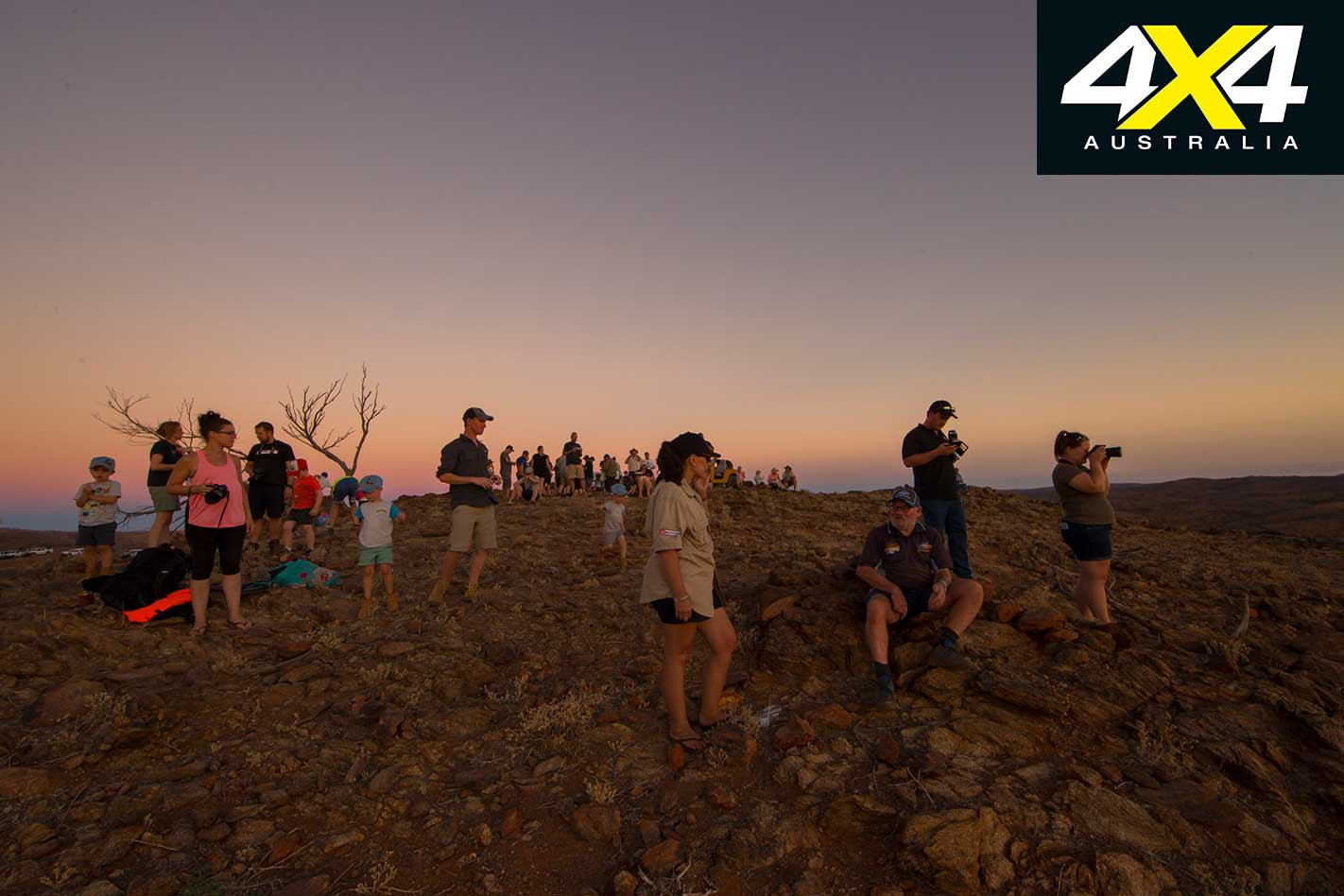
Easter Sunday kicked off at 8am with the Eldee Station Easter Egg Hunt. Once the kids had filled their baskets with chocolate, competitors headed out past the shearing shed to line up for the demanding ARB Penrith Sheepyard Shenanigans.
This stage is another thrilling test of teamwork, with two vehicles competing side by side on parallel courses. The co-driver has to climb in and out of the vehicle to open and close sheepyard gates, while the driver simply has to make it through the course without hitting anything.
First up were farmers Jason and Jess Pink with daughter Millie, in their Ford Ranger, who were up against Matthew and Michelle Appleby with kids Lauren and Jack, in a Toyota Prado. Jess was co-driver for the course and she felt they went well, but said the gates weren’t easy. “The chains were stiff and they wound up on themselves,” she said.
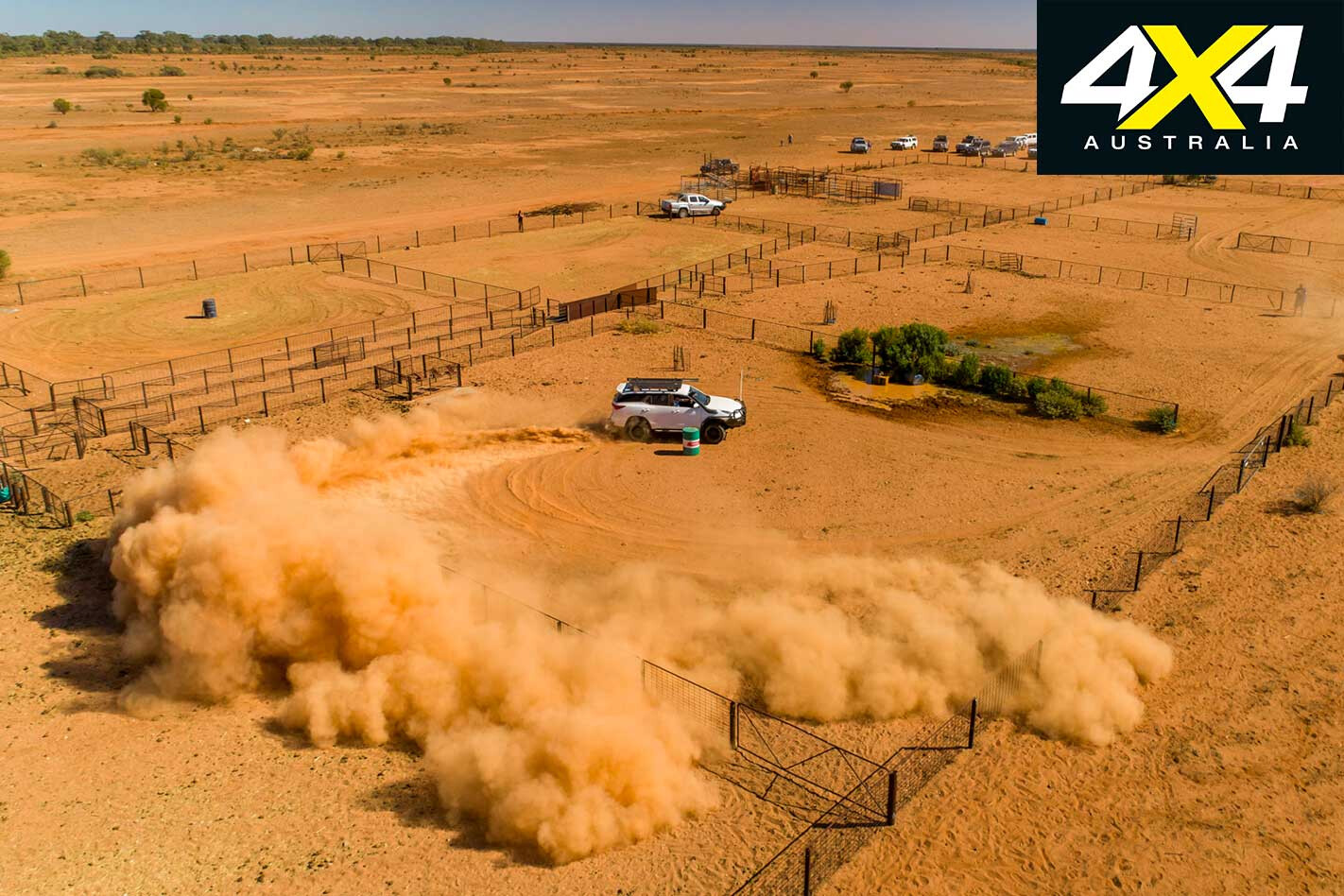
In the other vehicle, Michelle also had a few issues with the gates. Once the dust had settled it was the Prado that had come home first … by a whisker.
The Sheepyard Shenanigans was certainly not an easy challenge, especially for the co-drivers. Ash Berry looked shattered after his run, saying, “I’m stuffed! My chest is still hurting. It’s the most running I’ve done since this challenge last year.” It was a lot easier from the driver’s seat, with Ash’s old man Ian Berry laughing, “I went bloody great! We did a very good time … it’s a fun day.”
The final driving stage of the Festival was the Oricom All Terrain Challenge. Many were keen to recce the course but were called back for a driver’s briefing.
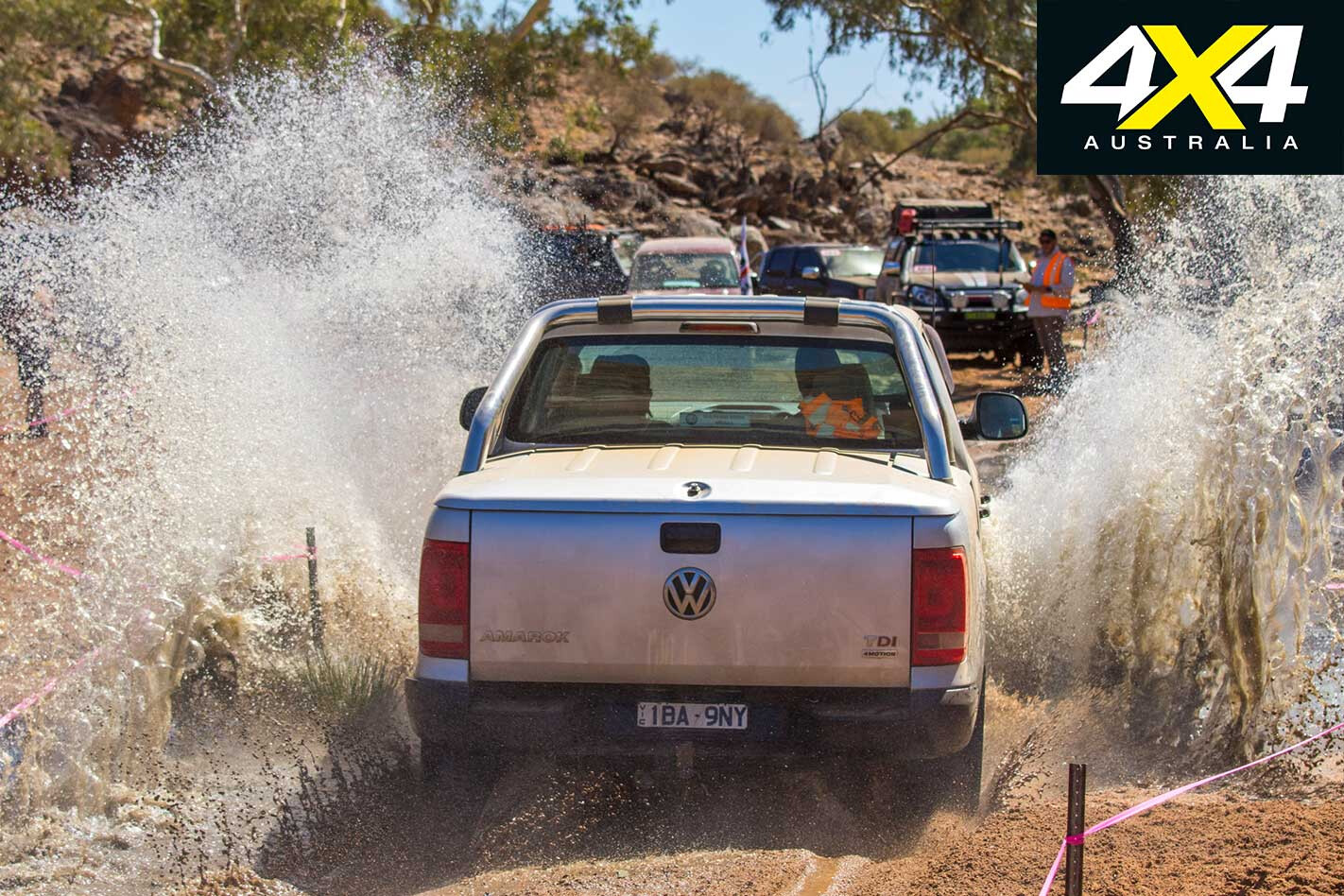
Event MC, David Brickhill, warned them to take it easy as the course was full of rocks, soft sand and deep water. He also reminded competitors that many of them had more than 1000km to cover to get home. But with just 1000 points separating the top 10, and with 300 points up for grabs in this final driving stage, there was sure to be plenty of action.
David and Chris Skinner, last year’s runners-up, were the first to start. After the hitting the initial water section in Eldee Creek, their Toyota 4Runner looked as though it was about to stall. They kept it running, but lost valuable time. “We were going well until today, but that water really slowed us down,” Chris said.
Kurt Johnston reckoned the All Terrain Challenge was one of the toughest events of the festival. “Man, that is rough out the back, but it was a lot of fun,” he beamed.
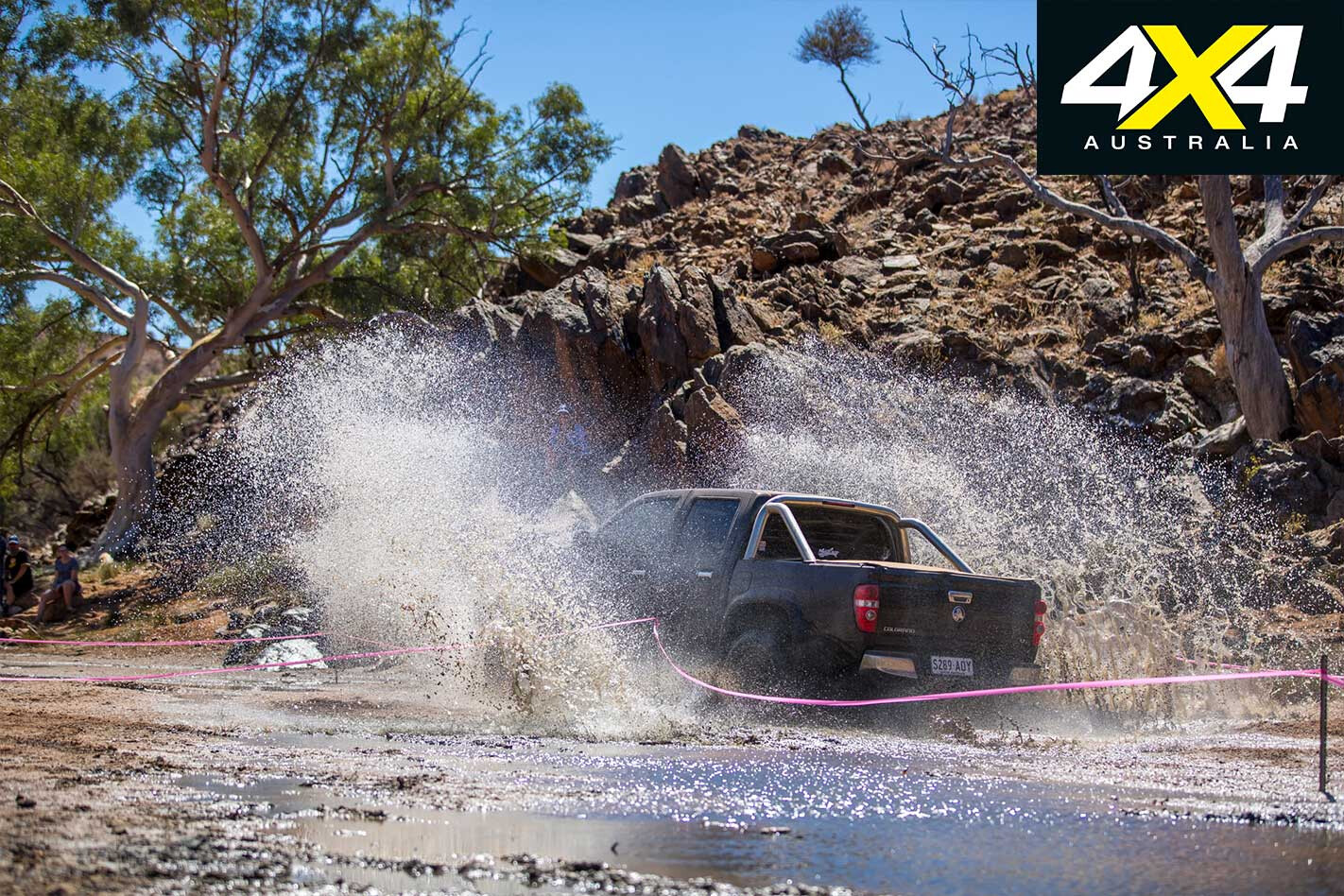
Many competitors threw caution to the wind and powered through the tough course, spraying water high into the air and lifting wheels as they exited the final rise. Despite two days of hard-fought action there had been no serious mechanical issues or damage to report, and 24 teams out of 24 completed the event.
Teams headed back to the Eldee Station homestead for the afternoon’s kid-focused activities, which included a jumping castle, the challenging Hobby HQ Remote Control Car Mini Rally and the Shimano Sharp Shooter casting event.
Later that afternoon it was time to announce the winners, and the Eldee Station verandah groaned under the weight of the prizes which included ARB fridges, swags, Intensity LED lights and air compressors, Oricom radios, Rhino-Rack gear, Hema packs, Hobby HQ remote-control rock crawlers and much more.
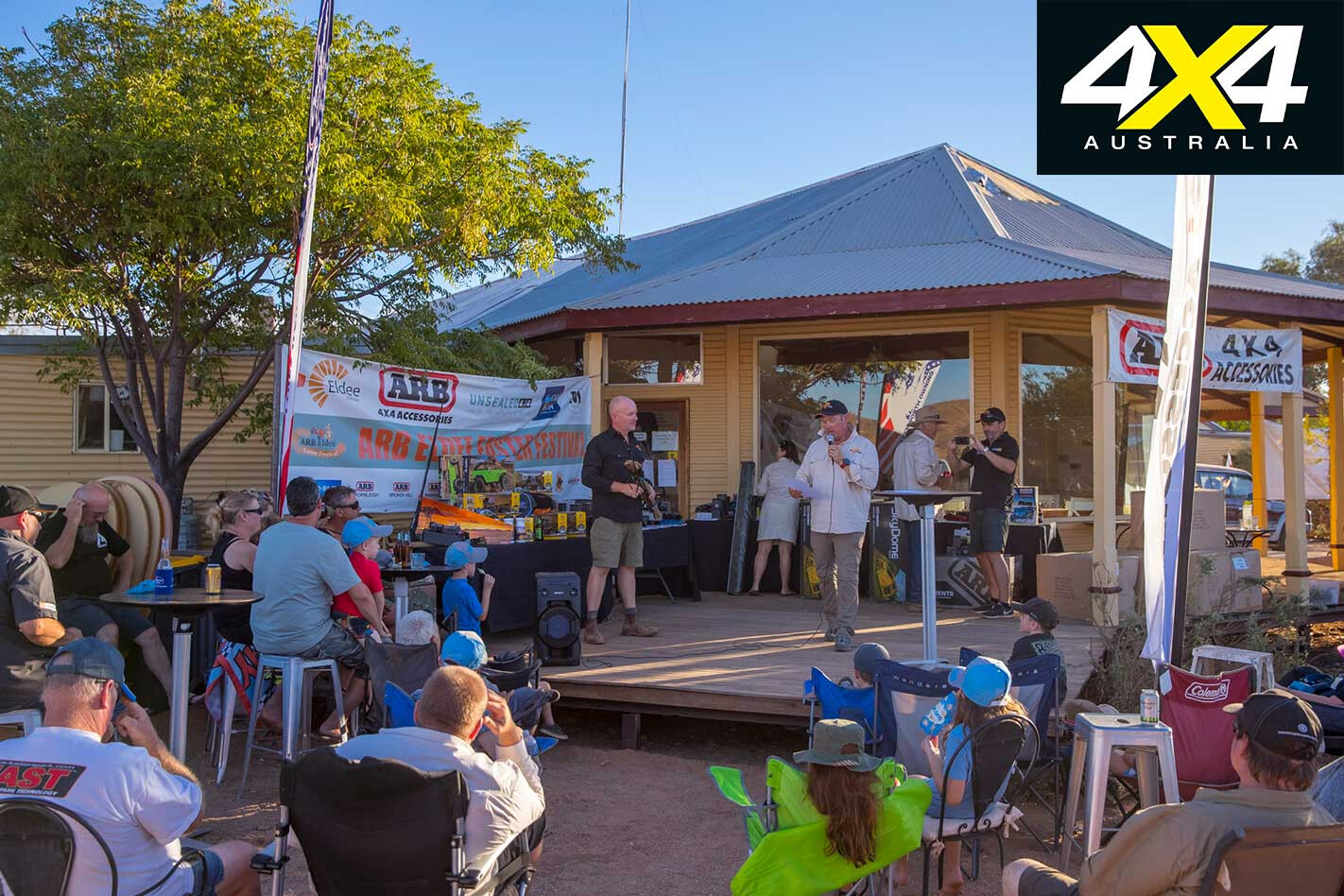
The top three place-getters at the end of the of the ARB Eldee Easter Event 2018 were Matt and Renee Burns – and kids Harry (10) and Chase (5) – tied in third place with Kirk and Dior Johnston – and kids Temperance (7) and Seeley (5). David and Chris Skinner (Toyota 4Runner) were once again in second and, of course, Ian and Ash Berry in first in their 100 Series Land Cruiser.
David and Chris Skinner were a little disappointed to come home in second once again, but they still thoroughly enjoyed this year’s event and are keen for another crack in 2019.
The equal-third-placed Burns family was surprised to land on the podium in only their second year at the ARB Eldee Easter Festival. “We made it more about the kids this year,” Renee said, with Matt adding, “The kids did the Paddy Melon Challenge and the Swag Roll and Set Up … we would have been happy with a top 10 finish because we just wanted a family break with the kids.”
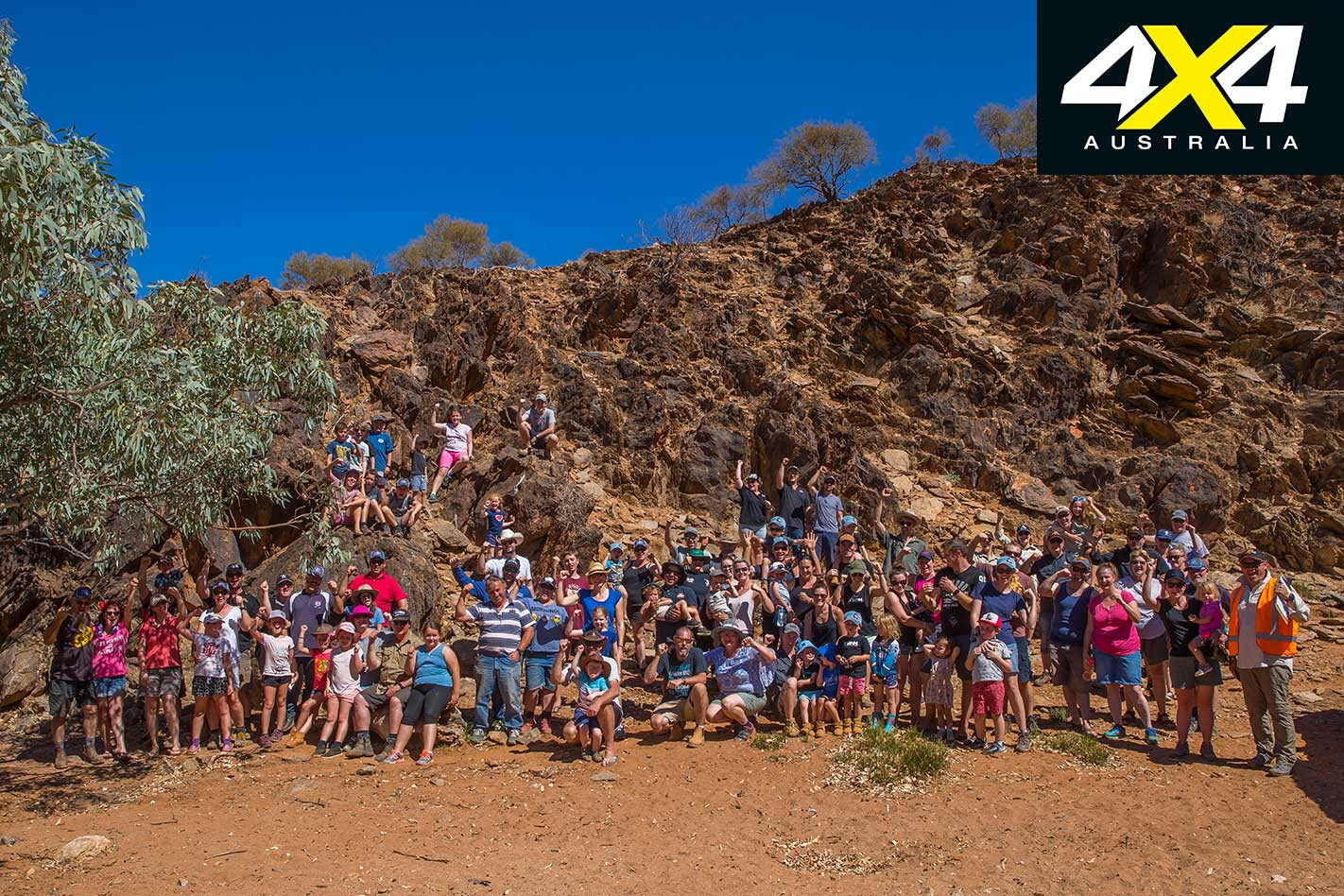
Surprisingly, Ian and Ash Berry never looked all that fast out on the driving stages, proving that a heavy right foot isn’t the only way to make a fast time. The pair remained relaxed and unflustered throughout the two-day festival and this laidback style certainly paid dividends.
While many had to pack up and hit the road on Monday morning, others signed up for the Wild Dog Fence Drive, and some even stuck around for an extra day to partake in the Mundi Mundi Head Station Tag Along Tour.
Rob Baumann and his kids Holly and Alana, along with their now very close friends, headed up to Sunset Hill again on Monday evening to spread Amanda Baumann’s ashes at the place she fell in love with 12 months prior.
Once the dust had settled, event hosts Naomi and Stephen Schmidt of Eldee Station could now look forward to next year’s Easter Festival, with naming-rights sponsor ARB confirming it’s continued support into the future.
Remembering Amanda Baumann
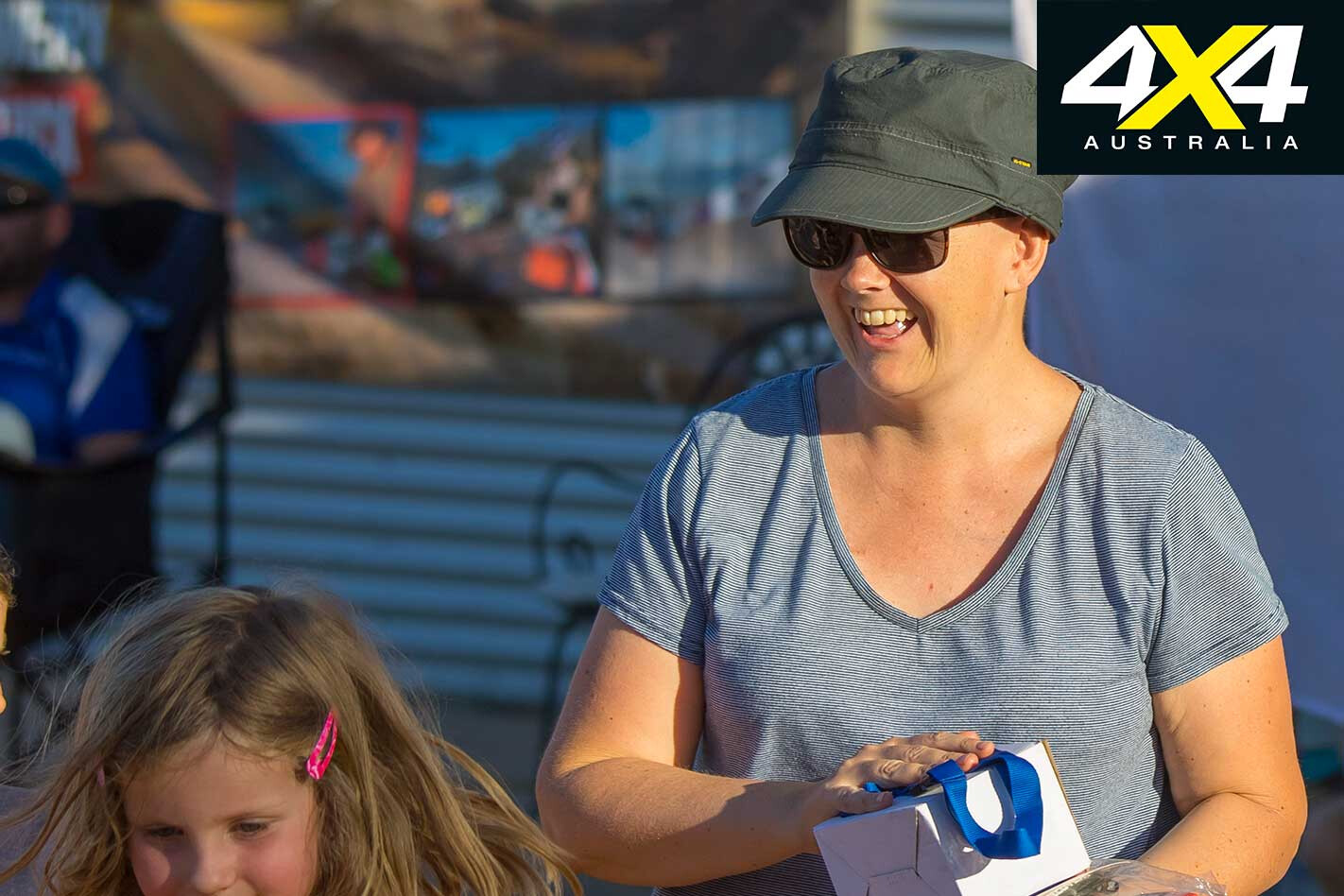
Rob Baumann competed in the ARB Eldee Easter Festival 2018 with his daughters Holly (8) and Alana (6). This was Rob’s second time at Eldee, but the first without his wife Amanda, who sadly lost her battle with cancer in October 2017.
“Last year we came up to Eldee as a last-minute thing,” explained Rob. “When we went up to Sunset Hill, Amanda fell in love with it, and that was the start of our outback touring… from last Easter until she passed away in October [2017], we spent the whole time doing as much outback touring as we could.
“When we were talking about the end, so to speak, she wanted to have her ashes spread up here [on Sunset Hill]. She didn’t want us to make a special trip up, she wanted it to be this weekend with the friends we met from last year. They’ve become lifelong friends… it’s like we’d known them forever. You just sort of have that bond with people up here at Eldee.”
Rob is now working on several projects to support breast cancer research, including putting on some country music shows in South Australia and running a women’s navigation-style event, potentially out of Arkaroola.
Amanda’s kids Holly and Alana were both enthusiastic competitors in this year’s ARB Eldee Easter Festival. “The kids have taken mum’s spot, so to speak, they’ve been passionate about trying,” said Rob.
“Amanda’s bucket list when she first found out she had terminal cancer was all about the kids, and making memories for the kids… One thing I’m very thankful for is Amanda never missed out on doing anything as far as family. The way it all happened in the end, it was very quick and she never missed out on anything.”
WITH the completion of the 2018 tour to the Victorian High Country, Drive 4 Life has raised more than $800,000 since its inception in 2006. All funds have gone to Northcott, an organisation which provides a wide range of services to people with disabilities.
Twenty-four vehicles participated in the 2018 Tour which, in contrast to last year, experienced fine weather and mild temperatures all week. There was a minor hiccup when the groups visiting Mt Blue Rag and the Pinnacles Fire Tower early in the week had to reschedule because of low cloud, but all made it to one of the most spectacular spots in the mountains later in the week. well worth the wait!
Several new routes were added this year but only one was able to be used, owing to road closures as a result of bushfires in the Caledonia River and Butcher Country areas.
The new route took the trailer group – which remained in the Harrietville area for an extra day before travelling to their base in Talbotville – to a helipad 12km east of Harrietville, which had 360-degree views to rival those from Mt Blue Rag.
From there the group ran along the ridgetops towards Bright, dropping down to the hamlet of Wandiligong to have lunch at the Wandi Pub. All were unanimous in their enjoyment of the most “un-pub-like” menu.
Several of this year’s participants had limited or no four-wheel driving experience, but this didn’t prove a problem, as each group had two lead vehicles to take those less experienced under their wing. The learning experience was enhanced by King Billy and the Zeka Spur tracks being significantly rougher than usual, and Billy Goat Bluff being its usual self.
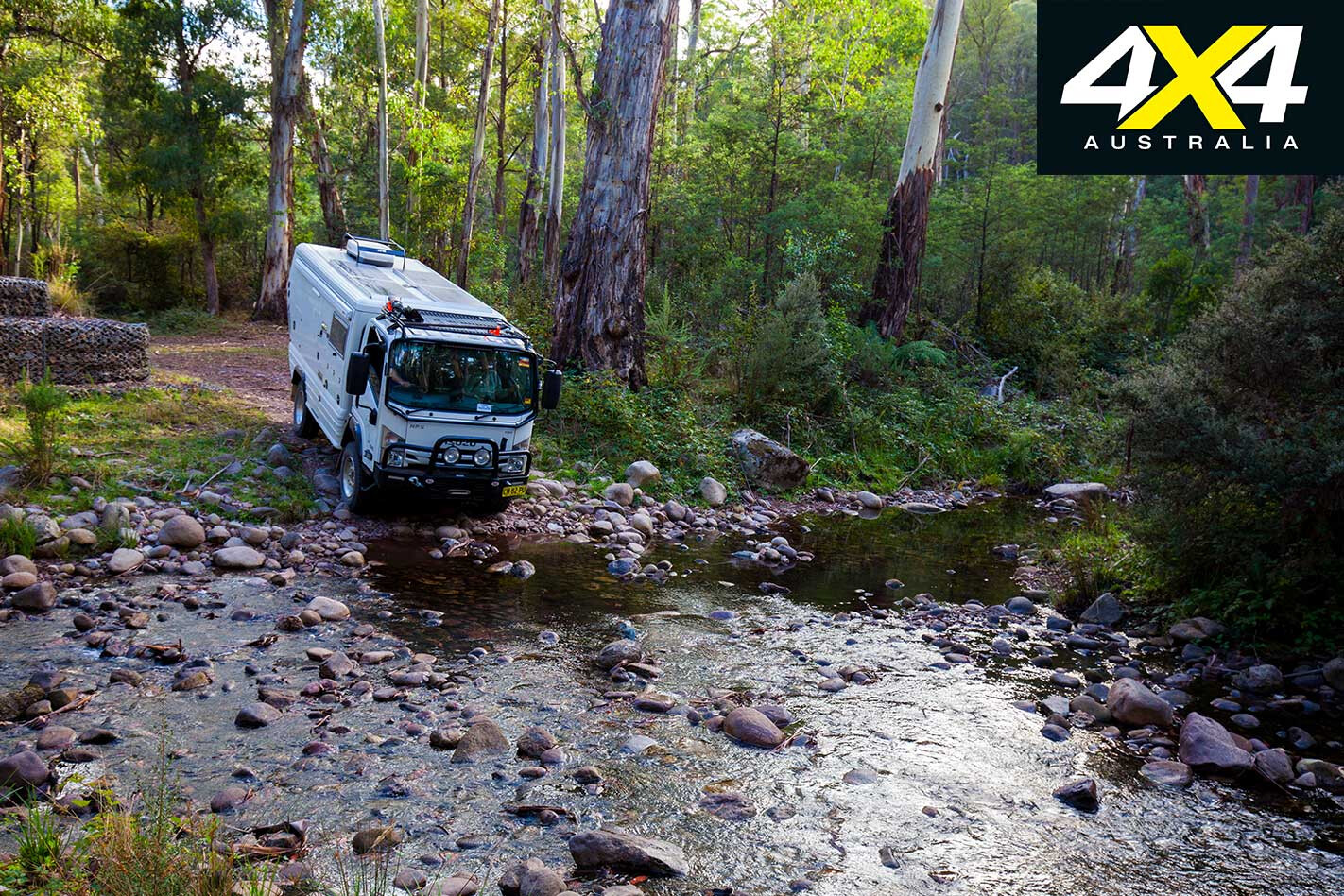
By week’s end, all were a lot more confident in their driving and in the capabilities of their vehicle.
The groups visited the Pinnacles Fire Tower via Billy Goat Bluff, Wonnangatta Station, Howitt Hut, Lovicks Hut, Bluff Hut, Bindaree Hut and Craigs Hut, and the views from the Blue Rag trig point were brilliant later in the week.
The week ended with a dinner provided by Drive 4 Life at the Snowline Hotel in Harrietville, and a shout-out to publican Bennett Mountjoy and his staff for continuing to make the Snowline the best basecamp in the High Country.
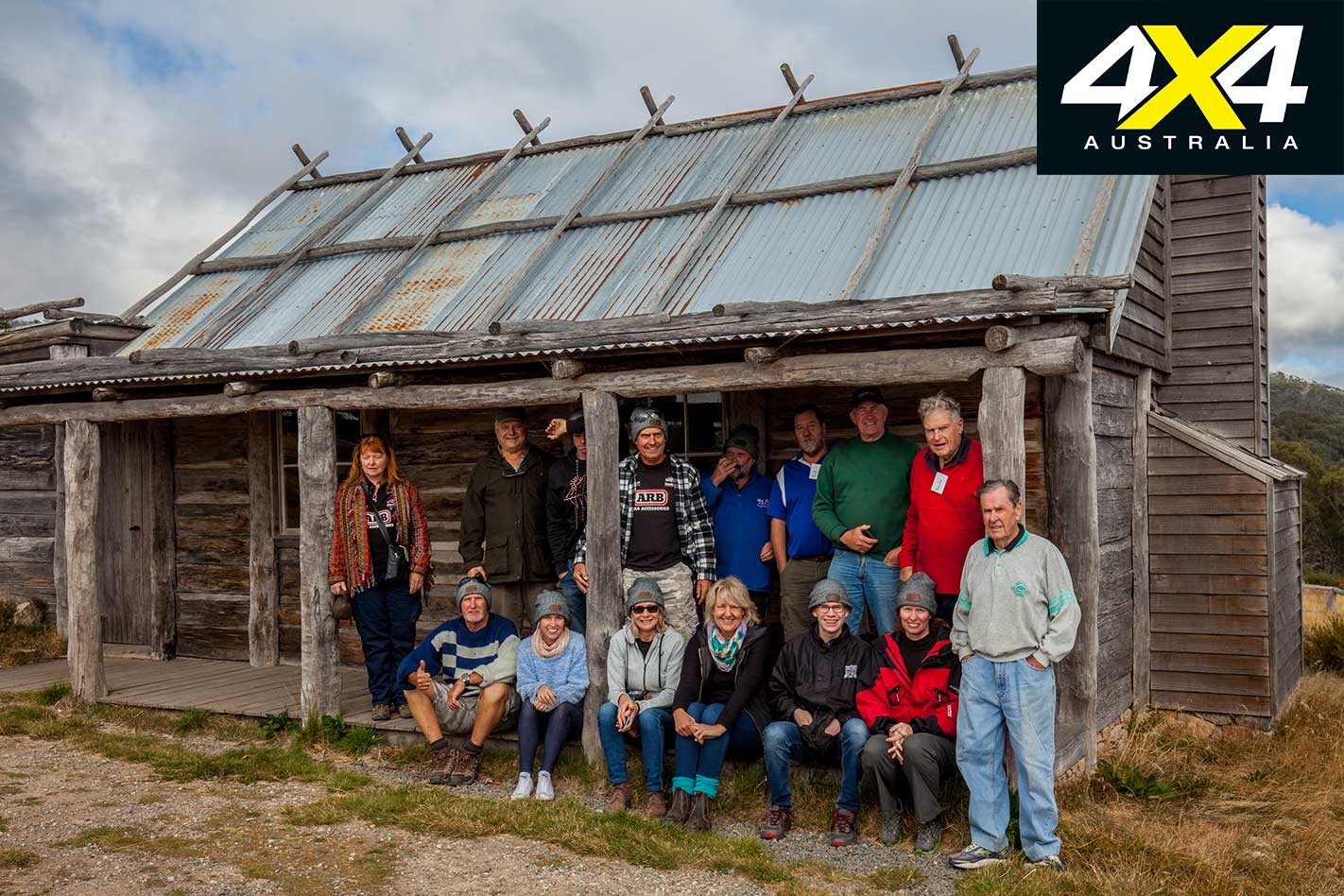
Every cent donated by participants, group leaders and organisers – yes, everyone pays – goes to Northcott. This is because of the excellent and generous sponsors: principle sponsor is ARB 4X4 Accessories, and major sponsors are IGA Supermarkets and 4X4 Australia magazine.
For more info, visit the Drive 4 Life website.
DIESEL cars, not long ago seen as the saviour of the planet thanks to producing less greenhouse gas than equivalent petrol engines, now seem doomed.
Even recent diesel-emission technology such as particulate filters (to reduce soot) and Selective Catalytic Reduction (or AdBlue as it’s commonly called, to reduce NOx) doesn’t seem sufficient to save them.
Many carmakers are already saying the next round of diesel emission regulations are “too tough”, while various European government subsidies that date back to the 1990s and kicked off the diesel technology revolution we enjoy today also look like being withdrawn.
Diesel bans are also being called for in political manoeuvring by various local and national governments, especially in Europe, the ‘home’ of the passenger-car diesel.
If you’re a fan of the performance, refinement and fuel efficiency of modern diesel engines and all this sounds grim, there is some good news. And that good news comes in the form of relatively small capacity turbocharged petrol engines that offer near diesel-like torque, flexibility and fuel efficiency, all combined with typical petrol-like top-end zip.
Ironically, given a history of its best engines being borrowed from others, one of the carmakers at the forefront of this new petrol-engine technology is Land Rover. And, for this, Land Rover can only thank its Indian owner Tata and Tata’s heavy investment in Land Rover research, design and manufacturing.
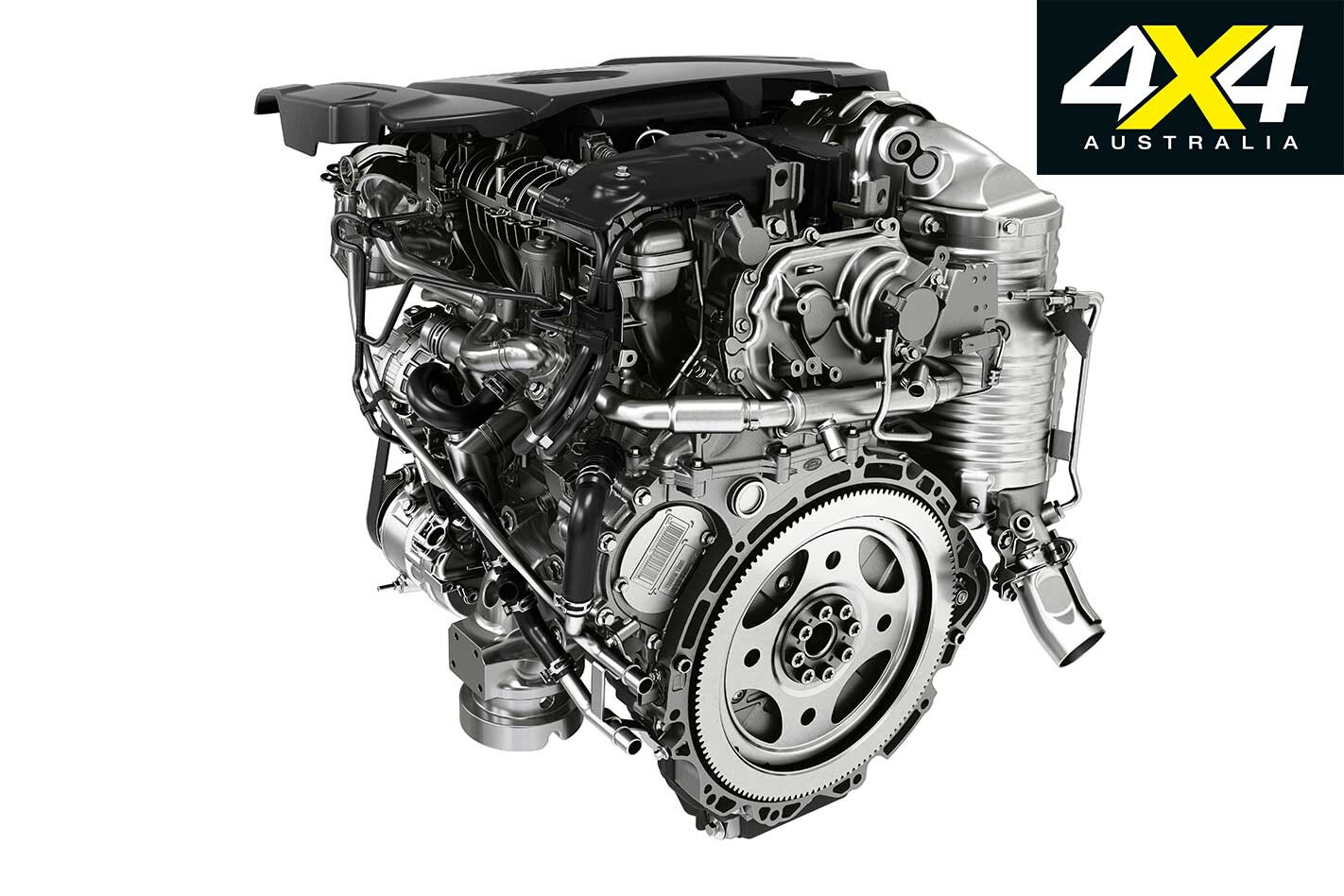
This new tech comes in the form of the so-called Ingenium petrol engines that follow on from the Ingenium diesel engines as seen in the current Discovery that arrived late 2017. The Ingenium diesels include a 2.0-litre four-cylinder that produces a mighty 177kW and 500Nm and powered the new Discovery to victory in our recent 4×4 Of The Year.
Now the first of Land Rover’s Ingenium petrol engines have just arrived in Australia in the 2018 Discovery Sport and Range Rover Evoque. The more powerful of the two claims a V8-like 213kW and is backed up with 400Nm that’s on tap by just 1500rpm, also from just two litres and four cylinders.
On the road this engine in the Disco Sport does it all and offers an impressive mix of flexibility, performance and refinement. Especially endearing is its low-rpm diesel-like grunt that allows it to easily carry the extra tall gearing afforded by the nine-speed automatic, which has the engine spinning at just 1500rpm at expressway speeds in top gear. At the same time the engine has plenty of top-end zing, as you’d expect of 213kW in an SUV the size of the Discovery Sport. In fact, it’s a bit of a rocket…
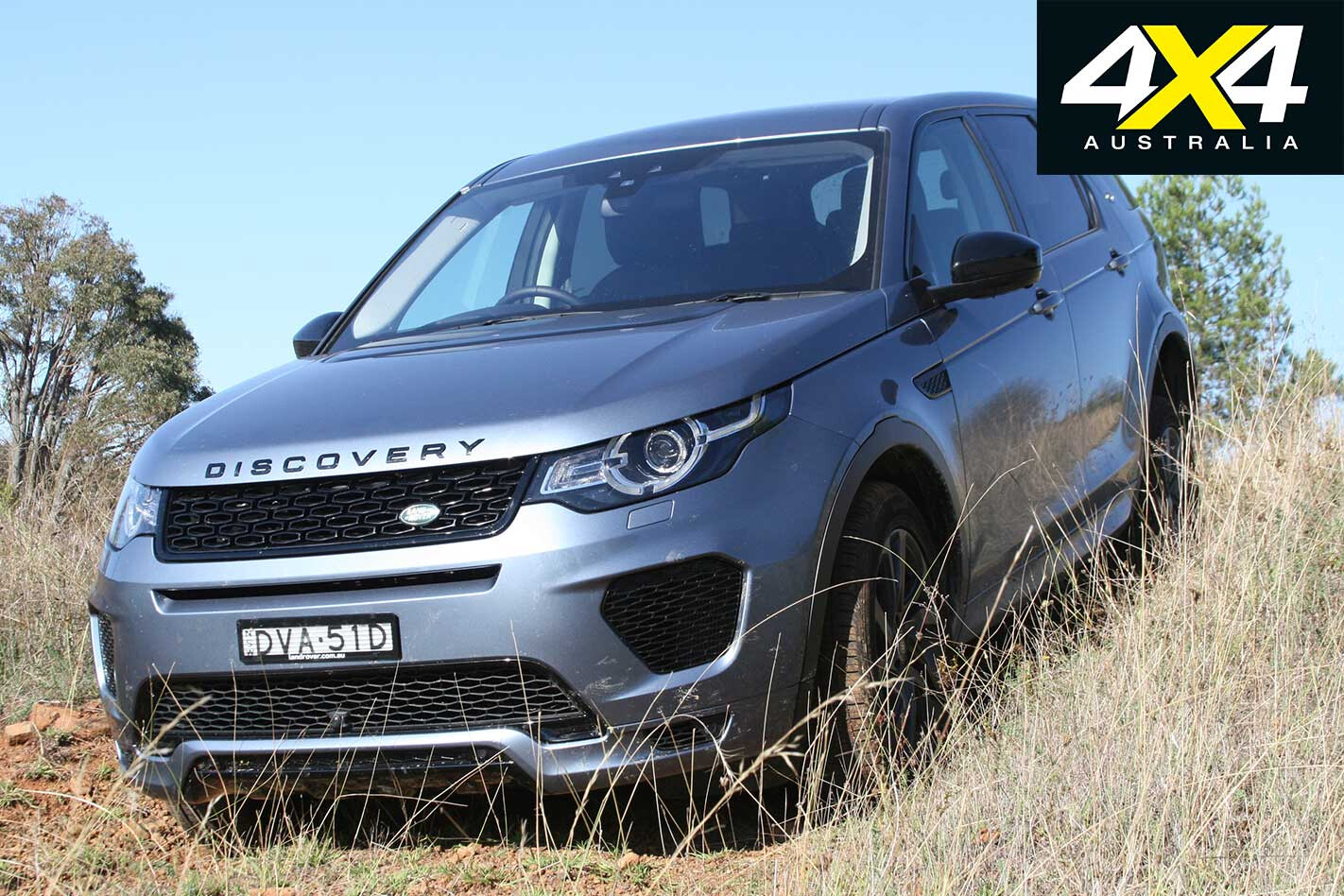
This Ingenium petrol engine is also thrifty on fuel in the Disco Sport, with an average of 9.0L/100km in conditions where an Ingenium-diesel powered Disco Sport would return around 7.5L/100km.
The sophisticated technology in the Ingenium petrol engine includes direct fuel injection, variable valve timing on both cams, variable valve lift on the inlet cam and a low inertia twin-scroll turbo.
As with the Ingenium diesel engines, the Ingenium petrol engines are modular, so adding two more cylinders to a 2.0-litre four will produce a 3.0-litre straight six, as Land Rover plans to do. Simple maths could see the 213kW and 400Nm from this petrol four then become 319kW and 600Nm in a 3.0-litre petrol six, if Land Rover so wishes. Now doesn’t that sound good in a Discovery?
A COMFY camp usually includes a restful bed or swag, a pleasant chair to lounge around the fire on, and a table to eat or work on.
Over the years we’ve used plenty of different chairs and tables and, for the last 10 or more, I’ve been using a Coleman Directors Chair, which is still going strong but showing a fair bit of wear and tear. So I recently decided to replace it … with another Coleman Directors Chair.
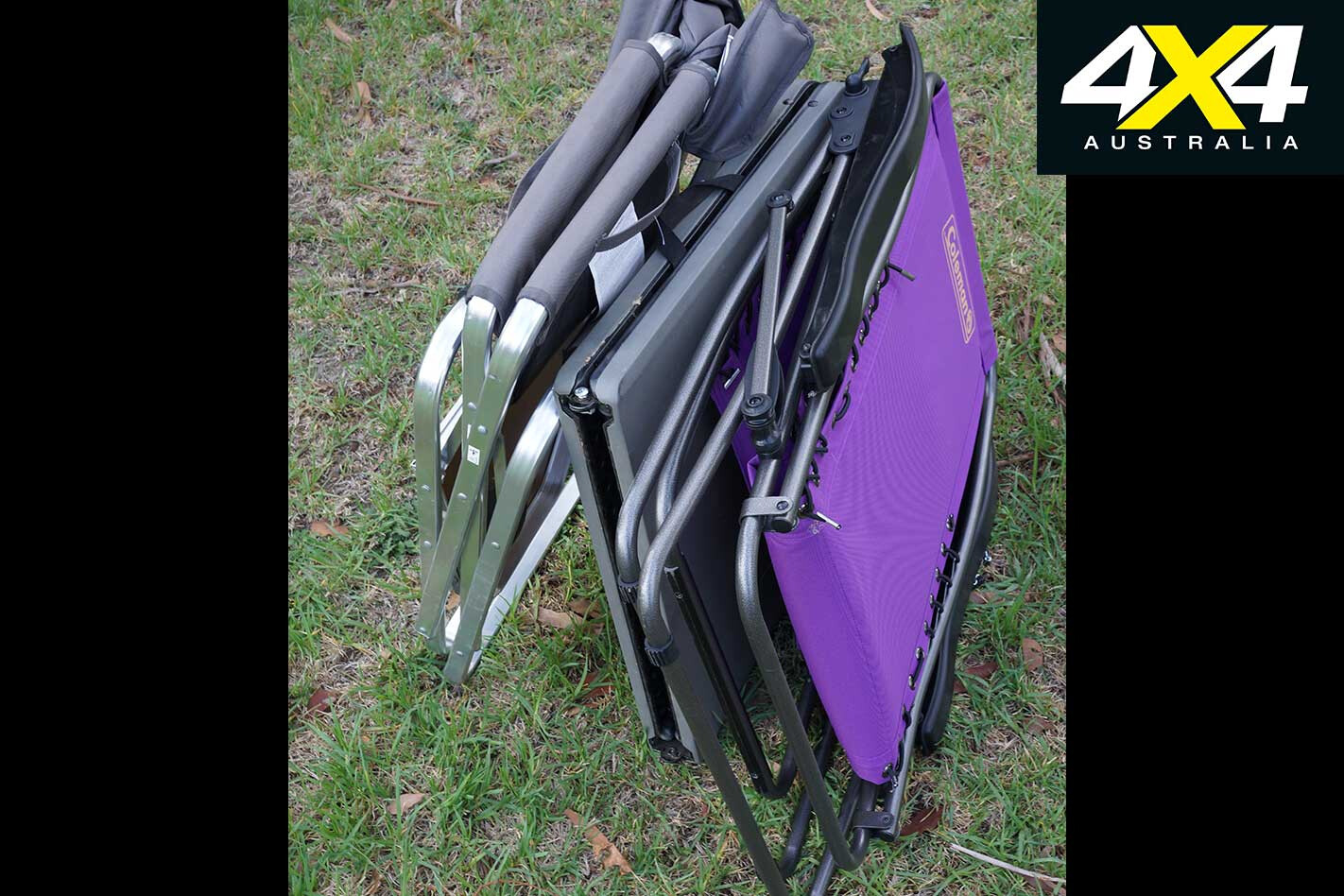
This aluminium-frame chair is comfortable, lightweight, folds down pretty flat and is rated to carry 135kg, which is well above my weight. The side table folds out and easily holds a book or a plate, while an inbuilt cupholder takes care of a can of beer or a brew of coffee. I know it’s comfortable because on the last trip everybody (who had their own chairs of different and varying brands) chose to use mine.
Viv opted for a Coleman Layback Lounger, which is a delight to laze around camp in. It’s heavier and doesn’t pack as small as the Directors Chair, but, as they say, ‘happy wife, happy life’. If it lasts as long as the previous one Viv used, then we’ll be old and grey before it wears out.
Adding to our Coleman menagerie (we use Coleman stoves solely, and have done so for the past 20 or more years) was a Coleman six-foot fold-in-half table.
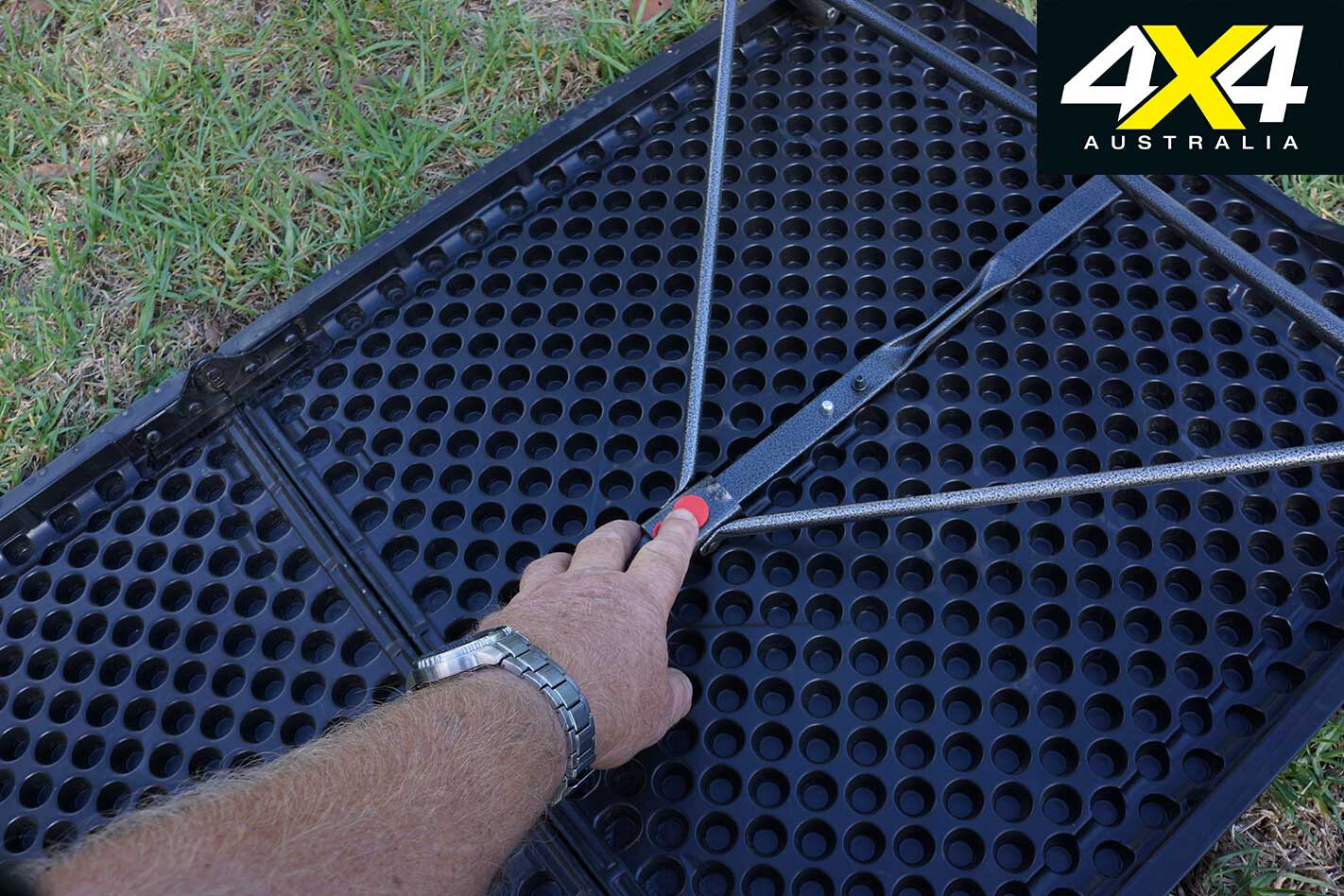
Capable of holding 250kg, it’s lightweight, folds quickly and easily, and has a couple of height settings. It’s nothing spectacular, but it does the job it was designed to do without any fuss; although, I wouldn’t be putting a red-hot camp oven on the polyethylene table top. Still, my son was so impressed he just bought a few to use for his 4WD touring company, Moon Tours.
Coleman gear is available from a wide range of camping outlets and, while dearer than many other brands, the quality is obvious and their robustness and longevity make them an economical and worthwhile buy.
RATED Available from: www.colemanaustralia.com.au RRP: Table $115; Directors Chair $100; Layback Lounger $150 We say: Comfortable, practical camp gear
An outback trip can be as mild or as wild as you dare. From taking the path of least resistance to navigating the most remote outposts, there’s an adventure to be had for the willing.
This feature was originally published in 4×4 Australia’s April 2011 issue
Targeting somewhere between the two, this trip kicks off from Coober Pedy, the outback hub of South Australia and the opal capital of the world. The town offers a range of geological wonders and points of interest, that will easily absorb a couple of days before continuing on your adventure.
Points of interest include the Breakaways, Moon Plain, the Old Timers opal mine, the Serbian Orthodox underground church and a number of other commercial underground buildings.
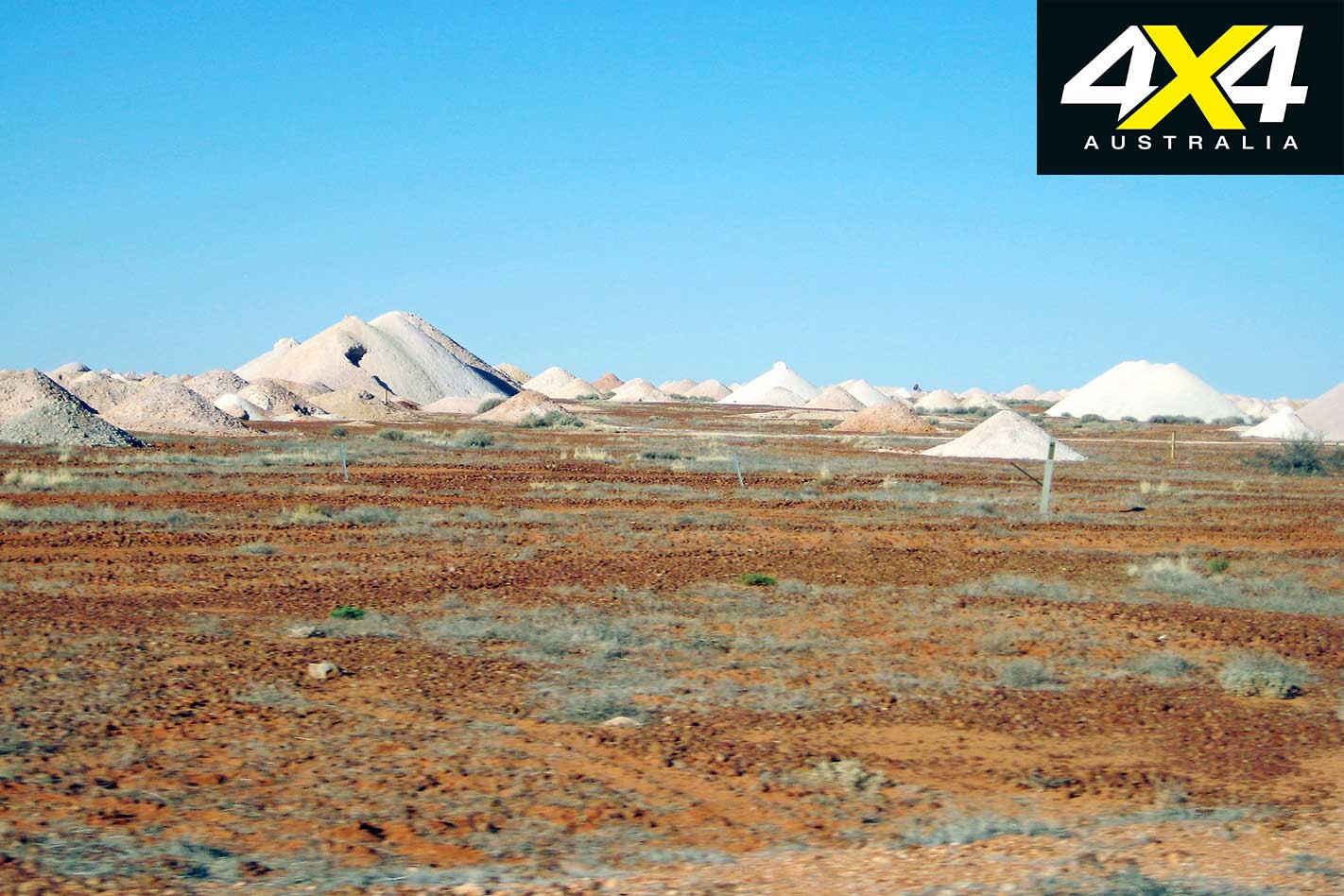
Approaching Coober Pedy from the south, the distant opal fields – mullock heaps of discarded rock, like little sandcastles bunched together – give the first hint of civilisation. The area is tightly bound in fencing wire with warning signs to keep you out, a change from the barren, unfenced open plains of earlier on our journey.
Aussies like their sport and it’s evident the folks at Coober Pedy are no different. Signs welcoming you to town are pinned beneath an opal mining truck emblazoned in the AFL’s Port Adelaide colours.
The humble residential landscape takes an unusual form. Ventilation stacks poke from the ground, in lieu of bricks and mortar. With the intense summer heat of up to 45°C, and an average ground temperature of 65°C, subterranean accommodation is a great solution. No heating or cooling is required. The hot air rises and the ventilation stacks ensure a constant circulation of fresh air.
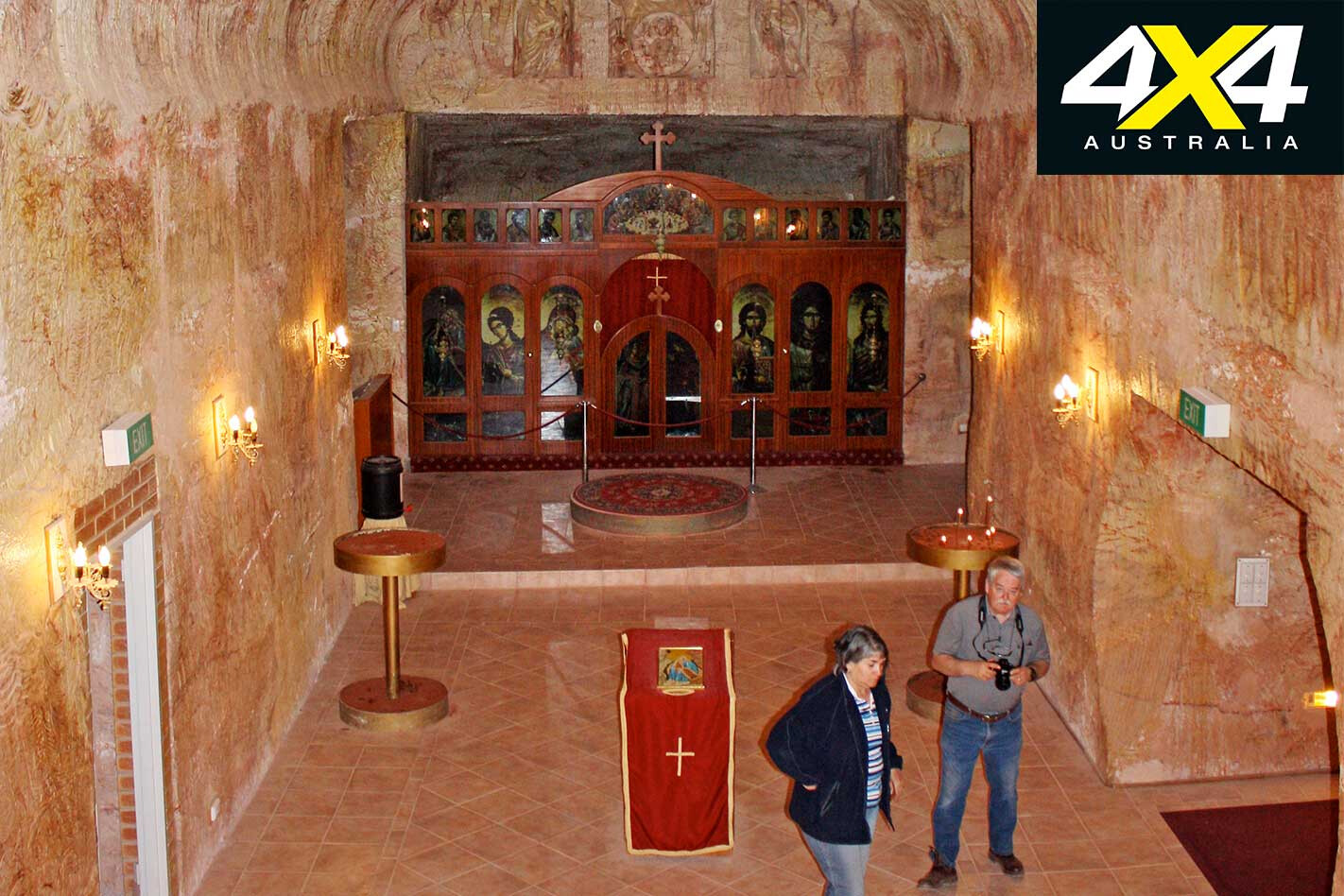
For a gold coin donation, you can inspect the palatial Serbian Orthodox church, on Flinders Street. It’s a masterful creation carved into a rock wall. The tunnelling machines leave a distinct pattern on the salmon-coloured sandstone walls, which are treated with a sealer to eliminate dust.
There are a number of caravan parks to choose from, including Riba’s Underground. The underground camping area is limited to tent accommodation, with campervans and caravans relegated to above-ground plots. In the township you will find a supermarket, a couple of big fuel stations, and a cross-section of other businesses. The visitor information centre has free internet, a booking service and plenty of tourist information.
The Old Timers mine on Crowders Gully Road provides a self-guided opal tour. Points of interest are marked along the diggings, with signs to describe each point. The tour includes a museum with a wide range of artefacts and a number of dugouts showing how miners built their homes into the mine walls.
Any opal mine worth its, er, opals will have stones for sale, from souvenirs right through to the rare and valuable black opal. You can try your hand at fossicking, known as ‘noodling’. Noodling is the process of searching through the discarded rock for pieces of opal missed in the mining process.
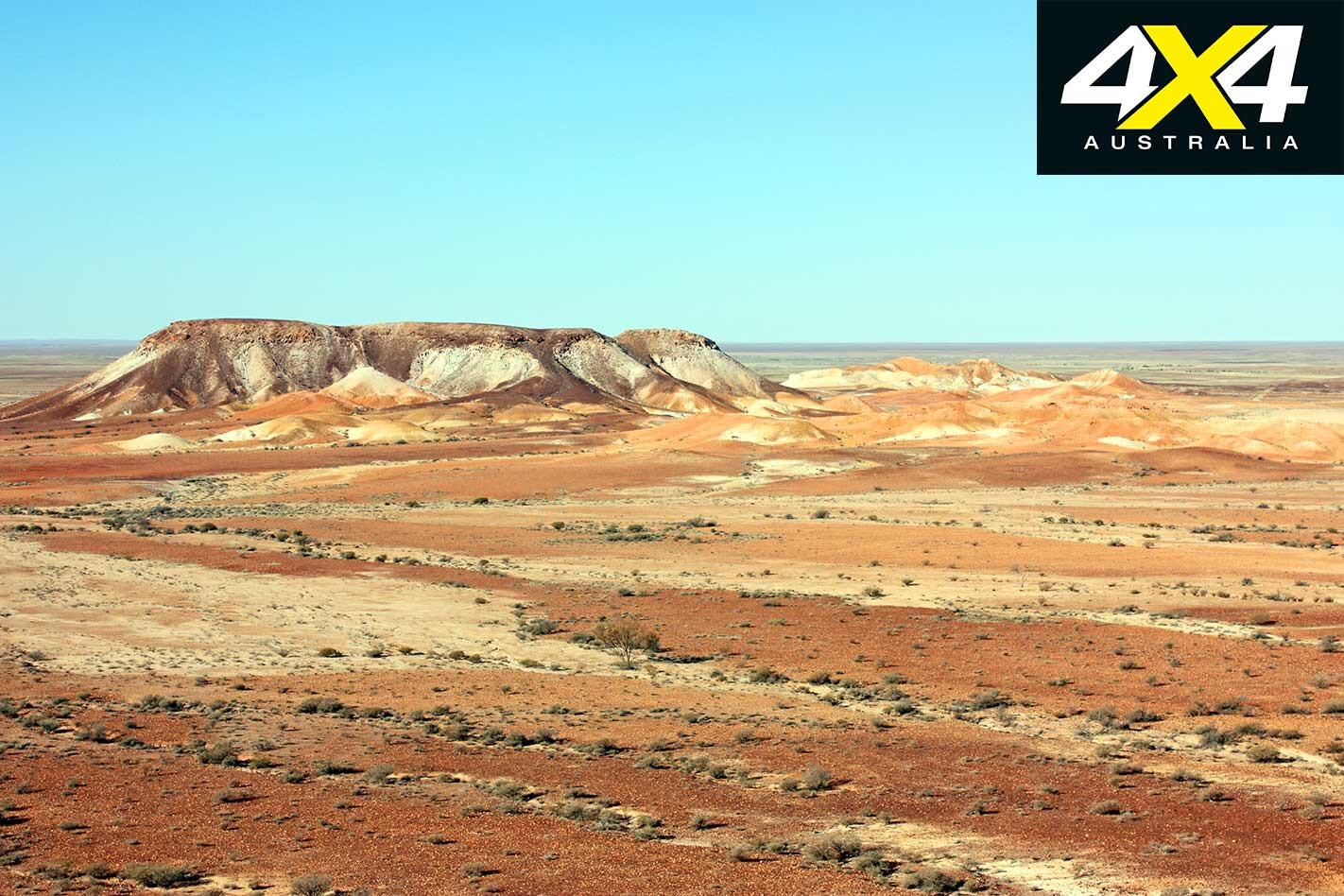
Located 33km out of town, the Breakaways are a geological wonder, named on the belief that they separated from the earth’s surface millions of years ago when the floods receded.
The combination of sandhills and flat-top mesas resembles a mix of rich desserts in chocolate, caramel and vanilla toppings. Films such as Mad Max Beyond Thunderdome; Priscilla, Queen of the Desert; Red Planet; Pitch Black; Salute of the Jugger and Ground Zero have been shot at this unusual location.
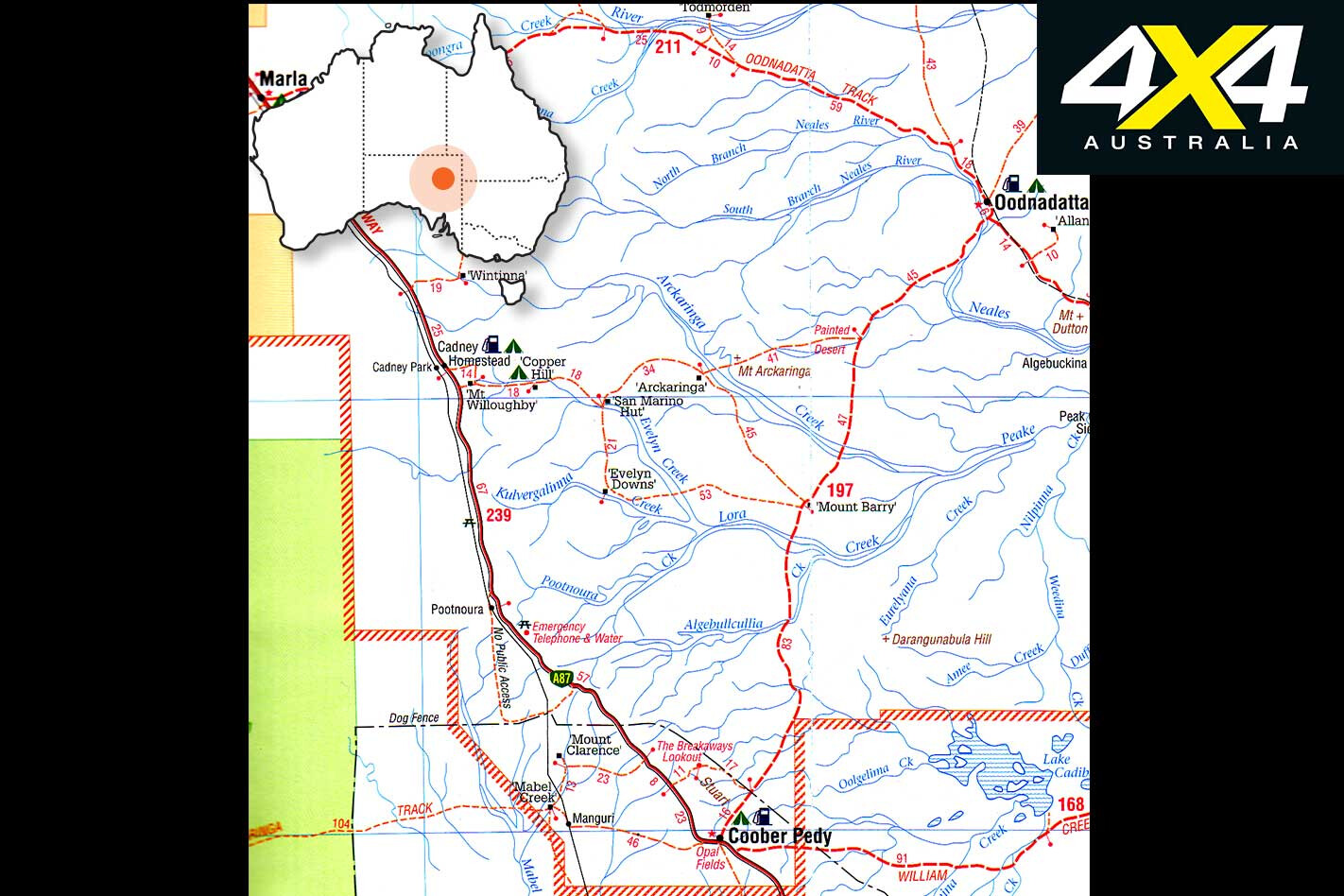
Coober Pedy has earned its tag as the adventure hub of South Australia, with a swag of adventure trails deviating in every direction. East is the Oodnadatta Track, which links to the Birdsville and Strzelecki desert tracks further south.
West is the lesser travelled Anne Beadell Highway (in name only), which traces the footsteps of Len Beadell far into WA. And north towards Alice Springs via Finke or Mt Dare, on the edge of the Simpson Desert. So many awesome destinations, so little time!
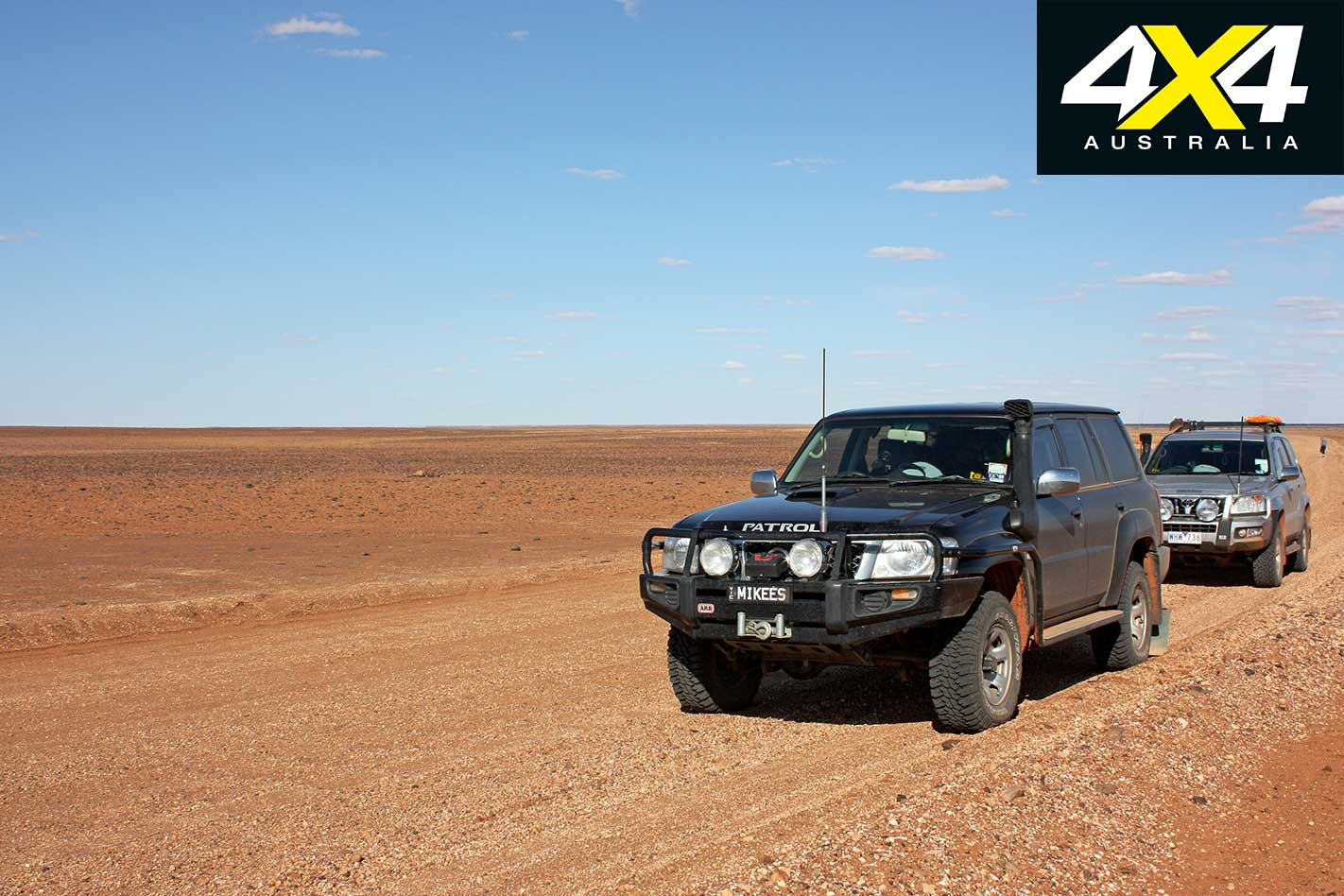
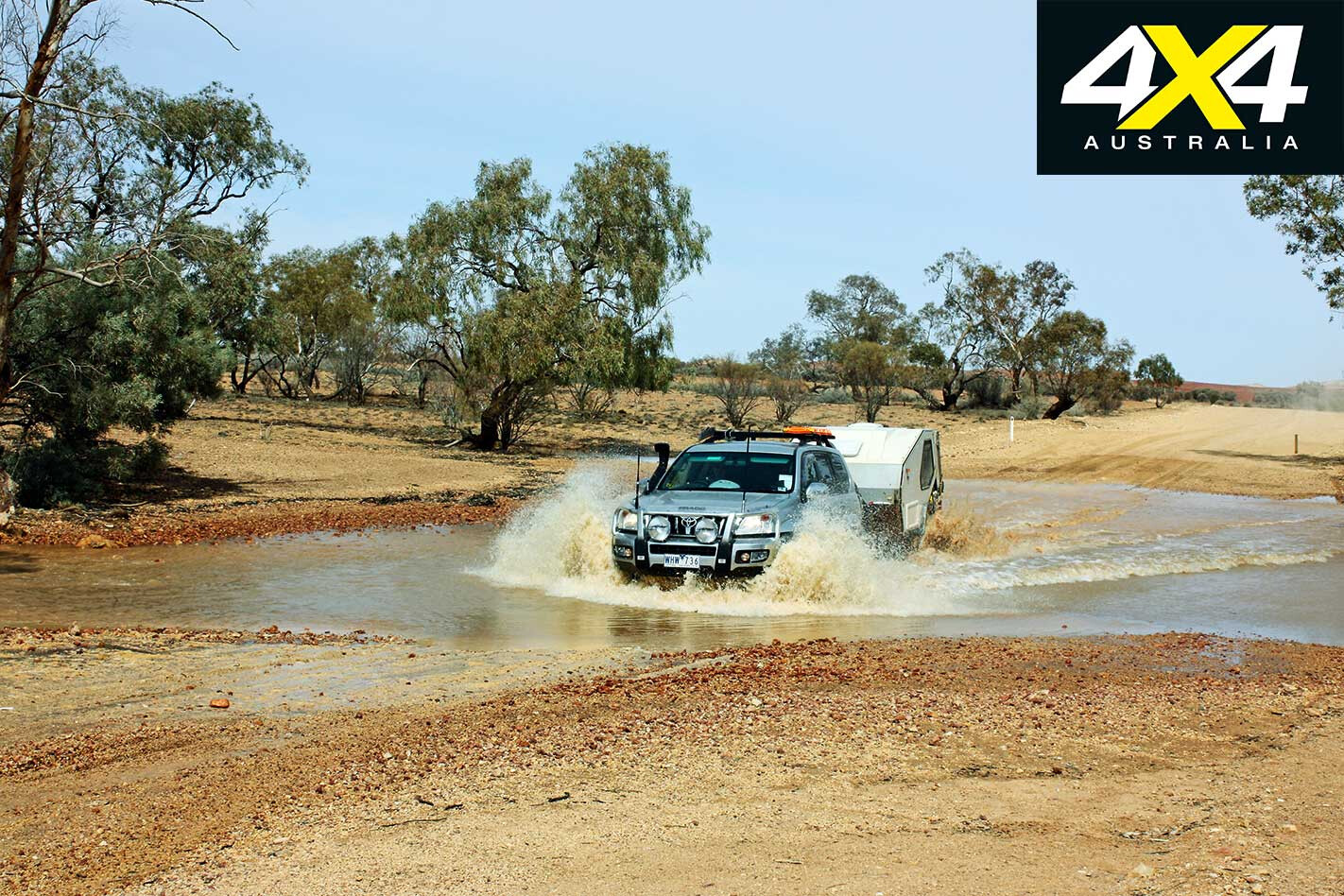
The unsealed road to Oodnadatta offers a fairly good run with varying surface conditions, although it doesn’t take much rain to make the road impassable, the surface quickly chopping up with passing traffic.
If you have access to the internet, click the maps link on the Pink Roadhouse website and print off the Oodnadatta Town Area guide. It lists the things to do around town, including the 6X4 Loop, the photographic museum at the Old Ghan Railway station (pick up a key from the store or pub), the Transcontinental Hotel, the Pink Roadhouse (hard to miss), the caravan park, police station, general store, hospital, lookout, Afghan graves and much more. The 6X4 Loop was designed to emulate desert driving and includes a steep drop, six sandhills and four claypans, hence the 6X4 designation.
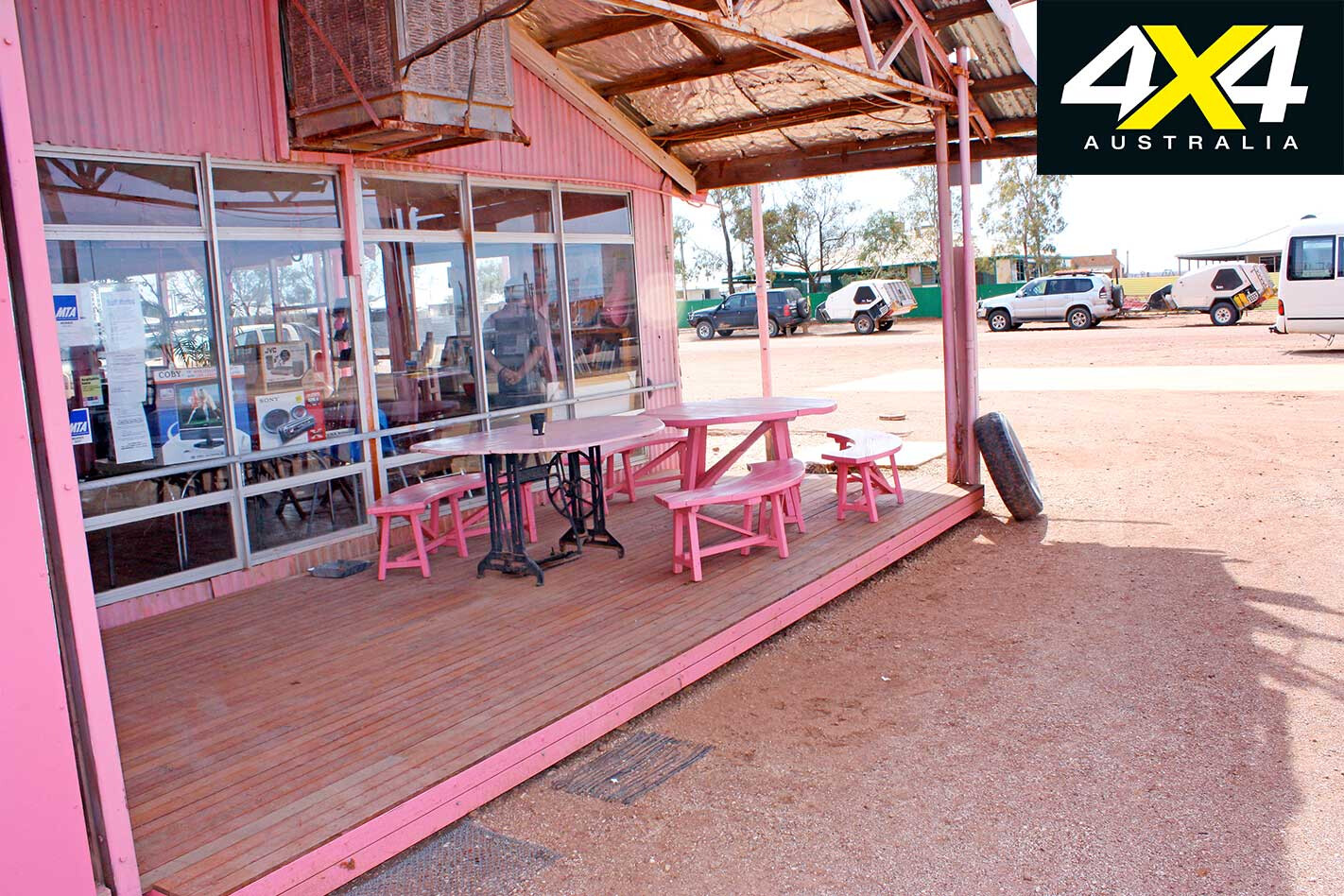
The gem of Oodnadatta is the Pink Roadhouse, with friendly staff, good tucker, fuel, up-to-date road conditions, a range of clothing and tourist paraphernalia. Top up with fuel and grab your last milkshake for quite a while. Travellers camping at Dalhousie Springs can buy a Witjira National Park entry pass and camping permit here. Otherwise, you can grab these at the campsite’s self-registration station, but you will need the correct change.
The Oodnadatta Tourist (caravan) Park is located behind the roadhouse, with a swimming pool open in the warmer months. Alternatively, roadhouse staff will direct you to a bush camp out of town, with use of the showers at the park for a few bucks. The requirement is that you leave no trace of your stay.
Oodnadatta marks the original railhead of the Old Ghan Railway Line, opened in 1929 to link to Alice Springs. The track was later extended to Port Augusta, but was eventually closed in 1980, replaced by a flood-proof, standard-gauge line further west.
The next leg of our journey parallels the Old Ghan, at least for a short distance. About 18 klicks out of Oodnadatta, take the signed track north to Dalhousie Springs, via Hamilton station. The Old Ghan line lies to the east of the track and runs to Alice Springs. The road is reduced to track status from here, but generally represents easy travelling.
Past Hamilton station, take the signed track east to Pedirka, a former railway siding on the Old Ghan line. This section of track is usually particularly rough, something it has developed quite a reputation for. The landscape is littered with gibbers begging to stab a hole in the first overinflated tyre that dares to veer off the track, so pay close attention.
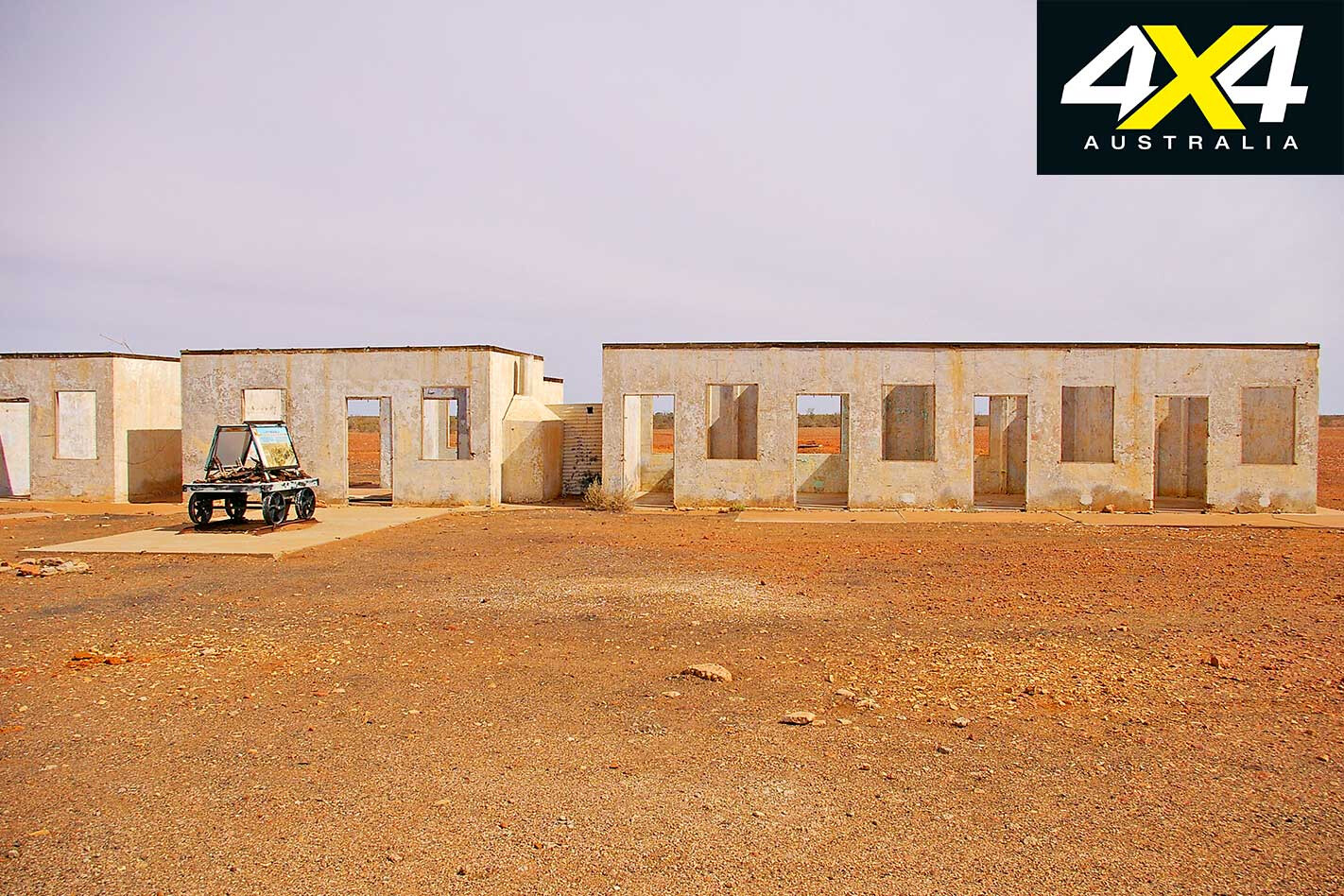
At Pedirka, cement-block cottages are still standing. Propped on an old rail cart is a picture of a train derailment caused by flooding. It describes how the floods of 1939 washed away a length of the railway track, requiring a significant rebuild – 30,000m3 of restorative earthworks.
The track has long since been pulled up, but the mound that originally supported it is still evident, littered with dog spikes used to mount the tracks to the sleepers.
After crossing the line, the route continues east until it enters Witjira NP, where it swings north towards Dalhousie Springs, an oasis in the desert. The track passes the ruins of Dalhousie homestead, a former pastoral station that’s now a historic waypoint in the national park, flanked by date palms and saltbush.
According to the info boards, the homestead was built in the late 1800s by Edward Meade Bagot, who constructed the first leg of the Overland Telegraph Line between Port Augusta and the Peak.
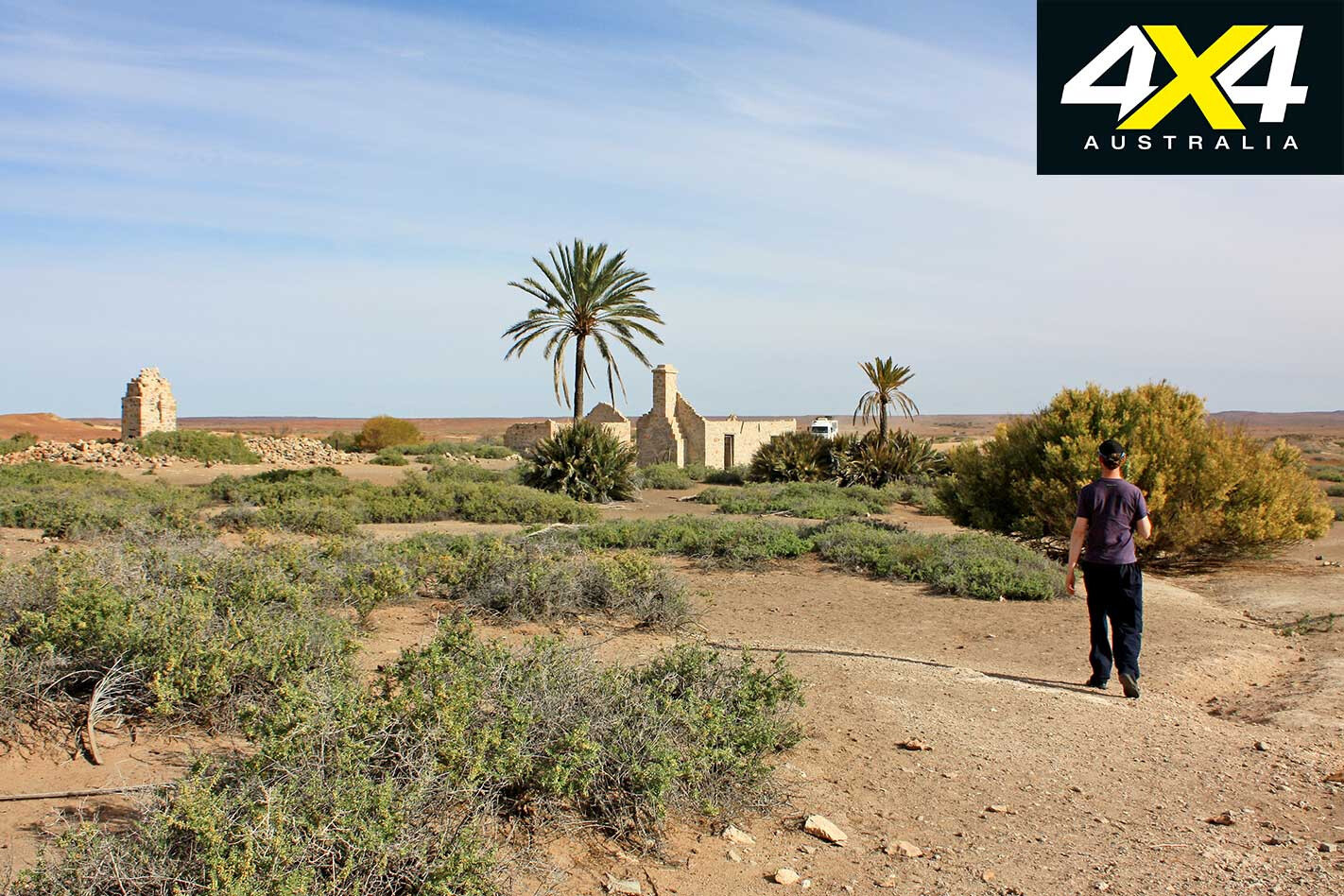
With the nearby mound springs tapping into the Artesian Basin, the area was a great find for the early settlers, being the only source of permanent water for around 150km. The ruins include the homestead, workmen’s quarters, blacksmith’s shop, a shed and the stockyards. Over the years the station has managed sheep, Angora goats, cattle, horses and camels.
The area also has Aboriginal significance as a ceremonial site, and is said to be crisscrossed with dreaming and song lines explaining the laws of the people.
Dalhousie Springs are about 12km further on, very popular as a start or end point for those crossing the Simpson. It therefore pays to arrive before early afternoon to secure a campsite. Modern facilities greet you, including a modern-looking block with cold showers, toilets and rain tanks. As a high-traffic area, the facilities get a thorough workout and can be a little on the nose.
Mosquitoes are currently at an all time high with the wetter weather and humid conditions, creating an increased risk of contracting serious diseases such as Ross River and Barmah Forest virus. As there is no vaccine for these diseases, SA Health has introduced a campaign to help prevent their spread.
Cover exposed flesh with light coloured, loose clothing; avoid exposure between dusk to sunrise; use insect repellent (such as DEET – adults only); and use insect screens on tents and campers wherever possible. Tea tree oil can be a soothing ointment for bites and can be found in most supermarkets in the health section.
You’ll see the occasional dingo skulking around camp at dusk, looking for a cheap feed. Anything left out to thaw while you soothe those aching bones down at the springs may not be there on your return. Be warned.
The hot springs at Dalhousie measure a soothing 36 degrees, which makes it a relaxing place to be at the start or end of the day. The springs are home to a number of tiny fish and other animal species that are tolerant to the warm temperatures. Save the mud masks, these little critters nibble your skin, providing the ultimate exfoliation treatment!
The Mt Dare Hotel is 71km further north, still in the national park and only 10km south of the NT border. Backtrack to the Dalhousie ruins track junction, veer right and follow the signs.
The hotel provides a comprehensive range of services from the usual pub fare of grog and food to a mini supermarket, a campground with hot showers and toilets, satphone hire, workshop and recovery service, fuel, souvenirs, information track conditions, and the sale of desert parks passes and camping permits.
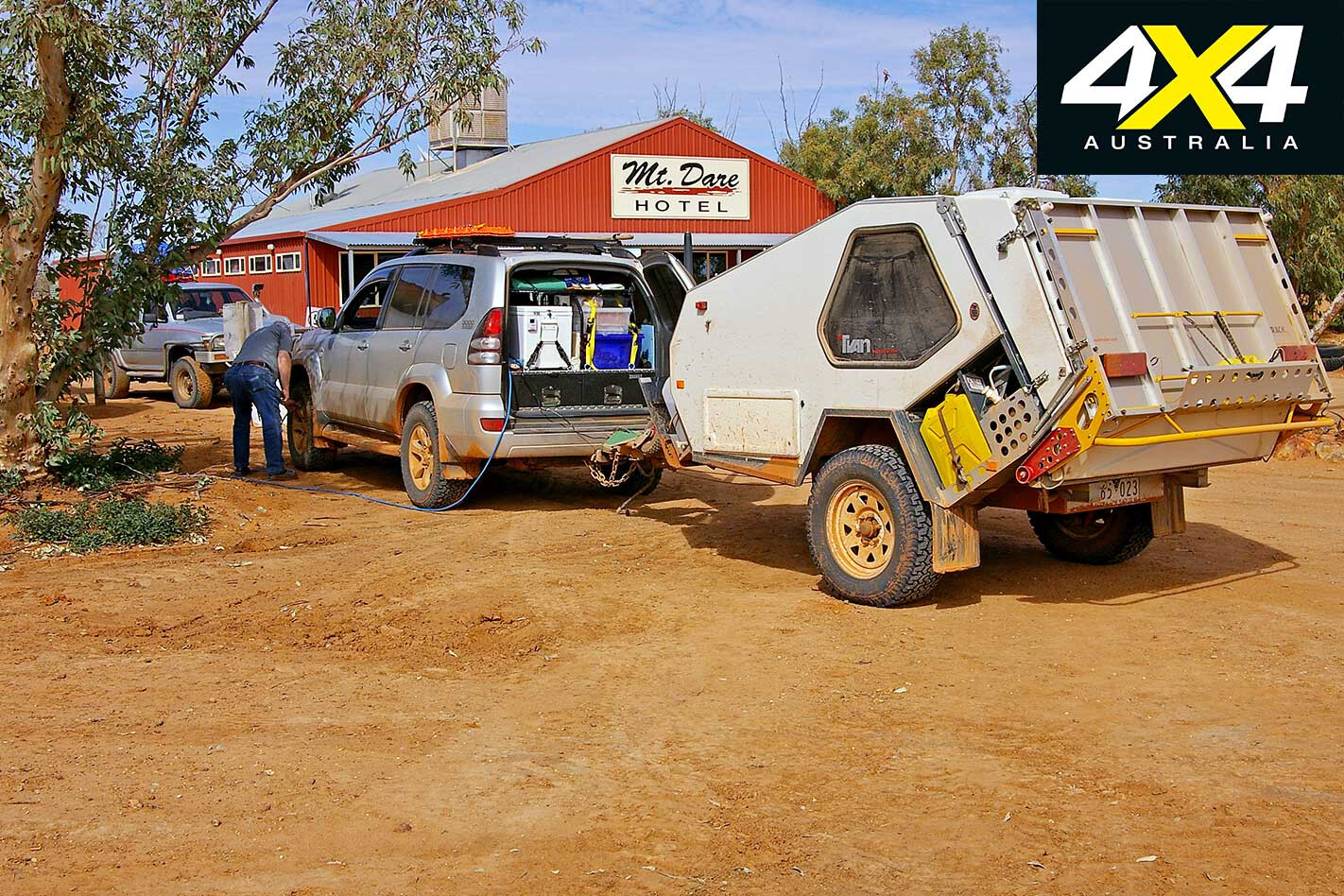
Its website has a range of useful outback touring information, including a photo gallery of vehicle and trailer breakdowns, covering vehicle component failure, rollovers, recoveries and trailers that didn’t quite survive the adventure.
The main touring options from Mt Dare include an easterly bearing across the Simpson or north to Alice Springs via Binns Track (formerly Old Andado) or Finke, tracing the Old Ghan line via Chambers Pillar.
If you plan to travel any time after the Queens Birthday long weekend in June, the annual Finke Desert Race, which is held at this time, can severely chop up the Finke route, placing extra stress on you and your rig, so keep that in mind when planning.
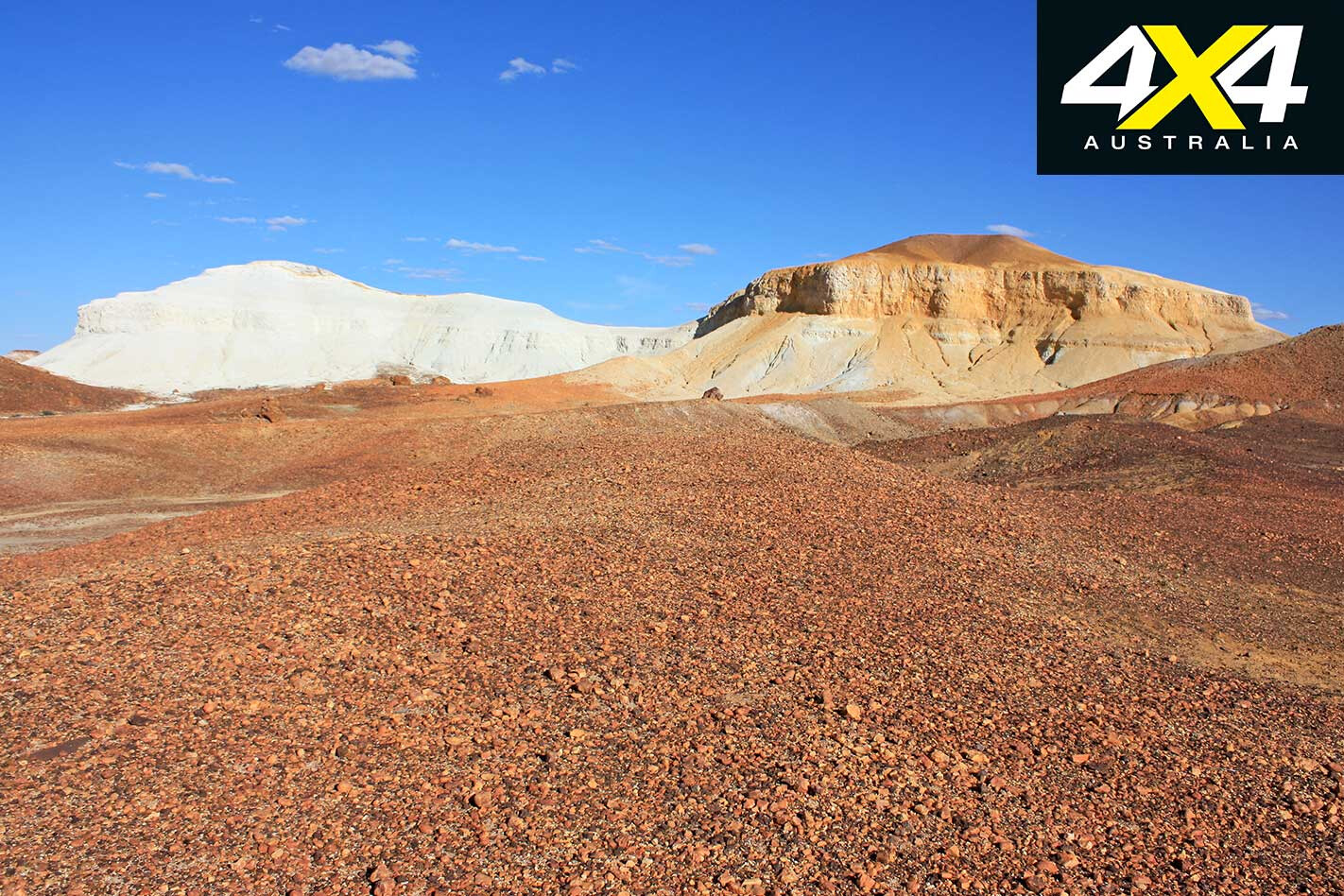
For travellers not up to a Simpson crossing, this amazing outback touring gem offers a glimpse of the isolation and mesmerising beauty of the natural desert environment.
Beyond that, it’s just a great area to explore, with plenty of historic sites and interesting locations. Whatever you do, take your time and enjoy the experience because, like they say, it’s as much about the journey as it is the destination.
Travel Planner
WHERE Coober Pedy is 850km north of Adelaide or 680km south of Alice Springs via the blacktop. The run to Mt Dare is around 450km via Oodnadatta and Dalhousie Springs on rough outback tracks.
PERMITS Witjira National Park entry fee, $8.50.
CAMPING There is plenty of camping en route, including in Coober Pedy, Oodnadatta, Mt Dare and Dalhousie Springs. Oodnadatta Tourist Park, $25/family (hot showers and toilets). Dalhousie Springs, $16/vehicle (cold showers). Mt Dare, $8/adult, $2/child or $18 (2 adults, 2 children)/night (hot showers and toilets).
MAPS AND GUIDES Hema Central Australia. Hema Simpson Desert.
CONTACTS & INFORMATION Department for Environment and Heritage, Port Augusta, 1800 816 078. Transport SA Road Conditions Hotline, 1300 361 033. Pink Roadhouse, Oodnadatta, 1800 802 074, pinkroadhouse.com.au, UHF 7. Mt Dare Hotel, 08 8670 7835, mtdare.com.au. The Dalhousie Springs ranger station can be reached on UHF 10.
WHAT TO TAKE Apart from the standard camping fare, bring plenty of drinking water, mosquito repellent (DEET), remote touring spares and tools, UHF and a satphone if travelling alone.
SUPPLIES Coober Pedy and Alice Springs are the major destinations to stock up on supplies or organise repairs. The Pink Roadhouse and Mt Dare both provide mechanical services, tyre repairs, recovery services and basic supplies.
TRIP STANDARD Recommended as 4X4 only. In general terms, this route is easy going, save for the fact the roads are rough and corrugated. It can get slippery after rains and the roads can close at short notice. Tyres should be light truck (LT) construction with reduced pressures suitable for your vehicle and load.
IT shouldn’t be a surprise to anyone anymore that the dual-cab market is thriving in Australia.
An increasing number of people are veering towards vehicles that can double-up as workday plodders cum weekend retreat mobiles. In fact, Light Commercial Vehicles currently hold a 19.4 per cent of the overall market, according to the April 2018 VFACTS report.
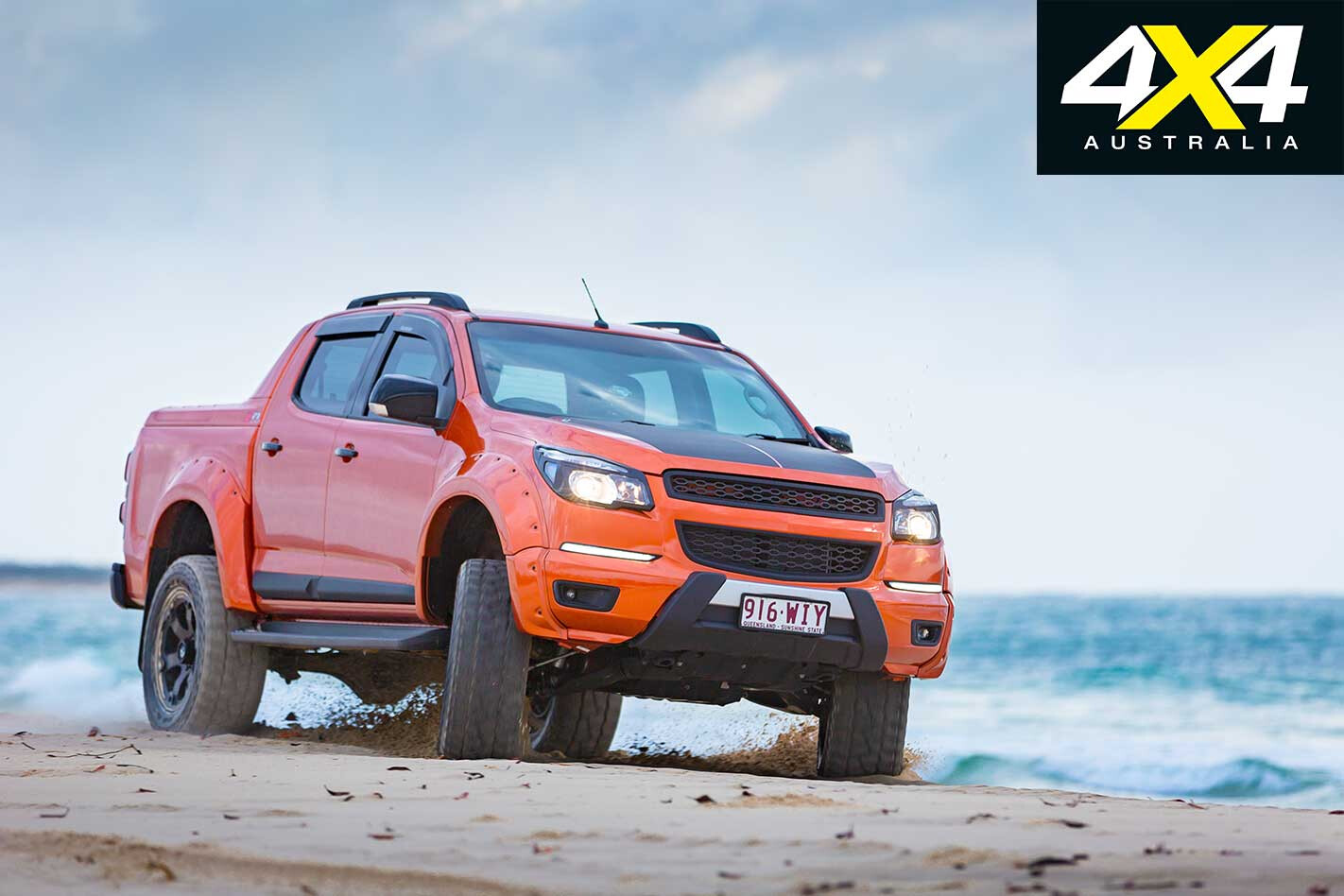
And when a showroom stocker doesn’t cut the mustard, there’s a massive aftermarket industry chomping at the bit to get its gear on your rig.
So, we’ve assembled some of the best utes in Australia to satiate your thirst for the pick-up, including an LS3-powered Colorado, Patriot Campers’ wild 6×6 LC79, Coyote V8-powered Ranger and a supercharged Tundra.
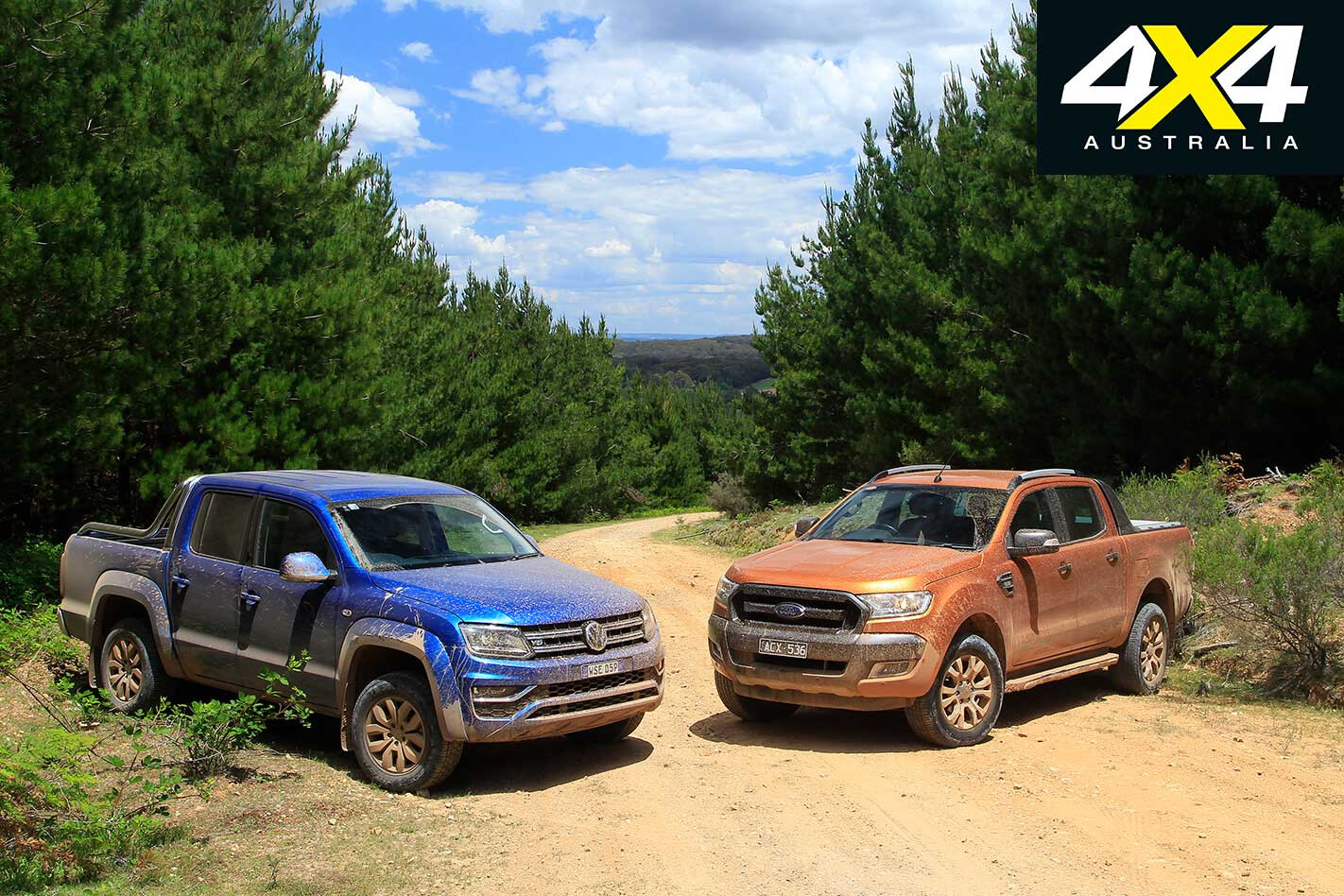
Four top-of-the-range utes – Hilux TRD, Ford Wildtrak, Colorado Z71 and Amarok V6 – battled for bragging rights, and we sussed out how a smart build can make the world of difference by lining a stock Ranger against a fettled one.
WHAT ELSE IS THERE?
- Black Ops F250
- F150 Raptor in the US of A
- Valentino Rossi-approved Ranger
- Marks 4WD LC79
- Duramax V8-powered Ranger
- Building a ute on any budget
- Products… and lots of them