LADA unveiled its 4×4 Vision Concept at the 2018 Moscow Motor Show, hinting at a successor to the venerable Niva.
The 4×4 Vision takes the Lada 4×4 (Niva) – currently still on sale and largely unchanged since its 1977 release – and cranks up the wild dial.
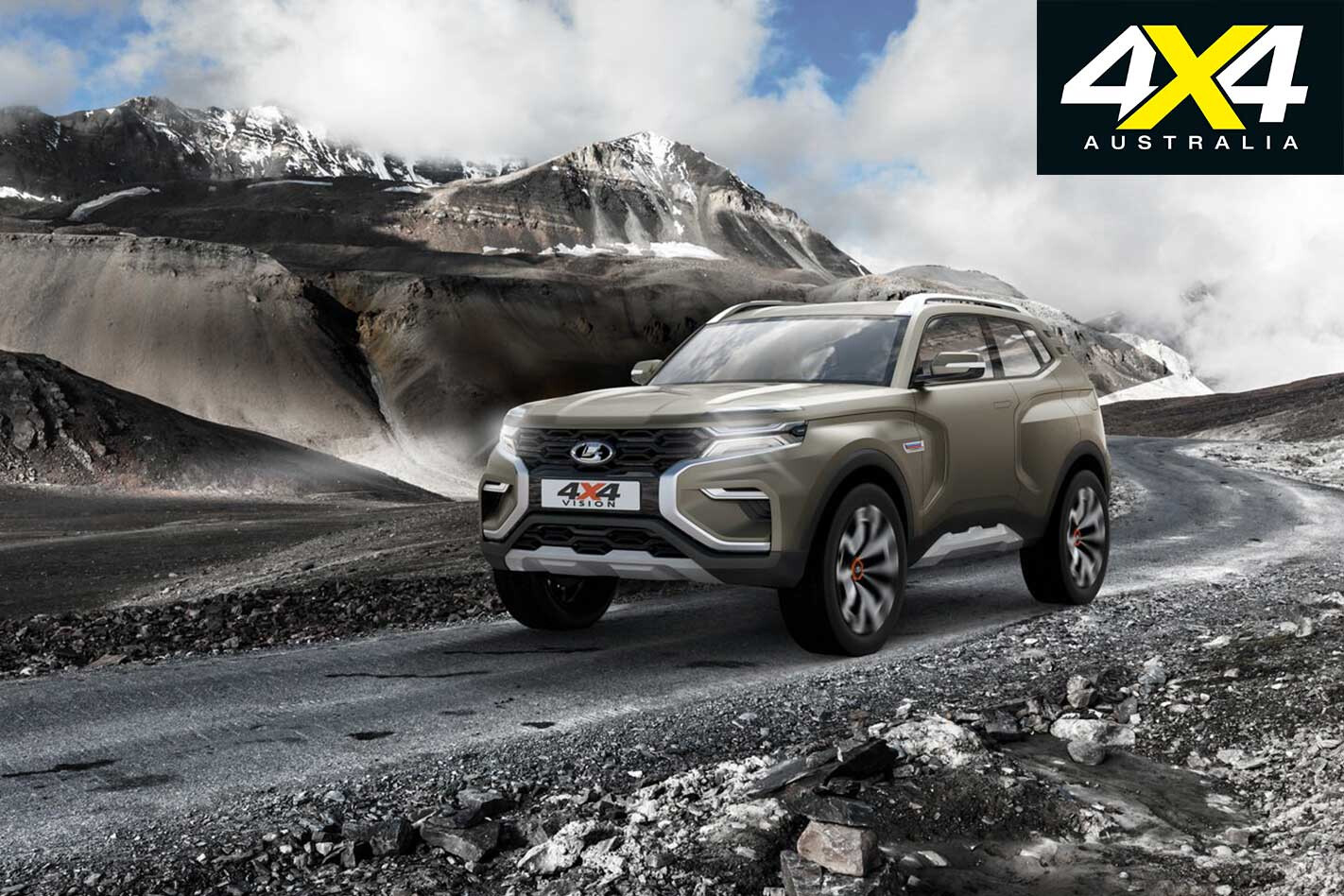
“We are preparing the future of Lada. With the 4×4 Vision, we demonstrate the potential of a unique, expressive, bold and energetic design in a new SUV, drawing inspiration from the legendary Lada 4×4 Niva”, Lada’s Director of Design, Steve Mattin, said.
Engineered on a “special platform”, the Lada 4×4 Vision is 4.2 metres long, has short front and rear overhangs, and is said to offer plenty of ground clearance. What powers it is unknown, but the concept features an automatic gearbox with high and low range.
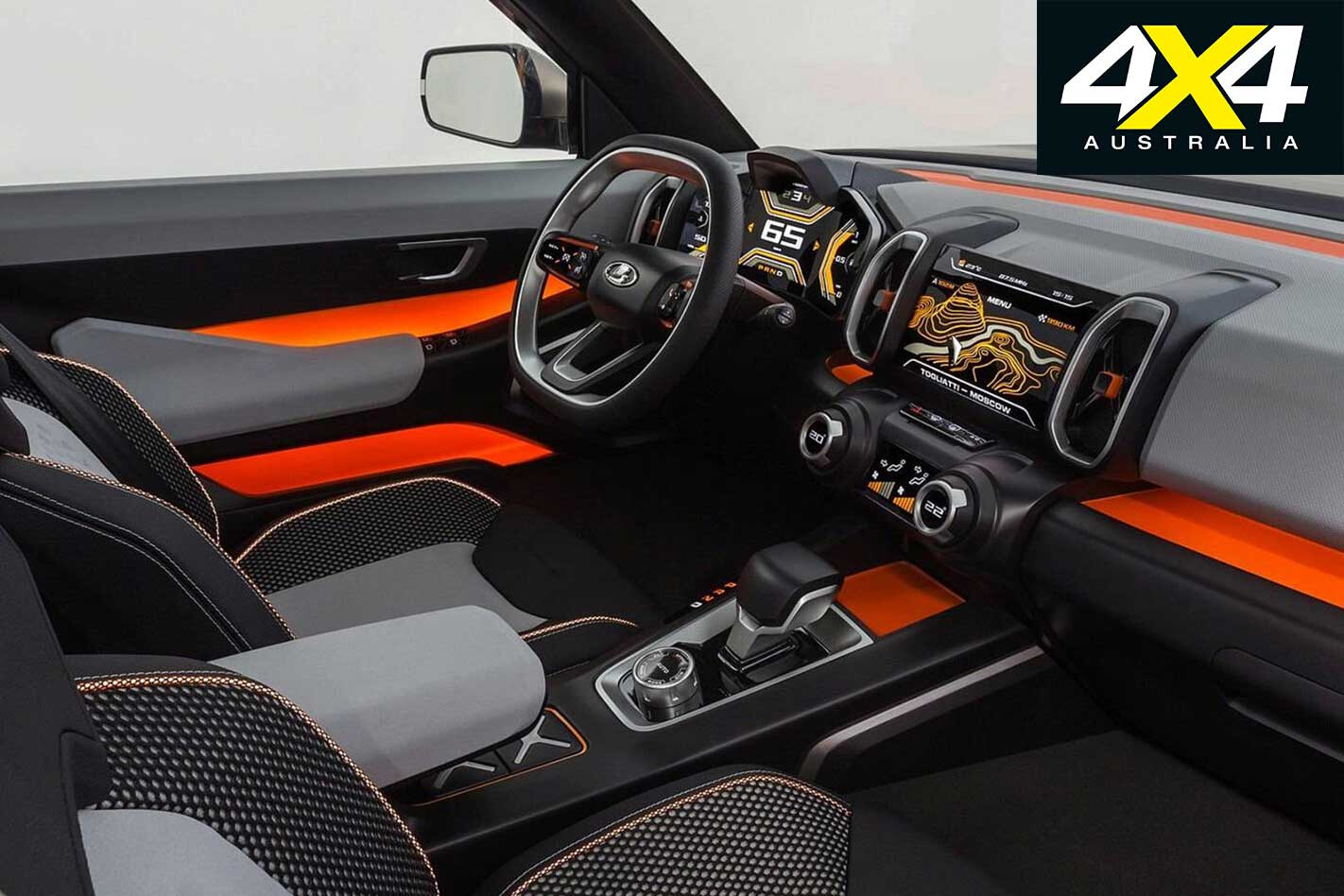
Not that you’d get too far off-road with those on-road-friendly 21-inch tyres. Still, the concept features underbody protection, the brand’s prominent X-shaped front end, and LEDs fore and aft.
Whether is serves as a “vision” to the future of the Niva remains to be seen.
FCA’S truck brand, RAM, confirmed last year it was working on a production version of its RAM Rebel TRX Concept vehicle from 2016, and spy photographers have caught an R&D mule of the Ford F150 Raptor challenger in testing.
The 2016 concept was powered by FCA’s then-new supercharged Hellcat V8 Hemi engine, and the photographer who caught these images said the mule had the wail of a supercharger coming from it as it quickly left the scene when FCA employees saw the cameras coming out. This suggests the truck hides the 707hp (527kW) Hellcat under its bulbous bonnet.
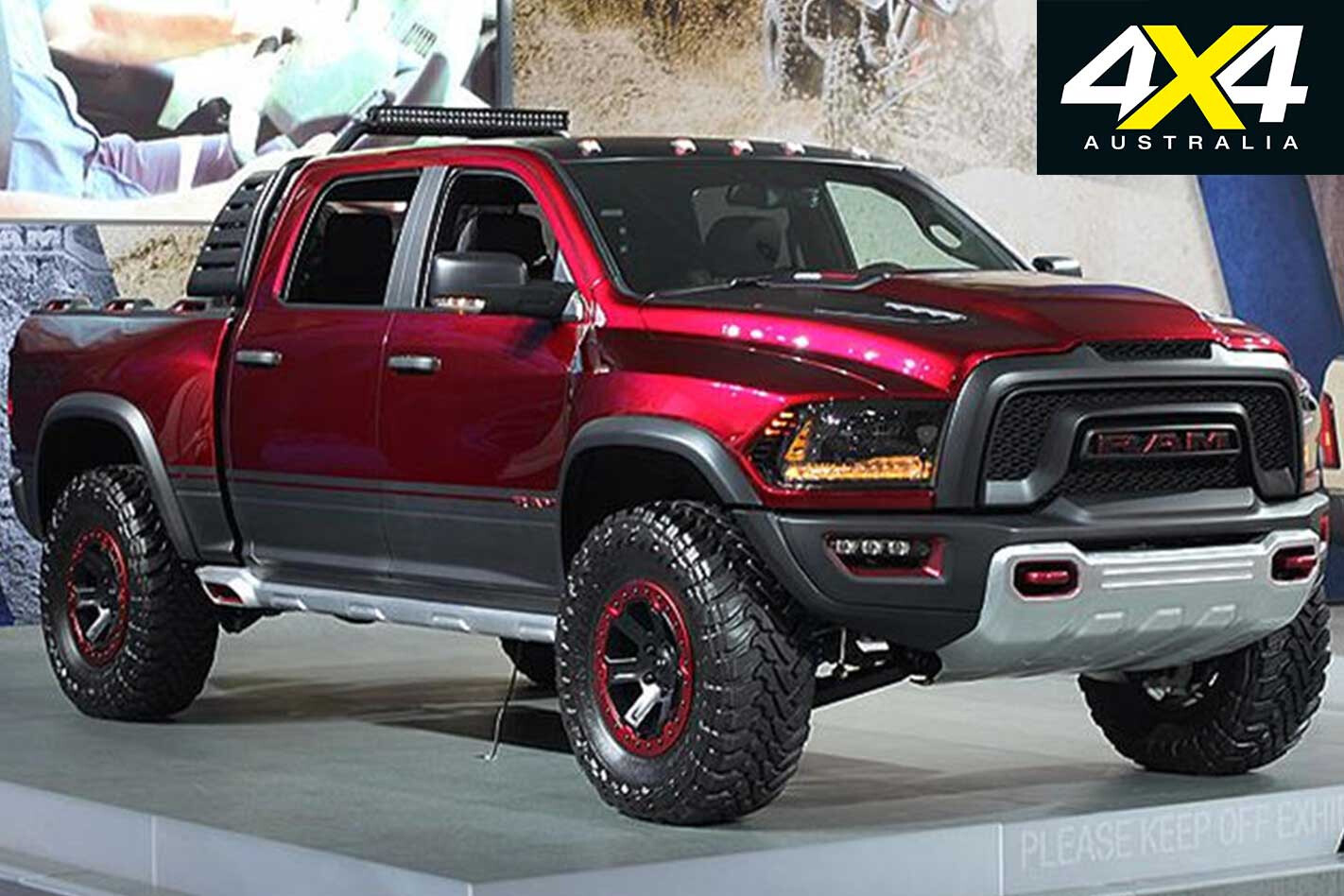
Of course, the 2016 TRX concept was built on the then-current model, while this vehicle clearly shows the current and heavily revised 2019 RAM 1500 wearing aftermarket alloy wheels and BFGoodrich tyres.
Gone are the concept’s vented bonnet, side-exiting exhaust and bed-rack-mounted spare tyres, but we expect there’s some trick suspension hiding beneath the production vehicle’s ’guards if this truck is ever likely to keep up with the likes of Raptor when off-road.
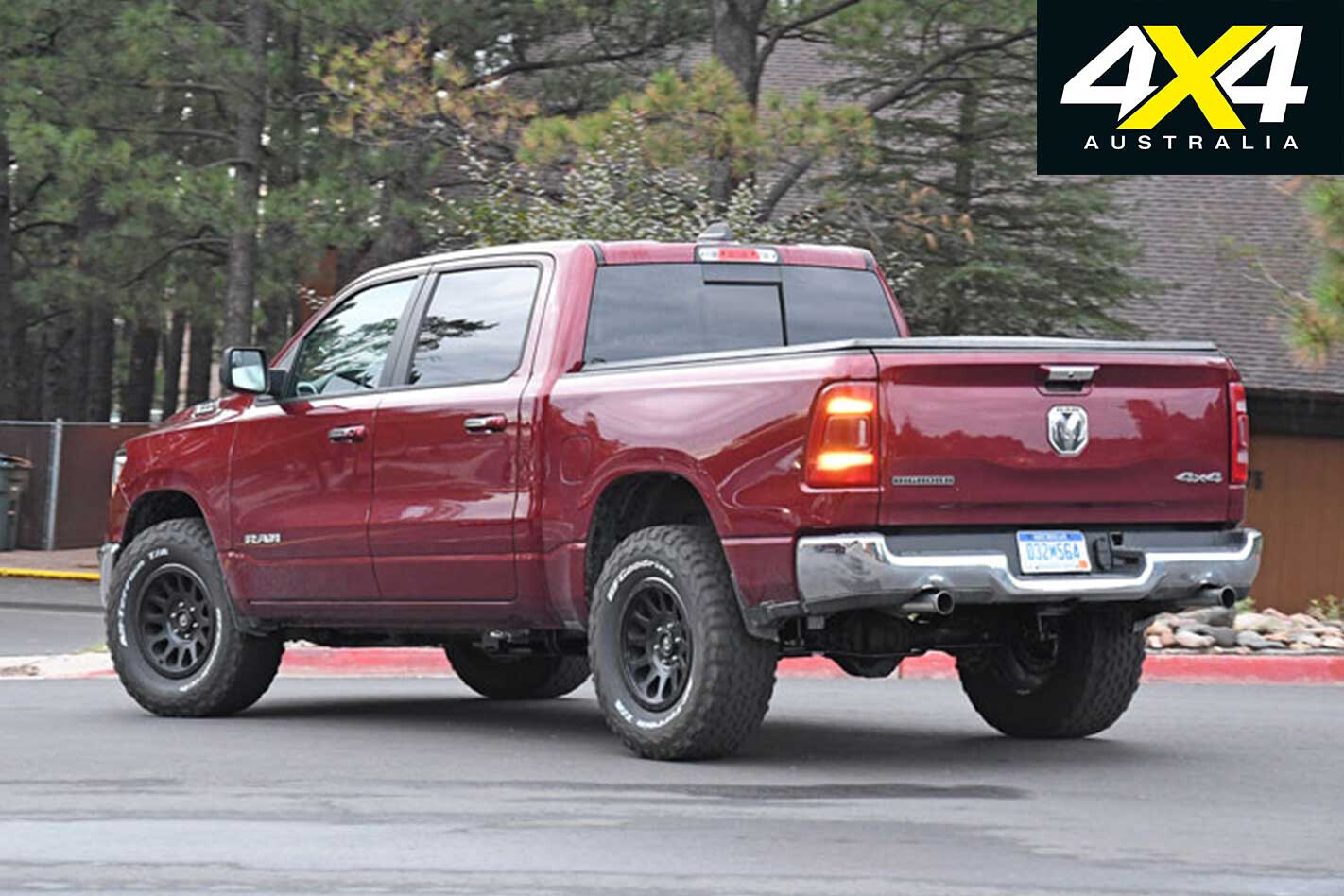
RAM Trucks Australia debuted its RAM 1500 last week, but it is based on the older RAM Classic which still sells alongside the new model in the USA. However, that doesn’t mean any of the other companies currently importing, converting and selling RAM 1500 in Australia won’t bring in the production version of the TRX when it goes on sale late in 2019.
THERE aren’t a lot of things worse than a wet, dewy swag on a cold winter’s night, and that’s the reason a good quality awning is an essential piece of kit.
Ironman 4×4 brought to market the Instant Awning, which we tested on our recent Vic High Country escapade as part of the 4X4 Adventure Series.
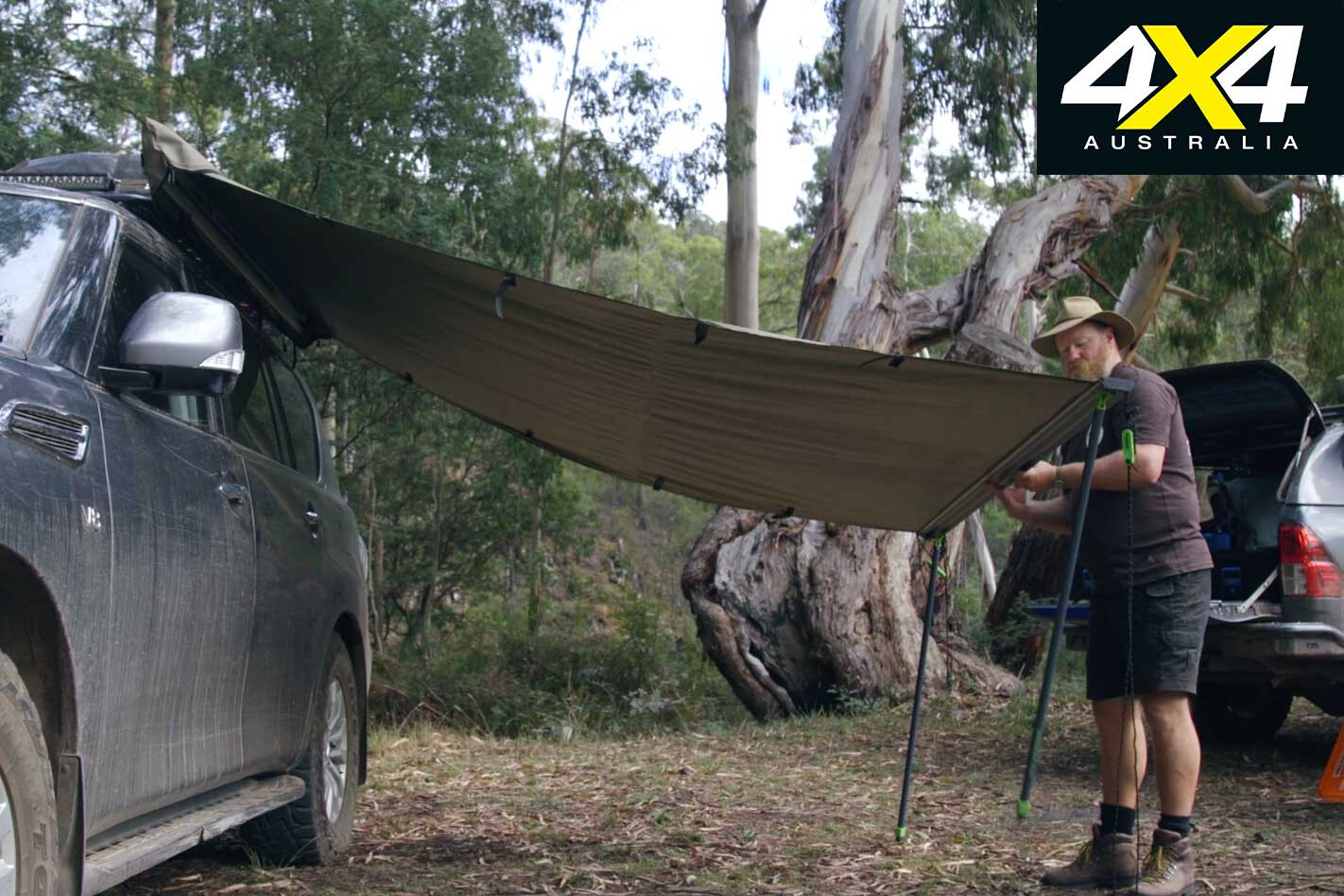
“It’s kept the swag dry each time, and that’s all we really want from an awning,” Matt Raudonikis said of the product, after spending a few raining nights in the Vic High Country.
The Ironman 4×4 Instant Awning is built from waterproof 280gsm rip-stop polycotton material, which provides UV50+ protection and is mould-resistant.
Clever glow-in-the-dark guy ropes and pegs are included, and the awning mounts directly to most roof bars and racks. Flexible joints offer a bit more give, to prevent them from breaking easily in high winds.
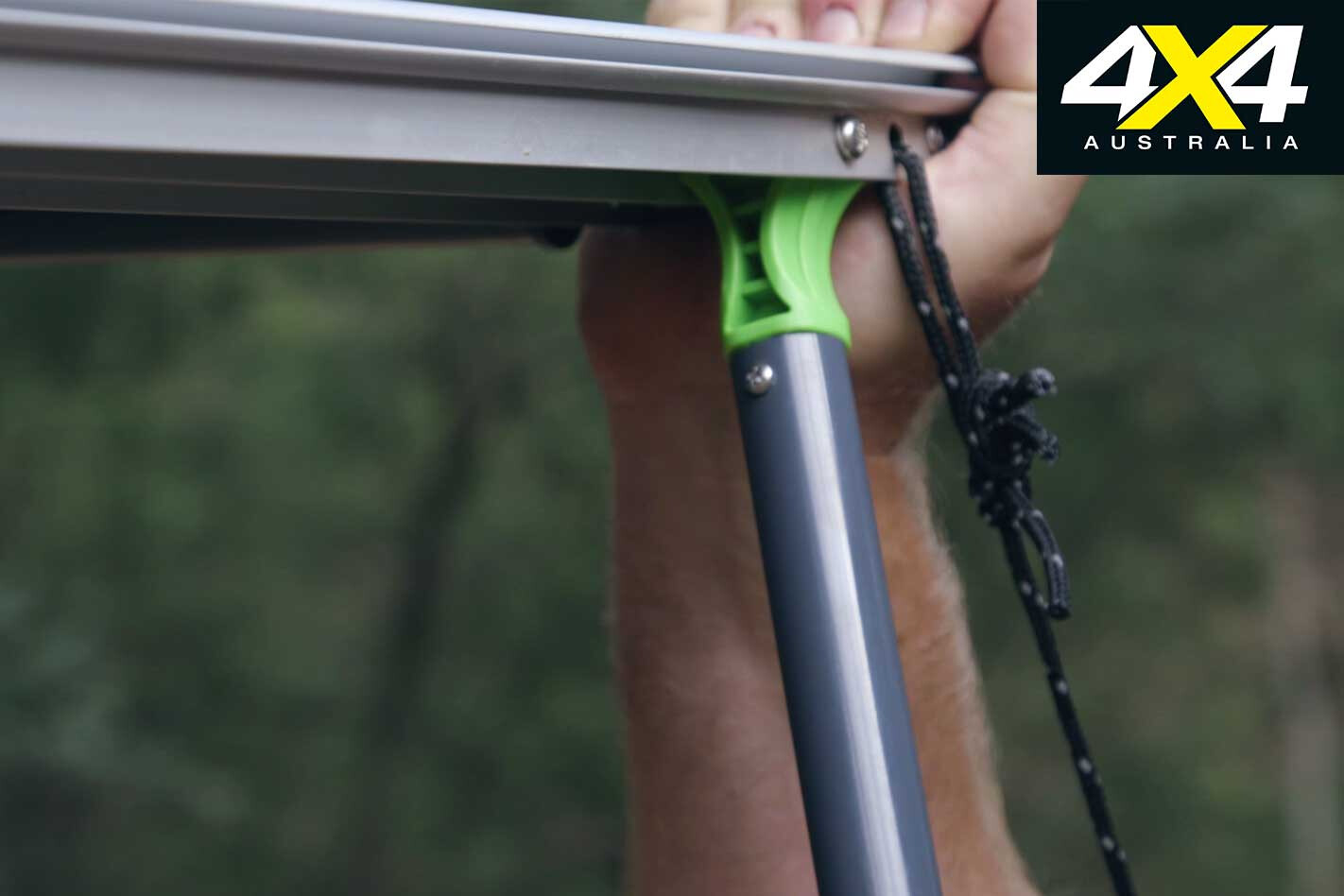
The whole unit can be easily set up by one person in a few minutes, while the self-standing aluminium legs can be extended or shortened on a whim.
A neat addition is an LED strip-light sewn into the material, which comes with a switch and dimmer to moderate the brightness.
The Instant Awning is available in three sizes: 1.4m x 2.0m; 2.0m x 2.5m; and 2.5m x 2.5m.
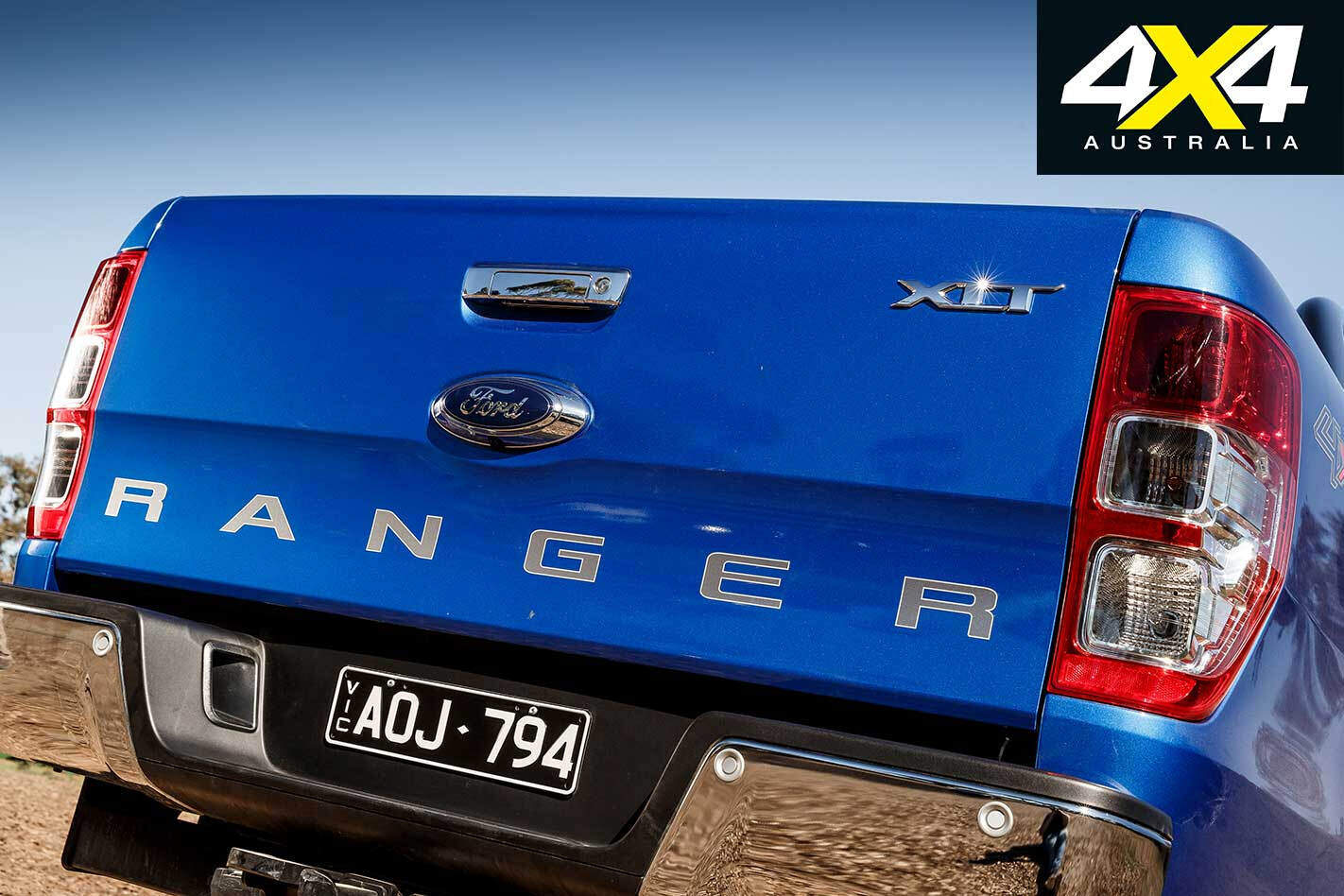
FORD has sold 19,216 Ranger 4x4s in the first sixth months of 2018, a 3.5 per cent increase over the same period in 2017. Unfortunately for Ford, that number puts Ranger just 21 units short of Hilux and, for the time being, has silenced Ranger’s claim of being Australia’s top-selling 4×4.
However, help is on the way in the form of a new Ranger, which will offer a more powerful 157kW/500Nm (but very much smaller) 2.0-litre four-cylinder bi-turbo diesel as an option to the current 3.2-litre five-cylinder in best-selling XLT and Wildtrak models. The new Ranger will also bring a host of other suspension, NVH and equipment upgrades.
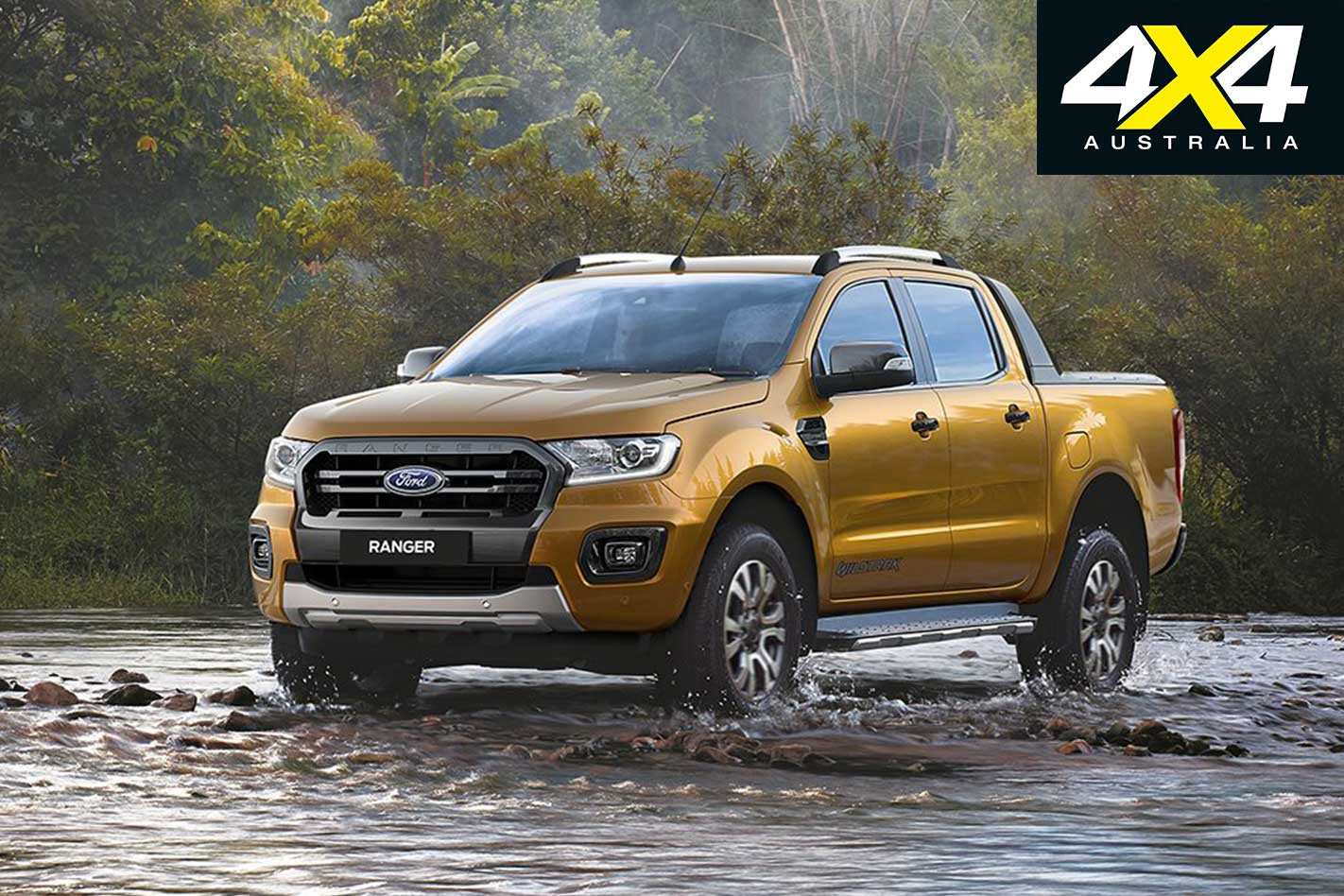
There’s also a new ‘hero’ model to help bolster the line-up in the form of the Ranger Raptor, which will be powered by the new 2.0-litre bi-turbo engine and come with a bespoke high-performance suspension. The new bi-turbo engine, which brings a surprisingly modest premium of just $1200 over the 3.2, will only be available with a 10-speed automatic.
The Ranger’s popularity is, in some part, based on its biggest-in-class engine, so how this relatively small-capacity engine will be accepted is yet to be seen; it’s no doubt the reason why Ford will keep the 3.2 in the range to cover its bets. The 2.0-litre won’t be offered with a manual, which is another reason why the 3.2 will be kept for the time being.
The Ranger’s success is also built on a big and spacious cabin, excellent on-road driving dynamics and class-leading towing and load-carrying ability. Interestingly, the Ranger’s 3500kg maximum tow capacity is undiminished with the 2.0-litre engine, except with the Raptor where it drops to 2500kg.
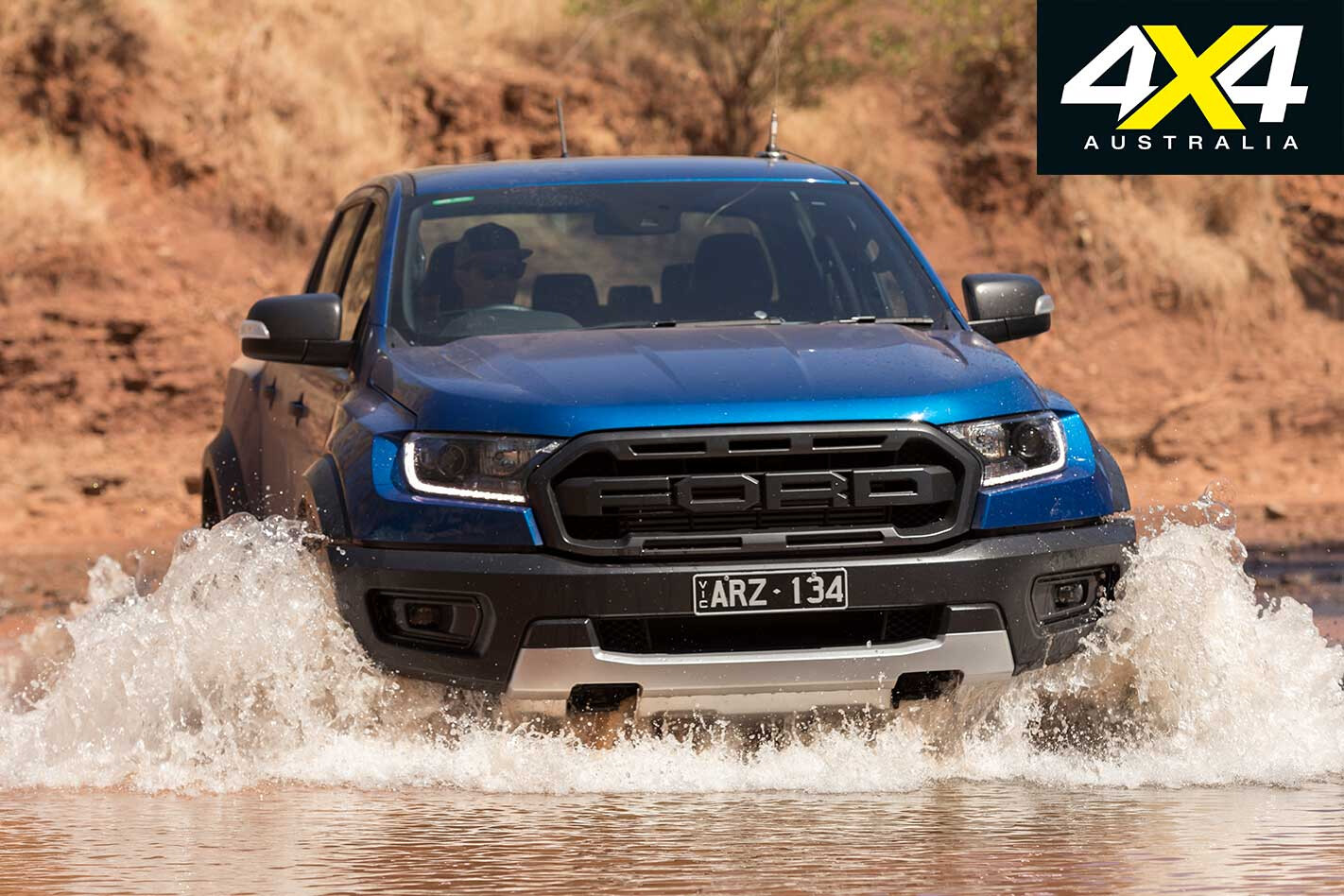
Hopefully the new engine won’t affect the Ranger’s off-road ability, which is currently as good as it gets in its class. One promise the new 2.0-litre engine brings is better fuel economy, which was always a notable negative with the 3.2.
Ford Ranger mid-2018 Year-on-Year sales
| June 2018 YTD | June 2017 YTD | Sales Change |
| 19,216 | 18,563 | +3.5% |
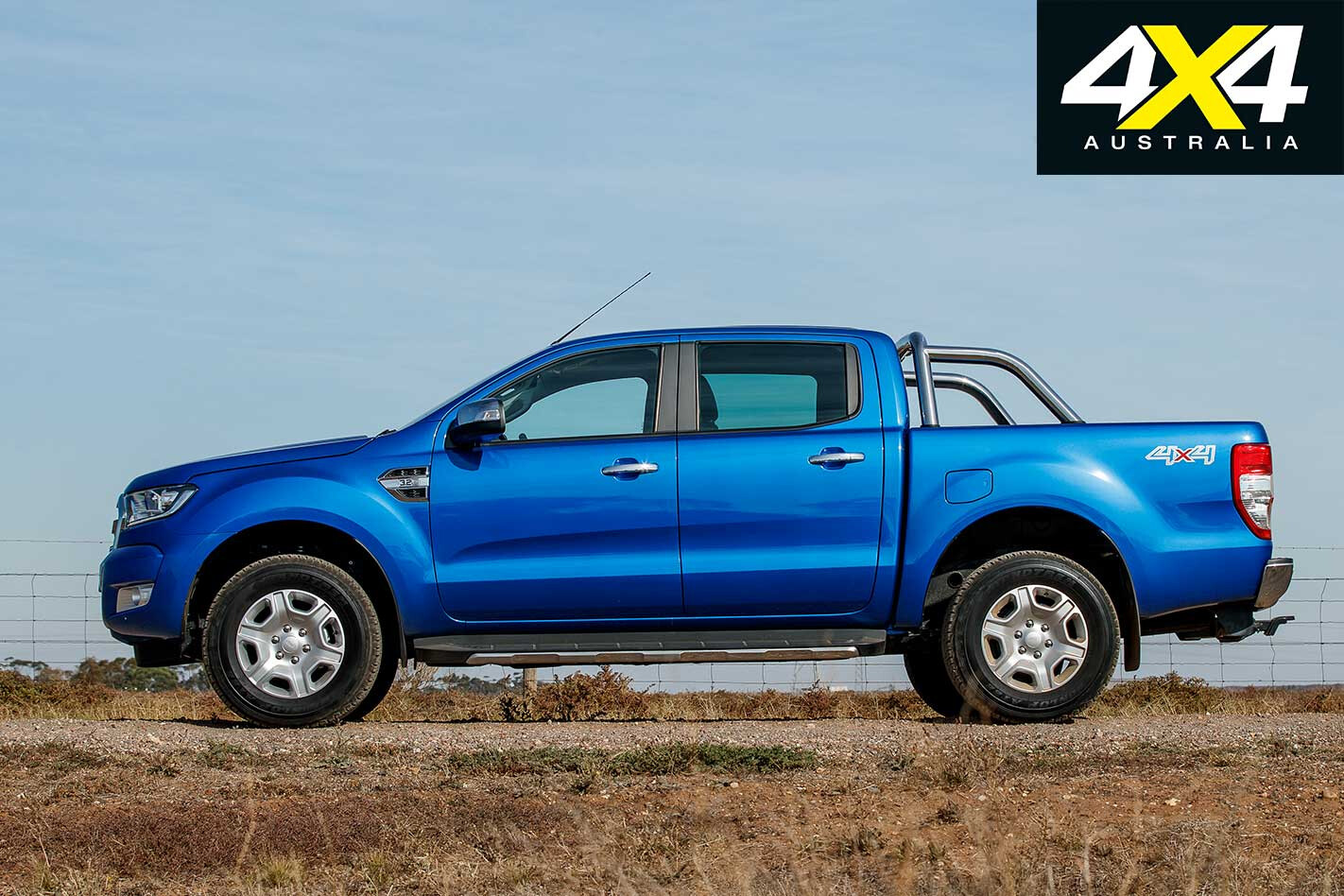
2018 Ford Ranger XLT Specs Engine: 3.2-litre 5-cyl turbo-diesel Power: 147kW at 3000rpm Torque: 470Nm at 1500-2750rpm Gearbox: 6-speed auto 4X4 system: Dual-range part-time Kerb weight: 2159kg GVM: 3200kg Towing capacity: 3500kg Fuel tank size: 80 litres ADR fuel claim: 9.2L/100km
Ranger 4×4 Report Card
| Attribute | Grade |
| Powertrain | B |
| On-Road | B |
| Off-Road | A |
| Cabin & Equipment | B |
| Towing & Practicality | A |
| Final Results | |
| Continues to impress with top off-road, load and tow performance. | |
*Scored against class competitors. A = Excellent; B = Very Good; C = Good; D = Fair; E = Poor; F = Fail.
IN WHAT many industry observers say is bully-boy tactics, global automotive giant Fiat Chrysler Automobiles (FCA) is trying to prevent India manufacturer Mahindra from selling its Roxor, a farm ATV that’s styled much like an original World War II Jeep, or at least the civilian ‘CJ’ version.
FCA owns the Jeep brand and has filed a complaint with the US International Trade Commission to stop the Roxor being sold in the USA on the grounds that it’s an intellectual property infringement on the Jeep design. And while the Roxor does look undeniably like a CJ, the infringement claim is far from clear cut.
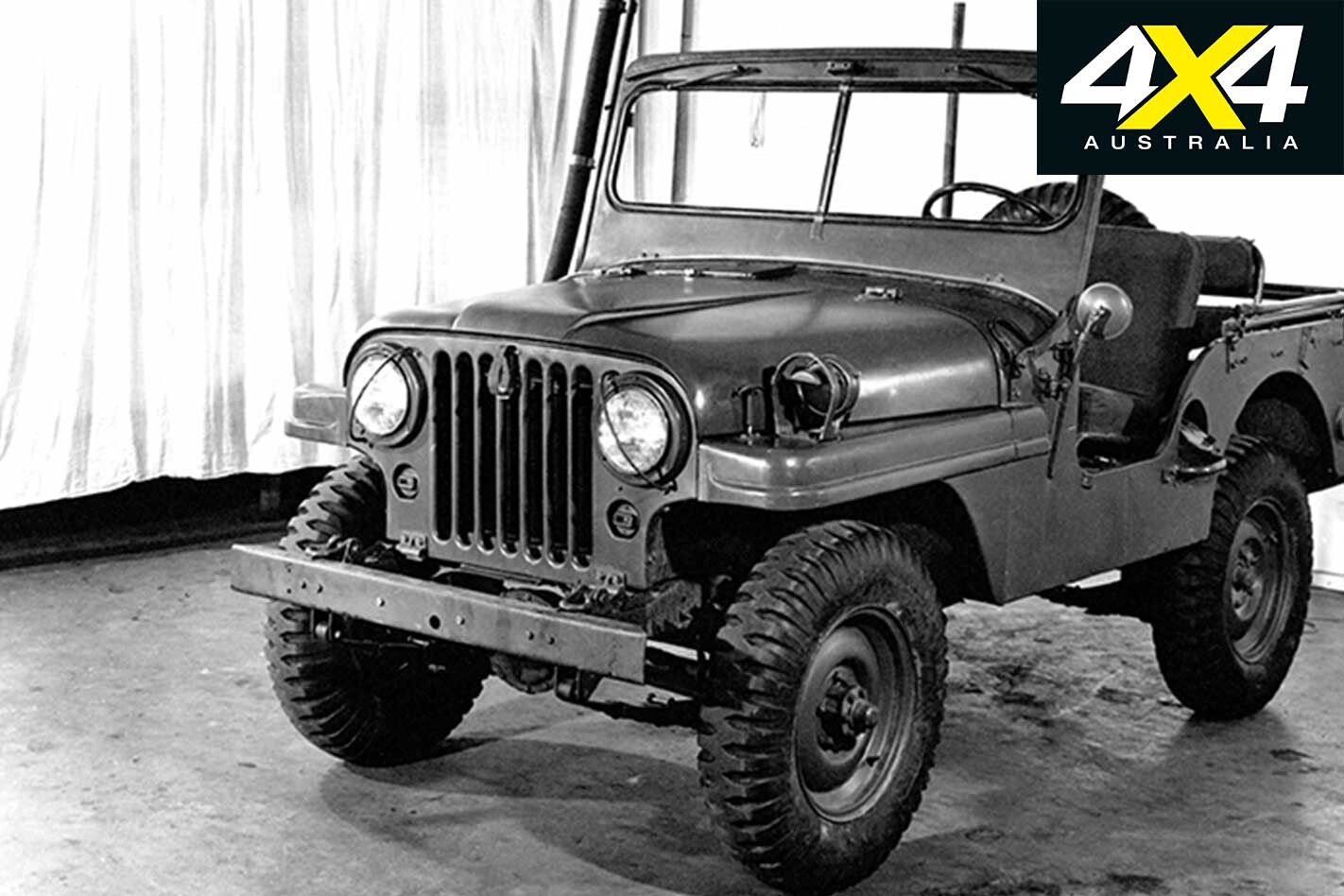
The Roxor has a distinct grille, and in 2009 Mahindra made an agreement with Chrysler not to bring infringement claims against it provided it used a distinct grille design-approved by Chrysler. Trouble is, that agreement was made prior to Fiat’s involvement with Chrysler, as that only came about in 2011 when Chrysler filed for ‘Chapter Eleven’ bankruptcy in the US courts and was in part bailed out by Fiat.
Things are further complicated by the fact Mahindra was founded immediately after WWII off the back of assembling war-surplus Jeeps from knockdown kits supplied and licensed by Willys-Overland, the original owners of the Jeep trademark. Since that time Mahindra has always had a Jeep look-a-like in production, the latest iteration of which is being sold in India as the Thar. As such, you could argue that Jeep is in Mahindra’s DNA as much as it is in FCA’s.
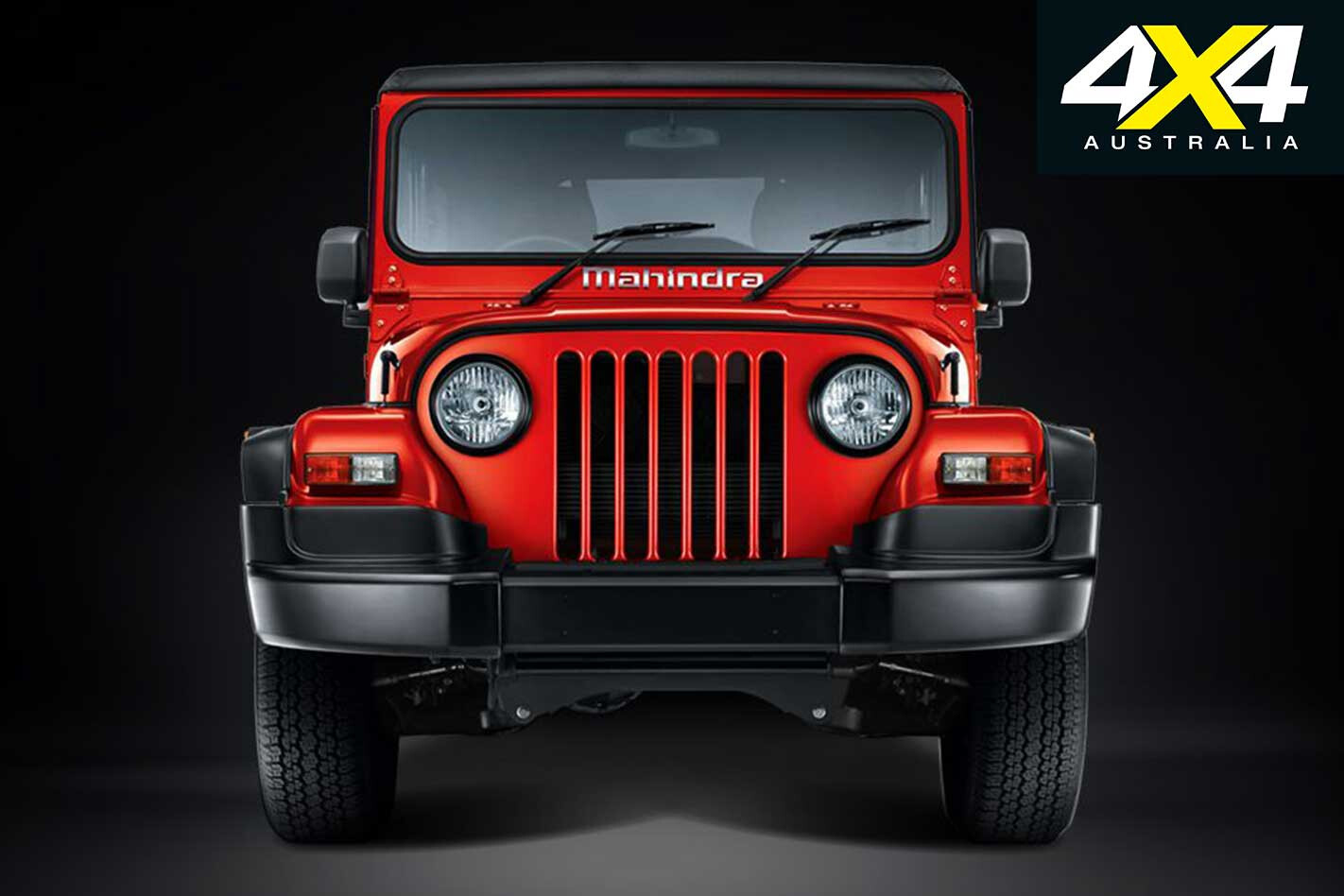
If this doesn’t muddy the waters enough, Mahindra has filed a counter claim in the U.S courts on the basis that the Roxor is produced and sold as a farm ATV that can’t be registered for road use and therefore does not complete against FCA products – such as the Jeep Wrangler – which are all road-legal passenger vehicles.
The fact the Roxor is being built in Michigan, USA, using American workers may be another hurdle for FCA to overcome given the current US administration under Donald Trump is big on keeping jobs in America. If FCA is successful in killing the Roxor, it will kill American jobs. Roxor sales are also highly unlikely to come at the expense of Jeep sales.
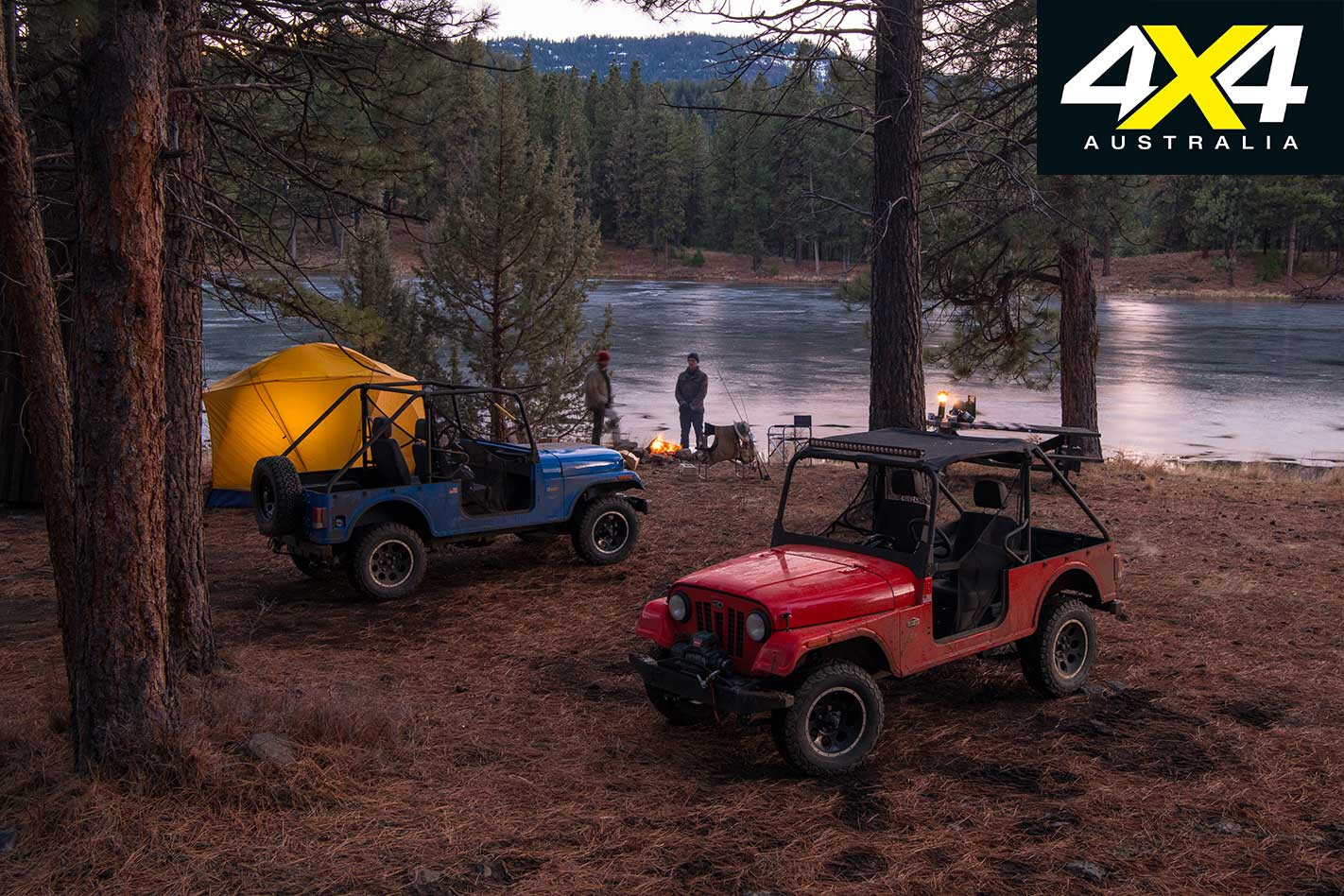
Regardless of how all this plays out in the U.S courts, Australia is still on track to get its own Mahindra Jeep CJ look-a-like in the next few years. In fact, this will be the second coming of a Mahindra ‘Jeep’ in Australia, given Mahindra sold a CJ look-a-like here in the early 1990s.
However, what we’ll get in a few years’ time is a far cry from that, as it will be a next-generation version of the Thar that’s currently sold in India and will come with all the safety and emissions tech. But it will also come with three doors, a soft-top, a separate chassis, a rear live axle, rear locker (and perhaps a front one) and will look like an old-school Jeep CJ. Here’s hoping…
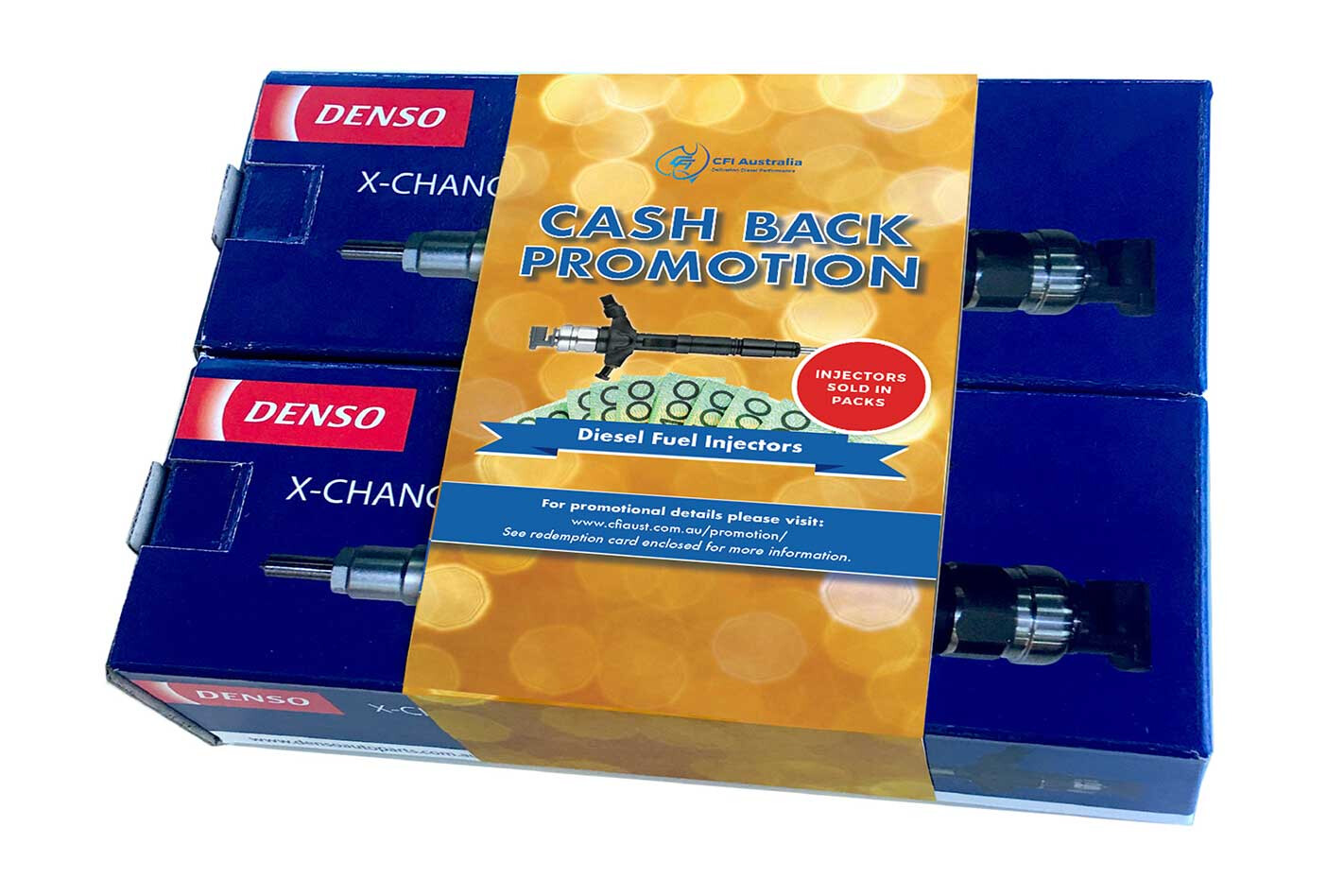
UNTIL October 31, CFI Australia is offering $100 Cash Back on a select number of DENSO diesel fuel injectors.
Customers who purchase these specially marked packs will be given the choice between receiving a $100 EFTPOS card or donating their $100 Cash Back to the Buy a Bale charity. Buy a Bale supports Australian farmers during the harsh drought conditions that they are currently facing.
Diesel vehicles play a significant role in the agriculture industry as they transport produce and livestock within farmland and across the country. CFI Australia recognises that farmers are doing it tough and are struggling to provide for their livestock, which is why the decision was made to support this cause. All donations are greatly appreciated and go a long way in helping rural Australian communities. Transport and distance from supplies are major issues in rural communities. Your $100 donation can transport food and water 25km to a farm for their livestock or can provide enough food to feed a cow for a week.
To donate personally to this great cause, you can do so at www.buyabale.com.au/donate
DENSO injectors are one of the world’s leading diesel injectors. DENSO solenoid injectors provide rapid fuel injection and require minimal quantities of fuel. The injectors allow the system to perform five injections during each combustion stroke. DENSO injectors are built to last. They can sufficiently achieve their high-performance standards up to a fatigue strength of 1800bar injection pressure.
Only selected injectors will take part in this promotion including the injectors for the HiLux, Fortuner and Prado Toyota models. These specially marked promotional packs of four injectors will be available to all authorised DENSO service dealers across Australia. There are numerous registered DENSO dealers participating throughout each state. To find out more about this offer or to find a dealer near you, please visit the CFI Australia website at: www.cfiaust.com.au/100cashbackoffer/.
Customers will have a maximum limit of five claims. Claims must be made within 30 days of purchase. To redeem the offer, purchasers are required to provide details including their name, email address, proof of purchase (copy of invoice), the date of purchase, postcode, Vehicle Identity Number, vehicle registration, details of reseller/ service agent and the unique promotional code that is provided in the box. The Cash Back Offer redemption form can be found online at www.cfiaust.com.au/Cashbackoffer.
CFI Australia is the only licensed remanufacturer and distributor of DENSO Diesel fuel injectors in Australia. For more information about their products and services, visit http://www.cfiaust.com.au/ or call (03) 9267 8700.
THE Hilux is not just the best-selling 4×4 in Australia, it’s the country’s best-selling new car overall; the only ute to achieve that distinction. It first got there in 2016, after 12 years as Australia’s best-selling 4×4.
Last year, however, the Hilux was deposed as Australia’s best-selling 4×4 by the Ford Ranger. Toyota responded by fleshing out the Hilux model range by fitting alloys and sat-nav to the work-spec SR to create the SR+, and adding heated seats to the SR5+ to match top-spec rivals. Then came a range of accessorised models, first the TRD and then more recently the Rogue, Rugged and Rugged X.
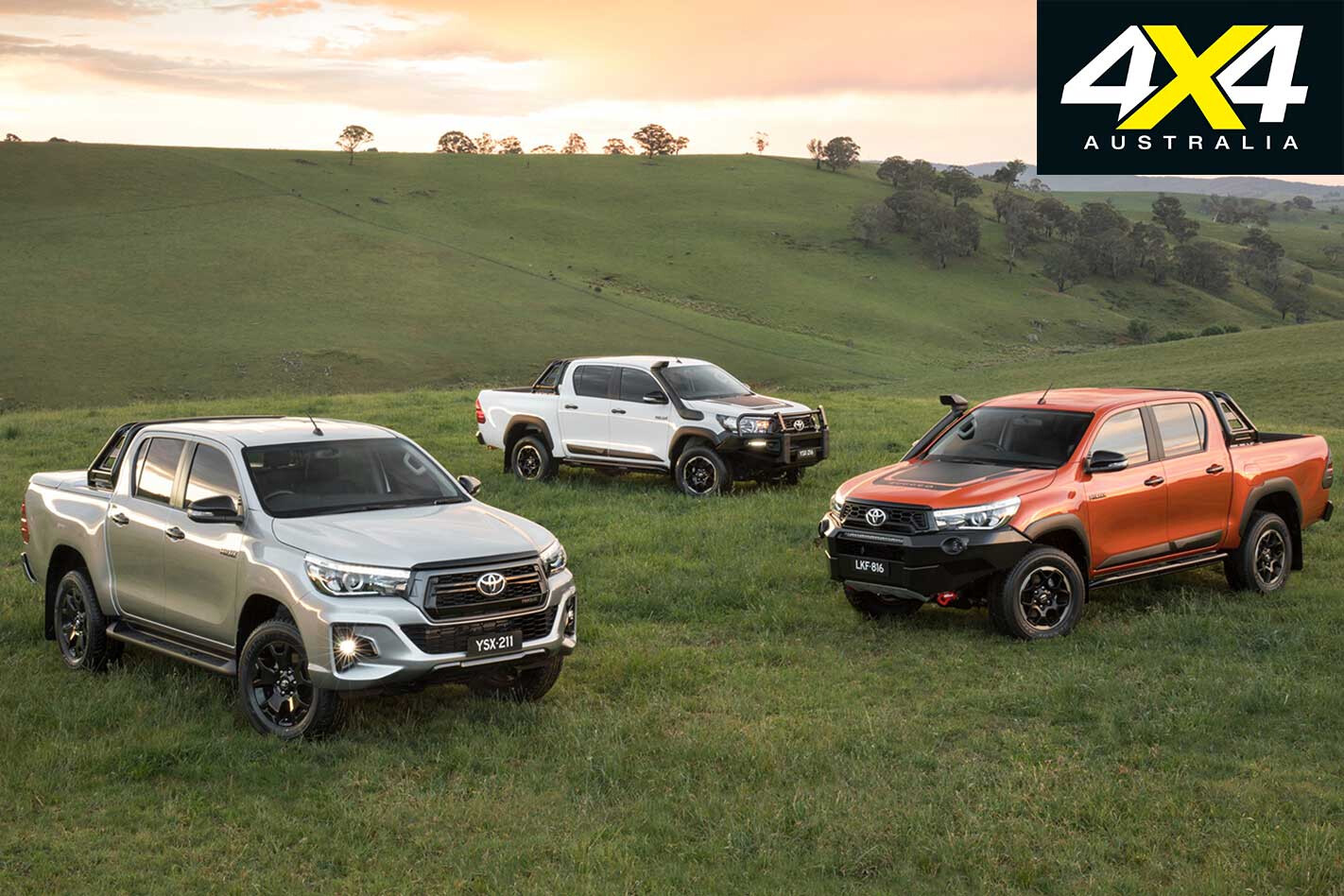
Compared to the first six months of 2017, Hilux 4×4 sales are up 12.2 per cent, sufficient to see it squeeze back in front of the Ranger by a mere 21 units, despite Hilux buyers no longer having the option of the petrol V6. Dual-cabs make up 86 per cent of Hilux 4×4 sales, with single and extended cabs evenly split in the remaining 14 per cent.
Somewhat controversially, Toyota decided to downsize from a 3.0-litre diesel four to a 2.8-litre four in this latest generation Hilux, which puts it at a disadvantage against the notably bigger 3.2-litre five-cylinder engine in the Ranger, in a market where smaller engines are seen to work harder than bigger engines to do the same job.
While the 2.8 is well short of the Ranger – let alone the Amarok V6 – in performance, it is a quiet, refined and nicely flexible engine. Three-quarters of all Hilux 4×4 buyers opt for the six-speed automatic despite its tendency to shuffle between fifth and sixth gears at legal highway speeds on undulating roads, which makes the manual the better choice for country driving.
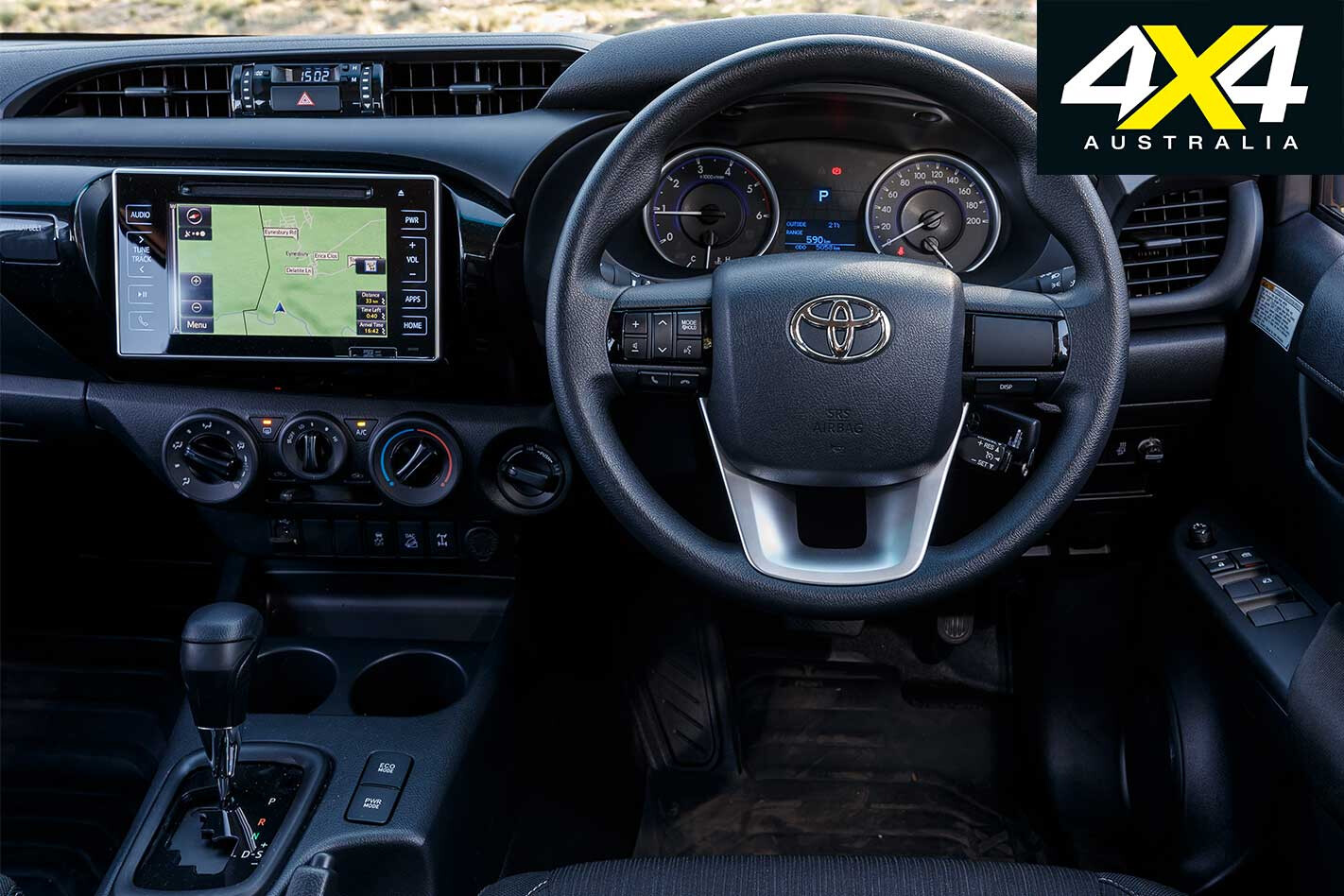
There’s no doubting the Hilux’s off-road ability, though, which is as good as it gets in its class. Build quality, day-to-day ownership practicality and aftermarket support are also second to none, but the Hilux’s cabin size and maximum tow and load capability is behind most rivals.
Toyota Hilux mid-2018 Year-on-Year sales
| June 2018 YTD | June 2017 YTD | Sales Change |
| 19,237 | 17,140 | +12.2% |
2018 Toyota Hilux SR+ Specs Engine: 2.8-litre 4-cyl turbo-diesel Power: 130kW at 3400rpm Torque: 450Nm at 1600-2400rpm Gearbox: 6-speed auto 4X4 system: Dual-range part-time Kerb weight: 2075kg GVM: 3000kg Towing capacity: 3200kg Fuel tank size: 80 litres ADR fuel claim: 8.5L/100km
Hilux 4×4 Report Card
| Attribute | Grade |
| Powertrain | C |
| On-Road | C |
| Off-Road | A |
| Cabin & Equipment | C |
| Towing & Practicality | B |
| Final Results | |
| Back on top, but needs more to keep it competitive. | |
*Scored against class competitors. A = Excellent; B = Very Good; C = Good; D = Fair; E = Poor; F = Fail.
EARLIER this year, BFGoodrich launched a free app on the Apple iTunes store in an effort to make off-roading in the Aussie bush stress-free.
As well as live tracking, the BFG Off Road Escape app provides users with access to a bunch of free offline maps. The app gives punters the ability to plot routes, save pins with notes, and search for locations within the offline maps. Users can also create a profile with vehicle information, and get access to 4×4 tips and advice from BFGoodrich.
In addition to this, the company has streamlined the registration process and user interface to make the entire experience even easier. BFG also recently launched a Facebook group where app users can share their thoughts, feedback and trail experiences. The Facebook group can be found here: https://www.facebook.com/groups/732367760441775/about/
The app requires iOS 10.0 or later and is compatible with iPhone, iPad and iPod touch. The free app is currently only available through the Apple iTunes store. Sorry, Android users.
YEAR-ON-YEAR sales of new 4x4s continues to boom, thanks largely to 5893 more pick-up/cab-chassis variants being sold in the first half of 2018 compared to the first six months of 2017 (88,997 versus 83,104), representing a healthy 7.1 per cent increase.
Utes, led by Toyota’s Hilux, which has squeezed back past Ford’s Ranger into top spot, are the dominant force in the 4×4 market. Some 80 to 90 per cent of utes sold are dual-cabs, reflecting their repositioning away from being work vehicles.
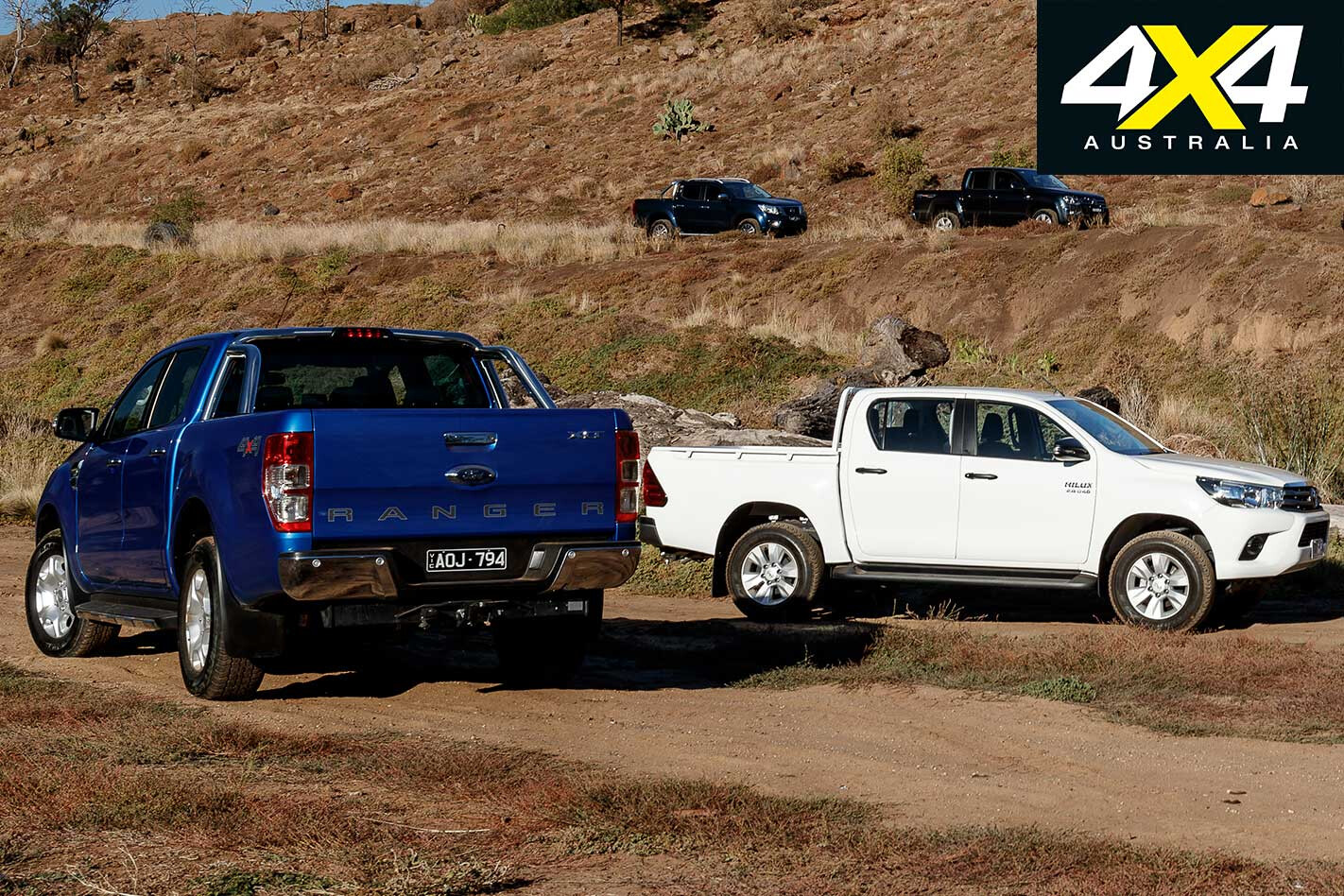
Against this ute-dominated background, sales of dual-range 4×4 wagons are also generally up, with Toyota’s Land Cruiser 200 Series increasing more than 12 per cent in year-to-date (YTD) sales to match the Hilux’s rise.
Toyota’s Prado has also done well to climb up to fourth in YTD sales. Making it a very Toyota-flavoured start to the year, the Land Cruiser 79 Series has also climbed into the top 10 after years of hovering just outside.
However, not all of the top 10 are winners, with the Holden Colorado, Nissan Navara and Mazda BT-50 all sliding in popularity.
So that’s the big picture, but how do these top 10 shape up in detail? – Ford Ranger – Holden Colorado – Isuzu D-Max – Mazda BT-50 – Mitsubishi Triton – Nissan Navara – Toyota Hilux – Toyota Land Cruiser 79 Series – Toyota Land Cruiser 200 – Toyota Prado
AIRBAG Man has released its Wireless On-Board Air Supply Kit to suit all rear Airbag Man Suspension Kits for leaf spring and coil spring applications.
The primary focus of the kit is to ease the inflation and deflation of the airbags via the touch of a button. The airbag kit will also “prevent bottoming out, maintain a level ride height, and eliminate spring sag,” Benny adds in the above video.
The light-weight kit is easily added to existing air control systems and comes with a brushed-finish key fob controller with button shield, which allows individual control of the two airbags. Features include a compact 200psi valve block with sealed connectors; a 200psi heavy duty compressor; a 0-100psi Dual Digital Gauge; an easy to mount, pre-programmed receiver; and a two-gallon air tank 150psi.
The kit also comes with a tyre-inflation coil and wand.
Please note, the air tank and compressor bracket are not included in the standard Air Supply kit, so you’ll need to contact the Airbag Man team for further info as they are sold separately.
Watch the above video for more information and to see Jacob and Benny from Airbag Man install the kit.