
AS WE head into the last quarter of the year, the launch I’m most looking forward to is the Suzuki Jimny Sierra. The pint-sized off-roader gets a new body and powertrain for 2019, yet it retains its ladder chassis, live axles and dual-range transfer case, so it should remain a great little 4×4.
Suzuki has already shown the new Jimny to the world, but it won’t be on sale here until early next year. The new three-door body is as boxy as ever, boxier than the last model in fact, and it just looks like a 4×4 should: functional and built for purpose, despite its size.
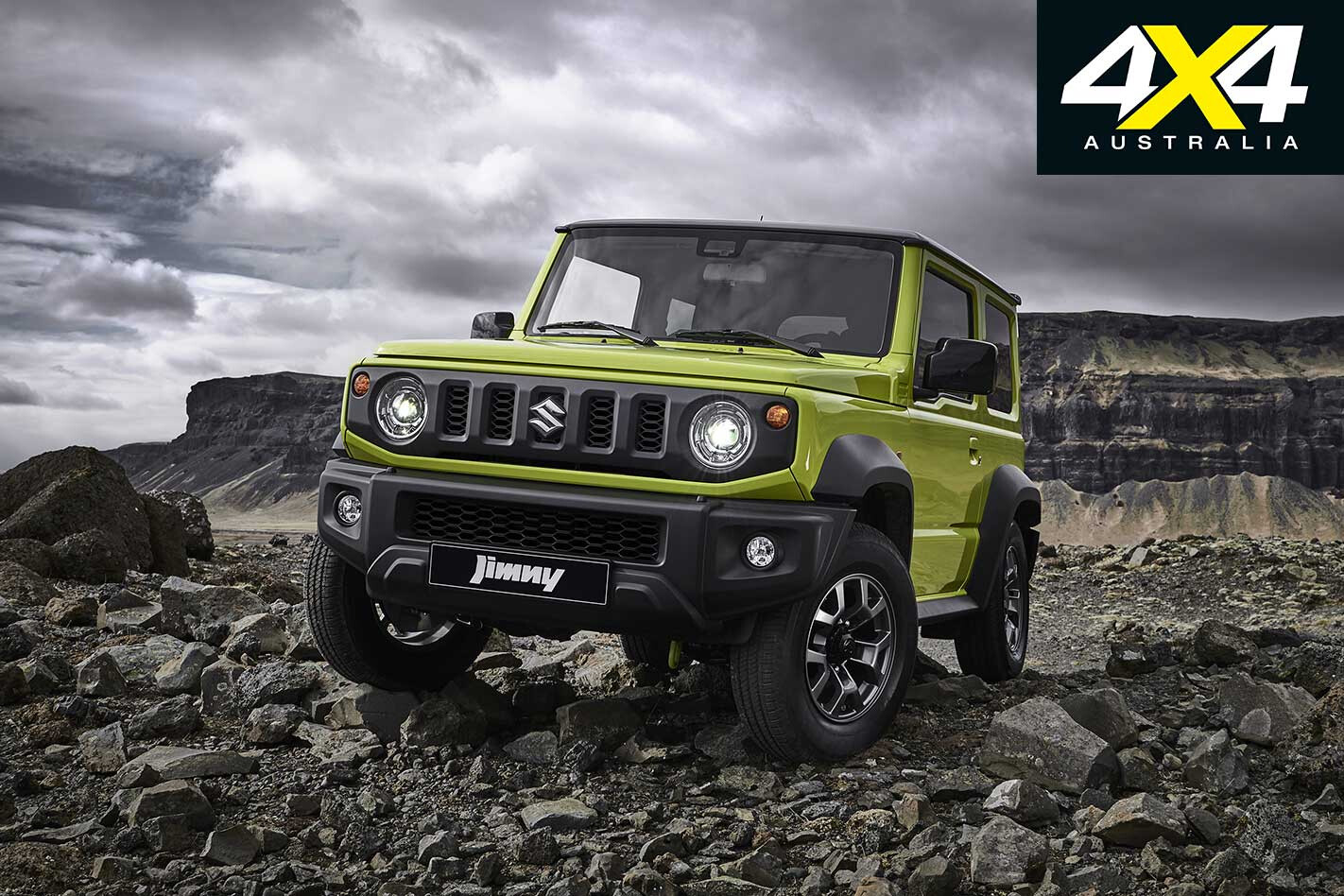
Suzuki has a long history of great four-wheel drive vehicles, starting with the tiny two-stroke LJ models right up to the new car. Most of them have been two-door soft- or hard-top vehicles, and there were a few long wheelbase and cab-chassis variants along the way. The LWB cab-chassis was called the Stockman, and it’s still a farmer’s favourite thanks to its off-road ability, functionality, simplicity, light weight and durability.
We reckon Suzuki would be on a winner if it replicated the ute in the new model. In fact, we reckon Suzuki could really use the interest in this new Jimny Sierra to launch a family of great little 4×4 wagons and utes. Think back to when Jeep launched the JK Wrangler in 2006.
The Wrangler had almost always been a SWB two-door soft-top, but when Jeep launched the JK it also debuted a four-door Unlimited version built on a long wheelbase, it re-engineered the removable hard-top to make it more versatile, and a diesel engine was even fitted to it.
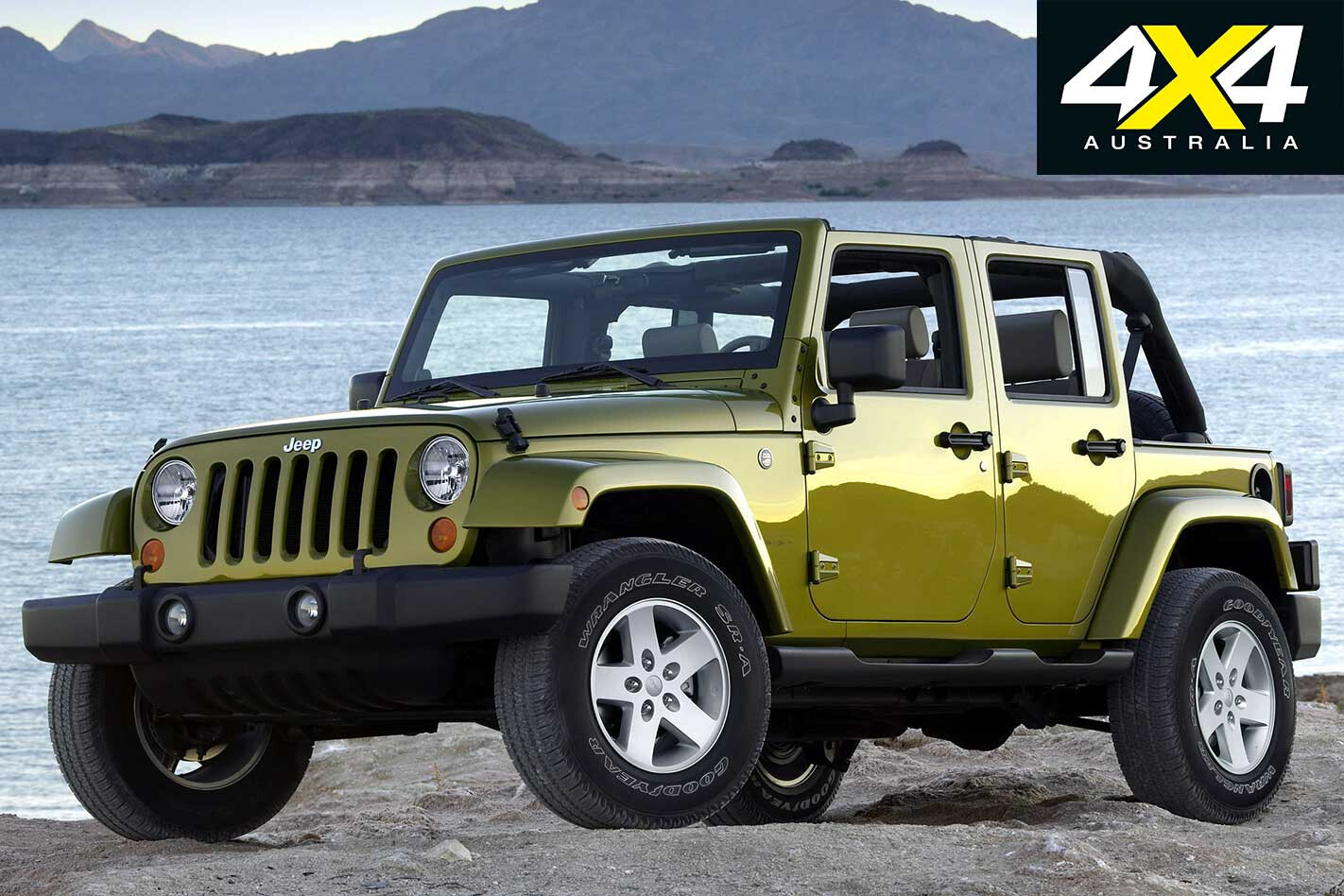
These new variants of the iconic Wrangler proved to be a sales boon for Jeep, and they sold a heap of them. Here we are about to see the JL Wrangler succeed the JK in Australia, and Jeep will even be adding a double-cab pick-up to the mix.
Imagine a LWB Jimny with four doors to make it more applicable to family use; and single- and double-cab Stockman utes with a little diesel engine in them would be popular with both families and farmers. A whole family of new Jimnys would reinvigorate the name plate by appealing to a much wider buying audience.
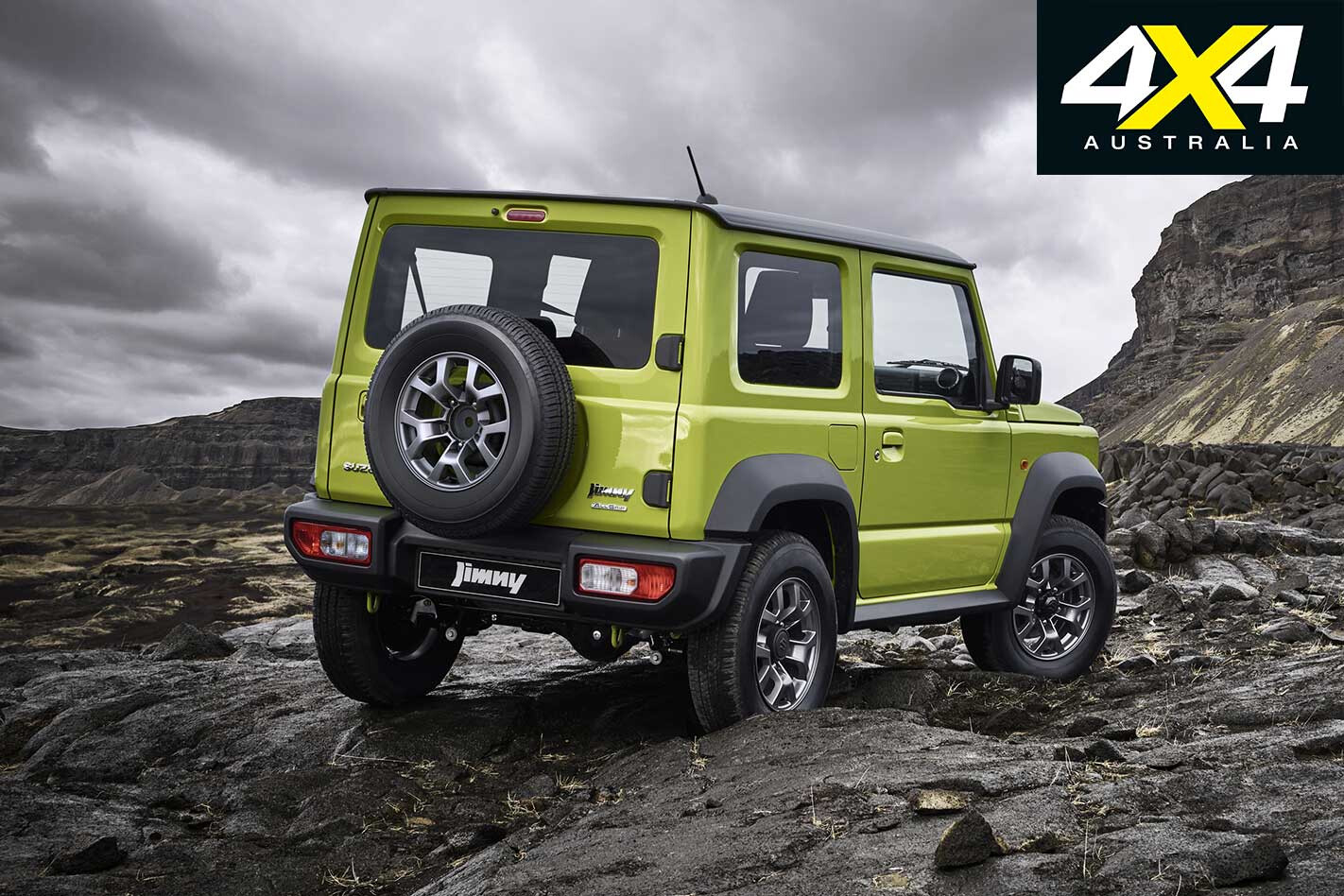
This would spark a new breed of Suzuki enthusiasts modifying them to suit their needs, in-turn fuelling the aftermarket industry to produce products for them. It would be a win-win situation for buyers, the industry and the manufacturer. So what do you reckon, Suzuki? What else have your engineers and designers got on their notepads and wish lists?
TROOPCARRIERS of Australia (TOA) recently held its annual Winter Ramble – this year called Freezin’ for a Reason – in the remarkably picturesque Coorongooba Campground, near Glen Davis in NSW.
The annual event raises money for men’s health via the Black Dog Institute, but it also provides the opportunity to form and rekindle friendships, as well as share stories of all things Troopy, travels and adventure. A few members within the group were lost to depression, so this year’s event was dedicated to those fine men.
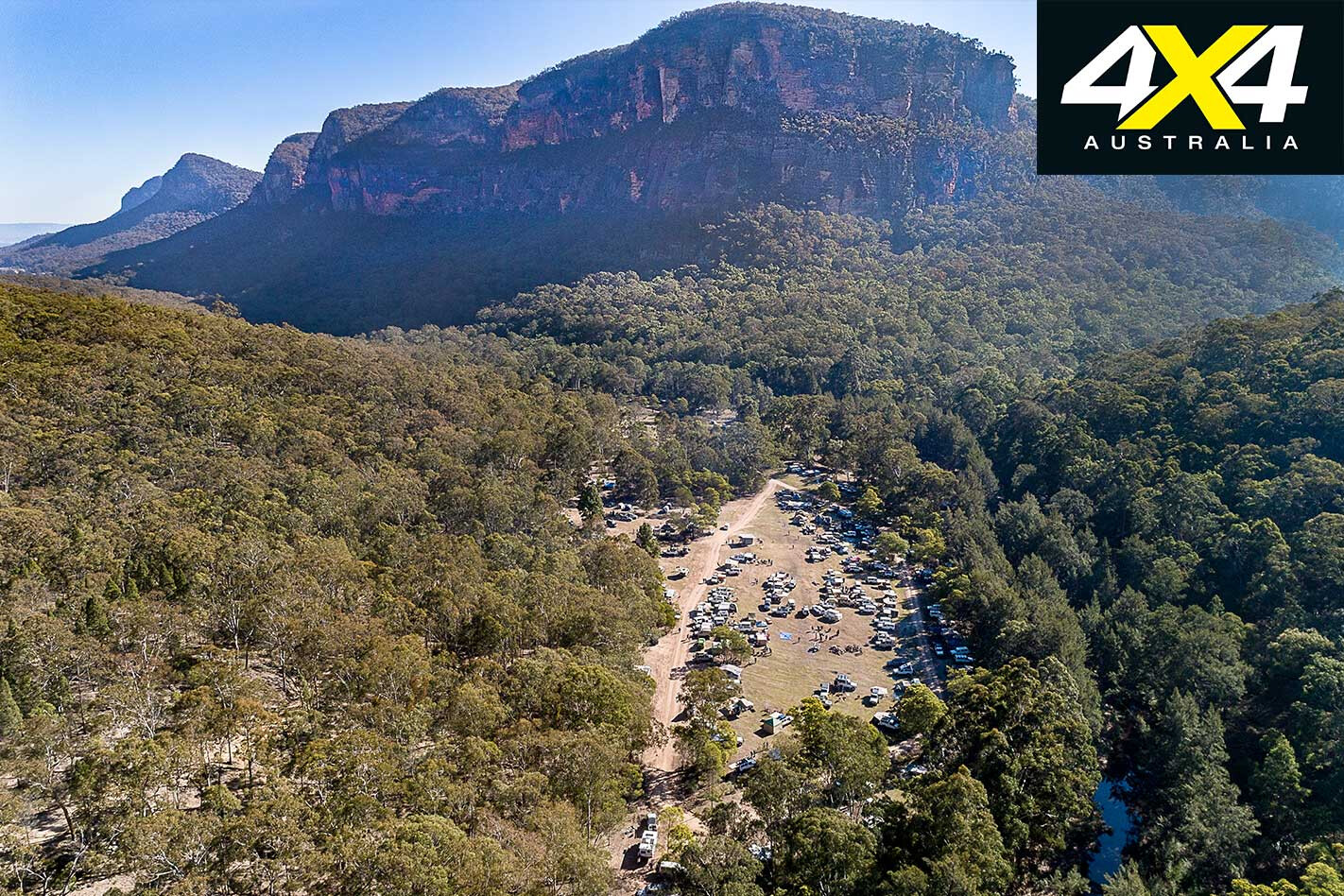
A few years ago, a few mates had the idea of starting an online 4×4 group specifically catering for Troopcarriers, and thus Troopcarriers of Australia was born thanks to Michael Shaw (yep, it’s from his missing finger that the ‘Shawry Salute’ is derived), Cal Tomlinson and Dan Smith.
The 2014 Ramble saw just a handful of Troopies (17), but participation numbers have rapidly increased since – 76 in 2015, 150 in 2016, and just shy of 200 in 2017. While this year’s event didn’t crack the 200 mark (it was down to 165), the event managed to raise a massive $18,500 for charity.
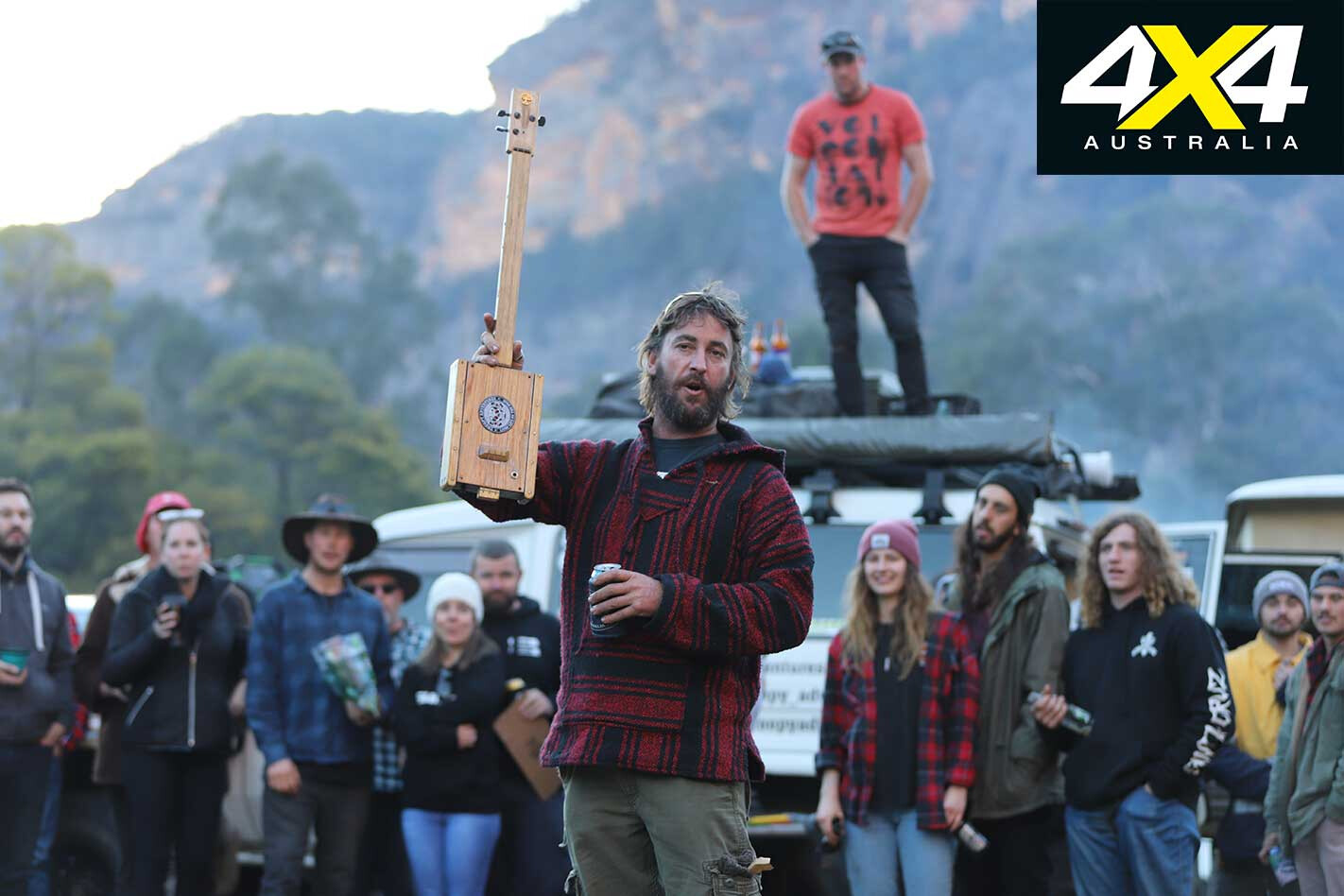
Many members donated goods for raffles and the auction on the Saturday night, and the bidding was feverish: $250 for designer cushions that retail for less than 50 bucks; $1250 for a hand-made guitar; and… wait for it… a bag of spinach for $50. There were also barbecues held at CMS 4×4 and All Four x 4 Spares, plus entry donations for camping helped fill the bucket. Well done to everyone for helping to raise much-needed money for such a worthy charity – especially the organisers, of whom there are many.
We all knew it was going to be cold this particular weekend – it was the middle of winter, after all – but no-one expected temperatures of -7°C and -8°C. This saw the communal campfire, as well as the many individual fires at each campsite, surrounded by Troopies, with punters camped in swags, rooftop tents, ground tents, camper-trailers and caravans.
Along with the general meeting and greeting, there were cricket matches, merchant tents, sumo bubble-suit crashes and a ladies’ high tea; although, I heard mention that the tea and scones were swapped for beer and bacon. All up, a pearler of a time was had by all who attended.
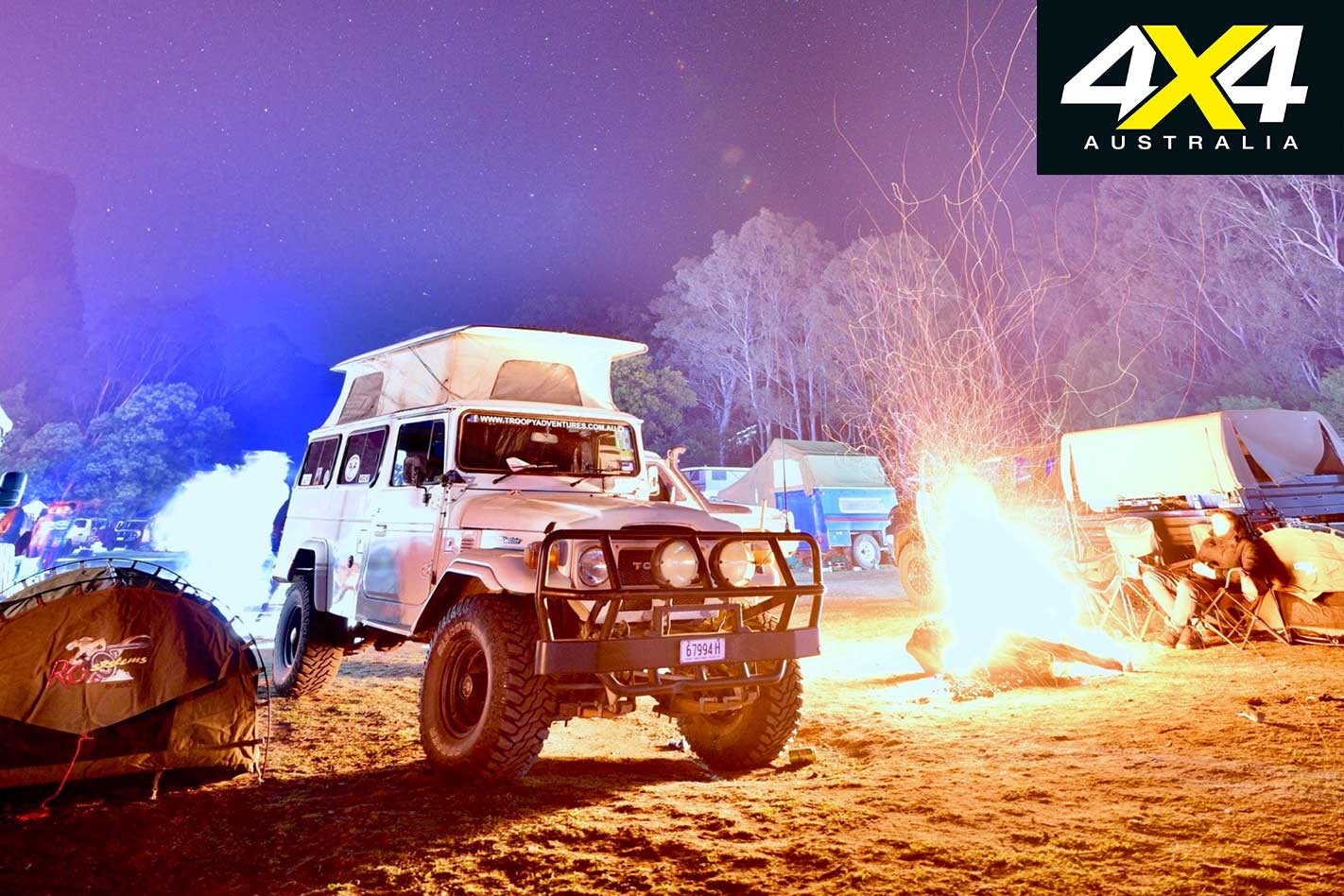
Troopcarriers of Australia isn’t really a ‘club’; it’s more a group of like-minded people who are always ready to help each other out. There are no fees, no insurance implied, and the only rule is to play nicely with one another. And, if you need to know something Troopy-related, there is no better mob to throw your question at.
There are other Rambles throughout the year during spring and summer, in various locations around Australia. If you’re keen and own a Troopy check out the Troopcarriers of Australia on Facebook and join in the fun. You could do a lot worse if you’re looking for a laid-back community to belong to.
And the winner is…
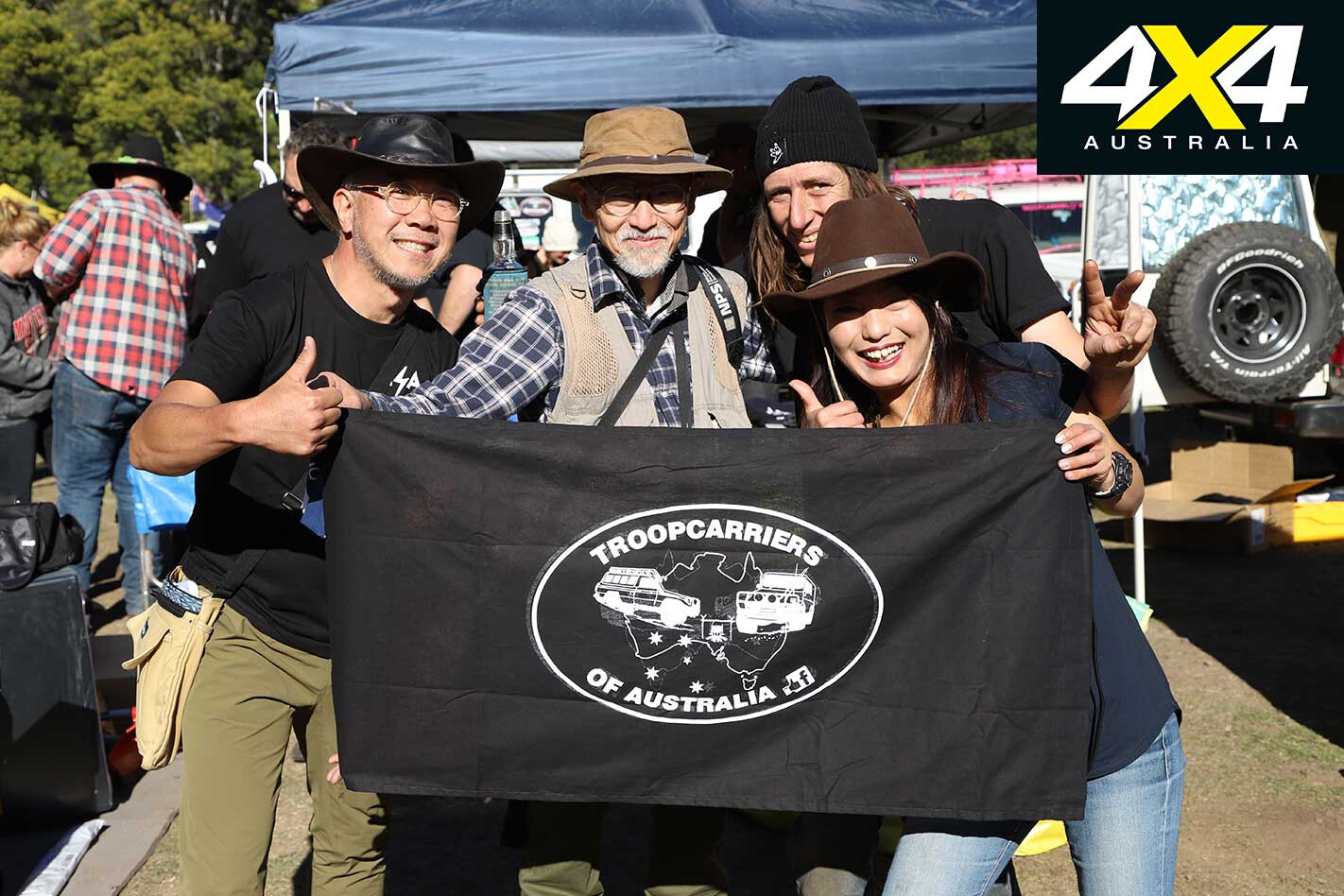
THERE were many awards and prizes given out during the event, including the farthest travelled which went to three TOA members from Japan. Well done to Takeshi, Masakatsu and Ayako, and thanks for the beaut flags you brought with you.
Best 40 Series Dave Coventry
Best 70 Series Brett Goldie
Best Pop-Top Dan Smith
People’s Choice Ivan Biscan
Some workshops recommend non-genuine parts because they reduce costs and thereby your total invoice. The real value is in the durability and efficiencies of running your vehicle when it comes to fuel consumption. Fuel efficiencies can be affected and have an added hidden cost in the long term of non-genuine fitted parts.
The OEM industry understands what it means to run an engine at peak performance and that’s why they choose to have DENSO injectors fitted when manufacturing new vehicles. Unauthorised aftermarket repaired injectors don’t often run at optimum performance as designed. DENSO remanufactured X-Change injectors get restored back to original specifications as set by the OEM manufacturer.
DENSO is a leading manufacturer of diesel fuel injectors and pumps in Australia. For over 65 years they built themselves into the top provider of high quality vehicle parts. All DENSO products are made with the highest level of care ensuring that they provide a reliable, long-term solution for vehicles. Unlike DENSO injectors, unauthorised aftermarket repaired injectors may not be running at the optimum performance as designed. DENSO remanufactured X-Change injectors get restored back to original specifications as set by the OEM manufacturer.
CFI Australia is the only remanufacturing facility in Australia authorised by DENSO to conduct the remanufacturing of DENSO injectors. DENSO provides genuine injector components remanufactured through a rigorous controlled process. All injectors are calibrated by certified equipment and the calibration codes get recorded on each injector body. These new codes are keyed into the ECU of your vehicle during the installation and provide the correct data to make sure each injector is performing correctly. All the data collected from the remanufacturing process is sent directly to DENSO Japan where results are monitored.
DENSO remanufactured X-Change injectors after re-calibration.
DENSO X-Change injectors are remanufactured to a high standard. They are required to pass the same factory tests that new injector must meet. As a result, X-Change injectors are backed with the same warranty as any new injector.
When you purchase these injectors packaged in the X-Change blue box, you know that it has gone through the authorised remanufacturing channel. The DENSO X-Change Diesel injector program is only sold and supported throughout the DENSO Authorised Diesel Service Network in Australia, New Zealand and Oceania regions. So whenever you are considering to purchase a remanufactured diesel injector, “If it’s not blue, it’s not true”.

Until the 31st of October, CFI Australia is offering $100 Cash Back on a select number of DENSO diesel fuel injectors. Customers who purchase these specially marked packs, will be given the choice between receiving a $100 EFTPOS card or donating their $100 Cash Back to the Buy a Bale charity. For more information, visit www.cfiaust.com.au
THE RECENT brouhaha over vehicles getting defected in Queensland because of that state’s vehicle modification laws being different to those in other states seems to have brought on change.
The office for the Minister for Transport and Main Roads, The Honourable Mark Bailey MP, today issued a statement saying that the Queensland laws will be changed next month.
“Next month we will be changing sections of the Queensland Code of Practice, which governs vehicle lift rules,” Mr Bailey said.
“These changes, which follow consultation between my department and industry, will raise the maximum lift certifiable in Queensland from 125mm to 150mm.
“Importantly, this will make Queensland’s maximum lift, with certification, consistent with the National Code Practice and other states.
“For vehicles with Electronic Stability Control (ESC), vehicle owners will be able to raise their vehicles up to 75mm (incorporating a maximum of 50mm suspension and 25mm tyre increase) without certification.
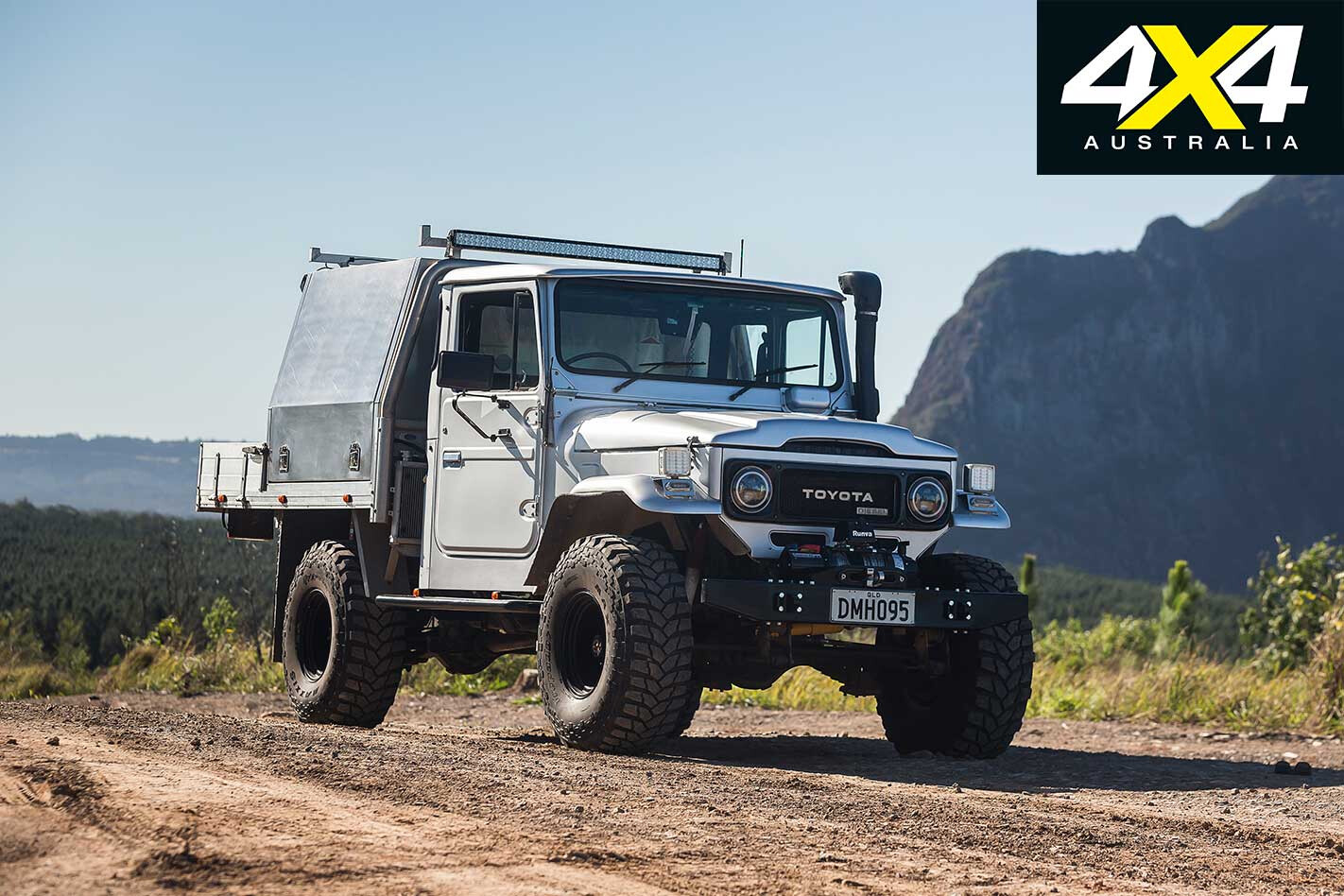
“Queensland already allows such a lift for non-ESC equipped vehicles.
“The move to 75mm without certification, for ESC vehicles will ensure consistency with the rules in NSW and Victoria.”
Mr Bailey said Transport and Main Roads would continue to consult with industry on other aspects of the code, including how to best maintain ESC functionality with the final version of the new Queensland Code of Practice to be released in October.
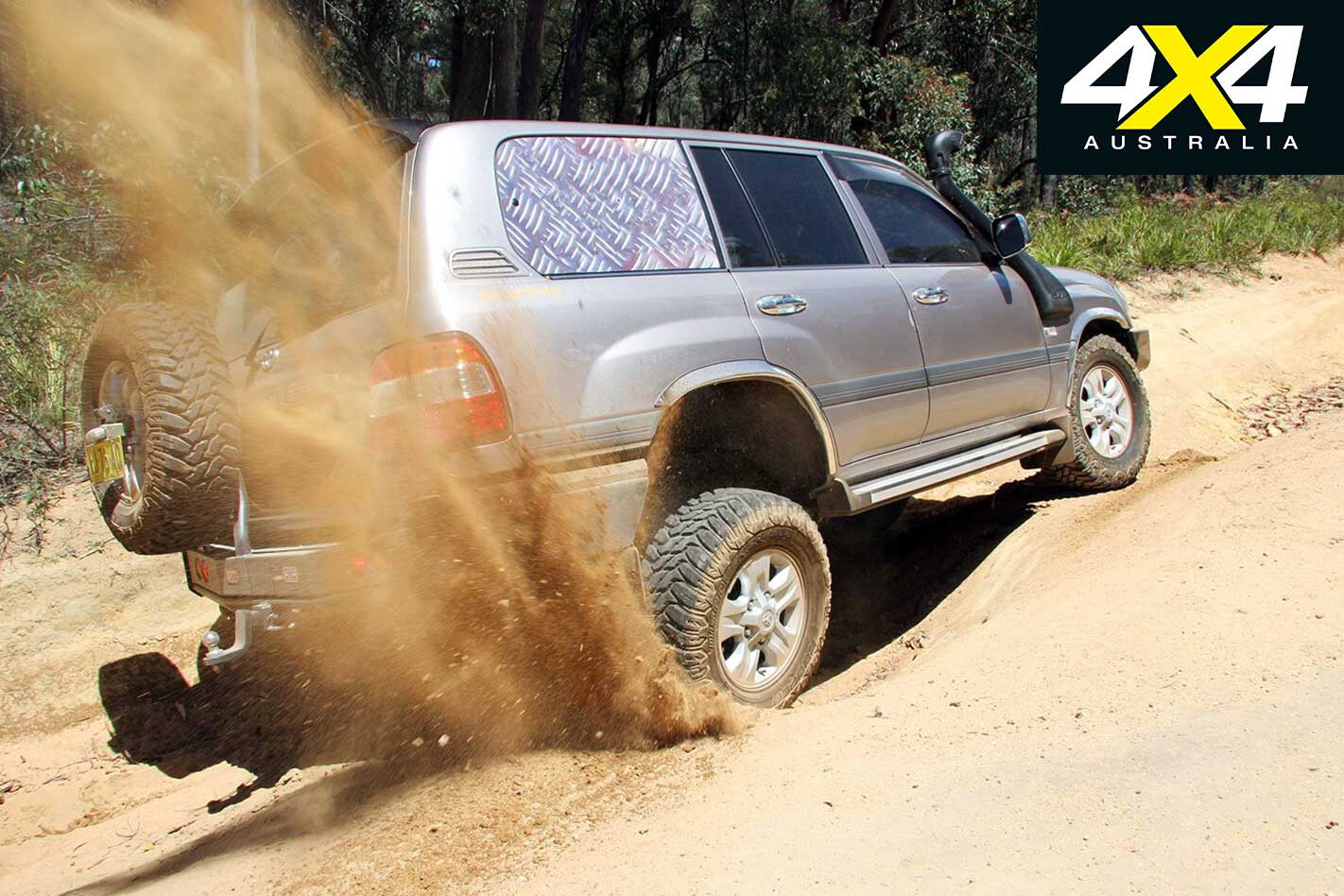
These changes come on the back of a raft of vehicles being impounded and defect notices issued as part of a campaign by Queensland authorities to enforce the laws there which differed to those in other states.
Not all the defect notices were related to vehicle lift/height and at this point other regulations will remain the same. Issues such as tyres extending outside of the bodyline, unapproved modifications, and height increases above the allowable limits will continue to be enforced, as they are in other states.
This is a step in the right direction for four-wheel drivers in Queensland and drivers of modified vehicles heading to or passing through that state.
NISSAN fronted up at the IAA Commercial Vehicles Show in Hanover, Germany with another concept based on its Navara dual cab. The Dark Sky concept was designed to be able to tow its high-powered telescope-equipped trailer to wherever the best sky is for stargazing, no matter the terrain.
The vehicle features a bespoke body kit, recovery winch, LED lighting and a custom interior. The LED lighting continues in the cargo bay where there are load rollers to make getting gear in and out easier. Oversize Cooper all-terrain tyres add the Navara’s off-road ability.
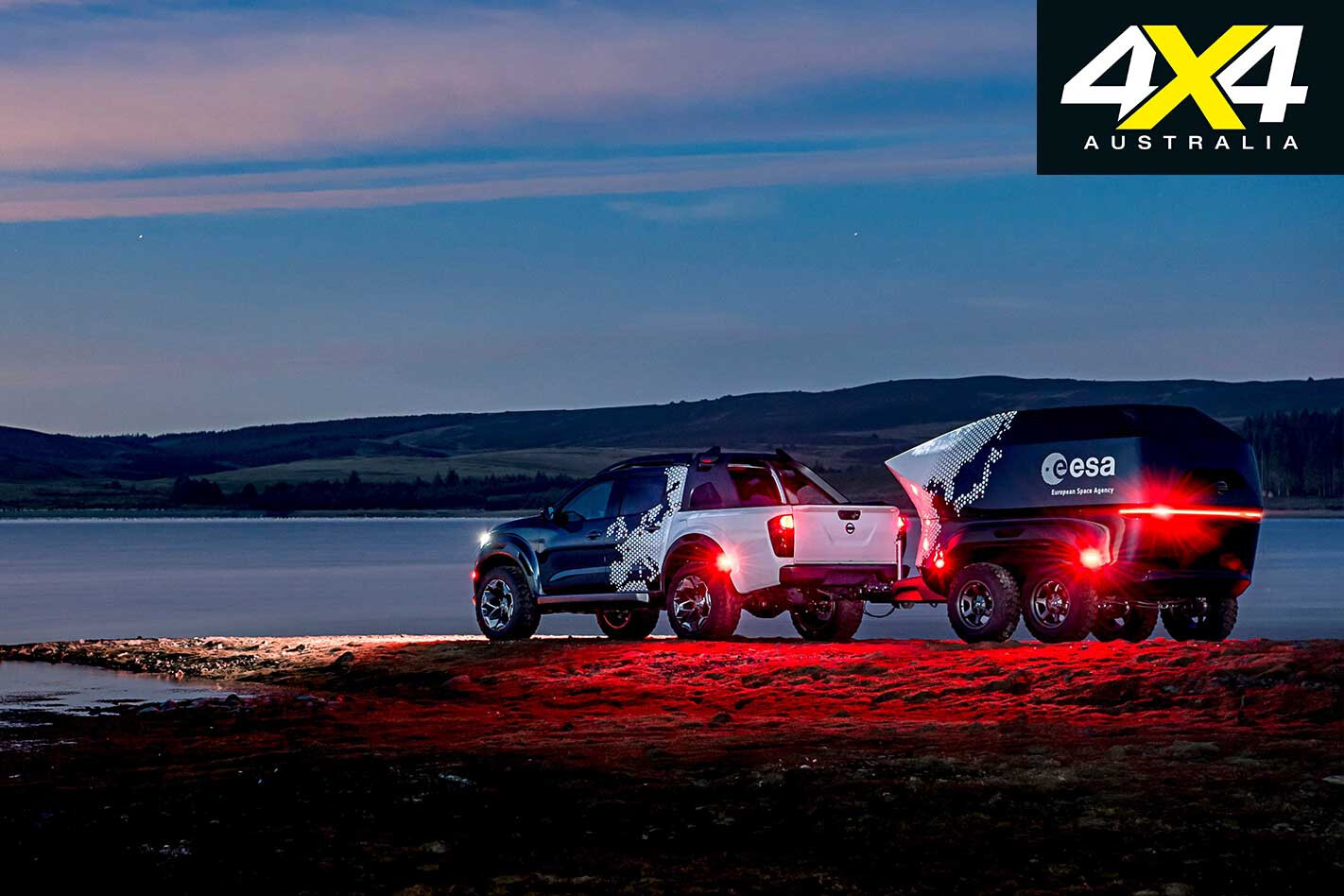
The dual-axle off-road trailer carries an ultra-high performance PlaneWave telescope. Thanks to the Navara’s intelligent towing capabilities, the telescope module can be towed easily to remote off-road “dark sky” locations, where the best atmospheric conditions for stargazing are found.
AS WE age and things begin to creak and groan, we start to slow down, take things a wee bit easier and get (more than) a bit lazy.
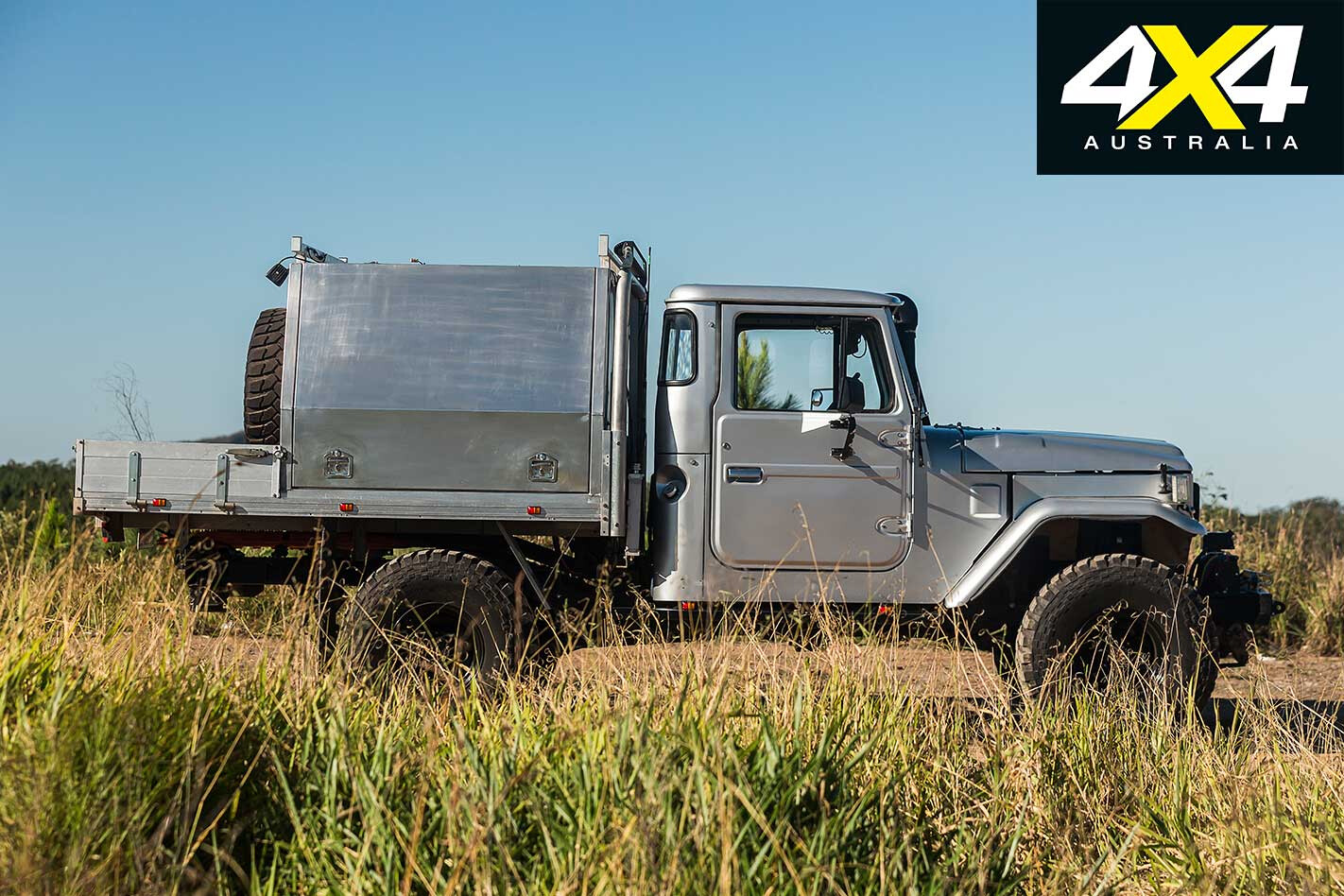
This tough HJ47 Land Cruiser turns that whole downward slide concept on its head, having clocked up 36 years of reliable service, taking owner Daniel Horne (and his dad before that) to some of Australia’s most iconic off-road destinations. And it’s still going strong. So, yeah, age – in the case of this rugged rig – is just a number.
KEEPIN’ IT IN THE FAMILY
WHEN I catch up with Dan he is at Birdsville, having just completed the big drive from his Brisbane homebase and about to tackle a Simpson Desert crossing. For many of us, even the thought of heading across the Simmo in an old 4×4 is scary, but for Daniel it’s not even an issue.
A diesel mechanic by trade, he’s prepared for any possible mishaps (even though the Cruiser has never missed a beat) and, having been driving this exact vehicle since he was 12 years of age (he’s now 22), Dan’s got more than enough confidence in the shiny silver beast to not think twice about a big trip such as this.
Add in the fact the Cruiser has been to Fraser Island numerous times and tackled the huge round trip from Brisbane down to the Victorian High Country and back, and you can understand his unshakeable faith in the big Tojo and his willingness to invest plenty of time (around six years) modifying it.
“My old man bought it back when I was 12,” Dan says. “I learnt to drive in it around the back paddock. Then, when I was about 15 or 16 we decided to give it a bit of a resto job – that’s when we got the paintjob and all that. Since then, I’ve put the canopy on, the lift in and the new motor and everything else in it.”
APPEARANCES CAN BE DECEPTIVE
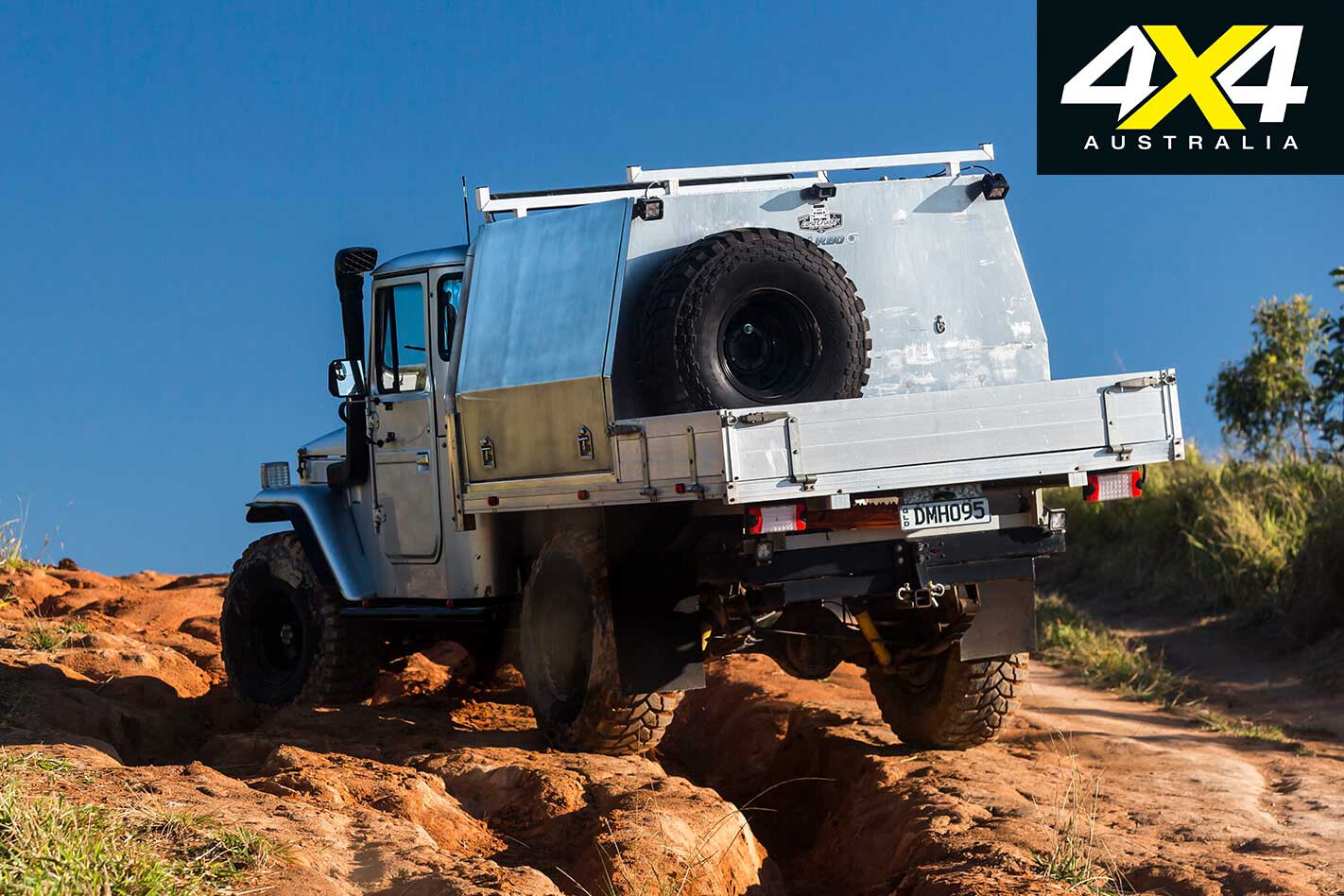
THE CRUISER is nothing if not bright – and shiny – and you’d be forgiven for thinking it’s a relatively new paintjob on some super-straight panels. However, the panels are all fibreglass – from the ute tub to the roof, the doors, side guards and bonnet, everything is ’glassed.
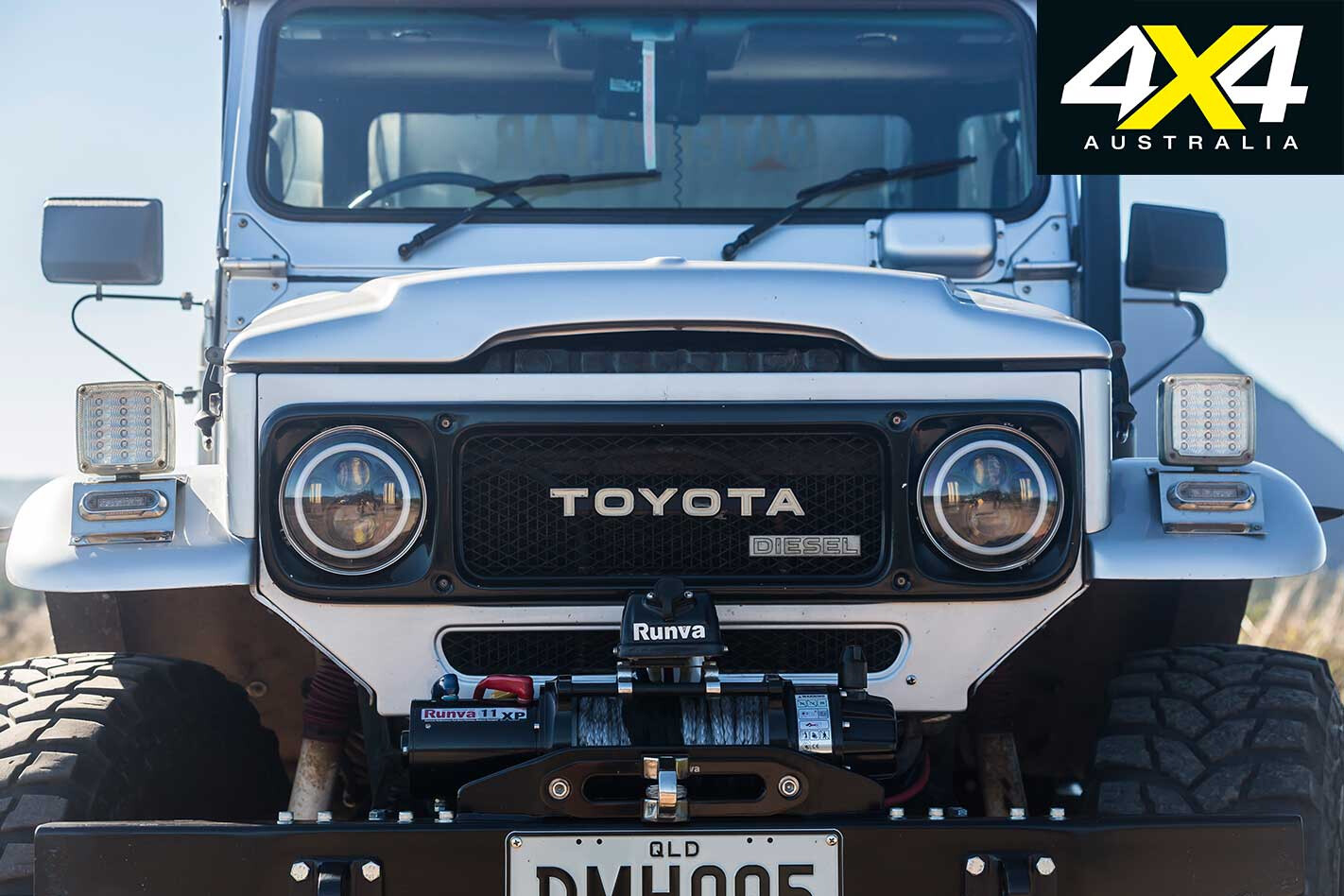
Impressively, the panel work dates back from when Dan’s father first bought the Cruiser and is the work of a fibreglass company hailing from Noosa. For those (like this writer) who think being all fibreglass means the Cruiser weighs in a lot lighter than stock, you’d be in for a surprise.
“Actually, it is quite heavy,” Dan laughs. “And it’s a lot thicker than the steel equivalent panels. A lot of people think it’d be lighter, being fibreglass, but you look at things like the tub and the cabin and the fibreglass is eight to 10mm thick in places. So yeah, as fibreglass is not as strong as steel (on a weight-for-weight basis) it’s gotta have that structural integrity, so they’ve gone for the thicker gauge.”
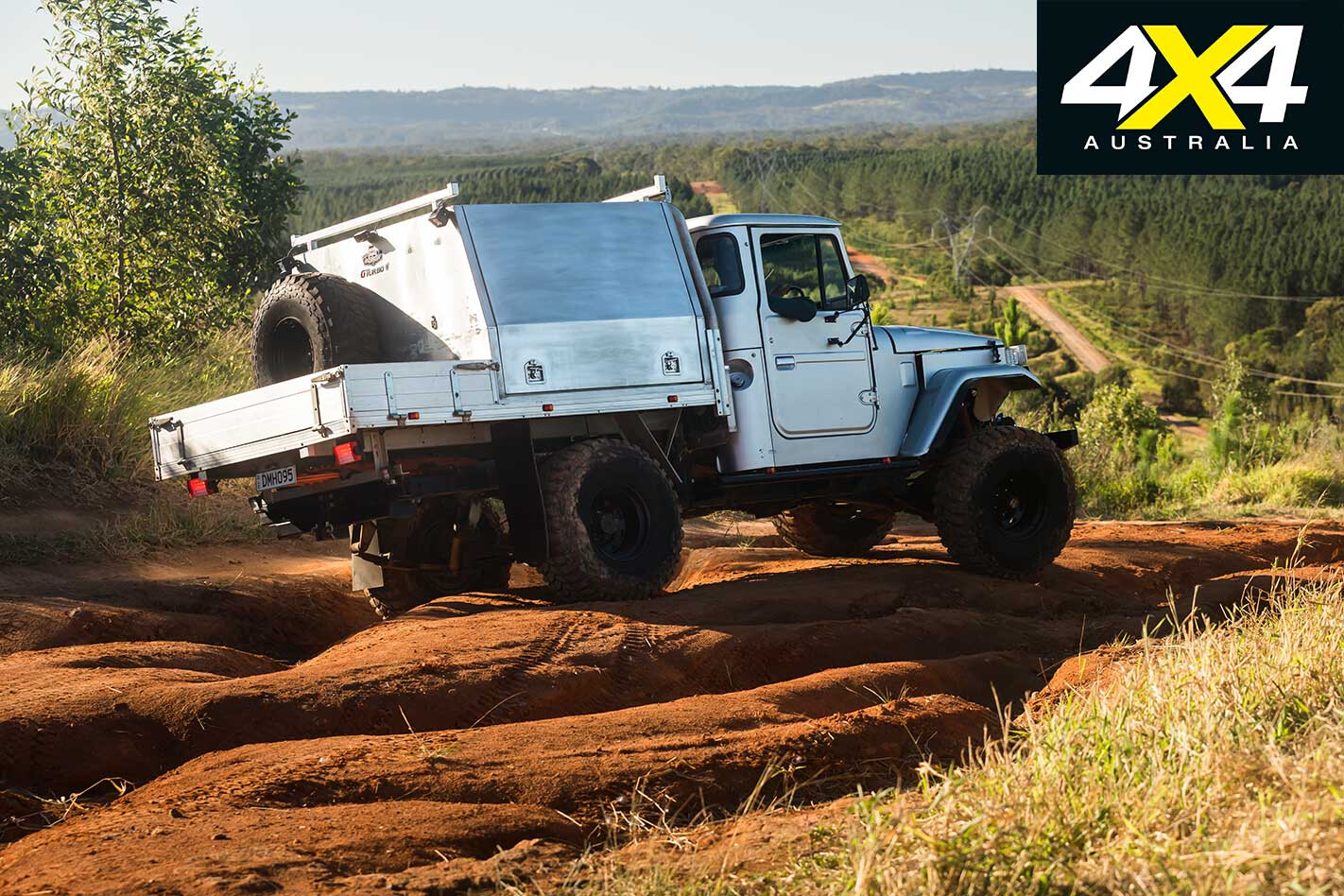
Who’d a thunk it? In fact, one of the only metal items on the Cruiser is the canopy at the back (where Dan stores all his camping gear) that also has roof rails for when he fits his rooftop tent.
Other trick additions include under-tray lights, rear work lights and a front-facing LED light bar fitted to the top of the canopy. The bullbar up front is a fully custom job fabricated by Dan, as were the schmick rock sliders. The bar houses a Runva 11XP electric winch, fitted with synthetic rope.
STAYING TRUE
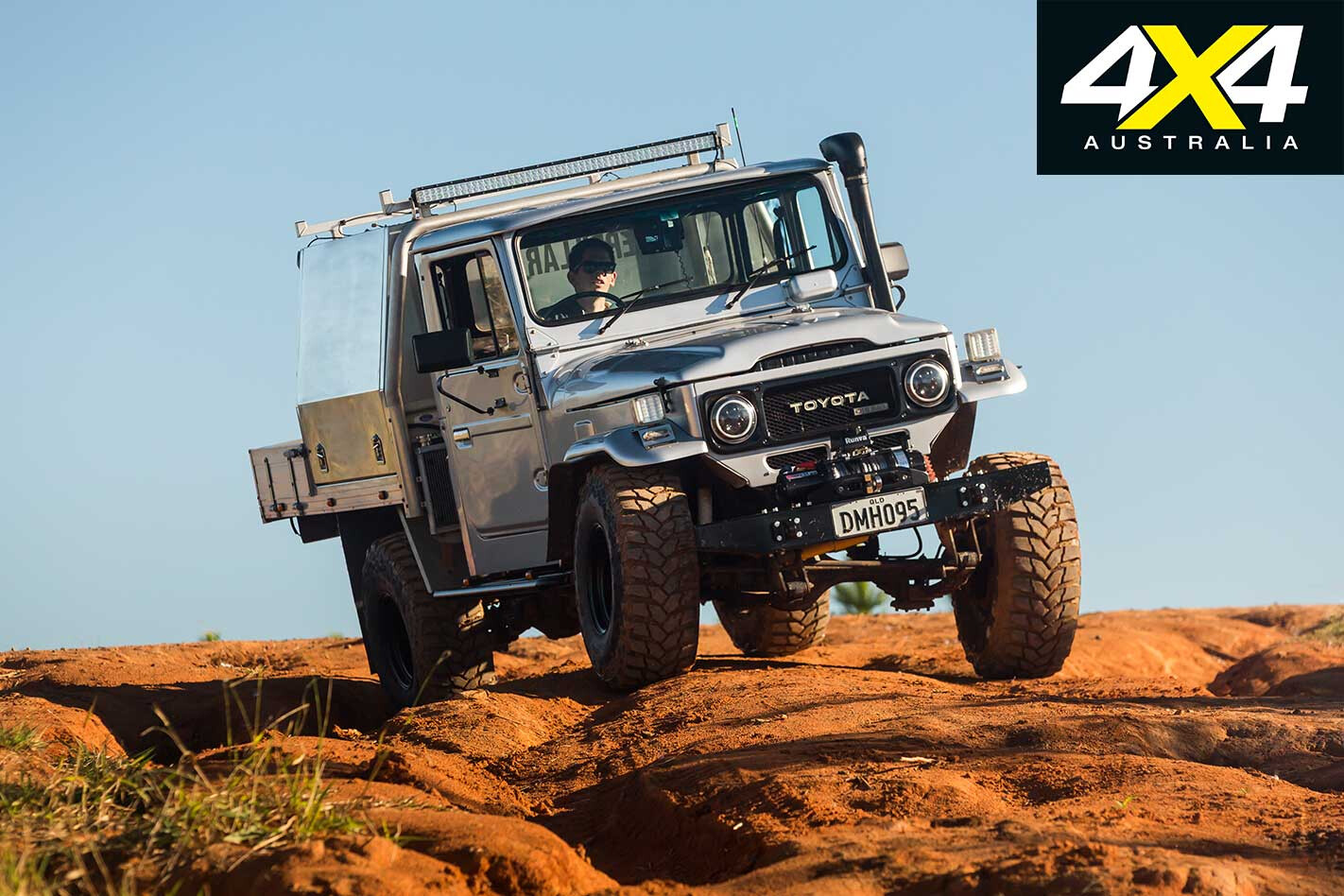
DAN’S MAIN objective with the Cruiser was to modify it without going too extreme; being a serious off-road tourer he was keen to ensure any tweaks done had to serve the purpose of keeping the big Toyota’s touring performance as efficient as possible, without sacrificing performance or comfort.
Speaking of which, old Toyotas aren’t renowned for their ride comfort, but Dan has managed to eke out a bit more cushioning in the vehicle, removing a couple of rear leaves and also adding airbags; a softer unladen ride thus doesn’t become a disadvantage when the Toyota is loaded up – Dan just adjusts the airbag pressure to keep the rear end level.
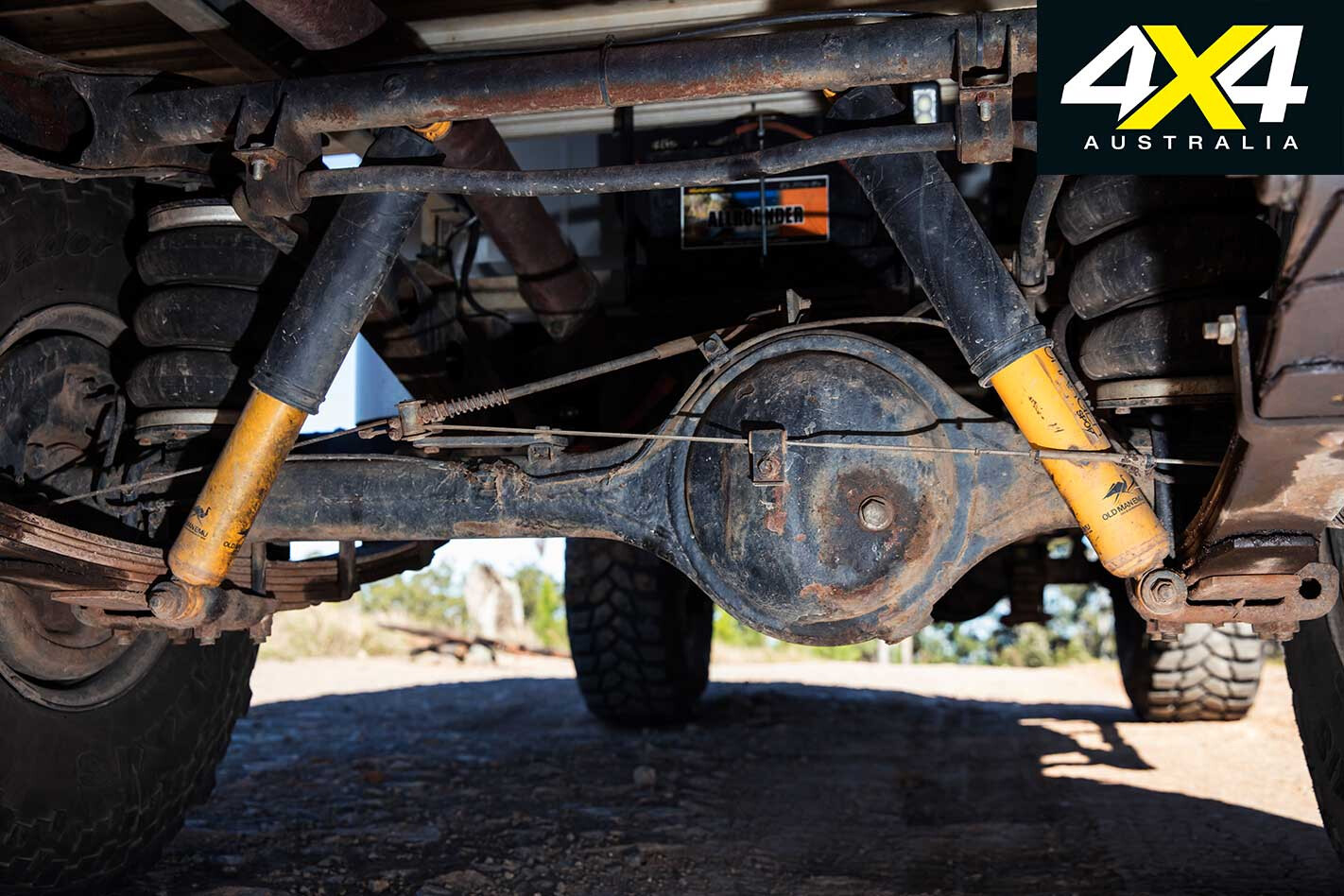
Old Man Emu springs combine with OME dampers at the rear and Rancho RS5000s up front, with extended shackles and castor wedges finishing off the suspension setup.
Rolling underneath all this are beefy 35-inch Maxxis Trepador Radial tyres, wrapped around Dynamic 15 x 10-inch wheels. Dan mentioned originally being keen on fitting some Nitto Trail Grappler tyres but couldn’t get them in the size needed at the time he was looking for new rubber, but he’s had no regrets about the Trepadors.
A NOT-SO-SUBTLE SHOVE
THE EXTERIOR is all HJ47, but underneath that unique fibreglass panel-work lurks plenty of its 60 Series descendant, adding a lot more oomph. The Cruiser’s powerplant mods, as you’d expect from a diesel mechanic owner, are well thought-out, with the final goal of a tourer in mind.
The original engine was swapped out for a 60 Series 12HT turbo-diesel donk. And yeah, as you can see, this engine has had a few mods done to it, with a water-to-air intercooler, K&N Pod air filter, G-Turbo Bad Boy high-flow turbocharger and MLS head gasket.
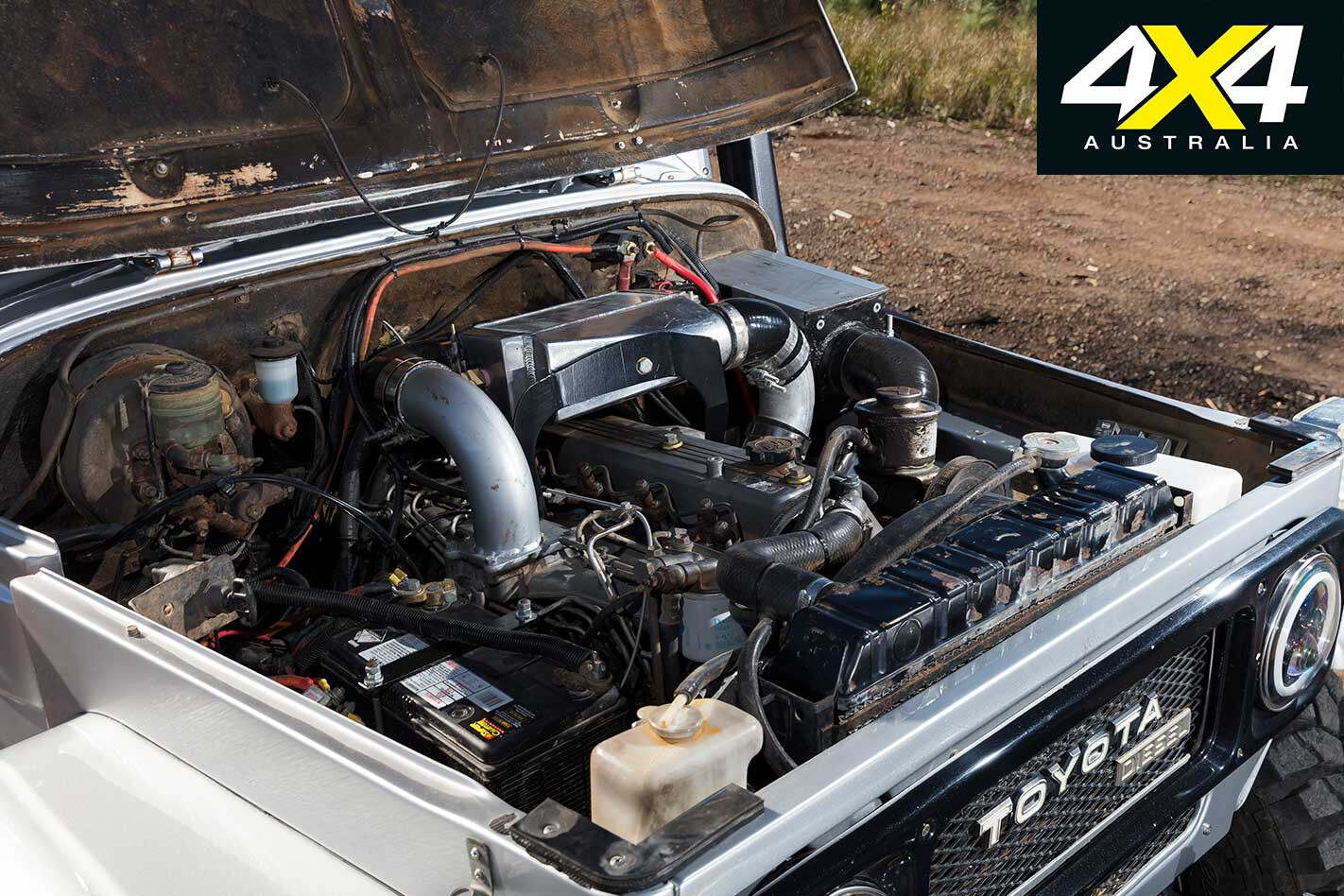
These gaskets differ in construction from the usual composite materials and are made using layers of embossed steel for a big lift in durability over the stock item – an essential with this worked-over engine (Dan had a slight ‘mishap’ running 26psi of boost through the stock gasket). Backing this is a 60 Series five-speed manual gearbox and Exedy heavy-duty clutch, while adding further tractive qualities is a front axle diff lock.
To reign in this additional urge (and there’s plenty), Dan fitted 60 Series front discs and rear drums.
BRINGIN’ IT IN
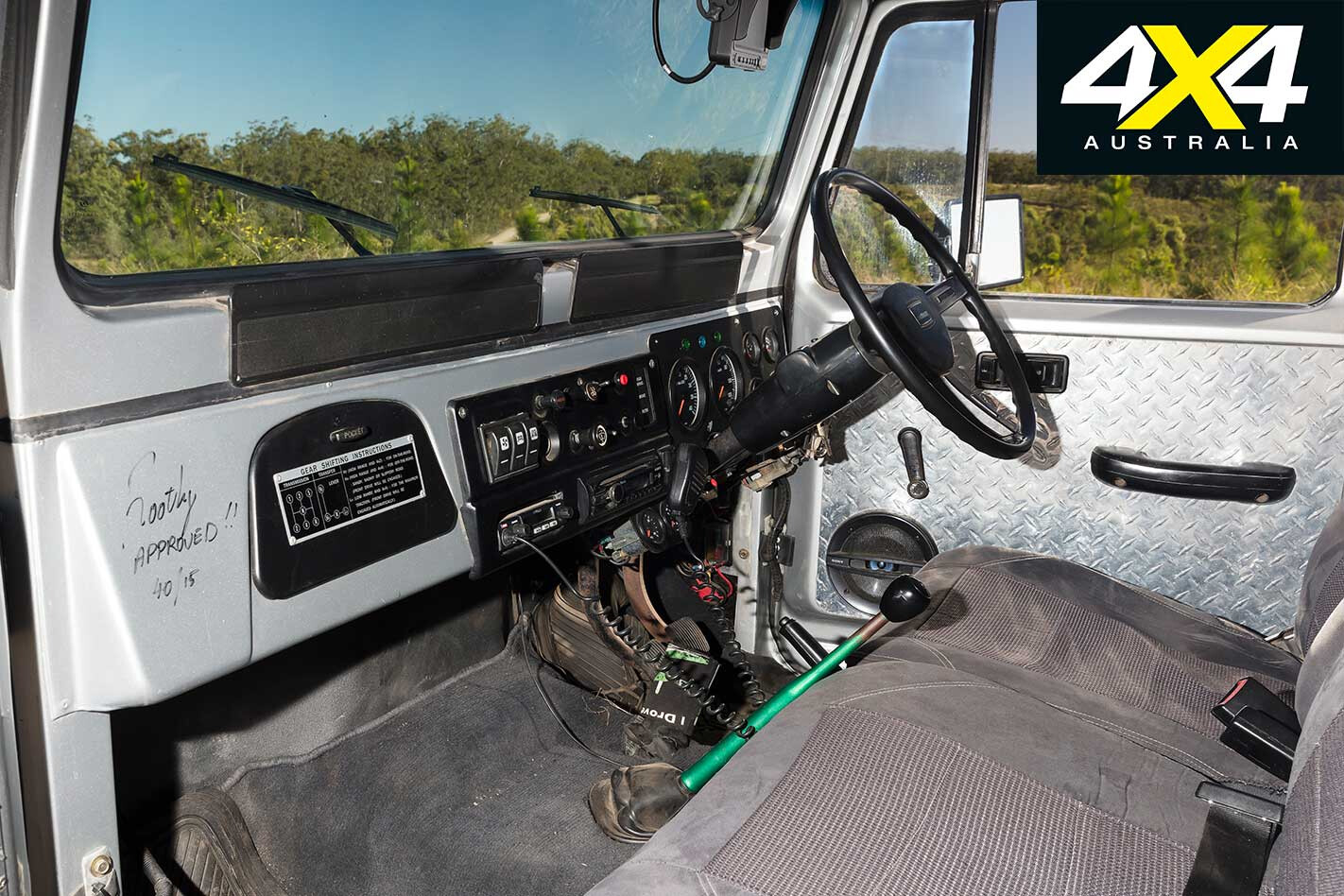
THE INTERIOR tweaks to the Cruiser again reflect Dan’s overall common-sense approach to a touring rig build. Chasing every ounce of comfort, a 60 Series bench seat has been fitted – and looks like it was stock – and he’s fitted the dashboard with myriad VDO gauges.
There’s an 80-channel UHF that takes care of comms and, smartly, he’s also installed a single DIN head unit for music that also includes a reversing camera. Probably the most fitting interior accessory is the awesome signed seal of approval from a fellow 40 Series owner, John Rooth. Yep, Dan is pretty stoked with that.
NEVER STOP DREAMING
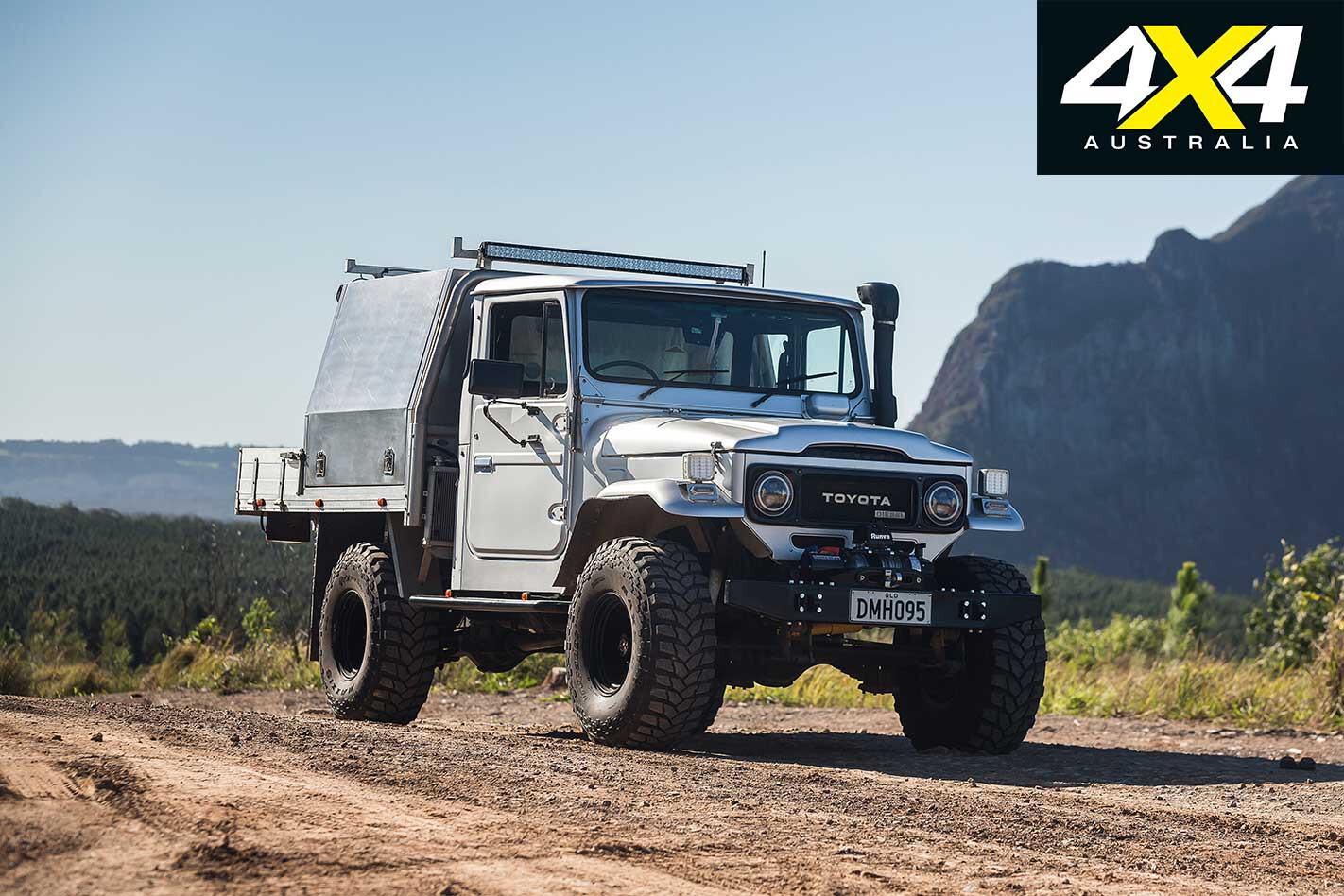
IT’S TAKEN Dan around six years to get the mighty HJ47 to this point – he started when he was 16 – and you can’t fault his passion. The end result is an iconic four-wheel drive that, for most of us, would seem ‘too old’ to bother with. Dan has turned that perception on its head over the years and proved there’s still plenty of beach touring, desert exploration and mountain escapes ahead for this seemingly ageless Cruiser.
It’s an impressive rig, but as with all things perfect, there are still a few ‘little’ things Dan would like to do. He mentions ideas along the lines of a custom rear tray and even a Cummins 6BT engine transplant, so it looks like the Cruiser will be staying in the family for a while longer yet.
In fact, who’s to say you won’t be reading more about Daniel’s unstoppable silver monster again – maybe a few years down the track when it hits the big 4-0 and has been further modified – and no doubt has also conquered more of Australia’s toughest tracks.
I WAS back in the desert country recently, looking for yet another grave from the Burke & Wills 1860-61 expedition.
I had already been to most of the gravesites of those pioneers who had blazed their way across Australia, and while Burke and Wills had gained all the glory and had been buried with the pomp and ceremony of a state funeral, the others who paid the supreme sacrifice on that expedition have remained basically forgotten; their graves lost to the shifting sand and drying mudflats of central Australia.
When Burke had split his party at Menindee and headed north to Cooper Creek, he took with him seven other men including William Patten (sometimes spelt Patton) and was guided north to Torowoto Swamp by William Wright. Once on the Cooper, Burke, Wills, Grey and King headed north for the Gulf, leaving behind a small ‘depot party’ under the leadership of William Brahe.
After guiding Burke and Wills north to the swamp, Wright had returned to Menindee where the supply party – which included Dr Ludwig Becker, the expedition artist, and Dr Hermann Beckler, the medical practitioner and botanist – were getting ready to follow their leader north to the Cooper. They never made it.
Along the way, at a spot they called Desolation Camp near Rat Point, the supply party was initially trapped for a few weeks and, while there, Ludwig Becker painted the scene of their camp in February 1861. Pushing on, they became trapped on the Bulloo River near Koorliatto Waterhole in south-west Queensland, where three of their members (including Dr Becker) died from scurvy.
The supply party weakened and, on the edge of starvation at the end of April 1861, were about to head back to Menindee, when Brahe and his depot party, retreating from Cooper Creek, arrived. The depot party was in no better condition than the supply party, and Patten was in dire straits.
*Pictured: Rat Point Monument
Beckler’s book, A Journey to Cooper’s Creek, written about his experiences on the expedition and not translated into English until the 1990s, recounts in some detail the pain of Patten and the effort the men went to keep him alive and comfortable while they pushed south to survive.
Beckler states Patten died and was buried some miles south of Mud Plain camp – his term for Desolation Camp. Both Beckler’s map and the map found in the excellent guide by David Phoenix – Following Burke and Wills across Australia – show Rat Point in much the same place.
In 1992, the Army Survey Corp searched for the gravesite of William Patten and erected a monument at what they thought was Rat Point. To hedge their bets, they erected two. Both are on the edge of the Bulloo River Overflow (water only makes it this far south every 10 to 12 years) about 15km apart.
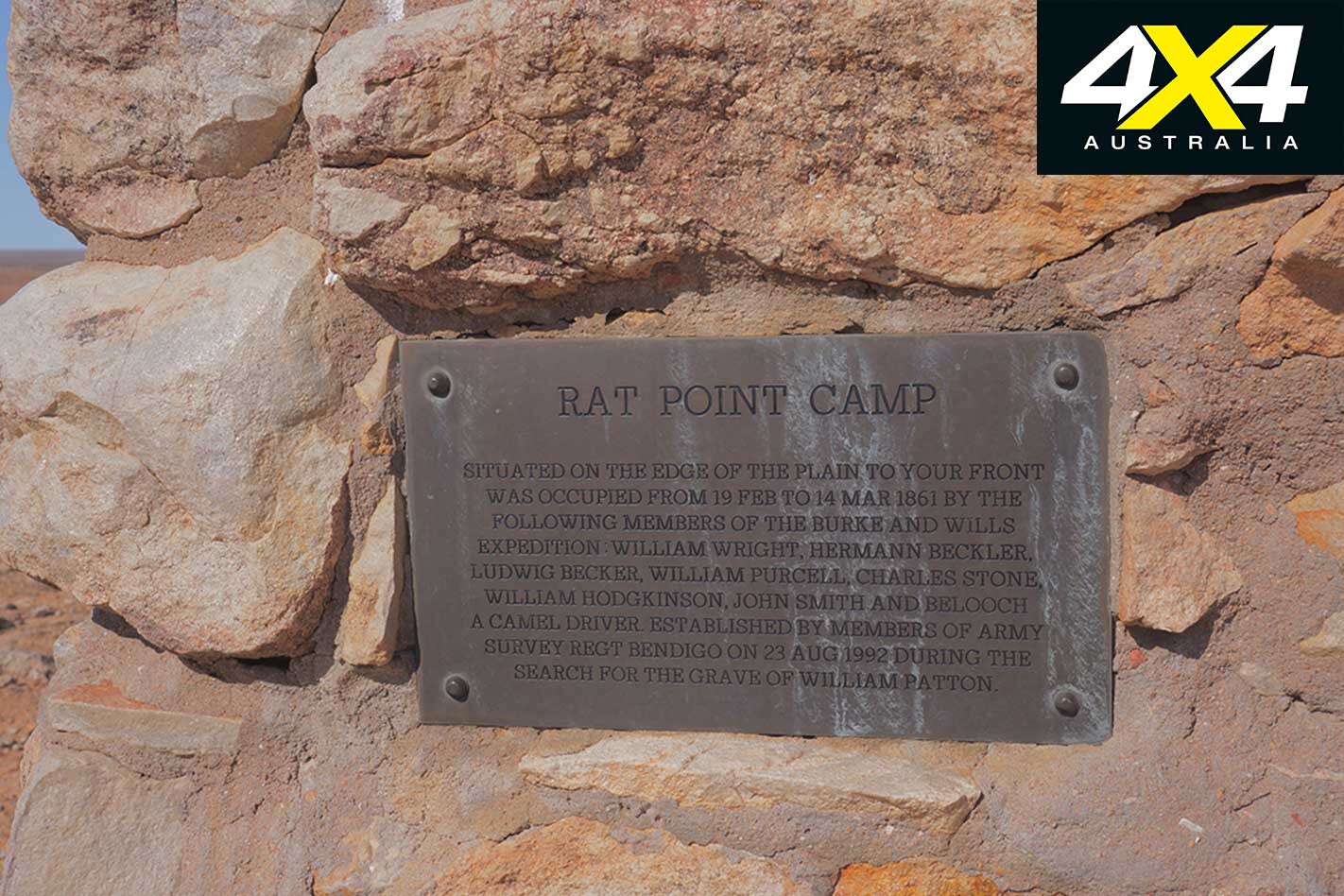
I think the northern monument is the right spot – the white hill in the foreground of Becker’s painting is apparent when you stand on the hill, and the low hills in the background of the painting are visible when you look towards the horizon.
Going by Beckler’s description the grave of Patten is some distance south and could be anywhere (it’s yet to be found). It will take a major search and a good dose of luck to find Patten’s grave, but maybe it should remain another ongoing mystery to the drama that was the Burke & Wills expedition.
Holden’s new Z71 Colorado Xtreme is the General’s limited-model tilt at a bush-ready dual-cab to take on the likes of Ranger Raptor and the HiLux Rugged X, and comes standard with a raft of touring accessories.
In addition to the ‘regular’ Z71 Colorado spec-list, Holden has added the expected accoutrements for such a model – extended sports bar, beefy side-steps, fender flares, ZR2 bonnet bulge, and roof-rack – along with some far more serious gear.
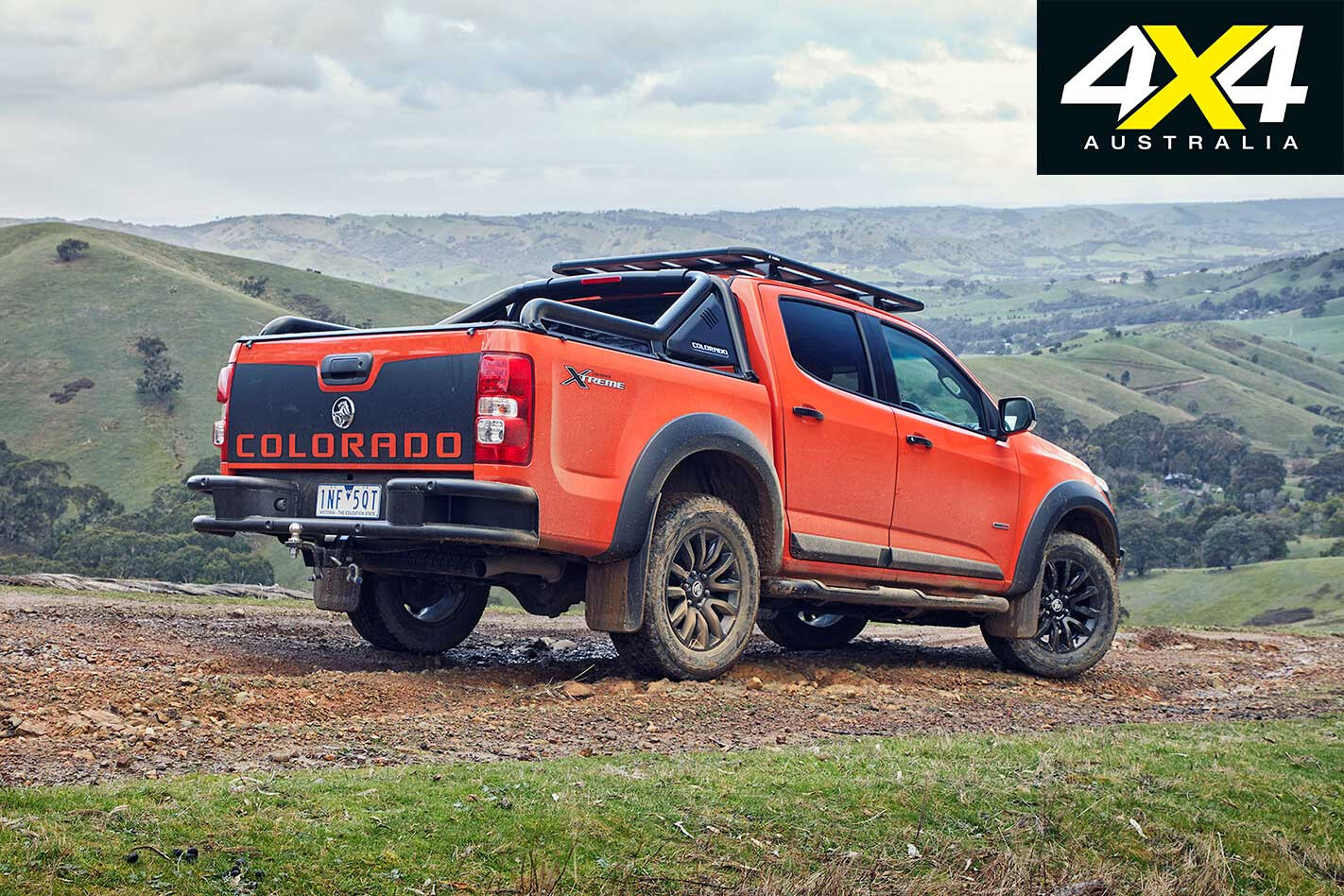
The Xtreme also includes a steel rear step bar, full tow kit, tougher Goodyear Wrangler All Terrain 265/60R18 tyres wrapped around trick black alloys, bash plate, stiffer front springs and – most impressively – a winch bar and Warn 10,000lb winch (one of only two genuine accessory winches on the new-car market), topped with a LED light bar.
Oddly, though, there are no rated recovery hooks on what is branded a ‘bush-ready’ vehicle; the Colorado’s only potential recovery points up front are two front tow points rated at 1500kg.
The Xtreme’s spec list comprises most of the popular accessories dual-cab ute owners usually fit to their vehicles, with the buyer attraction being the fact it is all covered by one factory warranty. All-up, Holden claims a retail pricing of around $19,000 fitted for the accessories, which may (or may not) help potential buyers digest the lofty $69,990 driveaway price.
Extreme Reasons
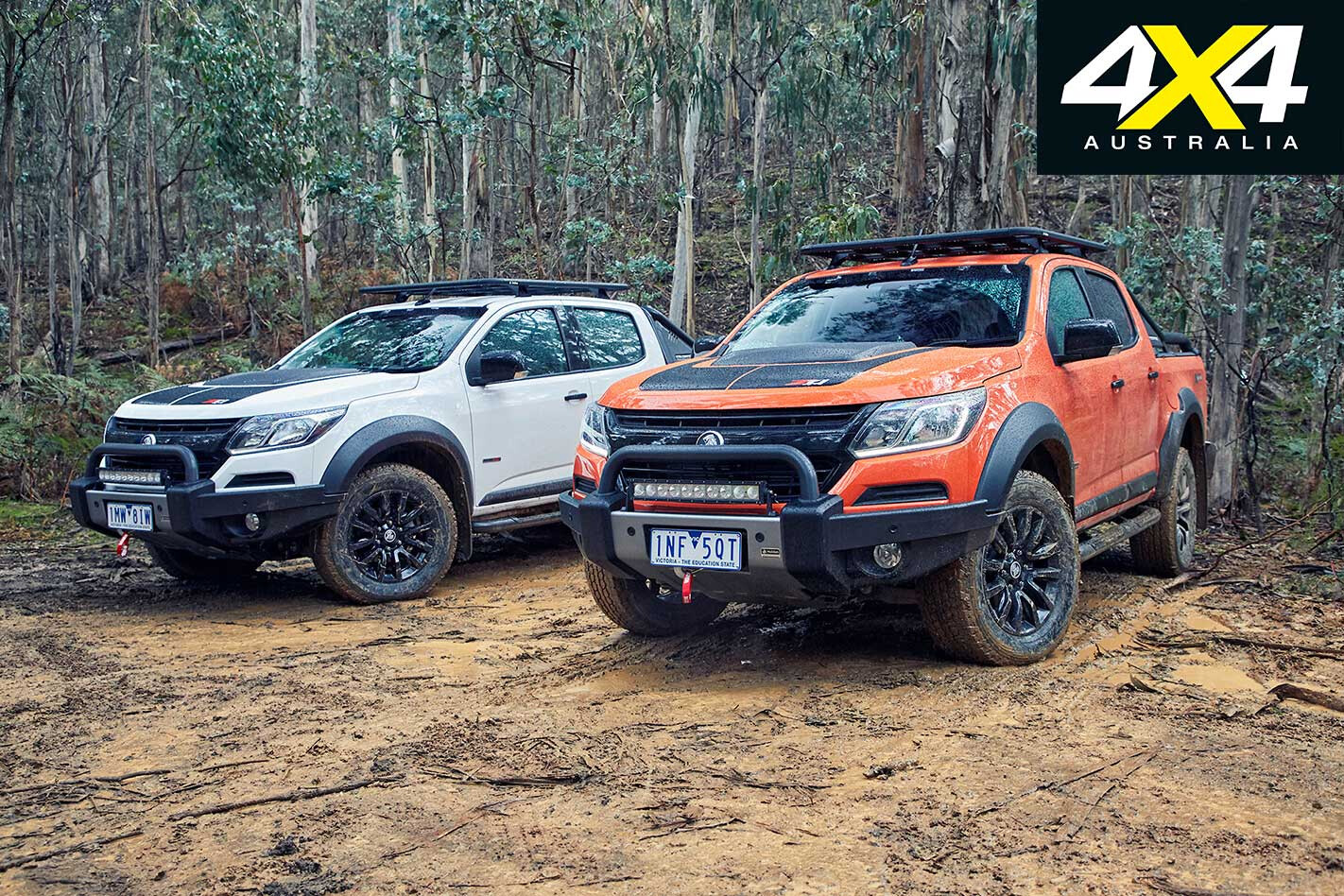
Yep, $70k is a fair chunk of cash to drop on a dual-cab 4×4 ute – albeit one that is kitted out and ready to roll off the showroom floor to the outback – and it begs the question of which way is best for buyers looking for a bush-ready Colorado.
The benefit of in-house equipment is that all-encompassing factory warranty; if anything goes wrong with any of the Holden-fit goodies, it’s a simple matter of heading back to the dealer for the fix.
Try the same with any accessory fitted by business X and they may wash their hands of it and blame the ‘other gear’ you had fitted by business Y for causing the problem. The ensuing to-and-fro as you try to get your accessory fixed can leave you both frustrated and, potentially, out of pocket. (Hint: always deal with reputable aftermarket brands.)
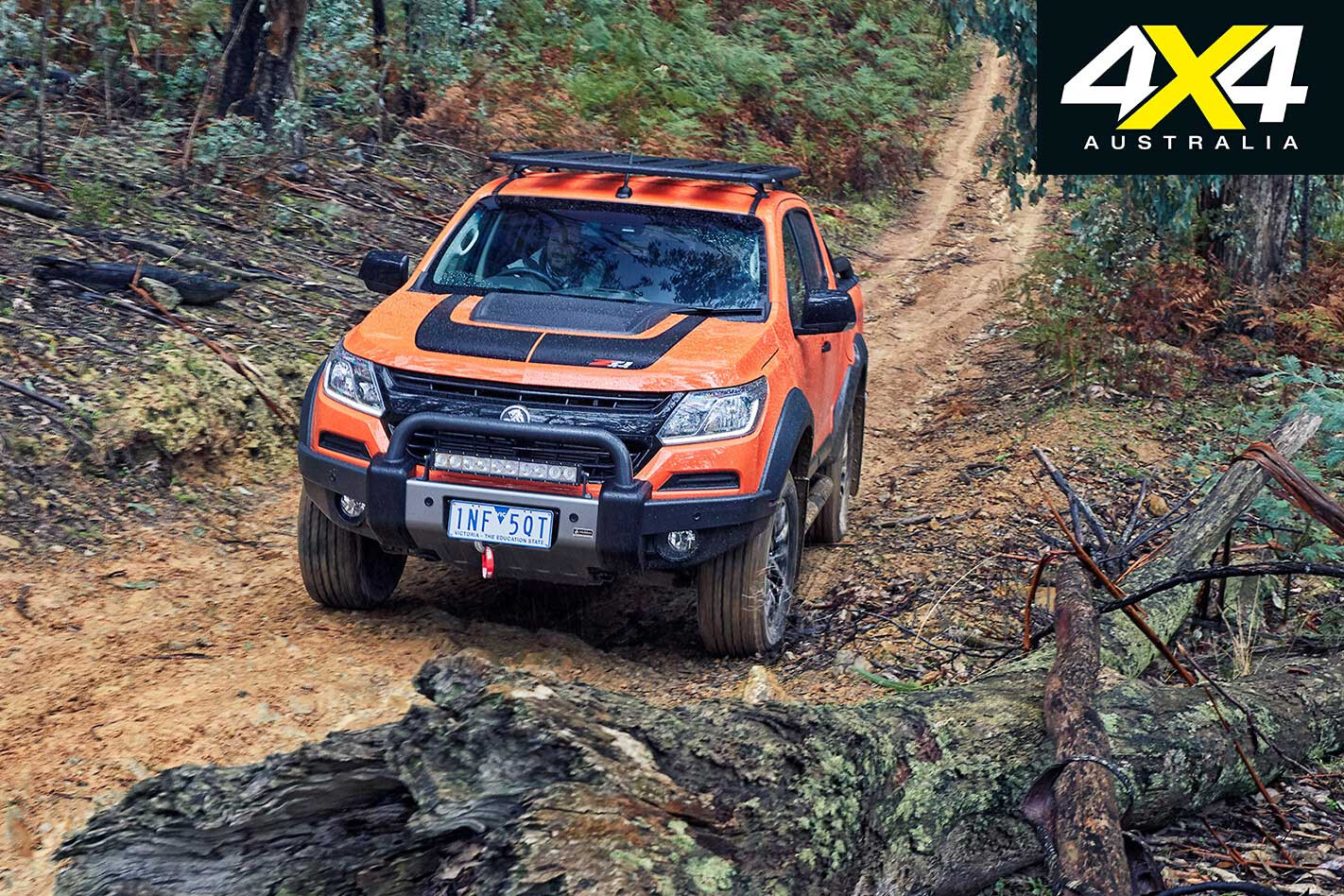
The main component in the Xtreme’s off-road armoury is the Aussie-designed and engineered winch bar, with that awesome Warn winch. Holden engineers spent months optimising the design of the bar – and the winch location itself – and the result is impressive; the bar sits far more snugly against the front of the vehicle. It ensure as little weight is forward of the front axle as possible and also helps increase the vehicle’s approach angle.
Holden followed the same principle with the location of the winch. Having the Warn sitting as far back into the bar as possible means its weight is also closer to the front axle, fulfilling the desire by engineers to minimise the effect the additional 65kg (bar and winch) has on the vehicle’s handling.
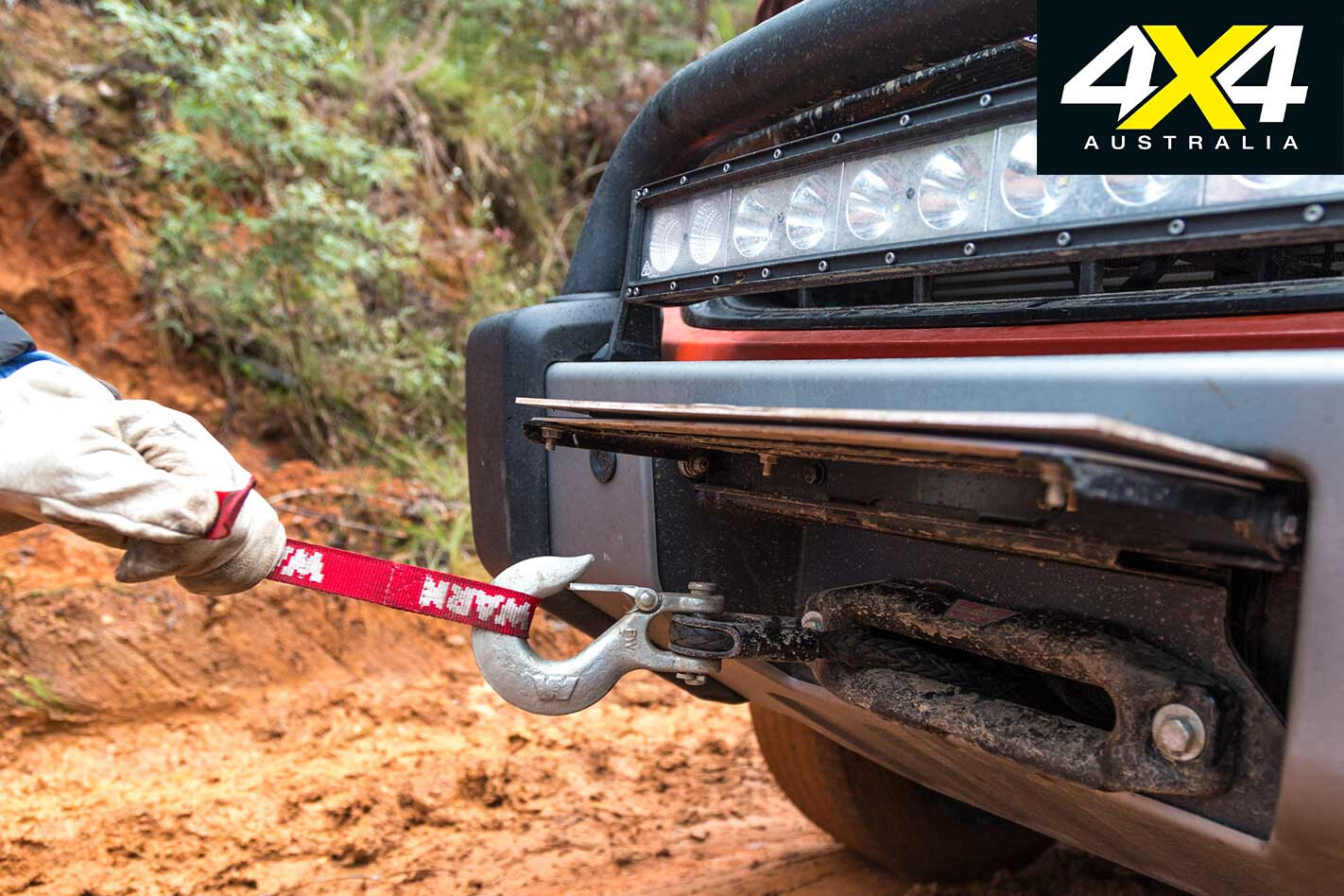
Further alleviating those weight concerns is the use of Warn’s Spydura synthetic rope on the winch. This resulted in Holden engineers being able to just tweak the front springs, re-rating them for the heavier load, but not having to include heavy-duty dampers, which would have jacked the price up even further. The desired end-result for designers was for owners of the Xtreme to enjoy the same handling and steering feel as a ‘stock’ Z71 with no bar attached.
One final point: the Colorado retains its five-star ANCAP safety rating even with the winch bar fitted. Impressive.
Proving Ground
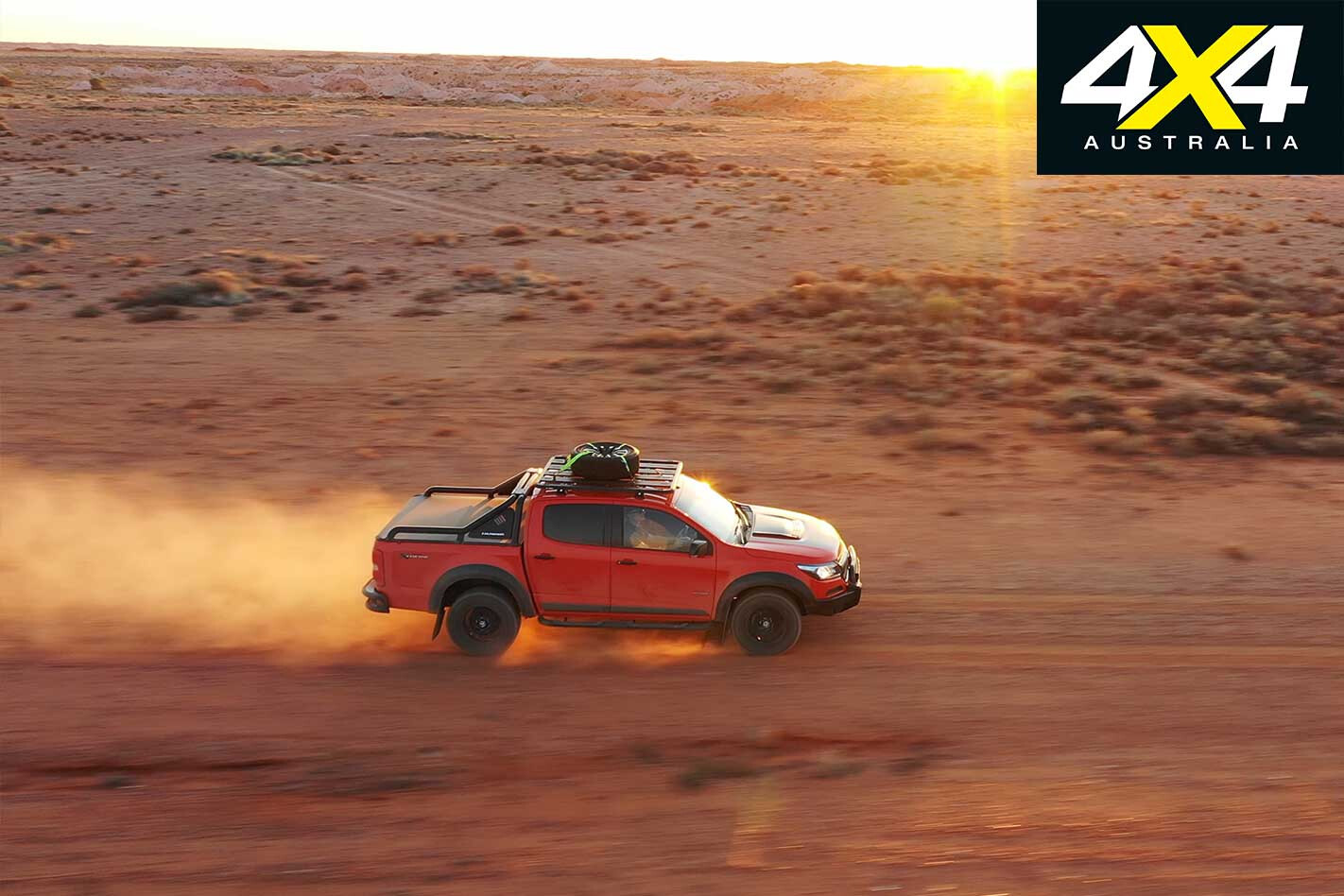
Holden invited 4×4 Australia out to Coober Pedy to put the Xtreme through its off-road paces, with three days driving through some of outback South Australia’s rugged terrain, including the Painted Desert, the Breakaways, sections of the Oodnadatta Track plus a short off-road course just outside Coober Pedy itself.
The terrain varied from bitumen to graded dirt roads to rocky, potholed dirt tracks, replicating an outback trip in essence. Besides the Xtreme, Holden also had Colorados fitted with some other factory accessories (including another bulbar-equipped vehicle, but with no winch), as well as a completely standard Z71 so testers could compare directly the ride and handling of the Xtreme with its additional gear (totally 150kg all-up) against the stock model.
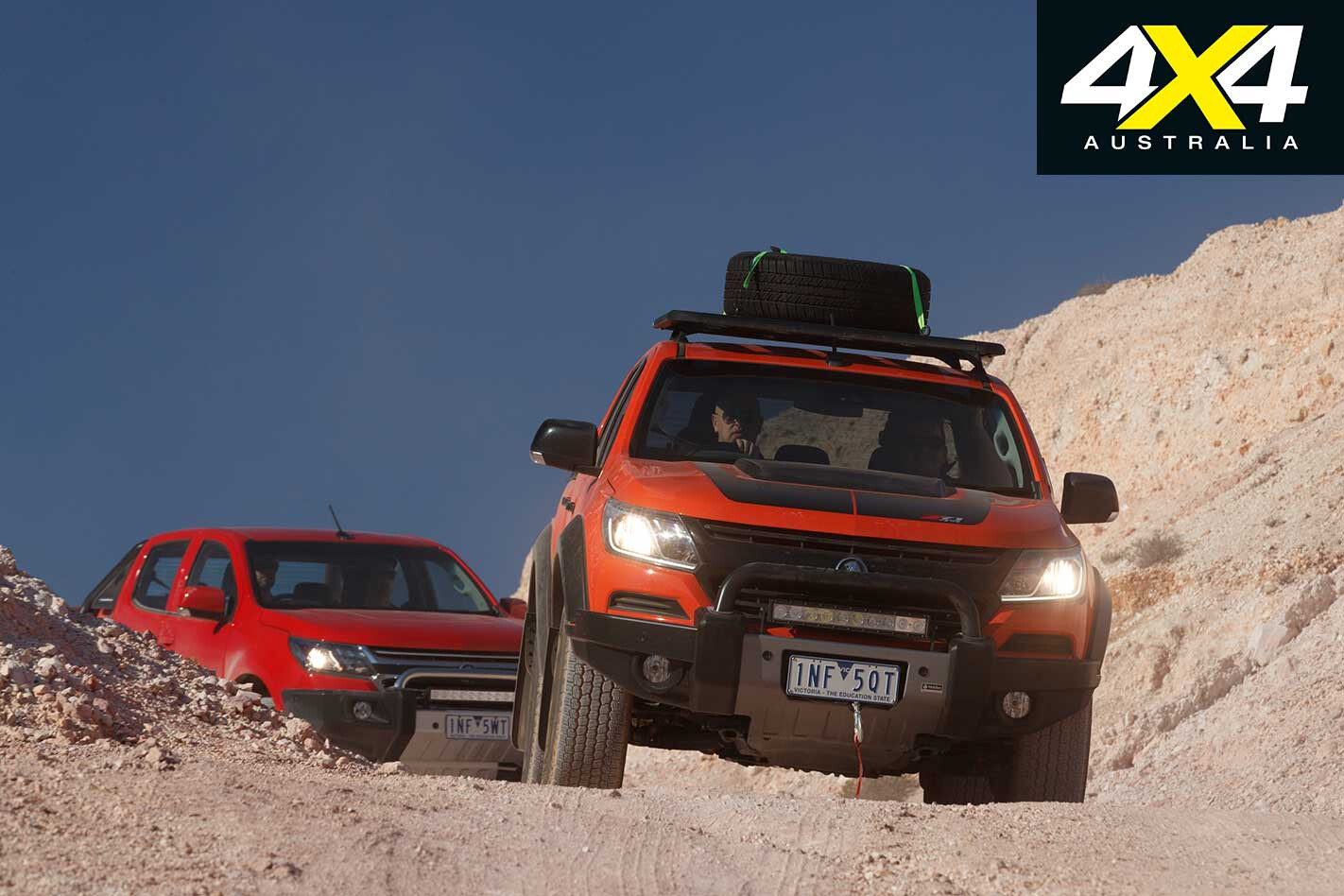
The Colorado is no slouch in standard form, thanks to its willing 147kW/500Nm 2.8-litre turbo-diesel donk. Driving the Xtreme saw no discernible difference in straight-line performance, with the vehicle offering the same punchy response as its slightly lighter stablemate.
The beefier front springs did an impressive job of keeping the Colorado’s front-end well controlled; potholes and dips saw the front suspension compress as expected, but there was no bottoming-out and it returned to its regular trim-height without drama. The Xtreme feels just as well balanced front and rear as the stocker, pointing to some excellent engineering work from the Holden team.
Steering feel is still light and direct. You do notice the extra ‘bite’ from the more aggressive All Terrain rubber fitted to the Xtreme, but they push through and over rougher surfaces more easily than the road-oriented hoops fitted to the Z71. If you didn’t have to look over that unnecessary bonnet bulge on the Xtreme to remind you, you’d think you were driving the regular Z71.
A voice in the crowd
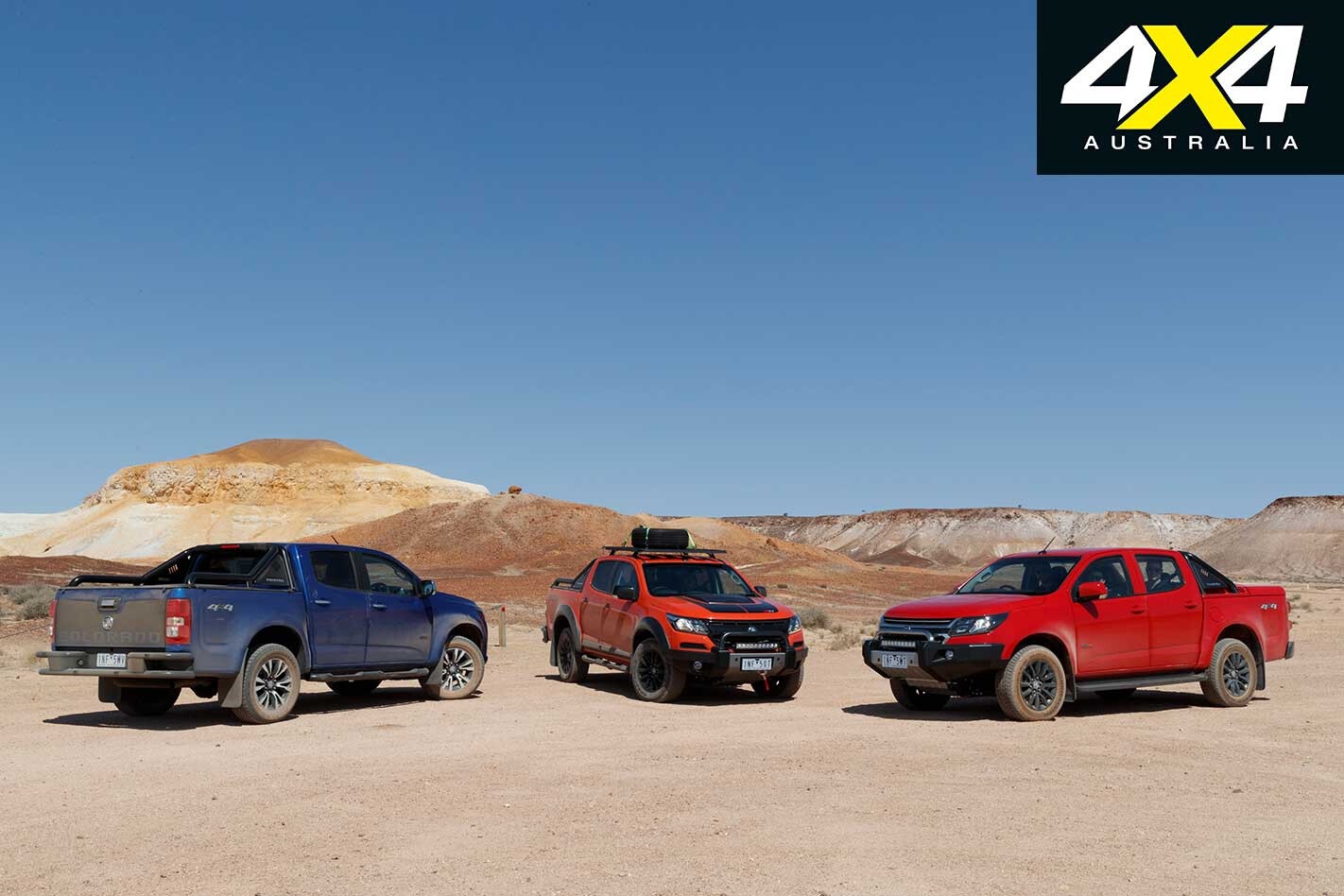
The proliferation of ‘halo’ dual-cabs over the past two years – Raptor, Rugged X, the HSV Sportscat, for example – means it is a no-brainer for Holden to have this limited-edition model in the same market segment. The $70k price, however, is too ambitious, especially compared to some of its immediate competitors.
Yes, the winch bar/winch, front springs and off-road biased tyres differentiate the Xtreme to a point, but highly regarded aftermarket suppliers offer equivalent versions of these same accessories – and at comparative prices.
Drop the driveaway price by $10k, and the Xtreme’s combo of effective accessories, impressive on- and off-road handling, and that punchy durable engine, would make much more sense.
TJM Products’ latest Pace remote reservoir struts have hit a bump they weren’t expecting. The bolt-in struts for Ford PX Ranger and Mazda BT-50 utes can fail on the lower control arms under extreme conditions and possibly break the shock absorber.
Only 38 sets of the affected shocks have been sold. TJM are contacting affected owners and arranging for the front suspension to be removed and temporarily replaced with a different product. Once the issue with the product has been fixed, a new Pace Remote Reservoir strut assembly will be re-fitted to the vehicle.
The affected parts are part numbers 659CRA121TL and 659CRA121TR for the left and right side applications, sold between May 21 and August 7, 2018.
If you’ve had a set of these fitted to your Ranger you should contact your TJM supplier or go to http://www.tjm.com.au/en-oceania/contact-us.
WORD coming from the Automotive News USA is that RAM will build a mid-size pick up alongside the new Jeep Scrambler. Both models would be built at the recently retooled Toledo, Ohio plant.
The Scrambler is a double-cab pick-up variant of the JL Jeep Wrangler and is set to debut at the LA Auto Show in November before going into production early next year. The RAM will share the Scrambler’s separate chassis underpinning to create a mid-size truck to compete with the likes of the Toyota Tacoma, Chevrolet Colorado, GMC Canyon, and soon to be launched in the US, Ford Ranger.
The good news for us is that the Scrambler is being built with right-hand drive (RHD) as a possibility so a RAM derivative could be a goer for Australia too.
RAM vehicles are currently only made in left-hand drive and the 3500, 2500 and 1500 RAM models sold here have all had their steering, dashboards and other ancillaries converted over to RHD. The RAM 1500 (pictured at the top) is currently the smallest pick up offered and the mid-size would be smaller than that.
It is rumoured that the rear of the frame and rear suspension of the Scrambler are beefier than that of the regular Wrangler to handle heavier loads so a RAM variant, possibly with IFS in lieu of the Scrambler’s live front axle, would bring another rugged ute to the market. We’re tipping the mid-size RAM won’t have the off-road capability of the Jeep, but will be a better all-road drive and load-hauler.
A factory-built RHD RAM would be great news for FCA Australia which is currently without a competitor in the booming mid-size 4×4 ute sector. FCA, and before it Jeep Australia, had looked many times at importing the American utes, even bring the then Dodge Dakotas out here for evaluation back in the 1990s.
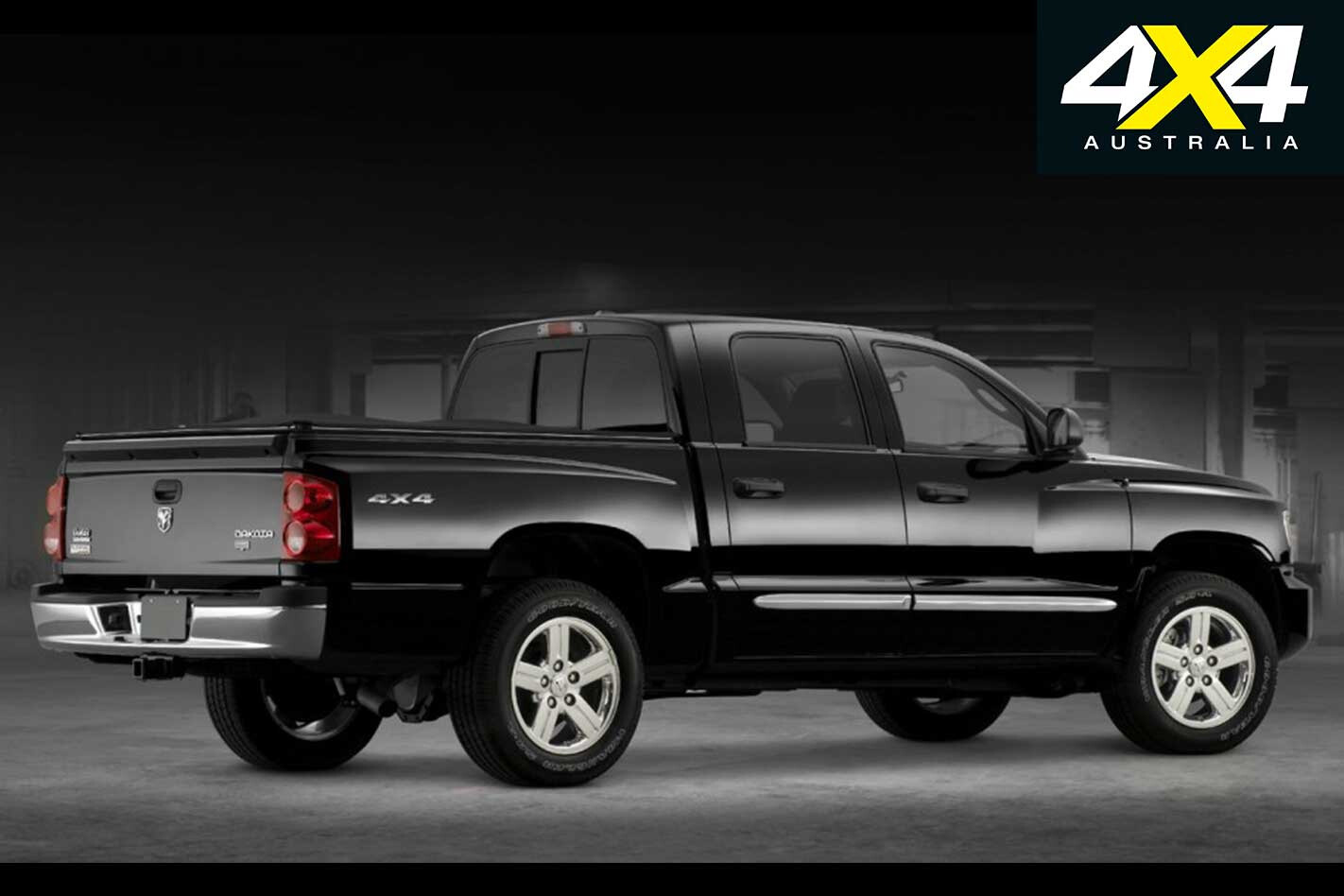
The Dakota was the last mid-size pick up to be made by Dodge but it was discontinued back in 2011. FCA/Dodge/Chrysler/RAM has not had a mid-size truck since then.