
One doesn’t attend a dinner party in a pair of wellingtons, as one shouldn’t visit the outback in a pair of thongs.
If you plan on hitting the tracks, you should look into getting adventure ready gear such as a Hema guidebook, a navigation wristwatch from Garmin and a pair of suitable hiking boots.
Hema’s Great Desert Tracks Atlas & Guide (Ed. 5)
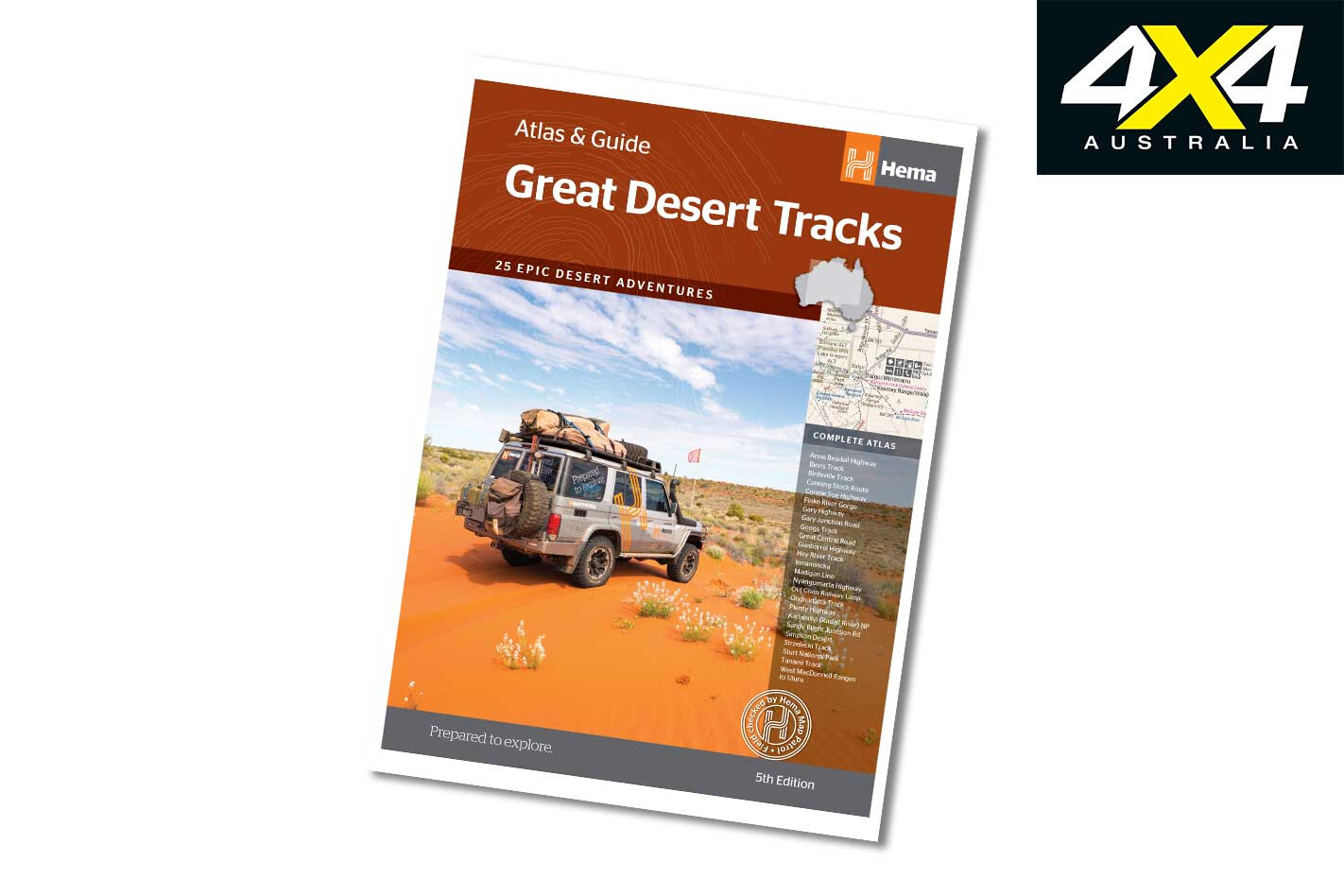
Hema Maps has totally redesigned its revered Great Desert Tracks (GDT) Atlas & Guide for its fifth edition. The new edition includes 25 4×4 trips and contains the seventh edition GDT maps, as well as detailed inset maps.
Track profiles (which include elevation as well as distance) are included, along with info on campsites and fuel and provision resupply points. The tracks in the book are coded to reflect the type of vehicle needed as well as whether they are towing-friendly.
All the text has been revised and updated and new track info has been included for the Madigan Line and Nyangumarta Highway. Along with all the track info, there’s plenty of expert advice on how to get ready for your ‘big adventure’, along with tips on desert driving.
RRP: $69.95 Website: shop.hemamaps.com
Garmin Instinct

This new GPS watch from Garmin includes a 3-axis compass, barometric altimeter plus three global navigation systems – GPS, GLONASS and Galileo – as well as smart connectivity and a wrist-based heart rate monitor.
The Instinct is constructed to military standards for thermal, water and shock resistance (it’s 100m water-resistant) and can take plenty of rough treatment thanks to its fibre-reinforced polymer case. The scratch-resistant display is also easy to read, even in direct sunlight. The battery life is 14 days in smartwatch mode, 16 hours in GPS mode and up to 40 hours in UltraTrac battery saver mode.
It comes in three colours: Tundra, Flame Red and Graphite. You can download a trip in advance using the Garmin Explore app and use the TracBac feature to return to your start point after a day out and about.
RRP: $399 Website: www.garmin.com.au
Teva Arrowood Riva Waterproof
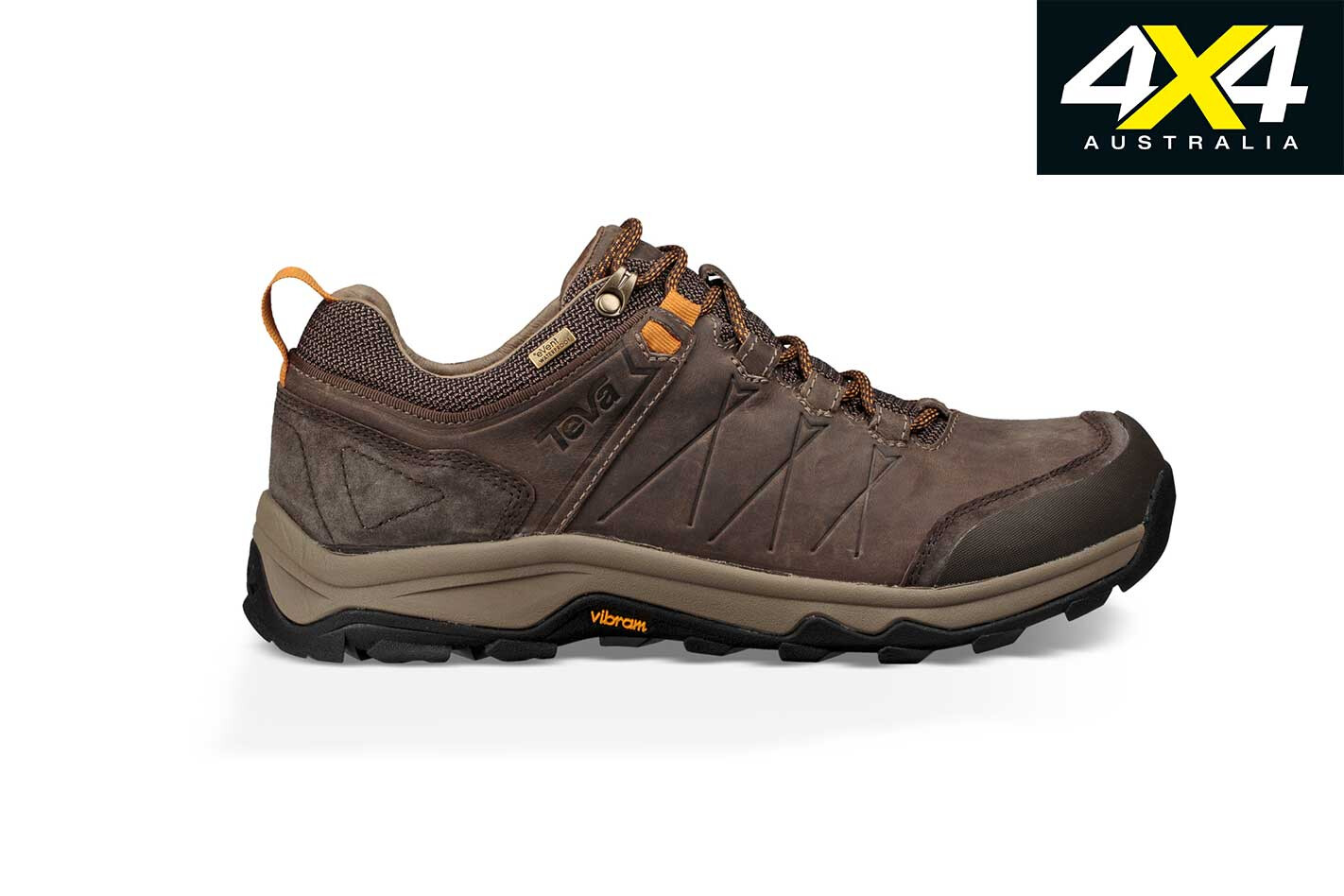
When camping you need tough, reliable footwear that can be used for numerous activities. Teva is a brand renowned for rugged shoes and sandals, and its Arrowood Riva Waterproof jobbies are a great example of that do-it-all footwear ideal for when you’re on that big adventure.
The shoe includes waterproof leather uppers, an eVent waterproof breathable membrane and a rubber-covered toe cap. The Float-Lite EVA-foam midsole offers plenty of support and cushioning, while the Vibram outsole can cop plenty of abuse. The nylon shank gives plenty of stability and support, making the Arrowood Riva WP the ideal one-shoe solution for the outdoors.
RRP: $279.95 Website: au.teva.com
THE DRIVE was an easy one, the dirt road dipping and curling along the very top of the range while expansive views spread to the horizon on both sides of the narrow ridgeline we were traversing.
To the west was the valley of the Clarence River, while to the east of our lofty perch was the Richmond River valley. We stopped at the Cambridge Plateau Lookout to soak in the view and the surrounding rainforest, while 80km to the north-east, as the crow flies, the distinctive peak of Mount Warning jutted its gnarled, volcano-born head above the jungle.
Earlier that day we had left the razzmatazz and crowded streets of the Gold Coast heading south and then inland to a pleasant camp at the Mt Warning Rainforest Park on the edge of the Korrumbyn Creek, our camp surrounded by the rich forests of these lush mountains.
Our plan initially was to climb Mt Warning, and while heaps of people do it, even though the local Aboriginal people have asked visitors not to, we weren’t allowed to as we had a video crew along for the ride and filming is now strictly forbidden in Wollumbin NP.
‘Bugger!’, we thought, as we changed plans and headed to Border Ranges NP only to find the gate locked there because of flood damage and the fact that most of the roads in the park were closed. (They should be open by now, but it would pay to check on the national park’s website if planning a visit.)
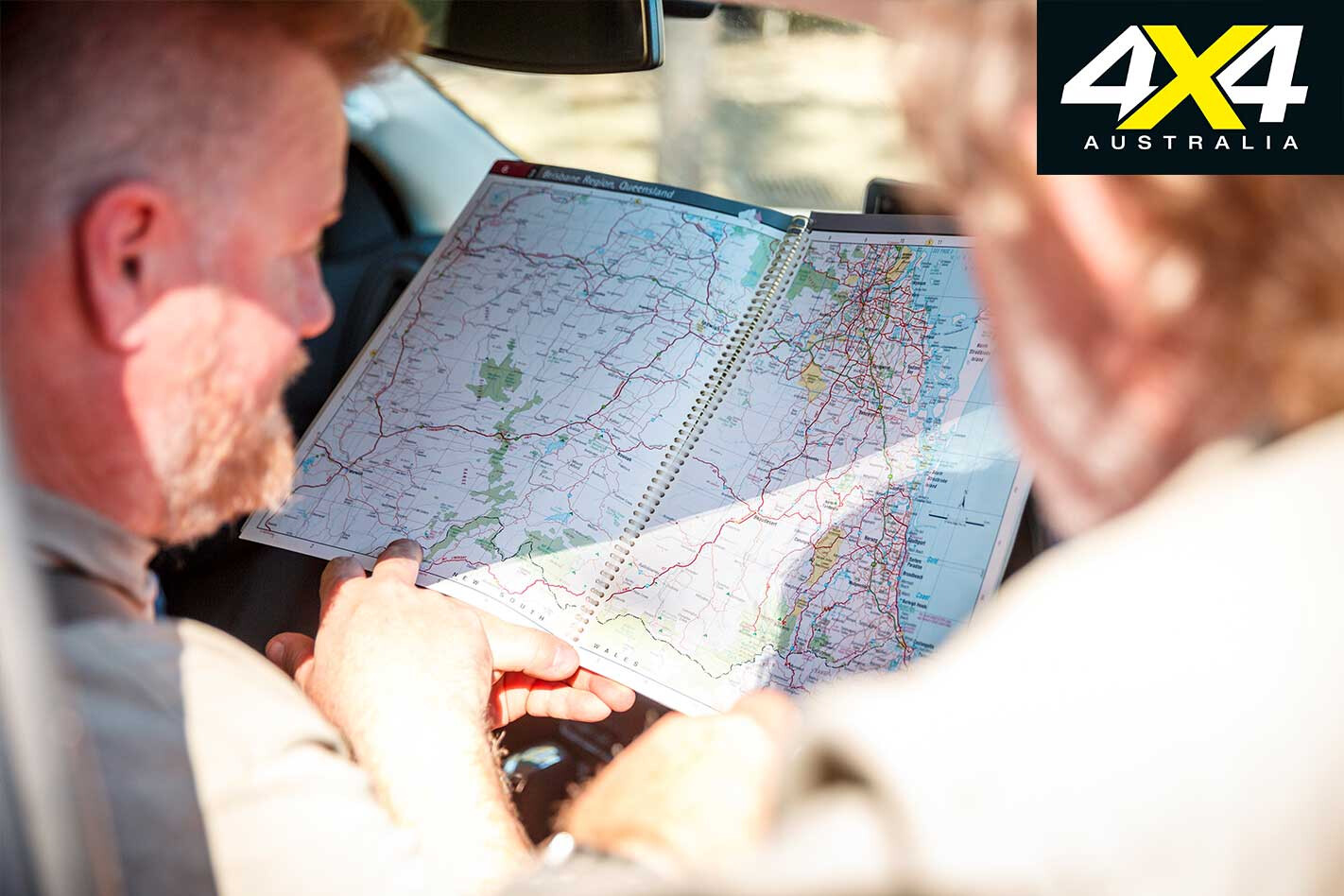
With our initial plans in tatters we headed to the timber town of Kyogle. The town is the service centre of a rich pastoral and logging region and is famous for its 1930s Art Deco architecture that lines the main street. It’s a sight worth seeing.
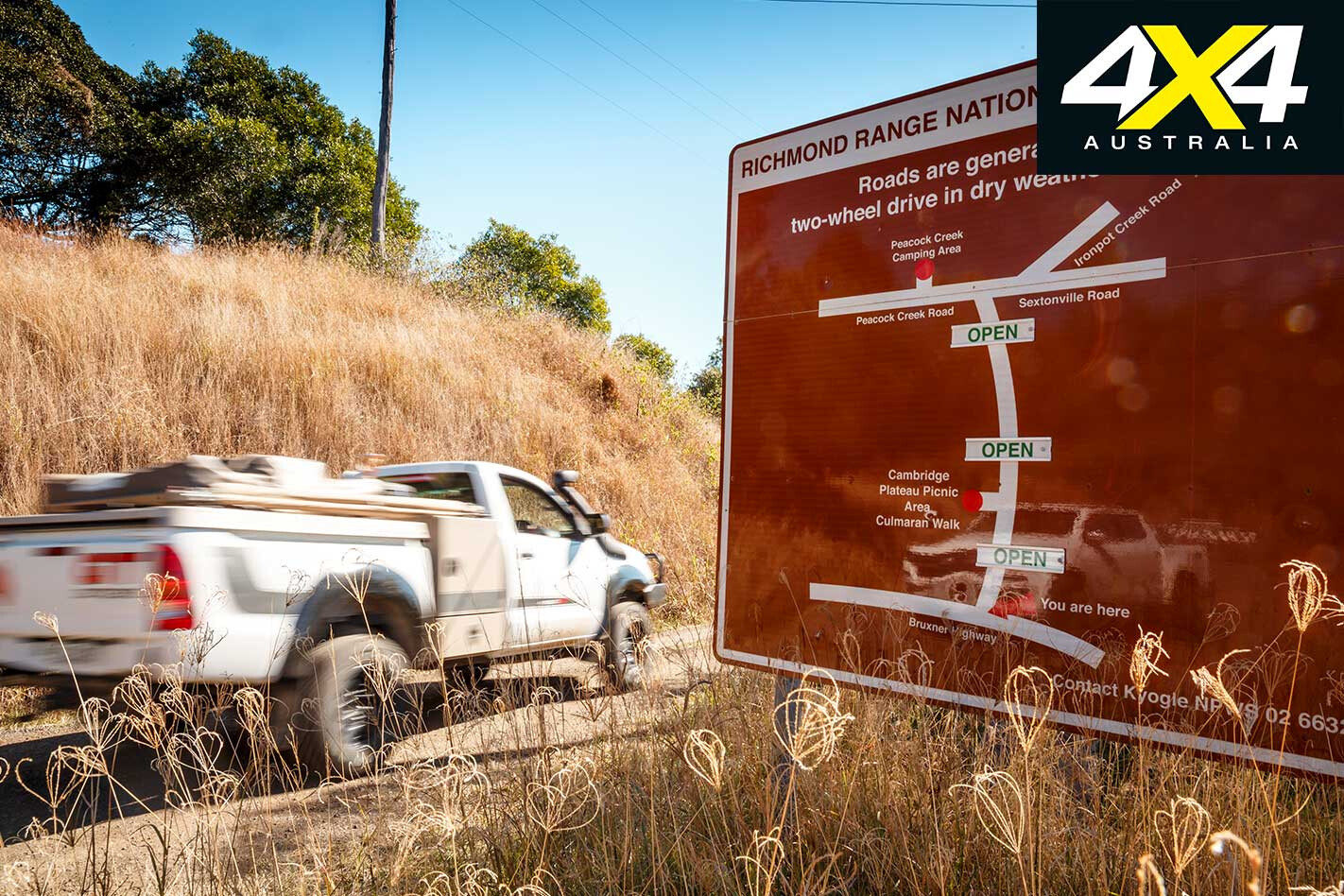
With a new plan in place, we headed on back roads through Ettrick and Dyraaba Central, places I’d never heard of before this trip, meeting the Bruxner Highway at Dyraaba Arm. In our haste to get off the blacktop we took a track shown on the map from Mummulgum (don’t you love the name?) and headed for Richmond Range NP, only to be stopped just short of our goal at a farmer’s gate.
We backtracked yet again and farther along the highway took the dirt road up the hill from Mallanganee Lookout, the route passing through cleared farmland for 6km or so before entering the park proper, the route on top of the range offering great views of the surrounding area.
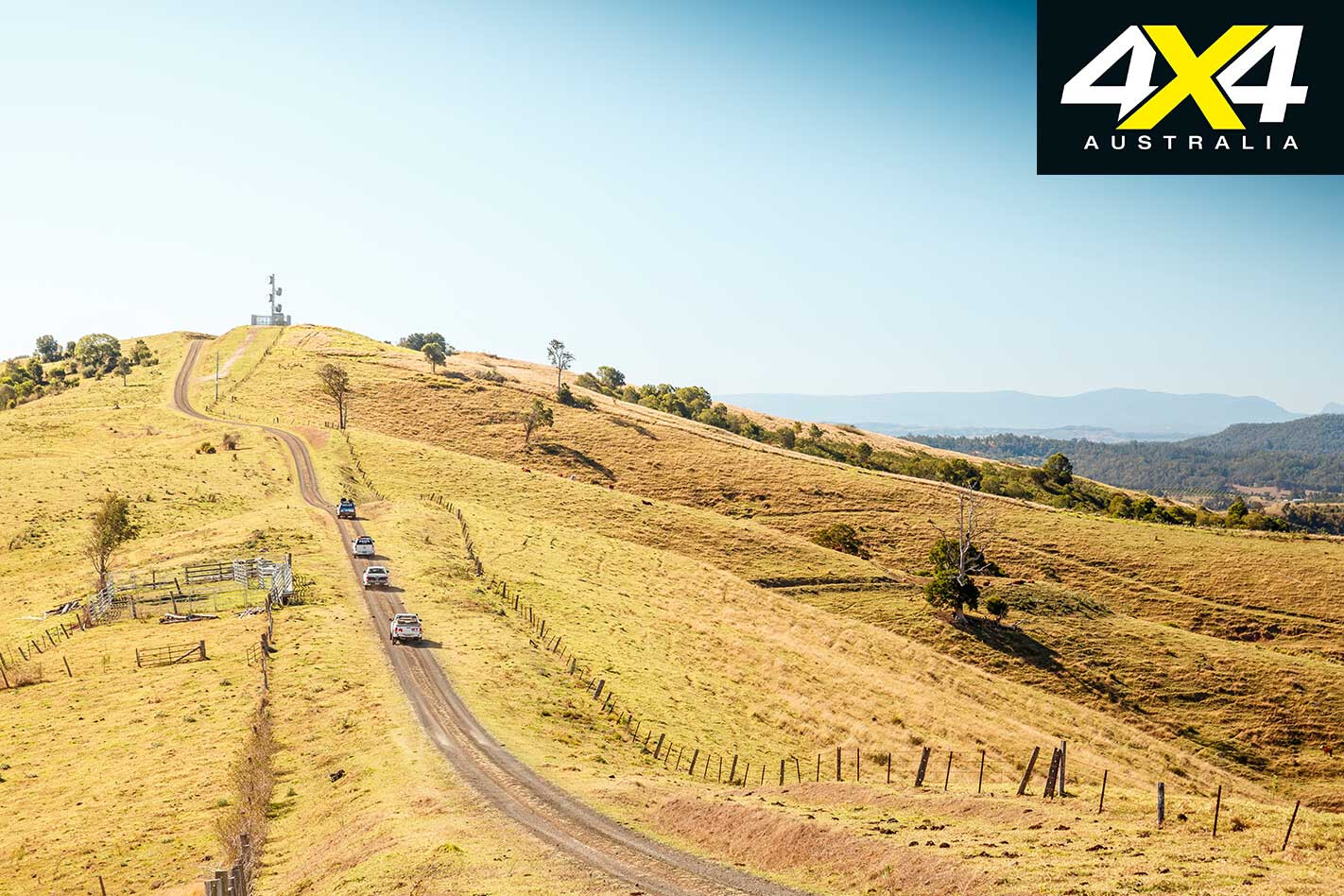
Richmond Range NP covers 15,400ha along the spine of the range of the same name. The park protects a variety of habitats, from dry grass tree landscapes to tall eucalypt forest and open woodland. It covers part of the World Heritage-listed rainforest in the Cambridge Plateau and Bungdoozle areas of the park.
These rainforest areas, protected in 40-odd reserves and parks in northern NSW and SE Qld, are all part of the Gondwana Rainforest World Heritage Area that covers 370,000ha of warm temperate rainforest and nearly all the Antarctic beech, cool temperate rainforest left in Australia.
Even though rainforests cover only about 0.3 per cent of Australia, they contain about half of all Australian plant families and about a third of Australia’s mammal and bird species. More than 200 rare or threatened plant and animal species are found there, with the Border Ranges region of NSW/Qld having the highest concentration of frogs, snakes, birds and marsupial species in Australia.
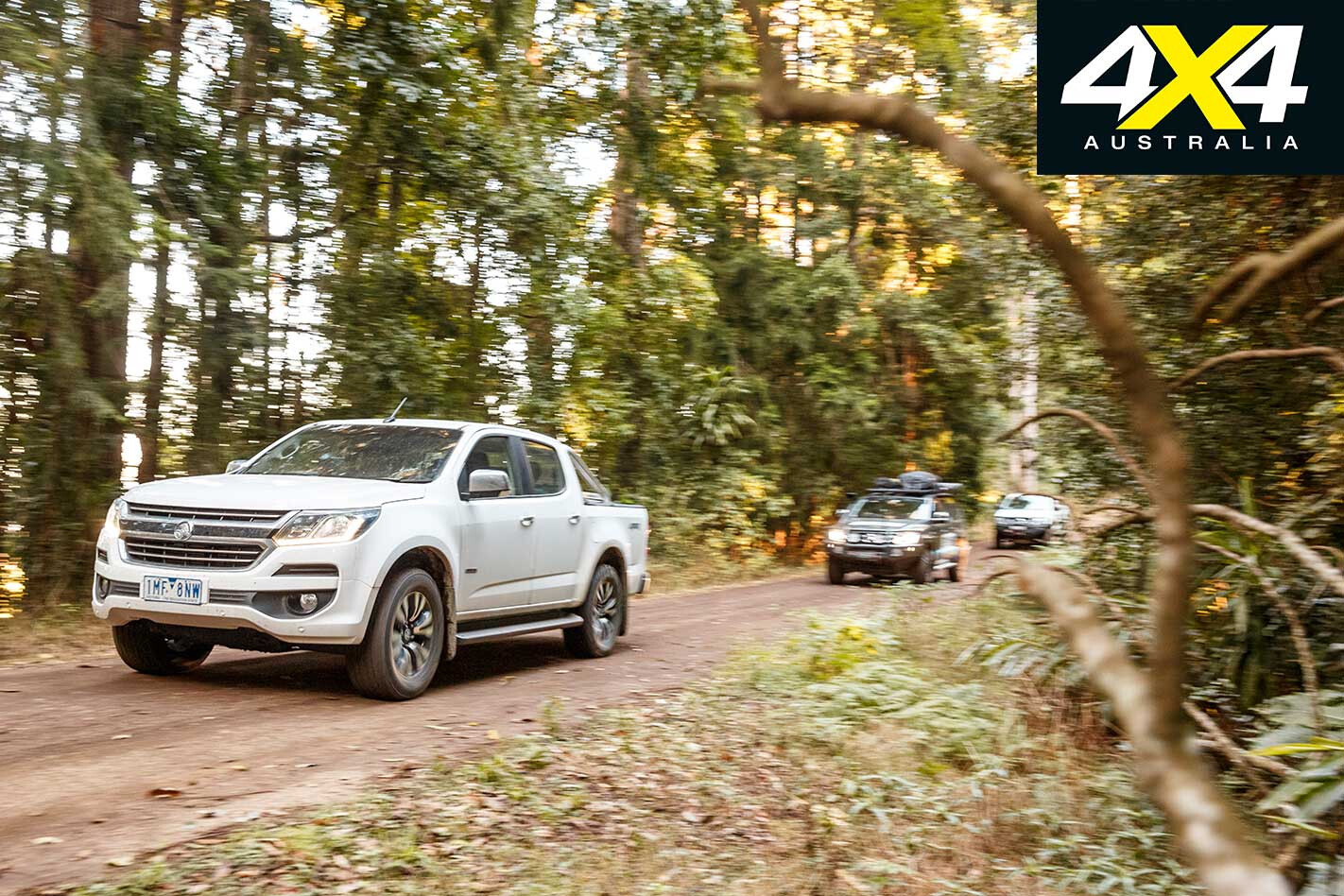
The Richmond Range supports some of our rarer animals and birds, including the beautiful spotted-tail quoll, Parma wallabies, long-nosed potoroos, regent bowerbirds, rose-crowned fruit dove and the wompoo fruitdove, which is almost always heard before it is seen.
On our 32km drive through the park we saw many wallabies and even had potoroos scuttle away from our feet as we walked through the grass to gain a better view at the lookout. The park has only one camping area, and that is at Peacock Creek in the northern section of the park near Mt Brown.
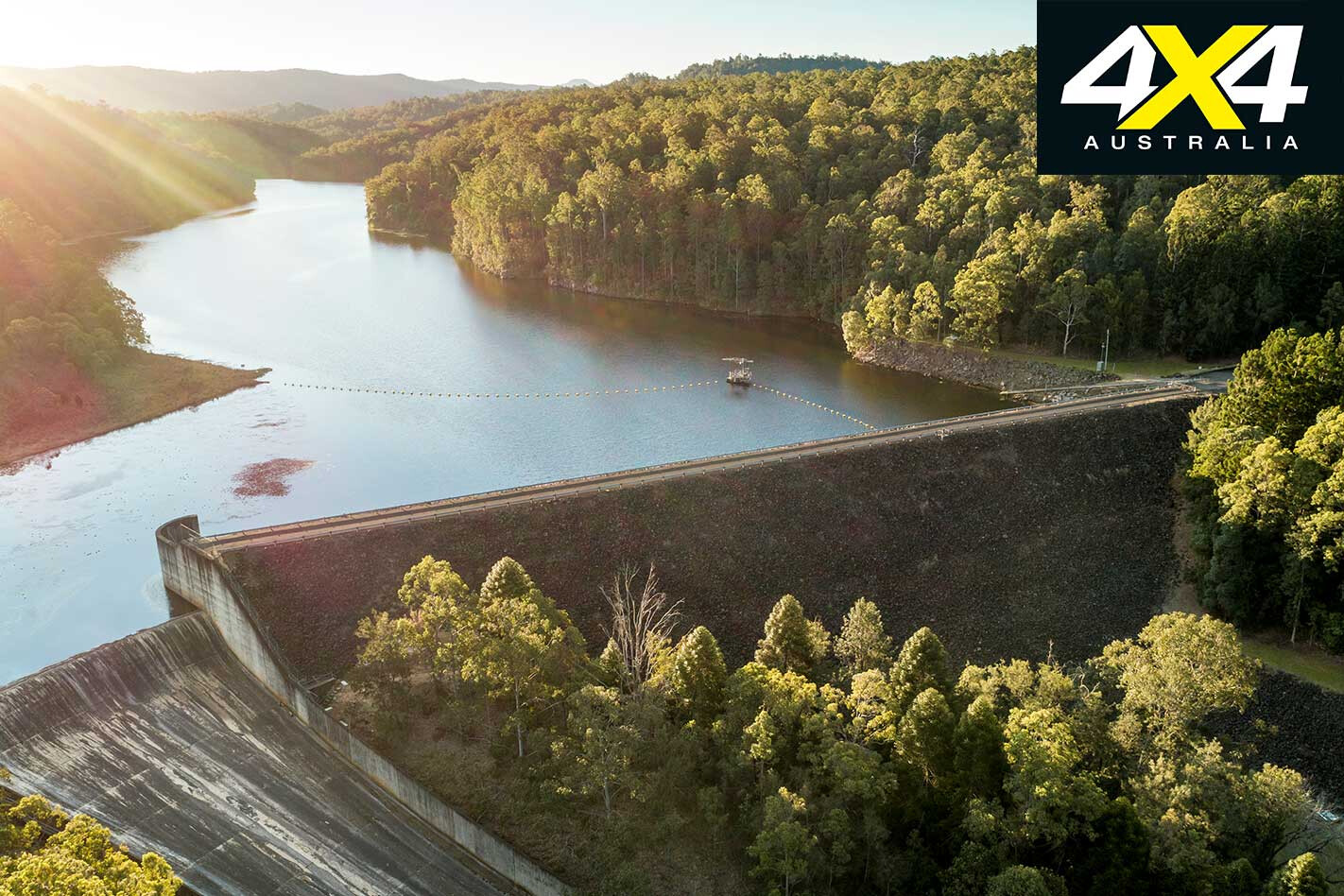
Our route took us out of the park just south of there on Ironpot Creek Road and down across the front of the Toonumbar Dam wall, before reaching the hamlet of Afterlee and taking Coxs Road north into the Toonumbar NP, which joins with the Richmond Range park along its southern edge. That evening we threw down our swags at the rainforest-enclosed Iron Creek Camping Area.
A walking track nearby takes you to the creek proper, part of the upper catchment for the much bigger and easterly flowing Richmond River, the route passing through a mixture of wet sclerophyll and rainforest where the white trunks of flooded gums stand out in the gloom. Red cedar can be found here too, the very timber that was the impetus for the region being opened up in the 1830s. So valued was it, the tree and timber were called ‘red gold’.
This park, established in 1995, protects 14,910ha of rugged country around Iron Pot Creek, the Dome Mountain and includes the Murray Scrub, a rather derogatory sounding name for a large area of World Heritage-listed rainforest.
This region, some 23 million years ago, was a hot bed of volcanic and seismic activity which has resulted in the many abrupt, rugged and sheer-sided peaks dotting the landscape. Mt Warning is one, while Toonumbar’s Dome Mountain, Glassy Mountain and Edinburgh Castle, in the far west of the park, are others.
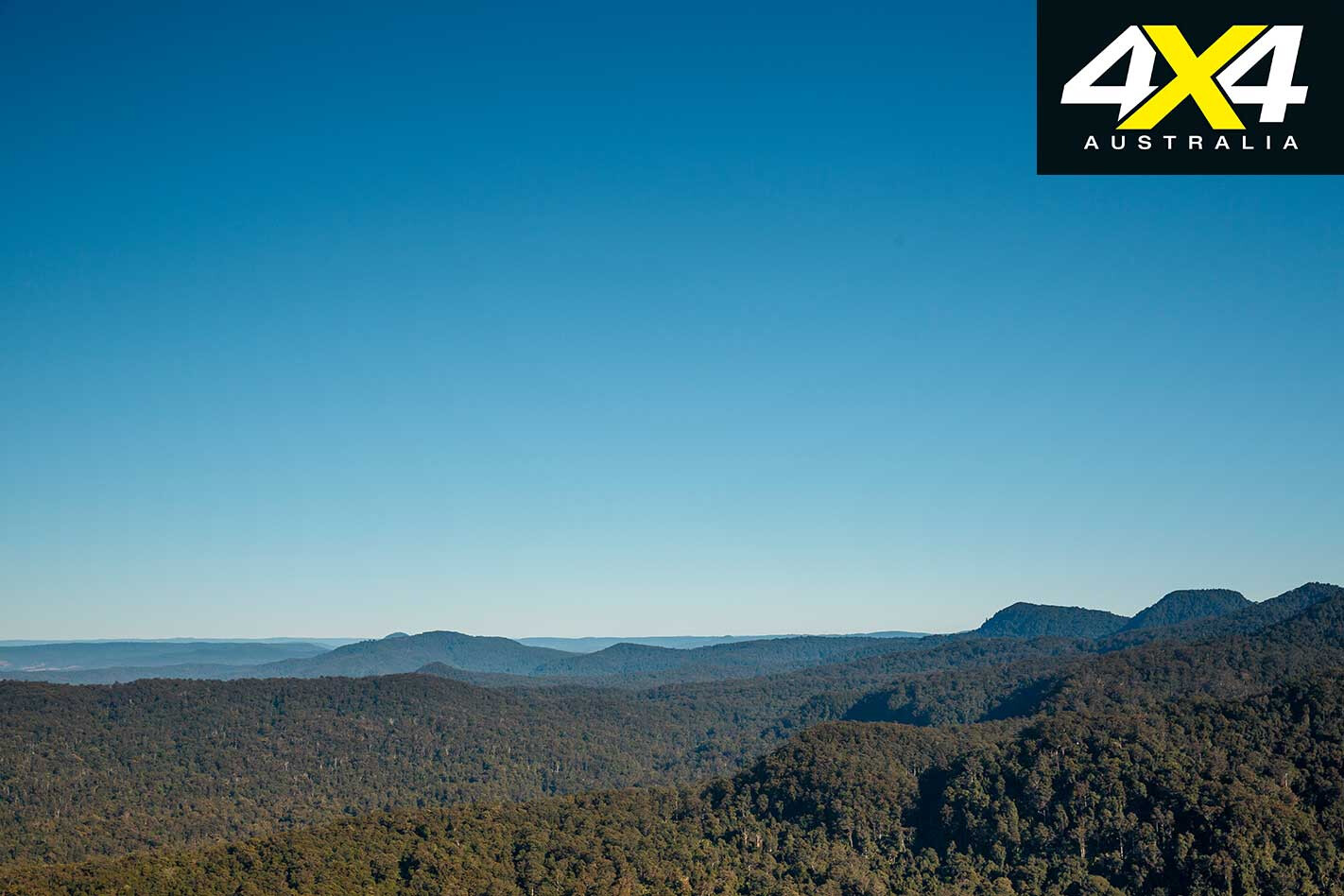
Our route north took us past the Murray Scrub Lookout with its fine views of the rainforest-clad valley across to the crest of Dome Mountain. Sadly, our time in these parks was rather short, but having hada taste of the rich lush region we’ll be coming back with plans to spend a lot more time exploring and savouring this unique area of Australia.
Passing through the pleasant town of Woodenbong we headed west to stop briefly at the small reserve around the 40-metre high Queen Mary Falls. The surrounding forest is, again, part of the Gondwana protected area, while the creek is in the very headwaters of the westward flowing Murray-Darling river system.
From the falls we took the Condamine River Road that follows the upper reaches of the Condamine River (another western bound stream) from just north of Killarney to meet with the more major Boonah-Rathdowney Road. Along the way the reasonable dirt road crosses the Condamine River in a few places; at times this road can be closed because of these crossings and high flood waters.
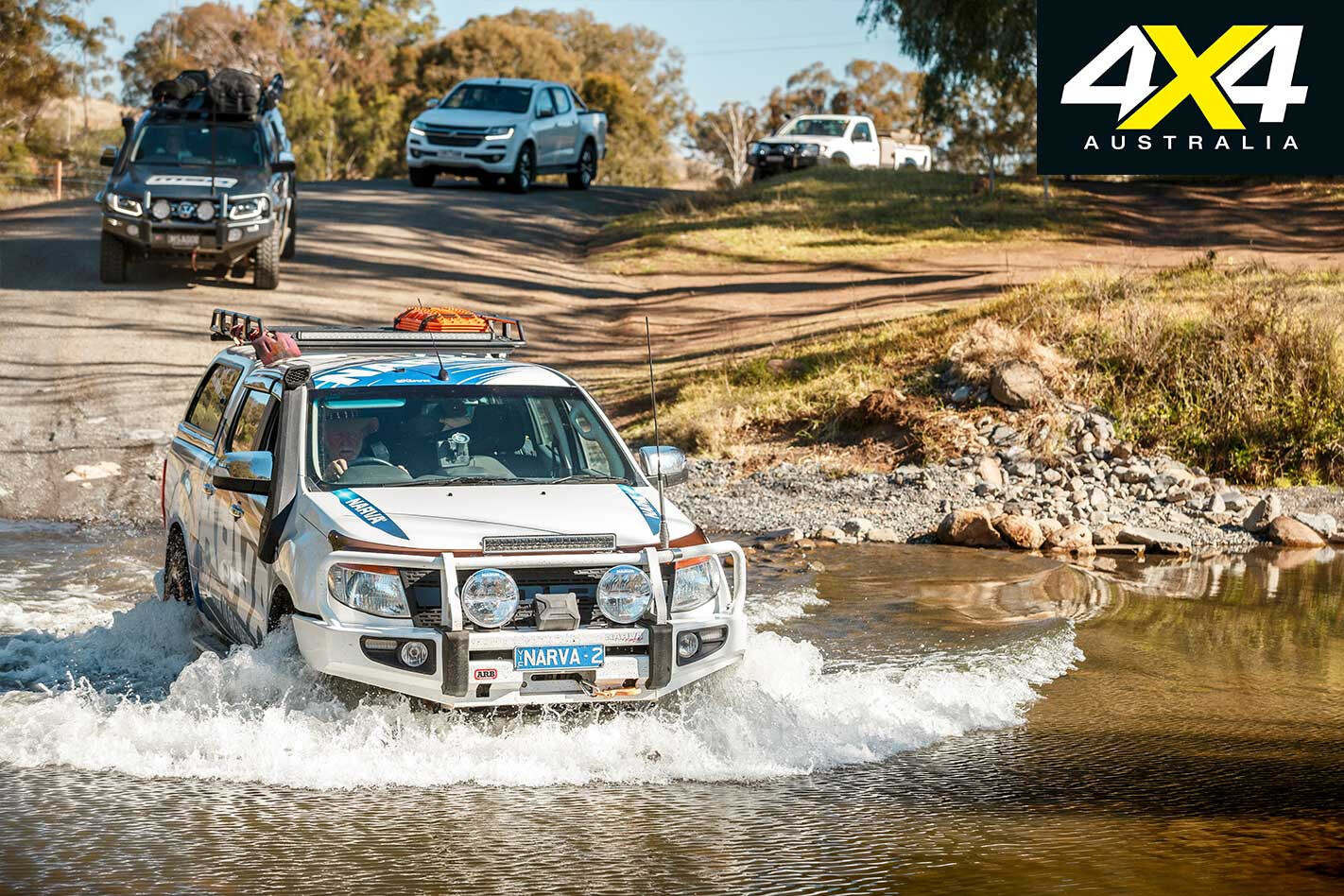
It’s an enjoyable drive with high red bluffs overlooking the stream in parts, but sadly there are few, if any, places to camp – unless you know one of the land owners, many of whom have put out ‘Trespassers prosecuted’ signs!
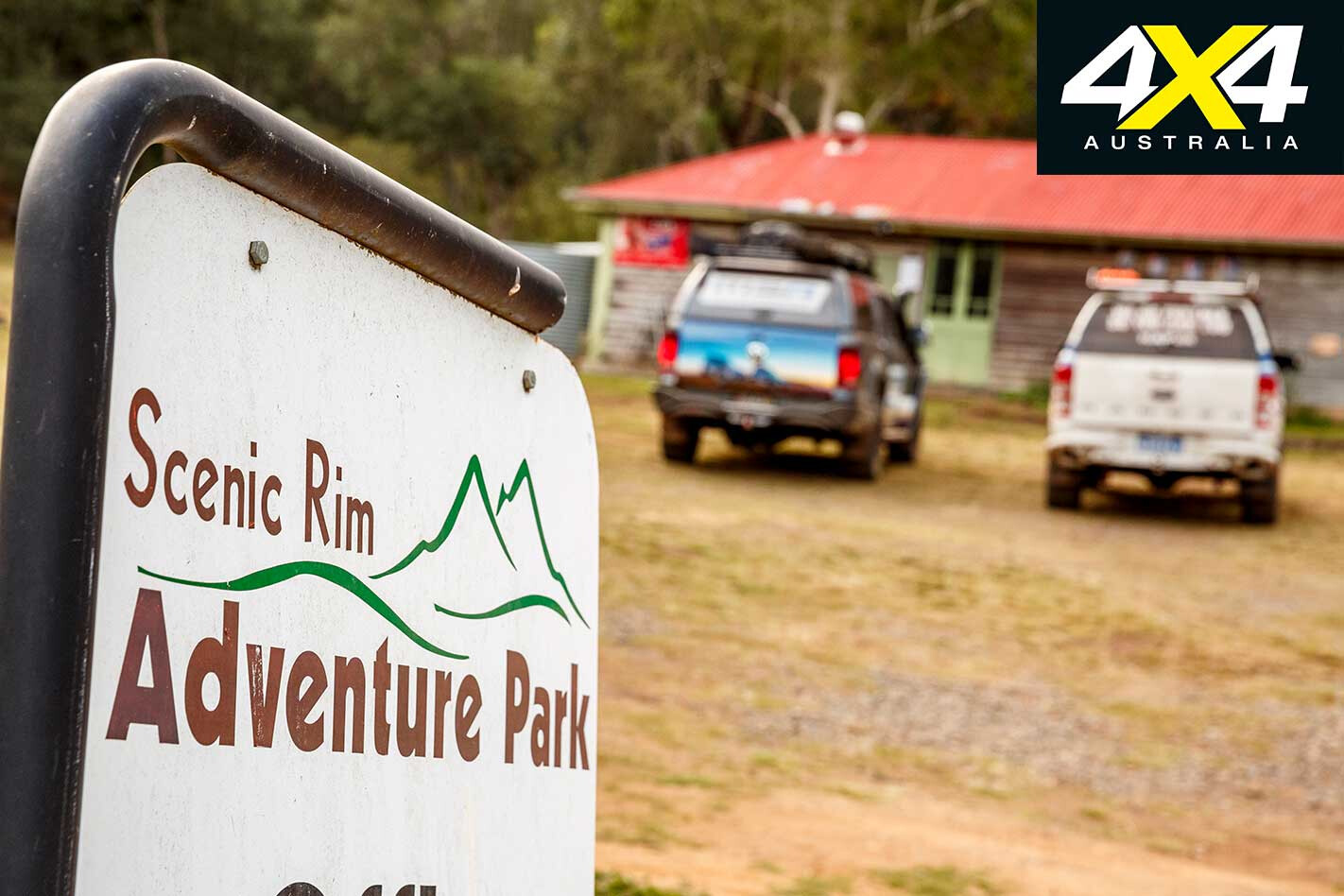
From Rathdowney we found our way to the Scenic Rim Adventure Park, one of the handful 4WD parks that dot the territory around the greater Brisbane area and which offer four-wheel drive tracks and bush camping.
The Scenic Rim Adventure Park contains about 30km of 4WD tracks to test your skill on – some are extreme – and over a dozen camping spots along with a couple of huts if you are looking for some rustic, bush accommodation. We enjoyed the next day here on a few of the trails and a couple of nights camped on the edge of the creek.
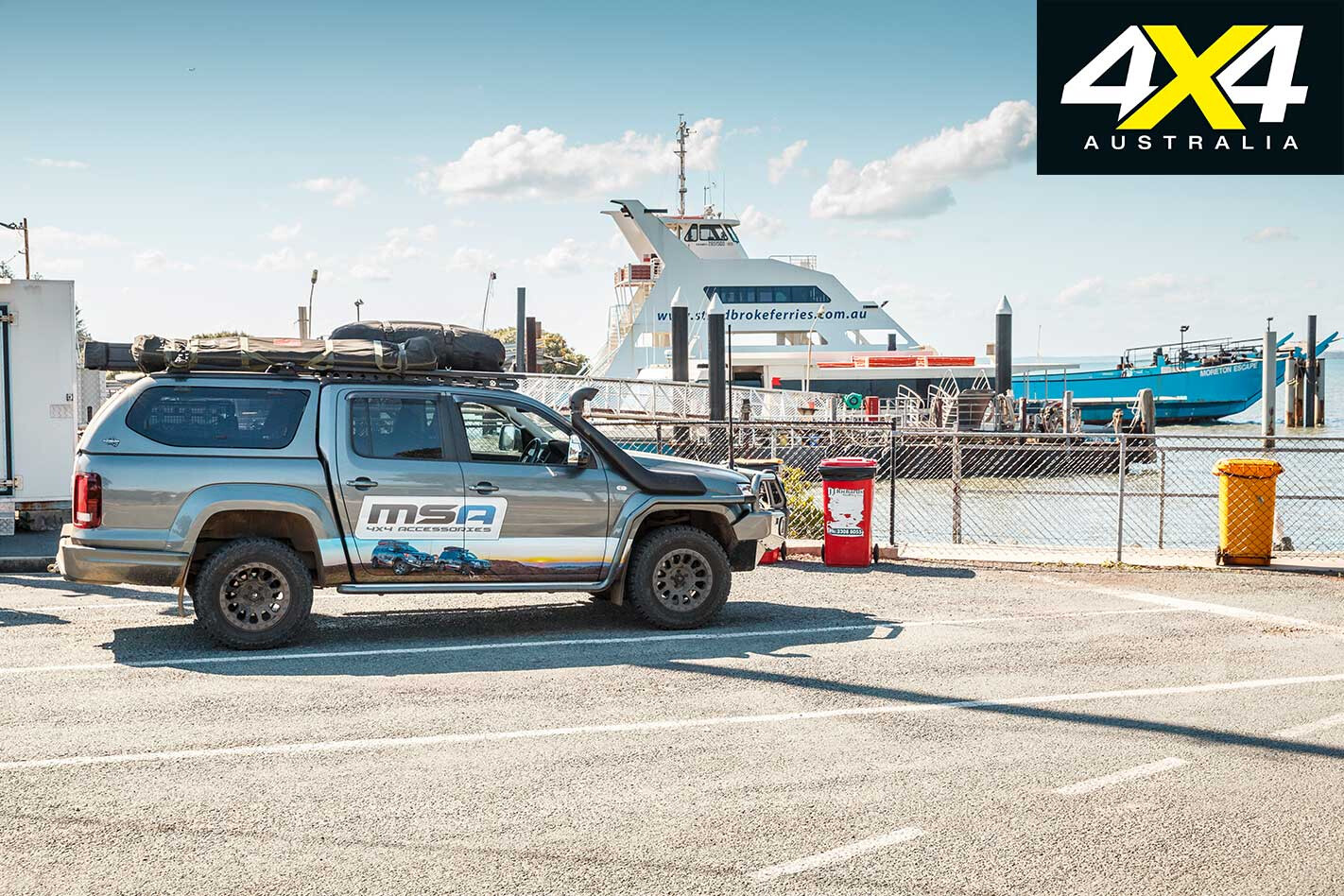
With a change of scene planned we found our way through the suburbs of Brisbane and to Cleveland where we caught the ferry to North Stradbroke Island, or ‘Straddie’, as it is affectionately known by the locals.
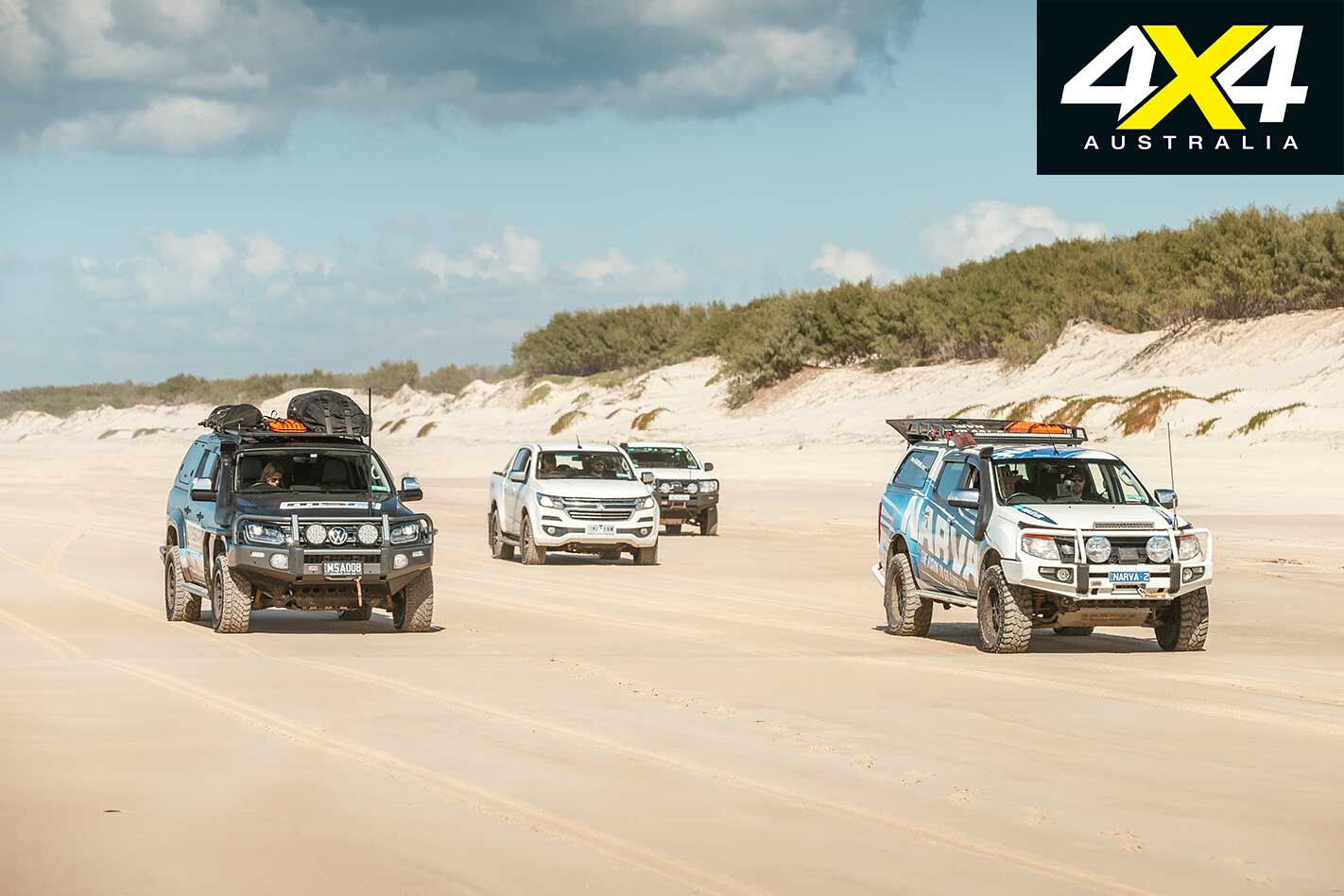
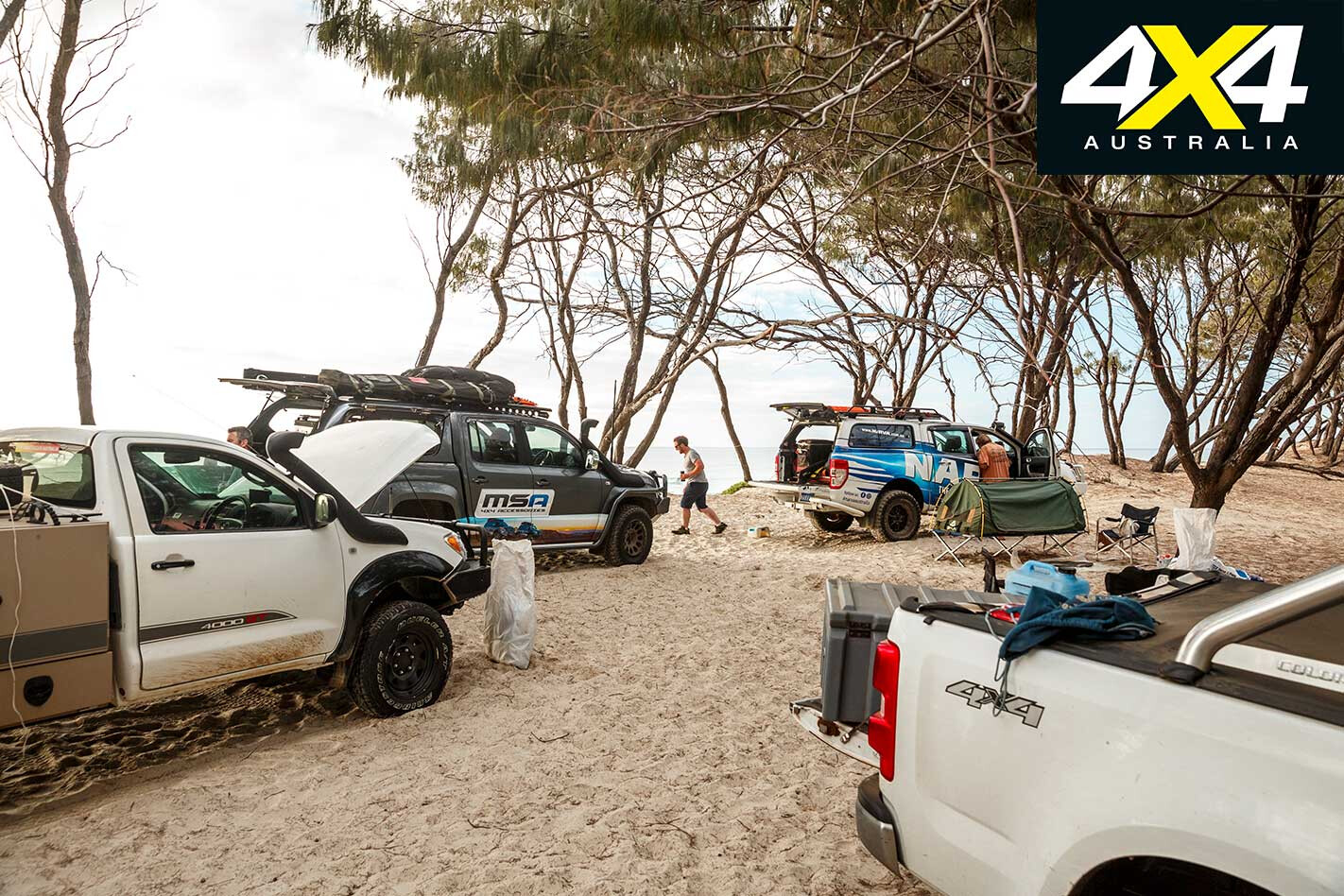
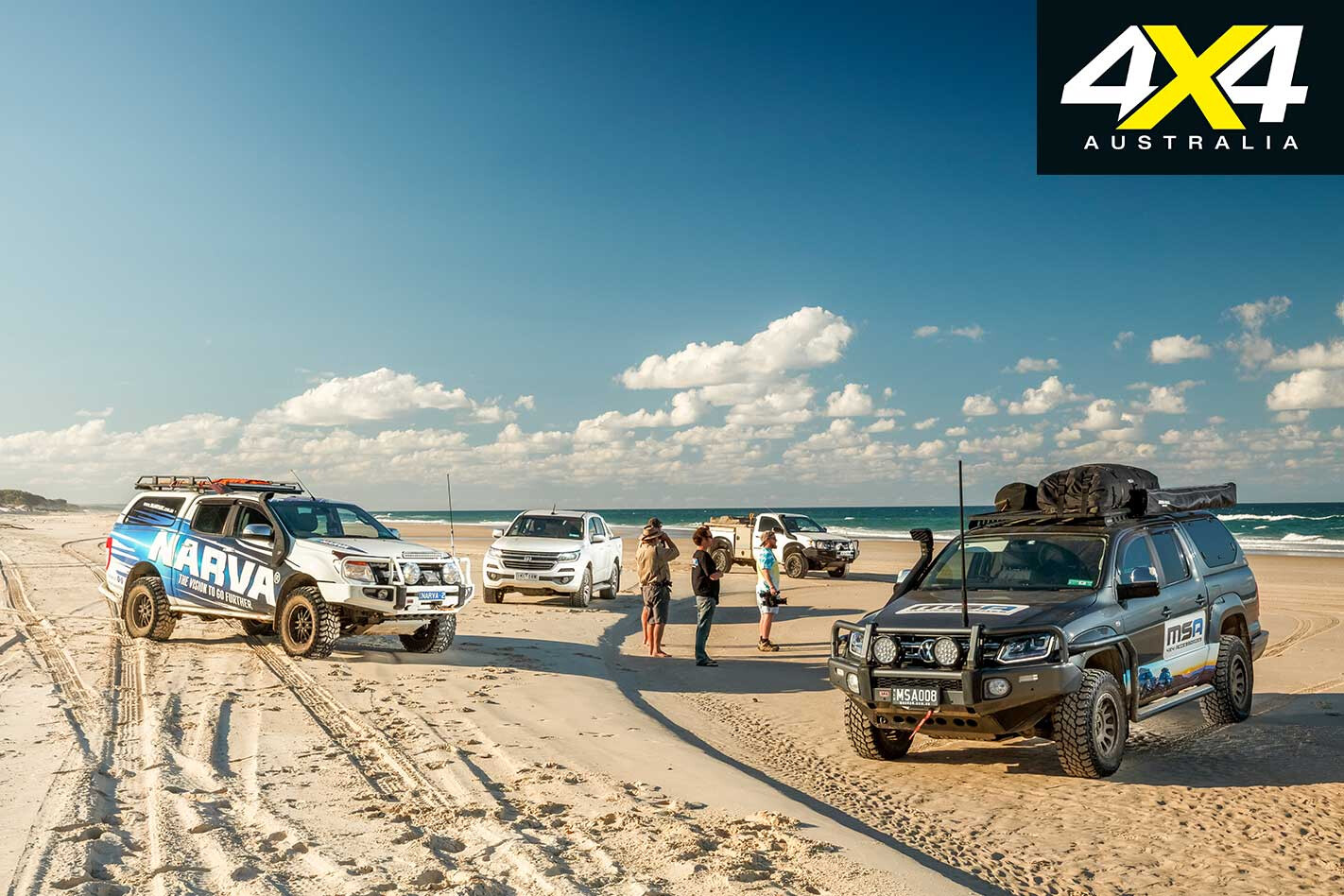
Once on the island at the small township of Dunwich and armed with our permits, available from the office near where the ferry lands, we headed over to Main Beach. We hit the white sands and turned south for a really enjoyable run to our chosen campsite near the southern end of the island.
The Quandamooka Aboriginal people have had a long association with the island and Moreton Bay stretching back generations, while European heritage dates back to just 1827 when the first British ship, the Rainbow entered Moreton Bay.
Captain Rous promptly named the island after his father, the Earl of Stradbroke, while Dunwich, now the island’s main settlement, was named after his brother. Don’t you just love it how those early British mariners named the places they deemed important enough to have a name?
Next day saw us cruising back up the beach, which was dotted every few kilometres with parked vehicles, their occupants standing close to their fishing rods, waiting and hoping for a tug on the line. Tailor are the most common adversary, but it is surprising what other fish come off the beach or the headland at Point Lookout – snapper, trevally, mulloway and even yellowfin tuna, wahoo and sailfish. No wonder Straddie is such a popular spot for the fishing folk!
We headed inland and took the 5km return walk to Blue Lake, which passes through wallum woodland, stunted eucalypts and flowering heath some of which were already in flower – it would be delightful and spectacular in spring.
The walk is a pretty easy one, passing a lookout platform before dropping to the shores of the lake. It is one of the two largest lakes on the island and has long been sacred to the local Aboriginal people where Dreamtime legend has it that it is the home of a giant carpet snake.
Back on the road we headed north to check out the small townships of Amity Point and then Point Lookout, making up the trifecta of towns on the island. Amongst the three you’ll be able to find everything you need to have a fabulous time on this island paradise. It lies so close and is so readily accessible from Brisbane that it makes for the perfect trip.
At Point Lookout we took the boardwalk around the headland that gives inspiring views of the coast – to the south is the long sweep of Main Beach while to the east the blue Pacific rises and falls to the beat of the tides and the south-east swells.
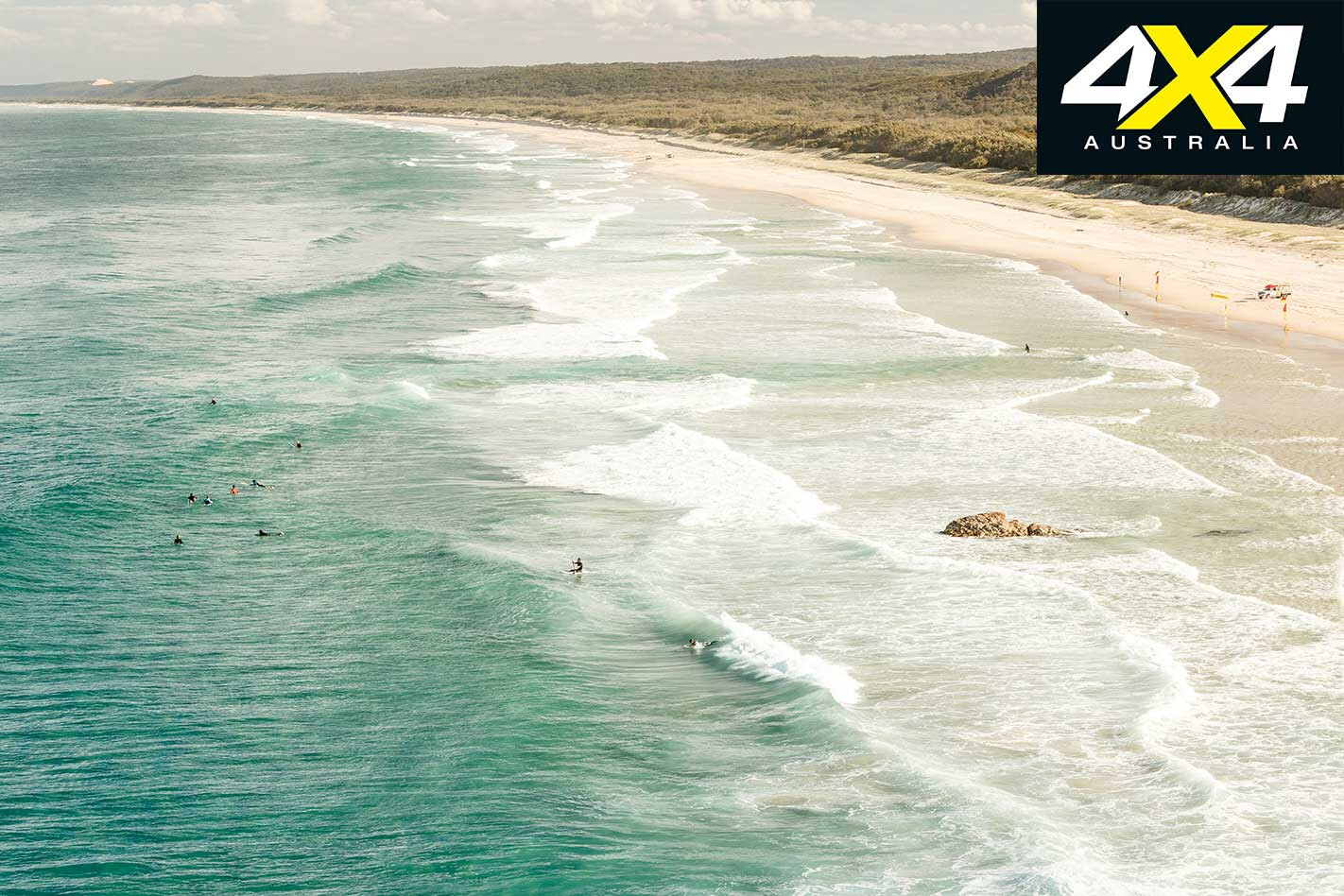
It is claimed proudly by the locals that within a few kilometres of the rocky headland 98 per cent of the whales that make the journey up the east coast of Australia from their feeding grounds in Antarctica to their breeding haunts in the sheltered waters of the Great Barrier Reef, pass this point.
And so it seemed to us; we saw a couple pass in just the hour or so we were on the headland, one coming within a couple of hundred metres from land, its path underwater easy to see by the oily slick it left behind, before it came to the surface to breathe. Over the course of the few days we were on the beach and taking note looking out to sea, we saw more than a dozen whales passing the island; there would have been many more.
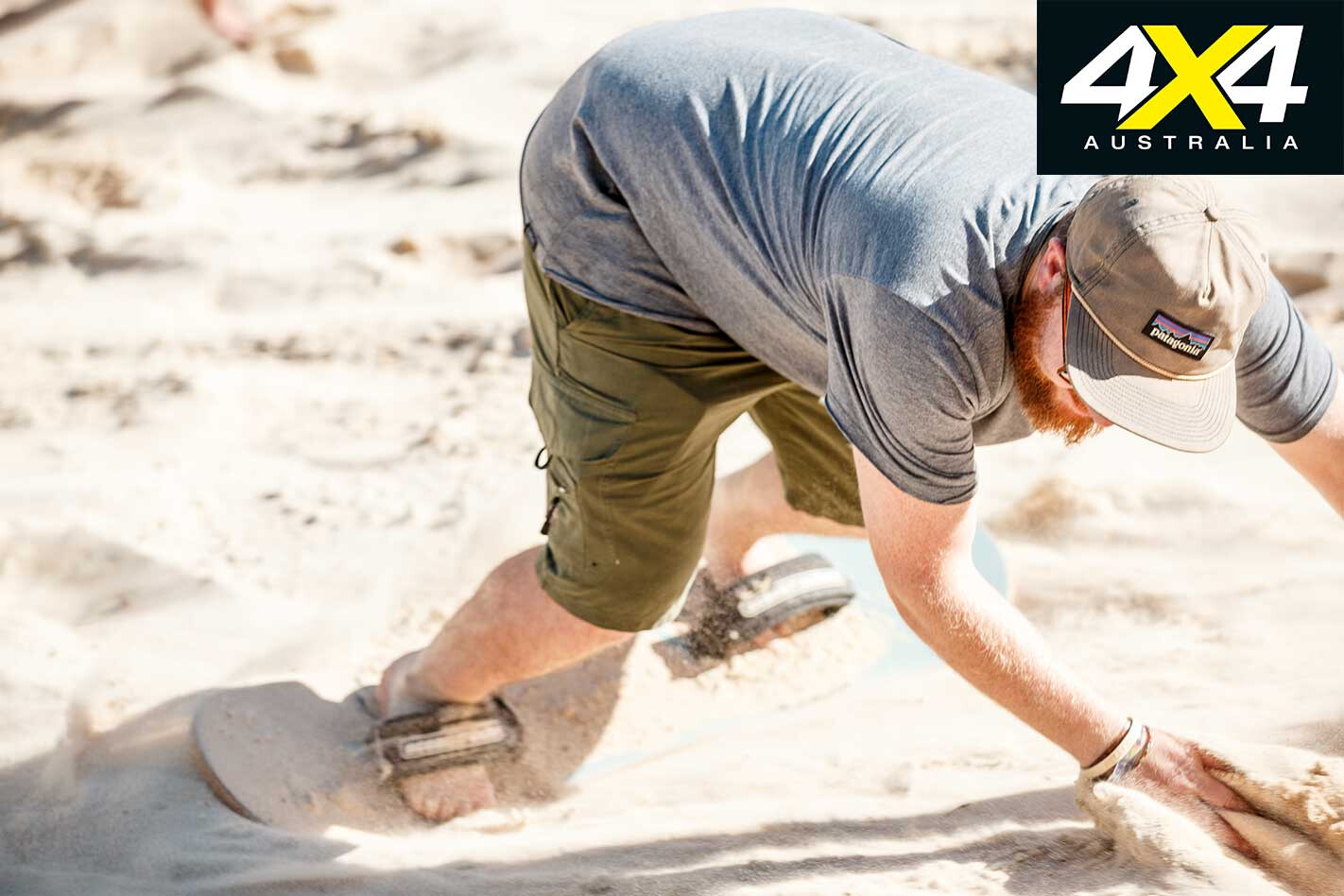
Next day we met up with ‘Barefoot Dave’, a guide on the island who has been leading fishing, sand boarding, kayaking and whale watching trips for more than 18 years. As we headed off sand boarding to a spot he has exclusive access to amongst some steep dunes close to Point Lookout, he was indeed a happy man.
The group of young backpackers were mainly from Germany and Denmark, while a couple were from Canada. Us Aussies were outnumbered and I was certainly the oldie in the group, but nonetheless a lot of fun and an entertaining way to kill a few hours.
Instead of running the beach for the whole way south, this time we took a sandy 4WD track that cuts through the centre of the island from near Amity Point to the main road across the island meeting it near the Blue Lake carpark.
It’s an easy enough drive that sticks to the high ridge in the centre of the island, while occasionally offering views of Moreton Bay to the west. Although the thick forest of blue and scribbly gums, bloodwood, blackbutt, drooping sheoaks and cypress-pine all interspersed with a lower story of banksia trees, wattles and acacia blocks some of the expansive views.
Next morning, our last beach run took us back to Dunwich and the ferry back to the mainland and reality. I had never been to Straddie before, but it quickly won my heart. The white sand, the rolling surf, the great driving, diving and fishing, along with a host of other activities, ensures it won’t be long before I’ll be heading back again. It is magic!
Travel Planner
Mt Warning Rainforest Park: www.mtwarningrainforestpark.com/park-map For the parks in NSW see: www.nationalparks.nsw.gov.au For parks in Qld see: www.npsr.qld.gov.au/parks Gondwana Rainforest World Heritage Area: www.environment.gov.au/heritage/places/world/gondwana Scenic Rim Adventure Park: www.scenicrimadventurepark.com.au North Stradbroke info/ferrries: www.stradbrokeferries.com.au Camping and Vehicle Permits for Straddie: www.minjerribahcamping.com.au/plan-your-stay/4wding/4wd-access Fishing, sand boarding (& more) tours: www.straddiekingfishertours.com.au
‘HARRY HJ’ had a tough life before Al picked it up and he knew it would need some rebuilding, but the longer (800mm) wheelbase provided ideal dimensions for slide-on camper fitment, so the refurb began.
Paint, body mounts, sound deadening, Long Ranger 160-litre rear tank, seats, front and rear bars, diffs, half shafts, wheel ends, brakes, propshaft, main box and transfer case rebuild, Bilsteins/Polyairs/Kings springs and engineering approval for 3.5 tonnes GVM were all fitted and sorted.
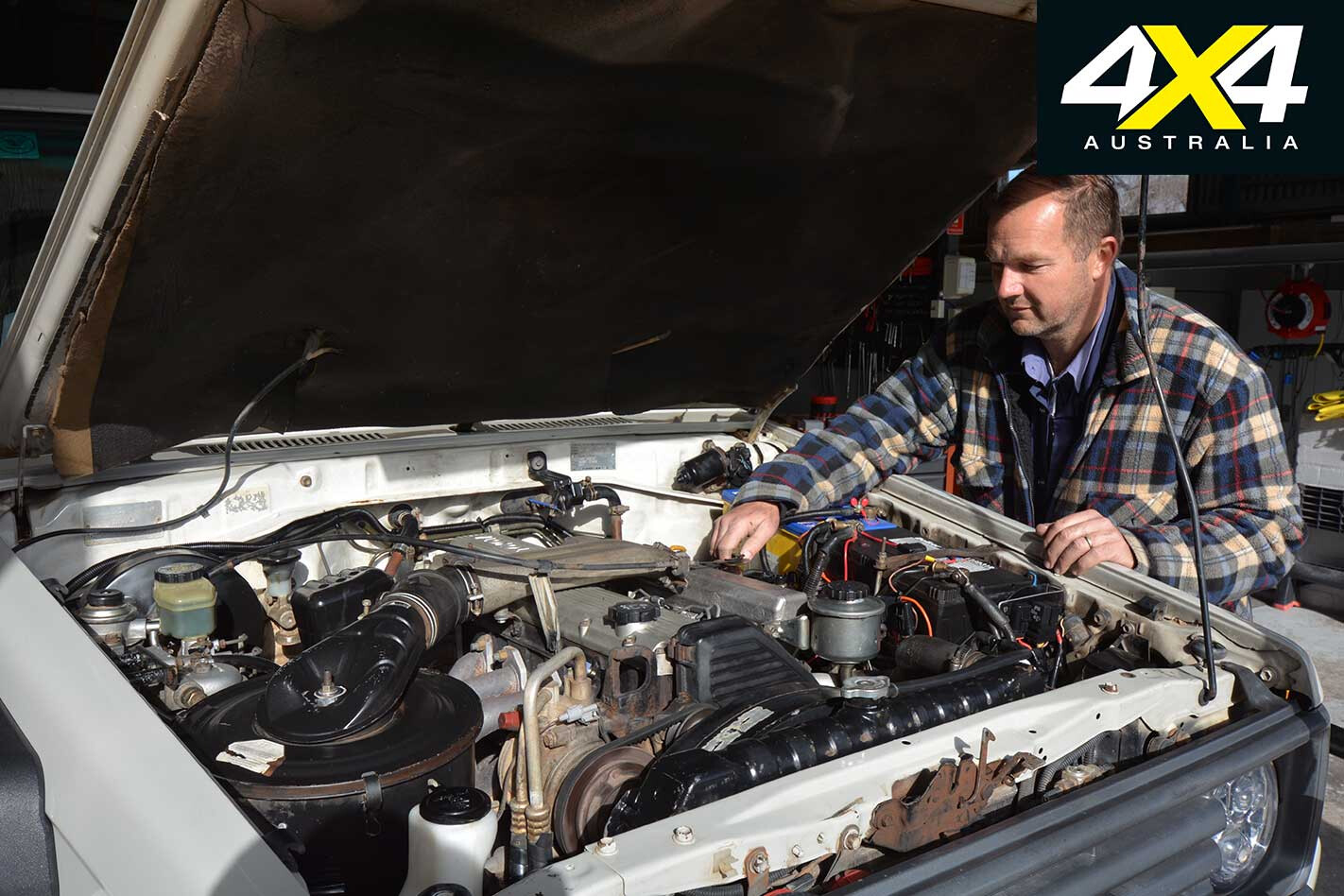
As a bush beast the HJ has proved to be almost invincible, but on-highway performance from the naturally aspirated 1HZ was less than brilliant. In its past life someone had fitted extractors, in the hope that better exhaust breathing was necessary.
With a fully loaded Tray-Tek camper and topped-up fuel and water tanks, Harry uses up all of his GVM upgrade. With the boat trailer behind as well, its performance on highway grades was… modest. Al and his better half, Kez, were running the risk of being shunted up the bum by loaded B-doubles.
Al took the Cruiser to the experts at Berrima Diesel, for power and torque improvements. Andrew Leimroth checked out the 1HZ and pronounced it fit for mild turboing. Al has always been wary of fitting turbochargers to engines that weren’t designed for them, but Berrima Diesel has been doing this job for many years, with great success, provided people don’t ‘fiddle’ with their dyno-proved fuel and boost settings afterwards.
Also, we were reassured by the fact that Toyota did produce a factory turbo version of the 1HZ – the 1HZ-T – that was fitted to Coaster buses in Europe, before the advent of the direct-injection 1HD-T. If the worst happened – piston, rod or bearing failure – there were plenty of upgraded bits available, Al reasoned.
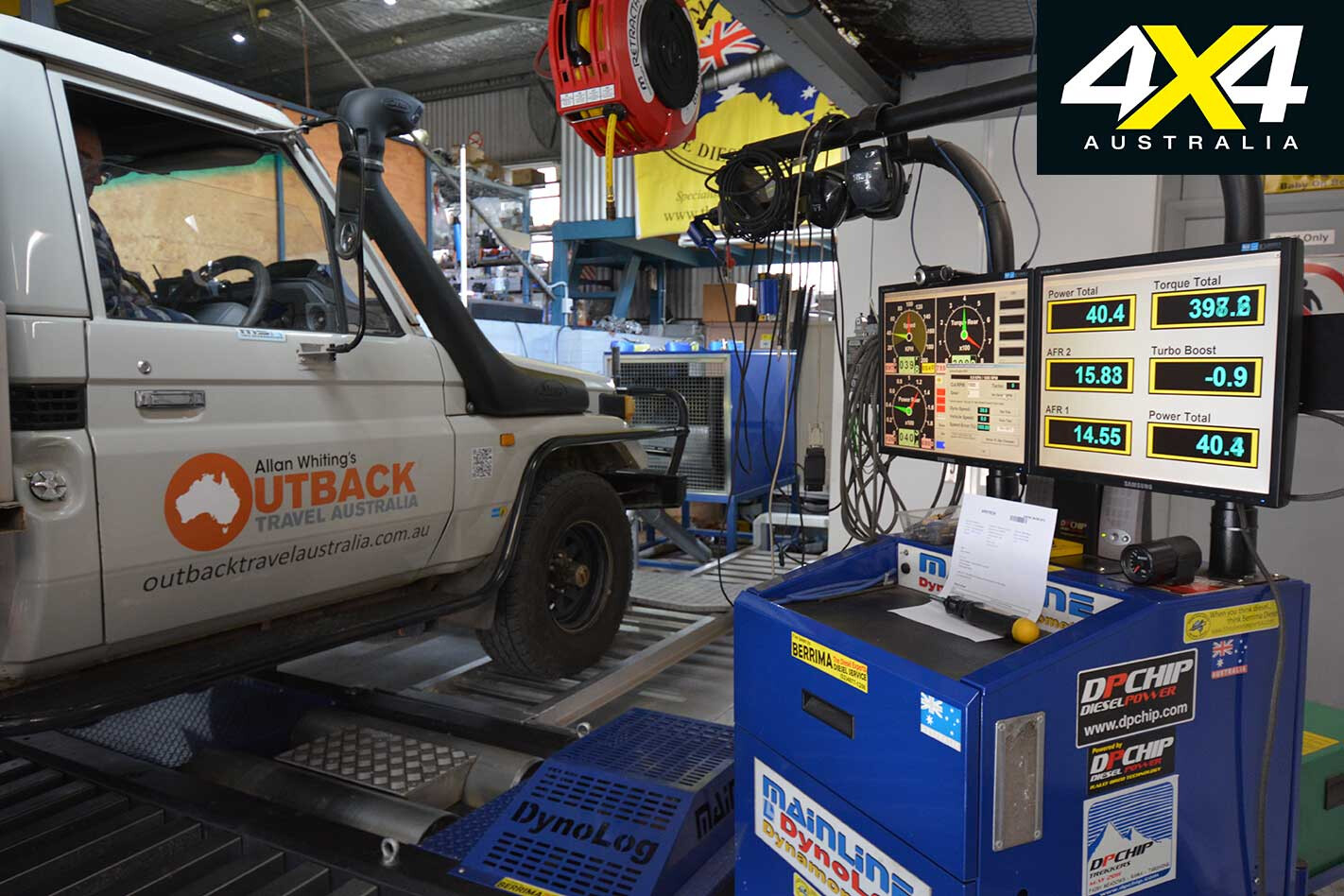
The job started with a third-gear dyno test that revealed a very modest rear wheel power figure of 59.8kW. Off came the standard inlet plumbing and extractors, and in went the DTS turbo kit’s inlet plumbing and exhaust manifold. Because the extractors had replaced the standard exhaust system, a length of exhaust pipe with flange had to be made up to mate to the turbo-kit’s exhaust manifold. Then on went the Mitsubishi turbo.
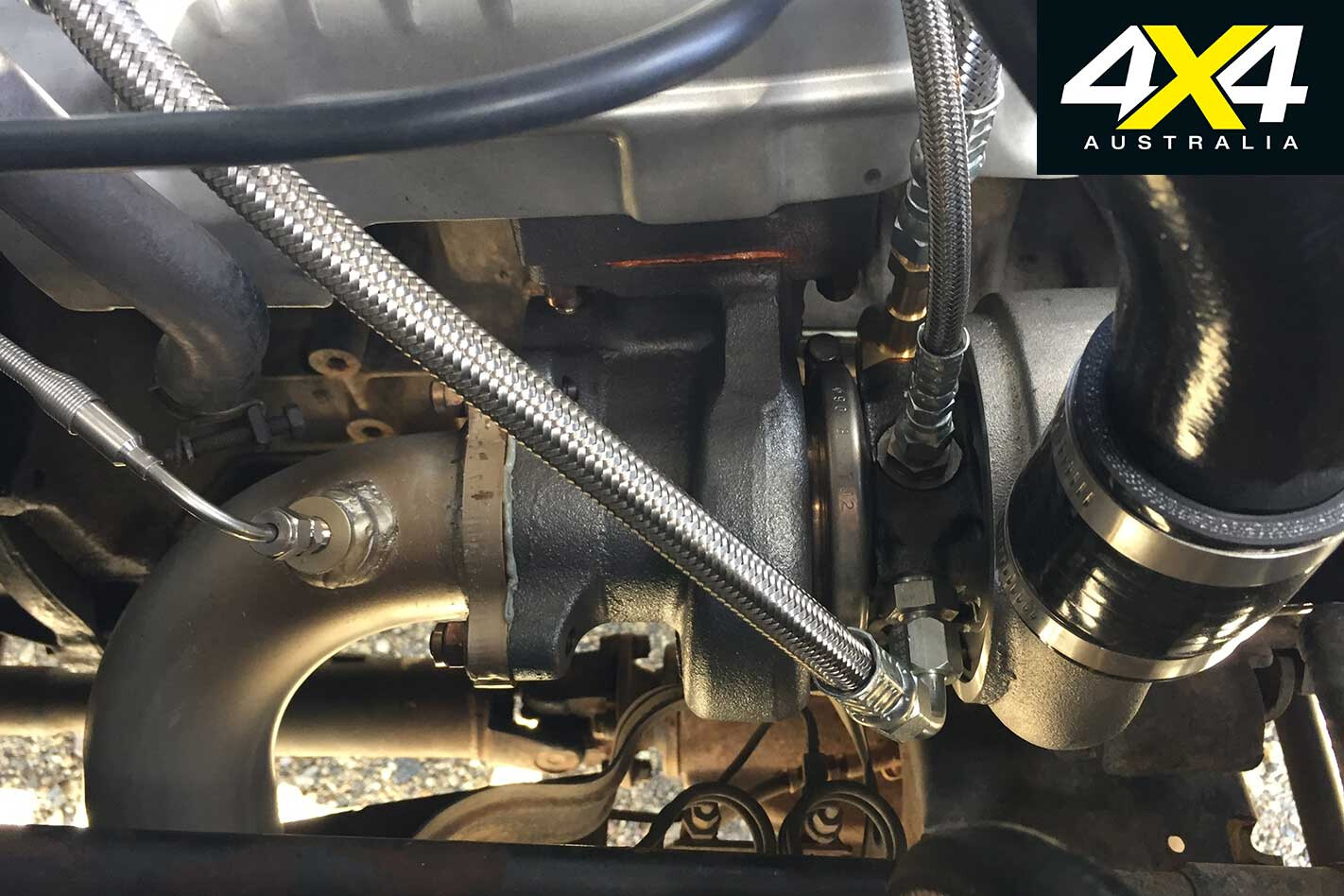
Oil lines and water pipes were connected and a Redarc exhaust gas temperature probe was fitted to the exhaust pipe. The gauge fit neatly beside the Land Cruiser instrument binnacle, providing a clear readout of boost pressure and exhaust temperature.
Back on the dyno there was an immediate improvement in output, even with the standard fuel pump settings. Rear wheel power went up to 63.1kW. After pump adjustments, the final figure was 75.6kW – a 25 per cent increase.
Third-gear calculated torque was originally 374.5Nm, and it went up to 425.6Nm before fuel pump adjustment, finishing at 502.2Nm – an increase of around 130Nm, or 30 per cent.
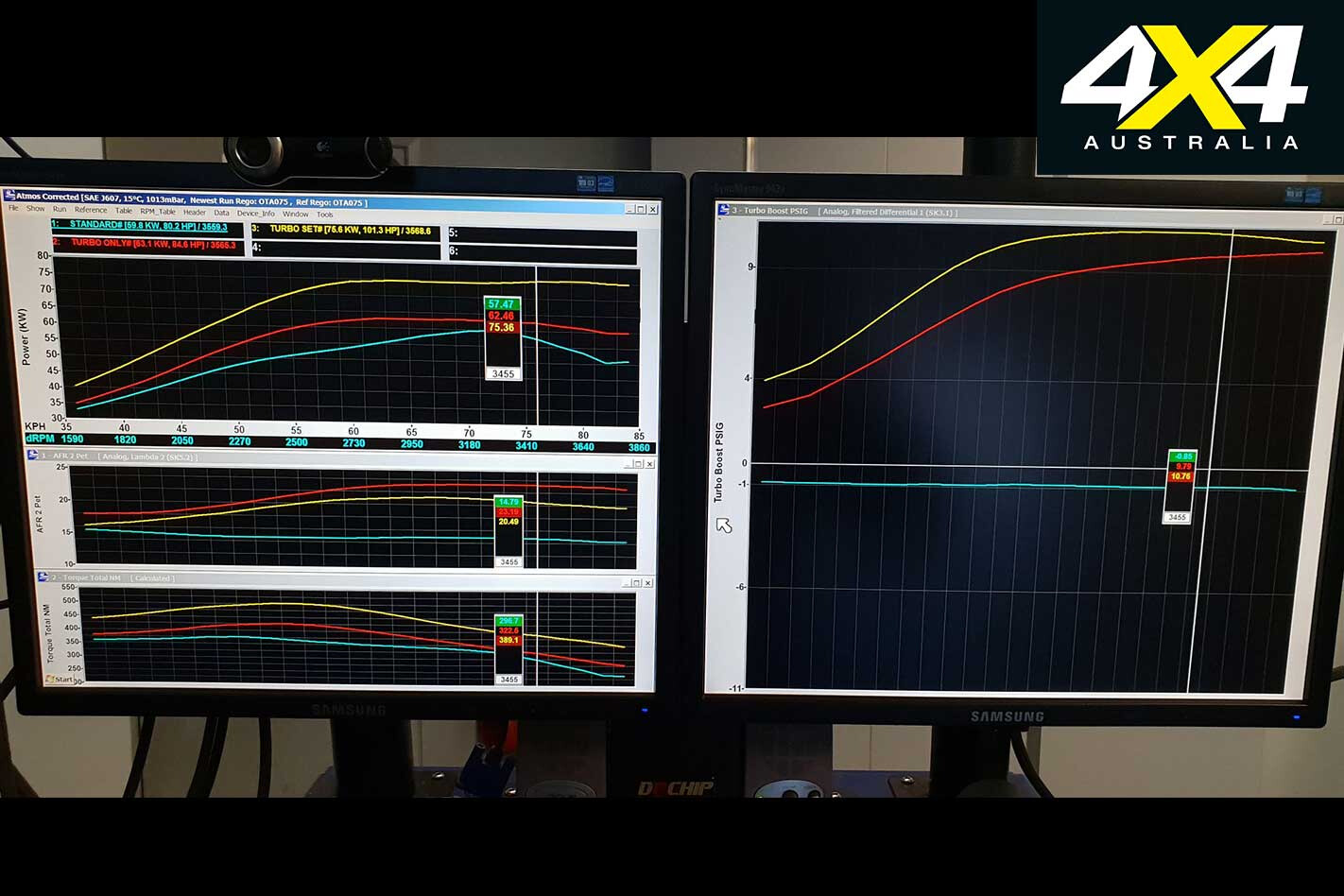
In its original form the 1HZ engine operated under load with an almost exact stoichiometric air/fuel ratio of 14.7:1 (the weight of air required to burn the corresponding weight of fuel injected). A stoichiometric ratio is critical for safe and efficient combustion in petrol engines, but diesels are happy to operate at lean mixtures and suffer no penalty from excess air, unlike petrol engines that can run hot when leaned off.
The advantage of a lean diesel mixture is less smoke, thanks to better combustion at full load and when accelerating. With its new turbo spinning, the Cruiser ran an air/fuel ratio mostly in the 18:1 to 21:1 range.
On the road the difference was stark. Harry was a gear better on Al’s test hills and made no smoke at all, even under harsh acceleration. Flexibility in all gears was improved and engine noise levels were much lower, thanks to a rotary ‘silencer’ that chopped up inlet tract noise.
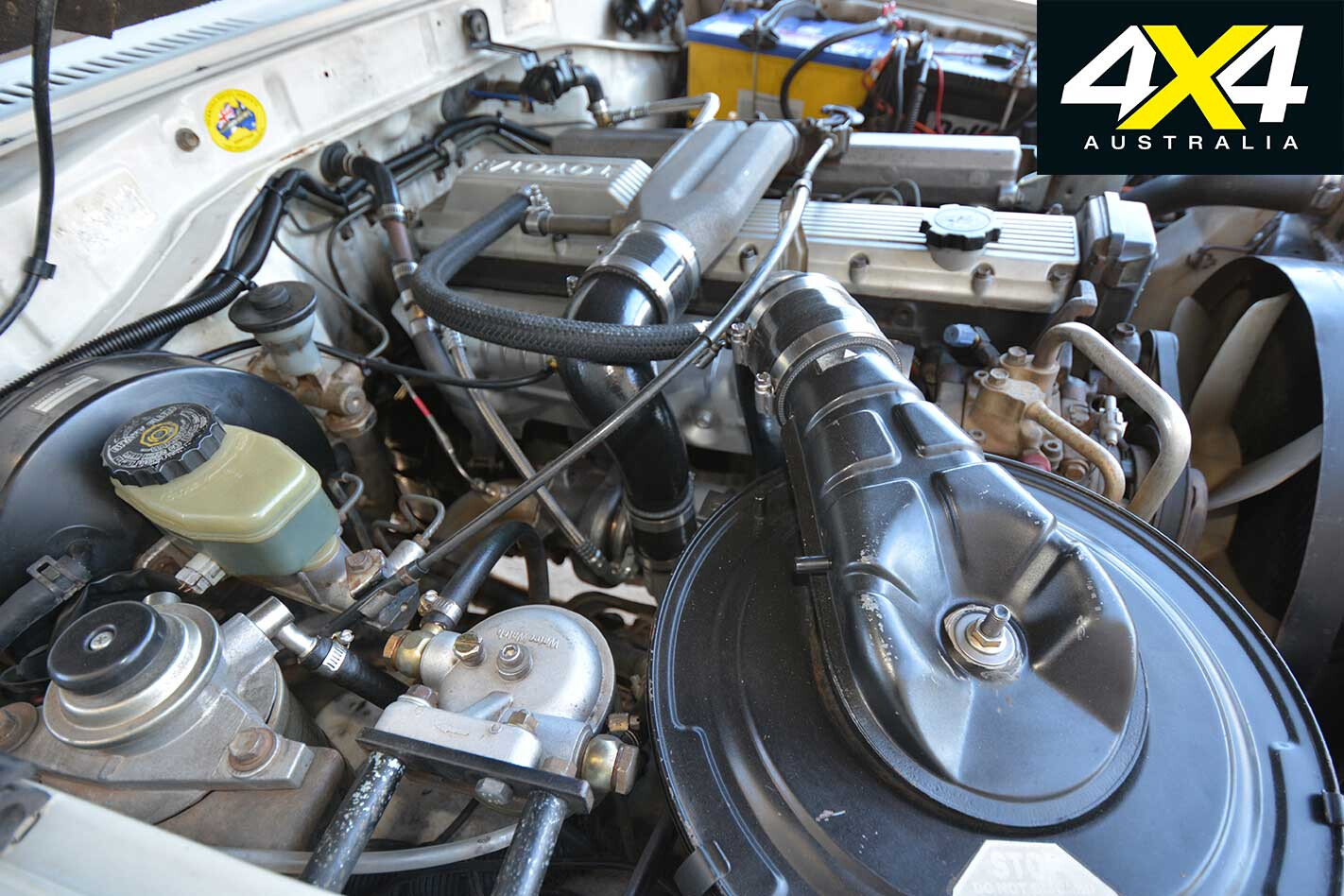
The Cruiser was tested under load by pulling a car trailer with a mate’s ancient Land Rover on its back. Very satisfying, that! Towed weight was exactly 2.5 tonnes. On the flat Harry was unfazed by the trailing weight, so Al pointed him up the 10 per cent grade from NSW’s Kangaroo Valley to Moss Vale: a 25-kilometre slog on tight, winding bitumen.
His eyes were glued to the Redarc pyro throughout this climb, which Harry managed mostly in second cog, with a feathered accelerator pedal and revs around 2000rpm. The gauge registered maximum boost of only six psi, the exhaust temperature ran in the 250-350°C range and the coolant gauge needle didn’t move for the entire climb. Not much combustion stress there, he reckoned.
Al tried third gear at times, but the pedal went to the floor, revs fell back, road speed didn’t increase and boost and exhaust gas temperature started to rise, so he reverted to second. Before the turbo fitment Harry would have held second on the straighter bits, but he’d certainly need to drop into first for tight corners.
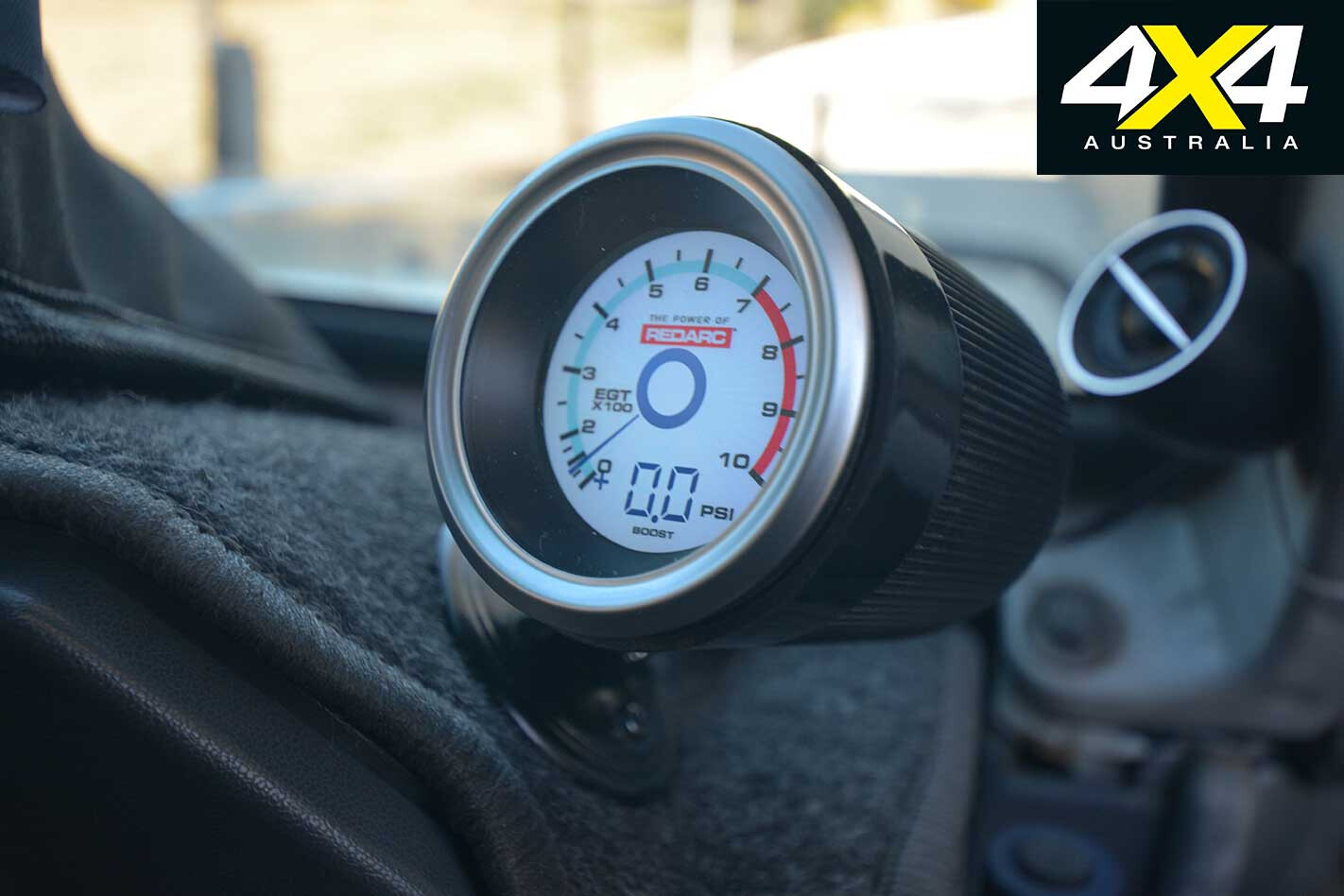
On-highway driving, with Harry only lightly loaded, was done mainly in fifth gear and hills that previously saw him back to fourth at 80km/h are now conquered in fifth at 105km/h. Boost never exceeded 10psi and exhaust temperature was typically 300-350°C, with one instance of 400°C for a few seconds. The coolant gauge needle didn’t move off its normal position.
The next test trip was done with the Whitings’ Tray-Tek camper on the back and a 300kg Hobie trimaran and boat trailer bobbing along behind. Flexibility was greatly improved and a two-day highway driving stint was quite relaxed. All the freeway and highway hills were handled in fourth and fifth, where before Harry needed third and even second on quite a few climbs.
It’s still early days for assessing overall fuel economy, but first impressions are a slight improvement over previous 12-15L/100km figures, despite greatly improved performance.
The four-grand investment certainly seems to be paying off.
WITH the Ford Everest now available with the 2.0-litre bi-turbo-diesel engine that was introduced with the Ranger Raptor, we thought we’d line it up against the Holden Trailblazer.
Both of these seven-seat vehicles are based on utes – the Everest on the Ranger; the Trailblazer based on the Colorado – and both claim 500Nm, even though the Trailblazer runs a much larger 2.8-litre four-cylinder diesel engine.
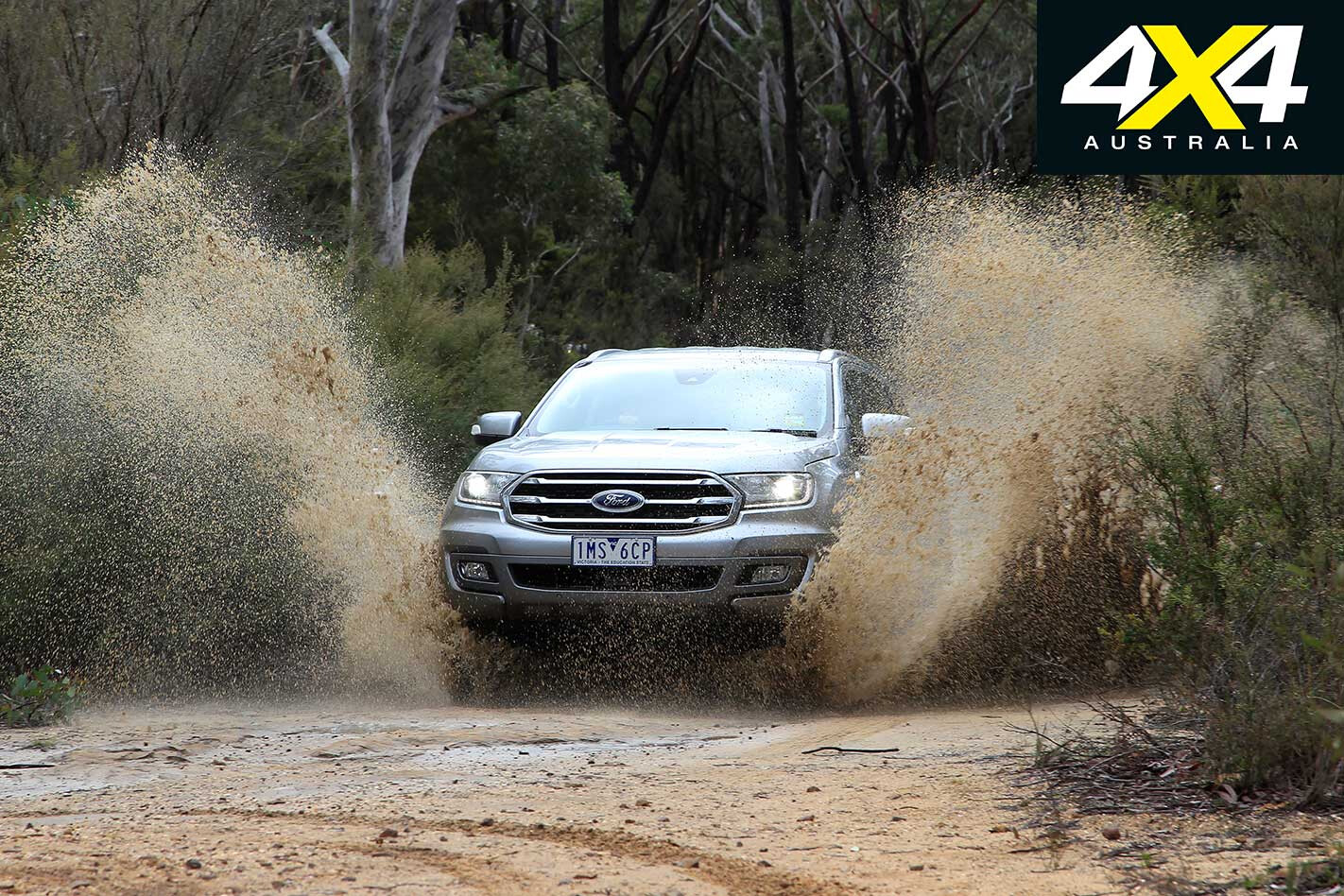
The Everest’s new engine, mated to a 10-speed auto, produces more power and torque than the bigger capacity 3.2-litre engine also available in the Everest shed. The Trailblazer is available in three equipment grades: LT, LTZ and Z71, with the Z71 largely adding cosmetic enhancements.
FORD EVEREST 4X4 PRICES* 3.2 Ambiente: $54,190 3.2 Trend: $59,990 2.0 Trend: $61,190 2.0 Titanium: $73,990 *Prices do not include government or dealer charges
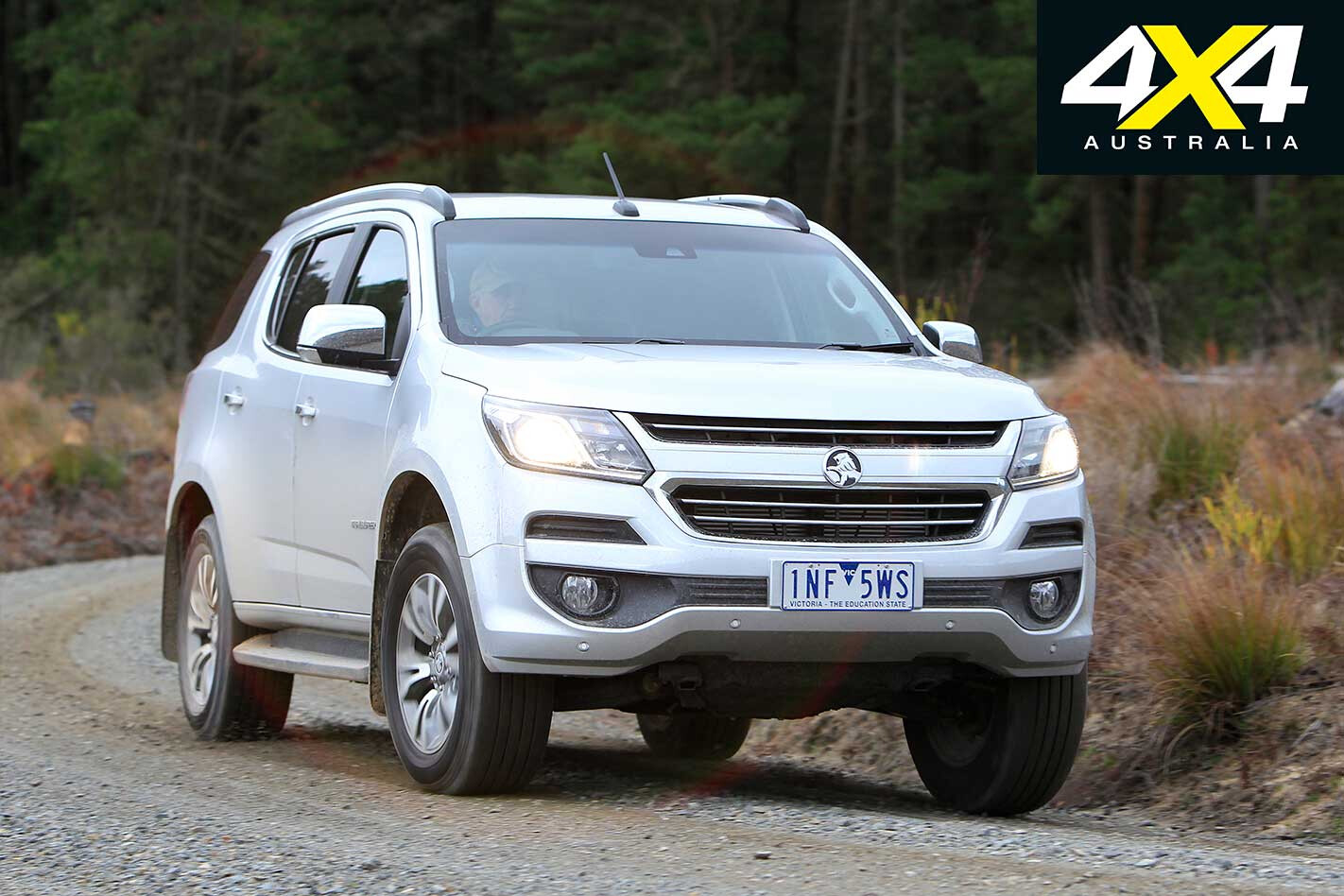
HOLDEN TRAILBLAZER PRICES* LT: $47,990 LTZ: $52,490 Z71: $53,490 *Prices do not include government or dealer charges
To read the comprehensive review, pick up a copy of the Summer issue of 4X4 Australia, in stores now.
In our recent report on our Advertisers’ Trip I said that as much as the cool 4x4s and incredible destinations I get to sample are great, it’s the people I’m lucky enough to meet and work with in this industry that make the job so amazing. One of those people who I’ve had the privilege of travelling with left us this month, and the automotive landscape will be the lesser for his loss.
Erwin Wonisch worked on Mercedes-Benz’s G-Wagen since the vehicle’s inception. As part of the engineering team at Steyr-Daimler-Puch in the 1970s, Erwin drove the earliest G prototypes, the first production models, and 40 years later was still there driving the new IFS 2019 G-Class vehicles.
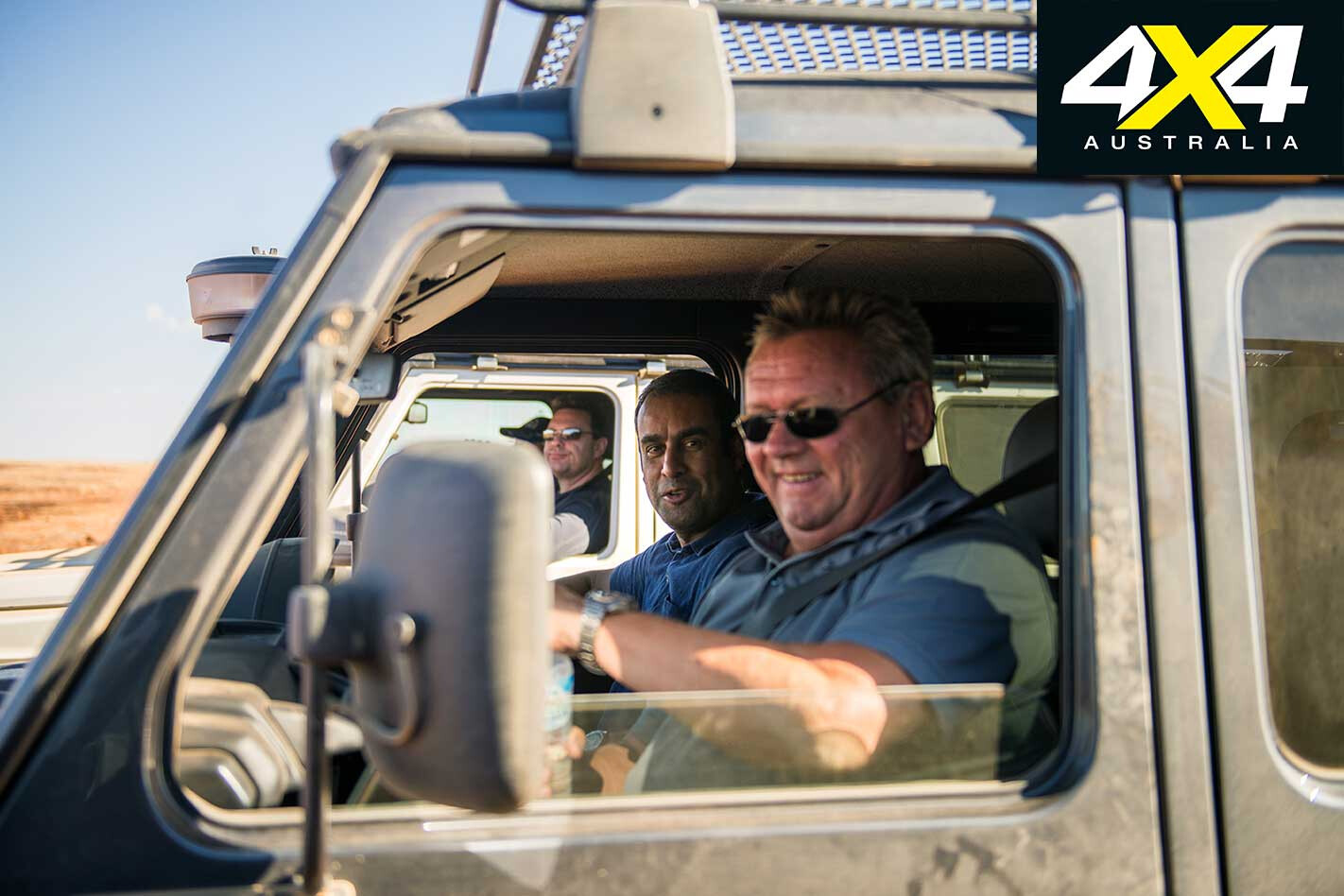
I still spot his stern face behind the wheel of the new cars in the official press photography, but it’s his smiling, laughing face I remember sitting around the campfires in the Australian Outback. I’m lucky enough to have travelled both the Simpson Desert and Canning Stock Route with Erwin on some of his many trips to Australia, developing the vehicles and training the ADF in their use and maintenance.
Erwin knew the G-Wagen like no-one else, and his passion for it and its ability was unrivalled. It was a passion I haven’t seen from anyone else at other automotive brands, and it was probably a big part in the enduring legacy that the iconic G-Wagen has.
As we await the unveiling of the new Defender from Land Rover which we expect to see in 2019, I wonder who the passionate people are at Solihull that will ensure the new vehicle lives up to its heritage – or if they even exist.
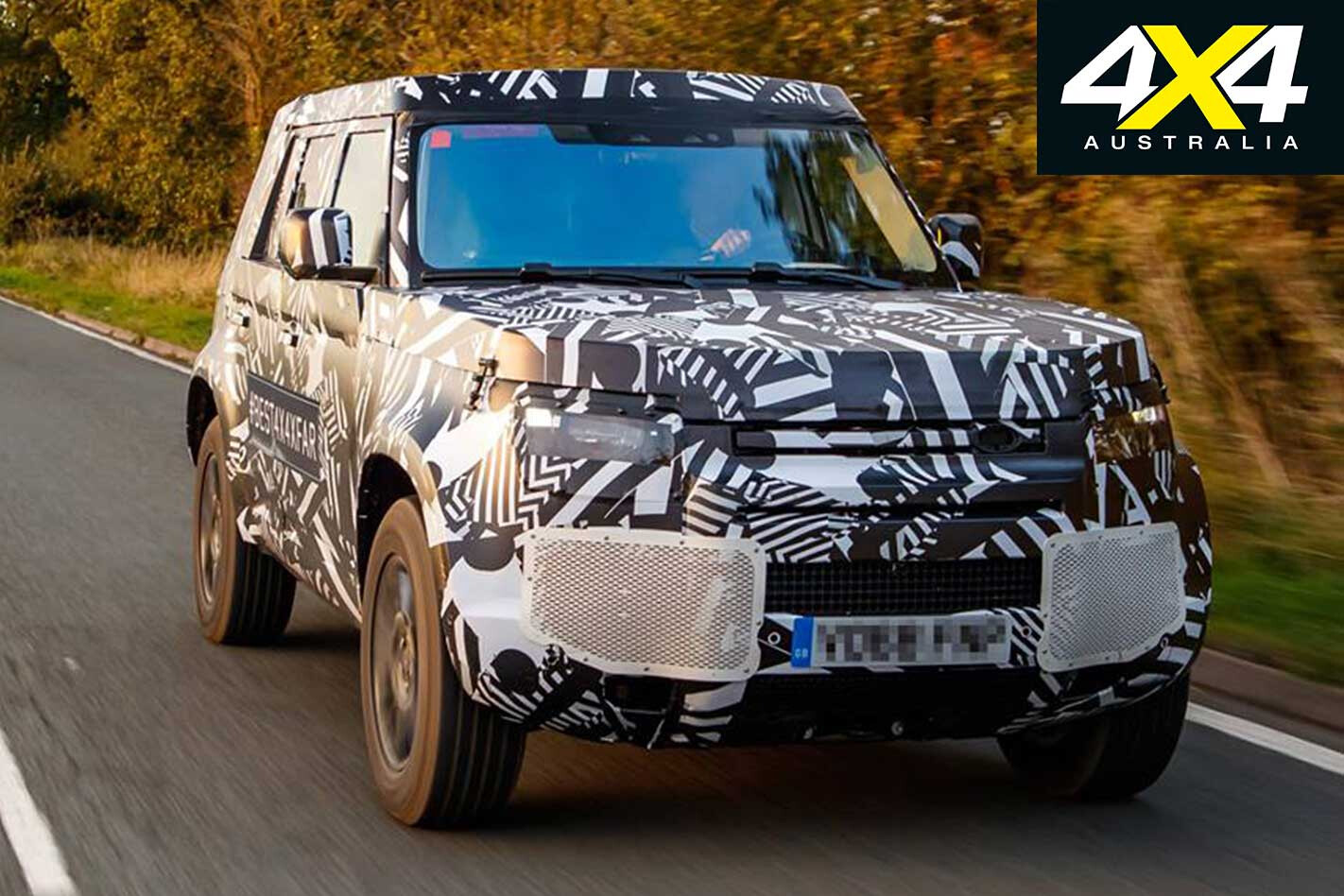
Suzuki obviously has them within its ranks as the new Jimny shows. The pint-sized off-roader will be the most exciting new 4×4 for the start of 2019. The Jeep Wrangler maintains its links to its forebears, and the arrival of the JL here will be significant. As will the arrival of the new G-Class and, when I get to drive it later in the year, I’ll be reminded of the man that has had so much input in creating and maintaining a legend.
IN THIS episode, New South Wales is left behind as we depart Cameron Corner and head for the Strzelecki Track in South Australia.
It’s hot, dusty and the flies are the worst we’ve ever seen, but, cruising along in the Mercedes-Benz X-Class utes, it’s hard to imagine the hardship those on the Burke and Wills expedition would have faced when they passed through here many years ago.
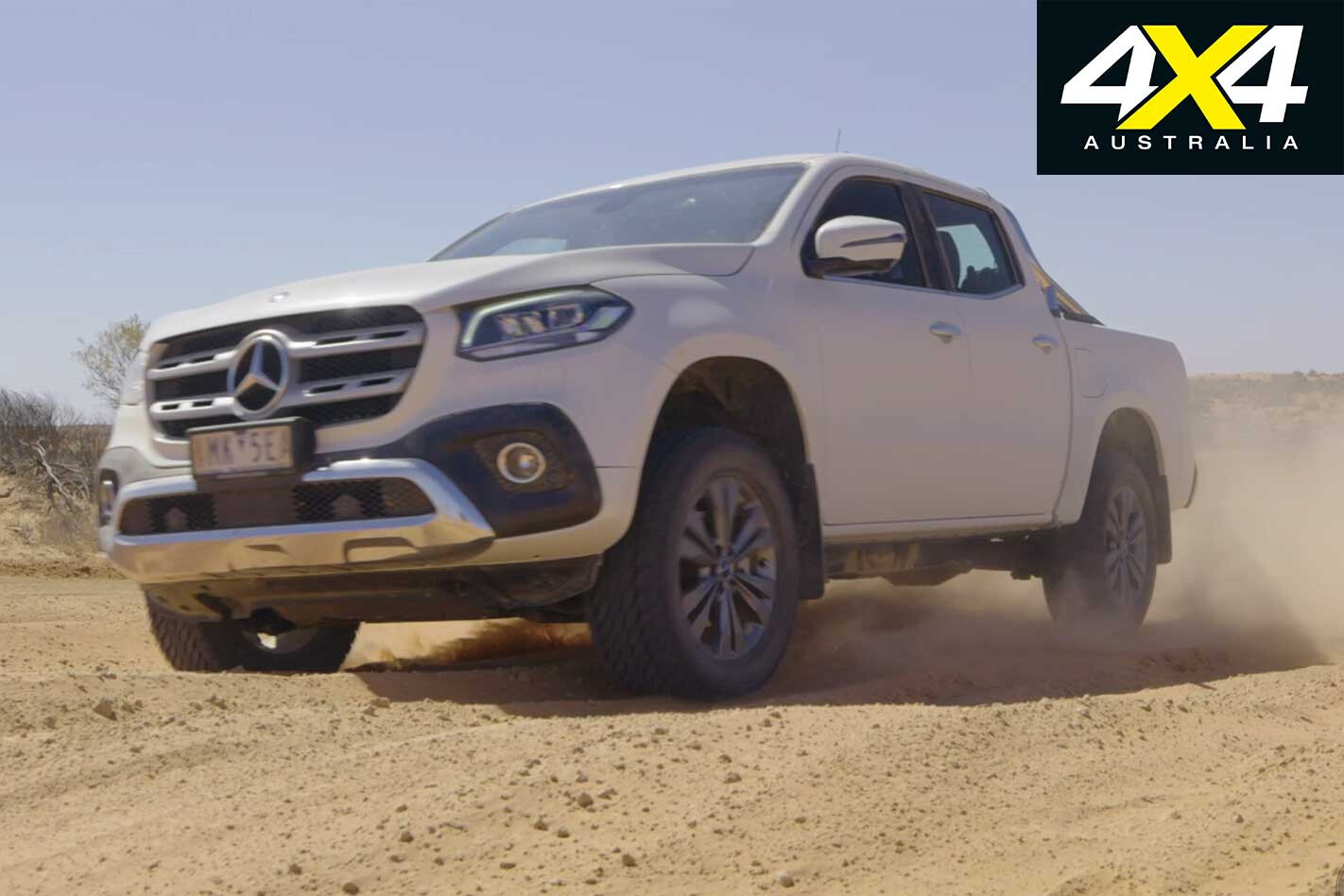
We’re following in their footsteps as we visit Innamincka and set up camp on the steep banks of Cooper Creek, which is flowing over the causeway. There’s more Burke and Wills’ history nearby, including The Dig Tree and the Burke and King’s gravesites. Did we mention the flies? “Half mad with flies and dust and heat, we’d crossed the Queensland Border.”
We also find another great waterhole to camp alongside on the Wilson River at Noccundra, and there’s another great watering hole at the Noccundra Hotel.
It was fast becoming a tour of waterholes and watering holes, so it was only fitting to wrap up this episode at one of our favourites, the Eulo Queen Hotel, before pointing back south toward Lawson’s ‘Grand Old Gutter’.
If you are one who loves being on the move, there are plenty of 4×4 gear out there to keep you going, even if it isn’t meant for your 4×4.
From hiking shoes to floodlights, here are some of the latest gear to pack on your next trip.
The North Face Ultra Fastpack III Mid GTX
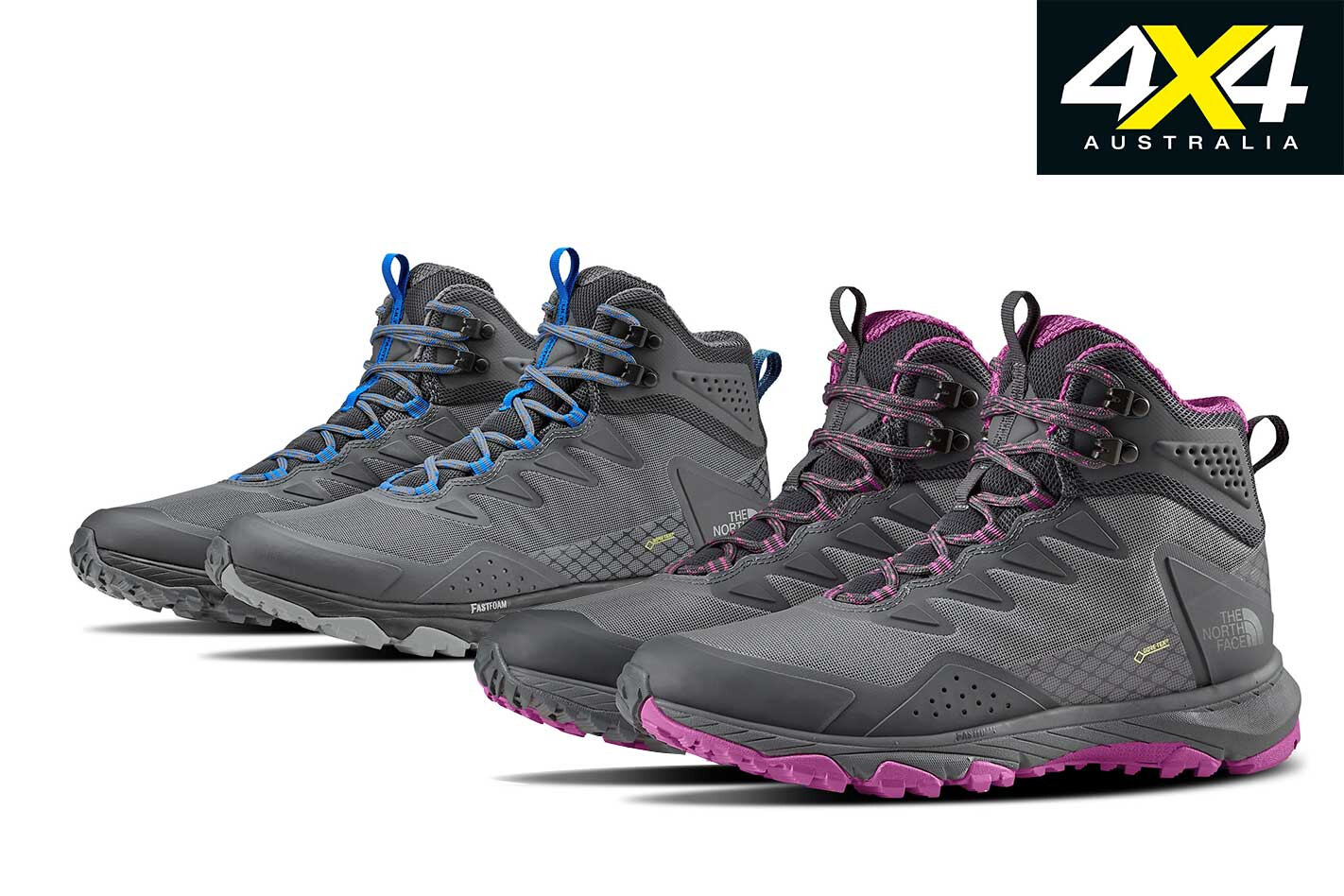
With the warmer seasons upon us, it’s time to get out on weekends (or longer) for some camping and bushwalking. The North Face (TNF) Ultra Fastpack III Mid GTX (available in mens and womens) is a lightweight, robust hiking shoe that can easily double as your ‘regular’ camping footwear.
The upper TPU-coated woven mesh is claimed to be tougher than regular nylon mesh, while the waterproof breathable Gore-Tex membrane ensures creek crossings aren’t a drama. The OrthoLite footbed aids comfort, while the TNF FastFoam dual-density midsole ensures stability while assisting with comfort. The Vibram Megagrip outsole does as its name suggests, providing traction and durability.
RRP: $300 Website: thenorthface.com.au
Lightforce ROK20 Ultra Flood
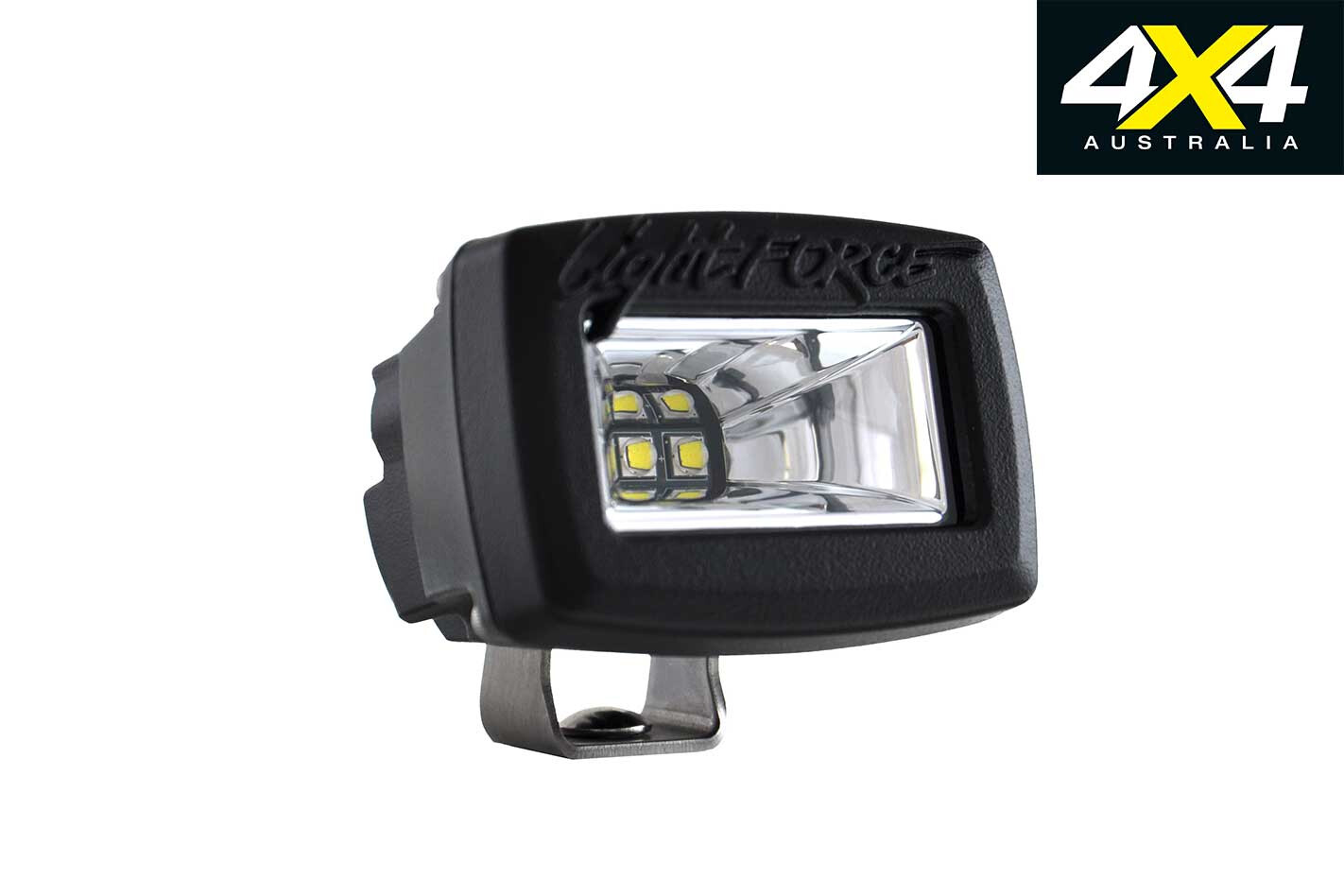
The Lightforce ROK20 Ultra Flood light features a cast aluminium body, a hard-coated, impact- and scratch-resistant polycarbonate lens and a moulded strain relief connector, fitted with military-spec cable. It offers an IP69K waterproof rating, thanks to its waterproof membrane and mechanical seal.
The unit includes under, over and reverse voltage protection, as well as width modulation thermal management circuitry. The mount system is included in the kit, as is a waterproof Deutsch plug fly lead connector. The ROK20 weighs a paltry 275g, making it the ideal versatile camping light – or you can use it as a reversing light on your 4×4. It also comes with a three-year warranty.
RRP: $77 Website: www.lightforce.com
Steam Australia: Locomotives that Galvanised the Nation
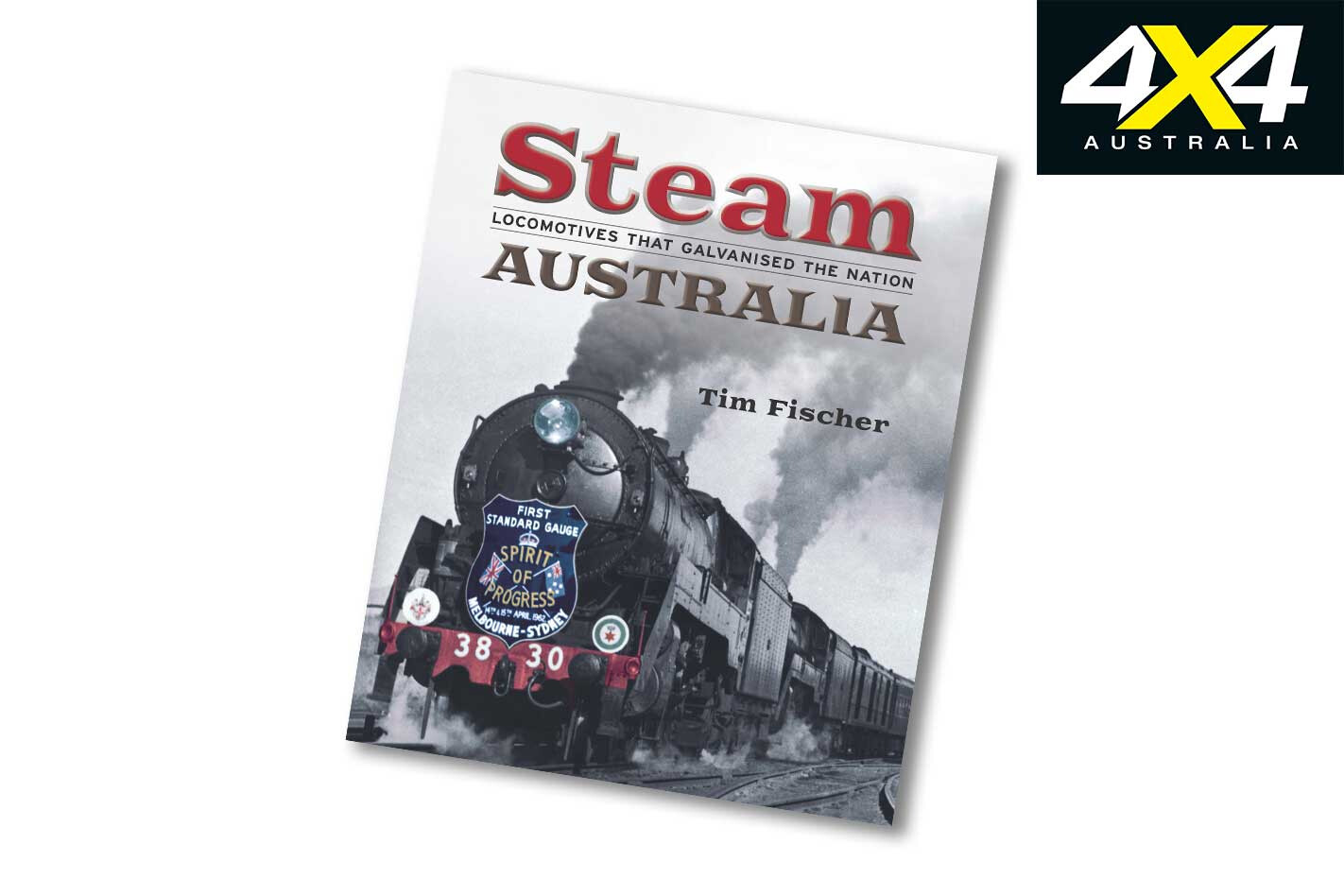
Former Deputy PM and steam-train tragic, Tim Fischer, recounts the history of steam-powered locomotives Down Under. The book is full of interesting facts, including that Agatha Christie, Arthur Conan Doyle, Rudyard Kipling and Mark Twain all travelled on Aussie steam trains during their visits here.
Fischer details how steam trains helped deliver exceptional economic growth in Australia and he also details the stories behind famous trains such as Victoria’s Puffing Billy and the mighty Ghan. Supporting these cracking yarns, you will find more than 300 photographs (some exclusive to this book from the National Library of Australia). For train nuts, this book is a definite no-brainer.
RRP: $40 Web: bookshop.nla.gov.au
WHILE you mightn’t be able to drive a full-size American pick-up truck straight from the showroom onto Australian roads, a mob called Ateco Automotive has struck a factory-backed deal to bring RAM trucks here, commissioning the Walkinshaw Group to do the right-hook conversions.
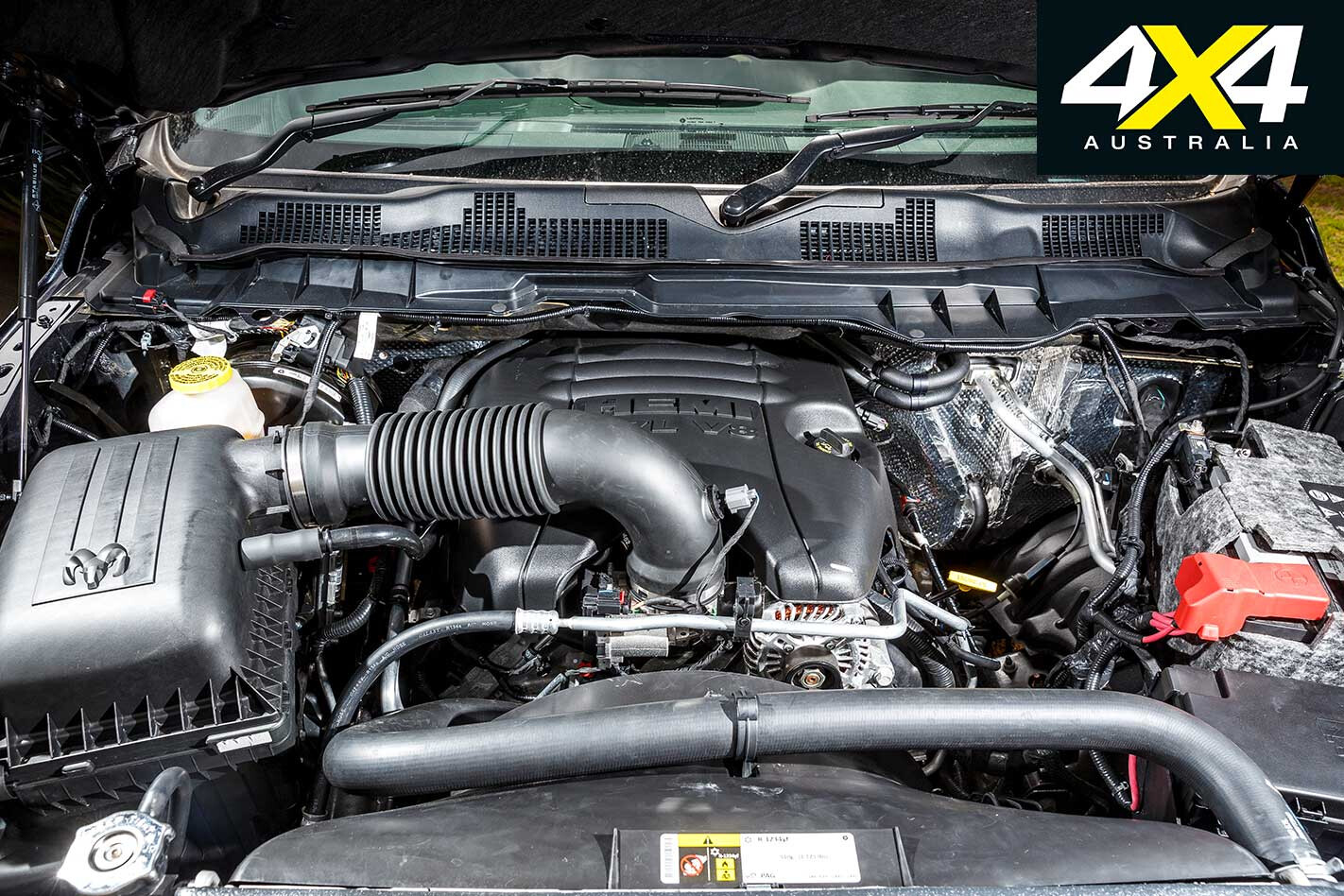
The RAM 1500 you’ll find on local roads doesn’t have the Cummins 6.7-litre inline six diesel engine found in units across the Pacific, instead it gets a 5.7-litre Hemi V8.
The other big difference affects your hip pocket, with the factory-backed RAM selling for less than $100K; they’ve always been on the meaner side of $100K. Yep, you’ll still find other mobs selling converted RAMs, but the Walkinshaw-engineered vehicles are the only ones that meet exact OEM standards.
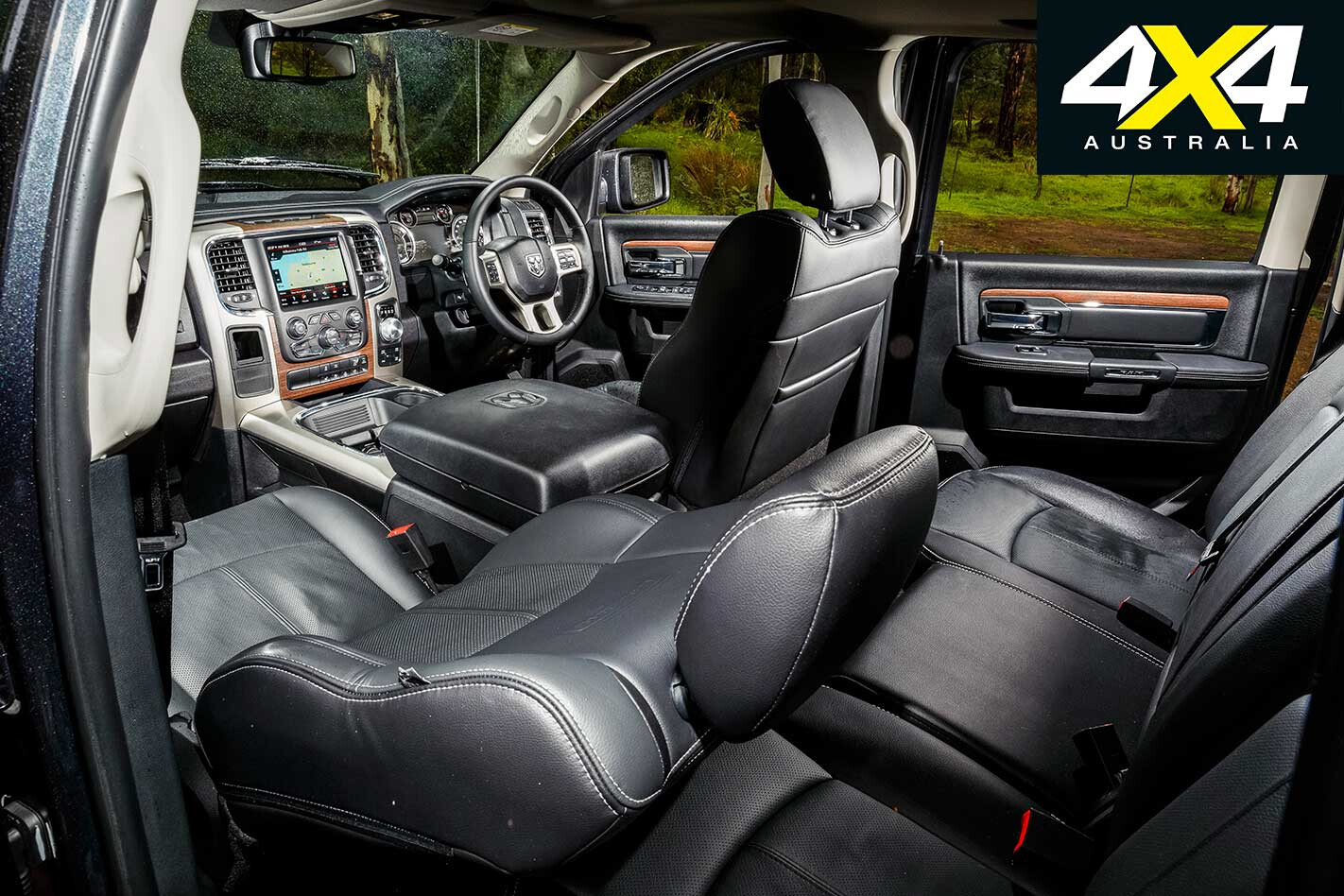
The burly 1500 Laramie we had our mitts on sits at the premium end of the model line-up, and this one was fitted with a shorter 3.92:1 final drive ratio to improve its towing capacity to a mammoth 4500kg (standard gear-set is 3.21:1 for a 3500kg tow capacity).
We took it to a few tracks just outside Melbourne and were impressed by its practicality, ability and on-road presence. Watch the above video and pick up a copy of the 4X4 Australia Summer magazine for our comprehensive review.
THE winner of a Maxxis Tyres voucher valued at up to $2000 – as part of our 2018 Custom 4x4OTY giveaway – has been drawn.
Congratulations to Z. Hussain from Queensland, who was randomly selected as the winner after voting in the competition. Enjoy hitting sunny Queensland’s outback roads with your new rings of Maxxis rubber.
At the end of each year we select the best custom 4x4s that we’ve featured in the magazine during that year, and then we hand the responsibility over to our readers to vote for a winner.
In 2018, the Custom 4X4OTY finalists – Duramax V8-powered Ranger, Toyota ‘Thug Life’ LC79, 6×6 LC200, chopped Y62 dual-cab, RAM 2500, Toyota Land Cruiser BJ40, an immaculate Isuzu D-Max, LC79 GXL, a mega GU Patrol, and a mad Toyota Hilux – were hard to separate. In fact, only 15 votes separated first and second place.
The Custom 4×4 of the Year will be announced in the January issue of 4X4 Australia, in stores January 3.
GEAR! That one word gets every off-road tourer excited. It means many things to many people, but the end result is the same: driving a 4×4 with all the essential accessories fitted to it means there’s nowhere you can’t take yourself and your family on an adventure.
We are definitely spoilt for choice here in Australia, with some of the world’s best aftermarket companies based here and producing high quality kit for off-road vehicles.
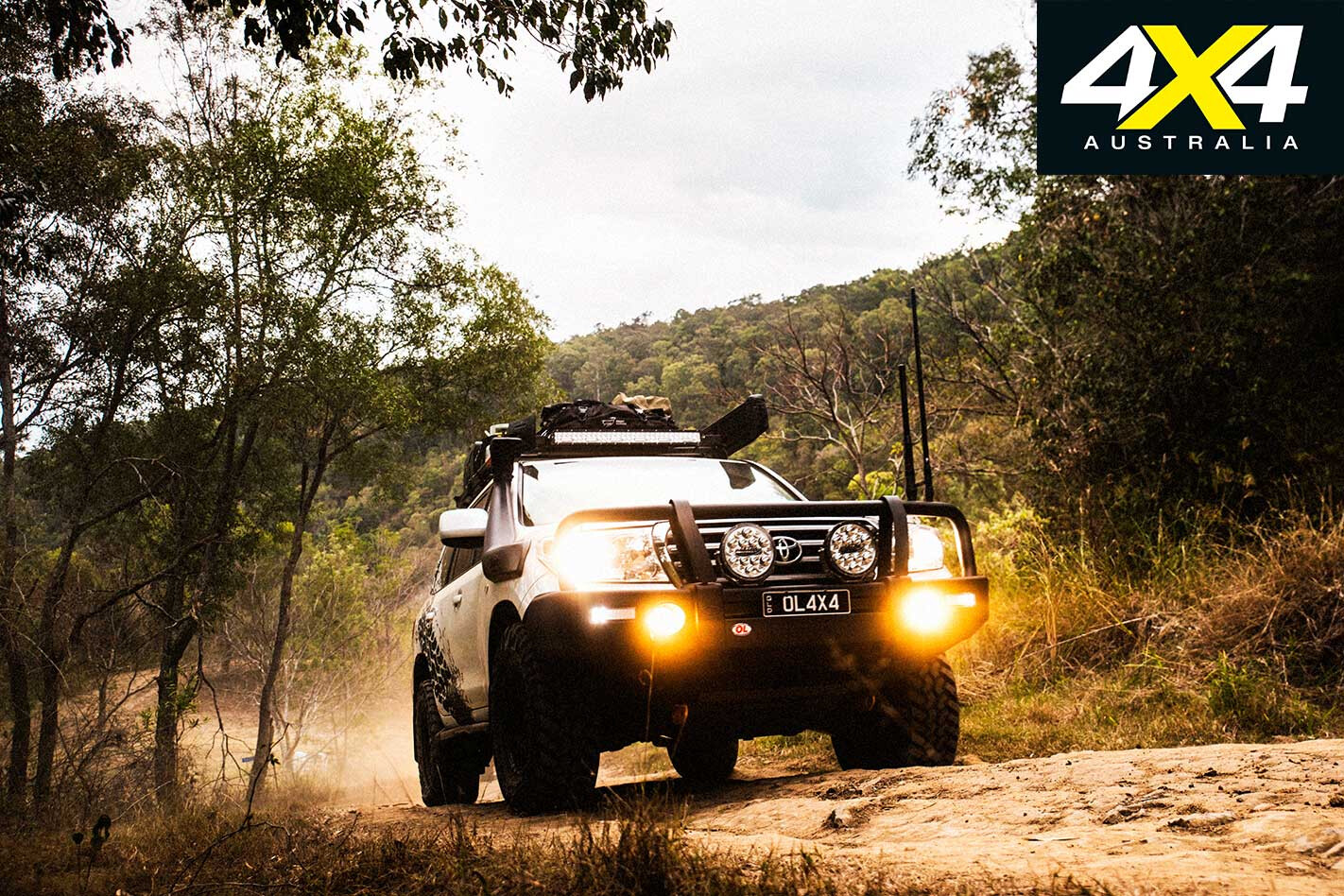
Not only do these companies build top-notch stuff, they ensure it is safe for the end user and it complies with the relevant regulations governing this – as we explain in this Gear Guide’s feature story on what goes into making gear that is legal and compliant with regulations.
For us here at 4X4 Australia, the sheer volume of gear available means plenty of real-world testing – itself a great excuse to get out in the bush. Our experts’ decades of extensive touring and testing experience has resulted in yet another cracking Gear Guide, with this one chock-full of expert advice and concise reviews as a result of all that time spent testing it out in the field.
For our readers, this Gear Guide is a veritable goldmine of info and allows you to then make the smartest decision possible as to what awesome piece of equipment gets fitted to your rig. Once that decision is made, the fun begins: kitting out a vehicle for that long-dreamed of adventure and then simply getting out there.
The 2019 Gear Guide is available just in time for Christmas, from December 17. Enjoy!
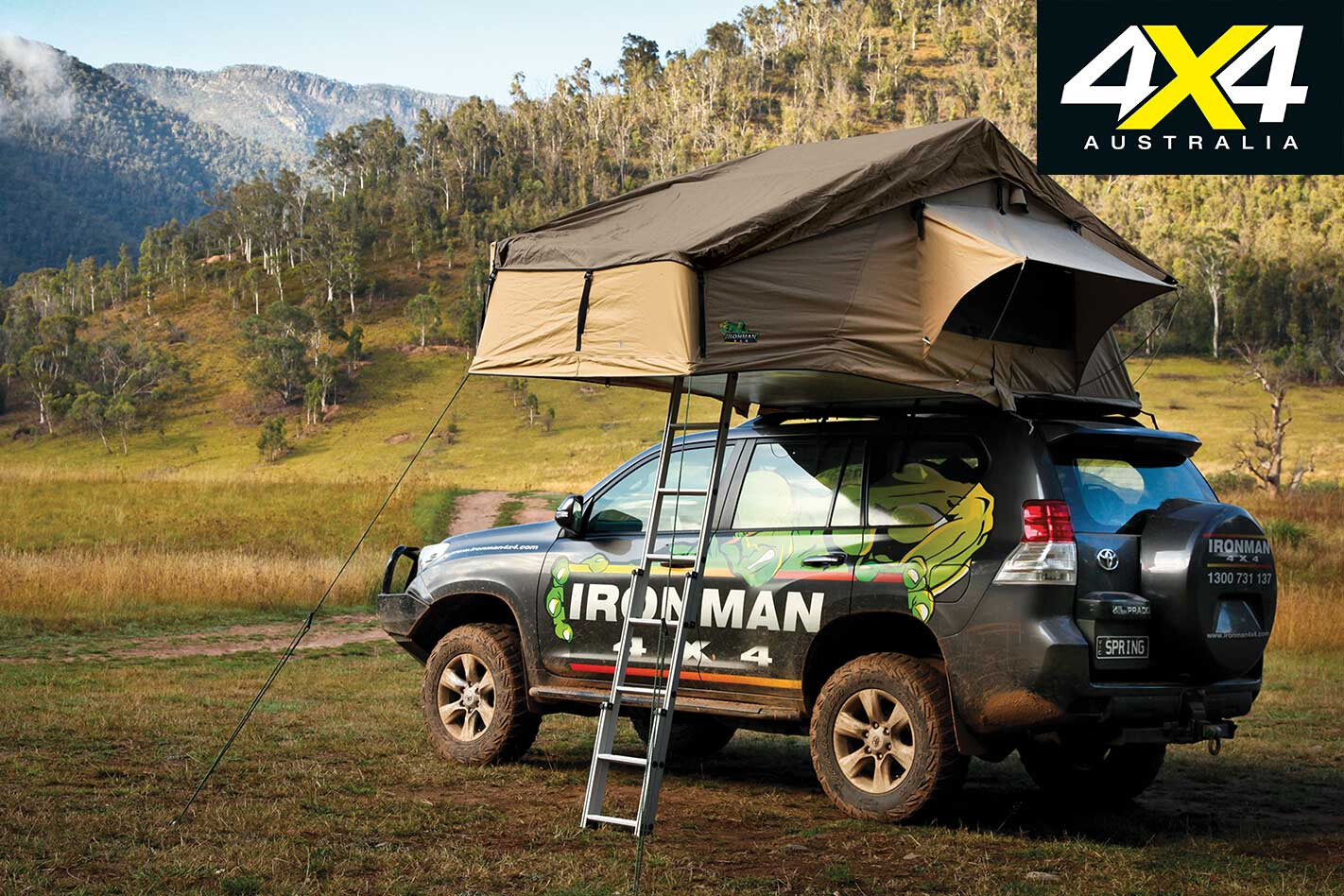
WHAT’S INSIDE?
– Top 10 touring essentials – Vehicle compliance guide – Off-road tyres buyers’ guide – LED lights buyers’ guide – Copped Y62 Patrol – Custom D-Max – Modified LC200 – Mega winch test – Best products of 2018 – Compressor comparison – Radiator tech explained – Product tests – Industry insights – Heaps more…