
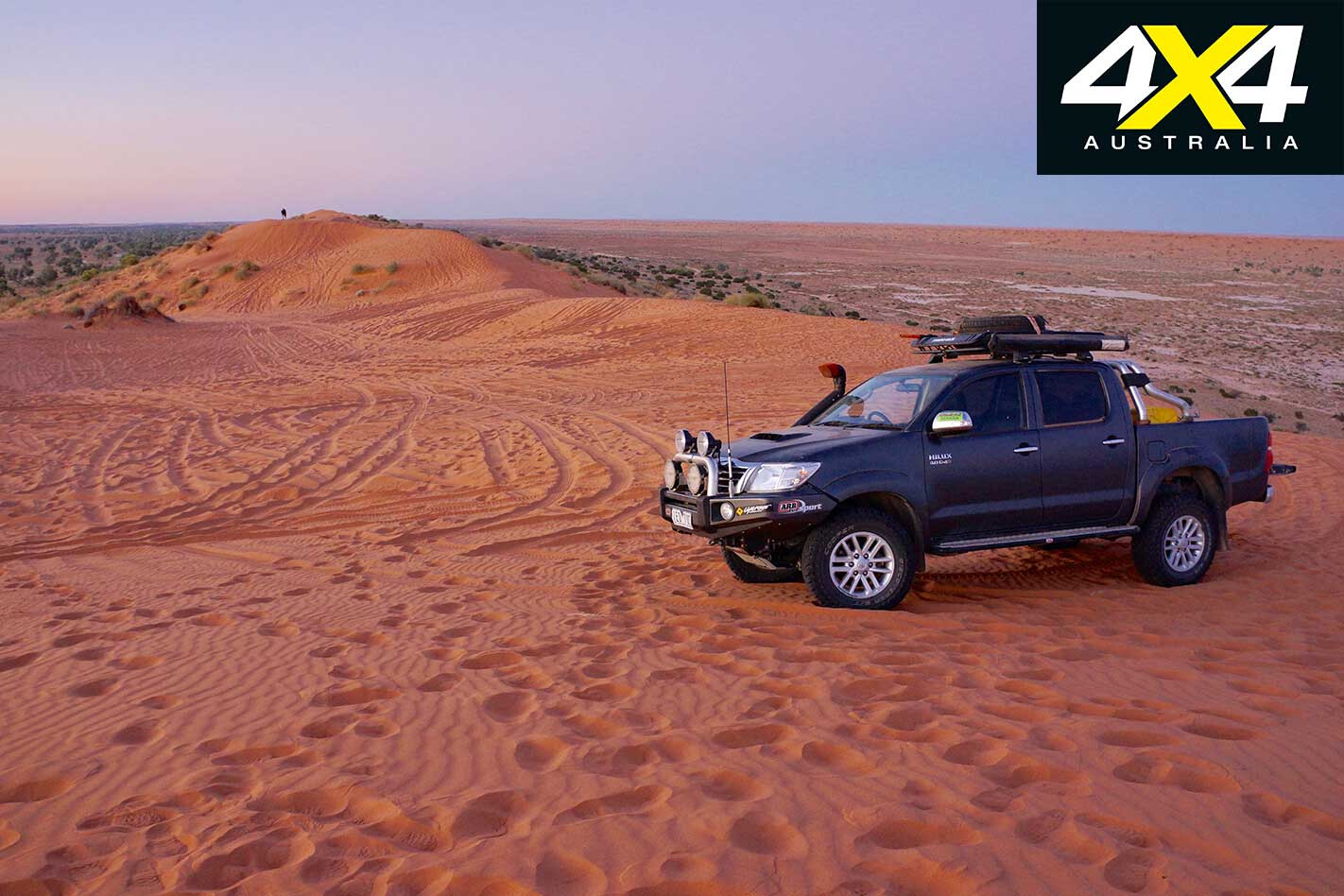
SINCE the last report we’ve bashed the mighty Hilux over the Simpson a couple of times, blasted through outback Queensland and the Victorian High Country, and then took it on a beach holiday to Fraser Island.
Some of the time it’s driven by other people (hence Hire-lux) and it’s more often than not leading the convoy across steep dunes and through creeks. It’s a hard life for most of the kilometres it does, and when its back home it’s relegated to resting in the backyard or spending time at Outback 4WD in Bayswater, for a health and spa retreat.
For the latest forays we’ve added a few things including a 145-litre Frontier long-range fuel tank; we’ve got a similar one in the 79 Land Cruiser and have been bloody impressed with it.
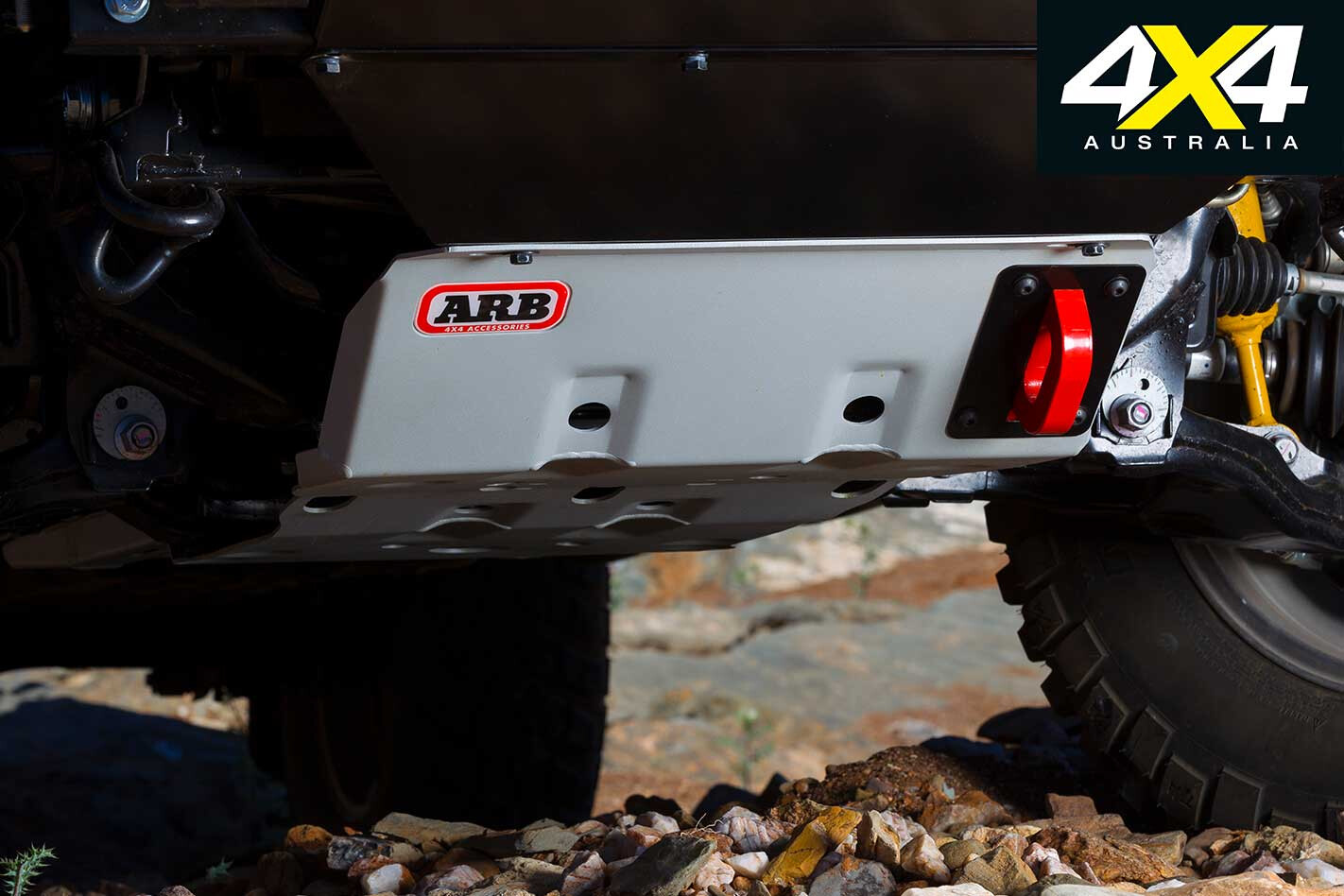
These ARB Frontier tanks are made from an impact-resistant crosslink polymer material which is tough and will not rust or corrode, and it features a one-piece body construction with a wall thickness of 7 to 9mm. While they all come with a three-year warranty, one of their big advantages over a steel tank (which we have in our long-serving Patrol) is the considerable weight savings.
To protect the underbody from scrapes and hits we have also fitted ARB underbody protection, which directly bolts onto the chassis from the ARB bullbar back to the transfer case. While we were at it, we added ARB-rated recovery points and side-steps.
As luck would have it we conned a 10,000lb second-hand winch off a mate and, like most winches, we’ve yet to use it in anger. Likewise, we got a 60-litre water tank which fits over the wheel-arch between the tub wall and the Ironman single-drawer system we’ve fitted to the tub. Why only a single drawer? We wanted to be able to carry a trailbike in the tub, and with the tailgate down we can still easily do that.
We’ve also given the engine better breathing capability by fitting an Ironman three-inch exhaust system, and to improve wading ability and protect the diffs from water ingress we added Ironman diff breathers.
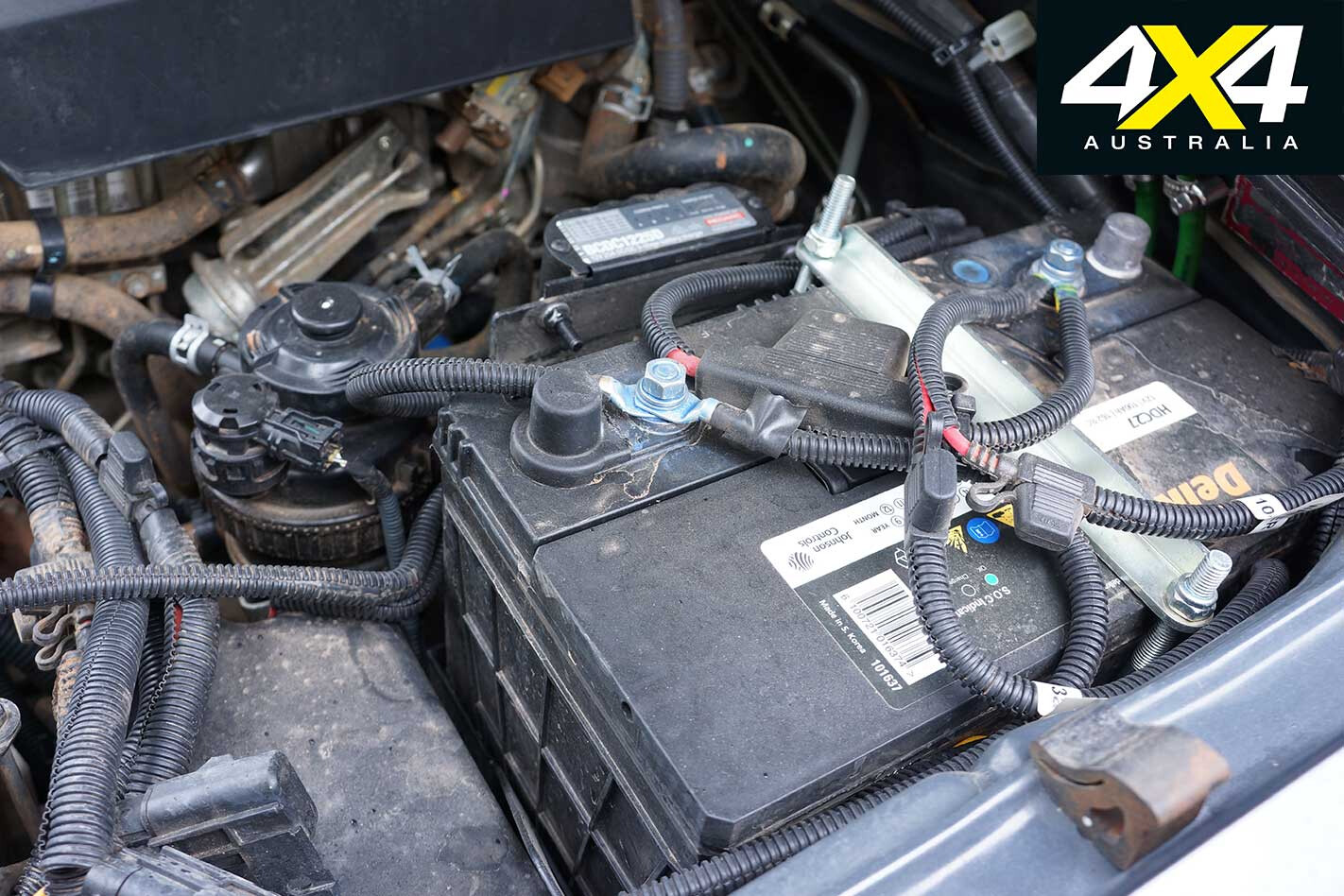
Sick and tired of worrying about the vehicle’s starter battery running flat because of a fridge being left to run overnight, we finally fitted a dual-battery system to the Tojo. Mounted on an ARB tray (because of the weight of the battery, you need a good battery mounting system) we backed it up with a Redarc BCDC1225D charger. This 25A in-vehicle DC to DC battery charger features the next generation in charging technology, charging from solar and DC inputs simultaneously. They’re a cracker of a setup.
We replaced the roof rack bars with a set of heavier duty Rhino-Rack track-mounted roof bars, as the previous set was too light for the weights we wanted to carry. Fitted to the roof bars is an XTray basket and a handy, easy-to-use shovel holder.
We’ve now clocked up 69,000km on the set of Cooper ST tyres, but, as we speak, a set of Mickey Thompson ATZ P3s are being fitted at Outback 4WD. With their big shoulder blocks and wide lateral offset grooves they look the business, provide good off-road traction, and expel water to improve on-road grip. We’ll let you know how they go after we’ve clocked up more than 10,000km.
4×4 Shed Log: 2015 Toyota Hilux 3.0TD Current mileage: 81,120km Date acquired: Feb 2015 Price: $48,000 Mileage this month: 49,000km Average fuel consumption: 12.2L/100km
Staying safe on the tracks can be summarised with two basic ways of thinking – look where you are going and don’t hit anything. Quite often your 4×4 could do with some improvement in that regard.
We’ve put together a selection of new 4×4 gear that will light the way and protect your 4×4 from any unwanted encounters on the track.
Thunder LED Round driving light
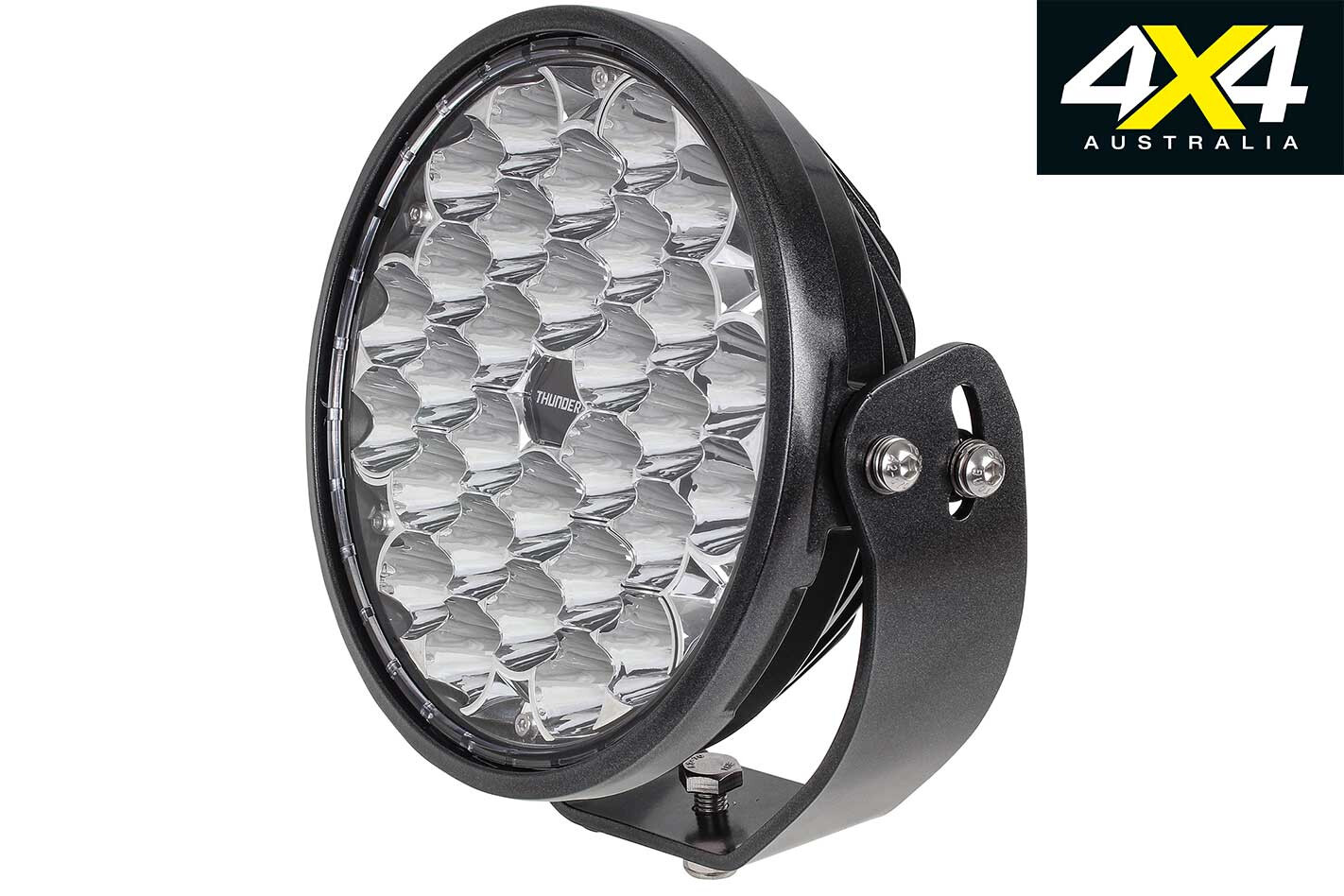
Thunder’s latest model in its lighting range comprises two driving lights with 30 LEDs (220mm) or 18 LEDs (170mm). Featuring Cree XTE tech, the lights offer a beam of light measuring up to 690m in length, with the white light output within the 6000k colour temp range for clarity and to reduce impact on your eyes.
The lights feature a gunmetal grey powder-coated finish and are built tough, too, offering an IP67 water- and dust-ingress rating that ensures desert travel and any water crossings can be dispatched with little concern for these front-mounted candles. Installing the lights is a doddle thanks to the included Deutsch connectors and hardware. The lights are suitable for a range of 10-32V applications.
RRP: $299 (30 LED); $251 (18 LED) Website: www.thunderauto.com.au
Ironman 4×4 bullbar (Nissan Y62 Patrol)
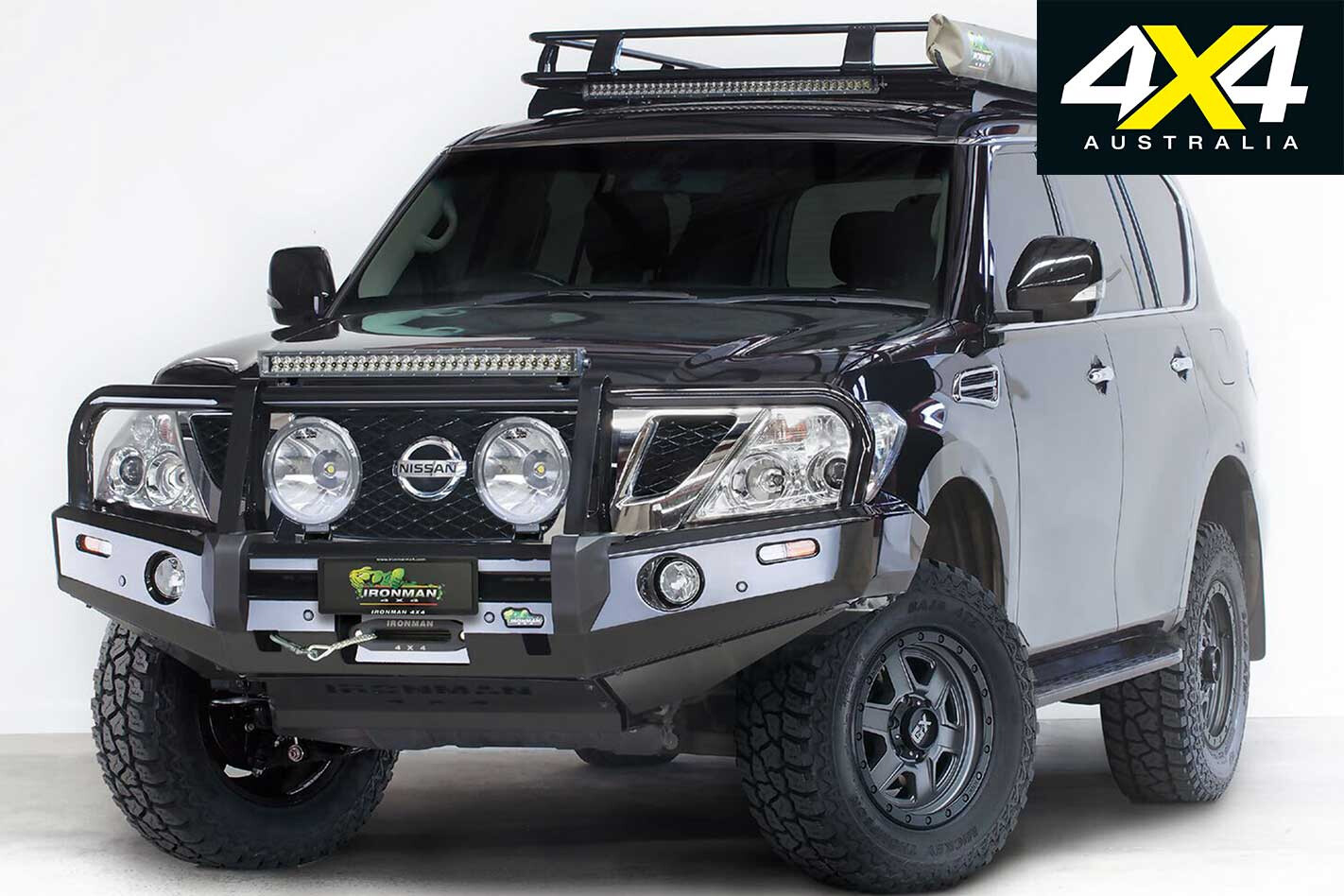
Made using top-notch premium-grade materials, Ironman 4×4’s new Premium Commercial Deluxe bullbar for the 2010-onwards Y62 Nissan Patrol is a true work of metallurgical art. SPHC oil and pickled steel (not mild steel) finished off with 360-degree robotic welds is used to ensure optimum strength and rust-resistance. Further enhancing strength, the bar’s upper loop is heavy-duty 60.3mm tubular steel.
The bar is finished in black powder-coat and Ironman 4×4 has used AKZO NOBEL powder which ensures a thicker, more durable exterior coating for the bar. The bar is winch-compatible and uses a unique mount cradle to eliminate excess weight.
There is provision for OE parking sensors, plus it includes a high-lift jack point, aerial mount and provision for fitment of spotties or a light bar. The bullbar is airbag-compatible and ADR compliant.
Website: www.ironman4x4.com
Opposite Lock Urban adventure bar
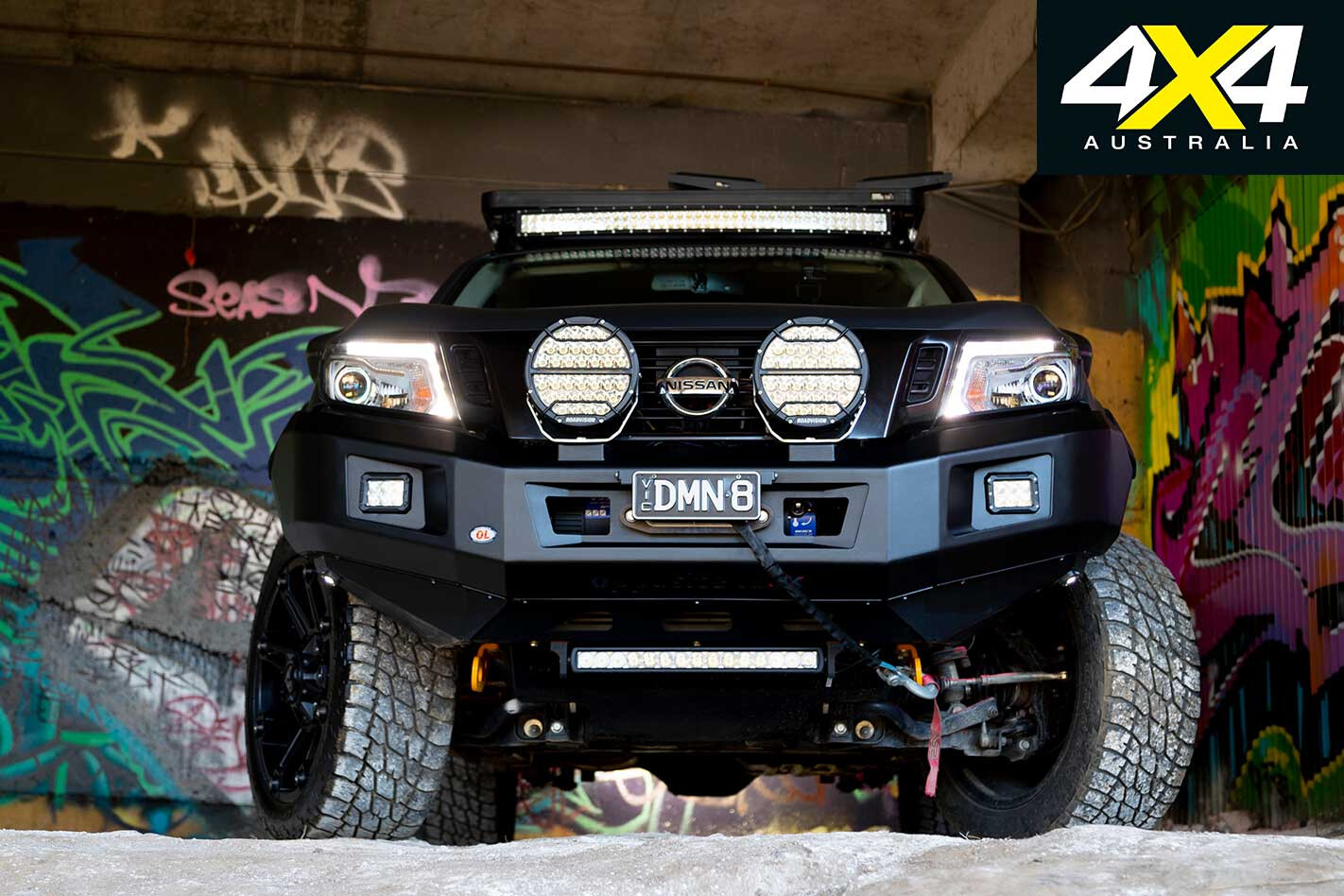
Opposite Lock’s Urban Adventure Bar is a full bumper replacement, meaning no cuts to your existing front bumper, and it also includes 30W auxiliary floodlights as standard. Other standard kit includes extra auxiliary lighting mounting points and a matte black powder-coated finish.
The bar includes triple underbody plates, increased approach angles and a low-mount winch provision that fits to the vehicle’s chassis. Like all Opposite Lock engineered and developed bullbars, the Urban Adventure bar is ADR and SRS Airbag compliant and has a two-year warranty.
Additional features that maintain the functionality of your rig include tech pack and parking sensor compatibility, hinged number plate brackets and optional colour coding if you want to match it to your vehicle.
Website: www.oppositelock.com.au
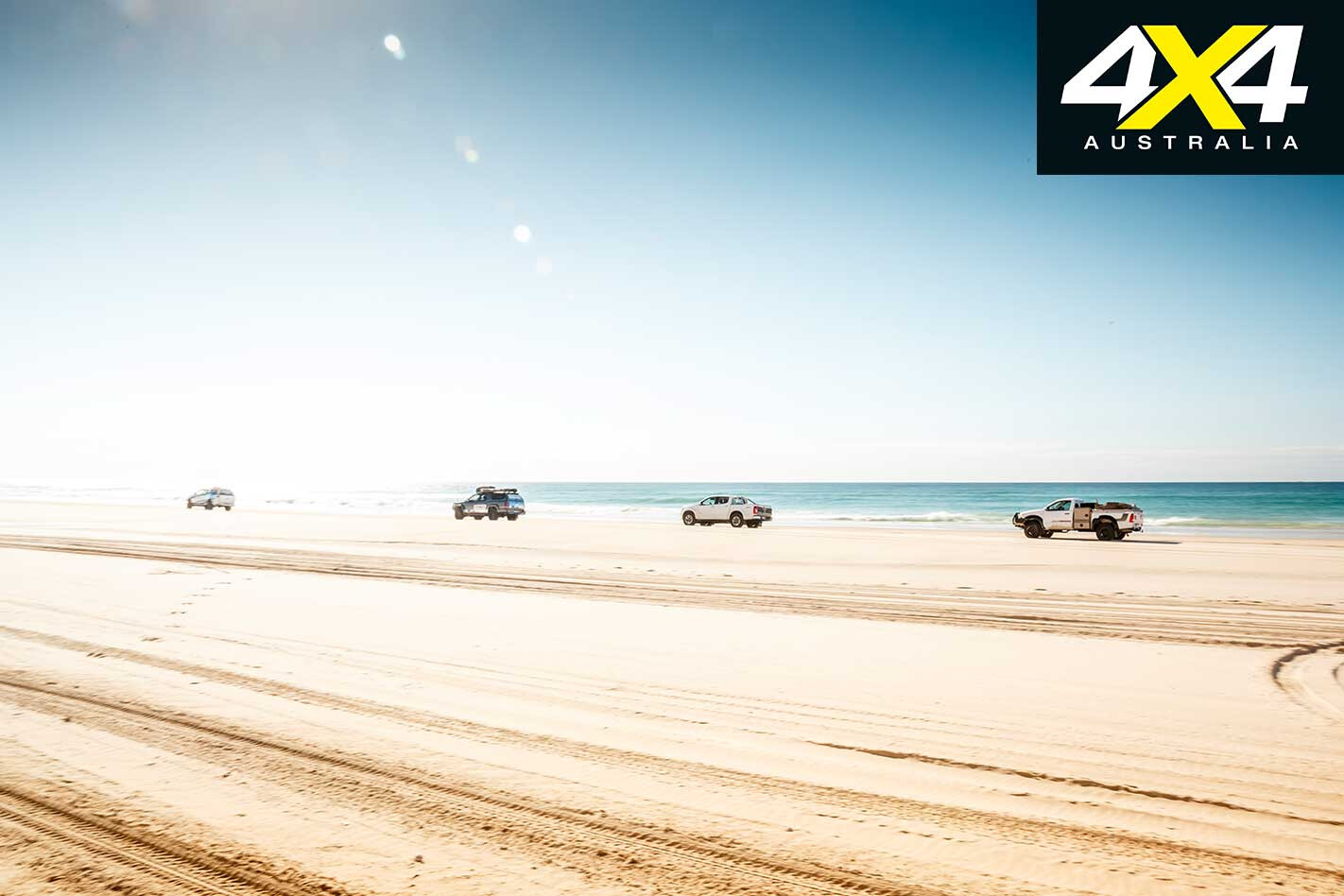
THE TIDE was perfect for our run north to Sandy Cape, with the ocean still stripping water off the sand as we hit the beach at the Cathedral Beach Resort and turned north. The drive along the sand was easy, with the wide strip of hard-packed beach allowing us to cruise effortlessly.
It was a far cry from a couple of nights previously when we had been forced close to the sand hills, the high-tide waves washing up over the low sandbar to leave a 20-metre-wide corridor of dry sand for our travels.
We then got to the Eli Creek crossing where the Narva lights threw a long, wide beam across a vast expanse of water. I knew the crossing from past experiences, but that didn’t make it any less nerve-wracking as I pointed the Ford Ranger into the lake and ploughed my way across; the rest of the convoy following.
With more good luck than good fortune we missed all the deep holes and steep drop-offs that are often a part of the creek bank here, and we all came out on the northern side of the flood and continued our hurried run north.
Our trip to the Great Sandy NP of south-east Queensland had started a few days previously when we had found our way from Cooroy along back and dirt roads to Harry’s Hut, where we threw down the swags for the night.
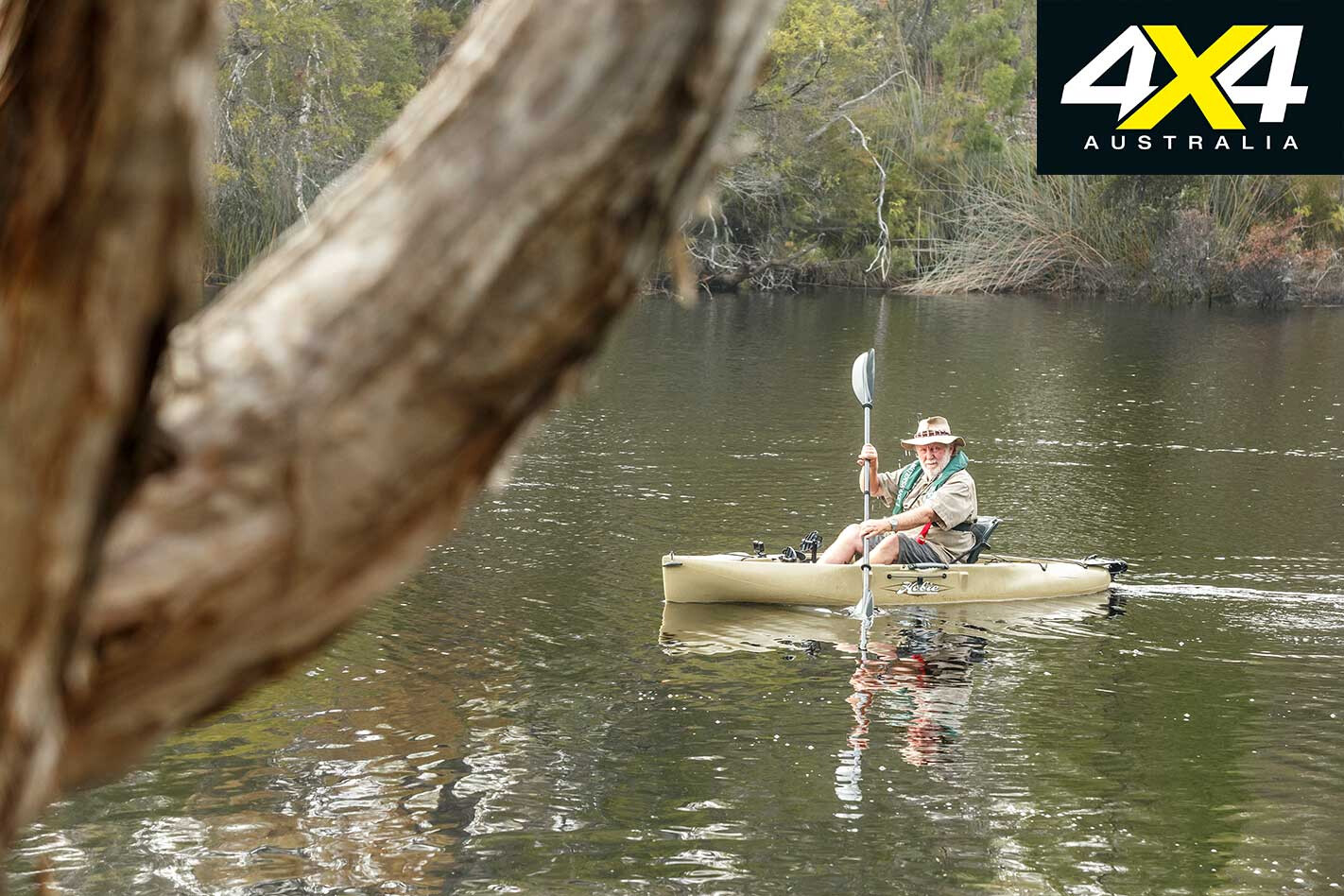
The next morning we went for a short, enjoyable paddle on the Noosa River, before we saddled up and headed north through the park, winding our way to the coast at the Freshwater campsite and then, with tyre pressures lowered, running north along the golden sands to Double Island Point.
A high tide and some landslips at the start of the Coloured Sands section of the beach had us backtracking (discretion being the better part of valour) to find our way to the small hamlet of Rainbow Beach, where we grabbed a meal at the pub and threw down our swags in the local camping ground.
The following morning we queued at Inskip Point for the short ferry ride across to Fraser Island. It mightn’t have been the school holidays, or even a weekend, but there was still a long line of hopeful travellers waiting to descend on Fraser; such is the popularity of the place.
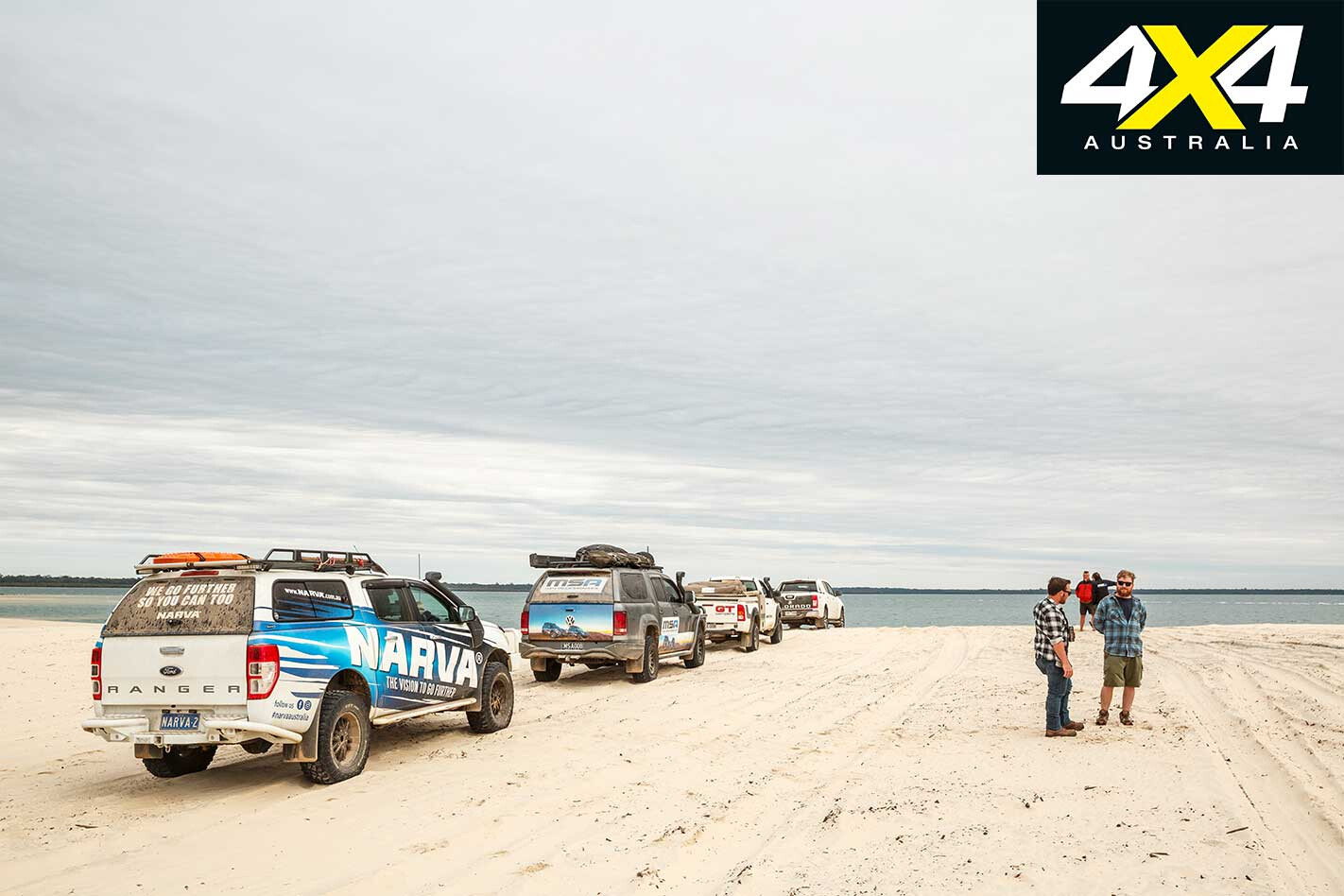
After an uneventful 35km slog to Eurong, where you can get basic supplies and fuel, we turned inland here and wound our way through a rich variety of forests and across lumpy sandy tracks to Central Station, once the main settlement on the island when the place was more a timber yard than a tourist destination.
Aboriginal people lived on Fraser for many generations before logging started, with archaeological evidence showing at least 5000 years of use and habitation. Europeans first arrived when Cook sailed up the coast during his discovery of Australia, and while he named a few headlands he didn’t set foot on the island. Matthew Flinders landed on the island in 1802, and reports of good pastoral land and forests in the 1840s brought the first permanent European settlers.
Logging started on Fraser Island in the 1860s, and in 1920 a large forestry camp was established at Central Station to harvest hoop pine, gigantic satinay trees and a whole lot of lesser species for use in Australia and around the world.
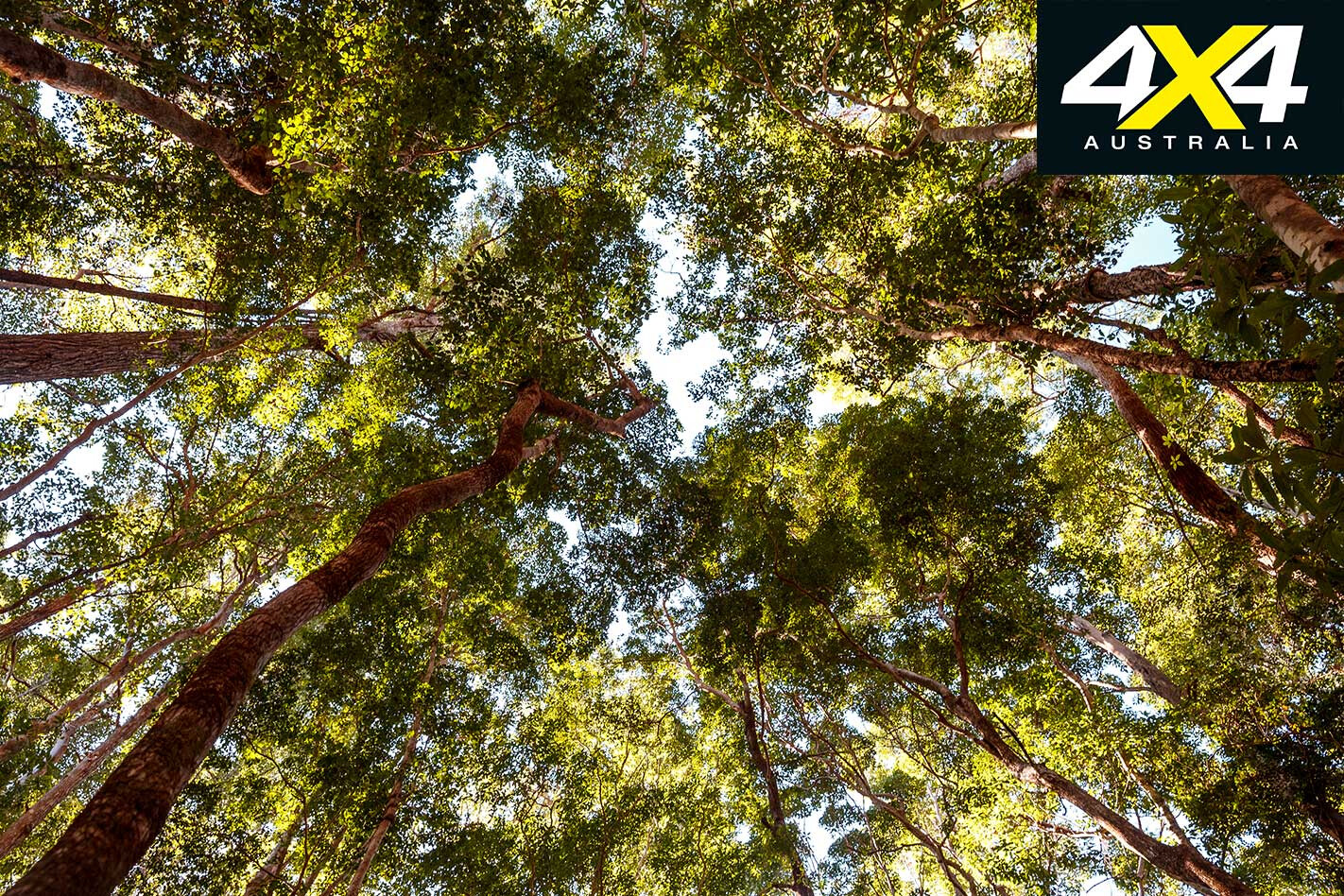
The first area of national park was established on the island in 1971, and in 1976 sand mining was stopped. Logging passed into history in 1991 and by 1998 most of the island was protected within the Great Sandy NP. Today at Central Station there is a good display of the island’s history and its importance to the local Butchulla people, who call the humongous sand mass, K’gari.
There are some pleasant walks starting at Central Station, including an easy one on a boardwalk along the edge of Wanggoolba Creek, which passes through a tranquil rainforest gully. Longer walks will take you to Pile Valley, where the giant satinays still stand, or Basin Lake and magical Lake McKenzie.
There is a camping area not far from Central Station, but we wound our way south through more verdant forest and around Lake Jennings, Lake Birrabeen and Lake Benaroon to a campsite at Lake Boomanjin.
These lakes are just some of the 40 natural water sources that make Fraser so unique. Amazingly they sit in the heart of a sand island (the biggest in the world, we’re told) and Lake Boomanjin is the biggest of all, covering 200ha. Stained by tannin-flowing streams, Boomanjin, like its other sister lakes, is low in nutrients and supports few aquatic plants or animals.
The campground here is encircled by a wire fence designed to keep foraging dingoes away from careless campers who may leave food. We had no such incidents; although, the following morning we had fresh dog tracks along the road near the camp where a wandering dog had passed by.
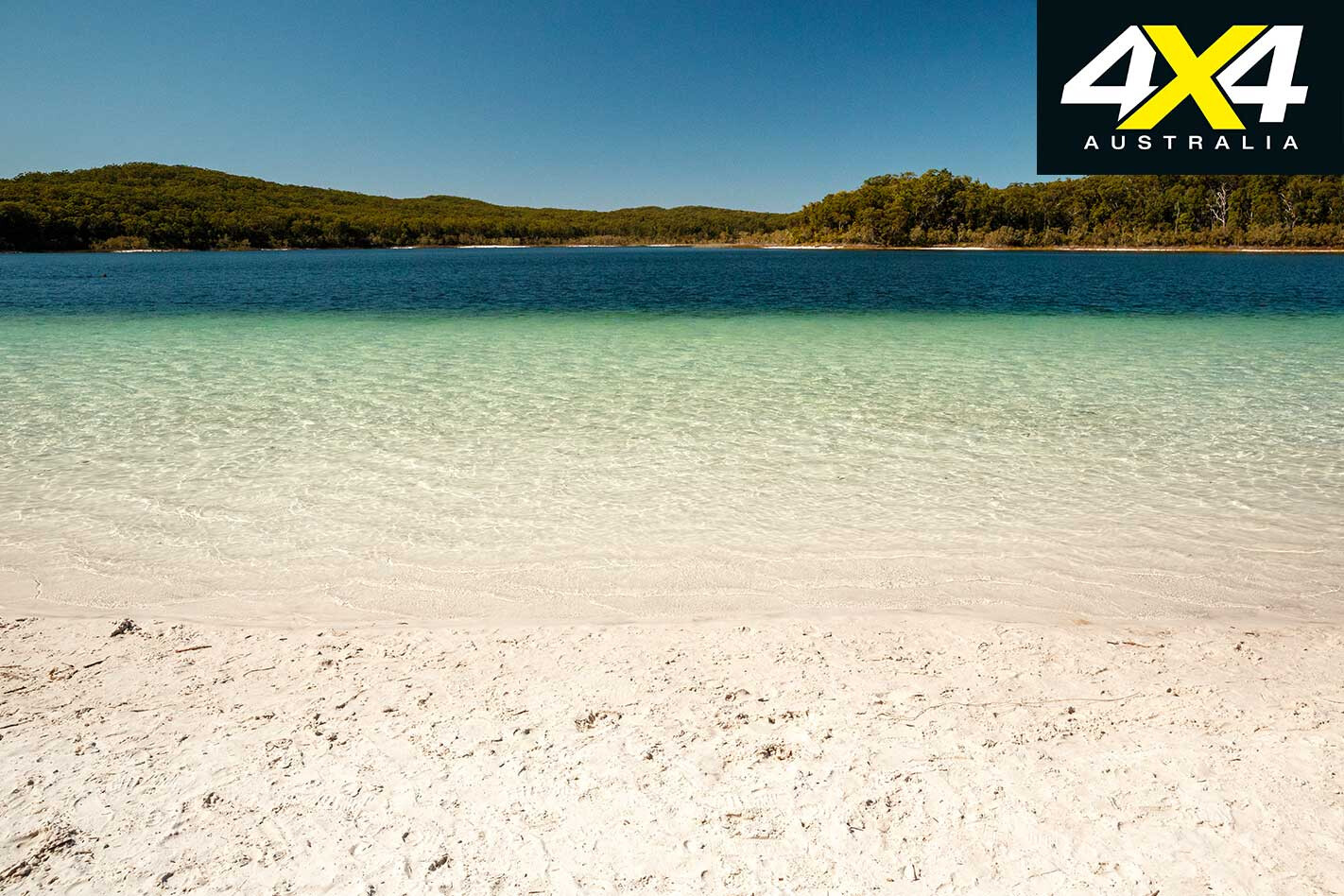
We spent the day exploring and enjoying the lakes in the central part of the island, including Lake McKenzie, which is without a doubt the most popular lake on the island – once you’ve been there you will understand why. Even though more than 100 people were there when we arrived, it was still an enjoyable spot to relax for an hour or two.
Feeling adventurous we headed to the west coast where we found our way onto the beach just north of Urang Creek, and we pushed north a short distance before the soft, boggy sand and the high tide caught us out.
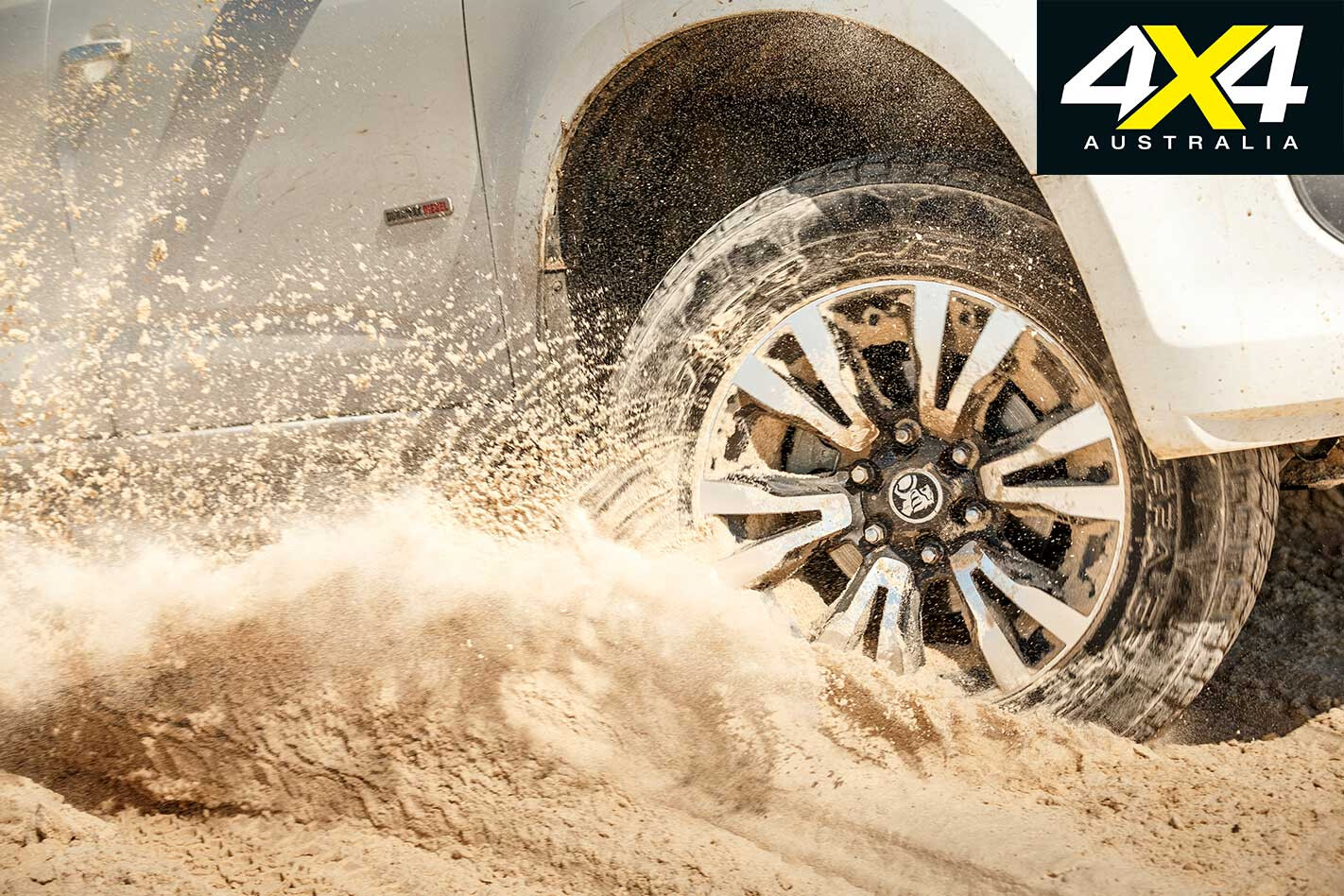
Hurriedly, with roaring engines and sand spewing from spinning tyres, we clawed our way out and got back onto safer terrain and headed east for the more gentle beaches of the east coast. With darkness descending we hit the sand near Happy Valley, before we arrived at the aforementioned crossing of Eli Creek and stopped that evening at Cathedral Beach.
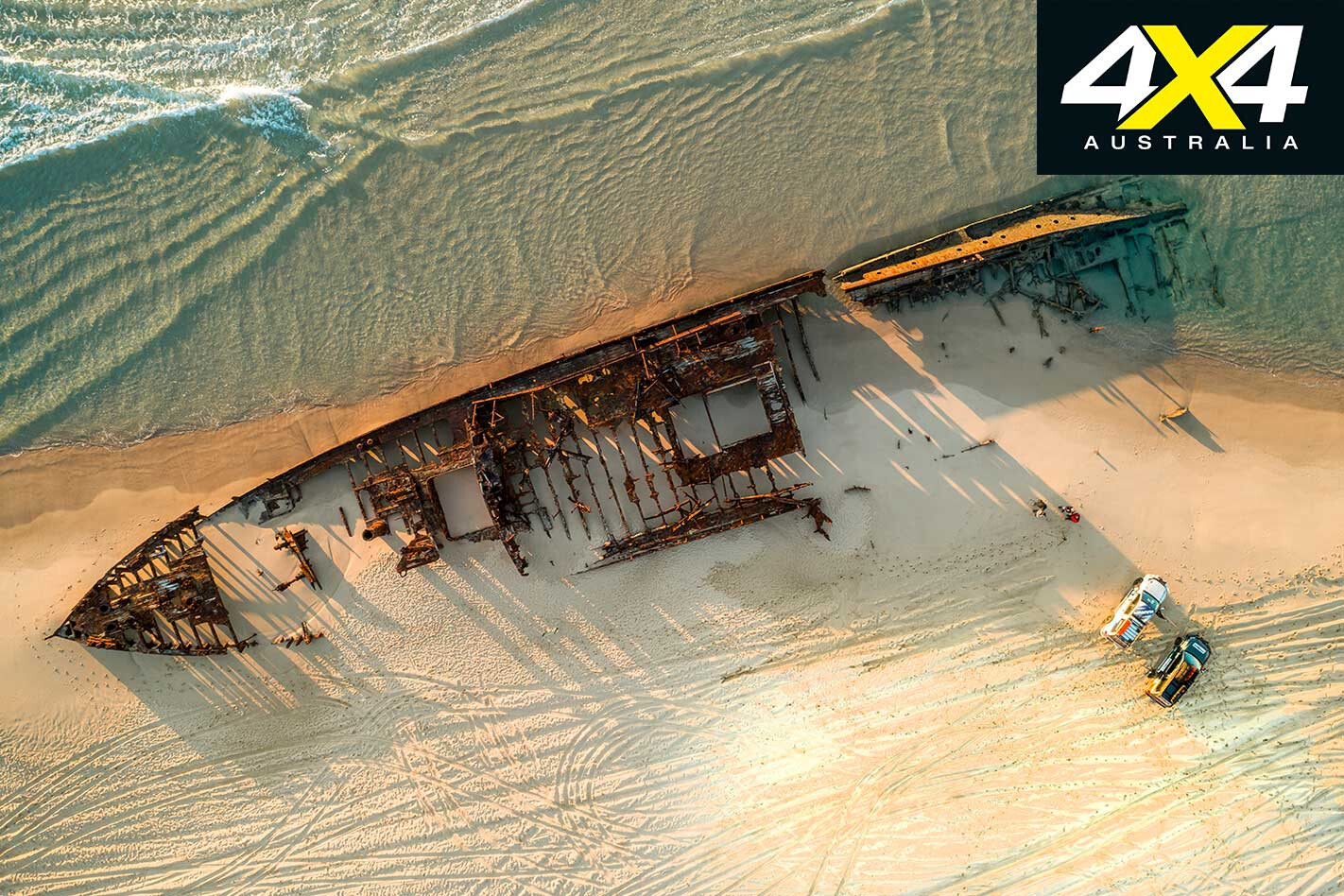
We were up early the next morning to watch the sun throw its golden rays onto the old wreck of the Maheno. A well-known landmark on Fraser, the Maheno was blown ashore in 1935 and there it has stayed ever since.
From the Maheno we drove north, passing Indian Head and Waddy Point and dropping onto the shore again near the village of Orchid Beach. From here it is still another 50km or so to Sandy Cape, with the notorious trap of the Ngkala Rocks in between. We wanted to be close to low tide to get around this obstacle, not only for the run north but also for the return trip later in the day.
We easily slipped around the rocks on the way north and stopped at Sandy Cape to enjoy the view of the coast and its tangled web of sandy channels running clear blue water, isolated drying sandbars and the whipped-up water offshore where the Break Sea Spit plays turmoil to the currents, winds and waves.
Less than 10km west is Sandy Cape Lighthouse, where vehicle access farther west (or south) ends. From the carpark we walked up the steep sand dune to the lighthouse, which is looked after by a rotating group of caretakers, each of whom spend four to six weeks in this small patch of nirvana. We yarned to the couple while taking in the expansive view from this lofty perch, but the tide was calling so we retraced our steps back along the east coast of the island.
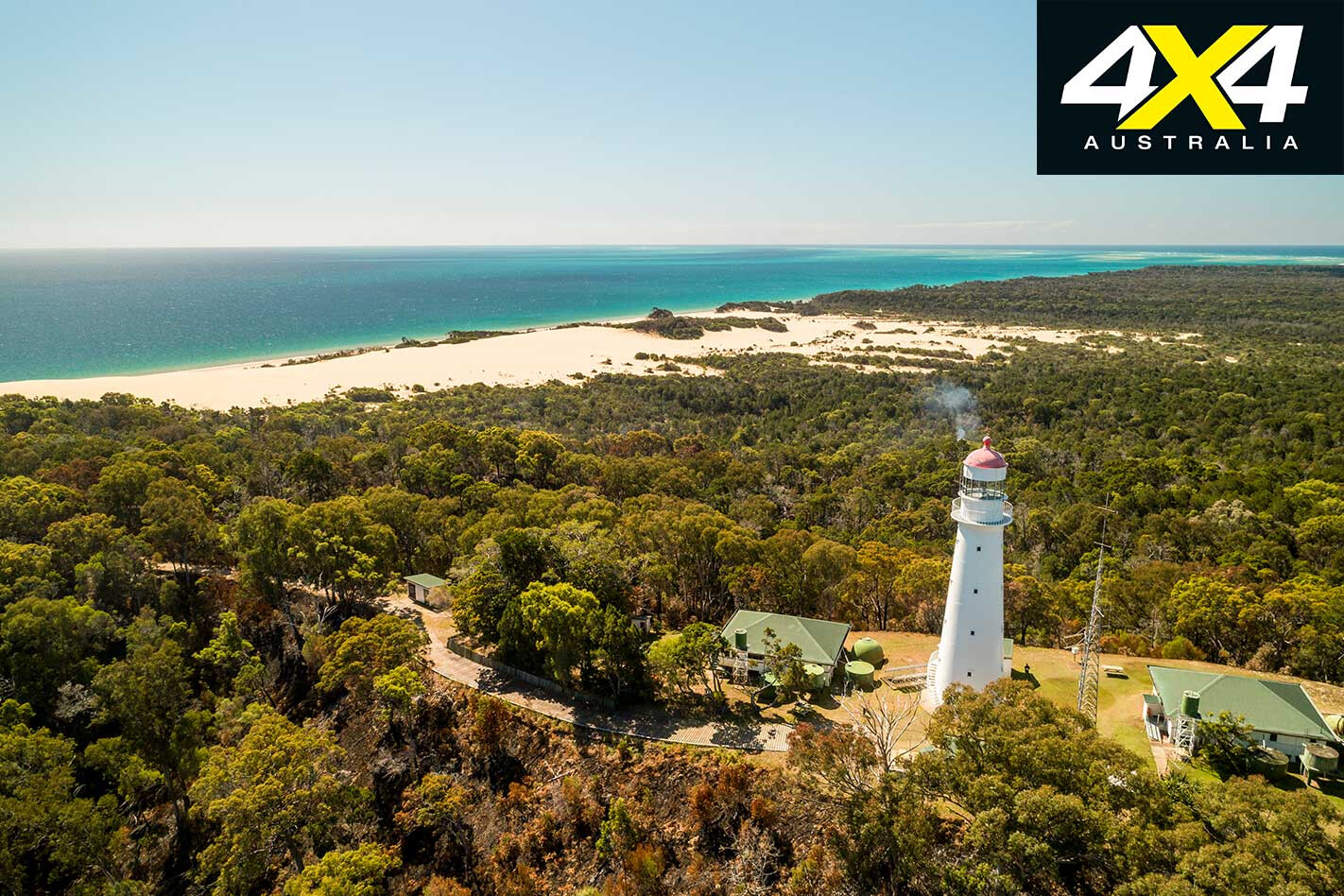
We were just in time, too, as water was starting to edge towards the rocks as we slipped past Ngkala and continued south, stopping for the evening at Waddy Point. This is one of the most popular campsites, and you can choose to be down along the edge of the beach or among the trees a little farther back from the shore.
Our time on Fraser was fast coming to an end, so for the last night we headed to Kingfisher Bay Resort on the west coast. I had spent a bit of time here years ago, but the resort is much better these days with many more activities for the entire family to enjoy (or for those who want to add a bit of pampering and a fair bit of luxury to their Fraser Island escape).
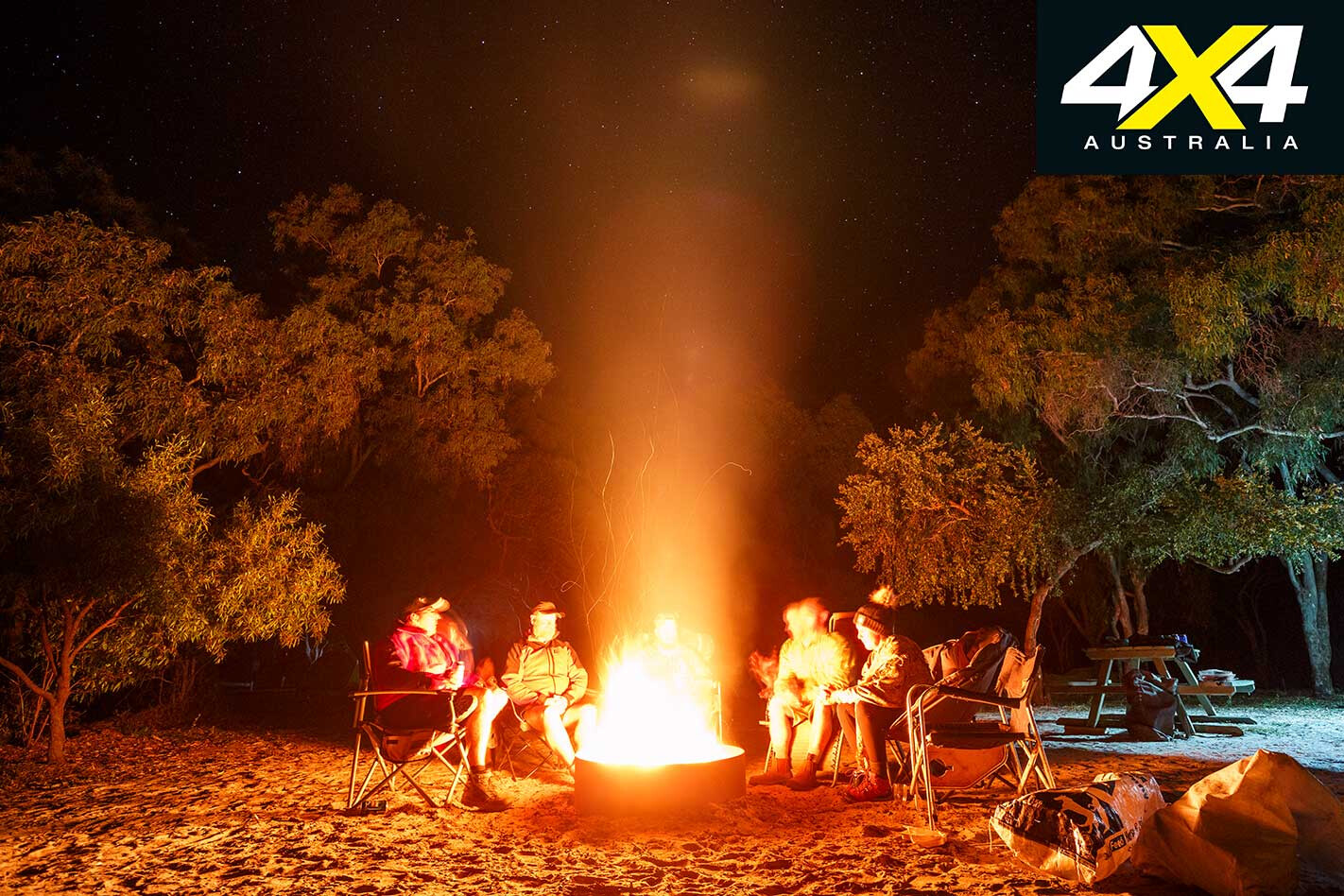
Ann Bauer, the chief ranger at Kingfisher, took us around the delightful native garden that surrounds much of the resort, while giving us the rundown on the experiences the resort offers: more than 20 ranger-led walks, bird-watching excursions, bush-tucker tastings, canoe trips, 4WD tours and lots more. We settled for some cold beers, a great feed and a few wines.
The next day we caught the ferry which runs from the resort to the mainland at River Heads, near Harvey Bay. As we drew away from the island I vowed it wouldn’t be another 20 years before I came back to this magical area of the Great Sandy.
Eli Creek Crossing
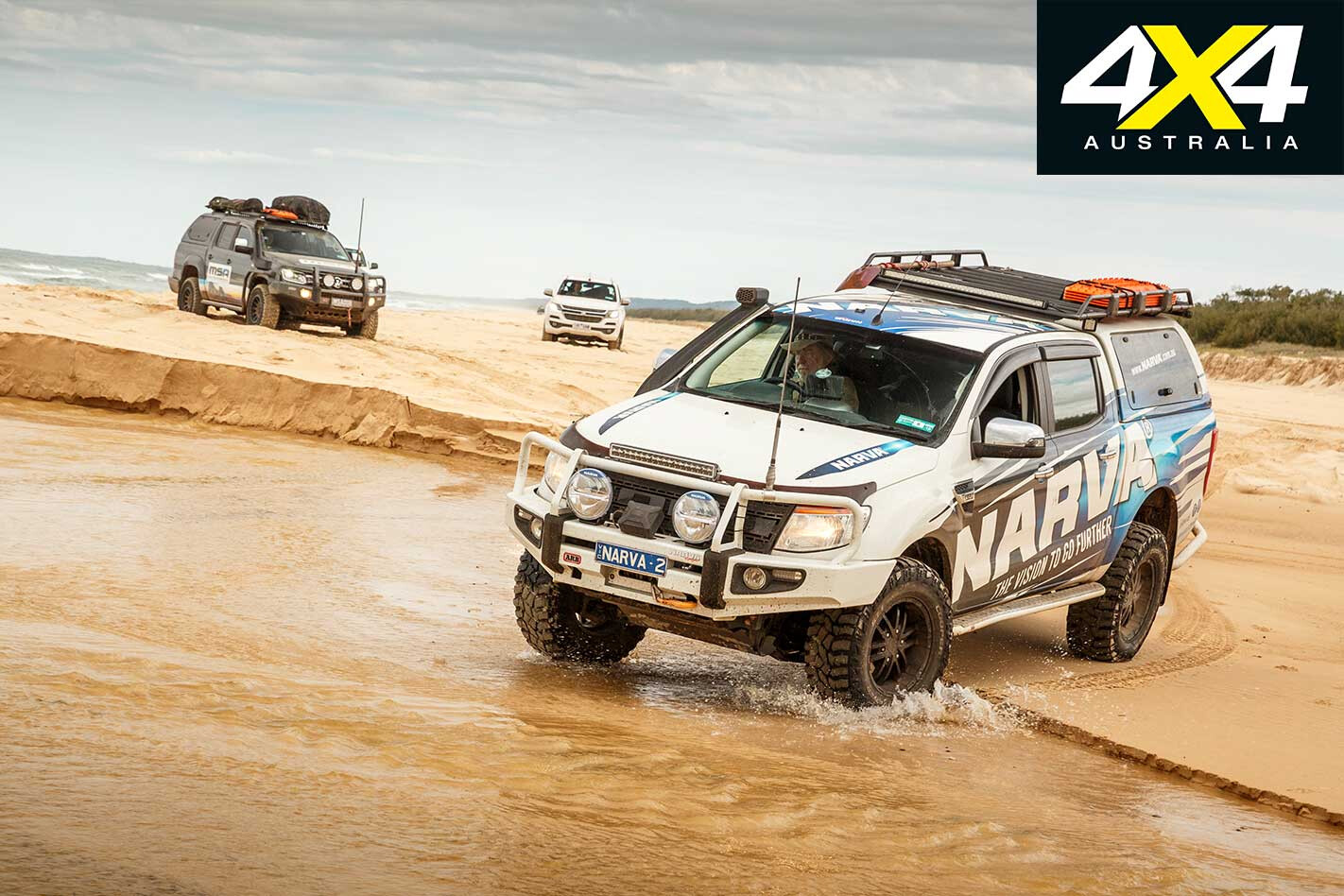
THE crossing of Eli Creek on the east coast of Fraser Island can be a real trap. Sometime after us a couple of backpackers in an old Nissan Pathfinder ploughed into the water and, sadly, didn’t drive out the other side.
The next day with the tide out we found them with their bonnet up and all the doors open, trying to dry out the Pathy. It was looking pretty sad, with no sparks to kick over the engine and, while they had rescued all their wet gear and clothing, the young couple were sitting forlornly on the boardwalk, their trip around Australia looking to be a fading dream.
Two other vehicles came to grief at the creek crossing by taking the wrong line and not paying enough attention to tyre pressures and momentum. Both were quickly recovered by the throng of people and vehicles that can normally be found at this spot during the day; one of the acclaimed highlights of Fraser Island.
Travel Planner
• Camping and vehicle access permits are required for Fraser Island and Cooloola. • The ferry to and from Fraser Island can get busy, so it’s best to book. • Be aware of the tides and know how to drive on sand. Carry recovery gear including a set of MaxTrax, and know how to use them. • For info on the Great Sandy NP including Cooloola and Fraser Island go to: www.npsr.qld.gov.au/parks • For info on the resorts and campgrounds, see:
Cathedrals on Fraser www.cathedralsonfraser.com.au
Eurong Beach Resort www.eurong.com.au
Kingfisher Bay www.kingfisherbay.com
Rainbow Beach https://rainbowbeachinfo.com.au
MAXTRAX has taken its popular traction boards to the next level, with more durable, replaceable lugs.
We’ve long been fans of the recovery boards from MAXTRAX, with the bright orange wonders getting us out of many sticky situations when testing vehicles off-road. Their ease of use and transportation, plus the way they allow you to recover a vehicle safely, makes throwing them into the back of the four-wheel drive a no-brainer.
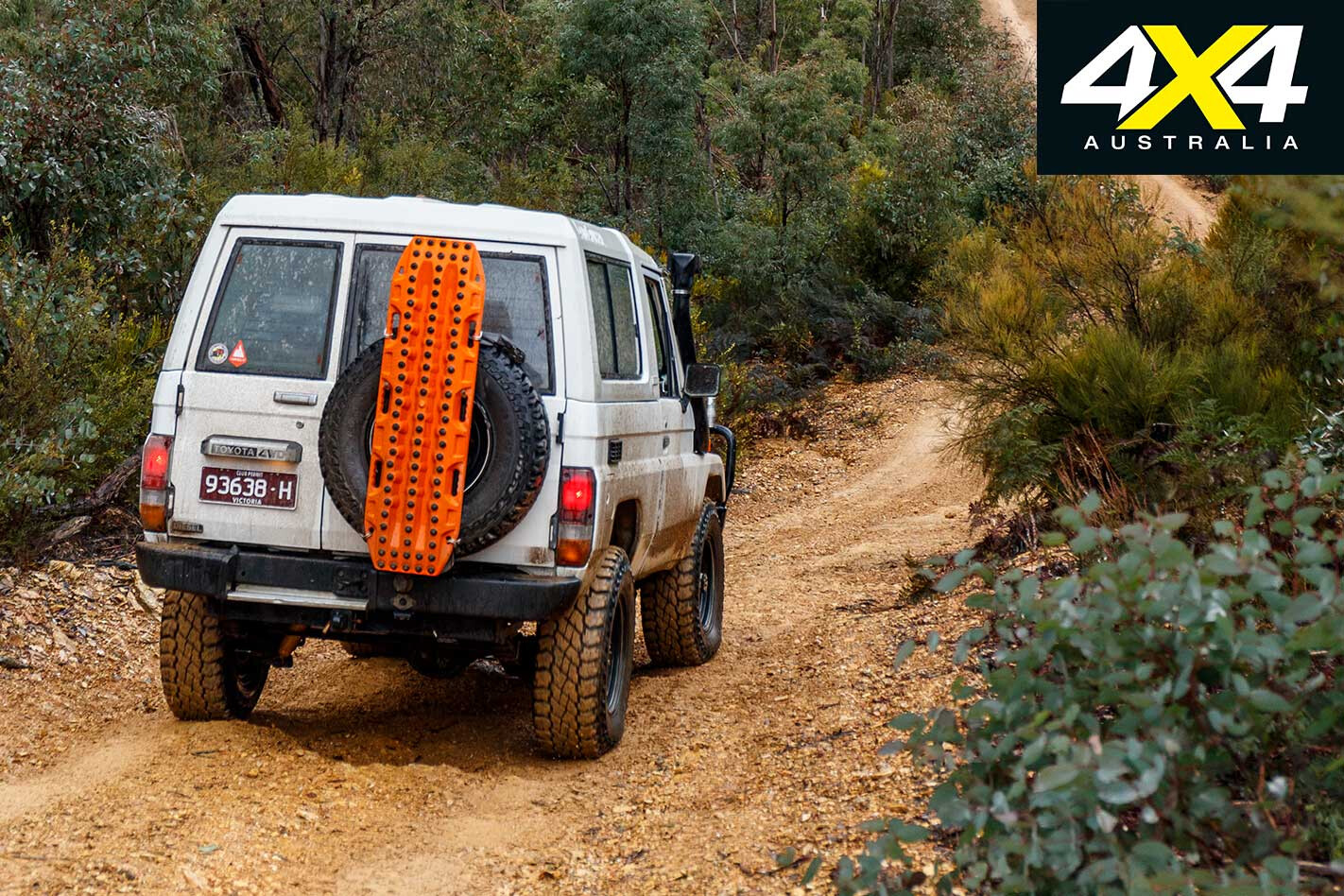
They are particularly relevant when testing new vehicles that don’t have rated recovery points for snatch or winch recoveries. As such, if your 4×4 isn’t equipped with recovery points, then MAXTRAX should be your go-to item.
With so many positives about the product it was hard to think of ways to improve it, but the hardworking team at MAXTRAX never rest on their laurels and are always looking for ways to make things better. If there was a complaint about MAXTRAX it came from users who inadvertently spun the tyres on the boards and melted the nylon traction ‘teeth’. This is despite all instructions and recommendations to crawl onto the tracks and to never spin the tyres on them.
Brad McCarthy and his team have been working for years to create MAXTRAX with replaceable teeth for such instances, and at the 2017 SEMA Show they unveiled the MAXTRAX Xtreme. They will come to the market here March of 2019.
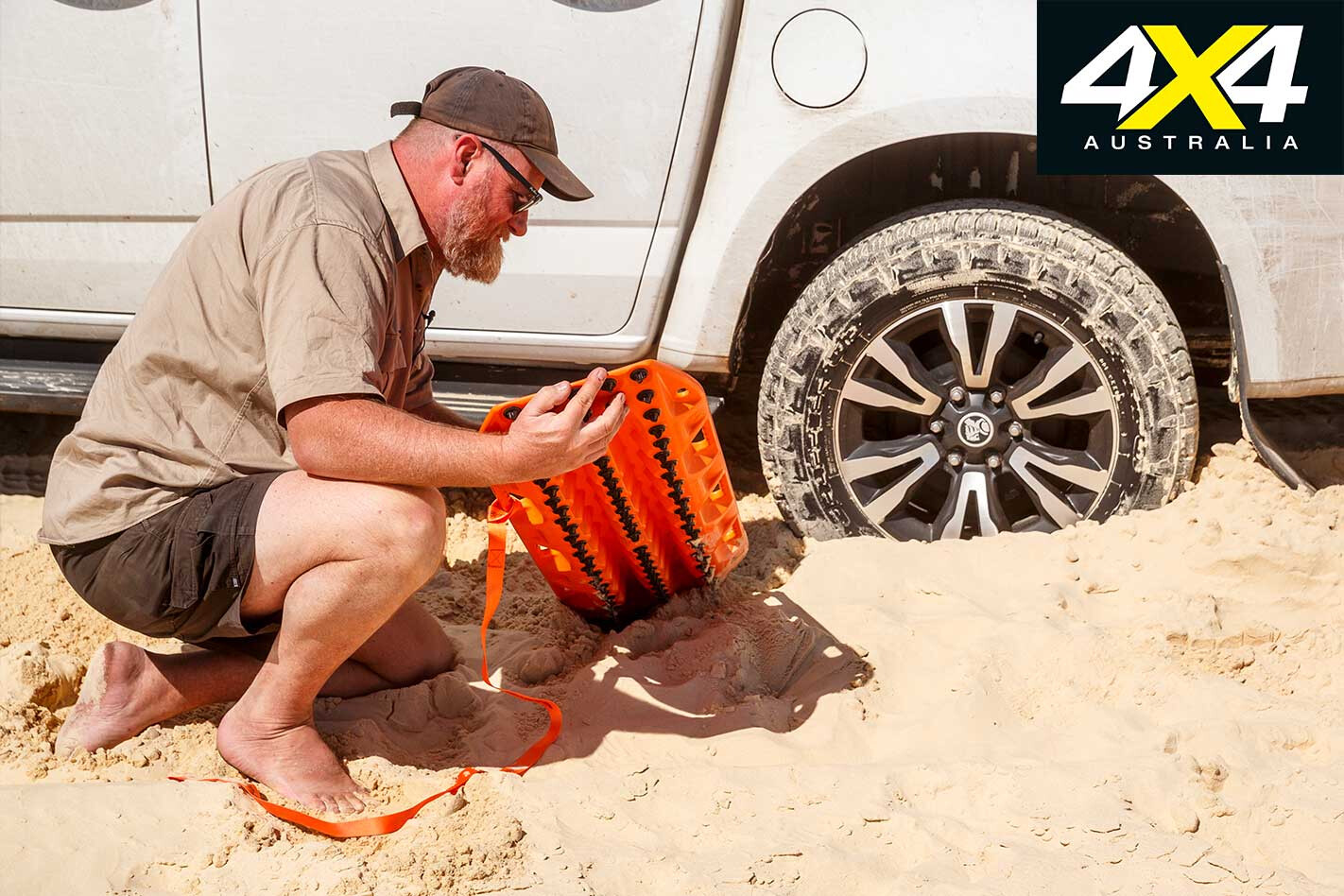
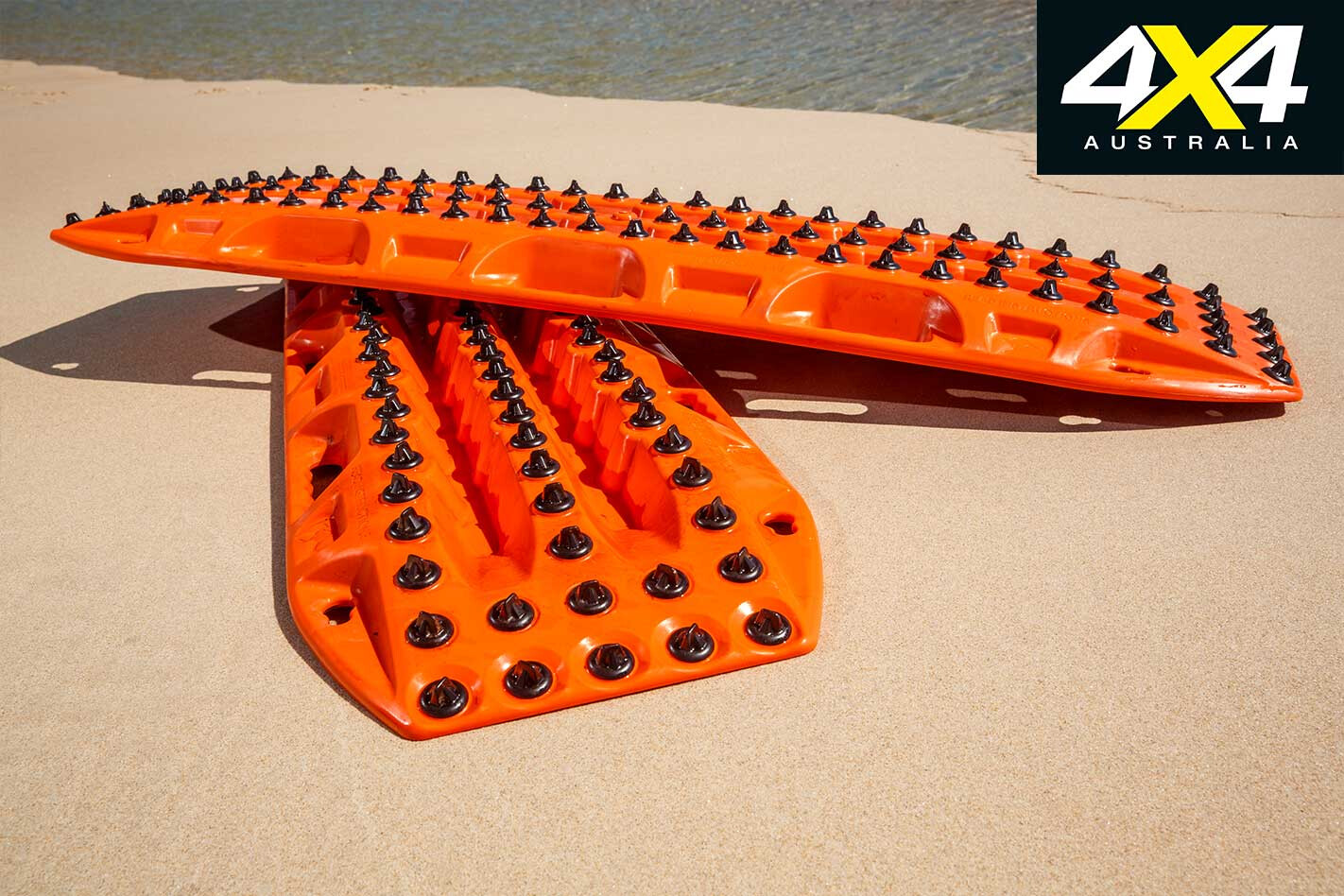
The Xtreme is pretty much a replica of the MAXTRAX Mark 2, except for the now-replaceable traction teeth. The pattern of the teeth is the same; the size of the boards is the same; they still feature the shovel scoops at each end and handles down each side; they are made of the same tough-yet-flexible nylon material; and they can still be linked together to form a longer track.
They are so similar the Xtreme will stack neatly with the old MAXTRAX Mk2. The company hasn’t steered away from a design that has proved to work well.
The removable teeth are made from aluminium alloy and, when screwed into place, they are locked into position with locating lugs to ensure they are angled at the optimum position. Should a user ever damage or break one of the teeth, they can swap them out with another tooth from elsewhere on the track or they can purchase a replacement to restore the track to as-new condition.
We were lucky enough to score a set of MAXTRAX Xtremes from a very early production run and have used them on a number of trips, recovering vehicles in sand, mud and snow. As always, they have performed as described and got vehicles out of trouble with ease.
MAXTRAX claims the Xtremes perform better than the all-nylon tracks, as the metal teeth don’t give as much as nylon, resulting in more direct and quicker traction to get you out. We can’t argue with the claim as they’ve always worked well for us and we haven’t damaged any of the teeth, even with tyres fitted with metal snow chains.
The MAXTRAX Xtremes make a great product even better, ensuring they’ll easily get you out of a bog.
on 4×4 Gear
RATED Available from: www.maxtrax.com.au RRP: $449 a pair We Say: Makes a good thing even better
Even as the summer heat begins to wind down there are plenty of activities set to take place all over Australia. From fishing to desert festivities, now’s the time to get your fill of summer nights.
Contemplating Simmo
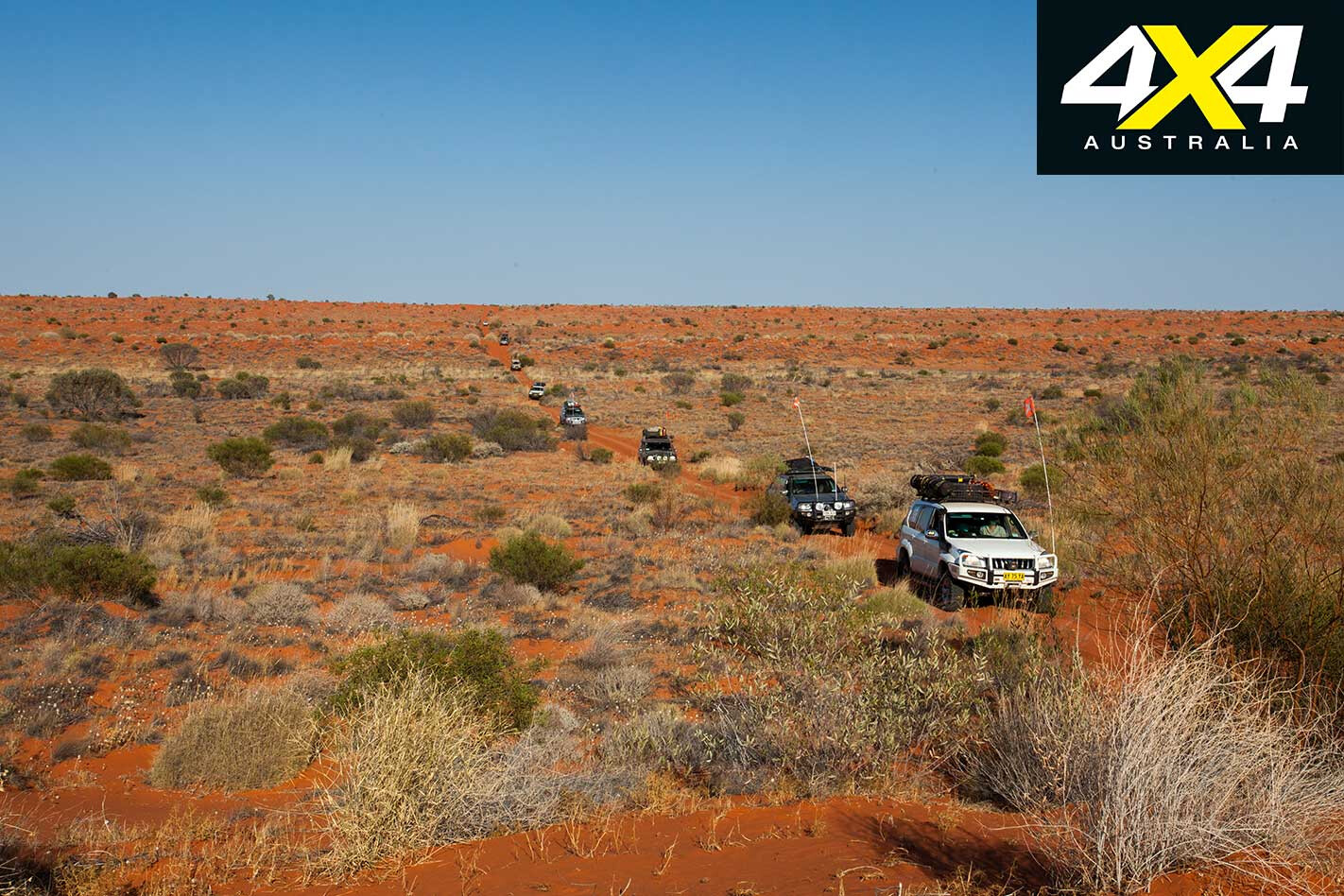
The Simpson Desert is on every off-road tourer’s bucket list, and March 16 signals open season; it’s the first day the Simpson Desert Regional Reserve and Simpson Desert Conservation Park are open to visitors.
By mid-March, temperatures are dropping, making the crossing far more comfortable and safer. To book the required Desert Pass and to check conditions, email: [email protected] or phone (08) 8648 5328.
Navrun: The Amazing Race (VIC)
We’re getting in early to give you the goss on one of Australia’s best 4×4 events. This awesome off-road navigation ‘race’ is being held in the north-west desert region of Victoria over the Easter long weekend (April 19-21).
It’s not only a brilliant driving event with no vehicle classes, it is also family friendly; navigating in your own vehicle while searching for clues that lead to instructions (and some cool challenges) means you’ll have a laugh as well. As well as the Navrun, there is camping and a number of activities for the little’uns. Just remember to bring food and water.
See www.navrun.com.au for more information.
Station stays (SA)
Celebrating 10 years of success, this group of pastoral tourism businesses in the SA outback and the Flinders and Gawler Ranges has grown to 28 stations and properties that accommodate visitors. Stations such as Horseshoe Rim include 4×4 tracks for those keen to do some exploration of their own.
Mt Ive Station is the only station in the Gawler Ranges offering visitor facilities, and it has Lake Gairdner on its northern boundary … not bad! Another station is Willow Springs, home to Skytrek, a full-day 4×4 tour of the property. Located just north of Wilpena Pound means you can also explore this iconic destination.
See www.stationstayssa.com.au.
Island escape (QLD)
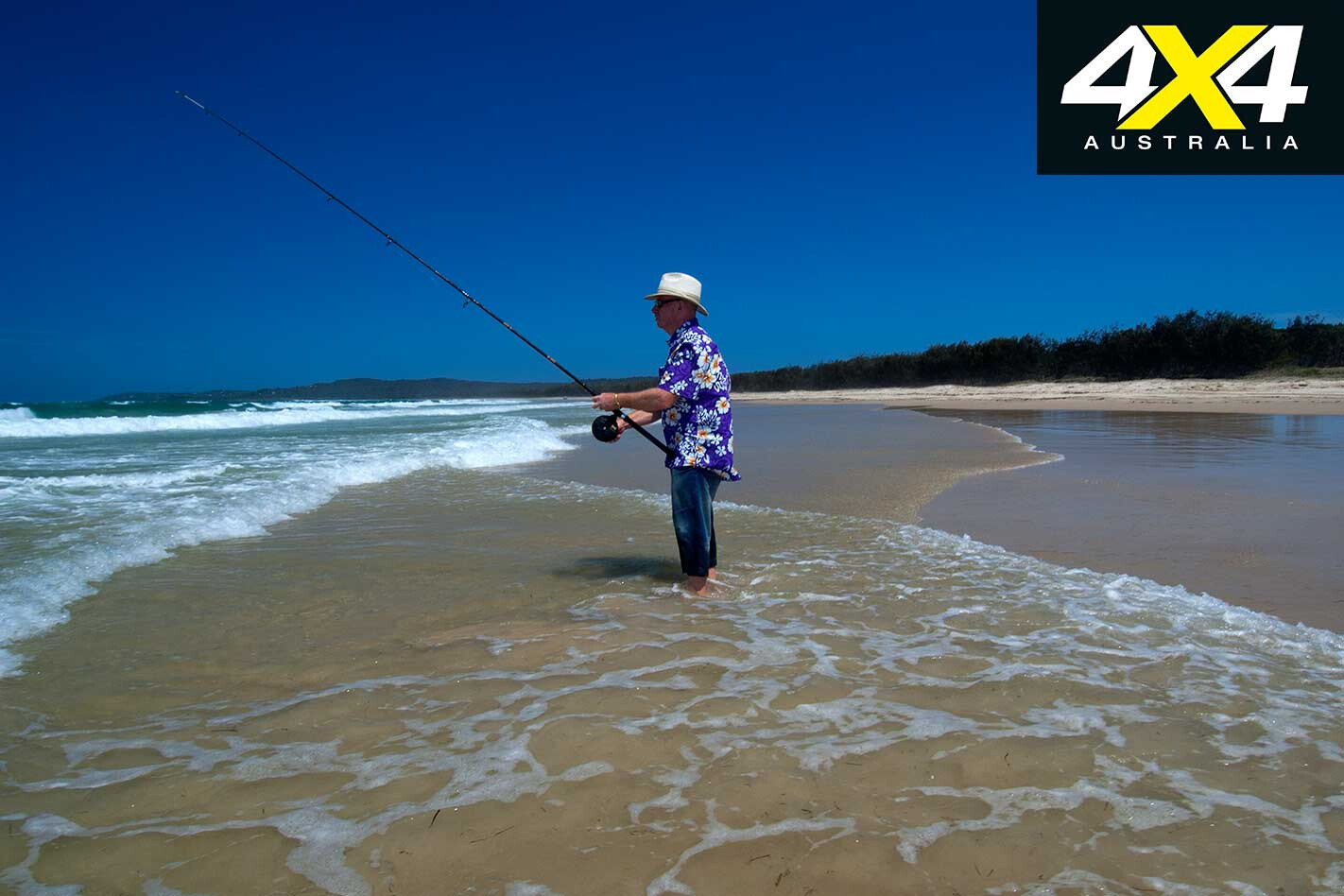
North Stradbroke Island is located just off the coast of south-east Queensland and easily reached via ferry, making it a great summer camping destination. The camping options on the island are many and varied (and suited to all budgets) and the beach driving (on Main and Flinders beaches; permit required) is sublime.
For anglers, there’s plenty on offer both from the beach or offshore if you’ve brought your boat, while surfers can have a crack at the various breaks offshore. You can dive with manta rays and enjoy cultural talks with the local Quandamooka people.
See www.stradbrokeisland.com for more information.
Best chance for big barra (NT)
The wet season starts to wind down toward the end of March/early April and, as the rain eases, the big rivers begin returning to their ‘normal’ shape as the floodwaters recede into the ocean. For anglers, this part of the year is known as the ‘run-off’ and is the best time for catching barramundi, with plenty of fishing hotspots found at the confluence of smaller waters, such as creeks.
For more on catching a big barra, see: www.travelnt.com
Go wild in comfort (VIC)
Parks Victoria’s Wilderness Retreats are tented cabin-style accommodation that offer the best of both worlds: a cracking bush location and that slightly more ‘luxurious’ feel with showers, bedrooms and more.
These retreats are located at three of Victoria’s most popular camping locations: Wilsons Promontory, Buchan Caves and Cape Conran. Each cabin has timber floors (set above the ground), timber deck, chairs, tables, fridge, queen-sized bed and shower/bathroom. There’s also an equipped communal kitchen with gas cooktop, fridge, cutlery/crockery/cooking and another outdoor barbecue area as well.
See www.wildernessretreats.com.au for more info.
Big Red Bash (QLD)
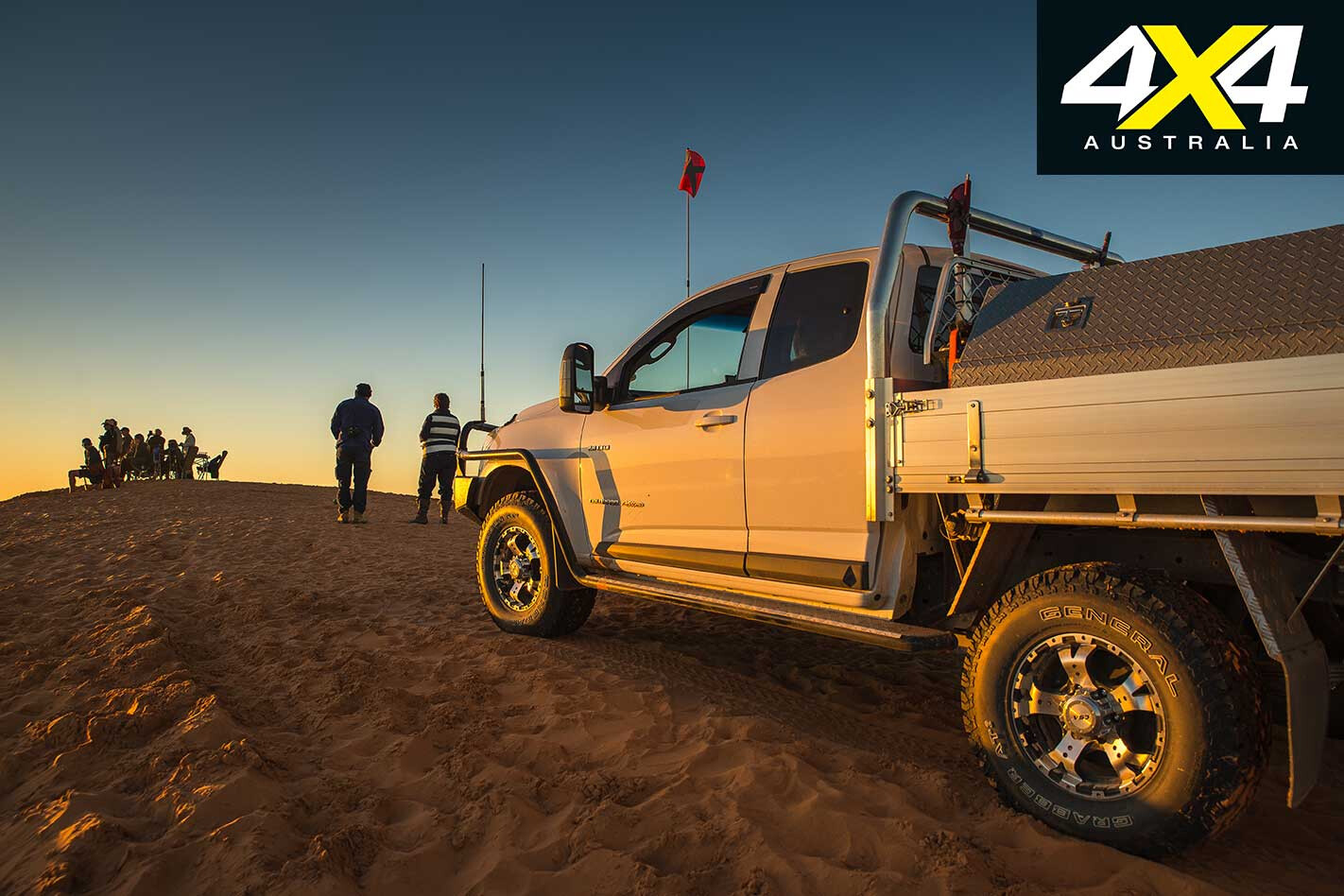
It’s not for another six months, but we reckon you need to get prepped now. The chance to see one of Australia’s best rock bands – Midnight Oil – perform under the shadow of the massive dune that is Big Red, near Birdsville, is a lifetime experience not to be missed.
Running July 16-19, the 2019 Big Red Bash will be, ahem, bigger than ever. Support acts include The Living End and Kasey Chambers, plus many more activites.
For more see www.bigredbash.com.au
The 2020 Sierra Heavy Duty has been revealed, heralding in a new age of towing and trailer technology.
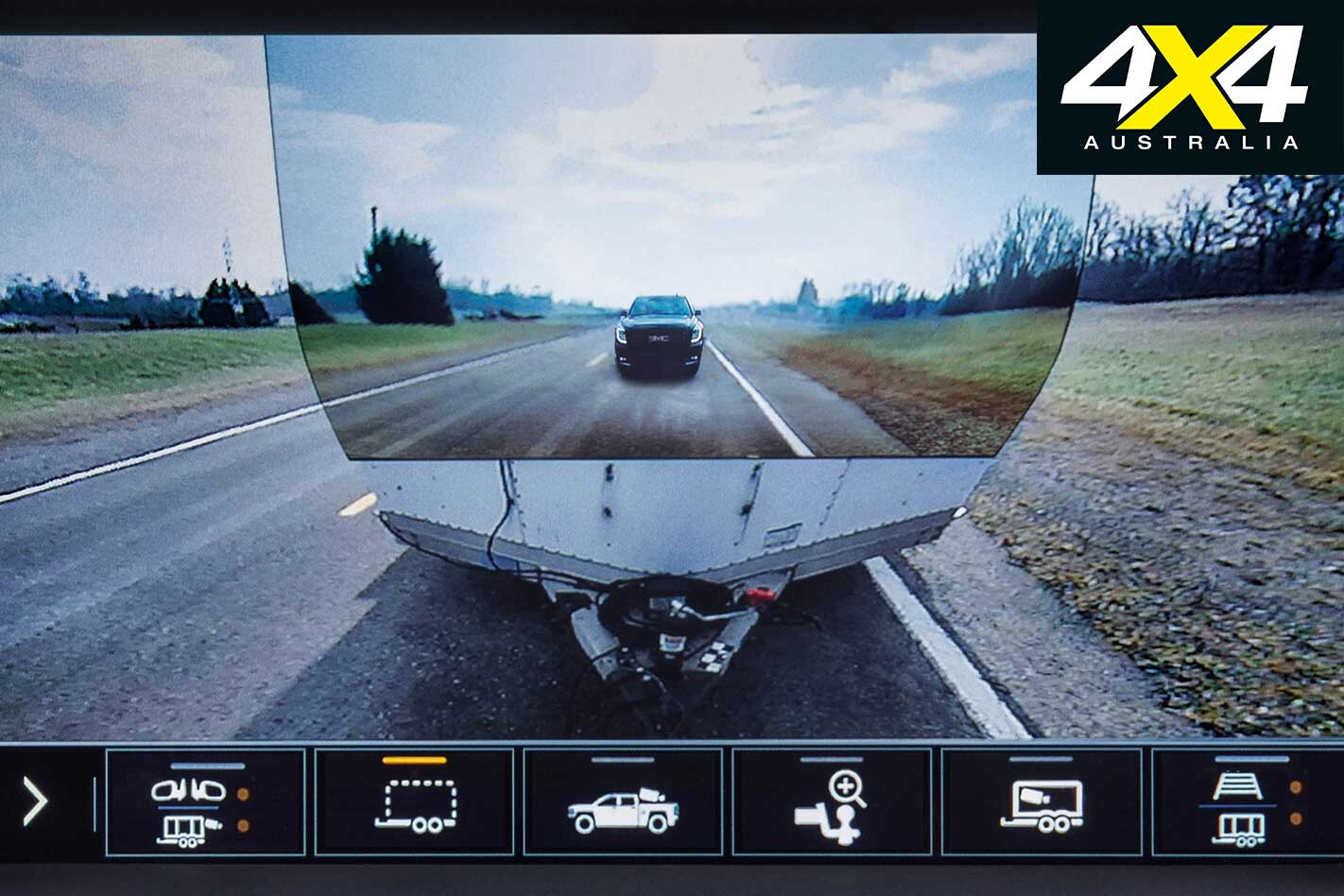
That tech is an upgraded ProGrade Trailering System, first seen in the 2019 Sierra Light Duty. The system utilises 15 cameras to optimise the driver’s view around the truck and (compatible) trailer combo. It also features a ‘transparent trailer’ feature – similar to tech displayed at the 2019 Consumer Electronics Show – allowing the driver to see ‘through’ the trailer; made possible by the installation of a tailgate-mounted camera and an (available) accessory camera mounted to the rear of the trailer.
“Trailering is the most important consideration for Sierra Heavy Duty customers, and the new features and technologies in the 2020 Sierra HD make it easier than ever to hitch a trailer and tow it confidently,” said Jaclyn McQuaid, vehicle chief engineer of Heavy Duty Trucks. “We’ve developed this new truck to offer the greatest trailering experience ever offered by GMC.”
Other technology implemented to aid trailering includes larger trailering mirrors, an integrated trailer brake controller, Tow/Haul mode, Hill Start Assist and Hill Descent Control, Digital Variable Steering Assist, and Park Grade Hold Assist.
The Sierra HD is taller and longer than the model it replaces, with a longer wheelbase, a larger grille, a more aggressive hood line, LED illumination, “best-in-class” head- and leg-room (Crew Cab models) and an all-new Allison 10-speed automatic transmission.
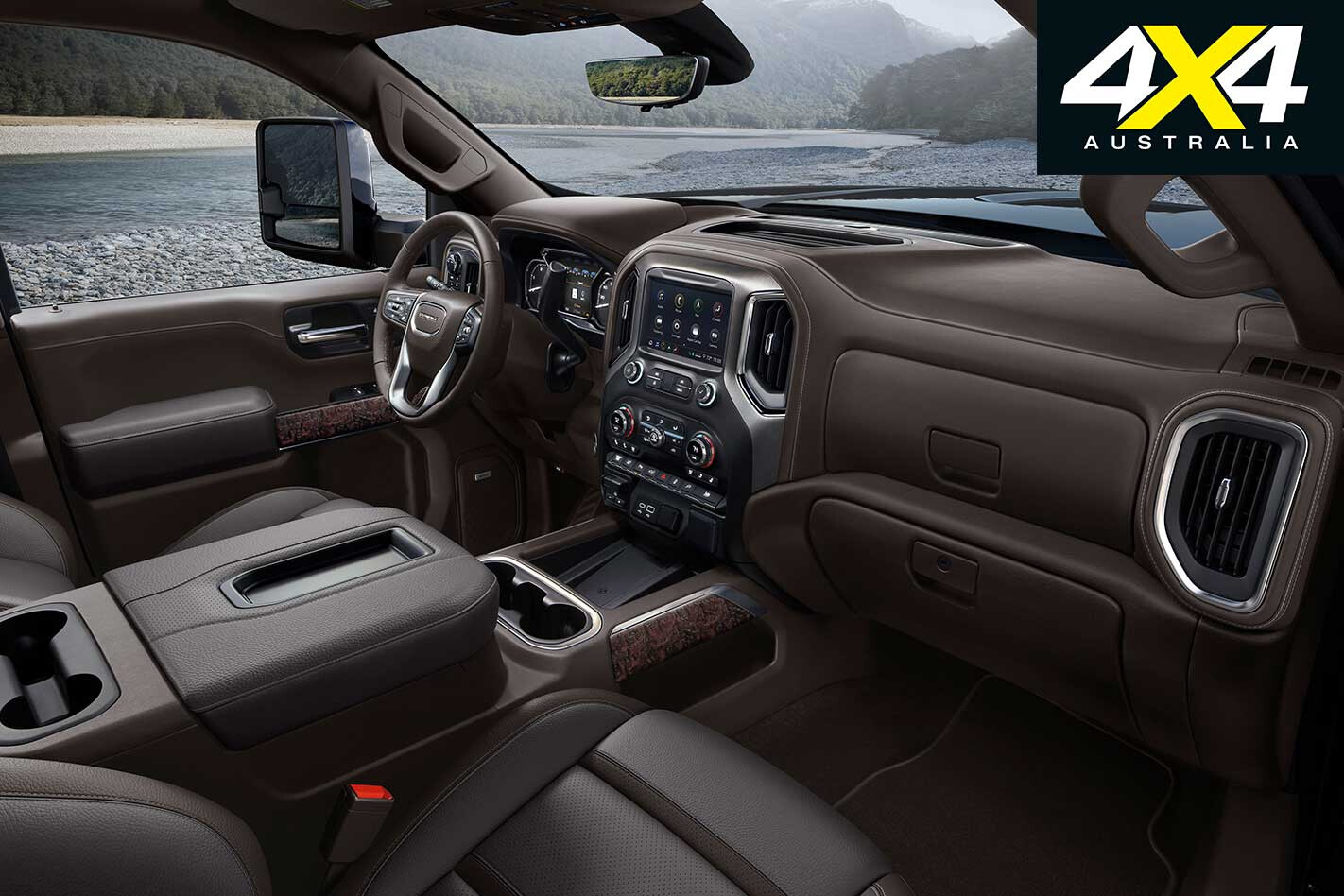
The Allison transmission features closer gear spacing to optimise the performance of the Duramax 6.6-litre turbo-diesel engine, which generates 445 horses (332kW) and 1234Nm. Performance is also upped from the previous model due to the improved cooling capacity – thanks in part to the generous hood scoop on the bonnet and the larger grille – giving the big truck a towing capacity in excess of 13,500kg.
The new Sierra gets a new 120-volt power outlet in the tray, cargo bed side-steps, and the tray is an inch lower to ground to make it easier to load and unload.
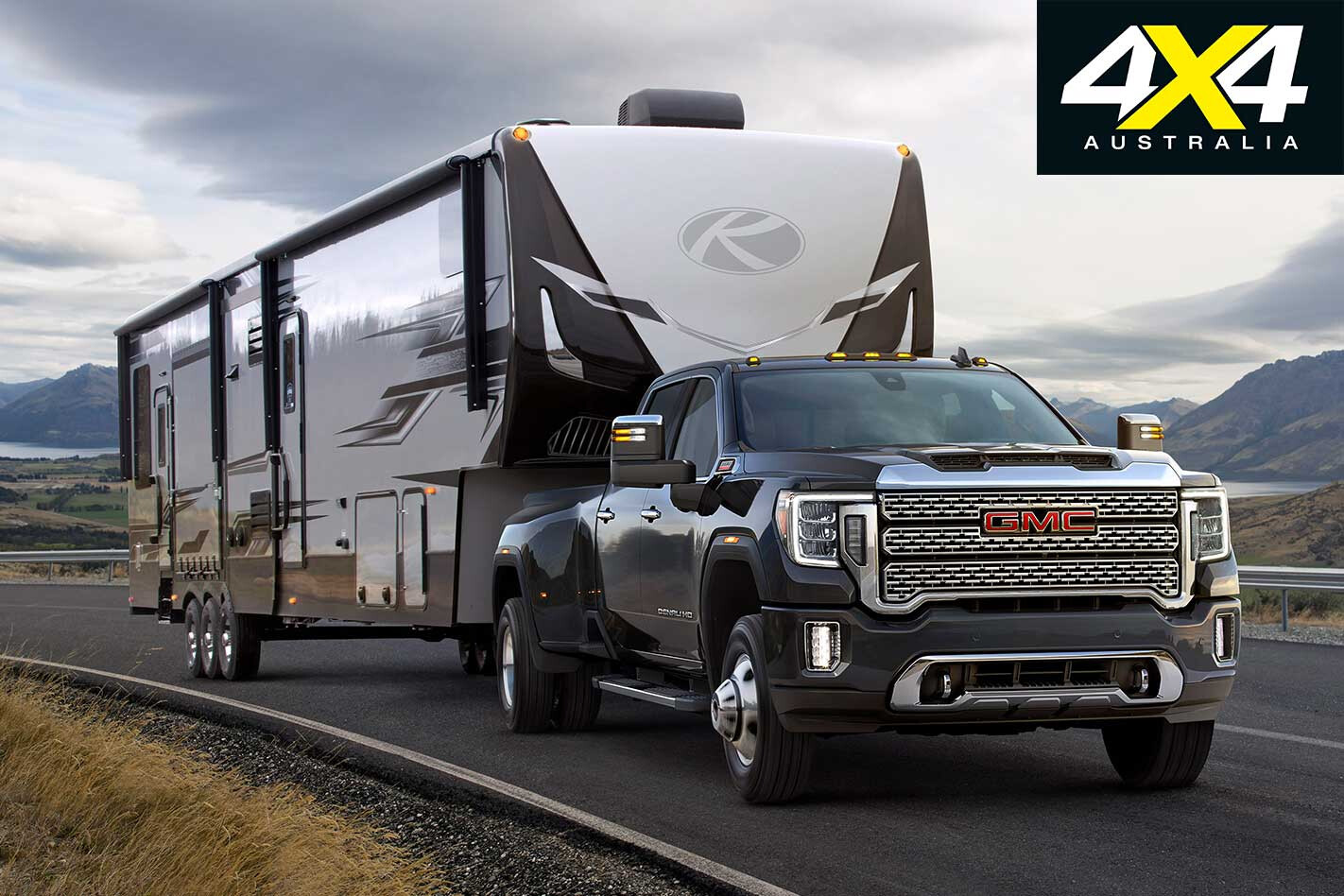
“The all-new 2020 Sierra HD is the most capable heavy-duty truck that we’ve ever offered,” said Duncan Aldred, vice president of Global GMC. “For customers who demand a premium, innovative heavy-duty truck that supports their passions, the next-generation Sierra HD can pull like a pro.”
The 2020 Sierra HD – in 2500HD and 3500HD dual rear wheel and single rear wheel configurations – will be in US showrooms later this year.
ANCAP has handed down its safety rating for the upcoming Suzuki Jimny, giving the pint-sized off-roader – both GL and GLX variants to be sold here – just three stars.
Structural and design weaknesses, poor protection of pedestrians and cyclists, and a lack of effective safety aids were the reasons for the three-star safety rating, according to ANCAP’s chief executive, James Goodwin.
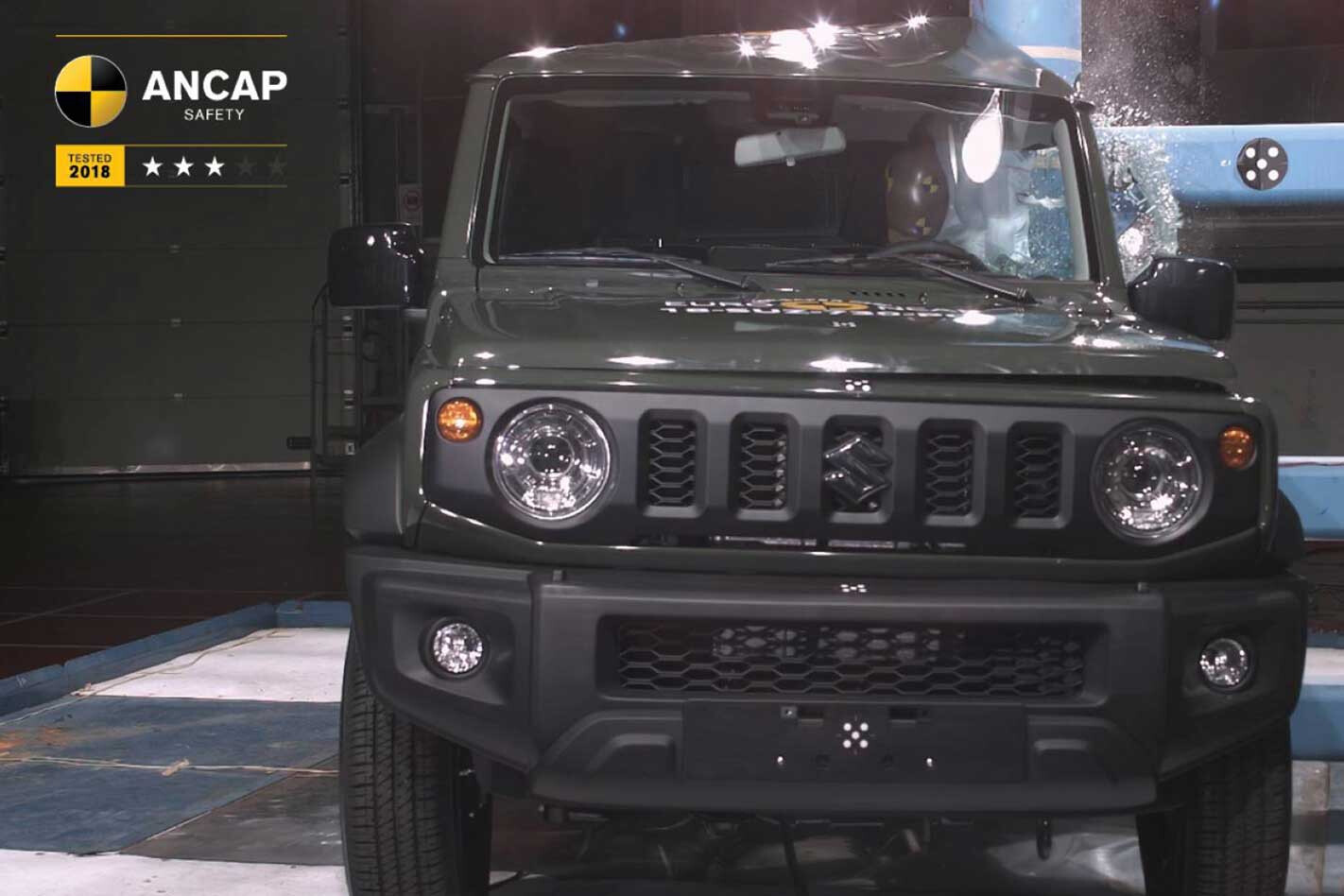
“Engineers observed a number of issues in the frontal offset test including excessive deformation of the passenger compartment, with penalties applied for loss of structural integrity, steering wheel and pedal intrusion and knee injury risk,” Goodwin said. “Insufficient inflation of the driver’s airbag was also observed with the dummy contacting the steering wheel through the airbag, indicating reduced protection in more severe crashes.”
The independent tests also exposed the Jimny’s autonomous emergency braking (AEB) system for its lack of cyclist detection and night-time functionality. No active lane-keep assistance also dropped the Jimny’s score, as did sub-par pedestrian avoidance.
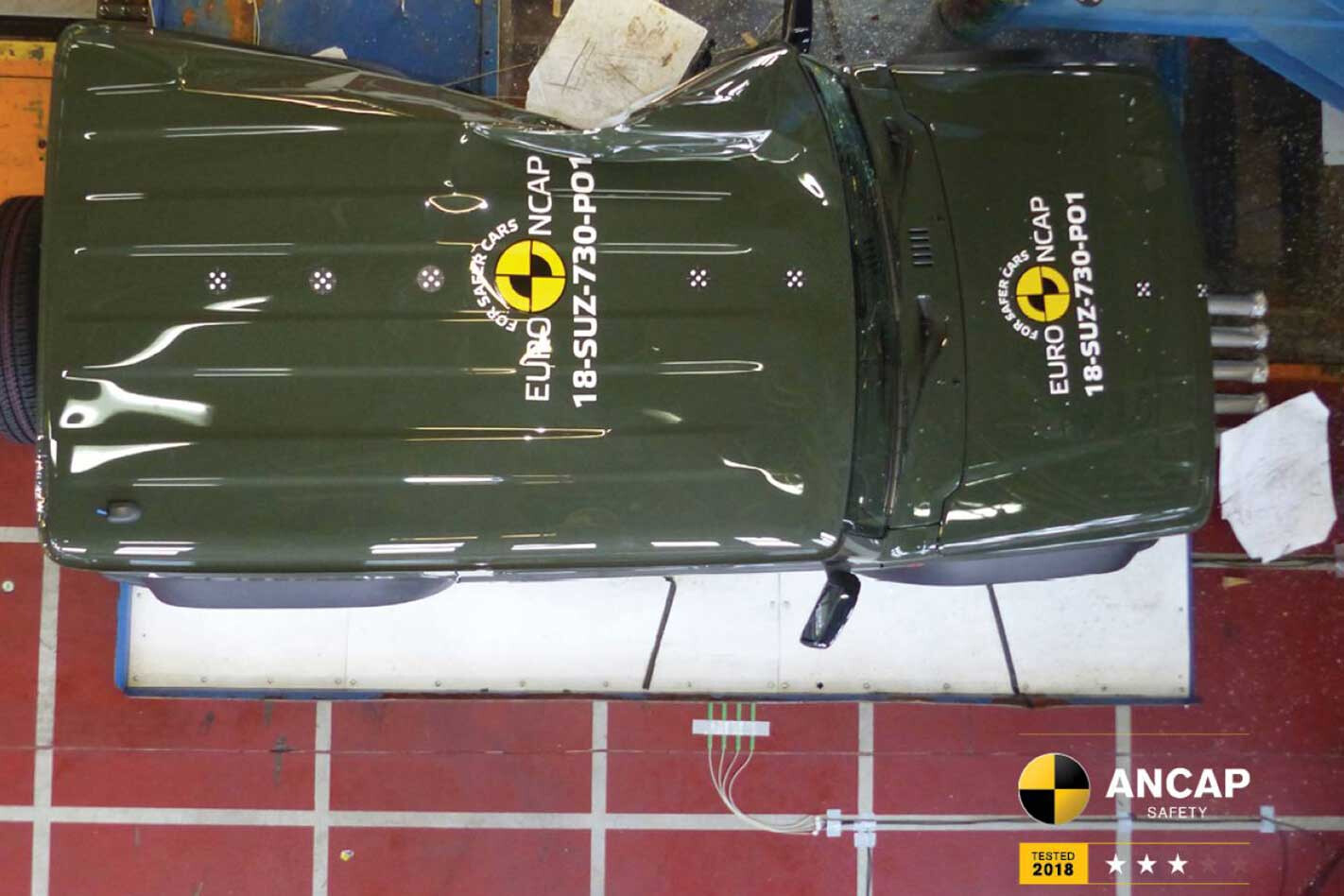
“The results show that the fundamentals of vehicle safety are still critical, and simply fitting an AEB system is not enough to earn a good rating,” Goodwin said. “While marketed for off-road driving, these vehicles also spend much of their time on regular roads and buyers shouldn’t have to forego safety.”
The Jimny isn’t the first off-roader to be dealt a safety blow, with the upcoming JL Jeep Wrangler receiving a disastrous one-star NCAP safety rating late in 2018.
Suzuki Australia has been contacted for comment.
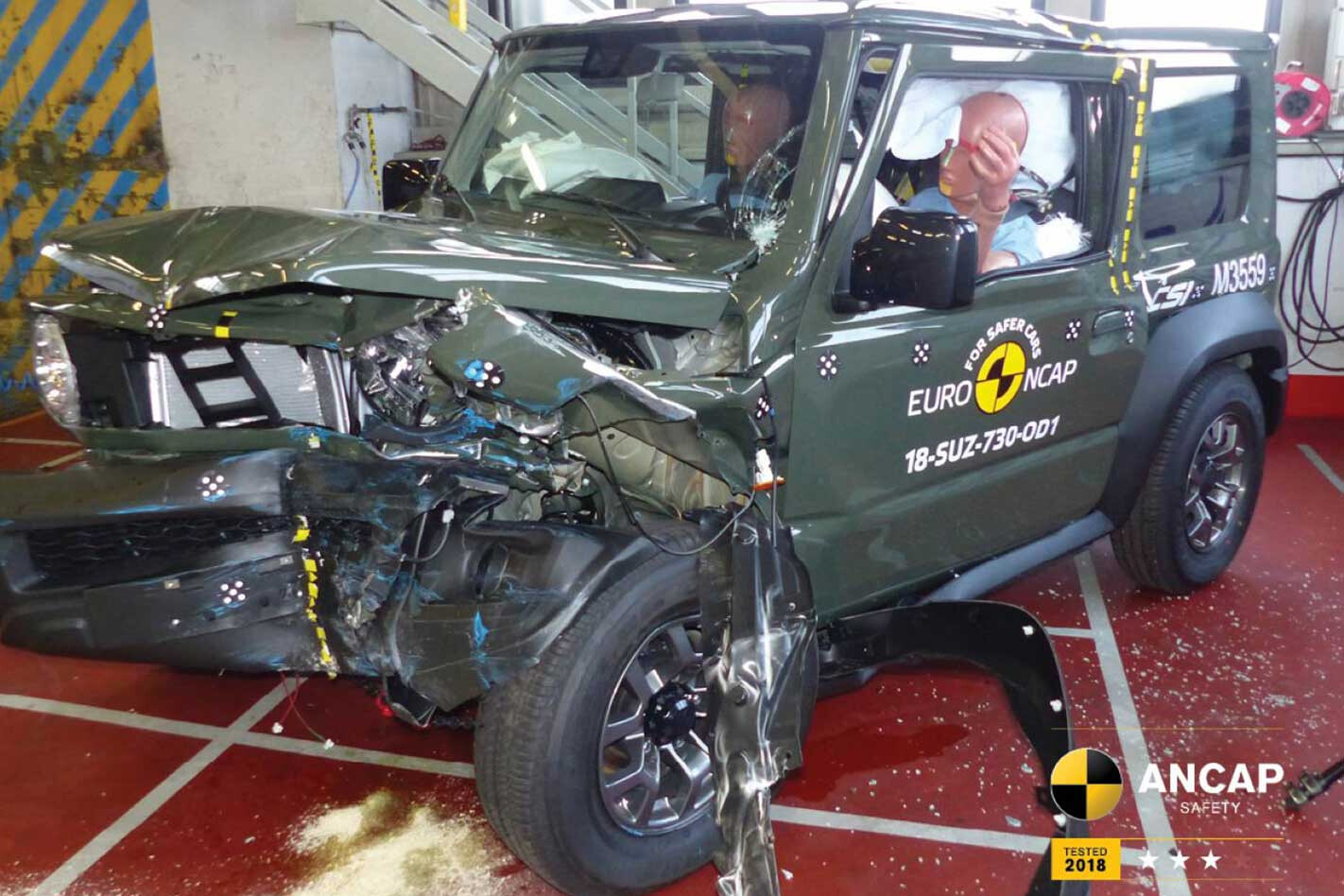
JIMNY’S ANCAP SCORE: 73%: Adult Occupant Protection 84%: Child Occupant Protection 52%: Vulnerable Road User Protection 50%: Safety Assist
WHEN YOU spend your weekends racing Ultra 4 buggies, UTVs and pre-running events like the Baja 1000, and your weekdays are spent building and wrenching on off-road racing vehicles, it should be no surprise that your personal ‘road rig’ has a heavy desert-racer influence. Such is the case of Cameron Chin of Nefarious Kustoms and his wicked-as-hell FJ45 Land Cruiser.
Like most off-road enthusiasts, Cameron has always had a soft spot for the classic Toyota Land Cruiser, but with all his time spent racing and working on race cars his own FJ40 was languishing at the back of his Las Vegas shop. The FJ was destined to be a rock crawler, but after a trip to Baja the project changed tack.
“After coming back from pre-running the Baja 1000 in my Ultra 4 solid-axle race car, I decided the Land Cruiser project needed to shift gears for improved ride and high-speed off-road handling,” Cameron recalls.
“We ditched the solid axles and found a 2007 Tundra 4×4 that would donate its IFS frame as well as the 5.7L/six-speed automatic drivetrain. That is when it shifted from a rock-crawler-based build to a full-on Toyota powered pre-runner.”
A quick lesson in American off-road racing here for y’all: Baja, Mexico, is the Mecca of off-road racing in the Americas, and each year both 1000- and 500-mile races (as well as other events) attract the best racers in the world to the desert.
The heavy hitters of Baja racing are the trophy trucks – full-tilt, fab-framed, 800hp racers with carbon-fibre bodies that loosely resemble that of a pick-up truck. Pre-runners are the vehicles the race teams use to reconnoitre the racecourse before the race to take notes and be better prepared.
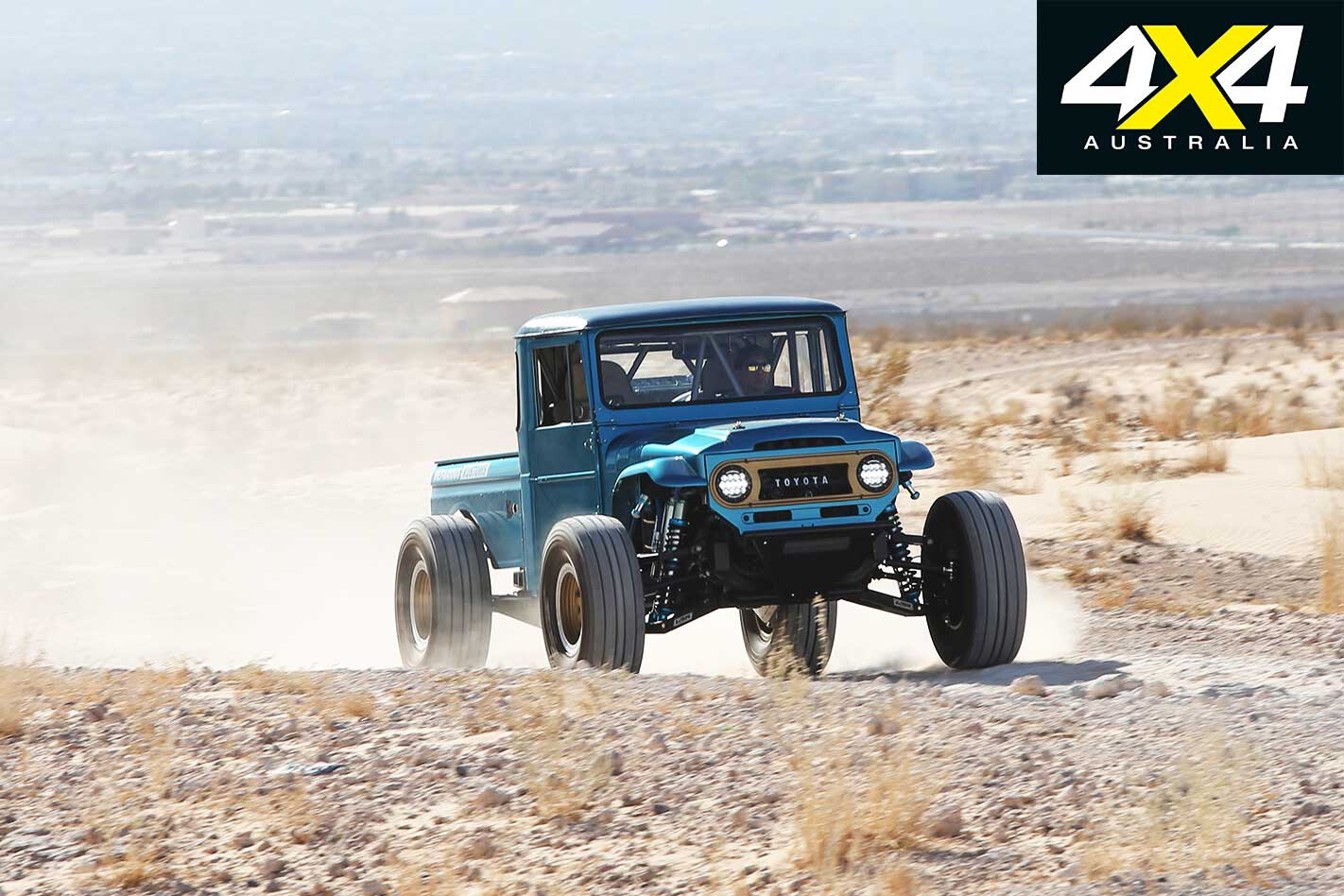
Pre-runners are loosely based on trophy trucks, but usually feature full interiors, are sometimes four-door double-cab bodied, and are road registerable in most states of the USA. Hence the TRPHYFJ plates on Cameron’s rig and, yes, this beast is street-driven.
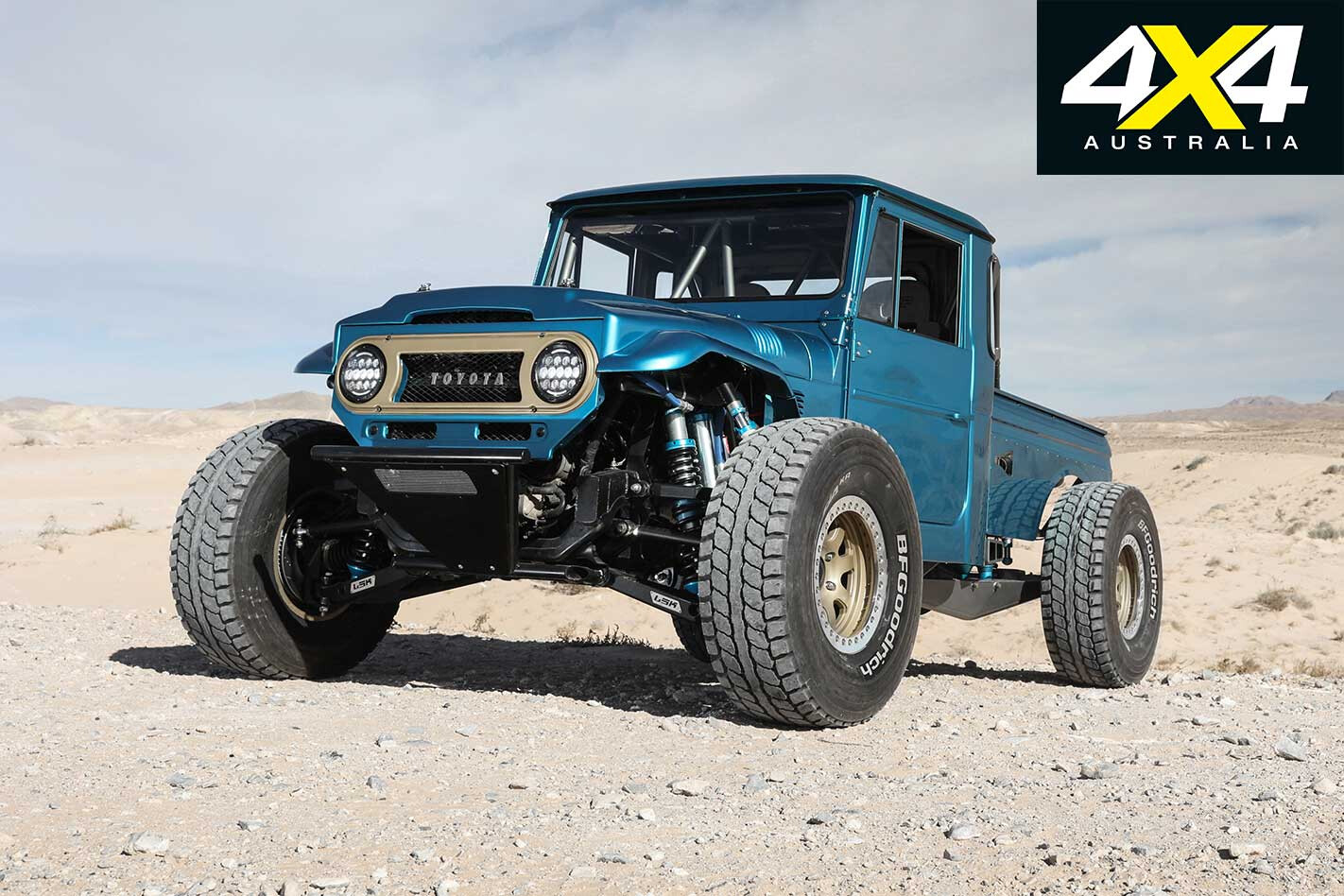
The Tundra was stripped down to a bare chassis and all the non-essential parts sent to scrap. The back half of the chassis was chopped off and Cameron fabricated a new back half from steel tubing, on which he could hang a pair of 56-inch-long trailing arms and the now-trussed Tundra differential on a set of King coil-over shock absorbers.
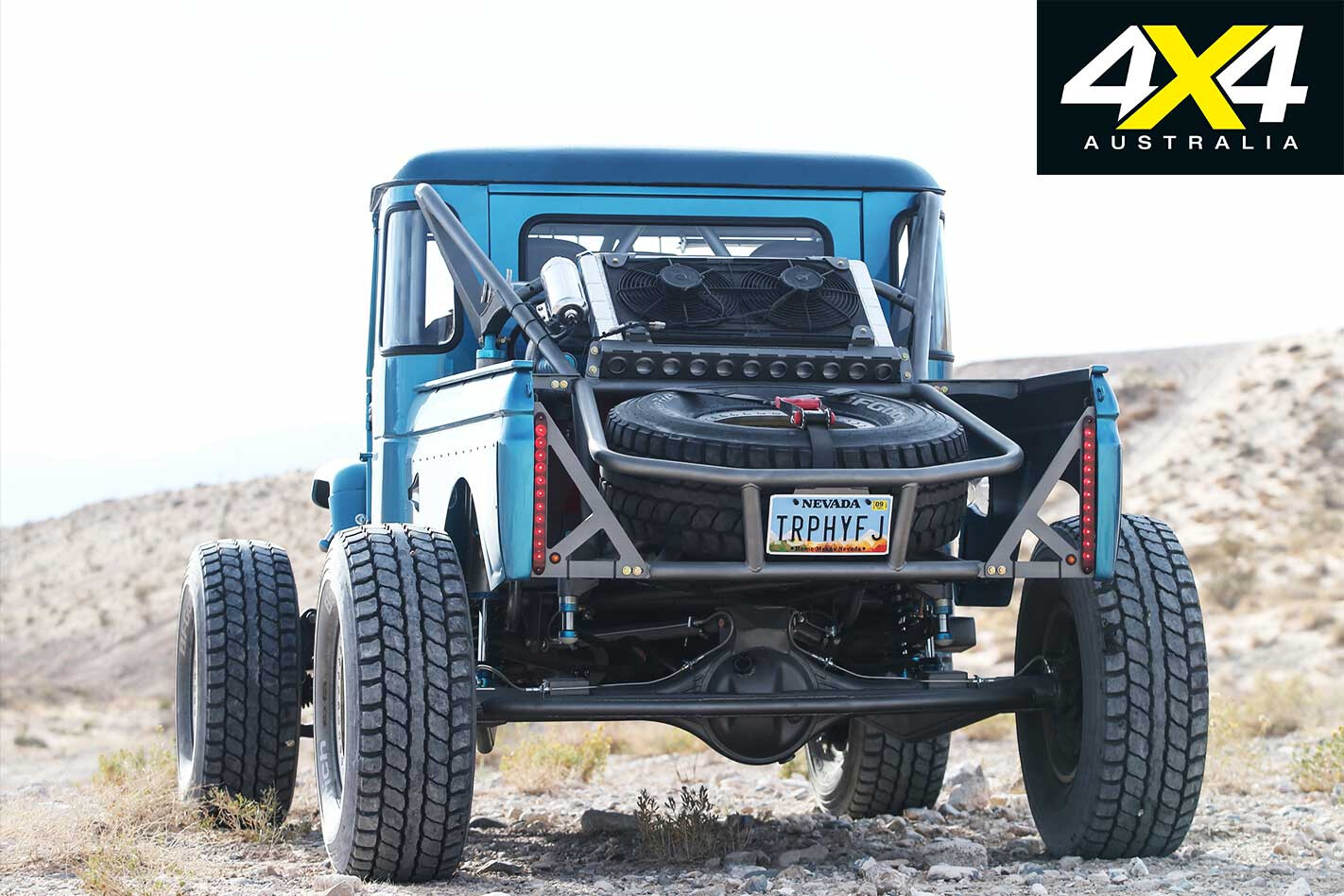
They are 2.5 x 16-inch units working in tandem with 3.0 x18-inch quadruple bypasses to give a full 24-inches of travel in the rear end. The rear-end chop and rebirth shortened the Tundra chassis to a 116-inch wheelbase, just like an FJ45.
The custom tube work extends forward on the chassis to incorporate the full roll-cage and pick-up points for the front suspension. Here we find a long-travel race kit from California’s LSK Suspension. The LSK arms extend the wheel track a full 10-inches wider to allow 19-inches of travel from the IFS.
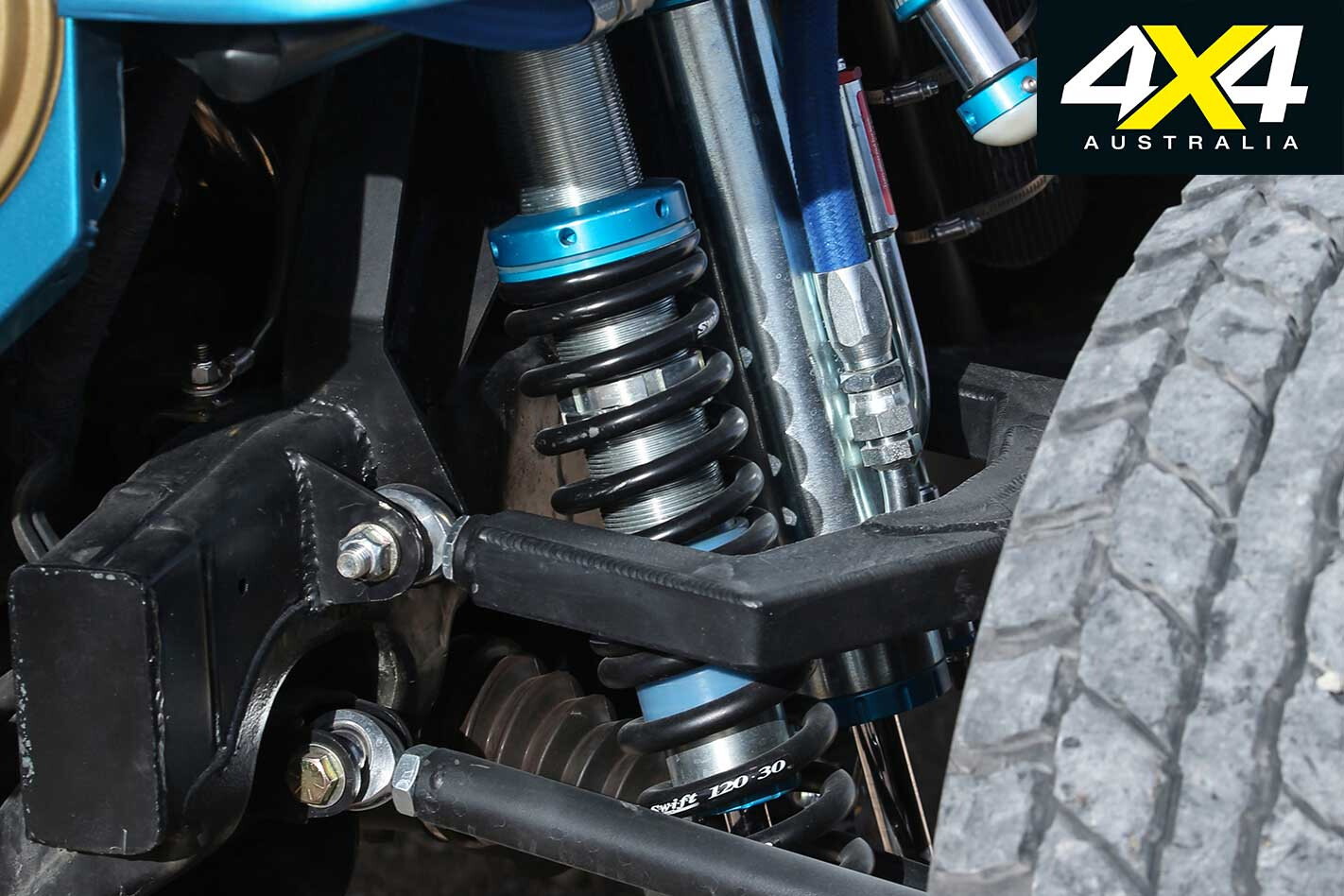
Again, Kings coil-overs are employed to tame the bumps and bounce; this time they are 2.5 x 10-inch Race Series units with 3.5 x 10-inch Race Series triple bypasses. The hydraulic bump stops at all four corners also come from King.
Using the Tundra platform for this build not only gave Cameron a solid foundation to hang all that suspension porn off, but it also ticked the boxes for a more modern, better performing drivetrain. The Toyota 3UR-FE is a 5.7-litre DOHC V8 from the same family as the 4.6L petrol engine that we get in our Land Cruiser 200. In stock form in the Tundra it makes 283kW at 5600 rpm and 543Nm at 3600 rpm.
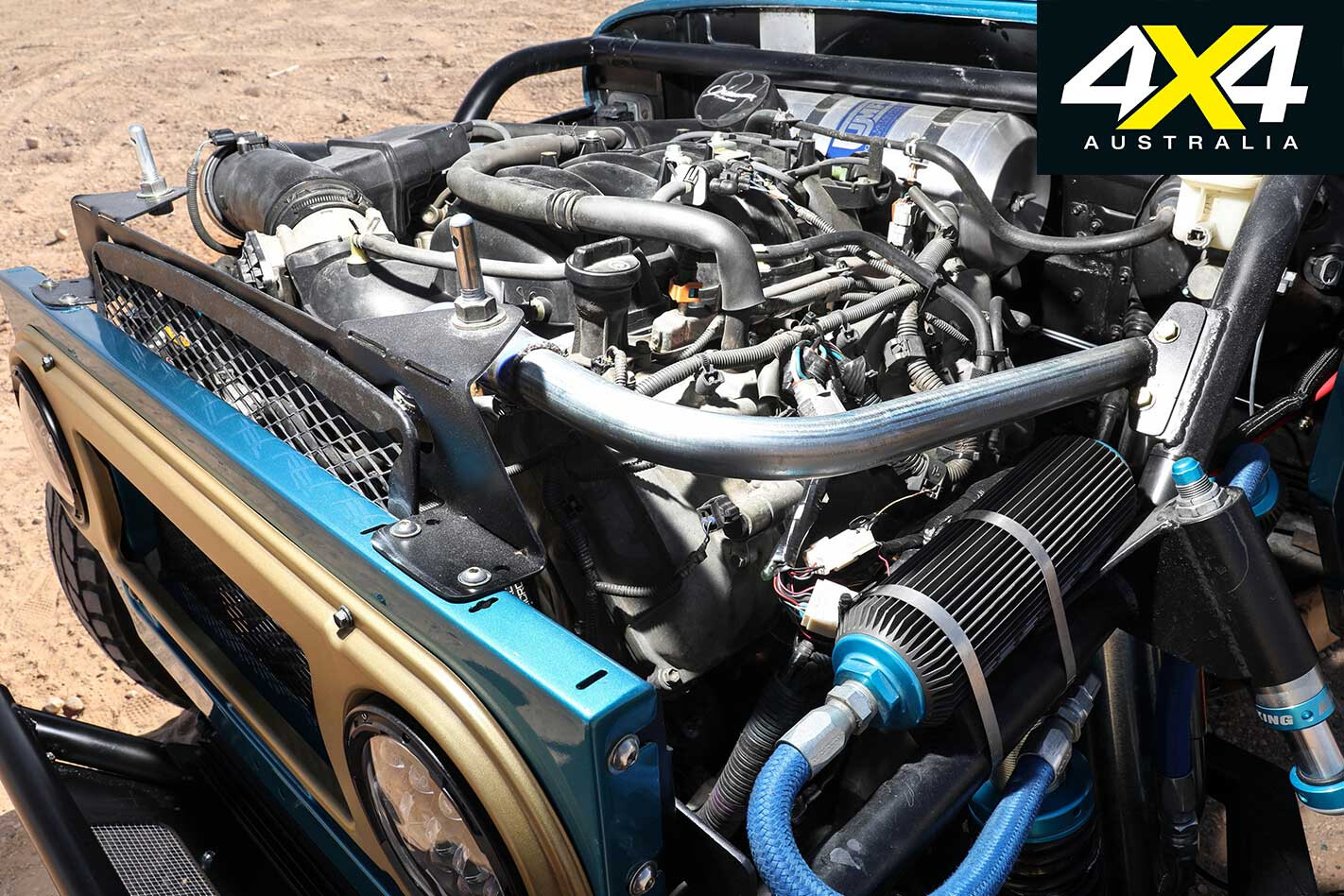
In the Trophy FJ it benefits from custom headers and a free-flowing exhaust system, so it makes more than enough grunt to make the ‘considerably lighter than the Tundra’ FJ exciting. The stock Toyota six-speed auto has been retained, along with the brakes and other ancillaries. The brakes are upgraded with slotted rotors and stainless steel lines, while the transmission has been calibrated for faster shifting.
With the rolling chassis sorted it was time to add the vintage Cruiser body, but there were mods to be done there first. Starting with the FJ40 cab, Cameron cut the back off and sectioned it to create a truck cab which is four inches longer than an OG FJ45 cab, giving more interior space.
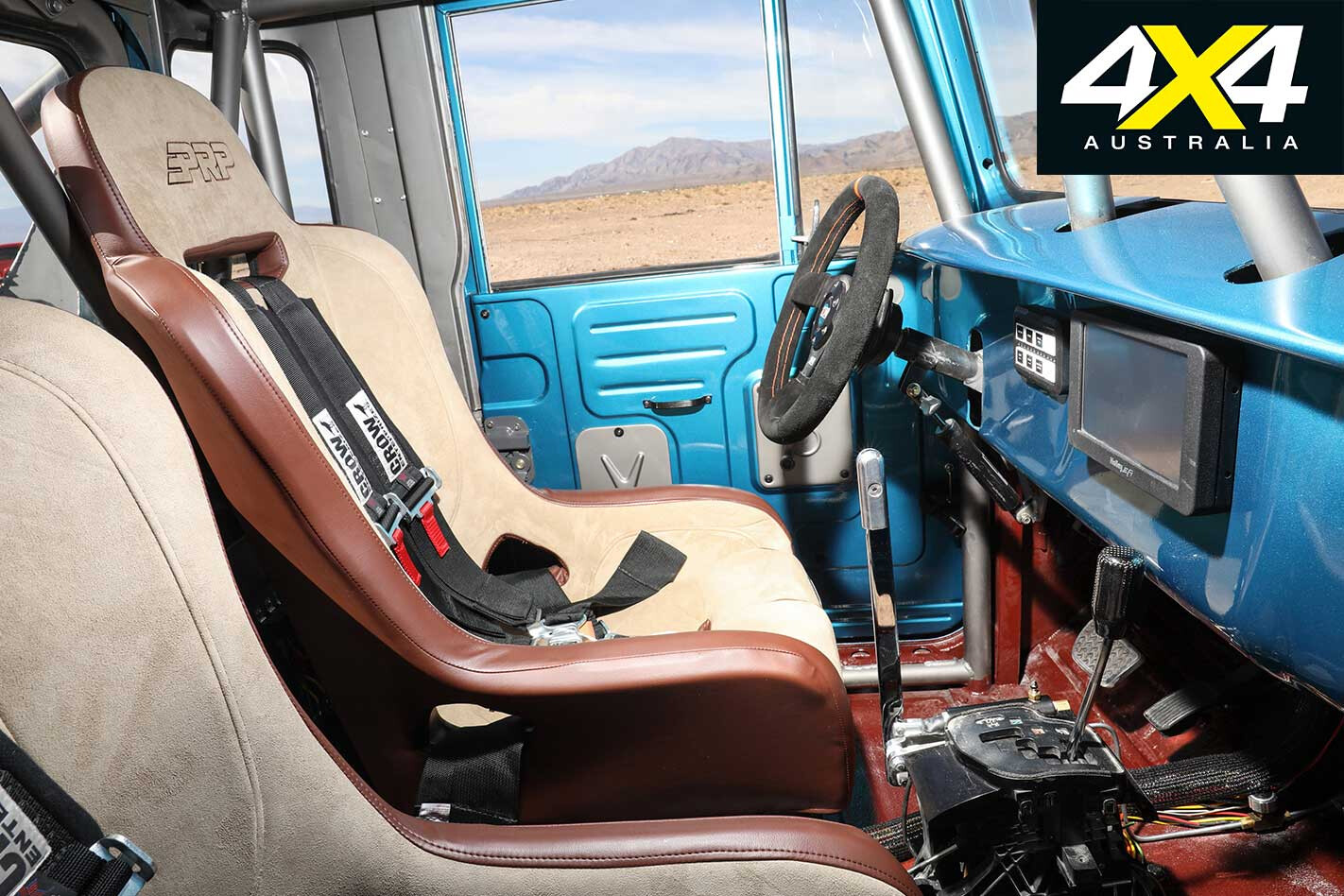
The floor and roof were hand-fabricated to suit, while the bonnet is a Campbell Racing fibreglass piece which has been grafted to the cut-down guards to create a lift-off unit. The guards not only allow clearance for the added suspension travel but leave that King suspension hardware within eyeshot.
The rear body work is also handmade. Nefarious used aluminium sheet for the sides and grafted the top edges from an old Datsun pick-up bed to the topsides. NACA-style ducts divert cool air to the shock absorbers, which take up much of the space in the back.
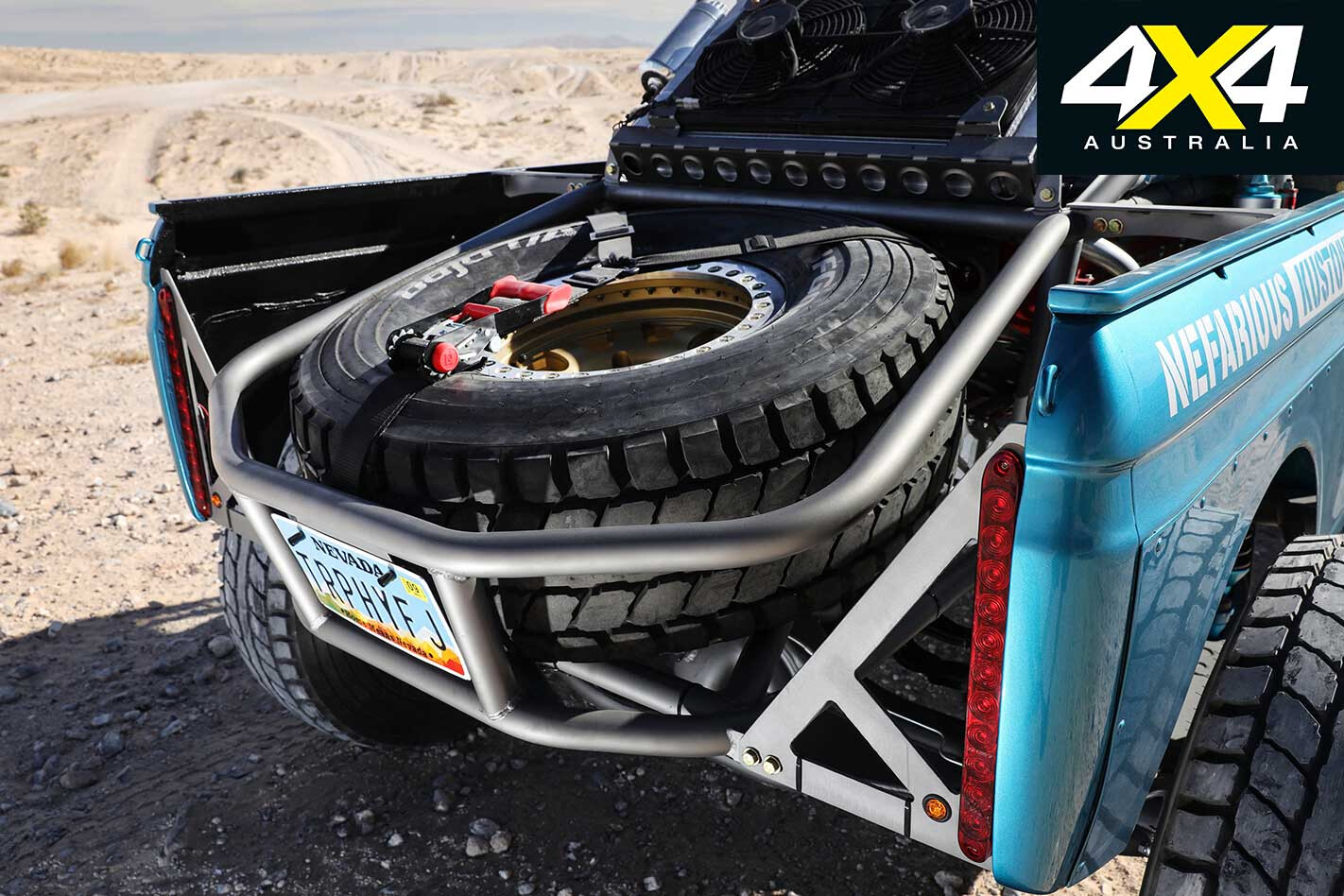
Final prep on the bodywork was done in-house at Nefarious by Matthew Miller, who also applied the glorious Snapper Rocks Pearl Blue metallic, a BMW colour named after the famous Australian east coast surf break.
Cameron built this truck his way for himself, and its first public outing was on the Raceline Wheels booth at the 2018 SEMA Show. Such was the huge response to the truck that a buyer from Dubai made him an offer that was too good to refuse.
“I didn’t want to sell it, but he really wants it,” Cameron concedes as he prepares a few changes that the new owner has asked for. “It will have 4.88 Nitro gears, a Magnuson supercharger, airconditioning and a Baja Designs Lazer Series 30-inch light bar when it leaves.”
But this won’t be the last we see of the Nefarious FJs, as there will be more to come. Cameron has built this vehicle as such that he’ll be able to replicate them to customer orders with a nine to 12-month turnaround. And as for his own FJ street build, Cameron says, “I’m going to build a long travel IFS, four-seater Troopy.”
We’ll be keeping an eye out for that one.
The 2010 Ford SVT Raptor has a lot to answer for, and we should all be thankful for it. This factory-built pre-runner was the precursor to the current F150 Raptor from Ford Performance and was the inspiration for the Ranger Raptor that was developed here in Australia.
Not only has it spawned a small family of Raptors, but competing auto manufacturers couldn’t ignore the success of this high-performance off-road pick-up truck, and we’ve seen a few similar-themed vehicles from other companies.
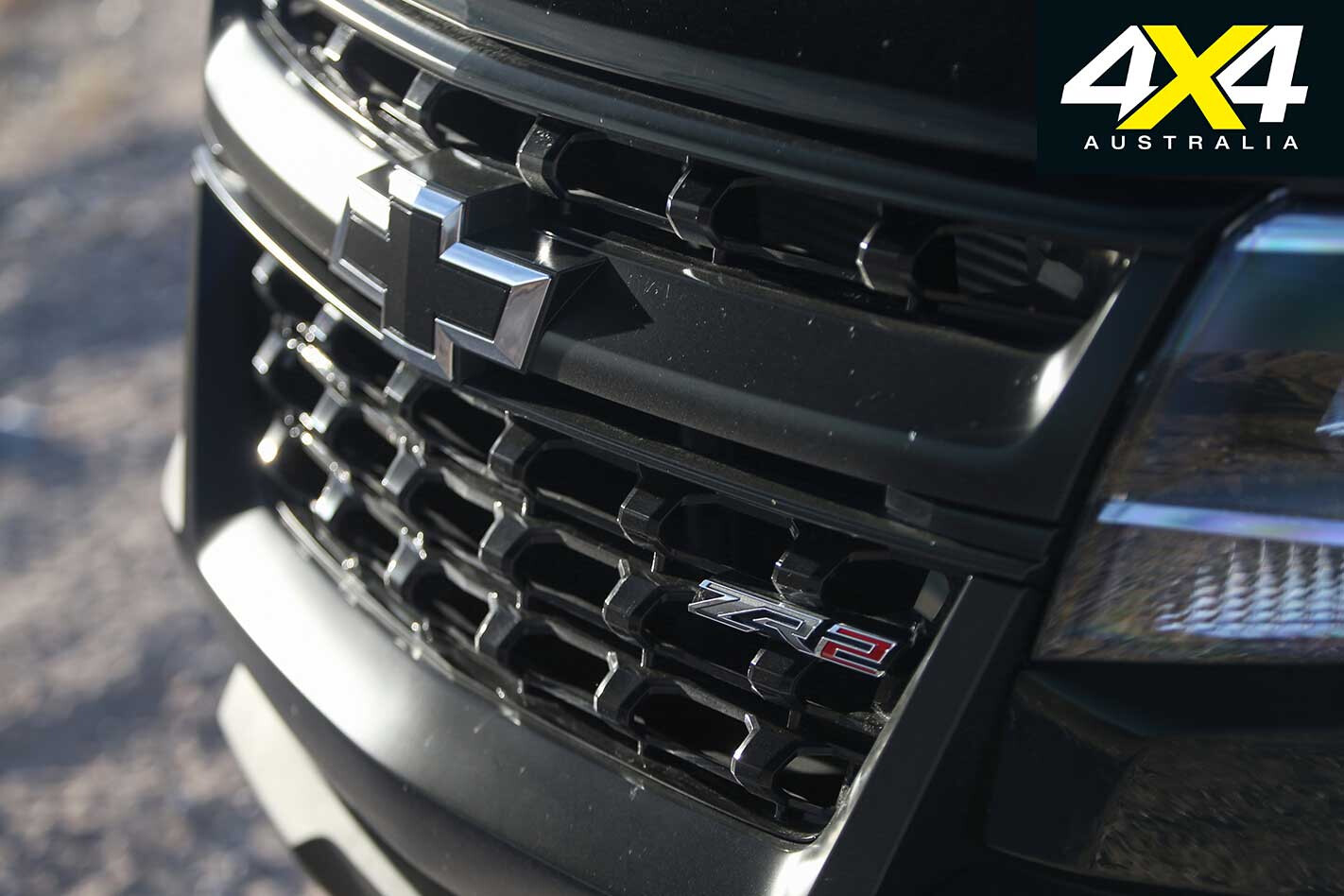
The Blue Oval’s chief protagonist in Detroit, General Motors, took note of the Raptor’s sales and developed its own version wearing a Chevrolet bowtie badge, but rather than apply it to the full-size truck as per the Ford F150, it chose the mid-size Chevy Colorado to receive the makeover. This makes it a prime competitor to the Ranger Raptor, so we took the chance to drive one on a recent trip to the USA.
The Chevrolet Colorado ZR2 (that’s Zee-Arr-Two to the ’Muricans) follows the Raptor’s lead in being a pick-up with superior off-road capability than the regular model, and that added capability is directed toward higher speed, rough-road travel than, say, low-speed rock crawling or mud plugging. Think desert racing and the pre-runner vehicles used by race teams and you’re on the right track.
High-quality suspension is the key to superior vehicle control when traversing the roughest terrain at speed. Check out the online videos of Trophy Trucks smashing across the deserts of the USA, Mexico or Finke and you’ll see what a well set-up suspension system is capable of.
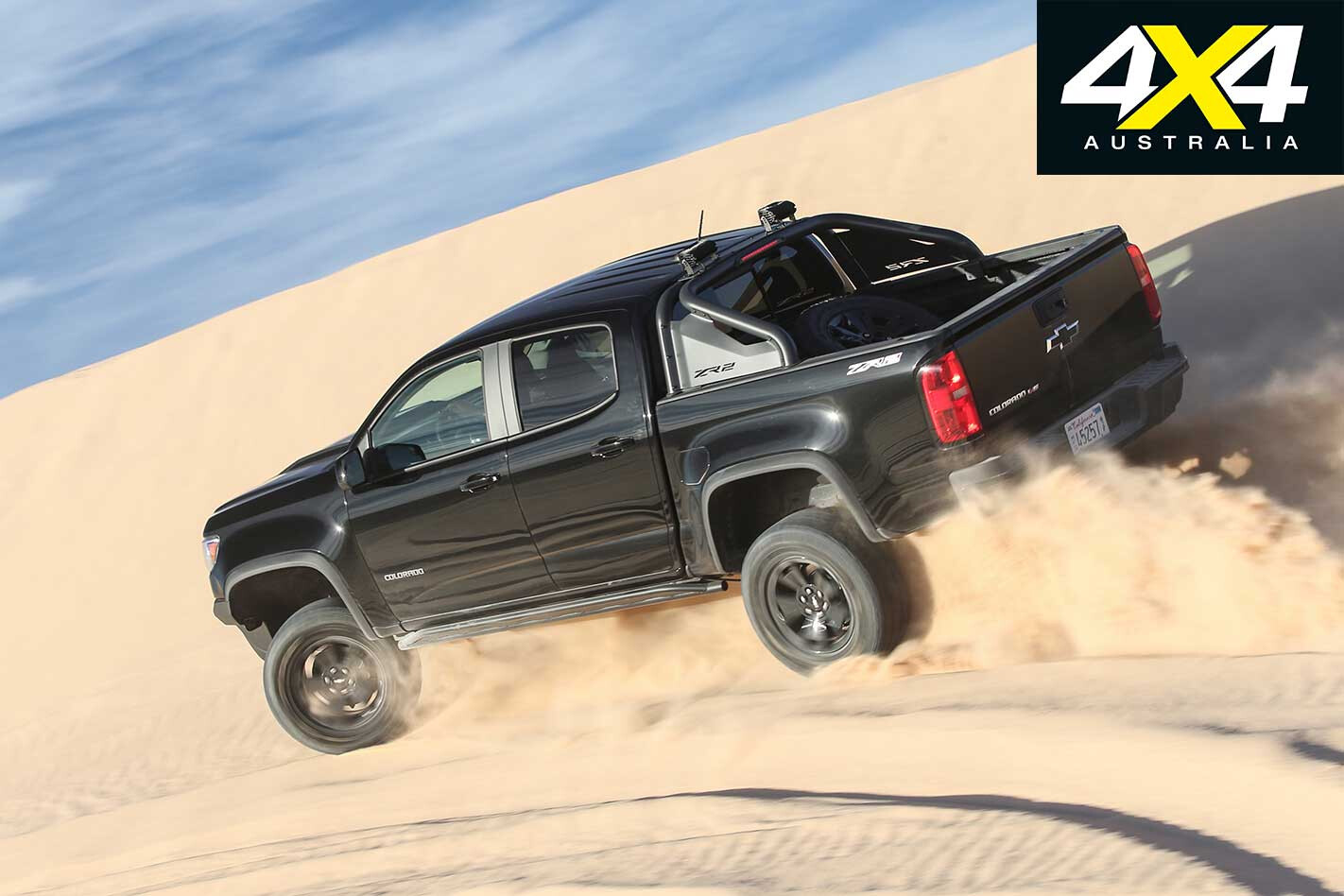
Look closer and you’ll find that the suspension on these trucks costs around $10K per corner and the shocks are so huge and complex that they would never fit into a production car. Companies like King and Fox make applications for production cars, but they are far simpler, smaller and considerably cheaper than the competition units. In fact, Ford Performance uses Fox suspension in both of its Raptor vehicles.
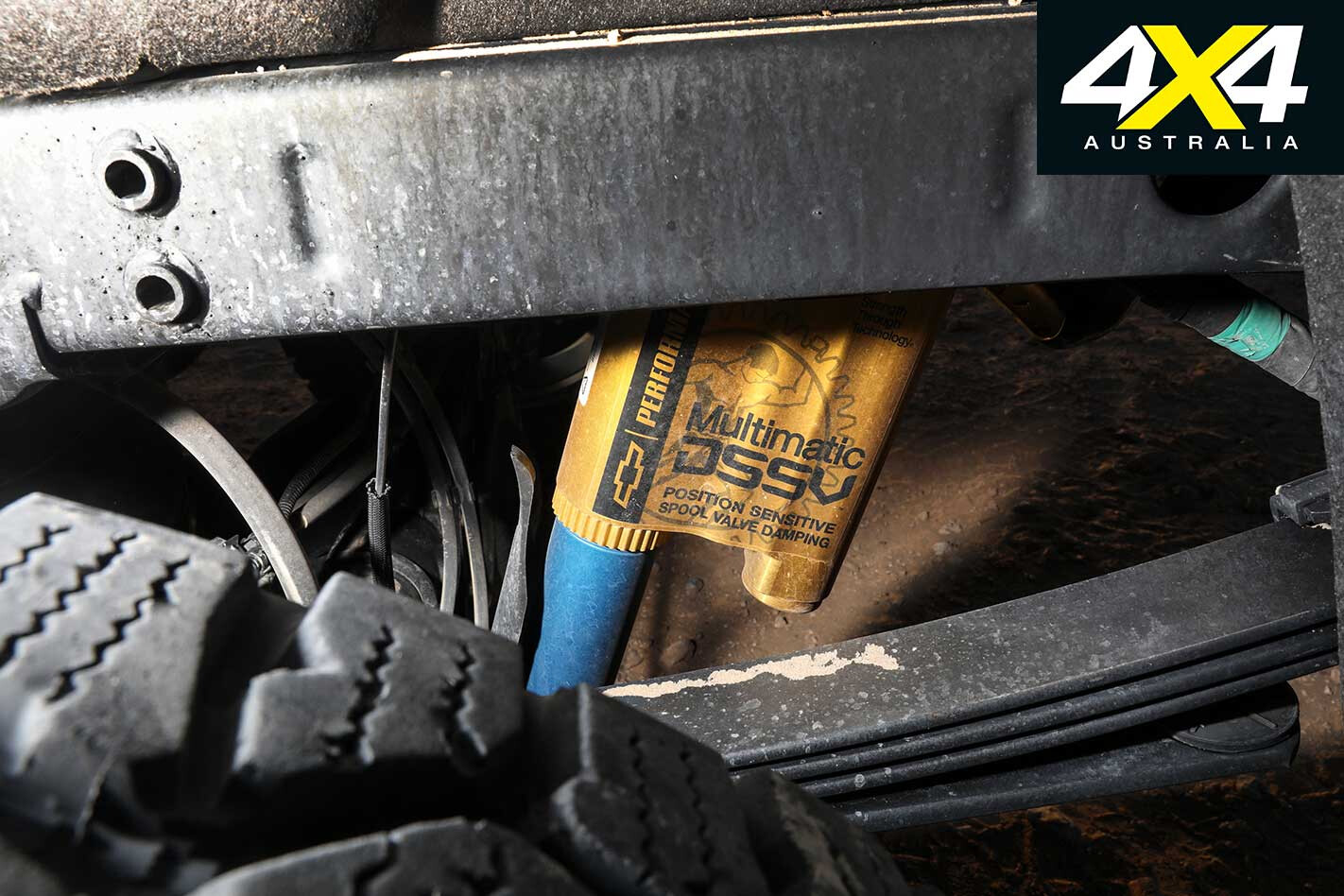
The shock absorbers in the ZR2 were also developed in motorsport, but it’s not the kind of racing you would expect to have anything to do with getting dirty. The DSSV (Spool Valve) shocks in the ZR2 are descendants of those used in Formula 1 less than 10 years ago and have more recently been found in top-end, road-going sports cars.
Chevrolet worked with the company that makes DSSV dampers, Multimatic Engineering, to re-engineer the technology for off-road applications, and the Colorado is the first vehicle we’ve seen them on. If the rumours are true, we’ll soon see them on an off-road focused Silverado full-size truck as well.
The Chevrolet Colorado is not the same truck as our Holden Colorado. It’s made in the US for the US market, while ours is made in Thailand for Asian and other markets. They might share some styling and design elements and the basic, ladder-frame, leaf-sprung, live axle rear and IFS construction, but they are built on a different chassis and the US model is slightly bigger all around. So don’t go out and buy a set of DSSV shocks for your Holden Colorado and expect them to bolt right in; although, we’d tip that they wouldn’t be far off.
HSV tells us it looked at the DSSVs for the SportsCat, but elected not to fit them for they “felt the SupaShocks delivered the best balance of performance and comfort, especially as a key program driver (in addition to off-road competency) was to also offer an outstanding on-road drive experience”.
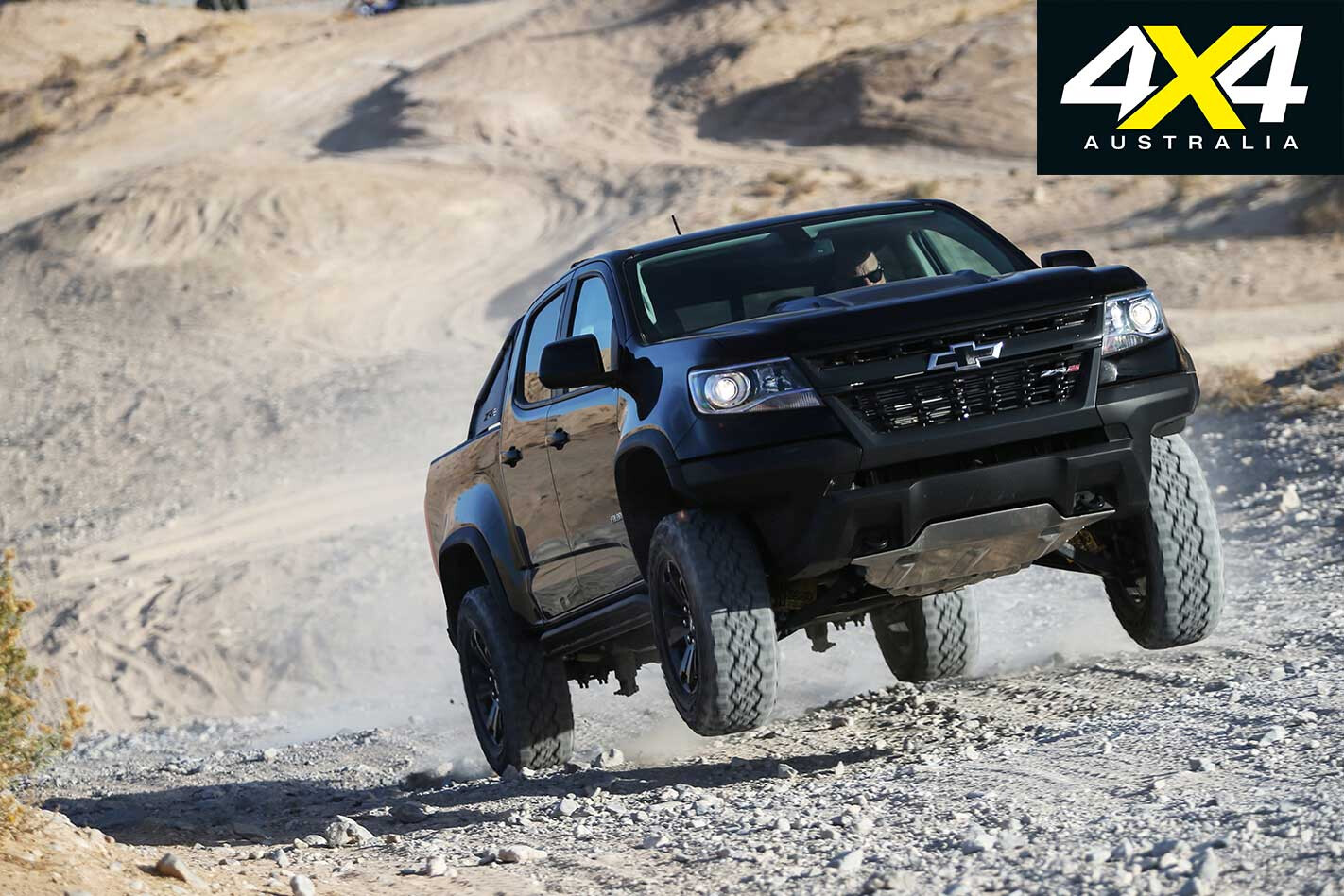
That said, the DSSVs in the ZR2 deliver a great on-road ride and excellent ride and control off-road. Unlike the Fox suspension in the Ranger Raptor, which is soft and supple on-road, the Multimatics are taught and firm, giving flat cornering and a nice on-road ride.
Then when you get off the highway they cope with bumps and jumps with the confidence of a desert racer, soaking up any jolts and maintaining composure across the most arduous terrain. The faster you drive on them, the better they feel. It’s almost like they are taunting the driver to go harder with an, ‘is that all you’ve got?’ attitude.
To say the suspension package in the ZR2 gives the driver the best of both worlds when driving on- and off-road sounds too good to be true, but it delivers on this promise and doesn’t disappoint.
To help get the job done the ZR2’s suspension gains 50mm in height over a standard Colorado. It also features an 89mm-wider wheel track and locking differentials front and rear.
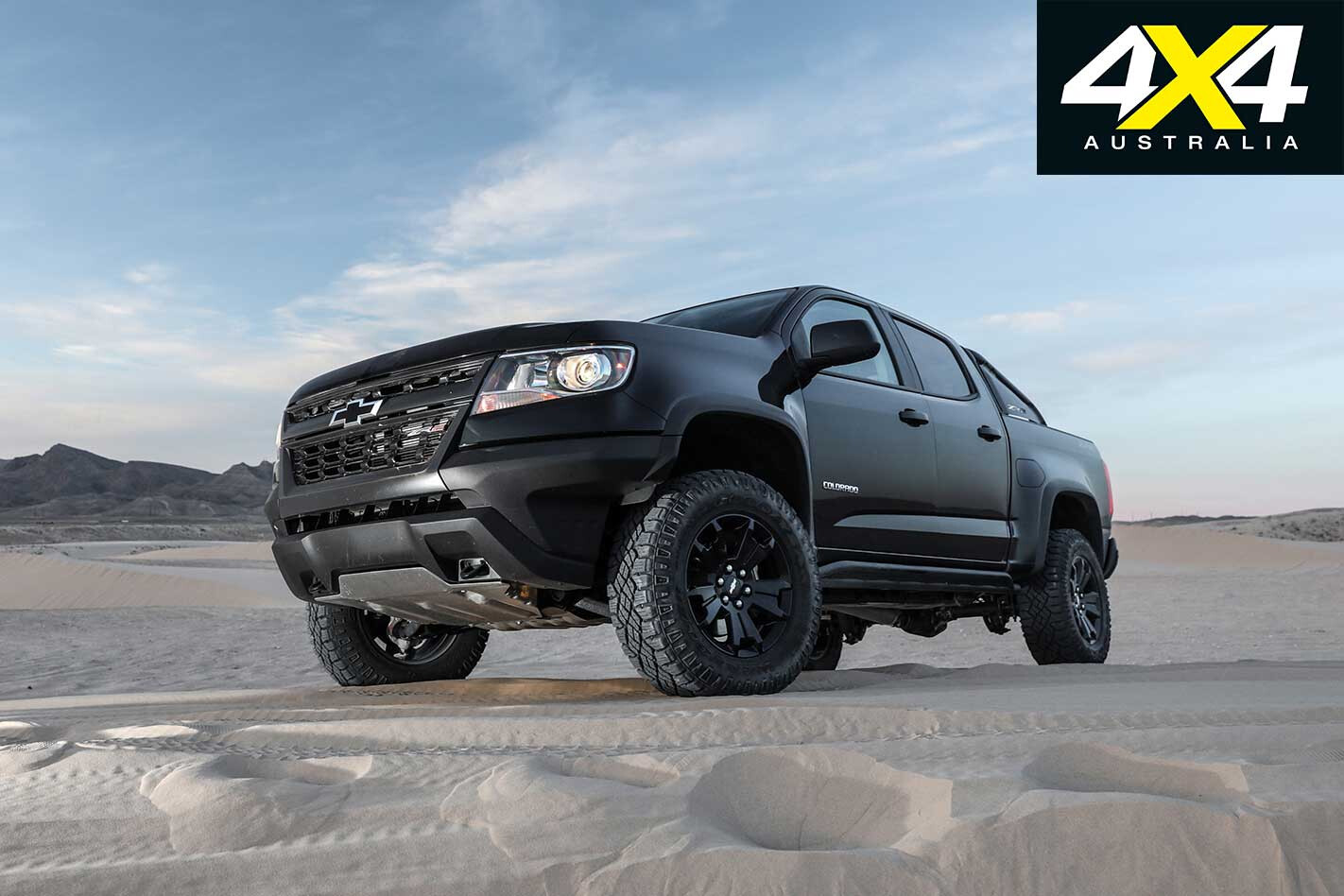
Tyre size is up over stock, too, but the 31-inch Goodyear Wranglers could be taller for added clearance over the 255mm available and to fill those pumped ’guards. There’s also extra underbody protection in the form of metal skid plates, plus chunky rock sliders to protect the sills.
The ZR2 comes with the Autotrac transfer case, which offers two-wheel drive (rear), Auto 4×4, 4×4 high range and 4×4 low range. With the Auto 4×4 mode you can leave the vehicle in 4×4 over all terrain, which is great on gravel roads and sandy tracks.
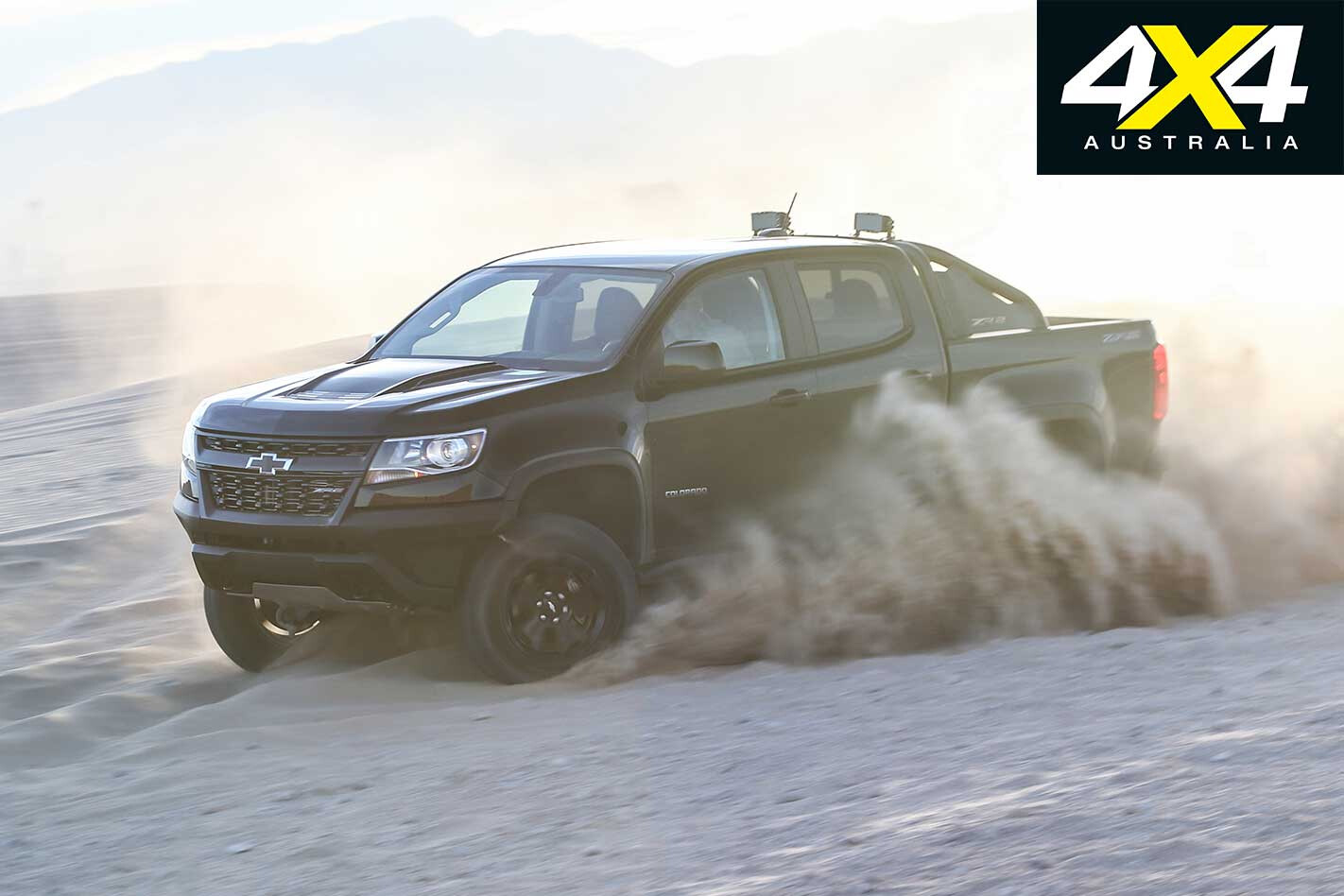
However, we found it could be slow to lock the drive to both axles, allowing unwanted tyre slip – locked 4×4 high was the best for desert travel. An off-road button optimises the chassis electronics, throttle and transmission settings for off-road driving.
As opposed to our Holden Colorado here or its local Toyota Tacoma and Ford Ranger competitors in the home market, the Chevy Colorado is available with a choice of petrol or diesel engines in the USA and both are offered in ZR2 spec. The diesel engine option is the 2.8-litre Duramax that Australians are familiar with, while the petrol engine as fitted to our test vehicle is a 230kW 3.6-litre V6.
The V6 is punchy but no powerhouse, and it matches well to the GM eight-speed auto. As expected, it is nowhere near as economical on fuel as the Duramax and our week-long mix of on- and off-highway travel netted 16.6L/100km.
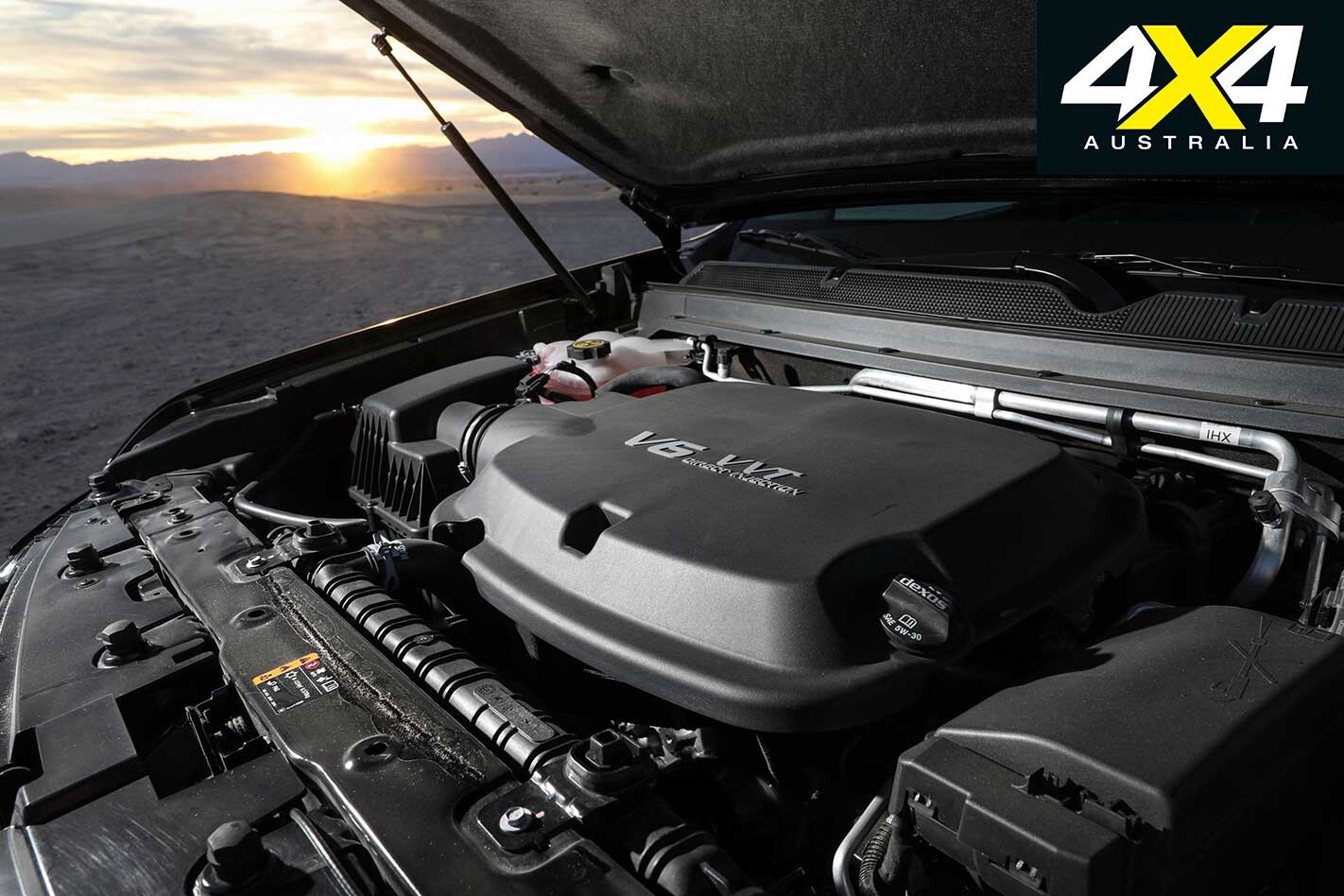
Interestingly, Chevrolet only quotes 12.8L/100km highway mileage for the diesel ZR2. We have achieved far better from a Holden Colorado LTZ back home, but you must take in the ZR2’s higher ride height, extra frontal area and heavier, off-road focused tyres into consideration.
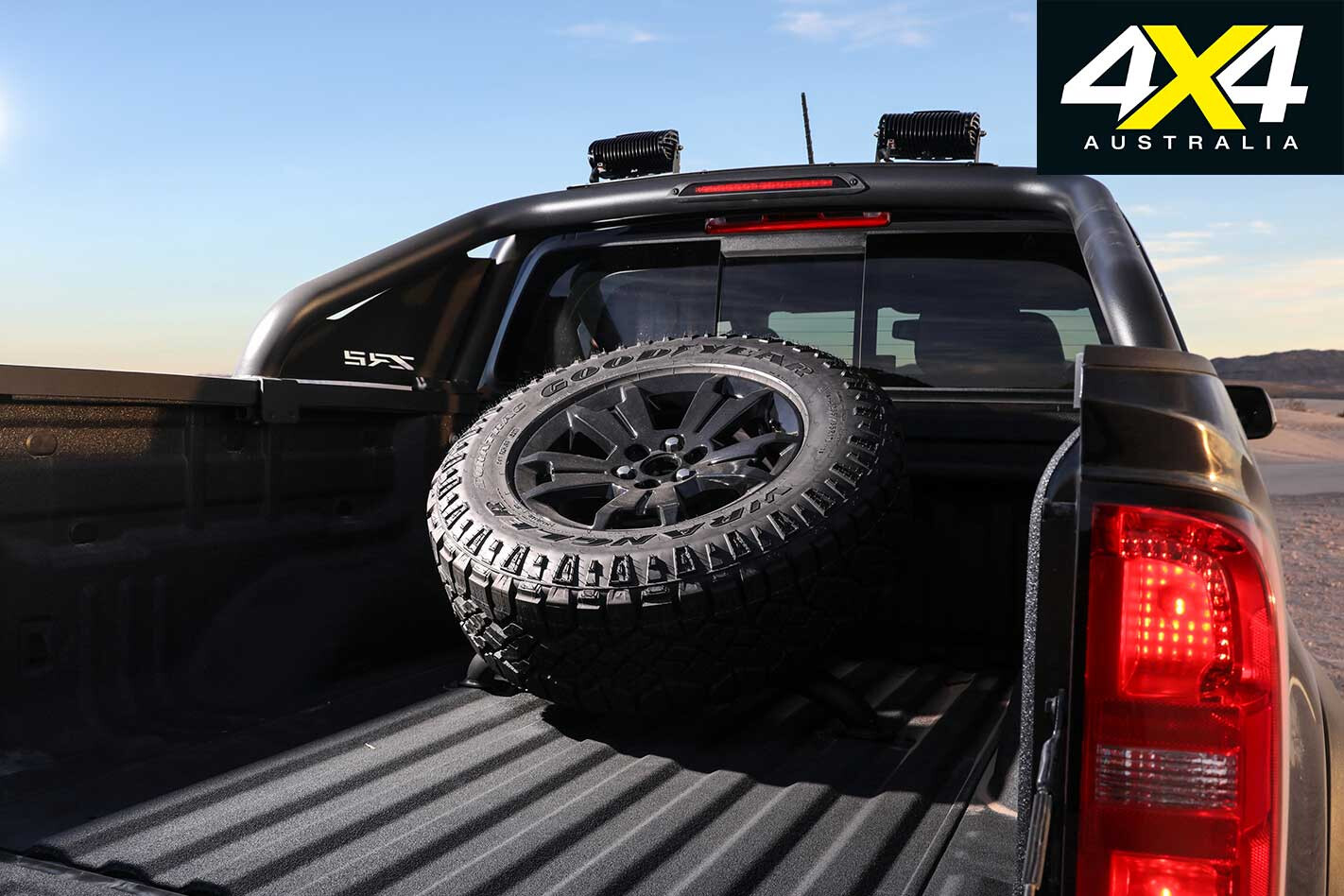
Chevrolet really ups the ante in the looks department for the ZR2, with its aggressive stance and body kit including a shortened front bumper, bonnet bulge, blacked-out grille, black alloy wheels and sports bar with LED driving lights.
One piece of kit that is a nice idea but isn’t well-executed is the bed-mounted spare wheel and tyre, which massively limits your cargo space and is mounted too far forward in the bed for ease of access should you need it.
The interior feels that little bit bigger than our Holden Colorado, and the centre stack and connectivity would be familiar to most modern Holden drivers. The ZR2 is well-appointed with leather seats, a quality sound system and all the features you expect of a high-end truck. With a starting price of US$40,390, the ZR2 is a high-end truck.
The Colorado ZR2 would be a worthy competitor to the Ranger Raptor and begs this question of Holden: when is it going to give us a better performing ute in Australia? Sure, there’s the Holden Colorado-based SportsCat from HSV, but a full factory-built vehicle would be more appealing.
We all know Holden needs something to light a fire under its new vehicle sales. The Raptor might have the edge over the ZR2 in dealing with outright desert dashing, but the Chevy would better the Ford in onroad dynamics and handling, thus giving it a broader spread of performance.
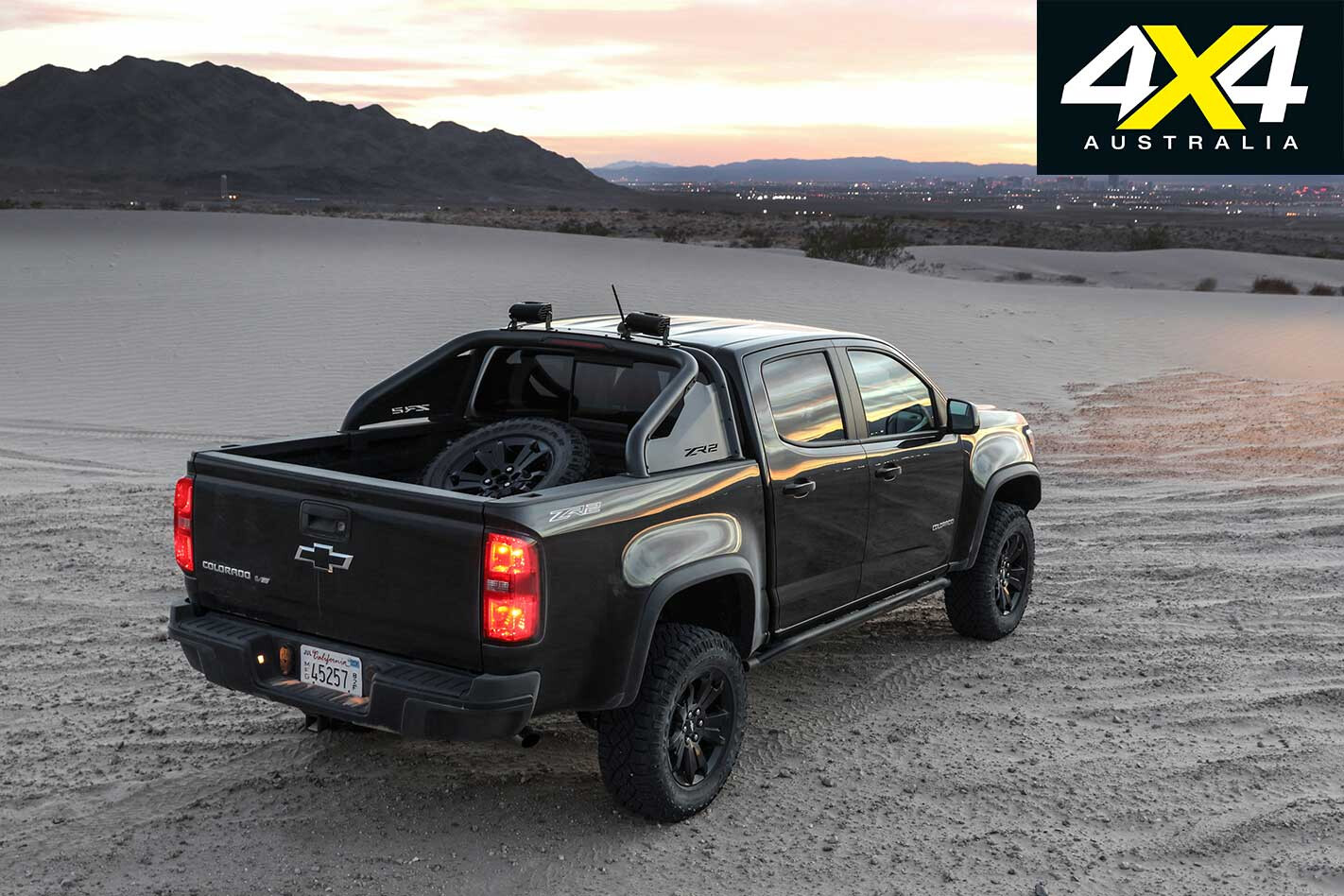
2018 CHEVROLET COLORADO ZR2 SPECS: Engine: 3.6L Petrol V6, DOHC, alloy block and heads Max power: 230kW at 6800rpm Max torque: 373Nm at 4000rpm Transmission: 8-speed automatic Construction: 4-door cab and cargo tub on ladder-frame chassis Front suspension: IFS with coil springs and DSSV shocks Rear suspension: Live axle with leaf springs and DSSV shocks Wheel and tyre: 17 x 8-inch alloys with 31-inch A/T tyres Kerb weight: 2160kg GVM: 2722kg Payload: 500kg Towing capacity: 2267kg Seating capacity: 5 Fuel tank capacity: 80L On-test fuel consumption: 16.6L/100km
Performance to the people
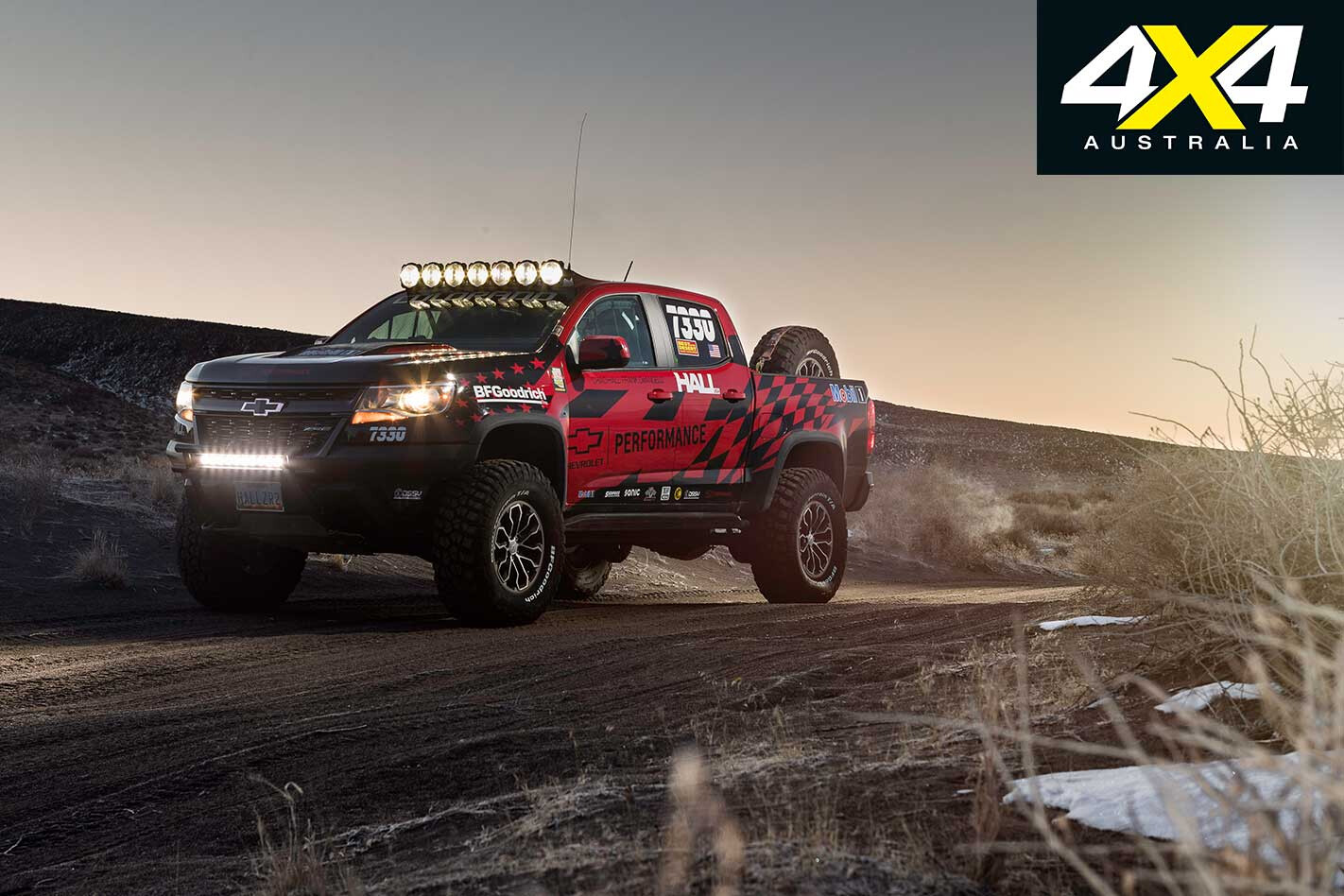
Our USA trip took us to the SEMA Show, where Chevrolet Performance announced a range of ZR2 suspension components – based on the Multimatic dampers – would be available to purchase to racers and builders for off-road use.
The performance kit was developed by Hall Racing, whose driver Chad Hall piloted a Colorado ZR2 equipped with these components throughout the 2017 and 2018 racing seasons, completing every mile of every race in the ‘Best in the Desert’ series. Hall Racing also used the Colorado ZR2 to pre-run the Baja 1000 race.
The race kit includes long travel DSSV shocks for front and rear, matching front coil springs and rear leafs, high-angle upper control arms with special ball joints, hydraulic bump stops, tie-rod sleeves for extra strength, tougher steel drive shafts and a body lift kit.
The parts are available as a kit or separately and can be fitted to ZR2 or regular Chevrolet Colorados for off-road use. We wonder how hard they’d be to fit to a Holden Colorado.
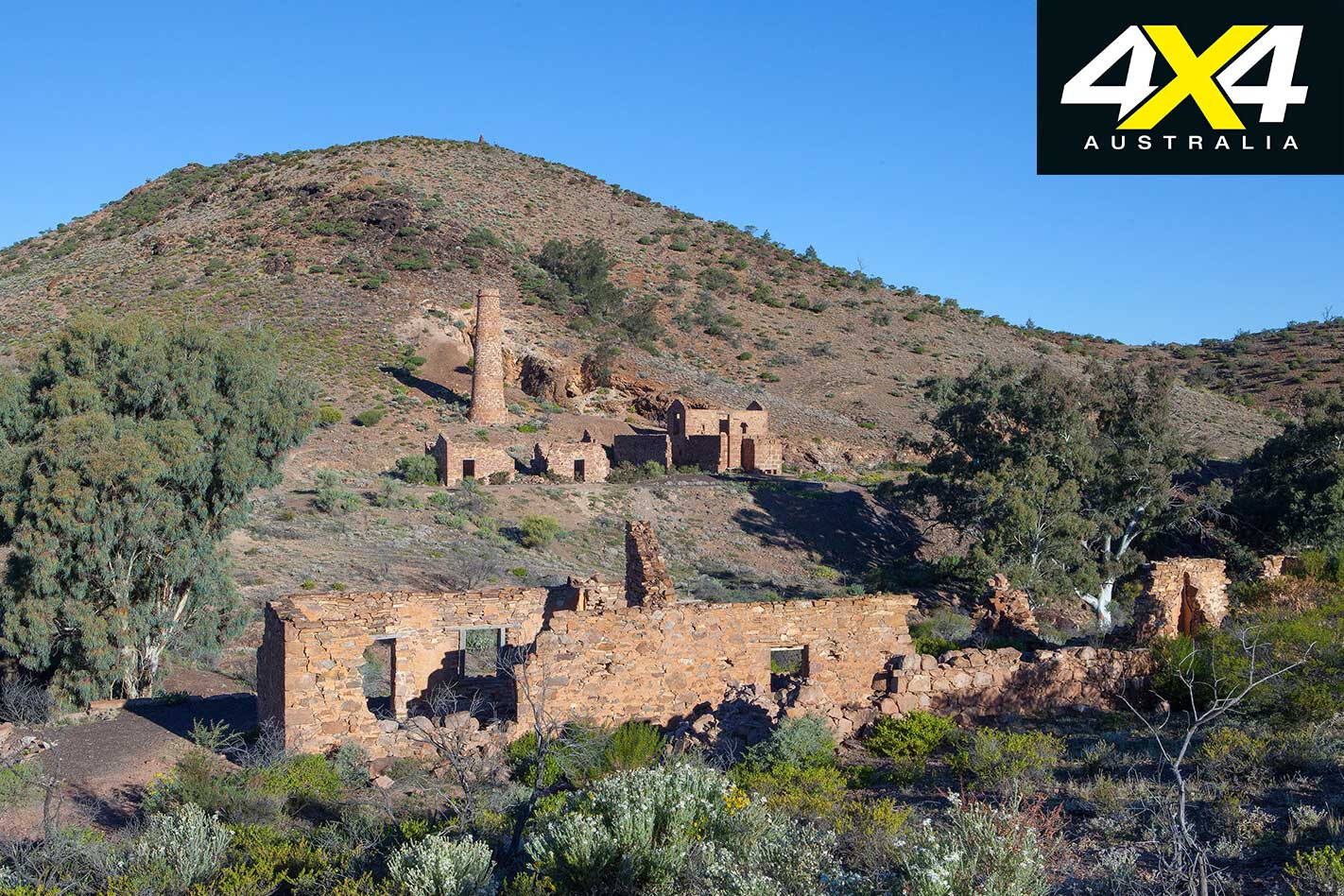
On Warraweena Private Conservation Park, east of Leigh Creek, you can find the ruins of the Sliding Rock copper mine.
In the 1870s, the mine supported more than 200 workers and a small town, but after a promising start the mine closed in 1901 due to falling copper prices, transport issues as a result of its isolated location and, surprisingly for such an arid area, flooding from underground water. Numerous ruins of substantial stone buildings are scattered around the mine site which you pass a couple of kilometres before reaching the Warraweena homestead.
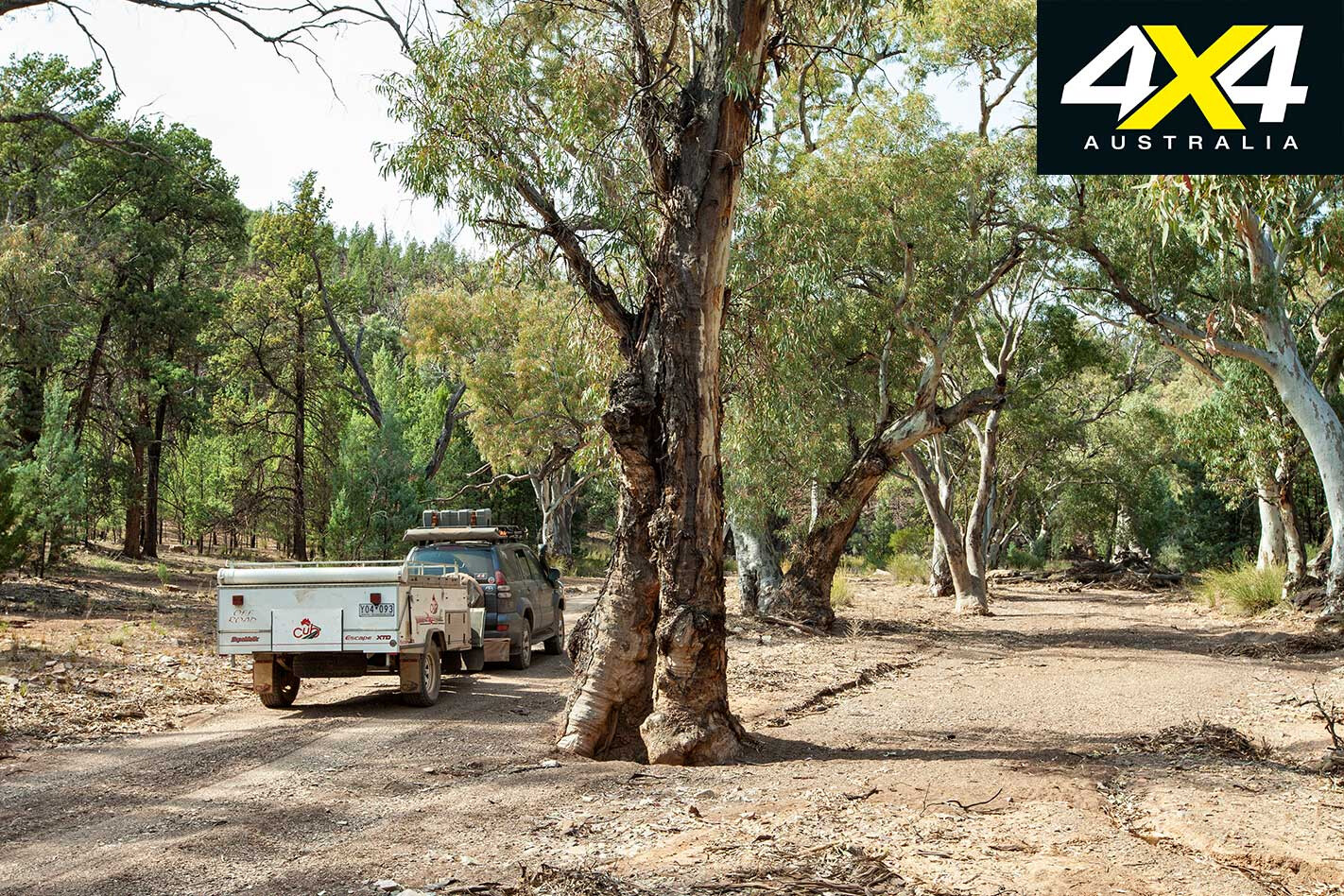
Wandering through the ruins it is hard to imagine this harsh and desolate landscape was home to a thriving community at the mine’s peak. This was and still is a challenging environment, and with summer temperatures of 40-50˚C, working underground as a miner might have been a preferable occupation to that of the blacksmith’s apprentice above ground.
Warraweena is a 355km² functioning sheep station that has opened its doors to tourists wishing to experience its unspoiled landscape. The property attracts mountain bikers and bushwalkers, as well as the 4×4 fraternity who come to pit their vehicles and driving skills against some of the station’s more demanding tracks.
Grey nomads exploring roads less travelled also frequent Warraweena, attracted by the history, solitude and rugged beauty of the northern Flinders Ranges.
Warraweena offers a range of accommodation from bush camping with some basic amenities along an extensive section of dry river bed, to the relative luxury of converted shearers’ quarters. An old homestead, no longer used as such, has a large kitchen, several bedrooms and communal areas ideal for use by groups planning to explore the property and other nearby attractions.
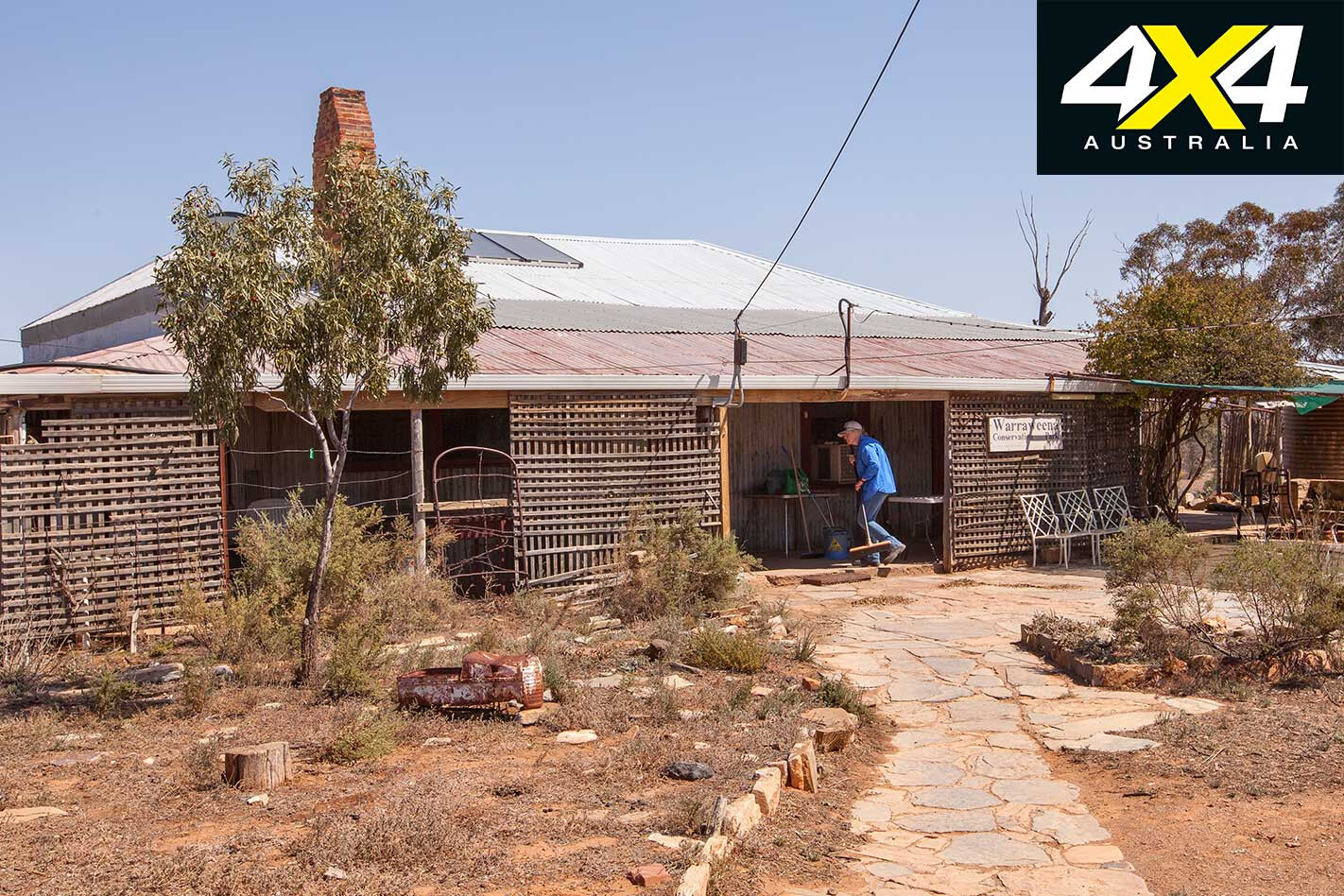
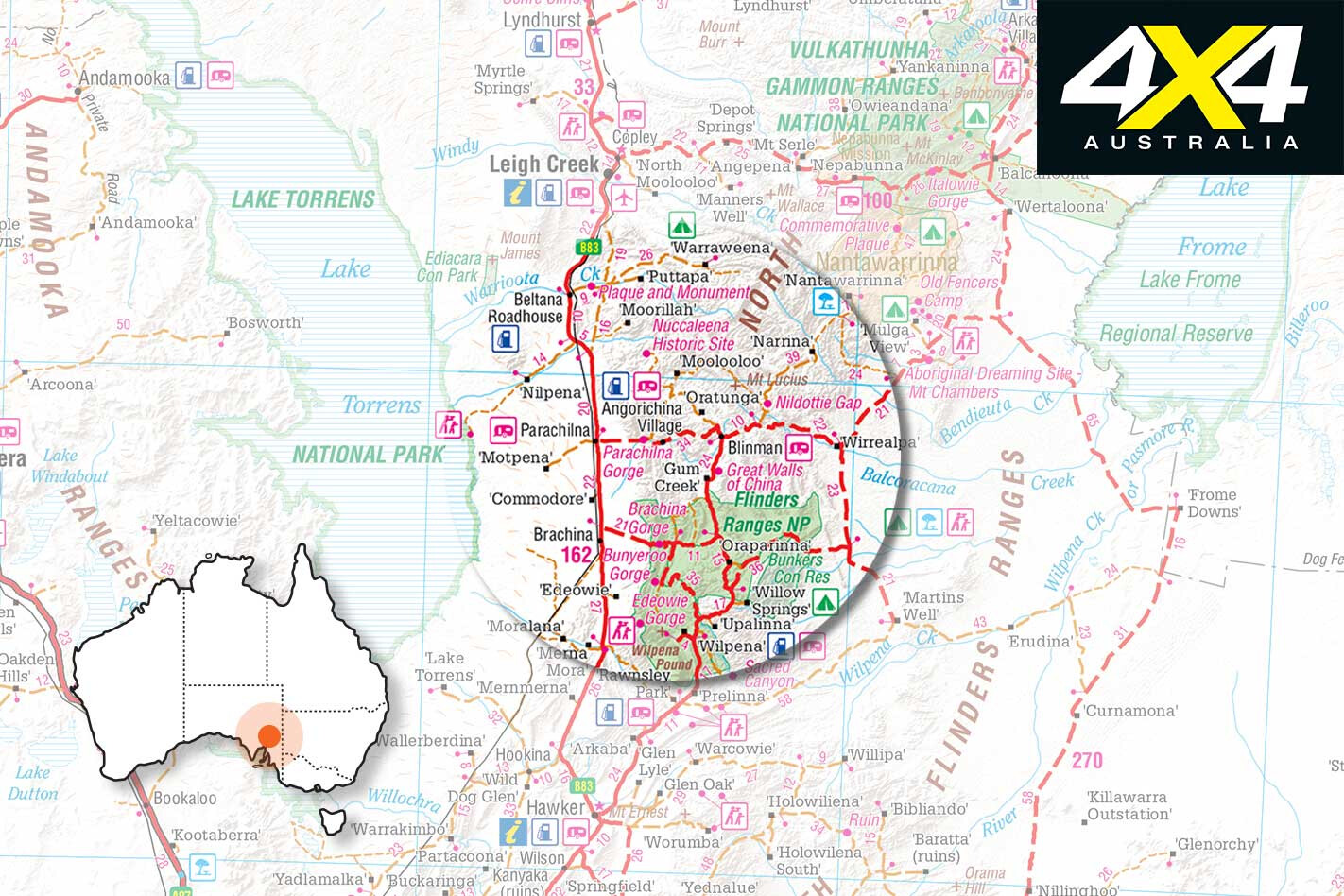
The road to Warraweena leaves the bitumen at the Beltana Roadhouse 30km south of Leigh Creek. A rough gravel road, which can be quite corrugated and rocky in places, snakes eastward, passing the all but deserted township of Beltana along the way.
Founded in the 1870s to service nearby mining activity, it fell on hard times when the mines closed. The arrival of the Overland Telegraph and Ghan railway kept the town alive, but once the railway was realigned farther west, Beltana’s fate was sealed and it’s now almost a ghost town.
The town is worth a stop to see some of the old buildings and soak up the local history which includes reminders of the Afghan cameleers who plied their trade throughout the SA outback.
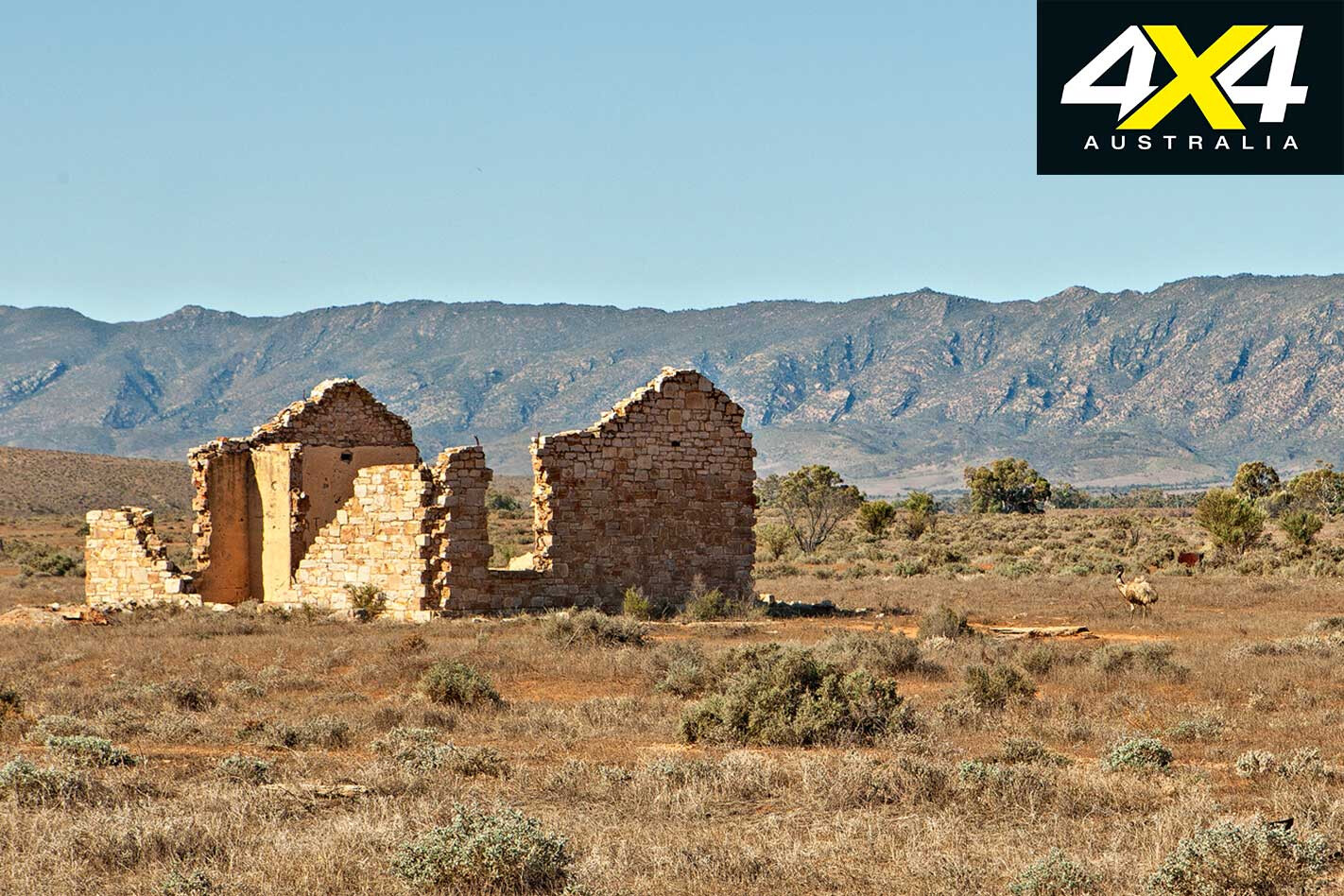
The Flinders comes alive with colourful wildflowers after heavy rain and one of the more prolific wildflowers is an enduring legacy of those early Afghan cameleers. The Afghans used wild hop plants as padding in their camels’ saddlebags and as a result hop seeds were scattered wherever they travelled.
To this day, when conditions are right, wild hop plants burst forth to paint otherwise barren hillsides throughout the length and breadth of the Flinders Ranges with their vibrant red flowers.
From Beltana the road to Warraweena winds across the flat dusty plain, regularly crossing dry, rocky riverbeds scoured over eons by floodwaters pouring out of the ranges after heavy rain. In places, the road surface comprised roughly graded, fist-sized rubble and finding that the manager of Warraweena was called Rocky, I had to ask if they named the road into the Station after him or vice versa!
Most of Warraweena’s station tracks are rough going and best negotiated by high clearance 4x4s. The better known destinations are perhaps Mt Gill Track and the Copper Track, both of which offer 4×4 drivers something different and perhaps a little challenging.
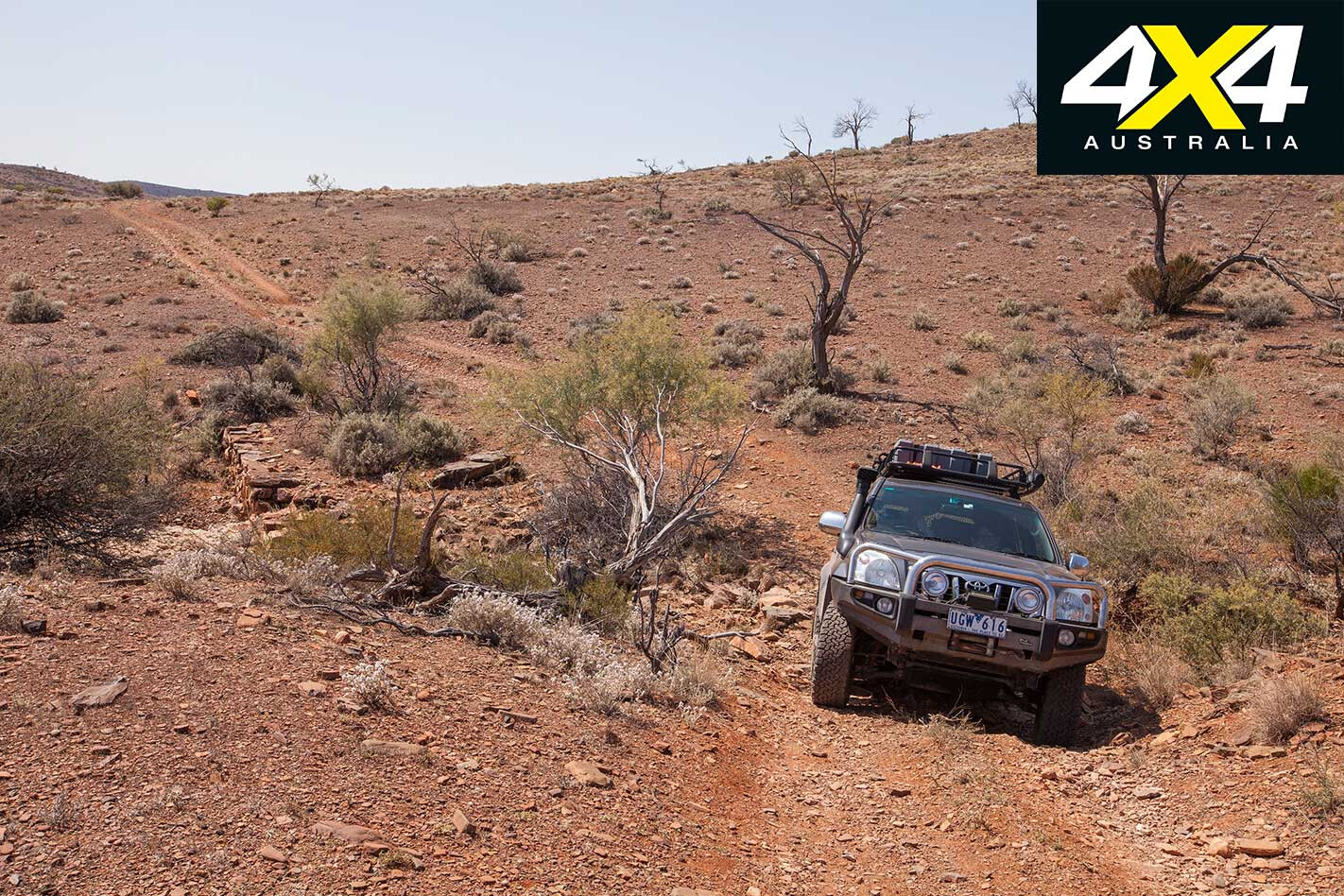
We were there to tackle the Copper Track and, as this drive is one-way only and not trailer friendly, we had left our camper on Moolooloo Station, 95km by road to the south. Our return journey by way of the Copper Track followed a more direct 40km route skirting the foothills of the range.
The Copper Track was originally constructed in the early 1890s to connect the copper mines of Sliding Rock, Nuccaleena (30km to the south on present day Moolooloo Station) and another near the small town of Blinman farther to the south-east.
Today, access to the track requires payment of a modest fee at Warraweena in exchange for a comprehensive set of track notes and the combination for a locked gate at the start of the track near the Sliding Rock mine ruins.
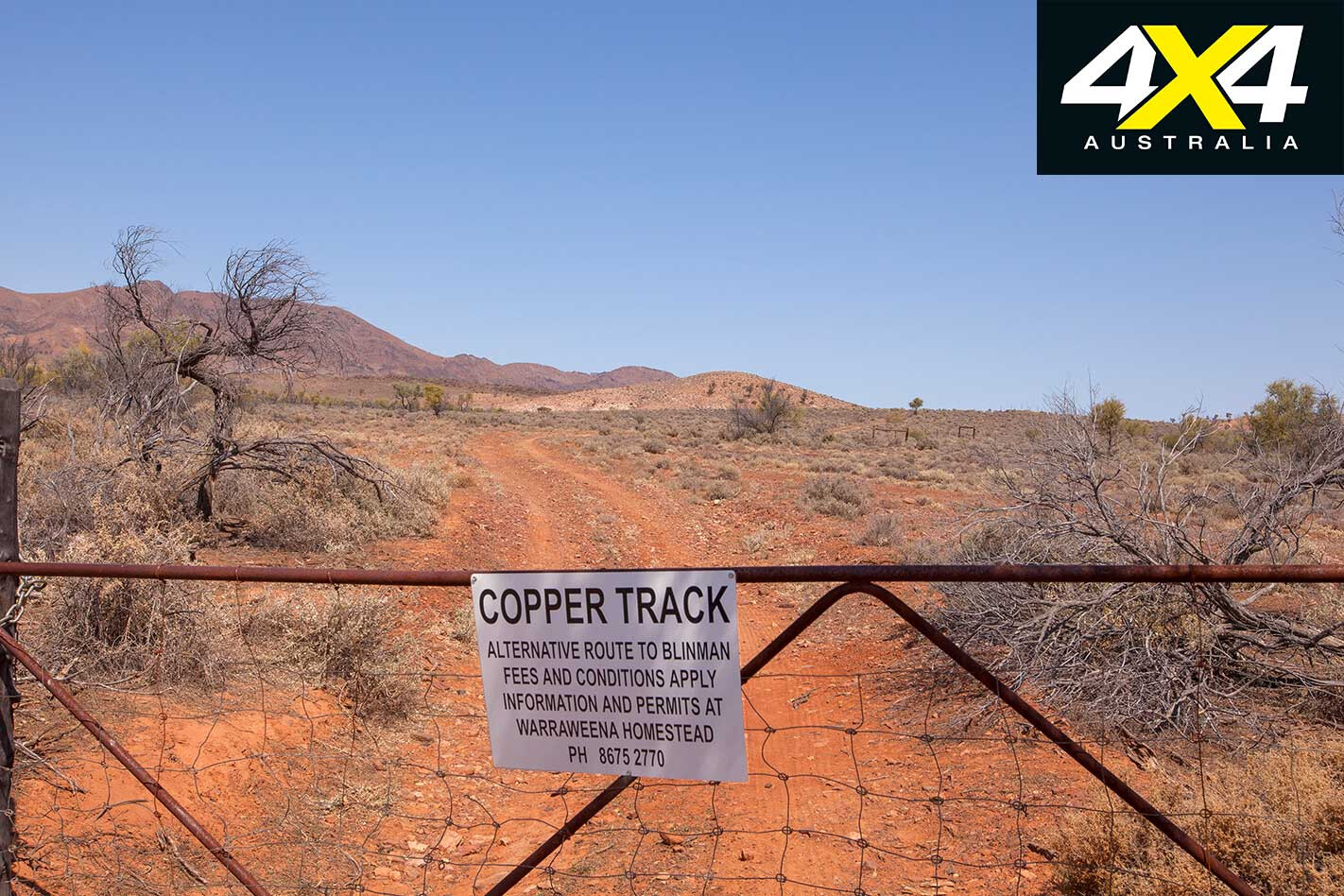
The northern Flinders are the eroded remnants of an ancient mountain range and steep red cliffs of shattered sandstone look out over the flat desert plains that stretch westward as far as the eye can see.
The track initially winds through an undulating landscape of low hills that parallel higher jagged peaks farther to the east. At the time of our visit it had been six months since any rain and the countryside was dusty and burnt dry, but it was easy to imagine that after good rain, with wildflowers and new growth, the Copper track would be particularly scenic.
It is slow, given the track is unmaintained and cut by numerous small washaways and watercourses. A few of the waterway crossings display steep entry and exits and some care is advisable to avoid your front bar unintentionally doubling as a grader blade. This is also terrain where reduced tyre pressure can both help protect your rubber from the ever present sharp, slaty rocks and make for a more comfortable ride.
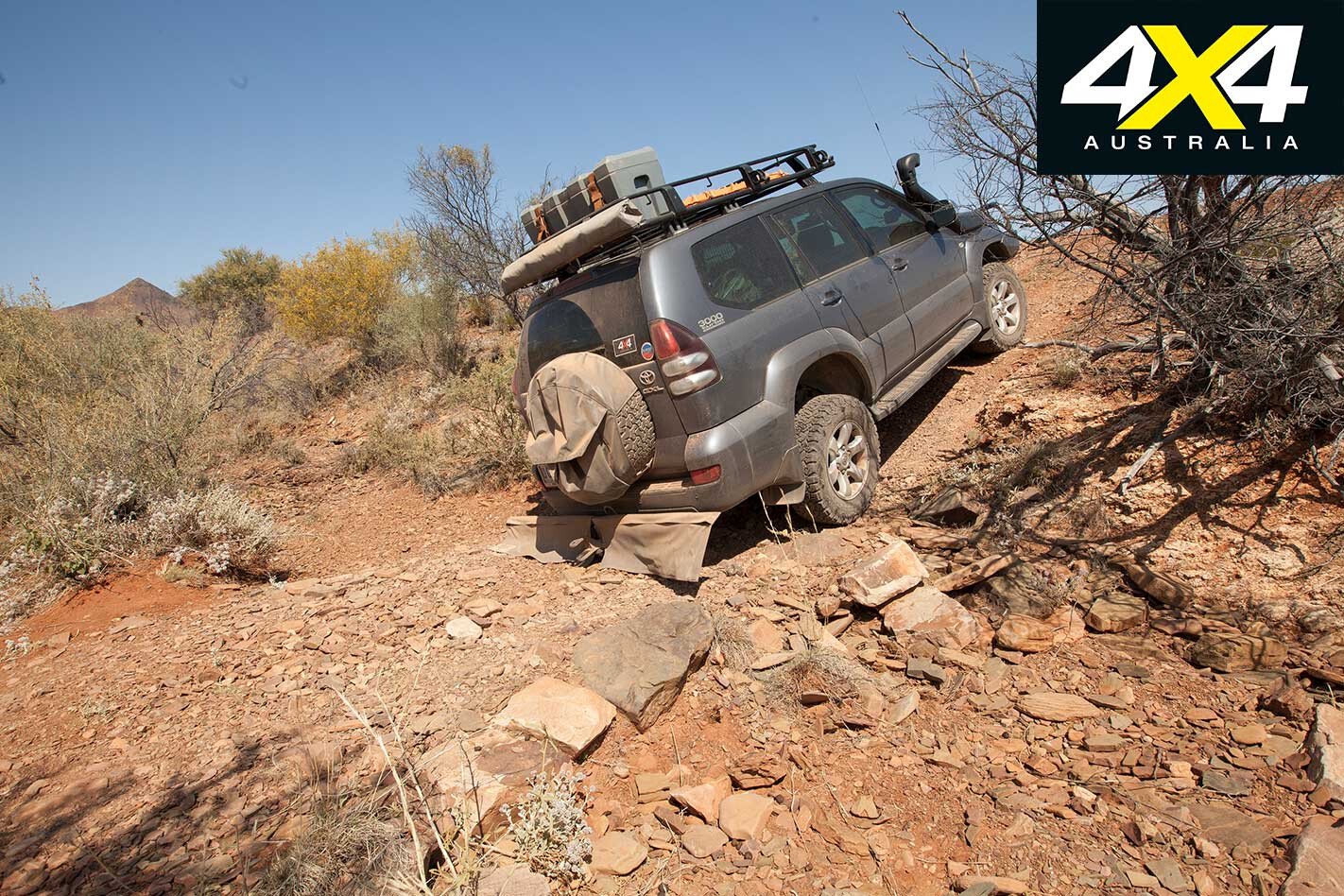
Old stonework from the original coach road can still be seen in some places where the track was built up to cross the deeper washaways. The dry sandy beds of large watercourses were regularly used by the early settlers as roadways because they often cut through otherwise steep and challenging terrain, making for easier travel.
The Copper Track is no exception and about halfway into the drive it drops into and follows Warrioota Creek. Numerous sawn stumps of large river red gums can be seen here where timber was cut 100 years ago to be used as sleepers on the mighty Ghan railway from Adelaide to the town of Oodnadatta.
Eventually leaving the creek, the track climbs steadily to a ridgeline which is the highest point of the drive. Here, a couple of hundred metres down a sidetrack, is Sladies Lookout, a bare hill with commanding views to the west as far as Lake Torrens. While undoubtedly a stunning place to watch the sunset with a bottle of bubbly, it’s still a long drive to anywhere on a track that is challenging enough in daylight.
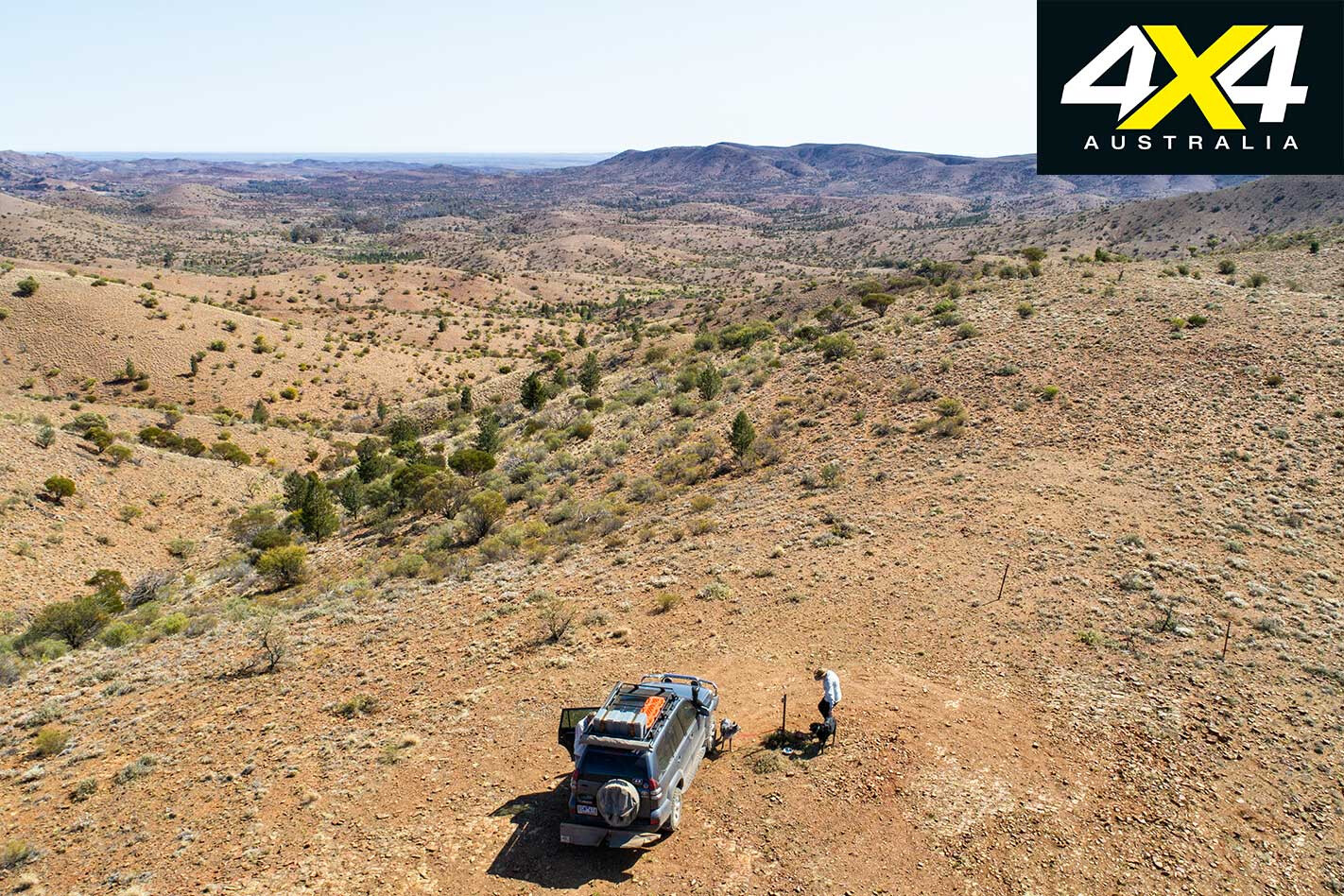
Descending from the ridge, the track enters Moolooloo Station and a landscape increasingly punctuated with picturesque native cypress. From here it is only a short distance on better quality tracks to the remarkably well preserved Nuccaleena Mine ruins which also date from the mid-1800s.
In its heyday Nuccaleena supported a small township with a hotel (a prerequisite in this dry and dusty environment), substantial stone stables, a goods store, blacksmiths workshop, general store, doctor’s surgery and numerous miners’ huts.
The mine operators spent £57,000 but produced only £13,000 of copper and, after losing what would have been a small fortune in the 1860s, Nuccaleena was abandoned after only six years.
From Nuccaleena the Copper Track follows station tracks until reaching the road to nearby Blinman via Glass Gorge – today a popular tourist drive. At Blinman, tourists can take underground tours of the workings, stock-up on supplies and take advantage of a range of accommodation from the local pub to various farm-stay options.
Whether you stay at Warraweena or one of the station properties near Blinman (such as Alpana and Moolooloo) this is an area that offers many unique and challenging 4×4 activities in a virtually unspoiled natural environment. But, whatever you do, make sure you put the 150-year-old Copper Track on your itinerary.
Travel Planner
WHERE Warraweena Private Conservation Park is located 500km north of Adelaide in South Australia’s Northern Flinders Ranges.
WHEN TO TRAVEL April to September offers pleasant conditions with daytime temps in the mid-20s, with single digits overnight. Summers are harsh and hot with temps often above 40ºC. In spring, after rain, the country is resplendent in wildflowers and fresh growth.
WHERE TO STAY Properties such as Warraweena, Moolooloo and Alpana offer accom from campsites to cabins and shearers quarters.
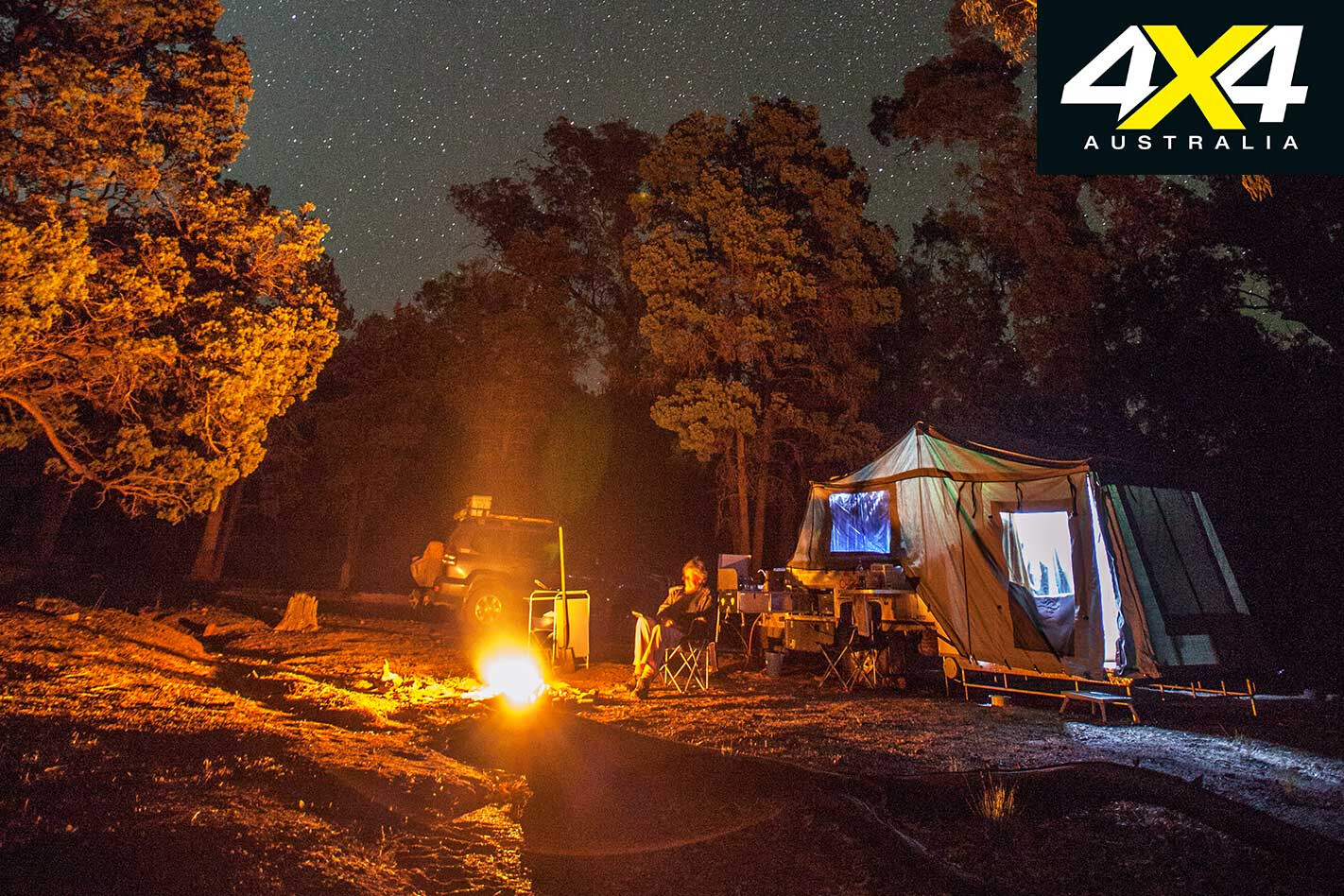
SUPPLIES Campers need to be self-sufficient as to food and water. Some basic foodstuffs such as frozen meat and bread are available at Blinman and Angorichina (the latter also supplies fuel).
ROAD CONDITIONS Rough and rocky is the order of the day, and anything other than major roads should be considered suitable for 4x4s only. The Copper Track is unsuitable for trailers but in dry conditions an experienced driver would not face any major challenges towing an off-road heavy-duty camper on other major tracks in the area.
CONTACTS Moolooloo Station Phone: (08) 8648 4861 www.moolooloo.com.au
Warraweena Conservation Park Ph: (08) 8675 2771 www.warraweena.com.au