
LONG suspension and long-travel sway bars make a huge difference off-road by allowing all wheels to keep a firm grip on the ground; the more grip, the more drive you maintain and the farther up the track you get. But that off-road-honed suspension is probably going to be terrible on-road.
That’s where cross-axle diff locks come into play; while they’re great off-road for those who like to push the limits, they also allow tourers the safety and increased ability to easily and safely tackle any obstacle. They also limit track damage thanks to less or no wheelspin.
I’m no stranger to TJM Pro Lockers, having had zero problems in the eight years they were in my 105 Series Cruiser. In the process of setting up my One Tonner I figured I’d stick with one of the rear diff-mounted, air-operated Pro Lockers. Using GQ Patrol diff centres allowed for easy purchase and fitment; although, there is a good selection of vehicles that can have Pro Lockers fitted as standard.
How the TJM Pro Locker works
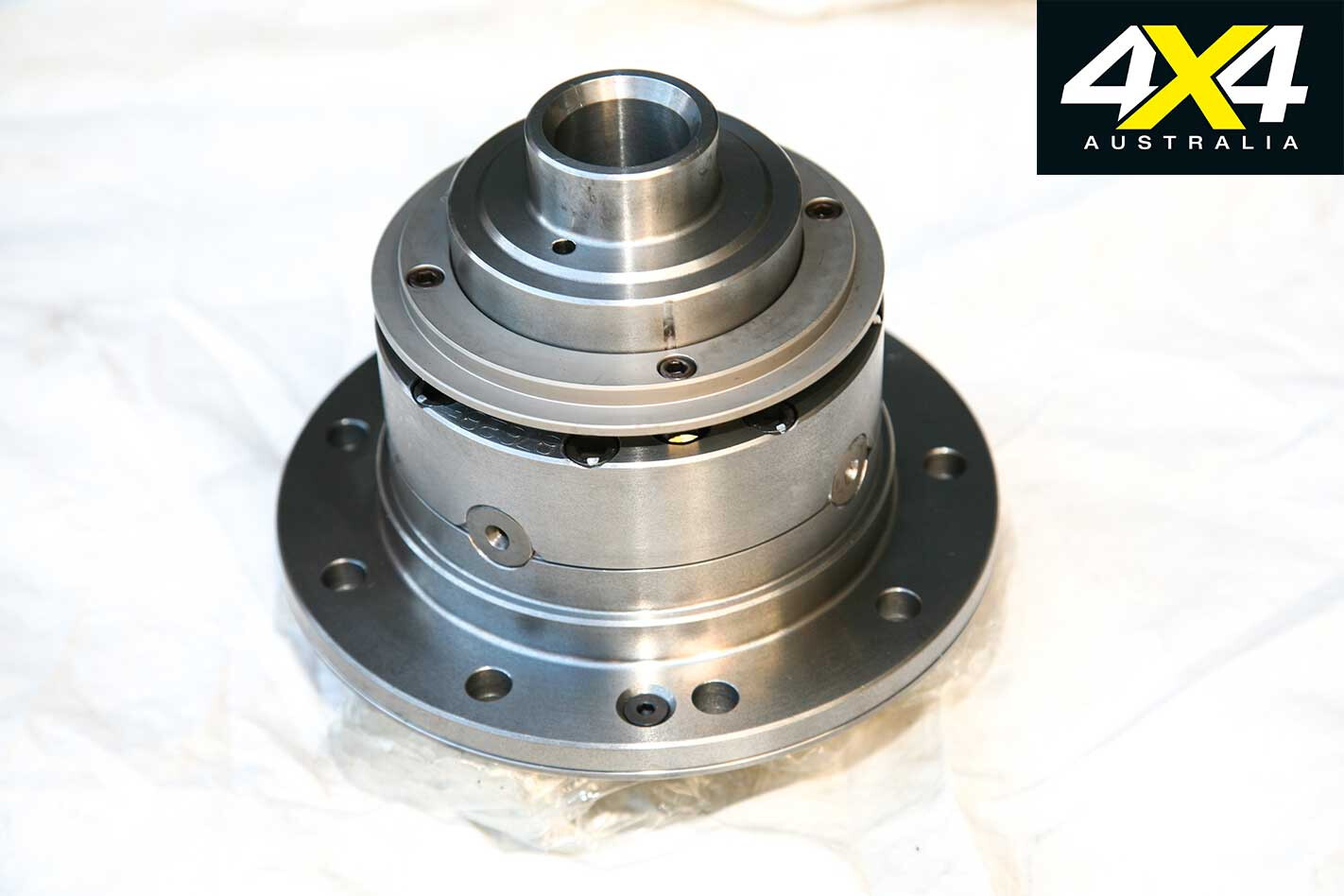
THE TJM Pro Lockers are an air-operated locker that forces air into the diff from an onboard air compressor via an airline, which engages a locking ring over one axle gear. This in turn locks the carrier and pinion gears, forcing drive to be sent to both left and right wheels equally. There is no chance of an axle-set losing drive to one wheel or another midway through any obstacle.
Once you’re through the obstacle a flick of the switch will return the diffs back to standard open units by allowing the pressurised air to be released through an exhaust port in the solenoid valve. The locking ring that joins the axle pairs together via the internal gears is released via an actuator, which allows your diffs to differentiate and then its drive-time as normal.
Having had Pro Lockers fitted to my old Cruiser and now the mighty Tonner I can’t imagine being without them – they’ve been that good. There have been plenty of times when perhaps they weren’t needed, but I’ve used them anyway as insurance to help through tough spots.
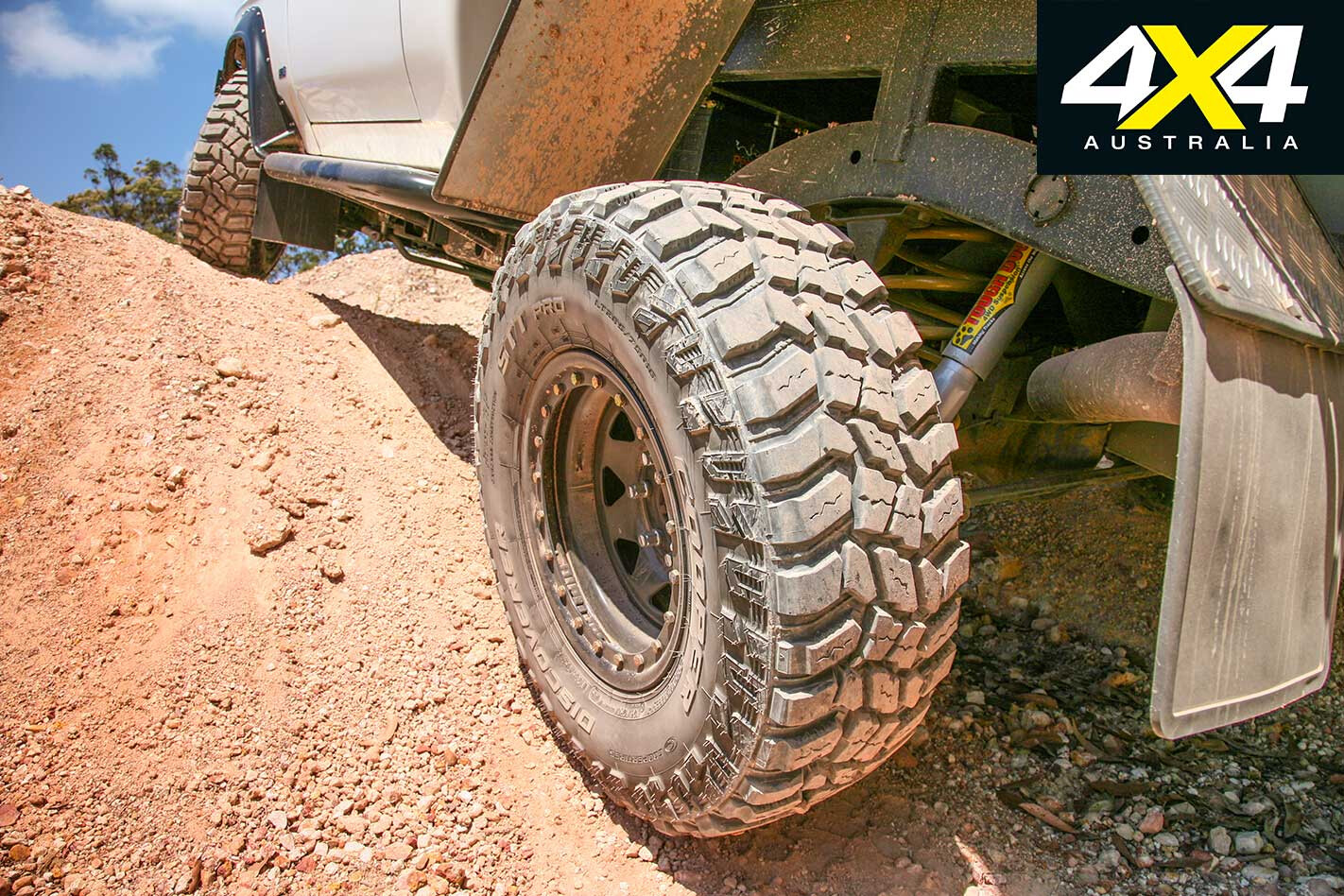
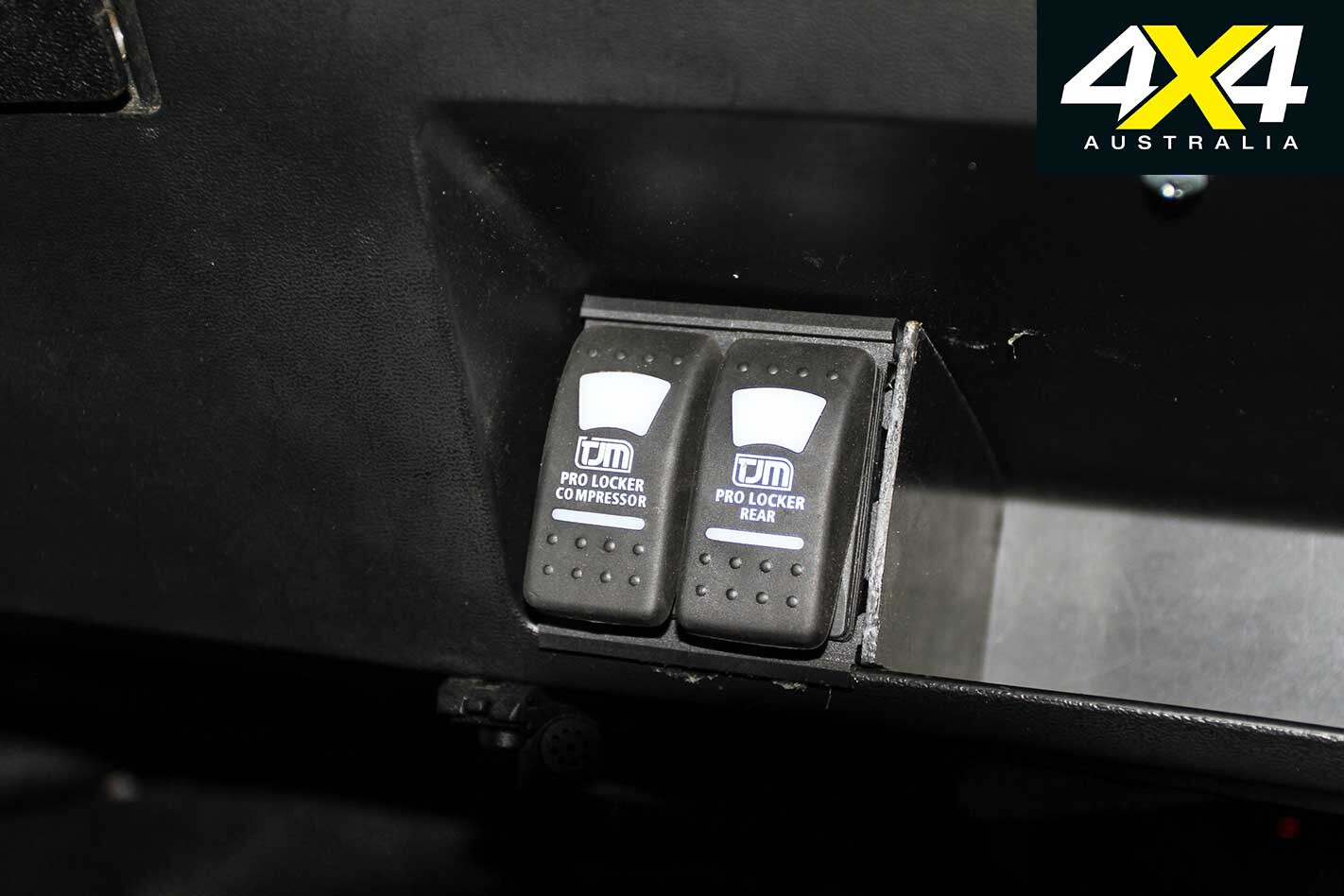
The Pro Locker’s ability to be switched ‘on’ or ‘off’ at the flick of a switch with no chance of unlocking when needed most, whether you’re in forward or reverse gear, is a positive. Once the initial air compressor switch is activated and the airlines are allowed to build up pressure, the diff lock activation is near-on instant.
Of course, there are airlines to run under the body of the Tonner, which, when fitted correctly, won’t snag. Plus the entry point into the diff is afforded extra protection with a second layer of tubing and a solid brass fitting tapped into the top of the diff.
Does the TJM Pro Locker have downsides?
THE front and rear Pro Lockers fitted to my Cruiser were brilliant in their operation, but steering was extremely difficult when the front was activated. While not a design fault – and losing steering with any front manual locker is to be expected – there were times when it would be beneficial not to turn the front locker on. That’s why I’ve opted to go for a rear-only Pro Locker in the Tonner, as it’s more useable more often.
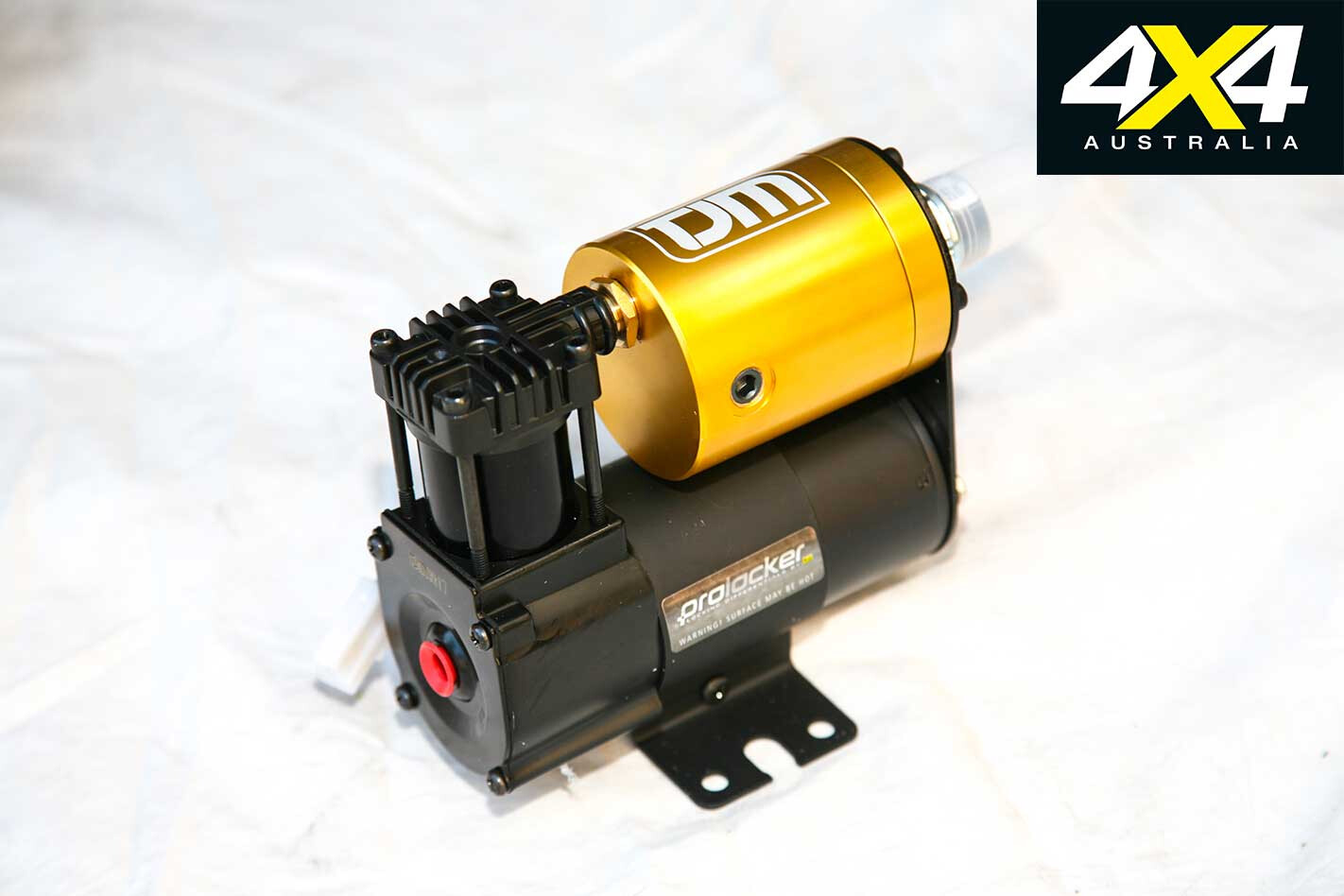
The only gripe with the system is with the compressor. The current standard offering is tiny compared to the larger, more versatile unit in my Cruiser. It does a stellar job of activating the locker when needed, but it can’t be used for tyre inflation or any other associated task.
This means you need to carry a second air compressor or swap the supplied TJM Pro Locker compressor with a larger unit. Not that I’ve done it yet, but the second option of fitting an onboard, high-flow compressor is what I’ll be doing.
What are the advantages of the TJM Pro Locker?
WHEN used correctly that rear locker, or a pair of front and rear lockers, will be the most advantageous piece of aftermarket equipment to help your 4×4 go further. Provided you drive correctly you’ll be able to negotiate more severe tracks without damage to either your vehicle or the track. Even though the locked 4×4 may still lift its wheels off the ground, the constant and equal drive will more often than not keep the vehicle headed the way the driver intended.
While the Pro Locker is said to be strong enough to handle the comp-bred driver with oversized rubber, it is equally at home in any touring 4×4. Being able to slowly negotiate obstacles without damaging your pride and joy is a huge plus, as is not damaging the track itself via wheelspin.
Driving a wrong line or pushing the rules of gravity may see your 4×4 land on its lid, so caution must still be exercised when driving with lockers; you might have traction, but your 4×4 will keep on crawling almost regardless of the grade’s steepness.
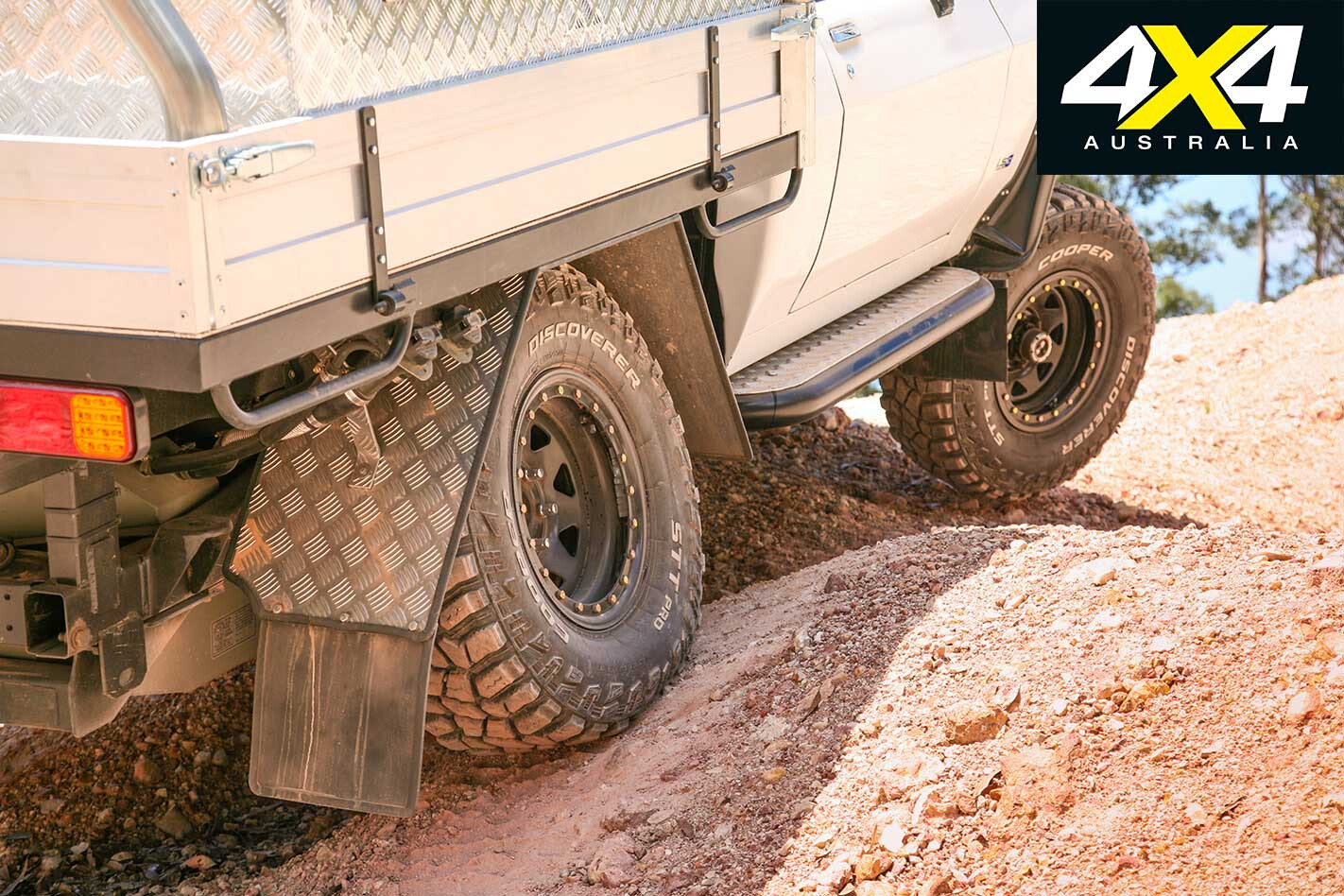
There are other uses for a rear-fitted locker: during steep descents the locked rear axles won’t allow overrun and will stop one side speeding up; you’ll get improved grip during downhill engine braking; it can be used on slippery boat-ramp exits; and it can be used to help reverse a heavy caravan up a hill. It can realistically be used at any time, even in 2WD; just remember not to allow axle windup on solid or high-grip surfaces.
I’ll wager that once you have been locked there’s no going back to an open diff centre.
RATED Available from: www.tjm.com.au RRP: $1577 (rear GQ Patrol Pro Locker); $220 (Pro Locker compressor) We Say: Zero problems from years of use
The clue is in the name. A shock absorber ‘absorbs’ the shock transferred from bumps and dampens the forces a vehicle is subjected to, by controlling the dissipation of energy within a vehicle’s suspension – regulating the springs’ energy using friction and resistance. Put simply, this is achieved by converting kinetic energy caused by the shock into another form of energy – heat – which is then dissipated.
“Whilst it is the job of the spring to support the weight of the vehicle, it is up to the shock absorber to control the stored energy of the spring, the vehicle body motions and the sprung and unsprung weight of the vehicle,” Ben Dobinson from Dobinsons Springs explained.
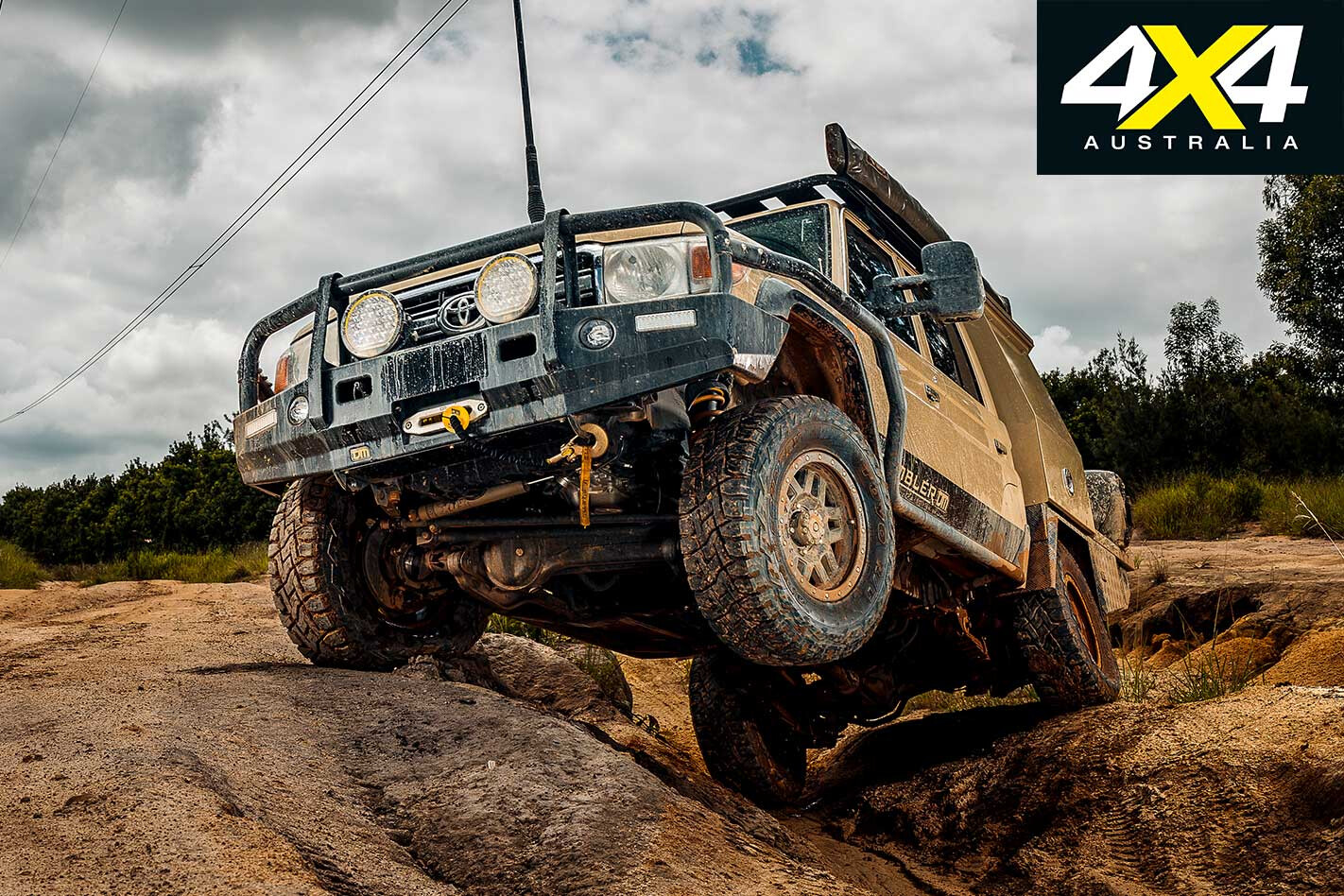
“A shock absorber works by restricting oil through an orifice, usually a piston and shim assembly, to provide a damping force which transfers kinetic energy into heat.”
Ironman 4×4’s Kristian Ristell added that the amount of damping is critical and carefully set by the manufacturer, ensuring body movement is controlled to minimise unnecessary movement. As well as tyres maintaining contact with the road.
“Energy cannot be created or destroyed, but only transferred,” Tough Dog’s David Cook explained. “In this case the movement of the spring which is kinetic energy is transferred into heat energy through the shock’s resistance, which is then dissipated through the oil of the shock. This is why shocks get hot as you use them in harsh conditions, because there is more energy that needs to be dissipated.”
An off-road shock needs to be more robust to handle the challenging conditions of both arduous tracks and long outback roads, and therefore capable of withstanding the incredible amount of heat that’s generated.
“A shock absorber is a critical part of your vehicle’s control components and its effective operation is integral to the safe operation of your vehicle,” Adam Gillick from Pedders Suspension told us.
Types of 4×4 shock absorbers
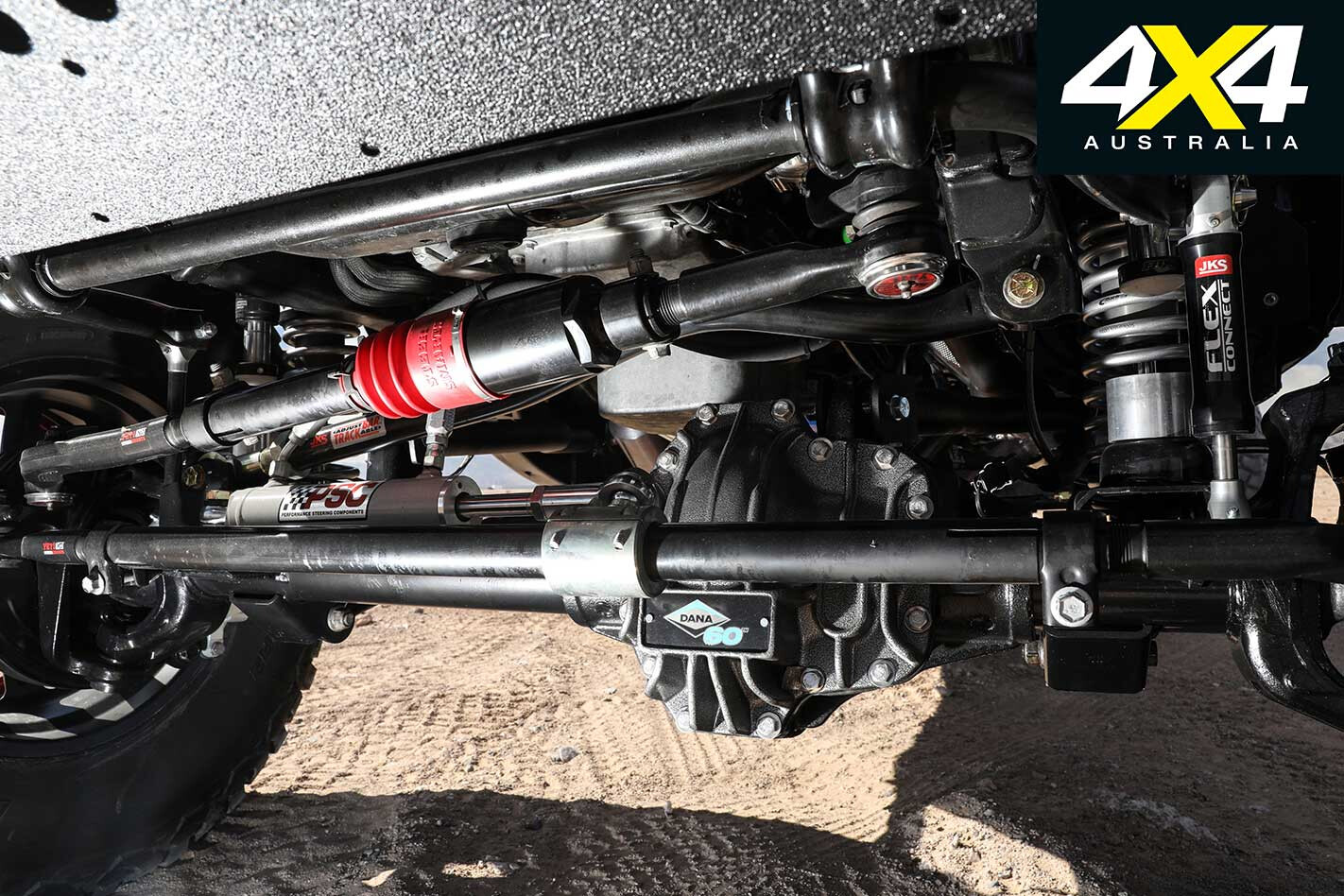
Generally there are two types of conventional shock absorbers: twin-tube and monotube. Monotube shocks have one tube (obviously) and the piston runs up and down through the oil; with a twin-tube shock, one tube is positioned within the second tube (like a babushka doll, as David Cook put it).
“As the shock moves up and down, the oil inside flows through the piston and the foot valve, which transfers oil from the inner tube (or working tube) and the outer tube. This kind of acts like an oil reservoir, and also as an oil jacket, around the shock,” Cook said.
You’ll find twin-tube designs in most road-going passenger cars, utes and SUVs due to their comfortable on-road characteristics. Monotube shocks are typically used on performance-oriented vehicles, and are becoming more popular for 4×4 vehicles – particularly for on-road use.
There are then variants within twin-tube and monotube designs such as nitro-gas charged, foam cell twin tubes, single body internal floating piston monotubes, and remote reservoir shocks which move the additional oil capacity out to a separate canister mounted near the shock and connected by an oil line.
“There are then additional features such as adjustable damping and position-sensitive damping that can also be built into shock absorbers,” Ben Dobinson added.
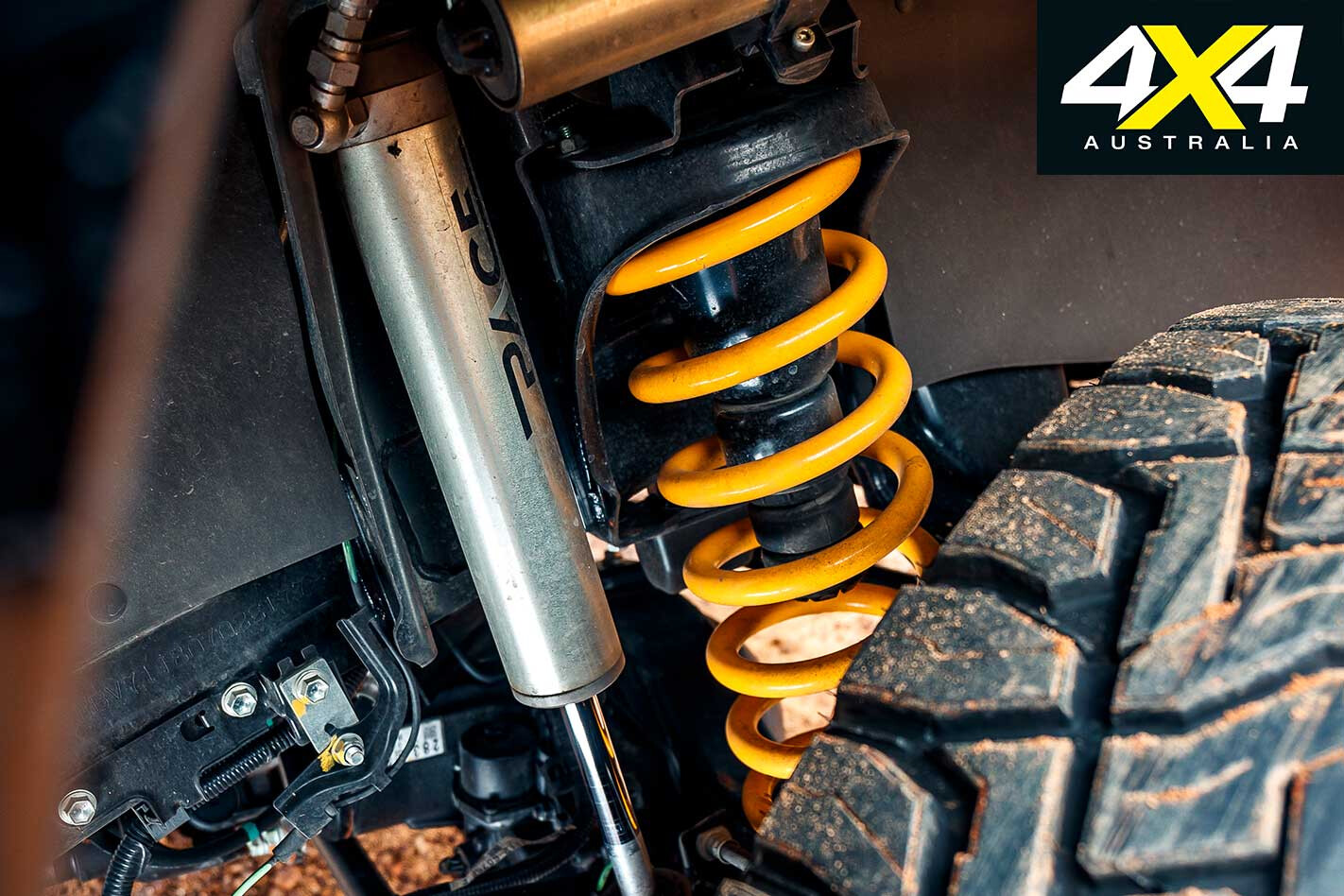
Monotube shocks do have a number of drawbacks for off-road environments, as Ironman 4×4’s Kristian Ristell explained: “(They are) vulnerable to impact damage, and high gas pressurisation can lead to a higher risk of leaking and lower oil volume which can cause overheating.”
Twin-tube shocks, on the other hand, are more protected from the elements. “Twin-tube shocks are naturally resistant to damage from rocks and debris due to a second layer of ‘armour’ which protects the piston tube,” Ristell said. “Lower gas pressurisation also means they are less prone to leaking and can have a longer service life.
“Twin tube shocks in general are a more reliable and trouble-free concept for off-roading due to their strong style of construction,” he added. “Monotube shocks are well-suited to on-road environments where high precision or tuning is required. In some cases they can also be more vulnerable to damage or leaking in an off-road environment.”
When it comes to finding a shock absorber more suited to the bumps and grinds of serious four-wheel driving, though, it’s important to ensure your suspension componentry ticks all the boxes for your 4×4’s intended purpose.
“You wouldn’t buy an X-Trail as a hardcore off-road tourer, so you wouldn’t buy shocks that aren’t up to the task either,” said Tough Dog’s David Cook.
Why go to the aftermarket?
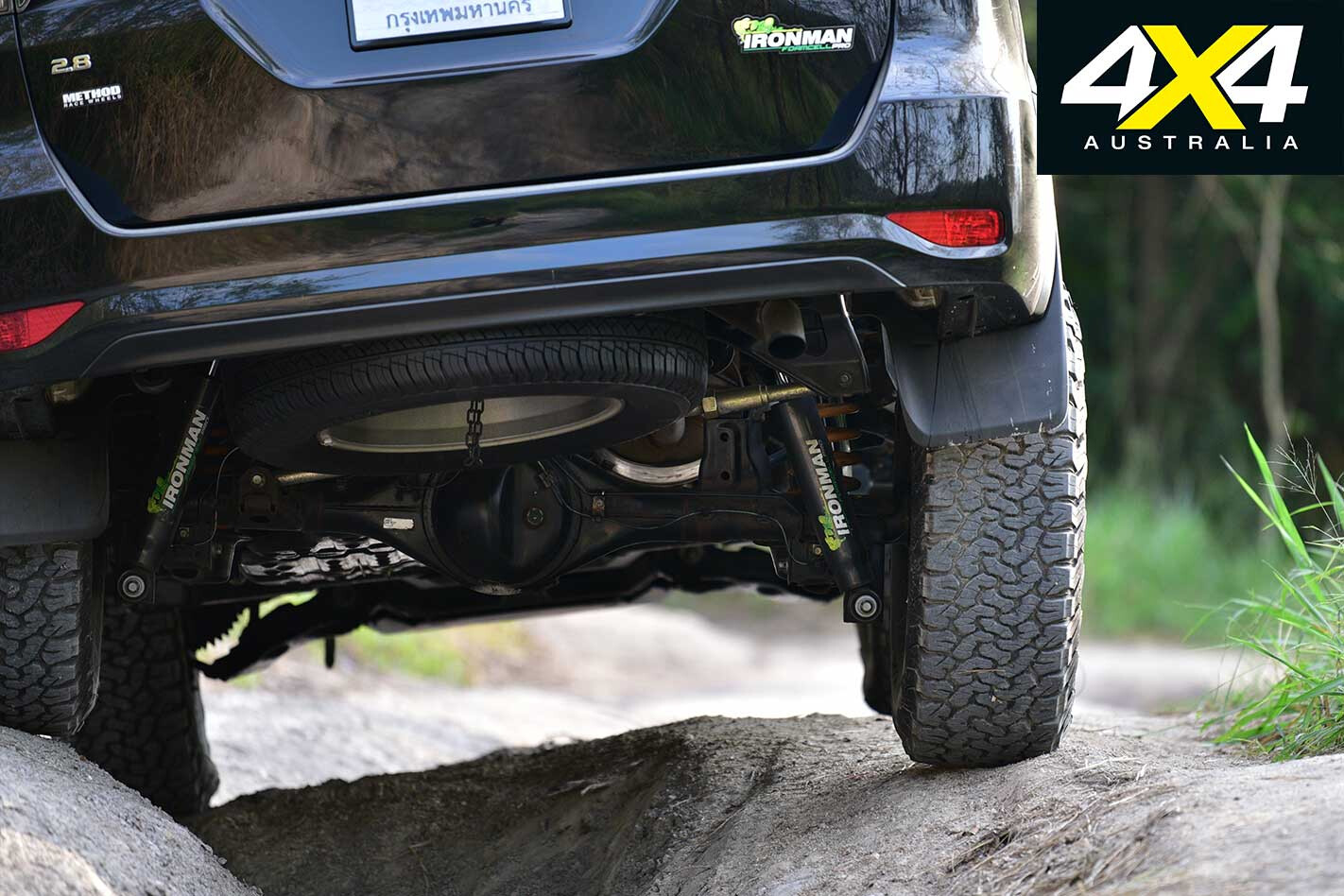
OEM units are built to a cost – and within bureaucratic parameters – and will be capable enough for most people who don’t depart the grid in search of the old black stump. Manufacturers typically cater for the broader population – which makes sense – but that means the equipment will often be lacking for specific requirements.
For the 4×4 crowd the aftermarket is where to turn to ensure you are set up properly for remote travel, hardcore off-roading, or whatever floats your boat, as the industry has a lot more freedom to target specific uses – towing heavy loads, for example.
“The aftermarket generally does away with all the bureaucracy and focuses attention to providing targeted solutions aimed at real-world customer use,” Ironman 4×4’s Kristian Ristell said.
Upgrading your 4×4 with aftermarket gear often leads to a domino effect, and it’s no different for shock absorbers. Installing a lift kit? You’ll need shocks to suit.
“Think of it this way,” Tough Dog’s David Cook explained, “if you beef up the spring or lift the vehicle, you need a shock that is a fair match for that spring, otherwise you have a Pee-Wee Herman-sized shock in the ring with a Mike Tyson-sized spring. If you’ve changed the height of the vehicle with a lift kit, then the corresponding shock will also be longer to accommodate that.”
Ben Dobinson agreed: “As soon as you are looking to raise the vehicle, carry constant loads or look to spend a little more time off the bitumen then the OEM shock absorbers are too short, do not have sufficient damping and are simply just too small to do the job. This is where a good quality aftermarket shock steps in to meet the demands of Australian 4x4ers.”
Off-Road maintenance
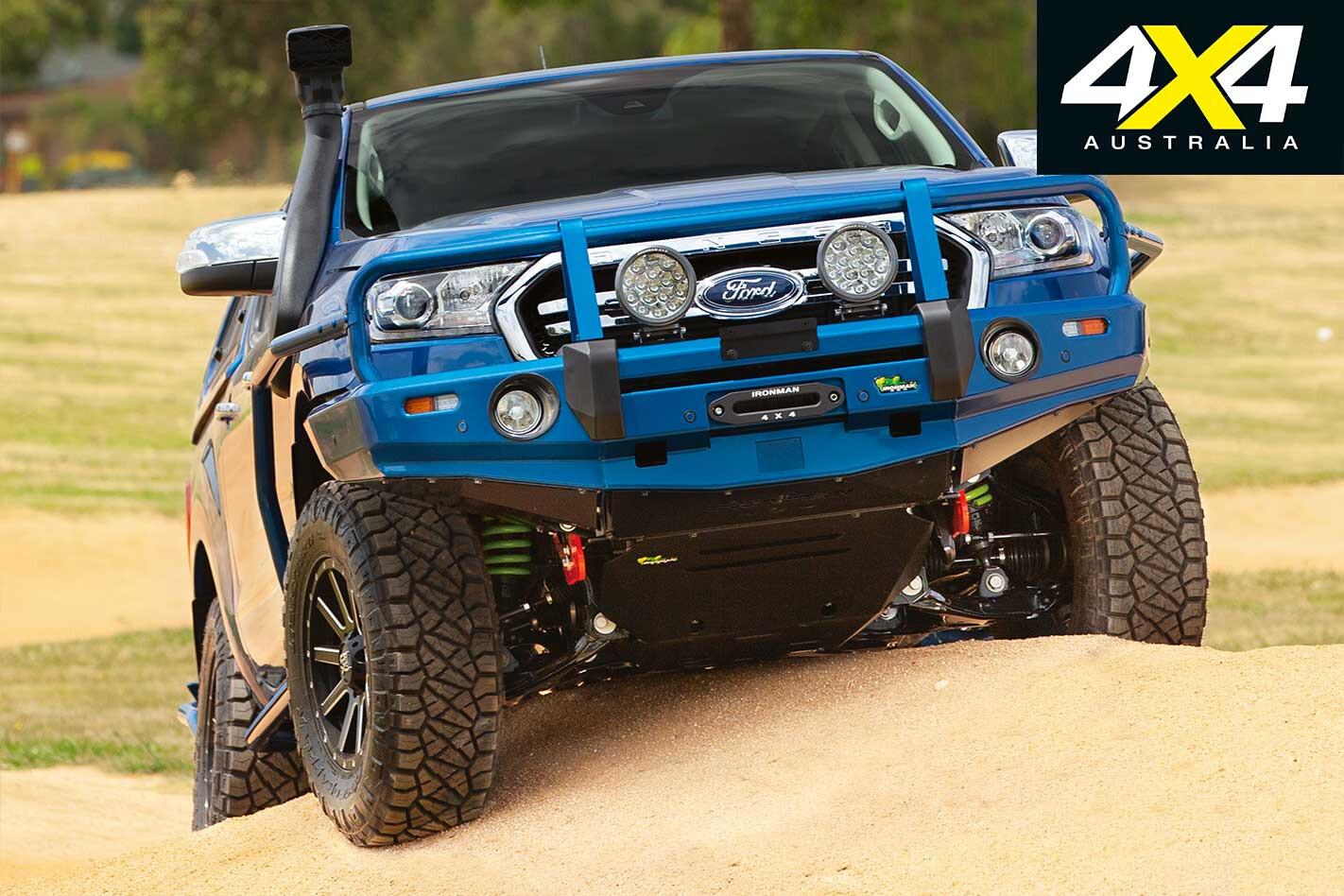
All of the experts agreed that if you make smart decisions at installation, it’ll save you from a world of hurt down the track… literally. Buy a quality product from a reputable brand, and a shock absorber that suits the kind of driving you have planned, and you’ll be laughing on your camp chair in the middle of nowhere.
“There is no point buying the most expensive, flashy racing shock for a vehicle that is going to circumnavigate the continent,” Tough Dog’s David Cook said. “They are designed for high performance but not necessarily stamina.”
It’s also important to ensure the vehicle is set up correctly: “Ensuring the vehicle is set up correctly and the shock absorbers are not being bottomed out or damaged is the most important factor,” Ben Dobinson told us. “From there it’s just a matter of keeping the shocks clean and clearing out any accumulated debris from the seal area as soon as possible.”
Kristian from Ironman 4×4 reiterated that point: “Any quality suspension installer should always only tighten shock absorber bushes at ride height, especially lower strut bushes. This is referred to as ‘neutralising the bushes’ and it ensures the bush remains relaxed at ride height to maximise bush life. If the bush is tightened with the wheels hanging, the bush is twisted and is subjected to more torsional stress resulting in shortened life.”
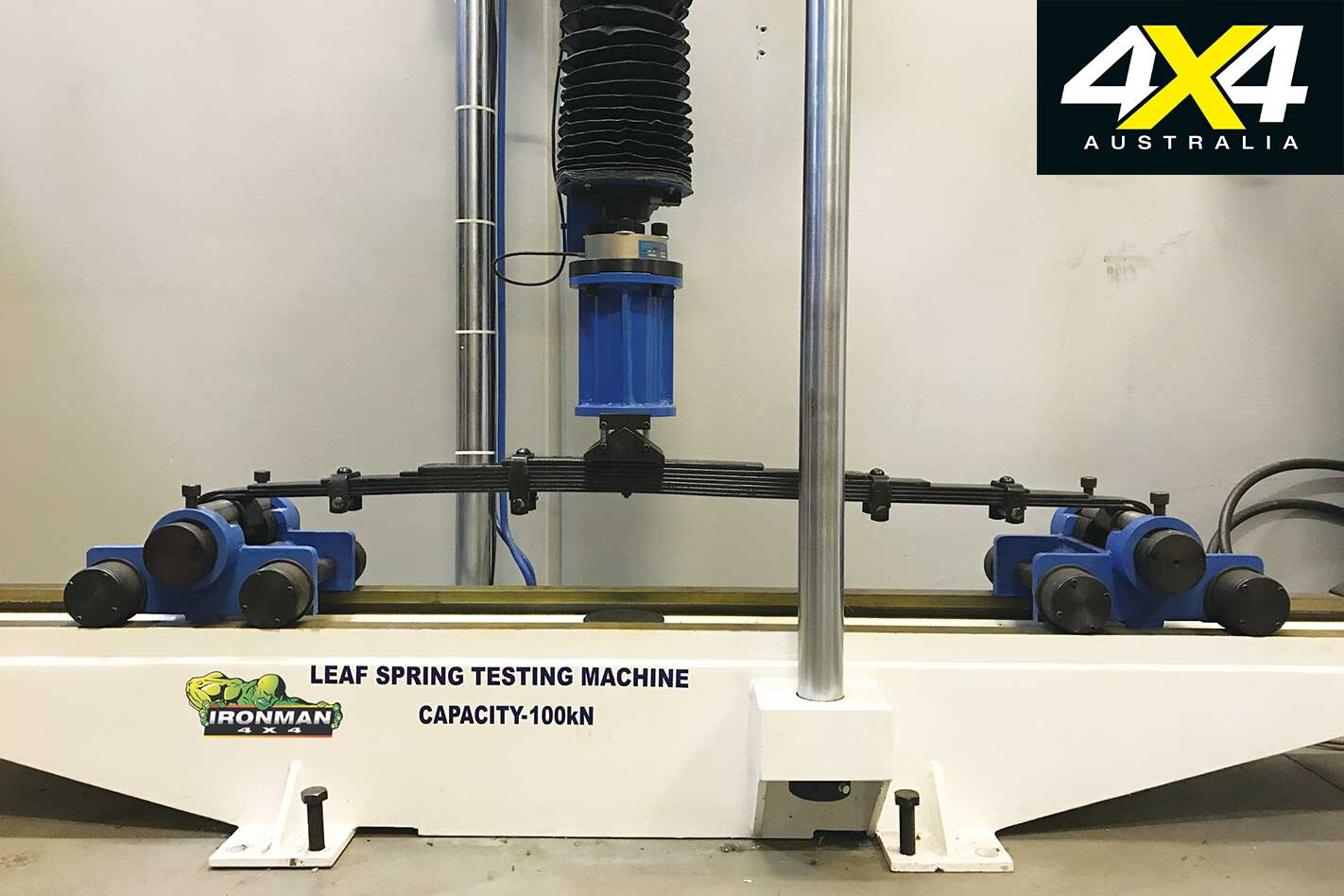
Overheating – especially in rough off-road terrain – could shorten the lifespan of a shock absorber, so that’s why it’s vital to always get the correct shock for your intended purpose. For example, a small body gas-pressurised shock can overheat quickly due to its relatively small oil volume and surface area; while larger bodied shocks – like Ironman 4×4’s Foam Cell Pro shock absorbers – have a higher oil volume and larger surface area than gas-charged shocks.
“This means they are effectively a larger radiator, expelling more heat in a shorter amount of time,” Ristell said. “Meaning you can drive for longer in those arduous outback conditions before shock fade sets in.”
“Ensuring all of the components of a vehicle’s suspension system are working is also important, as worn equipment – springs or bushes – could put shock absorbers under undue stress,” explained Adam Gillick from Pedders. To remedy this he recommends punters have brake and suspension checks at least once a year.
Worn out?
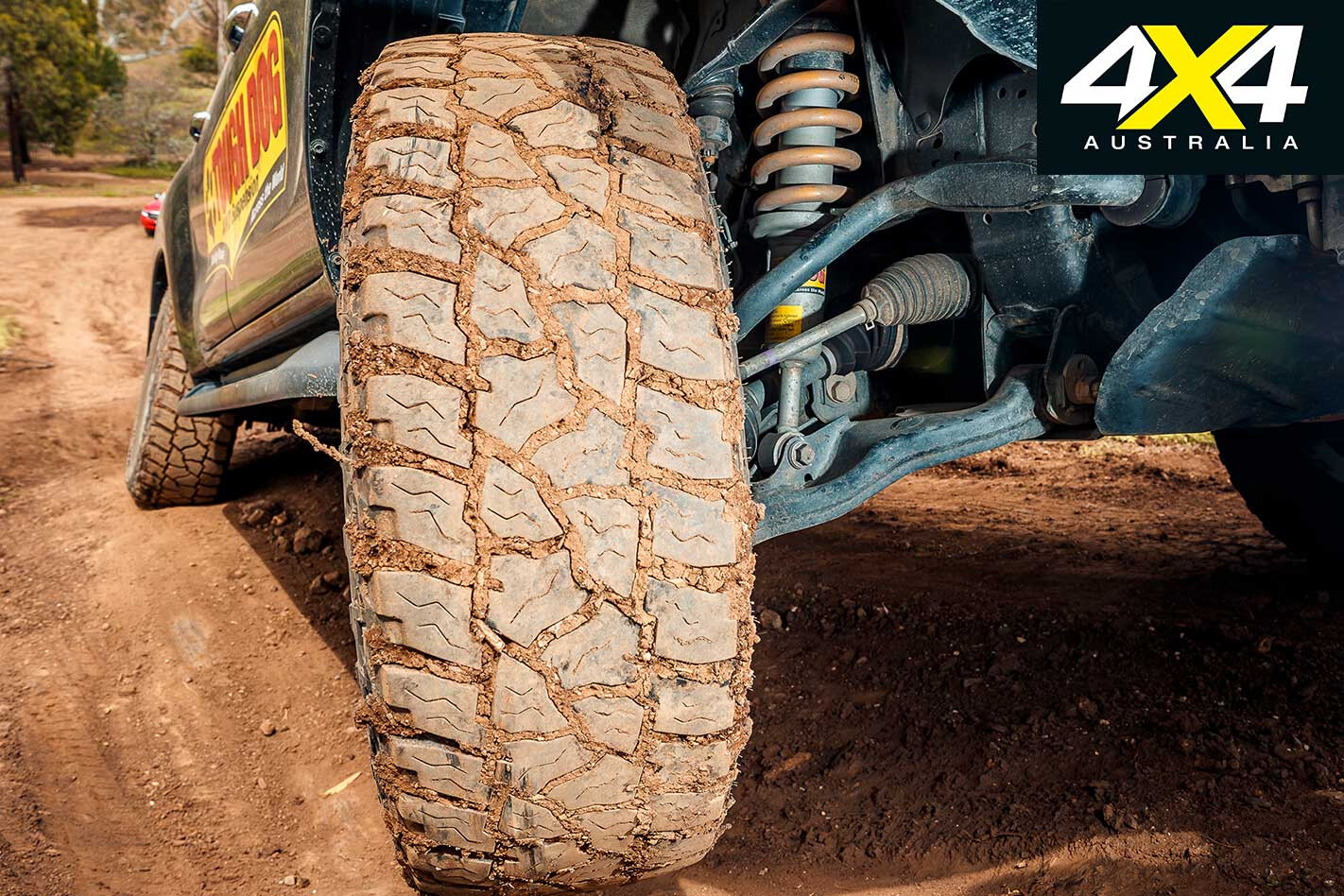
How do you know when it’s time to replace your shock absorbers? It’s inevitable that a shock absorber will eventually wear out over time, just like any mechanical part that’s constantly abused. The first and most obvious sign that it might be time to replace a shock is that your 4×4 won’t ride as smoothly as it should.
“When driving, worn shocks may cause an unsettled ride, crashing over bumps as the shock piston is unable to keep up with the frequency of bumps in the road surface,” Pedders’ Gillick explained.
“Increased braking distance is also a warning sign. Add to this excessive tyre wear and poor alignment.”
Tough Dog’s David Cook affirmed that point: “If the vehicle is recycling or bouncing more than once after travelling over a large bump, then the shock is probably due for replacement. Essentially, when there is a noticeable drop in the shock’s ability to control the energy of the spring, then they will need a seeing to.”
Losing large amounts of oil is also a sign that something is amiss in your springs. Looking beneath your 4×4 will also reveal issues with your suspension, as Ben Dobinson explained: “Usually, any signs of obvious damage such as bent or heavily chipped shafts, (and) large dints in the shock body that may affect the working tube,” he said.
What happens over time?
“Precision tolerances within friction surfaces will very slowly become affected, shedding microscopic metal particles into the oil during its entire surface life, in much the same way an engine does,” Kristian Ristell from Ironman 4×4 explained. “The oil itself will also break down over many years reducing its viscosity and suffering due to the effects of heat and particle contamination.”
What to look for?
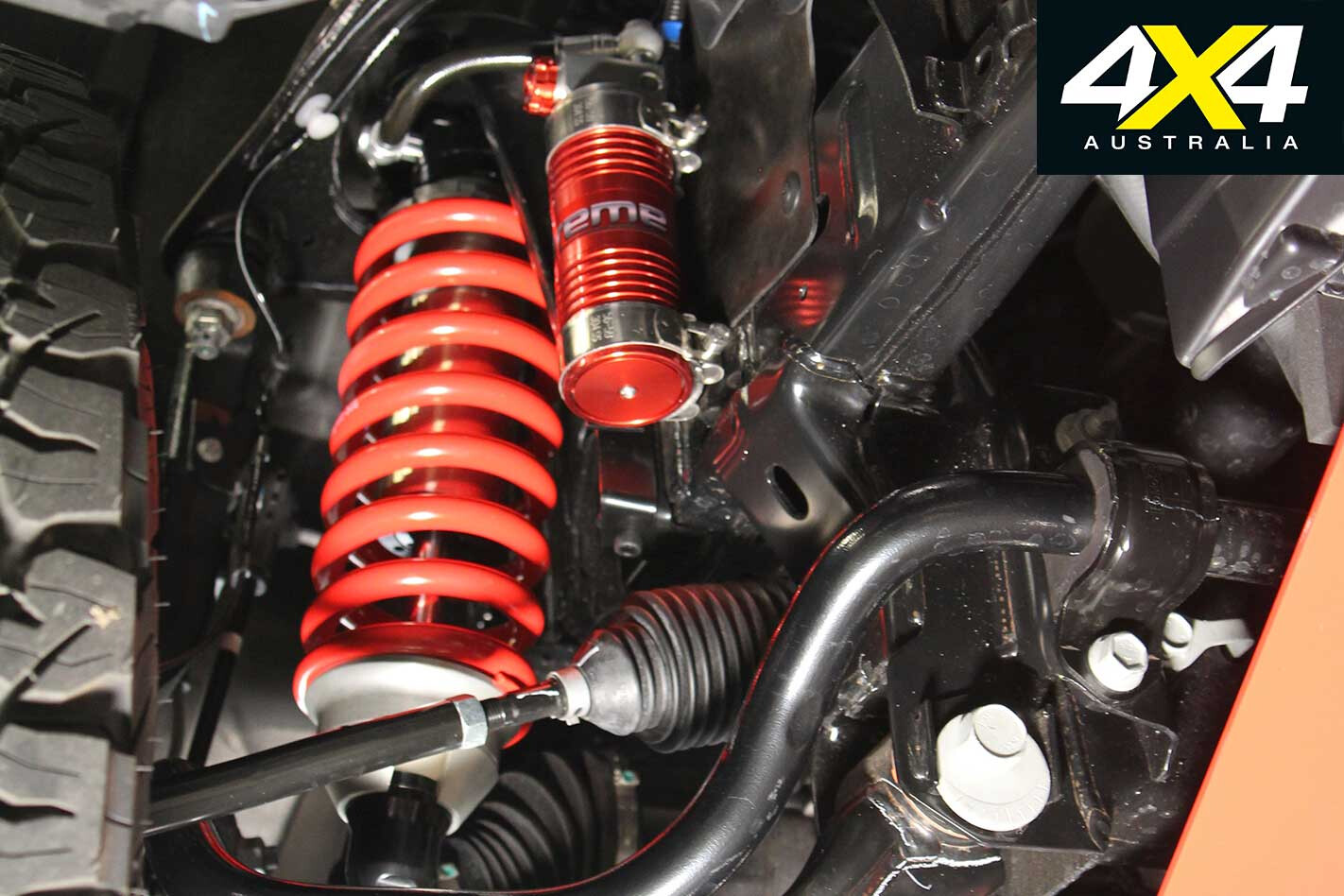
As mentioned, different shock absorbers are designed for different jobs, so what to look for ultimately comes down to your four-wheeling intentions. Rather than buying a ‘bad’ shock – as a bad shock will be found out pretty quickly and pulled from shelves – the biggest mistake is buying a shock that doesn’t suit your setup and/or your springs.
Still, you get what you pay for, as Ben Dobinson explained.
“A good quality shock will provide a far more comfortable, controlled ride consistently, with noticeable improvements in handling, reduced body roll and reduced bottoming out,” he said. “A poor quality shock will generally result in earlier failure, shock damping fade early on at low temperatures and a more uncontrolled ride.”
Having the wrong shock, or a shock of sub-par quality, can lead to a few issues including shorter lifespan of the shocks, bad ride quality and increased tyre wear.
“Poor quality shocks often use lower quality materials and mismatched valving which leads to shorter product life and poor ride characteristics. It’s worth taking the time to find a product that perfectly matches your vehicle and driving style and is backed by a solid warranty,” Adam Gillick from Pedders said.
“A good quality shock will have undergone the necessary R&D and material development to ensure that it will perform to its specification throughout its working life. In short – better ride, smoothness and long-term durability are key benefits of a good quality shock absorber,” he said.
Type of 4×4 shock absorbers
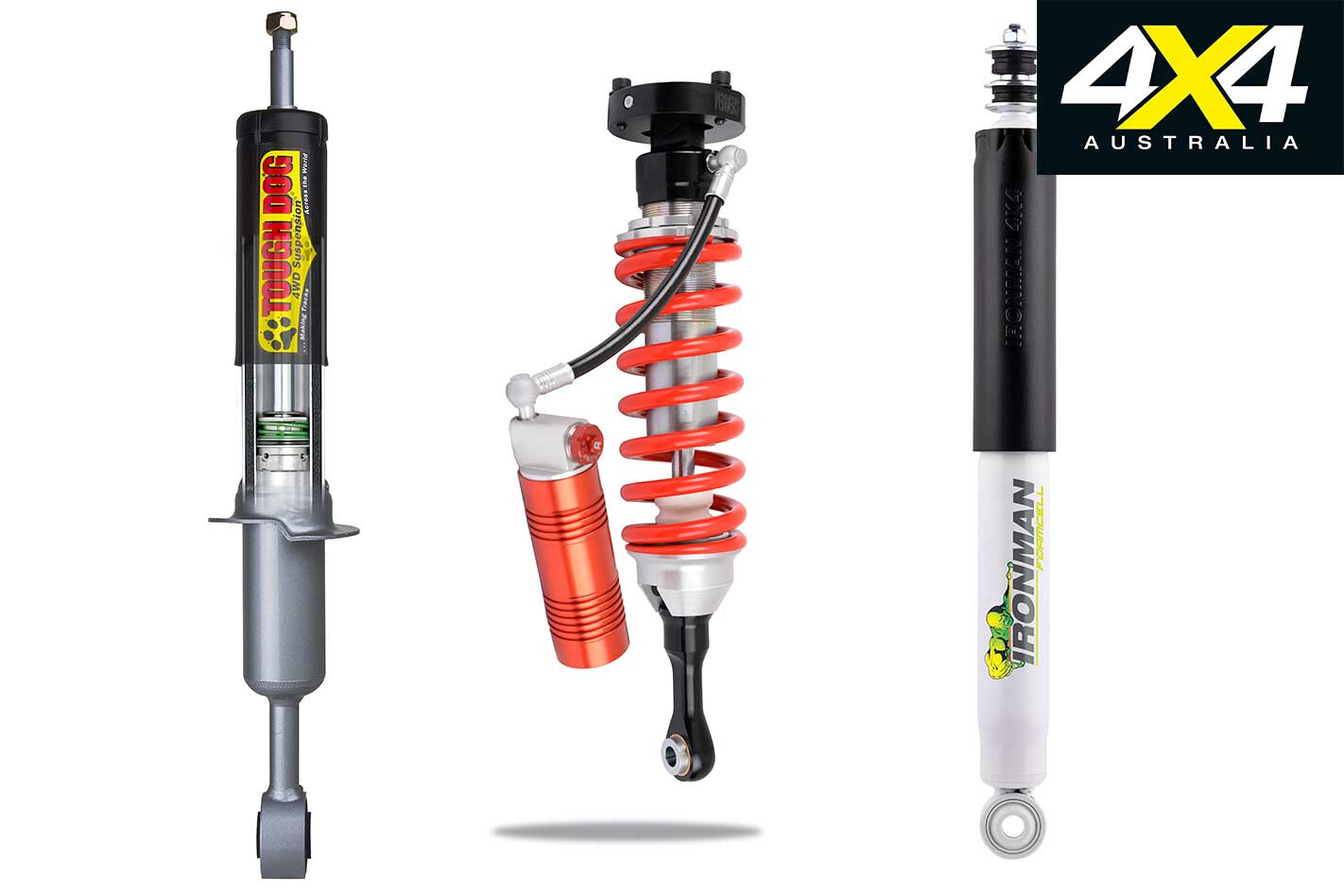
Coilover With a coilover shock absorber, the coil spring is integrated into the design of the shock absorber. “Coilovers are for customers who want the ultimate in performance and tuning ability, with compression and rebound damping, as well as ride height being adjustable,” Adam Gillick from Pedders said.
Gas-charged shocks Instead of using a foam sleeve like a foam cell shock absorber, a gas-charged shock uses a low-pressure charge of nitrogen gas. Gas-charged shocks are hugely popular in modern vehicles. “Small-bodied, twin-tube, gas-charged shocks are great value for everyday use. Hence why they are popular from the original vehicle manufacturer,” Kristian Ristell from Ironman 4×4 said.
Remote reservoir “Remote reservoir shocks can offer similar benefits than a large-bodied foam cell shock, since the intention is to increase oil volume; but this only works in long travel applications which cycle the fluid in and out of the reservoir, such as dedicated race vehicles,” Ironman 4×4’s Ristell said. “Modern vehicles with little wheel travel rarely benefit from a remote reservoir shock, as there is simply not enough fluid displacement to transfer the heat into the canister.”
Foam cell A foam cell shock is similar to a gas-charged shock in construction, the difference being use of a foam sleeve within the absorber instead of the gas charge. Ironman 4×4’s foam cell shock absorbers, for example, have the capacity to house more oil due to the sleeve occupying less space, enabling it to dissipate more heat.
For Tough Dog’s range of foam cell shocks, the foam cell piece is located between the inner and outer tubes and is injected with micro bubbles of nitrogen gas. In this way, the gas and the oil cannot mix, which means you avoid bubbles in the oil (aeration).
Pedders also offers foam cell shocks that are engineered to virtually eliminate shock fade, as the oil in the shock has full contact with both the inner and outer housings.
4×4 shock absorber manufacturing process
BEN Dobinson from Dobinsons Suspension walked us through the company’s manufacturing process:
“We start here in Australia by taking all the vehicle information such as dimensions, weights, spring rates and suspension geometry, as well as the vehicle type and market requirements. From there we calculate the required shock dimensions and damping requirements.
“From there the completed drawings are moved into pre-production samples which are tested here on shock dynos, shock destruction and fatigue testing machines, and then on vehicle testing.
“For monotube shock absorbers the manufacturing process starts with DOM seamless tubing cut to length and machined. From there the tubes are precision honed to +/- 0.04mm. The shock absorber body ends are CNC-machined to shape and then CNC Robotic TIG-welded to the shock absorber bodies. The high-flow pistons, Seal Head Assemblies and spring seat collars are CNC-machined from T6 6061 aluminium. The 5140 shafts are machined, heat-treated and then hard-chromed. All components are taken through a three-step ultrasonic cleaning process where the bodies are then EDP-coated before moving into assembly.
“The shock absorbers are assembled, filled with FUCHS oil and charged with nitrogen gas before they are dyno-tested to ensure that every shock meets the required damping performance. The shocks are then fully cleaned before hanging on an inspection rack for a few days to ensure no leaks occur before packaging.”
It’s been a long time coming but Jeep’s JL Wrangler has finally arrived in Australia, more than a year after it launched in the United States. The new Wrangler comes in a six-model line-up set to appeal to a wider range of buyers for the traditional off-road vehicle.
Notably, only one variant of the Wrangler range is available as a two-door short wheelbase, only one of them is available with a diesel engine option, and none of them are offered with a manual gearbox.
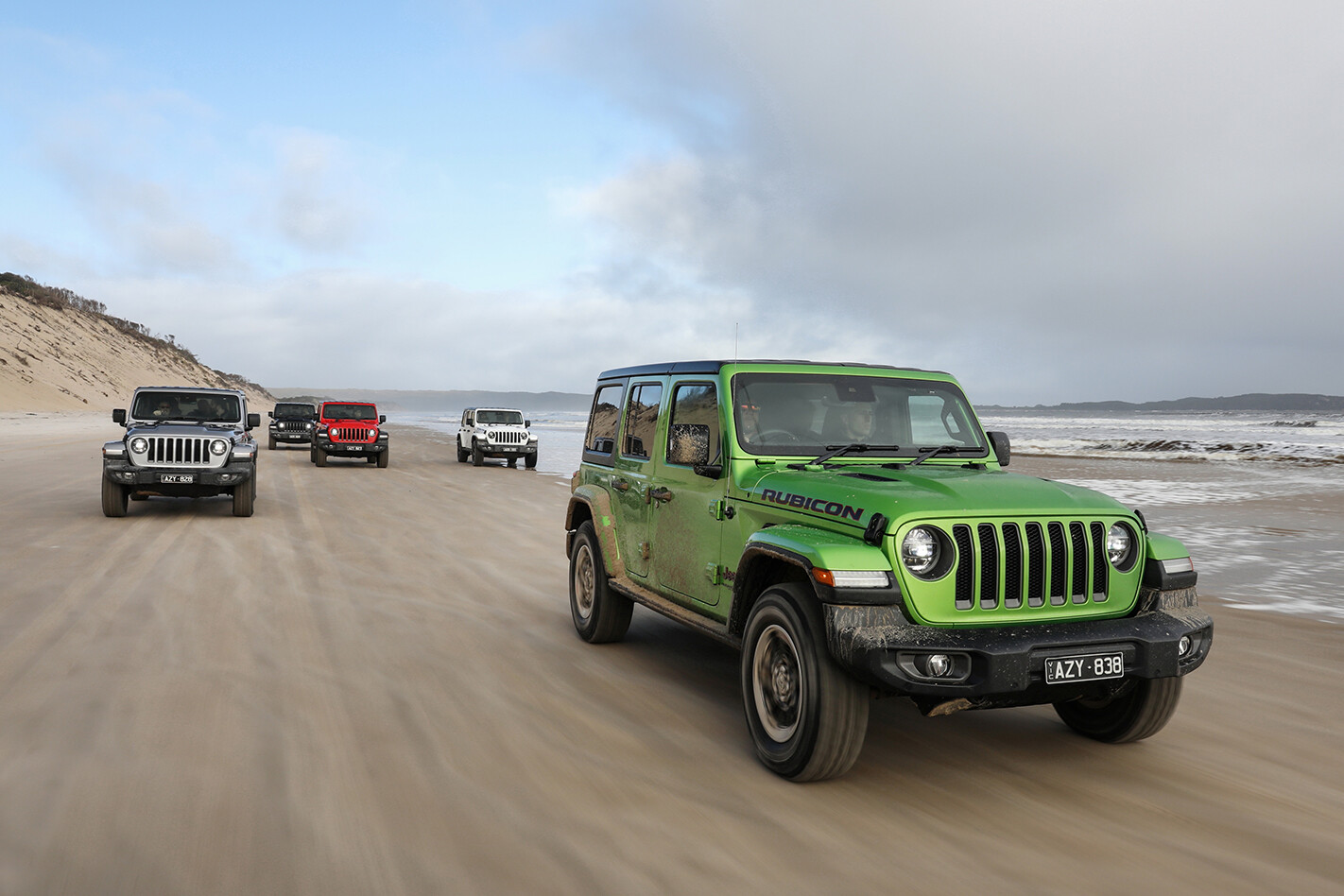
All of the international-specification Wranglers are fitted with the ZF-sourced eight-speed automatic transmission and the most common engine is the latest incarnation of Jeep’s Pentastar 3.6-liter V6 petrol mill.
That’s not a bad thing, as the engine makes a healthy 209kW of power and 347Nm of torque. The eight-speed TorqueFlight, as FCA brands like to call it, adds refinement and fuel economy to the new Wrangler which otherwise will feel very familiar to anyone who has spent time with the previous JK model.
The Wrangler takes its DNA from the original Jeeps of WW2, and the JK was the most successful civilian Jeep since, so the Yank off-road brand hasn’t deviated too far from the proven formula.
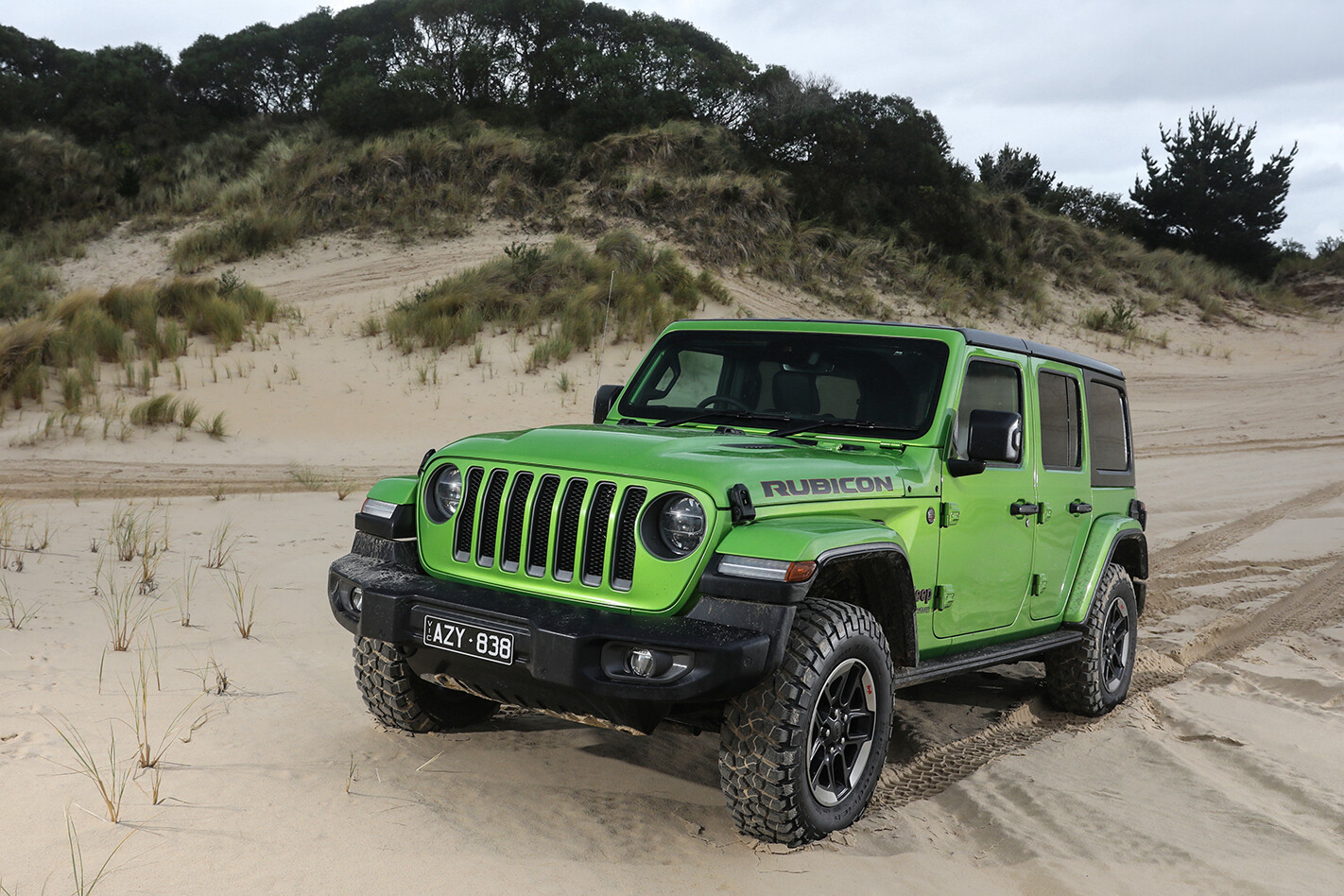
The JL remains a body-on-frame vehicle with live axles front and rear, an old-school and almost agricultural body design and construction, and a strong focus on its off-road performance. In fact, with the new JL, the Wrangler retains its title as the most off-road-capable new vehicle to drive straight off the showroom floor.
While others might say their kitted-up 4x4s will better the Jeep in the rough, there’s probably two to three times more aftermarket off-road kit available for the JL Wrangler to take it to a whole next level of ability.
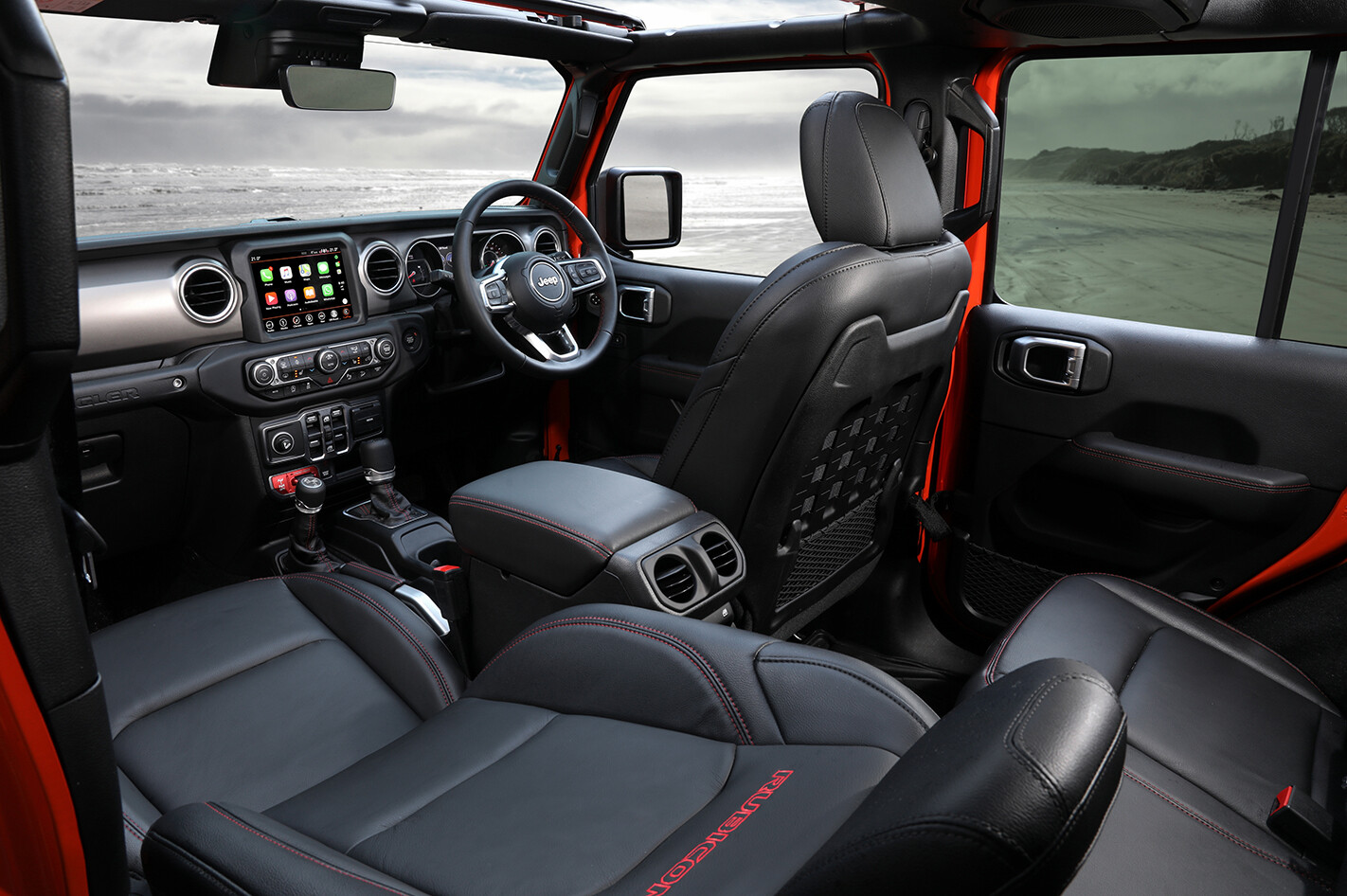
The JL brings higher levels of user-friendliness and efficiency to a vehicle that has been criticised in the past for lacking in those areas by those not so interested in Wrangler’s off-road prowess, yet who love its unique look.
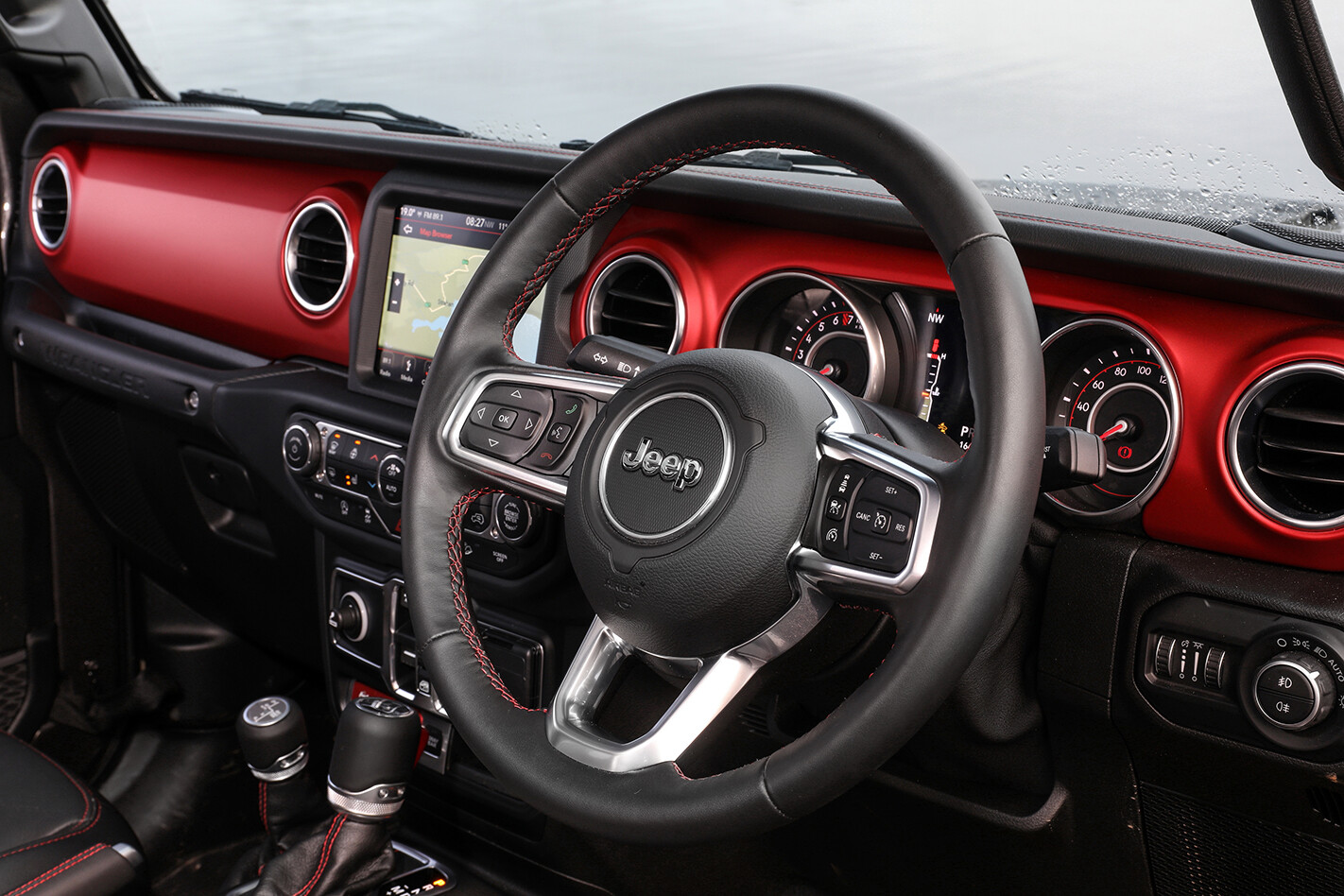
The extensive use of soft-touch interior trims is evident throughout the heavily-equipped cabin. Items you would normally take for granted on modern cars like check straps on the doors are now included, and the general fit, finish and level of equipment have all been stepped up a notch or two.
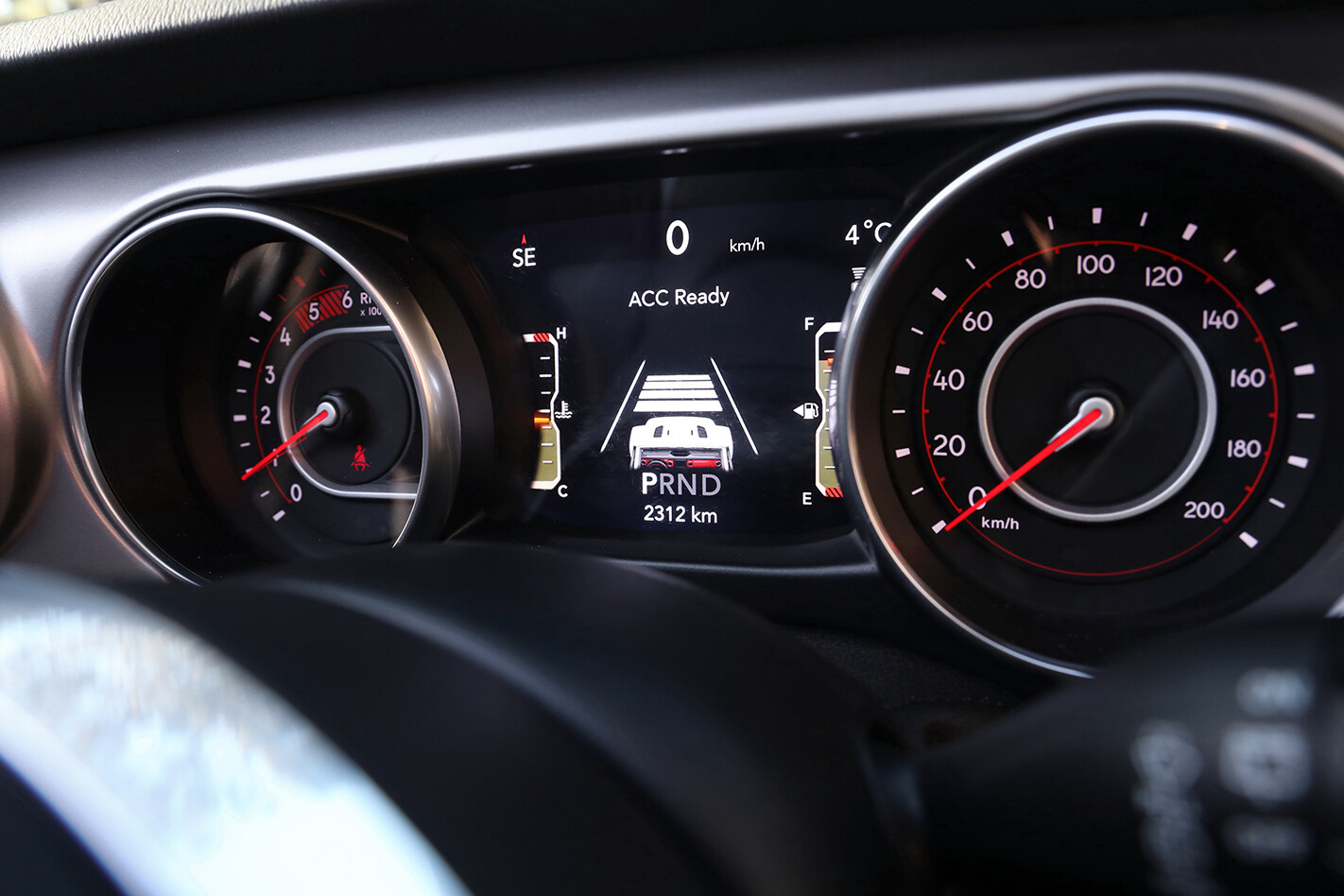
As has the safety equipment of the latest Wrangler. The JL attracted widespread criticism late last year when it only achieved low 1-star safety rating in Euro NCAP testing. The vehicle tested there was a 2018 model and was not fitted with the added electronic chassis aids that the 2019 Australian vehicles are fitted with.
Safety features include Autonomous Emergency Braking (AEB), blind spot monitoring and cross traffic alerts in addition to the ABS, ESC, airbags and electronic roll mitigations systems. While these electronic systems will aid accident avoidance, they fail to address the poor occupant protection noted in the Euro NCAP testing where deformation of the A-pillar and driver-side (LHD) footwell were also criticised.
The Wrangler remains a specialised off-road vehicle and it will never achieve a 5-Star safety rating; at least not in the present, off-road focused design that we love it for. But the electronics fitted to the 2019 Australian-specification models should help it progress above the 1-star rating it scored in Europe, should FCA chose to have it retested.
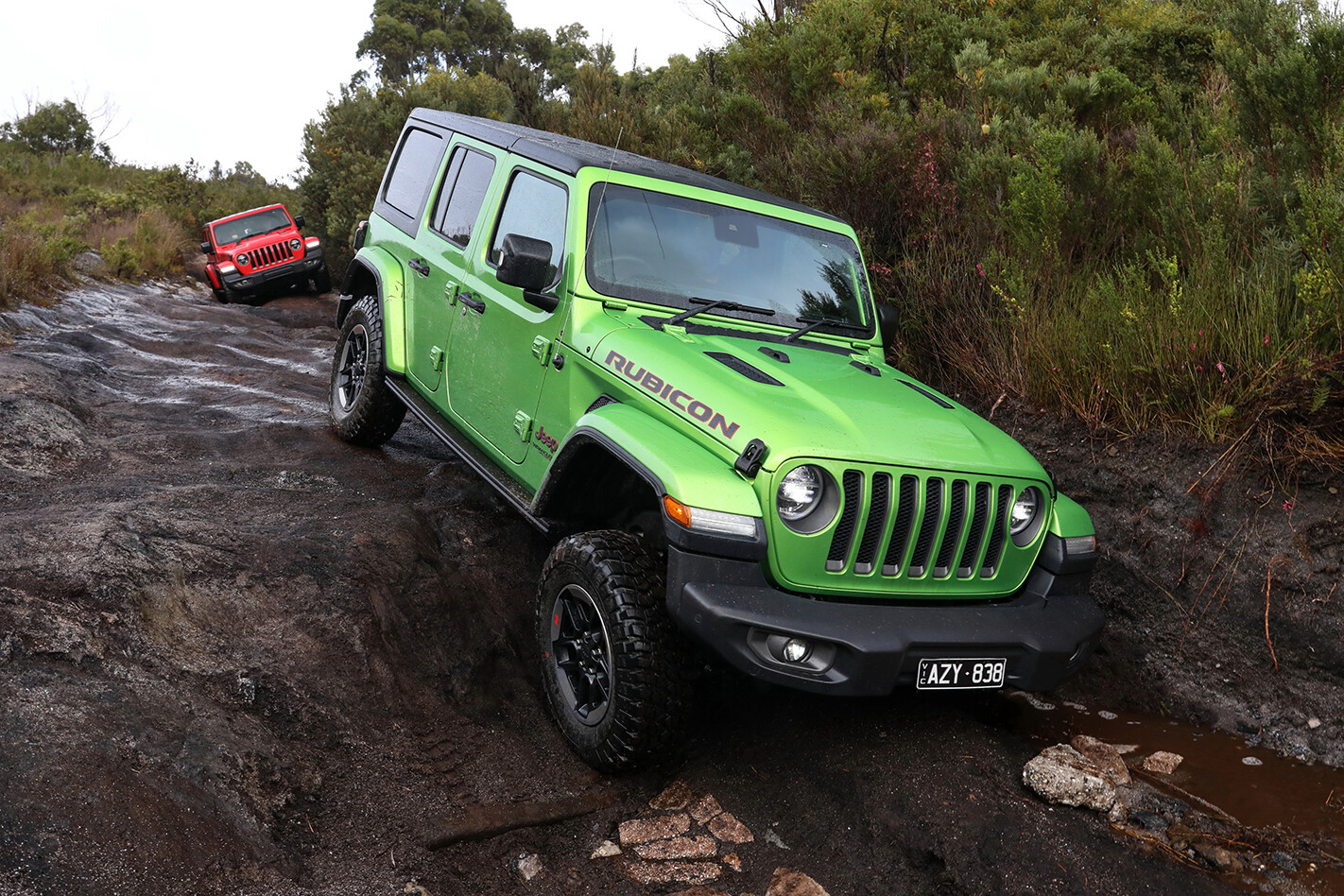
The Tasmanian launch was for the most off-road focused Rubicon models only and we are yet to drive the Overland or Sport S model in Australia. With the Rubicon’s off-road ability at the fore, Jeep Australia ambitiously selected the Climies Track on the island’s rugged and stunning west coast to showcase its prowess.
Climies covers 25 kilometres of low-speed trail, including deeply rutted climbs, rocky and sandy sections, fast-flowing water crossings and boggy mud – a true test for any production vehicle and one only Jeep would be game to attempt.
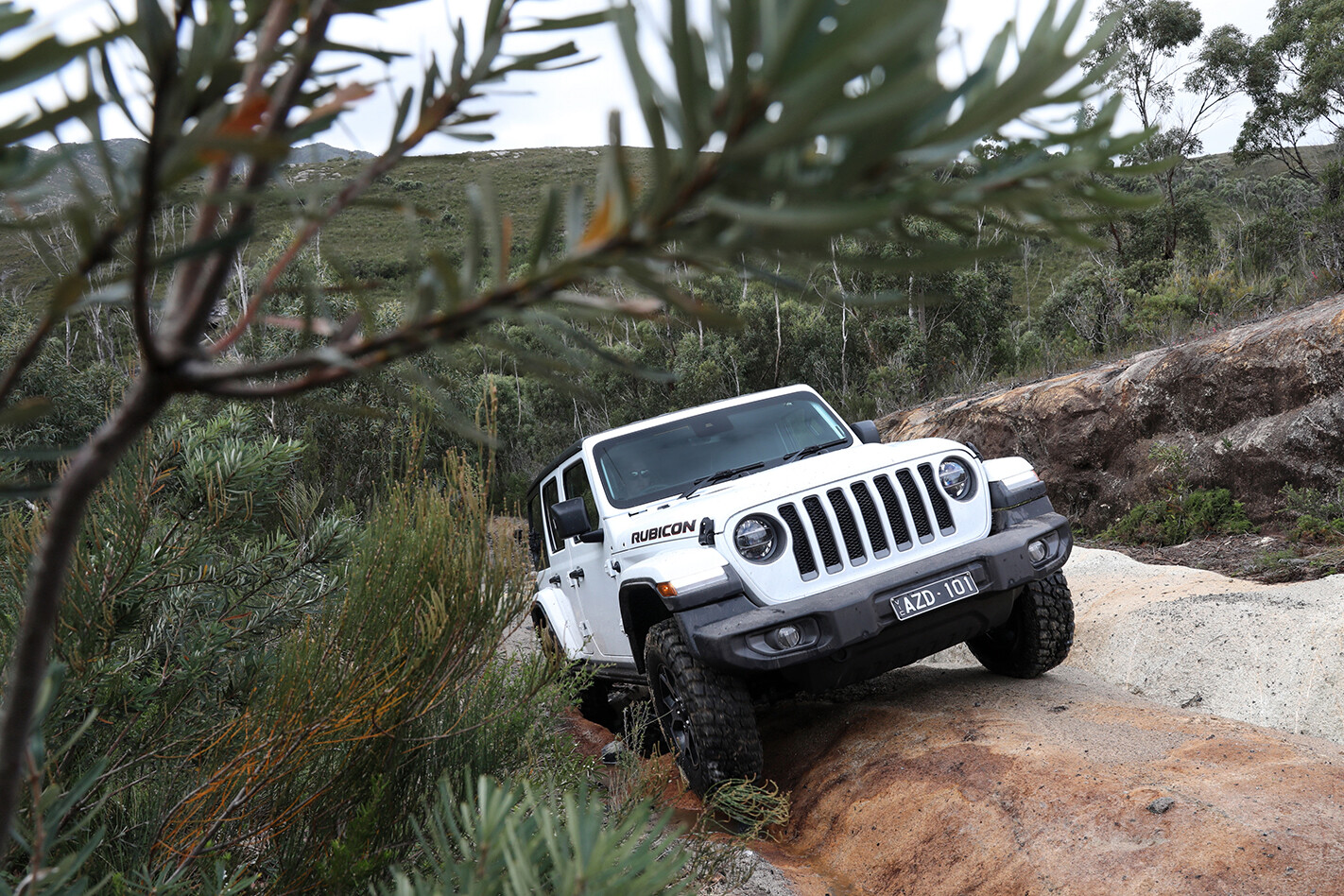
Jeep had every right to be confident in the ability of its JL Rubicon, even in the often wet and drizzling conditions on this day. In the Rubicon’s off-road arsenal are locking differentials front and rear, lower 4.1:1 gears in those diffs (and in the transfer case), a disconnecting front sway bar and 32-inch BFGoodrich Mud Terrain tyres. Yes that’s right, the Rubicon comes standard with BFG’s excellent KM3 muddies as standard kit – and it needed them on this day out!
With front swaybars disconnected, the convoy of JLs crawled their way through the ruts and holes where lesser 4x4s would have been lifting wheels and losing traction. The level of axle articulation under the JL is unrivalled in stock production vehicles and this keeps those mud tyres in contact with the ground and moving forward most of the time.
When the track got slipperier, front and rear locking differentials were employed to ease the way through, but leaving the diffs open and allowing the electronic traction control to do its thing equally impressed.
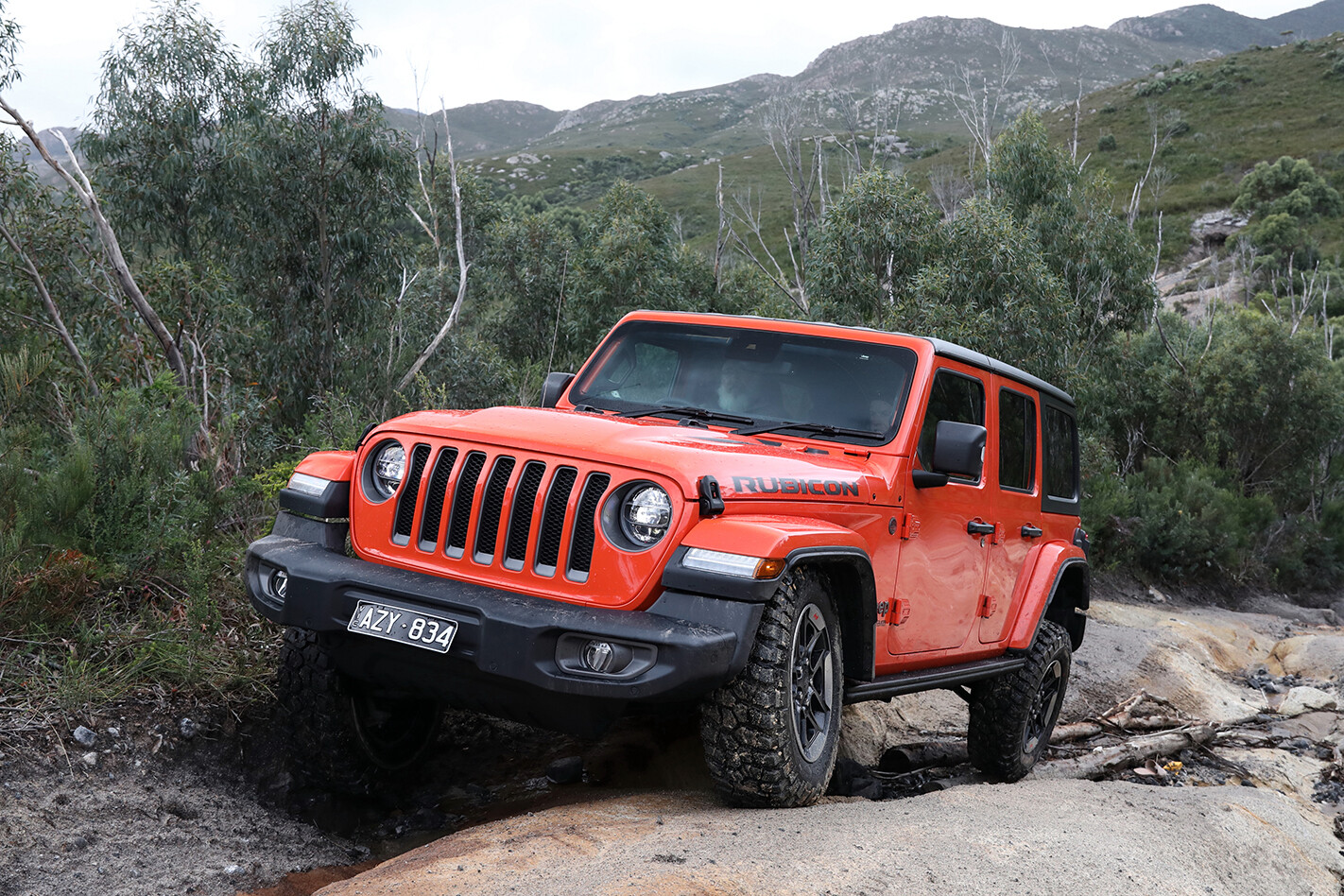
Jeep has obviously done a lot of work on the calibration of its ETC and it is now faster reacting and more capable of driving the vehicle forward without resorting to the lockers. This should be encouraging to Sport S and Overland Wrangler buyers who will have to rely on ETC in the absence of factory lockers. We look forward to putting these variants to the test soon.
The Wrangler Rubicon is the only model in the JL range to be offered with the diesel engine option and this was the first vehicle we sampled. This is an all-new diesel engine for Wrangler having previously been used in the Cherokee and some Alfa Romeo vehicles; it has no relation to the previous 2.8L diesel engine from VM Motori.
The 2.2-litre Multijet II engine is a 16-valve, aluminium-head-and-block design with a VGT and common-rail injection that meets EU6 emission regulations by employing both EGR and SCR (Adblue). In this Wrangler application, it makes 147kW at 3500rpm and 450Nm at 2000rpm and it gets along nicely in the JL which is lighter than the previous JK.
It is quieter and, when mated to the eight-speed auto, more refined than the old 2.8, delivering a near-perfect balance of performance and efficiency.
Unfortunately, the diesel is only available in the Rubicon where it attracts a $5000 premium over the V6 petrol engine and high pricing in Jeep’s new fixed price servicing system ($499/service versus $299/service for the first 5 years). These factors will lead many buyers to question the value of the diesel over the petrol despite its superior driving characteristics and efficiency. That’s a shame as the diesel engine is the better drive of the two on offer.
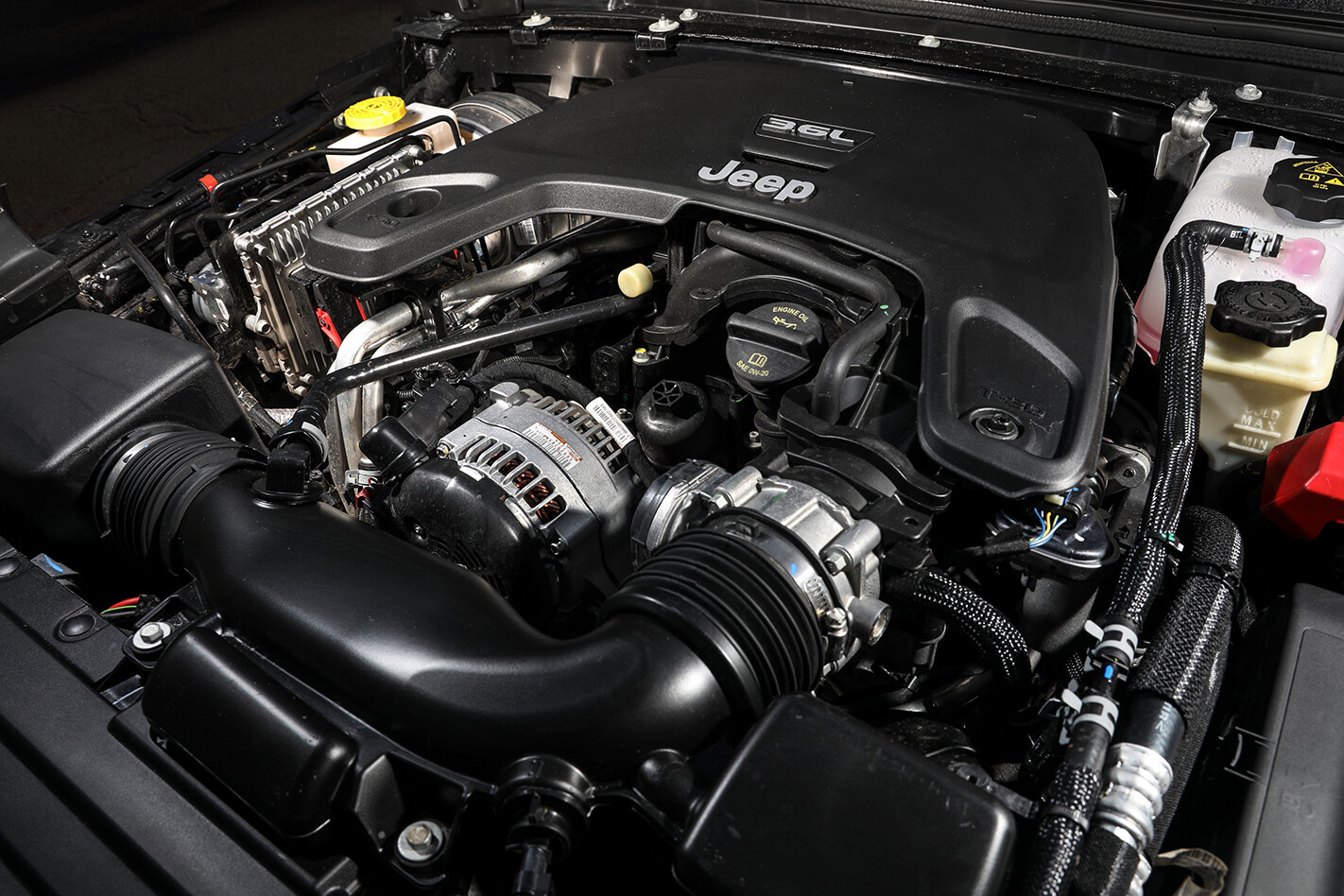
Not that there’s much to complain about with the old Pentastar V6. It makes its power higher in the revs than the diesel and requires a bit more right foot to get it through the rough stuff but the eight-speed auto does a fine job of keeping the mill in its sweet spot and pushing onwards.
The 2.2L diesel engine is rated at 7.5L/100km combined cycle fuel economy while the 3.6L V6 petrol is 10.3L/100km travelled.
There is a 2.0L mild hybrid, turbocharged petrol engine available in JL in the USA that is rated there at 11.7L/100km compared to the V6’s 14.0L/100km US rating.
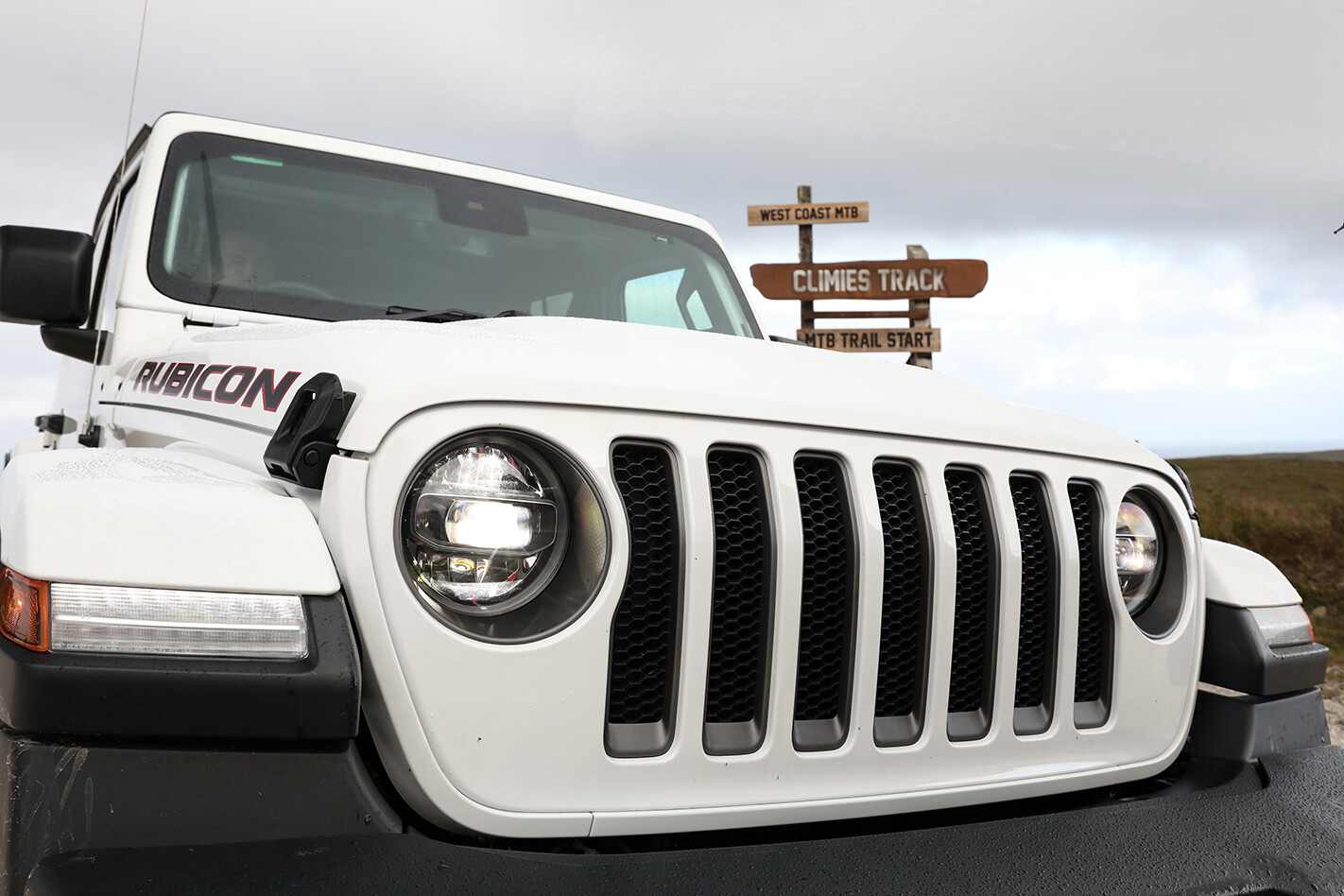
This torquey little mill (400Nm) is currently not offered in Australian Jeeps at all but Jeep Australia’s Guillaume Drelon says, “Nothing is off the table if there is a proven demand for it”. We feel this option would be popular with urban buyers who love the look of the Wrangler but are looking for better fuel economy.
All Australian Rubicons are long wheelbase four-doors and that long wheelbase creates a poor ramp over angle that had the Jeep’s undercarriage touching down multiple times on the test drive. Luckily it is well protected with metal underbody plates so drivers could feel confident of not doing damage.
The rear bumper didn’t fare so well on one of the cars in the convoy. It has a low hanging point in the centre around the number plate that scrapes on departure, and one bumper was knocked loose on the track.
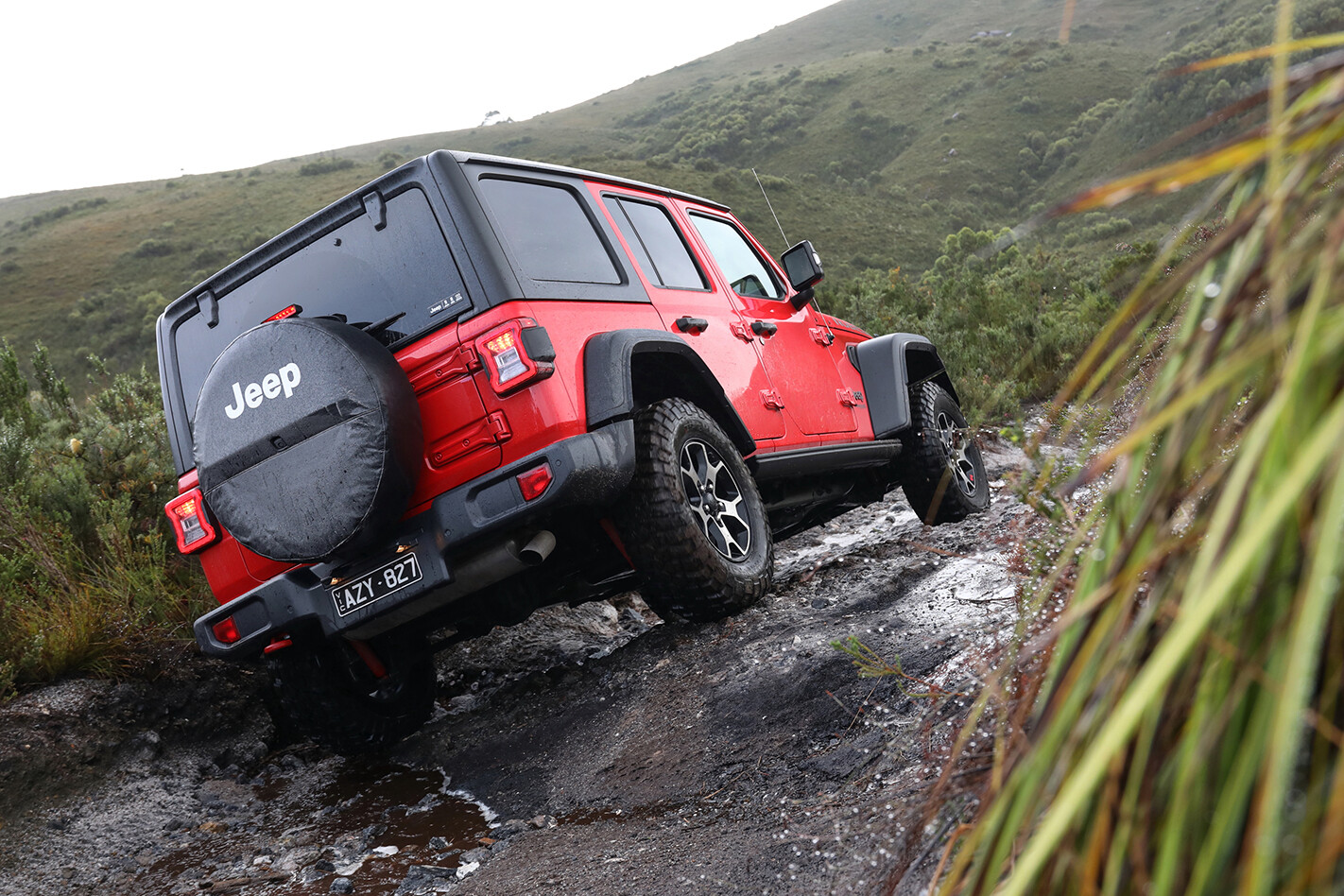
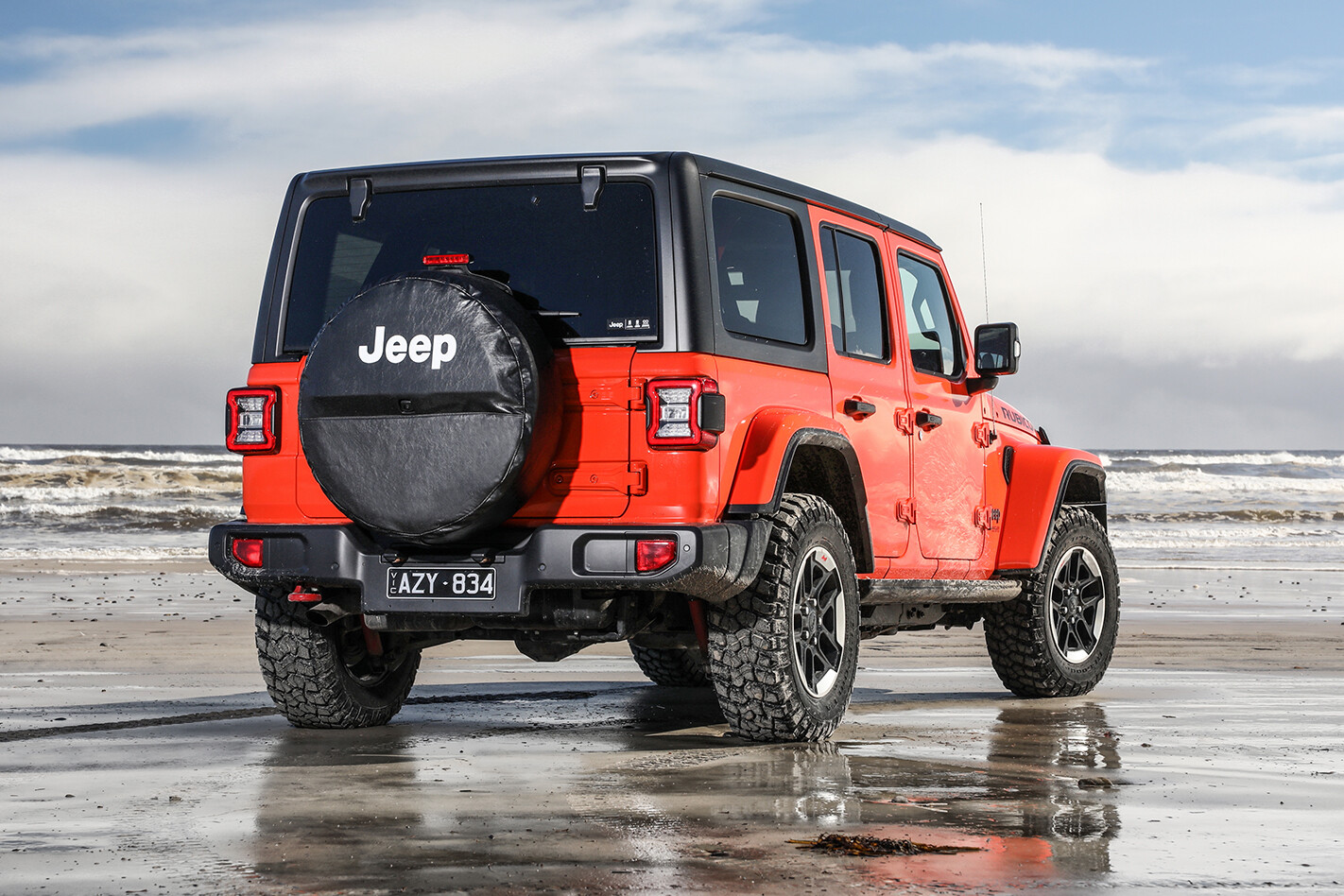
The numbers that matter here are a 41.7-degree approach angle; 31.9-degrees departure; 21.2-degrees ramp-over angle and 252mm ground clearance. That gives a wading depth of 760mm and we tested that through the creeks in Tassie. The ground clearance could be better and that additional tyre height on the US-spec Rubicons (see breakout) is definitely missed.
It’s also worth noting here that the vehicles on this test and in these photographs were International specification but not full Australian spec. All of our Rubicons will be fitted with a steel winch-compatible front bumper incorporating recovery hooks as per the US models, but which is not allowed on the European variants.
The JL Wrangler is a more refined, more efficient and easier to live with a version of the JK we’re familiar with. It’s also more expensive and Jeep is justifying this price hike with a long list of added standard features that were not available in the past.
But the entry price to the model is now $10K higher than it was on a JK and the top-of-the-range Rubicon diesel is some $15K more expensive than any Wrangler before it. This will be difficult for many existing Wrangler owners and fans to follow.
Hopefully, new buyers will see beyond the price hikes and jump on board regardless.
What’s the Rubicon missing?
Unfortunately for Australian Wrangler enthusiasts, there are a few items missing from the International specification Rubicon that are available on the USA Rubis.
Aside from a short-wheelbase Rubicon and the aforementioned absence of the 2.0L eTorque engine, the most noticeable difference is that our Rubicons ride on 32-inch tyres while the US variants come standard on 33s.
Thus, American Wrangler owners are able to legally option 35s on their rigs without any suspension modifications.
There are a couple of reasons for this difference in our vehicles. The new generation Dana 44 axles fitted to the Rubicon in the USA use uni-joints while the same axles in the International-spec cars use CV joints.
This is because our cars are all fitted with the full-time 4×4 ‘Auto’ setting in the transfer case. The CV joint D44 axles are not rated to be as strong as the uni joint versions and hence are not suited to the larger tyres.
The US Rubicons are also fitted with the high-riding fender flares as standard which allow clearance for the taller tyres without any suspension lift. These are not fitted to the International models, nor are they officially available through the MOPAR accessories range here in Australia. Not that this will stop enthusiast fitting them anyway!
It will work to the advantage of specialist shops that fit higher rated aftermarket axles to Wranglers as they have done on the JK models, though. This allows 35 and 37-inch tyres to be legally (in some states) fitted to Australian JKs.
The arrival of the all-new JL Wrangler ends a long wait for Aussie Jeep fanatics, who have waited patiently for this all-new version of the Yank brand’s rugged off-road-skewed model.
FIRST LOCAL DRIVE: 2019 JL Wrangler
And the wait has been worth it, with the JL boasting a raft of improvements over the previous-gen JK Wrangler including a new 147kW/450Nm 2.2-litre turbo-diesel four-cylinder engine (only available in the Wrangler Rubicon) that accompanies the carried-over 209kW/347Nm Pentastar 3.6-litre V6 petrol donk – both backed by a ZF eight-speed auto and stop/start tech (there’s no manual gearbox option available).
Jeep also claims more than 70 standard and optional safety features including autonomous emergency braking, adaptive cruise control and loads more.
Jeep is claiming a 13 per cent improvement in combined fuel economy on the Pentastar V6, while it is also claiming hefty increases in towing capacity: the two-door by 49 per cent (now 1497kg) and the four-door by 24 per cent (now 2495kg). Plus, the brand now offers a five-year warranty and five-year capped price servicing.
Jeep thinks all these improvements mean the new Wrangler is worth a whole lot more, too. The starting price to get into any Wrangler is $48,950 – a not insignificant increase of $10K over the outgoing JK Wrangler.
This sticker shock continues through the three-model range (Sport S, Overland and Rubicon; all available in two- or four-door configuration) with the top-tier Wrangler Rubicon four-door 2.2TD Wrangler Rubicon setting you back a lofty $68,950, an incredible $15K over the previous top model, the 3.6-litre petrol-only JK Rubicon.
So, yeah, it sure ain’t cheap, and asks the question of just how much on- and off-road bang you get for your considerably higher bucks.
The Jeep Wrangler is one of the few live-axle equipped 4x4s left on the market and Jeep has gone to great pains to retain that ‘traditional 4×4’ DNA in the JL – and all that means in terms of off-road capability – while upping, engine, tech and safety levels, in what Jeep considers an ‘evolution’ of the model.
“The all-new Wrangler may have evolved, but its core DNA remains unchanged, making this the most capable production SUV on the planet,” says Guillaume Drelon, Head of Jeep Brand at FCA Australia.
“The Jeep Wrangler sets a precedent by offering renewed levels of style, advanced technology and safety features while remaining true to its rich heritage.”
SHERPA 4X4 has a range of Australian-designed winches in its catalogue to suit a range of applications, ranging from a 4500lb unit right up to the mammoth 25,000lb truck winch.
The 25,000lb Stallion unit is tailored to suit people who tow caravans and camper trailers, and also for folk who like to load their 4×4 with kit for remote-area adventures.
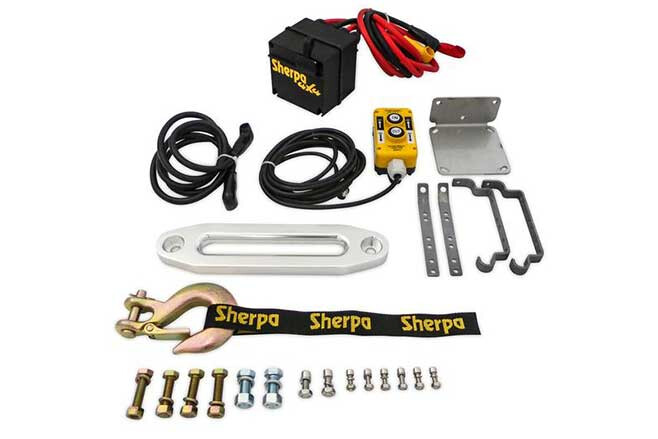
The Stallion utilises a brand new heavy duty 8.9hp electric motor with a new gearbox ratio, while upgraded bushes cater to the high stresses of recovering heavy loads.
The Stallion also comes with a genuine Albright International solenoid pack to ensure it remains waterproof. The unit is available with 35m of 12mm Dyneema (rated to 31,000lb) or 12mm steel cable (rated to 30,000lb) in 12v or 24v.
Check out the above video to see the winch in action, or head to https://www.sherpa4x4.com.au/products/stallion-25-000-lb-electric-winch for more details.
RRP: $1799 (Stallion)
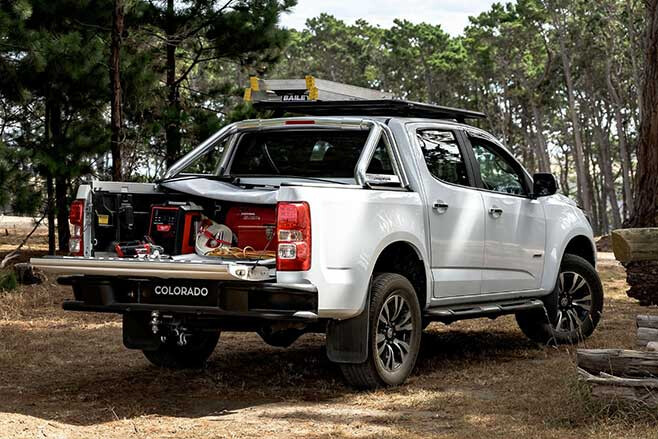
HOLDEN has unveiled five Accessory Packs for its Colorado, ranging from practical to sticker-pack sleek.
The five packs – Tradie, Black, Farmer, Rig and Xtreme – range from $2950 to $19,550 and include accessories that are designed and manufactured specifically for the Colorado, with all of the kit tested for Australian conditions. With the Colorado currently sitting in fifth place on the 2019 4×4 sales charts – YTD sales are hovering at 5180 (4×4) and 163 (4×2) – the launch of these accessory packs could ignite a sales spark.
So, what’s included?
TRADIE PACK
AS the name implies, this pack caters for chippies and co. Available for pick-up and chassis variants, the Tradie Pack gets side steps, canvas seat covers, a bonnet protector, rear step (pick-up only), all-weather mats, weather shields, extra cup holders, an optional roof tray, and a towing package. RRP: $6550.
BLACK PACK
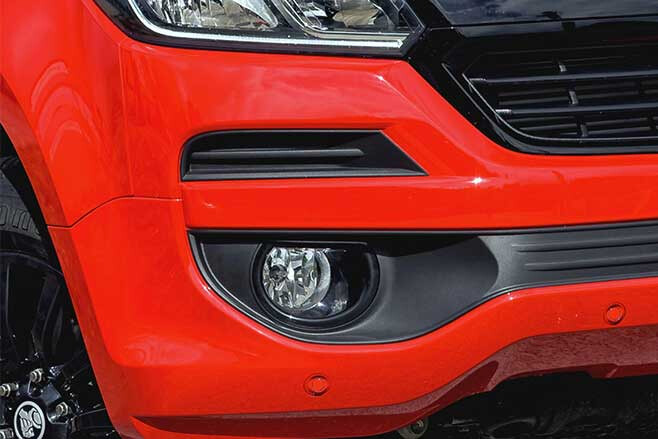
PAINT it black. With Z71 black wheels, a black grille, bonnet bulge, bonnet protector and rear tailgate decal, the Black Pack will jazz-up the presence of your Colorado. Available for crew-cab pick-up models only, the Black Pack also includes weather shields and LED light guards. RRP: $2950.
FARMER PACKS
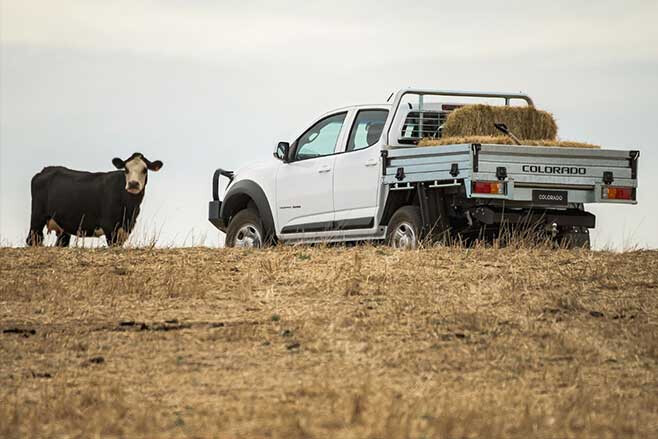
THERE are two Farmer Packs available: light duty and heavy duty. Opting for the light duty pack nets you a heavy duty tray, a bullbar and an electric towing pack; the heavy duty alternative adds fender flares and underbody protection. Both packs are available with crew-cab chassis models only. RRP: $6250 (light duty); $7900 (heavy duty).
RIG PACK
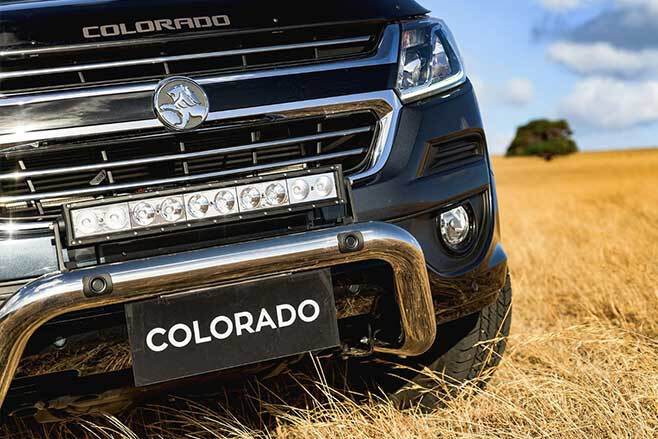
A CHROME nudge bar heralds in the Rig Pack, which also features an electric towing pack, carpet mats, a bonnet protector, an LED light bar, extra cup holders and weather shields. This pack is available on all models except the Z71. RRP: $4650.
XTREME PACK
HOLDEN hasn’t forgotten about its Z71, with the Xtreme Pack offering the most kit for the off-road enthusiast. Highlights of this pack include heavy duty springs, a winch bar system, a towing package, roof tray, and an off-road recovery kit. All-terrain tyres are fitted to each corner, while it also gets side steps, fender flares, an LED light bar, bonnet bulge, rear step, sports bar and tonneau, black grille, and rear decal and guards. RRP: $19,550.The packs are available from Holden dealers nation-wide.
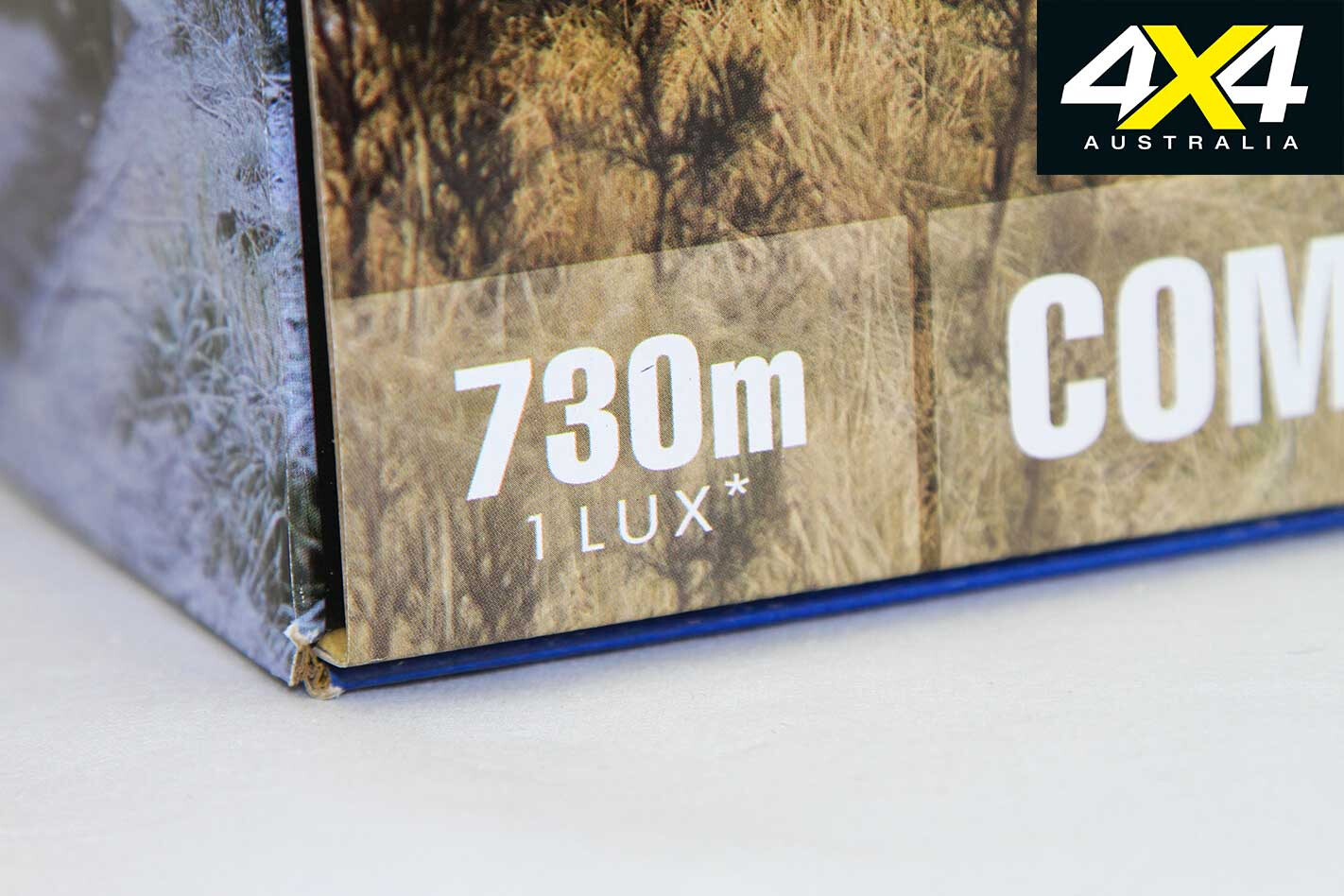
LUX is the International System unit of luminance (brightness), defined as the amount of light on a one-square-metre surface, all points of which are one metre from a uniform source of one candela of light.
The higher the lux, the brighter the light is on the subject; whereas lumen (which is more often quoted by the manufacturer) is the total amount of light that can be generated by that light source. So, a 10,000-lumen light may throw a light which is measured at 500-lux 20m away, but that same light may fall to 10-lux at 600m away.
Raw lumens is the ‘theoretical brightness’ an LED chip will output in controlled laboratory conditions, while effective (or actual) lumens is what the driver is left with once the LED chip has been packaged into a light housing, covered by a lens and filtered down by a wiring loom as well as other thermal and optical losses.
Generally, high-powered LED driving lights have three factors that cause the effective output to differ from the raw output: thermal efficiency (the hotter the LED, the less light produced), electrical efficiency (wiring loom effectiveness) and optic efficiency (the amount of light lost with the addition of optics – covers, lenses and reflectors).
Kelvin is a temperature scale used to measure the colour of light: the lower the temperature, the more yellow the light is; the higher the temperature, the more blue the light appears. LEDs are generally up around the 5000 to 6000K. Keep in mind the colour (or Kelvin) has no correlation to brightness.
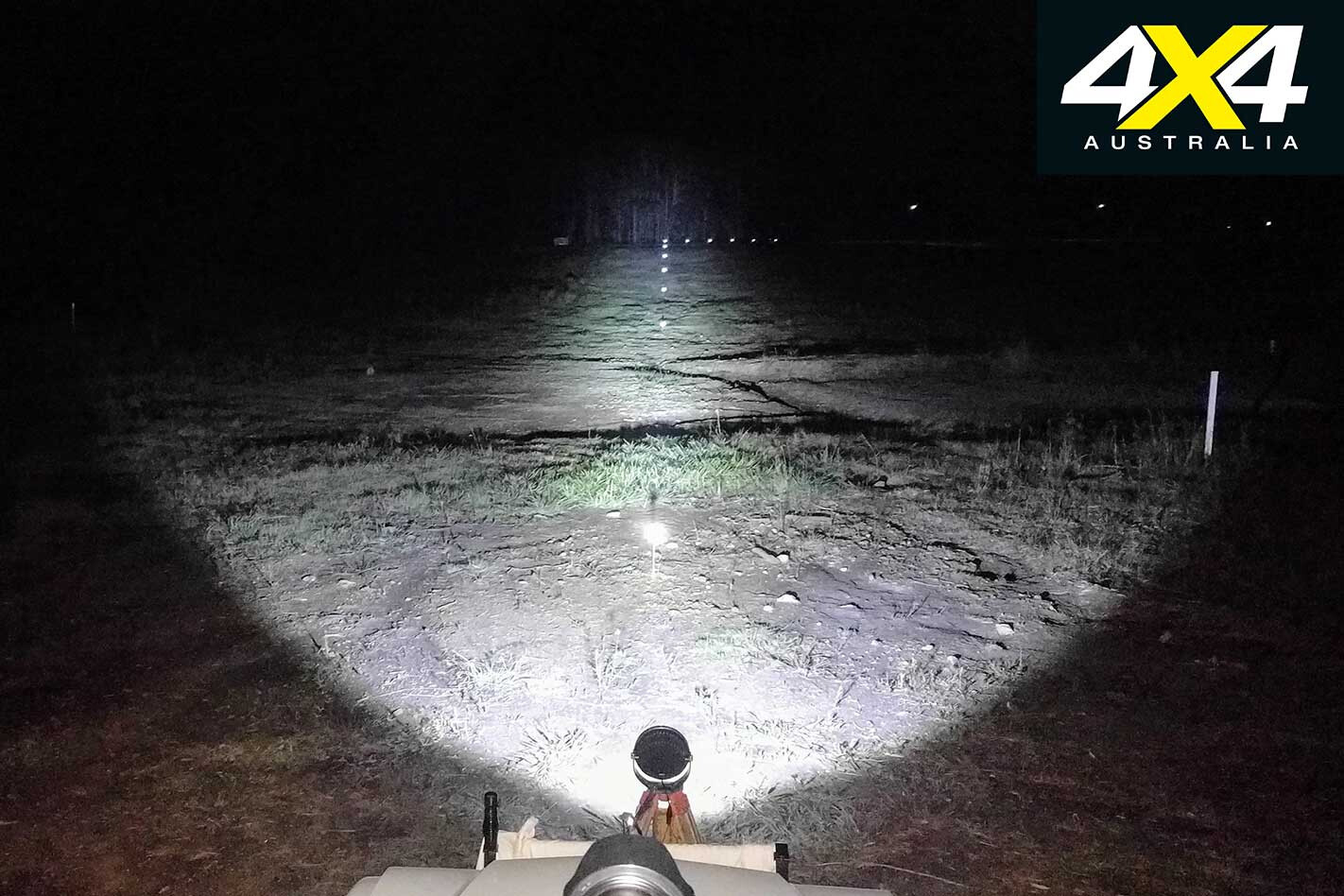
The 50,000-hour lifetime that is bandied about by most manufacturers comes from the LED manufacturing companies and not the driving light manufacturing company. The lighting engineers have accumulated data to prove an LED will last at least 50,000 hours of use and still produce at least 70 per cent of its original lumen (brightness) or 30 per cent depreciation; although, the actual LED never actually burns out.
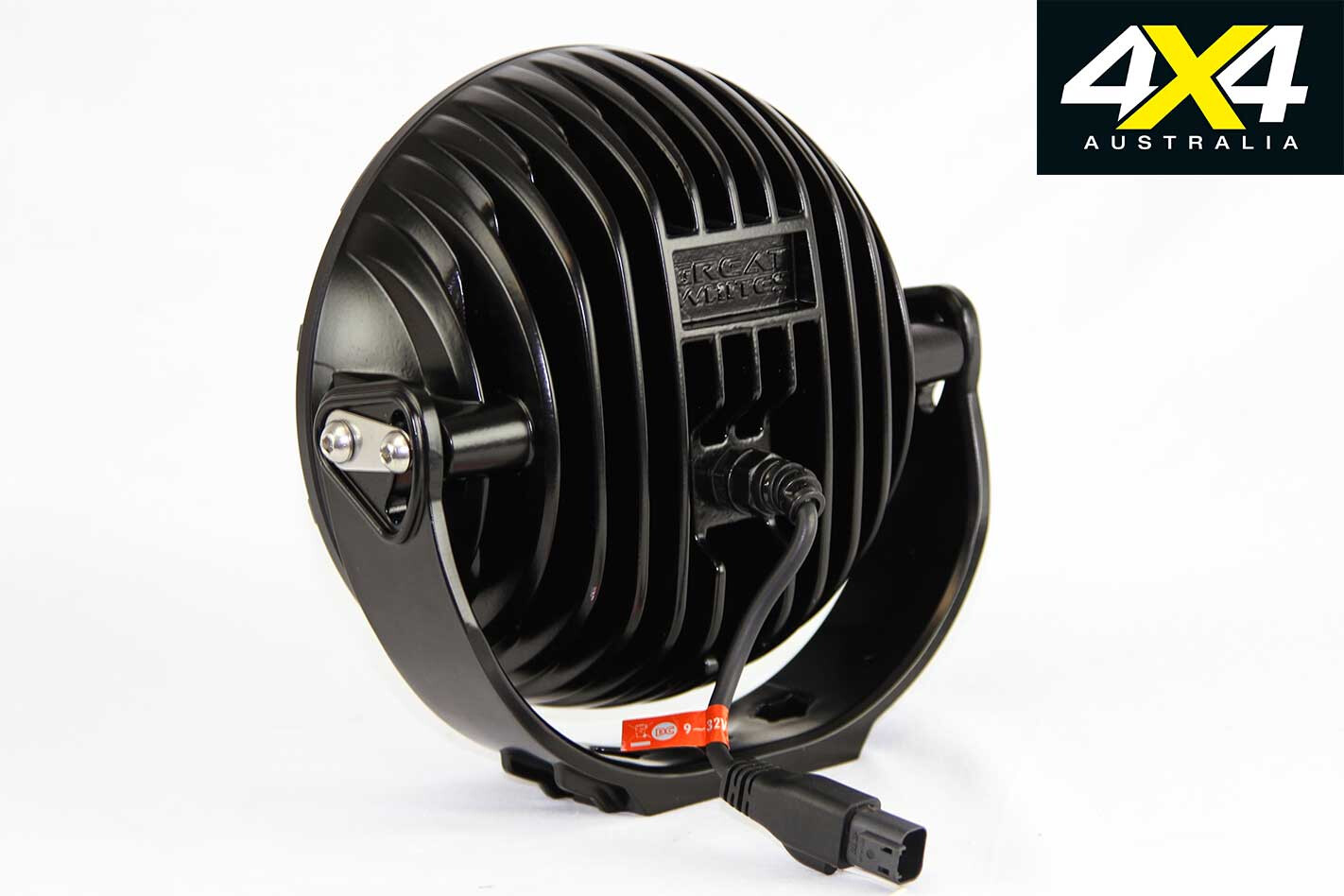
High-powered LEDs don’t generate too much heat, but they are susceptible to light degeneration if subject to high working temperatures of (about) 30 to 40°C, which is why nearly all high-powered LED driving lights feature so many fins (or flutes) or heat syncs to help dissipate heat.
As far as dissipating that heat via heat syncs (an easy way of increasing surface area to let heat ‘soak’ out), the other way is via use of an aluminium housing. Aluminium, being a better conductor of heat than plastic, is why almost all high-powered LED driving lights are manufactured from aluminium (either cast or extruded) casings.
When it comes to a light being water- and dust-proof, the IP ratings are pretty straightforward. The letters IP stand for ‘Ingress Protection’ or ‘International Protection’ rating, while the numbers are split into two sections. The first is a numerical digit from 0 to 6, with 6 being the highest (or best) for rating against the ingress of solid objects like fingers, rocks, sand and dust. The second numerical digit from 0 to 9 is the rating against ingress by liquids for a certain amount of time to a certain depth or pressure. The higher the number, the longer and deeper the light can stay submerged.
In the below panel are the top ten IP ratings 4x4ers and campers would expect to see in advertising blurbs.
| IP Number | First Digit u2013 Solids | Second Digit u2013 Liquids |
| IP60 | Protected from total dust ingress | Not protected from liquids |
| IP61 | Protected from total dust ingress | Protected from condensation |
| IP62 | Protected from total dust ingress | Protected from water spray less than 15 degrees from vertical |
| IP63 | Protected from total dust ingress | Protected from water spray less than 60 degrees from vertical |
| IP64 | Protected from total dust ingress | Protected from water spray from any direction |
| IP65 | Protected from total dust ingress | Protected from low-pressure water jets from any direction |
| IP66 | Protected from total dust ingress | Protected from high-pressure water jets from any direction |
| IP67 | Protected from total dust ingress | Protected from immersion between 15 centimetres and 1 metre in depth |
| IP68 | Protected from total dust ingress | Protected from long-term immersion up to a specified pressure |
| IP69k | Protected from total dust ingress | Protected from steam-jet cleaning |
HELLA unveils new high-performance driving lights, and Narva releases its Explora 22-inch LED light bar.
HELLA ROKLUME 380 N LED
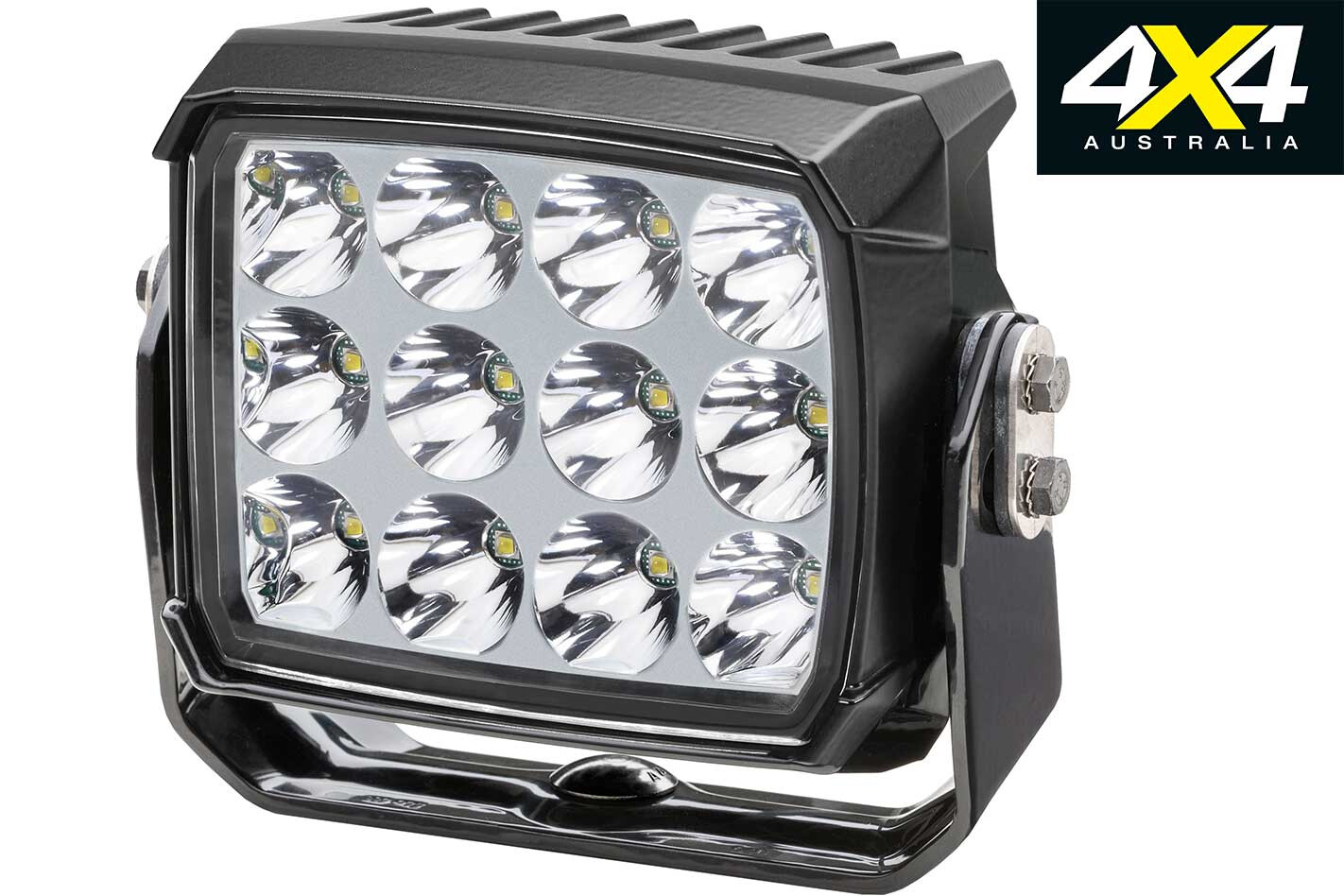
The team at HELLA Australia has released the latest in its range of high-performance driving lights: the RokLUME 380 N LED. The RokLUME includes 12 high-power LEDs that provide the driver with a high-output forward beam. This combo of two light patterns into one negates the need for two different lamp units, further enhancing the RokLUME’s durability, along with the premium aluminium housing and stainless-steel surround. The driving light is available in 12- and 24-volt variants, with a maximum light output of 7500 Lumen and colour temp of 5000 Kelvin. The RokLUME is able to be cleaned with a high-pressure cleaning thanks to its hard-coated polycarbonate lens. The light has protection against reverse polarity, transient spike circuiting and overvoltage. High-end Nord-Lock washers and quadruple bolt focal point locking system ensure alignment for optimal illumination. Website: www.hella.com
NARVA EXPLORA 22-INCH LED LIGHT BAR
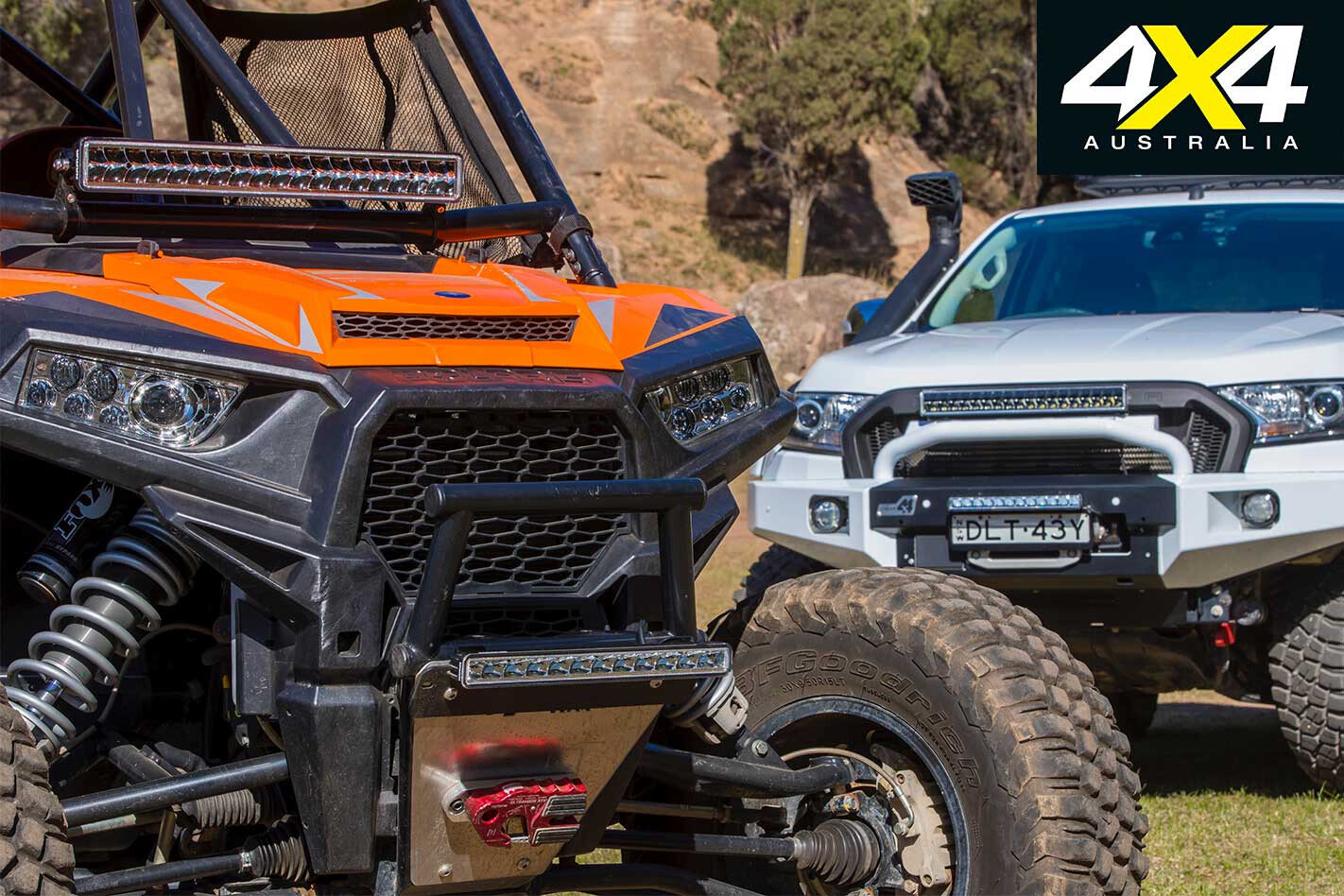
Following on from the late 2017 launch of the original Explora, Narva has released another two models in the Explora range: the 22-inch single-row bar and 22-inch double-row bar, with the former sporting 18 5W high-power LEDs (punching out 3589 Lumens at 345m), and the double-row model including 36 5W LEDs, for 6217 Lumens and a 460m throw of light. The three-model range features Narva’s ‘Advanced Optic Drive Technology’, with its special reflector profile that captures light more efficiently and concentrates the lights’ focus for better light penetration along the track. The light bars are designed to handle tough conditions, with operating temps of between -30°C and 65°C, plus they are rated IP68 and IP69K for dust and water ingress protection. The two 22-inch models also include a breather vent for heat dispersion. Website: www.narva.com.au
I WAS tidying up some gear in the Cruiser recently and decided to do a better job of it than just stuffing the gear where it would fit and then trying to hold it down with a bungee strap. I wanted to secure an axe and a gas bottle, so I went looking for the best way to contain these two very different shaped objects.
Enter Quick Fist clamps and straps. These are widely available from shops such as Bunnings, Outback 4WD in Bayswater (Vic) and good camping stores. The clamps come in a range of sizes and can hold something between 16 and 32mm in diameter, to something 760mm in diameter and weighing up to 70kg.
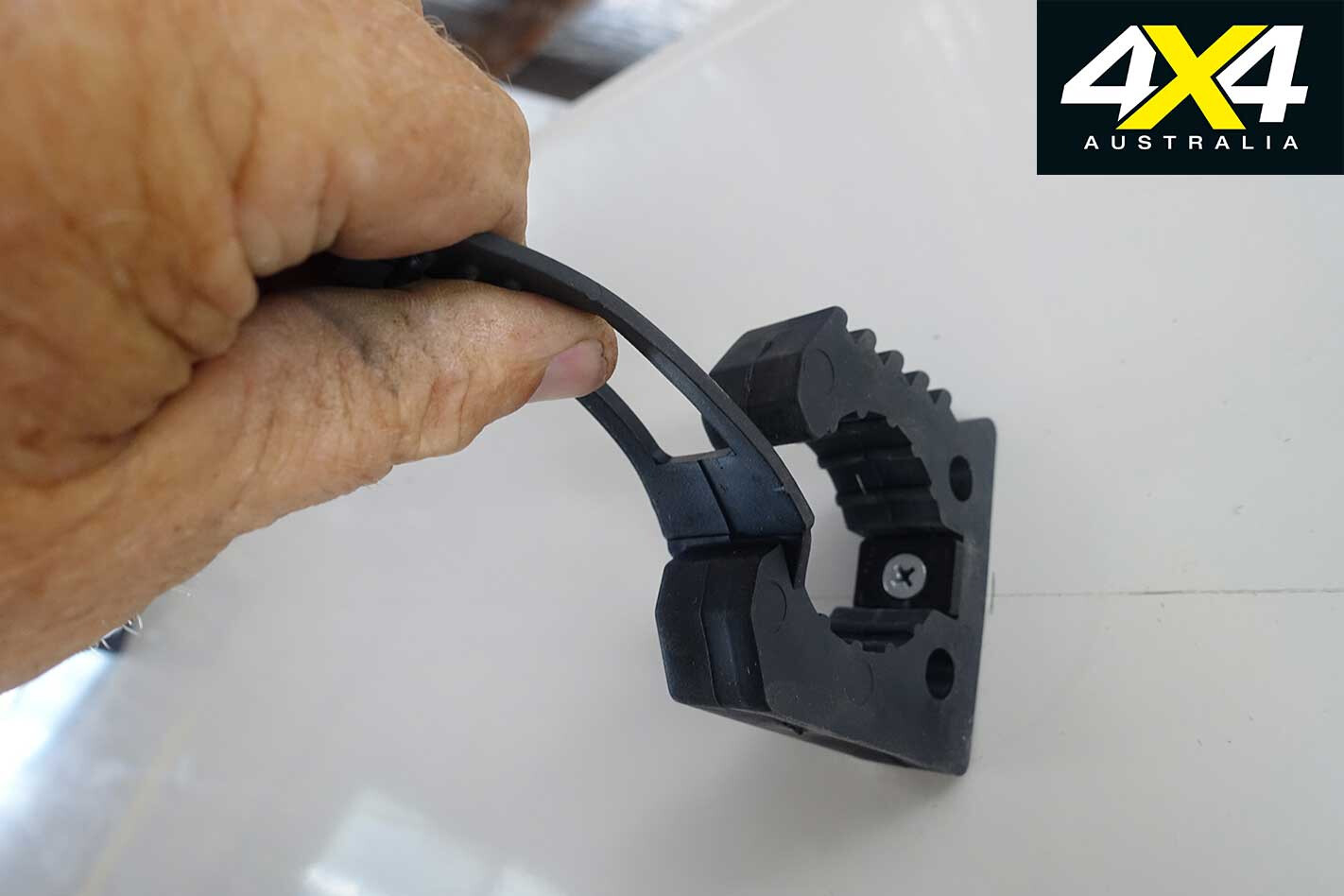
Two tie-down belts are also available and, while both are similar in length (965mm), they have different mounting systems. Both are significantly stronger than any bungee cord. For even heavier items it is advisable to use two clamps or straps. There’s also a rifle mount and a roll bar mount available, which when used in conjunction with a clamp can be used to mount an item such as a torch or fire extinguisher to a roll bar.
The two clamps come in a pack and are ideal for mounting shovels and axes. If you want to mount a hi-lift jack you need to drill out the mount to fit a longer and bigger bolt. For the axe we wanted to mount, we did a quick measure, ensuring it would be level and not bind up with anything.
The strap was just as easy to set up; although, it is best to ensure the mounting post is fastened so that it straddles a line along the gas bottle’s edge. That way there is a minimum of movement by the gas bottle.
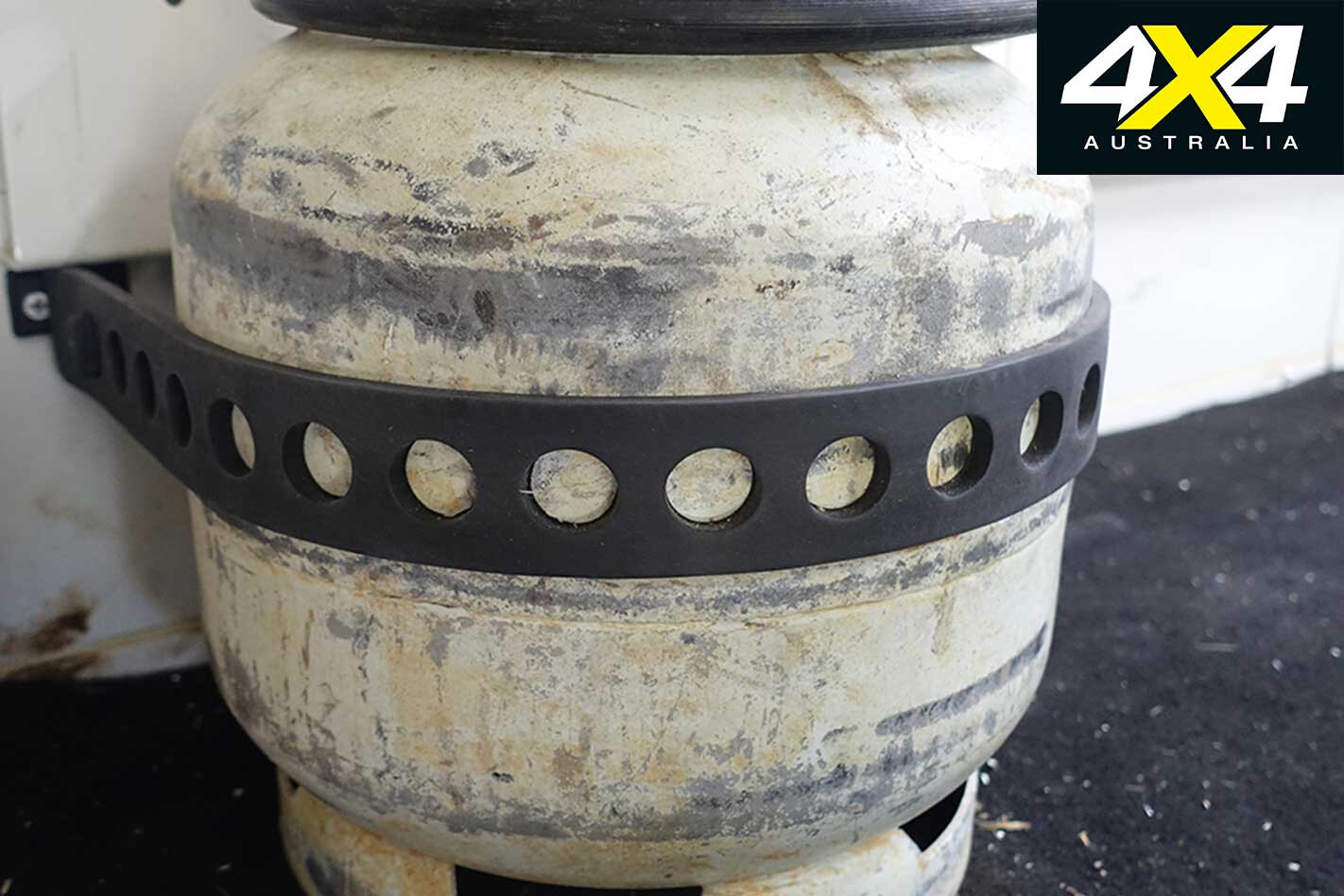
With just a battery drill and few No. 10 bolts we had both the clamps and the strap set up and the equipment mounted. The axe is out of the way, while the gas bottle is held securely in place and in no danger of falling over.
RATED RRP: From approx $25 We Say: Great idea; easy to mount; keeps gear secure.
BACK IN 2015 we conducted a five-year product test on Speedliner, a two-pack polymer with a chemical make-up that’s more secret than the Colonel’s herbs and spices.
The product was invented in 1995 by US company Industrial Polymers as a UV-stabilised, spray-on liner for ute beds. It has since been used in a range of other applications including hospitality work areas, floors, horse floats, livestock trucks, mine vehicles, caravans, boats and in health facilities. In fact, it’s used anywhere where a flexible rubber-coated surface is needed to resist abrasion, impact, corrosion and to provide a non-slip surface.
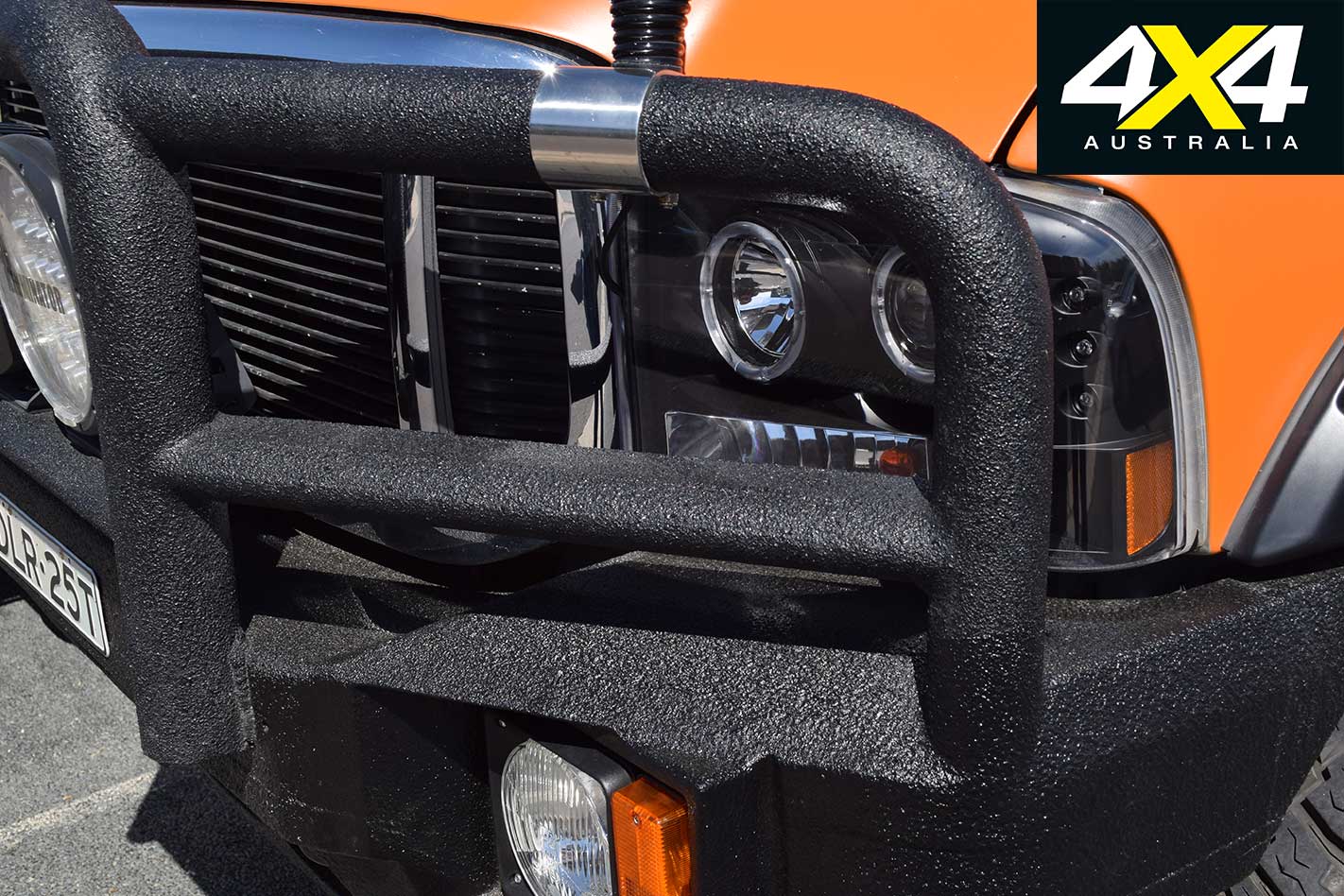
Since we sprayed Speedliner on the back tray of the Hilux it has now travelled an additional 100,000km on some of Australia’s greatest tracks, and, despite some pretty harsh use, there’s still not a rip, tear or blemish to be seen.
A while back we started thinking about how else we might use this product, and it wasn’t long before we found people out on the tracks who were making the most of what the Speedliner has to offer. For example, we found an old Holden Drover that was being used as a bush basher and gun buggy; its footwell had been sprayed with Speedliner to make it easier to hose out the dirt and grime after a long day in the back paddock.
We also found a supercharged V8 Land Cruiser Troopie with a Speedliner stone guard sprayed below the vehicle’s belt line. Then there were the bullbars sprayed with the product. In all cases, the Speedliner was doing a solid job of protecting against scratches, dents, rust, paint oxidisation, and general wear and tear.
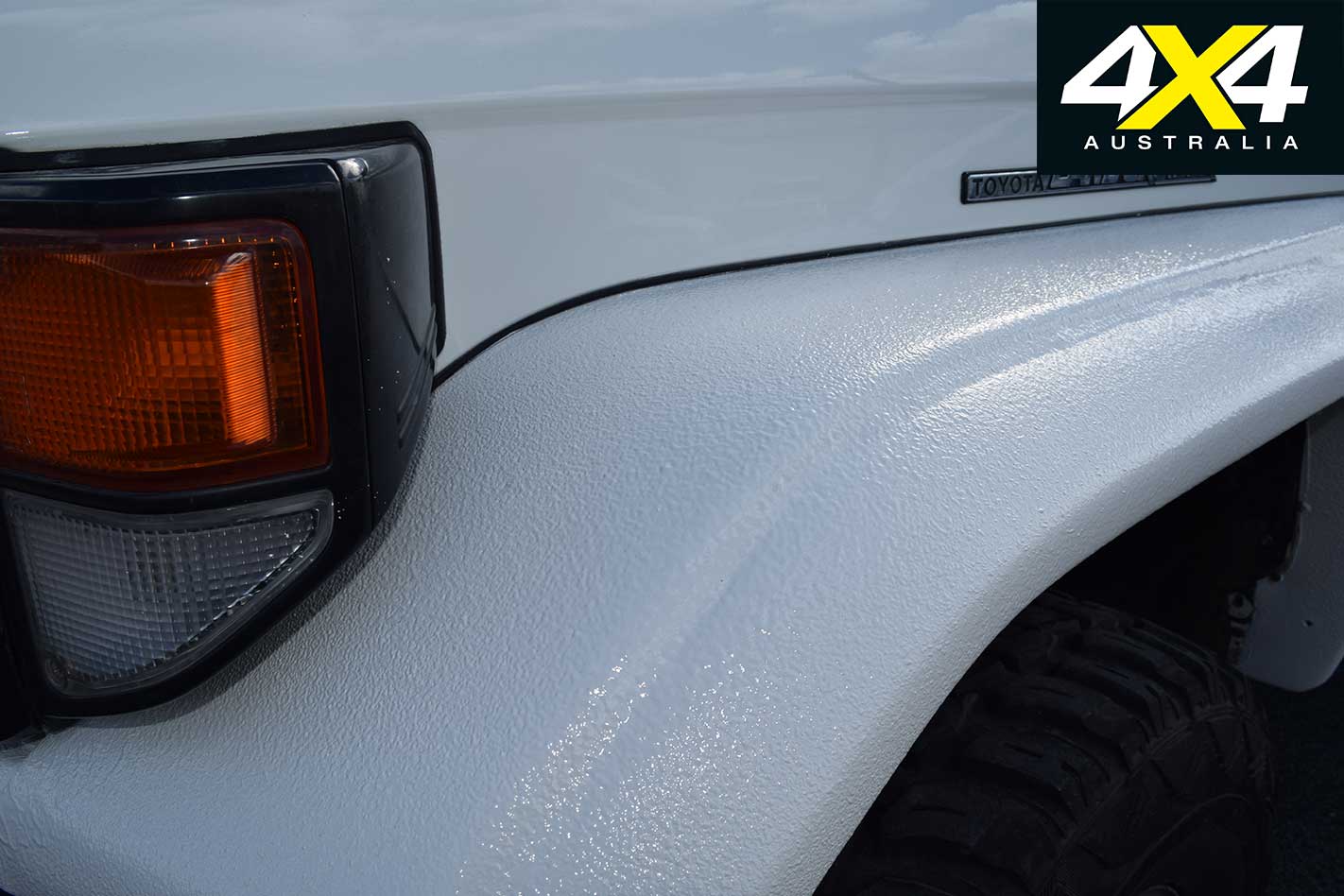
What’s next? Our fibreglass hybrid camper was showing signs of oxidation and cracking after 10 years on the corrugations past whoop-whoop. The city runabout then got sprayed head-to-toe with Speedliner and, for a vehicle that was starting to look like a candidate for the knacker’s yard, it has become a real head-turner.
Then we turned our attention to the 30-year-old Land Rover 110 6×6 Perentie that’s sitting in the back shed undergoing a makeover. We had the entire cabin treated with Speedliner for less than half the cost of what we’d pay for a more conventional respray. A happy by-product of using Speedliner was that it also dulled some of the Land Rover’s panel vibration and associated noises.
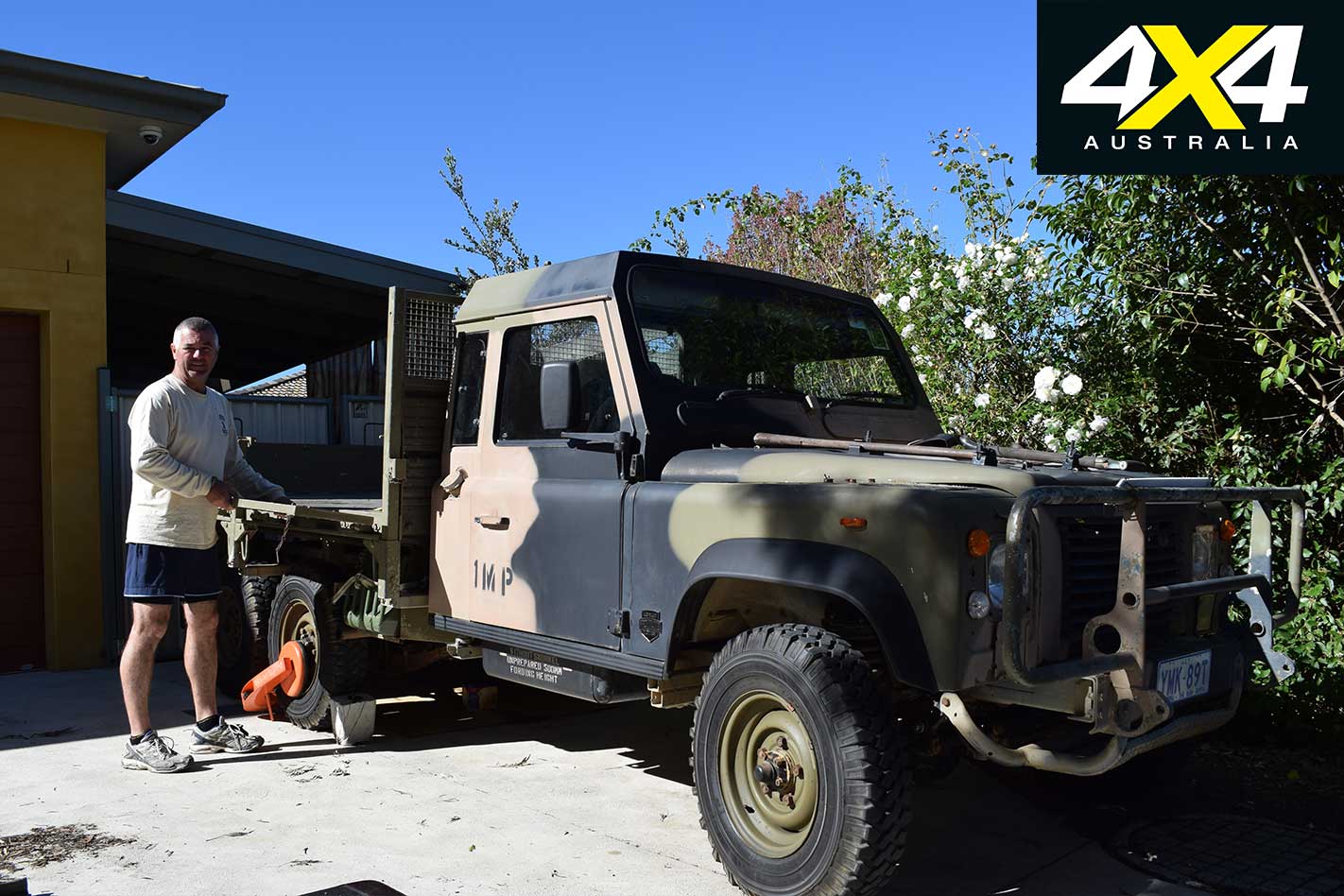
Speedliner can be used for a range of 4×4 applications at a far lower cost than what you’d pay at most paint-repair shops, so it’s a great option for protecting (and/or masking) cosmetic damage to vulnerable panels. After all, there are approximately 913,000km of roadways in Australia – with only 353,331km paved. That leaves 559,669km of stone-chipping byways and back tracks. Not to mention scratches from tree branches and other vegetation that line many narrow stretches of track.
Even when our rigs are being used as city runabouts, a bit of extra duco protection goes a long way. Particularly in city car parks where an endless line of zombie shoppers seem intent on opening their car doors or pushing their grocery trolleys into vehicles. Scratches in paintwork lead to rust, and rust and dents devalue our rigs.
RATED Available from: www.speedlineraustralia.com.au RRP: Varies depending on the size of the job. We Say: Ingenious and great value for money.