Explore QLD

Gallery 1
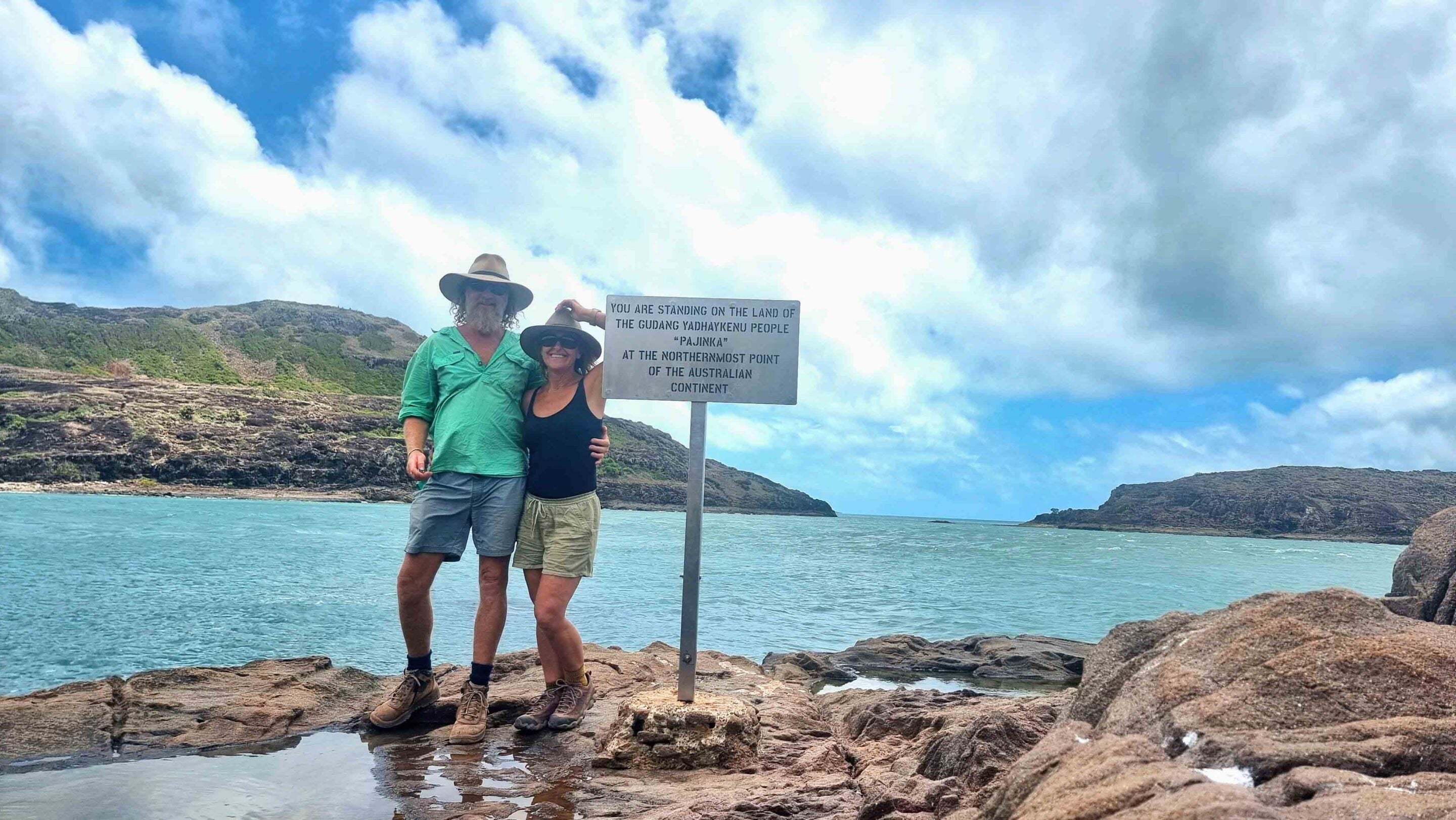
You’ve set your sights on one of Australia’s most iconic outback adventures – Cape York.
You’ve watched countless online videos showing the legendary obstacles, must-see destinations, 4×4-killing river crossings, massive beach-caught fish and, of course, heard one too many stories about croc attacks. Now you reckon you’re ready to hit the long bitumen stretches and tackle the rough, rugged and remote beauty that defines the geographical top of Australia.
Our own Mark Allen has just returned from an eight-week, 10,000km journey to the Tip and has plenty of tall tales, tips and hard-earned wisdom to help you – and your 4×4 – get there and back safely, and in one piece.
1
Cape York: Reality vs online hype
This one’s a toughie – it depends which YouTuber, influencer or online expert you’ve been watching.
For most, their version of Cape York is a highlight reel of busted 4x4s – flipped, bogged, drowned and overloaded with every accessory under the sun – followed by trackside repairs, flatbed recoveries and all manner of mechanical carnage, all in the name of viewer numbers.
Yes, that can all happen – and sometimes does – but it’s the minority of visitors who suffer that fate. Generally, those who fall into one of the soon-to-be-mentioned categories of fools who tackle the outback are the ones who end up with damage. That’s not to say a well-set-up 4×4, driven carefully and sensibly, can’t still come a cropper. Any make of 4×4, and any aftermarket accessory, can fail. Remember Murphy’s Law? It bites hard, and always when you least expect it – usually in the most remote spot possible. That’s the risk we take as remote-area travellers.
What you can expect, though, is the experience of a lifetime: the sights, the driving, the touring, and the camaraderie of like-minded travellers all heading the same way, helping strangers just because that’s what you do out here.
1
Will Cape York break your 4×4?
It doesn’t have to, but it sure has the ability to shake the living daylights out of your 4×4, bend metal, drown engines and shred what’s left of your sanity.
The Cape can be so harsh it’ll leave you vowing never to leave the comfort of your lounge room again. But it can just as easily be the spark that ignites a lifelong urge to explore every remote corner of this great land.
That’s what happened after my first visit back in 1991. I’m far from an expert on the region – I’ve only been to the Tip a handful of times – but I’ve always managed to avoid serious damage, both mechanical and mental. Just a few mud-splattered panels and a collection of mosquito bites to show for it.
What actually damages 4x4s on the Cape
Speed, weight and stupidity.
Taking your time with just about everything up on the Cape will go a long way towards keeping your 4×4 in one piece. Hit potholes too fast, slide around blind corners rally-style, charge headlong into deep water crossings or lose patience altogether, and you’ll soon find yourself parked trackside – or worse, strapped to the back of an expensive flatbed.
Yes, maintaining a bit of speed helps iron out corrugations, which in turn improves the overall ride of your 4×4. However, failing to spot and hitting the big holes or washouts is a surefire way to destroy your suspension. It’s an art – going fast enough to skim over long corrugated sections, but slow enough to avoid hammering the big hits. It all comes down to concentration and mechanical sympathy. Keeping a constant eye on the track ahead – both close and mid-distance – is vital to steer clear of the nasties.
Having the nous to remember you’re not driving a long-travel off-road racer, and treating your mechanical steed with care, will see even the most basic suspension setup survive the Cape.
1
If you’ve got adjustable shock absorbers, use them. You might need to trial a few different front and rear settings for compression and rebound, but it’ll be worth the effort for overall ride quality. The same applies if you’re running airbags – adjust the pressure to suit your load and the track conditions.
By far the biggest adjustment you can make is to tyre pressures. Dropping them to suit the terrain will help your suspension – and the rest of your 4×4 – smooth corrugations into something more manageable. You’ll never completely eliminate the constant vibration, but getting your tyre pressures and speed right can take you from bone-jarringly punishing to just plain harsh – and there’s a big difference!
Keeping the loaded weight of your 4×4 as low as possible will go a long way toward helping your suspension and tyres cope with the punishment. If you’re at or over GVM, shed as much weight as you can before you even roll out of the driveway. Failing to do so can have dire consequences – anything from sagged suspension to a bent or cracked chassis.
Stupidity. Some people are born with it, some develop it over time, and others catch it from watching too many of the wrong online influencers. Some of these so-called online heroes have a lot to answer for – not only for the damage they do to their vehicles but also to the environment.
1
Foolish people, or those making ill-advised choices, often emulate these uncaring influencers. Some of it comes down to speed (see my notes above), some to overpacking their 4x4s (again, see above), and some to poorly chosen accessories fitted to a 4×4 that’s being misused.
Say you’ve kitted out your 4×4 for extreme rock crawling at low speeds. I get it – I’ve done that and love it – but that’s not how you set up a well-mannered off-road touring machine. Horses for courses when it comes to accessories.
If you’re not sure, a simple tip is to make sure your suspension mods, tyre sizes and fitted accessories comply with the well-documented legalities. Overly tall or overly flexible suspension setups aren’t ideal for outback travel, and the same goes for excessively large tyre diameters. Sure, they look cool, but they place enormous stress on steering, braking and suspension components.
That’s not to say there aren’t quality aftermarket accessories that can be legally fitted to 4x4s – there absolutely are – but use your head and think about what’s really needed for off-road touring compared with extreme rock crawling.
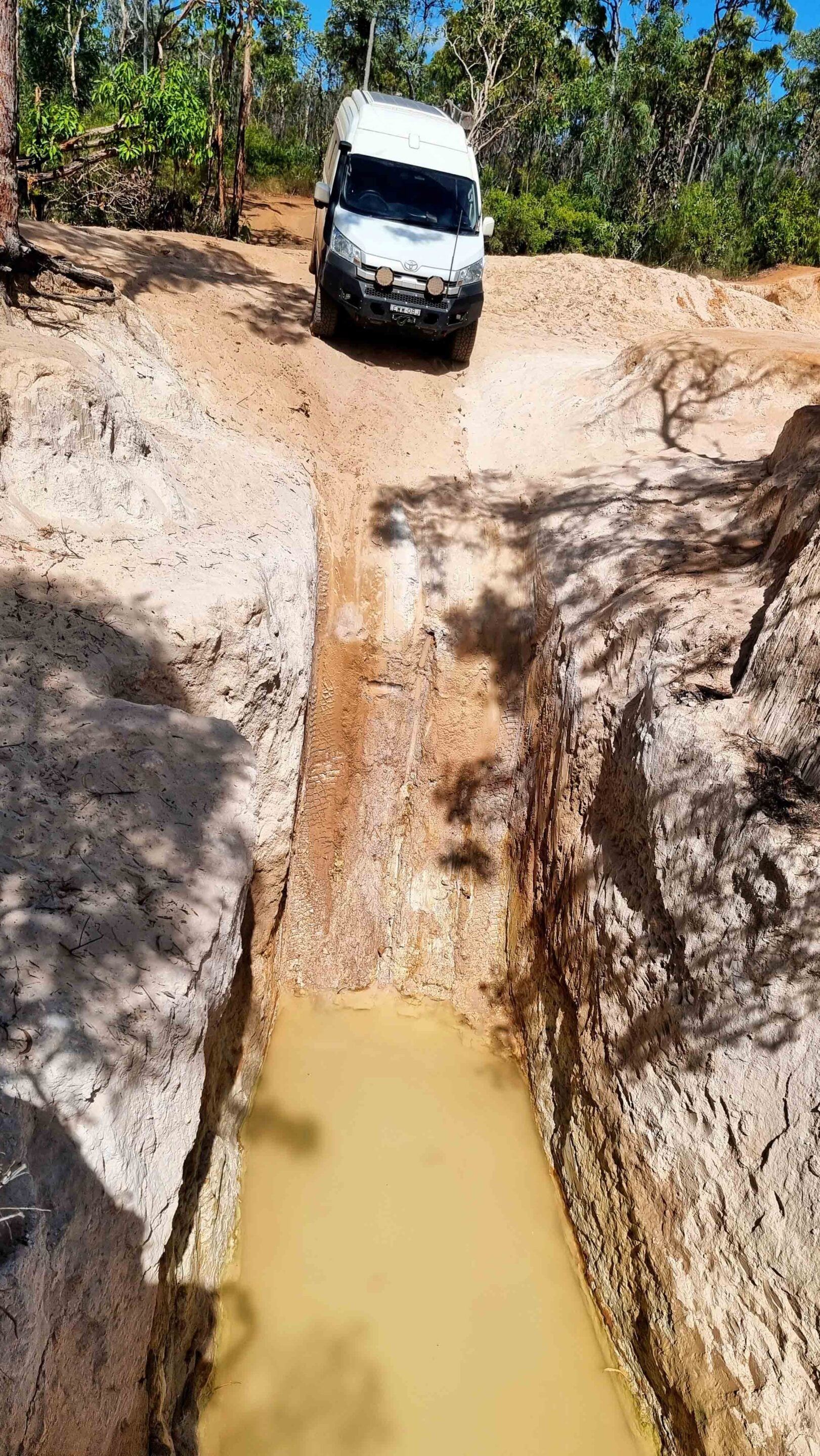
Gunshot Creek: Do you really need to drive it?
Let’s devote some time to the most infamous 4×4 drop into the unknown that Cape York has to offer. That’s not to say it’s the only one – Palm Creek is every bit as gnarly, steep and scary as Gunshot – just not as well-known or spectacular.
In the two days we spent watching dozens of 4x4s tackle Gunshot, one thing stood out: you don’t need the biggest and best 4×4 to conquer this ultra-steep, eyes-wide-open, white-knuckle plunge into the slop. No siree. Most of the drivers who made it down without damage were in fairly basic, sensibly set-up rigs and relied on caution and care rather than brute force.
Yes, the highly modified trucks got through too, but the vehicles that tended to suffer damage were the larger wagons (Y62 Patrols, 200 Series LandCruisers) and big American utes, often with wide accessories like snorkels and bulky side awnings. Not because of poor driving or design flaws, but because of their sheer width – scraping down the banks and tearing off expensive bits. That’s an easy couple of grand in repairs once you’re home.
I’m not here to tell you not to do this crossing, but weigh the pros and cons before dropping in – once you commit, there’s no turning back. It’s one hell of a ride down.
1
Crocs, stingers and insects: Real Cape York risks
You will get bitten while travelling around Cape York.
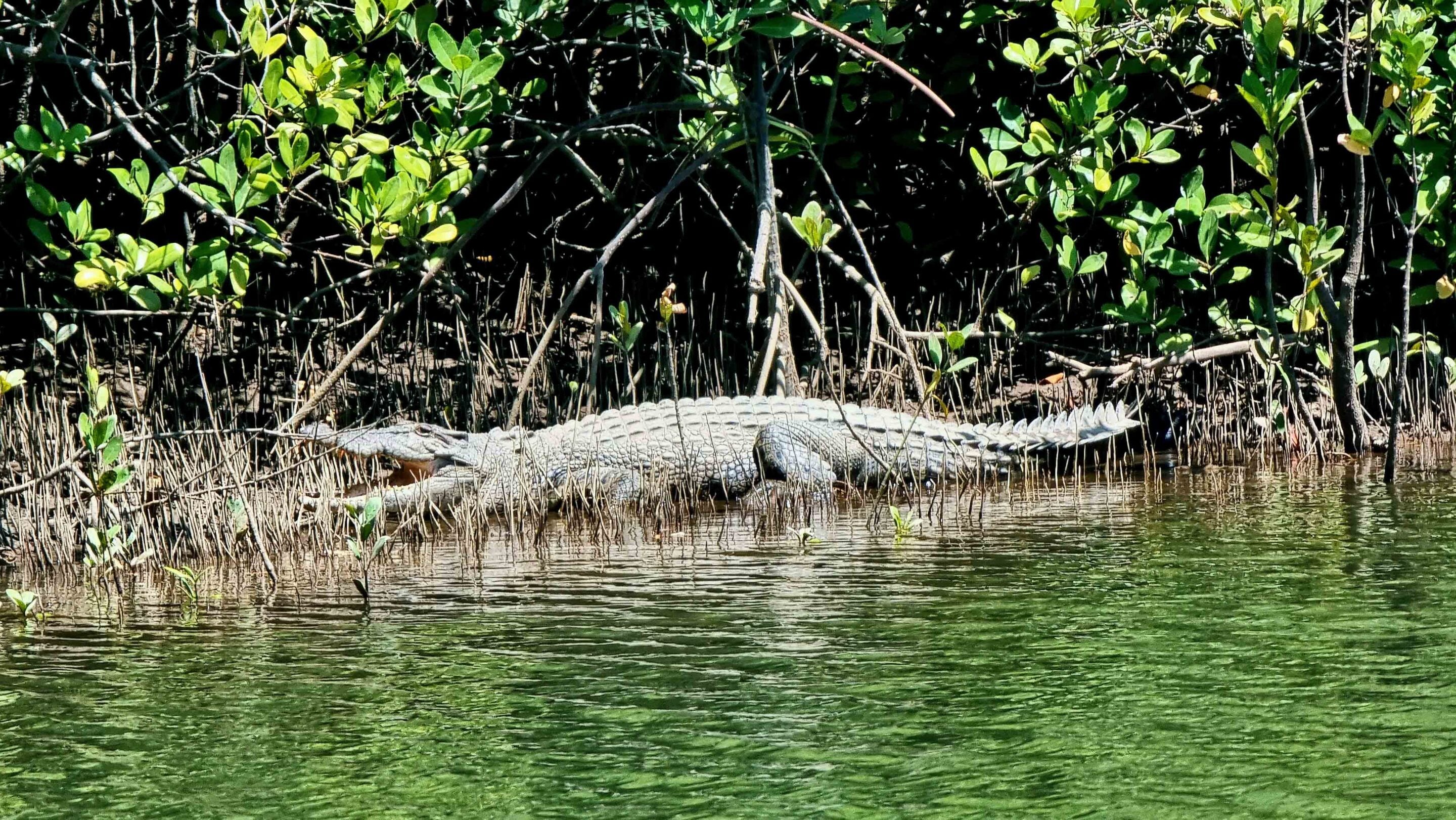
Treated with respect, the only thing that should bite you are mosquitoes and midges. As for crocs and stingers, they’re the real deal – both are highly potent threats. Sure, there’s a recognised stinger season, so it may be safe to swim when they’re not supposed to be around, but crocs don’t follow calendars.
There are warning signs at most waterholes shouting Achtung! about the dangers. Just because you or your fellow travellers haven’t seen one doesn’t mean they’re not there. Assume they’re always lurking – waiting patiently for an easy meal.
Prevention is the best way to deal with anything that might bite (or eat) you. For midges and mozzies, cover up, use repellent, and fit fine-mesh screens to your camping setup. It’s hard to avoid the bites altogether, but you can certainly reduce them. As for crocs, it’s simple: stay out of the water.
Cape York heat, humidity and staying alive
It’ll be hot and humid up in the Cape – how hot depends on when you visit, but there’s no escaping it.
If you don’t cope well with that kind of climate, or you tend to overheat or dehydrate easily, take extra care to stay hydrated and as cool as possible. Thin, long-sleeved shirts can help shield you from the harsh sun while keeping you a little cooler, and a broad-brimmed hat is essential. Whenever possible, avoid being out in the fierce midday sun – it’ll drain you faster than you think.
Is your 4×4 ready for Cape York?
You don’t need the toughest, most expensive, accessory-loaded 4×4 on the planet to conquer Cape York.
What you do need is a solid vehicle that’s mechanically sound, with everything in good working order and properly serviced. Any make, model or colour can make it to the Tip if it’s well maintained and driven sensibly.
When it comes to accessories, I always start with upgraded suspension suited to long-distance touring – a setup that can handle extra weight, improve ground clearance, and offer better articulation than stock. A dual-battery system is another must-have in this tech-heavy age. Running a fridge and charging your gear requires a system with the capacity to deliver power over extended periods.
No matter how good your 4×4 is, carrying essential spares is non-negotiable: fuel and air filters, belts, a selection of nuts and bolts, wire, tape for MacGyver repairs, and a quality tyre repair kit. Fitting decent tyres is equally important. Many factory tyres are only P-rated (passenger), so you’ll want LT-rated (light truck) rubber. No, you don’t need aggressive muddies – a good all-terrain tread is ideal for long highway runs, dirt tracks, water crossings and the inevitable mud you’ll face up here.
And, of course, you’ll need the tools to actually use those spares. A well-stocked tool kit can be the difference between a quick roadside fix and an expensive tow home.
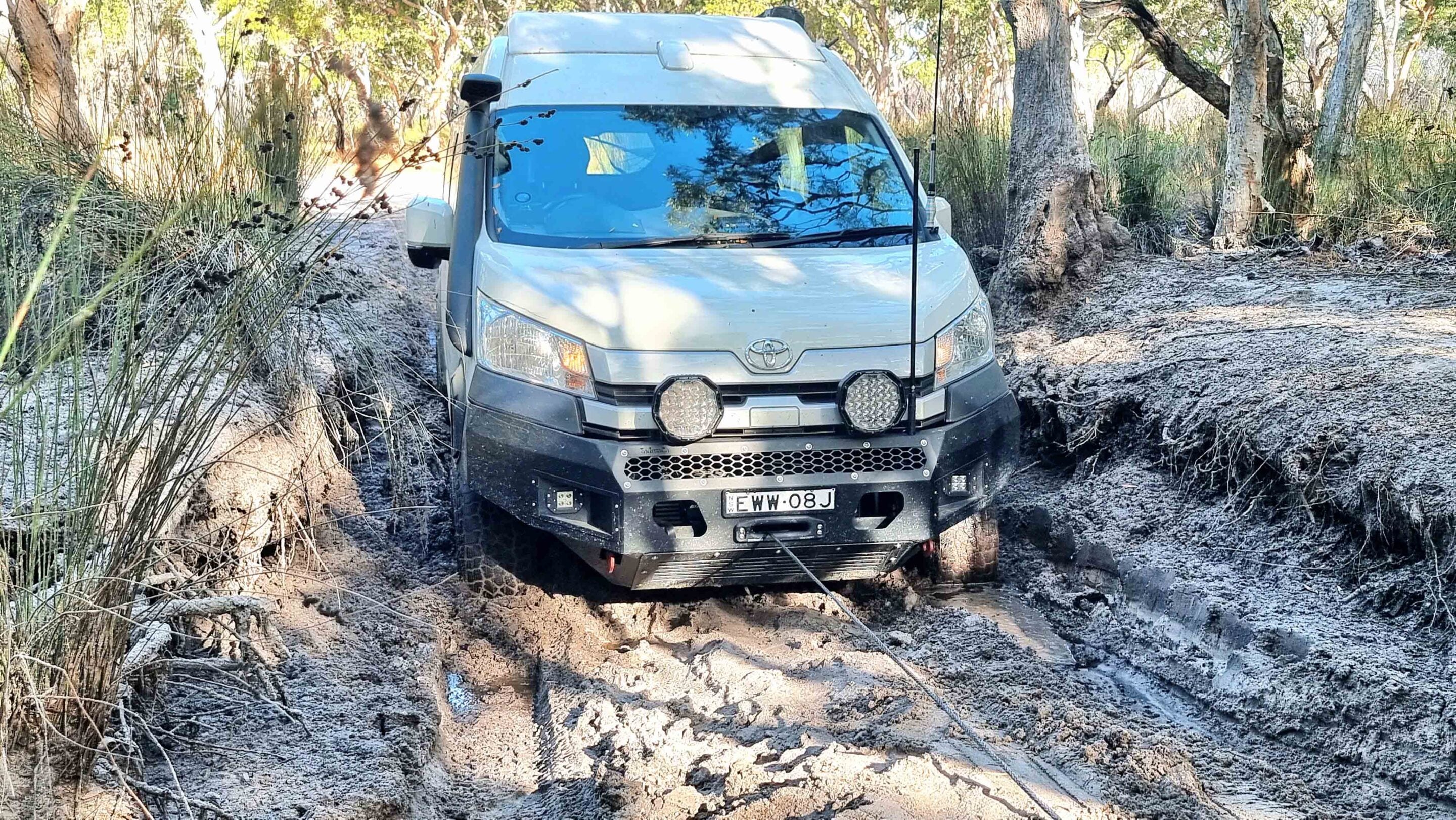
Never leave home without a comprehensive recovery kit. That means traction boards, straps, shackles and a shovel as the bare minimum. If you’re running an electric winch, make sure you’ve got all the associated recovery gear too – and know how to use it. A bit of practice before the trip can save you a lot of drama later.
Finally, keep your vehicle weight as low as possible; the less you haul, the longer everything will last. And if you plan on tackling deeper water crossings, a snorkel is essential. A wading sheet is also a great idea for the really deep ones to help keep water out of the engine bay.
Are you ready for a remote Cape York trip?
A weekend local camping trip is easy. A week-long jaunt may test you. A month-long adventure really tests your wits if you’re not used to adverse conditions.
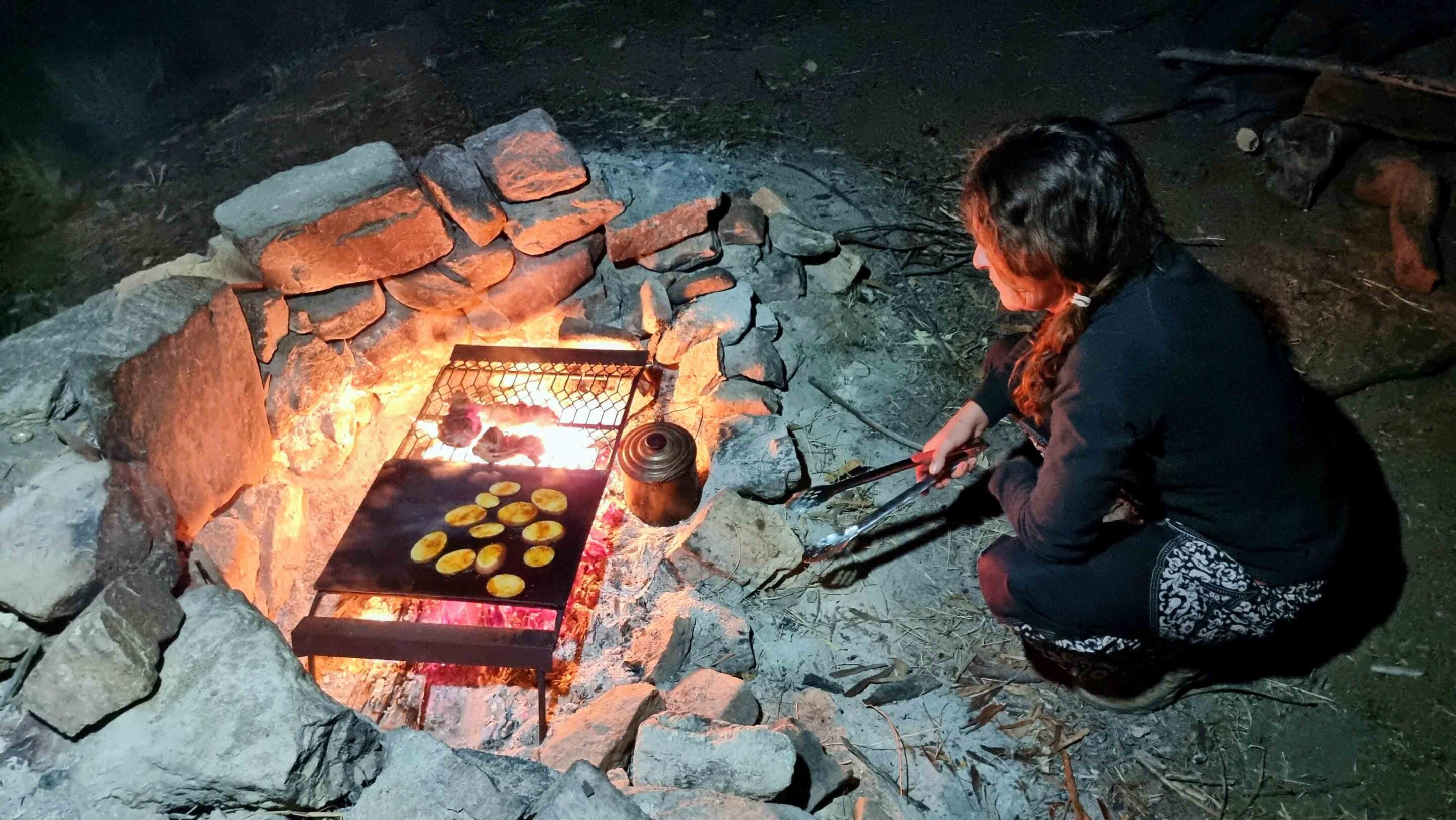
Our latest escape lasted a total of two months, with approximately three to four weeks spent in the Cape. Yes, it tested us – yes, we got hot and bothered – yes, we copped a few annoying mosquito and midge bites – yes, we got bogged and had to get ourselves out – yes, we had a few minor electrical issues that we’d been prepared for – and I replaced a dust-clogged air filter thanks to all the traffic up here.
Given that we’ve undertaken quite a few of these longer remote trips, we’re accustomed to the harsh conditions and revel in the solitude – the peace and quiet that’s only found far away from city or town lights. Not everyone has had that opportunity or even wants to attempt it regularly. So, if hitting the Cape is your first real outback or remote trip, be prepared for uncomfortable days and nights, blistering heat, dust, cold, rain and general discomfort – it’s not all Instagram-worthy!
Of course, that’s the hard side of it all; there’s so much positive to escaping the rat race by visiting Cape York – adventure, meeting like-minded people, fishing, bushwalking, history and simply living a more pared-back existence, making do with what you’ve got.
1
Tall vehicles, rooftop tents and track access
Any vehicle taller than a standard 4×4 with a rooftop tent will make it to Cape York – with a few provisos.
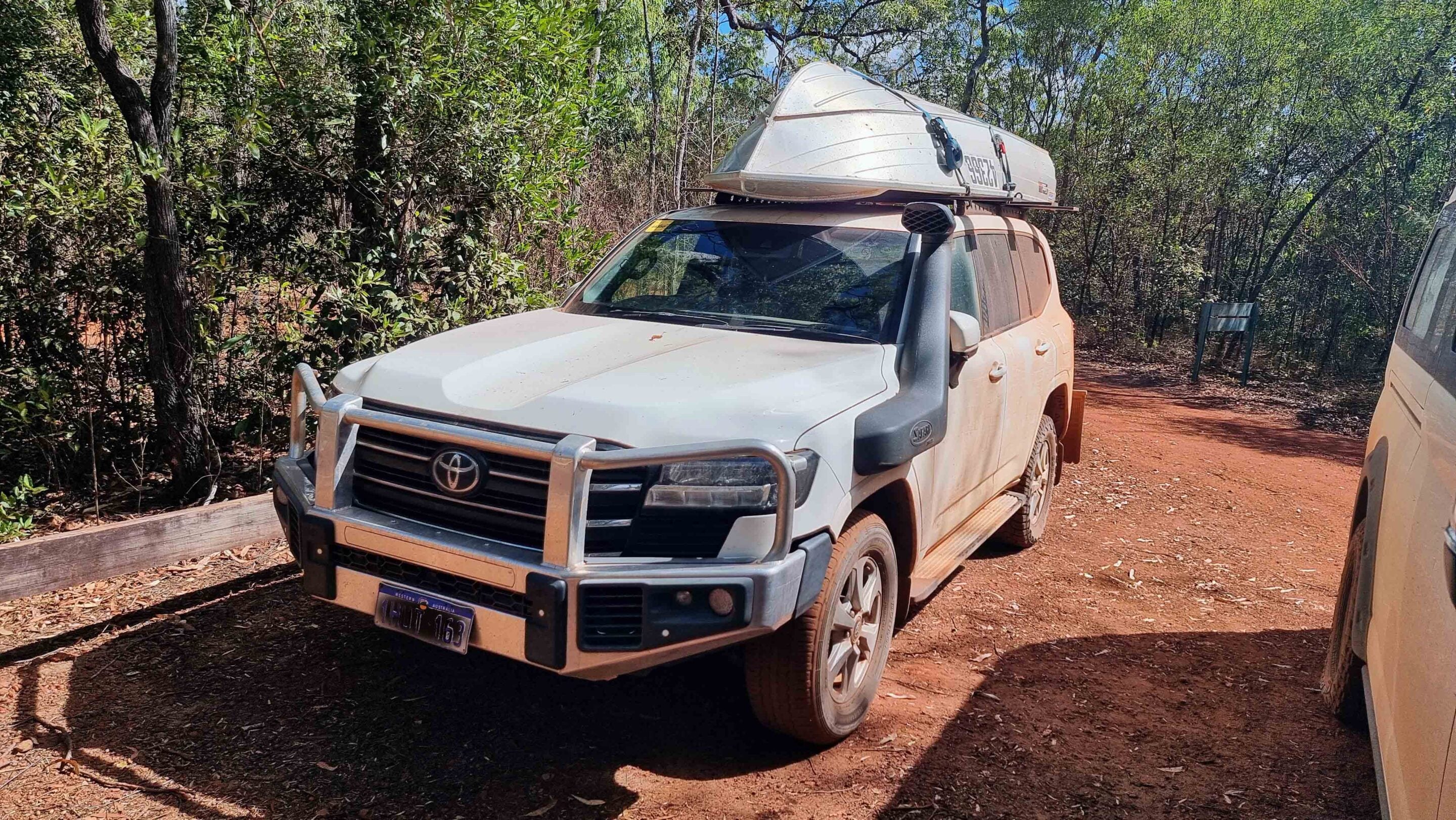
4×4 trucks and those carting rooftop tinnies will strike branches on some tracks thanks to their extra height. Yes, you can walk alongside or ride on the roof with a machete or chainsaw to trim your way through, but given the long distances, it’s simply not feasible to clear some tracks entirely. We saw a few trucks snapping branches as they bullied their way through certain campgrounds.
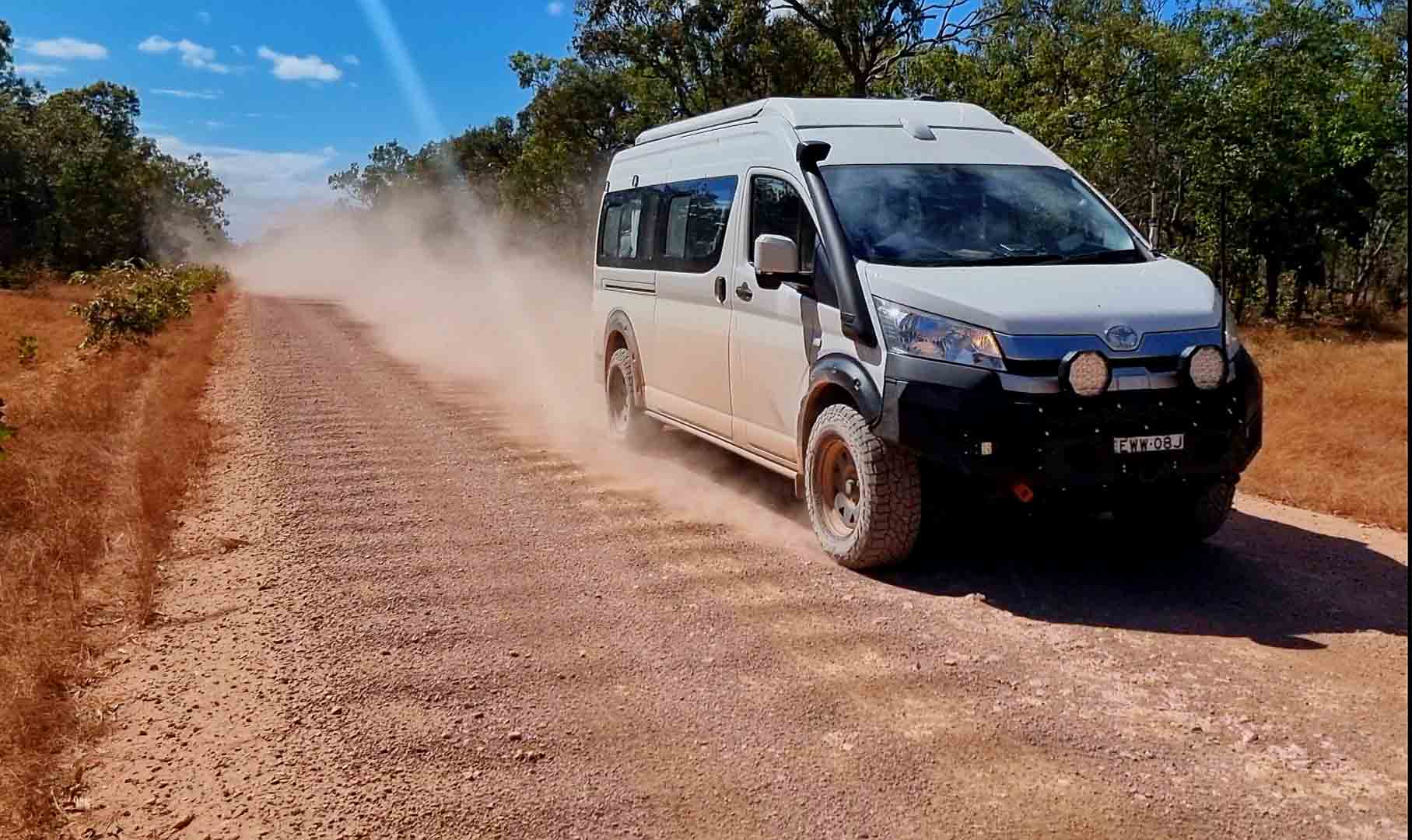
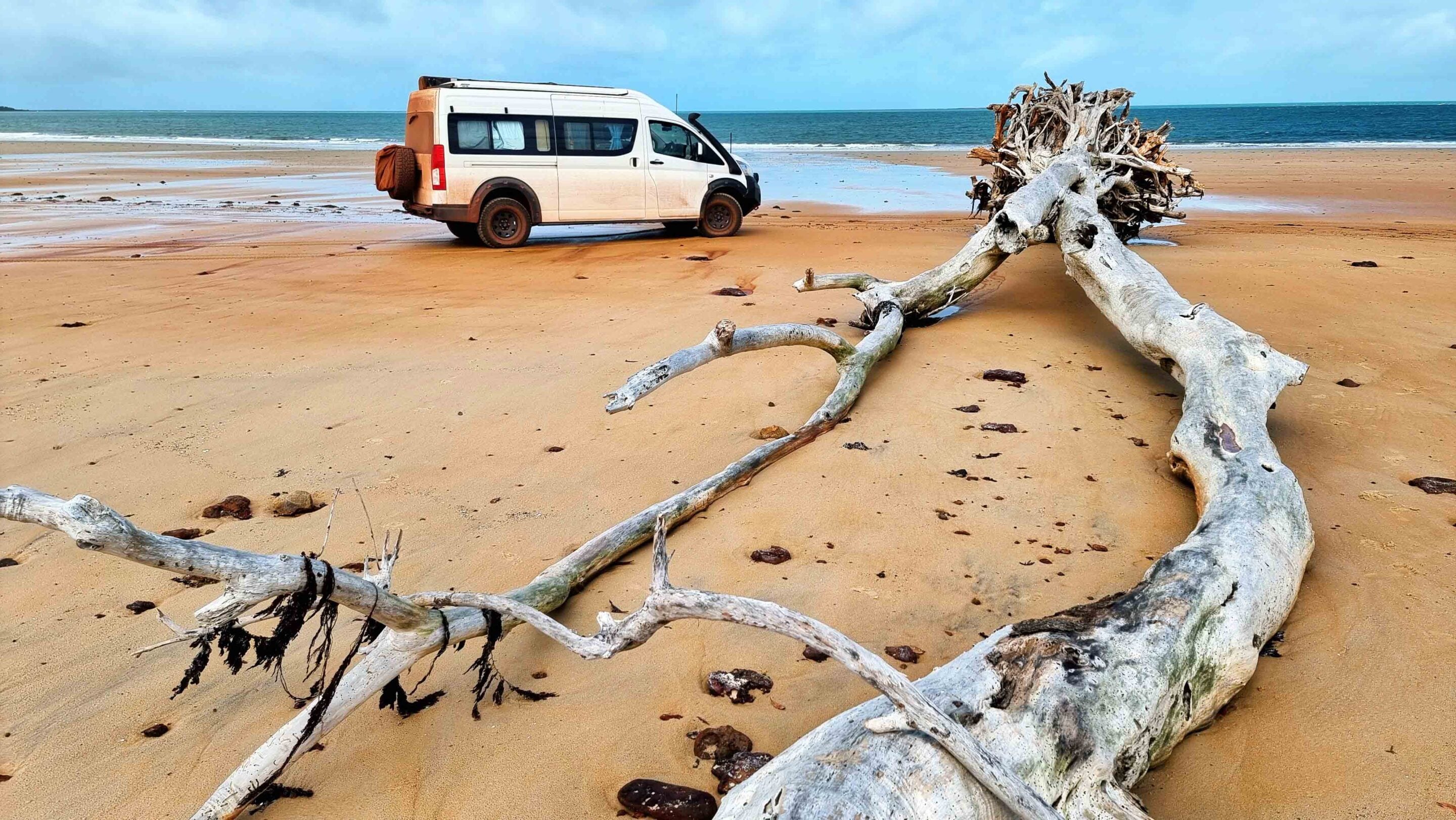
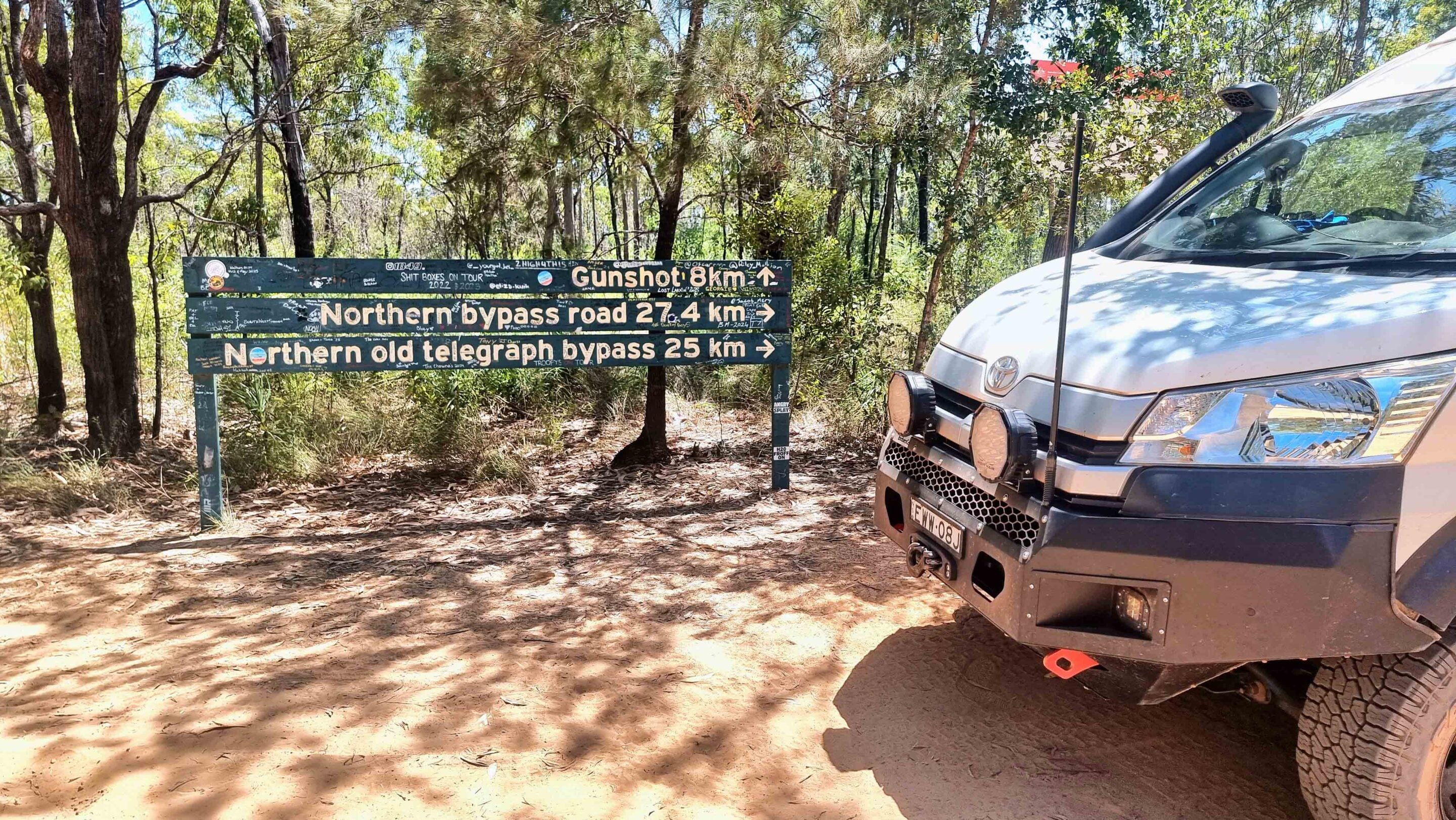
Our 4×4-converted HiAce (Super Long Wheelbase, with high roof) is not only taller than a Troopy with a rooftop tent, but it’s also wider in the body and across the mirrors. Yes, we scraped our fair share of branches on some tracks – even badly scratched our awning cover – but we still managed to drive everywhere we wanted to. Anything higher than our van will have to avoid some routes. The only work we’ll have to do once home is a good cut and polish to remove a few scratches.
1
Cape York corrugations: How to survive them
Like magic, thousands of corrugations appear on some sections of dirt tracks regardless of how well maintained they are.
Blame it on poor shock absorbers, acceleration out of or braking into corners, or poor tyre-pressure choices. These corrugations are designed to test both your 4×4’s ability to withstand the shaking and not fall apart, as well as your mental strength to do the same.
Adjusting your speed and tyre pressures are the two most essential factors in achieving a smoother ride. Note to self: smoother, not smooth! No matter what you do, you’ll have to put up with horrendous corrugations at times during your trip to Cape York. For us, by far the worst were the southern and northern bypass tracks into Gunshot. Perhaps the week after, or the following season, or anywhere in between, those tracks might be as smooth as silk – or even worse. Track conditions vary quickly depending on the weather, traffic volume and the tyre pressures, habits and speed of that traffic. There’s no guessing what any track will be like the next time you tackle it.
For our 4.2-tonne, extra-long-wheelbase 4×4-converted HiAce, I found that sitting between 75 and 80km/h, with front and rear tyre pressures at 25 and 30psi, delivered an acceptable ride.
The safety trick is knowing when to hit the anchors to avoid larger dips, potholes, bulldust patches or lumps in the track. Hitting any of those at speed is a surefire way to end your holiday with damaged suspension, a bent or cracked chassis, failed roof-rack mounts, and doubly so for anything you might be towing.
Common Cape York 4×4 damage (seen first-hand)
Here’s my count of what I saw busted and broken trackside during my latest trip to the Cape.
Larger 4x4s fitted with extra-tall, ill-suited suspension – okay, it was a GU Patrol with extra-long-travel coils and no ‘top hats’ fitted in the rear to retain the coils at full droop. While getting a little cross-eyed tackling Gunshot, after a dozen or so other moderately accessorised touring 4x4s had conquered it, one coil popped free and wedged itself between the chassis rails and the tray.
A couple of hours’ work trackside by the young-gun owners and they were on their way, but the incident came down to choosing the wrong and poorly fitted accessories. Sure, it gives them plenty of stories to tell their mates back home or to online followers, but it also caused them stress and damage that need not have happened.
Nose dives and side damage at Gunshot – yes, this one crossing sure delivers its fair share of carnage to the unsuspecting, but it’s avoidable. I get it, there’s a little invisible badge to be worn when you can say you’ve conquered Gunshot, but some vehicles just shouldn’t try it given the inevitable damage they’ll suffer.
1
Let’s get one thing straight – Gunshot isn’t a single crossing. The original line, about 50–100 metres from today’s near-vertical drops, is still in use and offers at least half a dozen entries, making for a far easier, less white-knuckled run to the bottom than the higher, narrower, more sphincter-clenching chutes you see online. Take your time and walk the options before you commit. Watch a few vehicles to gauge whether you and your 4×4 can make it down undamaged – and continue the rest of your journey to the Tip.
Then there’s Nolans – the crossing most likely to drown your 4×4. It’s deep, requires a specific in-water line, and has a soft bottom that can kill your momentum just when you’re picturing victory on the far bank. Getting stopped midstream at Nolans means water in the footwells, the cargo area, the electrics, the engine – and in your nightmares for nights to come.
Nolans can end your trip in a single compression stroke – a hydraulicked engine is game over, and recovery will cost you plenty. Walking the crossing, watching others go through, fitting a wading sheet, knowing the correct line and having help on hand if things go wrong will make a huge difference to how much damage you do – or don’t – cop at this notorious crossing.
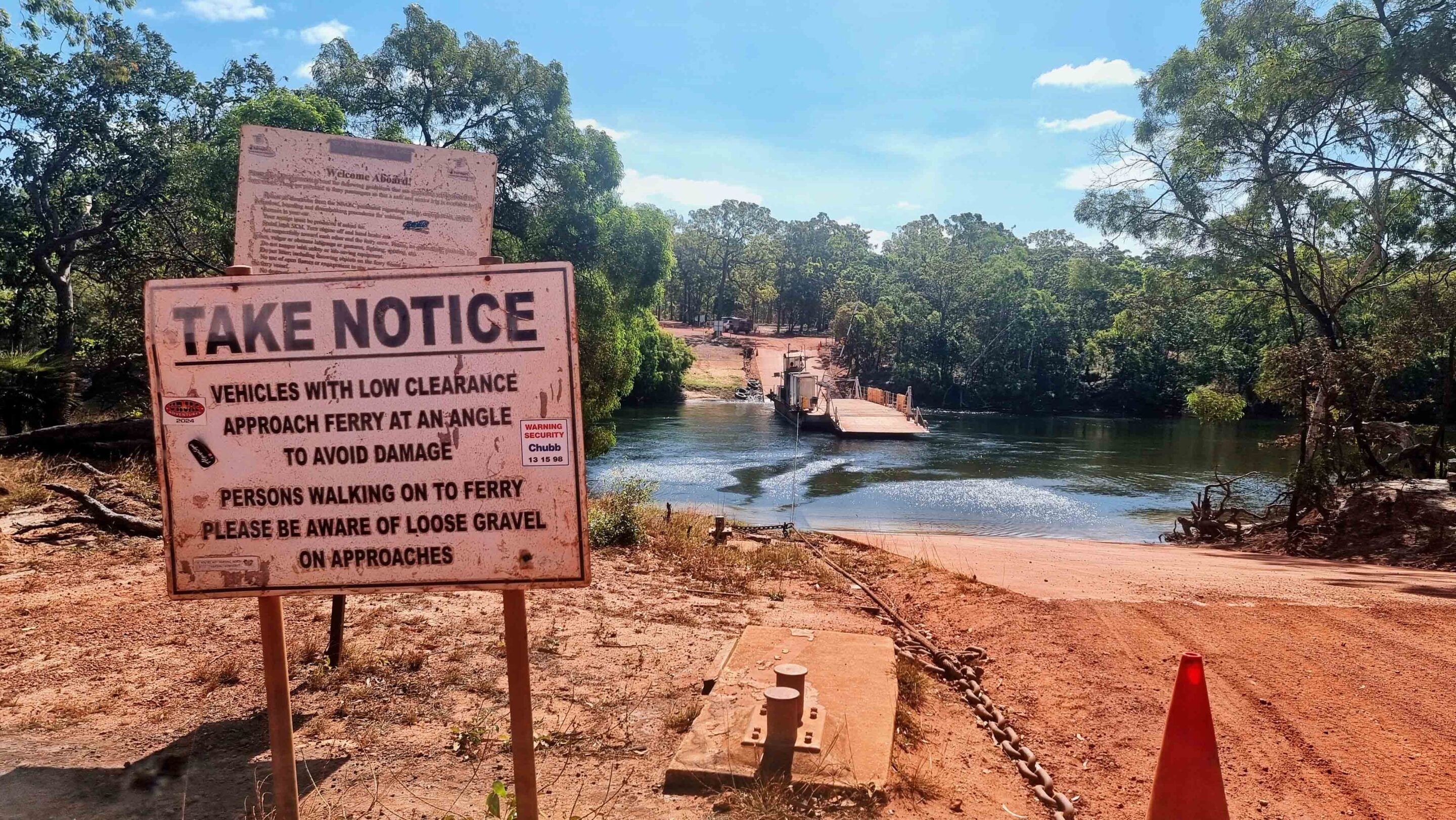
Towing a caravan, camper or boat can seriously increase the strain on your whole setup. Many caravans are marketed as ‘off-road’, but each comes with its own limits. Most boat trailers, for instance, are built for quick trips to the local ramp – not thousands of kilometres of corrugations and punishing tracks. We stopped to help one traveller whose boat trailer had sheared an axle – a small, round-section unit with basic slipper springs – after only a few hundred kays of rough dirt. Not exactly the way you want to kick off a Cape York holiday.
1
I’ll admit, we didn’t drive every section of the Old Telegraph Track. Not because we didn’t want to, but because I knew our 4×4 simply didn’t have the ground clearance for some of it. Considering the likelihood of damage, the cost of repairs, the distance from home, and the fact we were on a once-in-a-lifetime trip to the Tip as part of two months on the road, I wasn’t about to risk it all for a fist-pumping moment of glory.
Every driver, every 4×4 owner and every tourer needs the courage to say no when they – or their vehicle – aren’t capable of an obstacle, without worrying about embarrassment or ridicule. Having the sense to walk away shows more strength than blindly charging in and hoping for the best.
Follow that mindset, understand the consequences of every move you make off-road, stay prepared and drive with mechanical sympathy, and you’ll conquer Cape York unscathed.
Follow 4X4 Australia on Google
Get more 4x4 news, reviews and gear stories from 4X4 Australia in your Google feeds.

We recommend
-
 Opinion
Opinion: Cape York is changing
It's going to be a big year for changes going on in the Cape, most of them good
-
 Explore QLD
Exploring the remote roads of the Tip of the Cape York Peninsula
Journeying to Cape York's Tip and back on lesser-travelled tracks on the Peninsula's lower east coast offers stunning scenery, isolation, excellent fishing and more
-
 Explore QLD
Taking on CREB Track in Cape York, one of Australia's most dangerous 4x4 tracks!
A trip up The Cape provides an opportunity to explore the ancient rainforests of FNQ