Gear


Gallery 1
When it comes to off-grid touring, nothing provides peace of mind quite like a dependable power setup.
Travelling deep into Australia’s most remote tracks and national parks, I needed solar I could rely on to keep everything running – from the fridge and freezer to my cameras, water system, and even an induction cooker.
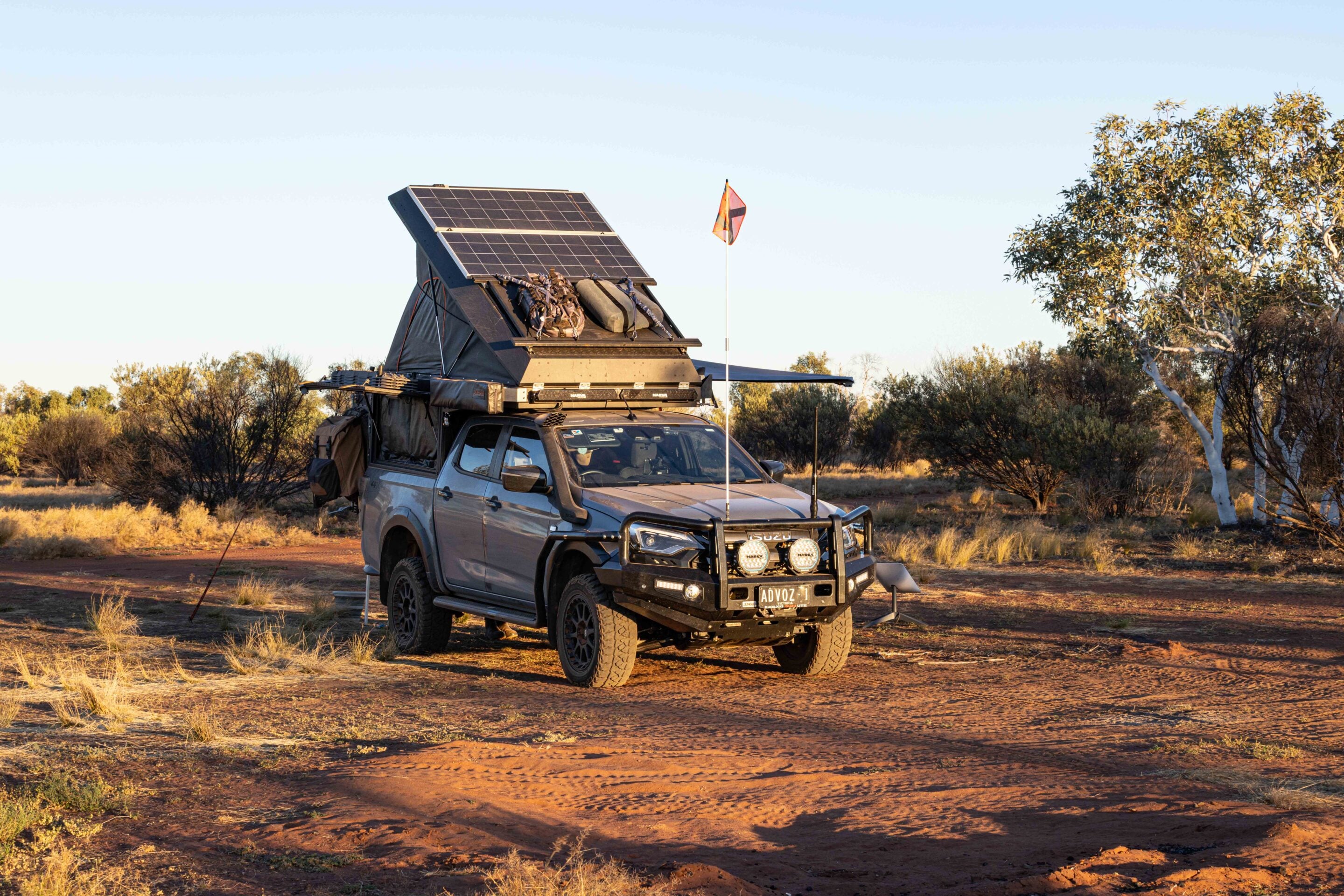
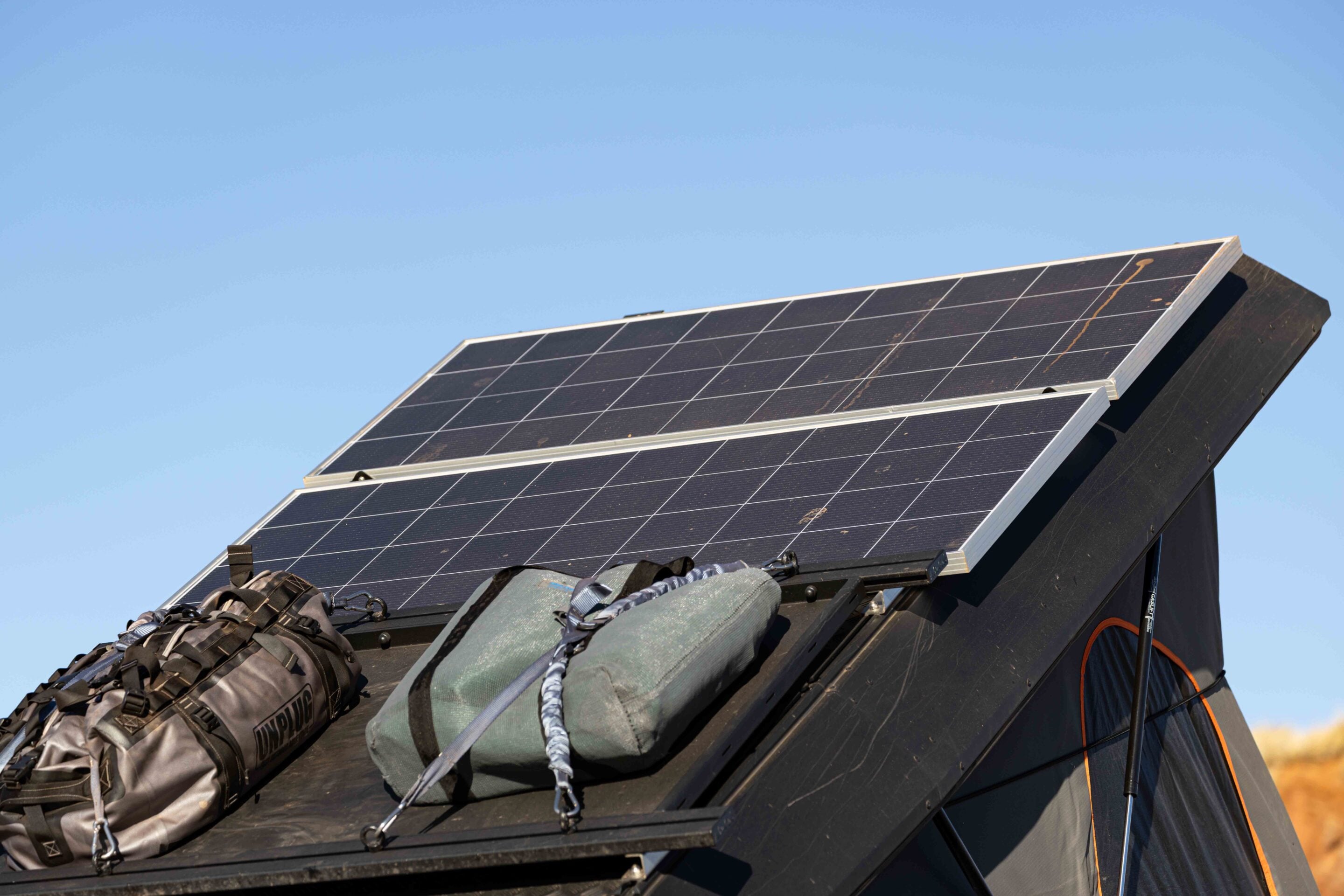
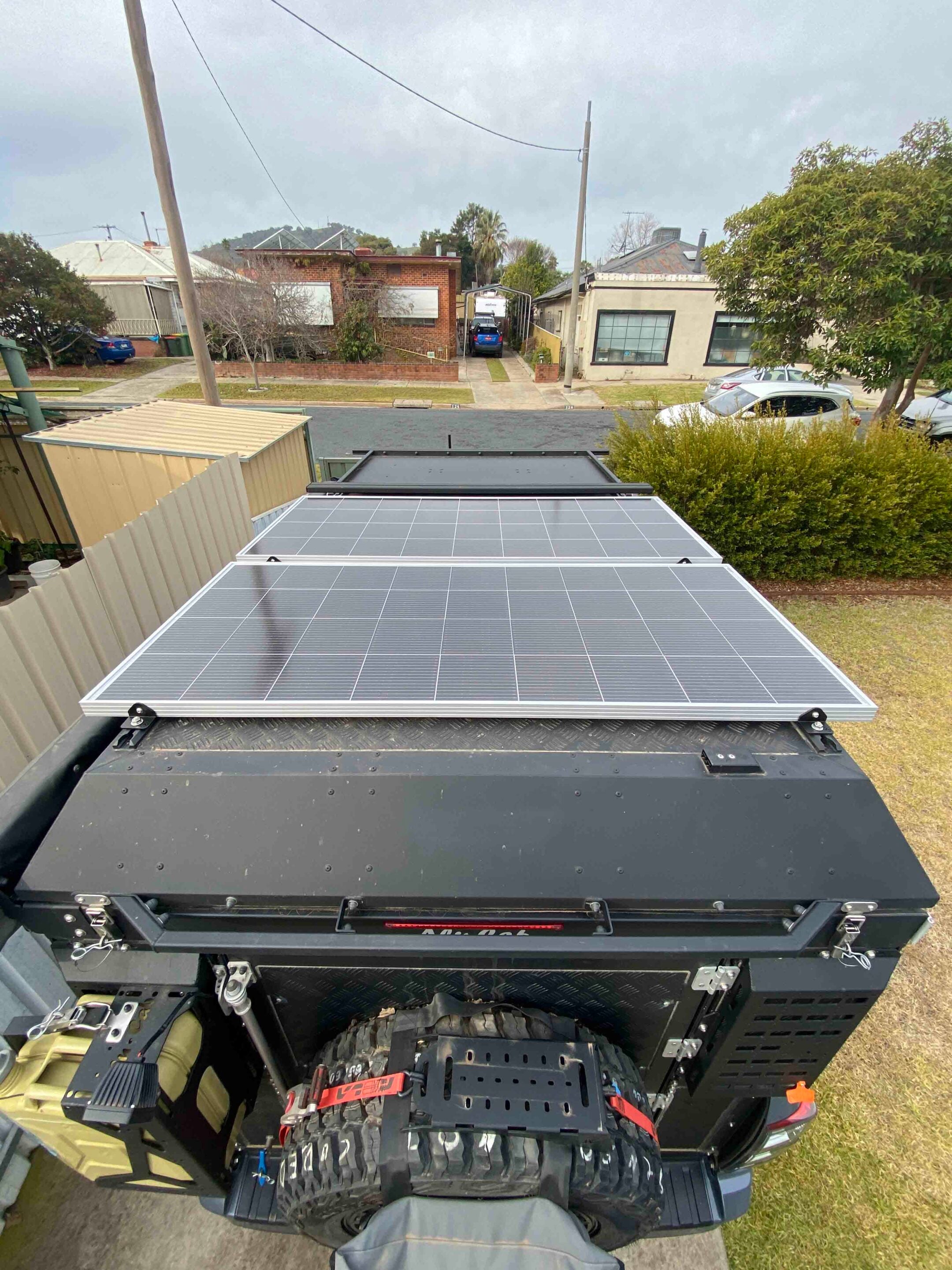
That’s why I opted for two 200W Projecta solar panels, mounted permanently on the roof of my Alu-Cab Canopy Camper and wired in parallel. Together, they deliver 400W of solar power, feeding into a 400Ah lithium battery via a Projecta 40A MPPT solar charger. And here’s the kicker – my DC-to-DC charger still isn’t connected, so solar has been the only charging source since I left home. Despite that, these panels have kept me running day in, day out, across some of the most demanding off-grid conditions Australia has to offer.
1
Setting it up
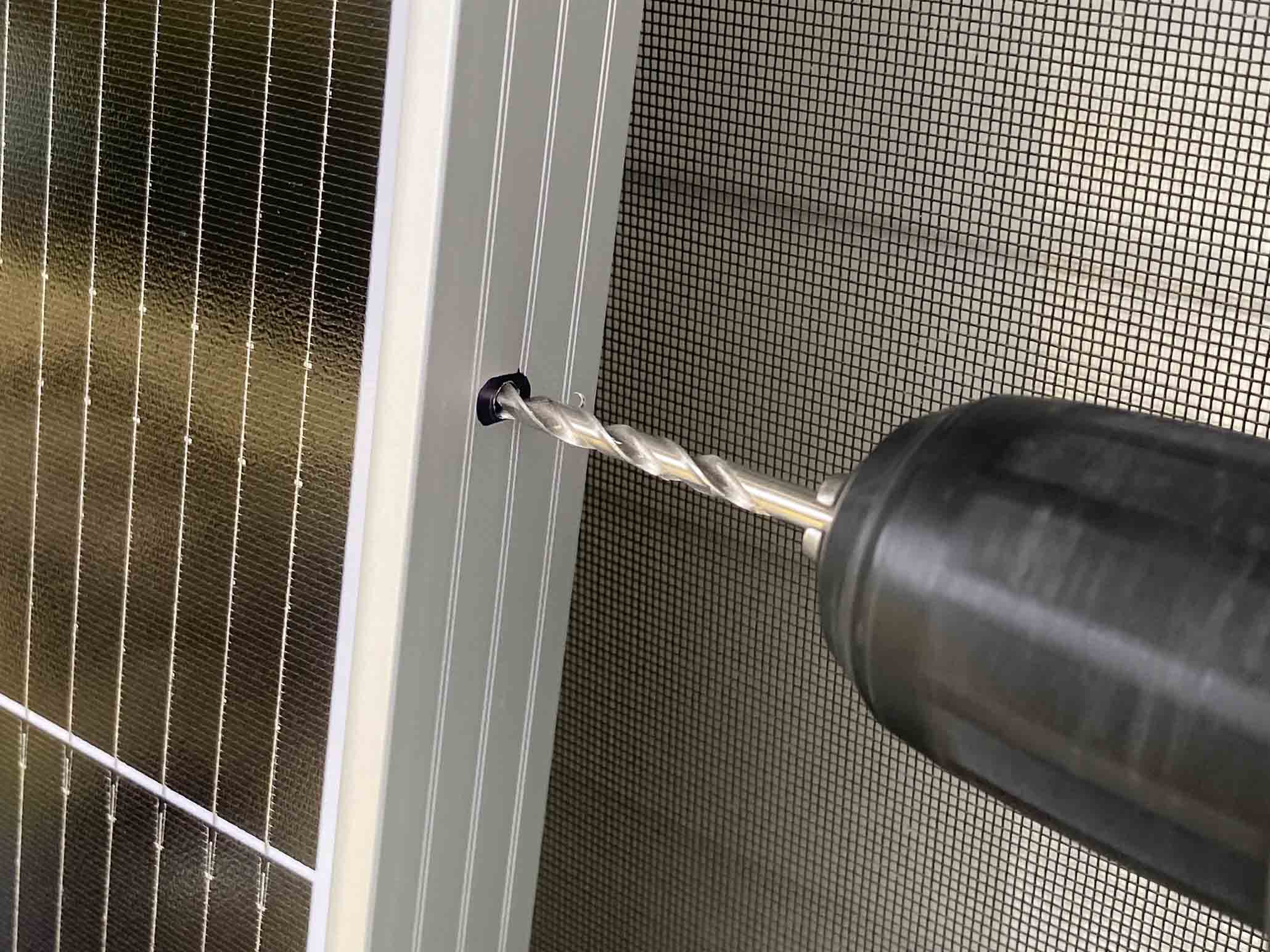
Mounting the panels was straightforward.
The design of the Projecta units allowed them to sit neatly on the canopy rails without adding unnecessary bulk or creating clearance issues, thanks to the low-profile Razed Products Solar Panel Mounts. They’re robust enough to handle the rough corrugations, bulldust, bush pinstriping and relentless red dirt that come with remote travel.
Wiring them in parallel was a deliberate choice. Some people prefer series for the higher voltage and reduced cable losses, but I wanted redundancy. In a series setup, if one panel is shaded – say by a tree branch or even the way I’ve parked at camp – the whole system suffers. By wiring in parallel, each panel works independently. If one’s compromised, the other still pumps out power. In real-world conditions, that makes a massive difference.
That’s especially true when travelling through varied environments. Out on the Canning Stock Route, shade isn’t much of an issue – it’s wide-open desert with sun blasting down all day. But in places like Mary River National Park or shady campsites in Litchfield, partial shading can cut into your harvest if you’re not careful. Running the panels in parallel has been the right call for me.
1
Lithium battery
The Projecta panels are feeding into a 400Ah lithium battery in my canopy.
Lithium has become the go-to choice for serious touring setups thanks to its deep-discharge capability, faster recharge times and lighter weight compared to AGM. But even lithium is useless if it’s not being charged consistently.
That’s where the Projecta panels have impressed me most. I’ve been running solely on solar for weeks, and they’ve kept up with everything I’ve thrown at them – fridge, freezer, water pump, cameras, drone batteries, laptop, phones, lights, even induction cooking. That’s a heavy load, but the battery has taken it all in its stride.
It’s not just about wattage either. Quality panels like these consistently deliver their rated output in good conditions, something cheaper units I’ve tested have failed to do. On a bright day, I can watch the current pour into the battery, and it’s a great feeling knowing I’m harvesting free power while I’m out exploring.

1
Put to the test
This setup hasn’t been tested in a backyard – it’s been proven across some of the toughest touring environments in Australia.
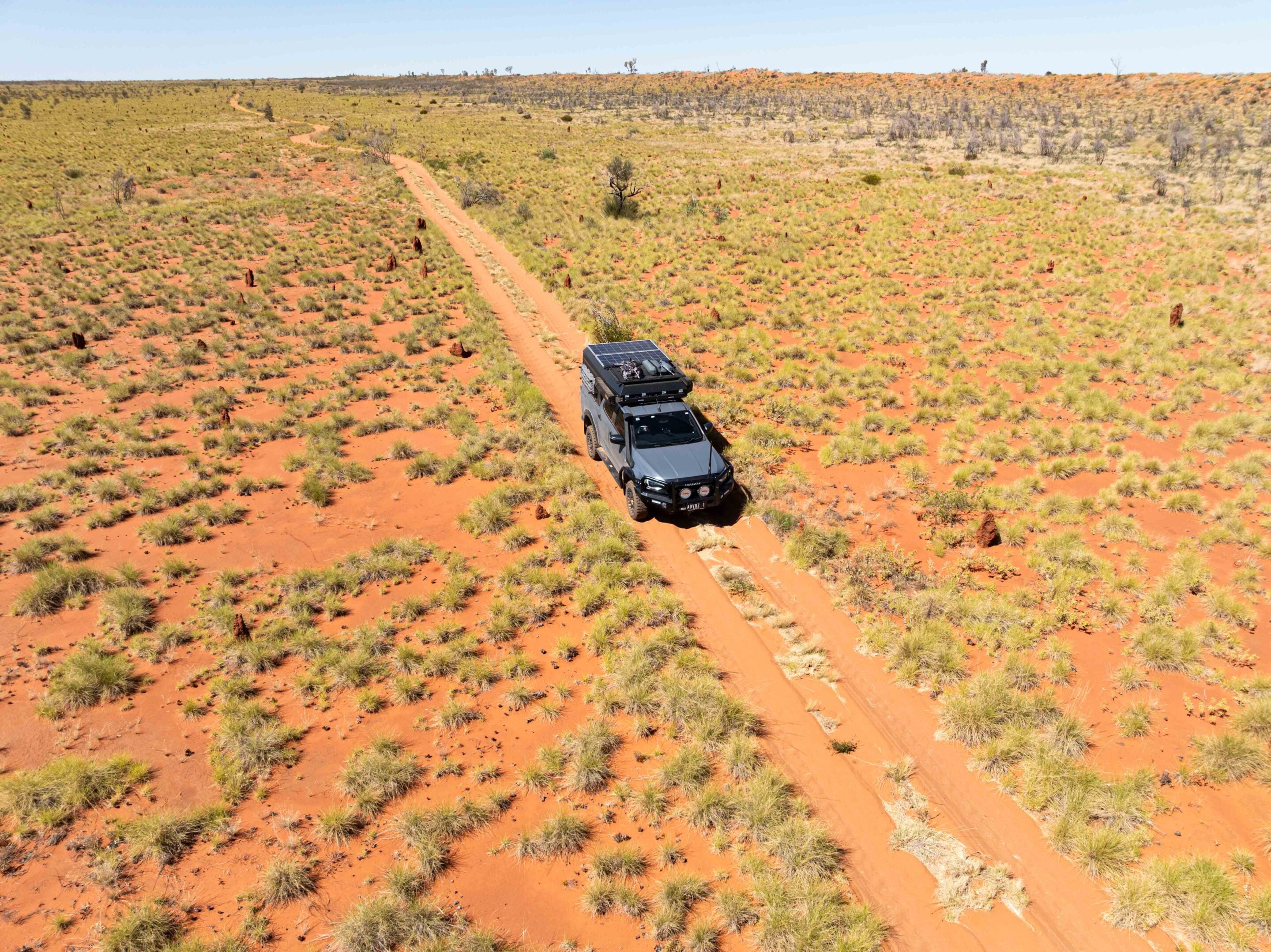
Canning Stock Route: The ultimate challenge. Weeks off-grid, no services and zero backup if something fails. The Projecta panels didn’t skip a beat. The battery stayed charged every day, even during extended stops. Out here, power isn’t a luxury – it’s survival.
Mary River National Park: A completely different environment – humid, shaded, and full of tree cover. This is where wiring the panels in parallel really paid off. Even with partial shading, I still saw steady input to keep the system happy.
Litchfield National Park: With its mix of waterfalls, shaded camps and variable light, Litchfield is a true test of consistency. The panels handled it with ease.
And here’s the standout: I went 12 straight days relying only on solar to recharge my 400Ah lithium battery – travelling from Katherine in the NT to Marble Bar in WA via the remote Duncan Road and the legendary Canning Stock Route. No DC–DC charger, no alternator input, just pure solar power keeping everything running. That’s a real-world test of endurance, and the Projecta panels passed with flying colours.
1
Real-world test
What this setup has delivered, in real-world terms, is freedom. I haven’t had to stress about power once – no need to plug into 240V AC, no reliance on alternator charging.
- Fridge and freezer: Both have run non-stop without missing a beat. Cold food and ice-cold drinks, even in 38°C heat.
- Water system: Always powered, giving me showers, drinking water and washing-up whenever needed.
- Charging gear: Cameras, drones, phones, laptop – all charged, all the time. No rationing power, no hesitation about plugging something in.
- Cooking: The biggest surprise has been being able to run an induction cooker. Normally that’s considered too power-hungry for solar alone, but paired with 400Ah of lithium, the Projecta setup has handled it with ease.
For anyone who’s travelled remotely, you’ll know how much this changes the game. When you can trust your power, you can stay off-grid longer, explore further and travel with absolute confidence.
15
Key specs
- Type: Monocrystalline fixed panel
- Output: 200W
- Size: 1476mm (L) x 670mm (W) x 35mm (D)
- Frame: Heavy-duty, corrosion-resistant aluminium
- Glass: Toughened, low-iron tempered glass for optimal sunlight capture and long-term durability
- Connectors: Standard MC4 plug-and-play
- Warranty: 1 year (materials and workmanship), 20 years (minimum 80% rated output)
- Best for: Permanent canopy or roof installation on 4x4s, campers, caravans and motorhomes
Verdict
Projecta’s 200W solar panels have proven themselves where it counts. From the harsh desert stretches of the Canning Stock Route to shaded NT campsites, they’ve kept my system running faultlessly.
Managing 12 consecutive days powered only by solar – from Katherine to Marble Bar – is the best proof I could ask for. Wiring them in parallel has paid off big time, delivering consistent charge regardless of shade or cloud. Combined with my 400Ah lithium battery, the setup has turned my canopy into a fully self-sufficient, off-grid powerhouse.
Would I recommend them? Absolutely. If you’re planning extended remote travel and want solar you can rely on – not just for weekends, but for the long haul in the middle of nowhere – these panels are worth every cent. For my touring lifestyle, they’ve been nothing short of outstanding.
- RRP: $450
Pros
- Reliable power output, even in harsh conditions
- Parallel wiring adds redundancy and minimises shading losses
- Built tough for corrugations and rough touring environments
- Plenty of grunt to sustain heavy electrical loads
- Genuine peace of mind when you’re days from the nearest power point
Cons
- Fixed mounting means you can’t move the panels to follow the sun like portable units
- Parallel wiring requires slightly heavier cabling to safely handle the increased current
Follow 4X4 Australia on Google
Get more 4x4 news, reviews and gear stories from 4X4 Australia in your Google feeds.

We recommend
-
 Explore WA
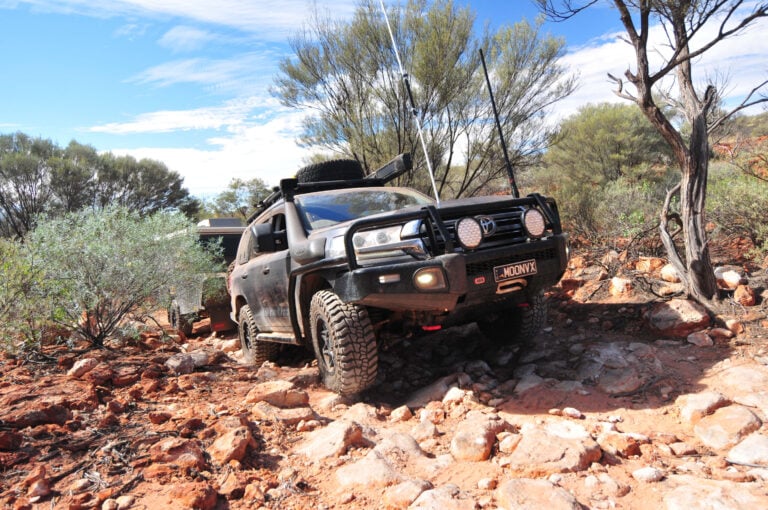
Is the Canning Stock Route the greatest 4x4 trip in Australia?
Ron and Viv Moon's latest adventure along the brutal CSR!
-
 Gear
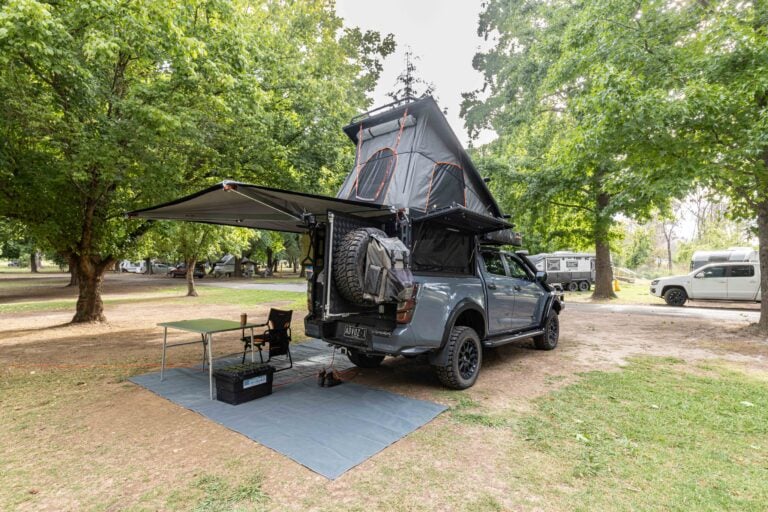
GearAlu-Cab Canopy Camper review – is it a game-changer for camping in Australia?
Pull up, pop the roof and crack a cold one, the Alu-Cab Canopy Camper does the hard work for you